

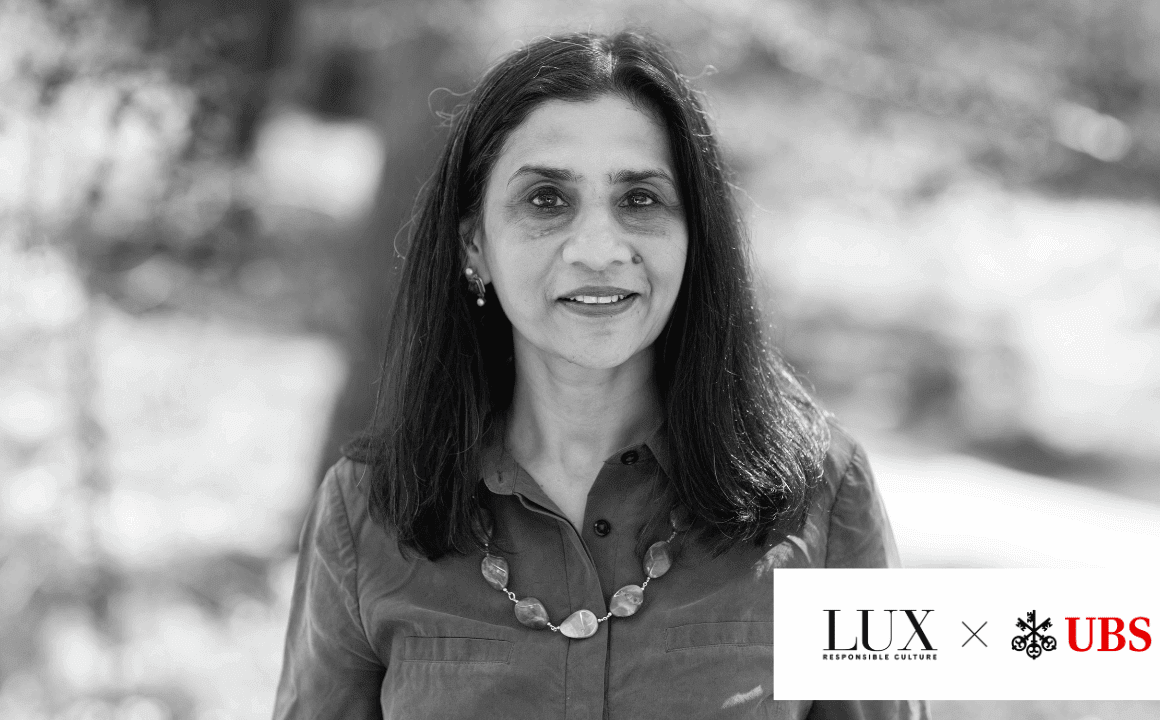
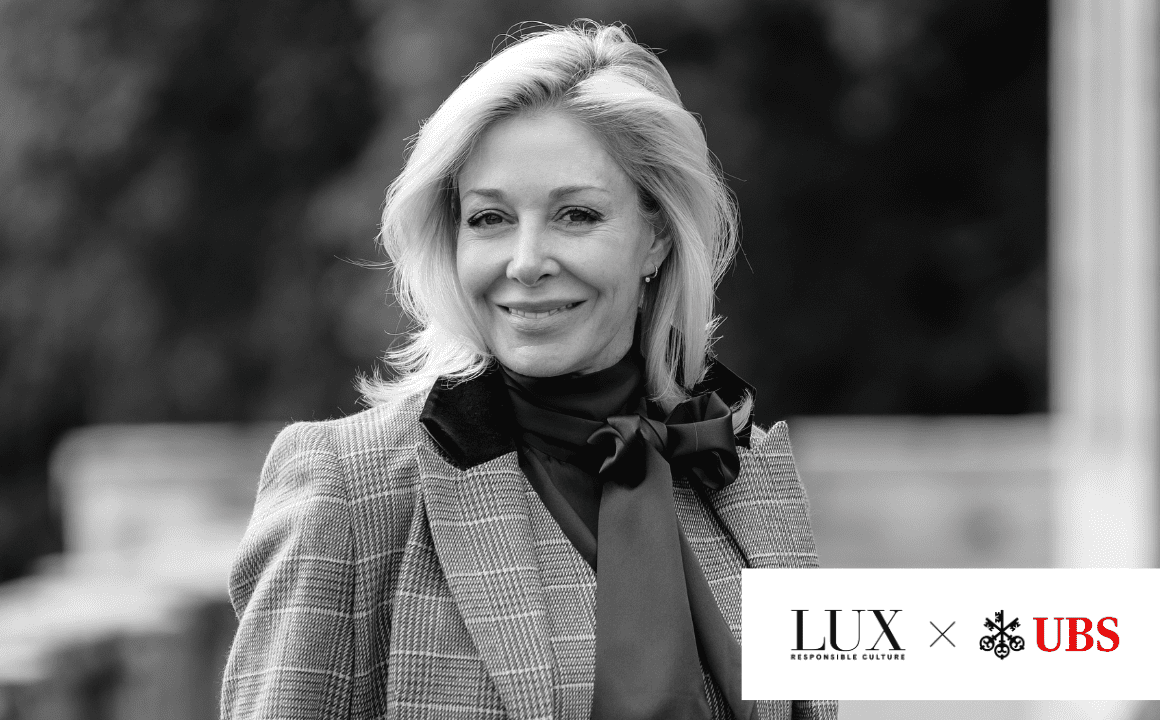
Nadja Swarovski is an environmental philanthropist and investor in sustainable brands
How do we protect our oceans, which generate most of the oxygen we breathe, regulate the planet’s climate, house most of its biodiversity and feed billions, while nurturing sustainable economic activity? In the first of our series, investor and philanthropist Nadja Swarovski outlines her key priorities and gives some no-nonsense advice to her peers
Nadja Swarovski has been involved with sustainability and ocean protection for decades, both as a top executive in the eponymous family company, optic instrument and crystal maker Swarovski (which posted €1.9 billion in revenue in 2024), and as a philanthropist.
Follow LUX on Instagram: @luxthemagazine
She says she sometimes despairs at the lack of progress in the fashion and garment industry, to which Swarovski provides crystals. “It’s very sad to see how unsustainable some fashion brands are, because there are solutions out there. Concern about the bottom line keeps executives from exploring them. What has gone wrong is down to short-term thinking and human greed”.
Swarovski says that large corporations, particularly consumer-facing ones, have the ability to change the narrative in the broader economy. “Implement a strategy that embraces the cause of building a sustainable future. Sign the United Nations Global Compact. Roll out those principles in your organisation and educate your employees. They’ll tell their families.” In this way, corporations with tens or hundreds of thousands of employees can move the dial in terms of establishing a democratic desire for sustainable development.
This, Swarovski says, will also raise the desire for action, as it will help the voting public in democracies to better understand how natural capital, conservancy, sustainability, economic growth and wellbeing are entwined. At the moment there is not enough awareness that viewing nature as capital should be intrinsic to our economic system.
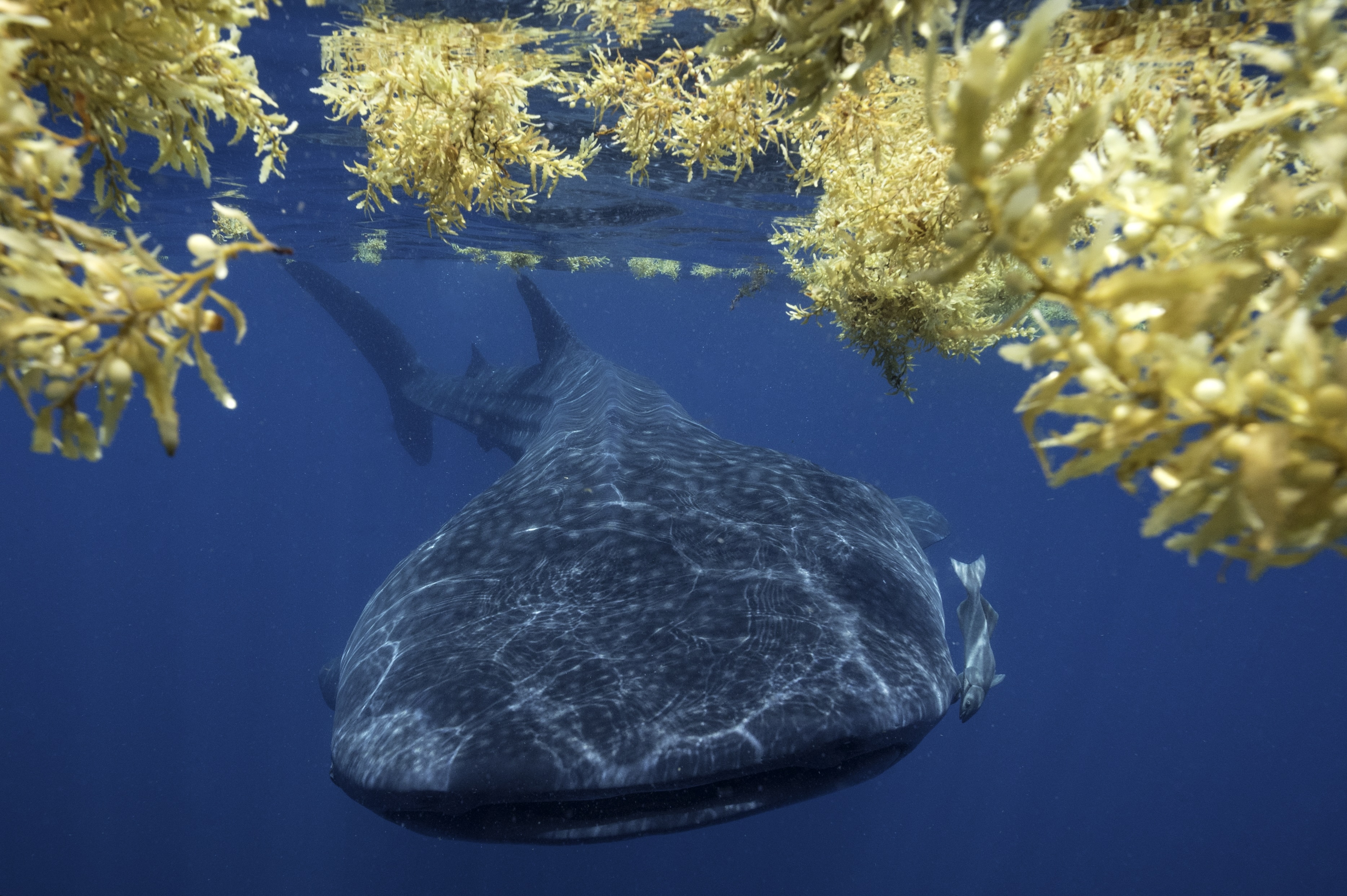
An encounter with a whale shark, the ocean’s largest fish, Mexico, 2018
Swarovski, who was in charge of the Swarovski brand’s sustainability strategy from 2012 to 2020, believes that individual philanthropists have both an opportunity and a duty to do more. Family offices and businesses that have foundations can direct their strategies via organisations such as The Nature Conservancy, which she herself supports, including as a member of its European Council for Global Conservation.
Tracking impact is also key for Swarovski. “Many charities are not implementing the UN Sustainable Development Goals effectively, and are not reporting efficiently,” she says. “I donated to and worked with a number of organisations, and only a fraction of the funds ended up with the conservation and nature causes they were supposed to support. Often with structural inefficiencies or corruption in some parts of the world, there is a risk that the money gets stuck somewhere along the way.”
Read more: How Louis Roederer champagne leads in biodiversity
Swarovski no longer holds an executive role in the company and works as an individual philanthropist; she is a strong believer in the potential for philanthropy to create significant positive impact, but says “there is a lot to do”, as individual philanthropists, corporates, governments and NGOs need to establish structures to catalyse change.
She speaks of her participation in the 2025 United Nations Ocean Conference in Nice, France, as a trustee of the Pacific Whale Fund. The fund is committed to changing shipping routes so they reroute to avoid the migratory paths of whales. “They are migratory animals,” says Swarovski, “and what is important is to protect their migratory paths, due to the dramatic increase in shipping traffic.” She points out that this is not simply to ensure the safety of these seaborne mammals: they are a key part of an ecosystem that ensures the oceans are healthy, which in turn ensures a healthy planet, and our own future.
Nadja Swarovski is an environmental philanthropist and nature-finance advocate for oceans. An ambassador for the Circular Bioeconomy Alliance established by King Charles, Swarovski also sits on the European Council of The Nature Conservancy. She is a trustee of the Moananui Sanctuary, supporting the Pacific Whale Fund through innovative finance, and is an impact investor. She is the founder and former Chair of the Swarovski Foundation and former Head of the Swarovski Waterschool.
Photography for the UBS x LUX Blue Economy series by Cristina Mittermeier

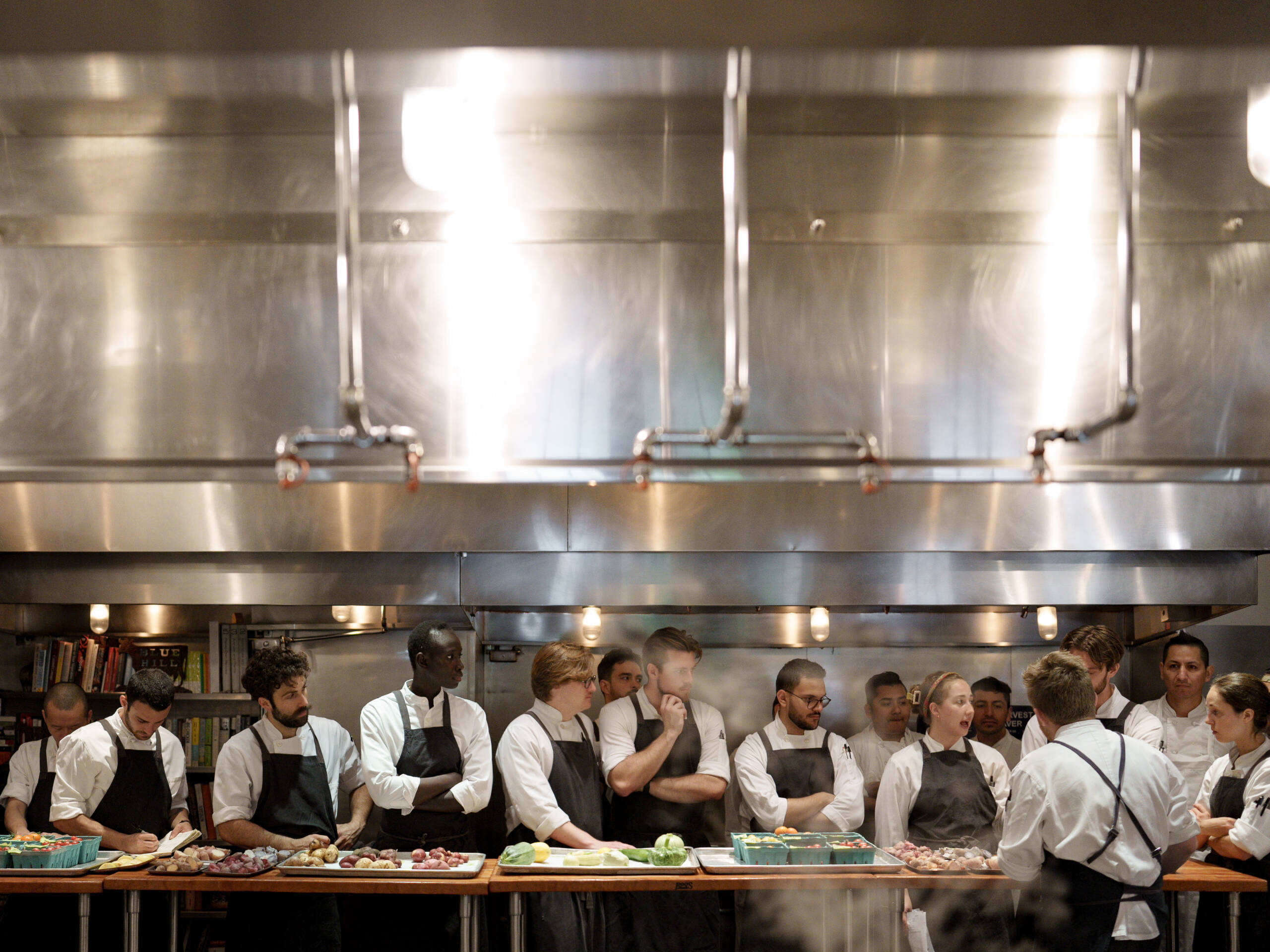
The team at Michelin star restaurant Blue Hill
In the second of a two-part LUX series, Isabella Fergusson talks to four of the world’s most celebrated chefs, who are driving the agenda in the increasingly important overlap between sustainability and haute cuisine
Yannick Alléno:
Pavyllon, London; Pavillon Ledoyen, Paris; Le 1947 à Cheval Blanc, Courchevel
With 16 Michelin stars across 17 global restaurants, the superstar chef’s signature style is modern French cuisine with a personal, audacious spin
LUX: How have you seen sustainability awareness change and what is your approach to it?
Yannick Alléno: When I started cooking, we didn’t pay as much attention as we do today to food waste, seasonal produce and so on. It’s an awareness that gradually emerged and took hold. When I founded my group in 2008, I called it “quaternaire”. The quaternary restaurant is one that is in tune with its time and place, and takes its environment into account: the company, the employees, the customers and the ecology. These are the four fundamental pillars.

Chef Yannick Alléno in his Michelin star kitchen
LUX: Is it more sustainable, ultimately, to encourage home cooking more than eating out?
YA: Whether at home or at the restaurant, what counts is taking the environment into account: buying local and seasonal produce and using raw materials.
Read more: An interview with Marian Goodman Gallery
LUX: How do your customers respond differently to this awareness in London compared to Paris?
YA: It seems to me that ecological awareness is widespread. Both in London and Paris, customers are aware of it – especially the younger generation, who feel deeply concerned by environmental issues and our ecological impact.
LUX: Your London menu provides “a British expression of [your] signature modern French dishes”. Are there disparities between British and French culinary expression?

A refined surf-and-turf dish at Pavyllon, London
YA: These are different cultures with their own similarities and differences. Of course, they have many things in common – cooking techniques, for example, and at the same time specificities in food and cultural habits, such as British teatime.
LUX: Is there a young chef who has caught your eye who is doing great things for sustainability?
YA: Mallory Gabsi is a highly talented Belgian chef in Paris who pays close attention to environmental issues. He works closely with French and Belgian produce. His fish is sourced from a Breton fish auction and is delivered directly by a small-scale fisherman – he even uses bicycle suppliers where possible. In the kitchen, there’s no waste: all offcuts are used, for example, to make broth, and he reduces plastic to a minimum in all packaging.

Rasmus Kofoed, chef and co-owner of three Michelin star restaurant Geranium
Rasmus Kofoed:
Geranium, Copenhagen
Chef and co-owner of Danish meat-free restaurant Geranium, which has three Michelin stars, Kofoed also presented the plant-based restaurant Angelika
LUX: How do you strike a balance between Nordic tradition and pushing culinary boundaries?
Follow LUX on Instagram: @luxthemagazine
Rasmus Kofoed: In Denmark we don’t have as long a culinary DNA as Spain, Italy or France, so that makes it a little easier. Traditions – such as smoking, salting and curing ingredients – should be respected but can also be modified.
LUX: Through Angelika, you donated £9,400 to the Danish Nature Fund. What inspires you in nature?
RK: Nature is an inspiration because of childhood memories, the seasons and micro-seasons and all the colours, textures and patterns you see – so many wow moments. I want to transform them all into something edible in my kitchen.

Green asparagus, aged cheese and wild plants at Geranium
LUX: Do you experiment with new techniques?
RK: We made the kitchen here at Geranium a technical kitchen but its not something we talk about. First, it’s about the serving, the dish, the balanced transformation of the ingredients.
Read more: Anantara Ubud Resort, Review
LUX: How do you remain focused on remaining authentic and resisting pressure to please others?
RK: I realised that in the pandemic, when we closed Geranium and reopened again with a completely new menu. We said goodbye to meat – we still serve shellfish and fish, but no meat, no gelatine, no chicken stock. I felt this was more representative of “Rasmus on a plate”. That’s how I like to eat and so that’s how we should serve.
LUX: What major challenges have you faced to maintain a three-Michelin-star restaurant?
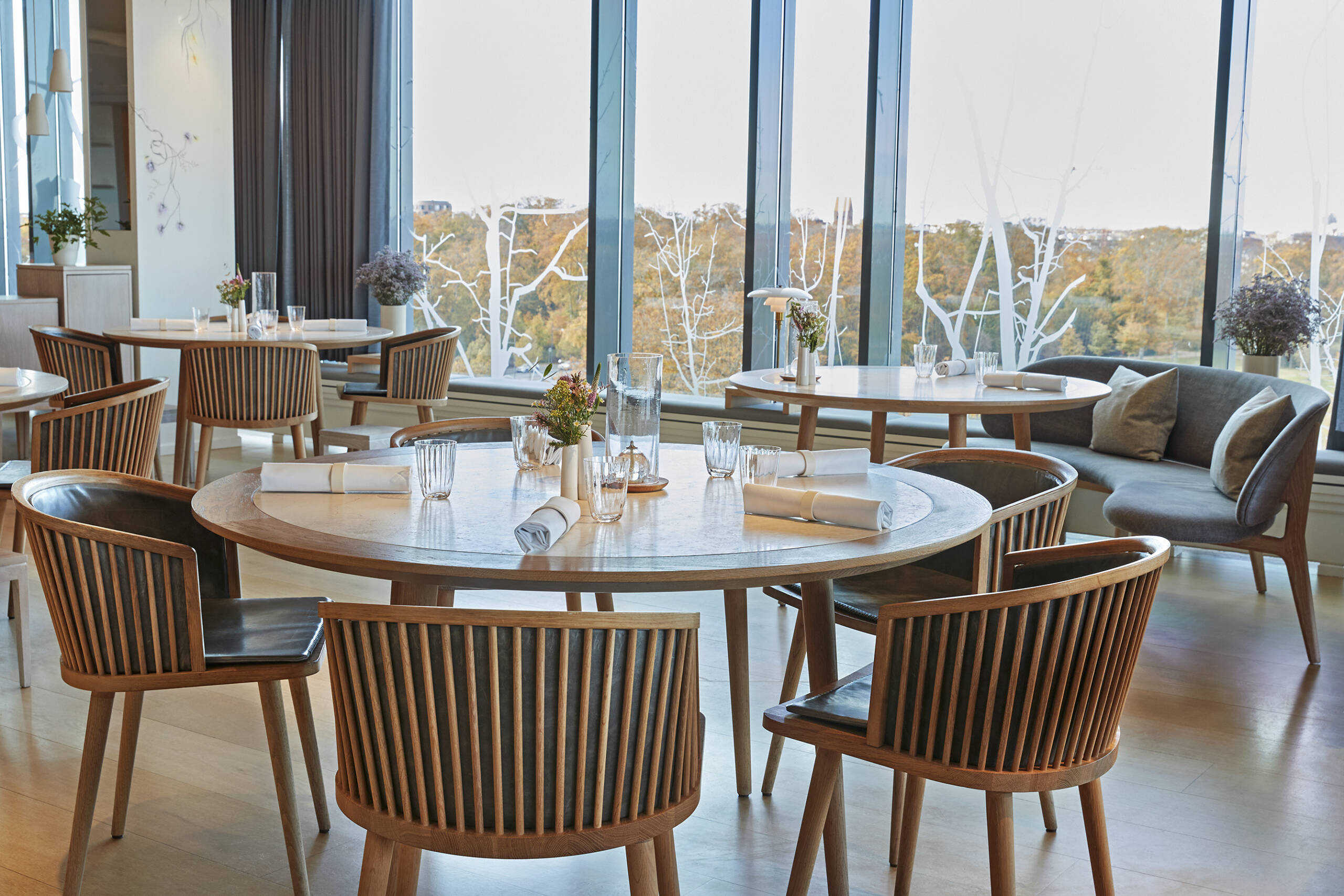
The interior of Geranium, Copenhagen
RK: Covid forced us to close the restaurant, but we kept the team, a huge but vital investment. That period gave me time to reflect, which I needed without knowing it. I was with my wife and children on a small island in the wild Danish landscape where I gathered lots of ideas. Then I opened the plant-based restaurant Angelika.
LUX: What does sustainability mean to you?
RK: Sustainability comes from a close relationship with human beings and nature. Buying vegetables from small biodynamic farmers respects the planet and the pursuit of bringing vitality back to the soil. It is about a balance of taking and giving back.
LUX: Is there an upcoming chef who inspires you through a new way of thinking or approach?
RK: Daniel Humm is very inspiring. He is brave to have turned to serving completely plant-based food at Eleven Madison Park in New York. I was there recently and it was mind-blowing. There are also a lot of inspiring people here in Denmark – biologists, biodynamic farmers, not just chefs.

Michelin star chef Ángel León, known for his ‘extraterrestrial’ cuisine
Ángel León:
Aponiente, Cadiz
León’s Aponiente has three Michelin stars and a Michelin Green star for its “extraterrestrial” cuisine
LUX: AI is creating many new sustainable food-related algorithms. Do or would you use these?
Ángel León: My efforts are aimed at discovering new ingredients from the sea. I am in favour of scientific developments as long as they are of benefit to humanity.

Aponiente’s milky wafer, sea urchin and sea honey with Irish moss reduction
LUX: How might the food industry link up with others to tackle climate change?
ÁL: Industries can create alliances and synergies aimed at improving their processes so that they are not detrimental to nature.
LUX: Does your interest in ocean conservation affect your culinary plans?
ÁL: It remains an obsession and the epicentre of the R&D projects we develop at Aponiente. The conservation and enhancement of marine species has been our objective since we opened.
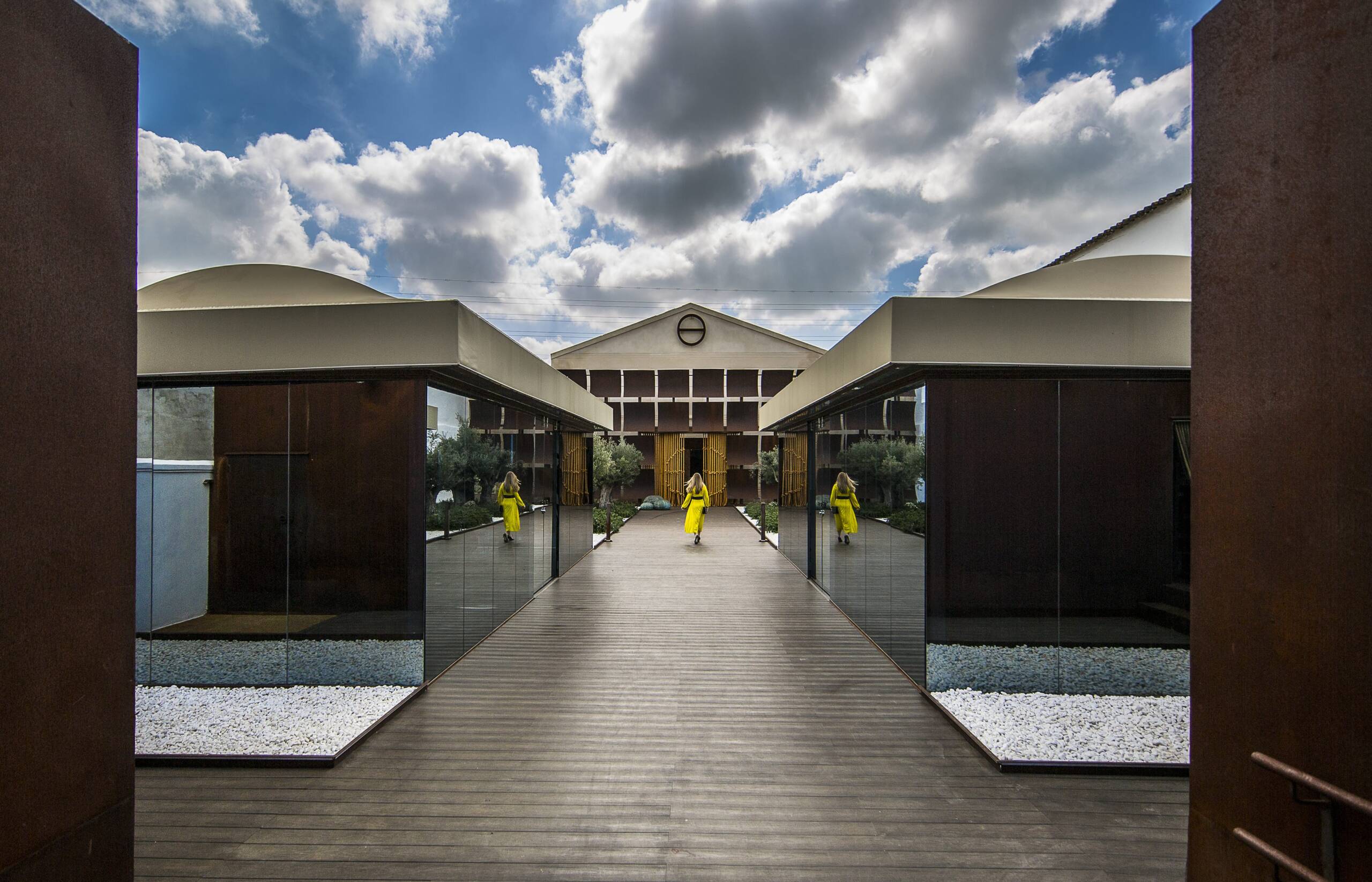
The innovation of León’s cuisine is mirrored in Aponiente’s exterior
LUX: How much of your work is instinct, and how much is hard work and study?
ÁL: My work has a lot to do with inspiration from my surroundings and from fantasy, and having a wonderful crew that then executes my dreams.
LUX: Is there an upcoming chef who inspires you, particularly for sustainability reasons?
ÁL: There are many – all those who break from convention and fashion. They respect local produce and that makes them avant-garde.

Chef Dan Barber at a Stone Barns team meeting
Dan Barber:
Blue Hill, Manhattan; Stone Barns, New York
With an organic farm in the Pocantico Hills and two Michelin-starred restaurants, the TED-talking “philosopher chef ” Barber’s mission is to change how we produce food from seed to plate
LUX: When were you first aware of unsustainable food practice?
Read more: Tasting Bryant’s iconic Napa wines
Dan Barber: Embarrassingly late. I opened Blue Hill at Stone Barns as a farm-to-table restaurant, but it was only after I visited Klaas Martens’ farm in Penn Yan that I realised that by dictating the cuisine from above I wasn’t supporting farmers and good agriculture. Quite the opposite: farmers were being forced to service our tastes, which often meant working against the farm.
The system had us exalting butter lettuce on a plate but not paying for the soil-supporting cover crops and rotation grains that underpin the system. I was shocked by my ignorance. Now we’ve shifted our mandate from the standalone principle of farm- to-table cooking to create an ecosystem cuisine that services the whole farm.

Blue Hill’s produce displayed in the restaurant’s interior
LUX: Kitchens are famously brutal. Is it important that a sustainable work culture comes alongside sustainable food practice?
DB: Absolutely. One way we do that at Blue Hill is by embedding education into our ecosystem. We’re shooting for a 60 per cent restaurant, 40 per cent R&D balance, so it’s important to keep all staff in the loop about the projects going on. Staff take part in weekly training and guest-speaker events and attend external education and dining opportunities. The reason is inclusion – we want FOH, management and interns to be just as entrenched with the food as the cooks. It’s not always heads-down, it’s about rounding out the work culture to get engagement and buy-in.
LUX: What food are you most nostalgic for?
DB: When I was 12 I came down with an awful bout of strep throat, the type that feels like knives in your throat. It killed any desire I had to put anything in my stomach. My mom had died when I was four and my dad wasn’t much of a cook. Thankfully, he enlisted my Aunt Tobé to nurse me back to health. I’ll never forget what she cooked for me: scrambled eggs, soft, buttery and herby, which slid down my throat when I couldn’t even swallow. I don’t mean to sensationalise, but I credit my recovery to those scrambled eggs.
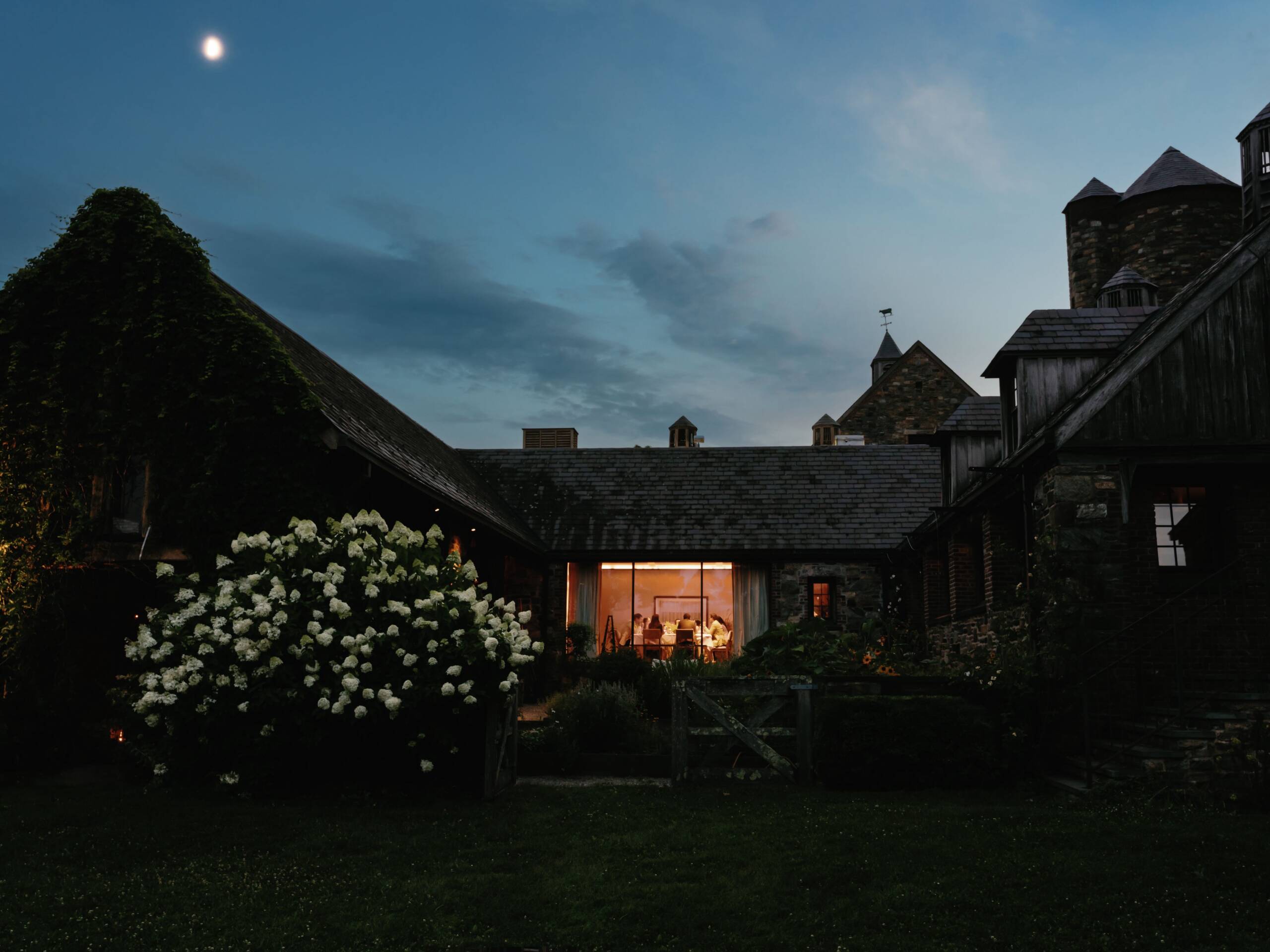
The beautiful and understated exterior of Blue Hill
LUX: It was alleged in 2022 that Blue Hill served animal products to vegetarian and vegan diners. What was your response?
DB: These allegations were false, demonstrably so. We made considerable efforts to tell the truth; unfortunately, Eater website chose to ignore them.
LUX: You gained a Michelin Green star. How would you rate the green Michelin incentive?
Read more: Simon de Pury interviews Olafur Eliasson
DB: We don’t need proof that today’s diners pick destinations based not just on a five-star review but on a growing environmental consciousness. But if we did, the Michelin Green star would be it.
LUX: Can you recommend a young chef who is doing great things for sustainability?
DB: I think Ángel León in Cadiz is doing the most wonderful ocean-advocacy cooking in the world. He is touched by genius.

Portrait of chef Mauro Colagreco
Mauro Colagreco:
Mirazur, France; Raffles, London
His Mirazur restaurant has three Michelin stars and a Michelin Green star, but for Mauro Colagreco, the “gardener with a chef ’s jacket”, it’s all about simplicity, diversity and “vegetable-forward” food
LUX: What does sustainability mean for you?
Mauro Colagreco: To be aware of the impact of our actions; to act with respect for our planet; to celebrate living things; to be inspired by the way nature works to create virtuous circles around us.
LUX: What do you choose: taste or sustainability?

A lobster vanilla dish, from the Flowers menu at Mirazur
MC: They can no longer exist without each other. Learning to eat fresh, local produce that respects the cycles of life is a perfect way to connect with nature and to celebrate the life within us.
LUX: Is cooking more about chemistry or art?
Read more: Omega CEO Raynald Aeschlimann on the watch industry
MC: Food is a multidisciplinary subject. We must draw on all our knowledge if we are to respond creatively to today’s challenges, from taste to health to loss of biodiversity and climate change.
LUX: Is ambition in a chef always a good thing?

The interior of restaurant Mirazur
MC: It depends where the ambition leads, who it does and doesn’t benefit and what it achieves.
LUX: You have pizzerias alongside your biodiverse culinary movement of circular gastronomy. Why?
MC: La Pecora Negra democratises eating well with nutritionally exceptional but accessible food. Excellence is not only about haute cuisine.
LUX: What young chef impresses you today?
MC: Virgilio Martínez Véliz and Pia León in Peru. Their work in the biodiversity of ecosystems and with local communities is wonderful!
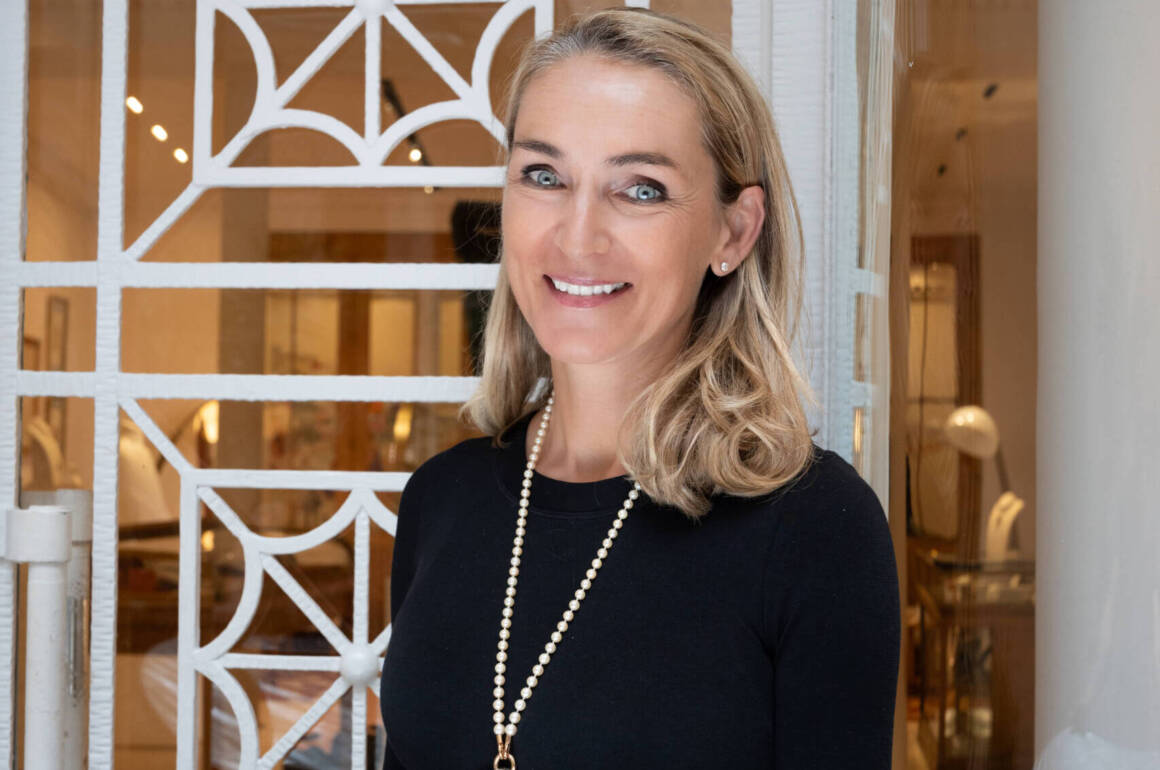
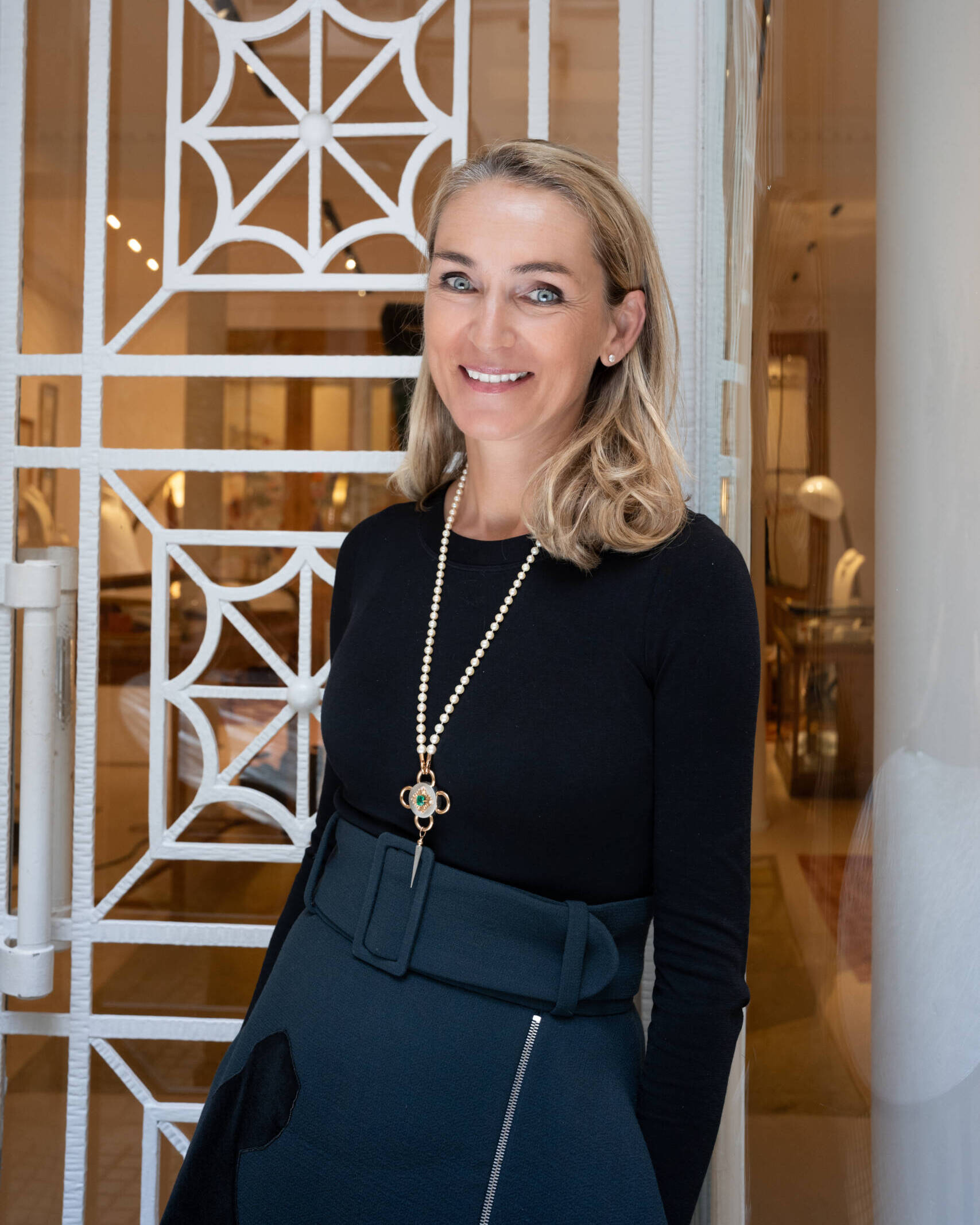
Co-founder of LuxImpact Coralie de Fontenay
Coralie de Fontenay is a co-founder of LuxImpact, which invests in and manages eco-conscious luxury brands, and she was previously at Richemont, owner of Cartier, Van Cleef & Arpels and A Lange & Söhne. Here she highlights five new-wave brands she loves: “They are all led by inspiring and committed women, who have embedded their positivity, passion and resilience in their business,” she says. “I feel deeply connected to the values that drive them, the beauty of their products and the stories they tell”
Molli
Founded in 1886 and revived by Charlotte de Fayet, this ready-to-wear brand combines unique craftsmanship and Parisian chic. From the use of no-waste extra-fine virgin wool to clean energy, Molli’s knitwear embeds sustainability and luxury into each stage of production. The result is fine knitwear that combines femininity, elegance, comfort and joy.
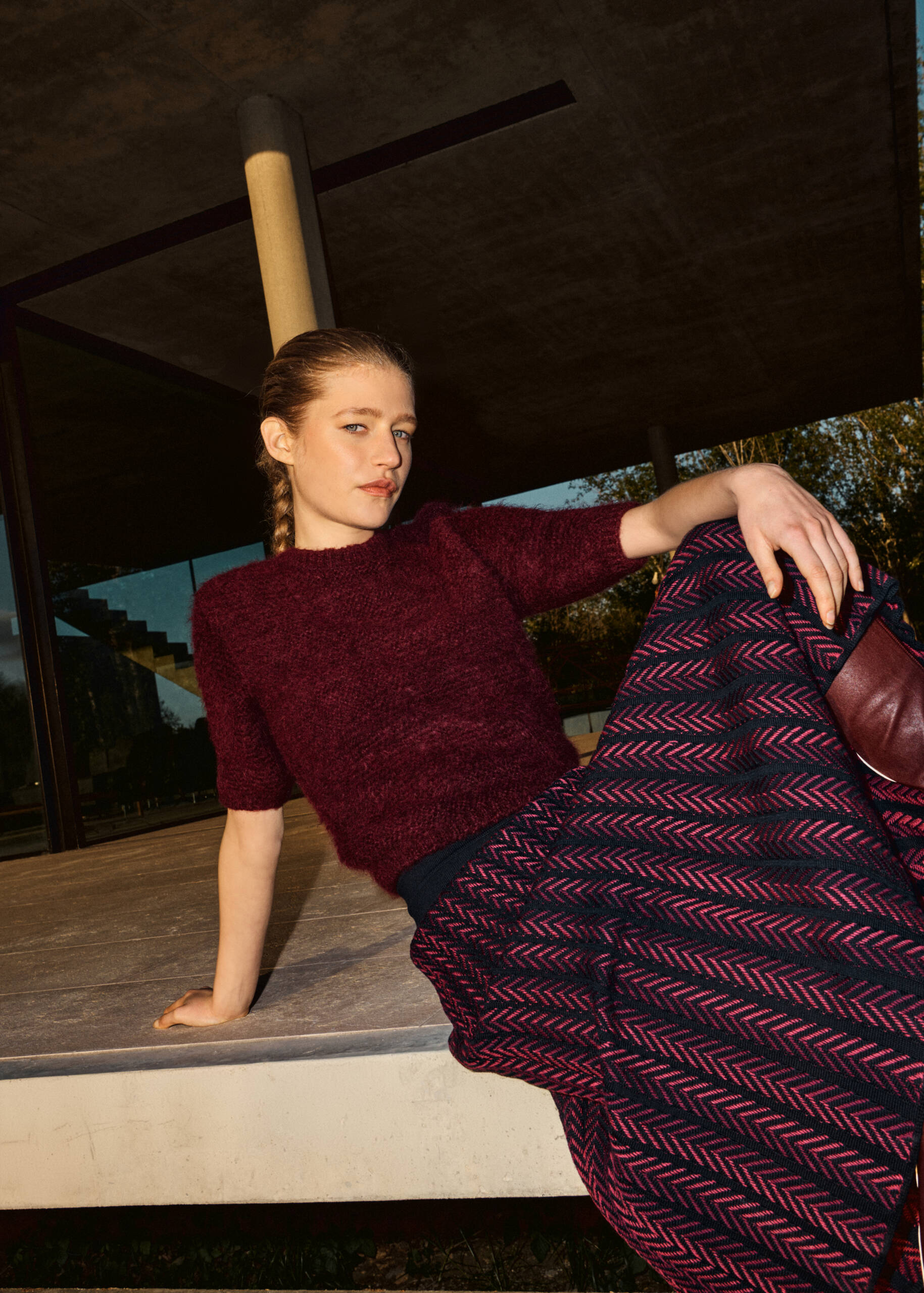
Knitwear designs at Molli
Rouvenat
This historic 19th-century French jewellery house has been revived by four industry insiders including Marie Berthelon. The idea is to bring forgotten treasures back to light, including marvellous old stones with a soul: old materials, new jewellery. It is the only entirely circular jeweller that focuses on highlighting and reinvigorating the value of human and natural resources at all levels.

Rouvenat’s ‘old materials, new jewellery’
Gitti
Jennifer Baum-Minkus, Gitti’s daring Berlin-based founder, is revolutionising beauty through vegan plant-based nailcare products.
Follow LUX on Instagram: @luxthemagazine
Her vision is one of positivity, producing a variety of brightly coloured polishes while only using safe ingredients from natural origins, and refusing to compromise on a high-quality and glossy formula.

A range of Gitti’s nail and cuticle products
Kimaï
Hailing from families of diamond dealers and jewellers in Antwerp, friends Jessica Warch and Sidney Neuhaus have used their knowledge to build the ethical fine-jewellery brand Kimaï. Their aim is to offer, using lab-grown diamonds and recycled gold – jewellery of high quality and low impact.
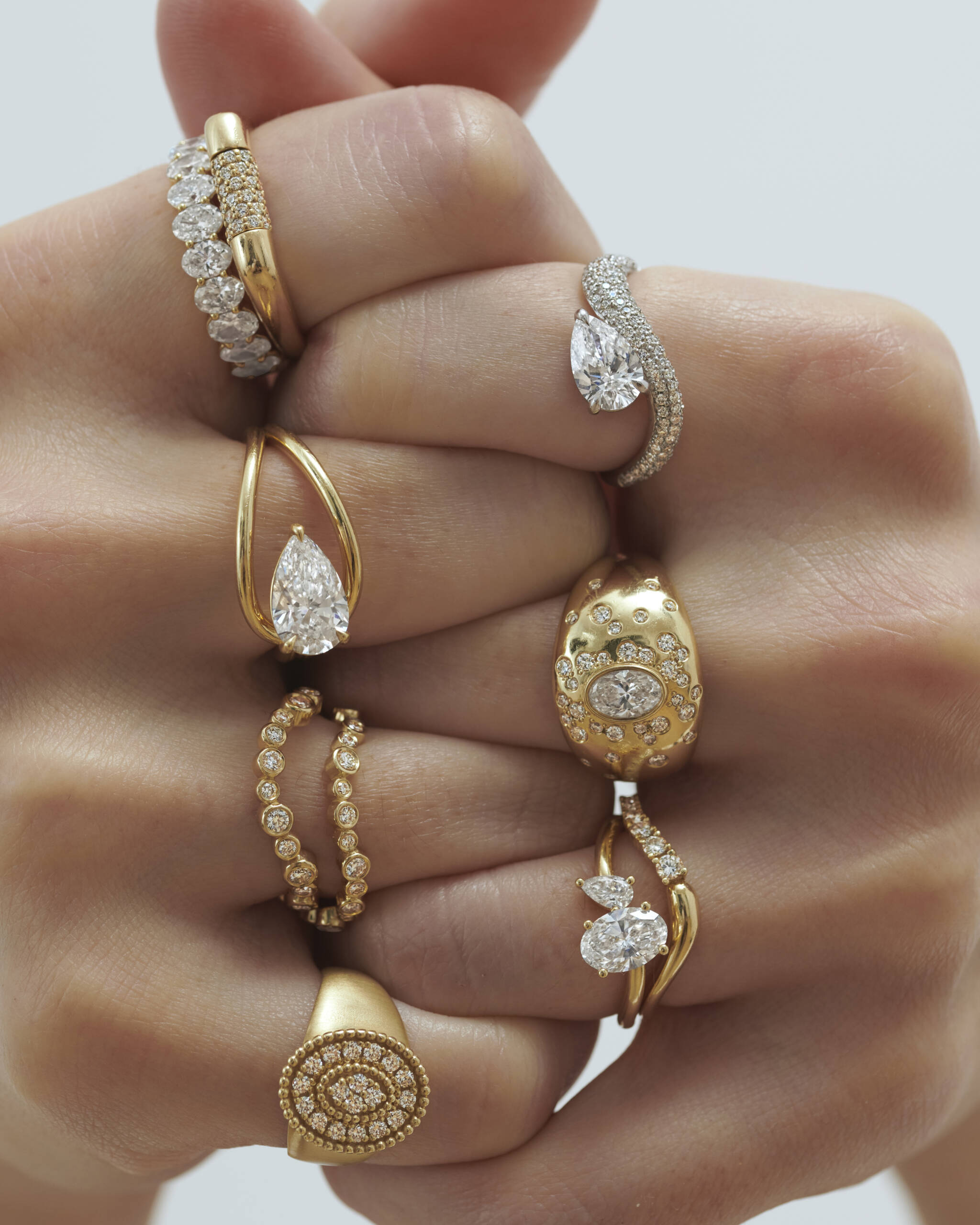
‘Jewellery with a traceable, responsible background’
Cuvée Privée
Founded by Marie Forget, Aurélie Berthon and Morgane Suquet, Cuvée Privée offers a new way to buy wine: through an authentic and transparent relationship between the customer, the land and its artisans. You can adopt your own vine from a selection of vineyards and watch it grow from first grape to bottling, receiving the resulting personalised bottles in your own name.

Cuvée Privée ‘offers a new way to buy wine’
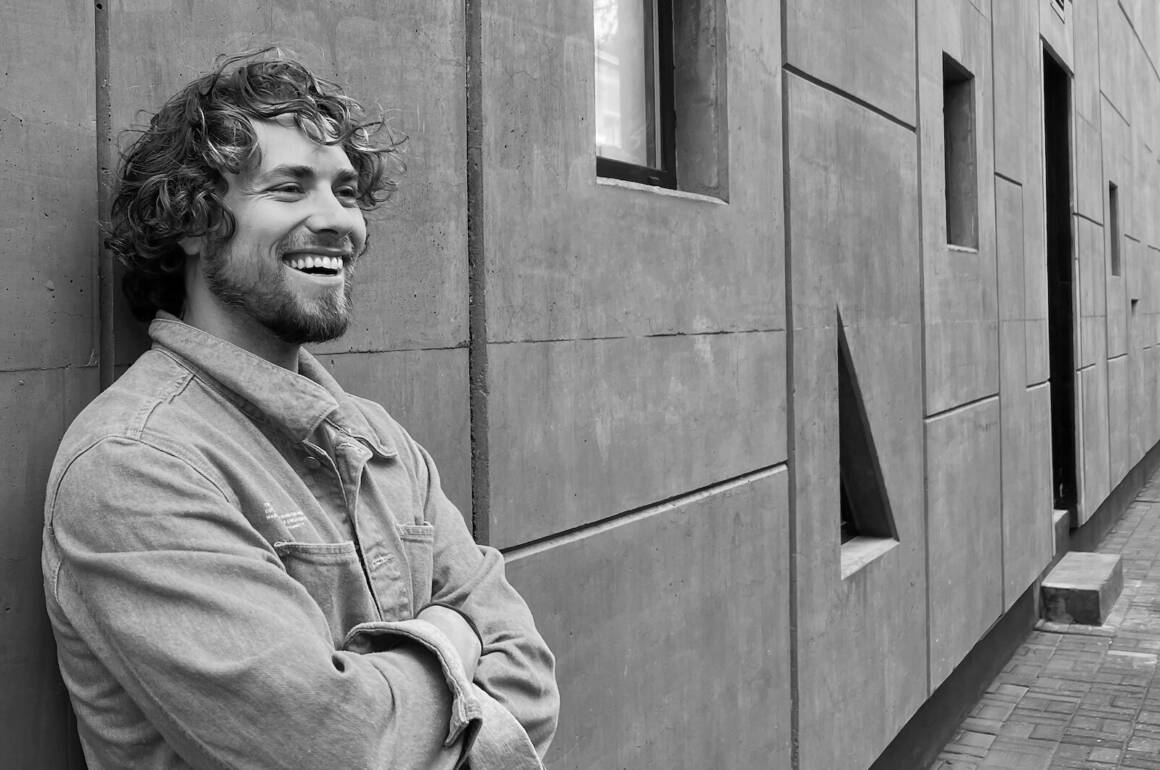
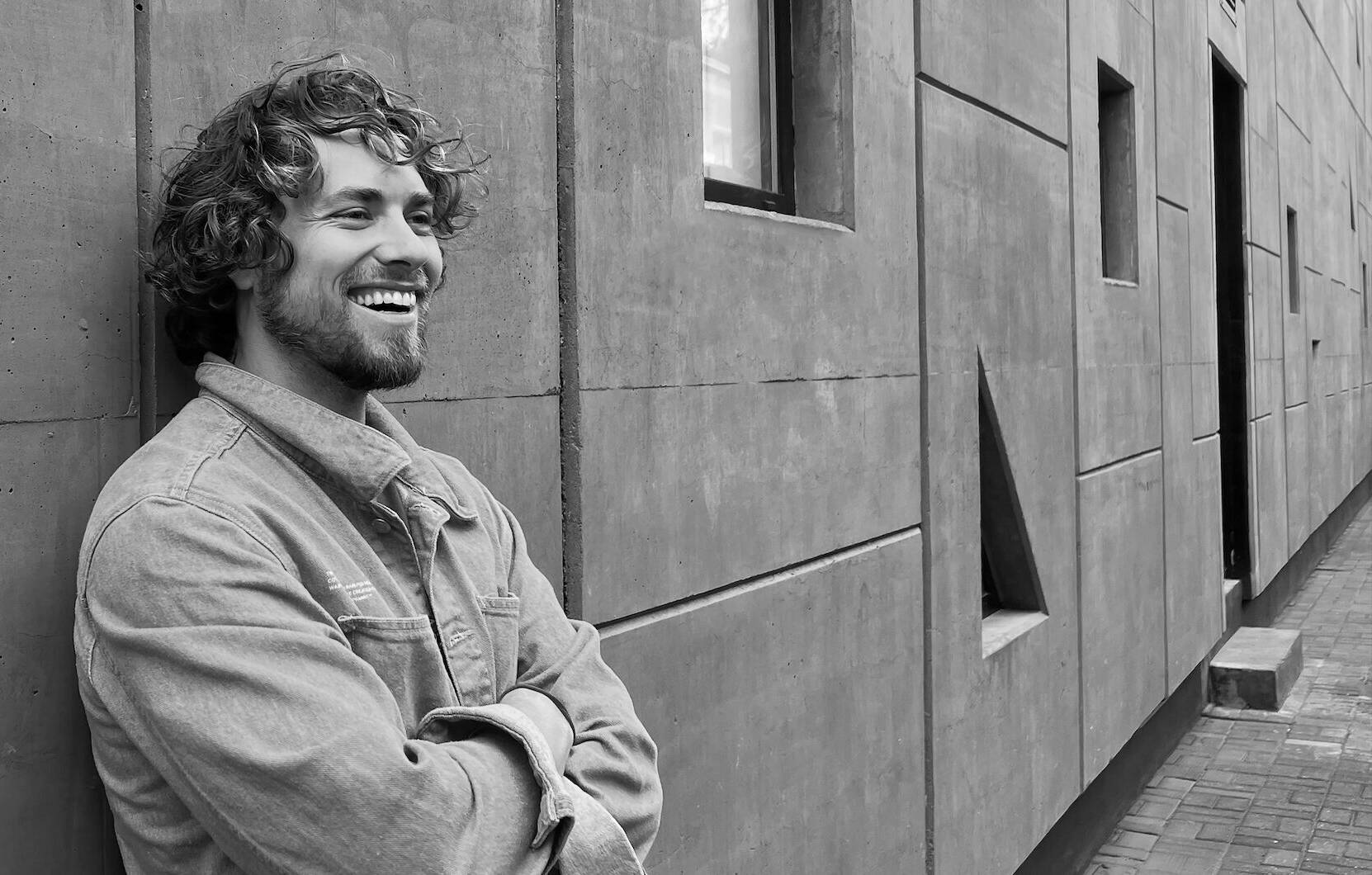
Philanthropist Nachson Mimran at Alara Building in Lagos
Latest figures indicate there are more than 16 million high-net-worth individuals in the world, which means a lot of potential to contribute to positive change. LUX asks three of the globe’s most established social and environmental philanthropists to identify individuals of the new generation who are helping change the world for good
Philanthropist Nachson Mimran, Switzerland
Mimran is co-founder of to.org, an innovative organisation combining philanthropy, investment, startup accelerator and social-enterprise multiplier. He collaborates across creative and tech fields to support and empower the world’s vulnerable. “There are many synergies between the work of those I have nominated and the work of to.org,” he says.

Nachson Mimran & his daughter in an elevator in Gstaad, Switzerland
The Nominees
Kweku Mandela, US
“Kweku’s work as a producer and film-maker inspires movements that instigate positive change. Like to.org, Kweku understands the power of using culture as a Trojan horse to communicate important messages. As the grandson of Nelson Mandela, he also stewards the Mandela legacy.”
Elizabeth Sheehan, US
“Liz is a founding partner of Project Dandelion, a women-led movement for climate justice.
A global-health expert, she is a passionate philanthropist and creative leader working at the intersection of climate change, gender justice and health resilience.”
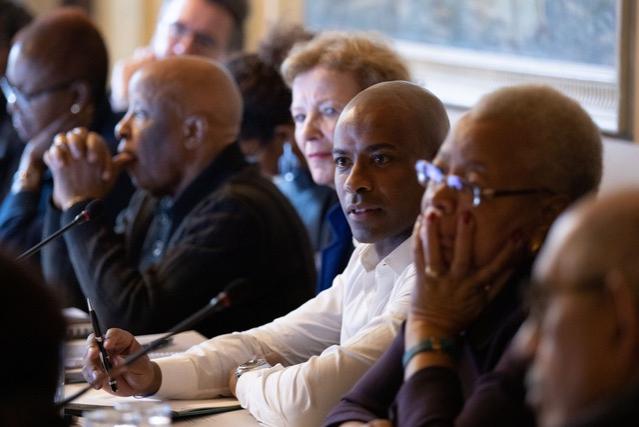
Hosh Ibrahim at a Mo Ibrahim Foundation meeting
Hosh Ibrahim, UK
“Hosh does important work to support stateless people and strengthen governance in the human-rights sector across Africa. He also serves on the council of his father’s foundation, the Mo Ibrahim Foundation in the Sudan, which works to strengthen the African voice around global challenges.”
Read more: Car reviews: Porsche 911 Dakar, BMW M4 Convertible, Mazda CX-60

The philanthropist Neera Nundy
Philanthropist Neera Nundy, India
Dasra, or “enlightened giving” in Sanskrit, was co-founded in 1999 in India by Nundy and her husband Deval Sanghavi as a fund to invest in early stage non-profit organisations working in the United Nations Sustainable Development Goals areas of gender equality, urban resilience and sanitation. In 25 years, Dasra has unlocked over US$350 million and impacted over 180 million people through its trusted ecosystem, in a mission “to help transform India”.
The Nominees
Nikhil Kamath, India
“As the youngest Indian signatory of Bill Gates’ and Warren Buffet’s Giving Pledge, Nikhil
has committed 50 per cent of his wealth to causes including climate change, education and healthcare. Through his YouTube podcast, WTF Is, Nikhil, along with his business leader guests, is leveraging digital media to disrupt philanthropic giving by donating to audience- selected charities.”
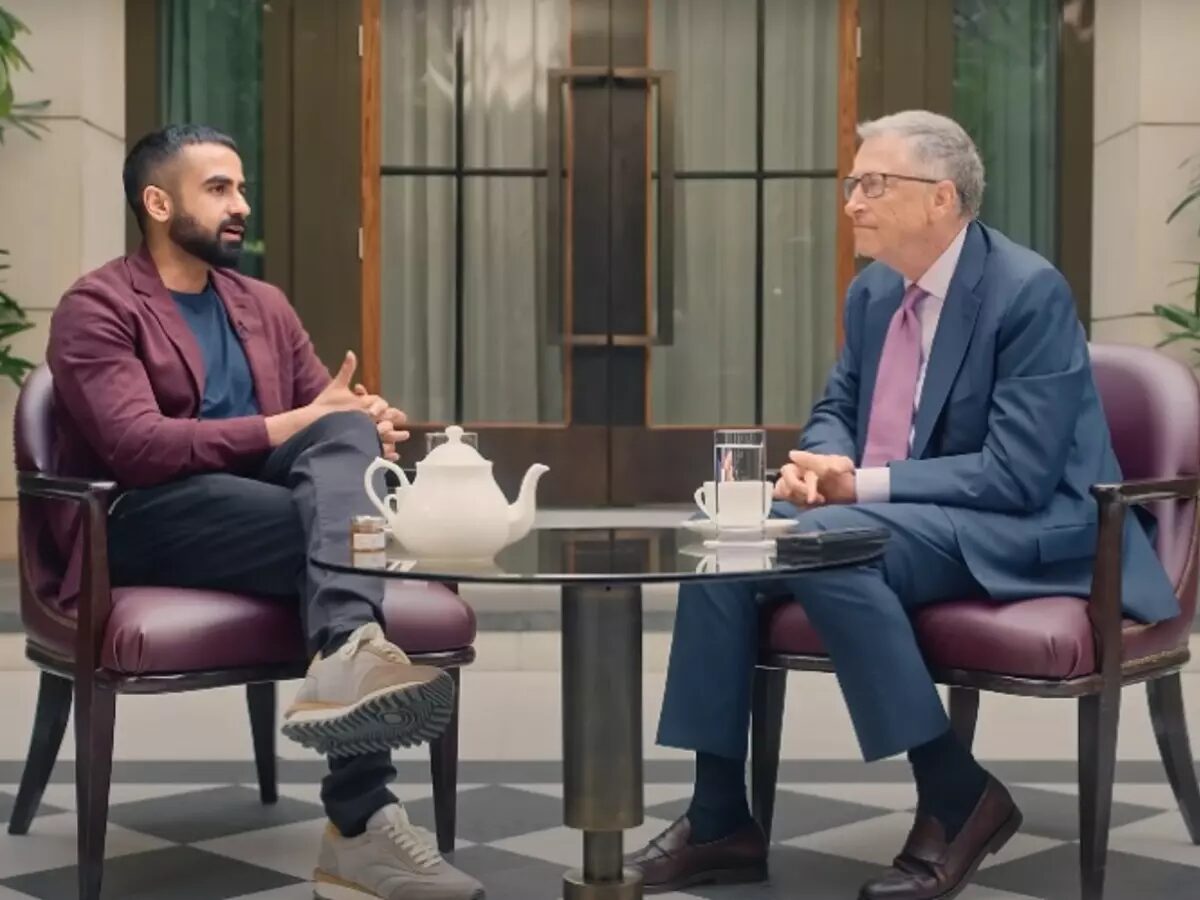
Nikhil Kamath with Bill Gates in the podcast WTF Is
Radhika Bharat Ram, India
Follow LUX on Instagram: @luxthemagazine
“Radhika co-founded KARM Trust with her husband Kartik. The trust focuses on anchoring its unique fellowship programme, which involves empowering girls from economically challenging backgrounds in India to pursue their dreams, realise their potential and become catalysts to transform their communities.”
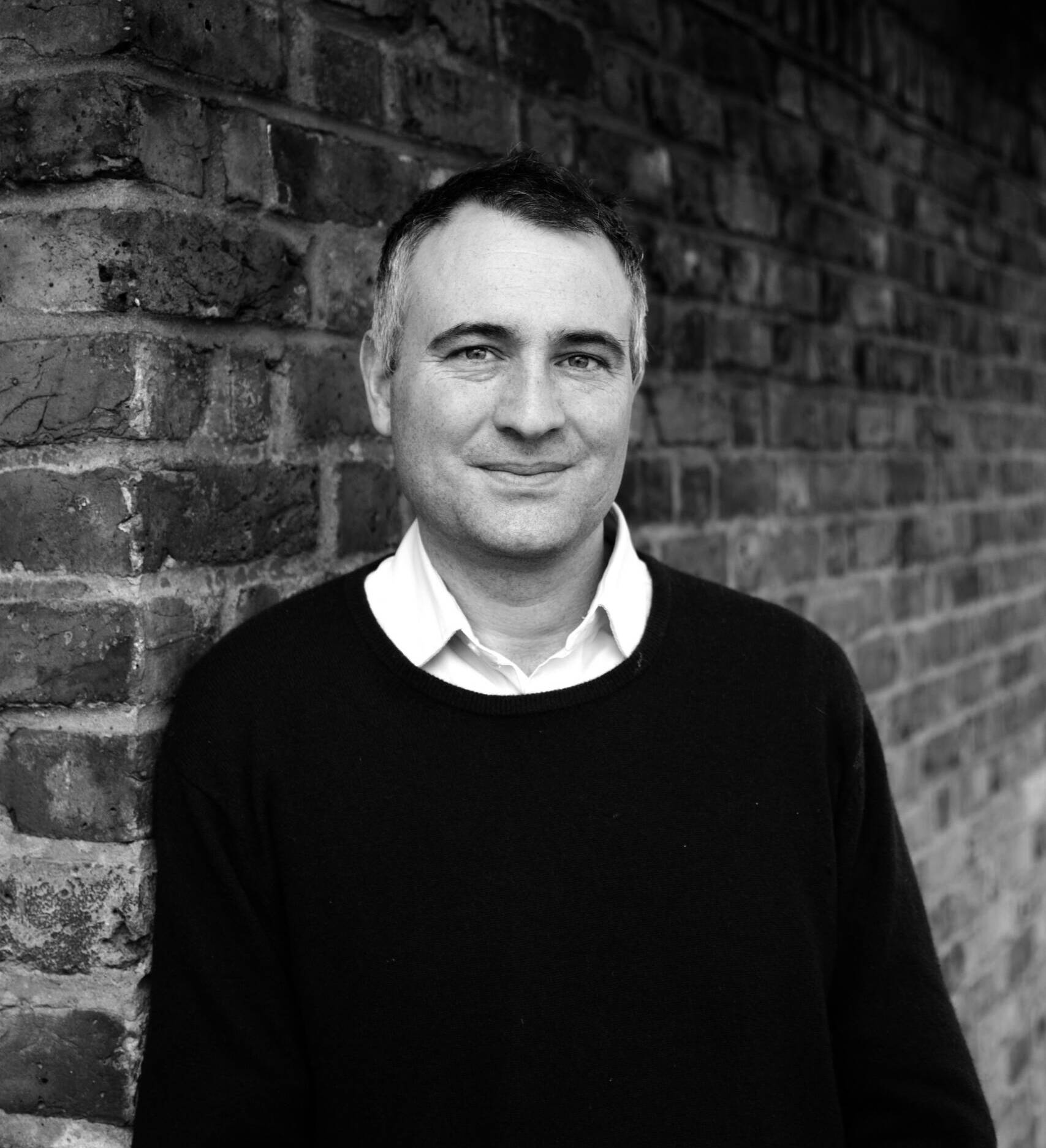
The philanthropist Ben Goldsmith
Philanthropist Ben Goldsmith, UK
A financier and environmentalist, Goldsmith is at the forefront of campaigns for rewilding in Britain and Europe, and founded and chairs the Conservation Collective (CC), a network of locally focused foundations. “To meet the scale of the environmental challenges ahead, we need more philanthropists like those I have nominated,” he says. “The solutions are within reach – if we can muster the funding and the collective will to act.”
The Nominees
Becky Holmes, UK
“At the helm of The Helvellyn Foundation, Becky Holmes has become a powerful advocate for environmental restoration. Her support of the CC’s Highlands & Islands Environment Foundation has been particularly impactful, funding local nature recovery projects across the Scottish Highlands and islands. She is one of those philanthropists who are not just investing in conservation, but leading the charge, reimagining the relationship between humanity and the natural world.”

Nancy Burrell at the Knepp rewilding project
Nancy Burrell, UK
“Chair of the Argosaronic Environment Foundation, Nancy Burrell aims to protect and restore the natural beauty of the Argolic and Saronic Gulf, where she has spent much of her life. Her early experiences at Knepp’s famous rewilding project in Sussex ignited a lifelong dedication to restoring wild nature. As a DPhil candidate at Oxford, Nancy is exploring the carbon storage potential within rewilded ecosystems – work that could prove vital in addressing the twin crises of biodiversity loss and climate change. She is one of the brilliant individuals representing a new era in environmental philanthropy.”
Read more: Domaine de Vieux-Mareuil: A luxurious sanctuary of freedom in southwest France

The philanthropist Alina Baimen
Philanthropist Alina Baimen, Canada
Kazakhstan-born Baimen is co-founder and CEO of EdHeroes, a decentralised network aimed at improving access to quality education worldwide, in alignment with the United Nations Sustainable Development Goal 4. With previous charity work including leading kindergarten projects in remote areas of Thailand, she was featured in 30 Under 30 Forbes Kazakhstan in 2023. Says Baimen, “My nominees are true change-makers.”
The Nominees
Mangkunegara X, King of Surakarta, Indonesia
“His Majesty supports philanthropic projects in areas including Indonesian batik art and education. EdHeroes collaborated with the Royal Palace on the recent Masterpiece Batik Humanity in Harmony project. Organised by the Indonesian Paediatric Cancer Foundation and the Royal Palaces of Yogyakarta and Surakarta, it brought together batik experts and children with cancer in a celebration of art and bravery, and raised significant funds for cancer treatment for those children.”
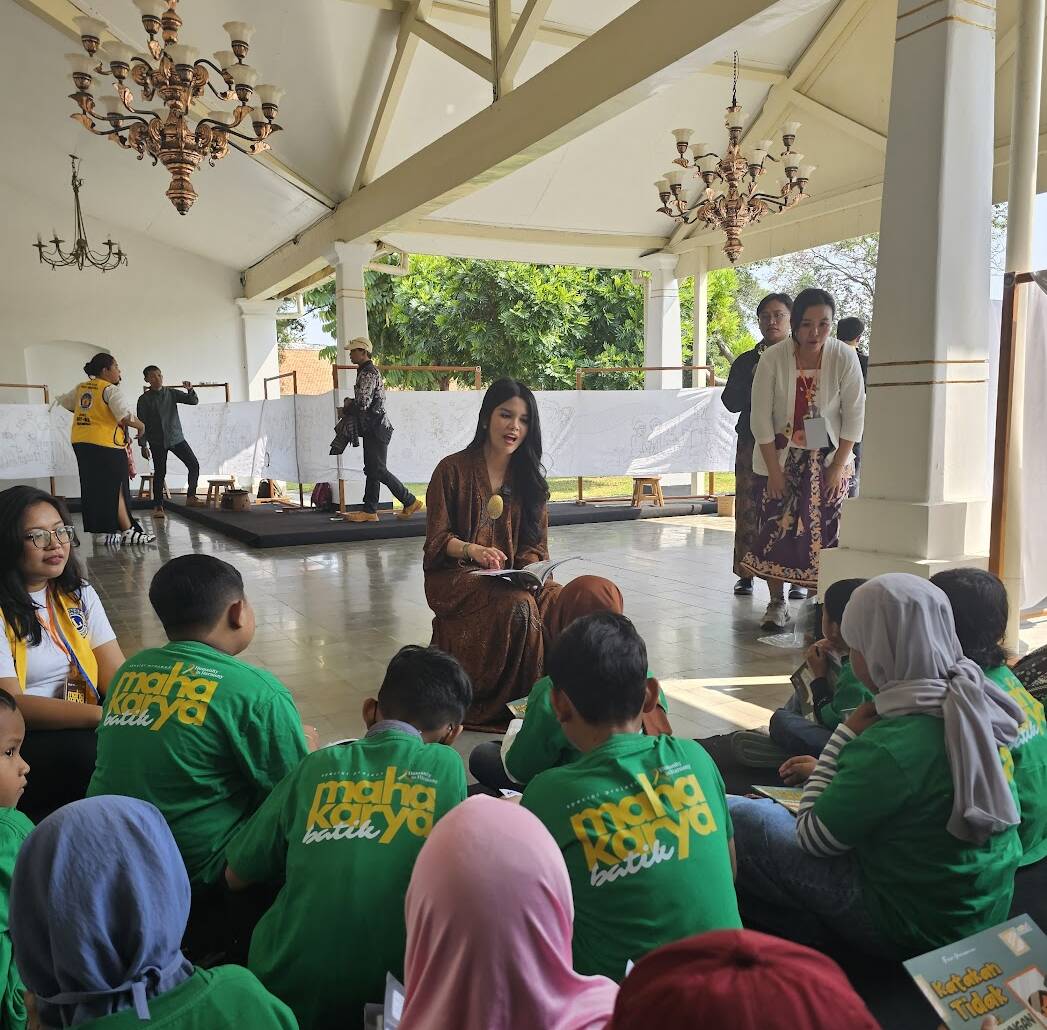
A batik-creating event for cancer fundraising, supported by Mangkunegara X
Malala Yousafzai, UK
“The activist for female education is the youngest Nobel Prize laureate. She is one of the most inspiring people in the world through the scale of her personality, courage and belief in the power of education make this world a little better. We named her Malala Fund, which invests in girls’ education programmes, in our guide of organisations with outstanding impact, and have since been in touch with her team, who are real pioneers.”
Henry Motte-Muñoz, Philippines
“As founder and Executive Chair of edukasyon.ph, the largest edtech platform in the Philippines, Henry helps empower more than eight million students each year with advice, soft-skills training and academic support. He started his philanthropic journey very young and made it to Forbes 30 Under 30 lists. He also serves as a member of the EdHeroes Advisory Board.”


The vision for Bankside Yards, a sustainable and liveable district for London
A new development just across the Thames from the City of London, Bankside Yards will open-up 3.3 acres of riverside public realm and 14 railway arches, integrating retail, bars and restaurants with cultural spaces, offices for global corporates, SMEs and start-ups, within a new residential district mixing affordable and private housing with branded residences and a Mandarin Oriental hotel. The Executive Director of Developer Native Land, Nicholas Gray, speaks with LUX about building a sustainable, liveable district for London
LUX: Please share with us the vision for Bankside Yards
Nicholas Gray: Bankside Yards has been designed as a new hyper-mixed destination by Native Land, aimed at transforming the South Bank and allowing members of the public to move freely along the Thames Path. The octet of new buildings on the 5.5-acre site will be Net Zero in operation; four will be dedicated to residential and will comprise approximately 600 homes, both private and affordable. The first, Opus, will be the tallest residential building in prime central London when complete and will be launching sales in Spring 2025. Three have been designed as next-generation workspaces with the flagship, Arbor, already complete. This ESG-focused building has achieved record rents for the South Bank and has been 75% let, including to NYSE and FTSE-100 listed firms. We’re hugely excited by the potential of this future riverside community and are delighted to be joined by renowned international brand, Mandarin Oriental, which will open its third London hotel at Bankside Yards in 2028.
Follow LUX on Instagram: @luxthemagazine
The rail viaduct, a key remnant of Southwark’s industrial heritage, forms the spine of the masterplan. The 14 historic arches, which have been closed for 150 years, will be transformed into 50,000 square feet of amenity, retail, bar, restaurant and cultural spaces for residents and the public to enjoy. Each element will be surrounded by 3.3 acres of new ‘greened’ public realm and will be powered by a cutting-edge 5th generation energy sharing network – the first of its scale in the UK.

Nicholas Gray, Executive Director, Native Land
LUX: How will this hyper-mix of uses connect with the future city?
NG: Bankside Yards will open-up an important piece of London with amazing transport connections and, as a London-based developer, Native Land is keen to contribute to the rich mix of the South Bank by creating a place that’s accessible, enjoyable and productive.
At 1.4 million sq ft, Bankside Yards is one of the most significant developments underway in the capital. This future-focused regeneration project will deliver a world-class mix of prime riverside residential, HQ workplaces, 5-star hospitality space and exceptional private and public amenities, on a scale that reflects the site’s strategic location in a global gateway city. Native Land’s early successes in the area reflect a growing desire from a new generation of business leaders, employees, and homebuyers to leave behind the monocultures of traditional commercial or residential markets in favour of more authentic and inspiring urban neighbourhoods.
The domestic and global appeal of Bankside Yards has already been evidenced by the occupiers and operators who have already committed to the development: Mandarin Oriental Hotel Group, Merlin Entertainments, Smith Group plc, Lewis Silkin, Winckworth Sherwood, The Carbon Trust, Wipro and Flutter. Bankside Yards is meeting the growing demand from both residential buyers and commercial occupiers to live and work in a more responsible, health-conscious, and sustainable way.
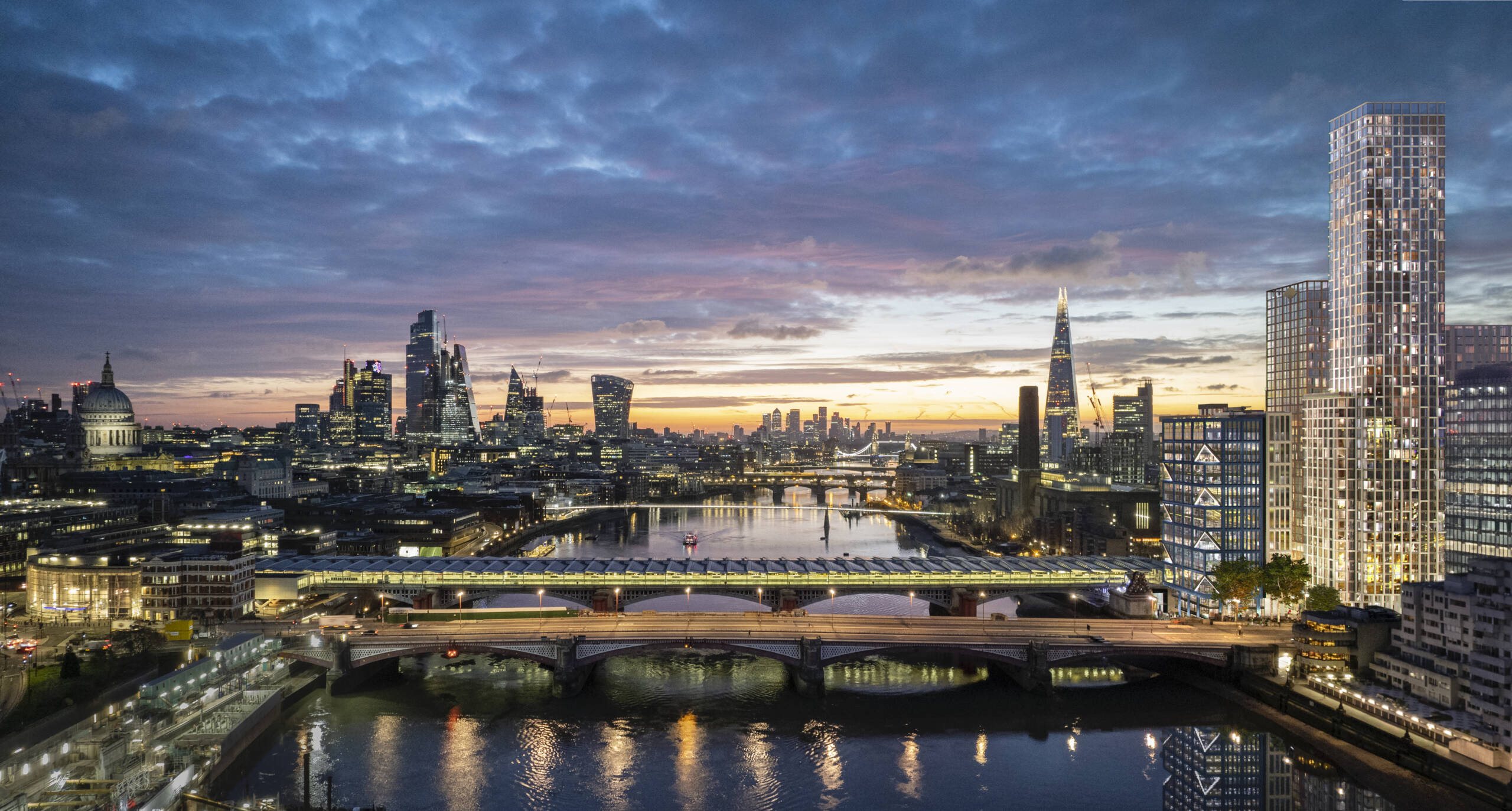
‘A world-class mix of prime riverside residential, HQ workplaces, 5-star hospitality space and exceptional private and public amenities, on a scale that reflects the site’s strategic location in a global gateway city’ – Nicholas Gray
LUX: What is the potential local benefit for the London Borough of Southwark?
NG: We believe Bankside Yards will cement the area as London’s leading destination for culture. One of the most exciting regeneration schemes to hit the UK in many years, we see this as an opportunity to transform this disconnected area of London, paving the way for future smart living and working in the capital.
The previously closed site will provide a brand-new lifestyle offering for the South Bank; across retail, cultural and amenity spaces. With 50% of the development allocated to public realm, Bankside Yards will create a varied and active new neighbourhood for Southwark, encouraging and complementing business growth and enriching the renowned arts institutes and thriving performing arts venues nearby.
In addition, the development will deliver hundreds of new homes, including apartments for private sale and rent, on-site affordable housing and a financial contribution of at least £65 million to Southwark Council to deliver new housing across the borough.

‘Bankside Yards will cement the area as London’s leading destination for culture’ – Nicholas Gray
Finally, renowned hospitality brand Mandarin Oriental will be opening its third London hotel, a move that will positively impact not only the Bankside locality but also the wider area. This is an important element in our intention to offer the very best amenities side-by-side with cultural institutions, top-tier businesses and a rich and varied community.
LUX: How do you embed sustainability throughout the development process?
NG: Bankside Yards is the UK’s first major mixed-use fossil fuel-free development in operation. The integrated 5th Generation energy sharing network – the first of its scale in the UK – enables each building to ‘extract’ or ‘reject’ energy into a single thermal network serving the entire development, significantly reducing operational energy throughout. The initial two buildings at Bankside Yards, Arbor and Opus, will enjoy the benefits of the energy-sharing network from the outset, and the benefits will be enhanced as each new building is completed and added to the network.
Read More: Mercedes-Benz AMG GT 63 review
In addition, all of Bankside Yards’ eight buildings will be all-electric and we are sourcing power from renewable sources. The buildings will use heat pumps, high efficiency building services systems, and optimised façades. During the development process, an underground logistics network will minimise disruption, congestion and truck movements within the local area. This means there will be no ground-level loading bays, releasing over 10,000 sq ft (8% of the total public realm) of additional above-ground space for biodiversity, public space, amenity and active frontages.
We are also creating 3.3 acres of new ‘greened’ public realm which includes planting 150 new trees of 20 different species and creating biodiverse roofs on six of the development’s eight buildings. This will support the mayor’s commitment to a 10% increase in London’s tree canopy cover by 2050. Future residents and visitors will also be able to take full advantage of the integrated electric car charging points and 284 bike stations.
LUX: What differentiates the net zero strategy at Bankside Yards?
NG: The big advantage we have at Bankside Yards is that we are a large-scale, mixed use, 24/7 development that is under the control of a single ownership. That allows the delivery of innovative engineering solutions such as the 5th generation energy system, the first of its kind in the UK.
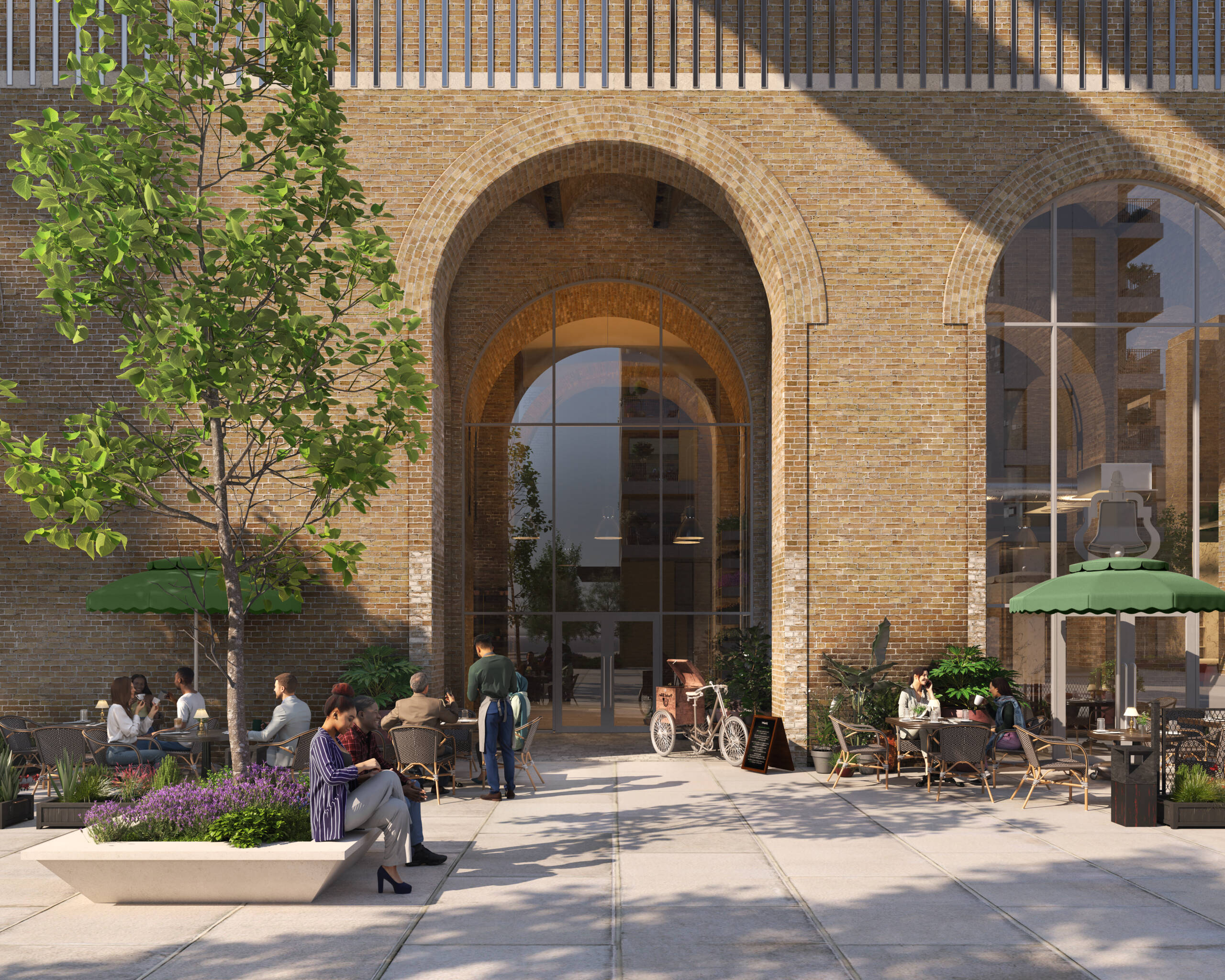
A streetview of Bankside Yards, featuring The Arches
Climate change is perhaps the largest disruptor to the way we will live in the future. However, we cannot stop building, therefore it’s logical that we build and operate our buildings more sustainably. Bankside Yards is a leading example of how we can do that. Native Land’s approach has been to design buildings that use much less carbon to build and operate. We then use energy from renewable ‘green’ sources for the remaining requirements necessary to operate the development, in a comfortable and efficient way for its occupants. Having a mixed-use development which has 24/7 uses and activities within it, means that energy can be shared between the buildings in an optimised way during different periods of the day or climate cycles.
LUX: Where could you see similar opportunities to increase the pace of decarbonisation in the UK?
NG: In order to reduce substantially the impact that the built environment has on climate change, developers need to encourage and promote bold innovative solutions that can serve as influential examples and lead the way forward. Additionally, we must design with the recognition that what we build must serve the needs of our communities and many future generations. I believe that we will be successful in doing both with Bankside Yards and that it will serve as an exemplar in this regard.
Bankside Yards is a partnership between Native Land, Temasek, Amcorp Properties, and Hotel Properties Limited of Singapore
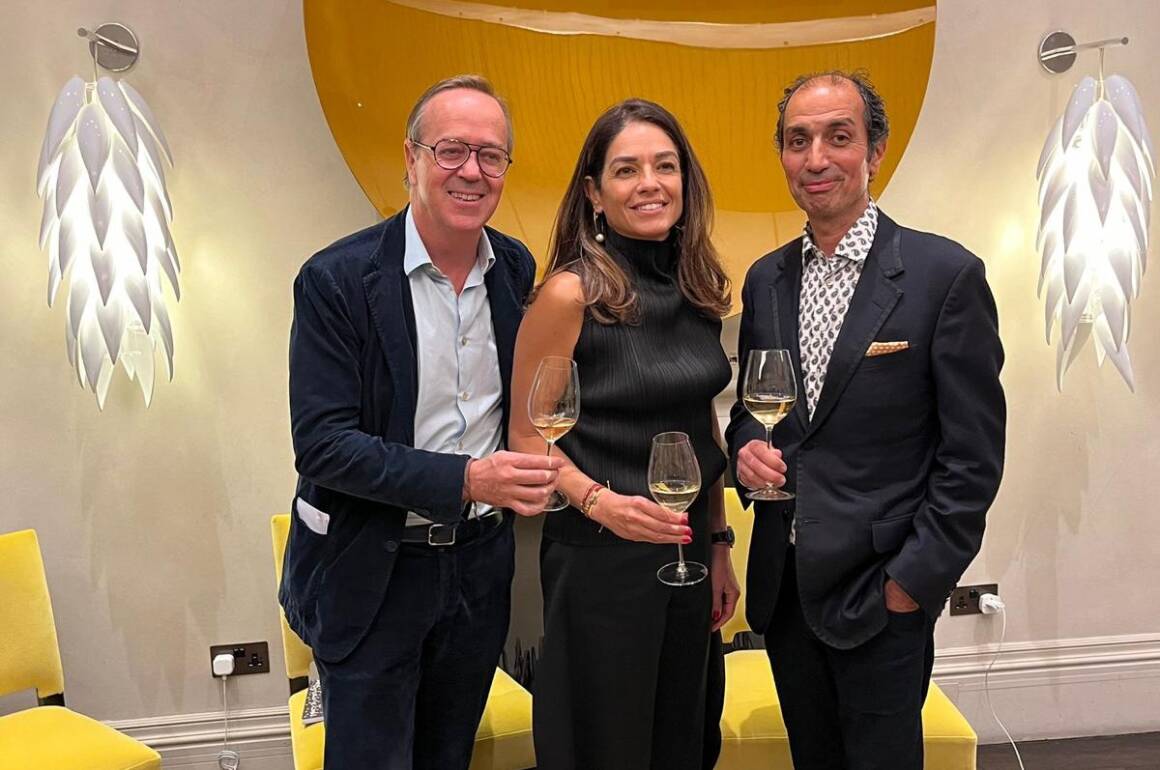
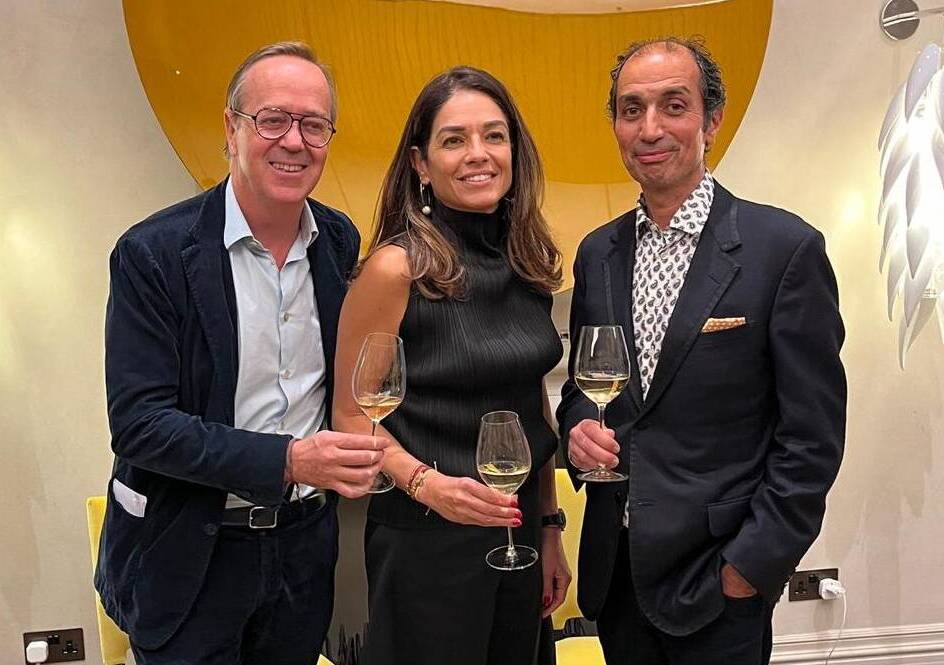
Frédéric Rouzaud, Maria Sukkar and Darius Sanai
LUX and Louis Roederer co-hosted an event for collectors of art, design and champagne where Frédéric Rouzaud, Maria Sukkar and Darius Sanai had a lively panel discussion about art, sustainability and responsibility. Some rare and celebrated champagnes from the Maison were served, including Cristal Vinotheque Rose 2002 and Cristal Vinotheque 1996, from magnum

Frédéric Rouzaud, Darius Sanai and Maria Sukkar
Follow LUX on Instagram: luxthemagazine

Alexandra Tilling, Richard Billett, Samantha Welsh, Lorna Mourad, Malek Sukkar, Ege Gürmeriçliler, Nadim Mourad
Read more: Louis Roederer Photography Prize for Sustainability
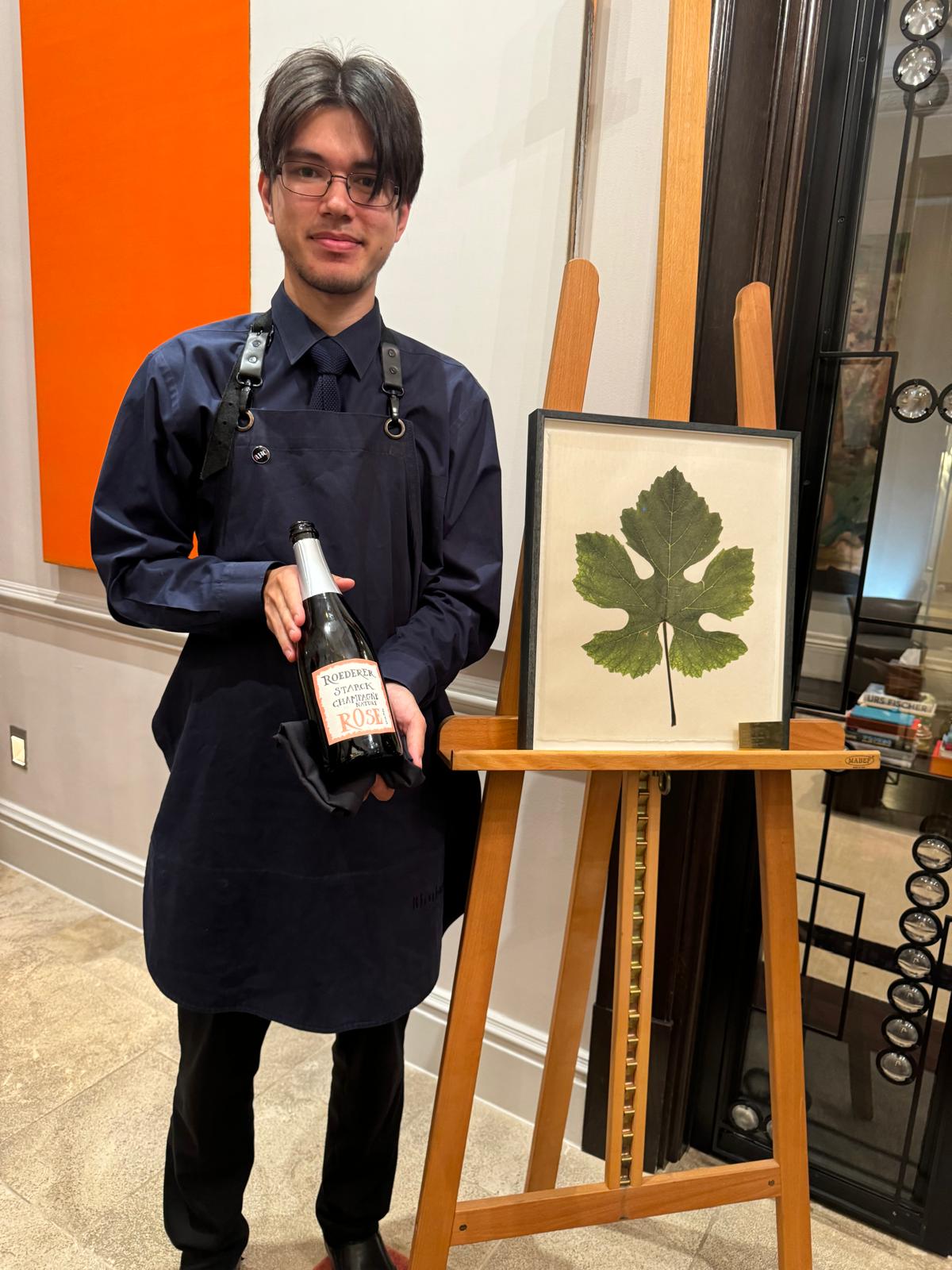
Philippe Starck designed the label for Roederer’s zero added sugar Brut Nature

Maria Sukkar, Jennifer Boghossian, Lorna Mourad, Malek Sukkar and Rob Boghossian
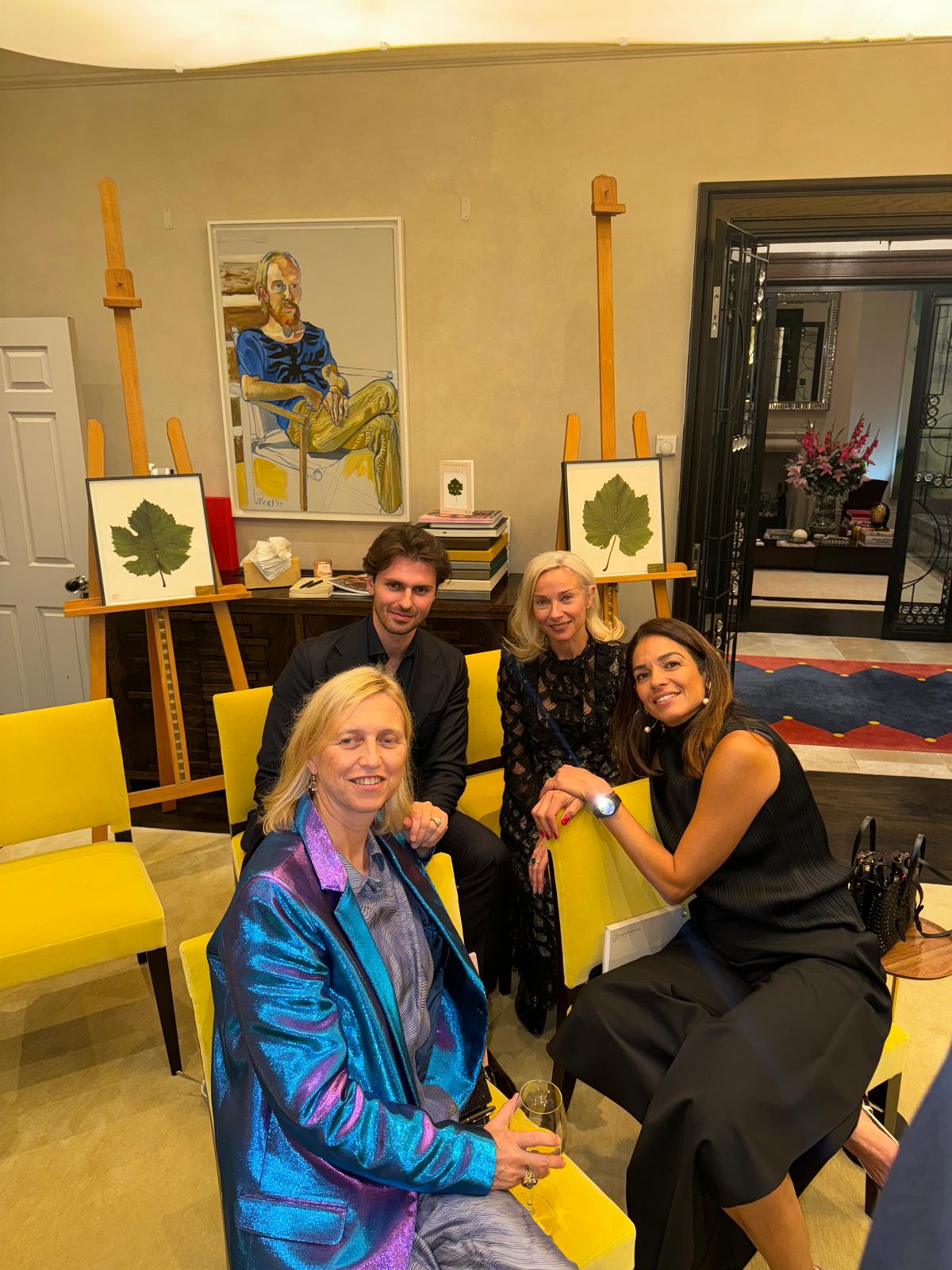
Anne Pierre d’Albis Ganem, Ege Gürmeriçliler, Samantha Welsh and Maria Sukkar
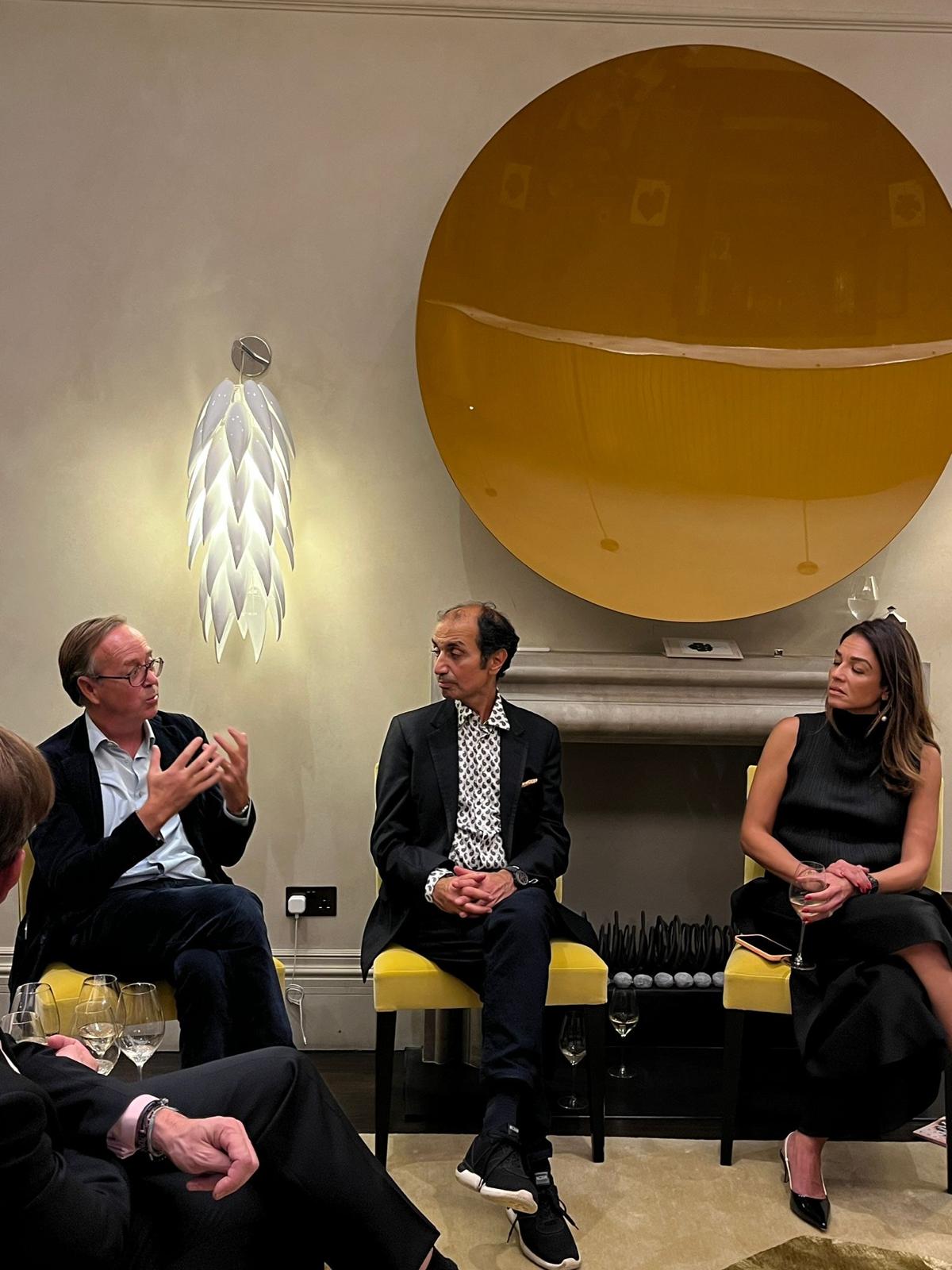
Frédéric Rouzaud, Darius Sanai and Maria Sukkar
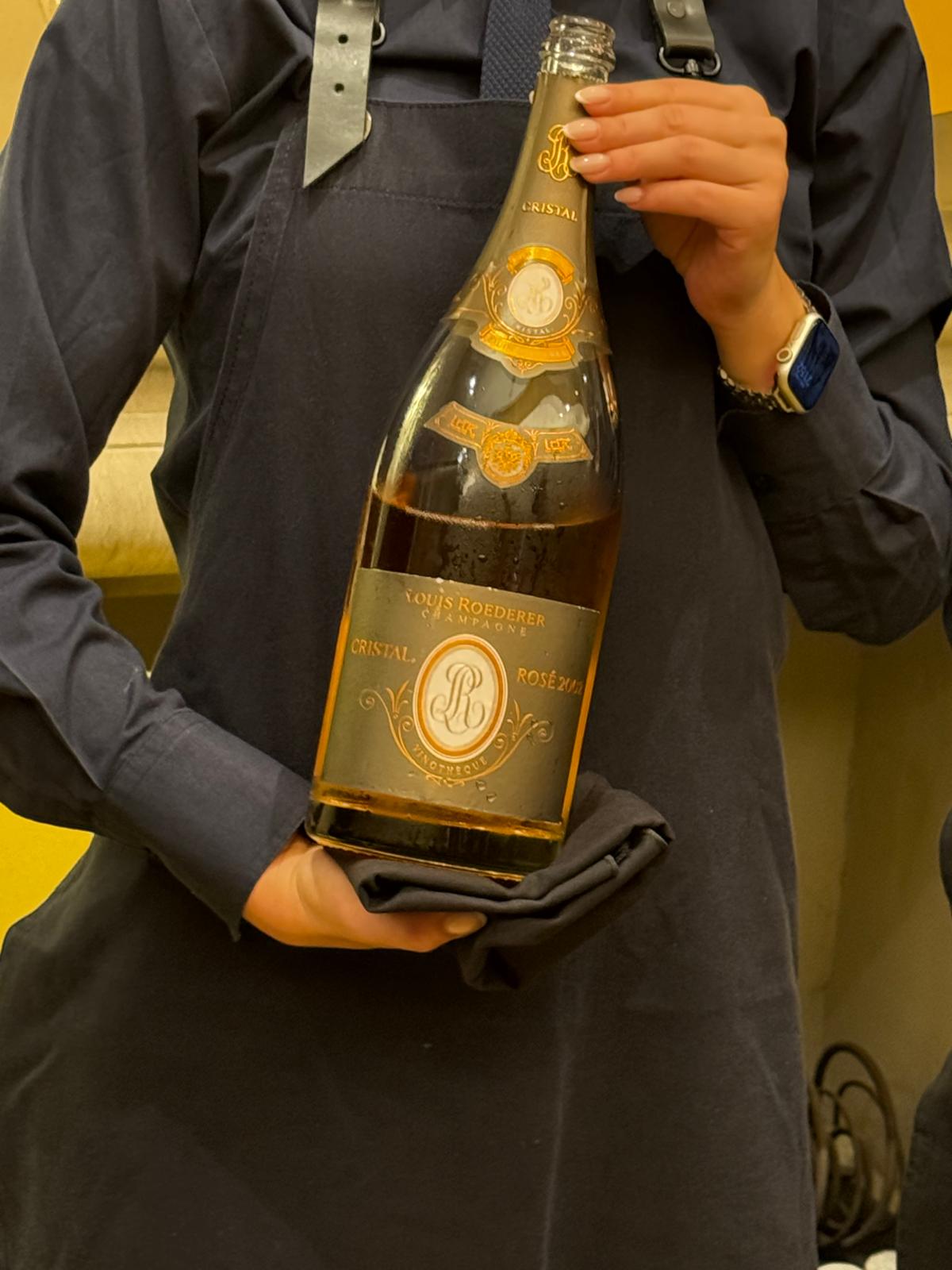
Louis Roederer’s cristal rosé
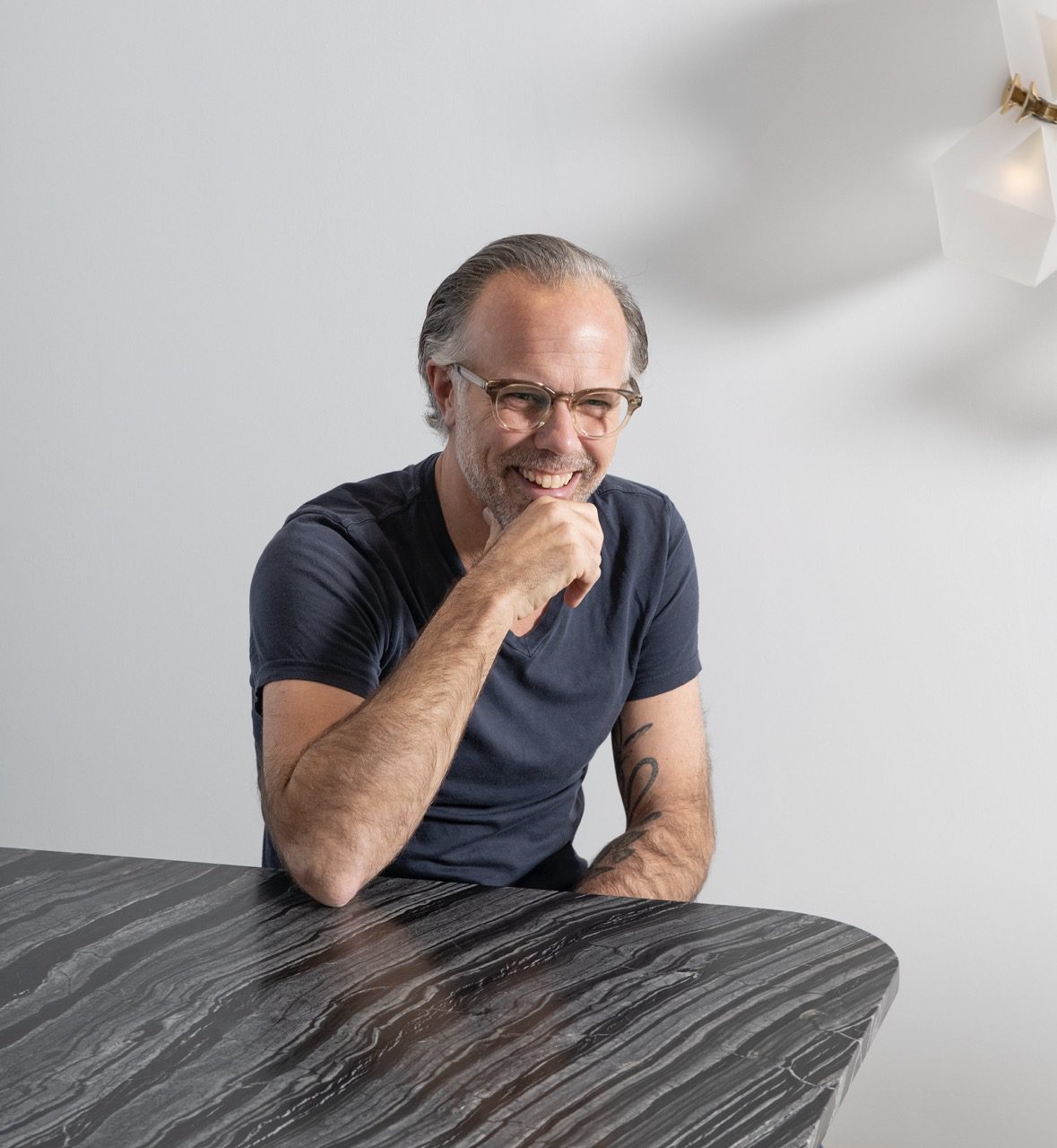
Portrait of Scott Richler, founder and creative director of Gabriel Scott
The furniture and lighting studio Gabriel Scott was founded in Montreal, by Scott Richler. It was established in an effort to blend his jewellery design experience developed over many years to designing lighting and furniture. He speaks to LUX about the process behind it and how he focusses on craftmanship and exquisite materials
Q: Where do you draw inspiration from your furniture and lighting? Which brands, or elements of brands, inspired you when you began your design line?
Scott Richtler: Mostly the language of our Gabriel Scott pieces is based on some prior experience in my life. Mostly from the time I spent in jewellery design and fashion with a separate brand called Jennifer Scott between 2000 and 2005. I created statement jewellery from semi-precious stone.
This led to a career in design, mostly in women’s accessories like handbags seen in Bergdorf’s and Neiman Marcus. Working in high end fashion design meant I developed a high range of design skills learning from the best artisans in Italy.
Before this though I had an architecture background, so I have macro scale and smaller scale design experience; I like the immediacy of this, I speak many different design languages. I’m into details and you can see the story of my background come through into our lighting fixtures.
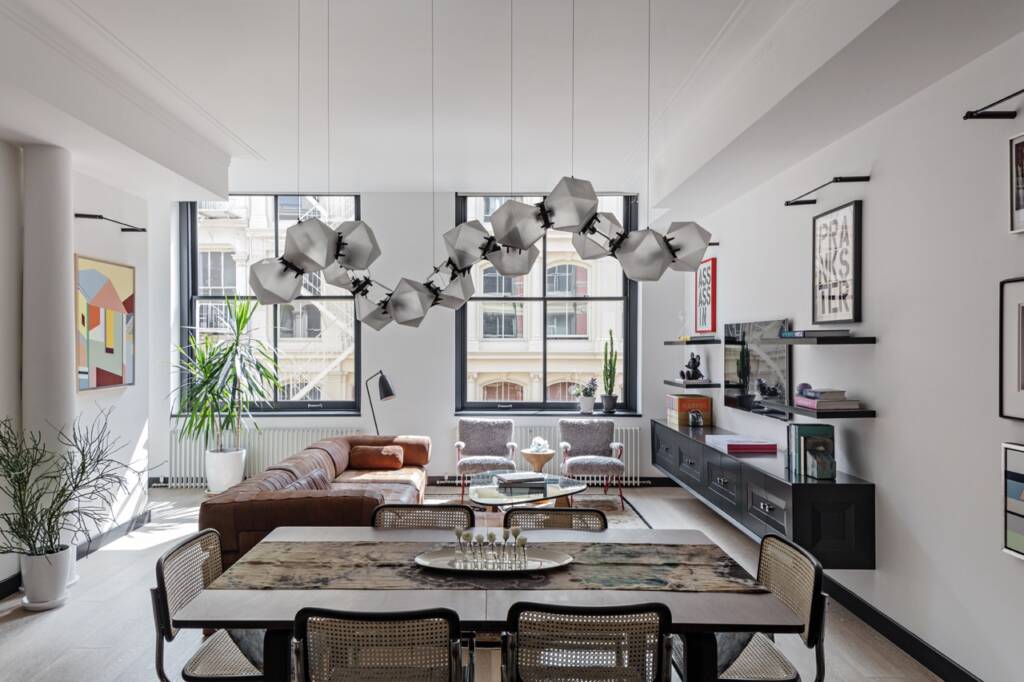
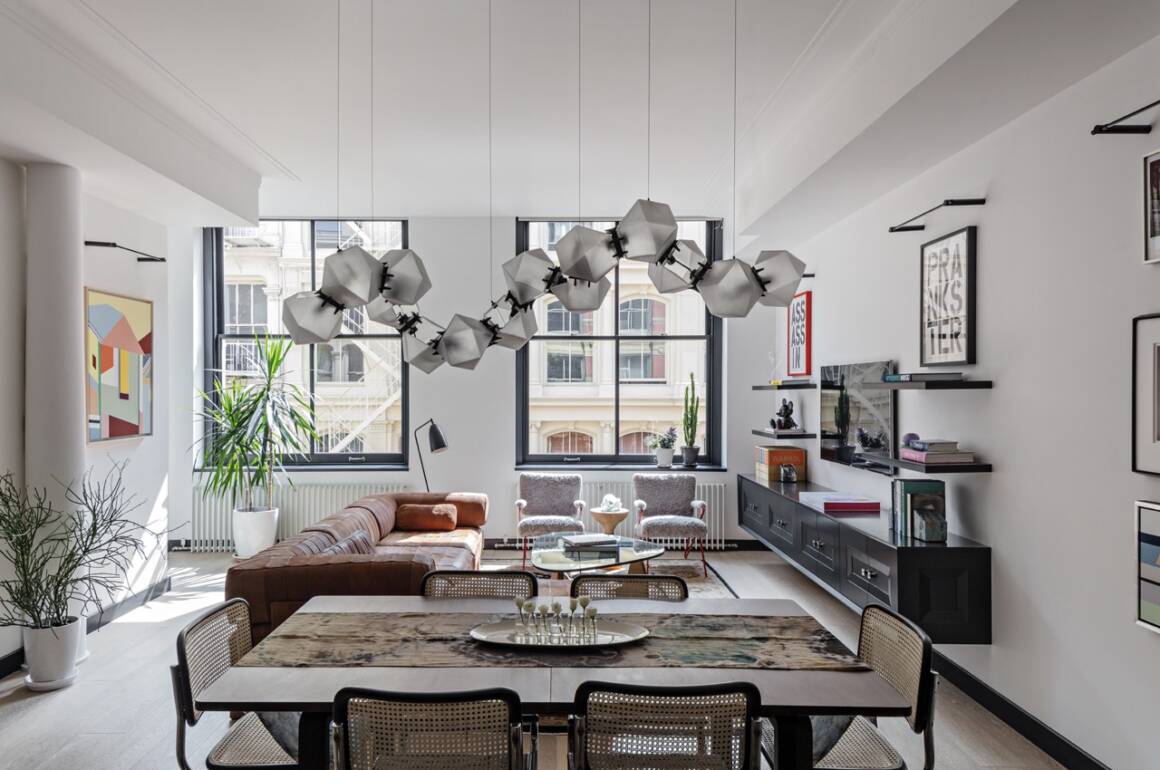
The Welles Glass Chandelier, curated in essence of timeless jewellery
Q: In the 18th century, furniture was elevated from functional pieces to works of art, acting as a status symbol in the Victorian home. What would you say is furniture’s symbolic purpose today?
SR: The function of an architect is to look at a space and interact with it. Furniture and lighting are all objects you interact with in one way or another. Everything in your life surrounding you has a form of dialogue around it.
Furniture can be seen as sculpture or more precisely functional sculpture. It’s also about how the user of that space interacts with the environment. Decorative lighting can be viewed as a pretentious status symbol and pretentious pursuit.
Decorative lighting is functional but not totally necessary in a home. Decorative lighting is a focal talking point, creating interest and texture in a home, it is an elevated art form in this sense.
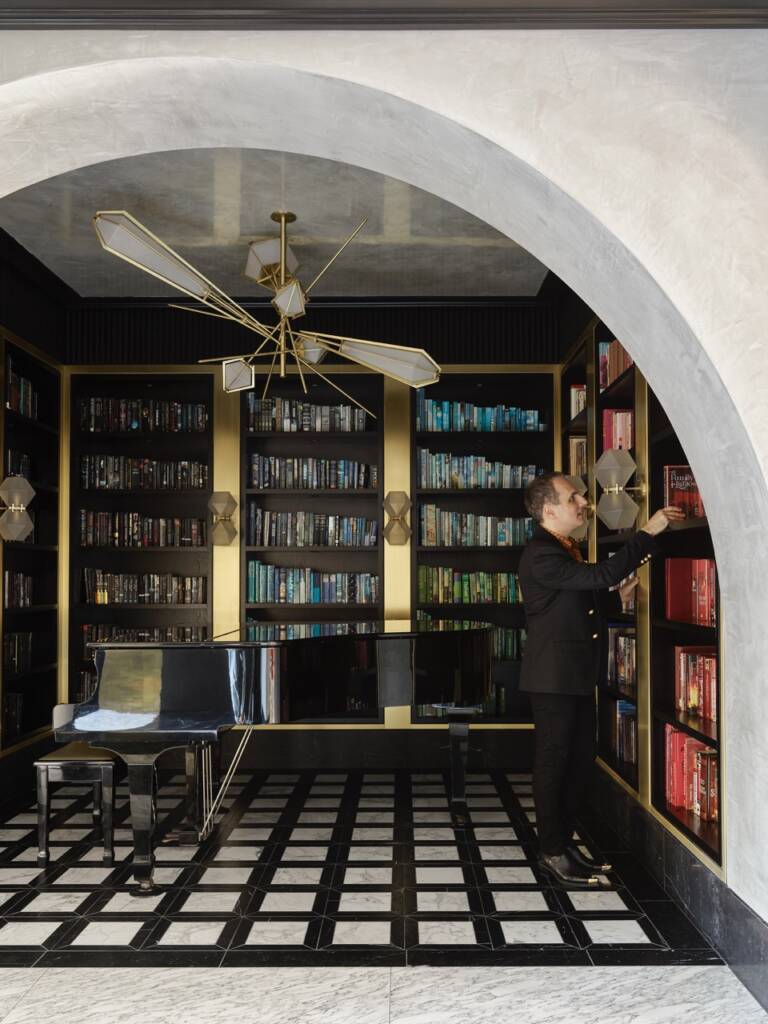
Greg Natale’s East Brisbane house in Australia: This riverfront residence combines interior architecture with the layering of sumptuous finishes to create a “modern palazzo” that celebrates its owners’ deep connection to Italy.
Q: The lighting industry now faces issues with regard to electricity usage and sustainability. How do you combat or navigate these issues, and how do they challenge your principle that designs should be ‘Timeless’?
SR: Gabriel Scott designs use low LED’s and these drop very little electricity, you could keep them on forever and they’re very environmentally friendly. I’ve always approached design through timelessness because it should be like this.
Gabriel Scott furnishings and lighting are classic with longevity just like Chanel. You can wear a Chanel piece from 60-years ago and it’s still as contemporary in present day today. I’m in the camp sitting with vintage Porsche’s being more sustainable than Tesla’s.
The amount of investment required to build a Tesla that will be used for no-more than 10-years is less sustainable than driving a Porsche that’s been on the planet for 50 years. Investing in a Gabriel Scott light is much the same, it’s an investment which will stand the test of time and last.
Q: How else does Gabriel Scott engage with sustainability?
SR: Like a fine designer quality brand, Gabriel Scott’s pieces are investments, well made, amazing materials with longevity. The materials come from the earth, they’re minerals and glass is recyclable. We use materials that are long-lasting, if you invest in our furnishings they will last forever and you can move with them from home to home.
I do feel strongly that the word sustainability needs to be used carefully by companies. There are so many brands out there greenwashing their companies in a way that is detrimental to the wider sustainability agenda.
Q: Is it important for contemporary art to be functional as well as aesthetic?
SR: It’s not important for any art to be functional. The dialogue of art is to not be functional whatsoever. As a matter of fact, if it’s not functional, sometimes it creates more questions in the user, which therefore creates a dialogue that may be intentional or not.
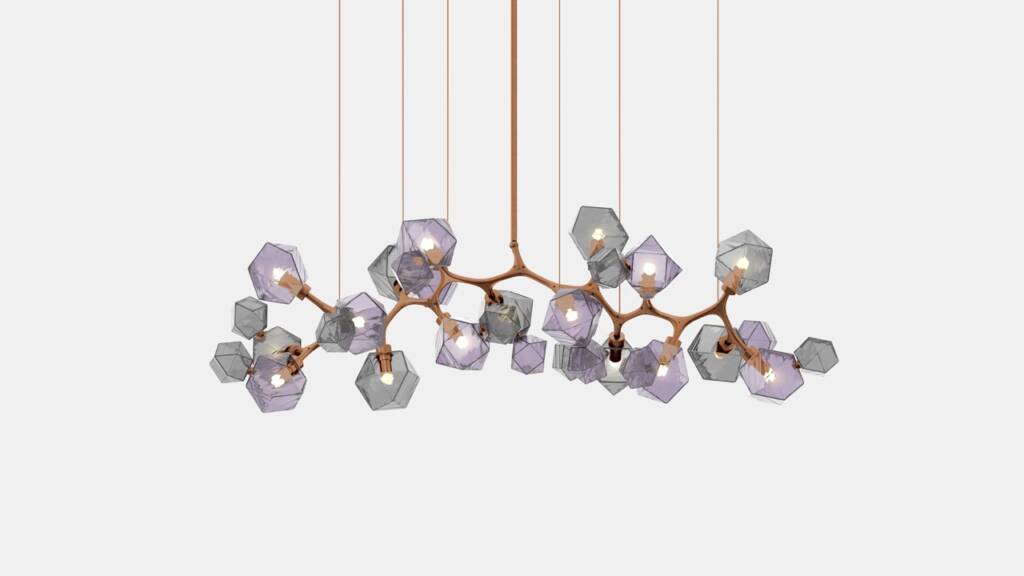
The Welles Long Chandelier 17, Smoked Purple and Gray Glass. The Welles collection was coined by notable architect and designer, called David Rockwell.
Q: Would you say furniture and lighting are of increasing importance in the art world now?
SR: Lighting and art in juxtaposition are increasingly important and the majority if not all high-end clients have both in their homes. We’re recognizing this and from May our London showroom will be welcoming in the Virginia Damsta gallery.
We’re creating a art and lighting gallery with an inaugural exhibition, titled “The New Artists: When Machines Dream” departing from the conventional white cube concept, we’re going to be presenting a synthesis, a symbiosis of art and design. This fusion illuminate’s artwork and creates a harmonious interplay between art and design.
Q: What key changes have you noticed in lighting/furniture design since you founded Gabriel Scott in 2012?
SR: I’ve seen a shift culturally, pre-2012 most high-quality furniture and lighting was manufactured mostly Italian. Italy is known for being refined and creating the best. But most of its industrialized and this was the key to the Italian success, being able to industrialize production of beautiful lamps and furniture.
For the last 10-years, there’s been a pivot towards a more artisanal approach. A much more hands-on, handmade approach to furniture and lighting which is more appreciated. The shift has been from the benchmark of quality Italian pieces which have been industrialised. Not the benchmark is more artisan like a carpenter trained in skills from hundreds of years ago which is just exquisite so there has been an elevation.
Q: Do you feel like people are getting more adventurous with their lighting?
SR: Yes I 100% agree with this, but if you look back into time you’ll find plenty of people who were adventurous with design. For example, if you look into interior designer’s in North Carolina, it would not have been surprising to find a sculptural element to a wall sconce in a Gio Ponti house like 50-60 years ago.
You would find sculptural lighting, it just was something that was very European it never really traded into the sort of mass market. The general public are more conscious about lighting due to big interiors companies being more adventurous with media campaigns. Decorative lighting has kind of become the norm – with more people on board!
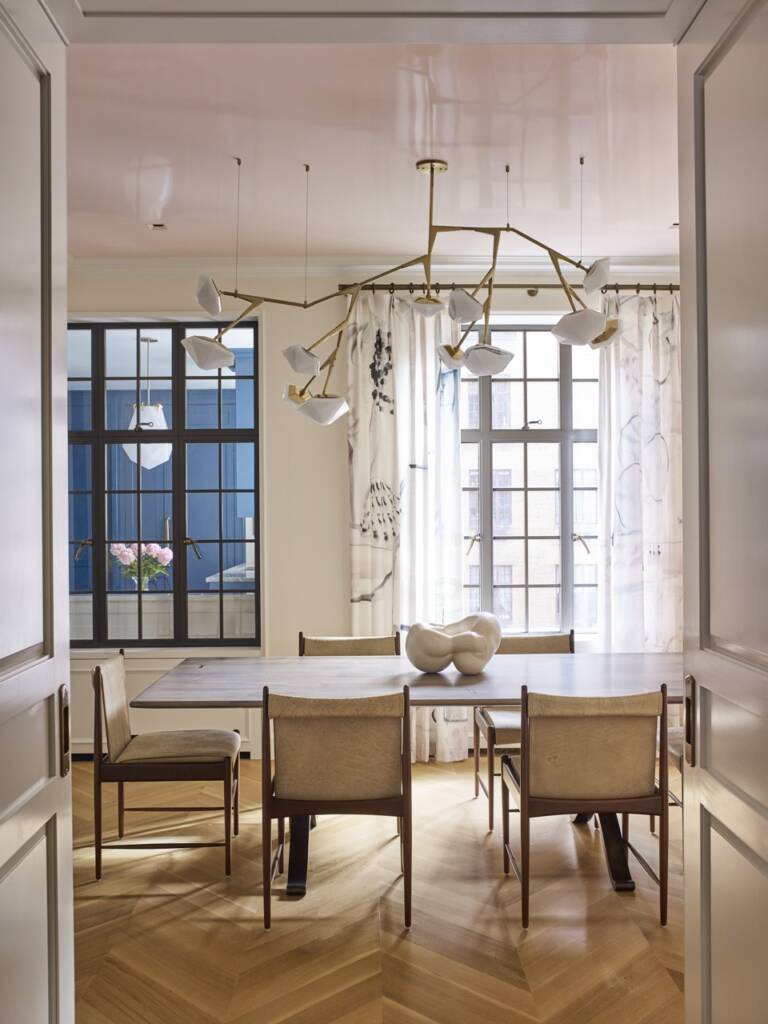
The Myriad Chandelier, 12 Long. The chandelier projects a warm light through its double-blown glass and is hand-made to order.
Q: With your background in architecture and fashion, you interpret decorative lighting as larger scale jewellery. How else has your experience in the fields impacted your perspective on interior design?
SR: I’ve taken inspiration from many great interior designers such as Joseph Dirand. My perspective on interior design is that you can easily interpret a space through the objects that populate that space. My perspective is being an interior designer doesn’t necessarily have to be a maximalist pursuit.
You don’t have to put a great deal into a space to make it special. You can put in an amazing table, piece of art and light fixture – the look can be pretty minimalist. But there’s something unique and special about it is because of the objects in space.
Q: Are there any elements of different brands that have inspired your line?
SR: I love to look at jewelry lines like Pomellato, Cartier and De Beers for inspiration for our lighting. A discontinued Cartier ring inspired the Harlow light. The ring was like a series of balls that are cold and explode.
In terms of furnishing’s I find Gio Ponti inspirational. Buckminster Fuller is an incredible inspirational architect. I’m enthused by Olafur Eliasson the artist. So its varied, it doesn’t come from furniture traditions. It’s just like images that are blended.
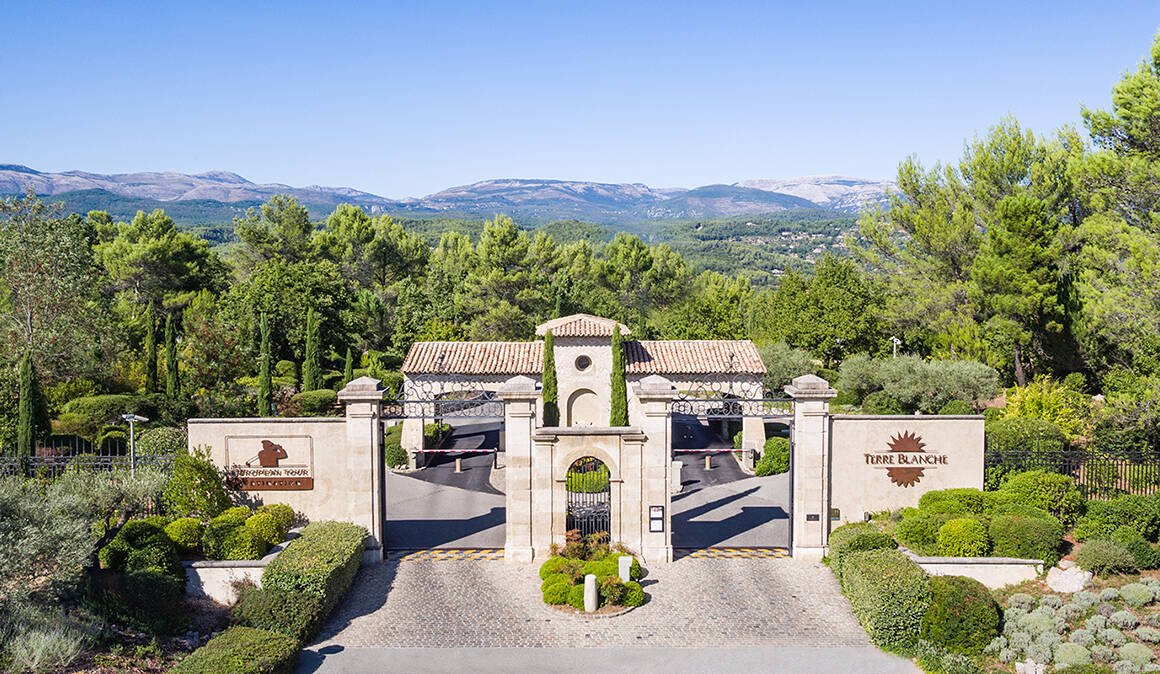
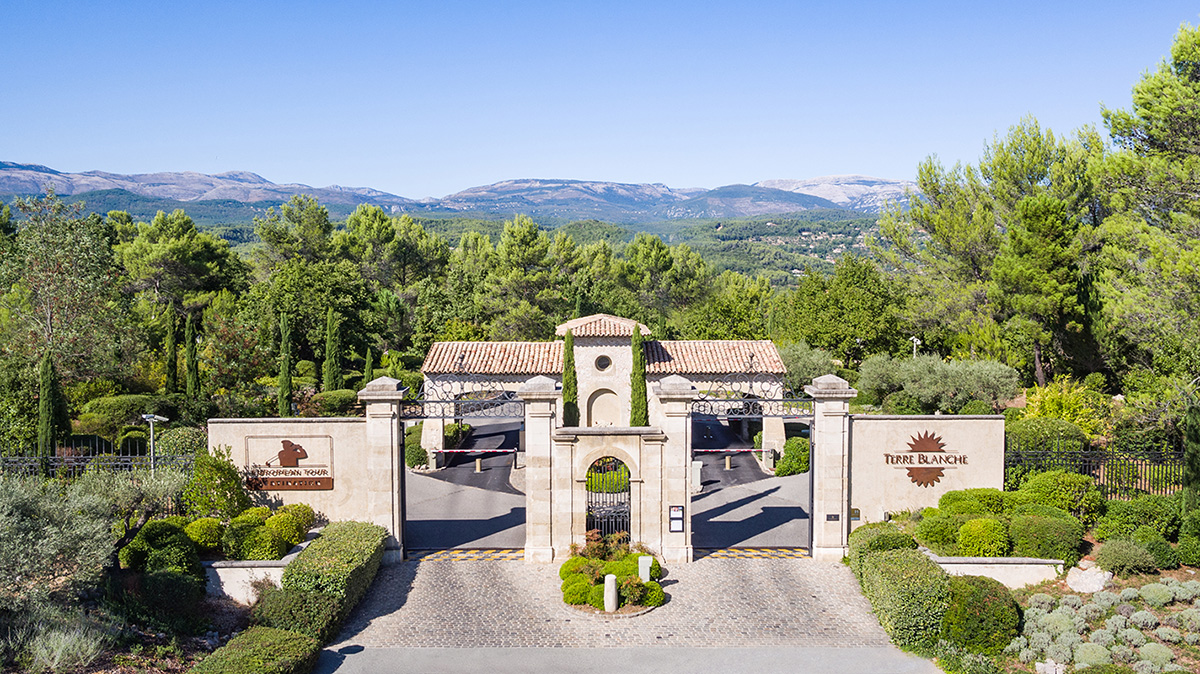
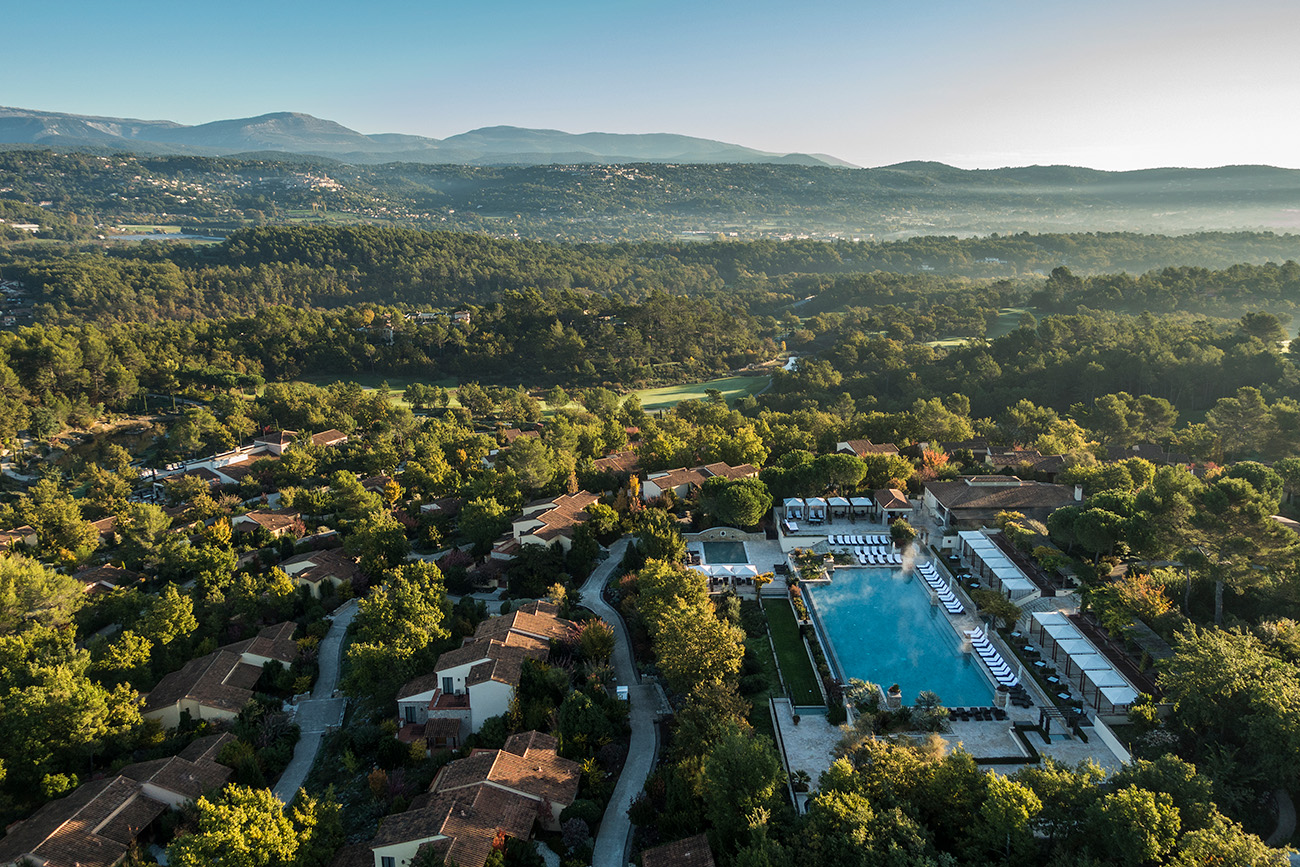
In the heart of the countryside of Provence lies Terre Blanche, a luxury resort with two renowned golf courses and an oasis for growth biodiversity. Now celebrating its 20th anniversary, Darius Sanai speaks with the Vice-President of Supervisory Board, François Vaugoude, on how on how the resort has been a sustainability pioneer since the early 1990’s, educating its guests and making instrumental environment change in the region.
LUX: How did Terre Blanche come about?
François Vangoude: Between 1978 and 1980, there was a desire to develop the site on which Terre Blanche now sits. At the time, Golf was more of a pretext for town planning and therefore there weren’t all the provisions. There was no internet, there were no regulations on water, there were no impact studies and raising awareness about ecology was not a priority like it has become today. The site therefore benefited from considerable building rights, and with the construction of the golf course there was more than 90,000 square meters of surface area to be built.
When the authorities later realised that the surveys and impact studies had not been carried out, the project came to a complete halt. Dietmar Hopp, a German business and golf enthusiast, had built a golf course in Germany and proposed creating something that brings sports, nature and development together, rather than creating a city within a city. The authorities gave the go-ahead, and we opened the grounds in June 2000.
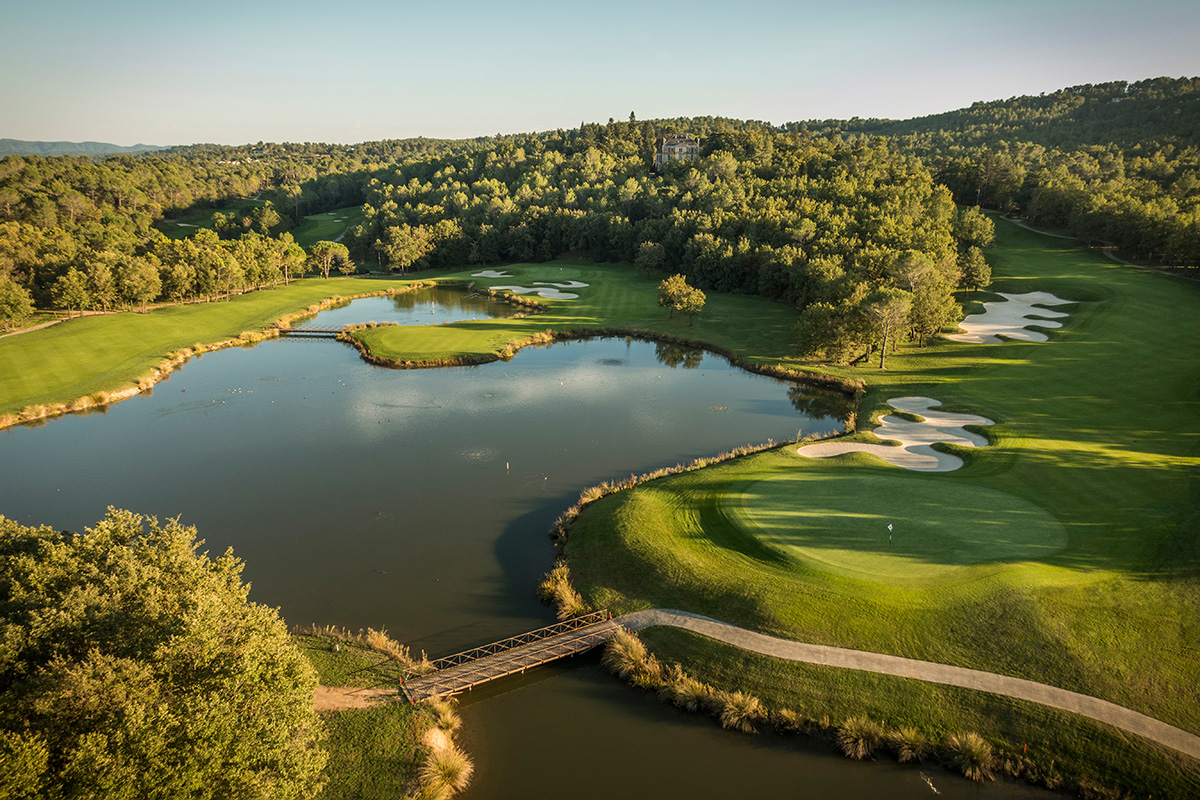
Le Chateau Golf course
LUX: Was there a sustainability strategy at the time?
FV: Yes, Immediately, I’ve been passionate about sustainability for years, being someone from the countryside and from the sea. I’m also an architect so urban development has always been a passion of mine as well. From the outset, our philosophy was to think about how we could do something sustainable because our objective was to operate long-term. Since 2000, I’ve been involved in the design of our various projects, as I’ve overseen the whole program since its conception and now its management.
Follow LUX on instagram @luxthemagazine
Our guiding principle on the development of Terre Blanche is that all infrastructures that are useless above ground are buried underground. All the infrastructure needed to manage and distribute water is underground. It maintains the permeability of the soil and it’s better for the quality of the resort as a whole because having a view of a forest or green spaces is much better than having a view of a car park, for example. The car park did cost a little more but at the end of the day, the cars are sheltered, there’s more security, and we don’t have to resurface every ten years using petroleum-based asphalt.
The design of our driving range follows the same principle. The Albatros Golf Performance Center is a semi-underground driving range. As a result, you play out of the summer sun, and you’re sheltered from the rain in winter.
LUX: Is what you do, in terms of your sustainability strategy, important to your clients?
FV: Admittedly, in the years 2000-2010, what we were doing was very good but there wasn’t the heightened sensitivity we have today around climate change and the environment. People are now beginning to understand that biodiversity and climate are about the survival of future generations. Everyone now understands and wants to preserve but the term ‘preservation’ doesn’t work for me.
I think ‘to preserve’ is a negative idea as it just means to protect what exists. I think that today we need to take a much more proactive approach and we need to be contributors to the development of biodiversity. That’s what we do. We now have the participation of our customers.
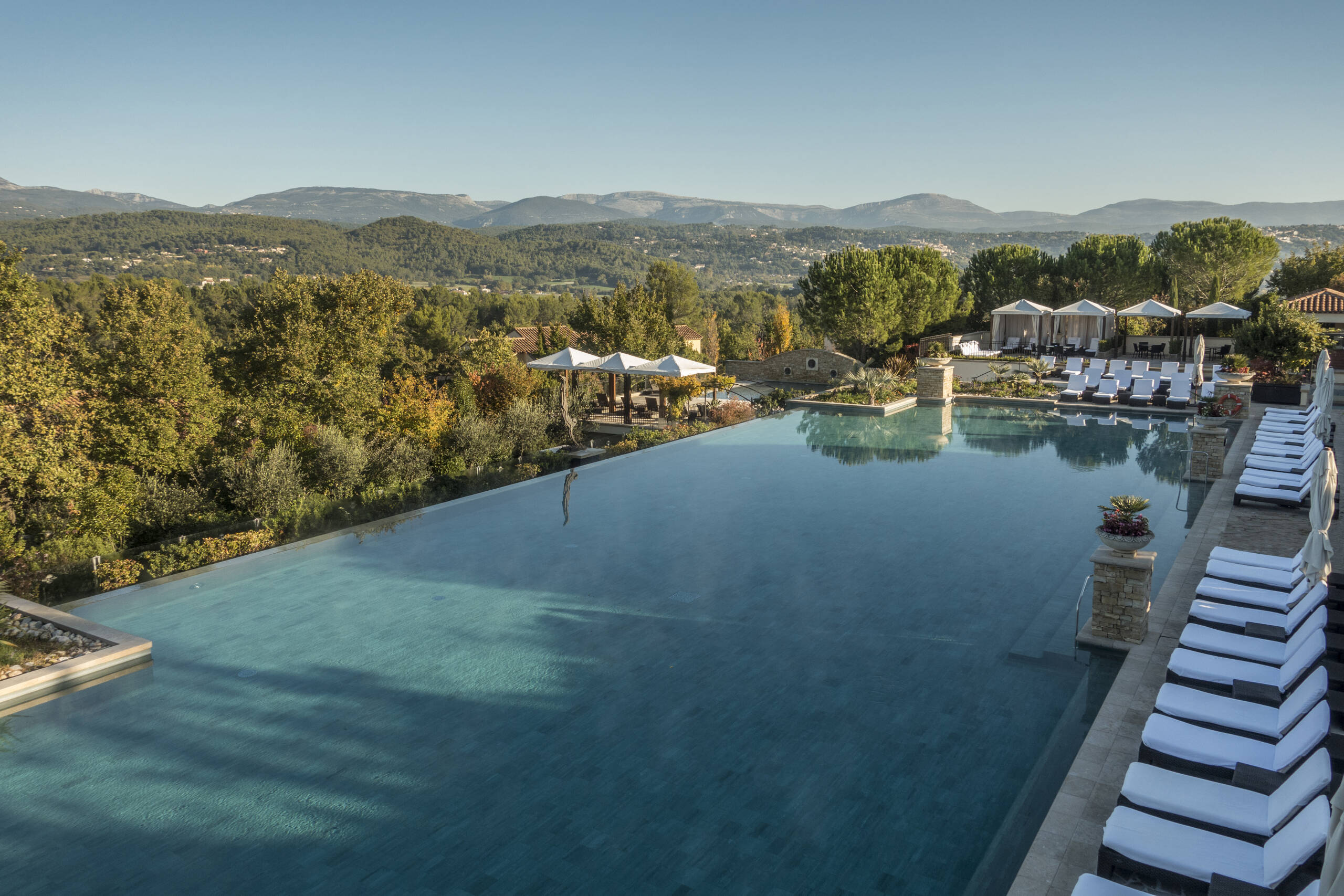
The Infinity Pool at the Terre Blanche resort
I’m not going to say what country these people come from, but there are people who can’t stand to see an ant or mayflies. So, we get our customers involved and we organise events to show them what we do, especially as golf today is all the rage.
Golf is a big consumer of water, but we don’t use drinking water, we use natural water. The natural cycle is respected, which means that since 2000 we have been pumping water from the Saint-Cassien lake, just five kilometres from our property.
We have financed networks and pumping stations so as not to use drinking water. We’ve had a policy from the outset of asking ourselves what Terre Blanche will be like in ten, fifteen, twenty and even thirty years’ time.
LUX: Is it important for you to do a bit of customer education, or is it more something that exists and if customers are interested, they can ask?
FV: It’s something that needs to be understood and accepted. For example, a golfer wants to find his ball on the course. We only mow once a year, at a very specific time, with a cutting height to avoid destroying everything on the ground. The golfer’s first reaction is to say, “Well wait a minute, you’re saving on maintenance and I’m losing more of my balls.” Then we explain to them why we’re doing this. We’re preserving the nesting period of birds on the ground, invertebrates, insects, and honey plants. Then they say, “Ah yes, you’re right” and they accept that we need to implement these kinds of provisions, and they become supporters.
Another example is unfortunately, we have quite a high mortality rate of trees that are not from the region and that have been brought in and can no longer withstand the rising temperatures and lack of water.
So, when the tree dies, we leave them in place and let them rot. The first reactions I received were, “You leave them there because you don’t have time to pick them up.” We then explain that if you leave a log in a given place, six months later you’ll have a profusion of animals. To motivate them too, we’ve set up an application, that’s also managed by the naturalist organisation on site, in which people can take a photo of an unknown plant or insect and upload it onto our application.
The organism is automatically geolocated on the network and it’s passed on to our naturalist society. At the end of the year, we have a census of everything discovered on Terre Blanche and whoever has made the most observations, with the most interesting organisms, wins a prize. This motivates people to take part. It’s not just on golf courses and in the forest, but under a stone near the Terre Blanche resort.
LUX: Is there a focus on art in the hotel too and do you link art and biodiversity?
FV: There is an art collection at the hotel, but it is not something we shout about. It’s known through word of mouth. The collection is for our guests to enjoy. We have a press book about the works of art that are on display, which is available upon request. Guests can follow a route to see the artworks around the property if they want to. As the works are scattered throughout nature, we naturally create this intersection between nature, biodiversity, and art. When I tell people that we have over 300 works of art and they ask where they are, I tell them to open their eyes. That’s what biodiversity is all about as well. It’s about taking an interest.
LUX: Are there any other plans you have for biodiversity?
FV: We have a huge number of developments on the resort. We’re creating an atlas on biodiversity to monitor the species, fauna and flora that exist on Terre Blanche. We did a first census in 2018, and another in 2020 and 2023 to see what changes there have been in relation to all the measures we’ve implemented on Terre Blanche.
I went to see the Mayor of Tourrettes and asked him why we weren’t doing this at a commune level. It makes sense to do it on a much larger scale. The hope is to demonstrate to them that Terre Blanche has become a zoological wildlife park and not just a resort for the wealthy. It’s about showing we are well ahead of the game, and that they too can contribute to the preservation and expansion of biodiversity.
LUX: Do you organise biodiversity events?
FV: Absolutely. We organize events and golf tournaments focusing on biodiversity, with workshops for people to ask questions and help them understand. We’ve put up information panels all over the resort to educate people.
These aren’t the kind of information panels you buy in the shops, but ones we’ve put together explaining how the watering system works, how the lakes work, what’s in front of them etc. It helps to open people’s minds.
We explain why we’ve installed bat shelters and nesting boxes. Instead of watching TV and looking at a tablet, we buy nesting boxes in kit forms for the kids to build their own nesting boxes, like Lego, and they install them themselves afterwards. Once you’ve captured the children’s’ attention, the parents are right behind and they follow.
Find out more: terre-blanche.com
Terre Blanche Hotel Spa Golf Resort is celebrating its 20th Anniversary, marked with a series of activities and experiences that highlight the resorts commitment to eco-responsibility. The resort is now open for the season.
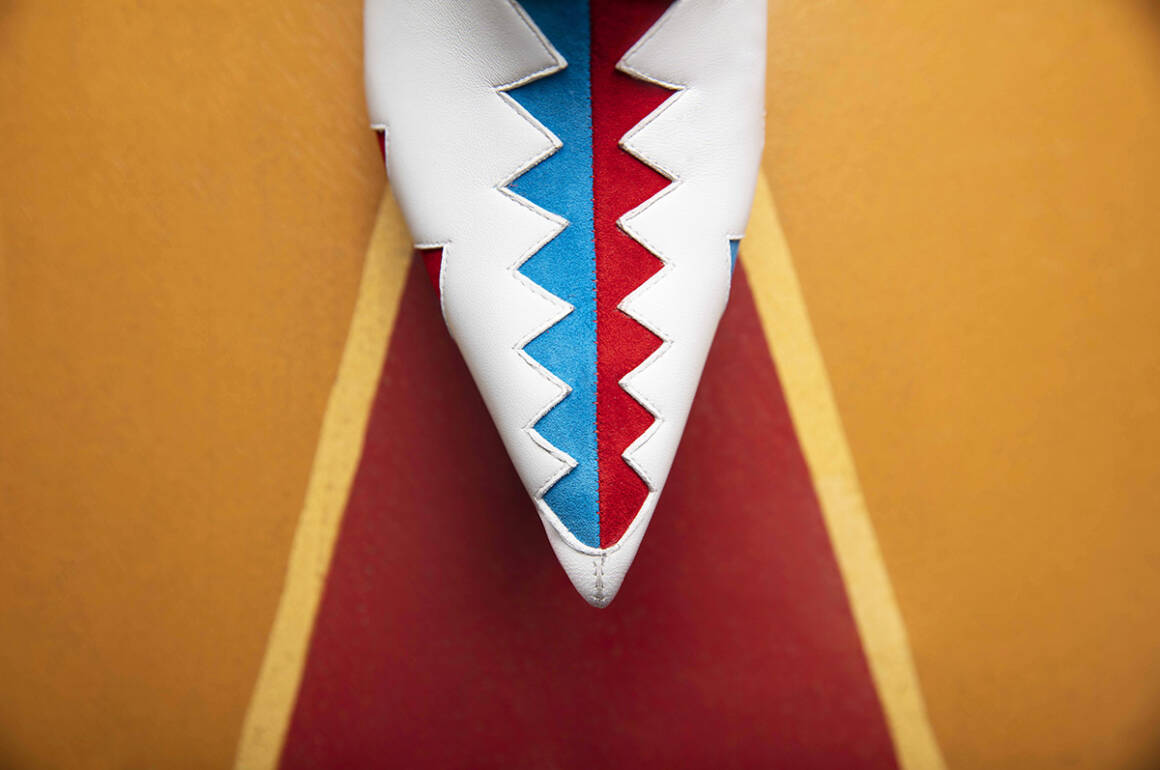
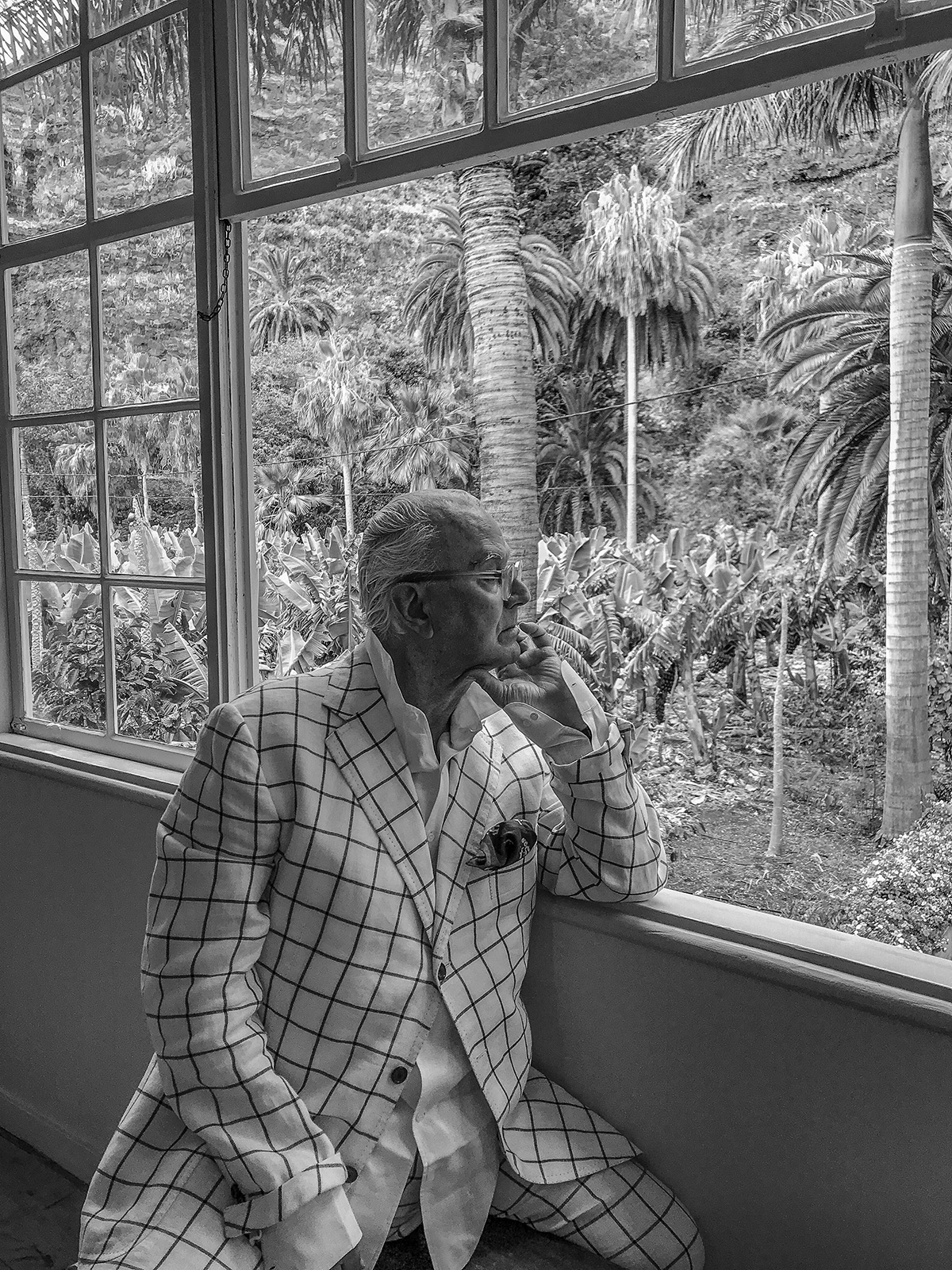 Fashion designer Manolo Blahnik is something of a legend within the shoe industry. His career truly kicked off in 1969 after meeting US Vogue Editor in Chief, Diana Vreeland; after that, he devoted himself to designing shoes, opening the first Manolo Blahnik store in Chelsea, London, the next year. He speaks to Trudy Ross about his design philosophy, dressing for yourself and looking to the future
LUX: You’ve said before that shoes are in your DNA. Can you share the story of how you first decided to spend your career designing them?
Manolo Blahnik: It was all thanks to Mrs Vreeland. When I met her I was in a state of catatonic nerves; I grew up with Mrs Vreeland, with Harper’s Bazaar. I had presented some sketches to her of set and theatrical designs and she told me to design shoes. She said “Young man, stick to the extremities and make shoes!”. She gave me the advice I so needed to hear and paved the path for me to follow.
I took a hands-on approach and learned from the best shoemakers in Italian factories. To this day, working in the factories is still my favourite part of the job.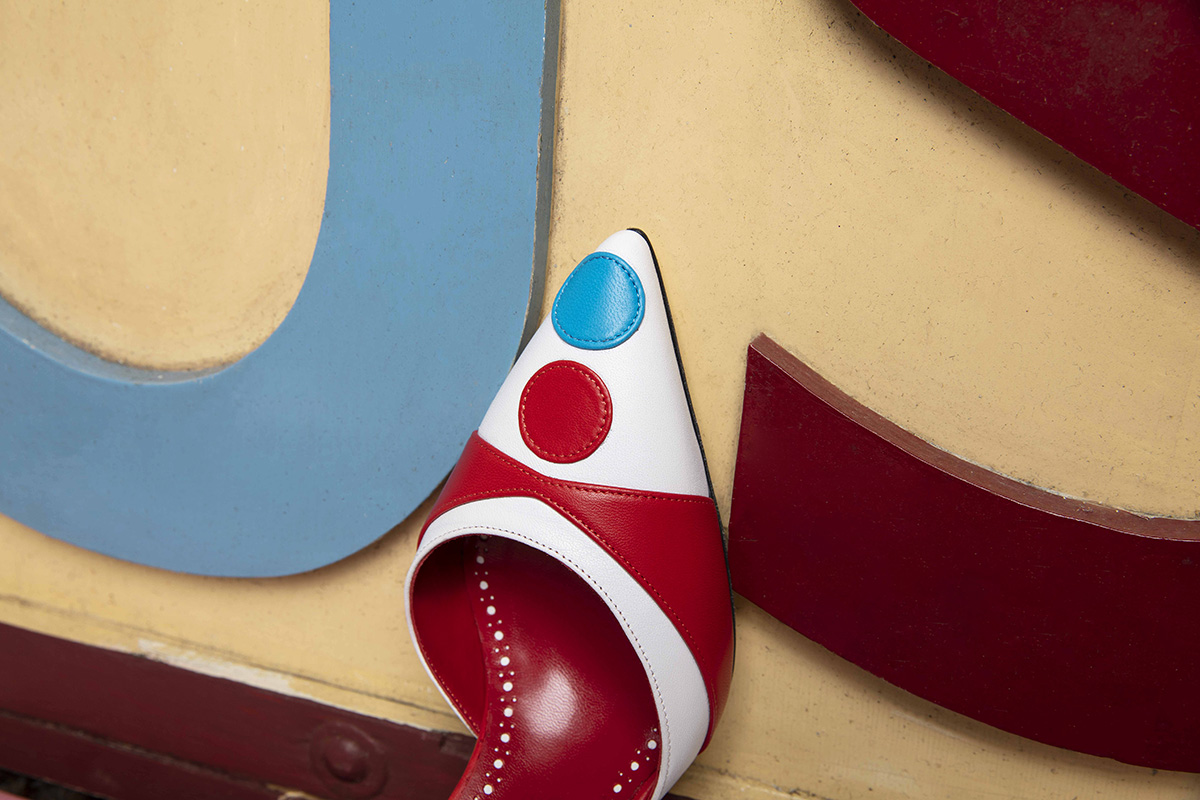
LUX: Tell us about how you opened your first store in the 1970s.
MB: The 1970s was such a fun time in London. It’s funny, the ’70s are absolutely much clearer than the ’80s. We opened the store on Old Church Street in London and that was the very beginning. I didn’t have anything to put in the shop! A friend of mine called Peter Young found the place. He said, ‘There is a wonderful place, far away from everything with no other shops on the street except a pastry shop.”
Follow LUX on Instagram: luxthemagazine
I loved it and I took it, not thinking about how I didn’t have any people, customers, nothing. I used to live in Notting Hill and cross the park on a bike. I would come to the shop every day. We used to open at 10 o’ clock. I ate some cookies at the pastry shop and then we would call Italy and get the shoes done.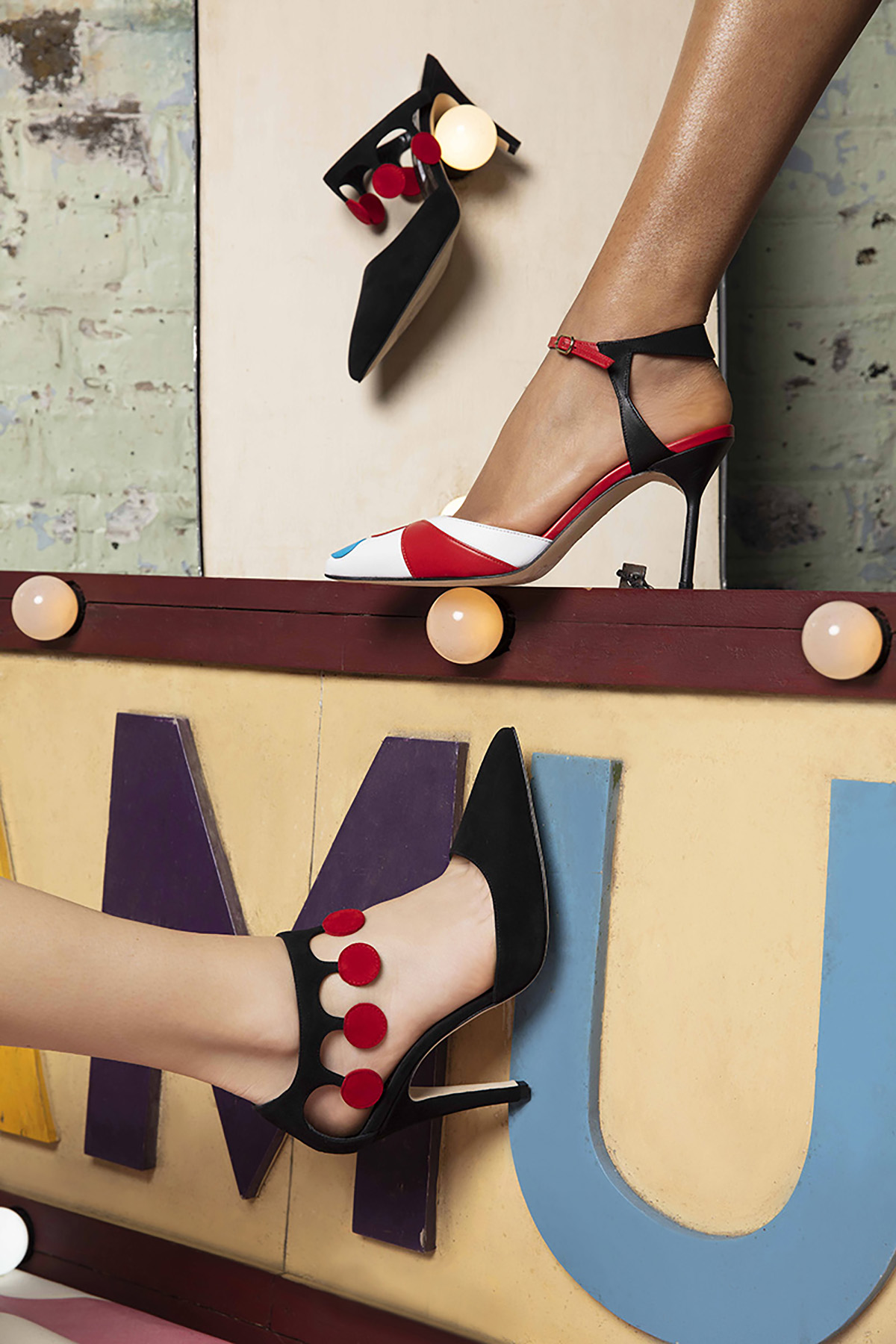
LUX: What is your favourite part of the design process?
MB: Without a doubt, working with the artisans in the factories. I have been working with the same artisans for over 35 years. Craftmanship is in their blood, passed down over generations. The team there know exactly what I am thinking and strive to bring all my creations to life, even the most intricate and embellished designs, always pushing boundaries to ensure the complete perfection and the attention to detail required in each of my collections.
Developing seasonal styles with the artisans and spending time in the factory is truly my favourite part of the job. It always has been and always will be.
LUX: Can shoes be a work of art? Can they be more than a work of art?
MB: Shoes can be inspired by art. I am always inspired by art. Francisco Goya did the best shoes in his paintings! I think I would collect all his art if I could. It has hugely inspired me throughout many of my collections and I can’t count how many hours I have spent staring at his works in the Prado museum.
I want my shoes to embody personal style and creativity, pieces of art for your feet.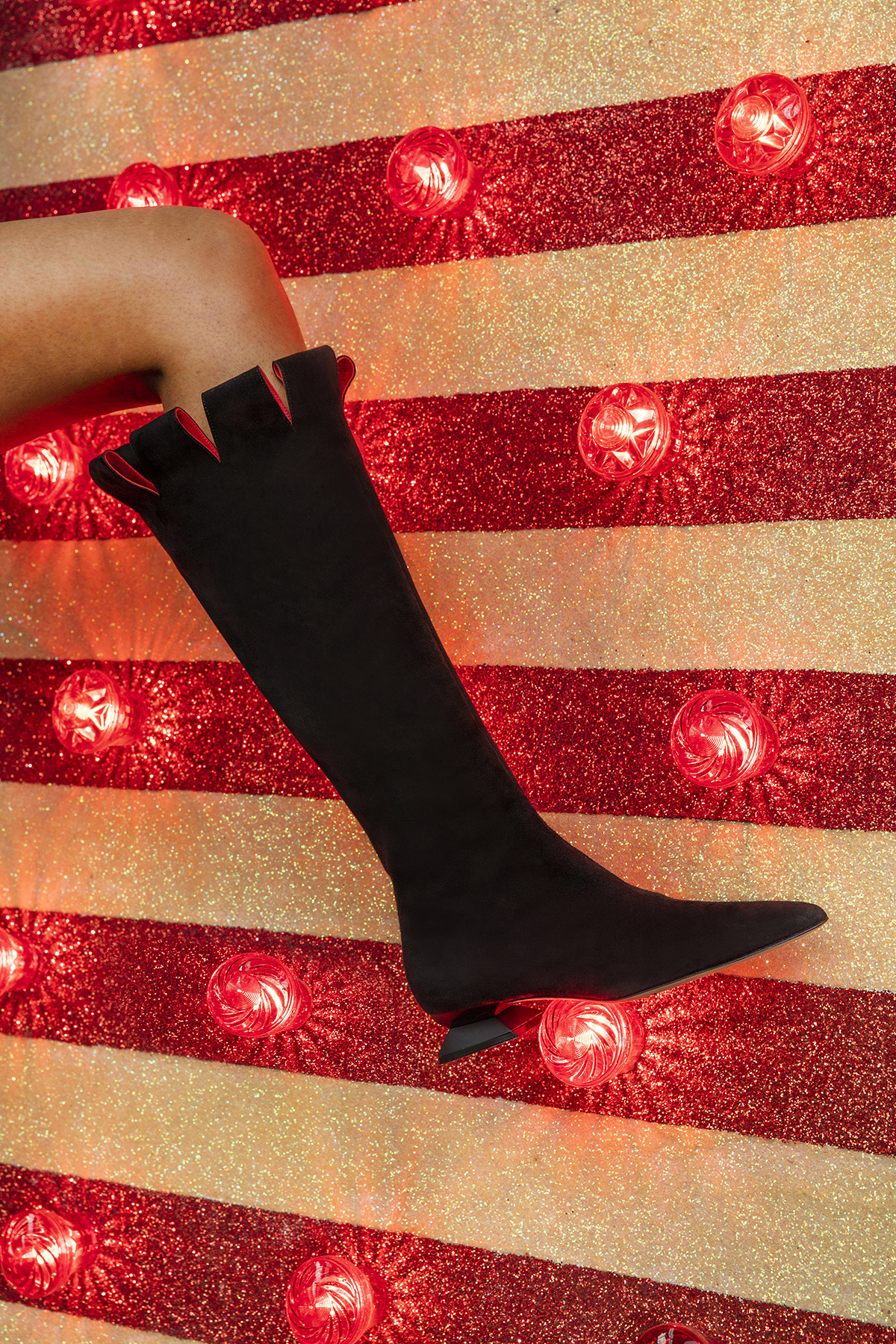
LUX: How can one stay ahead of the fashion curve?
MB: By not following trends. Staying true to who you are and dressing the way you want is, in my opinion, true style. It is a physical attitude that cannot be bought.
I’ve never been one to follow trends. If I see too much of something, I change it. What’s the point of people wearing the same dresses and the same shoes? Everybody ends up looking like clones and I hate that. Individuality is what makes us all unique. I like independence and I love eccentricity. If you like something, buy it. Find your style and stick to it.
LUX: Style or comfort?
MB: I believe you can have both. I spend a lot of time with the artisans testing the comfort of our shoes. Elegance and comfort go hand in hand, you must be comfortable to appear elegant, one cannot exist without the other. There is nothing charming about a woman who cannot walk in her shoes.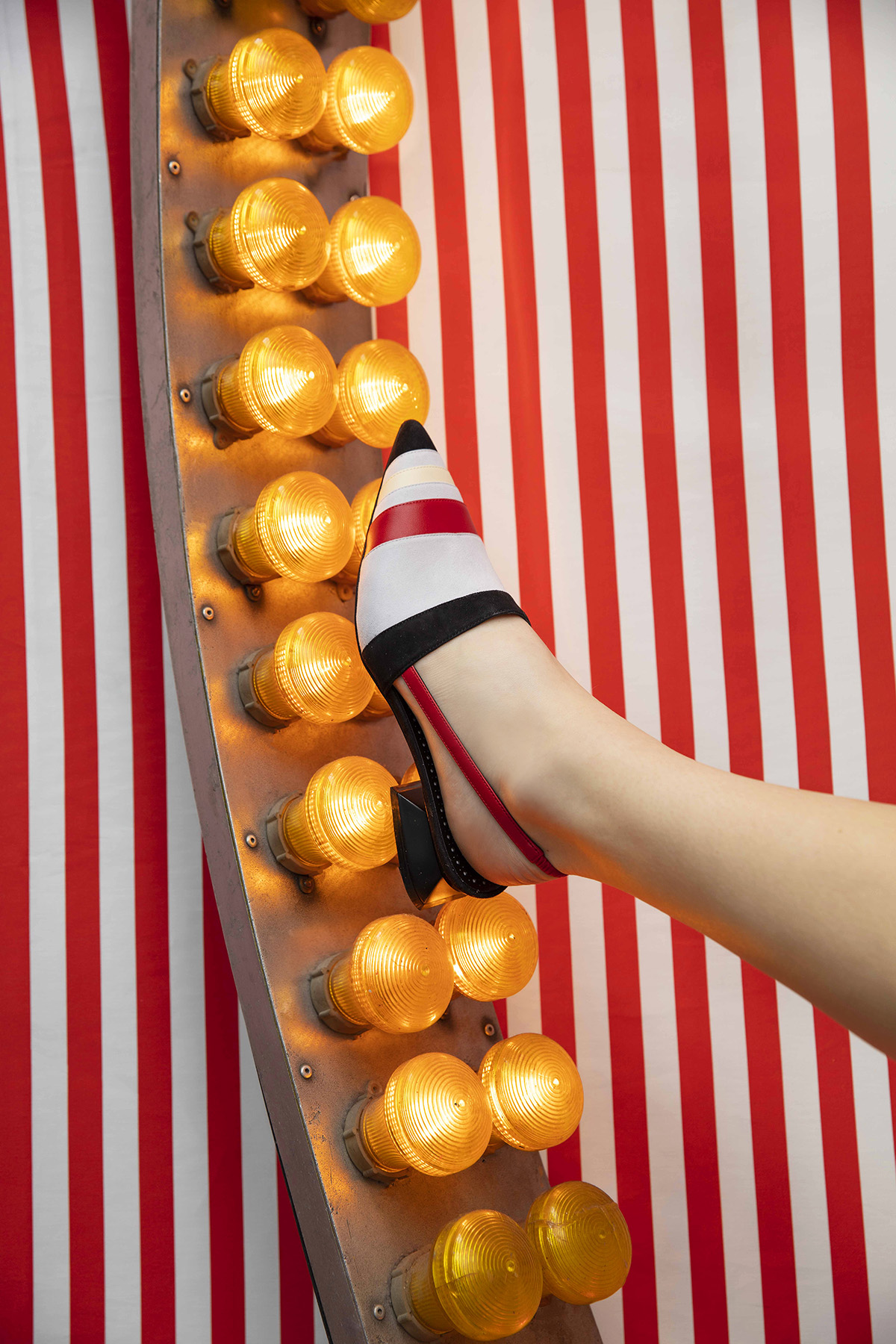
LUX: Women’s or men’s fashion?
MB: Both! What’s wonderful is that people are starting to dress up again. In London, men and women alike are now dressed up and going to Savile Row to have suits made.
So long as we are human, we will want to be decorated—for ourselves; not for other people so much. When I wake up in the morning I say, “I’m going to wear happy colours today,” and that is for myself!
LUX: What does it take to create a truly iconic brand identity?
MB: Be true to who you are and believe in what you do! I think the most important thing is the product. That should always remain at the centre.
But for me, it’s not about being a big brand or ‘iconic’! I just want to be healthy and keep doing things. I don’t want anything else. I have everything I want, and I have wonderful memories.
LUX: In the age of e-commerce and social media, how has the digital landscape affected the Manolo Blahnik brand?
MB: You must move with the times or else you will get left behind. Our e-commerce website and social media are a crucial part of the business. When we started to work on The Craft Room, I wanted it to be online so that anyone, anywhere in the world can access this virtual world. It’s exciting! It’s wonderful to be able to connect with the world in this way.
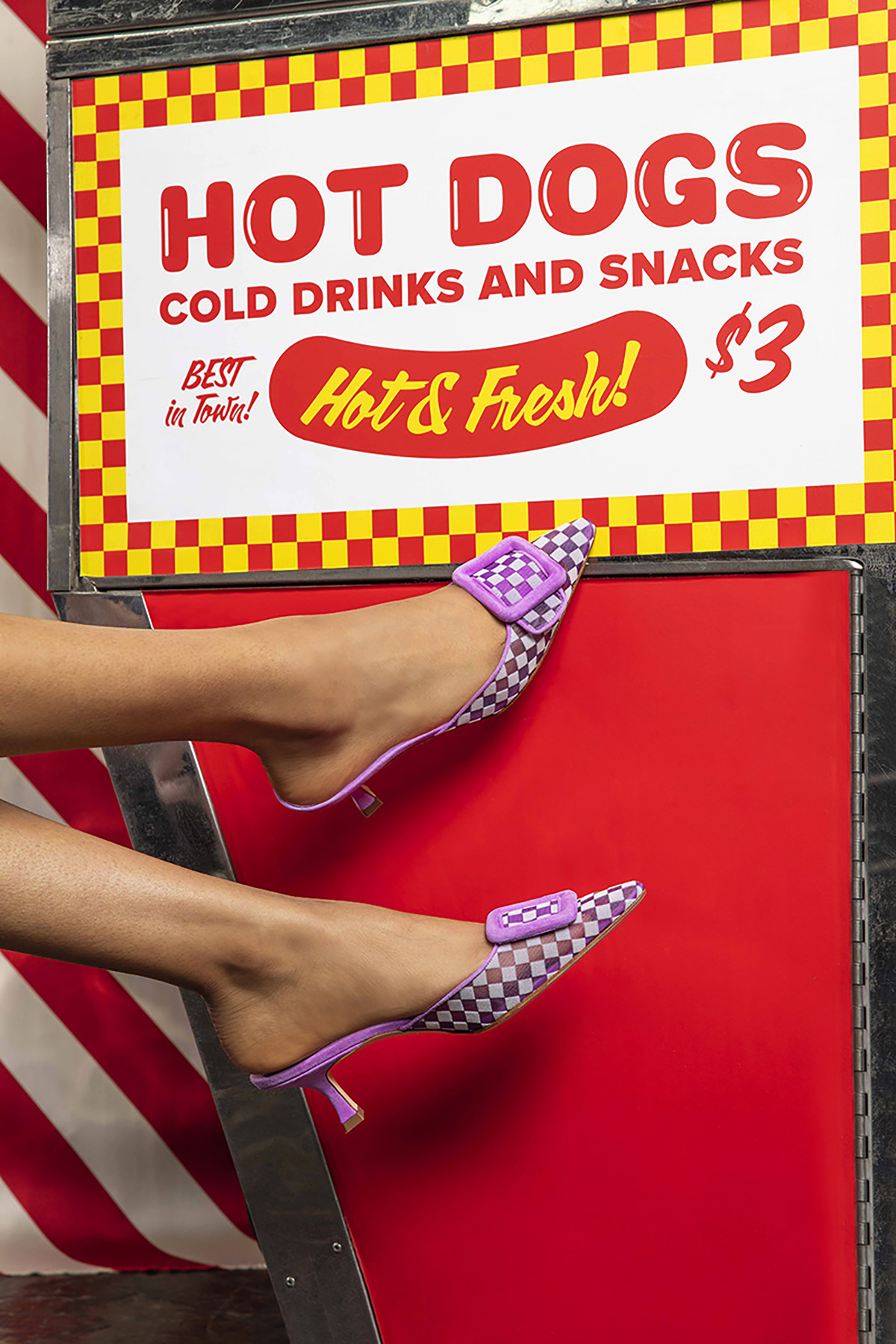
LUX: What does sustainability mean to you?
MB: We don’t use the term ‘sustainability’ because I feel that sustainability is misunderstood. It’s binary: you either are or you are not. We use the term ‘responsibility’ because it is a journey.
My personal philosophy, which was passed down to me from my parents, is that you buy the best quality you can afford and look after it. Mend garments and shoes, have things altered as necessary and upcycled when the time comes. I detest waste and think that overconsumption is unnecessary and lazy.
LUX: In 3 words, how would you describe the world of Manolo Blahnik?
MB: Timeless, colourful and elegant!
Read more: Blazé Milano’s Corrada Rodriguez d’Acrci on creating iconic style
LUX: Where do you predict your brand will be in ten years’ time?
MB: I am so lucky to have my niece, Kristina, as CEO. She has been working on building foundations to protect the brand. We are a family business with a family mindset and it is wonderful we are able to keep it this way. I hope that people continue to enjoy our shoes. We aim to create beautiful handmade pieces that last and make people smile.
Find out more: www.manoloblahnik.com
All images are from the Winter ’23 Collection

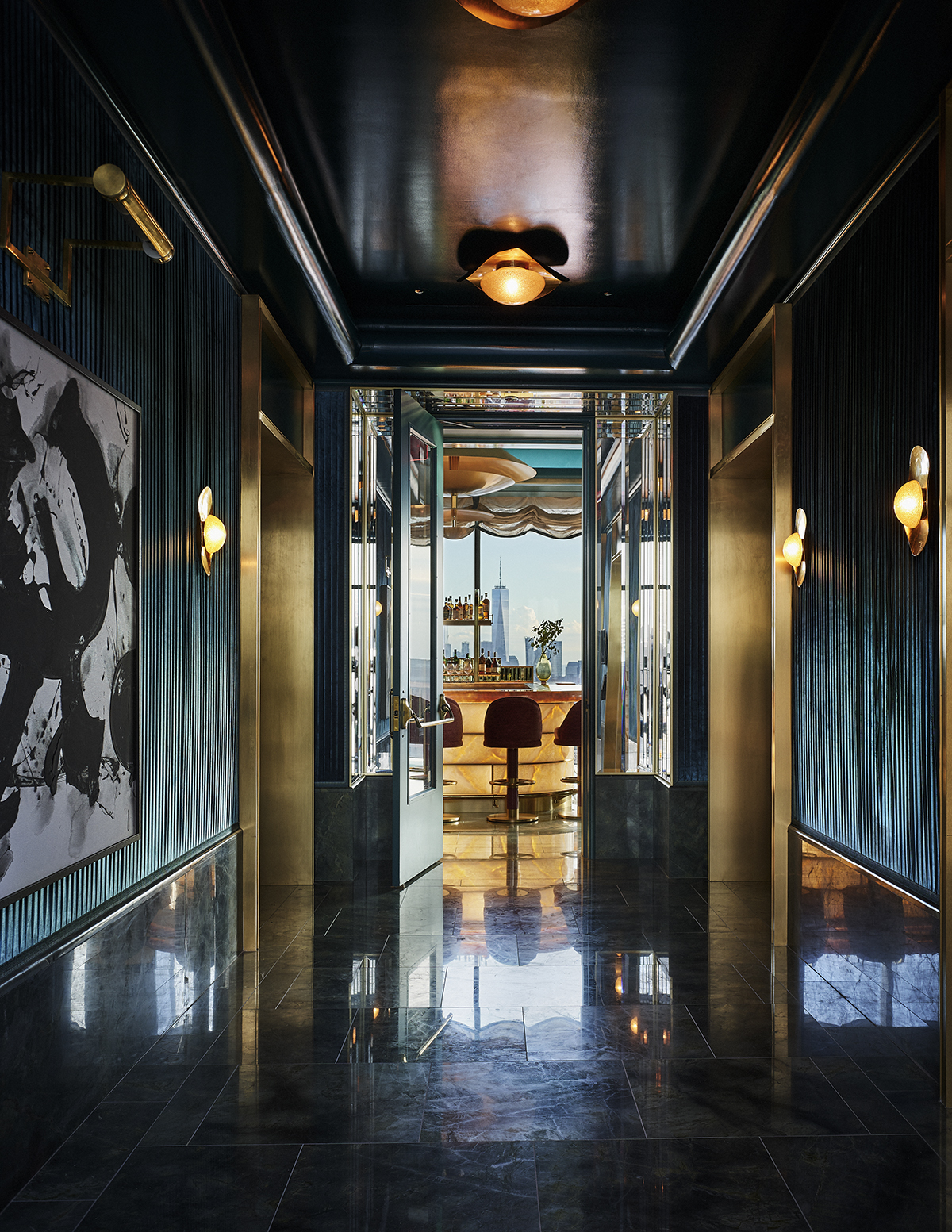
Nubeluz at the Ritz-Carlton New York, Nomad by Martin Brudnizki bring guests to the skies of New York
Martin Brudnizki and Bruno Moinard are two of the most celebrated names in interior architecture and design today. Here, Brudnizki takes LUX on a grand tour of Martin Brudnizki Design Studio’s most recent projects, while Moinard shares his design inspiration and creative process
Martin Brudnizki
Nubeluz at the Ritz-Carlton new York, Nomad
With Nubeluz located on the 50th floor of the Ritz-Carlton, our concept for its interior was to create a star in the New York sky. The project’s core is a central backlit onyx bar, and the surfaces are designed to reflect its lighting. A high-gloss lacquer ceiling, a marble floor, mirrored and onyx tables, plus six statement brass saucer chandeliers ensure that light bounces around the room in a magical way.
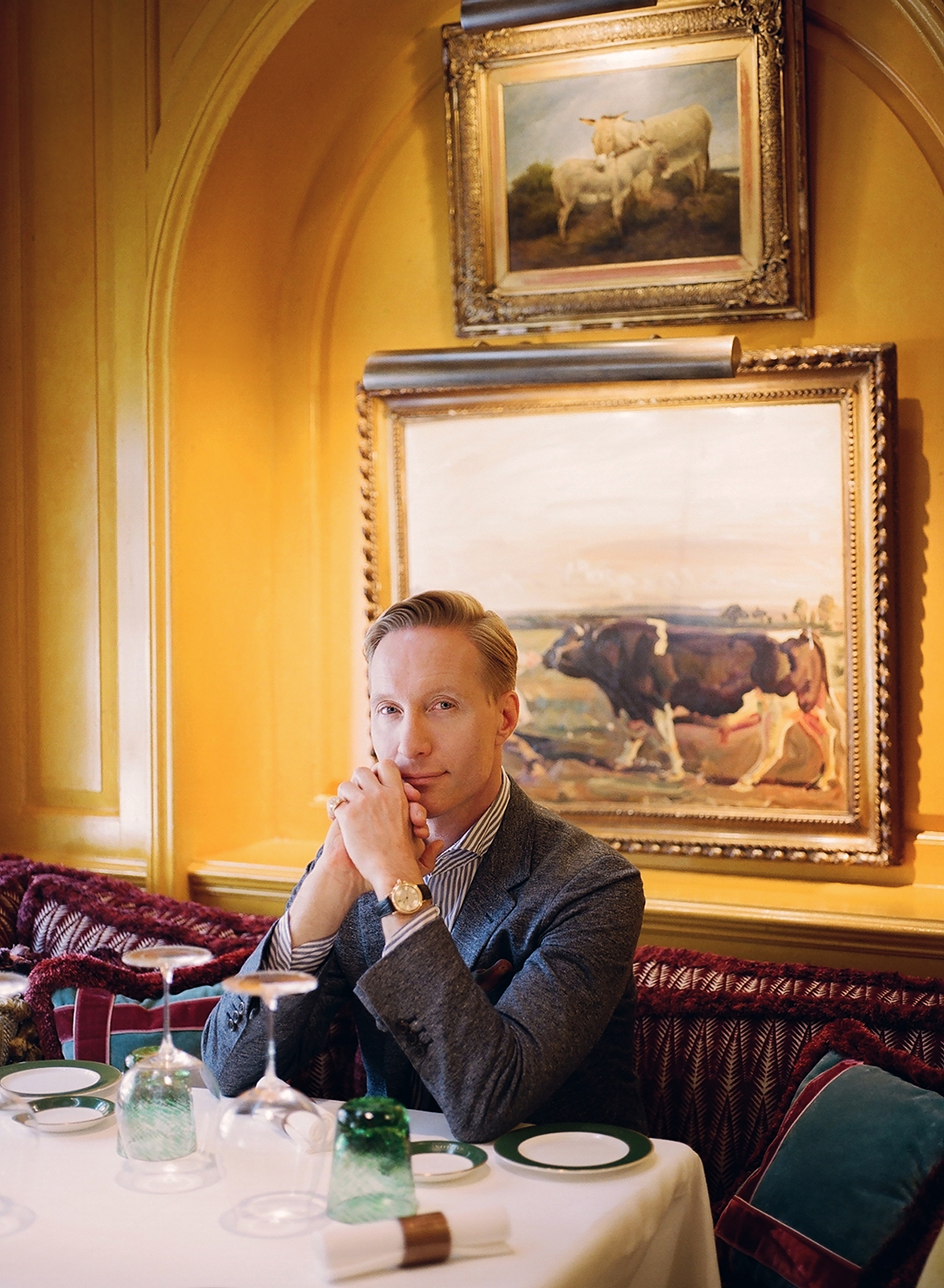
Martin Brudnizki
The colour scheme takes the project from lightbox to jewel box with a teal envelope to the walls, floor and ceiling, highlighting the coral seating in its luxurious mohair and flame stitch-patterned fabrics. We didn’t want to disrupt the views, so sheer teal-trimmed roman blinds hang across the windows. Our interior is a celebration of light and the city, referencing the classic hotel bar and saluting the views over an iconic skyline. It is modern and quintessentially New York.
Hôtel Barrière Fouquet’s New York
This is the illustrious French five-star hotel brand’s first foray into the US. In Paris it is located on the Champs-Élysées, so you might think its natural New York home would be the Upper East Side, but its team chose Tribeca – a decision I love. Our design challenge was to combine a distinctly Parisian ambience with a downtown location.
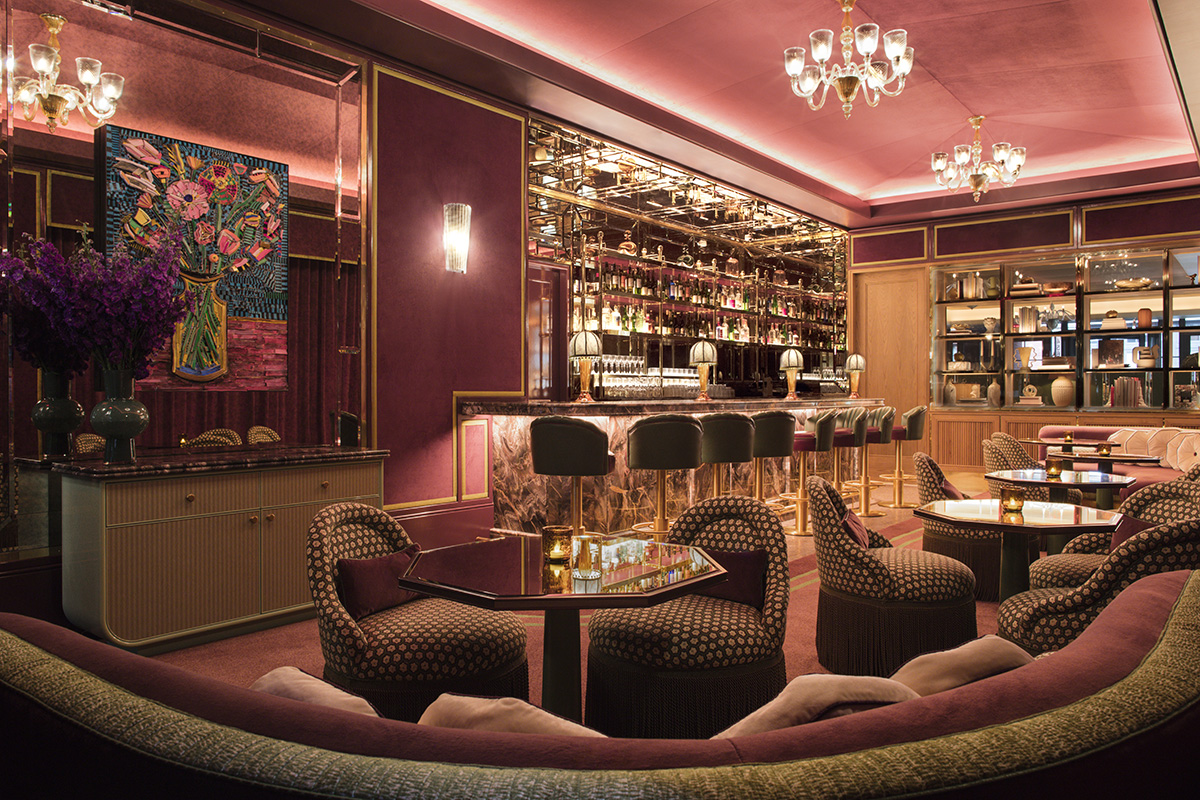
Hôtel Barrièrre Fouquet’s New York by Martin Brudnizki brings the iconic Parisian hotel to Paris
We have brought together high glamour and elegance in a modern, timeless design, while leaning on the building’s loft-style architecture that blends seamlessly into the Tribeca landscape. Parisian design accents can be found in the rich materiality and colour palettes, while a carefully curated art collection, featuring many local artists, has a gritty urban appeal.
hotelsbarriere.com/en/collection-fouquets/new-york
Vesper Bar at The Dorchester, London
With this project, it was important to respect the past while bringing it to a new era. We were inspired by celebrated Roaring Twenties creatives, such as Cecil Beaton and Oliver Messel, who each had a history with The Dorchester.
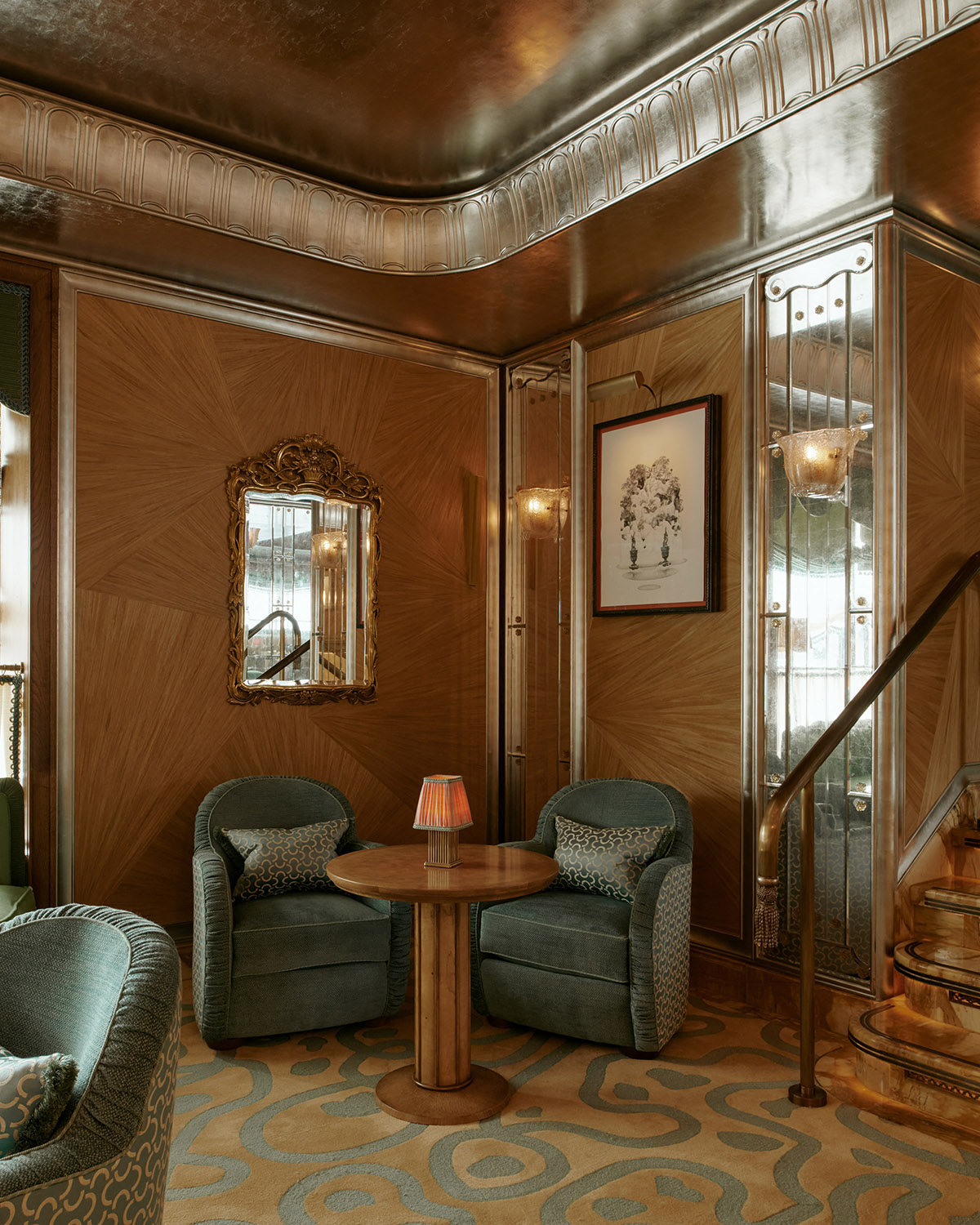
Vesper Bar at the Dorchester by Martin Brudnizki
Their inspiration was integral to the spirit of this landmark bar. We also nodded to designer Syrie Maugham in our use of the mirrored columns. The hope is that the Vesper Bar inspires another Roaring Twenties.
Mother Wolf, LA
Situated off Sunset Boulevard, Mother Wolf is a playful Italian restaurant that has become a magnet for LA celebrities since its opening in 2022. Working with chef Evan Funke and Ten Five Hospitality, we created a homage to the glamour and elegance of Italian design.
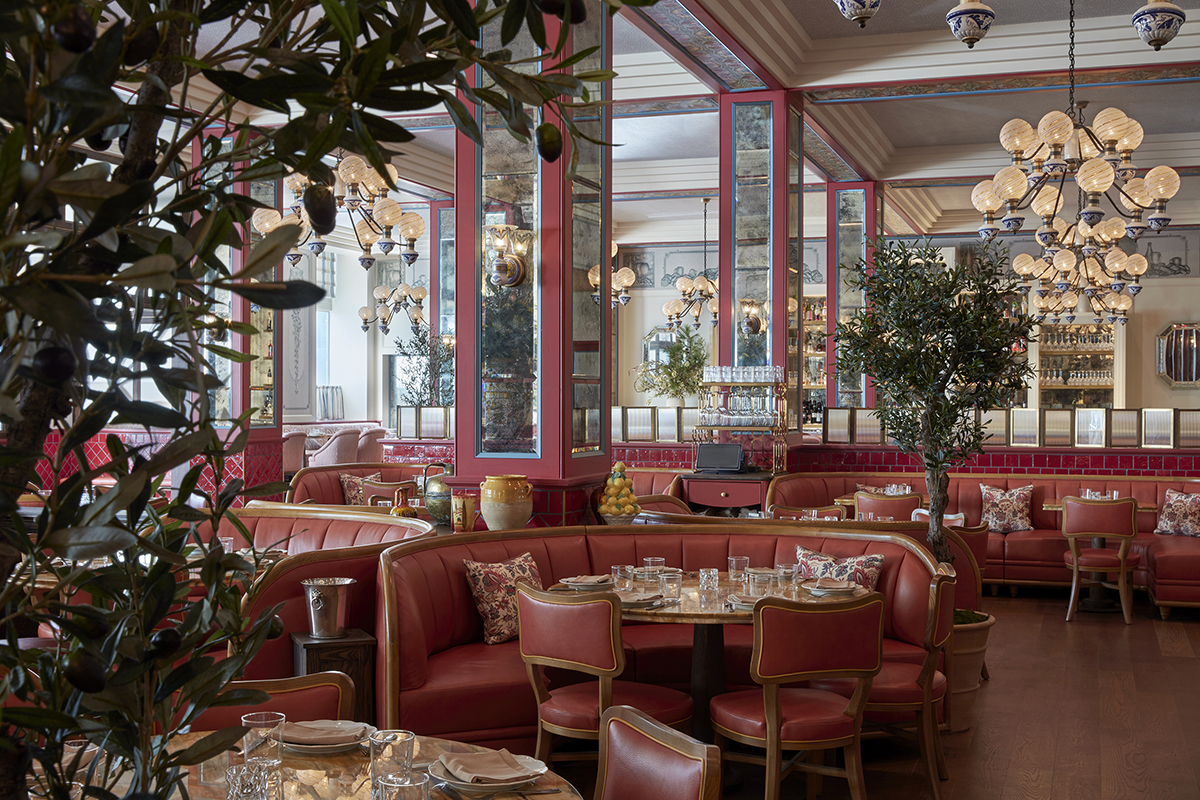
Mother Wolf, LA by Martin Brudnizki
References to architects Gio Ponti and Carlo Scarpa can be found in the dining chairs and central bar, while a trompe-l’oeil scene depicts lemons and pomegranates – an ode to Italy’s chic riviera. With its Murano-glass lighting, antique mirrors and Siena-marble table tops, every aspect of the restaurant’s interiors connects to the design heritage of Italy.
Bruno Moinard
I am guided by lines, materials, light, energy and movement: whether in my work as an architect – in our projects around the world with Claire Bétaille for famous brands and high-profile clients – or in my more intimate work as a designer and painter.
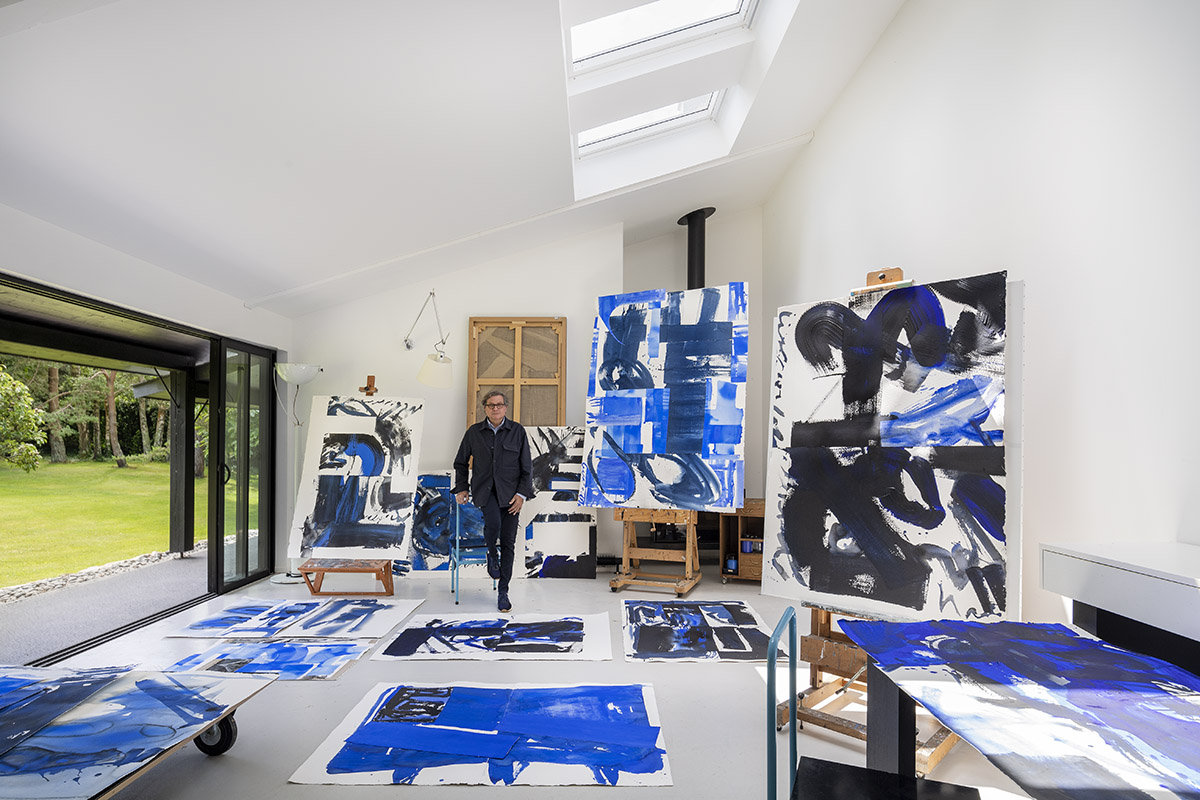
Bruno Moinard in his studio amongst his paintings
When I began to appreciate beautiful old cars – and I have three mythical English models – I saw their design is a distillation of everything that makes me vibrate in my creative process. I see these qualities in the bodywork, the leather, wood and chrome, the colours, the interplay between interior and exterior, the vision of the future in front of me and of the road travelled behind.
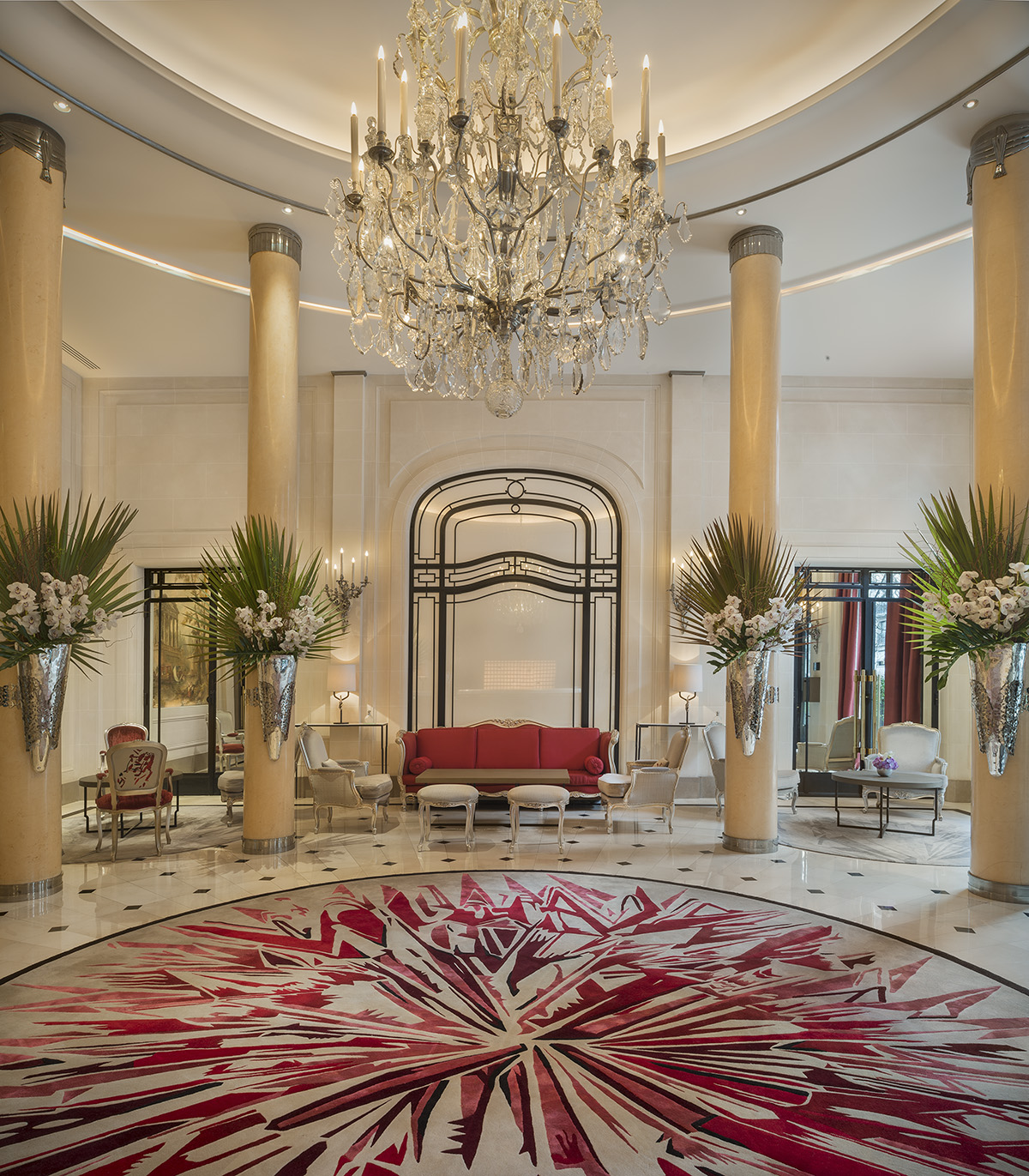
Interiors of Hôtel Plaza Athénee lobby, Paris by Bruno Moinard
So the challenge I set myself is to work with authenticity to evoke an emotion, to give a simple pleasure and generate unique sensations. This is luxury. It has nothing to do with glitz or so-called rarity.
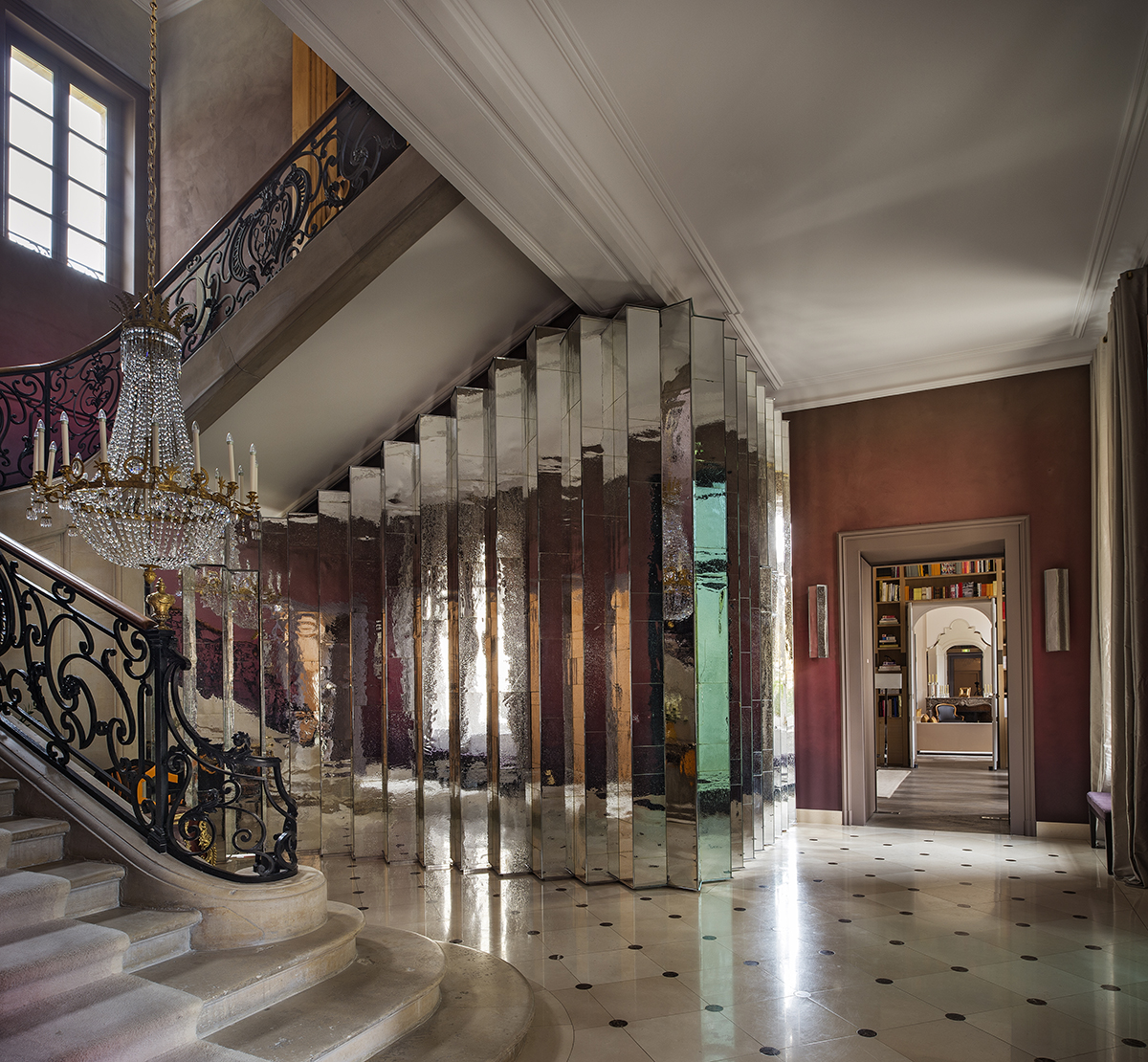
Hôtel du Marc lobby, Reims by Bruno Moinard
So in the cellars of Clos de Tart, a 1,000-year-old Burgundy vineyard with a Cistercian history, we built on the exceptional quality of the historic building, bringing light into the space, giving it life, to place it in harmony with the pure elegance of the wines.
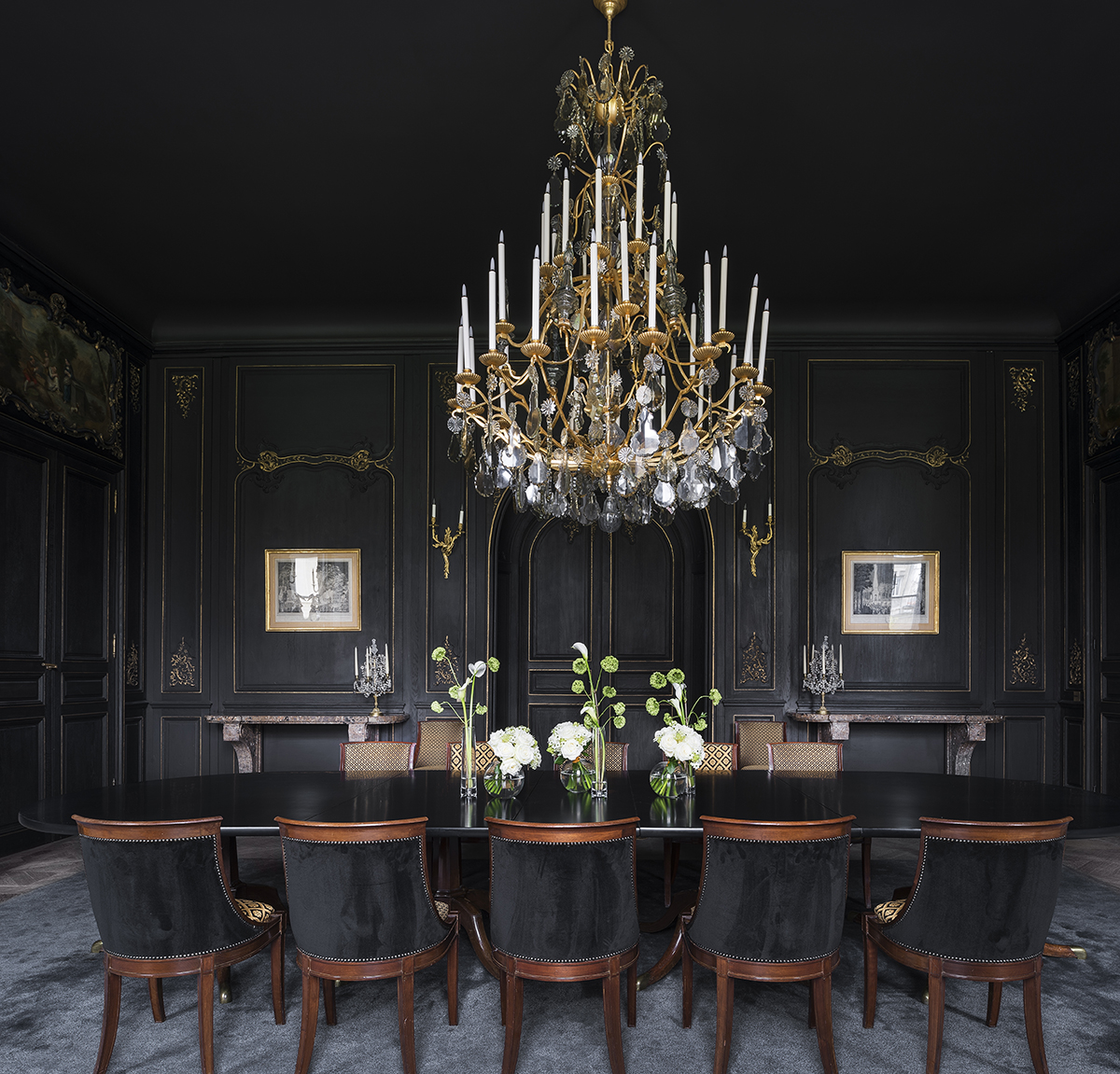
Hôtel du Marc dining room by Bruno Moinard
In “Résonance”, my recent exhibition in Paris, we made each painting an experiential space that I invited people to enter. My recent furniture collections also seek this sense, which has a direct impact on quality of life and on the welcoming nature of a space.
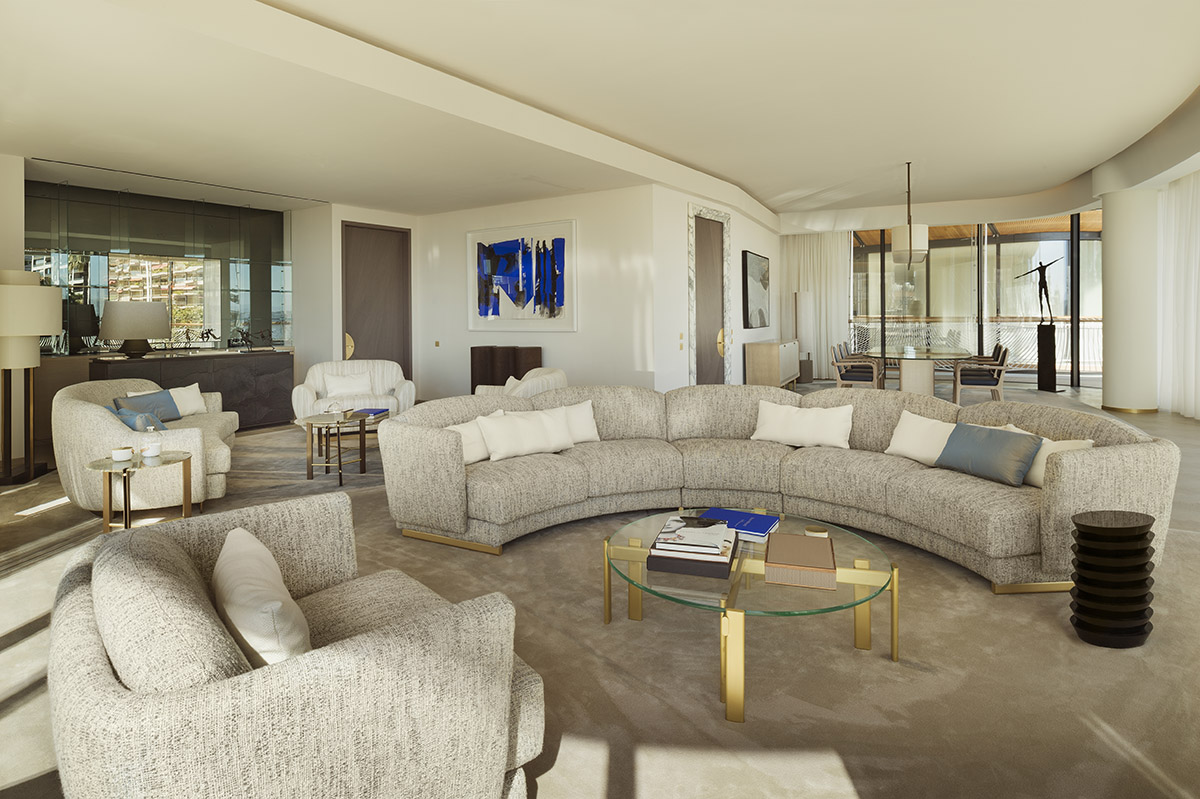
One Monte-Carlo living room, Monaco by Bruno Moinard
My lights, furniture, carpets and objects bring freshness and softness with natural forms and materials. I am privileged to work in complementary fields and my inspiration in both is based on the same triptych of emotion, continuity and sustainability, while promoting the finest workmanship and expertise.
This article first appeared in the Autumn/Winter 2023/24 issue of LUX

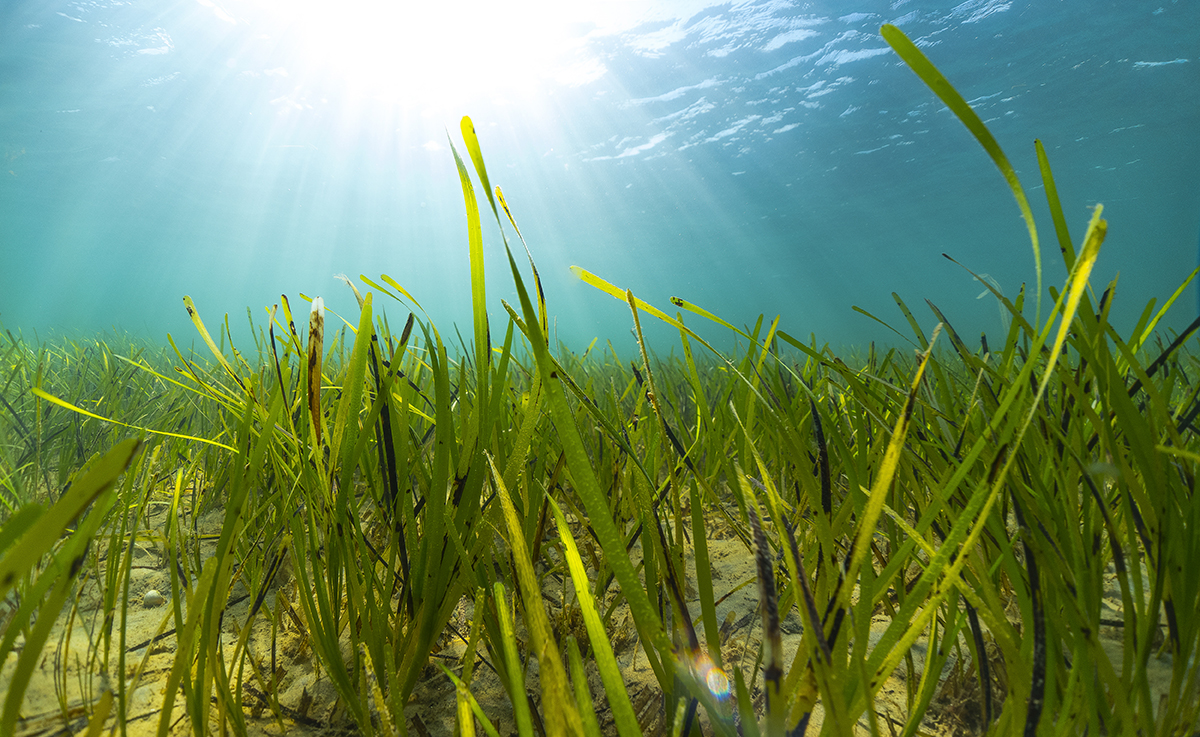
Seaview Seagrass, Solent, Isle of Wight, UK, image by photographer and marine biologist Theo Vickers. © Theo Vickers
As sea levels rise due to global warming, there are tremendous challenges for the environment, coastal communities and global supply chains. Mark Rowe reports and discovers ideas, initiatives and infrastructure measures to help stem the tide
The sea is on the rise. All around the world, over the past 100 years, sea levels have risen by up to 25cm. And they are expected to rise by a further one metre in the next 80 years. The main driver of this increase is climate change, caused by humans pumping carbon dioxide and methane into the atmosphere.
This is driving sea-level rise through one reason everyone is aware of: melting ice bodies like glaciers and polar ice caps. What is less evident is that, even if all the permanent ice in the world were to melt, oceans would continue to rise as long as temperatures did, due to the physics of thermal expansion: warm water occupies more volume.

Dr Joanne Williams
“We can’t reverse what has already happened,” says Dr Joanne Williams of the UK’s National Oceanography Centre. Science, in the form of thermal lags, means sea-level rises are inexorable. Water warms slowly, so, due to deep ocean heat uptake, sea levels will rise for centuries, whatever we do. “The heat is already in the ocean, the rises are locked in,” Williams continues. “But if we act now, it costs less in the long term and we can plan without having to rush. It’s easier to adapt.”
Follow LUX on Instagram: luxthemagazine
In a 2021 report, “Coastlines in Crisis”, by Deutsche Bank Private Bank’s Markus Müller, ESG Chief Investment Officer, and Daniel Sacco, Investment Officer, the authors cautioned that “rising sea levels will put coastal populations and critical economic assets under increasing stress… substantial population displacement is not an unlikely scenario”. These are not abstract observations, and they highlight the challenges, including the human cost.
Dr Philipp Rode
Most of the world’s populations live by water. Around one in 10 of us live less than 10 metres above sea level and 70 per cent of the world’s largest cities are in low-lying coastal areas. Roughly 40 per cent of the US population lives in coastal cities. So communities, as well as their infrastructure, trade and buildings, both residential and commercial, are all at risk, making the adoption of adaptation planning even more of a priority. As Dr Philipp Rode, Executive Director of LSE Cities, puts it, “How sub-Saharan African cities will cope is very unclear. But the story of people being forced to move because it is too risky and too expensive to live there any more is one we will hear more and more.”
“The ways in which people are vulnerable varies,” says Williams. She cites Bangladesh, where a one-metre rise would shrink the country by one-third. “Bangladeshi people are used to flooding, but in the future it will happen more often, go further upriver and affect more farmland.” Much of the farming hinterland near Williams’s own city, Liverpool, in the UK, is at coastal level. “Not a lot of people live there,” she says, “but that’s a lot of food production at risk.”
It is apparent, then, that threats from sea-level rise affect more even than coastal ecosystems and coastal communities. They affect everyone through global economics in terms of agriculture, infrastructure, real estate, tourism and global trade. And all this affects the Global North as well as the Global South, the Netherlands as well as the Maldives.
This is because critical national infrastructure, most obviously ports, but also electricity and nuclear power stations, electricity cables, and gas and sewage pipes, are often located on the coasts. Twelve of the biggest US airports are built on coastal areas, and nearly one-third of US GDP relied on the coastal economy, employing almost 55 million people in 2016. It is estimated that 20 per cent of global GDP could be threatened by coastal flooding by the end of the century. Our seas handle 90 per cent of global trade and that means if ports get battered, then cargo – from plastic toys to grain consignments – will get tangled up with knock-on effects.
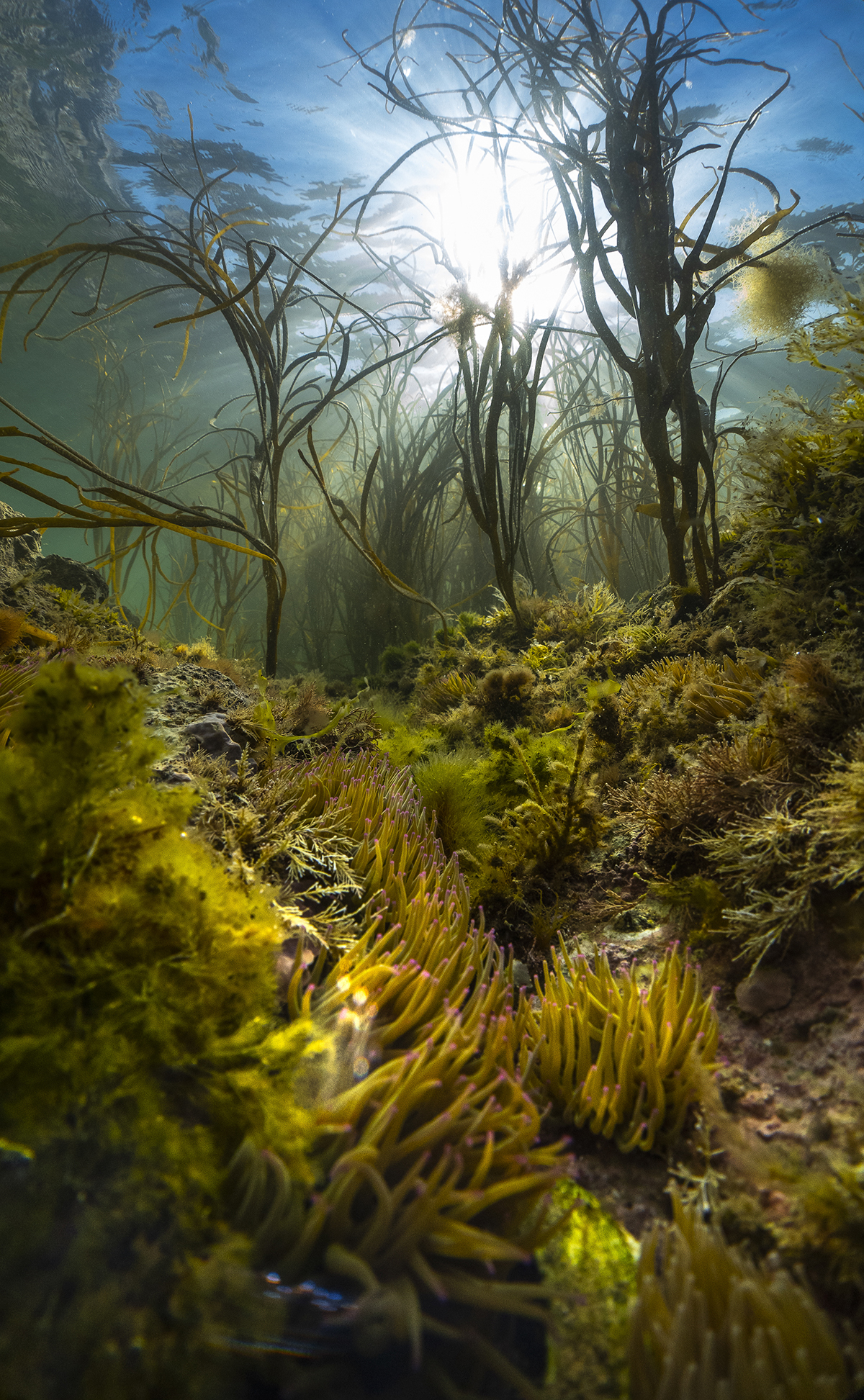
An Island’s Wild Seas, the Needles, Isle of Wight, UK, image by photographer and marine biologist Theo Vickers. © Theo Vickers
In the Global South, particularly, effects on sectors such as agriculture and tourism will be especially disruptive, as developing countries are most reliant on them. Saltwater inundation from flooding contaminates freshwater aquifers, making agriculture difficult, threatening food supply and making water no longer potable. That spells trouble for the people of Suriname, where almost three-quarters of the population lives five metres below sea level and most of its fertile agricultural land lies on the coastal plain. The Maldives’ highest point is just two metres above sea level, and, while it performs well compared to its small island peers, tourism accounts for almost one-third of its economy, making its people extremely vulnerable to rising sea-level shocks.
“Rising seas will not see cities sink slowly, millimetre by millimetre beneath the waves. Instead, changes are complex and abrupt,” says Rode. “Sea-level rises make other things worse. If you get a combination of flash floods, storm surges, high winds and high tides, the peak height of impacts will hit places harder. The higher sea levels are, the harder it is to get floodwater from heavy rain out of a city.”
Society does not have a great track record of awareness, let alone action, when small communities, or those from the Global South, are involved. Barranquilla is the fourth largest city in Colombia, with a population of 2.4 million. Located next to the Magdalena River, near the Caribbean Sea, it is a major port. But because of mismanagement and lack of investment in water infrastructure – it has no rainwater drainage systems, for example – it is highly vulnerable to floods and landslides. When the city floods, and it does, the roads turn into dangerous, fast- flowing rivers, sweeping away cars – and people. Sea-level rise is set to compound the situation, and while there is a push for legislation and some agreement to avoid disaster, there is no clear plan, resulting in stressed infrastructure, increased food shortages and poor, often Afro-Colombian communities, displaced to informal slums.
While the residents of Barranquilla still wait for change, the Hurricane and Storm Damage Risk Reduction System was created in New Orleans right after the devastation of Hurricane Katrina in 2005. It is the most costly flood-control system on earth and one of the biggest public-works projects in US history. Governments around the world are becoming increasingly conscious of the risks of sea-level rise and are progressively implementing adaptation measures. Shanghai’s authorities place a high value on these because, by 2050, the city is predicted to endure floods and rainfall 20 per cent higher than the global average. To lessen its vulnerability to rising sea levels, the city has built 520 kilometres of defensive seawalls. The OECD warns against complacency, however. Solutions are out there, but they will need to come hand in hand with the regulation and business climate that allows them to become viable commercially.

Guy Michaels
Grey or technological solutions are often the direct go-to approach. London, which is estimated to have a water level increase of up to two metres in a low-emissions scenario, has its retractable barrier system, begun in 1974 and in operation since 1982. “And London can always get the Thames Barrier to do a bit more lifting,” says Guy Michaels, Associate Professor of Economics at the LSE’s Department of Economics. “In New York, which is 10 metres above sea level, you can think of ways to potentially close off the harbour.”
Tokyo created a spectacular solution in 2006. The G-Cans flood project is a huge cathedral-like underground cavern supported by 59 towering pillars. Permeable surfaces and a network of pipes divert floodwaters to a reservoir, before being slowly released to the Edo river. The price tag was more than US$2 billion and costs for defending infrastructure along other coastal cities are similarly eye-watering. “You can build defences higher, but there comes a point where you have to ask whether costs justify the outcomes,” says Williams. “When you get a one in 100-year flood, people build back. But what if that event happens again the next year, and then the year after that?”
This is where nature-based solutions come in. While many cities in advanced economies – those, remember, primarily responsible for climate change – have the means to protect themselves through technological solutions, the picture is different in the Global South, says Rode, where emphasis is more on adaptation. Barrier islands, vegetated dunes, coastal wetlands, mangrove forests and reefs are examples of natural barriers to protect shorelines.
They provide several advantages in addition to flood protection, including carbon sequestration, biodiversity restoration, fish nurseries, cultural heritage, recreational activities, tourism and spiritual benefits. Crucially for the Global South, they can be quickly adapted to the real pace of sea-level rise. Planting mangroves can lower wave heights by 71 per cent or more.
Mangroves originally lined tens of thousands of kilometres of coastlines around the world; previously mistakenly seen by humans as a type of coastal weed that could be destroyed for development, they are a good example of the upside potential of mitigation. Properly managed, mangroves store immense amounts of carbon and support a rich ecosystem of biodiversity, as well as protecting the developments on the coasts they have previously been cut from. They survive in a variety of climates and in brackish water, and planting mangroves can provide carbon credits.
Meanwhile, studies in the UK have shown how fringes of saltmarsh 40 metres wide can reduce wave height by nearly 20 per cent; at 80 metres, waves reduce to near zero. Nature-based solutions also give quick returns: estimates for annual flood-damage reduction from coral reefs exceed US$400 million for Cuba, Indonesia, Malaysia, Mexico and the Philippines alone.
Fresh, innovative approaches to protect urban areas include creating holistic “sponge cities”, which absorb heavier rainfall. After a cloudburst in 2011 inundated Copenhagen’s main trauma hospital and caused US$1.04 billion of damage, the Danish government redesigned infrastructure to make roads and pavements more permeable, while using nature-based solutions to plant grass and lay soil to better absorb rain.
Information-gathering to facilitate decision-making is key. Many countries use Lidar, a remote sensing method that pulsates laser light across coastal areas to measure elevation on the Earth’s surface. Australia’s web portal CoastAdapt provides mapping software, coastline morphological information, guidance for decision-making in coastal climate adaptation, and local and international case studies. France, meanwhile, is one country using a combination of a tech-based approach to monitor and evaluate its progress to date, and using that to recommend the elaboration of nature-based solutions and proposals to spatially reshape coastal areas.
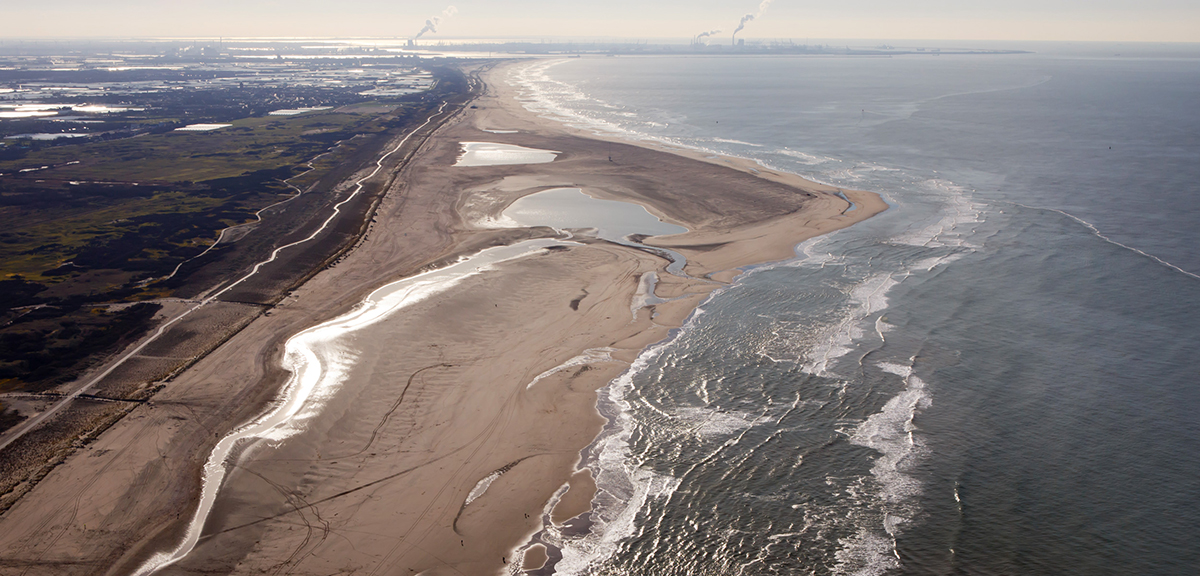
The artificial peninsula whose sand, as it erodes, protects the natural beaches near The Hague © Craig Corbett
The Netherlands, with 25 per cent of land below sea level and scarred by the North Sea flood of 1953, is widely considered the gold standard, with a creative approach combining monitoring, preparation, and grey- and nature- based engineering. “It did a lot of learning, a lot of thinking,” says Michaels. Anticipating sea-level rises of one metre by 2100, its measures have included the 2003 US$70 million reconstruction project to protect The Hague by raising a dyke 10 metres above the mean water level in Amsterdam and depositing 2.4 million cubic meters of dredged sand along Scheveningen Beach, which pushed the ocean back 50 metres from the shoreline.
Meanwhile, the necessary shift to a more sustainable economy offers the opportunity to restructure many firms and their manufacturing processes. Physical damage to facilities as a direct consequence of flood events or other weather extremes interrupt production and make it hard for employees to show up at work. It makes sense that forward-thinking companies across the globe are preparing for climate change by investing in resilient structures that can resist storms, severe winds and flooding.
Coastal cities may have to be radically redesigned or risk becoming “misshapen”, as Michaels puts it. “Inland cities have development that radiates from a central business district in all directions,” he says. “For coastal cities this is not an option. Rising sea levels will further distort the shape of coastal cities, leading to them becoming misshapen and significantly lengthening the costs of commuting to work.”
Michaels is struck by how stubborn communities can be. “Between 1990 and 2010 we saw development increase by 26 per cent in city blocks prone to sea-level rises on the US east and Gulf coasts,” he says. “That was alarming. We assumed people would avoid building there – the exact opposite happened.”
Read more: YKK America’s CEO Jim Reed on creating sustainable products for less
Thumbing a nose at climate science only partly explains this, suggests Michaels. “If you assume people have good foresight but still do it, then they’re building in riskier locations because that’s where the jobs are. It’s a trade-off.” Is there a link to the politicisation of climate change? “People who are least aware of climate change can be the most willing to take on risk,” he says, citing politically sceptical Florida. “Miami is at ground zero. The coast is long, low-lying and very vulnerable. Yet there doesn’t seem to be a wide acceptance of what is happening and many locals regard most events as ‘nuisance’ flooding.”
What will trigger meaningful long- term, joined-up action? “Disasters recede into the background quite quickly,” says Michaels. “Maybe that changes if we get a Hurricane Sandy or a Katrina every year.” Williams is more optimistic. “I see people putting the effort in. It’s important not to say things are impossible, otherwise people ask why they or their government should bother taking any steps.” Rode reckons a more fundamental societal shift is required. “Free-riding, the good life as we know it, goes far beyond levels of consumerism that are healthy for the planet. Maybe we need to rediscover the mundane, then decide whether what’s really meaningful in life is that your local river is clean enough to swim in.”
Find out more:
deutschewealth.com/dam/deutschewealth/cio-
perspectives/cio-special-assets/coastlines-in-crisis
This article first appeared in the Deutsche Bank Supplement of the Autumn/Winter 2023/2024 issue of LUX magazine
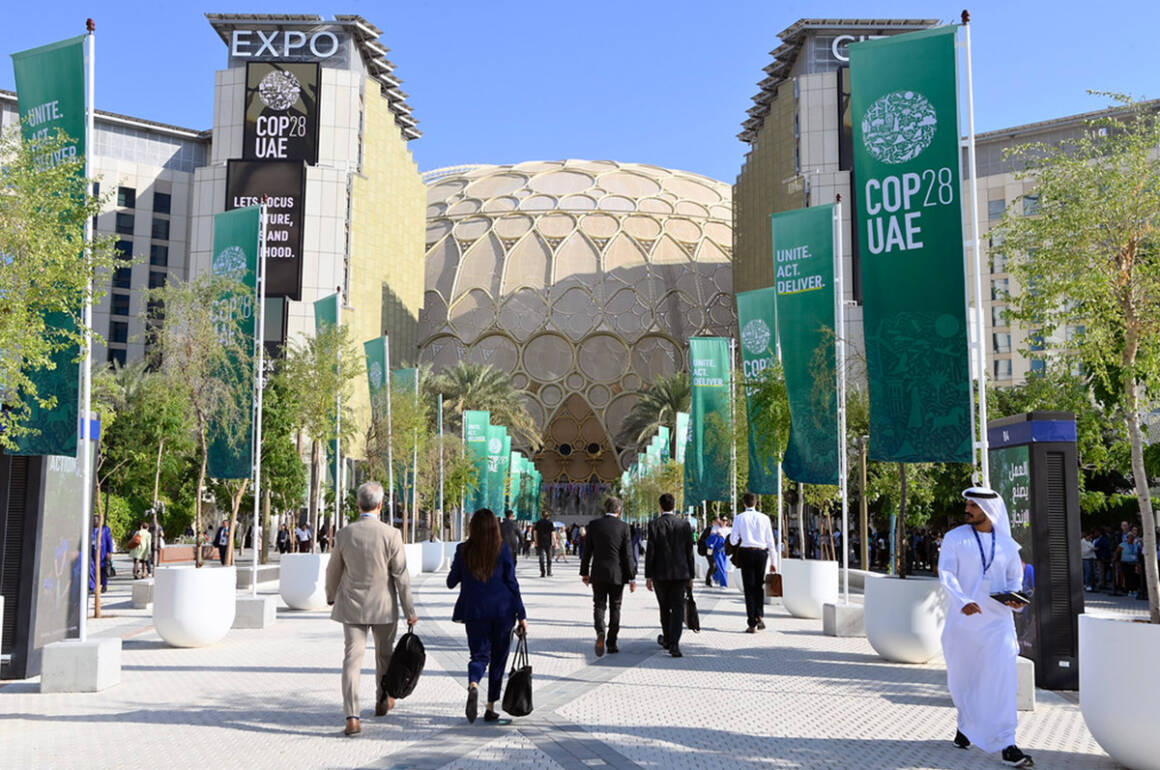
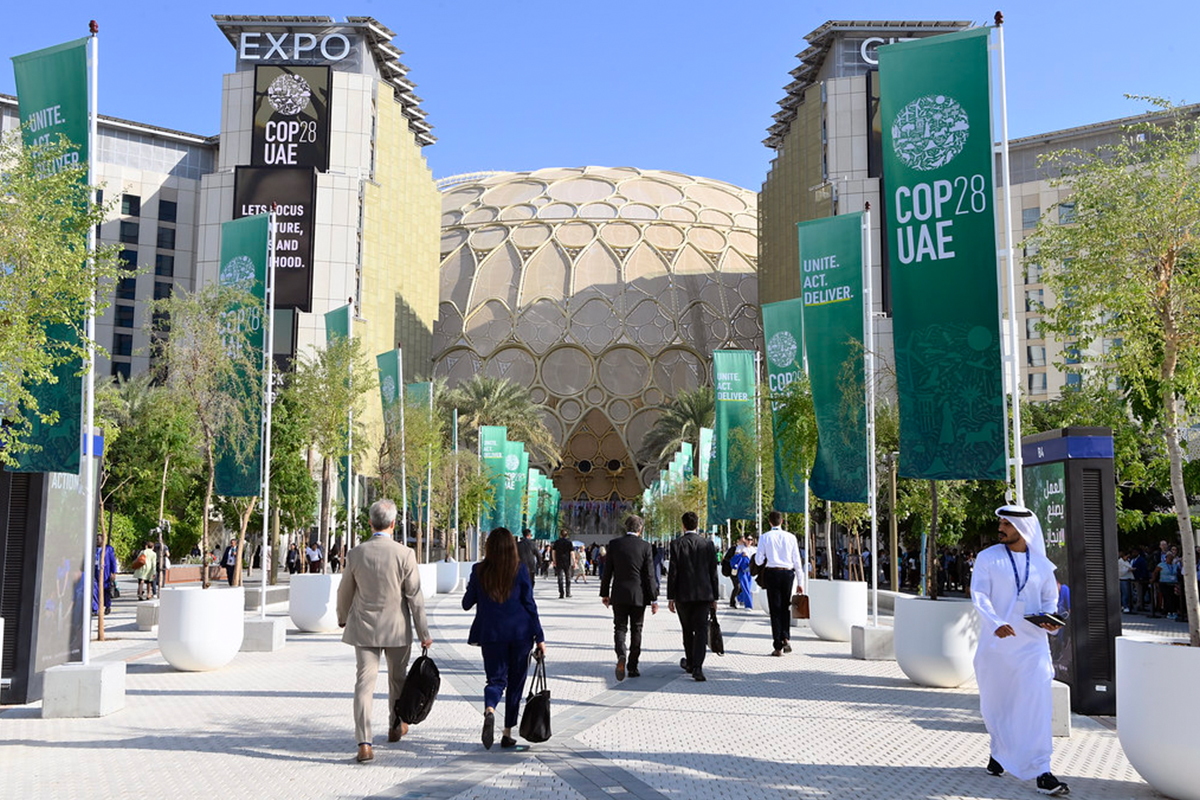
COP28 closed last week with an agreement that signals the “beginning of the end” of the fossil fuel era
Following the close of COP28 last week, Markus Müller, Chief Investment Officer of ESG & Global Head of Chief Investment Office at Deutsche Bank’s Private Bank, speaks to LUX about his key takeaways from the conference
LUX: Did COP28 move the dial on climate change?
Markus Müller: Yes, from my point of view it did. Look at the commitments to triple global renewable energy capacity by 2030 and double energy efficiency. But it is what is implied by such commitments that is most interesting. This isn’t just a matter of developing pure supply. We’re also going to have to develop markets – by changing permissions and enhancing grid connection, to mention just two factors out of many.
Follow LUX on Instagram: luxthemagazine
We also have to recognise who can do what by when. Rapid adoption of renewables may pose the biggest challenge for the Global South. After nearly 30 years of these climate change conferences, it’s also highly important that fossil fuels have finally formally been mentioned in the commitment for a “transition from fossil fuels to cleaner energy”. In statements for previous COPs, there has just been talk about reduction of harmful subsidies. This is a clear step further. The problem for countries is now to make this happen without sacrificing living standards.
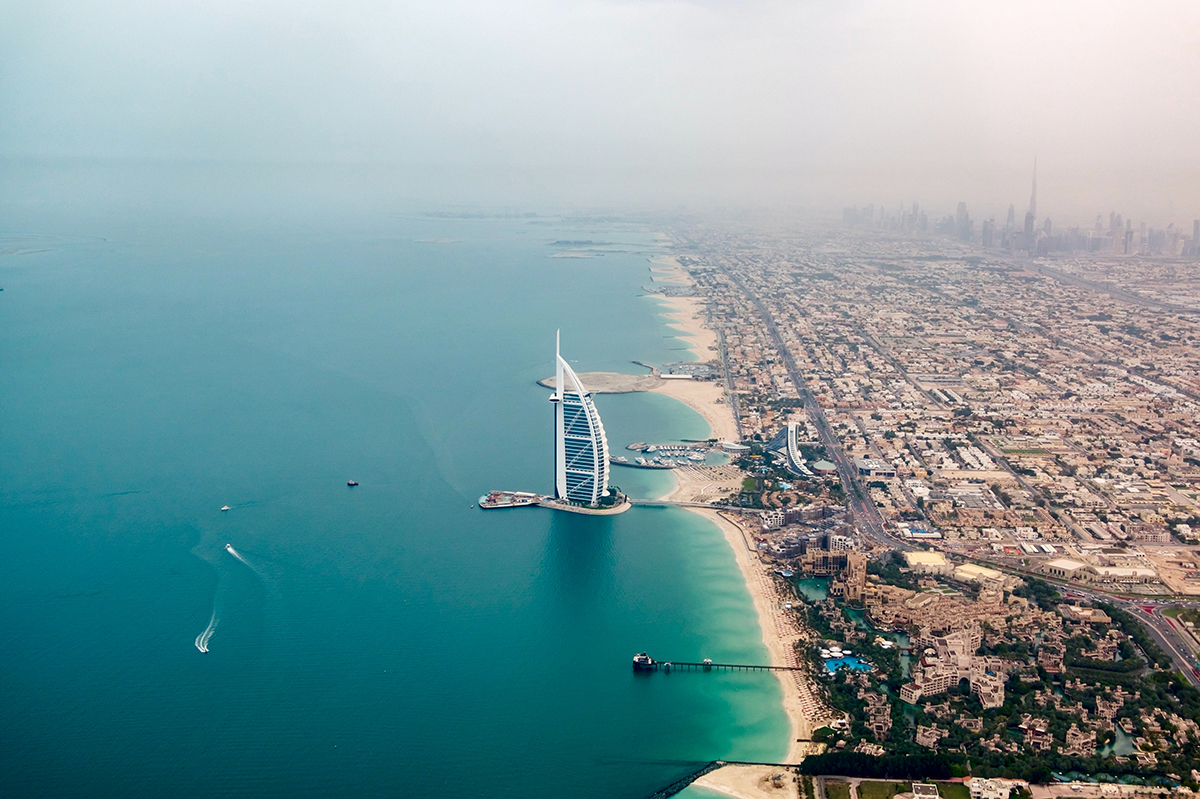
Global solidarity was shown at COP28 when negotiators from nearly 200 Parties came together and signed on the world’s first ‘global stocktake’ to ratchet up climate action before the end of the decade
LUX: What was your best professional moment at COP28 and why?
MM: My best professional moment was a talanoa-style dialogue with the Island Youth from Hawaii, Philippines, Palau and Samoa. It was impressive to listen to the Island Youth discuss their views and hear their take on challenges ahead. The dialogue helped me understand how disconnected the world still is on many topics – but it also revealed a lot of hope for the future. We know what to do on climate change but we have to act now.
LUX: What was the biggest disappointment and why?
MM: The biggest disappointment was that the sheer scale of event hindered effective dialogue between businesses, policymakers and NGOs. Compared to recent COPs it was simply too big – in terms of numbers of attendees and, for example, physical distance between their stalls. We could have done a better job in bringing together the “needs” with the “what” and the “how”.
Over 85,000 participants attended COP28 including civil society, business, Indigenous Peoples, youth, philanthropy, and international organisations as well as world leaders
LUX: Do you sense genuine momentum towards changing economic thought to take account of natural capital, or is this still an outlier?
MM: I think that nature is coming more and more towards centre-stage but it still isn’t there yet. Next year’s biodiversity COP (COP16 in Australia) should however help make it clear that if we want to tackle the climate crisis we also need to solve the biodiversity and ocean crisis. We need nature for mitigation and adaptation and we need to think more in terms of natural capital to work out how best to do this.
LUX: “Overall, COP28 did more harm than good. The environmentally damaging deals that emerged from informal meetings will do more harm than any resolutions will do good”. True or false, and why?
MM: False. What about all the positives what we all bring home from our informal conversations too? Also remember how news reporting from this and previous COPs have raised awareness of environmental issues in public discussion worldwide? COPs have normalised open discussion of topics previously seen (wrongly) as not relevant to the global citizen. We probably don’t give enough prominence to the publication of the “Global Stocktake” either. This text lays not only the pathway that nations must take to limit global warming to the previously-agreed-upon goal of no more than 2°C higher than pre-industrial levels—but also individual countries’ progress along this path.
COP28 saw Parties agree to Azerbaijan as host of COP29
LUX: Hypothetical question: you are hosting one of the next COPs, and you have absolute power over the final resolution. What would it state – in a way that is both effective and implementable?
MM: I’d make three commitments. First, for Nature and Ocean to join Climate at centre-stage of policymakers’ attentions. Second, to prioritise fixing problems with the allocation of climate finance. Third, and this is very much linked with the second commitment, to put an explicit focus on fairness. Most such finance to middle-income countries for projects that reduce emissions, such as wind or solar energy.
Read more: COP28 Diary by Darius Maleki
Far less goes to the poorer countries, and even smaller amounts to help countries adapt to the effects of the climate crisis. Many participants believe that the focus of future COP meetings needs to be on a fair way to reach targets. As part of this, developed economies need to band together to financially support developing economies in the search for a new, less fossil-fuel intense development path. I think we’ve seen a change in attitudes here in recent COPs and I look forward to them delivering much more here in coming years.
Markus Müller is Chief Investment Officer of ESG & Global Head of Chief Investment Office at Deutsche Bank’s Private Bank
Find out more: deutschewealth.com/esg

Durjoy Rahman of Durjoy Bangladesh Foundation addresses the audience at the AVPN South Asia Summit
A pioneering conference in India is seeking to kick start venture philanthropy in South Asia
‘We had a strong sense that our projects had a lack of effectiveness. Add to that the lack of transparency as well as poor methods of measuring impact, and it became clear that something needed to be done.’
On a charity fundraising trip in 2002, Doug Miller realised the futility of his friends’ and his impact ventures in private equity. Unlike traditional investments, metrics were undeveloped, and methods and final impact opaque. In short, a lot of capital and time was being spent with the best of intentions but with limited results.
In response to this, Miller developed the European Venture Philanthropy Association (EVPA) in 2004 and the Asian Venture Philanthropy Network (AVPN) in 2011, bringing a collaborative approach to venture philanthropy through exchanges with impact investment.
Follow LUX on Instagram: luxthemagazine
His successor is the overwhelmingly accoladed Naina Subberwal Batra, CEO of AVPN and Chair of the International Venture Philanthropy Center, proclaimed one of Asia’s Most Influential by Tatler Asia in 2021 and awarded awarded one of Asia’s Top Sustainability Superwomen by CSRWorks. Batra presided over the latest AVPN South Asia Summit in Mumbai earlier this month; it was the first of these conferences to take place in person, last year’s inaugural edition having taken place virtually. This year’s theme was ‘Bringing Fringes to the Fore”, and it brought together individual philanthropists from culture, education and social impact, and major global companies and organisations.
Durjoy Rahman, a philanthropist from Bangladesh engaged in South Asian art and culture, focused around the creative realm and cultural soft power. Speaking of the cultural world, he said that one of the missions of this Durjoy Bangladesh Foundation was to show that the cultural world “does not need to be seen or judged by the West’s historical perspective”. Durjoy said he is finding this message is finding resonance both in the rest of the Global South, and also in the traditional cultural capitals of the West.
AVPN South Asia Summit brings together philanthropists, venuture capitalists and other leasers to promote the field of venture philanthropy
“It is important to lead the conversation, and to do so needs to involve a multilateral, global conversation. It’s not about doing something and broadcasting information about what we do: multiple dialogues are the way to ensure we engage with like-minded individuals and institutions around the world.”
Durjoy also spoke about how the creative realm can contribute to future-ready education; and specifically, how the creative and cultural field can play a “soft power” role in influencing international views of Bangladesh, a country only founded in 1971 which previously had a negative economic reputation but is now one of the fastest-growing economies in the region.
The same panel, moderated by Vivek Agarwal of the Tony Blair Institute, also focused on educational reform, and featured Dr. Akhil Shahani, Managing Director of The Shahani Group, Dr. Nivedita Narain, CEO of OneStage and Rakshit Kejriwal, President of Phillips Education, speaking about empowerment in employability.
With a history of philanthropic infrastructure lacking in Asia, AVPN CEO Batra is building a network, catering to models that suit the collective regional story and its challenges, moving from a purist venture philanthropy, focused on empowering voices and expanding the network at all costs.
Venture philanthropy itself is a relatively new field, pioneered in the US and now making inroads around the world. It combines elements of traditional philanthropy, where a return is measured purely on the impact of the philanthropic aims, and traditional venture capital seeking a return. There is a prevailing view now that this maximises returns on both levels.
The AVPN conference is aimed to be an interregional weaving of thought leaders and industry experts, where a collective regional story is conducive to progress as opposed to challenging it. Its brief spans culture and education, as well as sustainable development goals.
Left to right: Vivek Agarwal, Dr Akhil Shahani, Rakshit Kejriwal, Durjoy Rahman at the AVPN Summit after their talk on future-ready education
A conference on social impact and sustainable development runs the risk of empty pledges. But not at AVPN – Lavanya Jayaram, South Asia Regional Director, ensured animated conversations, with stakeholders ‘debating unique regional challenges and solutions towards charting a roadmap for philanthropy and impact investing in the South Asian region.’. Founder Doug Miller’s aversion to inaction charged the summit, which hosted over 70 speakers over 27 sessions, a variety of panel discussions, keynote speeches, workshops and ‘fireside chats’. The agenda is also interspersed with networking opportunities, encouraging an ongoing dialogue between speeches, to expand the AVPN ecosystem, with over 600 members across 33 markets and its own academy dedicated to teaching skills in impact investment.
In the wake of environmental disasters that struck the region over the past year, the 2023 summit featured panel discussions on climate resilience and energy transitions in South Asia. Speakers such as Prerana Langa of Aga Khan Agency for Habitat India, developing network based models for disaster risk reduction and biodiversity conservation, spoke particularly to this year’s floods and industrial accidents in Bangladesh, bringing investors into contact with means of making effective impact.
Read more: Cyrill Gutsch on saving the oceans through art and collaboration
A panel discussion dedicated to ‘Bridging the Borders’ and ‘Global Perspectives’ brings as one of the speakers Sanjay Gujral of Everstone Capital, a private equity firm investing across the South Asian landscape, further engaging investment in a cross cultural design. Indian cricket legend Sunil Gavaskar also spoke about finding purpose in philanthropy.
The conference equally addressed gender gaps and supporting women within the economy through talks on gender lens investing, furthered by AVPN’s Asia Gender Network, backed by the Bill and Melinda Gates Foundation, which seeks to advance equality through representation in leadership positions, economic empowerment and education, just to name a few.
Through a multiplicity of sectors and regions, the South Asian Summit is driving a collective effort in sustainable development and in centralising fringe communities in the discussion. The phrase ‘catalytic platforms’ is often thrown around, and yet could not be more apt in such dynamic conversations taking place. The Summit, through the focused involvement of leaders in their fields, is set to catalyse significant change in important and evolving areas. – Olivia Cavigioli
Find out more: avpn.asia
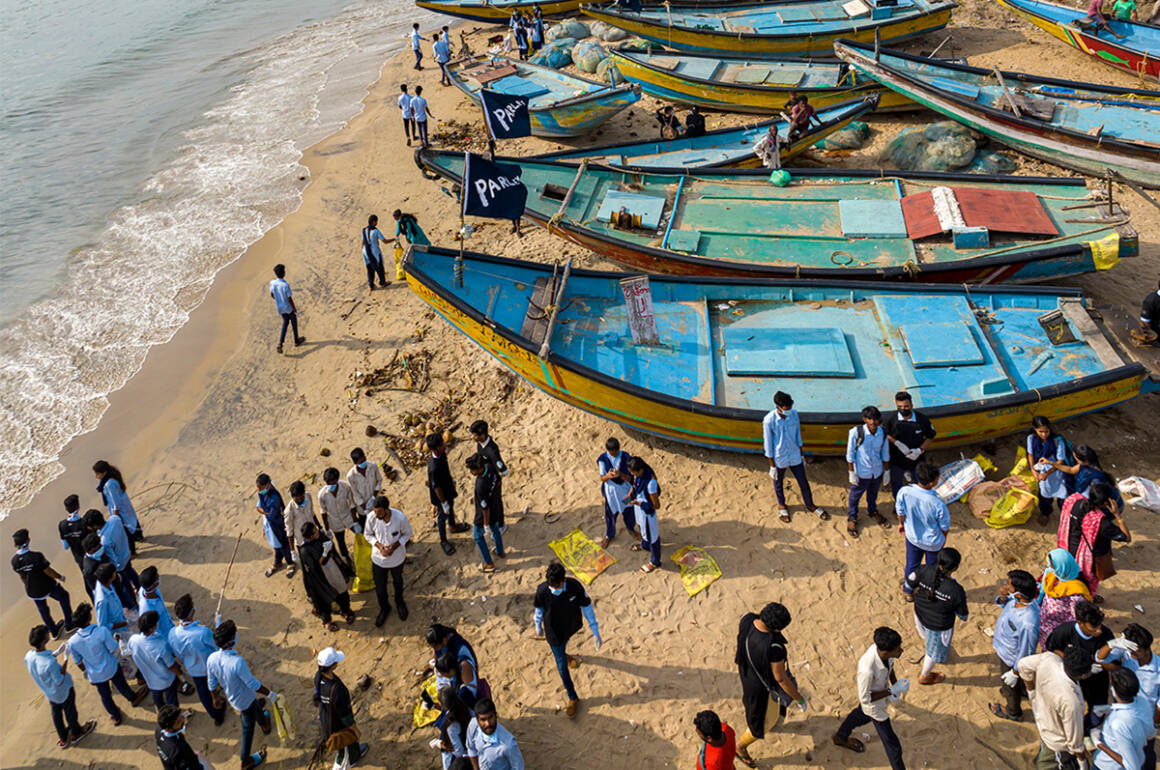
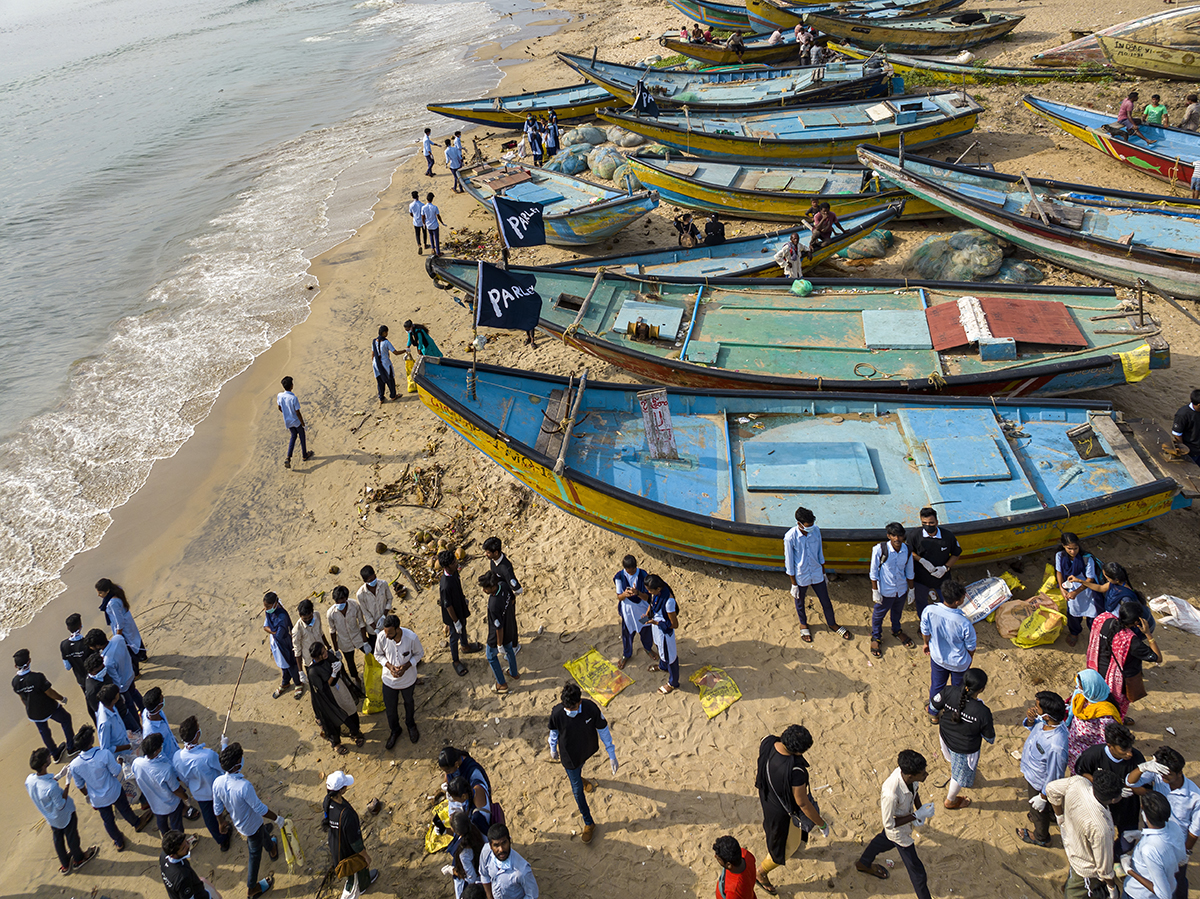
In August 2022, Parley for the Oceans and the Government of Andhra Pradesh celebrated the official launch of Parley India with one of the largest coastline cleanups in the world, spanning 28km of shoreline, 14 beaches and eight fishing villages
Cyrill Gutsch is the founder and driving force behind Parley for the Oceans, an organisation dedicated to protecting the oceans through underutilised avenues such as art, design, fashion and collaboration. He speaks to Trudy Ross about the material revolution, the pivotal role of artists in inspiring change, and the unique approach of partnering with big corporations for a sustainable future
LUX: What is the Parley for the Oceans movement?
Cyrill Gutsch: The core of what we are striving to do is to bring about a ‘material revolution’. We want exploitative and harmful materials and business practices to become a thing of the past. When you look at all of the environmental issues we face today, it always comes back to the way that we run businesses, which is based on an old belief that we can only survive if we are strong and even cruel. It is a very masculine, and outdated, idea of how to run society.
We must switch our model towards true collaboration, between humans and also with nature, instead of taking and taking, and then discarding what we no longer like.
LUX: Why are artists and art so central to your vision of sustainability?
CG: I believe that the artist, in every revolution, has a big role to play. Artists are in a unique position; people come to them, without any predefined expectation, ready to be provoked and to learn. They are also special people, in that they don’t have a hidden agenda, and they are extremely good communicators. Artwork can play an important role in supporting a movement like Parley’s for fundraising, communication, and to build doors to subject matters which can otherwise be difficult for people to understand.
Sculplture from Underwater Pavilions, an installation by artist Doug Aitken, produced by Parley for the Oceans and presented in partnership with The Museum of Contemporary Art, Los Angeles (MOCA)
A good artist can have the impact on people that schools, conferences, and news articles can’t have. They have a superpower – they get close to people’s hearts. They open people up to new values.
At Parley, artists have a convening role. When Julian Schnabel collaborated with Parley for the Oceans in 2019, a diverse audience of politicians, wealthy individuals, collectors, other artists, people from the entertainment industry and entrepreneurs showed up in New York to discuss a topic which was new and challenging for most of the people in the room. The art community is the home for the Parley movement.
LUX: Repositioning artists in the centre of the climate change cause is quite radical. What would you say to people who would argue that, to make real change, you have to look to science, facts and hard policy?
CG: Artists have the perfect vantage point: they cannot be bound by conventional limitations, and therefore they can redefine reality. Unlike other groups, they can do this in a way which does not put themselves in danger. It is so easy for an artist to call for a revolution. First, you create a space for the protection of revolutionary ideas. Science and policy come second. If you don’t begin by gaining support of the right people, then you cannot succeed – even with the right tools in hand.
At Parley, we cannot tell governments to implement new, sustainable economic models. Rather, we collaborate with them. Once we see true intention from them to do better, we can work with them on policy and incentive programmes for industries. Ultimately, however, it comes down to the people who own businesses. If company shareholders make the choice to ditch the use of fossil fuels, plastics, and exploitative and harmful business matter, then it will happen.
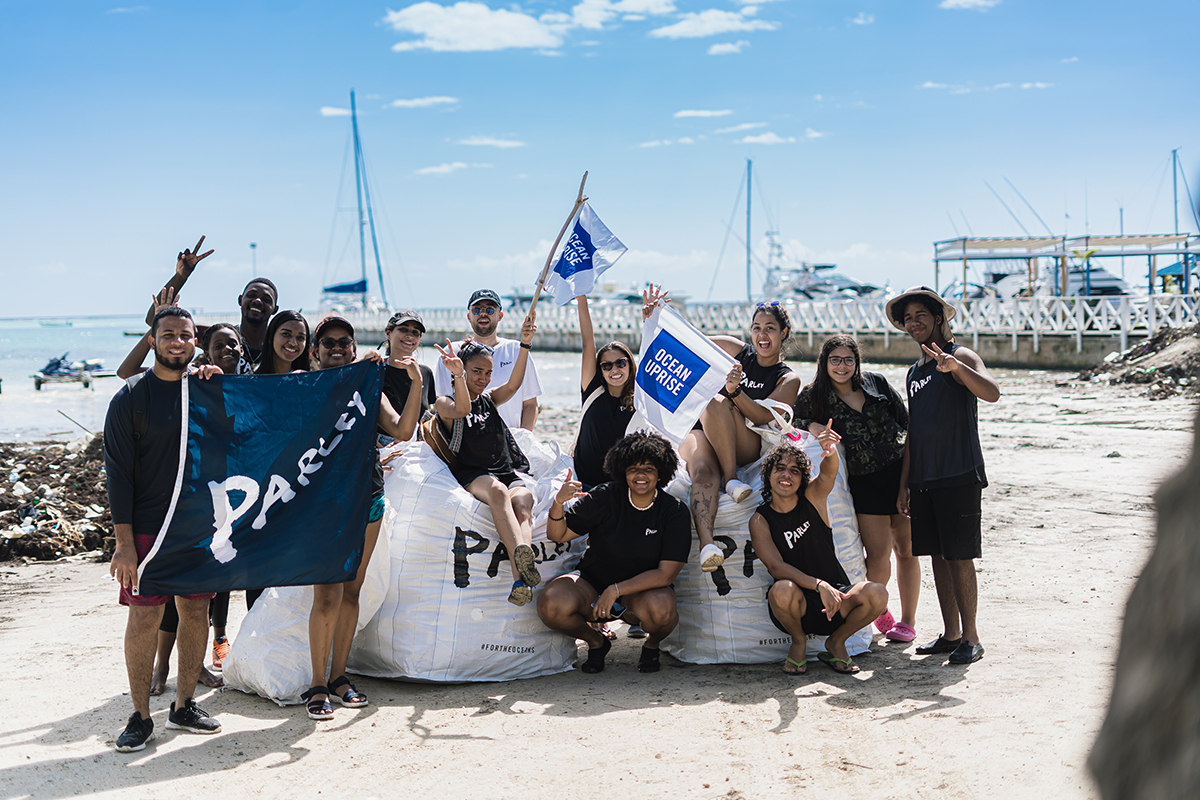
The Ocean Uprise Internship Program gives young people from around the world opportunity to learn from ocean experts, take part in skill-based workshops, and implement a local community project
Our audience is a mix of people. First, there are wealthy people who often do not know how unsustainable the companies they invest in are, or how they could invest better. Second, there are the corporations themselves, who are under pressure to deliver the numbers. They cannot take risks. Now they are finally being challenged by legislators to change their business model, but this is still not quick enough, and there is still not enough pressure from the government. The government could change climate change overnight. It is a complex riddle.
The way that we believe that you can create radical change is through a combination of new ideas, access to knowledge, and eco-innovation. This technological innovation is made up of two things – the first being natural, or bio-fabricated materials, the second being green chemistry. We can easily revolutionise our industries with a bit of willingness, understanding, strategy and investment into new technology. All of that is driven by imagination. The moment that we want to do something – and radically believe in it – then we have the skill to make it happen. That is the beauty and the danger of our species.
LUX: How do you approach forming relationships with bigger, for-profit organisations while standing by your values as an NGO committed to protecting the planet?
CG: The environmental issues we are facing today are caused by corporations. That is it. You can protest and not buy their products, but this is difficult. We depend on the products that they make – but we know that they are destroying our planet. But at Parley, we have a more innovative approach: if we come to one company, then we can make a much larger change.
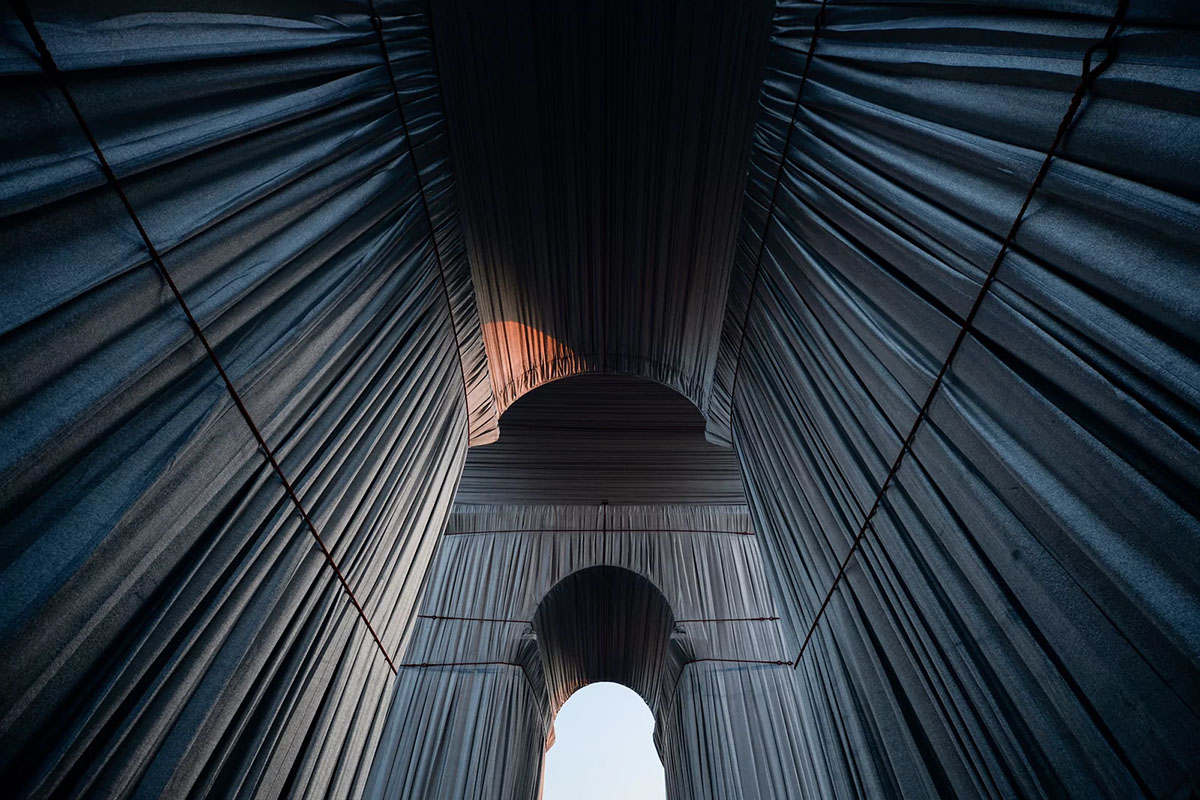
Parley for the Oceans is working with Christo and Jeanne-Claude to rework the fabric from their public artwork L’Arc de Triomphe
LUX: You have partnered with many iconic brands. Which collaboration are you most proud of?
CG: I want to speak about Dior. As part of the LVMH group, they are a representation of an old economy. Sustainable change is a big challenge for them. It is difficult for such established companies to innovate, to find alternatives to leather and fur, to plastic, to dyes and prints.
But Dior allowed us to help them. Making the yarn and fabric, and recycled materials, was a long but rewarding process. Eventually they saw that it was great. Now they’re saying “What can we do with leather? How can we replace plastic? How can we use 100% natural materials?” We must be willing to invest. It might take two years for material made from banana leaves in the Philippines to get to the level where it can become part of a collection.
We need commitment – like Dior had – from big brands.
LUX: Do you think that this time and economic investment is the future of the luxury industry?
CG: Yes. And Parley is giving the luxury industry the laboratory for that, changing material use and educating on innovative methods. And we must revamp the whole supply chain and lifecycle of a product. We must look at unsustainable agriculture. Fertilisers and pesticides destroy the nutrition value of the soil; pesticides run through waterways to the sea. There are huge dead zones in the ocean because fertilisers and pesticides have destroyed everything. Yet there are beautiful alternatives in farming. Every detail counts.
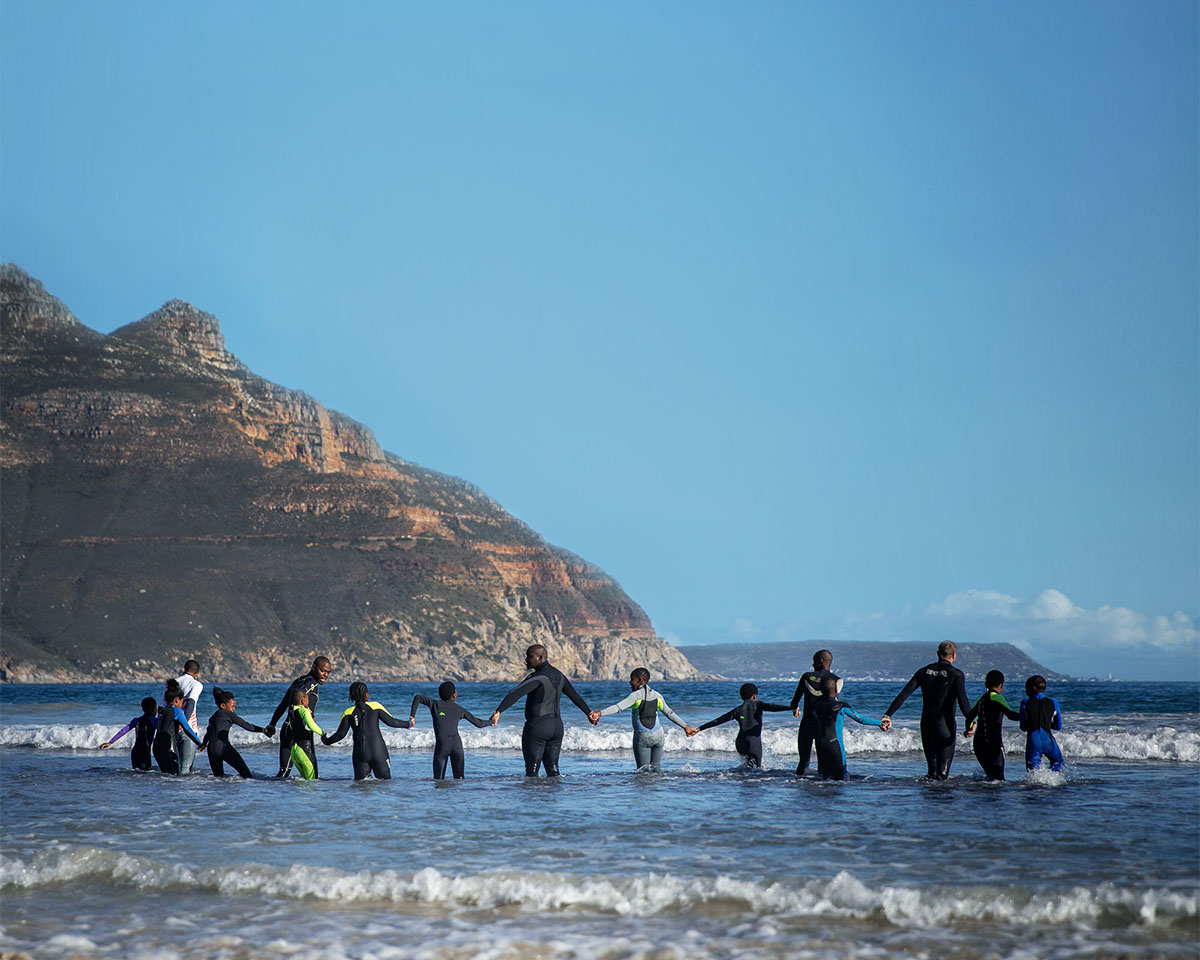
Parley Ocean School youth programs are made in collaboration with with local schools, NGOs and governments around the world
LUX: How do you imagine that our oceans will look in 10 years’ time?
CG: Ten years is long and short. On one hand, it is long: if we stalled human activity, I have no doubt that the oceans would be fully recovered in ten years. Extinct species would not return, but other species would evolve. Unfortunately, we are not doing that, and the speed of changing the market and the way we are working is much slower.
On the other hand, in transforming the economy, ten years is a blink of an eye. The only way to drive change in a ten year window is to aggressively address the issues we face. That means the intersection of carbon dioxide, methane gas, stopping plastic pollution, or at least cutting it down at scale. And then, 25 years down the road, we will have eradicated most of the toxic materials we are using.
Humans are very good under pressure. When humans understand that they are threatened, they will aggressively transform. And I believe that humans are ready for peace. There is a desire in us now to drive this revolution.
Find out more: parley.tv

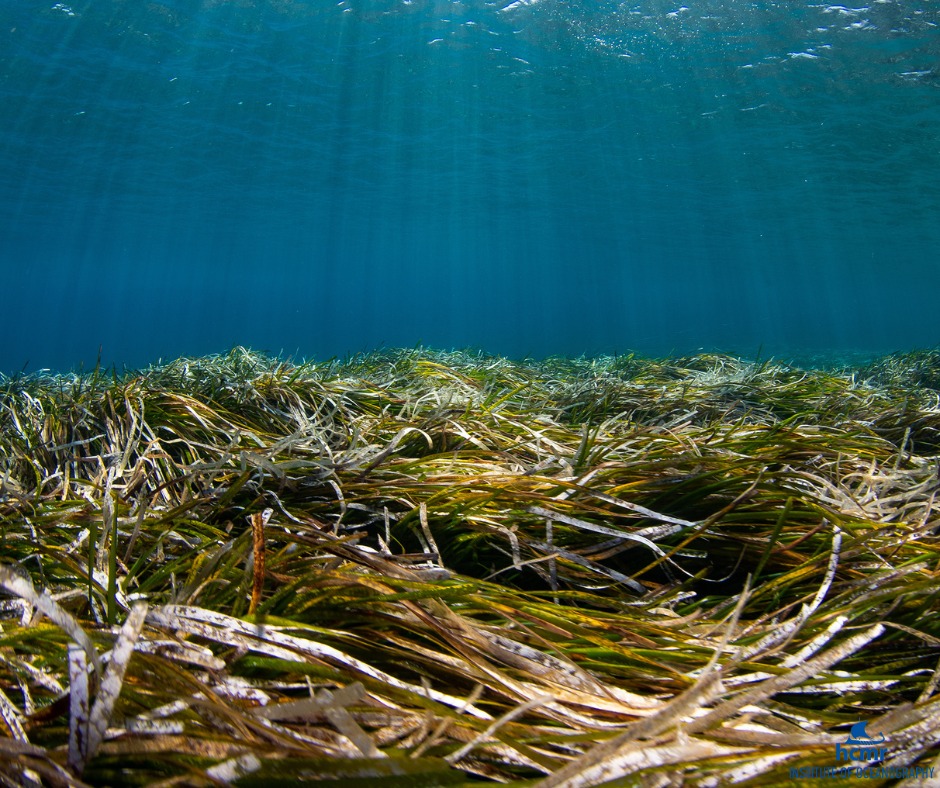
The Cyclades Preservation Fund runs a campaign to protect the vulnerable Posidonia oceanica meadows from anchoring. Courtesy of the Cyclades Preservation Fund
Philanthropy has a key role to play in initiatives to support ocean conservation, and in empowering communities with the ability to make a difference. Here, Darius Sanai outlines the importance of philanthropy, while Chris Stokel-Walker showcases seven philanthropic projects that are making waves
The German philosopher Immanuel Kant liked to talk about the categorical imperative: moral actions that have to be taken and do not broach any argument. Saving the oceans from further harm by humans is a prominent current example of a categorical imperative, one that would also likely receive the approval of moral philosophers from another prominent school of thought, utilitarianism, which espouses acting for the common good.
And significant positive change can be made – or, if you are a follower of Immanuel Kant, must be made – by people acting to their abilities in support of categorical imperatives. Philanthropists, such as those outlined over these pages, use their considerable means to try to make a difference in support of environmental initiatives, particularly in areas where other forms of capital are not able to work.
Follow LUX on Instagram: luxthemagazine
The opportunities to create positive change, and leave a positive legacy, are immense. Philanthropy plays a key role, but works most effectively when it is at its most informed. The links between the chains of planetary and ocean degradation are complex. A zero-emissions container ship can transport invasive species around the world on its hull; sailing yachts destroy carbon-capturing seagrass with their anchors; recycling plastics can produce significant carbon emissions. So it is philanthropists who are as educated on the issues as they are generous, working with carefully-chosen experts, who tend to be the most successful.
Ben Goldsmith
“All across the world, small groups of committed, passionate, effective people are making extraordinary things happen, often on a shoestring budget, and they are nearly always funded by philanthropists,” says Ben Goldsmith, the British environmental campaigner and founder and Chair of environmental charity Conservation Collective. “Philanthropy is the most potent kind of funding, as it comes without any requirement to produce a financial return and has the flexibility to pay for almost any kind of work, from grassroots action to societal movement building. In the right hands, philanthropy can move mountains. This is why it is so important that those with the means to do so give away some of their money – in the most thoughtful and strategic way possible – to those at the cutting edge of changing our world.”
Philanthropic capital is critical to ocean conservation and regenerative initiat

Jacqueline Valouch
ives, says Jacqueline Valouch, Head of Wealth Planning & Philanthropy at Deutsche Bank Wealth Management. “Money provided by philanthropic entities for ocean conservation and regenerative projects allows for early funding, innovation and alignment with the scientific community,” she explains. “By providing much-needed seed capital, philanthropic capital can help to de-risk projects and attract more funding. In these ways, it can help companies and others to restore, renew, conserve and make bigger change.
“Philanthropists are one group of the many stakeholders needed to move the dial on crucial areas of exploration, research (including through scholarship programmes) and innovation,” she continues. “These are initiatives that would not be possible without the dedication and patience of philanthropists.”
Seven Philanthropic Projects In Ocean And Coastal Conservation
1) Deutsche Bank Ocean Resilience Philanthropy Fund
Founder: Deutsche Bank Wealth Management
This Deutsche Bank fund was announced at COP26 in 2021 and launched in 2022. The fund enables philanthropists to engage with scientists on projects to counteract damage to ocean and coastal ecosystems by supporting projects that use nature-based, rather than man-made, solutions. An advisory council of expert scientists and Deutsche Bank personnel review and select grant recommendations for projects. The first such project, the Future Climate Coral Bank, managed by the non- profit Maldives Coral Institute, aims to identify corals that are resilient to bleaching caused by warming, and create a gene bank to support global reef restoration.
2) Walton Family Foundation Oceans Initiative
Founder: Walton Family Foundation
Walmart founders Sam and Helen Walton knew all too well how much the earth’s waters contribute to their supermarket’s success, and the company’s foundation has sought to help ensure the health of the planet’s water for the future. Its Oceans Initiative is supporting 14 fisheries to adopt more sustainable practices, and has lobbied in Japan, the European Union and the United States to encourage buyers to purchase more sustainably sourced seafood. “We believe that the people closest to the problem are also critical to finding solutions,” says Teresa Ish, Head of the Walton Family Foundation Oceans Initiative.
Read more: Richard Spinrad on moving towards a blue planet
3) Salesforce ocean Sustainability Programme
Founder: Marc Benioff
Global cloud software company Salesforce has run its Ocean Sustainability programme since CEO Marc Benioff began it in 2021. At COP26, Salesforce committed to buying one million tons of blue carbon credits and is investing $100 million in grants to The Ocean Foundation, the National Fish and Wildlife Foundation and Wetlands International over 10 years – as well as investing in 1t.org, including a Guatemalan project to support sustainable livelihoods for 400 families. “Ocean health translates to the safety of our family, loved ones and communities around the globe, and the ability for them to thrive,” says Dr Whitney Johnston, Director of Ocean Sustainability at Salesforce.
4) Common Seas
Founders: Filippos and Andonis Lemos
The Lemos brothers are Greek shipping magnates – so they are aware of the biodiversity beneath the ocean surface. And they are conscious of the impact that plastics entering our waters have on the wildlife within. To help combat this, the Lemos siblings co-founded and are major donors to Common Seas, whose vision is to eradicate plastic from the oceans. Common Seas’ collaborative initiatives include partnering with governments to reduce plastic pollution; helping the tourism industry reduce its plastic use; and supporting education providers both to make their schools plastic free and to raise awareness among young people of the importance of keeping our oceans clean of pollution.
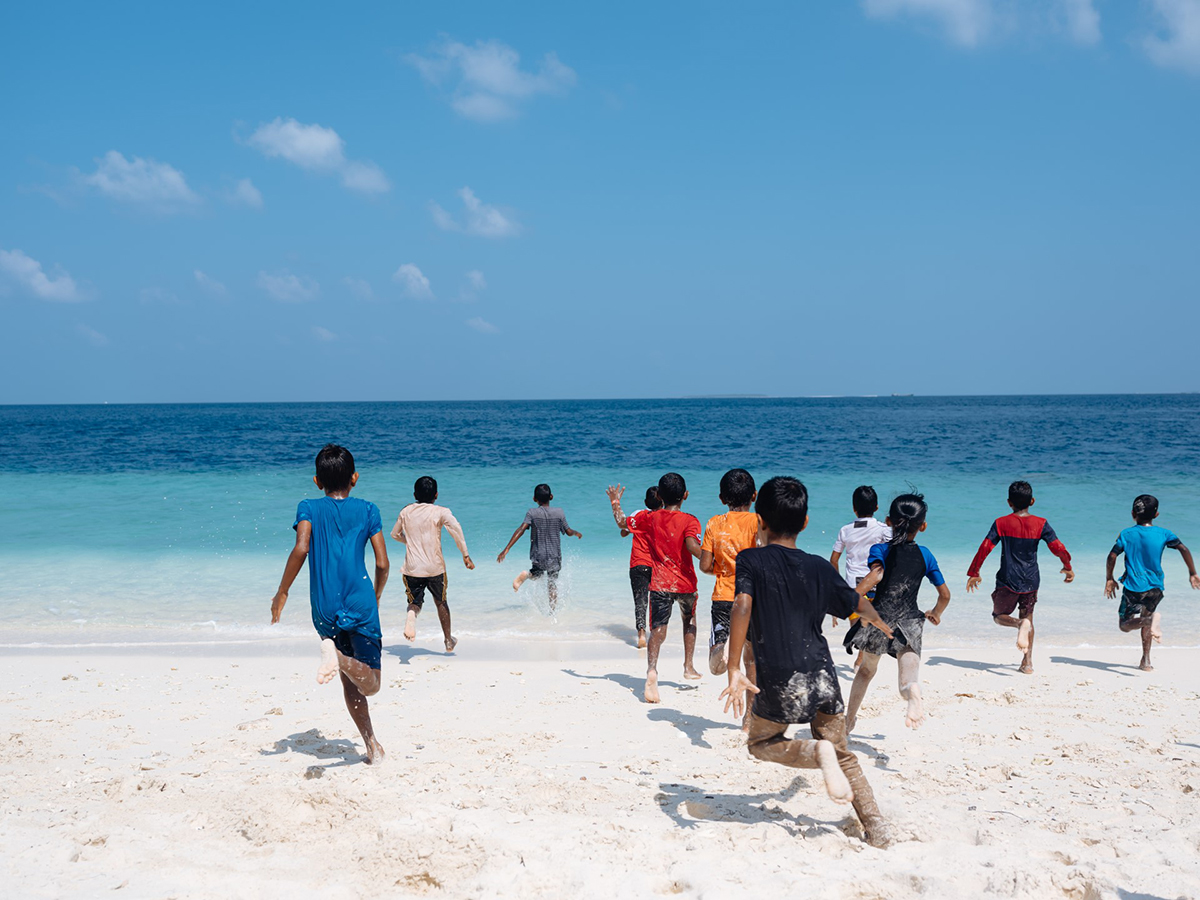
Common Seas incorporates education as part of their strategy to remove plastics from the oceans
5) Galapagos Life Fund
Founder: Pew Bertarelli Ocean Legacy Project
The Galápagos Life Fund (GLF) is one of the crowning achievements of the Pew Bertarelli Ocean Legacy Project, a joint initiative from the independent non-profit The Pew Charitable Trusts and investor and philanthropist Dona Bertarelli. It was set up with the shared goal of establishing the first generation of large, ecologically significant and effective marine- protected areas (MPAs) around the world. The GLF converts $1.6 billion in commercial debt into a loan, capitalised by a $656 million marine conservation-linked bond, generating more than $450 million to support marine conservation in the Galápagos Islands over the next 20 years.
6) Cyclades Preservation Fund
Founder: Conservation Collective
Nearly 220 islets and islands make up the Cyclades in the Aegean, which are home to a range of natural habitats being harmed by modern life. The largely female-led team behind the Cyclades Preservation Fund is part of Conservation Collective, a global network of philanthropic funds helping to preserve the natural environment. CPF programmes focus on biodiversity, education, local identity and marine conservation – all with the participation of local stakeholders. Among its biggest wins is supporting the establishment of a grassroots fishing protected area around the island of Amorgos, sustaining a local industry while keeping the marine population healthy.
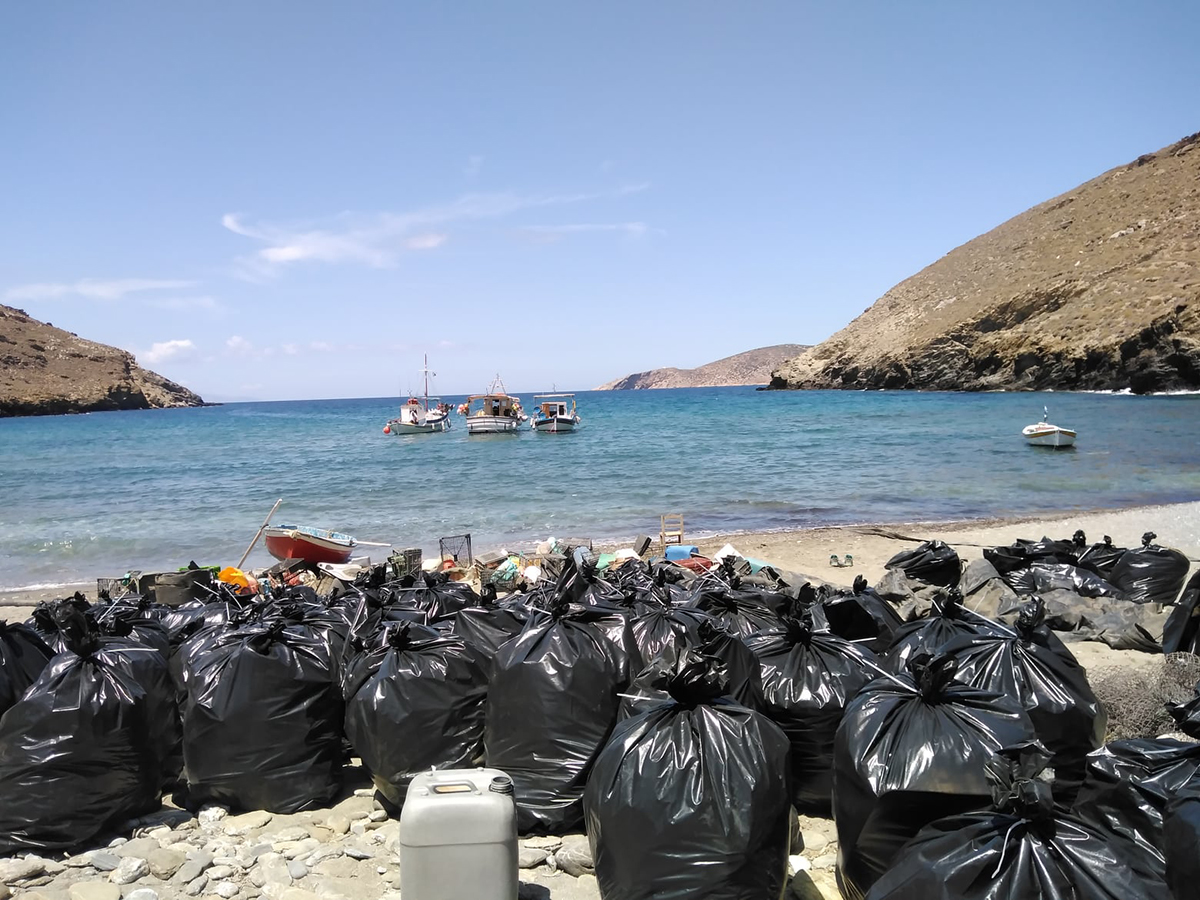
Cyclades Preservation Fund Supports the fishers of Amorgos towards their vision for seas with more fish and less plastic
7) Plastic Free Ibiza and Formentera
Founder: Ibiza Preservation
Ibiza is a major hub for tourism, which buoys up the economy but has significant environmental impacts. In the west coast, there are 4.5 million pieces of microplastics in every square kilometre of sea – 30 times more than elsewhere in the Mediterranean. Nearly three-quarters of the waste collected on Spanish Mediterranean beaches is plastic. Set up in 2018, Plastic Free Ibiza and Formentera, promoted by Ibiza Preservation, is made up of 14 main members including local non-profits, and aims to eliminate single-use plastic in the islands by supporting citizens, administrations and businesses to promote sustainable practices. Initiatives include the certification of local companies as plastic-free.
This article first appeared in the Deutsche Bank Supplement of the Autumn/Winter 2023/2024 issue of LUX magazine

Cooper Lake, Alaska. The creek draining the lake is coloured red by tannins from the surrounding vegetation. The 30 x 30 initiative to protect such sites is supported by The Nature Conservancy via the US government’s America the Beautiful initiative © Stuart Chape/TNC Photo Contest 2021
The oceans have an increasing potential to provide food for a global population. The challenge is how to do so without harming the planet or its people. Chris Stokel-Walker discovers ideas, organisations and investors helping aquaculture towards a sustainable future
The ocean is an essential pillar of planetary life, sustaining and feeding billions worldwide. Quite aside from its ability to capture and sequester harmful emissions, our planet’s waters are a major driver of keeping us alive – for drink and for food. Three billion of us depend on wild-caught and farmed seafood as a primary source of protein – which makes it vital that the ocean is kept as a bountiful natural resource.
Follow LUX on Instagram: luxthemagazine
Aquaculture is the breeding and harvesting in water of fish, shellfish and other marine life. It is underwater farming, in short, and it is crucial to humankind. “Aquaculture is an essential food source, especially in our changing climate,” says Danielle Blacklock, Director of the Office of Aquaculture at the United States’s National Oceanic and Atmospheric Administration (NOAA). “Globally, aquaculture supplies more than 50 per cent of all seafood produced for people to eat – a percentage that will keep rising. And expanding domestic aquaculture presents important opportunities to bolster climate– smart and resilient food systems.”
Making sure those food systems are resilient and impervious to climate issues is important – because the population keeps growing. “We must come together and problem- solve how to feed people within the sustainable limitations of our planet,” continues Blacklock. “Within that frame, aquaculture becomes a leading method for ensuring nutritious protein is available for families today and in the future.”
Seafood is incredibly nutritious. It is full of vitamins and minerals that can help promote healthy growth, with large volumes of protein, vitamins D and B12, and omega-3 fatty acids. Promoting the cultivation of seafood is certainly vital, but that cultivation needs to be done in the right way. Globally, humans’ appetite for seafood and fish has had negative impacts on the marine environment. So aquaculture needs to be practised sustainably from top to bottom. This includes looking at the types of feed used, tackling waste and making production methods more sustainable.

Karen Sack
This is a particularly urgent challenge when you consider that aquaculture is as big as the global beef industry. “We’ve been fishing out our oceans on an industrial scale since the end of the Second World War,” says Karen Sack, Executive Director of the Ocean Risk and Resilience Action Alliance (ORRAA), which brings together different stakeholders worldwide to promote a sustainable and equitable blue economy. In the course of the past decade or so, says Sack, the proportion of our seafood farmed from aquaculture has outstripped that of wild-caught fish. “Part of that is because of industrial overfishing, which includes the wasteful and damaging discards that result from this,” she explains. “Part of it is because of the development and operation of agricultural techniques that have been pushed into the ocean and coastal space.”

Robert Jones
The latter can be a good thing – if done well. In terms of emissions and water use, the resource intensity of farming the oceans is more efficient than producing animal protein on land for human consumption. “When we look at the global challenge to 2050, we need to produce more food with fewer resources, and aquaculture offers that opportunity,” says Robert Jones, Global Lead for The Nature Conservancy’s Aquaculture Program. The problem is that, historically, the demand for more food more quickly has meant that industry has built many aquaculture projects to produce as much seafood as possible in as small a space and quick a time as possible – and damn the consequences. It’s a problem that’s out of sight, out of mind for many: 90 per cent of aquaculture farming occurs within Asia, meaning that many consumers do not see the harmful impact that intensive, industrial farming has on the environment.
Take, for instance, the early development in the 1950s and beyond of what the industry calls “carnivorous fin fish” – or what most of us would call salmon, tuna and other big fish that feed on other fish. That and shrimp farming was industrialised at scale, without considering the impact on broader marine life. Shrimp farming can be hugely destructive to coastal ecosystems, while any farmed-fish development can result in pollution and the overuse of antibiotics to try to prevent disease within stocks, causing wider harm.
Wetlands at Valles Caldera National Preserve. New Mexico’s Rio Grande and its tributaries supply water to more than half of New Mexico’s population. To maintain the clean water supply, The Nature Conservancy’s Rio Grande Water Fund is restoring forests upstream that have been lost to fires © Alan W Eckert/TNC
It doesn’t need to be that way. Aquaculture is necessary not only because it can be a sustainable food source, but because it can help prevent wild fishing from negatively affecting sea populations. “We need to protect those marine resources and ensure sustainability going forward,” says Jones. “There is a maximum amount that our oceans can provide, in spite of being so vast, covering 70 per cent of our planet and providing food for billions of people.”
While doing things right isn’t always easy, it is certainly possible. “We have seen an amazing growth in potentially sustainable aquaculture,” says Sack. “If we’re looking at mitigating risks, the key is the type of farming undertaken and where it’s undertaken. We need to ensure aquaculture isn’t at an industrial scale that requires antibiotics or nutrients that could harm both the species and the ecosystems where the farms are situated.”
Current developments in sustainable aquaculture include looking at healthy seaweeds and bivalves, such as nutrient-dense oysters and mussels. These can feed people and clean ocean waters without requiring any animal feed or antibiotics. It is also important to engage with the local community around which those more intensive farming activities are based, and make sure that any benefits brought about from sustainable alternatives are ploughed back into the area, protecting mangroves and stone buffers and seagrasses that make our oceans what they are.
Coastal and marine flora aren’t only important for maintaining marine biodiversity. They are also a food source in themselves. Seaweed production more than tripled between 2000 and 2018, with more than 35 million tonnes now being produced annually worldwide. According to the World Health Organisation and the Food and Agriculture Organisation of the United States, “increased cultivation and utilisation of seaweed are expected to be important pillars of sustainable food security and a robust aquatic economy in the coming years.”
Read more: Richard Spinrad on moving towards a blue planet
But making it a sustainable pillar of the blue economy is a challenge. Almost all seaweed production – which accounts for half of marine aquaculture production worldwide – occurs in just nine countries in Asia, where expertise to prevent disease among the crop is not always advanced. Making sure that seaweed farming takes place sustainably, harnessing the potential to diversify the submarine environment rather than bringing disease and industrial production to the seas, is critical.
The responsibility for ensuring that global aquaculture is viable lies not just with the companies doing the farming, but with those bankrolling them. Sack believes the opportunity for investing in sustainable aquaculture is just starting. “There are opportunities to make some money and do good, but you need to exercise some caution, do due diligence and look for impact funds with a firm track record, so that you don’t perpetuate a status quo that isn’t sustainable,” she says. We only have one planet, after all. And we need to make sure it stays around for all life to live on.
Find out more:
noaa.gov
oceanriskalliance.org
nature.org
This article first appeared in the Deutsche Bank Supplement of the Autumn/Winter 2023/2024 issue of LUX magazine
YKK’s NATULON® Mechanically Recycled Zip is made with recycled yarn and post-consumer plastic bottles
The amount of zips produced by YKK each year far outstrips the number of people currently on Earth. So how can a company mass producing and growing at such scale stay true to values of circularity and sustainability? LUX speaks to Jim Reed, CEO of YKK America, about why he believes cost and speed need not be barriers to a sustainable business
LUX: Can you explain the cycle of goodness and how it relates to the YKK philosophy?
Jim Reed: The cycle of goodness – meaning that no one prospers without rendering benefit to others – was developed by our founder, Tadao Yoshida. One of his inspirations was Andrew Carnegie, a late 19th century early 20th century steel tycoon, who had a philosophy about a business’ obligation to society. As a young man, Tadao Yoshida got hold of a translated copy of Andrew Carnegie’s biography. He was inspired by Andrew Carnegie’s words and he decided that was the philosophy that should drive us. He was always entrepreneurial, but it wasn’t about how wealthy he could get, it was about how he could help. He wanted to contribute to society.
YKK is used by hundreds of major clothing companies including The North Face, Patagonia, Levi’s and Nike
LUX: Your president, Hiroaki Ōtani, said the company’s immediate vision is for ‘better products at a lower cost and greater speed, more sustainably’. How do you plan to chase growth while also racing towards carbon neutrality?
JR: President Ōtani is talking about getting the right materials for the right products to the right customer at the right time. If you think about those concepts, you’re not overproducing. We’re producing over 10 billion zippers in a year, but our objective is that, at the end of the day, every zipper has a perfect spot and nothing gets wasted. On top of that, he talks about better products, lower cost, greater speed, and more sustainability. If we can be more efficient, and some of the obstacles to sustainability – cost – can be reduced, then a sustainable product can match the price of the less sustainable cheaper product and you can match that substitution more easily.
Follow LUX on Instagram: luxthemagazine
President Ōtani reorganised our company in a number of different ways five years ago. He created what we call the Technology Innovation Centre. He took all the smartest people in our company and put them in the Technology Innovation Centre, where they were working on pure research, not product development. Innovation and technology have always been an important part of YKK, and particularly now with climate change issues and sustainability, we all need to be making significant changes.
Beyond zips, YKK produces a variety of other products such as snaps, buttons, buckles, and textiles for apparel and industrial use
LUX: How far is the company’s adoption of renewables impacting carbon emissions?
JR: We’re doing very well in that area. We reported at the end of the last fiscal year that we had reduced scope 1 and scope 2 CO2 emissions by almost 47% against our base year. What’s even more significant is that we’re not talking about CO2 emissions per zipper – we’re actually growing our production. Even though our production is increasing, we know our CO2 emissions have to be reduced, and we were able to reduce them significantly. Our 2018 level of CO2 emissions is our base level, by 2030 we’ll cut that in half, and by 2050 we’ll be carbon neutral. Around the world we’re looking at about 32 facilities which are currently using 100% renewable electricity, and very actively working to change the others. That can be a challenge because every facility has a different footprint and has a different source of electricity. But we are continuing to try to find a variety of different mechanisms to employ this.
LUX: What are the pillars for sustainable strategies for textiles packaging and waste management?
JR: For textiles, the main thing is to switch over to recycled thread. We call that NATULON. YKK had been offering to use recycled thread for over 20 years, and we’ve probably had the product for 25 years. Now, the market desires it, and so now we are able to switch over to 100% recycled textile. 26% of our products last year were using it, and that’s going to grow rapidly. We hope that will get up to 41% by next year. We’re working on a complete switchover.
YKK produces more than 3 million kilometers of zips every year
When we talk about waste management, you think about inputs coming into the factory and products coming out, and waste as a by-product of that. You put that waste back into your process. The objective is to get inputs coming into your factory and the only thing that comes out is the product. ECO-DYE technology uses CO2 instead of water to colour the zipper tape. That removes water from the process, which removes the need to take dye out of the water. We also have something called AcroPlating. If you get rid of the need to apply the bad chemicals, then you don’t have to worry about managing the waste on the back end.
Read more: Salomon CEO Franco Fogliato on environmental responsibility in business
LUX: Can you tell us about the partnership between YKK and the Monitor for Circular Fashion? Do you think it could lead to systemic change within the fashion industry?
JR: These partnerships are really important because, just like the UN statement on climate change or the Sustainable Development Goals or the Fashion Charter, all of these statements and actions can really scope the objective to solve the problem. It gives us all targets, and then when we join the Charter, we make promises that we have to stand by. Those are extremely important, because we all need to be speaking the same language and talking about the same objectives. With those statements, the fashion industry can declare to the people of the world that we’re moving in an environmentally-friendly direction and can get the support of their customers, which gives us the inspiration to innovate into that change. Once those goals are clear, then industry can innovate towards it and solve the problem just like we’ve been able to solve any problem when we’re focused on it.
All images courtesy of YKK
Find out more: www.ykkfastening.com/sustainability

Jacquesson Managing Director Jean Garandeau approaches the house on the Jacquesson estate
François Pinault, the French luxury titan, recently purchased champagne Jacquesson, one of the country’s hidden gems and a favourite of Napoleon Bonaparte. Darius Sanai pays a visit and speaks to the team
Champagne is an interesting phenomenon in the world of luxury drinks. For some, it is still an aperitif to be sipped before the real wine begins. For many others, a great champagne is a drink to be savoured and deliberated over. The production of champagne is more complex than that of still wine, giving ample opportunity for connoisseurs to debate and be fascinated. And a changing climate and more sophisticated farming and winemaking techniques mean that the best champagnes now are, arguably, the best champagnes that have ever been.
Into this mix, add the recent arrival of fevered discussions among collectors about size. Not size of bottle, which is still important (the common agreement is that a magnum has the perfect ratio of liquid to gas within the bottle for perfect ageing), but of producer. Unlike other fine wines, great champagnes can be produced by large corporate brands, but also by tiny farmers with small plots of land – the latter recently coming to the fore in public consciousness.
A view across the vineyards of what is one of France’s oldest champagne houses
Sitting amid this magnificent landscape (both figuratively and literally) is Jacquesson, an intriguing champagne house that has, for the past few decades, been a cornerstone of the cellars of many connoisseurs and collectors. Not big enough to be known as a Grande Marque, but not small enough to be a small grower, it made its modern-day fame by pioneering the creation of numbered, non vintage champagne (see The 700s below) and some incredibly complex single-vineyard cuvées made in tiny quantities (see The Tasting).
Follow LUX on Instagram: luxthemagazine
One of the oldest of all the champagne houses, with one of the richest of what the French call patrimoines (roughly translated as “heritage”, but, in fact, meaning much more), Jacquesson is often cited as having been a favourite of the Emperor Napoleon. After its founding by the eponymous family in 1798, and what was probably the most significant celebrity endorsement in the world to date by the Europe-conquering emperor, who awarded the maison a gold medal in 1810, it lost its way a bit after the family sold it in the late 19th century, and through much of the 20th, before it was bought by Jean Chiquet in 1974 and handed down in 1990 to his sons, Jean-Hervé and Laurent, who began its revival. The brothers rationalised the range, focused on quality, reduced the quantity produced, introduced single-vineyard cuvées (ahead of the current trend for such wines)and, finally, led the way in the creation of the numbered cuvées, first released in 2004.
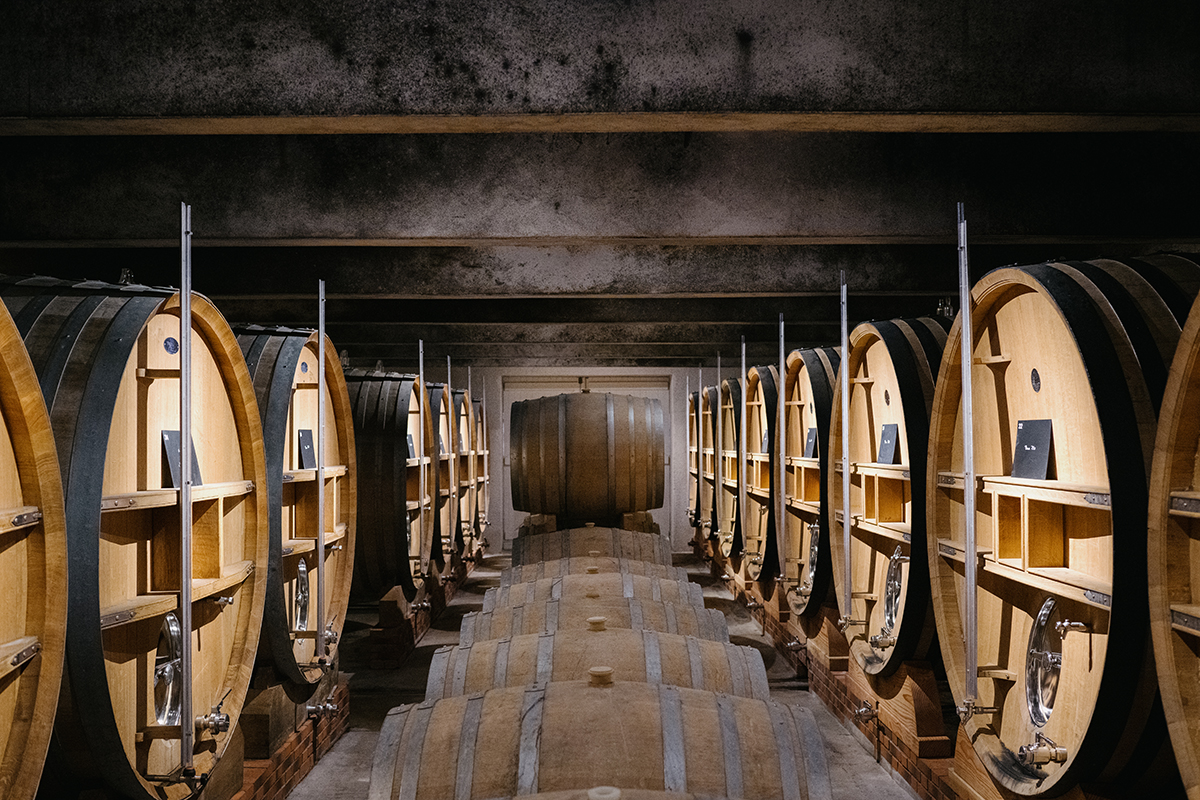
The cellars hold the 700s and the late disgorgements, which are kept for longer
And now, Jacquesson is just entering a new and extremely significant chapter in its patrimoine. The house was acquired in 2022 by François Pinault’s Artémis Domaines, a division of Groupe Artémis. The Groupe also owns Christie’s auction house, and Kering, which includes Gucci and Balenciaga. Artémis Domaines also takes care of Château Latour and a small selection of jewel-in-the-crown wine estates in France and California. Upholding the promise of its imperial birth, Jacquesson is now firmly a member of a new French empire – that of high luxury.
Frédéric Engerer is the straight-talking Managing Director of Artémis Domaines; having first managed Château Latour on its acquisition by Artémis Domaines, and subsequently other estates including the celebrated Clos du Tartin Burgundy, acquired in 2018. Engerer is also something of an unspoken sustainability pioneer: Latour was the first of the First Growth Bordeaux estates – the most exclusive club, comprising Châteaux Latour, Lafite Rothschild, Margaux, Mouton-Rothschild and Haut-Brion – to be certified 100 per cent organic, in 2019. Engerer is, understandably, proud of the acquisition.
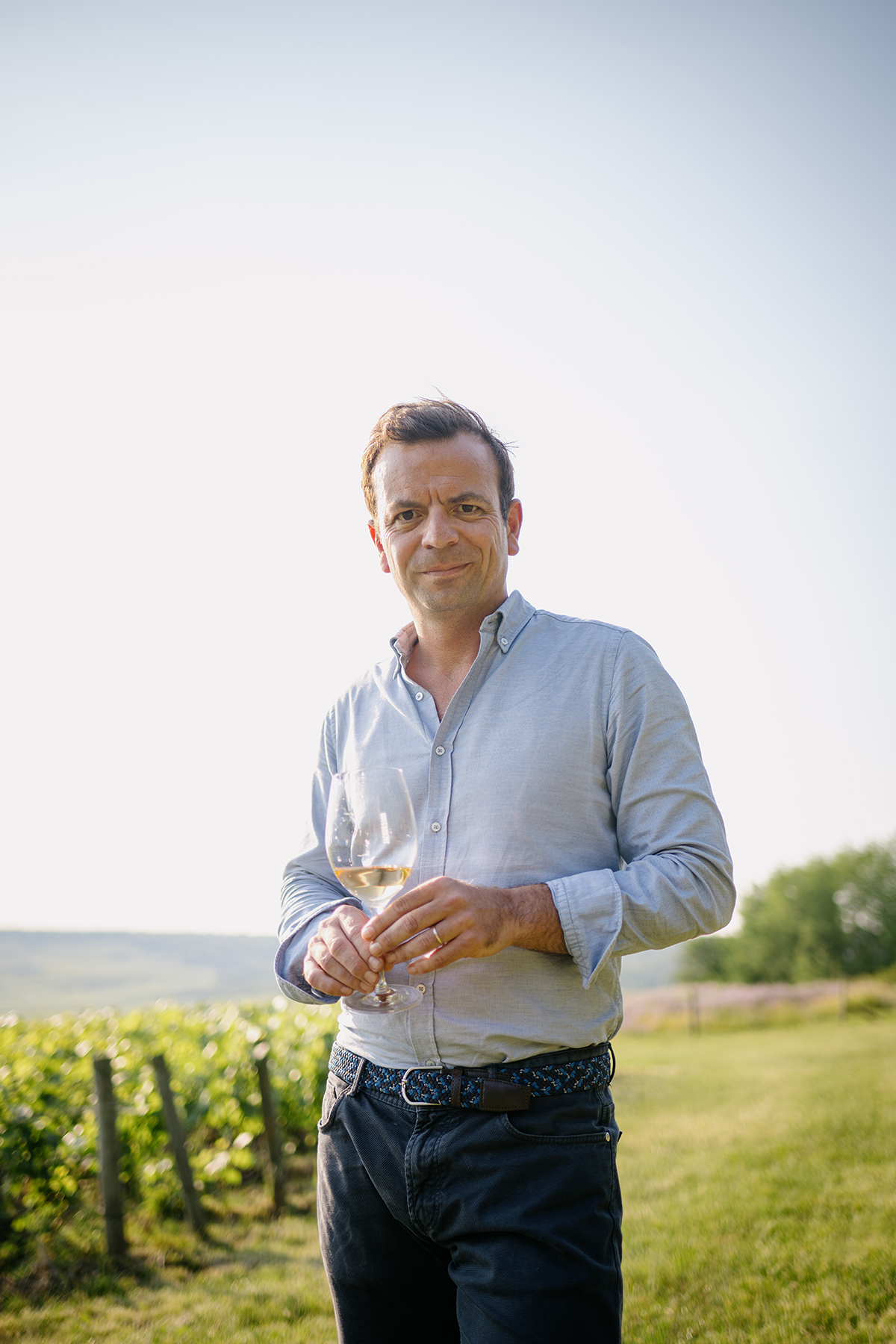
Jean Garandeau
“We have been following Jacquesson for many years,” he says. “The way the Chiquet brothers, Jean-Hervé and Laurent, modernised the brand and increased the quality level of each cuvée in such a short time is tour de force.
“Creating the Cuvée 700 was based on a very simple and understandable concept with a very recognisable label; and at the same time, focusing on quality rather than quantity of crops, keeping very traditional vinification methods, increasing the ageing of each cuvée and reducing– if not eliminating totally – the level of dosage [added sugar]. This led to cuvées 700 that are very balanced, elegant, refined and with very distinctive styles for each of the fourlieux-dits [single vineyards].
The antique estate doors
“Moreover, Jacquesson’s small size as a maison producing 250,000 bottles per year, its strong vigneron culture and its image as “champagne for the wine connoisseur” are all elements very much aligned with our philosophy at Artémis Domaines and are very compatible with our other domaines.”
“So these are Pinot Noir grapes,” I say, knowledgeably, looking at some hopeful young bunches on a vine on a slope with a spectacular view of what seems like the whole of the Champagne region. Above us is a thick forest, packed with dozens of different types of trees, bushes and other vegetation. Below us, in a bread bowl, are swathes of vineyards, dropping down into a series of villages, leading to the town of Épernay, centre of the Champagne region. Beyond, the vineyards rise, once again to forests, beyond which land stretches to the endless undulations of la France Profonde
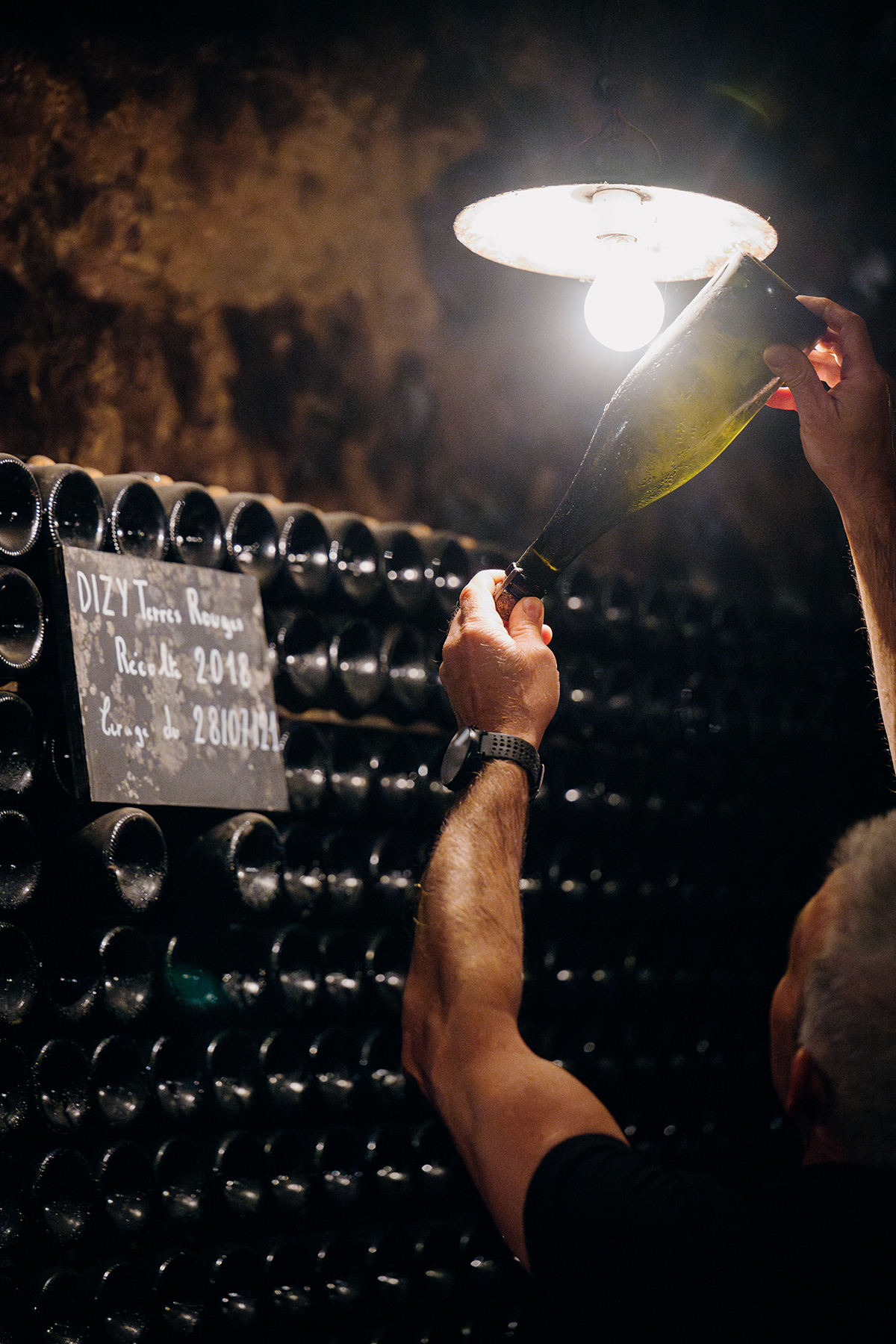
A progress check on a batch of 2018 Dizy Terres Rouge
I am with Jean Garandeau, appointed Managing Director of Jacquesson in 2022, and Vineyard Manager Mathilde Prier. “No, they are Chardonnay grapes,” Prier replies with a smile. I raise an eyebrow. This hillside, above the village of Dizy, is famous among wine lovers for producing some of the best Pinot Noir wines to go into the greatest champagnes. “It’s true that most of this area is Pinot Noir,” says Garandeau, sensing my confusion. “But it just shows that very special grapes can grow where you don’t expect them to.”
The Chardonnay from this vineyard makes Corne Bautray, a tiny production wine that has become one of the estate’s most celebrated, and which we will taste later. We continue on our tour of the panoramic vineyard area, ducking down one bumpy unmade track after another until we get to another vineyard. “This is all Pinot Noir,” says Garandeau, pointing around an area around the size of a couple of tennis courts.
The vineyards stretching to the forested hillsides
Jacquesson is a rare producer in several ways. It produces very small quantities of these single-vineyard wines – to the extent that they are not so much cult wines as secret wines, each market just getting a few cases to be fought over by collectors. The maison also does not make a rosé wine, nor a standard vintage champagne, which typically is a blended champagne made out of grapes of a single year. Apart from the single vineyards, the accent is very much on the numbered releases, or 700s, and their distinguished cousins, the late disgorgements, which are simply the same wines but held in the cellar, maturing in their live creative process for years longer.
The Jacquesson estate itself is in Dizy, one of the villages we saw from the hillside up above. There is a handsome house with a lawn and a small vineyard next door, and a tasting room with a vaulted ceiling. The cellars, like that of any champagne house, are extensive. Sitting in the tasting room, Garandeau tells me there is no plan to make dramatic changes at Jacquesson. “We are starting at a very high level, but we can fine-tune. We are very focused on understanding the terroir of each vineyard and, if possible, sourcing some additional great grapes to complement what we have. We can invest in facilities, improve parts of the process and, after one or two vintages, be confident to take decisions because we know the process a little better. We can also work to increase awareness among international wine lovers.
The spectacularly situated vineyards contain Chardonnay as well as Pinot Noir grapes
”There are no plans to turn the boutique grower into a giant, along the lines of more famous houses. “We have a boutique approach at Artémis Domaines, which is part of our culture, and which helps build on the future for Jacquesson,” says Garandeau. “Boutique is the future as well as the past.” There are, he adds, no plans to bring in additional ranges, or a rosé (the latter was discontinued by the previous owners) – a shame, as I am sure Jacquesson would make a rosé to rival Dom Pérignon’s powerful offering and the curiously (in the context of its other wines) delicate offering by Krug, both from houses owned by LVMH (majority-owned, in the case of Krug).
Read more: A tasting of Schrader’s legendary Napa wines
Garandeau also points out that tastes for champagne are changing. “In the past, people would go into a restaurant and want to start with a bit of champagne, and take whatever was served by the glass and not really question it,” he says. “Now, people are focusing increasingly on taste. People will get the full wine list and choose a bottle of champagne to share before the meal. And even when you see the selection of champagnes by the glass in many places, where 20 years ago you would just have the big brands, now it’s changing and there is much more variety. Champagne is being treated much more like wine.”
Vineyard Manager Mathilde Prier
With that, the first cork is slowly released from its bottle by Cellarmaster Yann Le Gall, and our tasting begins – although not before I reflect that one of France’s most sophisticated luxury brands is beginning a new phase in its patrimoine that could be just as interesting as those of its first decades.
The 700s
Jacquesson gained instant credibility among wine geeks, many of whom had previously considered champagne a second-class drink, when it replaced its entry-level non-vintage champagne with its numbered Cuvées 700 in 2004. Almost all champagne houses had, until then, produced a “non-vintage” champagne as their primary offering, blending wines of different years together without indicating which – most still do. The 700s were different, declaring by their numbering exactly which year the wine in the bottles was based on. This arcane detail immediately transformed perceptions: a champagne house that was not trying to make a generic non-vintage blend, like a whisky, each year, but instead proud that different years produced different types of wine, and saying so on the label. The fact that the wines, starting with Cuvee 728 in 2004 and proceeding up by one number each year, were of such high quality, also helped.
Jean Garandeau and Cellarmaster Yann Le Gall at the tasting
The Tasting: Notes by Darius Sanai
Cuvee 746
The latest of the 700 series. A sultry, thought-provoking and sophisticated wine: Catherine Deneuve in a 1958 Lancia Flaminia Sport Zagato.
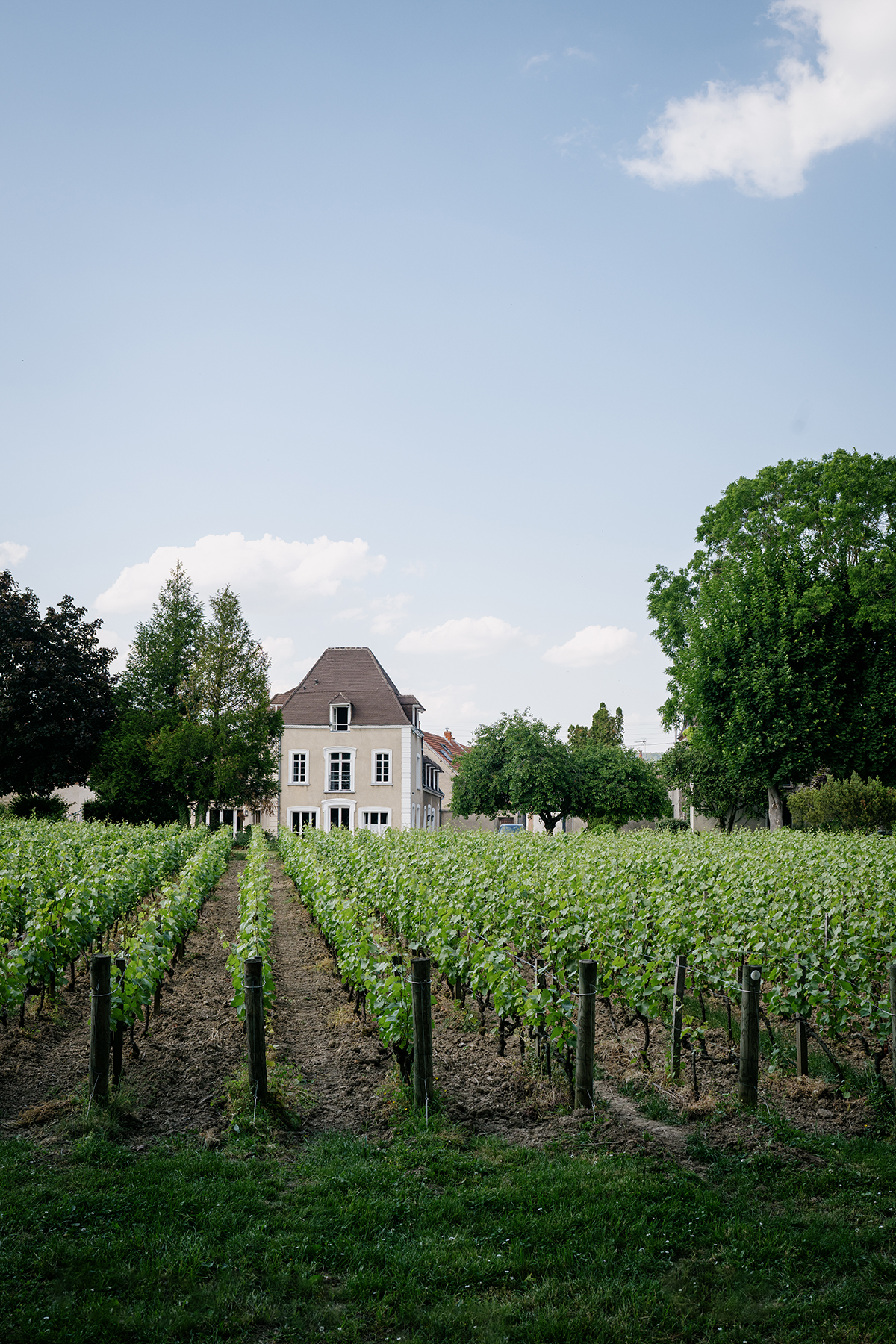
the Jacquesson estate house, which dates back to 1798, when the maison was founded
Cuvee 741 Dégorgement Tardif
Released after extended ageing on its yeast in the cellars. A serious champagne to be enjoyed over an extended meal at your riverside château in central France, with Jacques Brel playing on your turntable.
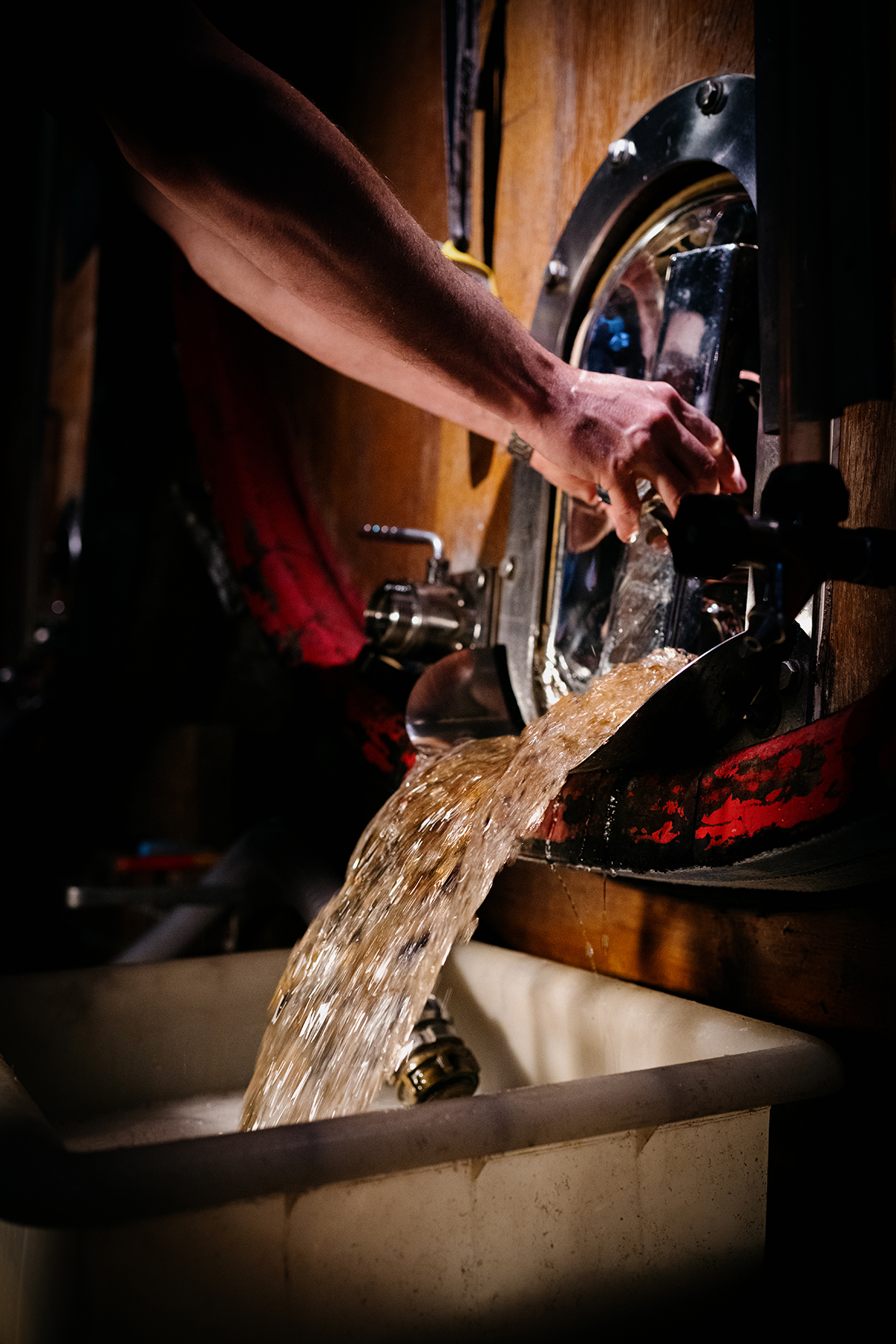
The process of making champagne is more complex than that of still wine
Champ Caïn 2013
Recently released after 10 years maturing in the cellars. All Chardonnay: pretty yet powerful at the same time, like Béatrice Dalle in vintage Balenciaga.
Corne Bautray 2013
Another Chardonnay-based single-vineyard wine, this is intense, deep, thought-provoking and quite serious, like sitting with Simone de Beauvoir in Les Deux Magots.
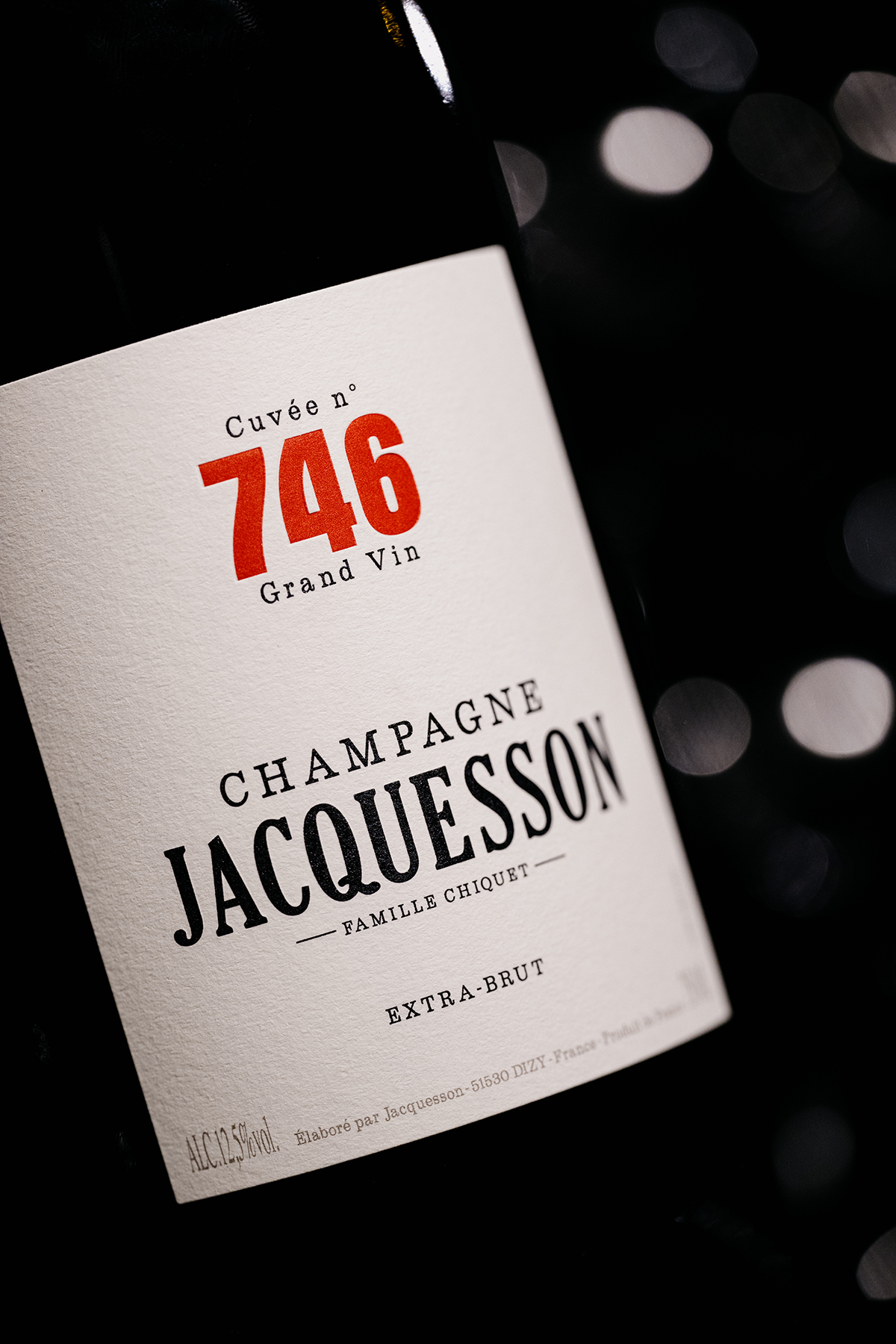
A bottle of Cuvée 746, the latest of the estate’s treasured 700 series
Terres Rouges 2013
Exclusively Pinot Noir, and with something complex and not yet fully detectable emerging under its perfectly polite manner, like the first part of a meal with Jean-Paul Belmondo.
Vauzelle Terme 2013
If any of the Jacquesson champagnes resembles the maison’s most famous advocate, it is this, tiny production label. You take a sip and think you have mastered it, then it comes back at you from different directions. Like Napoleon, this will get ever better with age.
Photography by Brice Brastaad
Find out more: www.champagnejacquesson.com
This article first appeared in the Autumn/Winter 2023/24 issue of LUX

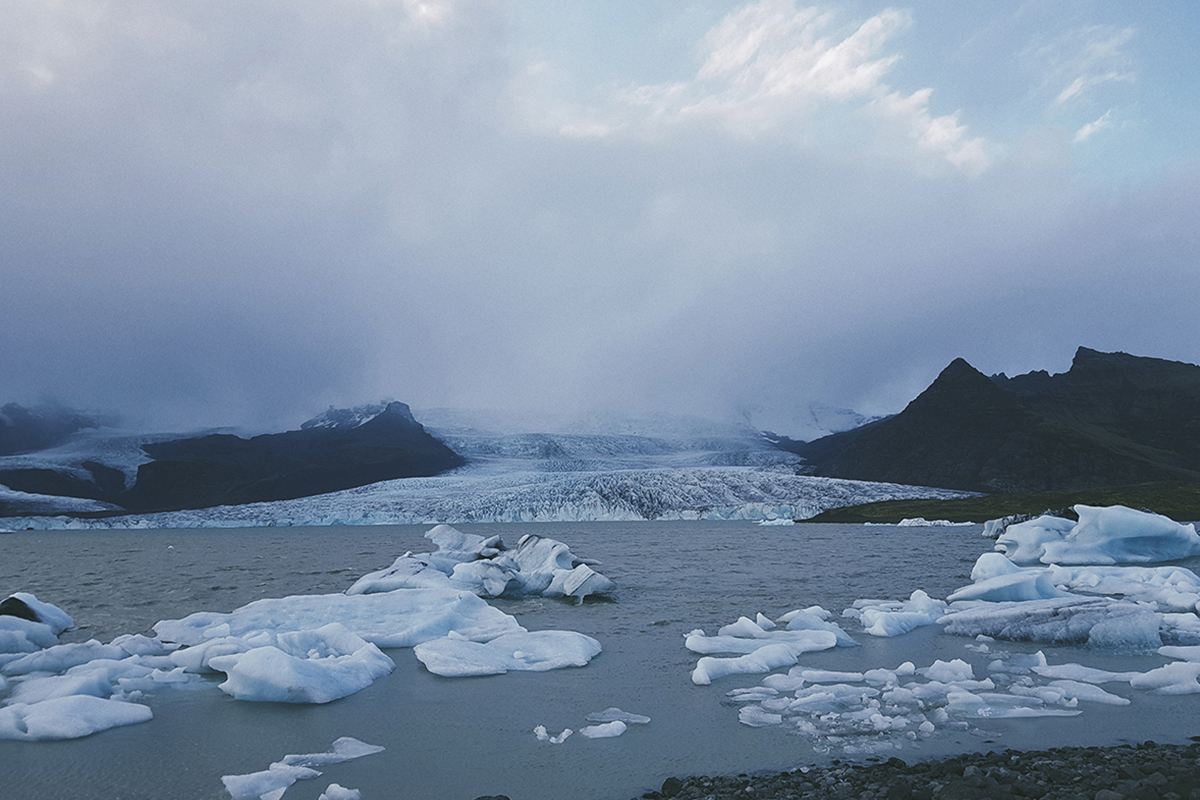
Karen Sack aims to drive investment into coastal and ocean natural capital to combat climate change

Karen Sack
It is under three weeks until the start of one of the most important climate summits in history. At the end of November, world leaders gather in the UAE for COP 28, an ever-more urgent climate crisis looming amid growing geopolitical instability. Here, Karen Sack, head of a major organisation devoted to driving major finance to ocean-related sustainability initiatives, outlines what needs to happen – and what she fears may transpire instead
LUX: Speaking as Executive Director for the Ocean Risk and Resilience Action Alliance (ORRAA) as well bringing in your own views, what do you think should happen at COP 28?
Karen Sack: This year we have seen the number of climate disasters ratcheting up. We are so close to that 1.5 degree increase of the world’s temperature. September has smashed all the records in terms of the amount of warming, with a 0.5 degree Celsius rate of change. From our perspective, there are five key focus areas for us at COP 28.
The first and most important is that we have to keep that 1.5 degree target alive. That is the Paris Agreement target, adopted at COP 21. It is absolutely critical on all kinds of scientific levels, in terms of tipping points as well the existential reality, particularly for small island developing states, and for the potential impacts on coastal communities in developing countries as well as everywhere around the world. That should be the absolute focus of this meeting and the intent should be on how to do that, in terms of outcome for the COP.
Follow LUX on Instagram: luxthemagazine
Secondly, and very importantly, is that as we look at the real need to scale down emissions to phase out fossil fuels, we also need to recognise that a liveable planet, particularly a liveable planet for humans, requires the regeneration of ocean environment. Nature needs to be at the heart of the story, in terms of addressing the biodiversity and the climate crises, because together we need to address those two issues.
The third key element is recognising that if we are going to address mitigation, adaptation and resilience – three of the core elements of the COP – as well as bring in nature, we have to focus on regeneration. We have to move beyond sustainability, which we predominantly focused on in the past. If what we do now is just sustainable, that is insufficient. We have to address mitigation, adaptation, resilience and regeneration. We need to significantly upscale sustainable finance and investment. From our perspective, that needs to be scaled into blue nature – into the ocean, as a critical carbon sink and biodiversity reservoir, as well as a key source of livelihood.

Open ocean carbon- capture is an emerging technology involving extracting and storing carbon dioxide by using nature or artificial solutions
The fourth thing we need to look for regarding our focus on maintaining resilient coastal communities, is to ensure that where investments are going to be made in coastal areas that there are high quality safeguards and guardrails for those investments, so that those communities can thrive and that investments made are made with the full consent and engagement of those communities.
Fifth and finally, what is really key to get out of COP28 is to establish that there are certain things which should not be investable propositions. In the ocean space, that means not investing into offshore oil and gas or emerging sectors like sea-bed mining that could be incredibly destructive, and for which the full suite of impacts are as yet unknown.
From our perspective, there should be an absolute, precautionary pause on any investment into this potential new sector until there is much more information, better controls and better safeguards in place. The question remains as to whether it should happen at all, but there should at least be a pause until 2030 for sea-bed mining. My view is that it should not happen at all.
LUX: You have said before that there is enough talk but not enough action. What needs to be done around sustainable finance to make that gap close?
KS: Fundamentally, there must be an agreement to move forward on the loss and damages fund. There have been ongoing negotiations, but this needs to be sorted out and settled so that funds can begin to flow into that loss and damages fund and then to the communities most affected.
Secondly, we have got to close the gap on adaptation finance; the UN Environment Programme released a report just this past week which showed that the finance gap, for adaptation finance, is 50% higher than it was previously thought. That means we have got to start looking at the hundreds of billions of dollars that have got a flow from the public as well as the private sector.
The biggest risk that we are all exposed to is inaction. The more we can do earlier in the process to drive financing into adaptation and resilience, as well as mitigation, the better, and the less costly that will be in the long term. That is key to closing those adaptation gaps. And in the ocean space, working with partners and the high-level climate champions, we have identified five ocean breakthroughs which need to be addressed.
LUX: Is there a danger of double-counting or under-counting?
KS: It is essential that governments start to work across treaties rather than keeping climate and ocean and finance treaties separate. We need to start to think about what is needed to address the issues across the climate and the nature space to prevent under-counting or double-counting.
LUX: What will incentivise governments to do that? What needs to happen?
KS: In part, it is putting numbers on the table: what is the need and what is needed to address it. Finance ministries are starting to identify these numbers and address what these gaps mean. Hopefully that begins to draw the discussion out of ministerial silos and begin to bring an all of government approach to the table in addressing them. Once that begins to happen, then it also requires Ministerial level engagement and how key ministers can get together more informally to address those issues. I know that a couple of months ago in Vancouver, the Canadian Minister for Environment and Climate Change flagged the need for ministers to come together across these treaties to address some of these issues. This is just a starting point though, because the issues we are facing extend beyond what governments can do and have to involve development finance institutions and the private sector too.

Due to climate change, coastal communities are now more than ever under threat from flooding and severe storms which threaten their infrastructure and economy
LUX: Is there an issue of a big difference in policy between more progressive governments, such as Canada and the EU, and others with very large economies who are less close to enacting such change?
KS: Absolutely. There are also fossil fuel economies which are in the middle of all of this. One of the issues is that, since the UNFCCC started its work, countries have been – and remain – defined according to their different economic statuses. Yet there are countries which are large emitters now, and countries that historically have had a large carbon footprint. There are also economies that are fossil-fuel driven economies and have contributed to significant fossil fuel emissions, either by themselves or through selling their fossil fuels on the open market. The reality of the challenges that the world now faces is that rather than arguing over who has done what for how long, the focus needs to shift towards how each of these actors can play a role in building and financing resilience and adaptation, and mitigating harm. We have to think beyond the traditional brackets that different countries have been put into, because this is an existential crisis for all of us.
LUX: Do you see authentic intent among enough governments, or are some just talking the talk?
KS: This is part of the challenge. We have seen so many significant climate events this year which you would think would bring people to the table with urgency, focus and determination, but that is not happening across the board. This is where the private sector needs to come in to help move things forward. There has, of course, been push-back in some private sector quarters as well. But the reality is that if we project forward to revenue and growth impacts or profit margins, not just over the next quarter or few years, but to five and ten years down the track, the potential costs of inaction are staggering. These are no longer issues for the next generation, they must be addressed now. We have a choice as humans. The planet will be fine. It is us who are going to be harmed. We choose whether we act now or we delay but, as I said earlier, both cost and risk become exponential the more we delay. We should be focusing all of our attention on acting now.
LUX: Is there a risk that the more we innovate to offset, or capture, the more we have permission to emit?
KS: Absolutely, which is why we have really got to focus on reducing and phasing out fossil fuel emissions as quickly as possible, and we have got to think about the most cost-effective, efficient ways to invest in adaptation and resilience. Let’s shift those investments into sustainable, regenerative renewables, such as wind, solar and tidal power, and let’s focus on investing into nature and helping to build resilient, natural ecosystems which are also the most effective carbon sinks that are on Earth right now. These are incredibly effective both in the functions they fulfill, as well as the costs that they incur.

Karen Sack has previously led global efforts to create a new UN treaty for high seas biodiversity
LUX: Do you think that large-scale, open-ocean carbon-capture – which is currently unregulated, untested but has the potential for enormous scale – should be focused on, or it a diversion?
KS: I think that there will always be untested technologies and potential large-scale solutions, which will be put on the table as a panacea to resolve our issues. There is no harm in asking scientists to explore the viability of some of those mechanisms, to understand the costs, the potential collateral damage and impacts of them before we move forward with them, but thinking that we can chase rainbows or invent unicorns that will solve our problems, while letting everything else fall apart at the seams, does not seem like a sensible solution.
However, there are tried and tested approaches which we know will work. We know that not using fossil fuels is the most critical step that has to be taken to mitigate the impacts of climate change. We know that regenerating and restoring nature is very important for addressing elements of biodiversity as well as the climate crisis. We must work on these two things and build adaptation and resilience – as quickly as possible – by focusing on investing into renewables and investing into nature, and ensuring that government policies and investments from governments and the private sector enable this.
Read more: Jean-Baptiste Jouffray on the future of the world’s oceans
LUX: What do you fear will happen at COP 28?
KS: There are a lot of initiatives which are being taken forward, and discussions happening, at COP 28. All of them are taking place in the face of significant geopolitical change and challenge. My biggest fear is that the international community does not move far and fast enough and as quickly as possible at this COP, and that the interests of the fossil fuel sector take hold. We cannot go there again. We do not have the time and we certainly do not have the space. We need – as we say in the ocean world – all hands on deck! We must move swiftly. We need action, and we need it now. That is what we need out of this COP: concerted action at speed and at scale.
The 28th Conference of the Parties of the UNFCCC (COP) is set to take place between the 30th November and 12th December 2023
Karen Sack is Executive Director of the Ocean Risk and Resilience Action Alliance
Deutsche Bank was the first bank to join the Ocean Risk and Resilience Alliance
Lower three images by Isabella Fergusson
Read more: oceanriskalliance.org
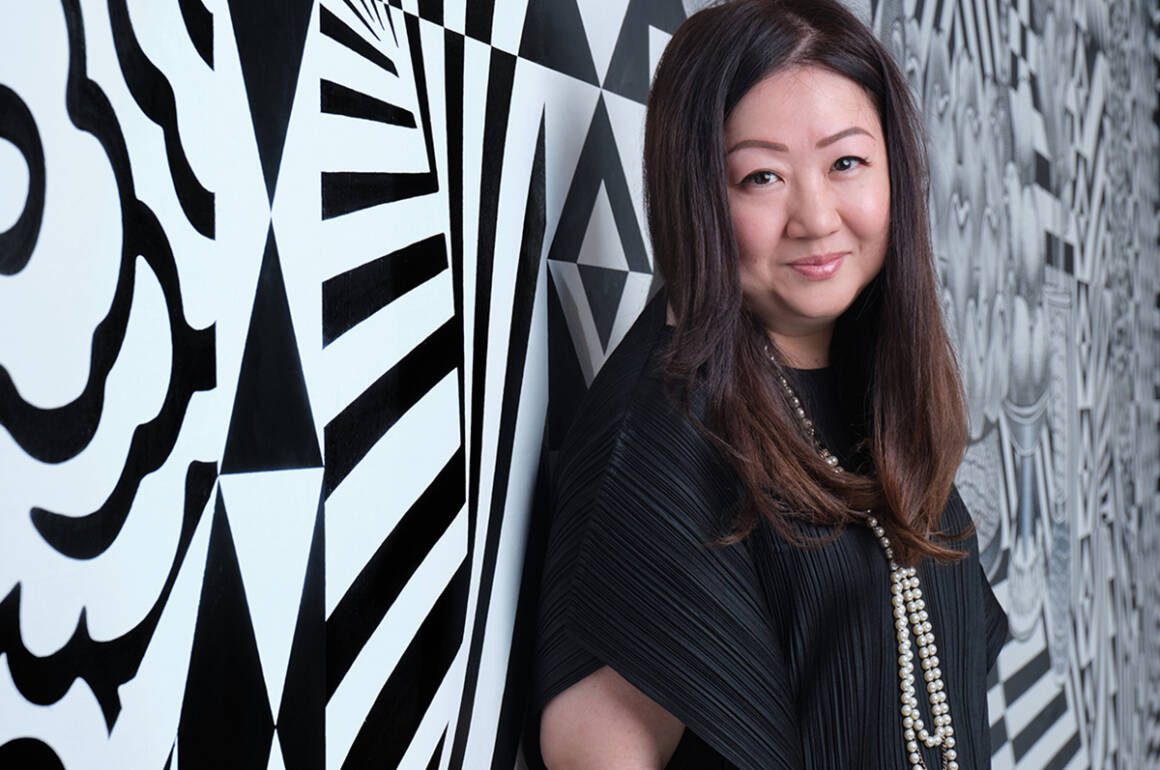

ArtOutreach public sculpture tour for students
Mae Anderson, serves as the chairman of Art Outreach, a non-profit organisation committed to promoting art appreciation and nurturing the connections within Singapore’s art community. Mae’s contributions extend to her role as the Head of Philanthropy Services Asia at BNP Paribas Wealth Management, where she collaborates with clients to bring their philanthropic visions to life
LUX: How has your personal philanthropy informed your corporate role?
Mae Anderson: My experiences in the philanthropic sector have reinforced for me the importance of aligning business values with social responsibility. This is essential to benefit the communities we serve and to enhance the reputation and sustainable values of the organisation. Corporate philanthropy is not just a matter of financial contributions; it is about creating meaningful, sustainable change by strategically leveraging resources and expertise. I prioritise building strong relationships with nonprofits, community leaders, and clients who share our commitment to making a positive difference. This collaborative approach has proven instrumental in developing effective philanthropic strategies that maximise our impact.
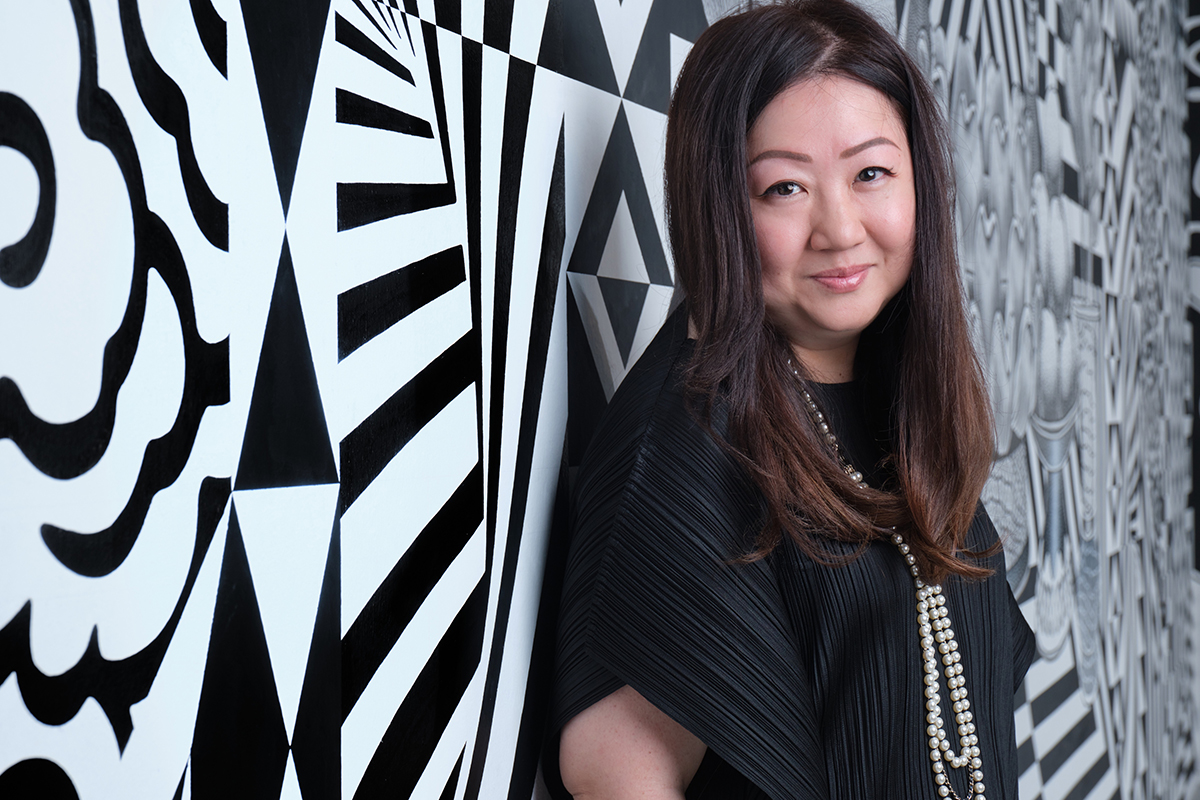
Mae Anderson, , posed against a mural by Singaporean artist, Chris Chai
LUX: Why was Art Outreach founded and what were the early successes?
MA: Art Outreach was founded to introduce art appreciation into Singapore’s education system, particularly in elementary schools where the focus was primarily on art making, and where there was a lack of emphasis on art appreciation, compounded by a shortage of trained art teachers and limited exposure to the humanities. 20 years on, there have been significant changes in the education landscape In the early stages, our volunteers were trained to deliver free art lessons to local classrooms and played a crucial role in enriching students’ visual literacy and cultural awareness. These early efforts successfully addressed the need for art appreciation, fostering a greater understanding of cultural diversity and societal dynamics among young learners, addressing a crucial need in the education system while adapting to the changing educational landscape.
Follow LUX on Instagram: luxthemagazine
LUX: What is behind the wave of interest in cultural philanthropy in Singapore and the South Asia region?
MA: There are several interconnected factors. First, there is the desire to preserve and celebrate cultural heritage. In an increasingly globalised world, people recognise the importance of safeguarding and promoting their unique traditions, arts, and history, fostering a deeper connection to one’s roots and a sense of cultural pride. The region’s economic growth has played a pivotal role.
Level Up by curator, John Tung, one of a series of professional development workshops run by Art Outreach. In this workshop, participants learned the finer points of art installation
The rise of the middle class with disposable income opens doors, and as people become more financially secure, they seek meaningful ways to give back to their communities and support cultural initiatives that resonate with their values and aspirations, further fuelling the interest in cultural philanthropy. Governments in the region have introduced policies and incentives to drive private investment into cultural projects and institutions. Further, cultural attractions draw tourists , enhancing exchequers and soft power, Finally, the emergence of the mega-wealthy 1%, catalyses support for cultural initiatives and leads collaborations.
Benedict Yu, from 生 Rebirth as part of 醉生夢死 erosion, his solo exhibition at Art Outreach in August 2021
LUX: How has Art Outreach evolved an ecosystem for all stakeholders?
MA: As explained, we began by seeding art education within local elementary schools set about creating an art landscape. We extended our reach to communities through public programmes, discussions, and tours. This made contemporary art more accessible and relatable to local audiences. We support emerging artists through initiatives like the IMPART Art Prize to offer holistic support and foster the development of artists championing Singaporean art.
Artist, Berny Tan (left), and curator, Kirti Upadhyaya, against Berny’s artworks from Along The Lines Of – her solo exhibition at Art Outreach in August 2023
From 2024, our Art Outreach Summit will offer artists mentorship, networking opportunities, and a platform to showcase their work, as well as practical programmes such as installation and lighting. More strategically, we enter into public and private partnerships around events and activations. So we serve the range of stakeholders.

ArtOutreach primary school classroom programme
LUX: What is the role for private collectors of contemporary art in Singapore?
MA: Private collectors are custodians of cultural heritage, preserving and showcasing contemporary artworks that provide insights into the evolution of artistic expression and cultural trends. Through their acquisitions, they are patrons of emerging talents and established names, pushing the boundaries of artistic expression, opening their homes or private exhibition spaces to the public, elevating the profile of Singaporean art on the global stage and fostering educational and cultural exchange. Finally, the donation of artworks or funds to cultural institutions and nonprofit organisations, has a lasting impact on the sustainability of the arts ecosystem.
ArtOutreach Art In Transit Tour, Promenade Station. This is a walking tour of the artworks installed in Singapore subway stations
LUX: How should art philanthropists plan so they give effectively?
MA: Effective art philanthropy begins with a clear mission and values aligned with the art landscape and national priorities. Philanthropists should thoroughly research organisations, projects, or artists that match the mission, and then identify gaps and areas where their contributions can make a difference. Establishing clear, measurable goals and key performance indicators (KPIs) can guide their philanthropic efforts and evaluate impact. Philanthropists can diversify their giving portfolio and consider strategic partnerships with like-minded organisations to amplify their impact and bring diverse perspectives.
Art Outreach children’s art workshop
They should assume longterm commitment to foster lasting change and address evolving needs within the arts community. It is critical to implement systems for measuring impact, remain adaptable, and be responsive to changing circumstances or emerging needs in the arts landscape.
Read more: Aliya and Farouk Khan on the Malaysian contemporary art scene
Actively engaging with artists, cultural institutions, and the broader arts community allows philanthropists to stay connected, and they must adhere to ethical principles, be transparent, and respect artists’ rights. You should consider legacy and tax planning and remember that public engagement can inspire others to support the arts.
Textile Artist,Tiffany Loy, against her artworks from Lines In Space, her solo exhibition at Art Outreach in January 2023
LUX: How can connectivity and data help in scaling the impact regionally?
MA: Data analysis empowers philanthropists to understand specific regional needs and priorities, to identify areas where their contributions can maximise impacts, and to connect with local organisations and initiatives. By collecting and analysing data in real-time, they decide where best to allocate resources. By collaborating, donors leverage their resources more efficiently, engage directly with regional communities, scale effectively, advocate, share experience, measure impact, and together drive long term change.
LUX: What is your personal advice to a client embarking on their philanthropy journey?
MA: Trust in your passion and purpose. Philanthropy is about making a positive impact on the causes that matter most to you. Sustainable change takes time so persevere. Finally, stay humble and open to learning and let that inspire your growth as a philanthropist.
Find out more: artoutreachsingapore.org

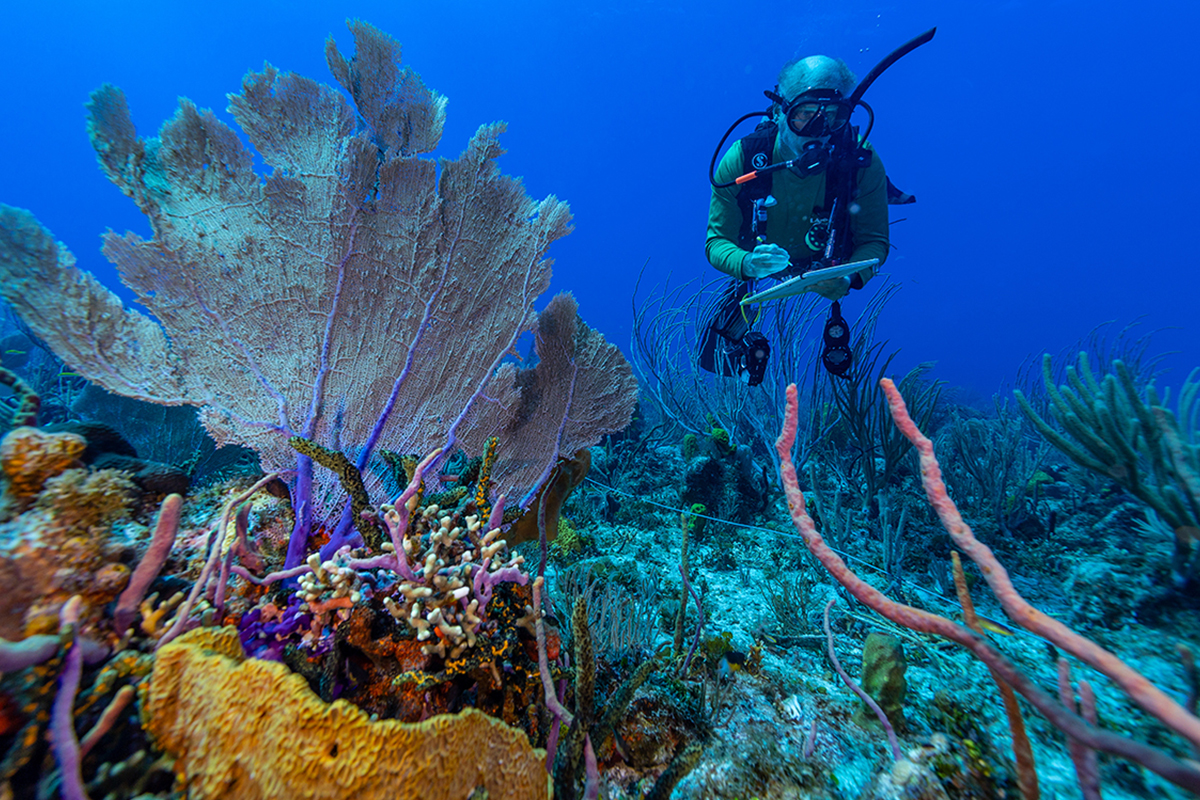
Pristine Seas team member, Alan Friedlander, sampling in the remote reefs in the northernmost region of the Seaflower Biosphere Reserve
After a number of years writing about ocean conservation as an academic, Enric Sala decided he wanted to take a more active role in protecting our seas. Here he tells Trudy Ross about his Pristine Seas project, which combines exploration and research to conserve the world’s oceans
LUX: What inspired you to dedicate your career to researching and protecting marine ecosystems?
Enric Sala: As a little boy, I grew up dreaming to be an ocean explorer and swimming in the Mediterranean, which was pretty much devoid of life. But one day I dived in a marine reserve where fishing was banned, and there I saw all the abundance of life that was missing from the sea of my childhood. That day I understood that if we give nature space, it can heal itself – and decided to work on protecting the ocean.
LUX: You made the jump from working in academia to being a full-time conservationist 15 years ago, because you wanted to stop ‘writing the obituary of the ocean’ and instead start looking at solutions. What were the biggest challenges you faced when making this career change?
ES: The biggest challenges are several. First, there is a large lack of awareness that we are overexploiting the ocean to a dangerous point beyond which it may never recover. Second, entrenched interests with strong political connections, like oil companies and the industrial fishing lobby, oppose more ocean protection. But despite these challenges we’ve been able to show that marine protection benefits not only marine life, but also people and the economy.
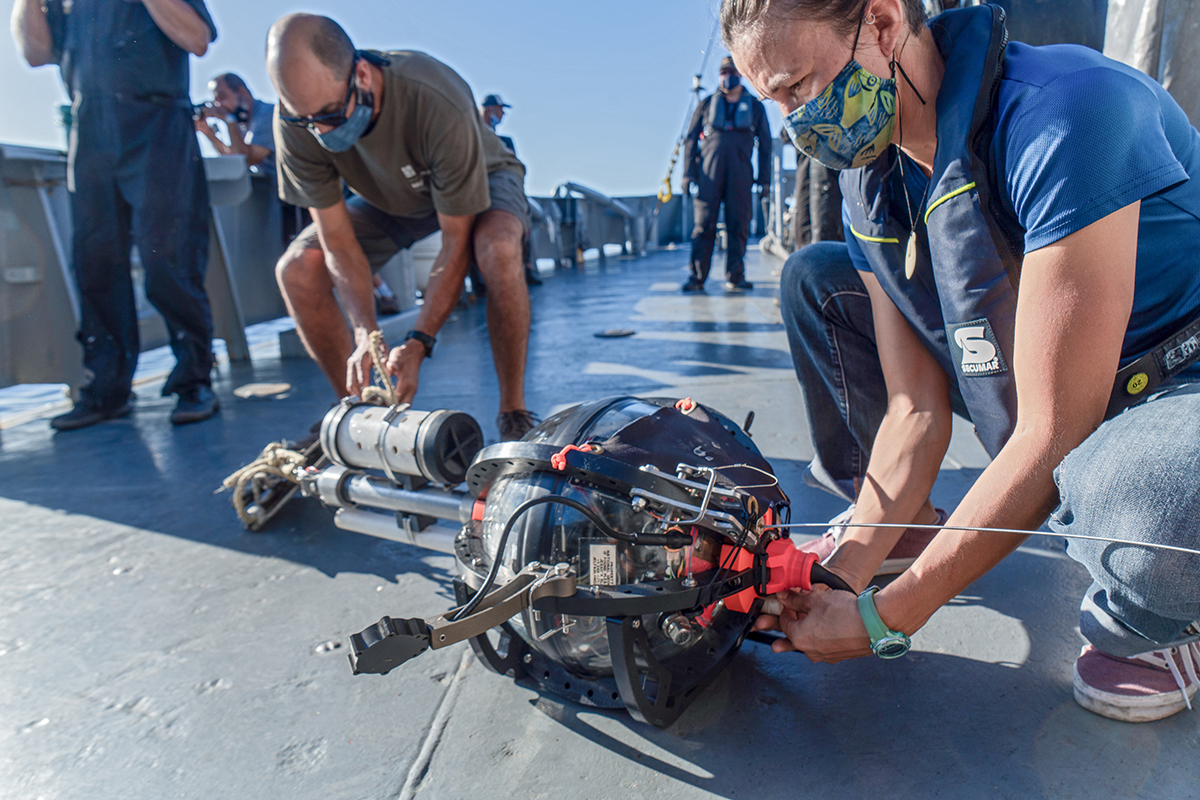
Pristine Seas team assembling deep sea camera onboard the ROU 23 Maldonado, South Atlantic Ocean Uruguay
LUX: Can you tell us more about your Pristine seas project and share some of its primary goals?
ES: Pristine Seas works with local communities, Indigenous Peoples and governments to protect vital places in the ocean, for the benefit of humanity. To date we have helped to protect 26 areas across the ocean, from the poles to the tropics, covering a total area over twice the size of India. Our goal is to contribute to the global target of protecting 30% of the ocean by 2030.
Follow LUX on Instagram: luxthemagazine
LUX: What criteria do you use to identify and select areas for the Pristine Seas project, and how do you assess their ecological importance and conservation potential?
ES: We always support local conservation efforts, which can be divided in two categories: areas that are still near pristine and need to be protected before it’s too late, and areas that are somehow degraded but, if highly protected, they would deliver big gains for marine life, food and climate. Our approach is science-based, using global databases on marine life, fishing and carbon, and our own data collected during our expeditions to these vital ocean places.
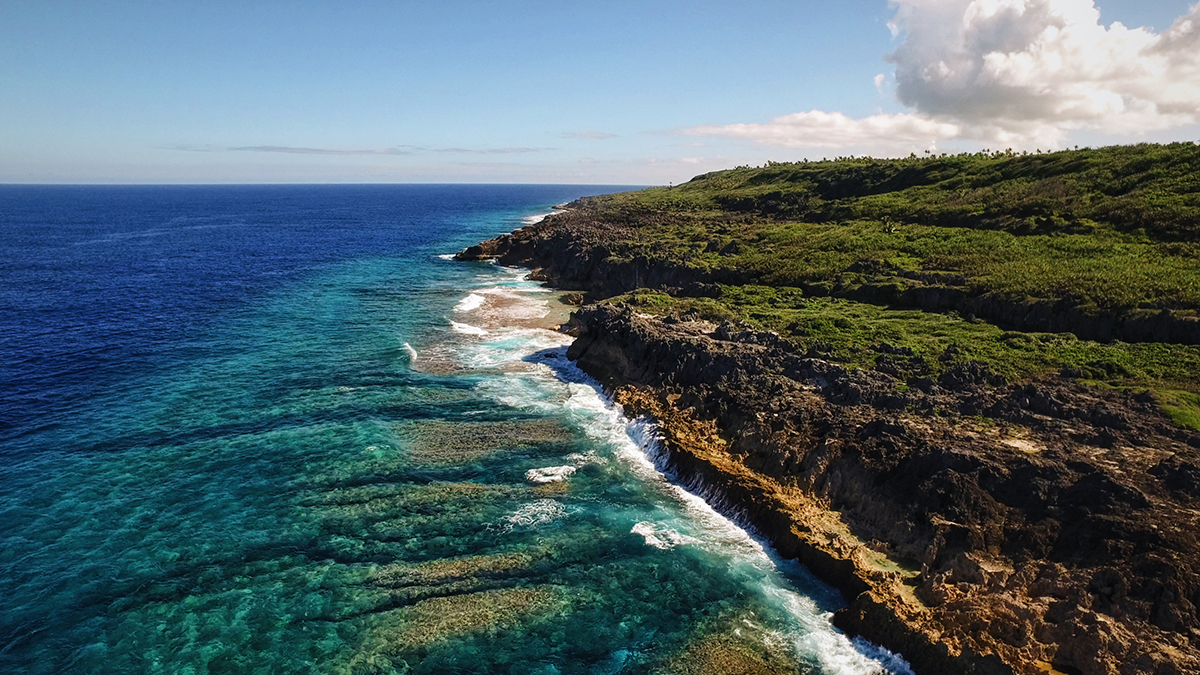
The Pristine Seas team was invited by the government of Niue and Tofia Niue to help the island community survey its underwater environment in an effort to ensure the long-term sustainable use of resources
LUX: Can you discuss any recent discoveries or achievements from your expeditions that have improved our understanding of the marine ecosystem?
ES: Coral reefs suffer from ocean heat waves, which kill enormous amounts of corals. But we found that coral reefs can bounce back from these warming events if they are fully protected and harbor large abundances of fishes. It is the fishes that keep the reefs clean and allow the corals to return. Without the big and abundant fishes, dead corals are smothered by seaweed forever.
LUX: How do you engage with local communities and stakeholders when establishing marine protected areas through the Pristine Seas project?
ES: We always support local efforts to create marine protected areas through our research, storytelling and economic analysis. We work with local scientists to assess the health of their marine environment, provide local communities with cost-benefit analysis of protection, and advise them on how to implement their desire to protect more of their waters.
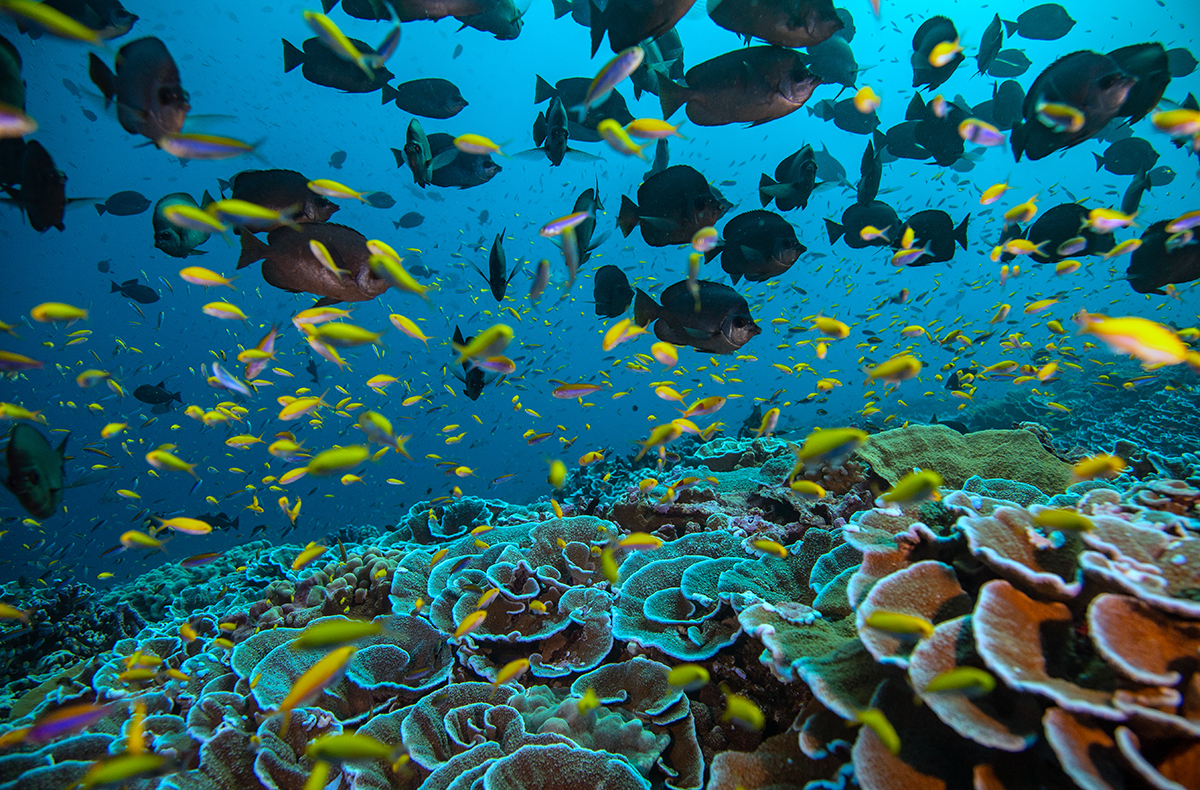
Kiribati’s Southern Line Islands where Pristine Seas launched a three-week expedition in 2020
LUX: What role do you see technology playing in marine conservation, and are there any specific technological advancements that have greatly enhanced your research or conservation efforts?
ES: Technology is key to allow us to explore the deep sea and remote areas, including satellite monitoring of illegal fishing – these have been instrumental developments to enhance our work. But technology and data alone are not sufficient. We actually need people to care. This is why we use our films and storytelling first, to inspire people to fall in love with their ocean – and then we provide the scientific and economic data to support action.
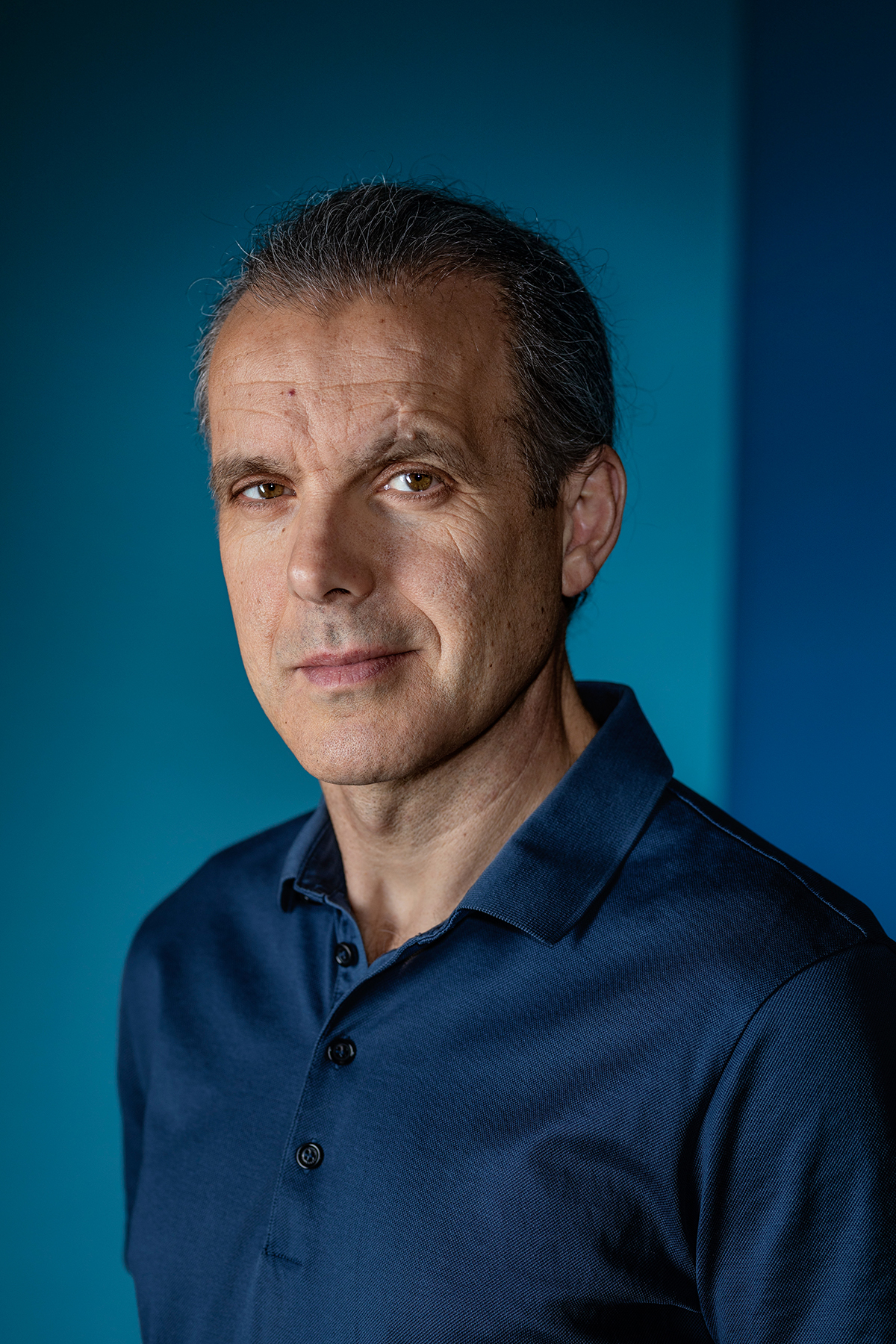
Dr. Enric Sala, photographed at NG Headquarters in Washinton, DC
LUX: How can governments and policymakers be encouraged to prioritise the protection of marine environments, especially in areas beyond national jurisdictions?
ES: For governments and policymakers, the easiest encouragement comes from the fact that ocean protection is good business! If we protect an area from fishing and other damaging activities, marine life comes back spectacularly. Fish abundance increases on average by 500% within a decade. Fish grow larger and produce many more babies, which helps to replenish nearby areas and helps local fishers. And when the fish come back, divers come in, supporting jobs and bringing in more economic benefits. Therefore, highly protected areas are a triple win. That’s what happens in countries’ waters. Beyond national jurisdiction, it is not as easy because many countries have to agree to protect an area.
Read more: An interview with Blue Latitudes: can oil rigs help save the ocean?
LUX: Pristine Seas has helped to create 26 of the largest marine reserves on the planet. Can you tell us about three of these areas which you find most fascinating, and which you would encourage our readers to look into?
ES: This is like asking parents which of their children they love the most! There are many wonderful places we have explored and helped to protect. A few examples are the kelp forests off the southern tip of South America, the pristine coral reefs of the southern Line Islands, and the offshore islands of Cocos (Costa Rica), Malpelo (Colombia) and Darwin and Wolf (Ecuador).
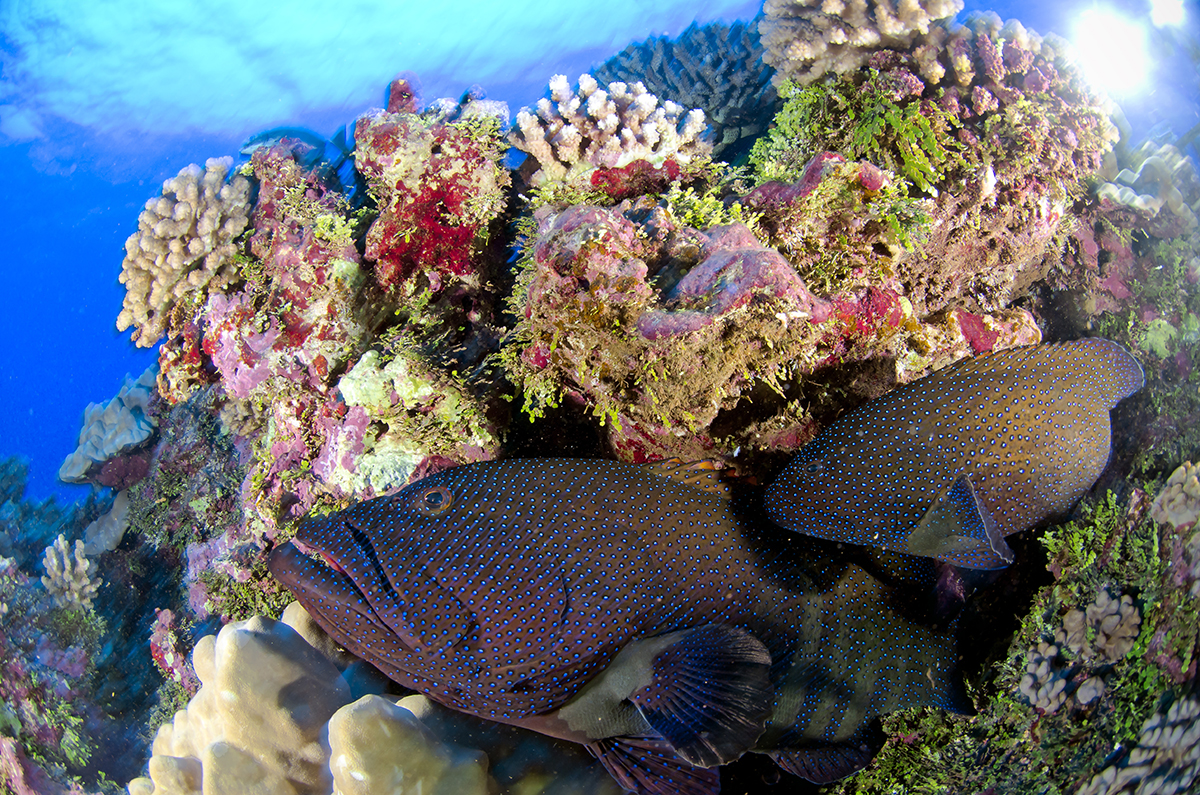
In March 2012, Pristine Seas, in cooperation with the PEW Charitable Trusts, undertook a month-long expedition in the four Pitcairn Islands
LUX: In your opinion, what are the most significant threats facing our oceans today, and how can we effectively address these challenges on a global scale?
ES: Overfishing, global warming and pollution are the major threats to ocean life. Overfishing is the easiest to solve, through responsible management of fisheries and protected areas. Solving pollution will require society to develop a circular economy without waste. And global warming is the most difficult of all, but it all comes down to halving our carbon emissions every decade to 2050, and to protect and restore more of nature so it can absorb much of our excess carbon pollution in the atmosphere.
LUX: Looking ahead, what are your aspirations for the future of marine conservation, and what would you like to see accomplished in terms of global efforts in the next decade?
ES: All the nations in the world agreed in December 2022 to protect 30% of the global ocean by 2030. We have a target. Let’s make it happen.
All images by Manu San Félix, courtesy of National Geographic Pristine Seas
Find out more: www.nationalgeographic.org/pristine-seas
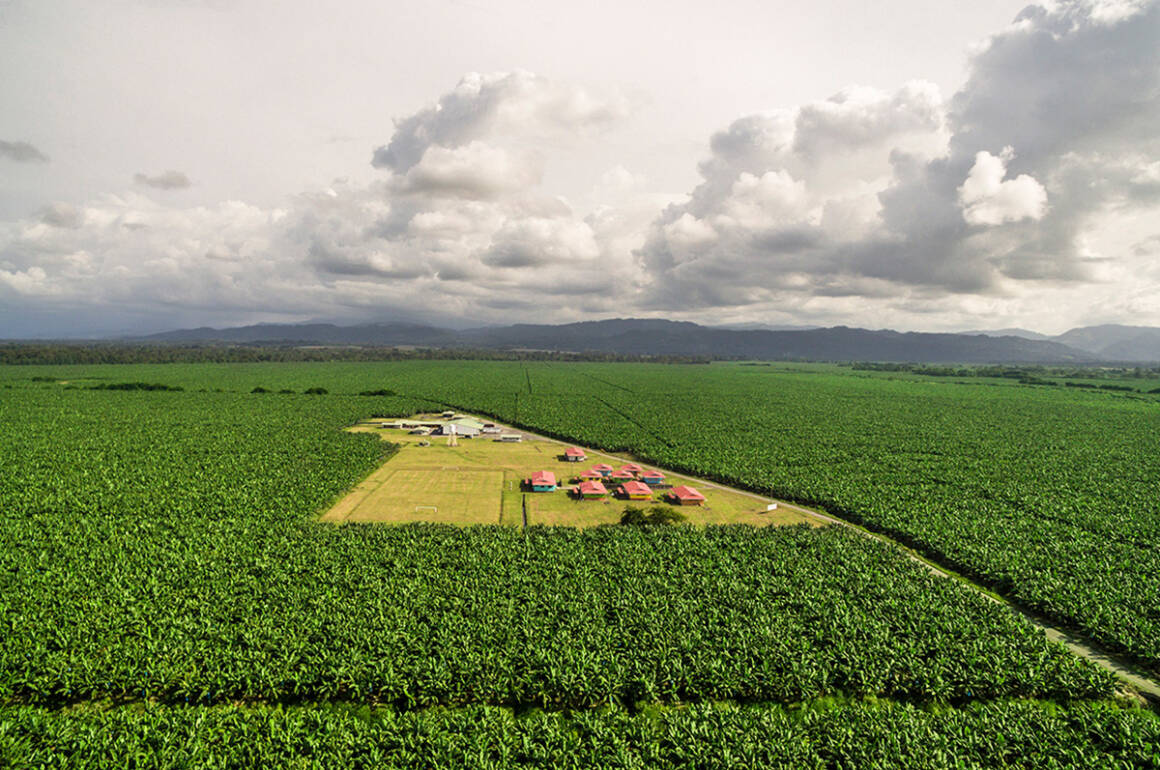
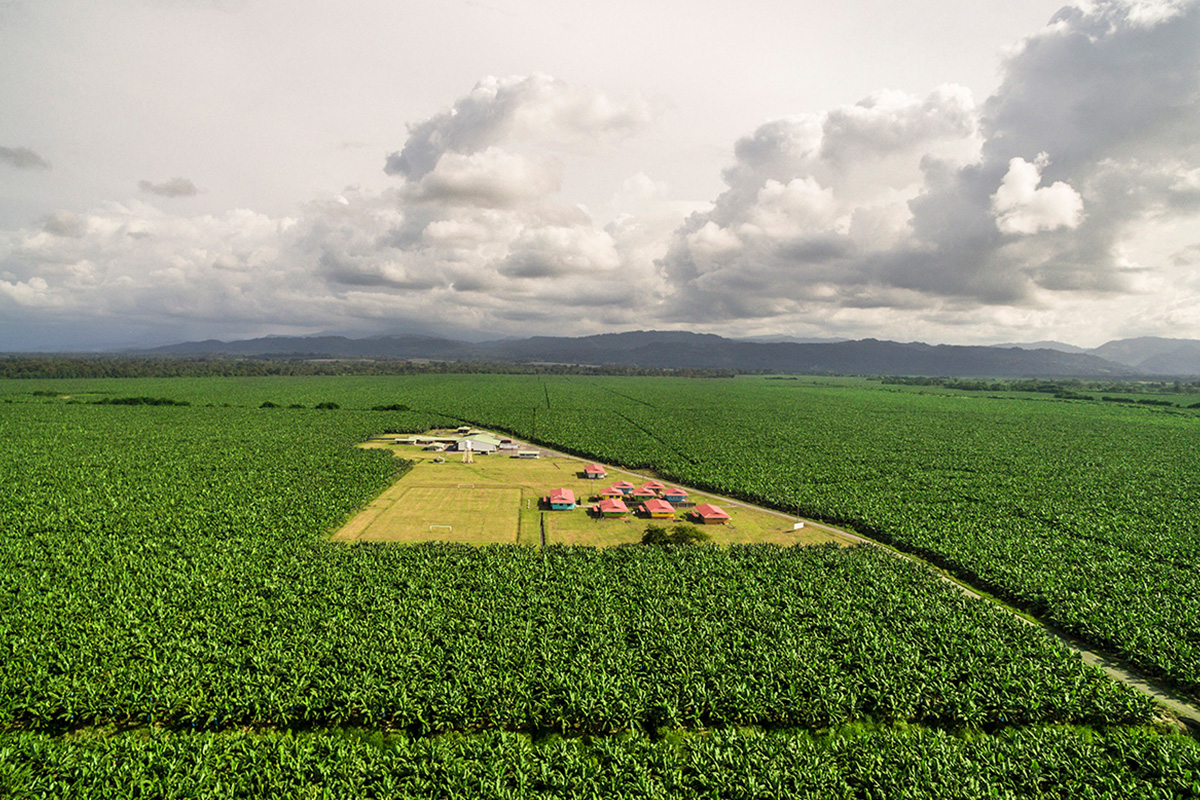
Photo courtesy of Fresh Del Monte
Hans Sauter is the Chief Sustainability Officer at Fresh Del Monte. He speaks to Trudy Ross about the company’s sustainability journey and the importance of creating a culture of respect for the environment
LUX: Could you provide an overview of the company’s sustainability journey and a few key milestones you’ve achieved in recent years?
Hans Sauter: Let me mention that I’m not just Chief Sustainability Officer but also senior vice president for Research and Development. That’s not just out of coincidence. We approach sustainability from a scientific and data-based point of view, not a marketing or sales perspective. I have been with the company for 35 years; I started at the farms doing agricultural research and worked my way up to corporate. I know our global footprint in great detail and have accompanied this process of incorporating sustainability into our operations all along.
About 30 years ago, we started designing our farms to make the best use of the soil, carving out the areas which would be best adapted to our own crops and then leaving those other areas to re-forest and create opportunities for conservation. Starting all the way from water conservation to erosion control, pollination, etc, our operations have transformed themselves over time into combined systems where we see nature and large-scale agriculture co-existing. That’s very exciting.
Photo courtesy of Fresh Del Monte
A few milestones: in 1998, we got our first ISO 14001 certification around sustainability systems. In 2010, we set our first global sustainability goal to reduce our consumption of key resources, like water and fuel, by 10%. In 2015, we got our first carbon neutral certification at one of our operations, specifically the banana farms in Costa Rica. We escalated that last year, to estimate our carbon footprint going all the way from the farm to the consumer. We established programs where we promote those efforts, such as the Del Monte Zero pineapple, where we have sequestered enough carbon through our own on-site forests to compensate for greenhouse gas emissions all through the supply chain up until the consumer’s table.
Follow LUX on Instagram: luxthemagazine
LUX: Do you think it is important to engage with the consumer and make them aware of sustainability initiatives, or are you more focused on the problem itself?
HS: We started this journey so long ago that we initially attacked the problems where they were occurring. On our farms, being in tropical and rural areas which are normally the most vulnerable areas and communities, we saw a great need for action. We engaged ourselves in projects to collaborate with our neighbours and see how we could improve conditions there.
We now understand that the consumer needs to hear about those efforts. In the last five years we have been more vocal about those efforts, because we have truly strong programs to talk about. It’s not making a lot of noise about little things; we’re talking about legitimate programs. We have carved close to 30% of our land just for conservation, and that’s what nations are trying to accomplish now – we’ve done it already.
Photo by Justine Alipate
LUX: Do you have faith that the rest of the food industry is going to continue to engage with sustainability and make this a key focus, or do you worry that there is an element of greenwashing and shouting about sustainability efforts when there aren’t concrete initiatives to back them up?
HS: There’s a little bit of both. There has definitely been some greenwashing and more talking than acting; but on the other hand, I don’t think anything can stop this train. The current events are making us brutally aware that we need to act. I’m convinced that the only thing that is needed is to get to the tipping point. If you have strong leaders that move the needle, the rest of the industry will follow. Just look at the electric motor industry – who would have said we would be moving at the pace we are moving at today? I’m definitely optimistic about the food industry.
LUX: How would you describe Fresh Del Monte’s approach to responsible sourcing, and does this impact your supplier chain further down the line?
HS: That’s probably the most difficult point at this stage. All of us are struggling with scope 3, which is essentially our suppliers. Rapid engagement of that part of our supply chain is crucial and not as easy to move. One of the advantages we have as a company is that we grow close to 45% of what we sell, so we are heavily invested in farming and understand what farmers are going through. That gives us an opportunity to talk to them on a one-to-one basis with a hands-on approach. We collaborate with them and we share experiences.
I think our example will help us leverage some moral authority when it comes to protecting the environment because we have done it, and we continue to do it and invest in it. Definitely scope 3 will continue to be a more difficult area, particularly because margins in the food industry are small. Here the retailers could be very effective in moving that needle because they are the intermediaries between the grower and the final consumer, making sure that they also are a part of this shared responsibility.
LUX: What is the biggest challenge facing the food industry and the agriculture industry?
HS: I would say the biggest challenge is time. The climate is changing so fast and most of us don’t realise that the clock is ticking. We could run out of time to implement large-scale solutions that make a difference.
Photo by Sven Wilhem
I see no shortage of solutions available, but there needs to be a lot of resources invested in research, specifically for many crops in tropical regions where regenerative agriculture practices have not been developed. We are very optimistic about regenerative agriculture in temperate regions, but the rest of the world has not had that privilege and we need to invest in those areas.
LUX: How much of this responsibility for climate change lies with big corporations like Del Monte, and how much do you think lies with the consumer?
HS: We are all in it together. Consumers make the difference with their purchasing decisions. That’s one of the reasons we decided to launch the Del Monte Zero. It’s a small, boutique program. We wanted to make a statement by allowing the consumer to choose a climate-responsible product, so that we are all made aware of what we are going through.
Each of us, in large companies and small companies as well, each of us has a huge responsibility at this point. We are working with our communities and we are looking at our impact on a watershed level, rather than just ‘my farm’. Because it doesn’t matter how much I protect the forest that runs through the river that runs through my own farm, if I don’t bring all the neighbours to protect that watershed, that river will eventually dry. We need to act as communities.
LUX: Waste reduction is a very important issue taking place in the food industry. Has Fresh Del Monte implemented any strategies to minimise waste reduction, and have you seen any outcomes?
HS: This is a very exciting area of opportunity. It can bring more business to the food industry. We initially started investing in waste reduction a long time ago, in our pineapple operations, using food which could not go to market to produce concentrate and juice. With that kind of systematic investment we have reduced waste at the farm level, and almost 95% of our product is used and not wasted. We are working on solutions to compost and to work with cattle-growers.
Food is too valuable to throw away. There should never be a reason to send food to landfill. What we are doing now is taking that one step further and looking at our crop residues, because that’s also a huge area of opportunity and we’re working aggressively to develop composting solutions and also other opportunities. It’s just investing in research and time.

Photo by Dan Gold
Read more: Unilever’s Rebecca Marmot on the Sustainable Everyday
LUX: What sustainability developments are you most excited about at Fresh Del Monte?
HS: I would say the most exciting thing which I have seen over the course of 35 years is the development of a culture of respect for the environment. No systems, no programs beat culture. If your team members have a culture of respect and admiration for the planet and your community, everything comes out of there and you have success with your systems and your programs.
We have seen engagement all the way from the farm workers, who have been sharing pictures of the biodiversity that they see while they are doing their field work. The excitement and the passion that we see is huge. When your own farm workers are excited and are taking pictures of biodiversity while they’re working, you have made an impact not only in your farm but also in the community. That multiplies by four every effort in education you have brought in.
LUX: How do you envision sustainable practices in the food industry in ten years?
HS: I envision it having huge contributions from new bio-science discoveries. There are companies which are working on deploying microbes that can fix nitrogen so that you don’t have to apply so much synthetic fertiliser. Synthetic nitrogen is one of the biggest challenges we have in agriculture as an emitter of greenhouse gas emissions. That will definitely make a big difference in the future.
Find out more: freshdelmonte.com
Photo by Andrea Leopardi
Can creating new products be sustainable? Franco Fogliato speaks to LUX about Salomon’s sustainability efforts and how he believes consuming differently can be more important than consuming less
LUX: When did Salomon start focusing on environmental responsibility?
Franco Fogliato: Nature is our backyard. We live in the mountains, we are mountain people. Every time we do something we are trying to be less impactful on nature. Fifteen years ago, we began looking for new technologies, new developments and ways to create positive impact in the way we do things. It has gone from creating shoes that are 100% recyclable, to being the first company in France to make its shoes in our home country, minimising the carbon footprint associated with shipping from factories overseas. These are all initiatives that started ten or fifteen years ago, which have been accelerating ever since.
LUX: How is sustainability at Salomon influenced by its athletes and employees?
FF: We are a company that is led by our athletes. Our athletes are at the forefront of our industry. They push the boundaries of what we do every day to ensure not only that we are the highest performers, but also the most sustainable.
Follow LUX on Instagram: luxthemagazine
We also have a generation of employees that are younger, who are in their late twenties and early thirties, and have grown up with sustainability as a daily topic. Sustainability is part of what our teammates want and what they love. Every time they think about a new product, they first think about how they are going to create it without impacting the world and the planet.
Photo by Kaidi Guo
LUX: How do you approach innovation and sustainability together, ensuring that product development aligns with the brand’s commitment to minimising environmental impact?
FF: It’s a tough conversation. Do you choose the most performant product, which is not sustainable, or do you choose the product which is sustainable but less performant? There are examples every day: we had great shoes which had a great insole, but the insole was unsustainable. We changed the insole with a sustainable insole but which was less resistant, and consumers were not happy. The constant push that comes from athletes and the consumer comes back to our factories and our teams to come out with new technology, that pushes us to the next level.
LUX: Because of your company’s heritage and long-standing reputation in the outdoor industry, do you feel like you have more responsibility than others to be initiating this fight against climate change?
FF: We have to be leaders, it’s not a choice. It’s also what we like to do. It’s pushing the boundaries, in sport and building new products which are more sustainable. Sometimes people use the challenges we face just to make noise, rather than focusing on the actions that are needed. Sometimes my teammates ask me, how we’re going to build the company; people will need to consume less, they say. I say, if you think people will consume less, you are mistaken. There will be new technologies which are a lot less impactful than the way they are today.
LUX: Does creating new products contradict your aim to be environmentally friendly?
FF: I think there is a challenge still on the consumer side where there is a little bit of confusion around what is and is not sustainable. I think people see consuming less as the major driver behind minimising climate change, but in fact the driver is not consuming less but consuming differently.
Photo by Kalen Emsley
The carbon footprint impact of producing a pair of shoes is equal to driving a car for thirty miles. I have a theory that people should stop using cars and just run. I tell my people that they should stop using their cars to come to work and just run here. Why do you need a car? The human being was built on running. I think really activating a different consumption and pushing people outside is really what we want to do. We have a challenge with sustainability, but we also have a challenge in the evolution of the population globally with the digital. We have to take care of how people will evolve.
Read more: Rapha CEO Francois Convercey on diversity and sustainability in cycling
LUX: What are some of the initiatives at Salomon which have made the biggest difference towards sustainability?
FF: The biggest impact on producing a product is transportation, so there is an opportunity going forward in the evolution of the sourcing base, to source closer to the consumer. Many brands have tried that in the past and failed. Lately we had the French President, who had recognised our efforts, visiting our shoe factory in France. That factory would never have been born without us sharing our talents and skills with the local entrepreneurs. No one knows how to build shoes in France any more, as the entire production of shoes has shifted to Asia or Eastern Europe. These are the efforts which have made us recognised by the press and by the media.
LUX: What set Salomon apart from other outdoor gear brands which are also focusing on the sustainability mission?
FF: We like to think this is not a battle for who does the most. The battle is not between companies, it’s much bigger. We have to be ourselves. We have the first fully recyclable shoes; we were the first to do that in the marketplace a couple of years ago. But if someone comes in and is better than us, great! We’ve got to learn to do better, to improve. This is a battle we all fight together. I don’t have a problem with sharing technologies or doing anything which will help make the world into a better place. For once, it’s a competitive environment where there is a team. We are competing all together to make the planet into a better place.
Find out more: salomon.com
Butterfield & Robinson’s Dalmation Coast Active trip in Croatia
Mike Scarola is the CEO of Butterfield & Robinson, a luxury travel company with the goal of making a positive impact. He speaks to LUX about connecting with local communities and travelling on two wheels instead of four
LUX: What was the inspiration behind your Slow Find initiative?
Mike Scarola: The Slow Fund is driven by our passion for sustainability, focusing on education, culture, conservation, and preservation. We needed a formal vehicle to give back, which is essentially the genesis of the Slow Fund. Sustainable travel has been in our DNA since the beginning, just by the nature of what we do.
Seeing the world or seeing a region on bikes or on foot, we believe is a better, more sustainable way to travel. Currently we support nine initiatives globally, which range from conserving species and iconic landscapes across Africa, to supporting gender equality in the safari industry, to our art residency in France. The ideas behind the initiatives we choose to support typically come from our guides or our planners, because they know the region and its needs the best. We always aim to support sustainability efforts or cultural initiatives in the regions where we take travellers, and often try to bring our travellers into some of those initiatives while they’re on trip. This allows them to give back to the communities they visit and understand the essence of Slow Travel.
Pizza making lessons from a local chef in Italy on the Amalfi Coast Walking tour
LUX: When you first brought in this idea of sustainable travel and travelling on bicycle rather than taking cars, was there a high client demand for it, or was it something that you had to intensively market?
MS: The long story is that our founder, George Butterfield, is an unbelievable trailblazer. He had a huge passion for travel and bringing people to new experiences. He was always trying new trips, and in the early 70s he decided to try biking and as a part of a travel experience. But first time round, it just didn’t catch on.
Then he had someone in his office who, in the early 80s, started to make a case that we should try this again. He thought that people that are looking for luxury will also want to bike through Europe. George was actually pretty hesitant at the time, but they tried it and it absolutely took off in the early 80s.
LUX: How do you go about tracking your carbon footprint and why do you think it’s important that companies, especially travel companies, need to be doing this?
MS: We’re in our second year of very detailed tracking of our carbon footprint, and the reason we do this is because we want create a positive impact in the world. There’s a real crisis and we’re part of it, but we’re now trying to be part of the solution. The first step that we thought was important was to try to measure our impact. It’s tough, but once you measure that, you can communicate the biggest impacts of what your company has day-to-day on the environment, and then you can start to take solid steps to reduce it. We’ve always thought about the environment and taken steps to improve our trips and reduce our carbon footprint, but this formalisation allows us to track it on an annual basis.
Follow LUX on Instagram: luxthemagazine
LUX: What’s the philosophy behind your travel experiences?
MS: We think there is a large number of travellers who want to be active when they go on vacation, and who will get a better experience seeing a region on two wheels than they will on four. There’s so many regions now that are wonderful to hike through, to bike through, to canoe through, that also have luxury accommodations, which is often really important for us. We always try to bring our travellers to luxury accommodations, to high end food.
Mike Scarola on the Tuscany Wine Country Biking tour in Italy
LUX: You do a lot of community-based work trying to enhance their lives whilst travellers come and visit. How do you ensure a community focused approach while also balancing client demand?
MS: What we find is that travellers are looking for very authentic experiences. They’re not only looking to stay in the nicest hotel and eat the best meals. They’re looking to feel like they’ve come away with a connection and a deeper understanding of the region, which lines up really well with what we try to do. We try to source from locally-owned businesses and local people to help deliver experiences on the trip. So whether it’s a specialised tour, or stopping in the middle of your cycle for lunch in a restaurant owner’s backyard, where they’re going to teach you how to make pasta, these are the types of authentic experiences that our travellers are looking for. We work really hard on a day-to-day basis to try to find them and it’s only possible because of the network we have built up . We have about 125 guides that are located around the world, who know their regions intimately and are often the source of new experiences with locals.
LUX: Can you tell us more about your art residency initiative in France?
MS: Certainly. This a partnership with a former guide, who has an art residency program in France. They came to us to say that they often identify fantastic artists who are very much in need of financial aid, who could use our help. That’s all we really needed to know. A passion of ours is being about to support our guides, and to support art and culture. We’ve sponsored a number of artists. The latest one is a Belarussian artist, who had to leave their home country because of what’s happening over in Ukraine. This was a phenomenal artist who really didn’t have anything, and was going to have to give up their passion and give up their talent in order just to survive. So we helped to support.
LUX: What sets Butterfield and Robinson apart from other travel companies in the industry?
MS: The heart and soul of this business are our guides and our experienced designers. I would argue at the end of the day that we have the best guides and the best experienced designers on the planet.
Read more: Travelling Botswana on Eco-Safari, Review
Mike Scarola guiding on the Tuscany Wine Country Biking tour in Italy
We always have a get together, a guide kick off at the beginning of the European season in April, and a guide gathering at the end of the European season. They are the most creative, well-travelled individuals who speak multiple languages with stories from the whole year on how they took travellers to amazing spots. We ask our travellers at the end of the trip to rate us on a whole bunch of different metrics, and the guide score is always the highest and most consistent, because they’re so knowledgeable about the region.
LUX: How do you aspire to continue redefining luxury travel in the years to come?
MS: The biggest thing for me is listening to our travellers. Our travellers have been the best source of direction over the last 57 years, and I think they’re going to continue to be. I think the demand for authentic experiences will continue to grow. The other thing is that travellers are looking to have a bit of an impact on their trips as well. I can see us doing it a lot more where they’re not just visiting and learning, but they’re participating, potentially in a project that they do on a trip that you know makes them feel a little more connected, a little more empathy for the region and the culture.
Find out more: www.butterfield.com

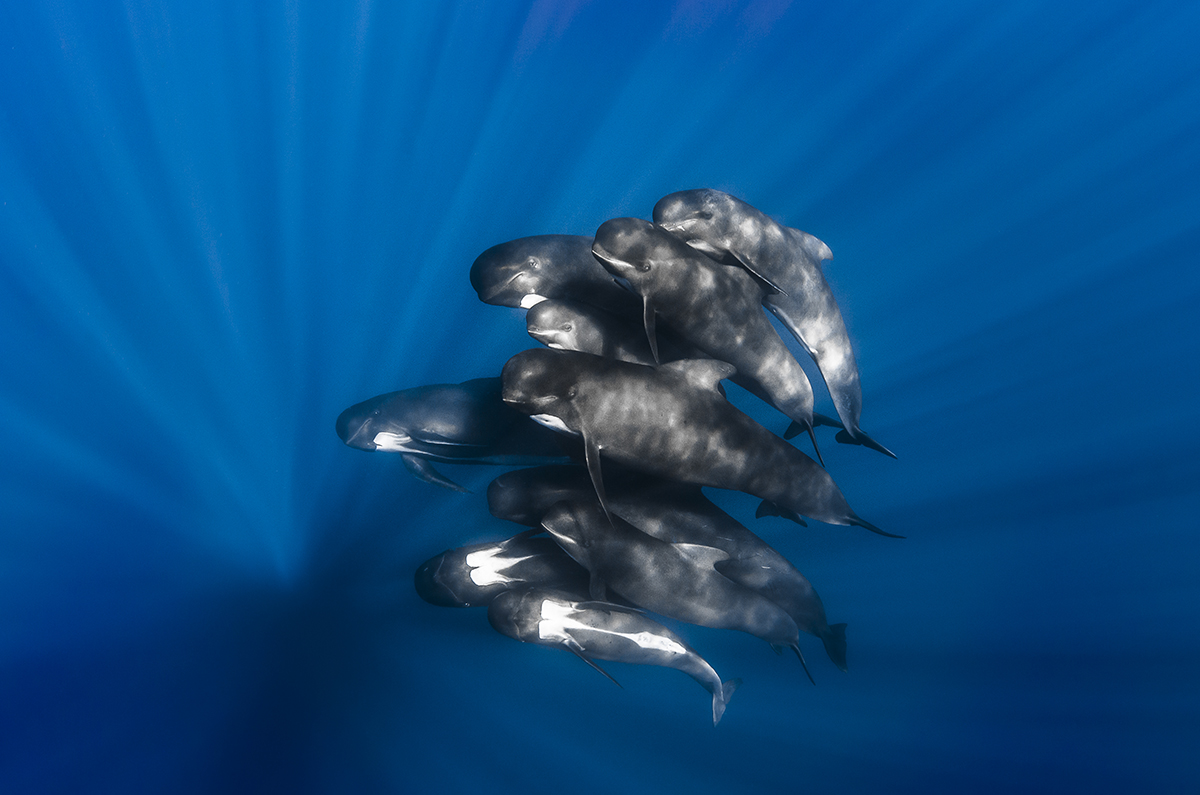
Pilot whales in the Pelagos Sanctuary, which was co-created by the Prince Albert II of Monaco Foundation
As awareness grows of the need for a sustainable blue economy and for ocean restoration around the world, LUX invites thought leaders and experts to nominate their choice of individuals, non-profits and financial and investment wizards, whose efforts are helping save the planet’s troubled waters

Nathalie Hilmi
Dr Nathalie Hilmi, Senior Researcher at the Scientific Centre of Monaco, nominates:
Prince Albert II of Monaco Foundation
This international non-profit organisation is the only foundation in the world headed by a serving head of state. It was founded by His Serene Highness Prince Albert II in 2006 with the mission of protecting and advancing the health of our planet for future generations, with a focus on biodiversity, climate, renewable energy, oceans and water resources. In addition to funding hundreds of projects, the foundation has set up initiatives to be a driving force in these fields, operating in the Mediterranean Basin, the Polar regions and the least developed countries. It works with scientists, other NGOs and world leaders, and has branches in 11 countries.
Meri Foundation
I like the work this non-profit foundation is doing for the planet and our environment, promoting scientific research and environmental education on ecosystems in Chile and around the word. It has a vision of inspiring communities to consider a sense of belonging in their ecosystem environment, promoting a society in harmony with the planet. Its philanthropic engagements are stunning.

Marküs Muller
Markus Müller , Environmental, Social and Governance (ESG) Chief Investment Officer at Deutsche Bank’s Private Bank, nominates:
Anna Katharina Meyer
Anna Katharina identifies global challenges and launches tangible initiatives, with a focus on sustainable finance and accounting, renewable energies and entrepreneurship. Describing herself as a founder, activist and scientist with heart and soul, she combines professional competences with scientific ones and is shaping discourse on a sustainable and inclusive future with expertise.
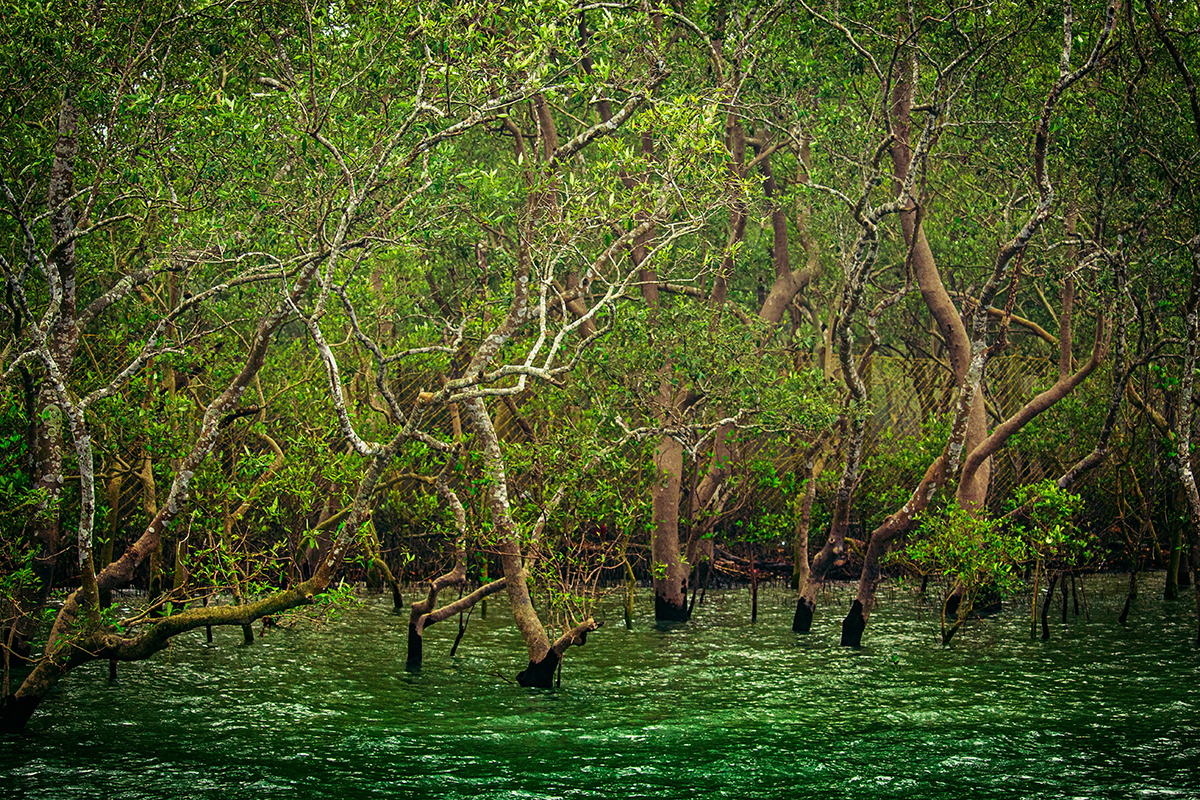
Heritiera fomes mangroves in Sundarbans, West Bengal, India. Sundarbans is a national park and biosphere reserve; carbon-storing, coast-protecting mangroves are an essential component of nature-based solutions
Rayne Sullivan
Co-Chair of the Youth Advisory Council at Sustainable Ocean Alliance, Rayne represented the US at the inaugural UN Youth4Climate summit in Milan in 2021, advocating for Hawai’i and Oceans. Rayne is also pursuing a JD programme at Stanford, with a focus on the nexus between climate science, responsible AI and traditional knowledge systems, to empower frontline island communities in developing nature-based climate solutions.
Follow LUX on Instagram: luxthemagazine

Marie Claire Daveu
Marie-Claire Daveu, Chief Sustainability Officer and Head of International Institutional Affairs at Kering, nominates:
Conservation International
This NGO is a leader not only in its science-led work around the world, working on the ground to protect and restore nature, but also for its influence on global policies and within the business community. Its expertise when we set up the Regenerative Fund for Nature together was indispensable and its dedication to achieving a wide-scale impact on nature is to be applauded.
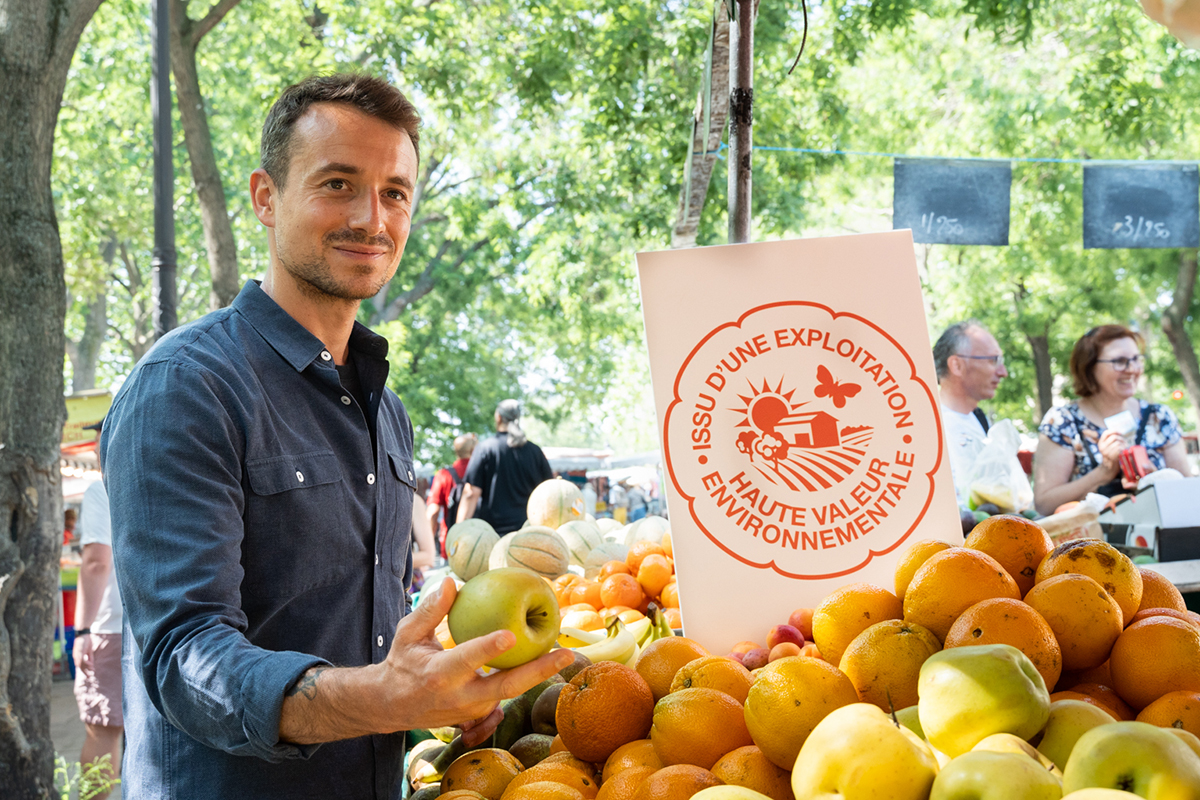
Hugo Clément, from his docu-series, On the Front
Hugo Clément
The media has a significant role to rally awareness and support for the climate and biodiversity crises. French journalist Hugo Clément has brought these crises to the public through documentaries and investigative journalism, where his pursuit of the truth has uncovered corporate greenwashing. His long-time activism around animal rights has also brought this often overlooked topic into the spotlight. His dedication is far-reaching and he stands by his principles, which we need in our society today.
Chris Gorrell Barnes
Chris Gorrell Barnes, founding Partner of Ocean 14 capital and co-founder of Blue Marine Foundation, nominates:
Por el Mar
Martina Sasso, founder of this dynamic new Argentinian NGO, has used creativity and communications to advance a ban on open-net salmon farming in Argentina and delivered extraordinary wins by creating pivotal marine-protected areas in the region. I can see that Por el Mar will deliver outstanding conservation gains for the ocean in the next few years.
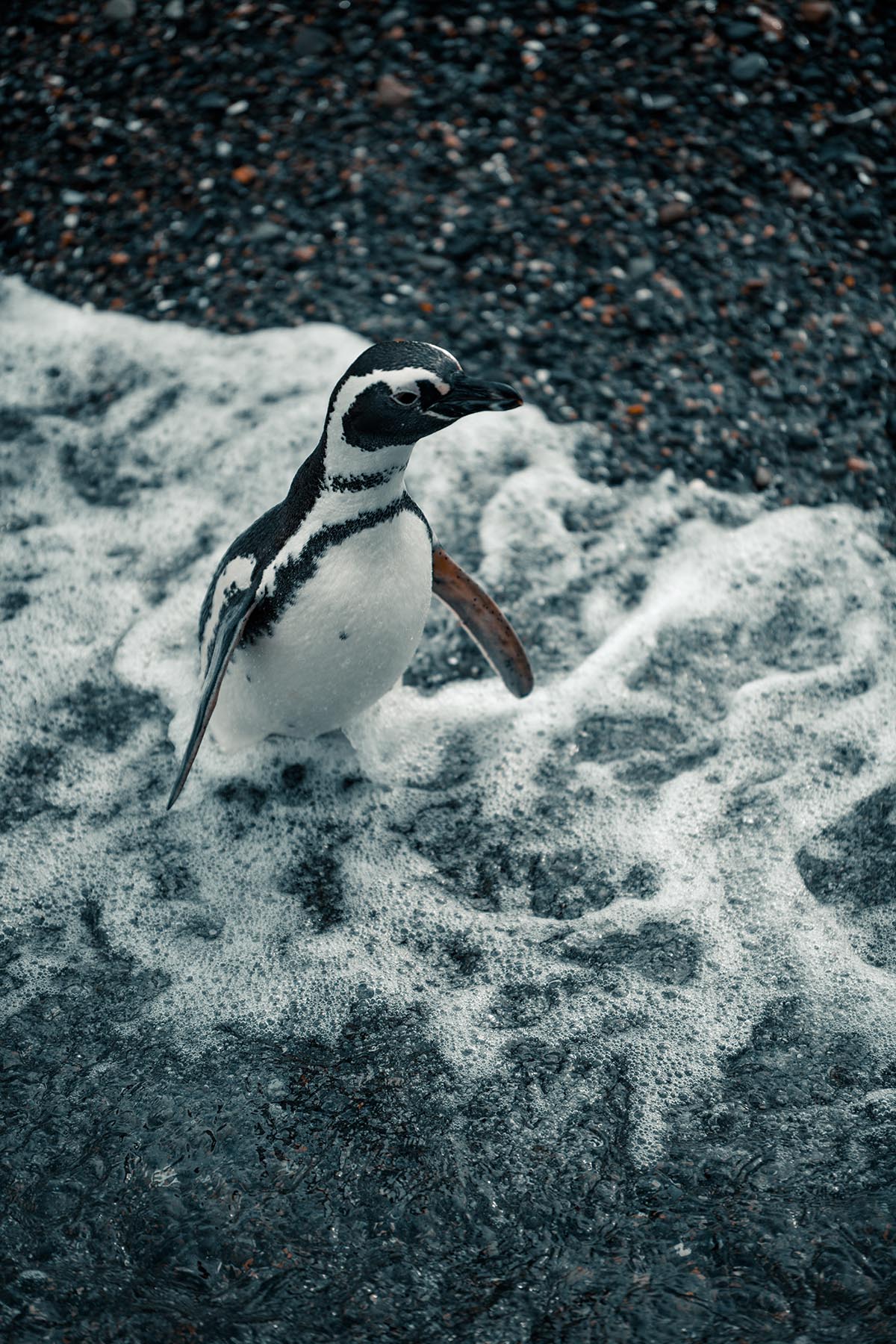
Megallanic penguin at the Monte León National Park in Santa Cruz, part of a project supported by Por el Mar
SyAqua
This, our first investment at Ocean 14, is a platform for our mission to transform shrimp farming. US and Asia-based SyAqua is a leading provider of genetics and tech in shrimp breeding. It provides farmers with virus-resilient broodstock, so reducing environmental externalities and make shrimp farming more sustainable.
Christian Lim
Christian Lim, Managing Director of Blue Ocean, SWEN Capital Partners and Co-Chair of 1000 Ocean Startups, nominates:
Anne-Sophie Roux
Roux is a young but powerful voice in the global movement against reckless deep-sea mining. She and the Sustainable Ocean Alliance have been instrumental in changing the position of several governments, including in France and Switzerland. As founder and CEO of Paris-based Tenaka, she and her team have worked with partners to develop corporate responsibility programmes and nature-based solutions for ocean conservation.
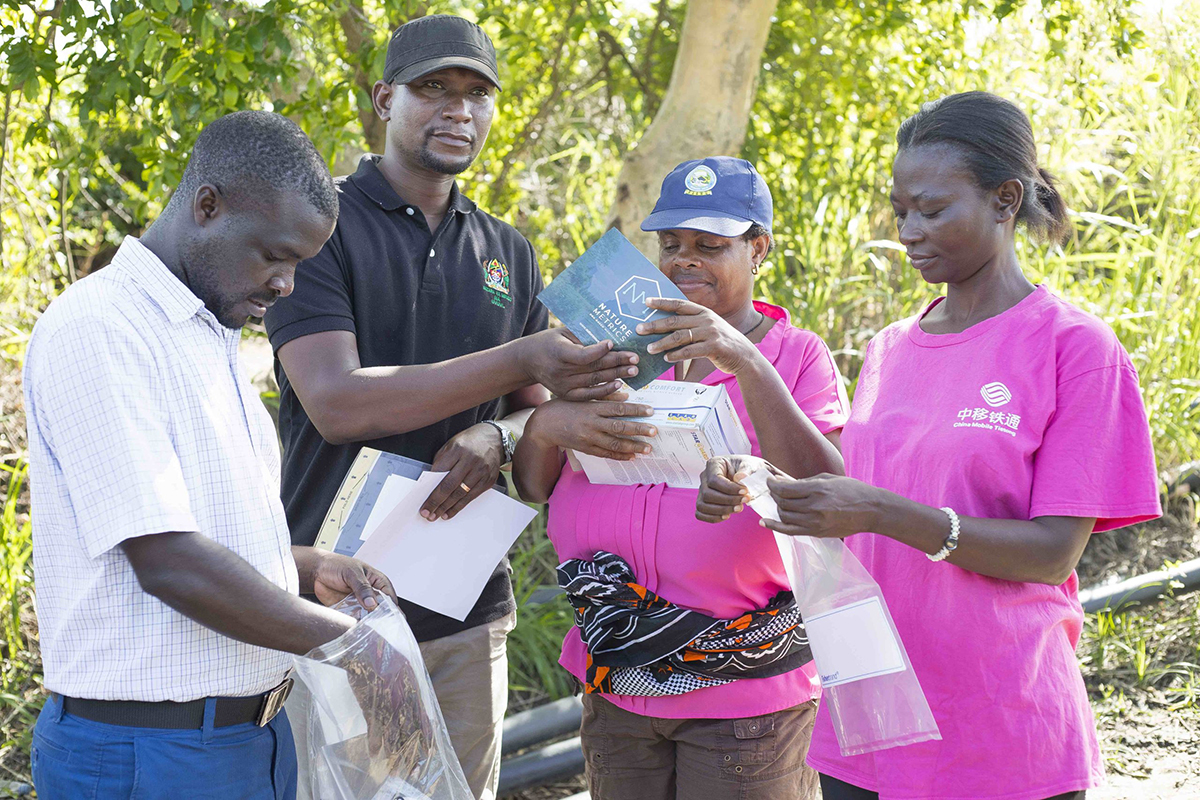
Members of the Tanzanian Fisheries Research Institute being trained in environmental DNA collection for eBioAtlas, as devised by NatureMetrics
Kat Bruce
In 2014, scientist Kat Bruce co-founded NatureMetrics, the world’s leading eDNA company. Its mission is to democratise measurement of biodiversity for different species through technology, to better align nature and markets. Disclosure: we have invested in NatureMetrics.

Karen Sack
Karen Sack, Executive Director of Ocean Risk and Resilience Action Alliance, nominates:
Whitney Johnston
As the company’s first Director of Ocean Sustainability, Whitney leads Salesforce’s work on sourcing high quality blue-carbon offsets. Based in New Mexico and a climate scientist and oceanographer by training, she is a leader in developing high-quality blue-carbon principles and a key shaper of the Blue Carbon Buyers Alliance, companies committed to purchasing high-quality blue-carbon credits.
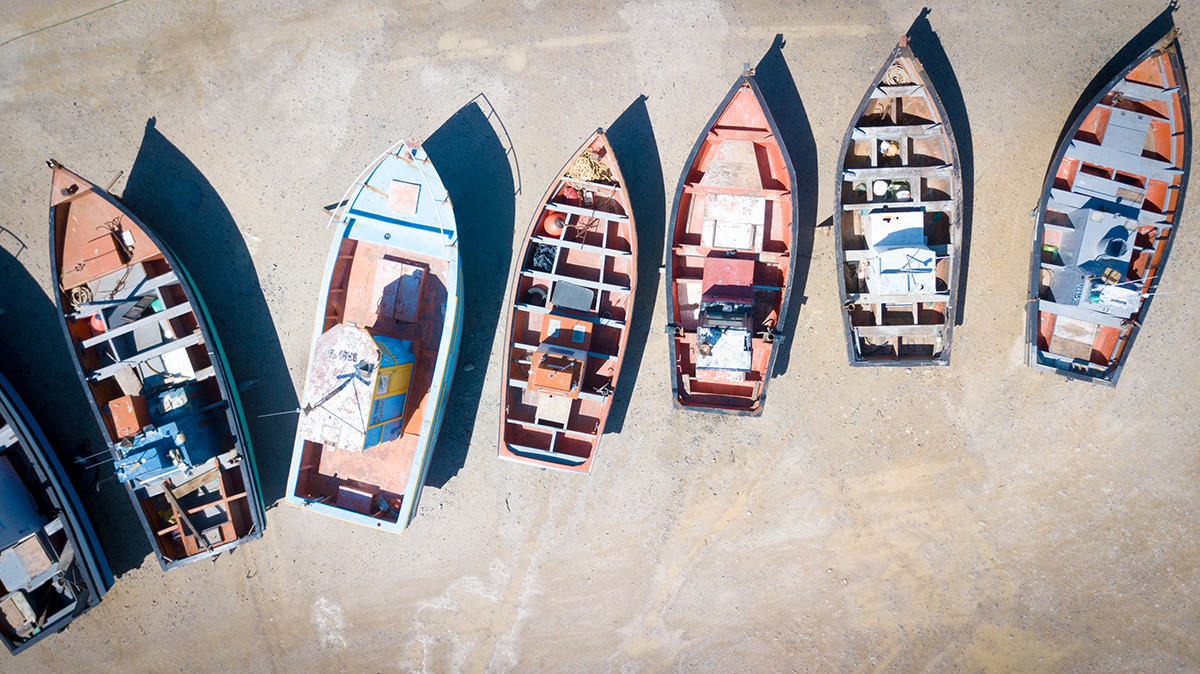
Traditional line-fishing boats from the southernmost tip of Africa. The non-profit Abalobi supports small-scale sustainable fishing
Serge Raemaekers
Serge is co-founder of Abalobi, a South African non-profit aiming to elevate small-scale fisheries through technology, and empower them for social, economic and ecological sustainability. The name Abalobi means “fisher” in the isiXhosa language, reflecting its fisher-led nature. Abalobi has developed a digital platform connecting fishers directly with consumers, creating a more transparent and equitable value chain. Serge’s vision is to create thriving small-scale fisheries worldwide to feed the world sustainably, provide meaningful livelihoods and contribute to healthy ecosystems.
Jessica Hodges
Jessica Hodges, Lead in Investment Management and Wealth ESG at Deloitte UK, nominates:
Net Purpose
Samantha Duncan’s London-based organisation is brilliant and was highly commended in the Finance for the Future Awards in 2021. It is a platform to facilitate impact measurement for investors and make it easy for people looking to invest, by collecting, cleaning and structuring data from thousands of global sources. This ensures a more transparent and rigorous approach to assessing the impact of portfolio companies.
LED lighting for a German warehouse, installed by UrbanVolt and financed by the Solas Sustainable Energy Fund
Solas Capital
Zurich-based Solas Capital is a specialist investment advisory firm founded and managed by Sebastian Carneiro and Paul Kearney, both professionals from the energy-efficiency financing sector. The company’s mission is to support the move to a carbon-neutral society through innovative financing. By understanding both the funding needs of energy-efficiency and self-consumption PV infrastructure projects, and the requirements of institutional investors, Solas Capital bridges the gap between investors and projects.
Cathy Li
Cathy Li, UN Youth Advisor, nominates:
Klima Action Malaysia
This climate justice NGO was founded by youth activist friends of mine who work on the linkage between human rights and climate change. It promotes a rights-based approach to a just and equitable world and the climate emergency. KAMY works to empower vulnerable communities, including indigenous groups, women and youth, to participate in climate governance and decision-making.

Jennifer Morris
Jennifer Morris, CEO of The Nature Conservancy, nominates:
Vizzuality
Data is critical, but unless business leaders, policymakers and society understand it, its ability to drive change is limited. With offices in Cambridge, Madrid and Porto, Vizzuality is working on creating data visualisation and mapping tools. We need innovators like Vizzuality to help tackle the dual crises of climate change and biodiversity loss, and we’re excited to see how its work on projects like Trase, which maps global supply chains leading to deforestation, and Marxan, the open-source spatial-planning software, can lead us to a nature-positive, net-zero future.

Ted Janulis
Ted Janulis, founder and Principal of Investable Oceans, nominates:
Lea d’Auriol
Lea is founder and Executive Director of London-based Oceanic Global, and she and her team made World Ocean Day a
global phenomenon. Lea has pioneered new programmes and methods of engagement, including Oceanic Global’s Blue Standard, a set of tools to help businesses eliminate plastics. Lea also always reflects light on others to acknowledge their contributions.
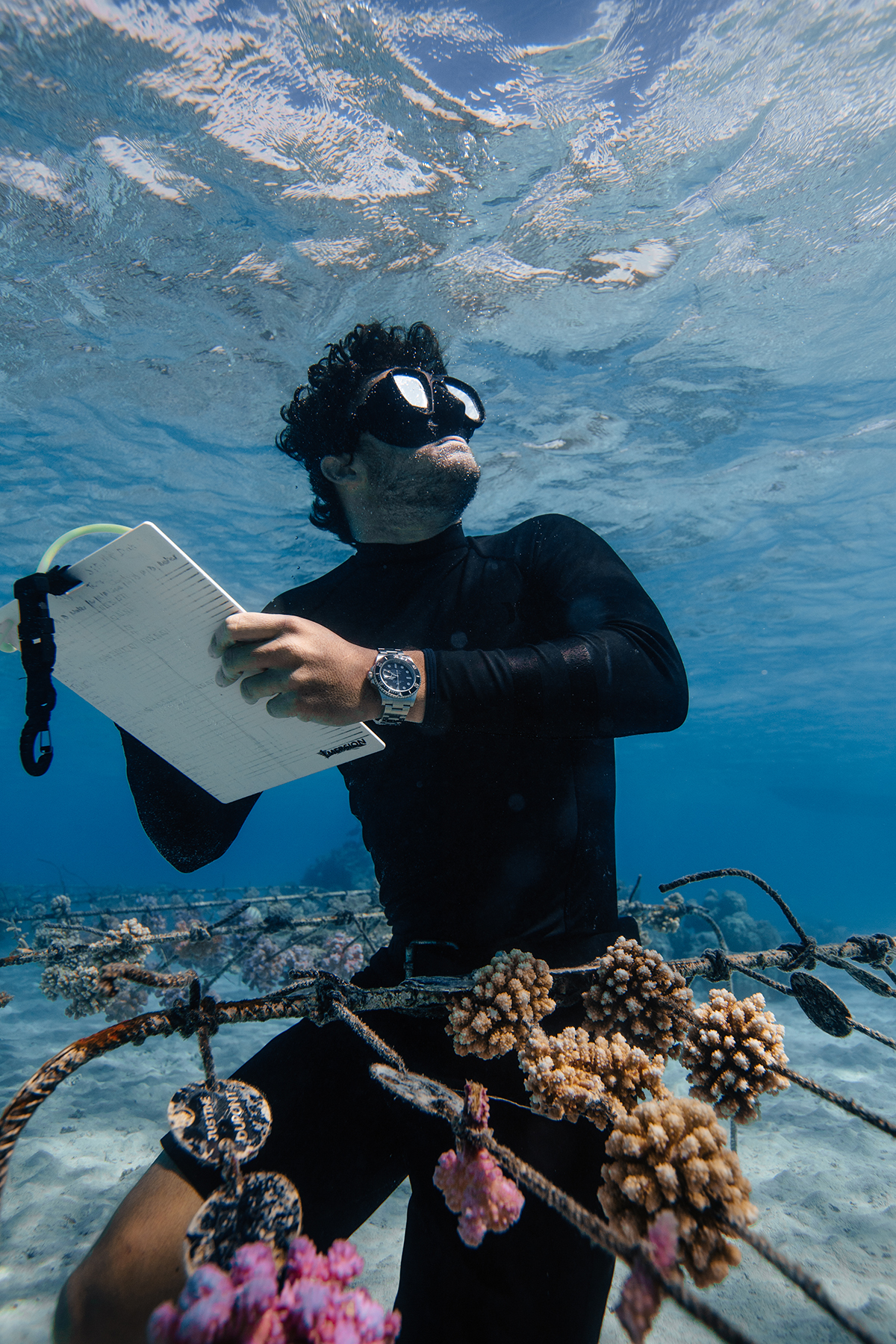
Titouan Bernicot, founder of Coral Gardeners, monitoring the health of corals growing in the nurseries. Once mature, the corals will be planted back onto damaged reef to bring back life and biodiversity
Titouan Bernicot
Titouan, founder and CEO of Coral Gardeners in French Polynesia, was drawn to action by seeing coral bleaching as a teen surfer in Mo’orea. He has built a community-based organisation that has grown and planted over 30,000 corals in French Polynesia. Their new goal: engage the public to help plant a million corals, and develop tech to accelerate coral restoration around the globe.

Professor Connel Fullenkamp
Connel Fullenkamp, Professor of the Practice of Economics at Duke University, and co-founder of Blue Green Future, nominates:
Partanna
Cement production is a major emitter of carbon dioxide. While some firms are working on carbon-neutral cement products, California-based Partanna has developed a carbon-negative cement from brine – a desalination waste product – that captures carbon while it cures. This makes it possible to build homes in the developing world that generate carbon credits for their owners.
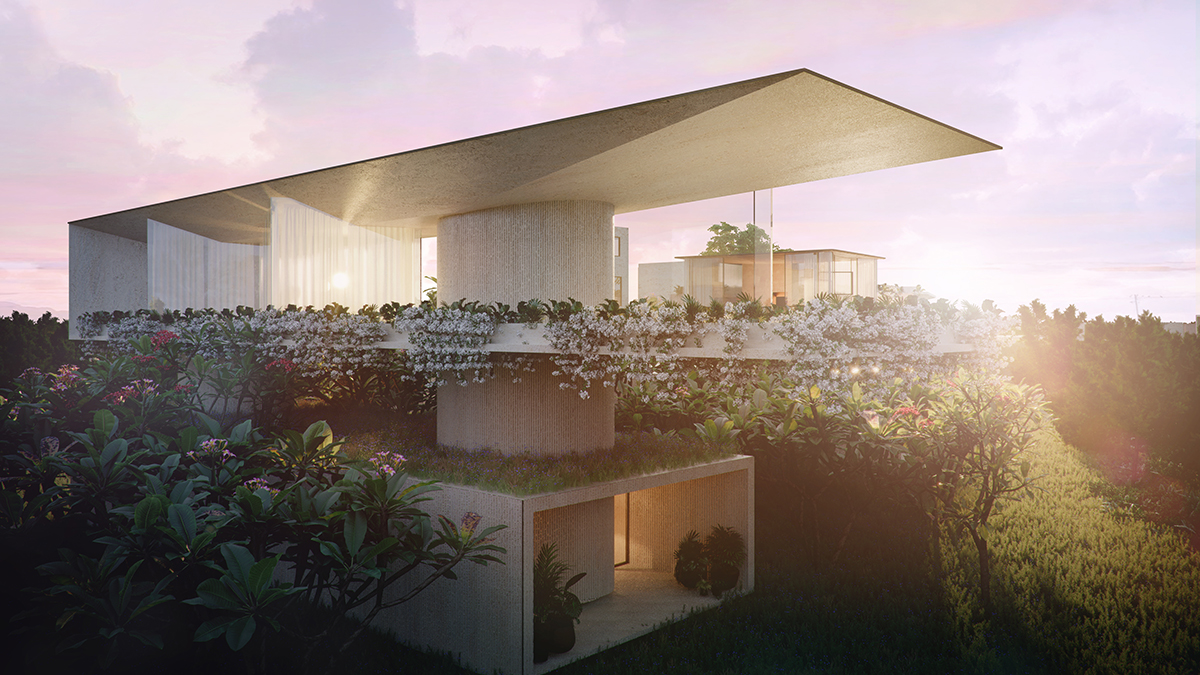
Rendering of a prototype home in the Bahamas made with Partanna’s carbon-negative cement
Belinda Bramley
Pivoting to environmental consulting from accounting, Belinda brings business sense and the ability to speak the language of companies and markets to a field that needs it. She can analyse the needs of a project, organise it and build the case for funding it. She currently supports Hinemoana Halo Ocean. I predict she will become the chief architect of many sustainability projects.
conservation.org/aotearoa/ hinemoana-halo
Read more: Rapha CEO Francois Convercey on diversity and sustainability in cycling
Dimitri Zhengelis
Dimitri Zenghelis, Special Advisor to the Wealth Economy project at the University of Cambridge, nominates:
Kingsmill Bond
I recommend energy strategist Kingsmill Bond for his work on low-carbon transition at the US-based Rocky Mountain Institute. He has always been ahead of the game in predicting the speed with which we will adopt renewables and other clean technologies.
Winds of Change, by Sarah Bond for Rocky Mountain Institute

Rakesh Patel
Rakesh Patel, founder and CEO of Alta Capital, an award-winning sustainable real-estate developer based in Hong Kong, nominates:
Eric Ricaurte
Founder CEO of Greenview, Eric is a pioneer in sustainable hospitality, starting in South America more than 25 years ago and building Greenview into a leading consultancy. Through his leadership, he has engaged some of the largest hotel groups in the world.
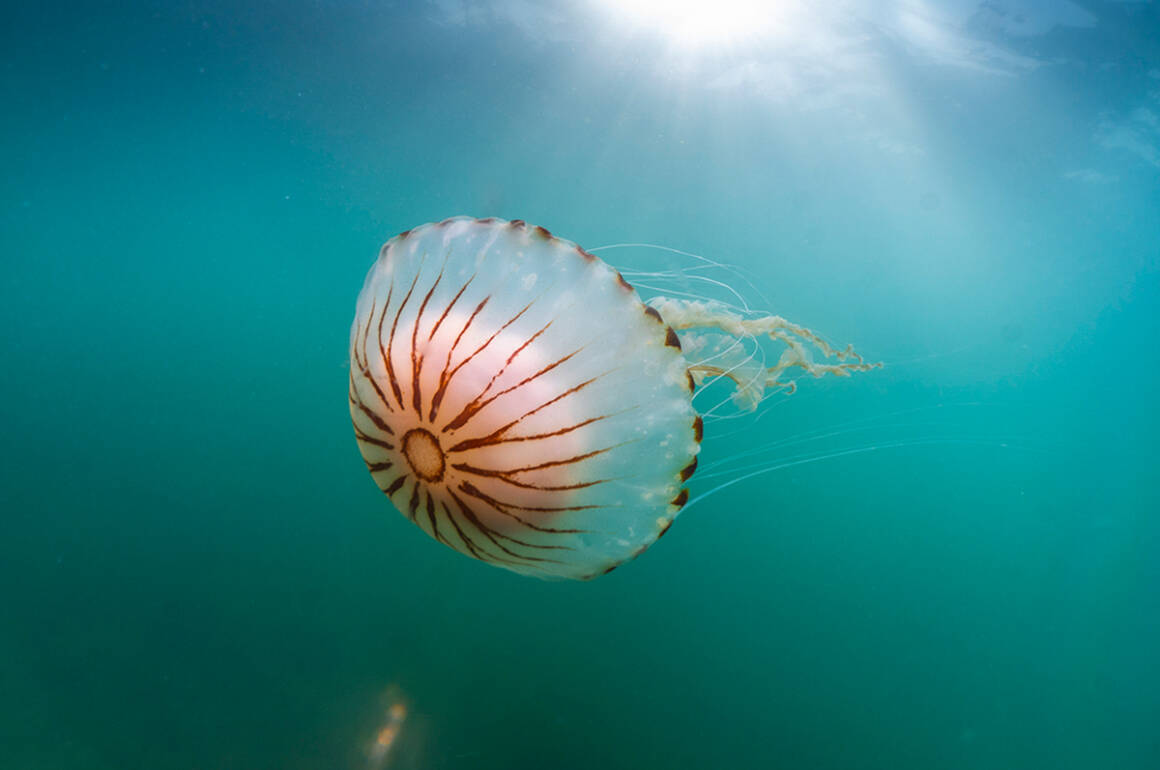
Summer Compass Jellyfish. Photo by Theo Vickers
The protection of biodiversity is becoming a key topic in the sustainability sector. Now we need to measure our economies’ effects on biodiversity fairly and effectively, says Markus Müller in an interview with Darius Sanai
Marküs Muller
LUX: How do we measure our effect on biodiversity, or compare worms with whales?
Markus Müller: We need to find metrics that account for local specifics but are globally comparable. There is a parallel with economic activity, because humans live, produce and consume locally, yet we have found global metrics to measure the economics of human interactions.
LUX: What is the most important measuring tool in the context of nature?
MM: One important metric is the Mean Species Abundance indicator, or MSA, which identifies the impacts of an economic activity on the mean species in a designated local area. It indicates the abundance of native species in a disturbed ecosystem relative to undisturbed ecosystems. Another measure is the Biodiversity Intactness Index, or BII. Both can help us obtain information around an ecosystem’s ability to deliver the ecosystem services we depend on, and understand the influence of economic activity on nature.
LUX: But won’t the MSA in a desert have a different metric to one in a rainforest?
MM: The ingredients are different, but it is about the amount of species. We have business activity in a location and from that we get data on its pressure and impact. That shows how the MSA is clustered according to the activity in terms of climate change, land use, nitrogen deposition, hunting, road disturbance and fragmentation.
Follow LUX on Instagram: luxthemagazine
LUX: Is the metric accepted universally?
MM: It is getting more recognition by various institutions and participants. However, our goal should not be to have a universally accepted metric for its own sake; it should be on accounting for local specificities with a methodology that, in principle, can be applied globally. It is not 100 per cent perfect, but, given the need for urgent action, as made clear by the Intergovernmental Panel on Climate Change, the IPCC, I advocate not waiting till scientists have the perfect metric.
LUX: How will the metrics affect business?
MM: When we know the effect of a business activity on the MSA, we will then know the biodiversity cost of the activity, and we can bring that into the decision-making process around it.
LUX: Is the aim to have a tax or other regulation on businesses that affect the MSA?
MM: Yes. The disclosure of a company’s MSA would allow the market to better price its exposure to nature– and climate-related risks, and take these factors into account for a valuation.
LUX: Would it work like carbon credits?
MM: Biodiversity credits are not comparable to carbon credits in a key sense because, other than for the actual removal of greenhouse gas emissions, carbon credits are used to compensate for current carbon use. Biodiversity credits must be purely an incentive not to destroy biodiversity, not to offset its loss. We can use economic incentives, such as reduced taxation, or a market system in which participants exchange credits.
LUX: How will the nature market develop?
MM: It will likely develop as we’ve seen equity or fixed-income markets develop. I would add the caveat that we should never monetise nature, but understand its value and what it gives us, so we can protect the value that ecosystem services provide, while enabling their uninterrupted flow. We need to prioritise the intactness of nature.
Photo by David Clode
LUX: How will governments regulate this?
MM: It is a question of the governance of nature. If we do not know how to govern nature, we also do not know what kind of mechanism to use to manage and assess its governance. For example, effective governance also means you need to include local communities into the responsibility of governing these resources.
LUX: Is there the desire among governments and voters to make this happen?
MM: On the one hand I think, yes; on the other, it requires uncomfortable decisions. So we need to remind ourselves again about economics and diminishing marginal utility. Humans will act in a familiar pattern for as long as the marginal utility is positive. We only change when it is no longer possible to proceed as we were.
LUX: Will listed companies make decisions based around biodiversity incentives?
MM: Yes, regulation is going in this direction. We see it with 30 by 30 – the initiative to create protected areas across 30 per cent of Earth’s land and sea by 2030. More than 100 countries are signed up. This development must not be limited to a specific region like Europe, we need a joint framework; even better, a joint narrative.
LUX: Is there a risk that companies make decisions based on one factor – biodiversity at the expense of carbon emissions, say?
MM: Yes, this is a risk of sustainability. We see it as a goal but, like economics, it is not a goal but a tool. Ideally, my role will be redundant in 20 years, as sustainability will be incorporated into everything. I think, in time, MSA or BII will be comparable indicators to CO2 emissions.
Read more: Leaders on Leaders: the people saving our planet
LUX: What would you say to an investor who says, “I just invest to make money”?
MM: I would say this way of thinking belongs in the past. We have to acknowledge that a high negative impact on nature is a financial risk as well as an environmental one. Nature-based risks – and opportunities – will materialise and have an impact on a portfolio. Companies not taking these into account, through an adaptive strategy, will have to pay a higher price in the future.
LUX: In five years, will a private-equity fund take MSA into account in decision-making?
MM: Yes, I believe so. I think it will play an increasing role in impact investing, but it will also play a role in the consumer-goods space.
LUX: If you were in charge of the world, what would you ask people to do?
MM: Go back to our roots. Think local, act global. Take account of nature, because we are a part of it. It is naive to disregard the system we are dependent on. We can’t do that any more.
Markus Müller is Environmental, Social and Governance (ESG) Chief Investment Officer at Deutsche Bank’s Private Bank
Team Captains Luke Donald of England and Zach Johnson of The United States with the Ryder Cup Trophy at the Colosseum in Rome
Guy Kinnings is the Deputy CEO, Ryder Cup Director & Chief Commercial Officer at European Tour Group & Ryder Cup. Ahead of the Ryder Cup in Rome this weekend, he speaks to Samantha Welsh about the growing enthusiasm for the sport from the next generation and the organisation’s focus on making golf more sustainable
LUX: You are a renowned leader in the golf world; where would you say your focus and relatability have come from?
GK: I originally trained as a lawyer in London and that gave me a good grounding in the commercial world. But as a lifelong sports fan, I always knew I wanted to gravitate towards that world. It’s been three decades for me in the world of golf, and I’ve worked on virtually every aspect of the professional game and enjoyed working with pretty much everyone involved in the game. I worked in every aspect of golf (event staging, sales, media etc) but I also spent many years as a player manager/agent. That job requires you to be a salesman, lawyer, confidante, all-round sounding board and sometimes a shoulder to cry on. I learned the ropes from the legendary Mark McCormack at IMG, who managed the likes of Arnold Palmer and Gary Player and basically invented the role of a modern sports agent. I could not have asked for a better mentor. The Tour is ultimately a Members’ run organisation, so the players are the shareholders that I answer to. Athletes are a unique breed who I have a huge amount of admiration for and I’d like to think I’ve learned what makes them tick.
It’s also crucial to be passionate about what you do if you want to succeed – and I love my job. I get to travel to amazing places (visiting Ryder Cup venues and the legendary Augusta National is an annual highlight) and to spend time with incredibly talented people. I also have an amazing wife and family. She has always been very understanding about the travel and late-night phone calls! Sport is ultimately a relationship-based business and golf tends to attract great people, which helps. It may be a niche sport, but it punches well above its weight because its core values – things like integrity, inclusivity and sportsmanship – are so appealing.
European Ryder Cup Director, Guy Kinnings and European Ryder Cup Captain, Luke Donald
LUX: How do you think the pandemic affected the global golf industry?
GK: The pandemic was a big shock to the entire sports and entertainment industry, but our Tour faced more challenges than most because of our global nature. We are a travelling circus in many respects, visiting 26 countries this season. When air travel was severely restricted and fans had to stay away, it became a battle for survival. But one of my proudest career moments was seeing how my colleagues managed to overcome so many hurdles. We completely revamped our schedule and quickly set up a sector leading testing and bubble system for players and our staff, which meant we could get back playing earlier than almost any other sport. This allowed us to fulfil broadcaster and sponsor obligations and keep our players competing for prize funds. We learnt a lot and have come out of the pandemic even stronger than before it. It brought the best out of our people at a tough moment.
Follow LUX on Instagram: luxthemagazine
The pandemic has also been a key factor in driving a big boost in the popularity of golf. We saw big spikes in participation across 2020 and 2021, particularly amongst younger players, and it’s great to see that this trend has continued. I feel like golf is undergoing a cultural moment right now and the launch of the new ‘Full Swing‘ series on Netflix will only help drive this by showing off the sport and its personalities to a new audience. Of course, we also have the Ryder Cup in September, which is always a moment in time when the sport enters mainstream consciousness.
Rory McIlroy of Northern Ireland at the DS Automobiles Italian Open 2022 at Marco Simone Golf Club in Rome 2022
LUX: What was behind the ET rebrand as DP World Tour and how has this brought about the vision for driving golf further?
GK: We sat down with DP World, a long-standing Tour partner, at the 2019 DP World Tour Championship – our season ending event – and discussed what a bigger relationship might look like. Becoming the Tour’s Title Partner was discussed and it quickly became apparent that there were a lot of synergies there. Changing our brand, with all its history, was not something we took lightly but from a very basic branding perspective the “European Tour” name was increasingly a misnomer anyway. Pre-pandemic, 27 of our 47 events were outside the continent and the idea of rebranding to a “world” Tour had already been floated, so what better way to cement this global footprint than by partnering with a company whose very name encapsulates that?
The extra investment they are making has also helped us to elevate the Tour in every way. We’ve had record prize funds for the past two seasons – no mean feat given the pandemic and global economic uncertainty – and unlocked new funds to further invest in our Golf for Good programme. A good example is the launch of the G4D (Golf for the Disabled) Tour last year. We could create an entirely new Tour for the best disability golfers in the world, who play the same course, the same week, as DP World Tour events across a nine-event schedule. Making golf more inclusive is a big passion point for the Tour and this was a major statement in this area.
Guy Kinnings presents the trophy to Juan Postigo Arce of Spain after winning the G4D event at Abu Dhabi Golf Club
LUX: What is your vision for raising the profile of the women’s game?
GK: Whilst we are a men’s professional Tour first and foremost, we have worked with our friends at the Ladies European Tour and LPGA Tour to create a series of mixed gender events. In 2022 there was the Volvo Scandinavian Mixed and the ISPS Handa World Invitational. These are great opportunities to show that women’s golf is just as entertaining as the men’s game. In fact, we had the first ever female winner on the DP World Tour in 2021 as Sweden’s Linn Grant won the Scandinavian Mixed. She played unbelievable golf that week and I’m proud that we could give her a platform to compete against her male counterparts. I truly believe that golf can be the most inclusive game in the world. The handicap system in the amateur game means that people can compete against each other on an equal footing, regardless of their skill level, and our mixed gender events are just one way to showcase that ethos. I am also a big fan of the Solheim Cup – which is played the week before the Ryder Cup later this year.
LUX: Have your team had success in reducing environmental impacts?
GK: 2022 saw us measuring our carbon footprint across eight key tournaments to identify a baseline to work from, so full data on our emission reductions have started coming through this year. We have seen some really positive developments. For example, we require a lot of temporary power generators at our tournaments, because a golf tournament is basically held in a large field, and we have switched from traditional diesel generators to bio fuelled powered ones which is reducing emissions by up to 94%. We have also reworked our schedule to try and group tournaments together geographically to reduce air travel and we will be making more headway on that in 2024. We have also started trialling remote TV production techniques with our partner Tata to reduce the amount of people we fly out to events. The recent Singapore Classic was a major trial for us in this respect. We had 29% fewer TV staff in Singapore – they were working remotely in the UK from Stockley Park – which saved 140 tonnes of CO2, the equivalent of 850,000km in a diesel powered family car.

Rory McIlroy of Northen Irleand at the DP World Tour Championship on the Earth Course at Jumeirah Golf Estates, Dubai, United Arab Emirates
LUX: While you can create KPIs for courses, real estate, logistics, materiel, processes, how do you guide behaviours and set standards for spectators, fans?
GK: We have to bring fans on this journey with us. We have tens of thousands of spectators watching our events each tournament day and they travel to and from the event. Fan travel is included in our net zero commitment, so we need to encourage behaviour change. We can do many things ourselves to help guide them to be more sustainable, such as offering refillable water stations to reduce single use plastic use, offer vegan food stalls, or provide incentives to travel by public transport. But at the end of the day there is only so much we can do and personal responsibility takes over. But sport can be a powerful tool to educate people, so in 2023 we have been really trying to get the message out there to spectators that sustainability is important. We’re launching a fan-focused campaign at the Betfred British Masters where the Tour will be planting 100 trees for every player that manages to drive the iconic par 4 10th hole at the Belfry. Fans can also have a go themselves in a simulator experience. It’s one way to authentically incorporate sustainability into the on-course action, which is not always an easy thing to do. We will also be providing a mechanism at the Ryder Cup where fans on site will be able to calculate their travel footprint and make a payment to offset it.
LUX: LUX approaches the subject of carbon offsetting with care. The World Economic Forum warns it ‘can cause people to disassociate themselves from the issue and deflect attention from the immediate dangers posed by climate change’: is ETG set directly on a path to net zero?
GK: We are indeed. In fact, we recently became the first pro golf Tour to set a net zero target when we signed up to the United Nations Sports for Climate Action Framework. We have now committed to halving our emissions by 50% by 2030 and being fully net zero carbon by 2040. As you say, carbon offsetting alone is simply not enough, not least because some off-setting projects can take many decades to have any effect, so it should only ever be seen as complementary to a more robust climate mitigation effort.
Read more: Kelly Russell Catella on sustainable urban planning
LUX: Where is there a role for carbon offsetting and when will you get to carbon neutral?
GK: There will always be certain emissions we incur when staging a golf tournament that are unavoidable, and this is where carbon offsetting can be utilised alongside a robust climate mitigation programme. Off-setting by itself as a standalone approach is not enough of course, and the sports industry seems to be getting that message. We understand that and have embarked on an ambitious climate mitigation programme to reduce our carbon emissions. Some of our events are already carbon neutral – our five Rolex Series events, that represent our biggest tournaments, is carbon neutral this year. The next step, which will take several years, is to get to net zero carbon, which has required a root and branch review of how we stage a tournament and where we can do things differently. Thankfully, our operations teams fully embrace this mission and are passionate about making their events as sustainable as possible – harnessing a little internal competition is not a bad thing in that respect!
Luke Donald of England and Zach Johnson of United States during at Marco Simone Golf Club
LUX: Is driving sustainability having any impact on sponsorship and prize-money? We would love to hear about the approach with partners on working toward sustainability goals.
GK: Without a doubt, and as Chief Commercial Officer I’m at the heart of these conversations. Virtually every sponsorship conversation I have will turn to sustainability at some point. If you do not have a credible sustainability strategy, then sponsors will look elsewhere. We hired our first Head of Sustainability in 2021 to drive this work internally and launched a revamped Green Drive sustainability strategy. This has detailed plans for how we will reduce our carbon footprint. Sponsors are drawn to our leadership in this area and what is really compelling is the ability to work together to use a sponsor’s technology and expertise to help us get to net zero. For example, using BMW’s electric vehicle fleet to transport players and staff at tournaments, or working with our partner OceanTee (who make sustainable golf products) to roll out tees made from bamboo and reusable water bottles at events. These relationships have practical advantages for us and create great brand storytelling opportunities for a sponsor, so it’s a win-win situation. So whilst there’s a moral obligation to do the right thing, let’s not forget that being sustainable makes business sense as well. It’s a virtuous circle.
LUX: We are excited for the Ryder Cup. What is the winning formula for this legendary sporting event?
GK: The Ryder Cup is the moment when golf really enters mainstream culture – it’s up there with the Super Bowl, the World Cup and the Olympics in that respect. When working on it you’re very aware that it is something special, so you have a responsibility to protect and nurture it. In terms of a winning formula, first things first it’s very tribal and this helps bring the casual fan along for the ride. Even if you are not an avid golfer, you can feel an allegiance to Team Europe or Team USA. It also means more to the players. Golf can be quite an insular sport at the pro level, so these guys love coming together every two years and playing a team sport. We also create an unbelievable atmosphere on the first tee. It’s a real amphitheatre and the players all say it’s the most nervous they ever feel. Rome 2023 promises to be particularly special as the location is so iconic. You can actually see St Peter’s Basilica from various spots on the course, so spectators can enjoy one of the world’s great cities when not watching golf.
The Ryder Cup is being held in Rome on Friday 29 Sept – Sunday 1 Oct 2023
Find out more: europeantour.com/dpworld-tour

Rapha aims to use recycled materials and organic natural fibres across their products
Francois Convercey is the newly appointed CEO of luxury cycling brand Rapha. Here he speaks to LUX about the company’s sustainability initiatives and the need for greater age and gender diversity in cycling
LUX: How has the structure of Rapha changed with the renewed focus on cycling and its benefits since the pandemic?
Francois Convercey: I wouldn’t say that the pandemic and its involvement in cycling actually changed our strategies or the organisation of our business. Rapha already had the focus of making cycling the most popular sport in the world. From day one, we had the ambition of making cycling aspirational and beautiful, and to get as many people as we could to fall in love with the sport.
As much as the pandemic got people to turn their heads towards the outdoors and cycling, it actually acted as a catalyst towards our original purpose and strategies more than anything else. There was a much broader receptive audience for us to engage with – but all the different building blocks and strategies that we had put in place a decade before the pandemic were still very much relevant in the way we have developed our pricing structure and the way we have made the brand more approachable and more relevant to more people. This made it easier for us to capitalise on the renewed interest in cycling – the way we set up as a business, being a direct-to-consumer business in the first place. The pandemic didn’t change much, but it allowed us to accelerate and grow more quickly. It hasn’t made us shift or change the direction of travel for the business. It just reinforced our belief that we are on the right track.
Rapha CEO Francois Convercey
LUX: What do you believe are the imbalances which need to be addressed by sporting brands in conversations about gender equality and diversity?
FC: Cycling as a sport has imbalances which we are trying to address, although it is a long journey. Gender diversity is definitely one of those, which starts at the pinnacle end of the sport, at racing. Equity and equality when it comes to world tour racing and bike racing as a whole is still very imbalanced and focused on male races. Female races have only begun to be broadcasted in the last couple of years. The Tour de France, which is the cycling world’s biggest sporting event and one of the top ten sporting events in the world, didn’t have a women’s tour until 1955, which was then stopped for thirty years, and only reinstated last year. There are still lots of things to be done to provide balance when it comes to media exposure, broadcasting, prize money and salaries for professional cyclists.
Follow LUX on Instagram: luxthemagazine
We try to help drive this balance through the storytelling we do, through our initiatives. During last year’s Tour de France we had a collaboration with a streetwear brand PALACE, using our men’s racing team as a billboard to promote the women’s tour. We are making investments on the women’s tour, sponsoring the women’s world tour team, spending 50% of our marketing money on content and athletes on minorities – women and individuals from under-represented backgrounds, which is part of our impact commitment as a brand. I think the gender balance is one of the key imbalances.

Members of the Rapha Cycling Club coming together
There is definitely an element of age; we want more of the youth to look at cycling as an amazing thing to do. Cycling isn’t the most approachable or accessible sport there is – a bike is more expensive than a pair of running shoes, it requires more time and sometimes infrastructures. Five years ago at Rapha, we began supporting cycling at its grassroots and breaking down barriers to make the sport more accessible to young people and under-represented individuals, and people from under-privileged backgrounds. Over the past five years, the Rapha Foundation donated over $5 million in grants to 38 different grantees who all have concrete initiatives to help break down accessibility to the sport and to support under-privileged kids to have access to cycling – whether it’s supporting programs in schools, or young talent programs. We’ve recently partnered with USA Cycling as part of a program called Search for Speed, which is a track cycling talent identification program, looking for the next US track talent for the 2028 Los Angeles Olympics.
Gender balance is key, age balance is key. The third to look at is accessibility and the role that cycling can play in helping mitigate access to education and healthcare. There have been fantastic initiatives such as World Bicycle Relief, which we have supported over the years and continue to support with the Rapha Foundation, which gives bikes to communities who need bikes for basic life needs – whether it’s education for children to travel to school and not have to walk, or to provide a level of healthcare and health benefits which individuals deserve. The bike can be an amazing tool to break down accessibility barriers for under-privileged communities.
Items from Rapha’s exclusive Rapha + Paul Smith RCC Collection, launched in 2023
LUX: How do you balance promoting professional cycling and equipment whilst also trying to encourage a new generation of amateur cyclists?
FC: I do not necessarily think they are mutually exclusive. The pinnacle-end of the sport, high-performance racing, is aspirational to many individuals and will continue to be in the future. I think being able to provide the opportunity to make a career in cycling and being in a position to inspire communities and future generations about the sport is an amazing prospect. But we won’t succeed in achieving our purpose as a brand if we only focus on racing.
We also have to work on more accessible and more approachable activities which help people discover the values and joys of being on a bike, and how being on a bike is a remedy to the world’s biggest societal challenges and threats – whether it’s environmental benefits with more people commuting on a bike, whether it’s mental health and personal wellbeing which comes when you spend time with yourself and challenge yourself as an individual, or the social friendship and comradery which comes with being on a bike. I think professional and amateur cycling should co-exist and they have their distinctive role to play.

An image from the Rapha Spring/Summer ’23 Collection campaign
LUX: Can you tell us about the main ways you incorporate sustainability into your company?
FC: Sustainability is central. We’ve always looked at it as a duty we have to do the right thing. We launched a repair program which provides the opportunity for any garment which may be damaged to be repaired. We used to do that in-house. We have started to involve partners to help us do it. Over time, we started to pay more attention to how we make our products and the impact that we have. For the last couple of years we’ve been offsetting all the carbon emissions that are generated from the shipments to customers. We’ve offset 100% of our carbon emissions coming from our logistics impact that we have on the planet.
We have been driving a lot of work to convert 100% of our product range into sustainable materials, whether it’s recycled fabrics, recycled fibres, or recyclable or compostable fibres. We’ve covered about 70% of the range now. We are removing all PFC materials from our weather protection products. We’re taking a much more abrasive stance on excess materials we produce. We are now repurposing excess material through excess collections in the Spring of this year. This is now becoming part of our ongoing initiatives. Although it only accounts for 2% of our total volume, it is still a meaningful initiative.

The Los Angeles Rapha Clubhouse
We are about to publish our second impact report in September, which will show our impact over the last twelve months and how much we’ve progressed. We are ahead of track on some key commitments, and some others we have found more challenging than we hoped, or we realise we needed to communicate in a very different way, or we realised that people, planet and communities take framework for broader impact. It takes time, and we’ve embedded that as a culture and as a priority. We have a small sustainability team, but that team is there to inspire a vision. If it’s not embedded in business, we will never make the progress we want to make.
Read more: Pierre Barreau on the future of AI in the music industry
LUX: Do you think cities are adapting to cyclists, or is there more to be done?
FC: We’ve seen cities adapting more and more to cyclists. I think the pandemic has been an amazing catalyst for more infrastructure to be provided, but we are far from being in the right place.
We can look at places like Denmark and Holland, where urban commuting is ingrained in the local culture, and see cities which are built around cycling. There is lots of fantastic work being done by cities and local organisations. I’ve seen places like Paris, for instance, make amazing progress over the last three years and transforming the way people can ride through the city in a much safer way.

The RCC is now a global community with over 10,000 members
It’s a constant push and pull. Safety on a bike is still one of the top three barriers from people riding their bikes. More and more people have decided to take their bikes off the road and ride off the beaten track or in front of the TV, because you’re in a safer environment. This shows we are still far from where we need to be to make riding safe, whether it’s inside or outside the city.
LUX: How do cyclist communities created by the Rapha clubhouses influence the outlook of the company?
FC: We’ve always been committed to real-life experiences from the earliest days of Rapha. We call our physical Rapha stores clubhouses, because they are not just stores, they are a home away from home for our customers. In 2014, we launched Rapha Cycling Club which is part of a membership program which gives people access to unique benefits and unique experiences. That community is now made up of 20,000 individuals across the world spread across 25 different chapters. Actively investing in building communities on the ground is a direct consequence of us trying to inspire the world to take up the bike. The RCC and our clubhouses are there to inspire people to go on a ride every day of the week, you will have a collection of rides you can join as a member.
The cycling communities influence the company on a few levels. It pushes the customer-centrality of the brand because of the unique customer-directed nature of the brand we have got to have the customer-mentality and direct relationship. It depends on feedback from customers and RCC members to have that customer-first mentality. As CEO of the company, I can go on a ride tomorrow morning in a London clubhouse and get real-time feedback from our customers on how they feel and what they think.
Find out more: www.rapha.cc
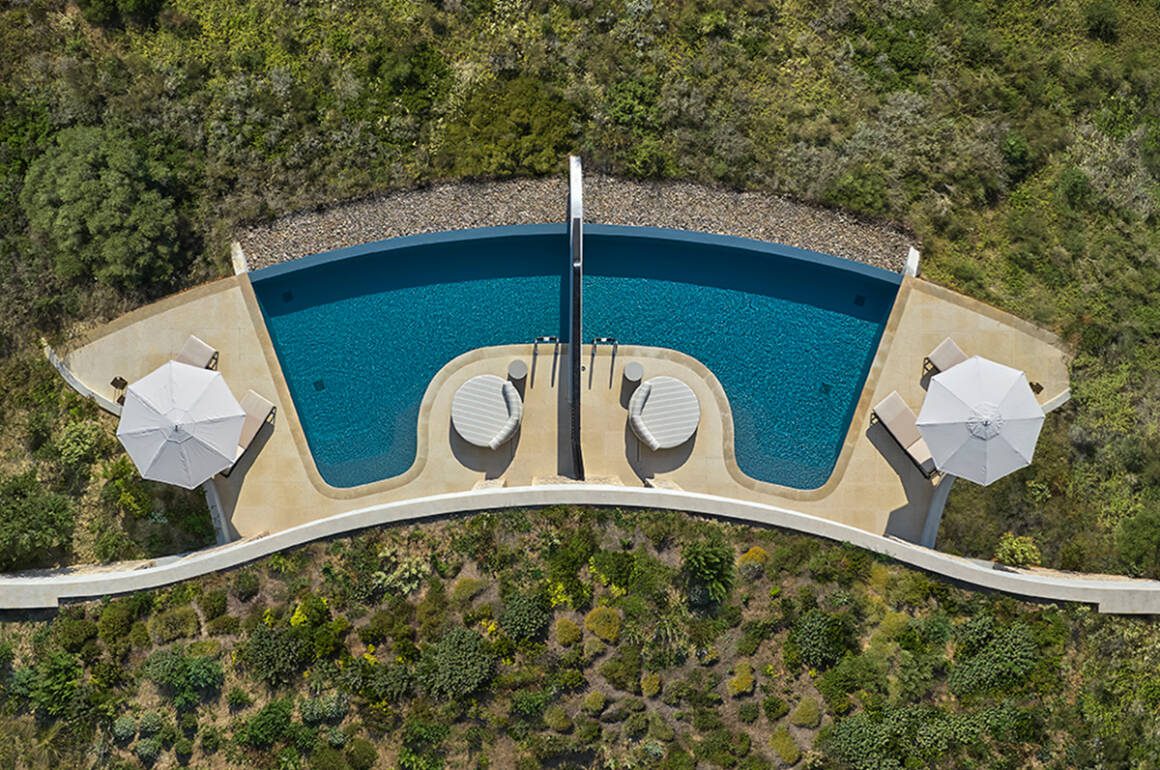
The Mandarin Oriental, Costa Navarino is the first of the hotel group’s properties in Greece
Looking to extend your summer in the sun? Getting weary of your guests on your yacht? Drop by the brand new Mandarin Oriental, Costa Navarino in Greece, opened this month
Mandarin Oriental collaborated with TEMES, a leading developer known for their commitment to sustainability, to develop the resort
The hotel has an 18-hole golf course on the property designed by premier golf course architect, Robert Trent Jones II
Follow LUX on Instagram: luxthemagazine
Mandarin Oriental, Costa Navarino is located next to the recently opened Navarino Agora, a marketplace with curated retail, dining venues, artisanal street food and an open-air cinema
The hotel used locally sourced materials to create its bioclimatic design, drawing inspiration from local agricultural traditions and the region’s heritage
Find out more: mandarinoriental.com/costa-navarino

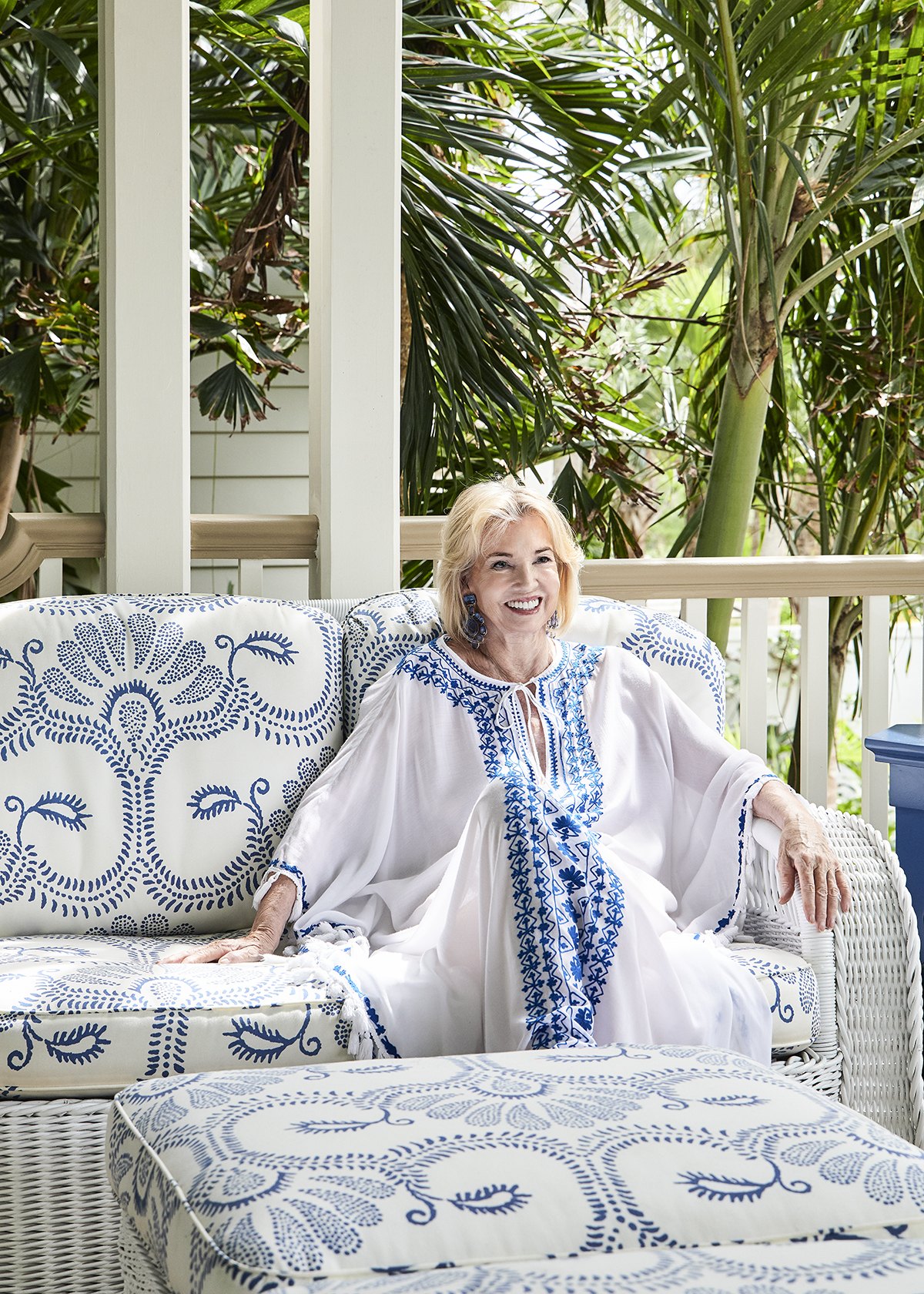
Hilary Weston, at home in Windsor
As co-founder of Windsor, a private residential community along Florida’s Treasure Coast, Hilary Weston is also Creative Director of The Gallery at Windsor. The serial philanthropist and scion of the retail family talks to LUX’s Candice Tucker about contemporary art, community, creatives – and why she pays no attention to the art market
LUX: What do you hope to achieve in art?
Hilary Weston: Art has been part of the fabric of Windsor since the community’s early days [Weston founded Windsor with her husband Galen, who died in 2021]. Over the years, The Gallery at Windsor has developed a reputation for staging exhibitions that present the very best of contemporary art. This latest exhibition by Sir Tony Cragg continues our desire to present the talents of some of the most important contemporary artists of our time.
Follow LUX on Instagram: luxthemagazine
LUX: How is the art-collecting community growing in Windsor?
HW: The Gallery at Windsor is at the heart of Windsor’s Cultural Art Programme, which encourages all Windsor members to participate in the arts, whether it be contemporary art in the gallery, performing arts, film or literature. I hope the success of the gallery has contributed to the culture of collecting at Windsor. Many pieces from the gallery’s exhibition series have remained at Windsor in our members’ homes. We are just over a two-hour drive north of Miami – a global capital for contemporary art, and the energy of Miami can be felt in Windsor, especially around Art Basel Miami Beach.
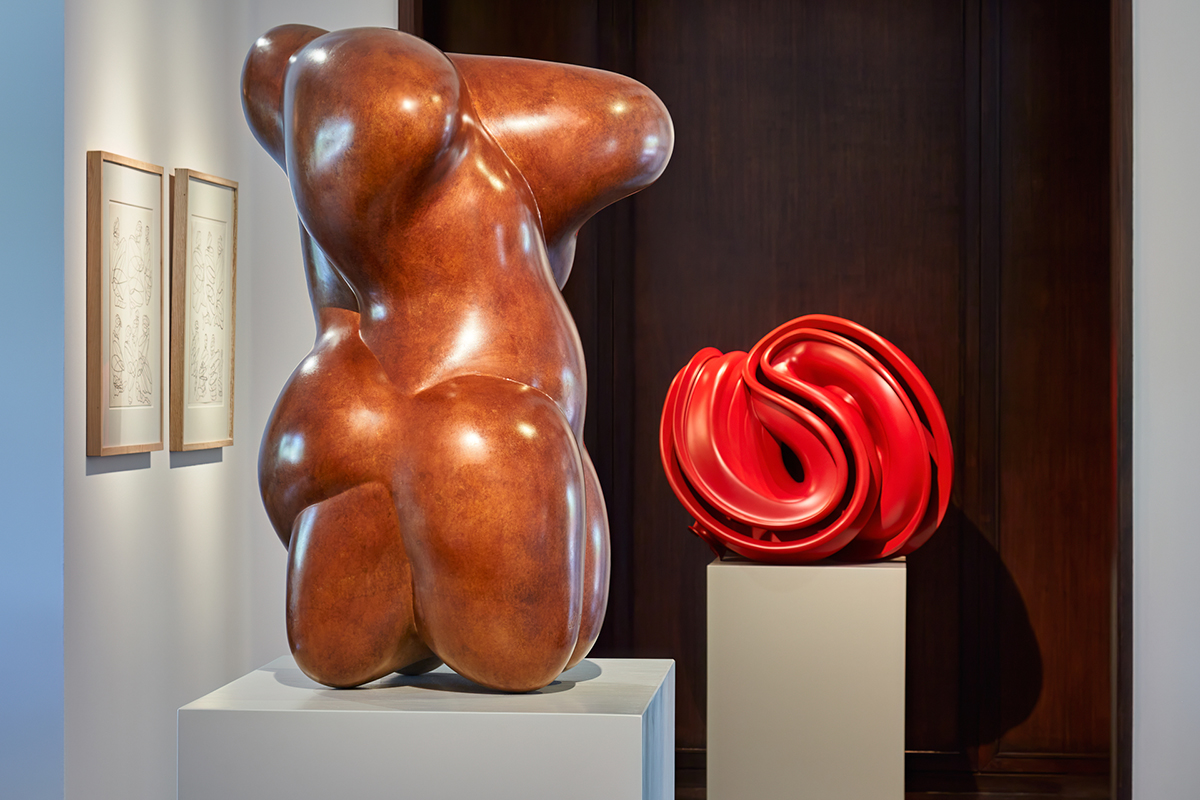
The Gallery at Windsor was founded in 2002, as an independent art space
LUX: How did you create your art initiative?
HW: We staged our first exhibition in March 2002. It was a photography show called “The Beach”, curated by Bettina von Hase. It explored the relationship between beach and society through the eyes of a range of artists including Jacques-Henri Lartigue, Robert Capa, David Hockney and John Baldessari. Over the years we have shown Christo and Jeanne-Claude, Ed Ruscha, Bruce Weber, Peter Doig, Alex Katz, Per Kirkeby and Christopher Le Brun. In 2011, the gallery began a three-year collaboration with the Whitechapel Gallery to realise exhibitions by Beatriz Milhazes, Gert and Uwe Tobias and Jasper Johns. I was particularly proud of our three-year collaboration with the Royal Academy of Arts, from 2018 to 2020. We showed Grayson Perry, Sir Michael Craig-Martin and the wonderful Rose Wylie. The sight of Grayson in his fabulous outfits electrified the community. He brought his family and they stayed a week. Everyone had such fun getting to know them.
LUX: How involved is your family in Windsor?
HW: While I am the Creative Director of The Gallery at Windsor, it was my daughter Alannah who founded it in 2002. I admire her creativity hugely. When a growing family and business commitments began to take up more of her time, I took over the reins of the gallery. As Principal of Windsor, Alannah is leading the final phase of its development – a 47-acre swath of land adjacent to the country’s first protected wildlife preserve and the banks of the Indian River Lagoon. The North Village will include 40 residences, wellness amenities, a heightened attention to sustainability and an outdoor art programme.
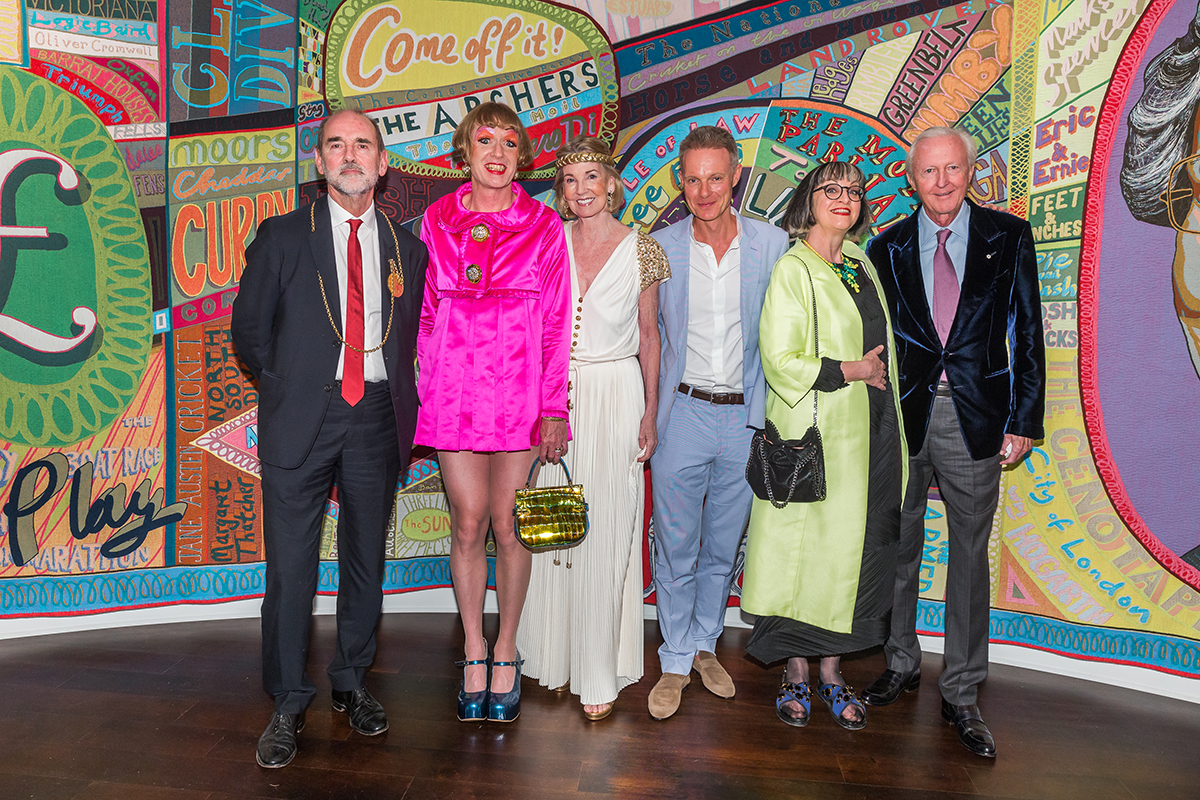
Christopher Le Brun, Grayson Perry, Hilary Weston, Tim Marlow, Philippa Perry and Galen Weston, in front of Grayson Perry’s Comfort Blanket, at The Gallery at Windsor, 2018
LUX: Name five people you think are having the greatest impact on the art world right now.
HW: There are so many wonderful people creating art and leading the art world. Working with two world-renowned art institutions, the RA and Whitechapel Gallery, and art-world leaders such as Sir Christopher Le Brun and Iwona Blazwick has enabled us to welcome incredible artists, some in the earlier stages of their career, such as Ed Ruscha and Beatriz Milhazes, who went on to enjoy amazing success.
LUX: What effect do you think bringing major artists to Windsor has on the community?
HW: We believe culture is a crucial part of the spirit of a community, so it is natural that art and artists have been part of the ethos of Windsor. The gallery extends past our gates to the local Vero Beach community. We open for public docent-led tours two days a week. The tours are complementary and we accept donations for our charitable foundation that supports local arts education. We have strong ties with the area’s arts organisations and hold an ongoing roster of collaborative cultural events with them. We are proud and privileged to be able to introduce an artist of Sir Tony’s calibre to our membership and the community at large.
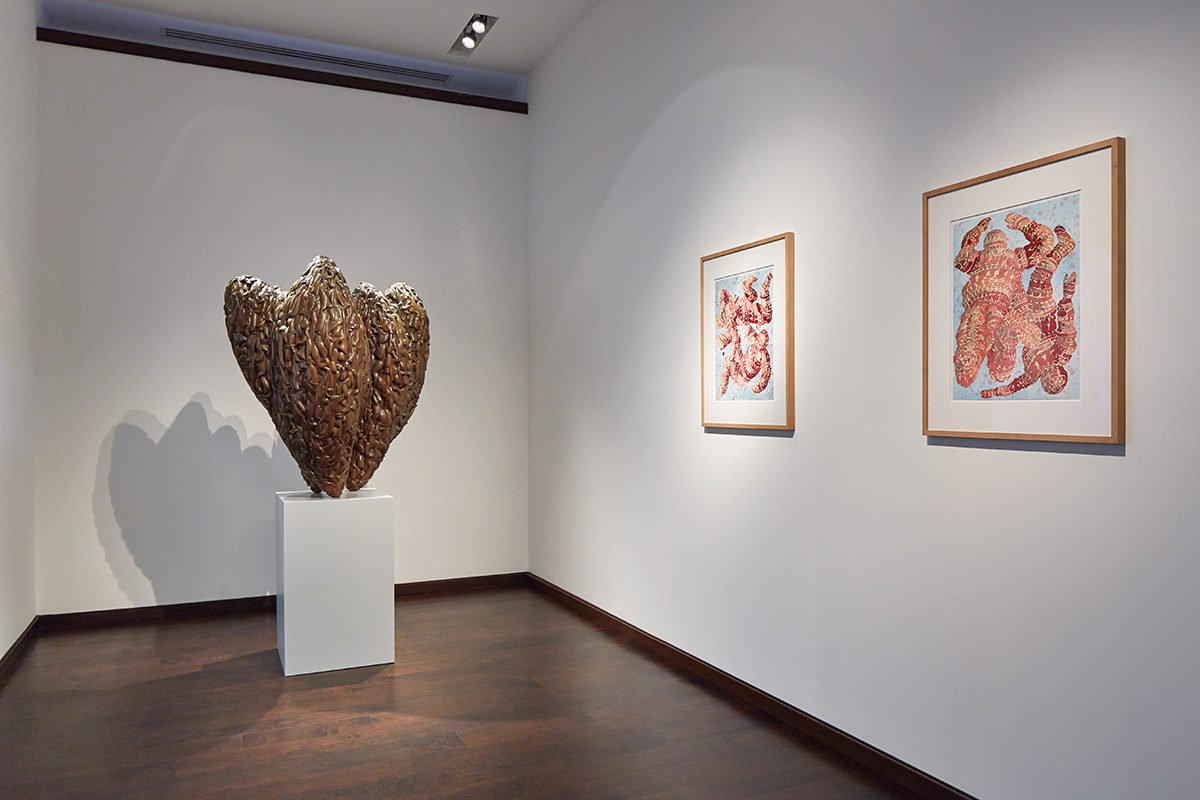
Part of Windsor’s fine arts programming has included collaborations with organisations such as the Whitechapel Gallery and the Royal Academy of Arts in London
LUX: Which new artists do you admire now?
HW: There will always be brilliant artists at any age who are under-recognised and then something just happens. The gallery here is known for showing some of the art world’s greats, but we aim to celebrate artists at whatever point of their careers. In the past few years, I have become acquainted with a young Irish abstract painter named Jack Coulter. His layered works are inspired by music. I visited his exhibition at Sotheby’s this past fall and a piece inspired by an album by the Anglo-Irish punk band The Pogues caught my eye. I think Jack is someone to watch.
LUX: The art-market peak has been called many times over the past ten years. Will it peak?
HW: I don’t follow the art market too closely. Markets go up and go down. I believe art is important to our lives and the market will do what it does.
LUX: What differences have you noticed in the new generation of collectors?
HW: My feeling is they are open to a more diverse range of practices. There are some interesting things being done in digital and performance art. It’s an area we’d like to explore more.
Views from The Gallery at Windsor’s major 2023 exhibition, “Tony Cragg: Sculptures and Works on Paper”
LUX: What’s next for art at Windsor?
HW: As a new generation joins the community, my hope is that art continues to be an important part of life at Windsor. We have many members who found Windsor through its art programme. With our planned outdoor art island, it is exciting to wonder what is in store for the future here.
Read more: Sophie Neuendorf: The best art shows this season
LUX: Where will the next US art hot spot be?
HW: Toronto is not in the US, but it is one base of the Weston family, and I’m proud and impressed by its metropolitan and welcoming outlook. With the success of the Toronto International Film Festival and new art fairs, it is an art hot spot that should not be overlooked.
LUX: What would you change in the art world?
HW: Wouldn’t it be wonderful for the focus of discussions to return to art and artists, rather than market and prices?
Find out more: windsorflorida.com
This article was first published in the Spring/Summer 2023 issue of LUX
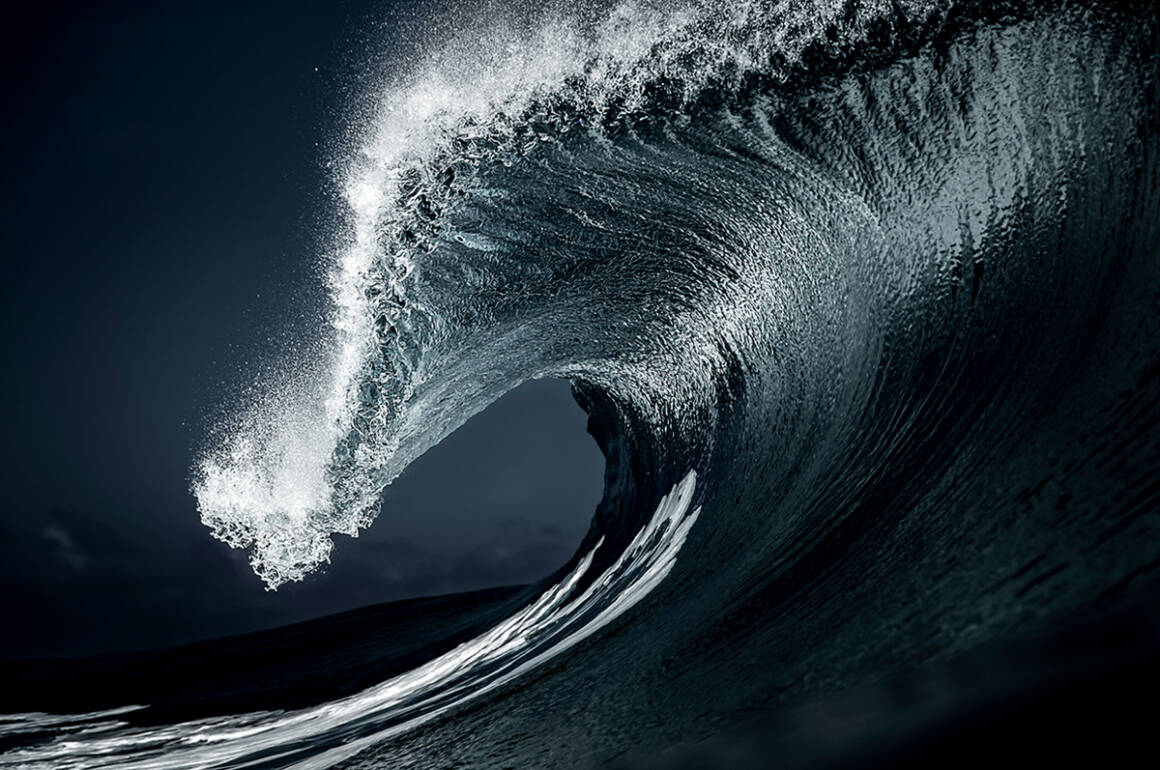
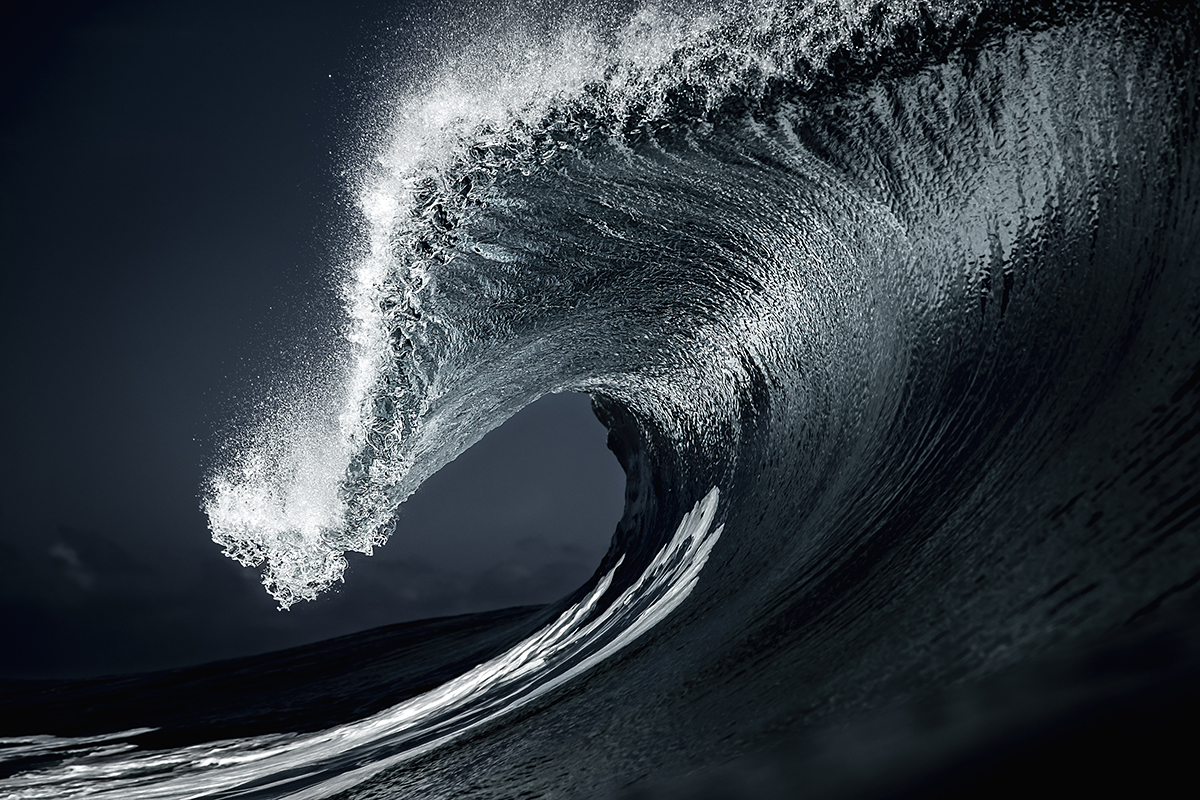
Photo by Ben Thouard
To achieve the Paris Agreement target of net zero by 2050, the world needs to shift to green infrastructure – now. In part 1 of our two-part series on making that change, Claire Asher shows how the public and private sectors can speed the move from fossil fuels to green energy
Giving up our addiction to fossil fuels will be the biggest energy transition the modern world has seen. It will require rapid changes to our energy systems and huge investments from both the public and private sectors, and it will be essential to ensure a liveable climate for generations to come.
Roberto Schaeffer
The first steps in this transition are already underway. By redesigning systems, such as heating and transportation, to use electricity rather than liquid or gas fuel, we gain the flexibility to generate that energy from a variety of sources. “Everything that can be electrified will have to be electrified,” says Roberto Schaeffer, Professor of Energy Economics at the Energy Planning Program of the Federal University of Rio de Janeiro in Brazil. Our future energy portfolio will likely include a mixture of wind, solar, hydroelectric, geothermal, biofuels and nuclear energy, tailored regionally to match local availability, as well as social and political priorities.
“Our total energy use will decline significantly as we electrify transportation and heating,” says Anthony Patt, Full Professor of Climate Policy at the Institute of Environmental Decisions (ETH) in Zurich. Nevertheless, global electricity demand will likely rise as we transition, to replace existing coal- and gas-fired power plants and to replace fossil fuels used in transportation and heating. “We’re going to need a lot of new power, a lot of investment into wind and solar,” he says.
Follow LUX on Instagram: luxthemagazine
In the short term, growing energy demands will be eased by improving efficiency. “There’s capital needed in the near term to help reduce energy wastage,” says Alice Miles, Head of Infrastructure Specialists at DWS Group asset managers. “It sounds a lot less glamorous, but there needs to be investment to upgrade to more efficient air conditioning, ventilation and refrigeration systems, better insulation and better boilers.”
Balancing Supply and Demand
Compared with fossil fuels, renewable energy sources such as wind, solar and hydroelectric provide a less consistent output that varies daily and seasonally, so matching energy supply with demand will be challenging. The most obvious solution is to store energy for later use, but installing batteries to store electricity is not cost-effective. “If you’re thinking about storing power from one season to the next, it becomes almost prohibitively expensive,” says Patt.
Anthony Patt
Scaling up battery storage will also place pressure on global supply chains. Current battery technology relies on specific minerals, such as lithium and cobalt, which are produced in only a few countries, including China, Bolivia and the Democratic Republic of the Congo. Although renewables promise increased energy independence, Schaeffer warns that, “with the energy transition, we may become even more dependent on a few countries because of the need for these materials.”
An alternative to large-scale energy storage is large-scale energy grids. “We need a grid that is bigger than our weather systems to balance out the regional differences in production,” says Patt. Weather systems alter wind speeds for days at a time, at the scale of hundreds of kilometres, so this will mean “moving from a national model of electricity planning to a more European model, and with a lot of grid interconnections,” he explains. With the right continental-scale planning and grid infrastructure in place, “you could install enough wind and solar in the right places, so that we wouldn’t have to store electricity,” adds Patt. However, this may be politically challenging.
Building a Diverse Energy Portfolio
“The number of sectors where it is cost-effective to electrify has only been increasing,” says Patt. But there are exceptions, such as the steel and chemicals industries, aviation and shipping. Alternative fuels will be needed to reach net zero in these sectors.
Biofuels, such as bioethanol or biodiesel, are one such alternative. “Biofuels can be engineered to produce exactly the kind of molecule we need for a plane or a ship, meaning that you don’t need to adapt,” Schaeffer suggests. “Similarly, some oil refineries can be adapted to also co-process biomass.” This has the further advantage of mitigating the inevitable obsolescence of existing infrastructure. However, the role of biofuels will likely be limited by competition with food crops for available fertile land and fresh water.
Synthetic fuels, produced directly from water and carbon dioxide using solar energy, could be used as an alternative to fossil fuels for sectors such as long-haul air travel and shipping. But these technologies are not yet fully mature.
A third option is hydrogen, although currently most hydrogen is produced from fossil fuels. “Really, the only sustainable option is so-called green hydrogen, which uses renewable power to split water into hydrogen and oxygen,” says Patt. This method could be used in chemicals industries that require extremely high temperatures, or as a replacement for coal in the steel industry. Elsewhere, Patt believes hydrogen’s role will be limited. “It’s going to be much more efficient to just use electricity,” he explains.
Climate Change Threat to Energy Infrastructure
Energy infrastructure was designed to withstand climate and weather conditions experienced over past centuries, but the coming decades will bring more extremes, meaning that current infrastructure will be operating outside its tolerance levels more frequently. For example, sea-level rise poses risks to coastal fossil-fuel extraction and processing infrastructure, such as oil and natural-gas platforms and refineries; increasingly frequent and severe storms can damage energy transmission lines, such as overhead electricity pylons; extreme heatwaves and drought could impact the water-based cooling systems used by coal and nuclear power plants.
Existing infrastructure may need to be adapted to cope with these extremes, and new infrastructure will need to be designed to withstand the new normal. “We have to build infrastructure that’s going to be capable of dealing with a new world,” Schaeffer explains.
There is, however, an irony in some cases. “Renewables seem to be much more vulnerable to climate change,” Schaeffer says. This is because they rely on natural processes that may be disrupted as the climate changes, such as rainfall and air currents that drive hydroelectric and wind turbines. “It is paradoxical that fossil fuels are more reliable in the face of climate change,” he adds. Changing weather patterns may reduce hydropower output, by making dry spells drier and overloading the system during the wet season. However, computer simulations by Patt and colleagues suggest that the impact of climate change on total energy output from wind and solar will be small.
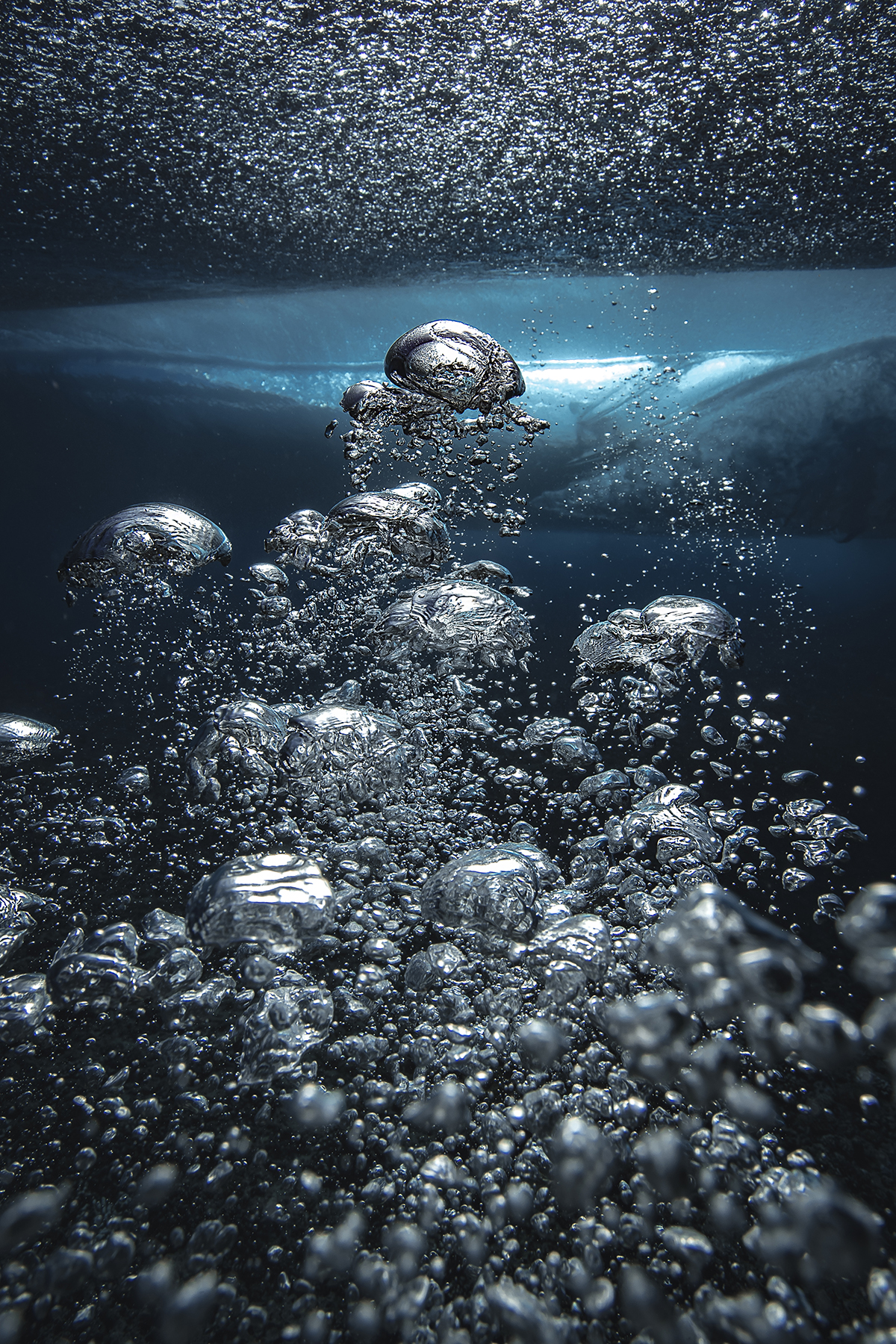
Photo by Ben Thouard
Creating the Right Regulatory Environment
“From a technical point of view, the energy problem is solvable,” says Schaeffer. Renewable electricity is now the cheapest source of power in most regions, and estimates suggest that it could satisfy 65 per cent of the world’s energy needs by 2030. However, new infrastructure means large and long-term investments.
“The critical thing is to create a regulatory environment in which anybody investing in renewable-energy production knows they’ll make money,” says Patt. An example would be government incentive schemes, such as feed-in tariffs, which guarantee a fixed price per unit of renewable energy. “These remove the issue of market volatility, which has been a major impediment to new investment in the power system,” says Patt. “Solar and wind are cheap enough now that these policies don’t have to be expensive, but they are important to remove market volatility and guarantee a positive return on investment.”
Read more: Markus Müller on the links between the ocean and the economy
Recent global crises have underscored the need for a global energy transition. “There has really been a shift in mindset,” says Miles. “There were a couple of things that drove that change and crystallised the focus. The war in Ukraine was one, both in terms of the huge increase in the cost of energy, but also energy security, particularly in Europe; COVID-19 was the other.”
With increases in oil and gas prices, disruptions to global supply chains, concerns about energy security and the impacts of climate change becoming increasingly visible, more businesses and investors understand that the energy transition is not only needed, but presents a valuable opportunity. “In the EU alone, it’s estimated that the green transition will cost €350bn, of which €250bn will need to come from non-government sources,” explains Miles. “Investors increasingly recognise the opportunity to support the energy transition while generating an attractive return.”
How to scale up to net zero
To achieve the Paris Agreement target of reaching net-zero carbon emissions by 2050, green-energy solutions not only need to happen, but need to scale up fast. This urgency presents opportunities for investors hoping to support the energy transition and see a positive return on their investment. “I think private capital will play a huge role in taking businesses with proven business models and proven technology, but which need scale, to the next level of growth,” says Alice Miles, Head of Infrastructure Specialists at DWS Group. “Without scale, a lot of these initiatives are just a drop in the ocean.”

Alice Miles
The infrastructure for generating renewable energy, such as wind and solar, tends to have high initial investment costs, but relatively low operating and maintenance costs. Once operational, renewables projects can sometimes provide investors with stable revenue that is relatively sheltered from price volatilities. For example, power purchase agreements (PPAs) between electricity generators and consumers such as utility companies, set a fixed price per unit of electricity over a multi-year time frame, offering stability and de-risking revenues for the generators. However, in other scenarios, investors may be exposed to energy price volatility without recourse to protect themselves.
“There’s a virtuous relationship here, because there are investors with capital to deploy who want to see a good return, and then there are companies with proven technologies that need to scale,” says Miles. “Both of those parties can win – and we can all win – by finding the right way to route capital to the companies that can make an enormous contribution to the energy transition story.”
This article was first published in the Deustche Bank Supplement in the Spring/Summer 2023 issue of LUX
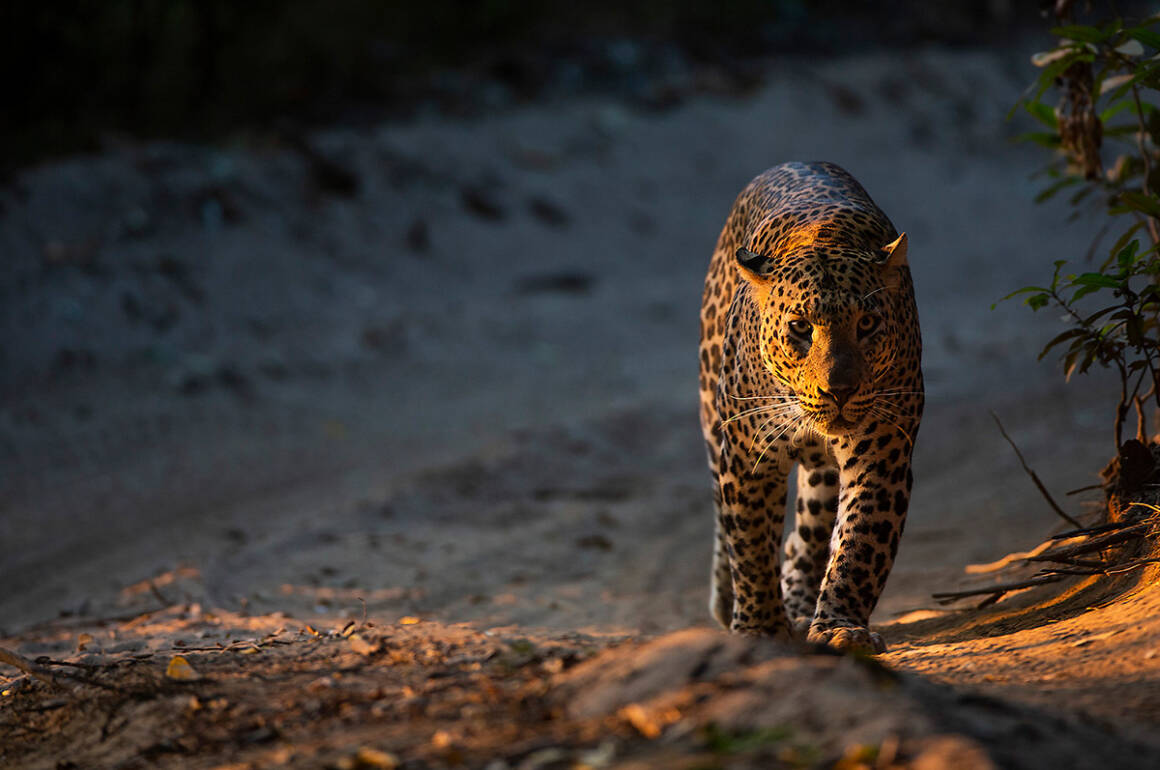
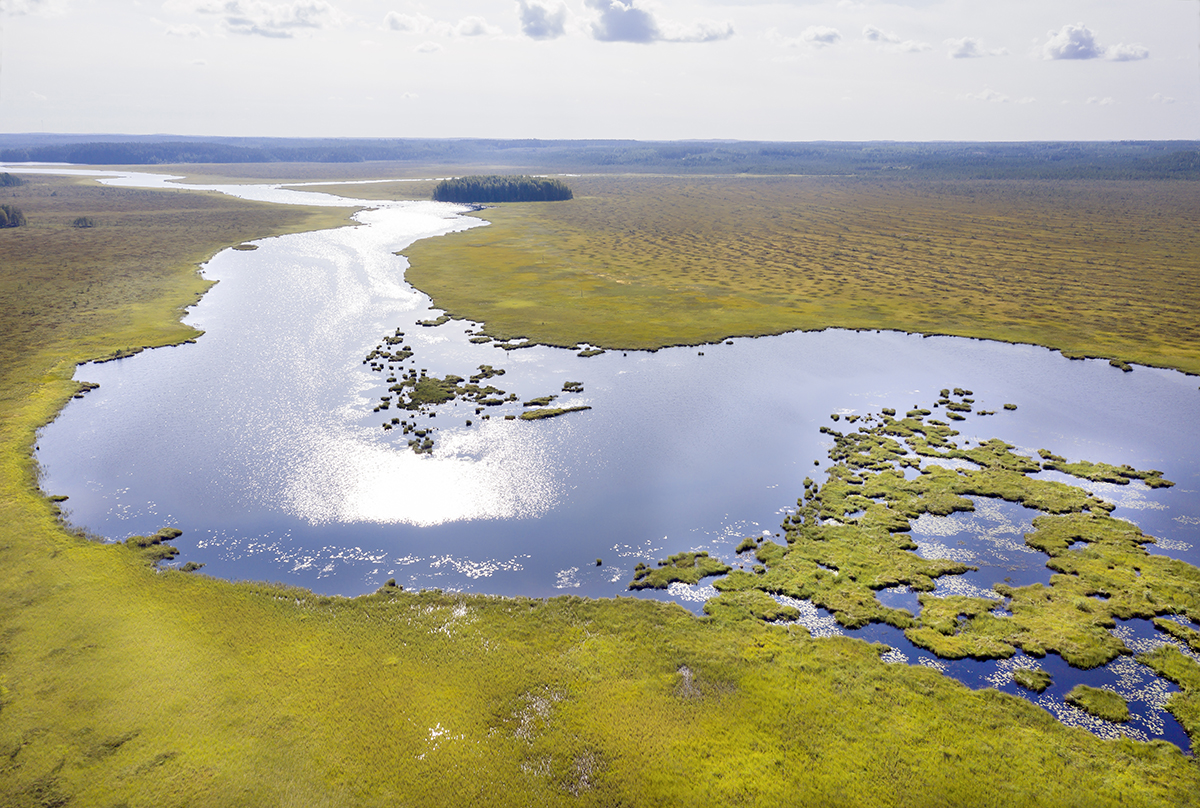
The Syväysjoki peatlands within the Koitajoki Basin, Finland. Peatlands like this have been damaged through drainage, peat-mining, and planting for commercial forestry © Mika Honkalinna/Snowchange.
Financier, philanthropist and environmentalist Ben Goldsmith explains how environmental conservation became such an important aspect of his life and why it should be at the forefront of all philanthropists’ agendas
I am lucky enough to be raising a family on a former dairy farm in an area of low agricultural productivity, in South Somerset’s Selwood Forest. Until the Victorian era, a great mosaic woodland stretched across this landscape, from Bath to Wells and down to Frome. This was a landscape of extraordinary natural abundance and vibrancy, in large part on account of the grazing, browsing, rootling and dung of the free-roaming hardy pigs and horned cattle that were turned out by villagers into the forest. These were of course proxies for the wild boar and aurochs of an even earlier age, keystones of the forest ecosystem.
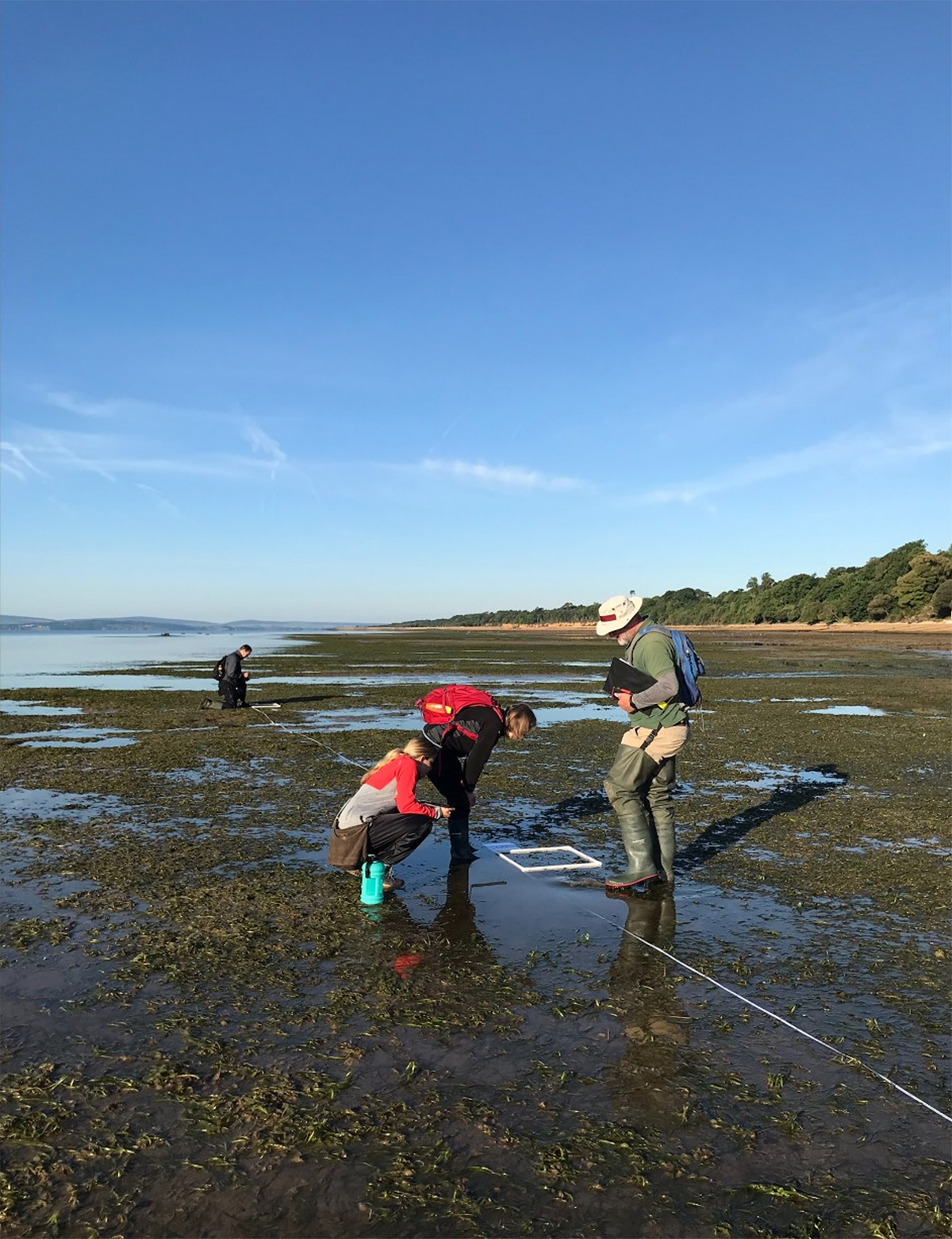
Solent Seagrass Champions restoring seagrass meadows on the Isle of Wight © Hampshire and Isle of Wight Wildlife Trusts/Blue Marine Foundation
Recently, alongside two neighbours, we decided to set about reviving the lost woodland. We tore out fencing, switched to native cattle in far lower numbers, rewiggled streams and revived ghost ponds. As the field shapes have begun to dissolve into the landscape, and little patches of crab apple, hawthorn and willow have begun to emerge everywhere, the results have been both startling and magical.
Follow LUX on Instagram: luxthemagazine
Life has poured back in; the birdsong in spring is at times overwhelming in its intensity, a string of dammed pools created by beavers along the bottom of the valley now abounds with amphibians and dragonflies, the open areas are a riot of wildflowers and tiny chirruping crickets. By comparison, the surrounding landscape seems silent, drained of colour.
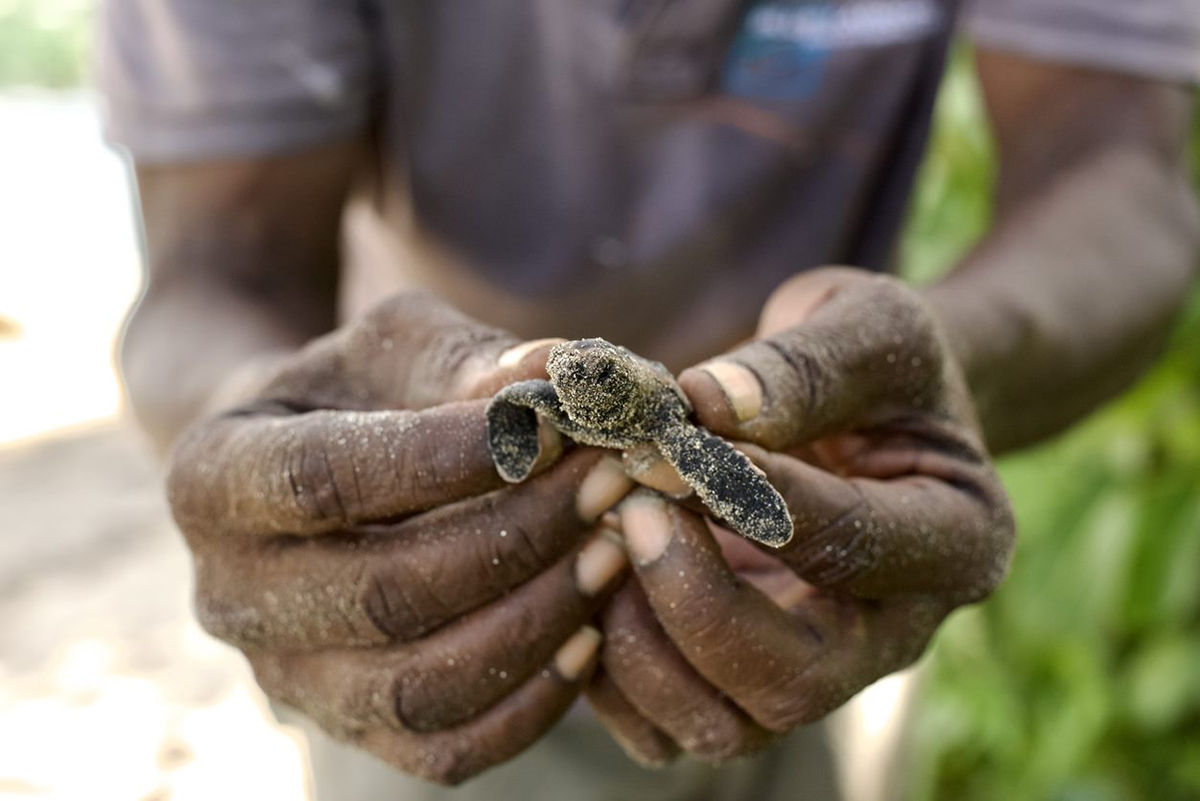
A baby Hawksbill sea turtle in White Sands, Canash Beach, St.Vincent. Photo by Stephan Hornsey
Immersing myself in this transformation has brought me a greater sense of joy and meaning than anything I’ve done in my life. The natural fabric of the world, in other words that vast life support system on which we depend utterly for everything we have and everything we do, is quite simply blinking out all around us. And yet, here in Selwood, I have seen first-hand that nature rebounds with astonishing intensity and speed. All we need to do is give it the chance. In the grand scheme of things, this is not expensive to do. So why are philanthropists, large and small, not grabbing the opportunity to participate in a movement that is at the same time so vital and so rewarding? Owning land is a niche privilege which appeals to some; but participating in the restoration of nature need not be.
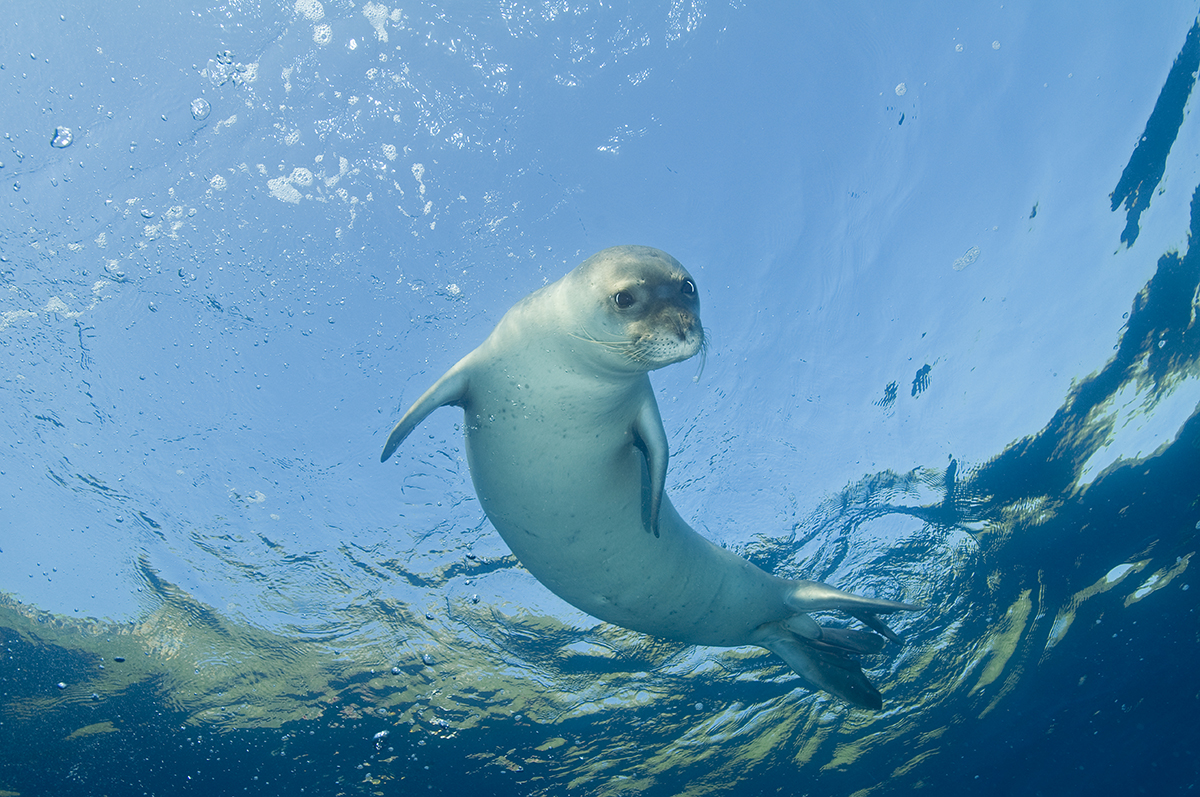
The critically endangered monk seal. In Turkey the project is establishing marine protected areas along 500 km of coastline. Artificial nesting platforms have been constructed, which are increasing the monk seal’s breeding success © Fauna & Flora
Just 3% or so of all the money given away philanthropically is directed towards the protection and restoration of the natural environment. Almost ten times as much is given to the arts. Happily though, modest amounts of environmental philanthropy, well directed, is capable of catalysing great change. Lisbet Rausing’s marvellous Arcadia Fund has created an Endangered Landscapes Programme, which dishes out grants of up to €5 million towards the long-term restoration and protection of Europe’s largest remaining intact landscapes. The money is geared towards piecing ecosystems back together, reintroducing missing species, and perhaps most importantly, establishing long-term local prosperity arising from richly abundant nature. It works. Great swathes of Europe are coming back to life as a result of this one programme.
Questelles beach, St.Vincent successfully hatched hawksbill nests in 2022. Photo by Stephan Hornsey
Sir Christopher Hohn’s Children’s Investment Fund Foundation has made huge contributions to the Foundation for International Litigation on the Environment, as well as underwriting the spectacular growth of Client Earth. These two organisations are using the law all across the world to win key environmental battles on everything from air pollution in cities to the protection of old growth forests. Each successful case sets a precedent which makes the cost of trashing nature that much higher for companies or governments which might be tempted. This is game-changing work.
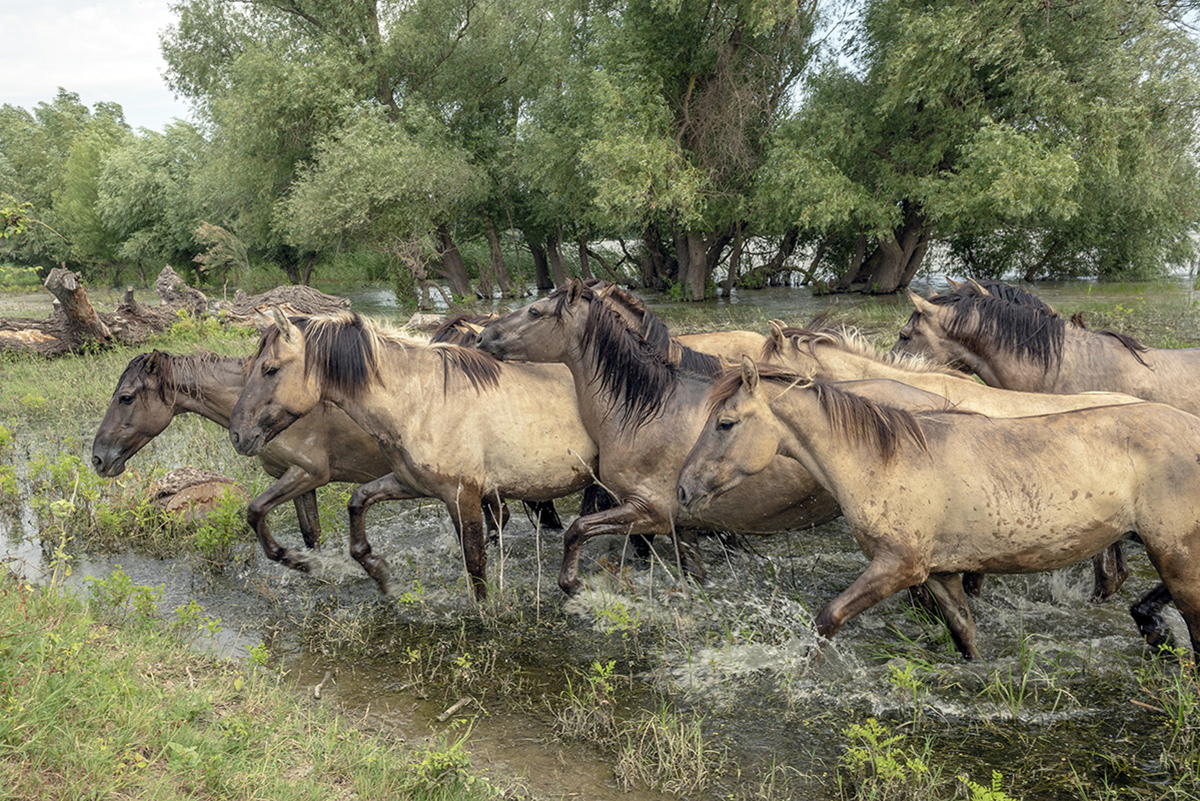
Reintroduction of large herbivores in the Danube Delta, including König horses, is restoring dynamic ecological processes in the floodplain © Andrey Nekrasov/Rewilding Ukraine
Meanwhile, the big idea of Conservation Collective, which I chair, is that people are far more likely to give their time and money towards restoring nature in the place that they love. There are now twenty locally-focused Conservation Collective foundations across the world, from Barbados to the Balearic Islands, Devon to the Dalmatian Coast. Each one of these is comprised of a dozen or more supporters who give in the thousands rather than the millions, their money strategically distributed to the most effective grassroots restoration and activist initiatives in the place that is closest to their own heart.
Read more: Kering’s Marie-Claire Daveu on the future of sustainability
Vultures are recovering from near extinction in Cyprus, new forest corridors in Sri Lanka are enabling leopards to move between protected areas and the ban on killing sea turtles in St Vincent and the Grenadines is being enforced by local monitors. The network is growing beyond our wildest imaginings, because playing a part in the dramatic recovery of nature is hugely appealing, and ultimately addictive.
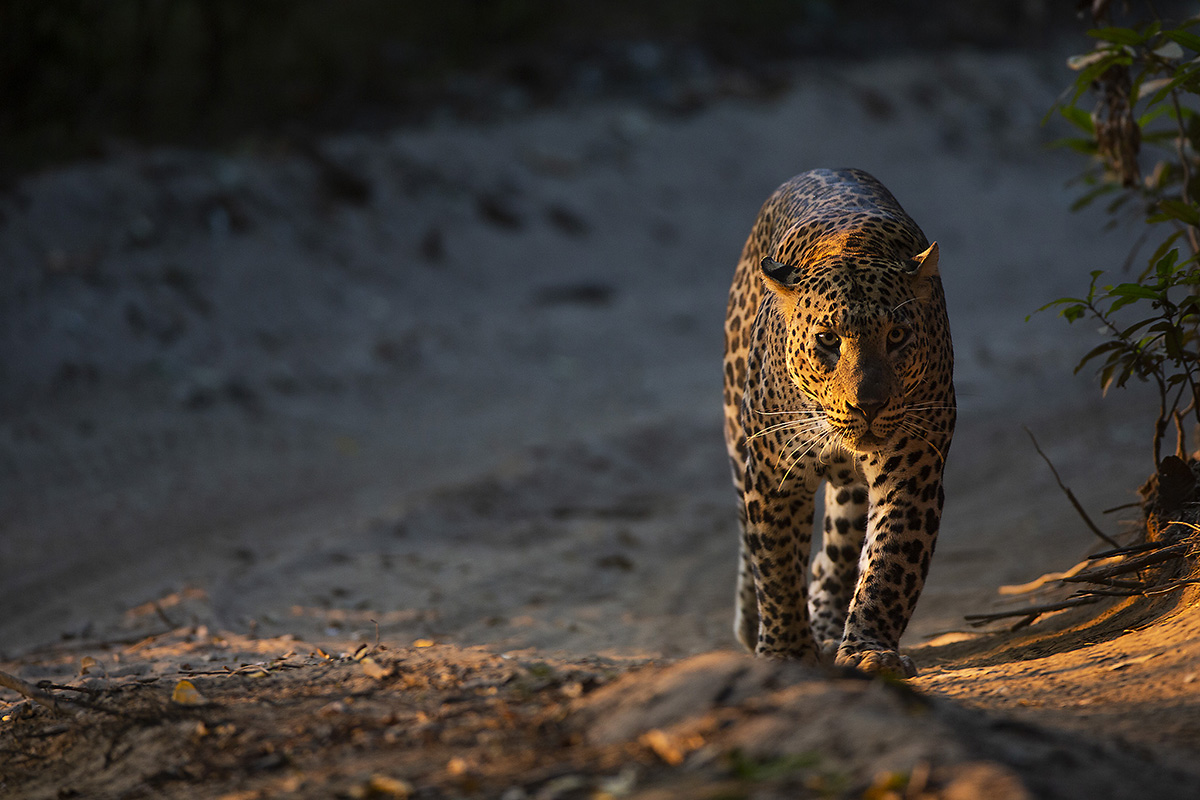
One of Wilpattu National Park’s dominant male leopards, the Kumbuk Villa Male, doing his morning rounds. Photo by Yanik Tissera
Every important victory that has been secured, from the saving of the whales in the 1970s to the turning of the tide on the destruction of the ozone layer in the 1990s, has happened because of small groups of passionate, brilliant people – supported by the generosity of philanthropists large and small. Giving a small amount each month to one of these organisations is a meaningful, radical and powerfully rewarding act, one which far too few people in our society have discovered.
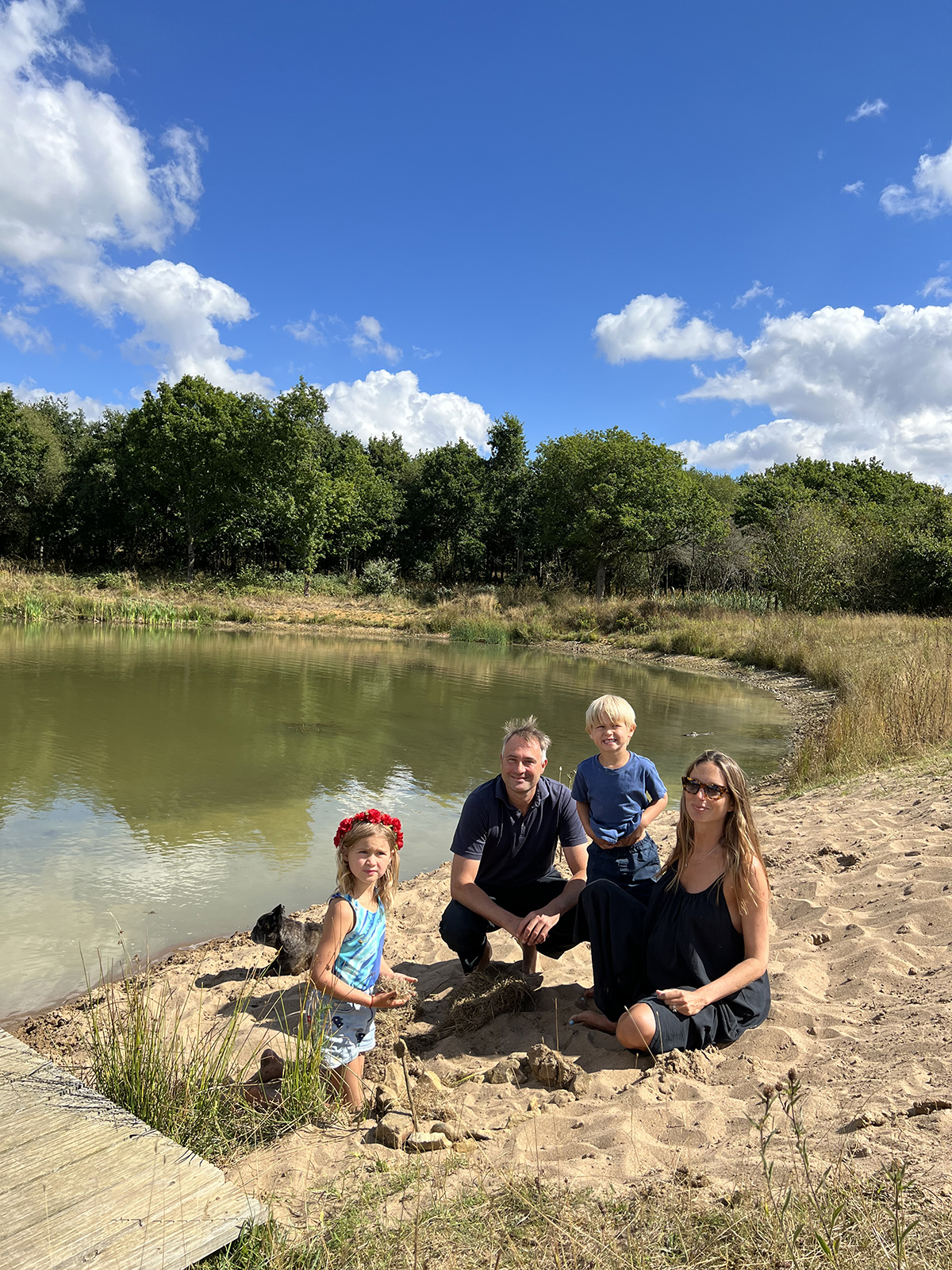
Ben Goldsmith and his family
The three most effective things any one of us can do towards fixing this, the mother of all issues, and moving our civilisation into a new age of harmony with nature are: to vote with nature in mind; to buy stuff mindfully; and to choose a nature organisation to support with whatever regular amount you can afford. Once you start, you won’t stop. And when your children or grandchildren one day ask you what role you played in all of this, you’ll have an answer for them.
Find out more: conservation-collective.org
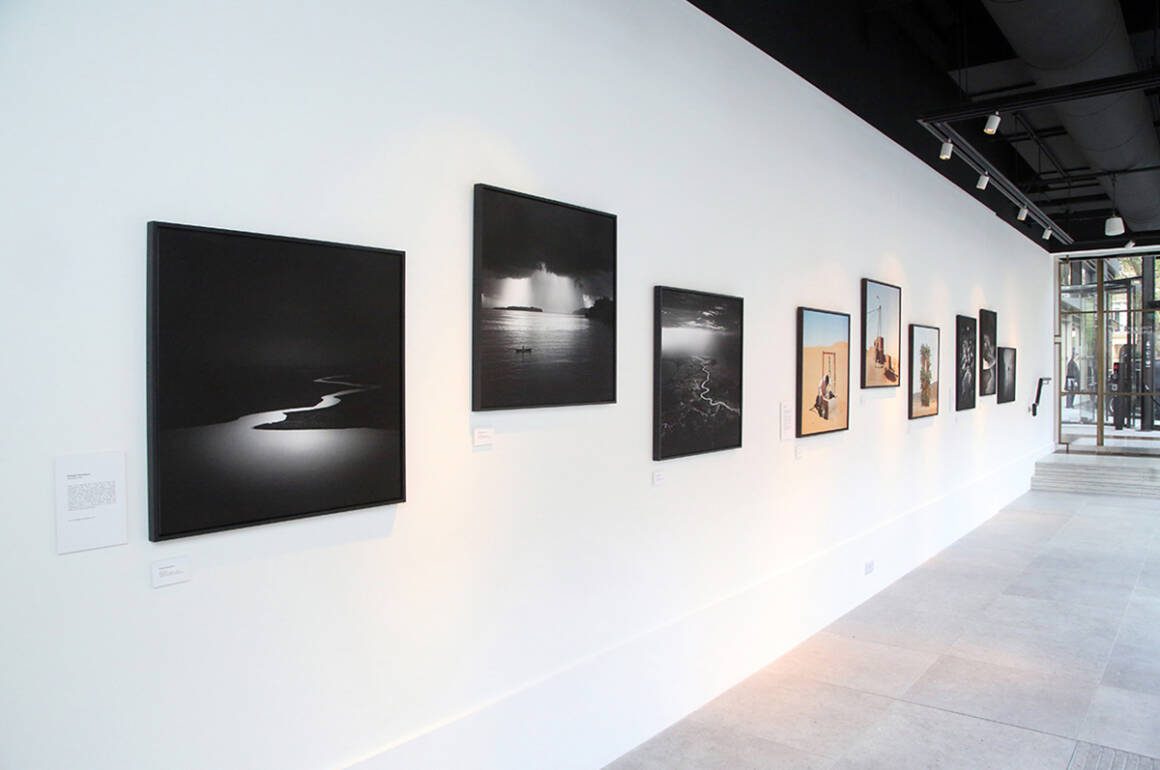
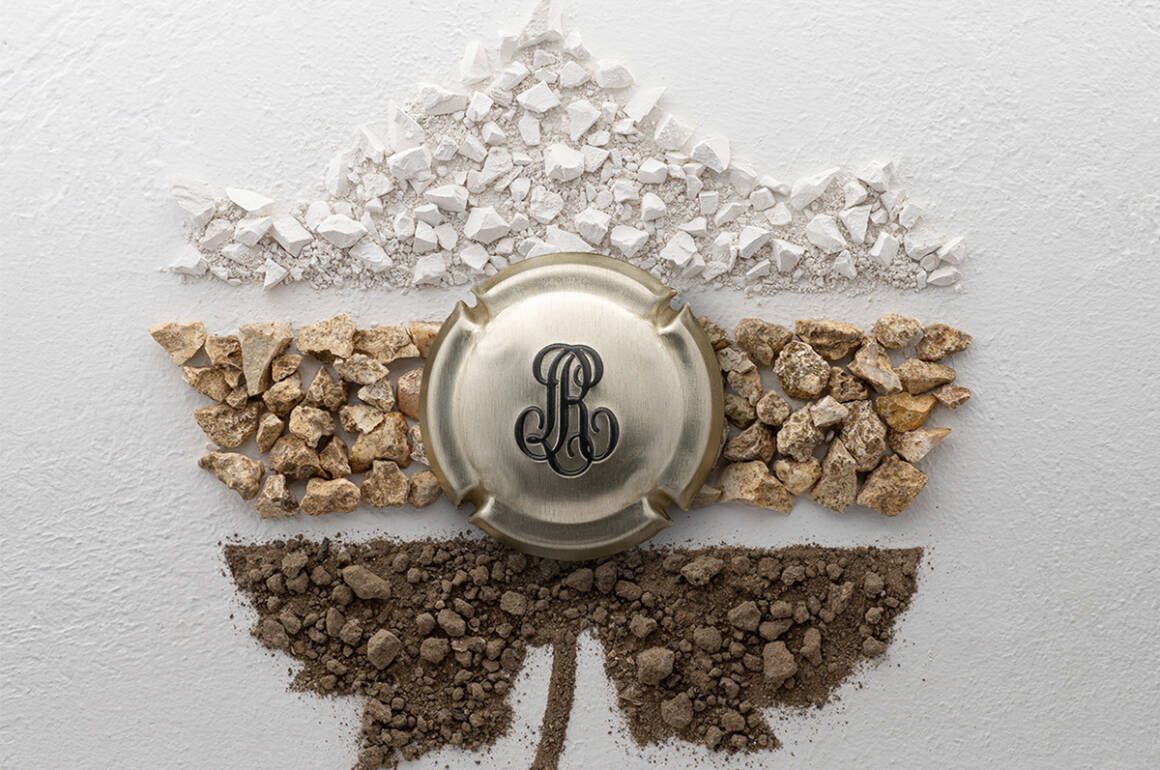
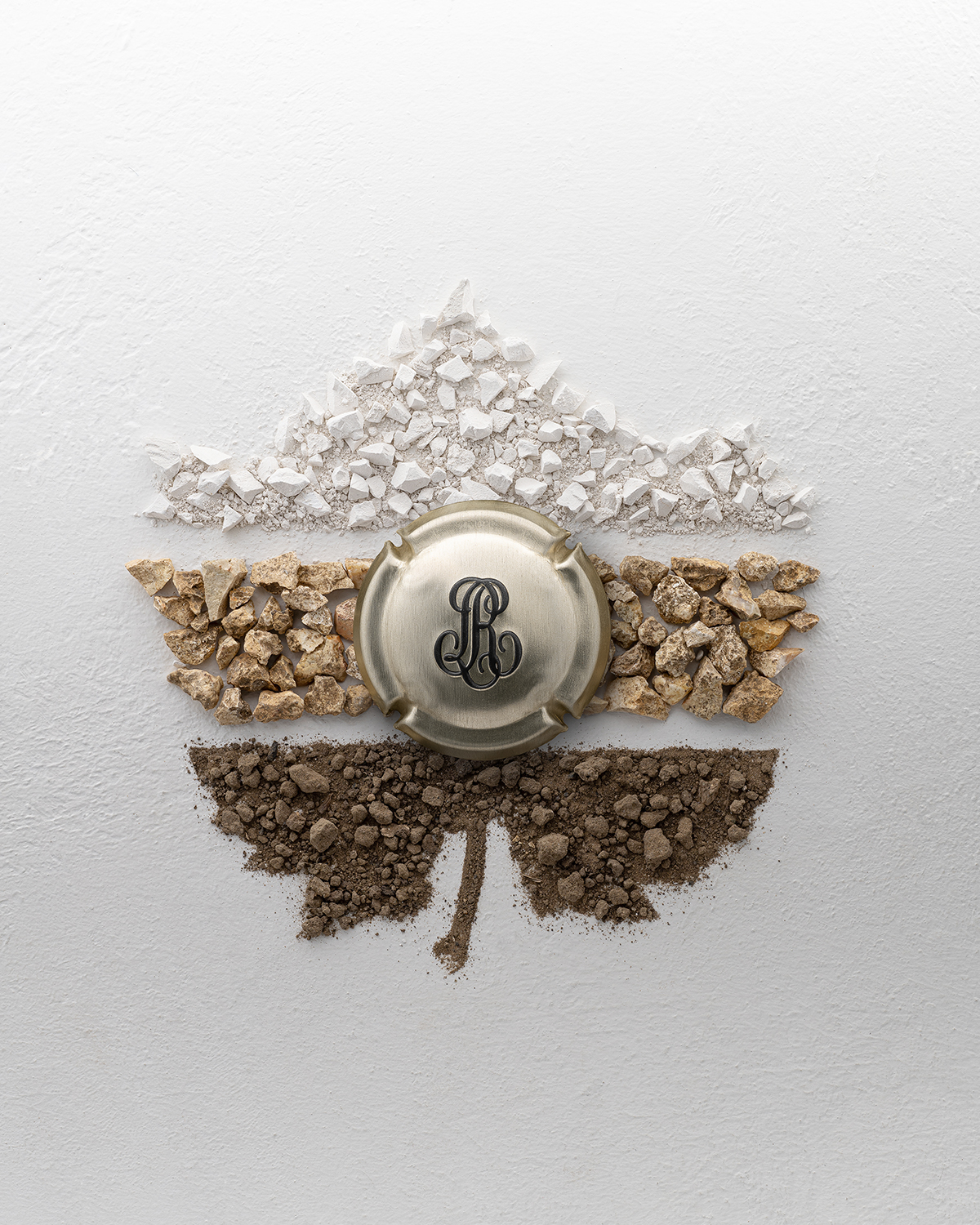
LUX attends an exclusive masterclass with Jean-Baptiste Lécaillon, Cellar Master at Louis Roederer, to try the never tasted before cuvées of Collection 244
Louis Roederer was very quick to notice the challenges that climate change was going to bring to the champagne market. Thus, ten years ago they founded the concept of Collection, to evolve their wines with the ever changing natural landscape. Lécaillon explains that instead of surrendering to the effects of climate change, we need to work alongside them.
Dramatic changes to our climate leads to powerful changes in the wines we consume. 2019 was a year of record-breaking high temperatures from intense heat waves. However, the 2019 harvest was highly successful, delivering wines that were dense and fresh and forming the basis of Collection 244.
The blend consists of all the the champagne house’s origins: 1/3 from “La Rivière” Estate, 1/3 from “La Montagne” Estate and 1/3 from “La Côte” Estate. The Collection is made up of 54% of the 2019 harvest and 36% from the wines of the Perpetual Reserve.
On the future of the wine industry and its priorities, Lécaillon said, “after the fight for freshness, we are more in pursuit of finesse, because the wine of tomorrow is the wine of finesse.”
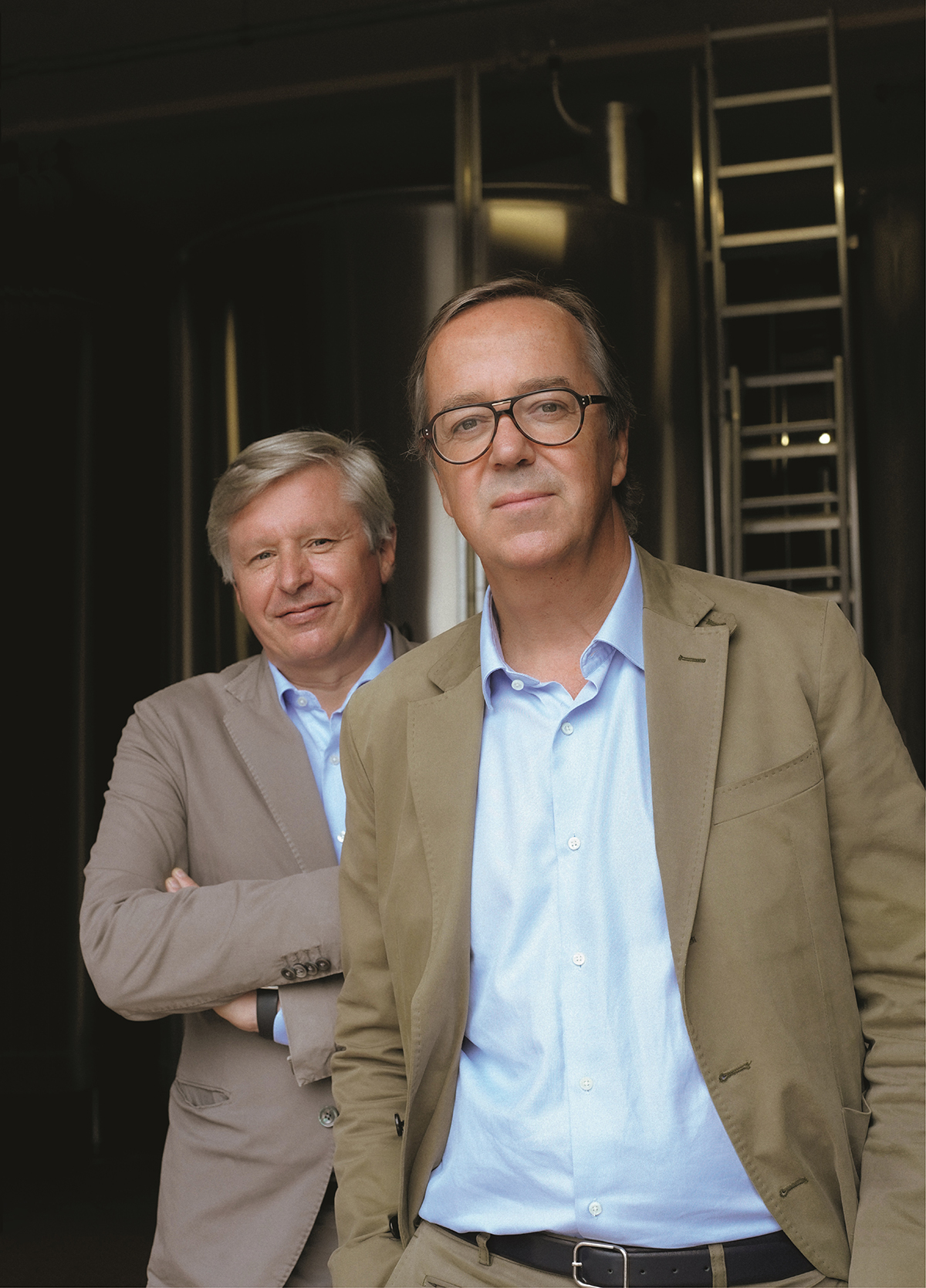
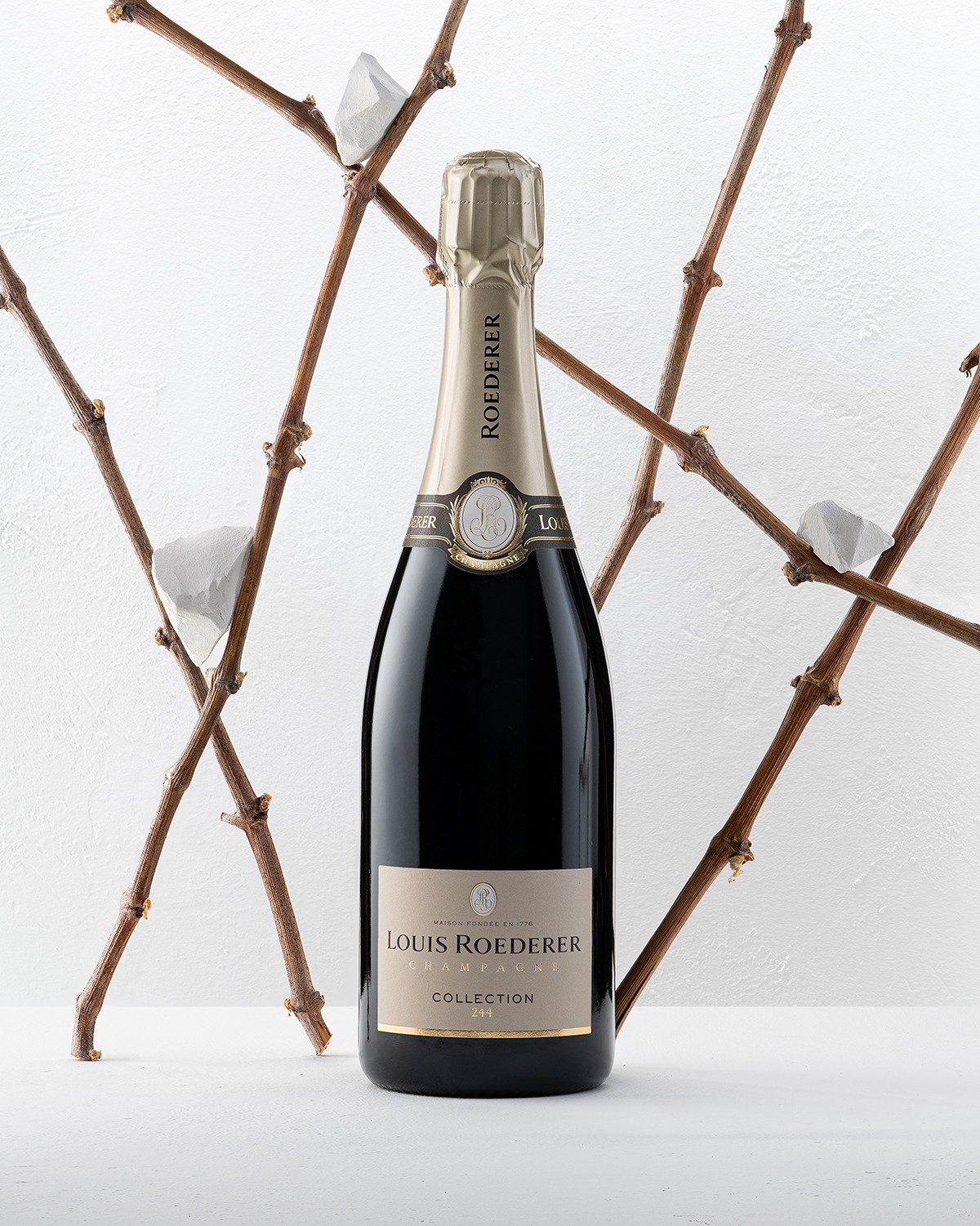
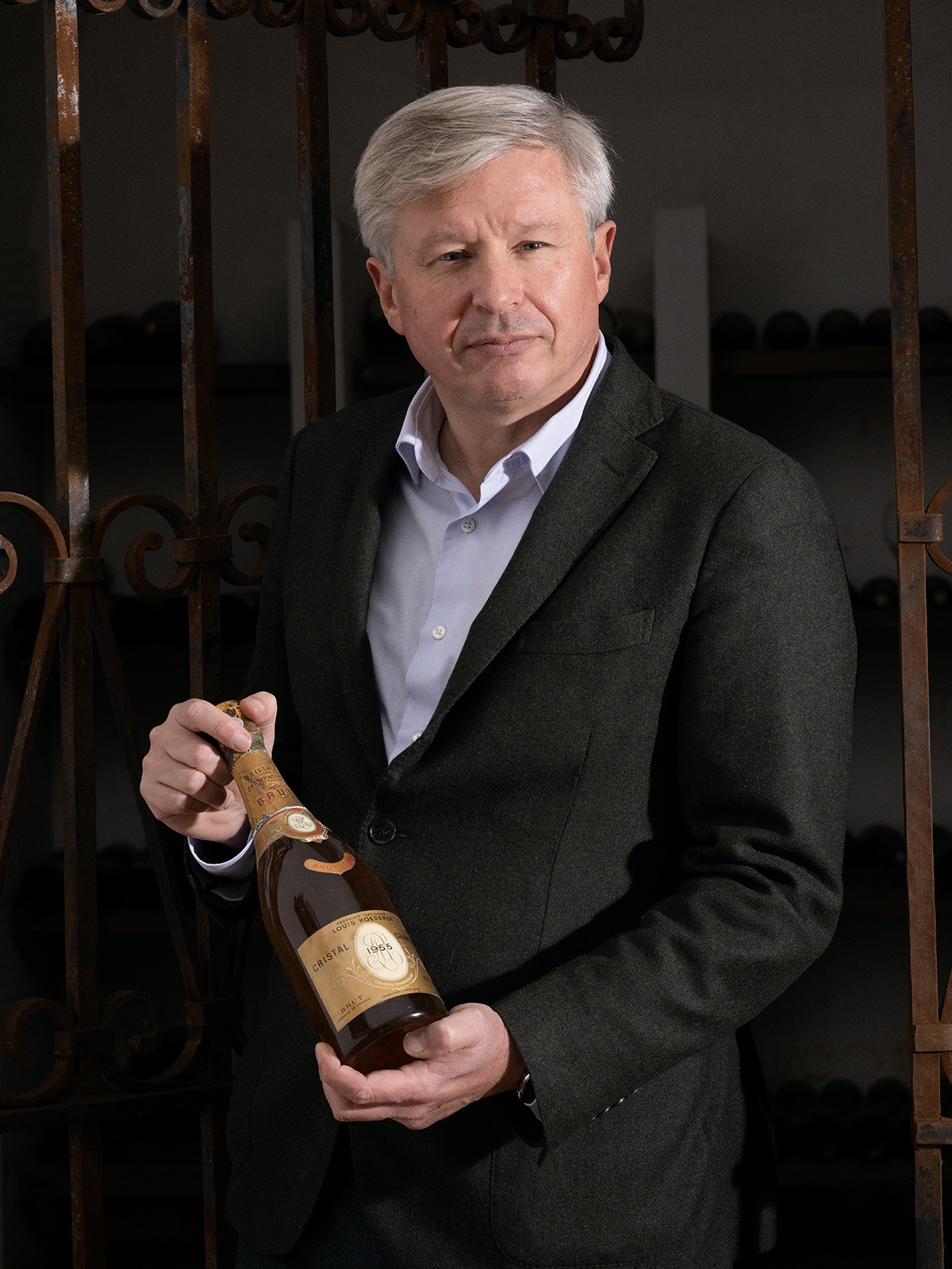
Whilst tasting through the vintage for the very first time, Lécaillon said “it is ripe with high sugar but elegant and precise…expressive & fruity. [The vintage is] still young with a reductive bouquet. Some fine citrus. Hazelnut from Reserve Perpetuelle. Concentrated and fleshly texture. Creamy but fresh and alive. Almost a Blanc de Blancs definition. Elegant, precise and transparent. Round, textured but fresh and light, chalky. Seamless, dense, precise and perfectly integrated. The finish is even more salivating.”
Find out more: www.louis-roederer.com/collection244
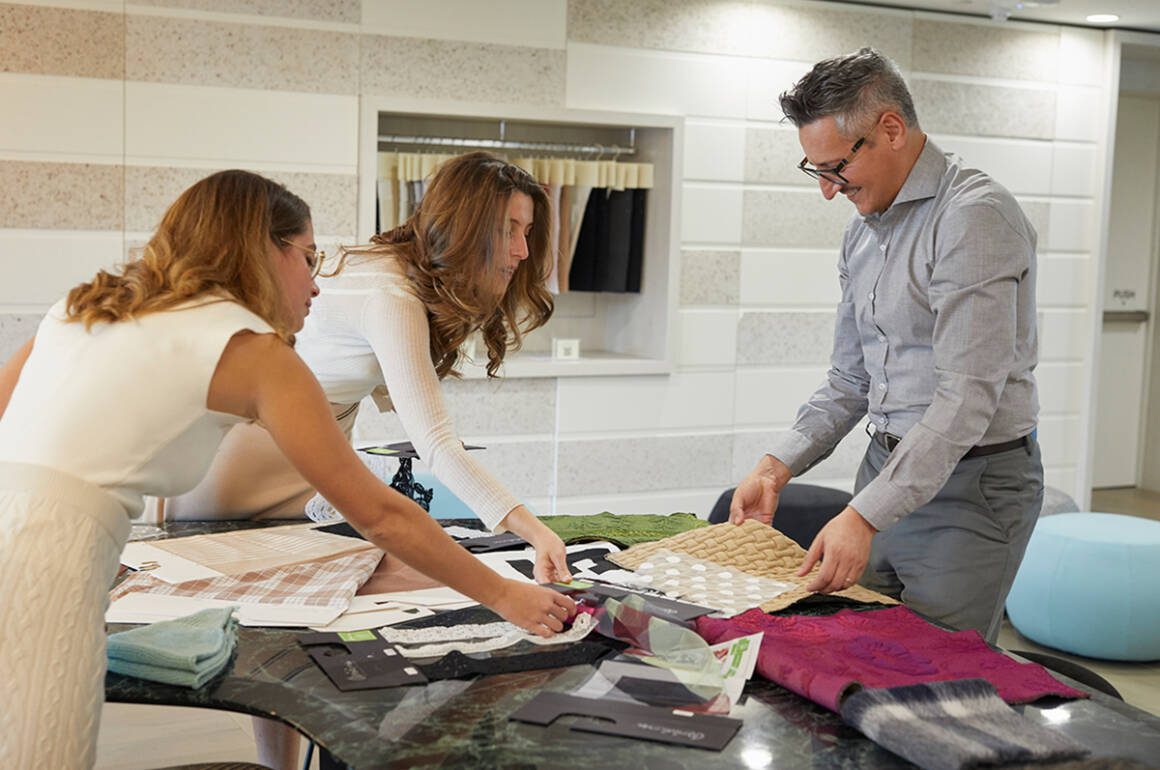
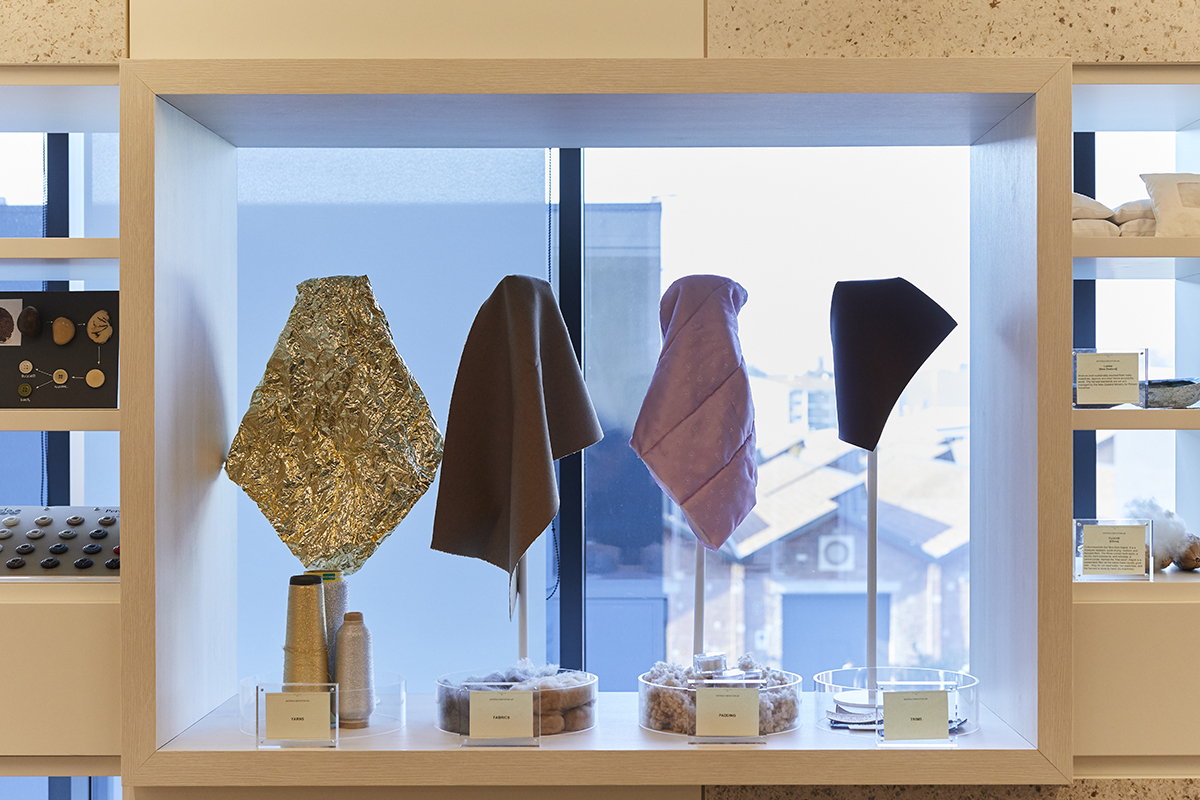
Sustainable samples at Kering’s Material Innovation Lab, Milan
When Kering, the French luxury conglomerate that owns Gucci, Saint Laurent, Balenciaga and Bottega Veneta, introduced a radical sustainability programme just over ten years ago, the rest of the industry was bemused. Now the group is seen as visionary. Marie-Claire Daveu, the group’s Chief Sustainability and Institutional Affairs Officer, who oversaw the programme and introduced the first EP&L in the luxury industry, speaks to Darius Sanai about what happens next

Marie-Claire Daveu
Darius Sanai: How has fashion progressed in sustainability in the past ten years?
Marie-Claire Daveu: I see a big difference. I joined Kering in September 2012 and I think [Kering CEO] François-Henri Pinault was really pioneering. We were a little bit alone when we spoke about this topic and about how we can measure what we do. For us, from the start, it was really key to have the same approach to sustainability that we have for financial commitments – to have KPI metrics and competitive targets. Now, if we look around, we can see more and more that there is better awareness from many companies. The data and the challenges linked with climate change and biodiversity are now well known and recognised by the majority of companies.
Gucci, one of Kering’s iconic brands
DS: Are words being backed up by action?
MCD: Yes, and we need to act operationally. Here are two examples. First, the Fashion Pact [a fashion-industry initiative created by French President Emmanuel Macron and François- Henri Pinault, presented at the G7 in 2019]. We now have more than 250 companies involved, and we have been able to put in place a Collective Virtual Power Purchase Agreement, to buy renewable energy together. Another example is the Regenerative Fund for Nature that we created with Conservation International, linked to regenerative agriculture.
Follow LUX on Instagram: luxthemagazine
DS: Will regenerative agriculture become mainstream in fashion?
MCD: It is difficult to say what the future looks like, but I hope so. I think it’s reasonable because you have positive impact on the environmental side and you take the community into account. It’s different to conventional agriculture, and also to organic agriculture, which sometimes can be challenging for communities. You have to accept it takes time because the transformation takes at least three years. For companies like ours, that use cotton, silk and wool, you have to also create a sustainable supply chain.
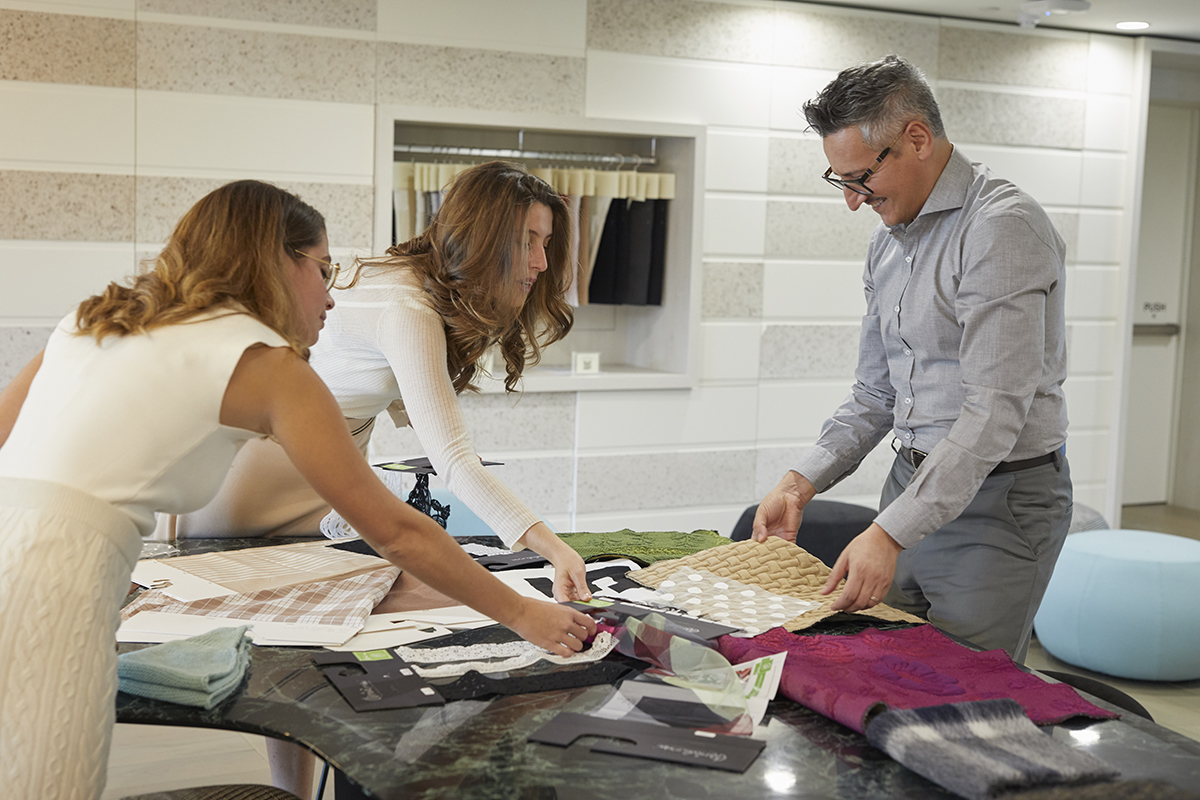
The Kering Material Innovation Lab team at work in Milan
DS: How can companies with fewer resources match your idealism?
MCD: I don’t think I am idealistic. I’d say I am optimistic, not idealistic. I try to be pragmatic. I am conscious about the challenges, about the issues. My strong conviction is, if you are a company and you do not include this topic in your strategy, I think it is questionable whether the company will survive. Take energy, for example. Energy is crucial to a business model. If you don’t think about efficiency you will have a problem. So we link back – if more and more investors and analysts pay attention to this topic, it will be a challenge to have access to credit if you do not. You will be able to compare companies against each other with metrics.
DS: President Biden just overturned the recent Congress ban on using ESG metrics in investment. Is there still a danger that support will just be in the EU?
MCD: One of the key criteria is that all over the world, consumers are speaking about these things. We won’t have the choice. It is better to anticipate and be well prepared. It is very interesting to see that even in some countries where the regulation and the policies are different, private companies themselves are investing in what we call ESG criteria. Even in countries where the regulation is different, it is still in their interests.
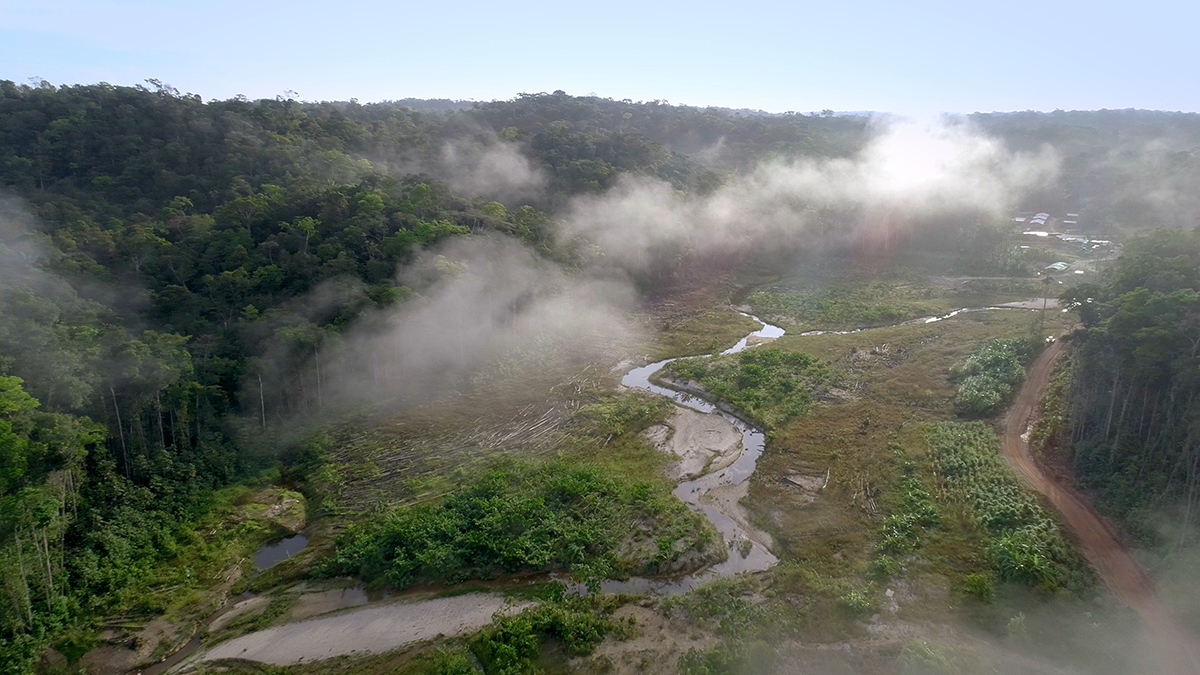
View of a Kering reforestation programme in Guyana
DS: So what is the biggest challenge?
MCD: The big challenge is the question of speed. How fast will we be able to transform the business model to make the ecological transition and to really integrate and scale the topic? I don’t have the answer today, because I think it will take us a few years to do this.
DS: Is there a governance issue in less developed economies?
MCD: We have to maximise our operational involvement on the ground for our projects. Each time, we identify an NGO that is global but also local to follow the project and to be really involved, so we can ensure that what we have planned is really implemented on the ground. That’s not a perfect answer, but we want to be sure that what we decide to do becomes a reality. It’s really key to identify the right partner to do this. If I am in Mongolia, I need to know I have the right partner on the ground and, if not, I will come in from Paris and check.
Balenciaga, another of Kering’s most renowned brands
DS: Do luxury consumers make decisions based around sustainability?
MCD: I am convinced that, for the luxury customer, sustainability is part of the quality, part of the reason they buy a luxury product. For them, it is important that the raw materials are being produced in a way that pays attention to people and the planet.
Read more: Fausto Puglisi Interview: Refashioning Roberto Cavalli
DS: Do consumers understand, say, the link between biodiversity and climate change?
MCD: Do people always make those connections? No, but they are very aware of climate change – they see and live it. It is now something that has already happened. True, sometimes there can seem a distant connection between buying a product and the impact on the environment or biodiversity, and some people will say that their impact is nothing compared to that of a factory. But really, I see a change. The new generation are afraid of what is happening, and we speak more and more about what is happening. It was not the case before, but today, everyone has something to say about the topic.
Find out more: kering.com/en/sustainability
This article was first published in the Spring/Summer 2023 issue of LUX

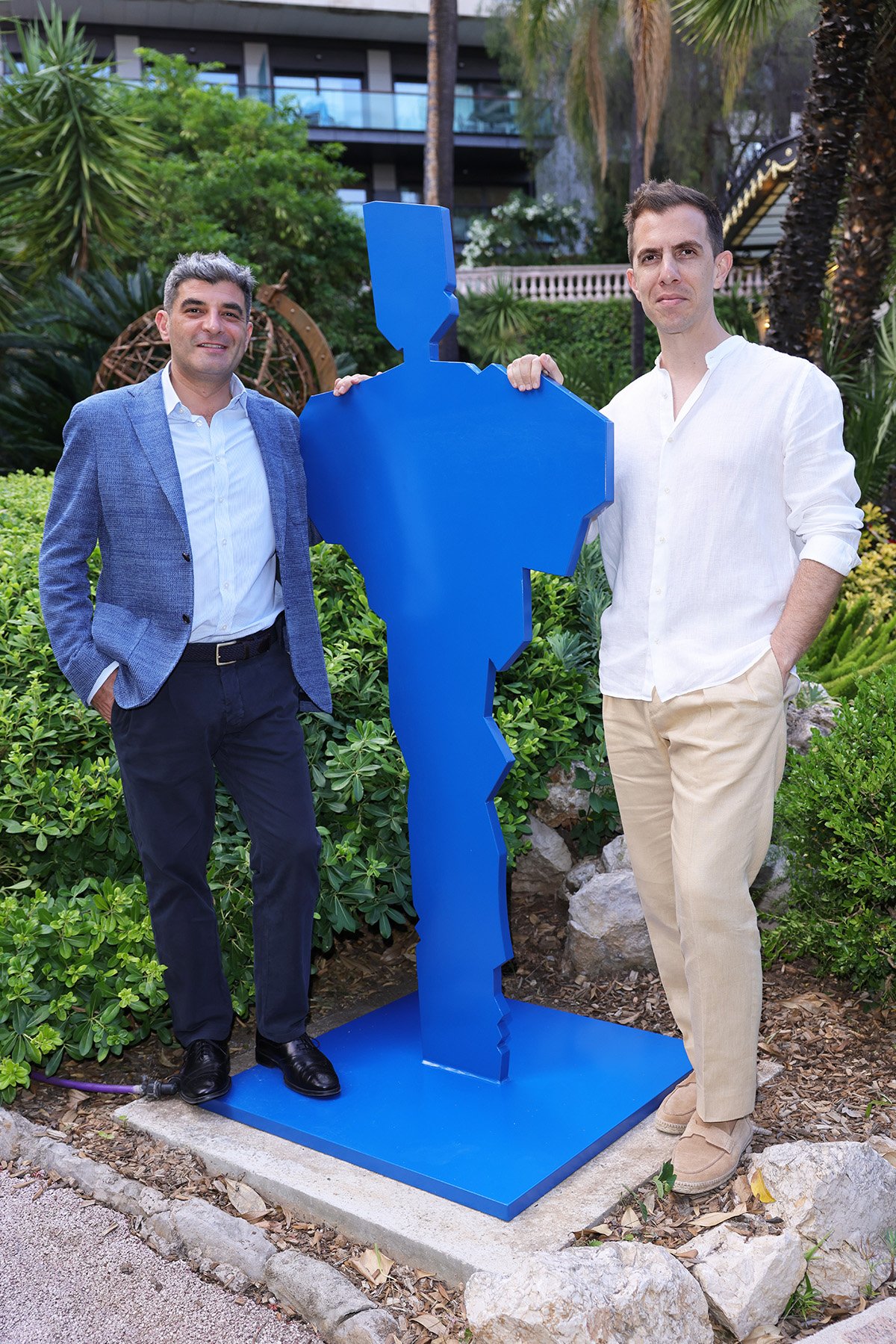
Oliver Wenden, Vice President & CEO of the Prince Albert II Foundation standing with artist Sassan Behnam-Bakhtiar next to his specially created human-sized enamel sculpture. Photo by David M. Benett
Prince Albert II of Monaco Foundation held a joint event with Cap Ferrat based artist, Sassan Behnam-Bakhtiar, to launch the opening of Behnam-Bakhtiar’s solo show ‘Ocean’ at the the foundation’s headquarters, Villa Girasole. The partnership for the show was formed to raise awareness and funds for the conservation of the planet, and specifically the oceans
Olivier Wenden, Vice President & CEO of the Prince Albert II Foundation, noted, “Sassan’s talent is quite unique. I really love the discussion in his colourful paintings between abstraction and figurative scenes. They also open a discussion between traditional art, symbolic of the Persian mosaic, and modernity.
“Sassan’s commitment to help raise awareness for the preservation of the planet through his talent and art is very essential. In addition to scientific messaging, we need to convey new ecological narratives that are more directly connected to our hearts.”
Follow LUX on Instagram: luxthemagazine
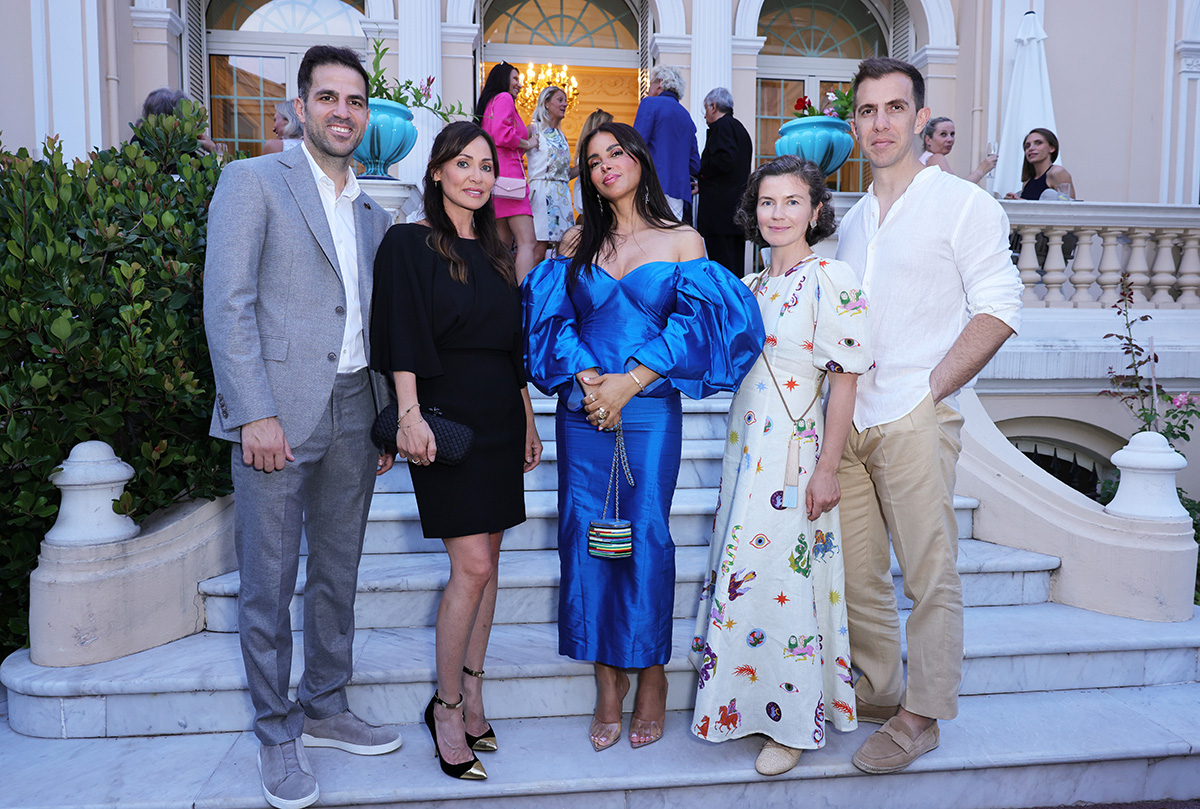
Left to right: Cesc Fàbregas, Natalie Imbruglia, Daniella Fabregas, Maria Behnam-Bakhtiar and Sassan Behnam-Bakhtiar. Photo by David M. Benett
When Wenden was asked about his favourite piece he chose the ‘Towards the Ocean’ painting, saying that it “conveys a central question about the place of the ocean in our life. The ocean is our best ally in tackling the issue of climate change, and at the same time it needs all our attention because it is threatened by many human induced pressures. We can’t save our future without saving the global ocean.”
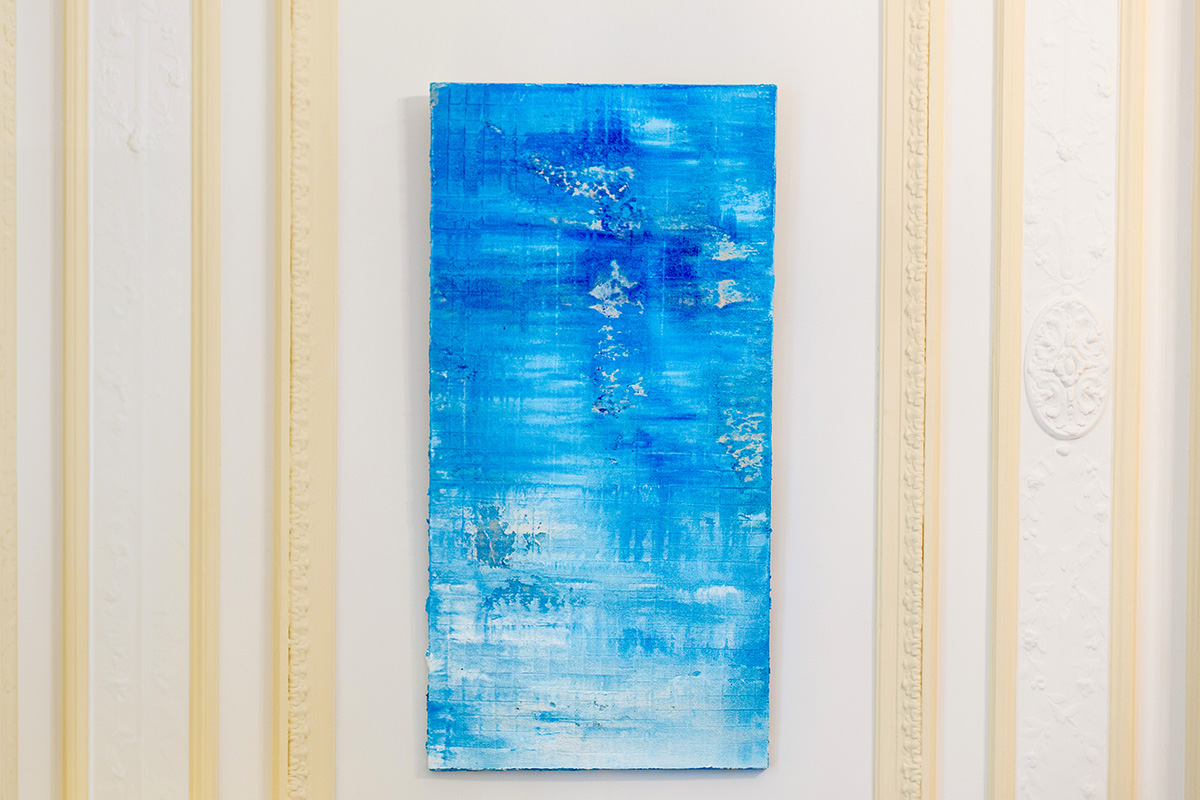
On his show Sassan Behnam-Bakhtiar said “If the energy of the ocean had a romantic dance with my own artistic energy, the result would be these site specific works created for the historic Villa Girasole, the Prince Albert II of Monaco Foundation.”
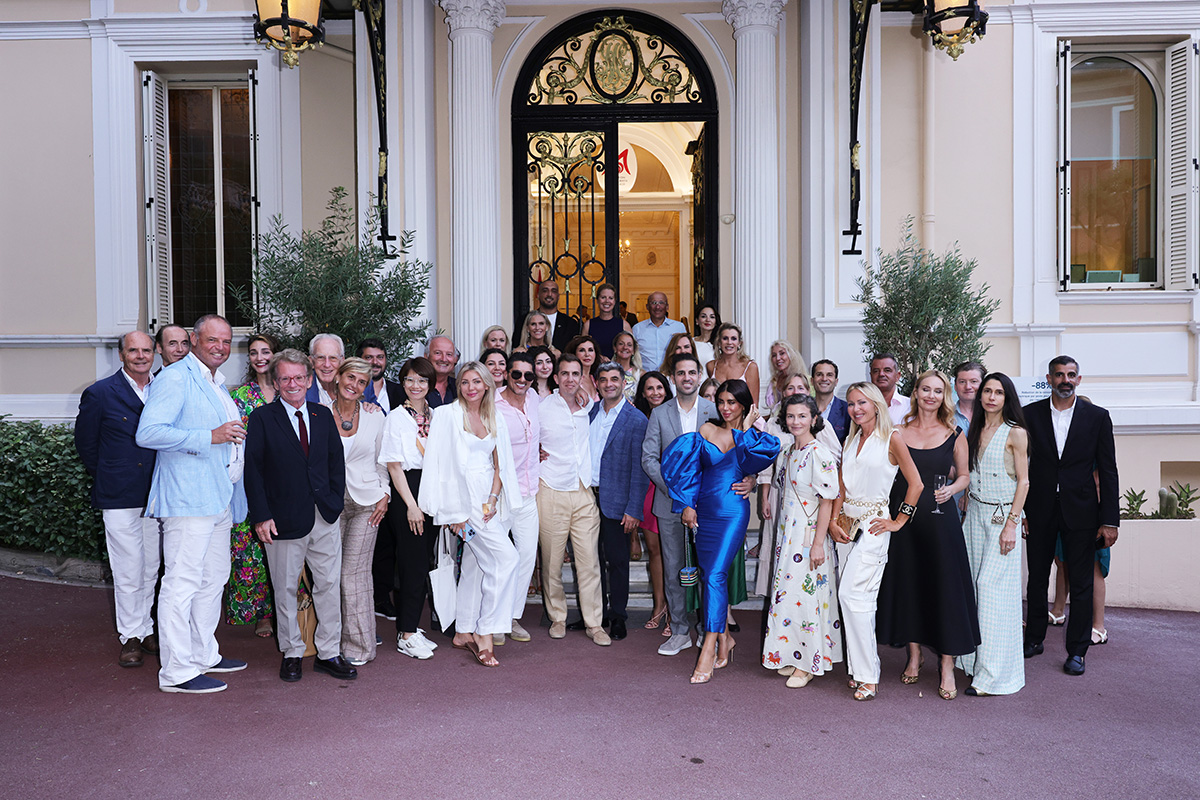
The guests who attended the private view of ‘Ocean’. Photo by David M. Benett
Read more: The Special Relationship of Sassan Behnam-Bakhtiar and Ali Jassim
Behnam-Bakhtiar chose to partner with the Prince Albert II of Monaco Foundation because their “vision on progressing ocean and planetary health is unmatched.” As a true believer in their mission, he is “proud to be teaming up with the Prince Albert II of Monaco Foundation.”
Sassan Behnam-Bakhtiar‘s exhibition will be on display at Villa Girasole from June 30th to September 15th 2023


Photo by Ben Thouard
Creating a sustainable blue economy – meaning we can invest in businesses directly related to the oceans while avoiding negative impact – is one of the most important tasks on humankind’s to-do list. Below, LUX speaks with Muriel Danis of Deutsche Bank about the challenges. Chris Stokel-Walker also speaks to entrepreneurs trying to make a positive impact in the ocean space
Muriel Danis on building investment opportunities in the sustainable blue economy
Muriel Danis
One of the challenges faced by investors interested in the sustainable blue economy is that it is an emerging landscape. “It’s a very nascent space,” says Muriel Danis, Global Head of Product Platforms and Sustainable Solutions at Deutsche Bank’s International Private Bank. “There are few products dedicated to the blue economy. What we see more often, especially in the private markets space, is a broader, impact approach to investing, with a sub-allocation for ocean-based investments.”
Danis is overhauling the products at Deutsche Bank by making sustainability a central part of the tenet. She is incorporating ESG qualitative and quantitative factors into the product development process to meet regulatory requirements and help identify “best in class” managers and solutions. That is easier said than done. Most liquid products available today focus primarily on what Danis calls a “do no harm approach”: they tend to exclude from investment portfolios any sectors or activities that have a materially negative impact on the oceans. However, in private markets there may be more product opportunities able to deliver material and measurable positive outcomes. “We are seeing a number of VC funds that are directly investing in technologies and capabilities that protect marine biodiversity,” says Danis. “By targeting overfishing, ocean pollution and climate change, they are supporting a sustainable blue economy.”
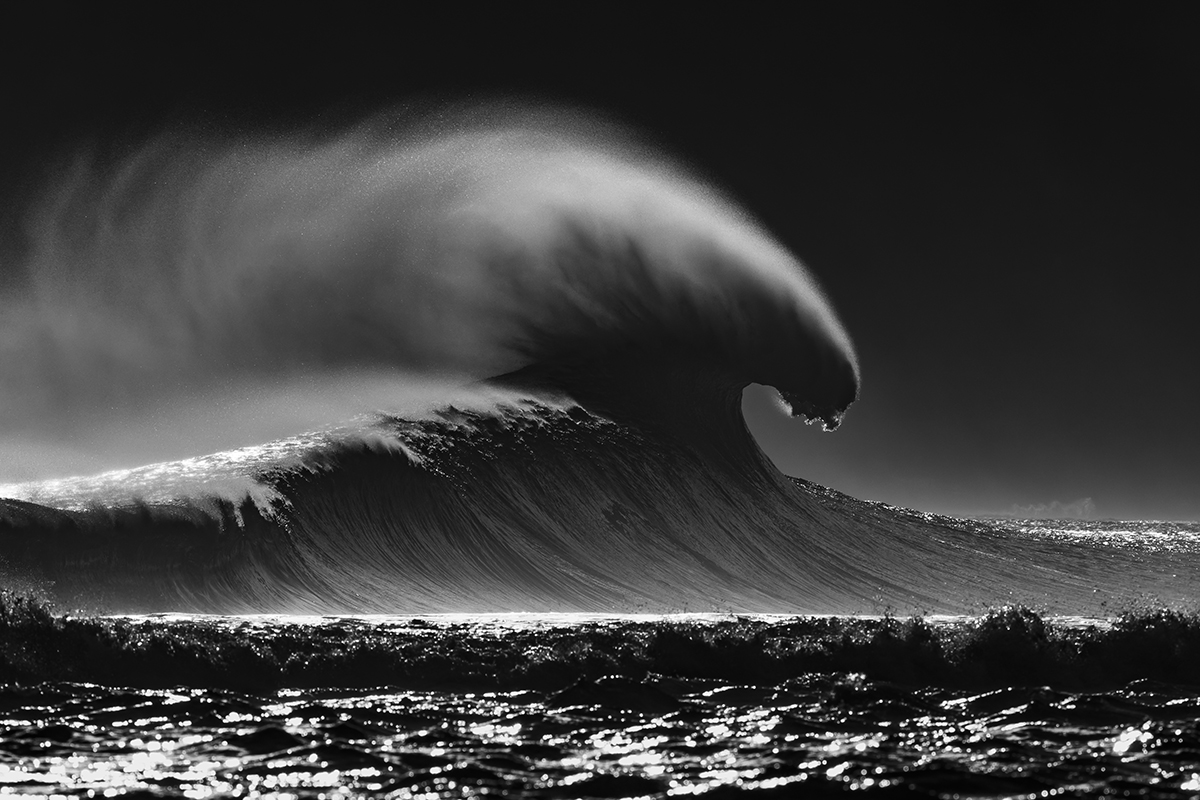
Photo by Ben Thouard
“We think this will be an expanding universe,” adds Danis. That’s partly driven by investor demand, and partly by increased policy action. A good example is the recent UN High Seas Treaty, which aims to place 30 per cent of the seas into protected areas by 2030. This will support increased finance flows into sectors of the sustainable blue economy impacted by the 30 x 30 agreement. “As the market becomes more mature,” says Danis, “we will see more need for financing to support the transition of business models to what I would call a blue or green model.”
Danis is spearheading that transition by making connections to blue economy pioneers. One such opportunity was the DB x ORRAA Ocean Conference hosted in 2022 in Mallorca. In the first conference of its kind, Deutsche Bank invited a range of companies and their founders, including some of those featured below, to demystify the sustainable blue economy and show how private capital can help achieve positive ocean impact at scale.
Entrepreneurs on creating businesses for the good of the oceans
A new generation of individuals are setting up companies worldwide to radically overhaul how we interact with our oceans, and help save our planet while building a sustainable economy

Cristina Aleixendri Muñoz
Replacing ship engines with sails
Cristina Aleixendri Muñoz
Co-founder, bound4blue, Barcelona
Cristina Aleixendri Muñoz always wanted to be a doctor. “I thought the only way to do good in theworld was to save lives,” she says. But a chance conversation with a teacher who suggested engineering changed her path.
Muñoz became an aeronautical engineer, working on planes and space shuttles before pivoting to the maritime industry. That aerodynamic expertise helped when she launched bound4blue with her co-founders. The challenge was to overcome the shipping industry’s fuel-consumption problem – shipping alone accounts for 2.5 per cent of the world’s carbon emissions.
“I think engineering can help solve today’s hardest problems, make sustainability profitable and be something that can be developed and implemented,” says Muñoz. The company has developed a wind-propelled eSAIL that can reduce emissions by up to 40 per cent, and which it has tested on three ships. “The intention is for around 80 per cent of the global fleet to benefit from this type of solution,” she says.
Marine-friendly robotics
Liane Thompson
Co-founder, Aquaai, California and Norway

Liane Thompson
As a journalist for The New York Times, Liane Thompson used to travel the world. Once, while she was in South Africa, she reported on an entrepreneur called Simeon Pieterkosky. Little did she know then that she would reconnect with Pieterkosky around a decade later in 2014 to develop Aquaai.
The husband-and-wife’s marine-robotics company builds affordable Autonomous Underwater Vehicles (AUVs), which it calls Nammu. These are shaped like fish and are used to gather environmental data deep underwater, without intruding on the marine life living there. The AUVs are 3D printed and come installed with off-the-shelf cameras and sensors – deliberately so, says Thompson, so that people can build their own in communities that need them most.
And that need is ever increasing, says Thompson, “given superstorms, floods, the proteins and food sources coming out of underwater farming, and the need to protect marine habitats and corals.”
Biodiversity-friendly coastal concrete
Ido Sella
Co-founder, ECOncrete, Tel Aviv

Ido Sella
Marine biologist Dr Ido Sella has been fixated on the impact of coastal construction on the marine environment for more than 20 years. His bugbear? Concrete, as it doesn’t support the same biodiversity as other substrates. In an ideal world, natural reef would mark out ports and create promontories – but that won’t happen. So Sella worked to develop a material that would be better than the concrete used in 70 per cent of coastal infrastructure.
And so, in 2012, ECOncrete was born. A decade ago, the company started experimenting in the Mediterranean and the Red Sea. The findings were shocking: the mix itself was an issue, as was the surface and the structural strength. ECOncrete solves all three problems: its Admix can be added to regular concrete to provide a better chemical balance for marine life, its texture agents help marine life cling to the structures and their moulds help create ecological niches and strengthen the structures.
ECOncrete is now used in breakwaters and ports globally. “There is a real drive from the industry to look for these solutions,” says Sella.

Photo by Ben Thouard
Large-scale coral regrowth
Sam Teicher
Co-founder, Coral Vita, Freeport

Sam Teicher
At the age of 13, Sam Teicher gained a scuba- diving certification. “I’ve loved the ocean and nature my whole life,” he says. “As a kid from Washington D.C., I grew up imagining I was going to become a coral farmer.” Teicher studied the environment and climate change in college, then grad school. It was through working at a friend’s NGO between courses that he was first introduced to coral restoration – and it became his life’s work.
Coral Vita, the company Teicher co-founded in 2019, grows coral 50 times faster than it would grow in nature – so it can be replenished as modern life diminishes our reserves of the natural resource. Started with a $1,000 grant from Yale, where Teicher and his co-founder met, Coral Vita is now behind the world’s first commercial land-based coral-reef farm, in Freeport, Grand Bahama, where the coral grown is being used to replenish the reef. In 2021, the company won Prince William’s inaugural Revive Our Oceans Earthshot Prize. “We hope to kick-start the whole restoration economy,” says Teicher.
Biodegradable packaging and materials
Jack Sieff
Corporate Development Manager, Polymateria, London
Jack Sieff
Plastic waste is a major problem for the world’s oceans, strangling marine life and jeopardising biodiversity systems. There is now an estimated 30 million tonnes of plastic waste in the world’s sea and oceans.
Founded in 2015 by Jack Sieff’s father Jonathan, Polymateria has developed biodegradable alternatives to plastic. In 2020, Polymateria reached a major milestone, achieving certified biodegradation of the most commonly littered forms of plastic packaging in real-world conditions, all without creating the harmful microplastics the world is seeking to avoid. “Since the launch of that standard, we’ve seen a domino effect,” Sieff says, as many countries are adopting similar standards.
Polymateria’s biodegradable materials are now utilised in items such as masks and wipes, along with other uses. The company raised £15 million in its Series-A funding before the pandemic hit, and is about to close out a Series-B round, bringing in a further £20 million.
Autonomous sailing fleet that creates power
Ben Medland
Founder, DRIFT Energy, London

Ben Medland
Engineer Ben Medland didn’t know how to answer when his eight-year-old son asked him, “Daddy, why is the climate broken? And how can we fix it?” Medland’s son had been reading about a recent COP conference, and had noticed that the nearby wind farm just wasn’t moving. What could be done? Medland vowed to try to change things by turning the 70 per cent of the planet that traditional renewables don’t reach – the world’s oceans – into an energy source. He admits that it is a “crazy” idea, but it is one that works.
DRIFT, founded in 2021, creates sailboats, augmented with turbines, which will go through the water, guided by AI to inform them of the most beneficial route to pick up power. The tides themselves generate energy into the turbine, which is stored onboard as green hydrogen using a process called electrolysis.
Better yet, that onboard green energy can then be used wherever the sailboats end up docking – bringing green energy to the parts of the world that need it the most.
This article was first published in the Deustche Bank Supplement in the Spring/Summer 2023 issue of LUX

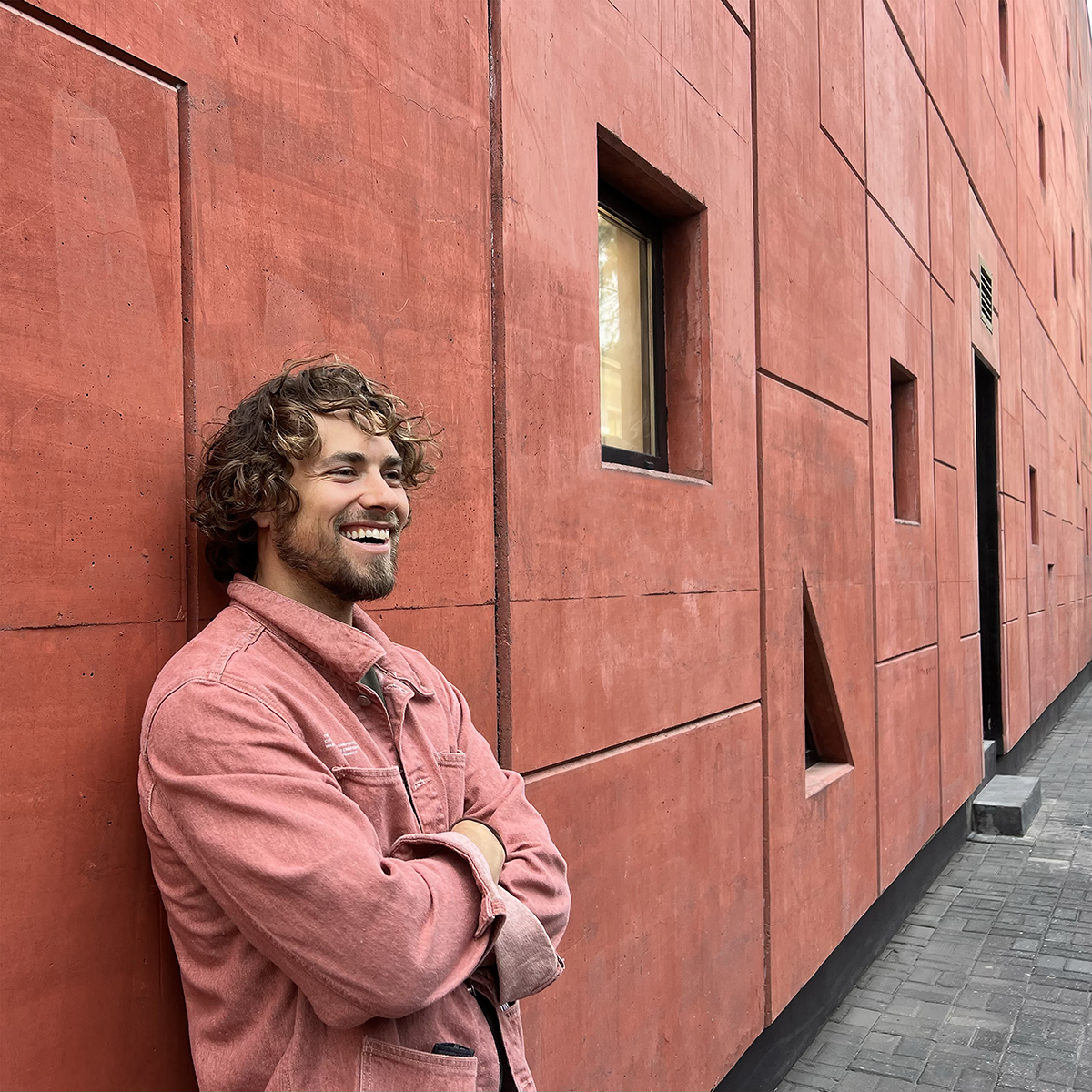
Nachson Mimran, co-founder and Creative Executive Officer of to.org, and Creative Director and Chairman of the Board of The Alpina Gstaad
Impact entrepreneur, tech investor, art collector and philanthropist: Nachson Mimran wants to change the way we invest. Here he shares with LUX what is exciting him now
To.org, a platform that Nachson Mimran co-founded in 2015 with his brother Arieh, might be the most influential collective you’ve never heard of. Using the collective descriptor Creative Activists, this motley crew of VC investors, philanthropists, activists, futurists, kids and creatives have orchestrated provocations with social and cultural purpose and to drive change.
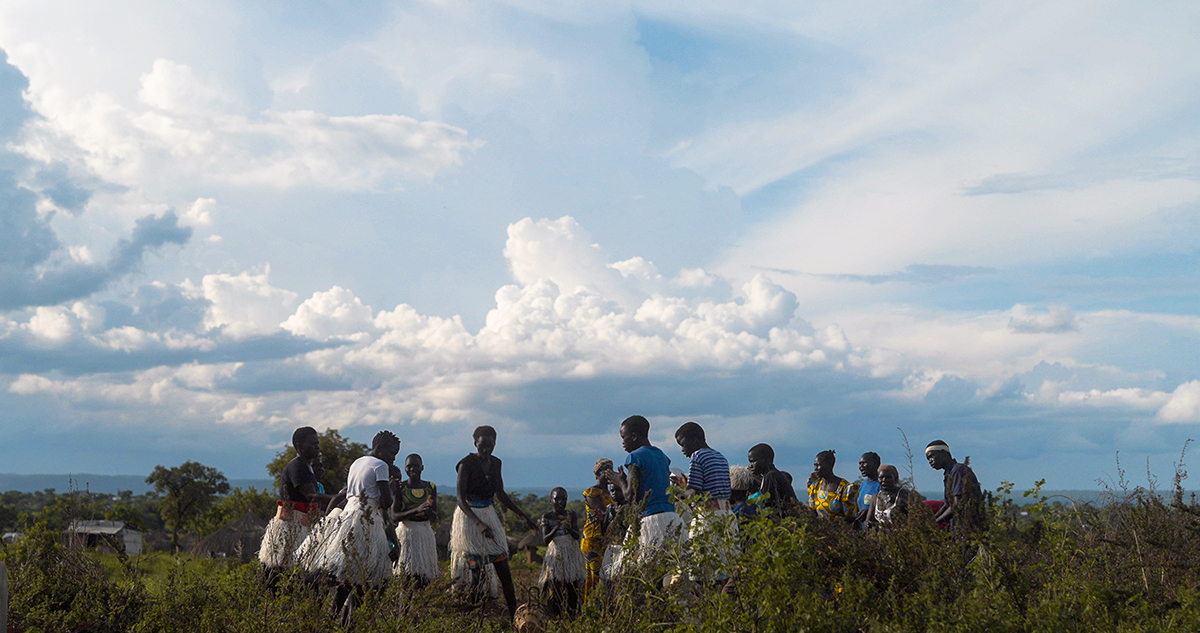
Members of the community who will benefit from to.org’s Music and Arts Centre at the Bidi Bidi refugee settlement, northern Uganda. Photo by Estevan Padilla, courtesy of to.org
These include 2022’s The Throne, a waste- plastic 3D-printed port-a-potty, installed next to a demountable Jean Prouvé house in the gardens of The Alpina Gstaad, which provokes visitors to consider waste plastic as a resource to solve global issues such as the lack of sanitation infrastructure. Then there’s 2019’s Naughty Barbie, whose creation provoked Mattel to confront its use of virgin plastics and its role in the global scourge of ocean-destined plastics. Alongside his work with to.org, Mimran is Creative Director and Chairman of the Board at The Alpina Gstaad, and Provocateur in Chief of several organisations, including Extreme E.
Every
Courtesy of EVERY CO.
For me, a brand is changemaking if its product overlaps with the UN’s SDGs and delivers something people need. Every creates animal-free proteins, such as Every Egg White , which behaves exactly like animal-derived egg white.
Follow LUX on Instagram: luxthemagazine
Chef Patrick Lassaque used it in macaroons at Chantal Guillon, San Francisco. Every also launched , a vegan, zero-sugar beverage with a gentle alcoholic kick.
SPAARKD
Sleeveless hooded sweater by Grounded Absurdity. Proceeds from sales will support creatives in northern Uganda’s Bidi Bidi refugee settlement. Courtesy of SPAARKD
SPAARKD is a new platform from the team behind Pangaia, which aims to democratise the $3T fashion industry and eliminate the harmful materials and production practices of the fashion world. SPAARKD gives anyone the opportunity to create their own products, based on SPAARKD’s designs and Pangaia’s eco-materials library, without the typical barriers such as minimum orders and complicated logistics. Using SPAARKD, we launched Grounded Absurdity. Proceeds from sales of our first drop supports creatives in a refugee settlement.
Mamou-Mani
Courtesy of Mamou-Mani Ltd
Arthur Mamou-Mani is an eco-parametric architect who uses materials such as fermented sugar and wood as sustainable materials in digitally designed architecture and 3D print furniture.
Read more: Jean-Baptiste Jouffray on the future of the world’s oceans
I have huge admiration for his designs, his commitment to sustainability and innovation, and his belief in making cutting-edge fabrication available to us all, as seen at FabPub, the digital fabrication lab he founded in London’s Hackney.
Care.e.on

My friend Madison Headrick launched this on-the-go luxury skincare range. It’s a game changer for people who travel a lot, and for those of us who pack light for the gym. Care.e.on is cruelty free, removes the hassle of decanting products and packaging is sustainable. The En Route Essentials 5pc Kit is my go-to for long flights.
This article was first published in the Spring/Summer 2023 issue of LUX
Photo by Tim Marshall
Ahead of World Ocean Day, LUX speaks to Jean-Baptiste Jouffray, researcher at the Stockholm Resilience Centre, about his work on the Anthropocene, the blue acceleration, and why saving our oceans must be a collaborative effort

Jean-Baptiste Jouffray
LUX: The use of the word Anthropocene has only become widespread in the scientific community fairly recently, but it’s now a key focus of your work. Why is this terminology important?
Jean Baptiste Jouffray: The Anthropocene is often described as this new period or epoch or era where humans have become a dominant force of planetary change, with profound impact on, not just the climate system, but also all sorts of ecosystems and the functioning of the earth’s system. It’s essential to my work as an analytical framework. It’s more than just entering a discussion about whether it’s a geological epoch, which means agreeing when it starts exactly. Does it start after WW2 when we start using radioactivity? Does it start exactly 2000 years ago? Does it start 10,000 years ago when we started to have agriculture and other things? I think it is more important to use it as an analytical framework, rather than focusing on those types of questions. It’s often characterised by unprecedented speed, scale and connectivity across sectors, across people, across regions, across socioeconomic contexts. What do these things mean? How do we make sure we move forward in a more sustainable and equitable way? I think that’s the power of the Anthropocene, in my work at least. Others focus more on the geological aspect of it and the question of whether it is the next geological era after the Holocene or not.
LUX: You say that in your work you use inter- and transdisciplinary approaches, which is a method which is becoming more prevalent across STEM fields. Would you say that this is particularly important when researching sustainability?
JJ: Absolutely. That’s because I think sustainability is a different kind of science. It has been described as a science for which the real test of success will be implementing its knowledge to solve the big societal challenges. So, in that sense, I think sustainability science is about translating knowledge into action. It’s not just about creating knowledge for the sake of it, but really creating knowledge, and ideally co-creating knowledge amongst multiple stakeholders to solve the problems we’re facing. Sustainable science is often said to be problem-driven and solution-oriented, and in that sense you need more than just one discipline. You have to synthesise knowledge across academic disciplines.
Beyond academia, you also need to engage with different societal actors, be it governments, NGOs or the private sector, for instance. It’s true that the coproduction of knowledge should also lead to co-operation in the designing of solutions and their implementation. If it’s just a top down thing, scientists in their ivory tower and the rest of the world, it’s not going to work.

Photo by Ivan bandura
LUX: You have been involved with SeaBOS, the organisation involved in creating a dialogue between corporations and experts in sustainability. Obviously businesses are becoming more engaged with science, but how are they really doing this and do you think we have a long way to go?
JJ: Yes we do. But it’s good that we have started somewhere. I think SeaBOS is an example of what I just described, it’s scientists coming together with businesses and trying to co-produce knowledge, agreeing on what the challenges are and discussing what the possible solutions could be. It’s really that kind of science-business dialogue that has been a really fascinating experience. I think this is because, ultimately, it is a dance between those two entities; you have to compromise somewhere. For example, scientists usually like to see more results or ambitious time goals, and then the business side also have to deal with the reality of their own operations and what is feasible. You have to adapt to the other side, and this is a really exciting prospect.
We need collective and collaborative action across the whole supply chain. It’s not just miscellaneous companies and scientists: we need the financiers involved, we need governments to set up the right regulatory landscapes to incentivise better practices, and consumers need to be aware of it as well. So it is really that collective and collaborative approach that can accelerate sustainability.
Follow LUX on Instagram: luxthemagazine
LUX: Is it realistic to expect consumers to understand the science and the environmental impacts behind their purchases? Do they need to?
JJ: They need to understand it in order to add another dimension of pressure in what I just described in terms of collaborative and collective action. I think consumers have a role to play, but whether they should have the sole responsibility, I don’t think so. In an ideal world, as a consumer you would enter a grocery store and only have sustainable products to choose from, you wouldn’t have to choose between a sustainable version and an unsustainable version, often with a price premium for the sustainable one, which brings more difficulties.
I think for this question it is a yes and no. Yes, they do have a role to play, and we’ve seen it in boycott or buycott campaigns which have had a really strong influence on industry. One of the most widespread mechanisms used by companies is certification or labelling of products, and we do see that it has an impact, but also limits. If you do a survey and show maybe half a dozen labels to a random, average consumer or customer in the grocery store, they will recognise some that do not exist. This was actually done in the context of seafood when consumers were presented with labels; they were recognising some of the legit ones as well as some that were totally made up.
Photo by Ivan Bandura
LUX: How do you see the relationship between science and governmental policy and what role do you think researchers should play in shaping policy and decisions?
JJ: Speaking from my own field of sustainability science I think scientists have a really big role to play. This goes back to this example of staying in your ivory tower and publishing papers and then moving onto the next one, without really caring what happens next. I think that model of operating – again, for sustainability science, I want to make that distinction because I think there are a lot of applied or fundamental sciences that are different and that we need for the sake of them. But in the context of sustainability, it has to operate with the ambition to translate that knowledge into action, and that means communicating it to different stakeholders, like the private sector, but certainly to governments so that policy decisions are evidence based. That’s really what the IPCC is about in the context of climate change.
On the other hand, however, this doesn’t mean we always need to wait for science to act. I think there is a double-edged sword to big organisations like the IPCC, and that’s why several of the scientists who have been engaged for years in the IPCC and various reports, have publicly said this will be their last report. They will not contribute anymore because it gives the impression that we need to wait for the next report to have more information to act upon, when in fact we have all of the information we need to know in terms of the urgency of the situation and to know the solution to it, and therefore we need to act.
LUX: Can you explain what is meant by ‘blue acceleration’ and what this means for our oceans going forwards?
JJ: The term blue acceleration is something we coined very much in the spirit of the Great Acceleration idea and concept by Will Steffen, who recently passed away and was a giant of science. He used the term of the Great Acceleration to describe an exponential growth. The growth usually starts in the Industrial Revolution, but it really takes off in the mid-50s after WW2. You see across economic and socio environmental variables with population, GDP, deforestation, CO2 emissions across the board, you see that really rapid, exponential growth. Of course, it has its consequences, and it’s often one of the most iconic illustrations of the Anthropocene.
If we go back to the notion of the Anthropocene, how do you visualise, how do you embody the Anthropocene? It could be with those graphs of the Great Acceleration and our work focused on how that relates to the ocean specifically. If we take that lens and look at what happens in the ocean, it looks very similar. So that’s the interesting parallel, that’s why we called it the blue acceleration, because you see a rapid increase across a wide range of sectors. There are multiple increasing uses of the ocean for food, for energy, for materials, and for space as well.
If you look at marine aquaculture or agriculture for instance, it’s one of the fastest food production sectors in the world. If you look at shipping, the volume of goods transported by containers has quadrupled over the past 20 years and more than 1,000,000km of submarine cables have been laid on the sea bed. Undersea cables account for 99% of all international telecommunications that are happening in the world; it’s cheaper, more reliable, faster and safer than satellites.
Offshore wind is another example, one of the most promising marine renewable energies and the only one so far to have been scaled up commercially. It has increased 500 fold in the past 20 years. What the blue acceleration is, in essence, is a new phase of humanity’s relationship with the ocean that is characterised by this rapid increase at the onset of the 21st century, so very recently.
Photo by Danny Copeland
LUX: Can you tell us about the Ocean 100 project?
JJ: The Ocean 100 really speaks to the blue acceleration. If you acknowledge that acceleration and that growth across all sectors, you see that there is a scramble for the sea. Then the question is, who is racing? Or, if you look at it another way, who is left behind?
The Ocean 100 is looking at the big companies, particularly in the private sector, who are involved in ocean based industries. What you see is that a handful of companies often control a really large market share of the sector. For instance, the top ten oil and gas companies in terms of offshore production are responsible for more than half of total offshore production. If you look at the 10 largest companies in cruise tourism, they are 93% of the global market share, so really highly concentrated in terms of revenues. We look at those companies within sectors, and we look at it across sectors just by revenues, to see who are the largest of the largest across ocean industries. That’s the Ocean 100. The 100 largest companies by revenues.
What’s striking is that 47 out of the 100 are oil and gas companies, and 9 of the top 10. It’s a reality check because there is a mismatch between the aspiration of a blue economy, a sustainable and equitable ocean economy, and the reality of today’s extraction where oil and gas is by far the largest industry in the ocean today. The project identified who they were and in a subsequent effort, tried to engage in dialogue. So similar to what SeaBOS has managed to do within the seafood industry, they engaged in dialogue with some of those industries to see what they could do together across industries that they couldn’t do alone within their own sector.
Read more: Markus Müller on the links between the ocean and the economy
LUX: You recently completed your PhD. What is next for you?
JJ: I’ll keep doing it, I’ll keep going at it! I’m just starting a position at the Stanford Center for Ocean Solution, whose mission is to translate knowledge into impact across a series of initiatives. I’m very keen to keep looking at the ocean economy and trying to look at how we make sure it becomes a blue economy. It’s often used synonymously; people think of the blue economy as the ocean economy. I like to make a distinction. The blue economy right now is very aspirational, it would be a sustainable and equitable version of the ocean economy. But the reality that we’re dealing with today is very much a dark blue ocean economy.
I will be looking at the ocean economy, trying to make sense of it, increasing transparency, but not just for the sake of transparency. Transparency on its own is not enough. What you need is accountability as well. Trying to identify the levels of accountability in ocean economic sectors and leverage points to change. Who can set the right incentives? I believe the financial sector has really strong power to create incentives for industry, as do governments. You need a regulatory landscape. It’s not going to happen out of altruism as much as we could wish for this, it’s not how we operate. You need the regulation to be in place to incentivise better practices, and we’re going back to collective action. I think diving into that is something that I’m really keen on.
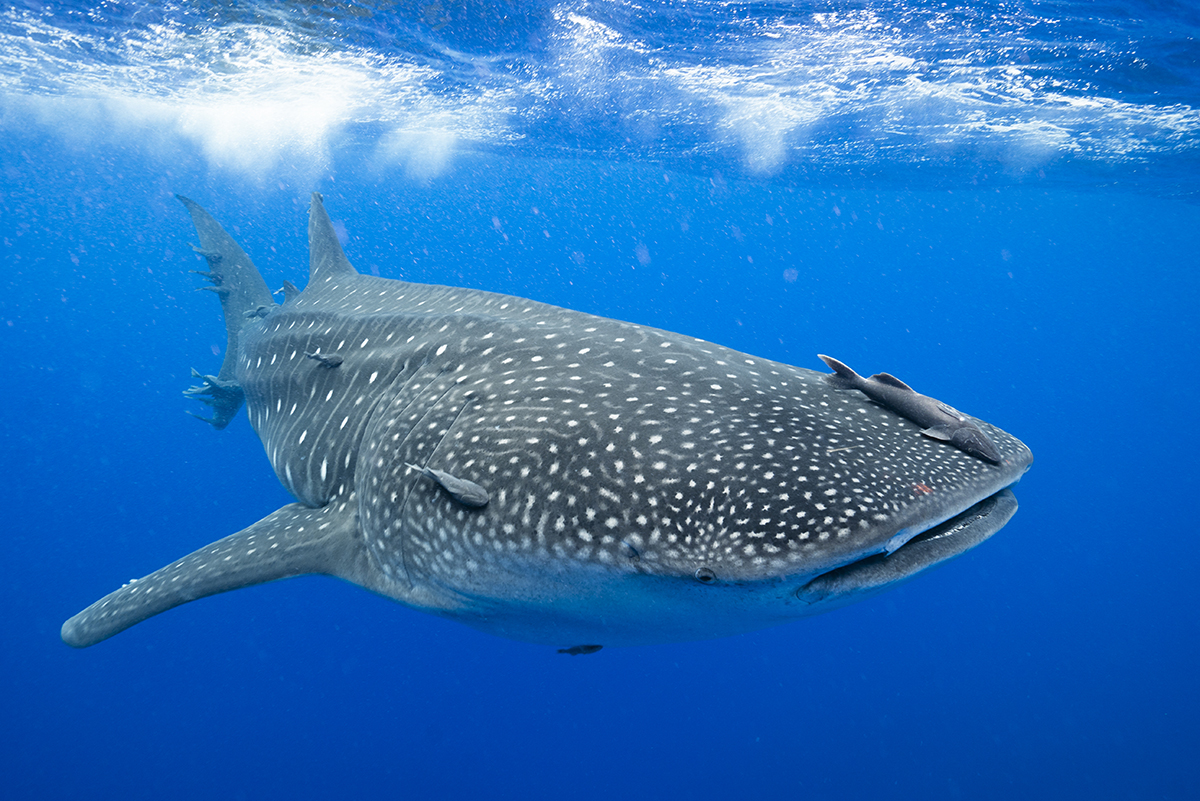
Photo by Danny Copeland
LUX: In 10 years’ time what changes do you hope to see in the world as a result of your research and the initiatives that you’ve worked on?
JJ: In 10 years’ time we’re past 2030, so we’ve either delivered or not on the Sustainable Development Agenda. So far it doesn’t look that good to be entirely honest, I don’t know if we are on track for delivering.
But I hope we will have got to a point where governments have been bold enough to set in motion the policies that will enable change. We can’t just stick to business as usual with a few incremental changes here and there, or a couple of long term targets that make everyone feel good.
More specifically, when it comes to the financial sector, I really like to think of financiers as either enablers or gatekeepers in terms of their potential influence. I would like to see them enable capital to flow towards sustainable activities. What’s striking in the ocean domain is that SDG 14 is the least financed goal of all of them. The SDG 14, life below water, the ocean SDG, is the least financed over the past ten years. Only 1% of the total value of the ocean economy has been invested into sustainable activity. In 10 years’ time I would hope they do more to fill that gap and enable more sustainable investment.
At the same time, regardless of that ocean finance gap, you have that blue acceleration that is exponentially increasing. This means that capital is going to those sectors, one way or another. That’s where I think of financiers as gatekeepers. Ideally financiers would take the sustainability criteria into consideration in their financial decision. It’s not the norm, but I hope it will be in 10 years’ time. Loans by default should be sustainability linked instead of the other way around, because suddenly that means companies have an incentive, a very tangible incentive to perform from a sustainability perspective.
Find out more: stockholmresilience.org/jouffray

Image by Ben Thouard
With Ocean Week upon us, LUX speaks to Karen Sack, a leading voice in the ocean economy, about how only action and investment from the Global North can allay the effects of global warming on the world economy – and its most valued nations

Karen Sack
LUX: What is the fault line between the Global North and the Global South?
Karen Sack: If we look at the world from an ocean perspective, the most biodiverse areas today are in the developing world. They are around the coasts of developing country waters, and, in particular, the waters of Small Island Developing States (SIDS). These are also the countries that have created the most Marine Protected Areas (MPAs). So there is a stress between these countries and those that support other activities, such as subsidising vessels that exploit distant waters, going to faraway places and fishing in destructive ways.
LUX: What about the societal effects of climate change?
KS: This is a growing concern for developed countries, as they see the impact of climate change through the migration of people who are leaving these vulnerable coastal developing states and SIDS. These people are at risk because their livelihoods are compromised – there are no more fish to catch. They move to cities, but the cities don’t have the infrastructure to support them. This leads to international migrations, as we see with Central America up to North America, Africa into Europe, and in Asia, too. Suddenly, these issues are beginning to have international implications. It will be far more cost-effective for developed countries to invest in coastal and ocean resilience in developing countries and SIDS, than to leave it and have to deal with the consequences of the climate crisis.
LUX: How can this investment be driven?
KS: The issue of broader investment is where we at Ocean Risk and Resilience Action Alliance (ORRAA) are focused. There is a huge challenge in driving investment towards a sustainable blue economy into these countries of the Global South. Transactions are often too small for private-sector companies, and there’s risk because of the credit status of the countries or because of climate events. So we’re not seeing the investment that’s needed to help fundamentally shift the way developing countries are able to work. For example, many SIDS in the Pacific have to sell their fishing resources to foreign fleets so they can earn foreign-exchange dollars to pay for diesel fuel, so they can power their economies.
Follow LUX on Instagram: luxthemagazine
There’s this constant vicious cycle, and there are huge emissions, both transport emissions and direct emissions from burning fuel. If we shift all those islands to renewable energy, we break existing dependencies, and it doesn’t cost that much money. One Pacific island estimated it will cost $180 million to shift completely to renewables. They cannot find the money because they don’t have the credit rating and they don’t have the in-house resources. You have to break all those cycles to work forward quickly, and I hope that’s what we can do through ORRAA. As a multi-stakeholder alliance, with multilateral banks, private banks and insurers on board with us, as well as civil society, academics and countries themselves, we can get people around the table to solve problems. We can help develop de-risking mechanisms, such as insurance or public-sector guarantees, to incentivise private-sector banks to invest into countries, which could help reduce or eliminate their dependence on fossil fuels.
LUX: Do we in the media have a role to play?
KS: Of course. We all work in silos, where we don’t join the dots between our functions. So we need to join the dots and think about how important it is to shift to renewables from fossil fuels, how that helps to build resilience, and how that incentivises investment and credit ratings, building biodiversity-positive outcomes and climate resilience for 250 million climate- vulnerable people. We must change our mindsets.
LUX: Is government regulation required?
KS: Government action is essential, but for the private sector to wait for that is not in its long- term self-interest. We need to see action now. For example, in the US, the development of a natural-capital accounting methodology is being worked on, so businesses can account for their impacts on natural capital and disclose those impacts, and then investors can think about what that means for investment portfolios. The same is happening in France and China.
LUX: What needs to happen next?
KS: First, we need to get some of the largest banks and asset managers to sit down with the multilateral banks and organisations like the US government’s Development Finance Corporation (DFC), and talk about what is key for them in terms of de-risking their investments. Is it a guarantee, business- interruption insurance or another mechanism? The multilateral banks need to step up and provide those mechanisms, so we can crowd more financing into these sectors. The second thing is building capacity in these countries to enable the establishment of laws and regulations that will create a stable investment environment, so that these types of financing mechanisms can emerge. The third ingredient is for the private sector to recognise that we need to finance the “missing middle” – investments from $2 million to $10 million in small island countries where entrepreneurs are doing all they can to build sustainability, but cannot move from seed funding into product development or into the next stage of evolution of their companies.
LUX: Aren’t the interests of, say, the Maldives different to Brazil’s?
KS: When we speak about Least Developed Countries and SIDS, I think they speak with one voice. They are all looking for these types of opportunities. When we look at countries further up the development chain, such as Brazil, South Africa, Indonesia, there are different incentives. However, entrepreneurs in those countries have the same challenges, and that is something we need to focus on.
Read more: Markus Müller on the links between the ocean and the economy
LUX: What can happen this year?
KS: There’s a major opportunity, given the change in leadership at the World Bank, to focus on the biggest challenges facing the Global South, and there is no question that the two biggest challenges are the climate crisis and the biodiversity crisis, both underlined by the unsustainable debt crisis. The private sector also needs to focus on investing in sustainable blue- economy opportunities – feeding that missing middle. At ORRAA, we’re working with some of our partners to develop a fund to deploy $150 million into investable opportunities in developing countries to build that sustainable blue economy. The third piece is we have to think outside the box to finance the landmark Global Biodiversity Framework agreed at COP15 in Montreal in December 2022. How do we protect 30 per cent of the planet by 2030? What kind of finances can be mobilised to do that, so that countries are not going into debt to build back biodiversity? We have to break the log jam around the climate-finance issue in terms of loss and damage. And we have to do it now.
Karen Sack is Executive Director of Ocean Risk and Resilience Action Alliance (ORRAA). She was speaking to Darius Sanai
This article was first published in the Deustche Bank Supplement in the Spring/Summer 2023 issue of LUX

Fishes, 24 March 2019, Teahupoo, Tahiti, French Polynesia. © Ben Thouard
Markus Müller discusses how the ocean, biodiversity, the global economy and the world of finance are inextricably linked – and proposes what should be done now to make business fit for a nature-compliant future

Markus Müller
Economics is deeply bound to nature. Portfolio managers in finance often think they invented the idea of diversification. I hate to disappoint them, but it was created by nature first. Nature, like economics, invented diversification for risk protection and to provide the breeding ground for development. If everything stayed the same, there would be no development – this is true for nature and true for economics.
According to some estimates, half of global GDP is directly attributable to nature. Some industries, such as construction, agriculture and manufacturing, use nature’s output to create economic output, and are therefore heavily nature-dependent. The biodiversity of nature is also essential to economics, because the wide assortment of living things provides crucial ecosystem services to the economy. These services range from providing fresh air and clean water to producing food. Nature provides everything that humans consume.
Follow LUX on Instagram: luxthemagazine
The ocean plays a big part in biodiversity, as two-thirds of our planet is covered with water and more than 95 per cent of that is ocean. If we allow our ocean ecosystems to be depleted, we create risks for nature, for humanity, for the economy and for social stability. Human life is heavily dependent on ocean ecosystems and, if we let them deteriorate, the services we need to live and thrive will not be there. We would lose the critical services the ocean provides, such as the natural governance of carbon sequestration and temperature regulation. It is all one connected chain.
There are a myriad of links between nature and economics. The ocean is a great example of this, and an example of how we undervalue nature in our economic thinking. For instance, do we really understand the financial impact of having 40 per cent of the global population living near the coast with the threat of rising sea levels? Have we really taken into account how vital water is for our livelihoods and do we have an economic model that accounts for this?
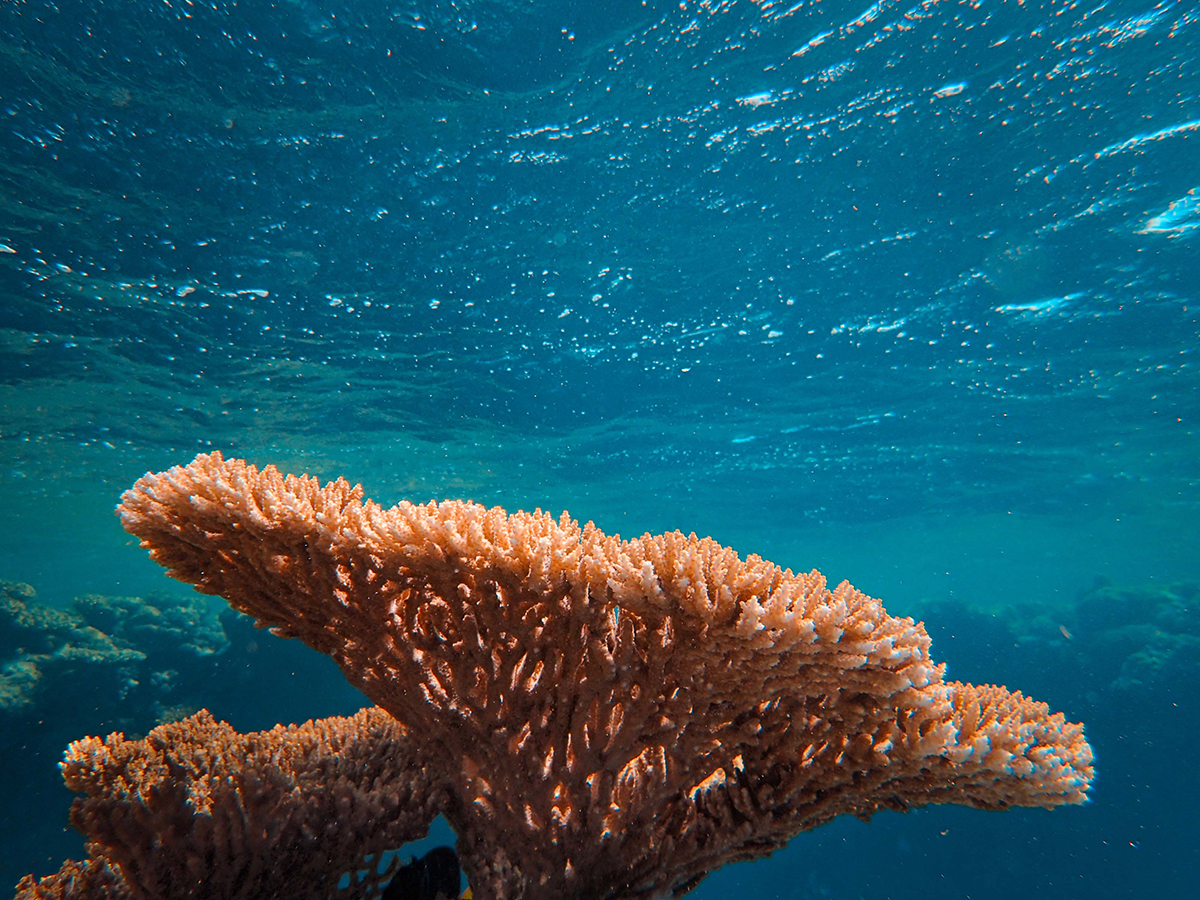
Although our understanding of ocean economics has developed, there is still a long way to go. However, we do know enough to start taking action. Some may ask, why is it important to finance the blue economy? The real question is, how do we use finance to transform our current non-sustainable and non-equitable blue economy into a sustainable and equitable one? First, we have to be clear about the goal: to have a sustainable and equitable blue economy and a nature-compliant economic model. Creating such a model is the equivalent of the economics behind building and operating a railway infrastructure. To build a functioning train network first requires a railway system, which is too expensive for private markets to install and is the kind of cost that only a government can afford – but the trains can be provided and financed by private companies.
We need to enable the ocean to deliver its ecosystem services. Many ocean assets need to be protected in Marine Protected Areas (MPAs) and they are unlikely to generate an investment return. This means assets in MPAs are not suitable for a market system; rather, it becomes a governmental and societal responsibility to protect them and ensure they are not being depleted or overused. Governance is key for this to be successful.
Finance can be a tool that then helps achieve the goal for a sustainable and equitable blue economy. Global financial markets can play a role by providing a premium to companies that operate in the blue economy. In time, these companies that account for the impact that the ocean has on their economic activity can become more profitable and have more stable profit generation than other businesses. Those businesses that do not account for the ocean may find they are at risk: a reputational risk, a physical risk, even a liability risk. Financial markets can also provide indirect support to sustainable companies that understand how their value chains are impacted by the ocean. This is also part of ocean finance.
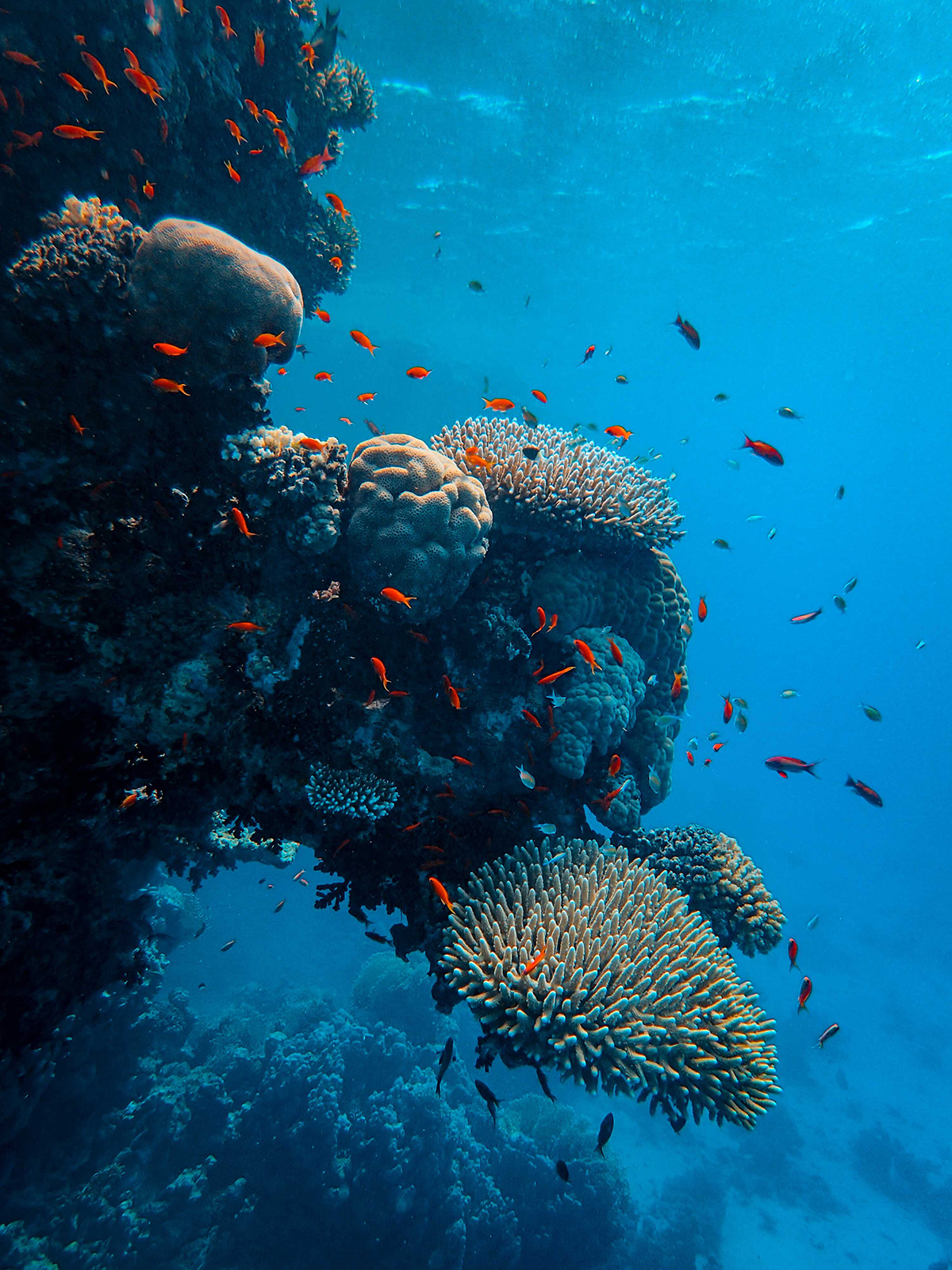
In this new economic model, firms link self-interest to the health of the natural machine. CEOs understand their dependency on the ocean and are therefore aligned for protection. This happens through transparency, disclosure and data flow. Regulation provides a framework, which can be supplemented by the private sector if needed, as regulators can’t do everything. The risk to watch out for is using key performance indicators (KPIs) that are not globally or locally accepted in financial markets. Here again, regulation is an enabler.
Companies that are directly involved in the blue economy should employ local people and redistribute the accrued margin to the local communities, based on the understanding that nature needs time to recover. This would be both sustainable and equitable. Self-interests will drive this and it will happen at the local level, bottom up, before eventually forming global coalitions. An economy, or society, works from an agreement of self-understanding. Thus, if humankind can reach an agreement that fossil fuels are not the way forward, then society will find a way to abandon fossil fuels. However, if there is not such an agreement, then global treaties will not be signed.
Read more: 3Sun Gigafactory’s Eliano Russo On The Clean Energy Transition
Literacy in the systemic value of natural capital is incomplete, especially in financial markets. It follows a similar path to the understanding of climate change from the past 40 years. But it is growing. We must now act on propositions such as those outlined here to build the nature-compliant economy of our future.
Markus Müller is Environmental, Social and Governance (ESG) Chief Investment Officer at Deutsche Bank’s Private Bank
Find out more: deutschewealth.com/esg
This article was first published in the Deustche Bank Supplement in the Spring/Summer 2023 issue of LUX
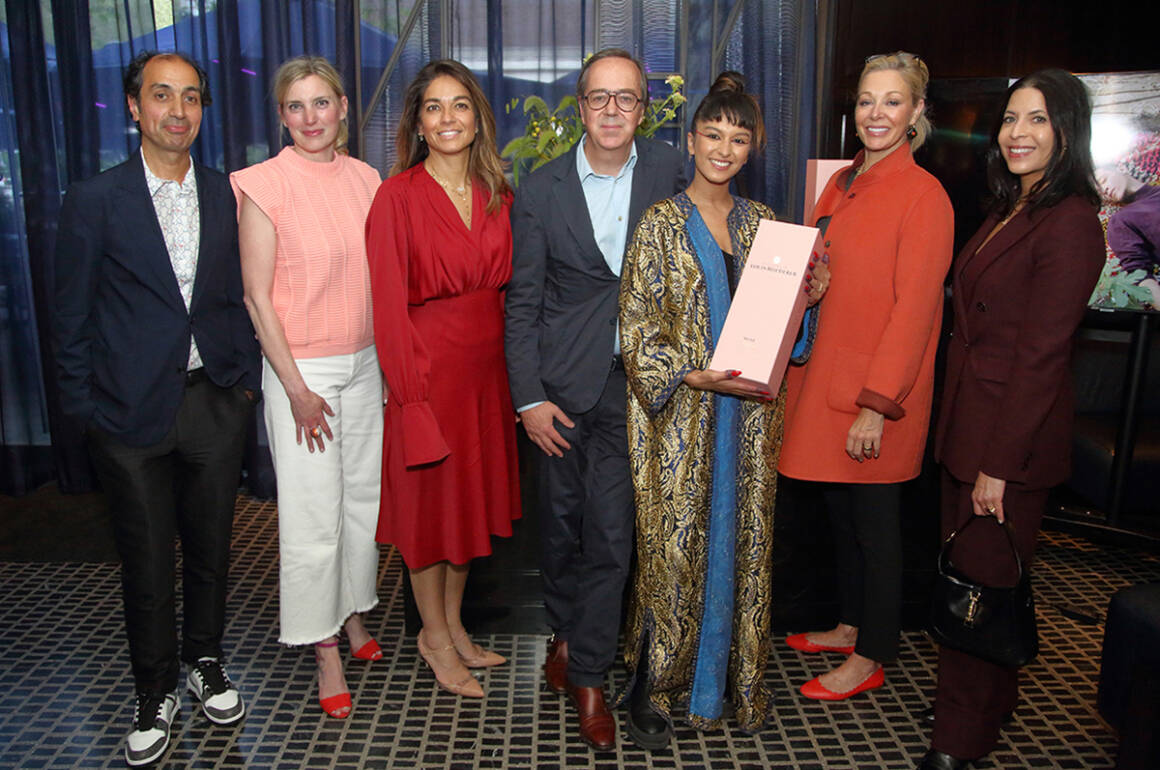
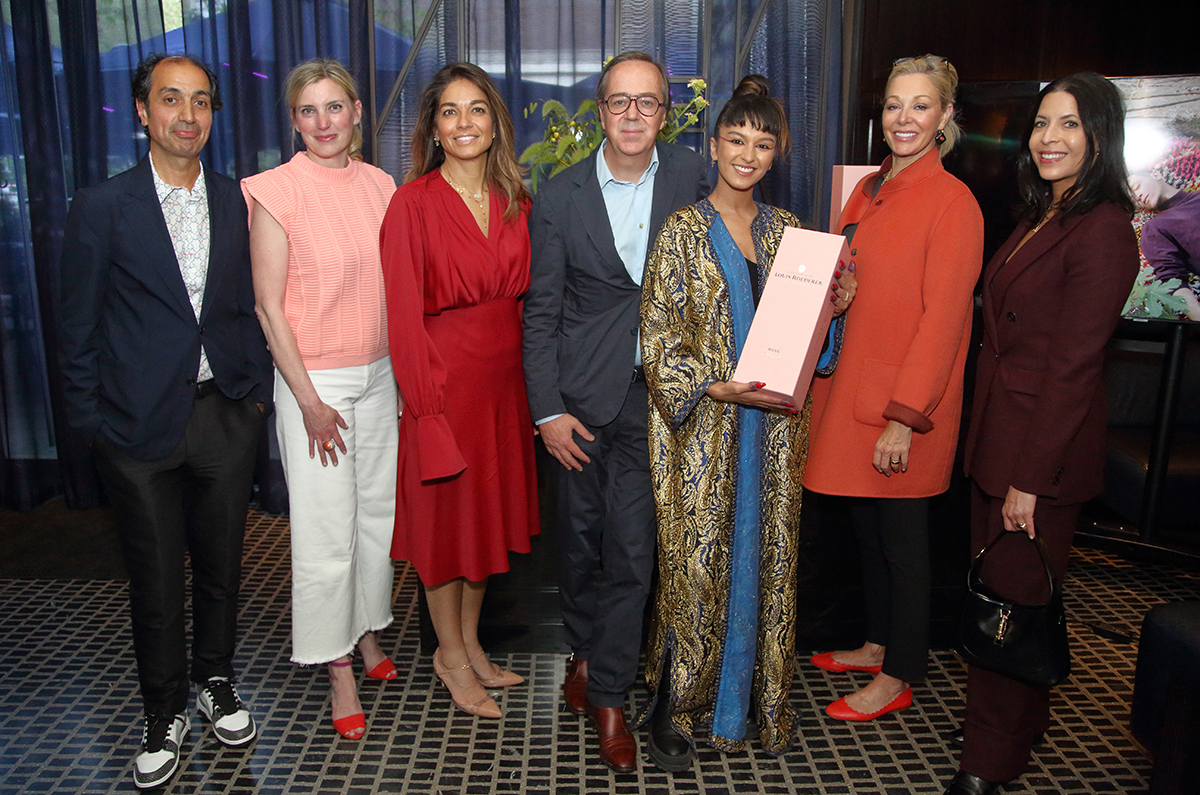
Left to right: Darius Sanai, Audrey bazin, Maria Sukkar, Frédéric Rouzaud, Rita Kamale, Nadja Swarovski and Brandei Estes
A crowd of the leading movers and shakers from the worlds of art and sustainability gathered at the Nobu Hotel in Portman Square to celebrate the Louis Roederer Photography Prize 2023, created by our sister company Quartet Consulting. High-profile guests included Guy Weston, Ina Sarikhani, Brandei Estes, Jessica Hodges, Maria Sukkar and Nadja Swarovski, among many others
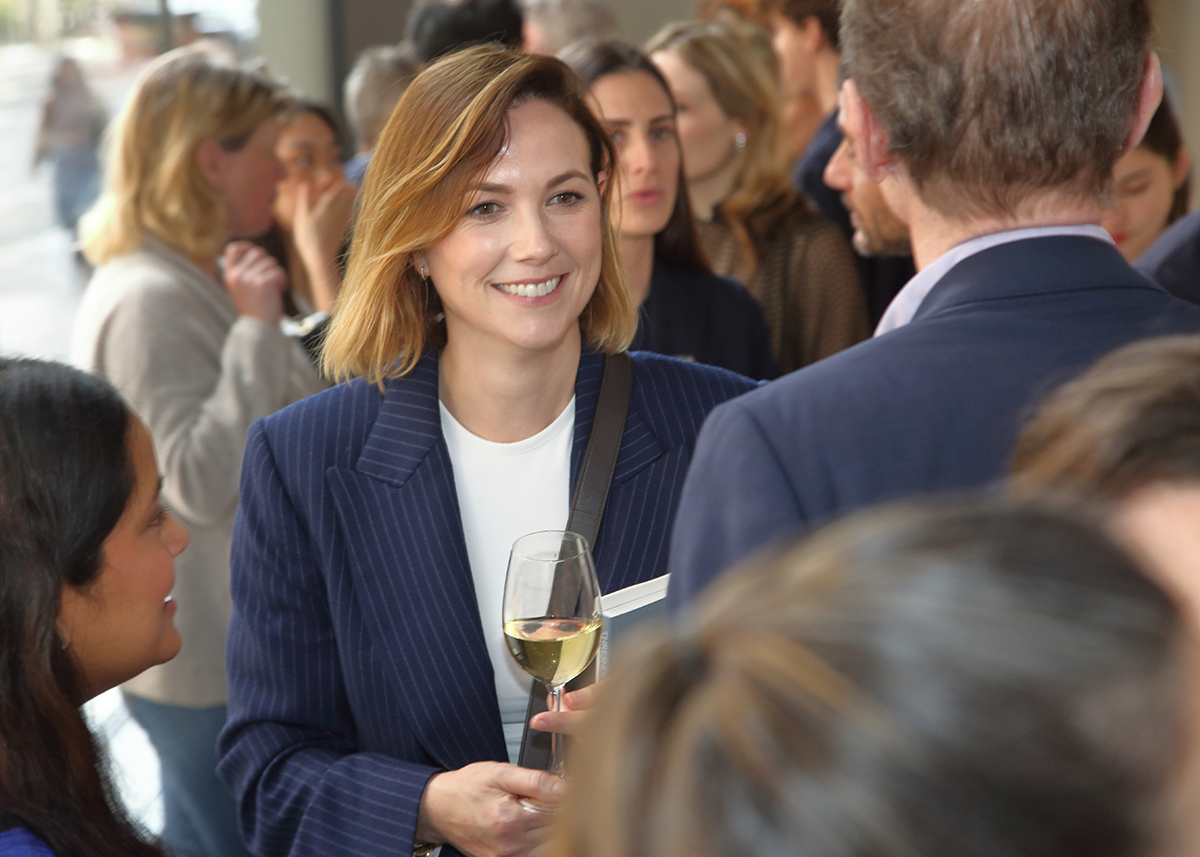
Carrie Scott
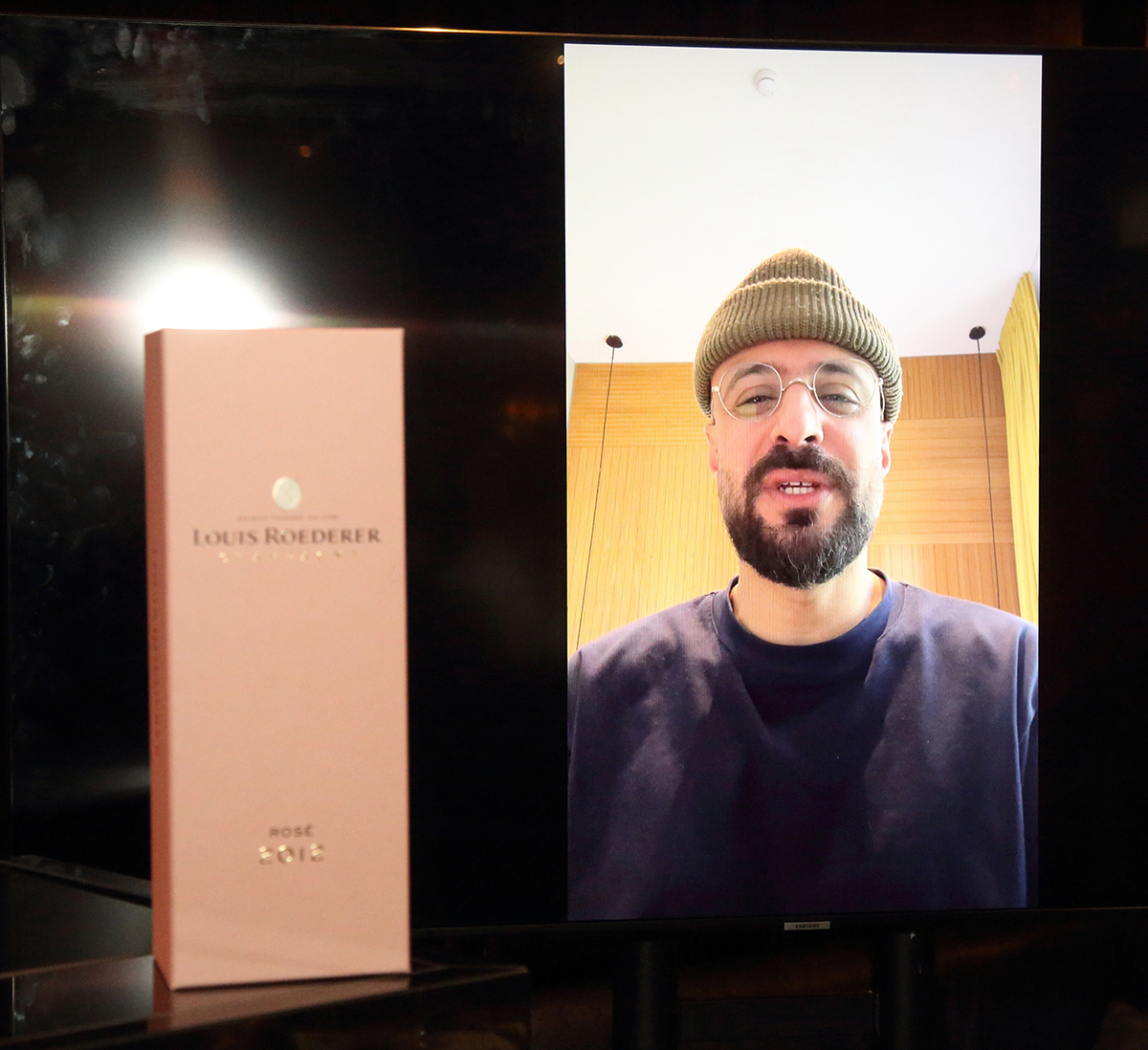
M’hammed Kilito giving his video message to the audience having won the award
Left to right: Maria Sukkar and Ina Sarikhani
The Prize, now in its second instalment, was established by LUX Editor-in-Chief Darius Sanai and Louis Roederer CEO Frédéric Rouzaud under Quartet Consulting, to recognise outstanding contemporary photographers with a focus on sustainability and environmental issues.
Follow LUX on Instagram: luxthemagazine
Thirteen art world luminaries from across the globe were each asked to nominate three photographers to submit their works. An esteemed panel of judges including Maria Sukkar, Maryam Eisler, Brandei Estes, Alan Lo, Audrey Bazin, Nadja Swarovski, Sophie Neuendorf, Azu Nwagbogu and the Chair, Darius Sanai, then selected six entrants to make up the shortlist, which was then narrowed down to three finalists.
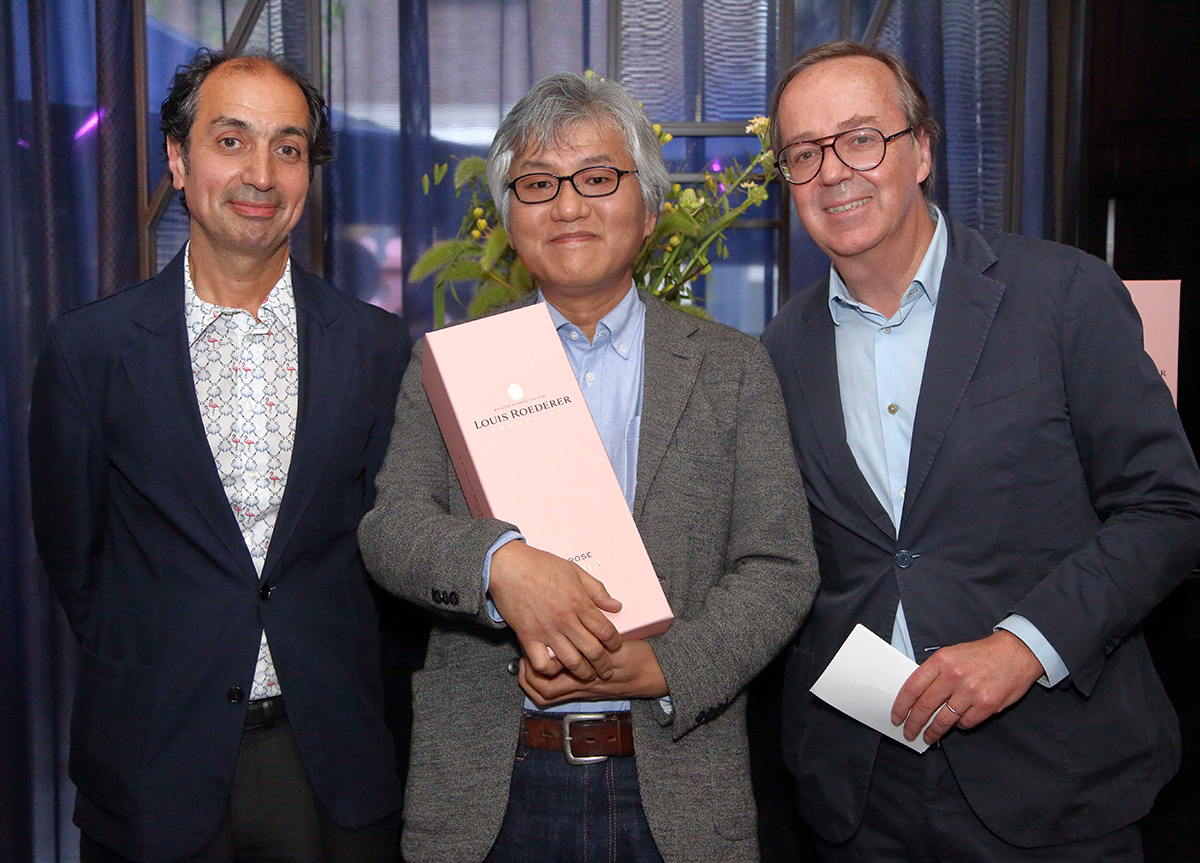
Left to right: Darius Sanai, runner up, Yasuhiro Ogawa and Frédéric Rouzaud
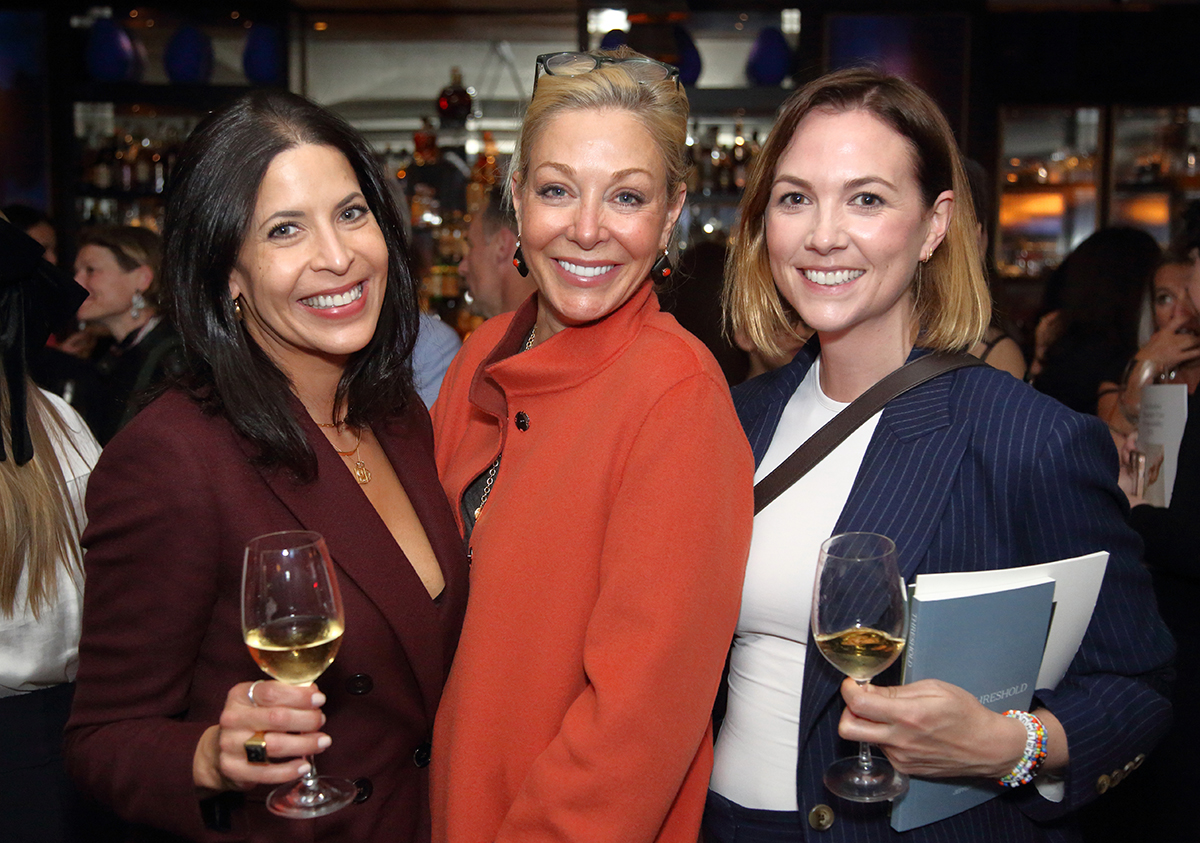
Left to right: Brandei Estes, Nadja Swarovski and Carrie Scott
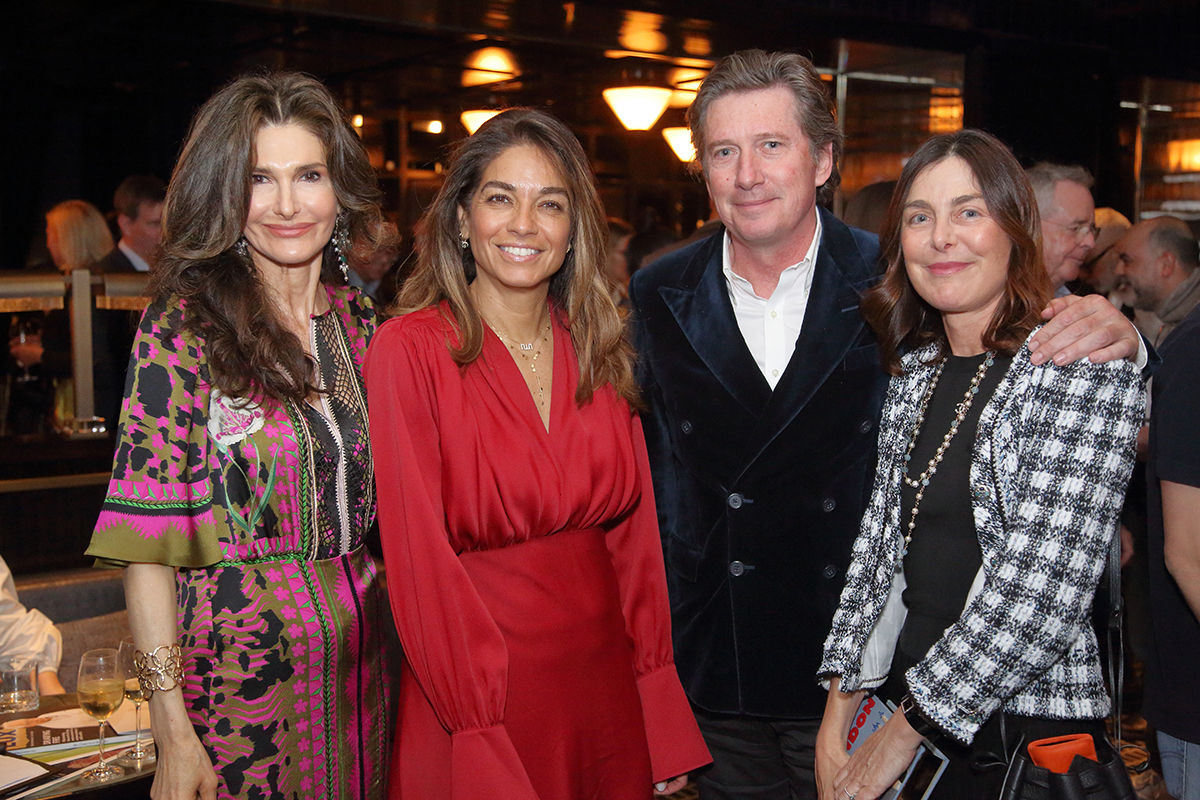
Left to right: Ilaria Ferragamo, Maria Sukkar, Franck Namy and Véronique Namy
This year’s finalists were the exceptional Hengki Koentjoro, M’Hammed Kilito and Yasuhiro Ogawa, each with a unique take on the awe-inspiring landscapes and tender humanity surrounding the issue of sustainability. They all received a magnum of Cristal, made by Louis Roederer from 100% biodynamically farmed grapes, and their work will be displayed at the White Box, Nobu Hotel Portman Square, London, from 11th May until 1st June.
M’Hammed Kilito was announced as the winner by Frédéric Rouzaud in the Nobu Bar to an excited throng of guests for his series ‘Before It’s Gone’, a meditation on the issue of oases degradation currently taking place in Kilito’s home country, Morocco.
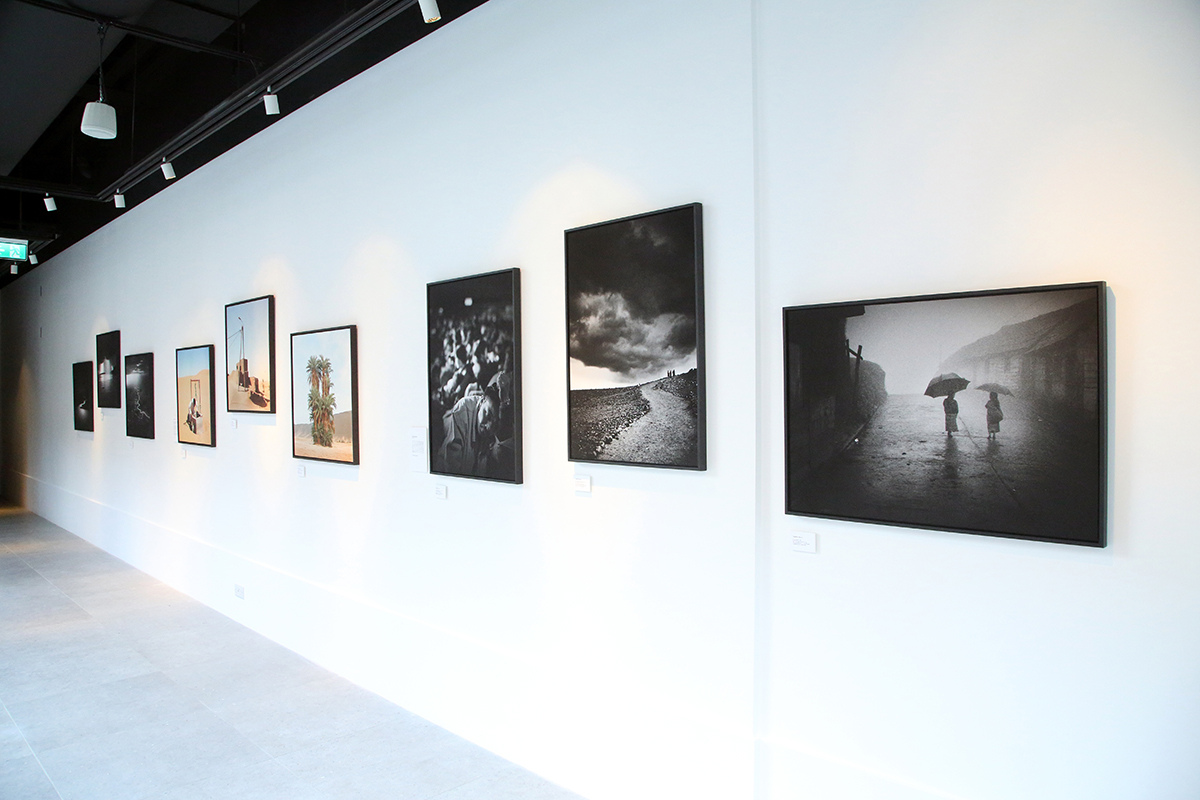
The works of the finalists on display at the White Box Gallery at the Nobu Hotel London, Portman Square
The Prize is run by the Fondation Louis Roederer to raise awareness around sustainability issues through photography
Upon receiving the award, Kilito commented: “I would like to say how absolutely honoured to receive the Louis Roederer Prize for Sustainability. I am so honoured to receive the Prize because I believe it is a very important one, highlighting the work of visual storytellers, and the issues of climate change and sustainability which are very close to my heart.”
Read more: Rock legend Graham Nash on collecting photography
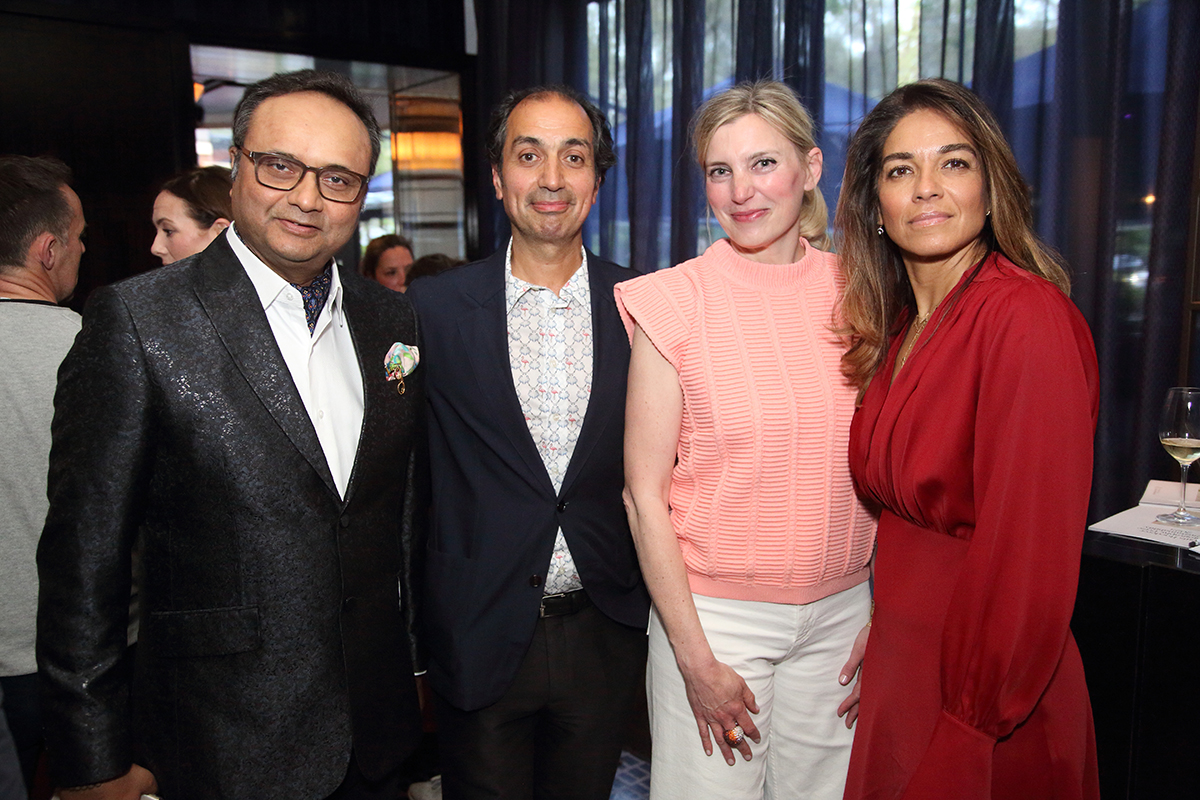
Left to right: Durjoy Rahman, Darius Sanai, Audrey Bazin and Maria Sukkar
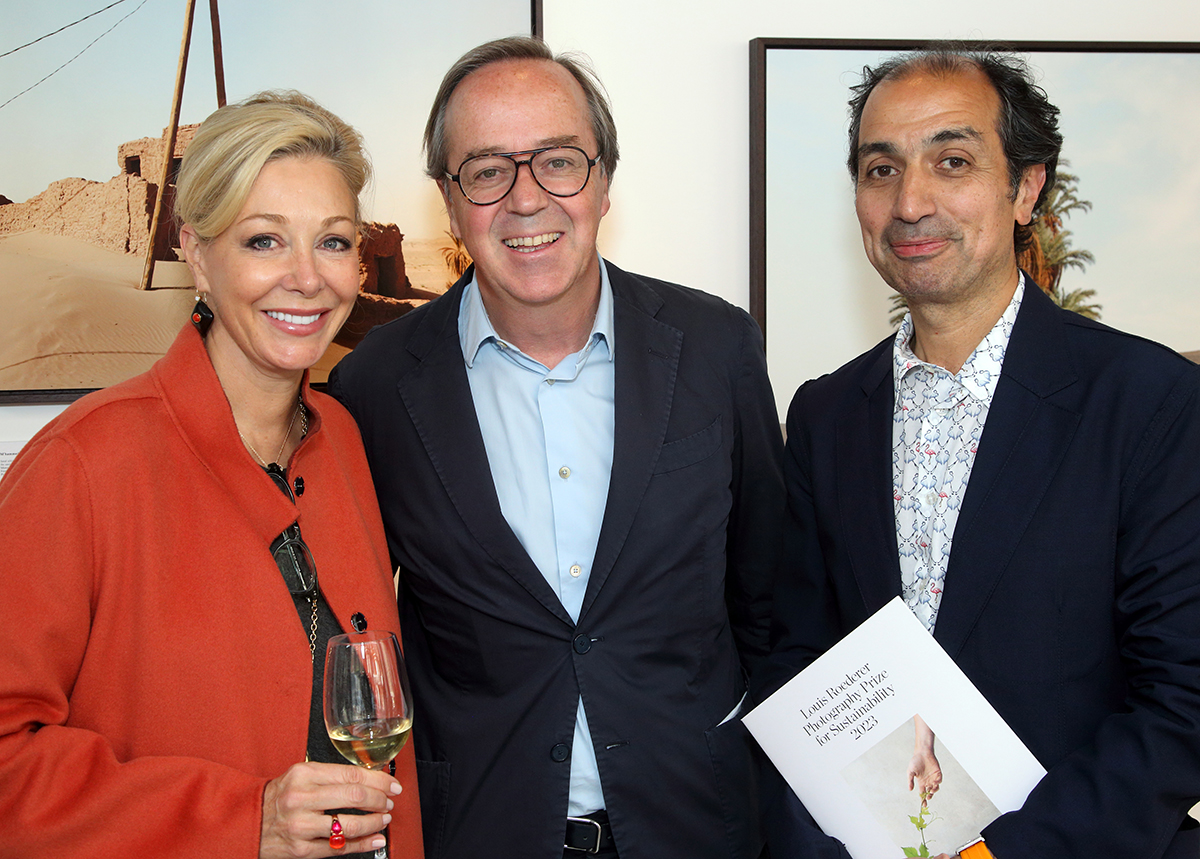
Left to right: Nadja Swarovski, Frédéric Rouzaud, Darius Sanai
Left to right: Michel Ghatan and Helen Ho
The exhibition of the works of M’hammed Kilito, Hengki Koentjoro and Yasuhiro Ogawa are on display at the Nobu Hotel London Portman Square until 1st June
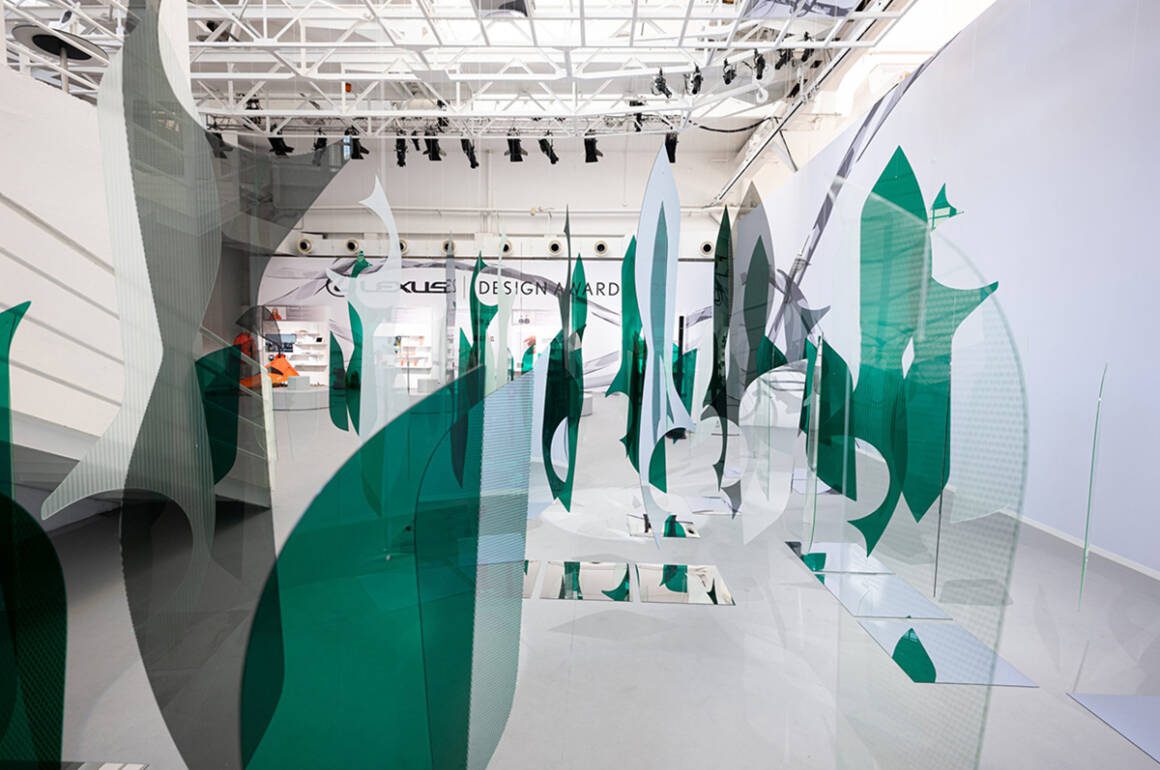
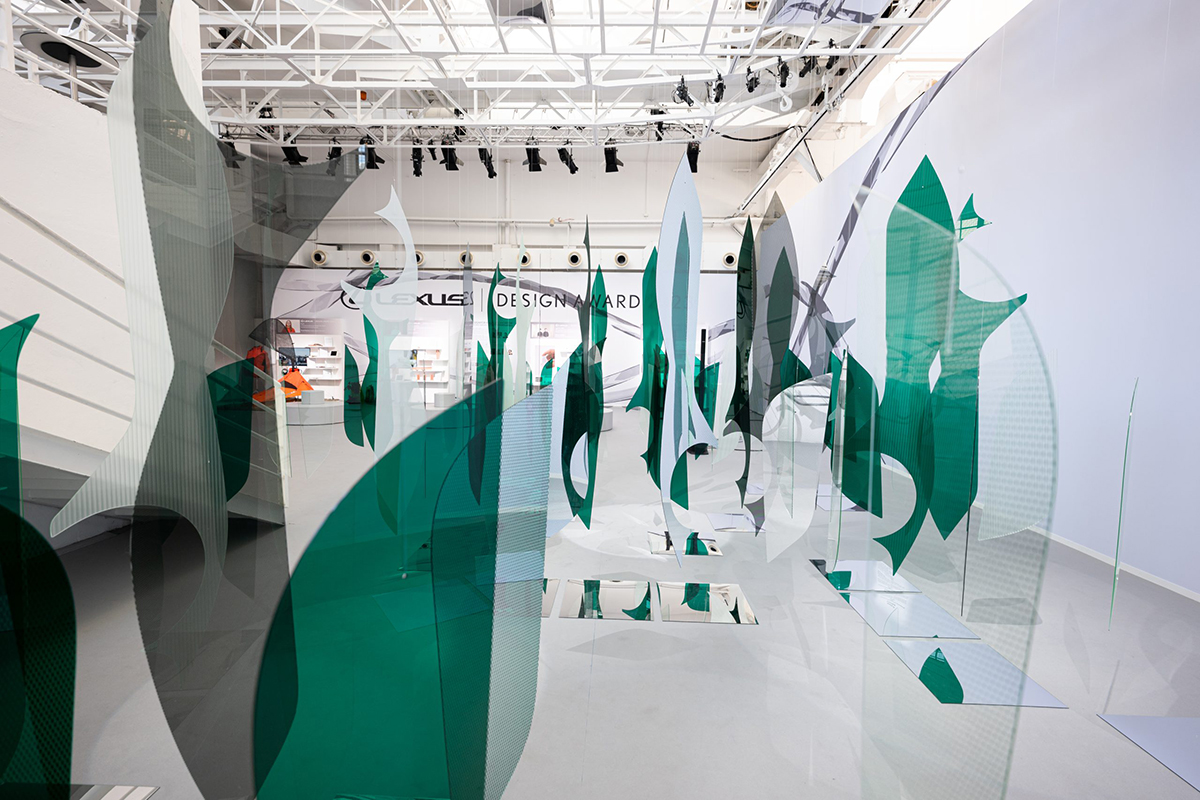
Lexus Design Awards 2023 was presented in the Tortona district during Milan Design Week
Against the backdrop of the vibrant and bustling Milan Design Week, Lexus presented the four winners of their coveted annual Design Award, now in its 11th iteration. Trudy Ross visited Milan’s Superstudio Più to find out more
I was an awe-struck first-timer at Salone del Mobile this year, the world’s most prestigious and well-attended design fair. The city was brimming with life, with throngs of fashionably dressed professionals walking over clean, sunbaked streets, the city’s many restaurants and cafes full of old industry friends reuniting and the chatter of business meetings over fine wine. On every corner you were met with an eye-catching new installation, ready to become the venue for yet another glamorous party by the evening.
Follow LUX on Instagram: luxthemagazine
The Lexus Design Awards, presented in the Tortona district, was the perfect introduction to Salone, embodying the fair’s guiding principles of creativity, beauty, innovation, sustainability, and a focus on the potential of young designers. The competition was launched in 2013 by Lexus to give a platform to the next generation of designers. Displayed in the bright and airy Superstudio Più, the winning designs were accompanied by architect and artist Suchi Reddy’s immersive 3D collage, Shaped by Air, inspired by the Lexus Electrified Sport.
Reddy told LUX, “It all started from a drawing. I started finding these shapes that were very beautiful – I thought that if Matisse had designed a car, this would be the car…because we were inside, I had the opportunity to really play with reflection, and create this idea of a forest; you can see how the light dapples, creating shadows and unexpected things. There’s a richness to walking in a forest because you never know what shapes to expect – everything fits but it’s always different.”
Suchi Reddy with her installation, ‘Shaped by Air’
Her installation of glass and movement was the perfect intermingling of beauty, technology, and nature to reflect the winning designs, which used technology to look to the future and to create elegance, but also prioritised purpose, practicality and the natural world. While there is usually only one winner, this year the award was expanded to comprise four winners, all of whom were given an opportunity to work with Lexus’ handpicked mentors, four leading figures from the design world: Marjan van Aubel, Joe Doucet, Yuri Suzuki, and Sumayya Vally. A public vote was then held to determine the People’s Choice winner, the design which most impressed and resonated with viewers.
Swedish designer Pavels Hedström was announced as the Your Choice winner for his innovative design, Fog-X, a high-impact hiking jacket that transforms into a tent/shelter – but its real ingenuity is not shapeshifting. The device can catch fog, even in the most arid areas of the desert, and transform it into up to 10 litres a day of drinking water. Hedström told LUX that he has always been interested in solving the big global challenges. When it came to drinking water, he was inspired by plants and animal species which can survive in the Atacama desert. He found that one of the ways they do this is by catching fog, saying his design is “basically the same principle”.
Read more: Photo London’s Fariba Farshad on Fotografìa Maroma
While the jacket itself might not currently be affordable for many of the people living in desert communities with a lack of water, he championed the Fog-X app made alongside the jacket, which anyone can use to determine and track the areas with the most potential for moisture generation. He added, “privileged people like us take for granted that we have water on the tap. We need to rethink how we get these resources, because our relationship to nature is pretty imbalanced. If we use the jacket, I hope it will also change our mindsets and our appreciation of nature.”
Pavels Hedström, the Your Choice winner for his innovative design, Fog-X
The other designers included Temporary Office, a duo made up of Vincent Lai and Douglas Lee, who unveiled 3D topographic puzzle Touch the Valley. Designed with the visually impaired in mind, the puzzle allows people to play and learn through touch rather than sight, with each piece carefully contoured and sculpted to engage tactual sensation. When assembled, the pieces can become a model of a major mountain range or famous landmark. Beyond a tool for the visually impaired, the product can be enjoyed by all and double as an elegant coffee table piece with an interesting story to tell. Perfect for the explorer traveller who doesn’t just want to go to Yosemite, but wants to hold it in his hands.
Vincent Lai and Douglas Lee, founders of Temporary Office
Jiaming Lui from China designed the Print Clay Humidifier, a 3D-printed humidifier made with recycled ceramic waste. This household appliance requires zero electricity or energy and is made from materials left over from industrial processes. Indeed, the product itself can be recycled at the end of its life after any damage or breakages to reform as it was initially. Lui looked to natural resources to replace the plastic, energy-using devices many of us have in our homes and created a stylish, effective and sustainable alternative.
Jiaming Lui with his print clay humidifier design
Finally, and perhaps the most directly relevant to many of our own lives was Kyeongho Park and Yejin Heo’s Zero Bag, a new alternative to plastic packaging for food and clothes, made from seaweed. It looks like plastic, but rather than being an amalgamation of artificial chemicals, it actually fights them. The packaging dissolves in water and contains either a detergent for clothes, or a baking soda film which removes chemicals and pesticides from food. Kyeongho and Yejin, both currently students majoring in industrial design at Hanyang University’s ERICA campus, expressed hope for their idea to expand across regions and become adopted by major retailers.
Kyeongho Park and Yejin Heo with their Zero Bag design
The theme for this year’s competition was ‘Design for a Better Tomorrow’. If these young designers are any indication of what tomorrow might look like, it seems the future will make space for both technology and for nature, cultivating the beauty of both.
Find out more: discoverlexus.com/lexus-design-award-2023
3Sun Gigafactory opened in 2011
Eliano Russo is Head of Enel Green Power’s 3Sun Gigafactory in Catania. Here he speaks to Samantha Welsh about the way the factory works, its benefits on the local community and the clean energy transition
Eliano Russo
LUX: What is a photovoltaic cell and how does it work?
Eliano Russo: Solar cells are the heart of solar power generation systems. A photovoltaic cell is a device that can convert the energy of solar radiation into electricity through the photovoltaic (PV) effect. This effect is possible since photovoltaic cells are usually made of semiconductor materials (the most diffused is silicon), which have weakly bonded electrons. When the light of the sun hits the PV cell, the electrons of the semiconductor receive energy from the light’s photons and are then able to move. The movement of these electrons through the metallic contacts of the cell produces an electric current. PV cells are assembled into photovoltaic panels that find applications in several fields.
LUX: What are the peculiarities and advantages of the technology 3Sun offers?
ER: 3Sun offers cutting-edge technologies in solar cell and PV module (or panel) manufacturing. Our solar cells are based on bifacial silicon heterojunction (HJT) technology, which offers several advantages over the most widespread technologies on the market. Moreover, our PV modules are manufactured in Europe with sustainable materials derived from a regulated supply chain.
3Sun Gigafactory combines research and innovation to produce new-generation photovoltaic modules that support the Enel Group in guaranteeing clean and renewable energy
Continuous innovation in pursuit of the highest level of cell efficiency is a fundamental value as we strive to maximise the effective transformation of the sunlight that hits our panels into energy. HJT technology is characterised by high performing photovoltaic modules with low degradation and in early 2020 our HJT cell achieved a world record efficiency level of 24.63%.
The double-sided structure of the solar cell allows solar radiation to be captured via direct light on the upper surface, as well as reflected or diffused light on the lower side. “Bifaciality” also guarantees extra power output even with cloudy conditions where the amount of diffused light is quite high. The solar cell is also very resilient to thermomechanical stresses thanks to the temperature during the manufacturing process that does not exceed 200°C, which also allows for thinner solar cells to be manufactured, , thus reducing the use of silicon and cutting costs.
LUX: What are the benefits for the solar supply chain and the European energy sector in general?
ER: For Europe, the photovoltaic sector represents one of the main enabling technologies to accelerate a sustainable and competitive energy transition. To reach its decarbonisation goals, in Europe we need to achieve 600 GW of installed solar capacity by 2030, which requires building and installing an additional 440 GW. On the other hand, in order to increase the continent’s energy independence and reduce risks related to external geopolitical factors, it is important not to become overly dependent on supplies from other geographies.
Italy’s HJT Photovoltaic Panel
Today, a large part of the photovoltaic industry supply chain is still concentrated in the Asian market, especially in China, where there is also less emphasis on environmental, energy and labor standards compared to those in Europe. Therefore, the creation of a European photovoltaic industry that can guarantee our energy security and independence while upholding those standards represents a strategic priority. In order to achieve this, we must invest to reshore the solar PV supply chain in Europe as we did in Catania, Sicily with the construction of what will be the largest solar gigafactory on the continent.
LUX: What is the potential impact for local communities?
ER: One of the most important positive impacts for the local community as a result of the factory’s expansion is the employment opportunities for Sicily, increasing local direct and indirect employment. In 2022, 50 university graduates were employed, while the selection process for an additional 100 is currently underway, as well as the selection for hiring 550 secondary school graduates. With the new hires, who will fill technical and operational positions in areas such as production, maintenance, auxiliary services, product quality and plant operation, 3Sun’s team, which already includes more than 200 people, will reach about 900 people in total. In addition, 3Sun will also generate a total of 1,000 indirect jobs, including current ones, by 2024. . These numbers mean a lot in terms of employment for a territory like Sicily, especially for young people. In some cases this means young people who have had the opportunity to return home after years of working abroad, excited to be able to contribute to the realization of a project as important as this one.
Bifacial solar panel production at the 3SUN Factory
LUX: How essential is political collaboration to clean energy transition?
ER: It simply cannot be done without it. Our current climate policies are the direct consequence of a political commitment that we took together as Europeans and, more widely, as countries committed under the Paris Agreement. The challenge of climate change is global, it affects everyone, and the response can only be global. A strong, collective, political commitment is needed to tackle a problem of this magnitude. But the political commitment must also be matched in the private sector along with the actions of each and every one of us as individuals.
LUX: What is the role for regional partnerships in tech innovation?
ER: We will be the largest European PV factory, basing our manufacturing on the most advanced technology processes, materials, and design. We carried out a robust research and development phase in collaboration with the most important research institutes and development companies in Italy, Europe and the US. In fact, 3Sun has triggered the most advanced research consortium in Europe with renowned partners such as CEA-INES in Chambery (France), Italian Institutes such as IIT, CNR, ENEA, as well as European and Italian universities. The strict collaboration with the research centers is also witnessed by the presence of very advanced research labs within the industrial complex of 3Sun and in the nearby Enel Innovation Hub and Lab, which hosts research institutions and start-ups. The concentration of research institutes and industries in a few kilometers also encourages important exchanges and generates a very fruitful environment for the development of innovative ideas not only in the PV field. Beyond research collaborations we also work with a wide range of subcontractors in the supply chain of strategic and innovative materials as well as of advanced industrial support and maintenance processes.
The first HJT cells were produced in February 2019 and mass production began in August 2019
LUX: Please share the aims of Project TANGO
ER: TANGO is the acronym for iTaliAN pv Giga factOry, the name of the project through which we are creating an industrial-scale production facility for the manufacturing of innovative, sustainable and high-performance PV modules at Enel Green Power’s 3Sun solar panel factory in Catania. In April 2022, under the framework of the European Commission’s (EC) first Innovation Fund call for large-scale projects, EGP and the EU signed a grant agreement that contributed to the development of TANGO, a facility that will have a production capacity of 3 GW per year by mid-2024. Of our total investment of around 600 million euros, the EC has contributed up to 118 million euros and around 70 million euros came from the Italian National Resilience and Recovery Plan.
LUX: How is the 3Sun Gigafactory in Catania innovating to leading the transition to green energy?
ER: Our production capacity of 3 GW, which we will reach in 2024, will make us the largest production facility in the photovoltaic industry in Europe. However, our contribution to the energy transition is not only quantitative but also qualitative. The values that guide us are innovation and sustainability, two pillars that enable us to create a high quality product made in Europe.

3Sun Gigafactory represents a model that could be used all over the globe
LUX: Can you accelerate performance to be sure of meeting targets?
ER: We won’t ever stop innovating. The architecture of the 3Sun HJT solar cell is highly compatible with the so-called Tandem structure in which a perovskite top cell is coupled with a silicon bottom cell, the top cell utilises the blue component of the solar spectrum and transmits the red component to the silicon solar cells. The 3Sun tandem structure, that we call “Tango Technology”, allows the solar cell to reach higher efficiencies, well above the theoretical limits of silicon solar cells. 3Sun is developing innovative technology with the aim of increasing solar cell efficiency, achieving more than 30%.
LUX: Longer term, how do you see 3Sun Gigafactory model developing?
ER: 3Sun Gigafactory represents a model that could be replicated elsewhere in Italy, Europe and other parts of the world. As outlined previously, in order to accelerate the energy transition and ensure energy independence and security in Europe, it is necessary to build a European ecosystem of highly efficient solar PV module manufacturing.
Find out more: enelgreenpower.com/3SUN-factory
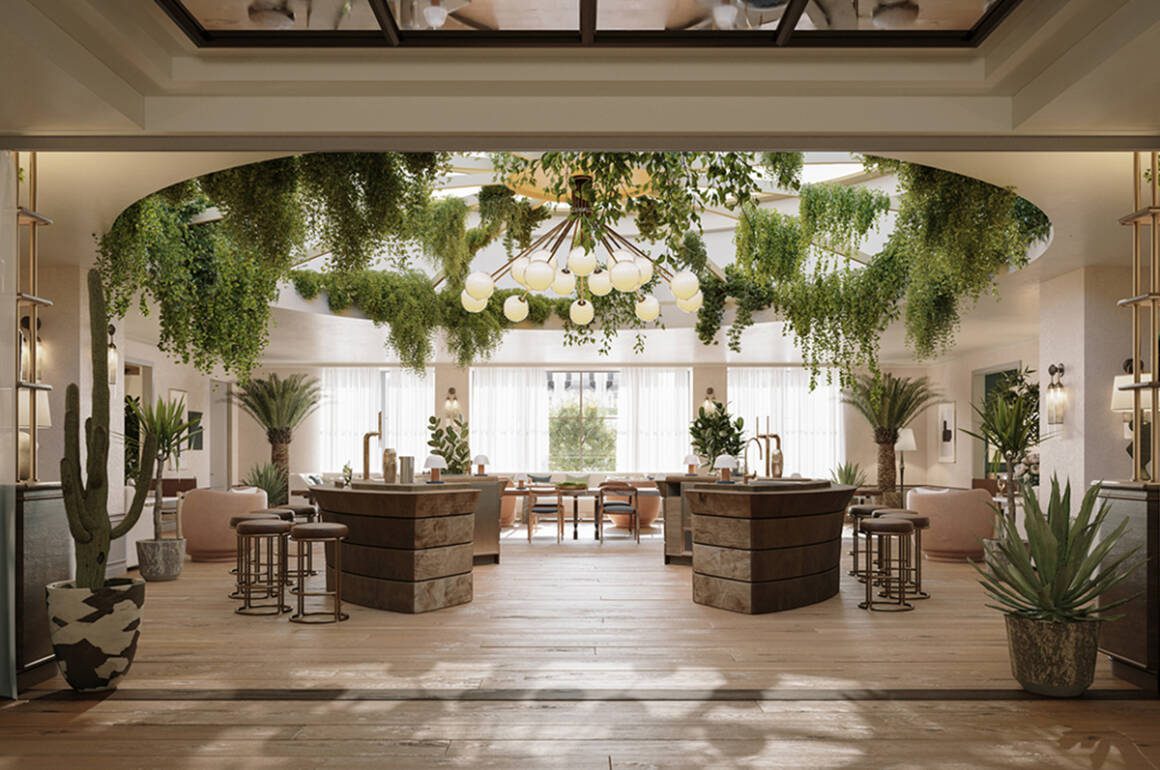
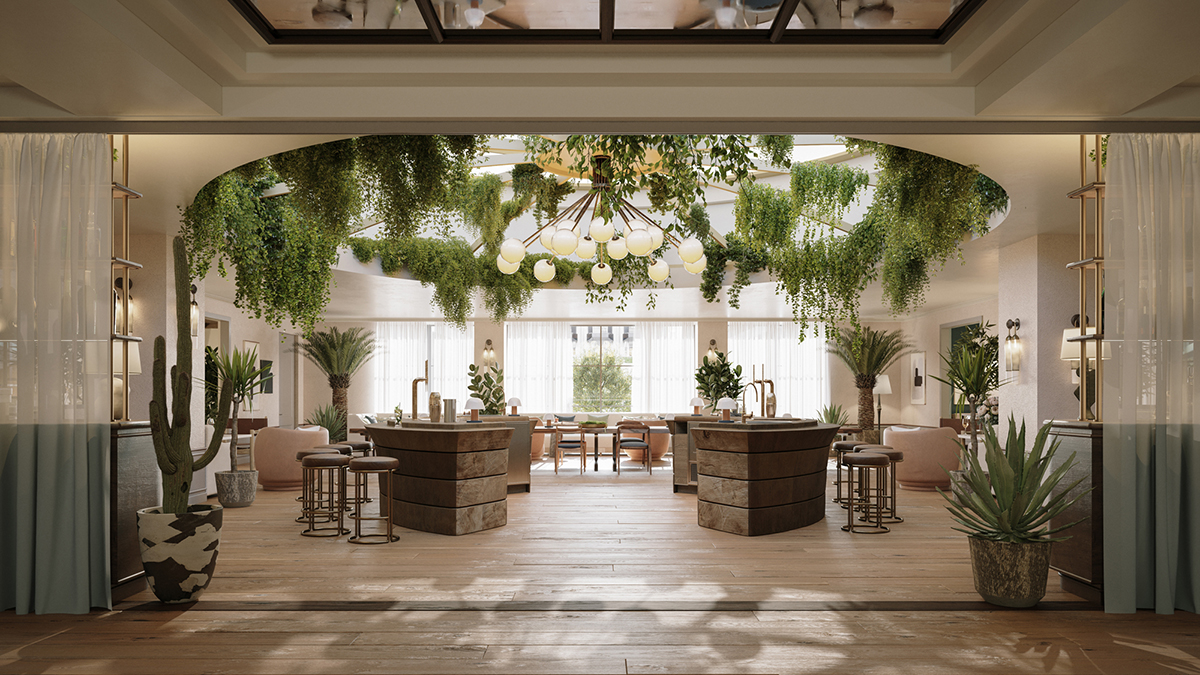
The Whiteley Members Club

Neil Jacobs, CEO at Six Senses
Neil Jacobs is CEO of the iconic hotel and residencies group, Six Senses. Here, he speaks to Samantha Welsh about the brand’s wellness model
LUX: How far are your wellness beliefs rooted in your personal values and lived experience?
Neil Jacobs: It started after studying Hotel Management at the University of Westminster, French Civilization at La Sorbonne University and Italian culture and art in Florence, knowing I wanted to travel and use the languages I’d learnt; I figured the hotel business was a great way of incorporating it all.
My personal passion and love for wellness, sustainability, and travel then played a part in my next steps to joining Six Senses and, naturally, my aim has been to elevate the brand in terms of responsible design, green initiatives and wellness programming. By broadening the company’s global footprint, we’ve been able to create these wonderful spaces and opportunities for people to live and create their own experiences with these things, in a plethora of environments.
Having the opportunity to apply my skills and experience to this unique brand, whilst leading a group of dedicated and likeminded professionals on a daily basis, is a personal joy.
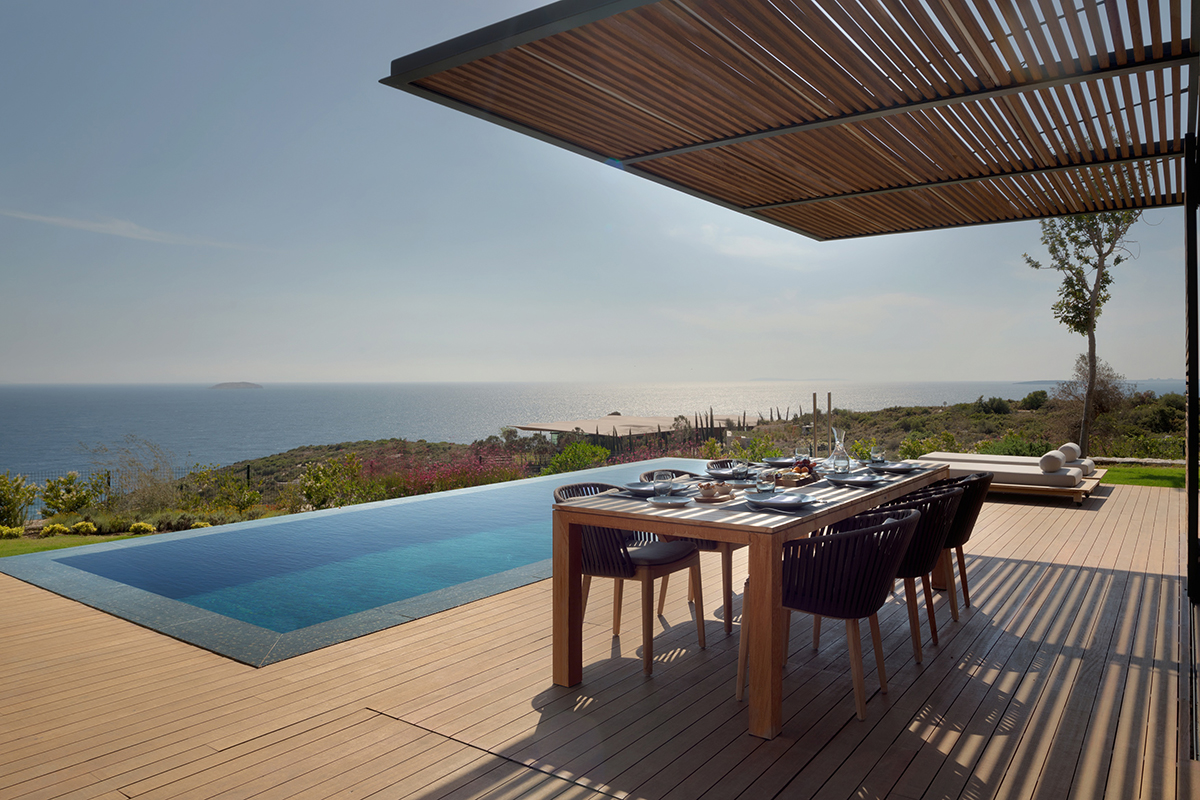
Six Senses Kaplankaya, Turkey
LUX: What is the approach to embedding sustainable values from ground up through every resort? How do you measure their impact?
NJ: Sustainability is embedded into the very fabric of every resort, something we can only achieve if it is the first thing we think about when we approach a new project.
Follow LUX on Instagram: luxthemagazine
Our eco-conscious approach to real estate starts with thinking about how we preserve, celebrate and enhance the local and global environment, as well as the local community and cultural heritage of the location. Naturally, this means taking a bespoke approach to each resort. We make smart use of our land topography and use renewable building materials, and use local materials wherever possible to reduce our environmental impact.
The Forestias in Bangkok
We undertake rigorous analysis to ensure we can successfully and accurately measure the impact of each project and continue to learn for future projects. For example, in 2020, the renewable electricity that was generated across our resorts reached an amount powerful enough to power fifteen world cup football pitches.
To us, sustainability doesn’t just mean our buildings are sustainable, it’s also about encouraging residents and guests to live sustainably long term. Many of our resorts and residences now feature Earth Labs, where otherwise discarded materials are recycled and reused. Guests and residents can join workshops and sessions to learn how to reduce their own consumption and re-use materials, the aim of which is to instil long-lasting sustainable mindsets.
The Forestias is made up of 27 residences, set in a purpose-grown forest in Bangna, Bangkok
Over the coming years, as we learn more and more from our existing projects, sustainability will continue to show up more meaningfully through in-resort environmental impact reduction, including passive cooling of the properties, electric transport options for guests and the use of biodegradable cleaning products.
Across our resorts, we are already working hard towards being fully plastic free. Resorts have never used plastic bottles or miniature plastic amenities, and plastic straws were eliminated before 2016. For example, in 2018 alone, more than 5 million plastic items were eliminated, including over 1,200,000 coffee capsules, over 52,000 plastic bags, over 26,400 toothbrushes and over 460,000 bits of packaging.
LUX: How does your vision for the Residences’ portfolio translate into screening macro market opportunities and micro-locations, masterplanning site assembly, partnerships, local collaborations?
NJ: Because the approach to each project is so individual, we make decisions on a case-by-case basis as to whether we incorporate residences into new resorts, as buyer motivations can differ greatly to those that drive people to stay in resorts as guests.
The Penthouse pool at the Six Senses Residences, The Palm, Dubai
We aren’t afraid of delivering resorts in remote locations, but sometimes this isn’t the right fit for residences, and vice versa in other locations. Thanks to our teams and their knowledge and understanding of the local market and global appetite, we can make fully informed plans and decisions on what we build and where we build it.
It’s key that the project and location is innately right for us, and an important initial step is getting onto the land to make sure it is speaking to us, and we can feel the connection. We like to conduct meditations or rituals, and in the past have bought in a sacred geometer to analyse the energy of the land.
The Whiteley Six Senses Hotel is opening in London in 2023
Once we’ve made these decisions, we begin conversations with potential development partners. With such strong company values, we’re highly selective with who we choose to work with and always ensure our partners share our vision and values.
For example, we are working alongside Finchatton for the first UK Six Senses Residences at The Whiteley. This was a significant milestone for us; to expand into one of the world’s most iconic gateway cities, and we wanted to wait for the perfect opportunity and partner. Finchatton’s hallmark quality matches our own, and the opportunity to collaborate and transform a significant architectural landmark was too good to miss.
LUX: Where did your idea come from, to bring nature, wellness and healing to the global metropolis?
NJ: If you look at the history of people who come to our resorts, it would typically be for a short getaway – a couple of weeks maximum. They’d immerse themselves in the wellness programming, enjoying the facilities we have on offer, resetting in our beautiful and remote locations but then quickly return to their fast-paced lives back in their home cities.
We wanted to find a way to connect the dots, and create these retreat-like spaces, offering relaxation and reconnection, in a location that is much more accessible for everyone: the awareness that often the global elite, while they have the means, don’t always have the time. This is where the migration into urban locations began for us.
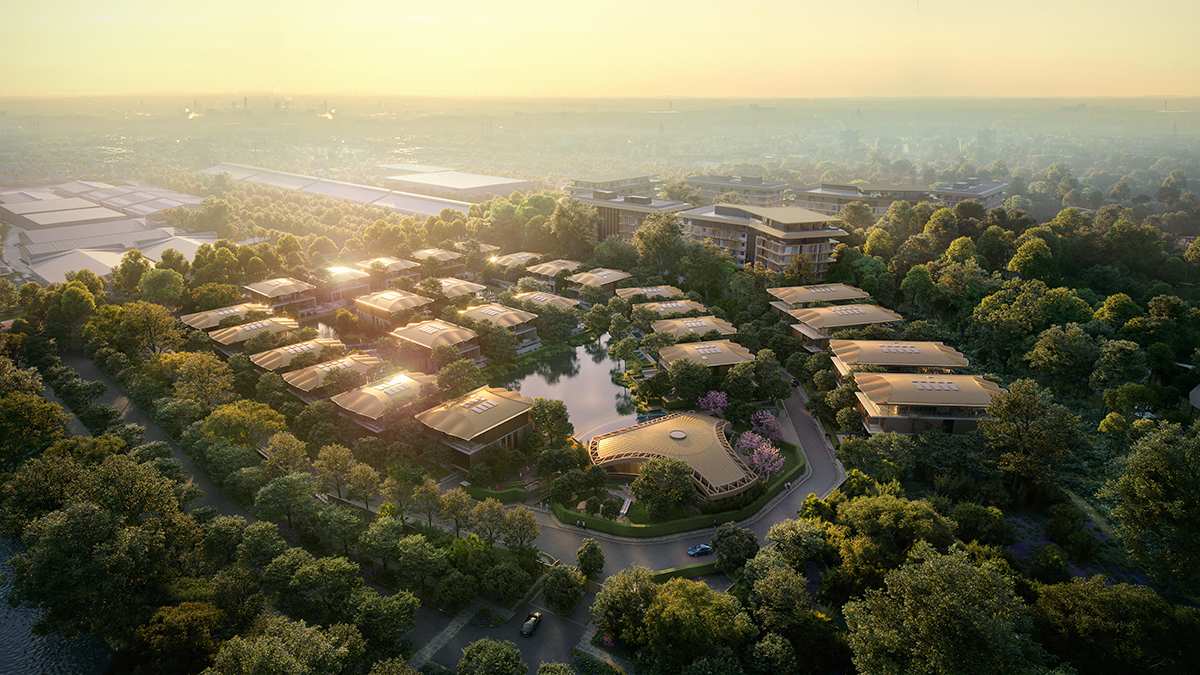
Each residence at The Forestias comes with a private pool, rejuvenating onsen and organic gardens where seasonal fruits and vegetables can be grown
When we are considering bringing a residential component to our urban locations, it is almost a no-brainer. Alongside our exotic, rural and alpine locations, we want to be in gateway cities, located in the prime neighbourhoods of the best urban communities in the world. The market for this type of home for the ultra-high-net-worth is very strong, which meant there was also a clear and compelling business decision to grow our portfolio here.
LUX: What is the membership model? How is it differentiated from other hospitality Groups’ super prime residences?
NJ: We offer a unique experience to our residence owners; combining the luxury and sought-after amenities of resort life, but with the privacy and personal touches of owning your own space. Owners benefit from exclusive resident savings, as well as VIP status recognised across all Six Senses hotels and resorts around the world.
At Six Senses, we pride ourselves on offering a best-in-class service, and our level of care and attention to detail is what sets us apart from other luxury developments. This unparalleled level of service is in part thanks to our hospitality roots, extended so that all of our owners can fully enjoy the privileges of a hotel or resort, with every aspect taken care of.
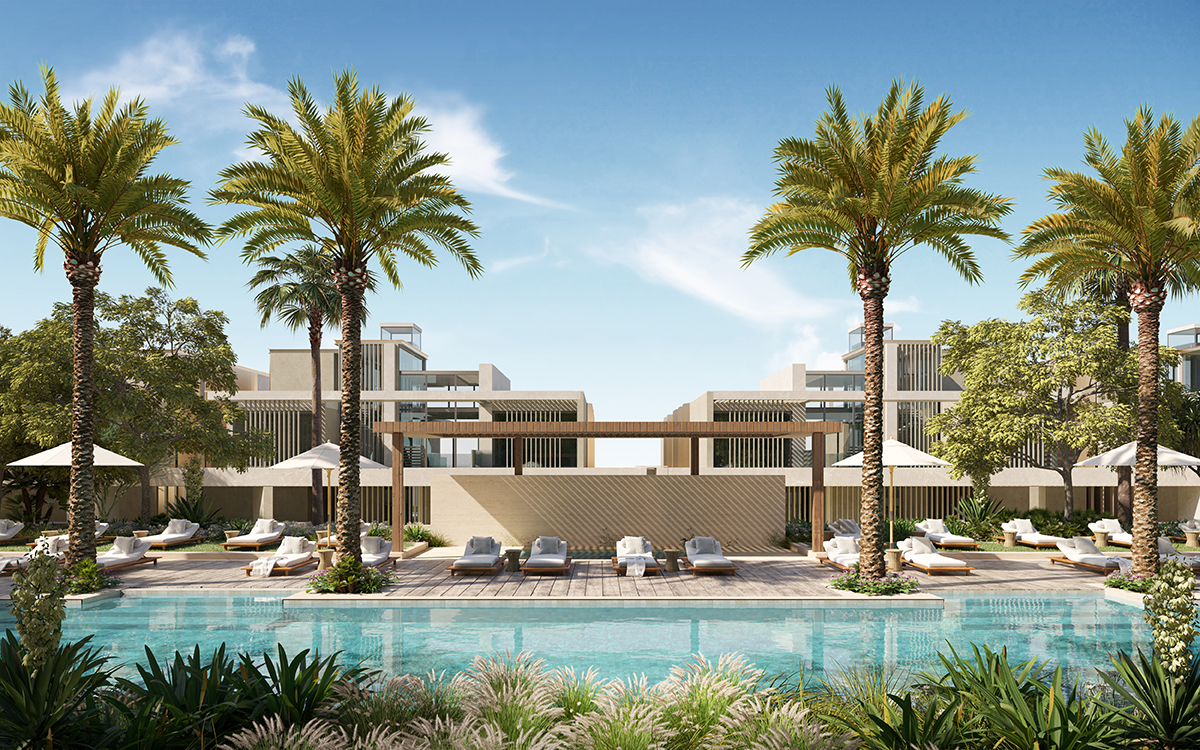
At the core of the Six Senses Residences The Palm, Dubai is Six Senses Place, providing residential owners unique space purely for mental and physical wellness
Owners have the option of placing their home into hotel rental portfolio, which opens up an additional income opportunity via renting their homes when they are not staying there. As properties are wholly managed by Six Senses, it’s a completely hassle-free process.
Read more: Coworth Park, Ascot, Review
Owners who place their home in our rental programme automatically take advantage of our furniture packages as standard – with each home inspired by, and designed in line with, the nature of its environment and local community. Dependant on the resort and stage of construction, there are also sometimes opportunities for owners to personalise design details, such as material choices.
LUX: What is next for U/HNWs who seek multi-based sustainable superluxury living? And do you have your personal capstone?
NJ: The Six Senses brand was born from the desire to help people reconnect with themselves, others and the world around them. One of our core goals, is to continue to create a global footprint and allow people to experience our brand in different environments.
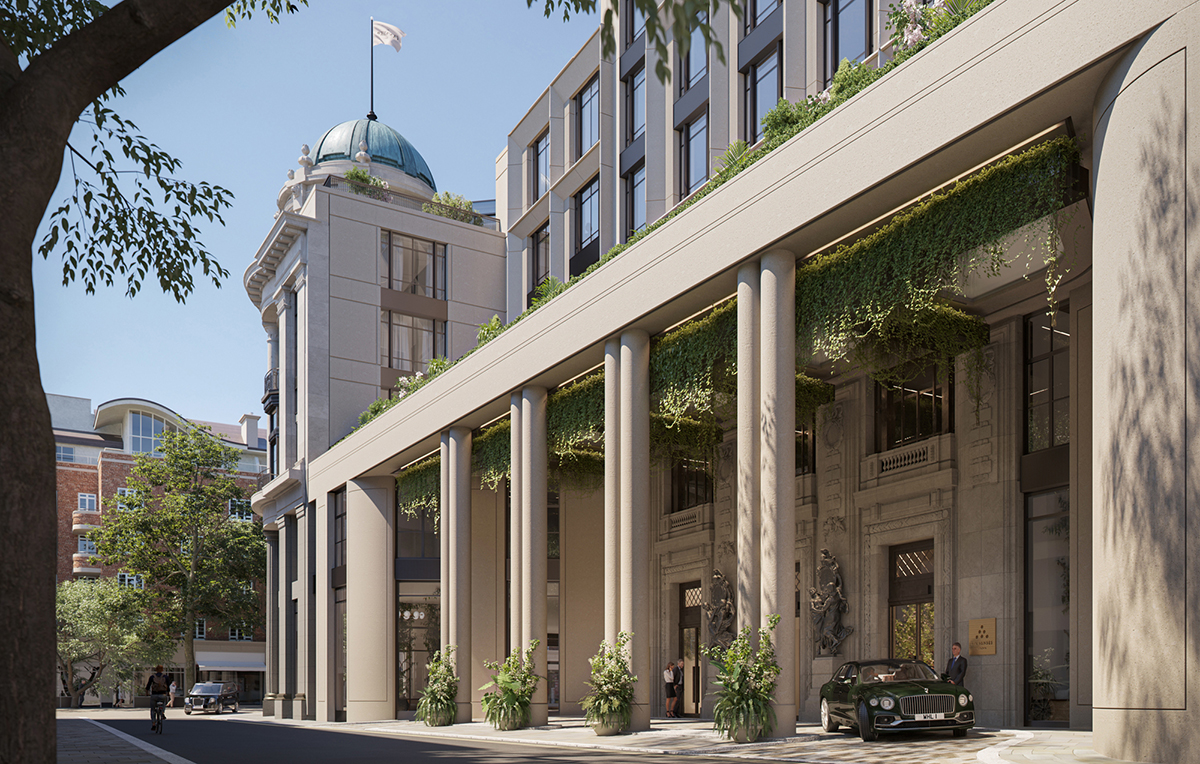
The exterior of the Whiteley Six Senses
Looking ahead at 2023, we are expecting a continued increase in the philanthropic buyer across the branded residences sector. High-net-worth buyers are increasingly seeking a home that has been created in a socially and environmentally mindful way, rather than just investing in purely bricks and mortar.
We are already well placed to respond to this rising demand, thanks to our responsible approach towards all projects through our thorough and sustainable practices.
In terms of a personal favourite of mine, I couldn’t quite say. That being said, part of the richness of my job is the opportunity to interact with our hosts around the world and the buy-in to the brand that shows up in each location. So, my favourite tends to be the project I’m visiting at the time!
Find out more: sixsenses.com/residences
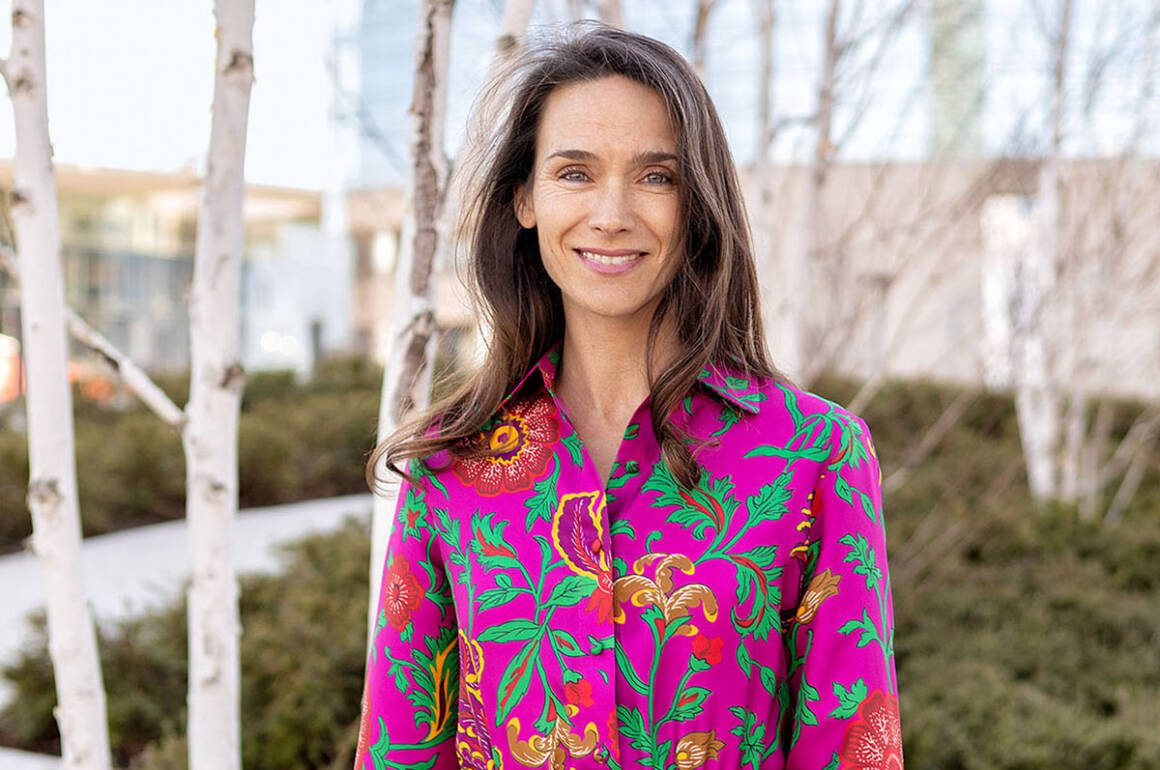

Kelly Russell Catella
For International Women’s Day we are spotlighting Kelly Russell Catella, Head of Sustainability and Communication at COIMA, a major Italian real estate fund manager. COIMA has total investments of 5.5 billion euros with a declared focus on large scale sustainable urban planning. Here, Catella speaks with Samantha Welsh about making cities vibrant, accessible and healthy for all and the importance of an environmentally conscious city for a community
LUX: How did you start your journey on driving better approaches to sustainability in city-making?
Kelly Russell Catella: COIMA has always been very focused on quality and sustainable development since it was founded nearly 50 years ago. My own professional journey in the industry first started coordinating the first Italian Urban Land Institute chapter in Italy until our family established in the Fondazione Riccardo Catella in 2005. The Foundation is a not-for-profit institution with the mission to improve the quality of urban life and promote the culture of sustainability in cities. Since then, I’ve also been responsible for leading sustainability at COIMA, which is a value we truly believe in and is integrated deeply in the process of our value creation for all stakeholders.
One of our most important projects is Porta Nuova in Milan, one of the largest urban regeneration projects to have taken shape in Europe. Last year it became the first urban neighbourhood in the world to achieve both the LEED and WELL certifications for Community. These are the leading global certifications related to sustainability, health and wellbeing of buildings and communities. Achieving this ‘world first’ was for us a real endorsement of our approach, which is about focusing on the long-term sustainability of the entire neighbourhood, not just specific buildings. We find it key to think about the place, the whole community, and how the transformation fits into the context of the needs of the wider city.
LUX: Why was pursuing LEED and WELL certification for Porta Nuova so important?
KRC: Creating more liveable, healthy communities and places where people are in contact with nature, culture and beauty is what really drives our daily effort. Achieving the LEED and WELL for Community ratings for Porta Nuova is a validation that we worked to deliver on our promise to create a genuinely sustainable community in a measurable way. It is also about constantly challenging ourselves to do more, to push the bar higher and set new benchmarks in the industry.
Biblioteca degli Alberi Milano (BAM), the public park in Porta Nuova
While certifications and ratings are important to measure and prove the positive impact of a project, it is vital that we do not fall into the trap of a superficial ‘box ticking’ approach to sustainability; they are not an end in themselves, they are part of a wider methodology to create a comparable standard. It comes down to all of us to show genuine leadership in the transition to the low carbon economy – passion and commitment to deliver positive social and environmental impact and transparency in reporting.
LUX: The Bosco Verticale towers in Porta Nuova have become a global icon and the face of the new more eco-friendly Milan. Do they provide a prototype of more sustainable development for other cities?
KRC: At the time the Bosco Verticale – literally vertical forest – was the first project to integrate trees on such an ambitious scale. There are 780 trees and 16,000 shrubs and plants across the two residential towers, which is equivalent to around 20,000 m2 of forest. In many ways the development gets better with age, as the trees grow and mature and the benefits to the residents multiply – from regulating the temperature of the building to enhancing mood and wellbeing. Our partner on the project, the visionary architect Stefano Boeri, is now taking the vertical forest concept to other cities, including Dubai and Eindhoven, creating a new generation of high-rise urban buildings completely covered by the leaves of trees and plants.
Bosco Verticale at Residenze Porta Nuova
It is now seen as a sustainable model for the future of tall buildings. Working with Diller Scofidio + Renfro and Stefano Boeri Architetti we are taking the concept further at Porta Nuova with Pirelli 39, a mixed-used project which includes the sustainable refurbishment of an existing building and the development of Torre Botanica. The buildings base is connected to the Biblioteca degli Alberi Milano (BAM) or “library of trees” – the public park and botanical garden that serves as a natural oasis and community engagement hub of Porta Nuova.
LUX: How has the public-private partnership with the Municipality of Milan been game-changer in terms of enabling a more sustainable approach?
KRC: Sustainable city making is not possible without strong partnerships. We are very fortunate to have had sensitive administrations for consecutive mandates in the Municipality of Milan that shares the vision to create a more sustainable, green city, designed around people, rather than cars. They shared our vision to make Porta Nuova a fully pedestrianised neighbourhood centred around the natural environment presented in BAM.
Through an innovative public-private partnership between the City and COIMA, the Fondazione Riccardo Catella has been responsible for the management, security, maintenance and cultural programme of the BAM since July 2019. This is the first ever public-private partnership agreement for the management of a public park in Italy and it would not have been possible without the strong long-term commitment and understanding by both parties.
LUX: What strategies for Porta Nuova have you found particularly effective at a human level to help foster a sense of community and a sustainable ecosystem?
KRC: Fundamentally, we believe in placing nature and humans at the centre of all our developments and that this approach leads to real value creation. It is important to listen to people to understand their vision for the urban space in their communities and ensure that our designs can improve their quality of life. For example, at BAM we produce a diverse programme of more than 250 cultural moments and activities each year for residents, workers, and visitors.
This has a big focus on wellbeing and has a range of activities dedicated to senior citizens. We had actually planned to suspend the outdoor program in the coldest months of January and February and resume in March. Instead the group that meets every week asked us to continue saying it was the best morning of their week because they got together, socialized, had coffee after, so of course we kept the programme running over those months.
I know it seems small but when you are managing at a neighbourhood level in the centre of a city, listening to your end user of the public space helps create a type of community which we feel will be resilient over time. This what we mean by focusing on the long-term sustainability of the entire neighbourhood, not just specific buildings. The park and the rich cultural programme work together to create a sense of community – and furthermore, with the Fondazione we would like to create a sustainable business model for this kind of public-private partnership that could be replicated in other parks in other cities across the globe.
LUX: In your approach to the development of the Olympic Village 2026 at Porta Romana, how important is sustainability including ensuring a enduring legacy?
KRC: We are working with Fondazione Milano Cortina and the Italian Government to set a very high standard regarding sustainability for the Olympic Village and we hope the legacy will become a template for a more sustainable approach to future Olympic Games (and global sporting event) development. It will also leave a positive legacy for Milan. After the Games, the village will be transformed into affordable student accommodation, with 1,700 beds, addressing a major shortage of modern student accommodation in Milan.
Plans for the 2026 Winter Olympic Village at Porta Romana
The student accommodation will sit within a wider urban neighbourhood including affordable housing, co-working facilities, community amenities, public spaces and parks and gardens. The Olympic Village Plaza will become a neighbourhood square, with shops, bars and restaurants at street level, and space for farmers’ markets and moments open to the community. If the Games are to be the success story that we all envision, environmental and social impact must be a driving force behind those plans.
LUX: How are you ensuring the Porta Romana project will be implemented to minimise environmental impact?
KRC: The Olympic Village itself actually only comprises only around 15% of the total investment in the regeneration of the former Porta Romana railway yard, so you can understand the scale of the project. Our vision for Porta Romana, together with the partners of the project Covivio and Prada Holding, is that the district will be grafted into the surrounding neighbourhoods, becoming a vibrant, green, sustainable and healthy place that is wholly part of the city, where work and leisure activities will be at the centre of life in the neighbourhood.
Plans for community gardening within the public park at Porta Romana
Working with the architects selected for the masterplan – Outcomist, Diller Scofido + Renfro, PLP Architecture, Carlo Ratti Associates and ARUP – and with Skidmore, Owings & Merrill (SOM), winner of the Olympic Village tender, Porta Romana is designed to have near zero environmental impact. It will also include a wide central park and gardens designed by Elizabeth Diller, the landscape designer of the New York Highline, with a ‘suspended forest’, which could become a new major tourist attraction in Milan. Altogether around half the site will be gardens or greenspace. Through this approach we are working to ensure the project sets the bar even higher in terms of sustainable urban development
LUX: How important is technology in creating sustainable neighbourhoods and communities?
KRC: Technology has a big role to play in delivering a sustainable scheme, whether through gathering and measuring the sustainability performance of the buildings or increasing community engagement and participation in initiatives on a neighbourhood level. At Porta Nuova we are piloting a ‘smart’ neighbourhood project, with an infrastructure of sensors and Internet of Things (IoT) devices capable of acquiring information in real time about the behaviour of users and their needs and the quality and performance of the infrastructure in the district.
This works alongside the Porta Nuova Milano neighbourhood app, which allows users to interact with buildings and access an extended range of services within the residential, office, retail and public spaces. The aim is to facilitate people’s lives and at the same time build the sense of community and encourage more environmentally conscious behaviour. We are also supporting a tech accelerator programme on site at Porta Nuova, called HabiSmart, with start-ups focused on transforming real estate through technology. The startups are hosted in the COIMA HQ and they are able to test their prototypes within the Porta Nuova district. This enables them to get real-time feedback from the field, accelerating the process of development and scale-up.
LUX: Is there one sustainable project you think is low cost and particularly impactful that could be scaled globally?
KRC: The built environment accounts for around 40% of global emissions. If the industry were a country, it would be the third largest emitter in the world, behind China and the US. We are in an emergency and time is running out. We now have the technology to deliver zero carbon in operations during the life of the buildings, but we need to look much more closely at the reuse of existing buildings to reduce the currently unavoidable embodied carbon emissions generated through the construction process.
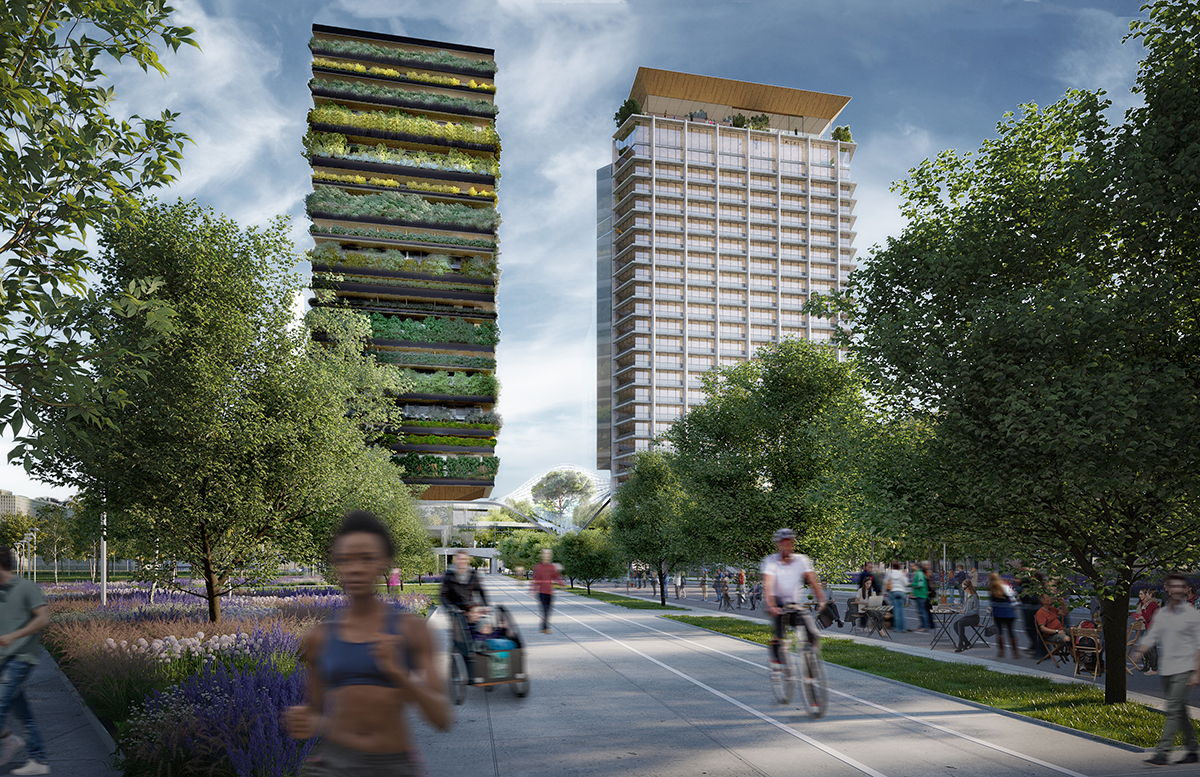
Pirelli 39, with La Torre Botanica and the Pirellino Tower
We need to change mindsets so that the first principle is to examine whether an existing building can be modernised and refurbished rather than demolished, as we are doing with the Pirelli 39 project that will see the existing 1960s Pirellino office tower refurbished to create a highly sustainable modern office building created out of the existing structure and standing next to La Torre Botanica.
Retrofit, reuse, repurposing, wherever possible, and integration of biodiversity in the urban projects is what we must all seek to do more. We need to stop viewing sustainability as an additional cost, but as integrated into the core of the business model that can mitigate risks and maintain returns long term while contributing to a healthier environment and a more cohesive social surrounding.
Find out more: www.coima.com

The multi-project developer, Red Sea Global has launched two new brands to push forwards its sustainability ethos into one of the world’s most regenerative destinations, The Red Sea and Amaala
Last year, Red Sea Global declared that it was going to create subsidiary businesses with a focus on sustainability. Subsequently, the launch of WAMA and Galaxea were announced. WAMA is responsible for creating rejuvenating water sport experiences such as stand-up paddle-boarding through mangrove forests, to sailing through the Red Sea’s soft swells. Galaxea’s focus is solely on diving, for guests to see the life below the waters and to educate people about the prevalent coral in the Red Sea.
Last year, after an eleven month research study of the Al Wajh lagoon, a rich diversity of habitats, flora, and fauna were found.
Follow LUX on Instagram: luxthemagazine
These include a significant number of endangered and critically endangered species such as the Halavi Guitarfish, Hawksbill Sea Turtle and Sooty Falcon, as well as a thriving, eight-meter-high single coral colony estimated to be around 600 years old.
“These brands have been created with sustainability at their core and will continue to build on our ambition to deliver a regenerative approach to tourism development and operations. It is our hope that eventually they will become standalone brands operating at destinations around the world,” says CEO of Red Sea Global, John Pagano.
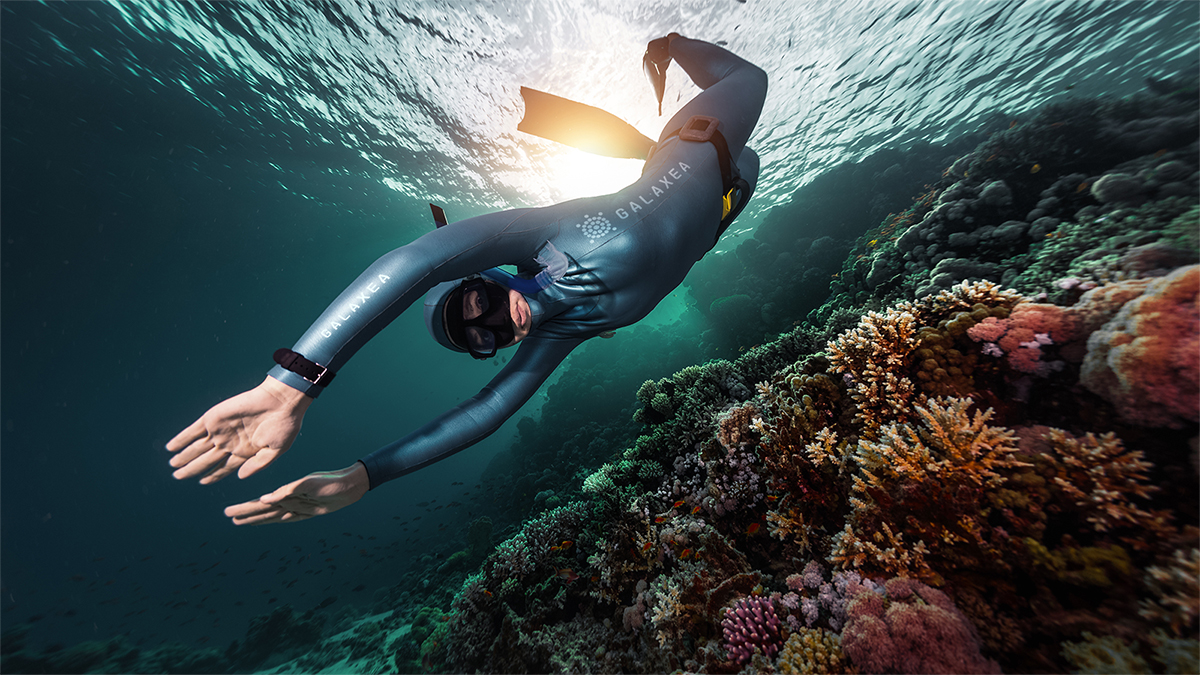
Along with the launches of WAMA and Galaxea, Red Sea Global also announced its partnership with The Ocean Race. This came out of their mutual passion for ocean health and their aim to drive regeneration of life in water and on land.
Read more: Art Dubai opens in support of South Asian artists
The Ocean Race has worked very closely with sailors throughout its history, and the partnership is not only intended to benefit the natural environment, but also to help inspire the next generation of Saudi sailors.
Find out more: www.redseaglobal.com/amaala

Stanford University has the most funded startup founders among its alumni
Deutsche Bank’s International Private Bank gathered a group of 70 next gens for a Global Innovation Summit at the heart of technological advancement, Silicon Valley. The group heard from leaders in the tech industry and learnt about the potential of technology like artificial intelligence and machine learning to solve some of the world’s most pressing problems for a better future
Among the plethora of respected speakers at the summit were John Chambers, former executive chairman and CEO of Cisco Systems, Jensen Huang, NVIDIA founder, Nikesh Arora, Chairman and CEO of Palo Alto Networks, Lloyd Minor, Dean of the Stanford School of Medicine and Thomas Kurian, CEO of Google Cloud.
Gil Perez, Deutsche Bank’s Chief Innovation Officer and Thomas Kurian, founder of Google Cloud in conversation at Google HQ
Being at the headquarters of these institutions provided a unique setting enabling participants to witness first hand the advancements in artificial intelligence, machine learning, blockchain and even everyday life.
Salman Mahdi, Deutsche Bank Private Bank’s Vice Chairman and Jensen Huang, Founder of NVIDIA
At Google HQ the group worked on an interactive session with Google’s Innovation team, solving real-world problems. It became abundantly clear how vital their work continues to be. Their goals are not only to solve the world’s problems through technology, but also to search for more problems in order to be able to find solutions before issues arise.
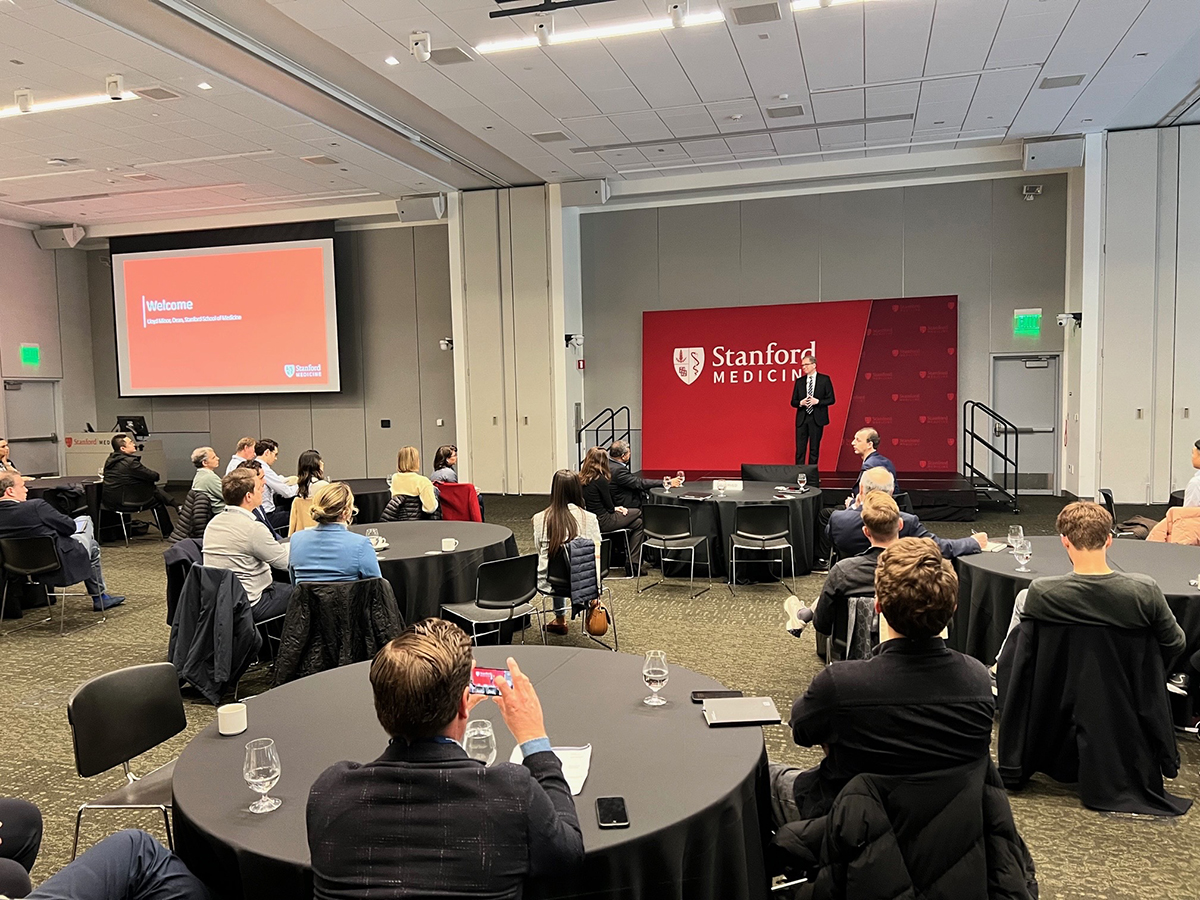
Lloyd Minor, Dean of the Stanford School of Medicine
The breakthroughs in medicine, molecular biology, sustainability and immunology also resonated with the group during a visit to Stanford University.
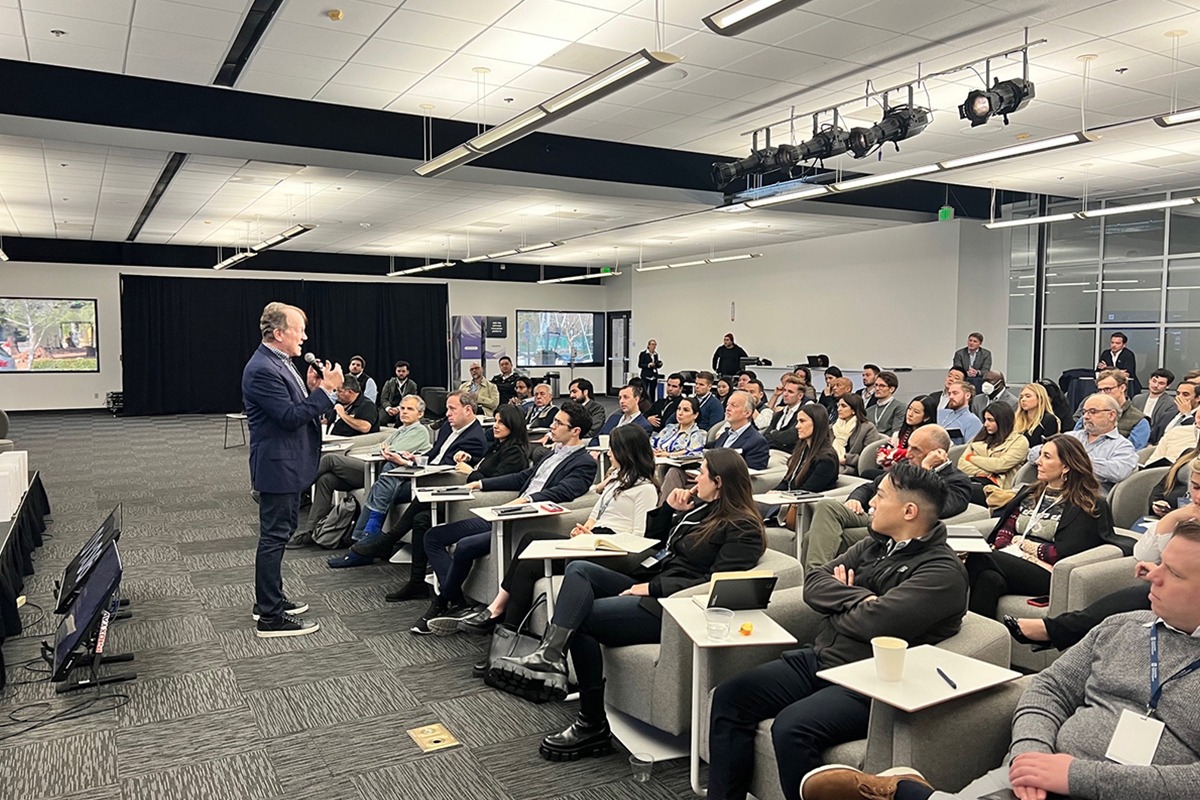
Salman Mahdi, Deutsche Bank International Private Bank’s Vice Chairman, attended the summit along with the group, having made access to these CEOs, founders and pioneers possible.
He declared, “there is no better place in the world to come to than Silicon Valley to get this window into the future. I hope people will use an opportunity like this to refocus on ten, twenty, fifty years down the line. What we do today will change the world in decades.”
Find out more: www.db.com/innovation-network
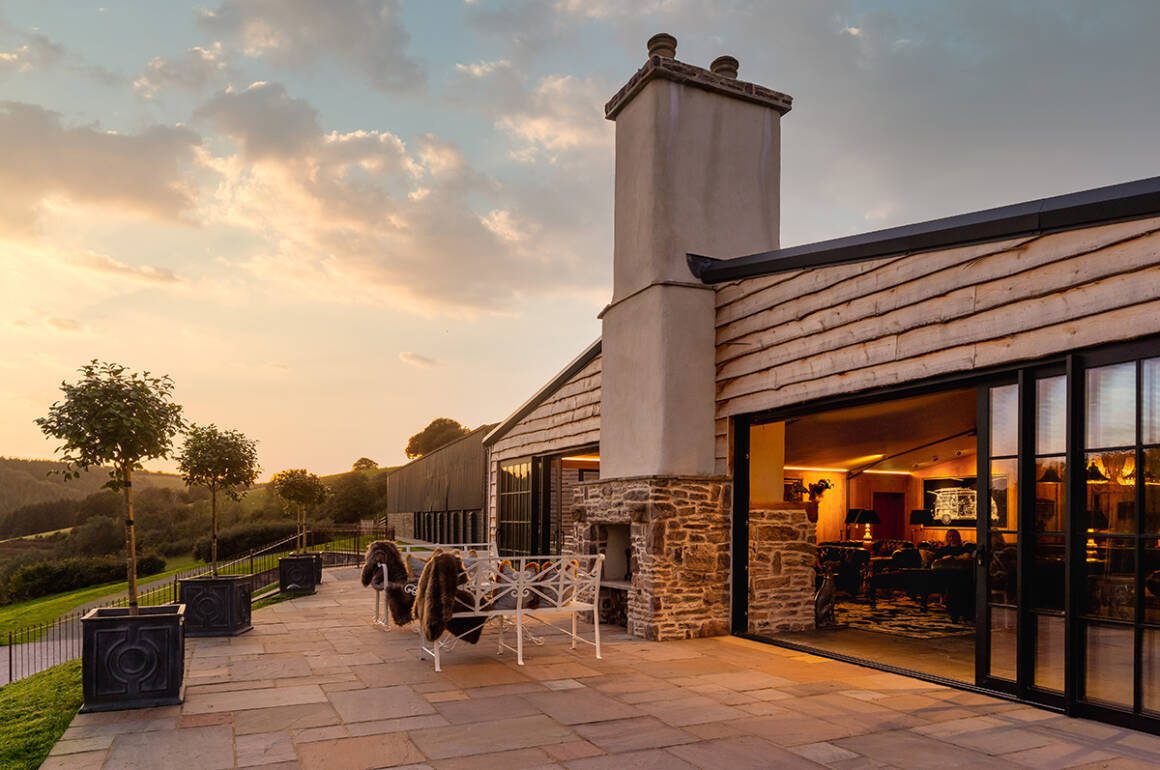
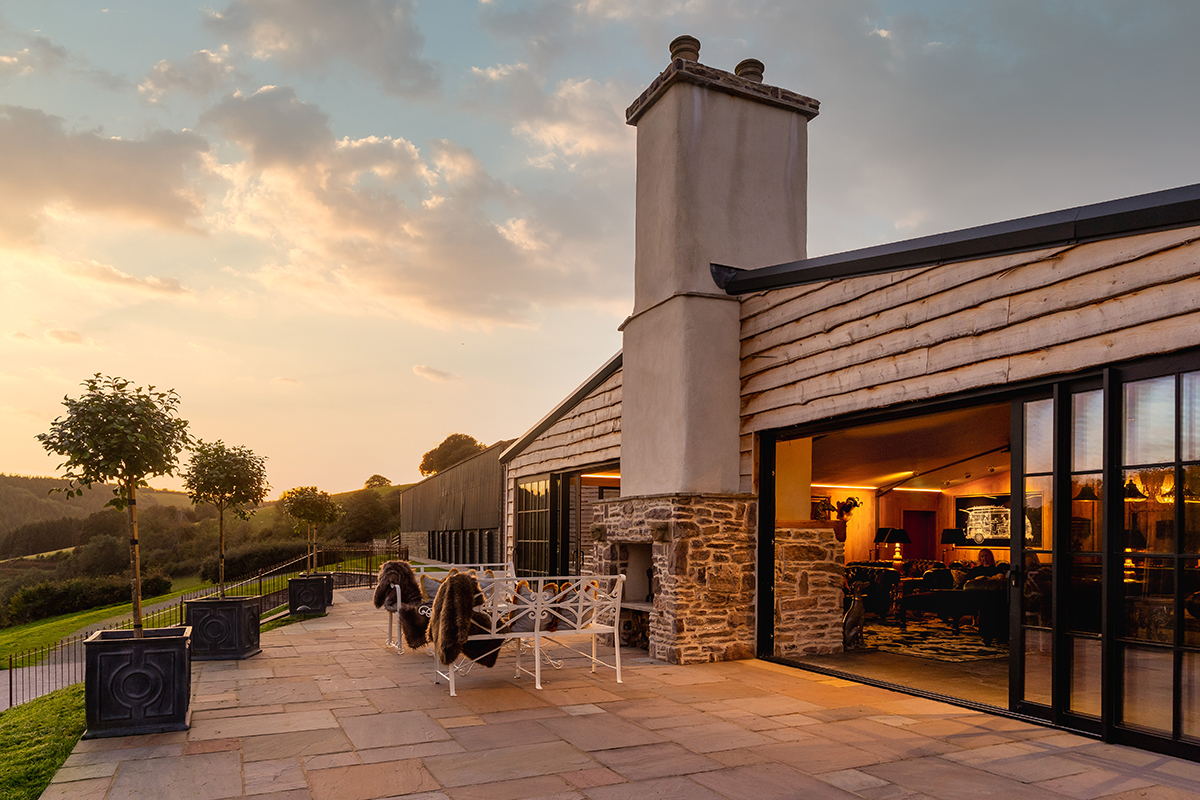
Bittescombe Lodge and Deer Park is situated on the edge of Exmoor National Park, surrounded by nature and tranquility
Hidden in the hills of Somerset lies Bittescombe lodge, now part of Mandarin Oriental’s exclusive homes collection in collaboration with StayOne. Candice Tucker visits the property and reports back
Mention the English countryside and it usually conjures up an image of gently rolling hills with a patchwork of fields separated by hedgerows, rather than the grandeur of the Scottish Highlands.
Follow LUX on Instagram: luxthemagazine
Just 1 hour and 39 minutes away from London, by train, I discovered the best of both worlds. Nestling near Taunton, in Somerset, is Bittescombe Lodge and Deer Park. The short drive to the property provides spectaculars view of seemingly never ending hills, covered in a quilt of yellow and green to being surrounded by trees, which transports your imagination to the great Canadian forests.
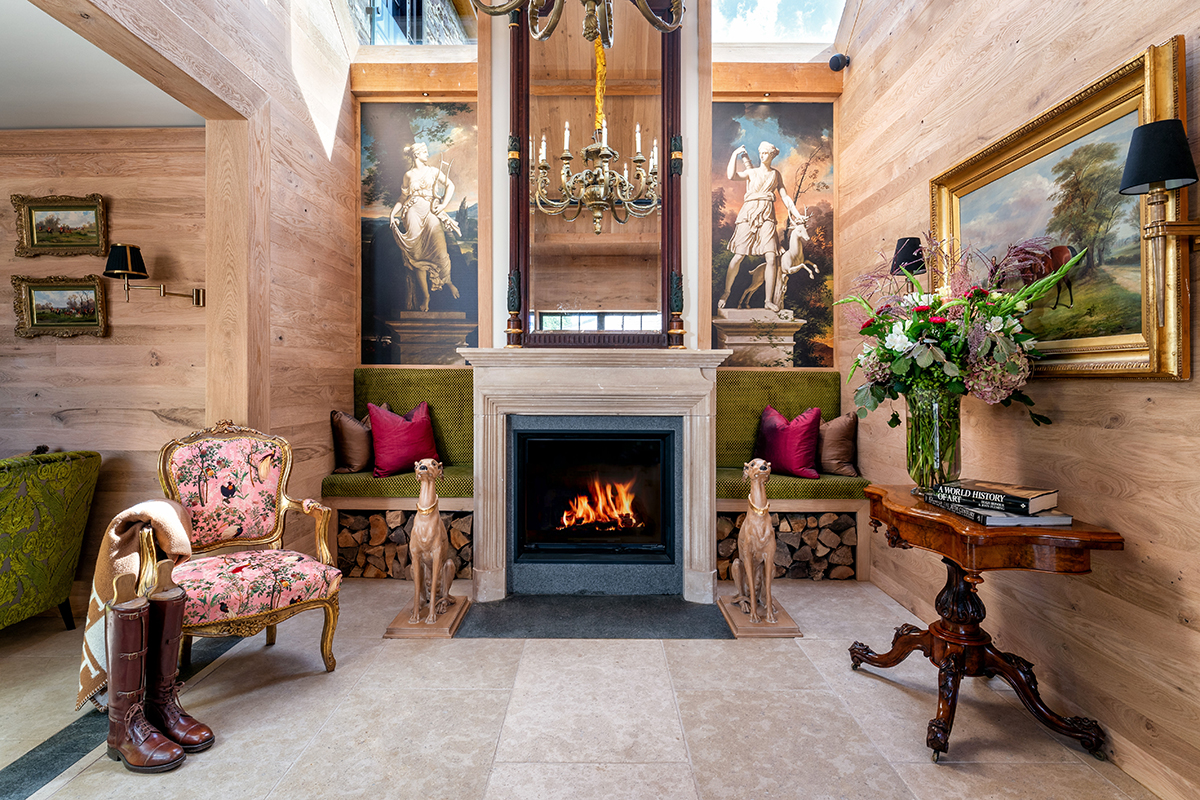
The home’s interior design and artworks were all curated by the owner
The Lodge is located in a completely secluded part of Somerset, sitting on 400 acres of land. Inside the property is intricately designed to the most exacting detail with silk and wooden walls, eccentric coloured furniture and a variety of artworks, all curated by the owner, yet it still maintains an English countryside charm.
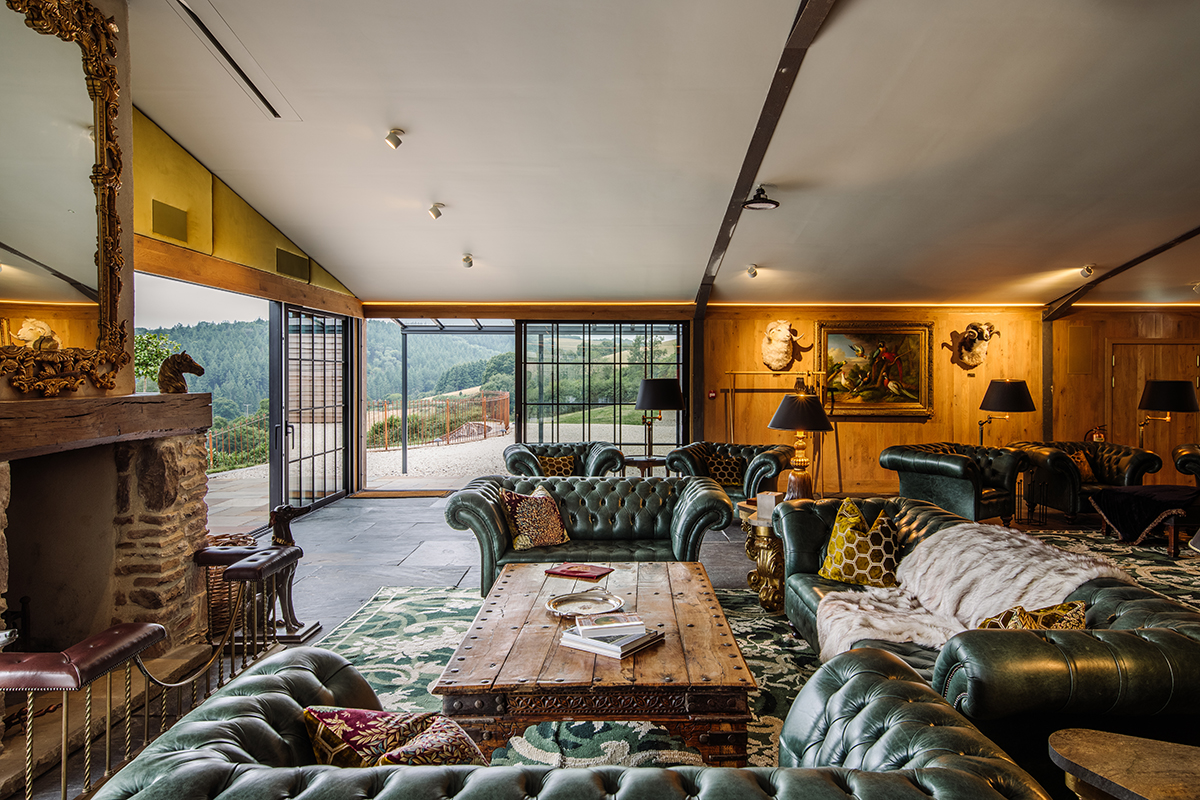
The living space which includes a full size snooker table and cinema screen
The amenities are endless from a cinema, indoor swimming pool and spa (including an in house masseuse) to a gym and paddle court. The owners have ensured that the instructors for all sports including shooting and clay pigeon shooting are of the highest calibre. We enjoyed sniper shooting (a plastic deer!) whilst sipping hot apple cider and bone broth soup prepared by the in-house Michelin Star, Mandarin Oriental approved chef. Alternatively, you might prefer to snuggle up with a good book sitting in the little library looking down at an indoor well that’s 15m deep.
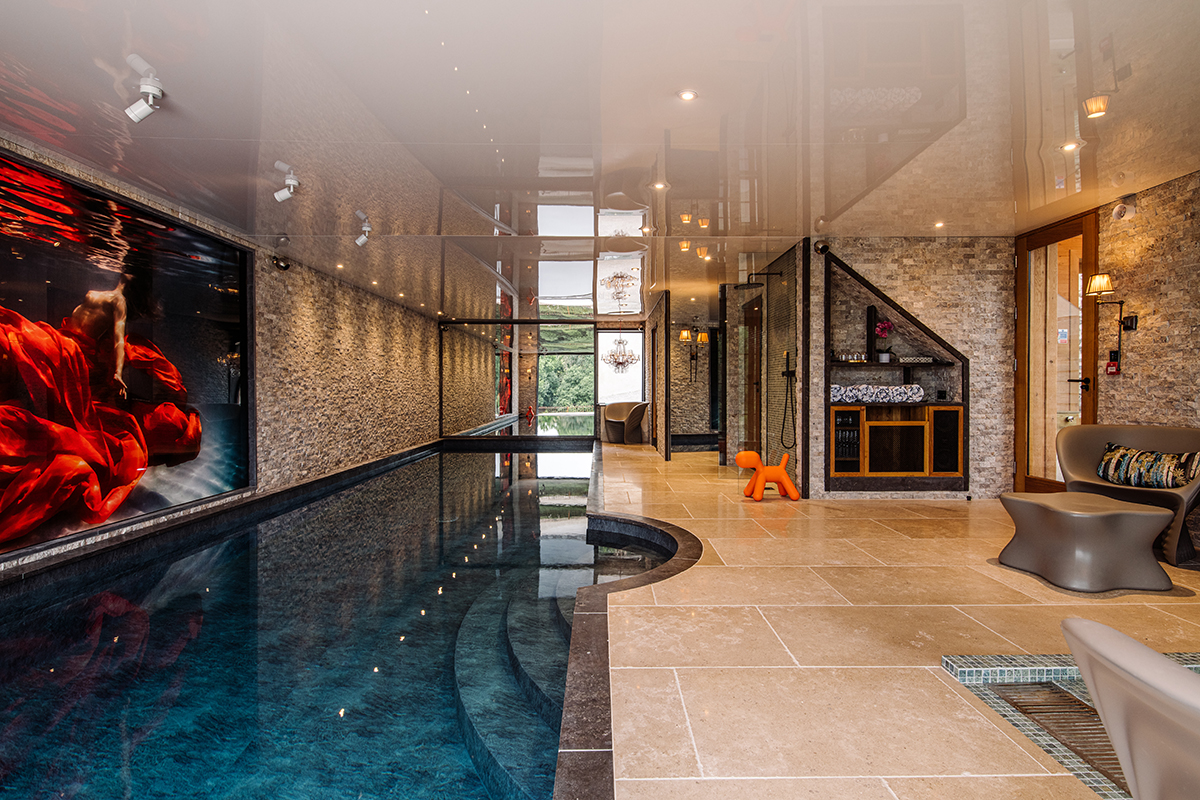
Within the spa are a heated indoor swimming pool, jacuzzi, gym, sauna and massage room
Each bedroom is unique but all are luxurious and cosy. Our bedroom had a plush bright coloured headboard with wooden floors and thick rugs to sink your feet into. On the bed your name is embroidered onto your pillow case and even your hot water bottle! It’s these distinctive features that make the property feel like you are in your own luxurious home rather than simply a 5-star hotel.
With hidden doors in the walls it’s what you imagine your childhood self would dream about playing hide and seek in.
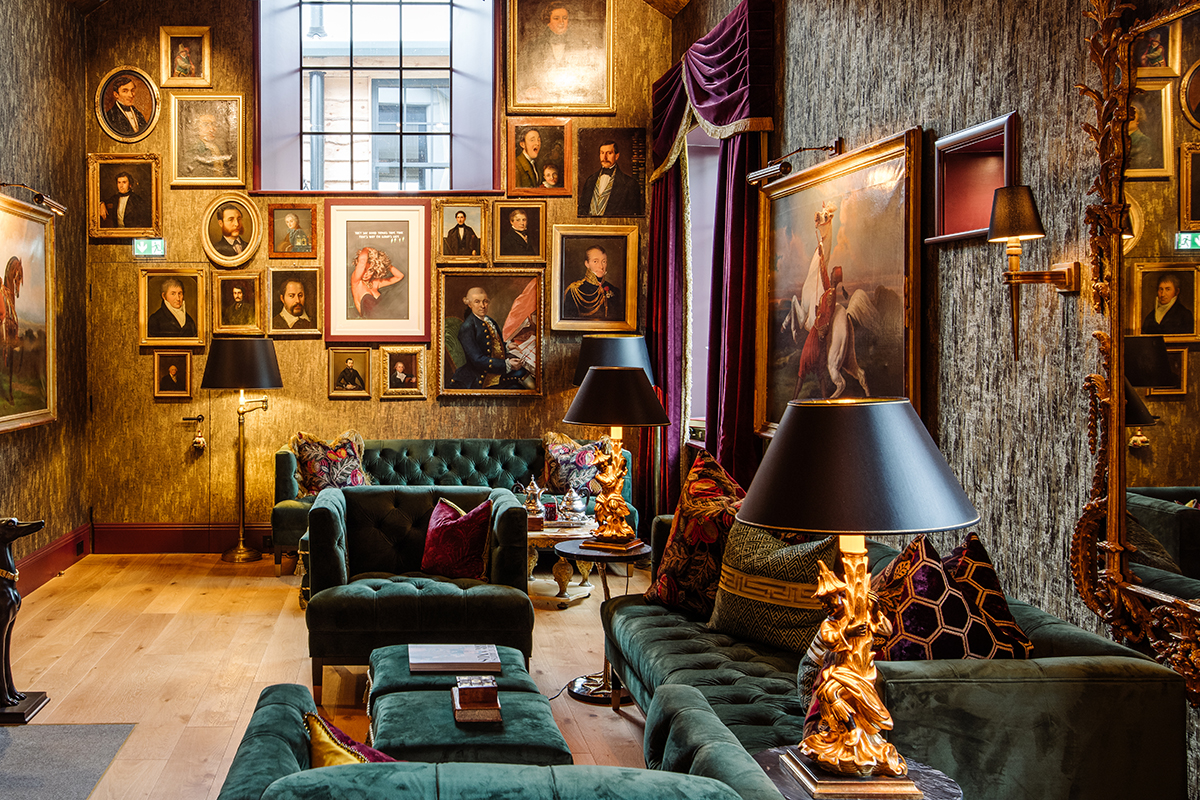
The service at the lodge is mirrored to that of Mandarin Oriental’s standards
At dinner we ate locally sourced venison from the deers reared at the estate. The owners explained that sustainability is an essential part of their ethos. At breakfast we could request whatever we desired. The hot danish pastries and soft poached eggs with ripe avocados on toasted sourdough was the ideal breakfast before a day in the outdoors.
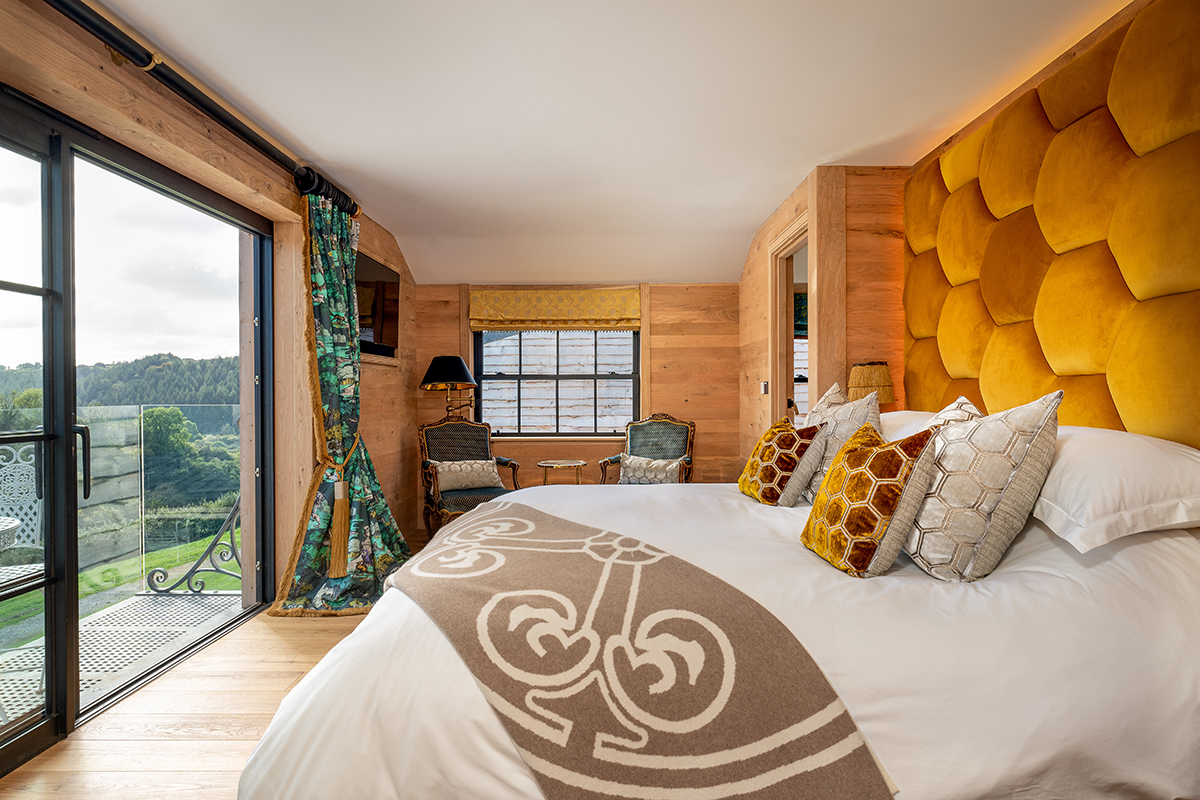
Each bedroom is equipped with a fireplace and beautiful views of the estate
The trails around the estate echo the scenes enjoyed on the way to the Lodge, but then you hit the deer park. With over 150 deer roaming free around the park one becomes enchanted by families of deer gracefully bounding across the land or stopping to drink at a meandering stream.
Read more: Edgewood Resort, Lake Tahoe Review
With up to ten rooms available, we recommend the stay for group trips. If you demand the full grand British countryside experience, Bittescombe Lodge and Deer Park provides it.
Rates: From £20,880/2-nights (approx. €23,500/$25,000)
Book your stay: www.stayone.com/mandarin-oriental-exclusive-homes/bittescombe-lodge
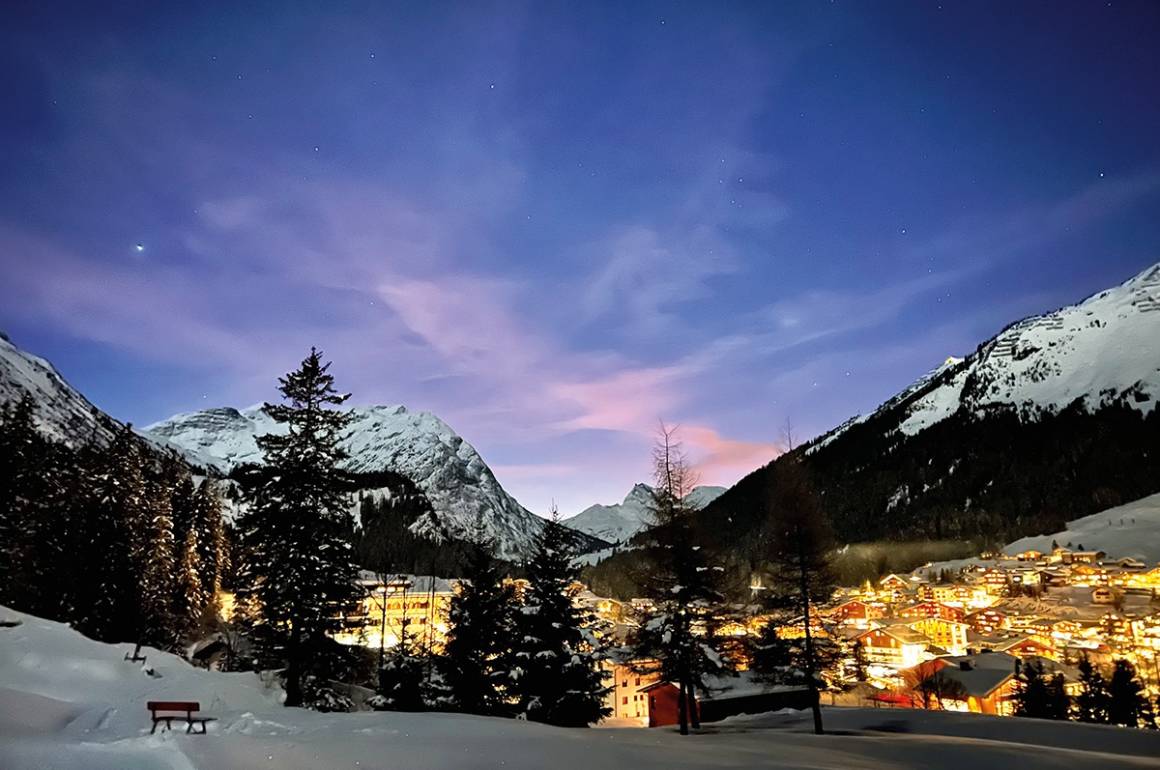

The drama of Lech by night. Main photograph by Isabella Sheherazade Sanai
High in the Arlberg ski region, the bijoux village of Lech has attracted royalty and aristocracy to its slopes for a century. We visit the contemporary hyphen chic Hotel Aurelio, in the middle of the slopes, and the classic Hotel Gasthof Post in the village centre to experience a unique mix of tradition, gastronomy, style, and high-quality skiing
In the far north of Austria, in an open valley leading ultimately to Germany’s Bavarian Alps, the village resort of Lech is in many ways the antithesis of some of certain Alpine resorts favoured by the rich and famous. The sublime little village, with a river running through it and views to a bowl of mountains all around, is chic in an old-world, old-money way. This is where you come when you don’t need to see or be seen.
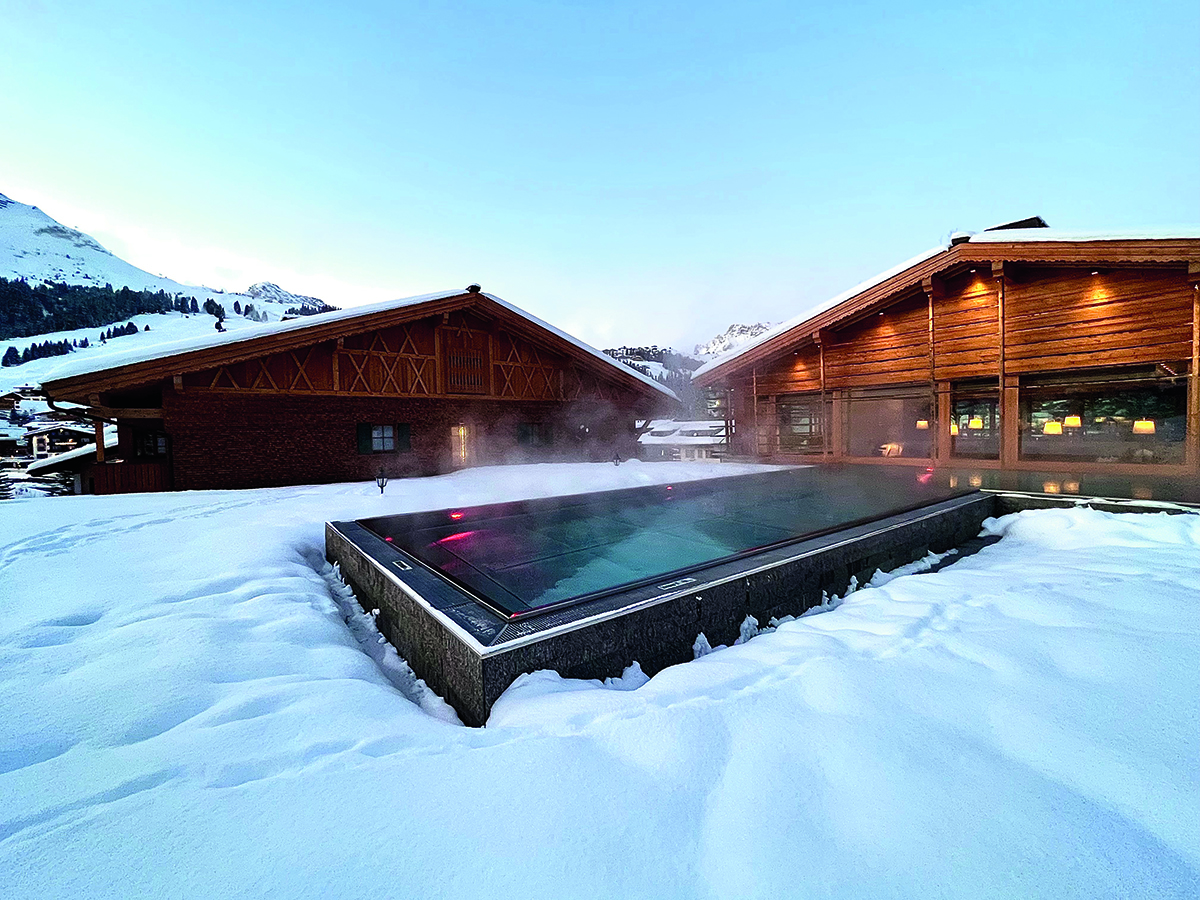
The heated pool at the Hotel Gasthof Post
Even the luxury hotels are understated. The Hotel Gasthof Post, in the village centre, was a posthouse, convenience store and mountain inn; it was acquired in the middle of the 20th century by a family of skiers and mountaineers and formed a central part of Lech’s ascendance to a place where royals went to (not) be seen. There is something very rebalancing about sitting in your wood-panelled room and looking out over the snowfields.
Follow LUX on Instagram: luxthemagazine
Our other proposal for Lech is the Aurelio, a classical-contemporary ski-in, ski-out boutique property on the lower part of the main slope down into the village. The artistry of the design is evident in every detail, from the experience showers and herbal baths in the spa, to the photography of the ski slopes – think Martin Parr for the mountains – on display in the public areas. The prominence of photography continues in the rooms, along with light, natural woods, locally crafted furniture and neutral tones in the furnishings.
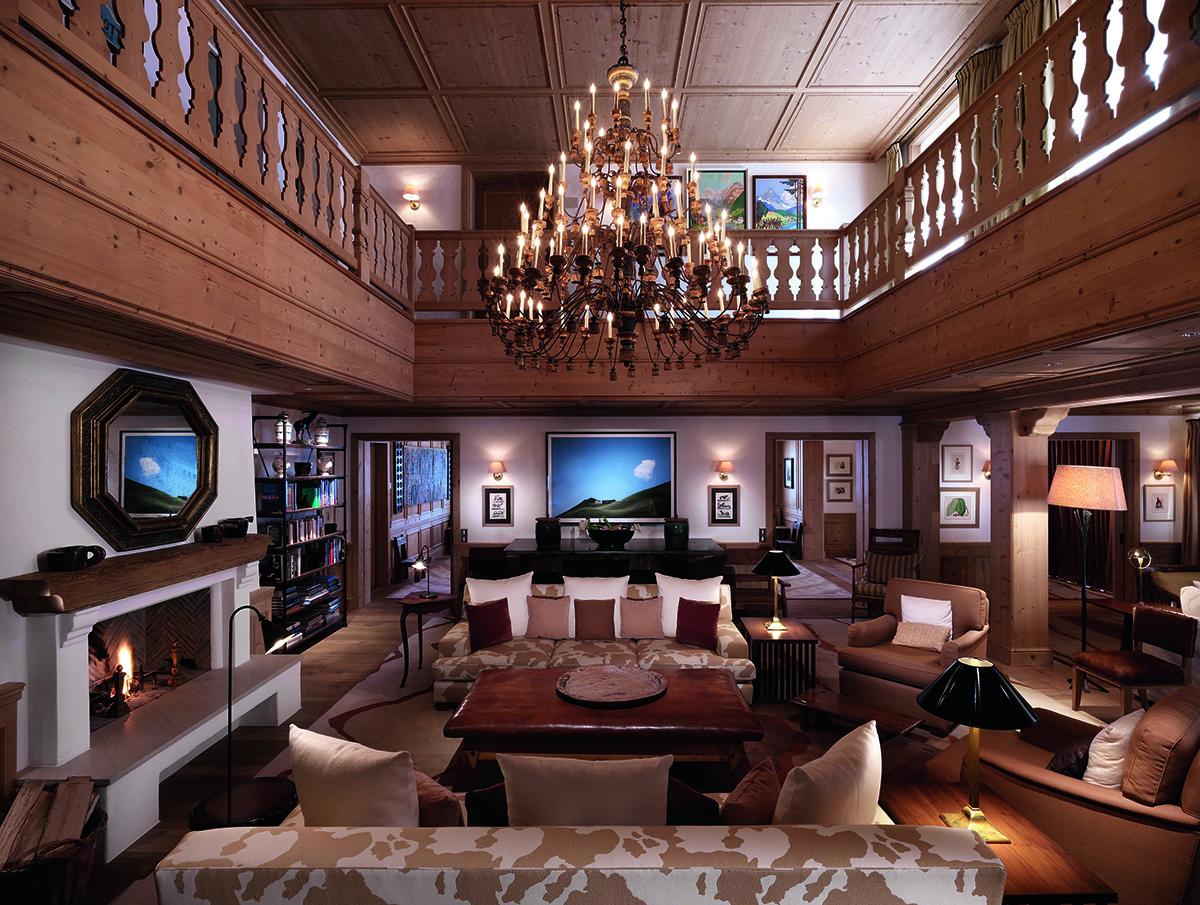
Classical-contemporary elegance at the Aurelio
We also like the focus on sustainability in the kitchen, with local ingredients and presentation that is an art in itself.
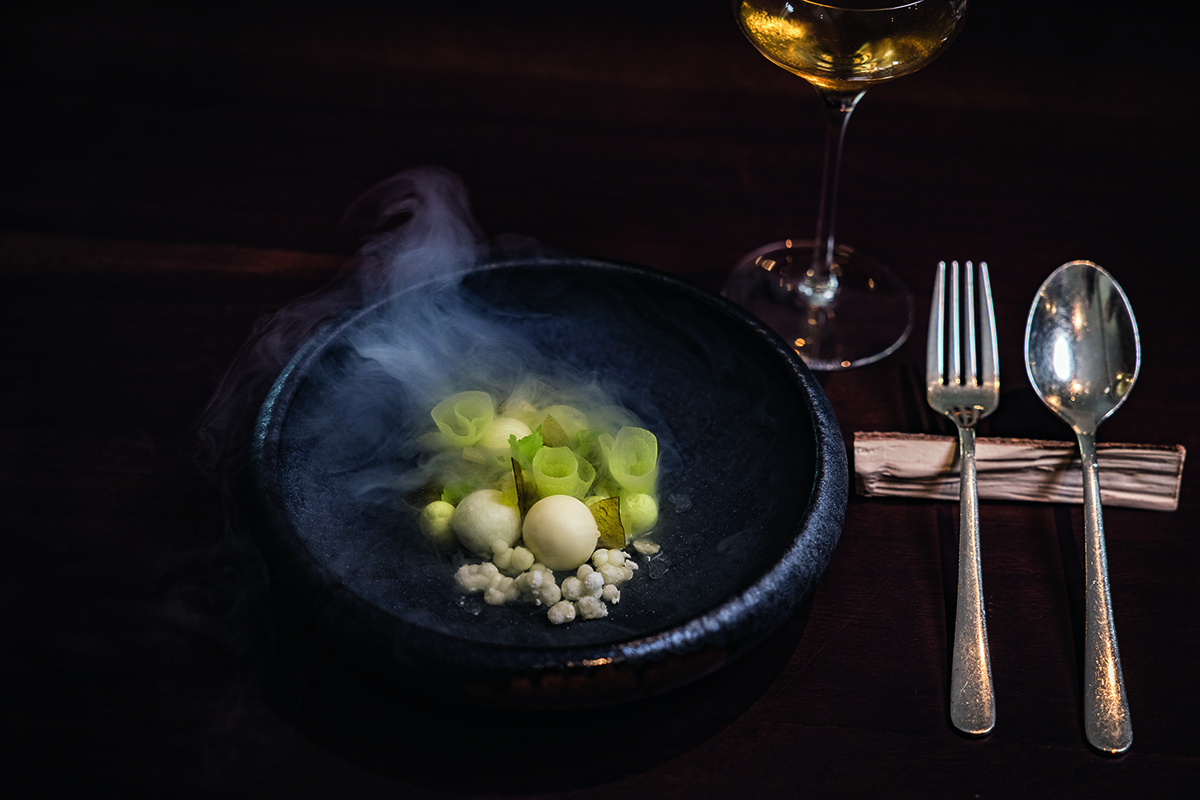
Locally produced cuisine at the Aurelio
The bar/lounge is coolly discreet, and the terrace sees skiers land (sometimes literally) for an end-of-day martini.
Read more: The serene beauty of little-known Alpine resort Drei Zinnen
The skiing in Lech is beautiful, and new connections allow a tour over to the equally upmarket mini-village of Zürs up the road, and over to the much busier slopes of St Anton, across the mountains, though we’re not really sure why you’d want to do that. Just make sure you leave your bling at home: this is not that kind of place, darling. Now tell us, how old were you when you found out that you’re next in line to the throne?
Find out more: postlech.com; aureliolech.com
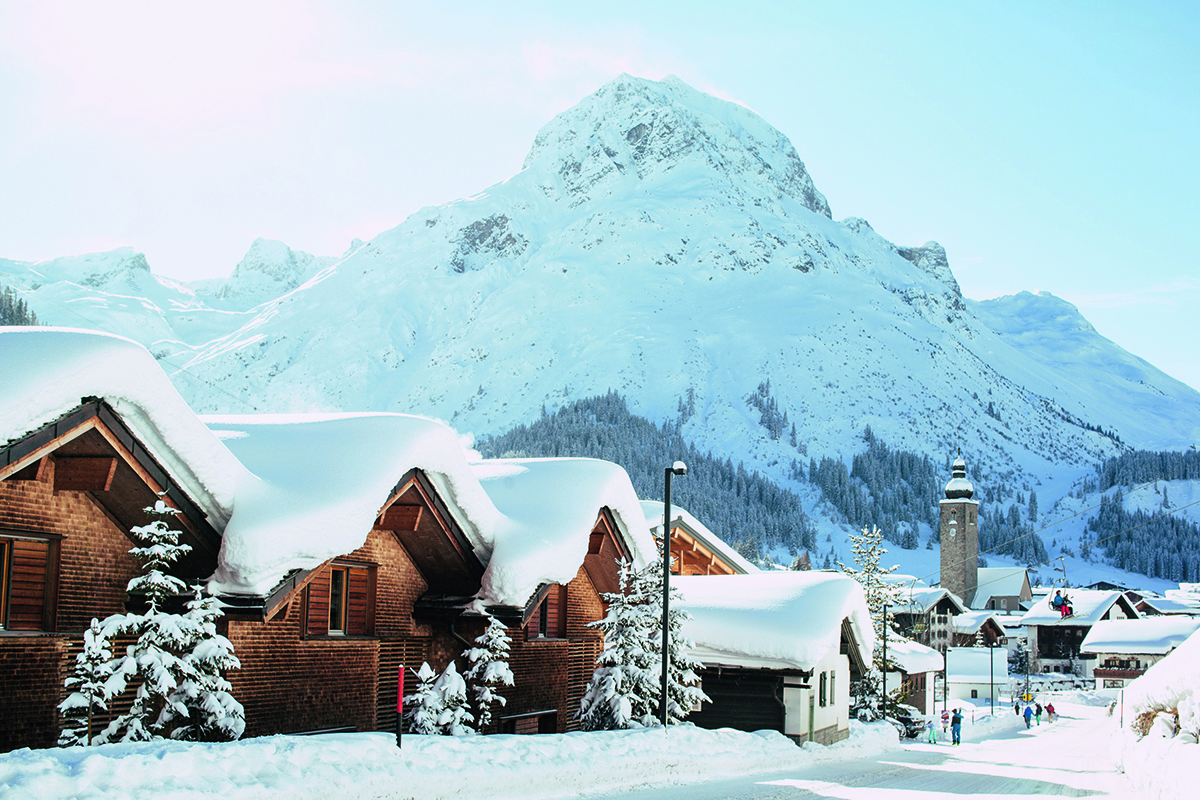
Picture-postcard Lech by day
This article first appeared in the Autumn/Winter 2022/23 issue of LUX

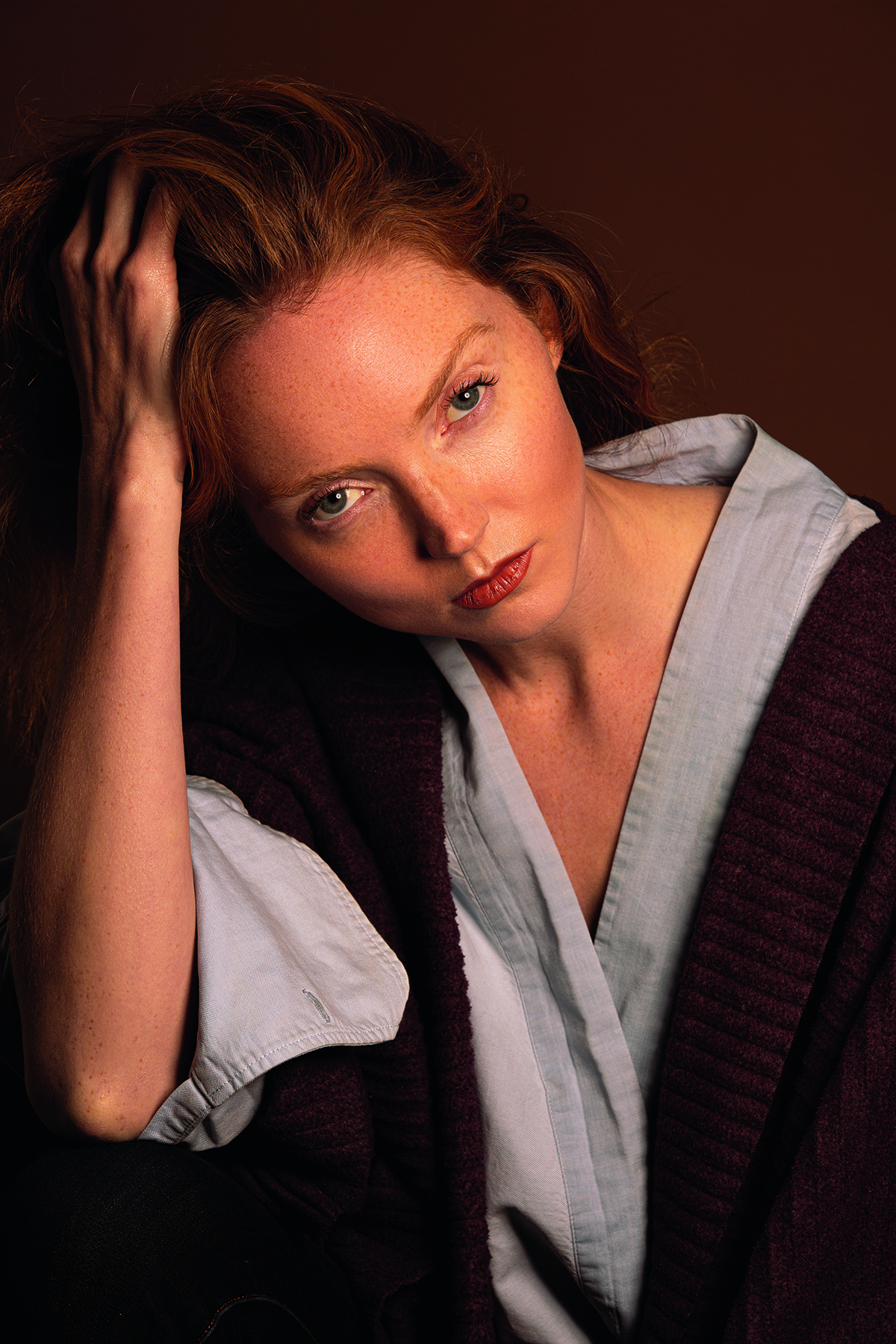
A portrait of the multitalented Lily Cole
The model and campaigner talks to Ella Johnson about environmental action, NFTs and how fashion can never be truly sustainable
1. What was your first piece of eco-activism?
Without it being intentionally connected to environmentalism, I guess it was campaigning against fur and turning vegetarian as a kid.
2. Why are you an “accidental entrepreneur”?
I’ve never resonated with the idea of business or entrepreneurship. I just have ideas and business has been a good vehicle for executing them, so it’s “accidental”. Perhaps “incidental entrepreneur” is a better way of saying it, as it’s an incidental by-product of following ideas.
3. What is the aim of your 2020 book and ongoing podcast, Who Cares Wins?
To draw attention to climate solutions and to foster a culture of diversity, dialogue and collaboration.
4. Who would be your ultimate guest for the podcast?
Thich Nhat Hanh. Aware it is too late for that.
Follow LUX on Instagram: luxthemagazine
5. Why should we take an intersectional approach to environmentalism?
Because all our issues are interconnected and interwoven, both social and environmental. And because the key to embracing biodiversity involves embracing diversity on all levels, such as cultural diversity and diversity of thought.
6. The Queen asks you what to do. What do you tell her?
I ask her to listen to, support and champion indigenous voices.
7. What was your greatest revelation while researching your book?
That we could halt global warming, draw down more than 15 years of carbon emissions, enhance global biodiversity and essentially stop the sixth mass extinction through a very simple, and technically possible, action: stopping most animal farming.
Cole, aged around 10, with an early activist fashion statement
8. Can we really stop global heating?
As above, and through many other solutions I look at in Who Cares Wins. Although it might not be possible to stop global heating in the short-to-medium term, we can potentially stop it in the longer term. And we can lessen the extent at which it accelerates, so it’s not too late to do something.
9. Fashion can never be sustainable. True or false?
If Adam and Eve swapping out fig leaves for, say, maple-tree leaves, was fashion, then yes, it can be. If most fashion remains made up of petrochemicals – 70 per cent of new fabrics are composed from plastic – and using non-circular business models, then no, probably not.
10. Why did you move to Portugal?
My daughter’s father is Portuguese and it felt like a good move to be closer to his family during the pandemic. Then I fell in love with the country: good nature, weather and people.
11. Have you ever bought an NFT?
Interesting question. I nearly did, as one was originally attached to a tapestry artwork I bought by Éva Ostrowska.
12. What’s your favourite building?
Sant’Ivo in Rome. The floor plan has a weird shape, like a bee. When Borromini drew the plans, he had to put the centre of the compass outside the ecclesiastical space to make it, which some interpret as a nod to the new idea that Earth was not the centre of the universe.
13. Tate Modern or Pompidou?
14. Is success about talent or effort?
It takes both, I’d think.
15. Which fictional character would you most want to have dinner with, why, and where?
Ada, from the novel by Nabokov. To pick her brain and play her games. On a sun-kissed beach.
Read more: An Interview with KAWS
16. What next, creatively?
Writing, writing, writing more.
Season 2 of Lily Cole’s Who Cares Wins podcast is available to stream now: lilycole.com/podcast
This article first appeared in the Autumn/Winter 2022/23 issue of LUX
 Aino Grapin is CEO of Winch Design, an international design studio for luxury planes, homes and most famously, yachts. Here, Grapin speaks to Samantha Welsh about the increased focus on sustainability in yacht design and the special requests of next generation yacht owners
1. What was the founding vision for Winch Design 36 years ago?
Drawing inspiration from Andrew’s own passion for sailing and the sea, Winch Design first began in 1986 by focusing its creativity on sailing and motor yachts. With a 36-year heritage in superyacht design, our studio is now creating projects across land, air and sea.
The challenge we set ourselves for each day is to realise the dreams of our clients. Their aspirations are, in themselves extraordinary in their sophistication and scale, inviting a creative response that has to be both unique and full of imagination.
2. Deeply embedded at the outset in environmental and social responsibility, how is the company working to meet UN sustainable development goals at studio level?
Andrew had a genuine interest in sustainability very early before it became such a hot topic and has driven that passion into the business. We have created our own ‘Life Worth Living’ plan to care for people and the planet through four key pillars: protecting our air, land and sea, caring for our communities, leading our industries and transforming our business. We have also partnered with the Water Revolution Foundation and signed their Code of Conduct, committing to prioritising sustainability throughout our entire supply chain.
Follow LUX on Instagram: luxthemagazine
At studio level, we have a dedicated sustainability specialist whose responsibility it is to research, source and test, not only materials, but suppliers too. They manage a resource matrix of sustainable suppliers that analyses and tracks their methods of sourcing, manufacturing and application of each material to check it meets the correct criteria.
3. Data shows the average age of a boat buyer has decreased by over ten years since the pandemic, what does this new generation want from a luxury fit-out?
We are seeing an increase of younger owners, who are typically more in-tune with the effects of climate change and ocean pollution and are more likely to request or be open to innovative and sustainable yacht design.
In terms of interiors, younger clients do not like the high-gloss and dark wood finishes which are typically associated with traditional yacht interiors. Natural textures and experimental finishes are more popular with younger clients.
Younger clients are also asking for more informal social spaces, a step away from formal dining and entertainment styles traditionally found. This is showing that guests really want to switch off when they’re at sea. Clients are staying on board longer and require more multi-functional spaces.
Explorer yachts are also gaining popularity with the younger crowd. Clients want to be able to navigate around the globe for extended periods of time in a 7* environment. Their yacht must be able to thrive in any environment, no matter how harsh.
4. At project inception, how do you persuade clients to make sustainable choices?
We make sure to introduce all of our clients to sustainable options right at the start of the process. The choice of sustainable materials becomes a part of the narrative of the project and we educate our clients to understand that sustainable options don’t mean you have to compromise on luxury.
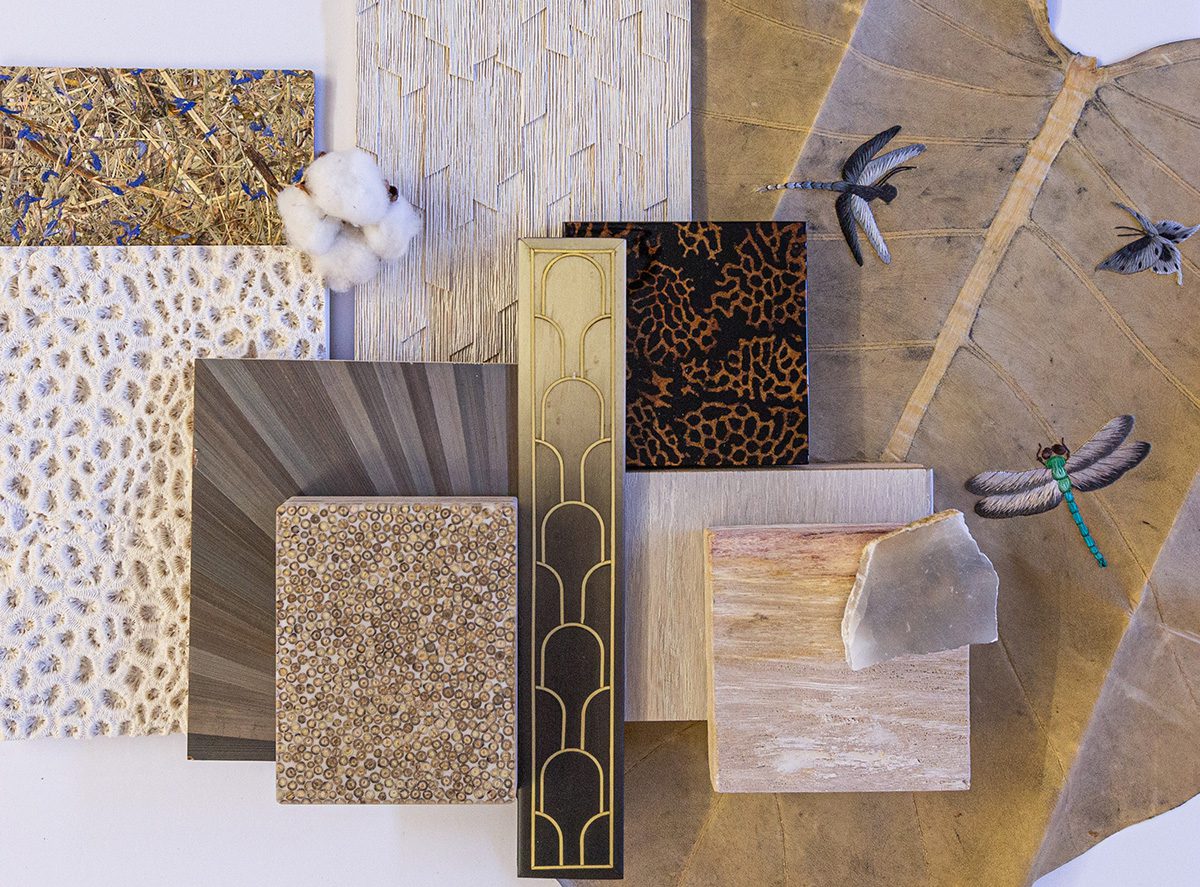
5. Where are you focusing your design energies?
Alongside sustainability factors and the increased popularity in explorer yachts, we are seeing an increased focus on the use of glass on yachts. Huge expanses of glass are being used, to bring the outside in and allow clients to feel immersed in their surroundings. This yearning for a connection with nature has also led to the increase in more refined, natural interiors, with open grain woods, soft, light furnishings and even living walls of greenery.
Read more: Markus Müller on Nature Economy
We have no set house design style and as a result each project we complete is totally unique. Currently we are working on a variety of projects across our yacht, aviation and architecture studio. These include VIP submarines, the world’s largest twinjet plane and the OWO (Old War Office) penthouse.
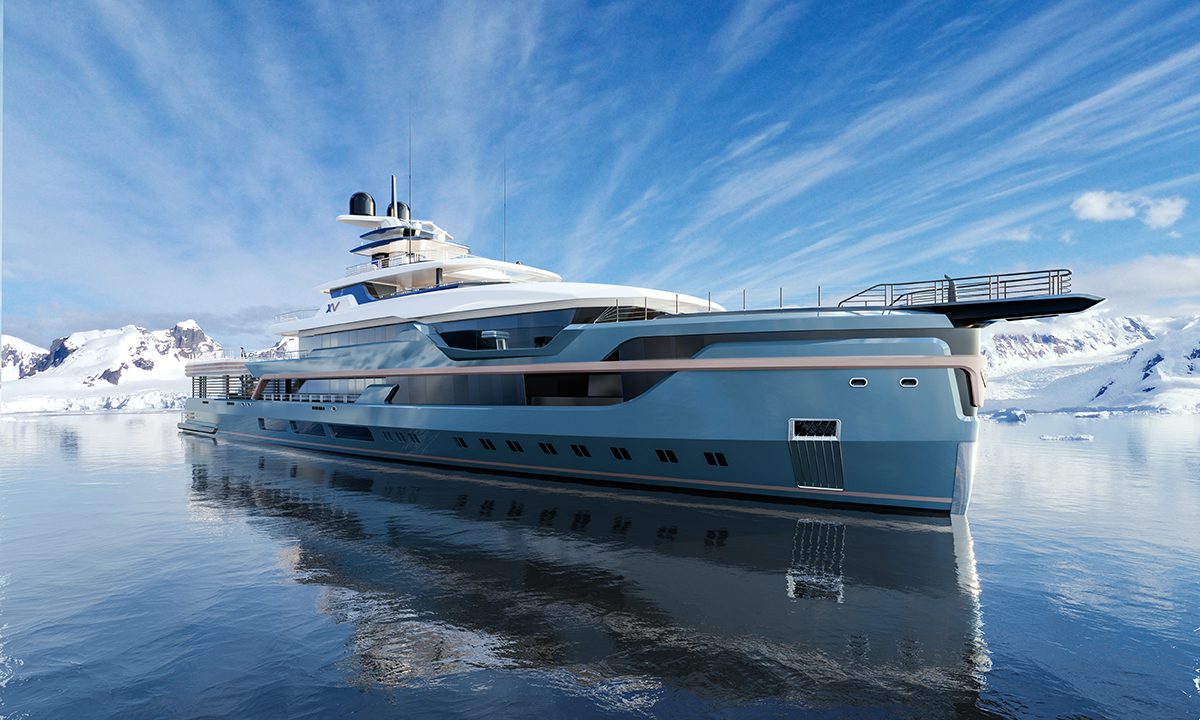
6. What do clients most want from their time at sea?
Our clients want time to switch off, enjoy time with their family and friends and explore new destinations in complete privacy.
Find out more: winchdesign.com
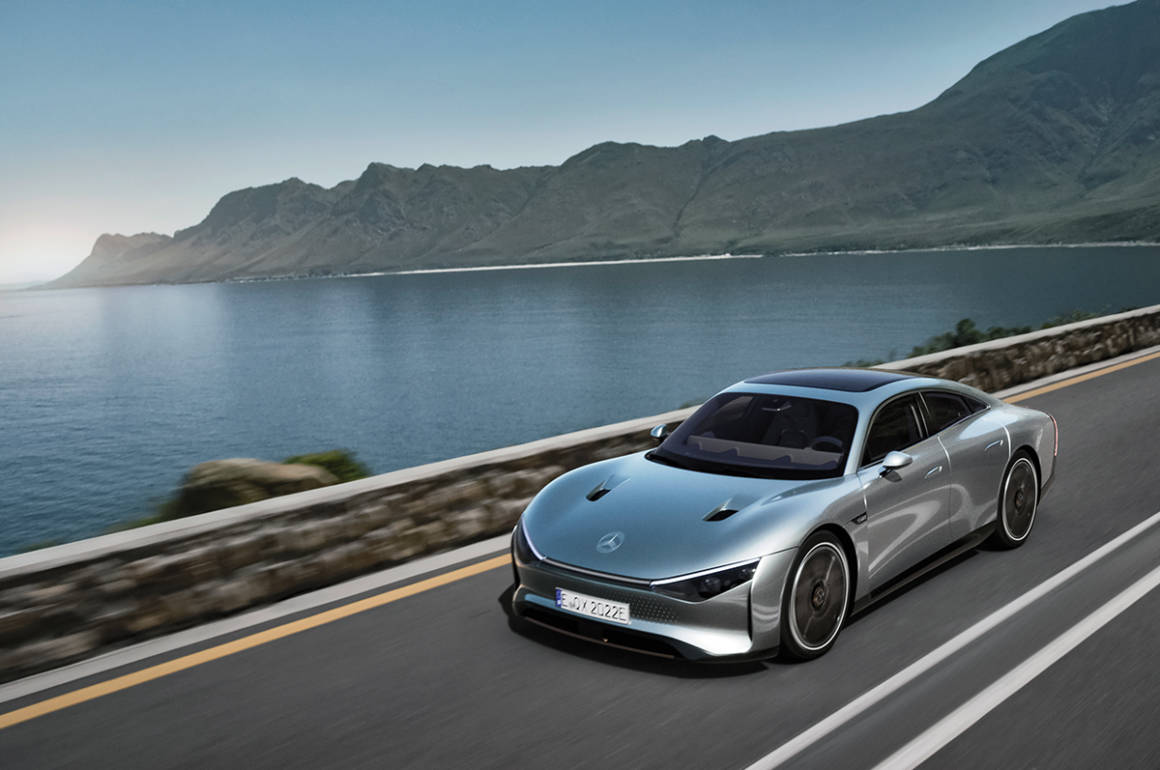
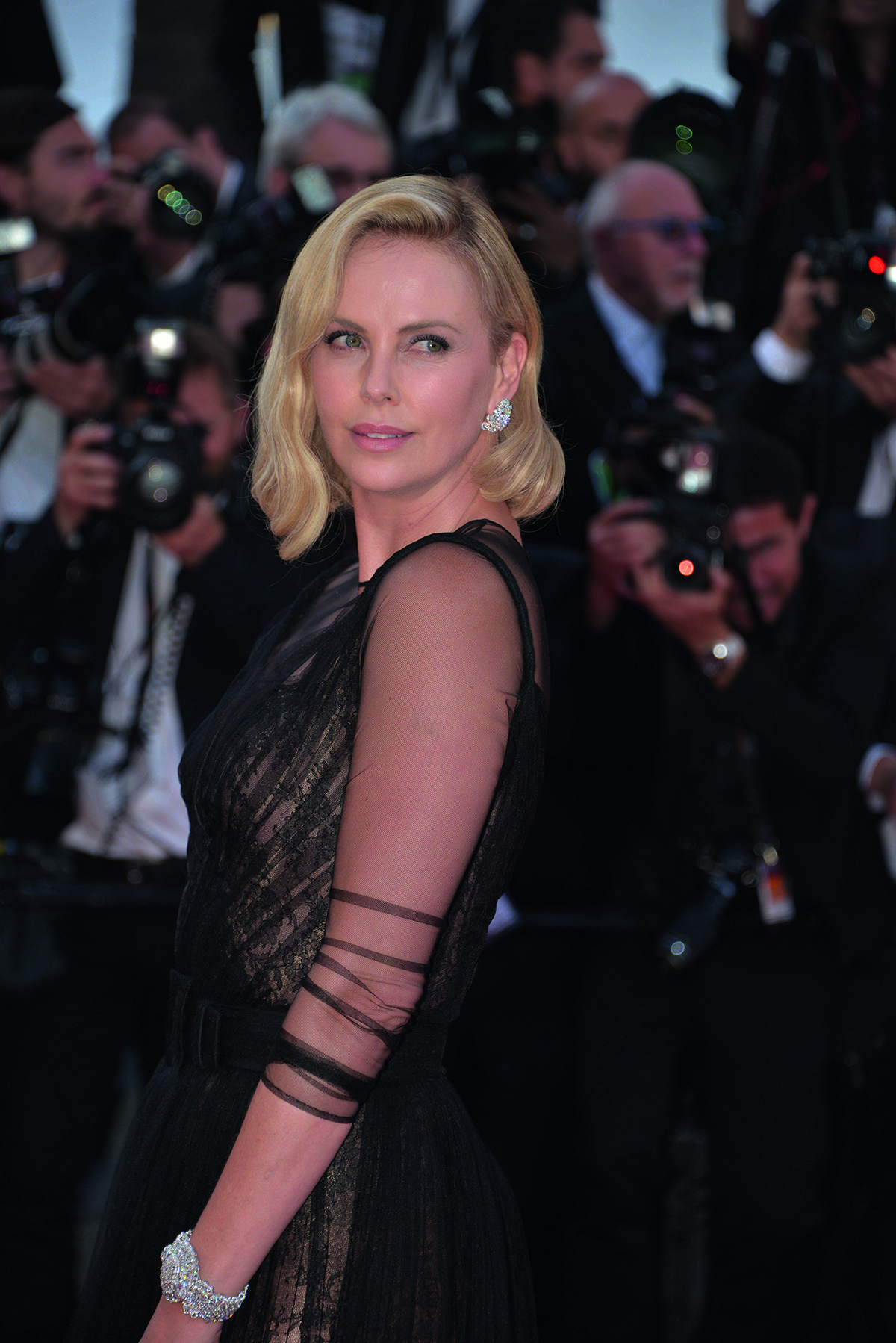
Charlize Theron wearing Chopard’s responsibly mined diamonds at Cannes
The new buzz phrase for business is “profit with purpose”. So how are leaders in the luxury and consumer industries facing the need to adapt to increasingly stringent sustainability criteria? Interviews by Ella Johnson and Candice Tucker
For brands, ensuring that consumer and luxury products comply with standards for Environmental, Sustainability and Governance (ESG) factors can be tough. How much water pollution do your steel suppliers create? What is the carbon footprint of your distributor in South America? How does the main supplier of your fasteners treat its staff?
These questions are becoming paramount for any company expecting to survive and thrive in the coming decades. Consumers are increasingly asking if products are sustainably created, if brands treat their staff and suppliers ethically. A company may still make profits on the back of a high-carbon footprint now, but it is far less likely to be able to do so in 10 or 20 years time.
We spoke to industry leaders across sectors for their insights into succeeding in a new era.
JEWELLERY
CAROLINE SCHEUFELE
Artistic director and co-president, Chopard
In 2013 Caroline Scheufele launched Chopard’s Journey to Sustainable Luxury, an in-house programme that committed the Swiss luxury jeweller to responsible sourcing. The brand has also forged a philanthropic relationship with the Alliance for Responsible Mining, helping gold-mining communities achieve Fairmined status.
LUX: Chopard’s engagement with ESG predates that of most jewellery houses. How did it start?
Caroline Scheufele: As a family-run business, ethics have always been at our heart. More than 40 years ago, my parents developed a vertically integrated in-house production system and invested in mastering all crafts internally. This means the full traceability of our gold supply chain is guaranteed through our operating model. It is based on a closed-loop system that also enables us to recycle pre-consumer gold scraps or “production waste” in our gold foundry.
LUX: How do you ensure responsible sourcing?
CS: In 2018 we became the first jewellery and watch maison to commit to using 100 per cent ethical gold for our watch and jewellery pieces. It is a bold commitment, but one we have to pursue if we are to make a difference to the lives of the people who make our work possible.
LUX: How does research help?
CS: Our R&D works to make our raw materials and production practices more sustainable. One example is the creation of ethically produced Lucent steel, which took four years research. It’s an alloy made from 70 per cent recycled metals and is 50 per cent harder than other steels. It also helps minimise our carbon footprint.
LUX: Does your model help or hinder creativity?
CS: Working with responsibly sourced material stimulates my creativity. The Insofu emerald, which we presented in Paris Haute Couture Week 2022, was discovered in the Kagem mine in Zambia and is one of the most important gems found for weight, quality and traceability. By buying a raw stone, we can follow its entire journey to final creation. Our craftspeople will cut the raw emerald and collect all the cut gems. We will then incorporate sustainability into our creations through eco-design thinking.
LUX: What does it mean for the future of luxury?
CS: True luxury comes only when you know the handprint of your supply chain.
AUTOMOTIVE
MARKUS SCHÄFER
Chief technology officer and member of the board of management, Mercedes-Benz Group AG
Mercedes-Benz’s Vision EQXX, its most energy- efficient car ever
Under Markus Schäfer, Mercedes-Benz has embarked on an electrification plan that will see battery electric vehicles (BEV) in every segment by the end of 2022, and an all-electric fleet by 2030. It is the first premium automobile manufacturer whose climate objectives have been verified by the Science Based Targets Initiative (SBTI) in line with the Paris Agreement.
LUX: What are the challenges of sustainability in the automotive sector?
Markus Schäfer: Our main ambition has always been to build the world’s most desirable cars. At the same time, our framework is changing dramatically, so we are rethinking our entire business model, with sustainability as our guiding principle. Our goal is to take the lead in electric driving and car software. And we will make our new car fleet CO2-neutral by 2039 – along the entire value chain and life cycle. It is a giant challenge, but for our brand it is also exciting.
LUX: Are luxury and sustainability compatible?
MS: Luxury has different meanings for everyone. In essence, it is simply about being completely at ease. Now it includes knowing your products and services helps reduce our footprint. For us, luxury is linked to setting new technological standards, and the age of sustainable and software-driven mobility gives us opportunities to do so. We think it will also make us interesting for new, younger customers who live a mindful-luxury lifestyle. At Mercedes-Benz, we want to combine our traditional strengths – innovation, safety, design, and comfort – with mobility that is sustainable and utterly intuitive. Luxury has always been a part of our DNA, and a driver of innovation.
LUX: If everyone moves towards electrification, what will differentiate your products?
MS: We think digital and sustainable innovations will be the top USP in luxury cars. With our Vision EQXX technology-programme prototype, we achieve more than 620 miles (1,000km) on a single battery charge. We are also increasing the use of recycled materials and researching new sustainable materials – we will use almost totally CO2-free steel in various models from 2025. With innovative car software we can offer customers the gift of time: we were the first car manufacturer to gain approval for conditionally automated Level 3 driving, without any safety compromises.
FASHION
MARIE-CLAIRE DAVEU
Chief sustainability officer, Kering
Kering’s Material Innovation Lab, the brand’s sustainable- materials hub in Milan
It was in 2011 under Marie-Claire Daveu that French luxury-goods group Kering introduced its innovative Environmental Profit & Loss (EP&L), an initiative to quantify environmental impact across the company’s operations and supply chains. It is now standard practice elsewhere.
LUX: Can collaboration help green transition?
Marie-Claire Daveu: Even a big company is not big enough to change a paradigm – it has to cross-fertilise with peers. For us, collaboration is in the DNA of our sustainability strategy. When we speak about sustainability, it includes being an open source and sharing our best practices. It is also about working with other sectors. It’s why we’re part of the One Planet Business for Biodiversity (OP2B) coalition, which includes food companies and the likes of Unilever. You may question why we have joined it, but regenerative agriculture is as important to us as it is to the food industry. Both of us take our raw materials from nature. We have the same origin.
LUX: Why did Kering invest in the vintage fashion platform Vestiaire Collective in 2021?
MCD: We were quite disruptive to go into vintage. It was our way of proving that purpose and profit go together. For us, it is interesting to have a seat on the Vestiaire board and see how we can develop a green e-commerce. There are new challenges with packaging, transportation and how we engage with customers. We are only at the beginning, but I think the idea of a second life will evolve in luxury and beyond.
LUX: Should leadership come from the top?
MCD: Sustainability is becoming more important to consumers and shareholders, but there is so much to do that, unless leaders prioritise it, you won’t do it. Luxury leaders must push for it both inside and outside their direct ecosystems.
LUX: Can fashion ever be sustainable?
MCD: You have to give people hope and solutions. I believe in a circular economy, upcycling, recycling – a 360 approach. With nature it’s about equilibrium. You have a problem if you take too much. But if you give nature the possibility to regenerate itself, there is no issue.
TRAVEL
SVEN-OLOF LINDBLAD
Co-chair and founder, Lindblad Expeditions
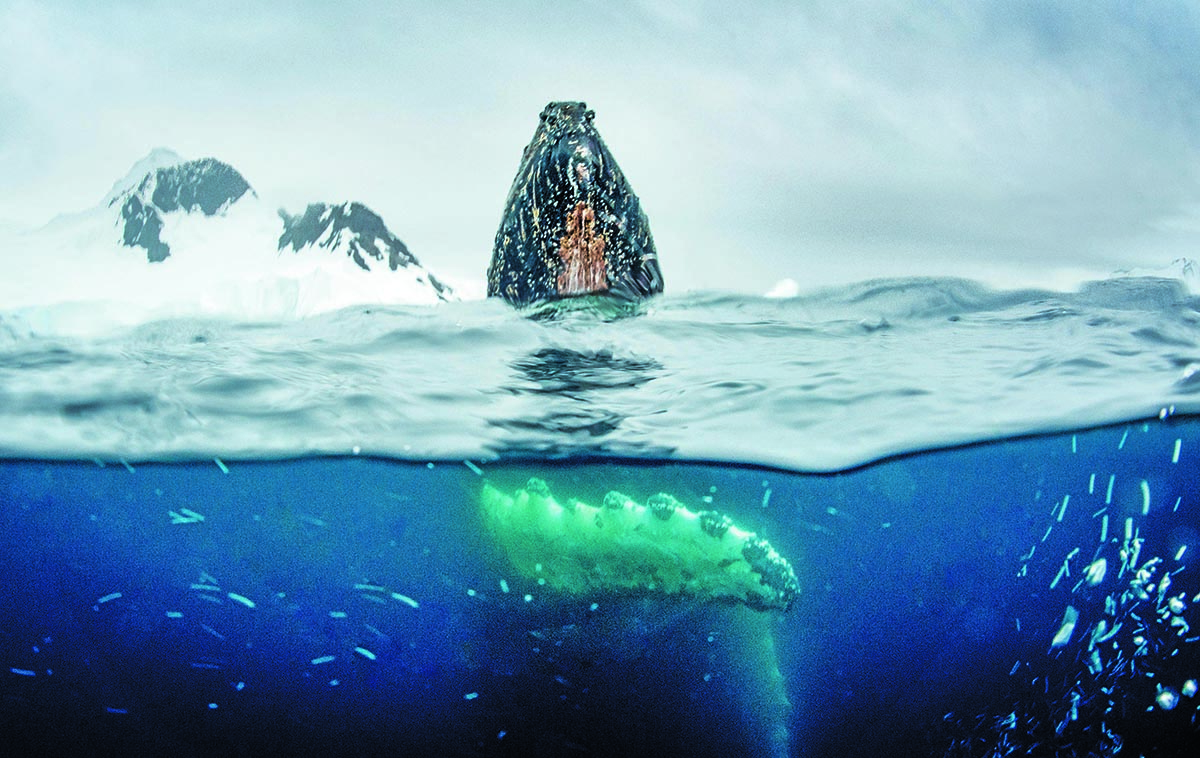
A moment on Lindblad Expeditions’ Antarctic humpback observation trip
Sven-Olof Lindblad is an Ocean Elder whose work combines marine conservation, education and eco-tourism. Lindblad Expeditions has been at the forefront of environmentally sensitive expedition travel since its founding in 1979, raising more than $19m for conservation and scientific research and forming a strategic alliance with National Geographic.
LUX: Are there opportunities in sustainability?
Sven-Olof Lindblad: The more people think about sustainability, the more valuable the natural assets become that travel companies need to run their businesses. If you place more emphasis on protecting coral reefs, companies that want to incorporate coral reefs as part of their travel offering will have something that is more valuable and meaningful to travellers. But there are economic impacts to sustainability which makes things expensive. Some businesses don’t care enough yet because they think their audiences don’t, particularly in mass tourism where every dollar spent becomes significant. So companies have to believe, as I do, that sustainable behaviour is important, otherwise they are making decisions that, on the surface, do not make economic sense in the short term.
LUX: Do the wealthy have a responsibility to travel more responsibly?
SOL: I’m not that black and white. I might be sitting on my own private yacht now, but I’m on a research mission in Panama for a month interacting with Panama’s government to figure out how to evolve responsible tourism there. One of the most effective ways of doing that is by taking a boat, exploring the coastlines. Is that bad? I think it is using a boat to positive effect. There isn’t technology at the moment that allows us to eliminate burning carbon entirely, so we offset everything we do.
LUX: How do your expeditions ensure meaningful action in sustainability?
SOL: We take a lot of action in a variety of forms. We have a fund where we raise and distribute approximately $3m per year to conservation, activities, education and exploration. But it is also meaningful to engage people, making it possible for them to have experiences in the natural world that inspire them to think differently about natural assets. They can then change behaviours in their own lives or even create certain changes of action in their spheres of influence. That’s important, too.
YACHTING
JAMIE EDMISTON
Chief executive, Edmiston; chair, Levidian
Yacht brokerage firm Edmiston has collaborated with climate-tech business Levidian to bring its LOOP decarbonisation technology to yachting. The device is expected to deliver significant benefits to battery technology, paints, coatings, and desalinisation systems in the maritime sector.
LUX: What are the biggest barriers to the decarbonisation of yachting?
Jamie Edmiston: Nearly all yachts burn diesel in their engines, so, until someone comes up with a suitable alternative engine, short-term innovations have to be in cleaning the emissions before they enter the atmosphere. Medium-term, we have to find other fuels than diesel, whether powered by battery or hydrogen.
LUX: How is Edmiston innovating in the sector?
JE: We have become involved with the climate-tech business Levidian, which has developed a LOOP device that takes methane, the main constituent of natural gas, and turns it into carbon, graphene and hydrogen. Around 40 per cent of the carbon is removed just by that one process, which means that all the gas being used is already decarbonised by 40 per cent. That makes a big impact. The LOOP device will not necessarily power a yacht, but the application we see is producing hydrogen at the source where it is needed. You can put that reactor in a factory, or a shipyard, where you’re taking methane and burning it, to decarbonise the gas that comes in. Moving hydrogen is complicated, but this way you can convert the natural gas into hydrogen at the source, where it is required, and then put it straight into whichever vehicle needs it.
LUX: How can yachting innovations benefit the maritime sector as a whole?
JE: Yacht owners are prepared to invest money, time and resources into developing new technologies – whether that be diesel- electric propulsion, or hydrogen-ethanol battery technology – within the maritime space, and this can ultimately find its way into commercial shipping. Yachting is the crucible of innovation for the maritime industry.
SPIRITS
KIM MAROTTA
Global vice president of environmental sustainability, Beam Suntory
Pioneering low water-usage agave fields, for Beam Suntory tequila brands
In 2021 spirits behemoth Beam Suntory – which counts Courvoisier and Sipsmith among its repertoire – launched Proof Positive, a holistic, $1bn commitment to promoting positive endeavours in nature, consumer and community across its businesses.
LUX: Where do the challenges lie in decarbonising the spirits sector?
Kim Marotta: The main issues in the sector are in water, transport and packaging. Water presents an enormous opportunity for positive environmental impact, and we have established water sanctuaries in Kentucky at Maker’s Mark and Jim Beam. We’ve also set out an extensive programme of peatland water sanctuaries in the Scottish Highlands, not to mention our pioneering work in the tequila industry, where our Casa Sauza brand has the lowest carbon footprint and water usage. With transport, there is a fantastic opportunity for the sector to influence and partner with logistics groups to ensure everyone is working together for more sustainable methods of transport. Brands around the world are also looking at how to make their packaging more sustainable, whether that is in conducting a lifecycle analysis on every piece of packaging, as we are doing, or prioritising right weighting to minimise materials usage and waste, or even the total redesign of bottles, which we did this year with Courvoisier.
LUX: How can companies move their ESG agendas beyond reporting and compliance towards business enablement?
KM: Companies should not be afraid to set out the most ambitious targets they can, even if the specific road map isn’t totally clear. Whether they are unsure if the technology is there or what the commitment to R&D might be over the next few years, the solution is simple: set aggressive targets, make the necessary investments in technology to hit those targets and commit to accountability and transparency, showing evidence of progress along the way. If companies aren’t setting aggressive targets, they aren’t going to make the impact they can.
CONSUMER GOODS
REBECCA MARMOT
Chief sustainability officer, Unilever
When consumer-goods giant Unilever introduced its Sustainable Living Plan in 2010, it became a benchmark for corporate sustainability. Under Rebecca Marmot, the company has also made interventions in the Paris Agreement and in the creation of the UN Sustainable Development Goals.
LUX: What is essential to the success of a company’s ESG agenda?
Rebecca Marmot: Success relies on everyone being on board. We need to draw on the ingenuity and experience of experts and peers across the globe to meet our sustainability targets. We know that pioneering new practices requires partnership, so we also need to shun silos in favour of systems thinking. For example, at Unilever we take a holistic approach across both climate and nature, because we recognise that action to solve one crisis can help to address the other.
LUX: How is Unilever working to eliminate Scope 1 and 2 emissions – those generated by your operations?
RM: One of our biggest challenges is that the lion’s share of our emissions are outside our direct control. About 60 per cent come from raw materials and packaging. To reach our target, we are working across our value chain and engaging suppliers, partners and consumers in our decarbonisation journey. We can’t control how long consumers spend in the shower or how they source their energy, but we know consumers do increasingly want to align their purchasing power with their values. We want to make it easy for them to choose our trusted brands, knowing that they are made with respect for people and the planet.
LUX: Is there a risk that those who are last to take on the costs of a green transition will be winners in the short term?
RM: Without action to make supply chains sustainable, companies won’t be able to source the raw materials they need, and operations will be stalled by floods and extreme weather. Laggards will also be hit by taxes on carbon and virgin plastic – these are coming down the line.
CLIMATE TECHNOLOGY
HEATHER CLANCY
Editorial director, Greenbiz; co-host, Greenbiz 350 podcast
GreenBiz 350 is a weekly podcast delivering stories on sustainable business and climate tech. Co-host Heather Clancy specialises in chronicling the role of technology in enabling corporate climate action and the transition to a clean, inclusive and regenerative economy.
LUX: How should companies be balancing the ‘E’ and ‘S’ of ESG?
Heather Clancy: Corporations are not spending enough time thinking about how environmental justice is embedded into their corporate sustainability strategies. There is still a huge disconnect between a company’s corporate perception of what environmental justice means and how it acts as a business.
LUX: What role can early-stage climate tech play in decarbonisation?
HC: Small, innovative companies have the opportunity to really innovate and become the new suppliers for larger companies – for example by producing alternative materials, such as mushroom-based packaging to replace plastic or Styrofoam. It is not coincidental that there are so many corporate venture funds now that are focused on climate technologies, because these corporations are going to benefit from that innovation when the company goes public down the line. The digitisation of sustainability is also really important, because it is becoming part of the financial infrastructure of the companies themselves. These kinds of tools can help people make investments in other climate technologies more easily.
LUX: What’s the biggest barrier to scaling up climate technology?
HC: If there’s one thing that we really are lacking from corporations, it is their voice on supporting sustainable policy.
LUX: What should the wealthy be doing?
HC: They should model better behaviour and put their money where it counts. The wealthy can help small businesses get on the ESG bandwagon, for example. Buying from these companies will enable them to make the vital shift to greener practices.
This article first appeared in the Autumn/Winter 2022/23 issue of LUX
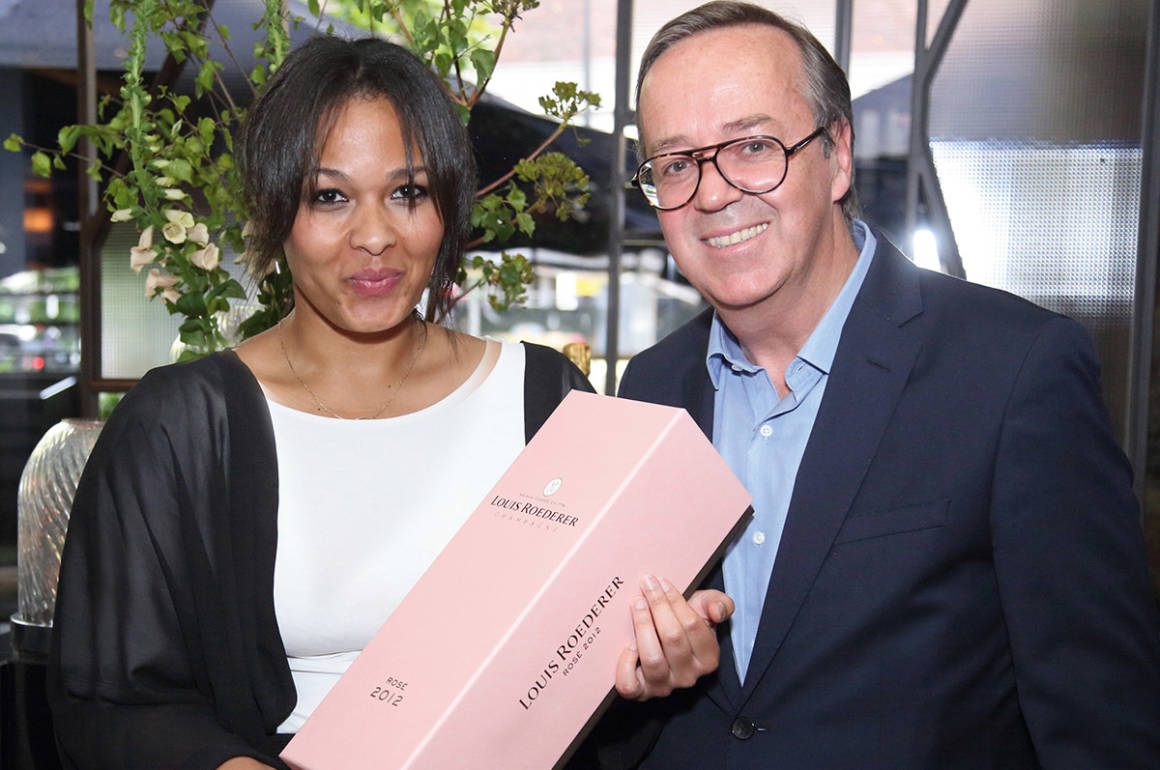
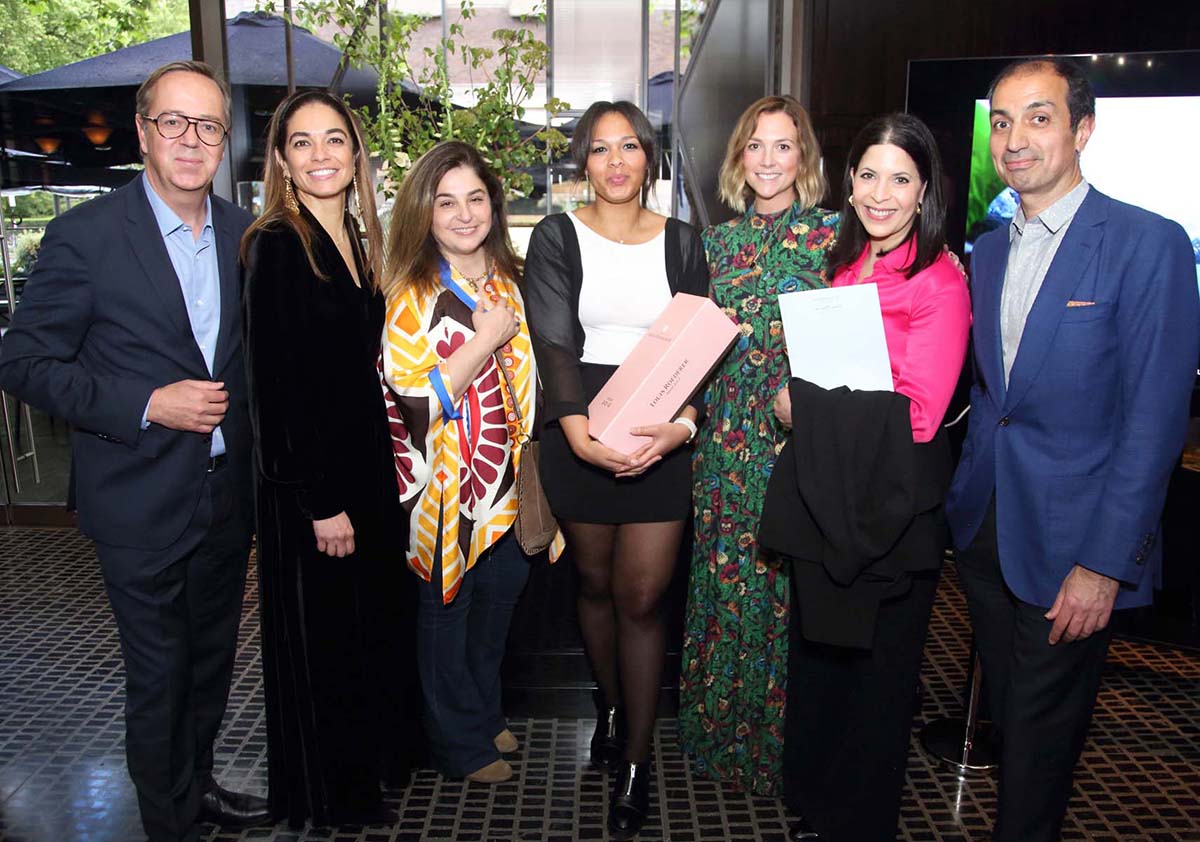
Louis Roederer CEO Frédéric Rouzaud, Prize judges and LUX contributing editors Maria Sukkar and Maryam Eisler, Prize winner Akosua Viktoria Adu-Sanyah, judges Carrie Scott and Brandei Estes, and LUX proprietor Darius Sanai
Philanthropists, art collectors and sustainability leaders gathered in London for the awarding of the inaugural Louis Roederer Photography Prize for Sustainability, masterminded by LUX Editor-in-Chief Darius Sanai under the aegis of Louis Roederer CEO Frédéric Rouzaud
Sir Guy Weston, Akosua Viktoria Adu-Sanyah and Ina Sarikhani Sandmann
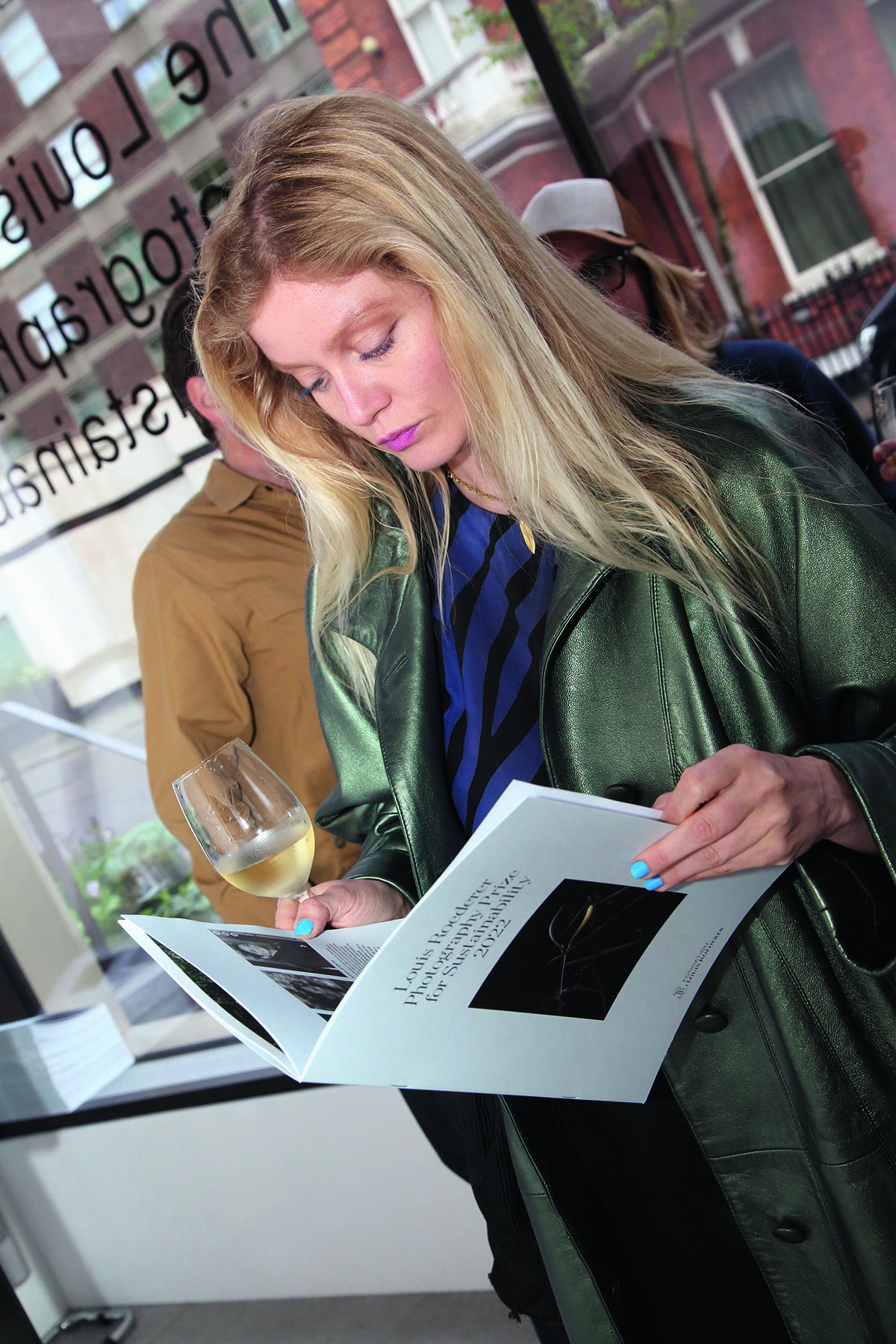
Clara Hastrup
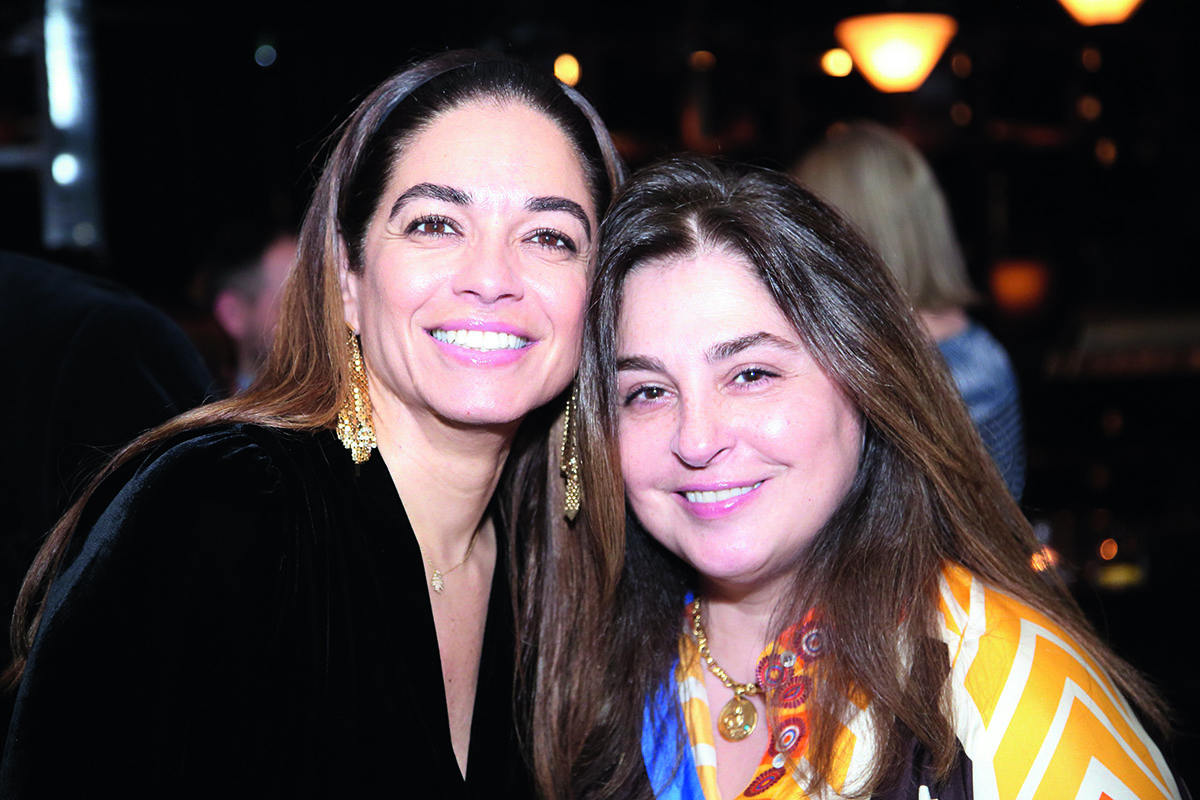
Maria Sukkar and Maryam Eisler
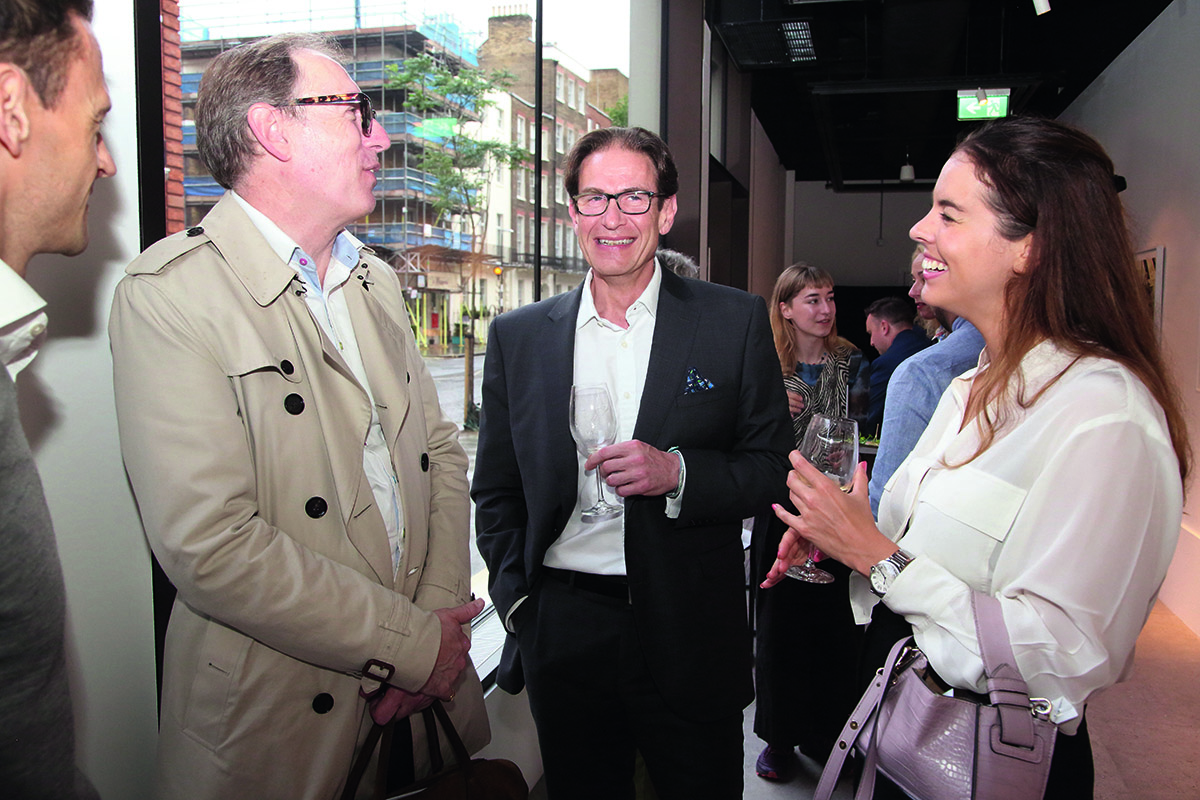
Simon Leadsford, Richard Billett and Olivia Capaldi
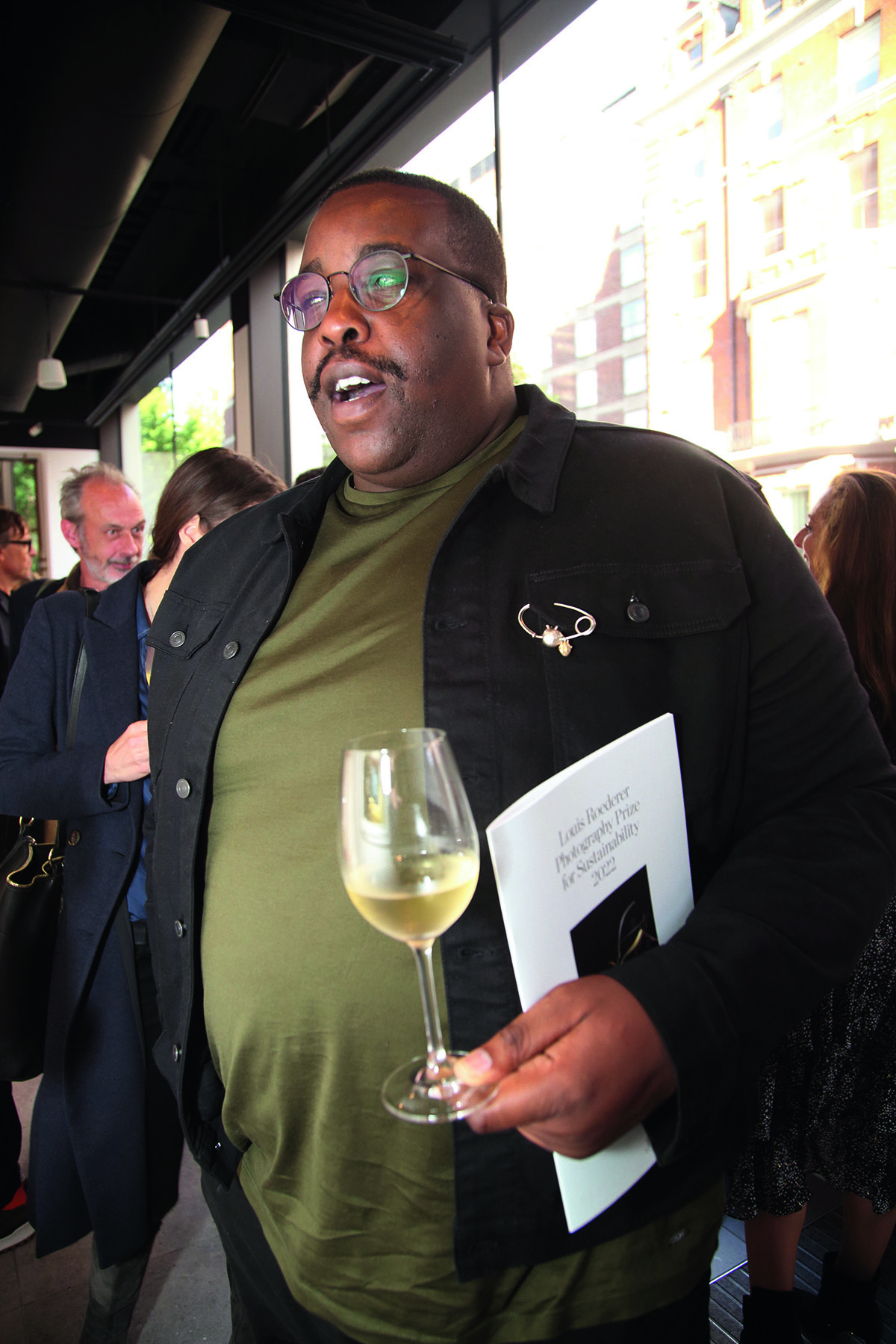
Olu Ogunnaike
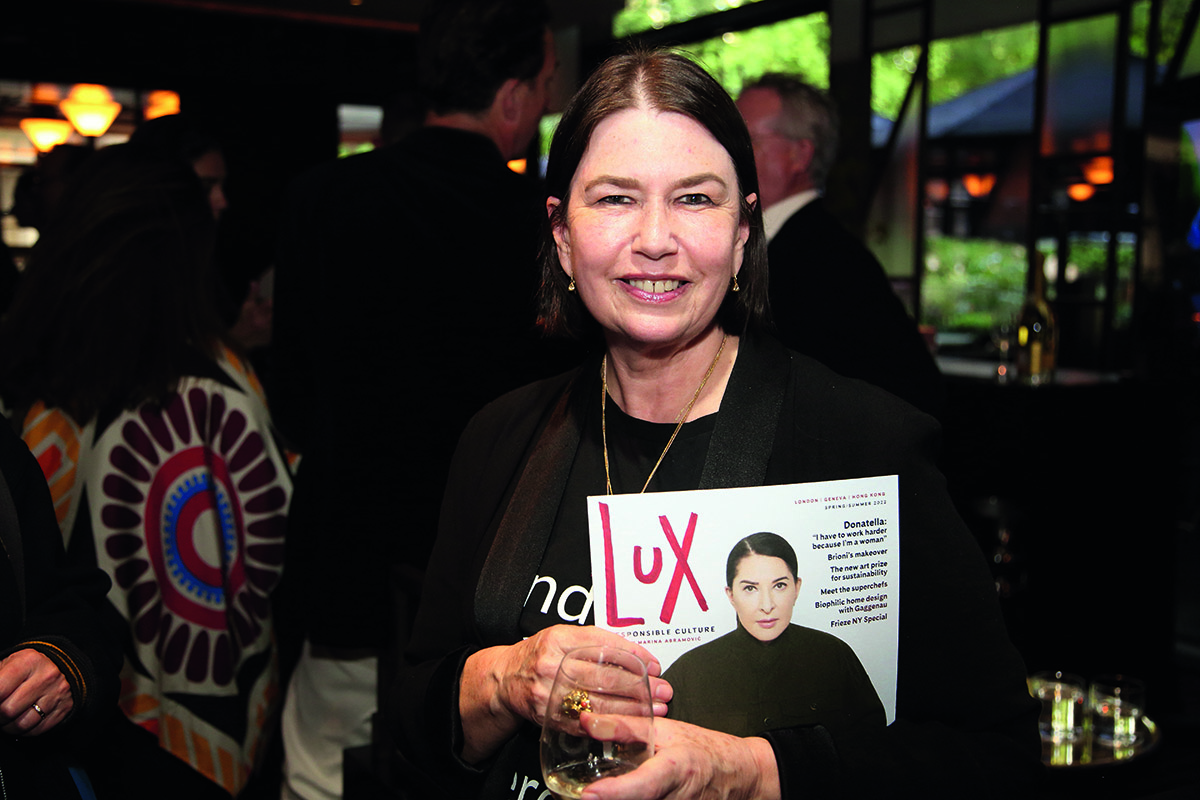
Cheryl Newman
Follow LUX on Instagram: luxthemagazine
Akosua Viktoria Adu-Sanyah and Frédéric Rouzaud
Lady Alison Myners, Maryam Eisler and Samantha Welsh
Justin Travlos
Emilie Pugh
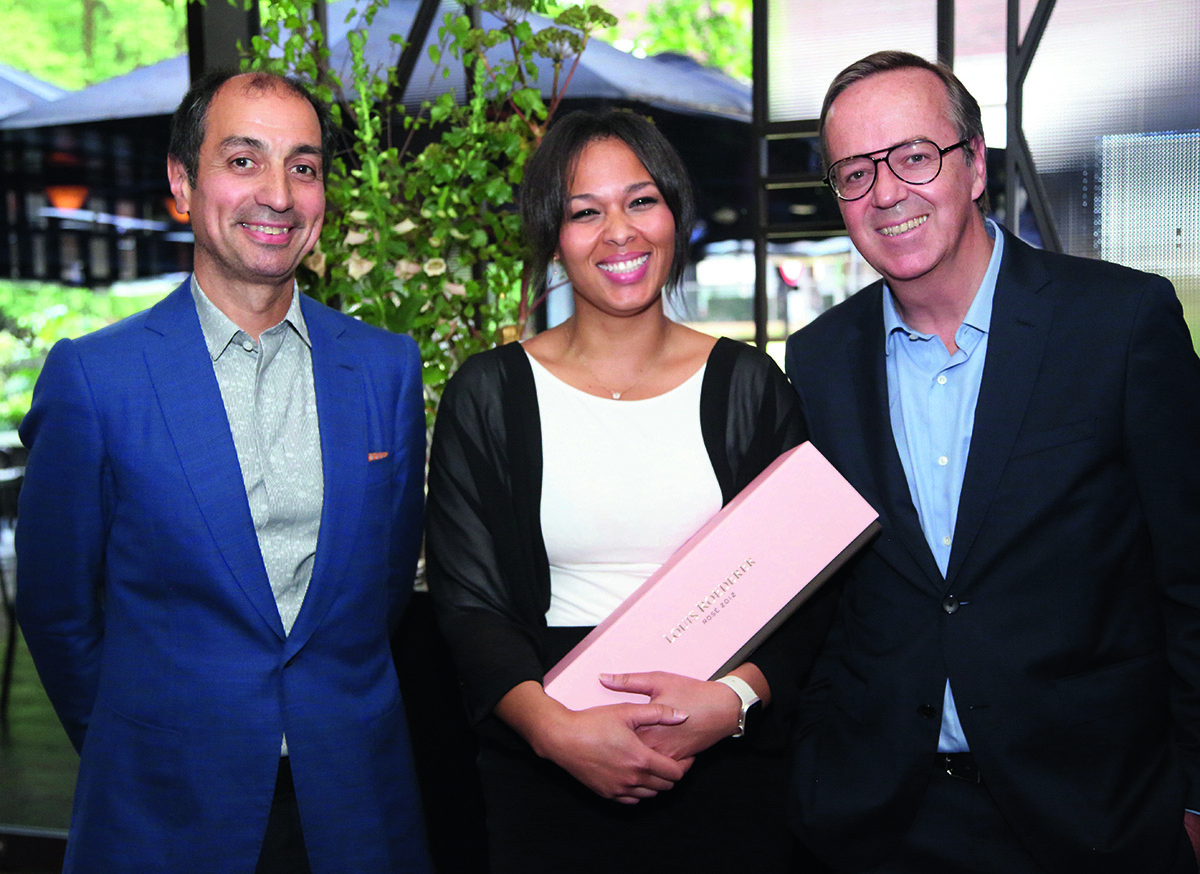
Darius Sarai, Akosua Viktoria Adu-Sanyah and Frédéric Rouzaud
Alexandra Tilling
Maryam Eisler and Angela McCarthy
Read more: Louis Roederer: Cristal Clear Vision
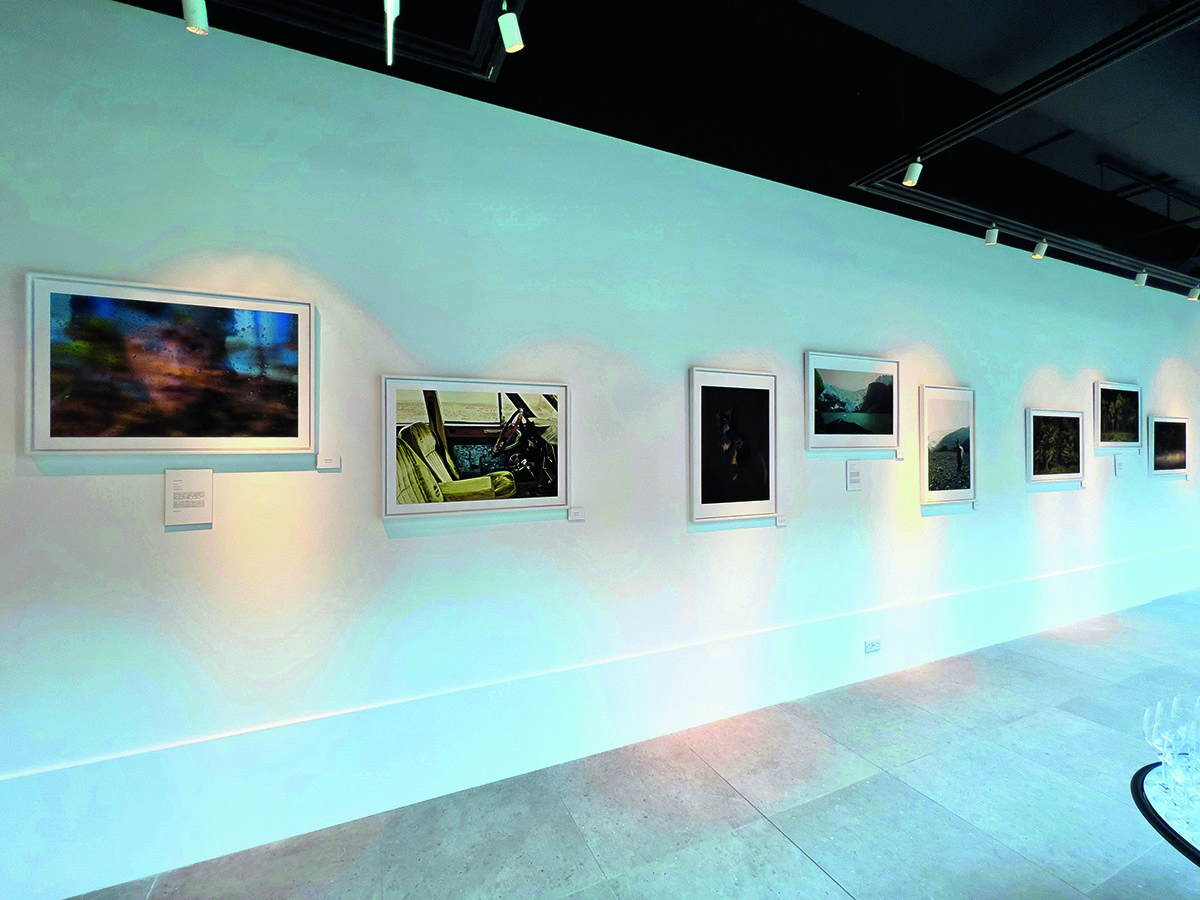
The shortlisted works of the Louis Roederer Photography Prize for Sustainability
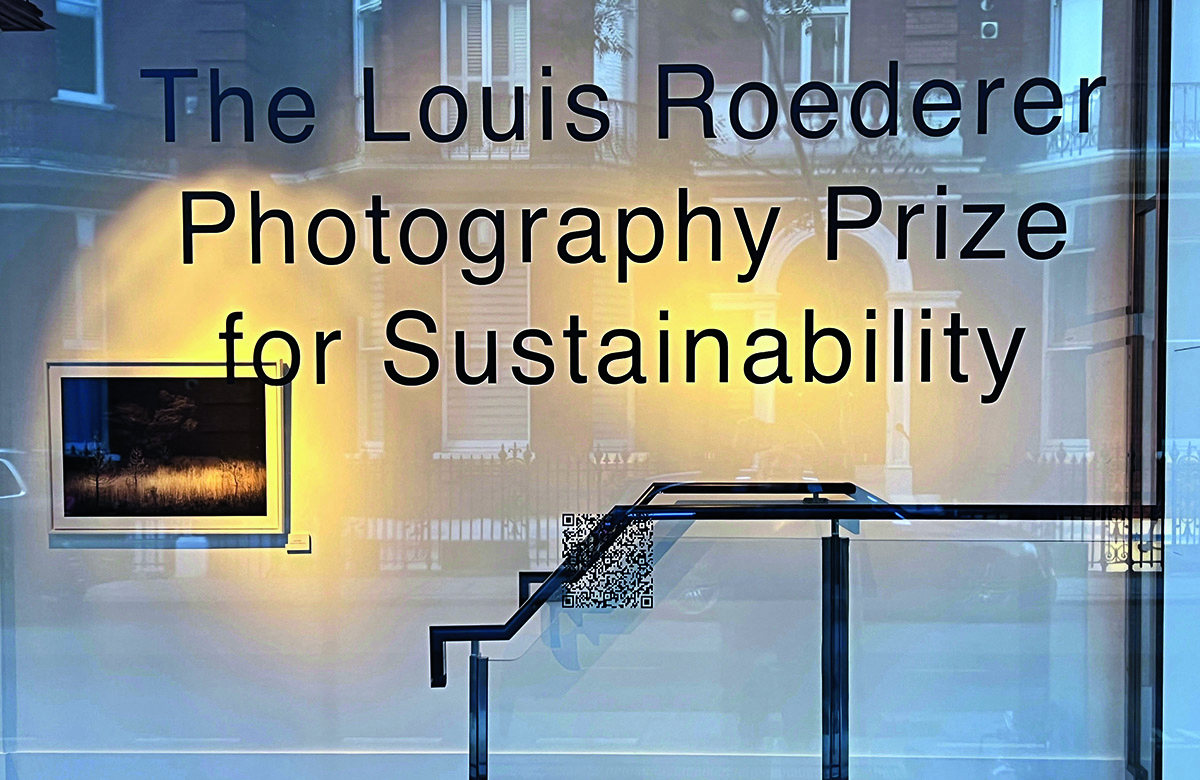
The awards ceremony for the Prize was held at Nobu Hotel London Portman Square
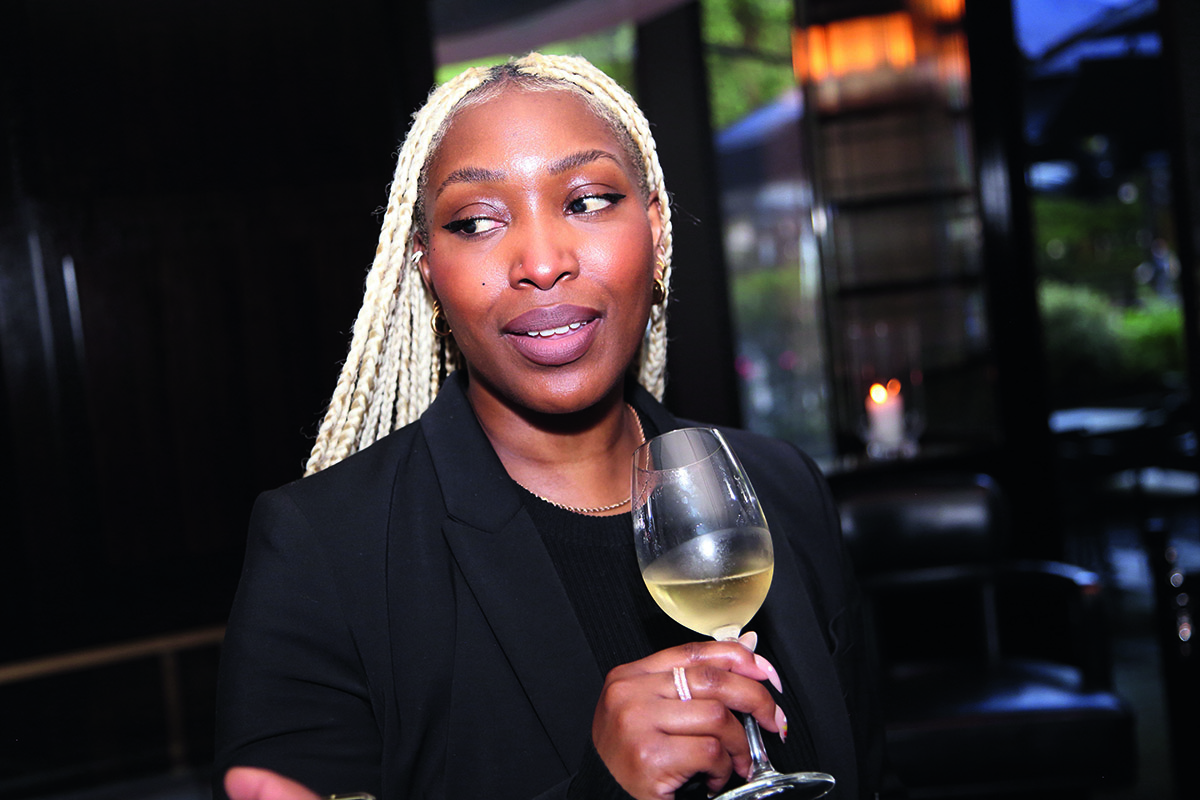
Péjú Oshin
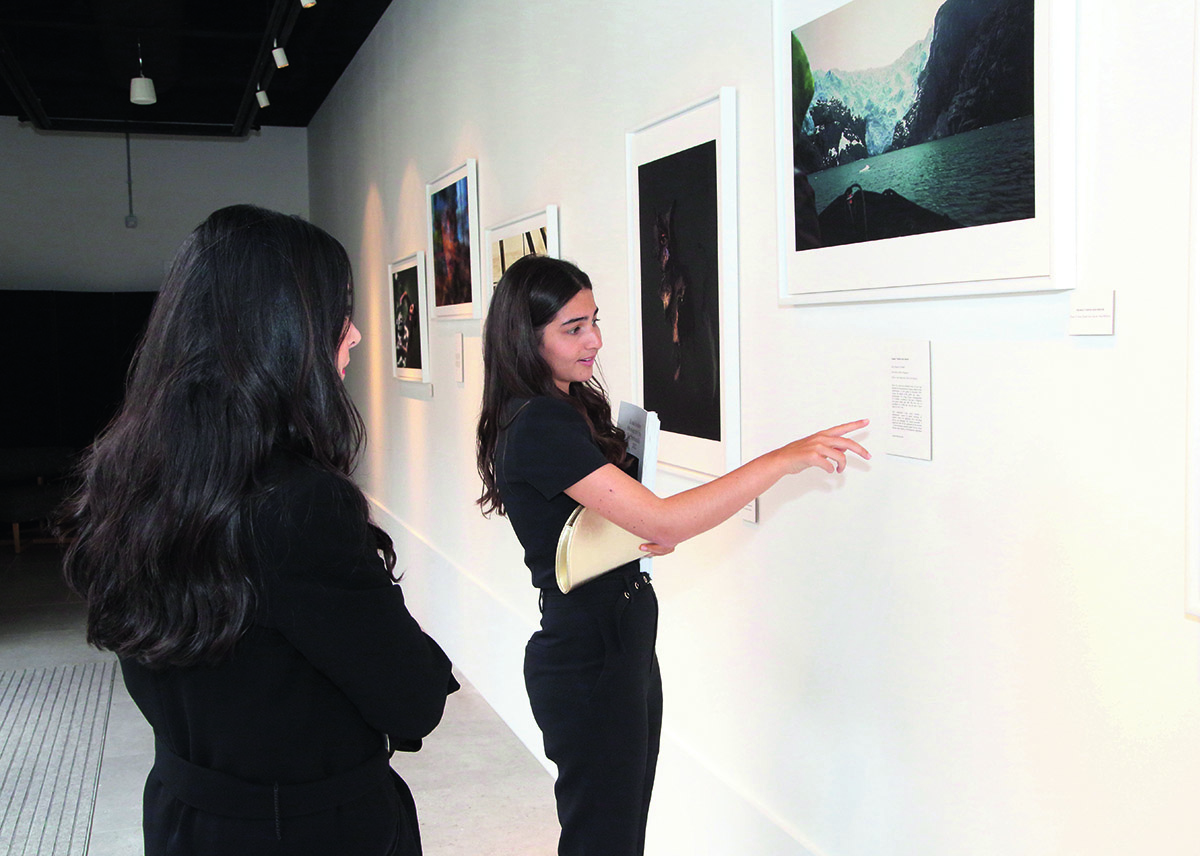
Hoda Shahzadeh and Candice Tucker
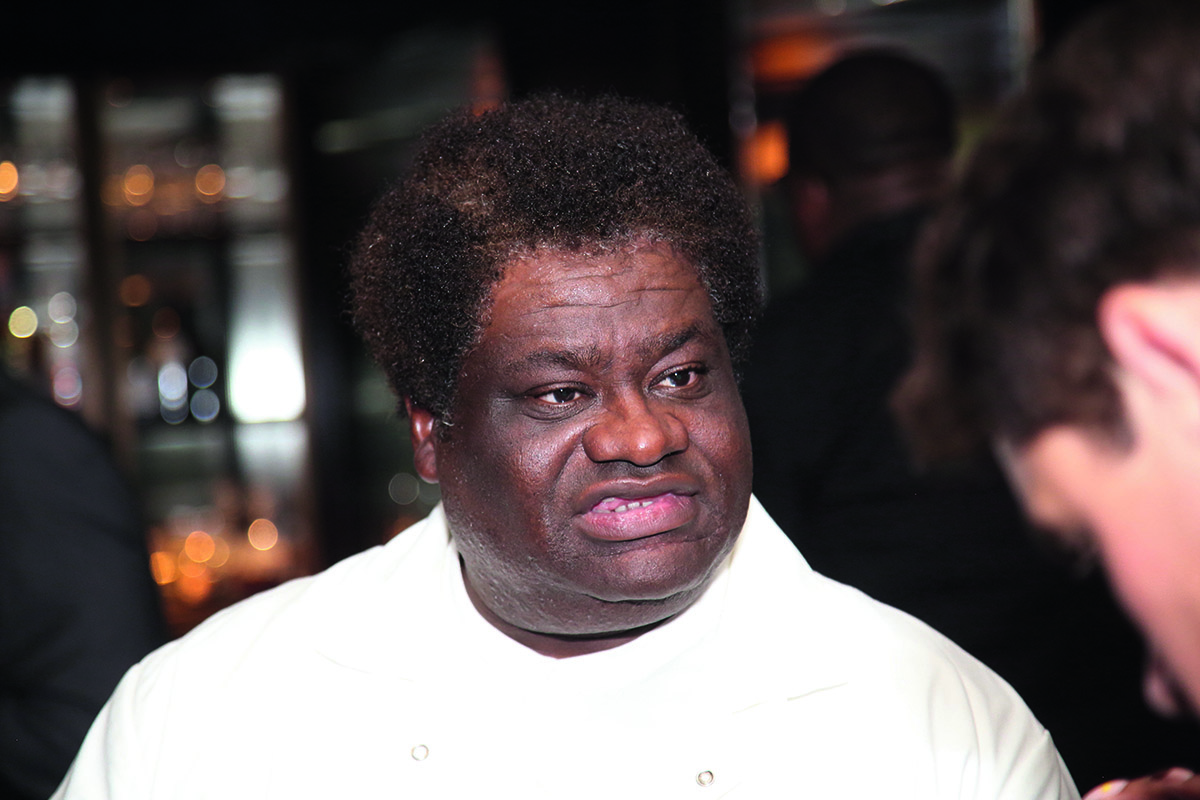
Ola Shobowale
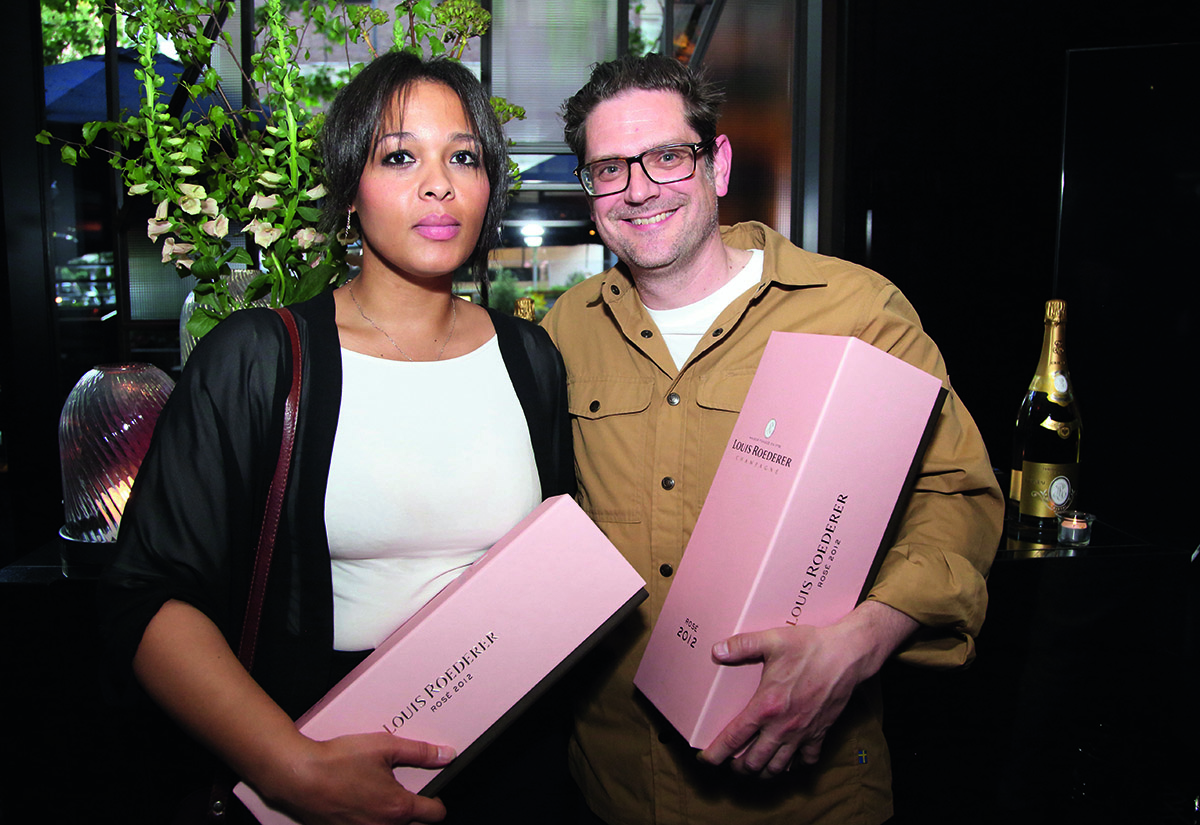
Akosua Viktoria Adu-Sanyah and Jasper Goodall
Find out more: louis-roederer.com
This article first appeared in the Autumn/Winter 2022/23 issue of LUX
Alice Audouin at the Art of Change 21 office
The Paris-based polymath has spent nearly 20 years enabling an ecosystem in which art and environmental concerns meet in meaningful and magical ways. Alice Audouin tells LUX about supporting a new generation of artists who invite us to consider nature via work of intense imagination. Interview by Anne-Pierre d’Albis Ganem
LUX: How would you describe yourself?
Alice Audouin: I work in contemporary art and sustainability as a curator and consultant. I’m also chair and founder of the not-for-profit organisation, Art of Change 21, which supports emerging eco-conscious artists via exhibitions and prizes. We bring artists to each COP conference; for COP26 in Glasgow, 2021, John Gerrard created Flare, about the ocean burning.
Follow LUX on Instagram: luxthemagazine
LUX: What are you up to as a curator?
AA: In September 2022, I curated an exhibition in Brussels at the Patinoire Royale Galerie Valérie Bach, connecting art and environmental issues, and a major show of Lucy + Jorge Orta, marking their 30-year anniversary. My last show was ‘Biocenosis 21’ in Marseille. We showed 14 global artists at the world’s biggest biodiversity meeting.
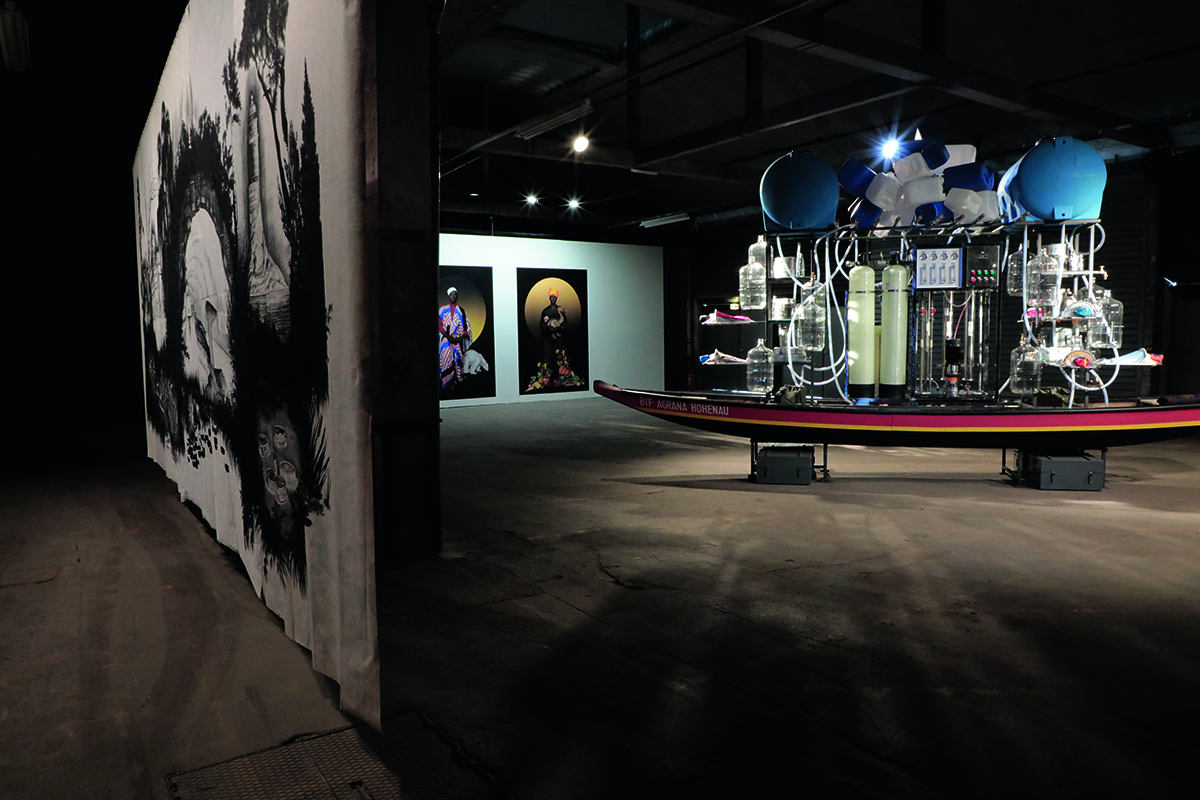
Views of ‘Novacène’, Lille, 2022
LUX: And there is the superbly titled ‘Novacène’.
AA: Novacene is a book by the late James Lovelock, the scientist who proposed the Gaia hypothesis, which was the first time scientists had said Earth is a kind of living creature. We were inspired by his predicted utopia of the Novacene, a new era of cooperation between nature and human, aided by technology. It follows the current geological era, the Anthropocene, during which human activity has changed the climate. We have created a group exhibition that runs till 2 October at the Gare Saint Sauveur, Lille. Our 20 artists include Julian Charrière, Otobong Nkanga and Zheng Bo. ‘Novacène’ looks at ideas in technology, interspecies relationships, energy and agriculture – a kind of new world I designed with my co-creator, Jean-Max Colard.
LUX: You also contributed to Art Paris 2022.
AA: I was invited to be a guest curator on art and the environment. It was a chance to show how, for the new generation of artists, the eco crisis is not just a theme but part of their world.
LUX: Was this momentum there when you began?
AA: I started my work in 2004 at UNESCO with ‘The Artist as a Stakeholder’, so I’ve been doing this work for 18 years. When I began I had 100 artists and it was difficult to find artists who considered global or environmental issues, but now I have 2,500 artists in my database. I was in a position to witness change, which I think came to the art market maybe five years ago.
Alice Audouin with curator Alfred Pacquement at the Art Paris Art Fair, 2022
LUX: What is the artist’s role in the eco crisis?
AA: I don’t like to say artists should have a role. Their role is to be artists. But many conceptual artists, or artists who deal with their epoch, will cross environmental issues. Of these, many like to bring awareness, even solutions. Lucy + Jorge Orta purified water in Venice, pushing the idea of art with pieces that propose solutions. When they sell a drawing about the Amazon, the collector receives a certificate of a kind of moral ownership of 1sq m of forest. So they consider biodiversity as well as buying a drawing.
LUX: The artists involve people.
AA: Helping us think about our era – how we consume, our relation with time, resources, values, geopolitics – is very big now. Noémie Goudal works with paleoclimatology and proposes we reconnect our short individual time on Earth with long geological time. That’s important, because her art is also one solution to our relationship with nature.
LUX: Should artists not use plastic?
AA: We will see a revolution in materials. Tomás Saraceno, Gary Hume and our patron Olafur Eliasson are finding solutions to making – and moving – art. In-situ production is growing, too. For ‘Novacène’, two artists in Asia with complex installations gave us guidelines and we made them by distance. But I want to add caveats: if we over-reduce the means of artists’ production we will just have dead wood from a forest. If you say concrete is bad let’s drop it, you lose works. So we are in a transition period, as we look for green alternatives.
Views of ‘Novacène’, Lille, 2022
LUX: Tell us about biomimicry.
AA: It’s the idea nature provides and inspires. New art materials, such as mycelium mushrooms and algae, come from biomimicry. Chloé Jeanne, a laureate of the 2021 art prize I did with Ruinart, creates eco materials that are a kind of living creature. It involves the idea of care that, again, a collector continues. Eco design further explores how to create not only from the living but with the living. Tomás Saraceno’s Hybrid Web sculptures, for example, are co-created with spiders; Olafur Eliasson talks of interconnection. Many artists’ utopia now is not to work alone and compete, but to be together to create and cooperate.
Read more: Artist Precious Okoyomon on Nature & Creativity
LUX: When did your interest begin?
AA: I was far from nature as a child, and I studied art history and interned at a gallery. But then I studied environmental economics, after which I was hired by a bank for a sustainability project. They talked of stakeholders, and I thought why don’t you talk of artists as such? I knew climate change was huge and I believed it would manifest in contemporary art. And it did.
Find out more: artofchange21.com
This article first appeared in the Autumn/Winter 2022/23 issue of LUX
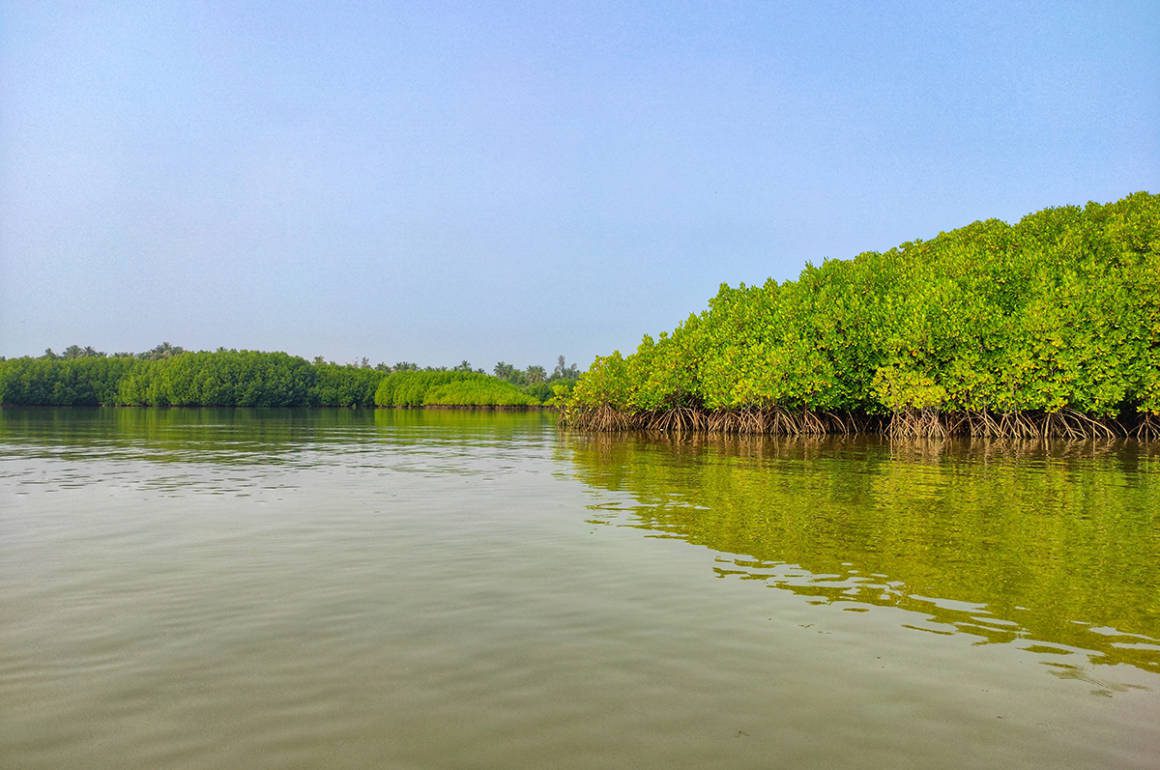
Photo by Sheherazade Photography
“Technologies like renewables have their limits,” says Markus Muller. “The real potential for a sustainable global economy lies in using the wonders of nature to help rectify the planet.”
As has been previously discussed, a fundamental issue underpinning climate change is that the current economic system does not recognise nature as capital. We use and degrade nature freely. But we can go further than that, and say that putting nature at centre stage and appreciating the ecosystem services that it can deliver, would significantly help us counter climate change.

Markus Müller
It is easy to believe that technology, correctly implemented, will be enough to combat climate change. And it is true that technological transformation, moving away from fossil fuel based production chains towards more electric and alternative energy based production chains, will support the reduction in CO2 emissions and in mitigating the climate change problem. But, if we wanted to electrify the entire world so that everything is based on renewable energy, it would require a vast amount of commodities that we currently do not have. Current estimates suggest we would need 500% of the commodities we already use today. And the extraction of these commodities will harm nature as well. So, technology has natural limits in its ability of adapting to a future counteracting climate change.
Follow LUX on Instagram: luxthemagazine
We need the help of nature.
Nature based solutions (NBS) are one of the most important ingredients here. As defined by the IUCN, they leverage nature and the power of healthy ecosystems, to protect people, optimise infrastructure and safeguard a stable and biodiverse future.
Their potential is massive. One exciting aspect is that they can include local communities, especially in the global south, which are currently excluded from global developments. NBS produce societal benefits in a fair and equitable way, in a manner which promotes transparency and broad participation. They also maintain biological and cultural diversity, as well as the ability of ecosystems to evolve over time.
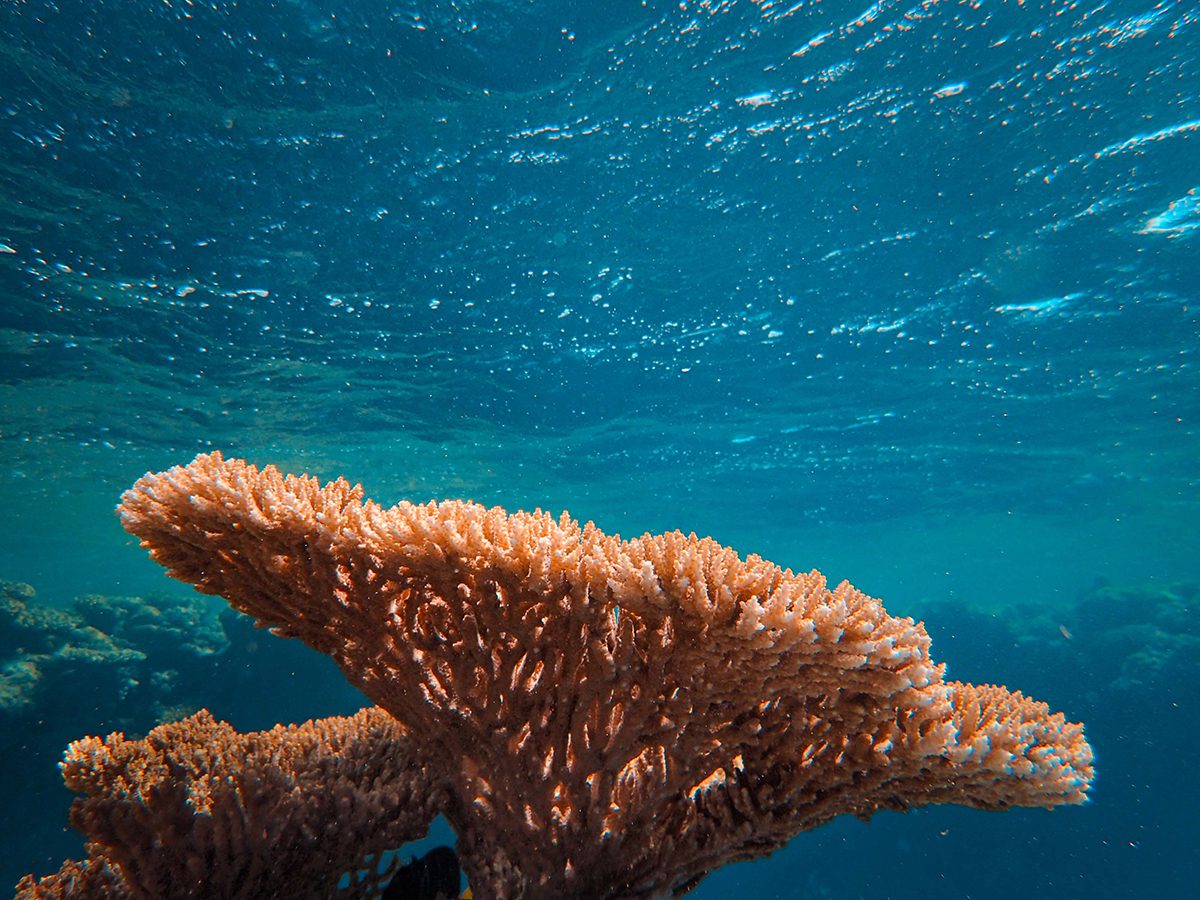
Photo by Francesco Ungaro
The IUCN have estimated that NBS have the potential to reduce roughly 10-18 gigatonnes of CO2 emissions each year (by 2050). This would be a major contribution to reducing CO2 emissions. And NBS also mean the reinvigoration of nature, which will further increase the climate mitigation benefit, including in such crucial areas as the resilience of the coastline.
One discussion in the global market is how to use NBS for carbon credit trading. NBS are one of the carbon sinks and these credits can be traded by companies not just to offset their C02 emissions, but also to steer those companies, via these carbon credit markets, to reduce their greenhouse gas emissions.
And there are other potential benefits. In the ocean, if we put some areas under protection because of NBS, the fish stock will be very likely to recover. The fish stock will swim around, outside the protected area, which could benefit sustainable fisheries also outside such areas; scientists having found that this led to an increase in output. So NBS have multiple potential benefits to the entire planet.
Read more: Markus Müller On Natural Capital
As another example, a healthy coral reef absorbs 97% of the energy of a wave. And this speaks to the further economic potential of NBS. New jobs, for example. We have forest rangers, so why not have coral rangers or gardeners?
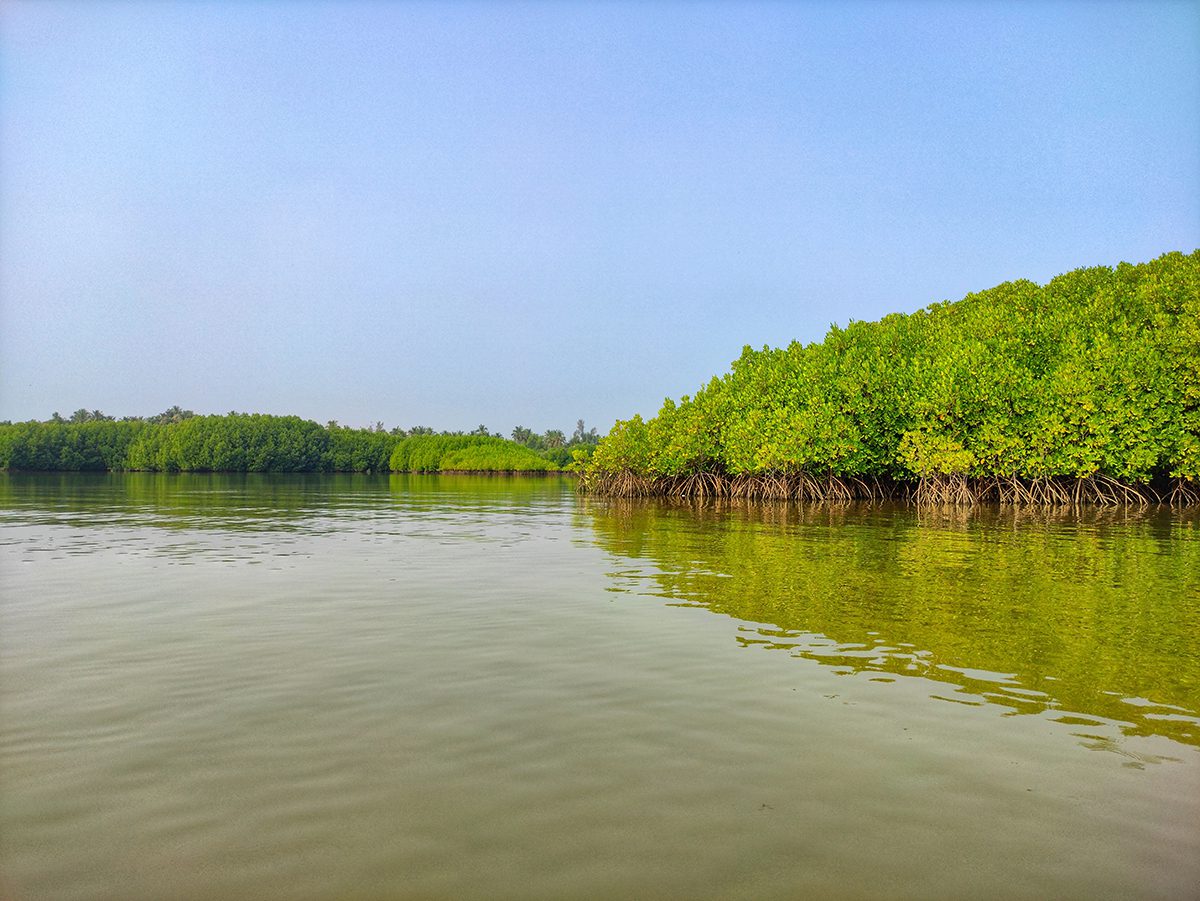
Photo by Vishwasa Navada
In fact, they already have coral gardeners in Tahiti, where they are a source of labour on this breakwater. Creating a coral reef produces environmental and biodiversity benefits, creates labour, and can generate a profit.
There is however, a challenge: complacency and the rebound effect. We know this from countries where recycling has become a tool for reducing plastic waste, but the high recycling ability of a country (Germany is a good example) leads to more plastic production. Therefore believing that NBS will do the trick and lead to absorption should not lead us to think that we can emit further CO2. NBS will only ever work while we are reducing CO2 emissions at the same time. The priority is to reduce CO2 emissions while using the ability of NBS for absorbing CO2 as a mitigation strategy.
Markus Müller is Global Head of the Chief Investment Office at Deutsche Bank’s International Private Bank
Find out more: deutschewealth.com/esg

 Can we put a price tag on nature? Valuing the carbon services of plants and animals is essential to bridging the gap between finance and conservation, says Professor Connel Fullenkamp, the leading academic working at the intersection of science and economics. Here, Fullenkamp speaks to LUX about the importance of engaging capital markets in biodiversity financing, and why necessity is the mother of invention

Professor Connel Fullenkamp
LUX: You have spoken profoundly about the value of natural assets.
CF: We’re bringing economics, finance, and business into an area where it really hasn’t been brought in before. We start with the approach that says these natural assets have a lot of value, but we don’t necessarily know how to put a price tag on that value. So, we start only with the things that we can find a market price for. This is because we want to speak the same language as investors and policymakers who have to keep their eye on the bottom line all the time.
When we go out and try to put a value on a natural asset, be it an elephant or a mangrove forest, we’re really thinking about this as trying to attach the lowest, believable value. We’re trying to convince people that the value is way more than that. That has got a lot of people’s attention, because it acquaints them with the tremendous value that resides in many natural assets.
LUX: Can there be a system that’s devised for transferring payments? For example, if a company destroys a coastal mangrove plantation, who does it pay for that lost value?
CF: Part of the desire behind this is to prevent the destruction from happening in the first place. But we’re living in a world in which we already have those kinds of swaps going on. So, what we’re trying to do is put an adequate value on that. We are also trying to create the impression that the contributions to things like biodiversity are worth even more. In many cases, of course, it’s the government that owns these assets, so we have to inform them what they are worth.
Follow LUX on Instagram: luxthemagazine
For example, we were approached by the UK Environment Agency to help them value their salt marshes, given that they have diminished by 90% in the last century or so. If we can put a price tag on these things, we can help governments make the argument that, firstly, you shouldn’t destroy these things in the first place, and secondly, if you do harm these assets, there’s going to be a steep price to pay.
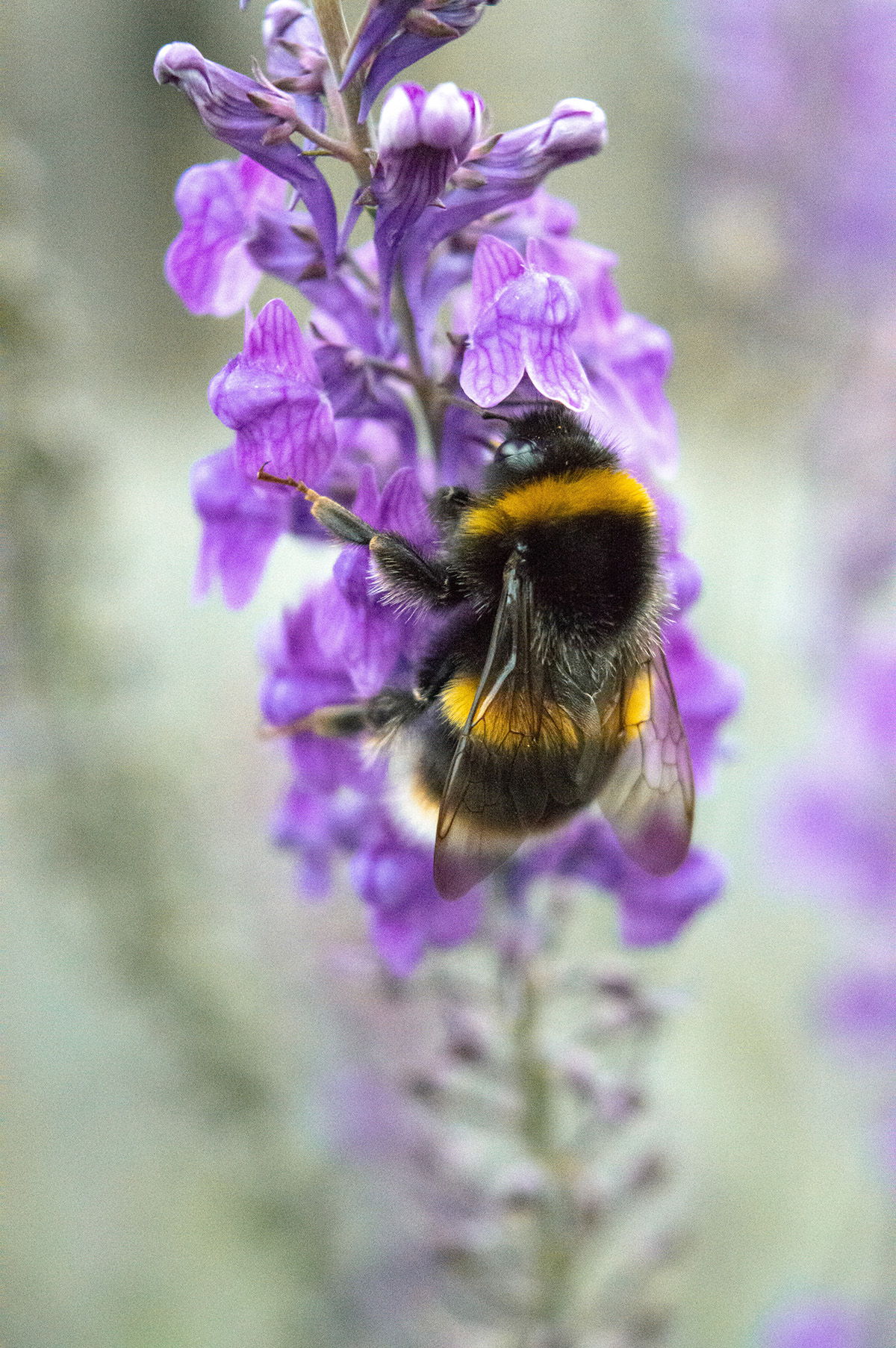
LUX: How hard is it to find a valuation when there are so many different factors? For example, with a salt marsh, you have to incorporate the carbon storage or the flood protection, and then the ecosystem’s biodiversity.
CF: It’s difficult to put a total valuation on most of these natural assets because it has proven to be difficult to value something like the contribution to biodiversity. It’s hard to even define what biodiversity is. Biodiversity in a desert is very different to that 1,000 or more kilometres south in rainforests.
LUX: What opportunities are there in terms of constructing a financial pathway for investors?
CF: This is something we’re very keen to create. Ideally, we’d have investors who are interested in investing in natural capital services, such as carbon sequestration, because there’s a fairly well-established market for it. These investors would like to purchase either carbon offsets or have other reasons for wanting to hold carbon credits. They would pay for certificates that would deliver the carbon credits, and then the proceeds would function like a sovereign wealth fund.
Read more: Professor Nathalie Seddon On Biodiversity And Climate Resilience
Hopefully, the main use of that money would be, of course, to establish conservation restoration programmes. This is a long pathway between the financial markets all the way to the people on the ground doing conservation restoration. But unless we create that pathway, I think we’re missing out on a huge opportunity.
LUX: Which opportunities should investors be looking towards, in terms of creating the new financial system to support this?
CF: There are two things that should create excitement. They’d be investing on the idea that these are natural resources will continue to deliver these different environmental services, like carbon sequestration. We’re betting on the recovery of those things. Also, they’re betting on the plus in which carbon will help us understand what the biodiversity benefits are, that can also then be priced. If we get good at establishing these carbon markets, we kind of wrap in these biodiversity services as a plus.
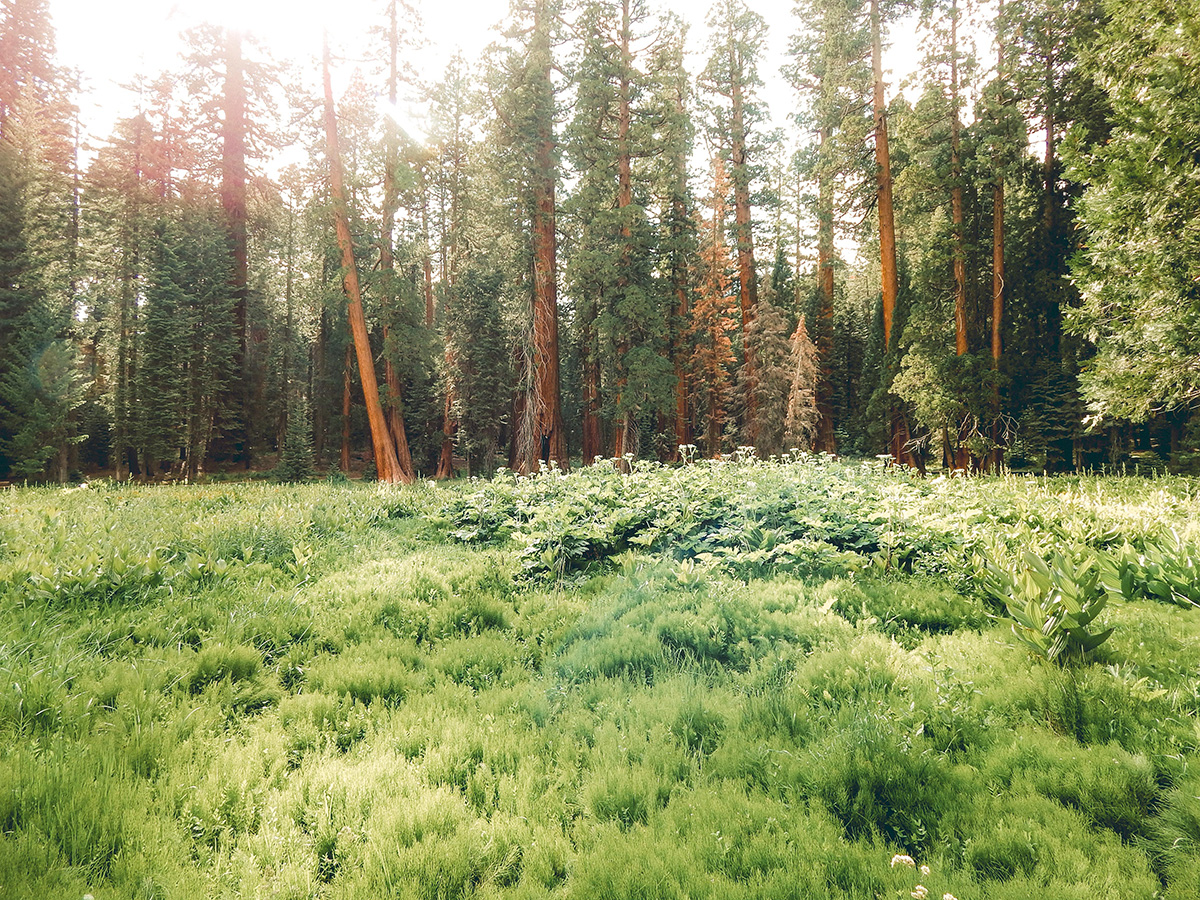
LUX: What are the main hurdles to be overcome?
CF: Governments are very reluctant to think about selling their natural assets to the private sector. And so, our first hurdle is to convince them that, no, you’re not selling the assets. We’re trying to get you to sell the services of the natural assets; in fact, governments need to retain ownership of these assets.
We have to establish a conduit that will help governments protect these assets so that they can continue to generate services and support: mainly the beauty and culture of their countries. Governments are naturally reluctant because this is a brand new thing that they’ve never seen before. The markets are sceptical for similar reasons, and because there are some less-savoury actors out there who’ve already been trying and failing with certain initiatives.
Also, there is, especially in the case of wild animals, scientific uncertainty. So many of these species are facing near extinction across the board. We don’t have time. We need people to say, okay, the science is good enough. We’re willing to believe in it and bet on it.

LUX: Are these outcomes possible?
CF: I’m optimistic. The reaction we get when we talk to people has been overwhelmingly positive. When you get the capital markets involved, you can unleash a tremendous amount of financing that can do a lot of good, hopefully for conservation and restoration.
It is hard to imagine being able to cover that biodiversity financing gap without the participation of the financial markets. So, one of the things that drives my optimism is the fact that necessity is the mother of invention. For addressing climate change, this is one of our best chances. The trick is to put everybody together and get them to work together toward this common goal.

LUX: Will there be developments in attaching more specific prices, in terms of the science around biodiversity and nature-based capital?
CF: Absolutely. I think there’s a lot of excitement in that research. In particular, for example, one of the leading seagrass researchers is very excited about our work and is writing a paper for us. Seagrass is again one of these unsung heroes of blue carbon that sequesters a tremendous amount of carbon. We still don’t know what the full extent of seagrass coverage is anywhere, because nobody’s really had the money or the gumption to go look for it. So just finding out where the seagrass is, how much it covered it can sequester and where it can be restored: those kinds of issues are the type of research that we see coming out of this in the short term.
LUX: Are there accessible ways of investing in natural capital in the way that you’ve outlined?
CF: What we’ve got in mind is a bit different from, say, the sustainability linked bonds or green bonds that we see out there. There again, I think these are they’re all great and part of the solution here. But really, when you’re investing in something like a sustainability linked or a green bond, you’re basically a bond investor. You’re hoping that the money gets put to a certain type of a purpose. And in some cases, you’re going to get some either yield pick up or yield penalty depending on the performance. But really, you’re not making a direct investment, so to speak, or a direct bet on the actual natural capital itself. You’re really not investing in environmental services. That’s to me, in my mind, that’s a really big difference here, that what we’re what we have in mind and what we’re trying to create is really an asset backed market. And the asset that is being used to back the market is the natural capital services.
Read more: Dimitri Zenghelis on Investing in the Green Transition
LUX: In an optimistic scenario, how do you see this looking in 10 years’ time with the landscape?
CF: This will be just another asset class that people have available to them to invest in and it will have certain properties. Hopefully it will be sufficiently uncorrelated with other types of market returns to make it attractive as a diversification tool, if not for its own sake, and what it represents in terms of investment in the environment. So ideally, that’s what we’d see people would say. Well, I’ve got some of my portfolio in stocks and bonds, real estate alternatives. And one of the alternatives is going to be these natural capital assets.
Connel Fullenkamp is Professor of the Practice and Director of Undergraduate Studies in the Department of Economics at Duke University
Find out more: duke.edu
One of Australia’s most well-known photographer’s Sean Scott is best known for his underwater, sea-life and ocean photography. Here he tells LUX about his draw to the oceans and his new collection of work, titled FLOW. The images are an abstract collection of photographs that showcase Scott’s fascination with water and the movement of water.
1. What initially drew you to ocean photography?
I have always loved sharing and showing people things and found photography the best way to do this. As a kid I would sit out in the surf when the sun was setting and be amazed at how beautiful it all looked. I wanted to share that with people who didn’t get out into the water.
Follow LUX on Instagram: luxthemagazine
As the saying goes. “Only a surfer knows the feeling”. I wanted to share that with people and photography has been the perfect tool to achieve this.

2. What message do you think this new style of photography that you have done in this body of work sends in comparison to your more traditional photography style?

3. What’s your favourite time of day to be out with your camera and why?
I love being out at first and last light. I love to shoot contrast and this is the best time of the day to capture the incredible colours and patterns of mother nature.
4. Do you think AI art, such as MidJourney, can be as valuable as traditional art or photography produced by humans?
5. Where in the world has surprised you the most with its scenery?

6. How, if at all, has your photography changed over the years?
EY’s Global Vice Chair on Sustainability, Steve Varley, speaks to LUX’s Leaders and Philanthropists Editor, Samantha Welsh, about EY’s approach to sustainable investing, the future of sustainability and the steps that need to be taken to fight the climate crisis
LUX: What do you consider to be the principal drivers behind the EY approach to sustainable investment?
Steve Varley: Sustainability is right at the top of the agenda at EY. We announced in October last year that EY has become carbon negative, which means we have reached our target to reduce our absolute emissions, and then offset or remove more than the remaining amount of our emissions, every year. It’s a crucial step forward in our sustainability journey and a key milestone as we work towards reaching net zero in 2025.
Follow LUX on Instagram: luxthemagazine
Steve Varley
EY people share our commitment to the environment and to driving long-term, sustainable growth. We want to not only transform EY to become more sustainable, but also help EY clients do the same. This means reframing how business approaches sustainability and putting it right at the centre of how value is created and protected.
Creating a sustainable future requires all of us to be at the table. It demands involvement across borders, services, and teams, across all business functions. It requires alliances between governments, enterprises, and industries. As we like to say: It’s everybody’s business.
LUX: How does a sustainable approach foster growth and add value?
SV: EY clients are increasingly seeking ways to drive value from sustainability. Our Value-Led Sustainability approach focuses on helping clients capitalise on the commercial opportunities presented by sustainability and decarbonisation, but it is motivated by much more than just financial gain. It is central to how we will safeguard and generate new sources of value for everyone on the planet – our people, the society we serve, and the world in which we live.
This means leading a wide range of projects, from helping consumer goods companies drive more growth by developing new business models for greener products to collaborating with financial institutions to calculate carbon emissions from the companies they finance, and from this develop new financing solutions to help these companies decarbonise. We want to keep building on this kind of work and continue to develop services that help our clients find value in becoming more sustainable.
LUX: What is the role of the next generation/Gen Z – what are they looking for when it comes to ESG?
SV: The next generation is driven by purpose and expects more from ESG. This is hardly surprising given that both generations Y and Z have lived through a variety of systemic crises, including the 2008 global financial crisis, climate change, and the COVID-19 pandemic. While previous generations may have seen comparable crises, members of these new cohorts are more sceptical of traditional financial services than older generations and they have higher expectations of authentic and ethical behaviour from the organisations for which they work, buy from, and invest.
Gen Z is emerging as the sustainability generation. They want to work for companies that have a positive impact on society and the environment, and they want to see increased transparency and greater corporate accountability for ESG ratings. At EY, a large percentage of our workforce come from this generation, and we are really encouraged by their high standards and expectations. They are certainly holding us accountable, as well as holding clients accountable, and we are all the better for it. We need the next generation’s innovation and solutions if we are to solve the climate crisis and deliver future growth that’s truly sustainable.
LUX: Which leaders are the winning in the time of the climate crisis?
SV: Denmark, in my opinion, is a world leader in wind and solar power generation. Most of its energy is presently derived from renewable sources, with the goal of reaching 100% renewable power by 2030 and becoming carbon neutral by 2050. Similarly, the United States has a sizable venture capital ecosystem that funds renewable energy and electric vehicles, and the United Kingdom has enshrined its 2050 net zero aim in law, placing us second in the world in terms of influence.
While this is extremely encouraging, there is a ‘Green Power Gap’ that has been emerging, with only a small group of developed markets leading the way in terms of climate research, innovation, and public funding, and not enough ‘green money’ flowing to the emerging markets, where the effects of climate change are felt most acutely. EY’s Green Money Report outlines clear recommendations for action to help accelerate a green transition that is truly global and where all countries can take part. I really can’t stress the importance of this enough – the opportunity to avert climate catastrophe must be seized by everyone now, not just by a small handful of countries.

LUX: Can you tell me about the S30 forum?
SV: The S30 is part of the Sustainable Markets Initiative (SMI) led by HRH The Prince of Wales and it comprises Chief Sustainability Officers from some of the world’s most influential companies, all with the joint aim of accelerating business action on sustainability. The forum was launched in 2020 and I proudly serve as co-chair of the group, alongside the CEO of freuds, Arlo Brady.
Members have been drawn from the most influential businesses in the world covering a wide range of sectors, including consumer and industrial products, energy, financial services, life sciences and technology. At its core, the S30 is a space for members to come together, share learnings and best practices, and explore the successes and challenges they are experiencing in their roles. Most importantly, we are focused on outputs and driving collective action that will benefit not only the business community but protect the world at large.
LUX: What can public policymakers learn from business when it comes to sustainability?
SV: Governments cannot address the climate crisis alone; business must play an important role, and public-private partnerships are crucial. Businesses can help the world accomplish its climate change targets by doing three things: mobilising resources to finance the green transition, leveraging clean technology and innovation, and effectively measuring and reporting on sustainability.

In particular, the financial services sector, in collaboration with governments and regulators, can identify legislative and regulatory adjustments to facilitate financial product and service innovation, simplify rules, standardise taxonomies, and track green money flows to guarantee that transition needs are fulfilled globally.
Governments are providing much-needed policy momentum as we approach COP27, but business will play an incredibly important role in the green transition. The private sector can play an even bigger role at COP and companies across different sectors will need to continue to work hard to help achieve the world’s climate goals. In doing so, they will position themselves for green growth in the years to come.
Read more: Coming Together To Save Our Coral
LUX: How optimistic are you about the progress made at COP?
SV: I’m an optimist, but an optimist that seems to worry a lot. Sustainability has gone mainstream, and after COP26 it really does feel like everybody’s business. We are seeing a lot of CEOs now putting the planet at the heart of their business strategy and looking for ways to create value from becoming more sustainable. What is exciting to see is business applying its skills at innovation, embracing disruption and problem-solving to tackle the biggest issues we face, and doing so while creating value for their stakeholders.
The COP26 debates raised the issue of keeping companies accountable to the climate pledges they make, and the current frameworks in place not being subject to the same level of rigour as financial reporting. It was fantastic to see this topic on the agenda, and the establishment of the International Sustainability Standards Board was widely welcomed. We all know it will be a challenging road ahead, but leading organisations are already reaping the benefits of implementing clear and transparent sustainability targets into their corporate strategies.
The COP27 climate summit is fast approaching in November and it’s clear that major changes must happen quickly right across business and society. We’re ready to help lead the charge.
Find out more: ey.com

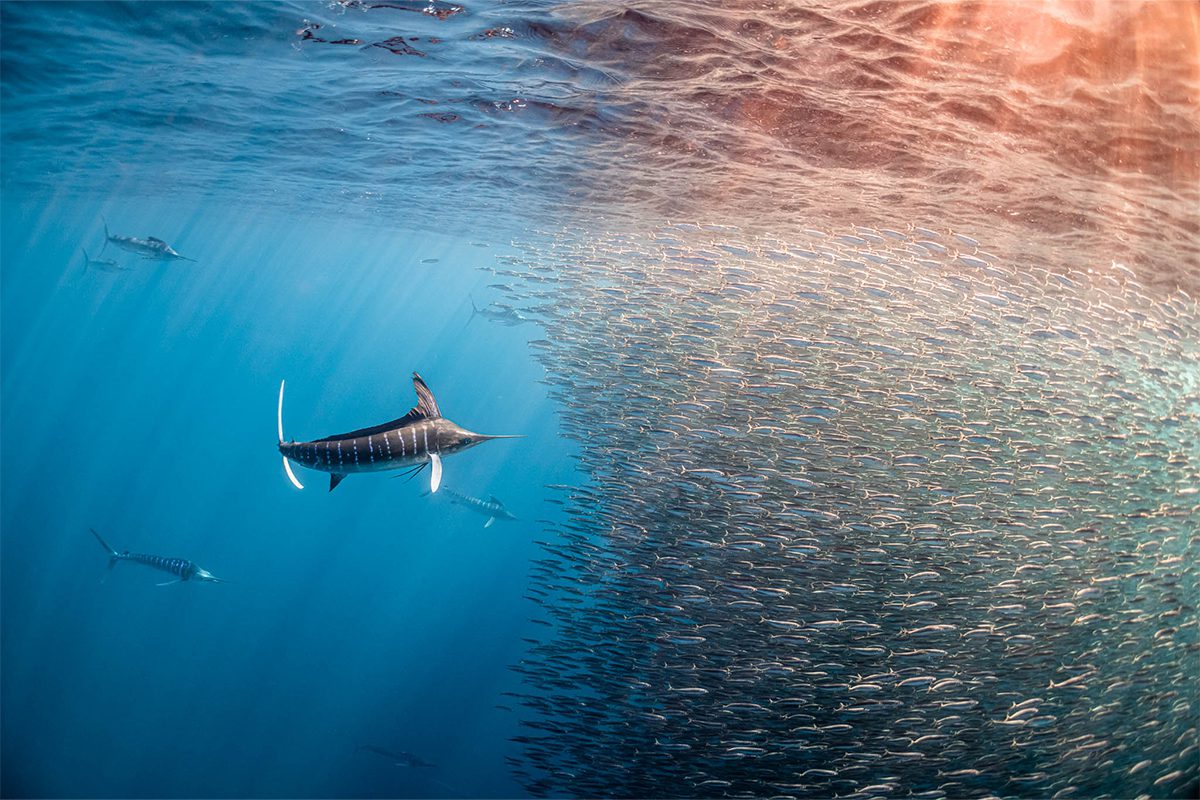
Is it possible to make money out of our oceans while preserving and even enhancing them? Chris Gorell Barnes thinks so. The Co-founder of Ocean 14 Capital and Blue Marine Foundation speaks to LUX Editor-in-Chief, Darius Sanai about the possibilities in the blue economy
LUX: What is the focus of Blue Marine Foundation going forwards?
Chris Gorell Barnes: The focus is on stopping overfishing – which is undoubtedly one of the worst threats to the ocean. Restoring, regenerating and protecting the oceans and creating large scale Marine Protected areas, all done through innovations and an agile and entrepreneurial approach to conservation.
LUX: How has the foundation succeeded in capturing the public’s imagination where other groups have failed?
CGB: Through actually delivering successful conservation wins and first-of-its-kind innovations for the oceans, and incredible marketing, media and editorial work. (We have a journalist, a filmmaker and a marketer as Co-founders!)
LUX: How important has your background in marketing and content been for Blue Marine Foundation?
CGB: It’s been helpful, coupled with my co-founders’ skills. From the start, we were way ahead with our social media and content approach and have built an incredible media unit to use media to drive significant conservation wins. The film, The End of the Line is in our DNA.
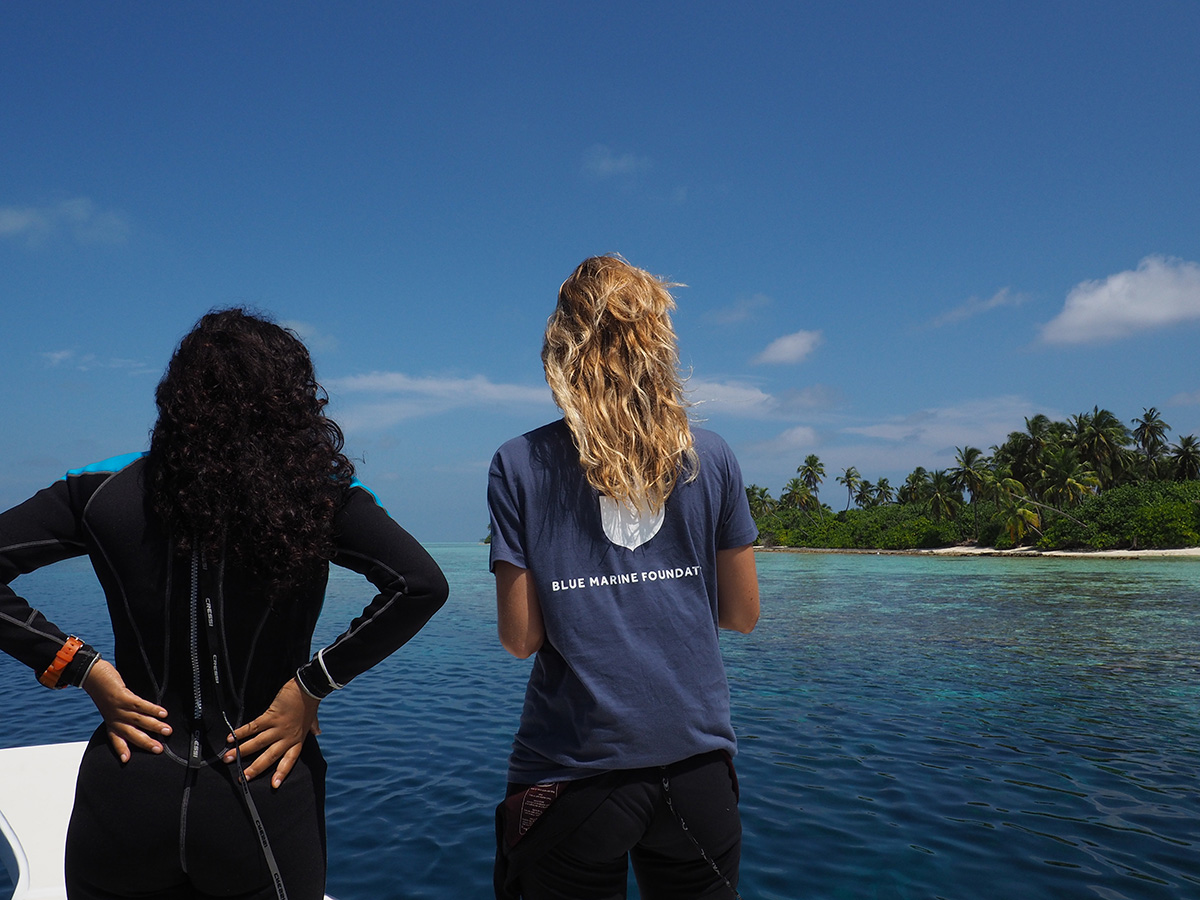
LUX: How do you persuade corporations to modify their environmental practices?
CGB: By enabling and educating them on the key role the ocean plays in mitigating the climate crisis and feeding the world.
LUX: Are there wealthy individuals who donate with one hand while their investments pollute with the other? What should they do?
CGB: We are very careful with KYC and our donors all share our values and mission alignment.
LUX: What is the highest priority for ocean protection as far as the foundation is concerned?
CGB: End overfishing and ensure 30% of the ocean is fully protected, with the remaining 70% sustainably managed.
Arlo Brady, with Ambassadors of Blue Marine Foundation, Princess Eugenie of York and James Blunt
LUX: You have drawn extensively on celebrity ambassadors for the foundation. Who has done the best job for you, and why?
CGB: From Prince Albert II of Monaco to Simon Le Bon to James Blunt, they have all been incredibly supportive with our initiatives all over the world. And of course Stephen Fry, who narrated the incredible interactive tool we built, The Sea We Breathe. We have also been very smart with brand collaborations such as Christopher Ward, Sunseeker, Moke, Kenzo, and Ralph Lauren.
LUX: It’s 2050: what do you think the oceans will look like?
CGB: I hope that they are thriving: protected, restored, functioning and full of life, ensuring we have a healthy planet and bringing employment, healthy sustainable food and joy to all.
LUX: What and where is the biggest environmental tragedy in our oceans right now?
CGB: Illegal Unregulated and Unreported (IUU) fishing is happening all over the world, destroying ecosystems and stealing fish from the most disadvantaged citizens on the planet.
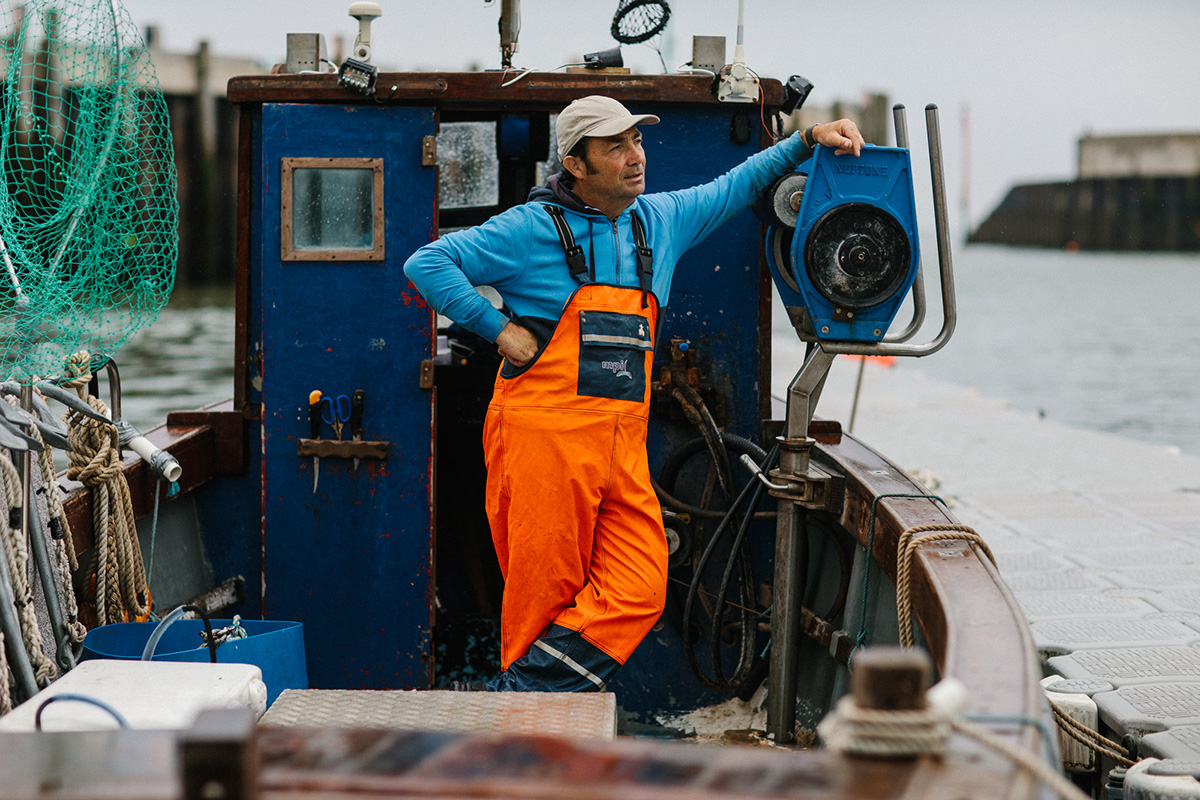
LUX: How would you explain to an intelligent but distracted business leader that the loss of a seemingly trivial marine ecosystem can have a fundamental effect on people on the other side of the world?
CGB: The ocean connects and carries everything. It is the life source of our planet, providing half the oxygen we breathe and absorbing half the carbon we produce. It also plays a key role in feeding three billion people. We need to protect it everywhere.
LUX: Where does the blame lie for overfishing – consumers, business, or governments?
CGB: The blame is with governments and business. Governments need to stop the ridiculous $22 billion worth of subsidies aiding overfishing; and businesses need to create absolute transparency of the supply chain.
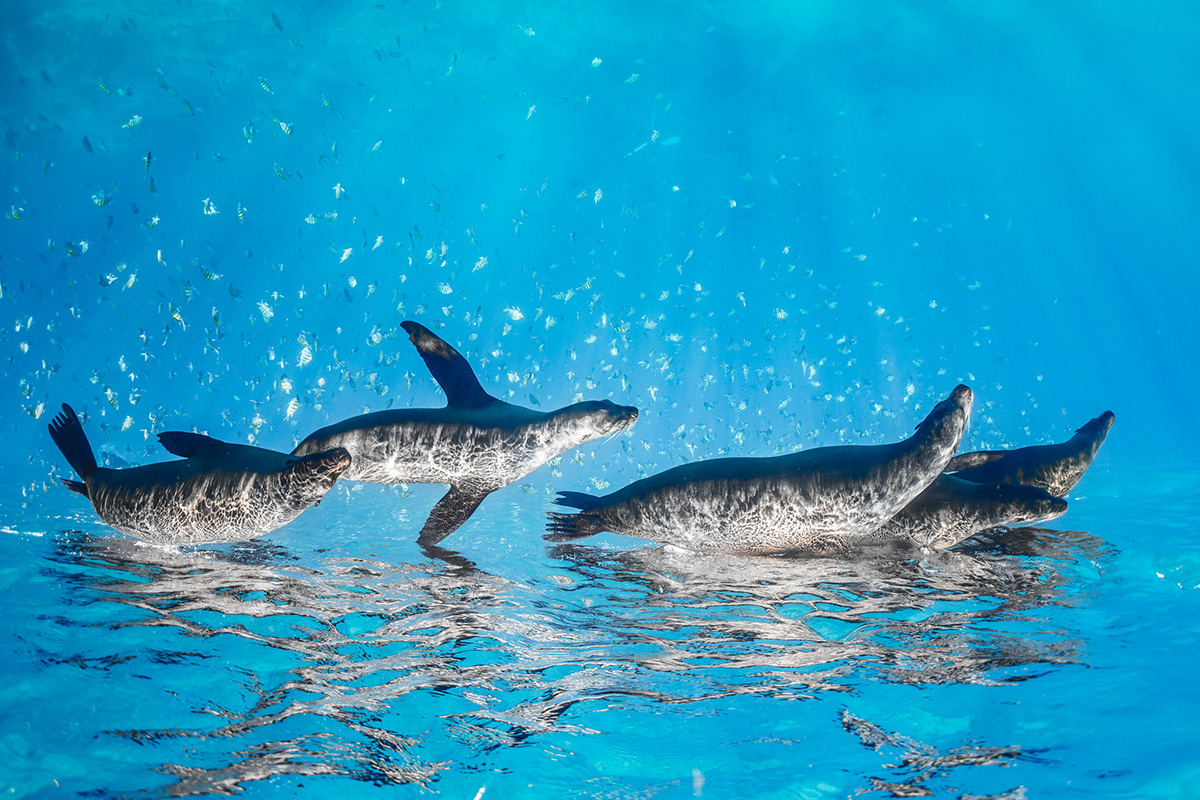
LUX: Why did you start Ocean 14 Capital?
CGB: We launched the Ocean 14 fund as it was clear that there was a huge need to build the conduit for capital looking at the blue economy. We believe that it is driving necessary positive impact on the ocean and making significant returns for the fund’s investors. Philanthropy is doing an incredible job but we need to attract institutional capital in order to transform the blue economy and this will only come if we create sophisticated impact investment vehicles like the Ocean 14 fund. If we do not create a sustainable and regenerative blue economy, we have zero chance of solving the crisis in the ocean and therefore protecting humanity – this is the most important investment thesis of our time.
LUX: The term ‘impact investment’ can be meaningless. Why is it not in your case?
Chris asked co-founder George Duffield to write the below response.
Because impact is in our DNA. We have spent more than a decade learning how to save the ocean. We work at a company level to build specific impact pathways, that are scientifically accurate and rigorously measured. Only then do we follow those pathways out to high level SDG 14 level goals. In other words, we work from detailed facts, not high-level assumptions. Impact is science, not goodwill.
Ambassador of Blue Marine Foundation, Poppy Delevigne
LUX: What specific types of companies are you planning to invest in and why will they make a difference?
CGB: The fund’s investment strategy is focussed on ensuring food security and protecting and restoring marine ecosystems. The fund recently closed two transactions: SyAqua is a leading technology and genetics company for shrimp aquaculture, and will help transform the industry to be much more efficient and sustainable. The other company is called AION, who have created a whole new operating model for managing plastics inventory, called Circularity as a Service. This business aims to transform how plastic is managed in big industry – stop plastic entering the ocean and take plastic out of the ocean. We believe that all of the fund’s investments should deliver great returns for our investors and have a positive impact on the ocean.
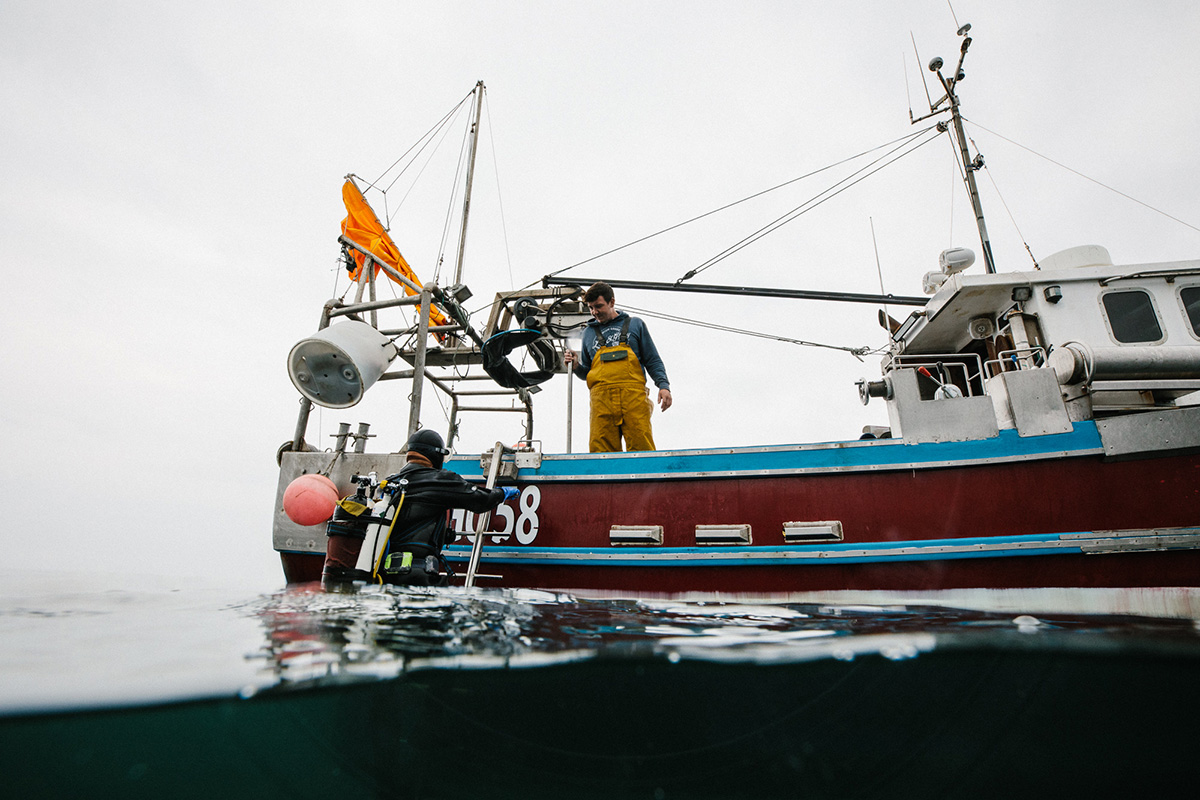
A man climbing on to a fishing boat from the sea
LUX: Blue finance is still maturing. How can investors be sure that sustainability projects will provide the scale and return they are seeking?
CGB: There is no trade off – we believe it is a win-win. We have the total convergence of drivers in the blue economy – the most valuable companies will be the most sustainable and impactful.
LUX: Why is blue economy investment so underserved currently, and will that change?
CGB: LIke marine conservation, when we started Blue Marine, the blue economy was very misunderstood and overlooked. Governments and businesses have been slow to realise the enormity of the problem and investors have missed the enormous opportunity. But the blue economy is now getting the attention it needs.
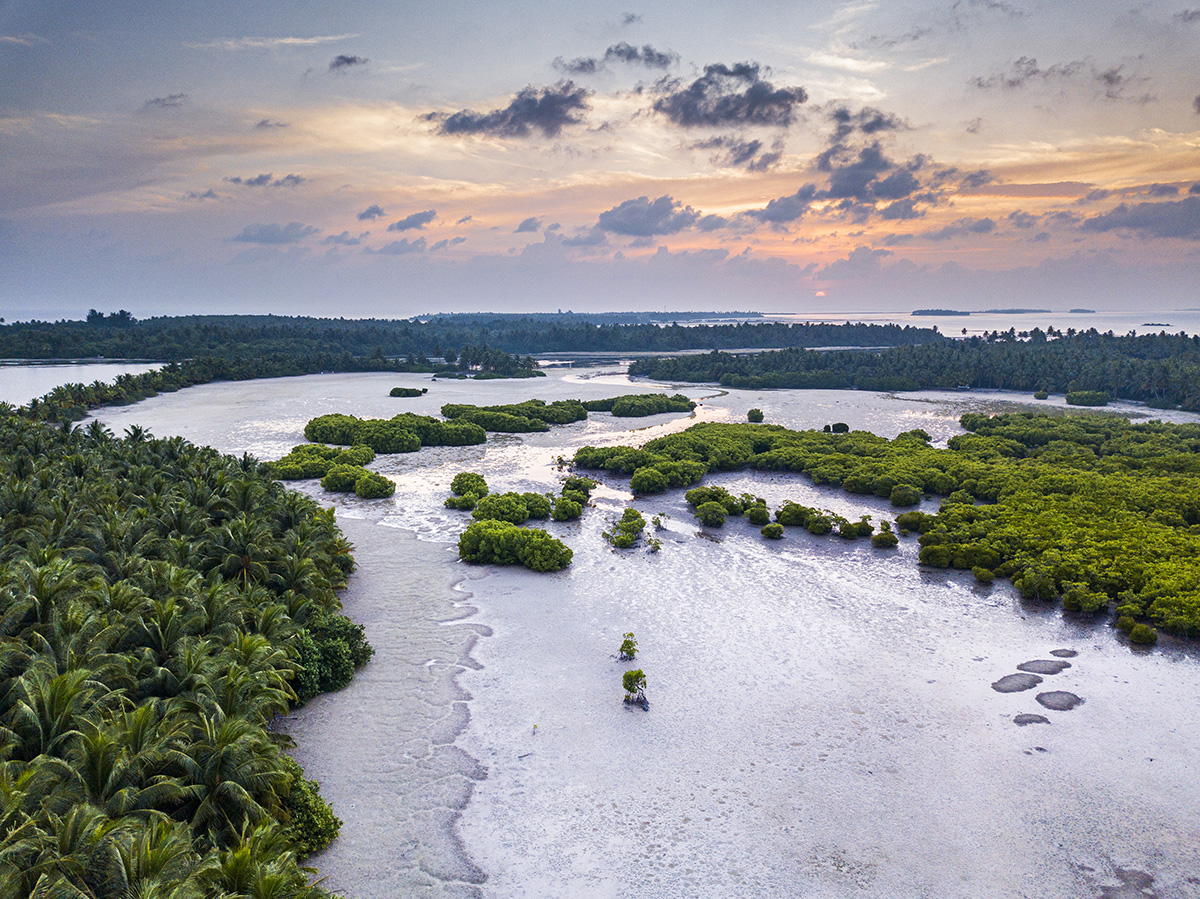
LUX: What will the blue economy look like in five years’ time?
CGB: In 5 years’ time, the blue economy will have matured. Ocean14 plans to launch a larger fund which aims to attract the large institutional investors we need to support the transformation of the blue economy. We believe there will be more funds in the space, and there will be more sophisticated securitisation vehicles for blue carbon and nature-based solutions.
LUX: Do you fear blue washing, and what can be done about it?
CGB: We need to be vigilant, but what we have created is the most sophisticated impact measurement and reporting platform in the blue economy. We need to create and standardise this approach so there is clarity and transparency of what a true impactful business looks like in the blue economy. Then blue washing will have nowhere to hide. There will always be bad actors in the global economy who try to conceal various sins with blue/green washing. But Blue Marine and Ocean 14 are very alert to it, and with the right KYC and due diligence it has no place in our work.
Find out more:
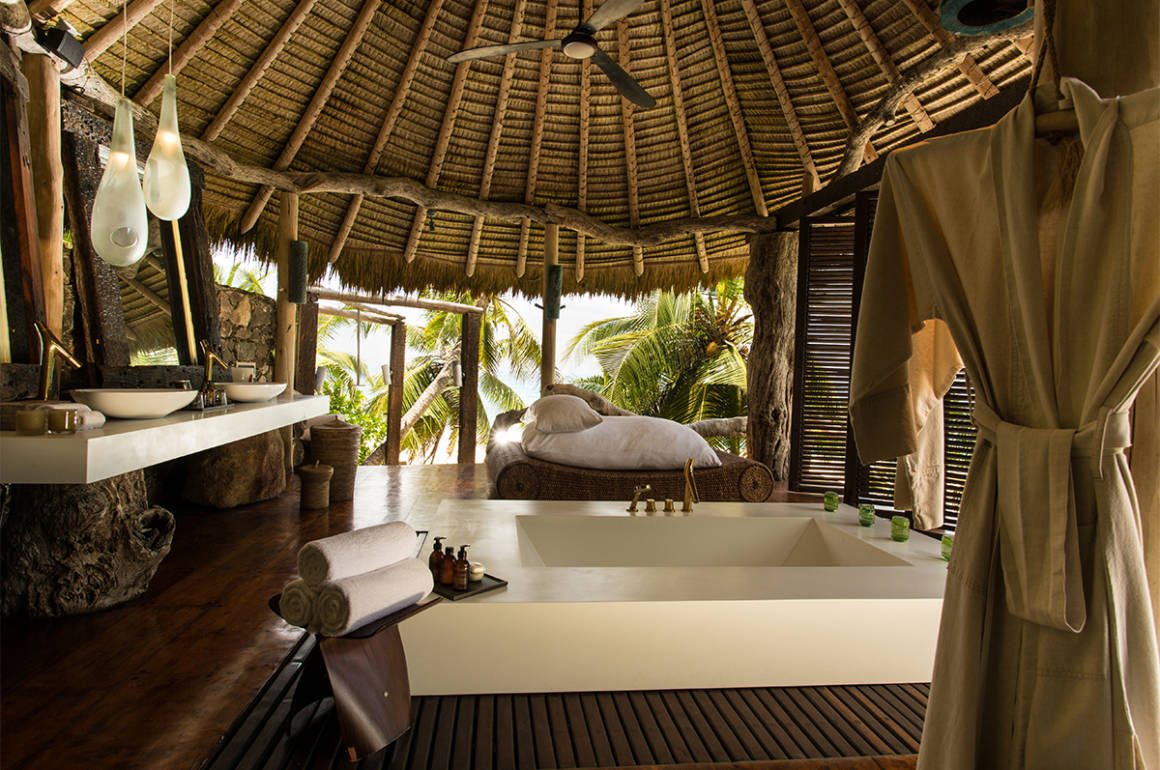
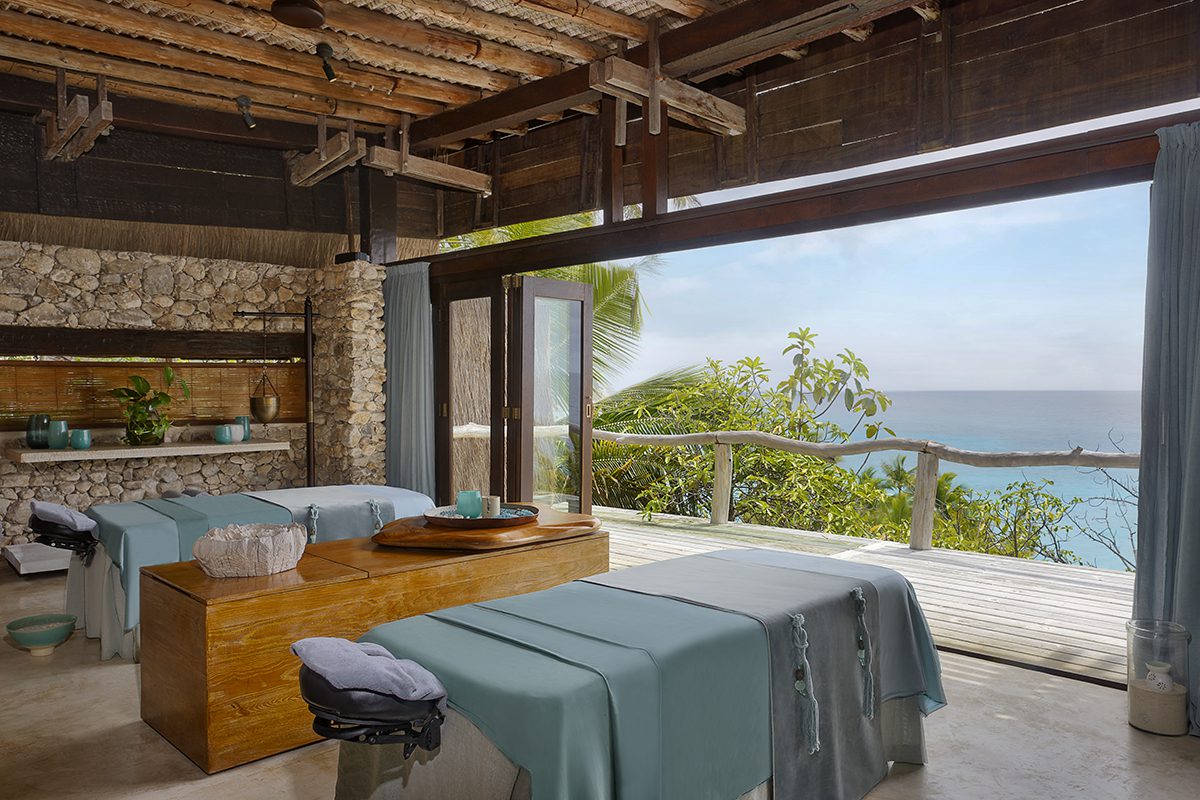 Clinique La Prairie has established itself as a leading name in longevity research, offering wellness programmes for over ninety years. For its inaugural escape far away from its traditional Alps and Lake Geneva landscape, the brand has set base on North Island Resort in the Seychelles to create a complete Clinique La Prairie experience
Clinique La Prairie’s philosophy on anti-aging grounds itself on a holistic system, balancing the body and mind with a longevity method supported by four pillars: medical science, nutrition, well-being, and movement. Curated by experts flown in from Switzerland, the week-long detoxification programme at North island is composed of heavy metal screenings, regenerative wellness, and detox nutrition to purify the body. The island’s wildlife sanctuary provides the backdrop for the physical segment of the retreat, offering a range of activities from yoga and tree planting to bike riding and snorkelling.
The resort hosts 11 hand-crafted villas, all surrounded by the Indian Ocean. Nature is a huge part of Clinique La Prairie’s philosophy, with sustainability at its core. The brand accentuates that small steps taken by individuals are the building blocks of global impact.
Clinique La Prairie’s Sonia Spring explains “sustainability for us is making sure that when people leave, they are making the right choices; whether that’s how to live, with regards to what they eat and also how they manage stress. This is related to sustainability because if you learn how to deal with stress, you can nurture yourself properly and make good choices such as having the right quantity of food, in the right way, looking more into local foods around you. By spreading these and in turn spreading these lessons that you have learned because its made a good impact in your life. Conveying these values to others, for us, also brings in the element of longevity.”
Follow LUX on Instagram: luxthemagazine
Internally, the brand aims to educate staff on more sustainable ways of operation, such as reducing waste, but also engraining more considerate decision-making in all areas.
Read more: Luxury Travel Views: Brenner’s Park-Hotel & Spa, Baden-Baden
The collaboration between Clinique La Prairie and North Island is in itself an ode to nature, borne from the serendipitous meeting of both owners, whose shared vision of exquisite hospitality delivered in surroundings of natural beauty is woven into the core of the retreat.
The partnership sees a symbiotic marriage of science and nature, hosted on an island that is both exclusive and private while retaining a “barefoot luxury” approach.
Priced at €68,000 for single occupancy and €85,000 for double occupancy
Find out more:


The new Bentley Bentayga Hybrid is a lighter-feel luxury SUV that’s a wonderful mix of refinement and muscle
In the third part of our supercar review series, LUX gets behind the wheel of the Bentley Bentayga Hybrid
If you need an example of how the attributes of heritage luxury car brands have to change in the new world of sustainability and electrification, look no further than Bentley. This is a company that has been making cars that are primarily distinguished by their immensely powerful and vocal petrol engines for more than 100 years. Taking the petrol engines out of Bentleys would be like taking the leather out of a Chesterfield.
This latest model we drove is not electrically powered, but it’s a halfway point. The company’s luxury SUV is typically distinguished by its massive 12-cylinder engine (although there are models available with a V8). Here we have a hybrid version, with a six-cylinder petrol engine accompanied by an electric motor.
Follow LUX on Instagram: luxthemagazine
Does it work? That depends: if you’re listening for that V12 ‘whoof’, and expecting the distinctive power characteristics – speed and responsiveness to increase in tandem – you may be disappointed at first. In fact, the sound is the most notable characteristic of this car, as going from a Bentley V12 to this is rather like going from wild to farmed beluga. Still good, but not what you’re used to. But, given that in a few short years no engine will make any sound at all apart from a faint hum, this is really a moot point.

One other characteristic a traditionalist will welcome is the lighter feel: there is less engine in the nose of the car. It feels quite alive around corners on country lanes on the way to one’s architect-redesigned Oxfordshire manor house.

That is the kind of lifestyle this car is aimed at and it does an excellent job. The interior feels like sitting in a well-appointed bank vault with windows onto which the outside world is projected. Unlike some very powerful SUVs, it doesn’t feel like it wants to race every car from the traffic lights. It’s not exactly serene – it’s a Bentley after all – but it’s a wonderful mix of refinement and muscle. If you’re an enthusiastic driver, you won’t complain about the relatively agile handling, excellent roadholding and responsiveness at speed. You may wish for a little more feedback and involvement, though, as this car is set up more at the luxury end of things.
Read more: Why You Should Get Your New Car Ceramic Coated
Your passengers will enjoy the crafted feel of the interior, which really does feel a cut above almost any rival. It may not feel as passionate as the SUV offerings from Lamborghini or the Mercedes G 63, but it aims to do a slightly different job, rather more grown-up. It is also a car you could get in to drive from the Cotswolds to ski in St Moritz in one day, and arrive refreshed and ready for the slopes. And the fuel savings from the new electric-petrol engine will pay for a couple of drinks at Pavarotti’s.
LUX rating: 17.5/20
Find out more: bentleymotors.com
This article appears in the Summer 2022 issue of LUX
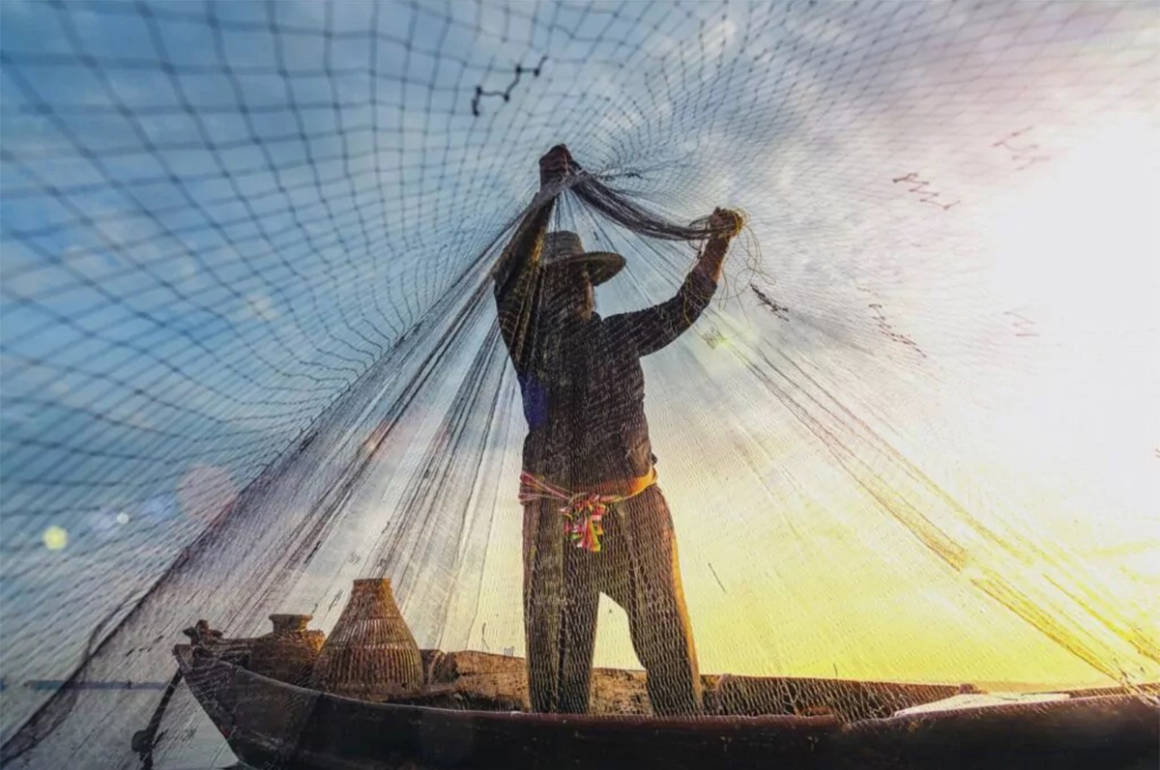
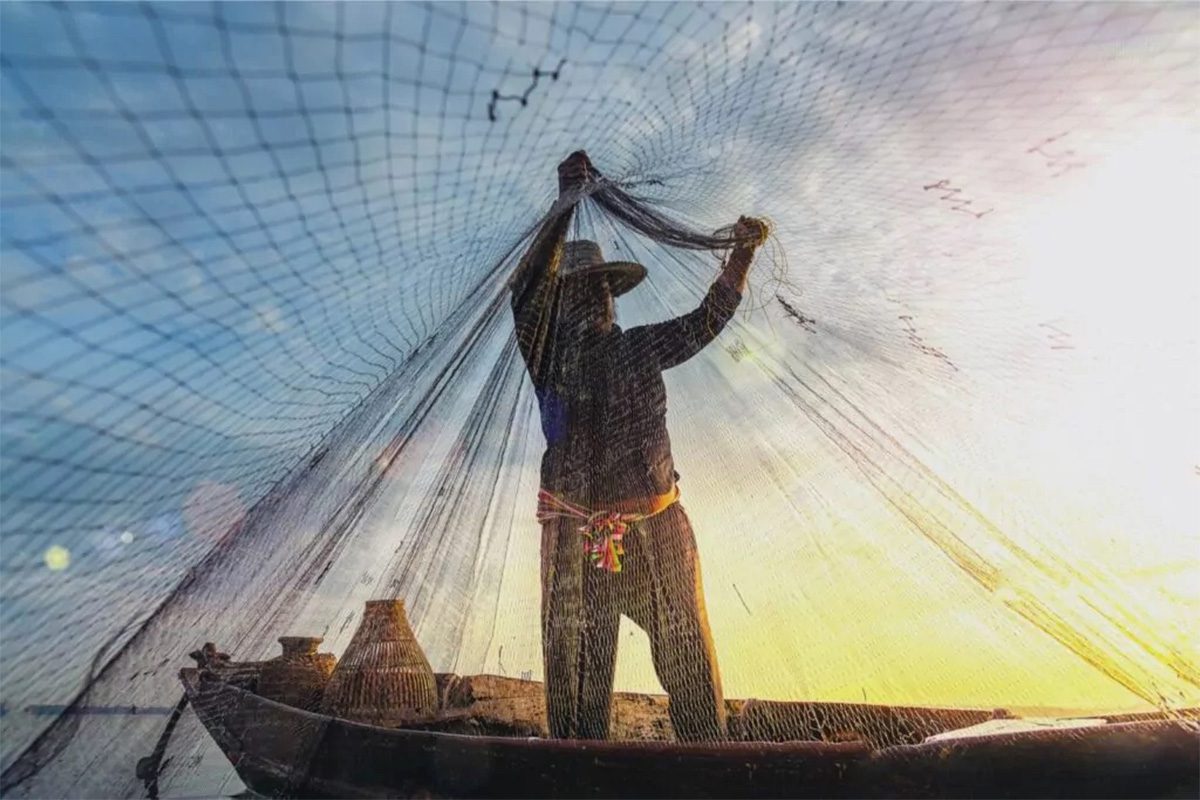
Traditional net fishing from a boat
80% of the earth’s biomass is concentrated in the oceans. But how do we put a value on the deep sea? As the concept of natural capital — putting a price tag on the services nature provides — enters the mainstream, ocean expert and activist Karen Sack tells LUX Editor-in-Chief, Darius Sanai, why valuing nature needs to encompass more than just the dollar sign
Sack has over three decades’ experience in ocean conservation, law and policy, and currently serves as Chief Executive of Ocean Unite (co-founded with Richard Branson and José María Figueres) and Executive Director of the Ocean Risk and Resilience Action Alliance (ORRAA). Here, she explains why the time has come to incorporate ocean measurements into sustainability metrics, and how nature-based solutions should be at the forefront of any ocean investment strategy
Follow LUX on Instagram: luxthemagazine
LUX: The concept of natural capital — of nature having value in and of itself — has historically been ignored. Why is it important?
Karen Sack: I do think it’s important, but we need to be careful not to reduce nature’s value to just a monetary value. The reason we have to put a value on nature is so that we can understand and incorporate it into the economic system that we all exist within. While, for me, this in some ways runs contrary to what we want to do – we want to just value nature in and of itself — we still need to incorporate nature into our valuation system. If we don’t, we will very quickly have to pay the consequences. We already are seeing this in terms of what is happening with the climate crisis.
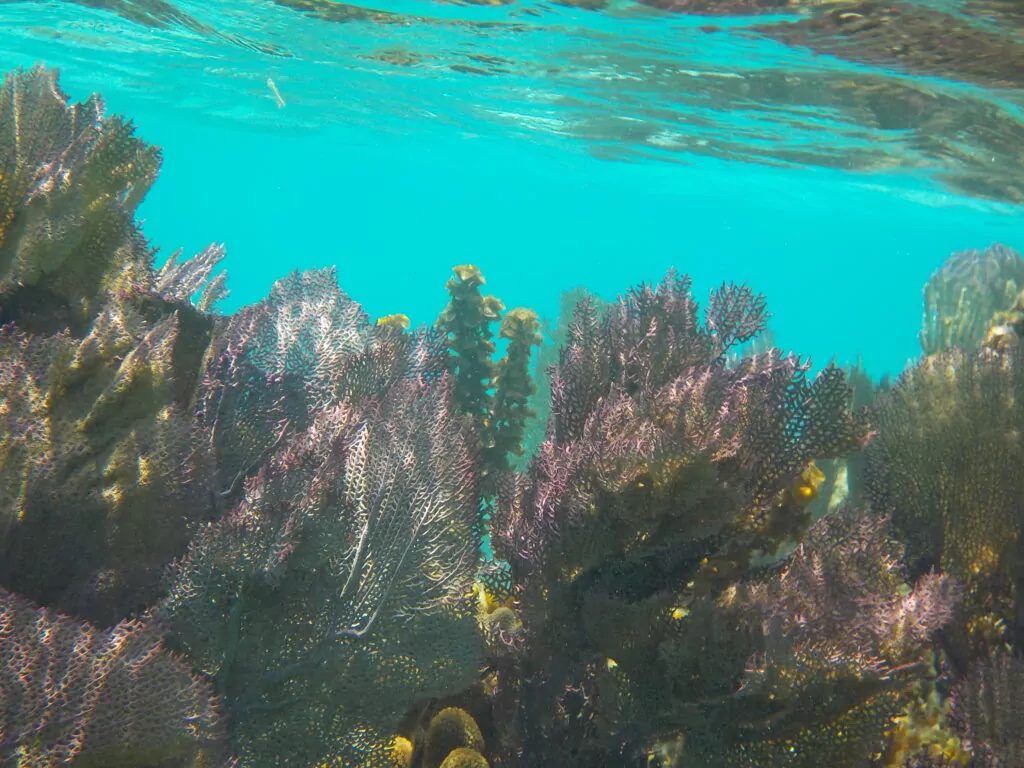
Fan Corals in Belize Barrier Reef
LUX: Can investment in ocean conservation be furthered by investment in the private sector?
KS: We need to blend together different types of finance to focus on the ocean’s protection. One of the issues that has arisen recently is how we account for the costs of marine protection. We’re focusing a lot on the question of what it costs in terms of potential revenue in terms of fisheries and other lost revenues. Yet we don’t apply that same standard when we think about providing a fishing company with a licence to fish; we don’t price those costs into that fishing licence. The private sector has been very involved in the extractive activities that take place in the ocean, and in some ways have been subsidised quite substantially by the public sector, so that those activities can continue.
The role of philanthropy in the ocean space is oftentimes to kickstart some of these discussions, to act as a springboard for investment from other areas. And oftentimes that’s what we need to paint the picture, so we understand the benefits of investment from the private and public sector.
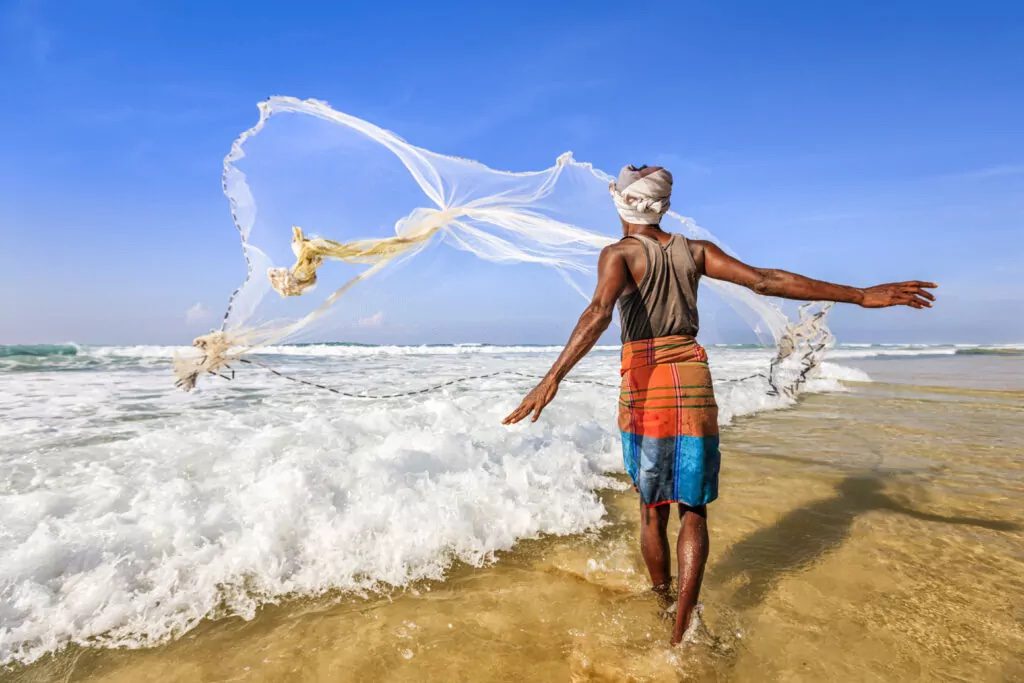
Sri Lankan fisherman throwing a fishing net near Mirissa
LUX: When people speak of the blue economy, there might be an assumption that it is inherently sustainable. But the term can also encapsulate bottom-trawling and oil extraction.
KS: It has to be further defined. The Stockholm Resilience Centre has coined an interesting term: it talks about the development of the blue economy as a ‘blue acceleration’. If you look at different sectors of the economy that are investing in this space, you can see how lopsided and inequitable some of that development is. For example, small island developing states have protected something like 13% of all marine protected areas, which are in small island developing states. We call them ‘big ocean states’, because they have these amazing ocean real estate areas. That’s huge, yet the investment from other sectors of the economy, for example aquaculture, has been located within those small island development states.
Renewable energy is another example of where there has been a 500-fold increase in investment in offshore renewables over the past 20 years. Not one of those wind shore turbines have been located in a small island developing state. That is just so indicative of the lop-sidedness, because those countries require diesel fuel to be imported and yet are the most vulnerable to climate change.
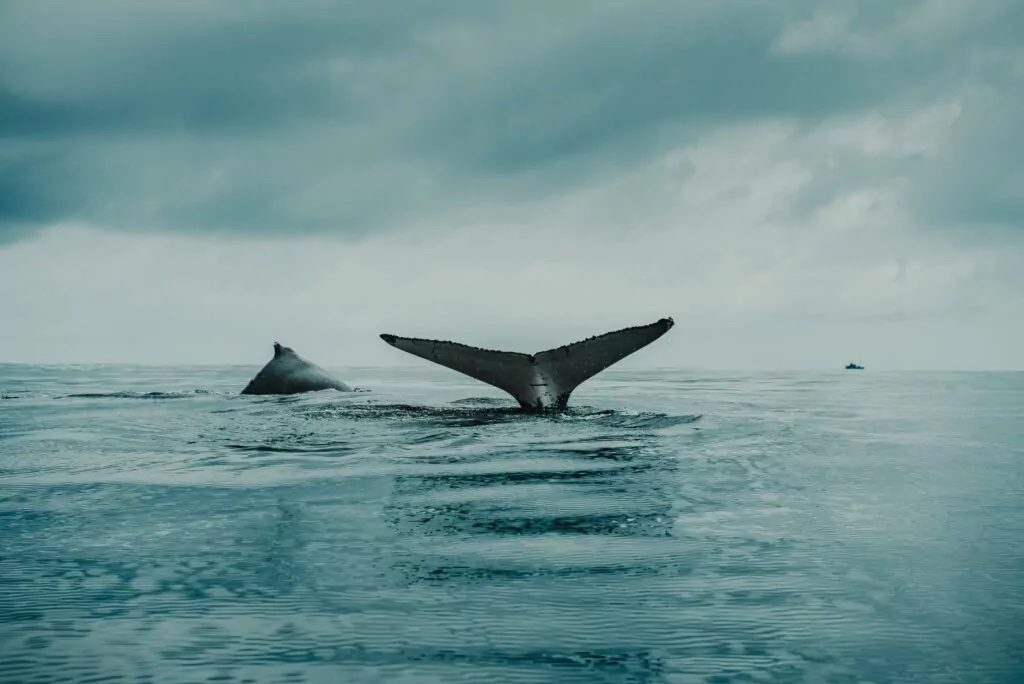
A Humpback Whale
LUX: Does there need to be consolidation of a single set of rules and definitions for companies, investors and governments to follow?
KS: There needs to be a standardised accounting methodology that’s used, so that when you’re looking to invest in a space, you understand that that standardisation has happened. Otherwise, the opportunity for greenwash or bluewash is very high, and something that we have to guard against. It’s just too easy right now to argue that your investment is sustainable without those standardisations being in place to show that it truly is.
LUX: How does one measure the effect of either one’s donation or investment in sustainable terms?
KS: Right now, it’s very difficult to say there is any kind of comparability between, for example, one scheme that invests in seagrass to capture carbon and promote biodiversity, via another one in coral reefs. It’s what people are most interested in investing into at the moment. We understand the difference between the level of impact from a storm surge that a healthy coral reef can deflect versus a mangrove. But comparing ecosystems with one another is really difficult: it would be the same as comparing the carbon sequestration potential of the Savannah to a cornfield in Montana.
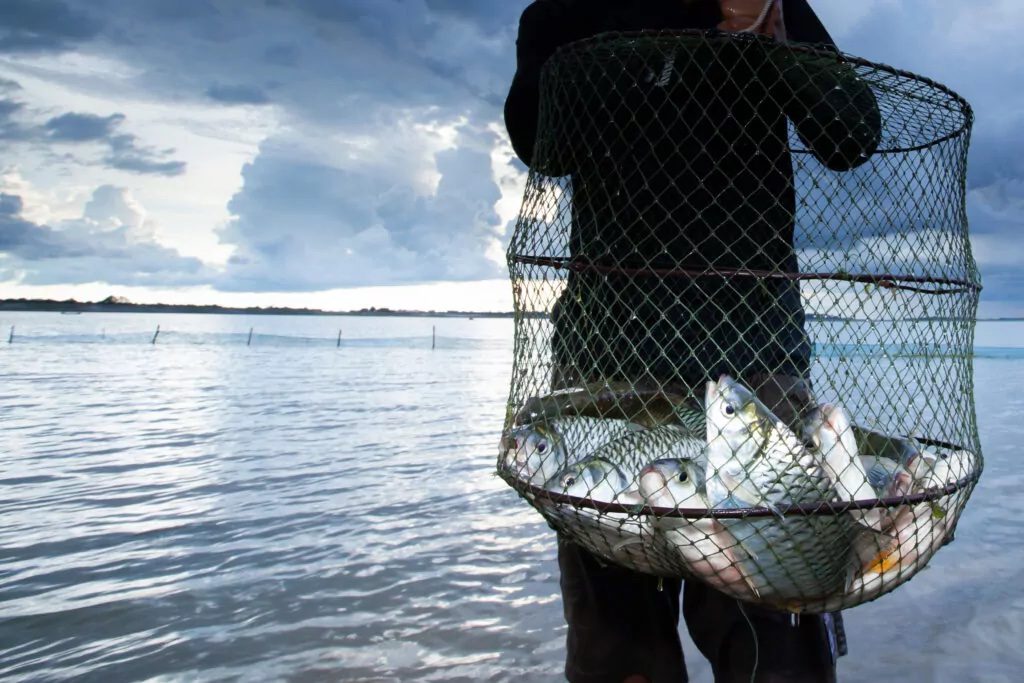
A fisherman holding a shoal of big Common Silver Barb
LUX: What needs to happen in terms of legislation and the way large institutional investors behave?
KS: We need to incorporate ocean measurements into some of the tools the financial world now uses when they measure their sustainability metrics. We don’t want to have some completely separate ocean-based metrics. For initiatives like the Taskforce on Nature-related Financial Disclosures (TFNFD), we need to incorporate the ocean into that. We need to look at some of the taxonomies that are being created for example by the European Union, and ensure that it is not completely different from whatever is created in the US or in other countries around the world, or in China. And then a focus on innovation, and the types of KPIs that need to be developed. So this is all beginning to happen, it’s a very fast moving space, but right now it requires certainly scientific advice and a lot of listening.
LUX: Will blue economy investment always be a kind of blended opportunity, or is it something that is seen as a P&L play?
KS: With the Ocean Risk and Resilience Action Alliance, one of the initiatives that we are working on is the development of what we are calling a Sea Change Impact Financing Facility (SCIFF). When, a couple of years ago, we started doing some work on financing, we asked some partners to look at what was needed to increase investment. We found that we needed a whole new ocean finance ecosystem. Spaces that are particularly important include the coastal ecosystems, the seagrass beds, the coral reefs: places that are helping to both be nurseries for biological diversity, sequestering carbon and providing food security for coastal communities. So if you don’t have that surrounding ecosystem, that is literally money down the drain. That will probably require blended finance, and looking at things such as the development of blue carbon credits. Then we need to look at how to drive the big investments into the space, and ask what type of equity capital we need to drive big investments. I mentioned offshore renewables, an amazing opportunity for investment that is still seen as quite risky.
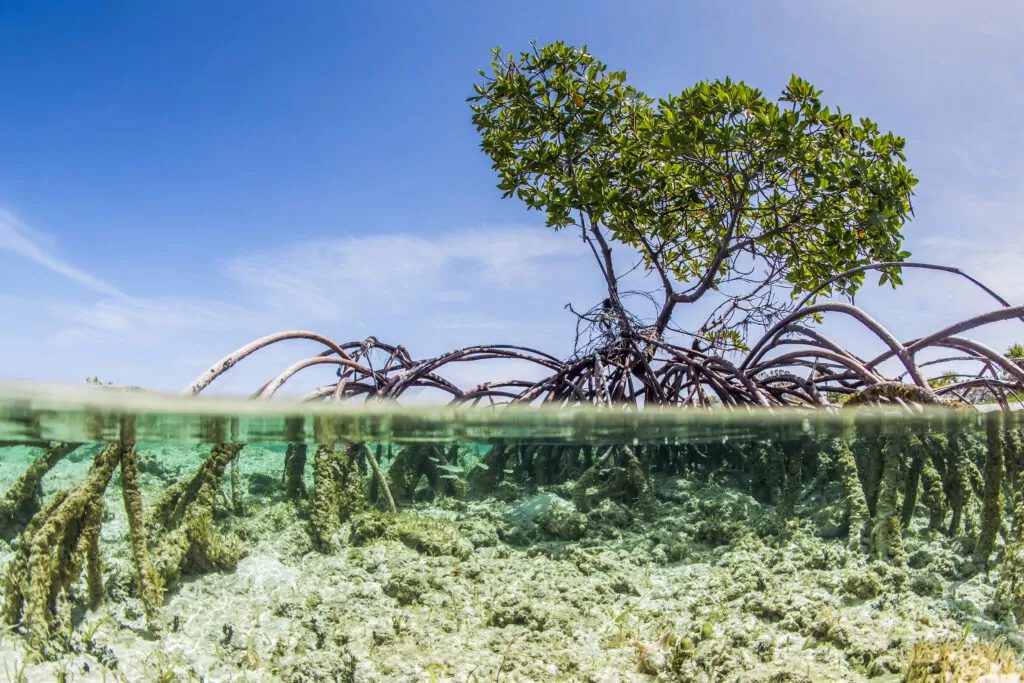
A mangrove tree in clear tropical waters near Staniel Cay, Exuma, Bahamas
Thinking about greening shipping, it is a huge emitter of CO2 but 80% of our trade in the world travels by ship. So how do we transform our ports and harbours, so they both have the infrastructure for green shipping? The third piece is what we call the ‘risk wrappers’. These are the public sector guarantees that can lower the risk of some of those opportunities for investment and drive public sector capital into the space. But if we’re looking at developing countries, and small island developing states, that’s not where the private sector is going. So how do we drive investment into some of those projects, and reduce transaction costs? Those are some of the issues we need to tackle as we move this new ocean financial ecosystem forwards.
LUX: Should nature-based solutions be the most important focus of investment currently, or one of many?
KS: From my perspective, nature-based solutions should be at the core of an investment strategy when it comes to the ocean. We’ve got 80% of the biomass, 80% of life on earth is held within the ocean. It doesn’t cost a lot, but the returns are incredible. We should be supporting, particularly for small-island developing states, and developing countries, investments into nature again for the reasons of resilience, food security, biodiversity positive outcomes, and also carbon sequestration. The more life we have, the stronger the carbon carrying capacity is. We also know that these are tested, as nature has been adapting for millennia. We need to learn from nature, and this is where we are seeing the results of that investment into nature being so significant.
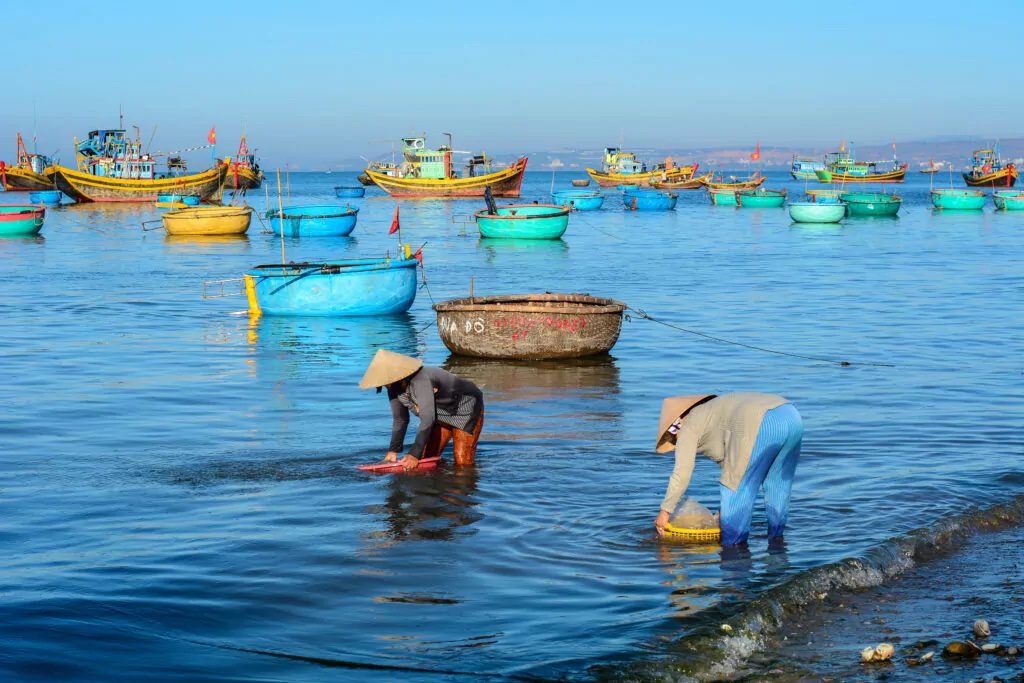
Local women working in a fishing village
LUX: Do you see abating ocean industries as all part of the same investment parcel? Is it better for an institution to invest $500 million in a scheme that makes ships more hydrodynamic, or to invest in mangrove planting?
KS: The thing that is impacting the ocean the most right now is our CO2 emissions. So, any kind of investment that gets us to net zero as quickly as possible is helping the ocean. That is key. We must then look at the risk multipliers, for example pollution, whether it’s wastewater or nutrient runoff. These are not sexy things to invest in, but a sewage treatment plant can make the difference between a coral reef that survives and one that does not.
Read more: Melissa Garvey On Saving The Oceans
Bottom trawling is a fundamentally destructive fishing practice. Investments into things like bottom-trawling should just not happen. Offshore oil and gas is another one. So: stopping some investments to begin with. Next, investing in getting to net zero as quickly as possible. Third would then be looking at investments, particularly in coastal areas that are biodiversity positive in terms of their net result, so that we can rebuild those ecosystems.
It’s interesting to look at some of the work that’s now being done on technological solutions to address the climate crisis. We know, for example, that in a marine protected area that’s fully protected, the increase in biomass over 10 years can be 400% or even higher than that. I can’t think of a bank where I would put an investment in and get a 400% return on that investment, but nature gives us that. So, looking at those kinds of investments is really impossible. And that goes back to the question of valuing nature and understanding that that value isn’t just in the dollar value.
Karen Sack is Chief Executive of Ocean Unite and Executive Director of Ocean Risk and Resilience Action Alliance (ORRAA)
Find out more:

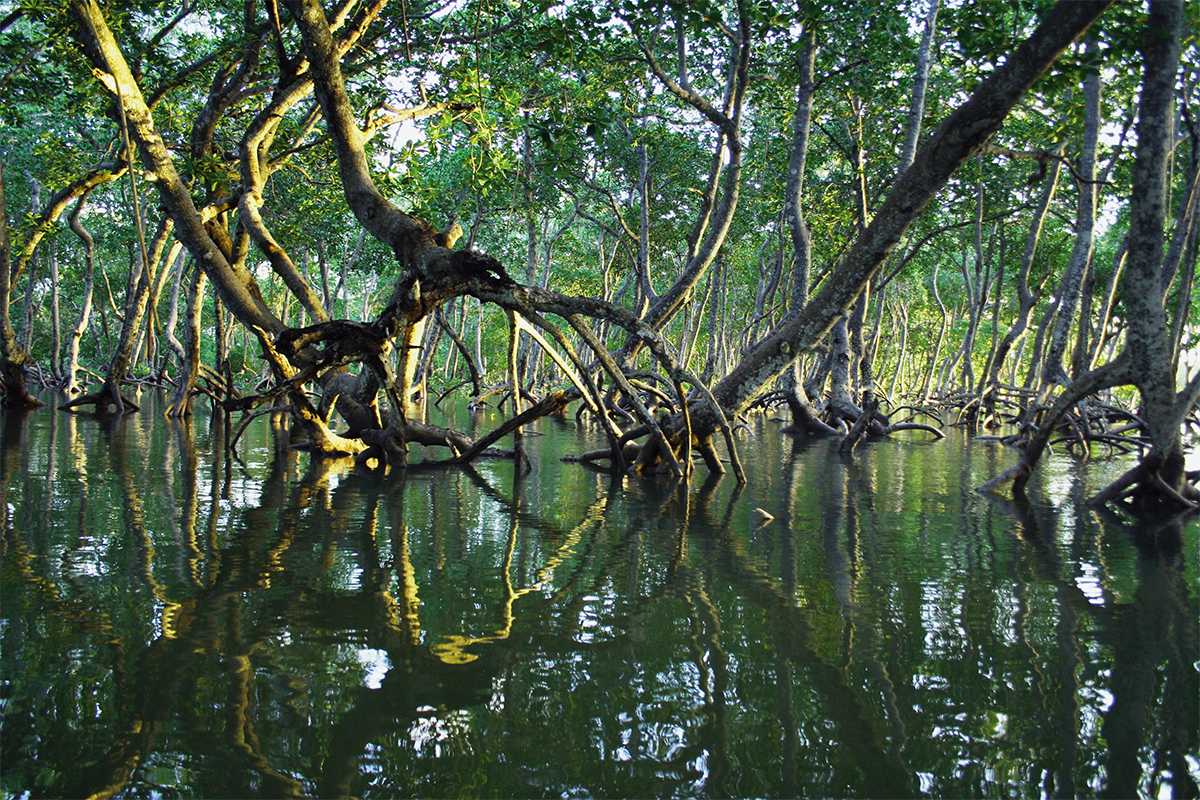
Mangroves protect coastlines from erosion and flooding, sequester carbon and provide a home to species not found elsewhere
If human beings are going to create a sustainable economic system, we must recognise the true value of living ecosystems and the services that they provide to society, and price this into our financial decisions. In the long term, the benefits will far outweigh the costs, says Markus Müller
Markus Müller
Our enthusiasm for economic development has detached us from nature. With our focus on the production of goods, we have forgotten that there literally is a natural limit to our endeavours. If we value nature purely in terms of the raw materials it provides, we fail to appreciate the many ‘ecosystem services’ that living creatures and plants provide to society, and research suggests the markets would price these at about $140 trillion.
The world is fast-approaching a point where its natural capital is so depleted that it can no longer provide us with these services. As a species, we are acting rather like a company owner who operates their machinery 24/7 without maintenance, then acts surprised that their production line is no longer able to deliver the goods. The difference with nature is that there is no option of buying a new machine.
Humans, economy and society are embedded in the environment. This applies to food, but also to areas such as medicine. We know, for example, that many of the organisms living in the sea have contributed to the development of cancer treatments and other crucial drugs. It is reasonable to suppose that similar discoveries are waiting to be made in the world’s most biodiverse habitats such as rainforests and coral reefs, and if we kill our planet’s biodiversity then we will undoubtedly kill many such opportunities.
Follow LUX on Instagram: luxthemagazine
What does this mean for us in our daily lives, for companies, and also for the economic and financial markets? If we look at the numbers alone the issue of sustainability may appear to already be centre stage. Around the world we see growing regulation, not only in creating transparency but also guiding money flow. Now accounting for more than 36 per cent of funds under management globally, environmental, social and governance (ESG) investments have established themselves as mainstream.
However, while the ESG concept divides up current business activities into three specific categories, making the transition to truly sustainable business practices requires more than just an appreciation of financial risk and return. The ultimate objective must be to promote the health of planet Earth for the benefit of generations to come. As Gro Bruntland, the former Norwegian prime minister, said in 1987: humanity has the ability to make development sustainable to ensure that it meets the needs of the present without compromising the ability of future generations to meet their own needs.
When discussing the economic opportunities around biodiversity, I always provide a caveat. What we are dealing with is a global common good. We can’t deal with it in the same way as a private good, which is a product we can manufacture. In terms of business opportunities, we need to be careful when we speak of a global common good – like biodiversity, clean air or even the ocean – as there is a risk of doing business as usual, and exploiting these fundamentals of our wellbeing.
The good news is that with the right governance, we can move quickly from over- exploitation to repair and rejuvenation. Take mangroves, for example: they are difficult to plant, but can be reinvigorated easily. And when they are healthy they act as an effective natural carbon sink, as well as lifting the ground level by collecting and storing soil. They represent a cost-effective ‘nature-based solution’ to both climate change and rising sea levels – and, therefore, a potential business opportunity.
Simultaneously, broader economics must be considered. ESG-based investments are increasingly being incorporated into governmental social and economic policies, and should boost economic growth by encouraging more responsible management of the world’s natural resources. The concept of natural capital – valuing living things like other assets, in order to conserve them – is gaining ground with economists, and when industrial leaders begin to realise its significance then it will completely change the way they do business.

As the awareness of biodiversity loss grows, it should become an increasingly important part of corporate strategy and political policy, drawing more attention to shortcomings in existing evaluation approaches while also prompting solutions. Biodiversity loss gives rise to risks (physical, transition, and liability) for companies in myriad ways. Any decision, be it in investment or finance, therefore needs to encompass the entire product life-cycle and examine the whole supply chain.
Read More: Gaggenau: The Calming Influence of Biophilic Design
The framework we use to evaluate biodiversity preservation is likely to evolve, which will have direct implications not only for investors but also for policymakers and economists. Also, the question of property rights will need to be considered in the context of local political and cultural priorities – a tension that may be difficult to resolve. Solving the geopolitical dimension is likely to be even more difficult, as this will require the financially strong First World to demonstrate the will to obtain goods from sustainable production. All this will come at a cost, but it’s most definitely a cost worth paying to ‘protect our portfolio’. The concept of natural capital could herald the beginning of a big story – one of an innovative and equitable economic model – that is worthy of the 21st century. To reiterate my opening message: if all things were similar then there would be no development. The outcome, instead, would be destruction. Let’s embrace this challenge and adapt to a new future, embedded in nature.
Markus Müller is Global Head of the Chief Investment Office at Deutsche Bank’s International Private Bank
Find out more: deutschewealth.com/esg
This article appears in the Deutsche Bank Supplement of the Summer 2022 issue of LUX
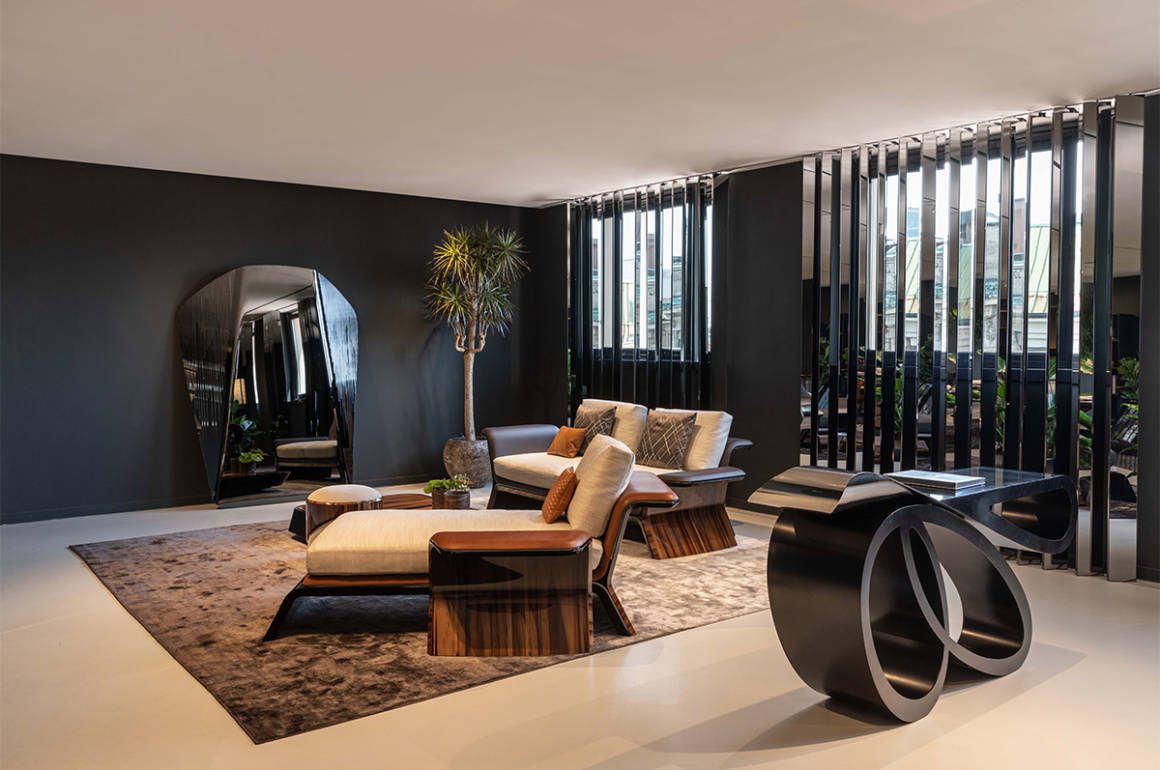
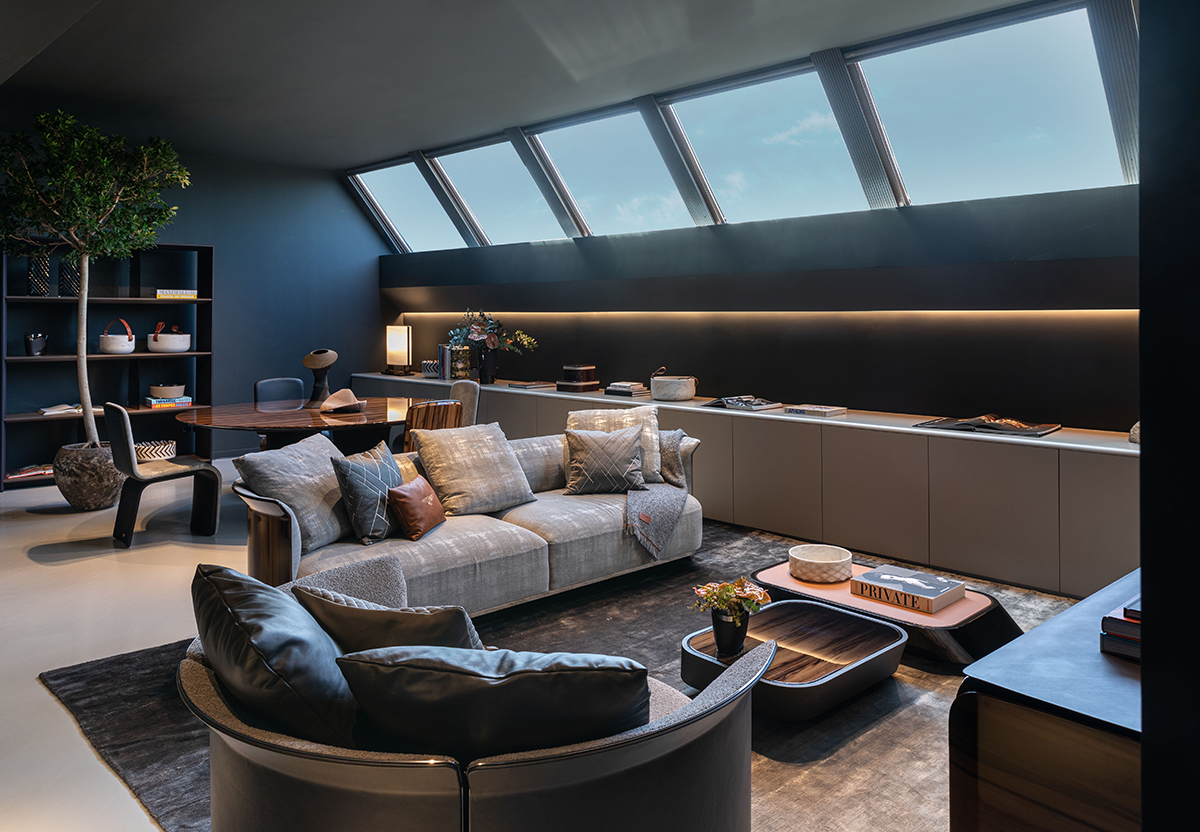
The Bentley Home ‘2022’ collection, shown at the atelier
LUX stops off at the new Bentley Home atelier in Milan to check out its latest furniture collections
Bentley Home has opened its new atelier on Milan’s Corso Venezia. An homage to British and Italian craftsmanship, it marks the next step for the lifestyle arm of the British automotive manufacturer, which, since its establishment in 2013, has evolved from skis and golf clubs to what it calls ‘spaces, places, and environments’.
To coincide with the opening, Bentley Home has launched two new furniture collections. Co-designed by the automotive designers in Crewe, in the UK, and the Italian craftspeople of Bentley Home, ‘Solstice’ and ‘2022’ reimagine the signature design elements of the coveted cars for a domestic context.
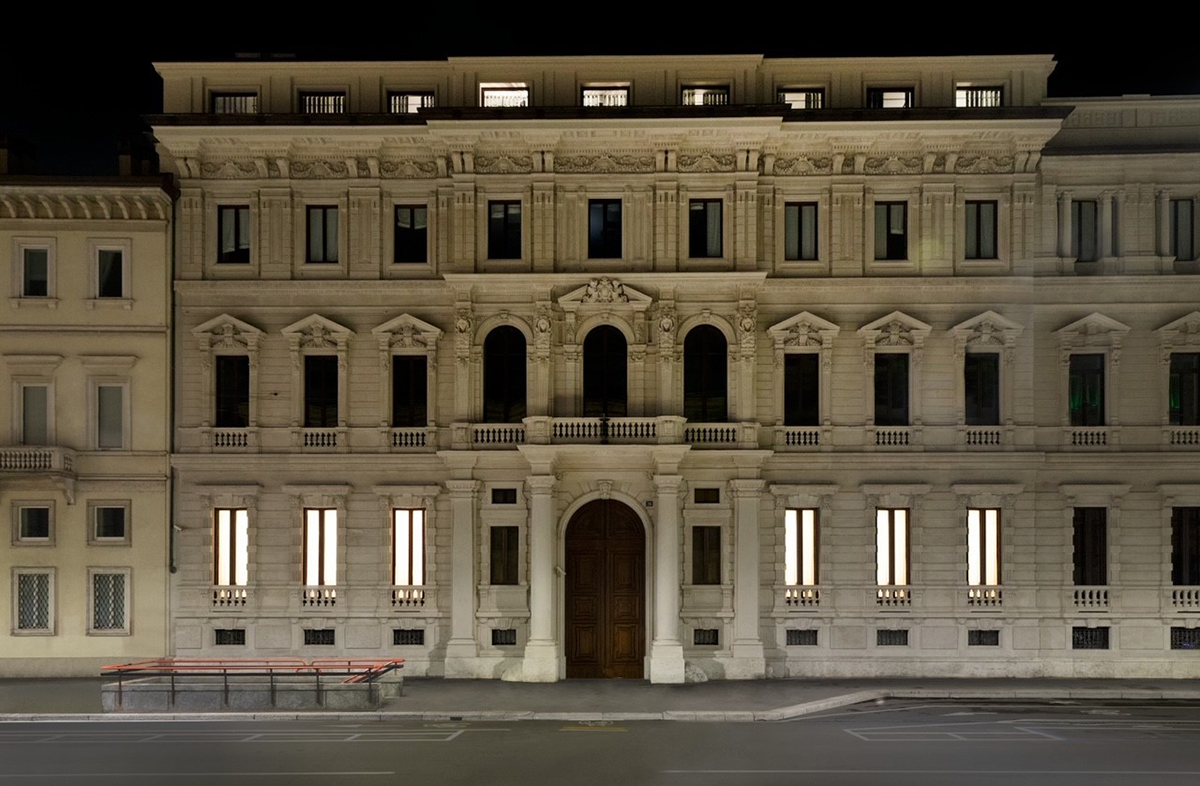
The neoclassical architecture of the Bentley Home Atelier
‘We always say that you should feel as good getting out of a Bentley as you did getting in, regardless of the distance you’ve travelled,’ explains Chris Cooke, head of product and lifestyle design at Bentley. ‘It was a logical step to translate that sensory experience into the home palette.’
Follow LUX on Instagram: luxthemagazine
The modular ‘2022’ collection is characterised by wood veneers and leather, available in a variety of swatches. Described by Cooke as ‘eclectic’, the collection is the result of the disparate industries which have come together to create it – from automotive to furniture, art to interior design.
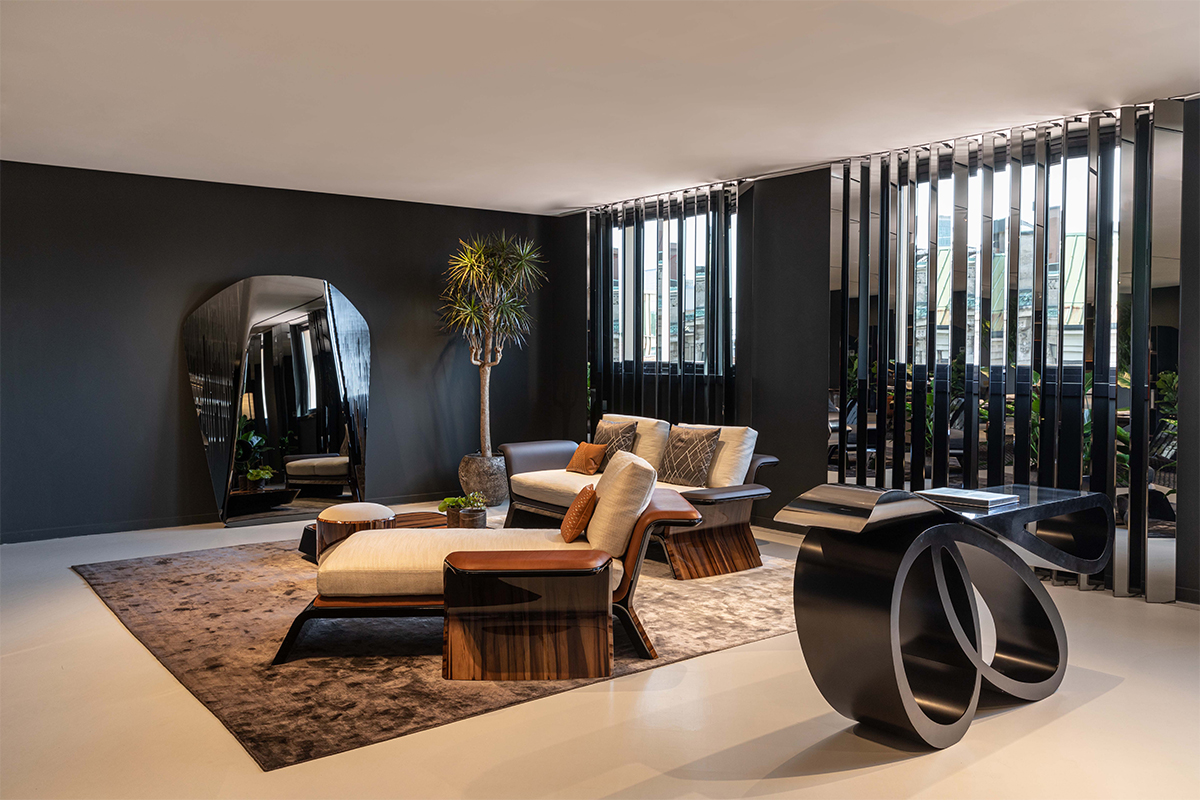
The ‘2022’ collection, featuring a mirror designed in collaboration with Francesco Forcellini
Take, for instance, the collection’s signature degradé effect, realised in collaboration with leading artists; or the Stirling mirror, which was created in partnership with Milanese designer Francesco Forcellini. Made from a single sheet of glass, the mirror replicates the signature curvature of the cars, and features minute, cross-hatched diamonds which have been cut using a laser into its surface.
Read more: Gaggenau: The Calming Influence Of Biophilic Design
‘Solstice’, Bentley’s first outdoor furniture range, is distinguished by the steel diamond detailing which runs throughout – a variation on the front matrix grille of the Continental, Bentayga and Flying Spur. The designers have also made use of sustainable, weather-proof materials, including a first-of-its-kind marble ‘leather’, made from waste marble powder, and a water-resistant botanical hemp fabric, cultivated without the use of fertilisers and chemicals.
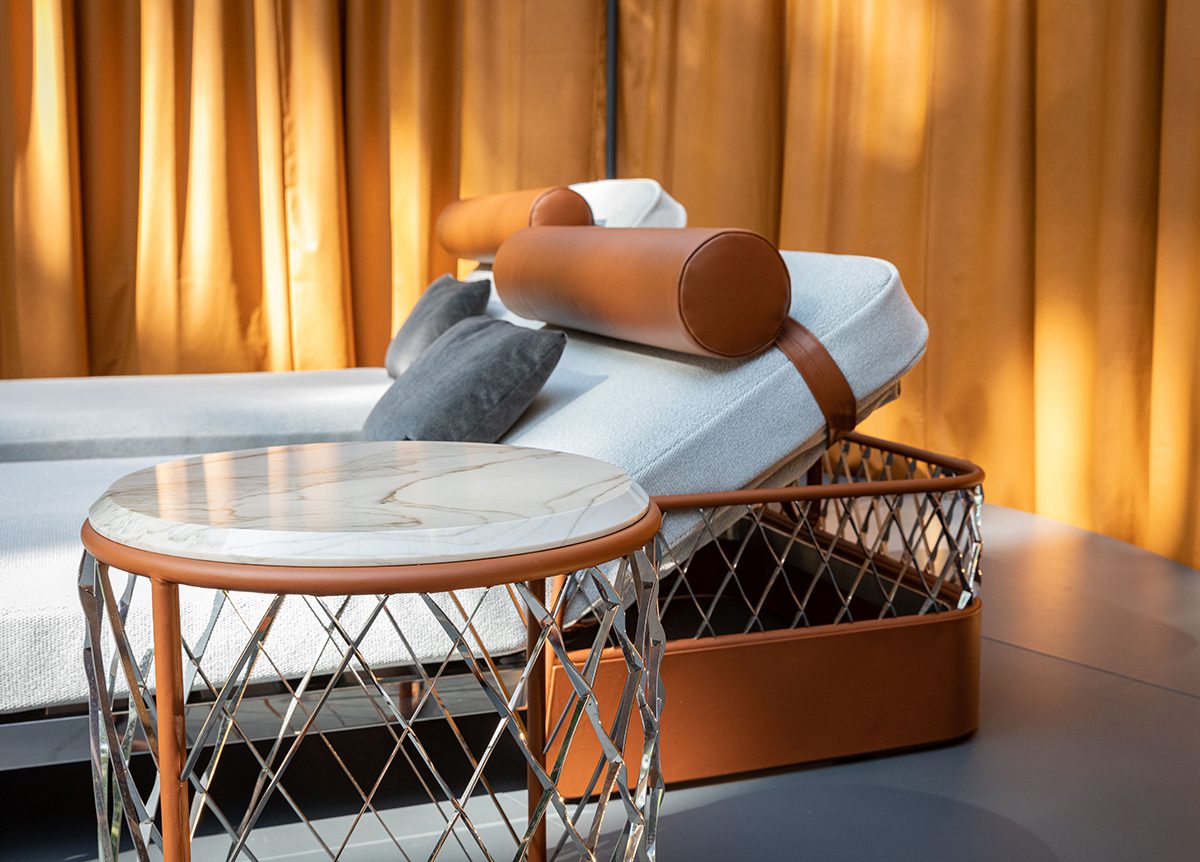
‘Solstice’ is Bentley Home’s first outdoor furniture collection
With the Bentley Residences – a 60-floor luxury beachfront tower on Miami’s Sunny Isles Beach – scheduled for completion in 2027, only time will tell what heights the Bentley lifestyle sphere will reach.
Find out more: bentleymotors.com

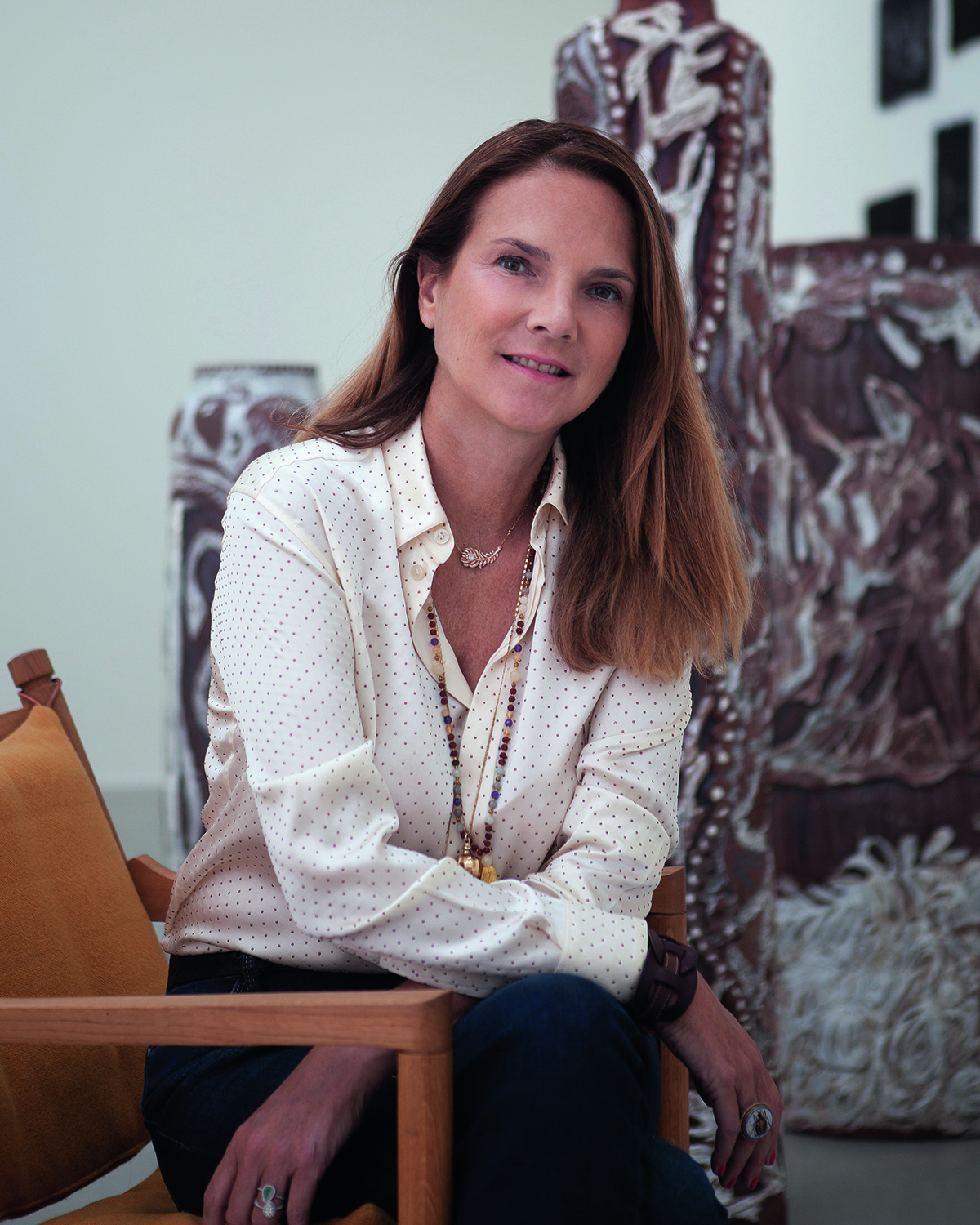
Founder of Fondation Thalie, Nathalie Guiot
The Brussels-based French founder of Fondation Thalie is from one of France’s biggest retail families. Nathalie Guiot speaks to LUX about the need for an all-round vision in facilitating arts and culture to support sustainability and biodiversity – and why you shouldn’t call her a philanthropist. Interview by Anne-Pierre d’Albis-Ganem
LUX: What prompted you to start your foundation?
Nathalie Guiot: The aim was to support contemporary art linked to societal issues with three objectives. To give more visibility to female artists, as I don’t think they are represented enough; to promote dialogues between visual and savoir-faire craft, such as ceramics and textiles – I come from a family of entrepreneurs in retail and textiles; and to be involved in the ecological transition, to invite artists and scientists to create new narratives to call for action. It’s a multi-disciplinary foundation connected to new narratives, contemporary writing, new forms of creative writing, as well as visual arts and ecological transition, and how we can address this urgent topic.
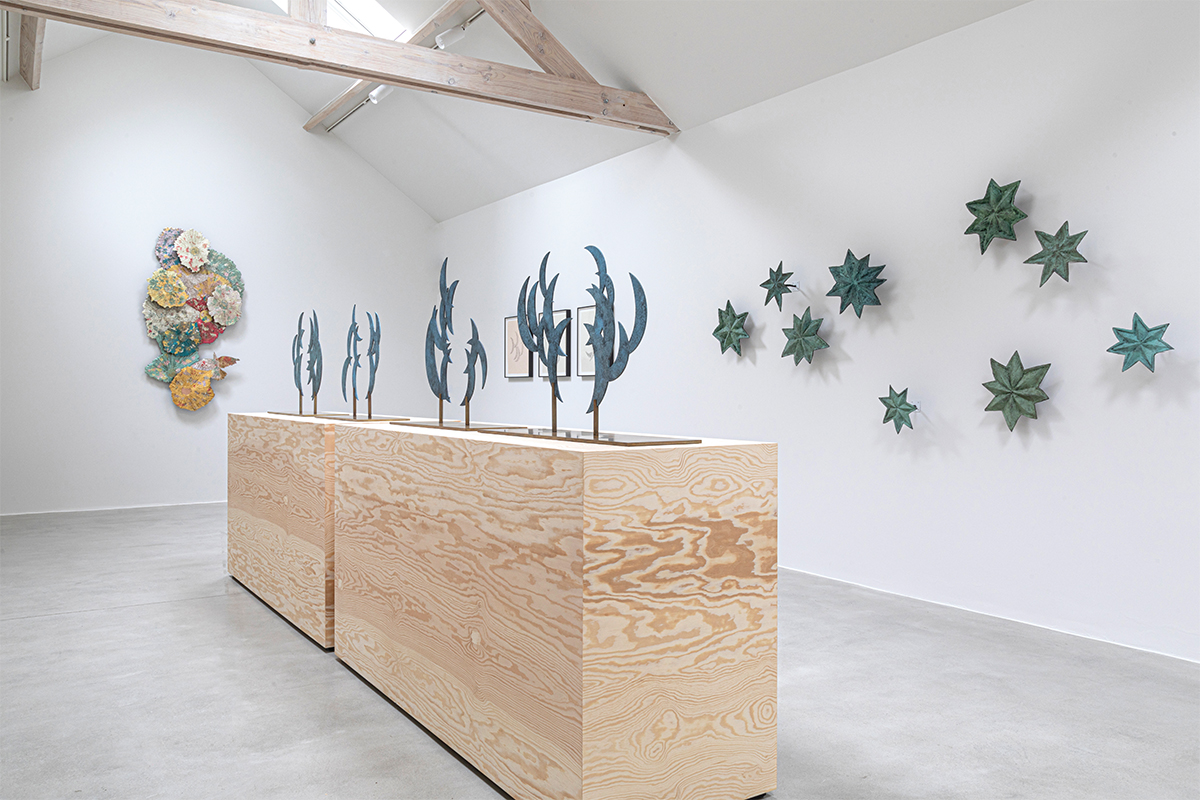
Artworks by Kiki Smith at her solo show at Fondation Thalie
Follow LUX on Instagram: luxthemagazine
LUX: Do you think of yourself as a philanthropist?
NG: I come from a family where we don’t really use that word. I don’t know why – it’s more like we are taking action, but we are not considering it as philanthropy, even if it is actually philanthropy. It’s a way of interacting with contemporary art creation now and how can we help these artists make their projects.
LUX: How can artists address the environmental issues?
NG: I think they have a vision that we don’t have. They have a vision to
project what the future will be. I think about Tomás Saraceno… it’s not only visual art, it is also in cinema, like the amazing film maker Cyril Dion. He just came out with a new movie called Animal talking about the end of biodiversity.
Nathalie Guiot speaking to a group at the Kiki Smith exhbition at Fondation Thalie
LUX: You are involved with artists and biodiversity.
NG: Right now, it’s more about conversations online, and from these conversations we will publish a book of 12. It’s about supporting people who are doing things. We are partners of the festival Action for Biodiversity in Arles at the end of August. I am also involved in the family business, which is Decathlon (the French sports retailer), as a board member of the Transition Committee. We’re working with the École des Arts Décoratifs in Paris, on a three-year research programme for the next generation of designers. It focuses on how to create products without destroying natural resources. Artists and designers will work with mycelium, for example. It will be inaugurated in September.
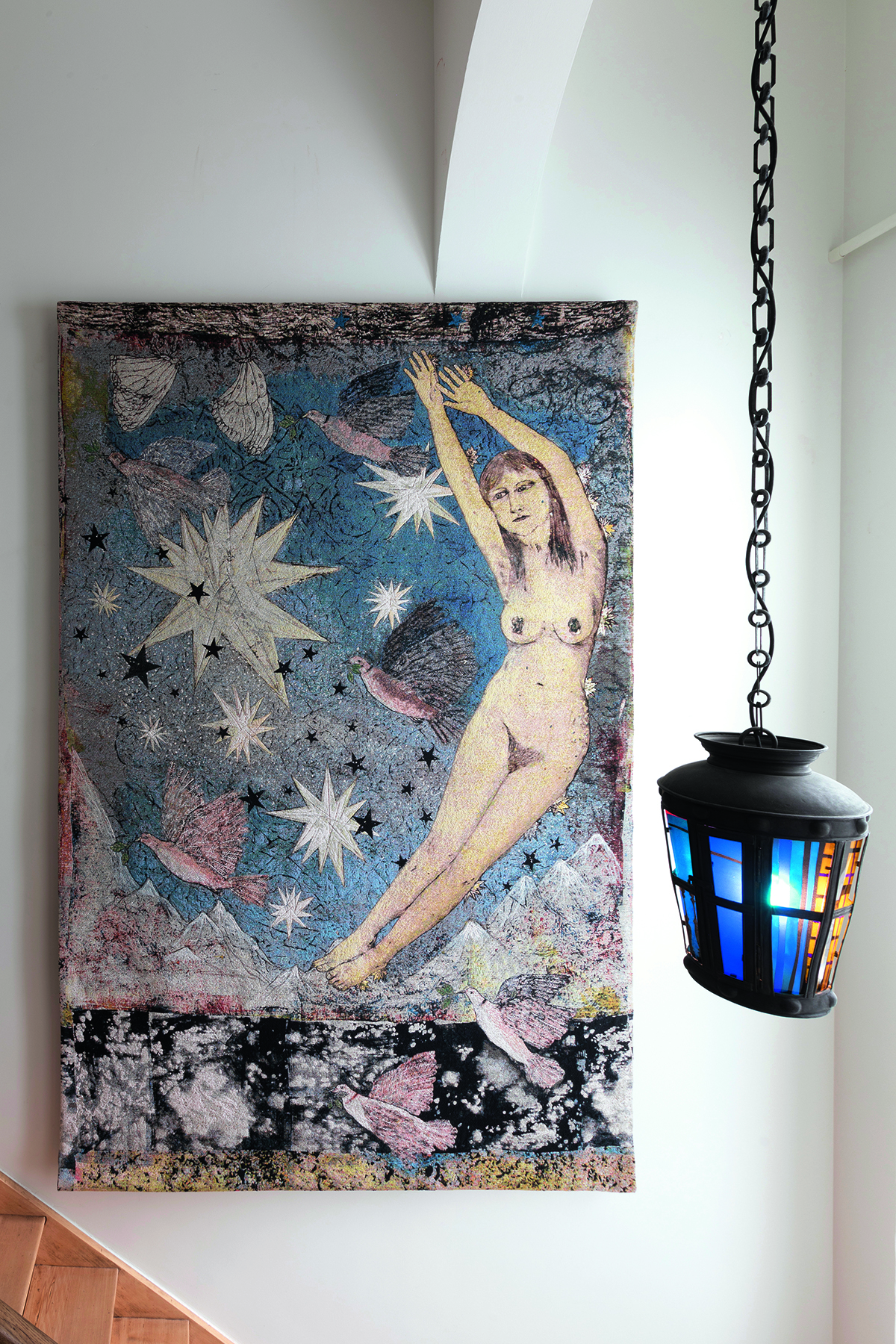
Artwork by Kiki Smith
LUX: Is it a duty or a privilege for those with means to support the arts, given the pressures on public sector funding?
NG: I think it is a privilege to commission artworks, and to enable the creation of a community of patrons and collectors sharing the same passion! More than ever, we need creativity and poetry regarding our dramatic political context of the war in Ukraine. I am grateful to enable the support of artists in this context of a private foundation and to build this art collection over time.
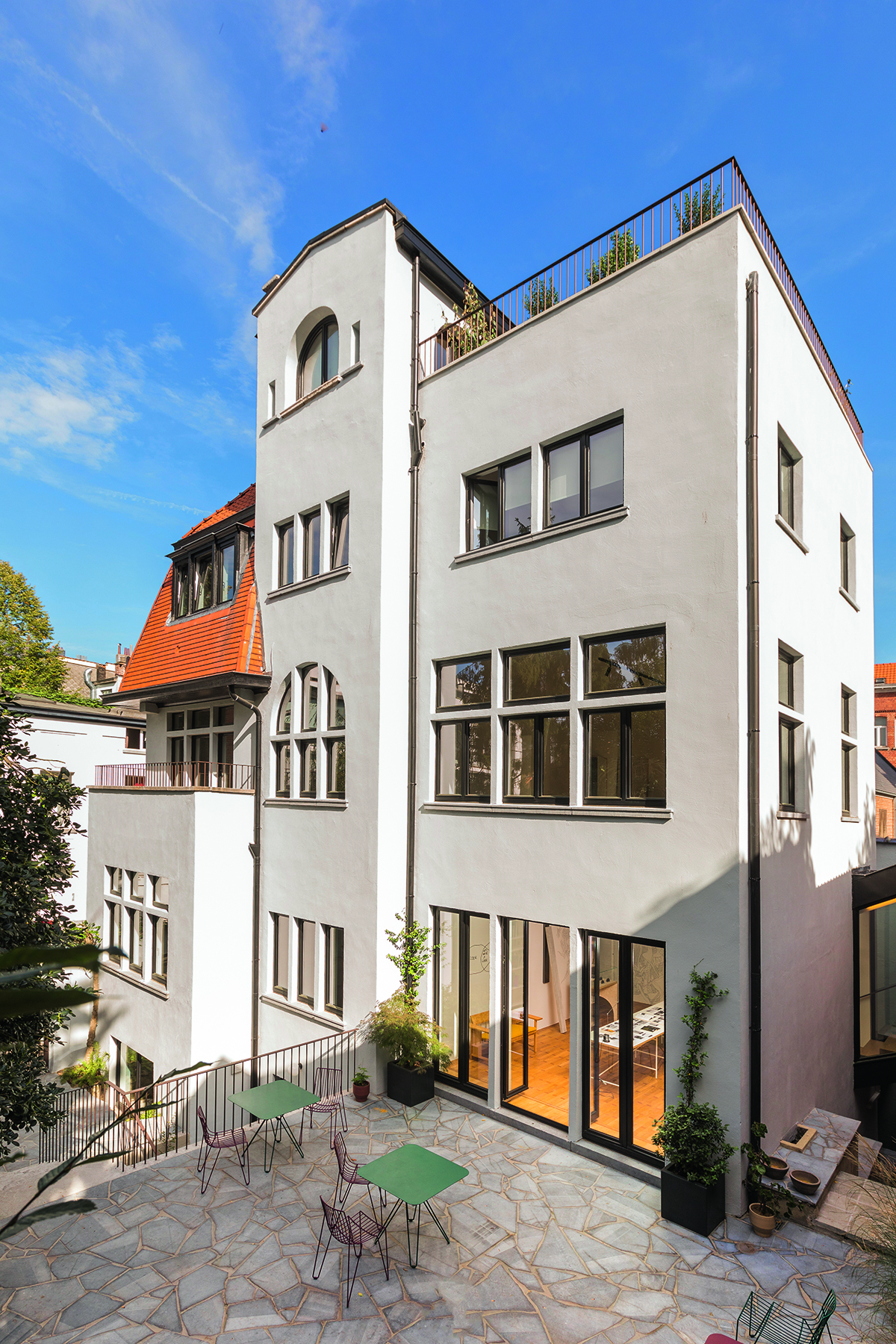
Fondation Thalie
LUX: What changes have you seen around the ecosystem of supporters of the arts/philanthropists, foundations, and museums in the past five to 10 years?
NG: They are more present and active – in particular, in Brussels. When I arrived 18 years ago, there were no galleries, artist-run spaces or contemporary centres. Nowadays, even my baker has an artist-run space!
Read more: Marina Abramović: The Artist As Survivalist
I am kidding, but Kanal Centre Pompidou (museum) has opened in an old car factory downtown, Wiels (contemporary art centre) has a cutting-edge programme of exhibitions, and numerous other galleries and private foundations are there now. Brussels is becoming the place to be!
Find out more: fondationthalie.org
This article appears in the Summer 2022 issue of LUX
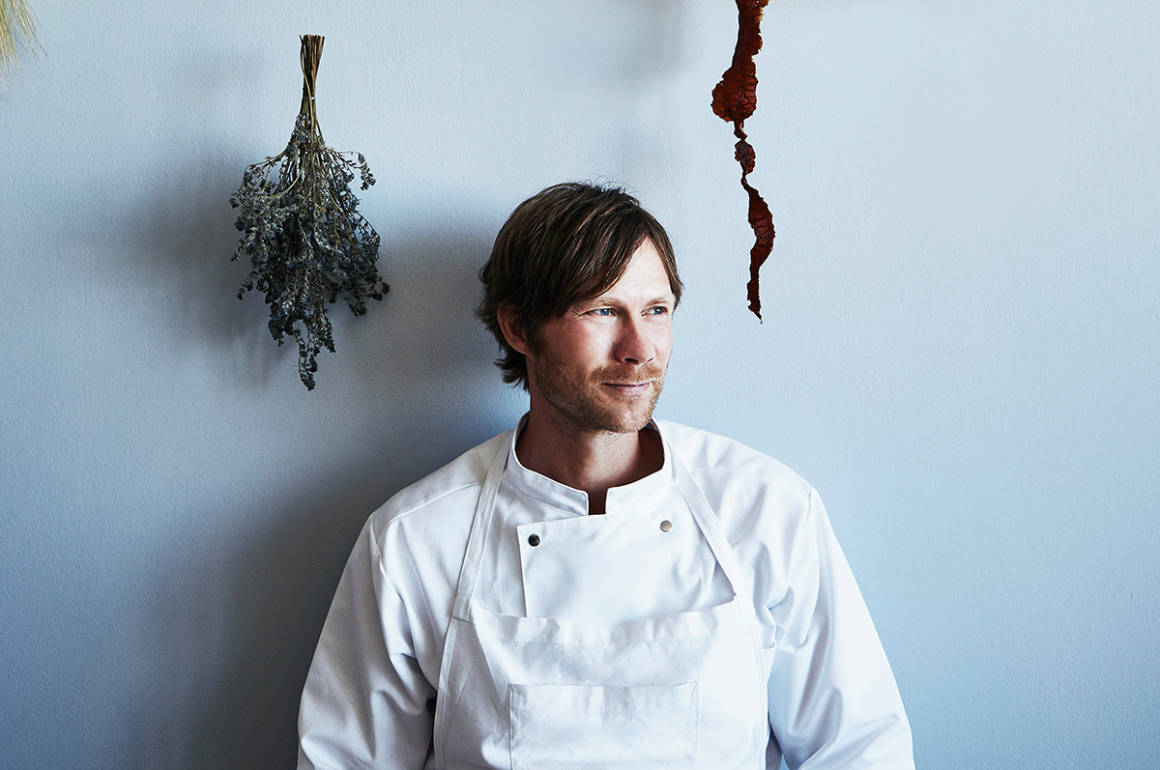
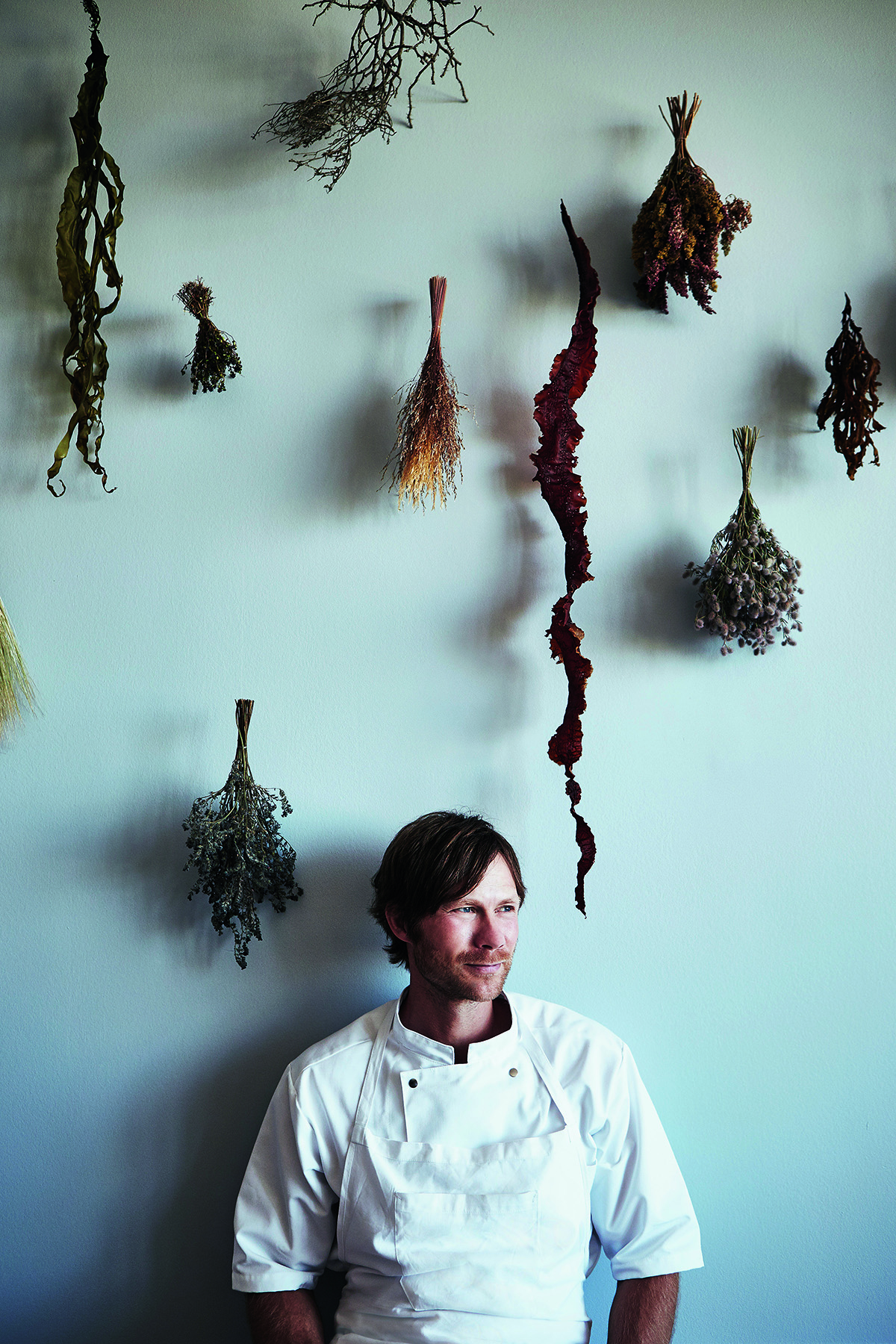
Geranium Head Chef, Co-owner, Rasmus Kofoed. Photo Credit Claes Bech-Poulsen
Rasmus Kofoed, star chef of three Michelin-starred Geranium in Copenhagen, is influencing an entire generation of young chefs to feel confident in offering haute cuisine based on strictly vegetarian principles. During the pandemic, he temporarily opened Angelika, a restaurant within Geranium, with a wholly plant-based menu.
LUX: After bronze and silver, how important was it to you to finally win the Bocuse d’Or?
Rasmus Kofoed: I did it because I wanted to win; that was the first priority. Winning was great, but I enjoyed the process leading up to the competition very much. You develop, you create new ideas, you optimise what you do. It was everything around the competition that I enjoyed.
LUX: What did you change between winning the bronze in 2005 and the gold in 2011?
RK: I think I was more confident with what I loved to cook and eat myself. It was totally based on Nordic and Danish ingredients, like wild forest garlic, elderflowers and lump fish roe. We had just opened Geranium at the same time as I won the competition and a lot of the elements that I made at Geranium I used in the competition, just combining them in a new way.
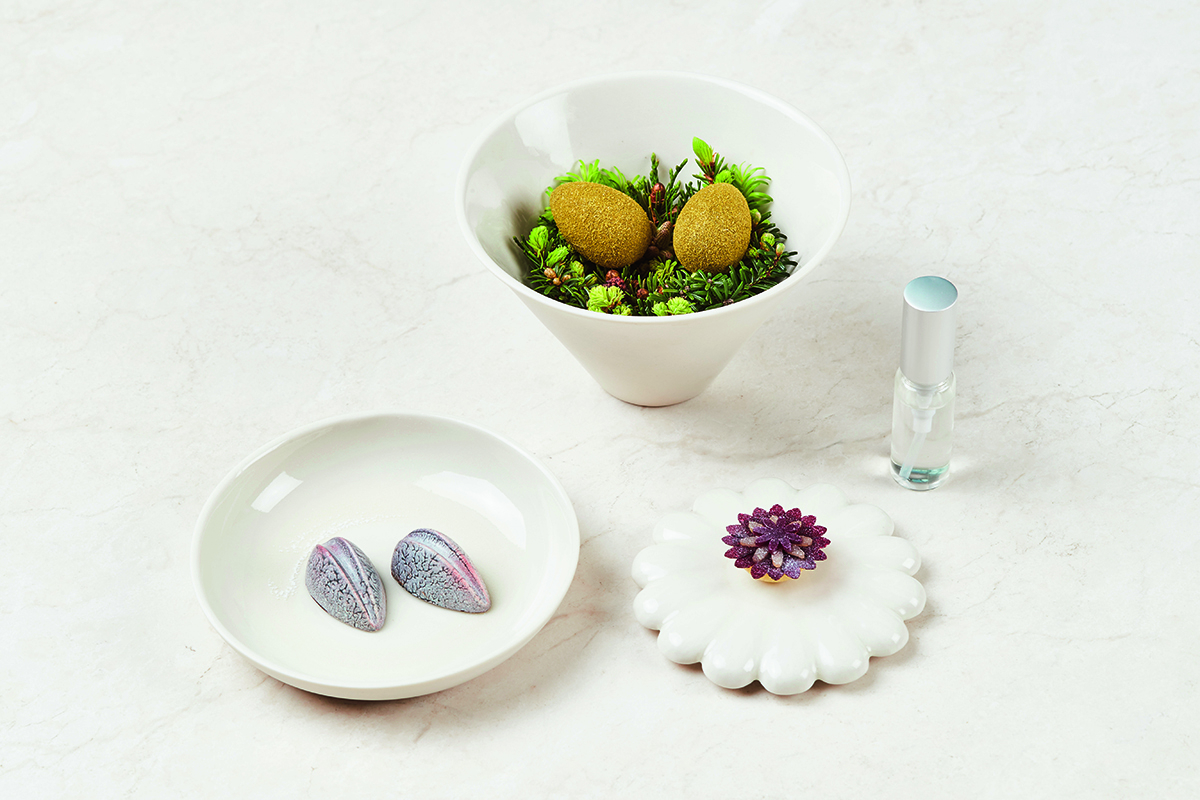
desserts at Geranium including milk chocolate and rose hip petals, and chocolate egg and pine
LUX: Having won the gold, and with a three Michelin-star restaurant, do you have any unfulfilled ambitions left?
RK: Not really. Of course, I enjoy achieving those prizes, and the motivation is very good for the team as well, but I enjoy the training. I also enjoy the days which focus on the work leading up to creating a great experience for the guests. I don’t think about the awards when I’m here. I think more about how we can optimise everything and how we can work better with the team, and create a better work–life balance. That’s the priority. If you’re happy, it’s easier to make others happy.
Follow LUX on Instagram: luxthemagazine
LUX: What does a better work–life balance for the team look like?
RK: We just focus on it a bit more. We did not let anyone go because we wanted to keep them; they are a part of the future and we believe in them. Another thing is to try to balance all the working hours, eat a lot of vegetables. They also have gym memberships and that’s very important. It’s not a secret – if you feel good, it’s easier to make others feel good.
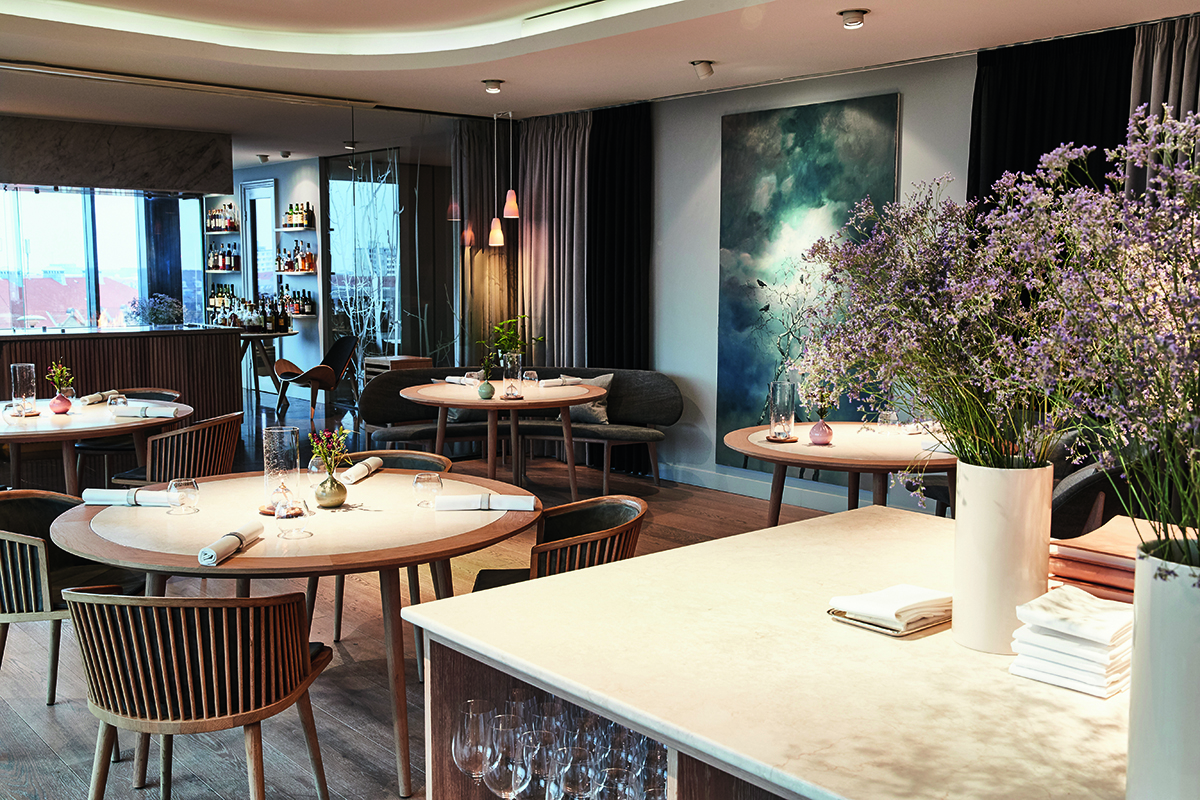
The dining room at Geranium
LUX: Do you think that vegetarian restaurants like Angelika will be the way forward, given the climate crisis and the pressure to reduce meat?
RK: I think so, and that’s why I opened Angelika. It was a year ago and I could not just go back and open Geranium like we normally did. I felt that, after the first lockdown, we needed to do something different. I’d been on a plant-based diet for the last year and a half, so I was very much into that way of cooking, which is not easy, but when you can do it, it just feels good. I also wanted to pass on my love and care for the planet, and health, to other people. That’s why we opened Angelika: to inspire people to eat more vegetables.
LUX: How has your relationship with sustainability evolved over the years?
RK: I live in the countryside, so I am very close to the forest and to the sea, the ocean and nature, which I really enjoy. It’s very peaceful to go out there and I think it’s something we all need to do sometimes.
I focus a lot more on it at home, but it’s something we care a lot about at Geranium. You can always be better, but we use a lot of biodynamically farmed vegetables, and in that way of farming you give good energy and vitamins back to the soil, not just take them out, and that’s a good mentality, to treat Mother Earth with respect.
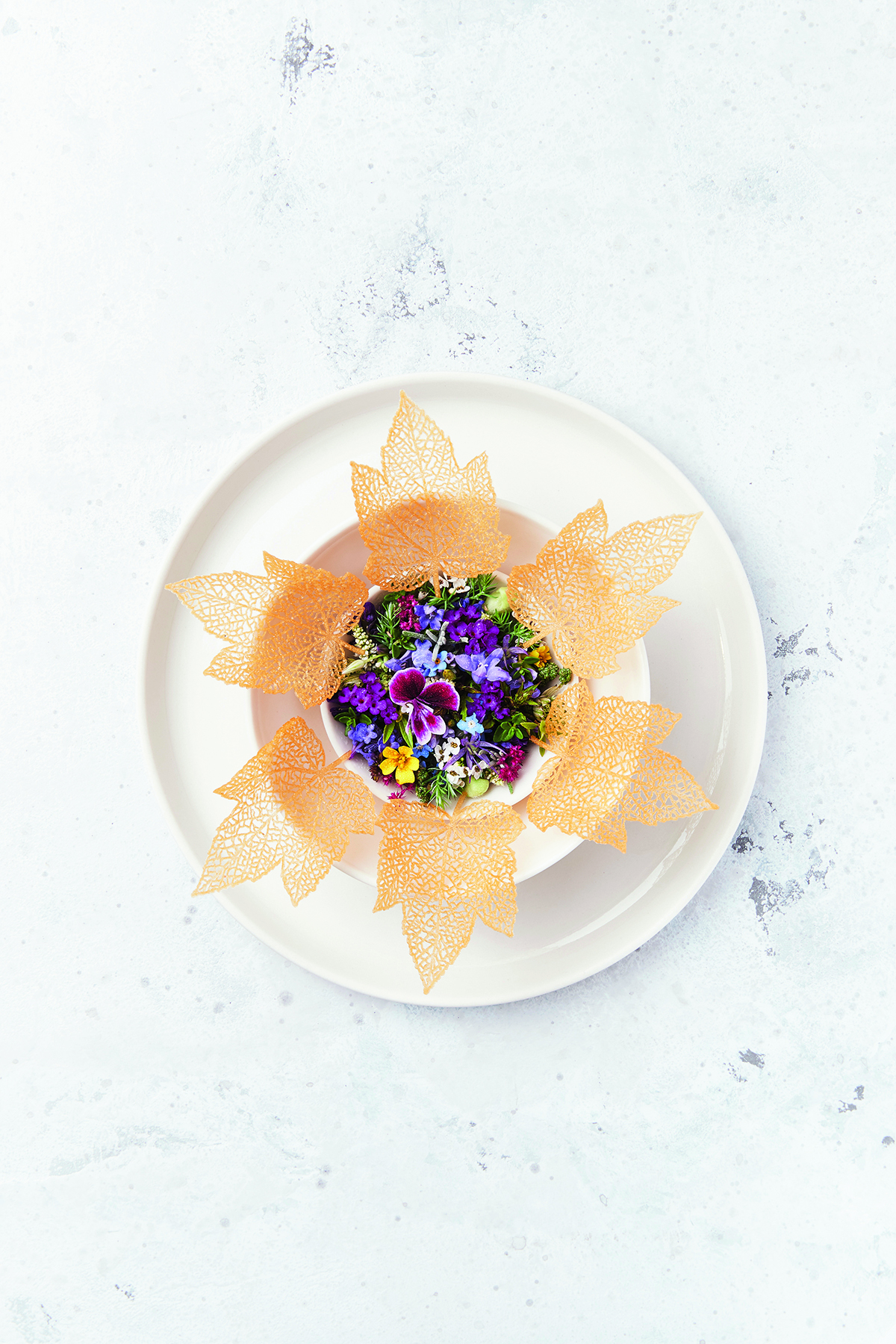
Crispy Jerusalem artichoke leaves and pickled walnut leaves
LUX: Where did your love of working with vegetables stem from?
RK: I was raised eating biodynamic vegetables because my mother was vegetarian and she wanted to give the best and healthiest food to her kids. It’s something I’ve been using for a long time, not because it’s trendy, or for PR. I do it because I care and think it’s important to look after the planet. At Angelika, the idea was very much ‘from kitchen to table’, not spending a lot of time plating. At first, it was difficult for the chefs, because they’re used to working with tweezers and taking their time, but you need to be faster, otherwise you lose the energy in the food.
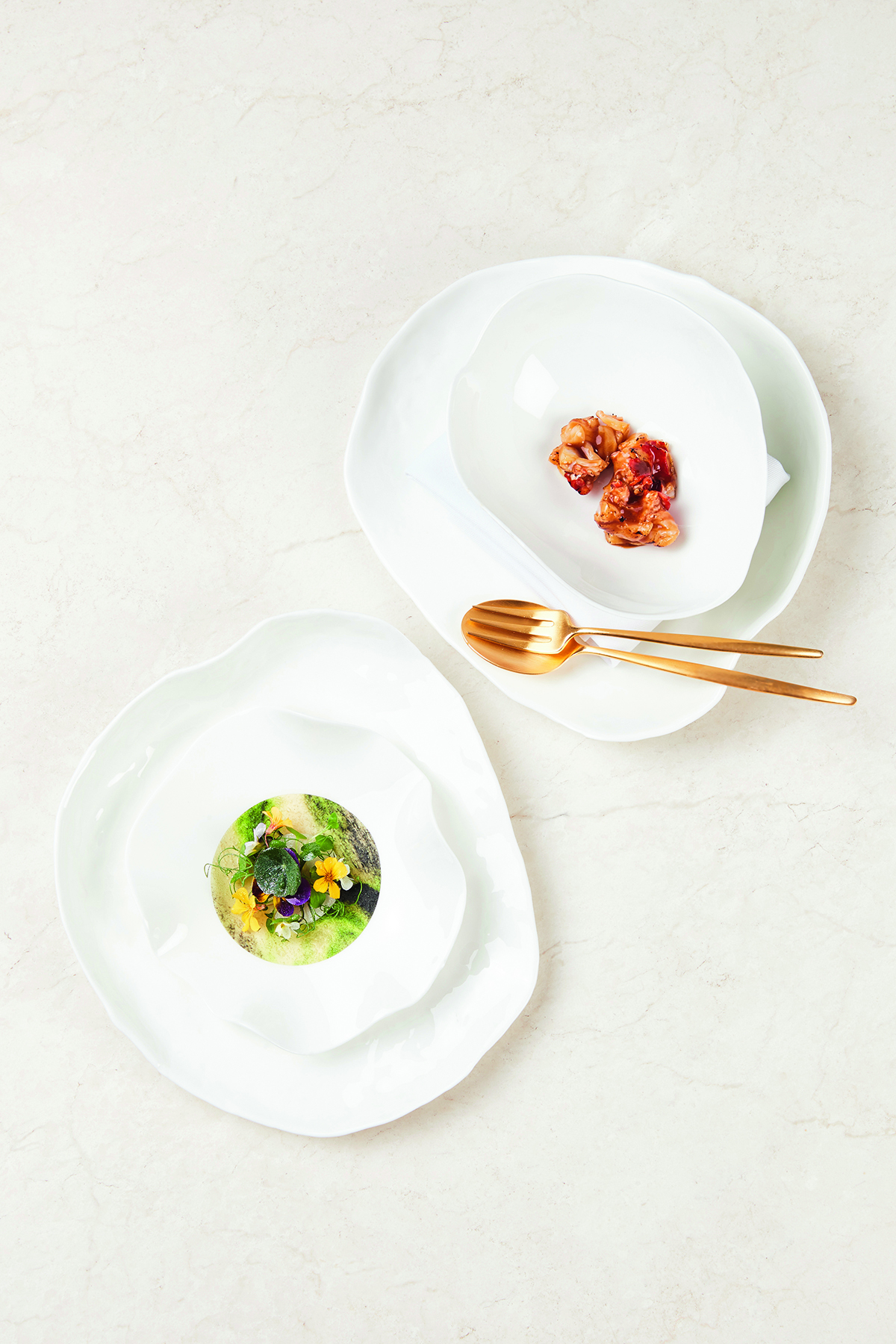
Grilled lobster, elderflower and dried onion
LUX: How did the pandemic affect you professionally?
RK: If it wasn’t for the pandemic, we would have never opened Angelika. It was because of the lockdown that I was saying that we need to open a plant-based restaurant. Since I was on a plant-based diet myself, I wanted to show people that plant-based cooking can be delicious and healthy at the same time, and that you can actually have a great meal, and feel good in your body after. A lot of horrible things happened because of the lockdowns and the coronavirus, but Angelika was this green shoot growing out of the dark times.
Read more: Chef Clare Smyth: Core Célèbre
LUX: What legacy do you hope to leave on the culinary world?
RK: I do it because I love my craft. I love to be in the kitchen, with the energy, the flavours. I love creating new ideas, new ways to serving things. I enjoy cooking delicious food, but I also enjoy eating something which is good for my spirit, my body. As the ancient Greeks said: “Food should be your medicine, and let the medicine be your food.” I love to inspire with my love for the green kitchen.
Rasmus Kofoed is head chef and co-owner of Geranium in Copenhagen. Angelika is temporarily opening on special dates.
This article appears in the Summer 2022 issue of LUX

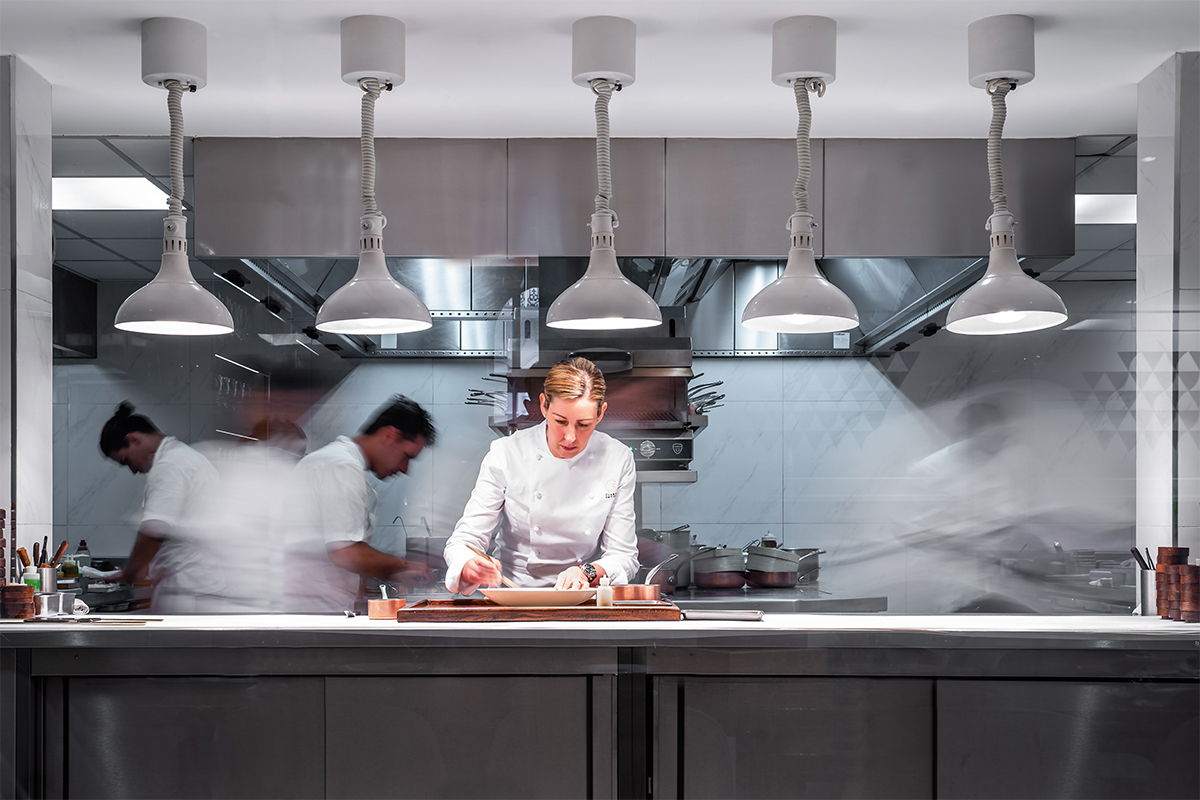
Chef Clare Smyth at work in the kitchen of her London restaurant, Core by Clare Smyth
As the first British female chef to acquire three Michelin stars, Clare Smyth is demonstrating to women all round the world that it is indeed possible to be a leading chef in the 21st century. She’s fearless in the kitchen, having worked under the likes of Gordon Ramsay and Alain Ducasse, and is now not only sharing her talent in London, but in Sydney, too.
LUX: You have previously mentioned that if you weren’t a chef, you would have been a showjumper. So, what attracted you to the culinary world over the equestrian one?
Clare Smyth: I started cooking at a young age and loved it. I decided it was more attractive to me because I wanted to travel and see the world, rather than being a showjumper training in one place all the time.
LUX: Gordon Ramsay famously once said that he didn’t think you would last a week in his kitchen. What do you make of this? And what were the biggest challenges you faced early on in your career?
CS: That’s always misconstrued, because most people didn’t last a week in his kitchen! It was tough, but I chose to work at the most difficult places so I could challenge myself. I knew that if I wanted to be the best, I needed to work with the best. It was long, intense hours and a lot of pressure, but I thrived in that environment.
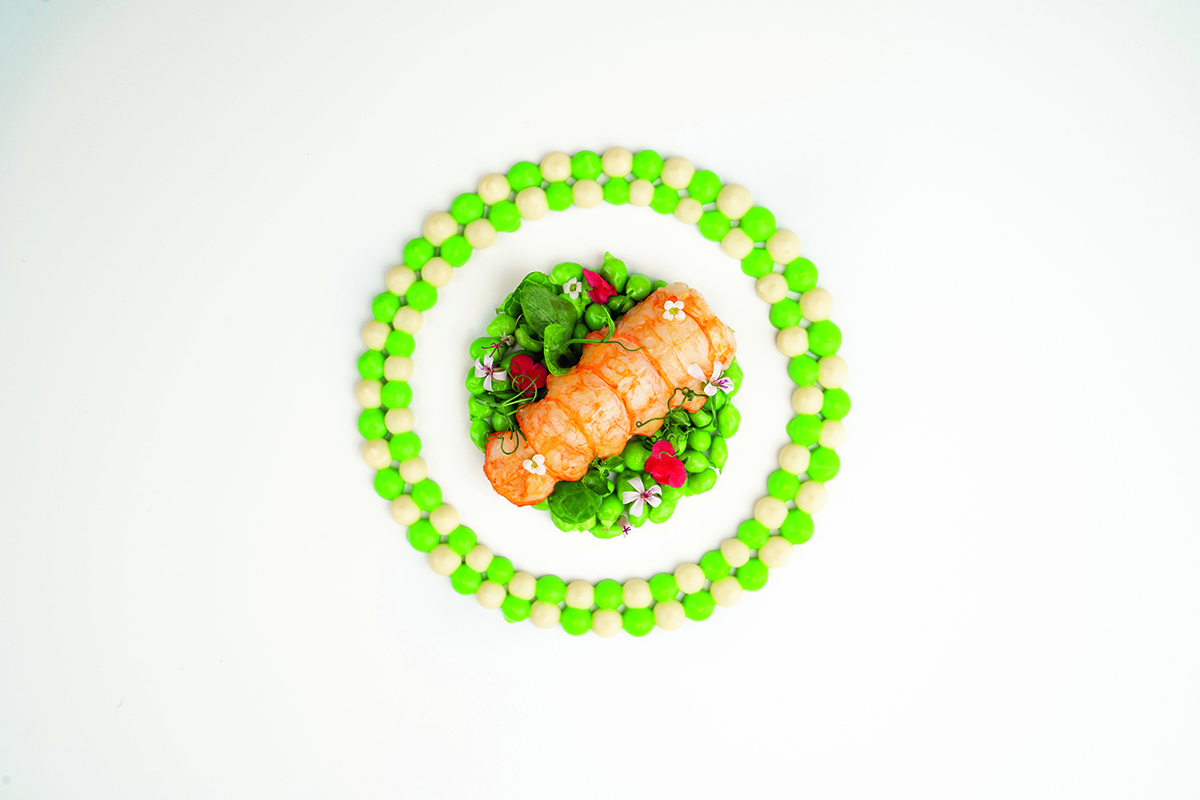
Scottish langoustine, served at Core by Clare Smyth
LUX: Is it true that sexism is still rife in the culinary industry?
CS: There is a lot of work to do everywhere you look, not just in our industry. It’s part of society and awareness of it is what will help change it. Going back 10 or 15 years, I would often be the only woman in the kitchen. Half of my team now, front of house and in the kitchen, is female. I’m hoping that in the next 10 years there’ll be plenty of women at the top level.
Follow LUX on Instagram: luxthemagazine
LUX: You have noted before that it’s the punishing working hours of the culinary industry that accounts for so few women running the world’s best restaurants. Do you still believe this to be the case?
CS: Yes and no. It’s not that women can’t do it; a lot of women choose not to. The profession is generally not conducive to a work-life balance, especially right at the top level.
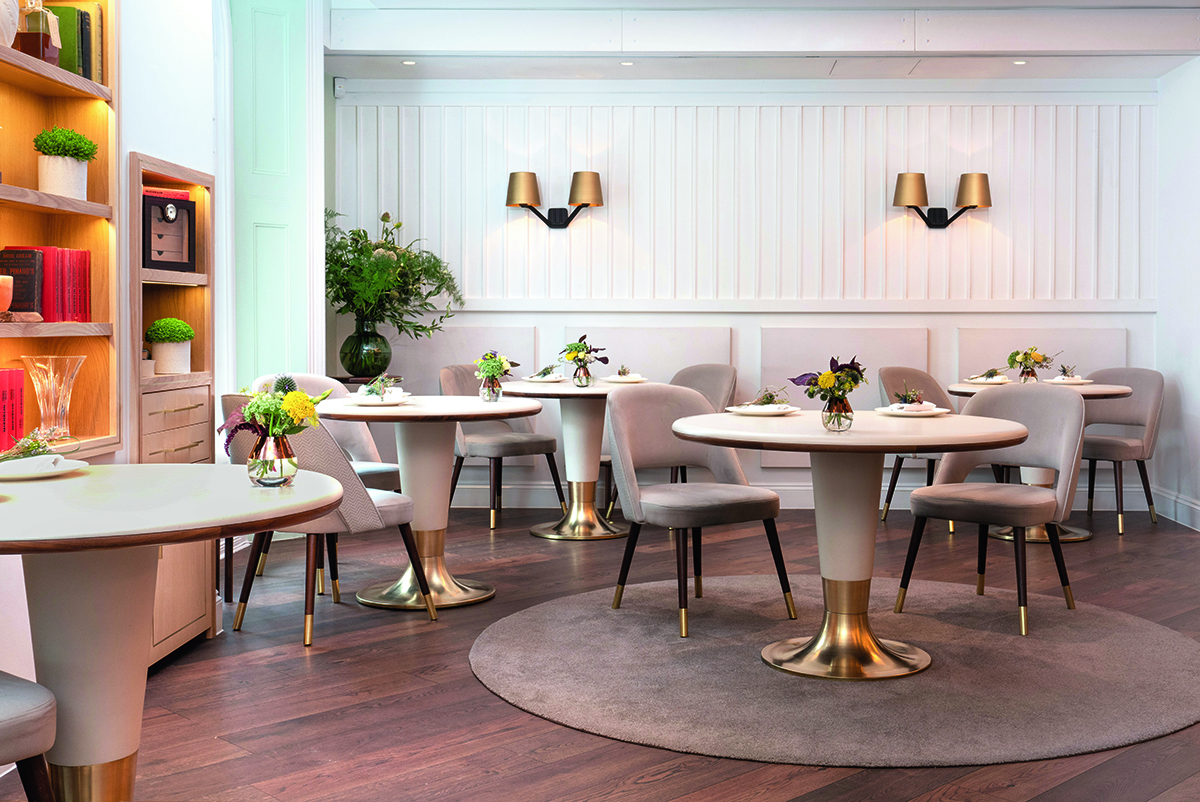
A view of the dining room at Core by Clare Smyth
LUX: What’s your take on British cuisine?
CS: British food is hearty and rustic, but I approach it in a very fine dining, skilful way. We are so lucky to have phenomenal produce here – the most incredible shellfish, game and beef. At Core, we take British ingredients and elevate them to a fine level.
LUX: You catered for the royal wedding of the Duke and Duchess of Sussex – what’s your favourite memory of this experience?
CS: The stealthiness of the project. It was going on for months and our team managed to keep it all quiet. They were great fun to work with and are brilliant people. They made it fun for all the team.
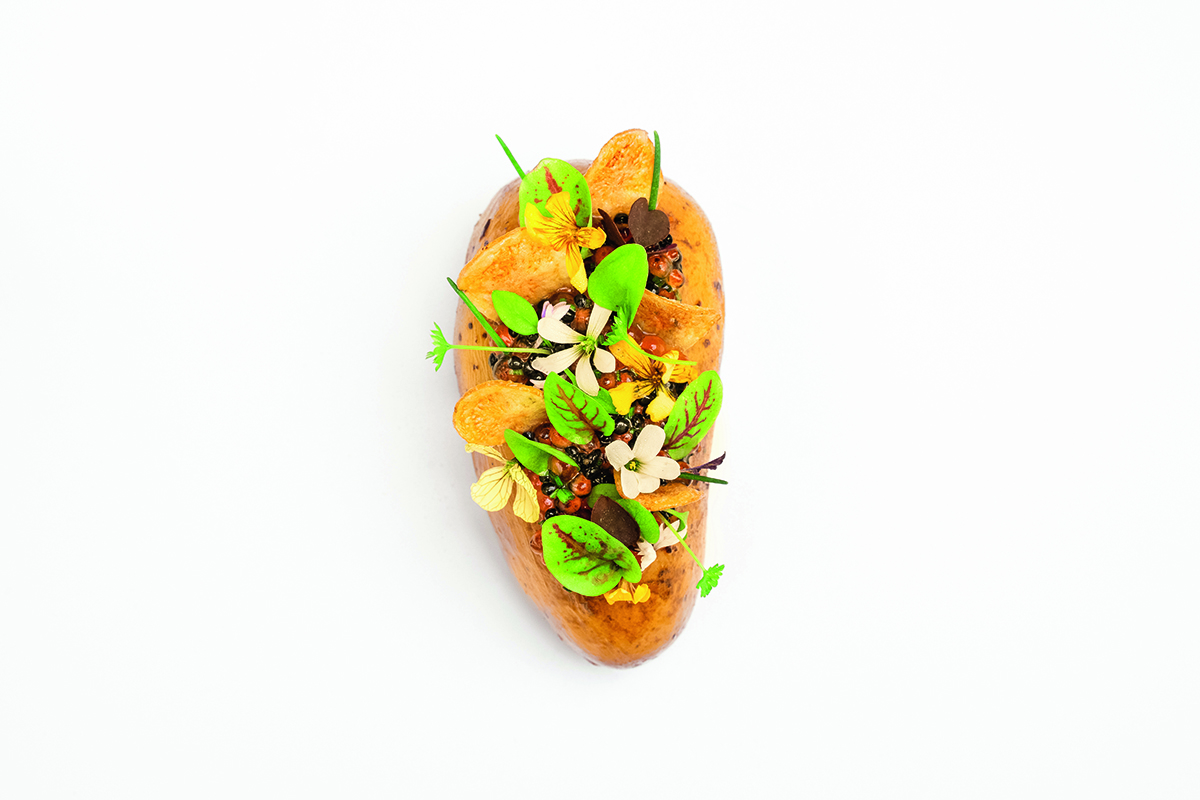
Potato and roe, served at Core by Clare Smyth
LUX: How do you approach sustainability at Core?
CS: We approach it more than just environmentally. We do it culturally, economically, paying fair prices, working with people who farm in ethical ways and being creative in limiting food waste.
LUX: How do you think the fine dining industry can, as a whole, be more sustainable?
CS: We can help educate people and our staff to be more aware of where the produce comes from and where you are buying it from.
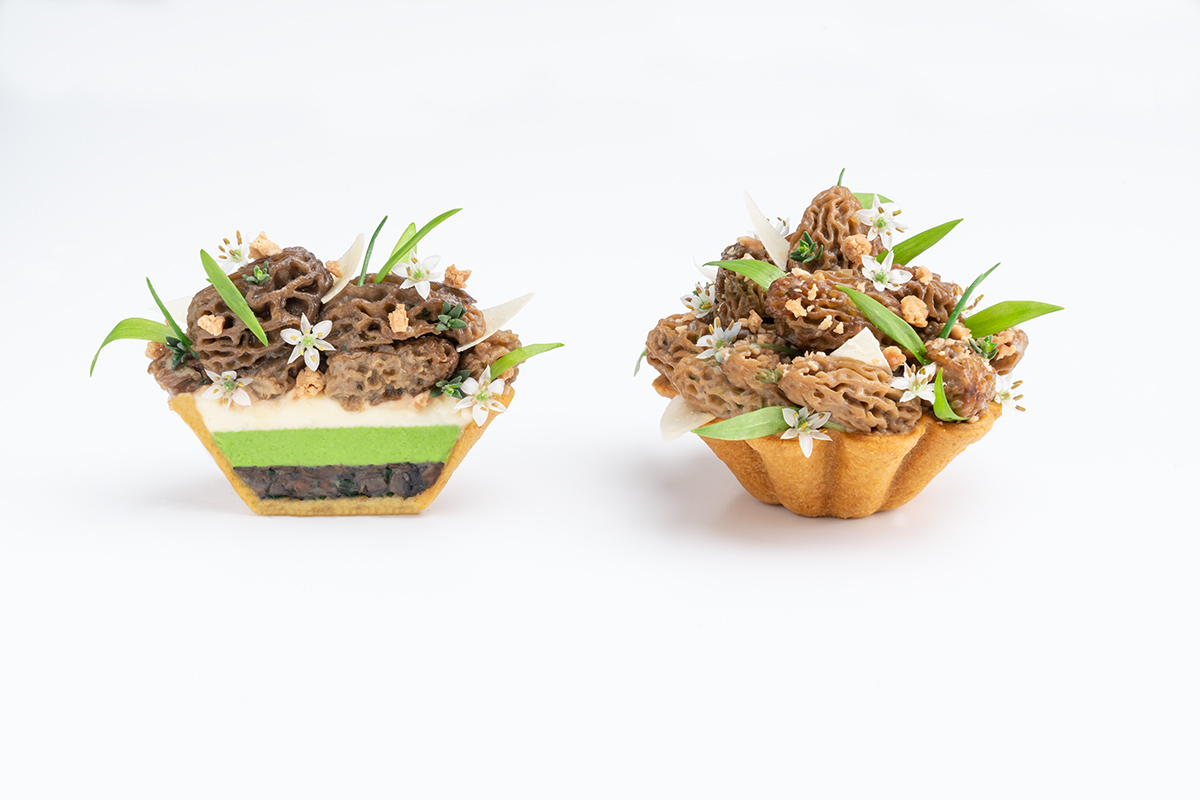
Morel tarts, served at Core by Clare Smyth
LUX: Your new restaurant, Oncore, opened in Sydney in November last year. What led you to open a restaurant on the other side of the world?
CS: I lived in Sydney when I was younger and fell in love with the city. It was a fantastic opportunity to open a flagship restaurant in a new building overlooking one of the most incredible views of the harbour, near the Opera House.
Read more: Chef Ángel León: Ocean Sustainability Supremo
LUX: How did you tackle opening a new restaurant amid a pandemic?
CS: It was incredibly difficult – there were lots of challenges. I have a phenomenal team in Sydney who took, and still take, everything in their stride.
Clare Smyth is the owner and head chef at Core by Clare Smyth in London and Oncore in Sydney. Her debut cookbook, Core by Clare Smyth (Phaidon), is out this summer.
This article appears in the Summer 2022 issue of LUX
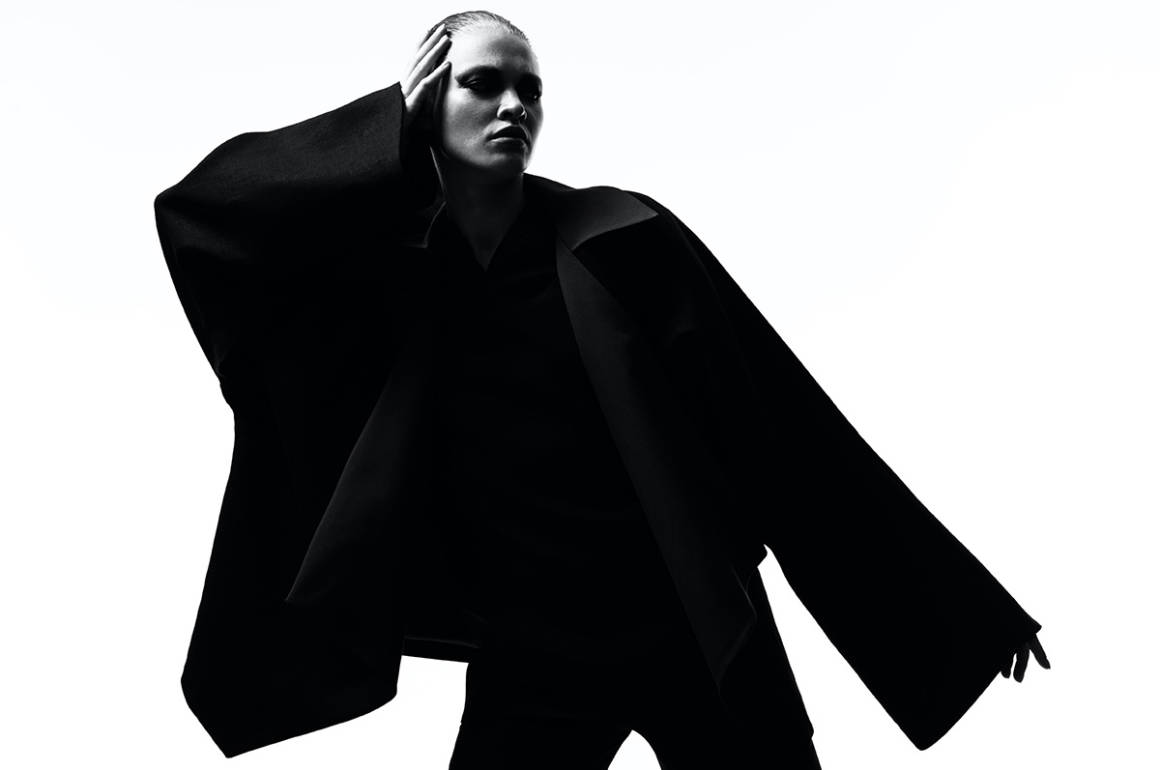
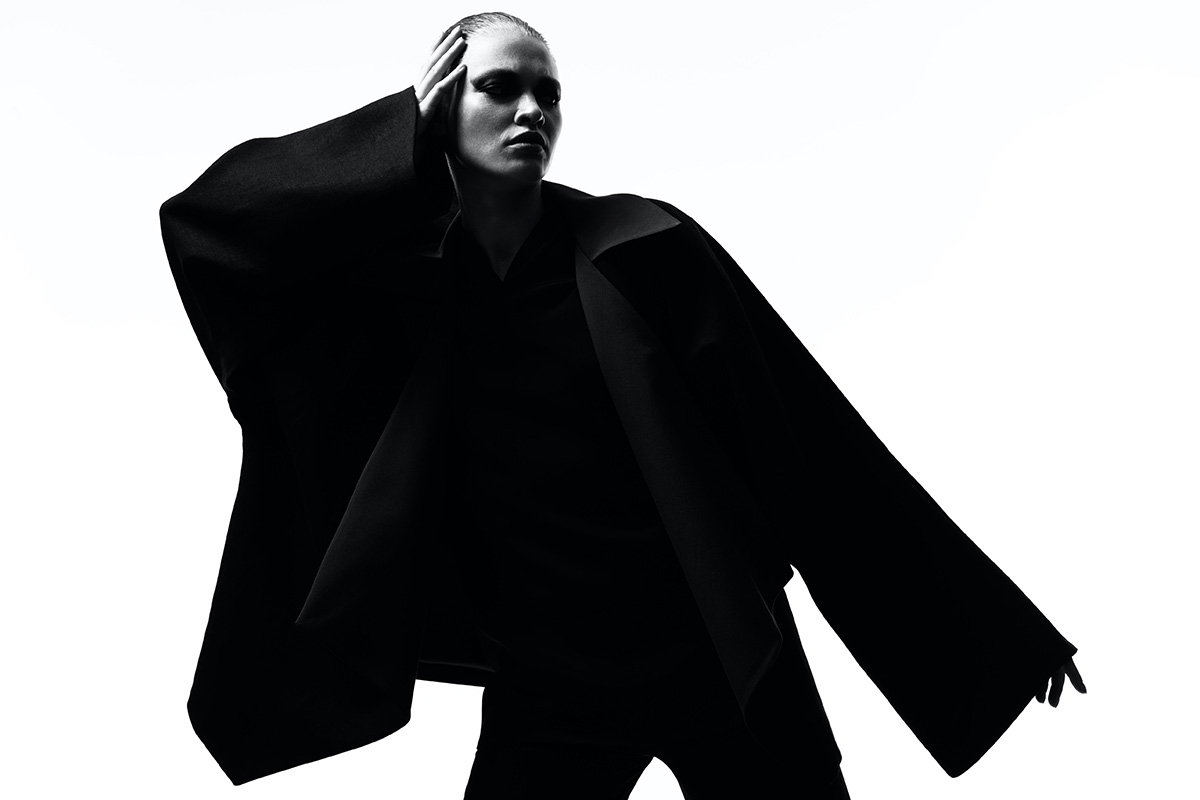
From trash to treasure, these stylish, innovative pieces are crafted by designers with an eye on the environment
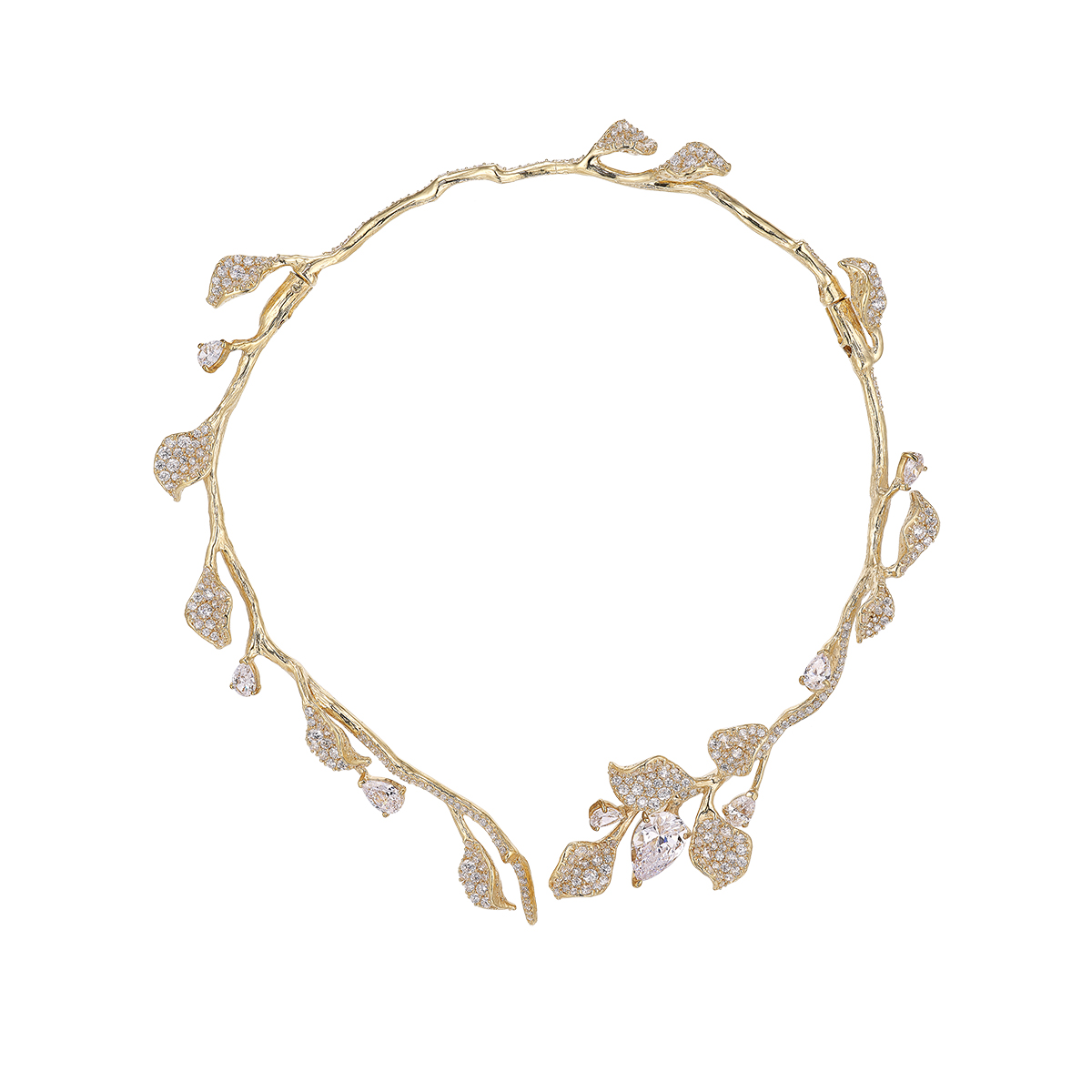
London jewellery designer Anabela Chan uses laboratory-grown gemstones to create durable, wearable pieces of art. The whimsical design of this 18k-gold vermeil ‘Diamond Galatea Collar’ necklace, from the Mermaid’s Tale collection, pays tribute to the delicate floral shapes of coral.
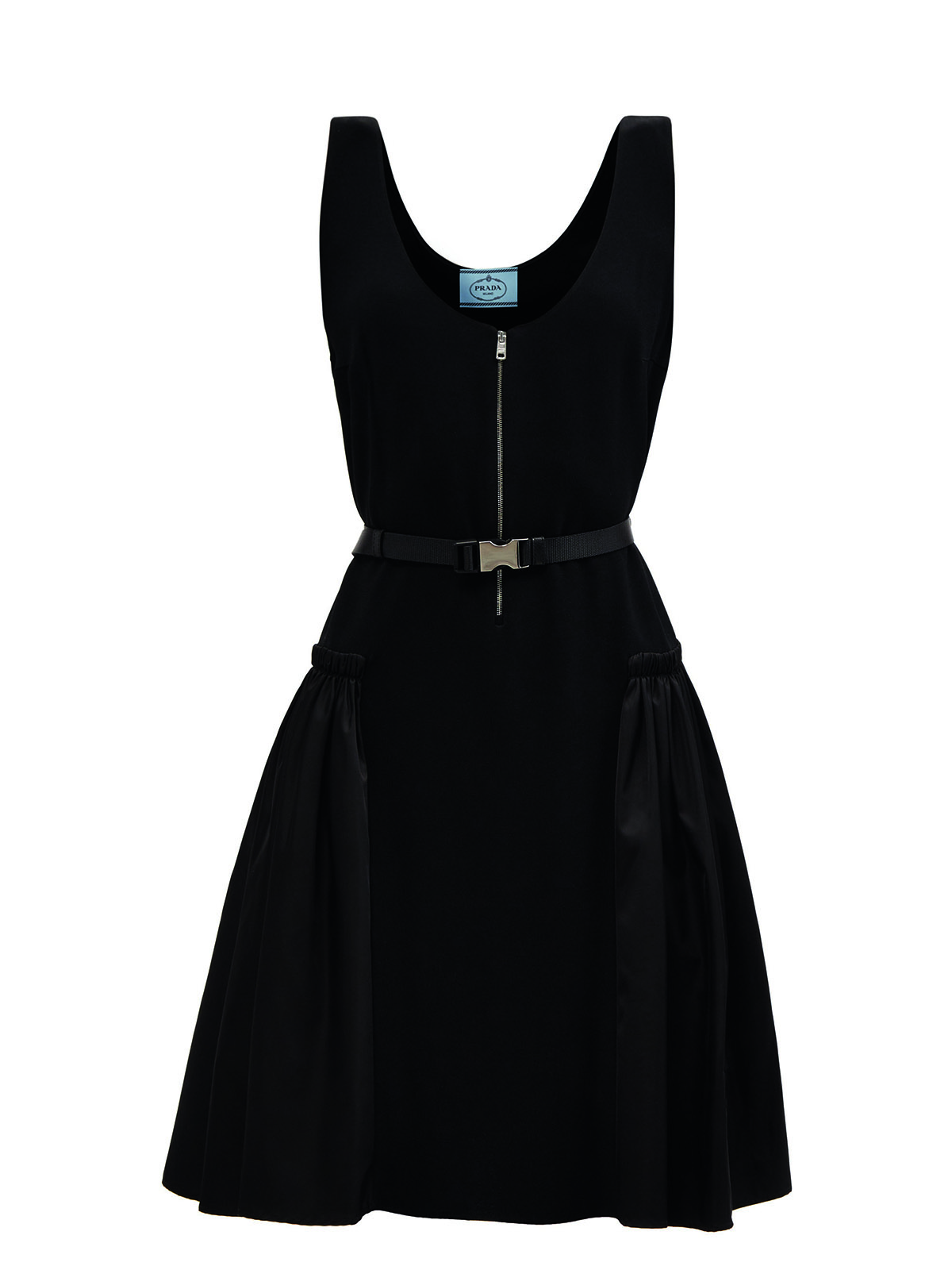
Prada’s Re-Nylon project is the result of a partnership with Italian textile company Aquafil, which developed ECONYL®, a nylon yarn made from recycled plastic from landfill sites and oceans. This dress is one of our favourites, combining panels or Re-Nylon with fluid crêpe.
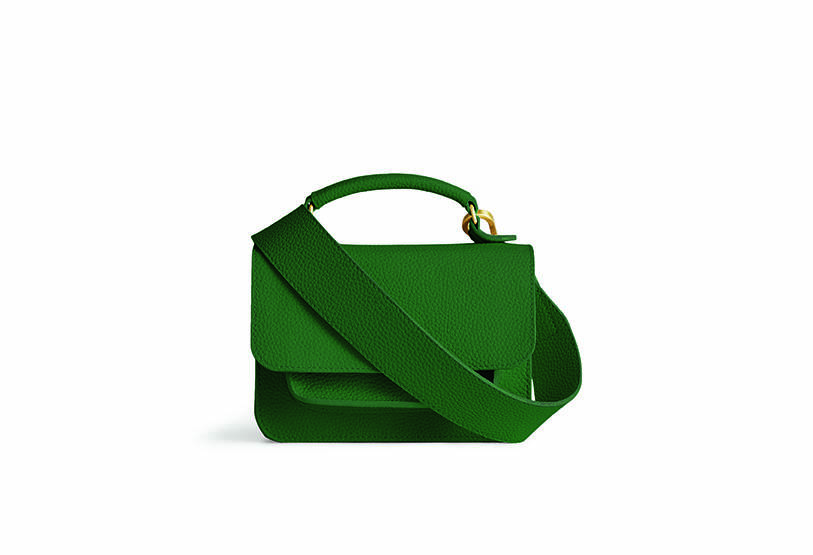
All of BEEN London’s products are handcrafted in East London by a team of women artisans, using recycled materials. This ‘Cecilia’ cross-body bag, in an eye-catching rainforest green, makes use of recycled tannery offcuts that would have otherwise been discarded.
Nanushka focuses not only on reducing its environmental impact, but also on educating its consumers. Each garment has a QR code on the label, via which you can learn about its journey. We love the rich shade of burnt red and retro-style collar of this ‘Alvah’ double-breasted jacket.
Swedish designer Agnes Fischer set up her sustainable swimwear brand, Fisch, after seeing the effect that waste was having on the island of St Barths, where she spent her childhood. The ‘Rajalin’ swimsuit, like all of her products, is crafted from regenerated ocean waste.
These Stella McCartney trousers are made from responsibly sourced wool, which the brand selects for its biodegradability and durability. The sherbet-yellow shade and branded elastic waistband harks back to the experimental aesthetics of Y2K music subcultures.
This article originally appeared in the Summer 2022 issue.
This season, look to recycled, upcycled or handmade artisanal details to update your summer wardrobe
These playful swim shorts by British designer Paul Smith are cut from a recycled polyester that’s produced from the plastic waste retrieved from landfills across the globe. The bold print, featuring splashes of orange and turquoise, is guaranteed to turn heads on the beach.
New York-based designer Gabriela Hearst’s collections pay homage to her rural upbringing, on a ranch in Uruguay, with a strong focus on sustainable materials. This ‘Mcewan Raffia’ bag is hand-woven from 100 per cent bamboo grass, with a reinforced base for extra durability.
Foday Dumbuya’s fashion label, Labrum London, aims to ‘bridge the gap between Western and West African cultures’. This blue bib shirt is part of a collaboration with Browns, featuring a print inspired by the Mende people of Sierra Leone, where Dumbuya was born.
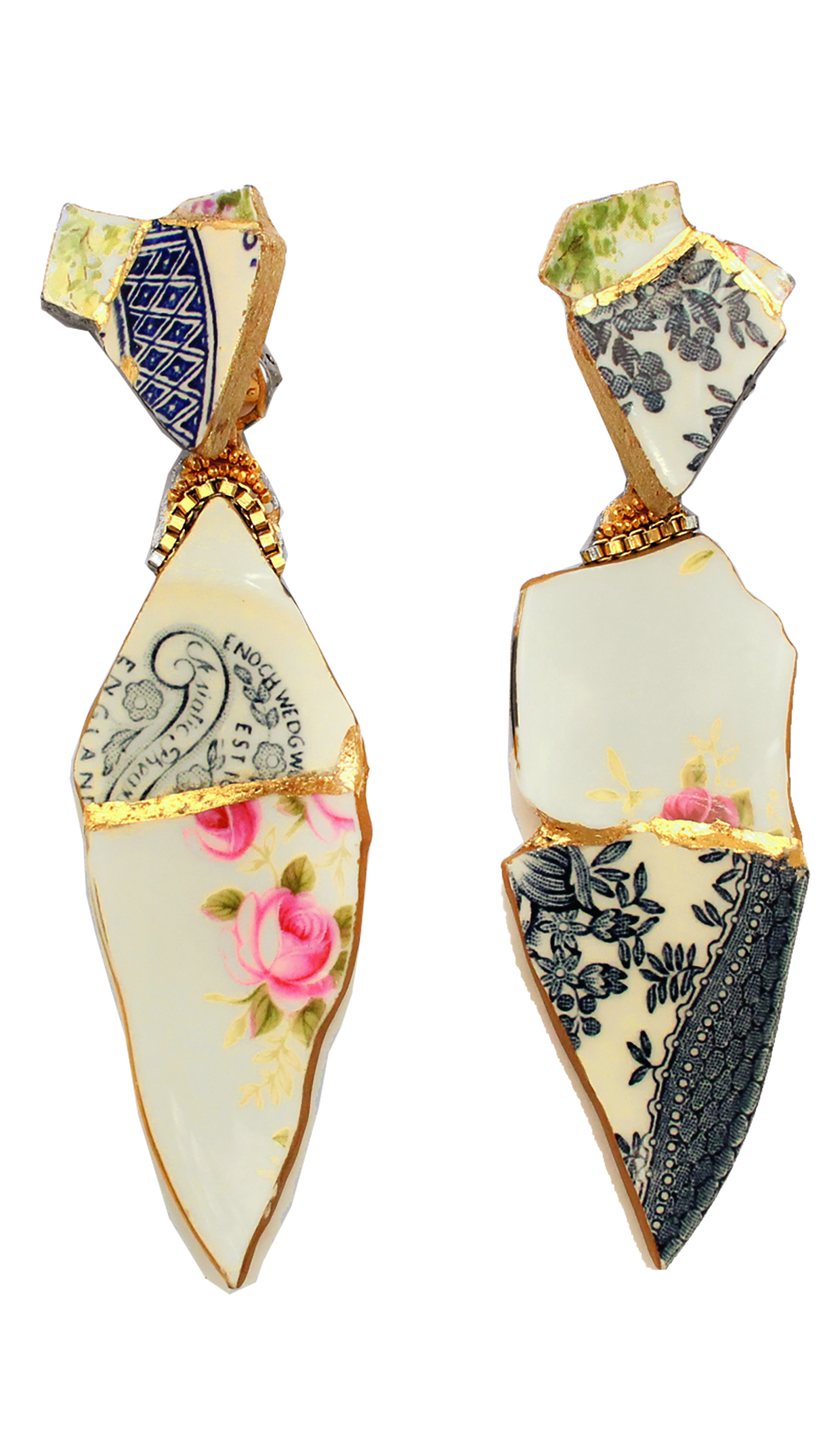
Justin Thornton and Thea Bregazzi of Preen continue their punkish sensibility by upcycling materials to create innovative designs. These porcelain ‘Etsuko Earrings’ were made in collaboration with costume jeweller Vicki Sarge.
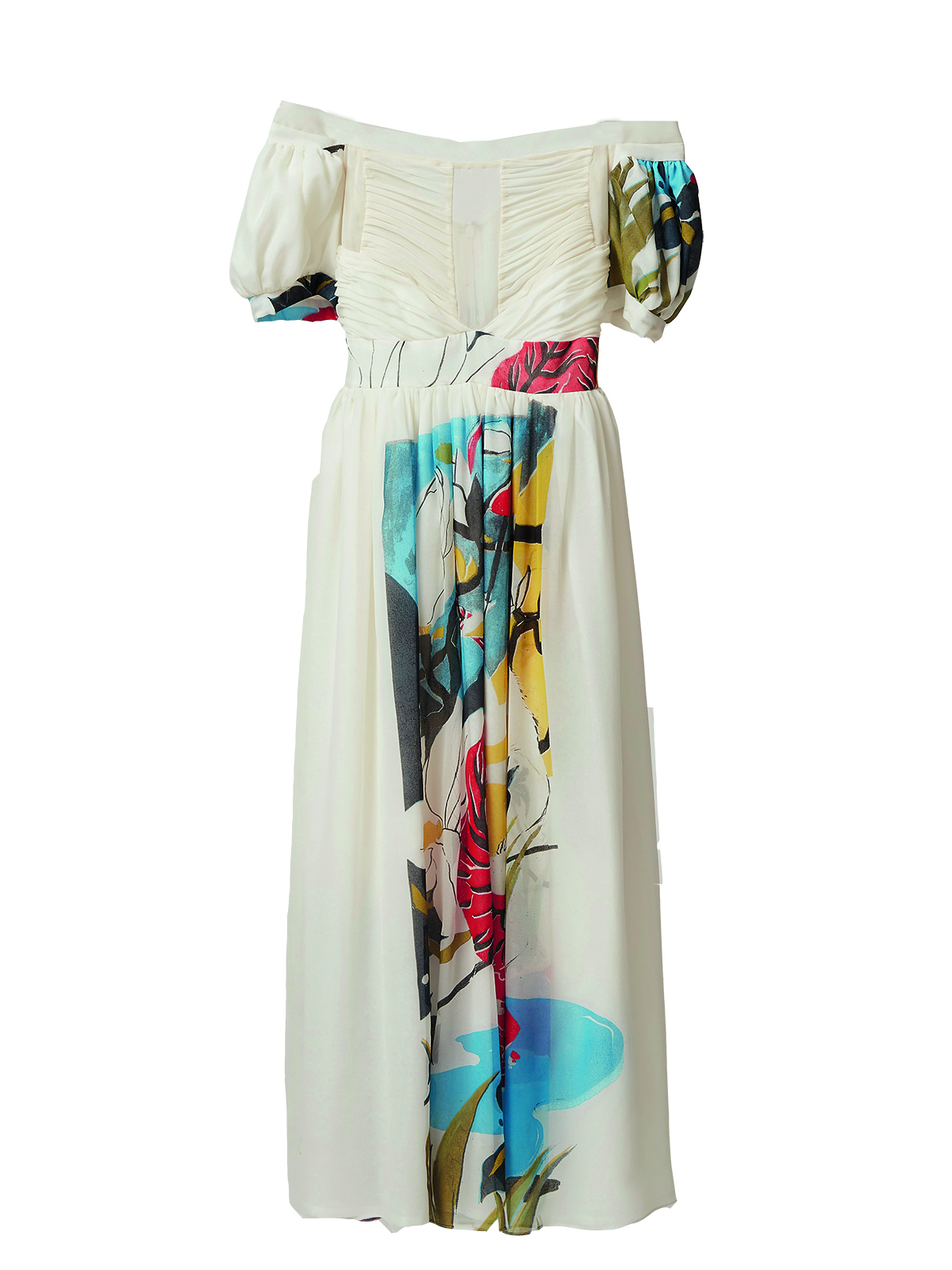
Bethany Williams champions both environmental and social activism through her bold designs that not only use upcycled materials, but also give back to local communities. This dress is made from deadstock tulle and screen-printed fabric using non-toxic inks.
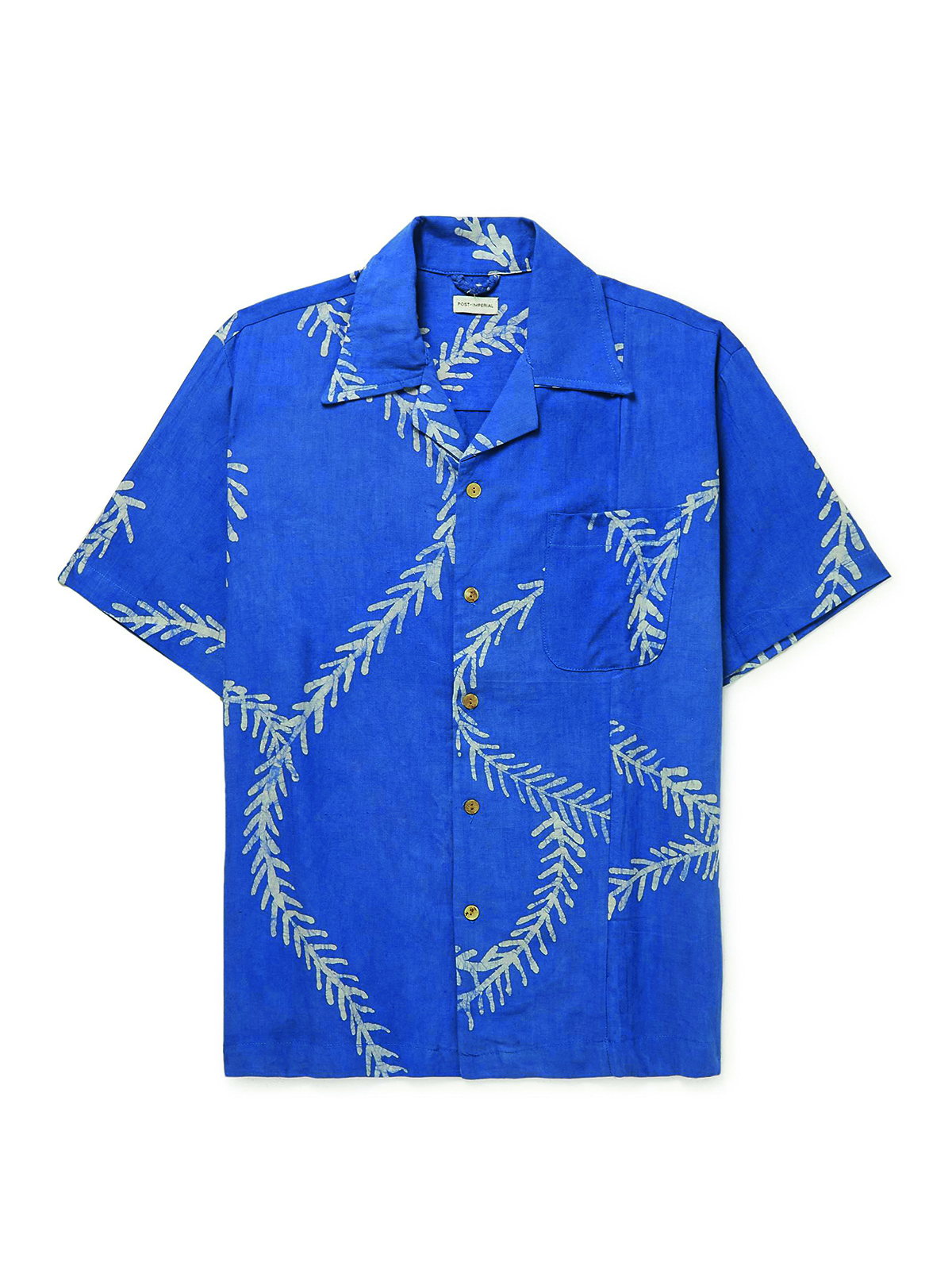
Niyi Okuboyejo’s fashion label, Post-Imperial, pays tribute to the African diaspora through fabrics hand-dyed by artisans in Nigeria. This ‘Ijebu’ shirt, cut from lightweight cotton, is a perfect summer addition.
This article originally appeared in the Summer 2022 issue.

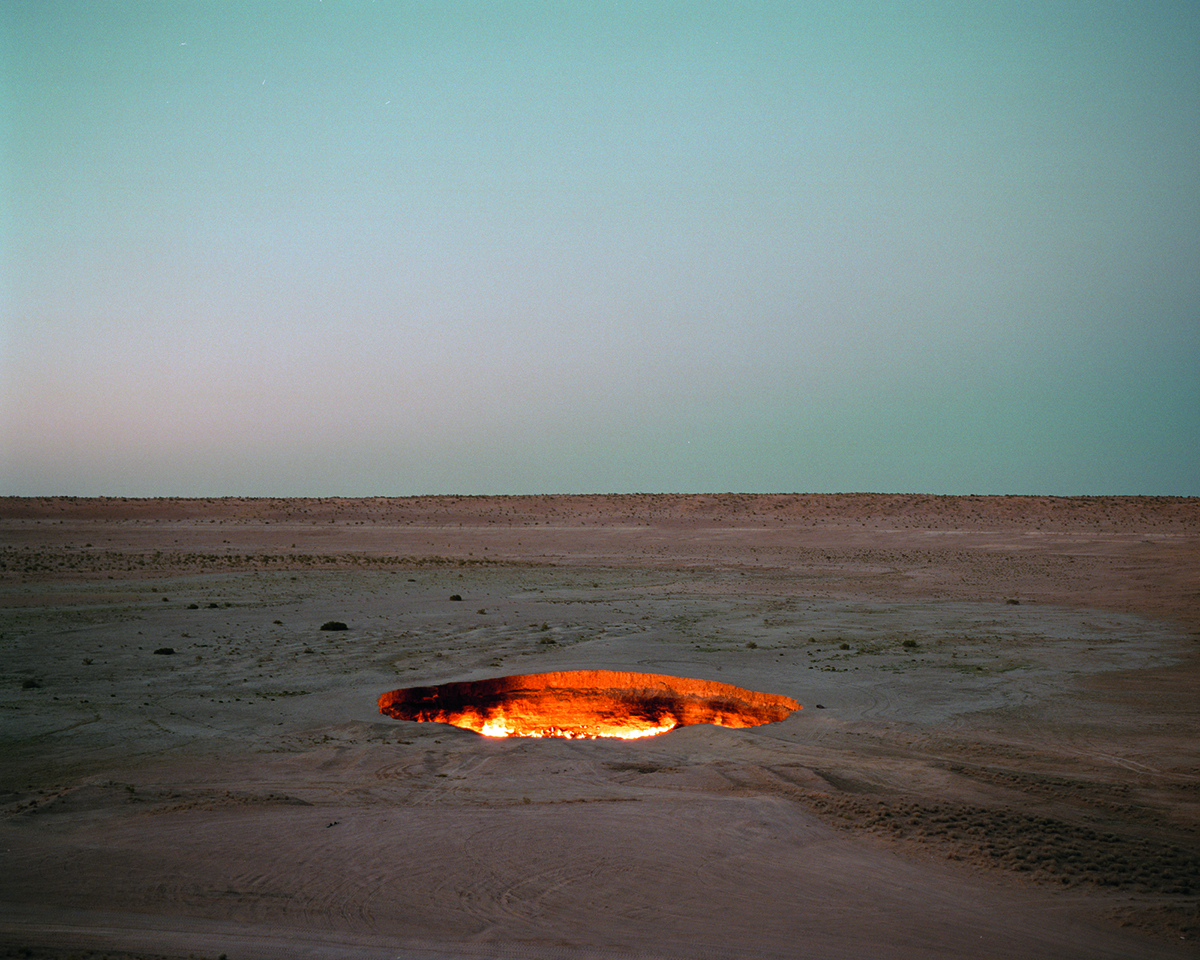
Chloe Dewe Mathews, The Door to Hell, Turkmenistan 2012, from the series Caspian: the Elements
Our sister company, Quartet Consulting, has launched a new photography prize to highlight important issues in sustainability. We live in an era in which we are becoming increasingly aware that we can’t get something out of our planet without affecting something else – usually negatively. Farming is affected, as are many other sectors, and wine (and champagne) is a product of farming. Pesticides poison the ecosystem and threaten biodiversity, as does overcropping, exhausting the soil.
For more than 20 years the redoubtable Champagne house Louis Roederer has been engaged in a “renaissance viticulture’. This allows all the nuances of the Champagne terroir to be fully expressed, through massal selection, gentle pruning, and daily practices that respect the living environment. It also uses virtuous practices inspired by the permaculture model, which allow the ecosystem to self-regulate. These include the use of biodynamic composts, allowing the land to lie fallow for long periods, maintaining hedgerows and low stone walls, growing fruit trees and installing beehives.
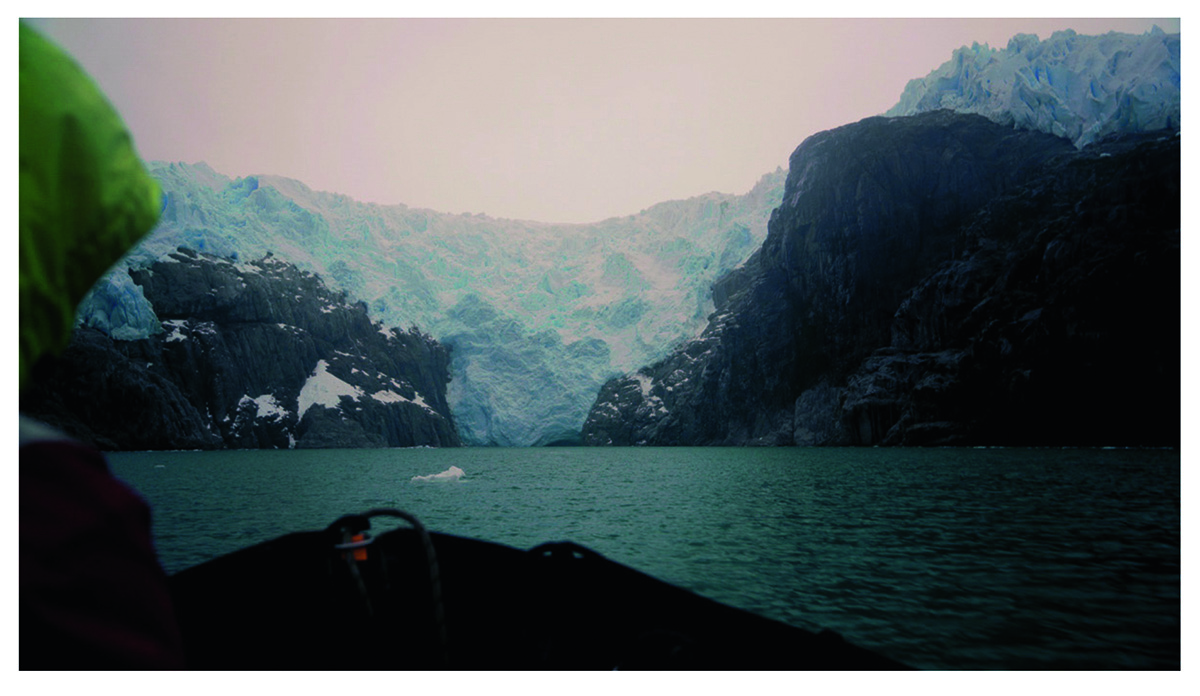
Akosua Viktoria Adu-Sanyah, Point In Time [Santa Inés Glacier, Seno Ballena]
Follow LUX on Instagram: luxthemagazine
Meanwhile, the family’s Louis Roederer Foundation in Paris has, since it was founded in 2003, supported emerging artistic photographers. So, it seems only natural that these two strands have come together in the inaugural Louis Roederer Photography Prize for Sustainability, launched in London this season by LUX’s sister company, Quartet Consulting. The prize brings together some of the most important art-world names. Among the judges are Azu Nwagbogu, the founder and director of both African Artists’ Foundation (AAF) and the Lagos Photo Festival; Maria Sukkar, an uber collector, whose ISelf Collection was on show at the Whitechapel Gallery in 2017; Brandei Estes, the director and head of the Photographs Department at Sotheby’s; and Darius Sanai, the editor-in-chief of LUX.
Emergence (from Twilight Series)
The nominators, who selected the photographers for the judges, read like a hall of fame of the art and photography world, including the artist Shirin Neshat, Photo London founder Fariba Farshad, David Hill of David Hill Gallery in London, and the artist and photography curator Cheryl Newman.
Read more: Professor Nathalie Seddon On Biodiversity And Climate Resilience
The theme of the inaugural prize was Terroir, a French term used to describe how a region’s environmental conditions affect the production of wine – used here to showcase how photographers globally are using their art to capture issues relating to sustainability.
As the spotlight on climate change intensifies, a host of awards have tackled the subject through photography, including the Italian Sustainability Photo Award, among others. In 2017 the Foundation launched its Louis Roederer Discovery Award in conjunction with the eminent Rencontres d’Arles, the first international festival of photography.
Sahab Zaribaf, superannuation
“The Louis Roederer Photography Prize for Sustainability has come at the time when ecology, sustainability and a reimagining of our life methods need further interrogation and investigation,” explains Nwagbogu. “Every aspect of our contemporary life is improved or illuminated through photography, and I was glad to see so many talented artists recognised for their contribution to humanity and sustainability through photography.”
Read more: Artist Precious Okoyomon on Nature & Creativity
Sanai says, “it was both wonderful and disconcerting to be chair of the judges and creator of this magnificent prize. Wonderful, because the breadth and depth of creativity and execution in the art of photography was astounding. Disconcerting, because it is impossible to make a quality of judgement around such different but brilliant interpretations of the theme.”
Sian Davey, Untitled/WIP
Of the 26 entrants, we present below the six shortlisted photographers. The winner and two runners-up were announced in late spring. The winner will have their works considered for the Foundation’s collection, alongside a cash prize of £5,000, an exhibition at the Nobu Hotel Portman Square, plus some rather special champagne.
Elizabeth Bick, Winter light
“The prize celebrates two of my favourite interests: the power of photography and a concern for our planet,” says Maryam Eisler, one of the judges.
Nominator Midge Palley on photographer Chloe Dewe Mathews
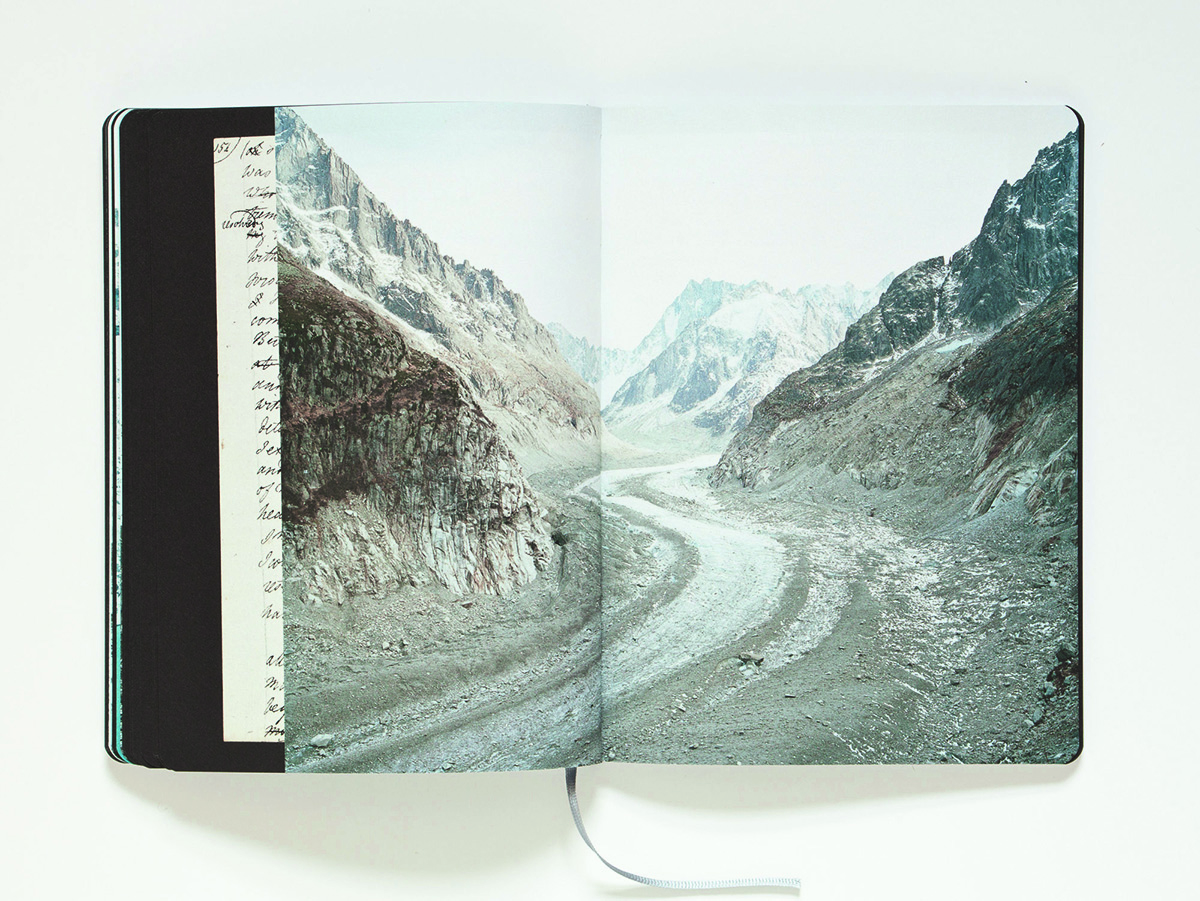
Chloe Dewe Mathews, Spread from the book In Search of Frankenstein 2018
I first met Chloe in a café in London, while trying to get her to take on a photographic project in Provence with me. She finally relented, despite her full schedule. Shoair Mavlian (a curator at Tate Modern) beautifully describes Chloe’s practice as exploring “ways in which photography can project the past onto the present, allowing for time to be expanded and contracted, and multiple narratives to be explored side by side.” I look at the images again and again to appreciate the beauty and intellectual depths of Chloe’s photography.
Judge Carrie Scott on photographer Elizabeth Bick
Elizaebth Bick, Wild Strawberries
It was the eerie familiarity, offset by a hyper-real aesthetic that drew me into Elizabeth’s compositions. Pair that with her mission to study the island of Fårö, and a people who live primarily off the natural resources of the land and sea, in a style that references Ingmar Bergman, and I was sold. Her style, in other words, is singularly cinematic and yet anchored in reality. That’s a place I want photography to take me to.
Nominator David Hill on photographer Jasper Goodall
Jasper Goodall, Cedars (from Twighlight Series)
Jasper Goodall’s work carries an elusive magic – his nocturnal images seeming to act like portals to another dimension. His is a very considered approach, not dissimilar to the work of the great American environmentalist photographers of the 20th century, but, here, viewed through the prism of a Brothers Grimm fairy tale. The resulting images are strikingly beautiful and utterly contemporary.
Nominator Cheryl Newman on photographer Siân Davey
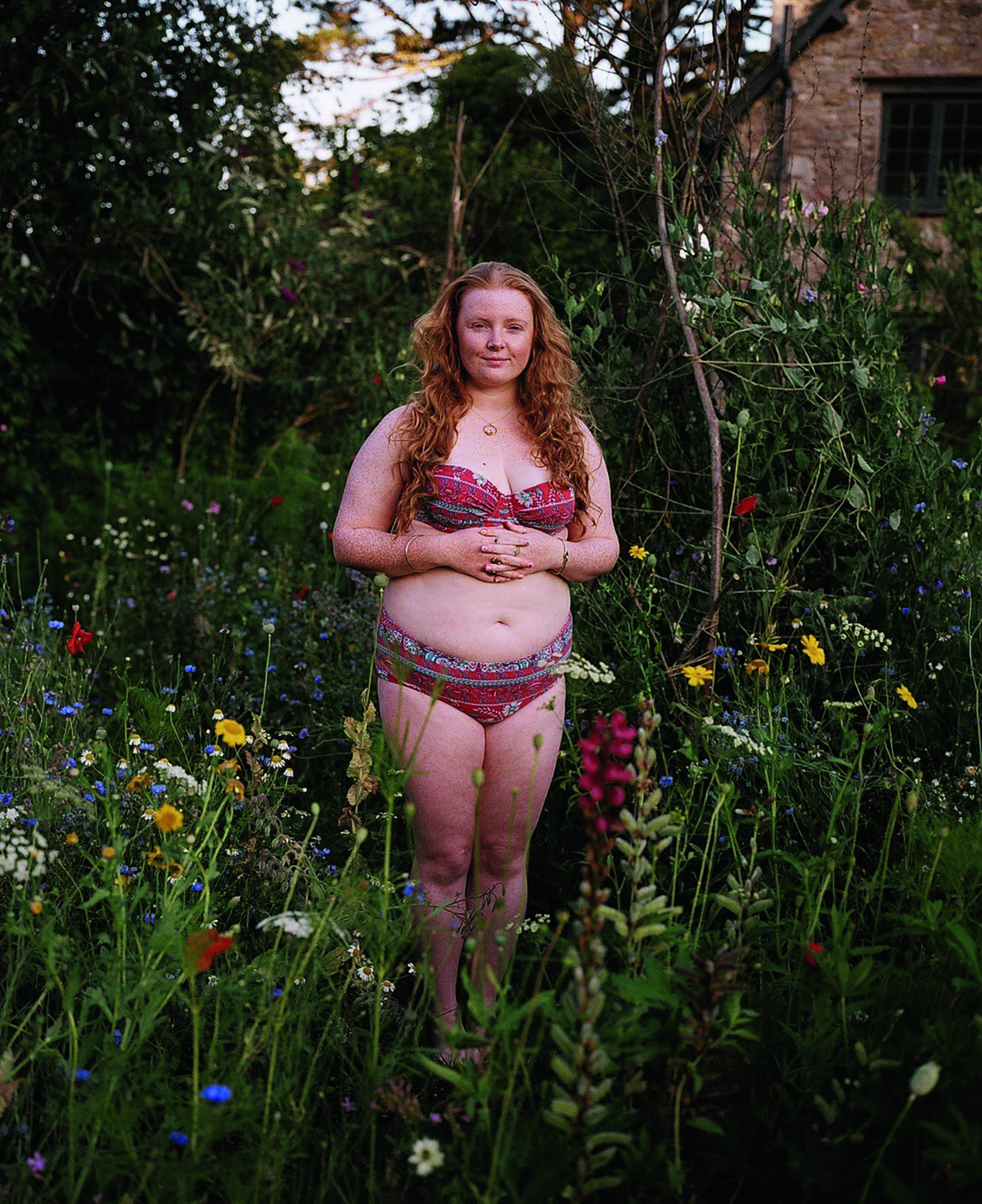
Sian Davey, Untitled/WIP
At a time when our relationship with nature feels increasingly fragile, Siân Davey’s project, ‘The Garden’, offers a space for reconnection and healing. Her portraits are an invitation to share the garden, created with her son Luke, abundant with wildflowers and butterflies. Her series speaks to our humanity, joy and our inherent need to nurture ourselves and our planet.
Judge Maryam Eisler on photographer Sahab Zaribaf
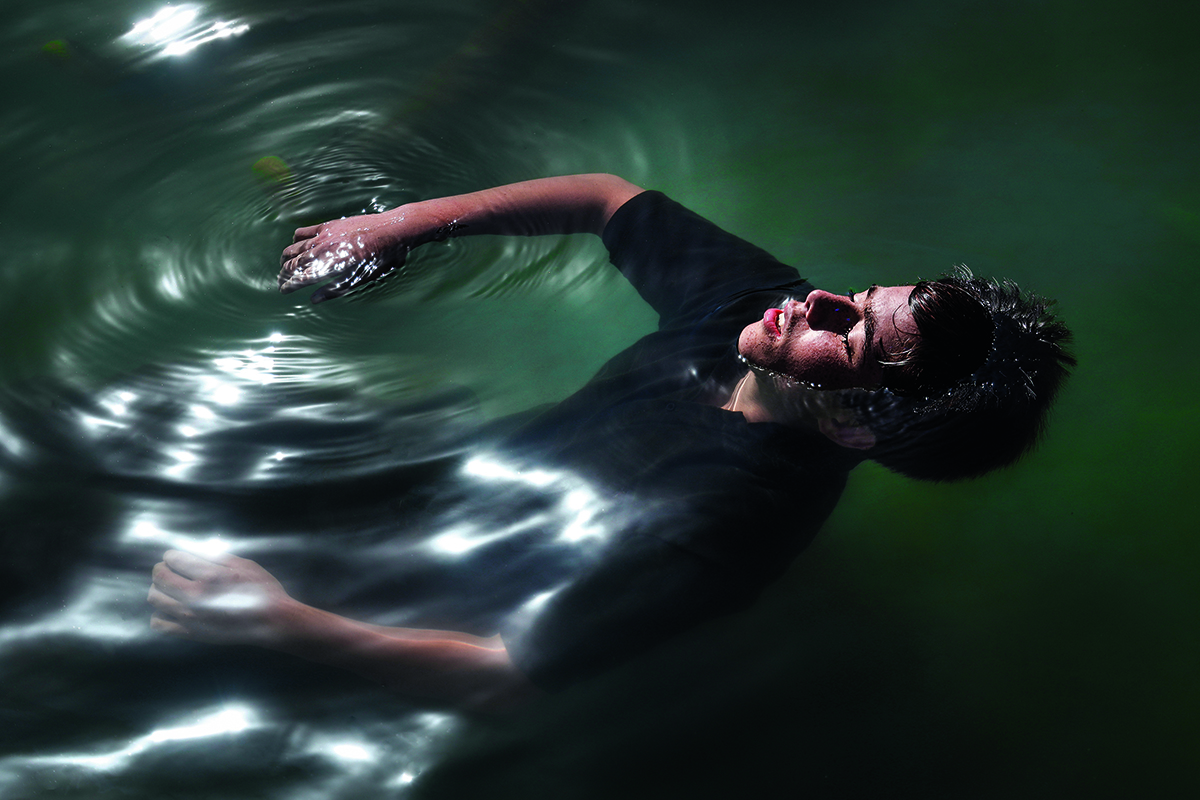
Sahab Zaribaf, Inertia
I had never come across Sahab Zaribaf’s work prior to this prize. And I’m a great believer in first impressions when it comes to photography. Sahab’s work punched me to the core. It belongs to the language of visual poetry: ethereal and timeless, beautiful and painterly. It’s a language that seems to be memory-based, one where absence is more present than actual presence.
Nominator Adama Delphine Fawundu on photographer Akosua Viktoria Adu-Sanyah
Akosua Viktoria Adu-Sanyah, macrocystis pyrifera [Patagonia]
By Rebecca Anne Proctor
This article appears in the Summer 2022 issue of LUX
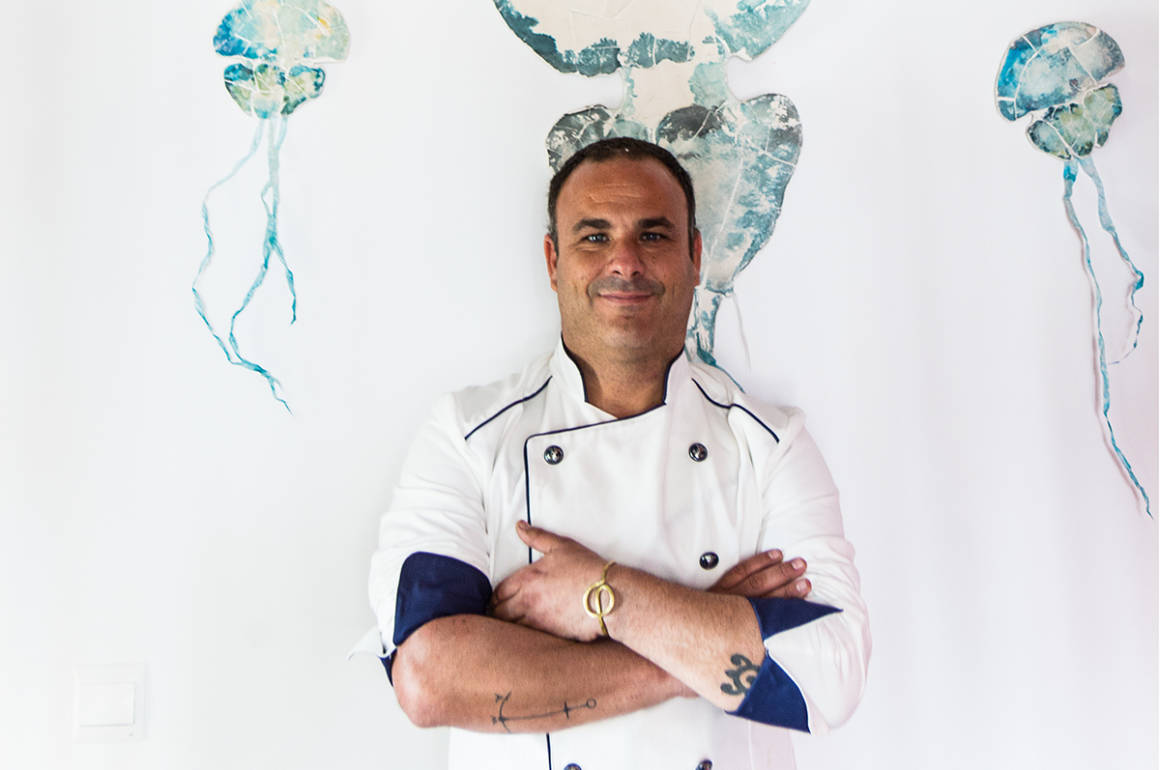

Chef Ángel León
Ángel León is most famously known for his innovative use of seafood at his three Michelin-star restaurant, Aponiente, in his home province of Cádiz, Spain. He is an environmentally minded forager of the sea, leading him to find a quinoa-like grain in eelgrass, known as zostera marina. As well as being a superfood, seagrass is a natural solution for capturing carbon and a hotbed of biodiversity – meaning cultivated seagrass forests could benefit us and the planet
LUX: Why are you known as ‘The Chef of the Sea’?
Ángel León: Actually, the nickname was coined for the first time by the press. And later became the name of a television mini-series about our work. It defines me. My cuisine focuses on the sea, especially on products that others do not want or do not see. However, my kitchen has also opened up to my closest environment, the marsh and those intertidal zones with halophytic vegetation (saline plants), which fascinate me.
LUX: Where did your interest in ocean conservation come from?
AL: My passion for the sea was instilled in me by my father when I was little. My father loves sailing and fishing, and we always used to do it round the Bay of Cádiz. I was never a good student, and the sea was my escape route, where my diagnosed hyperactivity rests. When we went out fishing and came home with everything we had caught, it was my job to clean it up. I appreciated the smoothness of the fish scales and would cut their bellies to find out what they ate, and therefore know what bait to use.
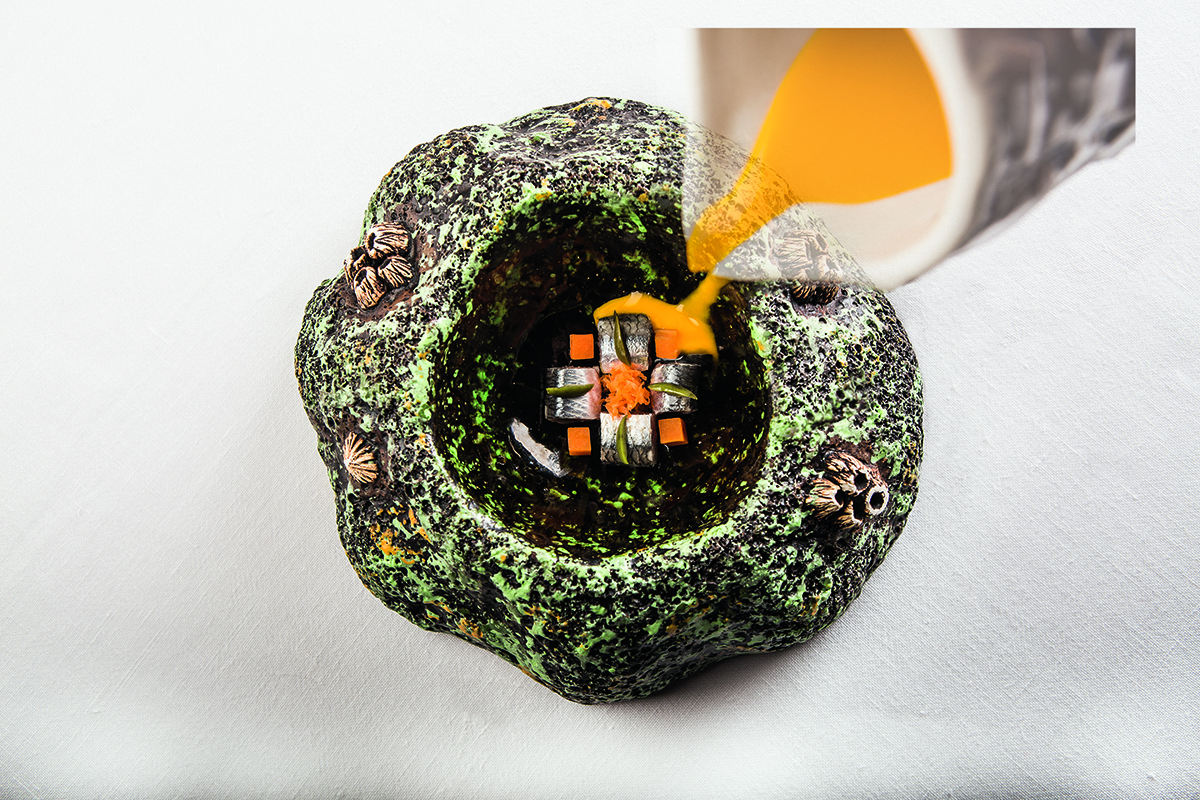
LUX: What is more important to you, the innovation behind your cooking or the taste and presentation of your food?
AL: There was a turning point in my cooking career when I decided to cook only seafood. I never thought of it as a sacrifice to stop cooking other products from the land. Some predicted that our journey would be limited because we would run out of resources, the most apparent raw materials of the sea, but quite the opposite. Earth is covered by 75 per cent salt water, and we only know 40 per cent of the marine supply.
Follow LUX on Instagram: luxthemagazine
However, on a menu where there are only products from the sea, we like to include trompe-l’oeil ‘meat’ options for our customers. We must open our minds – we are very selective and limited to unknown flavours. That is why we ‘dress up’ meat dishes with marine products. A perfect example of this idea is our marine charcuterie. Everyone is used to pork charcuterie, so what we do is make those same sausages, but with fish. We give it the same shape, the same colour, but we use fish. Sea bass mortadella, mullet chorizo…
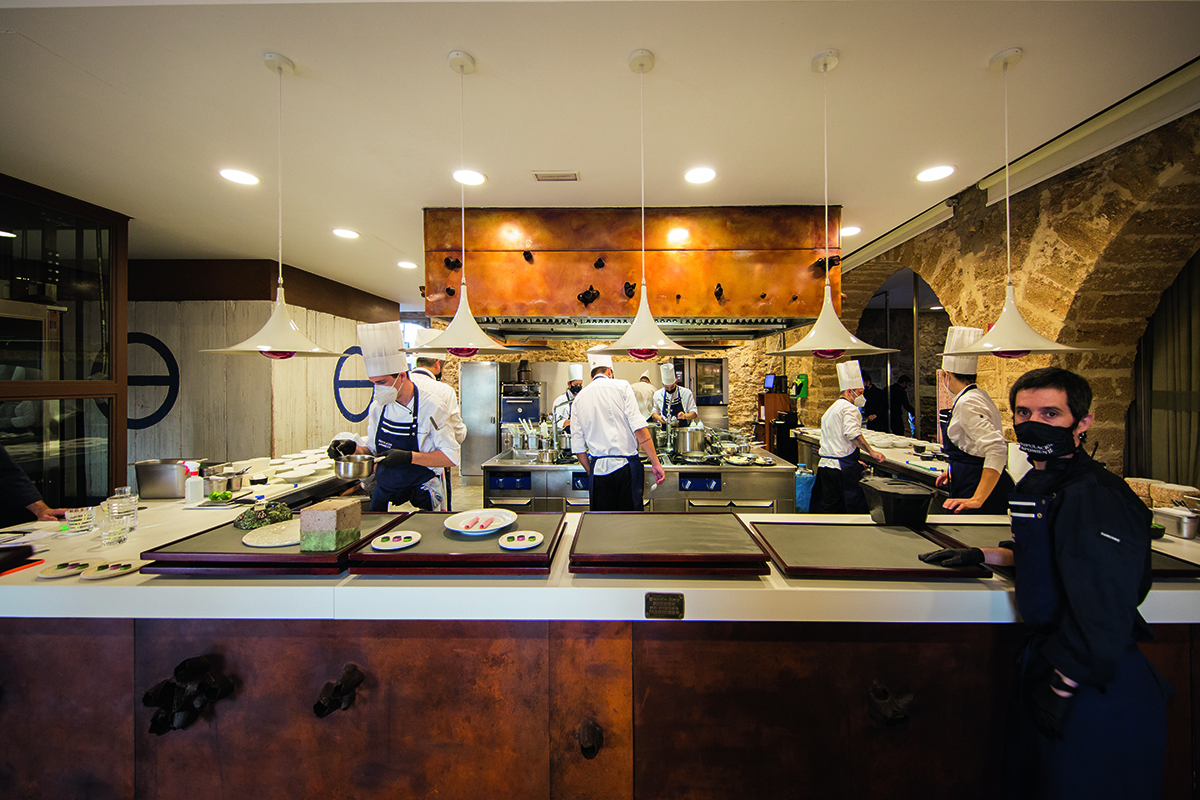
LUX: What are the benefits of using your sea grain in your dishes?
AL: We’re not cooking with it yet – this project is still in the research and development (R&D) phase. But I did have the opportunity to cook it in the limited harvest that we achieved. Gastronomically speaking, it is very similar to a grain of quinoa in the mouth. After more than three years developing this project and analysing the seeds, we can affirm that the nutritional qualities of the zostera marina are superior to those of rice or wheat. It has glucose. It has more dietary fibre than pasta. It contains protein, carbohydrates and fats that are assimilated more slowly than those in rice, wheat or semolina. It’s also high in fibre and complex carbohydrates.
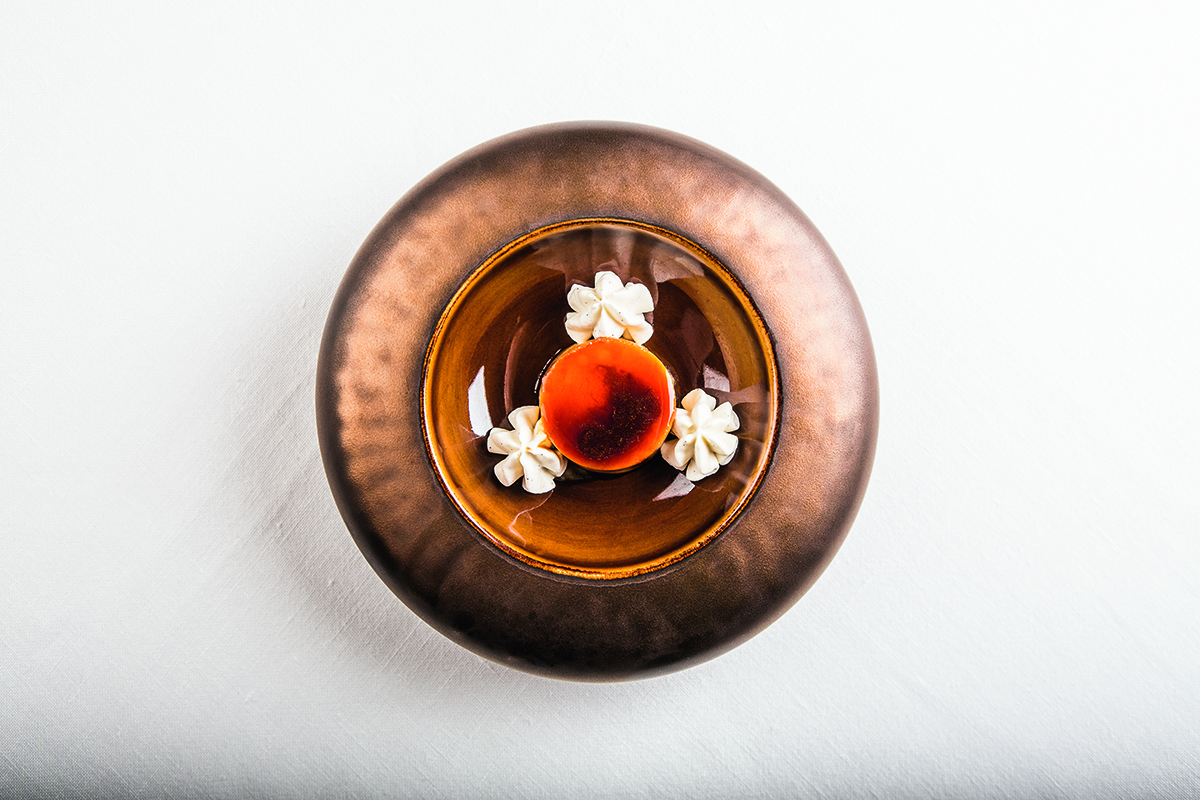
LUX: Having worked in various regions of Spain and also in France, which area has had the greatest impact on your cooking and why?
AL: Certainly France. My character as a cook was forged there, and I was able to understand the reality, the discipline and the sacrifice of this profession.
LUX: How has your culinary approach changed since you studied at the Taberna del Alabardero?
AL: My approach from then until now has nothing to do with it. Actually, at that time, aspiring to have three Michelin stars did not even cross my mind, and I had already mentally defined what I wanted my philosophy to be. I am grateful for all the stages that I have had and for forging ahead to make the Aponiente project a reality. Not even in my wildest dreams did I imagine having a restaurant with a crew as committed as we have. Everything has fallen into place little by little. We have certainly been through challenging times. Many years of swimming against the current, because the client did not understand our concept, but now we see how the client has grasped it.
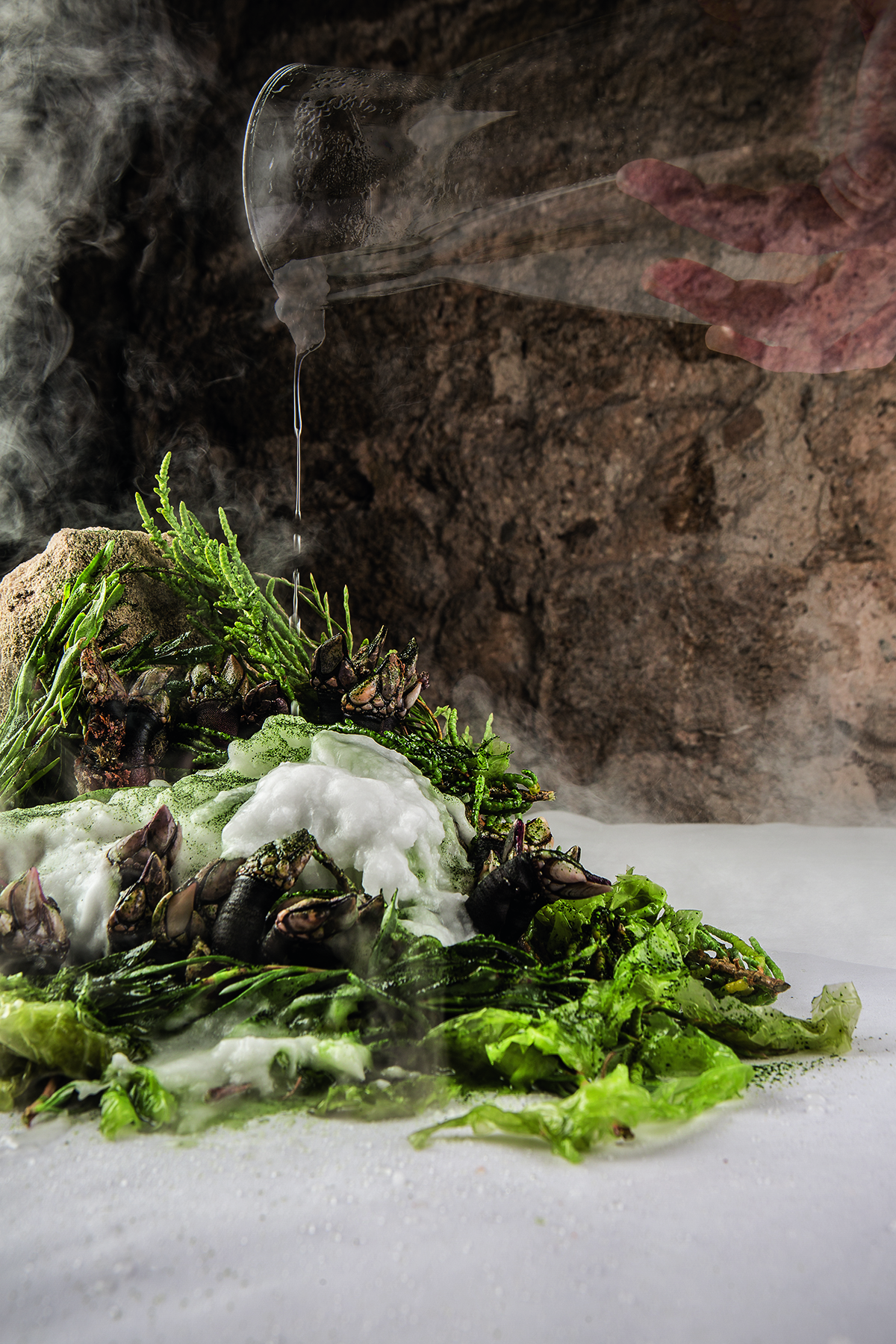
LUX: With regards to sustainability and saving the planet, what is the biggest change the hospitality industry needs to make in the next 10 years?
AL: Dependence, in all senses, on products that are not from our environment. We must look at our local environment with hunger and take advantage of the resources that we have closest to hand. From the farm to the fork, from the sea to the plate. We must be less erratic. We must be less selective.
Read more: Kishwar Chowdhury On The Bengali Influences Within Her Cuisine
LUX: If you weren’t a chef, what would you be?
AL: A marine biologist.
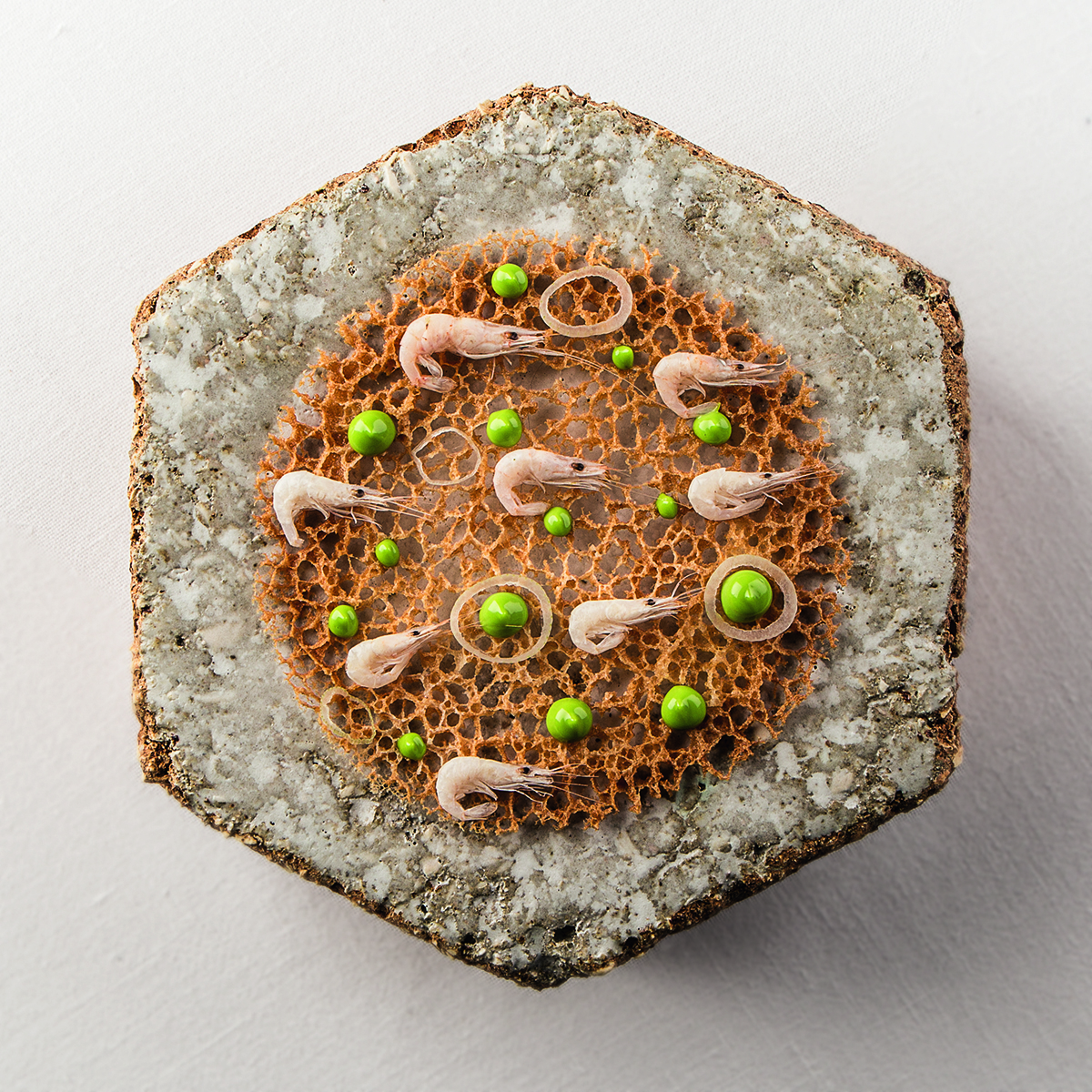
LUX: If you could choose any chef to prepare a meal for you, who would it be and why?
AL: I am a man of simple tastes. It’s been a long time since I’ve been to a restaurant on my favourite beach in Cádiz, Bolonia. There is a restaurant there called Las Rejas, where I am happy eating whole fried fish, and happy spending time with the owners. I love going out fishing with them and then cooking. Nobody fries fish like them.
LUX: Have you got any exciting projects
or discoveries coming up?
AL: I am restless, and Aponiente develops many research projects. But, today, our main effort is focused on the research and development of our marine cereal.
Ángel León is the owner and head chef of Aponiente in El Puerto de Santa María, Cádiz, in southern Spain. Since 2016 he has also been the gastronomic director of the nearby Alevante restaurant.
This article appears in the Summer 2022 issue of LUX
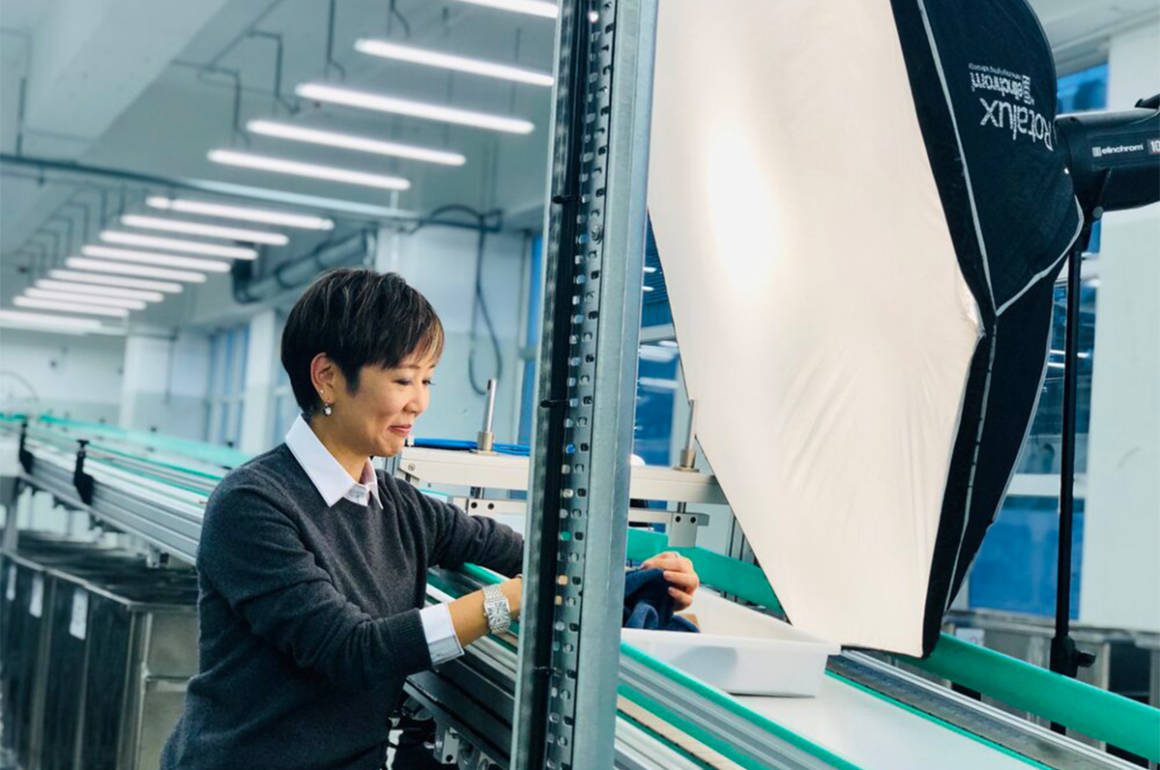
 Ronna Chao is Chairman of Novetex Textiles Limited, CEO of Novel Investment Partners Limited, Director of Novelpark Investments Limited, and has taken on various advisory and leading roles in foundations. Here she speaks to Samantha Welsh about leadership, particularly at Novetex
1. How much is good leadership about effective communication?
Often as CEO, you find colleagues look up to you as the leader of the pack. Leadership is as much about offering a show of strength as it is about allowing the members of your team to feel that they are truly a part of something. During meetings, I regularly say: “What do YOU think?” This is because I want to promote an atmosphere in which everyone, regardless of rank, feels safe and free to speak and voice their opinions and recommendations. There is so much we can learn from each other and I really believe that mentoring is not one-way. Communication is a skill that requires constant practice and honing.
Follow LUX on Instagram: luxthemagazine
2. What is it about this collaborative style of leadership that you are passionate to share with next gen through Bai Xian Asia Institute?
Bai Xian Asia Institute is the brainchild of my dad, who had the opportunity to study overseas and believed in the importance of fostering friendship and understanding in young people across different cultures. We focus on supporting Asian students to study abroad within the region because we believe that one needs to understand and appreciate one’s own home region and culture before becoming good ambassadors elsewhere. We provide our scholarship recipients a secure space where they can exchange views, and this environment enables them to grow as individuals and as part of a community. As they become leaders in the various fields of their choosing, our hope at Bai Xian is that they extend their circles of influence and propagate their perspectives and experiences with the wider community. Having studied abroad for extensive periods of time myself, I too see the necessity and the advantages that come with intercultural and interdisciplinary education. The world is getting smaller and smaller, and the need for collaboration across borders, across industries, is so apparent.

3. At a personal level, how do you manage challenges in, or to, your leadership?
Things always evolve, and one way to maintain an open mind and curious mindset is to accept and embrace the fluidity of circumstances and situations. One thing I strive to keep in mind in my leadership is that I do not and cannot know everything. My liberal arts education at Brown allowed me to explore interests in different subjects and topics as an undergraduate. These experiences trained me to keep an open mind and have broader perspectives. My three children are growing into adults themselves, and I am constantly in awe of their wisdom and ability to absorb everything around them. At their age, it’s natural that they begin questioning me – but they know that questions, criticism are always welcome to me and the communication lines remain open. These days, the roles are reversed in many instances as there is so much that they teach me and I look forward to considering their experiences and perspectives, especially as they come into their own and forge their own paths.
4. What compelled you to return from US back to Hong Kong to lead Novetex, a pioneer in the global textile industry?
Returning to Hong Kong and working with Novetex was a wonderful opportunity and an enormous honour for me that our family trusted me to let me try and helm the company. Ron’s heavy investment in research and development (R&D) proved fundamental to modernising our business practices. We initially created The Billie System, an innovative upcycling process that reduces environmental impact, to address the textile waste that our company was producing on an internal level. Over the past decade, we’ve identified new ways to minimise our environmental impact, even down to our supply chain. We arrived at the idea of The Billie together with Hong Kong Research Institute for Textiles and Apparel (HKRITA). Because of how we began this venture, the focus has been on preventing materials from entering landfills and recapturing the value of these fibres.
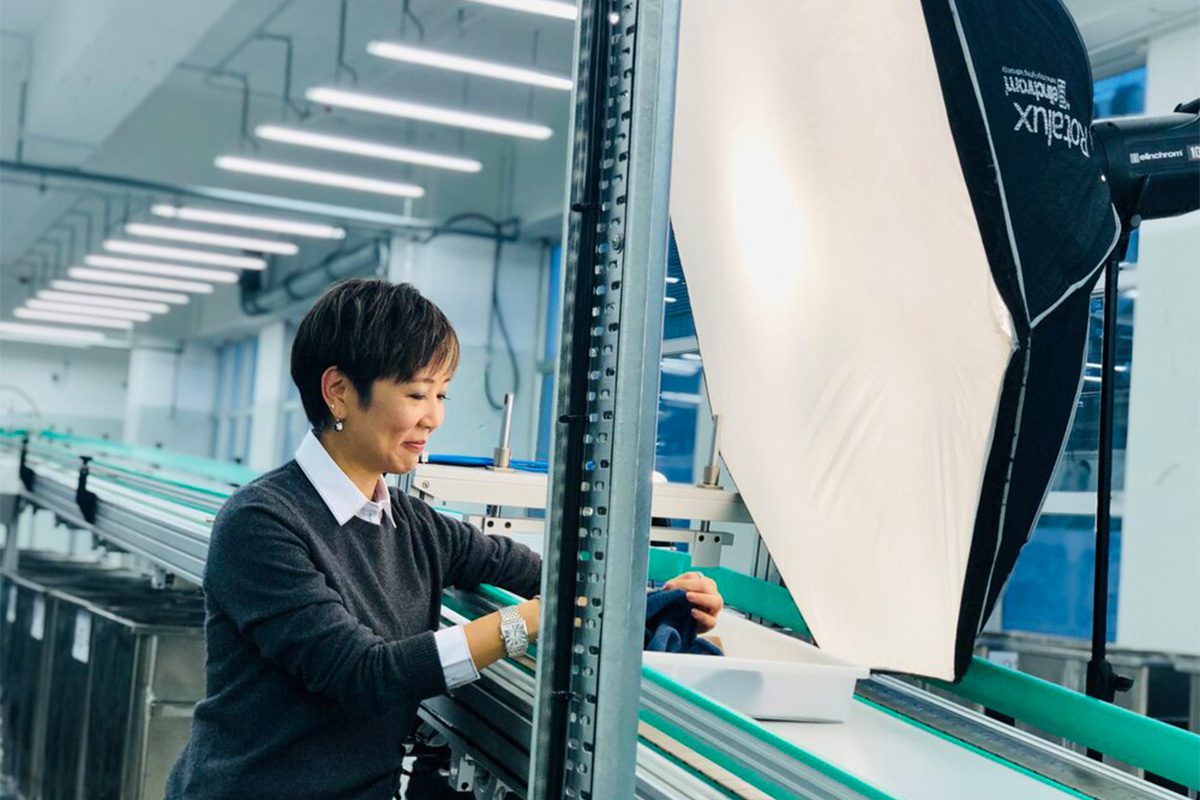
5. Novetex is also a first mover in textile R&D and you are invested in a sustainable future. Where have you found innovation to be most impactful under your leadership?
Novetex has been in business for five decades. We began this journey toward sustainability almost fifteen years ago when the topic was not popular as it is now. At Novetex, we pride ourselves on being our customers’ “Complete Yarn Resource,” which means we strive always to be creative and innovative in offering a wide variety of qualities, colours, custom-designed and specialty yarns.
Read more: Lazard’s Jennifer Anderson on the Evolution of ESG Investing
In a self-reflection process, we audited our environmental impact, and reviewed processes from our operations down to our supply chain. Textile waste was identified as one of our pain points and we started having conversations with stakeholders and other parties to address the issue. Rather than worry about whether the timing was right, we went full steam ahead – and incorporating sustainability into our mission and vision is paying off, slowly but surely.
6. What was the take-away in your speech to other leaders at Hong Kong’s Business of Design Week?
Prior to joining Novetex in 2010, I had little to no hands-on experience in factory operations, textile R&D, sales and marketing, and brand management. Having to assume a leadership role with such “limitations” was a challenge. Nobody knows everything, and humility, curiosity, open-mindedness, and the attitude for life-long learning are key drivers that can help us as we journey in uncharted waters. Innovation and change require not only vision and courage but also patience and persistence. It is a marathon, not a sprint; setting goals, constant reviewing, keeping the balance between reaching for stars and keeping your feet on the ground enable us to cover the distance bit by bit.
Find out more: www.novetex.com
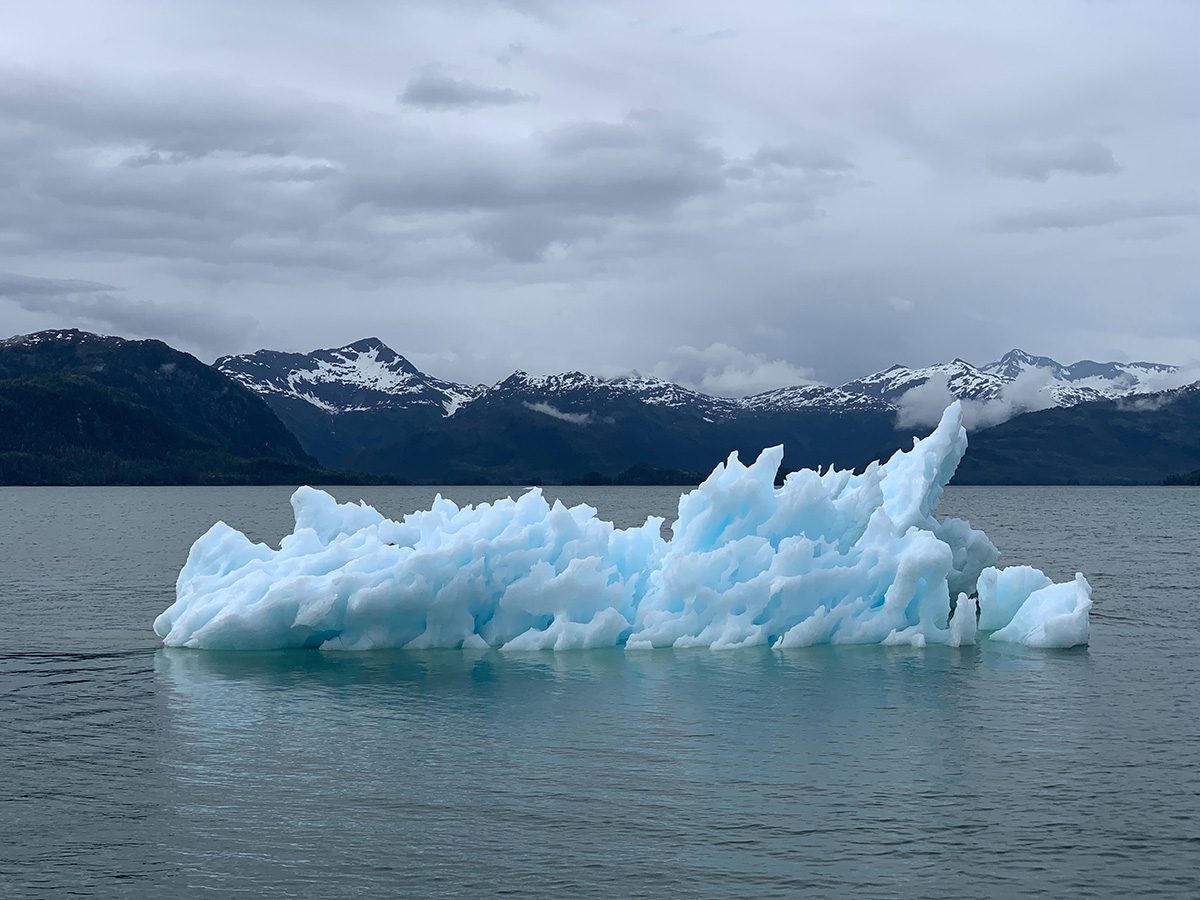 Jennifer Anderson, Co-Head of Sustainable Investment & ESG at Lazard Asset Management, speaks to LUX Contributing Editor, Samantha Welsh, about the history of her career, the changes in the ESG investment landscape over that time, and offers an insight into why she thinks the industry is at an important inflection point
LUX: What inspired you to pursue a career in sustainable investing?
Jennifer Anderson: My grandmother was a visionary, in my eyes. She was an early campaigner with Greenpeace in the 70s and 80s and often spoke about her work. I remember her talking about her involvement with the Chernobyl Children’s Project, activities to protect the ozone layer and cleaning up local beaches. That certainly sparked my passion for environmental issues. As I continued my education, I sought study options that helped me explore the intersection between business and the environment. At university, I studied environmental economics and development economics. The lightbulb moment was during my work experience with an asset manager, where I first learnt about socially responsible investing (SRI). I remember thinking “Wow, you can have a career in investment focused on understanding how social and environmental issues relate to that”.
Follow LUX on Instagram: luxthemagazine
My career continued in asset management in the then ‘niche’ area of SRI, with focus on an ecology fund that was the first authorised green unit trust launched in the UK. I then joined an ESG Equity Research team on the sell side, authoring research on BP’s Macondo disaster. I built on this experience at an asset owner, where I spearheaded ESG and climate integration for pension funds. Since 2019 I have focused on the expansion of sustainable investment and ESG integration at Lazard Asset Management.
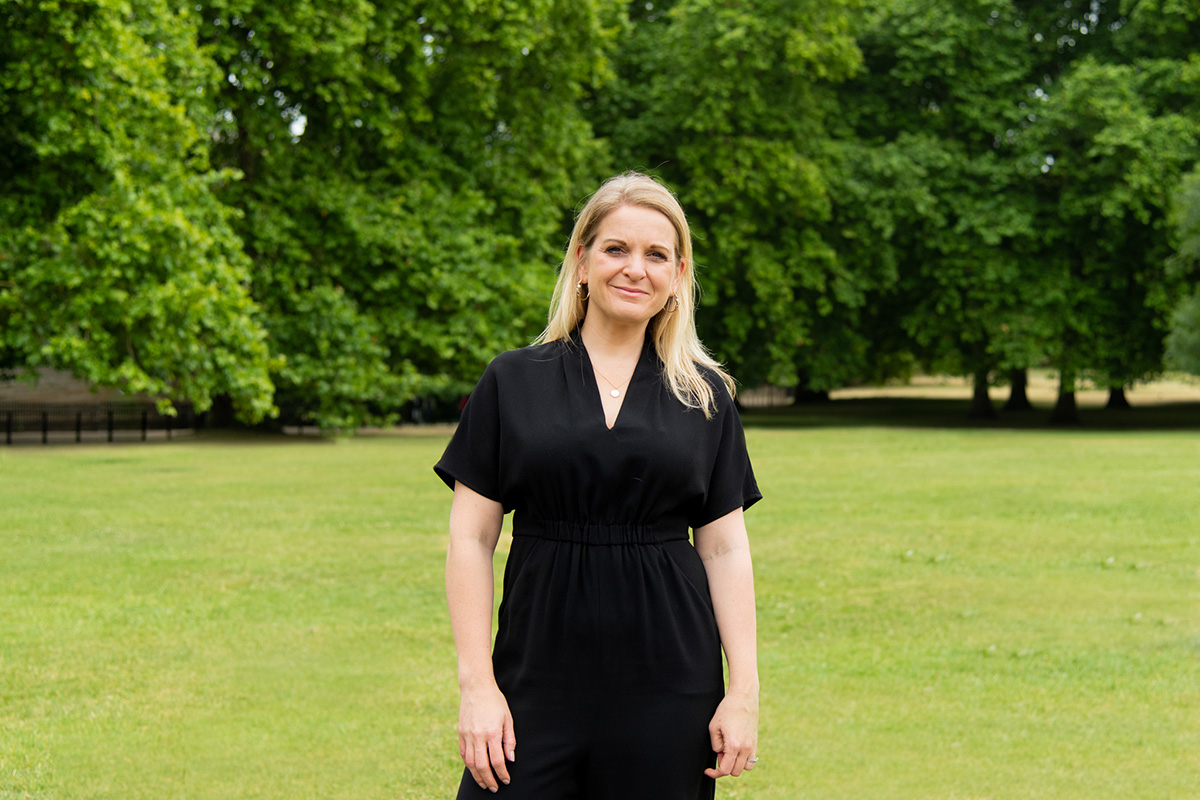
Jennifer Anderson, Co-Head of Sustainable Investment & ESG at Lazard Asset Management
LUX: There has been a bit of an ESG backlash recently. Is this the beginning of the end for ESG?
JA: Far from it. In some ways the public’s growing scepticism was to be expected, and so one could argue the industry needed to go through this, have healthy debate, and adjust approaches to arrive at a better place. The frequency and severity of extreme weather events is increasing, and income inequality continues to widen. The momentum to correct these imbalances is building, but to many it remains slow. So, it is easy to understand the growing ire. There is also a great deal of noise that investors must cut through in this growing space. News headlines about greenwashing create doubt, the current “one size fits all” corporate scoring approaches create confusion. Recently, the S&P 500 ESG Index dropped Tesla, while keeping Exxon. How are investors meant to make sense of all of this?
A dichotomy has also emerged following the war in Ukraine. The situation makes commitments to reduce the use of fossil fuel, challenging in the near term. Longer term, it could accelerate renewables adoption to help achieve energy independence, but it shows the road ahead could be rocky. Spikes in commodity prices tend to disproportionately affect those on lower incomes as food and fuel costs make up a larger proportion of their overall expenditure.
So, who ultimately pays for the energy transition and how will the effects be managed? These are some of the questions that the concept of a just transition seeks to address. How does the transition out of high-carbon activities into greener ones happen in a way that workers, communities, and countries are protected while also maximising the benefits of climate action? The focus on real-world outcomes is certainly growing. ESG strategies have migrated from approaches largely focused on negative screening and exclusions to those centred on ESG integration. The next stage for the relevant industry participants will be evidencing outcomes and impact, which has traditionally been easier to do in private markets. The industry needs to demonstrate value to break through the scepticism.
LUX: How important is the role of governments and international frameworks such as the United Nations COP meetings in channelling capital to more sustainable activities?
JA: A global challenge requires a globally coordinated response. It is easy to view climate summits in isolation, but having closely followed their progress over several years, I would say the fundamental shifts are clear. I attended COP26—the climate change conference in Glasgow—in November last year. It was the most widely publicised climate conference ever. The scaled-up presence from the private sector was also noticeable. The Glasgow Financial Alliance for Net Zero—comprising 450 financial institutions—have pledged an eye-catching $130 trillion in capital to fight climate change. Investors, companies, and countries are now making net-zero targets the norm. So, if we look back to where we were at COP21 in 2015—where 195 countries adopted the first-ever universal, legally binding global climate deal—it is fair to say a lot of progress has been made since, but there is still a long way to go.
LUX: Is there sufficient data to quantify and price environmental and social issues?
JA: Third party tools and data help with benchmarking or as a starting point, but they can be unreliable in isolation, backward looking, or incomplete. Add to that the fact that ESG and sustainability issues are not uniform in scope, scale, or duration across industries and geographies. Ratings agencies combine data from different sources and condense that information into a score. This is a highly subjective process. What sources of information are used and why? How is the information sourced and “cleaned”? How are information gaps bridged? The methodologies and qualitative analysis used vary significantly between ratings agencies, so the scores produced tend to have a low correlation. As an investor you look at this and wonder which is closer to the truth.
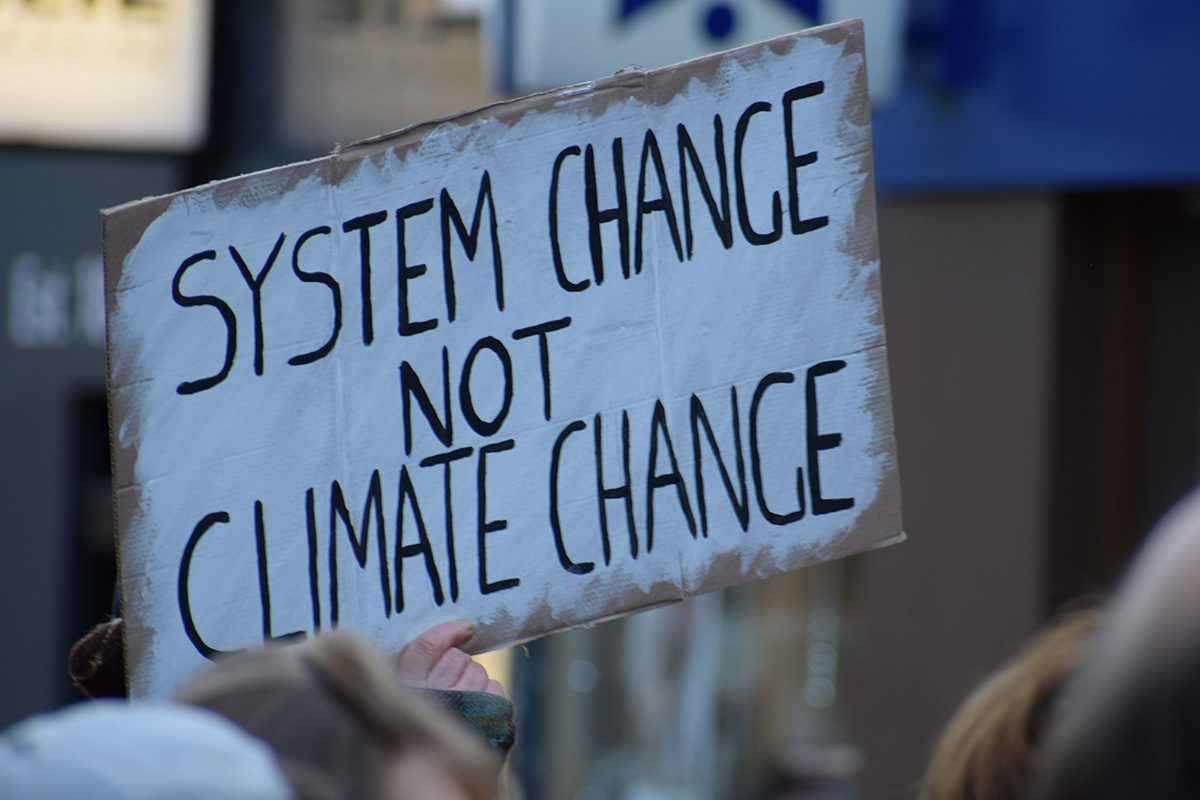
Sure, clarity from standard setters and accounting bodies will help, but this does not replace the expertise that investment professionals offer. They have a deep knowledge of how governments, regulators, companies, and industries operate. At Lazard Asset Management, our investment professionals are responsible for incorporating ESG and sustainability-related risk and opportunity assessments into their relevant analysis and are supported by in-house expertise in ESG and sustainability—including in climate science, the energy transition, stewardship, and net zero—to help them contextualise and size issues when incorporating them into their applicable financial models.
Financial materiality is dynamic. Governance and human and natural capital issues that are material today may not be material in the future. Investors need a forward-looking, active approach.
Read more: Octopus Energy Founder Greg Jackson On The Green Revolution
LUX: What role does engagement play in making sustainable investments?
JA: I believe engagement is everything. Lazard Asset Management recognises that a company’s governance policies and board structure, environmental practices, labour policies etc, can materially affect a company’s long-term financial performance and therefore a security’s valuation. The firm’s fundamental analysts work together to understand issues that follow supply chains or impact certain geographies, and this is what gives our research depth. With this depth of knowledge, the professionals on our fundamental research platform can interact with management in a meaningful way to understand how this relates to corporate strategy and achieving better real-world outcomes.
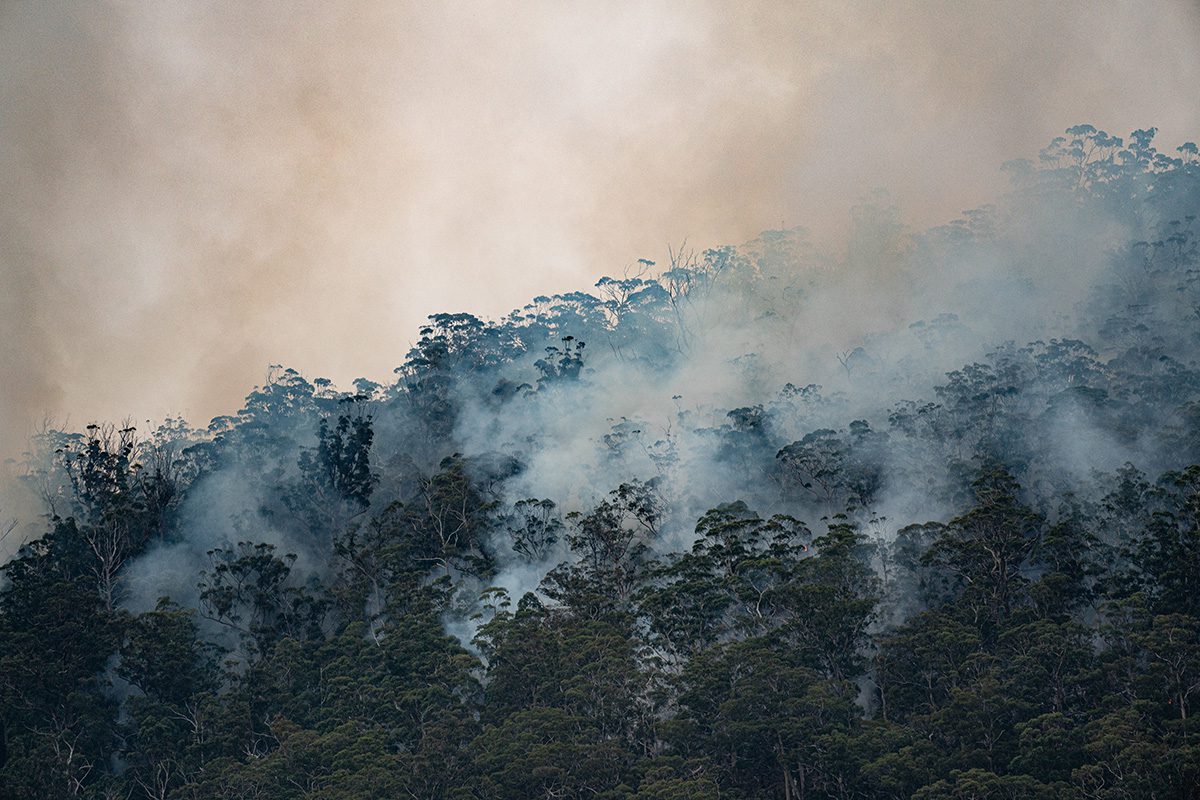
LUX: What messages do you have for investors starting on their journey on sustainable investment?
JA: Firstly, I would say sustainable investing is no longer seen to be predicated on a trade-off between enhancing returns and having a positive real-world impact. Inadequate governance practices and poor stakeholder management can undermine a company—or even a country’s—long-term prospects, and this can later become negatively priced by capital markets. Secondly, investors need to be very clear on their objectives. Are they ESG-aware and seeking to incorporate financially material ESG issues into their investments and wanting company managements to be challenged on ESG issues that are a cause for concern? Are they sustainability focused—i.e., believe the world is transitioning to a greener, fairer, healthier, and safer place –and wanting to capitalise on this as a structural theme? If so, bottom-up, fundamental strategies can identify the winners and losers from the transition to a more sustainable economy. Beyond this is impact investing, which has a much higher threshold again, and is about evidencing both intentionality and additionally. Every type of investment has different risk-reward profiles. It’s about identifying which ones align with your investment beliefs and objectives.
Find out more: lazardassetmanagement.com/sustainable-investment
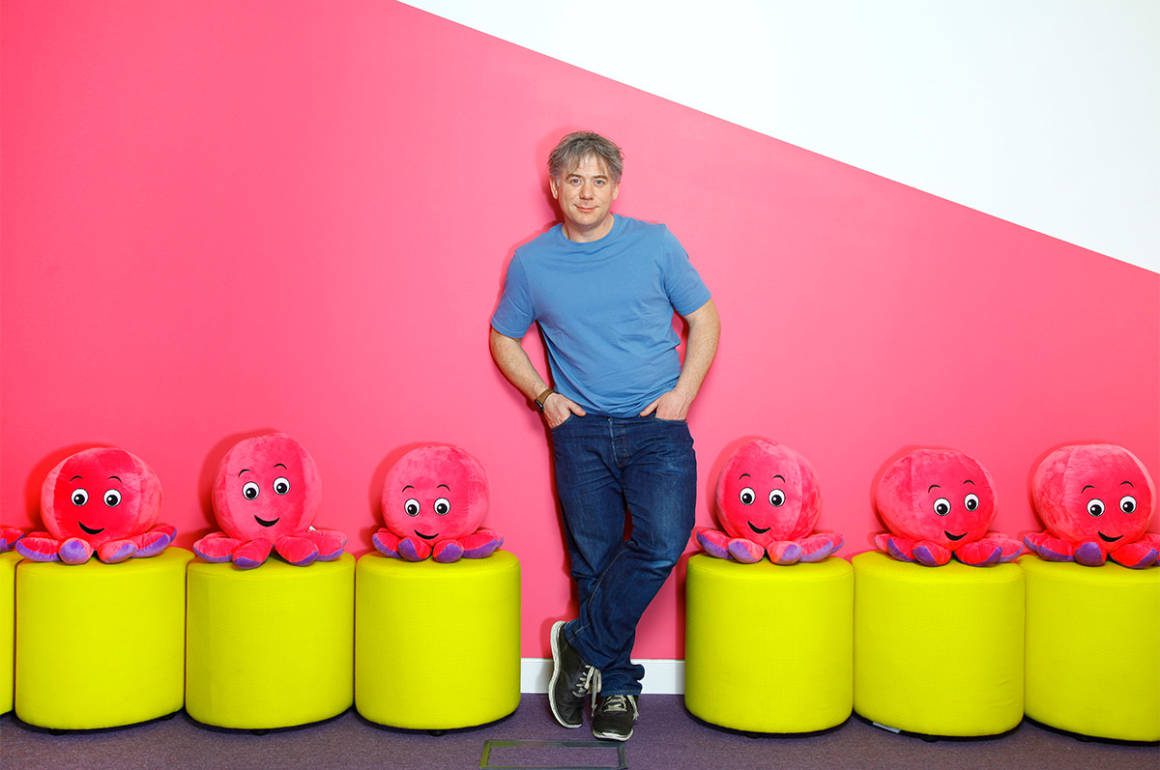
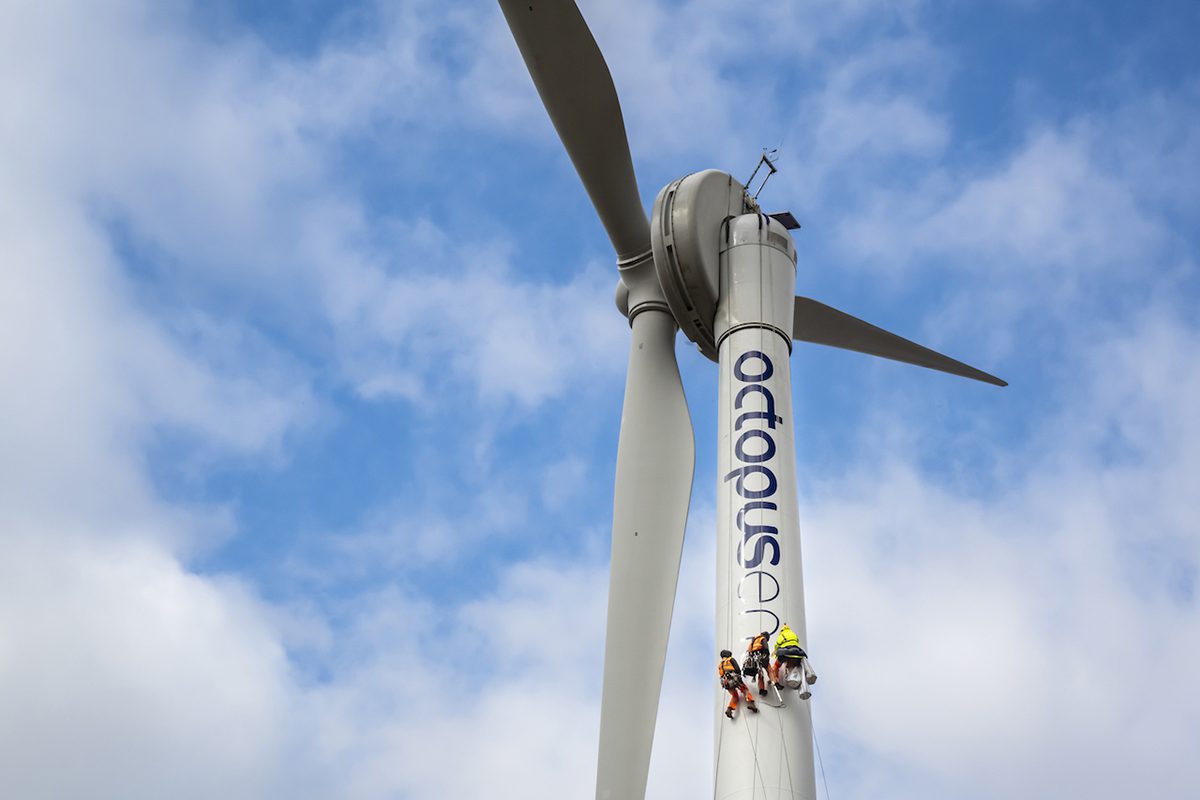
Octopus is one of the largest owners and managers of renewable energy assets in Europe
As the International Energy Agency warns that the worst of the energy crisis may be yet to come, governments around the world are stressing the importance of accelerating the move to renewable energy. We speak to Greg Jackson, CEO of Octopus Energy Group, the technology-to-investment energy platform, about the importance of government intervention in energy policy, the role of technology, and how a greener future could be nearer than we think
Greg Jackson founded Octopus Energy in 2015 with a view to using technology to make the green energy revolution faster and cheaper for consumers. Now worth approximately $5bn, the privately held company supplies renewable energy to three million households worldwide. It is also one of the largest owners and managers of renewable energy assets in Europe, with more than £4bn under management. Jackson credits the company’s success to what he calls the “en-tech” model whereby proprietary technology plays a leading role in the company’s value offering. Here, he speaks to Ella Johnson about why there can be no alternative to radically updating the power grid and large-scale investment in renewable energy.
LUX: How will Octopus innovate the energy sector in the long term?
Greg Jackson: Octopus’ long-term goal is to generate roughly as much as its users use, with Kraken, our proprietary technology platform, matching generation and consumption at any time and location to make the most efficient renewable energy company possible.
A decentralised workforce allows us to greatly increase the pace of innovation and learn from many people with many different perspectives. We are a cloud-native company and have had a very successful remote customer operations team for over four years now. This allowed us to ensure we had processes and communication platforms in place when lockdown hit, and it has been absolutely vital as we’ve grown internationally, building successful Octopus Energy hubs in several countries around the globe.
Follow LUX on Instagram: luxthemagazine
So far, we deliberately haven’t made a profit. Instead, we’ve focused on scaling the business, investing in new green technologies and making sure there is enough support available to our customers who are struggling. We are lucky to have investors that believe in our long-term goal and are absolutely committed to help us achieve this, so we don’t have to worry about short term profits to achieve our number one purpose, making green energy cheap energy around the world.
Octopus is working to digitalise the power grid through its proprietary Kraken technology
LUX: When did you realise the energy sector was ripe for a tech revolution?
GJ: I had built digital platforms for e-commerce and other sectors before to digitise and increase efficiency, and I quickly realised that applying the same technology to energy would greatly improve the way things are done in the sector.
LUX: What makes Octopus’ operating business model unique?
GJ: Our operating model is unique thanks to Kraken, our technology platform which we built from scratch. Where other suppliers rely on convoluted solutions for different functions, Kraken integrates them all into one giant robot, offering efficiency, better customer service and end-to-end management of the whole supply chain to allow us and our licensees to save costs, take better care of customers and drive the green energy revolution.
But we know we can’t drive change quickly enough if we’re on our own. So we’re licensing Kraken to other large energy companies across the globe who share our vision of a cleaner, better energy future, including E.ON, EDF and Origin Energy.
Octopus has licensed its Kraken technology to support over 20 million customer accounts worldwide
LUX: How must existing infrastructure be adapted to accelerate this shift?
GJ: We need to digitise the power grid so that we can use it more efficiently, cutting bills and making the most of green electrons when they are abundant. The current grid was built to manage a few hundred fossil fuel power plants. We need to make it fit for a decentralised energy world in which millions of electric cars, rooftop solar panels and home batteries will be connected to it, importing and exporting energy from the grid.
LUX: How does Octopus overcome the unreliability of wind and solar sources?
GJ: The key to unlocking a cheap green energy future is to build a digital system that is interconnected and flexible. The sun doesn’t always shine and the wind doesn’t always blow where we are – but they always do somewhere in the world.
Read more: Dimitri Zenghelis on Investing in the Green Transition
Working with other countries and layering different sources of green energy and ways of storing it (like batteries) will allow us to create a system in which we can make the most of solar and wind energy where they are abundant. For example, we invested in Xlinks, the company building the world’s largest subsea power cable. Once built, it will deliver 3.6 GW of green power from Morocco to the UK for an average of 20 hours a day – enough energy to power about 7 million homes. We need more large-scale renewables projects like this.

Renewable energy is the only way to increase our energy security and stop climate change, says Jackson
LUX: One of your tariffs provides carbon neutral gas. What do you say to those who argue carbon offsets are not a real substitute for climate action?
GJ: We have carbon offset our Super Green customers’ gas usage in a few different ways over the years: helping reforest and conserve vast areas of the Amazon, and working with our main offsetting partner, Renewable World, to bring innovative renewable energy technology to fuel-poor communities worldwide.
But while it has very worthwhile applications and can help a lot of people, carbon offsetting is only part of the puzzle in helping fight climate change. It cannot decarbonise the whole energy system and move us away from fossil fuels. For that we need more innovative technology to make energy greener and cheaper for everyone.
LUX: Is natural gas an adequate transition fuel?
GJ: In the short and mid-term, we still need natural gas as a backup energy source for renewables. But in the long term, we will have to wean ourselves off gas completely if we want to increase our energy security and stop climate change – and we can only do that if we go hell for leather for renewables now.
Greg Jackson, Founder and CEO of Octopus Energy Group
LUX: How can policy speed up the mass uptake of renewable energy?
GJ: Historically, the creation, testing and licensing of a vaccine took around 15 years. With Covid, we managed to get the 15-year process of developing a vaccine down to one year. We need to do the same with wind energy. Due to planning approvals and grid connections, it currently takes on average 5-7 years to build and connect a wind farm. This could be done in one year. Do that now and we will literally start seeing bills come down next winter.
Read more: Inside Konstantin Sidorov’s London Technology Club
LUX: What role can renewable energy procurements play in corporations’ broader net zero goals?
GJ: Through our Renewables investment arm, we sign a number of agreements with large energy users to switch to green energy. Those making the choice to go green are taking massive steps forward for decarbonisation agendas across Europe – they are the trailblazers of their industries, and soon the rest will follow their lead.
Greg Jackson is founder and CEO of Octopus Energy Group
Find out more: octopusenergy.group

Designer Rob Ryan’s fresh take for Gaggenau’s ‘Art of the Kitchen’ series
With our increasingly urban lifestyle, biophilic design is becoming ever more urgent – in fact our happiness and wellbeing depend on it. Mark C. O’Flaherty speaks to three visionaries in the field, on why reconnection with nature not only induces calm, but is the only sustainable solution
There’s nothing new about the principles of biophilic design. As a philosophy for living, it was the status quo before the industrial revolution, and in many cultures it’s still the norm. But we have literally built walls around ourselves to create a distance from the natural world. In Japan, hinoki wood is one of the most popular materials for construction, not for its impervious and practical qualities, but for the intense aroma it gives off. To live in a room furnished in panels of hinoki is to have your olfactory senses transport you to the most fragrant wilderness. In many Nordic countries, city dwellers customarily have a rural cabin to escape to, to reconnect with nature.
Follow LUX on Instagram: luxthemagazine
As our ecosystem continues to face what increasingly feels like insurmountable challenges, and urbanisation becomes the default, biophilic principles are growing in importance in design. Though they aren’t radical or new, we’ve lost sight of how crucial they are to our wellbeing. This isn’t about recycling, sustainability, or alternative ways to generate energy (although they are part of the greater narrative), it’s about how we can engage with nature in our homes in a way that will have benefits for our physical and mental health.
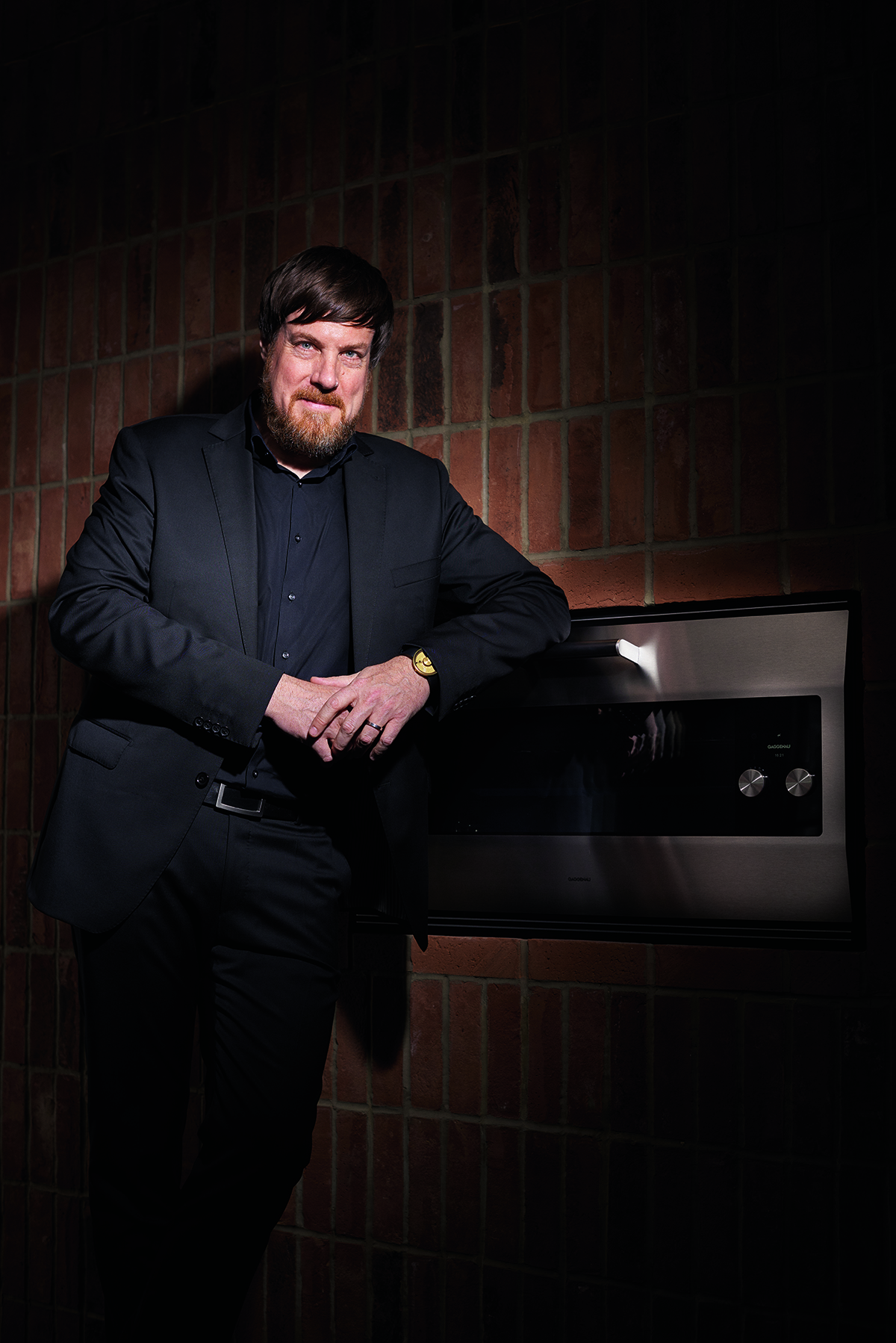
Head of Design at Gaggenau, Sven Baacke
Product designers are taking this on board luxury brands are creating functional areas, objects and spaces with emotion in mind, and an understanding of natural pathways. “Our customers may create indoor-outdoor kitchens, spaces where kitchen and living and dining are integrated and designed with a lot of natural materials, leading to a herb garden or natural wall,” says Sven Baacke, the head designer at Gaggenau. “It is tied into wellbeing, to being at one with nature, and also to sustainability: water features, green spaces, flora and plants, and the use of natural and found materials that both reduce carbon footprint, and elements like water use in manufacture. We design our products with their broader concept, and the lives and values of our customers in mind.”
Biophilia is about connections and feelings. It is the presence of living walls, pleasing aromas and good quality air. It is the marriage of colour psychology with an awareness of light, fragrances, textiles and acoustics, and has become an increasingly sophisticated discipline. It is a complex exploration of how neuroscience intersects with architecture, and when biophilic design is incorporated within urban planning as well as interiors, it treats what was once seen as just bricks and mortar as part of a living organism. It can contribute to tackling serious environmental challenges, including the Urban Heat Island effect (major cities are profoundly hotter than rural areas in summer), restoring lost natural habitats, and lowering the effects of CO2 emissions. In his hugely influential 2012 book The Shape of Green, the architect and author Lance Hosey who died last year – argues that sustainability can’t exist without beauty: “Long-term value is impossible without sensory appeal, because if design doesn’t inspire, it is destined to be discarded.” Our future can, if we let it, be shaped by what truly nourishes us as human beings.
The Biophilic Visionaries
Oliver Heath
Director of Oliver Heath Design
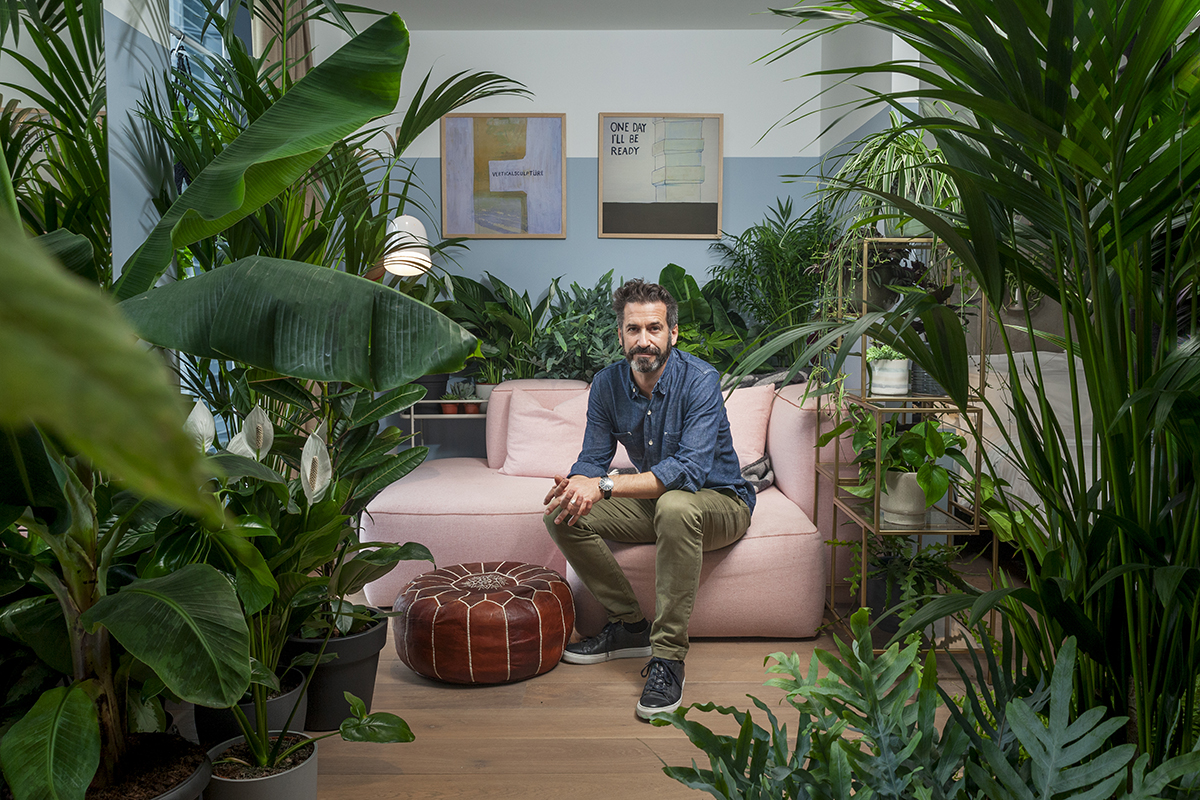
Oliver Heath, the director of Oliver Heath Design
I switched to investigating a human-centred form of design about 10 years ago. I had been working in the field of sustainable residential design for years, but became frustrated because people weren’t adopting the methods, ideas and principles. They weren’t engaged. There was a fatigue around the idea of sustainability. I changed the tone of my conversation to be about creating a home that supports your physical and mental wellbeing. That resonates because everyone wants to be happier and healthier.
Design is much more than aesthetics – it’s about how you feel inside a space. Stress is endemic in our lives. We’re living in built-up urbanised spaces. By 2050, 66 per cent of the world will be urbanised. Biophilic design is a means to reconnect you with nature, and elicit a similar response to wonderful times you’ve had on beaches, in forests or on mountains. Built environments are hard-edged and geometric, and they aren’t the space you actually want to be in. Biophilic design works – it increases productivity in the workplace by 6-15 per cent, and helps you recuperate in a hospital 8.5 per cent faster. We are taking what we’ve learned from those spaces to residential projects.
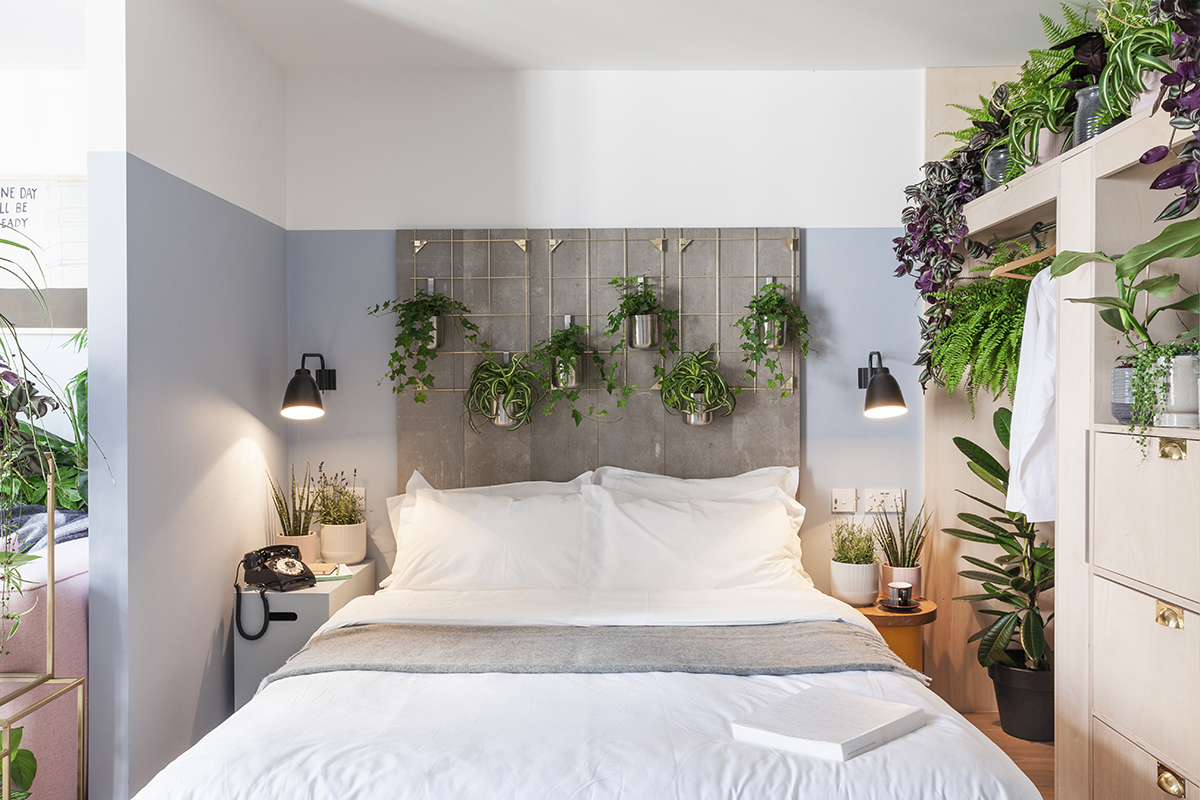
A Heath-designed bed landscape for a biophilic hotel project
Instead of looking at what next year’s colour is going to be in terms of trends, there are more important things to think about. Your bedroom should have soft acoustics, and no electronics in it apart from lighting. I use smart systems that change the colour of light by my bed, and an alarm clock that wakes me up gently with changing, increasing levels of light. Materials are important: if you sleep in a pine bed, it lowers your heart rate.
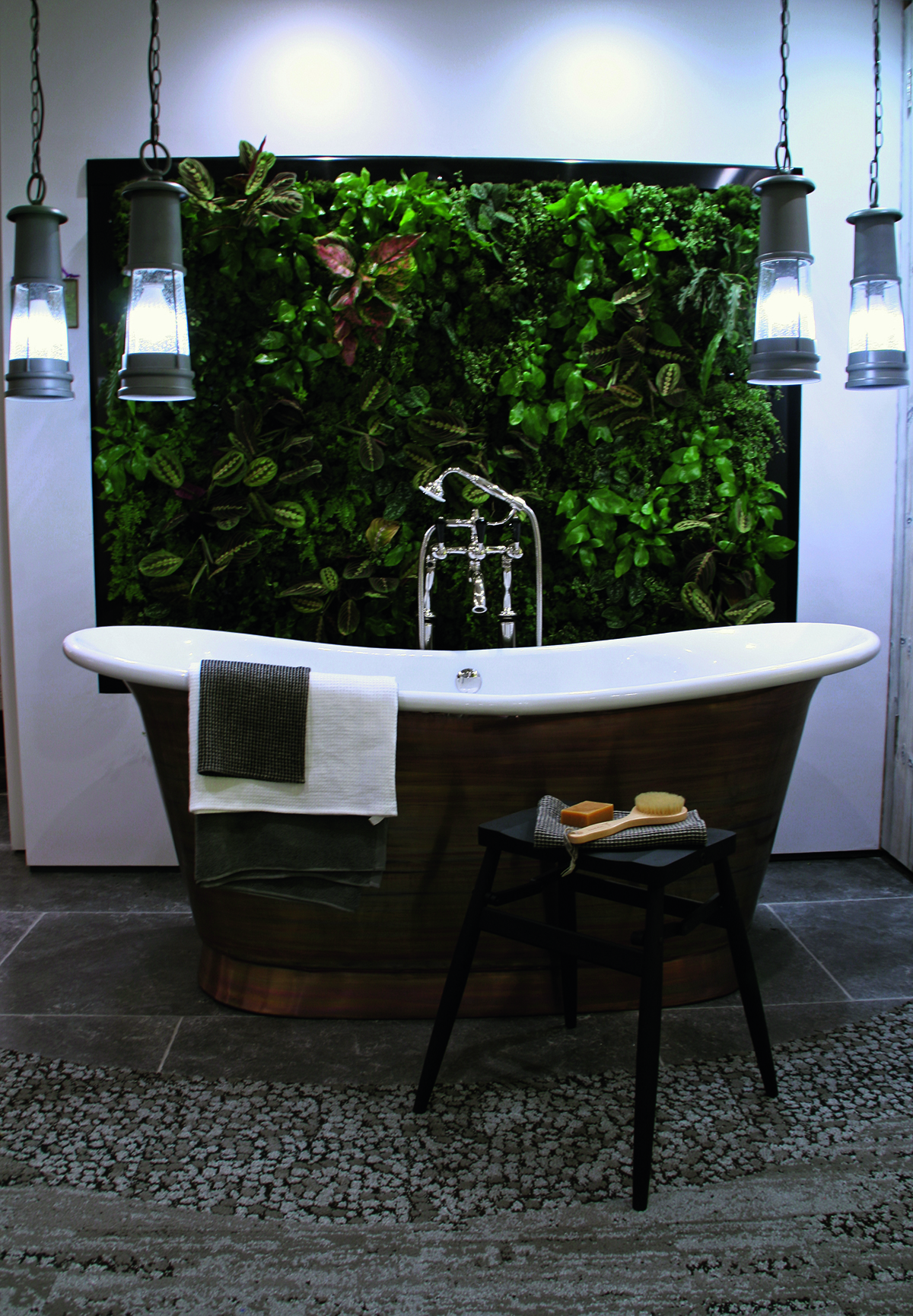
A biophilic hotel bathroom by Oliver Heath
We know that by connecting with people in a natural environment that it creates a certain mood and dynamic. The most obvious example is sitting around a campfire, when you feel the warmth of the fire, hear the crackle of logs and smell food cooking. Shared moments in nature bring people together. I have wood panelling in my home made from salvaged larch, from trees that came down in Kew Gardens in the big storm of 1987, and we used the same material to clad the kitchen cupboards. We know that just seeing natural wood makes us feel better. The work surfaces in my kitchen are made from crushed recycled glass, and the walls are painted with Volatile Organic Compound-free (VOC) eco paints. As kitchens can be limited in space, I often recommend introducing greenery via a small green wall system – it can improve air quality and provide you with fresh herbs.
We have worked on numerous white papers studying biophilic design. The latest is about designing for cognitive and sensory wellbeing. Sustainable design is about engineering, but biophilic design is different. We have established a series of courses to teach the core principles, helping you explore what’s possible and how to achieve the best results. People have found them hugely rewarding, and a total revelation.
Matt Morley
Founder and director, Biofilico
Matt Morley, the founder and director of Biofilico
Biophilic design is an instinctive response to our disconnect from the natural world, an attempt to redress the balance by bringing the outside world in once more, especially in dense, urban environments.
There are various models out there, such as Stephen Kellert’s ‘14 Patterns of Biophilic Design’ and things can get fairly technical if we go down that rabbit hole, but, in general, I keep it simple by referring to biophilic interiors as spaces that harmoniously balance sustainability and wellbeing, with nature acting as the bridge between the two. For me there is nothing more mood-enhancing and visually appealing than a display of organic, seasonal, and locally sourced fruit and vegetables on a kitchen counter, preferably in a variety of ceramic bowls with a wabi-sabi finish and perhaps a Monstera leaf in water for a final botanical flourish.
Close-ups of natural elements in Morley’s interiors
Installing a botanical-print wallpaper with toxic adhesives that create VOCs that damage indoor air quality, or placing a couple of randomly chosen plant species in plastic pots in the corner of a room and claiming ‘purified indoor air’, doesn’t cut it. By applying evidence-based design principles we can avoid bio-washing. Wellness tech, such as commercial-grade indoor air quality monitors, accompanied by cloud- based 24/7 analysis and even certification from a standard, such as RESET Air, are now a part of the service our studio offers – especially post- Covid when Indoor Air Quality (IAQ) is more relevant than ever.
Close-ups of natural elements in Morley’s interiors
Advances in bio-based, organic and above all healthy building materials also provide us with an ever-growing tool kit of green and healthy alternatives to paints, fabrics, insulation materials, furniture and adhesives that can otherwise contain toxic chemicals and have a negative impact on the environment. Biophilic soundscapes from the likes of SWELL (sound wellness) now offer on-demand access to nature-based sound experiences designed for mental wellbeing.
Close-ups of natural elements in Morley’s interiors
A biophilic lighting strategy combines efforts to maximise daylight exposure, with LED circadian lighting systems that mimic our natural 24-hour cycles to both enhance productivity during the day and improve sleep at night, while reducing energy consumption in the building. Simply by providing more of the natural light spectrum and intensity our bodies are programmed for at certain times of day, we can gently improve energy levels by day and promote restorative rest by night.
Harleen McLean
Harleen McLean Interiors
The term ‘biophilia’ was first coined by Erich Fromm in the 1970s – calling it “the passionate love of life and of all that is alive” – and it has been the basis of my practice since I established it more than 30 years ago. It’s always been a part of my approach to design. I grew up in Africa, surrounded by nature, and it was only when someone in the US said to me, “Oh, you’re a biophilic designer”, that I put a name to it. I had just always been inspired by wildlife and landscapes, and the colours linked to them. It is inherent, because of where I come from.
Often when you’re working on a home, you have major obstacles. I am working on a Victorian residence in London, and the structure doesn’t lend itself entirely to the changes I want to make. But often you can use modern elements to create a biophilic interior. A floating staircase works well, because it’s all about space and light.
An original bug-themed kitchen splashback designed by Harlan McLean
Certain simple things can contribute a lot, such as lavender. The colour brings something from the natural world, you can use the fragrance via candles, and also bring it inside, literally, as a pot plant. You can buy fresh culinary lavender and hang it up to dry in your kitchen. You’re creating a multi-sensorial experience in the room you entertain in, through textures, shape and colour. It’s important to have ease of
movement in the kitchen, while activating your taste buds and other senses.
Technology has changed a lot since I started my practice, which has helped. Years ago we had ‘mood lighting’, and now you can do a million things with the colour temperature of light.
Read more: Sophie Neuendorf: NFTs – Hype or Here To Stay
Visual elements within my designs aren’t always obvious. I was interested by what WilkinsonEyre and Grant Associates did with the Gardens by the Bay in Singapore. The architecture is inspired by orchids, but the lighting used in the towers is inspired by the patterns in a mammal’s eye, so when they light up you have a connection to that, even if you don’t know what it is. I frequently incorporate a visual representation of animal or plant DNA in fabrics or wallpapers that I create for an interior. It’s subtle, but it has impact and meaning.
Find out more: gaggenau.com
This article appears in the Summer 2022 issue of LUX
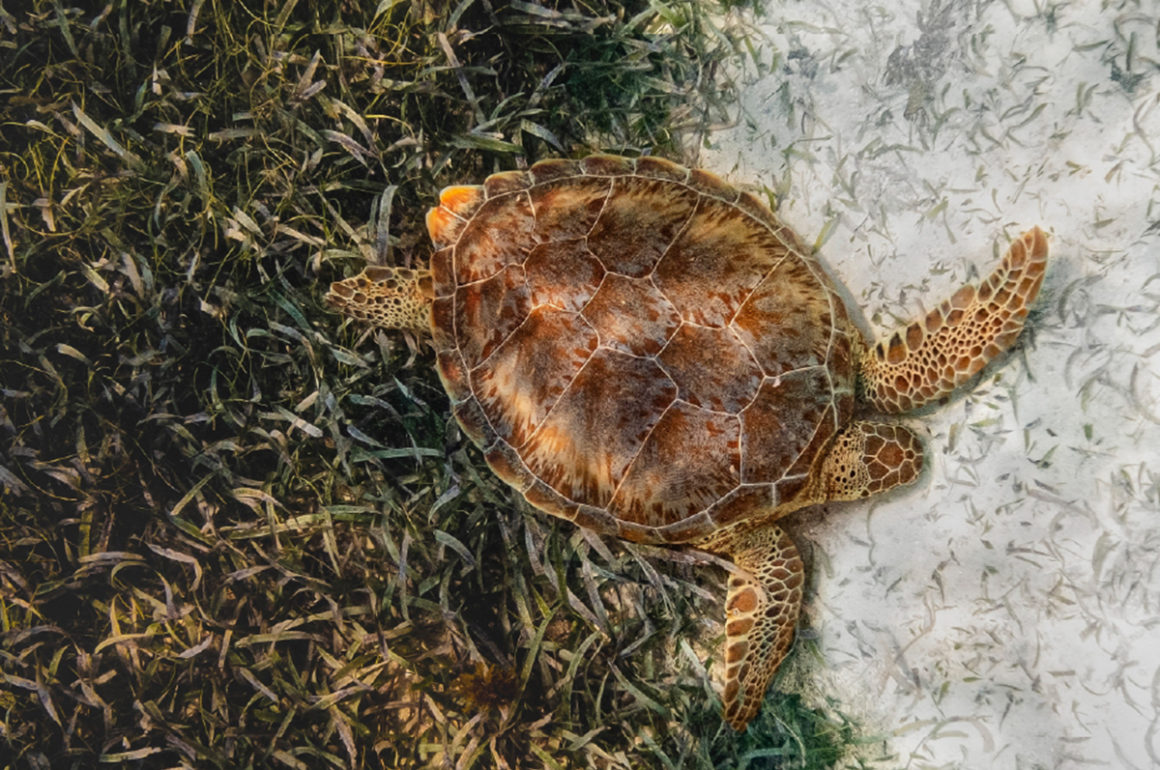
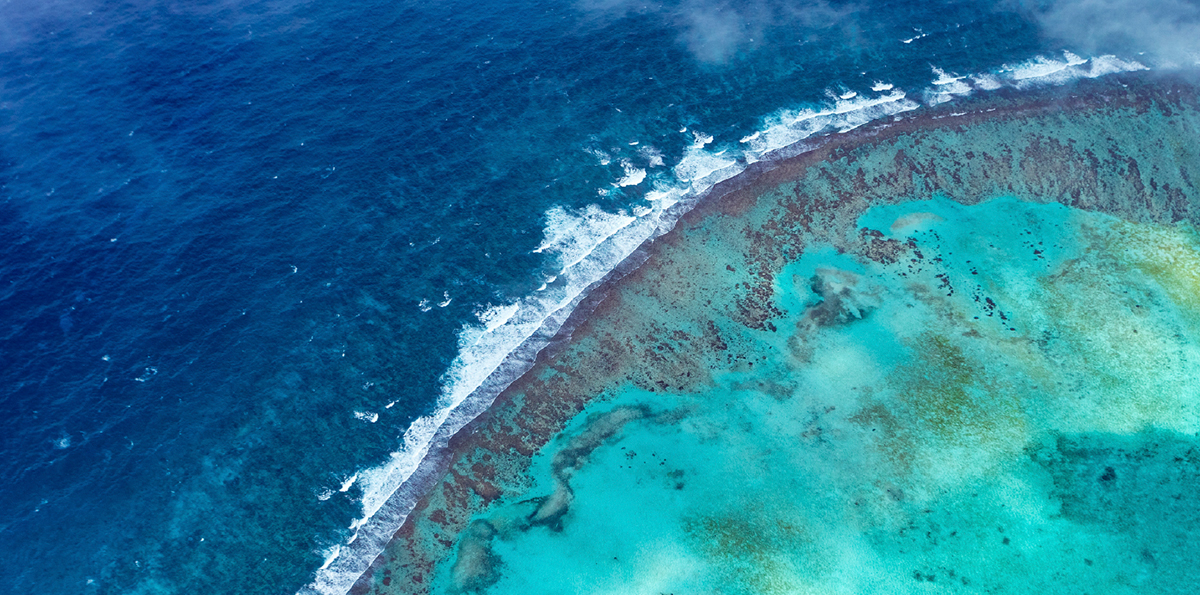
The Nature Conservancy has grown to become one of the most effective and wide-reaching environmental organisations in the world. All images copyright: Carla Sanatana/ TNC Photo Contest 2019, Ethan Daniels, Randy Olsen, TNC Belize, Claire Ryser/TNC Contest 2019, Julieanne Robinson Stockbridge
Non profit environmental organisation, The Nature Conservancy, has over 400 scientists working and impacts conservation in over 75 countries and territories. With the UN Ocean Conference currently taking place in Lisbon, Melissa Garvey, Global Director, Ocean Protection at The Nature Conservancy speaks to LUX about the effectiveness of philanthropy and investment to protect the oceans
LUX: The Nature Conservancy has an interesting niche, combining philanthropy and investment. How does that work?
Melissa Garvey: The Nature Conservancy is a global environmental nonprofit working to create a world where people and nature can thrive. Building on nearly six decades of experience, we’ve protected more than 280 million acres of ocean, 119 million acres of land, and 5,000 river miles. We are able to accomplish so much because we make careful use of our resources, maximising the philanthropic and public funding that goes toward our science-driven program work.
We are also able to leverage philanthropic funding with innovative finance strategies. The Nature Conservancy has an impact investing unit that works with our conservation colleagues and collaborators around the world to source and structure investment products that support TNC’s mission at scale. With partners, we have been able to originate, structure, fund and close investment vehicles representing more than $2.3 billion of committed capital. Philanthropy is instrumental in supporting our teams to develop, execute and manage innovative finance strategies that allowing TNC to help countries access billions of dollars in long-term funding for conservation.
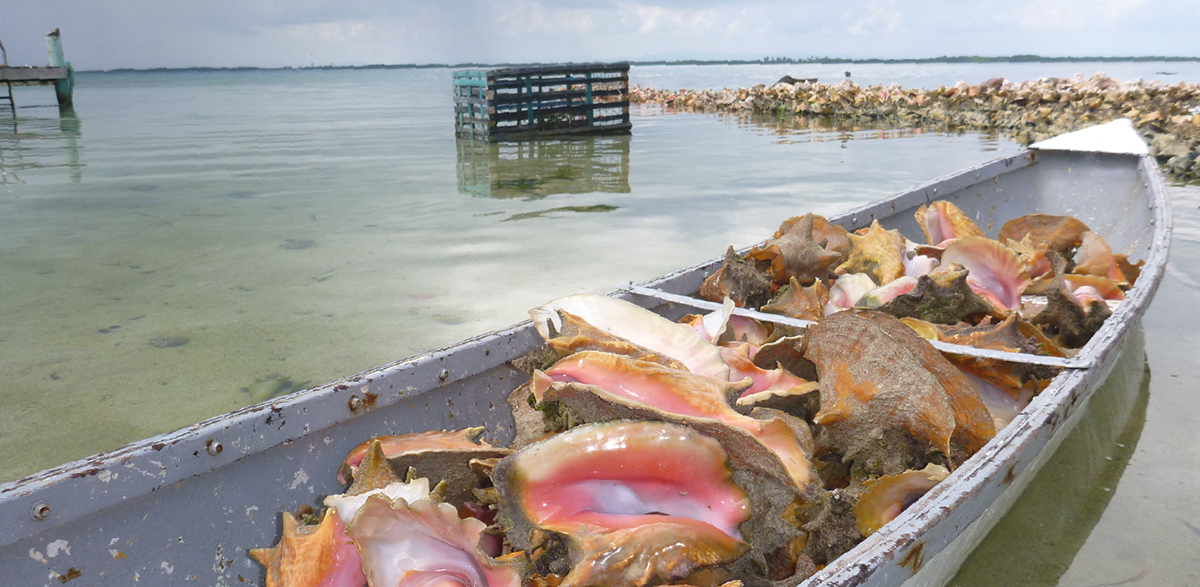
LUX: Financing is a key barrier hindering ocean protection. How are you overcoming this barrier?
MG: The Nature Conservancy’s Blue Bonds Strategy is one solution. We transform debt into conservation action at scale.
At the heart of these projects is a basic deal: A coastal nation commits to protect approximately 30% of its near-shore ocean areas. In support, TNC refinances the nation’s sovereign debt, leading to lower interest rates and longer repayment periods. The government uses the savings to capitalise a conservation trust fund to support new marine protected areas to which the country has committed.
TNC’s role is to assemble the deals, use our science and a stakeholder driven marine spatial planning process to facilitate the design of a system of protected areas and create a trust fund that holds the government accountable to its commitments—ensuring that we finance real conservation, not paper parks.
Follow LUX on Instagram: luxthemagazine
An example of this is the $553 million debt refinancing we completed in Belize in November 2021. This project enabled the Government of Belize to reduce its debt burden and generate an estimated US$180M for marine conservation in support of Belize’s commitment to protect 30% of its ocean, strengthen governance frameworks for domestic and high sea fisheries, and establish a regulatory framework for coastal blue carbon projects. This is especially meaningful to the people of Belize as the country’s tourist-based economy continues to suffer from the impacts of COVID-19
Our goals is to project 4 million square kilometres of ocean and unlock $1.6 billion for marine conservation.
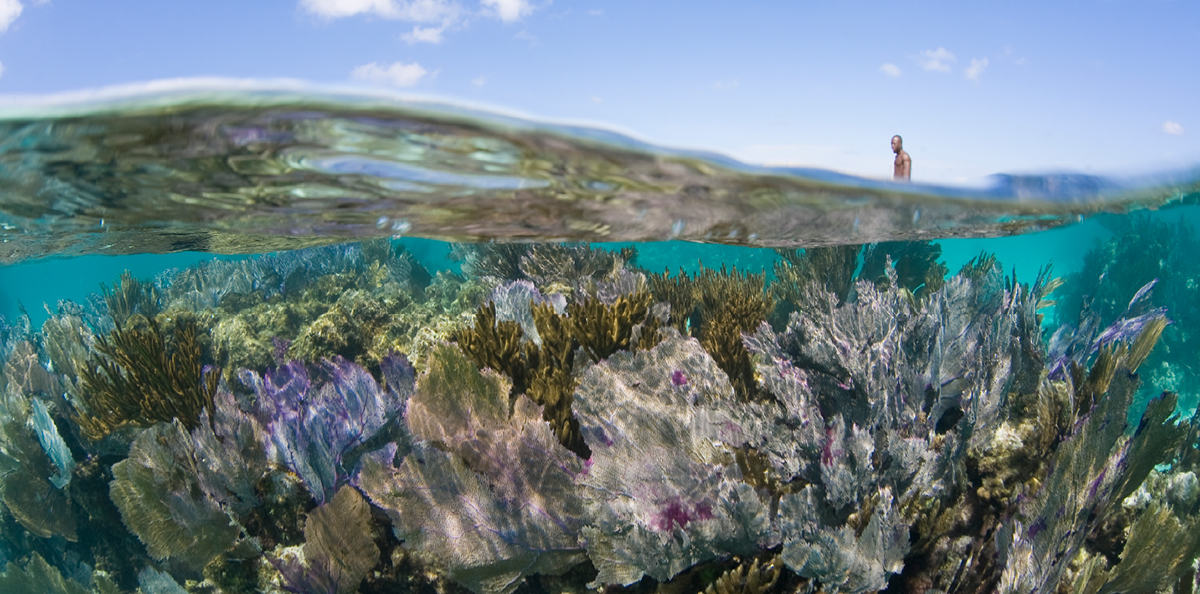
LUX: Are blue bonds going to become more significant elements in the market?
MG: The TNC Blue Bonds debt conversion structure is highly scalable and replicable. Transaction sizes and overall market are limited by three criteria:
1)Countries committed to achieving the conservation outcomes. As the threat of climate change and awareness of the role that natural resources and biodiversity play in economic growth rapidly increase, most developing countries will require additional financing for conservation.
2)Availability and affordability of credit enhancement, whether through the US Development Finance Corporation or development banks to do more deals in more markets.
3)Availability of debt to refinance: while debt conversions work well with sovereign debt trading at a discount in the capital markets, they are not exclusively for countries threatened by high debt distress. Many countries have high-coupon bonds. Even if these trade at little to no discount, they can still be refinanced with lower coupons and longer tenors to create significant funding for conservation. Many also have commercial bank loans that may be candidates for refinancing into a lower interest rate and/or longer tenor loans.
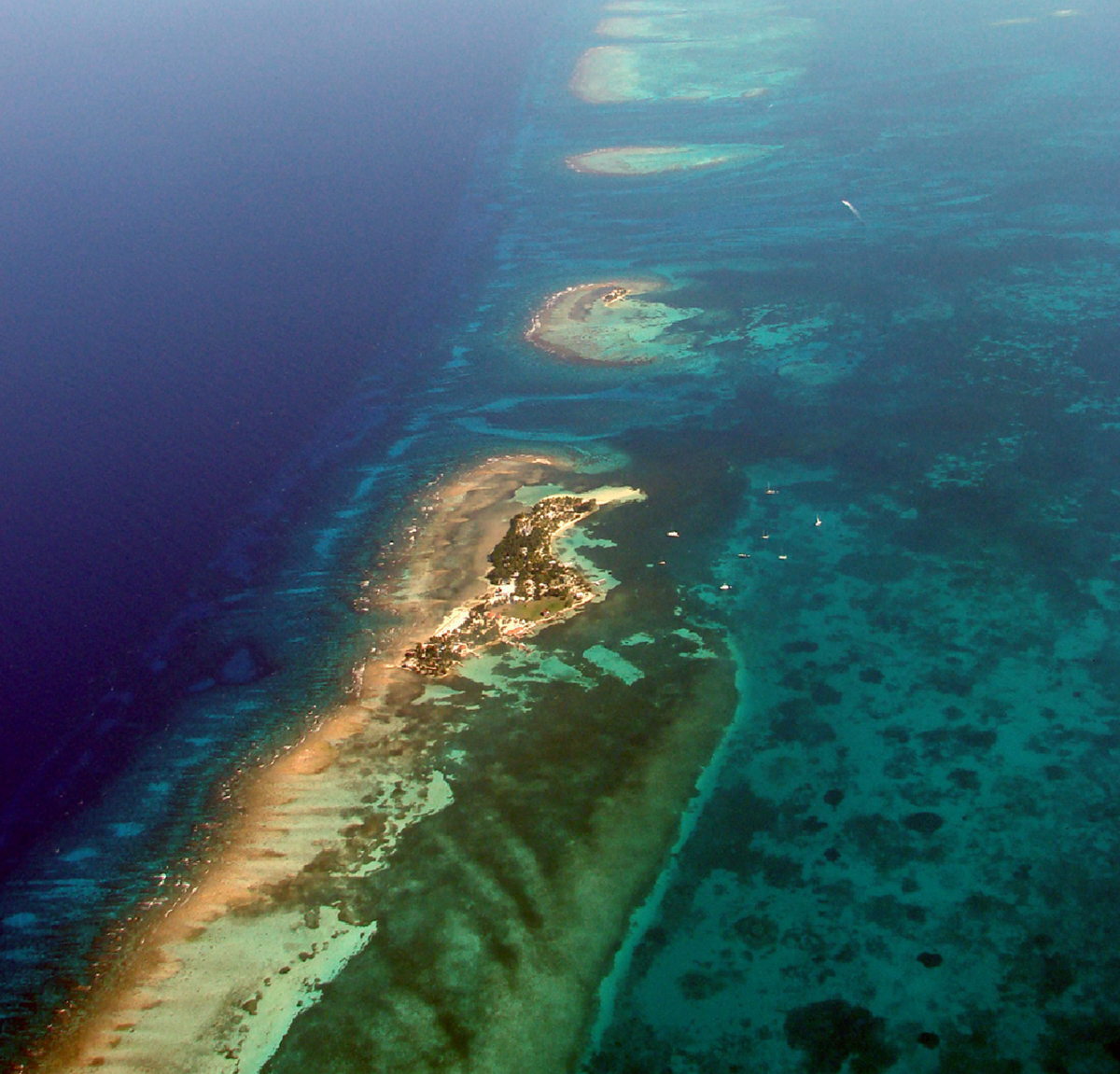
LUX: How will sustainable blue economy finance need to develop over the next few years?
MG: Sustainable blue finance is essential to national economies and the 3 billion people rely on healthy oceans for their livelihoods. Financing often holds back countries from implementing ocean conservation that will ensure oceans are sustainable into the future. Philanthropic and public funding is essential but insufficient to close this gap.
Today the challenge of financing the sustainability of our oceans is compounded by the Covid 19 health pandemic and the financial crisis, which has placed unrelenting pressure on public finances and slashed tourism revenues. But there is hope. Innovative debt and market approaches can help bring in new funding at a scale that can address the problem.
LUX: Are you looking for UHNWI individual investors, institutional investors or philanthropists?
MG: Philanthropy is instrumental in supporting our teams to develop, execute and manage strategies, policy and partnerships – including innovative finance strategies — that allow TNC to help countries access billions of dollars in long-term funding for conservation. We simply couldn’t do our work without the generosity of individual and institutional supporters.
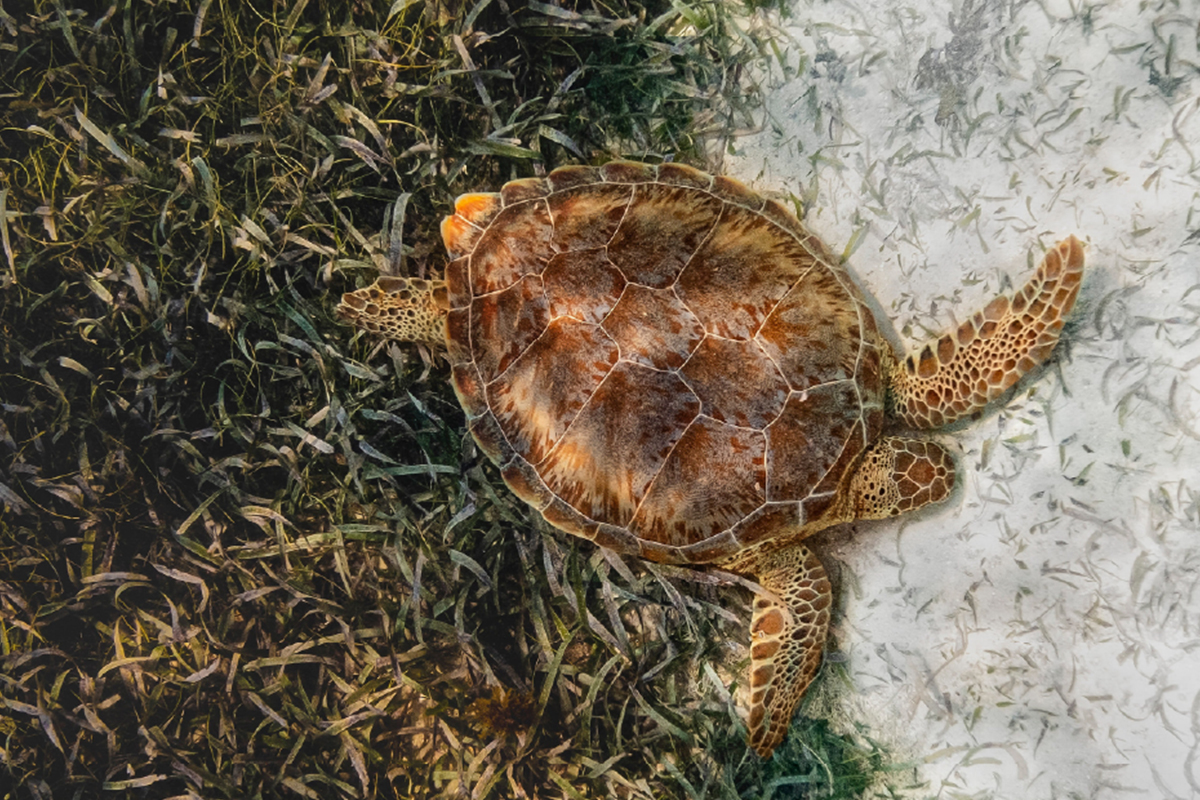
LUX: Do governments need to become much more active on ocean protection?
MG: Governments are already active in ocean protection, and there is a lot more to do. We are already three years into the decade during which we have to bend the curve on biodiversity loss. So, this year the global community must finally agree a new and ambitions Global Biodiversity Framework, including a target to globally protect 30% of freshwater, land and the ocean. To deliver against this target, countries must also conclude negotiations in 2022 on a new treaty for the protection and sustainable use of the High Seas with clear powers to establish protected areas in areas beyond national jurisdiction. But we can’t wait for these treaties to be negotiated before we act. The UN Ocean Conference is an opportunity for the ocean community to both demand action and offer solutions.
LUX: Is there is a risk of creating an uneven market with low-regulation governments allowing exploitative practices on a large scale?
MG: There are always a risk like this. But investing in the health of oceans creates long term benefit. Globally, the gross value of marine ecosystem services is estimated at US $49.7 trillion. This suggests that the economic benefits would far outweigh the costs of establishing a 30% global MPA network. We are developing a costing framework to help decision makers in individual countries better understand today’s costs of implementation and management of ocean protection as well as the long term benefits of marine conservation so that governments, NGOs and the private sector can make more informed choices.
LUX: How important will the role of science and innovation be in the Blue Economy? Can you give some examples?
MG: Science and innovation are essential for Blue Economy interventions that change the way that we protect and value oceans. For example, did you know that you can insure the protective value of nature? You can.
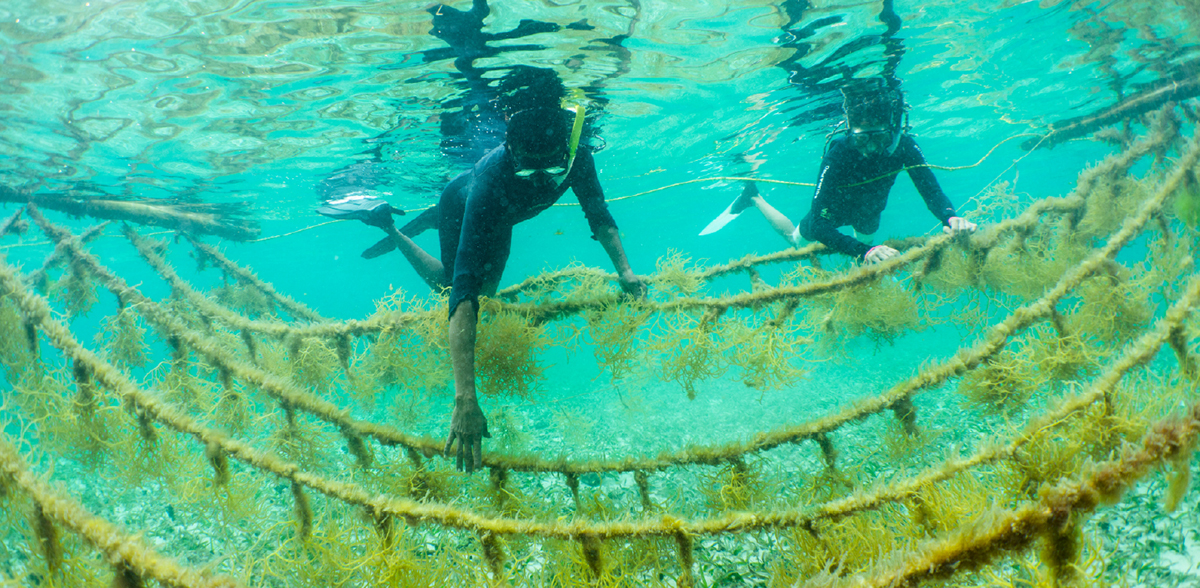
It works like this: We know that reefs can decrease the power of waves coming on shore by about 97%. That is really important during the ever more frequent – and increasing more severe – storms. But these storms also take a toll on reefs, which leave coastal areas at greater risk to future damage if the reef isn’t restored. We worked with the insurance industry and put that science into insurance models. Together, we came up with the world’s first insurance policy to insure a portion of the Meso-American reef in Quintana Roo, Mexico that protects areas near Cancun and its $10B tourism industry from hurricanes. If a storm hits, the insurance is triggered to ensure that the reef can be quickly restored. This insurance was tested in the Autumn of 2020 when Hurricane Delta hit. The $800,000 insurance payout funded vital reef repair activities. This is a win for nature, a win for coastal communities and will drive further interest in conservation finance and the need to protect marine ecosystems across the globe.
Read more: Julie Packard: All In Together
LUX: There is no metric to compare the value of different nature-based solutions in ocean conservation, and no consistent measure of the effectiveness. Is this true, and is it an issue?
MG: I don’t agree that we can’t measure nature-based solutions. The reef insurance I mentioned above is one example. Here’s another: Blue Carbon Resilience Credits. We know that the coastal wetlands provides a unique opportunity for climate finance. If we restored even a quarter of these habitats, we would add 10 million hectares of carbon-trapping wetlands to our coastlines. That is an area equivalent in size to Iceland. In addition, protecting existing coastal wetlands would prevent the release of 80 million tons of carbon emissions currently being stored by these habitats.
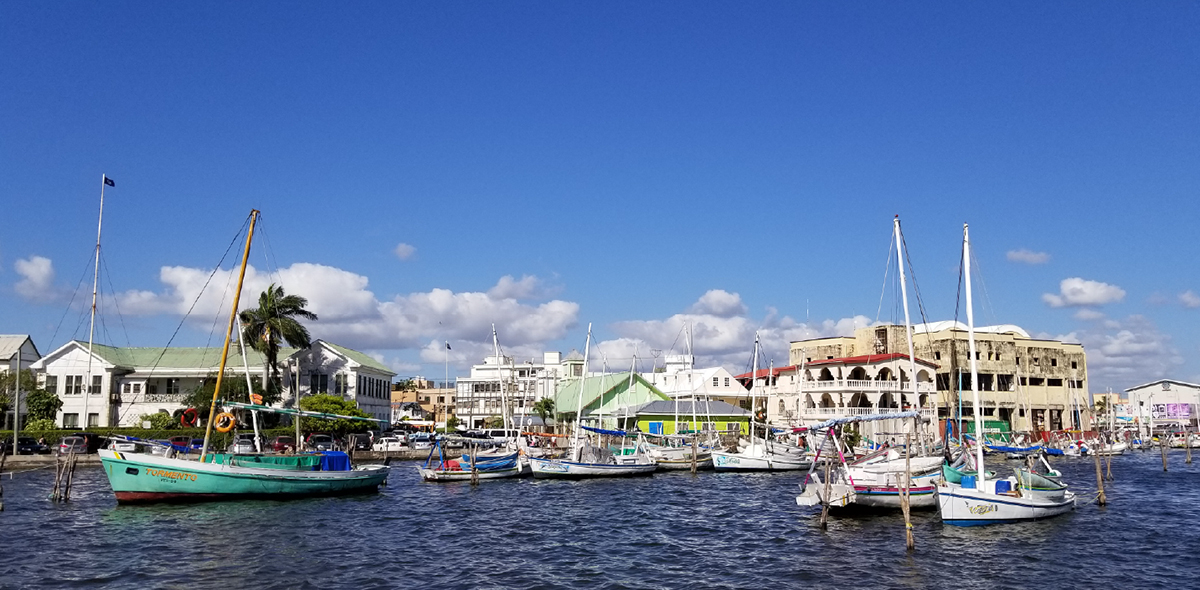
TNC worked with international experts to develop science, flood modelling, and carbon and resilience methodologies for the Blue Carbon Resilience Credit. These credits support not just carbon mitigation, but also quantifiable, verifiable resilience benefits like flood reduction to adjacent communities. We have identified projects across the US and globally and are bringing our first supply of Blue Carbon Resilience Credits to market.
LUX: You say a comprehensive approach is best for ocean investment. How should this work?
MG: To achieve truly durable ocean protection, we have to focus on scale and representativeness of the areas we conserve, as well as ensuring long term financing for conservation, and equity and sustainable livelihoods for the people who rely on oceans. Our global ocean protection program drives new protection, restoration, and management improvement in support of biodiversity and communities.
We work at multiple scales. We address the long-term need to secure large-scale new protection and sustainable financing for marine conservation while we tackle today’s urgent need to restore critical coastal ecosystems — like coral reefs and coastal wetlands — and improve management of our oceans, while we build capacity for communities to manage their marine resources.
Find out more: nature.org
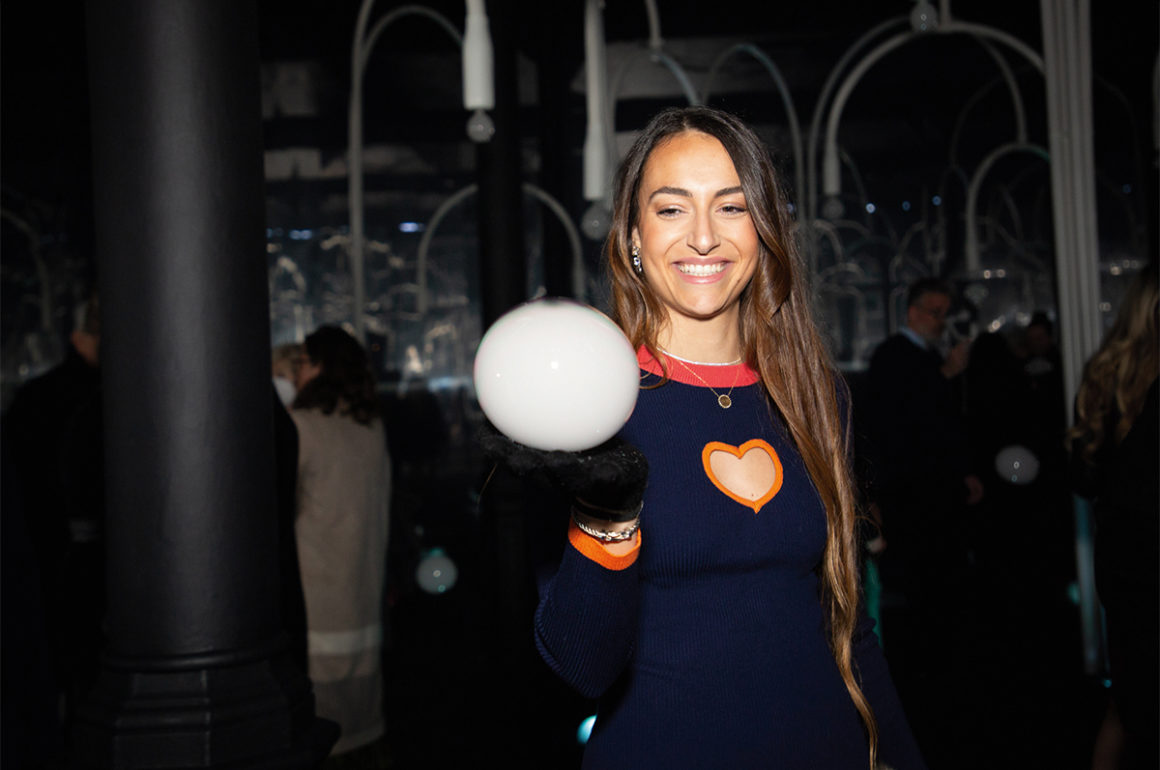
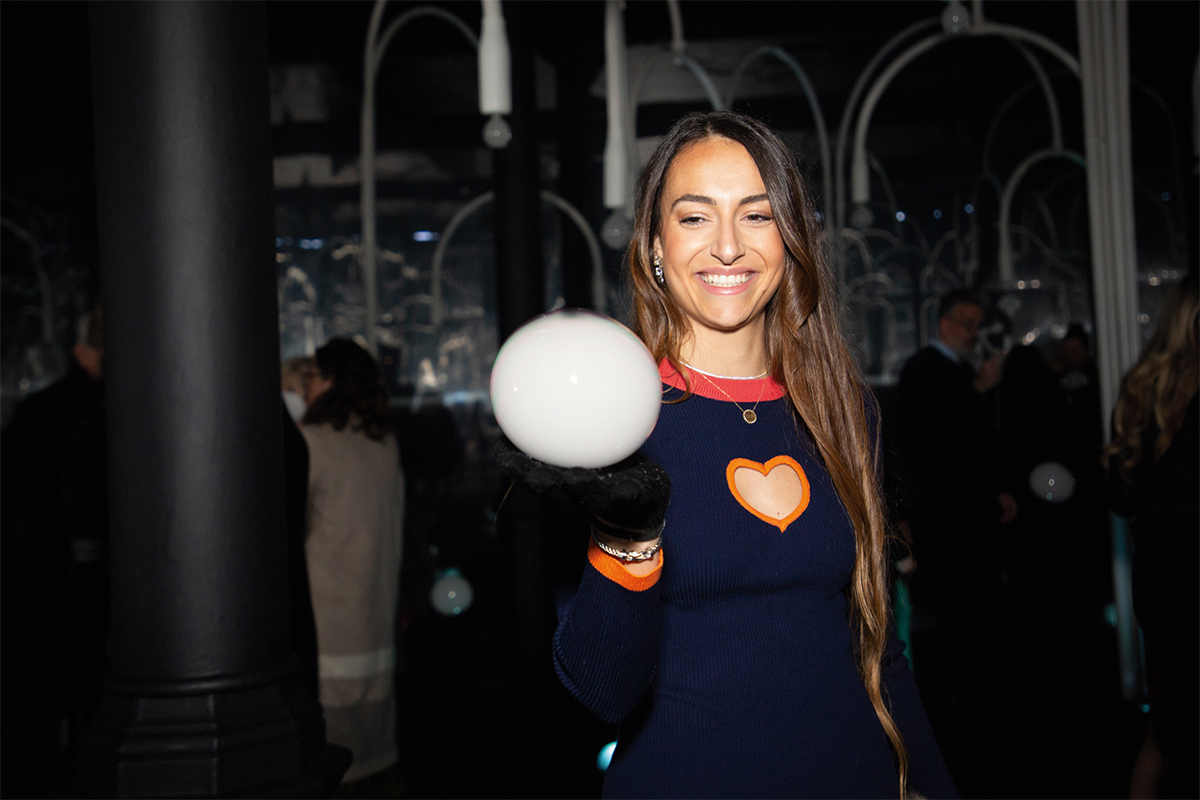
Physicist Laura Aguale
New environmental arts charity Platform Earth launched at a star-studded event in London. Jude Law and astronaut Nicole Stott read to the crowd, who bid on works from the likes of Rachel Whiteread and Shezad Dawood, in aid of marine carbon capture
Guests included physicist Laura Aguale, members of the Platform Earth team George Butler, Mark Sanders, Florence Devereaux, Petroc Sesti and Richard Wadhams; as well as Ruth Ganesh and Mollie Dent Brocklehurst. Ben Okri, Jude Law and former NASA astronaut Nicole Stott were among those who gave an ocean-themed reading.
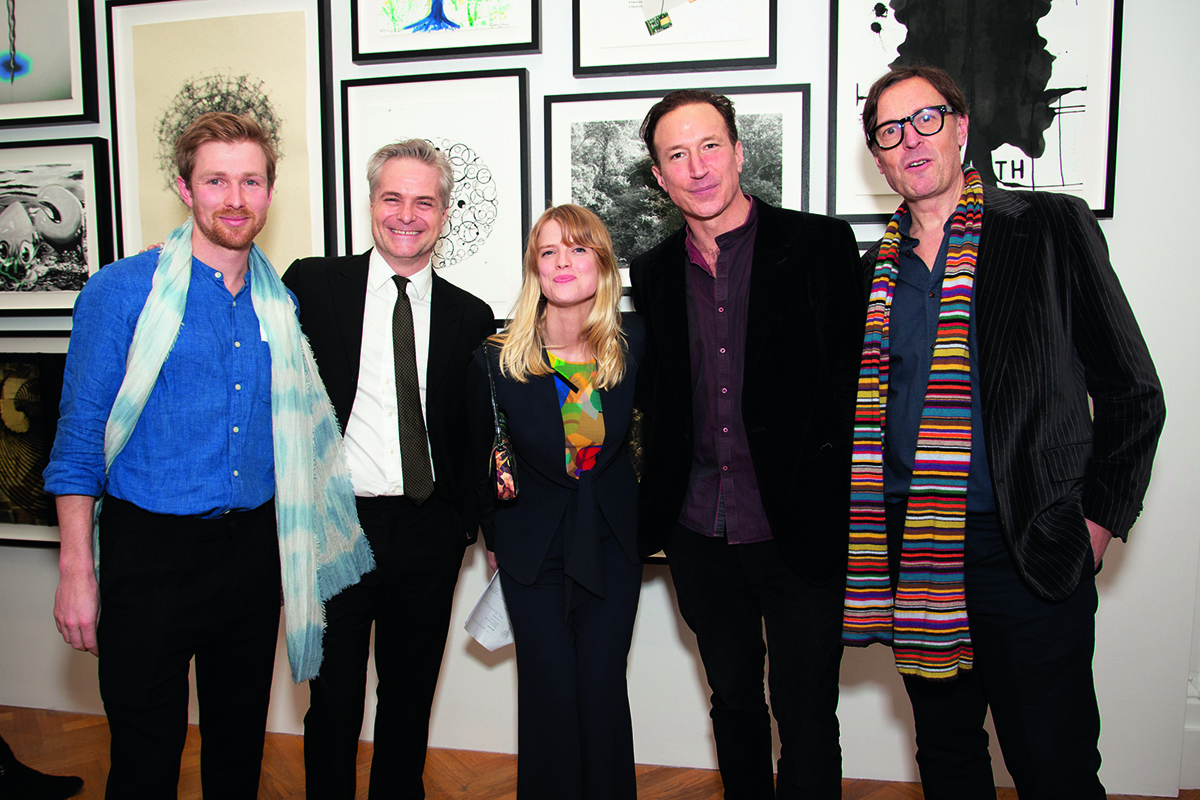
Members of the Platform Earth team George Butler, Mark Sanders, Florence Devereaux, Petroc Sesti and Richard Wadhams
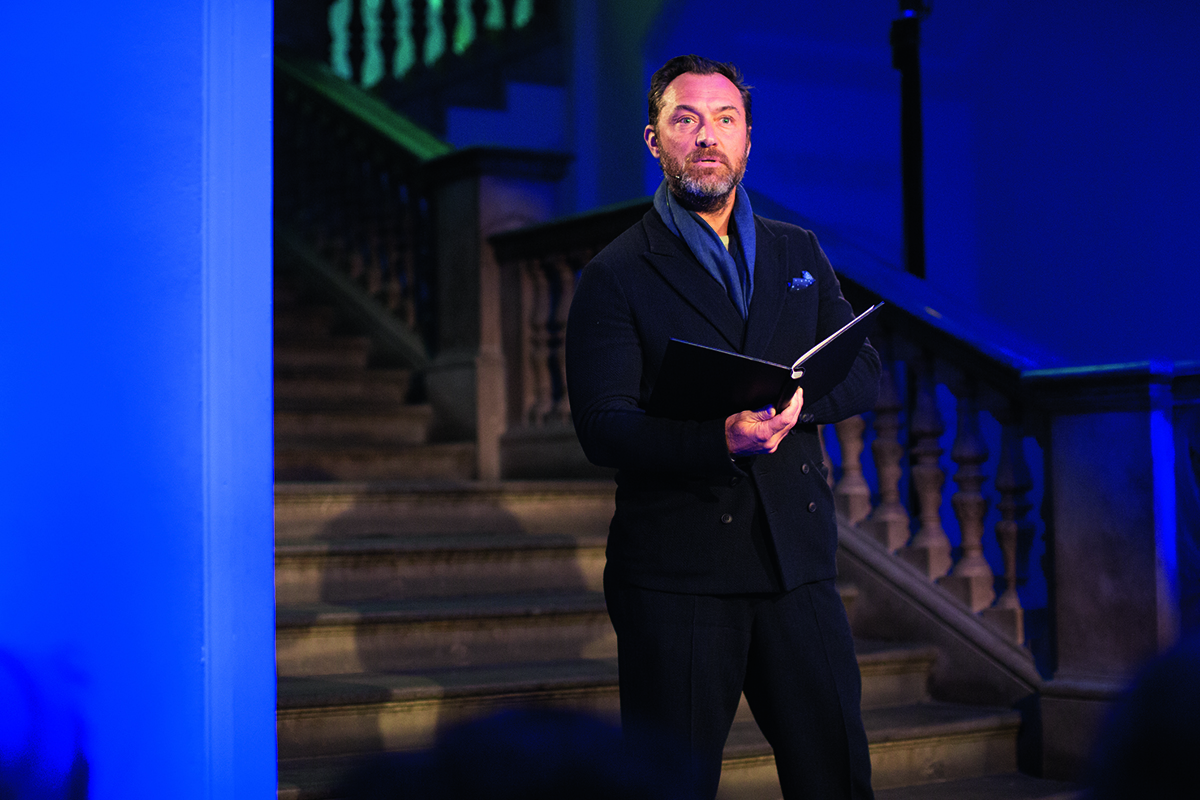
Actor Jude Law
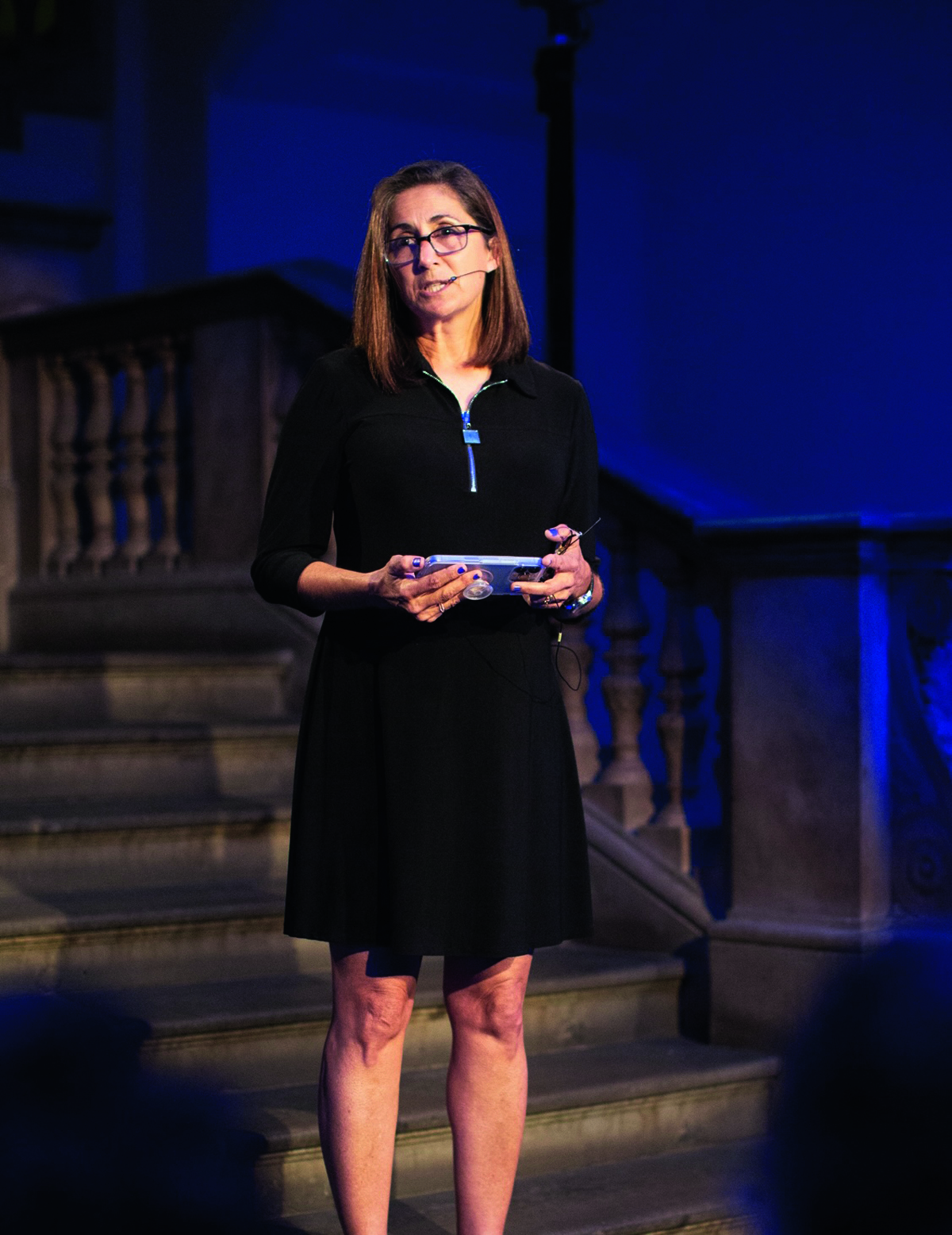
Former NASA astronaut Nicole Stott
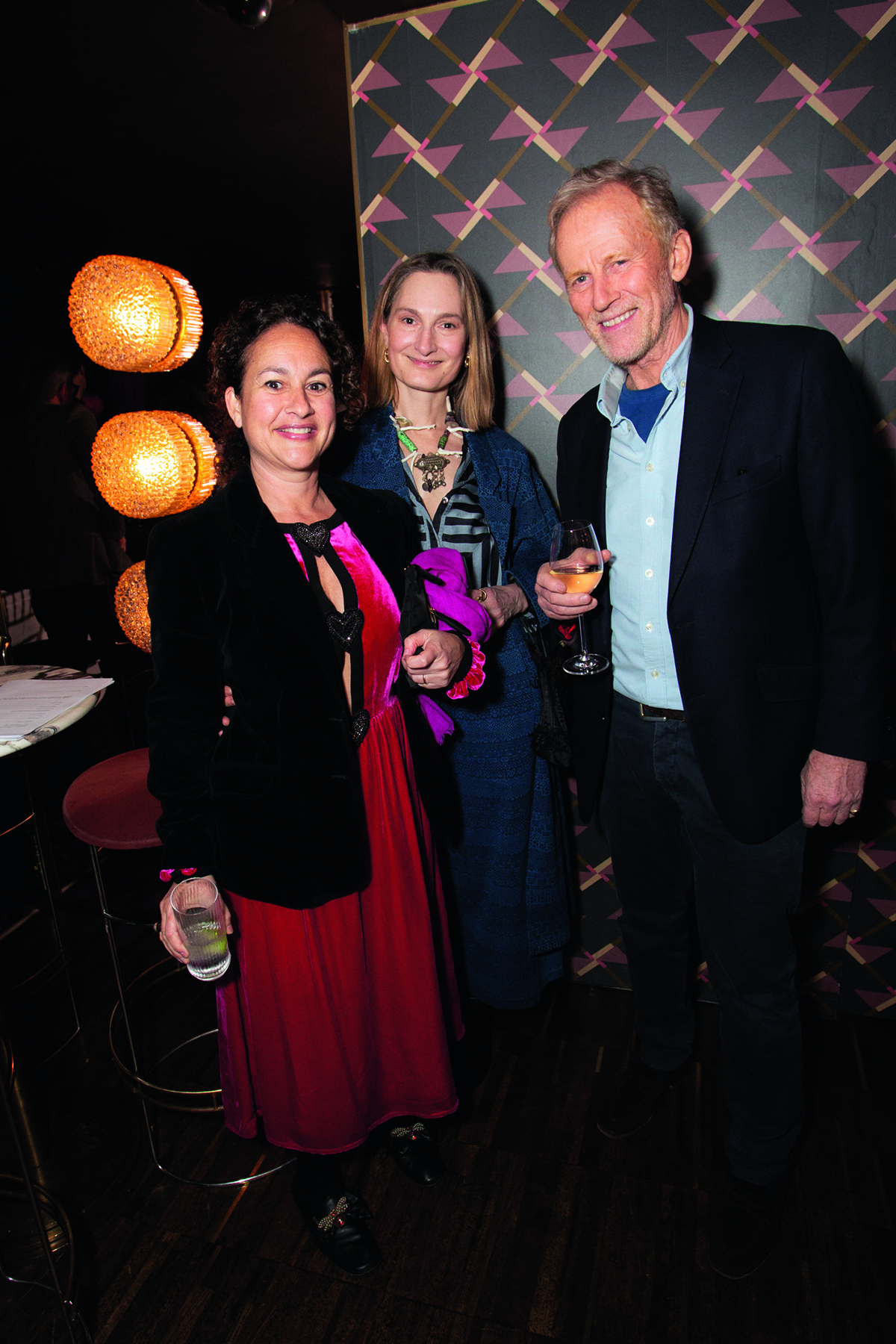
Jasmine Pelham, Saskia Spender and Richard Hudson
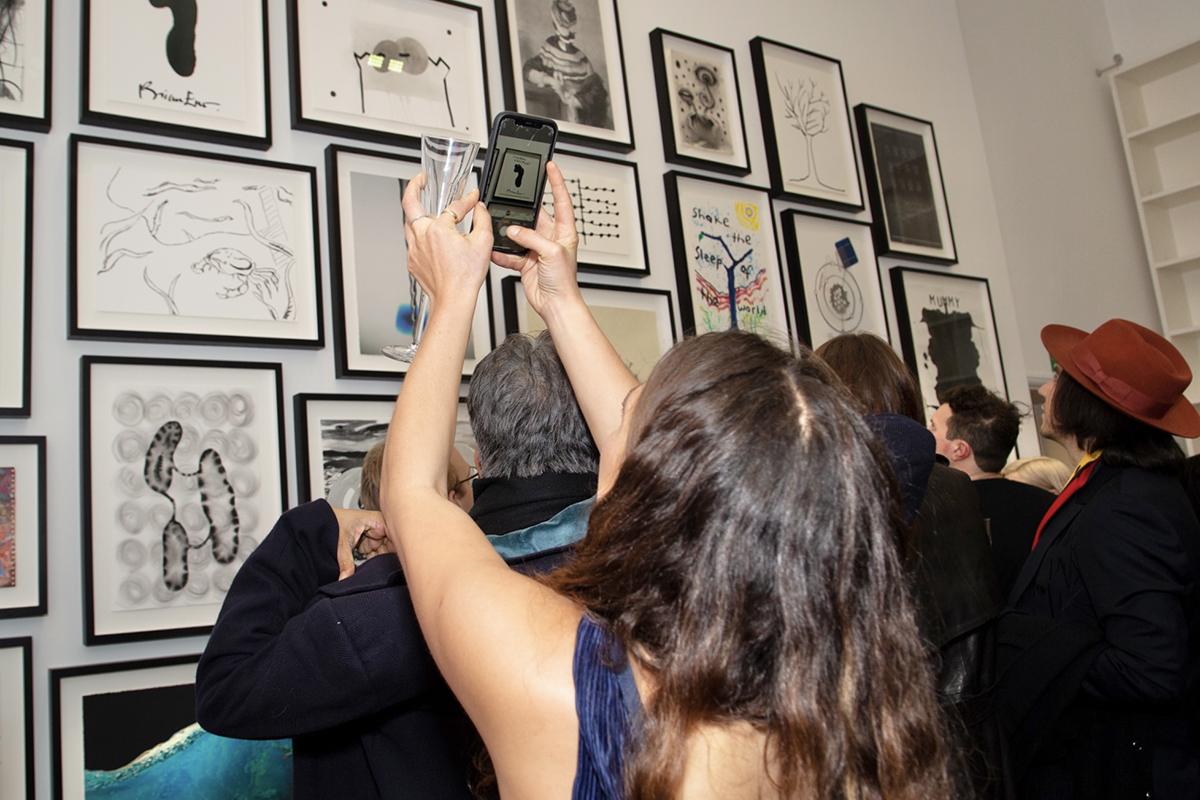
Artworks on sale made entirely from captured air pollution
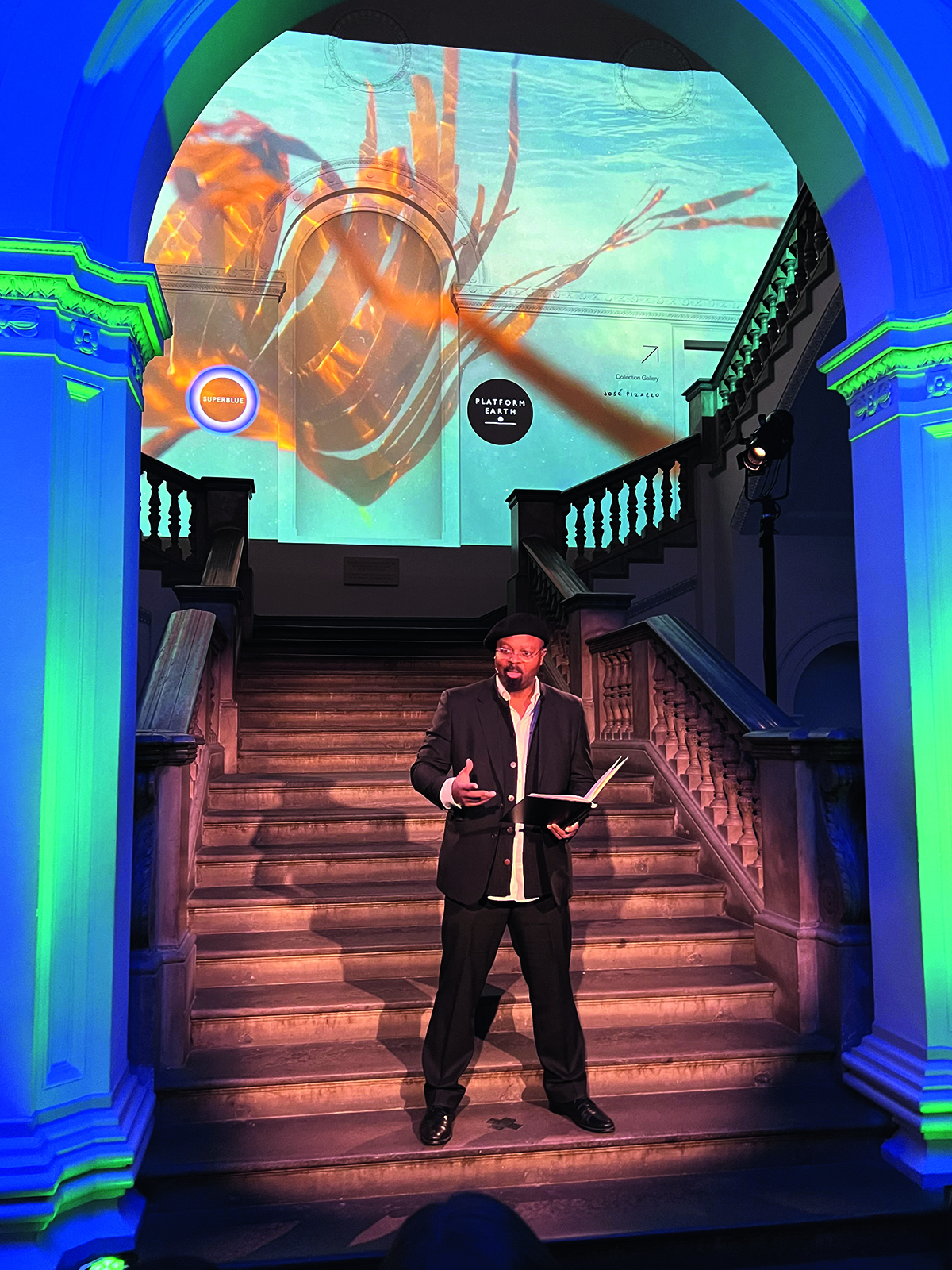
Poet Ben Okri
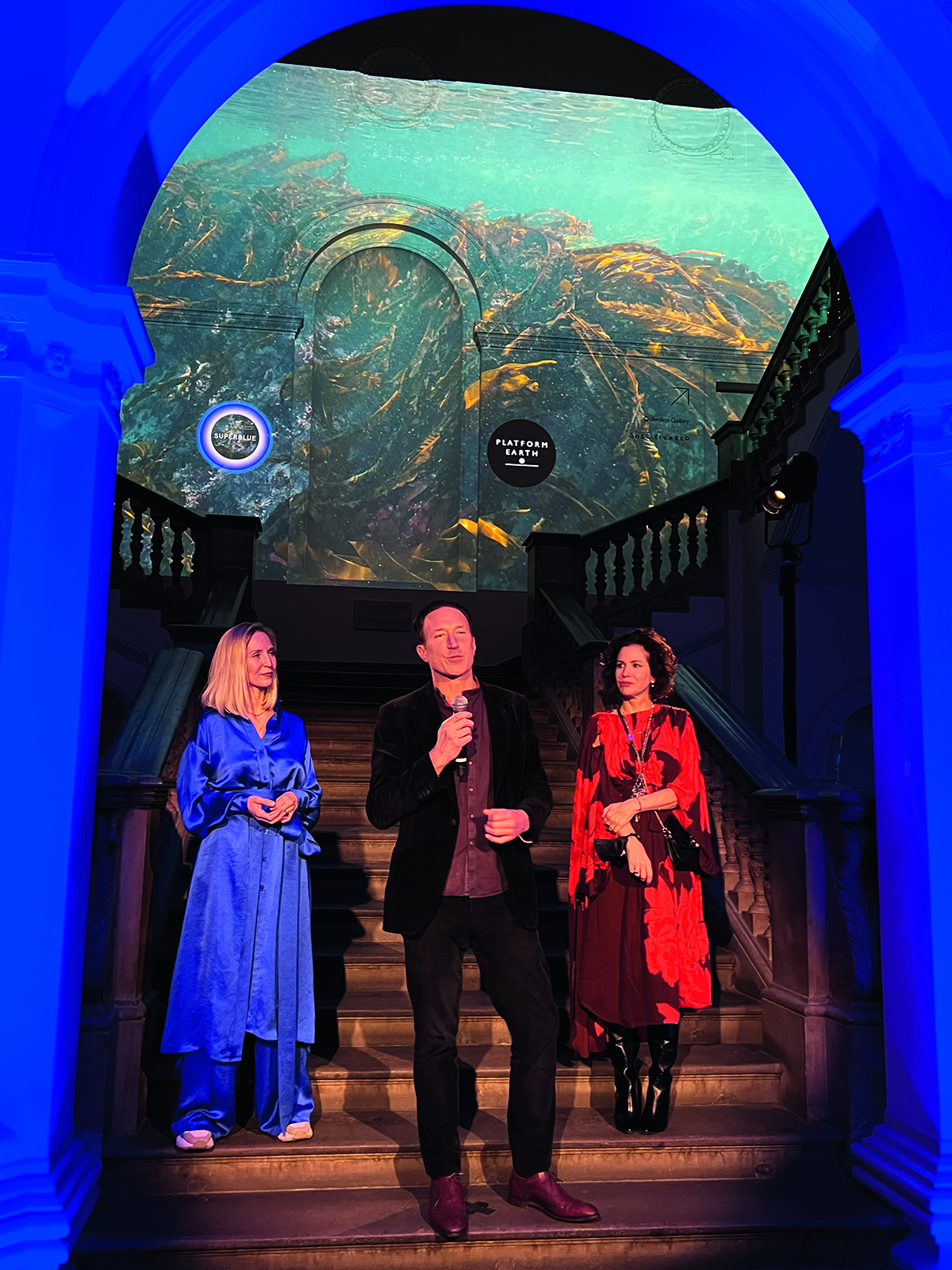
Ruth Ganesh, Petroc Sesti and Mollie Dent Brocklehurst
Find out more: platformearth.com
This article appears in the Summer 2022 issue of LUX

Special cover created by LUX for The Futures, Summer 2022.
A new NFT project is promising to help offset the environmental impact caused by these digital assets, by creating a carbon-neutral collection in collaboration with sustainability charities. The artist behind The Futures, Kensho Kenji, talks us through the project. By Chris Stokel-Walker
Despite being one of the most in-vogue investments, NFTs (non-fungible tokens) are being lambasted for their carbon footprint. The average NFT has a voracious impact on the environment, which means investing in them can often cause a crisis of conscience, as well as a question of how much you’re willing to risk financially. But it doesn’t need to be that way.
Kensho Kenji and Moses Open Sea
A new NFT collection promises to be carbon neutral, while helping educate people about our planet, making difficult decisions that help ensure a sustainable and transparent future.
The Futures is the brainchild of a contemporary artist who goes by the pseudonym Kensho Kenji. He has operated in the NFT space since 2020, and worked with some of the world’s biggest artistic institutions over the past 15 years. “I always had the thought of creating a new hybrid brand that operates in the real world and in the metaverse, which can further the understanding of the real potential behind an NFT project,” he says.
Follow LUX on Instagram: luxthemagazine
The Futures began about six months ago when Kenji took a notepad and jotted down three words: earth, education and community. These three pillars are the building blocks of The Futures project, which has now ballooned to a staff of 12. It provides profile pictures (PFPs) – a core part of the NFT landscape – to users, but couples it with a crash course on how the NFT space operates, and what it means for our world.

The first real life Futures event will be taking place in September 2022 in Monaco
“The idea was to really focus on the planet,” Kenji explains. “The most important thing for me was how to link the digital and physical worlds together.” The Futures is using its digital arm to help the physical world, by starting with a collection of 5,000, one-of-a-kind 2D avatars. The art is disruptive and each Futures avatar has a unique sense of style and set of traits: characters who represent a new generation of our physical-digital (or ‘phygital’) culture. They also double as a membership card to this members-only world. The co-founder, known as Moses OpenSea, comments: “We will be the first iconic phygital brand seamlessly merging our physical and digital lives.”
Each NFT that’s created – or ‘minted’ – will be offset environmentally by the planting of two real trees. The project, meanwhile, has a three-year goal of spending cash on reforestation with the charity Tree-Nation, alongside boosting marine life sustainably via planned donations to the Fondation Prince Albert II de Monaco.
Special cover created by LUX for The Futures, Summer 2022.
Those who own an NFT from The Futures will receive ownership of an FTRS capsule, accessed from the FTRS Tower, a metaverse-based experience designed by a renowned architect who uses the pseudonym Vasco Pomerol, that will also act as a digital meeting space. The tower includes a meditation garden, an amphitheatre, and a retail environment. But it’s not just in the digital space that members will interact: real-world meet-ups will begin this year. “We’ve expanded this whole concept into building a brand that is active in both the digital and real world,” says Kenji. “We want to have a strong identity in the real world; and a strong identity in the metaverse.”
Read more: Marina Abramović: The Artist As Survivalist
It’s all focused on making sure that, in the pursuit of NFTs as the next big thing, we don’t lose track of the big picture. “A project of this nature focuses on bringing a positive effect to our planet,” says Kenji. “At the end of the day, if our planet is messed up, what’s the point of doing these NFT projects to begin with?
Find out more: ftrs.io
This article appears in the Summer 2022 issue of LUX
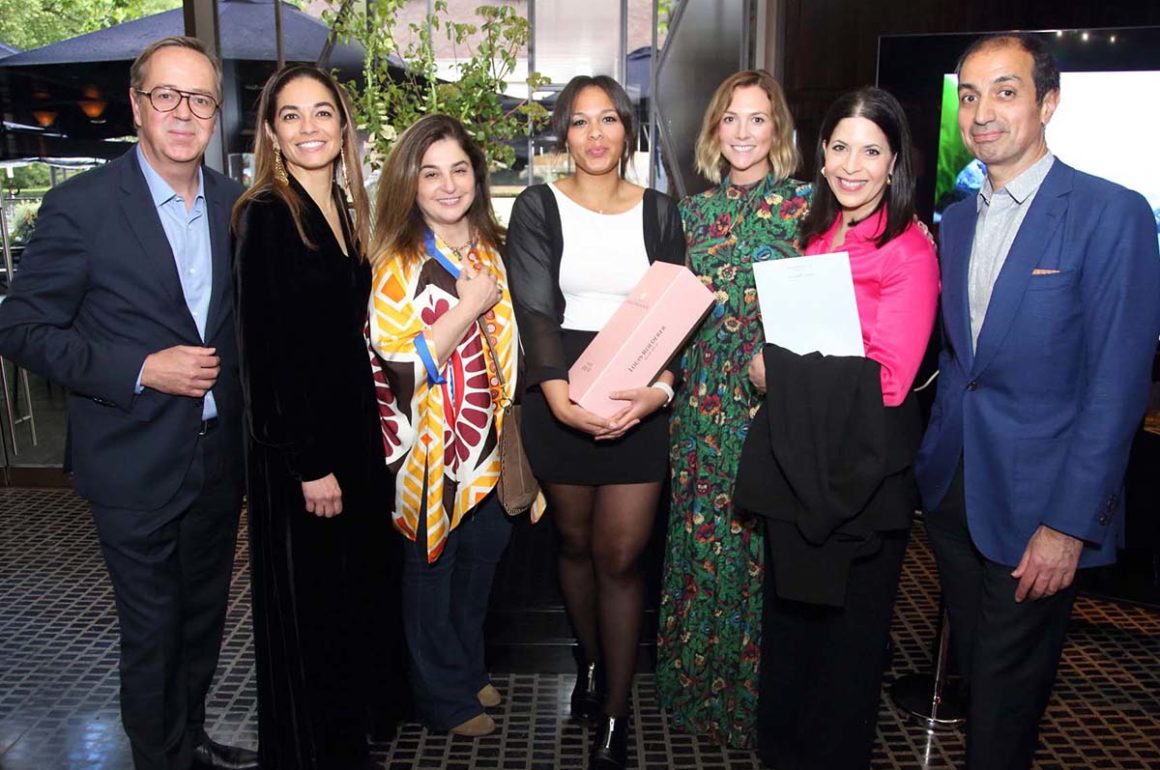
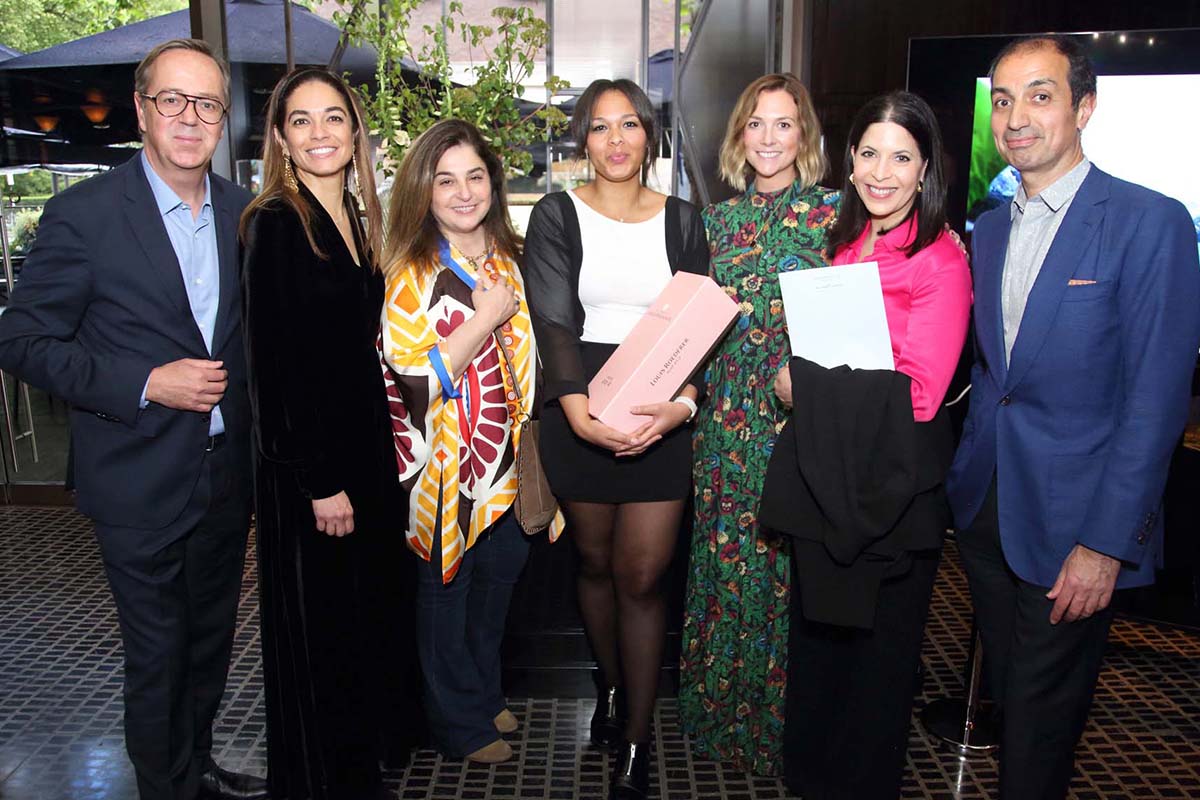
Left to right: Frédéric Rouzaud, Maria Sukkar, Maryam Eisler, Akosua Viktoria Adu-Sanyah, Carrie Scott, Brandei Estes, Darius Sanai
The Louis Roederer Photography Prize for Sustainability was launched in London last week, attracting some stellar names from the two fields to the new Nobu Hotel, for the inaugural awards evening.
The prize was developed by LUX’s sister company Quartet Consulting and Louis Roederer, the acclaimed champagne house behind Cristal, which it makes from 100% organic vineyards. The aim is to raise awareness of the sustainability issues facing the planet, using photography as an artistic medium.
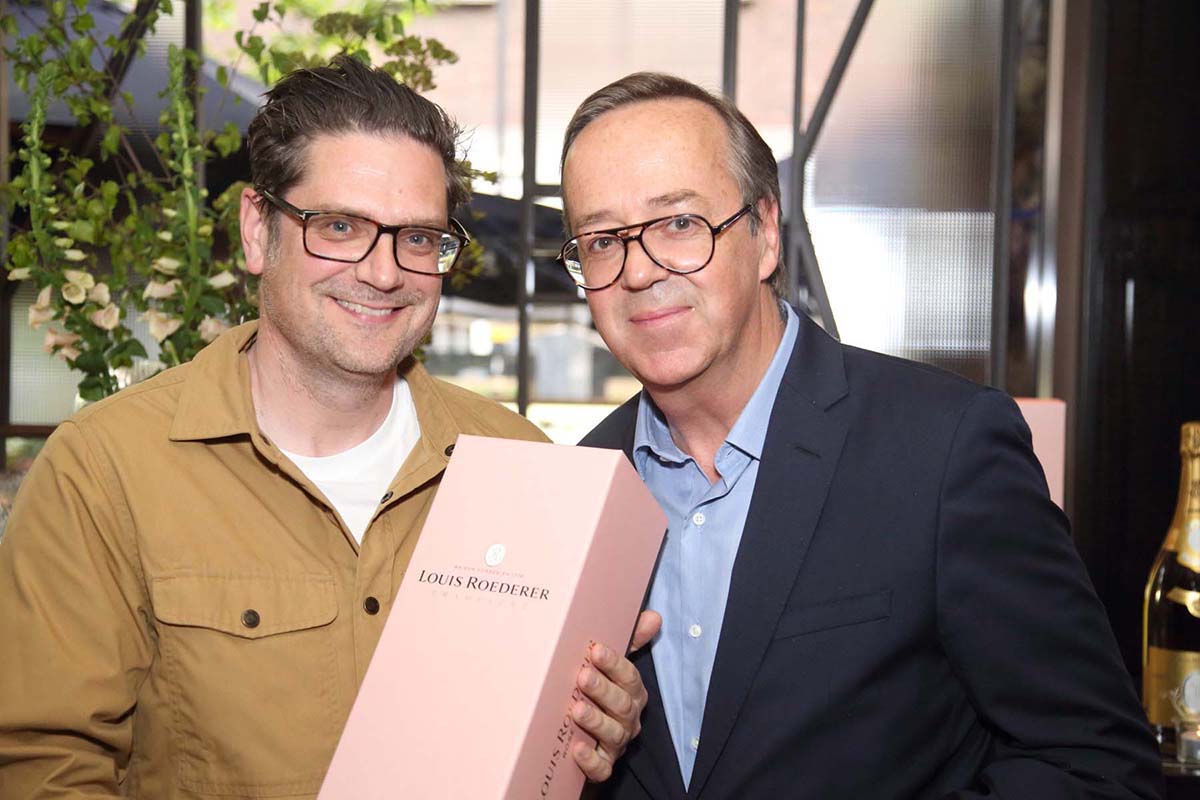
Jasper Goodall and Frédéric Rouzaud
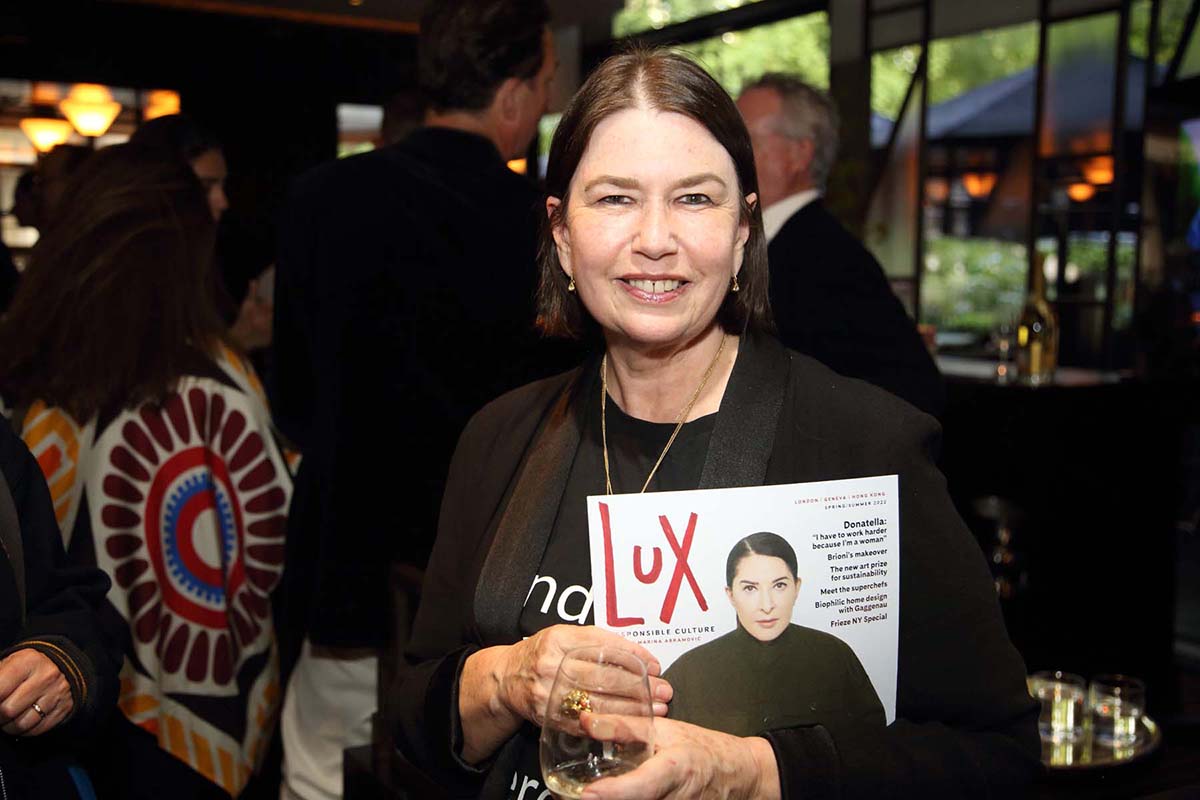
Cheryl Newman
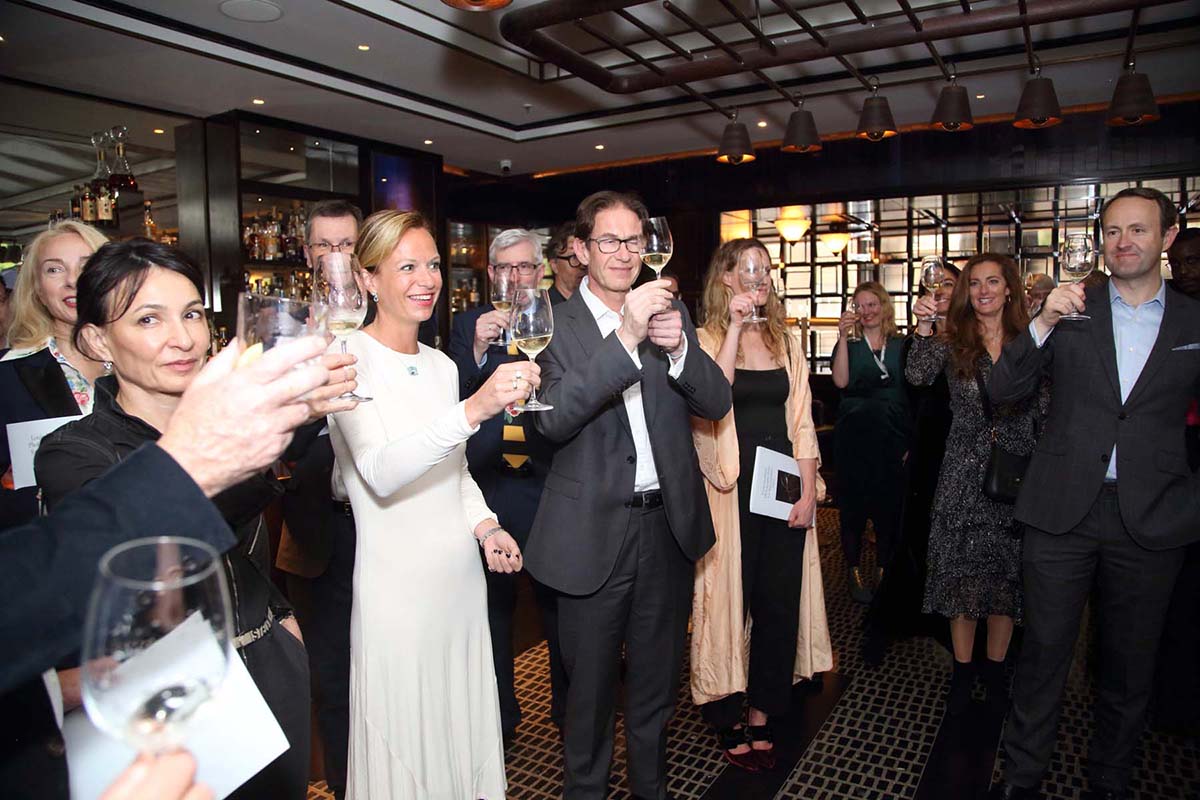
Ina Sandmann Sarikhani, Alexandra Tilling, Richard Billett
Judges’ chair Darius Sanai spoke about the urgency and interconnectedness of the crisis of biodiversity and sustainability, and Frédéric Rouzaud, owner of Louis Roederer, presented the prize of £5,000 and a magnum of Cristal to the judges’ choice of winner, Akosua Viktoria Adu-Sanyah. Jasper Goodall and Sahab Zaribaf were equal runners up and also received a magnum of Cristal each.
Guests included Sir Guy Weston, Ina Sandmann Sarikhani, Maria Sukkar, and Ola Shobowale. Moving forwards, future editions of the prize will be developed by Quartet Consulting and the Fondation Louis Roederer in Paris.
superannuation by Sahab Zaribaf
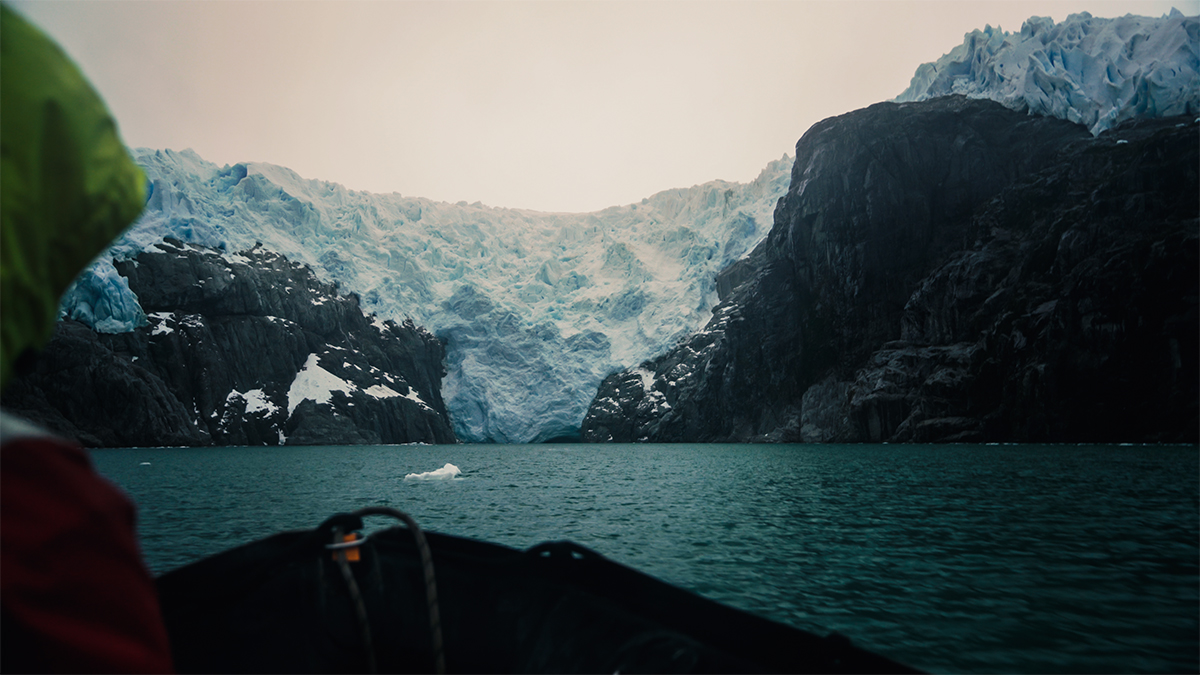
Point In Time [Sanata Inés Glacier, Seno Ballena] by Akosua Viktoria Adu-Sanyah
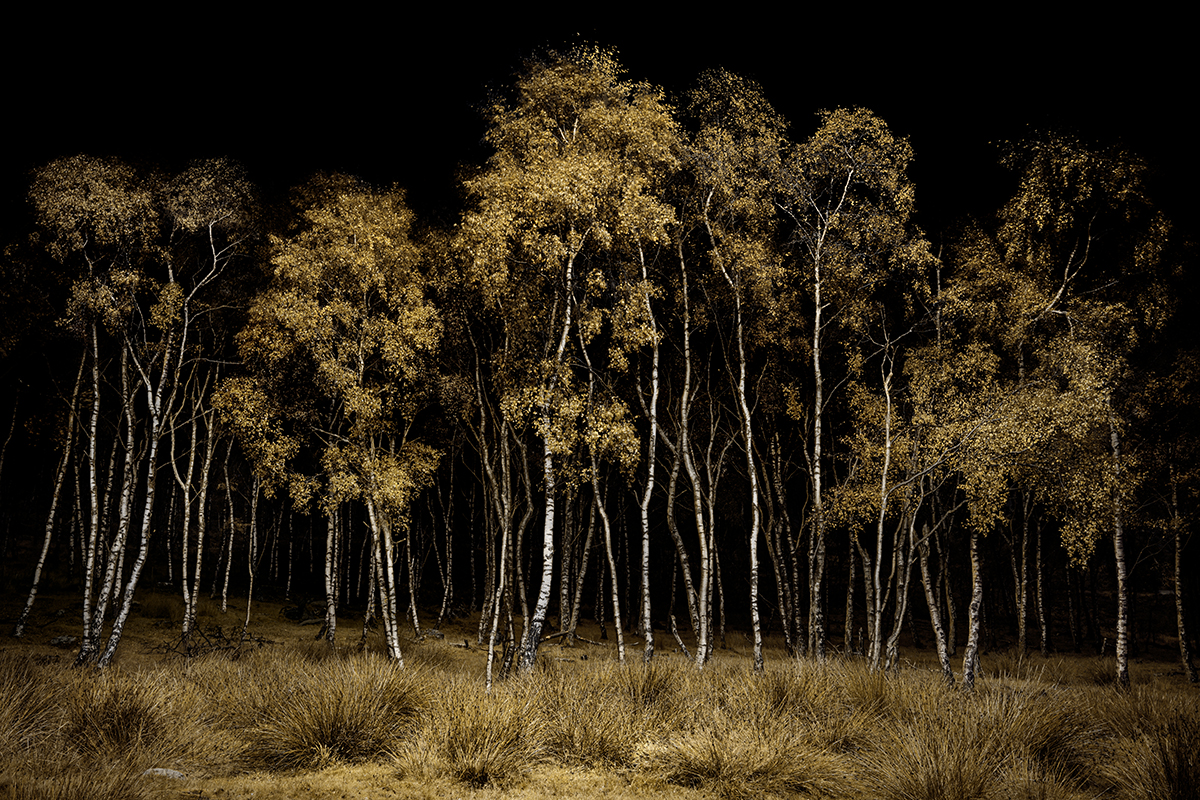
BirchWood (from Twilight Series) by Jasper Goodall
Follow LUX on Instagram: luxthemagazine
Emilie Pugh
Booklets created about the Louis Roederer Photography Prize
Darius Sanai
The White Box space at Nobu Hotel London Portman Square
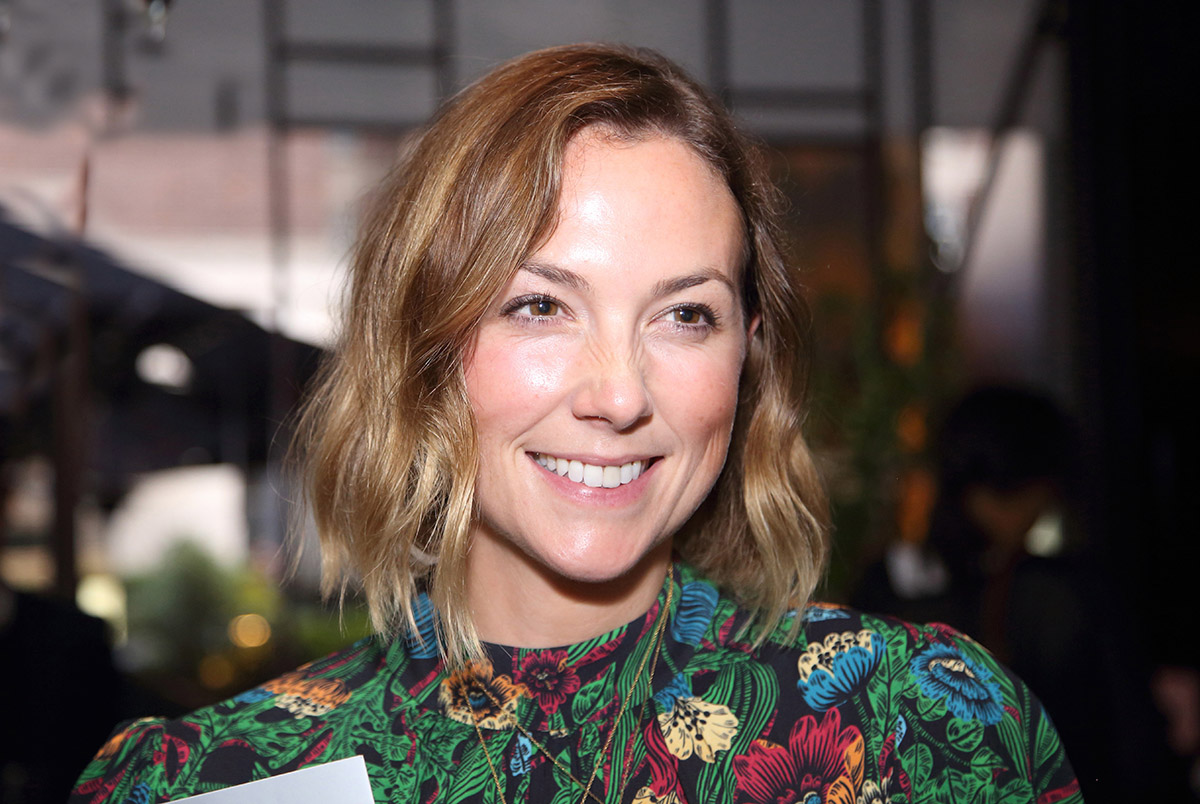
Carrie Scott
The exhibition of the works of Akosua Viktoria Adu-Sanyah, Jasper Goodall and Sahab Zaribaf are on display at the Nobu Hotel London Portman Square until 29th May.
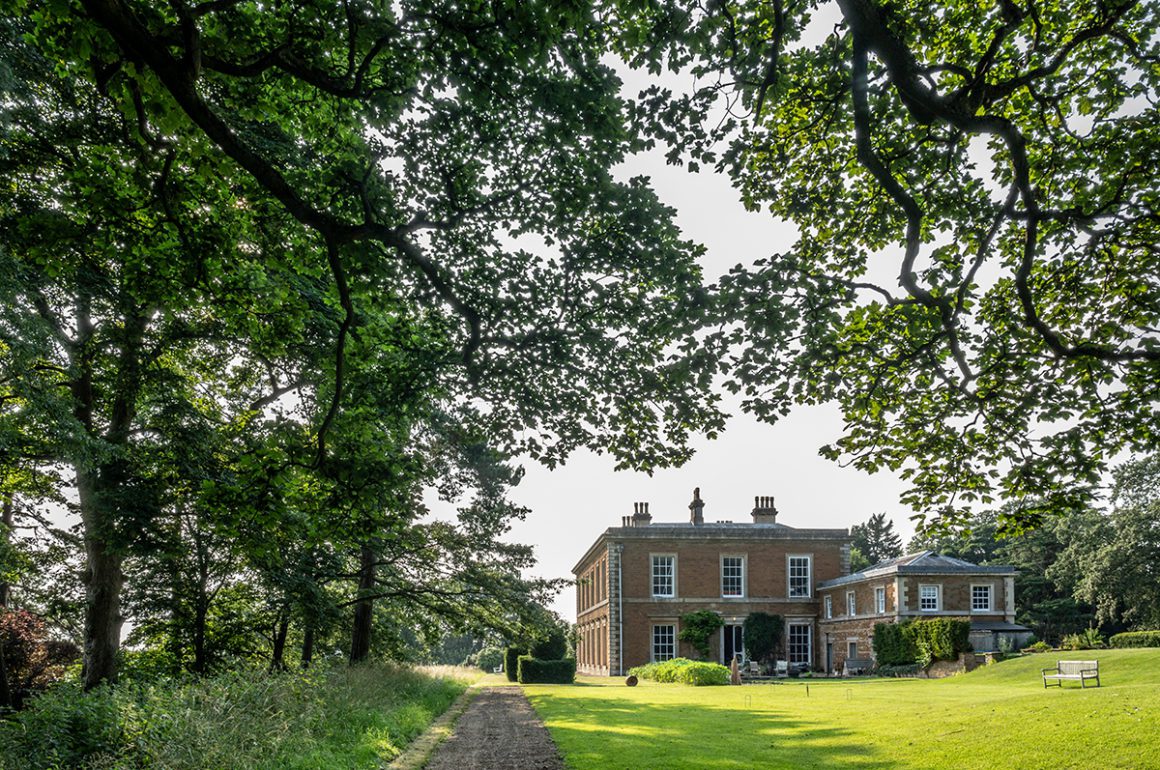
Keythorpe Hall Private House and Walled Garden, Leicestershire, England
Once a Downton Abbey-style aristocratic home, Keythorpe Hall in Central England has reinvented itself as a sustainable private-hire venue for eco-conscious house parties
The experience
Keythorpe Hall sleeps up to 14 people in seven bedrooms in the main house. We took the corner suite with floor-to-ceiling windows looking out onto the hills of Leicestershire, a couple of hours’ drive north of London. The room was like something from a Brontë novel – with blush-coloured soft furnishings, a rattan bedstead, shutters, and folding screen. In the bathroom, there was escapism of a different kind, with a freestanding shower resembling the Great Glass Elevator in Charlie and the Chocolate Factory set beside a hot pink bathtub.
Sustainable thinking provides superior comfort. Bed linen is made from 100% Oeko Tex certified cotton. Bath products, created using botanicals, are sourced from small businesses 15 minutes down the road. The house is heated using a biomass boiler which runs on local woodchip for its energy source, and so is the Japanese hot tub on the terrace, which invites a kind of eco-therapy in the great outdoors.
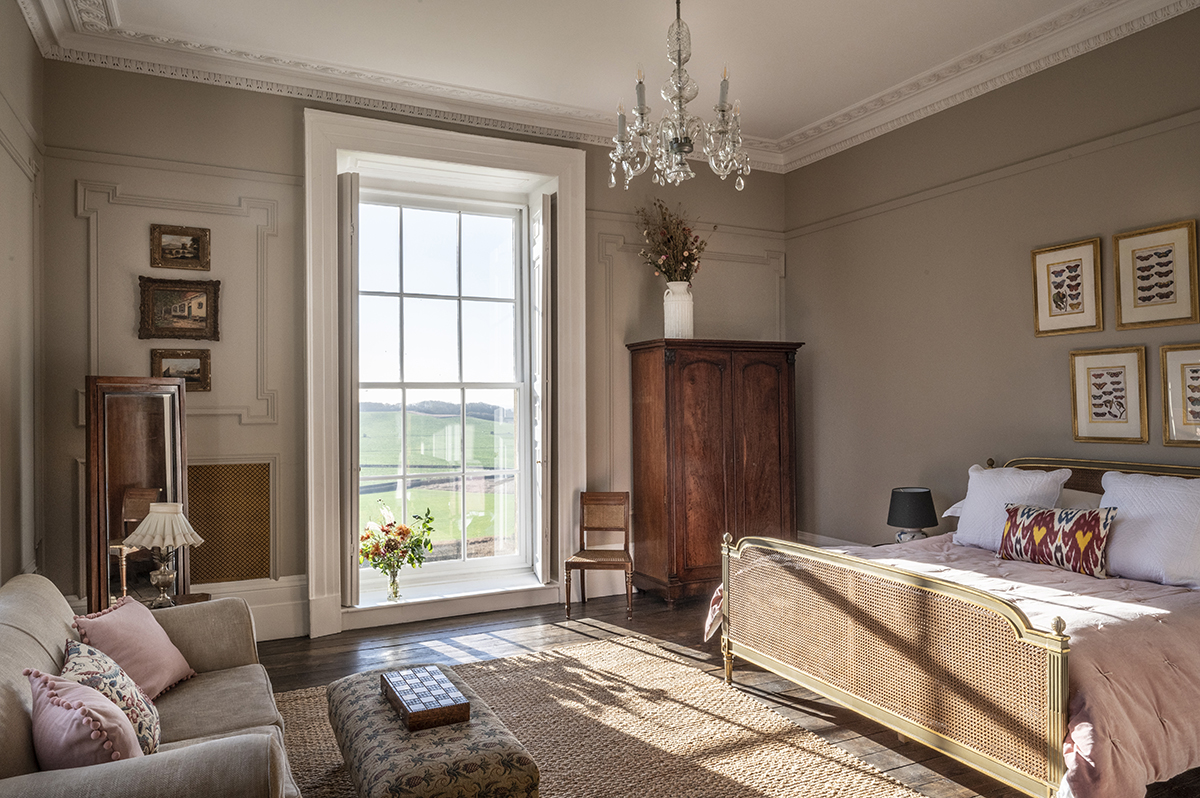
One of Keythorpe Hall’s seven guest rooms
The food & drink
Chefs Peter Johansen and Bent Varming create bespoke menus for guests based on what’s in season. Fruit and vegetables are grown in Keythorpe’s 1.8 acre walled garden, where a quality not quantity mindset means they grow for flavour rather than yield. When we took a walk around the garden with head gardener and wild food expert Claudio Bincoletto, we spotted rainbow chard, wild rocket, and daikon – all of which reappeared on our plates later that evening.
Of the seven ultra-fresh courses we sampled, our favourites were the brill with beurre blanc, rapini and golden ball turnip, and the sea bass with beetroot and toothache pepper. After mains, the Baron Bigod brie (the only traditional raw milk Brie-de-Meaux style cheese produced in the UK) and apple brioche was particularly well accompanied by a glass of Nyetimber Demi-Sec, a sparkling wine produced just a couple of counties away in Kent.
Follow LUX on Instagram: luxthemagazine
Responsible for personalising wine pairings at Keythorpe Hall is Bert Blaize, award-winning sommelier and author of Which Wine When. While the wine cellar is available for formal tastings, we opted for something a little less vinous: a vermouth-making class with Blaize, using botanicals foraged from the grounds. (Just don’t make the same mistake as we did, and sign up for a one-on-one session at 10am on a Saturday morning.)
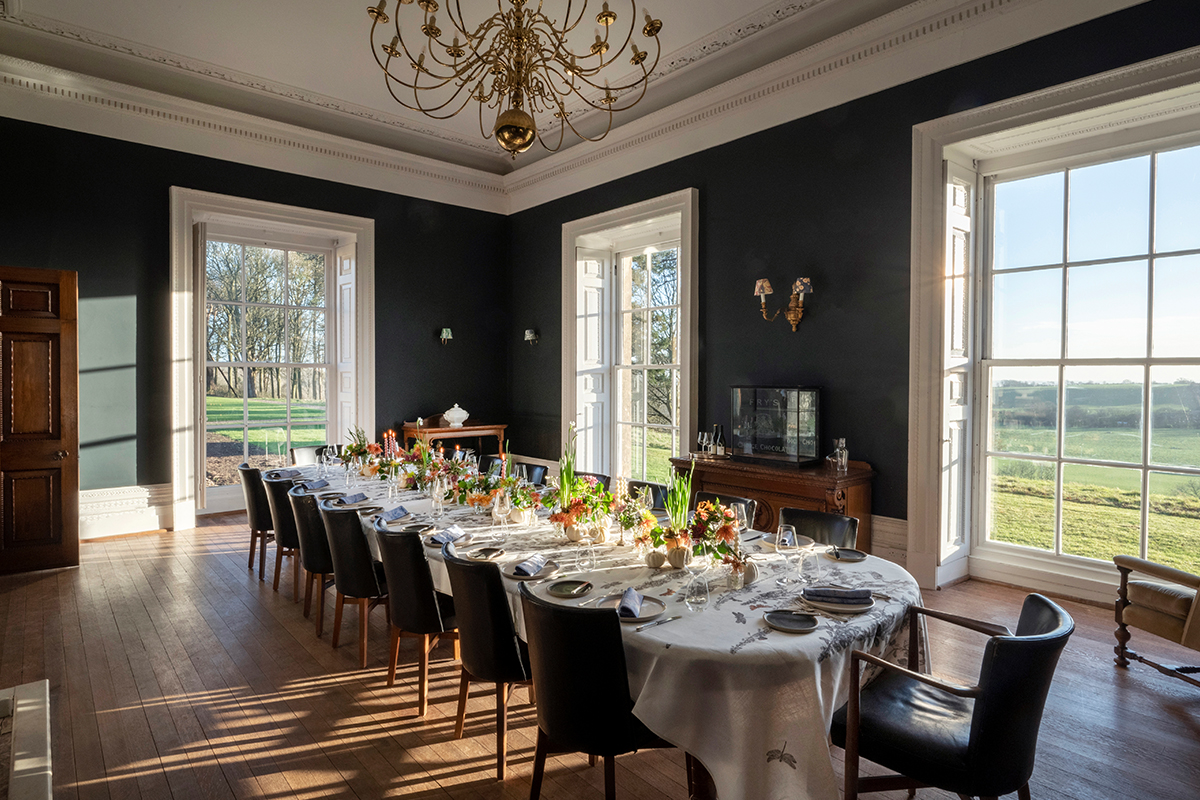
Eco-conscious gastronomy at Keythorpe Hall
The design
Few can say that they have taken a shower in front of a 2.5-metre mural of a Tudor aristocrat. But then again, the owners of Keythorpe Hall aren’t ones to pay homage to its heritage through any conservative means.
Read more: How to create a truly sustainable luxury hotel
Barbara van Teeffelen and husband Giles have spent the past decade at local auctions and Christie’s sales restoring the private collection of the original owning family while beginning a contemporary art collection of their own. Walk into the reception hall and you will be greeted by two austere, seventeenth-century faces framed on opposing walls. Enter the lounge, and you’ll find contemporary works by Polish artist Marcin Dudek and Selma Parlour’s neon, geometric canvases.
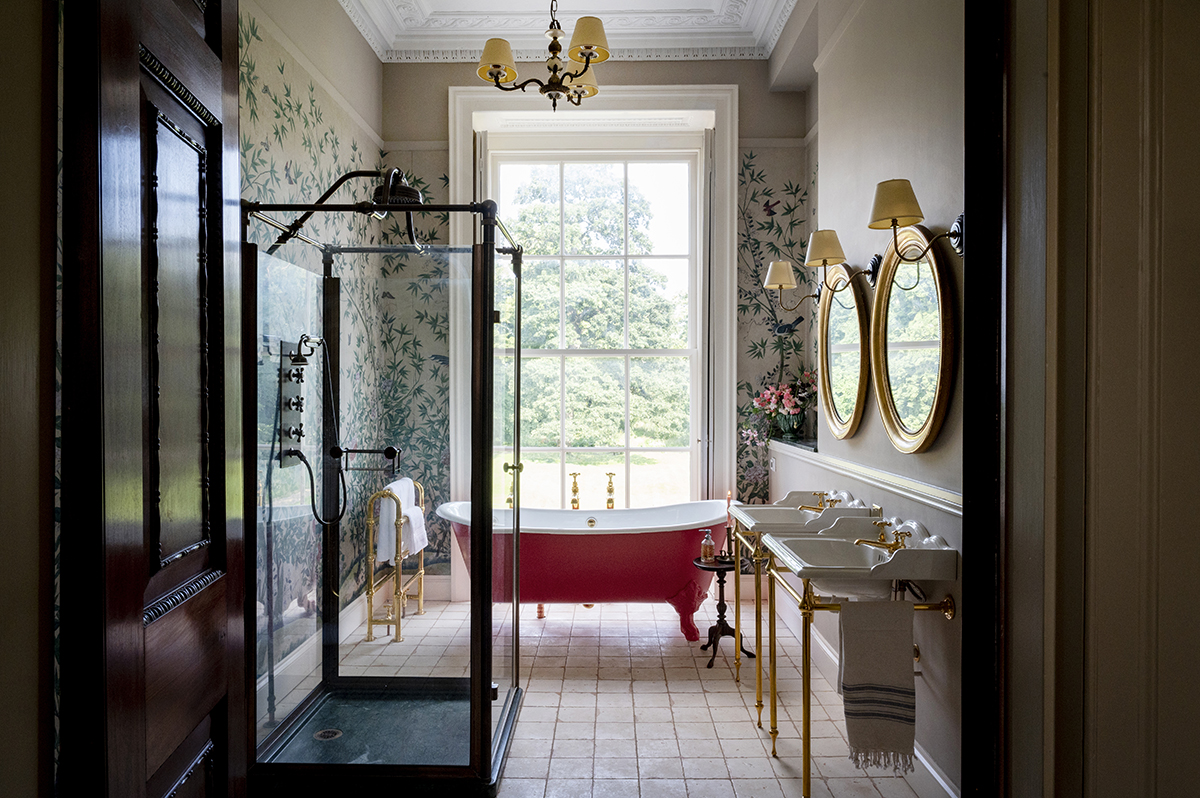
One of Keythorpe Hall’s guest bathrooms
Beyond the property
Leicestershire is less famous than the neighbouring Cotswolds, but it is still English countryside at its best. Keythorpe Hall is close to the market towns of Uppingham and Oakham, famed for its antique shops and galleries and shopping respectively. Rutland Water, one of Europe’s biggest man-made lakes, is 10 minutes away.
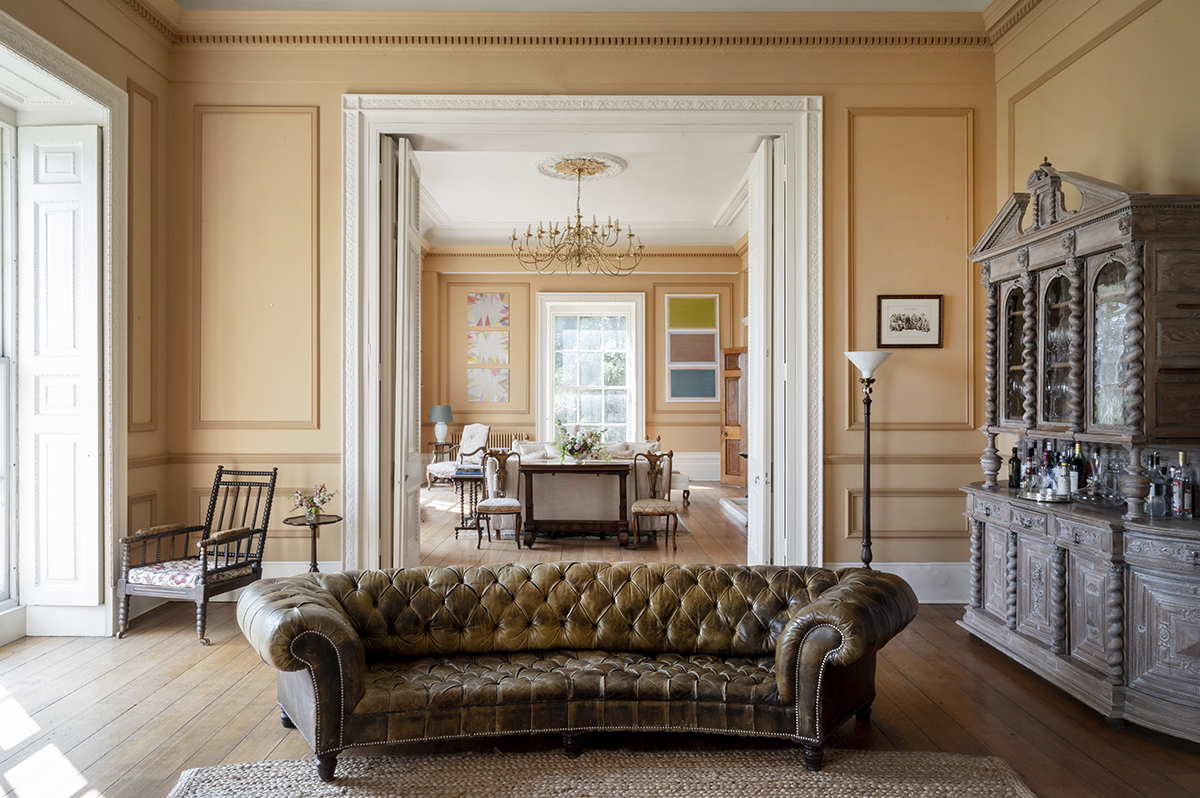
Old art meets new at Keythorpe Hall
Any areas for improvement?
Keythorpe Hall’s owners are candid about its shortcomings. The huge showerheads are not conducive to reduced water consumption. Fish cannot be sourced locally, but must instead be transported from the coast. But the place is proof that sustainability can be synonymous with superior flavours and comfort, and bravo for the effort.
The experience: 8.5/10
Responsible culture rating: 8/10
Rates from £6,000 per night for full use of the house and grounds. Packages can be tailored to include all meals, drinks and service. Book your stay: keythorpehall.co.uk
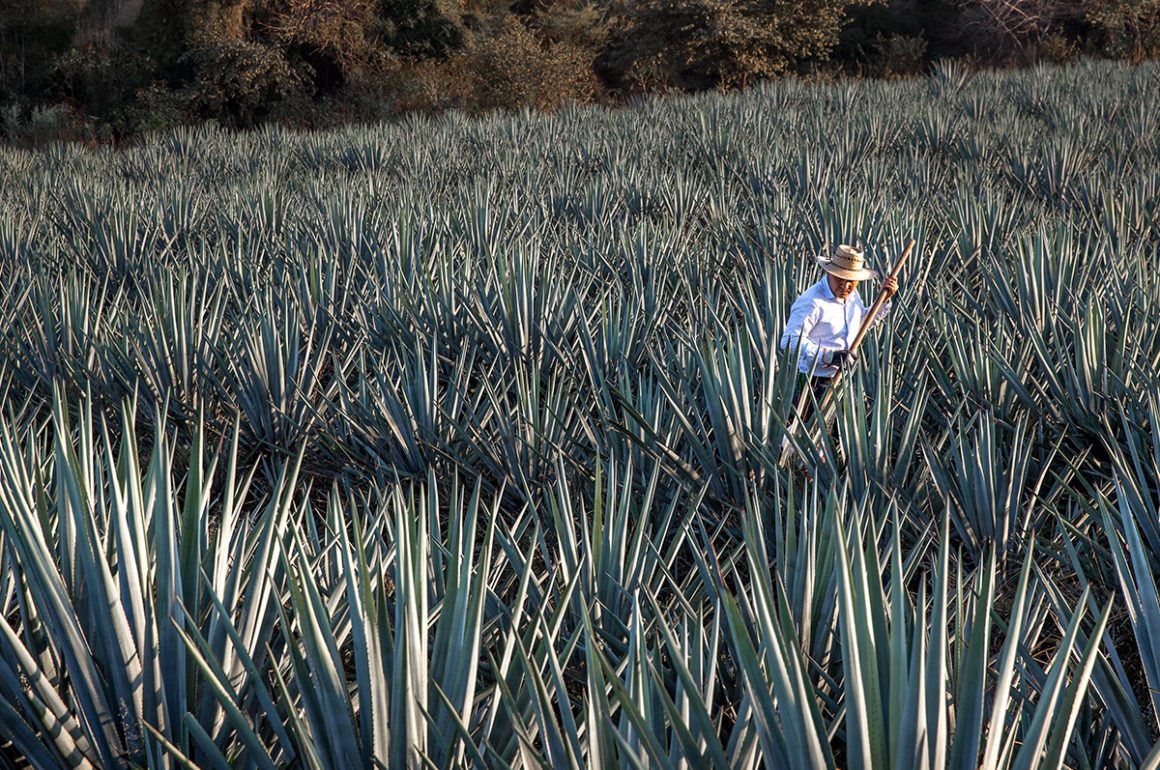
Beam Suntory has established the James B. Beam Institute for Kentucky Spirits at the University of Kentucky, which supports a curriculum to educate the next generation of distillers
Kim Marotta is head of sustainability at Beam Suntory, the drinks behemoth behind Jim Beam, Courvoisier and Sipsmith with annual revenues of more than $4bn. She speaks to Ella Johnson about what the sector can do to help preserve water and agricultural resources, and why more companies need to be putting their necks on the ESG line

Kim Marotta
LUX: Why has the spirits industry been slower to act on ESG than food?
Kim Marotta: The spirits and food industries share several foundational environmental concerns: the sustainability of agriculture, helping fight climate change, looking after water resources and working towards more sustainable packaging.
While the spirits industry may not have been as visible in communicating its work as the food industry, I do think these have been central concerns for a long time. From agave, to corn, wheat to barley, and of course, water, I’m glad to see both industries on the same page in terms of the importance of environmental sustainability.
Tequila from agave fields can take between 8 and 12 years to harvest
LUX: Where do the challenges lie?
Kim Marotta: Water, transport and packaging. It goes without saying that water is one of the two foundational ingredients in the spirits industry, presenting enormous opportunity for positive environmental impact. We have established water sanctuaries in Loretto, Kentucky, at Maker’s Mark and in Clermont, Kentucky, at Jim Beam. We’ve also set out an extensive program of peatlands water sanctuaries in the Highlands of Scotland, not to mention our pioneering work in the tequila industry where our Casa Sauza brand has the lowest carbon footprint and water usage.
Follow LUX on Instagram: luxthemagazine
With transport, just looking at the amount of products spirits companies ship all over the world, there is a fantastic opportunity to influence and partner with logistics groups to ensure everyone is working together for more sustainable methods of transport.
Packaging, one of the most crucial parts of the customer relationship to any premium spirit brand, is also a critical area. Brands all around the world are looking at how to make it more sustainable, whether it’s conducting a lifecycle analysis on every piece of packaging, as we do, to prioritising right weighting to minimise materials usage and waste, to total redesign of bottles, which we did this year with Courvoisier.
Following Beam Suntory’s establishment of Natural Water Sanctuaries in both Japan and the US, their new initiative focuses on peatlands water sanctuaries in the Highlands of Scotland
LUX: What is the biggest obstacle the industry faces right now?
Kim Marotta: Mobilising the industry, governments, NGOs, communities and customers to all come together and drive real change. This is obviously a huge task and needs to be a global effort. While there has been significant progress in recent years, there is still a lot of work to be done.
LUX: Which group is most important?
Kim Marotta: I’m not sure any one of these groups can be singled out as the most important, but what we do often see is that change is accelerated by consumer preferences and activism. That said, corporations and governments play a central role in ensuring the important issues are addressed for the long-term.
Read more: Unilever’s Rebecca Marmot On The Sustainable Everyday
LUX: Beam Suntory saw sales up by 11% in 2021, the same year that it launched its Proof Positive program. Does this imply a correlation between profit and purpose?
Kim Marotta: Proof Positive only launched last year and is a long-term initiative over ten years, so I don’t know that that alone demonstrates a correlation between the two. However, what does show that connection is that the foundation of Proof Positive – what we refer to as ‘Growing for Good’ – has been part of our DNA for generations. That certainly has helped our performance, and, I would argue, has shown itself as a commercial imperative.
LUX: How are you embedding social justice into your sustainability strategy?
Kim Marotta: Our ambitions, by 2030, are to have 45% racially and ethnically diverse employee representation in the US and to achieve an industry-leading sense of belonging among employees. We are also committing to achieve one million volunteer hours to communities and initiatives that promote social justice and to reach 50% women representation in leadership positions.
Maker’s Mark, Loretto, Kentucky
We partner closely with our employee impact groups to ensure that we are guided by our people and values in how we support social justice. We’re committed to financially supporting the important work undertaken by leading social justice organisations.
For example, Courvoisier has partnered with the National Urban League to support Black-owned businesses and entrepreneurs facing hardship as a result of the pandemic and committed $1 million to provide support to Black-owned businesses over the span of five years. Hornitos, another of our brands, has also made significant donations to The League of United Latin American Citizens and We Are All Human to support the Fair Shot program, which supports immigrants seeking US citizenship.
Read more: GreenBiz’s Heather Clancy On Corporate Climate Action
LUX: How can companies move their ESG agendas beyond reporting and compliance towards business enablement?
Kim Marotta: Companies should not be afraid to set out the most ambitious targets that they can, even if the specific road map isn’t totally clear. Whether they’re unsure if the technology is there, or what the commitment to R&D might be over the years, the solution is simple: set aggressive targets, make the investments in technology you need to make to hit those targets, and be accountable and transparent, showing evidence of progress along the way. If companies aren’t setting aggressive targets, they aren’t going to make as much as of an impact as they can.
Kim Marotta is Global Vice President – Environmental Sustainability at Beam Suntory
Find out more: beamsuntory.com
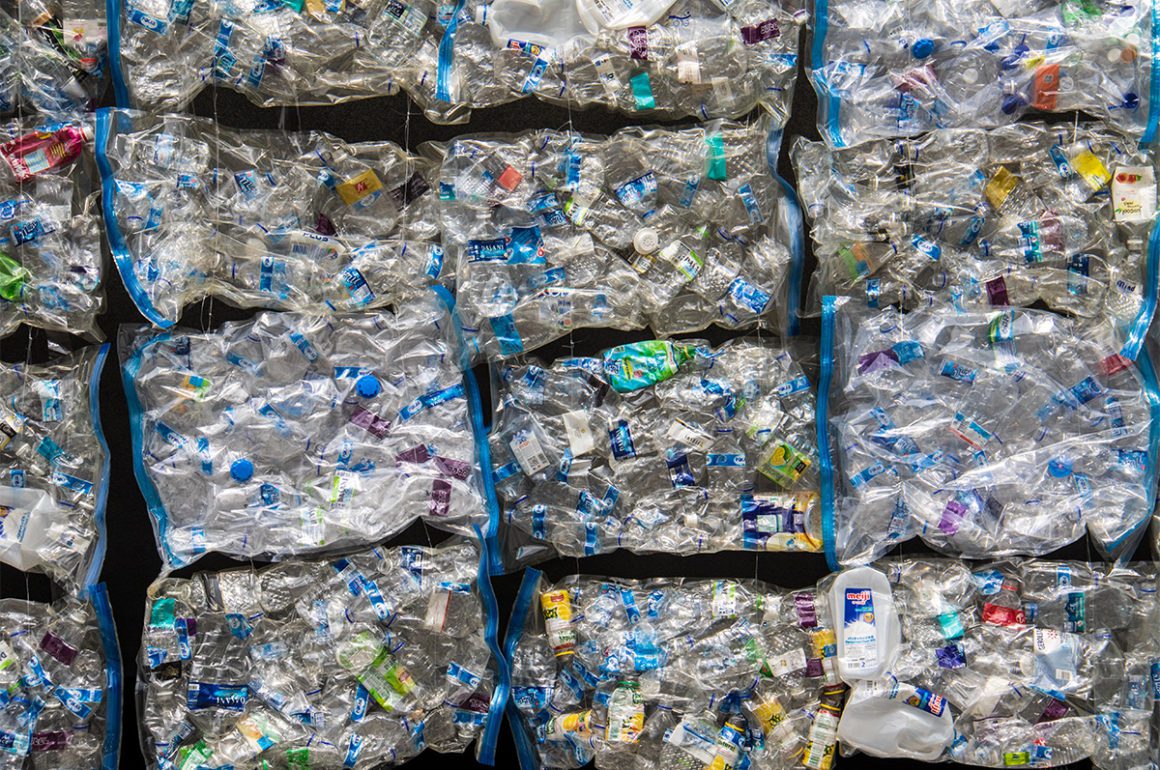
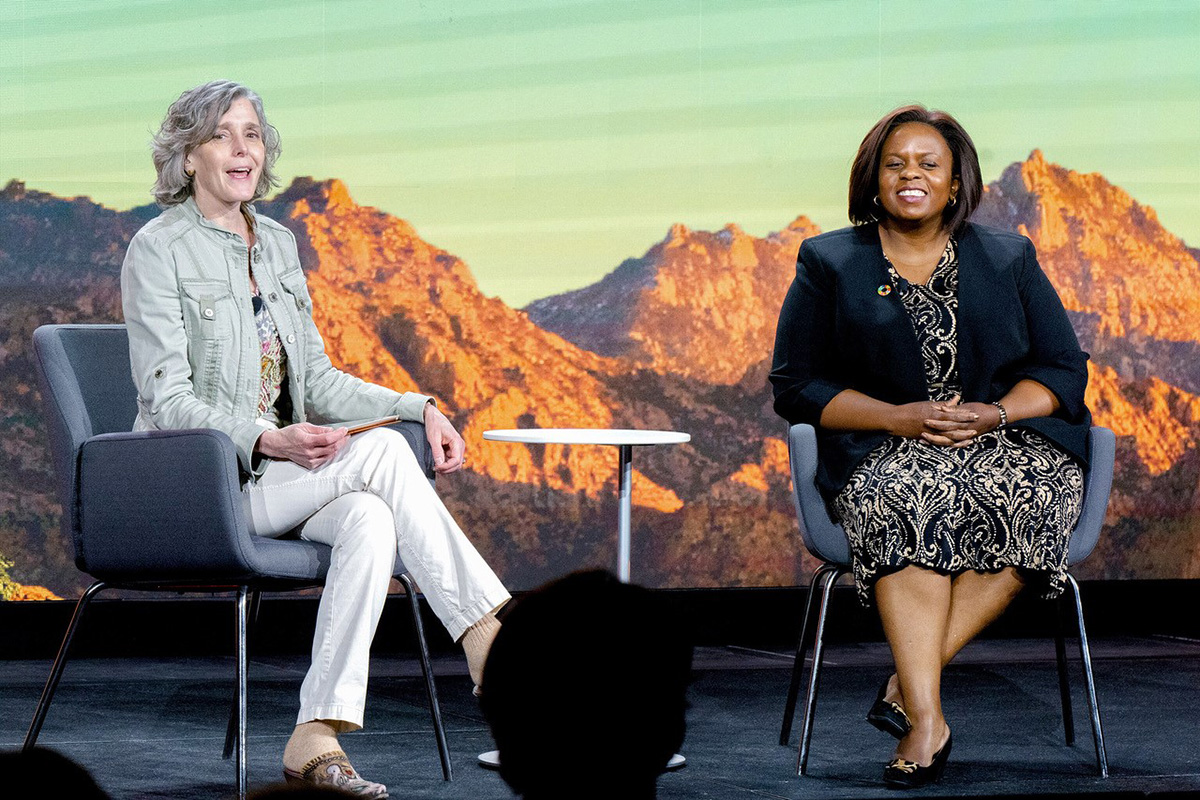
Heather Clancy and Sanda Ojiambo, CEO and Executive Director, United Nations Global Compact © GreenBiz Group/Louis Bryant III
Is there a one size fits all when it comes to corporate climate action? No matter how big a business is, says Heather Clancy, one thing is for certain: inaction is no longer an option. Clancy is Vice President and Editorial Director of GreenBiz, the media company working to accelerate the just transition to a clean economy. She tells LUX why companies need to work harder to embed environmental justice into their corporate sustainability strategy, and explains how climate fintech may just be key to the green transition
Heather Clancy ©GreenBiz Group/Louis Bryant III
LUX: Is there a one size fits all when it comes to corporate climate action?
Heather Clancy: The way a company prioritises is very focused on their individual business. The supply chain of one company could be totally different to that of another. US tech companies, for example, have done a lot on renewable energy, but should be doing more on how they treat and engage with their employees on various issues. Each company must look at what they touch and then make the decisions about which levers to push and pull most directly. The one thing they must do, however, is act. They can’t sit around anymore, no matter how big or small they are.
LUX: How should companies be balancing the ‘E’ and ‘S’ of ESG?
Heather Clancy: Corporations are not spending enough time thinking about how environmental justice is embedded into their corporate sustainability strategies. The pandemic has prompted a lot of soul-searching when it comes to where companies are doing business, but there is still a huge disconnect between the company’s corporate perceptions of what environmental justice means and how they act as a business. There is so much attention being put into making sure workforces reflect the diversity of the community –which is great – but companies need to get a lot more thoughtful about how they engage with the individuals and communities with whom they engage.
For example, one of the biggest blockers to the clean energy transition right now is the supply of materials like lithium, cobalt, and nickel. The necessity of these materials – which are used for wind turbines, electric vehicles, and batteries – has prompted a large increase in mining activities around the world, but there has not been enough attention paid to where that land is. A lot of it sits on indigenous territories, and these communities are not being consulted or involved in the plans, or economically compensated if that’s what is required.
Now that we have this supply chain rethink happening, it would be incumbent upon corporations to look closely at where they’re siting their new manufacturing city facilities if they’re going to move them. This means actually including communities in those plans –helping them understand what the plan is and asking them what makes sense.
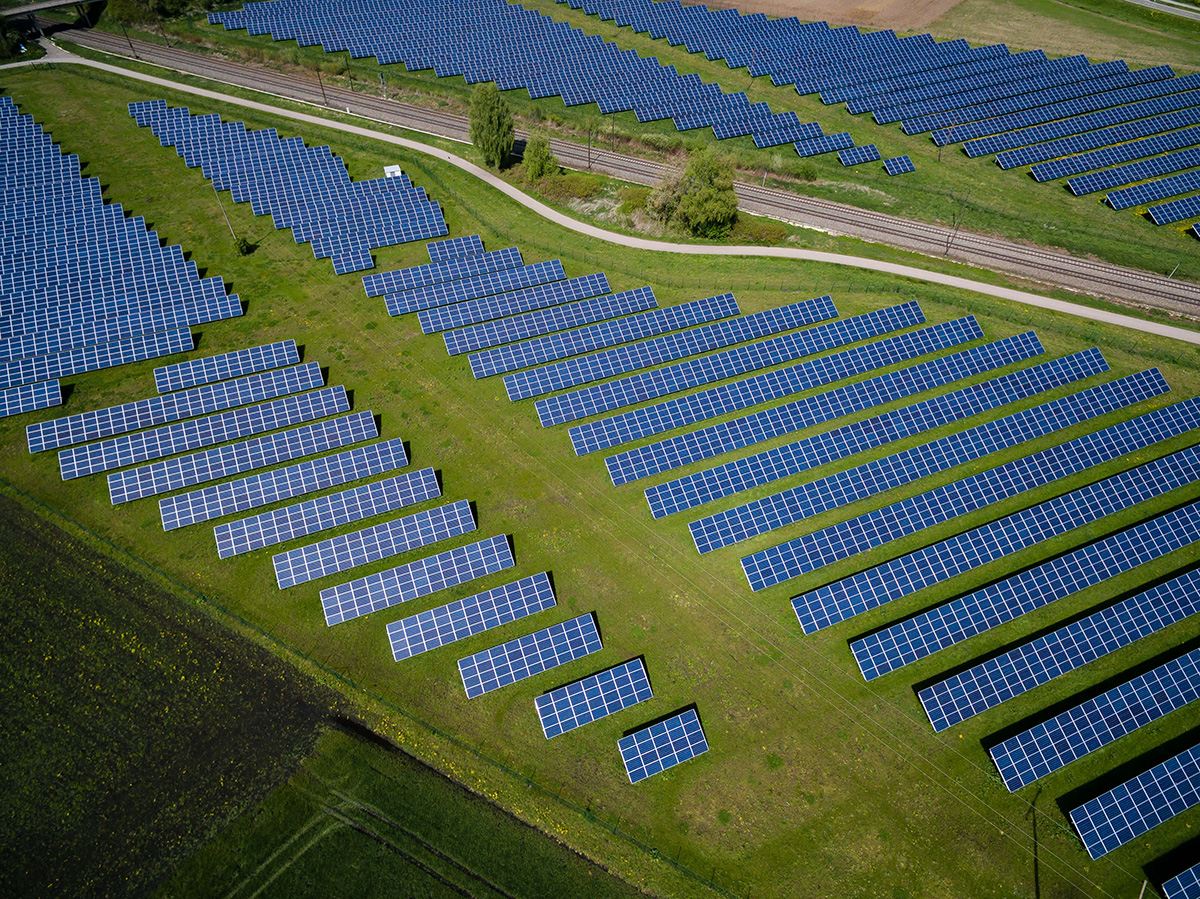
Accountability of corporations is crucial for the green transition. Image courtesy of Andreas Gucklhorn
LUX: Are there enough measurable standards for corporations to be measured by?
Heather Clancy: If you ask them, there are too many standards! What is missing is a push for accountability, especially in the United States. The markets are motivated by these earnings reports that we get on a quarterly basis, but there is no equivalent for ESG measures. I do believe that this will be changing, though. Probably the most important prompter for this has been the Taskforce on Climate-Related Financial Disclosures (TCFD), whose recommendations made a tipping point happen as far as how companies talk about what they’re doing and how they are being held accountable for that. But now things are in place, we need to get some agreement and coalescence around certain of these things.
LUX: What role can early-stage climate tech play in decarbonisation?
Heather Clancy: Small, innovative companies have a real opportunity to innovate and become the new suppliers for larger companies – for example by producing alternative materials like mushroom-based packaging to replace plastic or Styrofoam. It is not coincidental that there are so many corporate venture funds now focused on climate technologies, because these corporations are going to benefit from that innovation when the company goes public down the line.
Follow LUX on Instagram: luxthemagazine
A great example is the Amazon-Rivian relationship. Rivian was a vaguely unknown electric van maker, which got a hundred-thousand-unit order from Amazon and has now gone on to become public. There is a lot of shakiness in the market right now with some of these suppliers, but that’s fundamental to business. It’s mainly a great innovation opportunity.
LUX: Do you think it’s correct to talk about de-carbonisation and opportunities in climate tech as being ‘opportunities’, or are they still challenges?
Heather Clancy: Look at Allbirds. They had some shakiness with their ESG IPO, but their entire company was created with the idea of using materials in a different way. One of the biggest problems with athletic shoes is the soles, so they worked to create a new type of sole with a new material which has a lower carbon footprint than other sneaker soles. Instead of choosing to make that sole their own proprietary invention, they opened the technology up to other organisations and helped other companies to start using it. As other companies start to use this technology, the costs will come down and it will be cheaper for them to use it as well. That is a company whose entire business model is framed around this.
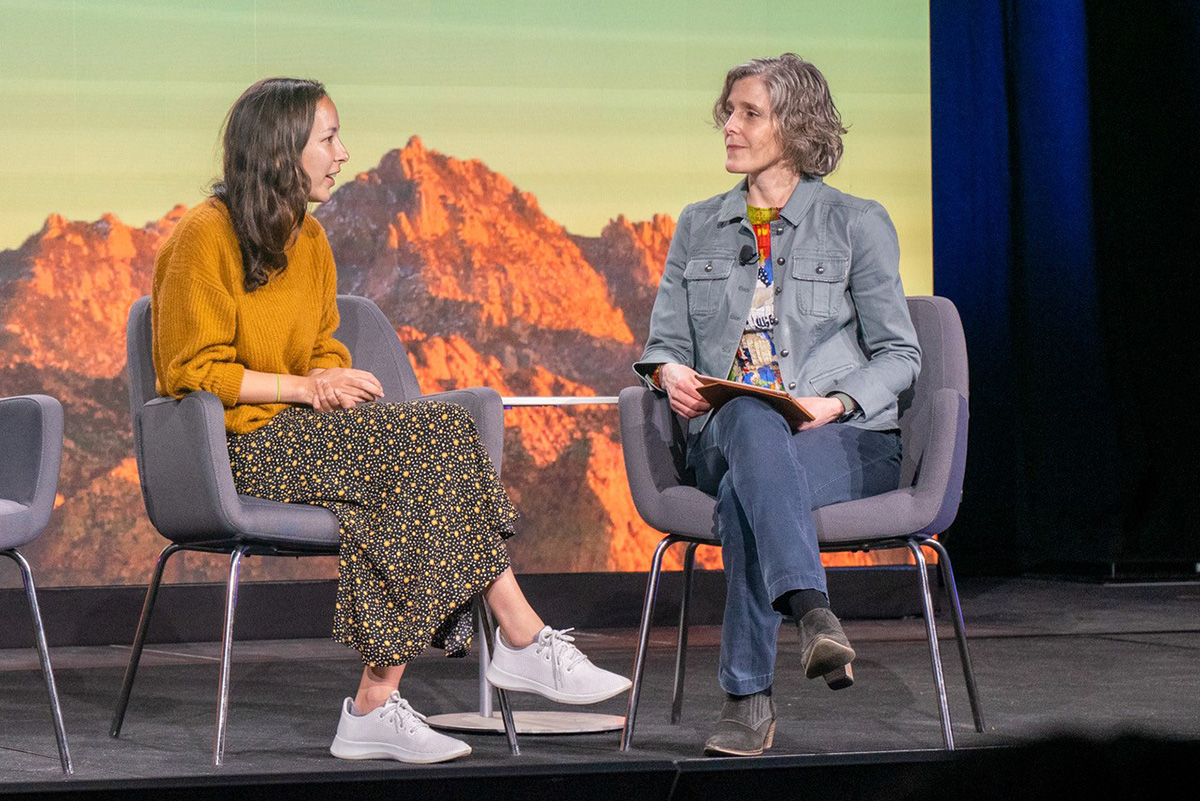
Heather Clancy and Hana Kajimura, Head of Sustainability, Allbirds © GreenBiz Group/Louis Bryant III
LUX: What else is exciting you in the climate tech sector at the moment?
Heather Clancy: I am particularly interested in nature-based carbon capture and sequestration technologies. There is an organisation called Project Vesta that’s using nature-based approaches in this way. There’s a big debate about whether we should be investing in those things, because it takes money away from these newer areas, but I think we need to remove the carbon that’s there.
LUX: What role can fintech play in the green transition?
Heather Clancy: The digitisation of sustainability is really important, because it’s becoming part of the financial infrastructure of the companies themselves. Software innovations help companies better understand their climate risks, have a truer accounting of the carbon footprint of their supply chain operations, and to understand whether their carbon offset has the value they think it has. These tools also help people make investments in the other climate technologies.
LUX: What is the biggest barrier to scaling climate tech?
Heather Clancy: Politics. Climate is such a partisan issue in many areas of the world. It has become so easy for one side to weaponise the community and say, ‘look at these renewable energy advocates, they’re making your energy costs go up’. That’s been very damaging in terms of the whole concept.
Beyond that, though, is policy. If there’s one thing that we really are lacking from corporations, it is the voice and end policy support. There are so many policies in place that need to be changed, but there is not enough happening at the federal, state or local levels to help put the policies in place that will make this transition happen more quickly.
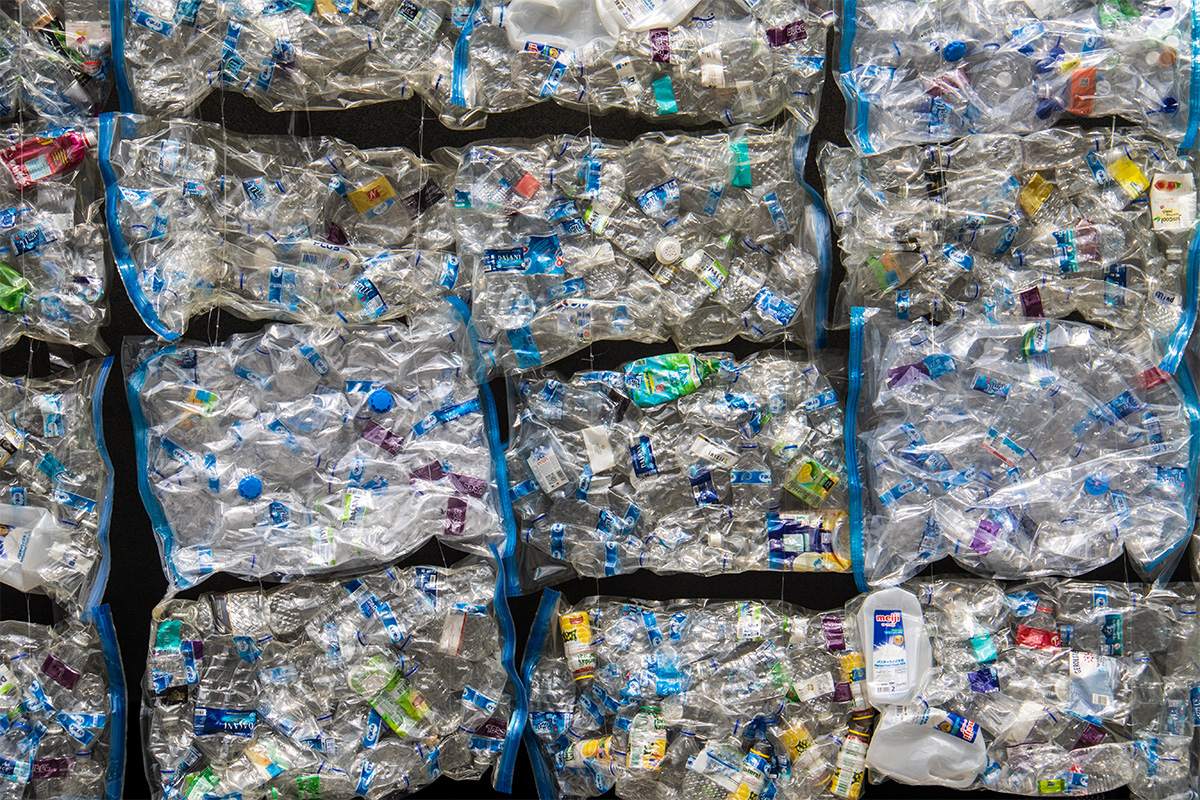
Heather Clancy explains the battle for companies desiring to create and bring in new greener technologies but not wanted to create waste by dumping the old materials. Image courtesy of Nick Fewings
LUX: Should we prioritise de-carbonising existing infrastructure or starting from scratch with new green technologies?
Heather Clancy: I’ve been thinking a lot about net zero buildings and how difficult it is to go in and retrofit a building to become a better performing building. There are incentives that exist which make it much easier to knock the thing down and to build a new one. That’s just a huge waste: why aren’t we reusing those materials? But the policies and the laws make it harder to do it any other way.
The other problem with giving credit for renewal projects is that it caters to the people that have money already. If you are a small organisation and don’t have the revenue, you can’t actually take advantage of some of these incentives currently because you can’t afford to invest in them. This is true of the way some of the clean energy incentives are written in the United States. That doesn’t make economic sense.
Read more: Product designer Tord Boontje on sustainable materials
LUX: Are corporations, consumers, or legislation responsible for leading the green transition?
Heather Clancy: Extended producer responsibilities is the buzzword here. It’s important that corporations be more responsible, and they have to be using their voices as well.
LUX: What should the wealthy be doing?
Heather Clancy: They should model better behaviour, and they also need to put their money where it counts. What Bill Gates with his Breakthrough Energy coalition is extraordinary, and seems to me to be an important model. Likewise, Mackenzie Scott and Laurene Powell Jobs have put money in some extraordinarily unusual places by investing in historically black colleges and communities that don’t usually get the money. They’re doing it quietly, and they’re putting their money to work.
It’s also time for the wealthy to help small businesses get on the bandwagon in terms of ESG – to help them with energy efficiency, with their waste and manufacturing processes. Buying from these companies will enable them to make the shift to greener practices.
Find out more: greenbiz.com
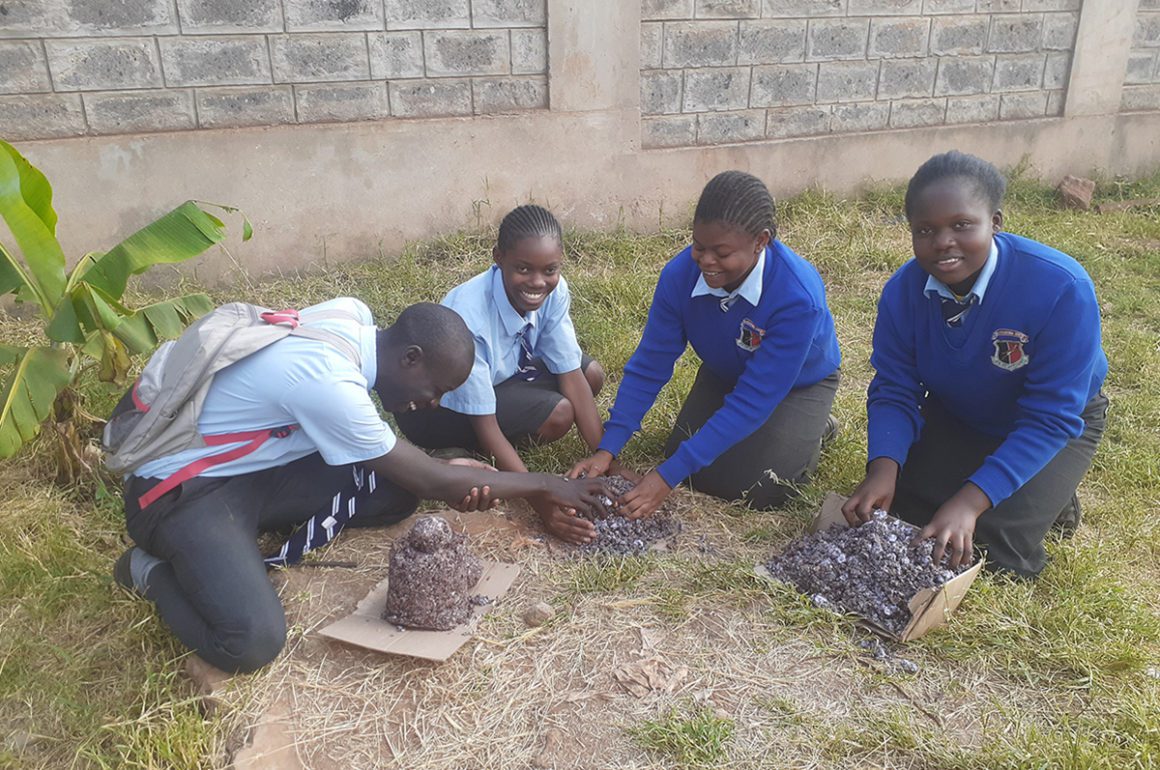
This finalist team from Kibera came up with a waste recycling system in the largest urban slum in Africa
The Earth Prize is one of the many initiatives run by The Earth Foundation. It is a competition open to all institutions from leading schools in London to the poorest slums in Africa. The Prize encourages schools, students, researchers and young entrepreneurs to educate themselves and be mentored in order to find innovative solutions to solve the planet’s environmental challenges. With the winner of The Earth Prize being announced on Friday 25th March 2022, Candice Tucker speaks to Angela McCarthy, CEO of The Earth Foundation, about the importance and impact of this Prize.

Angela McCarthy
1. Why do you think teenagers might have the solutions to some of our greatest environmental issues?
They have the ability to still think out of the box. They are in touch with their creative minds and they care deeply about the planet. This emotional intelligence is key in finding solutions. The older we get, the more we are blinded by outside belief patterns blocking our imaginations and causing us to lose touch with nature and ourselves.
Follow LUX on Instagram: luxthemagazine
2. How important is education versus action in schools with regards to the fight against climate change?
With education, action comes naturally. Once you have opened the eyes and ears of teenagers to what is happening, how and why, they can then take steps to make a change. Once they care about their planet’s crises through education, they will want to make different choices. Those choices create a ripple effect. As we know, there are many factors that contribute to climate change. If they can start to live differently or come up with new solutions, they will help the fight against climate change.
The adjudicating panel for the Earth Prize consists of leaders in sustainability, science and entrepreneurship
3. The Earth Prize is open to leading private schools in the wealthiest countries to those with the most basic education in refugee camps and slums. How do you ensure a level playing field?
Once they have registered online for free, everyone receives the same support to participate in The Earth Prize competition. This includes online video learning content and access to our 30 university mentors whom the students can ask for help at any point. I and The Earth Foundation team are available for any further advice or to answer questions that any teacher, supervisor or student may have at any time. We found that everyone was able to get access to the internet, and that is what made it all work! Our students in Lebanon had the internet go down and they would have to wait until it was rebooted, and the same happened in South Africa, but they all managed. The amazing teachers made it their mission to support their students while they came up with their own solutions. Finally, equality was guaranteed because each submission carried only a number, thus eliminating any risk of bias in the judging.
4. What was the original intention of The Earth Prize?
To inspire, educate, mentor, and empower students, schools, researchers, and young entrepreneurs with innovative ideas to tackle environmental challenges. Through this process we strive to build our very own ecosystem. Peter McGarry, the founder, and I believe in the voices of the youth being heard and bringing their solutions to life, and how everyone can be part of the solution to solving today’s most pressing sustainability issues.
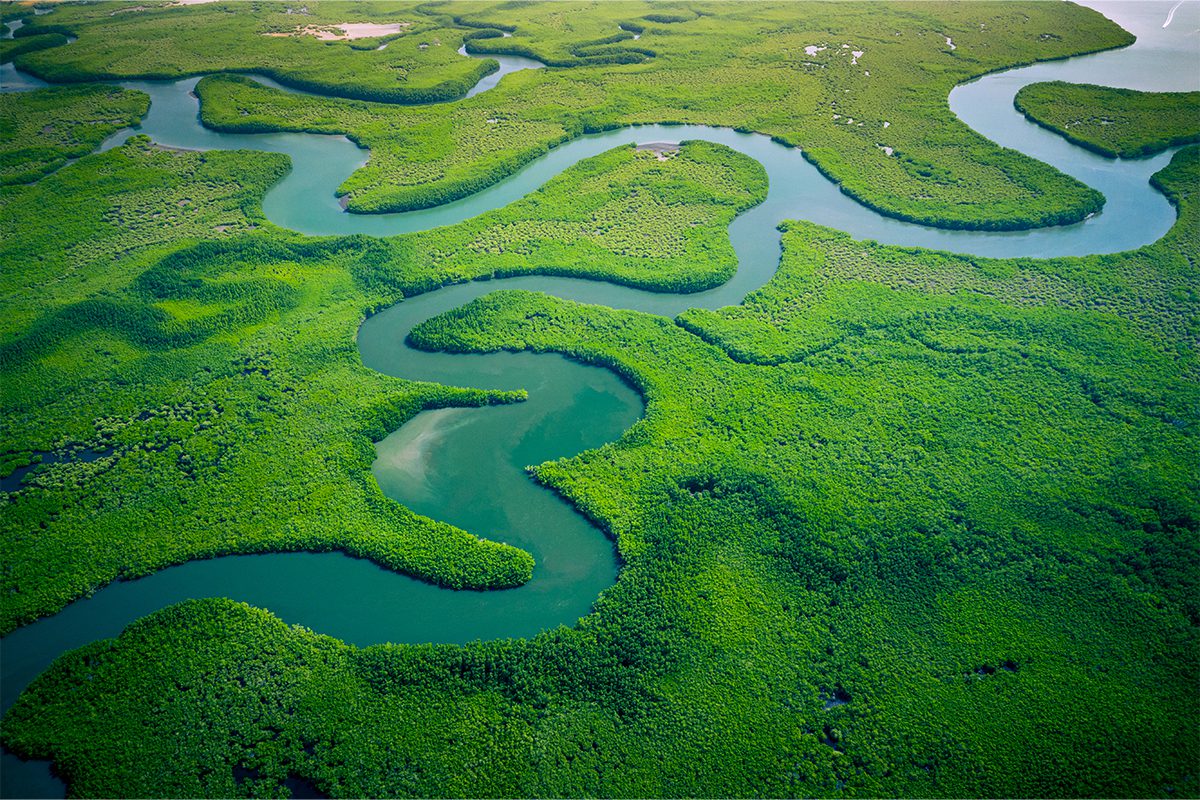
The Earth Foundation was founded in 2020, in Geneva, Switzerland by Pete McGarry to encourage young people to find solutions to the Earth’s environmental challenges.
5. Apart from The Earth Prize, can you tell us about other projects within The Earth Foundation?
The Earth Prize is our first initiative. The second will be The Earth Foundation Awards that will support research endeavours in the environmental sustainability field with grants and scholarships by distributing $300,000 every year to university students and researchers. We are also in the process of creating our Alumni Association, a platform for networking and encouragement amongst our community of passionate and inspiring individuals.
Read more: Unilever’s Rebecca Marmot On The Sustainable Everyday
6. How do you ensure a long term effect and results from the prize?
Through The Earth Prize Alumni we will strengthen ties among its members, offering them access to educational content, mentorship, social events, and professional opportunities. We will be helping them bring their solutions to life, and invite them back to share their impact, successes and their challenging times to the next year’s participants. We believe this will become a very powerful way to accelerate change and showcase the leaders and change-makers of today and tomorrow.
Find out more: www.earth-foundation.org
Unilever, one of the largest suppliers of consumer goods, has committed itself to sustainable ways of working throughout the whole company. Image by Bernard Hermant
Rebecca Marmot is Chief Sustainability Officer at Unilever, the consumer giant whose portfolio spans everything from Dove soap to Ben & Jerry’s ice cream. Under Marmot’s leadership, Unilever has made significant interventions in sustainability milestones like the Paris Agreement and the creation of the UN Sustainable Development Goals – yet, she says, much of the innovation is still to be done. Marmot tells Ella Johnson why companies must embrace transparency and collaboration in order to create a truly green value chain

Rebecca Marmot
LUX: What is essential to the success of a company’s ESG agenda?
Rebecca Marmot: Success relies on everyone being on board – from employees to c-suite to investors. For example, we put our Climate Transition Action Plan – which outlines how we propose to reach our net zero target – to an advisory shareholder vote. Over 99% approved it. Making it public increases our credibility, transparency and accountability and helps us engage with stakeholders.
We also recognise that we can’t do this on our own. We need to draw on the ingenuity and experience of experts and peers across the globe to meet our sustainability targets – from specialists creating plastic alternatives to suppliers supporting initiatives to protect and regenerate nature. We know that pioneering new practices requires partnership. We are also calling on governments to accelerate climate action by setting ambitious national renewable energy targets so that consumers can use our products at home with water heated by clean energy.
Follow LUX on Instagram: luxthemagazine
LUX: Can planet and profit ever truly go hand in hand?
Rebecca Marmot: The Unilever Sustainable Living Plan (USLP), which ran from 2010-2020, contained over 70 time-bound targets spanning issues from waste, water and greenhouse gas reduction, to supporting people with training around sustainable agricultural practices. Over 10 years there were notable achievements – including improving the health and hygiene of well over a billion people – as well as valuable lessons in what does and doesn’t work.
The USLP helped clarify our belief that sustainability can unlock superior performance. The business case is clear. Climate change and inequality are huge global challenges, but they also pose very specific risks to the future of our business: for instance, climate-related adverse weather disrupts supply chains and rising inequality limits prosperity and prospects.
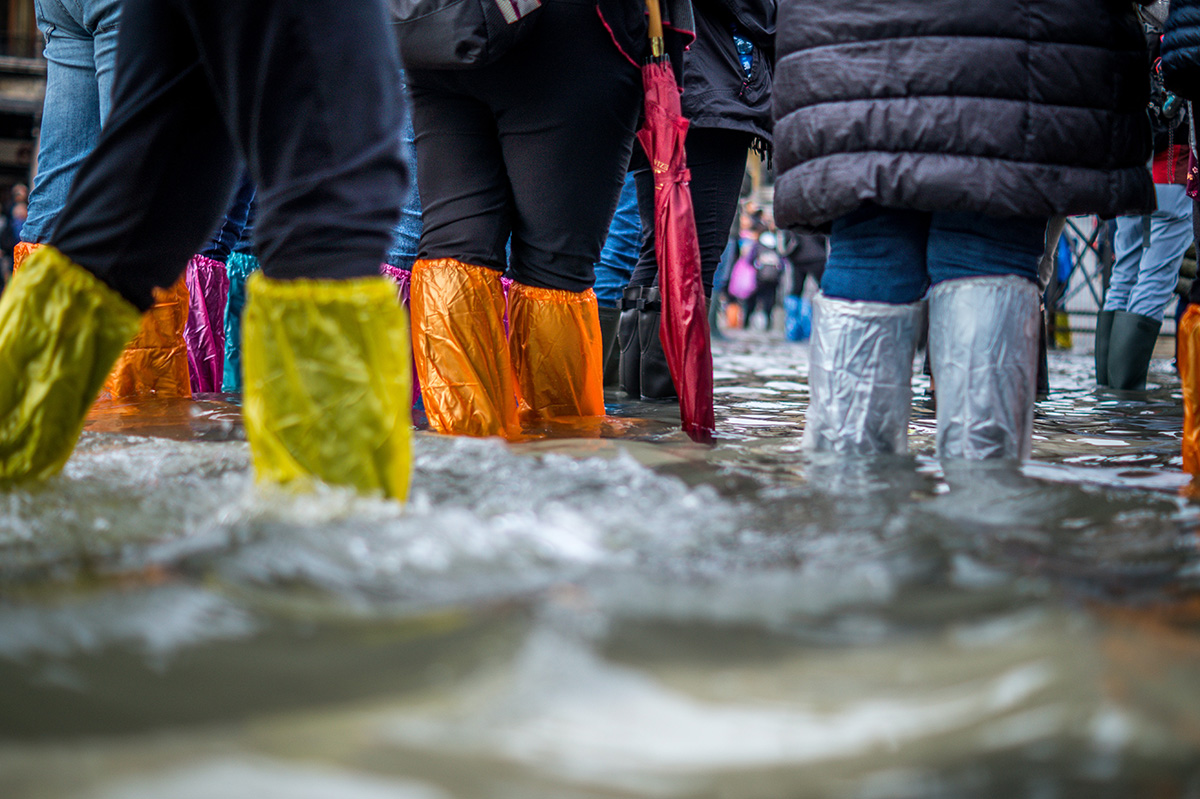
Climate change directly affects the success of a consumer goods businesses by disrupting supply chains. Image by Jonathan Ford
LUX: How do you avoid greenwashing?
Rebecca Marmot: We recognise that we are on a journey – and need to be transparent about our failures as well as our successes. We didn’t reach all of our USLP targets by 2020, but in falling short, we learnt new ways to approach and overcome challenges. For example, the need to engage in advocacy to decarbonise the grid – rather than just focusing on promoting shorter showers!
Here, reporting can play a useful role in tracking progress and preventing greenwash. We are calling for the adoption of high-quality, standardised non-financial reporting to ensure disclosures are consistent and comparable across companies and to facilitate allocation of capital to the most sustainable companies.
LUX: How is Unilever working to eliminate Scope 1 and 2 emissions – those generated by your operations?
Rebecca Marmot: First, we need to put our own house in order by transforming the way our factories run: investing in new technologies, increasing energy efficiency and switching to renewable energy sources. For instance, biogas generated from the manufacturing of Marmite helps power the boilers at our Burton site in the UK.
We are also innovating through our brands. Our Clean Future programme commits us to eliminating fossil fuel derived carbon from cleaning and laundry products by 2030, and we also recently launched the word’s first laundry capsule made from captured and recycled industrial carbon emissions in China in partnership with LanzaTech.
One of the biggest challenges is that the lion’s share of our emissions are outside of our direct control. About 60% of our emissions come from raw materials and packaging. So, to reach our target, we are working across our value chain and engaging suppliers, partners and consumers in our decarbonisation journey.
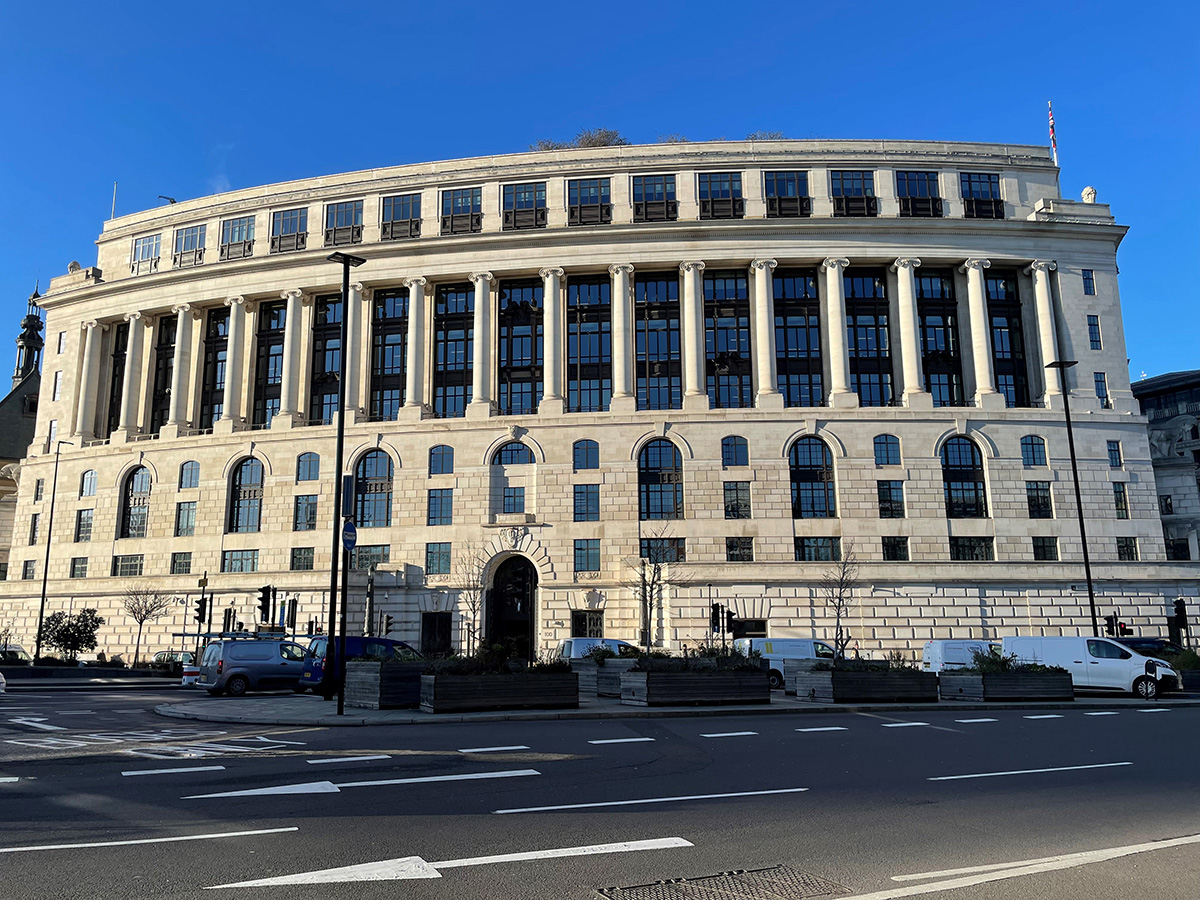
Unilever World Headquarters, London
LUX: Unilever has substantially more influence over its suppliers than consumers. How do you overcome that challenge?
Rebecca Marmot: When you take your Dove soap home and use it in your shower, then clean your shower with Cif bathroom spray, then reward yourself with a Magnum ice cream, the power used to generate the hot water and run your freezer is the area we have the least control over.
We’ve learnt over the last ten years that our ability to influence consumer emissions can be limited; we can’t control how long they spend in the shower or how they source their energy. But increasingly, consumers want to align their purchasing power with their values. We want to make it easy for them to choose our trusted brands – knowing that they are made with respect for the planet and people.
We can design products that help consumers use less carbon – like concentrated laundry detergents which enable people to wash their clothes at lower temperatures. Washing clothes at 30°C instead of 60°C cuts the GHG emissions per load by as much as 50%. We’ve also taken great strides to eliminate phosphates from our laundry products, one of our most GHG-intensive ingredients, which reduces CO2 emissions by up to 50% per consumer use.
LUX: How is Unilever addressing the ‘S’ of ‘ESG’?
Rebecca Marmot: COVID-19 highlighted vast social inequity and reaffirmed our focus on protecting lives and livelihoods. Last year, we committed to ensure that everyone who directly provides goods and services to Unilever earns at least a living wage or living income by 2030.
It also demonstrated global interdependences and the need to work together. At the beginning of the pandemic, Unilever and the UK government established a £100m partnership – The Hygiene and Behaviour Change Coalition (HBCC) – to provide products, infrastructure and education to help tackle COVID-19. Working with 21 NGOs and UN partners in 37 countries, HBCC has reached over 1.4 billion people and has recently been extended for a second phase. Bringing together the influence and expertise of Government and NGOs, with the brand reach and marketing power of business, has proved truly effective in spreading life-saving programmes.

Unilever’s Positive Beauty row
LUX: Is there a risk that those who are last to take on the costs of a green transition will be winners in the short term?
Rebecca Marmot: Inaction is no longer an option. In a world where the effects of climate change and inequality are glaringly apparent, both ability and license to operate will become dependent on being sustainable. Research shows that consumers are increasingly shunning companies that aren’t responsible, and employees want to work somewhere that reflects their beliefs. Without action to make supply chains more sustainable, companies simply won’t be able to source the raw materials needed for their products and operations will be stalled by floods and extreme weather. Laggards will likely also be hit by taxes on carbon and virgin plastic which are certainly coming down the line.
We believe the growth opportunities in embracing sustainable business are immense. In our experience, brand purpose grows brand power, and brand power drives market share and sales growth. There is no trade-off.
LUX: Which leadership qualities are necessary to implementing a sustainability strategy while meeting the needs of shareholders?
Rebecca Marmot: Delivering superior performance while creating value for multiple stakeholders requires ingenuity, partnership and, above all, a clear, ambitious plan.
Given how interlinked everything is, we also need to shun silos in favour of systems thinking. For example, we take a holistic approach across climate and nature since we recognise that action to solve one crisis can help to address the other.
Read more: Richard Curtis on the Power of Pensions
We also need to be bold. Last year we established the €1 billion Climate & Nature Fund so that our brands can invest in projects that have a positive and meaningful impact. Knorr will have 50 regenerative agriculture projects over the next five years – supporting farmers and building resilient food chains of the future.
And we need to be innovative – identifying new ways to lower our impact without compromising quality or performance. For example, our R&D teams are using the latest technology to create new means of compacting and reducing the resources used to deliver our products and our Foods business is expanding our plant-based offerings to ensure that sustainable options become accessible to all.
Find out more: www.unilever.com
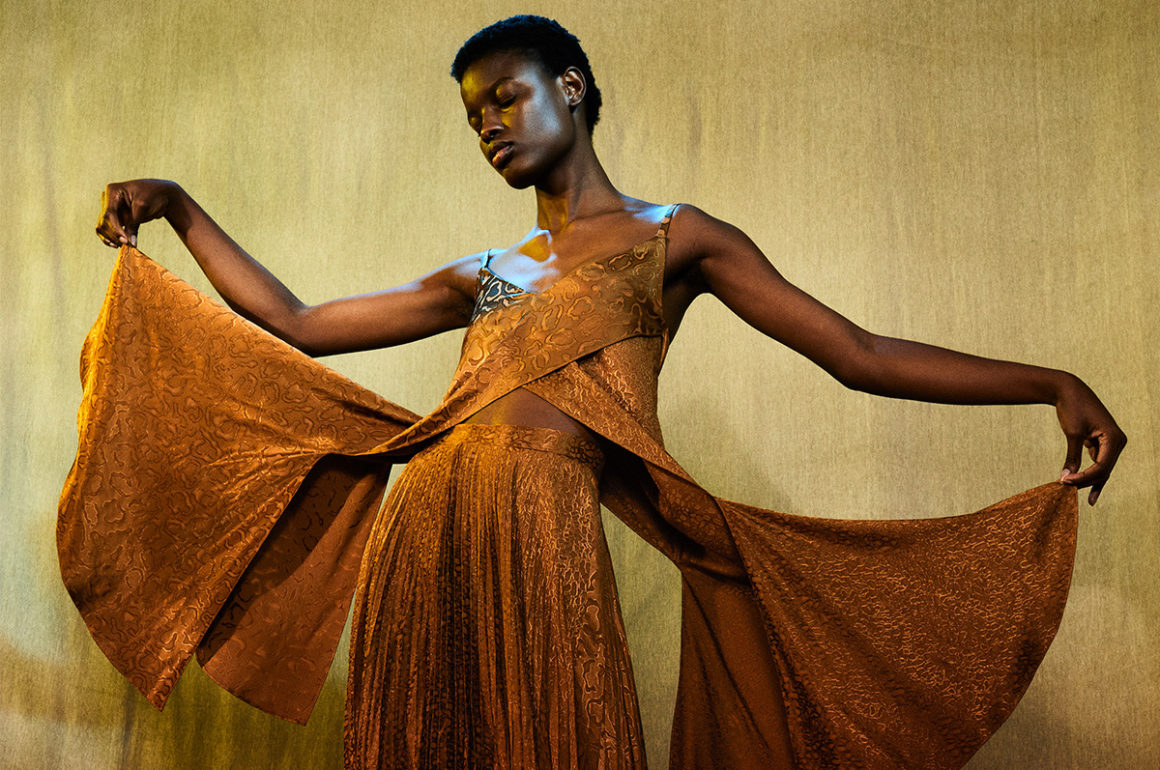
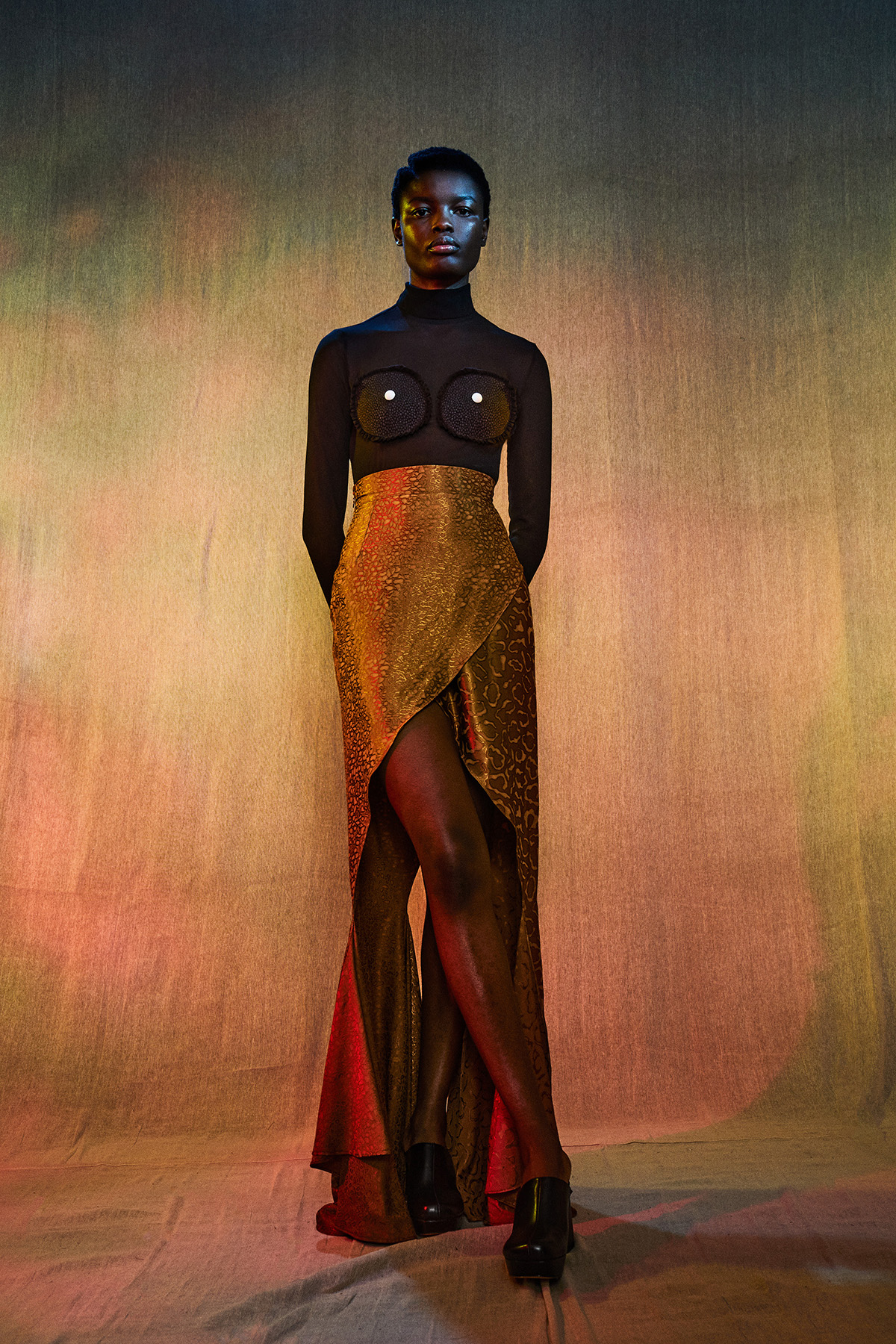
Edeline Lee embraces femininity and female empowerment through her clothes. Photo by Nick Thompson.
As Fashion Weeks comes to a close, we’re celebrating designers who are paving the way for a more sustainable and ethical fashion industry. Here, Edeline Lee tells us why sustainability makes such a difference to the quality of her brand,
LUX: You’ve mentioned before that you design with the “Future Lady” in mind. What does that mean exactly?
Edeline Lee: The Future Lady is an idea that I made up to encompass the woman that I am designing for. Female identity is in flux in our generation. Modern women live hectic, collaged lives. We can’t automatically subscribe to the identities that have been laid out for us historically. Women now are more beautiful, more powerful, more free, stronger, more aware, more capable than any other time in history. Yet, we still have a way to go before we fulfil our true potential. How does the Future Lady dress? What is it to dress with true power, grace, beauty and dignity in today’s world?
My overarching concept has always been a conversation about this journey as a woman with the women who wear my clothes. It’s easy to be fooled into thinking that fashion is all about more and more: younger, thinner, cheaper, taller, louder, sexier.
Follow LUX on Instagram: luxthemagazine
I’ve spent a lot of time dressing with women in changing rooms. My experience is that women are well aware; they are not blind fools. They can feel the difference when something is made with quality and meaning, fits well, and is designed with a soul, to lift the best out of you. Once they experience what it feels like to put it on, they don’t need to be convinced to buy.
LUX: How did your time at Central Saint Martins impact your approach to design?
Edeline Lee: My time at Central Saint Martins taught me that you can design a collection from anything. At the beginning of every season, I try to connect back to the source. What do I find interesting, meaningful and beautiful around me? What makes me smile or makes me curious? It’s important that the source is pure, because then others will respond to it too.
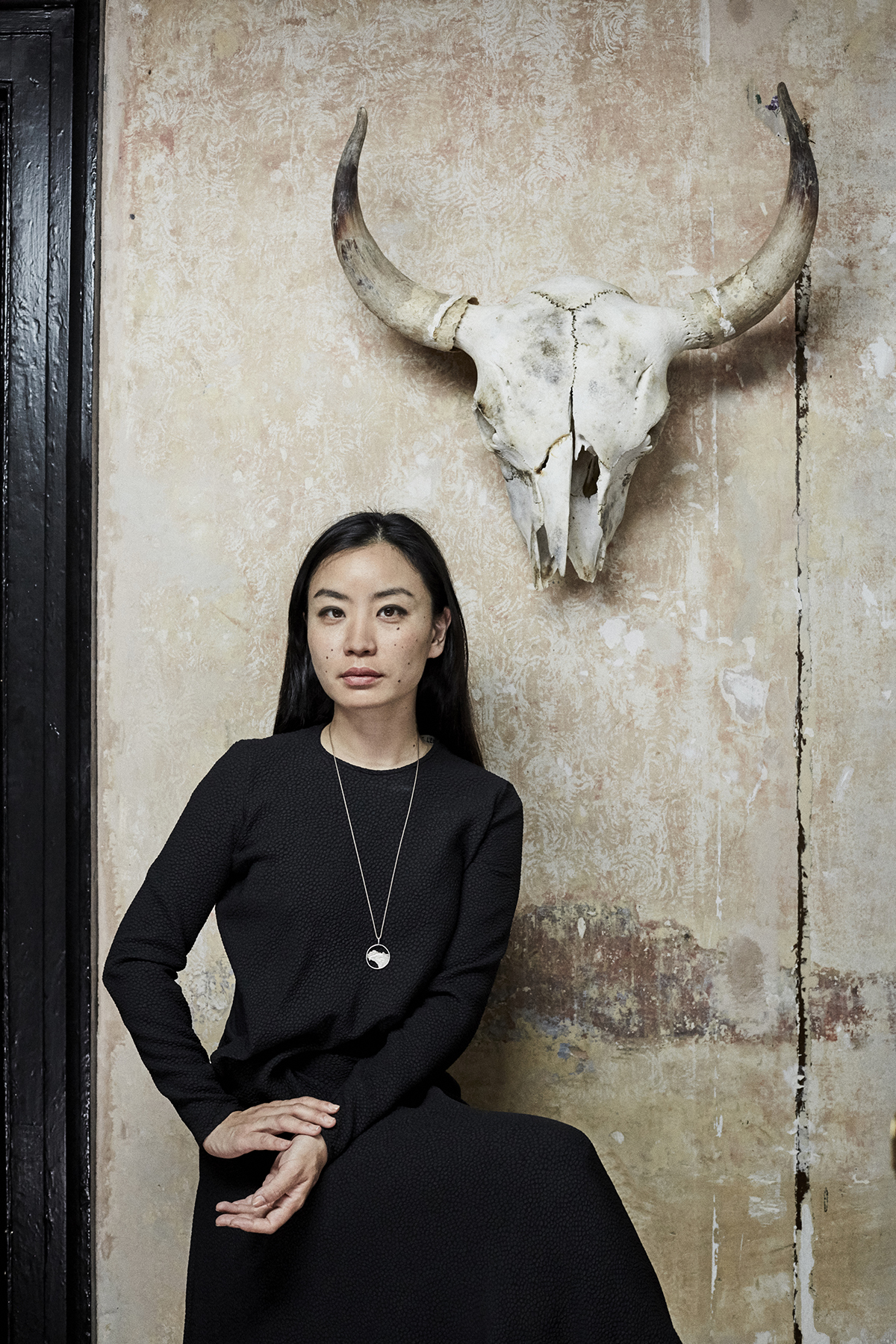
Edeline Lee. Photo by Mars Washington
LUX: Was there a particular turning point when you felt you’d discovered your distinct design language?
Edeline Lee: Femininity is a huge part of my design language. The problem I’m always trying to solve is: how does a woman dress with power and authority, whilst still being feminine? The two should not be mutually exclusive.
I design to help women express their higher purpose, but I also make clothes that resist wrinkling so that women can actually function at a high level in the clothes. The tricky thing is to strike the perfect balance between something that is flattering and appropriate, but just special enough to draw out what is individual and special in the woman wearing it. Thinking women deserve clothes that think.
LUX: Are there any designers or perhaps, design movements that have influenced your practice?
Edeline Lee: I’ve been very much influenced by the practice of the Weiner Werkstatte with their philosophy of the Gesamtkunstwerk or “total work of art”. I love the idea that every element in an environment can be harmonised and unified whether it be art, decorative arts or design. They believed that it was better to work 10 days on one product than to manufacture 10 products in one day.
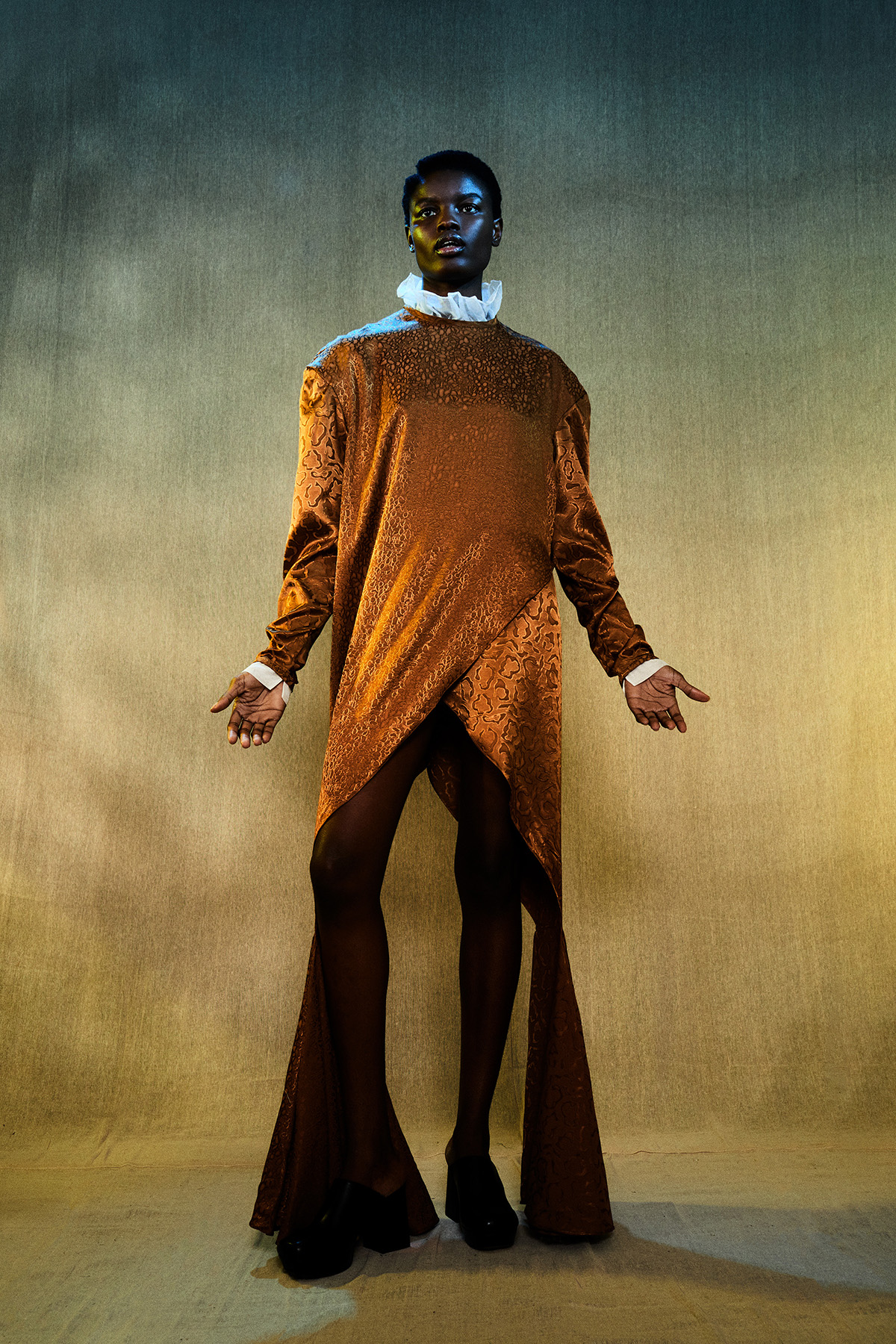
Edeline Lee Autumn Winter 2022. Photo by Nick Thompson.
LUX: How do you think the brand has evolved since its inception?
Edeline Lee: The label really became a “brand” when I learned how to define and project my purpose out into the world. If you know what your purpose is, the rest becomes so much easier.
LUX: Edeline Lee has been celebrated for its sustainable approach to luxury fashion. What’s your personal approach to sustainability? And do you think attitudes are changing in the fashion industry?
Edeline Lee: It startled and worried me when we were named in the top 4 sustainable brands at London Fashion Week by Good On You. It takes a lot of research and commitment to try to source and work sustainably and ethically, and we’ve been doing our best. Yet, I know that we still have such a long way to go.
My personal approach is that we must all take responsibility for our actions. Just as we producers need to take responsibility for the choices that we make, it’s important for customers to be empowered by their choices, and realise their power to purchase sustainably as well.
LUX: There has been much discussion around the unsustainability of fashion week. What are your thoughts?
Edeline Lee: I don’t think that it is necessary for everyone to relentlessly travel around the world, all the time. In that sense, the relentless churn of global fashion weeks isn’t sustainable. If anything, Covid 19 has taught us that we could all probably take a breather and be more selective in our choices.
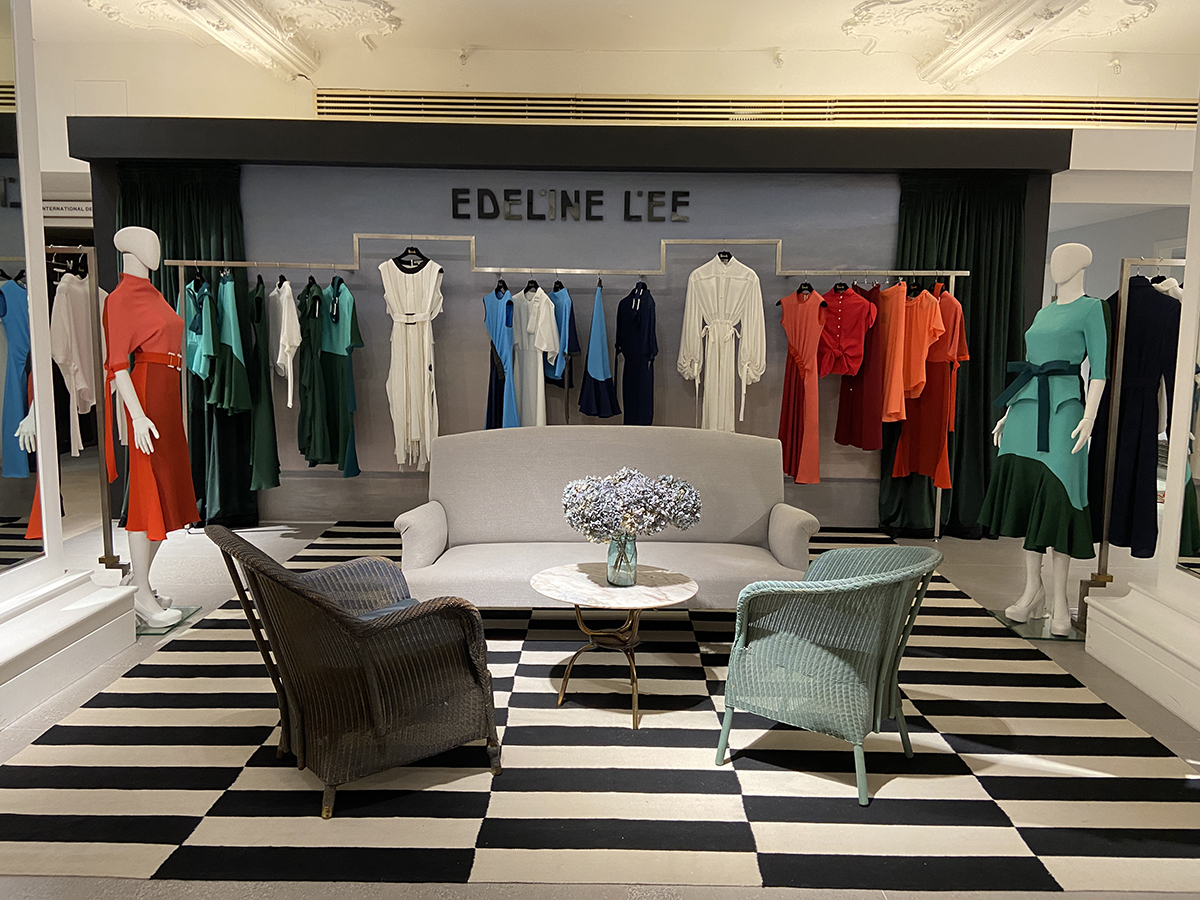
Edeline Lee retail space at Harrods, opened in 2022
LUX: You’re also an advocate of community-made fashion. How does that work in practice? And why is it important?
Edeline Lee: We dye our fabrics in Yorkshire, and design, cut, sew and finish all of our pieces in London – not because good craftsman don’t exist elsewhere in the world, but because of quality control. It means that I’m always the final eye cast over each piece before it ships. It means that I know personally each hand that touches the clothes, I truly believe that the love and care that is put into the making of a garment lends it a soul. It is visible to me when I look at a dress.
Read more: All-access rundown of Ozwald Boateng’s return to London Fashion Week
When your mother gives you a dress that she wore in her youth, aren’t you able to see or feel the soul in that garment? It is something like that. A dress is more beautiful when it is made with love, and that humanity in it becomes more powerful if every part of the dress is made within a community, by a team.
LUX: What are your goals for your company this year, and in the longer term?
Edeline Lee: We’ve just opened our first branded retail space inside of Harrods – so I am enjoying the process of developing and improving that. Please visit and take a look!
Find out more: edelinelee.com
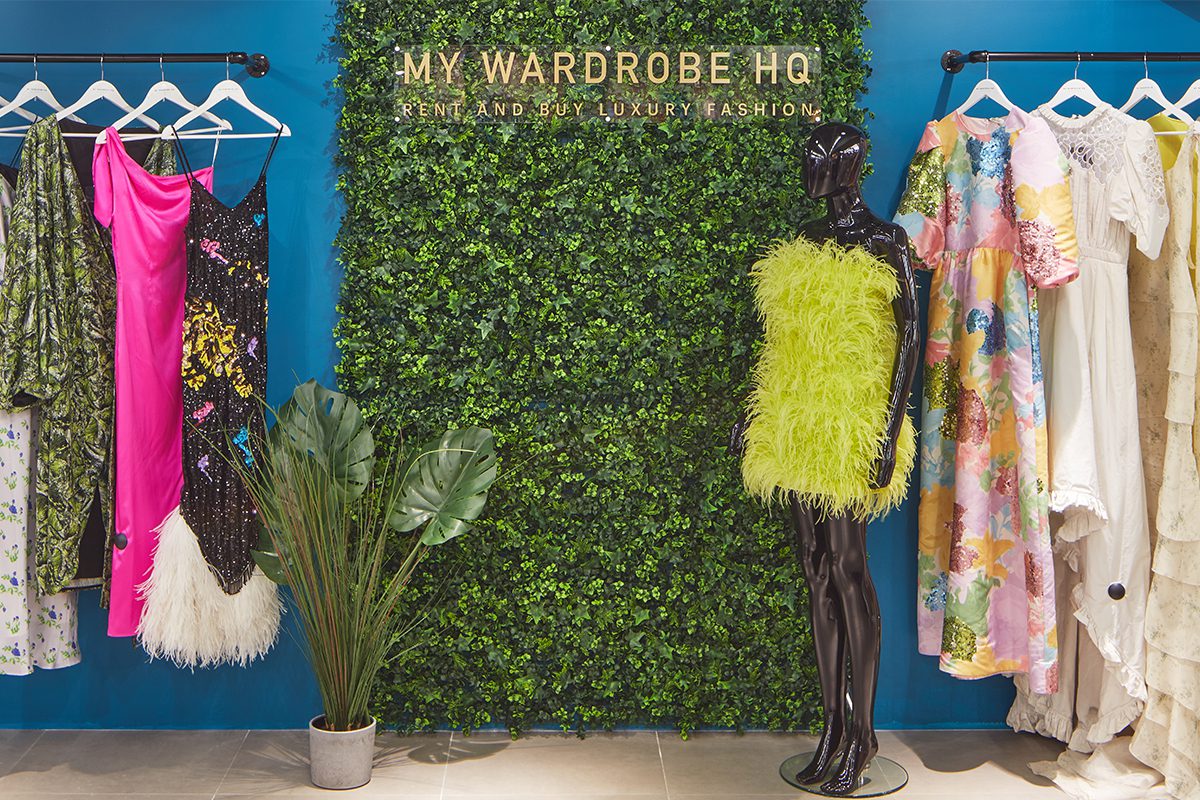 Jane Shepherdson is the woman behind the early success of Topshop, the fast fashion behemoth where she served as Chief Brand Officer in the 2000s. After this and her subsequent role as CEO of retailer Whistles, however, Shepherdson found that her complicity in one of the world’s biggest polluting industries was overriding the joy she once found in fashion. Here, the Director of the London Fashion Fund talks to Ella Johnson about her pivot to luxury rental start-up My Wardrobe HQ, and why rental is key to bringing the fun back to fashion
LUX: You are often associated with Topshop’s success as one of the early pioneers of fast fashion.
Jane Shepherdson: I always wanted to be a buyer – to structure and create ranges without actually designing them, and to work closely with designers. I got into Topshop at the very bottom, starting in the accessories department, and moved up to the jersey department, which was the biggest. It was where you could make the biggest impact, because you had responsibility for tens of millions of pounds worth of the company’s money. We travelled an awful lot in those days, and we did not worry about the environmental aspect. It was hard to beat as a lifestyle.
Follow LUX on Instagram: luxthemagazine
LUX: When did you start to think about the environmental and social side?
Jane Shepherdson: We started our drive to better understand the supply chain at Topshop in the 1990s. We brought in a team of experts to do it, but Topshop had thousands of suppliers: it was very difficult to start establishing exactly what the supply chain was from the beginning like that.
It wasn’t until I moved to Whistles in 2008 that we really started to address the environmental side of things. We were a small business and we got to know each of our suppliers as well as we could, working with them to improve their practises. But it is still difficult to be completely sure that the factory you’re using is doing everything you expect them to be doing.
LUX: You are now Chair of fashion rental platform My Wardrobe HQ. What prompted your move to the rental fashion sector?
Jane Shepherdson: I left Whistles in 2016 because I was unsure that running a fashion business was something I could continue to do. I started looking at the possibility of creating a platform to display sustainable fashion, but I realised that I couldn’t find enough credible fashion brands that were sustainable. There is no point in endorsing fashion brands that I don’t think are any good: their practises may be perfect, but if the garment that comes out of the other end comes out as a hair shirt, there is no point doing it.
I had also just come back from a year travelling around America in Airbnb virtually every night. Fifteen years ago, you would never have considered sleeping in a stranger’s bed for the night. Now people are far more relaxed about renting apartments, cars, scooters. Why not fashion?
LUX: How have luxury brands responded to the rental proposition?
Jane Shepherdson: In the beginning, they were slow. They couldn’t see how rental worked within the luxury world, with the feeling of exclusivity. But in the last year we have started to have conversations directly with the luxury players – including Burberry, Liberty London and Harrods – because they are starting to realise that rental is not going away.
Think about it from the designer’s point of view. Most of their catwalk pieces end up just being that – catwalk pieces. The wholesalers don’t buy the avant-garde or brightly coloured pieces because they are too risky. Conversely, it has been proven that people are much more experimental when it comes to what they rent: consumers are much more likely to rent something that is covered in feathers or bright yellow than they are a black dress.
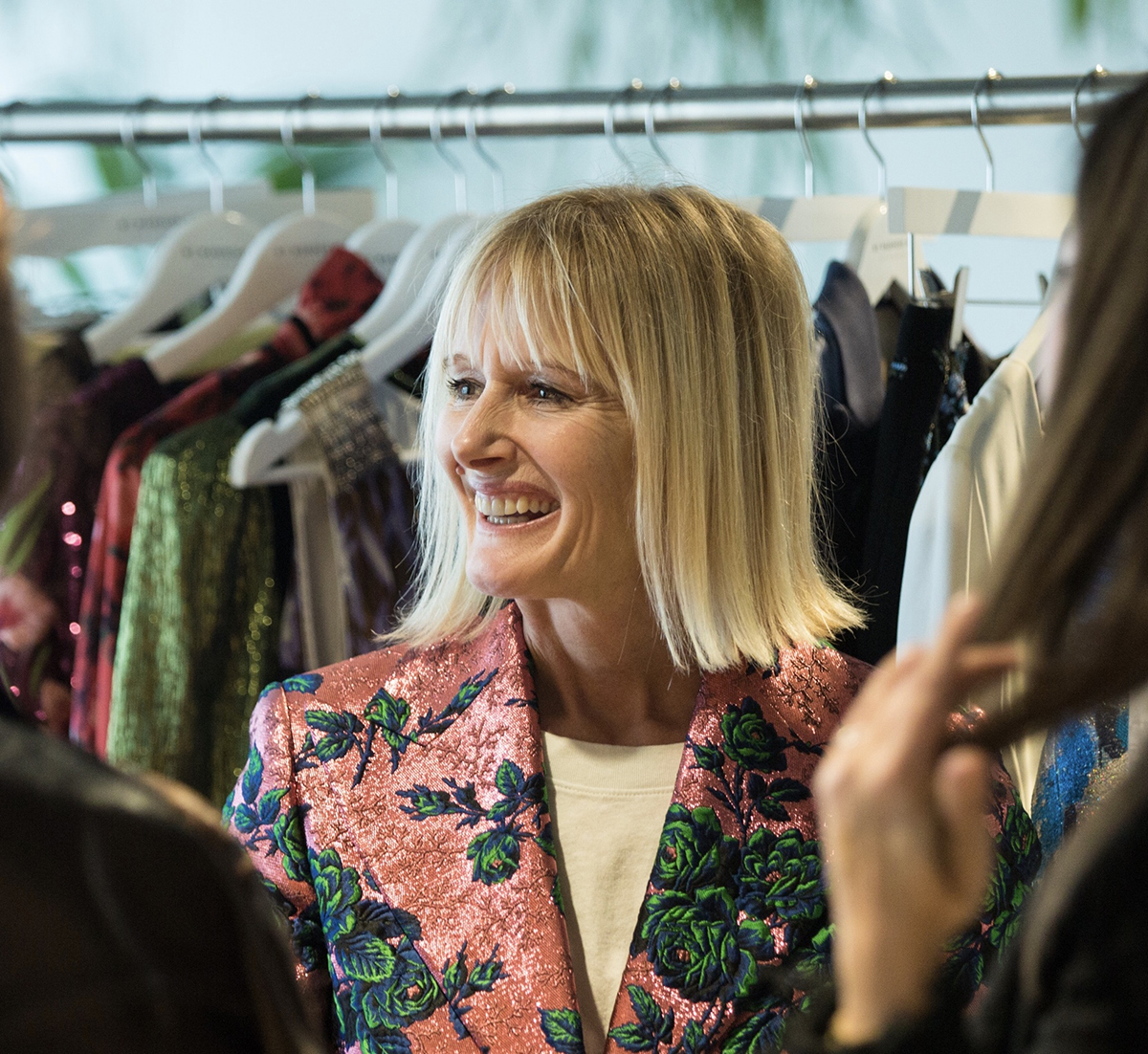
Jane Shepherdson, Chair, My Wardrobe HQ and Director, London Fashion Fund
LUX: Has that been true of your own experience of renting clothes?
Jane Shepherdson: I have spent a lifetime trying to dress myself for events, typically spending £1000 on something that was quite discreet, in navy or black, and assuming that was my sense of style. When I was first introduced to rental, however, the first thing I wore was this floor-length lilac Sharon Wauchob dress that was covered in feathers, with a matching tailored coat. Lisa Armstrong then called me one of the best dressed women of the year – the first time that has ever happened to me! It was completely different to what I had ever worn before, but it felt completely me – because I was allowed to experiment. Rental brings fun back to fashion.
LUX: Can second-hand ever be incorporated into ‘mainstream’ luxury?
Jane Shepherdson: The stigma associated with second-hand clothing is becoming less every single day. Most of our marketing and social media is really based on showing the beautiful, over the top creations that don’t look like they have come from a charity shop and are a bit more glamorous. I hope people will get that feeling and then prefer to rent a few pieces that were beautifully made that made me feel amazing, rather than have a wardrobe of cheap clothing that cost the same and they aren’t going to wear again.
LUX: Some say that rental perpetuates the appetite for newness which drives overconsumption in the first place.
Jane Shepherdson: I think telling people that they can’t do or have something is tantamount to saying to them ‘go on, do it again’. You have to find ways of allowing people to have fun, but in a different way.
Rental isn’t perfect, and I know that. There are plenty of environmental factors that I am still trying to overcome, like ozone cleaning and having to dry clean clothes all the time. But I hope it changes people’s mindset and relationship with fashion. Rental slows you down: you have to plan ahead.
LUX: How important is diversity to My Wardrobe HQ’s offering?
Jane Shepherdson: We want to be accessible to as wide of an audience as possible. That is difficult, though, because the individuals who lend us their wardrobes tend to be in small sizes. It is easier with the clothes we get from brands, because they give us a full size range. But we are continually trying to get a broader selection of clothes on the site.
LUX: Is there scope for designers to bring out collections for rental alone?
Jane Shepherdson: We have to think of different ways of doing things. I have had many conversations with [sustainable fashion designer] Patrick McDowell about how designers might do that with deadstock. If rental takes off and we get to some kind of scale, then it would certainly be a business model that designers would be happy to adopt. Think about the difference: designers selling their product to a wholesaler get back about 30% of retail price; if they rent it, they have only got to rent it out two or three times to have made more money than they are going to get from the wholesaler.
Read more: All-access rundown of Ozwald Boateng’s return to London Fashion Week
LUX: In what other ways are you seeing fashion innovate itself?
Jane Shepherdson: I am Director of the London Fashion Fund, which is funded by the Mayor’s office to find environmentally and socially responsible businesses who will be the future of fashion. We are currently looking at one business that is growing cotton hydroponically, which uses 90% less water. There is another which is looking at creating garments that photosynthesise when you wear them. They are alive, since they have these microbes, so instead of putting your jacket in a dark wardrobe, you hang it on the back of the chair in front of the window. They claim that one square metre of the cotton jersey they produce absorbs as much CO2 as a 100-year-old oak tree, and are talking to a high-street retailer about putting a collection together.
It is early days for a lot of these things, but there is so much that is happening that makes me feel optimistic. At least we can mitigate some of the damage. I am so desperate that someone doesn’t come along and say, ‘you can’t have fashion anymore: it is too trivial’. We have got to find ways.
Find out more:


The ‘Evering Small Tote’ by BEEN London
This month, we’re celebrating designers who are paving the way for a more sustainable and ethical fashion industry. Here, Genia Mineeva, the founder of innovative London-based handbag brand BEEN London, discusses her mission to rescue waste materials, support artisanal techniques and preserve our planet’s biodiversity
Genia Mineeva
Previously a political journalist for the BBC newsroom and a campaigner for the likes of the UN and Change.org, Genia Mineeva’s entrance into the world of fashion was somewhat unconventional: via her frustration at throwaway coffee cups.
Initially fired up by the idea of making better use of these recyclable objects, she began researching the potential of waste materials and eventually, enrolled on a course in Sustainable Value Chains at Cambridge University followed by a degree in Accessories Design at London College of Fashion.
Follow LUX on Instagram: luxthemagazine
Her brand, BEEN London, was launched, amidst the pandemic, on Kickstarter in 2020 and has since been named as ‘one of the most innovative companies in the world’ by British Vogue. Their product range includes handbags, laptop cases, make-up bags and totes, all made from waste materials and handcrafted by local craftspeople in East London. Here, Genia explains why sustainability is so much more than ticking boxes.
LUX: Your bags are made from a variety of recycled waste materials including apple skin leather. How did you go about developing these?
Genia Mineeva: It all started with a mission to rescue as much waste as possible from going to landfill. And the rest is a story of collaborating with likeminded people and material innovators around the world who are equally passionate about changing the way we make things. Some of our key partners are an Italian fabric mill turning discarded clothes into luxury cotton, a Dutch social enterprise collecting used corporate uniforms from the likes of IKEA and making really beautiful felt, and a team that turns used fishing nets which are polluting our oceans into a stunning regenerated nylon. What we do is develop practical and well-designed everyday accessories that help our customers have a real impact on the things they care about.

The ‘Islington Backpack’ in three different colours
LUX: How would you describe BEEN London’s design aesthetic?
Genia Mineeva: British Vogue once described our style as ‘Scandi meets Greek island chic’ which I think is pretty accurate! Clean, colourful but most of all practical. We make bags for real people who need a good quality product.
Read more: All-access rundown of Ozwald Boateng’s return to London Fashion Week
LUX: What guides your decision to use a particular material for a specific design or collection?
Genia Mineeva: We have a very clear set of principles here. Firstly, the material has to actually rescue waste, that’s why we wouldn’t use mushroom leather for example or cactus leather – where a plant is grown specifically to make the material. There are some brilliant brands doing it, but this is not our mission. Secondly, we we only work with materials that have a recognised certification (such as Global Recycled Standard 0r Blue Sign) and thirdly, we consider the impact of the material. We look at CO2 emissions, water consumption and even the end of life of each of our bags, we take everything into consideration!
Genia with one of BEEN London’s artisans in their East London workshop
LUX: Each of BEEN London’s bags is handcrafted by artisans in East London. How did you go about finding your team of makers?
Genia Mineeva: It’s all a bit of luck, people recommending other people and a definite gut feeling. My dream is for BEEN London to become the central hub for preserving the disappearing skills of leather makers. How cool would that be to merge artisanal training with innovative materials? All under one roof!
LUX: Why was it important for you to support craft methods?
Genia Mineeva: I think we seem to have lost the connection to how things are really made. A lot of the time, the things that we buy are made somewhere far away and we don’t give a second thought to the person who’s behind it and how their lives are affected by the work they do. To me, it’s about both human rights and wellbeing as well as the slow, beautiful process of making products entirely by hand, with a lot of love and skill put into it.

The ‘Cecilia Crossbody’ bag
LUX: What inspired your decision to start planting trees in Peru? And how does the project work in practice?
Genia Mineeva: We always wanted to expand our impact from reworking waste to include regeneration. The Amazon, being the largest and the fastest disappearing rainforest on the planet, was an obvious choice. The challenge was to find the right partner. So many tree planting programmes are a bit of a box ticking exercise and plant mono-cultural forests (using the same plants all over) but it was very important to us that we planted them properly in order to preserve biodiversity.
Read more: Justin Thornton & Thea Bregazzi, founders of Preen, on their intuitive design approach
LUX: How has your understanding of sustainability changed since you started?
Genia Mineeva: I had a degree in sustainability when I created BEEN London, so the fundamental education was there but as the science and research is forever changing, there is always a lot to learn! It’s about the learning mindset and measuring everything in order to see the brands progress and impact.
The ‘Monier’ bag in black and white
LUX: What’s the biggest challenge of running a sustainable luxury brand?
Genia Mineeva: Time!
LUX: What are your future ambitions for your company?
Genia Mineeva: We want to become the go-to brand for a trusted, genuine approach. A collaboration from start to finish, we work hand-in-hand to combine traditional craftsmanship with innovation. We believe it’s so important to support local skills and techniques that have stood the test of time. For us, it’s a real dream to really preserve these artisanal techniques and to help train others.
View the collections: been.london

Richard Curtis, the screenwriter and film director behind Notting Hill, Bridget Jones’s Diary, and Love Actually has launched a new campaign – to ensure people pressure their pension providers to follow sustainable principles. If successful, it could trigger a seismic shift in ESG investments. He speaks to Ella Johnson.
Richard Curtis is celebrated for comedic masterpieces like Four Weddings and a Funeral (1994) and Bridget Jones’s Diary (2001). Making nearly $300 million apiece at the box office, his Oscar-nominated films have starred everyone from Hugh Grant to Julia Roberts, Renée Zellweger to Colin Firth – to name but a few. Now, Curtis has launched a campaign aimed at ensuring fund managers put their money where their marketing material is on the green transition. For an industry worth $56 trillion globally, this would be a key pillar in achieving the Paris Climate Agreement goals.
It’s not the first time Curtis has turned his hand to social impact. He is the leader of Project Everyone, the not-for-profit creative communications agency raising awareness around the UN’s Global Goals. Following the 1985 famine in Ethiopia, Curtis also co-founded Comic Relief with actor and comedian Lenny Henry. Through its annual Red Nose Day comedy telethons in Britain, which have involved a star-studded roster of celebrities including Justin Bieber and the Duke of Cambridge, the charity has raised £1.3 billion for disadvantaged communities around the world. It also inspired the launch of a US edition in 2015, which names Jennifer Garner and Jack Black among its contributors and has raised $270 million to end child poverty to date.
Yet with trillions’ worth of pension schemes failing to commit to robust Net Zero targets, Curtis’ next venture could have an even greater (and greener) impact. According to him, it is all well and good spending your life fighting for great causes – but if your pension is funding precisely the opposite cause, what good are you really doing?
LUX: You describe people’s pension investments as a “superpower” hidden in plain sight. What does that mean?
Richard Curtis: It all changed for me when I saw a brilliant TED talk by an Australian cancer doctor called Bronwyn King, who discovered that a lot of her pension money was invested in tobacco companies without her knowing – meaning she’d actually been killing more people with her investments than she’d been saving with her life’s work.
The more I looked into it, the more examples of this I saw. From peace activists investing in weapons, to climate campaigners funding fossil fuel companies, to vegans investing in the meat industry – it was clear that many of us had become accidental investors in the practices we fight against.
LUX: What’s the key element of your campaign?
Richard Curtis: A key part of our campaign is to showcase what’s possible if we direct our money towards funding the best companies. Our 21x Campaign centres upon research conducted with Aviva and Route2, which found that moving from a default pension to a sustainable one could be 21 times more powerful at cutting your carbon footprint than giving up flying, becoming a vegetarian and switching energy provider combined.
Imagine if all £2.6 trillion in UK pensions was in sustainable funds; helping tackle the climate crisis, restore nature, alleviate poverty, provide affordable housing, and support medical research – the impact could be extraordinary.
Follow LUX on Instagram: luxthemagazine
LUX: Why is this awakening happening now?
Richard Curtis: I think we’re now at an incredibly exciting moment in civic activism. People are no longer waiting on others to change the world for them – they’re taking matters into their own hands and asking ‘what can I actually do to make a difference with my everyday actions?’ They are finding answers in unexpected places: in the clothes they wear, the food they eat, and how they travel. They’re discovering it in the products they buy, the brands they engage with, and the employers they work for.
Left to right: Bill Nighy, Rachel McAdams, Richard Curtis and Domhnall Gleeson arriving for the About Time UK Premiere held at Somerset House, London, 2013
LUX: Does following ESG guidance mean lower returns?
Richard Curtis: Research has shown that investing in sustainable, long-term businesses can have a positive impact on the environment and on society, and still secure healthy returns.
Morningstar examined the performance of 745 Europe-based sustainable funds and found that the majority of them had done better than non-sustainable funds over one, three, five and 10 years. In fact, many industry leaders have called the green transition the greatest economic opportunity of a generation.
We’re entering a time where it doesn’t have to be values vs. value, money vs. morals; you really can have both.
LUX: How are you raising these issues to the top of the agenda for the young generation?
Richard Curtis: Our first job is to get this issue on the radar of businesses leaders and CEOs – making sure that pensions are the new frontier for sustainability minded organisations across. After all, why serve vegetarian meals in the canteen if your pensions are invested in factory farming? Why install renewable energy across your offices, but continue to invest in coal? And why build a world beating sustainability plan if your pension money is directly undermining those actions?
This is a huge gap, but more importantly an enormous opportunity for impact. With customers, shareholders, investors, and employees increasingly asking businesses to ‘walk the talk’, authenticity and consistency across organisations’ climate change strategies can create a real competitive advantage, alongside real-world impact.

Richard Curtis and Keira Knightley for Comic Relief Red Nose Day
In putting their money where their mouth is, businesses can turbocharge their existing efforts in their race to net zero, engage new customers and clients, and help build a world fit for their employees’ retirement. All while protecting their investments from the worst effects of climate change.
Read more: Catherine Mallyon on The Royal Shakespeare Company’s Success
LUX: Your career has been dedicated to alleviating human suffering – through the £1.3 billion raised by Comic Relief to date; and now, through the £1 trillion worth of pension money that has been diverted towards tackling the climate crisis. How do you maintain clarity of vision and purpose on this scale?
Richard Curtis: Everything I’ve ever done has mainly been the work of so many other people. I’m the guy who opens the door for everyone else to come through. The real answer is that I sometimes do worry that I’m not doing the right things at the right time – but what I try to do is just work out where I, with my limited skills, can be most useful. And, when I find something like Make My Money Matter, I try to actually treat it like a proper job and spend my time making things, and organising events and campaigns – rather than just talking round things. My motto has always been ‘To make things happen, you have to make things.’
Find out more: www.makemymoneymatter.co.uk
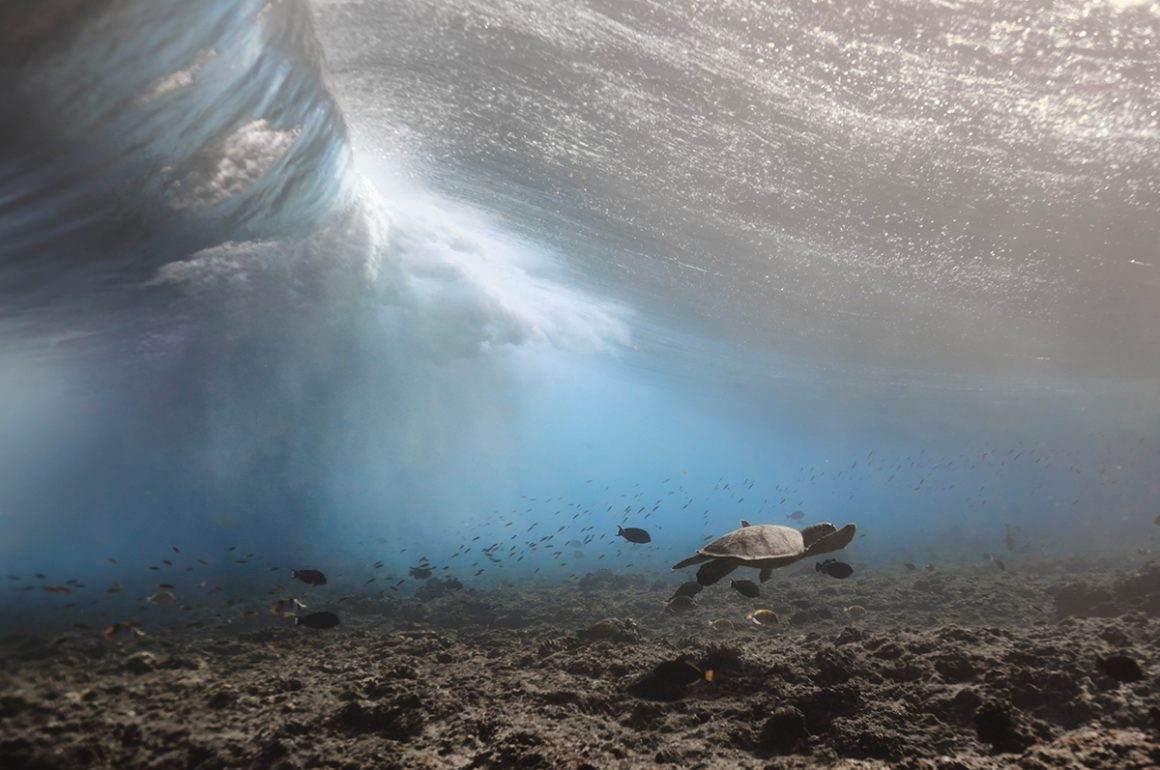
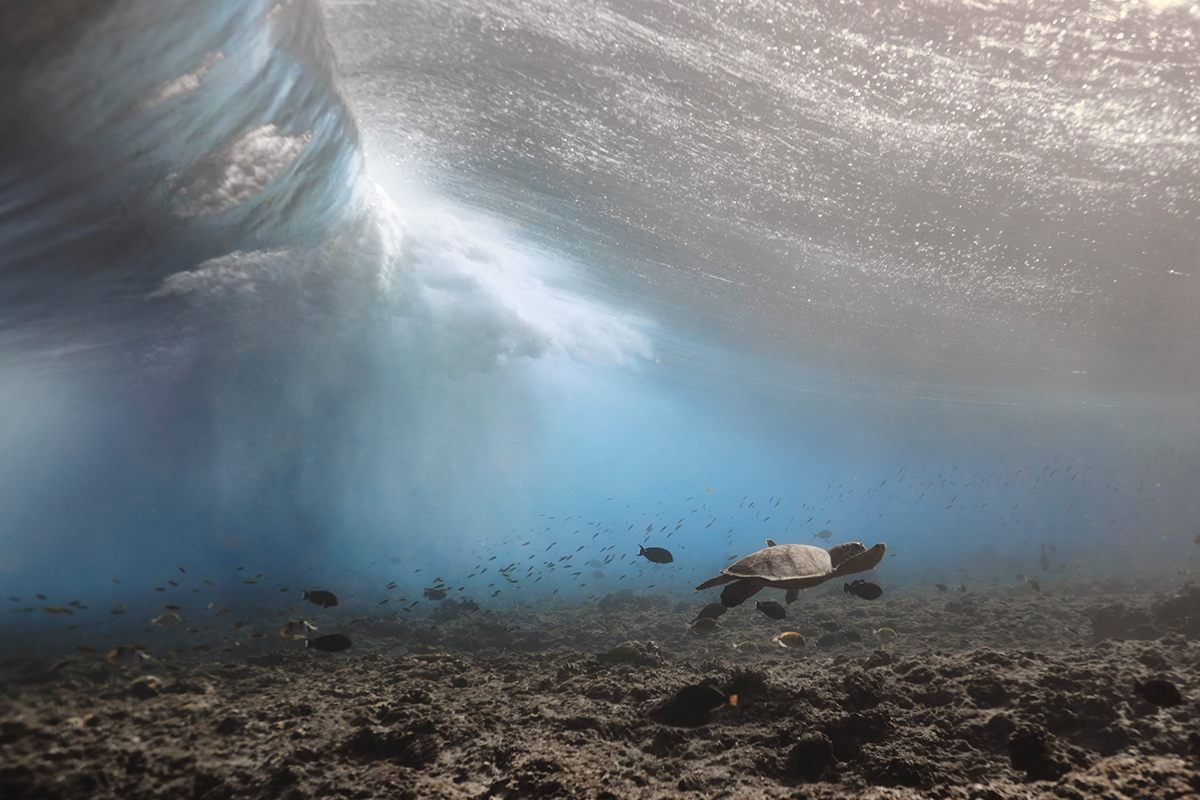
The health of the world’s oceans is under threat. But the seas can be part of a visionary plan to address climate change and create a more sustainable economy. Andrew Saunders reports on the new science around ocean carbon capture
Photography by Matt Sharp
The power of plants to absorb excess carbon dioxide from the atmosphere as they grow is well understood as a vital tool in the global battle against climate change. But which of the planet’s myriad natural environments does it best? Tropical rainforest? African Savannah? Scottish peat bogs? None of the above – in fact the most carbon-rich ecosystem in the world is not to be found on land at all but in the ocean. Mangrove swamps, such as those found dotted around the coastlines of Indonesia, Brazil and Nigeria for example, are the unsung heroes of carbon storage, locking up no less than ten times as much carbon per kilometre square in their branches, roots and soils than even the densest forest.
Follow LUX on Instagram: luxthemagazine
Together with other coastal ecosystems, including sea-grass meadows, tidal marshlands and coral reefs, these so-called ‘blue carbon’ resources highlight that the oceans play a much more prominent role in limiting global warming than has been generally recognised.
“Building the ocean’s resilience to change and helping to rebuild marine-species abundance and diversity are not as fully appreciated as they should be as crucial tools in combating climate change, but there is more and more evidence that blue carbon plays a critical role in maintaining the health of our biosphere,” says Karen Sack, chief executive of Ocean Unite, an international network of experts in the science and ecology of the oceans.
Covering some 70 per cent of the planet’s surface, the oceans are effectively a huge carbon sink which has already absorbed around a third of the excess carbon that has been put into the atmosphere since the dawn of the industrial era. And more than 50 per cent of the carbon in the ocean is blue carbon, despite the fact that such environments account for only two per cent of the total ocean area. Protecting and enhancing them is at least as important as preserving forests, planting trees and rewilding on land, says Sack. “Mangroves, sea-grass beds, fish and marine mammals play a huge role in sequestering and storing carbon. By protecting and restoring these crucial habitats and species, more carbon will be sequestered and stored, resulting in a healthier planet, which is better for us all.”
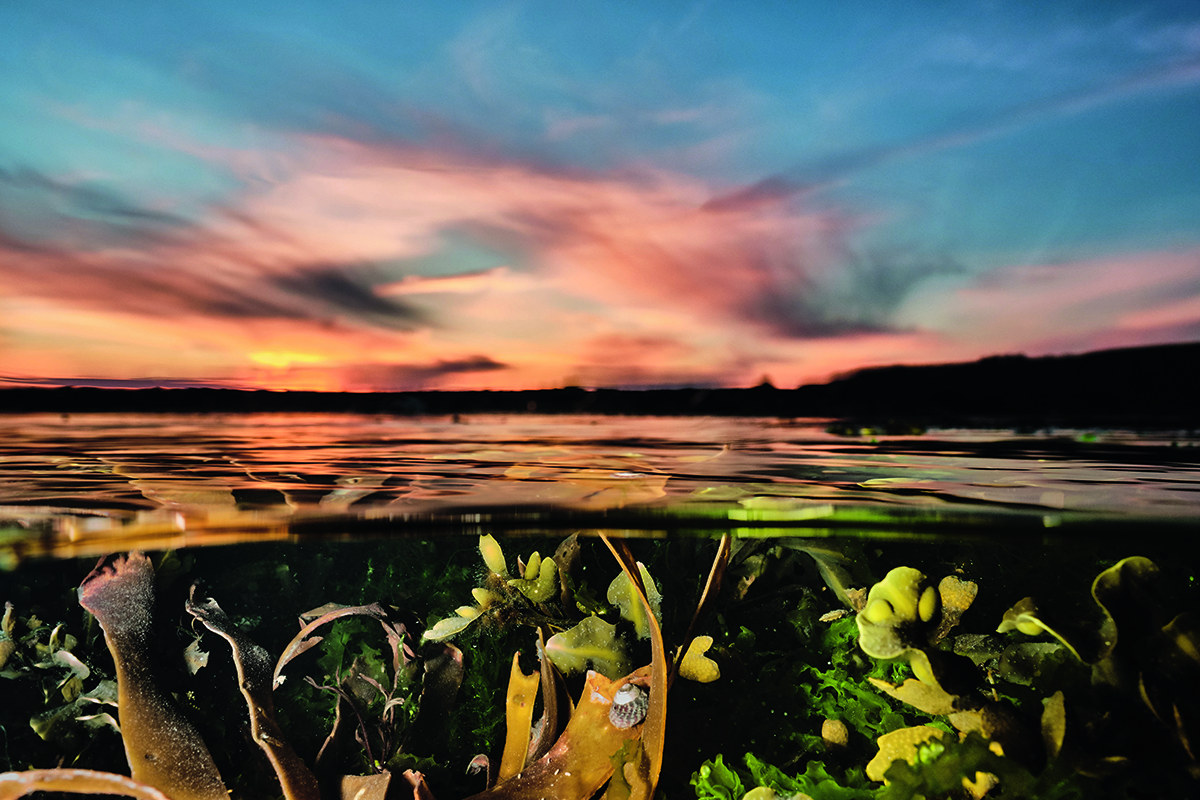
Rock pools in Jersey
The carbon capture and storage potential of healthy oceans is not limited to coastal blue carbon zones alone, however. Other proposals for boosting the potential carbon sequestering of the world’s seas include encouraging kelp forests – essentially huge seaweed farms – and even microscopic algae called phytoplankton to extract carbon from the atmosphere as they grow.
Such initiatives could not only help climate change but also present new and potentially lucrative opportunities for business and investors, says Professor Ove Hoegh-Guldberg of the University of Queensland and a member of the High Level Panel for a Sustainable Ocean Economy. The panel’s landmark 2020 report, Ocean Solutions That Benefit People, Nature and the Economy, found that a truly sustainable ocean economy could contribute around a fifth of the total carbon reduction required to meet the 2015 Paris Agreement target of a maximum two degrees of climate warming.
Read more: LUX Editor-in-Chief Darius Sanai on Effective Climate Action
For example, some phytoplankton species can be a source of valuable low or even zero-carbon biofuels and other industrial products. “Some of my colleagues here in Queensland are working on this. Phytoplankton grow very quickly and they can be processed to produce biofuels and high-value boutique chemicals. It’s potentially very interesting but it still has to be proved at an industrial scale.”
The ocean economy could also help feed the world more sustainably – a study by the Institute for Marine and Antarctic Studies found that each kilo of fish landed in the US requires the emission of just 1.6kg of carbon dioxide, compared with between 50kg and 750kg for a kilo of beef produced on land. And if it can be done sustainably, large-scale ocean aquaculture has the potential added benefit of helping to protect and restore many wild-fish stocks threatened by over-fishing. “Well over half the world’s fisheries are in trouble,” says Hoegh-Guldberg, “because they have been fished down to well below sustainable levels.”
Rethinking the way we catch fish, so that sustainable aquaculture in the oceans becomes more equivalent to sustainable agriculture on land, could help stressed wild fisheries recover, he adds. “We are sophisticated farmers on land but we still have a basically Neolithic culture when it comes to fisheries.”
Creating such a climate-positive ocean economy will require a shift in the mindset of business in general and finance in particular to the point where the environmental impact of commercial activity is given equal weight to considerations of profit and loss, says Ocean Unite’s Sack. “Instead of viewing nature as an unaccounted externality that is not valued, the finance and business community more broadly needs to recognise its value, including the intrinsic value of biodiversity, and account for it. It can then take tried and tested financial products and put them to work with nature to build resilience and deliver bankable returns.”
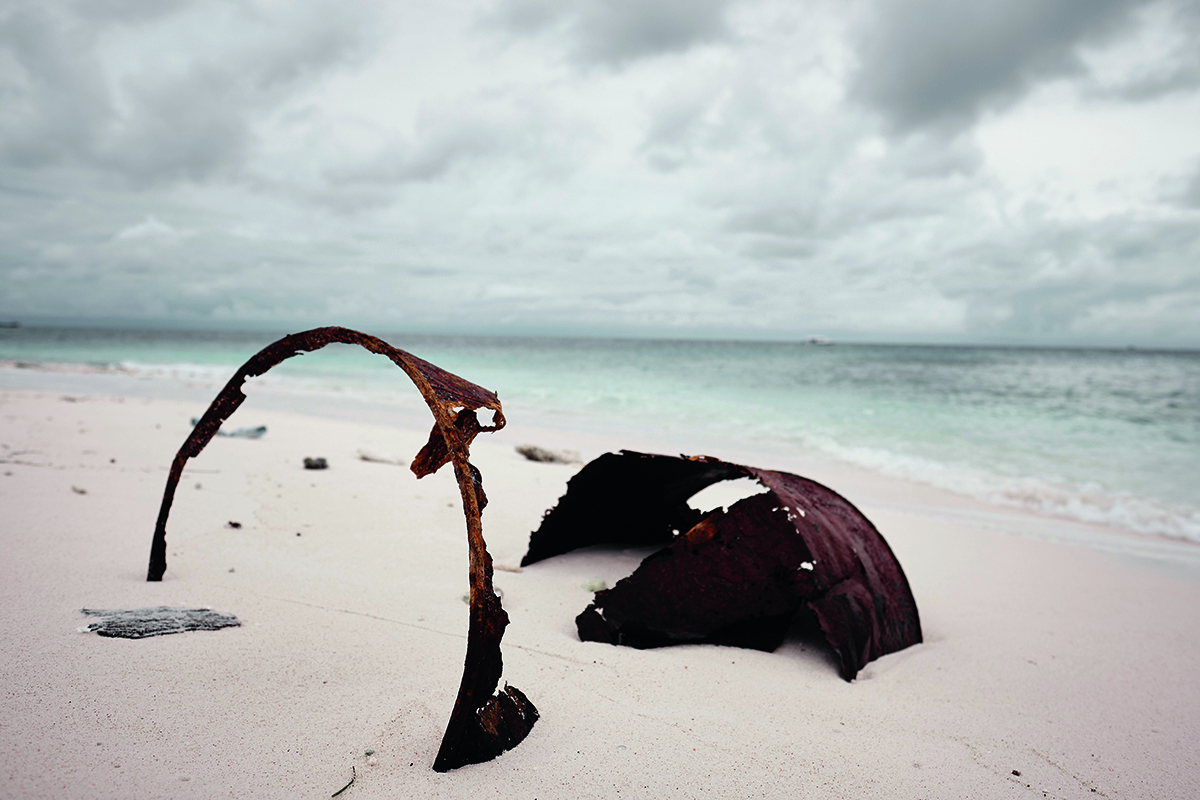
Matt Sharp visited the Maldives in 2019 (above) where he recorded the extent of the pollution on the beaches
Stressing the urgency, she continues, “We’re at an ‘all hands on deck’ moment. By bringing together our collective knowledge and strengths, we can tackle hazards and vulnerabilities, build resilience and adapt to change at speed and at scale. But we have to have public and private sector financing to do that and partner across sectors to spur the type of innovative marketplace that is needed.”
So, nature and profit can co-exist in a sustainable and carbon-sequestering ocean economy. But what about technological solutions? As far back as the 1970s, Italian physicist Cesare Marchetti was the first to suggest injecting CO₂ directly into the Mediterranean to ameliorate global warming, and since then the oceans have been seen as part of a more tech-led – and more controversial – approach. Subsequent refinements of Marchetti’s original idea include pumping CO₂ captured from industrial plants into the sediment layer on the deep ocean floor. The pressure at such depth would liquefy the carbon dioxide, helping – in theory anyway – to keep it safely locked up, miles down in the mud.
Read more: Markus Müller on the Importance of Global Sustainability Standards
Even set against the current scale of the climate crisis, this looks like last-ditch stuff, says Professor Stuart Haszeldine of the School of GeoSciences at Edinburgh University. “I would much prefer that we didn’t have to: it would be a last-resort type of measure, if we haven’t managed to re-capture our emissions in any other way.”
But all the same, less risky technological solutions may well have a place – and the ocean can be part of that, too. Haszeldine and his colleagues at Edinburgh have come up with an alternative plan that could see the ocean surface turned into a kind of giant mirror to reduce the heating effect of the sun. Autonomous, computer-controlled ships would suck up sea water and spray it into the air as fine droplets, forming a layer of mist to reflect sunlight and cool the waters beneath. “We should have started reducing our carbon dioxide emissions 30 years ago,” he says. “This would be a way of cooling the ocean quickly, to reduce the effects of hurricanes [also caused by rising sea temperatures] and of helping to refreeze the melting arctic ice.” The group is currently looking for funding for a trial project to turn its innovative idea into reality. “We could build a pilot boat for a few million, and if it works then building 300 of those to delay the climate problem is well within the capacity of the global shipbuilding industry.”
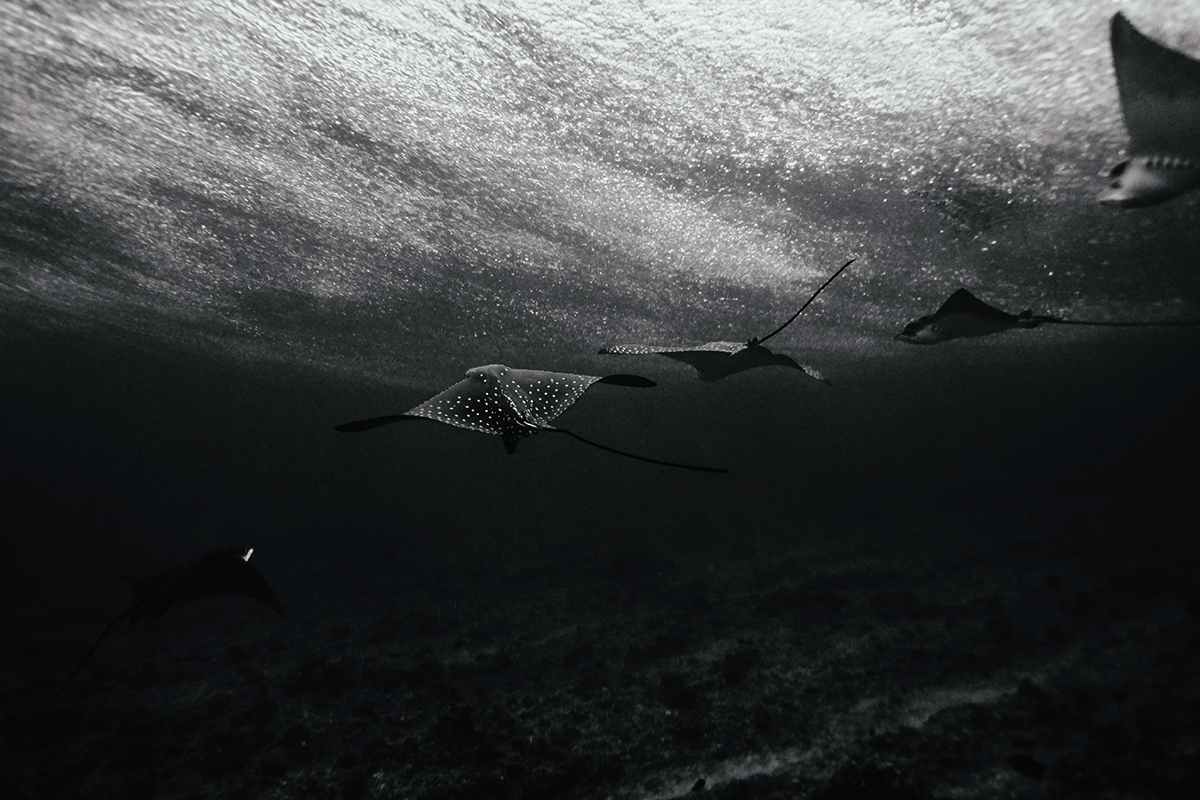
Spotted eagle rays in the seas around the islands in the Maldives
The ocean surface could also be a platform for renewable power generation, thanks to the developing technology of floating wind and solar farms, says Hoegh-Guldberg. “Our report concludes that there is enormous potential there, and it is both technologically feasible and acceptable to the public.”
So while the climate clock is ticking ever more loudly, there are grounds to be cautiously optimistic that an alliance between science, government and business will yet provide the framework, the finance and the innovative ideas required to keep global warming within just about tolerable limits, and that oceanic carbon capture and storage will play its full part in the process. In Hoegh-Guldberg’s view, “Government needs to set the rules to encourage science to define the problems and the solutions, but then it should be sitting back as business gets involved.”
Hoegh-Guldberg also warns that if we continue as we are, we will end up with a world that is three to four degrees warmer than the pre-industrial era. “So, it doesn’t look too good as it stands now. But humans are very resourceful and there are lots of opportunities. I think we will keep to under two degrees, though not by a lot. Transitions tend to happen very slowly at first; you have to push and push until you get to the inflection point. Then suddenly you’re rolling downhill on the other side.”
Matt Sharp was awarded the Ocean Conservation Photographer of the Year in 2020. He studied marine biology and has travelled and worked around the world, documenting marine life.
This article was originally published in the Autumn/Winter 2021 issue.
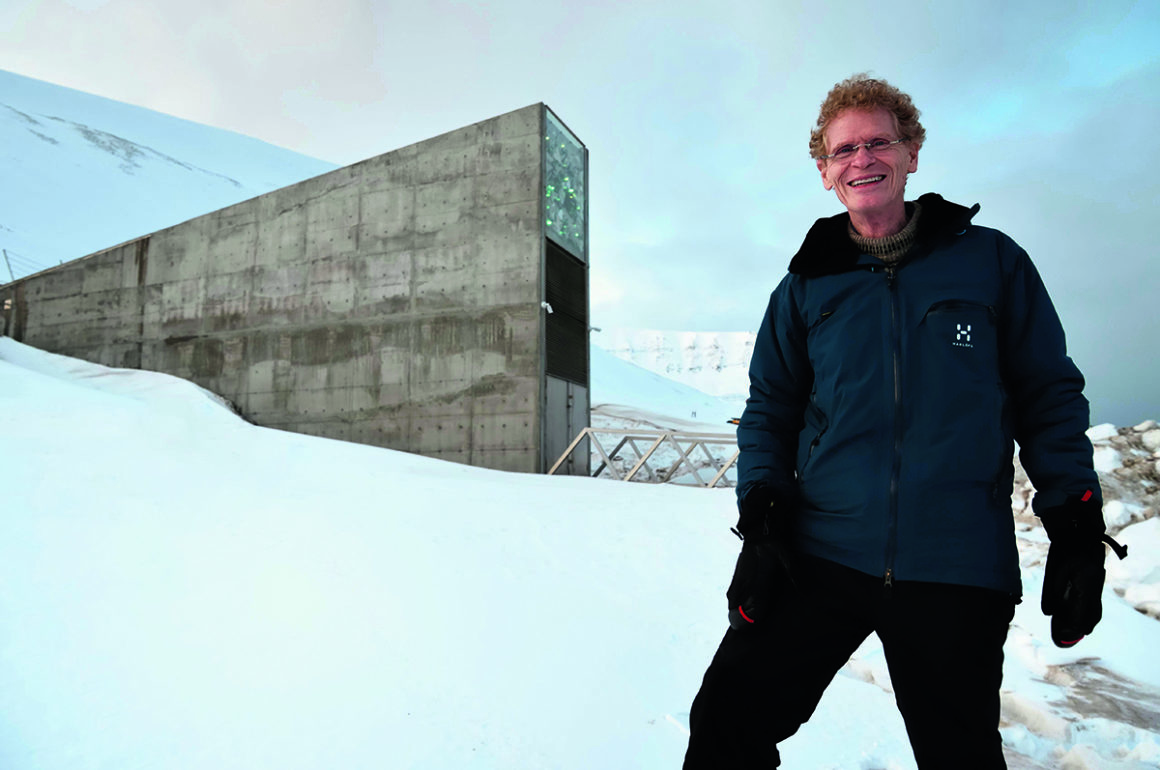
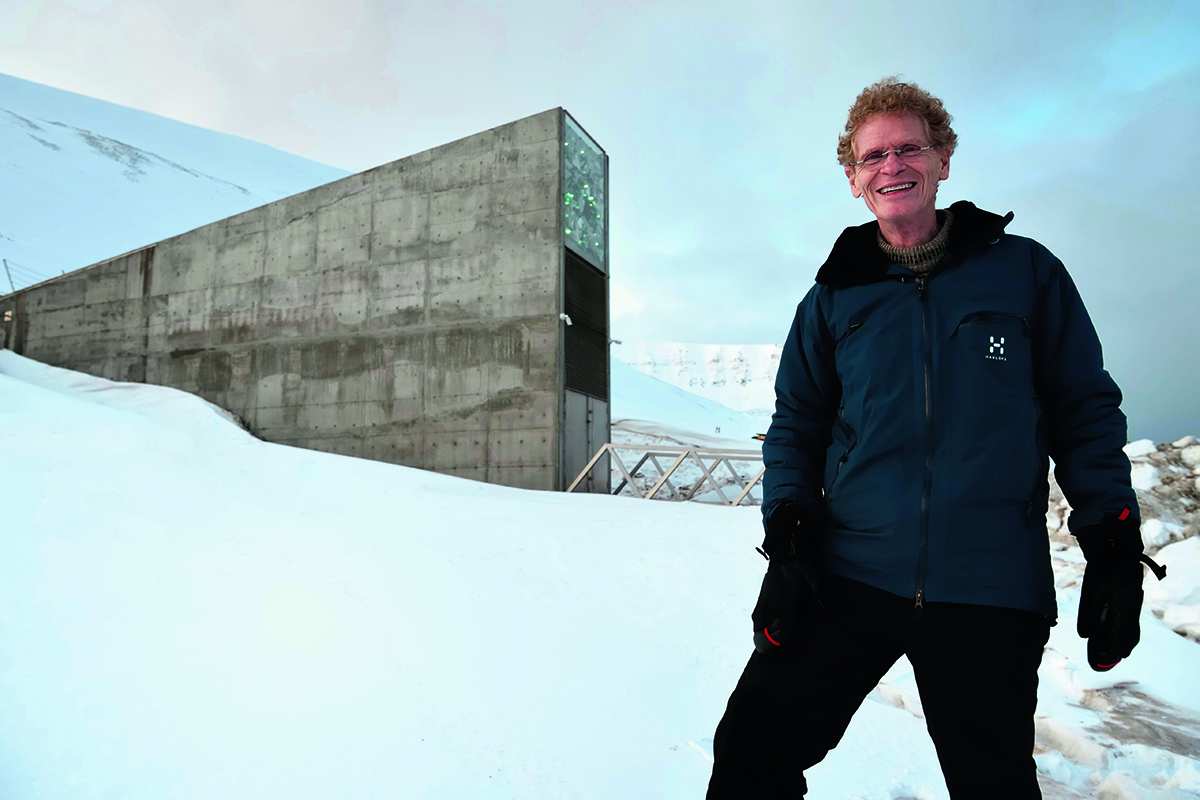
Cary Fowler outside the Svalbard Global Seed Vault. Hemis/Alamy
Cary Fowler is the American visionary who established the Svalbard Global Seed Vault to ensure the security of all our crop seeds come war, famine or plague. Such future-proofing is ever more important, he tells Andrew Saunders
Appearances can be deceptive. The modest steel and concrete protrusion jutting out from the side of a mountain on the remote Norwegian Svalbard archipelago may not look like much, but it’s actually the entrance to one of the most valuable facilities on earth. Within the vaults behind it, tunnelled 120m into the rock and isolated by layers of both physical and biosecure protection to prevent contamination from the outside world, lies neither gold, gems nor fine art but something much more precious – a collection of seeds of the world’s food crops that we all rely on for our daily nourishment.
It’s the Svalbard Global Seed Vault, and it was built to help protect the world from the growing threat of biodiversity loss, particularly arising from climate change. Loss of biodiversity may not be as well-known as other risks associated with global warming such as higher temperatures and rising sea levels, but it is at least as important, says Cary Fowler, biodiversity specialist and a member of the team that co-founded the vault in 2008. Because, he asks, where would we be without food to eat?
Follow LUX on Instagram: luxthemagazine
“We are in the midst of the greatest and quickest change in climate in the history of agriculture, and our future food security is totally dependent on biodiversity. How likely is it that all the varieties of all the food crops we rely on will be able to adapt and continue to grow in conditions that they as species have never experienced before? We need to preserve diversity so that we can help our crops adapt to these new conditions.”
But how exactly does keeping a collection that so far comprises 1.1 million seed samples (with each sample containing an average of 500 seeds) from more than 230 countries literally on ice at 78 degrees north help manage climate change? As Fowler explains, different varieties of rice, wheat, millet and so forth have specific traits that suit them for specific environments. Short-stemmed cereals are less susceptible to damage from wind and rain, for example, while others may be more tolerant of heat or drought. Samples of plants with those types of traits are a crucial hedge against the uncertainty of the future. The research done by bodies such as the International Maize and Wheat Improvement Center in Mexico is critical in our understanding of which varieties are resilient to changing environments.
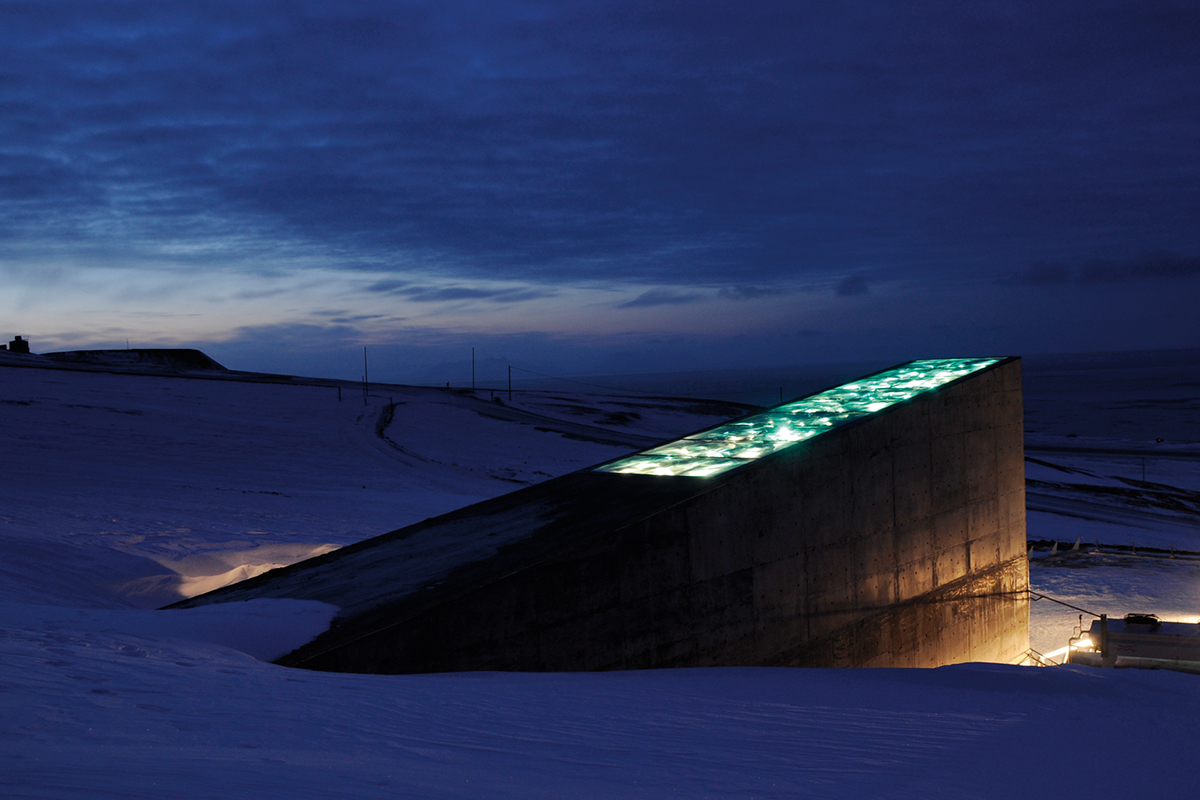
The entrance to the seed vault.
“Climate change will advantage some crops and disadvantage others,” he says. “If I had a time machine and could go forward 100 years, I am confident that some of the important crops we grow now will have become much less important, and others will have come to the fore. The seed vault collection makes that kind of adaptation possible.”
So, Svalbard is really a kind of global insurance policy, a backup resource to help maintain food production and preserve lives, societies and economies in the event of any natural or human-made disaster, including, but not limited to, climate change. Many of the varieties it contains are no longer grown because they have been replaced by new varieties that are more productive or easier to cultivate, but preserving them is no less important from a biodiversity point of view. “You might have a sample of wheat, say, that by modern standards is just terrible, but it could have one vital trait that is not found anywhere else – resistance to a disease that we don’t even know about today, for example. We can then crossbreed it to get that trait into the modern variety,” explains Fowler.
Read more: Markus Müller on the Importance of Global Sustainability Standards
The Seed Vault was set up as a partnership between the Norwegian government, the Nordic Genetic Resource Centre (NordGen) and the Crop Trust (of which Fowler was previously executive director and where he is now a senior adviser) to conserve crop diversity in perpetuity. He well remembers the scale of the task that faced him and the team he was leading in the early days. “I’d been in the field for a few decades and I knew what was necessary to conserve crop diversity, but to do it in perpetuity? That was an interesting challenge. There are not too many jobs on the planet that involve doing something in perpetuity.”
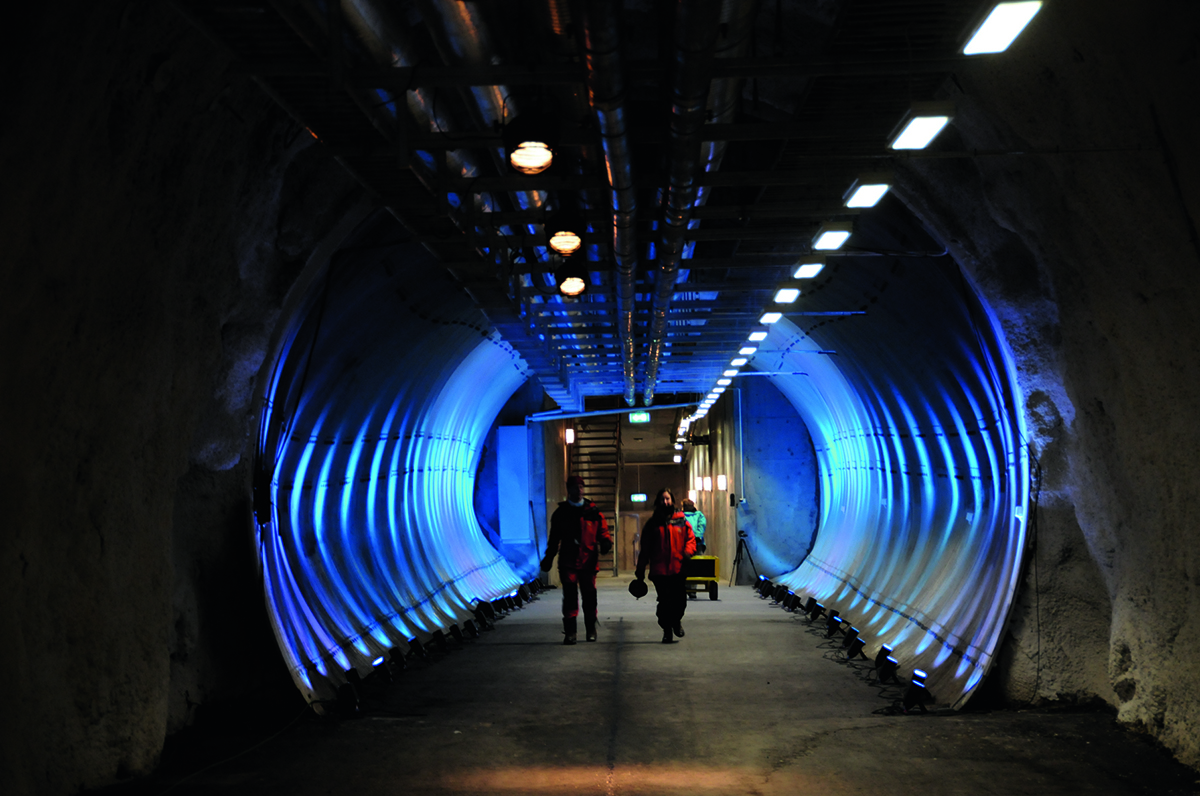
One of the tunnels inside the vault
The vault’s construction and location were carefully chosen with that longevity in mind. Carved into the Arctic mountain, it is both physically secure – it could withstand a substantial bomb blast – and naturally cold and dry, the ideal conditions for preserving seeds. The ambient temperature inside the vault is approximately -4˚C, and mechanical cooling pulls that down to the optimum storage temperature of -18˚C. But even if the cooling system should fail, the collection would remain safely preserved for several decades. “There would be plenty of time to get up there and fix the equipment. There are no guarantees in this world, but we did the best we could with it.”
The hardest work, however, lay elsewhere, he says. “The management structure – that was the real challenge. I wanted a facility that involved as few human beings as possible, and that more or less ran itself. So that’s what there is – there are no staff located on site and the facility is naturally frozen.”
Read more: Dimitri Zenghelis on Investing in the Green Transition
Former UN Secretary-General Ban Ki-moon has called the Seed Vault an “inspirational symbol of peace and food security for the whole of humanity”, and there is a strong social justice element to its role. “I am very aware that when we do have a world food crisis, it will be the poorest of the poor who are the first to suffer,” says Fowler. “I grew up in the time of the civil rights movement in the US and have a strong interest in social justice as well as agriculture. My home is in Memphis, Tennessee, where Martin Luther King was assassinated on 4 April 1968. I was at his last speech the night before he was killed; it was very emotional.”
The next job for the Svalbard team – and for Fowler himself – is to raise the profile of biodiversity, both with the public in general and with philanthropists in particular. “Biodiversity is the greatest world problem that we face that we can actually resolve. If I ask you ‘What’s your solution for climate change?’, that’s really big and complicated. But we do have an answer to the question of how to preserve the biodiversity of food production – we know how to do that.”
What’s required is greater awareness and a willingness for institutions and wealthy individuals to recognise the importance of funding biodiversity, he adds. “If I was a wealthy individual and I wanted, for example, to save the whales forever, that would be a great thing to do but how much would it cost and how would you go about doing it? There’s no organisation in the world which could tell you that.”
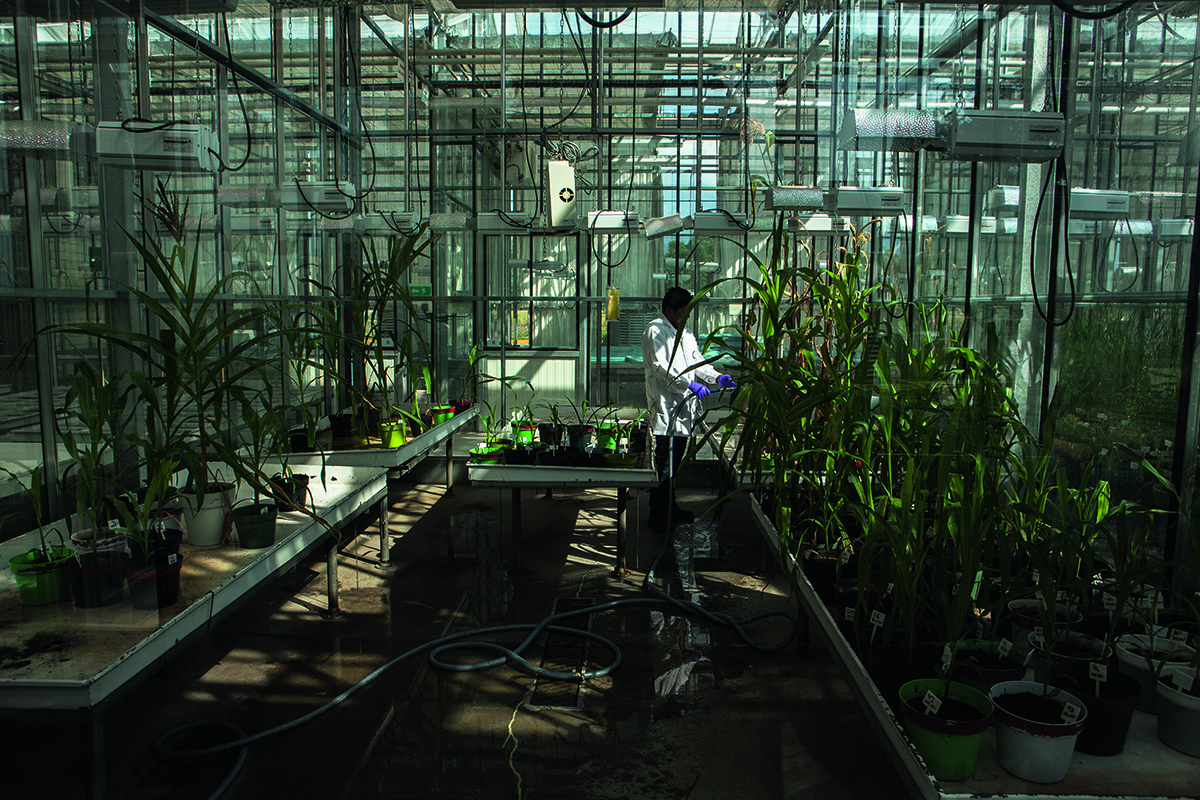
Maize plants in a greenhouse at the International Maize and Wheat Improvement Center, Mexico. Photo courtesy of The Global Crop Diversity Trust. Juan Arredondo/Reportage by Getty Images for The Global Crop Diversity Trust
By contrast, saving crop diversity is both practical and relatively affordable. Smaller crops could be saved for around $5m, Fowler calculates, and the cost of preserving even the most important global crops is less than you might expect. “I can tell you the answer for rice, which is our biggest crop with the most samples and therefore the most expensive. Somewhere between $35m and $50m in an endowment fund would generate enough income to save all the rice diversity in perpetuity.”
In short, his pitch is that food is the bedrock of human existence, and crop biodiversity is a great way to maximise food security in a time when climate change and a host of other potential calamities are threatening it. “Those sums are well within the scope of a number of wealthy people, and they would be the first to do something quite extraordinary and inspiring. Can you name any other major world problem that we have solved, reliably and forever, within the lifetime of someone living today? Well, we can do it with this one.”
Additional research by Candice Tucker
Find out more: caryfowler.com; seedvault.no
This article was originally published in the Autumn/Winter 2021 issue.
 Dimitri Zenghelis, Chair of the Responsible Wealth Committee at CapGen, is one expert in the concept of a zero-carbon economy. A PPE Oxon alumnus, Zenghelis is a lauded academic, entrepreneur, and advisor on fiscal policy – and that’s before we get on to his work as a leading authority on mitigating the economic impact of climate change. He speaks to LUX Contributing Editor, Samantha Welsh, about investing in the green transition and why it poses an opportunity, not a risk

Dimitri Zhenglis
LUX: Are we collectively making a fast enough transition to make our contribution toward a net zero economy?
Dimitri Zenghelis: It’s easy to get despondent. Despite laudable commitments across the world to meet net zero economic pathways, actual commitments on the ground fall well short of delivering that target. And yet, there has been remarkable progress over recent years. The sheer scale of the low-carbon transition has generated productivity-enhancing network effects. This in turn drives the positive, reinforcing feedback where deployment induces cost reductions, and cost reductions incentivise deployment. As a result of this virtuous innovation cycle, whether or not you care about the climate, the world is about to receive cheaper electricity and better performing more efficient cars.
Follow LUX on Instagram: luxthemagazine
LUX: In cost benefit terms, surely there is a fear that those who will be last to take on the costs of changing course will be the winners in the interim?
Dimitri Zenghelis: There will be carbon-intensive sectors that will continue to operate over the transition. It is essential that we pay as much attention to decarbonising those areas that are difficult to tackle as emergent clean sectors, which are already close to net zero. Incentives need to be carefully thought through to ensure the most carbon entangled sectors and regions have incentives to change course. Without doing so, it will be impossible to meet our net zero target.
In reality, however, those who are last to take on the costs of changing course are likely to be the ones that will be saddled with the redundant, devalued and stranded assets with a limited role in the economy of the 21st century. If the transition to a resource efficient, zero carbon economy is inevitable (and I argue that it is), then managing that transition and staying ahead of your competitors is the surest way to profitability.
LUX: What other risks are there to a green transition?
Dimitri Zenghelis: The costs and benefits are not evenly spread and the distributional consequences of the transition to a more resilient low carbon economy need to be considered carefully. This means compensating, reskilling and retooling those who stand to lose out, enabling them to participate in the new economy and provide the jobs of the 21stcentury. It also means supporting overstretched consumers who may face higher charges to fund transitional infrastructure investment. Ensuring a just transition will be central to maintaining social cohesion. This is mostly about politics, after all.
LUX: In the context of intergenerational wealth transfer, have you noticed any significant emerging phenomena in terms of green investment?
Dimitri Zenghelis: There is definitely a generational shift going on. Younger investors are keen to put their money into sectors that have a long-term future and which provides sustainable wellbeing and prosperity. Employers, too, realise that in order to attract the brightest and the best, they will need to make sure that their business strategies are compatible with the aspirations of young people, which requires attention to matters of sustainability and inclusivity.
I also think that the younger generation have a far better understanding of the opportunities associated with the resource efficient, low carbon transition. They are less wedded to the smokestack technologies of the past and are genuinely excited about the massive potential for new technologies, institutions and behaviours which can offer sustained returns to investment.
LUX: How do you manage the diversity of potential strategies you pursue?
Dimitri Zenghelis: There’s no shortage of sectors to invest in, but the choice of sectors is not that difficult given the obvious overlaps. When it comes to sustainability, the whole is greater than the sum of the parts.
Take, for example, decarbonising transport. Future innovation pathways will include the technological greening of vehicles, starting with cars and moving to haulage, as well as a shift from cars to other transport modes, and a reduction of mobility behaviour. Overlying all of this are the technologies of the fourth industrial revolution, with a strong role for digital machine learning, artificial intelligence, big data and so forth.
This is not just about a green roof here, or an electric vehicle there. This is about an integrated transition with complementary investment across a swathe of assets, including natural capital and the protection of renewable resources – without which all aspects of economic activity and wellbeing are existentially threatened.
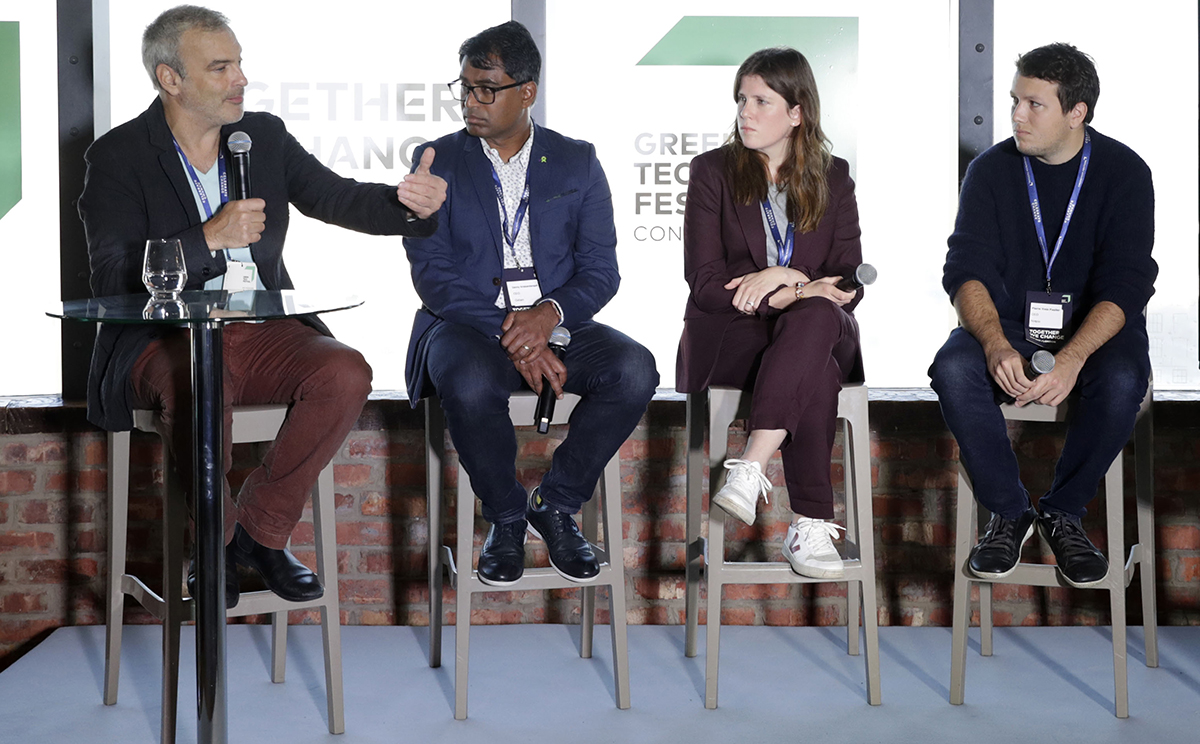
The Green Awards London at Millbank Tower on November 05, 2021, London, England. Photo by John Phillips/Getty Images for Greentech Show GMBH
LUX: Through your fellowships, research publications, and political advisory, you are leading on climate crisis and strategies to mitigate risk. How do you get from evaluating the macroeconomic aspects of climate change to designing policy regimes for tackling the harmful effects?
Dimitri Zenghelis: Politics is at the heart of this. There are switching costs and behavioural inertia which prevent the economy transitioning to better technologies and networks. We are already seeing the benefits from renewables and cars in providing cheaper electricity and better performing vehicles. These are things humanity should have invested in anyway, regardless of any concern for the planet. Yet it requires large scale public intervention through standards, regulations and subsidies to deliver this now irreversible change. No economists predicted it and the market alone would never have delivered it.
It turns out that the main barriers preventing a rapid transition are not economic or technological, they are cultural, behavioural and institutional. That’s why leadership from politicians, mayors, businesses and investors matters in steering and designing the society of the future, while ensuring that everyone has the skills and support to benefit from the opportunities that this change delivers.
Read more: Justin Travlos on Responsible Investment Strategies
LUX: Why can a clear policy steer create an opportunity rather than a risk?
Dimitri Zenghelis: Credible policy intervention can provide investors and companies with clarity and confidence that a low carbon future will be a profitable one. Mixed and muddled signals raise the cost of capital as investors seek to cover policy risk which they do not own.
Once they reach a tipping point, expectations can transition rapidly to the new equilibrium, and technologies are enabled to switch quickly from one network to another. Public intervention allied with corporate leadership are the drivers of change, as well as a consequence of it.
LUX: You studied Philosophy, Politics and Economics (PPE) at Oxford University. How has that informed your career?
Dimitri Zenghelis: It’s interesting that you mention my degree in PPE. For the most part, this is a generalist degree that is seen as a signalling device to show that people can thoughtfully entertain and apply ideas rather than having any kind of practical application. And yet, when it comes to issues of sustainability and climate change, the story of how we value different assets, and the political choices we make to reduce emissions while generating productivity, jobs and competitiveness relate to all three constituent parts of that degree. It was an interest in the politics of people’s wellbeing, income, jobs, inequality and poverty that first led me to enter the field of economics.
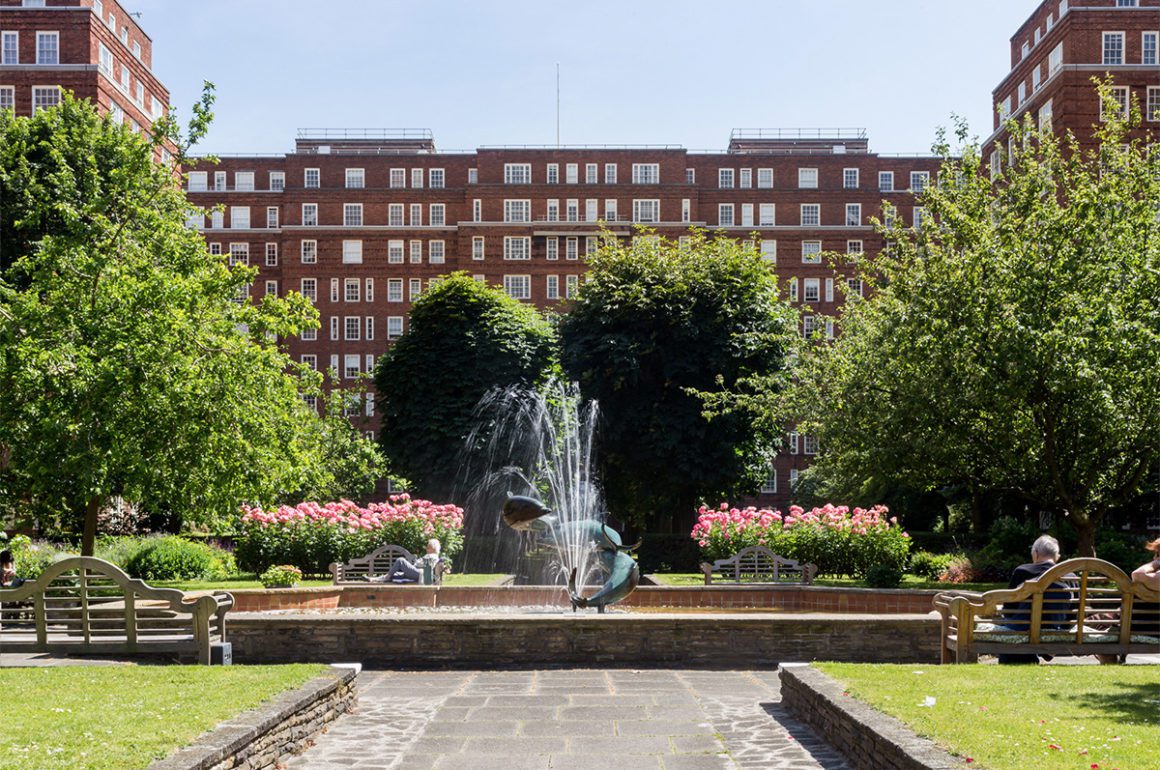
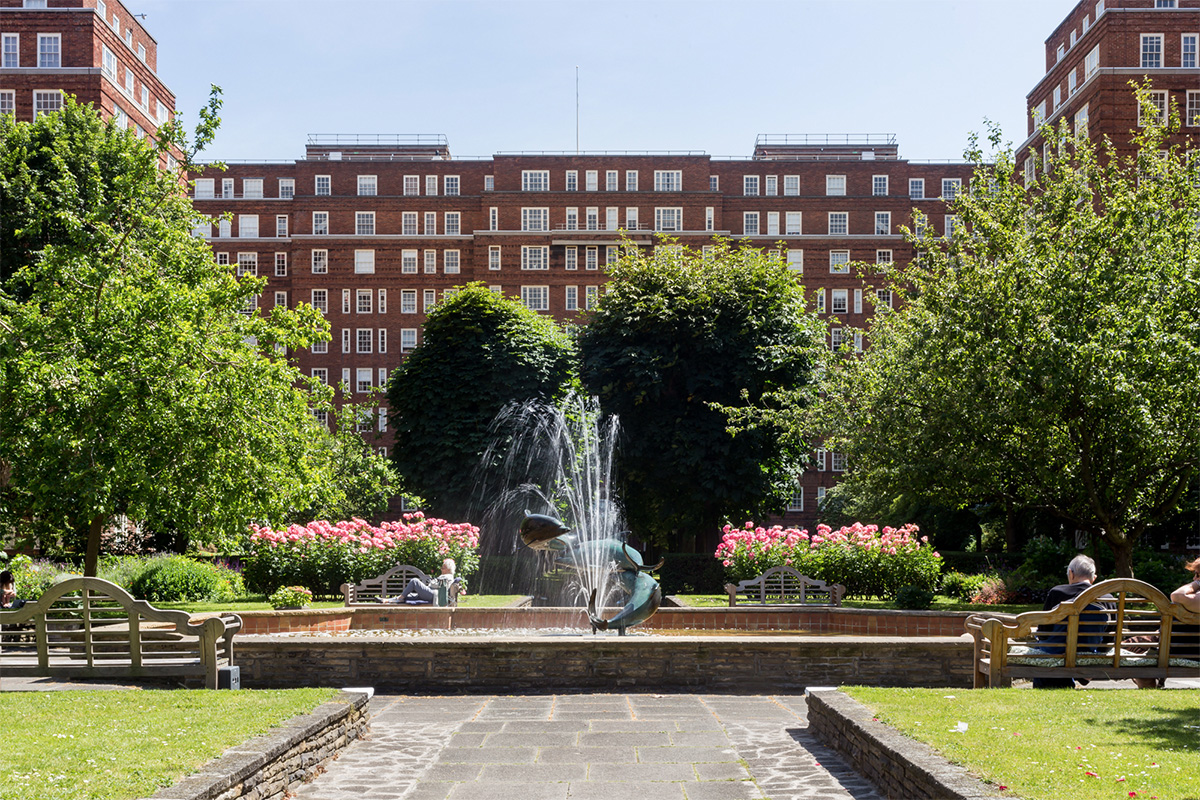
Dolphin Square, Dolphin House
Justin Travlos is Global Head of Responsible Investment at AXA IM Alts. His management of a diverse investment portfolio is governed by one underlying principle: all decisions are made in the context of understanding where risk is – from a sustainability standpoint. Here, Travlos speaks to Samantha Welsh about the growing importance of proptech, and why sustainable strategy should not be an exercise in cherry-picking ‘green’ assets but embedded across the entire portfolio
Justin Travlos
LUX: You have a track record in driving successful sustainability strategies. Where did this interest come from?
Justin Travlos: Sustainability has long been a personal interest, but it first intersected in a professional capacity in 2007, when I became the head of sustainability for the commercial property business at an Australian real estate investment trust. I worked with a brilliant team to create the foundations of a strategy that was both sustainable and able deliver returns, and is still relevant and performing today. That balance is fundamental. I’ve always seen myself at the nexus of real estate development and sustainability, and the opportunity that brings to make places more appropriate both for people and for the planet.
LUX: Where has AXA been particularly successful in managing buildings to sustainability targets?
Justin Travlos: Asset regeneration always provides a canvas to enable change, and scale helps overcome some of the complexity often associated with these projects. While meeting the latest sustainability credentials is much less complex in new builds, they often raise questions around embodied carbon. Ultimately, it is equally, if not more, important to regenerate existing assets: poor performance of existing stock is a key area of focus for government and regulators when addressing climate change, and thus a key area of transitional risk (and opportunity) for us as real estate investors. Moreover, investing across a diversified, global portfolio allows us to benefit from a number of emerging synergies.
Follow LUX on Instagram: luxthemagazine
LUX: AXA IM Alts is Europe’s biggest real estate manager by Assets Under Management (AUM). How do you evolve a best governance strategy for a diverse portfolio of this size?
Justin Travlos: Integration into our investment processes is the key to governance: it was important that our strategy didn’t just have one best-in-class green fund or asset to showcase, but was embedded across our entire portfolio and integral to every investment decision. We look at a broader sweep of both financial and non-financial considerations, and so long as those decisions are made in the context of understanding where risk is, from a sustainability perspective, then that’s the right conversation to have.
While our strategy will continue to evolve, particularly in terms of implementation, it is formed around three the key pillars of decarbonisation, resilience and building tomorrow. Decarbonisation is about reducing our carbon footprint in line with the Paris Agreement targets. Resilience is about understanding the physical and transitional risks of climate change on our assets. And looking at both of these creates insights that inform the types of assets that we regenerate and build – shaping our investments to become building blocks for the future.
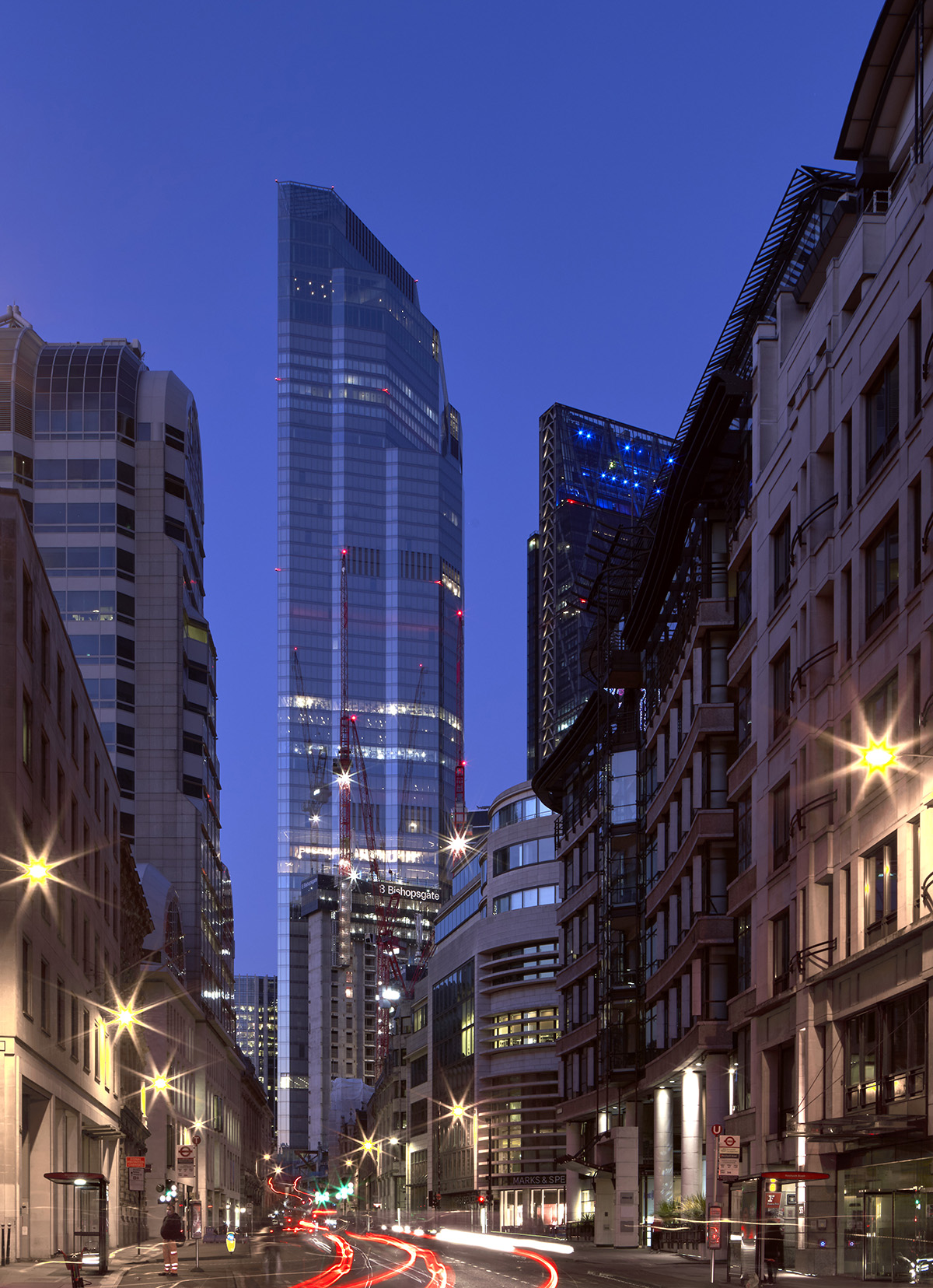
22, Bishopsgate. Photo by Edmund Sumner
LUX: Is there variation in how regions adopt responsible investment strategies?
Justin Travlos: Yes, due to the different regulations and market practice in place across the globe. In the EU, businesses are now required to embed sustainability risk management into the investment process. AXA is now reaping the rewards from the groundwork that we laid down a long time ago. But our alignment to the regulatory environment in Europe will be subtly different to what is required in America or AsiaPac. The funds that we have in Australia, for example, are much further ahead in their adoption of ESG performance indicators because the market and its regulations governing environmental management and reporting are significantly advanced.
These strategies are also underpinned by data, much of which is still imperfect. As the dataset grows and visibility improves – and advances in technology will play a big part in this – the ability to finetune performance to reset those decarbonisation benchmarks to specific asset classes in specific countries will become invaluable. It will not only provide very clear targets for asset management teams but will provide a comparative global benchmark for measuring performance, something absent from most current sustainability reporting.
Read more: Standard Chartered’s Eugenia Koh on Next Gen Investors
LUX: To what extent are asset managers using proptech now?
Justin Travlos: There’s always been a rule of thumb that if you pick up an asset that’s just been managed in the day-to-day, you can almost guarantee a 20 to 30% improvement in energy efficiency, simply by utilising the latest technology – which is obviously a win-win because it doesn’t require huge amounts of cap expenditure but does generate savings and financial returns.
Ultimately, some building infrastructure and systems may still need an entire overhaul, but proptech will be integral to assets’ value proposition going forwards, as owners and occupiers ascribe greater value to the provision of these data points to achieve their ESG ambitions.
Forestry Investment, Australia
LUX: Are we collectively doing enough?
Justin Travlos: Looking forwards, I take some comfort from the fact that in just 18 months, humanity has produced not one but several vaccines to bring a population of 7 billion people back from a global pandemic. This shows what can be achieved and I hope against a backdrop of increasing evidence of the impact that climate change is having on the world that that the same sort of ingenuity, thinking and collective effort will prevail. Ultimately, the actions that we take now will have a fundamental impact on where we end up by the end of the century, which is why the urgency of this topic has become central to our approach to sustainability and responsible investment.
LUX: What advice do you have for next gen clients running a lens over family office real estate portfolios?
Justin Travlos: From an ESG perspective, there are three key questions. First, can profitability of the investment be decoupled from carbon? Second, is a change in physical risk going to limit either the operating days of the asset, or the available capital to acquire the asset at the end of the investment horizon? And third, how does the asset support its occupants?
Justin Travlos is Global Head of Responsible Investment at AXA Investment Managers Alts
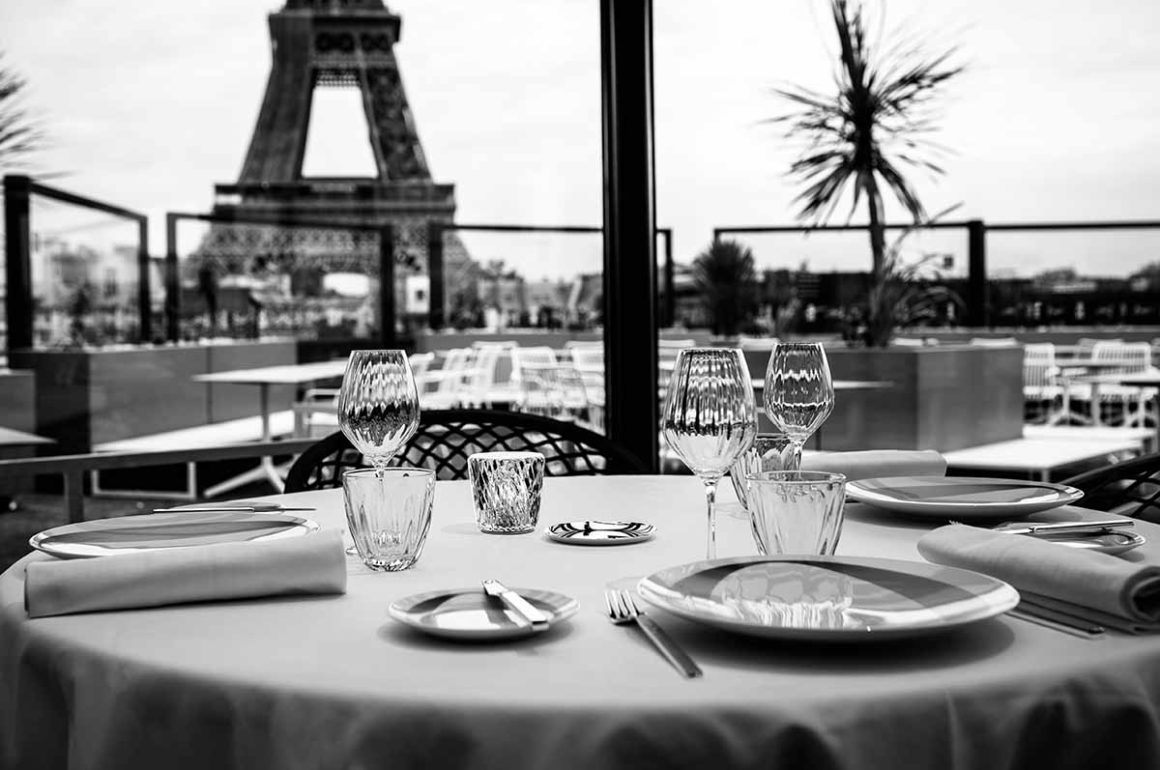
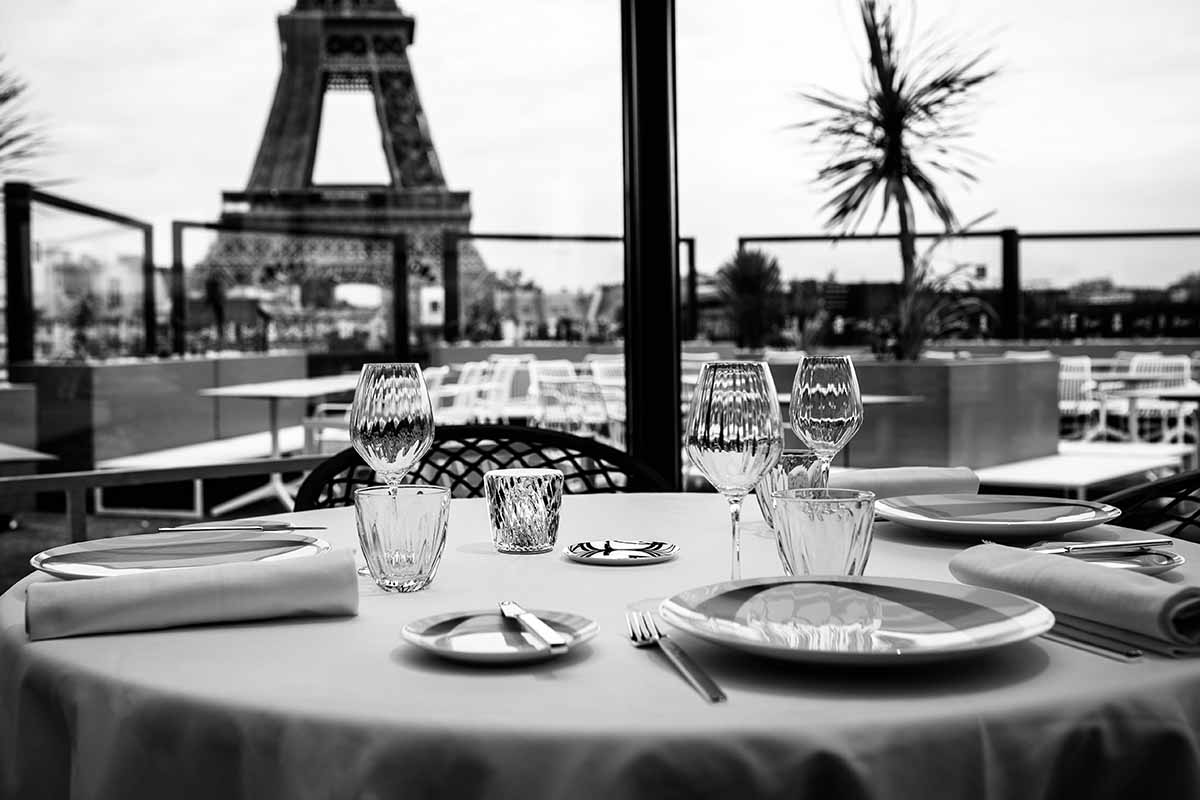
Chef Alain Ducasse, who currently holds twenty-one Michelin stars, has teamed up with Dom Pérignon and renowned chefs Albert Adrià (one Michelin star), Romain Meder (3 Michelin stars) and Jessica Préalpato to create ADMO, an exclusive dining experience on a roof terrace overlooking the Eiffel Tower. Candice Tucker travelled to Paris to find out more
ADMO bills itself as an ephemeral restaurant experience due to the fact that it’s open for 100 days only, but it doesn’t really seem the right way to describe a fourteen course, multi-sensory menu, created by five of the world’s best chefs and paired with Dom Pérignon Rosé 2008. Decadent is the word that comes to mind and perhaps, a touch hedonistic.
Follow LUX on Instagram: luxthemagazine
Situated on the top floor of Musée du Quai Branly, the restaurant has a prime position overlooking the Eiffel Tower, which as the clock strikes the hour, is illuminated by brilliant lights. Cynics might pass it off as naff, but it feels suitably sparkly for a champagne feast.
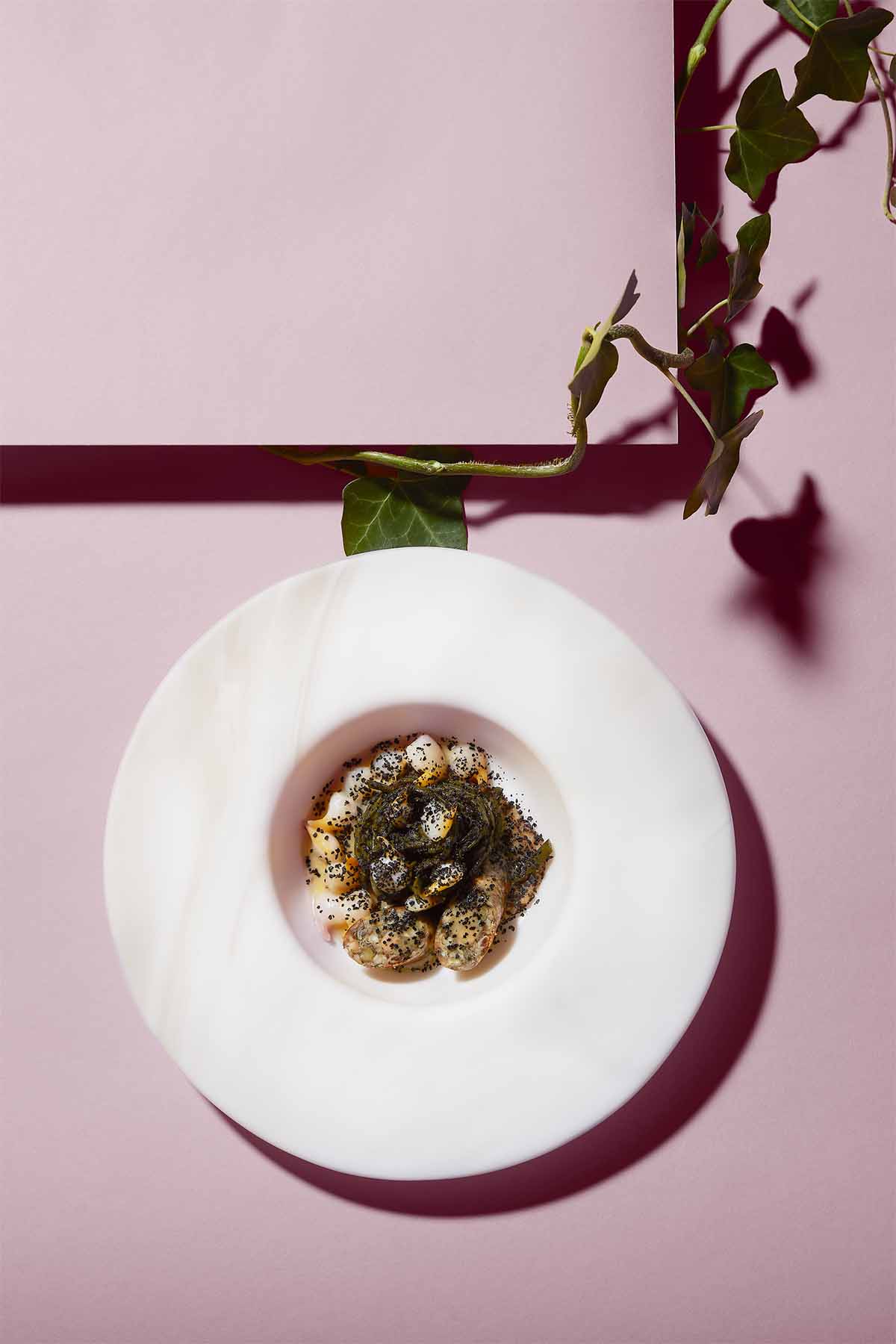
The fusion of philosophy and food makes ADMO stand out from other gastronomic experiences. The menu specifically excluded meat products, to emphasise its green credentials. Being presented in a minimalist fashion, it further highlighted the importance for people to appreciate food for its refined quality whilst fully satisfying one’s appetite.
Read more: Standard Chartered’s Eugenia Koh on Next Gen Investors
The small tables and dim lighting, made the grand culinary experience, warm and intimate. Between each course, there was lively conversation amongst the journalists, food and champagne connoisseurs, but as each course was placed in front of the guests, the room fell silent. Every plate – notably, the crispy pastry sheet with red mullet and fried scales – provided an explosion of perfectly balanced, fresh flavours that were enhanced by the champagne pairing.

© François Goizé
Speaking at the launch event, Alain Ducasse explained how each dish at ADMO aims to encapsulate a philosophy of sustainability (all ingredients are locally sourced except the caviar which comes from the north of Shanghai), suggesting that this will, increasingly, define the future of fine dining. “There will be more of these types of projects. There will be more attention on better food, thinking more about the food we can eat and food that is better for the planet,” he said. “I believe this is the roadmap [for the future] and it will not end.”
Vincent Chaperon, Dom Pérignon’s Chef de Cave, also commented on the importance of taking a sustainable approach: “I believe that if we focus on [sustainability], more people will embrace this approach. More doesn’t mean quantitative, it’s qualitative. This kind of project encourages people to recognise a new art of living [that centres around] our relationship with nature. We have to preserve and not only interact.”
If ADMO is a taste of what the future will bring, we’re very much on board.
ADMO is open from Tuesday to Sunday for lunch and dinner at Les Ombres au Musée du quai Branly. For more information, visit: admo.lesombres-restaurant.com
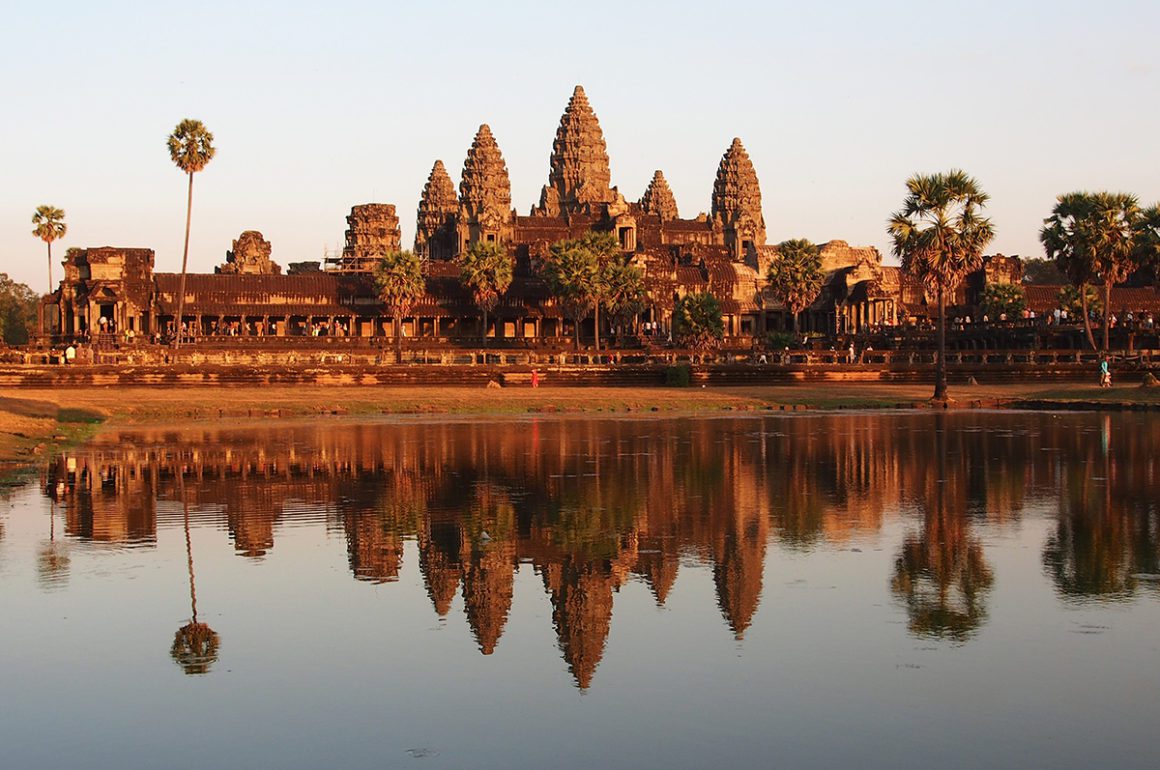
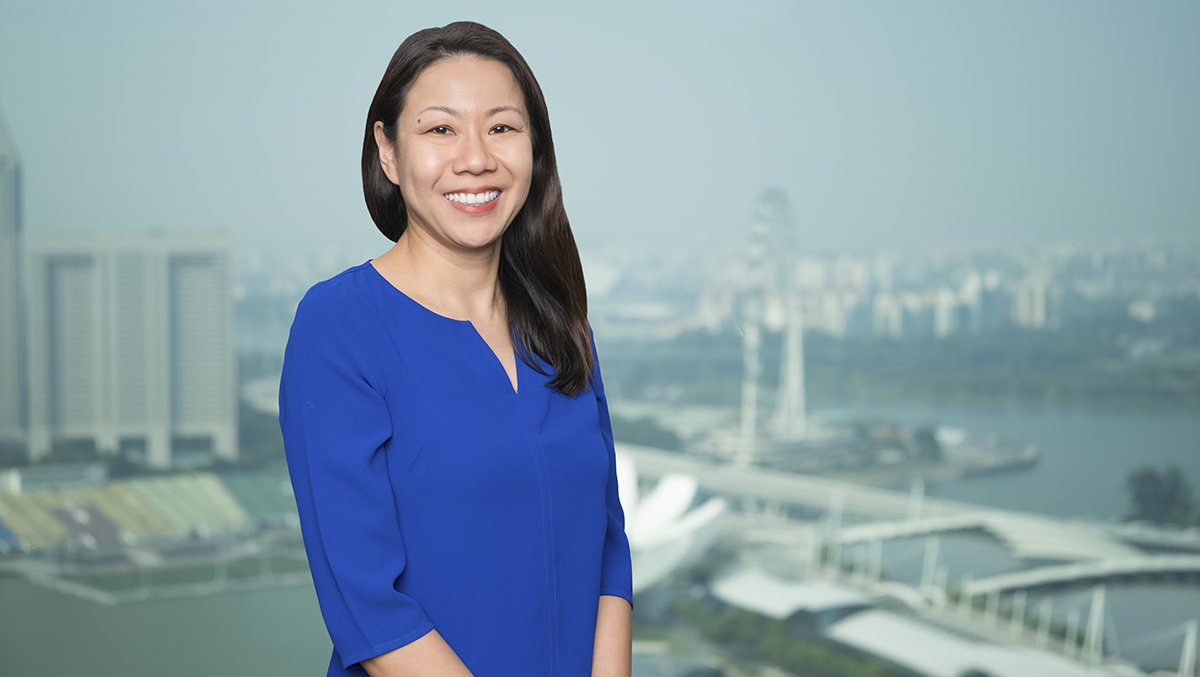
Eugenia Koh, Head of impact and sustainable investing at Standard Chartered
Eugenia Koh believes that while philanthropic support is essential, capital markets must help to close the funding gap for global sustainable development goals. Here, Koh, head of impact and sustainable investing at Standard Chartered, speaks to Samantha Welsh about current trends among next gen investors and how they are influencing their families to become more sustainable
LUX: Which sectors are your UHNW next generation clients eyeing post-pandemic?
Eugenia Koh: We find that they are particularly passionate about entrepreneurship and sustainable development. We conducted a thought leadership survey at the height of the pandemic, which found that clean water and sanitation, good health and wellbeing, climate action, quality education, and zero hunger were among the causes of highest importance to investors.
LUX: Does this growing preoccupation with ESG have any intergenerational repercussions?
Eugenia Koh: There are increasing demands on the next generation of clients globally as they navigate a wide range of fast-moving challenges which may be very different from those that their parents face. The resilience and increased interest in sustainable investment during the pandemic has helped some next gen investors with educating their families on the topic. One of them had his sustainable portfolio outperform the family’s main portfolio, and this has changed the family’s view to be more receptive to exploring sustainable investments and how they can help with better risk management and performance.
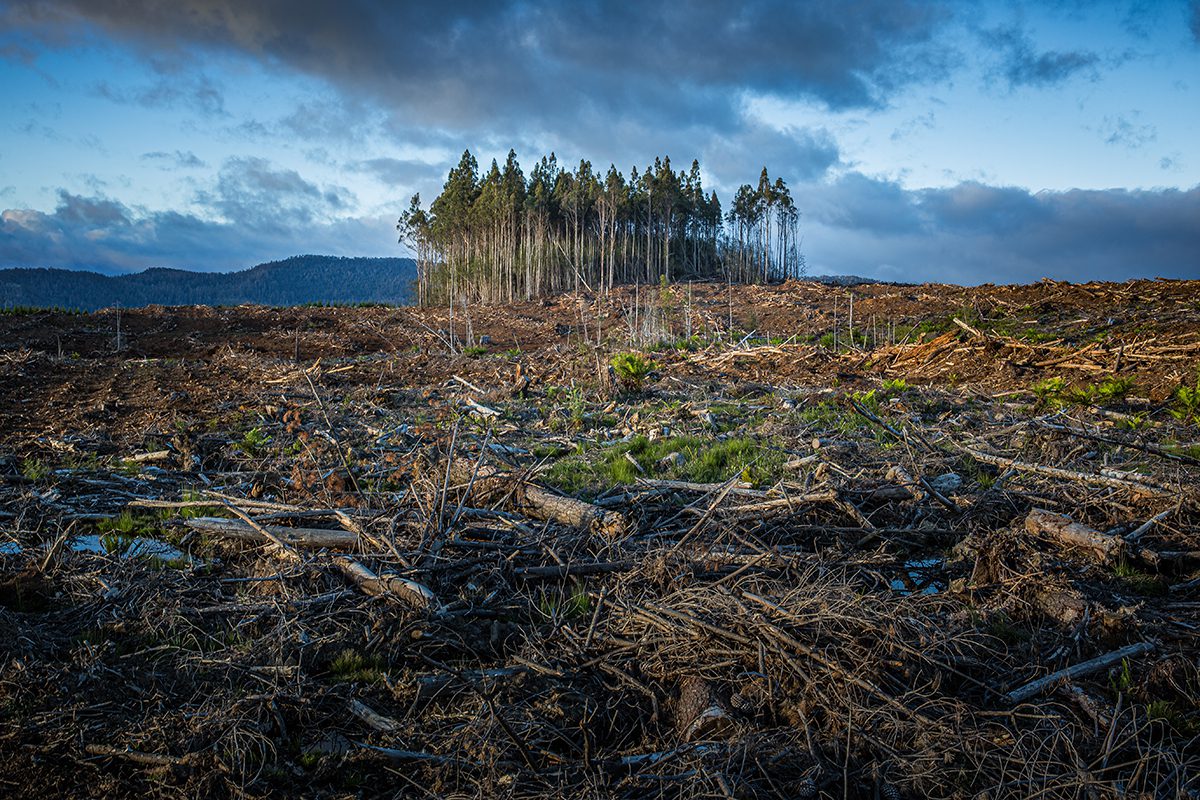
LUX: How easy is it to measure the performance of ESG investments?
Eugenia Koh: It is important not to be overly simplistic in using performance as a marketing tool as not all ESG investments outperform, depending on the strategy used and depth of ESG integration. When linking to performance, the concept of materiality is key. Not all ESG factors are equal and material: ‘E’, ‘S’ and ‘G’ factors differ based on industries. Take, for instance, airlines: their material ESG factors would include fuel efficiency, carbon emissions and health and safety practices, which would have a bigger impact on bottom line and consumer expectations as compared with such issues as child labour. Material ESG factors have a potential impact on financial performance, either in influencing value creation or destruction.
Follow LUX on Instagram: luxthemagazine
LUX: How do you foster a sense of community among participants of the Future Global Leaders Programme?
Eugenia Koh: We keep the experience intimate by keeping the number of participants small, but diverse. Our next gen clients come from a variety of backgrounds: some are entrepreneurs themselves; others are involved in their family business, or are doing something completely different. They appreciate the opportunity to discuss topics that are close to their hearts.
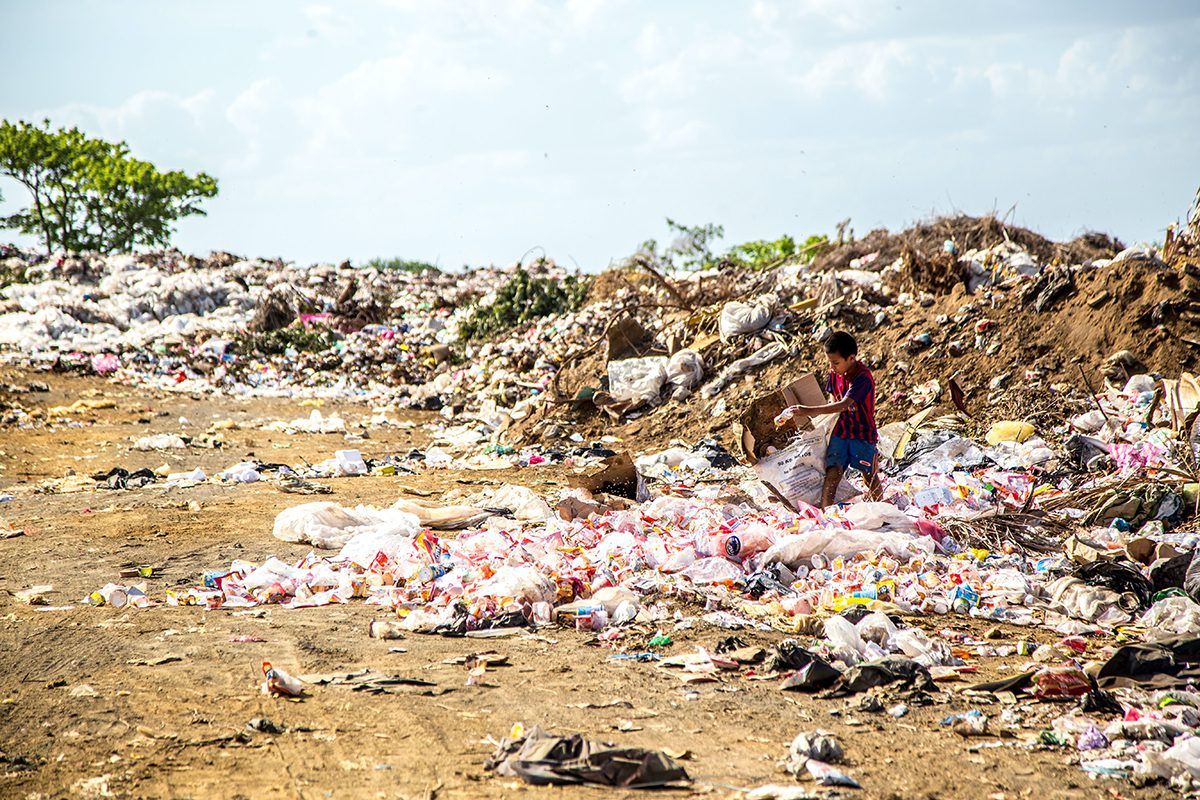
LUX: What’s your go-to advice for next gen investors?
Eugenia Koh: To be clear on their objectives. Just as investors demand rigour in their traditional investments to achieve their financial objectives, they should likewise be clear about their impact objectives and the best approaches to achieve this.
LUX: How can investors avoid fraud, greenwashing and Covid-washing?
Eugenia Koh: Investors should ask their advisers about the ESG strategies of the companies into which they are investing, as well as learning about how ESG factors are integrated into the fund manager’s selection process. At Standard Chartered, due diligence is an important part of what we do. We have launched ESG Select, our in-house review framework, to better support clients in their selection of high quality ESG products with a strong performance track record.
Read more: Deloitte’s Jessica Hodges on Sustainable Investing
LUX: Tell us about Standard Chartered’s sustainable development goals.
Eugenia Koh: We contribute to raising standards across the world and support the fight against climate change while playing our part in reducing poverty and global inequality. For instance, we are contributing to climate action and clean affordable energy with our commitment to provide project financing services for $40 billion of infrastructure projects that promote sustainable development. We are also looking to raise $75 million for our foundation, Futuremakers, in order to reach 50,000 young people, micro and small businesses to reduce inequalities.
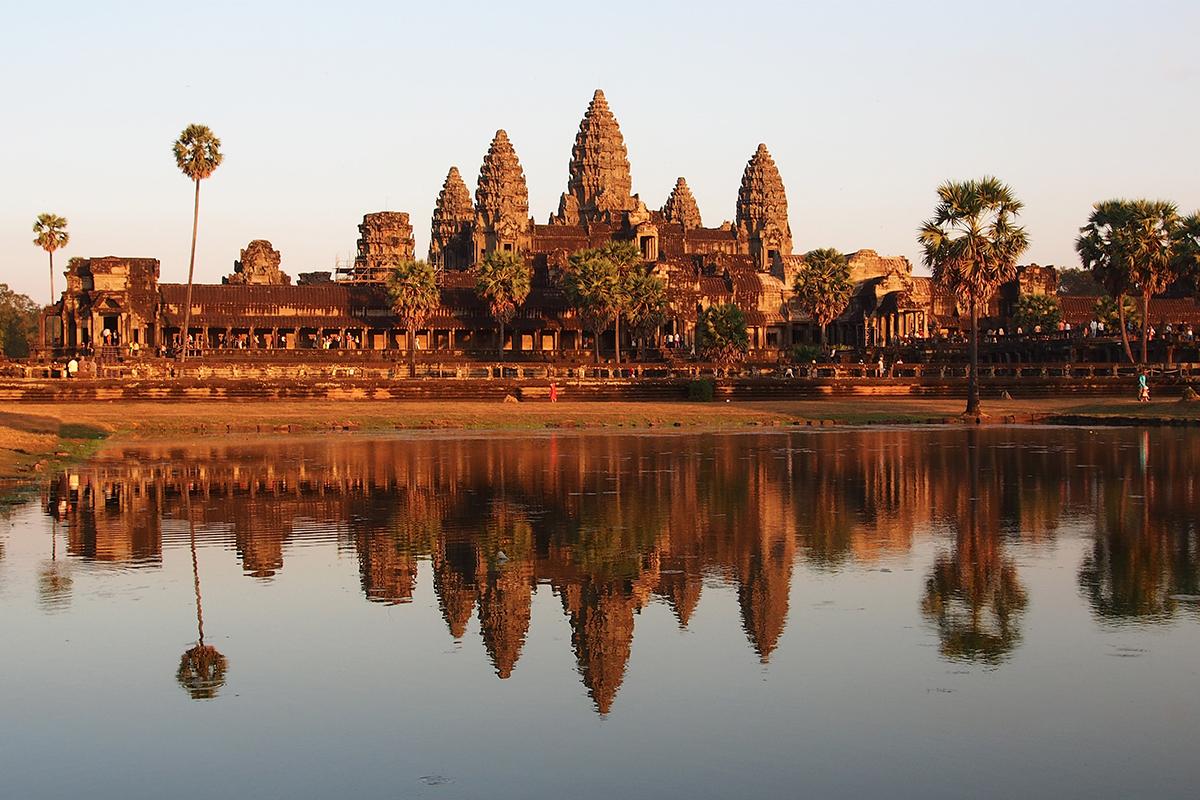
Angkor Wat, Cambodia
LUX: What drives your own passion for sustainable, responsible, impact investing?
Eugenia Koh: I remember going to Cambodia as a youth with my church group to engage and help the community there and being struck by the poverty, especially in one of our trips to a garbage slum. My friends and I decided to make an annual trip there to continue engagement with the youths we had befriended, and one of my friends eventually moved to set up a social enterprise in Cambodia. That was my first experience with impact investing and leveraging business to uplift families out of poverty.
My [subsequent] experience in grant-making and CSR has helped me see that while philanthropic support is essential, there is also a role that capital markets and finance can play in sustainable development. There remains a significant funding gap in achieving the [UN] Sustainable Development Goals — the annual financing gap to achieve the SDGs by 2030 currently sits at $2.5 trillion — and we need the private sector and finance to play a role in contributing towards this. I am excited when I come across clients and investors who are passionate about contributing towards this, and to be able to help them in their journey.
Eugenia Koh is Head of Sustainable and Impact Investing at Standard Chartered Bank
Harnessing renewable energy from sources like hydro electric power is essential for investing in the future

Jessica Hodges
From renewable energy to alternative food products, biotech to healthcare, ESG is helping to bring impact to the forefront of investment portfolios. As a partner at Deloitte, Jessica Hodges is responsible for helping private clients build responsible investments into their portfolios. She speaks to LUX about the increasing centrality of ESG to business strategy and why family offices need to be ahead of the curve. By Samantha Welsh, Philanthropy Editor.
LUX: What drove your own interest in ESG?
Jessica Hodges: I was interested in ESG issues from a young age – albeit the acronym didn’t exist yet – and was always keen to get involved in projects that had a social or environmental angle. My job means I come into contact with a large number of families, and I’m keen to ensure that we, and they, make an impact through the work we do. Considering environmental, social and governance (ESG) risks is becoming increasingly central to business strategy.
LUX: What trends are you currently noticing among family offices?
Jessica Hodges: Family offices are all unique, but generally we are seeing more of an interest from the next generation in issues that have a positive impact on the environment and on society. Younger generations are becoming increasingly involved in managing their family’s wealth and demanding investments that align with their values. They are particularly focused on how they measure ESG impact, considering on a case by case basis the impact companies are having and how they may change to align to ESG values, as well as using data to understand it.
Many next gen clients feel a real sense of obligation – particularly if the source of their wealth may not have been considered to have positive impacts in the past. Often in a family with multiple siblings, you might see one sibling managing the family business, one running the family office and one leading the philanthropic side of things.
LUX: Which sectors are next gen investors most interested in?
Jessica Hodges: Areas of focus include renewable energy infrastructure projects; alternative food products; agricultural technology and alternative farming; healthcare and biotech. What is so interesting is how ESG is bringing that ‘impact’ element into the broader investment portfolio – an area I think family offices are ahead of the curve on.
Follow LUX on Instagram: luxthemagazine
LUX: What makes family offices potentially well suited to ESG investing?
Jessica Hodges: Family offices typically have more control over deciding and managing their priorities than public funds as they are private. They do not have to respond to shareholder demand in the same way, and have flexibility over how they use their large pools of capital. Their investment horizons are also often long term: instead of looking to make a quick return, they invest over five year periods or more, and do not have the same financial return requirements that larger venture capital firms have.
Being smaller, and typically more flexible and agile, makes it easier to introduce policy change and implement if they have the skillset to do so. Additionally, there are some family offices that are heavily focused on supporting their local community, helping to make more noticeable and measurable change locally rather than on a macro level.
Jessica Hodges delivering a speech at the Deloitte Family Office Conference
LUX: What basic interventions can a family make to incorporate ESG targets into an investment model which has been in place for generations?
Jessica Hodges: Due diligence of sustainability practices is key. This is an area that family offices will need to consider planning for, as a resource for sufficient oversight of external managers could be an issue for smaller organisations. It’s also key to have effective controls in place to measure and monitor fund managers, and ensure strategic objectives set by the family office are met.
ESG-proof due diligence and investment processes are also extremely important. This can include fully understanding the investment philosophy of any external managers (without any complicated jargon), obtaining evidence of shareholder engagement, and verifying performance data. The easiest intervention to make is often an exclusionary policy: the family picks a few areas they are not willing to invest in, such as organisations that negatively impact the environment or public health.
Read more: Professor Peter Newell on why the wealthy need to act on climate change
LUX: The ESG sector is unregulated and family offices value authenticity and trust: how do managers evaluate risks such as data validation, fraud, and greenwashing?
Jessica Hodges: It’s key that family offices have independently verified credentials. Besides checking a firm’s governance mechanisms, internal systems and controls, assurance would focus on whether there is a positive risk or ESG culture and a good level of awareness. In the same way that auditors come in to very financial data, providers will come to verify non-financial data over ESG metrics.
LUX: How is the ESG industry model disrupting traditional investing models?
Jessica Hodges: Firms are trying to determine which of their investments have both positive and negative social or environmental impacts and want to be clear on the implications of these with their public disclosures. They are also figuring out factors that will resonate most with their clients. If product governance is not thought through properly then there could well be negative consequences. My expectation is that there will be increased monitoring requirements with regards to asset portfolios, leading to additional costs – although proponents of this would argue that it is money well spent.
The sales part of the investment cycle is more complex since investors in ESG are not seeking to solely meet financial return objectives: at what point do you determine your exit? Historically, family offices – along with private equity – might have been looking to exit at the point when they could maximise their financial profits. Now, family offices will need to consider whether the targets outlined have been achieved, along with the broader impact on society or environment.
LUX: What makes a successful family office?
Jessica Hodges: The most important thing for a ‘successful’ family office is alignment of goals, and understanding what the family hopes to achieve. It is only by knowing where you want to get to that you can understand if you have really got there and measure how you performed!
Landscape photography by Isabella Sanai
Jessica Hodges is an Investment Management Audit and Assurance Partner at Deloitte
One of Molori’s recent and largest projects is this 2,100 sq m home in California, remodelled as a resort
Molori Designs takes the concept of bespoke to a whole new level. Answering all your lifestyle needs, whether you’re on safari in South Africa or settling down in Santa Monica, they specialise in tailoring everything to the individual client. LUX speaks with founder Kirk Lazarus
Super yachts, private jets, sleek urban apartments, tropical beachside villas, endless vistas and infinity pools – global architecture and lifestyle company Molori Designs is in the business of dreams (‘molori’ means ‘to dream’ in Tswana, a southern African language), or rather, the dream. This is the one where you, essentially, have it all. Founded by South African-born, Sydney-raised entrepreneur Kirk Lazarus, the company owns a safari lodge in Madikwe Game Reserve in South Africa, several resorts in Clifton and Cape Town, and Port Douglas in Australia and a superyacht called Told U So. They also develop and design luxurious, turnkey homes for the ultra-rich which are carefully curated to the individual’s needs and tastes, from the art hanging on the walls to the types of spirits stocked in the bar. “Usually when people think of resorts, it’s connected with the idea of going on holiday. Our goal, from a design perspective, is to create a lifestyle where you don’t need to take a vacation from it,” says Lazarus.
Follow LUX on Instagram: luxthemagazine
As such, their design approach is focused on not only achieving the highest possible standards of luxury living, but also anticipating the future owner’s day-to-day needs. They often ask clients to talk them through their daily routine from the time they wake up to the time they go to bed so that they can pinpoint moments which could be made more seamless. Of course, this is also the appeal of branded residences, which are kitted out head-to-toe in, say, Giorgio Armani or, in the case of hotel-branded residences, come with all the expected five-star amenities and services: private chefs, valet parking, housekeeping, a 24-hour concierge. The key difference, however, is that with Giorgio Armani or Four Seasons residences, you’re buying into a lifestyle defined by that brand, but with Molori’s homes, every aspect of the design is tailored to the specific individual or family. All furniture is custom-made in Italy and the company collaborates with luxury brands to create bespoke fixtures such as Murano glass × Molori chandeliers, and Missoni Home upholstery.
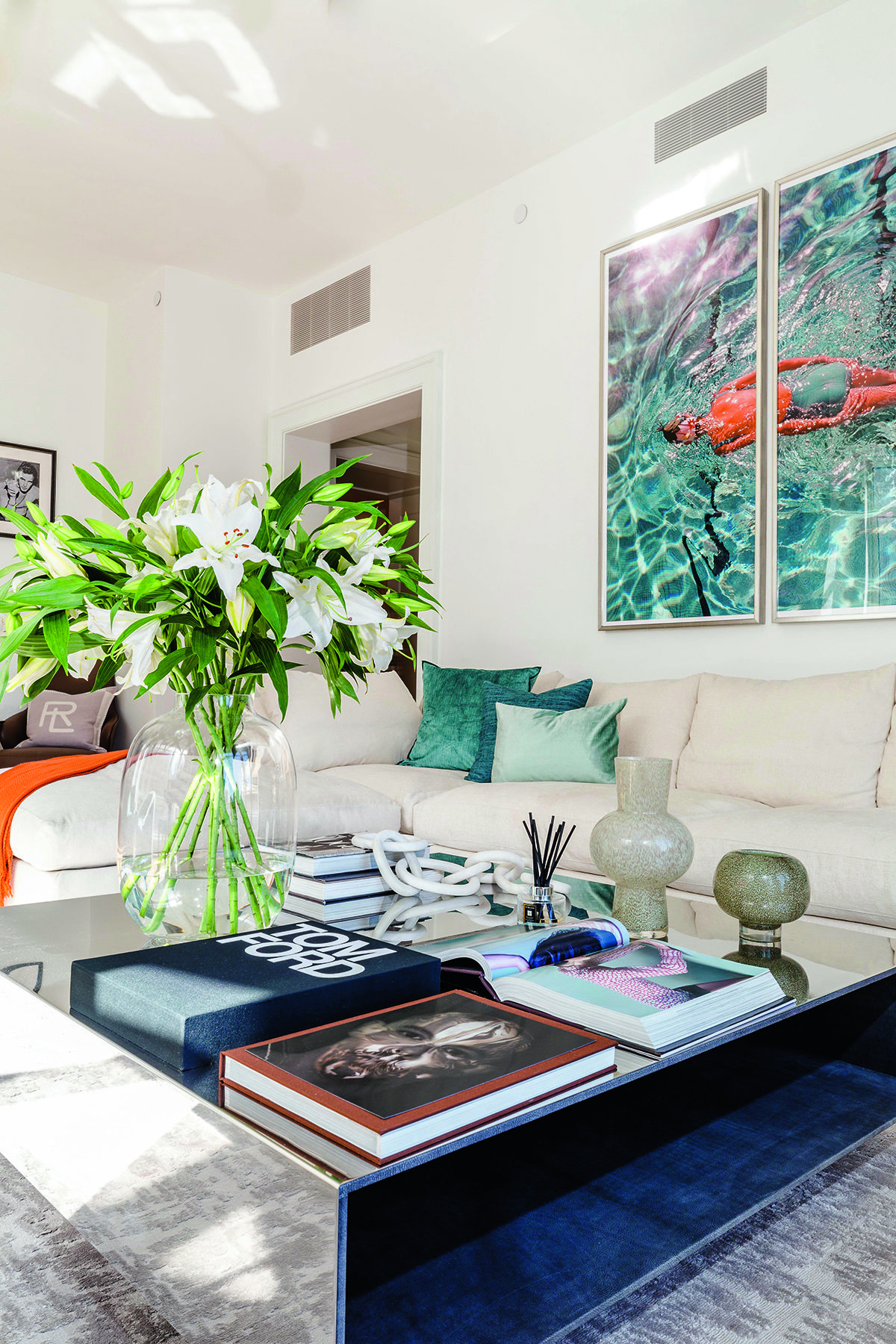
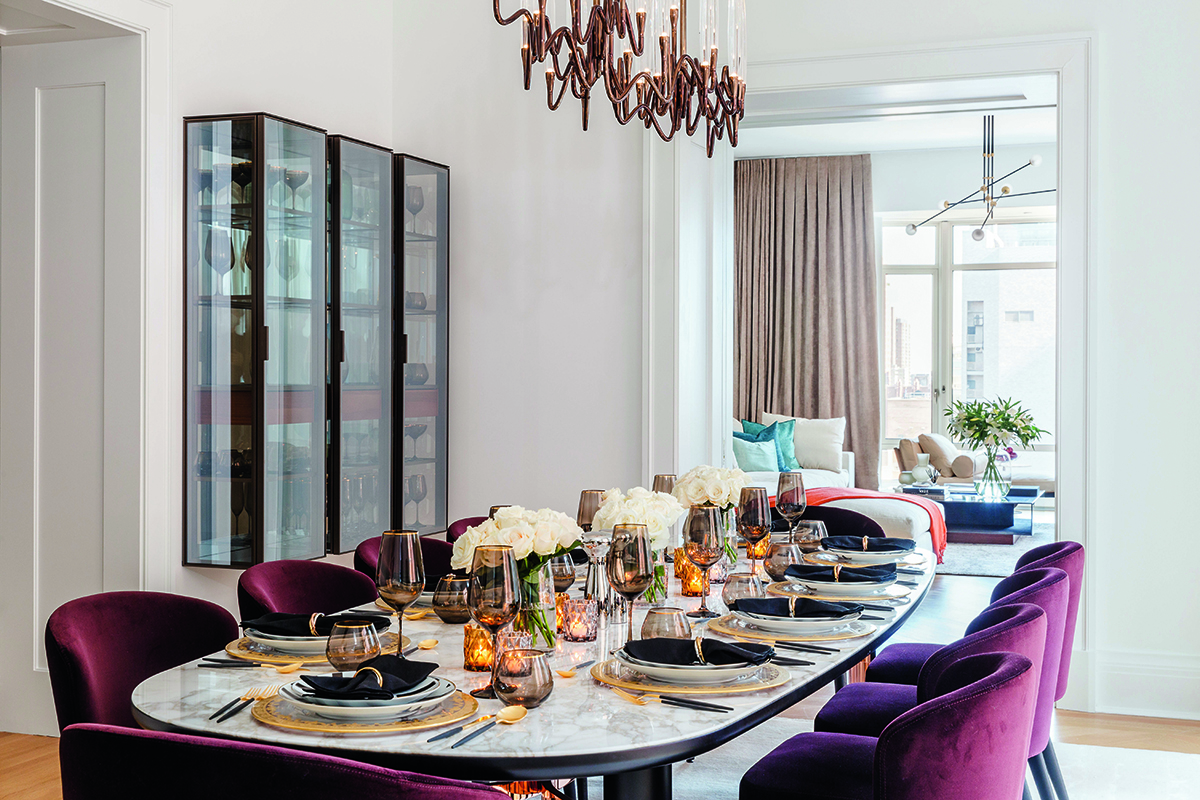
The living room (top) and formal dining room of an apartment in New York City overlooking Central Park designed by Molori
There are, however, a few design principles that define every Molori residence. “We make sure that every corner of your home has a purpose regardless of how big the property is,” says Larissa Makkonen, one of the company’s designers. “Amazing views are also always a priority for us. We often use mirrors to reflect the ocean or landscape so that you feel surrounded by nature.”
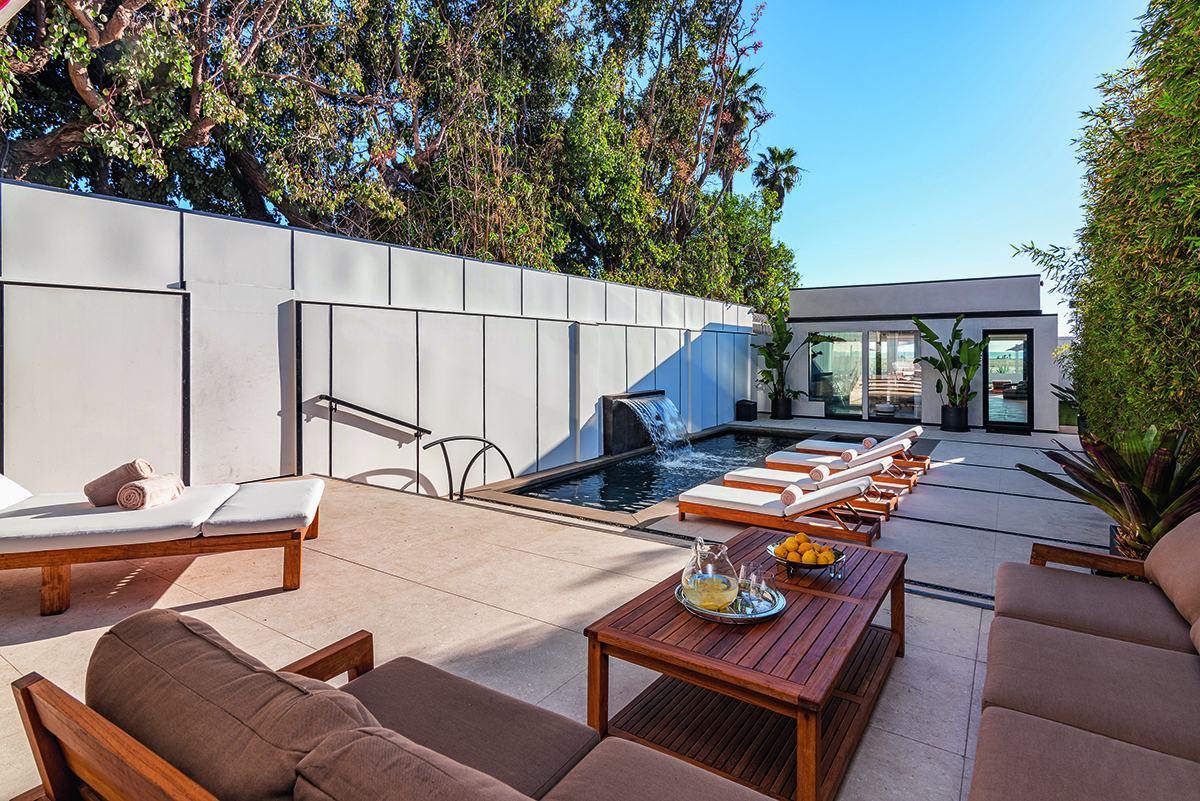
The pool area of a California beachfront home, designed by Molori in 2018
As the company is relatively small, the team is directly involved in every stage of the project, which allows them to continuously adapt their designs and push for greater levels of personalisation. With yachts, for example, that means going to the shipping yard where the boat is being built and discussing how much they can manipulate the basic structure to include bigger windows or more spacious bedrooms.
Read more: How Andermatt became a leading luxury destination
The ability to adapt is also fundamental to the company’s approach to sustainability. They try to “create the greenest environment possible” while also anticipating changes in climate and landscape. According to Lazarus, beachside residential projects have been particularly challenging in recent years due to global rising sea levels and how the need to accommodate this will impact the coastline in the future.
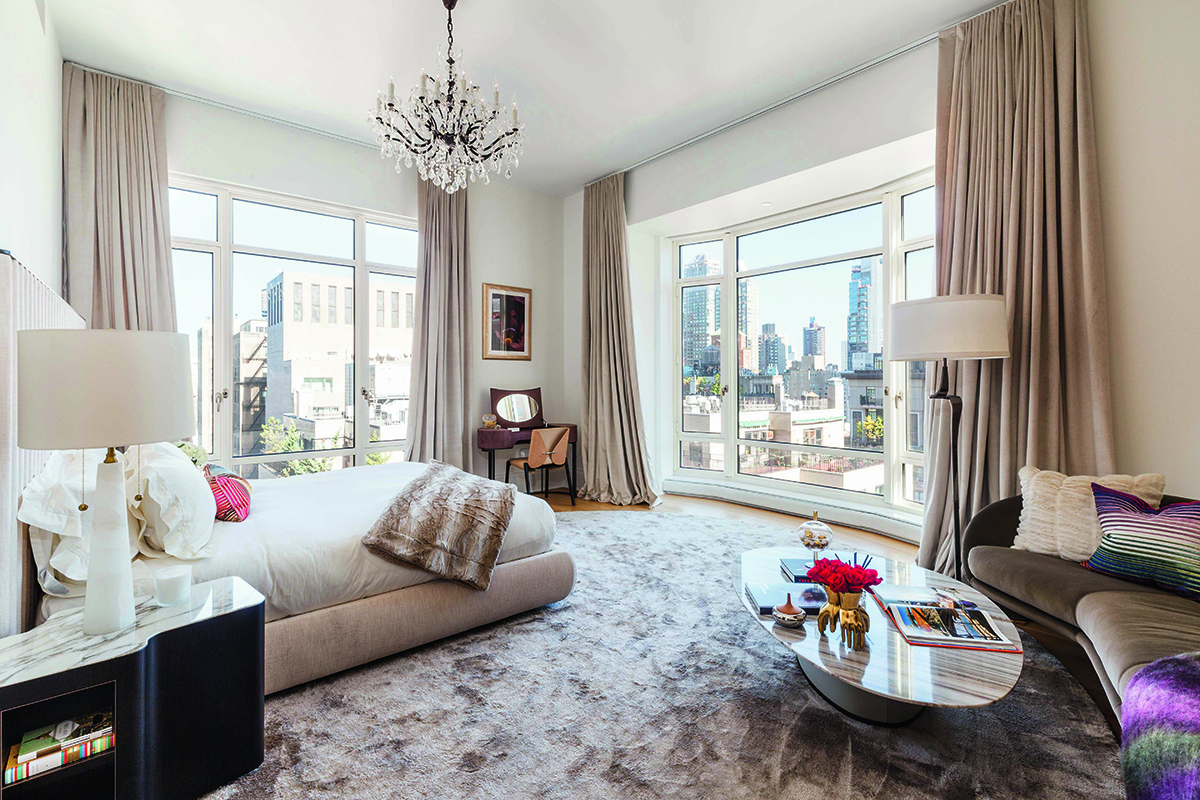
The master bedroom in the New York apartment
For now, though, his sights are set on Miami – “one of the places to be for luxury” – where Molori currently has several turnkey projects in progress. “It’s exciting to see how far we can push the envelope in luxury-style living,” Lazarus says.
Find out more: molori.com
This story was originally published in the Autumn/Winter 2021 issue.
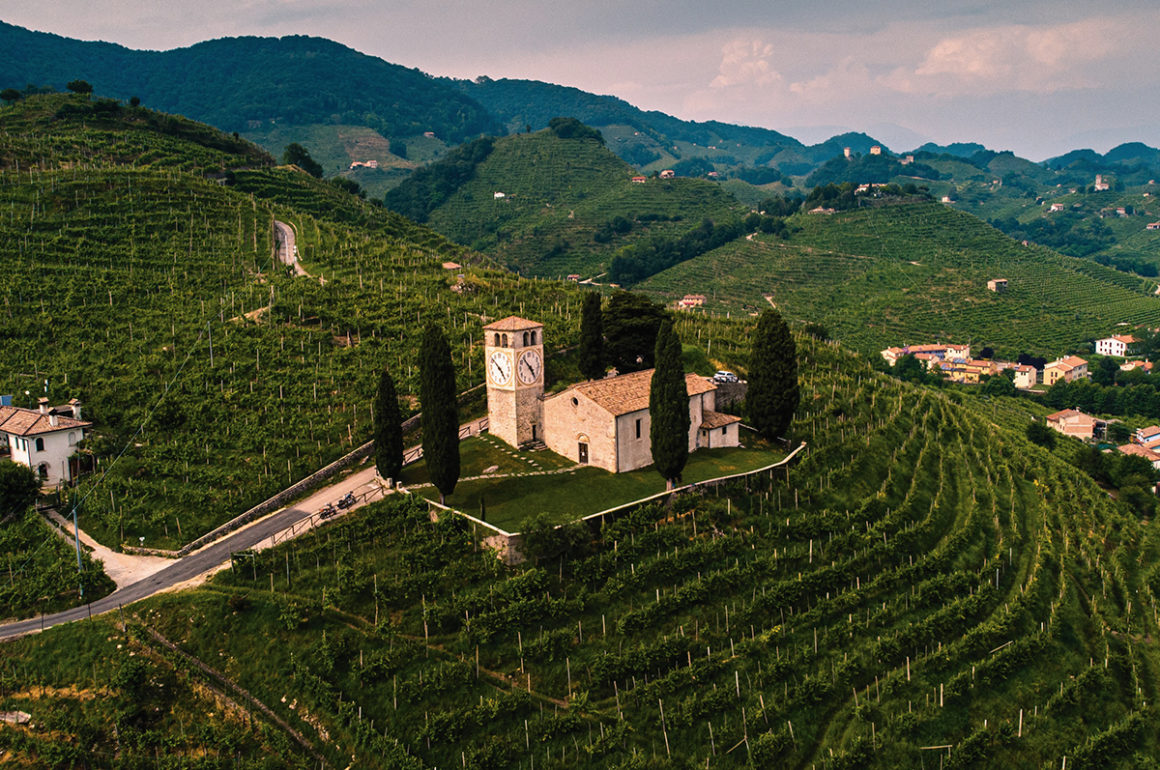
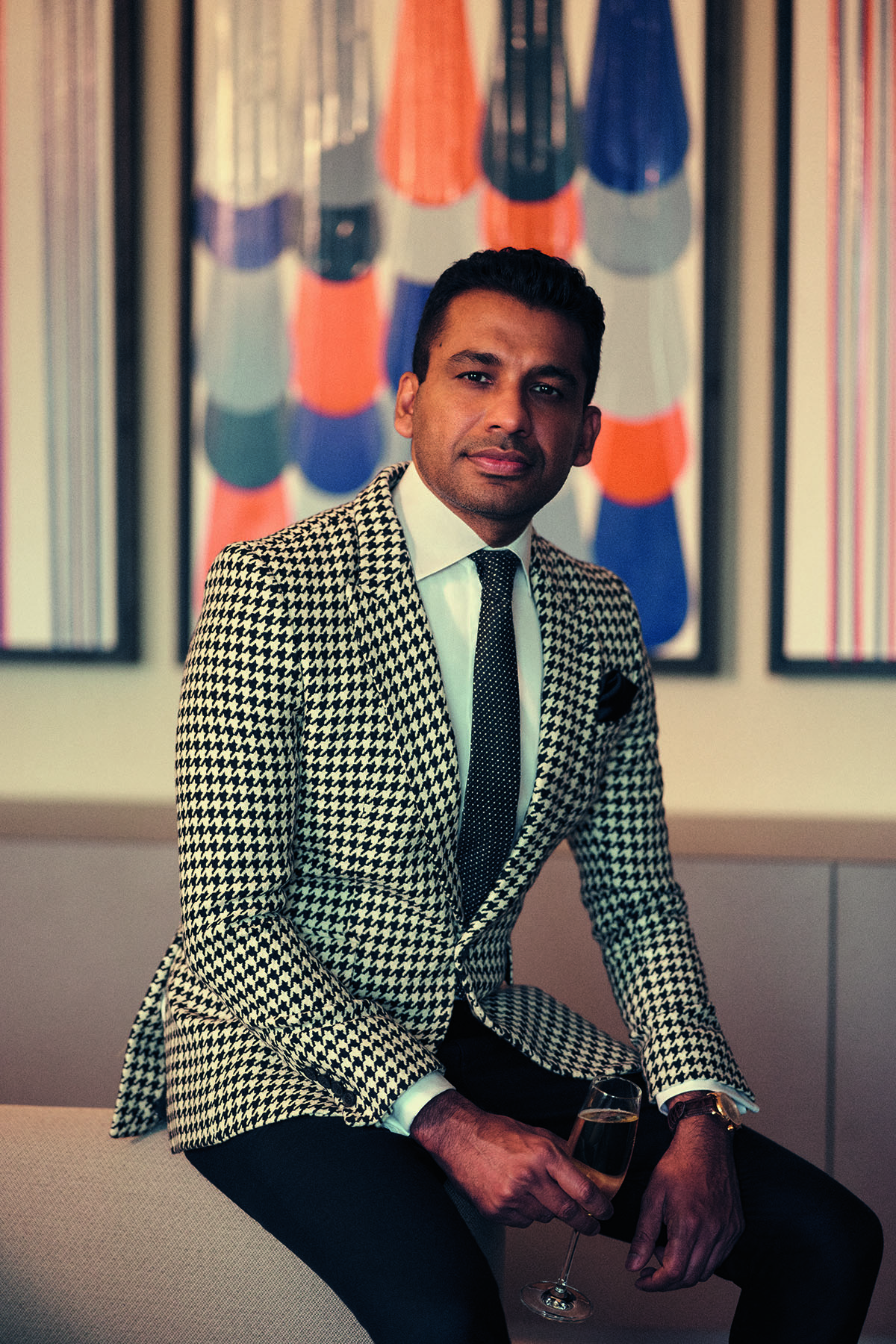
Utsava Kasera is a next-gen portfolio entrepreneur who has put his faith in his latest investment: a premium Prosecco, aimed at shaking up the drink market in the UK and US. The Indian-born, UK-educated citizen of the world speaks to Anna Tyzack about his business portfolio across tech, fashion and hospitality, and his new direction in sustainability
Portrait photography by Charlie Gray
It was Phantom, Mandrake and Tintin comics, or rather the lack of them in India, that drove Utsava Kasera to start his first business at the age of 12. His group of friends were as obsessed with comics as he was, and as there weren’t many available locally, he started a small library. “When my father travelled to the big cities like Delhi and Bombay [Mumbai], he’d bring one back for me; if I did well in my exams, he might bring back two, and I’d rent them out to my friends,” he explains. “The library was a good lesson in entrepreneurship: where demand exceeds supply, there is always the chance to start an exciting business.”
It is this entrepreneurial spirit that has driven him towards his venture, an intriguing attempt to shake up the drinks market. While prestige champagnes have proliferated, and the market for the cheaper Italian sparkling wine, prosecco, has expanded, there has been no crossover between the two categories. Until now: Kasera has invested in a premium prosecco as a rival to champagne.
Follow LUX on Instagram: luxthemagazine
The rollout of Ombra Di Pantera is now being driven in the UK. “The UK is one of the biggest markets for prosecco – more people drink it than champagne. And yet there are few luxury options, few competitors to grande marque, non-vintage champagnes like Moët et Chandon or Veuve Clicquot,” he says.
Ombra Di Pantera is the answer to this gap in the market – it’s the finest quality prosecco and will soon be available online and then in a select number of London’s bars and restaurants. “Our vineyards produce the most refined Glera grapes, used in the best proseccos, and the family in charge is passionate about production and cultivating and harvesting the grapes, and they have passed this passion and their techniques down through the generations,” he explains. The name pays homage to the Venetian term for prosecco, ombra de vin, ‘wine’s shadow’ – it is said that in ancient times the traders in Piazza San Marco kept the wine cool by storing it in the shadow of the Campanile. “Prosecco is faster to produce than champagne and it is drunk when it’s younger, but the best ones are exceptional,” Kasera says. “I’ve learnt from whisky that age doesn’t necessarily define the quality – it’s about the vintage and the methods of production.”
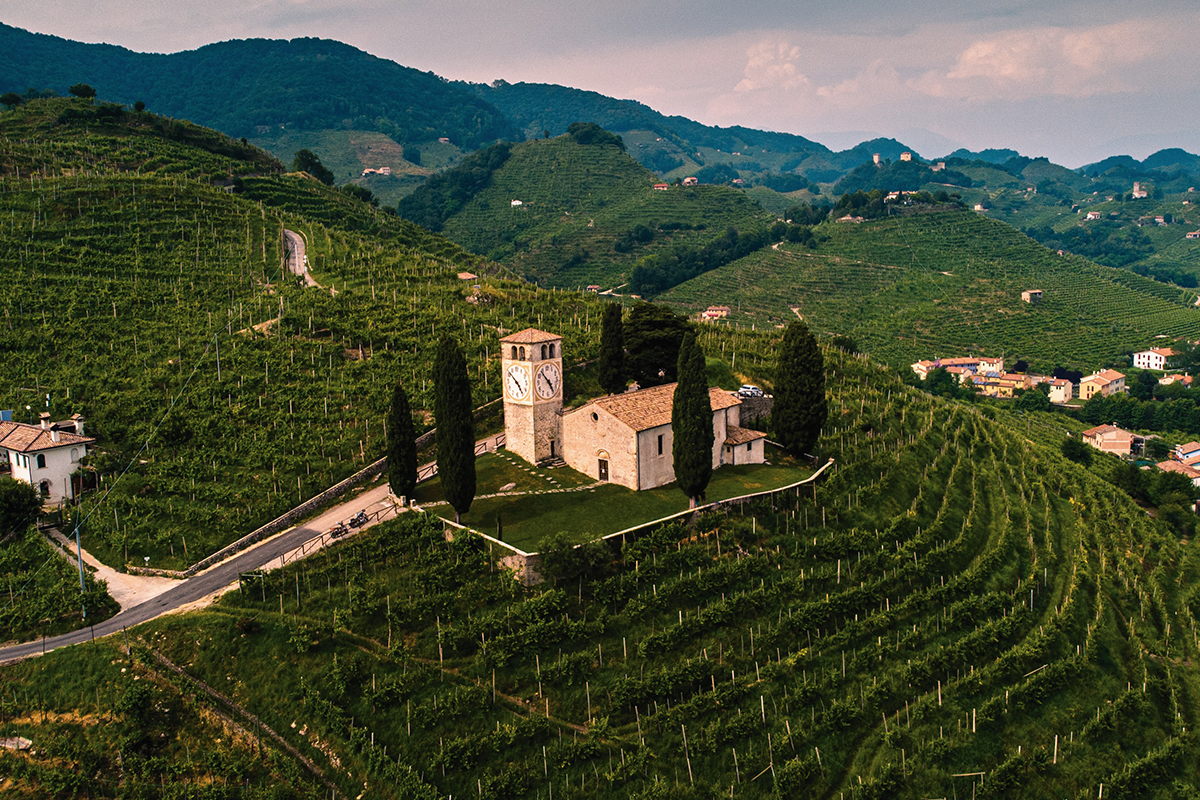
The winery at Conegliano Valdobbiadene, Veneto
As with all Kasera’s investments and business ventures, the opportunity to create Ombra Di Pantera was a case of right place, right time. He was introduced to the Italian family who had been cultivating the beautiful Ombra Di Pantera vineyards for many generations and he immediately saw the potential. He had similar good fortune, he says, when he met Kevin Pietersen for coffee and soon signed up to invest in the cricketer’s ethical fashion label, SORAI, set up to preserve and protect endangered species; and when he met the founders of the Singapore private members club, 1880, in which he is now an investor and advisor.
Read more: Olivia Muniak on how collective dining brings us together
Kasera says his own father drilled into him early on that you make your own luck in life. From nothing his father built up a successful chemical company supplying the chemicals to manufacturers of a detergent that is now a well-known name in northern and eastern India, a market of hundreds of millions of consumers. As a boy, Kasera used to love hearing his father talk about his world travels and the people he met along the way. “In 1972 he flew to Afghanistan and hitchhiked to the Munich Olympics; in Munich he met a guy on a bus who he stayed with for the next three months; they stayed in touch and that same guy went to my sister’s wedding in India,” he says. “It’s stories like these that showed me how small the world is if you take the time to explore it. I knew from the start that a 9-to-5 job wasn’t going to be for me.”
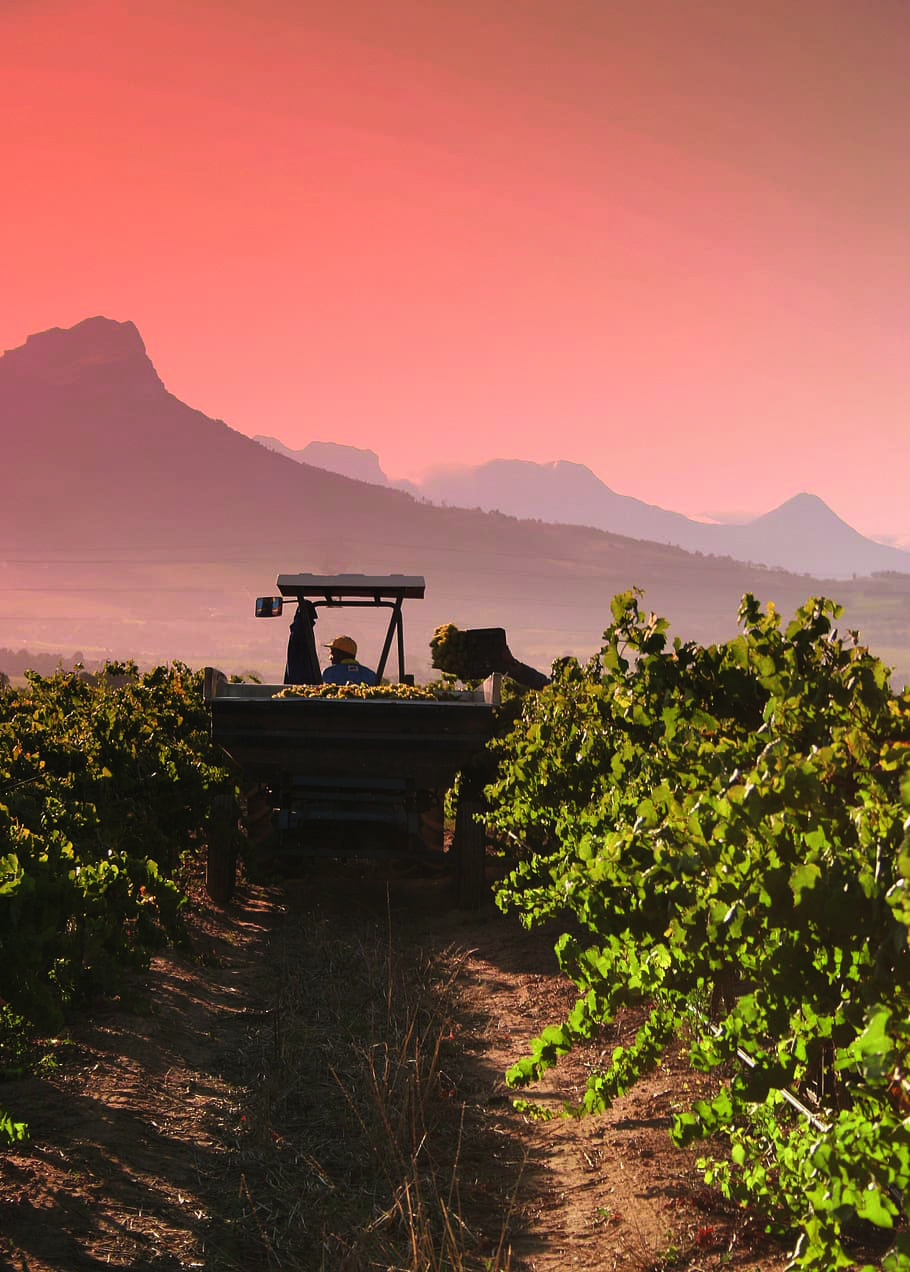
At school Kasera was a sports star, being the city captain for table tennis and a keen cricketer. After graduating from university in Delhi, he studied at the London School of Economics and gained a master’s in international business and emerging markets at the University of Edinburgh. “It was overwhelming at first – the language, the curriculum and the different culture – but it was good experience for me; there were people from 26 countries in my class.” Along with gaining his master’s he made a cosmopolitan network of friends and learnt to appreciate whisky and cognac. He was recently listed on the University of Edinburgh’s Alumni 100, a showcase of its Business School’s most inspiring former students and is also now an advisor to the British Council’s Creative Spark Higher Education Enterprise Programme. “It’s great to be able to help motivate young potential entrepreneurs to realise their potential,” he says.
His main investment focuses are now tech, luxury and environmentally sustainable solutions; in 2011 he worked on a sustainability project in the chemical industry in Switzerland and Germany, fostering in him an interest in renewable energy. “It’s been a process of learning as I go along,” he says. “I’ve made some bad investments that didn’t turn out as I hoped but I’ve got a good feel for it now – it’s so rewarding when things go well.”
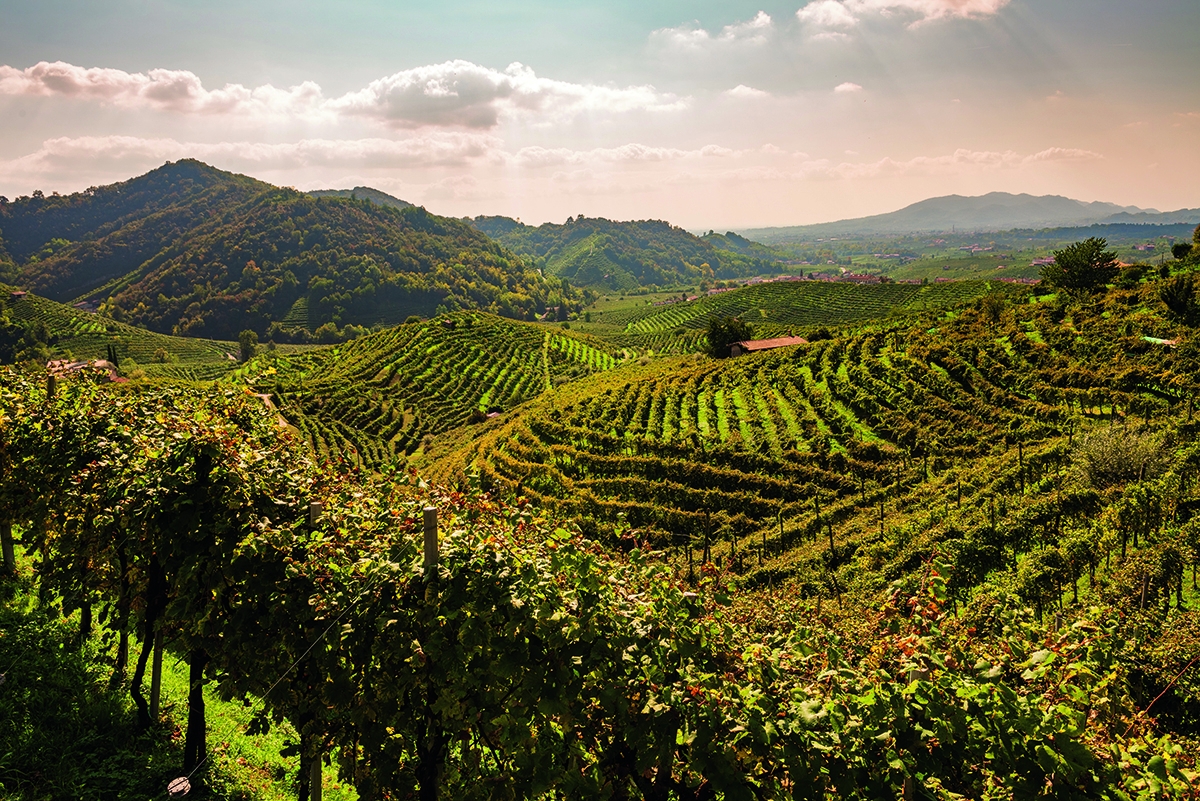
The vineyard where the Glera grapes for Ombra Di Pantera are grown.
The entrepreneurial landscape has opened up dramatically since he left Edinburgh, he continues, largely due to social media. When used intelligently, social networking platforms break down so many boundaries, he says, allowing entrepreneurs and investors to reach a huge audience without expense. “It enables things to happen out of the blue; it brings people and opportunities together,” he says.
Read more: Pomellato’s Kintsugi collection imagines a more sustainable jewellery industry
Some of the truly unique opportunities, however, are still found away from social media and screens, he says – the bourbon whisky that he discovered in Austin, Texas through word of mouth, for example, and the Pinot Noir he tried in Armenia that he says would rival a good red Burgundy. For entrepreneurial inspiration, Kasera thus aims to explore five new countries a year; so far this year he’s visited Armenia, the Seychelles and Northern Ireland and Georgia. He also reads extensively and makes a point of expanding his network wherever he is in the world, often choosing to stay in Airbnb accommodation or with friends rather than checking in to a hotel.
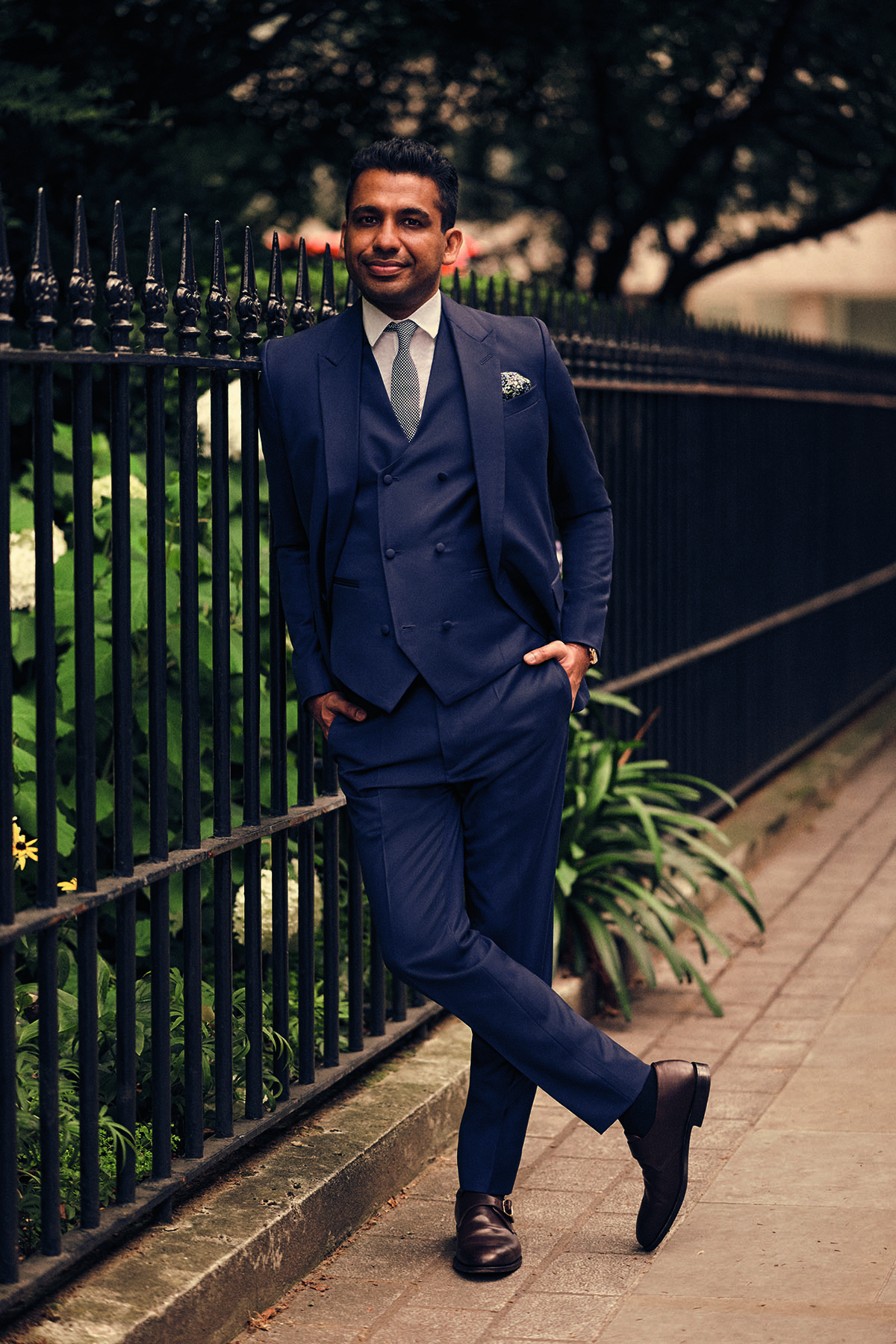
Unsurprisingly, the pandemic put a damper on his travels. While this was frustrating in many ways, forcing him to put investment and philanthropic plans on hold, the time at home helped him gain new perspective. “I like to be busy; I found myself spending a lot of time thinking about what I’m going to do in the future, what’s on the horizon,” he says. “I read the Difficulty of Being Good by Gurcharan Das, which is a secular reading of the great epic, Mahabharata. It relates so much to modern times, which I found very inspiring.” He also taught himself to cook, perfecting Indian-style scrambled eggs with coriander, spices and tomato, and, with Ombra Di Pantera in mind, completed a WSET level 1 online wine course.
As the world opens up again, Kasera is looking forward to Ombra Di Pantera’s unveiling in New York City, where he aspires to open a prosecco bar to give more people the chance to sample fine prosecco. “I hope it will be a brand ambassador for Ombra Di Pantera as well as hosting small pairing lunches and dinners,” he says. “I’d like to see Ombra Di Pantera inspiring a whole new area of luxury proseccos.”
What’s also sure is that it’s impossible to tell what sector new generation entrepreneurs like Kasera will be investing in. Sector-agnostic, and symbolic of his generation, truly global, he looks for opportunities that expand and stretch the luxury sector, increasingly with sustainability in mind. He remains tight-lipped about his next ventures, but I suspect they will be increasingly impactful in the new world of luxury.
The premium Prosecco
Ombra Di Pantera’s Prosecco Superiore Brut Millesimato DOCG aims to conquer the hearts of aficionados of champagne and other high-end sparkling wines, who may not previously have considered a prosecco. The Glera grapes that go into this wine are grown in the foothills of the Alps north of Venice, in an area with sunny days and cool nights. This gives a balance of ripeness and freshness. The result of hand-harvesting, careful selection of grapes and a personalised winemaking process is a sparkling wine that is creamy and light.
My favourite indulgence
“Depending on the time of day and the mood, it’ll either be a whisky or a cognac. As a ritual before dinner with friends, or if I’m admiring a view, I’ll drink a glass of Louis XIII 100-year-old cognac. It never fails to get me in the right mood. Whisky is a passion I share with my friends; we taste it together, we collect it and we exchange notes.”
Find out more: ombradipantera.com
Thank you to Nobu Hotel London Portman Square for providing The Nobu Penthouse for our shoot. Styling by Grace Gilfeather; grooming by Brady Lea (Premier Hair and Make-up).
This article was originally published in the Autumn/Winter 2021 issue.
Pomellato’s Kintsugi collection brings the old Japanese technique of repairing broken ceramics with lacquer and gold dust to the upcycling of broken gemstones. Courtesy of Pomellato
Continuing our focus on sustainability in line with COP26, Torri Mundell explores how jewellery house Pomellato’s latest collection makes use of broken, upcycled stones
Vincenzo Castaldo. Photo by Angela Lo Priore
Sustainability and ethical practices are a constant challenge for the jewellery industry. On the one hand, customers want the most desirable products and are willing to pay what it takes, so jewellery very rarely ends up as landfill. On the other hand, the sector is beset by reports of unsustainable practices and labour scandals.
Pomellato, the Italian jeweller known for its whimsical and colourful creativity, has set up camp firmly on the ESG (environmental, social and corporate governance) side of the jewellery industry. The company is part of Kering, the French luxury giant run by François-Henri Pinault which has long made a virtue of its ethical endeavours (it was the first luxury group to introduce an environmental profit & loss account and expects its brands to follow it).
Follow LUX on Instagram: luxthemagazine
Vincenzo Castaldo, creative director of the brand, is at the heart of the company’s challenge: how to continue its trademark originality and freshness of design, while ensuring everything is produced via a supply chain strictly internally audited for its ESG credentials.
“With its timeless nature, a jewel carries the message of sustainability like nothing else,” says Castaldo. He says the pandemic has strengthened his customers’ resolve to shop more conscientiously. Fine jewellery is no longer simply about “the intrinsic value of materials and craftsmanship but about ethical and cultural values… The events we have recently experienced are addressing us to a more conscious luxury. Our clients are more and more interested in the story you are telling, the ‘behind the scenes’ narrative.”
A selection of pieces from the collection. Courtesy of Pomellato
Establishing supply chains for precious metals and gems is the industry’s biggest challenge. The chains are notoriously murky, mainly because raw materials often originate from some of the poorest places in the world and pass through many countries and hands – miners, cutters, refiners and dealers – before they arrive to market.
In 2018, five years after its acquisition by Kering, the Italian jewellers achieved 100 per cent responsible gold purchasing – valuable because gold-sculpted pieces set with colourful precious stones as well as bold, chunky chains have been central to the brand’s relaxed, modern aesthetic since its founding in 1967.
The atelier where the collection is made. Courtesy Pomellato
A selection of rings. Courtesy Pomellato
The market for coloured gemstones and diamonds is even less regulated than that of precious metals. The brand has been collaborating with the Responsible Jewellery Council to develop their network of diamond suppliers. Brokering a direct relationship with a mining company is another way to establish the provenance of gems: lapis lazuli stones sourced ethically from an artisanal mine in Chile were used in the brand’s earlier, made-to-order Denim Lapis Lazuli collection.
Read more: Two designers on sustainable luxury design
When it comes to design, Castaldo says, “the biggest challenge is to keep alive the conversation between creativity and sustainability.” The Kintsugi collection, using upcycled stones, benefits from a “cross pollination” between the two. Castaldo was inspired by his visit to Japan in 2019, where he became captivated by the tradition of reassembling broken objects with lacquer and decorating the original fracture with a seam of gold. “I was drawn to the elegance of Japanese thinking and the idea of something broken becoming more precious through this ritual of repairing,” Castaldo remembers.
Slightly flawed stones have been used by Castaldo in previous designs, but the Kintsugi collection showcases gems that are actually broken: damaged pieces of jet and kogolong which would normally be discarded. A female kintsugi artist repairs the gems in Tokyo before they are brought to Pomellato’s craftsmen in Milan; the collaboration yields minimalist rings, earrings and pendants that tell a story through the gold seams streaking across former cracks and fissures in the gems. “Each jewel is truly one of a kind,” he says, “and this, to me, is the real essence of preciousness.”
Kintsugi is an ancient craft, but for Castaldo, “the idea of celebrating your scars as a sign of strength through healing is a very contemporary philosophy”. So, too, is the movement to reorder our priorities and shop more conscientiously.
Find out more: pomellato.com
This article was originally published in the Autumn 2021 issue.
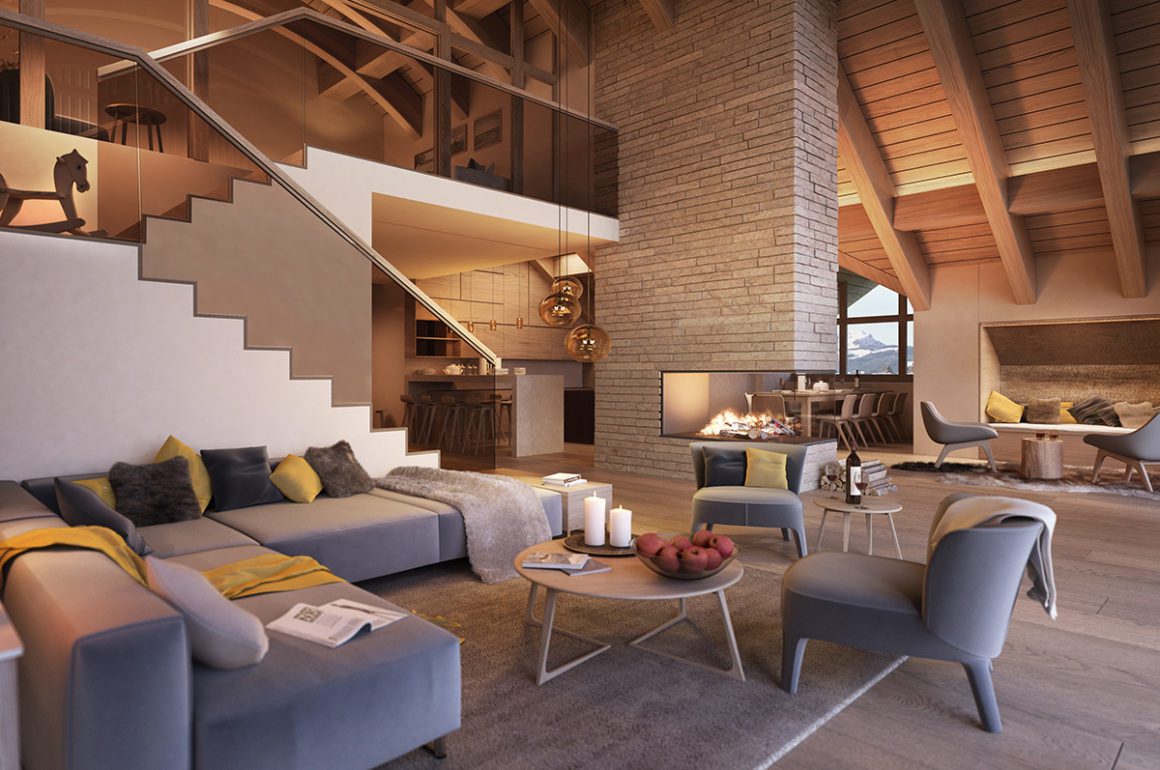
An impression of the ‘Tiger’s Eye’ bespoke decorative scheme for one of the Chedi Gems, a series of penthouses in The Chedi Andermatt hotel
A major hotel, property and infrastructure development has swept the village of Andermatt in Switzerland onto the world stage of luxury. Karen Chung speaks to some of the key shapers of the future of this still-expanding project, which has attracted real estate buyers from around the world
For such a little place, Andermatt punches well above its weight. With its seductive mix of luxury hotels and apartments, restaurants, boutiques and a chic cultural centre nestled around the historic village, it is a glamorous playground in the heart of the Swiss Alps.
This sleepy little skiing village was reawakened with the arrival of The Chedi Andermatt, the five-star hotel and residences masterminded by Jean-Michel Gathy, the lauded hotel designer behind the soaring Aman Canal Grande Venice, LVMH’s Cheval Blanc Randheli and the soon-to-open Aman New York. Launched in 2013, The Chedi Andermatt pulled off a pleasing paradox: a relaxed riff on the classic Swiss chalet with an undeniably Asian influence, ultra-aspirational yet delightfully relaxed and unstuffy. With 50 hotel rooms, 107 residences and 13 penthouses, award-winning restaurants, a first-rate fitness centre and a state-of-the-art spa, cigar and wine libraries, ski-in ski-out facilities and even a flotilla of ski butlers to warm your boots, it swiftly won a slew of awards, including Gault Millau Hotel of the Year in 2017.
Follow LUX on Instagram: luxthemagazine
Over the phone from Kuala Lumpur, where he has lived for 40 years, Gathy muses over The Chedi Andermatt’s show-stopping design interpretation of Swiss chalet heritage. “People ask me, why did you design in an Asian style, but the stone, wood, fireplace, leather, everything is Swiss! The Chedi Andermatt is totally Swiss. The window size, balustrades, materials, everything follows Swiss codes – and believe me, Switzerland has a lot of codes! There’s no one single architectural or design feature that’s Asian. What is Asian is the layering of the space and the lighting, which enhances the layering by creating depth of field.
“I’m from a traditional European background, but when you live in Asia this long you unconsciously assimilate the attitude, the culture, the habits, the values. You do it consciously at first, then you just absorb it. For me, design is an emotional expression of an inner feeling. You just feel this is the way it should be.
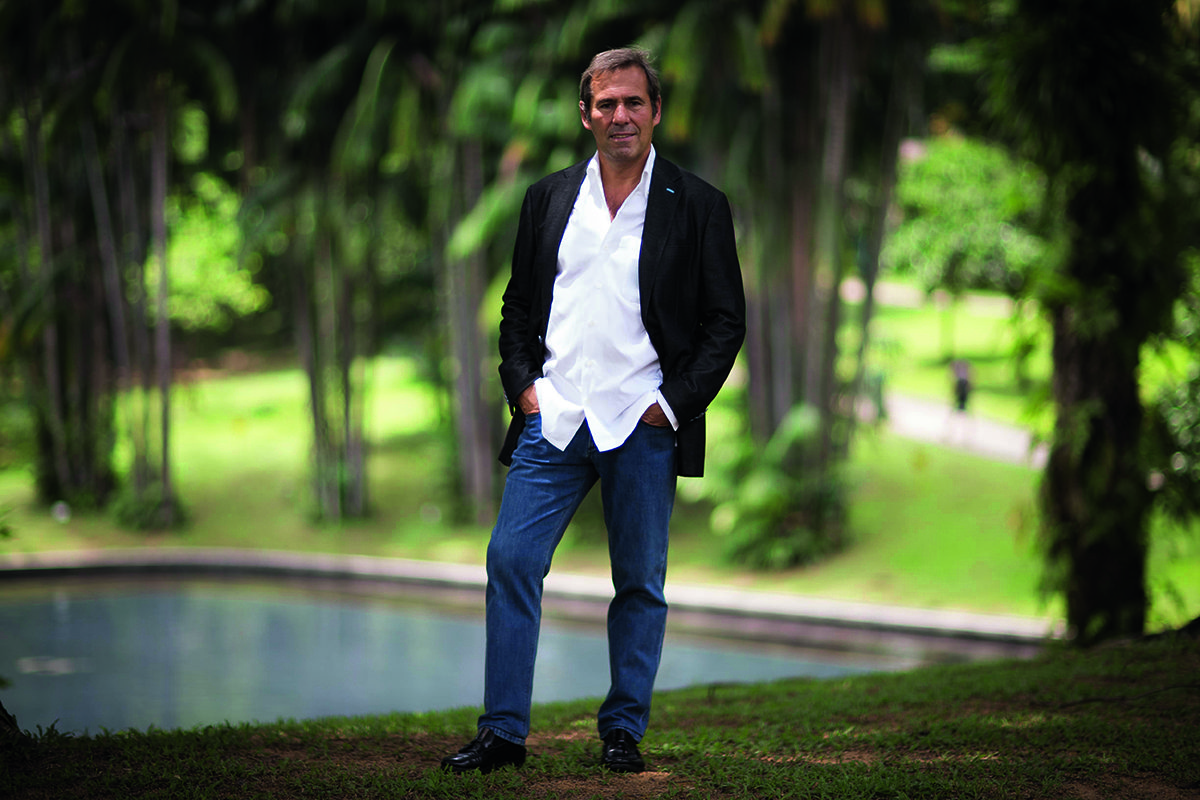
Jean-Michel Gathy. Courtesy Jean-Michel Gathy
“And what makes The Chedi Andermatt different is the layering. Think of Europe and how you move from room to room. In Asia, it’s not like that. You don’t have a door from one room to another, you have screens. The flow is very different. You’re always somewhere but you never know where. I don’t do this on purpose anymore. It’s the way I think. In luxury, there’s more emotion. So, when you apply that layering to the logic, you get The Chedi Andermatt. It’s dynamic, layered, pleasant, comfortable, and it serves its purpose.
“I’ve designed luxury resorts my whole life, and know my clientele very well,” he adds. “I’m very lucky. In luxury there’s room for creativity and emotion, and I know how to use the tools to translate that understanding. I design exactly the way I am and create every single project by hand. It’s very natural.”
A render of a living space in one of the penthouses at The Chedi Andermatt
Indeed, your first instinct as you arrive is to kick back, curl up and gaze at those expansive mountain views from the comfort of the capacious sofas. Gathy’s response to an exacting brief was an intuitive one, perfectly fitted to how we want to live now.
Read more: How to create a truly sustainable luxury hotel
The wealthy have long been attracted to Switzerland but buying here has been notoriously hard. All residences in Andermatt, however, are exempt from the Lex Koller law, which limits foreign ownership of Swiss property, while a popular scheme that manages and rents out apartments while owners are away adds to buyer appeal. It’s seriously accessible, too – just 90 minutes’ drive from Zurich, two hours from Milan and four from Munich, while private jets and helicopters can fly to Buochs Airport, a 45-minute drive away.
An impression of a private penthouse spa at The Chedi Andermatt
“The past year changed everything,” says Russell Collins, the amiable British head of real estate who’s also on the Andermatt development board. “But we really didn’t envisage how busy we were going to be. We’ve sold over CHF500 millions’ [£394.5m] worth of apartments – almost everything we had available – and 2020 was a record year. There were obviously a lot of people sitting at home thinking, we could be skiing now…! Roughly half the buyers are Swiss, half are international – many from neighbouring countries such as Italy and Germany, as well as from the UK, and also Singapore, Hong Kong and Russia. We’re selling the last few remaining Chedi Andermatt penthouses now, which can be fitted out by our team of architects and interior designers, who work with the buyer to their exact spec.” Penthouses start from CHF6.2 million [£4.9m] for a 333 sq m space.”
Developers are also working with Protect Our Winters (POW) to preserve the unique microclimate that makes Andermatt a skiing paradise. Sustainability has been at the heart of the development from the start, with The Chedi Andermatt and all private residences built to stringent Minergie standards for low-energy-consumption buildings. Services run on natural resources (and, refreshingly, are hidden below ground), and in winter an electric bus zips round the car-free development.
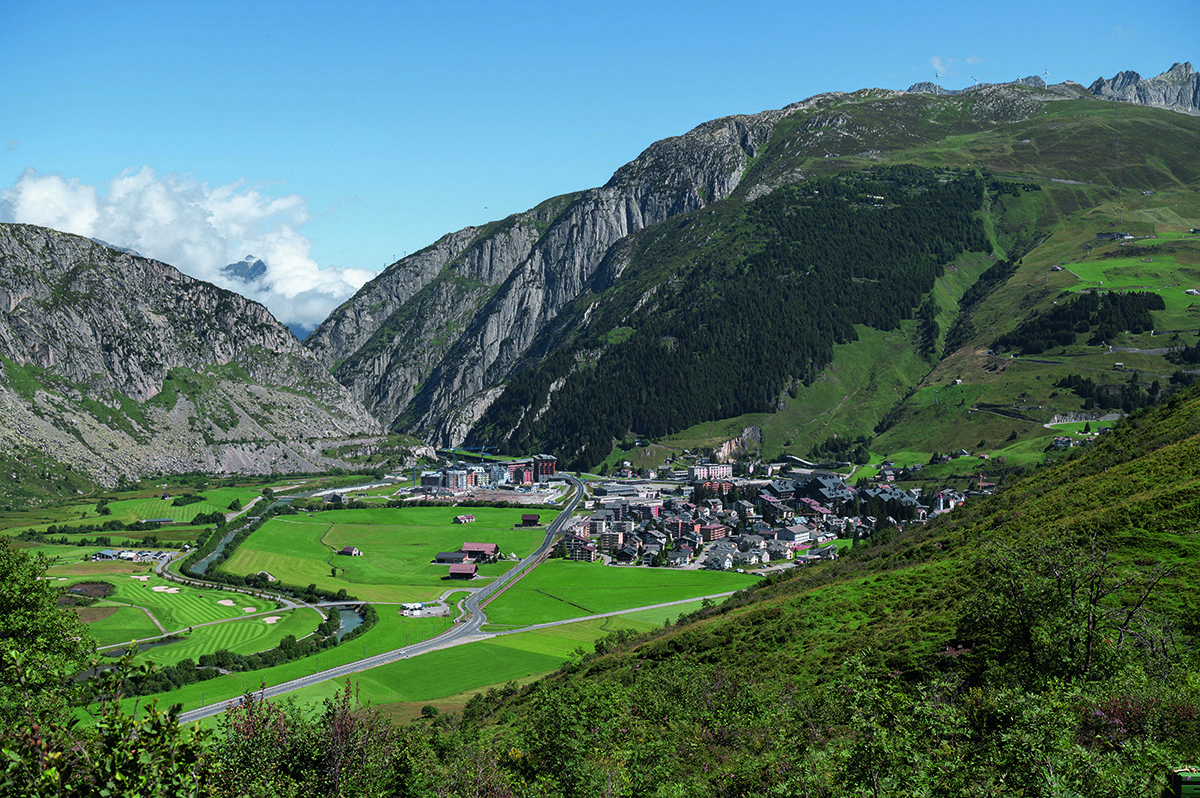
Andermatt with the new village quarter of Andermatt Reuss to its left. Photograph by Valentin Luthiger
Perhaps the biggest challenge for Andermatt is nailing that all-important lifestyle mix as it becomes a year-round destination without losing its still relatively low-key charm. Its burgeoning mix of hotels, apartments and chalets nestle alongside traditional historic buildings and an expanding boutique retail and restaurant offering. And in summer, as well as hiking and walking, there’s the option of golf on the award-winning course. And after coming to an abrupt halt, its annual music programme is also reviving after an 18-month hiatus.
“I think residents are really encouraged by the fact that we’re so committed to making this a great place to live,” says Collins. “The danger is that we just become a ski resort for the winter months, but we’re looking hard at the year-round offer, creating life at street level and making it a joyful place to spend time.” It’s for the next wave of pioneering buyers to see how well Andermatt achieves that.
The Chedi Andermatt Spa and Health Club
There are spas, and then there is the spa at The Chedi Andermatt, a multi-award-winning, divinely decadent 2,400 sq m temple to wellness. Exclusive organic products are a key feature of the spa; particular highlights are the Tata Harper Natural Glow from Head-to-Toe Ritual and the divinely relaxing Oromovizca Golden Full Body Massage, inspired by the curative properties of Hungarian thermal waters and which includes an invigorating gold-and-sugar peel. The health club boasts the very latest TechnoGym equipment and there’s a hydrothermal spa with a seemingly endless array of baths and saunas, as well as a stunning 35m indoor pool, the longest in Switzerland.
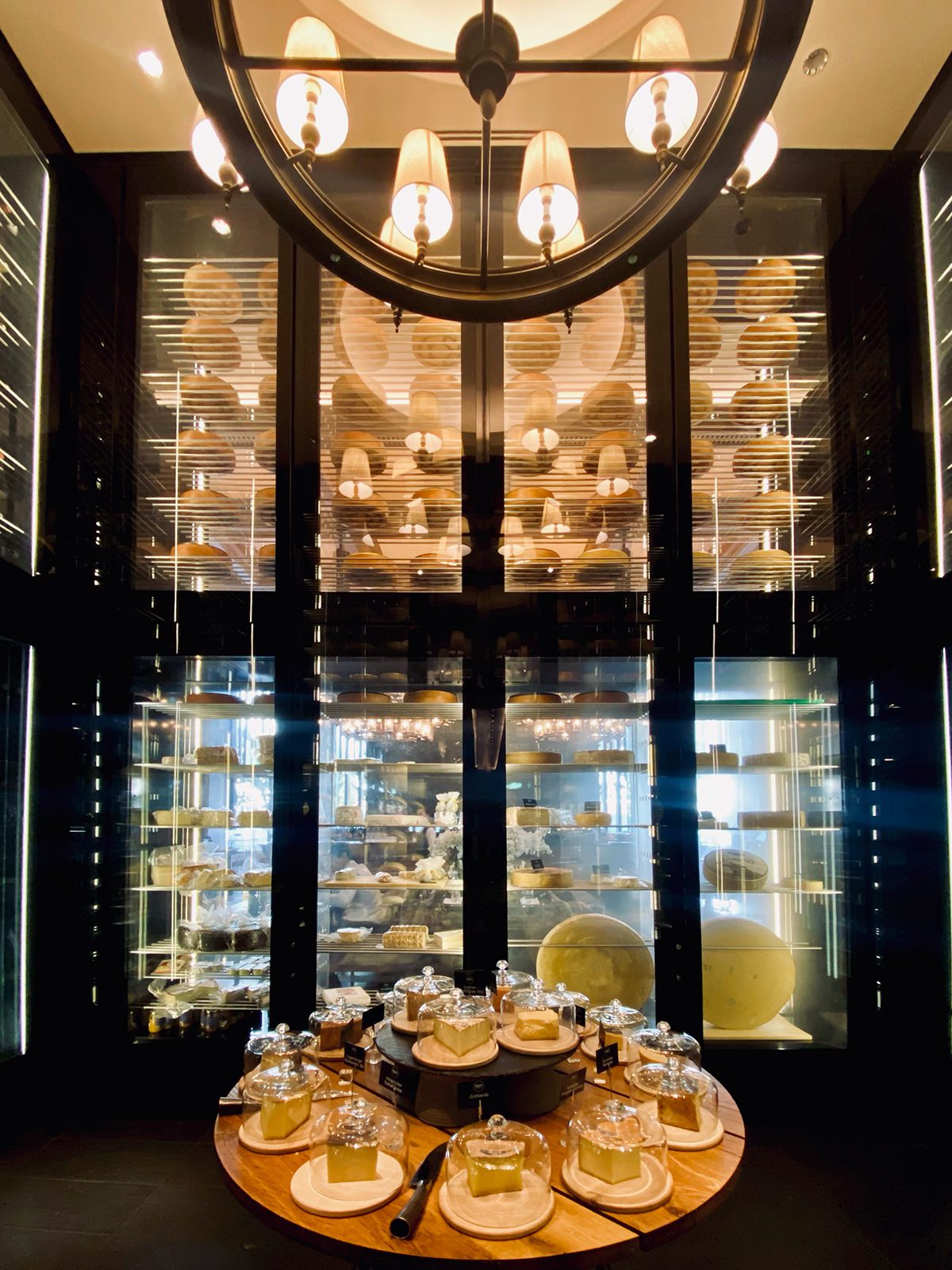
The cheese tower of local Swiss cheeses at The Restaurant
The Restaurant at The Chedi Andermatt
“A sense of occasion for our guests is key,” says Armin Egli, Executive Chef at The Chedi Andermatt, “and creating great experiences is a big part of that. In our four open-plan kitchen stations in The Restaurant, guests can take a seat at the chef’s table to watch food being prepared, whether that’s Asian-inspired delicacies, traditional Swiss fare, or simply see our pastry chefs at work. We also have a five-metre-tall cheese tower, currently showcasing 43 cheeses unique to Switzerland; guests can taste and learn the story behind each one. And we often reinstate favourite dishes. Black pepper beef is a stand-out favourite from the Asian kitchen that we keep having to bring back by popular demand. If it’s not on the menu when you visit, just ask…”
Find out more: andermatt-swissalps.ch
This article was originally published in the Autumn 2021 issue.
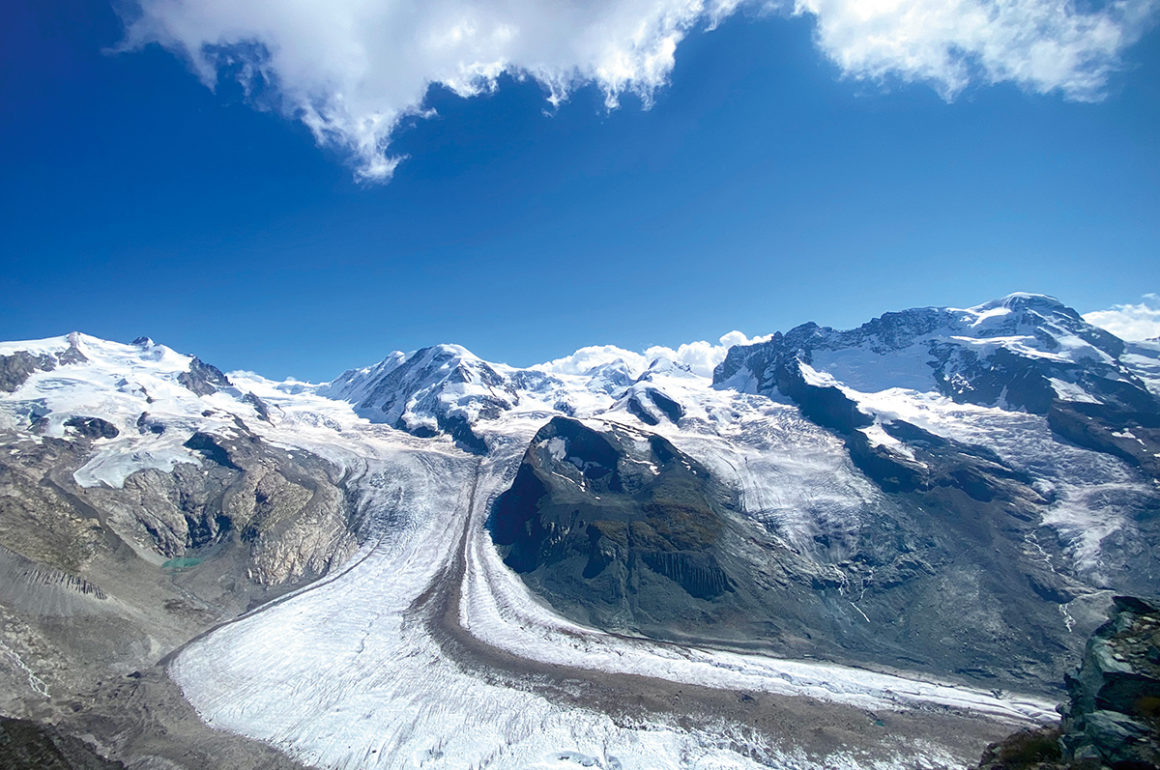
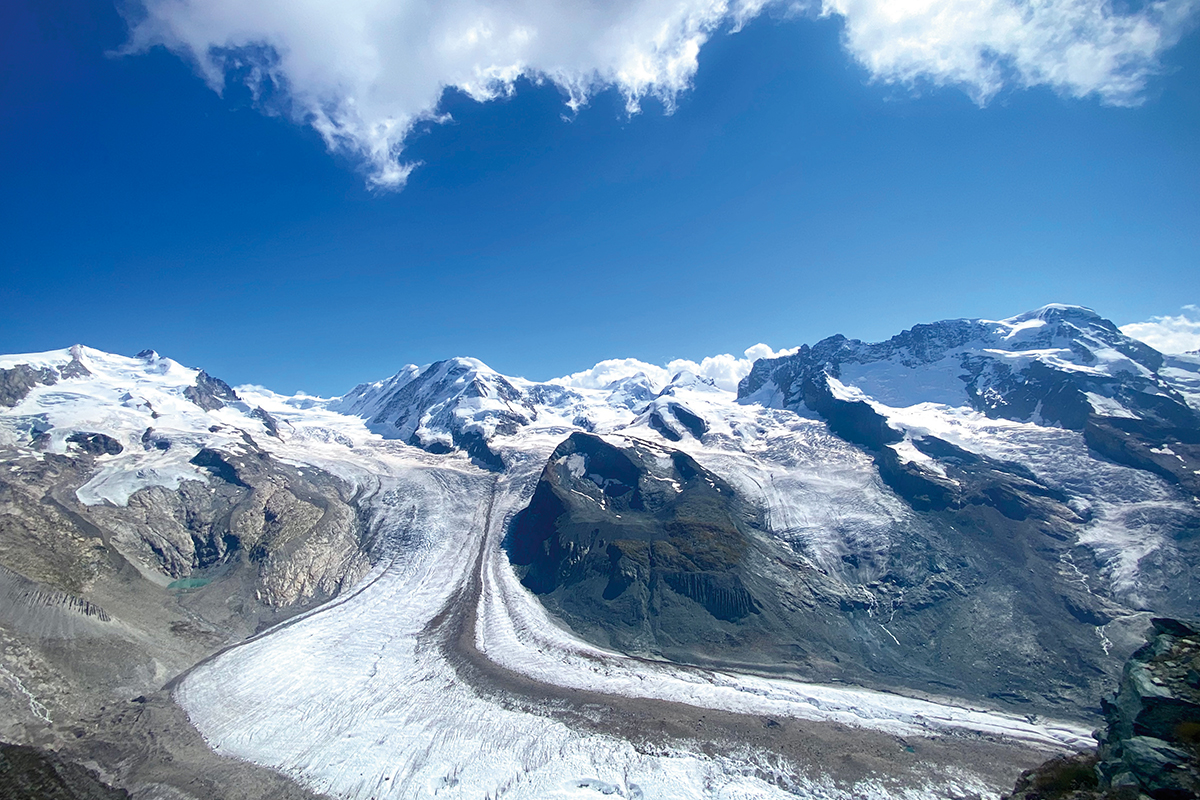
Melting glaciers will contribute to dramatic sea-level rises. Pictured: the Gornergletcher and Monte Rosa, Switzerland.
Professor Peter Newell
Academic Peter Newell made waves in the global media recently with a report describing how the wealthy have a disproportionate effect on climate change, and a duty to change their travel, business and leisure habits. As COP26 kicks off in Glasgow, he speaks to LUX about how moral duties increase with net worth
LUX: How do you define ‘unnecessary travel’?
Peter Newell: It is not for us as individuals to work out what counts as unnecessary travel: governments, cities and businesses can send clear signals about which travel is critical and which is largely unnecessary. Wealthy employers can set sustainable travel policies for their companies. But all of us can also exercise responsible self-restraint. Addressing poverty and social inequality means that carbon will inevitably and justifiably increase for some people, especially, but not exclusively, in the Global South.
To still live within tightening carbon budgets means cutting back on luxury emissions, including where travel to conferences and meetings is no longer necessary when virtual platforms can replace that need, as well as reducing frequent flying for holidays. It is worth remembering that just one per cent of people cause half of global aviation emissions.
Follow LUX on Instagram: luxthemagazine
LUX: What are the ethics of travelling for sporting events and art fairs?
Peter Newell: With finite carbon budgets that have to be shared equally, some activities become harder to justify than others. We should focus less on whether a particular event is ‘essential’, because we all feel what we do is essential, and ensure that we have sustainable and low-carbon forms of travel accessible to all. But until that’s in place, there is a need to reduce unsustainable travel through policy including taxes (to subsidise affordable, low-carbon transport), restrictions on air expansion or carbon rationing. There is an issue of collective responsibility here that trumps individual whims.
LUX: Is there any validity in the idea of personal carbon offsets?
Peter Newell: Personal carbon quotas may have some value but need to be implemented carefully. Offsets are notoriously problematic, subject to double-counting and fraudulent savings, and are really just passing the costs and the responsibility for reducing emissions onto others. Displacing responsibility is not the answer.
LUX: If wealthy individuals only do what is ‘necessary’, what’s the point of being wealthy?
Peter Newell: The issue is both how much wealth people have, because emissions are very closely related to purchasing power (to buy larger homes, cars, flights etc) and how that wealth was generated in the first place. If people make their money from activities driving the climate crisis, that is part of the problem and needs to be addressed. No amount of sustainable living will compensate for that. For wealthier people, it is also about where you invest your money and how you use your influence politically.
LUX: If everybody acts ‘correctly’, jobs will be lost in the oil, aviation and other sectors.
Peter Newell: Most discussions now are about transitions – helping workers to retrain in renewable energy industries or to work in other sectors of a sustainable economy. Research suggests most of them want a secure and reasonably paid job and have no loyalty to fossil fuel companies. There is also a need for compensation and regional development plans, the like of which have been used in helping coal-dependent regions transition to new development pathways. It is about protecting poorer workers as we make the necessary changes and redirecting the vast sums of state support in subsidies and aid that fossil fuel companies receive towards support for jobs in sustainable industries.
Read more: How Durjoy Rahman’s art foundation is promoting cultural collaboration
LUX: What of the tourism industry in the Global South?
Peter Newell: Many in the Global South are amongst the most exposed to the worst effects of climate change, a problem most who live there played little part in accelerating. For this reason, they are rightly demanding tougher action from the Global North, including reducing emissions from aviation. Small, low-lying and Caribbean island states have rightly been the champions of bolder climate action because their lives depend on it, even where some are heavily dependent on tourism. What you also might see, as we have here in the UK, is a huge boost to local economies as people holiday nearer to home. Aviation may become more sustainable through fuel and engine technology, but that will take time and clearly, for all our sakes, wealthier citizens need to reduce the amount they fly.
LUX: Is it realistic to try to recalibrate the desires and aspirations of the wealthy?
Peter Newell: Climate chaos is not a realistic or attractive prospect, but that is where we are headed. So, carrying on with business as usual is not an option. The investment and political power of the wealthy is vast and can be used to positive effect – to divest from fossil fuels, to support low carbon innovations, to use their profile and influence to back key campaigns and to pay taxes that generate the funds to address these challenges. This clearly isn’t happening on anything like the scale required. The wealthy share the same planet as the rest of us. They are part of the same society. With that comes duties and responsibilities to behave in ways that serve common interests. Planetary survival is one of those. This is a key moment for those with power, wealth and influence to use them in a bold and responsible way to safeguard all of our futures, including their own.
Peter Newell is Professor of International Relations at the University of Sussex
This article was originally published in the Autumn/Winter 2021 issue.
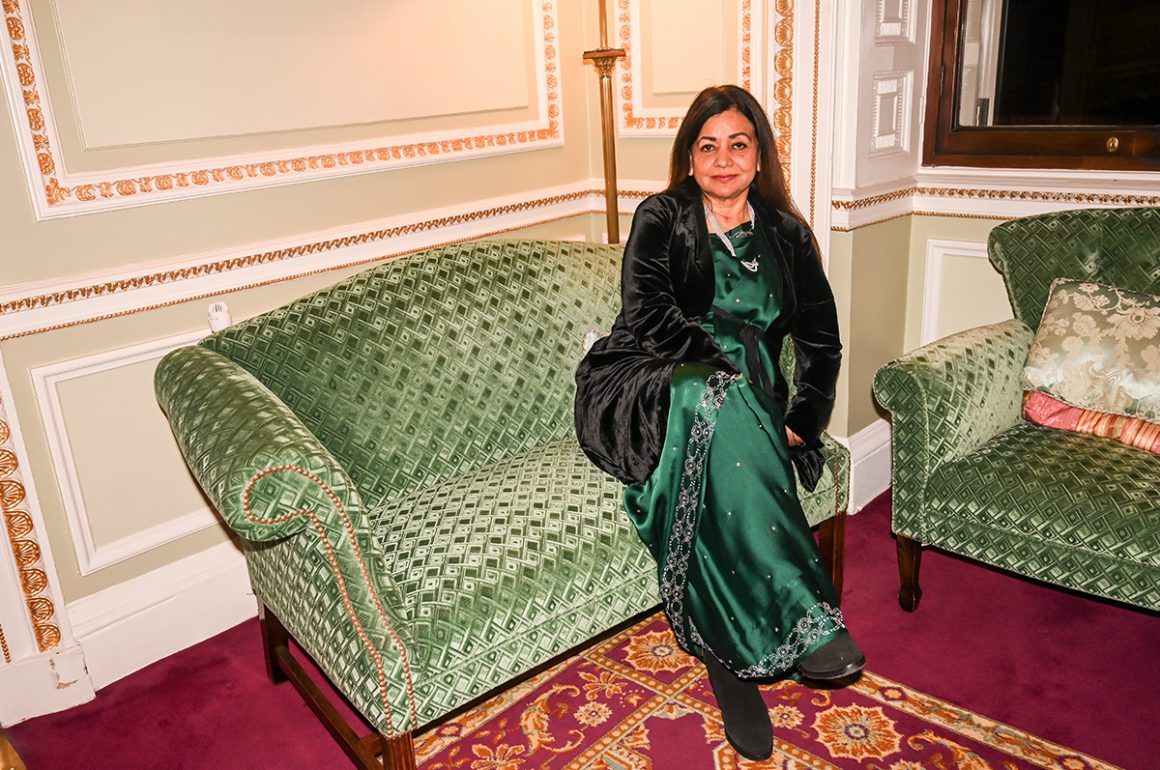
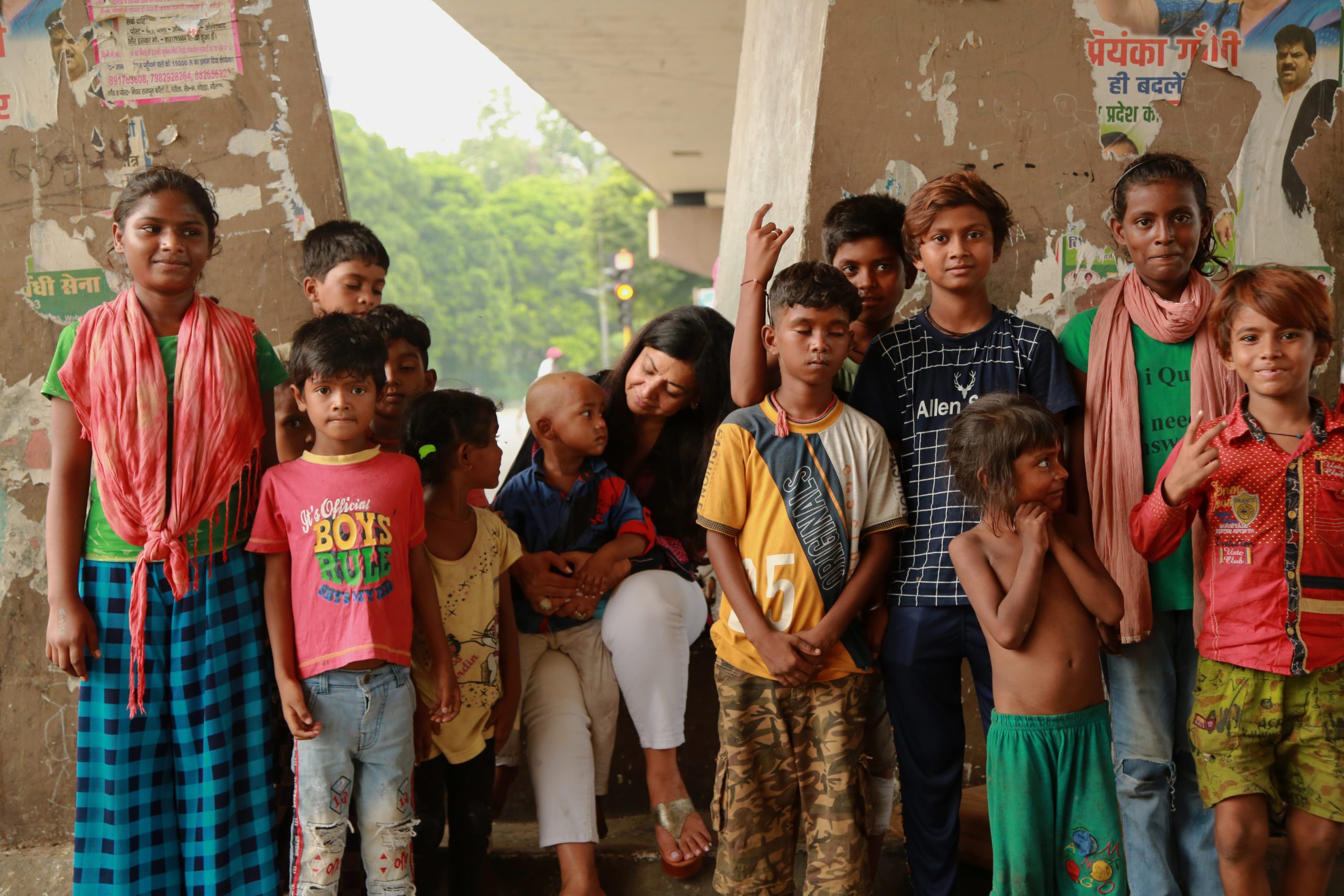
Surina Narula, founder and patron of the UK-based Consortium for Street Children
Based between London and Delhi, Surina Narula has founded philanthropic endeavours as diverse as Jaipur Literature Festival, the Consortium for Street Children, and the TVE Global Sustainability Film Awards, among others. The governing principle underlying them all? A passion for learning and justice. Here, Narula speaks to Samantha Welsh about personal responsibility and the importance of South Asian representation.
Surina Narula is on a mission for social justice. Having dedicated the best part of three decades to delivering aid to women and children in the UK and India, she is also a patron for South Asian art and a fervent advocate for sustainability through the medium of film. If those causes sound disparate, they are deliberately so – for Narula is dedicated to equality above all else.
LUX: When did philanthropy become a way of life for you?
Surina Narula: I don’t think I had anything specifically in mind [when I started]. I just believed in justice and in a fairer world. It all changed when I had to fight for justice for my sister’s murder, which made me think a lot about human rights and justice for all. I realised it’s a very unfair world in India, where only people like us, with money and contacts, get any kind of justice. So, I started advocating for the most vulnerable sections of society. I knew it would take an entire lifetime to make a tiny difference, but it didn’t mean I had to stop enjoying my life. It is a basic responsibility for every able-bodied person to engage and make a difference.
LUX: Your work spans literature festivals to film awards, sustainability to women’s rights. Is there a single philosophy underwriting them all?
Surina Narula: You could say that everything I’m engaged in is interconnected. Everything is for a cause but also satisfies my desire to learn. [That’s why] I started fundraising through art exhibitions, theatre productions and literary festivals. I first began with working for street children through the Consortium for Street Children (CSC), based in London, and then looked at communities supporting children through Plan UK and helping charities like Women and Children First. My focus now is on advocating for environmental causes and global sustainability through the Television for the Environment (TVE). I felt the environmental crisis was becoming the greatest cause of human suffering, with the worst affected always being women and children. My philanthropic journey has been a continuous and evolving process.
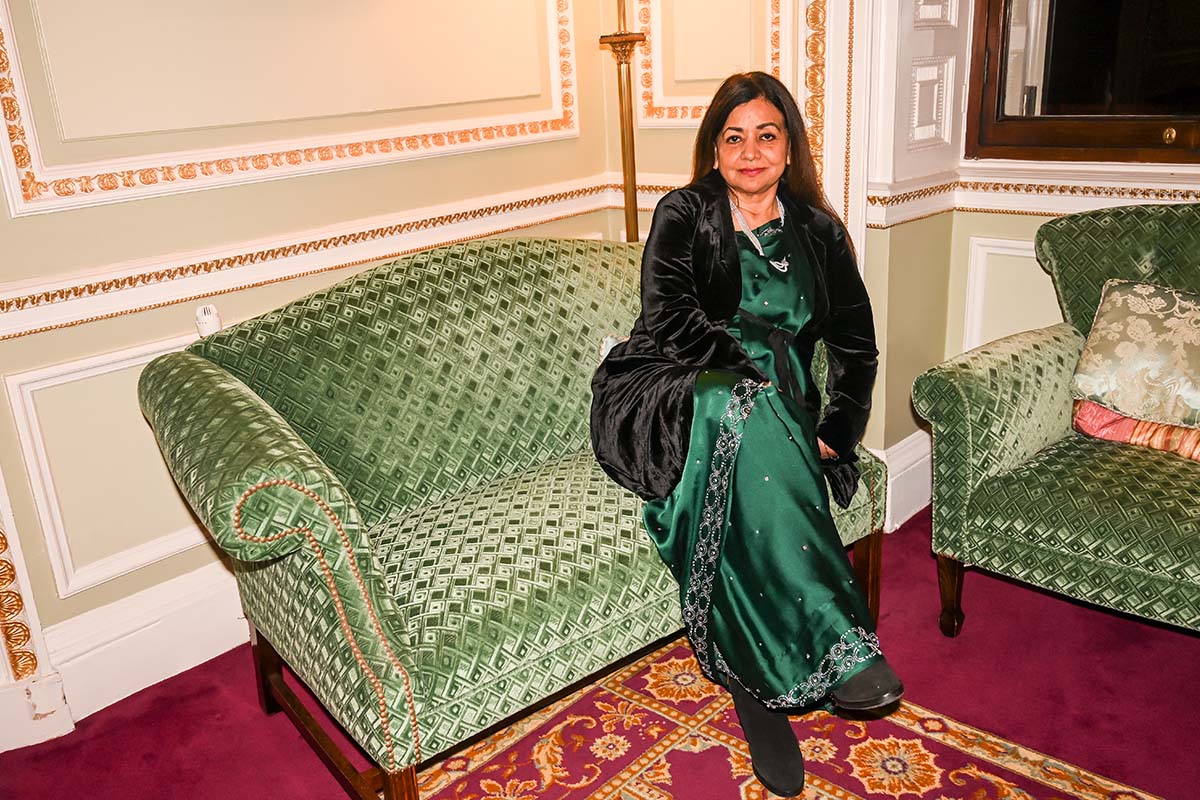
Surina Narula celebrating Diwali at COP26
LUX: Your own involvement in these projects frequently transcends setting up foundations and providing aid. Why is it important that you engage on a deeper, more personal level?
Surina Narula: The personal commitment comes from a love of life. I don’t think the idea of foundations, charity, aid is what excites me; they are a means, not an end. It has been a privilege to be on the boards of many organisations, because I meet amazing people who devote their lives to work for the causes they are passionate about. I love meeting these people and learning from them.
Follow LUX on Instagram: luxthemagazine
LUX: You are a fearless advocate for women’s rights and ask difficult questions around religious strife, marriage and prostitution. Does it ever feel like you are fighting a losing battle?
Surina Narula: It is very difficult to measure success in these areas, but unless we have the courage to question bad practices, how can we start a dialogue? By starting a dialogue, however difficult, we can start the process of change.
LUX: Is that how the Difficult Dialogues initiative came about?
Surina Narula: Difficult Dialogues is part of a wider agenda of regional development which aims to involve the voices of key stakeholders in the process of policy formulation. Policy is eventually what really changes the plight of people, and this process needs to be structured, transparent and more inclusive. We organise events debating ‘difficult’ issues with Government, policy formulators, academics, corporates, NGOs and last mile implementers of policy, before making specific policy recommendations for the area.
LUX: What reforms have your teams been able to effect?
Surina Narula: Thanks to the work of the CSC, we have succeeded in adding a general comment in the UN Rights of the Child, guaranteeing that whenever governments discuss the welfare of children this expressly includes street children. We have also had success with Plan International, where our teams work hard in law reform to support the rights of women and girl children in the UK and India. Through Women and Children First, our teams are effectively reducing the mortality rate in newborn children in parts of Africa.
In 2012 Surina founded the tve Global Sustainability Film Awards. Left to right: Giorgos Lemos, Surina Narula and Nikos Fragos. Producers of, ‘Amerika Square’, the film won the Founder’s Award at the GSFA2018
LUX: Your work is heavily focused on South Asia, as well as the UK. Why is that a priority for you?
Surina Narula: I believe it’s best to start with what you know. South Asia is closer to the language and culture I grew up in. I learned about South Asia through western writers in English. I also read Thomas Hardy and Shakespeare. They were great, of course, but I grew up imagining I was Hardy’s Tess, not Vikram Seth’s Lata. Now, I am much clearer about my own identity and have learned so much about people in our region.
LUX: Was this the motivation behind the DSC Prize for South Asian Literature?
Surina Narula: Yes, it’s about sharing the cultural richness and diversity of South Asia, and bringing our literary talents to a global audience. We encourage a wide range of entrants: the Prize is open to writers from anywhere in the world provided they write about our region. Over the last decade, it has become the definitive international prize focused on South Asian fiction writing.
Read more: Philanthropy: James Chen on providing vision for all
LUX: How do you develop such nuanced conversations across a region with so much diversity?
Surina Narula: If you know this region, it’s clear there is great diversity in language and dress. The Prize is focused on nine South Asian countries which include India, Pakistan, Sri Lanka, Bangladesh, Nepal, Bhutan, Myanmar, Maldives and Afghanistan. Translation has helped capture the nuance of conversations; we also celebrate our diversity by physically presenting the award in different countries by rotation.
LUX: How does neo-colonialism intersect with the storytelling of that region?
Surina Narula: Every nation in the South Asian region has suffered through our shared colonial history, as well as civil and religious conflict. The entire region is connected in this way. Before Independence, English literature and the English language were prevalent because of colonialism: we were forced to speak and write in the language of the conqueror. So the DSC Prize brings to the English-speaking world a deeper understanding of the vibrancy and richness of South Asian culture.
LUX: The TVE Global Sustainability Film Awards celebrates a different kind of creativity. Tell us more about that.
Surina Narula: Television for Environment (TVE) has been at the forefront of amplifying messages around sustainability for the last 36 years. My journey with them began ten years ago, when I was introduced to them as a fundraiser. The organic natural next step for us was to give awards for well-made environmental films, leading to the conception of the annual TVE Global Sustainability Film Awards. The awards are unique because film submissions are judged not only on the quality of their content but on their message and impact. Our greatest success was when we highlighted the film My Octopus Teacher at the TVE GSFA 2020 and won the Oscar for the best documentary.
LUX: How would you like to see the next generation taking forward your legacy?
Surina Narula: One of the greatest Sikh Gurus, Guru Gobind Singh, once said, ‘Shiva, grant me this boon! May I never, ever shirk from doing good deeds!’. He acknowledged how hard it is always to do the right thing. This is because life is all about choices: we are always trying to make choices that help us enjoy our lives to the full and to fulfil our personal responsibilities. I think the next generation has a lot going for it [in this sense]. Access to technology and economic independence makes young people more capable. If they can develop and remain compassionate, the world will be a better place.
Find out more: jaipurliteraturefestival.org
As with all of our philanthropists, readers who have their own foundations and philanthropic interests are encouraged to reach out to our interview subjects and their institutions directly.
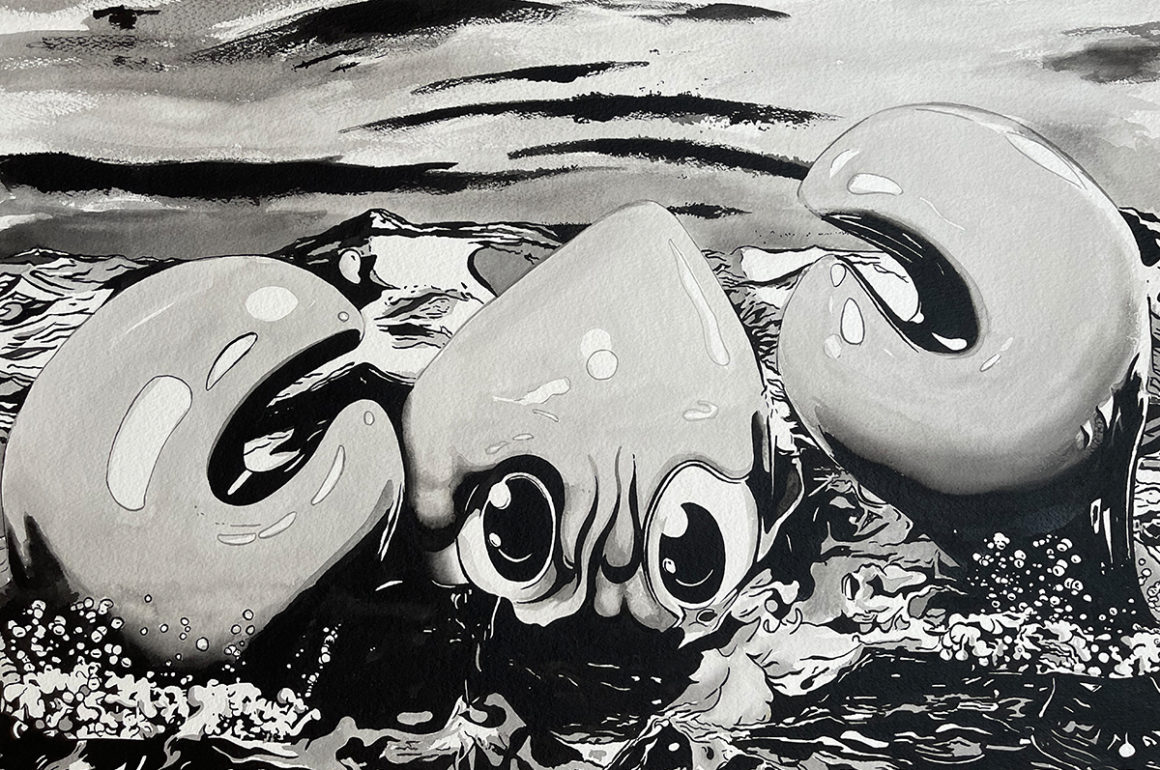
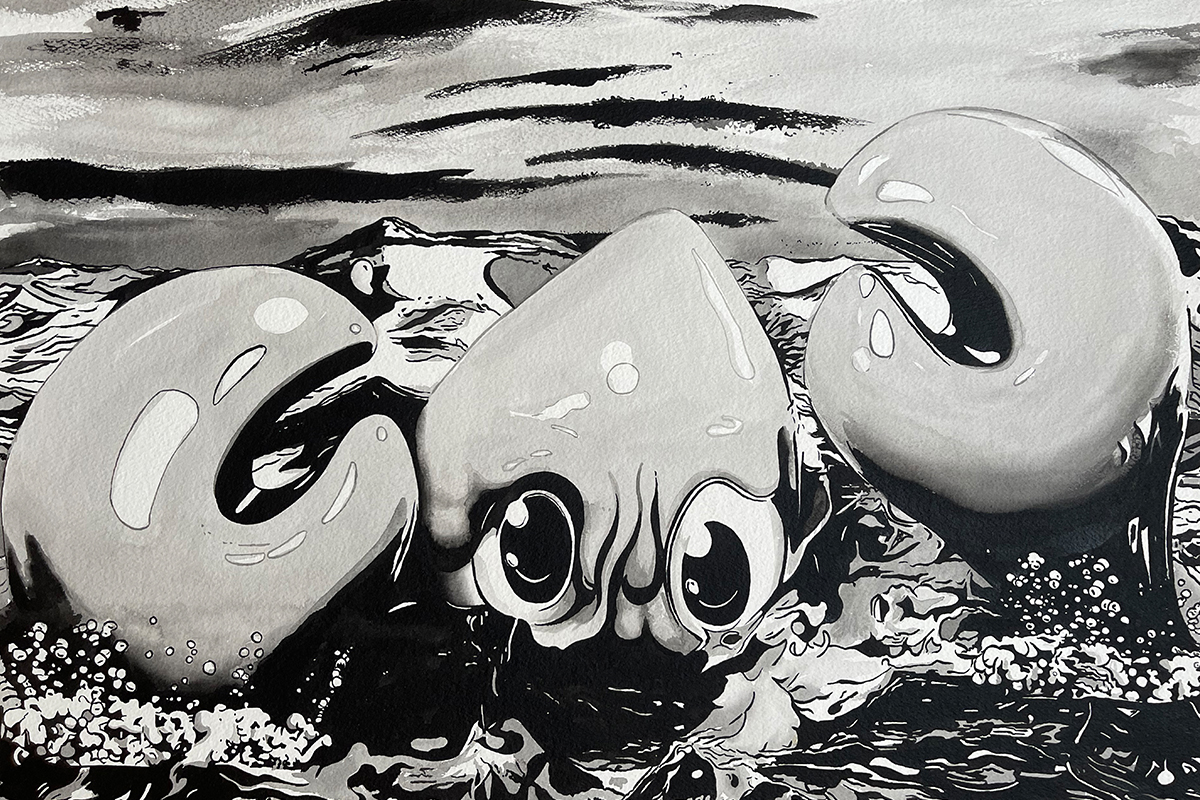
Philip Colbert. Air-Ink on recycled A2 Paper
Eco-art organisation Platform Earth is creating an exhibition of works by leading artists made from air pollution, at Frieze London. The aim of CARBON is to raise funds for a highly worthy environmental charity while raising awareness of our carbon footprint, as Ella Johnson reports.
Frieze London will see an innovative new stand by Platform Earth, showing CARBON, an eco-exhibition devoted to sustainability and featuring works by prominent UK based-artists, being sold in aid of marine carbon capture initiatives supported by eco-fundraising organisation Platform Earth.
Platform Earth is the brainchild of Petroc Sesti, with assistance in curation by Mark Sanders, Jessica Carlisle and Richard Wadhams. The show exhibits works by Tracey Emin, Brian Eno, Shezad Dawood, Ben Okri, among others. All works have been created using the medium of Air-Ink, a pioneering, carbon-negative ink made from air pollution.
Proceeds from the sales will go to Platform Earth’s Great British Sea Forest initiative and the Sussex Kelp Restoration Project, a project working to restore depleted kelp forests on the Sussex coast. In Platform Earth’s first year, it has successfully supported the Sussex Wildlife Trust in passing a bylaw banning trawling on 300 KM2 of the south coast, now the largest marine restoration project in the UK. Sesti points out that the marine-based plant is a potential game-changer when it comes to reducing CO2 concentration in the atmosphere. “Capable of growing three metres in just four months, kelp can draw down carbon more than twenty times faster than land-based alternatives. Once restored to its original size, the Sussex kelp forest could remove the equivalent of London’s entire art industry’s emissions year on year,” he says.
Follow LUX on Instagram: luxthemagazine
Sesti himself has a name where art and conservation meet. In addition to having founded Platform Earth last year – which strives to bring artists and scientists together to bring about carbon neutrality in the art world – he has collaborated with David Attenborough, and NASA astronaut and artist Nicole Stott on conservation initiatives dealing with deforestation and carbon capture. His work, which often takes a broadly cosmological focus, is also displayed at the Yacht Club de Monaco, whose patron, Prince Albert II, is a keen supporter of marine conservation causes.
Sesti was given the space at Frieze by Victoria Siddall, Global Director of Frieze Fairs, with the support of the Gallery Climate Coalition, amid rising concern in the art world about the carbon footprint of the sector.
The line-up of artists participating in CARBON is striking. Emin has created a line drawing of a woman reclining from the Air-Ink medium; Eno has contributed a work showing an ink footprint on (recycled) paper simply entitled Carbon Footprint.
Shezad Dawood, Terrarium Study, Air-Ink on recycled A2 Paper
Shezad Dawood’s work depicts an underwater seascape replete with a crab and seaweed (or polythene tendrils, depending on how you view it). The multi-media artist comments: “Keeping the process carbon neutral, from the paper to the Air-Ink, is a nice touch, but the Air-Ink is actually wonderful to draw with, so there were no compromises there.” For Dawood, the CARBON project builds on a pre-existing passion. “For my works The Terrarium and Leviathan, I have spent years working with scientists, oceanographers and environmentalists imagining the future. What will different marine and coastal regions look like in 30, or 300, years from now?”
Read more: Philanthropist Helga Piaget on educating the next generation
For contributing artist, Sue Webster, CARBON offers an opportunity for retrospection. “Tim [Noble] and I have always inadvertently made environmentally friendly art, dating back to being penniless art students in Nottingham in the late 1980s and early 1990s. We simply couldn’t afford to waste our precious student grants on buying sheets of metal or lumps of granite with which to carve our future in art, so we turned to emptying out the skip in the sculpture park in order to pave our way through the art of assemblage from trash. It was never meant to be a political statement: it was simply a means to an end, to survival. It’s funny how things have turned out. It’s about time artists unify and invest in solutions to the art industry’s carbon emissions.”
Conrad Shawcross. Air-Ink on recycled A2 Paper
Conrad Shawcross has created an abstract, particle-like work. He tells LUX, “As we do not have all the answers, I celebrate all endeavours to think outside the box, raise awareness, and promote change. Platform Earth represents a fresh and bold solution to accelerating environmental understanding, protecting ocean habitats and a novel way for the art world to try to reduce its negative environmental impact, while also crucially supporting and sustaining artistic expression.
Read more: Sophie Neuendorf on the legacy of Valmont’s Didier Guillon
“For well over a decade now, my joy in making has been increasingly tarnished by an anxiety at the environmental consequences of my expression and process. For years I have been trying to unbind the direct link between my artistic production from my carbon footprint. Decarbonising my supply chain has not been easy. While there are exciting solutions on the horizon, such as green hydrogen steel mills, we are not there yet.”
Charlotte Colbert. Air-Ink on recycled A3 Paper
Charlotte Colbert’s surreal creation blurs the lines between man and marine creature. “All our senses can witness our hurtling towards climate catastrophe,” she says. “It feels overwhelming, so when organisations come with clear aims and goals on how to delay or even avert it one can only leap behind it with full faith and commitment.” Philip Colbert, who has recreated his signature lobster seemingly drowning in a rising ocean, adds, “It seems about time that an art movement focused head on the environmental challenge of our time. Great art has always attempted to tackle the existential challenges for humanity and Platform Earth perfectly addresses our biggest challenge today. If artists can’t inspire then they can no longer dream.”
With the United Nations Climate Change Conference, COP26, taking place in a few weeks, the show could not be better timed. As Sesti says, “To have Frieze place us essentially in their blue-chip section is a real barometer of how the art world is changing – or potentially hasn’t changed yet. It does not have many solutions at the moment, in terms of contributing to the environment and carbon capture.” A zero carbon art world may be a long way off, but CARBON is at least playing a small part in raising awareness – and addressing the issue.
Find out more: platformearth.org
Follow Platform Earth on Instagram: @platformearthuk
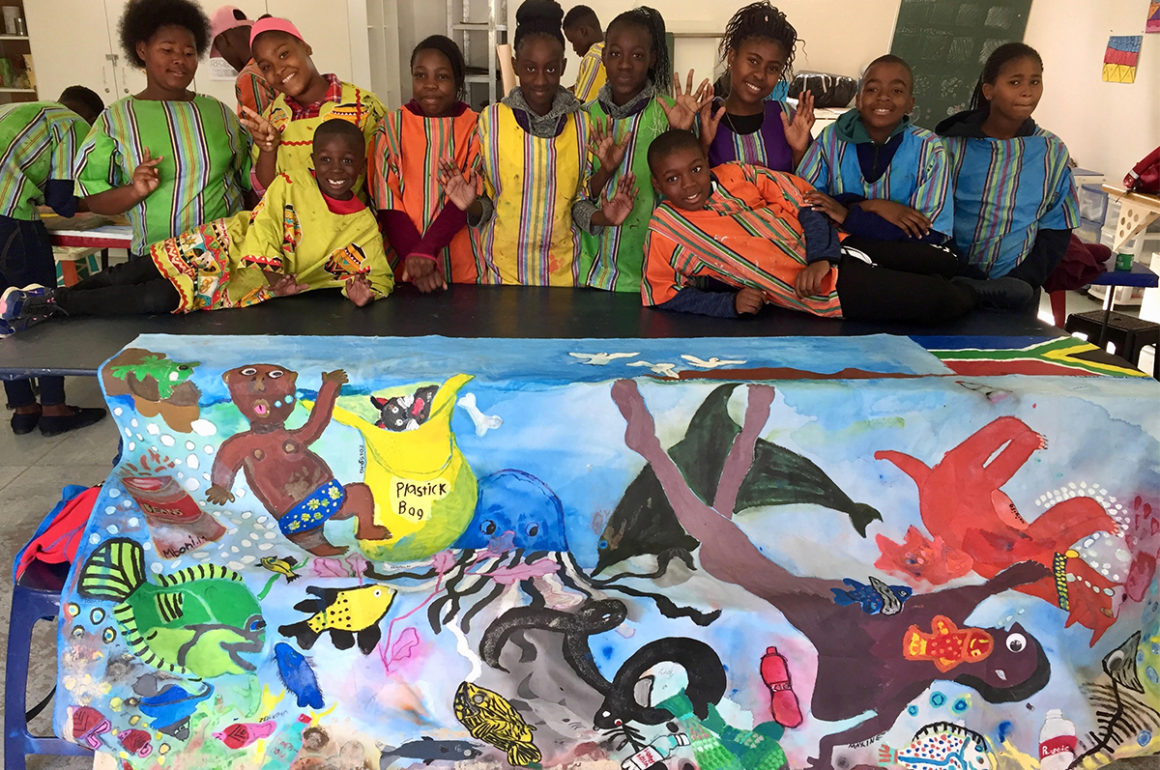
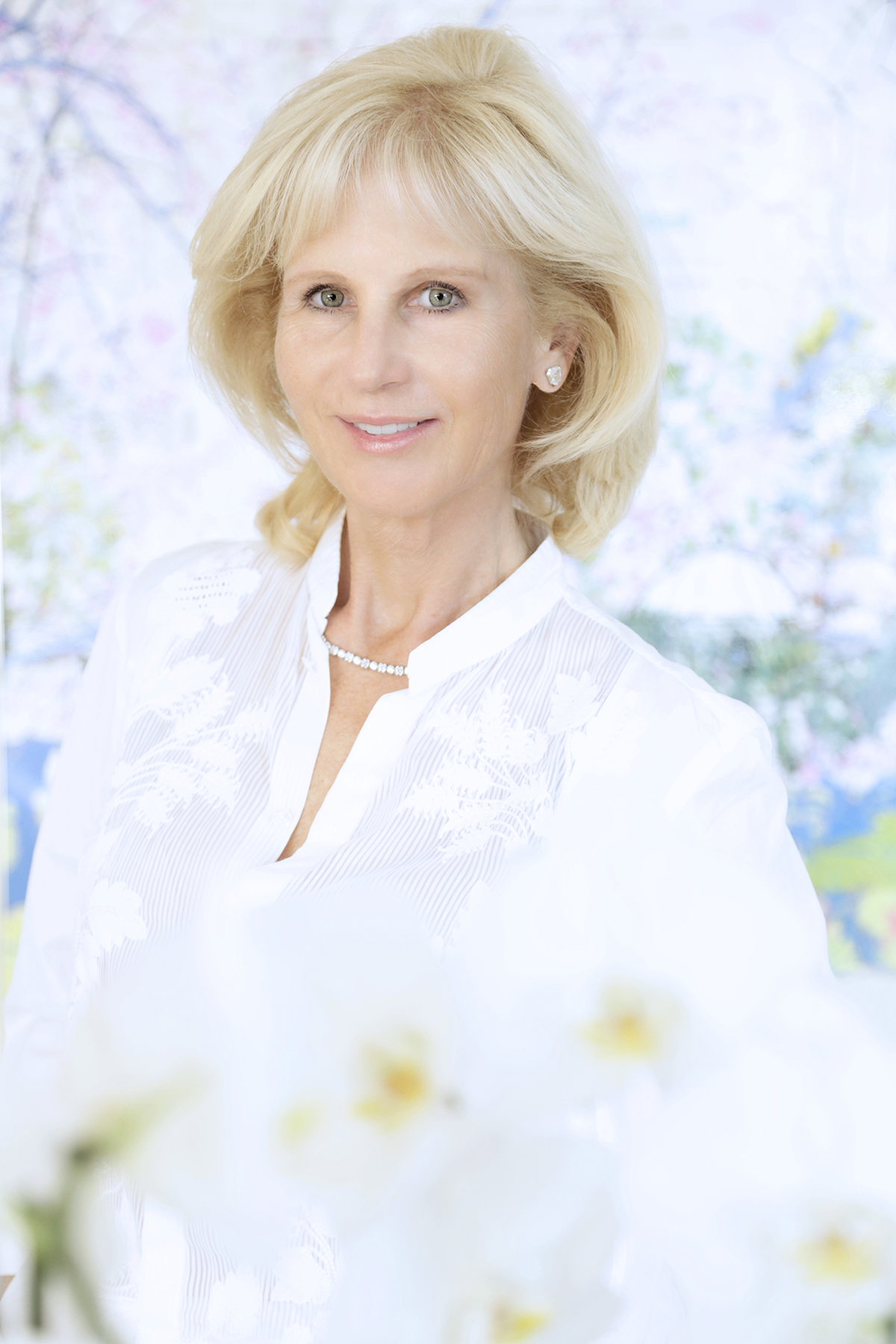
Helga Piaget, Founder of Passion Sea
Helga Piaget is the founder of the Monaco-based non-profit organisation Passion Sea, which reaches out to schools around the world with educational and artistic initiatives around ocean conservation. Here, Piaget speaks to LUX about pushing ocean conservation to the top of the youth agenda and the role of art
If passion could save the oceans, Helga Piaget would have done the job already. An engaging mix of fire and focus, she is sitting with LUX at the Yacht Club de Monaco, speaking about her programme to bring awareness of ocean issues to the younger generation through her art programmes at her non-profit organisation Passion Sea. Born in Germany and based in Monaco, Piaget spends much of her time engaging with schools to try to create a new generation who understand the issues facing the oceans, and the routes to resolution.
Follow LUX on Instagram: luxthemagazine
Our location is not a coincidence: Monaco’s Prince Albert is one of the most significant high-profile supporters of ocean causes, something in the DNA of the principality with the celebrated Oceanographic Museum and Prince Albert II of Monaco Foundation, as well as being the President of the Yacht Club itself.
LUX: Passion Sea strives to engage young children in the conservation debate. Why?
Helga Piaget: Education is huge. Children are the future – the next adults, and the next leaders. So, if you educate them in the right way, they might be able to make a change. I specialise with younger children because they are sponges. They educate others: when they play, they ask the other kids, ‘Why did you throw that [litter] on the ground?’ Then, they often go home and realise how much trash and plastic is in their households, and the parents learn, too. I think they know even more than us sometimes.
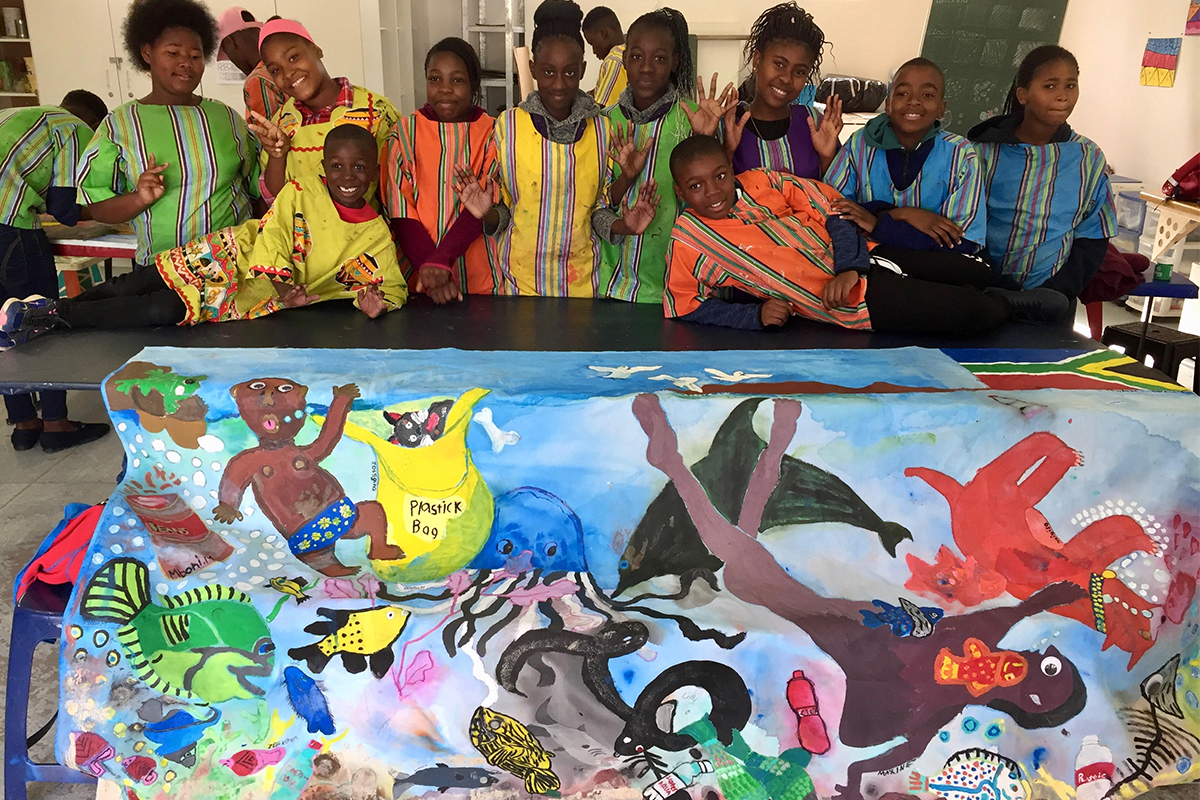
Passion Sea runs educational programs across the globe
LUX: Explain the role of art in Passion Sea’s efforts.
Helga Piaget: We educate through art, because when children paint something, or they have to do poetry, it stays in their brain. You have to get it anchored in their brain, and [the best way to do] that is through art. It makes them happy, too, learning in a happy way. We did a book with artworks from around the world [in 2017], but for the last two years we have been working on [producing] big flags with schools worldwide, with one from each country. It’s really something to be proud of. I’m waiting to do an exhibition on it, but for the moment it’s not the right time. We already have 25 countries, and beautiful works which are all related to the topic of water. A whole class of children [produces] each work: that’s what’s beautiful. When it’s ready, I often go to the school and have a wonderful event with the mayor and the parents. Normally the schools do other programmes afterwards for conservation in their area. It never stops with us.
Read more: James Chen on providing vision for all
LUX: So, for Passion Sea, creativity is a form of activism?
Helga Piaget: Yes. It’s a snowball system, from one [project] to the other. We find one school, and we meet with the directors and teachers who are willing to participate. Then, through the locals, we find the next connection to the next school. If you start in one good point, you get the connections afterwards, and they start working with you. I am very lucky because I have travelled nearly the whole world with Piaget, so I have good connections in most countries. Now I live in Monaco, which I am a citizen of, so I am very well-connected there. Our prince [Albert of Monaco] does a lot there. It’s very important to have people like him, who have a name, in my book. If you don’t have names, people are less interested. They like heroes, someone they can follow. It makes them listen more.
Piaget with Paris Baloumis, Oceanco’s marketing director
LUX: How difficult has it been to incentivise those in the high net worth community to care about the oceans? Does it ever feel like you like you are fighting a losing battle?
Helga Piaget: Some days it does feel like that. It’s very difficult, but if you have one or two people who understand, it gives you the energy to continue. Two years ago, I was at the Monaco Yacht Show and I was the only one who was speaking about sustainability; everyone [else] was just thinking about money. But the biggest luxury is water, and fresh air. If the water is not clean, who can sell boats? People won’t go to dirty lakes or seas. Everyone has to work together. So I said, ‘The money is in the water.’ Ever since, we have been contacting marinas and boat owners to give them flags for the boats. The flag means they are respecting and protecting the waters. [It’s a way of getting people to] think about how they live, to not to buy too much throwaway material, and to use better products when they clean their boats. A year later there were four, five, six events in construction technology, and everyone was cleaning with these new products. I was delighted. I am really just trying to make people aware. When people see me now, they always ask questions about the topics of nature. They say I am the mother of the oceans!
LUX: What is the nature of philanthropy?
Helga Piaget: Giving the time and energy to make something positive happen. It doesn’t need to be worldwide. Even if it’s small – it can be next door, in the community – it is amazing to see something happen. For me, it’s water and the environment. There is so much being done, but there is still so much to do. Water connects us all, with our body, with our whole planet. It’s important. You must feel where your heart goes – for you need a big passion and you need a lot of time – then think as big as you want.
Find out more: passionsea.com
As with all of our philanthropists, readers who have their own foundations and philanthropic interests are encouraged to reach out to our interview subjects and their institutions directly.
Safari in Kenya. Image courtesy of Cottar’s Safari
Fifth generation family business Cottar’s Safaris offers a more meaningful kind of luxury experience. With three camps based in the Masai Mara, the company provides guests with the opportunity to get actively involved in various projects that centre around supporting the local community, wildlife and landscape. Here, co-owner and Managing Director Louise Cottar discusses their approach to sustainability, conservation and the future of travel

Louise Cottar
1. Cottar’s Safaris has a rich history that dates back to 1919. How has the business evolved while preserving its heritage?
‘Safari’ literally means journey, and the metaphor is also a truism for us as a family we continue into our second century of providing safari services in East Africa. It’s often uncomfortable to acknowledge that early conservation was intrinsically linked with hunting, but early on, and over five generations, we have purposefully shifted to become leaders in safari services that directly and indirectly contribute to conservation. We are now one of nine Global Ecosphere Retreats in the world demonstrating that business can protect and partner with viable productive ecosystems, local communities and indigenous cultures. Embedded in our family’s DNA are central covenants: to support and develop tourism on community-owned, wildlife rich land; to provide the highest standard of guiding; to stay true to the origins and essence of what makes a safari special; to provide both luxury safari accommodation and immersive safari experiences that have positive and sustainable impacts.
Follow LUX on Instagram: luxthemagazine
2. What inspired the focus on the Masai Mara region and how is the company involved with the local community?
The Masai Mara is the jewel of Africa when it comes to wildlife experiences and there has always been one absolutely stunning sub-area, in the south-east part of Masai Mara adjacent to the Tanzanian border, that the Cottar family have loved the most and developed an enduring relationship with the Masai community.
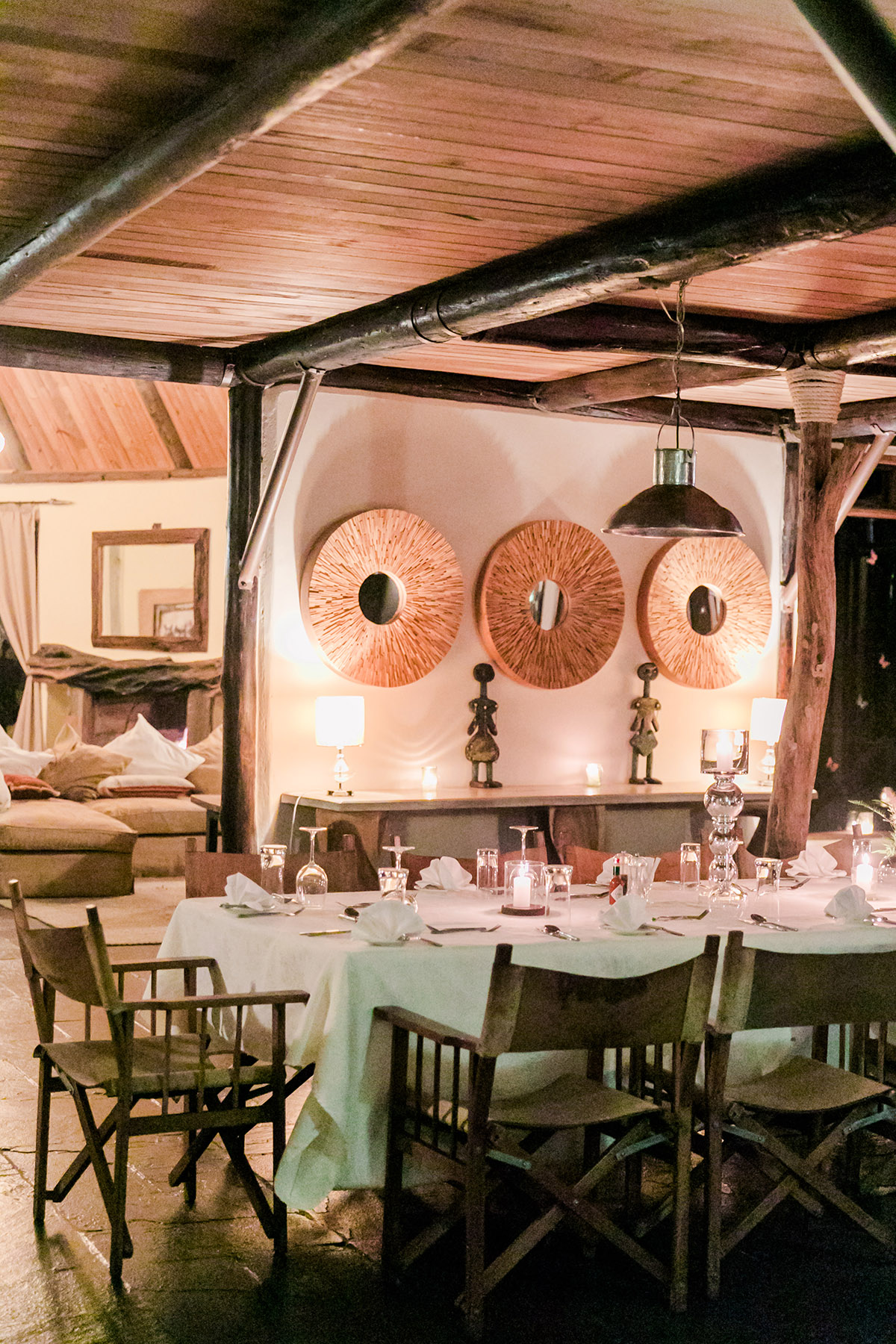
The dining room at Cottar’s Bush Villa. Image courtesy of Cottar’s Safari
3. Why did you decide to set up the Conservation Camp and how does the experience differ from the 1920s camp and the villa?
Over the last twenty years, land surrounding the Masai Mara game national reserve was converted from community land to individually title-deeded land. We developed an initiative, asking the community to consider setting aside some 7,600 acres of land into one undivided plot for conservation, and uniquely they agreed. We lease and manage the 7,600 acre conservancy situated on this community owned land, providing a financial return for the community, whilst also securing a wonderful place for guests to visit and to value and enjoy productive ecosystems, incredible biodiversity, wilderness and wildlife. There are no fences between us and the national reserve, allowing us free movement between the two and securing for the wildlife migratory and dispersal corridors.
Read more: Travelling through Tuscany – Castello Banfi Il Borgo
One of our guests’ other favourite experiences is the chance to explore, understand and engage in Masai culture. Ranging from foraging and medicinal walks with Letilet, our local Medicine man (the YouTube documentary about him has over 9 million views) to joining our Masai Warrior School experience, or hearing insights and anecdotes during fireside talks from one of our Masai guides as they share about their rich Masai culture.
We have three different stay options in the Masai Mara. The 1920’s Camp, the Bush Villa and the Conservation Camp. We developed the conservation camp because there was a real interest from guests wanting to both have a safari holiday, but also have a more immersive conservation experience. The Conservation camp provides this conservation focus yet is a more basic camp (no electricity and bucket showers) as compared to Cottar’s 1920’s Camp and Bush Villa which are considered luxury stays. All three accommodations have an extensive list of immersive and positive impact driven activities such as a joining the only all-female ranger unit in the Masai Mara, experiencing the rehabilitation of raptors recovering from poisoning, compare Western versus African star-gazing stories of the night sky or participate in our seedball reforestation and carbon offset experience. This should go without saying, but of course we also offer professionally guided game drives and game walks.
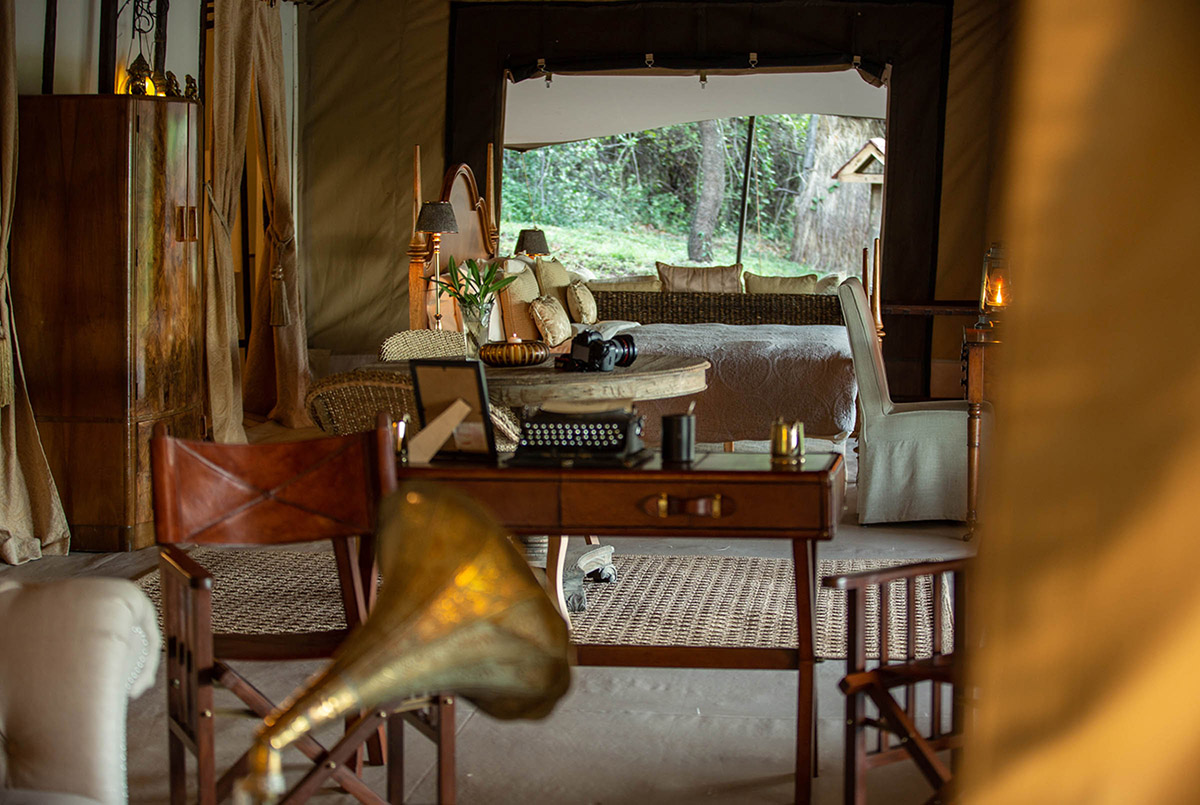
One of the honeymoon tents at the Cottar’s 1920s safari camp. Image courtesy of Cottar’s Safari
4. As we emerge from the coronavirus pandemic, do you think travel will ever be the same?
Coming out of the pandemic, I believe that there will be increasing demand for travel that is individually curated, genuinely and positively sustainable and impactful and are away from the maddening crowds.
5. What’s been your most memorable safari experience and why?
Safaris provide difficult-to-describe, sensory-stretching experiences. My most memorable safari experience was watching the emotions of a deaf teenage guest who felt the auditory and powerful vibrations of a lion who roared close to one of our open game vehicles.
6. Are there any developments or new openings in the pipeline?
We continue to develop our positive impact experiences that are fun, immersive and support conservation, community and culture. We are also planning to expand our safari accommodation in order to secure additional critical wildlife corridors in community owned areas of the Masai Mara. I hope in future that businesses such as ours are valued by our commercial success and, in terms of the value of critical biodiversity and communities that we support.
Find out more: cottars.com
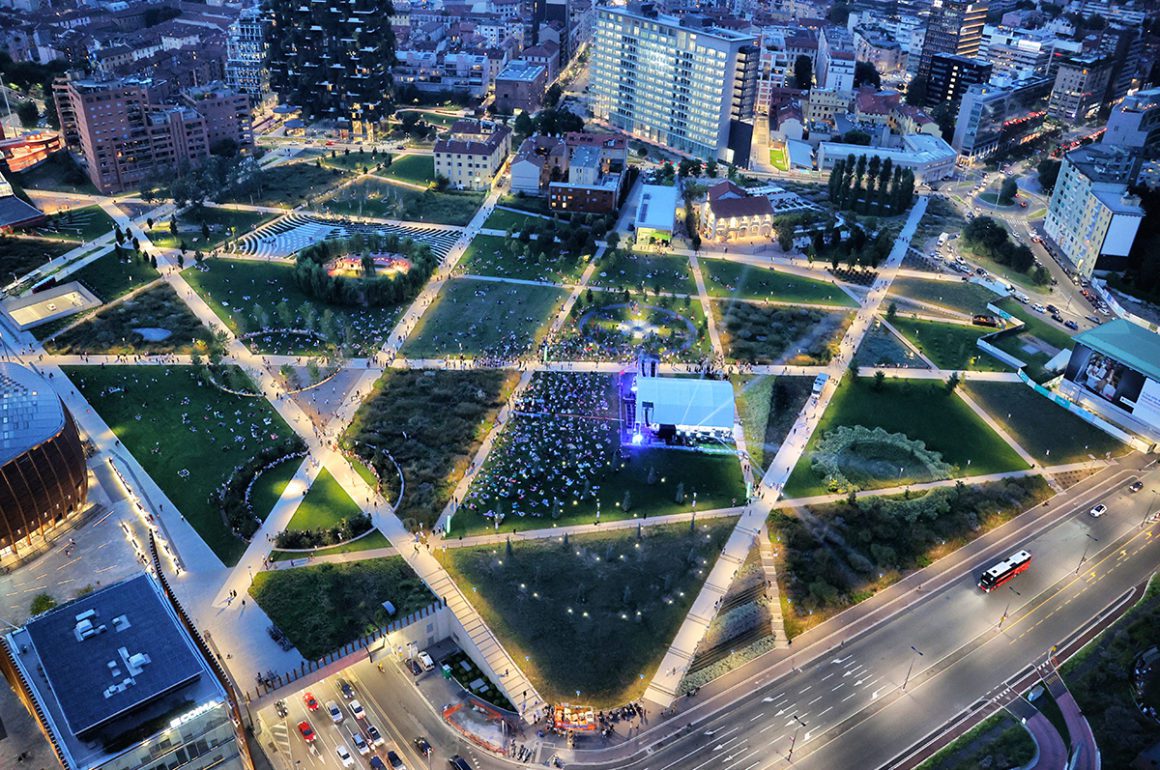
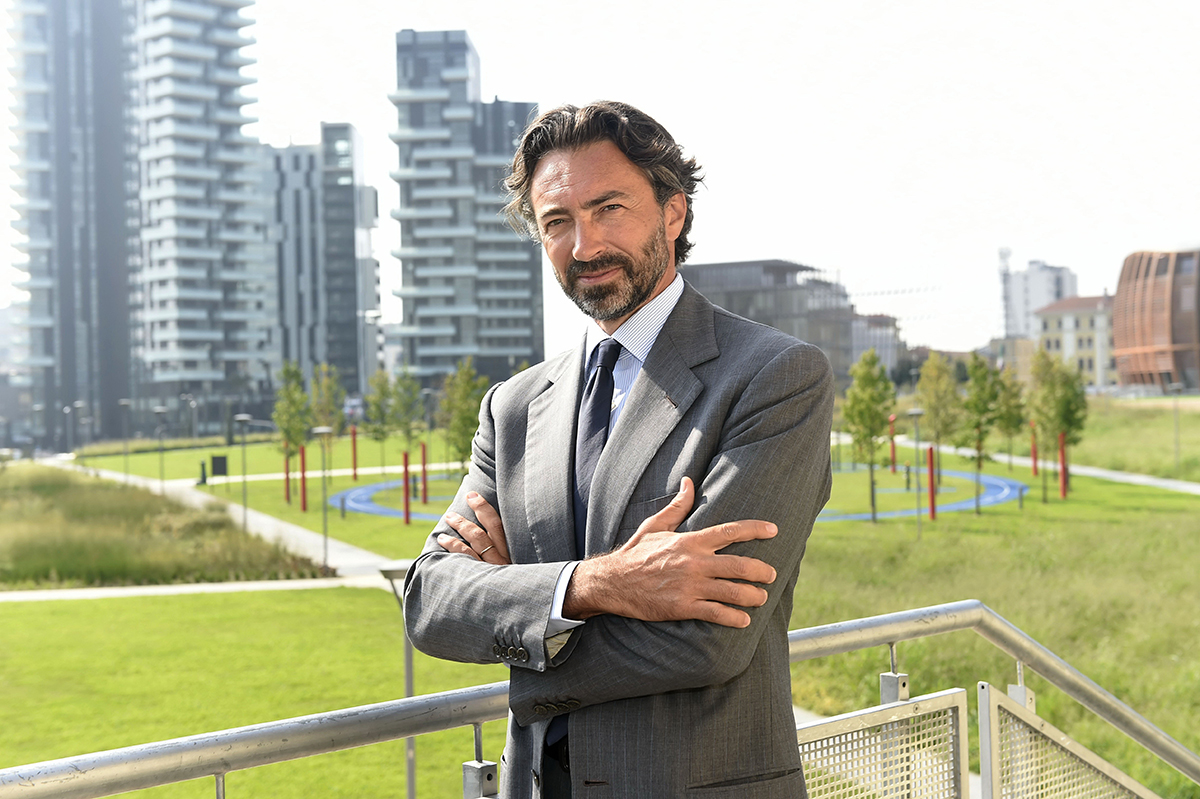
Manfredi Catella, CEO of COIMA and president of the Riccardo Catella Foundation
Manfredi Catella is the CEO of COIMA, the real estate company behind Porta Nuova in Milan, one of the most important real estate developments in Europe. He is also president of the Riccardo Catella Foundation which aims to promote sustainable and responsible urban development by improving and animating public spaces. Here, Catella discusses transforming urban environments, mixing business with philanthropy and how technology advances sustainability efforts
LUX: The Riccardo Catella Foundation has had an interest in promoting sustainability long before sustainability became a buzzword, how did this come about?
Manfredi Catella: The Riccardo Catella Foundation was established in 2005 in honour of my father, the entrepreneur Riccardo Catella. At the time, not many entities were focused on promoting ESG (Environmental, Social, Governance), or impact indicators in investments, and we felt it could be our contribution to set up a non-profit organisation committed to promoting sustainable territorial development. We also have the ambition to educate communities about the effects of climate change and what actions need to be taken to fight and prevent this phenomenon. We do this through a citizen engagement program of civic-cultural projects within the realm of green and public spaces in the city of Milan. We believe it is important to listen to citizens in order to understand their vision for the urban space surrounding their homes and integrate programs and services that can improve their quality of daily life.
Follow LUX on Instagram: luxthemagazine
LUX: What is the most exciting philanthropic project you are currently working on and why?
Manfredi Catella: At the moment, the philanthropic project where we are dedicating a lot of our energy to is The Riccardo Catella Foundation’s management of Milan’s third largest park, BAM (Biblioteca degli Alberi Milano), which we undertook together with COIMA on behalf of the Municipality of Milan. It is the first public private partnership in Italy that allows a private foundation to manage such a vast public and green space in the city centre. The 10 hectares of the botanical garden, which was developed by COIMA as part of its Porta Nuova development, is a ground-breaking project that aims to involve companies, non-profit sector, and citizens (BAMFriends) in the management of a public area. In addition, we animate the park through a cultural program based on four pillars: open-air culture, education, wellness and nature.
BAM (Biblioteca degli Alberi Milano) is Milan’s third largest park, managed by The Riccardo Catella Foundation
Ensuring the safety of the local community in the outside spaces has been particularly important since the start of the pandemic. We have been increasing services to enable greater green mobility over the past year. The changes are visible to park visitors. In outdoor areas, new bike racks have been set up, with information on anti Covid-19 measures, sanitising gel dispensers and continuous sanitisation services for floors, children’s playgrounds and communal areas. Safety is the starting point for a series of inclusive initiatives such as Wi-Fi enhancement and the launch of the Porta Nuova Milano app, which is designed to book events and services in the area.
LUX: Please explain your workings in neighbourhood community management?
Manfredi Catella: COIMA believes that the only way for the built environment to help fight climate change and to promote diversity is to integrate them into the basic economic, social and environmental model of every real estate development and by setting measurable objectives and transparently reporting on those objectives. We believe in placing nature and humans at the centre of all real estate development and urban regeneration schemes. In Porta Nuova, we have created a thriving urban environment that enables constant interaction between nature and architecture. There are walkways, green spaces, and piazzas with spaces created for exercise, relaxation, and socialising, all of which welcomes 10 million people every year. It includes Biblioteca Degli Alberi Milano (BAM), an innovative urban park and botanical garden, which plays host to a diverse programme of cultural events and activities for residents, workers, and visitors alike.
Read more: Michelin-starred high altitude dining in Andermatt
LUX: Why do you think it is important to mix business with philanthropy?
Manfredi Catella: In general, the corporate approach to philanthropy has really evolved, and over the last ten years in particular, there has been a shift towards a model of collaboration and sustainable, long-term initiatives. It is important to mix business with philanthropy because corporations have a highly influential role on the social and natural world in which we live. It is also important as sustainable business models have a strong track record of delivering superior returns. Corporate philanthropy is no longer about simply giving money and walking away. By using the skills, tools, and approach of our business, we can continuously monitor the impact of our work and ensure it is having the best possible outcome for those who need it.
The pandemic has highlighted the fragile nature of our world and we believe that business has a duty to create positive change and a sustainable future as we recovery economically from Covid. This led us to establish the COIMA ESG City Impact Fund in 2020; an investment fund focused on sustainable urban regeneration. We aim to use this fund to redesign new physical and social models for housing, tourism and urban regeneration of neighbourhoods and believe that sustainable real estate can play a central role in a post Covid recovery. As responsible managers of institutional capitol from all over the world, we believe can help shape the future.
Bosco Verticale was designed by Boeri Studio, and built and managed by COIMA as part of the Porta Nuova development
LUX: Apart from sustainability projects, are there any other philanthropic causes you have a particular interest in?
Manfredi Catella: Since 2018, we have been promoting an important social inclusion project through the Riccardo Catella Foundation, together with the Dynamo Camp association, called the Porta Nuova Smart Camp. It is an inclusive and innovative project for children both with and without serious pathologies and disabilities. Nature, sustainable architecture, and technological innovation are topics at the centre of the camp’s activities, along with incorporating the values of the Foundation and the community of COIMA’s Porta Nuova development.
LUX: How has working closely with local communities over the last 10 years changed your outlook on real estate development?
Manfredi Catella: We are recognised as a sustainable real estate company because it has long been our goal to create projects with a strong positive social and environmental impact on its community. The past year has reaffirmed that we all need to continue conducting our business and investing in a responsible way. The past ten years has taught us that it is essential to always look at the bigger picture. For us, this means that we look at a neighbourhood scale instead of a single building. By doing this, we can effectively redevelop urban spaces and provide a selection of amenities to better serve a variety of city users. For example, the COIMA ESG City Impact Fund has just acquired the railway yard of Porta Romana in Milan, together with Covivio and Prada, and we are very excited about exploring this neighbourhood scale development.
Read more: Alia Al-Senussi on art as a catalyst for change
Through our passion and experience, we have also developed our own sustainable vision called COIMA Roots which focuses on driving sustainable, economic, and social performance across our developments. COIMA Roots has been created in line with our belief that humans and nature should sit at the heart of all urban regeneration and development. To accomplish this, our set of values, or roots, are nature, beauty, affordability, human, happiness, ethics, service, and knowledge.
LUX: What were your principal goals when creating the Riccardo Catella Foundation?
Manfredi Catella: When we started the Riccardo Catella Foundation, our goal was to actively support the local economy and to promote the culture of sustainability and innovation in territorial development. We also wanted to make sure we were improving the quality of urban life and public green spaces through the foundation’s cultural projects. I feel that the challenge to create a place of nature, inclusion and growth in the heart of the city at the BAM park will be one of our challenges over the coming years. We are working to create a park that engages the community through a rich cultural programme inspired by sustainability but at the same time would like to create a sustainable business model that could be replicable for other parks in other cities around the world.
A street art project at BAM in Milan
LUX: The Riccardo Catella Foundation has been around for almost 15 years. What has been the most significant change in sustainability during this time?
Manfredi Catella: Two main drivers: awareness and technology. When we began the foundation, sustainability and climate change was not a common topic as it is today. In recent years, we have witnessed a major shift and an increased awareness and now all players, from the public administrations to corporate to citizens, are recognising the need for urgent concrete action. Also, today, we have technological solutions that before were not available and it is fundamental to stay at the forefront of these technologies to continue to push the bar in integrating these solutions in development.
LUX: Which regeneration projects by others have particularly impressed or even inspired your philanthropic efforts?
Manfredi Catella: When we began working on the proposal for the management of BAM, we visited many parks around the world, including The High Line in New York and Millennium Park in Chicago. Then we worked on creating our own interpretation that would integrate well into the city of Milan.
LUX: Is there a major difference in approach between European, Asian and American organisations involved in philanthropic urban regeneration programmes?
Manfredi Catella: Across Europe, philanthropic engagement is an integral part of corporate social responsibility and reinforces related strategies. More and more companies of all sizes are dedicating financial resources, products, knowledge, and time to the common good. The world of philanthropy is renewing itself and dated foundations are starting to make way for a new approach to charity that incorporates social purpose and sustainability through impact investing. We believe that impact investing will become mainstream and that the positive environmental and social contribution will be integrated into traditional investments. We are dedicated and are working actively in that direction.
Find out more: coima.com
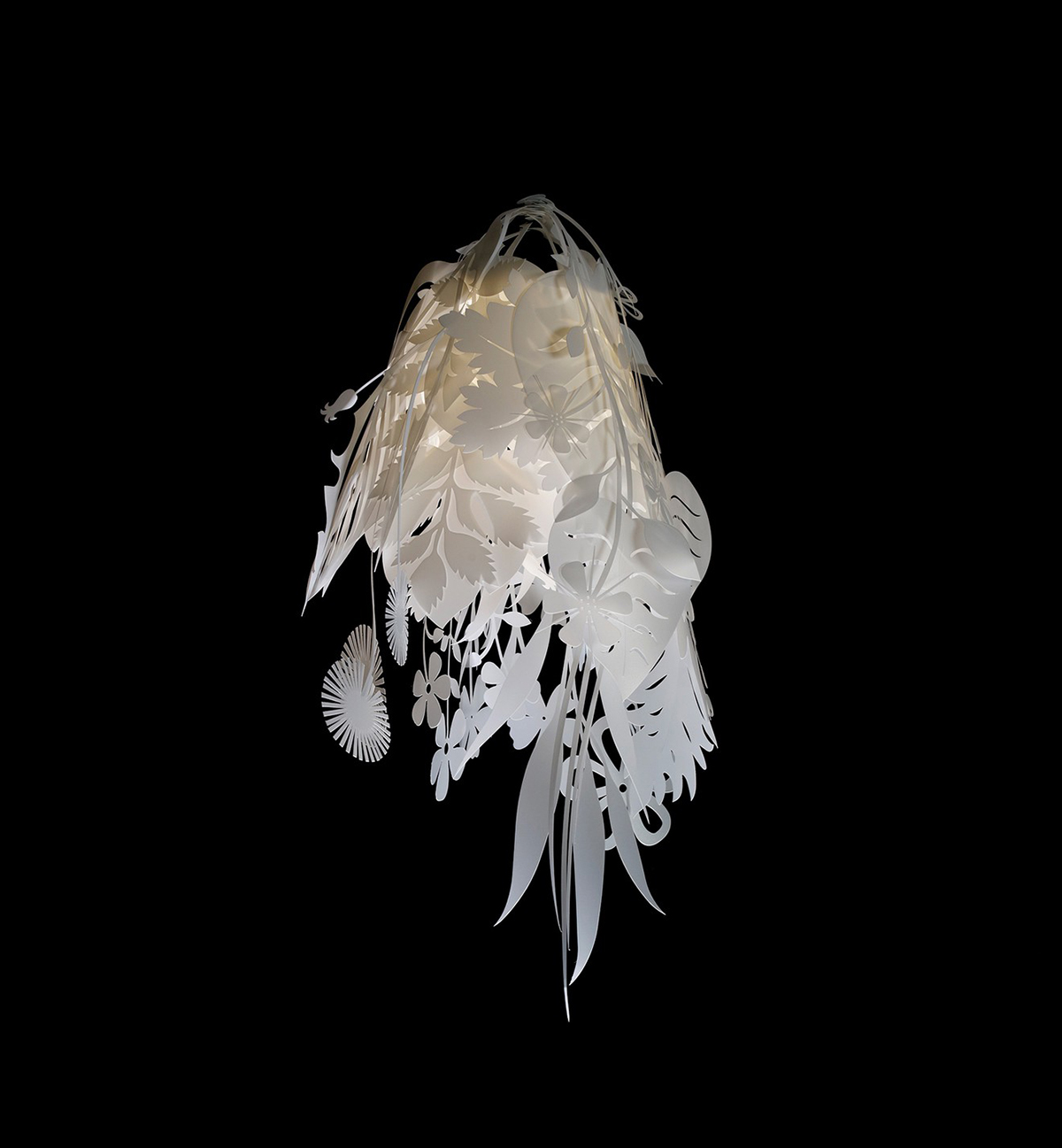
The Bouquet Light designed by Tord Boontje for Habitat in 2014
For product designer Tord Boontje, material is all. Whether made from upcycled blankets or crystals, his designs for anything from chandeliers to self-assembly chairs marry function with his signature playfulness. Torri Mundell meets him (virtually) at his new studio in London to talk about his work while normal life has been on hold
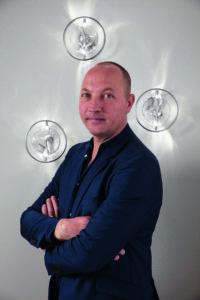
Tord Boontje
Few occasions compel you to tidy your surroundings like the prospect of a Zoom video call with a globally renowned product designer. What would Tord Boontje, the former Head of Design Products at the Royal College of Art and the originator of one of Habitat’s most successful home accessories of all time (the Garland light, first launched in 2002), make of a design civilian’s cluttered kitchen?
Follow LUX on Instagram: luxthemagazine
Thankfully, Boontje’s aesthetic is not calibrated towards austere minimalism. In fact, he is renowned for injecting notes of whimsy or romance into contemporary design. On a virtual tour of his bright new London studio, you can spot a few of his artful pendant lights as well as shelves full of intriguing decorative pieces, prototypes and ephemera. He also points out the drawing and photographs tacked on the walls: “It helps me to look at something and slowly think about it over weeks. And I like having materials around that you can pick up.”
Transglass vessels for Artecnica, 1997. Image courtesy of Artecnica. © Jerry Garns Studio 20111
Materials – and sustainable materials in particular – have always been a preoccupation for the Dutch-born designer; his early 1998 Rough and Ready furniture collection combined simple wood with upcycled old blankets and discarded packaging. And though he is an advocate for accessible design, he also collaborates with luxury brands when they offer an opportunity to “use really good materials, make [designs that are] long lasting and manufactured in an ethical way”. Moroso, with whom he has collaborated on a range of seating, is a good example. “There’s an honesty with the materials they use. It’s not cheap, but it’s worth it. I feel uncomfortable about making things look expensive just for the sake of it.”
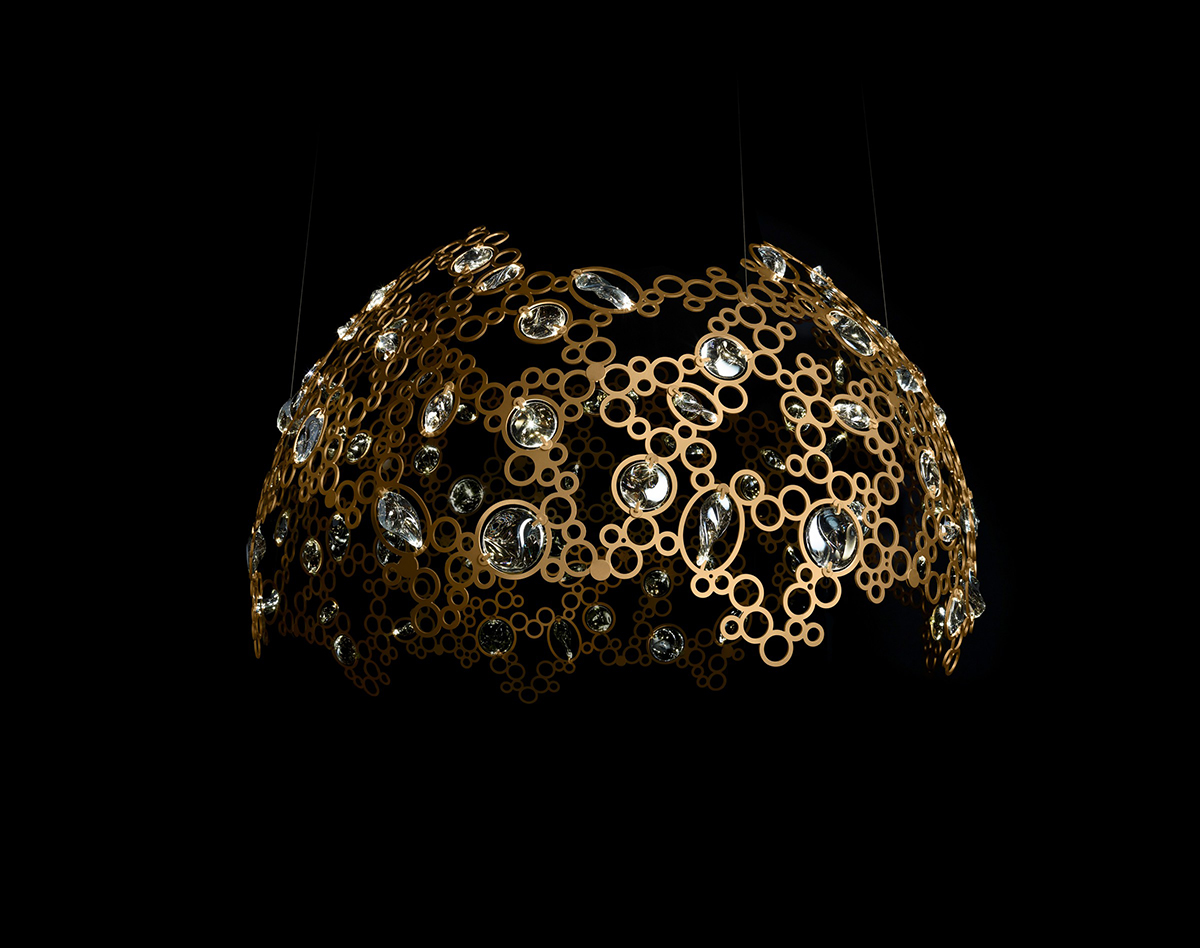
The Lustrous Aura chandelier for Swarovski, 2017. Image courtesy of Swarovski
Boontje graduated from the Royal College of Art with a master’s degree in 1994 and he established Studio Tord Boontje in London two years later. Since then, two decades of launching new products and collaborating with clients has honed his creative process. He knows, for instance, to treat a new idea tenderly. “It’s good to have lots of opinions, but ideas can only develop with people you trust,” he says. He often talks them over first with his wife, Emma, an artist. And only after sketching and creating models from paper, card or foam, will he work on screen. “My colleague Tommy usually does the 3D modelling. It’s better at that stage to be one step removed; I can be more objective about what’s in front of us.”
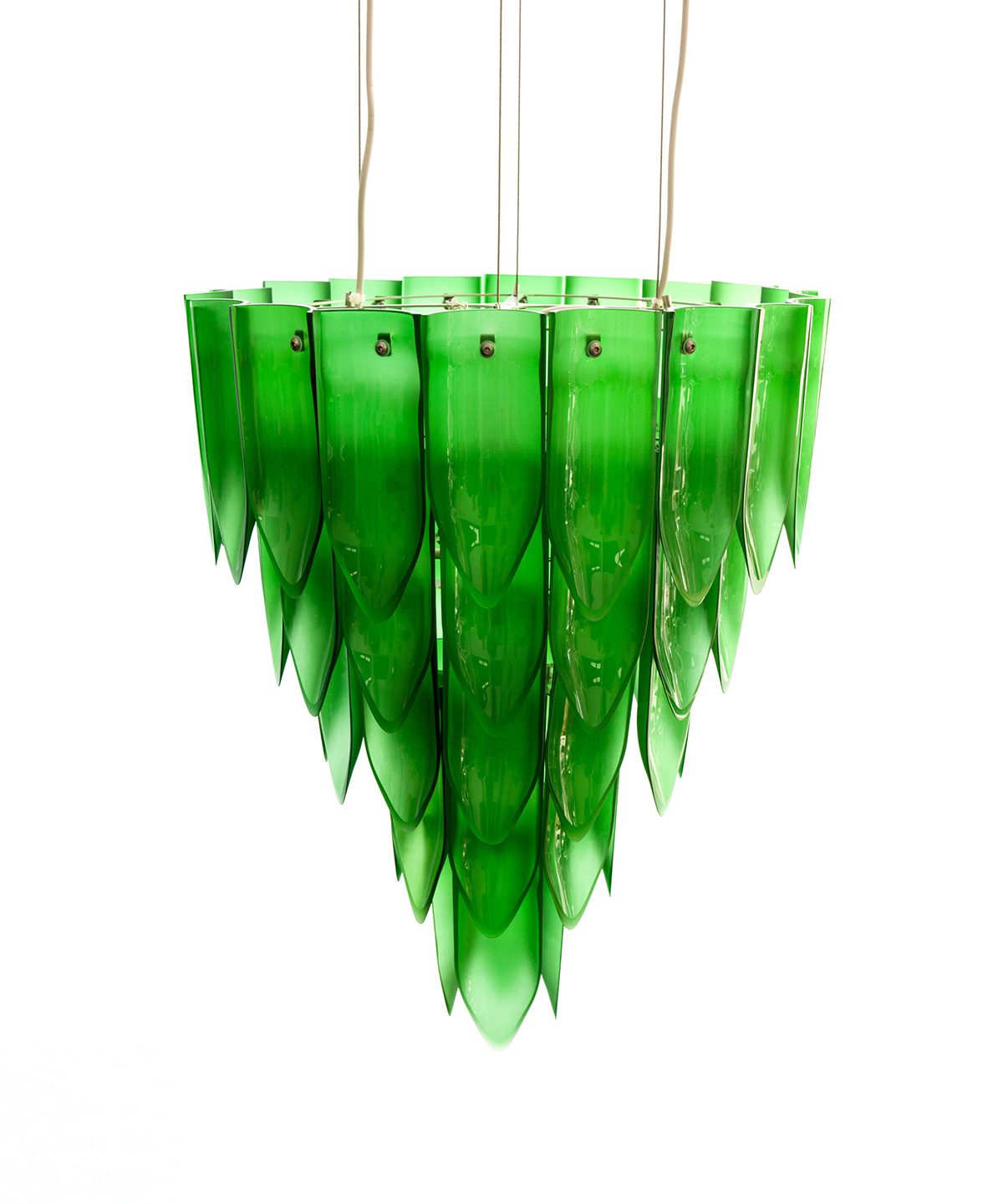

The Transglass chandelier, 2015 (top) and the Tangle Globe ceiling light, 2011. Both designed for Artecnica. Images courtesy of Artecnica
He finds himself endlessly inspired by light. “When I walk around in a city or a forest, I always look at the way light reflects on the buildings or filters through leaves on the trees and makes patterns and shadows… Lighting can also make a huge impact on space, not just decoratively but in the light it casts into the room.” This fascination has shaped some of his best-known designs, from the aforementioned Garland, to Icarus, the feathery paper shade he developed with Artecnica, to the crystal chandeliers he reimagined for Swarovski and Sun – Light of Love for Foscarini.
Read more: Superblue’s experiential art centres & innovative business model
For Boontje, lockdown has been a creatively productive time. “A lot of my projects with clients have been on hold, so I’ve had time to reflect and to look into products I can make independently.” Studio Tord Boontje’s latest collection from 2020 is called Do-It-Together, debuting with a pendant light of organic cotton that customers can customise and a handsome self-assembly wooden chair. The chair’s components – the birch plywood seat and back, the solid beech frame, and the bolts and wing nuts – arrive in a package ready to be assembled at home. “We also give suggestions about how you can colour your chair, using skins from beetroots, or how to paint it with natural beeswax or oils,” he adds.
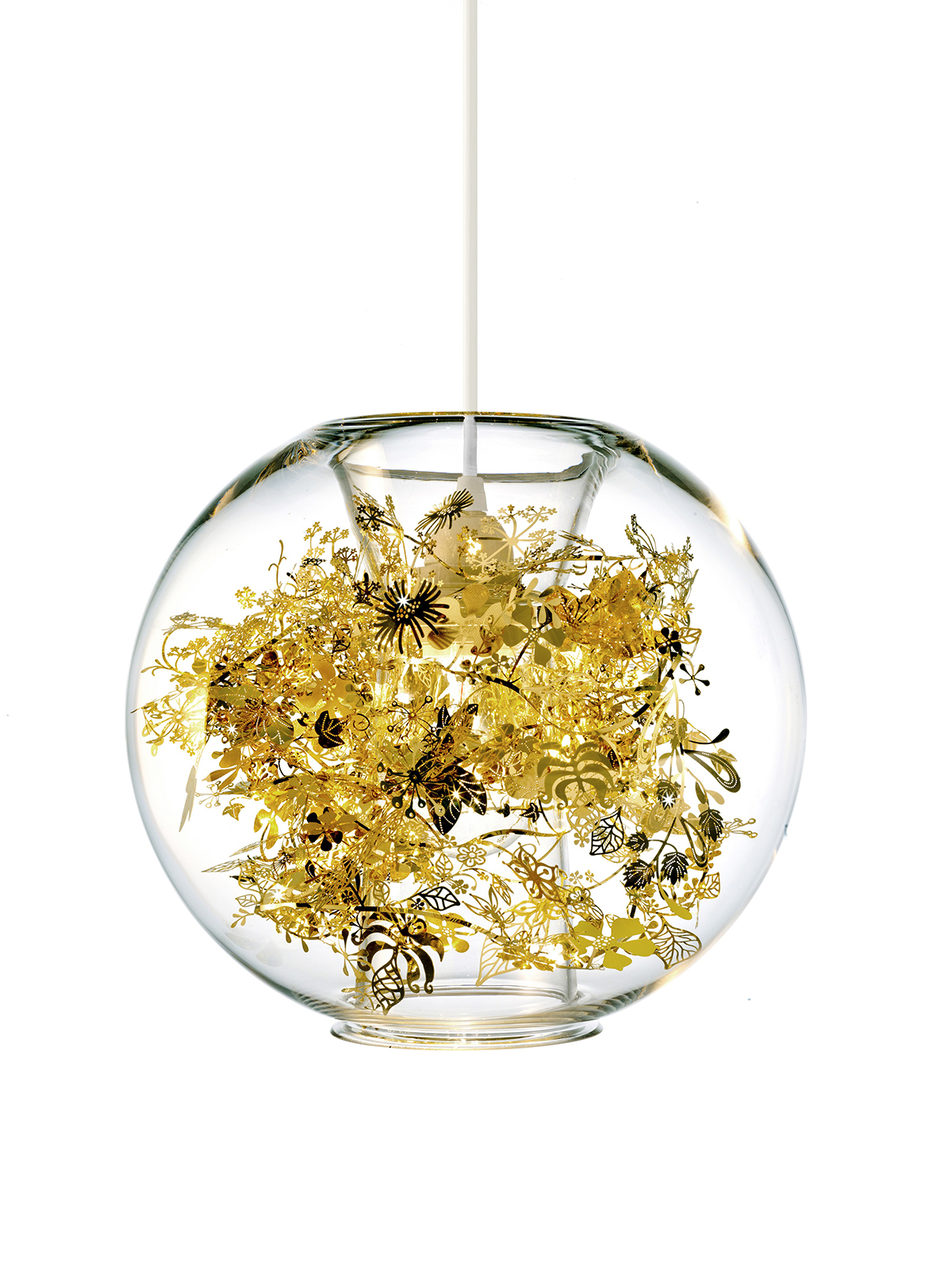
The Radiant table light for Swarovski, 2019. Image courtesy of Swarovski
Offering customers the inspiration to make something from scratch taps into a spirit of resourcefulness that feels very current. “During lockdown, we saw sales of arts and crafts and sewing machines shoot up. We want the pleasure of new things, but we’re changing our relationship with how we consume them.” Will we hold on to things longer if we had a hand in making them? “Absolutely. People who make their own things also learn how to fix them if they break,” he says, before adding, “The more you put into it, the more you get out of it.”
Find out more: tordboontje.com
This article was originally published in the Summer 2021 issue.
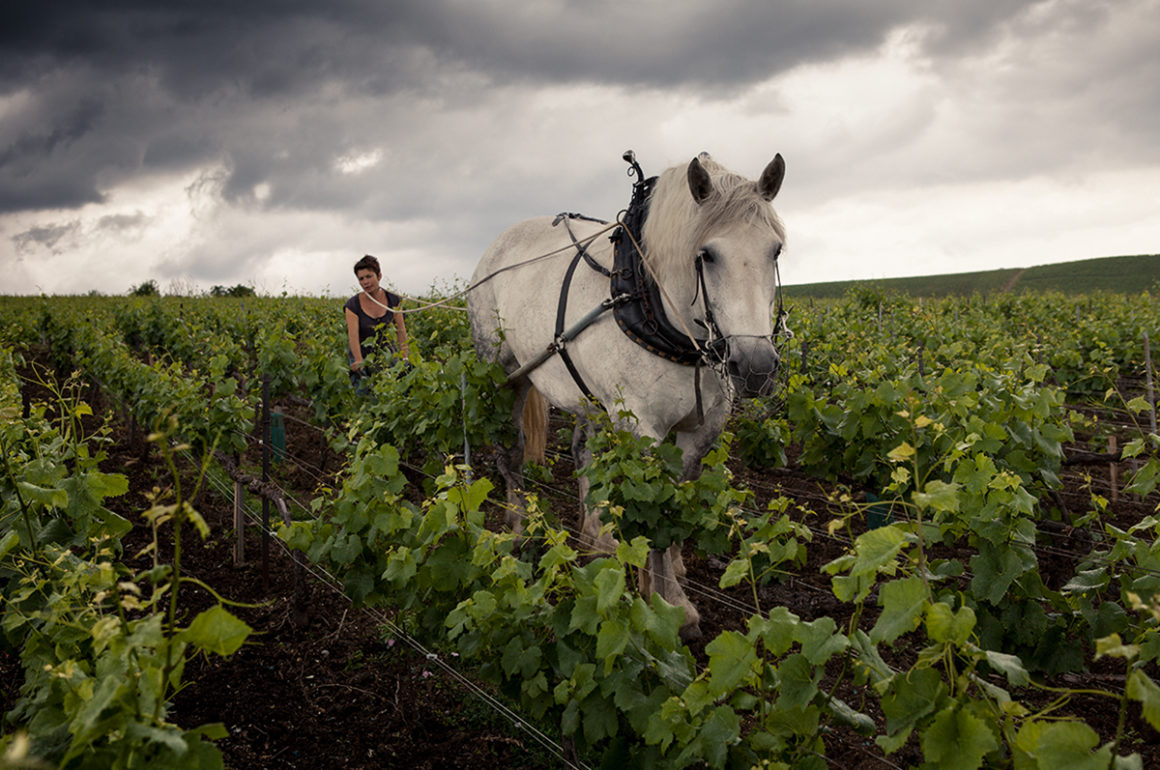
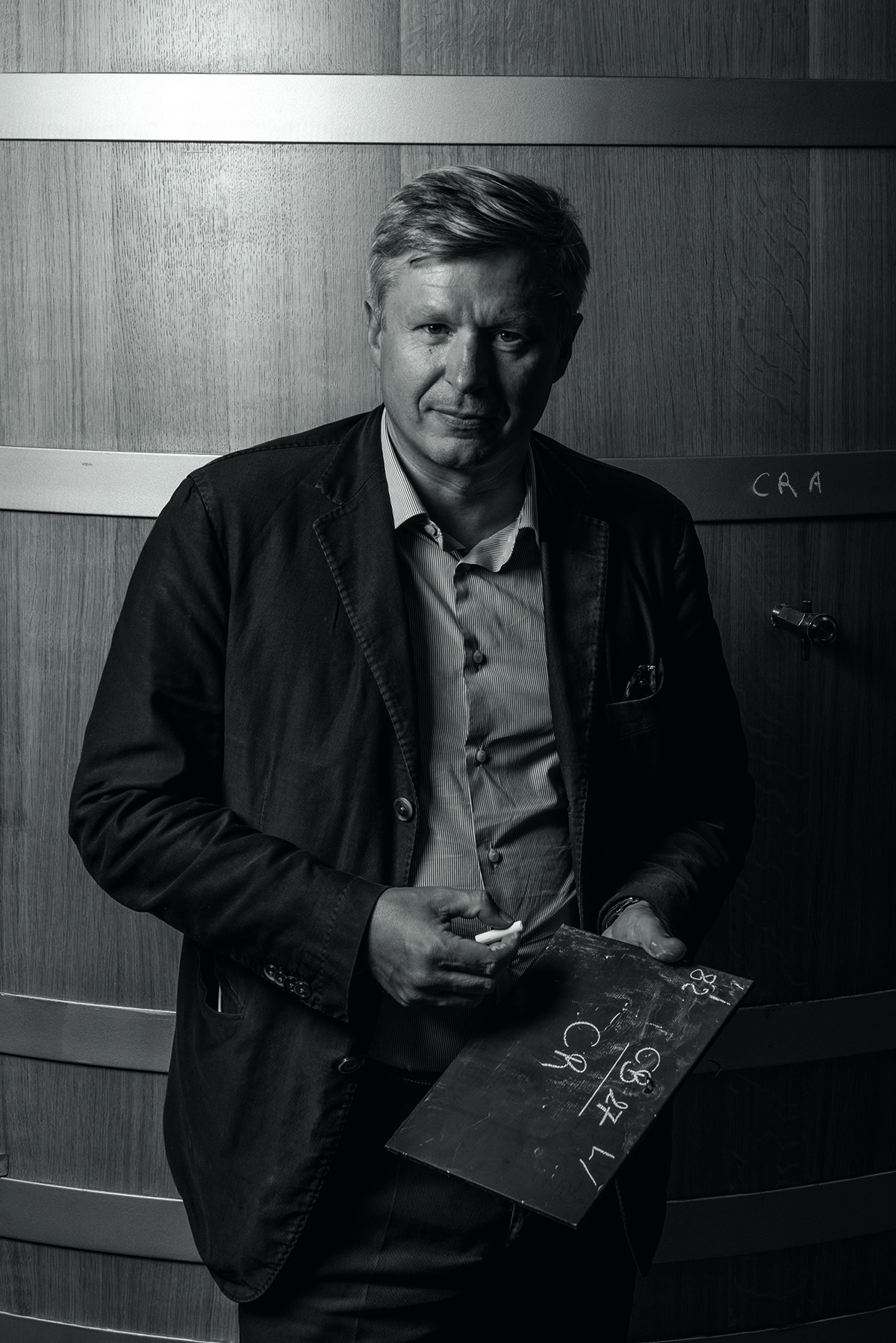
Jean-Baptiste Lécaillon, chef de cave of Champagne Louis Roederer. Image by MKB.
Louis Roederer’s Cristal is one of the world’s most glorious wines. Rich, powerful and full-bodied, yet delicate and effervescent, it is a blend of supermodel, Olympic athlete and aesthete, and has a history like no other champagne. It is also misunderstood, used as a status symbol, to the puzzlement of its makers, who simply see it as the pinnacle of organic winemaking. Darius Sanai meets Jean-Baptiste Lécaillon, Roederer’s creator, to talk about the joys of fizz
“Sorry I was late, it’s very busy right now with the harvest.” Jean-Baptiste Lécaillon smiles as he pulls up a chair and sits down opposite me. We are in a wood-panelled tasting room at Louis Roederer’s HQ in Reims, the capital of champagne. Meeting the maker of Cristal at its home may sound glamorous, but all around is evidence that champagne is a drink created on farms, not a kind of luxury brand. My walk through Reims on this chilly autumnal morning took me past monolithic buildings and empty courtyards; the Roederer offices are on a quiet side street lined with warehouse-like buildings, centred around a courtyard which is pretty enough, but functional. People in galoshes stride around. Everyone looks focussed; the tasting room has a historic feel but also feels functional, with a row of empty wine glasses and a sink in the corner. We are drinking small bottles of water, not champagne.
Follow LUX on Instagram: luxthemagazine
I came because I was interested in the story of Cristal, past, present and future. This is the champagne created in a clear glass bottle reputedly because Tsar Nicholas II was frightened of being poisoned (and presumably didn’t know about soluble poisons); it then gained a reputation as a nightclubber’s favourite, due to its price and distinctive packaging. And yet all the way through it has been revered by wine connoisseurs as a kind of insider’s top champagne: a wine lover’s champagne. Simultaneously unctuous and refreshing, ravishingly rich yet light, it has a complexity few, if any other champagnes manage to match.
Much of that is down to Jean-Baptiste, who is sitting suitably socially distanced as I start to ask questions, both of us secretly relieved that we are not doing a tasting at 9am to accompany the interview – he has a working day ahead of him, and I a drive.
The character of Cristal is carried through from vine to glass as an expression of its terroir. Courtesy of Louis Roederer/Emmanuel Allaire
LUX: What is it that makes Cristal special? Is it a mixture of nature and nurture?
Jean-Baptiste Lécaillon: Yes. Place, the soil, is very important, but that is just one aspect. The winemaker is the link to the terroir, to the place. From this link between man and nature, one creates style, and we have had for a long time a clear vision for our wines. Cristal has a discreet power, it is elegant, it is soft, and then with time the more you taste it the more you realise how strong the wine is. The texture, the roundness, has to be delicious. And then, behind that, you have power, with length and ageing potential. You need time for Cristal – this is its secret. The link to place is in this sort of expression – not too powerful, not too clean, but just in between.
So, nature is of course important, but the way we farm to achieve that style of grape, is the key to Cristal. If we farm the same land differently, we will end up with a completely different wine. There is one champagne house, for example, which picks their grapes a week before ours. That is their vision, for the grapes to be not quite ripe. This is another expression of the same place, the same identity. Farming is at the front while nature gives us the elements. We are very lucky in Champagne, we have a unique mixture of climate and soil. We are between the ocean that brings water and the continent that brings dryness and heat. So, this complex matrix of elements all ends up in Cristal.
Read more: The gastronomic delights of Suvretta House, Switzerland
LUX: You have said that the 2020 vintage formed part of a trilogy of recent vintages. Can you say what you mean by this?
Jean-Baptiste Lécaillon: Yes, ’18, ’19 and ’20 make a trilogy of three beautiful vintages. And 2020 is amazing because there were the strange conditions, of course. 2020’s acidity is just in-between ’18 and ’19, and the alcohol levels and sugar content are a little bit lower than the other years, which makes a very elegant, clean, precise wine – the terroir, the soils, the place all speak very loudly. We had a dry July and August, but while many think the temperature is important, it’s not at all the issue with the vintage. In dry conditions, water only comes from the soil. It does not come from rainfall because there wasn’t any, so climate disappears from the wine’s taste. It is only the soil because the clay the vines are growing in does not react like chalk or sand. The problem is today that while everyone talks about climate change, which is good, it’s only part of our story. The main part here is about soil.
LUX: The way you make champagnes is quite different to many others in Champagne.
Jean-Baptiste Lécaillon: Each one of our 415 parcels has a specific identity and is dedicated to one of our vintage wines. At Louis Roederer we craft the wine right from the farming of the parcel, which includes both vines and vineyard management. The result are ripe grapes customised to our style and fermented or aged in different vessels to keep the specificity of each parcel all through winter and our blending sessions. We do single-vineyard winemaking nine months a year to create the ultimate final blend.
LUX: And how important is what you do after the grapes are picked?
Jean-Baptiste Lécaillon: It is very important in that you need to be super-present. It is a work of jewellery, like that of a Swiss watchmaker. You need to be very precise so as not to lose what you have from the vineyards. This precision is really my motivation, and it makes Cristal a bit different in the world of champagne. I do not want our winemaking to be too prominent. It has to be there, but it has to be completely transparent. My target is really to bring what I get from the grape into the bottle with a lot of care and subtle rebalancing of acidity by using leaves or oak, but I try to stay true to the vintage’s harvest. That is the big difference between Cristal and Dom Pérignon, for example, for whom vintage is less important than maintaining the Dom Pérignon style. We can accept Cristal being a little different each time if truer to the specific vintage. But don’t think we do nothing here – we do a lot. This morning I was smelling a lot of vats and tanks to make decisions about what to do, if we should rack it, if we should aerate it, and so on. We are really proactive, but we mustn’t put too strong an imprint on the wine.
Courtesy of Louis Roederer
LUX: Is Cristal a fine wine like great Burgundy or Bordeaux, or is champagne always going to be ‘other’, somehow different to still wines?
Jean-Baptiste Lécaillon: I believe the secret of champagne is that it’s a serious wine, for sure, but the bubbles make it different. It’s simply more than wine.
LUX: Our readers are wealthy consumers and collectors of wine, not necessarily technical experts in wine. Could you explain to a typical reader of ours what makes Cristal special?
Jean-Baptiste Lécaillon: Cristal is special because the terroirs it comes from are the best in Champagne, and its long-term performance since 1876 has been maintained and showcased year after year, demonstrating the quality of the terroirs and making it the oldest prestige cuvée in Champagne. Historically, Cristal comes from the best location in the region. It is not even the best cru and I am not saying that we have all the best plots, as we are in a neighbourhood with some very beautiful plots. But Cristal has these old, mid-slope vines; the mid-slope is perfect because you get the humidity from the top of the hill and the heat from the bottom. You get eternal softness. It is not extreme like the forest or the valley. When the weather is very hot the mid-slope is cooler, and when it is very cold it is warmer. Cristal is born in a very special place chosen specifically by the house, making it the ideal champagne. So, what can we do best here? Cristal, by the selection of plots, in the way we farm them and in the way we blend the grapes, is all about reaching this ideal of purity and finesse. And, as I was saying earlier, we really have a link to the place, we consider each crop of Cristal as a jewel, and our job is to maintain it to be the brightest and most beautiful as possible. It is precision, haute-couture farming in the choice of material and date of picking, making wines that are elegant yet powerful.
Read more: Brunello Cucinelli on cashmere and humanitarian capitalism
LUX: How does Cristal evolve with age, and what specific biochemical properties allow it to age well?
Jean-Baptiste Lécaillon: Because it is grown on chalky soils, with low yields and picked at good ripeness, Cristal has great acidity, low pH, a high concentration and a dry extract which are great assets for ageing over many decades.
LUX: A lover of Burgundy may be attached to a particular vineyard plot. Yet Cristal, while made from Burgundian grapes, is a blend of many vineyards. How does this work?
Jean-Baptiste Lécaillon: Because Champagne’s climate is more oceanic, so more unstable than Burgundy’s, champagne makers have invented blending of different parcels and villages to reach a better quality every year. It is not about consistency of style, but the best possible quality in a particular vintage. A blend of Cristal is a little bit like the blending of all the grands crus in Burgundy. Imagine making a blend of Corton Charlemagne, Montrachet, Bâtard-Montrachet, Chevalier-Montrachet, La Romanée, La Romanée-Conti, La Romanée-St-Vivant, La Grande Rue, La Tâche, Richebourg, Échezeaux, Grands Échezeaux, Clos de Vougeot, Musigny and Bonnes Mares, with the only condition being that the blend has to be a better wine than each one of them. That’s the way we think about creating Cristal.
LUX: What does sustainability mean to you?
Jean-Baptiste Lécaillon: It means developing the excellence of the quality and identity of our wines, as well as the resilience of the biodiversity and climate of our vineyards’ ecosystems. It means reducing our impact on nature by decreasing our overall footprint by being as restrained as possible in all fields of activity and taking care of employees and consumers. In the end, there is, of course, an economic side as well, but innovation stands at the centre of what we do to make it all happen.
Louis Roederer has 242 hectares of vineyards across the Champagne region, mostly given over to the pinot noir and chardonnay grapes from which all their vintage wines are made. Image courtesy of Louis Roederer
LUX: Specifically, what measures have you taken to counter climate change?
Jean-Baptiste Lécaillon: Since the beginning of life on Earth, the climate has been changing. It’s the essence of farming to adapt production and practices to this constant change. What is changing is the speed of this adaptation. We must focus on developing a strong resilience in our ecosystem so that it can cope in a fast-changing climate. We also need to innovate and try new things. And we need to decrease our carbon footprint to help slow down global warming.
LUX: You switched to organic farming in 2012. What difference has that made?
Jean-Baptiste Lécaillon: Yes, this is unique in champagne. Changing to organic production has delivered us a better conscience. I was talking about jewels and what I want for my jewel are the best farming conditions. I do not want to use pesticides or add things to my soils. It gives me and my team a good conscience to say we do things honestly, and that we do things for the next generation that are free of all excess chemicals. In the wine itself, it has really changed the alcohol/acidity ratio, which was exactly what I wanted it to do. It gives a little more ripeness, a little more strength and richer flavours. At the same time, a higher acidity, or lower pH, gives more freshness. Over the years, we have done much blind testing and we think we have got an extra texture, an extra aroma. Everything is a bit amplified. It has also pushed us to rethink our winemaking. We were fermenting our wines in a way that was traditional to the house, using sulphites and so on, but, thanks to organic farming, we have been able to reduce our sulphites and, in the case of chardonnay, to not use any sulphite at all, because the wines are stronger and they can take it. I think we have more resilient wines in the end, but it is too early to say. I think it will also increase the ageing potential of my wines because there is so much of everything. You know, with wine ageing you start with a potential and you lose a little bit and continue losing until the wine becomes static. But along the way there is a point of beauty where you get maybe less fruit, more texture and aroma, it becomes more complex with different umami flavours. I think we can extend this a little bit. This is nothing new because, in fact, champagne was organic before 1960, so all the champagnes from ’28, ’29, ’47, ’49, ’62 and ’64, were all organic and they aged beautifully. I am more into wanting the wine to last than immediate pleasure, but you need to find a balance and, in this, I am modern and classic at the same time – it has to be delicious, which is modern, but the classic demands that it lasts and be even more beautiful in 40 years. Maybe that is what Cristal really is, modern and classic at the same time.
LUX: Do you think that Cristal, and prestige champagnes in general, are taken more seriously now than they were 20 years ago?
Jean-Baptiste Lécaillon: I think so, yes, and it is accelerating. What I call ‘label drinking’ is becoming less and less important. It still is, of course, but people are much better informed now. Unlike in the past, they want information, to hear what we say about the vineyards and how we make the wine. People are looking for more transparency, more honesty, more values in what they drink over and above just a label. Also, I think there is a very interesting price point, because when you make wine like Cristal, which is at a high level of quality, the price difference is quite big. If you look in the still wine world in France, I can see wine lovers and collectors who are now becoming champagne collectors. That is fantastic. Last but not least, champagne has really shown a lot of modern aspects which came largely from grower communication. In Champagne, it is not just Moët, Pol Roger and Bollinger; there are also small growers who do a great job and present completely different wines, and that is contributing to this exciting moment for champagne.
Read more: Superblue’s experiential art centres & innovative business model
LUX: Is there a typical Cristal drinker/fan/aficionado?
Jean-Baptiste Lécaillon: That’s a good question. I know a few American and Japanese aficionados. They are often collectors of great Burgundy, but I am talking about a small niche of collectors, which is not the main market. We used to sell a lot on the nightlife scene in the 80s and 90s, but not so much anymore. Our main clients for Cristal now are restaurants and private buyers. So, I would say there are more wine lovers in general, but I also think that with Cristal, because it’s elegant and refined, it catches the attention of a lot of people who are not so much wine lovers. I remember a Californian lady telling me, “I just drink Cristal”. I asked what else she drinks, and she said, “Just Cristal, I love Cristal, I drink chardonnay”. It’s funny, because she was speaking about Cristal, but then about chardonnay. I think it shows that she wasn’t very knowledgeable but liked the softness and roundness of chardonnay, and she found this in Cristal with its elegance, lightness, chalkiness and minerality.
LUX: Do you feel that more people are now identifying as champagne connoisseurs?
Jean-Baptiste Lécaillon: I think so. I meet more and more people who want to discover the experience of mature champagnes. It probably has to do with people finally realising the exceptional freshness and ageing potential of Cristal.
LUX: And do you think that, just as there are ‘cru-distes’ who are obsessed with the cru, that there are ‘Cristalists’?
Jean-Baptiste Lécaillon: There are some. I don’t know how many cru lovers there are, nor do I know what their average age would be. I would see some ‘crudistes’ perhaps as older people, and most likely men, too. The old club, let us say. I think Cristal attracts more young people. When we do tastings, we do not want to do it for just the happy few but larger groups, too. In New York, for example, I do some very expensive tastings for the elite and we know them, I go to their place and I drink the wine with them, they are friends. But if we do more of an educational tasting, and if we can invite a few young people who maybe do not have the money but have the strong desire to experience it, I like it. This makes sense for our mission. We make the wine of today and tomorrow, not the wine of yesterday. When I bottle Cristal 2020 next year, it will be consumed on the market in ten years’ time. We need to look at these new generations, they are important, they should inspire us first. Thinking again about the classic tradition and modernity, it is good to find a nice balance between those two worlds, because we need to know where we come from, and we also need to have a vision of where we are going.
Cristal 2012 was Roederer’s first vintage produced by fully biodynamic farming methods following several years during which the champagne maker, unique among other houses, gradually converted its vineyards to being organic. Image courtesy of Louis Roederer
LUX: Can Cristal be drunk by itself or should it be accompanied by food?
Jean-Baptiste Lécaillon: It really depends on the Cristal that we are talking about, and it depends on my mood. Sometimes I can enjoy a glass of Cristal by myself and just drink it with no food, nothing, just relaxed. Or it can be matched with food. Roughly speaking, I tend to drink a young Cristal by itself or with seafood, such as crabs or oysters, those kinds of salty, light food that combine well with the acidity and the softness and fruit of Cristal. If I have an older Cristal, then it comes to gastronomy. And technically, with some you can try many things depending on the bottle. I did a tasting yesterday, because we are going to launch our Cristal Vinothèque in October. It is from ’99, so it is a 20-year-old wine. This is a wine to have with veal, with mushrooms, with something fleshy enough to withstand the Cristal. There is less carbon dioxide. I am surprised sometimes, when I am on a journey for instance, and somebody opens a bottle of Cristal with me to be drunk with a food that I would never have dreamed could be eaten alongside champagne. I remember in Hong Kong a few years ago I had some with snake soup, a combination I have never imagined, yet it worked well, it was crunchy.
LUX: Tell us more about the Vinothèque wines. Who are they for?
Jean-Baptiste Lécaillon: Vinothèque is another expression of Cristal with time. It’s more developed but it’s fresher, too. I believe this wine will meet the expectations of Cristal lovers and all lovers of mature Burgundies and riesling. It’s definitely gastronomic. My original idea, when creating Cristal Vinothèque, was that, in our modern world, even wine lovers who don’t have the patience to wait for 20 years before enjoying a bottle of wine, cannot know that in that time their taste may drive them to appreciating mature champagne. So, I planned to keep some bottles to make that experience possible for the impatient ones! In between, I found so many new aspects of ageing in our ‘laboratory of time’ that I have fine-tuned the project into what I have called ‘In Pursuit of Eternal Youth’!
LUX: Are there plans for any other Cristals? Single-grape or single-vineyard?
Jean-Baptiste Lécaillon: Yes, we have some ideas. I have many triumphs in the cellar, where we are trying to do different things. Cristal stays what it is with the terroir and so on. Cristal is also pinot noir-dominated so it will always be a blend. We could not do a Cristal Vin de Blanc, or Cristal Vin de Noir. I don’t see the logic behind doing that or see it as being true to Cristal. We can work on different aging. If you want to play with pure chardonnay, we can create it. I have plenty of vineyards and we are planning to do something with them in the year ahead.
LUX: How did you cope during the pandemic?
Jean-Baptiste Lécaillon: We didn’t stop. I kept working in the vineyards and the cellar. We put the marketing and the commercial teams in the vineyards. Everyone was part of the harvest. There is a team spirit at the moment. Today, we are experiencing a great moment, aside from Covid-19, something positive that we have never done before. But now we want our life back, to travel again, go to the markets, to Japan, the US, where we have vineyards. We have to start living with the virus and keep going.
LUX: What do you enjoy most in your job?
Jean-Baptiste Lécaillon: I like to be out there, in the vineyards, working hand in hand with nature, observing and taking the best from it to create something ultra-civilised. It’s all about transforming raw material into ultimate beauty and emotions. And it is important to me to know that the wine I create today will definitely survive me!
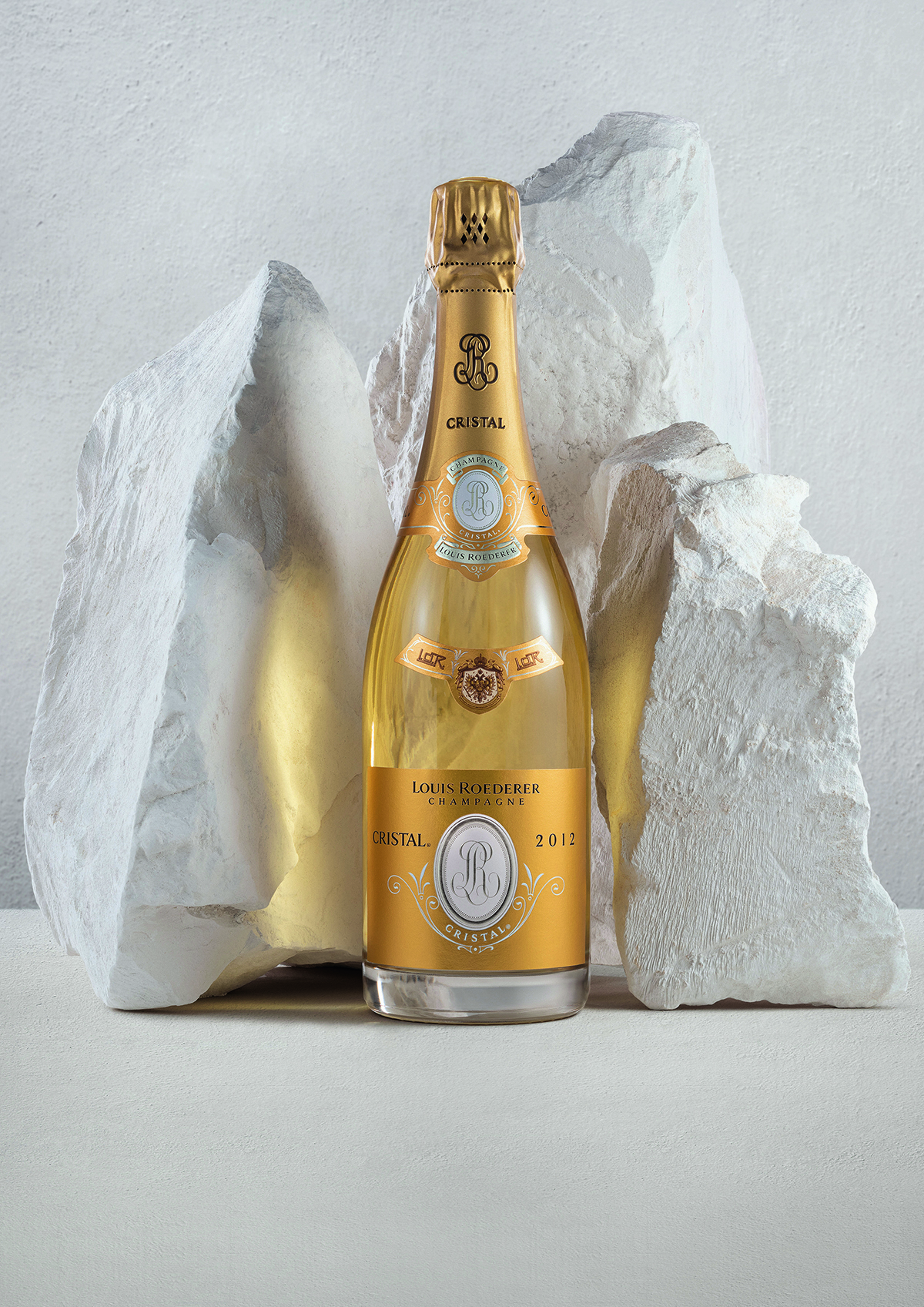
Cristal 2012. Image by Emmanuel Allaire
“Six Vintages that express Cristal in all its glory” – Jean-Baptiste Lécaillon’s picks
2012: “After 20 years of exploration, research and conversion, the Cristal estate is fully biodynamic from the 2012 vintage onwards”
2008: “A legendary vintage, the ‘Cristal of Cristals’ ”
1999: “My first vintage as chef de cave”
1993: “This really showcases how good Cristal can be in a difficult vintage and how selecting the best plots from the 45 grand cru plots that comprise the Cristal estate each year is vital. The decision is dictated by the vintage conditions, so working hand in hand with nature, listening and observing is crucial”
1989: “A hot, ripe year but still with the tension and salinity that is the signature of Cristal, which comes from the terroir”
1988: “A cooler year that has developed well with a total contrast of style”
“These last two vintages show how much the region’s climate can vary from one year to the next with a clear impact on the style of the wine. The challenge is to make great wines from both.”
Find out more: louis-roederer.com
This interview was originally published in the Summer 2021 issue.
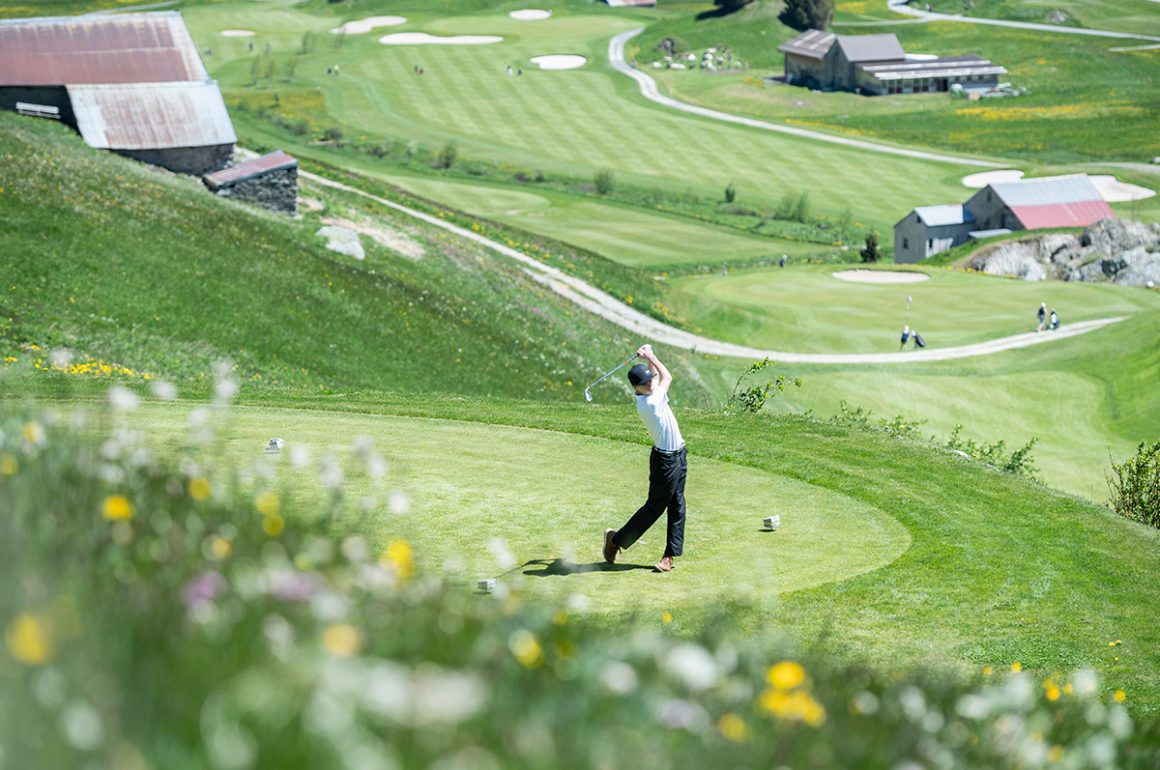
Photograph by Valentin Luthiger
It’s not just the breathtaking alpine landscapes that are attracting visitors to Andermatt Swiss Alp’s golf course, but also its notable commitment to sustainability and biodiversity. LUX discovers more
Andermatt’s 18-hole championship golf course was designed by renowned golf course architect Kurt Rossknecht to blend seamlessly into the unique landscape of the Ursern Valley, winding around rock formations, wildflower meadows and natural streams against the backdrop of snow-capped mountains.
Follow LUX on Instagram: luxthemagazine
In September 2020, the golf course became one of the first in Switzerland to achieve GEO certification from the Golf Environmental Organisation. There are now over 118 species of birds and 12 species of dragonflies living in the surrounding environment, while specially-designed drinking stations provide golfers with fresh mountain water, still and sparkling, to discourage the use of plastic bottles on the course.
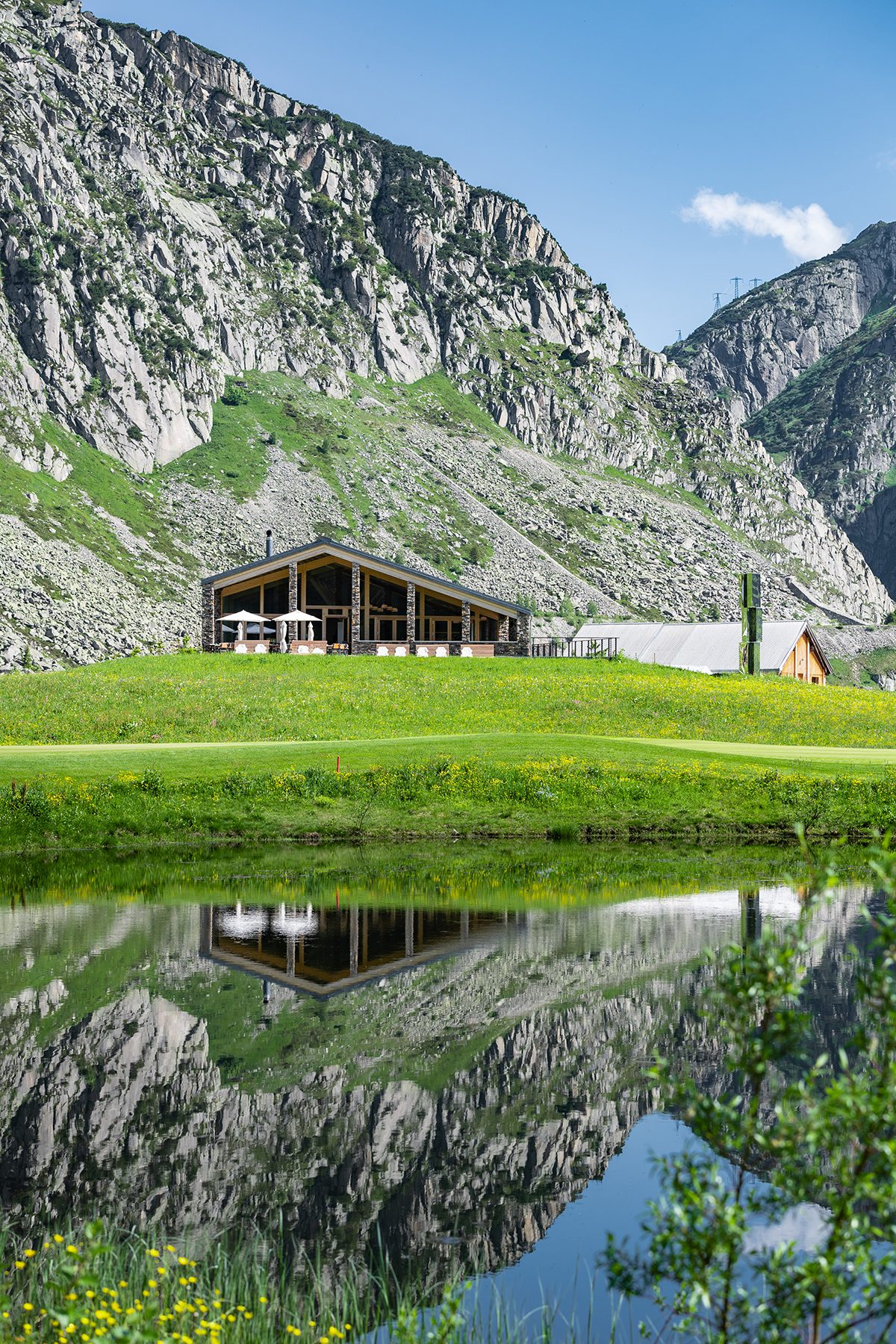
The golf clubhouse. Photograph by Valentin Luthiger
The clubhouse restaurant, The Swiss House, also shows its commitment to sustainability through its broad range of local dishes and climate-friendly catering.
The golf course opened on 22nd May 2021. Find out more: andermatt-swissalps.ch
Lucy and Anthony Carroll’s farm in Northumberland
Artisanal growers may be small scale but their care for the land and their produce is making a big impact on how we eat and drink. Torri Mundell meets two nominees for the luxury home appliance manufacturer’s Respected by Gaggenau initiative which celebrates this new generation of producers
Lucy & Anthony Carroll
At Tiptoe Farm in Northumberland, Anthony Carroll is telling LUX about the “awkward” pink fir apple potato. “They grow vertically and have stems that can reach two metres tall. They’re so knobbly, they can’t be dug up with a modern potato harvester,” he says. They are, in short, more demanding than your average supermarket potato. “But,” he points out, “they have so much more to give.”
Follow LUX on Instagram: luxthemagazine
Carroll and his wife Lucy used to farm more conventional potato varieties until in 2000 Carroll had, in his words, a “light-bulb moment”. A supermarket retailer had approached him to produce a potato variety that would “look great in a plastic bag”, but that tasted, by the retailer’s own admission, “filthy”. Carroll not only refused the offer, but he also resolved to start growing some of the more flavourful potatoes that, after the two world wars, had been abandoned for inexpensive, high-yield varieties.
Today, the farm’s portfolio of heritage potatoes, including the Victorian-era spuds they brought back from near extinction, occupies most of the 28.5-hectare farm. Lucy Carroll describes how these varieties have restored some nuance to the potato’s range of flavours: “Some are very full-bodied, some are very light and fluffy, some retain that green, new potato flavour through the whole year.” The farm supplies Michelin-starred restaurants which often list the variety of the potato on their menu. “Just seeing the name Mr Little’s Yetholm Gypsy can bring a bit of history alive on your plate,” she says.
A range of heritage potatoes produced by Lucy and Anthony Carroll
Working outdoors with lower-yield, less disease-resistant species in a landscape often battered by unpredictable weather is challenging, but the farm has maintained its LEAF (Linking Environment and Farming) Marque certification for integrating environmentally sound practices such as monitoring water consumption and planting bird and insect-friendly crops, grasses and flowers.
At the end of 2020, the farm was put onto the Respected by Gaggenau shortlist, an initiative developed by the German luxury home appliance manufacturer to promote small producers or craftspeople in the culinary world who “harbour a passion for exceptional craftsmanship or the preservation of rare and unique species”. Not only does the initiative celebrate traditional skills and techniques, but it also addresses our current preoccupation with provenance and supporting small businesses. The UK’s Crafts Council reported that in 2019, 73 per cent of UK adults purchased something handmade.
The longlist of 60 Respected nominees was assembled by a panel of 25 high-profile curators, including chefs, viniculture experts, design editors and food critics. The 2021 accolade will bring global recognition and support to the finalists, who have all weathered a difficult year.
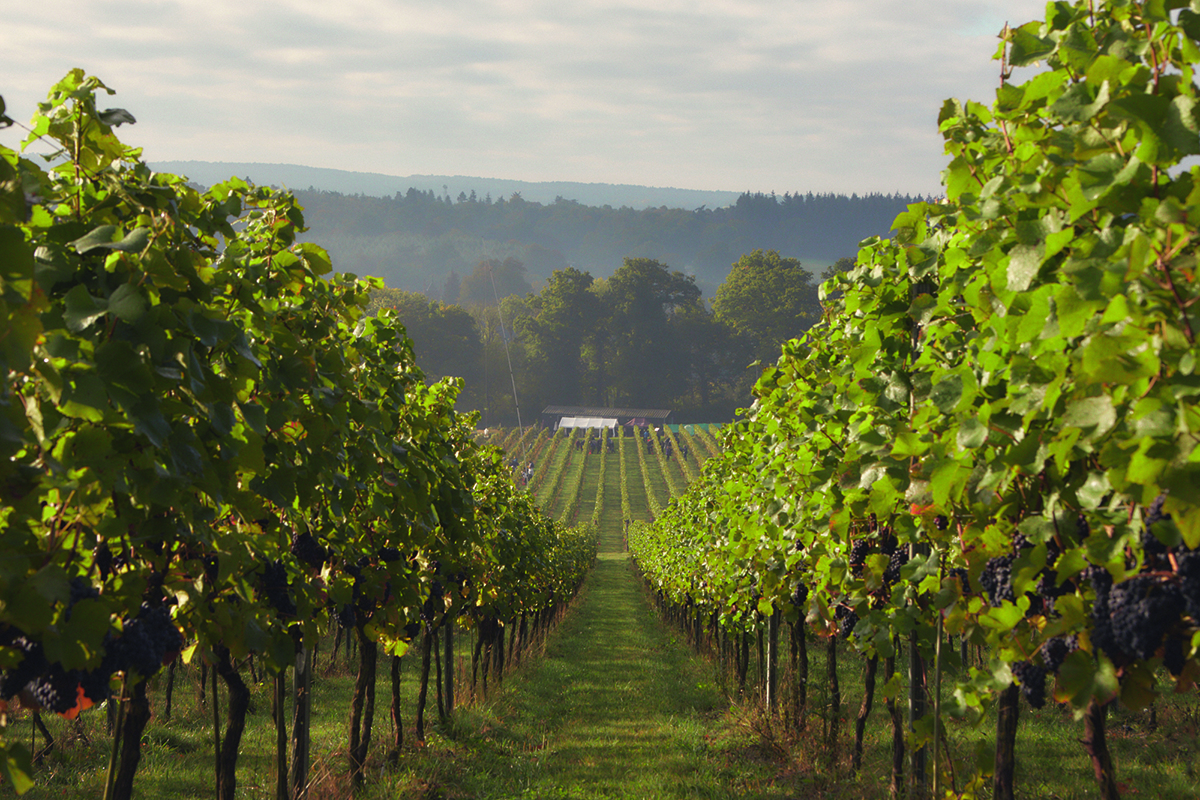
The Albury Vineyard in Surrey at harvest time. Photograph by Jonathan Blackham
Also on the shortlist is Nick Wenman, who founded in the Surrey Hills in 2009. Having a vineyard on the southern slopes of the North Downs “wasn’t the huge gamble that you’d expect,” he says, pointing out that the cool English climate lends itself to creating grapes with high acidity and low sugar content, a prerequisite for good quality sparkling wine.
Read more: Speaking with America’s new art icon Rashid Johnson
His work is not just about international awards and appearances on royal barges or on the wine list at Le Manoir aux Quat’Saisons – though Albury Vineyard has clocked up all three. Wenman and his team, including his Italian manager and his daughter Lucy, are often up at 5am to tend to the vines. Almost every April, a spring frost requires them to work through the night, lighting thousands of wax ‘bougies’ to warm up the vineyard by a couple of degrees.
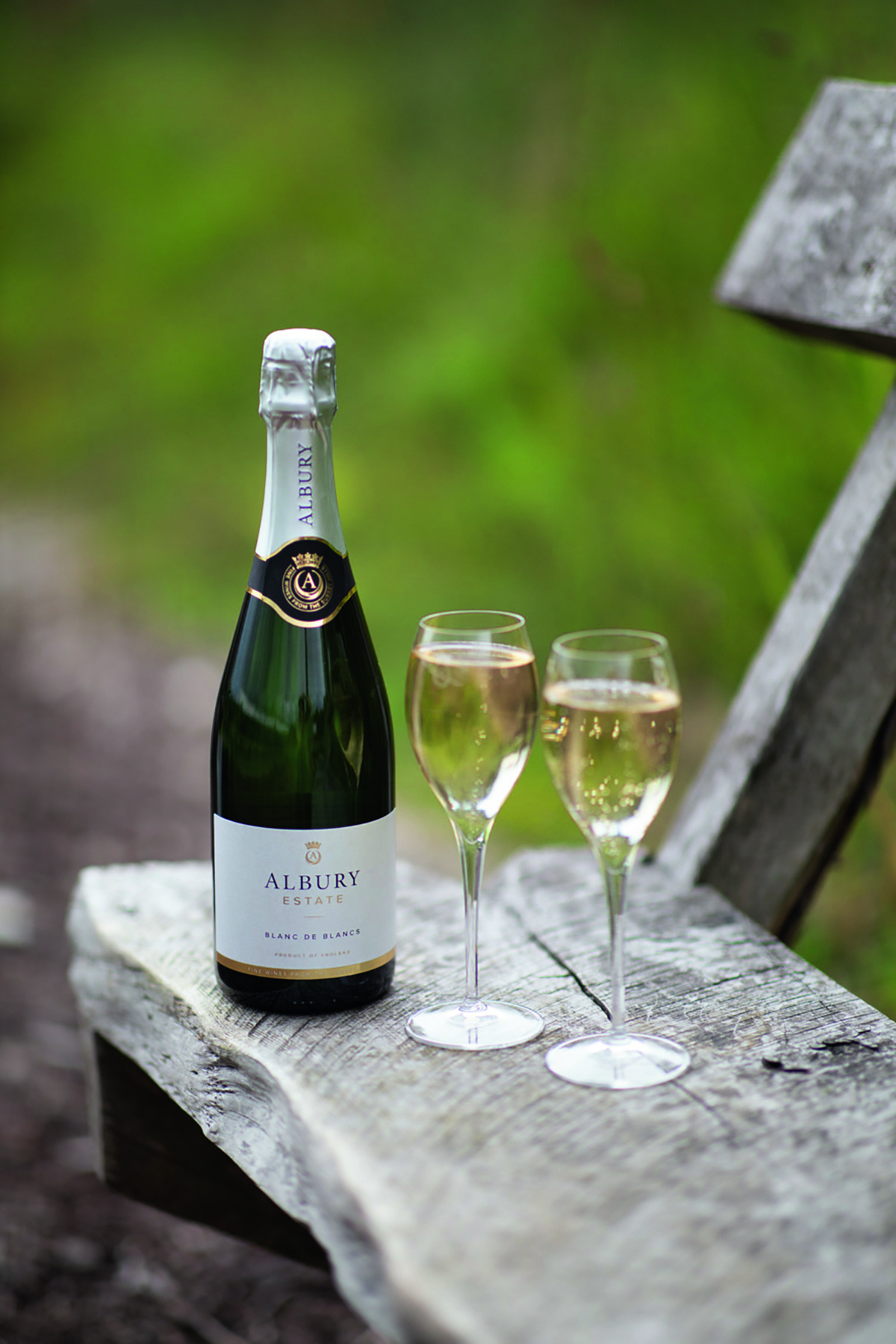
The Albury Estate blanc de blancs is made from chardonnay and seyval blanc grapes. Photograph by Simon Weller
The team not only contends with the variable UK weather but with the “extra layer of planning and stress” that comes with operating an organic and biodynamic vineyard, a tightrope act that wine expert and Respected by Gaggenau curator Sarah Abbott MW describes as “heroic”. “You can’t use any systemic chemicals to knock out the diseases that vines suffer in wet and damp conditions,” she says. Nor can you deploy non-organic ‘sugar movers’, sprays which would hasten the ripening of the fruit when faced with a run of bad weather.
Wenman estimates that organic vintners have to devote 40 per cent more time to their harvest, but he is motivated by a “passion for the environment and a belief that [organic and biodynamic principles] create better quality wine”. While the vineyard’s biodynamic status brings constraints, he notes that it inspires innovation, too. One of his favourite wines, the Albury Estate Biodynamic Wild Ferment 2015, is the first of its kind, “produced using only a chardonnay and a wild ferment grown from the yeasts that occur naturally in the vineyard”. His appreciation for small-scale artisanship among his fellow English winemakers echoes the spirit of the Respected by Gaggenau campaign. “In the UK, there are no bulk wine producers churning out the same old stuff,” he says. “And because they’re smaller, they might give the vines an extra bit of care, so you end up with a better product at the end of the day.”
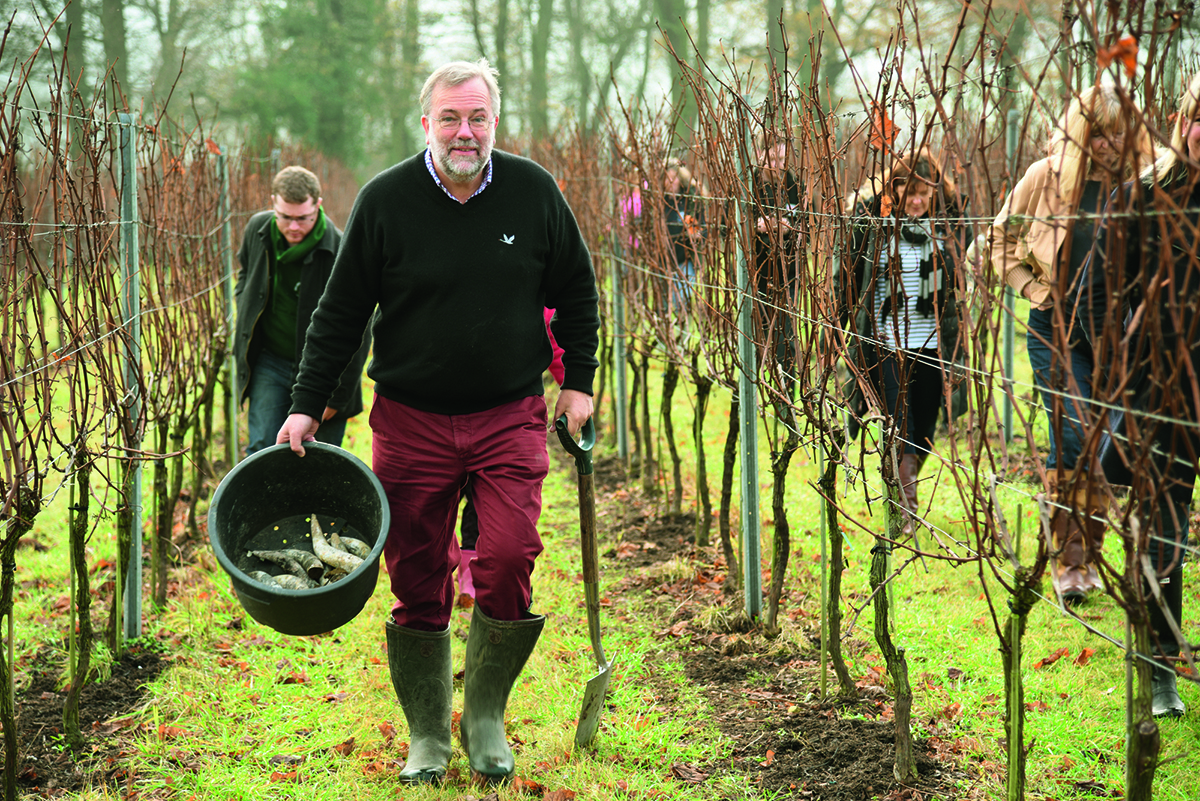
Albury’s owner Nick Wenman burying manure-filled cow horns in the vineyard in winter for fertilising the soil in the spring
Underlying our appreciation of craft and artisanship is a desire to connect with its creator. Three curators for the Respected by Gaggenau accolade tell us why authenticity in food, wine and design matters
 Chef and culinary curator
SANTIAGO LASTRA
There is always a story behind every dish and as the chef, you are responsible for telling that story. Before I opened my restaurant, I spent a year travelling around the UK to find the producers I wanted to work with, getting to know the farmers, the fishermen, even the potters who make the plates. I can see the connection they have to the land, the struggle with the weather, and the care that goes into their ingredients. They are part of a fascinating ecosystem of people that believe in a sustainable future, and I have learned that quality is not about rarity or luxury – it means only that something has been made with respect.
 Editor-in-Chief, LUX Magazine and collectibles consultant
DARIUS SANAI
This campaign is centred on a theme that is in the air at the moment: identifying authentic creators and originators, goods and services. This is important in the broader luxury and collectibles industry in which we operate, where you have on the one hand dominance by a number of big commercial players who are brilliant at marketing and branding, and on the other you have the emergence of a new class of producer that has made its name by creating, rather than marketing. The challenge for the curators of the initiative – as well as for informed consumers and retailers – is to get beyond the PR to find genuinely great producers creating or curating really original products of high quality but that were made in a very personal way.
 Chef and culinary curator
CYRUS TODIWALA OBE
At my restaurants, we have always concentrated intently on how we source and use ingredients in our day-to-day cooking, and we championed artisanal producers long before they became fashionable, so working on this initiative with Gaggenau feels like a perfect fit. The appreciation of artisans, producers, the environment – and everything we do to make our lives meaningful – slides tidily into this simple word: respect. The best producers begin with a belief in themselves and what they have set out to do. Their produce is unique – there are no boring similarities from one to another. And easy money isn’t on their radar; they are driven by the joy they find in delivering ethically produced, beautiful quality food.
Find out more: gaggenau.com/gb
This article was originally published in the Summer 2021 issue.
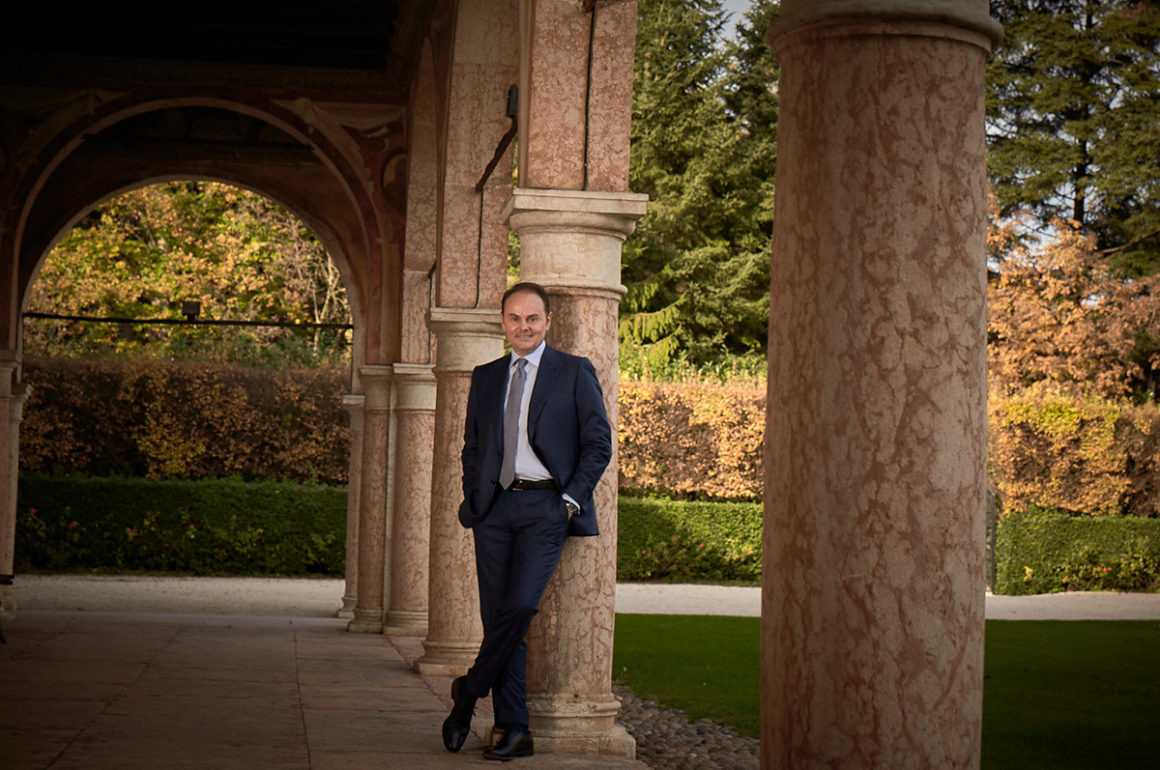
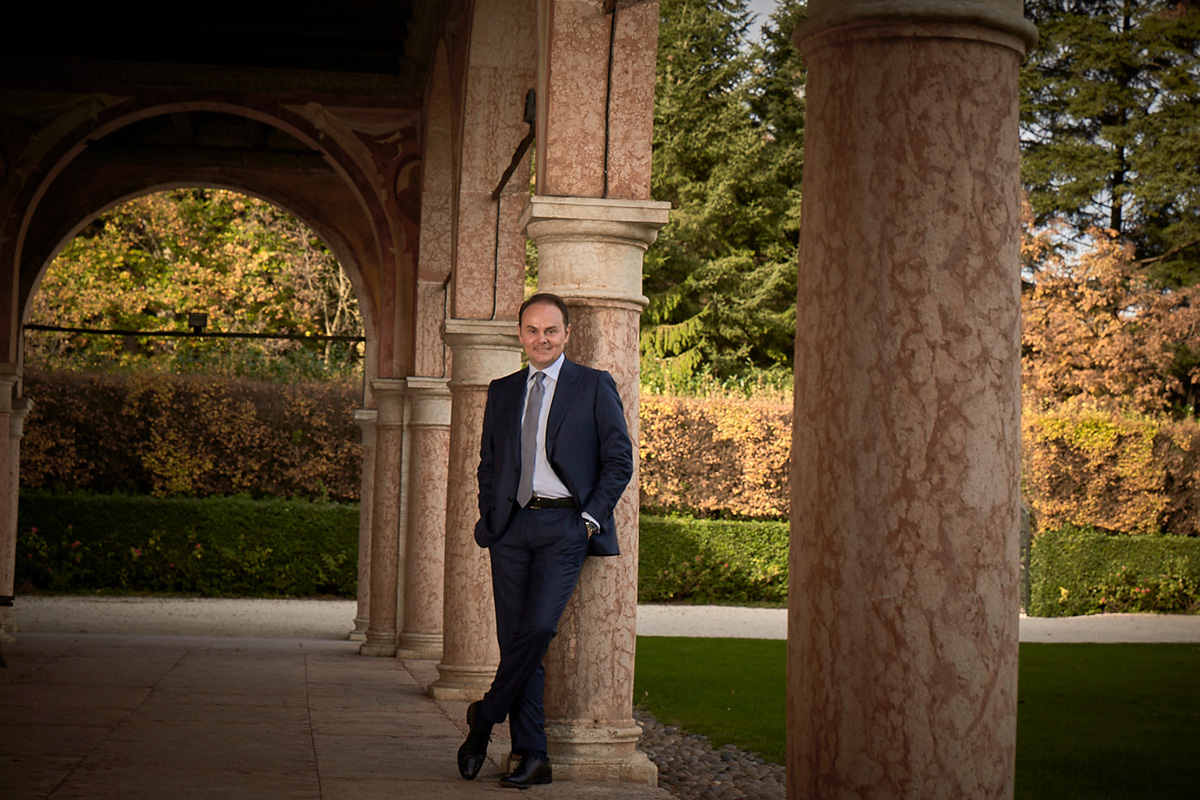
Matteo Lunelli, CEO & President of Ferrari Trento
Italian sparkling wine producer Ferrari Trento was founded in 1902 and is now under the leadership of the third generation of the Lunelli family. Following the recent announcement of the brand’s partnership with Formula 1, LUX speaks to CEO and President Matteo Lunelli about respecting tradition, sustainability and the challenges of the pandemic
1. How do you become Official Toast of Formula 1, as Ferrari Trento has just become?
Ferrari Trento has already been celebrated at many of the world’s most prestigious events. This includes being the Official Toast of the Emmy Awards in Los Angeles for the past five years and of the BNL International Tennis Tournament in Rome in 2019. The Formula 1 podium is one of the most iconic moments in the world of sport and has been a dream of ours for a long time which we are thrilled to now see come true. Formula 1 chose Ferrari Trento, firstly, because we share common values of passion and excellence, and also because Formula 1 is centred around innovation and looking to the future. This can be seen through this decision to go “beyond” the traditional choice of champagne, with a brand that not only offers a guarantee of quality but is also an ambassador of Italian style. We are thrilled to embark on this project as we strongly believe in the future of Ferrari Trento and in the dream that Giulio Ferrari, our founder, started over a century ago.
Follow LUX on Instagram: luxthemagazine
2. You are the third generation of the Lunelli family to keep Ferrari Trento alive, and you have maintained many historic practices within the company. Are there any notable traditions that you needed to let go of?
Our goal is to innovate, but respect traditions. There are certain things that will never change at Ferrari Trento like the pursuit of excellence in every detail and the intimate link with our territory, because all our wines are made exclusively with grapes cultivated on the slopes of the Trentino mountains. On the other hand, we need to adapt to a market and a context that changes rapidly and, therefore, we constantly aim to innovate our business model. Over the years we have embraced digital media in our communication strategy, we have expanded to new markets abroad in order to grow our export sales, and we have moved to organic viticulture, putting strong emphasis on sustainable production.
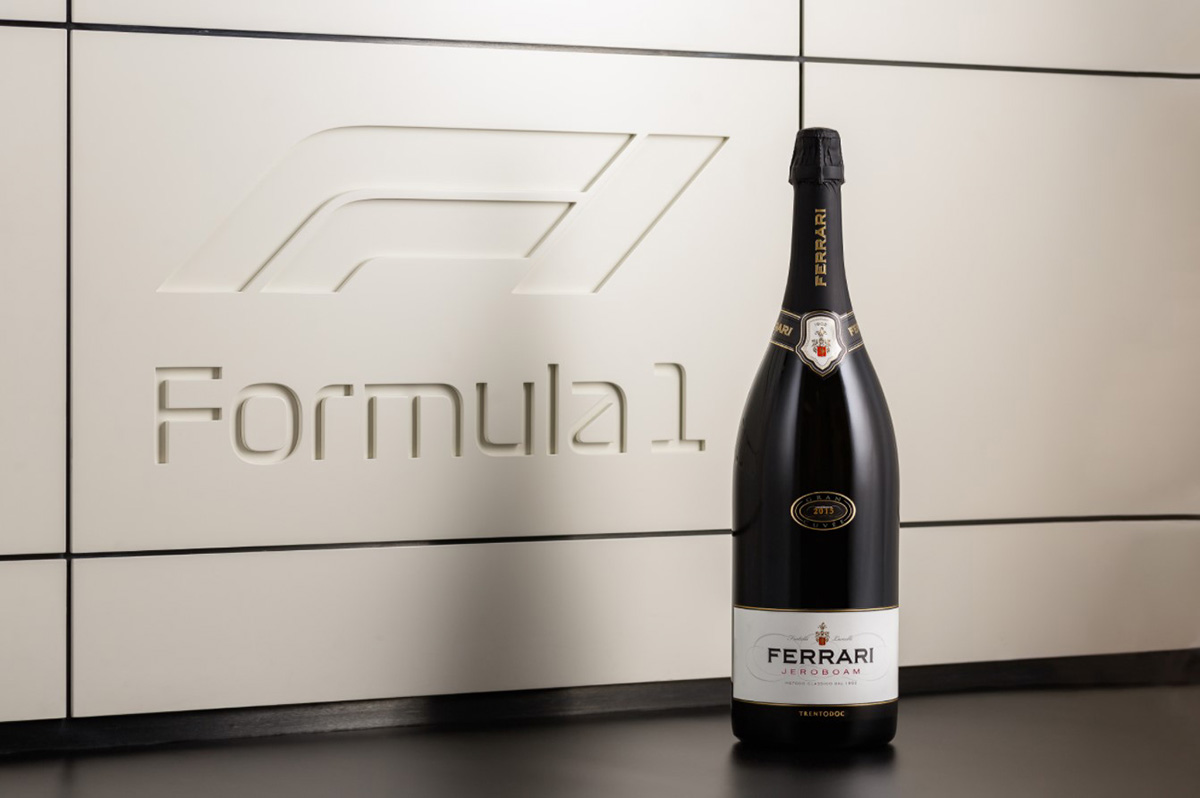
Ferrari Trento is the official sparkling wine of F1
3. Ferrari’s Trentodoc sparkling wines utilise environmentally friendly systems which heavily reduces water-consumption in vineyards. Is the wine-industry more broadly taking steps to become more sustainable? Should it do more?
We can certainly say that in the past few years the wine industry has significantly increased its attention to sustainability and I believe that this trend will continue even more in the future. This is especially important for high end consumers and wine lovers who not only look for excellent wines but also ask our companies to maintain an excellent behaviour towards stakeholders and to protecting the environment.
Specifically, the Ferrari winery is located in such a wonderful location that we feel even more duty to protect it and preserve it for future generations. Our strong commitment towards sustainability can be seen (amongst other actions), by the organic certification of all our estate vineyards and by the work carried out on biodiversity. Regarding water, as you mentioned, we utilise an innovative system of precision irrigation in order to reduce water waste. This system, developed together with a start-up called Blue Tentacles, uses a remote control to open and close the valves on the field, and optimise the use of water collecting data of the temperature and humidity through sensors located in vineyards.
Read more: Sophie Neuendorf on building a more sustainable art world
4. What are the biggest challenges that the sparkling wine industry faces today?
Sparkling wines are traditionally associated with conviviality and celebrations, which is the opposite of “social distancing”, and why the pandemic had such a strong impact on our industry. In addition, on trade is the most important channel for the Lunelli Group, and bars, hotels and restaurants being closed for such a long time in many countries has of course had an inevitable impact on our sales. We partially compensated the loss of the “outside of home” by increasing our retail and online sales for domestic consumption, however, we strongly believe that conviviality will soon come back, and we look forward to celebrations where people can spend time together again.
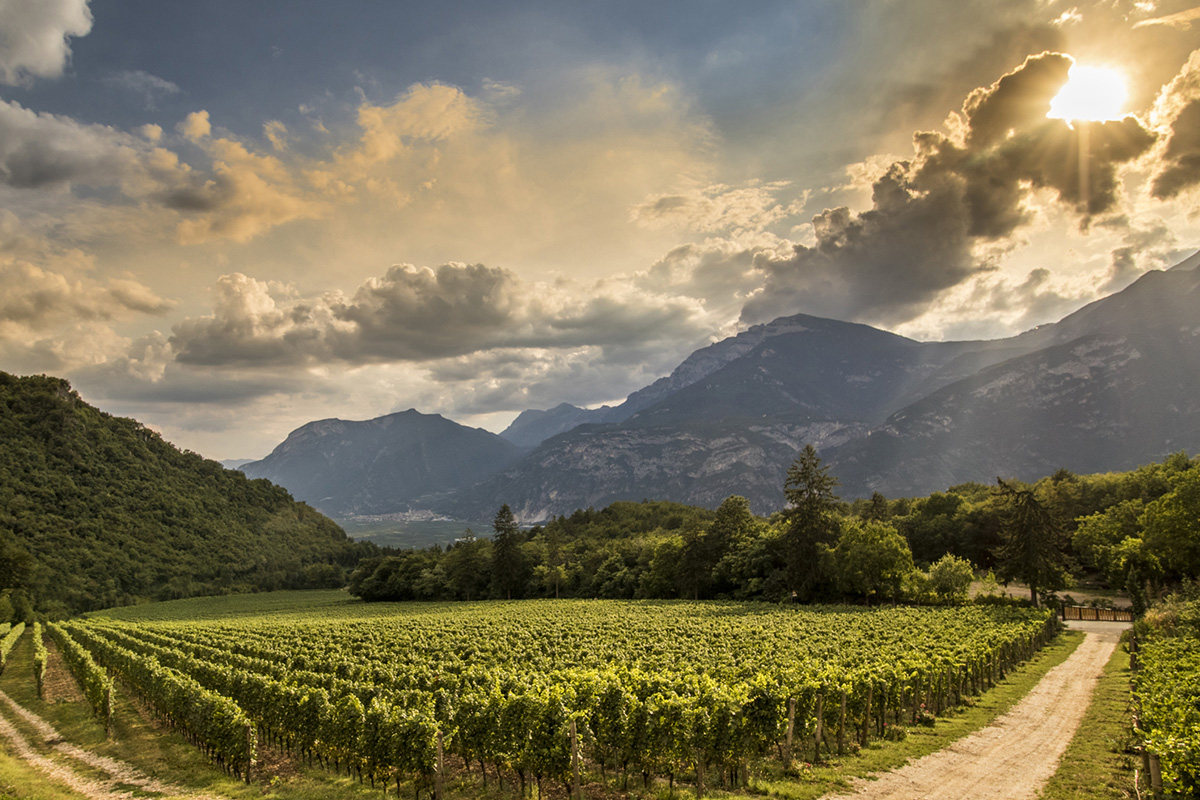
Ferrari Trento’s vineyards
5. Is Italian sparkling wine underrated?
Italian sparkling wine has witnessed an extraordinary growth worldwide in the past years, but I would say that sometimes the quality and excellence of Italian sparkling wine is underrated. Most consumers still do not fully recognise the diversity of our sparkling wine denominations which are made in different regions and with different methods.
It is by now evident between wine opinion leaders that in the sparkling wine space, just like in the still wine space, excellence is not a monopoly of one territory in the world. Italy, with the region of Trentino in particular, is in “pole position”, as shown by the results achieved at the Champagne & Sparkling Wine World Championships which saw Ferrari Trento crowned as the “Producer of the Year” for three editions. In 2019, Italy overtook France in terms of awarded medals, while in 2020 the competition saw a draw with 47 gold medals each. We hope to further excel the reputation of Italian fizz as we share our luxury wines on a wider scale than ever before through our partnership with Formula 1.
6. Where and when (apart from a F1 race) is the best place to drink your wine?
During a trip to Italy you can have a glass of Ferrari in some of the best bars and the most iconic travel destinations, however, first of all I would have to say in Trento, visiting our winery and enjoying what we call ‘a tour between beauty and taste’ on a lovely summers day, perhaps during harvest time. Here, we invite guests to have an all-round experience of the world of Ferrari, which begins with a tour of our cellars, where our Trentodoc wines mature gradually under the careful supervision of our winemakers. You can then go up the nearby hills to visit Villa Margon a 16th century mansion which is a treasure of art. The special experience concludes at Locanda Margon, our Michelin starred restaurant in the heart of our vineyards, where you can pair Ferrari with the creations of chef Edoardo Fumagalli.
In general, I think that the best way to enjoy Ferrari is to pair it with high quality food in a great restaurant or during an “aperitivo” with friends. I also love to think about sipping our Trentodoc bubbles whilst watching the sun set onboard a boat in the middle of the sea. However, more than anything, what will make the special moment is always who you will share your wine and emotions with.
Find out more: ferraritrento.com
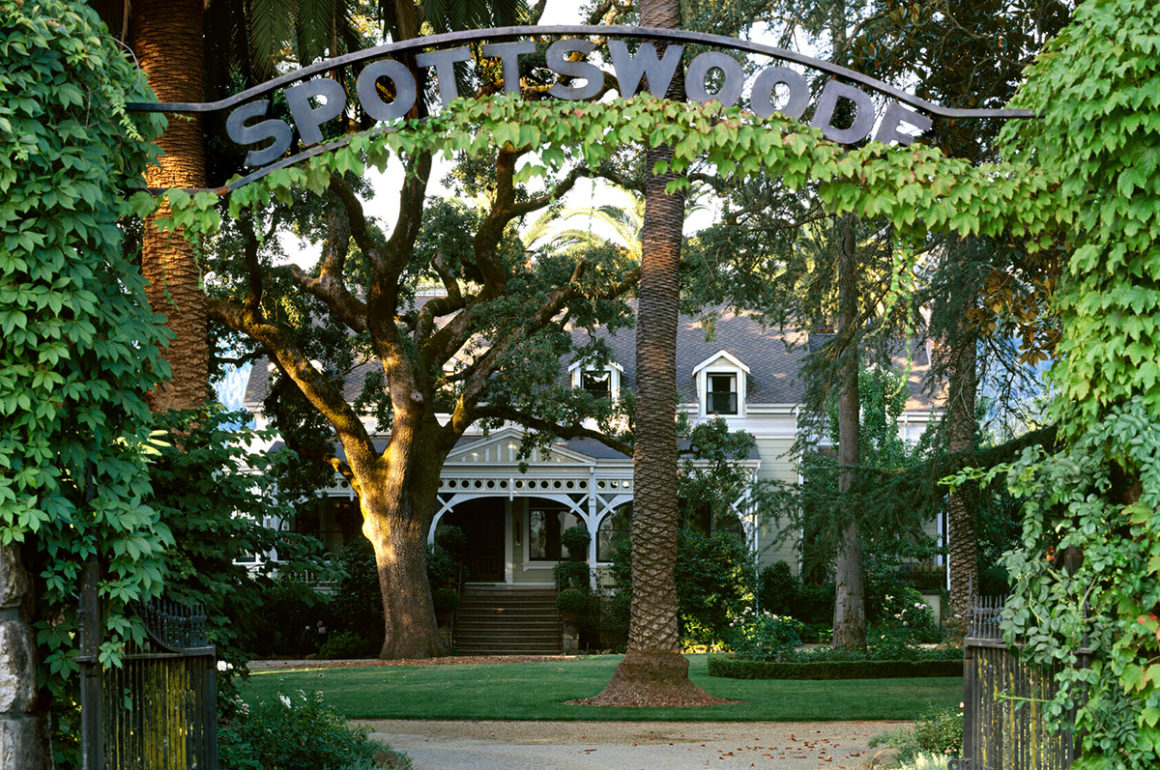
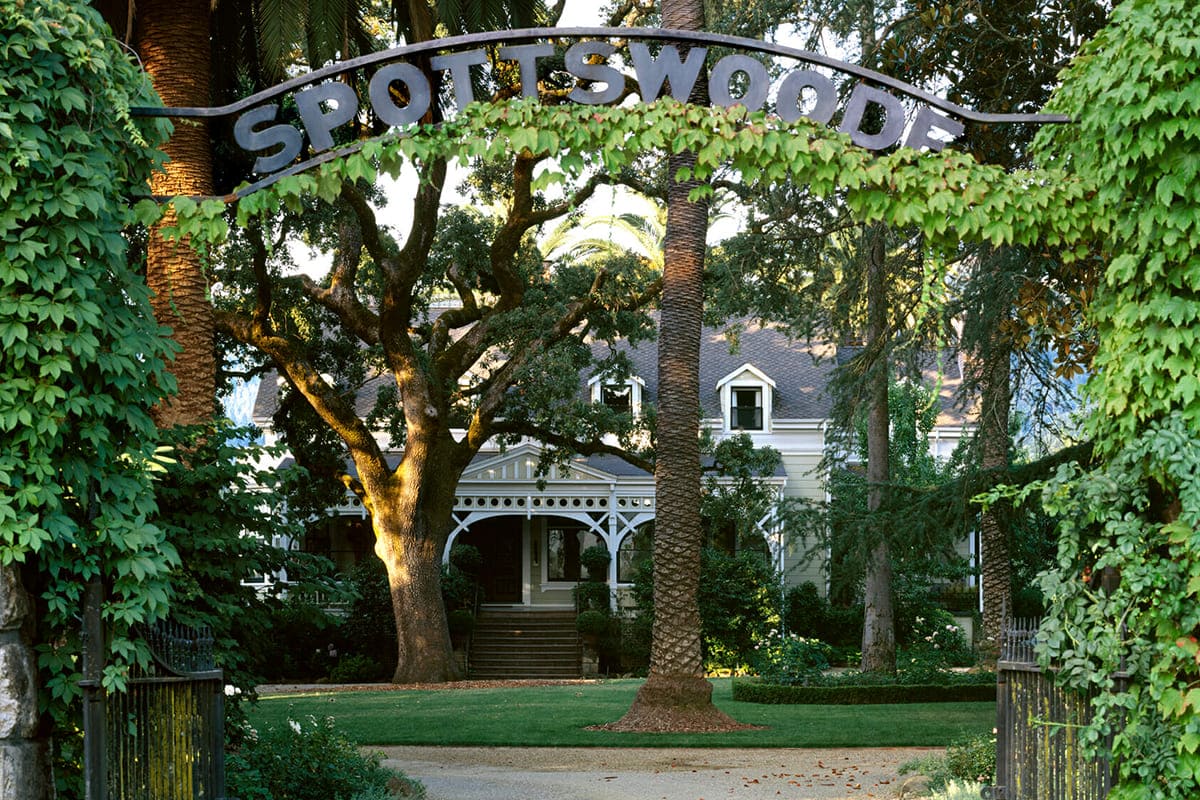
Spottswoode wine estate in Napa Valley, California
Spottswoode Estate is Napa valley wine aristocracy. Its wines, selling for hundreds of dollars a bottle, are in demand from collectors globally. Beth Novak Milliken, the estate’s second generation owner, is also a leader in sustainability and biodiversity and has secured coveted B-Corp certification for the estate. She speaks to LUX about her challenges and hosts a tasting of some of her finest wines for us over Zoom
Beth Novak Milliken
LUX: Where does your sustainability ethos come from?
Beth Novak Milliken: It started in 1985, Tony Soter started to take us down a path that we really couldn’t have envisioned would take us where it is now. He was our founding winemaker and started making our wines in 1982. In 1985, he went to my mum and said that he really wanted to take over the farming of the vineyard. He made the suggestion of organic farming and as she trusted him a great deal, she said, “Sure, let’s give it a try!”
That was way back before people were talking about organics – we were amongst the first to farm organically here. We stuck with the organics and planted with that in mind, and never looked back.
Follow LUX on Instagram: luxthemagazine
Around 2000, we started planting the insectaries in the vineyard to bring some biodiversity to what is obviously a mono-culture. We set up solar power at the winery in 2007 and added solar at the estate the same year. We get a great majority of our power from solar, and that which we don’t get from solar is from renewables. Then in May 2019, we came up with our core purpose statement, and all of a sudden everything accelerated.
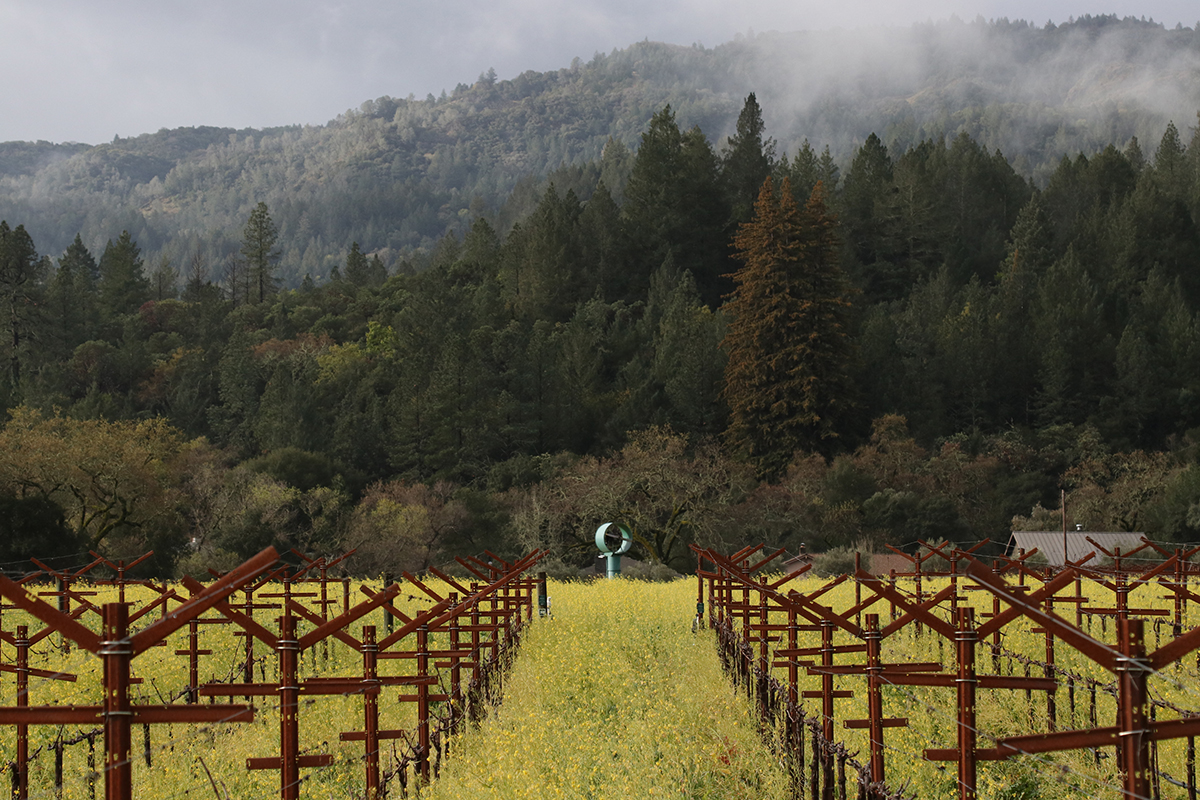
The Spottswoode vineyards
LUX: What are your aims and dreams?
Beth Novak Milliken: We want to inspire others. I’ve been looking to Yvon Chouinard, the Founder of Patagonia (he is truly my hero), what he has done and how he has pushed for environmental causes in such an amazing way. We joined 1% for the Planet in 2007 and since then we’ve given a minimum of 1% of gross revenue every year to environmental causes that we believe in (it’s usually more than one percent) and it’s a remarkable; you start to feel like your business is something greater than just yourself.
I am the second generation of what will, hopefully, be a long-term multi-generational family business and our biggest threat to continued success is climate change because we are agriculturally based and that really brings it home. In ’17, ’18, ’19 and ’20, we had the highest heats we’ve ever had. We had 117° F (47 C) one day – that’s desert heat!
We have had historic fires that just seem to keep coming, and it is a consequence of climate change. It is is hotter, drier, warmer, windier, and a lot more variable. It’s a remarkable time, and we feel like we really need to act to inspire others.
Read more: A glamorous escape to the Lanesborough
LUX: Was there ever a choice, long-term, between quality of wine and sustainability, or sustainability versus keeping the business going?
Beth Milliken: Never. The two are completely compatible.
LUX: Tell us more about the B-Corp certification and why you decided on it?
Beth Novak Milliken: B-Corp is the gold standard for a business that operates for good, that operates because it cares about its community, the planet, its employees, everything really. It’s how we’ve been operating anyway, so this was really just taking that and putting a certification on it.
It’s a very rigorous process. There are many questions about how you treat your natural environment and how you treat your employees, everything from pay to wellbeing. We feed people here everyday, we always have, and it’s always organic food. We’re minimising waste, and taking care of our community.
LUX: In terms of the sustainability side, what’s next? As a wine-producer, what must you do?
Beth Novak Milliken: We are applicant members of International Wineries for Climate Action (IWCA). We are going to be LEED-certified on this entire property, and we’re working on our zero-waste platinum certification.
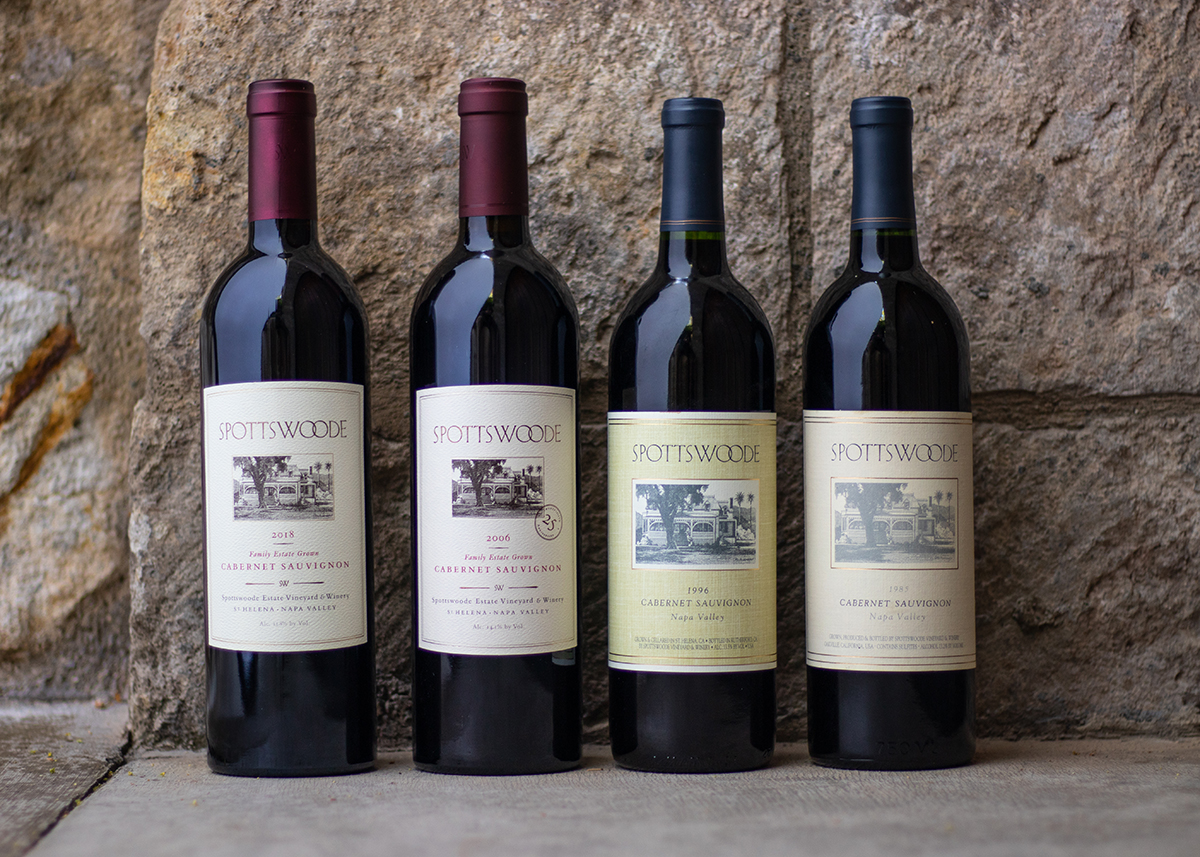
A selection of Spottswoode wines
A tasting of a historical collection of Spottswoode wines, hosted by Beth Milliken over Zoom
Tasting notes by Darius Sanai
Spottswoode Cabernet Sauvignon 1985
Wow! The greatest aged Napa Cabernets have a unique character, completely distinct either from what they tasted like in their youth, or from aged Bordeaux made from similar grape varieties. On opening, this had a port/cognac “rancio” layer to it; after a few minutes, that diffused and we were left with this lifted, almost light, but nevertheless deep, earthy, woodland soil filled wine with a core of steely dark fruits. If I had blind tasted it I would have guessed it was a Grand Cru Chambertin from Burgundy – not a Cabernet Sauvignon. Amazing stuff and proof too much Napa wine is drunk too young.
Pair with: Cep mushrooms on plain polenta, while sitting on a mountainside in the Alto Adige in northeast Italy while having a chance meeting with someone you broke up with many years ago and are still in love with. Don’t ask why, just do.
Spottswoode Cabernet Sauvignon 1996
This is a wine to serve to the kind of narrow-minded snob who says all California wines are obvious, fruity and easy. It is as iron-clad as any Pauillac from 1996 (Pichon Lalande springs to mind), behind the curtain of tannin is an array of subtle savouriness. No fruit bombs here. One that will develop even more.
Pair with: Dinner with a client who proclaims only to like old-fashioned Bordeaux, at their house in Schwabing. Serve it blind and prepare to be amused.
Spottswoode Cabernet Sauvignon 2006
Roasting coffee! Almonds! Thistles! This is a wine with massive presence and subtlety, simultaneously. There’s some creamy fruit in there also but it’s at the back and very restrained, like smelling it in its packet rather than eating it. It’s 15 years old and needs another 15 years. But it’s very balanced.
Pair with: This one needs a muscular bavette or skirt steak, with apologies to our vegan readers; ideally at a steakhouse in New York City, with the guys at the next table hollering about the game or some deal they made or a girl.
Spottswoode Cabernet Sauvignon 2018
After concluding that the 1996 and 2006 are possibly too young to drink now, what about the 2018, from a stellar vintage? Ironically the 2018 is delicious, creamy-rich with bluecurrant (not a thing but that’s what it tastes like) and branchy tannins balancing themselves out on a see-saw on your tongue. Irresistible.
Pair with: Share with your closest friends at dinner by the shore of Lake Geneva in summer, over some aged Comte cheese and maybe very old Mimolette.
Find out more: spottswoode.com
Masterpiece London, 2019. Photograph by Ben Fisher. Courtesy of Masterpiece
In his first column for LUX, art collector, advisor and chairman of Masterpiece London Philip Hewat-Jaboor discusses the joys of discovering art and design objects through their materials
Philip Hewat-Jaboor. Photograph by Danny Evans
I’m always intrigued to discover what brings people to works of art, and what sets their collecting in motion. Over the years, one of the most beguiling ways I’ve found to draw people in, is to look at an artwork’s materials and explore how it has been made. What does the texture and surface of the materials tell us? What meaning and significance do those materials hold? What cultural and historical value do they have? Whether it’s precious stones, marble, porcelain, pigment or wood, it’s interesting to think about how the artist has transformed a raw material into something full-formed and to look for the beauty in that process. Materials transcend disciplines, cross continents, and evolve through time and when it comes to beginning your own collection, it’s a brilliant place to start.
Personally, I’m obsessed by coloured ornamental stones, and by that I mean the stones that were first quarried by the Romans in Egypt and other parts of the Roman Empire, which became incredibly prized as both building materials and materials for making works of art. I take great pleasure in looking at how these materials are used and reused over the course of history. For example, you might be looking at a 18th century vase made out of Egyptian porphyry (my favourite material) but whilst it’s an 18th century object, it was probably made out of a 2nd or 3rd century column that had been abandoned in the Renaissance or whenever, dug up from the excavations in Rome and turned into another object. There’s a wonderful sense of continuity, and doing this kind of research is a fantastic way of not only learning more about the object itself, but also history.
Follow LUX on Instagram: luxthemagazine
There are then the contemporary artists and designers who are thinking about new ways of using ancient materials such as stone. There are designers and artists at David Gill, for example, who are incorporating these wonderful, ancient, coloured stones into contemporary furniture and in doing so, they are bringing new life to the material. In this sense, I’m quite anti the division between traditional and contemporary art because everything looks backwards and forwards. In my opinion, things are either good or bad, stimulating or indifferent, whether they were made yesterday or 5,000 years ago.
Galerie Chenel at Masterpiece London 2019, Ben Fisher Photography, courtesy of Masterpiece
It’s also interesting to consider what inspires the rebirth of a particular material. For example, I’ve been thinking about how there’s been a trend for refurbishing kitchens and bathrooms in the last ten years, and incorporating coloured marbles into new designs. There’s also the fact that each slice of marble, not all marbles but many of them, will be totally unique. So if you’re making a limited edition of five coffee tables, each one will be different and I think that’s really appealing to both the creator and the modern consumer.
Read more: Olivier Krug on champagne and music
Lately, there has also been a trend, or at least a growing interest in more sustainable craft processes, but the interesting thing is that many of these artists and designers are already using historic materials, which is in itself sustainable, but in my opinion, it also imbues the contemporary object with more of a soul. For example, Sebastian Brajkovic, a fantastic artist at David Gill Gallery, made a wonderful side-table out of white marble combined with some artificial marble and other bits and pieces. It’s a strikingly contemporary object, but it is modelled on a Roman sarcophagus.
This past year, in particular, has encouraged people to think about how they want to live, and what might bring their lives comfort, which naturally impacts what they are choosing to buy or collect. I personally think being surrounded by beautiful objects is a very important part of life, and can bring people so much joy.
So where to begin with all of this? Visiting museums, galleries, art fairs and even country houses is a fantastic way to discover and pique interest in new eras and disciplines. Exhibitions even have the power to kickstart entire collecting trends. For example, Treasure Houses of Britain was a great show that took place at the National Gallery in Washington in 1985, showcasing paintings, furniture and works of art from British country houses. The exhibition had such an inspirational effect that it launched an Anglo-manic wave in American collecting in the 80s.
When I reflect upon my own collecting journey, I think how fortunate I was that my grandfather was a collector and that he would let me handle his Chinese ceramics collection. This close-up experience with a material is not something you often get at a museum, but with his passion and trust, I had the opportunity to really look at, appreciate and observe the material and craftsmanship.
In the same way, art and design dealers often want to share their passion for their speciality with potential clients. My advice to new collectors is to actively start conversations, ask questions, read, listen, research and build your knowledge. Search for beauty, great craftsmanship, and ultimately, allow yourself to be guided by your instincts.
Philip Hewat-Jaboor is Masterpiece London’s Chairman of the Fair.
This year’s edition of Masterpiece London will take place online with smaller-scale live activations in London in June. For updates and online events, visit: masterpiecefair.com

Founder of Xupes, Joe McKenzie
Joe McKenzie and his father Frank founded Xupes in 2009, selling a handful of pre-owned Cartier watches from their home in Bishop’s Stortford. The company now sells a curated collection of vintage handbags, jewellery, art and design pieces alongside refurbished luxury timepieces. Here, he speaks to Candice Tucker about sustainable luxury, the rise of the digital marketplace and future collectibles
1. What inspired you to enter the pre-owned luxury retail industry?
I’ve always been interested in and participated in the circular economy. When I was 13, I was buying and selling clothes on eBay. I’ve always had an appreciation for nice things (but couldn’t afford them!) with an interest in engineering. Buying pre-owned gave me the ability to own and enjoy nice clothes for a few months and then, often sell them for double what I paid. When I was 15, I taught myself to repair airsoft gearboxes. Airsoft was an increasingly popular sport at the time and I imported parts from China to offer one of the first repair services in the UK. This was my first proper job that gave me the ability to save up some money. My parents have always taught me the importance of independence and I guess my entrepreneurship started from a young age inspired by my father and grandfather who both ran their own successful businesses.
Follow LUX on Instagram: luxthemagazine
The mechanics of watches always fascinated me (my great grandfather was a clock maker) and when I was lucky enough to be gifted one, I became immersed in the world of horology. With the knowledge and experience of buying and selling on eBay, I saw an opportunity to redefine a market that was growing and where others were not offering service or quality. I thought to myself: why shouldn’t the experience of buying a second hand (or pre-owned as we call it) luxury watch be the same or better than buying one new? This is how the idea of Xupes began, in my bedroom at university, and I set out to redefine the perception of buying a luxury pre-owned item. I was completing a degree in photography at the time, and I used this experience to focus on creating a brand that could become a leader in the sector.
A selection of pre-owned luxury watches from the Xupes collection
2. Why are vintage watches becoming ever more popular at a time when everyone has a phone that tells the time and also a smart watch?
This is a topic which has been widely discussed. At first, people thought the smart watch would have a significant impact on the luxury watch market. But customers who own a luxury watch appreciate it for many other reasons beyond convenience. Smart watches provide a service and the technology that helps us streamline our lives day to day. A luxury or vintage watch is a work of art, something with history that tells a story and is an extension of our personality, that one day might be passed on to loved ones. They also can appreciate so have become collectable and in today’s world and alternative asset class. Often, for these reasons our customers have both for these very different purposes.
3. Have any watch brands become noticeably more popular since the pandemic?
The pandemic has had one major impact to our sector: it has accelerated a shift towards digital/online channels versus the high street, a shift that was happening already, but is now probably 5 years ahead of where it would have been had the pandemic not happened. At the start of the pandemic this created a rush of brands struggling to re-organise their businesses to be able to sell online, but it is only now, 12 months on, that many of them have managed to set this up properly whilst others are still developing their operations to cope with this change. I also think consumers are more conscious of the impact their purchasing is having on the planet, bringing a wave a focus on more sustainable luxury, within which the circular economy will play a huge part in years to come.
Read more: Uplifting new paintings by Sassan Behnam-Bakhtiar
This has all meant we’ve seen considerable demand grow across our most popular brands, which people couldn’t easily buy during the pandemic. Examples are Rolex, AP and Patek Philippe, but we’ve seen a new demand in vintage across these brands as well as Cartier, Omega, IWC, and Jaeger-Le- Coultre as customers start to diversify and deepen their interests and collections. Some of the more niche independent brands have also increased in their desirability such as FP Journe, George Daniels, Philippe Dufour, Laurent Ferrier and Moser & Cie. My personal belief is that next year will also be big for the Audemars Piguet Royal Oak as it is the model’s 50th Anniversary. I expect prices for vintage Royal Oak’s to increase significantly. Prices in the past 12 months have risen across the pre-owned sector in varying amounts driven by this shortage of supply.
4. What is the decision process when deciding which brands you choose to sell?
We created Xupes through interest and passion for what we do. Our whole service is built around experience and taking time to educate and often learn from our customers. We apply this to the collection we offer and only purchase around 5% of what we are offered. This is because we’re selective about quality, provenance and also the brands and models we select. We believe our collection of watches is one of the best in the industry. Whilst we want our customers to have the right variety, we won’t sell anything and everything and 75% of our inventory is focused across five key brands.
A pre-owned Rolex Daytona Stainless Steel watch
5. Is there a clear demographic of the people buying pre-owned watches?
The demographic where we see the largest portion of our customers is 35-50 and 75% male as you might expect. The watches we sell are expensive items often purchased for a special occasion to commemorate a milestone in life or to celebrate a birthday or other event. It’s hard for our team to remember that people often work hard for years to treat themselves to a luxury watch. So many of our customers are professionals from a variety of walks of life. It’s important to add however we have seen an increase in our female customer base; one of our best customers is a female watch collector with over 150 watches in her collection. And we’ve also seen a shift new 20–35-year-old customers buying their first watch with a view to investment, something they can also trade up through our part exchange service.
6. Which contemporary watch brands do you envisage being future collectibles?
We’ve seen Richard Mille sustain huge growth in residual values in the pre-owned market over the past three years. Twelve months ago, we discussed whether this could and would continue, and whether it could be a fad and go out of fashion, but the demand and prices remain strong, and Richard Mille has done well to maintain demand. I believe some of the independent brands could become hugely coveted in the future as the watch market continues to grow. We’ve seen this with FP Journe and Laurent Ferrier as I mentioned as many pieces are made in such small volumes versus say Rolex or even Patek Philippe. We also witnessed the recent discontinuation of the Nautilus 5711 which saw prices spike by 25% in 24 hours in a market where this watch already commanded nearly 3 times premium on the retail price. Lange & Sohne’s release of the Odysseus was another example of a leading brand bringing out a steel “sports” watch which now commands a large premium. Rolex sports watches are always a safe investment and will have future collectability.
Find out more: xupes.com
Iceberg Between Paulet Island and the Shetland Islands, Antarctica, 2005 by Sebastiao Salgado
As part on an ongoing monthly column for LUX, artnet’s Vice President Sophie Neuendorf discusses how the art industry can support more sustainable businesses practices which will not only benefit the planet, but also the longevity of art and culture

Sophie Neuendorf
Over the past few months, I’ve been hearing a lot about sustainability and ESG reporting. So much so, that it’s even trickling into the art industry. Perhaps, it can be seen as a positive, global reaction to the pandemic – a way of responding to and making sense of a globally shocking and horrific situation. If the last year has taught us anything, it’s that humanity has abused the planet to such an extent that we’re not only facing a pandemic and the ensuing socio-economic consequences, but also rapidly accelerating climate change. And amongst all of this, a new question has surfaced: how do we preserve our personal and cultural heritage in the face of rapidly increasing climate change, a pandemic, and volatile global socio-economic situations?
Follow LUX on Instagram: luxthemagazine
The arts industry, like any other industry, should be responsible for affecting positive change. Given that arts and culture define us as individuals as well as nations, the arts arguably have an even greater obligation of setting a positive example to safeguard the future of humanity.
When thinking about sustainability, most of us immediately connect it to climate change and the immediate threat to the environment. Of course, this is true and important, but sustainable business practices are not only about the environment. The three pillars of sustainable business practices are the environment, society, and governance (ESG). The idea behind this multi-lateral approach to conducting business is to promote an equitable, efficient, and environmentally progressive business and society.
Horizontal Aspens, 1958 by Ansel Adams
Similarly, the impact of cultural awareness and investment is no longer limited to the traditional sphere of the art market; it has expanded to include political, economical, and environmental activism. The last two years have seen the rise of the MeToo and Black Lives Matter (BLM) movements, drawing widespread support across multiple industries. Corporations with questionable business ethics across the globe were targeted, just as just, equal opportunity, and environmentally-friendly business practices were sought out and celebrated. As the world seeks to slow the pace of climate change, promote equality, and support billions of people, there are several changes we can make now to spearhead the art world’s support for a sustainable planet.
Read more: Durjoy Rahman on promoting South Asian art
At artnet, I used the past year to compile our first ESG strategy and report. By engaging with Environmental, Social and Corporate Governance (ESG) reporting and initiatives, we are hoping to continue our ethos of spearheading positive change and sustainable business practices – our clients expect it of us, and many of our employees are also advocates of change. As a purely digital business, we have already recognised the environmental benefits of transacting online. We don’t, for example, ship artworks across the globe for viewings, require artworks to be viewed in person, have large, costly office spaces, or print thousands of catalogues per sale.
Infographic courtesy of artnet
Elsewhere in the art world, Christie’s recently announced a pledge to become carbon neutral by 2030, making it the first of the major auction houses to do so. The company will focus four main areas to meet its carbon goals, including transforming its processes with shipping, travel, building energy, and printed material. The pledge also commits to a 50% reduction in carbon emissions, which includes diverting 90 percent of its waste away from landfills. They will provide clients with packaging and printed material that is 100% recyclable, and have also made the decision to stop publishing weighty, glossed paper catalogues.
For context, at least 7,000 auctions are held annually around the world with a median of 120 lots per sale (according to artnet price database). For nearly all of them, auction houses print catalogues to send around the world to potential buyers. In an era of digitalisation, print catalogues are unnecessarily destructive for the environment. Moreover, historical auction data is much better safeguarded, and more easily accessible for private collectors, appraisers, or wealth managers on an online database than in a printed catalogue on a shelf. This is just one of many areas of change that could be enacted immediately.
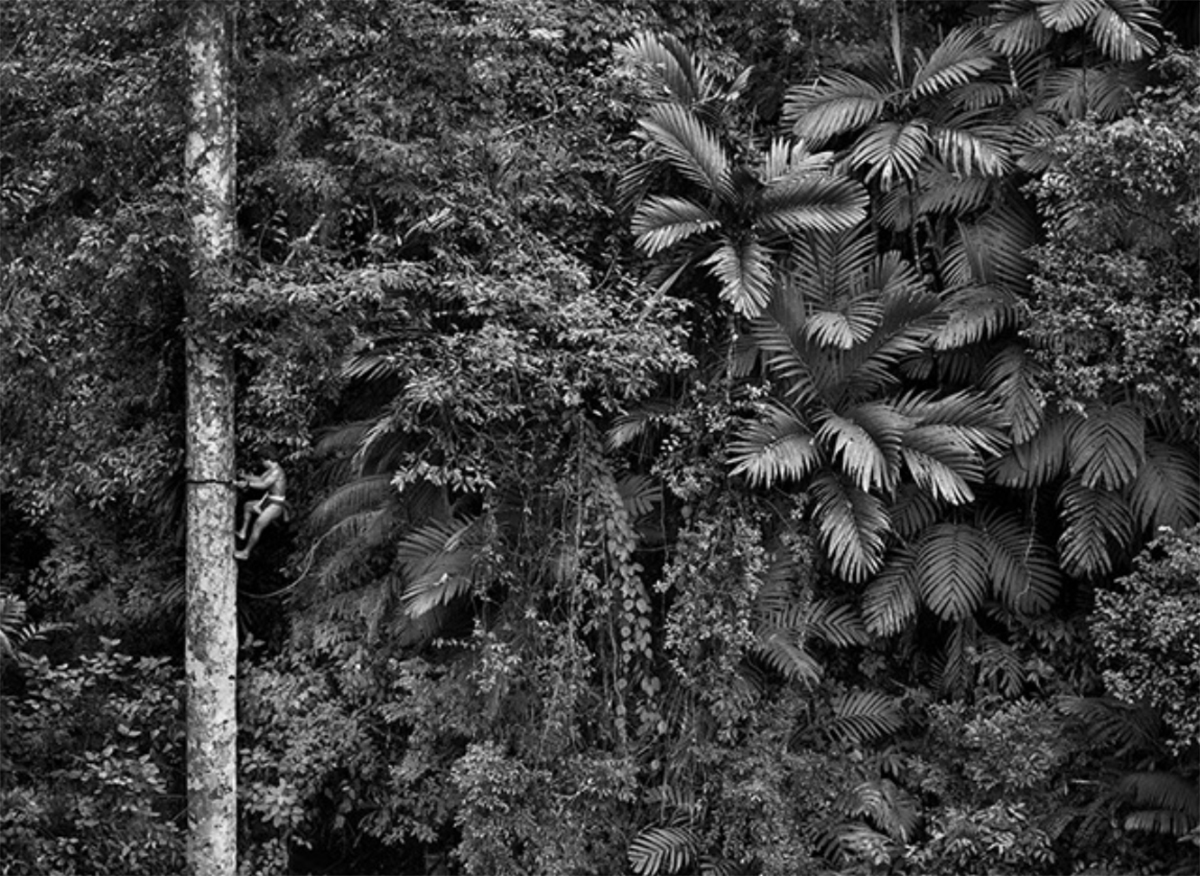
Mentawai Climbing a Gigantic Tree to Collect, 2008 by Sebastian Salgado
5 tips for building a sustainable art business:
- Art businesses should first evaluate their corporations in terms of ESG standards of conducting business and then, establish strategies and targets for the next few years.
- Take steps to reduce your greenhouse gas emissions, which can be direct or indirect emissions. However, it’s important to note that even after significant changes to operations, some emissions will remain.
- The next step is to calculate the remaining carbon footprint, and take responsibility by financially offsetting those emissions. Money can be invested in projects that plant trees or protect forests, support renewable energy programs, equal opportunity initiatives, or other sustainable business initiatives. Carbon offsetting, which is the process of funding emission-reduction initiatives in an effort to “balance out” your carbon footprint, is one step every responsible art business should take as part of its climate action plan. For context, to offset an equivalent amount of carbon to a cancelled coal power station, $300 million worth of trees would need to be planted. With the carbon calculator recently launched by the Gallery Climate Coalition, artists and galleries can make a good estimate at their carbon footprint and clarify where reductions can be made.
- Implement checks and balances for not only the environmental changes, but also the social and governance changes (which affect all stakeholders).
- Make your clients and employees aware of the steps you are taking, and encourage them to join you in this global effort for a sustainable future.
And here’s a final thought: as private collectors, family offices, or businesses, we are often inclined to reduce costs and taxes as much as possible, but I propose the introduction of a voluntary “Green Tax” on the buying and/or selling of art and antiques, which will benefit NGOs working on preserving the environment. Let us forget the short-term gain of wealth accumulation in favour of the long term gain of a greener planet for the next generations.
At the end of the day, it’s up to you to decide how you would like to contribute to a sustainable future, not only for the art industry, but for humanity.
Follow Sophie Neuendorf on Instagram: @sophieneuendorf
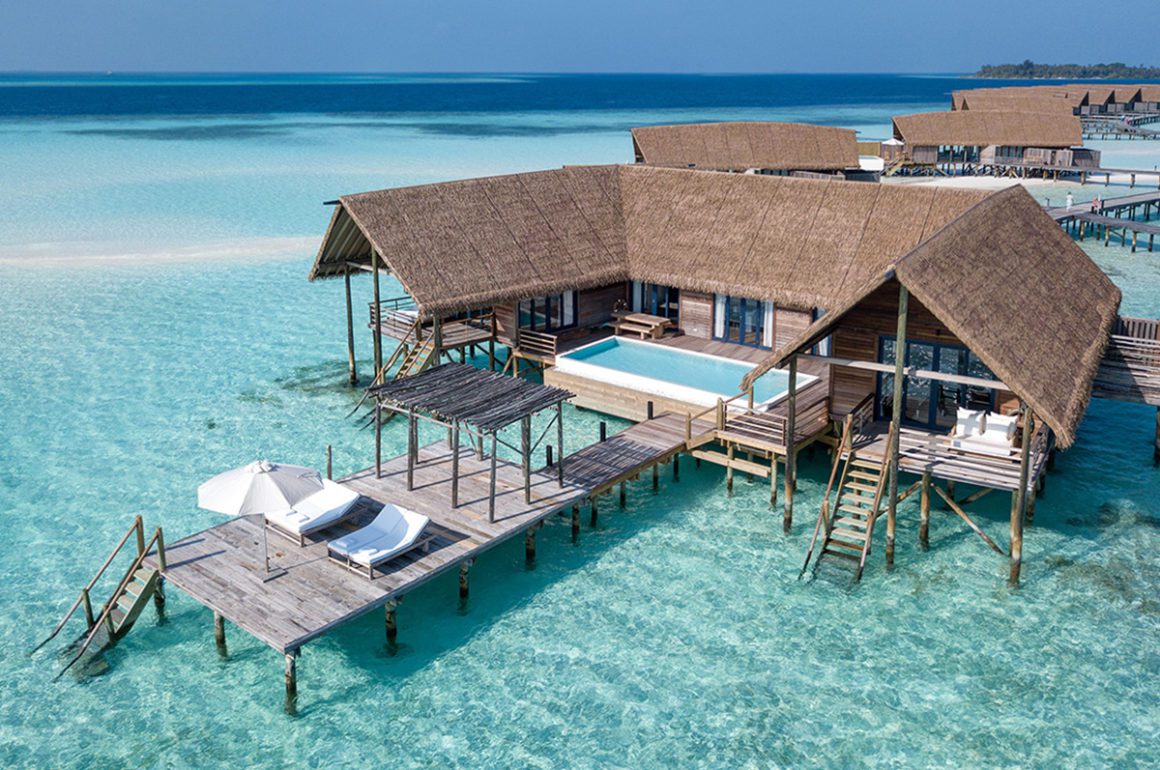
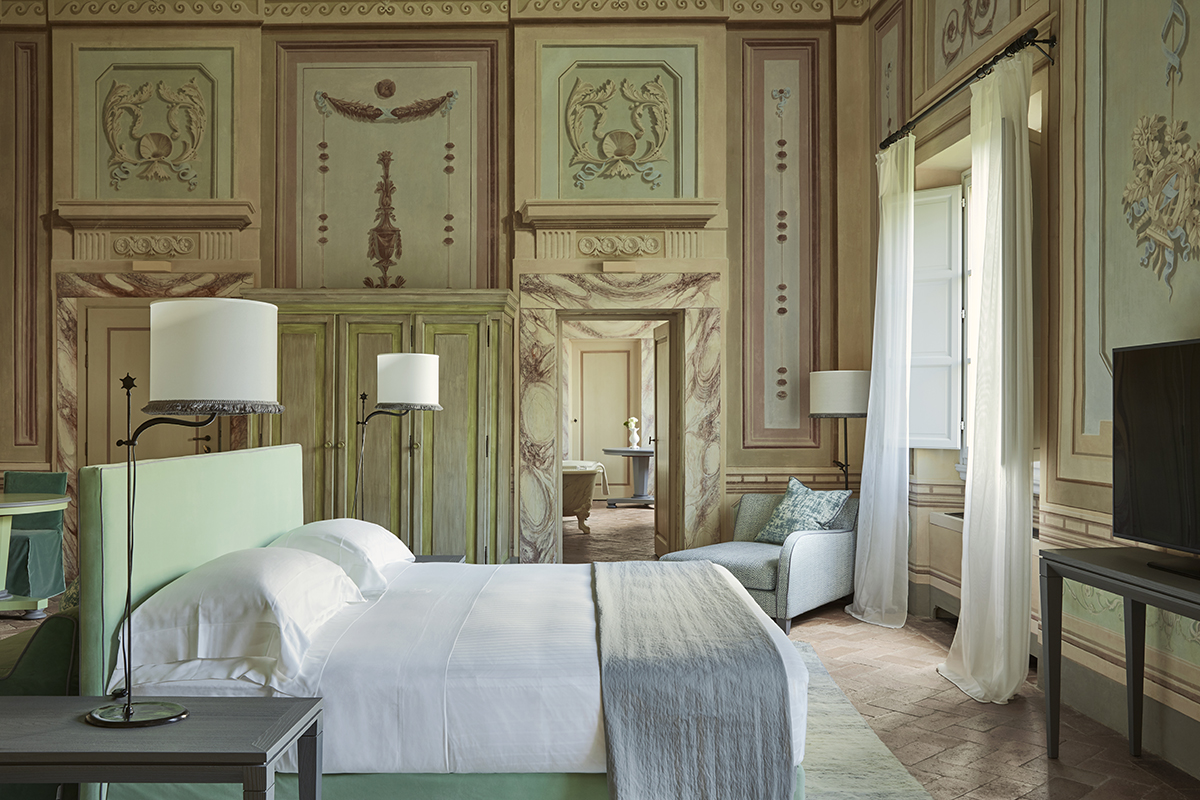
The Heritage Suite Bedroom at Castello Del Nero, Como Group’s latest opening in Tuscany
Olivier Jolivet has sat at the helm of COMO Group since 2017. He oversees the COMO Hotels and Resorts portfolio across 15 locations, and masterminded the launch of Castello Del Nero, the group’s first property in continental Europe. Here, Jolivet tells Chloe Frost-Smith why the luxury travel industry will see an increasing demand for small hotels, private residences and wellbeing experiences this year
Olivier Jolivet
LUX: What sets COMO apart from other luxury brands?
Olivier Jolivet: COMO and its businesses are unique in the luxury landscape. Since its inception, the shareholders stayed the same, which provides stability to the organisation and the opportunity to think long term. It’s a massive competitive advantage, especially when recruiting the right talents. COMO is not only a brand, it’s a ‘lifestyle‘ and this why we have invested in fashion, wellness, sport and will continue to do so in the future.
Follow LUX on Instagram: luxthemagazine
LUX: COMO is currently reopening properties in select destinations after temporary closure due to the pandemic. How’s that going?
Olivier Jolivet: One of our founding purposes at COMO has been our 25-year commitment to holistic wellbeing among customers, staff and the communities where we operate. As our properties re-open, we continue to adjust measures to remain in line with different government guidelines, and when we are in doubt of guidelines, we will always go further to ensure the safety of staff and guests.
In the long term, health isn’t ever a quick fix ,but a life-long commitment. This is the driving force behind COMO Shambhala – the wellness heart of COMO, which has always prescribed an integrative approach to wellbeing.
LUX: Can you tell us a bit about the launch of COMO Shambhala By My Side?
Olivier Jolivet: COMO Shambhala By My Side is an innovative digital wellbeing companion, launched by COMO Group’s holistic wellness brand, COMO Shambhala, to bring wellness programmes and personal consultations into homes around the world. The online platform brings together the holistic expertise honed at both COMO Shambhala Urban Escape in Singapore, and COMO Hotels and Resorts wellness locations around the world. Through the digital platform users can access COMO’s rich network of international experts. COMO Shambhala By My Side provides a sanctuary for those who seek tranquillity and the inspiration to stay active during these uncertain times and beyond.
The Bayugita Master bedroom at COMO Shambhala Estate, and above, the treatment room in the retreat villa
LUX: What’s your approach to sustainability for now and in the future?
Olivier Jolivet: No matter the location, we operate with the belief that we can deliver unique experiences for our guests while operating sustainably. We reduce our consumption and source locally, managing our water and energy to minimise our impact on the environment. We celebrate local culture and support the domestic economy, offering immersive and authentic experiences. This is true for all the business we operate.
We have a long-term philosophy and sustainability has always been a key part of our make-up – we just don’t feel the need to shout about it.
Read more: Why Sofia Mitsola is one of our artists to watch in 2021
LUX: You recently oversaw the brand’s first venture into continental Europe, Castello del Nero. Why Tuscany?
Olivier Jolivet: When you want to be an international lifestyle brand, it is difficult to avoid Italy. Tuscany is one of the most amazing regions of Italy with its history, its landscape, its tradition and food. You will always have a strong local market and a great international appeal.
The exterior of the chapel at Castello del Nero
LUX: You have managed two luxury travel brands with Asia-Pacific origins – your current role with COMO and your previous position at Aman Resorts. Is this coincidence, or is there something in particular that drew you to these destinations?
Olivier Jolivet: Even if these two brands have the same geographical origin, they are very different in their conception and in their history, and yes, I was very curious about it. What drew my attention is probably the myth around them and their huge potential for growth.
Read more: Artnet’s Sophie Neuendorf on the rise of a new Renaissance
LUX: Bhutan is a relatively unusual country to have in the portfolio. What is your thought process when it comes to scouting out new destinations?
Olivier Jolivet: We look for destinations with soul. Our hotels inspire people to live fuller lives and make a meaningful difference by creating experiences worth re-living, whether it’s meditating at an ancient Bhutanese temple or diving with manta rays in the Maldives. Our guests want to satisfy their quest to explore our destinations with COMO.
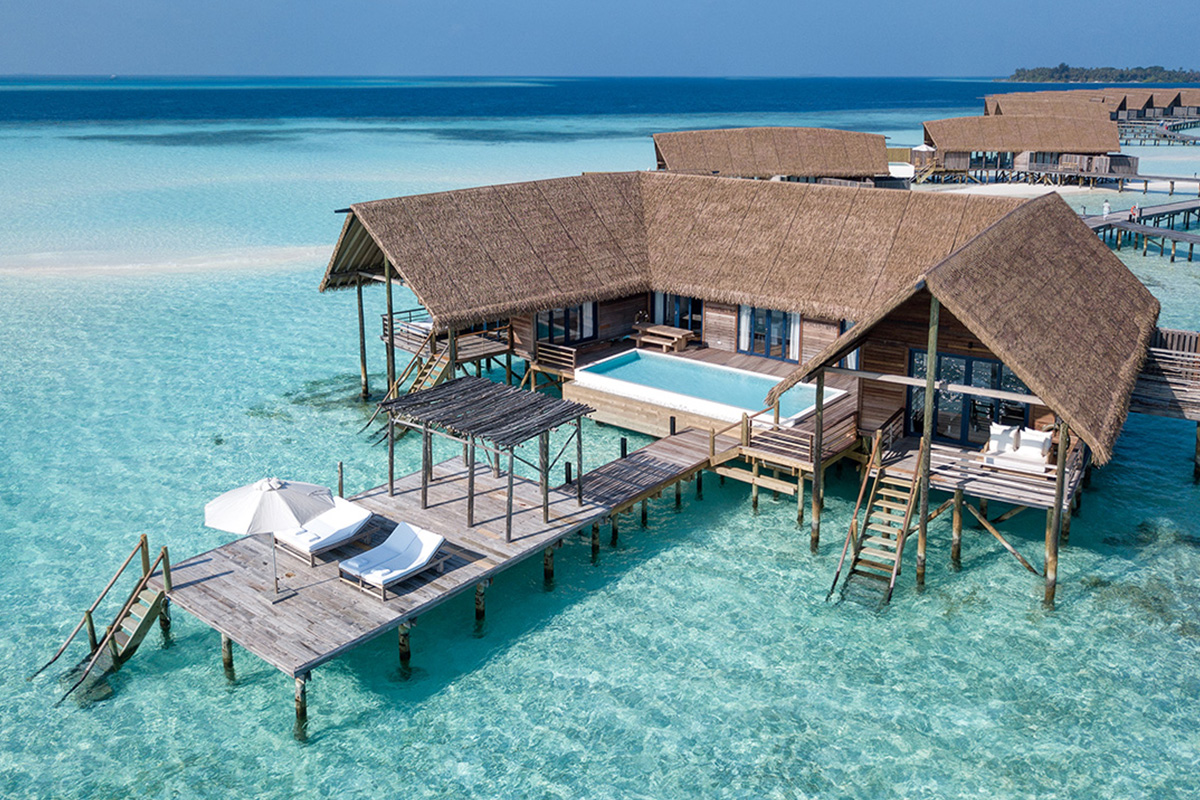
A water villa at COMO Cocoa Island resort
LUX: How do you think the coronavirus crisis will affect the luxury travel in general and your group in particular?
Olivier Jolivet: Travellers will opt for smaller groups, more intimate locations and specialised offerings instead of 300-bedroom hotels. Our hotel business model has always catered to this, focusing on the soul of each destination, offering limited rooms and suites, and catering to those who seek to improve their wellbeing. For COMO, it’s not about long-term change; our core philosophy toward proactive wellness isn’t changing, it’s just never been more front of mind. We are successful not by chance, but because we continue with our vision.
LUX: What travel trends do you anticipate emerging in 2021?
Olivier Jolivet: I have always said that luxury has something to do with space and intimacy. It is now more relevant than ever, and small destinations will prevail. Travellers are on a pursuit for privacy and intimacy, and we’ve noticed an increased demand for our private villas and residences, as well as private, exclusive experiences. I also predict there will be a strong emphasis on people wanting a wellbeing offering.
LUX: Do you have any new developments in the pipeline?
Olivier Jolivet: We are focusing on developing our lifestyle component by investing into new trends, new businesses and new destinations. We’re also in the process of launching our COMO Club, with access to the world of COMO from hospitality to wellness, sport and fashion.
Find out more: comohotels.com
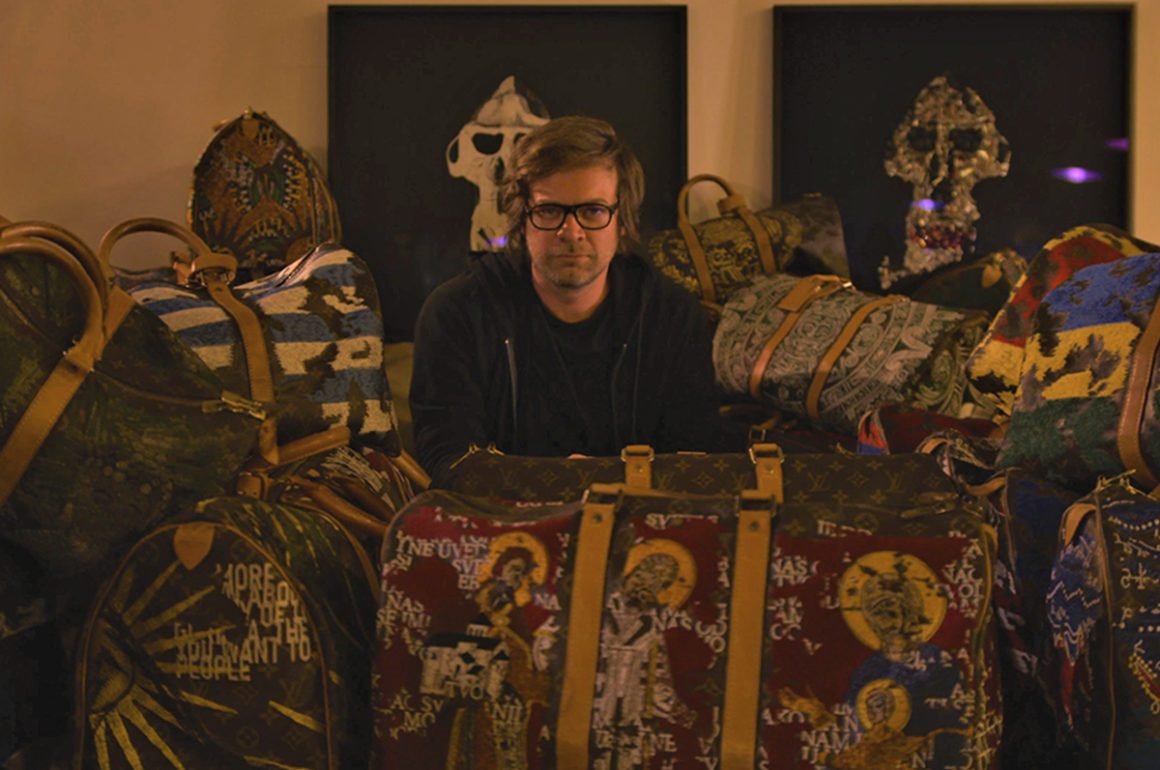
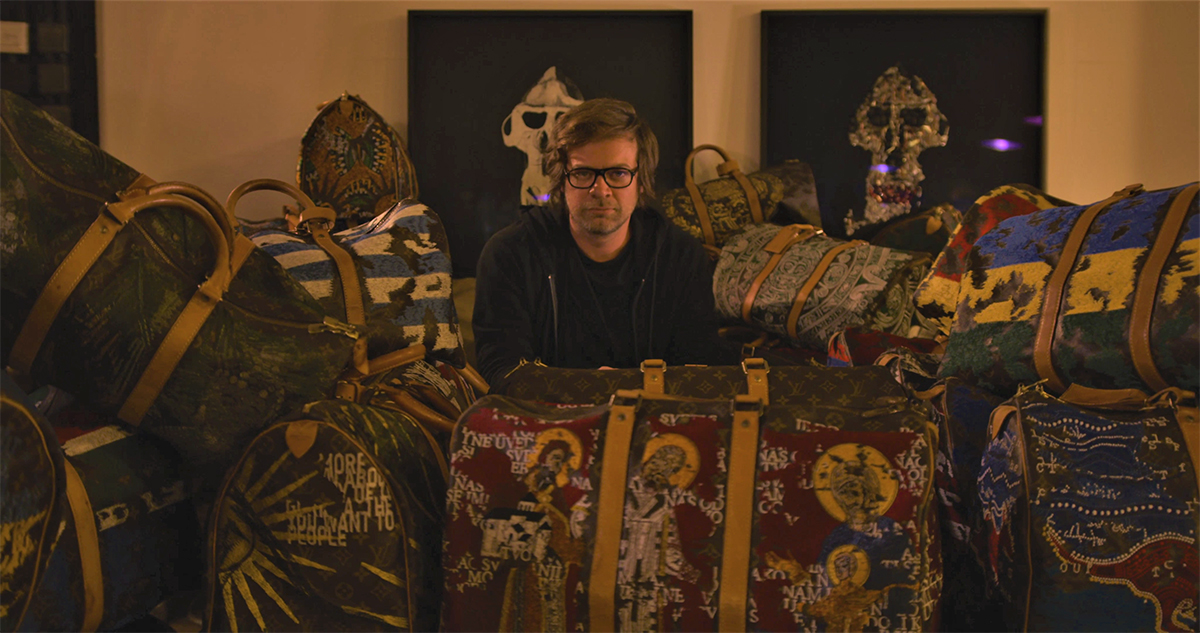
Jonathan Riss has designed a collection of bags exclusively for One&Only
Belgium-born designer Jonathan Riss is the founder of JAH AHR, a luxury brand which transforms authenticated vintage designer bags through embroidery techniques. His latest collaboration with One&Only Resorts – a collection of limited edition custom-designed vintage Louis Vuitton Keepalls – is inspired by the local heritage and culture of each of the brand’s destinations. Here, Abigail Hodges speaks to the designer about his creative process, sustainable fashion and the future of travel
1. What led you to start re-crafting iconic vintage fashion pieces?
We live in a society of significant over-production and if you analyse consumer behaviour, you quickly see that people prefer iconic pieces, not because of their value, but because of the work and effort to perfect these pieces over time so they too reflect the values and desires of society.
Follow LUX on Instagram: luxthemagazine
Today, there is an increasing demand for sustainability as well as individualisation. The idea that we not only take vintage objects and give them a new lease of life, but also to continue to work on them. To be part of this pursuit of perfection, but at the same time to continue to reflect the wants of society by offering singularly unique pieces is very interesting.
 2. Can you tell us your favourite story about one of the bags you’ve sourced?
There are so many stories across the different mediums that we are transforming. One that springs to mind for the Keepall collection is a bag we sourced in Moscow that was originally made in 1991, on which we placed the USSR flag as this was the year of the dissolution of the Soviet Union.
Another bag we found was in Hong Kong that was made in 1997 which was the year of the historic handover so we imprinted this bag with the Hong Kong flag. We also sourced some bags in Tehran which have our Persian rug design reflecting the philosophy of our collections, which is to highlight the imprint of the local culture where the object was used or sourced.
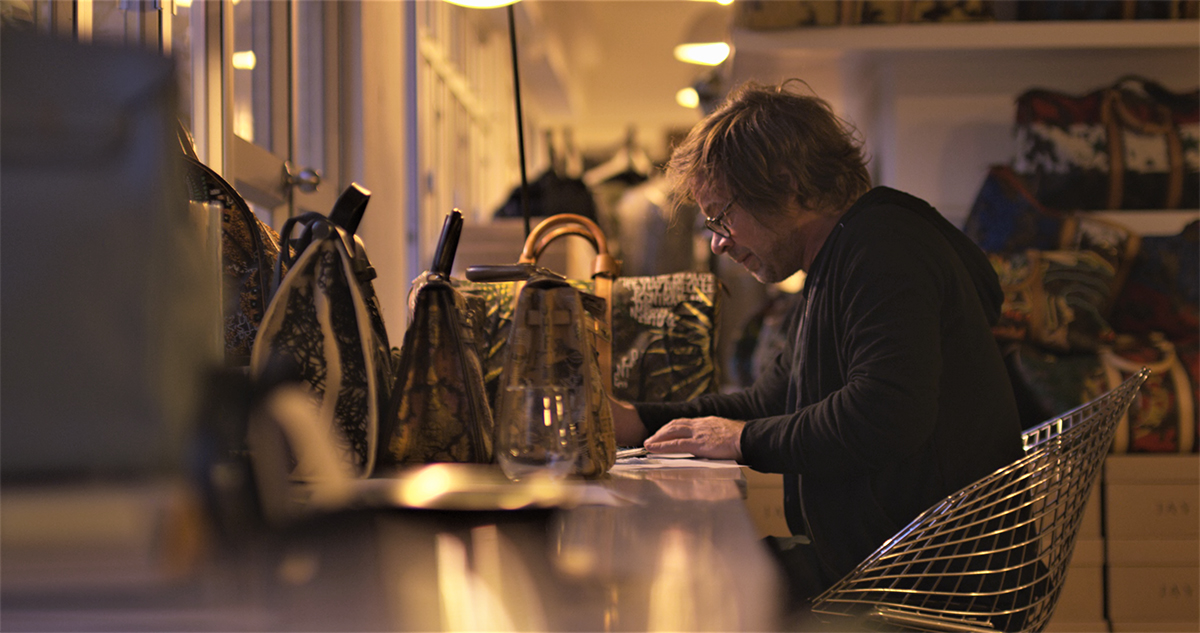
Riss at work in his studio
3. What does your design process typically involve?
The most important aspect of what we do is not the design itself, but the narrative that sits behind and around each piece. So the provenance often leads the design as the actual story of each object is much more interesting, and the design is an extension of the story, but of course, exploring different techniques of texture is a vital part of the design process enabling the execution of the narrative.
Read more: Win two life coaching sessions with Simon Hodges
4. How did your collaboration with One&Only come about?
This is a beautiful topic. One&Only owns a stunning portfolio of unique properties all over the world that really reflects the philosophy of our collection. The opportunity to create a bespoke heritage collection that allows us to showcase the cultural, social and natural aspects of each destination was an incredibly exciting opportunity as this is exactly what we do with all of our collections.
5. When deciding how to celebrate each destination, which elements were particularly important for you to highlight?
There are almost too many elements to consider, so again, we were often led by the bag itself. For example, for Cape Town we had a bag that was originally made in 1994 which was the first year of Nelson Mandela’s Presidency so we created a design celebrating the great man himself.
Similarly, we had a bag for Rwanda that was from 2002 which is when the new Rwanda national anthem was officially inaugurated so we placed the lyrics from the anthem on an interpretation of the national flag. For Dubai, we wanted to showcase the incredible architecture as well as the importance of Islam so we overlaid a blessing on the Dubai skyline. In Mexico, we are fascinated by the contrast of the colour and vibrancy of the Dia de los Muertos with meaning behind the celebrations. In Malaysia, we loved the romance of discovering ancient statues and carvings in the jungle. The breadth of inspiration is also important to us.
6. What’s inspiring you currently?
Given what has happened in the past year, I am getting excited by the future of travel, and how the quality and experience of travel will evolve. As we have seen, anything can happen that impacts society in a dramatic way so what is interesting is to see how we elevate ourselves and I am working on a new project thinking about this, so watch this space.
Follow Jonathan Riss on Instagram: @_jay_ahr_
To purchase one of Jonathan Riss’s bags for One&Only email: [email protected]
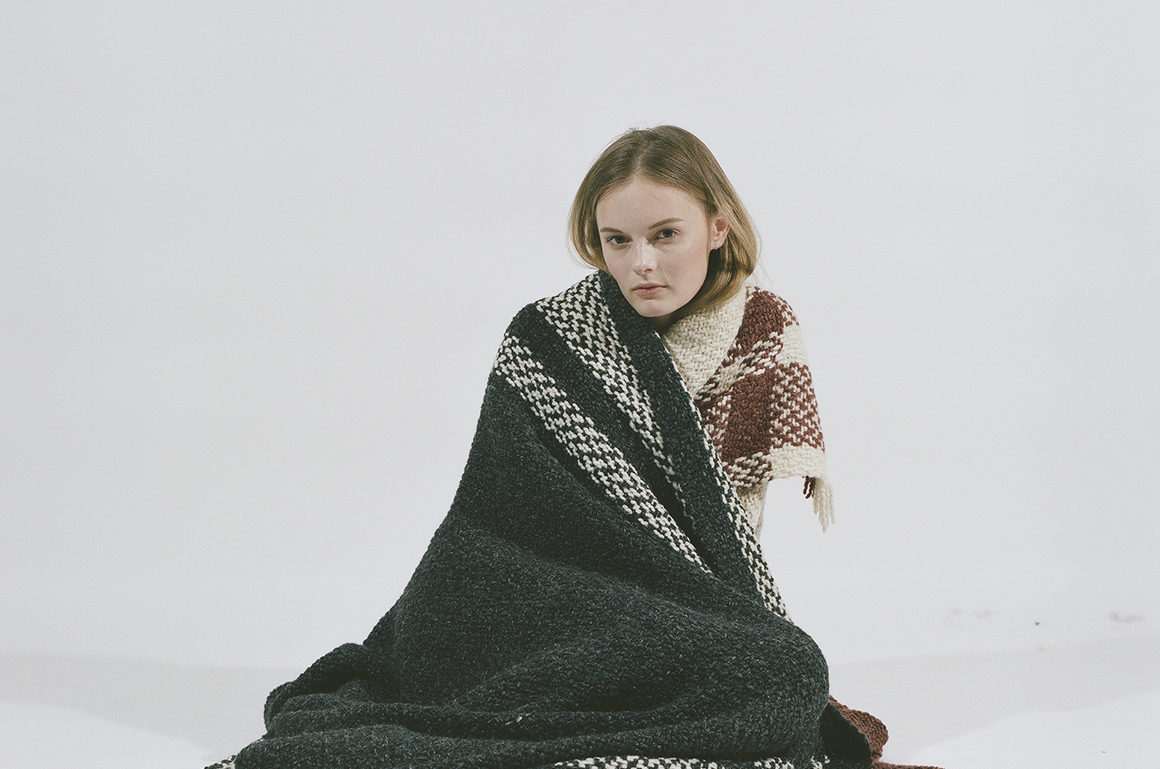
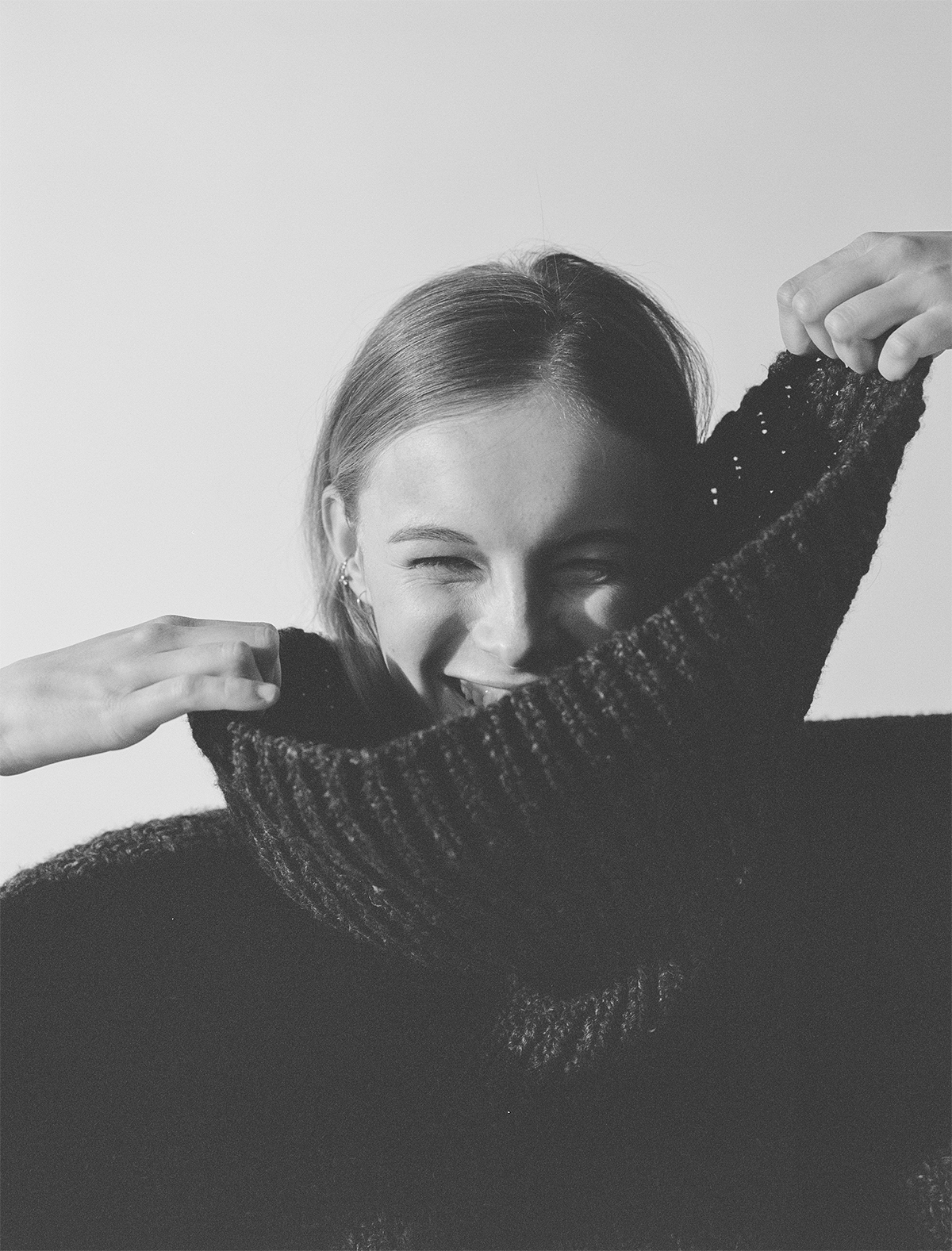
Palermo poncho by Aessai
London-based sustainable knitwear label Aessai was founded by Argentinian designer Rebecca Kramer in 2017 to celebrate and support South American craftsmanship. The brand works with local communities and female collectives to create its collection of shawls, sweaters and ponchos, using traditional weaving techniques and fine merino wool. Following the brand’s exclusive launch on MatchesFashion.com, Candice Tucker speaks to Rebecca about her design inspirations, working with small producers and the importance of conscious consumption
Rebecca Kramer
1. How was the concept for Aessai conceived?
Aessai was born out of the desire of doing something meaningful; creating a brand with a purpose. The name Aessai is derived from the phonetic spelling of ‘essay’ inspired by a series of interwoven memories and journeys between my Argentinian identity and my European adulthood. Weaving is a very symbolic practice throughout South America, which is where both the brand and myself come full circle with our roots.
Follow LUX on Instagram: luxthemagazine
The label embraces the skills of South American artisans entrenched in sustainability and transparency. It possess a social conscience at its heart with ethical and sustainable values that aim to make a positive impact on the life of the artisan producers and their communities.
2. What inspires your designs?
Aessai designs are inspired by indigenous artisans – they are their designs! I watch them braving the snow dressed in a poncho or weaving a beautiful alpaca blanket to sell in the market. I am the one who interprets their designs and essentially writes “the essay”
Condor wrap by Aessai
3. As you’re based in the UK, how do you ensure that ethical practices are being upheld in your South American workshops?
Our producers are small enterprises with responsible managers who are also part of the same communities; they all share the credentials of having a low environmental impact, being members of the World Fair Trade Organisation, and carrying out cruelty free practices. When a co-operative becomes too big or too overwhelmed we tend to diversify our production and look out for a smaller collectives helping to contribute to their growth.
Rosa blanket and La Paz scarf by Aessai
4. Sustainability has become something of a buzzword in the last few years, how can consumers ensure what they’re buying is actually sustainable?
Some brands are using the word as a marketing tool, some have sustainable ideas, some are pioneers and invest in the research for developing new textiles and fibres… I suppose if someone is really concerned about the sustainability and origins of a product they should always do a bit of homework and do the research before simply adding another article of clothing into their wardrobe.
Read more: Nadezda Foundation’s Nadya Abela on running a children’s charity
5. Do you think there’s a disparity between younger and older generations in terms of their attitudes towards ethical consumption?
I believe that today the average consumer has more acquisitive power and choices than ever before. However, they are also more informed and conscious about the environmental and social damage caused by over consumerism. The older generation were more careful about their consumption choices as the “fast fashion phenomena” simply did not exist.
Grace blankets by Aessai
6. What’s your five year vision for the brand?
We’ve been growing organically for the last three years consistently working on building a name for Aessai in a very saturated and competitive market. I think the time has come for the industry to promote and invest in small ethical brands. I do hope Aessai will be an established brand in the next five years and be in the position whereby it can have an influence on the consumer and be globally recognised for its quality products and work ethics.
View the collection: aessai.com
An underwater photographer wearing the Blancpain Bathyscaphe Flyback Chronograph. Image by Harald Hois
Swiss watch brand Blancpain has long championed the exploration and conservation of our oceans through their Bathyscaphe range of innovative underwater timepieces. Chloe Frost-Smith takes a closer look at the collection’s newest additions
Widely recognised as the luxury watchmaker for the underwater world, explorers, oceanographers and underwater photographers have worn Blancpain since their creation of the first modern diver’s watch, Fifty Fathoms, in 1953. The Swiss brand’s latest additions to the Bathyscaphe line delve into its deep-sea history while continuing its long-standing commitment to the protection of the oceans.
Follow LUX on Instagram: luxthemagazine
The Bathyscaphe Day Date Desert Edition and the Bathyscaphe Flyback Chronograph introduce an earthy aesthetic into the collection’s previously nautical palette, with two new colours in beige and green featuring on the strap and face of each model respectively.
The Bathyscaphe Flyback Chronograph
While the sandy tones of the Day Date Desert Edition might not immediately conjure up a connection to the ocean, they have been designed to evoke the Nevada Desert where Ernest H. Brooks II, a pioneer of underwater photography and contributor to the Edition Fifty Fathoms project, made a spectacular dive in 1962. Descending into the depths of Devils Hole in the infamous Death Valley in Nevada, Brooks photographed an endangered species of pupfish exclusively found in the Devils waters for the first time.
The Bathyscaphe Day Date Desert Edition
Although vintage in appearance, the Day Date Desert Edition is undoubtedly modern in mechanism. Boasting a five-day power reserve and a 43mm satin-brushed steel case which is water-resistant to 30 bar, the latest Bathyscaphe model comes with all the essentials for a diver’s watch which are also useful for daily wear.
Read more: Nadezda Foundation’s Nadya Abela on running a children’s charity
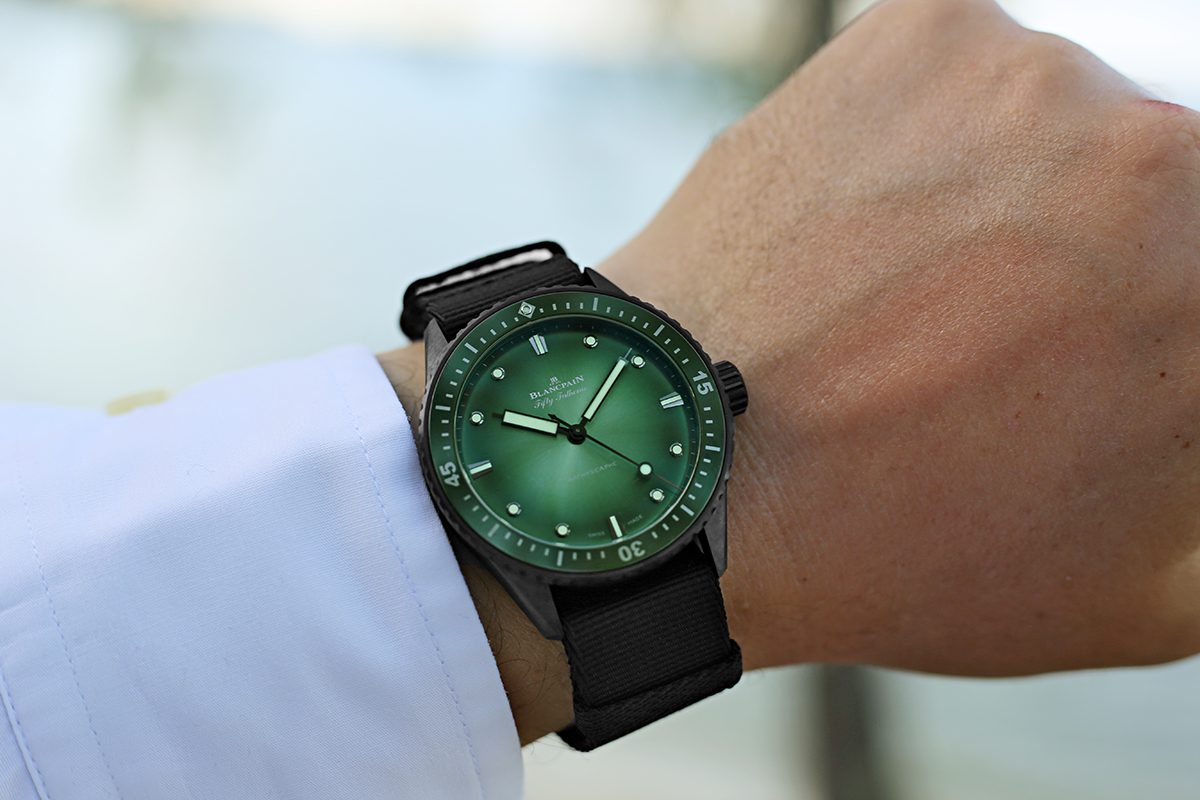
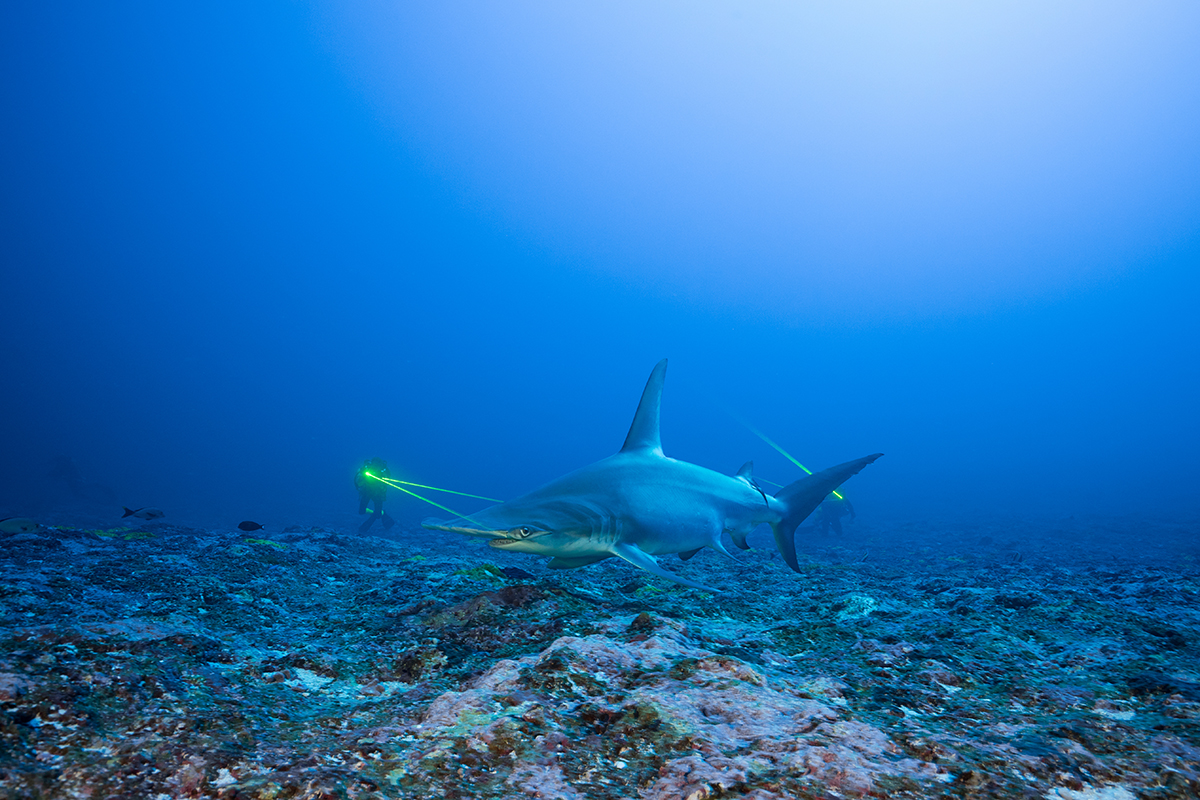
The Bathyscaphe Mokarran Limited Edition timepiece (above) and researchers with a great hammerhead shark. Image by Thomas Pavy
In addition to the brand’s annual support to expeditions and major oceanographic projects as part of the ongoing Blancpain Ocean Commitment, Blancpain is now dedicating a diver’s watch to the protection of the Great Hammerhead shark. The conservation-themed Bathyscaphe Mokarran Limited Edition is limited to 50 pieces, with $1,000 of each sale donated to the Mokarran Protection Society, a non-profit organisation that is committed to researching great hammerhead populations in French Polynesia. Fitted with a display caseback, the tropical green Mokarran is engraved with a hammerhead on the rotor of its caliber 1318 movement.
Find out more: blancpain.com
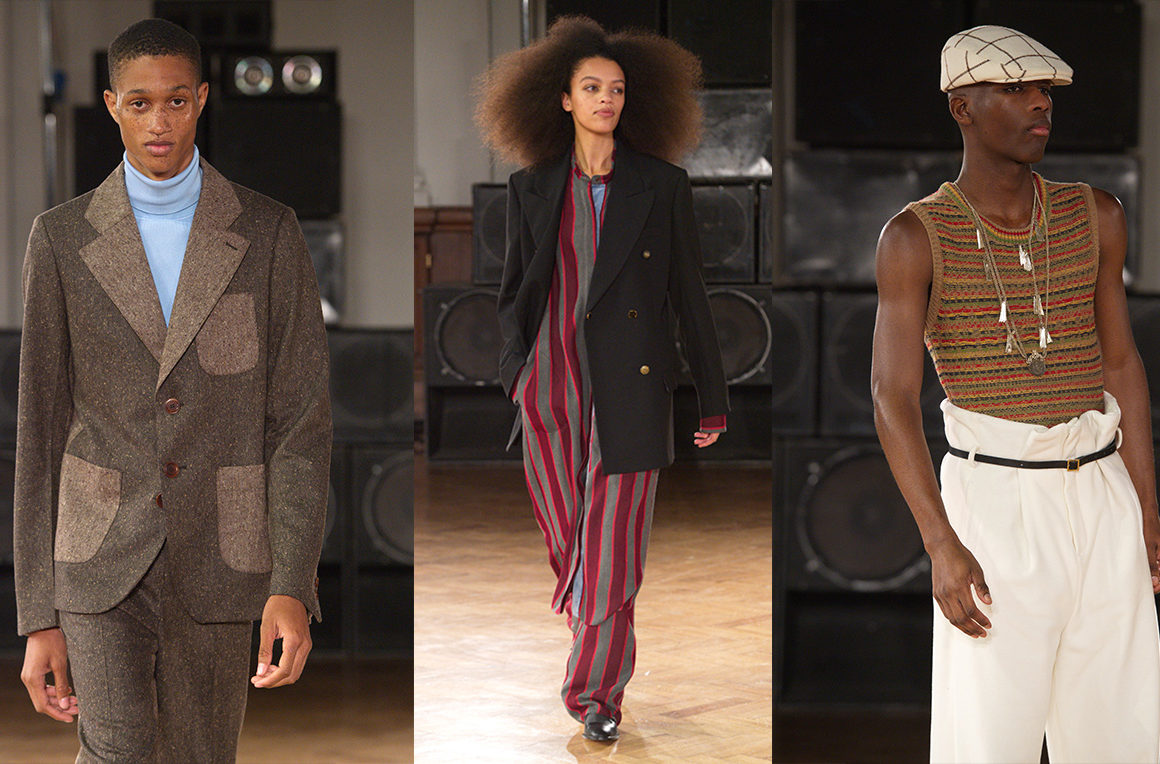
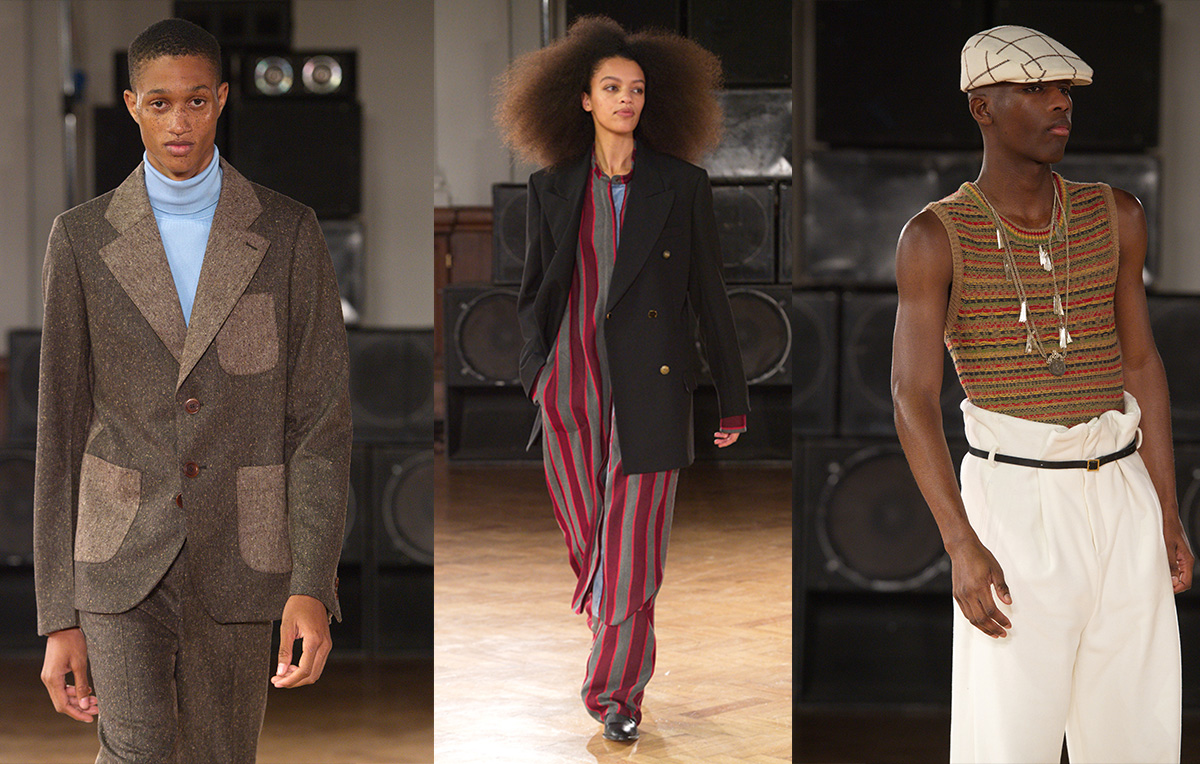
As the days get shorter and the light begins to fade, mark the seasonal changes with these warm-toned essentials
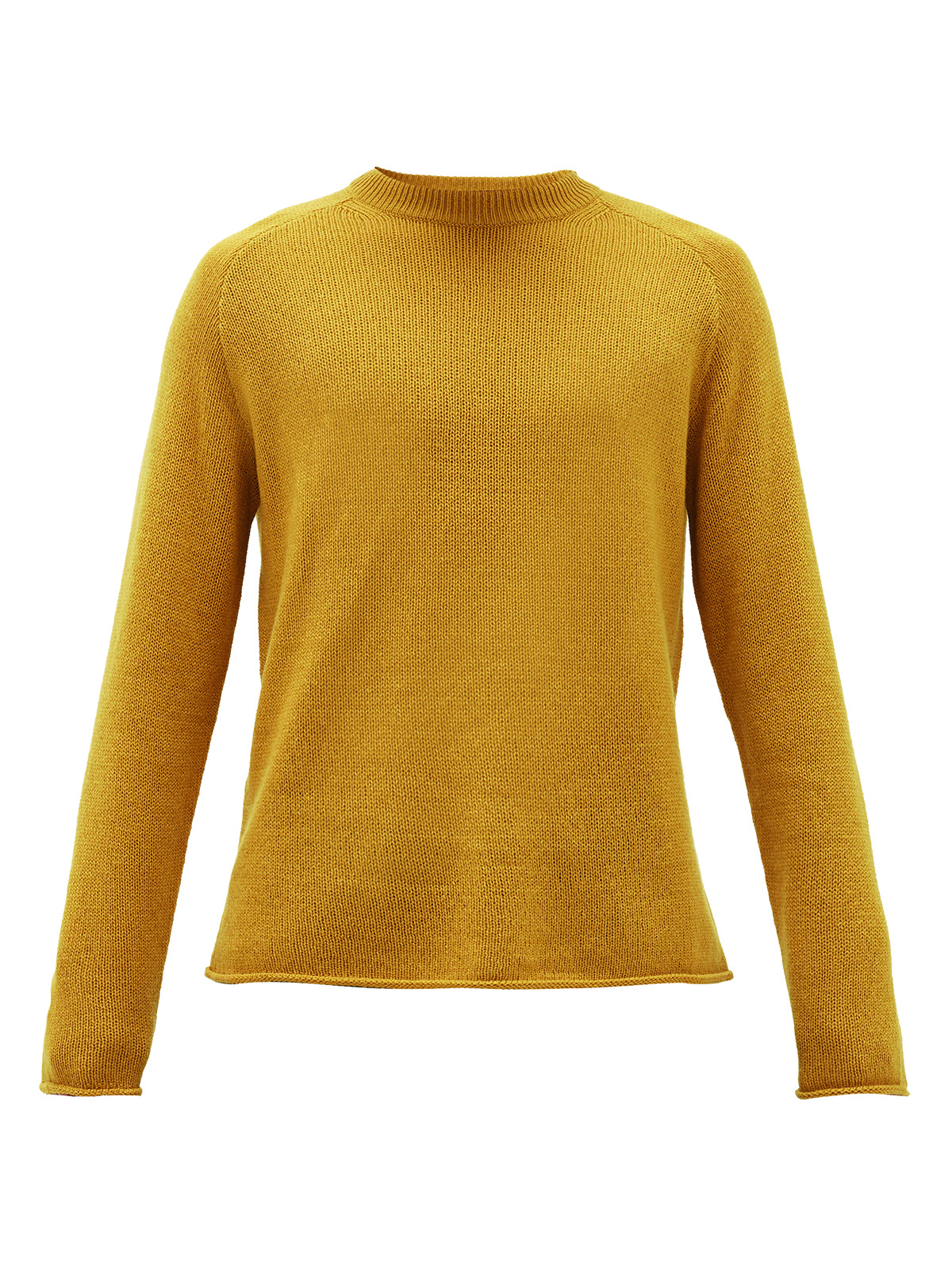
Founded by sisters Mary-Kate and Ashley Olsen, The Row is renowned for understated silhouettes inspired by the minimalist aesthetic of 1980s New York. Following this form, their mustard-yellow Ulmer sweater is knitted in soft cashmere with raw edges at the cuffs and hem
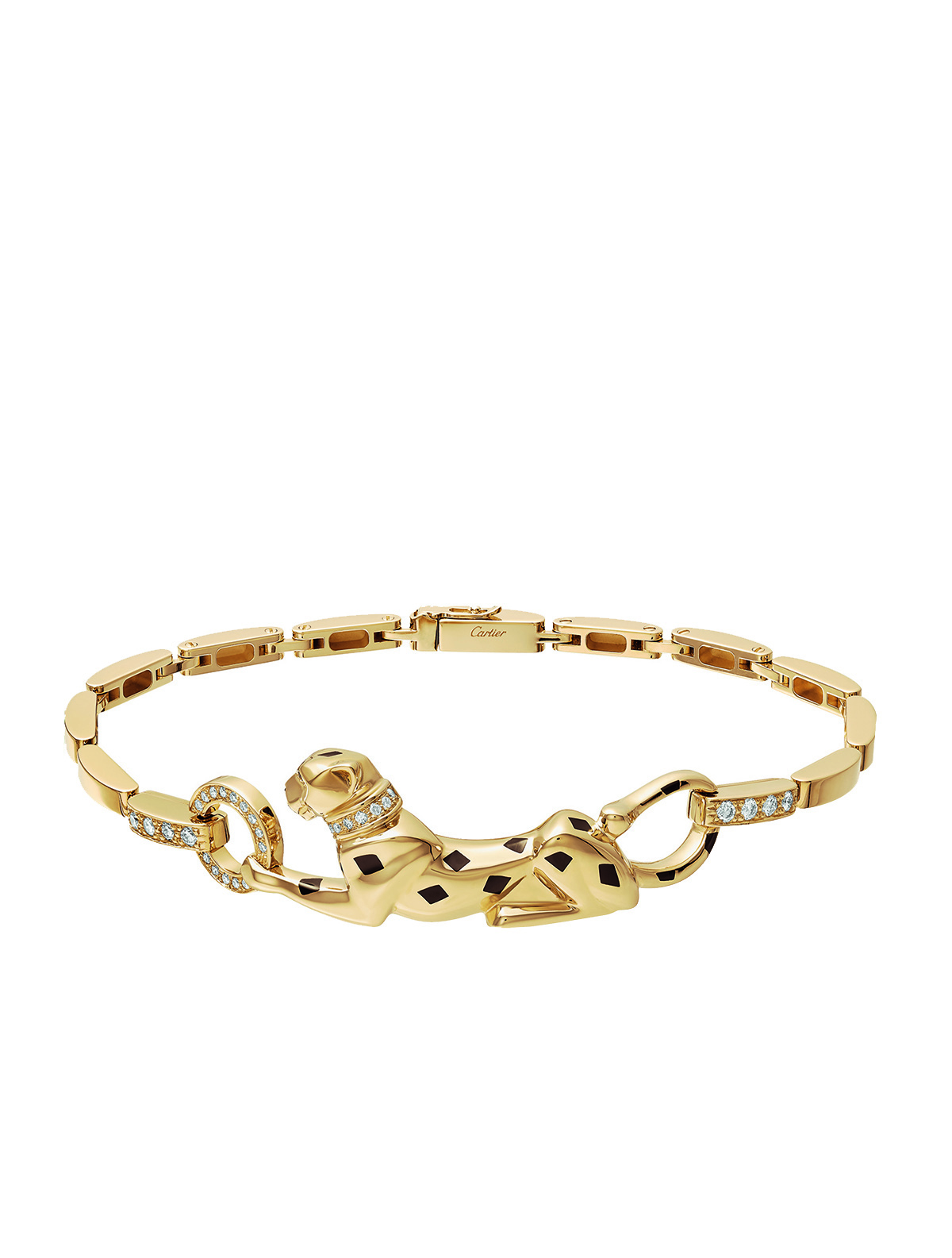
Cartier’s iconic panther motif, dating from 1914, has been reimagined many times to reflect different facets of the animal’s character. Here, the feline appears languid and graceful on a delicate 18k yellow-gold bracelet set with diamonds, tsavorite garnets and onyx.
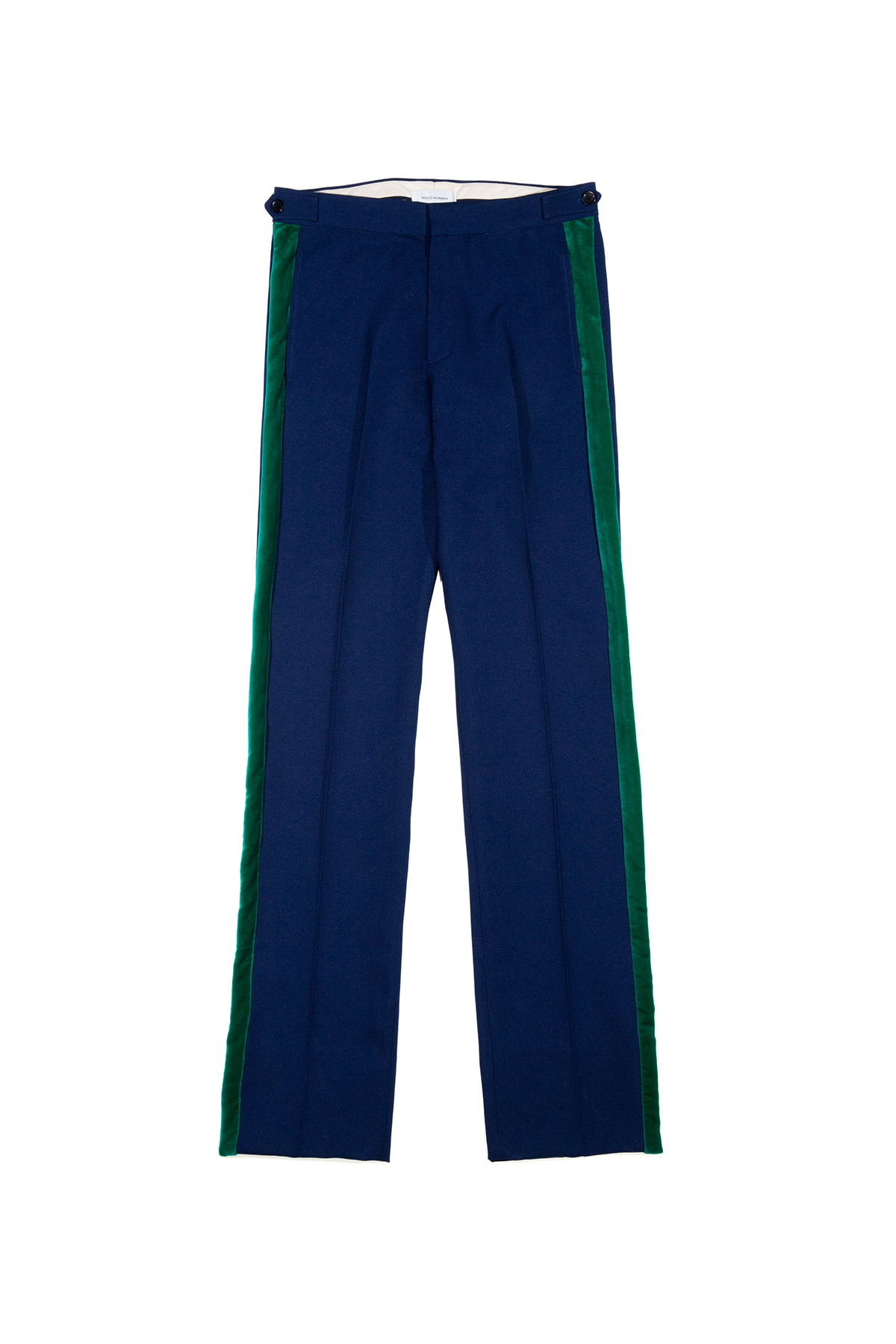
Known for her avant-garde menswear designs, Grace Wales Bonner’s collections are full of references from cultural research, mixing motifs from black culture with British tailoring techniques. These navy blue trousers with a velvet green stripe are one of our favourites.
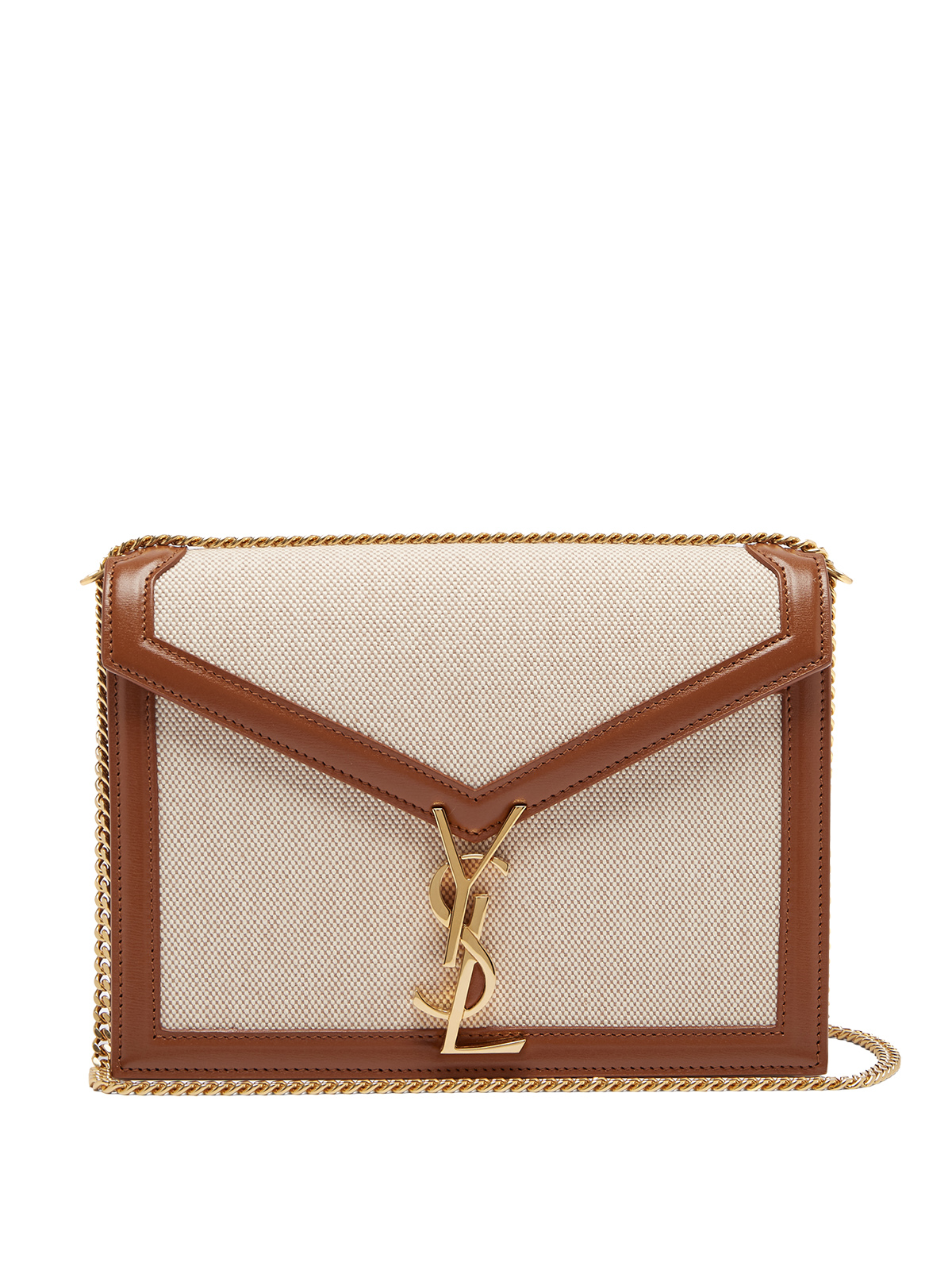
Crafted from beige canvas with a tan leather trim, this Cassandra shoulder bag by Saint Laurent takes inspiration from classic safari style. The gold-top YSL plaque opens to a tan suede interior with two spacious compartments and additional zip pockets
This playful multicoloured gilet by Gucci is made from a patchwork of gingham, polka dot and tartan fabrics. Embroidered lettering on the back reads “Gucci Band”, referencing the brand’s focus on togetherness. With a relaxed fit, it layers well over a jumper or jacket.
The Giona dress by Roksanda is inspired by the silhouettes of early 20th-century Gibson Girl images. In an eye-catching scarlet-red crepe, the dress falls in gathered tiers to a romantic floor-sweeping hemline with a high ruffled neck accented by burgundy velvet ties.
This article originally appeared in the Autumn/Winter 2020/2021 Issue.
Activist José Soares dos Santos on environmental responsibility

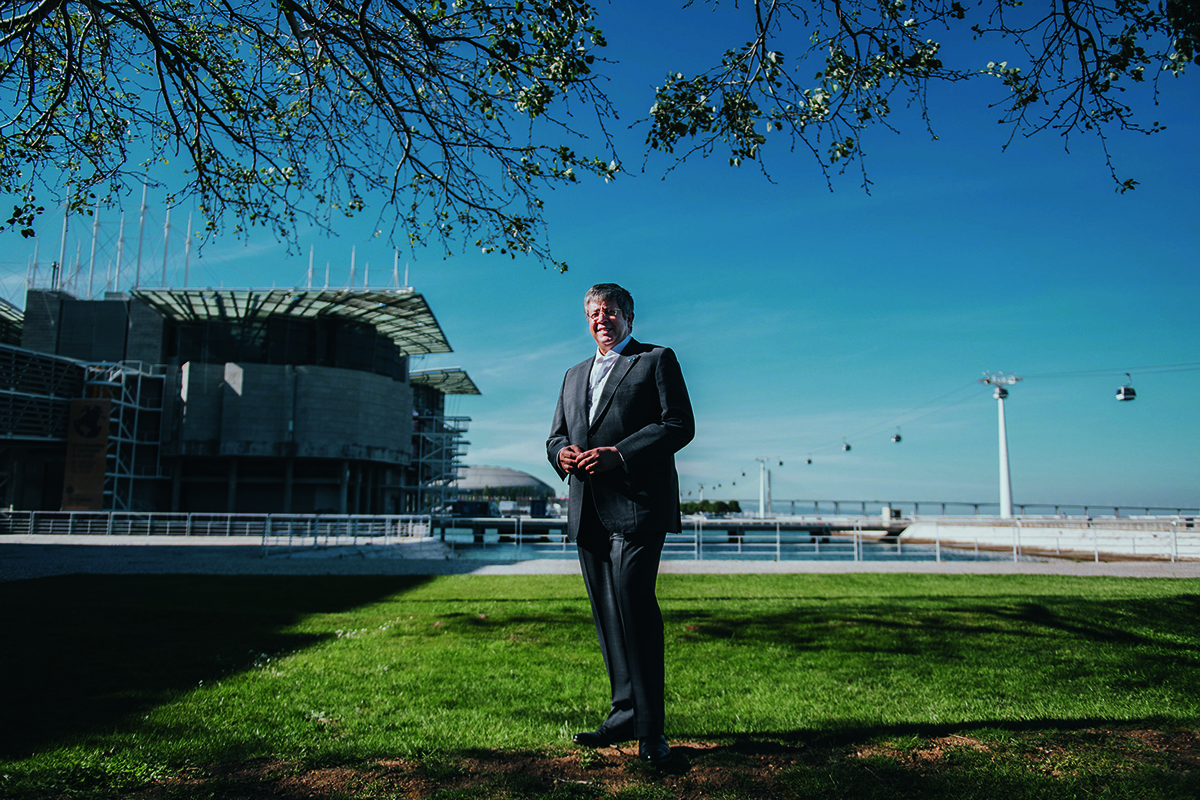
José Soares dos Santos outside the Lisbon Oceanarium
Through his Oceano Azul Foundation and game-changing Oceanário de Lisboa, Portuguese business leader and activist José Soares dos Santos is one of the foremost forces in Europe driving ocean conservation. LUX meets him to find out how he inspires politicians and his fellow philanthropists, business leaders and scientists to create a more sustainable future. By Andrew Saunders
DEUTSCHE BANK WEALTH MANAGEMENT x LUX
We have a responsibility to look after the oceans better, because the oceans look after us. That, in a nutshell, is the reason marine biologist and lifelong ocean-conservation activist José Soares dos Santos established the Oceano Azul Foundation in Lisbon, aiming to look at sustainability “from the ocean’s point of view”, as the foundation’s motto has it.
Follow LUX on Instagram: luxthemagazine
Whether it is the huge volumes of plastic that threaten marine life of all kinds, unsustainable fishing or the dangers of climate change-related ocean warming and acidification, dos Santos believes the marine environment is under pressure like never before. However, the crisis does not get the international attention and action that it deserves; it is time for businesses, investors, society and science to get together and spread the word.
“The fact is that the planet is a system, and if we don’t take care of the system there will be no businesses, no families and no proper life as we know it,” he says. “This is a responsibility we have and we had better do something about it.”

The central aquarium at Lisbon Oceanarium. Image by Pedro Pina
As executive director of one of Portugal’s largest and most successful business groups – whose Jerónimo Martins food distribution and retail business, chaired by his brother Pedro Soares dos Santos, had approximately €19bn in sales in 2019, with 115,000 employees and more than 4,400 stores – he used his commercial nous and network plus his marine biology training to bring together a group of experts, academics and businesses in 2014 to set up the Oceano Azul Foundation.
Read more: OceanX founders Ray & Mark Dalio on ocean awareness
“Together with my brother, we are at the head of our family group. We are the fourth generation of a very hard-working family,” dos Santos explains.“We have capital to deploy and we can call in interesting people with very good information. We have the means, and we also believe that we have the obligation to act.”
Why focus on the ocean? Portugal does of course have a long and illustrious maritime heritage, but dos Santos is motivated by his concern that the public lacks an awareness of the vital role that oceans play in sustaining life on earth. Even though the oceans cover 70 per cent of the world’s surface, the threats they are facing are poorly understood outside the scientific community. “We are talking about the oceans because there is a lot of curiosity about them. People often ask me questions about the oceans, but I am extremely surprised how little people know about them.”

King Philippe of Belgium and Queen Mathilde at the Oceanarium during their official visit to Portugal, 2018. Image by João Maria Catarino
Dos Santos points out that the oceans are not only home to 15 per cent of all known living species, but also produce over half of all the world’s oxygen, and, in the long term, has the capacity to absorb 50 times more carbon dioxide than the atmosphere. They also act as a massive heat sink to slow down the impact of global warming. They are an important source of food, resources and jobs – the OECD estimates that the blue economy could be worth $3 trillion by 2030, double its 2010 value. Human beings may live on land, but we are highly dependent on healthy, productive and sustainable oceans to enable us to do so.
Hence the foundation’s successful initiative, RISE UP – A Blue Call to Action. This is a joint initiative involving everyone from local fishing communities, foundations, indigenous people’s organisations and conservation groups, such as Ocean Unite and Environmental Defense Fund. Its campaign agenda was launched in May 2019 and presented to UN Secretary General António Guterres in February this year.
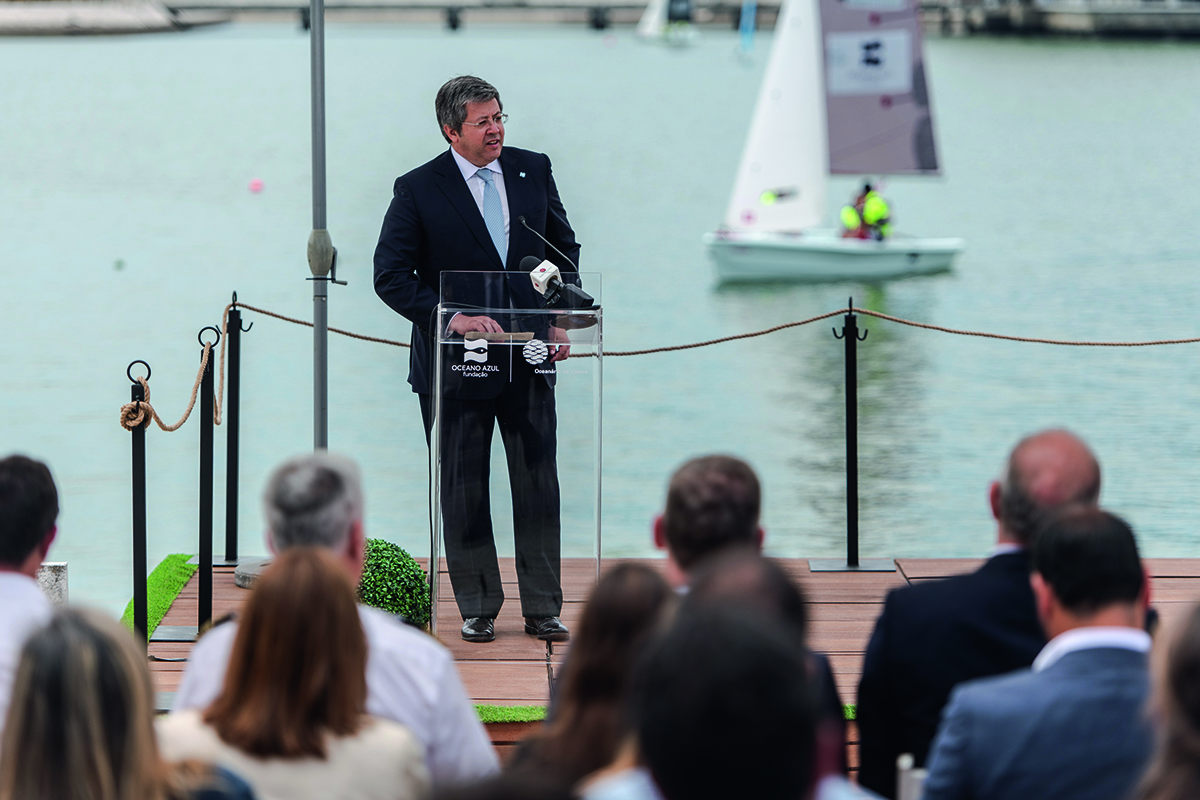
José Soares dos Santos announcing the donation of nautical equipment to the Portuguese National School Sports network by the Oceano Azul Foundation, 2019
Dos Santos was determined that the Oceano Azul Foundation would not be just another politically motivated pressure group pursuing its own narrow agenda, but instead a collaborative platform uniting marine conservationists, science, academia, business and society, as the collaborative and partnership-based RISE UP campaign, with over 400 organisations signed on in support. “We must keep science inside the foundation,” he says, “because we are not politicians and we cannot drift into politics. If we do that, we will be exactly the same as many other foundations and pressure groups. The world needs something different, not just another one of those.”
In particular, his view on the primacy of business and private investment in building a strong and self-sufficient culture of ocean stewardship marks out the Oceano Azul approach to sustainability as something out of the ordinary. “Our philosophy is not to donate money but to invest it. We believe that it is very important to take care of the planet but that we shouldn’t just give all that responsibility to the government.” He continues, “I find it very hypocritical when people say it is up to the government to change things. No! We elect the government, and we should say what we want.”
Read more: Nadezda Foundation’s Nadya Abela on running a children’s charity
Oceano Azul has also teamed up with the Calouste Gulbenkian Foundation to develop the Blue Bio Value business programme, an accelerator scheme to help new and sustainable blue-economy business ideas to grow faster and more effectively. A vibrant blue economy provides jobs and generates returns that can in turn be used to protect the ocean environment. “We believe in investing to create jobs, create value and to create social value,” he points out.
The programme, now in its third year, helps innovative marine biology-based businesses to scale up. Applicants undergo a rigorous due-diligence process that can lead to a prize corresponding to €45,000 awarded to the best start-up or start-ups, as well as access to coaching and mentoring services and valuable business networking opportunities. So far, 28 businesses from 15 countries have benefitted from the programme, ranging from Biosolvit, a specialist in offshore clean-up materials made from discarded biomass, to sustainable aquaculture engineering start-up SEAentia.

The Lisbon Oceanarium studies vulnerable and endangered ocean-dwelling species, including birds such as this Atlantic puffin. Image by Pedro Pina
At the heart of dos Santos’s mission to provide better information and education about the role of the ocean in maintaining a healthy planet lies the Oceanário de Lisboa. The newly refurbished facility is the largest indoor oceanarium in Europe and one of the city’s major attractions. Home to large collections of marine life, it had 1.4 million visitors in 2019.
“The Oceanário de Lisboa is at the heart of what we do,” he explains. “People go there and the effect on them is fantastic. They can see that below the surface of the water, the ocean is a place full of life that we have a responsibility to protect.”
Read more: British artist Petroc Sesti on his nature-inspired artworks
When he is not chairing the Oceano Azul Foundation, dos Santos is heavily involved in the family business. It’s no surprise that he is a staunch advocate of the ability of business owners to move the dial on ocean sustainability. “Business owners can change this,” he says. “I am a great believer in owners because they have a longer term perspective than financial markets.” He is at pains to point out that while he fully appreciates the importance of the financial markets, he is also aware that the long-term view required for sustainability can be at odds with short-term market expectations of publicly owned companies. “You need courage to do this; it’s not always good for your short-term share price,” he says.

José Soares dos Santos with the UN Secretary-General António Guterres at the opening of an exhibition at the Oceanarium, 2020. Image by Pedro Pina
As an example, he cites his family’s decision to remove all plastic from its businesses’ supply chains. “This is a huge transformation. It will cost a lot and take many years.” A publicly owned firm would struggle not only with the complexities of executing such a decision, but also with shareholders and hedge funds that prioritise short-term profitability. Consequently, such businesses may want to do the right thing, but be unable to follow through, he says.
By contrast, successful privately held family businesses are often built on long-term investment strategies. They appreciate the win-win of sustainable investing, but in turn often lack good quality information about what to invest in. This, too, is where the Oceano Azul Foundation has a role to play. “When we talk to owners, we can see they are worried. But they often do not know what to do. This is the bridge we have to cross – I can go out there and explain the issue, but I also have to provide the instruments.”
Read more: Marine biologist Douglas McCauley on environmental philanthropy
Creating the right framework for sustainable blue economy investment is thus crucial, he says, and the Oceano Azul Foundation’s Blue Azores programme is a model for how this can be achieved. The Azores, an autonomous region of Portugal, is an Atlantic archipelago that is home to some highly diverse and under-pressure marine environments and ecosystems. In partnership with the Regional Government of the Azores and Waitt Foundation, the Foundation has run two scientific research expeditions, the result of which was the February 2019 signing of a memorandum of understanding for both the conservation of those environments and the sustainable development of resources and fisheries within the area.
As a result of the memorandum, 15 per cent of the Azores Exclusive Economic Zone will be designated as marine fully protected areas, with comprehensive plans for the sustainable development of resources and fisheries within the zone – in line with the UN’s 2030 sustainable development goals, among others – to follow.

The Oceanarium building, designed by Peter Chermayeff in 1998. Image by Pedro Pina
Blue Azores is a great example of what can be achieved through a marriage of government, society and business investment, says dos Santos. “The Azores government has an outstanding leader who appreciates the need to take political decisions that will go beyond his term of office. It makes the Azores a very good place to invest, because there are programmes there that you can measure, and you can see making a difference. They will be good for the fishing industry, but also for the preservation of the oceans.”
It’s precisely that kind of win-win that dos Santos believes is key to building a stronger, better understood and more resilient approach to marine conservation and development. It’s a big job, but he has faith that it can be done – and more quickly than you might expect. “I am a great believer in humankind – given the right circumstances, we are capable of achieving extraordinary things and really making a difference to the planet.”
Lisbon Oceanarium
Opened in 1998 and designed by architect Peter Chermayeff, who also conceived the design for the Osaka Oceanarium, the spectacular Oceanário de Lisboa is home to some 16,000 marine organisms representing 450 species from across the globe. The attraction’s centrepiece is a vast tank containing five million litres of sea water, in which approximately 100 species – including sharks, rays and a giant sunfish – swim in near-ocean conditions.
The Oceanario is also the base for dedicated teams of experts in education and ocean conservation, including more than 30 highly qualified marine biologists. Its educational outreach programmes reach more than 100,000 school children every year.
Find out more: oceanoazulfoundation.org
This article originally appeared in the LUX x Deutsche Bank Wealth Management Blue Economy Special in the Autumn/Winter 2020/2021 Issue.
Bridgewater Capital founder Ray Dalio on ocean philanthropy
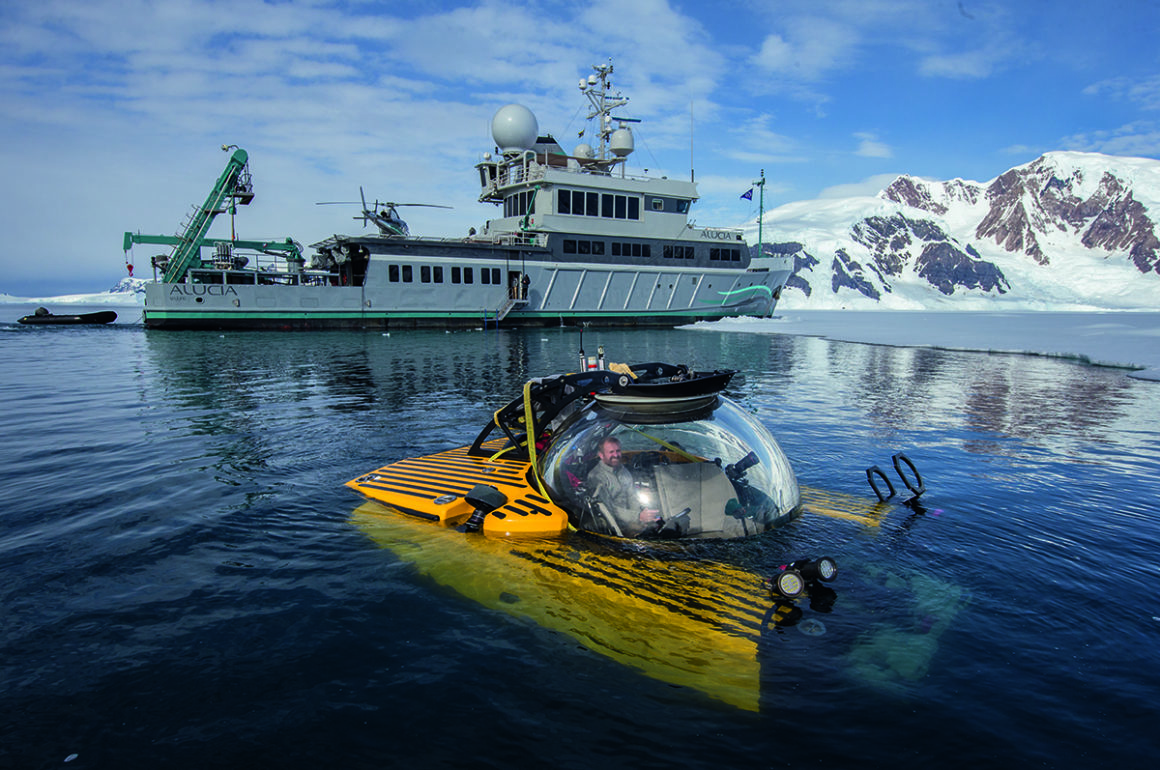
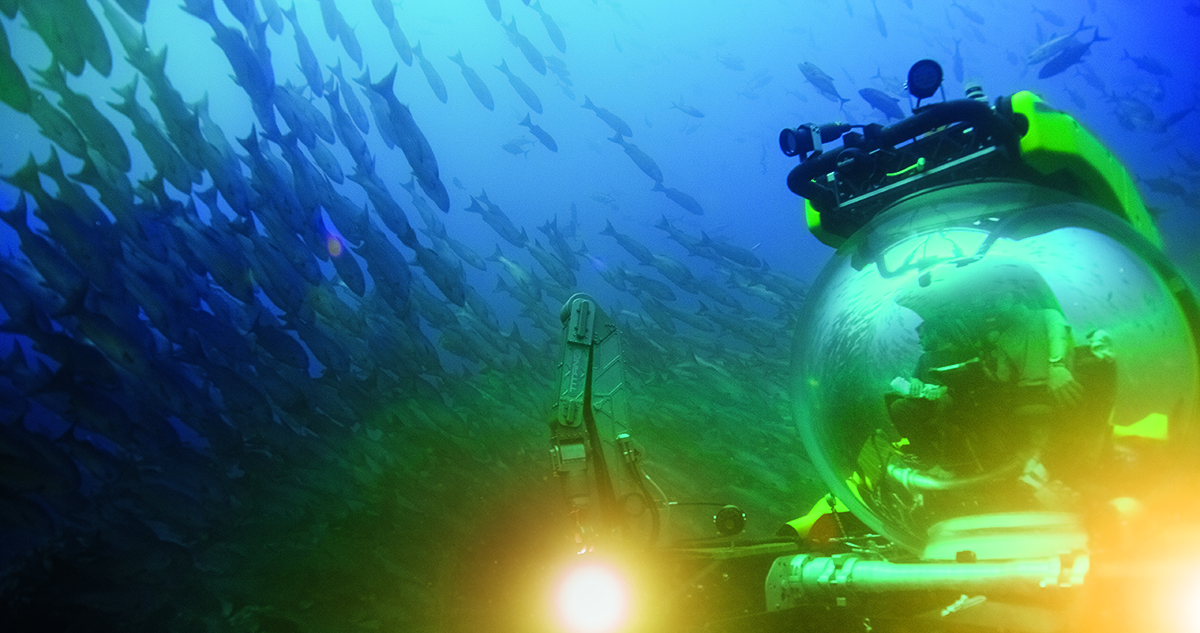
OceanX’s sub Deep Rover filming for ‘Blue Planet II’ in Cocos Island in the Pacific Ocean, 2015. Image by Ian Kellett.
Once the sea casts its spell, it holds you in its net of wonder forever. So said the legendary Jacques Cousteau, and so it is with Ray Dalio, founder of Bridgewater Associates, one of the world’s largest hedge funds. Together with his son Mark, Dalio created OceanX to raise awareness of the seas through exploration, film, media and science. LUX speaks to them about their visionary philanthropic venture. By Sophie Marie Atkinson
DEUTSCHE BANK WEALTH MANAGEMENT x LUX
Ray Dalio. Image by Didier Noirot.
In an age when several billionaires have set their sights on a new age space race, Ray Dalio’s heart belongs to a different frontier.
It’s one that, unlike our solar system, has seen untold destruction over the past 50 years alone. Coral bleaching is the devastating result of climate change, chemicals used in agriculture routinely end up in the water, killing marine plants and shellfish, and, according to Greenpeace, a truckload of plastic is tipped into the ocean every single minute.
Fascinatingly, the recent coronavirus pandemic has seen marine life rebound. A decline in the number of visitors to beaches has allowed endangered species of turtles more space to lay their eggs. Quieter oceans have led to incredible footage of marine life resurging around the world, including pods of dolphins and sperm whales off the coasts of Fujairah in the UAE and Sri Lanka. But how do we harness this effect, one of the few positives to emerge from an otherwise devastating situation? Ray Dalio – philanthropist, entrepreneur and founder of Bridgewater Associates, one of the world’s largest hedge funds – has a few ideas.
Follow LUX on Instagram: luxthemagazine
Dalio, who started Bridgewater in his two-bedroom apartment in New York in 1975 before growing the firm into one of the most important private companies in the US, first felt the tug of underwater exploration decades ago. Like many others, his interest was sparked by the father of modern-day diving.
“I watched Jacques Cousteau’s films and documentaries growing up,” explains Dalio, whose personal fortune is almost $19 billion, “and they made me incredibly curious about the underwater world. I’ve always felt this pull towards nature and the wilderness. I started diving in my early 20s, I think. At first, I would charter a boat, then I bought one of my own.” But a yacht, which to many others of significant wealth would be the natural next step, never appealed to Ray, who has given away more than $760 million to philanthropic causes and has called the US wealth gap a national emergency. “I wanted an exploration boat,” he says. Half a century later, Dalio and his converted lift ship, a much-coveted exploration boat, have been central to several high-profile aquatic missions.
So far, MV Alucia has helped capture the first-ever footage of the elusive giant squid; aided in the search for Air France Flight 447; taken Leonardo DiCaprio on a submersible dive for his documentary film, Before the Flood, and travelled to new depths for BBC Earth’s Blue Planet. The last of these was made in partnership with OceanX (formerly Alucia Productions), of which Dalio is Founder and his youngest son Mark is Founder and Creative Director. OceanX’s sole mission is to explore the ocean and reveal its discoveries to the world.
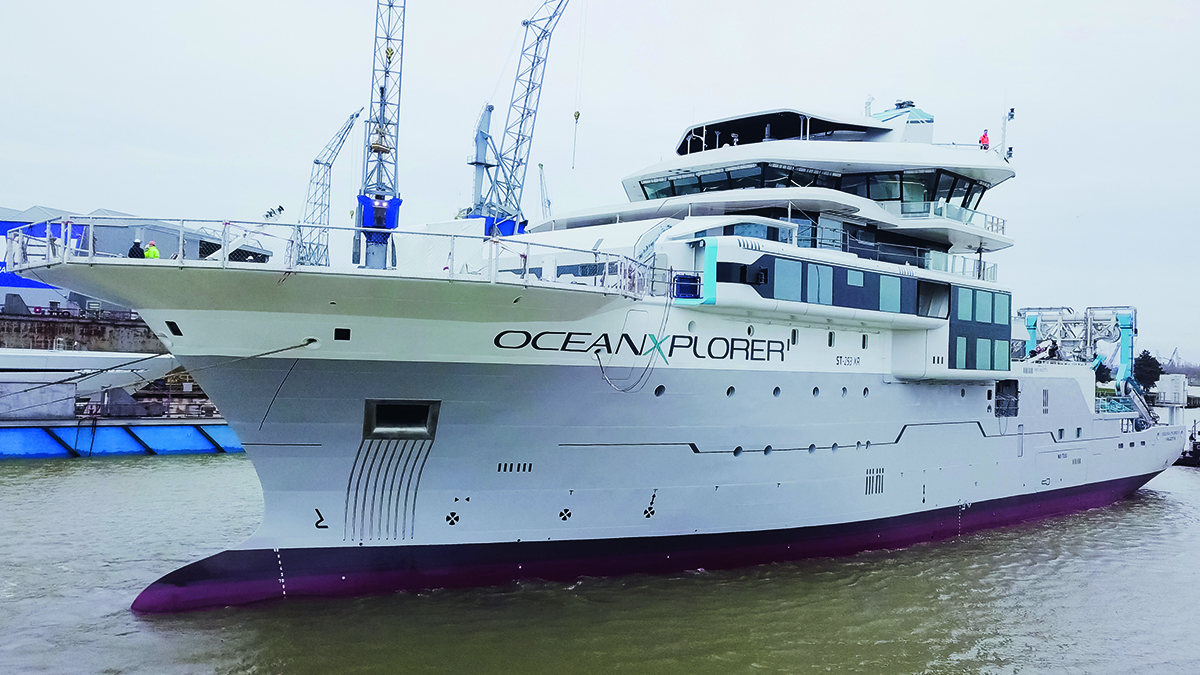
OceanX’s new research vessel OceanXplorer. Courtesy OceanX
But where did this intense desire to educate others come from? “For me,” Dalio explains, “there was an intellectual awareness of the issues, and then there was actually witnessing them first-hand. I would dive in certain places, like the Great Barrier Reef, and then return many years later and see how much had changed. I’d see how much more pollution there was, and how much illegal fishing was going on. I’d see locals trying to eke out a living in the face of these huge trawlers that were decimating underwater life.”
Read more: How ethical blue economy investments support ocean conservation
This had a big effect on him personally. “But I knew that not everyone had experienced what I had,” he continues. “With the ocean, there is of course a surface, and if you don’t penetrate the surface, what you experience instead is a reflection. But when you dive, you go beyond that reflection. You get a glimpse of precisely what’s going on and how this world is changing. You speak to people about how populations of fish are dying. You see and understand the impact of plastic in the ocean and of people treating it like a toilet. Add into this equation the extreme beauty of the sea, and the fact that I had been learning about it through scientists and fellow explorers. So, when my financial circumstances were such that I could truly get involved in a big way, I realised I could not only support explorations, but that I could also start showing them to the wider world.”
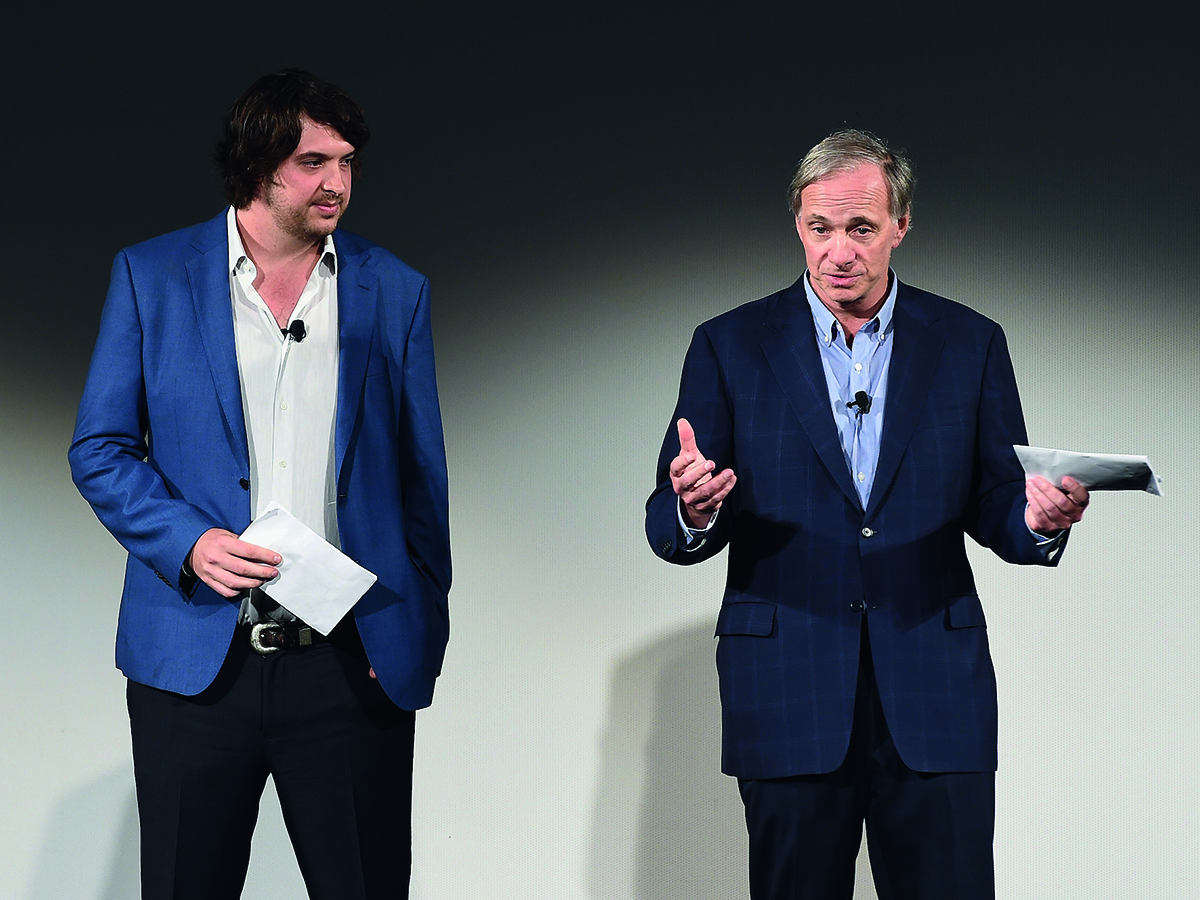
Mark and Ray Dalio at the OceanX launch in 2018. Image by Ilya S. Savenok/Getty Images for OceanX
Mark was working at National Geographic at the time, Ray explains. “We got talking and decided that we needed to bring it back to the world, we needed to share these incredible stories. And so we did.”
On a mission, Ray and Mark began to partner with others who shared their enthusiasm for the ocean. They worked with Woods Hole Oceanographic Institute on explorations and collaborated with the BBC on Blue Planet II, which was shot on their own ship. They filmed the giant squid for the first time. Slowly, awareness of their work began to spread through their own social media efforts and exhibitions.
“We wanted to get what we had helped produce for Blue Planet II into science centres and museums,” explains Mark. “We partnered with the American Museum of Natural History. We took a lot of the amazing content from the ‘Deep Ocean’ episode and created an interactive exhibit for families and kids to enjoy, featuring a giant screen film that we co-produced. This, too, was geared towards a younger audience.
Read more: Signature African Art’s Khalil Akar on Black Lives Matter
“We didn’t go too heavy on the science, but there were undertones of it. Our vision was that families would watch this series, then go into a museum and have a more in-depth, interpersonal and educational experience.”
“Mark and I became deeply entrenched in these projects,” Dalio continues, “and then we started to get other philanthropists involved. We realised there were synergies between us and those with similar visions. We – Mark and I – knew that we could bring our platform and the ship as well as media capabilities. We sought people who were interested in that offering. That led us to James Cameron.”
Cameron, the director of Avatar and Titanic, is partner of OceanX. Like the Dalios, he’s an ocean advocate and also an avid diver – at one point he was a record holder for his solo descent to the deepest place in the ocean, the Mariana Trench off the western Pacific (his title was usurped by Victor Vescovo in 2019, who, unnervingly, found a plastic bag on the sea floor at nearly 11km). Cameron will head back underwater for Mission OceanX, a series co-produced by OceanX and BBC Studios along with himself for National Geographic. This follows the maiden voyage of the OceanXplorer, the younger sibling of Alucia. “The greatest nature filmmakers in existence will be coming together on our new ship,” Dalio says.
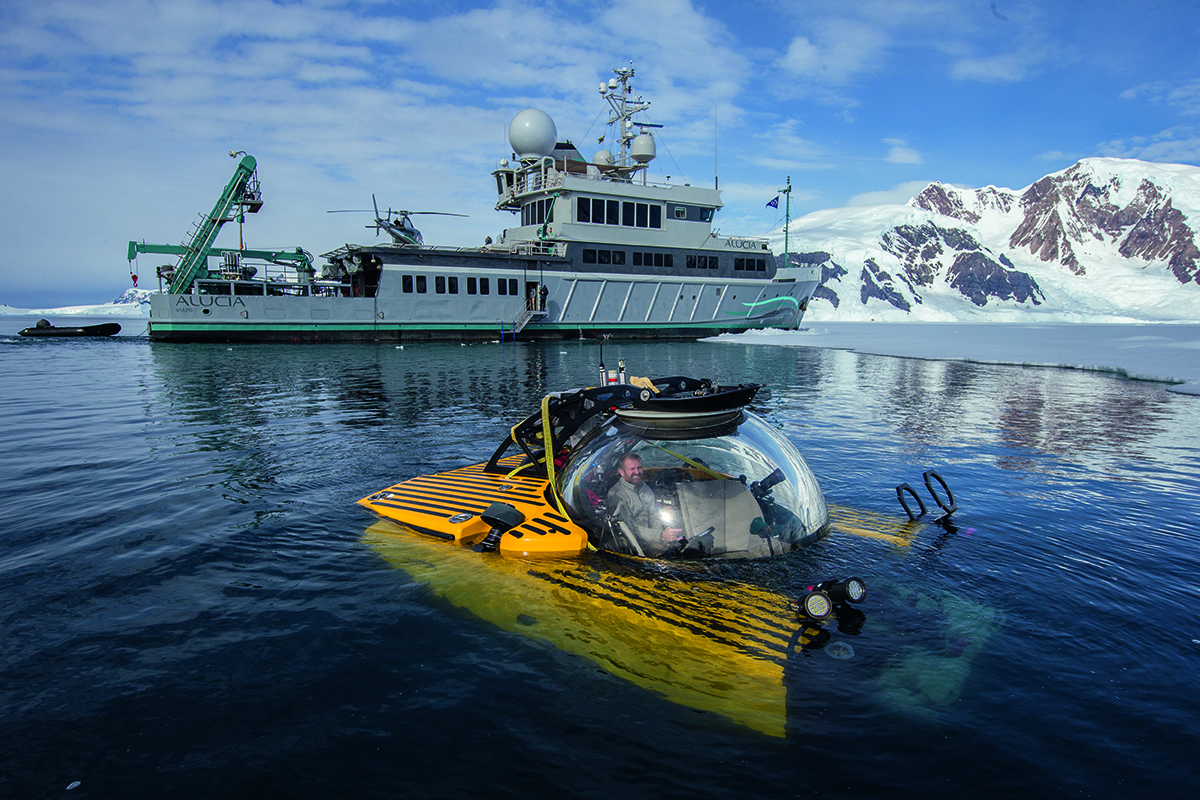
OceanX’s vessel Alucia while filming in Antartica for ‘Blue Planet II’ in 2017. Image by Ian Kellett
“This is the way I look at it,” he continues. “Oceans are utterly integral to our daily lives. And for me personally, it’s much more exciting than venturing to outer space. I’m not knocking it, by any means, but if you want to see aliens, you’re not going to see them by travelling to Mars. You’re going to see them here.”
As Dalio says, if you compare the ocean area to that of the land, there’s twice as much to explore underwater. “And think how much we’ve unearthed up here,” he continues. “All of the plants and their medicinal purposes – imagine what else we might discover in terms of much needed breakthroughs, cures and vaccines.”
Research and expeditions are expensive, though. Ray estimates that around 200 times more funding goes into space than aquatics, even though the health of our oceans is on a knife edge. Despite this, Philippe Cousteau – grandson of Jacques and an oceanographer in his own right – stresses that it’s not too late to save them from complete destruction. In an interview with Agence France-Presse in June 2020, he emphasised that humanity not only has the tools at its disposal, but, crucially, we already know that they work. He went on to stress the importance of what he believes to be an integral initiative: establishing areas on Earth that are protected. At present, only five per cent of the oceans are officially safeguarded, but there’s a growing movement to ensure that this reaches 30 per cent by 2030.
Read more: British artist Petroc Sesti on his nature-inspired artworks
He believes that the documenting of expeditions and promotion of the work being undertaken is at the heart of spreading that message. “I like to think that we can create change through the stories we tell on television, in classrooms, through social media, on cruise ships – and it’s really all about exploring our world,” he says in an interview with Condé Nast Traveller. “Because what is travel if not telling stories?”
Blue Planet II was a great awakener to this way of thinking. So much so that there’s a term for the impact it had – the Blue Planet effect. It’s reported that a remarkable 88 per cent of people who watched the programme changed their behaviour, from carrying reusable coffee cups to shunning plastic packaging. But, Ray points out, a TV series like this is finite. “You watch it and then it’s over. What we and our partners aspire to is a constant stream of content.” Enter Mission OceanX, which will air on a weekly basis. And as well as the TV show, fans will be able to interact and engage further through social media. Their aim, in fact, is to build a global community.
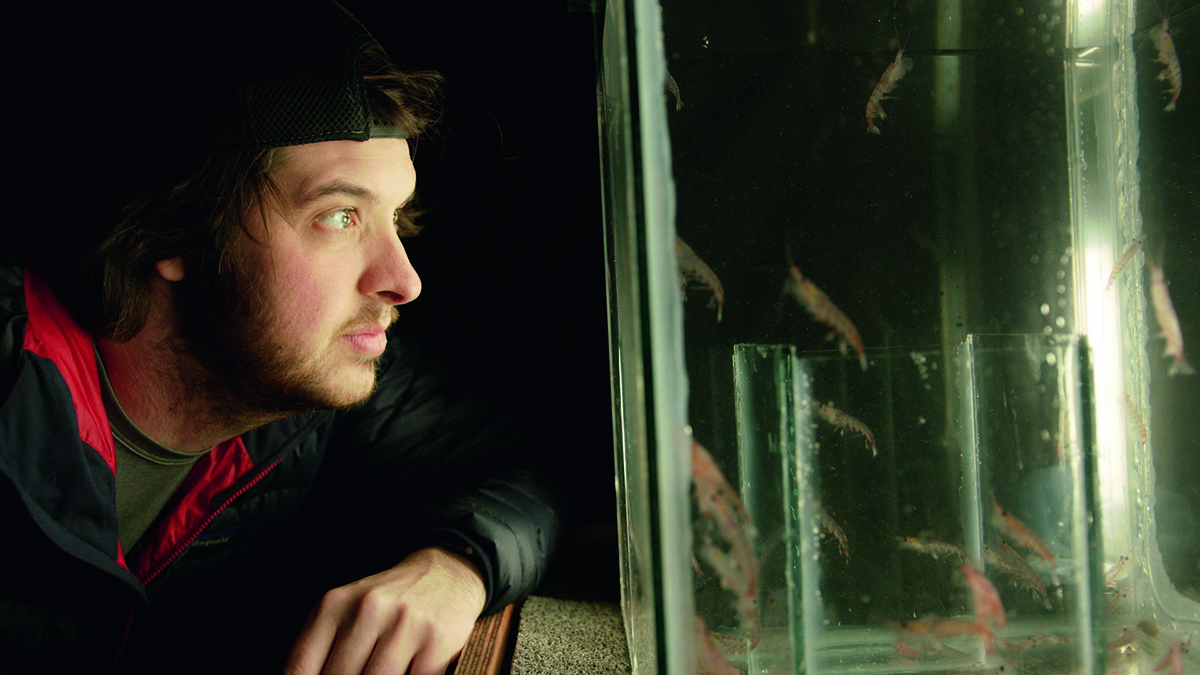
Mark Dalio
The show, due to air in 2022, will also be character driven, something that will set it apart from previous natural history series. Cameron has even suggested that the format could come close to that of reality TV. As he told Variety, it will get under the skin of the people and the mission. “I want to follow these people. I want to know how they think; I want to understand their passion as explorers and as ocean scientists… that burning curiosity.”
OceanX is, however, wary of coming across as preachy. “Our intention is to inspire a love of the ocean, as well as intrigue and excitement,” says Ray. “That will manifest itself in many different ways – people will be thirsty to explore it and, crucially, protect it. Children will aspire to be marine biologists. And hopefully new and existing projects alike will start to treat it with the importance it deserves.”
Alongside this optimism, Dalio is also aware of how much there is to do. “When it comes to the aquatic world, we simply haven’t scratched the surface yet,” he says. “Not in a way that’s relative to its potential. What we’re currently doing with OceanX is just the beginning of the journey. Our hope is that we can provide an escape that also inspires.”
Dalio is conscious that this must be more than entertainment. “We want to provide people with beautiful content that of course they enjoy, but that also helps them to pinpoint the issues that need to be addressed and prompts them to ask themselves, ‘how can I get involved?’,” he explains. “Those small sparks, that’s what we’re looking for. It’s the Cousteau movement. He inspired so many pioneers and ocean explorers today, like me, and we’re trying to reignite that.”
Find out more: oceanx.org
This article originally appeared in the LUX x Deutsche Bank Wealth Management Blue Economy Special in the Autumn/Winter 2020/2021 Issue.
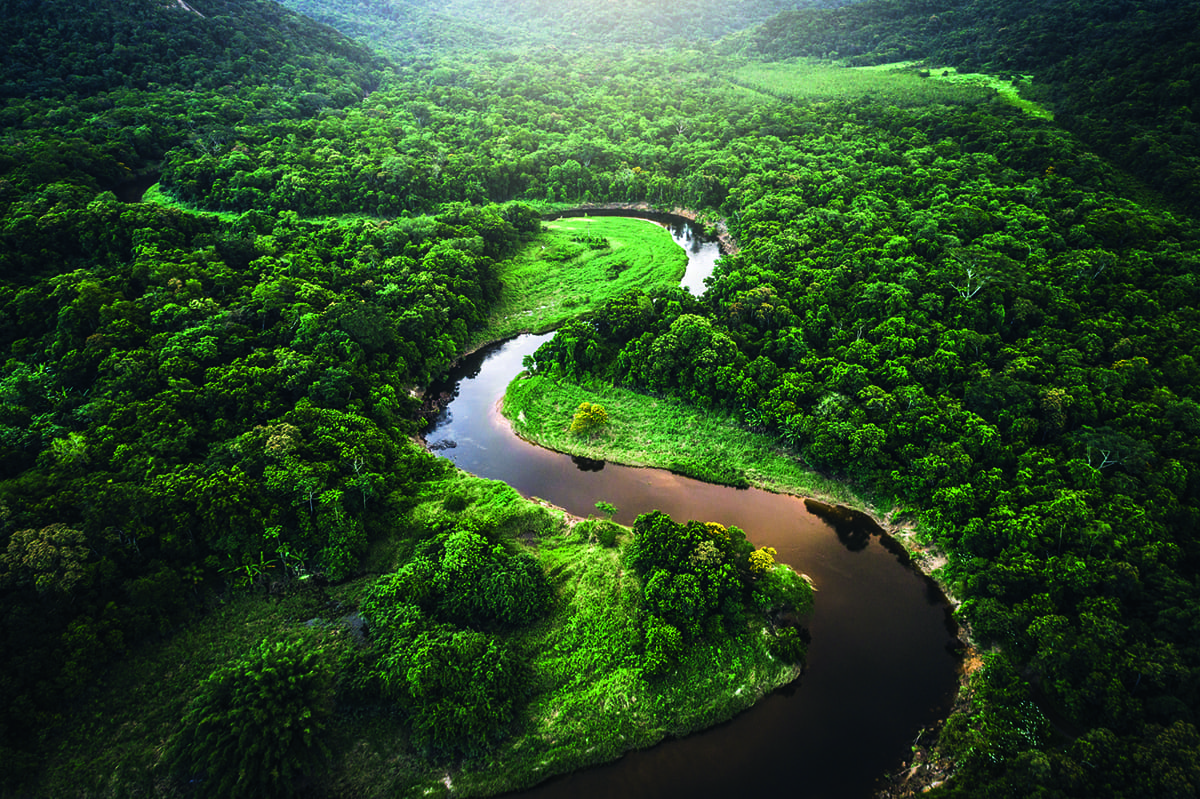
Drone footage of Atlantic Forest in Brazil. Image by FG Trade
Can the power of the financial markets be harnessed to address environmental issues such as ocean conservation? LUX talks to Jörg Eigendorf, Head of Corporate Communications, Social Responsibility and Sustainability at Deutsche Bank, about the unique role banks can play to incentivise sustainable investment and consumption
Jörg Eigendorf. Image by Mario Andreya / Deutsche Bank AG
LUX: Sustainability can be an empty word in business. How can you make it meaningful?
Jörg Eigendorf: Put simply, as a company we need to demonstrate that we are willing to integrate it in all parts of our value chain. This starts with our own operations. At Deutsche Bank we made a pledge in 2007 to become carbon-neutral and achieved that goal in 2012, but we have worked continually since then to cut our energy consumption – as well as our usage of water, paper and other resources – and this year we challenged ourselves to get all the electricity we use from renewable sources by 2025. But this is only the minor part: banks also have an additional responsibility, in that we facilitate other forms of business, which can themselves have a positive or negative impact on the world. This is where environmental, social and governance (ESG) principles and practices come into play.
Follow LUX on Instagram: luxthemagazine
LUX: ESG investing is in fashion right now. What makes it more than financial jargon?
Jörg Eigendorf: It is already much more than a new piece of financial jargon. It’s a concept that has gone from niche to mainstream in recent years. Investors increasingly want to ensure their money is used to support businesses that care about sustainability. ESG gives them a way to compare and contrast investments based on factors that go beyond financial performance – without sacrificing it. So it really has the potential to transform the whole economic system in a positive way. This is why we feel confident that we will be able to increase our volume of sustainable financing plus our portfolio of ESG investments under management to over €200bn by 2025 – to play our part in contributing to this momentum.
LUX: Can ESG really incentivise better behaviour in the private sector?
Jörg Eigendorf: I’ll give you a practical example: in Singapore, we’ve just provided a $25m ‘sustainability-linked’ loan facility to an agricultural company. If the company meets a set of agreed sustainability targets over the three-year term of the loan (and if these are verified by an external auditor), the interest rate payable on the loan will be lower; otherwise it will be higher. This kind of innovation sets a great example and shows how we can help companies incentivise themselves to do better. Of course, progress is often relative, and in some industries all we can do is try to make things better than they were before, consistently. We can’t stop fossil-fuel usage overnight because we don’t have the means to compensate for this yet. But we need to drive and facilitate change. In the almost five years I’ve been with Deutsche Bank, I’ve realised how important banks are to this transformation process, and that we have a big lever with which to make a real difference.
Read more: Marine biologist Douglas McCauley on environmental philanthropy
LUX: What are the main challenges involved in building sustainability into financial products and services?
Jörg Eigendorf: The biggest is probably asset origination – that is, the process of identifying and acquiring investments that offer ESG benefits alongside traditional benefits such as capital growth. It starts with the question: what is sustainable? This is why we have just published our sustainable finance framework which is closely aligned with the new EU taxonomy on financial services. We need this transparency to give our businesses, as well as investors, some certainty in times when demand for ESG products from both private individuals and institutions is outstripping supply. Having said this, it is still difficult to verify that a particular asset meets particular ESG criteria. There is not enough data, there is not enough clarity and there is not enough consistency in the way that ESG criteria are defined and compared. That’s why we’re helping to develop industry-wide ESG standards – for example, working within various initiatives to develop a framework for comparing and contrasting ESG products.
LUX: What ESG issues do you feel passionate about personally?
Jörg Eigendorf: I feel very strongly about the overconsumption of natural resources, and especially how we treat animals. We are eating up this planet and we should stop it. Every German consumes around 61kg of meat a year on average, and the suffering associated with this is unbelievable. Pigs have much DNA in common with humans. They feel emotions just as we do. So from my point of view it cannot be right that we treat them as a commodity. Meat production is also making a significant contribution to climate change – for example, as rainforests in Latin America are razed to produce grazing land for beef cattle. I also care a lot about ocean conservation, marine ecosystems are vital for the world and the climate, so we cannot risk their collapse. These are matters of life and death for humanity as a whole.
LUX: What’s the future for ESG?
Jörg Eigendorf: It is already mainstream and will become more important every day. The Covid-19 crisis, while terrible in many ways, has also made us aware of how things need to be different. We’ve suddenly become more aware of our environment. We’ve realised that we don’t have to be on the run all day long, travelling left and right, and that in many cases a video conference is enough. I am convinced that this crisis will lead to a change in behaviour and creative solutions. And I think we will be less likely to go back to the old, more inefficient world as a result. At the same time, greater awareness of ESG investing will lead to a virtuous circle in which economic growth is coupled with environmental protection – provided we in the financial sector play our part in leading the development of ESG standards and solutions. We welcome the idea of our clients and investors pushing us to do better: there must be a mutual understanding to drive change.
Find out more: deutschewealth.com/esg
This article originally appeared in the LUX x Deutsche Bank Wealth Management Blue Economy Special in the Autumn/Winter 2020/2021 Issue.
Deutsche Bank’s Claudio de Sanctis on investing in the ocean
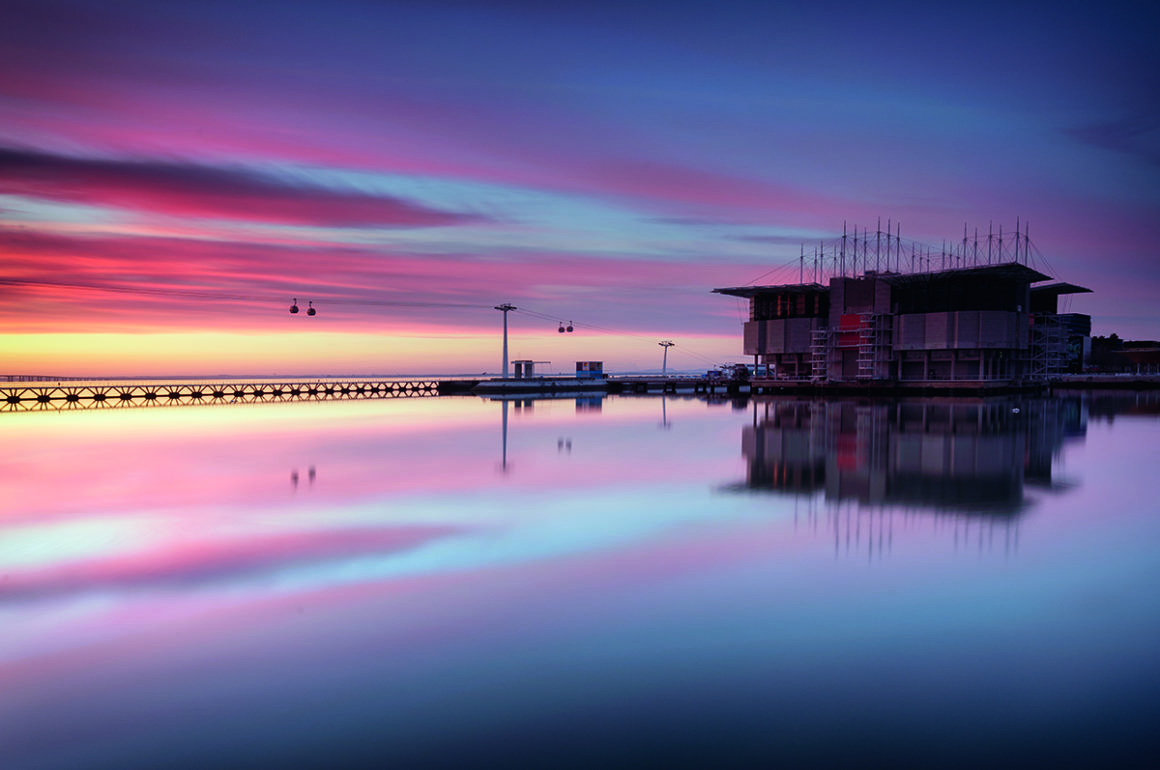
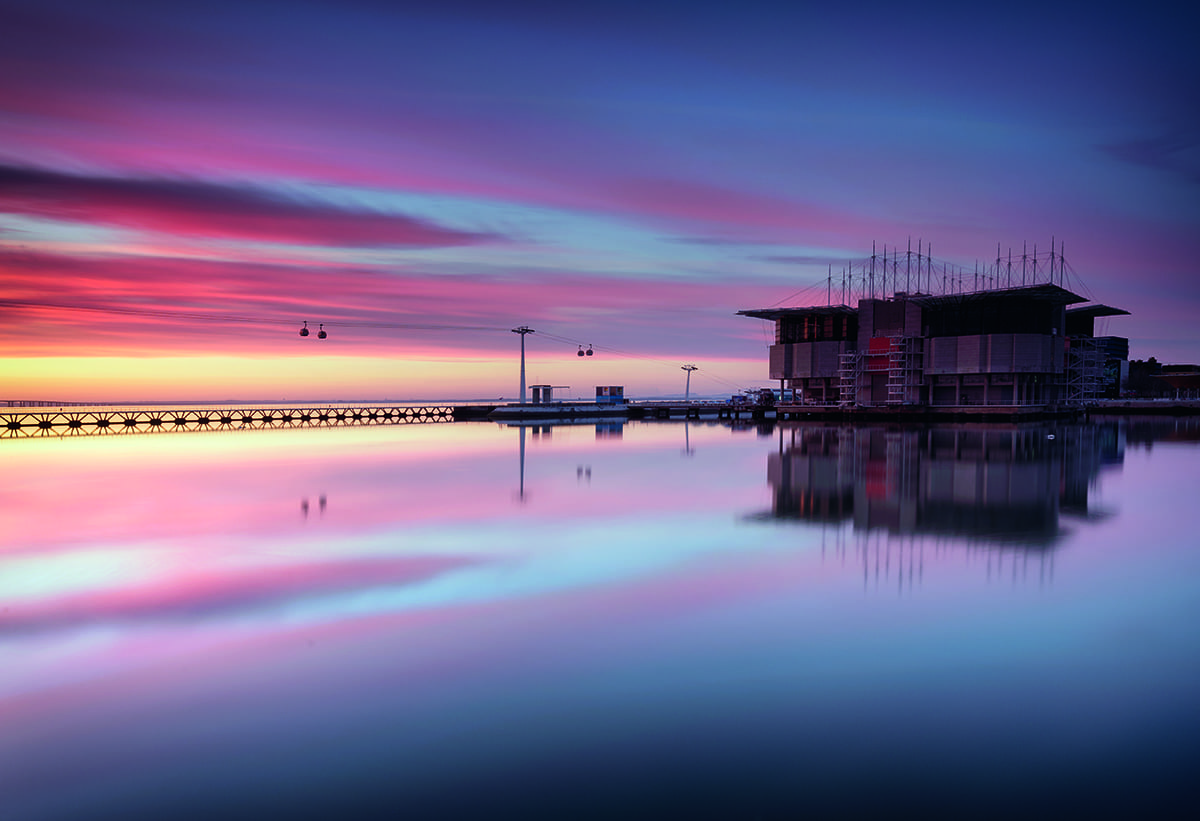
The Lisbon Oceanarium, Europe’s largest informational and educational space on the oceans, is operated by a foundation launched by Portugal’s Dos Santos family. Image by Paulo Maxim
Claudio de Sanctis, the new Global Head of Wealth Management at Deutsche Bank, has been passionate about the oceans since he was young. He now sees the blue economy – the sustainable use of ocean resources for economic growth – as a major and necessary target for investments. LUX speaks with him to discover why
DEUTSCHE BANK WEALTH MANAGEMENT x LUX
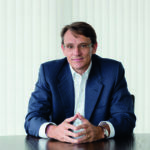
Claudio de Sanctis
LUX: How did your interest in ocean conservation arise?
Claudio de Sanctis: It’s something that goes back to my childhood. I was brought up in Italy and school summers there are very long. I spent a good portion of that time in the water snorkelling and skin diving in the Mediterranean and I developed an incredibly strong connection to the sea and the life in it. You carry forward that passion for animals and life in the sea; and then, if you are 47 as I am now and you are still spending your holidays diving in the sea with your family, you witness first-hand the changes that have gone on. You have this passion, you have witnessed this crisis, and there is a part of you that says something needs to be done.
Follow LUX on Instagram: luxthemagazine
LUX: You have personally noticed the environmental changes in the sea?
Claudio de Sanctis: One hundred per cent. If you don’t dive or spend time underwater, the ocean may seem like a beautiful, big, blue expanse and it’s difficult to perceive how it’s changing; it looks as beautiful now as it did 50 years ago. But if you do actually spend time underwater, you then notice that the Mediterranean, for example, has changed dramatically. In the past 40 years, plastic has replaced fish. There were previously a lot of fish, and now there are far fewer and plastic is popping up more and more so it’s now almost impossible to get underwater without seeing a large amount. Also, tropical fish are being seen in Greece, for example, which is a concern as it suggests a very significant change in temperature. If you go to the tropics, the situation is very similar. I have less than 20 years’ experience diving in the tropics, but even in that time, the situation has deteriorated and reefs have disappeared.
LUX: And this is what inspired your focus on the blue economy, which includes ocean conservation and much more besides.
Claudio de Sanctis: That’s correct. There are two fundamental beliefs informing this. One is that institutions such as Deutsche Bank have a fantastic history, if you realise that, for example, we have invested in young artists for the past 40 years for no other reason than social responsibility. While we are a business for profit, doing things because they are relevant and important for the societies we operate in, and because it’s right to be doing them, is important. In that context, we try to do things that are relevant to our clients. I meet clients on a daily basis and more often than not, the discussion will turn to conservation and particularly ocean conservation, and the strongest message I get is one of interest and one of alarm. “How can I help?”, they ask. And that’s how the blue economy comes into play because I believe that the best way to protect the sea is actually to explain to everybody the extraordinary sustainable, long-term economic value it has. There is a lot we need to explain to the world, such as the fact that we breathe because of the ocean; if we damage the ocean beyond a certain point, we won’t be able to breathe air any more. This is very much where education comes into play. And if you understand how the ocean can produce long-term economic development for low-income, underdeveloped countries, that is very relevant. If it’s properly harnessed, the blue-economy potential for a country such as Indonesia is extraordinary. It can lift hundreds of millions of people out of poverty and give them long-term prospects.
LUX: Are there increasing investment opportunities for the blue economy?
Claudio de Sanctis: There are, but there is so much more to be done, which is why the conference we are holding is so interesting. At the moment it is a very thin market but you essentially have three main drivers. The first one is very wealthy families who set up dedicated foundations, which in turn invest long term in ocean conservation and the blue economy. In that space, education plays a massive role. Secondly, if you don’t want to have a dedicated foundation then you can invest in financial instruments. There are more and more liquid financial instruments starting with blue bonds that allow you to contribute capital with a certain degree of return in order to help these underlying themes. The last element that we need to develop is investing directly in companies as more start up with a blue economy angle.
LUX: Will the blue economy become more important within environmental, social and governance (ESG) investing in general?
Claudio de Sanctis: That’s a very good question. My view is that when it comes to ESG, there is no need to put different sub-themes within ESG into competition. There is so much need for more across the board. I can say that interest in ocean conservation and the blue economy is growing exponentially and the awareness of it is growing extraordinarily fast because it’s tied to very important problems. I mean, science has now led us to understand that the oxygen for two breaths in every three comes from the sea, which is something that, five to ten years ago, very few people knew. So if you pollute the sea to a point that that sort of oxygen production slows down, you have a huge problem, because we’re not going to be replanting a lot of forest in the next 50 years. And planting forest takes a long time. Most of the ESG themes are fundamentally interlinked. For example, ocean conservation, blue economy and climate change all interlock.
Read more: Fashion designer Kevin Germanier’s sustainable glamour
LUX: Do companies who may believe they are not responsible for, say, ocean degradation because they are based far from the sea, need to be made aware of this interlocking, that the ocean is relevant to them?
Claudio de Sanctis: That is a very fundamental point. Awareness is everything and in my view, the awareness we need to create is not so much in the companies as in the end consumer. Everybody needs to understand the relevance of this resource, that the ocean is deteriorating and what the consequences of this are. And then on the positive side, what are the opportunities we can extract from the sea if we actually manage it properly? When we talk of the problem of plastic in the oceans, everyone thinks of the poor albatross found with plastic in its stomach, which is a significant problem. It’s an easier problem to grasp than microplastics, which are less visible. But while plastic bottle and bag waste affects marine mammals and sea birds, it is microplastics that affect fish. And the biggest polluting factor in the plastic problem is our clothing. Every time we wash our clothes in a washing machine, particularly anything that has plastic fibres, we release microplastics into the ocean. This is just an example, and this is why we need education, because there is so much more that we need to know and that we need consumers to know because it is they who ultimately drive politicians and purchasing.
LUX: What would you like to achieve through your blue economy programme?
Claudio de Sanctis: In our business we talk to a number of very significant families about what it means to actually have positive impact. So even if we help a few of these families be more aware of the problems and solutions, that is already gratifying for me personally in terms of helping the cause. From a Deutsche Bank point of view, my aspiration is that in the next two to three years when Wealth Management clients think about oceans, they think about ocean conservation and economic development tied to that. And then they think of Deutsche Bank and pick up the phone and speak to their banker here.
Find out more: deutschewealth.com
This article originally appeared in the LUX x Deutsche Bank Wealth Management Blue Economy Special in the Summer 2020 Issue.
Fashion designer Kevin Germanier. Image by Alexandre Haefeli
As the fashion industry comes under scrutiny for its environmental credentials in an age of sustainability, one young designer is showing a way forward. Paris-based Kevin Germanier designs high-end clothes with upcycled fabrics and beads he culls from other brands. Far from being earnest and worthy, his designs have real sizzle, as Kristina Spencer discovers
The fashion industry is one of the world’s biggest polluters. It emits more carbon than international flights and maritime shipping combined. While the high turnover and volume of production of fast fashion is a major contributor, how do luxury brands affect the environment? With some maisons producing as many as eight collections a year, it seems inevitable that the sheer amount of output must produce waste. However, as consumer values change and conscious consumerism is on the rise, a new generation of designers is paving the way for a sustainable approach to glamorous, daring fashion. Kevin Germanier is one of them.
Follow LUX on Instagram: luxthemagazine
Germanier is only 28. The Central Saint Martins alumnus showed his first collection in 2017 and it was immediately scooped up by MatchesFashion, the London-based luxury e-tailer. It comes as no surprise: Germanier’s high-octane collections are as sustainable as it gets, with everything from zippers to buttons sourced from materials discarded by other designers and brands. His garments are covered in crystals, a deadstock (unsold stock in new condition) supplied exclusively by Swarovski, who has collaborated with Germanier since he launched his eponymous label.
Growing up in Valais, Switzerland, Germanier always knew he wanted to be a fashion designer, spending his childhood draping fabrics over his siblings. His foundation year was spent at Geneva University of Art and Design, but it was London-based Central Saint Martins he pined for. Germanier applied, having told nobody but his flatmate at the time, and after seven interviews, he was in. “My first thought at the time was, ‘Oh God, I have to tell mum and dad!’” he laughs. His parents allowed him to go, but under one condition – he must finance his studies himself. Over a summer, Germanier saved up enough money and moved to London.
Image by Alexandre Haefeli
His sustainable approach did not come about as the result of a practical PR decision; it was merely a way to make ends meet as a student. Instead of buying expensive calico, Germanier went to Brick Lane in east London and found old duvet covers, and his flatmate gave away her deadstock. Some classmates rolled their eyes, but Germanier thrived. “It is harder to find beauty in trash than to go to Shepherd’s Bush, where I can buy anything. I needed to be creatively challenged.”
Read more: Singer-songwriter Ruth B. on poetry, social media & BLM
The industry has changed since Germanier’s first year at Central Saint Martins. These days, sustainability is in vogue. “When I started, nobody cared, and now everyone is an upcycler and a sustainability student, which is a good thing,” he admits. “But when people use sustainability as a marketing tool, that’s when I find it problematic. It should be the norm; what I am doing is normal.” It was hard to source materials at the beginning, but as the word spread, his social media was flooded with messages. “People frequently offer 25 metres of organza or 25 buttons, and I say yes to everything – and find a way to make it work.”
Now in his sixth season, Germanier continues to create feminine, unapologetically glamorous silhouettes with a disco aesthetic. There are glitter-strewn dresses, sculptural jackets and statement coats, sparkling with rainbow-hued Swarovski crystals. There is a strict ‘no black’ rule, despite always wearing black himself, because “no customer is coming to Germanier to buy black trousers”. While fashion schools are frequently criticised for the lack of business education, Germanier has managed to strike the delicate balance between creativity and pragmatism, which, by his own admission, must be due to his Swiss roots.
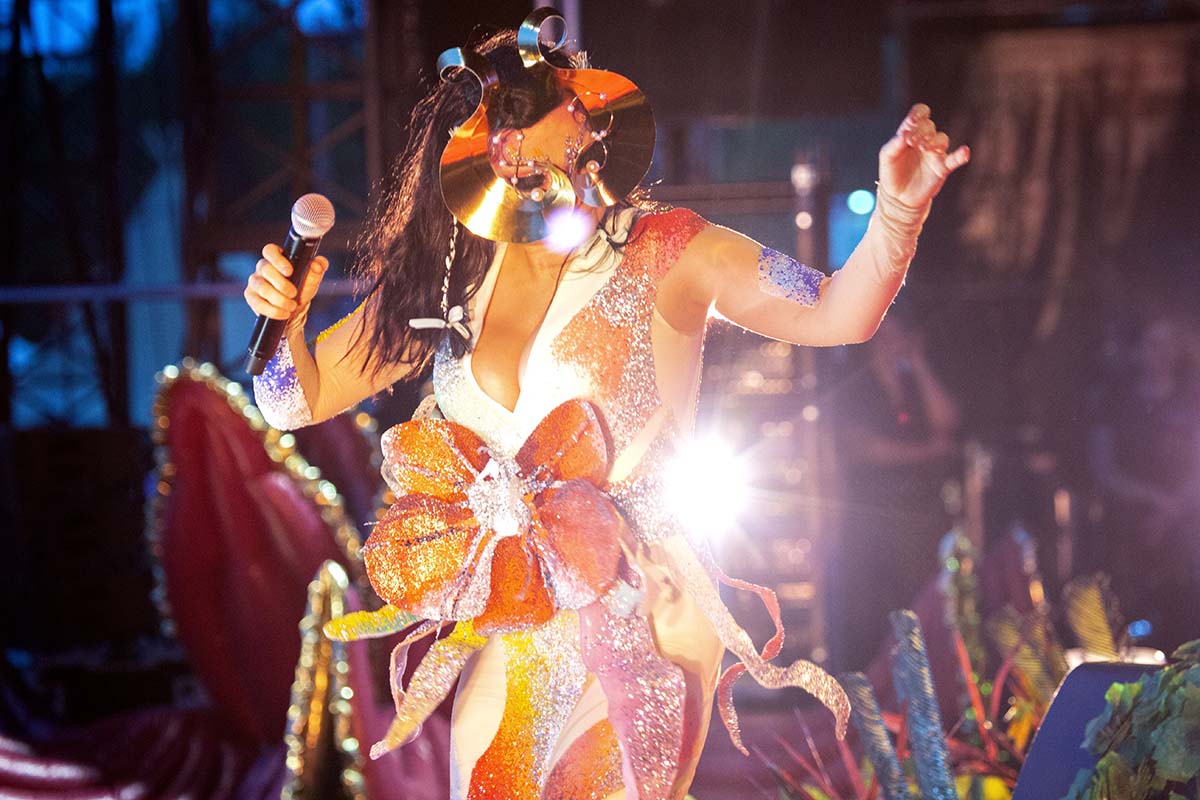
Björk wearing a Germanier outfit at the We Love Green Festival, Paris, 2018. Image by Santiago Felipe/Getty
His adaptability is another asset. “It is one of my biggest strengths – I am very flexible,” he says, remembering how quickly he got rid of trousers that had beads on the back. A friend wore them for a day and could barely sit. “I learned to adapt the fantasy in my brain to the reality of my customer.” Germanier has had his fair share of the red-carpet moments – he has dressed Björk, Taylor Swift and Kristen Stewart, amongst others – but ultimately, the voluptuous Björk dress cannot be worn in an Uber and even celebrities change into comfortable clothes after pictures get taken at the Met Gala. “There are two ways of conceiving your business; there are your press outfits and commercial pieces, but they can still be extremely creative. You have to play on both sides, and I love it.”
The 2020 coronavirus pandemic has exposed the fashion industry’s vulnerabilities: retailers have filed for bankruptcy, brands have sold stock with unprecedented discounts, and designers came together to decry the never-ending global tour of fashion weeks. Germanier barely bats an eyelid because he does not carry any stock. “The calendar is not relevant at all. I don’t follow seasons. When it’s hot in Hong Kong, it is cold in Alaska. And we don’t follow trends. We use leftover fabric that was trendy in 2017. Eight collections a year is just too much product, and a good product takes time… People still need to get dressed, but they don’t need seven bags per week from the same brand.”
So, what is next for Germanier? “The launch of our website, the presentation of the new collection in September,” he says. “And we have made six new looks for Sunmi, the K-pop superstar. I am also currently working on an amazing order and Germanier is going to continue its slow ascent. It is hard to predict what will be next but we are fortunate enough to be able continue what we have built so far.”
View the collections: kevingermanier.com
Follow Kevin Germanier on Instagram: @kevingermanier
This article features in the Autumn Issue, which will be published later this month.

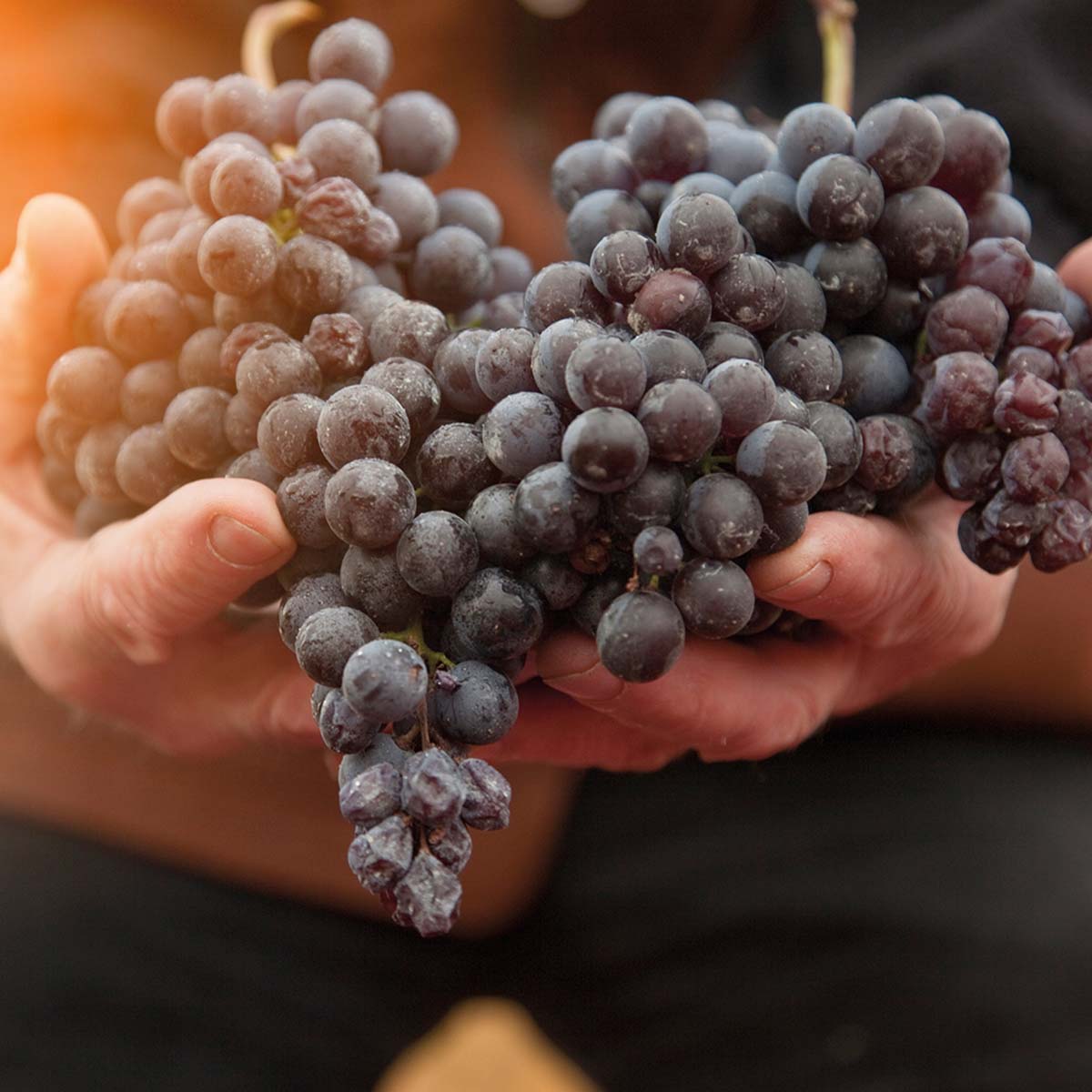
The Respected by Gaggenau initiative recognises excellence in the categories of food, wine and design
German luxury appliance maker Gaggenau begins its search for three extraordinary makers and producers for their Respected by Gaggenau 2021 campaign. LUX reports
The inaugural Respected by Gaggenau prize aims to bring global attention to three exceptional regional producers in the categories of food, viniculture and design. A team of global experts have put together a long-list of 80 nominees from across Europe, which will be whittled down to 15 by Dr. Peter Goetz, Gaggenau’s Head of Design Sven Baacke, viniculture expert Sarah Abbott MW and culinary critic Tom Parker Bowles before the announcement of the final recipients in January 2021.
Follow LUX on Instagram: luxthemagazine
The winning producers will receive a promotional package to support their business and showcase their craft, including videography and photography created by Gaggenau. They will also become an official Gaggenau global brand partner for 2021 giving them access to the brand’s high-net-worth customer base.
The Respected by Gaggenau 2021 long-list nominees from the United Kingdom were selected by LUX’s own editor-in-chief Darius Sanai, Kol restaurant chef Santiago Lastra and celebrated chef Cyrus Todiwala. Nominees include:
Culinary
Caroll’s Heritage Potatoes @carollsheritagepotatoes
Elchies Estates @elchies_animals
Keltic Seafare @kelticseafare
Langley Chase Organic Farm – Jane Kallaway @langleychasefarm
Rhug Estate Organic Farm – Lord Newborough @rhugestate
Design
Billy Tannery – Jack Millington @billytannery
Cara Guthrie Ceramics @caraguthrieceramics
Retrouvius – Adam Hills & Maria Speake @retrouvius
Viniculture
Albury Organic Vineyard @alburyvineyard
Coates and Seely @coatesandseely
Watch the campaign video below:
For more information visit: gaggenau.com
Kering’s Marie-Claire Daveu on benefits of the blue economy
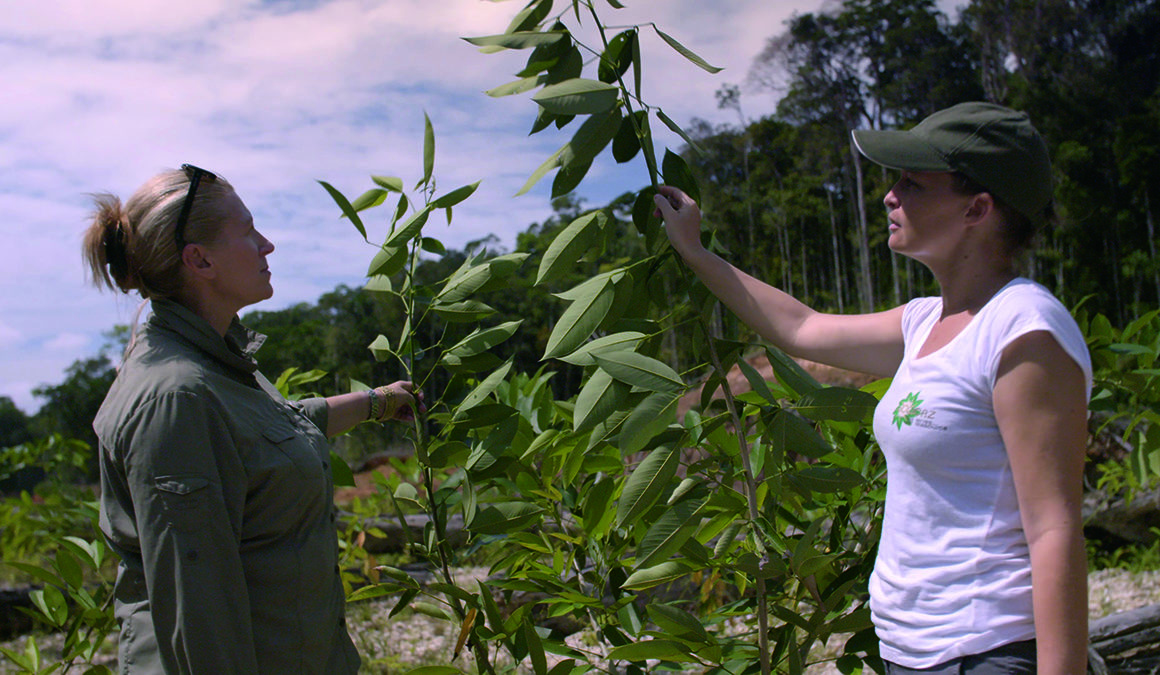
Marie-Claire Daveu with Elodie Brunstein of ecological engineers Solicaz in French Guiana. Image by Magneto.
The Kering group, owner of Gucci and Bottega Veneta, led the luxury industry by pioneering a sustainability strategy years ago. Marie-Claire Daveu, who spearheaded this move, explains how environmental accounting and the blue economy are good for business, consumers and the planet
DEUTSCHE BANK WEALTH MANAGEMENT x LUX

Marie-Claire Daveu. © Benoît Peverelli
The fashion industry is dependent upon nature’s resources to manufacture. It is also a vast industry and, unfortunately, one of the most polluting. This means we have a specific responsibility to act now and transform our business model to mitigate the diminution of resources, loss of biodiversity and climate change that we already see affecting our industry and our planet. Sustainability is not an option; it is a necessity. And it demands definitive action from the fashion industry and beyond.
The blue economy in particular has to be a huge focus for everyone. The oceans are the lungs of the Earth, producing more than half the world’s oxygen and helping regulate our weather. But in the past few hundred years they have absorbed vast amounts of carbon dioxide and greenhouse gas emissions, raising their temperature and changing their chemistry and ecosystems. Marine animals and humans rely on the oceans to live, and the only way to mitigate the harm being done is to change the way we operate here on land – from reducing plastic and chemical waste to choosing renewable energy sources where possible.
Follow LUX on Instagram: luxthemagazine
Kering has already implemented a series of measures specifically in recognition of the rapidly degrading ocean environment. We have been working for years to preserve ocean biodiversity via programmes and partnerships with recognised associations – most recently, the Intergovernmental Science-Policy Platform on Biodiversity and Ecosystem Services (IPBES). And in 2017, our chairman and CEO, François-Henri Pinault, presented the Fashion Pact to the G7, incorporating ocean protection as one of its main environmental goals. It proposes a set of concrete actions, such as the adoption of pollution controls to safeguard the rivers and oceans from chemicals released through the fashion production processes; and compels companies to develop innovations that will eliminate microfibre pollution from the washing of synthetic materials.
Such innovation is vital to growing a sustainable blue economy. In 2017, we committed to reducing our environmental footprint by 40 per cent by 2025, and half of that reduction will come from innovation, which is crucial if we want to bring new solutions into our business model.
Today, we are looking for and investing in innovations that can address blue economy challenges, including closed-loop recycling, alternative materials and sustainable sourcing. But there is still a long way to go. One of the main challenges the blue economy is facing is plastic, used to pack, transport and store garments. The fashion industry needs to urgently tackle polybag-packaging waste. One possible innovation has been developed by the Plastics Packaging Project – a Fashion for Good initiative supported by a coalition of companies, including Kering. The project aims to reduce the impact and use of plastic packaging, and recently launched a pilot for the collection and recycling of garment polybags. They will be transformed into new plastic film products, closing the loop and dramatically reducing the amount of plastic waste that often ends up in our waterways.
Kering’s Materials Innovation Lab. Image by Jean-Luc Perreard
Transparency will be vital to the longevity of such initiatives. Studies show that millennials and Generation Z are very sensitive to sustainability – with a keen focus on traceability. They also have very high expectations. Generation Z entering the workforce, together with increasing sustainability questions from consumers, will drive further efforts in the fashion industry and increased transparency around a product’s origins.
Read more: These photographer-activists are capturing underwater beauty
Corporate sustainability agendas must take into account a product’s entire impact, from the raw materials to products reaching clients. At Kering, this has become an essential part of our products’ excellence, and we have made that process transparent through the creation of our Environmental Profit and Loss (EP&L) system, which measures, monetises and monitors the full environmental impact of a company’s operations across the entire supply chain, including greenhouse gas emissions, water use, water and air pollution, waste production and land use change. When you think about what is behind luxury, sustainability is often already built in: we use the highest quality raw materials; our products are made by skilled craftspeople; and some of them are passed down from generation to generation. They have to be perfect; even their sustainability must be perfect.
Building a sustainability strategy is about taking your whole supply chain and its impacts into account, and activating programmes to mitigate these impacts. The blue economy can be fully part of an environmental policy, and sustainability as a whole should be very much integrated in a company’s strategy. As an example, we know that the high-quality raw materials in luxury goods are ‘pre-designed’ for circularity, because of their value and versatility. But brands can extend product life cycles even further by employing recycled and upcycled materials. One blue-economy example within our supply chain is our collaboration with Econyl, makers of regenerated nylon yarn made of recycled fishnets, textile and industrial nylon waste. It has the same high quality as less sustainable alternatives, but can be endlessly regenerated.
Innovative collaborations such as these are the answer to accelerating sustainability. Our collaboration with IPBES is helping to strengthen the evidence base for better informed decisions about nature. And our EP&L hackathon in October 2019 brought developers and sustainability experts together to create digital tools that provide greater transparency around fashion’s footprint.
The message is clear: we want to play a pivotal role in leading the shift towards a sustainable future, but we can’t do it alone. Our action must be science-based and results-oriented. The private sector, governments and international organisations need to collaborate to protect nature and build a globally sustainable economy.
I am a very optimistic person, and I can see that a real shift has happened recently. Sustainability is at the heart of every conversation, both from companies and media, and this is a very good sign. Now it’s time for implementation, with unwavering determination. Fashion’s influence holds the key to accelerating those sustainable practices, both within our industry and beyond.
Marie-Claire Daveu is Kering’s chief sustainability officer.
Find out more: kering.com/en/sustainability
This article originally appeared in the LUX x Deutsche Bank Wealth Management Blue Economy Special in the Summer 2020 Issue.

Truffle hunting has been in severe decline since the early 20th century, but is once again on the rise as a craft and is currently highlighted by the Respected by Gaggenau campaign
The art of the handmade, and the appreciation of high-quality, low-volume makers, are having a resurgence. With the help of the German luxury appliance maker and their Respected by Gaggenau campaign, the future of crafts and the artisanal, whether in food, winemaking or the crafting of objects, is looking brighter, as Lisa Jayne Harris explains
“The nobility and humility of great craft transcends industries and products,” says Master of Wine, Sarah Abbott. “Artisans offer a sense of adventure, excitement and nuance that’s simply not available elsewhere.” The mystique that comes with creating a product by hand – whether that’s a time-honoured way to age wine and make cheese, or a modern take on knife making – touches us in a unique and deep way that mass-produced goods cannot: “People respond to the beauty, sweat, toil and integrity of craft,” Abbott explains. “We’re in a time of a craft renaissance. Our respect for authenticity and integrity in what we make and consume is growing.”
Follow LUX on Instagram: luxthemagazine
The resurgence in craft’s popularity is at odds with our increasingly digitised everyday lives and fast-paced consumerism. But therein lies its draw, as handcrafted objects seem to reverberate with the energy of their maker when we hold them in our own hands, and they promise to last longer than impulse purchases, too. “We live in a throwaway world,” says author and food critic, Tom Parker Bowles. “So, it’s really refreshing when things are made to last. Technology has a built-in obsolescence to force us to buy a new phone or whatever, but we’re looking at a more sustainable future in all areas of our lives, including food sourcing.”
Both Parker Bowles and Abbott are judges of the Respected by Gaggenau initiative, which honours, supports and promotes small producers and artisans in the food industry. “We want to give something back to people who deserve it and need it most,” explains Gaggenau’s managing director, Dr Peter Goetz. Regional experts will nominate artisans who use skilled, traditional techniques to create exceptional and authentic products in food, wine and design.
Such authentic artisanal products are distinguished by their fundamental values of patience, passion and heritage. Both maker and customer have to be patient: “People who appreciate the finer things are usually happy to wait,” says professional truffle hunter and owner of The English Truffle Company, James Feaver. His business plan manages customers’ expectations and controls truffle pre-sales so they don’t take on more orders than are achievable. “Every day of hunting depends on the vagaries of the weather. If people get in touch in advance, we do our best to deliver, but we only harvest what’s sustainable and available at that time. I’m more like a fisherman than an artisan baker. I don’t make truffles like a baker makes his bread; nature has done all the hard work and I just find them.”
Gaggenau appliances can be adapted to any seasonal food preparation.
It’s the passion of people like James who make artisanal products stand out. “True artisans really believe in something,” says Gaggenau’s head of design, Sven Baacke. “They have a vision, they’re digressive, authentic and have a strong character. I see that throughout Gaggenau, too, not just in the design team but in the engineers and every department. We’re all striving for the best.” Abbott believes the character of an artisan winemaker is so palpable that she can taste the ‘maker’s mark’: “There’s a certain idiosyncrasy, a distinctive personality and edginess in the wine over different vintages. Great wines from large producers tend to be more polished, assured and even, but artisanal wineries exist on a knife edge, and you can often taste that in their wines.”
Read more: How Chelsea Barracks is celebrating contemporary British craft
The future is uncertain for many small producers. James has led a British truffle hunting resurgence, but the skill very nearly died out when the last professional truffle hunter, Alfred Collins, hung up his boots in 1930. “At one time there were 10 truffle hunters working out of Alfred Collins’s village,” explains James. “Truffle hunting was a sport for the gentry, like shooting or horse riding, but when Collins retired the custom and his knowledge disappeared too. I’ve been truffle hunting since 2008, and it’s only in the past dozen years that knowledge has come back to this country with our renewed interest in sustainability, British produce and farmers markets.” Crafts like truffle hunting are essentially a shared cultural memory, unique to each community they come from, and only by supporting these skills can we ensure they’re not forgotten. As the Arts and Craft designer William Morris said, “The past is not dead, it is living in us, and will be alive in the future which we are now helping to make.”
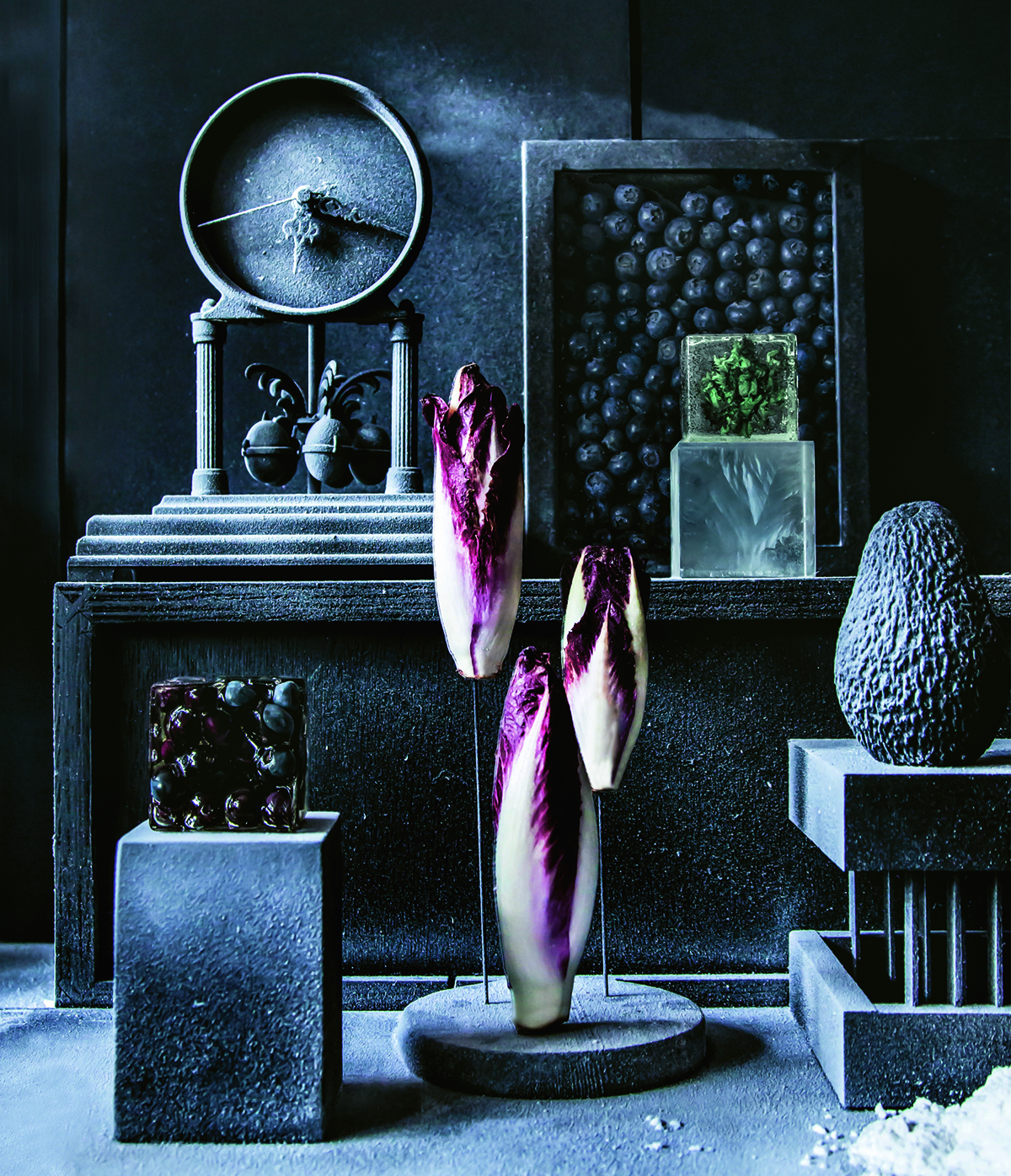
An image from the ‘Frozen in Time’ series by culinary artists Studio Appétit for Gaggenau
Climate change is perhaps the biggest threat to the future of artisan food businesses. “We’re already seeing lower rainfall and higher temperatures,” says James, “And that’s not good for truffles.” Sustainability and biodiversity are necessarily at the heart of artisanal work, because they’re more connected to their locality and environment. But this means climate change affects them even more acutely. “Artisanal wineries typically focus on a single small region or wine style,” Abbott points out. “They can’t spread their bets like larger producers, who mitigate risk across multiple regions and grape varieties.” If one variety fails, the small producer’s whole livelihood is at stake.
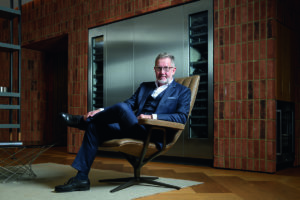
Managing director of Gaggenau, Dr Peter Goetz
Everything that makes craft special – the fact that it’s unique, handmade, small scale and highly skilled – is exactly what puts it under threat. The Heritage Crafts Association maintains a list of endangered and extinct handicrafts in the UK, including bell founding, scissor making, tinsmithing and cricket ball making, and they advocate for their preservation. But thankfully many craft producers have demonstrated their ongoing resilience through the Covid-19 pandemic by pivoting their business models or selling directly to customers. While that works on a local level, it still leaves them exposed in the longer term. “Many of these makers are third, fourth or fifth generation. Their domestic reputation is typically very strong, but it’s a challenge for them to reach diverse markets to weather our increasingly global economic storms,” Abbott says. “Small producers thrive through a more intuitive, organic relationship between maker and consumer but in a noisy, ever-expanding, luxury global market. Without resources for strategic marketing or PR, they struggle to be heard.”
Support programmes such as Respected by Gaggenau can go some way in giving artisans a voice and helping them keep doing what they do best. An appliance manufacturer championing small, independent producers might sound surprising, but the Respected by Gaggenau initiative reveals how much they have in common. “Of course, we are an industrial manufacturer,” says Baacke, “and some of our high-tech processes are best done by machines. But if the kitchen is the heart of the home then appliances are the soul. There is always a human touch to our work, like the hand-polished finish or detailed quality control. It’s the perfect balance between craft and industrialisation.”
The 2020 Respected by Gaggenau prize will bring global attention to three regional producers in food, viniculture and design. “Nominees are likely to be unsung heroes,” says Goetz. “Such as a farmer who produces a small amount of exceptional beef for just a handful of top chefs each year. We want to give that farmer recognition and promote their story to our discerning network.”
Ultimately, it’s up to us all to maintain the heritage of craftsmanship: “I’m an optimist,” says Tom Parker Bowles, “But we have to keep supporting artisan producers and value where our food comes from to secure a better future.”
Find out more: gaggenau.com
This article features in the Autumn 2020 Issue, hitting newsstands in October.
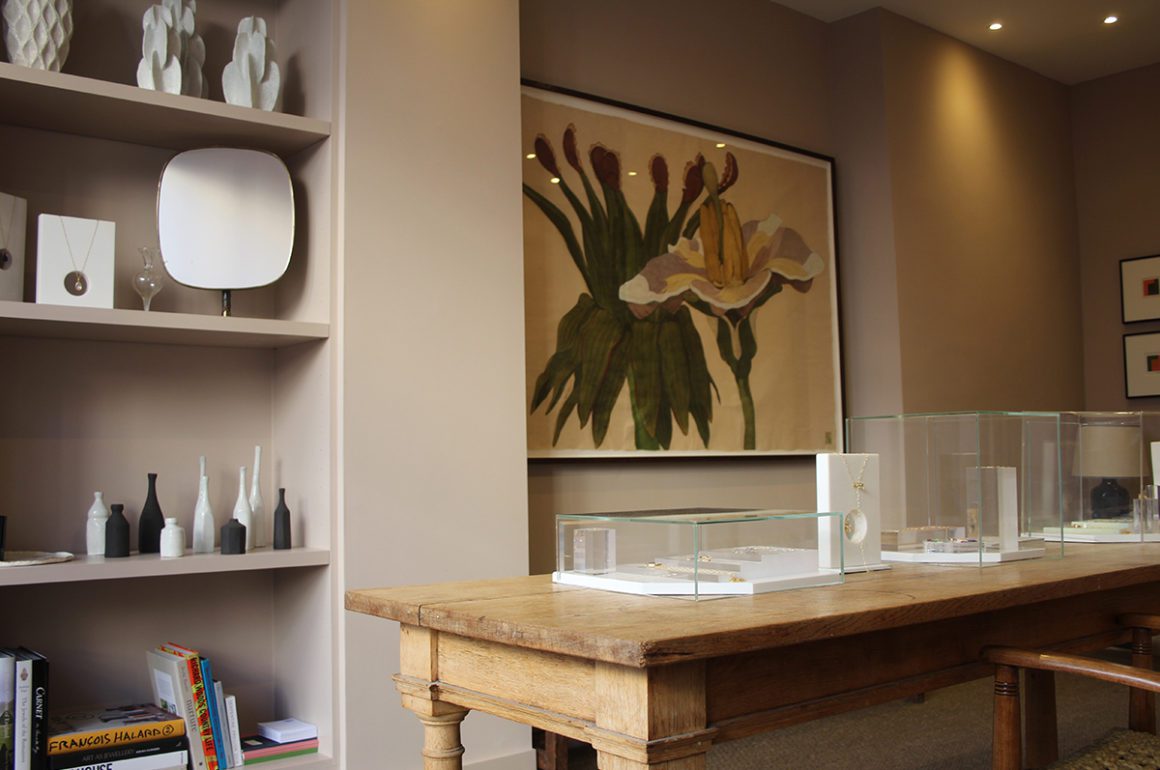
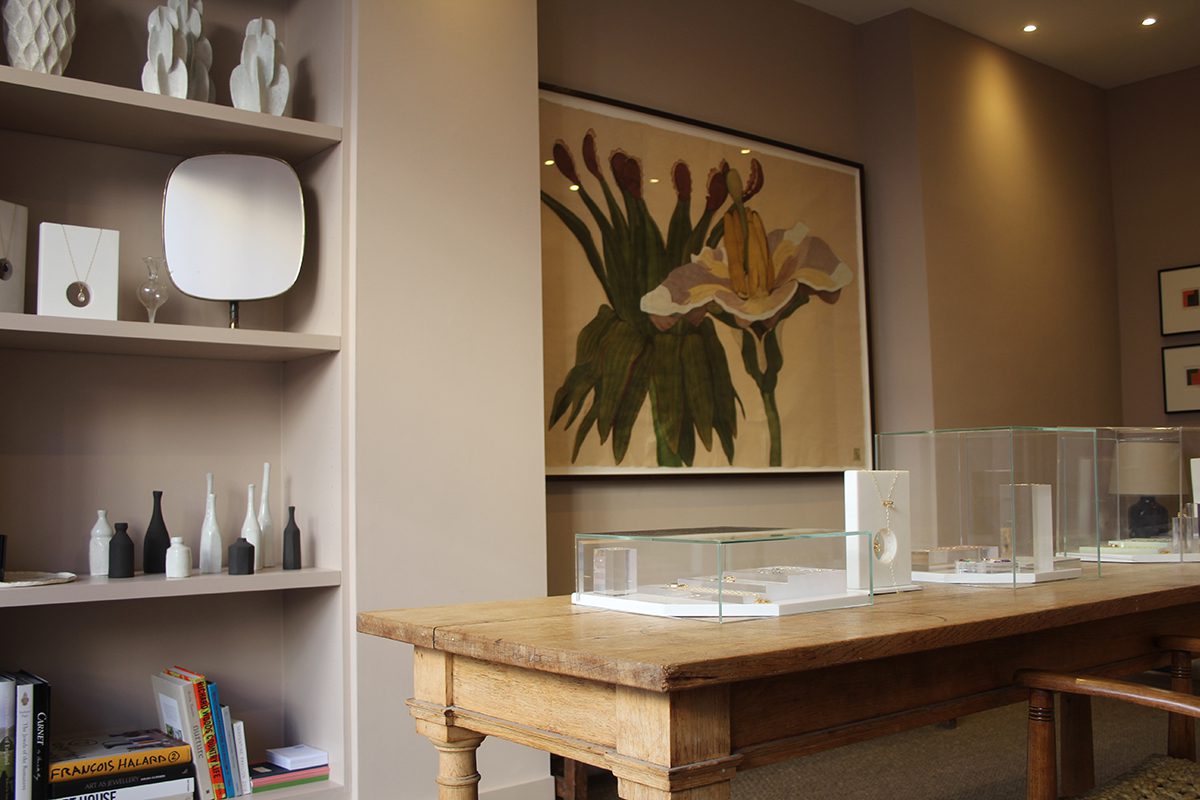
Loquet’s London shop located at 73 Elizabeth Street, SW1W 9PJ
London-based jewellery brand Loquet is renewing the concept of a keepsake locket with sustainable, modern designs that consumers can personalise and pass through the generations. Here, Abigail Hodges speaks to co-founder Sheherazade Goldsmith about the brand’s ethical ethos, her love of vintage fashion and collaborating with the Wild at Heart Foundation
1.How does your environmentalist background inform your approach to making jewellery?
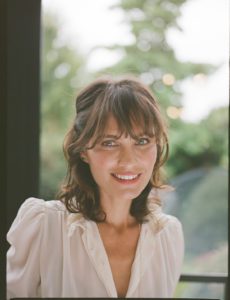
Sheherazade Goldsmith
I’d say it informs everything. Environmentalism isn’t something you frequent; it’s a way of life and seeps into everything you do. Once you understand the repercussions of not protecting our future and that of our children, it’s impossible to ignore. As a fine jewellery collection, Loquet is part of a luxury world and to me, luxury is sustainability. Our process informs that message by taking the time to source the very best materials, crafted with care and implementing practices that create longevity. Our jewellery is for the generation that makes the purchase, the next generation and the generation after that. It’s about preserving someone’s story to be told, treasured and passed on. At Loquet we are preserving what is important to an individual, without sustainability there would be no point in what we create.
Follow LUX on Instagram: luxthemagazine
Our first port of call is the office itself, we use recycled or recyclable materials wherever we can, and we create a product that has no existential timeframe, it is recyclable and has no waste. The problem with so much of what we consume is the waste, but in jewellery there are no seasons and the sentimentality of the pieces make them heirlooms.
2. What inspired you to reinvent the classical locket form?
I already had a classic photo locket and a charm bracelet. My locket was an Indian antique made in 18kt yellow gold with elaborate coloured enamelling on the inside. I love Indian jewellery for this reason. They believe that everything should be as beautiful on the inside as it is on the outside. My charm bracelet was fun and gregarious, full of charms that patted against my laptop keyboard. On a visit to a fairground my son bought me a present, a pendant made with dried flowers, something I use to do with hedgerow flowers when my children where little. It inspired the idea of being able to combine the two and personalise it myself.
The hexagonal locket with a selection of charms
3. Is there a particular piece that you feel best expresses the story you set out to tell through your work?
Our sapphire crystal lockets are our signature. They allow our customers to be there own designer and create a piece that tells their story, in essence a unique talisman of everything that brings them luck and makes them smile, to be worn close to their heart. We’ve recently relaunched our 14kt collection to include some of my favourite pieces to date, that elegantly translate from day to night. Each of these geometrical shapes is hand cast in 14kt gold encasing a clear faced sapphire crystal facade and can be opened to personalise with our endless selection of meaningful 18kt charms.
A selection of charns
4. How do you ensure that the elements of your design process are ethical?
I spent a lot of time visiting jewellery studios all over the world before deciding to work with our current ateliers. This was to insure that the working conditions where healthy and vibrant, and to also talk through the designs with the artisans that were selected to make our jewellery. The companies I ended up choosing are all members of the responsible jewellery council or similar organisations and are, therefore, required to adhere to certain workers rights and high environmental standards.
Read more: British-Iranian artist darvish Fakhr on the alchemy of art
The human connection behind what we do is paramount to the Loquet design. Our pieces are emotional and as such need to be made that way. So many of us jewellers won’t work with a company unless they have the same ethos and it’s important to champion those that have worked hard to campaign for their workers and implement high standards that look after both their employees and the environment.
Loquet’s pear and hexagonal locket necklaces
5. Besides purchasing from you, how would you advise a consumer looking to shop more sustainably?
Sustainability is about longevity and well-designed things don’t have seasons. Whether that be furniture, clothing, accessories or jewellery, if something is worthwhile it will last through time and trends. With luxury items, less is most definitely more and that is my philosophy both in the way I decorate my house, my jewellery and wardrobe. Admittedly, I wear mostly designer clothing, but much of it is purchased from secondhand websites such as Vestiaire Collective, Hardly Ever Worn and The Real Real. I love vintage fashion, but you can also find all kinds of past-admired items for a quarter of the price. The buying and selling aspect makes you feel part of a community, almost like an exchange and gives your clothes a limitless life.
6. What’s next for Loquet?
We have a very exciting year ahead with some brilliant collaborations. The first launches in October with Nikki Tibbles and the Wild at Heart Foundation. We have put together a charm collection of Nikki’s favourite flowers chosen for their association with her beloved dogs, each epitomising the way we feel about our pets. A percentage of all sales will be donated to her very special dog charity that was set up a few years ago after rescuing a stray from the streets of Puerto Rico, who became her beloved Rose. The charity is now global and works tirelessly to end the unnecessary suffering of these much-loved pets.
Find out more: loquetlondon.com
Ornellaia 2017 Solare Vendemmia d’Artista 6 litre with label designs by Tomás Saraceno
This week, Italian wine producer Ornellaia opened its 12th annual online benefit auction in collaboration with Sotheby’s and the Solomon R. Guggenheim Foundation, featuring vintages with label designs by Argentinian artist Tomás Saraceno. Chloe Frost Smith takes a closer look at the available lots
© Photography by Studio Tomás Saraceno, 2019
This year’s auction continues Ornellaia’s Vendemmia d’Artista project, which commissions a different contemporary artist each year to create an artwork for a series of limited-edition labels. The artist is given a single word description of that year’s harvest by the estate director, Axel Heinz, as inspiration. Last year, Iranian artist Shirin Neshat responded to ‘La Tensione’ with a series of monochrome photographs, and this year, Argentinian artist Tomás Saraceno has incorporated ‘Solare’ (‘radiant’ in English) into several aspects of his designs.
Follow LUX on Instagram: luxthemagazine
Renowned for his interactive installations that allude to new sustainable ways of living, Saraceno has created a striking set of labels which depict various phases of a solar eclipse for nine lots of Imperials, to be sold individually or in pairs. The auction’s most prestigious lot comes in the form of the Salmanazar sculpture, titled “PNEUMA 4.21×10⁵”, an impressive 9-litre bottle of Ornellaia 2017 topped with a floating sphere anchored to the neck of the bottle. Reminiscent of the artist’s previous work on untethered flight, this celestial sculpture highlights the importance of the relationship between the Sun and the Earth, and of renewable resources more generally.
Ornellaia 2017 Solare Vendemmia D’Artista, with various designs by Tomás Saraceno including the Salmanazar sculpture (centre)
Not only embodying ‘Solare’ visually, the labels are a tangible take on the concept – made from thermochromic paper, which changes colour according to the heat of a person’s hand. This sensory detail invites reflection on the impact of humanity on the planet, in keeping with the wider issue of environmental sustainability which is at the heart of both Saraceno’s artistic ethos and Ornellaia’s production philosophy, which has long focused on self-sustaining ecosystems and precision agriculture.
Bringing a sense of completion to the auction, a unique vertical of the last six years of Ornellaia is available, in twelve 750ml bottles featuring the customised labels in a celebratory wooden case, alongside six Ornellaia Bianco magnums from the last three vintages.
The auction ends on 9 September 2020. Register via: sothebys.com/ornellaia
Sibton Park Manor House in Suffolk is one of the hideaway properties in Fish&Pips’ UK portfolio
Luxury travel company Fish&Pips began by focusing on alpine holidays before expanding into the Mediterranean and more recently, the UK with a selection of handpicked hotels and remote hideaways. Here, we speak to co-founder Holly Chandler about expanding into new territories and handling the challenges of COVID-19
Holly Chandler (right) & Philippa Hartley
1.How was the concept for Fish&Pips born?
Philippa Hartley (The Pips) and I (The Fish) founded Fish&Pips in 2006. The name Fish&Pips (Holly nee Fisher and Philippa, Pips) was a light bulb moment courtesy of Philippa’s Mum – it just worked – thank you, Jill.
Follow LUX on Instagram: luxthemagazine
Philippa and I have been in each other’s lives forever. Our dads were best friends and we have been on holidays together ever since I can remember. Following university, we decided to do a winter season before looking for ‘proper jobs’ in London, and so after some Cordon Bleu training, Scott Dunn took us on at one of their luxury chalets in Méribel. We loved it and ended up winning a Chalet Team 2004 award. It was here that we realised we made a unique team. Whilst working for Scott Dunn, we saw a gap in the luxury market for a small, expert and personalised ski business, that treated its guests as individuals. With a friendly, professional approach to service, a team with a zest for life, a love of food and a background in hospitality, we had the foundations of Fish&Pips.
Over a decade on, after a lot of hard work, Fish&Pips has gone from strength to strength, and over the past thirteen years, it has cemented its reputation as one of the best small specialist ski companies in the UK, catering for 1400 ski guests each winter. Fish&Pips has been built on strong foundations of superb staff, great food and friendly but attentive service.
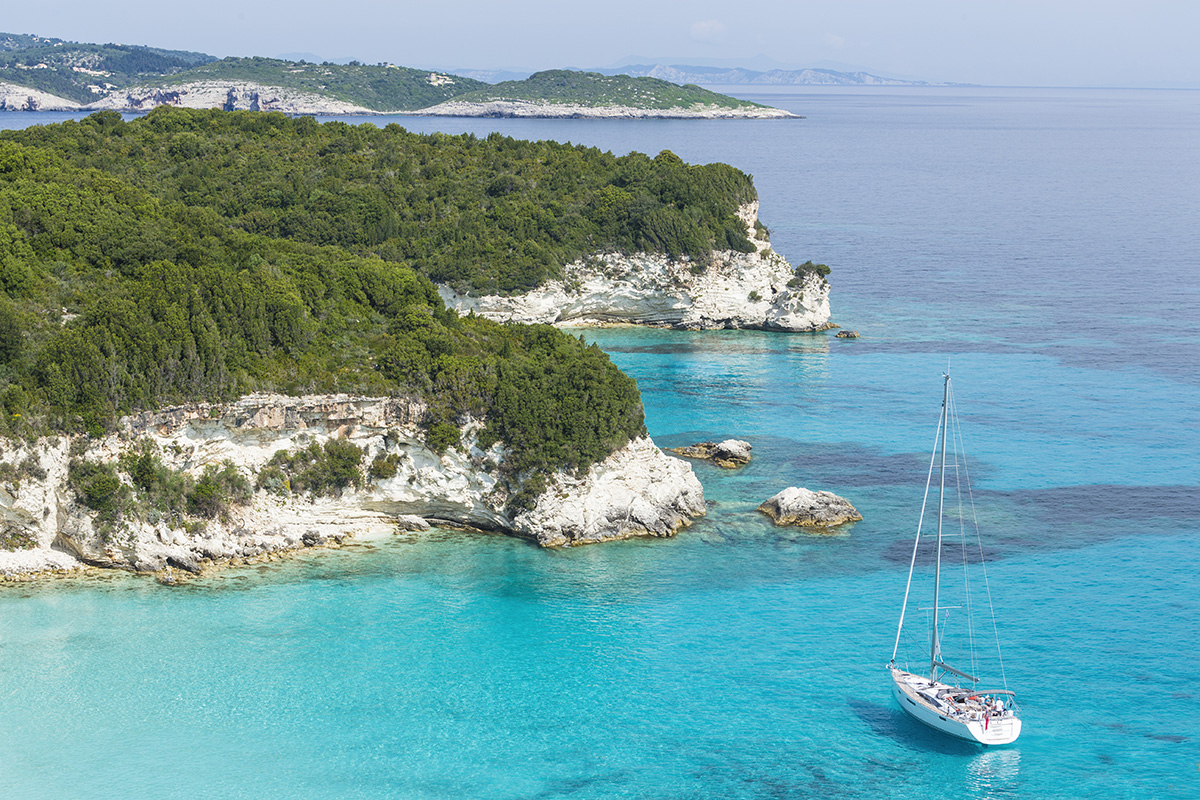
Fish&Pips’ portfolio also includes super yachts such as Jeannous (pictured here) which offers holidays around the Greek islands
Our loyal guests wanted an option to holiday with us in the summer, so due to popular demand, we launched our thoughtfully curated collection of Mediterranean hotels and villas in February 2019. Our new investor (Blake Rose from Scott Dunn Travel) helped turbo charge this vision, he came with a wealth of knowledge on Mediterranean product, luxury travel and high level customer service. In June this year, we launched our UK collection of hotels and hideaway and despite the current climate, Fish&Pips has been really gaining momentum.
We are now offering a Fish&Pips holiday across the French Alps, Mediterranean and the UK, and there are plenty more exciting things to come. As we grow we want to make sure that we remain The Friendly Travel Experts, a small team with a big heart.
2. How do you select your partnering properties and is there a specific criteria that they need to fill?
Yes, and this list of criteria seems to be ever-growing. All of the properties that we select must have the Fish&Pips factor and reflect what is important to us. We will only acquire properties that feel personal and welcoming, where the team are professional and friendly and the owner or manager lead with great attention to detail. It’s also important that they are well located and that they offer activities and experiences. They need to be stylish and have something special about the food, whether it be authentic or Michelin-starred. It is important to us to offer a variety of property types in each destination (family friendly hotels, adult and boutique hotels, wellness retreats, villas, hideaways) but they all need to satisfy the F&P criteria.
Read more: Laid-back fine dining at Knightsbridge restaurant Sumosan Twiga
We are also committed to working with properties that have a passion and policy for sustainability and supporting their local community. Minimising our impact on the environment is a responsibility of ours that we take very seriously and we are currently developing our approach and strategy on this.
When it comes to selecting properties, each property is thoroughly researched, rigorously inspected, re-inspected, and approved by myself and Philippa. It is so important to us to build a fantastic relationship with the properties and get to know them inside out. This is something we won’t falter on as it is this knowledge and detail which can make or break an experience and sets our offering apart. Over the past few months visiting new properties has had to be put on hold so we have instead spent many hours on zoom with owners and managers, but we cannot wait to see them all in person soon.
Each property that partners with Fish&Pips is personally chosen by the founders based on specific criteria
3. What’s your most popular collection and has it changed over the years at all?
Our original offering of operating ski chalets in Méribel Village is still a huge part of our business. However, we are now into our second year of our hotels and houses collection across Europe and we are certainly seeing this grow, not only with our ski guests, but noticeably with new guests turning to us for our expert advice for their summer holidays.
Our UK hotels and hideaway launch has been incredibly popular; in fact, the high level of enquiries blew us away. Everything was aligned for this launch – stunning properties, some fantastic press coverage and excellent timing with a UK staycation boom. We love what the UK offers – there is so much on our doorstep from heritage and history, to more incredible boutique hotels and unique hideaways. With this in mind, we are continuing to develop our UK collection and are excited to introduce more wonderful properties in the not-so distant future, this is just the tip of the iceberg.
The kitchen dining room at Moat Cottage, one of Fish&Pips’ UK properties
Our aim is to become a one-stop shop for travellers. Whether they want a short weekend away in the UK, a summer break in the Med or a ski holiday in the Alps. We want them to be able to come to us eventually for all of their holiday needs. We have big plans!
4. How do you think the coronavirus crisis will affect the travel industry in general and Fish&Pips in particular?
It is certainly a very challenging time for travel and it is difficult predict how it will affect the industry – who knows when normality will resume? With ever evolving policy and travel advice, there is now the added complication of unpredictability! For the industry, there is an element of having to plan ahead, but also to think on your feet and pivot where necessary to react efficiently to these changes. This is where our UK offering has been so successful, as we fast tracked our plans to adapt. It’s definitely takes us out of our comfort zone not being able to make a solid strategy but being small and owner-run, means we can be reactionary relatively easily.
Read more: SKIN co-founder Lauren Lozano Ziol on creating inspiring homes
What I can tell you is how this has shaped the travel industry and Fish&Pips in the short term… At the moment, travellers need the confidence to book. This is where flexible cancellation policies have really become key. This is one of the most important criteria for guests when booking now, whether it be to the Med, Alps or the UK and I can’t see this changing for quite some time.
Sublime Comporta is one of Fish&Pips’ hotels in Portugal, offering a luxurious eco-retreat one hour from Lisbon. Image by Nelson Garrido
The human touch is more important now than ever and I think this will be an ongoing trend. Covid-19 has shown the importance of the ‘human touch’ and we have really felt this when it has come to people planning their holidays this summer and next winter. Guests want to be able to speak to you on the phone and use your expert knowledge and reassurance to build confidence. It is more important than ever for tour ops to be able to be that extra helping hand.
We have seen a bit of a divide with our guests this summer, and again I think this will be ongoing well into 2021. Those that are embracing the abroad escape and those that would rather not travel out of the country.
We have also seen the type of holidays that people are taking shift as travellers choosing not to travel abroad instead choose to spend their money on more of a luxury UK product whether it be boutique hotel, farm to fork country estate, a glamorous hideaway, a contemporary tree house or a splendid 40th birthday!
For us, we just want to make sure we are ready for guests whether they decide they want to stay close to home or to venture further afield. With this mind, we will continue to develop our portfolio in current destinations, grow our villa and hideaway offering across the board, and we are currently working on some exciting new (and slightly chillier) destinations which we hope to launch in September.
Adaptability is key so that we are ready no matter what is thrown at us next!
5. What’s your approach to sustainability?
Sustainability is something we are really passionate about at Fish&Pips and I have actually been nicknamed ‘Swampy’ for always talking about the environment. We always try to have sustainability at the front of our minds, from our chalet operations to when we research and talk to hotels.
From a chalet perspective we have teamed up with an amazing company called ‘One Tree At A Time’ who are really challenging the way that the ski industry operates. They have created a Pledge system whereby companies and individuals commit to changing the way that they operate and live, with a more sustainable future in mind. We were the first chalet company to sign up to the Pledge last winter and have seen some fantastic results. Our aim is to set a tried and tested template for other chalet companies to follow to help reduce their own carbon footprint.
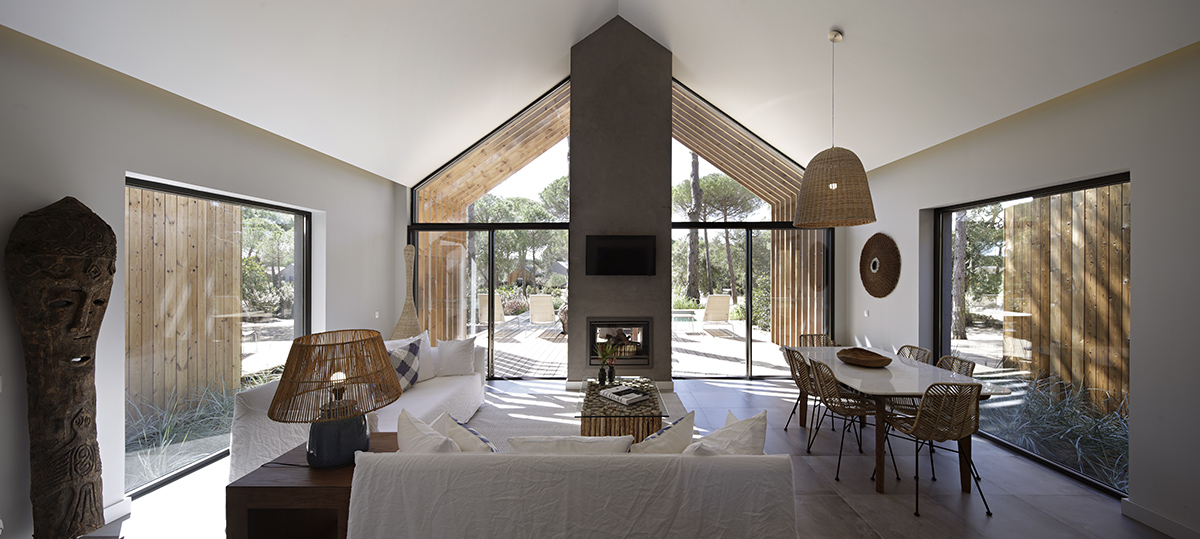
A two bedroom cabana at luxury eco retreat Sublime Comporta
Our aim was to reduce (waste, plastic, consumption, energy, palm oil, carbon), educate (train our team, challenge our suppliers) and plant trees (offset and encourage our guests to do the same). Guests can now offset their carbon with us by planting trees with us. Last winter we planted 6,700 trees in 4 months.
Read more: Why now is the time to check into Mandarin Oriental Hyde Park
When we talk to potential properties, one of our top questions is ‘What are you doing to be more environmentally responsible?’ Our UK properties are really quite impressive and are leading the way for sustainability in the hotel industry, from using locally sourced, farm to fork food, no single use plastics and really caring about their local communities.
We are currently working on a F&P Green Stamp that we will award to properties that are actioning a strong environmental policy and doing their best to make the world a little bit of a better place. Nature is one of the most important reasons for travel, so we must protect it so that future generations can have the same opportunities that we have had.
6. Where do you go to get away from it all?
In the summer I actually live on a stunning tiny Channel Island called Alderney. I’ve grown up between there and London, and have holidayed there since day dot. It has always been my solace, and place of calm, although the social scene on an island 3 miles by 1 is pretty hardcore! At the moment, Alderney feels more away from it than ever before with strict 14 day quarantine restrictions in place for anyone entering, but once you’ve stuck it out then it is totally worth it as it is business as usual – everything’s open, no masks, no bubbles, no social distancing. I am truly spoilt by the beauty of the beaches here, honestly they are out of this world and with only a handful of people to share them with. We can also escape to Guernsey, Sark or Herm by boat should cabin fever kick in. So this is my current getaway and I am actually relishing it, enjoying the peace on this beautiful, untapped island.
Come Autumn, I will absolutely be ready to travel again and I can’t wait to get back to the UK to explore all of our wondrous UK properties and scour the country for more gems – a weekend break away in any of those is my idea of heaven, and Scotland literally blows me away. In the winter, there is nothing like the feeling of freedom that skiing gives you and I won’t give up my ski holidays for anything as they are engrained in our lives having lived in Méribel for 14 winters and my husband is also ski instructor. If I have the time between running businesses (I have a couple in Alderney too) and bringing up my children, I absolutely love heading to the slopes for a few hours, followed by a large glass of wine.
As for travel outside of the UK and France, I adore the variety that Europe has to offer from villas and yachts, beaches and coves, to out-of-this-world authentic dining, to countryside retreats, and icy open space up Iceland and Scandinavia. When things settle down I cannot wait to get back out there and explore more far flung destinations, but for now, Europe offers more than enough for me.
Find out more: fishandpips.co.uk
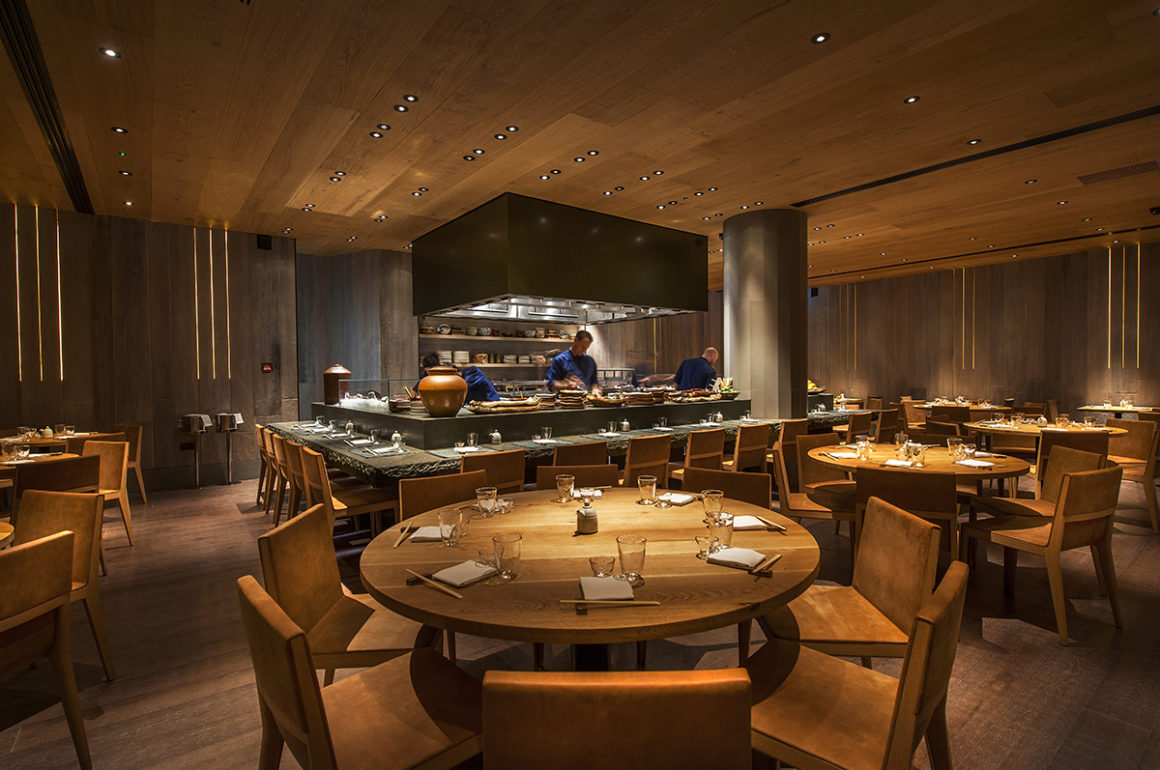
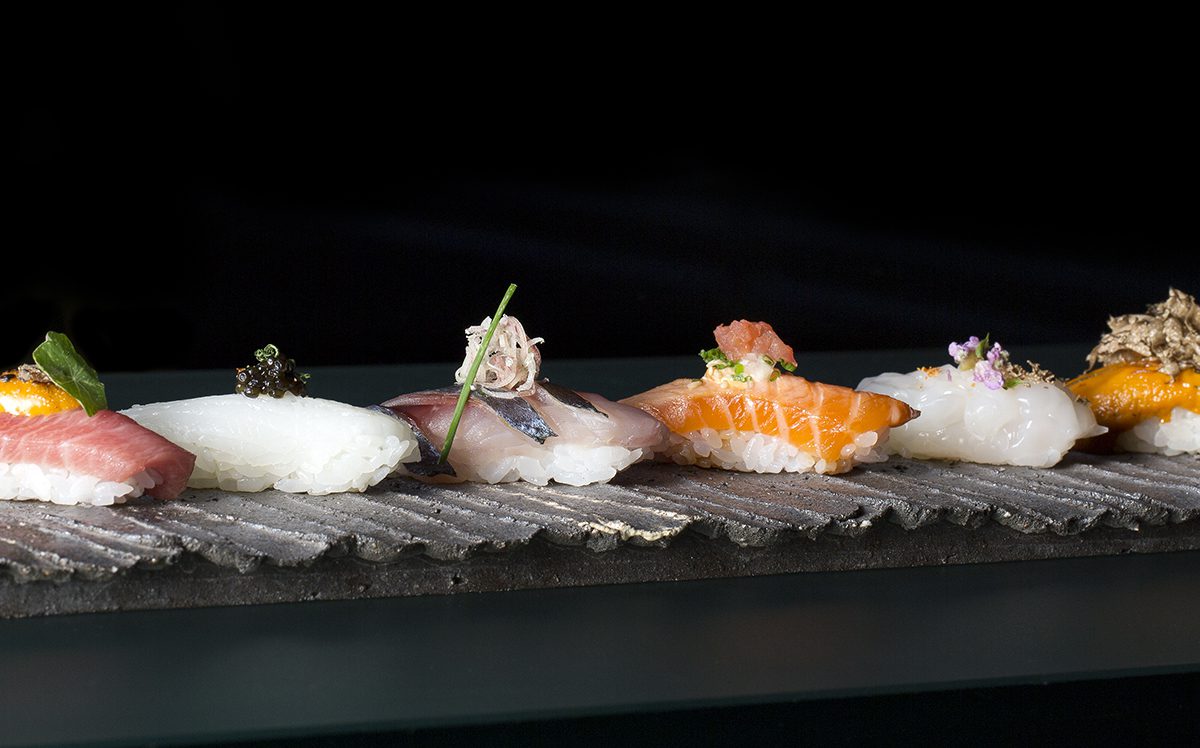
A sushi platter from Zuma’s menu
When chef Rainer Becker opened the first Zuma restaurant in Knightsbridge in 2002, it set a new benchmark for informal high end dining. Sven Koch joined the restaurant group Azumi Ltd Worldwide in 2011 and now, their portfolio includes ROKA, ETARU, Oblix at The Shard and INKO NITO, with locations spread across the globe. Here, Editor-in-Chief Darius Sanai speaks to Sven Koch, the group’s CEO, about embracing competition, working collaboratively and handling the challenges of Covid-19

Sven Koch
LUX: You opened Zuma in Boston last year. How is that going?
Sven Koch: Zuma Boston has done very well; I am pleased to say it was an instant success. We have a beautiful bar area at the front of the restaurant which quickly turned into “the place to be” within the city.
Obviously, Covid-19 has affected things hugely and the restaurant has been closed for a significant amount of time, but we are positive about building the business back up once we reopen.
Follow LUX on Instagram: luxthemagazine
LUX: You have a number of different brands in the portfolio. Do they all have different customer bases, or is the idea that clients can flip between them?
Sven Koch: It’s a mix really. We have some crossover between the brands, in fact individual locations more so, like Zuma and ROKA Mayfair, due to the proximity a lot of guests dine at both. Other than that, I would largely say they have their own customer bases. The ROKA locations have more a neighbourhood vibe, a lot of people frequent specific locations because it’s close to where they live or work, although obviously there are destination diners. Both INKO NITO locations, in London and LA, are young, vibrant area’s and very much represents the type of clients that the brand is aimed at. Oblix at The Shard, has a vastly different clientele as its our only non-Japanese restaurant and due to the restaurants location.
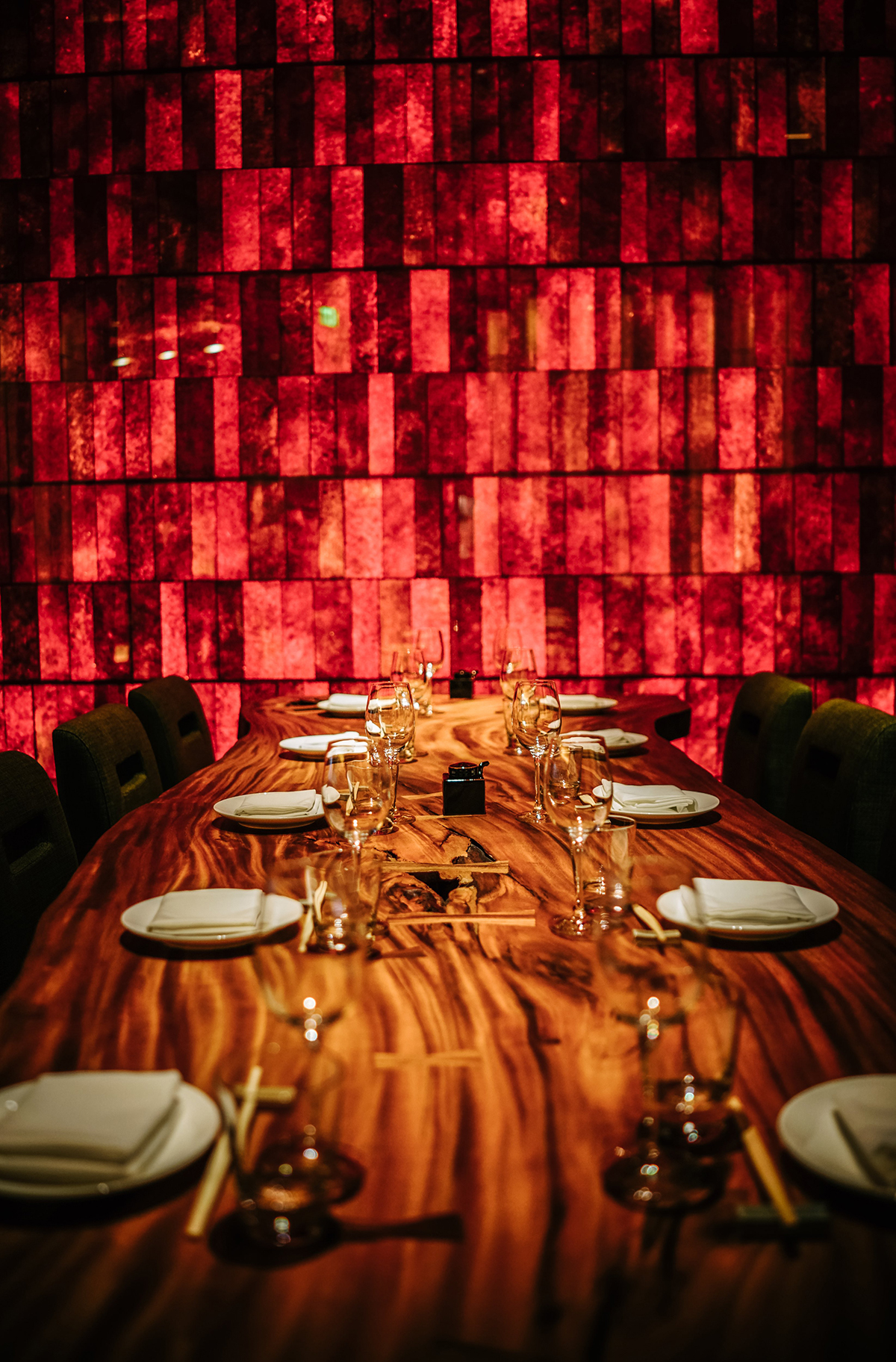
Zuma Boston is the brand’s latest opening
LUX: Which is the more powerful brand, between Zuma and Roka, and why?
Sven Koch: It’s hard to say if one is more powerful than the other, they are both strong in their own right but obviously different. Zuma has more international recognition due to its global footprint and the nature of the clientele who travel a great deal and regularly will eat in our locations in other countries. ROKA is predominantly based in London, with four locations, and has a huge following locally but this is also growing. We recently opened ROKA Dubai which has been very successful, and we have plans for other international locations. Ask me again in a year or two and I may be able to give you a more concrete answer!
LUX: It is famously hard to create a group of restaurants operating around the world. Why have you succeeded where others have failed?
Sven Koch: Honestly, it’s down to the people – our teams! We have always operated on the philosophy that it’s important to nurture and grow good people within the business. We have a lot of staff that have worked in multiple locations around the world for us and we really support these internal transfers as it helps to spread the company’s DNA, they are effectively like ambassadors. Additionally, we try to empower the teams in individual restaurants, they are on the ground and understand customers the best.
Read more: SKIN co-founder Lauren Lozano Ziol on creating inspiring homes
LUX: You are one of the first pioneers of informal high end dining. Is the scene moving on? If so, to what?
Sven Koch: I don’t think so, you only have to look at the influx of international restaurant brands opening in London to realise that the trend is not going anywhere. That is not to say that the industry is not diversifying because I believe it is. The lifestyle element is key, people don’t simply want to go out for a meal anymore, they want to be able to spend an evening in that location; enjoy drinks before and/or after dinner, music, atmosphere… We are fortunate that all of those elements have always been part of our concept and that Japanese food is timeless as many other cuisines go in and out of fashion.
LUX: How will the coronavirus crisis affect dining out in general and your group in particular?
Sven Koch: Sadly, it seems to have affected everyone, although the hospitality industry has been particularly badly hit. We had to close all of our locations internationally, bar one (Hong Kong), at the peak of the crisis. Slowly we have been able to reopen the majority, but some cities or areas are still suffering from the aftermath so we have made the choice to wait. I think we’ve been very fortunate on the whole with government support in the countries we have restaurants in, additionally our landlords have been very understanding during this difficult time.
LUX: For years, we have seen an expansion of global travelling young wealthy people – are these your base? Is that now changing, with political and global uncertainties?
Sven Koch: Yes, they definitely are the Zuma customer base. Obviously Covid-19 has had huge effects on travel both nationally and internationally and I think it is too early to determine the long-term effects at this stage.
Having said that I just returned from the South of France for work and it was packed. It almost felt like Covid had never happened, international travellers everywhere… Prior to this trip I would have said it will take some time for travel to recover but now, you tell me?!
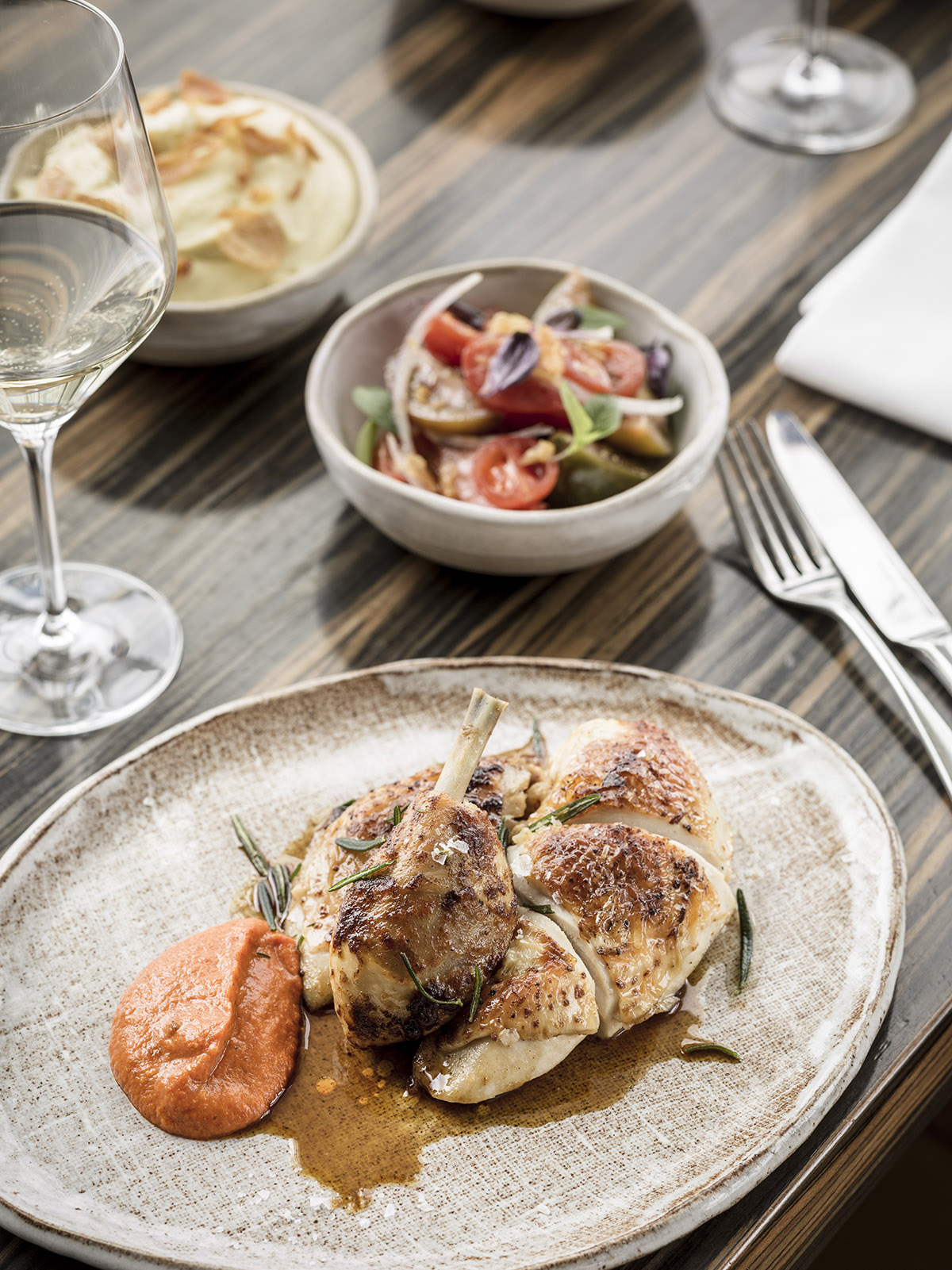
Oblix at the Shard is the group’s only non-Japanese restaurant, offering a rotisserie and grill menu
LUX: Is food miles an issue? Will it be?
Sven Koch: Food miles is certainly something that we need to be conscious of. It is a tricky one for our restaurants as so many of the speciality products we use can only be sourced from Japan. You obviously try and buy as locally as we can but in some cases its just not possible. In recent years we have experimented with making our own products, like soy sauce for example which was fantastic. I think that this and the resurgence of smaller artisanal producers are the way forward…If anyone knows people producing miso in the UK then let us know?!
Read more: Two new buildings offer contemporary Alpine living in Andermatt
LUX: Is the food offering at Zuma and ROKA evergreen, or does it involve constantly? Would a diner from 12 years ago recognise the menu now?
Sven Koch: I would say 70% of the menu is evergreen but honestly that’s dictated by our customers who sometimes uproar if we take dishes off. We have several new seasonal dishes that are added to the menu and change quarterly which are developed by the individual restaurant teams. If one of those dishes happens to sell exceptionally well then, we add it to the menu permanently. In answer to your questions, yes, they would recognise it 12 years on.
LUX: You have a lot more competition now. How has that affected things? Do you get irritated by imitators?
Sven Koch: Competition is good, it keeps you on your toes and pushes you to keep evolving. When new restaurants open in competition with us we generally feel it for the first month or so. Customers love to try the latest new thing and we do see a small downturn in business which is always a little difficult to deal with, but they soon return to us, which is a testament to the quality of our product and our team.
Ha! Do we get irritated by imitators?… Good question! I must be honest; it is irritating when you see another restaurant directly ripping us off, it happens regularly that I go to another restaurant, open the menu and its surprisingly so familiar! I always just think: why don’t you make it your own? Be a bit creative, work a little harder – fundamentally I think it’s a very lazy approach.
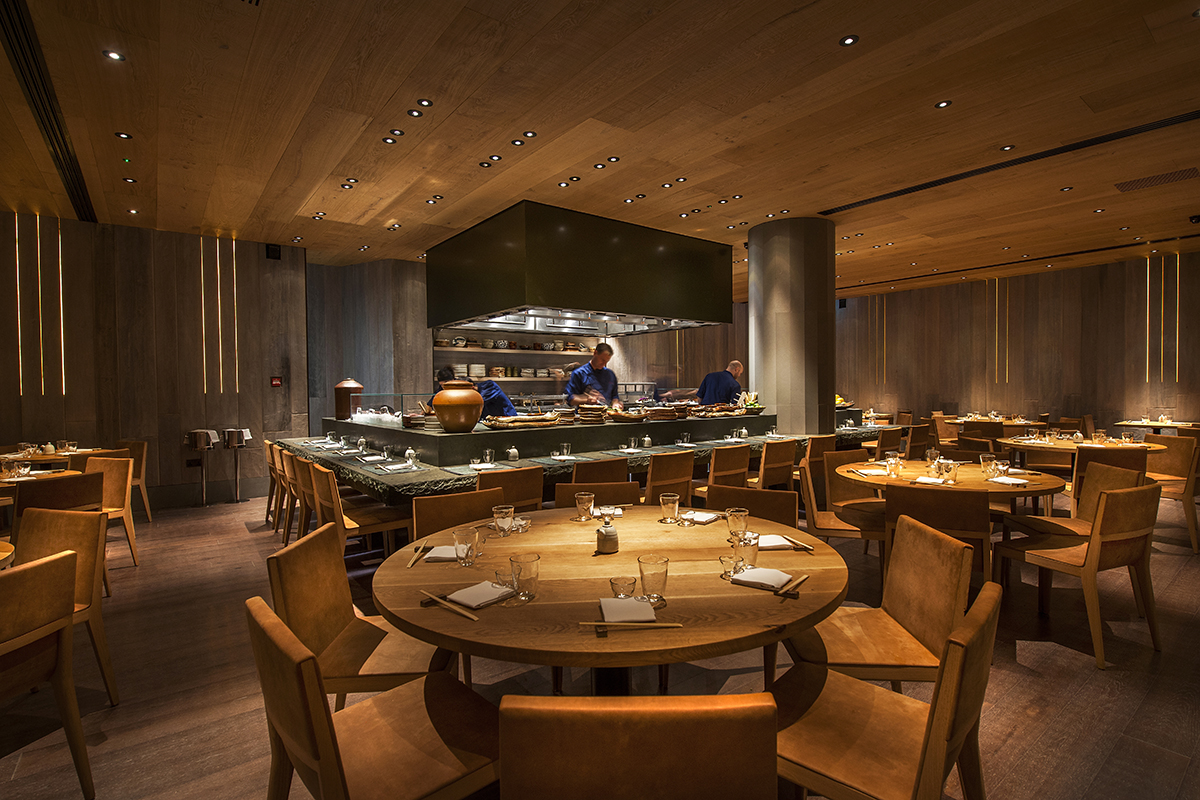
ROKA Aldwych. Image by Richard Southall/Agi Ch
LUX: Are we facing a speed bump or a new paradigm?
Sven Koch: 2020 has been a difficult year to say the least and things have certainly shifted but I would love to think this a speed bump and we are approaching as such. We are pushing ahead with plans, albeit a bit more cautiously from a budget perspective. Between Zuma, ROKA and Oblix, we aim to open in excess of 15 new locations in the next 3 years.
LUX: What cities or countries would you like to be in, which you are not in currently?
Sven Koch: As I mentioned we have substantial expansion plans in the not too distant future and are looking at sites in Europe such as Paris, Cannes, Saint Tropez, Monaco, Madrid and Capri, and further afield in Cabo, Mexico, and Morocco… I don’t think that leaves much left! From a personal perspective, I would love to open something in Germany – as would Rainer [Becker] – given that it’s our home country but so far, the right opportunity hasn’t presented itself. Watch this space!
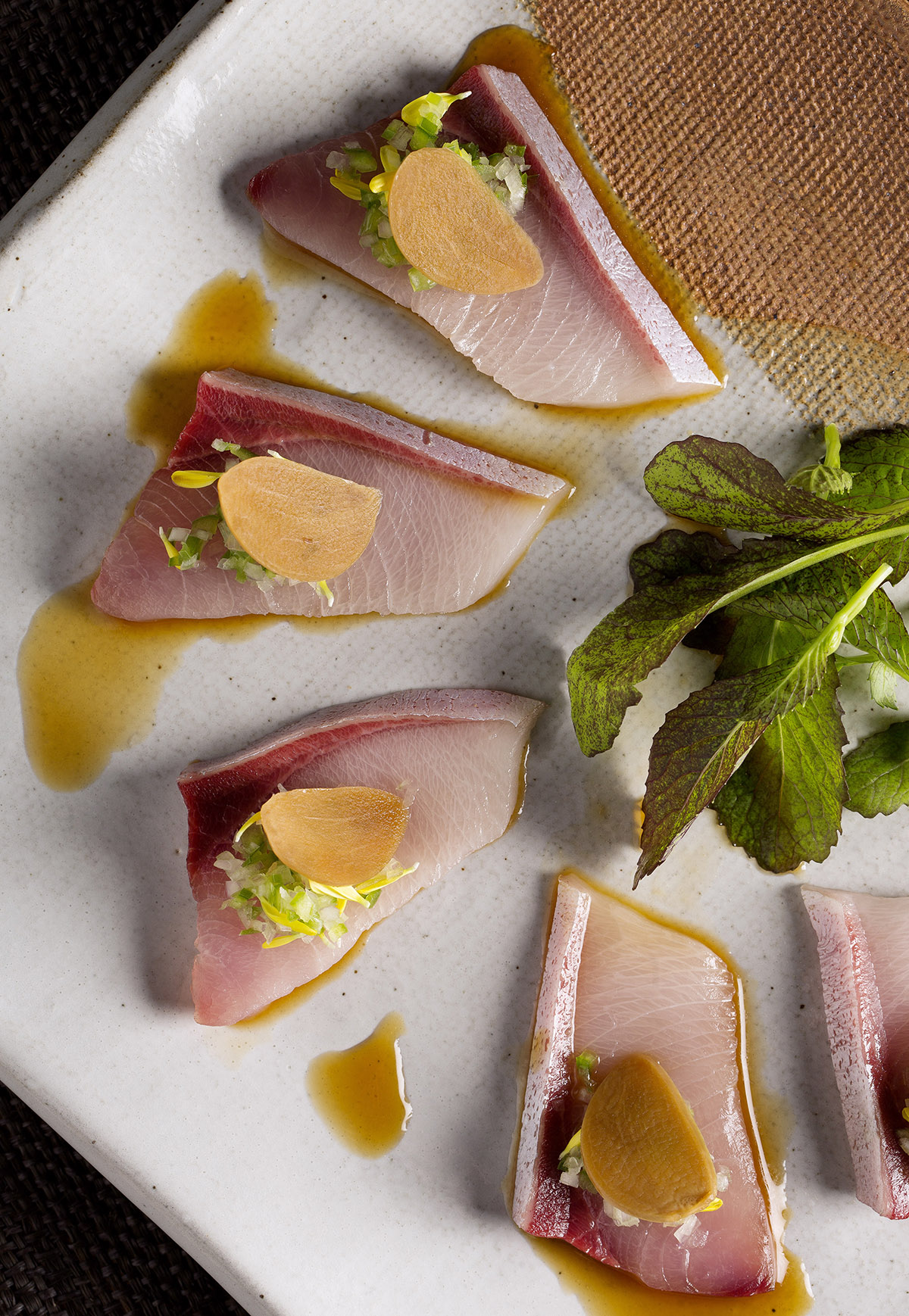
Sliced yellowtail with green chilli relish, ponzu and pickled garlic from Zuma’s menu
LUX: How do you and Rainer Becker share duties?
Sven Koch: We don’t really share duties to be honest, we have never sat down formally and assigned roles as it has always been a lot more natural and organic than that.
Obviously, Rainer created the restaurant concepts and he is still heavily involved in the creative side of things including the food and design. I tend to take care of the day to day running of the company including the expansion and growth. We are very collaborative however and always tend to bounce ideas off each other.
LUX: What has been your greatest challenge, and how did you overcome it?
Sven Koch: For sure Covid-19 has been the biggest challenge both personally and professionally. The pandemic has hit everyone hard and its devastating to see people’s families effected and being so hard hit financially. As a business we are working hard to ensure we can bring as many members of staff back into the business as possible. It really is a frightening time.
Find out more: azumirestaurants.com
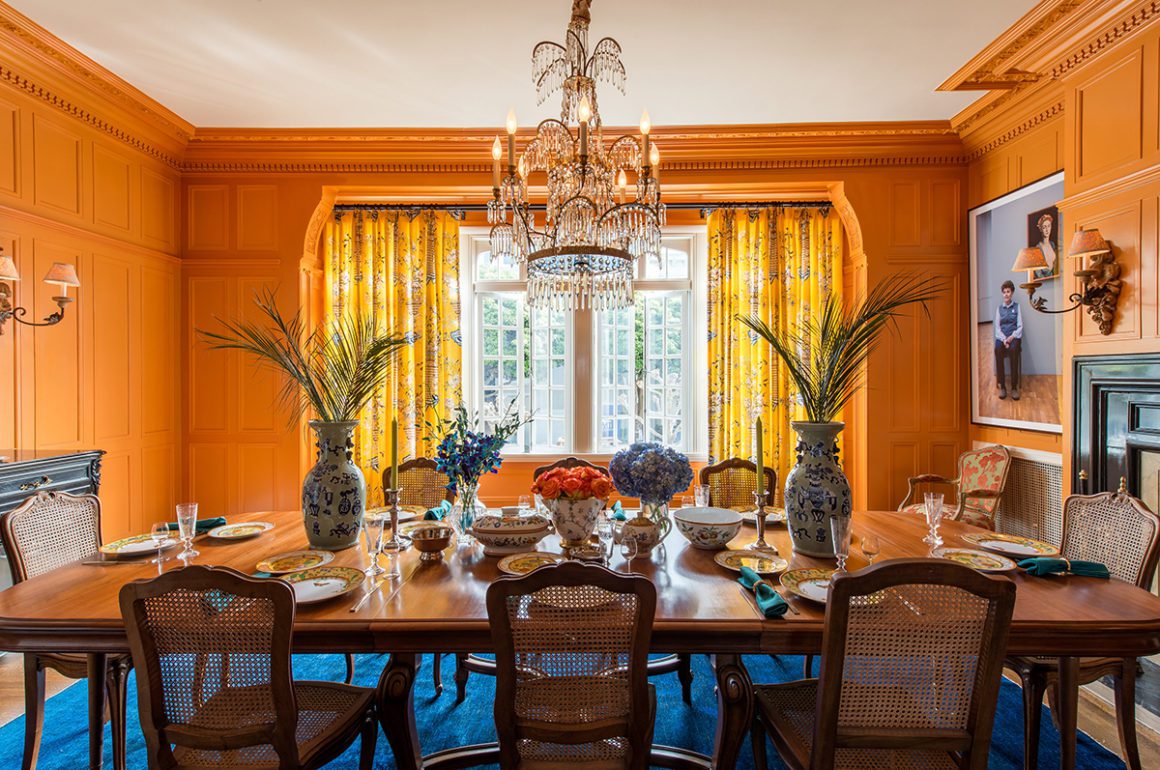
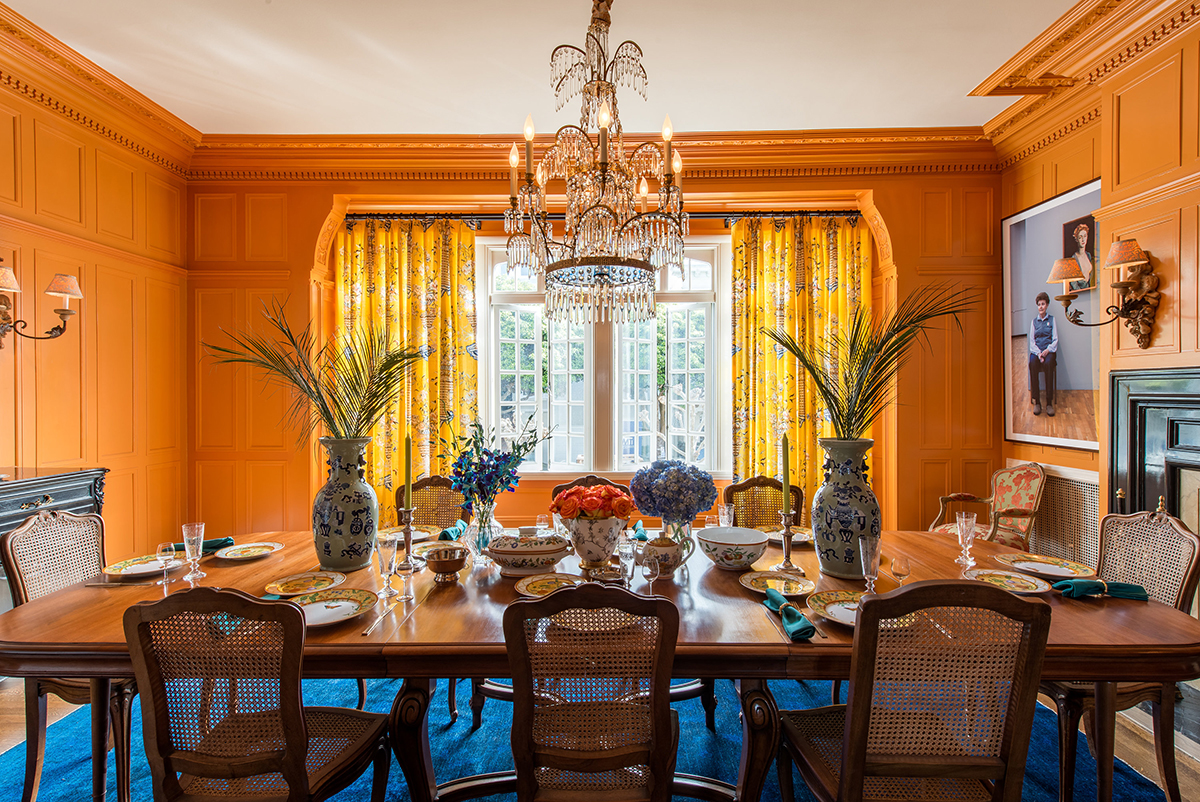
A dining room interior by SKIN. Image by Andrew Miller Photography
Founded by interior designer Lauren Lozano Ziol and graphic designer Michelle Jolas, SKIN is a luxury interior design studio that offers its clients the opportunity to accompany designers to furniture markets, design shows and antique shops. Ahead of the studio’s London launch, we speak to Lauren Lozano Ziol about the business concept, her inspirations and designing spaces to promote positivity
Lauren Lozano Ziol (right) with Michelle Jolas
LUX: How did the concept for SKIN first evolve and who’s your target customer?
Lauren Lozano Ziol: Since Michelle and I first met over a decade ago, we have succeeded in pushing each other out of our respective comfort zones of graphic design and history of art, allowing us to continually challenge style boundaries. When we founded SKIN in 2017, we bonded over our love for materials that can be used in design. There are so many exciting and interesting ways to use materials such as cowhides, shagreen, snakeskin, leather, fabrics, veneer and so much more. Wallpaper is another critical consideration for us, in the past, we contemplated creating a wallpaper line, and the name ‘SKIN’ was a fun play on all of the above. As we considered what SKIN as a company meant, we realised the meaning is profound – it’s your outer layer, what you show to the world, it’s inner and outer beauty, it’s diversity – this led us to name our website skinyourworld.com.
Follow LUX on Instagram: luxthemagazine
Our target customer is a discerning client who appreciates the beauty of high-end, quality interiors and materials, with a shared interest in art and furniture history, who isn’t afraid of mixing period pieces and jumping out of their comfort zone to create unique, elegant and sophisticated interiors. Also, a client that likes to have fun with the process.
LUX: What’s your creative process when you start on a new interiors project?
Lauren Lozano Ziol: Firstly, we learn about the client, who they are, what they like and what inspires them in their daily lives so that we can understand their needs. The creative juices then start flowing. We create vision boards, art collection ideas and materials. We lay out the floor plans and make sure the scale is perfect, we then select potential furniture, sketch ideas and pull it all together with renderings to show the client. We love being in the client’s space with all the materials. Colour and texture, lighting and luxurious material all play a synchronised role in the complete design. When we present to a client, we love to collaborate with them, it sparks creativity and new ideas.
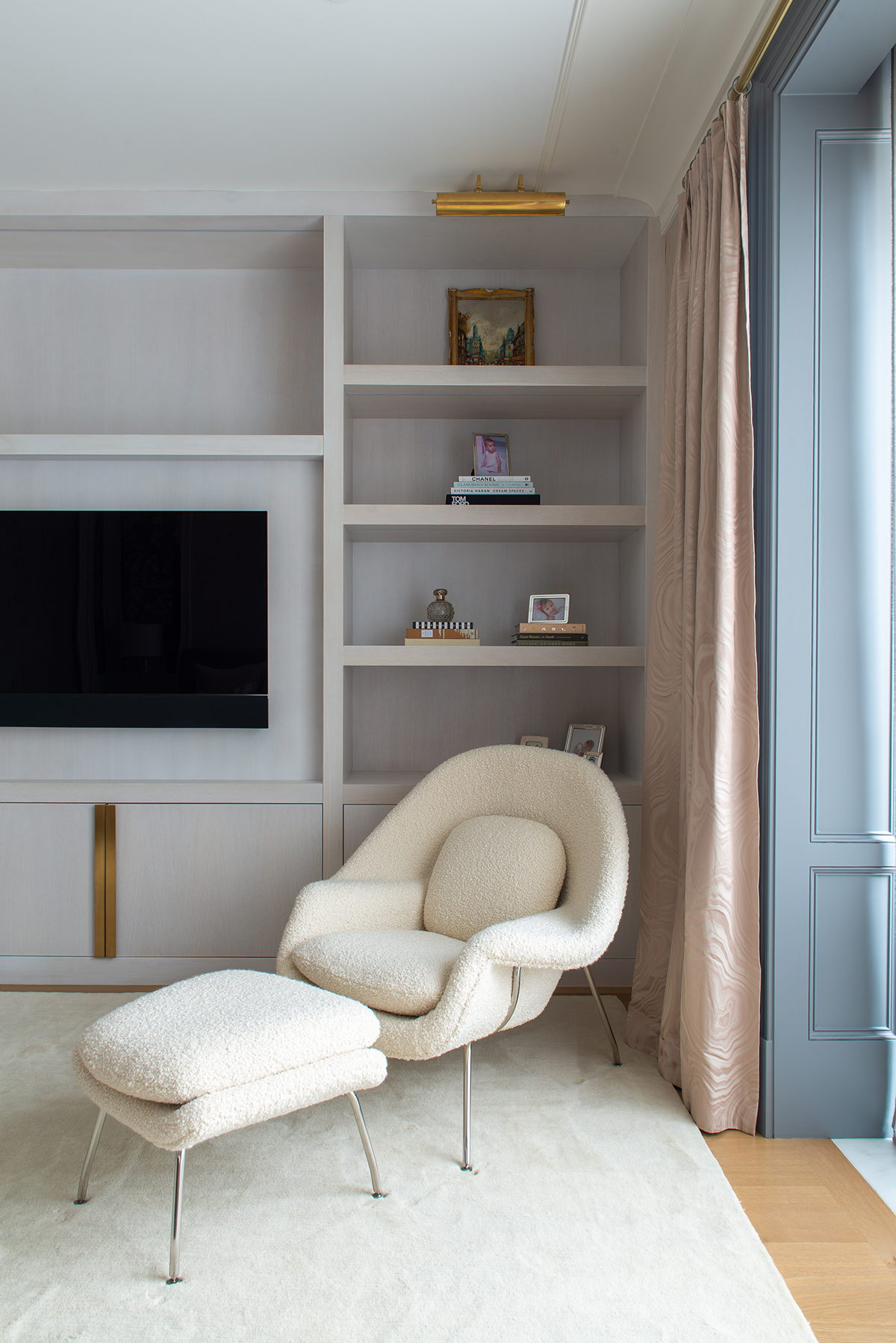
A private residence project by SKIN. Image by Andrew Miller
LUX: In terms of the design side of the business, is it important to have a style that’s recognisably yours?
Lauren Lozano Ziol: Yes, and no. Yes, in terms of being refined, elegant, timeless, classic and chic – whether the interior is modern or traditional. However, every client is different, so we like to explore what that means to the project and not box ourselves into one look. We want each project to be unique.
Read more: Two new buildings offer contemporary Alpine living in Andermatt
LUX: Is there a design era that you’re particularly drawn to or inspired by?
Lauren Lozano Ziol: French 40s and Art Deco in terms of style and materials. We also adore Maison Jansen.
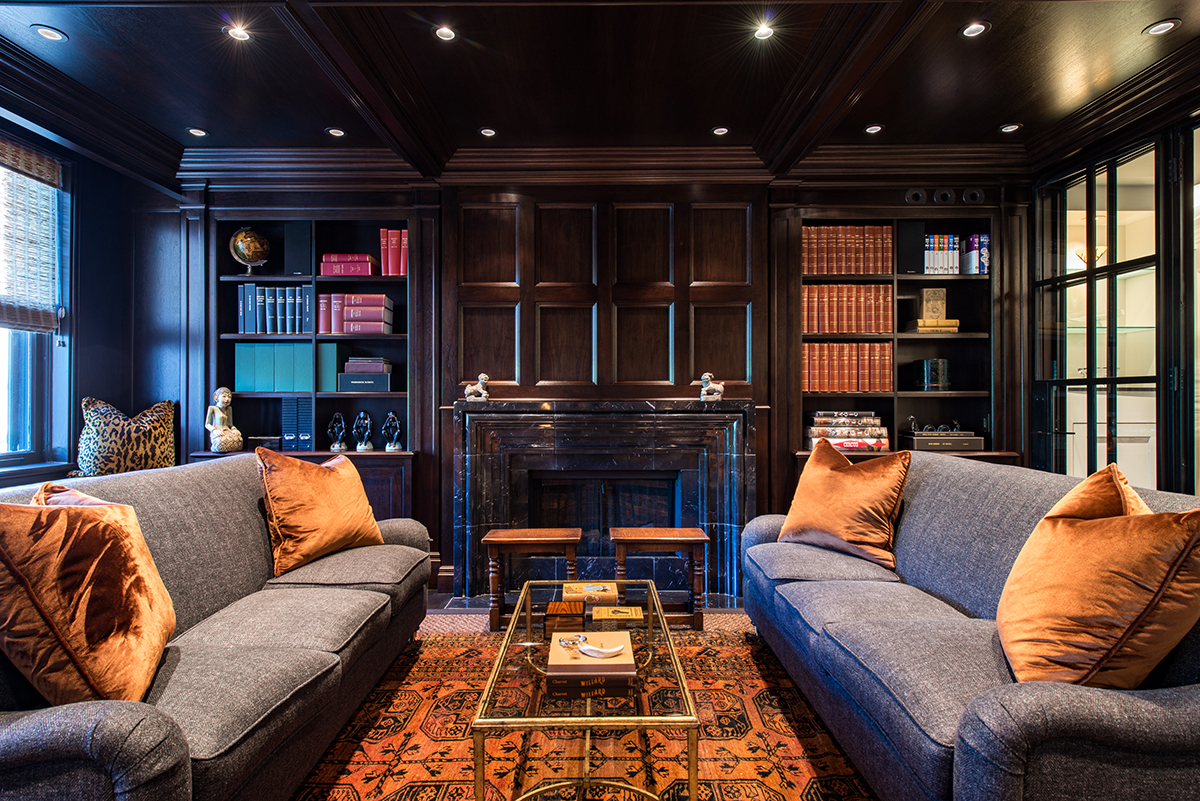
Library design by SKIN. Image by Andrew Miller
LUX: How much of a consideration is sustainability?
Lauren Lozano Ziol: Very much so, our environment has never been more important, so we work together with architects and contractors to bring the right materials that are long-lasting and good for the planet. Now more than ever the need for healthy communities, clean air and non-toxic environments is paramount.
LUX: Why do you think lifestyle services have become more desirable in recent years?
Lauren Lozano Ziol: We firmly believe that environments influence how you feel. They have the potential to promote creativity and help make you your best. If you like the space you’re in, you feel happier amidst the disruption of Covid-19. The well-being achieved from a well-thought-out, organised home can have long-term positive effects on the whole family.
Read more: Three top gallerists on how the art world is changing
LUX: Are your excursions designed to inspire or educate, or both?
Lauren Lozano Ziol: Both! We make a list, head off to explore and see what catches our eye. We love talking about the history of pieces when we go on an excursion, but ultimately, we settle on what speaks to us and inspires our project goals. The day can end very differently to what we set out to accomplish because there are always hidden gems and treasures to find along the way.
LUX: Should good design last forever?
Lauren Lozano Ziol: Yes, our philosophy is “timeless, classic, chic with an edge” which allows us to create an ageless design yet pushes us to look for new and exciting trends.
LUX: What’s next for you?
Lauren Lozano Ziol: Our London launch, which we are so excited about. We are ready to meet new and interesting clients and breathe life into amazing projects. Again, our environments have never been more critical, and we are ready to take on our new adventure.
Find out more: skinyourworld.com
One of the luxury apartments in the Arve building with spectacular views of the surrounding landscape
Two new apartment buildings in the Swiss village of Andermatt offer the calm and luxury of contemporary Alpine living. LUX speaks to the architects behind the designs
The historic village of Andermatt is fast becoming one of Switzerland’s most desirable year-round destinations offering a variety of winter and summer sports, activities, dining options, and accommodation. Located in the village’s car-free area known as Andermatt Reuss, Arve and Enzian are the development’s latest apartment buildings, designed to harmonise with the traditional alpine setting whilst catering to a contemporary luxury lifestyle.
Follow LUX on Instagram: luxthemagazine
Designed by CAS Architects, the Arve building comprises 17 apartments with spectacular views of the village and surrounding mountains whilst the Enzian building comprises 12 apartments designed by Swiss architecture firm Schmid Generalunternehmung. Here, Michael Häfliger of CAS Architects and Men Vital of Schmid Generalunternehmung talk us through the design concepts for each property.
What inspired the design intent for Arve and Enzian, and what differentiates the two properties?
Michael Häfliger: In the design for Arve alpine tradition meets contemporary with clear forms and natural charisma. We have combined cosy ambience, warmth and rustic security with the need for high comfort. These exclusive apartments are as dignified and enduring as the Swiss pine trees after which the building was named (Arve is the German name for the Swiss pine). Much like the noblest tree in the mountain landscape, the Arve Chalet Apartments offer spectacular views of the world below.
Read more: Three top gallerists on how the art world is changing
Men Vital: The Enzian Alpine Apartments are styled on modern Alpine villas. We wanted each apartment to provide the ideal place to sit back and unwind after an active day in Andermatt, with an atmosphere as calming as the Alpine herb after which the building is named (Enzian is German for “gentian”). Some of the apartments feature a fireplace and sauna, and some boast a private roof terrace or a garden terrace on the raised ground level. The private gardens are raised above the level of the adjacent paths, allowing residents to relax in privacy whilst the interiors are designed to fit all the needs of a peaceful Alpine lifestyle.
Arve’s apartments combine alpine tradition with contemporary furnishings
How much of a consideration was the resort’s heritage and commitment to sustainability?
Michael Häfliger: When developing the design for Arve, we greatly considered the inclusion of the local conditions and the extraction of the resort’s identity by creating features as important prerequisites during the planning. The urban structure of the central zone of Andermatt does not follow an orthogonal grid and does not show any symmetry. Crystalline building forms, narrow and wide alleys merge into an urban density and create spatial tensions. We have taken up and adapted this atmosphere with the building structure. The interior of the building does not follow a grid either and arranges the apartments in a free structure whilst the external appearance takes up elements that are typical for the location, such as bay windows, stone plinths or wooden facades, and translates them into a contemporary form.
CAS Architects have been committed to sustainability in its mission statement for years. Conscious use of resources is a matter of course for us and has also led to efficient processes and procedures at Arve. The building materials and construction materials were procured as far as possible in the Ursern valley and the landscaping consists exclusively of local plants. Arve also meets all the criteria of the Minergie standard and is certified accordingly. High-quality external insulation and a ventilated wood cladding façade underline the sustainable energy concept.
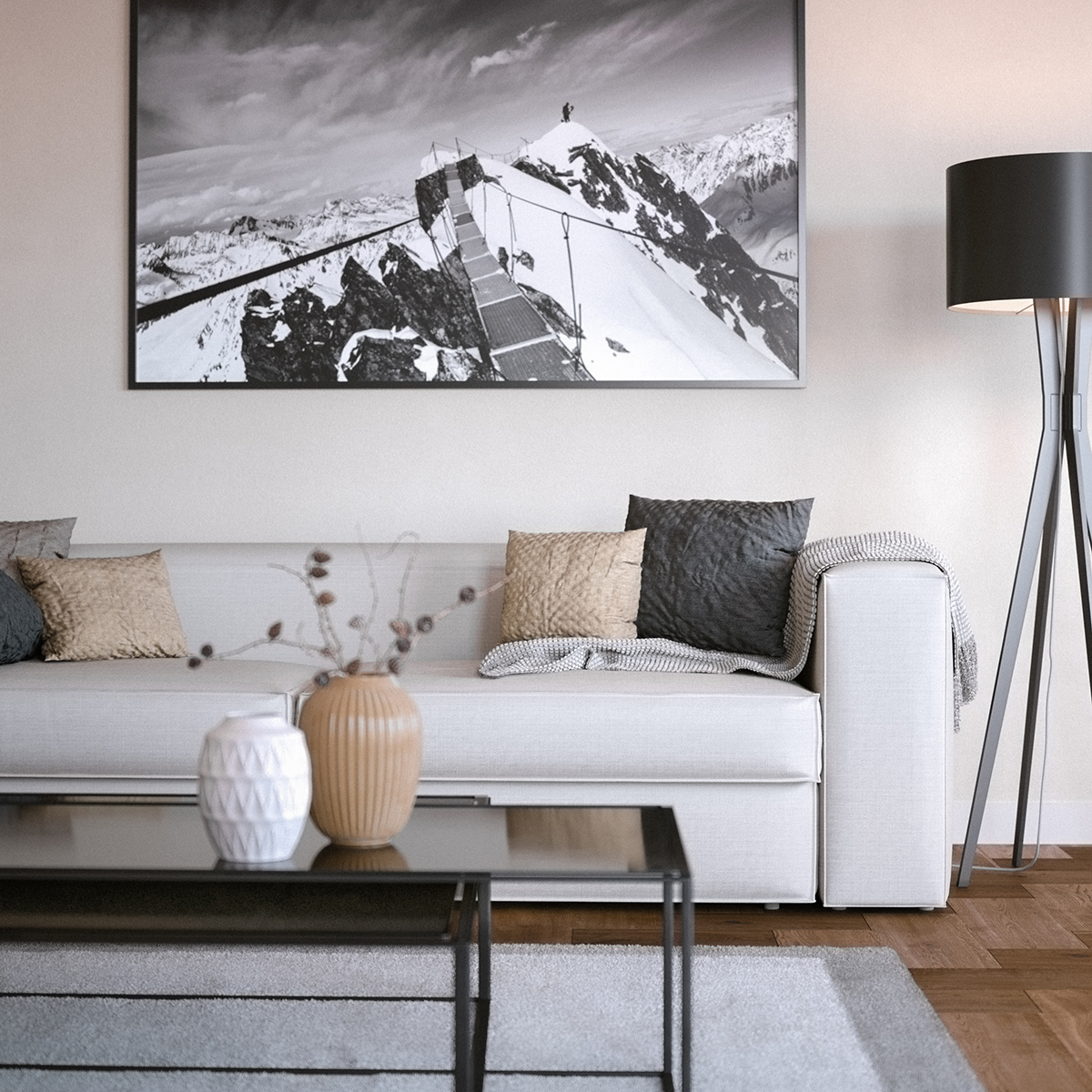
Here and above: Enzian apartments feature luxurious interiors with unique detailing such as parquet flooring
Men Vital: The design of the Enzian building took the specifications from the architectural competition into account and buildings will be constructed to the Minergie standard with controlled ventilation. Mineral-insulated rock wool has been used for the façades, which is a high-quality, non-combustible material with a high sound insulation value. The use of fibre concrete is similar in quality to natural stone and the flat roof is extensively greened, which increases the outflow of water and helps to create a better ambient climate.
Can you talk us through some of the materials that were used for the interiors?
Michael Häfliger: High quality and timelessness underline the Alpine character and so precious and durable materials such as wood, natural stone, glass and steel dominate the design of Arve.
Read more: Meet the winners of Prince Albert II of Monaco Foundation’s awards
Men Vital: Durability and quality were taken into account when selecting materials. For example, we used parquet flooring and wet room panels with an oriental-style design.

The open-plan living space in one of Arve’s apartments
How do the designs fit into the larger Andermatt Swiss Alps development?
Michael Häfliger: With Arve, the Alpine tradition of Andermatt is continued, and the chalet style is interpreted in a modern, self-confident way. The exclusive apartment building is strongly reminiscent of the character of the Arve; it takes up the sublimity and tranquility of the pine tree and creates a clear reference to the surroundings. The house has an unusual form that creates exciting exterior and interior spaces.
Men Vital: Enzian house is distinguished by its cubic architecture with a frescoed roof, bay window, loggias, and plinth. This is further emphasised by the window partitions in sandstone look, which are reminiscent of a traditional patrician house. It sets an extraordinary accent within the Andermatt Reuss area of the resort due to its architectural form and its lower height compared to the neighbouring properties. In terms of colour, the house is based on the wider surroundings; it is like a rock covered with lichen.
Find out more: andermatt-swissalps.ch
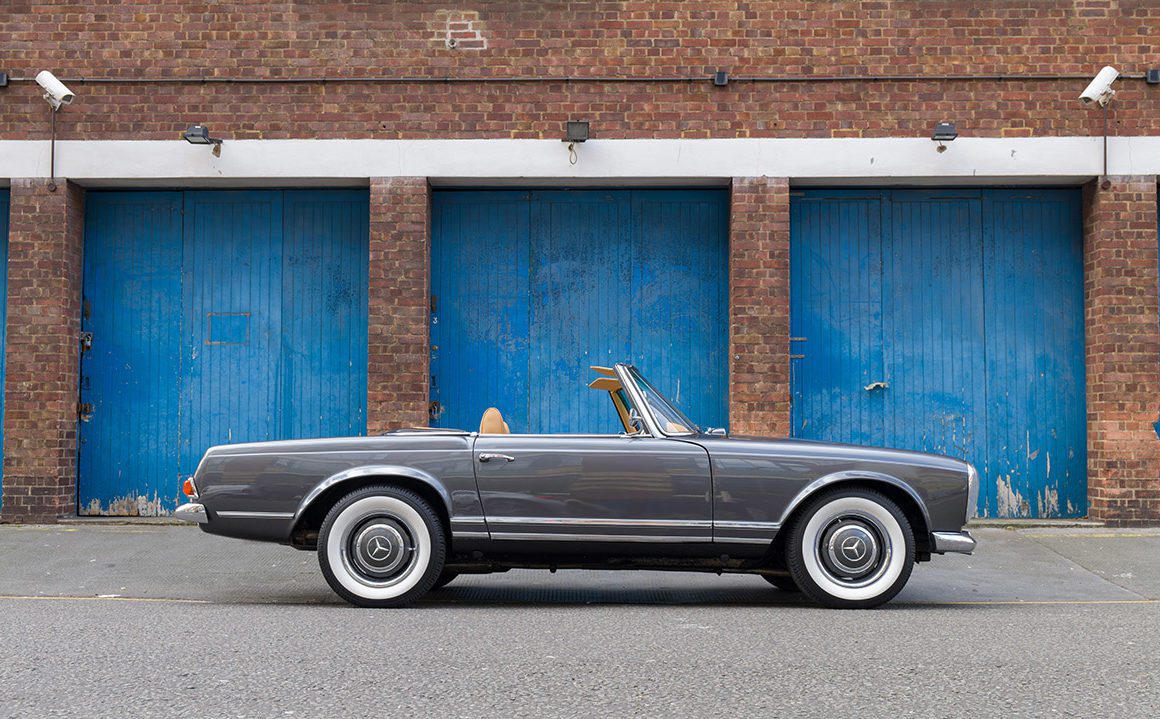

ionic cars makes over classic cars with high performance, zero-emissions electric power
LUX discovers how UK start-up ionic cars is replacing the original engines of classic cars with zero-emission electric power
According to government figures, cars currently account for just over 18% of UK emissions. Aiming towards the goal of cutting emissions to net zero by 2050, there have been dramatic shifts towards the production of electric cars with Mini, the Vauxhall Corsa and the Fiat 500 most recently launching electric models. For classic car lovers, however, eco-friendly options are hard to come by, which is where ionic cars comes in.
Follow LUX on Instagram: luxthemagazine

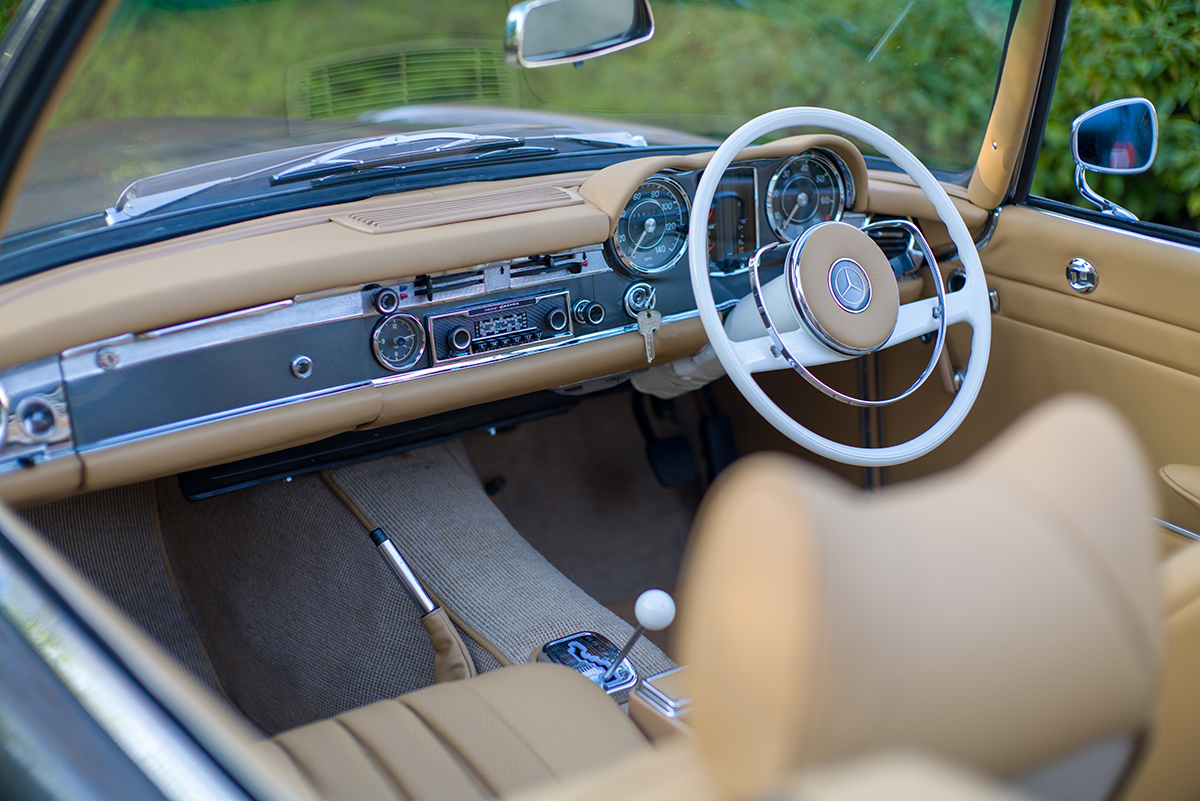
The bodywork is refurbished and interiors are fully customisable
The UK-based start-up transforms vintage cars by removing the original high emissions ‘old-tech’ engines and replacing them with zero-emission power. The bodywork is fully refurbished and interiors are customisable with everything from vegan leather to heated seats and matching luggage. For those worrying about the car’s collectible value, the process is fully reversible, or the original engine can be refashioned into a bespoke perspex case coffee table. ionic’s models currently include the Mercedes-Benz Pagoda and Porsche 911 with plans to expand in the future.
For more information visit: ioniccars.com
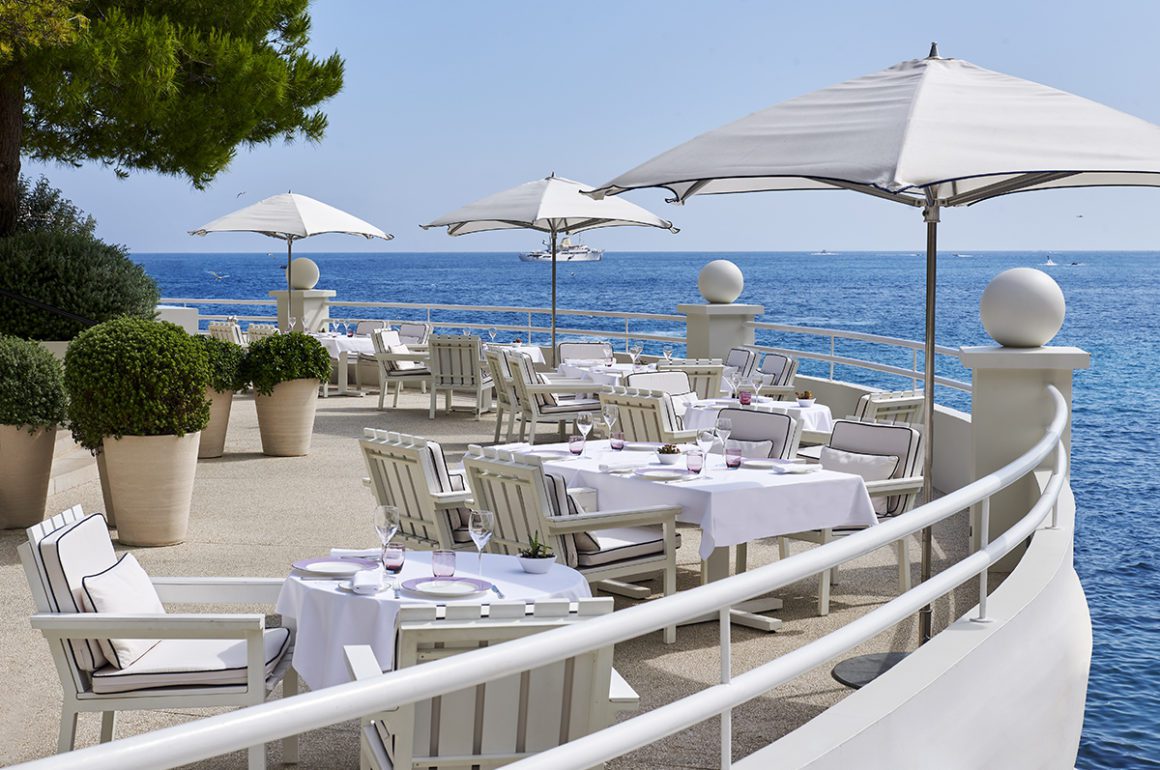
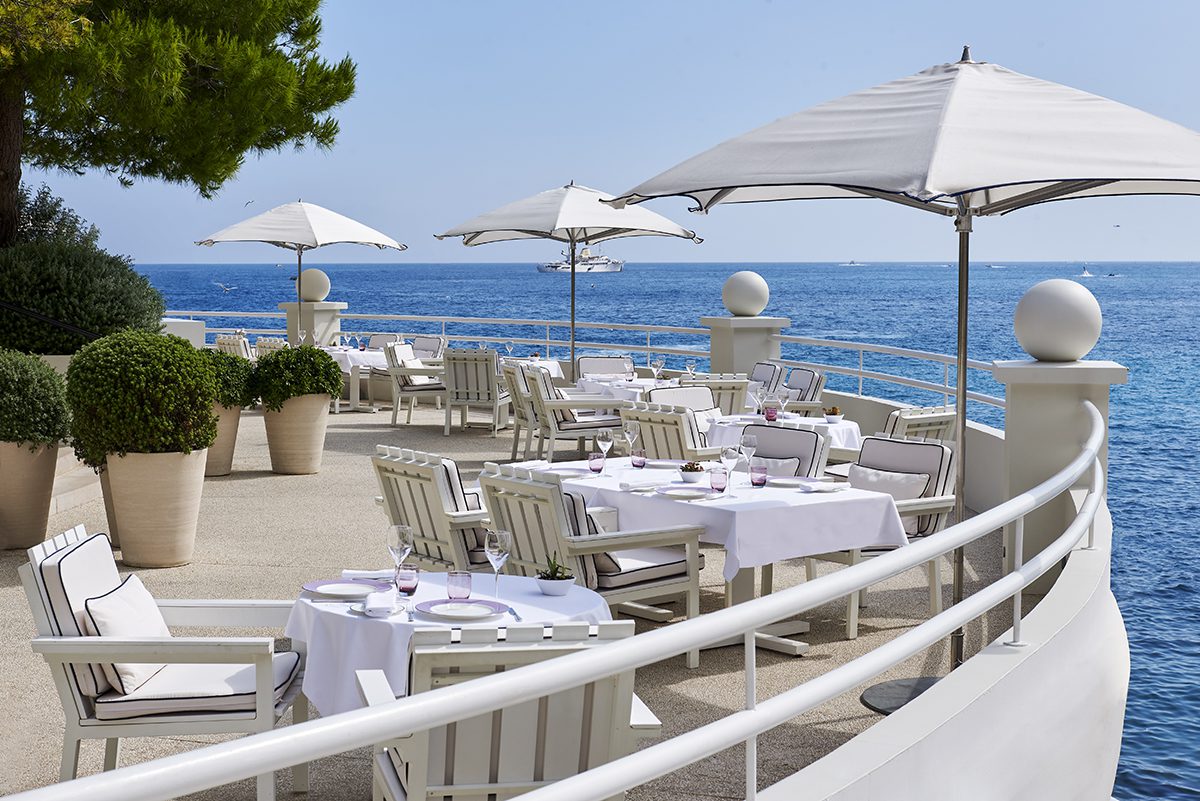
Elsa at Monte-Carlo Beach hotel is the first 100% organic Michelin-starred restaurant, as certified by Ecocert
Ahead of the re-opening of Monte-Carlo Beach hotel’s Michelin-starred restaurant Elsa, we speak to newly appointed Head Chef Benoît Witz about his commitment to seasonal, organic produce, sustainable kitchen practices and authentic Mediterranean cuisine
Chef Benoit Witz
1. What can we expect from Elsa when it opens this summer?
Our focus is on local products and seasonal cuisine. We are keeping the products as simple as possible to highlight their true flavours.
Follow LUX on Instagram: luxthemagazine
2. How do you define modern Mediterranean cuisine?
I always look for simplicity. Mediterranean cuisine, to me, is a dish that shows off the natural taste of a recognisable product. We often forgot about what’s essential. My goal is to highlight our local products, and I always choose organic ones. It is necessary to show all the beautiful products we have around us thanks to Mother Nature.
3. Do you pay attention to cooking or eating trends?
I follow clients’ wishes more than trends. I am inspired by the products I can find in the markets, or in the restaurant’s fruit and vegetable garden. My cuisine’s personality is about elegance and health. I want to follow what our body needs.
Read more: Driving from Alsace-Lorraine to Lake Constance
4. What’s your process for creating a new recipe?
I am inspired by old cooking books. I love trying new recipes and using products that have been forgotten and mixing them with new ones. It’s something unusual for food lovers. Most of the time, it’s a success and clients love that.
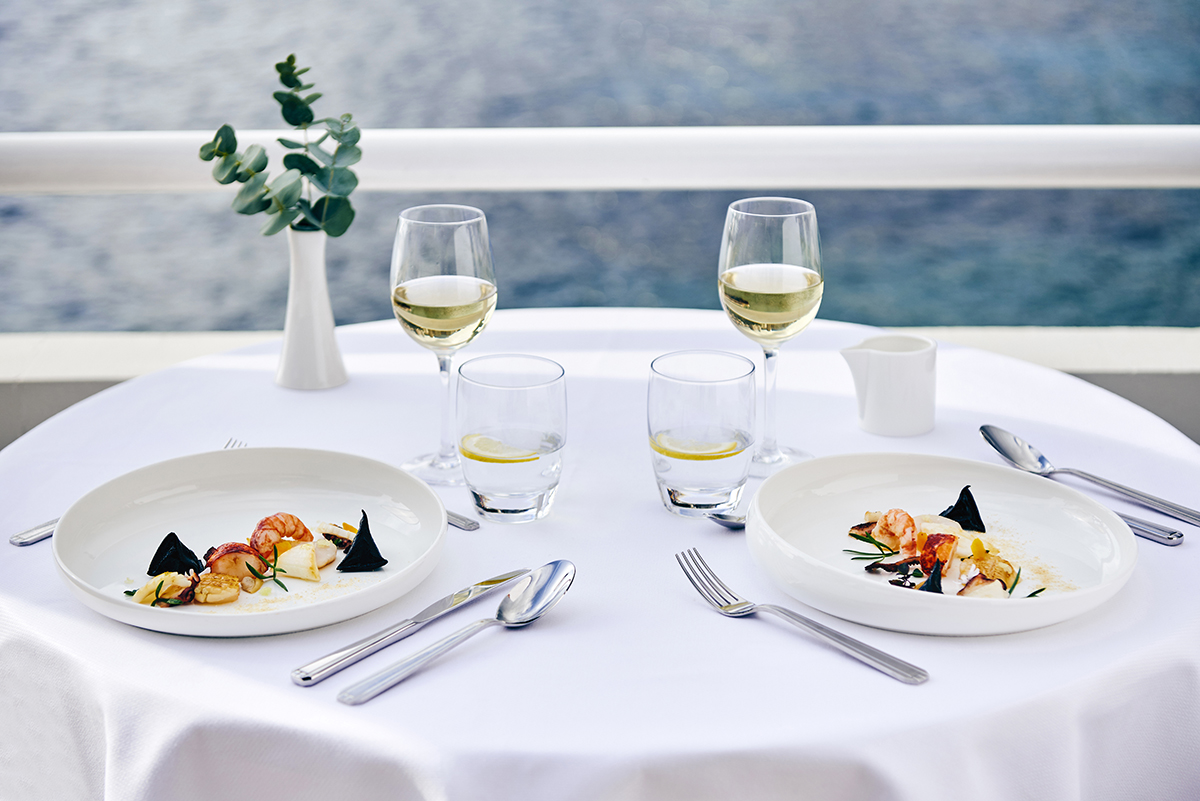
Headed up by Benoît Witz, Elsa offers a menu of authentic and seasonal Mediterranean cuisine
5. How are you incorporating sustainability into Elsa’s kitchen?
There are a number different ways. First of all, our teams are trained to pay close attention to sustainability. We have constant discussions about how we can do more as it is very important to the wider company Monte-Carlo Societe des Bains de Mer and our property the Monte-Carlo Beach hotel. For example, we group the orders together in order to avoid waste, we ask all our providers to avoid plastic and all of the kitchen waste is sorted and organised. We also only buy local and organic produce.
6. What’s your favourite dish to cook at home?
I love cooking fruit and vegetables, together or separately. I often mix them with cereals such as lentils or chick peas. Since I discovered chick pea flour, I enjoy making pancakes with vegetables. I often use artichoke or salade shavings and then add pepper, salt and herbs. I simply sauté the vegetables, which is how I prefer to cook them. It’s a very easy, filling and tasty meal to make at home. You should try it!
Find out more: montecarlosbm.com/en/restaurant-monaco/elsa
Fashion superstar Giorgio Armani on his global empire
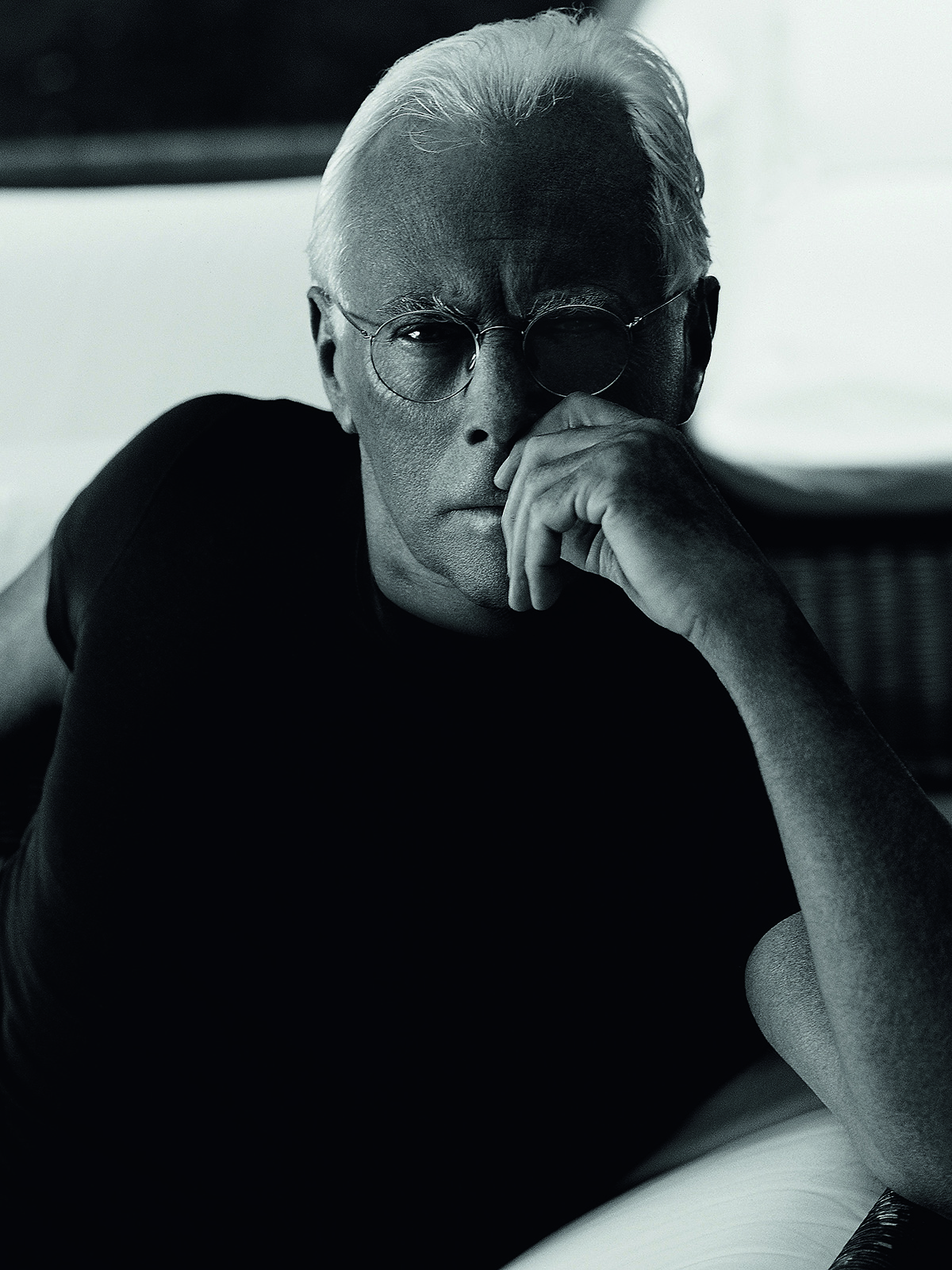
Giorgio Armani. Courtesy Giorgio Armani
The designs of fashion superstar Giorgio Armani have become synonymous with the relaxed yet restrained and sophisticated style that has, over the nearly half century he has been in the business, transformed Italian tailoring. Harriet Quick talks to the legend about his global empire, which spans womenswear, menswear, interiors, hotels and more
Even with increased life expectancy and delayed retirement age, there is only a tiny percentage of us who, at the age of 85, will wake up every morning motivated by the prospect of a full days’ work. That Giorgio Armani is in charge of a multibillion-euro company, more than 7,000 employees and owns a personal property portfolio of nine houses (plus a 65m superyacht named after his mother’s nickname, Maín), a personal fortune estimated at 6 billion euros and a whip-sharp brain makes him that rarity.
Follow LUX on Instagram: luxthemagazine
Who does he see in the mirror each morning? “I see a man who, through sheer hard work, has achieved a lot, turning a vision of style into an all-encompassing business. This assumption might sound like an overstatement, but it is a matter of fact,” says Mr Armani (Mr is his preferred address), dressed in his ‘fashion-worker uniform’ of blue sweater, cotton trousers and white sneakers. “And yet, in spite of all my achievements, I still feel the fire. I am never content – I am always challenging myself. That’s how I keep young and aware, by always raising the bar a little higher,” he says.
In January 2020, Armani will have presented Giorgio Armani menswear during Milan fashion week, the Armani Privé collection during the Paris haute couture collections and overseen looks designed for celebrities attending the Golden Globes, the Oscars and the Baftas. He also picked up the GQ Italia Award in January in swift succession to the Outstanding Achievement Award that was presented to him by Julia Roberts and Cate Blanchett at the British Fashion Awards in December 2019. By way of acceptance, he simply gave a big thank you while Blanchett added, “Mr Armani is a man who prefers to let his clothes do the talking”.
Armani with his mother Maria in 1939 (top), and with his partner Sergio Galeotti. Both images courtesy of Giorgio Armani
The new decade marks forty-five years in the business during which the Armani brand has grown from a seedling collection of subtle, relaxed men’s suiting into a global powerhouse that encompasses 11 collections a year (including Privé and Emporio Armani) fine perfume and cosmetics, underwear, eyewear, denim, interiors, furnishings and hotels. Armani, who is the CEO and creative director, remains the sole shareholder making him, alongside the Wertheimer family that owns Chanel, Sir Paul Smith and Rei Kawakubo of Comme des Garçons, one of the last remaining fashion industry founder/owner titans. Ralph Lauren stepped down from his role as CEO in 2015.
“A vision like this takes a long time to be fully developed. The slow growth made it organic and all encompassing,” says Armani. “I had the first glimpses that style could turn into lifestyle back in the eighties, sensing that my philosophy could be applied to many different fields. Across the nineties, as the business grew, I started adding new elements, be it furniture, restaurants or hotels. My intention today is to offer a complete Armani lifestyle. New things can be added all the time. The vision has not changed over the years, it has grown, evolved and expanded,” he says as if observing the horizon line. But the roots were set firm and fast. In the first year of trading (1976) the turnover was $2 million. With Italian producer GFT and American know-how, Giorgio Armani and his right-hand Sergio Galeotti learnt how to manufacture and distribute at scale. In 1981, Emporio Armani was launched offering denims and sportswear at accessible prices and emblazoned with the graphic triumph that is the EA eagle.
Read more: How Hublot’s collaborations are changing the face of luxury
Armani’s lifestyle vision of pared-down elegance (in shades of aqua and greige) has proven as enduring as the bewitching romance of Pantelleria, the tiny island that lies off the coast of Sicily. The myth of Armani seems to predate the man himself, reaching back through the 20th century into some misty pre-industrial past and lurching forward into a tonally harmonised borderless utopia. In Armani’s universe, shapes, moods and memes may change, but not excessively so and one would be hard pushed to date one collection versus another. In this age of responsible luxury and sustainability, that interchangeability is now again being considered a virtue rather than a freakish anomaly. The brand, which Armani describes as a ‘physiological entity’, speaks of constancy, grace, strength and good health seemingly impervious (or very well sheltered from) the rude chaos of real life, just like the founder himself. The allure of Armani’s serene aesthetic harbour (in jackets and the best-selling Luminous Silk Foundation alike) seems to grow in inverse proportions to the spiking rates of anxiety and turbulence in the world.
Armani at the 2019 British Fashion Awards with, from left, Cate Blanchett, Julia Roberts, Tom Cruise and Roberta Armani. Photo by Stefano Guindani
Yet upheaval, tragedy and human destruction is part and parcel of the Armani story. Young Giorgio (one of three siblings) grew up in poverty-stricken postwar Italy, in the town of Piacenza, near Milan. Food, healthcare, building materials, fuel and clothing were in short supply. Bombing raids were imprinted on his childhood memories as were the visits to the local fascist HQ where his father worked as an office clerk. Armani distanced himself from the ideology and the relationship (his father died when he was 25) decades ago. “We had little, very little, so we treasured what we owned. My mother was wonderful in that sense: we were always impeccable, even if we did not have anything to show off. It was all about being clean, being proper. I’d call it dignity,” he reflects. The autumn/winter 2020 menswear collection, with its distressed-leather donkey jacket, soft shouldered tweed suits and shearling mountain coats and combat boots, had strong echoes of wartime civvy and military garb, albeit in luxury and technical materials.
“As industrialisation grew, we came into contact with new stuff. I remember my first incredibly stiff pair of blue jeans and I immediately felt like James Dean. As the economy boomed we all became eager for more. The social fabric disintegrated a bit and being modern became a must. That’s when I really understood the power of clothing – it’s the first projection of the self into society,” he continues. To note, Giorgio Armani SpA was one of the first brands to enter the Chinese market – he has an innate understanding of aspiration.
Read more: Van Cleef & Arpels CEO Nicolas Bos on the poetry of jewellery
Like Ralph Lauren, Armani received his fashion training on the shop floor at the swish Milanese department store, La Rinascente. “I was dressing windows and working as a buyer. I got to observe people, and that was an invaluable lesson. Milano at that time was a bursting, innovative city and people were constantly on the lookout for something new. I developed a passion for fabrics and shapes. Then I had the privilege of working as an apprentice with Nino Cerruti, where my career truly took off. I quickly started to develop strong, personal ideas. It was Cerruti himself – to whose foresight I owe a great deal – who asked me for new solutions to make the suit less rigid, more comfortable, less industrial and more tailored,” says Armani.
It’s hard to imagine in our century of casual how modern and desirable the deconstructed jacket and roomy fluid trousers on which Armani made his name would have appeared. But his work to soften the silhouette was as impactful as Coco Chanel’s cardigan jacket on women’s fashion. The silhouette was not only ‘comfortable’, it also projected a certain sense of cosmopolitan ease and adaptability, qualities that were in keeping with a flourishing economy (cars, furniture, fashion, fabric, lighting) and the birth of the ‘Made In Italy’ pedigree.
“By deconstructing the jacket, I allowed it to live on the body, using far from traditional fabrics. That principle is the one I used to build my own brand. Suiting at the time was very stiff. Women, in the meantime, were making progress in the work place and needed a new dress code: ‘ladylike’ was not suitable for the board meeting. I made the suit suitable for men on the lookout for something more natural and for career women. I sensed a need and offered a solution. The rest, as they say, is history,” says Armani, who is wont to gently shrug his shoulders.
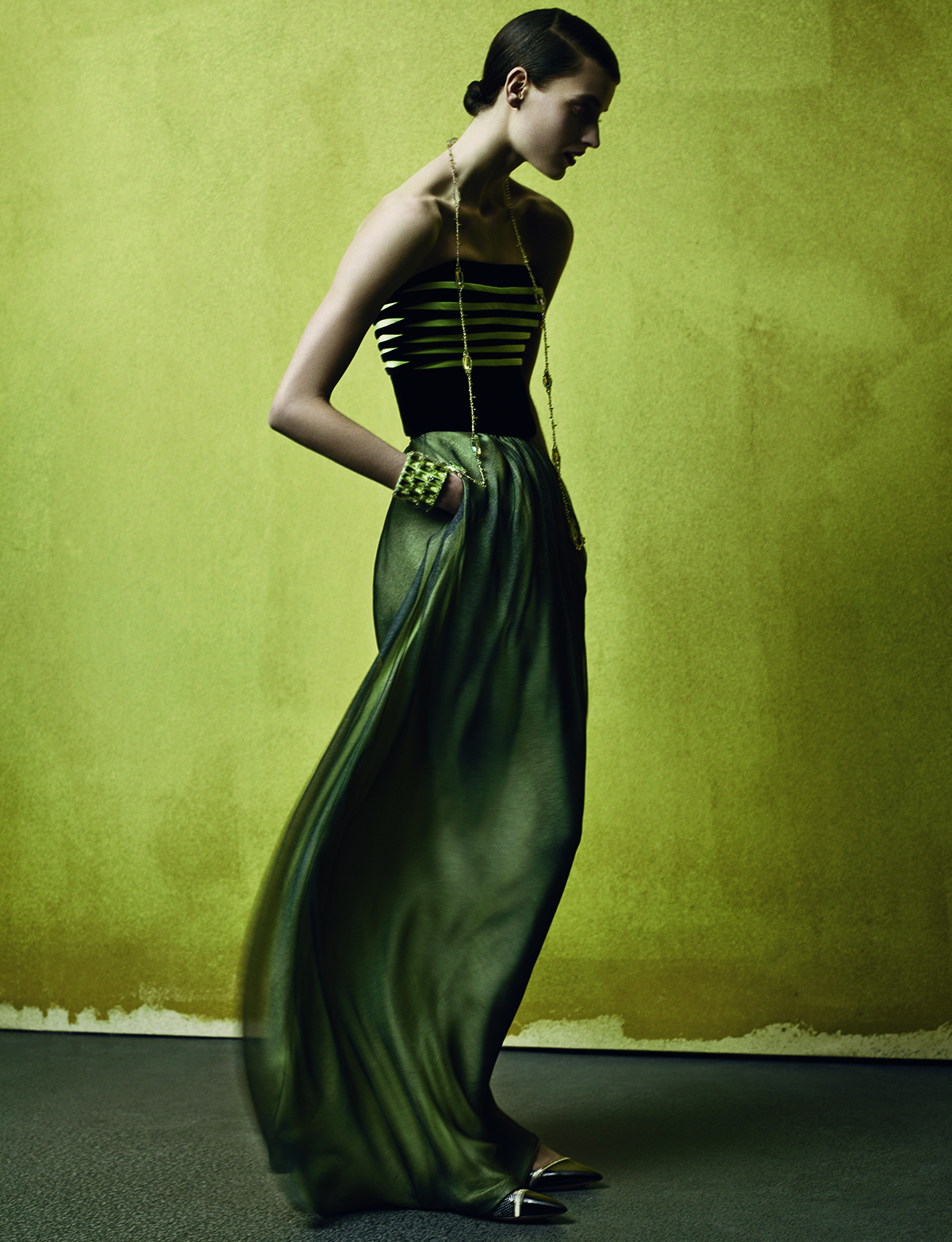
A look from the Armani AW14 advertising campaign. Image by Solve Sundsbo
“I think Armani’s success is due to his fashion and the images that went with it,” says Gianluca Longo, style editor at British Vogue. “He personally art directed the advertising campaigns and created the Armani style. He hit the American and the Japanese markets in the booming 80s and the Armani suit became a symbol of success at work. For men, it was a relaxed style and for women, a structured jacket that was still elegant and feminine in the cut.”
Armani’s success is rooted in a close group of loyal collaborators that were particularly effective in navigating the closed-shop Italian fashion business. “Sergio Galeotti has been the pivotal figure for me. He was the one who pushed me to go on my own and who was also by my side to manage it all. When he passed away [in 1985] I had to take my destiny into my own hands. Finally, that was his biggest push. I would not be where I am now without Sergio. I owe a lot to many people I have met across the years, especially Leo Dell’Orco, but I am a truly self-made individual,” he says. He also cites his mother Maria as a mentor: “She taught us the importance of taking care of yourself as an ethical choice. The idea of achieving so much with so little left a lasting impression on me.” Even at 85, he exercises for 90 minutes daily.
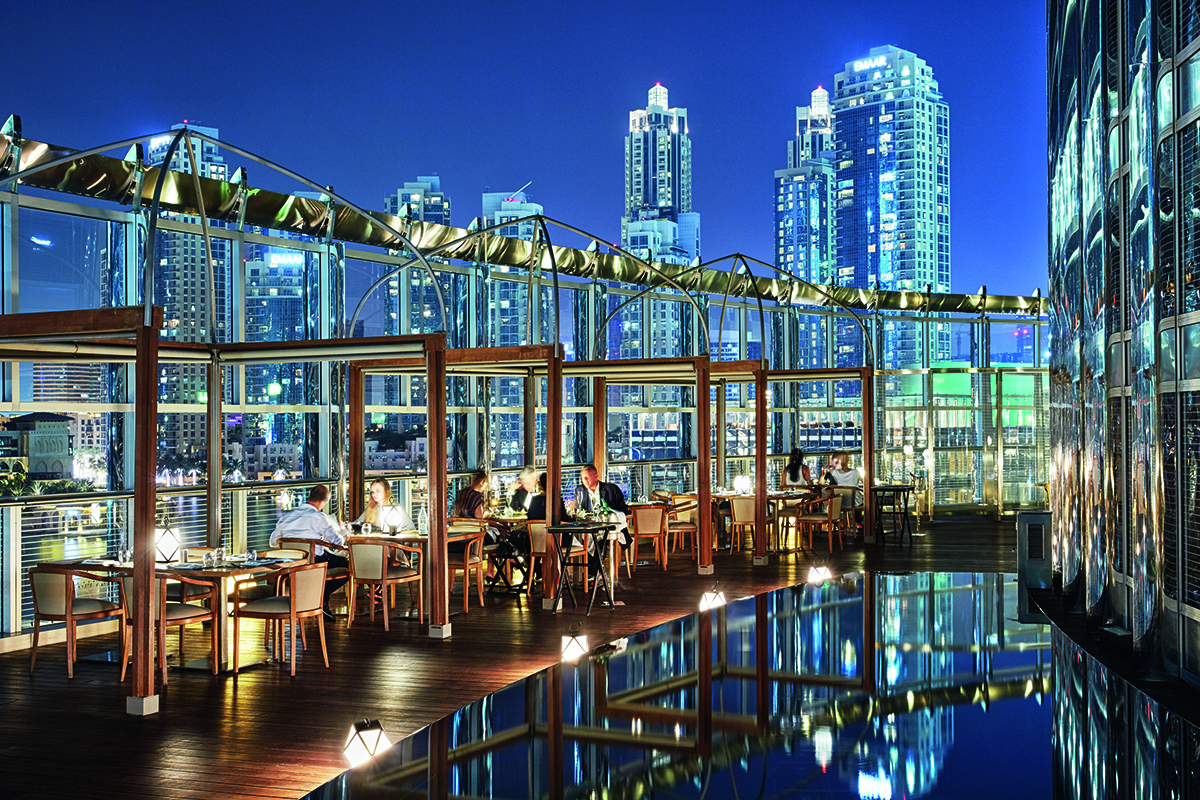
The Amal restaurant at the Armani Hotel Dubai.
In his professional life, he cites John Fairchild (founder and editor of WWD) and Karl Lagerfeld as mentors. He admits he is not easy to get on with in terms of journalistic portrayal (he is succinct to the point of being terse) but does remember Jay Cocks’s 1982 Time profile. The cover bore the headline “Giorgio’s Gorgeous Style” and featured the leather-jacketed designer in his own incarnation of James Dean. This was also when Armani took on American retail (Barneys was one of the first stores) and then Hollywood. Leonardo DiCaprio (The Wolf of Wall Street), Kevin Costner (The Untouchables) and Richard Gere (American Gigolo) are among the early pin-ups in a line-up of celebrities looked after by a highly active VIP and Entertainment division overseen by his niece, Roberta Armani.
Read more: Discovering Deutsche Bank’s legendary art collection
In the leagues of big business, a beige Armani suit (in fluid crepe wool) became the uniform of choice for a generation of female leaders, president of Bergdorf Goodman, Dawn Mello, and first ladies included. Today’s soft-power designers, including The Row and Gabriela Hearst, share a surprising amount in common with Armani’s aesthetic. Where peer-group brands built billion-dollar businesses on accessories, Armani’s strength has always been clothing. The cohesive brand architecture works from top to bottom with a bespoke velvet tuxedo on Brad Pitt boosting everyday entry-level purchases of underwear and scent. For the best part of the 1980s, Gianni Versace, Giorgio Armani, Gianfranco Ferré and Valentino Garavani ruled the Italian fashion business before Gucci was resurrected and Miuccia Prada launched into ready-to-wear.
Working at Giorgio Armani SpA is not for slouches. Team Armani work with military precision, expertly choreographing Armani’s interactions with press and dignitaries while exuding brand values 24/7. The notion of a team is always emphasised over individual stars and the same is true of the catwalk presentations and campaigns. The models are rarely supermodels or names but appear as a lithe army, with naturalistic make-up, hair and gestures and clothes that blend in with the wearer. “The founding principles of my company are based upon autonomy and independence,” says Armani. “Jobs might be short lived today, but not in my case. My first employee, Irene, still works for the company.” The Armani Group’s reach has been impacted by a flood of street-credible brands, including Balenciaga, Off White, Burberry and Kim Jones at Dior. In 2016, revenues dropped by five per cent (estimated at 2.51 billion euros) and various strands of the business were given a sharp nip and tuck to refocus on core values.
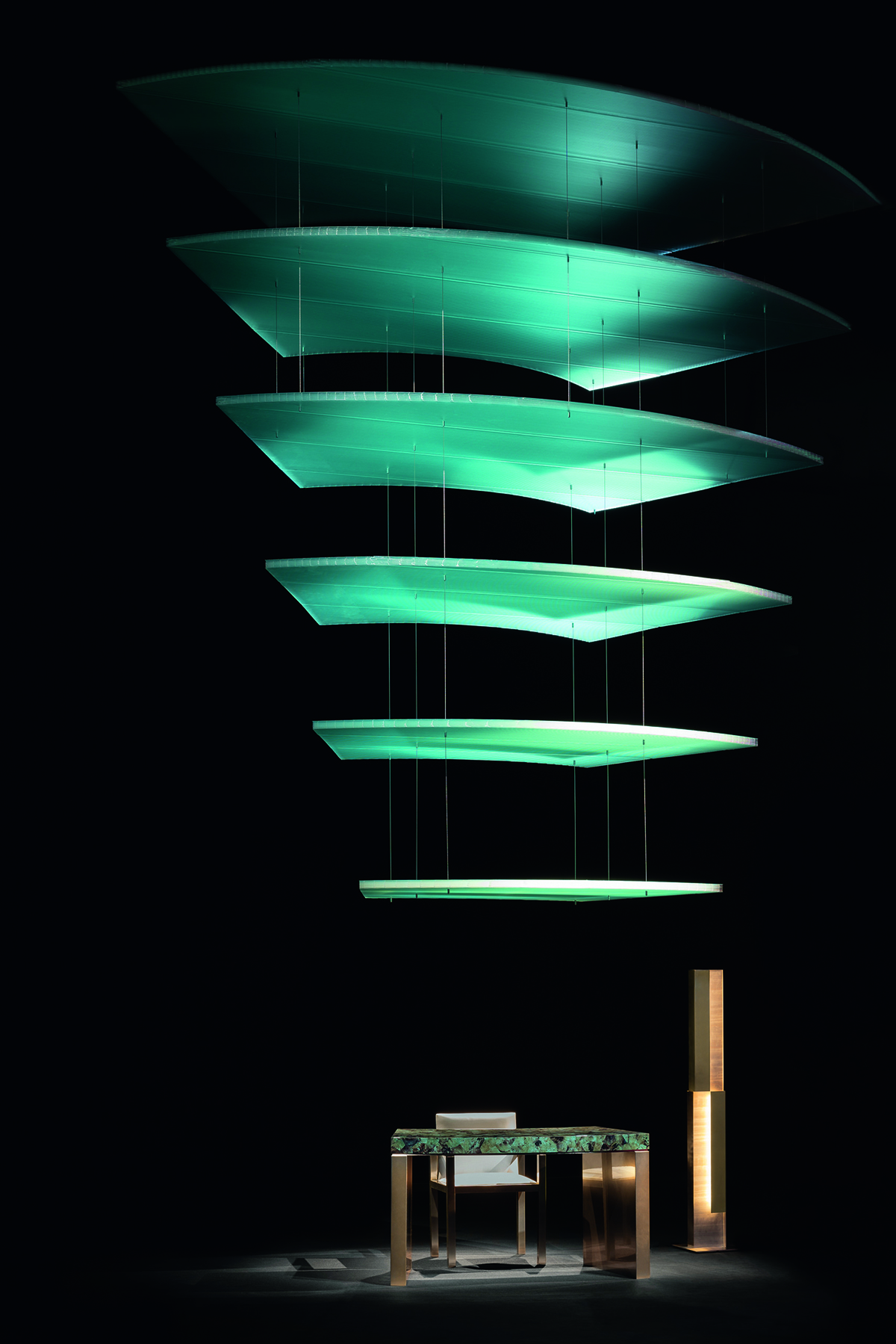
Furniture in the Armani/Casa 2019–20 collection at the Salone del Mobile in Milan. Image by Fabrizio Nannini
As a private company, rumblings and frissons behind the scenes are hard to detect. The Armani world is elegantly orchestrated, from the polished-concrete Armani HQ in Milan designed by Tadao Ando to the flagships, many designed by architect Claudio Silvestrin, and the low-rise converted dammuso on the island of Pantelleria where Armani has a holiday home. “Clothing is about the space between cloth and body, architecture is about the space in which the body moves. I do not see many differences, and I think soulful simplicity always wins,” says Armani. And tactility. “The virtual is cold. We need to touch things, we need to make bonds.”
Read more: Inside Sassan Behnam-Bakhtiar’s Saint-Jean-Cap-Ferrat studio
“Mr Armani is a very loyal person, he relies on his close friends and has an acute sense of humour,” says Longo who last year was invited onto the superyacht, Maín. “That always helps. And he still loves to be involved in everything that he sees around him. From a button on a jacket, to the cutlery on a table.”
The spring/summer 2020 collection of misty fog and aqua cadet suits and cloud-like organza-topped shimmering gowns was dedicated to Earth, echoing this era’s concern over climate change. The company has been a supporter of Acqua for Life for more than ten years alongside other charities supported by the Giorgio Armani Foundation, set up in 2016. As fashion goes through epochal changes in purchasing behaviours and attitudes, the business will be remarkably different in ten years’ time.

Richard Gere in American Gigolo (1980), and Andy Garcia and Kevin Costner in The Untouchables (1987), for both of which Armani designed the costumes
“The outlook for the fashion business and the outlook for fashion are two separate issues,” Armani says. “Fashion, I feel, has a great future, as people are becoming more and more confident in making decisions about what to wear based on what suits them, and are also becoming better educated in matters of style. The fashion business, on the other hand, must adapt to this new situation, and the fact that consumers are able to access new ideas from their digital devices at any hour of the day, anywhere in the world. How to best respond to the new landscape hasn’t changed – make clothing and accessories that help people fulfil their potential and look their best and bring out their characters.” The focus should be on style, not trends, he argues. “And you should have your own vision and viewpoint as a designer. If you do these things, you will be successful. Consumer behaviour may change, but why people buy fashion in the first place will not.”
On the matter of succession plans, Mr Armani remains a closed book. The internal leaders are likely to be in place. “Freedom gives me pleasure. I experience it in my business, as I am still my own boss. I experience it in my boat, suspended between the sky and the sea.” One intuits that this sense of inner peace has been hard won yet the reaching for it is what drives the Giorgio Armani brand.
Discover the collections: armani.com
This article was originally published in the Summer 2020 Issue.
Orange peeled with glassware. Image by Patrice de Villiers
In this series of interviews conducted in partnership with Gaggenau, LUX speaks to four artists, who are seeking to alter our perspectives of the world through their innovative practices and meticulous craft
Creativity is an essential part of humanity. Whether it’s a painting, sculpture, building, object, or a plate of food, we make things to better understand and appreciate the world in which we live.
Follow LUX on Instagram: luxthemagazine
As one of the original pioneers of kitchen design, German-brand Gaggenau has long supported craftsmanship through the making of its own range of elegant high-tech products, and through collaborations with like-minded makers. Each of the four artists below was asked to create a work of art to celebrate the launch of the brand’s new steam oven range, engaging with the themes around sensory experiences, sustainability, and innovation. Here, we discuss their unique forms of creativity.
The Dance of the Flying Fish. Image by Patrice De Villiers
Patrice de Villiers
Food photographer
What made you decide to specialise in food photography?
I studied photography, film studies and English Literature at university. Back then, my photography element mainly consisted of shooting portraits of aspiring musicians and actors. It wasn’t until I came to London to assist a still life photographer that I was introduced to the concept of using food as a subject matter, and looking at it in a different way. Still life is a difficult discipline I think, but with food you have everything already there; it’s got form, texture, and colour. It gives you a head-start in making what’s hopefully an amazing and impactful image.
Follow LUX on Instagram: luxthemagazine
What comes first the ingredients or the photographic concept?
If it’s a commercial job, I’m given a brief and an ingredient and the concept comes out of observing it, thinking about it. I always try to think about it differently so that if you look at the image of parmesan or asparagus or whatever it is, you think I would have never seen it visually in that way. But then at other times, as I do now with a new project, I have a particular concept in mind and in my forays to the markets, I’ve been thinking about which ingredients would best suit the idea.
How do you think an image can contribute to a person’s experience of food?
It can inspire. If you see an ingredient or dish photographed in a beautiful way, then why wouldn’t it inspire somebody to go off and create something? A publisher once said to me that most cookbooks are aspirational, meaning that an awful lot of cookbooks are bought not necessarily to cook from. People have them as pieces of art to simply look at.
The Octopus and the Belt. Image by Patrice de Villiers
Parmigiano with Grapes. Image by Patrice de Villiers
Your images often have a distinct painterly quality, how do you achieve this effect with a camera?
It’s less to do with the camera and more about the lighting craft so I observe the object and I experiment with light on it in various compositions. With experience, you learn instinctively where things should be and equally, where they shouldn’t be. When I come up with my ideas, I certainly don’t do it all on set; I sketch out almost all of my work.
When I was at Uni, I was particularly struck by Edward Weston and his beautiful photographs of peppers. They’re black and white so you’re not distracted by colour. He just wanted to focus on the incredible form and texture, but the beauty of the ingredient, of course, is in the eye of the beholder. When I’m shooting a food editorial that needs let’s say a pepper or an orange, then I will go and get it because if you’ve only got that one thing in the image, as Weston only had his pepper, it has to have character.
Read more: Van Cleef & Arpels CEO Nicolas Bos on the poetry of jewellery
Jan Wines (with sketches) by Patrice de Villiers
‘Food is definitely a natural form of art. The joy of photography is that I get to […] abstract it so that what people might view as something purely edible becomes something else.’
I was shooting some endives for the Independent a few years ago. It was when I went closely in with a longer lens that I could see they had tiny hairs coming off the leaves. It was about the intimacy [of the image]. The hairs of the yellow endive were just close enough to slightly touch the red one – it’s a tiny thing, but it’s about finding that beauty. I’ve photographed practically everything on the planet in the edible world and there’s usually something incredible about it whether it’s something quirky or beautiful.
Touch Softly. Image by Patrice de Villiers

Tender Kiss. Image by Patrice de Villiers
Celery Cheese (with sketches) by Patrice de Villiers
Has this current period affected your perspectives and relationship to food?
During this time, working from home, being isolated, I think food and meal times have become the punctuation for many people’s days. It gives you some sort of schedule, something to focus on when everything else is so hazy, something to look forward to.
How do you think your practice aligns with Gaggenau’s ethos?
I feel that we come from entirely the same place. There’s a shared dedication to craft and to [producing] the ultimate in quality. We both pay attention to the really tiny details and have an eye for beauty.
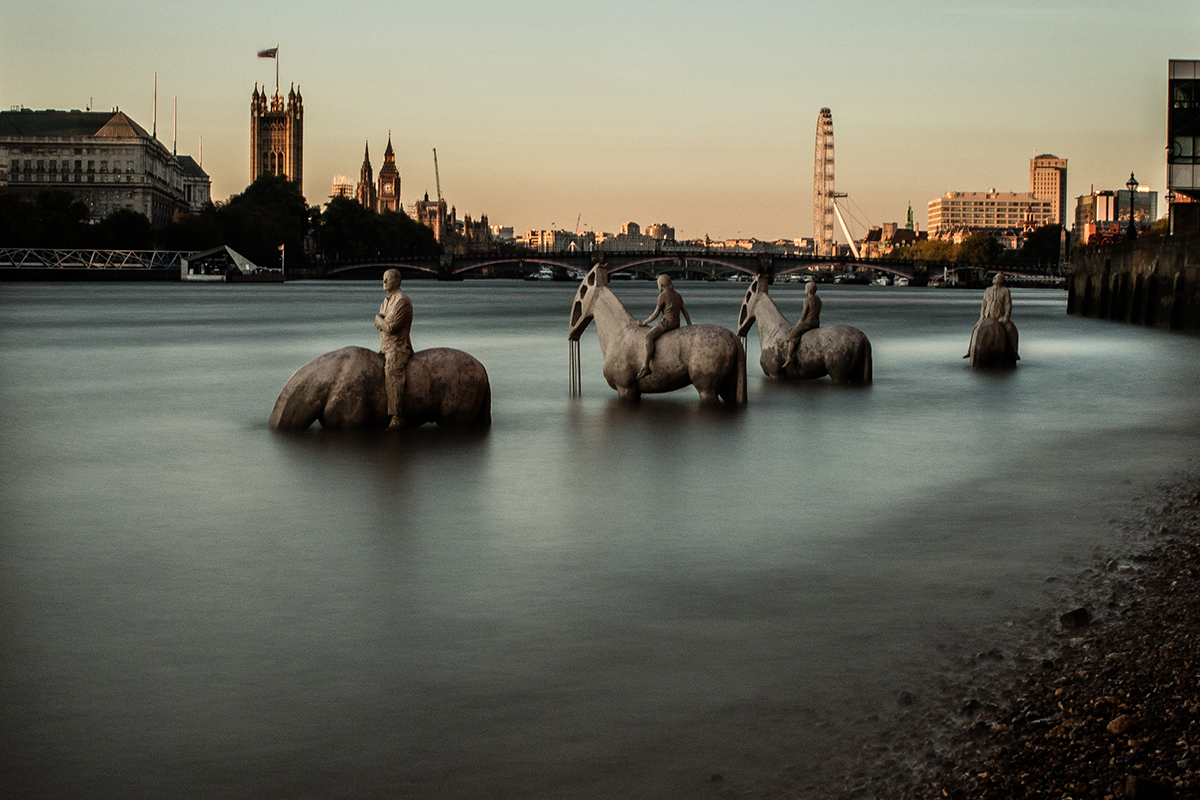
‘The Rising Tide’ (2016), The River Thames, Vauxhall, London by Jason deCaires Taylor
Jason deCaires Taylor
Underwater artist
How did your interest in ocean conservation progress into making underwater art?
I studied public sculpture at university so I always envisioned a career in the arts, but at the same time, I had a love for the sea and I trained to be a diving instructor, which I thought could be a hobby or part time thing, but then slowly, I started to think about the two things being connected. I became disillusioned by public art because besides its inherent message and aesthetics, I felt that it also needed a practical reason to occupy the space. It was through diving and exploring the underwater world, that I realised I could create artworks that also worked on a practical and functional level.
Read more: How Andermatt Swiss Alps is tackling climate change
What are some of the challenges of working underwater?
They are all very challenging projects; I haven’t done an easy one yet. First of all, there are the materials. Most public sculpture uses metal either foundry castings or armatures, but underwater, that’s not a very sustainable material, and practically it’s quite difficult to implement so we use types of cement that are formulated with marine biologists. We have to make the works extremely heavy to survive the harsh marine elements as there are a lot of forces taking place underwater. There’s a balance between trying to make the works that are solid and can be attached to the sea floor without creating monumental logistical challenges on land.
How much does the location of the sculpture influence its form?
It’s really vital that each project has a strong connection to the place where it’s set. There are a lot of community consultations and for a lot of the projects, I’ve actually lived in the locations for many years. It’s only by spending time with people, learning the languages and getting to know the local culture, that you’re able to produce designs that are relevant. I’ve also cast a lot of people from local communities so that they feel more connected to the work. On a practical level, there are many different regional currents and the transparency of the water differs, along with the marine life, which are all important considerations when creating a work.
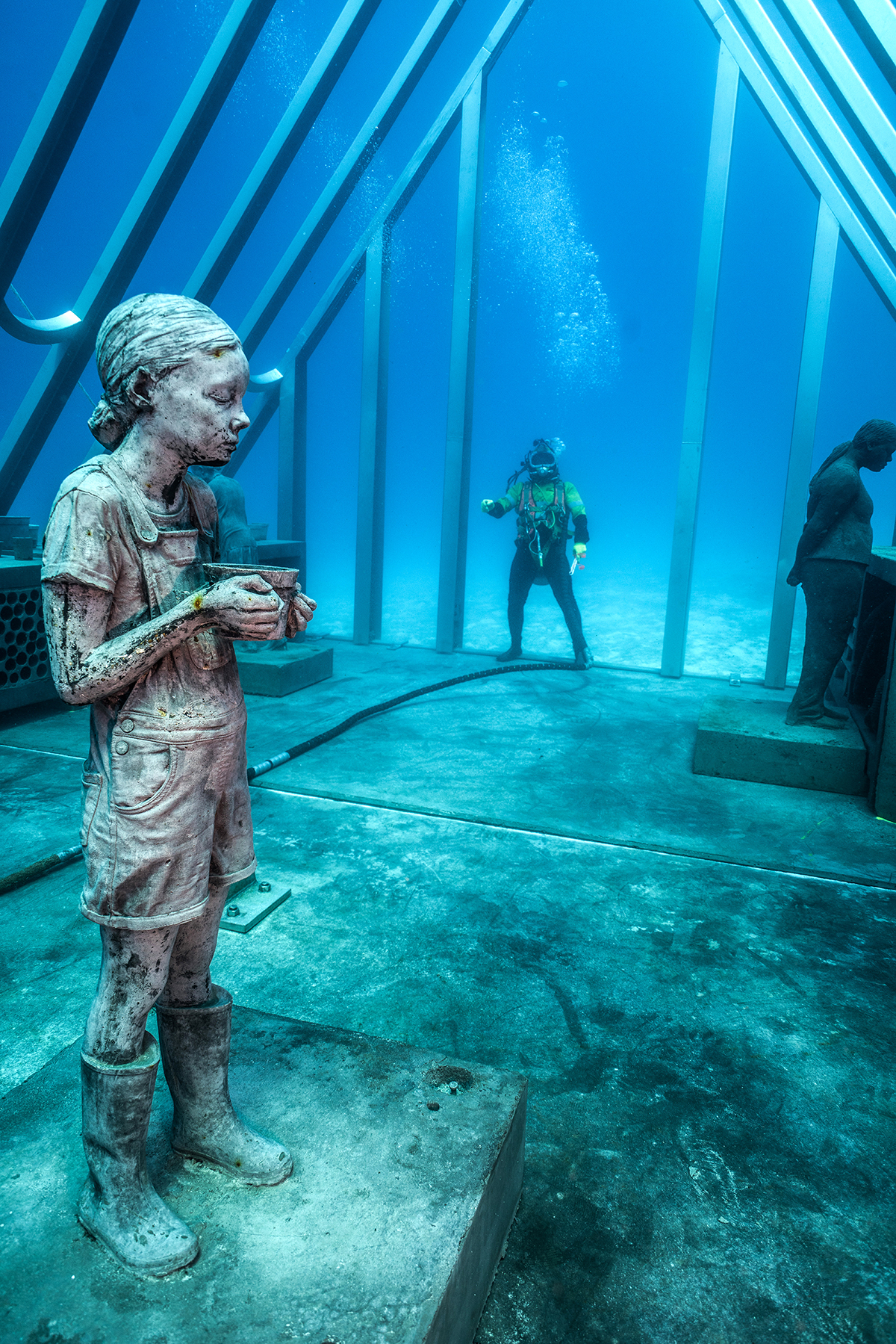
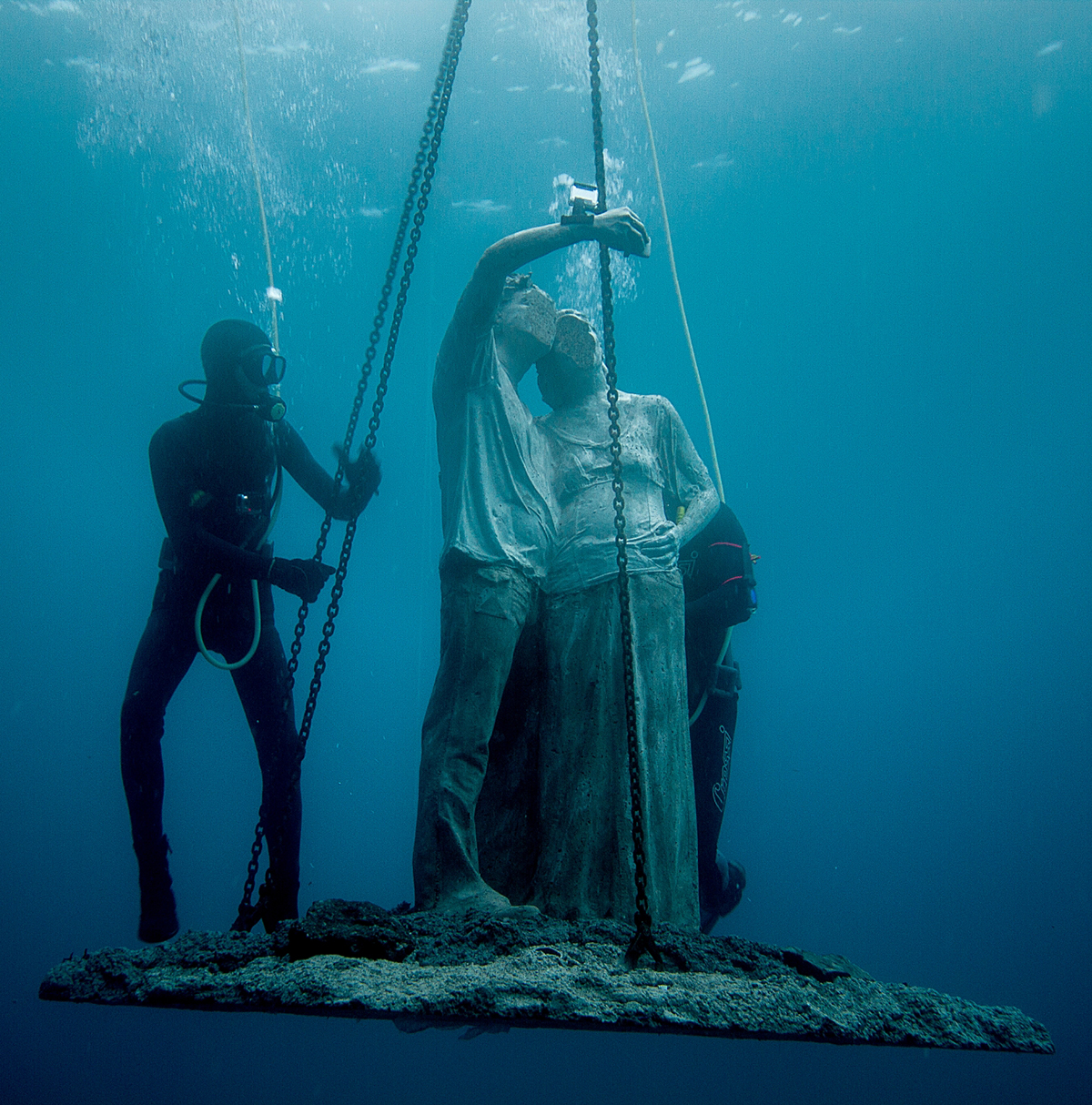
Top image: ‘The Coral Greenhouse’ (2019) at MOUA, The Great Barrier Reef, Queensland, Australia. Below: Installing ‘Disconnected’ (2016) at Museo Atlantico, Lanzarote. Both pieces by Jason deCaires Taylor
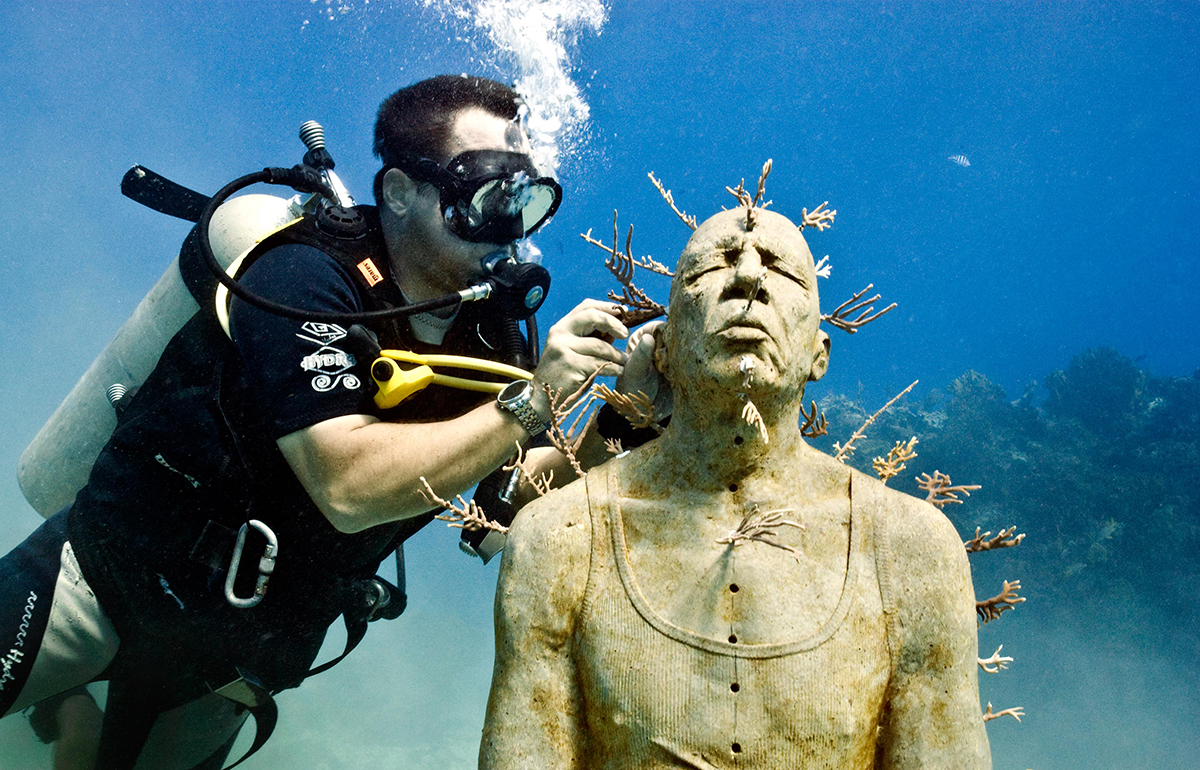
Jason planting fire coral on his sculpture entitled ‘Man on Fire’ (2011) at MUSA, Mexico
As your works are naturally transformed by the sea, they appear as ruins from another age or culture. How do you think this contributes to the way viewers respond to the works?
I always felt that it was like looking at ourselves from a wider angle or from much further away. We have this inbuilt desire to conquer nature; there’s that traditional mentality of ‘man over nature’. I hope that my work shows that we are integral part of nature, but also that we are, ultimately, at its mercy.
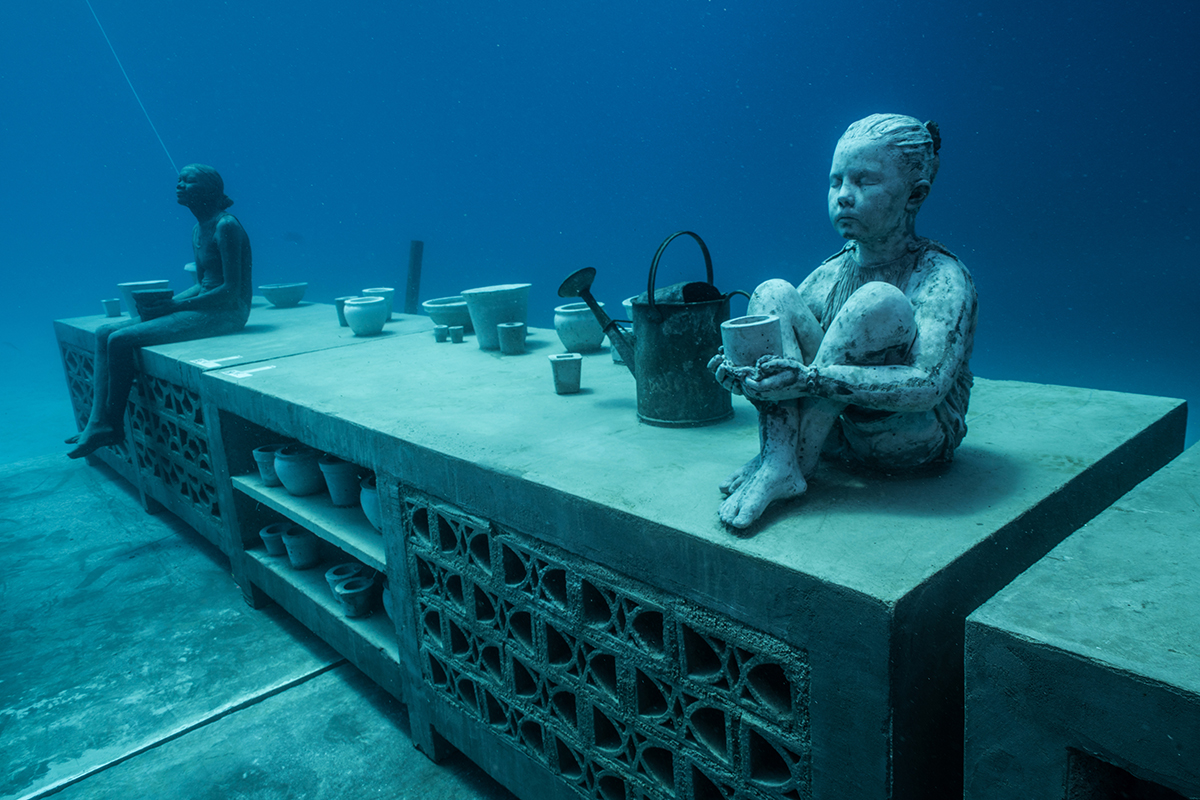
‘The Coral Greenhouse’ (2019) by Jason deCaires Taylor at MOUA, The Great Barrier Reef, Queensland, Australia.
‘There’s something about seeing ourselves in a different environment and with a different sense of time that contextualises our lives, but also makes us aware of our underlying fragility.’
What role do you think your art plays in wider discussions around the environment?
We need a fundamental reset of our relationship to the natural world. The capitalist system of us looking at the natural world as a giant resource has to change, and it will change because we can not continue as we have been going. From a marine point of view, it’s a harder challenge because it’s an environment that’s out of sight and out of mind for most people. I hope my work brings the underwater world into urban environments.
Read more: How Gaggenau is innovating the ancient art of steam cooking
Scientists put forward all of these figures and stats, but we’re extremely emotional beings and we respond much better to an emotive argument than to a factual one. I think that’s where art, and hopefully, my work, can play a fundamental role; it can transform those facts into an emotional message, and also bring these kinds of issues to a more mainstream audience.
What led you to collaborate with Gaggenau?
Over the years, I’ve been approached by quite a few different brands and I very rarely do them, but Gaggenau has a good appreciation for the arts and supporting artists. Their products are about quality, good design and engineering, which I think complements my own practice.
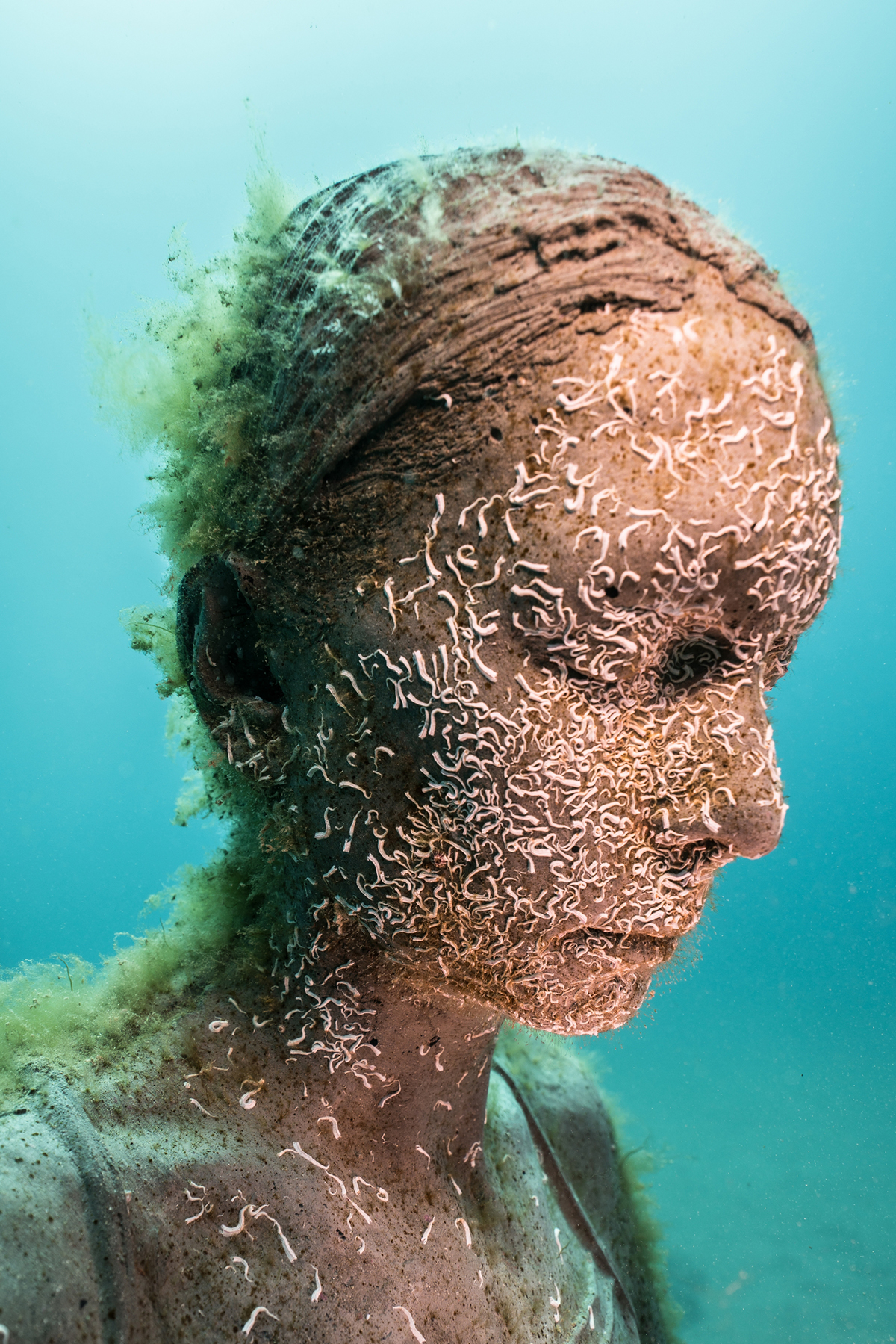
Calcareous tubeworms on part of a piece entitled ‘Crossing the Rubicon’ (2018) by Jason deCaires Taylor at Museo Atlantico, Lanzarote
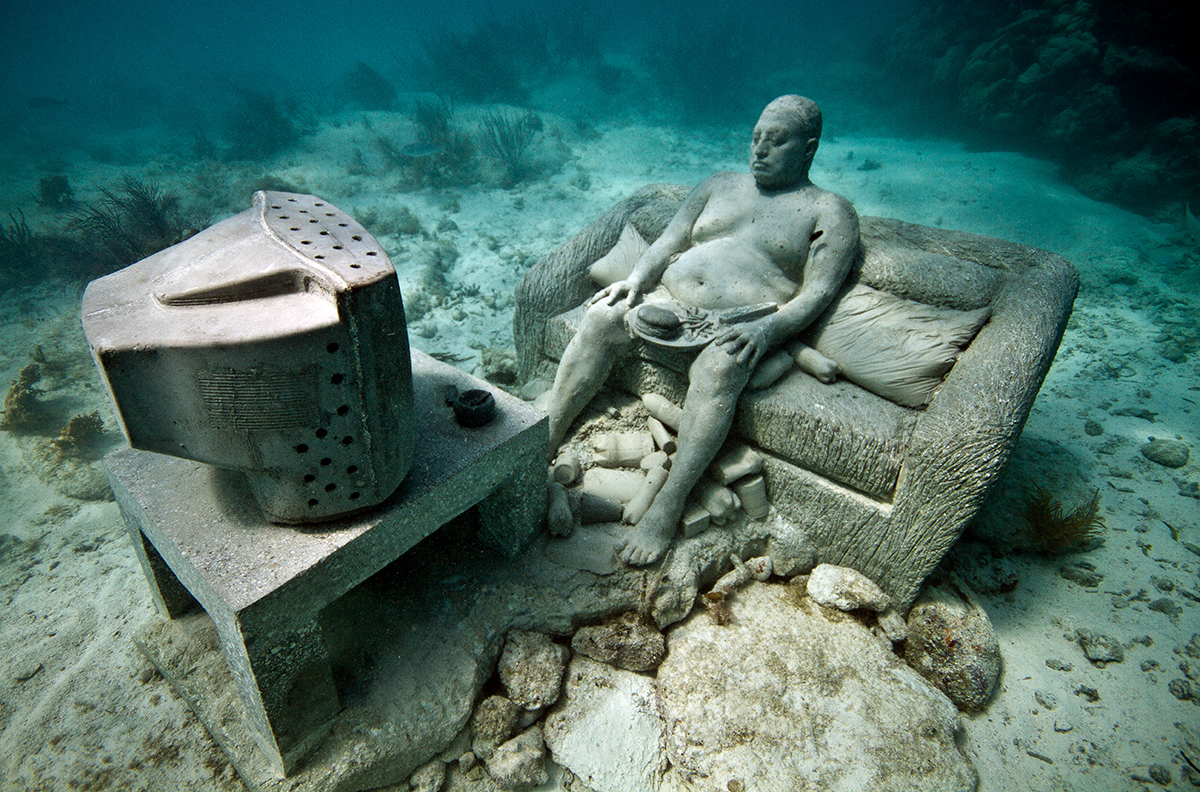
‘Inertia’ (2014) by Jason deCaires Taylor at MUSA, Mexico
Have you managed to create in lockdown?
I have two young children so it hasn’t been that easy to come up with new ideas or designs, but at the same time, it’s an opportunity to reset. We have all been living too fast, and it’s a time to re-evaluate what’s important. In terms of actually creating, I get excited about an idea, and then, sometimes I feel that things are a bit futile, that I’m just finding ways to preoccupy myself.
Are you afraid of the future?
Yes. It’s hard to comprehend the magnitude of what’s happening. There are three monumental challenges that we are facing: the virus, the economy and climate change. I think it could go one of two ways. It could be an amazing opportunity to rebuild ourselves in a more sustainable way, but it’s also going to really test humanity as to whether people will think only about their immediate reality and their families, or whether they can look past and see themselves as part of a global entity. It’s tricky when fear is involved. Fear can be used for manipulation, and I worry that might happen.
Prudence Staite and her team creating an edible countryside landscape from popular breakfast foods to celebrate Farmhouse Breakfast Week. The artwork used 11 different types of breakfast cereal, including 169 wheat biscuits and 42 shredded wheat parcels, 500g of porridge oats, 21 slices of bread, 14 bread rolls, 14 crumpets, 2 jars of marmalade, 12 rashers of bacon and 42 apples.
Koala CFA made from nuts & seeds by Prudence Staite
Prudence Staite
Food artist
When did you decided to combine your passion for food with making art?
When I was doing my art degree, I got bored of what we were supposed doing – it was an old fashioned art school, very traditional – and instead I started creating artworks out of chocolate and sugar. The idea was that people could interact with the artwork; you could go into the gallery and actually eat it. Art to stimulate all the senses. Initially, my tutors were totally against it and said that art isn’t something you’re supposed to touch, it’s something you’re supposed to look at, but my degree show was made out of food. It was a room that you could actually go into; you could look through chocolate windows, and you could eat the chocolate skirting boards. The idea was to make people think how interiors link to real food. For example, how ceiling patterns sometimes look like frosting. That was back in 2000, and I set up my company the day after I graduated.
Giants Codway by Prudence Staite
Are all chefs are artists?
The way you set up to create a painting or a sculpture is quite similar to how you set up a plate of food. You’ve got a canvas or a plate and you have to collate ingredients or your artistic materials, and you plan and you prep. So yes, I think artists are chefs and chefs are artists.
What are some of the challenges of using food as an artistic material?
One of the main challenges is the lifespan of the food substances. Also, all of the work that we tend to do has incredibly short deadlines. We’re always chasing our tail and juggling different jobs. We try to always come up with new things that haven’t been done before, but often, we don’t have time to see whether it will actually work so we just have to figure it out whilst we’re making it. It’s fun and I love it, but it can be challenging.
Read more: In conversation with ballet dancer Sergei Polunin
We had one job where we had to use edible insects and chocolate. Since a lot of our artworks are eaten, we always have to make sure that it’s safe and meets food safety standards so for this project, there was a legal limit of how many insects you can have per ratio of chocolate and we had to get a veterinary certificate to make sure the insets been harvested correctly. For that kind of thing, there’s a lot of paperwork and a huge amount of planning.
Much of your artwork is assembled on site, why did you decide to work this way?
For me, it’s that part of the theatre of my artwork. I like that people can see it all coming together. Often they see the vegetables, cheese, chocolate or whatever we’re working with, but they can’t see how it’s going to turn out. I think that seeing that process adds something to the eventual eating experience. Having people watch me work can also be a little bit stressful because things do go wrong, but overcoming the problems is part of it. Also a lot of the projects we do are large scale so you can’t transport them easily in one piece.
‘The Girl with a Pearl Earring’ created by Prudence Staite for Gaggenau’s steam oven launch, 2020
‘My whole philosophy is to give people a different viewpoint so that they can appreciate the art of food.’
What led you to partner with Gaggenau?
I was approached by the brand and asked whether I could create something that reflected the ingredients that could be used in their new steam ovens. Their ethos is very much that the products are masterpieces in themselves, they’re works of art, and that really fitted with my philosophy that food is art. The ovens are not so much of a tool, but a vehicle to create masterpieces at home. I love that idea. Gaggenau’s colour scheme had the feeling of Dutch Old Masters [paintings] with lots of rich greens and purples, which inspired the idea of re-creating The Girl with a Pearl Earring using vegetables.
How do you think your artworks contribute to the viewers’ experience of food?
My whole philosophy is to give people a different viewpoint so that they can appreciate the art of food. Food should be an enjoyable experience and not something you just quickly shovel down your throat to fulfil a calorie intake. It’s about getting people to stop and think about where we get food from and how it’s grown.
The making of ‘The Girl with a Pearl Earring’
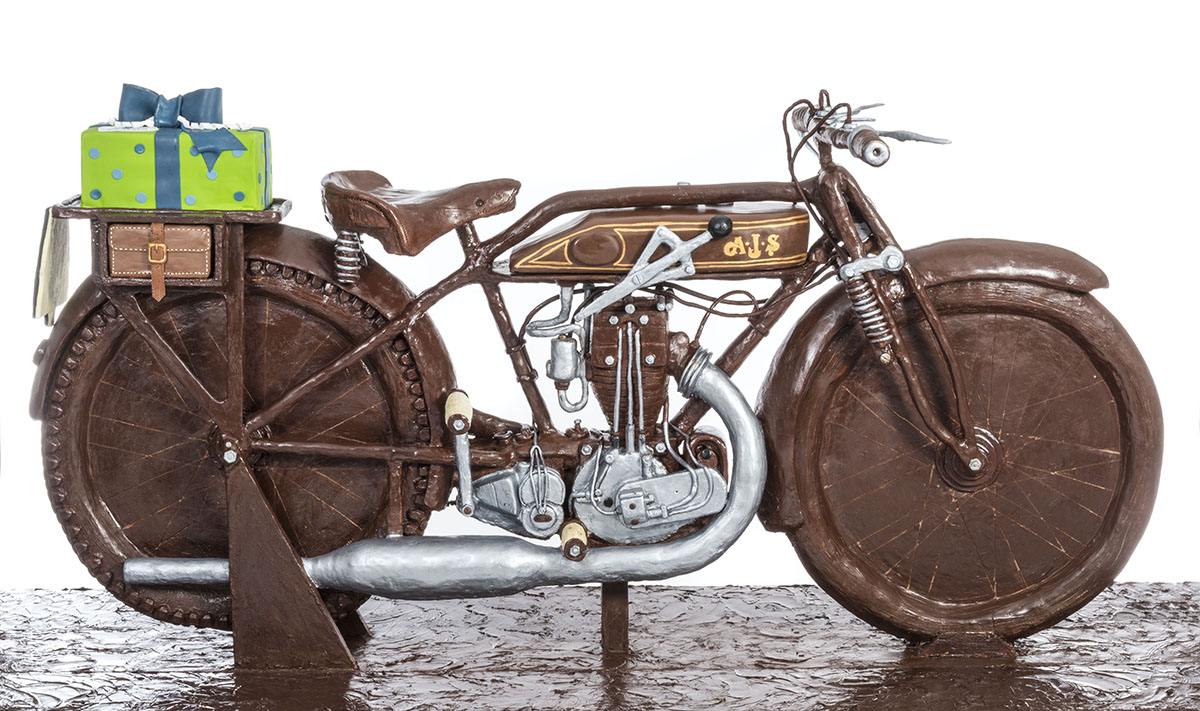
Chocolate Motorbike Exhaust by Prudence Staite
Have you been creating in lockdown?
We were working on three different projects and they were all put on hold because a lot of what we tend to do is in a public place or in a restaurant. So, I’ve been looking at new inspirations and I’ve been experimenting with making a series of chocolate vinyl records that are actually play music. I’ve also been trying to get a rainbow, the light spectrum, captured in chocolate, which I’ve managed to do by using diffraction grading so when you move the chocolate around under the light, you can actually see a rainbow.
What’s next for you?
I never really know what’s coming next – it has been like this for twenty years. One day I’d love to do a twelve course dinner which are all individual works of art served within a chocolate art gallery. So you can go and eat all the walls, the doors, the floors, ceilings, the chairs that you’re sitting on and chocolate records are playing music as entertainment whilst you eat. I would also like to work with more fresh produce and flowers, and to experiment with immersive produce installations.
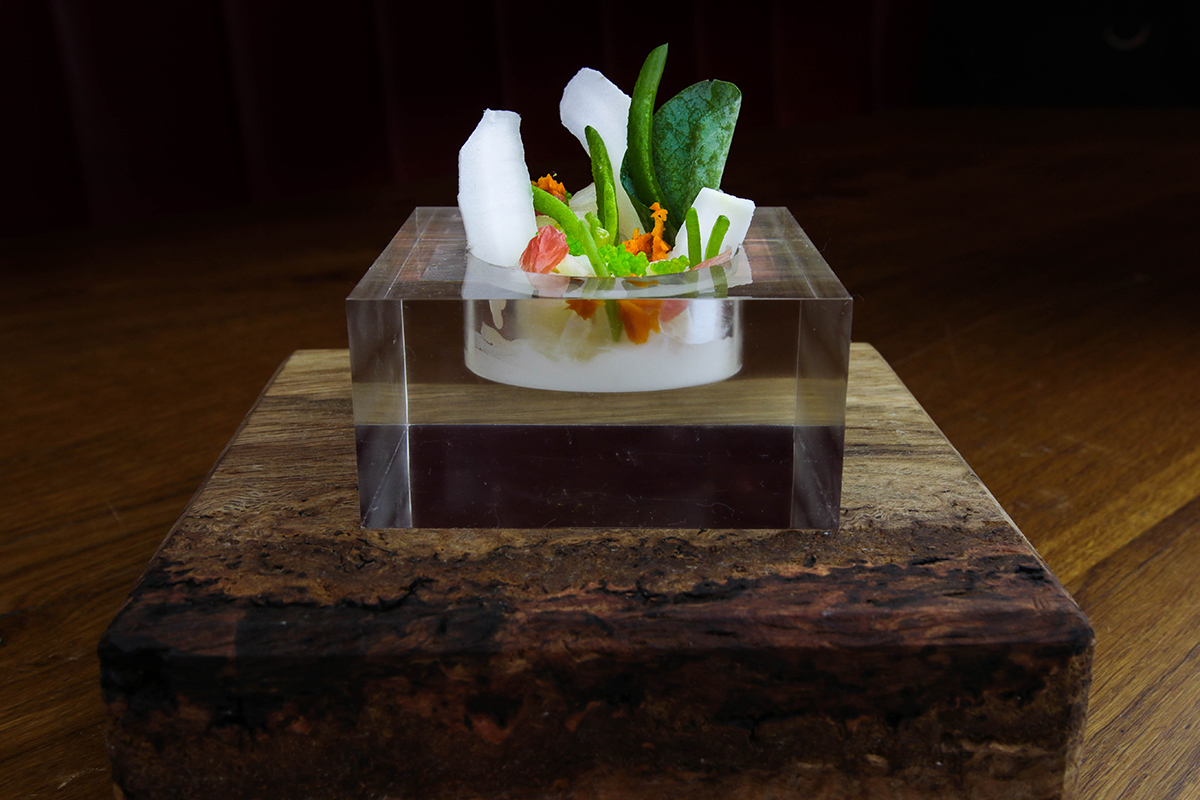
Brill from the menu at Paris House
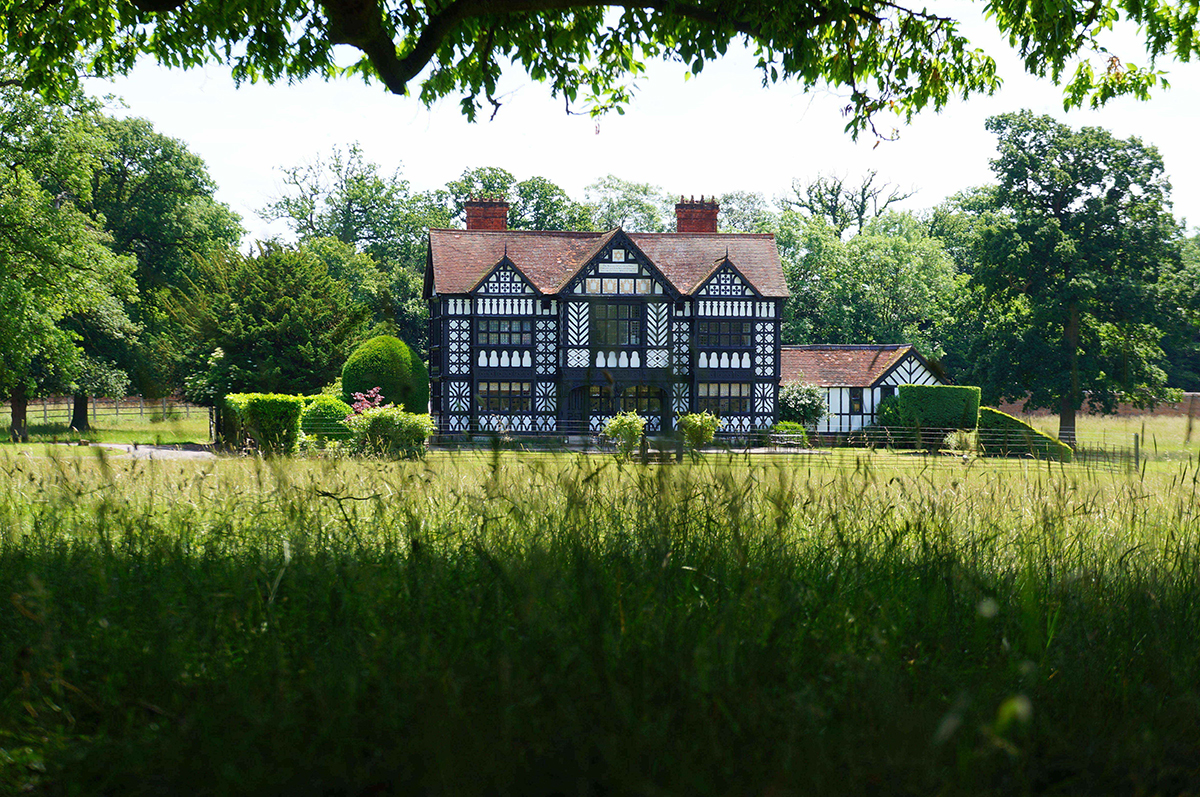
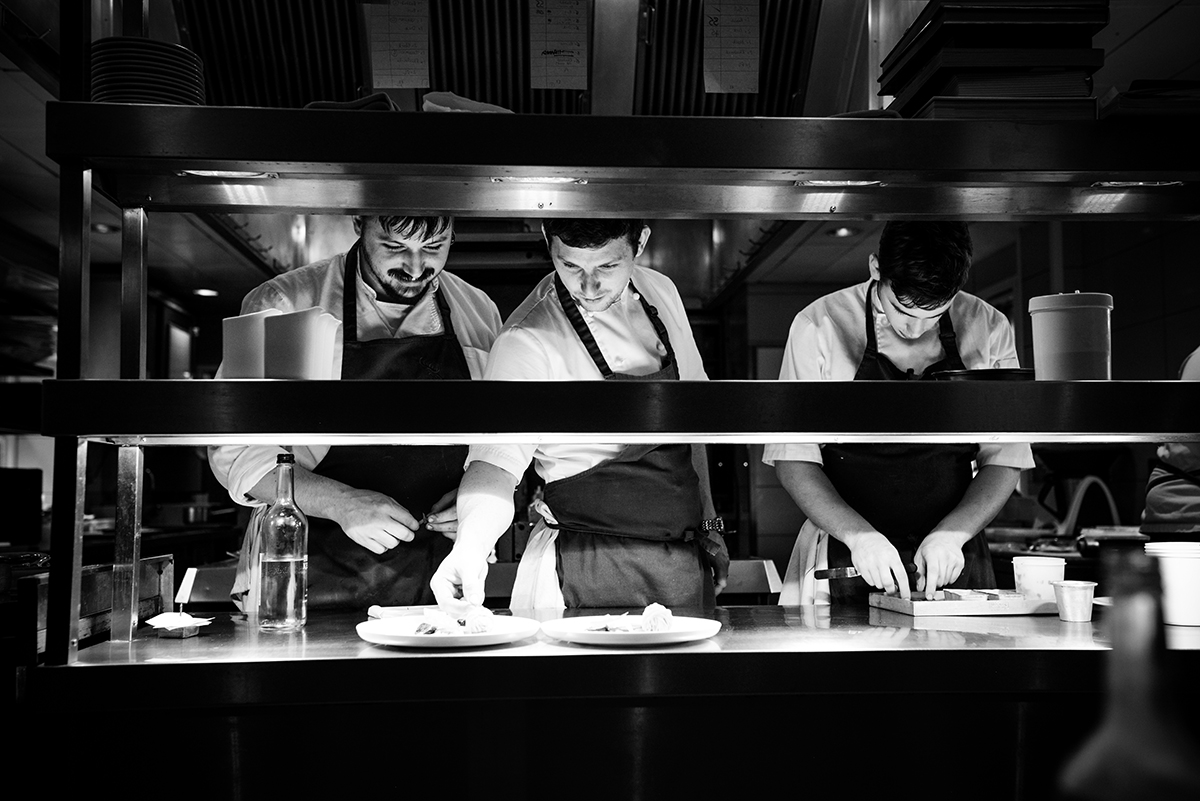
Paris House in the Summer (top) and Phil Fanning in the kitchen
Phil Fanning
Executive Chef & Owner of Paris House
Your cooking focuses on seasonal British produce – where do you generally source your ingredients?
The general principle is that we find purveyors of the best quality produce and we rely on their connections with suppliers, farmers and producers. We are keen to use local people as long as their product is good. The quality of the product is paramount.
Read more: Fashion designer Erdem Moralıoğlu’s guide to east London
What appeals to you about Japanese cooking techniques?
I’ve always loved Japanese culture. My wife and I are sushi addicts. I’ve been into martial arts all my life and I’m an amateur carpenter; Japanese carpentry is incredible. When you set up a business, you need some kind of USP or direction so it made perfect sense for me to follow that route. The principle behind Japanese food is the quality of technique, driving towards a kind of simple perfection. It’s to do with extracting the best flavours from what you put in. What I especially love about Japanese culinary techniques is that you don’t necessarily know it’s Japanese from a flavour point of view so you can enhance British ingredients with Japanese techniques without turning it into Japanese food.
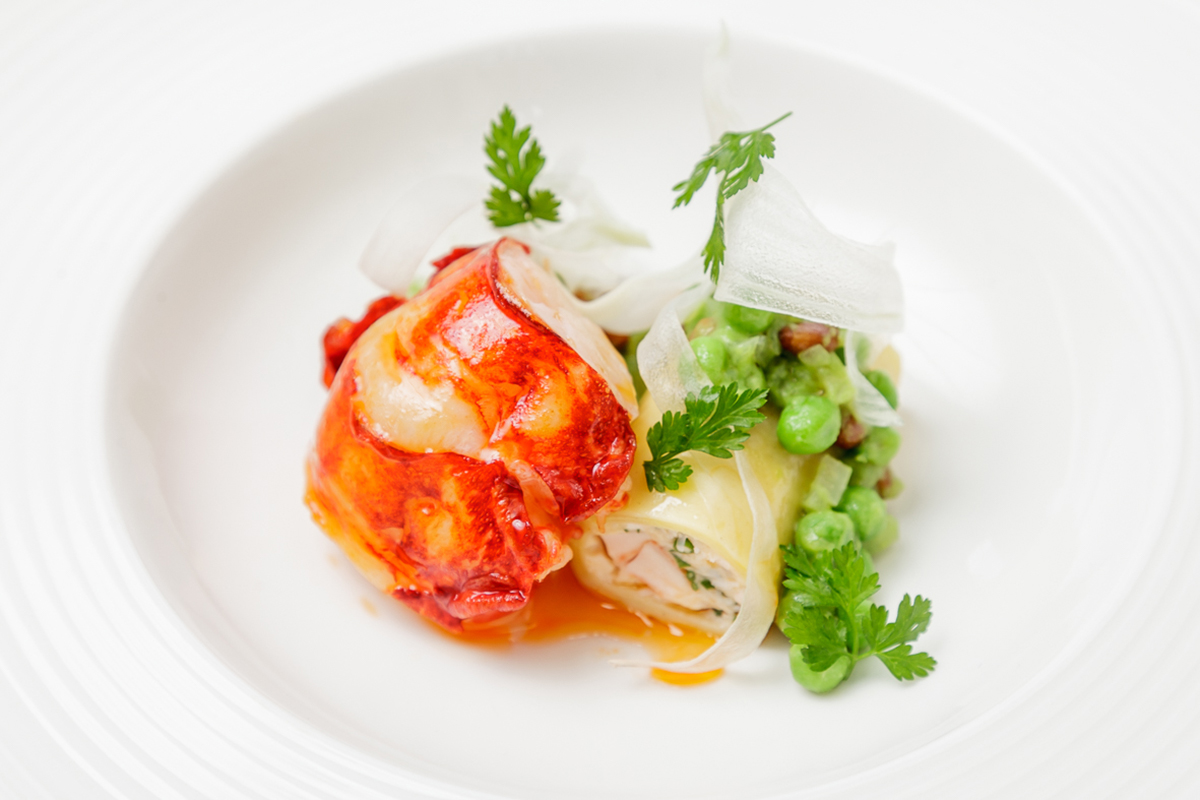
Native Lobster at Paris House
How are you incorporating sustainability into your kitchen?
We have a kitchen garden so all of our vegetable trimmings go on the compost heap and the compost heap goes onto the garden and the produce from the garden comes back into the kitchen. We are closely advised by our fish suppliers as to what is the best fish to be using that season. We very recently flipped our entire kitchen to induction services and low energy refrigeration, which saves us a huge amount of money and also means that we’re not wasting energy. We also recycle everything we possibly can. There’s plenty more we could do, but we have already improved in many areas.
Who or what do you think influenced your tastes in food and cooking?
It stared off with Gary Rhodes who was on TV. His passion and enthusiasm was infectious. Then my grandpa, bought me a Ken Hom wok when I was about ten – I’ve still got it and it’s used on a regular basis – which opened my eyes to the Asian route. I also had a very powerful mentor: Michael MacDonald who now owns the Vanilla Pod in Marlow. He directed my skill set and greatly influenced my understanding in the kitchen. Then, there’s my chef idol: Thomas Keller.
How do you think your cooking style has evolved over the years?
As the years go by you work out what it is that the guest wants, more than what it is you think they want. In other words, you become better at understanding your customer base’s requirements. So I think I’ve become closer to what my customers like and I’ve definitely focused more on Asian techniques.
Read more: Sassan Behnam-Bakhtiar & the artistic revival of Saint-Jean-Cap-Ferrat
Craftsmanship is the cornerstone of what we do. Over the years, I’ve become better and better at my craft, but I don’t think I’ve drastically changed what I’m doing. Every time you go out for a meal you get inspiration and gain a deeper understanding, but you always cook what you like. Fundamentally, if you wouldn’t eat it, you shouldn’t cook it. Yes, you have to listen to your customers and ensure you fit into the market, but you have to cook food that you love.
‘The fundamental principle is that you eat with your eyes. A good dish needs to taste, feel and look amazing; all three of those things have to be right.’
What’s your process for developing new recipes?
Our current format is heavily driven by tasting menus. We have a six, eight, and ten course tasting menu, which are influenced by the Japanese concept of Kaiseki. It’s an incredibly seasonal and locally driven food concept, and as with all things Japanese, there’s always a reason for dishes to be in a specific order, combination or at a specific time of the year. There’s a set of principles that you follow to build the Kaiseki menu.
By using some of the same principles in our menus at Paris House, we have a better and more consistent way to develop dishes. Now, we have dish “holes” so we know, for example, the dish at the beginning has to be slightly bitter, it has to be really fresh and probably seafood or vegetable-based. The next one down has to be hot, vegetable-based and with a fried element. These principles build a nice flow. Point one for us is to think about those principles, and then to look at what’s seasonal and whether there are any new or exciting ingredients, and the third point is if we want to try and incorporate any new techniques into the menu. Then, there’s experimenting and tasting. It takes about three to four months to bring a menu together.
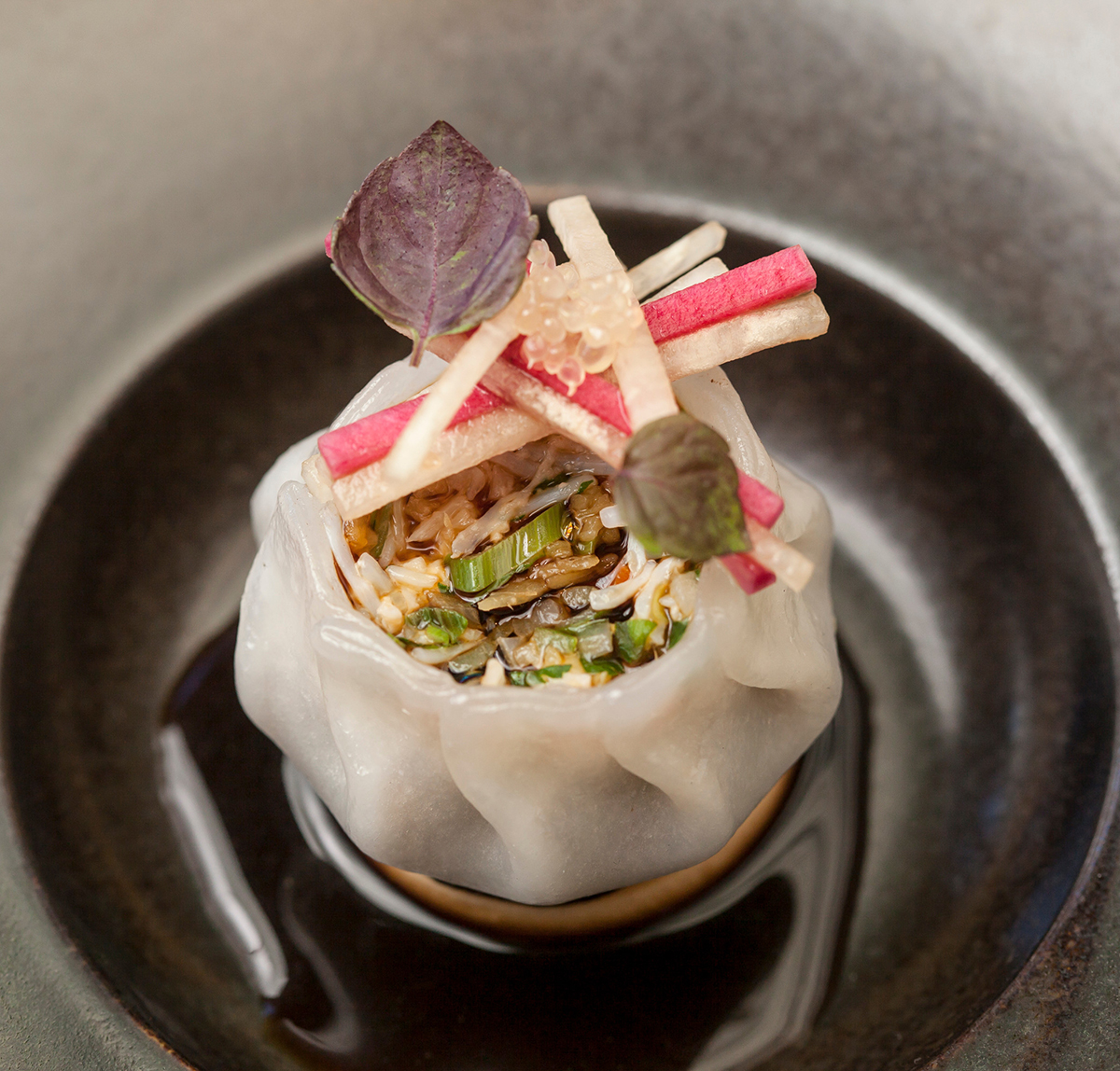
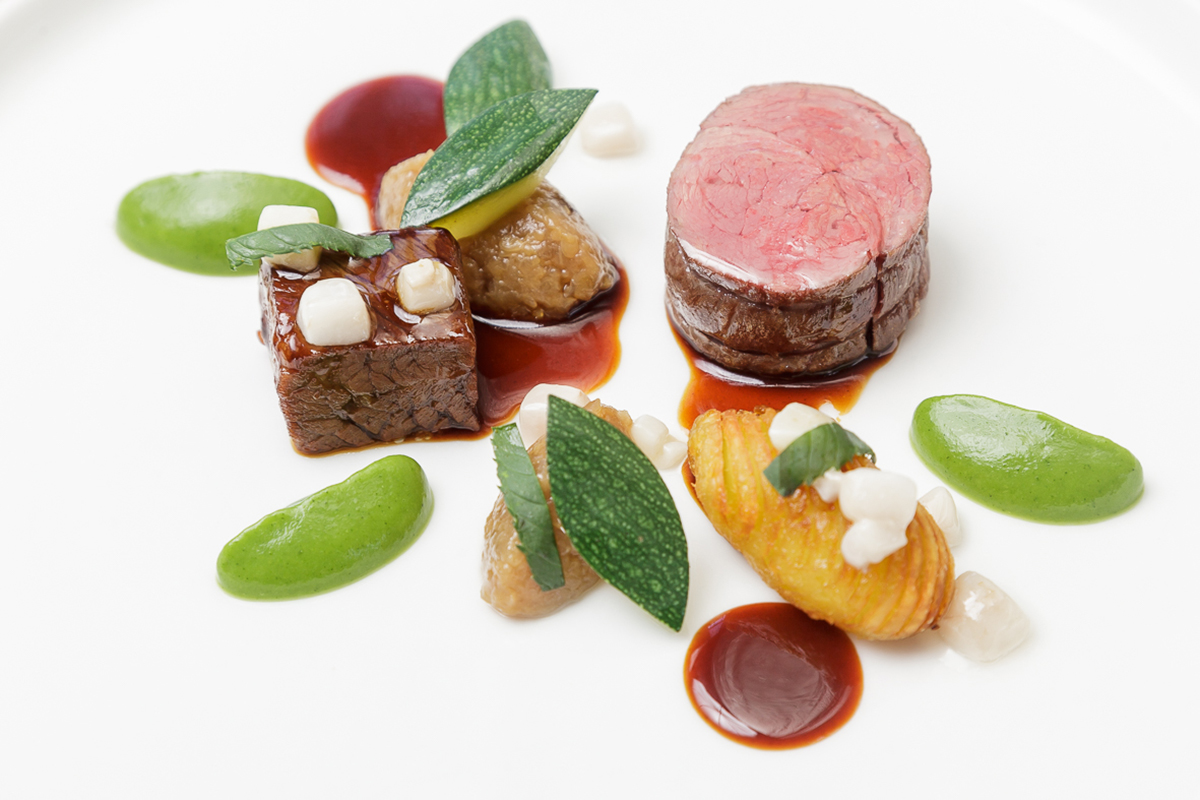
Crab (top) and Beef Rib dishes from a menu at Paris House
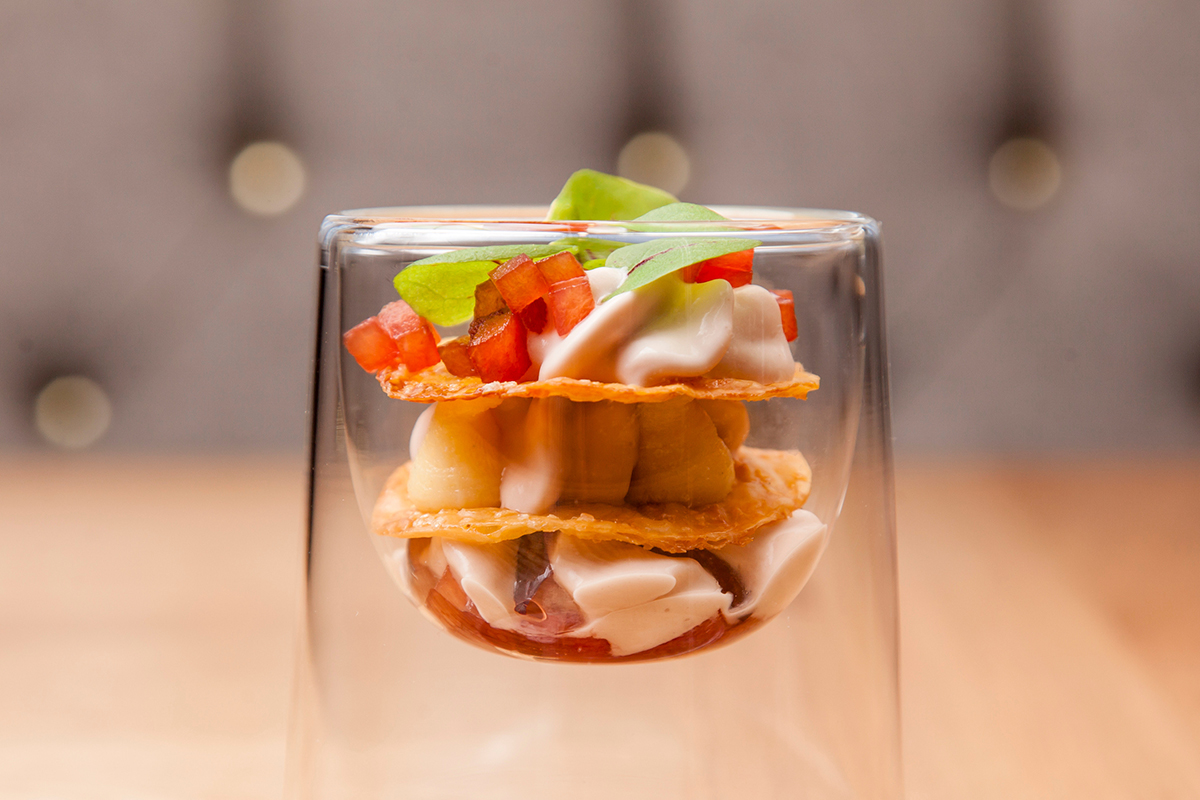
A plum dessert at Paris House
Do you consider yourself an artist, and is cooking an art form?
I think I’m a craftsman, but you could argue that all craftsmen have an element of artistry. The fundamental principle is that you eat with your eyes. A good dish needs to taste, feel and look amazing; all three of those things have to be right. The taste and texture of the piece is definitely down to craftsmanship, but the visual representation requires an artistic perspective.
What led you to collaborate with Gaggenau?
We’ve worked closely with Gaggenau for many years now. They’re a massive producer of technology, but they’re so artisan about what they do. For Gaggeanu, it’s never about mass production, it’s about quality, which fits with what we do at Paris House.
What have you been cooking in lockdown?
I’ve been cooking more than I have for years. At work, I’ve been doing the take-out menus, but at home, we’ve been baking baguettes, pizzas, sausage rolls. My favourite thing to eat in the sun is bouillabaisse so we made a big batch with mussels, which was incredible. Usually I don’t have a chance to bake bread at home, and in the first few weeks when the restaurant was closed, I was baking pretty much every day. I love baking bread – it’s such a therapeutic process. Spending more time with the kids has also been a huge silver lining.
Van Cleef & Arpels CEO Nicolas Bos on the poetry of jewellery
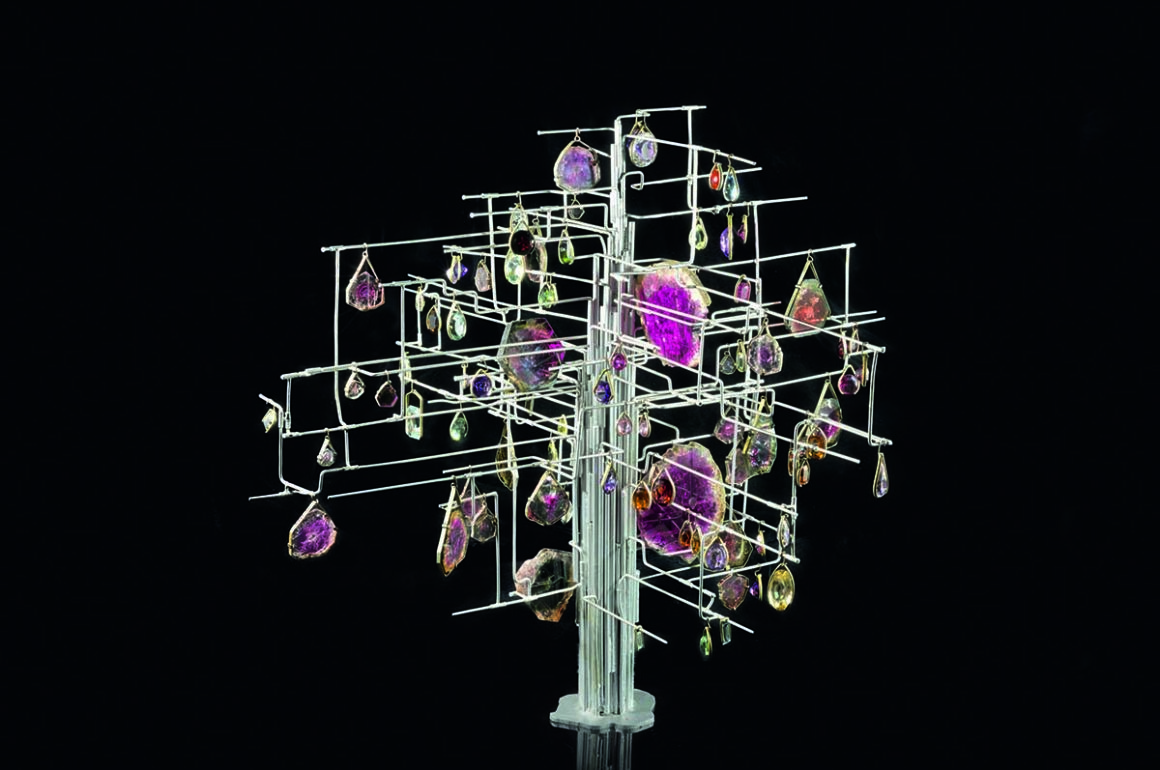
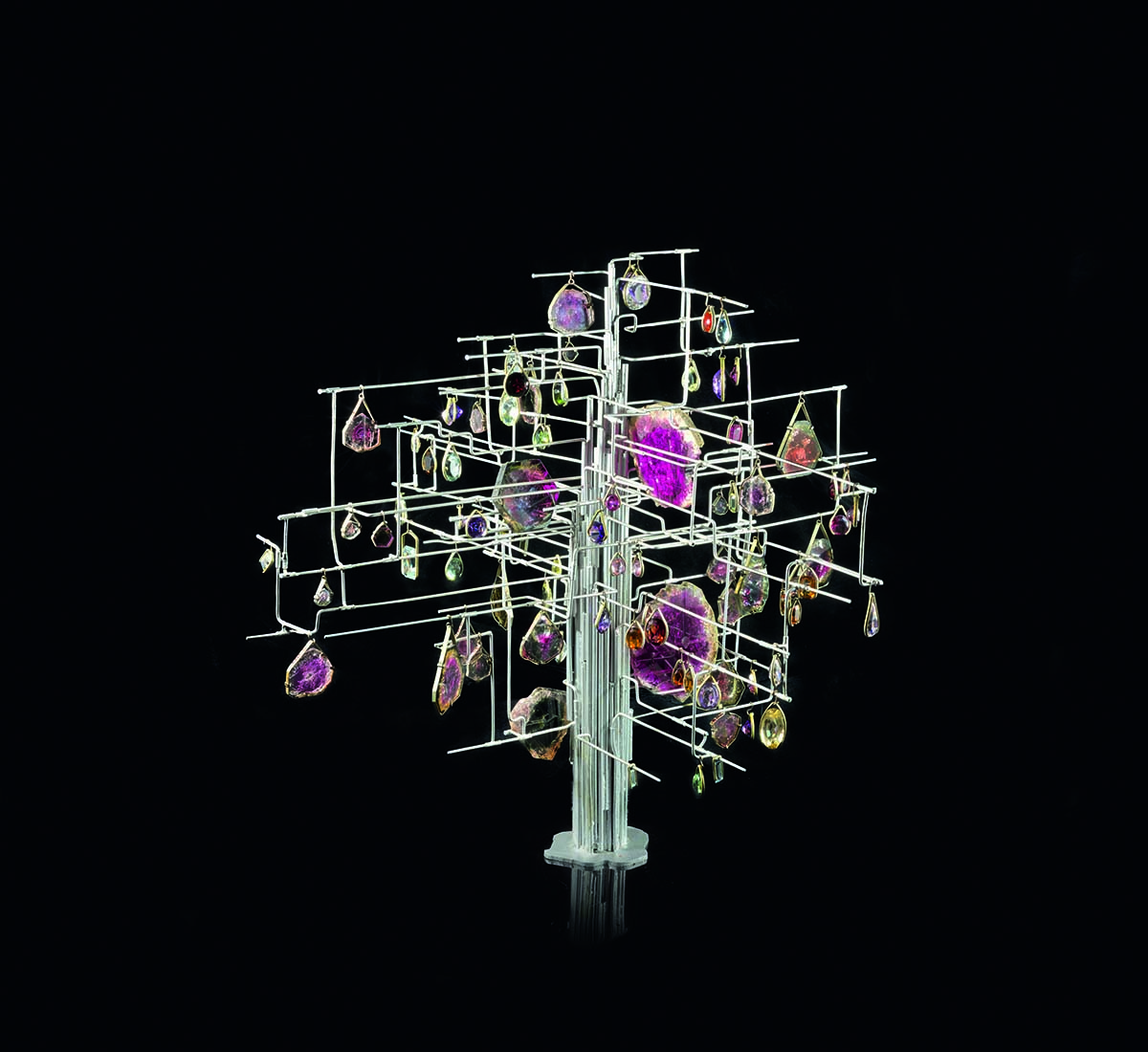
L’Arbre aux tourmalines (1976) by Jean Vendome © MNHN/F. Farges.
The heritage of Parisian jeweller Van Cleef & Arpels is being honoured by an exhibition at the Muséum National d’Histoire Naturelle in Paris, in which their gems from across the years are being shown alongside the raw stones that such jewels are made from. On the eve of the show’s opening, LUX meets with the maison’s CEO, Nicolas Bos
Nicolas Bos & Cate Blanchett. © Dimitrios Kambouris/Getty.
LUX: How does seeing the raw beauty of stones extracted from the earth affect your appreciation of fine jewellery?
Nicolas Bos: The aim of this exhibition is to show alongside each other the raw minerals, faceted gems and finished jewellery creations. This juxtaposition really emphasises the stones’ journey from the depth of the Earth into the craftsmen’s hands that will reveal their beauty. In front of raw minerals, we cannot but be humble and admire what nature can create. It is also with great pride that we can see what we are able to accomplish today with these treasures through our know-how.
Follow LUX on Instagram: luxthemagazine
LUX: The exhibition shows that humans have always been drawn to adornment. Is the lure of jewellery today different to ancient times?
Nicolas Bos: Since ancient times, both men and women have enjoyed adorning themselves with precious and rare materials. Over the centuries, jewellery and lapidary techniques have evolved, new materials have been found and new sources of inspiration and artistic movements have forged new creations. Society has also significantly evolved, with changes in how jewellery is perceived.

Cravat necklace, 1954. © Patrick Gries.
Bluebird clip, 1963. © Anthony Falcone.
LUX: Jewellery companies seem to be doing ever more exhibitions – why is this?
Nicolas Bos: Exhibitions are a great way for a centenary maison such as ours to reveal the evolution of its style across the decades. Furthermore, for Van Cleef & Arpels, transmission, education and culture are fundamental values. That is why we conceive or participate in exhibitions (be it patrimonial or even contemporary). We display creations not just by the maison; we also focus either on the spirit of a particular era (the 1970s and Alhambra, for example), or on a source of inspiration, or on a particular material such as gems. The maison has over several years initiated relationships with great cultural institutions such as the Musée des Arts Décoratifs or the Muséum National d’Histoire Naturelle, both in Paris, to encourage thoughtful and pertinent dialogues between jewellery and other fields such as mineralogy or the decorative arts in general. The collaboration with the American artist Bob Wilson, in 2016, with a scenography based on Noah’s Ark’s highlighting a high jewellery collection, also expressed this wish to link our creativity with other arts. Another example, in 2017, at the National Museum of Modern Art in Kyoto, paralleled traditional Japanese craftsmanship and Van Cleef & Arpels jewellery expertise in the exhibition ‘Mastery of an Art’.
Read more: How Gaggenau is innovating the ancient art of steam cooking
LUX: How would you summarise the brand or aura of Van Cleef & Arpels to a new client?
Nicolas Bos: I would say that the maison puts poetry and enchantment at centre stage in all its creations, be it high jewellery or jewellery or timepieces. Over the years, Van Cleef & Arpels keeps reinventing itself while always staying faithful to its original DNA. Its sources of inspiration range from nature and couture to dance, astronomy and imaginary worlds.
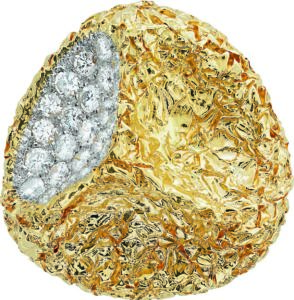
Eucalyptus seed clip, 1968. © Bertrand Moulin
LUX: The ‘Gems’ exhibition includes modern recreations of significant historical jewellery, such as the Toison d’Or worn by Louis XV. What does a piece of historical jewellery tell you about how the wearer once lived?
Nicolas Bos: I’m not a history expert and the maison did not participate in these recreations but it is true that they are impressive. The Toison d’Or underlines the magnificence in which French monarchs used to live and it highlights their taste for exceptional stones and adornment in general. I would like also to mention a special piece that belongs to the Muséum National d’Histoire Naturelle collection and is of real interest – the tourmalines mobile/tree created by Jean Vendome. This is a real masterpiece that exemplifies the fine work bringing together jewellery, sculpture and design.
LUX: Are lab-grown gems a threat?
Nicolas Bos: We do not consider them as such at Van Cleef & Arpels. They are another type of material which has nothing to do with our idea of jewellery. They are industrial objects which don’t have the rarity, the preciousness or charm that natural stones gain after spending millions of years in the depths of the Earth.
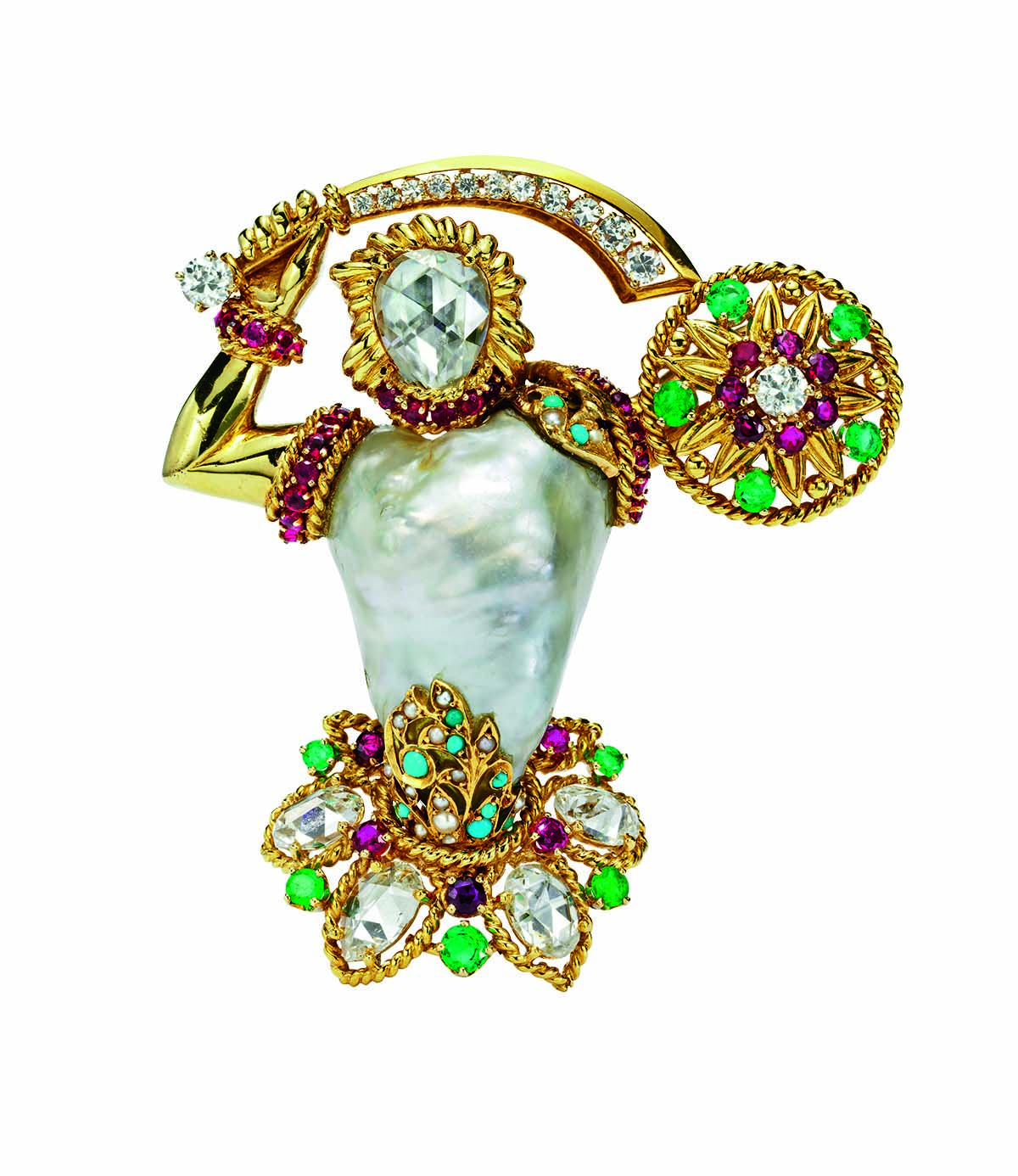
Gladiator clip, 1956. © Anthony Falcone.
LUX: Does learning about the origins of gemstones in an exhibition such as this teach us about the earth from which they came? Does it influence Van Cleef & Arpel’s attitude towards provenance and sustainability?
Nicolas Bos: Sustainability is a core value of Van Cleef & Arpels: we are a certified member of the Responsible Jewellery Council (RJC) which has the strictest standards of responsible practices for the jewellery industry. We also ask our suppliers to be certified with the RJC in order to promote good practices in the supply chain and we audit them as well. All diamonds purchased by Van Cleef & Arpels are compliant with the Kimberley Process Certification Scheme which has worked since 2003 to put an end to the trade in conflict diamonds. We also work with multi-stakeholder initiatives on responsible sourcing and supply-chain due diligence, in particular for coloured gemstones.
LUX: Can you describe the Van Cleef & Arpels high jewellery piece that is inspired by the exhibition?
Nicolas Bos: In order to fit in with the central theme of the exhibition, the maison imagined a unique high jewellery object comprising stones, gems and jewels, some faceted, some polished, some raw. Through the work of craftsmen’s hands these stones speak with each other, adding a highly original piece to the history of Van Cleef & Arpels. It provides a fittingly precious and poetic conclusion to this exhibition.
The exhibition ‘Pierres Précieuses’ runs until 3 January 2021 at Muséum National d’Histoire Naturelle in Paris
View the collections: vancleefarpels.com
This article was originally published in the Summer 2020 Issue, out now.
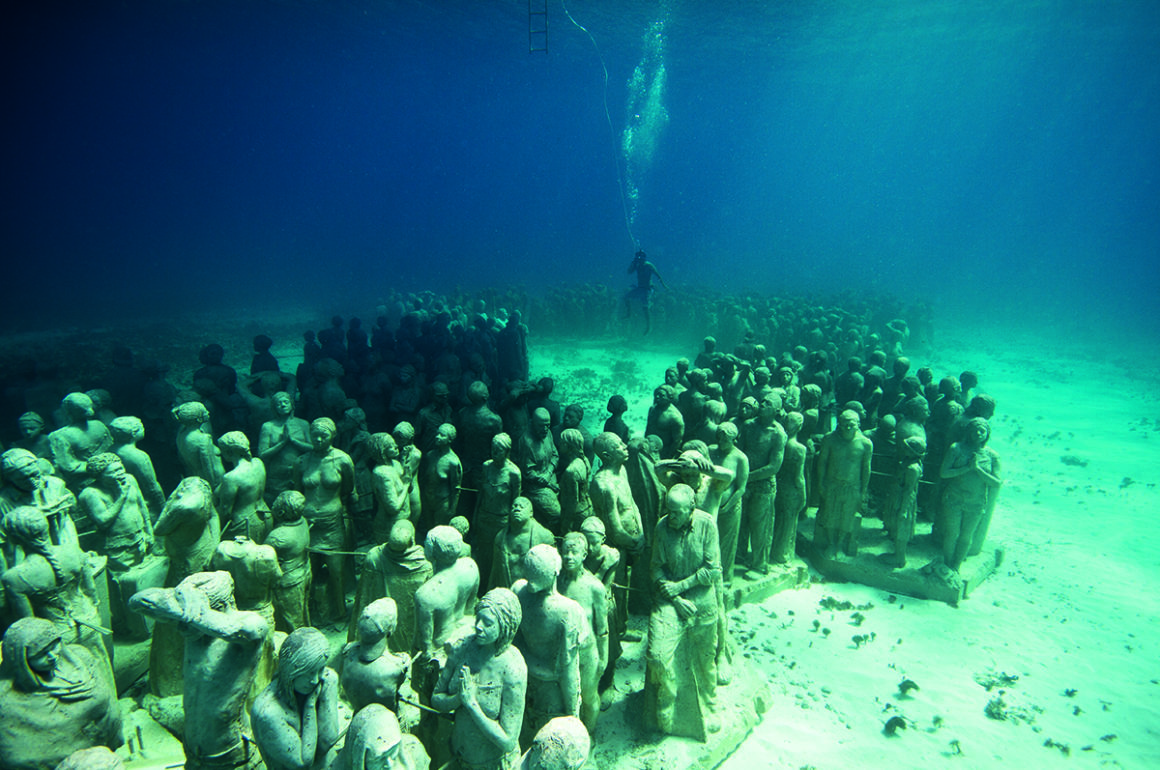
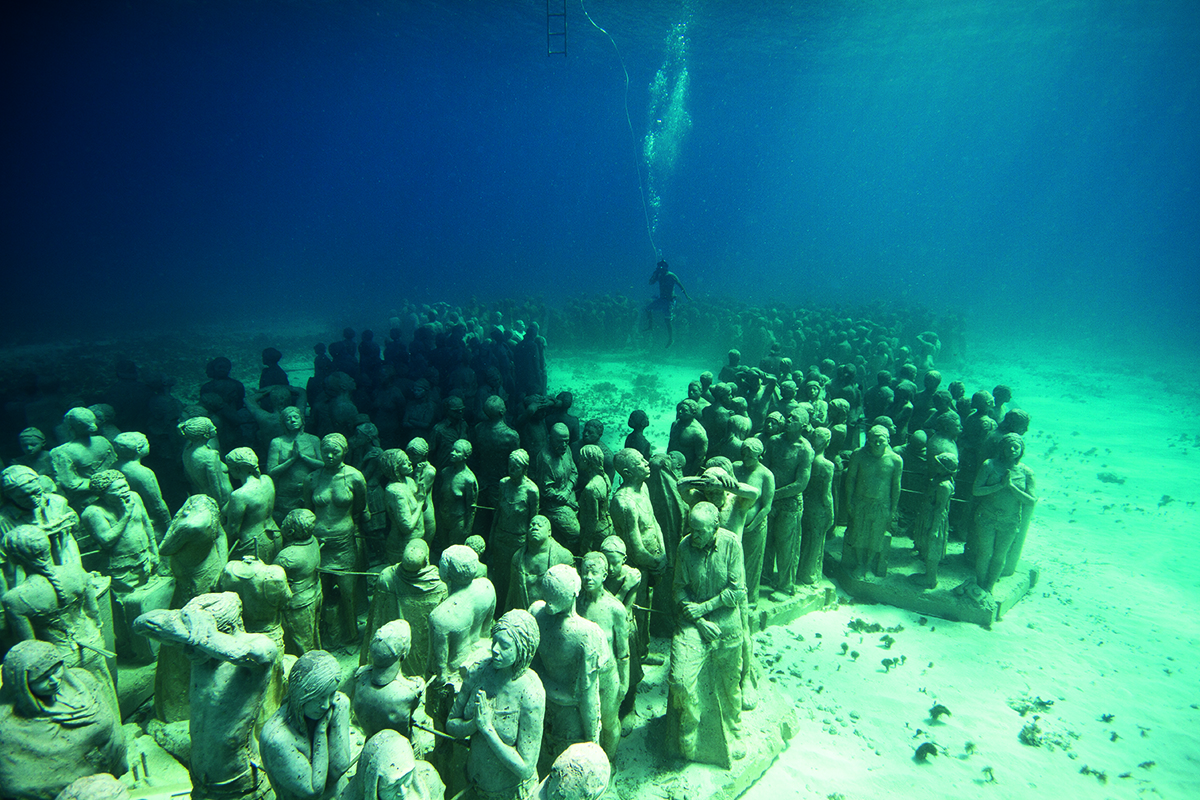
The Silent Evolution (2009) by Jason deCaires Taylor, at Cancún Marine Park, Mexico.
Artist, diver and marine conservationist Jason deCaires Taylor creates mesmerising underwater art that draws divers away from delicate coral ecosystems and helps scientists study the effects of pollution. He speaks to LUX about his new project near the Great Barrier Reef
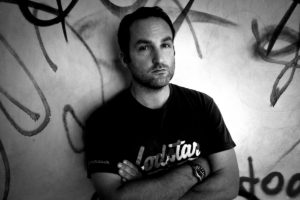
Jason deCaires Taylor
LUX: How do you ensure the materials you use don’t cause harm to the environment?
Jason deCaires Taylor: I’ve been researching materials now for around 14 years with artificial reef companies and universities and marine biologists to find the best metal for the job that doesn’t degrade and that is pH neutral, doesn’t leach any toxins into the environment and encourages marine life to grow.
Follow LUX on Instagram: luxthemagazine
LUX: How does your work contribute to the ocean environment?
Jason deCaires Taylor: On a basic level my sculptures become artificial reefs designed to encourage marine life and create a habitat. We also use the sculptures to control tourism, as a way of drawing tourists away from fragile coral reefs so their impact can be minimised. Part of the process is changing the laws about how the sea is used in that area and to create marine protected areas. Also, most of the pieces have an environmental message behind them about themes such as global warming or ocean pollution.
LUX: How did you progress from being a diver to being a sculptor, marine conservationist and photographer?
Jason deCaires Taylor: It was a kind of a slow evolution. I studied to be a sculptor first. After that, I wanted to explore the world a little bit and so I became a diving instructor. I then decided that it would be ideal if I could try to combine my two interests and it just kind of evolved from there.
LUX: Your Molinere Bay Underwater Sculpture Park in Grenada has been listed as one of National Geographic’s top 25 wonders of the world. How did this come about?
Jason deCaires Taylor: That was my first project. I was living in Grenada teaching and diving and a hurricane that passed through decimated one of the bays and damaged all the coral. There was only one bay left pristine and so all the tourists were heading there and having a big impact on it. So, we needed to draw people away and that’s when I started producing artworks. I didn’t have a firm plan for it, I just thought I’d experiment for a year and see what happens. It became extremely popular and led on to bigger works.
Read more: How Gaggenau is innovating the ancient art of steam cooking
LUX: Tell me about the work you do with conservation organisations.
Jason deCaires Taylor: I have worked with the World Wide Fund for Nature and with Greenpeace on campaigns about ocean plastics and other issues. I have found the fact that the sculptures are dramatic and unusual means they’re good at generating publicity, so I’m able to smuggle in other stories as it’s not so easy to talk about some of these things.
LUX: You’ve started working with Gaggenau?
Jason deCaires Taylor: It’s quite a new relationship. They have a strong connection to the arts and often support artists. They contacted me a few months ago about working together and that was how the exhibition of work by myself and others alongside their designs came about.
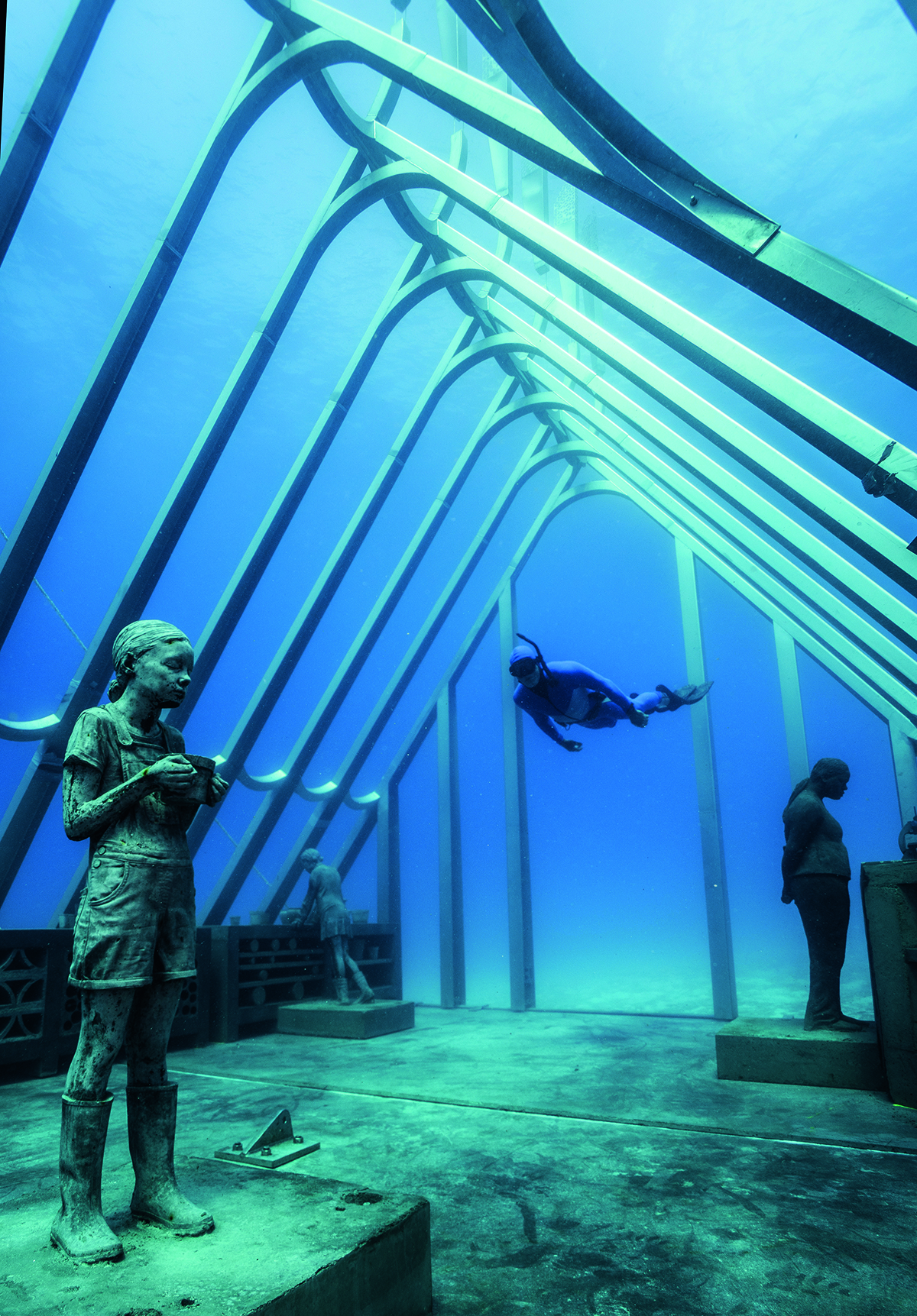
The Coral Greenhouse (2020), Great Barrier Reef, Australia
LUX: You have a major ongoing project in the Great Barrier Reef. Can you tell us anything about that?
Jason deCaires Taylor: We have completed the first two stages, one of which is a piece called Ocean Siren. This work actually changes colour according to what the temperature of the reef is. It’s positioned just off the coast of Queensland, above water this time, standing on the water. It’s linked to a weather station on the reef and the figure, which is based on a local indigenous girl, changes colour as the reef changes and as the risk of coral bleaching becomes higher. The idea is that she issues a warning to an urban environment or to a coastal community about what’s happening to the reef. The other stage is a large underwater building called The Coral Greenhouse. We’ve been working with a group of marine biologists at probably one of the biggest marine science universities in the world, at James Cook University in Queensland, and also with the Australian Institute of Marine Science. We’re using this new building as a kind of underwater laboratory/art installation and we’re going to be planting thousands of different types of coral in this greenhouse and installing monitoring devices to see what the dissolved oxygen count is, to help keep tabs on what’s happening on the Great Barrier Reef.
LUX: It sounds like you do a lot of scientific research into these projects yourself. Do you have a scientific background or do you learn with each project?
Jason deCaires Taylor: I haven’t got any science education behind me. I’ve worked in so many places around the world and it’s impossible to be an expert in all of these different sites, so I work closely with local biologists. I also trained as an underwater naturalist when I was doing my diving course. I think I’ve learned what I do know by being underwater for so much of my life.
View Jason deCaires Taylor’s portfolio: underwatersculpture.com
Interview by Emma Marnell
This article was originally published in the Summer 2020 Issue, out now.
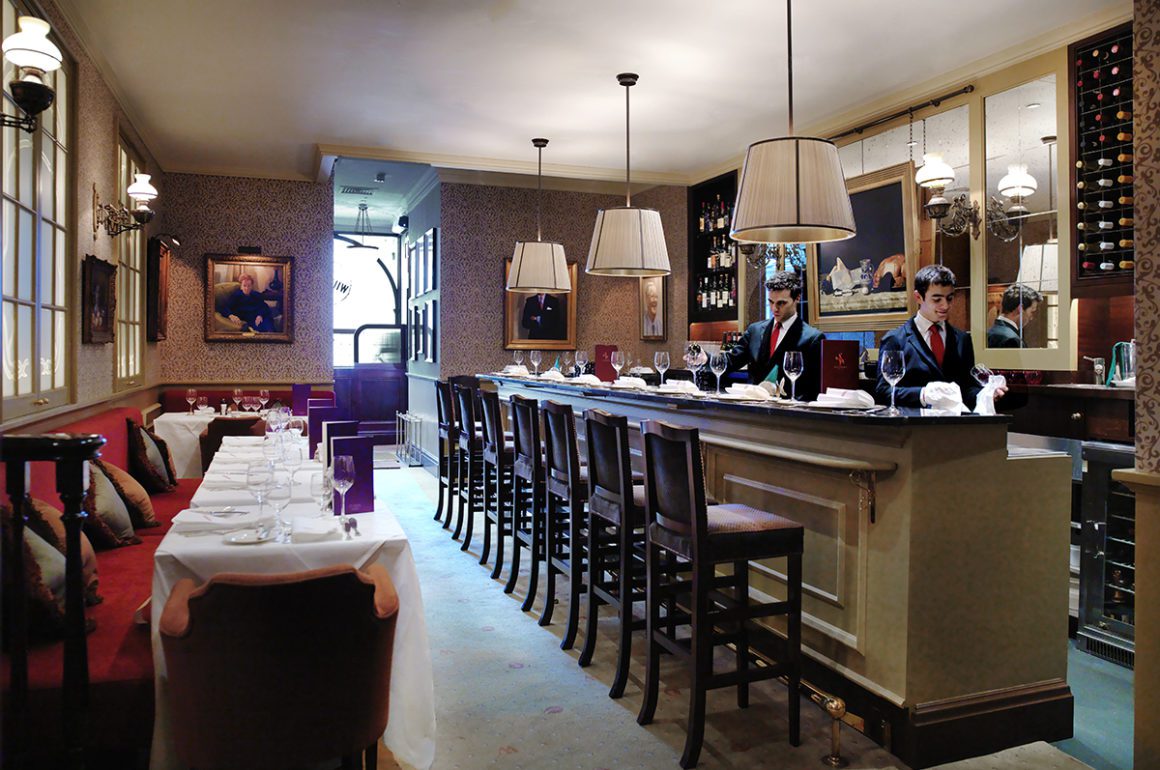
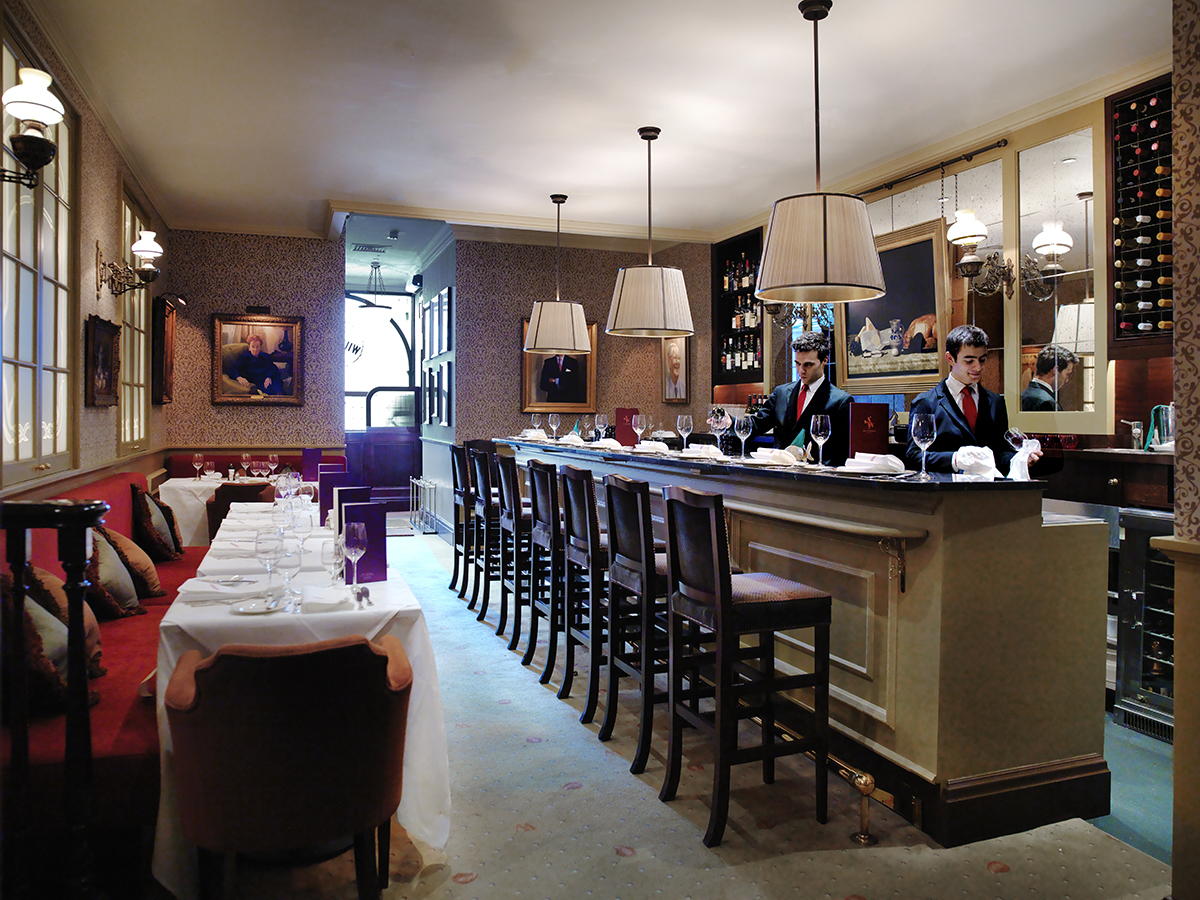
Wiltons is one of London’s oldest restaurants, serving high-end British cuisine
Wiltons first opened its doors in Mayfair 1742, offering a menu focused on fresh British produce. Whilst the restaurant remains true to its origins, Head Chef Daniel Kent is set on progressing tradition with a new focus on sustainability. Here, we speak to the chef about his mission to reduce plastic waste, finding ways to innovate and cooking at home
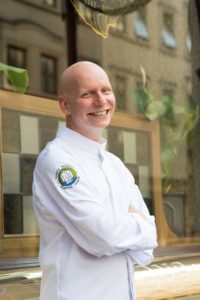
Daniel Kent
1. Did you always dream of becoming a chef and how did your career evolve?
Growing up I had many dreams of what I thought I wanted to do later in life but none of them involved being a chef! It all occurred almost by accident and serendipity took its course. When I left school, I took a job as a pot washer in a local restaurant to earn some pocket money. It was here that the chef asked me if I was interested in being part of the kitchen crew as he thought I might be good at it.
Curious of what this would involve I took him up on his offer and found that I really enjoyed working with food. My parents encouraged me to go to university and study hospitality, so I applied to Manchester University and completed the degree in Hospitality Management.
Follow LUX on Instagram: luxthemagazine
Although I had enjoyed working with food so much university was guiding me to an operational role, however the creative aspect of working with food kept calling me and I continued working in kitchens.
Over the years I’ve had the opportunity and privilege to work with several very talented head chefs, all of which have taught me something new and gave me a different perspective. I have used their wise words and knowledge to develop my own management style which I comfortable and happy with.
Some of my mentors have included Rowley Leigh at Kensington Place, Chris Galvin, Jeremy King and Chris Corbin at The Wolseley. Their collective positive influence has assisted me in developing the skills required to run a kitchen in the way that I’ve always desired.
Over the years I have developed a team around me that allows me to coach and mentor new chefs coming into the industry and pass on all the skills I’ve learnt rising up through the ranks. At Wiltons I am exceptionally fortunate to have the incredible opportunity to use the finest, seasonal produce from all over Britain.
Wiltons is known for its oysters and runs monthly oyster masterclasses, designed to teach diners shucking techniques
2. What defines your cooking style?
My true passion is using the very best British products to create dishes that reflect and do justice to their provenance. I would say that I like to develop dishes with modern European cooking techniques, which I can use to great effect with the dishes on our weekly set menus.
While the majority of Wiltons menu does not change, something our guests appreciate and expect we also like to introduce various specials on a daily basis which keep the brigade on their toes and creative. Wiltons is a great British classic and the food we serve needs to reflect this, but by implementing contemporary twists, keeps it relevant.
The menu at Wiltons focuses on seasonal British produce
3. Which is your favourite dish on the Wilton’s menu and why?
Skrei cod, morels and fish veloute is on the menu at the moment and it’s delicious. This cod comes in season at the end of January and we’ve just introduced a wonderful fish dashi consommé. The main course dish we use a fillet of Skrei cod, finished with a classic bonne femme sauce and serve it alongside baby leeks and morel mushrooms. It’s a classic but we’ve collectively adapted it with ideas and techniques we’ve learnt from our travels and working in other restaurants and the guests are thoroughly enjoying it!
Read more: Comme des Garçons protégé Kei Ninomiya’s cult fashion label Noir
4. How are you tackling sustainability issues in the kitchen?
This is a gradual process. Wiltons was the very first restaurant in the UK to join the ‘Chefs Against Plastic Waste Campaign’. All of our chefs’ jackets are made from recycled plastic bottles that have been pulled from the shores of the British Isles. I requested that suppliers use reusable crates to deliver produce and this has been adhered to and we are very mindful of food waste. Bit by bit, we can all do our part. Sustainable practices are key, and we are addressing these.
Wiltons offers a formal dining experience with stately interiors
5. What are your everyday essential ingredients?
Without a doubt, salt and butter! They can change a sauce, elevate a dish and are so basic, yet very versatile!
6. What’s your go to when you want to cook something quick and easy at home?
Chicken schnitzel and cucumber salad. It’s nutritious, quick and delicious and light too! I also enjoy preparing it.
Find out more: wiltons.co.uk
Various looks from the Noir Kei Ninomiya SS20 show, with headpieces by flower artist Azuma Makoto
The weird and the wonderful come together in the extravagant creations of fashion designer and Comme des Garçons protégé, Kei Ninomiya. Harriet Quick gets to the heart of the extraordinary imagination that produces such challenging yet enthralling designs
Kei Ninomiya
First encounters with designers can leave strong impressions. So, visiting the Comme des Garçons showroom on the Place Vendôme in the heart of Paris and finding Noir’s founder Kei Ninomiya engulfed by one of his voluptuous, frilly topiary tulle creations, laughing and eyes glittering remains a portrait of joy. Wearing his trademark leather jacket, Mohawk and wispy sage-like beard, Ninomiya is a rebel with a cause. “I wanted to create a collection of this time, one driven by pure creation, something new and green,” he said, surrounded by gigantic bouffant gowns and headgear fashioned from live cacti, moss and Boston ferns.
Follow LUX on Instagram: luxthemagazine
Two mannequins are dressed in what could be best described as chandelier gowns made out of handmade chain-linked Perspex pieces cut to resemble giant snowflakes and cacti headpieces made by his collaborator, flower artist Azuma Makoto. The two flapper girls seemed to have been jettisoned from 1920s Paris and reborn via Ninomiya’s fertile imagination. On the rails, huge gowns fashioned from myriad hand-linked tulle flowers invite one to plunge an arm into the innards of the bizarre garments. Elsewhere, black leather harnesses encage a rippling tulle dress alongside a cocooning number crafted from dense clusters of wool, Cellophane nylon and tulle in shades of green.
Fashion design is a rare skill that relies on a sense of prescience. We talk about living in harmony with nature but Ninomiya pushes the aspiration du jour to a surreal, immersive extreme in his spring/summer 2020 collection. Noir’s work engulfs, terrifies and delights in equal measure. Imagine a future world where you could grow your own dress and morph into some kind of a supernatural eco-being or pull a cloud from the sky and wear it or emerge from the sea in a flamboyant seaweed number? That the showroom sits slap bang opposite the newly restored manicured splendour of The Ritz adds another layer of weirdness.
Backstage at the Noir Kei Ninomiya SS20 show in Paris
Yet Ninomiya, who receives praise and attention bowing and clasping his hands in humility, is not given to explanation. Like his mentor Rei Kawakubo, for whom he began working in 2008 as a pattern cutter at the age of 24, he studiously avoids meaning. Ninomiya wants Noir to speak for itself through the performance-like Paris collections (spring/summer 2020 is the fourth), in-store presentations and, poignantly, when worn IRL.
The meticulous, ingenious engineering of his garments (stitches are rarely used) and the compulsive viscerality (touch, bounce, rustle, clink, stroke) speak louder than words. His shows frequently leave even seasoned critics discombobulated and enthralled. “I wouldn’t want to explain any message in my collections,” says Ninomiya when pressed on the connection between fashion and the environmental crisis. “I always look to create powerful and beautiful collections. As a result, they may link with the power of nature,” he concludes.
Yet brilliant designers, particularly those backed and incubated by Comme des Garçons (CdG), one of the most influential fashion houses of our time, do not create in isolation. They are plugged into the pulses, anxieties and aspirations of everyday life. Right now, issues to do with nature and ecology are triggering a swell of angst across the globe. In reaction, there’s a return to small-batch production, a renewed appreciation of the handmade and a quest for individualism and diversity. Noir seems to be capturing all those currents. For Ninomiya the process is instinctive. “I was first attracted to fashion and to making as a means of expressing ideas,” says the thirty-five-year-old who grew up in the southern Japanese city, Ōita.
Noir’s SS20 collection on the runway in Paris
Fashion’s relationship to the planet came into sharp relief at the close of 2019. The spring/summer fashion season came slap in the centre of a global climate-crisis awareness campaign, with Greta Thunberg (in flaming pink) thundering at the United Nations, Extinction Rebellion staging protests at the Victoria Beckham spring/summer 2020 show in London, and Oxfam joining forces with stylist Bay Garnett and model Stella Tennant to urge everyone to up-cycle their wardrobes for the month of September. Kering-owned Gucci announced its commitment to going carbon neutral by offsetting its environmental footprint with reforestation. Material scarcity, climate change and the awareness of excess landfill and wardrobes bulging with unworn clothes placed a spotlight on the business and fell heavily on every fashion lover’s conscience.
Read more: The Thinking Traveller’s Founders Huw & Rossella Beaugié on nurturing quality
Some brands charged towards up-cycling initiatives, others re-examined minimalist, timeless aesthetics, and many took nature and naturalism as a guiding aesthetic or motif. Whichever direction was taken, it was evident that the fashion business at large was experiencing some kind of existential crisis. Yet indirectly and subversively, the Noir collection offered solace and optimism in the face of crisis.
Ninomiya and his small team use man-made and natural fabrics, vegan and real leather but the vision is brilliantly of now. “We employ handicraft to achieve what conventional sewing cannot do, like making volumes or using the construction techniques that we use here. Some collections start with exploring the technical aspects, but it’s different every time. This time round, I began with an image,” he says. As regards the engulfing volumes, Ninomiya remarks: “I haven’t really thought about it. I just follow my principle to make something powerful and beautiful, so the pieces often end up being big in size and volume.”
A look from the Noir Kei Ninomiya SS20 show
It seems the more banal and mundane the middle market of fashion becomes, the more outrageous and unpredictable the true creators will be. Ninomiya has one of those rare spatial imaginations, like an architect, that is capable of creating new forms with unconventional methods. Techniques might include chain linking (beloved of sixties entrepreneur, Paco Rabanne), invisible snapper and tab fastenings, grommets and rivets. The construction methods actually create the decorative effects as well as the structure. Peer inside a Noir piece and you will be astonished to see an inner matrix that resembles a molecular science model.
The craft/tech/engineering route gives Noir clothes a sense of substance and newness and plays into Japan’s rich tradition of technical innovation that supercharged the country’s economy in the post-war years and made the nation a subject of fascination and fetishisation in the 1980s. That was when Rei Kawakubo dropped a bombshell on the bourgeois traditions of Paris couture with her thunderbolt 1982 Holes collection of deconstructed, raw-edged gowns worn by androgynous waifs. Here was an unknown Japanese designer suggesting that frayed fabrics and bag-lady layers were the apex of style. Intellectual circles were quick to adopt the controversial look. Nearly two generations of designers have been inspired by the impact of Kawakubo’s radical work. We have come to expect experimentation, innovation and rigorous quality from a country that still values and rewards its true artisans.
Read more: French designer Philippe Starck’s vision of the future
Ninomiya grew up in the 1990s. After studying French literature, he moved to Europe to attend the prestigious Royal Academy of Fine Arts in Antwerp. During a holiday period, he returned to Japan and applied for a job in the CdG studio. Kawakubo was impressed by the young designer’s meticulous work and hired him. Ninomiya never finished his studies in Antwerp and worked in the studio for the next four years before Kawakubo invited him in 2012 to launch his own line under the company umbrella. International acclaim slowly grew with his move to Paris in 2015 and now invitations to his shows are among the most sought after.
To put Noir in context, it helps to understand the bigger Comme des Garçons International universe that is run by Kawakubo and president and partner, Adrian Joffe. It expands across several CdG labels, including accessories and the extensive perfume range, Ninomiya’s fellow protégé Junya Watanabe, and Noir (since 2012). CdG also operates as an investor, backing labels including Gosha Rubchinskiy and helping with distribution and production. Youths in Balaclava, (designed by a collective of polymath twenty-somethings from Singapore) is the latest launch.
Backstage at the SS20 Noir show
These labels and many more invited brands (including Alaia, Dior, Gucci and Balenciaga) are sold through a growing network of Dover Street Market (DSM) retail emporiums that first sprung up, hence the name, on Dover Street in London’s Mayfair. The string of alternative emporiums now stretches to Los Angeles, Tokyo, Singapore, New York and Beijing. In Paris, a dedicated beauty emporium has recently opened. “Risk”, “instinct”, “experience”, “community” – these are all terms that Joffe uses frequently in the description of DSM stores that were originally inspired by Kensington Market, a cult underground streetwear market in 1970s London. The privately owned company now has a turnover of hundreds of millions of dollars.
Read more: Film director Armando Iannucci on David Copperfield & Fleabag
“As all others designers of the company, Ninomiya works freely, without constraints,” says Joffe. “He respects Rei’s work a lot and Rei respects his creations, too. The relationship is all based on mutual values. Rei trusted him from the beginning, as I do. We let him be free and Comme des Garçons is proud of what he achieves”. Joffe adds, “He is offering his vision linked to the world he is living in. I don’t know what he has in mind during his creative process as we never know what each is doing in advance.” The CdG collective is essentially an ecosystem and operates in contrast to the corporate micro-controlled worlds of LVMH or Richemont.
But then Kawakubo set the template early on. “I have always pursued a new way of thinking about design by denying established values, conventions and what is generally accepted as the norm. And the modes of expression that are important to me are fusion, imbalance, unfinished, elimination and absence of intent,” says Kawakubo at the time of The Met monograph show ‘Art of the In-Between’ in 2017. The biker jacket-wearing designer, now 78, named her own label after a Françoise Hardy song lyric. Kawakubo sees CdG as a guild of highly skilled designers, fabric experts and pattern cutters. Andrew Bolton, the Wendy Yu Curator in Charge at The Met’s Costume Institute, calls this play between creativity and commerce an example of what Andy Warhol dubbed “business art”. “Rei Kawakubo works in the fashion system but on her own terms. It is a much more elegant way to disrupt,” says Bolton.
Another look from the SS20 Noir collection by Kei Ninomiya
Yet while the creativity on the catwalk is unsurpassed, what CdG does exceptionally well is ‘declining’ those ideas into wearable clothes. At the core of the Noir collection are cropped leather and faux leather jackets with intense detailing such as weather quilting or chains, and ruffled slip dresses and skirts, and sheer jackets, all with an elegantly rebellious, mischievous edge. The collection sells worldwide in avant-garde retailers such as Leisure Centre in Vancouver as well as Net-a-Porter. “Noir always puts on an incredible spectacle and although trends are always changing and evolving, Noir maintains its values,” says Libby Page, senior fashion market editor at Net-a-Porter. “Ninomiya is good at taking the idea from the runway and translating it into more commercial pieces in tulle and leather. The tulle tees are always a hit.”
Fans of Molly Goddard tulle gowns, Simone Rocha’s punkish romance, Sacai’s hybrid design (the label’s founder Chitose Abe is another former employee of CdG), and Martin Margiela would equally appreciate Noir’s puckish charm. All these designers reject glamorous cookie-cutter ideals of femininity and share a love of the colour black. Ninomiya relishes the many different shades of black, and any colours he uses are complimentary, such as the white and verdant greens for spring. The AW Rose collection featured sheer black layers, dried rose headgear, black-mask eye make-up and ruffled petticoat skirts. The parade of models, looking like they had fallen out of a Goya portrait via a Parisian club, offered up a twisted reverie on romance and love.
Noir’s cult reputation is growing apace. Remo Ruffini, CEO of Moncler, invited Ninomiya to create an innovative capsule of down-filled jackets for the brand’s Genius line alongside established players such as Mary Katrantzou and Valentino. But Ninomiya remains pure play and noirishly enigmatic. “Creation is what matters most and I would like to continue that in a sincere way,” he concludes.
Follow Noir on Instagram: @noirkeininomiya
This article was originally published in the Spring 2020 Issue
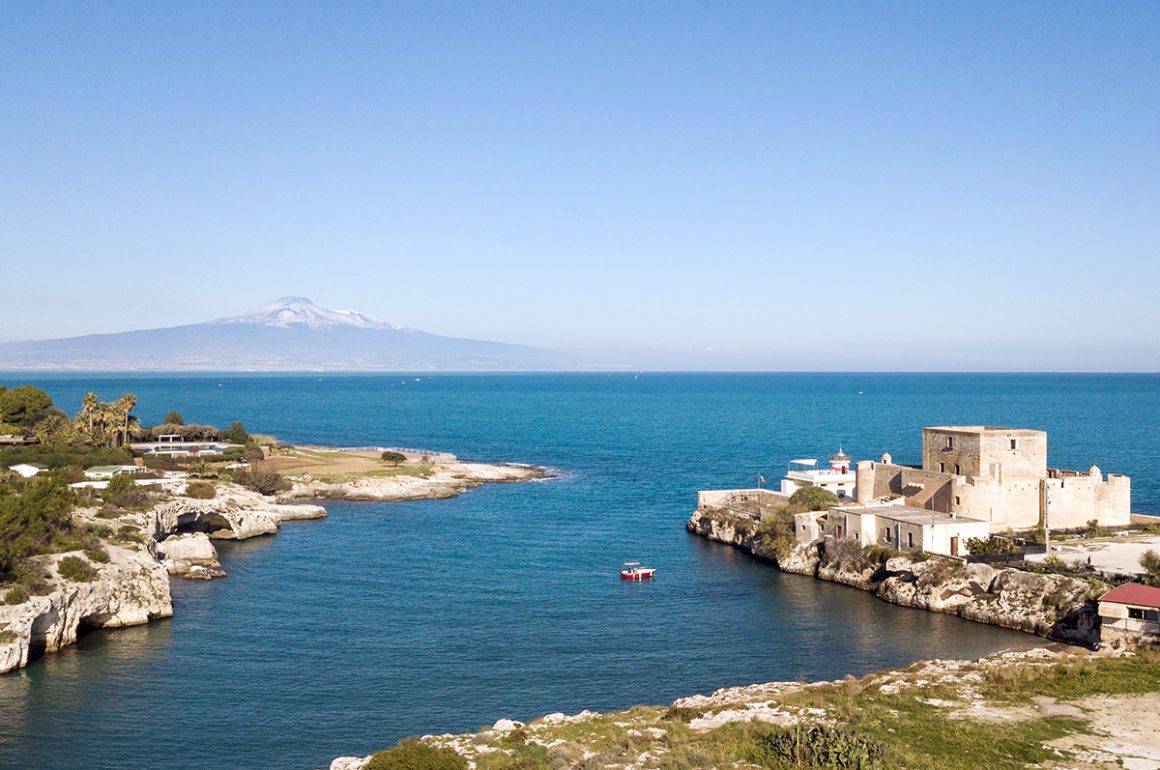
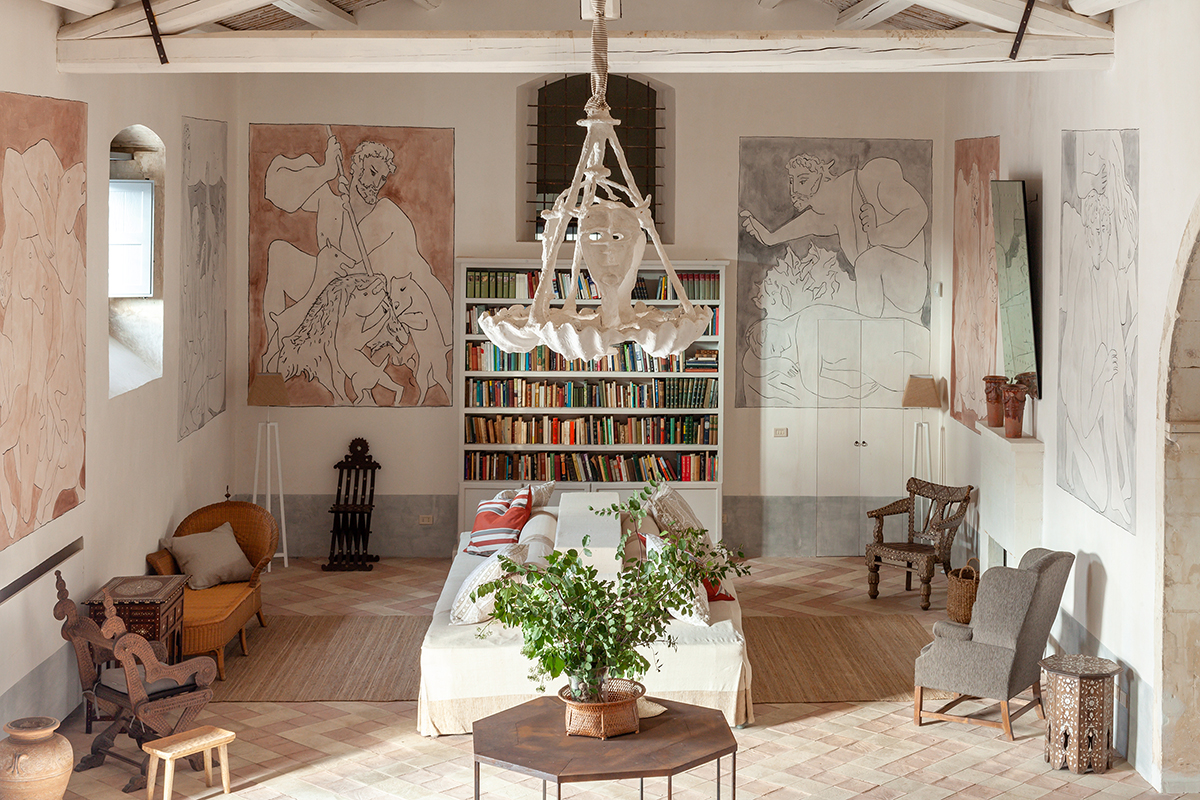
Masseria Cardinale is one of The Thinking Traveller’s larger villas in Sicily, located in the countryside with authentic design features
The Thinking Traveller is a villa rental company that offers exclusive access to some of the most desirable properties in the Mediterranean. Guests of The Thinking Traveller also gain access to local insider knowledge through the company’s on-the-ground concierge team who plan bespoke itineraries and experiences. Here, we speak to the founders Huw and Rossella Beaugié about their villa selection process, luxury retreats and their intrinsically sustainable ethos
Rossella & Huw Beaugié
LUX: How was the concept for The Thinking Traveller conceived?
Huw Beaugié: We started the company in 2002. Prior to that [Rossella and I] had been living in Paris, where we met in ‘98. Rossella was a cell biologist doing her PhD in Paris and I was an engineer working in marketing at that time. Rossella is from Sicily, so we had been travelling to Sicily a lot already. We went there in November 2000 and that was the kind of the catalyst. We climbed up a mountain called Stromboli, and doing that made us decide that we would like to move there for a bit, which we ended up doing two years later.
Rossella Beaugié: We started doing walking tours first of all and then very soon my friends started saying ‘oh we’ve got this nice house on the island, would you want to try renting it out?’. So the first brochure we put together had three walking tours with volcanos and hills, and then seven villas, I think. At the time we were doing everything ourselves but it worked.
Follow LUX on Instagram: luxthemagazine
Huw Beaugié: There wasn’t anything of great quality in Sicily so we realised that we needed to really help these villa owners to create a property and product that would fit our clients and the people we wanted to be our clients. We started advising [the property owners], helping with design and we even began advancing money to invest in pools or refurbishments. We would make contact with interior designers to help them develop the houses. Really quickly we figured that if we were making all these investments, the only way we could really work with these houses and make it profitable would be to deal with them exclusively. That is one of the things we have stuck with ever since. We started with seven houses and we now have about 220 in various destinations in the Mediterranean, but the really vital and big unique selling point is that they are all exclusive to us and that means we can still keep on investing to make sure the quality and service is right, and to have our people on the ground to support that. We are expanding slowly, being careful to always keep the quality increasing rather than diluting.
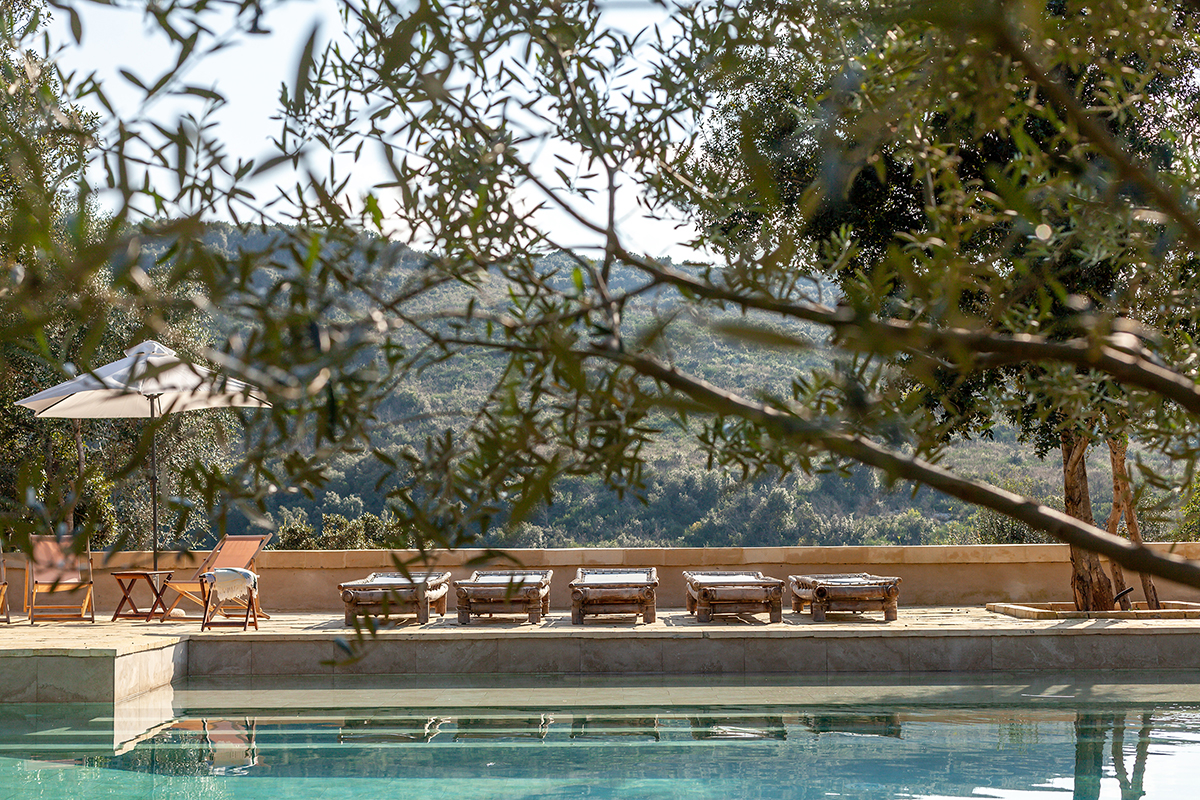
Views over the Sicilian countryside from the pool at Masseria Cardinale
Rossella Beaugié: The secret has been that right from the beginning. For the first 10 years we were in Sicily so we were around the whole time and then we started hiring staff who are really knowledgeable people and know everybody locally, meaning they can find the best doctor if needed, the best yoga teacher or if you wanted to organise a dinner we can do that. We don’t have reps who move around, our staff work for us 12 months a year and they have insider knowledge.
LUX: What challenges have you encountered now that your main offices are in the UK and you’re based here?
Rossella Beaugié: We have developed quite slowly. There have been two regions that we were interested in but because we hadn’t found the right people or properties we wanted to offer clients, we decided not to go with them. We are happy with the regions we’re working in because we have amazing teams and the owners of properties share our priorities and ethos. The team here receive so many offers of villas everywhere, we could have 10,000 villas! We get that many offers because they see the website, they like it and we have a good reputation, but we have been careful of where we go and what we take on.
Faro di Brucoli is a refurbished lighthouse in Sicily with views of Mount Etna across the Ionian Sea
LUX: How do you select the villas to represent?
Rossella Beaugié: They tend to come to us. It is usually owners knowing us already, maybe due to our reputation amongst other owners who also have these kinds of top level properties. So what we do first of all is decide whether it’s for us and we can see that now straight away with Google and photos.
Read more: High altitude luxury at Riffelalp Resort 2222m, Zermatt
Huw Beaugié: Probably 70% of them we cut immediately. The next 30% we go further and ask for more information, and then perhaps the final 5% will end up with a visit and a detailed report and out of those, we probably only take on one property.
Here and above: Iola is a contemporary villa located on the Greek island of Corfu with sweeping sea views
LUX: What are the key elements you’re looking for?
Rossella Beaugié: We are now at a stage where we know what our clients want so we have criteria, but at the bottom of it, we really need to truly like the property in terms of style and we have to know that the owner could be a good partner because it’s their house and they continue managing the property so they need to be able to reinvest and sort out problems quickly. In terms of more objective criteria, the location and views are important but it depends on the region. Greece, for example, is really all about location so being on the sea and beaches. Privacy is also important and then there are all the things like ensuite bedrooms, a good kitchen, a nice-sized pool, not being overlooked. Then once we take on the property, we have a list of stuff that they have to have such as good quality linen, appliances etc. We recommend things and then our local managers go and do what we call a quality check.
Read more: Founder of Nila House Lady Carole Bamford’s guide to Jaipur
LUX: Is it important to you to have a wide range of different properties in your portfolio?
Rossella Beaugié: Yes, we have clients that have gone from a very charming, chic, three-bedroom house in Puglia and then they book our best property in Sicily, which sleeps 24 with a chef because maybe they are doing a multi generation family holiday, or it’s someone’s wedding anniversary and they want to invite everyone. So yes, we need diversity in terms of size and level of service. Some people could afford to have service everyday but they just want privacy, they want to be able to go around without clothes if they like. Then there are also different styles of property. Some people want minimal or really cutting-edge design, and some other people want to go to a place in Puglia or Sicily with traditional charm.
Huw Beaugié: We also work a lot with people who haven’t even started building. The optimum situation is when someone comes to us and says ‘I’ve bought a piece of land’ or ‘I’m looking to buy a piece of land, and what are your suggestions?’ Or people say ‘I’ve bought this ruin and what should I do with it?’ With those projects, we are involved from the beginning right through to the delivery. We suggest interior designers, architects, landscape designers, everything. Those are the villas that tend to perform the best.
Masseria Cardinale (here and above) offers guests traditional charm combined with luxurious modern amenities
LUX: Can you tell us a bit more about the experiences side of the business? What can you make happen for your clients?
Huw Beaugié: We try to make anything happen that the clients want as long as it’s not against the law!
Rossella Beaugié: The kinds of things that are becoming standard for us is that everyone wants a cook. Especially in Puglia and Sicily, people want to learn to cook and so we organise cooking classes either in the villas or on vineyards. We have three kids who were born in Sicily and grew up there which means we were able to try out things with them and find out what they found boring. From that, we designed some guided experiences with experts who will prepare the tours on two levels so that it works for the parents and it’s entertaining for the kids. Wine tasting is very requested, and water sports are popular, but then we also have occasions like weddings when people want a Steinway piano in the garden or a certain opera singer to perform.
Read more: Inside The Dorchester Collection’s first branded residences
Huw Beaugié: What we are starting to do more of is themed weeks so things like getting a celebrity chef out to a villa for a week and creating a programme for full immersion in the food, which might include cooking classes, demonstrations and tours of markets. This year, we are doing a partnership with Bodyism so that you can take a wellness instructor out with you to the villa.
The Thinking Traveller has paired up with McQueens Flower shop to offer guests flower arranging courses at Palazzo Gorgoni (above), one of their properties in Puglia
LUX: What’s your approach to sustainability?
Huw Beaugié: It’s the same as when we started. The basic model of restoring or building unique properties in rural locations or old towns using local people to build, cook and garden, all of that is just inherently sustainable. Generally, you’re also using local materials and the money is staying local. The things that have been added to that model since 2004 is more use of solar energy. However, sustainable a client is they never want to give up on air conditioning, which is one of the single biggest consumers of energy in a villa so solar energy supplements that. Then the other big thing is water: drinking water and swimming pool water. Swimming pools lose hundreds of litres of water a day through evaporation so we encourage people to cover pools when they’re not using them and at night. Same with air con, setting the temperature between 24 and 27 degrees, for example, rather than at 18 degrees and wrapping yourself up in a duvet, which uses a lot more energy. In terms of drinking water, we are doing a big campaign to try and get people to install water filters in their homes, which is difficult in the Med where bottled water is standard, but it’s changing.
Rossella Beaugié: We have these little leaflets which we leave in the houses called ‘Think Green’ which have sustainability tips for guests. People are more aware of sustainability issues so it is easier now than it was in the past to encourage these ways of behaving.
View The Thinking Traveller’s portfolio of properties: thethinkingtraveller.com
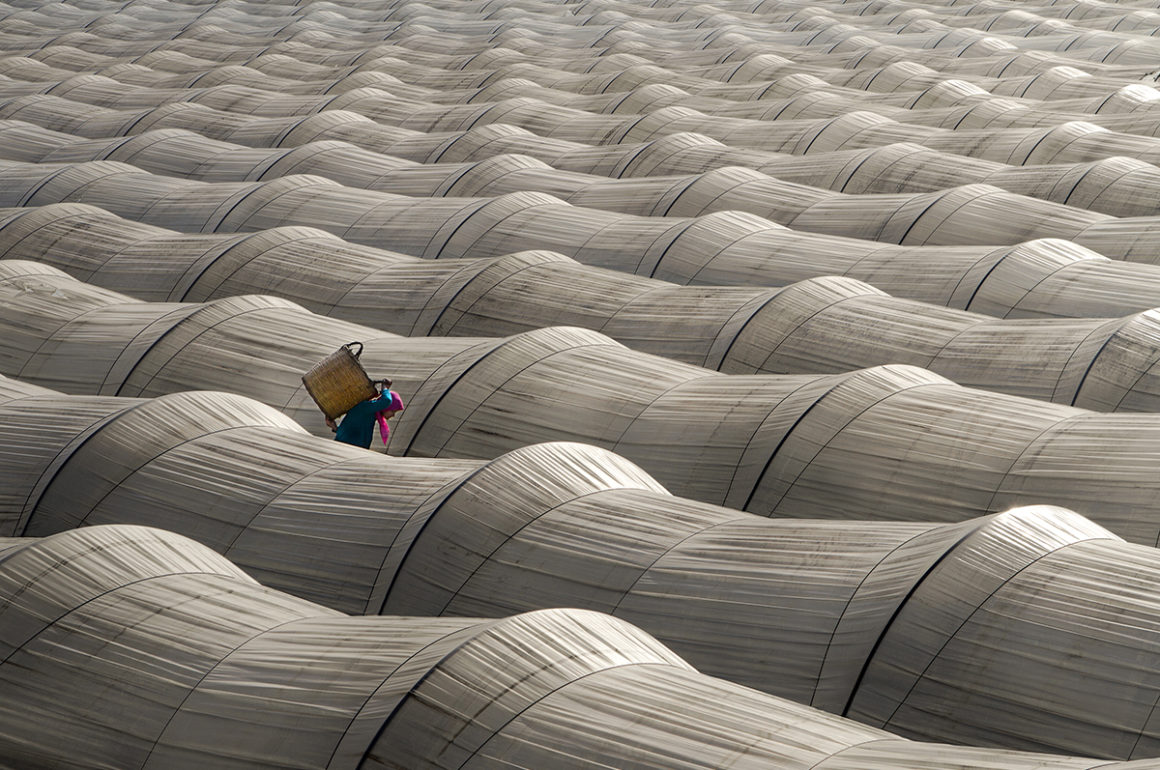
Strawberry Greenhouses by Leyla Emektar, a finalist in EEA’s photography competition
Strawberry Greenhouses (above), is one of the finalists’ entries of the European Environment Agency’s latest photographic competition. Part of a series including the image below, it was photographed in Turkey by Leyla Emektar, an art photographer and visual arts teacher. The next competition’s winners will be announced in summer 2020
An image from the same series by Leyla Emektar
Find out more: eea.europa.eu
These images were originally published in the Spring 2020 Issue.
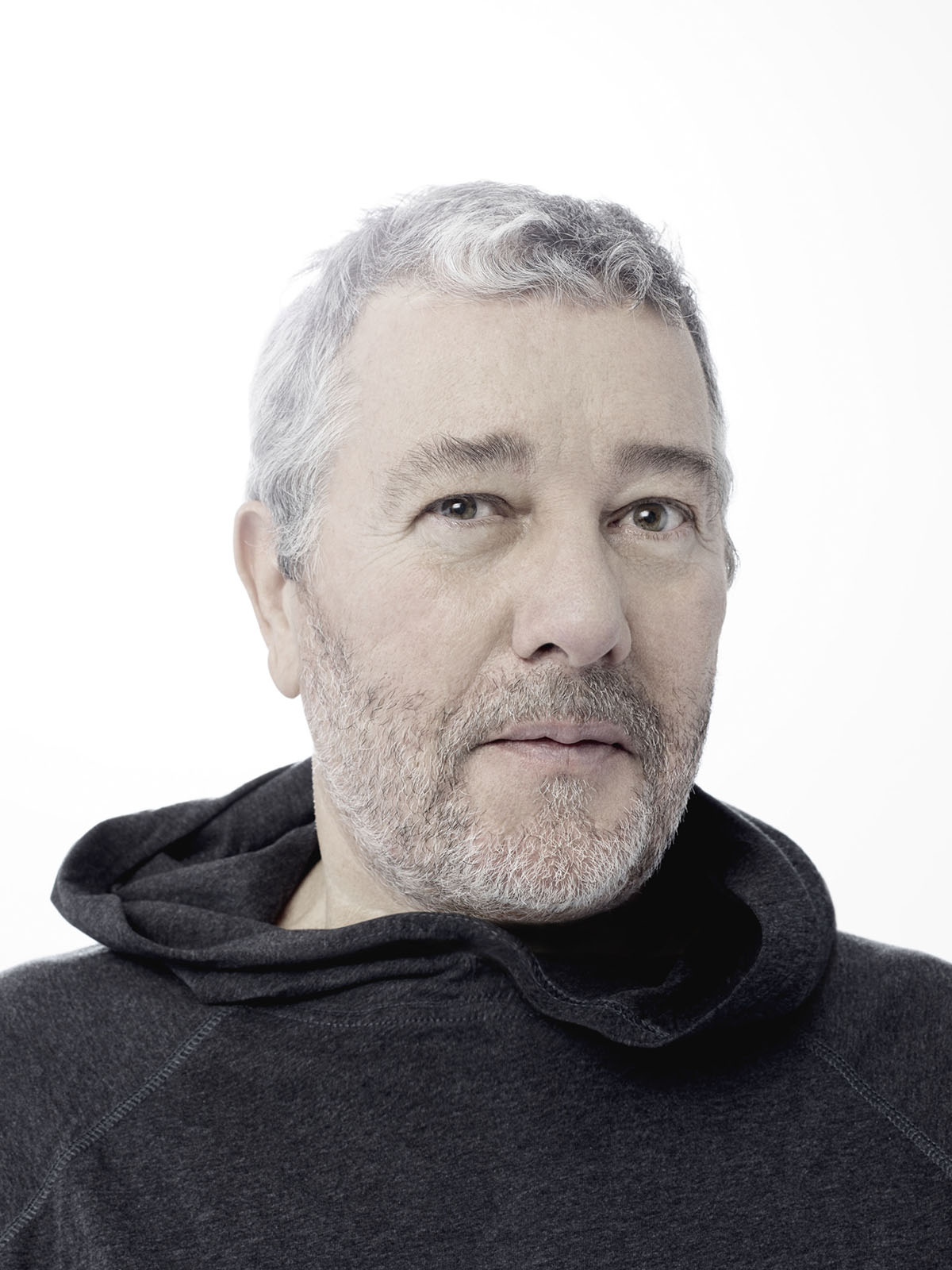
French designer Philippe Starck. Image by JB Mondino.
Legendary French designer Philippe Starck gives Mark C. O’Flaherty his radical vision of the future: a time when designers won’t be needed – and maybe even chairs
“I’m not interested in aesthetics anymore,” says Philippe Starck, sipping on a glass of mineral water in the Royal Academy in London. “I am interested only in our evolution, and how the intelligent craft of human production is going to be rerun by dematerialisation. We are working on making things disappear.” As Starck speaks, I notice the periodic flashing of a red LED from beneath the skin on a fingertip of his left hand. It’s extraordinary. I ask him what it does – is it connected somehow to his laptop, perhaps? “Ah, it’s magic!” he says, cryptically, before steering the conversation to his ongoing project with the Roederer champagne house: “I never wanted to just design a bottle, I wanted to share in the making of what was inside. And it was about creating something that had less in it, nothing added, no sugar.”
Follow LUX on Instagram: luxthemagazine
We are at the Royal Academy for the launch of the new Roederer-Starck 2012 rosé champagne, where he is judging a competition between 13 artists at the Academy’s Schools to interpret the taste of the champagne through their art. His choice of winner – a white-on-white embossed spiral on paper called Cycles, by Sofía Clausse – is apposite for his ongoing philosophy of design: “It was the most accessible piece,” he says, “It was simple. It captured the spirit of champagne, which to me isn’t a wine, or a reality, but an idea.”

Starck’s AI Chair for Kartell
When the world first caught sight of Philippe Starck’s work in the 1980s, the Parisian-born designer had been creating products for a new way of living. He was changing the vocabulary of interiors, rephrasing the language with futuristic accents on everyday items. His choice of materials was aggressively different from the tradition of French design – he selected transparent plastics, metallics and pop colours. He was as New Wave as the cinema of Luc Besson and Jean-Jacques Beineix and of the architecture of Jean Nouvel. Today, at 70, he is one of the most prolific designers who has ever lived, having created literally (his studio can offer no official number) countless products from clocks to yachts. Today, he still works on an average of 200 projects a year. And yet, as he tells me, he believes that “fifteen years from now, thanks to technology, every material obligation will have disappeared.”
Read more: Chaumet’s CEO Jean-Marc Mansvelt on historic innovations
How does a designer who has been apocryphally credited with 10,000 products balance his current view of a future with nothing in it, with his business model? “The business element will shift,” he says. “We debuted the AI chair with Kartell at Salone del Mobile in Milan this year, and it was the first of its kind ever to be created with artificial intelligence. AI is going to create a new freedom in design. With AI, we can now ask any question, but it’s all about knowing the right question.” He also sees a time beyond furniture. “Design as we know it will be dead,” he says. “There will be better solutions to sitting down than a chair. I think a chair has always put you physically in a bad position. We can do better than a chair.”
The entrance to the Starck-designed L’Avenue restaurant at Saks Fifth Avenue, New York, with stained glass by his daughter Ara
Starck has always been radical. In 1984 he created the interior for Café Costes in Les Halles. With its theatrical blue staircase and oversized minimal clock, it was as much a postmodern landmark leisure-time interior as Ben Kelly’s Haçienda in Manchester, and Arata Isozaki’s Palladium in New York City. All were created in the same decade, but Starck’s project was notably more dramatic because of its location. This was Paris, a city still stuck in Belle Époque aspic. French design was frozen in curlicues and froth. Starck was an iconoclast.
Entries to the Brut Nature competition from Royal Academy students, with (top) The Philosophers’ Reserve by Max Prus, and (here) Tidally locked by Olu Ogunnaike
After a series of successful Paris interiors, he was aligned for a long period with Ian Schrager’s fantastical hotel projects, bringing some of the eccentric visual flair that Schrager and his late business partner Steve Rubell brought to Manhattan nightlife with Studio 54. There was a fairytale, supersized element to much of what he did, from elevated swimming pools to triple-height billowing curtains. From the Royalton in Times Square in 1988 onwards, their partnership helped take Starck’s name and distinctive, witty style to the world.
Read more: Founder of Nila House Lady Carole Bamford’s guide to Jaipur
While his peers, including Marc Newson – who currently holds the record for a design object at auction after one of his Lockheed Lounge chairs sold for over £2 million in 2015 – focused on rarefied edition pieces, Starck focused on mass production. A rare blue glass Illusion Table sold for $50,000 a decade ago, but Starck is known more for his alien-looking Juicy Salif lemon squeezer – which first appeared in 1990 – and continues to be one of Alessi’s best-selling products of all time. At one point, the company produced 10,000 gold-plated versions, purely for display in the home (lemon juice discolours the surface). His transparent plastic chairs for Kartell – the La Marie, which launched in 1999, and the Louis Ghost armchair, which debuted three years later – are as instantly recognisable as any piece of furniture ever made. They brought avant-garde design to the mass market. But when plastics are being demonised, do his polycarbonate objects belong to the past? Starck remains a passionate cheerleader for the material. “For me, it’s the only way to achieve the quality product I want,” he says. “There is a great difference between single-use plastic and a chair that you can keep for a century or more. The media has created great confusion. I prefer to work with fossil energy than to cut down trees and I would rather use vinyl for upholstery than kill cows.”
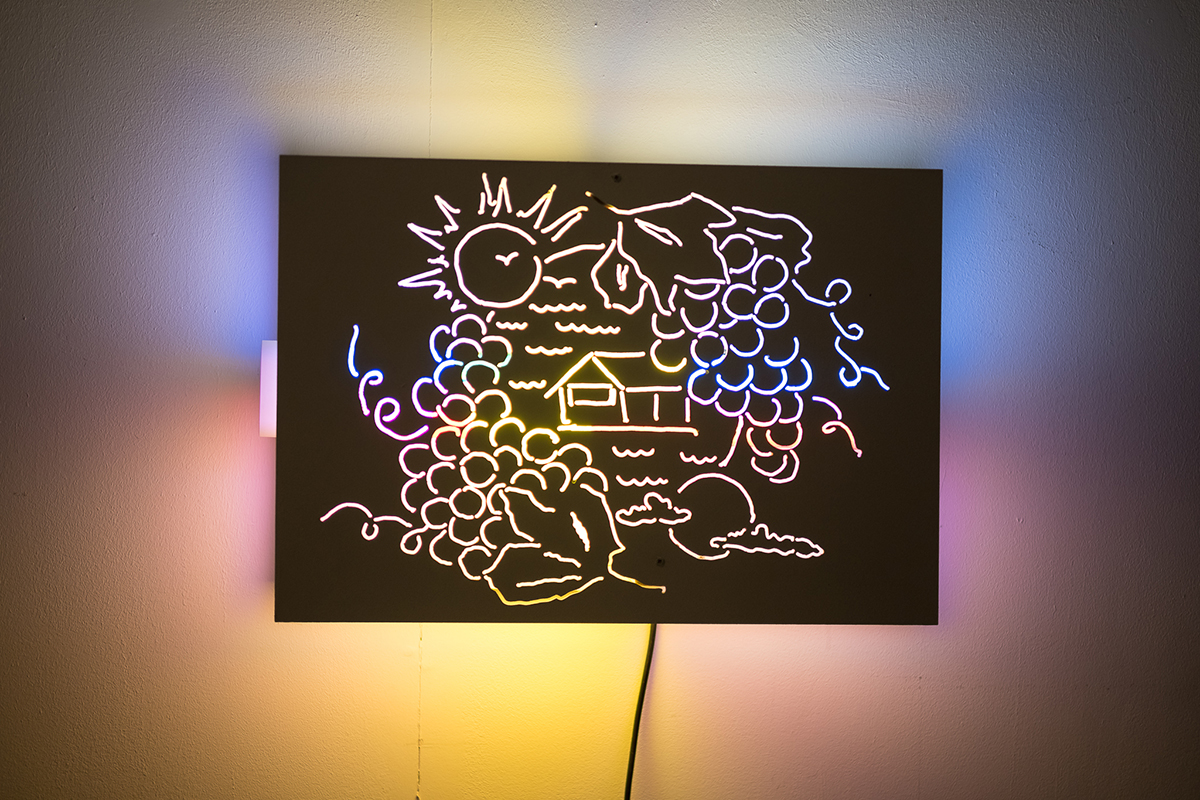
Two further entries from Royal Academy of Arts students to the inaugural Brut Nature competition judged by Philippe Starck, with (top) Self-portrait as a Champagne Fountain (2019) by Clara Halstrup and (here) Sun on the coast of the moon by Richie Moment
One area in which he, and indeed most of us, remain guilty in terms of the unfolding climate crisis is in carbon emissions from flying. But Starck is one of the busiest designers on the planet, and for someone who still uses pen and paper and tactile models to create (“If you create using a computer, you are just creating within the frame of the guy who created the software!”), he needs to appear in person for projects. The day after we meet, he has to get up at 4am to catch a plane to Milan where he’ll be for a few hours before flying off again, heading further south. “It’s fine – I am so used to it,” he shrugs. “I once went to Seoul from Paris for three hours.” At 70, he shows no signs of slowing down, but when he takes time out, it’s the most understated resort he has ever designed that he likes to head to. “I like lots of places I have been involved with,” he says, “but the one I really love is La Co(o)rniche in the Bay of Arcachon near Bordeaux. It’s really just a few cabanas on top of the Dune de Pilat, the highest sand dune in Europe. You are there looking at the waves and the sunset and it feels like the best place in the world.”
The choice of a fairly rustic, nay, Zen destination ties in with his world view right now, and his intention to both continue democratising design and make it vanish. Just as he believes the future is chair-free, so he believes our everyday tools and indeed all of our furniture will go. “Designers won’t dictate the aesthetic in the future,” he says, “it will be down to your coach and dietician, because telephones and computers will disappear and everything we use will be incorporated within the body. We will be naked in an empty room, and we will be able to conjure flowers or whatever we want from nothing.” As Starck gesticulates, the red LED flashes on his finger tip again. “So, come on, tell me…,” I ask, “is that part of the new cyborg tech you are talking about?” He smiles. “Oh, this? I got it from the Harrods toy department. Fun isn’t it!?”
Louis Roederer and Philippe Starck
 The recent launch of the 2012 Roederer and Starck rosé champagne marks 13 years of the designer’s collaboration with the French family-owned champagne house and maker of Cristal. Starck has been involved in each step of the production, including, of course, the champagne’s packaging. From the first brut-nature product in 2006, the champagne has been created sugar-free, with zero dosage. As Jean-Baptiste Lécaillon, Roederer’s chef de cave says: “We have used nature as our collaborator as much as anything with our work with Philippe – it is organic, with minimal intervention and a focus on the real taste of champagne. This came from our discussions with him.” The presentation attempts to democratise the luxury product – it looks more like a chic bottle of olive oil than a grand cru. The hand-lettering on the label and box and the rough line of fluorescent pen creating the edging makes it look effortless. As Frédéric Rouzaud, president and family scion of Louis Roederer says: “It represents spontaneity. He wanted a simple paper for the label, and just wrote by hand what the product is. He wanted it to be approachable, to speak to everyone.”
Find out more: louis-roederer.com & starck.com
This article was originally published in the Spring 2020 Issue.
Founder of Nila House Lady Carole Bamford’s guide to Jaipur
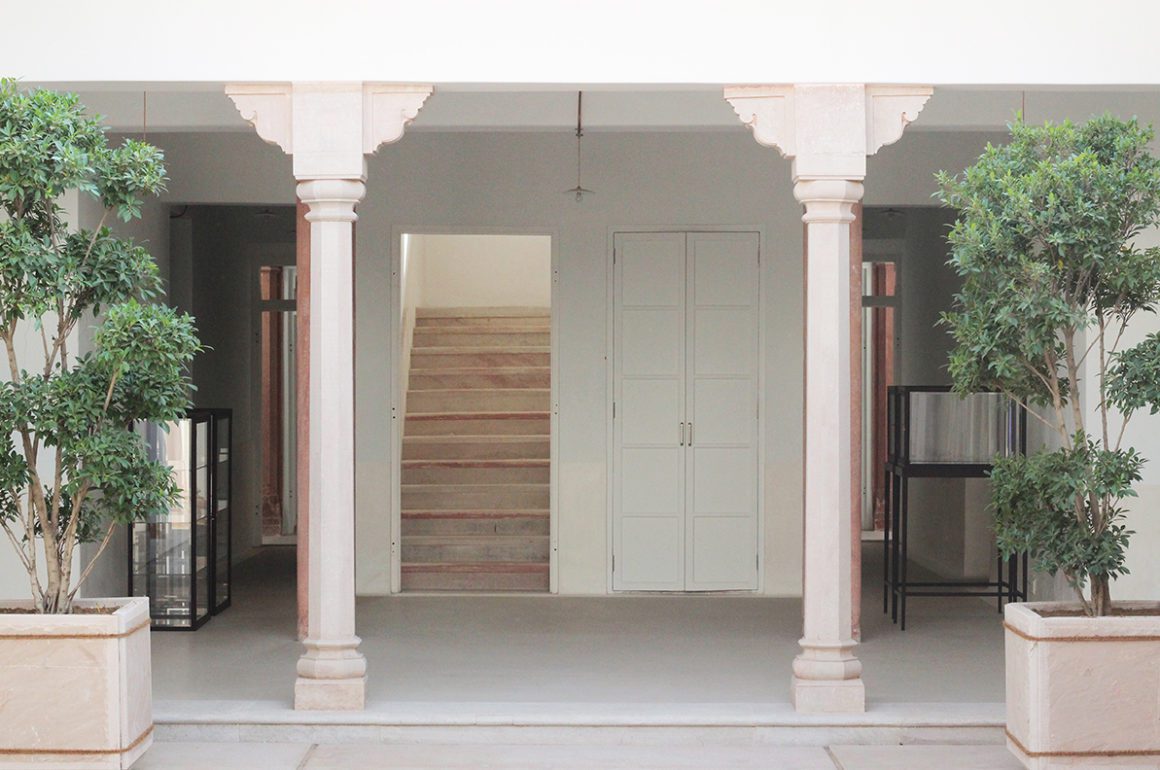
Supported by the Lady Bamford Foundation as a centre for craft and sustainable design, Nila House occupies a 1940s residence in Jaipur restored by Indian architect Bijoy Jain of Studio Mumbai. Image by James Houston
Lady Carole Bamford, the founder of Daylesford Organic, beauty brand Bamford and numerous charitable foundations including Nila House gives us a guide to her spiritual home, Jaipur
Lady Carole Bamford
Where I hunt for treasures…
I always look forward to visiting the government khadi shops. I find myself spending hours there, lost in the piles of beautiful hand-spun fabric. Handwoven in villages across the country, the simple white cloth with all its imperfections is my idea of the ultimate luxury item.
Follow LUX on Instagram: luxthemagazine
Cultural immersion…
The riot of colour and sound of the markets is extraordinary, and the old city has some of the best textiles and jewellery. I recently met a family of hand-block carvers who have been creating intricate wooden blocks for generations. Such artisans have a wealth of knowledge that we at Nila House, our new centre for preserving these traditions, believe should be shared with a broader audience so that it can be carried on into the future.
Image by James Houston
My perfect day in the city…
I always start my day with a puja prayer ritual followed by yoga and meditation. Then I will head out with my design team to visit our suppliers. I love visiting the workshops; I always learn so much, watching the dedication and meditativeness of their work. In the afternoon I might explore antique textiles at Rajasthani Arts to see if there is anything for our archives.
Read more: Hôtel Chais Monnet & the beauty of southwest France
Best dining spot…
47 Jobner Bagh is my favourite place to escape the crowds and noise. This charming family-run hotel has the best home-cooked Indian food. My favourite is a bowl of dal makhani, mopped up with a hot naan bread.
The building features a shop and studio spaces for local artisans. Images by James Houston
Home away from home…
We always stay at the The Oberoi Rajvilas. It is our home in Jaipur and the wonderful staff look after us like family.
Worth a detour…
I love visiting the paper factories in Sanganeer, just outside Jaipur. They have some of the most beautiful paper you can find, all handmade from natural materials – from cotton rag and banana fibre to the beautiful textured seed paper that we use for all of our packaging [at Nila House].
Nila House is a cultural centre dedicated to preserving traditional craft methods and supporting artisans across India; it is part of the Lady Bamford Foundation. Find out more: carolebamford.com
This article was originally published in the Spring 2020 Issue.

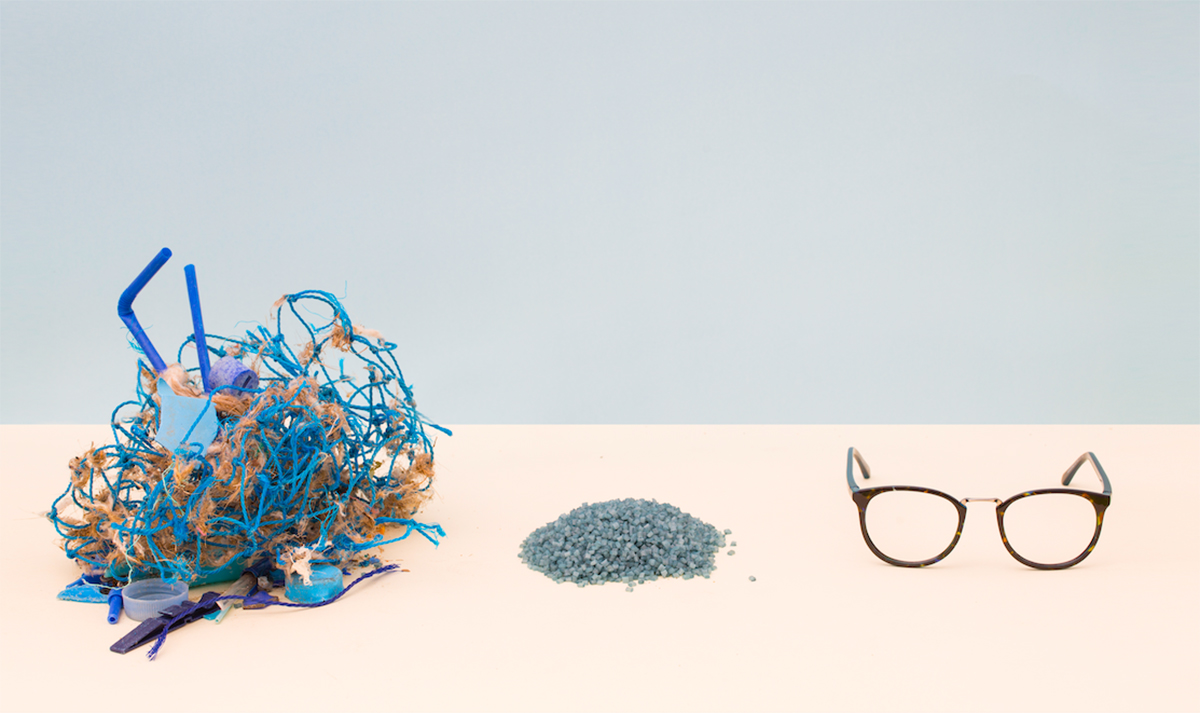
Sea2See turns discarded plastic fishing nets into high-fashion eyewear
François van den Abeele had a dream – to turn discarded plastic fishing nets into high-fashion, hand-finished eyewear. People once laughed at him, but now, as he leads a swell of eco-entrepreneurs, his products are in increasing demand around the world. He tells LUX how he created an ecosystem around his brand, Sea2See
François van den Abeele
“My love of water sports nurtured a passion for the ocean and brought me to focus on the problem of plastic contamination in our seas. I had spent a lot of time reading about the degradation of our oceans, the problems surrounding marine plastic, and about the brands trying to implement circular economy in the way they produce.
Follow LUX on Instagram: luxthemagazine
“I began to investigate ways of using plastic waste as a raw material to produce something that people would use and potentially wear. Sustainability is non-existent in the optical world; the main raw material used is plastic and 40 per cent of the population wears glasses. It was a perfect win, win, win.
“All this, along with a personal motivation to change my profession and do something positive with a sustainable impact culminated in the creation of Sea2See Eyewear.
“We have agreements with 27 ports in Spain, six in France and now we are starting in Ghana. We collect on average half a ton of plastic waste per day that we recycle to produce all of our optical frames in Italy.
“The market is changing, and consumers are more and more worried about the future we will leave to our kids. The proof is that in three years we are being sold in more than 2,500 optical stores across Europe and North America, and the numbers are growing.
Read more: Highlights from the 3rd edition of NOMAD St. Moritz
“People laughed at me four years ago when I had the idea of producing glasses with recycled marine plastic. Today we get calls daily from stores or brands that want our product or to collaborate with us.
“There is a global awareness that we must treat our planet better and consume differently, and Sea2See, thanks to its customers, is doing its part. Sustainable glasses will not change the world. People that wear them will.”
Discover the collections: sea2see.org
This article was originally published in the Spring 2020 Issue.
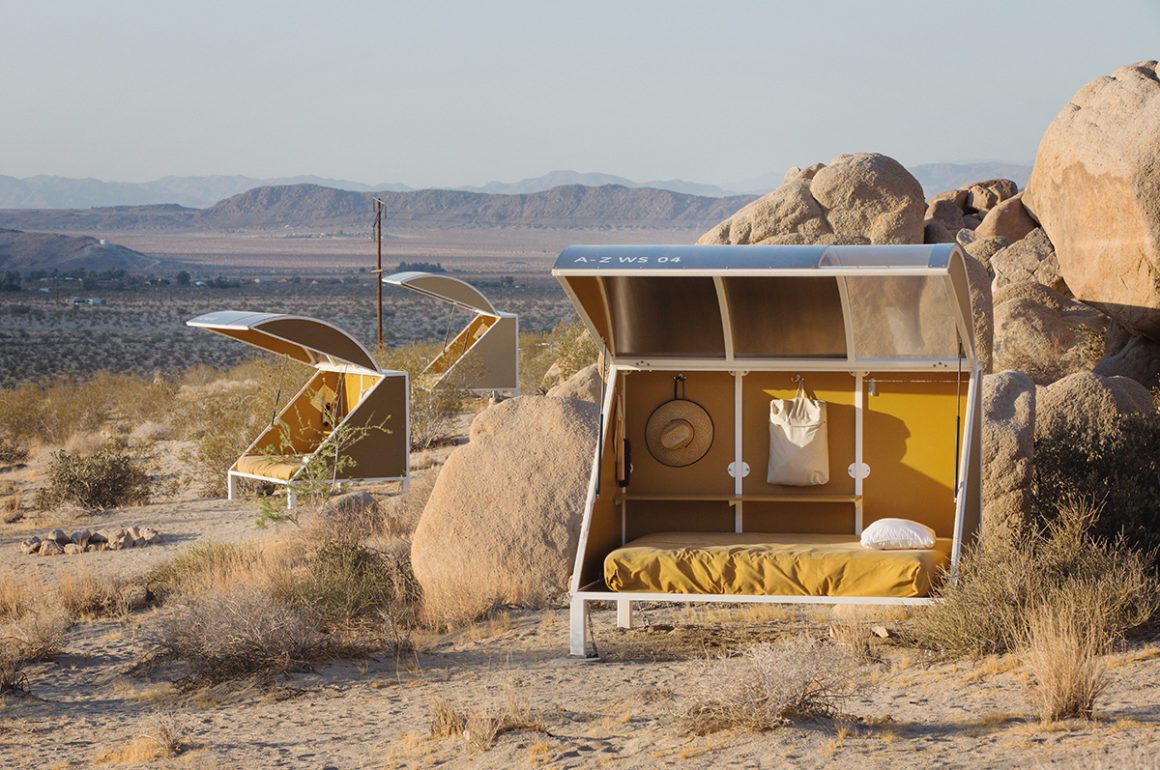
Construction view of Los Angeles Water School (LAWS) (2018) by Oscar Tuazon
Artists have long explored themes of environmental sustainability in Southern California, but a recent series of devastating wildfires has brought even greater resonance to their work. Evan Moffitt explores how four LA artists are changing the way we think about climate change
DEUTSCHE BANK WEALTH MANAGEMENT x LUX
When the Getty Fire tore up the dry hills of Mandeville Canyon in October 2019, many in Los Angeles feared the worst: the Getty Center’s Titian and Thomas Gainsborough paintings curling from their frames, masterworks of European art reduced to cinders. This wasn’t the first time locals had imagined such a catastrophe – Ed Ruscha had painted his iconoclastic portrait of the county museum, The Los Angeles County Museum on Fire, in 1968 – but this time, it was different. The severity and frequency of wildfires had increased as climate change accelerated, threatening not just art in Southern California but the very way of life there.
Follow LUX on Instagram: luxthemagazine
Scientists, furthermore, have warned that the city could eventually run dry, and nothing has shaped LA more than its lack of water. The Department of Water and Power was long seen as the most powerful bureau of city government, dating back to when William Mulholland drained the Owens Valley in 1913 to soak the dry fields of San Fernando. The violent conflict that ensued was famously fictionalized in the 1974 film Chinatown, and many artists have explored the city’s relationship with water, from Judy Baca’s epic mural along the Tujunga Wash, The Great Wall of Los Angeles (1974–84), to more recent projects by artists such as Carolina Caycedo and Oscar Tuazon.
This work can be difficult, but it has struck an important nerve. “Most of our patrons are museums or their supporters who want to engage in dialogue with challenging contemporary art,” says Kibum Kim of Commonwealth and Council, the gallery that represents Caycedo. “They don’t want something that is easy.” For Caycedo, this has led to being included in shows at major institutions such as the Hammer Museum in LA, as well as having works in a number of private collections. Artists such as her are a reminder that Southern California has always been a place where artists, writers, filmmakers and others have mobilized around difficult issues, mining the past to build a better future.
Wagon Station encampment at A-Z West (2004) by Andrea Zittel
No one embodies the utopian spirit of LA more than Andrea Zittel. In 2000, the artist left a burgeoning career in New York for a ramshackle bungalow on the outskirts of Joshua Tree National Park. She began slowly expanding her compound in the desert, informed, in part, by the Bauhaus, Japanese architecture, minimalist sculpture and architect Frank Lloyd Wright’s Taliesin West. A-Z West, as the 60-acre campus is known, encompasses Zittel’s home and studio, guest cabins, outdoor sculptural installations, informal classrooms and a series of Wagon Stations, tiny chrome sleeping pods nestled between boulders like UFOs.
Read more: Picasso Through the Lens of David Douglas Duncan at Hauser & Wirth in Gstaad
Zittel refers to A-Z West as “an evolving testing ground for living – a place in which space, objects, and acts of living all intertwine in a single ongoing investigation into what it means to exist and participate in our culture today.” In part, this means creative, sustainable approaches to the privations of living in the desert. Zittel pulps her paper waste and sets it to dry in metal trays called the Regenerating Field; she uses the results to make sculptures. Vegetables grow from barrels shrouded by mosquito netting in a courtyard formed by shipping containers. Shade is provided by trees watered using dry irrigation techniques.
Installation view of ‘Rafa Esparza: Staring at the Sun’ at Massachusetts Museum of Contemporary Art, 2019
What ecological problems might be solved by building better? Like A-Z West, Oscar Tuazon poses this question with his Water School (2016). Its central component, Zome Alloy (2016), borrows its bubble-like plywood structure from the waste-free dome homes designed in the 1960s by Steve Baer, the inventor of passive solar technology. Tuazon’s project also refers to another LA visionary, the architect Buckminster Fuller, best known for his transparent geodesic greenhouses and light-filled homes. When Zome Alloy was recently on view in the Chicago Architecture Biennial, visitors could browse a small library of books about water rights and convene for bimonthly discussions.
Read more: Gaggenau’s head of design Sven Baacke on the meaning of luxury
For several years, Caycedo has explored the effects of colonialism and industrialization on water resources throughout Latin America with her ongoing project ‘BE DAMMED’. At the 2016 São Paulo Biennial, four enormous satellite images of controversial Brazilian dams revealed the structures’ disastrous effects on the surrounding landscape. Caycedo hung brightly colored sculptures woven from fishing nets, which she calls Cosmotarrayas, mesmerizing mobiles linking the precariousness of marine resources to the over-fishing that threatens the life within them. “There’s been great demand for Carolina’s Cosmotarrayas, which have immediate visual power,” says Kim. “They’re colorful, and they play into generally accepted ideas about sculptural composition and form. But they also carry a powerful message.” Caycedo says she doesn’t believe in sustainability, per se: “Extraction will never be sustainable. A coal mine is not sustainable. The way we use our water is not sustainable. I prefer to think about ‘sustenance’ in terms of my work and a healthier relationship to nature: to give strength to something you care about or someone you love.”
Installation view of ‘Wanaawna, Rio Hondo, and Other Spirits’ (2019) by Carolina Caycedo at Orange County Museum of Art, Santa Ana, CA
In 2014, artist Rafa Esparza began making adobe bricks from mud he harvested on the banks of the Los Angeles River, on a parcel of land known as the Bowtie – one of the only sections of the river left unpaved by the Army Corps of Engineers when they buried the channel in concrete in 1936. In 2014 the artist Michael Parker had carved a 42m obelisk into the earth that Esparza covered with approximately 1,400 of his bricks. During the installation’s closing performance, he donned a traditional Aztec loincloth, pheasant headdress and ankle rattles and performed a dance atop the structure that referred both to his ancestral people and the indigenous Tongva displaced from the river’s edge by colonialism. Adobe and thatch are among the most sustainable building practices on earth, but the indigenous people who used them were killed or forced from their land, which was then torn up to build LA. Esparza has since repurposed his bricks for shows, including at the Whitney Museum of American Art, in what he refers to as “browning the white cube”.
This has had its challenges, according to Kim, who represents Esparza: “Adobe is very structurally strong, but it’s not archival; it will deteriorate over time, which can be hard for some collectors and institutions to accept. But that’s an important element of Rafa’s work: we need to re-conceive our notion of art as a static thing that will forever remain the same.” By imagining cities like LA and their museums made of mud and river water, Esparza places the environmental costs of colonialism into stark relief, proposing, if not a return to a precolonial past, at least a few important lessons we might learn from.
This article was originally published in the Spring 2020 Issue.


Polina Kitsenko promotes fitness in the Running Hearts marathon, which she cofounded with Natalia Vodianova

Gauhar Kapparova
Russian style and fitness guru Polina Kitsenko wants it all. Co-founder of the biggest charity marathon in her home country and of a new sports club, she is obsessed with making health and fitness the heart of the luxury lifestyle. She takes time out to speak to LUX Editor-at-Large Gauhar Kapparova
LUX: Which aspect of your life inspires your half-million Instagram followers the most: the fitness inspiration, your style choices, your charity work, travel?
Polina Kitsenko: Instagram has changed so much in the past few years, especially its purpose and influence. It used to be enough just to upload a picture of yourself in a nice outfit, or to put up a pink sunset and get your share of likes. Today Instagram has turned into a powerful way to educate and communicate with people. People want content, something that inspires them, teaches them. But the most important thing isn’t the actual image – it’s what can be found underneath. Engagement comes more from the comments, where an article, post, or call to action is arguably more important than the visual content. Captions used to be short, but now you get whole essays that can barely even fit on one post. As a rule, the longer the text and the more current the issue, then the more the audience will engage.
Follow LUX on Instagram: luxthemagazine
LUX: How do you feel about the term ‘influencer’? Does it describe what you do?
Polina Kitsenko: I’m against any type of branding, like calling someone a blogger, influencer or philanthropist. Everybody has a multidimensional personality and can’t be put in a box like that. Anyone with a social media account is an influencer, whether they have 100 followers or 100 million. They are still influencers for their followers. Instagram now is a vital means of communication and information. We once got the news in newspapers or on TV, but nowadays news is when someone we follow goes somewhere, does or says something, or writes something interesting. Everyone is an influencer – we just have differently sized audiences.
LUX: What advice do you give your clients about building a social media presence?
Polina Kitsenko: I can only give one piece of advice – content. It’s the key word. Instagram is a form of mass media from which we can learn a great deal. If the content that you’re creating is unique, then you have a competitive advantage over others in the same field. If it’s properly curated content, it will help you grow and gain interest.
LUX: You have many commitments, with motherhood, charity work, fitness, travel, your communications agency and #SlimFitClub sports studio, and motivational speaking. How do you balance all of these?
Polina Kitsenko: Obviously I can’t balance all of my interests. During the week, all my focus is on my work putting my services out to the public and promoting my projects and myself. My family really suffers during the week, but I try to make up for it at the weekends. It’s practically impossible for 21st-century working mums to find a balance. But I’m not sure that spending more time with your children improves your life or theirs. It’s important to do what makes you happy, because if you are happy and living your best life, then you can only make your family feel better. Trying to find a balance is like trying to walk to the horizon – you’ll never reach it.
Polina with Natalia Vodianova
LUX: How did you attract support from Olympic champions and top actors and musicians for Running Hearts, the marathon charity you created with Natalia Vodianova?
Polina Kitsenko: That was the easy bit. First of all, most of these people are my close friends and secondly, as they’re already famous, they’re well used to helping public projects. And since we felt that we’d come up with a really good project, asking them to support something really beautiful and meaningful wasn’t hard at all.
LUX: What do fitness, running and exercise bring to your life?
Polina Kitsenko: Mainly the pleasure that it brings and how it widens my social circle. Sport in the fresh air allows the body to develop a more effective immune system and to unload the nervous system. Exercising in all weathers makes you tougher and less susceptible to infection. Training indoors can improve your fitness and muscles, but will hardly impact your health. You need to experience contrasting temperatures.
Read more: LUX interviews Instagram legend Gstaad Guy’s two alter egos
LUX: What advice would you give someone about developing a healthy lifestyle?
Polina Kitsenko: They say that 21 days are enough to change and form new habits, and this is what I believe. So, I think that it is necessary to go on a kind of journey similar to what we’ve set up at #SlimFitClub, such as #SlimCamp, where you can spend eight unforgettable days and you
won’t go hungry in the slightest. The first step is to establish healthy and tasty eating habits, but it’s not a diet. The second step is getting into the habit of exercising in the right way. And if you spend the first eight days doing this, it’s easier to continue once you’ve left. However, if you’re the only one in your social group who maintains healthy habits, it’s going to be extremely hard to change your lifestyle. It makes it easier if you find like-minded people like at a studio or a club, or a trainer with whom you enjoy spending time.
Polina trekking in the mountains
LUX: Your Instagram feed shows that you have an eye for fashion. Describe your style.
Polina Kitsenko: I have an eclectic taste. When looking for something to wear, I always think about
whether it’s appropriate for the weather, the surroundings and the occasion. It also has to be something I look good in. I love mixing up different styles. Some things I really love and my wardrobe is built around them. I like school dresses with little flowers and collars, biker boots, straw hats, denim, striped shirts, pumps, and I like trouser suits – they can be worn with plimsolls or dress shoes, or crop tops, so they’re not just for meetings or conferences.
LUX: Do you have any go-to designers?
Polina Kitsenko: I like to mix Dior with H&M or fast fashion, but I depend on brands less nowadays. What matters to me is that something suits me and that I like it. It shouldn’t be expensive or in my wardrobe already. Almost everything is in there.
Read more: Plaza Premium Group’s Founder Song Hoi-see on airport luxury
LUX: What changes over the years have you seen in the way modern women dress?
Polina Kitsenko: Modern women are more comfortable in the way they dress. People don’t dress up as much. There have been various economic crises, and over-consumption in society, and this is has led to the trend for eco-friendly fashion and ethical consumption. In Silicon Valley, the new IT-magnates are rebranding fashion. Steve Jobs started this trend of a limited wardrobe with his seven identical turtlenecks and seven identical pairs of trousers. Technically his clothes changed every day, but in essence, they stayed the same. Many people simply do not want to spend time thinking about what they’re going to wear. They find their own style, choose some key items, and just replicate them.
Polina at #SlimFitClub, her new gym in Moscow
LUX: Does being Russian inform your look?
Polina Kitsenko: I think that the world is so cosmopolitan today that no-one dresses in a way that reveals what country they’re from. We are all citizens of the world and my Russian heritage manifests
itself as more of an attitude. We used to really dress up because for decades we were deprived of everything. Thankfully today things have changed and we’ve levelled out.
LUX: What are made you the most proud of?
Polina Kitsenko: There have been many milestones in my life but the most significant ones recently have been the creation of our charity marathon and seeing it grow from a small race into an event with
thousands of people and raising a huge amount of money. It has given me great satisfaction to establish other socially significant projects that have been built on the knowledge that I have gained on this one. And there is my new project, #SlimFitClub, a studio of personal trainers and unique sporting adventures.
LUX: Describe your perfect day.
Polina Kitsenko: My perfect day happens very rarely. It’s a day when I achieve a balance and manage to do some exercise, work productively and spend time with my children, then go home, drink some champagne in the candlelight and go to bed at a reasonable time.
Follow Polina on Instagram: @polinakitsenko
This article was originally published in the Spring 2020 Issue.
Plaza Premium Group’s newest concept provides a “first-class” experience with fine dining and spa facilities. Pictured here: the relaxation area at Plaza Premium First Hong Kong
Headquartered in Hong Kong, Plaza Premium Group is one of the world’s leading premium airport services companies. The group provides luxury airport lounges, transit hotels, meet & greet services and dining in over 42 international airports with plans for expansion throughout 2020. Here, LUX Editor-in-Chief Darius Sanai speaks with the group’s Founder & CEO Song Hoi-see about the rise of wellness tourism, the group’s new “first-class” concept and the airport of the future
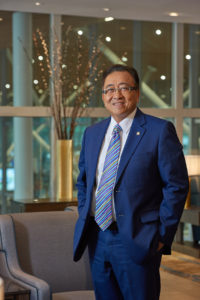
Plaza Premium Group’s Founder & CEO Song Hoi-see
LUX: Can you tell us a bit about what inspired you to found plaza premium lounges?
Song Hoi-see: Before I started Plaza Premium Group, I used to work in the investment banking industry and enjoyed the privileges that came with flying in business class. Upon leaving the sector I went back to flying economy class without having access to the benefits of airport lounges. It made work on the go a lot more difficult and the airport journey became much less comfortable, I felt that the travel experience was somehow incomplete. I wanted to create something for the majority rather than only the 15% passengers taking business and first-class benefiting from such services. I therefore decided to disrupt the status quo by creating this new idea of an independent, pay-per-use airport lounge concept – Plaza Premium Lounge – in 1998 for all travellers regardless of airlines or class of travel.
Follow LUX on Instagram: luxthemagazine
LUX: Have you seen a change in the airport services industry since having opened the first
independent airport lounge over 20 years ago?
Song Hoi-see: Definitely! When we first started Plaza Premium Lounge – our idea was to create an airport lounge for all travellers to enjoy a meal, facilities to conduct businesses and a relaxation area for guests to wait for their next flight. In the next few years, we observed travellers were looking for more especially during long-haul travels. We started to add shower facilities and lounge bay where our guests could freshen up before boarding. In addition to departure, we also take care of arrival passengers’ pain points – those arriving early in morning like Hong Kong travellers landing Heathrow at 5 or 6 a.m., what they want most is a hot shower and we developed the concept of an arrival lounge. Imagine there are over 25 fights landing Heathrow T3 before 9a.m. every day and now they are able to freshen up prior to heading to town or going to a business meeting.
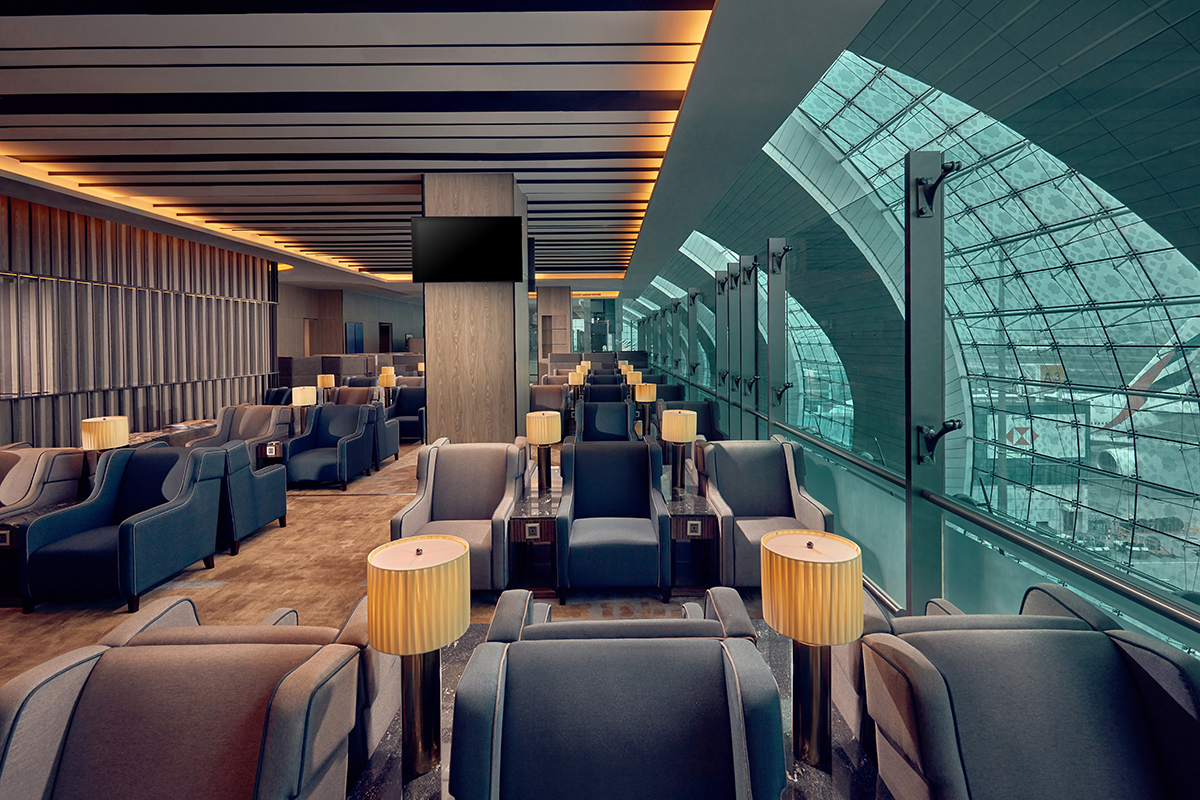
Plaza Premium lounge in Dubai airport
Interior designs are also evolving. Comfortable seating, soothing lighting, warm colours to facilitate relaxation and rest are fundamental. We take a step further and look into how design elements and features impacts on customer experience. We started to infuse local cultural and destination elements. In our Brazil lounge, we invited local graffiti artist and created an art wall featuring vibrant colours. One of our Taiwan lounges showcases a hand-crafted Taipei city skyline. Plaza Premium Lounge in Siem Reap incorporates a temple triangular-shaped ceiling and black and white photography of local attractions and one of our latest openings in Cebu domestic arrivals uses locally sourced wood as part of the design materials.
Today, everyone is a traveller and they travel for different purposes – business, leisure and bleisure. Some travel alone and some are in group or with families. Services desired are very different and we must continuously evolve to meet their needs. This year, we launched Playroom in our Helsinki lounge – a dedicated kids zone featuring educational toys that are also sustainably made. In our existing locations, we also added kids’ friendly services – kids menu and cutlery, high chairs for babies and colouring sets, etc. Agoda did a research last year on family travel and it shown 7 out of 10 families globally take at least two family vacations a year and in UK, there are 7% of families going away five or more times per year. We want to ensure our family guests can take care of their little ones in our lounge while parents are able to enjoy our facilities and services.
Airport lounge is getting popular among travellers however, there is a group of elite travellers that desire a more elevated and personalised experience and beginning of Plaza Premium First launched in 2018.
A guest room at Aerotel London Heathrow
Travellers often need to find a space to sleep without leaving the airport when their connecting flights are just a few hours later. We disrupted the industry again with the creation of Aerotel in 2016 – it is a simple but very efficient concept. We create guest-rooms with quality beds and pillows, hot showers and convenient set-up to facilitate guests to sleep or nap at the terminal building. It is the world’s first in-terminal airport hotel concept. Nowadays, we have already evolved the brand to include both airside and landside locations to suit different travellers’ demands. Our latest opening was Aerotel London Heathrow in October is at Terminal 3 Arrivals.
Airports can also be a challenging journey for older travellers or when travelling with big groups, and our meet-and-greet service is the perfect solution. We started to speak with airport partners and introduced Allways services to offer buggy, luggage handling, fast-track security, lounge stays, gate-to-gate escort, etc.
Read more: Fine dining on the ski slopes of Andermatt, Switzerland
LUX: How have you responded to the demand on consumer experience?
Song Hoi-see: Plaza Premium Group and our brands were born out of the idea of launching something that would elevate the airport experience for travellers and ultimately making travel better.
For example, brand partnership is an important element we introduced to the Plaza Premium First concept. Early this year, we worked with Poly Art to curate an inspiring art collection at the Hong Kong location with the purpose of transforming an airport lounge into art gallery – we wanted to create a space for our guests to not only anticipate their next journeys ahead, but also have an inner dialogue on what travel means to them. Currently, Aerotel London Heathrow is showcasing aerial photography from London-based travel photographer Tommy Clarke. We admired his visions of taking striking photography around the world to illustrate natures in a new perspective. Also something intriguing for our guests to appreciate while they are staying with us.
Wellness is also a trend we have been observing and listening to. Global Wellness Institute is predicting that the wellness tourism sector will reach close to US$1 trillion on a global level by 2020. Airport as a starting point of a journey, we brought in healthy food options such as Beyond Meat Burger at Plaza Premium First Hong Kong. In addition, we also launched Root98, a herbs-and-seeds inspired concept as part of our Airport Dining portfolio.
LUX: How has the rise in technology changed the way people travel and utilise lounges?
Song Hoi-see: Technology is making the airport journey more efficient, whether this be through facial and fingerprint recognition, electronic payments, chatbots, and online or mobileApp applications, next-generation technologies are changing the ways we travel. That’s also exactly the reason why travellers are expecting more from the airports. They look at airports as destinations in their own right filled with shopping, restaurants and a whole host of activities like yoga and even ice-skating.
The emergence of digitalisation also drives us to rethink our businesses. While we create a friendly online environment to see and book our services, we must not forget this is people business. Our guests expect personal touch when they experience our services and maintaining a high level of service standard does not come easy. Therefore, we invest more than 130,000 hours every year on training to ensure we are the best all the times.
LUX: Can you tell us a bit about your newest concept, Plaza Premium First?
Song Hoi-see: This is a “first-class” airport lounge concept that we have made available to all travellers. We recognised the needs from affluent and discerning travellers who appreciate personalised services such as a la carte dining, a bar that serves largest collection of Scotch whiskey and high-quality artisanal coffee, etc. As mentioned earlier, brand partnership is key to this concept and we have worked with tea brand TWG to create specialty tea mocktails and cocktails, Italian coffee brand Lavazza, internationally-known beverage company Pernod Ricard and more will follow! Most importantly, our team are all Lounge Ambassadors who will provide a guided tour to first-time guest so they can familiarise the services and facilities to enjoy the fullest.
Currently we operate Plaza Premium First in Hong Kong and Kuala Lumpur, soon it’ll open in Jakarta later in 2020.
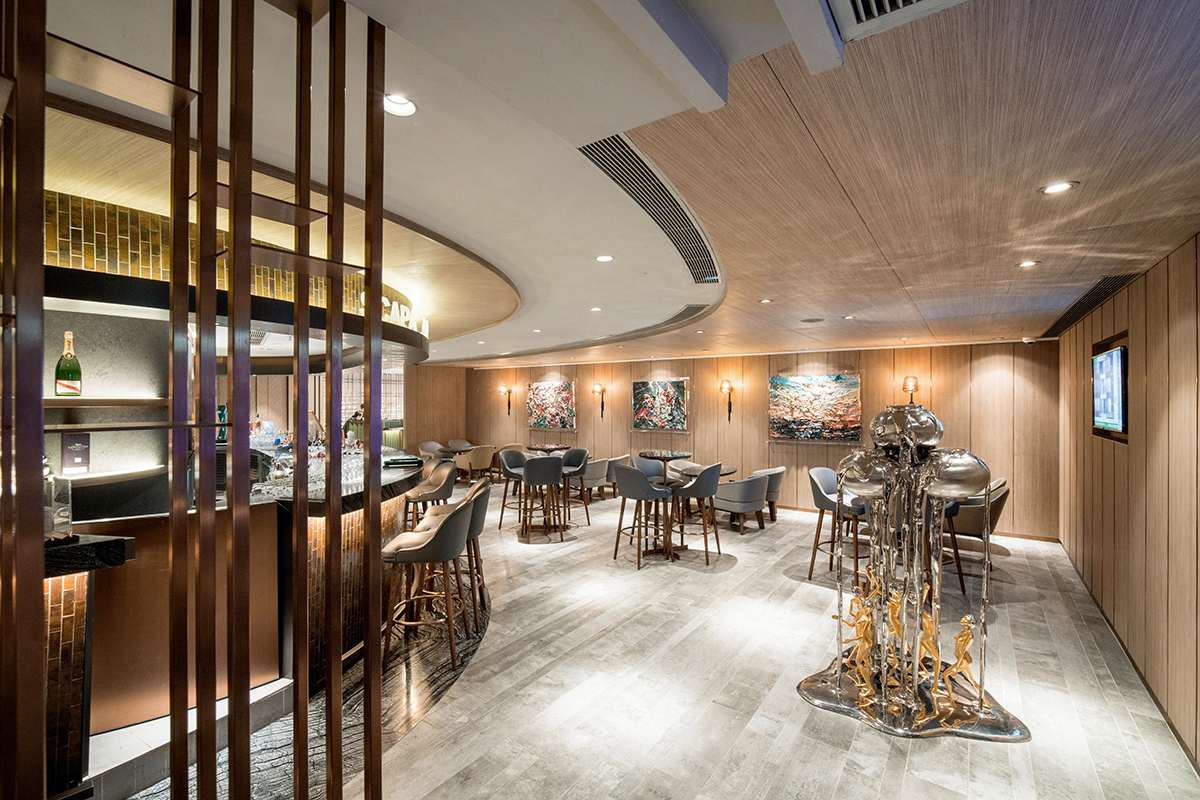
The bar at Plaza Premium First in Hong Kong
LUX: Plaza Premium First has some interesting partners such as Elemis Spa. Can you tell us
how you go about choosing who to partner with?
Song Hoi-see: Apart from the experiences and products we look for from a partner, we want to ensure both parties share the same vision and mission. Plaza Premium Group is always aim at making travel better through outstanding services rendered by a dedicated and passionate team and taking an innovative approach. We want to work with partners to ensure these values are safeguarded and bring in experiences to surprise and delight our guests.
Read more: Francis Alÿs receives Whitechapel Gallery’s Art Icon Prize 2020
LUX: Do you have any more inspiring ideas in the pipeline?
Song Hoi-see: We have an ambitious development plan to open in 15 new locations by the end of 2020 alone. As part of this, we will launch Aerotel Sydney – the first in-terminal airport hotel in Australia, in the third quarter of 2020. A nearly 3,000-square-metre lounge space combining Plaza Premium First, Plaza Premium Lounge and Allways will be built in Jakarta Soekarno-Hatta International Airport to fully open in the 1st half of 2020. In our home base Hong Kong and the birthplace of Plaza Premium Lounge, we will launch two new locations with uplifted experiences incorporating specialty offers to suit modern travellers’ needs. (Our team will share the press release as soon as it’s ready with more details!)
LUX: What are your visions for the next 5 years of travel and airport hospitality?
Song Hoi-see: The airport of the future will be shaped by changing technology. Robots will be in line to help passengers in airports, AI-powered products such as chatbots and virtual assistants will be used to further revolutionise customer service and optimise efficiency, and technological advancements will help bring about a much-needed change in the way airports assist travellers with additional needs.
I want to highlight that these are all hardware and we cannot forget the most important element in the airport hospitality services – people. Therefore, we see people as our most valuable asset. Our passionate global teams communicate regularly to share best practices, while we empower local teams to execute in order to ensure it’s culturally sensitive so local audiences feel at home and oversea guests get a sense of place while experiencing our services.
LUX: Do sustainability and environmental factors play into what you project for the future of
travel?
Song Hoi-see: Absolutely, sustainability is one of our core goals. We are constantly looking into it and we have already started by taking small steps. For instance, we started to introduce water taps in our Langkawi lounge so travellers can fill up their water bottles and have installed big refillable bottles for shampoo and shower gel at Aerotel instead of one-time plastic bottles. In our Playrooms, we have educational toys that have been made using sustainable materials. It’s still baby steps but we are working towards this goal. At one of our Plaza Premium Lounge new openings in Hong Kong, we will incorporate plants and greens to our interior design, creating a greenery hideaway at a busy airport.
In addition to being eco-friendly, we must ensure our businesses are sustainable and growing with a friendly working environment for our global teams to work in.
LUX: Where do you see the next Plaza Premium lounge being located?
Song Hoi-see: Many locations! Plaza Premium Lounge has recently opened at Dubai International Airport. By 2020, we will open Plaza Premium Lounge across six other international airports including Dallas Fort Worth International Airport and Denver International Airport in US, Jakarta Soekarno-Hatta International Airport in Indonesia, Sydney Airport in Australia, Toronto Pearson International Airport in Canada, and Hong Kong International Airport.
Discover Plaza Premium Group’s lounges: plazapremiumgroup.com
A monkey runs across the private pool terrace of the Royal ‘Burra Sahib’ Suite at Sher Bagh. Image by James Houston
Why should I go now?
Thanks to stricter wildlife policies, India’s population of endangered Bengal tigers has increased by 33 percent since 2014, and with 60 tigers roaming 500-square-miles of wilderness, Ranthambore National Park remains the best place to see them.
The park was once the private hunting ground of the Maharajas of Jaipur, and is still home to many ruins of hunting lodges as well as a majestic crumbling fort from the 10th century. The landscape itself is varied with everything from dense jungle to open plains and desert-like areas; each safari jeep is assigned an area on arrival to prevent overcrowding and limit the impact on the habitat.
Follow LUX on Instagram: luxthemagazine
The park tends to be quieter at this time of year, making the safari experience especially peaceful and whilst seeing a wild tiger is never guaranteed, it helps to have a knowledgeable guide. SUJÁN Sher Bagh is known to have not just the best guides and trackers, but the luxury group is also committed to conservation, meaning that every guest who stays at the camp is contributing to the group’s philanthropic initiatives.
Sher Bagh’s swimming pool overlooks the wild grasslands. Image by James Houston
What’s the lowdown?
Sher Bagh is a luxury tented camp pitched under a canopy of indigenous trees on the fringes of Ranthambore National Park. There are only 12 tents with the majority arranged in a semi-circle and the royal suite secluded behind mud walls, giving the whole place an intimate, homely atmosphere, emphasised by the warmth of the staff. The place is designed to evoke the romance of old-world travel with wood panelled floors, leather furnishings, vintage trunks, crystal decanters of whiskey and golden oil lamps that light the pathways and hang from the branches come nightfall. The staff are mainly all from the local villages, and everything from the tents to the interior decorations and even the smooth mud surfaces of the pathways are created by local craftspeople, whilst the kitchen uses ingredients grown in the gardens and cultivated on the camp’s farm.
Image by James Houston
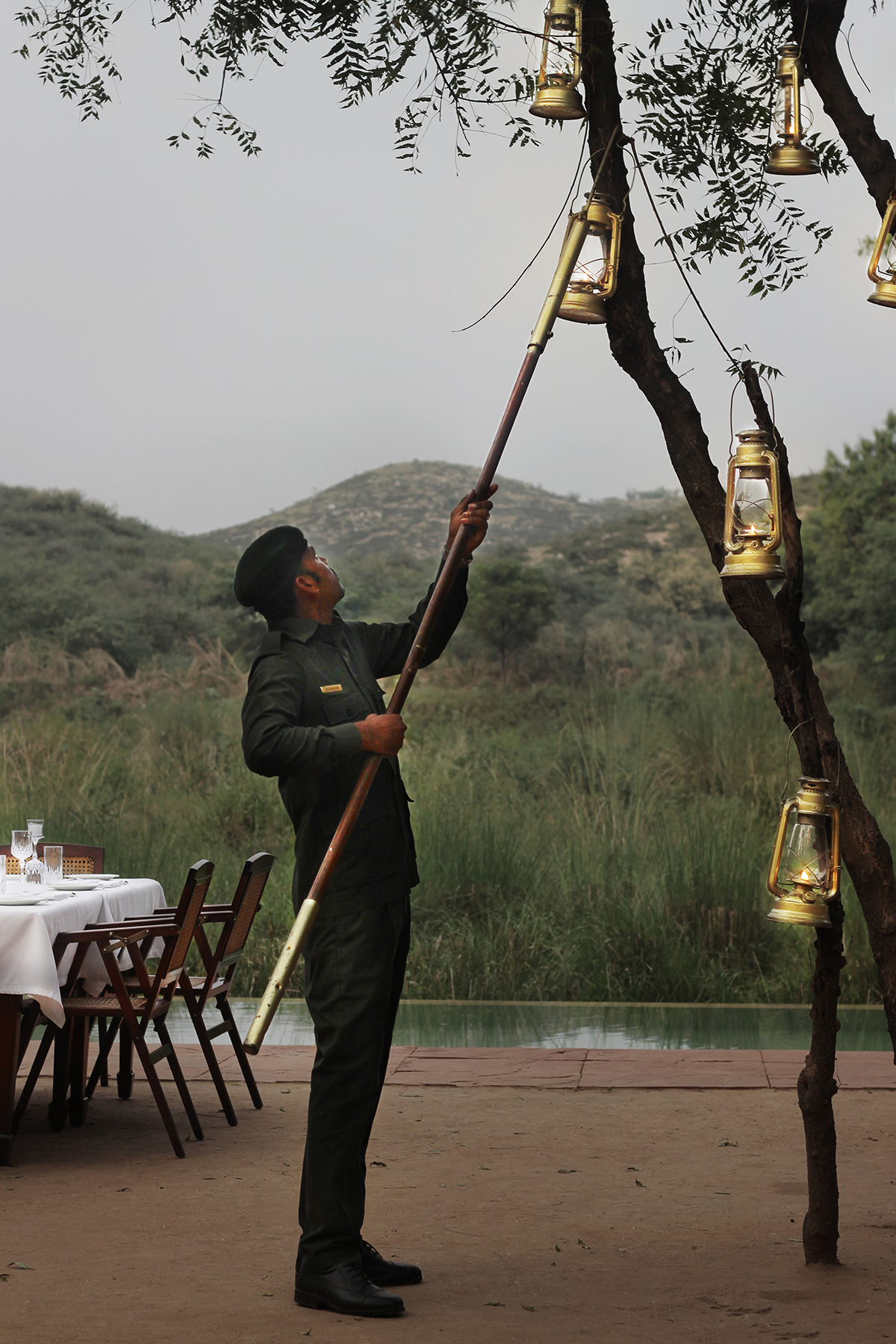
Sher Bagh’s staff hang lamps on the trees at every dusk, creating a magical ‘fairy-tale’ atmosphere. Image by James Houston
Breakfast and lunch are generally served in the beautiful grand dining tent with a menu of delicious Anglo-Indian dishes, whilst dinner is traditional Indian cuisine served in a surprise location each evening. The thali and the buttery flaked parathas were amongst the best we’ve ever tasted, and we also loved the selection of canapés served with pre-drinks round the fire every evening, but the bespoke dining experiences were the real highlight. After a morning game drive, our jeep pulled up into the farm yard where a decadent breakfast buffet was laid out underneath the shade of a tree. Before eating, we were given the opportunity to try milking one of the cows and collect eggs from the henhouse, which were then cooked by the chef with fresh herbs and spices. On our final night, we arrived back at our tent to find a table set up on our private pool terrace, surround by hundreds of glowing lanterns.
Breakfast and lunch are generally served in the main dining tent (above), but bespoke experiences can also be arranged. Below: breakfast served on the camp’s farm after an early morning safari. Images by James Houston
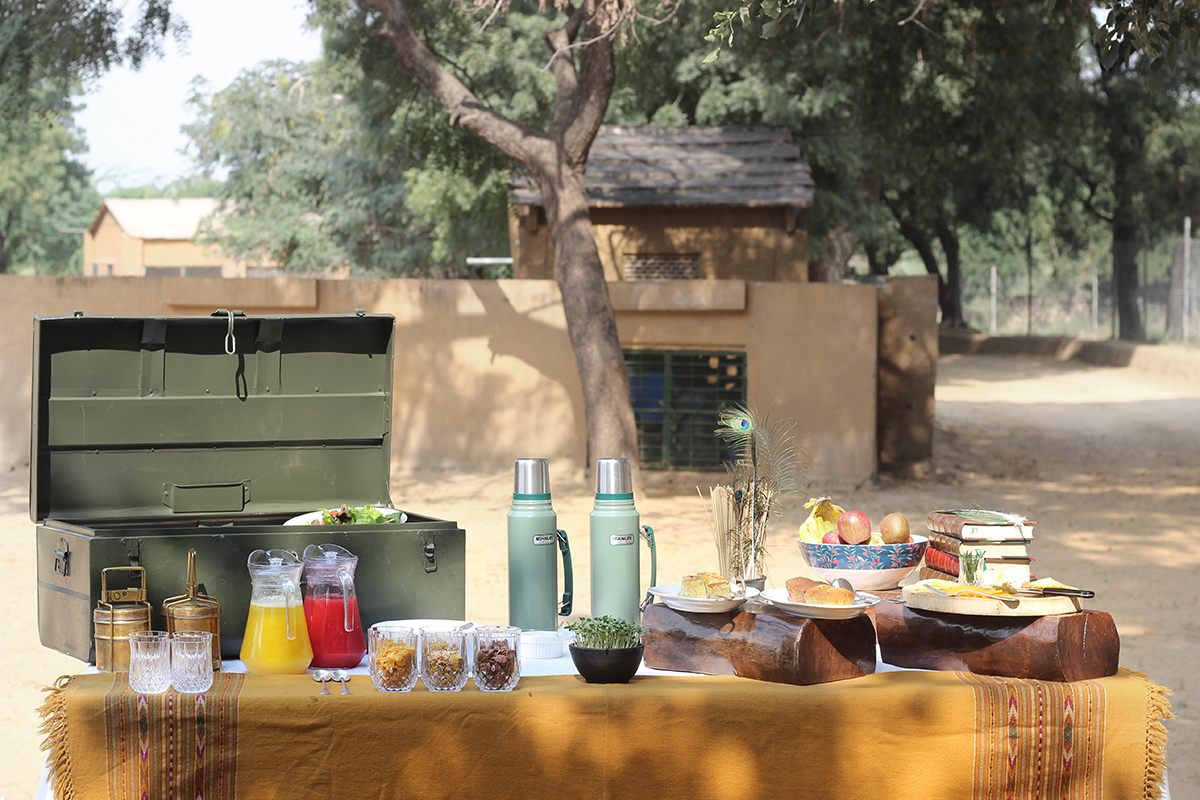
The park’s animals naturally wander into the surroundings areas. This is especially the case with the monkeys who, during our stay, swung between the branches overhead, played on the roof of our tent and drank from our pool. In the mornings, the camp naturalist showed us the tracks and trip-camera images of nighttime visitors to the farm, including a leopard, sloth bear and hyena. Understandably guides are required to accompany guests back to the tents after dark, but the real magic of the place comes from not knowing what you might encounter, who might be peeping at you through the branches or sharing the same pathways.
Read more: The must-visit destinations of 2020 by Geoffrey Kent
Indeed, most guests come to Sher Bagh for the wildlife experiences. The camp’s luxury 4×4 vehicles depart for safaris every morning and afternoon, with stops halfway through for drinks and snacks in the jungle. Whilst tigers are the main draw, the park is also home to leopards, sloth bears, deer, mongoose, wild boars, hyenas, jackals, crocodiles and an array of tropical birds. For us, one of the most beautiful experiences was watching the monkeys walking amongst the villagers on their way to morning worship. In between drives, the camp is a very peaceful place to relax, swimming, reading or listening to the hum of the jungle.
Getting horiztonal
We stayed in the largest and most luxurious tent: the Royal ‘Burra Sahib’ Suite. Enclosed behind mud walls, the tent is the most secluded area of the camp with its own private heated swimming pool overlooking the grasslands. The interiors follow the camp’s colonial theme with cream linens, and rosewood and teak furnishings, including a beautiful four-poster bed and two open wardrobes each equipped with a branded safari fleece (the morning drives can be very chilly). There’s a separate sitting room with a curated selection of books, and a spacious bathroom, featuring natural, sustainable bath products. Laundry and ironing are complimentary and the suite comes with a high-tech DSLR camera for guests to borrow on safaris.
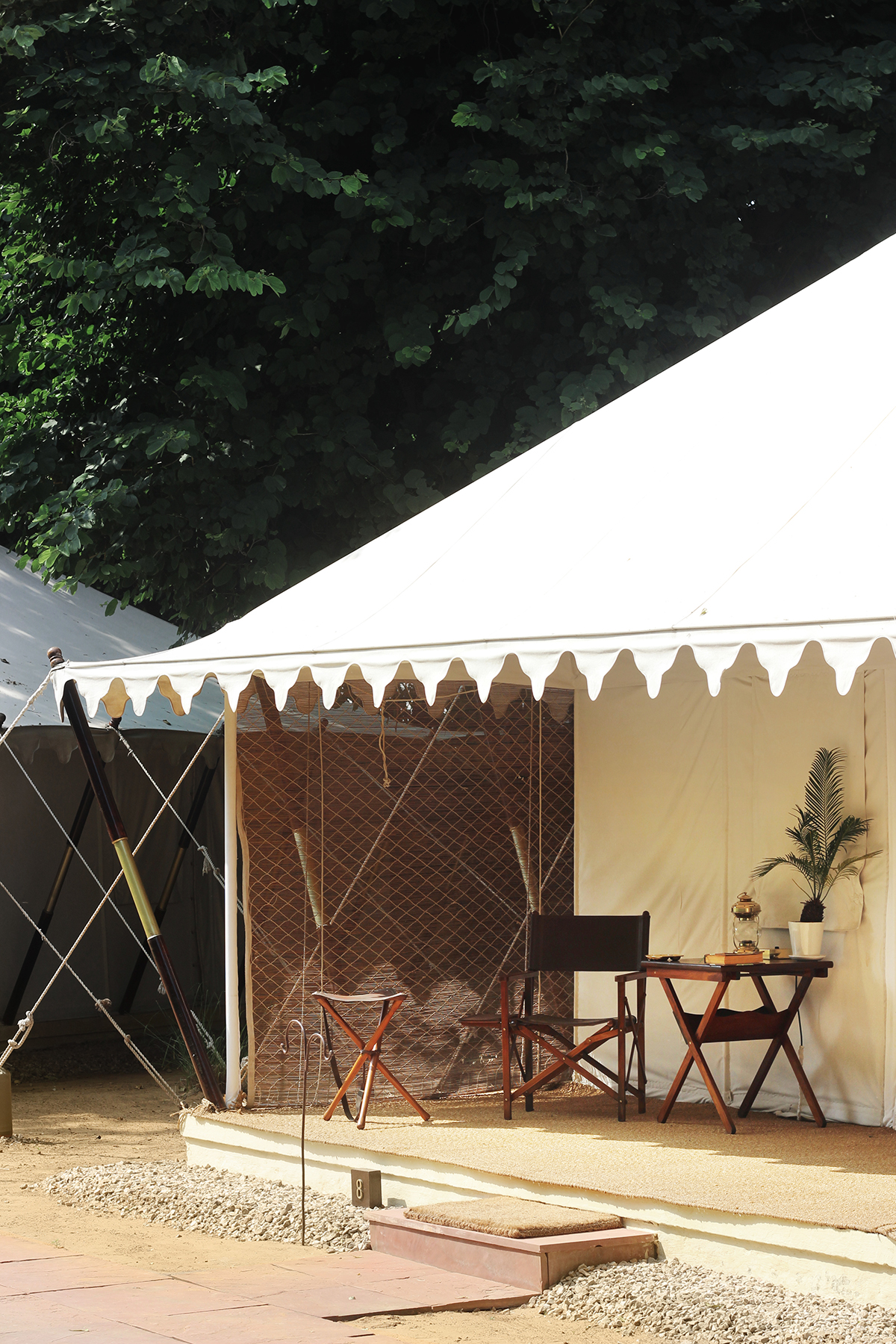
Most of the tents are arranged in a semi circle (above), whilst the Royal ‘Burra Sahib’ Suite is secluded behind mud walls (below). Images by James Houston
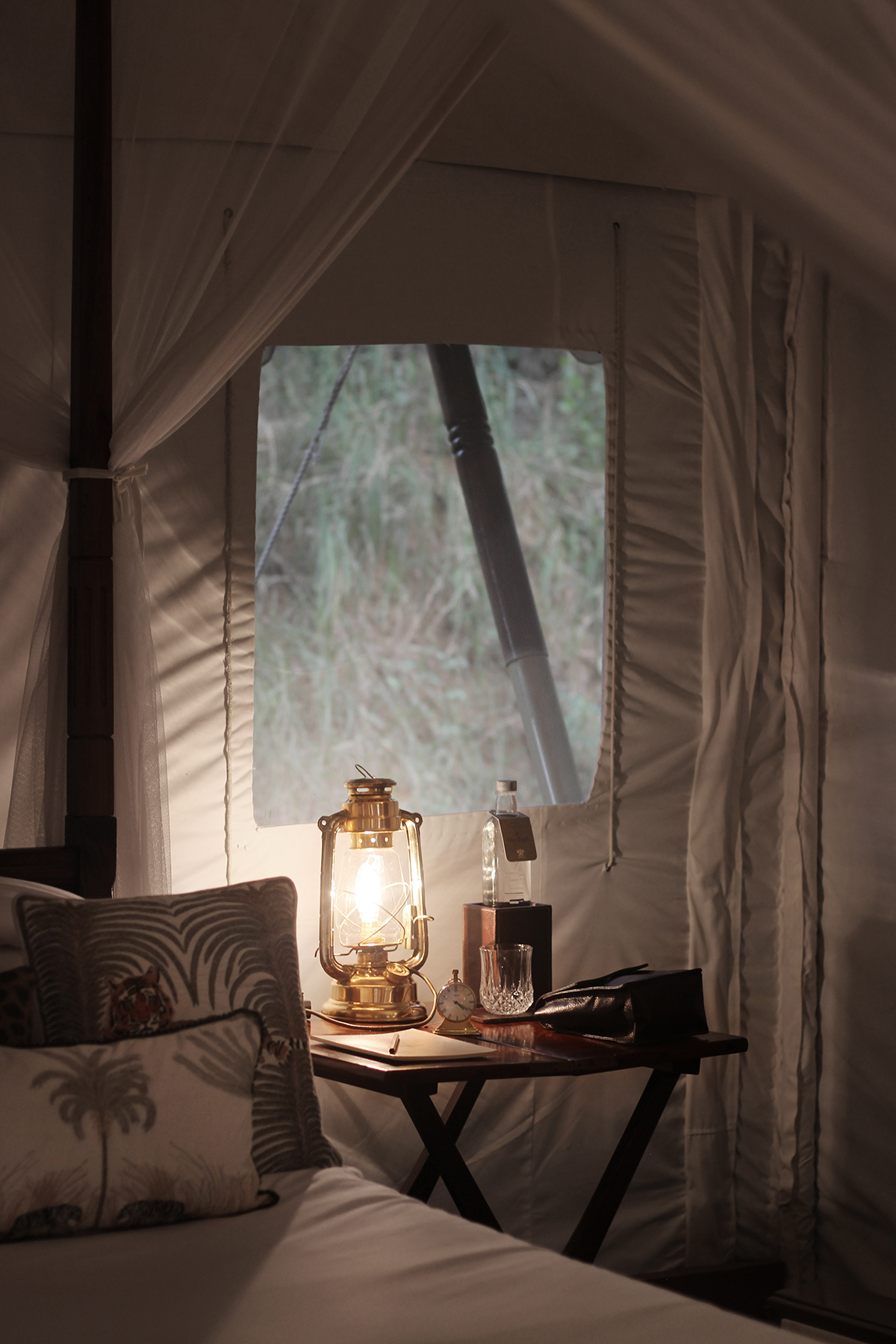
Flipside
Sher Bagh manages to balance the highest level of luxury with authenticity and honesty. Sustainable practices are integrated into every element of the camp from the homegrown ingredients to the local staff and use of natural materials. The air conditioning units in the rooms and communal areas are the only contradiction to this ethos that we noticed, and although it’s understandably necessary to keep the rooms cool during the hotter months, it seems a shame that these can’t be replaced with a more environmentally friendly option.
Rates: From ₹55,000 for a luxury tent including all meals (approx. £600/€700/ $750)
Book your stay: thesujanlife.com/sher-bagh
Millie Walton
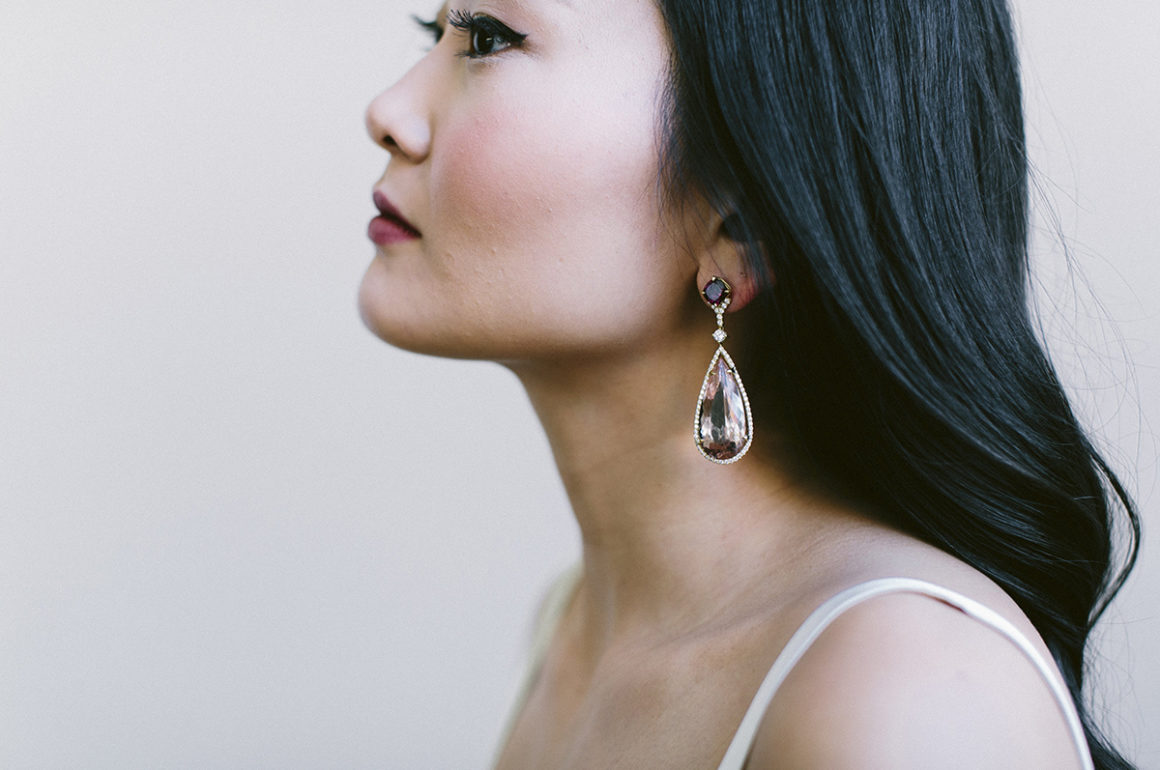
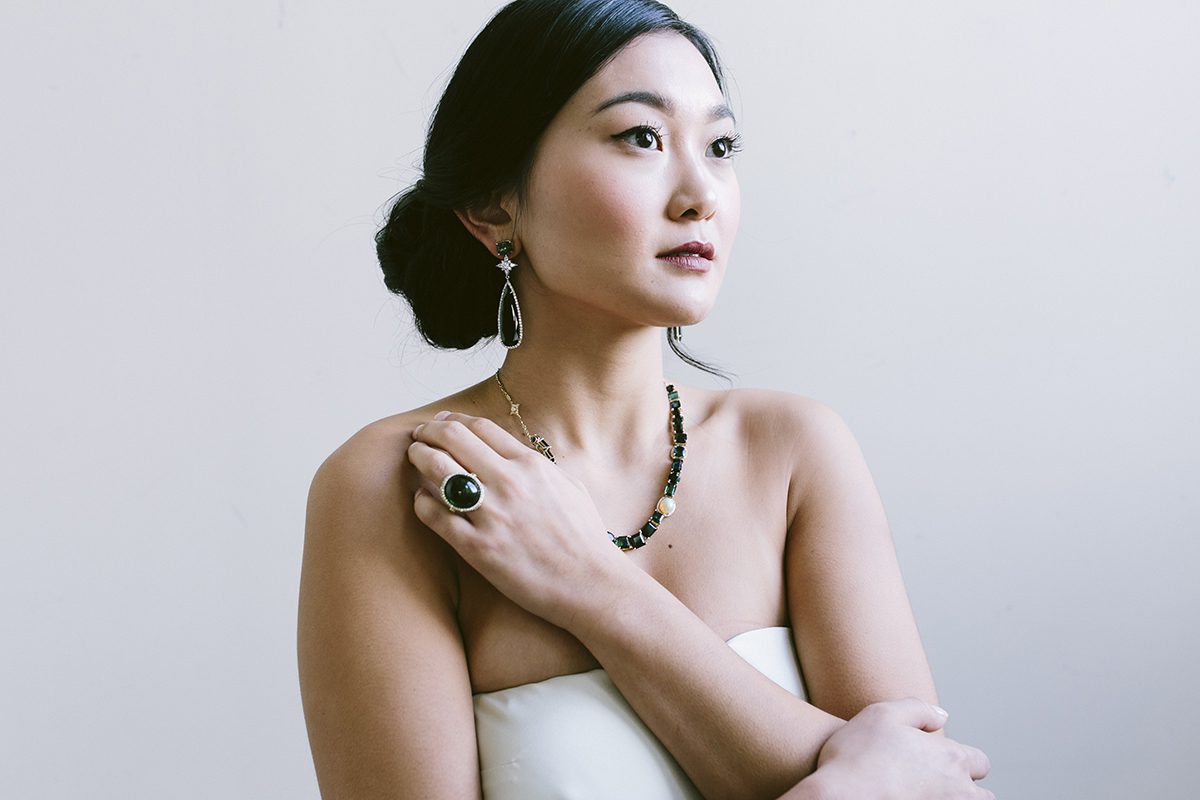
Jordan Alexander’s signature marquis chain necklace with 18K gold and pave diamond earrings and a cushion cut morganite ring. All pieces designed by Theresa Bruno
Theresa Bruno established her jewellery brand Jordan Alexander in 2013 and since then, her designs have been worn by the likes of Michelle Obama and Julia Roberts. Here, the designer tells us about her commitment to sustainability, creating bespoke pieces and channelling her grandmother’s elegance
Theresa Bruno
1. How was Jordan Alexander born?
I was originally a musician and studied music at The Juilliard School where I learned an appreciation for the essential balance between free form and disciplined art. I suppose it’s true to say that craftsmanship was essential and noticeably present in my everyday life.
I was inspired to be a jewellery designer from an early age by heritage pieces, most notably, my grandmother’s pearls. When I had to stop piano because of an injury to my hand, I needed to find a new creative focus, and this seemed a natural progression given my long running interest in the beauty and craft of fine jewellery pieces.
My official breakthrough came when I was approached about First Lady Michelle Obama wearing some of my pieces, and everything flowed from that extraordinary honour. The company was formed, and the name Jordan Alexander is for my two gorgeous sons.
Follow LUX on Instagram: luxthemagazine
2. Do you design with a particular woman in mind?
I have always been inspired by my grandmother, her Southern elegance and the ease with which she moved through the world. I channel her often when I’m designing.
18K gold and diamond signature star cradle earrings with cushion cut rhodolite garnet and pear shaped morganite drops
3. What inspires you to start a new collection?
I am often sparked by my travels; particular colours, and the different ways women adorn themselves. I love photography and visual art and it is all a constant source of inspiration. I was recently in New Orleans and wandered into this tiny little photography gallery. There was a stunning collection of photography by an Italian photographer that had so much movement and soul in the way he photographed. Those experiences are so motivational.
18k gold and diamond signature peace chain lariat with leaf wrapped tanzanite accents and Jordan Alexander logo clasp
4. As a relatively young company, how do you compete with heritage brands?
My jewellery represents my own elegant but free-spirited style. I am an independent designer who carefully hand-crafts each piece, using 18K gold, diamonds and precious hand-selected stones from trusted suppliers who can prove their credentials when it comes to sustainable sourcing. My style is a balance between everyday pieces and ceremonial rings and heirloom, bespoke collectibles. There are many other brands whom I admire enormously, but the truth is that I walk my own road and we are in no rush as a company to expand fast. My bespoke work is my passion and, in my opinion, Jordan Alexander’s point of difference.
Read more: Betye Saar’s ‘Call and Response’ exhibition at LACMA
The first step is starting the dialogue, asking the right questions to better understand the context of each piece and the personal style of the wearer, including sometimes the specific wardrobe with which the pieces will need to coordinate. Once the concept is determined, the client will work with me through every phase of the creative process: concept to sketch, design detail, stone sourcing and finally, production. I have created many bespoke pieces for ball gowns and special events.
18k gold chain wrapped champagne moonstone ring and bangle
5. Can you tell us about the brand’s sustainability efforts?
Social responsibility is a vital thread that runs through the Jordan Alexander business, which is why I have aligned the brand with A21, a global anti-human trafficking organisation. After travelling with the group to work personally alongside victims in rescue and rehabilitation efforts, I have collaborated to launch a line of jewellery with 100% of proceeds going directly to A21. In general, we re-use gold, repurpose stones and ensure that waste is built out of the creative process.
6. Have you made any new year resolutions?
I don’t really make resolutions, but my thoughts about how I want to live this year are about balance: the balance between being brave and being vulnerable. About being strong, but living with a soft heart. It is a political year in the US with lots of energy about the Presidential election. Everywhere you go people are really heated about it. My hope is to be open enough to accept, and even listen to those who sit on a different side than me, while being true to my beliefs and values.
View the collections: jordanalexanderjewelry.com
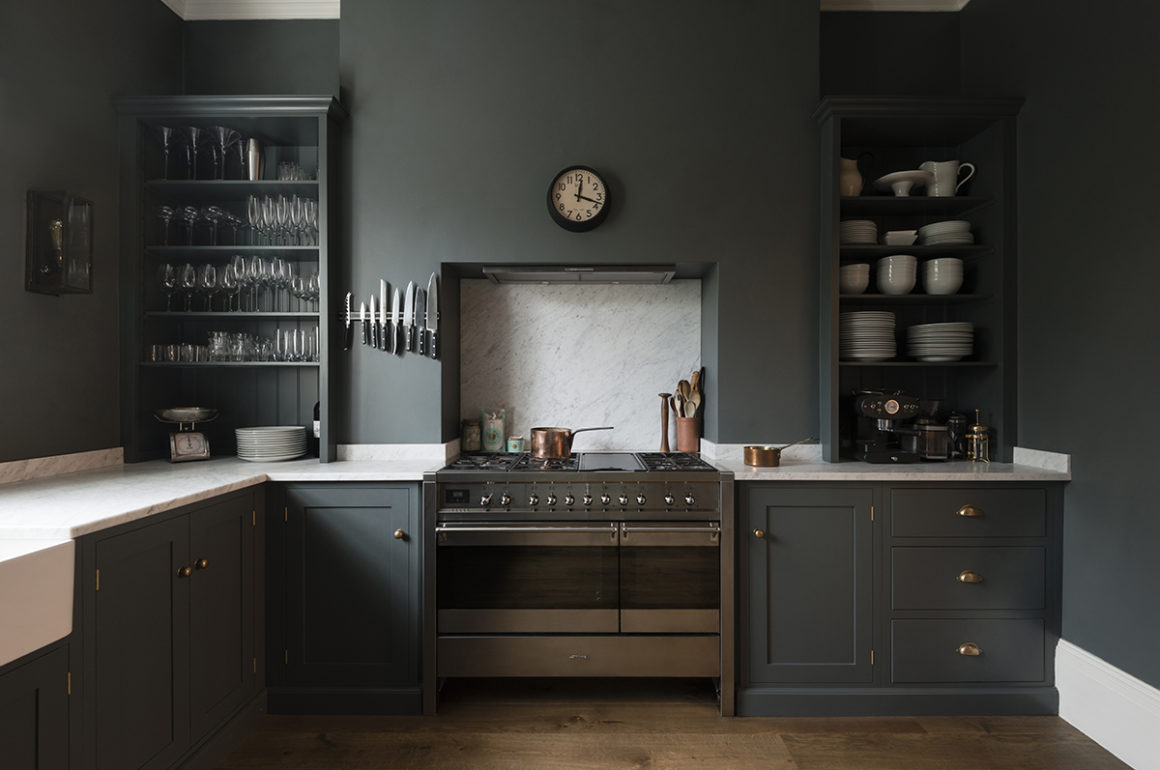
Family-owned Italian brand Smeg transforms kitchen appliances into objets d’ art
Originally established as an enamelling plant in 1948 by the Bertazzoni family, Smeg is now globally renowned for making stylish kitchen appliances. Here, the brand’s third generation family member and CEO Vittorio Bertazzoni speaks to LUX’s Editor-in-Chief Darius Sanai about consumer trends, collaborating with Dolce & Gabbana and creating sustainable products
Vittorio Bertazzoni
LUX: Do you think product design has become more important for consumers in recent years?
Vittorio Bertazzoni: I would say yes if we are talking specifically about kitchen appliances, which is mainly what we do at Smeg. I think there are a number of reasons for that, maybe one of the main reasons is that nowadays the domestic space itself is becoming more and more visible and central in the house. Once the kitchen was hidden, but today it is more and more visible. People like to gather in the kitchen with friends and family, so of course they want to have more beautiful kitchens. The other reason is that you have more and more appliances in the house generally. Nowadays, people like to buy steam ovens, dishwashers and lots of other appliances so it makes sense for everything to be more consistent in terms of style.
Follow LUX on Instagram: luxthemagazine
LUX: Do you think it’s a global trend?
Vittorio Bertazzoni: Definitely, maybe it wasn’t the case a few years ago but it has become a global trend because of higher attention towards food and health and the rise of like TV programs such as [The Great British] Bake Off and MasterChef. There is a global trend that starts with food then eventually how you cook the food and how you preserve the food and I think this is a very positive trend, not only from our business point of view which of course is positive, but also it allows for more products and technological advancements as people are more conscious about what they eat, how they preserve food and cutting back on waste.

A mixer from the Dolce & Gabbana x Smeg collection
LUX: Can you tell us about your collaborations with fashion houses?
Vittorio Bertazzoni: So the collaboration started with Dolce & Gabbana four years ago, but we started to think about the collaboration with Domenico Dolce ten years ago. So it is not something we did over night. As Italian companies, we share values and Italy, from my point of view, is quite well regarded when it comes to food, lifestyle, fashion and design so it is already linked together and the combination of fashion and design feels very natural. The aim of collaborating was to create something new and I think the result was pretty remarkable in that sense that the produce is unique and special. It wasn’t easy to translate the pattern, especially onto the smaller domestic appliances because the patterns are really, really precise and handmade. It took us 3 or 4 years to get the right technology. If you think about a kettle or toaster and working with the curves of those appliances as well as the liquid – the pattern has to be resistant to that kind of temperature. I have to say we are very pleased with the result. I think it is a good example of how sometimes design is not only design, but also technology. We will hopefully continue to work on new ideas together.
LUX: What are the challenges of being a family business?
Vittorio Bertazzoni: The obvious challenge for a family are the roles each person plays. You have to be very clear that one member of the family is a shareholder and another is a manager of the company. In Italy we struggle because in a typical family business you have family and shareholders and then you think that since you are a shareholder you have no option, but to be involved in the everyday business which is not the case. If we look at the US or even in the UK, the two roles are very different. You can, of course, be a shareholder and even work in the company, if you have certain attitudes and if you are engaged. Otherwise, you shouldn’t, as being a shareholder is also a job. It is not as if you just sit and wait for the dividends. Most of the time, family businesses are medium sized so the distinction of being a shareholder and being a CEO or whatever is still not very clear, so there is a challenge for the management of the company to understand this and be prepared for this. I see that there has been a big revolution recently in the stock market, more family businesses are going public and this helps a lot, as when you are not a close company you have to apply to certain rules and you have other stakeholders.
LUX: How has the nature of your business changed over the past few years with regards to digitisation and social media?
Vittorio Bertazzoni: The appliances industry has been regarded for many, many years as quite a conservative business. A fridge is a fridge, an oven is an oven. More recently, due to social media and the attitude of the consumer, the lifecycle of the product in terms of how long a product can last and the consumer demand to get the newest design and the newest collection has changed. Ten years ago, people didn’t have the desire to have so many changes in a product’s design. For example, Smeg is known for the retro style of refrigeration, maybe until a few years ago the cream, the black and the red were high selling products, but now, we see huge differences in colour preferences.
Read more: The must-visit destinations of 2020 by Geoffrey Kent
LUX: In terms of challenges in the future, do you think that this kind of universal visibility will become a challenge for you?
Vittorio Bertazzoni: I think Smeg has a unique place in the appliances market. We are very much about design, colour and putting together architects and designers to create distinctive appliances. So in this world of social media, where everybody is aware of what is available, I think we are in a good position. That doesn’t mean, of course, that is is easy and I think this really goes to the nature of being an Italian company, of our products being made in Italy. If you think about something made in Italy, you think of something distinctive and unique, not standard or a commodity product. I think that the consumer wants to be surprised by a product which is made in Italy – that is the very essence of the word. You think about Ferarri and Ducati, Armani, Dolce & Gabbana and Prada. The challenge we have is to not create different products for the sake of being different, but because they are truly different and they can add value to your flat, your house, your home.
The ‘Made in Italy’ concept is at the heart of Smeg’s design ethos
LUX: It sounds like the ‘Made in Italy’ ethos is very important for you?
Vittorio Bertazzoni: No doubt it is. Made in Italy is a concept that goes back centuries to the Renaissance when Italy started to nourish the beauty of the buildings and the architecture within towns, the paintings and sculptures. In Italy we are surrounded by the beauty of the country and the beauty of art everywhere. The Made in Italy concept is in the DNA of Italian people. For us, as a design led company it is very important for us to have our production in Italy which obviously doesn’t mean we are not open to the world – we are a global brand with 85% of our products sold outside of Italy – but we can see that people really like the Made in Italy concept and the care of our design. From this point of view, you could say that Italy itself is a global brand.
Read more: Artist Henrik Uladlen on the concept behind his latest exhibition
LUX: Can you tell us more about how you work with architects and what is your criteria for choosing partners?
Vittorio Bertazzoni: So first of all, from my personal point of view, I believe that architecture is the ultimate form of art. This I learnt from Michaelangelo as he used to say, painting is a very fine art but in the end it is not so difficult and not so important… sculpture, is a more evolved form of art it is three dimensional, but still architecture is the ultimate form of art. This is not my original thought, this was Michaelangelo’s thinking. Architecture is always going to influence a lot of people; if you have a nice building you have a huge impact on people and in the end, humanity. If you have a bad painting you can remove it, but if you have a bad form of architecture you are going to have a bad influence for a long time because you don’t have the opportunity to cancel the building and do a new one. By saying that I am explaining why we love to work with architects because generally speaking they have a vision for the future which is quite unique and when they design an oven, hob or a refrigerator they go about designing it as they would design a building or something that should last a long time. In fact the product we designed with the architect Renzo Piano, which was designed in the mid nineties, is still one of the best sellers because these products don’t age, they are beautiful and unique. I understand it’s hard for people to compare an oven or a refrigerator with buildings like the Guggenheim or the Shard but if you study it, the approach is the same. A beautiful product made by an architect can last a long time.
LUX: Smeg has long had impressive environmental credentials, whilst it seems that other companies are only catching up now. How have you seen attitudes towards sustainability change in the industry?
Vittorio Bertazzoni: That is right, it is part of our commitment as a family, I have learnt it from my father and he learnt it from his father. Obviously, this is something that happens everyday, it is not something that happens just one day, you have to work on it daily and sometimes you make a little step ahead, sometimes you can make a huge step with a very good innovation and ideas. But most of the time it is really having the idea and being consistent in everything you do. There is no doubt that the industry, in general, has improved a lot in the past 10-15 years. When I began in the company, I remember a dishwasher used 50 litres of water which has gone down to around 6.5 litres, I mean the saving is amazing on a global scale. Instead of hand washing your dishes, if you now own a dishwasher you use 1/10 th of the water used and ⅓ of the energy used than if you washed by hand. The new technology in refrigeration now allows a saving of around 700-750 euros per year of food waste because food can be preserved much longer. All this is really interesting and I see these concerns becoming more and more relevant. As as a company have introduced a new blast chiller, which is a very powerful refrigeration unit that can blast -30 degrees to the core of the product, which will allow you to save all the food that you have cooked and preserve it for longer. This is different from the concept of a standard freezer which goes down to -18 degree, but also our unit takes all the food down to that temperature very safely with no bacteria. I believe it is a revolutionary product and I am very happy that after a few years we are now out in the market.
LUX: Do you fear imitators?
Vittorio Bertazzoni: Well obviously, competition is always there and we have to accept that it is good for the customers on some level, but of course imitating is stealing ideas so we have to protect ourselves. Still, I believe by being innovative and forward thinking in terms of design and technology, we shouldn’t have to fear too much. It is a challenge, but I think it’s possible.
Find out more: smeguk.com
The Tongsai Bay is an eco-friendly luxury resort on the tropical island of Koh Samui
The Tongsai Bay is a family-owned luxury resort on the island of Koh Samui in Thailand. Set amidst acres of wild tropical landscape, the resort is dedicated to wildlife conservation and sustainable practices. Here, we speak to the resort’s owner Gob Thanakorn about continuing his father’s vision, the challenges of promoting sustainability and why Thailand needs to combat over-development
Gob Thanakorn with his wife Goya
1. How was the concept for The Tongsai Bay born?
Tongsai was a brain-child of my late father Akorn Hoontrakul. He was CEO of the Imperial group of hotels, which our family owned 100%. When he decided that it was time to grow and venture out of Bangkok, he surveyed Koh Samui because he thought that Phuket was already developed and Samui had a great potential even though there wasn’t an airport back then. A survey team was sent and I was lucky enough to be on that trip as a 12-year-old. We took the night train from Bkk to Poonpin district in Suratthani (you can still do this part today) and somehow got on a naval ship from Suratthani to Koh Samui. I remember Tongsai as a little piece of backpacker’s paradise. There were only 8 bungalows and a snack hut with green snake on the ceiling. There was a lady without anything on the bottom going for a swim in the sea. Out of all the beaches I saw on that trip, I liked Tongsai the least because of the deep water and course sand. As a 12-year-old, I didn’t think much about the fact that it was a private beach and how beautiful it was being a cove all to itself. This was back in 1986.
Follow LUX on Instagram: luxthemagazine
My father then went on a separate trip and he bought the land of Tongsai (the bay and beach was called Tongsai Bay before we even bought the land) within 7 days of laying eyes on it from the sea. He later said to friends that “it was love at first sight”. My father spent 3 months planning how he wanted to develop his resort with an eye on making it his retirement home. He literally slept on the beach during this time. There’s a picture to prove it.
When Tongsai was opened in 1987, it was the first five star hotel on Koh Samui. My father used the tagline “….where mother nature was the architect”. So the concept always was that Tongsai would be a hotel nestled within existing natural beauty of Koh Samui where space is in abundant and privacy is key. Supporting evidence can be found in many of the guest rooms where cottages were built over rock formations instead of blowing it. We have two rooms that have rocks inside the room next to the bed. They used to be called Rock suites. Cottage 235 was taken out of inventory during the renovation years of 1995 because a large Banyan Tree would have to be taken down. Dad chose the tree over a room. According to him, he tried to save as many large trees as possible during the construction of the hotel. Going around them, leaving space for coconut trees to rise through terraces was how he avoided cutting trees. Tongsai Pool Villa 511 used to be called the Mango Villa because a twin wild mango trees are in the middle of the terrace. They still stand today – guests can have complimentary wild mangoes when it’s the season to bear fruit.
The terraces provide guests with large outdoor living spaces and stunning sea views
As we developed the Tongsai Grand Villas in 1998, the “great outdoor living” concept was used to promote the new villas because of the size of the terrace on each villa. We emphasised the outdoor area more than the indoor air-conditioned area because guests liked to be outside more than inside. So a gazebo was a main feature along with the “bathtub on the terrace” which later made Tongsai famous for being the hotel with a bathtub with sea views.
When dad died in 2002, my wife and I took over the responsibility We had lived and work at Tongsai for a few years and learnt that we used to appreciate nature, but we never thought about protecting it. We encountered a Slow Loris, a nocturnal mammal one night coming back from a late night out and we realised that Tongsai is a home for wild animals living freely and safely. So we put in place measures to protect all kind of animals in the hotel ground including firing staff who are caught killing or hurting animals. Any dead animal will have to be reported and sent for autopsy by a local vet to determine if it died of natural causes or by humans. If it was by human actions, further investigation will pursue. So far we have never fire anyone because of this reason yet. But the message was loud and clear for our staff who now act as eyes and ears for animal protection.
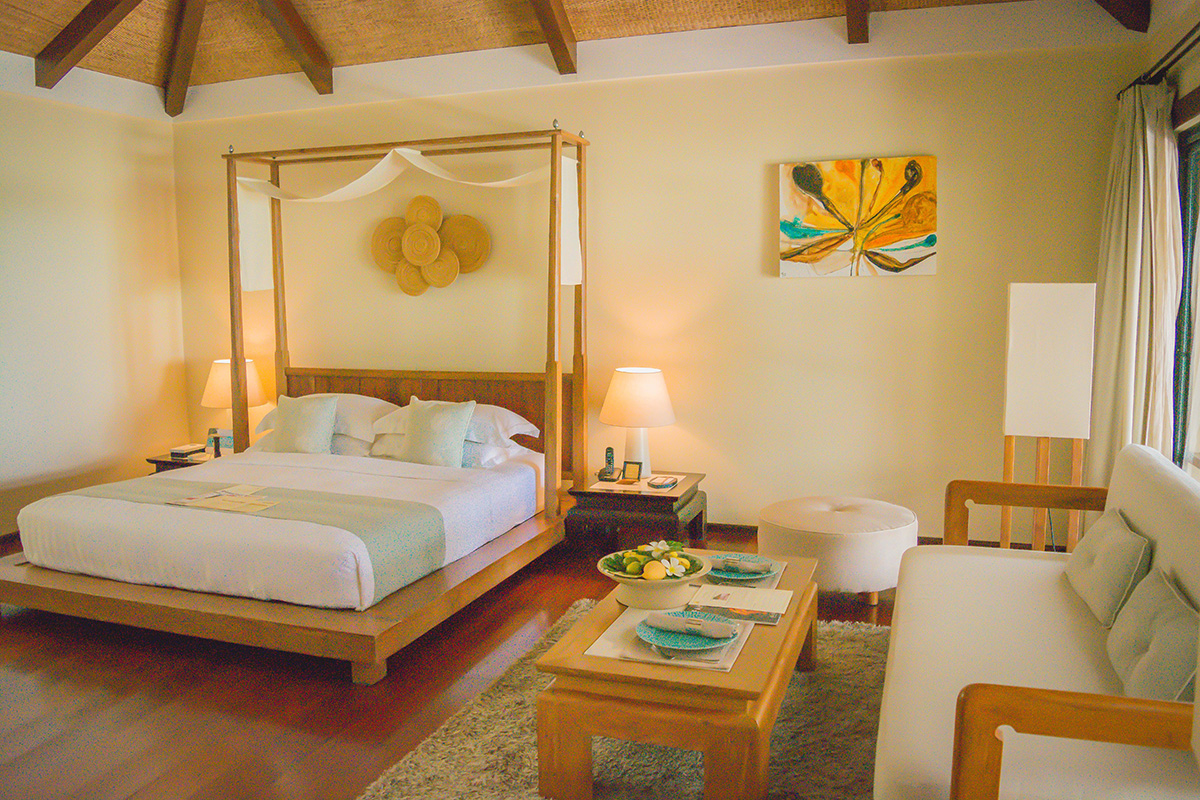
The bedroom of a Grand Villa
We have had bird watchers do a survey found 60 plus kinds of birds in a year. Monitor lizards could be seen swimming in the sea (and occasionally the main swimming pool!), climbing coconut trees or lazily walking the lawn. There are squirrels and tree shrews abound. The occasional fireflies can also be spotted at night around Sept to Oct. In order to achieve this, we completely ban all chemical usage in natural space in the hotel so no pesticides, insecticides or chemical fertilisers are used at all.
It is also worth noting that we are resentful of animals in captivity and forced labour so therefore we do not help guests to book elephant rides, visit zoos/aquariums or circuses. We support the elephant sanctuary where “retired” elephants are fed and left to live a peaceful life in a larger confinement, but unchained. It’s a long answer but you could see how in 32 years the concept had grown but the core remains. That’s why we claim to be “natural to the Core”.
Read more: British model Anna Proffitt on the need for slow fashion
2. What are some of the challenges you face in providing a sustainable luxury service?
I’d put it down to the added work and steps that are required for staff to go to the length of being sustainable. It’s almost the opposite of being convenient for many people in Thailand. You talk about waste and people think cleaning the beach and putting rubbish in the bins. We say we have to know the rubbish first and then we can know how to treat it. Food waste, for example, can be mixed with organic garden waste to make fertilisers so it’s not too bad but the gardeners will say that it’s added work for them. Non-biodegradable waste can be sorted, but that’s not solving the problem at the root cause. It’s better to find substitutes and use recyclable or purely biodegradable. So we opt to buy drinks in glass bottles only – we won’t buy from brands that use plastic containers – but this adds extra work for our beverages staff who feel that glass bottles are heavier whereas a single use plastic bottle is much more convenient and less work. We use lemongrass straws instead of plastic straws too – it’s simple things like this that can reduce non-biodegradable waste. Auditing is also hard and can come across as unfriendly and potentially cause rift with some departments. Sometimes it costs more to source more environmentally friendly products in terms of money, but also time. Educating suppliers can also be draining. Thailand is a society where convenience is king. It’s very difficult to challenge this culture.
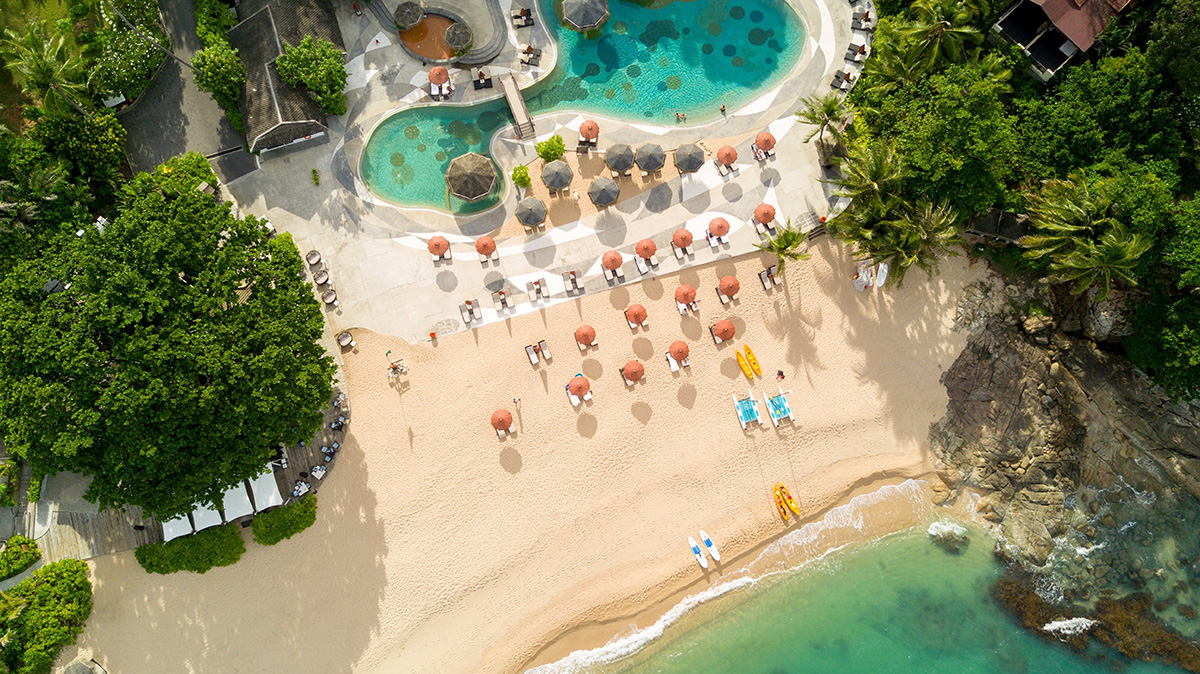
The main pool sits on the edge of the beach
3. What’s your proudest sustainability initiative at the resort?
I’d say the fact that we continue to find Slow Loris in the hotel ground speaks volume about how natural this place is and that can only be a result of the measures we have put in place to protect animals and the natural surrounding in the hotel. We didn’t expand in terms of number of rooms so we didn’t have to cut down trees to open ways for more buildings. I suppose we are proud to say that if you look up Google Earth you will see a patch of 25 acres that is greener than the surrounding pieces of land. We are an oasis for animals surrounded by developments dominated by concrete.
Read more: Inside Mandarin Oriental Geneva’s Royal Penthouse Suite
4. How would you like to see the hospitality industry change over the next few years?
I hope there are less developments since there’s already an over-supply of hotels and villas for sale on Koh Samui and in many other parts of Thailand. The ones that try to keep nature intact are more commendable than others whilst most who would clear all trees first then replant later, which destroys natural habitat for local animals and thus reduces the biodiversity tremendously. I guess it’s wishful thinking, but I think Thailand needs to exercise and enforce its regulations in order to combat overdevelopment fairly and equally. If the law says you need to have functioning waste water plants, then all hotels and restaurants must abide. Sadly, it’s not the case and the authorities don’t even check on a regular basis or follow up with action plan. If the law says you need to have 50% green area then they should be audited regularly and equally too. Ultimately, if mankind can realise that it’s of utmost importance to even just recognise the value of biodiversity (especially in the tropical zones where biodiversity is higher) and act to protect it, we may have a chance to live in a balanced world. If we do all we can to preserve or even increase the biodiversity of the natural world, we will be able to enjoy a quality of life equally. Nature conservation, in the end, is an effort to preserve that biodiversity since it’s the most important indicator of how healthy the natural world is. We have gone too far to destroy the earth and still many are refusing to accept the fact that humans are the cause of the imbalance. It’s time to be responsible humans, which applies to everything you do in the hospitality industry.
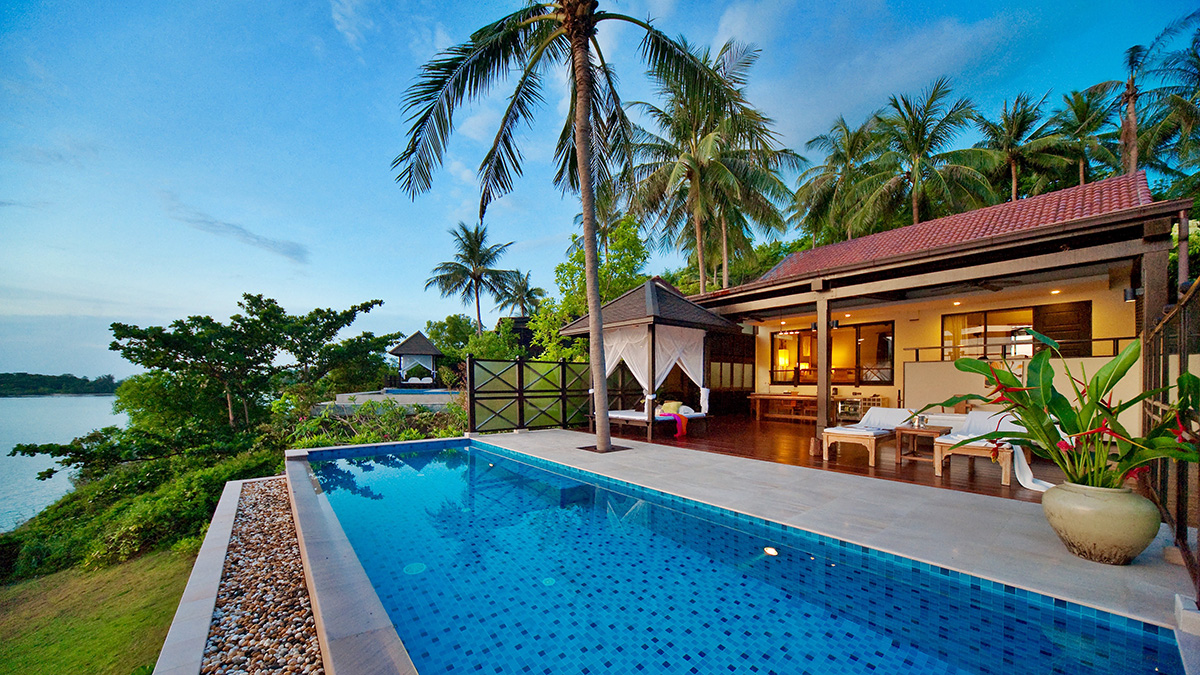
One of the resort’s luxurious pool villas
5. What are your 3 top tips for travelling sustainably?
Respect the nature and the culture wherever you go. Be responsible when it comes to littering or choose to consume wisely, considering what is biodegradable and what is not. Basically, try your best not to use single use products especially water. Also be aware of activities that involve animal forced labour and just don’t support them.
6. And finally – what’s your best kept secret on the island of Koh Samui?
It’s a secret!
Find out more: tongsaibay.co.th
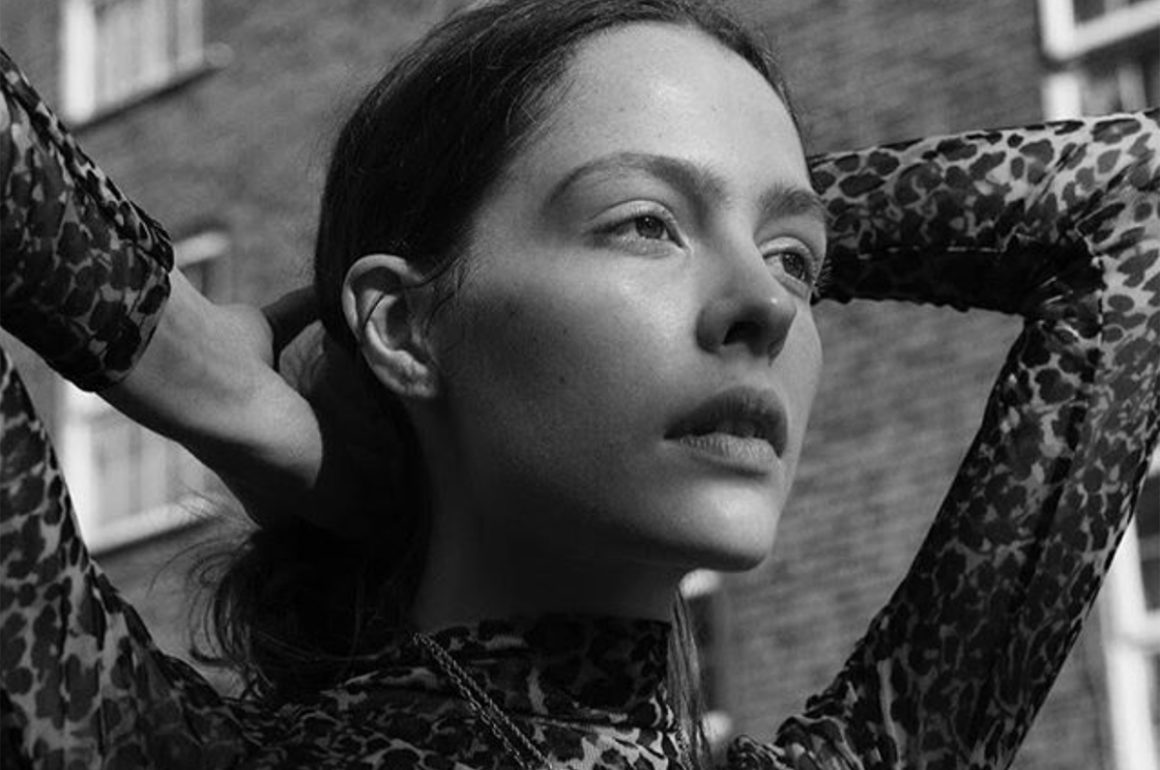
British model Anna Proffitt. Instagram: @annaproffitt
LUX contributing editor and model at Models 1, Charlie Newman continues her online exclusive series, interviewing her peers about their creative pursuits, passions and politics
Charlie Newman
THIS MONTH: 22-year-old British model Anna Proffitt has appeared on the catwalk for top fashion houses and graced the pages of many glossy magazines all while juggling a university degree and setting up a platform to discuss slow fashion. Here, she talks to Charlie about escaping to the countryside, sustainable shopping habits and reintroducing a ‘mend-it’ mentality.
Charlie Newman: Firstly, can you tell me about your background? Where did you grow up?
Anna Proffitt: I actually just moved back to the village I grew up in, I missed the countryside and Derbyshire folk when I was in London full time! I’m from a tiny village near the Peak District that’s all hills, fields and forests. I love it now, but not so much when I was young, I thought it was very boring. Everything was very quiet, my primary school class only had nine students. I remember passing my driving test in about four months so I could have some freedom! Now I’m so happy to live in the quiet, I can hike, climb, run and see the horizon all the time. I’m much more productive when I’m here, it’s all the clean air.
Follow LUX on Instagram: luxthemagazine
Charlie Newman: Were you always interested in fashion fashion?
Anna Proffitt: It’s the classic story of someone from the middle of nowhere seeing fashion as this glamorous escapism. I had a subscription to Vogue when I was 14 and fantasised about what it would be like to work in the industry. I did Fashion Design at College then Fashion Communication at University. Midway through studying I was scouted by an agency in Milan and went there in my summer break. When I came back I decided that I wanted to pursue it properly so applied to London agencies online and Models 1 signed me. Having worked for three years now experiencing the ups and downs, I am so grateful for the opportunities that have come out of it and know how to make it work for me. I have great respect for models, you have to be very strong and grounded to succeed.
Instagram: @annaproffitt
Charlie Newman: How easy was it to manage both modelling and studying?
Anna Proffitt: I studied at Nottingham Trent University so I was on the train to London pretty frequently. At times, it was hard to juggle as my course was very intensive. I am naturally organised and hard working so I made it happen, I wrote a lot of my dissertation in queues for Fashion Week castings! I don’t think I would have done it in a different order as my modelling career helped with my course, it inspired and influenced a lot of the projects I did. I had a real industry perspective so could tune my projects to what actually happens in fashion, not just what I read about. I’m lucky to have had truly supportive agency that respected my studies and asked how I was. The stress of third year really took its toll on me so I took a long break from modelling but with a great team, I came back and walked Celine in the September after graduation.
Charlie Newman: In my opinion, catwalk modelling is the most gruelling part of the industry. How do you get through fashion week?
Anna Proffitt: It really is! I’ve certainly not always thrived in it, you have to be so in tune with yourself and able to ignore a lot as the nature of the process strips away your self-worth very easily if you let it. But then you have to be in it to win it. It’s all about the balance of knowing what is right and safe for your physical and mental health whilst allowing your ego to take you into that model mentality. I have a much stronger sense of self now, I guess it comes with age. So fashion week wouldn’t be so gruelling for me now as I know how to keep myself level.
Read more: Truffle making & Michelin-star dining at St. James’s Hotel & Club
Charlie Newman: What has been your favourite show to walk in and why?
Anna Proffitt: Celine is the biggest show I’ve walked yet and it was amazing to be surrounded by some of the biggest names in the industry. It was fascinating to see how a big fashion house works and be a part of the hype around Hedi Slimane’s first season at Celine. As a dressmaker myself, it was a dream come true to see how expert tailors fit the garments and discuss fabrics. I love Paris so much too, being able to spend 3 weeks there was amazing. Travel is definitely the biggest perk of the job!
Charlie Newman: Other than Celine, what’s been a career highlight so far?
Anna Proffitt: I loved the shoot I did for Wonderland Magazine with Campaign for Wool. It was all about championing British industry and conscious consumption which I am extremely passionate about and it was also my first glossy magazine shoot. I ended up collaborating with Campaign for Wool on my final major project at University. It’s so fulfilling when you meet lovely people on a job that you get on with and can work with on other projects.
Charlie Newman: Who do you look up to within the industry?
Anna Proffitt: I look up to the Ateliers of Haute Couture, they are some of the most skilful and talented people on the planet. My favourite artists in the industry are Rei Kawakubo, Tim Walker, the late Alexander McQueen and Christopher Simmonds.
Instagram: @annaproffitt
Charlie Newman: How did you come up with the concept for The Idle Hands Collective?
Anna Proffitt: Idle Hands is a platform that discusses conscious consumption in the fashion industry. It started as a way I could visually explore the topic so more people can join the conversation. I am passionate about the craft of fashion and using what we already have, there are so many amazing clothes in the world we don’t need to make more, especially more that are made from plastic and fall apart after one wear. I want to champion quality over quantity and prove you don’t have to forfeit your aesthetic in the slightest to dress sustainably. The blog consists of think pieces about sustainable fashion and features people, makers and communities that are paving the way. It goes alongside my vintage and up-cycled business which I have on Depop and my Instagram.
Read more: Why Spain is best for cultural travelling by Geoffrey Kent
Charlie Newman: As consumers, how can we make our approach to fashion more sustainable?
Anna Proffitt: Stop buying crap clothes! Why would you want to put your hard-earned cash to something that you know will only last you about two months? I would love to see a massive shift in consumer mentality that champions quality items over anything the fast fashion brands give you (which are inherently made to be disposable). I would love for charity and second-hand shops to be destigmatized and a ‘make do and mend’ mentality to be reintroduced. In this consumerist society, we can vote with our wallet, so make your money count.
Instagram: @annaproffitt
Charlie Newman: Who are your favourite sustainable brands?
Anna Proffitt: My favourite sustainable fashion brands are: Paloma Wool which is ethically made in Barcelona, Girls of Mars, FARA Charity shops because they are usually nicely presented and Rokit Vintage (my favourite is the Covent Garden branch). I am currently using a face oil by an independent maker called Lovely Skincare based in Sheffield and I use Neal’s Yard too as their green credentials are to be envied. The Body Shop and L’Occitane have recently teamed up with TerraCycle so you can recycle all beauty empties in store, which is quite revolutionary. The best places to shop are always local; support your local community. Shop your local markets, greengrocers, hardware stores, charity shops and book shops.
Charlie Newman: Lastly who is your role model of the month and why?
Anna Proffitt: My role model of the month is the climber Nina Williams. I watched her documentary at the Reel Rock Film Festival and I am in awe of her mindset and strength. Go check her out!
Follow Anna on Instagram: @annaproffitt
Sirena is the newest addition to Oceania Cruises’ fleet
Luxury cruise brand Oceania Cruises is in the midst of multi-million dollar project, which will see the refurbishment of their six ship fleet and the introduction of new exotic itineraries. We speak to the brand’s Senior Vice President and Managing Director Bernard Carter about the changes to come, fine dining at sea and how the brand is tackling sustainability
Bernard Carter
1. Can you tell us about the OceaniaNEXT initiative and what it means for the brand?
Our $100 million OceaniaNEXT initiative is a sweeping array of dramatic enhancements designed to elevate every facet of the guest experience; from thoughtfully-crafted new dining experiences and reimagined menus, to the re-inspiration of our six luxurious and intimate ships.
The ships are being completely transformed – with brand new designer suites and staterooms and stunning new décor in the restaurants, lounges and bars – which will result in ‘better-than-new’ ships.
On top of this, we have announced we are preparing to take delivery of two new Allura-class ships in 2022 and 2025. This new class of ship will represent an evolution of the Oceania Cruises’ experience with all the elements our guests treasure: a warm, intimate, residential style, the most spacious standard staterooms afloat, amazing suites, and of course, excellent cuisine.
Follow LUX on Instagram: luxthemagazine
2. How do you provide fine dining services onboard?
Along with destination and service, we believe that cuisine is a key element of the cruise experience and this is what Oceania Cruises has been built on. Our promise to offer ‘The Finest Cuisine At Sea’ stands at the very heart of our business.
The key to offering such incredible food at sea is planning. We plan menus months in advance to ensure the smooth running of onboard operations.
This meticulous planning sits hand-in-hand with the need to build an impeccable network of trusted suppliers, who can deliver the quality goods we demand for ‘The Finest Cuisine At Sea’. Meats, fish and produce from specific and dedicated farms, some where we are the only customer – every detail is covered with care and attention to ensure we only use the very best ingredients.
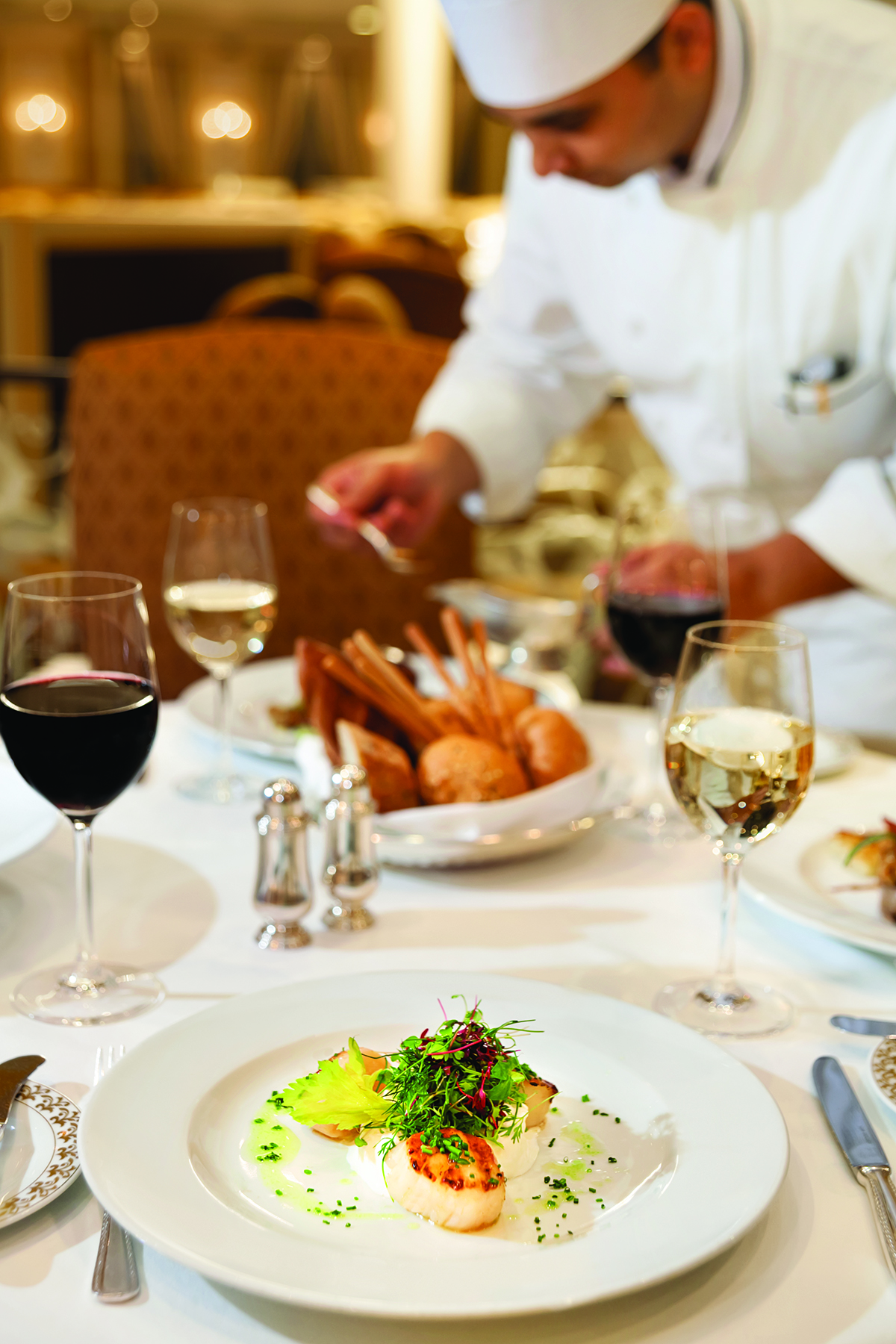
Oceania Cruises has a reputation for high quality cuisine onboard their ships
More than a quarter of all crew onboard an Oceania Cruises’ ship is dedicated to the culinary experience. Our high ratio of culinary staff to guest means that each dish is able to be created in our state-of-the-art galley à la minute.
Alongside the fantastic food on offer in our restaurants, we love to engage with our guests and offer them the chance to have a hands-on experience at The Culinary Center, our cookery school onboard Marina and Riviera. Here, our guests can cook along with our talented master chefs at fully-equipped individual workstations. We also offer a range of culinary excursions, giving guests the chance to see well-known destinations through an alternative ‘culinary lens’.
3. With a career spanning 25 years in the industry, what are some of the biggest changes you’ve noticed?
There’s been a real and meaningful shift towards wellness in the last ten years or so. Where once, the likes of offering fitness classes and having fully-equipped gyms onboard were seen as a nice-to-have element, they are now a crucial element of a holistic suite of wellness options for guests.
Just last month, we unveiled our new ‘Aquamar Spa + Vitality Centre’ the most unique and comprehensive spa and wellness centre at sea. This will be introduced across all ships by mid-January 2020 as part of our OceaniaNEXT enhancement.
This extends well beyond a traditional spa, offering a complete and original collection of holistic wellness encounters both onboard and ashore, including wellness cuisine options, land-based tours in ports of call, and onboard treatments and classes.
Our guests are active, they are leading rich and fulfilled lives. For them, wellness is not a pursuit, it’s a lifestyle.
Read next: Jetcraft’s owner & chairman Jahid Fazal-Karim on global trading
4. Do you think the expectations of luxury cruise clients differ from the demands of customers at luxury hotels, and if so how?
In a word: no. Guests who appreciate, and seek out luxury do so in all areas of their life – from cars to jewellery, from cuisine to travel.
At Oceania Cruises, our guests are a like-minded group who appreciate the same things, and our onboard operation being akin to an English country hotel, or a private members club lends itself to discerning individuals that want to explore the world from the comfort of their own home away from home.
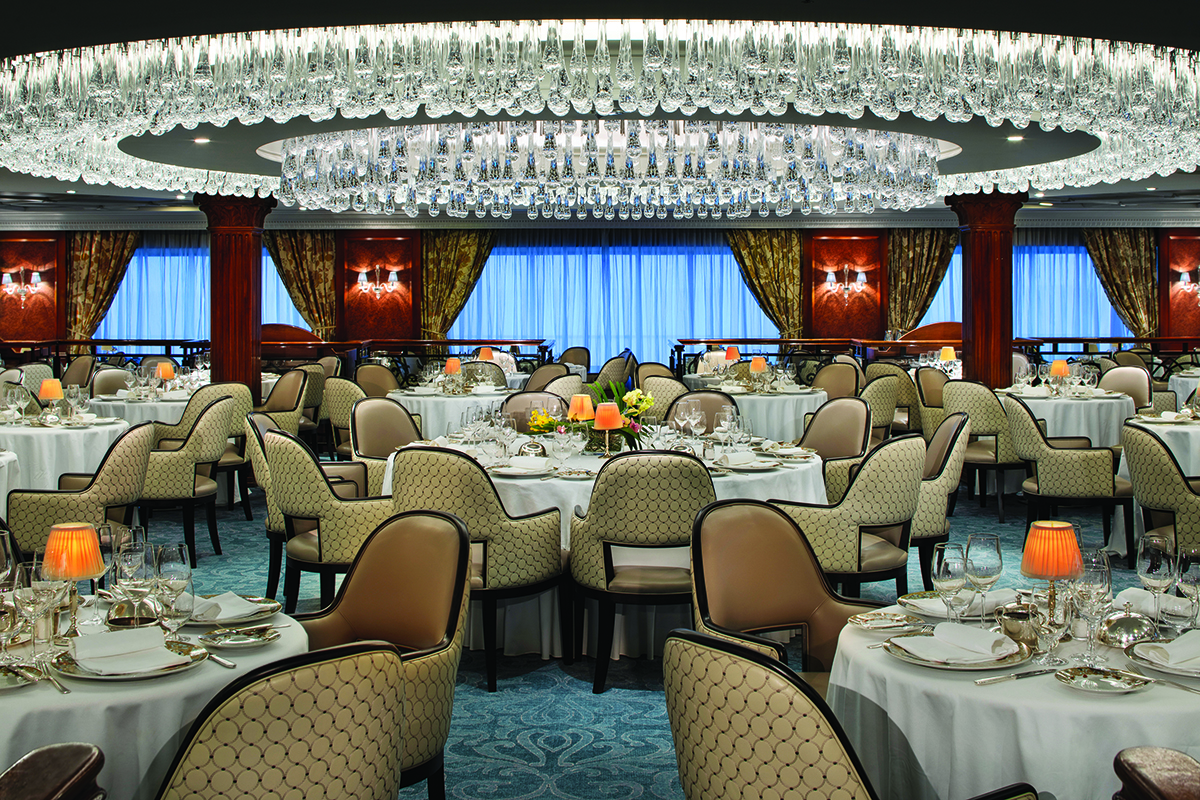
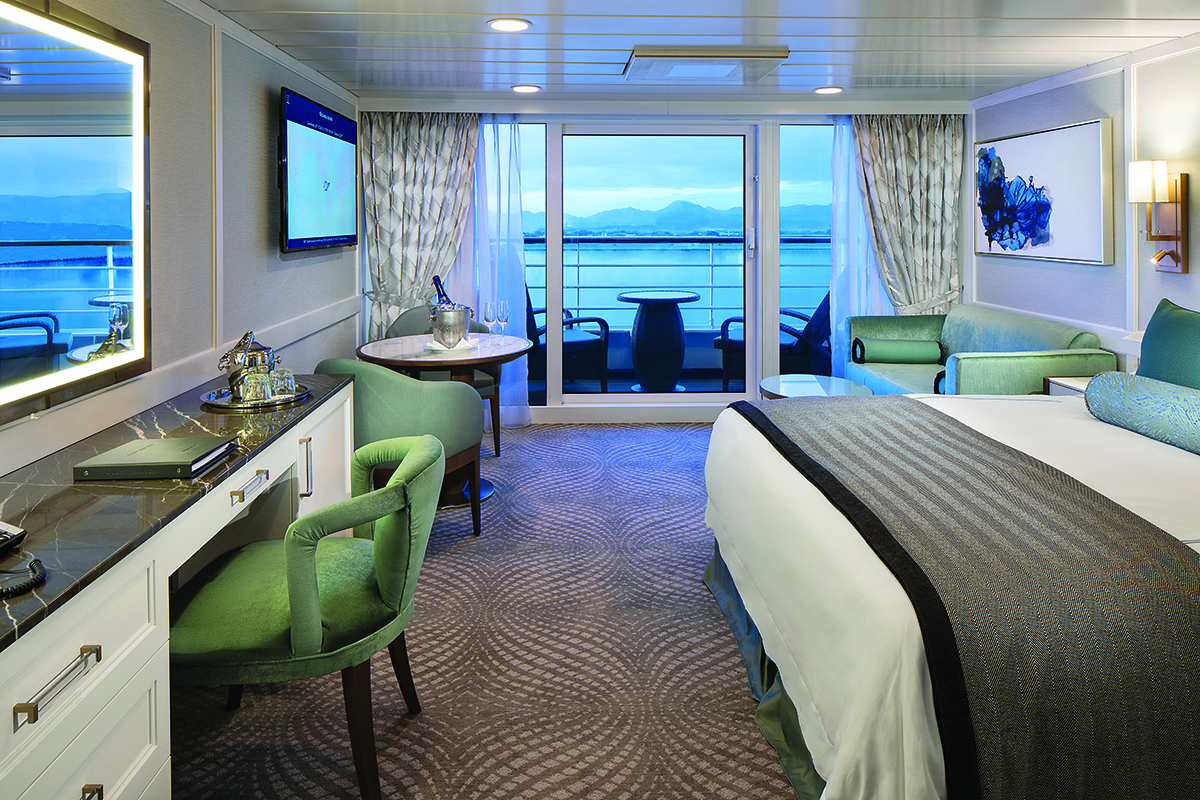
Here: The Penthouse Suite onboard Insignia. Above: the ship’s grand dining room
5. How are you tackling issues of sustainability?
Our environmental commitment is continually evolving and expanding into additional areas of our operations, both shipboard and shoreside.
Our industry is inextricably linked to the condition of our oceans and as such, continual improvement is one of our core responsibilities. In line with this accountability comes our commitment to preventing accidents and incidents involving pollution, reducing the environmental impact of our operations, and managing waste through recycling and reusing materials.
A great example of this is earlier this year, Oceania Cruises became the first cruise line to introduce VERO Water, the Gold Standard in still and sparkling water service onboard. All guest accommodation is be stocked with refillable and reusable VERO Water decanters as well as all restaurants and bars. With the introduction of VERO, we will eliminate more than three million single-use plastic bottles per year from onboard use
This is being extended further to include keepsake refillable water bottles for each guest to take VERO Water ashore with them, eliminating several million more bottles per year.
6. What’s been your most memorable voyage to date?
I have been lucky enough to experience many amazing cruise destinations during my career, but my most memorable has to be the 14-night journey onboard Nautica from the historically pivotal city of Istanbul through to cosmopolitan and vibrant Barcelona.
After an overnight stay onboard in Istanbul (which allowed us to really explore the city in depth) we set off around a variety of Greek islands, each with their own unique charm. These included Rhodes, Mykonos, Santorini and UNESCO heritage site, Monemvasia – where only a limited number of visitors each year are allowed onto the Old Town, built into a massive rock that can only be reached by a half-mile causeway.
Having spent a week living the ‘island life’ we headed to the western Mediterranean to experience the beauty of Sicily, the Italian gems of Rome and Florence and then to the billionaires’ haven, Monte Carlo. This second week was quite simply a majestic parade of history, culture and luxury – and as we ended in Barcelona it actually felt like we had been on two holidays in one!
For more information visit: oceaniacruises.com

A&K Philanthropy programmes include the Duuma Wajane Bike Shop in Tanzania, where women repair and resell secondhand bikes to support their community
This month, Geoffrey Kent, founder and CEO of Abercrombie & Kent, reports on his industry’s move towards sustainability and why he thinks responsible tourism is the most authentic way to travel
Geoffrey Kent
Working towards sustainable tourism is the travel industry’s duty, and while big airlines and hotels should lead the way, there are still plenty of ways for individuals to make the right decisions. Being a responsible tourist might sound complicated – or lofty – but it does not need to be either. If 7.7 billion people were to make more sustainable choices, the planet would be better off. Think of the influence one individual can have; I have been very inspired by teenage environmental activist Greta Thunberg, whose solitary climate change protest outside the Swedish parliament sparked a youth movement in some 112 countries. It’s often children who are the most aware and passionate. We must live up to their expectations.
Follow LUX on Instagram: luxthemagazine
Thankfully, the concept of responsible tourism is catching on. It’s true that notions of sustainability, carbon neutrality, animal welfare and cultural sensitivity haven’t always been in sync with the travel industry, but increasingly we find our customers are asking us to book hotels with eco-friendly practices, to support the local communities they’re visiting and to find carbon-neutral ways of making the journey.
A recent study that we commissioned found that 65% of respondents are likely to be more conscious and careful of their own behaviour when travelling and 50% are likely to stay at hotels that contribute positively to the local environment by engaging in behaviours such as sourcing food locally. We’ve found that if our clients are ‘green’ at home, they tend to take those practices on holiday. At Abercrombie & Kent, we can create itineraries for our clients that are both environmentally conscious and culturally sensitive; we were doing this long before responsible tourism was a thing.
Our experience and network of travel partners have taught us that integrating sustainability into your travel arrangements does not mean sacrificing luxury or comfort. When it comes to five-star luxury with serious eco-credentials, the Six Senses group are leading the way with their programmes: energy conservation, water re-use, waste recycling, responsible purchasing and wildlife protection are all part of their policy. There are small groups and properties also committed to the cause: Sanctuary Retreats for example, The Brando in Tahiti, Caiman Ecolodge in Brazil, Mashpi Lodge in Quito and 1 Hotels. Some of the big hotel chains are at it, too; all the properties in the Fairmont Hotel chain are LEED (Leadership in Energy and Environmental Design) certified.

A&K Philanthropy also supports Hansraj Children’s Home in Udaipur, India
It’s not just on land either, A&K operates an annual cruise to Antarctica with James McClintock, an endowed professor of polar and marine biology at the University of Alabama. He shares adventures from more than 30 years of Antarctic research into ocean acidification and how climate change has impacted the food chain, especially penguin rookeries on the Antarctic Peninsula. A&K has worked with Dr McClintock for the past 12 years to support his research, providing more than $350,000 worth of high-tech equipment, from satellite penguin tags to webcams that allow scientists around the world to monitor penguin rookeries.
Our approach to animal welfare issues is uncompromising. Since the company’s inception, I have championed the concept of ‘shoot with a camera, not with a gun’. Our clients travel to Africa to connect with and celebrate its abundant wildlife, diverse landscapes and thrilling experiences. Elsewhere, we follow vigorous animal welfare guidelines developed by the Association of British Travel Agents in conjunction with the Born Free Foundation, a third-party organisation whose mission it is to protect vulnerable animals from abuse.
Read more: ‘Extremis’ by Sassan Behnam-Bakhtiar opens at Setareh Gallery
But there’s more to responsible tourism than getting to your destination and back without wreaking havoc on the community you’ve visited. Imagine a trip that offers you the opportunity to make connections through unique local experiences not found in a guidebook. Travel philanthropy can create the most memorable moments of your holiday. Whenever possible, we ask our clients to take part in our Abercrombie & Kent Philanthropy (AKP) programme.
We founded AKP in 1982 as a non-profit working with communities on education, health care, conservation and enterprise development, in the areas our clients travel to. Simply put, we work with our neighbours. Anywhere there is a Sanctuary lodge or camp, we establish a nearby project. In Uganda that means Bwindi, located beside Sanctuary Gorilla Forest Camp. In Zambia, near Sanctuary Sussi & Chuma, we work with Nakatindi village. It’s vital that these communities should benefit from any influx of tourism into their ancestral homelands. Anywhere there is a Sanctuary boat operating on a waterway, we establish a project at a place where we regularly undertake shore excursions. For example, in Myanmar that’s at Sin Kyun village where we bring education, clean water and hope to a small remote village on the Irrawaddy river.
AKP has full-time community development professionals on staff around the world. Our philanthropy co-ordinators meet with communities to identify local issues and establish where we can have the greatest impact. We never just have a great year, write a cheque and walk away. At Nakatindi, we heard from tribal elders that their highest concern was mother-to-child HIV transmission, so we established a new maternity ward to provide a clean birth environment. These decisions are made in consultation with our community partners, government officials and departments and sometimes other non-profits in the area.
In 2017 and 2018, our guests gave most significantly to education and healthcare, but contributions come thanks to inspiration, never solicitation. Our female teenage guests are often the drivers. They visit a programme with their families and have the empathy and persistence to inspire their families to be philanthropic. I can’t tell you how many phone calls I’ve had from the parents of teenage girls, who say, “She keeps mentioning the programme we visited and we’ve got to do something about it.”
I believe responsible tourism is a more authentic way to travel. Our guests define luxury as having an authentic experience, an encounter that is true to the place and its traditions, incorporating elements of the past and reflecting local culture. They want to get out and explore, experiencing traditions that are not akin to their own. What can be more responsible than that? Lives are changed when one is immersed in a different culture, and one reaches a new understanding of how life is lived in another part of the world.
Find out more: abercrombiekent.co.uk
This article was originally published in the Autumn 19 Issue.
Looks from Collection 03 by Riley Studio
Sustainable luxury fashion brand Riley Studio creates elegant gender-neutral wardrobe staples using recycled waste materials and natural fibres. Following the recent launch of brand’s third collection, Rosie Ellison-Balaam speaks to the brand’s CEO Olivia Dowie about the importance of production transparency and the challenges of making eco-friendly clothing luxurious.

Olivia Dowie
1. How important is it for people to understand the production process of clothes?
Hugely important! We work hard to be radically transparent so that our community can understand the work that has gone into making each garment. We really believe in adding respect back into the clothing that we wear, and it is important to us that our community understands the production process and the many hands that have carefully crafted each product. From our yarn mills, our fabric mills, our factories to the Riley Studio team, we want to celebrate everyone. When you understand how a product is made and the complex supply chain involved, you understand why a sustainable and ethically made product costs what it does. We hope it also enables consumers to cherish their products for years to come.
Alongside this, the eco-innovation and research that goes into our materials is fascinating and we love sharing how each material is made and how sustainability is at the core of our business.
Follow LUX on Instagram: luxthemagazine
2. What are the difficulties in working with recycled materials?
An incredible amount of research goes into finding recycled materials that are both durable and versatile.
The problem at the moment is that in most cases there isn’t the technology to have 100% recycled fabrics, because they aren’t strong enough. For example, our t-shirt fabric uses recycled cotton, but it has to be mixed with organic cotton to strengthen it. We have our fingers crossed for some breakthroughs though! Recycled materials are definitely more expensive as well, but we’re committed to doing things the right way, not the easy way.
As a small brand, the other issue we find is with high minimum order quantities, ordering lots of fabric also goes against our ethos of producing in limited quantities to tackle overproduction.
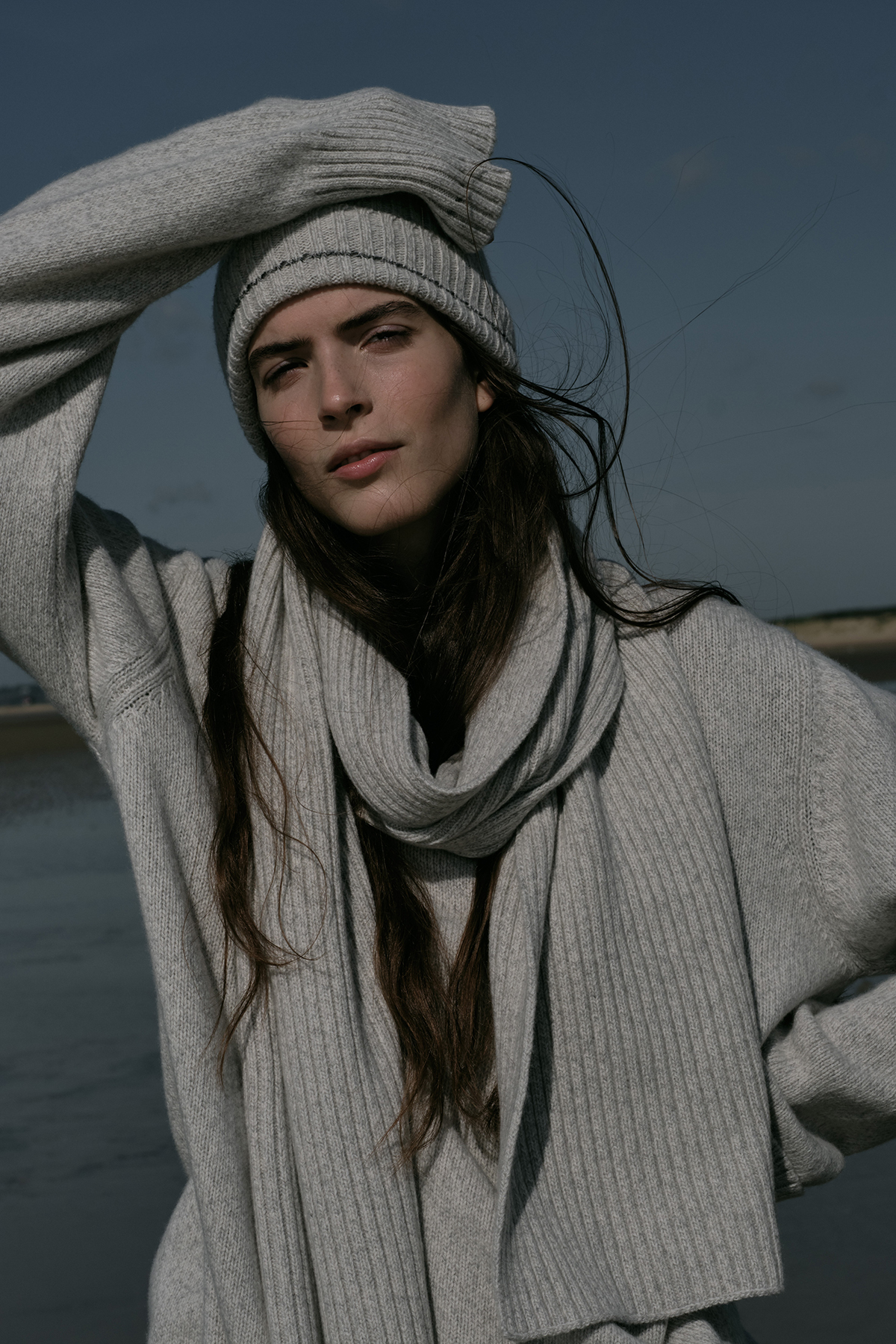
Look from Collection 03 by Riley Studio
3. How are you working towards a Butterfly Mark?
We have a series of policies in place to make sure that our sustainability standards are consistent across our supply chain. We will always stand by them and will never compromise. We recently got awarded the Eco-Age Brandmark in recognition of championing gender neutrality through unisex garments, promoting circularity through garment take-back schemes and education, upholding material traceability through extensive sustainability reporting and longstanding relationships with suppliers, and designing with recycled, regenerated and organic fibres.
We are continuously challenging ourselves and developing new processes so that we can create sustainable solutions at every stage of our journey, and we will look to apply for the Butterfly Mark in the near future.
4. How have you made recycling luxurious?
First and foremost, we are a fashion brand, aiming to bring elevated, timeless designs to consumers who are conscious about the state of the planet. We have strong values, so everything we make has to meet our design criteria and brand aesthetic, as well as being eco-innovative. We focus on creating gender-neutral wardrobe staples that are durable and versatile. With simple designs, we don’t follow trends, instead we focus on pieces that we hope will be cherished for years to come, designing for life, not just a season.
Our new collection features our first ever recycled cashmere, which is incredibly soft and made from textile waste. We worked with a small, family-owned factory in Scotland to develop our new beanie, scarf and sweater.
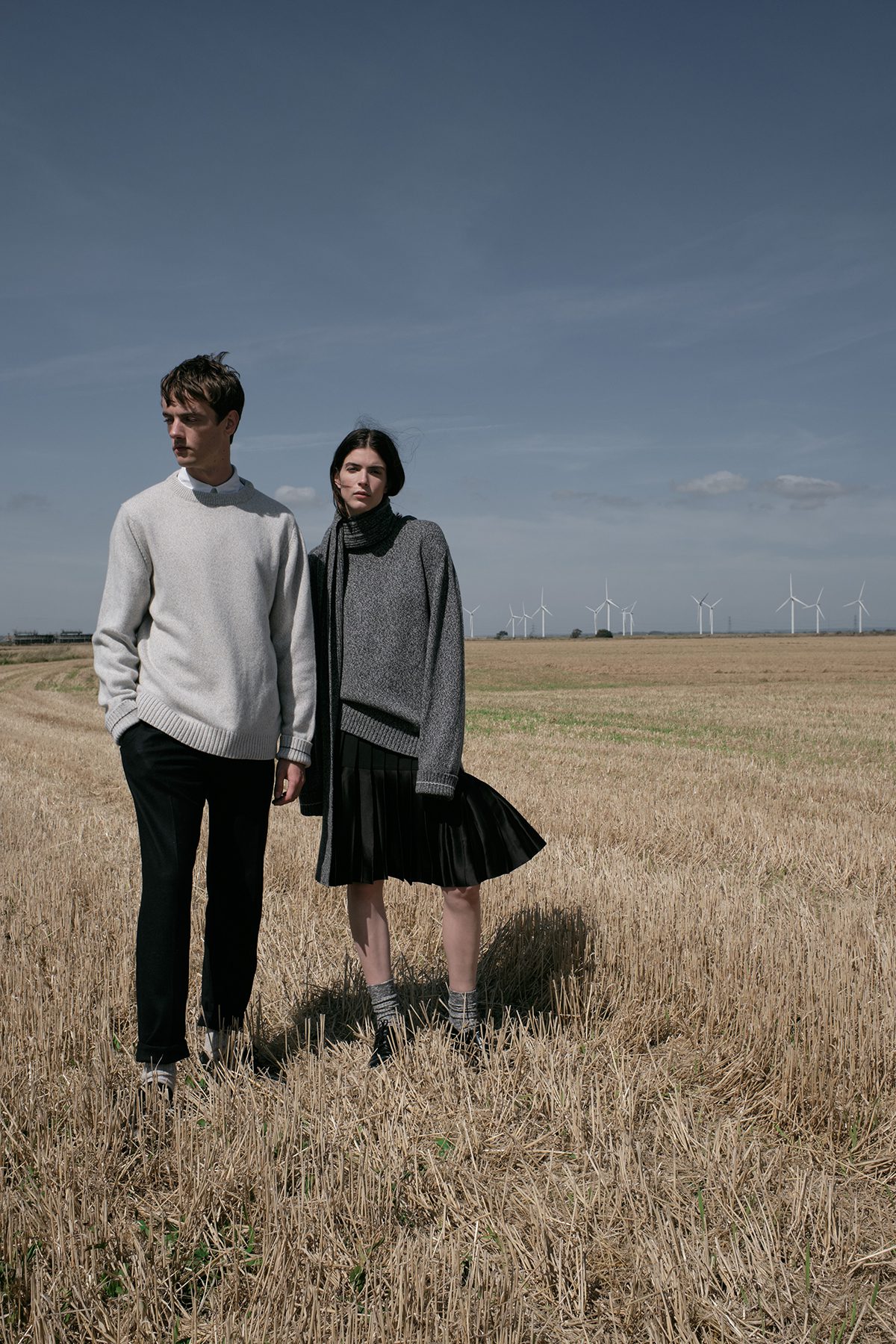
Looks from Collection 03 by Riley Studio
5. Can you talk us through the journey of a ‘Make Good’ t-shirt?
Our ‘Make Good’ t-shirt is created from recot²® made by Gebrüder Otto in Germany, which is a mix of 25% recycled cotton and 75% GOTS certified organic cotton. Adding recycled cotton to organic cotton mix improves the eco-balance of the fabric. The recycled cotton fibres come from textile waste including yarn discards and fabric scraps. By using recot²®, you can save 5000 litres of water per 1kg, which has helped us achieve a total saving of 2,075,129 litres of water across our products.
Lurdes Sampaio in Portugal then make it into a fabric, which is sent to Wonder Routine in Portugal where the t-shirts are made!
6. Favourite piece of Collection 03?
It has to be our Recycled Cashmere Sweater, which comes in Charcoal and Cloud. It is incredibly soft and a piece that represents the best in eco-innovation, craftsmanship and heritage.
View Riley Studio’s collections: riley.studio
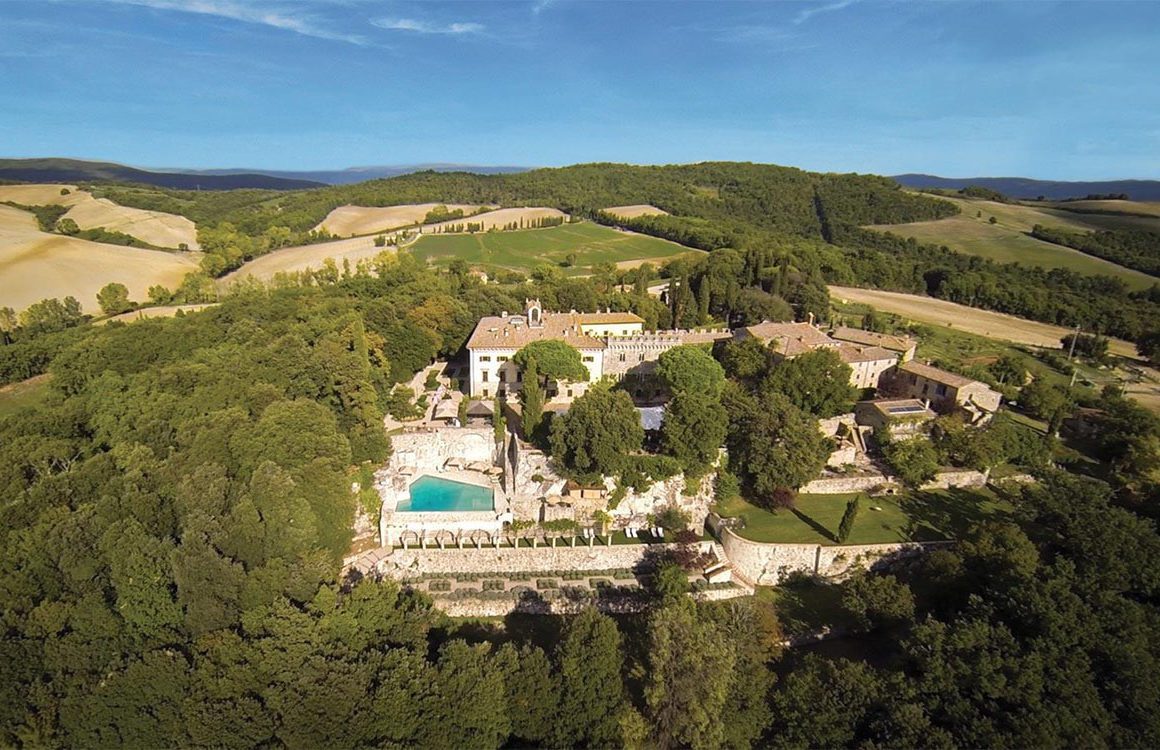
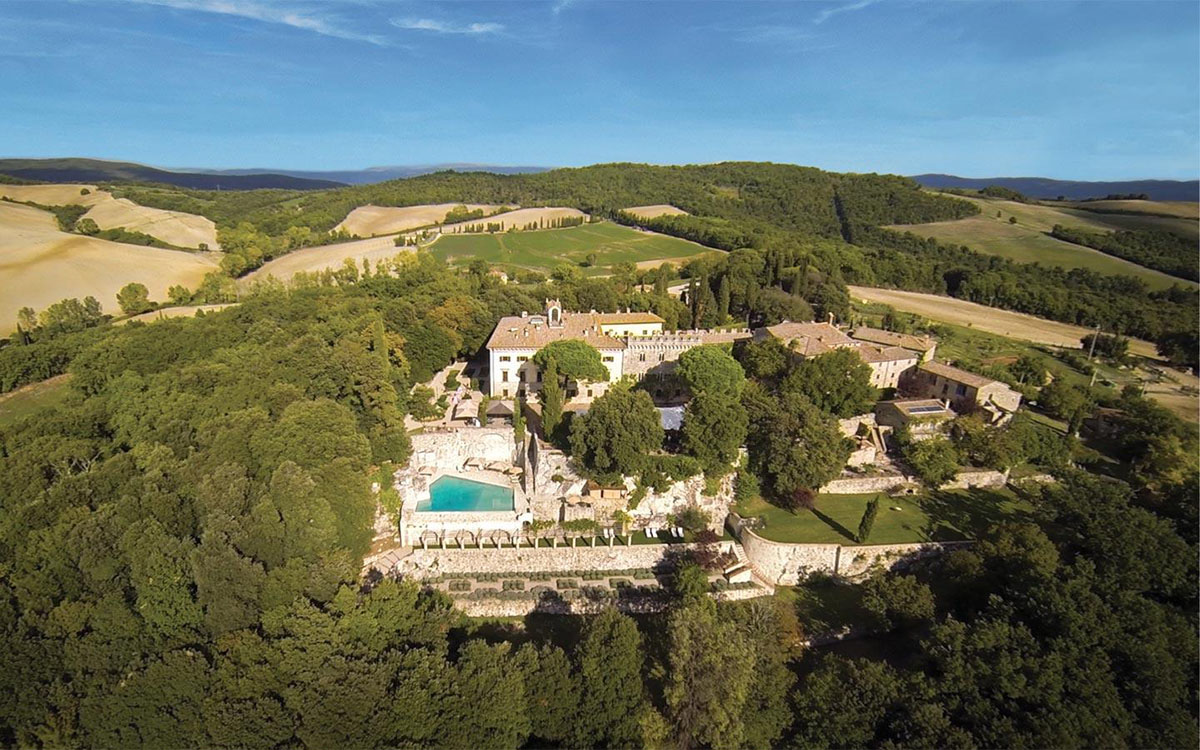
Borgo Pignano sits within a stunning 750-acre estate
Why should I go now?
Tuscany is always beautiful, but especially so when basking in firey Autumnal hues, the ground scattered with crispy orange and red leaves. Set in the hills between Volterra and San Gimignano, boutique hotel Borgo Pignano is remote and staggeringly beautiful – the perfect place to disappear for a few days, especially when the hotel is nearing the end of its season (the hotel closes early November and reopens in April). If you’re lucky, you can go the whole day without spotting a single other person.
Follow LUX on Instagram: luxthemagazine
What’s the lowdown?
Just over an hour’s drive from Florence, Borgo Pignano is 750-acre estate encompassing 15 rooms, 12 cottages and apartments, an organic farm and various workshops that produce everything from the hotel’s sustainable bath products and candles to the jars of honey and jam that you find at breakfast. A gorgeous 18th century villa sits at the centre of the property surrounded by gardens and forest land, with the main swimming pool carved into the original quarry stone of the hillside.
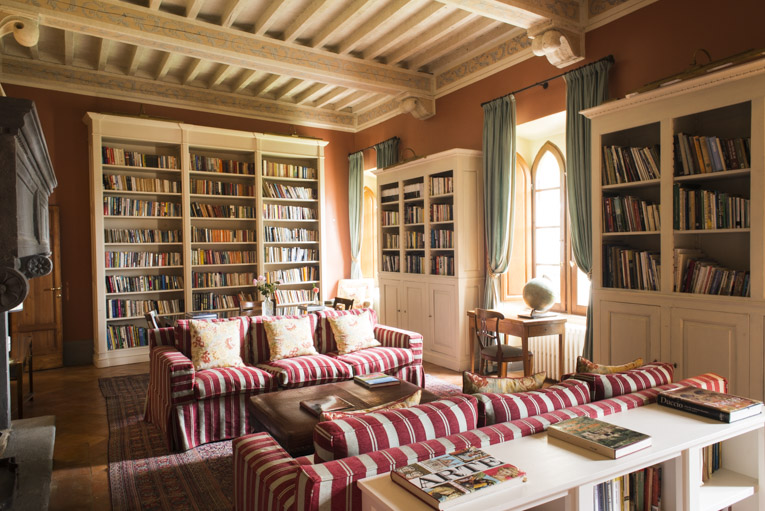
The hotel’s library
Once a hilltop hamlet, the property has been lovingly restored to preserve its original grandeur and romance. The rooms are decorated with painted frescos, patterned textiles and antique furnishings. In the evenings, guests are invited for drinks in the living room where the in-house mixologist makes cocktails whilst waiters circulate paired canapés. It feels old-world in the very best sense, fostering an atmosphere of earthy, cosy luxury in which guests are treated like old friends rather than moving bank cards.
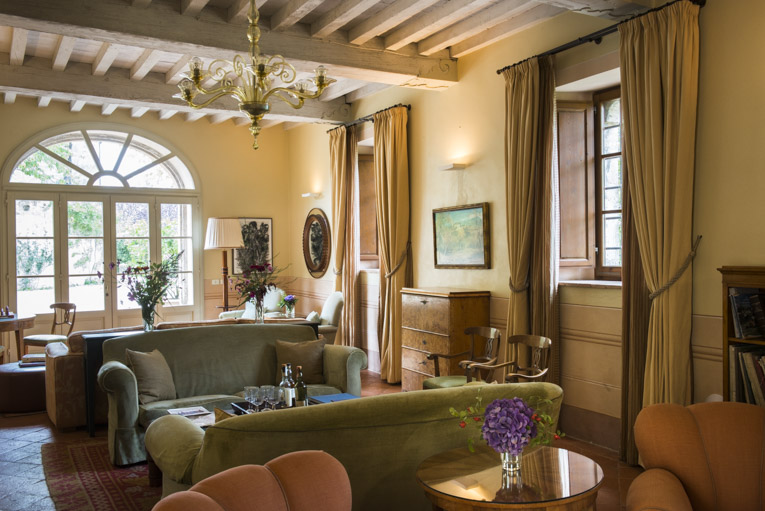
The living room, where evening drinks are served
Meals are generally served in the main villa’s dining room, with a menu featuring local and organic ingredients which are grown on site including dishes such as herb-filled goat’s cheese salad with pollen from the estate’s honeycomb. Guests are encouraged to freely roam the farm to learn more about the hotel’s sustainable efforts, and can also pick up walking routes from reception to further explore the surrounding landscape. There’s also an art gallery on site with contemporary exhibitions and a spa that offers treatments using natural remedies such as flowers, herbs, plant extracts, oils and honey.
Read more: Louis Roederer’s CEO Frédéric Rouzaud on art and hospitality
Getting horizontal
Located in the main villa, our room was once the bedroom of the marchesa with an adjoining single bedroom for her child. Elegantly and simply furnished with a large four-poster curtained bed, wooden shutters and stone tiled floors, it was a unique and calming space. We especially loved the hidden doors, painted to blend in with the walls.
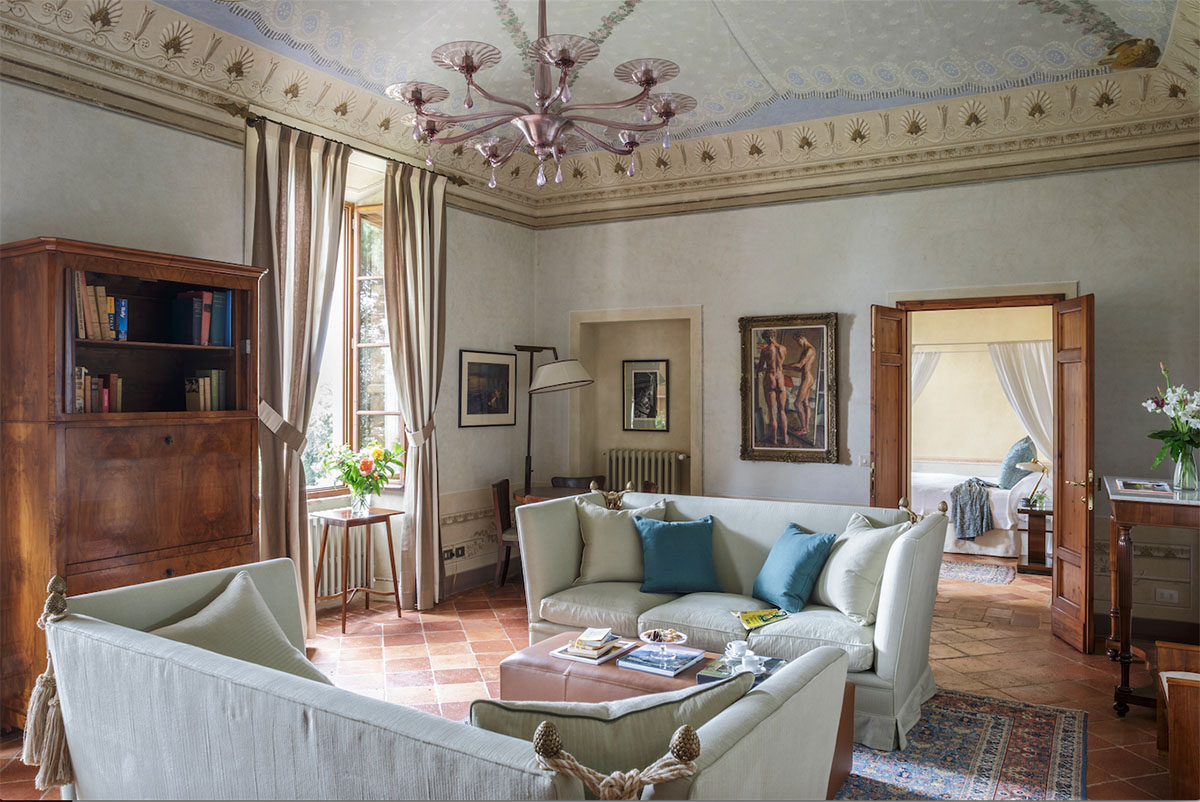
The signature suite, located in the hotel’s main villa
Flipside
The swimming pool isn’t heated so the water is very cold at this time of year, but we very much enjoyed a bracing swim before breakfast. It’s also worth remembering to pack a few jumpers as the evenings get quite chilly.
Rates from: €220 in low season with breakfast included (approx. £200/ $250)
Book your stay: borgopignano.com
Millie Walton
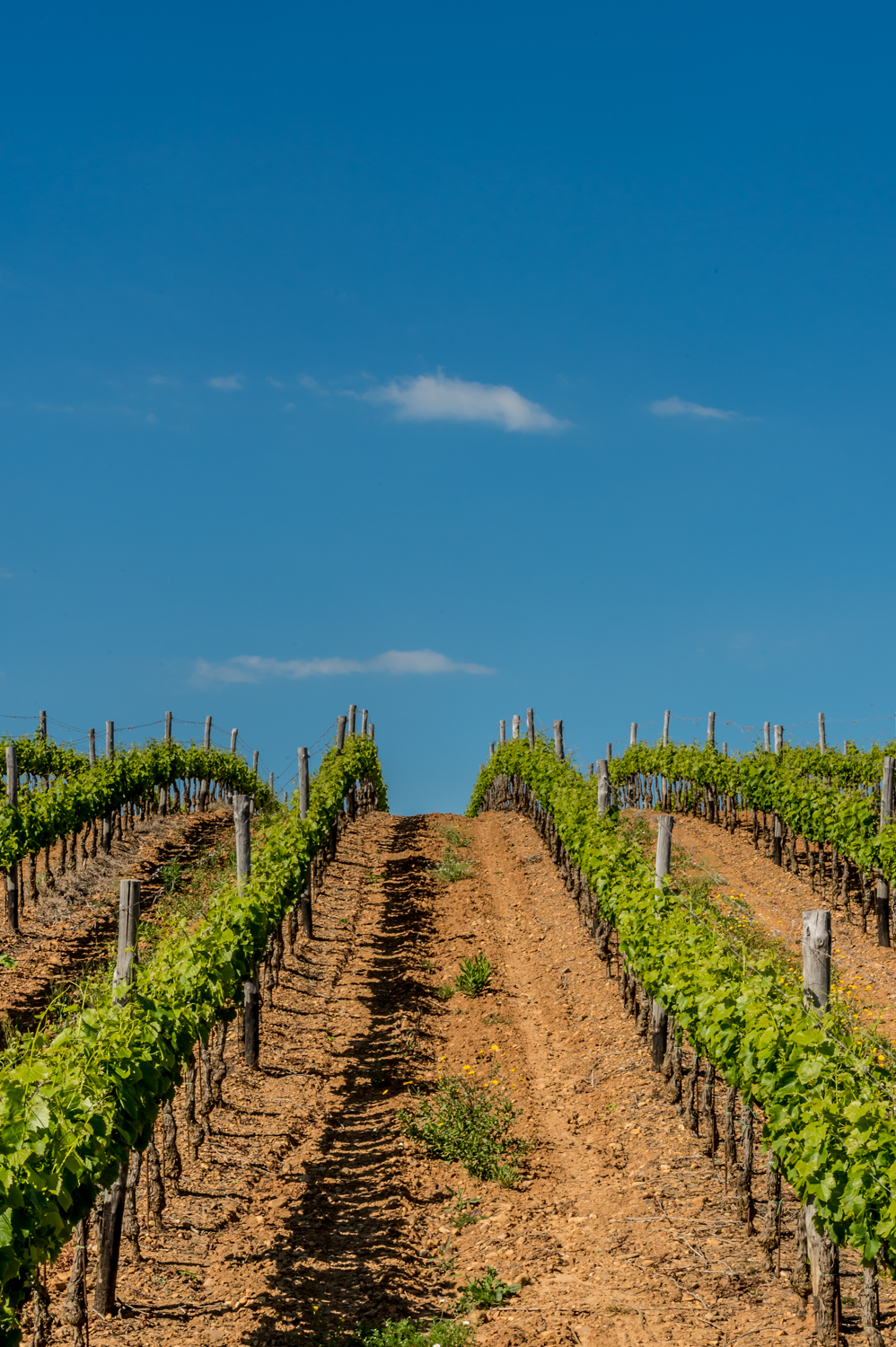
The Fattorie dei Dolfi estate in Tuscany uses traditional, sustainable practices in its winemaking.
Whether cooking or dining, some of our most memorable experiences are steeped in history and heritage. Abi Smith speaks to the craftspeople and producers who are placing time-honoured techniques at the heart of their work, with support from Gaggenau’s latest initiative
Conspicuous consumption is a thing of the past; today we all know that true luxury lies in experience and emotion. No longer blind to the damage that our disposable lifestyles are wreaking upon the planet, our gaze has turned to techniques and materials that have stood the test of time. But is this newfound focus on sustainability and durability built to last?
Follow LUX on Instagram: luxthemagazine
Kyle Holford and Lauren Smith
For Lauren Smith and Kyle Holford of Forest Coalpit Farm in Wales, who raise their large black cross pigs on pasture, it was the only approach. “From the beginning, we realised that our focus should be on quality and welfare so we kept that philosophy at the core of our decision- making,” Smith says. And though sustainability is rarely the quick and easy option, it pays dividends. “Quality takes time,” she adds. “It takes about twice as long for us to raise our pigs. We realised that we could produce pigs quicker, but there was less colour in the meat, and less of the much-sought-after marbling throughout.”
Forest Coalpit Farm pigs spend their days in the Brecon Beacons National Park woodland, a freedom that leads to “healthier, happier, cleaner pigs that get fresh air and exercise and haven’t been pumped full of antibiotics,” says Smith. There are perks for the environment, too: “Because our pigs roam and are rotated through large areas, there is a constant wheel of fertilising and regeneration, we don’t have vast slurry tanks and we don’t need to keep lights or air conditioning in the barns.”
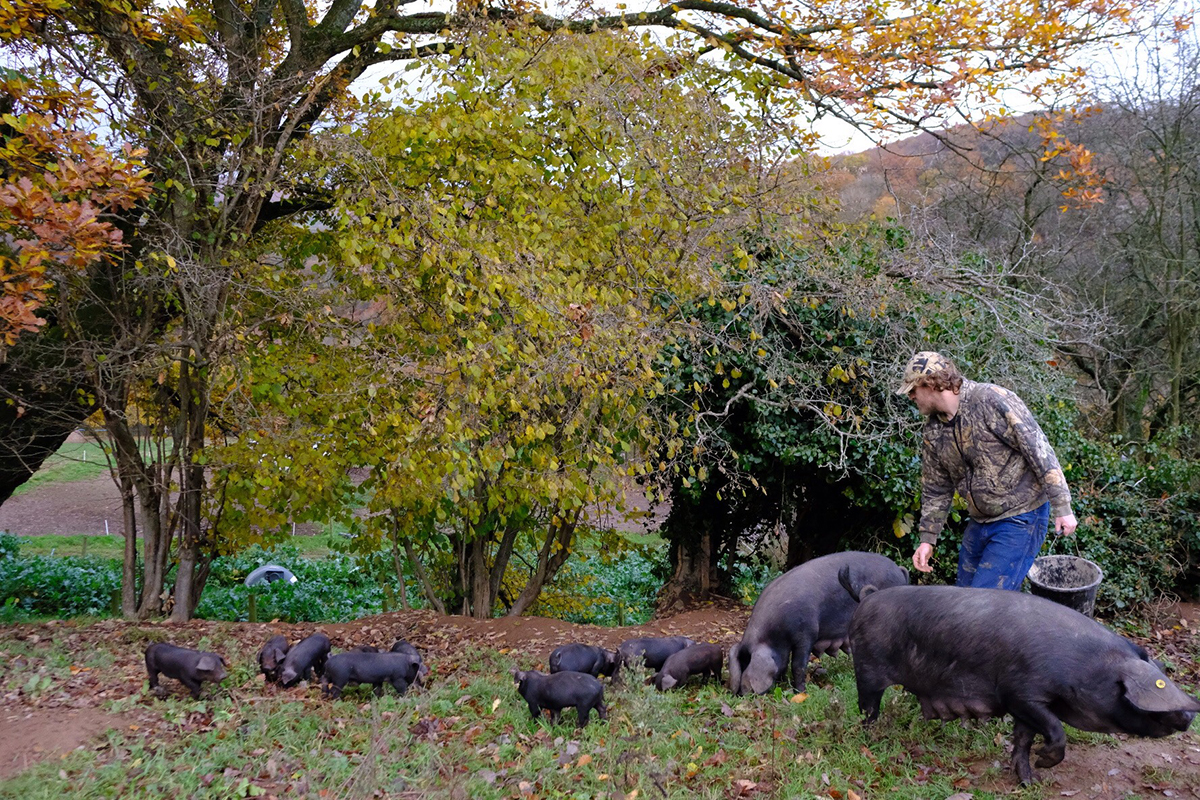
At Forest Coalpit Farm in Wales, Kyle Holford and Lauren Smith rear free-range large black cross pigs
Increasingly, consumers are turning to sustainable products for better quality. “I don’t follow the principle of sustainability for other people or because it’s popular in the market,” explains Giovanni Dolfi, who heads up the Fattorie dei Dolfi winery in Tuscany. “I do it for myself.” In collaboration with celebrated oenologist Dr Giacomo Tachis, Dolfi harnesses biodiversity and traditional processes to bring his historic Tuscan vineyards to life. “Sustainability is something I’ve always believed in and what I practise every day in my vineyards,” he continues, citing his devotion to both the environment and his customers’ wellbeing. “I am always the first person to drink my wine, and since I care for my own health, I believe that practising sustainability is a natural choice.”
Read more: Ornellaia’s auction of vintages with artwork by Shirin Neshat
This dedication to sustainability is what led German brand Gaggenau to begin working with Fattorie dei Dolfi, as part of its strategy to further promote its wine culture, and Giovanni Dolfi was invited to its International Sommelier Awards. As a maker of professional-grade luxury home appliances, Gaggenau has an instinctive respect for quality and craftsmanship: the ethos it has recently formalised through its Respected by Gaggenau programme. This mark of endorsement gives makers the recognition they deserve, while also offering the prospect of a bursary to support their work.
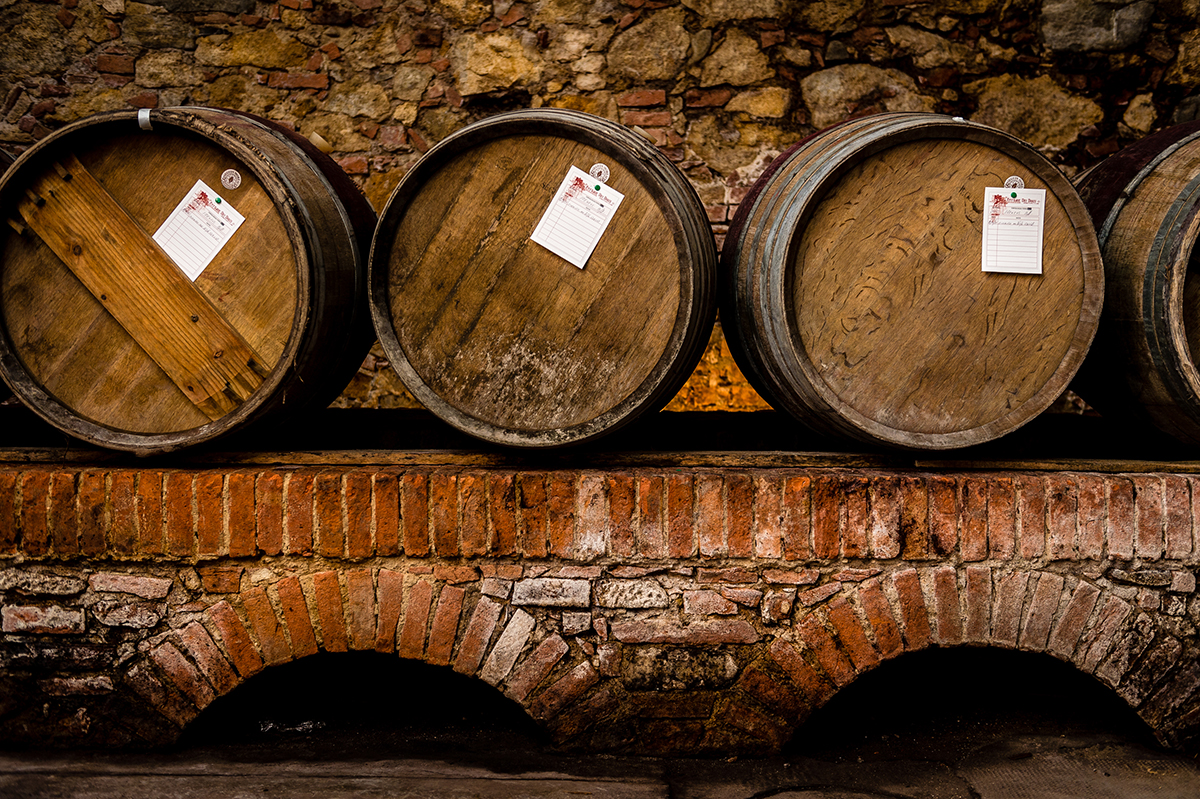
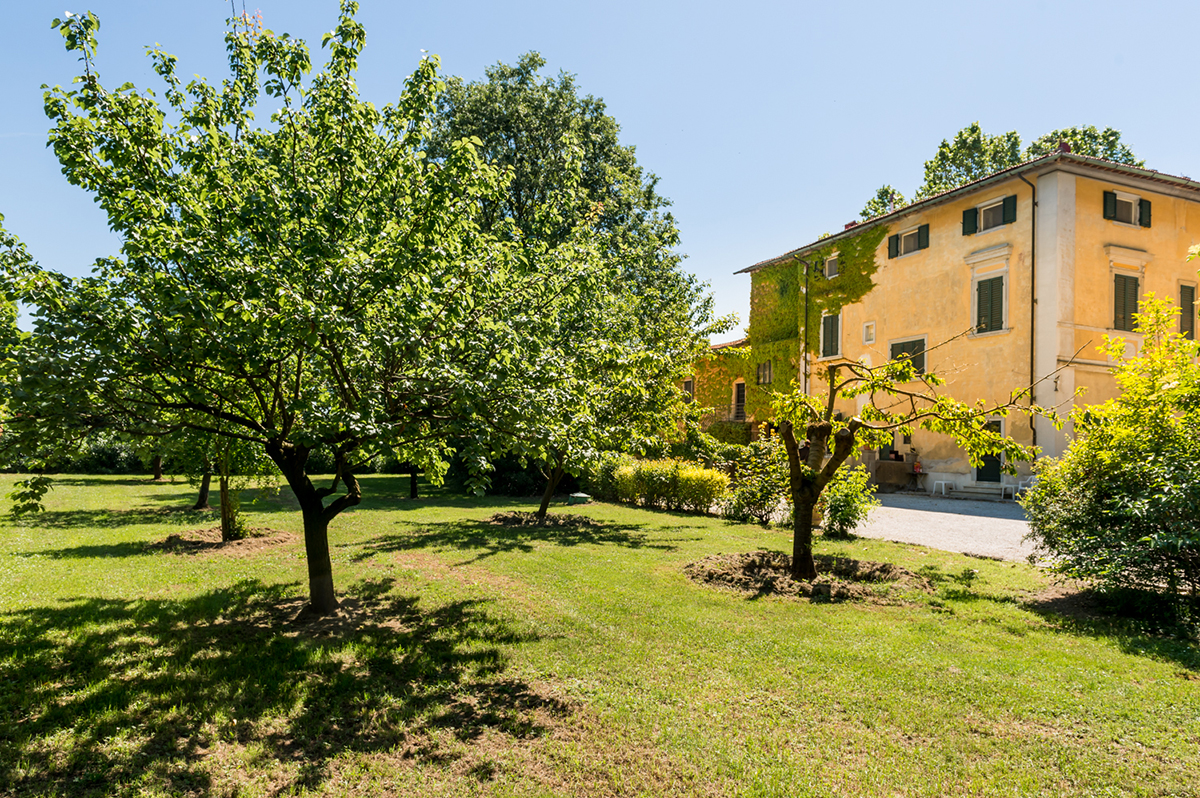
Here and above: the Fattorie dei Dolfi wine estate in Tuscany
It is a project that chimes with the current zeitgeist. Ever since the ‘slow food’ movement showed us the power of taking natural ingredients and enjoying them mindfully (something that discerning aesthetes have always known) the world has been longing for a more measured pace of life. Love it or hate it, the philosophy of tidiness guru Marie Kondo (who proposes keeping only those items that ‘spark joy’ within you) has put a popular modern spin on the wise words of William Morris more than a century before, namely: “Have nothing in your houses that you do not know to be useful or believe to be beautiful.”
It is a sublimation of beauty and utility that has led Nico Zendel – a designer at Gaggenau – to begin a side business forging bespoke knives with antique files. “Perfect function is a must and the perfect form supports the perfect function,” he says. “At Gaggenau we work with a lot of raw materials and try to highlight the handcrafted details on our products. That is the way I design my knives as well.” If you have an old file that has been handed down through your family, Zendel will use it to create a bespoke product for you. “An old file that has no use anymore is often discarded, but if you make a knife from it, you can use it every day, see the marks on it and perhaps think of your father or grandfather while you’re cooking. It has an emotional component that I’m very interested in,” he says. The result is a modern heirloom that says more about you than the most carefully curated Instagram feed ever could.

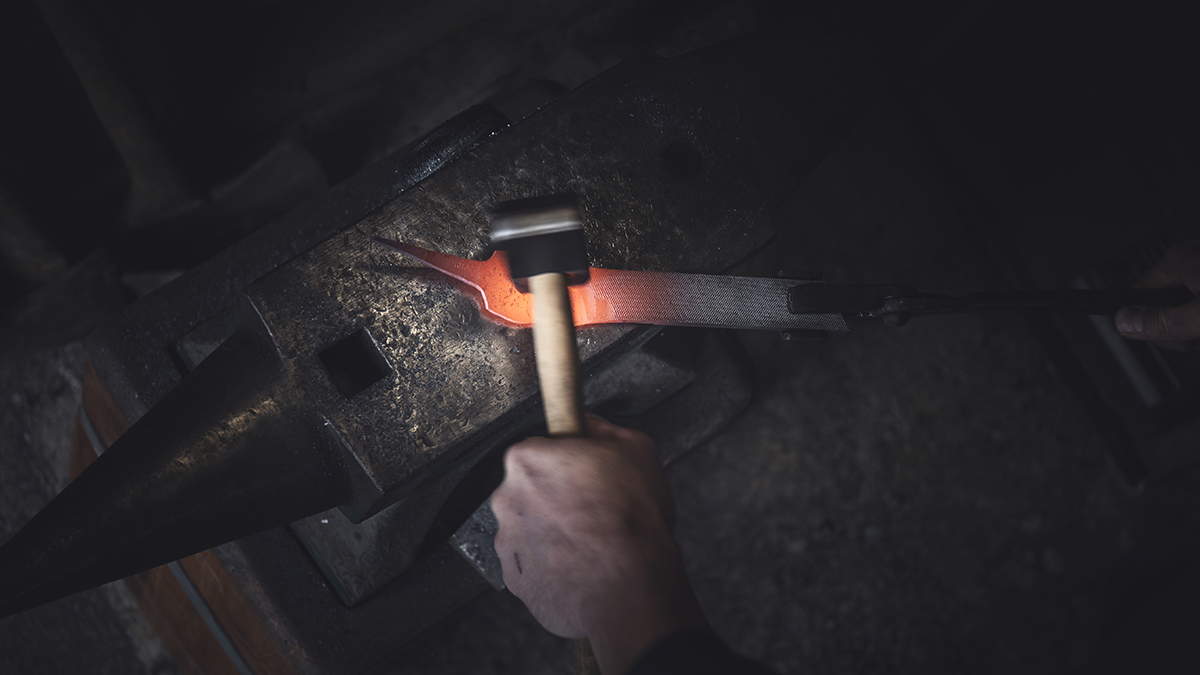
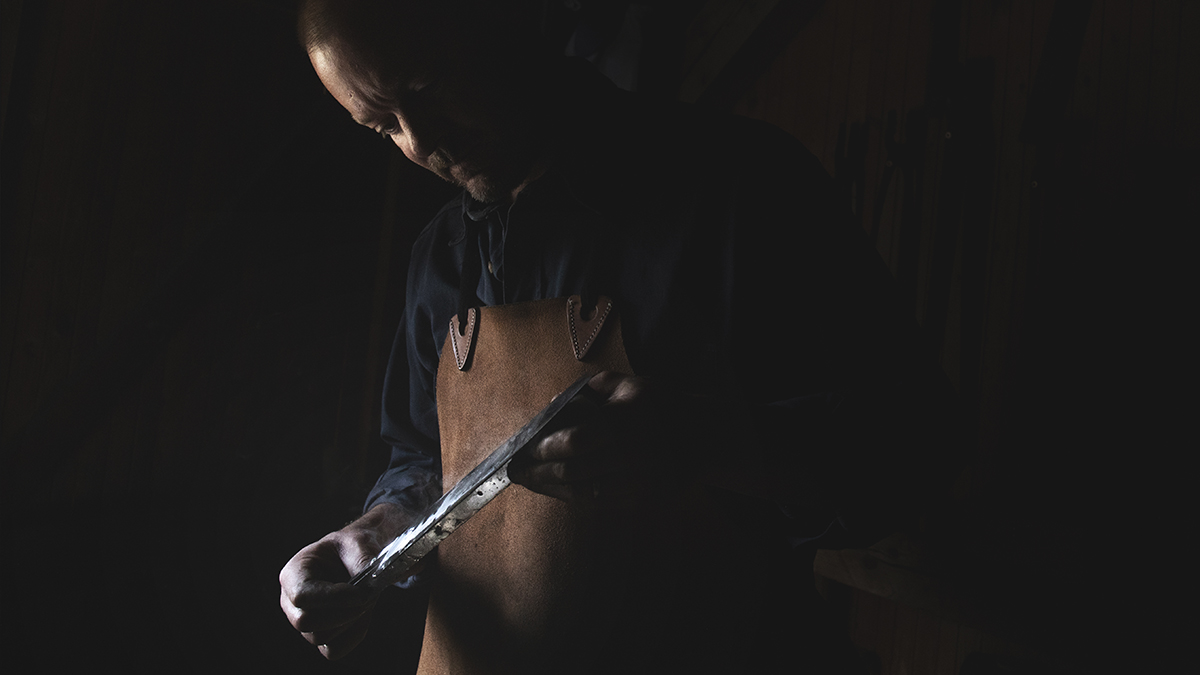
Designer Nico Zendel crafts bespoke knives from antique files which may otherwise have been discarded. Here, above and top: images by Alexander Stuhler
Zendel says that such objects last longer because people treat them with more respect: “For me, it’s important to preserve traditional techniques as they imbue the products with heart and emotion. It helps to get away from the throw-away culture; people are more linked to products that tell a story.” Dolfi’s wines are also overflowing with feeling: “Fattorie dei Dolfi is a project built by heart and hands,” he says. “By heart, we mean our passion, dedication and our love for the project. By hand, we mean the hard work we put in every day to pursue exceptional quality and unique results.”
Fattorie dei Dolfi’s owner, Giovanni Dolfi
This hard work manifests itself in a natural approach to viniculture, where modern shortcuts are eschewed for gentler methods that work in harmony with the land. “My vineyards are surrounded by woodlands, where you’ll find bees, ladybugs, spiders, hares, birds and more,” says Dolfi. “The benefits of this are obvious. For example, the bees bring natural pollination and help to control the numbers of harmful insects. This ensures the health of my vineyards and the exceptional quality that I pursue.”
Read more: In conversation with renowned Belgian painter Luc Tuymans
But the path of an artisanal producer is not always easy. In Dolfi’s case, during late summer, wild boars have been known to gorge on the grapes. A commitment to what we might call ‘slow luxury’ – much like slow food – means a rejection of the ‘pile it high, sell it cheap’ philosophy that has made other entrepreneurs rich. As Smith from Coalpit Farm points out, “rearing pigs outdoors requires a lot more labour than an indoor system with automated feeding. We have to move the pigs from pen to pen, and it’s harder to get their diet just right when they burn a lot more energy running outside. And there’s the weather, too.” But Smith, who knows every sow by name, wouldn’t have it any other way.
Remembering how his grandfather would walk him round their ancestral vineyards, Dolfi says: “As we relentlessly strive for efficiency, traditional ways fall out of favour and the concept of exceptional quality can be lost.” To survive, these crafts must be supported and celebrated, and that’s where Respected by Gaggenau comes in. With the right platform and access to a global support network, their skills will endure for generations to come.
Respected by Gaggenau
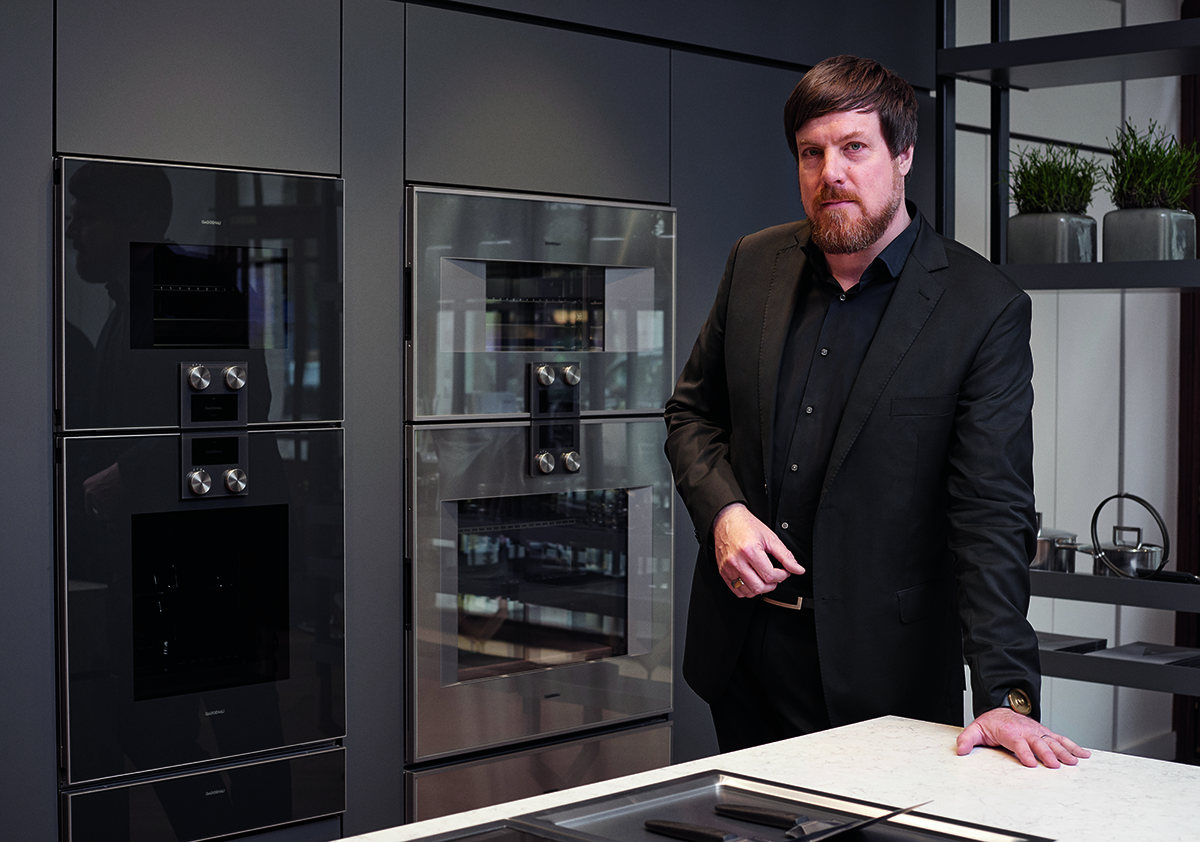
Gaggenau’s head of design, Sven Baacke
Sven Baacke, head of design at Gaggenau, shares his philosophy on supporting emerging artisanal creators
LUX: What inspired Respected by Gaggenau and why is it important to preserve traditional artisanal skills?
Sven Baacke: The initial concept of the Respected by Gaggenau initiative was inspired by our appreciation for people who are using traditional techniques to create a different and exceptional product. Gaggenau has always celebrated exceptional craftsmanship and we wanted to formalise our support for these artisans and craftsmen through this initiative.
LUX: How can advanced technology and traditional craftsmanship work hand in hand?
Sven Baacke: A unique example of how Gaggenau merges traditional production methods with advanced technology is the way in which we construct our EB 333 ovens. Since its introduction in 1986, this 90-cm wide oven, designed for private kitchens, is crafted almost entirely by hand using select materials. Yet the company also embraces the latest technology: we created a clean room at the epicentre of our Lipsheim factory to hand-build our signature TFT touch display, which features
on the EB 333. This is a clear case of how technology and artisanal craftsmanship work together in harmony.
LUX: Is craftsmanship still valued by consumers in a modern market?
Sven Baacke: Craftsmanship, now more than ever, is valued highly by luxury consumers. Our customers expect exceptional craftsmanship from Gaggenau appliances. At every stage of production, we examine our work to seek out imperfections. The quality control that we use when creating our appliances ensures that we produce an extraordinary product, every time.
LUX: How will the Respected by Gaggenau artisans benefit from your global network?
Sven Baacke: Gaggenau takes part in a range of events globally; for example, we are a proud partner of The World Restaurant Awards, which was launched in Paris at the beginning of this year. We introduced Respected by Gaggenau at the awards, with an immersive experience inspired by a traditional marketplace. It featured products curated by us and the Collège Culinaire de France, and guests could explore the collection while learning more about who made each item. We also host the Gaggenau International Sommelier Awards – a global search for the world’s best young sommelier talent – so we’ll encourage their involvement with this event too. It’s all part of our initiative to celebrate these remarkable artisans and their stories.
Find out more: gaggenau.com/gb
To discover Nico Zendel’s range of knives visit: vauzett.com.
This article was originally published in the Autumn 19 Issue.

Model and founder of Metizo chocolate, Avril Guerrero. Instagram: @_avril_guerrero
LUX contributing editor and model at Models 1, Charlie Newman continues her online exclusive series, interviewing her peers about their creative pursuits, passions and politics
Charlie Newman
THIS MONTH: Having already modelled for twelve years, Avril Guerrero has enjoyed a longer career than most. She has appeared in campaigns for the likes of Victoria’s Secret, Moët, Uniqlo, Avon and Garnier, and has recently launched her own organic chocolate company Metizo. Here, she chats to Charlie about the lessons she’s learned from the fashion industry, running a start-up and tackling issues of sustainability.
Charlie Newman: Firstly, please can you tell us about your childhood and your journey into modelling?
Avril Guerrero: I was born and raised in the Dominican Republic until I left to work in New York aged 16. I went to New York literally the day after my high school graduation never to live in the Dominican Republic again. I got into modelling through my cousin who was an actor at the time at home. He put me in contact with my first mother agent in the Dominican Republic, who then put me in contact with US agencies who I later signed with. I was with MC squared for 10 years, they were like the family to me. They were the perfect agency to start my career with and now I’ve moved to Fusion, who I signed with about two years ago.
Follow LUX on Instagram: the.official.lux.magazine
Charlie Newman: How did you find moving to New York?
Avril Guerrero: The contrast was huge. Honestly, I think there’s something about being so young, you don’t think about things so much. It wasn’t as big a cultural shock as you would expect. If I had to do that again now, it would probably be a much bigger shock, but at the time it just felt right, it was so much fun! The funny thing was that I didn’t even speak English! But it was great because I was so bubbly, thinking back I was just smiling all the time. It was impossible to book me a job where I wasn’t smiling, I wouldn’t have known what to do! I don’t really remember being particularly anxious or nervous.
Charlie Newman: Were you always interested in fashion?
Avril Guerrero: My family aren’t into fashion at all, they’re far more focussed on sports. In fact, all of my aunts on my dad’s side are basketball players, two of which are in the hall of fame in the Dominican Republic for basketball! Fashion wasn’t necessarily something I was seeking, it just happened.

Instagram: @_avril_guerrero
Charlie Newman: What have been your career highlights so far?
Avril Guerrero: I’m embarrassed to say that I don’t really know. I feel like I’ve had an extremely steady career. I’ve never had that career where you’re suddenly thrust into the spotlight with one big job. I’ve had a very progressive career always in more commercial realms. In Paris I do mostly beauty and luxury jobs, but in New York more consistent commercial work. Never a big boom which is good because it’s been progressive and never gone down, well not yet!
Charlie Newman: What advice would you give to any young aspiring models?
Avril Guerrero: Models need to be smart in the sense that it is important to know that this job isn’t going to last forever. The one thing I’ve seen in common with a lot of younger girls is that they don’t understand that this is such an unreliable career and whilst it may go on for as long as mine has, I have to be honest that I don’t see the same girls now as to when I first started working. Also you have to know your purpose: why are you doing this job? For me modelling is a mean to get financial security and is an opportunity for me to travel the world, but that doesn’t have to be the same for everyone, we all have different ambitions. I think it important to be clear about what you want from this job.
Charlie Newman: What has modelling taught you about yourself?
Avril Guerrero: I’ve been thinking about this a lot lately. To do something for 12 years, has made me think: wait, what have I actually done in all that time? The one thing that modelling has taught me so much is my own strength. It’s shined a light on the capacity of my strength to be self sufficient because I have to travel so much and be alone in all sorts of places, and [it takes strength] to be thrust into so many new places at such a young age. It really takes everything you’ve got, not to just get through them, but also to learn. Modelling has definitely made me a stronger person, purely by being so exposed.
Read more: OMM’s Creative Director Idil Tabanca on creating an art institution
Guerrero’s chocolate brand Metizo
Charlie Newman: How did your organic chocolate company Metizo come about?
Avril Guerrero: My father is an agriculturalist in Dominican Republic and my grandfather had a big farm, which grew cacao and coffee. When my grandfather died around 12 years ago, my family didn’t want to have to deal with the farm anymore because it was a lot of work so thought about selling it, but I really didn’t want them to. Somehow I managed to convince my boyfriend and myself to buy this big farm in the Dominican Republic even though we’re based in Paris and in New York!
We both love cacao and chocolate, and he already works in the wine industry so we decided to use our tools and experience by launching a chocolate company – it’s brilliant! We’ve had the farm for three years now, where we employ three people full time and then during harvest season between 15 to 20 people depending on the yield that year. Then in Paris it’s just my boyfriend and me! We have a library of 15 flavours that we have mastered, but at the moment we are only producing four of them. It’s mostly dark chocolate and for now, we only do direct sales through pop-up shops, online and private events. We also offer classes called ‘bean to bar’ where we teach everyone about the whole process and give them the opportunity to make their own bar.
Charlie Newman: What has it been like setting up your own company?
Avril Guerrero: Extremely challenging, especially because we’re trying to manage people who live in a different country and in a different culture. I might have grown up in the Dominican Republic, but I grew older in New York and in Europe. As a result, I think my mindset is no longer in tune with the in the Dominican Republic, when it comes to business at least. So it’s a lot about learning how to convey your message and maybe even learn how to bend the rules a little, and I don’t mean that in a bad way at all. There’s a really interesting power dynamic between how to give and how to retain power in order to make things work. So it’s been a big challenge, but to be honest it’s been amazing because I’ve learnt so much about communicational skills as well as about the entire production.
We have complete control over our supply chain which means we can intervene at any moment. I’ve learnt everything about the whole supply chain: how to work the soil, what colour the cacao needs to be, the chemistry behind the fermentation process and how to transport my Dominican Republic bean all the way to France. We harvest and do some post-harvest processes in the Dominican Republic like the fermentation and the drying process of the beans and then the chocolate part of it is based in Paris.
Read more: London to Cornwall in a luxury Mercedes-Benz camper van
Charlie Newman: Is it a sustainable product and business?
Avril Guerrero: That was a big part of the business project. Whilst studying business [at London’s Open University], my favourite class was always sustainability. The whole issue was how in a globalised economy how can we keep the convenience of globalisation and it’s positive effect whilst also minimising the problems it creates. The supply chain is such a big problem because there are so many intermediaries. Transparency is extremely opaque, in cacao it’s really difficult to measure because a lot of the beans come from the Ivory Coast and there is not enough regulation there, so there are many ethical issues. By being able to handle the bad side of the industry ourselves is a huge blessing because we know exactly what is in each chocolate bar, we know how the beans were not only planted, but also harvested. We know our guidelines and we know where we stand and what value we want to incorporate in our company, because at the end of the day this is an opportunity for me to practise what I preach.
I want a more equal society so I’m thinking about how I can do that. I don’t have any public power or governmental power over policies, but now I have the power of a company which is a big lesson for me. Having gone to business school and having my own business portrays the power of the private sector and the fact that change will come from that in capitalist economies. The Dominican Republic may not be the biggest export in cacao, but we are the biggest in exporting organic cacao. It’s still an industry that is growing and becoming more regulated. A lot of the cacao in the Dominican Republic is organic already because of the natural good quality of the soil. We don’t need to treat our soil with chemicals because we don’t have as many diseases as other producers, which has therefore put us in an interesting position within the market.
Instagram: @_avril_guerrero
Charlie Newman: What does Metizo mean and what is the story behind it?
Avril Guerrero: Metizo is a combination of Mestizo in Spanish and Métis in French which translates to bi-racial. Again, I want to use my enterprise and platform to deliver my message and in this case it’s about tolerance. At the time when we started to think about the concept of the brand there was a big issue with immigrants coming into Europe and there was a lot of fear surrounding that. It really made me think a lot, especially as in the countries I consider home – the Dominican Republic and the United States – we are all immigrants, no one is from there. To have that fear about new people coming in is understandable, but at the same time it’s extremely hypocritical because we ourselves are immigrants. Everywhere I’ve lived for the past 12 years, I’ve always been an immigrant. The designer for the packaging, Amandine Delaunay, transformed our ethos into physical design. Each bar has different eyes and mouths on it, so the idea is you can combine a different face with each chocolate bar.
This divide and fear we are all experiencing in some shape or form is a phenomenon that is happening simultaneously everywhere, from Europe to the U.S to my own country. I think it’s really important to understand that no one wants to leave their home for the sake of it, no one wants to embark on a mission and endure the hardship of travelling on a boat not knowing if you’re going to get to your destination. This is not a pleasure trip, you’re moving because you have no choice, you need to leave. We need to cover basic needs, people are dying so we need to be nicer.
Charlie Newman: Are there any stores you would like to see Metizo in?
Avril Guerrero: Our product is more on the luxury side of things, we’re not necessarily trying to sell you another chocolate. We’re offering you something different and sharing an interesting story, it’s never about just delivering another product. Our story is encouraging people to be more tolerant and to look inwards in order to see what we all have in ourselves wherever we are from, whatever our situation. I don’t have a a mission to be in all the biggest stores, rather to be in a few hand-selected stores with a similar objective.
Charlie Newman: Finally, who is your role model of the month?
Avril Guerrero: It’s got to be my family because I think a role model has to be someone you trust. I would never choose someone famous because I have no connection with them, I don’t know the real them. Growing up, I believe it’s more necessary to have role models because you have to start making decisions before having experienced them.
Discover Metizo’s products: metizoparis.com
Follow Avril Guerrero on Instagram: @_avril_guerrero


Inside OMM designed by Kengo Kuma & Associates. Photo by Batuhan Keskiner
This September will see the opening of Odunpazari Modern Museum (OMM), a major new art museum in Eskişehir, Turkey. Designed by architects Kengo Kuma and Associates, the museum is the brainchild of art collector Erol Tabanca, whose collection will provide the permanent exhibition, and his daughter Idil Tabanca who sits at the helm as Creative Director. We speak to Idil about her multidisciplinary approach, creating an international cultural destination and the challenge of bringing contemporary art to new audiences.

Idil Tabanca. Photo by Emily Hope
LUX: You were one of the founding editors of the successful New York-based art and fashion magazine Bullett – do you see yourself primarily as a journalist?
Idil Tabanca: No, not at all. I studied digital media because I always thought I was going to go into film. I wanted to do set design, production design, that kind of thing. Growing up that was my dream. I just wanted to make stuff. After I graduated, I worked in film for a couple of years on various projects in the US and then I was called in to do production design for a film in New York and that’s where I met the people I ended up setting up the magazine with. We just fell into, it was very organic and we didn’t have any money so we became our own publishers because we had all this great content that we wanted to put out. There are so many stories which aren’t at all luxurious like we would get our friends to dress up as catering staff for the cover shoot of some Oscar winning actor. We didn’t have the money to hire actual caterers but we wanted to keep up the appearance. It was like the con that didn’t end.
Follow LUX on Instagram: the.official.lux.magazine
LUX: And you’ve gone from that to being the Creative Director of OMM.
Idil Tabanca: Well yes, and this is a very different project because for starters, it’s my family’s foundation. My father [Erol Tabanca] started collecting art about thirty years ago. It started out just as a pure love for art and the pleasure he got from it, there was no strategy involved. He was buying what he wanted to buy. As time progressed, he filled up his house and then his entire office, he didn’t have enough room for the art and he also wanted to share the works that he found so inspiring so he started the foundation. That was around the time I was closing the magazine because the internet happened. It happened to the world. So many magazines were closing. The museum is a great opportunity because if I was at another institution like this, it would’ve taken me a really long time to be here. I felt like there could be an opportunity for me to have a voice, to have a say for the young people that needed this kind of a platform back in Turkey.
I feel like there’s huge potential in Turkey for artists, but not necessarily any organisations and platforms. The exciting part of the project for me is that I can actually give young people that opportunity.

Erol & Idil Tabanca pictured outside the museum. Photo by Gökhan Polat
LUX: Have you always shared your father’s passion for art?
Idil Tabanca: It was part of the magazine: we covered art, fashion, culture and cinema. I have always been interested in video and photography because of my studies, but I don’t have this amazing knowledge of art history or anything like that. It wasn’t part of my education so I’m learning that part now. Even just getting familiar with the art collection is a huge amount of work. I feel like I’ve got a good sense of aesthetics, but I’m learning the rest. I’m exposing myself to a lot of art, I read a lot, go to a lot of exhibitions.
Read more: London to Cornwall in a luxury Mercedes-Benz camper van
LUX: Can you tell us more about your concept for the museum?
Idil Tabanca: We’re from Eskişehir as a family and people from Eskişehir are very proud because it’s like a secular, intellectual, very young and fun town in Turkey. It’s very unique. They say it’s like a European city in Turkey. People are very open minded and because of that, there’s a huge potential for young people. There are also three art universities. My father has always felt that he wanted to give back to that community in some way.
We chose Kengo Kuma, whose work is so iconic, to make the museum iconic. Bilbao was an industrial city before the Guggenheim came and now it’s known as an art destination; I think Eskişehir has that same potential. For a long time in Turkey because of the regime and what’s happened there, there hasn’t been a lot of exciting developments. We also don’t have a huge museum culture. I don’t have any memories of going to museums with my family. I love that we might be able to change that for some people, and to change the place. Having a museum like this, starts an exchange, it becomes a bridge between cultures. For example, we have Kengo Kuma’s work and we have Japanese artists who are showing. We want different cultures to be able to merge in the space.

Photo by Batuham Keskiner

Photo by Batuhan Keskiner
LUX: We hear that the museum is also going to have a strong connection with fashion, is that right?
Idil Tabanca: Yes, I want every aspect of the museum to be like an art work in its own right and I’ve got Turkish fashion designer Dilara Findikoglu to design the uniforms for the museum staff. She’s blown up recently and dresses people like Madonna. I think that she’ll be the creative director of somewhere like Alexander McQueen very soon. But the reason for collaborating with her was, firstly, to challenge people. She is completely embraced internationally and keeps winning fashion awards, but in Turkey I feel like it’s part of our culture to be suspicious of anything that’s actually good and we do that to artists too. We don’t appreciate them at home as much as you do in Western culture. In Turkey, there’s no sense of protecting the things that are valuable and that’s the same with ruins even, you’re just allowed to walk all over the place. So I want to work with and give value to artists and designers from our communities that are doing really well outside of the country. That’s the reason we’re putting together a homecoming show to start a dialogue about who we are as a culture and why we don’t appreciate these people or talk abut them. We have local celebrities, but they’re not the people who are making a difference in the world.

‘Sleeping Girl’ by Hans op de Beeck is one of the artworks in the permanent collection. Photo by Kayhan Kaygusuz
LUX: And how will the exhibition programme work?
Idil Tabanca: We have the permanent collection, which will constantly change and be curated by different people and then we’ll have travelling shows and events. Exhibitions by other artists who have nothing to do with the permanent collection. For example, we’re bringing work by Marshmallow Laser Feast (who recently had a VR experience at the Saatchi gallery) to the opening. They’re really interesting because they use technology to bring people back to nature – I’m really excited to collaborate with them. Also the other part which will be so exciting for me is that we’ll get people coming to the museum who haven’t been exposed to anything, we’re going to get such a raw audience.

One of the selected works from the opening exhibition: Uyuyan Adam (2010) by Ramazan Bayrakoğlu. Image by Ozan Cakmak
LUX: What are local attitudes towards contemporary art? Is there much of an existing art scene?
Idil Tabanca: Yes, there is definitely an art scene. There’s a tiny wooden museum, glass blowing is huge and there are lots of little shops that make ceramics. There’s part of the town which is all these old houses, which look like they would have hundreds of years a go. There’s a wax museum, which is hilarious because no-one looks like they’re supposed to, but it receives 11,000 visitors on the weekend, which demonstrates the lack of cultural activities. But yes, we’re in talks with the art universities. We want to have residency artists that come in from abroad and to give them access to the facilities. We’re also going to organise discussions and education programmes. There’s the only animation studio in Turkey there so there’s definitely a lot of potential.
Read more: Savoir Beds’ MD Alistair Hughes on the value of craftsmanship
LUX: Are there any contemporary Turkish artists that you’re particularly excited about at the moment?
Idil Tabanca: Nilbar Güreş’ work is phenomenal. She’s based in Vienna. Another one of my favourite Turkish artists is Sukran Moral. She’s definitely someone I’d love to bring [to the museum] sometime in the future. She’s pretty established and is currently based in Italy. She’s fantastic. Also Fatma Bucak is another young Turkish artist that I’d like to bring to the museum. She has some wonderful videos.

‘Aylin’ (2014) by Sinan Demirtaş will also feature in the opening exhibition. Image by Kayhan Kaygusuz
LUX: How much of a consideration is sustainability?
Idil Tabanca: The building is made from sustainable forests, and we are trying to make it all as sustainable as possible, but in a place where that dialogue hasn’t started yet, it’s going to be tougher for us. So we have this task of talking to people and explaining to them why it’s important, why we’re not giving out plastic bags for example. I think it’s the responsibility of institution like ours to be a leader on these kinds of things.
LUX: Lastly, for first time visitors to Eskişehir, what are your hot tips for things to do and see?
Idil Tabanca: Oh my god, there’s so much to do! There’s a really good thermal spa. Then there’s also this fake Disneyland that I think is fascinating. You go and Snow White has her wig on sideways, it’s just a very weird place. The old part of town too where they have all these really cute houses and artists with their own little studios and shops selling handmade things. The area is called Odunpazarı, and it’s so beautiful. The museum is right in the middle of everything so the best way is to just walk around and discover the area.
OMM will officially open in September 2019, for more information visit: omm.art
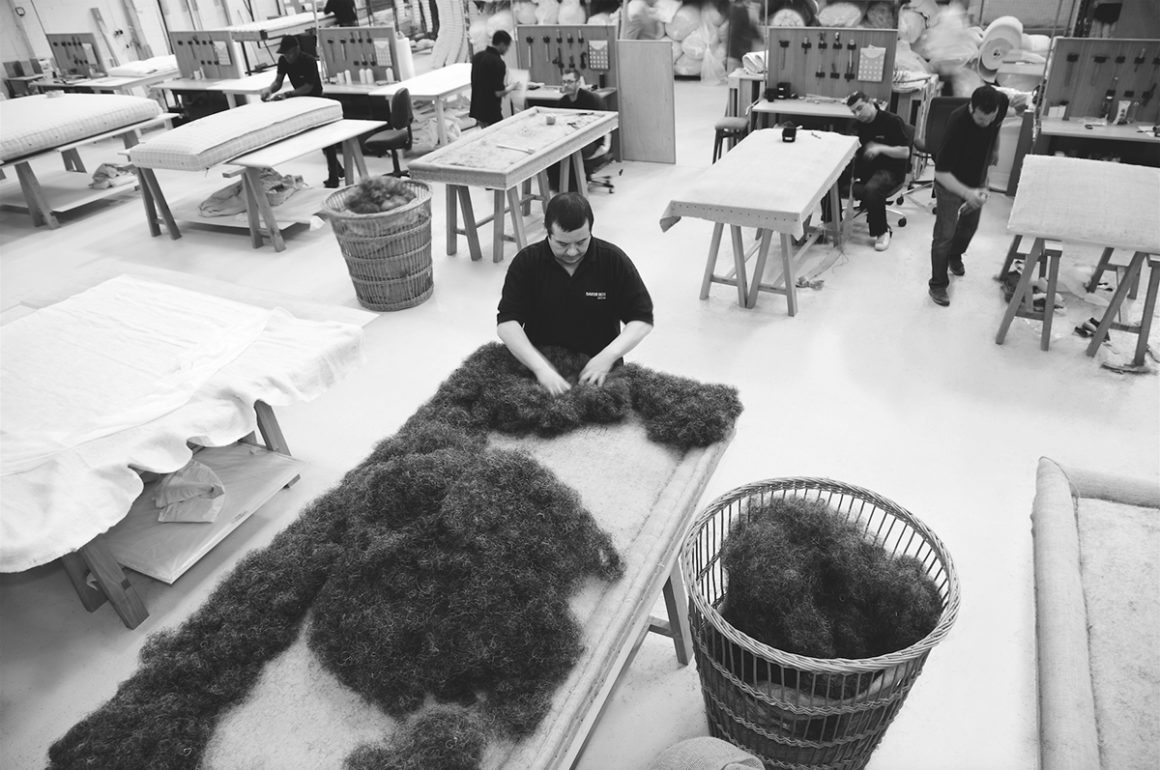
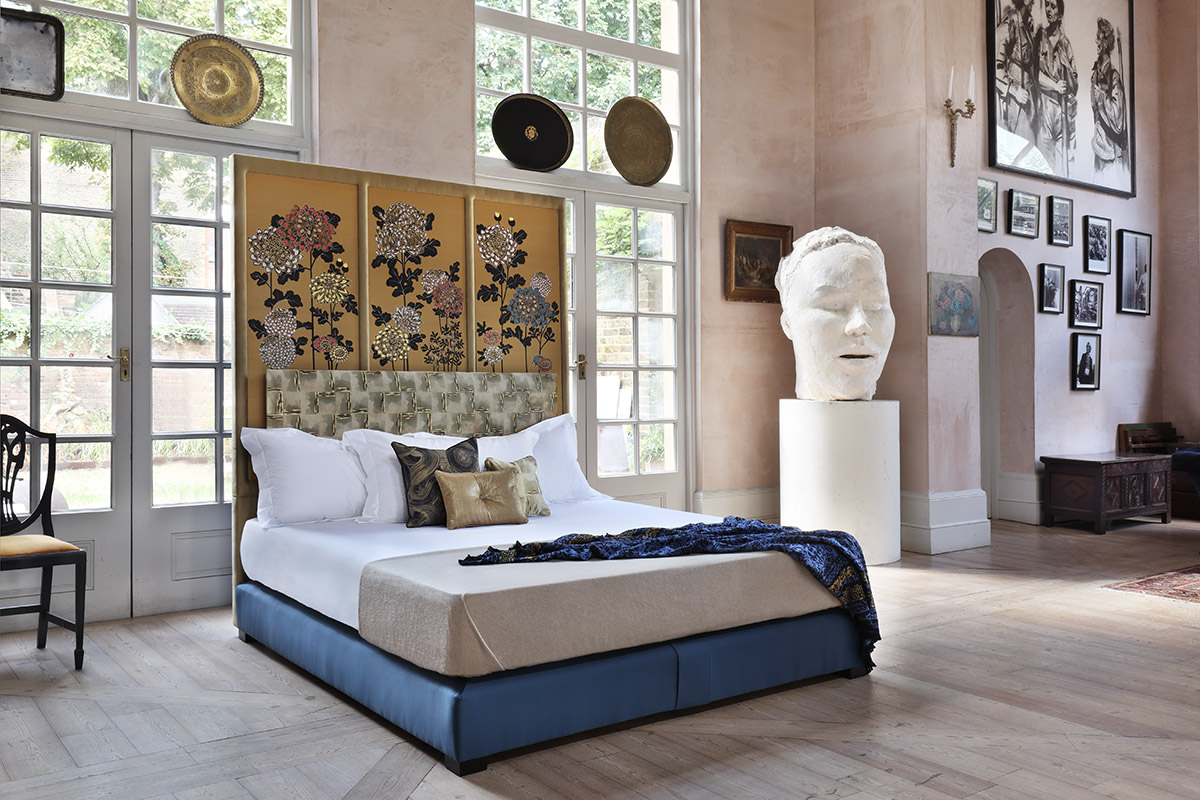
The KIKU by Savoir Beds features panels of hand-painted gilded silk wallpaper by London-based company Fromental
In 1905 The Savoy Hotel decided to create a bespoke bed for its guests, and so began the legacy of what’s now known as Savoir Beds. Every Savoir bed is crafted from chemical-free natural materials, carefully selected to provide the optimum sleeping environment. Here, we speak to the Savoir’s Managing Director Alistair Hughes about mastering craft, delivering consistency and the brand’s efforts to be sustainable.
Alistair Hughes
LUX: Can you tell us how a Savoir bed is created from start to finish?
Alistair Hughes: Every Savoir bed is tailor-made for the client to ensure it fits them perfectly. The process starts with a ‘fitting’ at one of our showrooms, where our expertly trained staff will discuss the needs of the client and try them on the various models and different support options in order to make a bespoke bed. We have created four varieties of Savoir beds, named No. 1, No. 2, No. 3 and No. 4, and they all have infinite customisable options. Beyond comfort is the design and styling of the bed, our sales team will work to the client’s requirements offering unlimited fabric options for upholstery and styles for the headboard and base.
Follow LUX on Instagram: the.official.lux.magazine
Following the fitting, the order is shared with our in-house design team at our Bedworks in North London. Our CAD designer will work with the showroom to create a render which is sent to the client for approval. Once the design has been reviewed and approved by the client, it is then passed on to production. Our fabric specialist will order the clients’ chosen fabric for the headboard and base, once delivered they will carefully check every inch to ensure it is absolutely perfect.
The fabric is then passed on to our cutting room which will cut the fabric. It is also during this stage that our seamstresses will cut the signature Savoir Trellis ticking which is used for all our mattresses, toppers and top of the box springs. Once cut, the fabric is left for a minimum of 24 hours to allow it to relax (when it’s on a roll, it is stretched slightly). The Savoir seamstresses will then sew the mattress, topper and mattress cases, ready to be passed on to the craftsmen.
Here and above: craftsmen assembling a Savoir bed inside the workshops
The bed set starts with the box spring. A wooden frame is created in woodwork, in which large hourglass springs are carefully secured. The springs are then hand-tied together, using eight-way star-lashing. A stitched hair role is then created on the edge of the base, through packing horsetail hair in to a neat roll and stitching in place. An abundance of hand-teased loose hair is then placed on top of the boxspring, with tufting the last stage to ensure all the hair stays in place.
Next is the mattress, hand-tied pocket springs, which are produced in the Savoir Bedworks, are sandwiched between masses of hand-laid, long, loose horse tail, with cotton and wool. The mattress is then hand-slipped to close and hand-side-stitched to ensure the springs stay in place. Like the box spring, the mattress is also tufted, stopping the natural materials moving.
The final element of the bed set is the topper, the natural casing that the seamstresses cut and sew together is filled with long, loose, hand tease horse tail, along with a layer of lambs wool, cotton or yak fibres, depending upon the chosen topper. The topper is also tufted, with beautiful fabric tufts on both sides to create a petal effect when a stitch pulls them closer together.
For clients that have specified a bespoke headboard, this will be crafted by the highly skilled Savoir upholsterers. The frame will be carved and constructed in the expansive woodwork workshop. Once created, this is passed on to the upholsterers, where the fabric which was cut by the seamstresses is carefully applied to the frame. No two beds are the same, so our upholsterers have years of experience to ensure the finished headboard is perfect.
Before every bed is delivered to the client, it is set up by the Savoir Quality Control team. The team will ensure that every detail of the bed is to the clients’ specification. The finished bed is then shipped around the world, direct to its new home.
Read more: Test driving Michelin’s tyres for supercars
LUX: How do you ensure a consistent quality of product?
Alistair Hughes: We make less than 1,000 beds a year because we are focused on making the best, not the most.
We continue to hand craft our beds at our North London Bedworks and in Wales, just outside Cardiff. Every Savoir bed is made to order for a particular client, built by hand to meet specific needs and deliver unsurpassed comfort.
We use only the finest, natural materials including Argentinian curled horse tail, which provides a breathable sleeping surface and the ultimate temperature control for enhanced sleep. The high standard of materials and skilled craftsmanship result in a consistently comfortable bed for our clients and one that matches their style aspirations, as only a bespoke product can.
LUX: The original Savoy bed was designed in 1905 and has changed very little since – how do balance heritage and innovation?
Alistair Hughes: I am immensely proud of the heritage of Savoir, I couldn’t imagine a better legacy for a bed company.
The beds were first created for The Savoy Hotel whose sole aim was to give the best night’s sleep to the most demanding clients in the world. The result was The Savoy Bed, now named the Savoir N°2, and it remains our most popular bed. Liza Minnelli had refused to leave the hotel without one; Emma Thompson said the bed had cured her insomnia. The product had been raved about for over 100 years by the most demanding guests in the world.
However, innovation is very important to keep driving our business forward. We pride ourselves in being at the forefront of designer collaborations and each year we hand-pick the best brands and designers to create inspired designs. Last year we collaborated with the National Gallery, Fromental, Nicole Fuller and Steve Leung.
Read more: Bentley auctions new model for the Elton John AIDS Foundation
As we have control over every element of production, anything is possible which excites designers. Beds for superyachts or fantastic headboards inspired by art or architecture, we can craft and create anything. Our Savoir designers work closely with collaborators to design a personalised, unique piece of furniture. It’s always a special moment when we have designers visit the Bedworks and they are astounded by the amazing and extremely skilled craftsmen.
This month we launched our most innovative design yet and the world’s most luxurious bed: The Three Sixty. Available exclusively at Harrods, the bed is the epitome of contemporary design and bespoke British craft. It seamlessly combines aesthetics, technology and ultra-luxury.
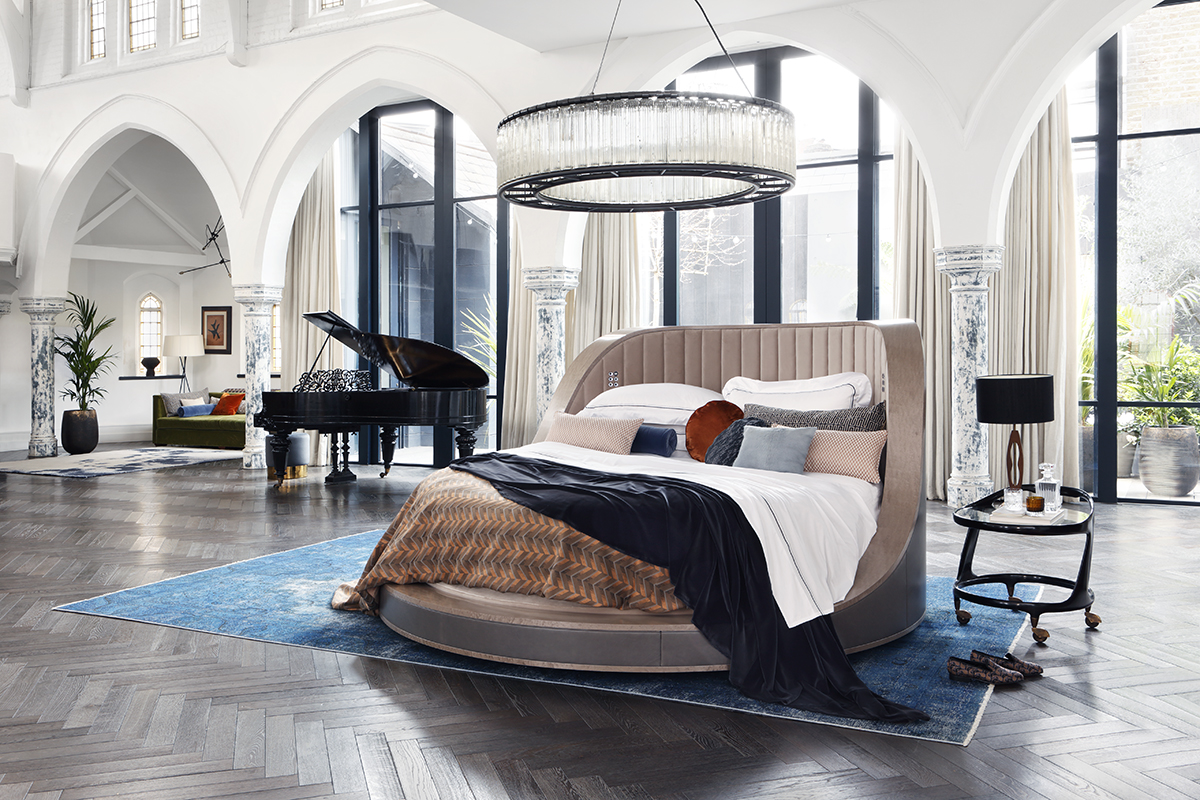
The Three Sixty, Savoir’s latest bed design
LUX: Why did you decide to change the company name from Savoy to Savoir?
Alistair Hughes: Our heritage is of course The Savoy Hotel, but we also wanted to supply other hotels who might not want the name “Savoy” across their beds! We liked the idea of Savoir Faire, with all its associations with quality craftsmanship, and the fact it was not a million miles from Savoy.
LUX: Having recently expanded overseas, how does Savoir cater to these new markets?
Alistair Hughes: We have 14 showrooms around the world from London to New York and Paris, as well as worldwide in China, Germany, Russia, Taiwan, Korea and Hong Kong.
We have collaborated with a number of international designers to create beds for different markets. We have worked with Nicole Fuller in the US, Steve Leung and Teo Yang in Asia and we will soon be unveiling a new partnership with Bill Amberg, the UK’s leading bespoke leather product, interiors and furniture designer.
LUX: Where is the biggest emerging market for you?
Alistair Hughes: Asia is developing rapidly and Savoir is growing its presence in Asia with showrooms in Hong Kong, Seoul, Shanghai, Taipei and next month we will be opening a 1,385 square foot showroom in the new Raffles Hotel Arcade in Singapore. We are in advanced discussions about a showroom in the south of China too, so a lot to look forward to. But that said, America is still the largest luxury market in the world, and as an emerging brand it is an absolutely key focus.
Read more: Meet the young model who creates ads for Nike
LUX: How do you create a sustainable product?
Alistair Hughes: All Savoir bed sets have a 25 year guarantee and we turn our back on the throw-away culture.
We refresh beds and mattresses through recycling materials. For example, the existing horse tail is removed from a mattress, it is then re-carded through the use of a carding machine, and then hand-teased and redistributed within the existing mattress casing. The re-carding machine is over 100 years old and is thought to be one of only two in the country. We can also recycle casings for mattresses, re-making and re-tying box springs to re-invigorate the perfect and bespoke mattress tension, which may have been lost over time.
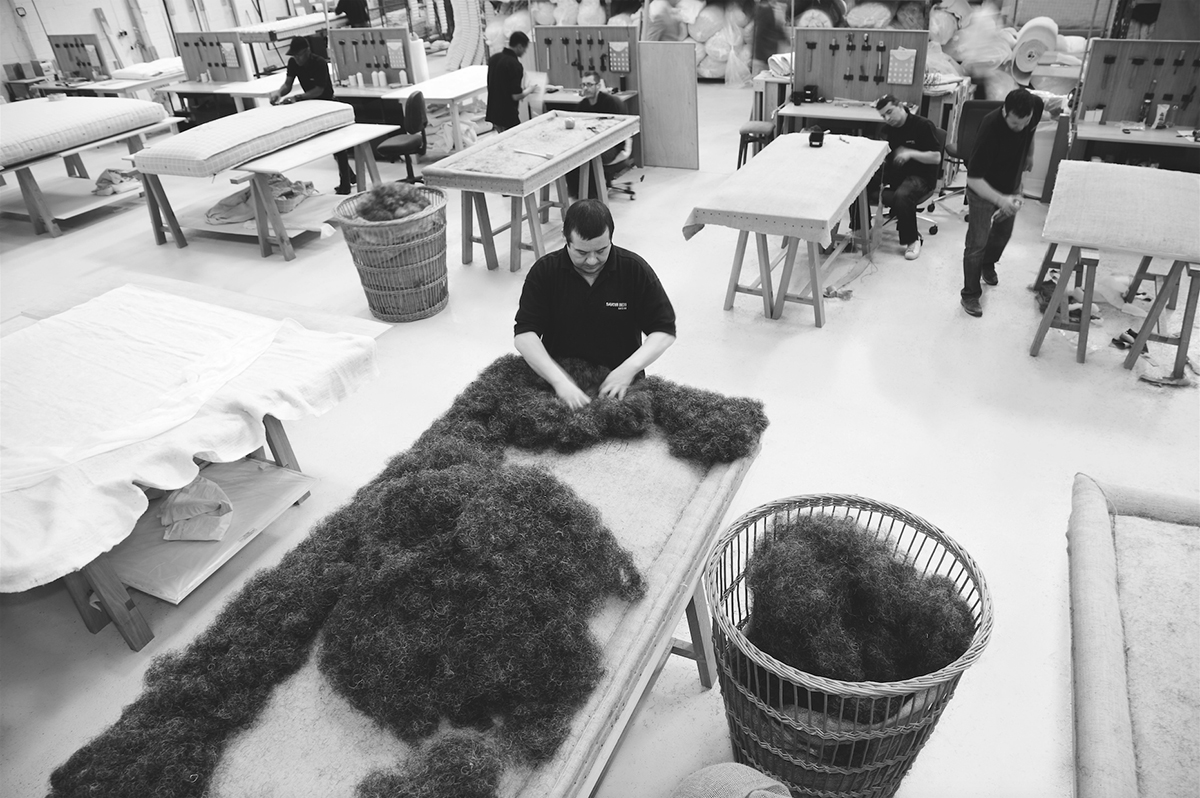
LUX: How does your previous role in management consultancy inform the operations of Savoir?
Alistair Hughes: I think it helped to bring a broader perspective to what I do and how the business can best meet the needs of our clients. Within bed manufacture in general there had been a strong focus on driving down cost. Retailers often see a mattress as a grey box, they all look the same, just get the price down. Savoir thinks more of the end client and what they want: a great night’s sleep. So the focus has been the best product, and understanding that clients are willing to pay for something better.
LUX: Where was your best night’s sleep?
Alistair Hughes: I’m spoilt, having the best bed in the world at home. At the end of the day, there is nothing like getting into a Savoir. I love the feeling, especially with fresh, cool and crisp percale sheets. I’m instantly relaxed…it’s a great feeling!
Beyond that, I grew up in Ethiopia and Malawi and have always had a thing about the big African skies. On recent family trips we have had some great under canvas holidays, most recently in Botswana. There is something magical about the lack of light pollution, the stars and the sound of nature (not always quiet, but definitely music to my ears).
Discover Savoir’s range: savoirbeds.com
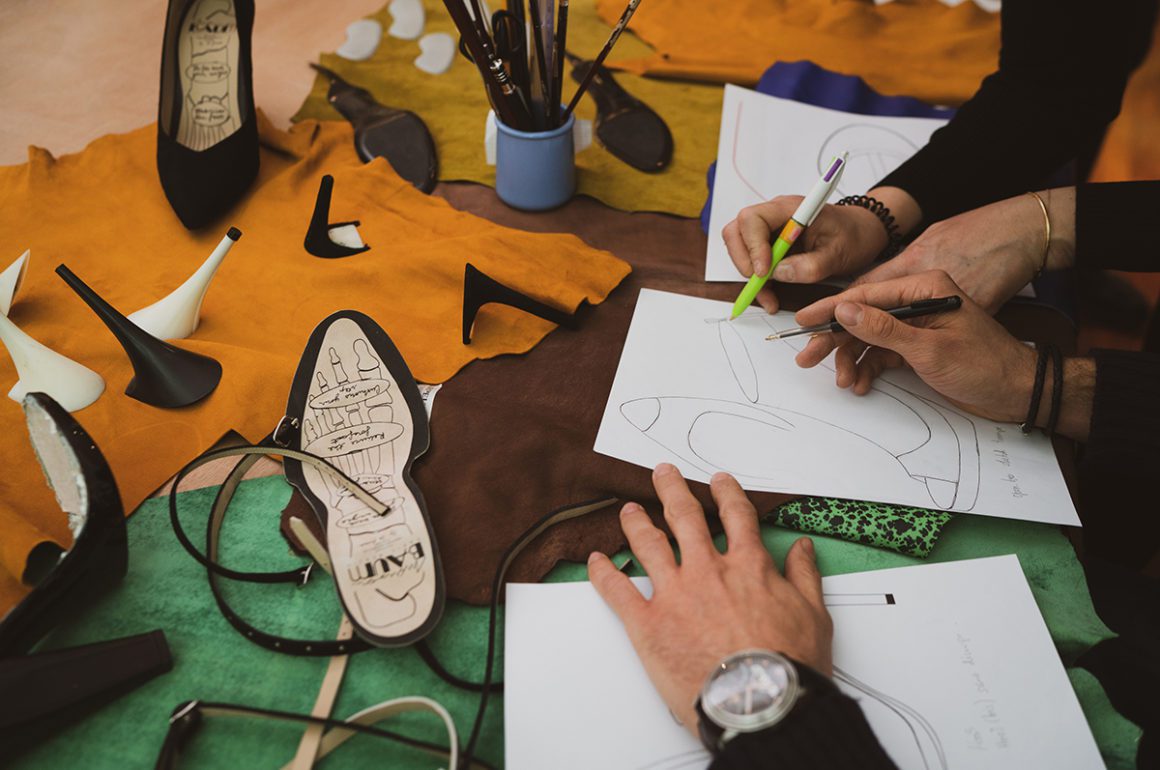
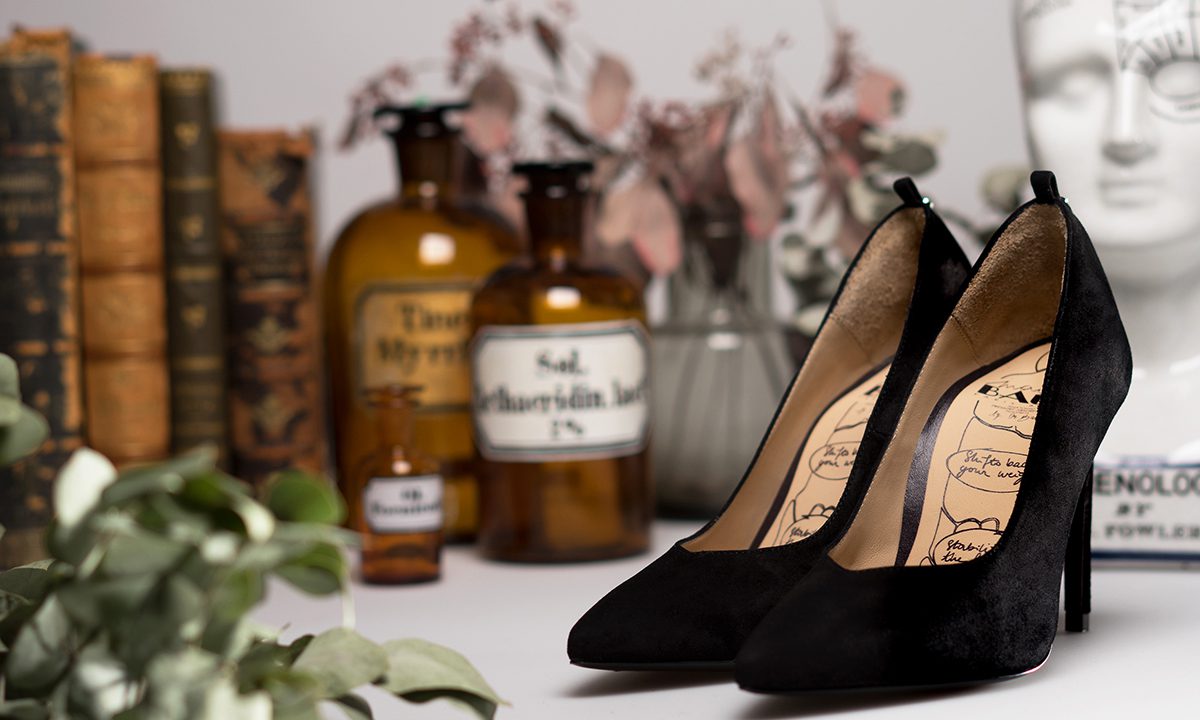
Maison Baum heels are fitted with a pain-free insole
Newly launched shoe brand Maison Baum combines French luxury design with German medical expertise to create a high heel that’s as comfortable to wear as it is stylish. We speak to co-founder Christof Baum about their patented pain-free insole, sustainable fashion and recycling
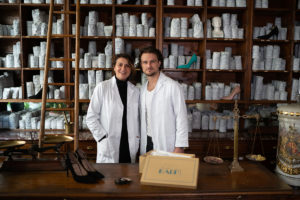
Co-founders Sophie Tréhoret and Christof Baum
1. What inspired you to start Maison Baum?
I’ve seen a lot of women around me suffer from pain in high heels, including my sister. My dad is an orthopaedic surgeon, so the idea came about naturally to explore how to apply his knowhow and make beautiful shoes with it.
In addition, French was my first foreign language and having grown up in a city just next to the border, it felt like the brand should combine my love for France while at the same time valuing my family’s German heritage.
2. How does your pain-free insole work exactly?
The insole involves seven cushioned elements that support your foot bones in just the right places to prevent your foot from slipping forward. Together with my father, I have identified the key anatomic areas which you need to relieve. Due to the anatomical insole and a couple of other measures, our shoes reduce forefoot pressure by around fifty percent and are a lot easier to keep on your feet compared to other heels.
Follow LUX on Instagram: the.official.lux.magazine
3. What’s been the most challenging part of setting up a fashion start-up?
Defining a vision and believing in it when no one else does. New challenges come at you every day and you have to cover a broad range of topics, such as accounting, design or even foot anatomy. Nevertheless no matter what happens, it’s important to focus on the work you can do to improve the situation in that moment, think ahead and surround yourself with the right people. I’ve been very lucky to work with people I value both on a professional and personal level, and this is what makes all the difference.
4. How are you tackling issues of sustainability?
Sustainability is a heartfelt desire for me. We only have one earth to live on and to take care of and as shoemakers we belong to one of the most polluting industries. Nevertheless the world we live in is complex, and you need to think sustainability from various ways.
For Maison Baum, we try to implement environmentally sound materials wherever we can and combine them with social and economic long-term sustainability. Hence, we manufacture with selected European suppliers and family-owned companies only and make 90% of our packaging from recycled cardboard. Our designs are classic and timeless and we focus on creating ever-green design superstars that you can wear for many years instead of only following the latest fashion trends that will make you throw away your heels after a few months of wearing them.
However, combining feminine design with the largest medical soundness to make them “sustainable” for the body remains our utmost priority.
Read more: Designer Mary Katrantzou on the business of fashion
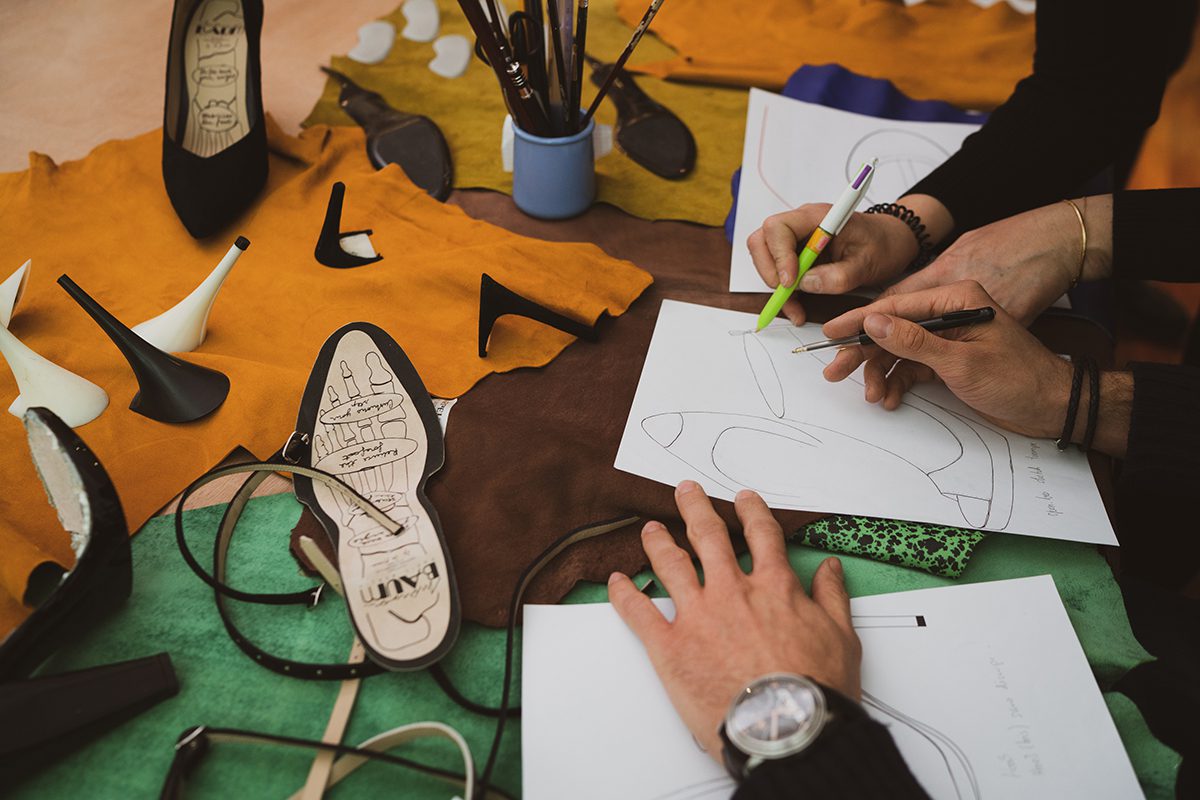
Inside the Maison Baum workshop
5. If you could change one thing about the fashion industry, what would it be?
It would be to have internationally-binding and actually enforceable standards on the potential disassembly of shoes. We humans throw away and burn an insane amount of fashion and footwear every year. The number one reason why shoes are so rarely recycled is that most are glued together and can’t be easily separated into their constitutive materials.
6. What’s the longest period you’ve spent wearing Maison Baum heels?
10 hours straight at home. But I wouldn’t repeat that in public.
Find out more: maisonbaum.com
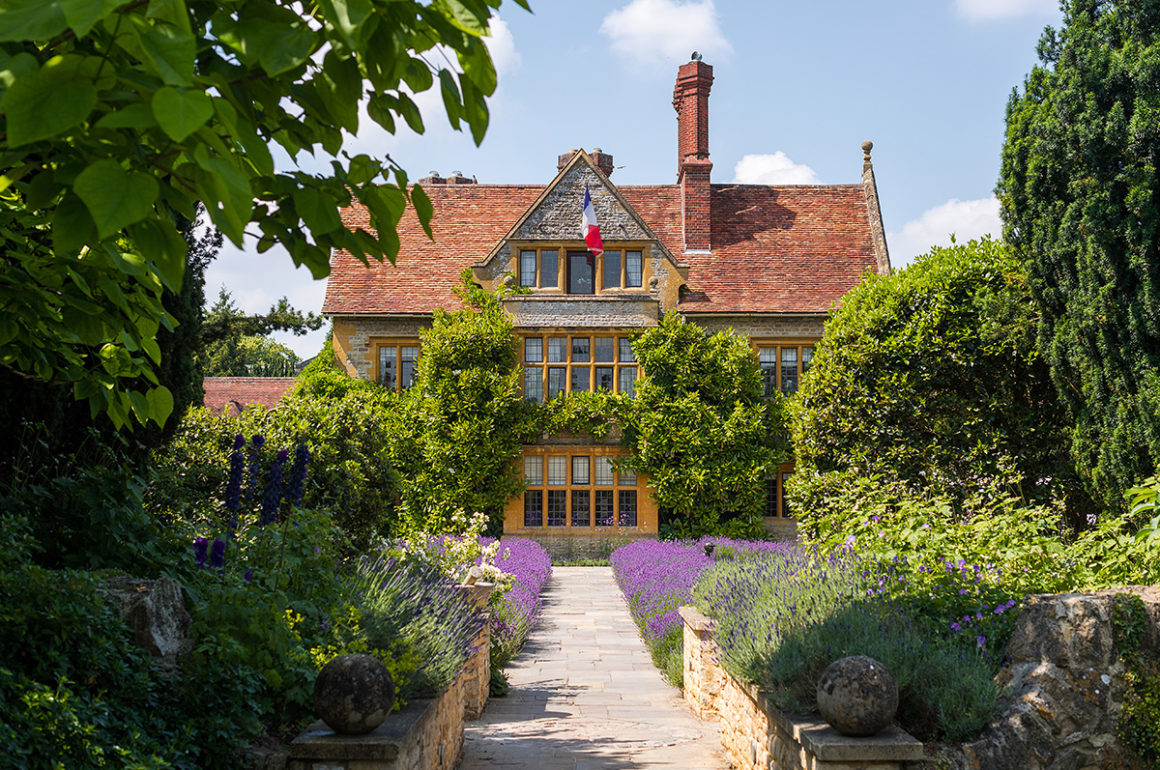
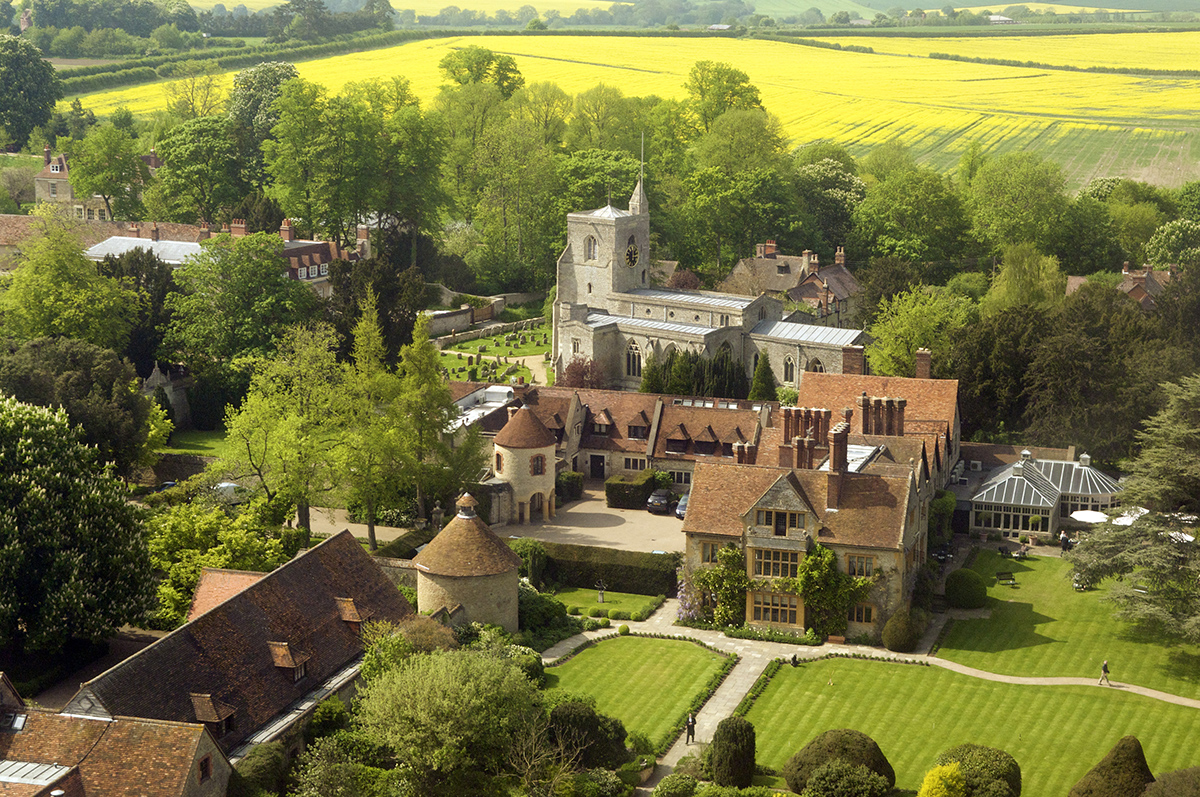
The Belmond Le Manoir aux Quat’Saisons in Oxfordshire
The Michelin-starred Belmond Le Manoir aux Quat’Saisons restaurant, run by chef Raymond Blanc, is at the forefront of the culinary arts with its cookery school and Gaggenau kitchen, as Mark C O’Flaherty discovers
Few things attach a date to drama on film like a scene set in a character’s kitchen. It might be a can of the 1970s diet cola TaB on the counter, or a style of cereal box with typography that hasn’t been seen for decades. It’s also the hardware – is it a faux country kitchen in the suburbs, or is it someone pulling out a ready meal from a panel of flashing lights in 2001: A Space Odyssey? Our kitchens tell the story of our lives, and the way we live today. No space in the home has changed more in the past 20 years.
Follow LUX on Instagram: the.official.lux.magazine
“More than ever before, we see the dinner table as the most important medium of communication,” says Raymond Blanc, the French chef behind the two Michelin star Belmond Le Manoir aux Quat’Saisons in Oxfordshire, incorporating a restaurant which has, for the past 35 years, been one of the top special-occasion destinations in the UK. “The media has helped change our connection with food and our health and the environment. It was all separate before. Now we know it is linked, and a home-cooked meal made from scratch is so much more important – a way to bond with your clan, your family, your loved one. We are more emotional about food today. And what we are eating is changing, too. We eat seasonally because it tastes better, and we are eating less meat, because we know about climate change.”
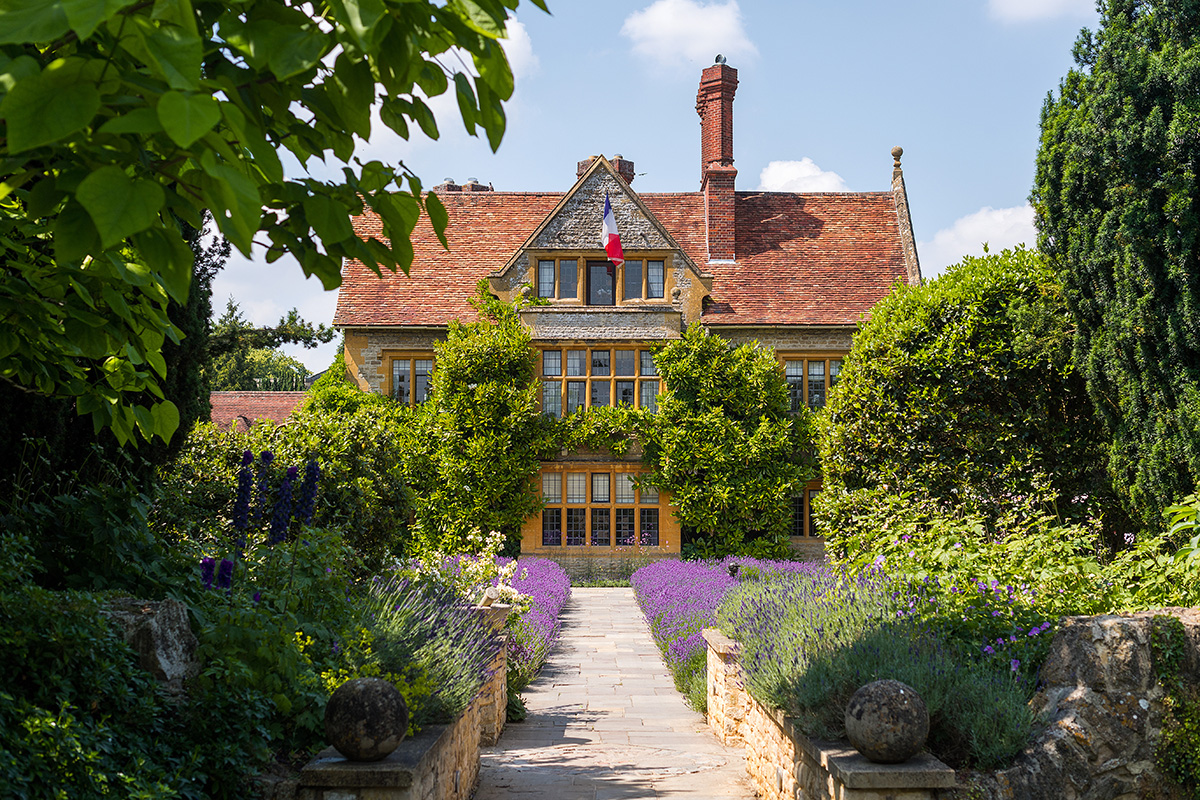
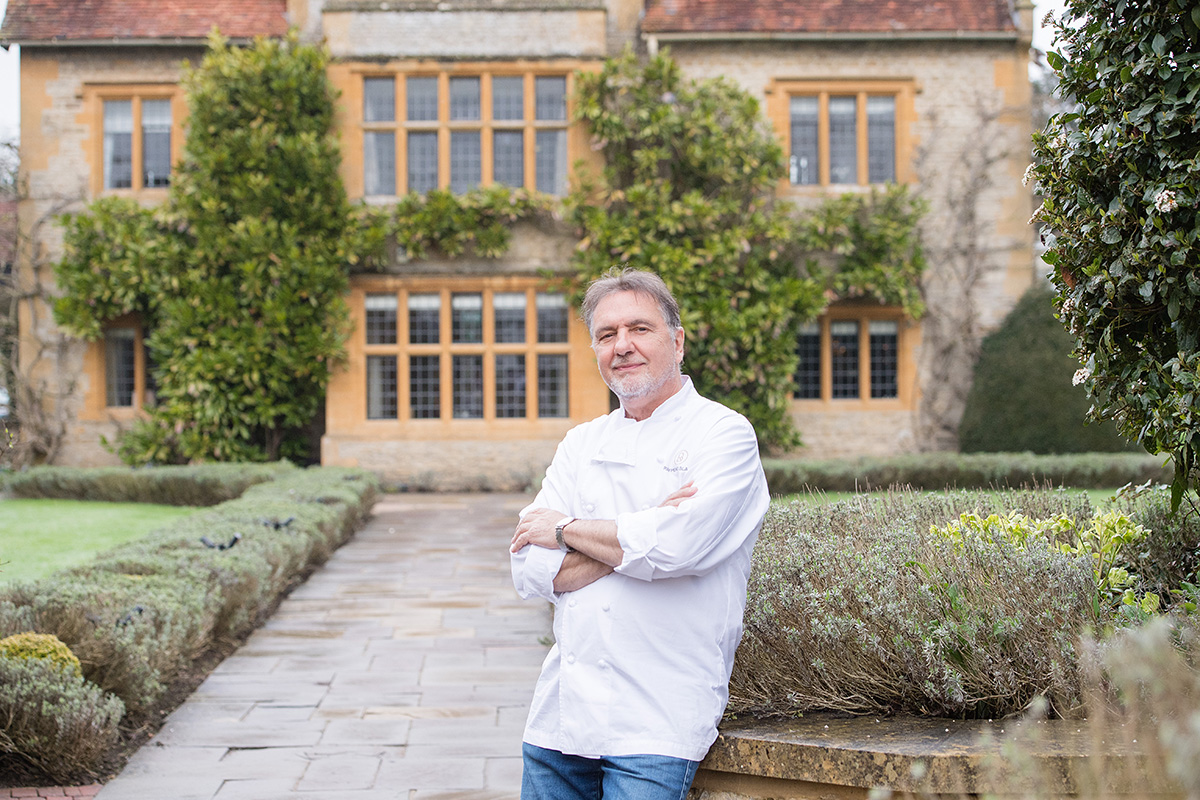
The Belmond Le Manoir aux Quat’Saisons hotel and restaurant (above) was opened in 1984 by Raymond Blanc who also established the forward-thinking cookery school
Blanc’s comment about food being more emotional can’t be overstated. While our interest in fashion has cooled somewhat, with a glut of identikit global brands and crass merchandising, food has become something of an obsession. It fuels social media, with information about chefs and niche new restaurant openings shared like precious insider intel. We have taken that obsession home with us, buying up cookbooks by some of the world’s most avant-garde chefs, full of the most ambitious techniques. We have upgraded our kitchens to match those ambitions. “What we have done now is to domesticate the professional kitchen tool,” says Sven Baacke, head of design at Gaggenau, the German manufacturer of some of the most advanced and design-conscious kitchen hardware in the world. “It is something I call ‘traditional avant-garde’.” Sitting in his studio in Munich, with a panoramic view out to the snow-capped mountains of Bavaria, Baacke talks through some of the objects on his desk – pieces that inspire him to create the modern kitchen: “Designers are collectors,” he says, “so here in our studio I have a lot of different things to take ideas from.” One of the most unusual objects is a mouse trap. “I collect them,” he explains. “I am inspired by how many ways there are to catch a mouse, and the ingenuity in each different design of trap. I also collect pocket torches, because I am fascinated by all the different solutions people have come up with to carry a light around with them, and to fashion that particular tool.”
Read more: Masseto unveils a new underground wine cellar
A lot of what Baacke has developed in Munich has ended up in Blanc’s hands in Oxfordshire, and Blanc – as a chef who cooks the way we now also want to cook at home – can predict where the domestic kitchen is going, and how it will look. He is the kind of chef who Baacke is designing for, and the influence trickles down to the home. “If you looked at a domestic kitchen in the 1970s,” says Blanc, “you’d find a microwave and a nasty little cooker with a twin gas range, and a tin opener close by. That was it. It was sad, it was grey, it was barren. And if you were wealthy, you would have an AGA, which warms the house but is impossible to cook with. Today, our kitchens are beautiful and polished, in stainless steel and Corian. They look exciting.”
The Raymond Blanc cookery school
Blanc’s dream kitchens – which include what he has at home, in his cookery school in Oxfordshire and, of course, at Le Manoir aux Quat’Saisons in the same building – are defined by hardware that offers performance along with technology. “I want the same thing at home as I do at work,” he explains, “durability and precision and immediate power. And modern cuisine needs an environment conducive to cooking, with all the gadgets possible. I want multi-functions, I want to steam, use dry heat, wet heat, and a mix. I want to cook sous-vide.”
If home kitchens have been transformed by our appetite for dining out and by chefs’ ravenous hunger for adventure, then the arrival of the vacuum drawer in the home – which can be used for marinating, storage and of course sous-vide cooking – is a quintessentially 21st- century moment. Just as we saw the pressure cooker and the deep-fat fryer dominate the landscape in the 1970s, today’s more food- literate consumer wants protein that has been cooked to retain moisture, and to have all its flavour quite literally sealed in. Essentially it is futurist poaching, cooking with vacuum-packed ingredients, but the results, even with a simple carrot, have been revelatory in the restaurant. Now we want that at home. “Cooking this way is extraordinary – you seal the ingredients without any air, so there is no cross contamination as you’d get when you marinate in the fridge. You have such succulence, and you lose no flavour at all in the cooking.” It is part of the legacy of molecular gastronomy, which Blanc sees as a low point for restaurant culture, but which he also believes has left us with a radical and exploratory approach to cooking which is a positive thing. “It’s like nouvelle cuisine in the 1970s,” he explains, “which was great, but which was ruined by the media and the way they portrayed it. We still learned a lot from it.”
Read more: Massimo Bottura on his Michelin-starred restaurant and Food for Soul project
Induction cooking has been another revolution in the domestic and professional kitchen – something which Blanc has only recently shifted to at his restaurant. “When we had the open gas ranges, it was torture to stand in front of them because of the heat. Now with induction cooking, there’s none of that waste of heat, or all those flames literally roasting you while you work.” Unlike previous electric hobs, induction gives the immediate power and precision that a chef needs, so it’s a viable alternative, and overall improvement, on gas.
Students making pasta
Another change in how we use our kitchens is coming from social trends. The meat-and- two-veg way of cooking looks set to disappear from our lives in the near future. Veganism has long ceased being a fad. “When I opened my restaurant 35 years ago, I had a five- and seven- course vegetarian menu,” says Blanc. “No one wanted it. That’s totally different today. And the situation is irreversible. It takes 16,000 litres of water to provide 1kg of beef. Eating meat contributes so much to greenhouse gases. I have no problem in cooking vegetarian food – when I was growing up, we only had meat maybe four times a week – including steak frites on Saturday and rabbit on Sunday – and everything else was vegetarian. My mother made wonderful, delicious food from vegetables.”
How will this movement manifest itself in the kitchen of the future? Sven Baacke at Gaggenau believes that it will be about our ability to access and keep, as much as prepare, food. “When you buy more fresh fruit and veg, you want to store it in a better way,” he says. “Will we be having things delivered weekly? Will meat become something just for special occasions? I think it could be that being able to eat a really fresh apple will become as special as taking a bottle of fine wine out of the chiller. Digitalisation will see supply become something that happens at a very high level – a very luxurious level. The supply chain will become much better than it is today.”
And what of the technology that isn’t available yet? What will the kitchen of the 2030s have? Trends will continue to come from the way chefs are cooking professionally, for sure. “Methods such as teriyaki, and cooking with steam, those are now high-end domestic but come from restaurant culture,” says Baacke. “I think the social aspect of cooking will develop. I think appliances will become less visible, and we will want to cook together but remotely. We will be able to be in the kitchen together, even if you are in LA and I am in New York.”
As for the actual preparation of food, Blanc has one wish, something that chefs who wear glasses when they work will empathise with the world over: “I would love to be able to open an oven door after roasting something, and not be blasted with the heat from inside. And you know what? Kitchen technology is moving so fast, it’s probably just around the corner.”
Raymond Blanc Cookery School at Belmond Le Manoir aux Quat’Saisons
 In an age when we are valuing experiences over objects, a cookery class voucher is a welcome gift. Raymond Blanc’s cookery school in Oxfordshire is just across the hall from his bustling kitchen that serves Le Manoir’s restaurant, but the ambience is markedly different. Here is the kitchen of your dreams, fully equipped with state-of-the-art Gaggenau hardware in fine wood cabinets. The school channels Blanc’s culinary DNA through its director, Mark Peregrine, who is Blanc’s right hand at Le Manoir, with bakery courses taught by Benoit Blin. “We have been so ahead of the curve with the school,” says Blanc. “We were the first to offer courses for children, and we have always taught vegetarian cooking.” A full day’s cookery class here has become a popular bolt-on to an anniversary stay with dinner at the hotel, offering a fully immersive foodie experience along with an afternoon spent among the artfully plotted crops in the garden (which now offers its own school too). “This is such a great time for British cooking,” says Blanc. “It has developed such a new and unique style, and doesn’t come with the same baggage as Italian and French cuisine. When we first opened, it wasn’t really anywhere, but now look at what Benoit is doing at the school. This country is number five in the world for patisserie.”
Find out more: belmond.com or gaggenau.com/gb
This article originally appeared in the Summer 19 Issue.
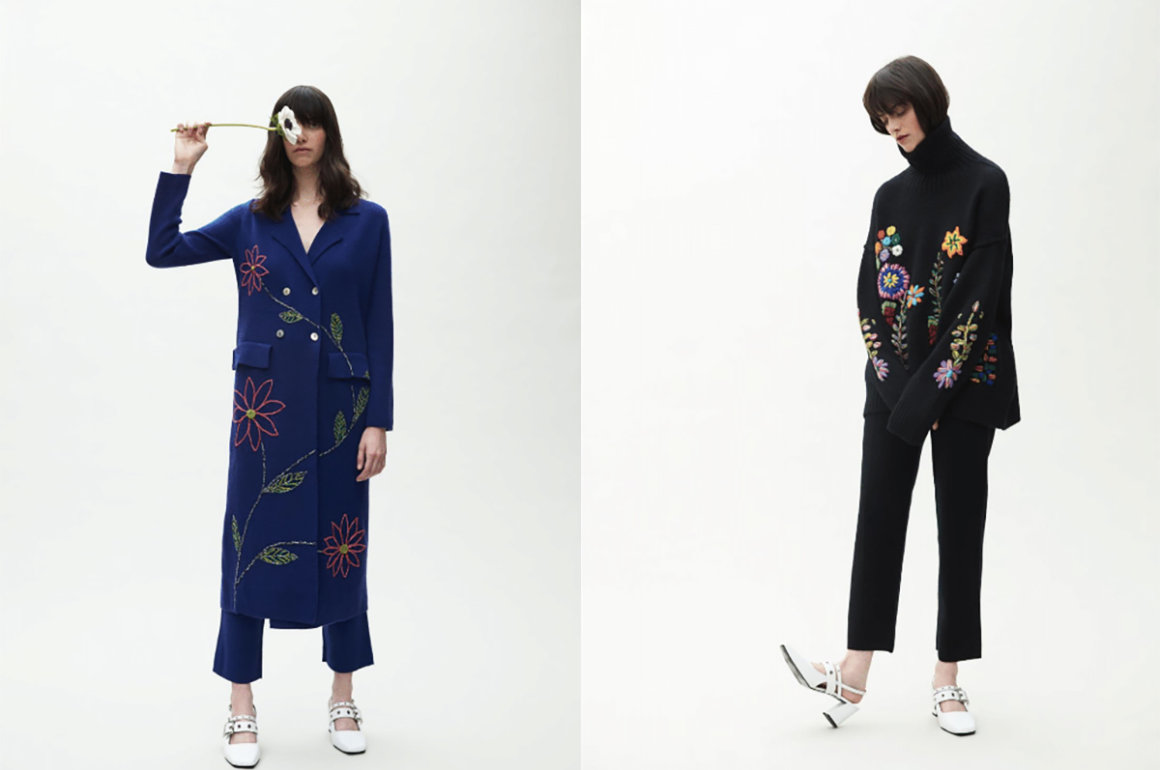
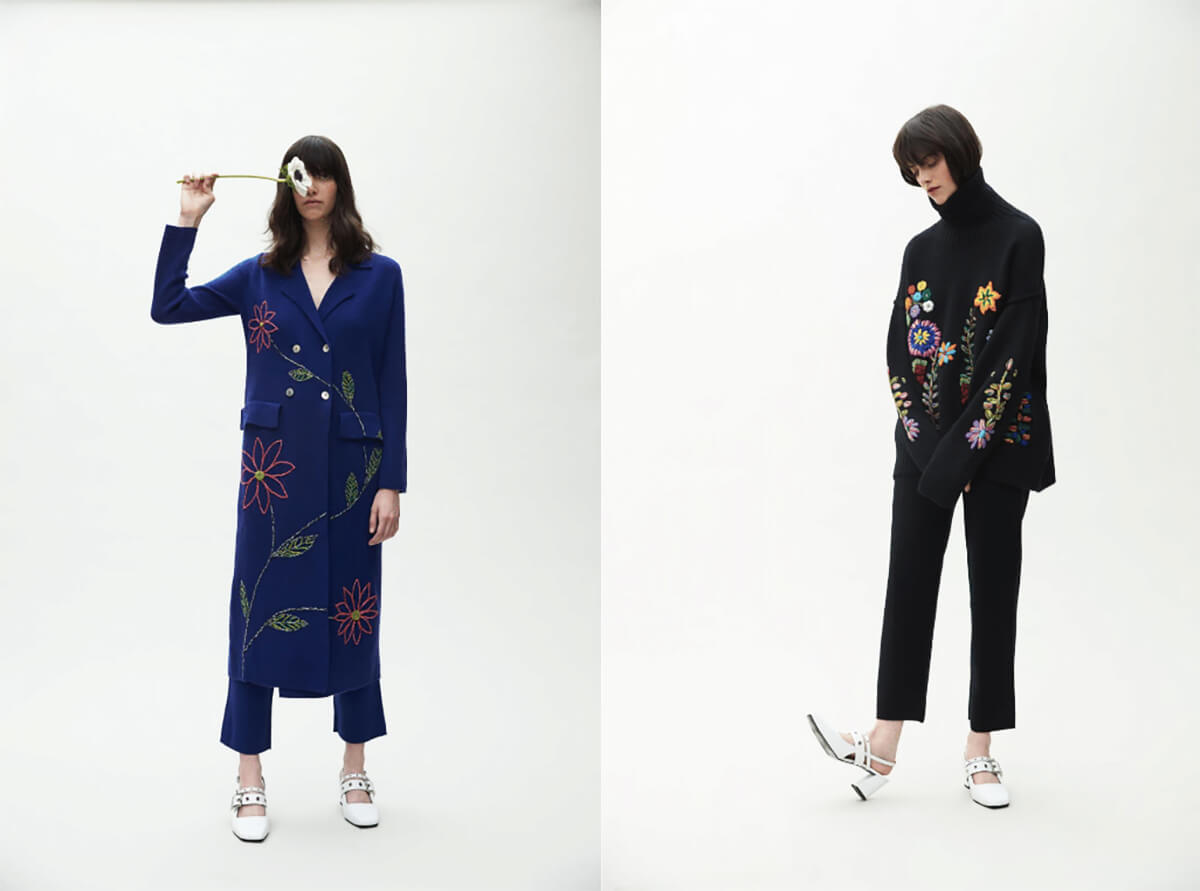
Looks from the MANDKHAI Autumn/ Winter 2018 collection
Mongolian designer Mandkhai Jargalsaikhan’s eponymous brand is dedicated to the sustainable production of high quality cashmere. Using yarn spun from the coats of free roaming goats, the cashmere is dyed and then delicately crafted into elegant, contemporary garments. We ask the designer 6 Questions.
Mandkhai Jargalsaikhan
1. What’s your favourite memory from your childhood?
My favourite memories will have to be the times I spent at the factory growing up. My parents always worked until late so I would often be with them at the factory watching the craftsmen do their jobs and playing around.
We got visitors regularly at the factory and one time everyone kept asking me to go this man and ask for an autograph. I did as I was told not knowing who it was because I must have been around 5-6 years old. Later I found out it was Richard Gere!
2. Why did you want to start your own brand?
I started MANDKHAI because I saw that there was a gap in the market for well designed, modern cashmere pieces. Everything I saw was very basic and old fashioned. After studying fashion design in London, I felt like I could offer something more exciting using my background in cashmere production. We make everything ourselves in our factory in Mongolia and are vertically integrated, so I really wanted to show the different processes and give an insight into the craftsmanship and expertise that goes into the production of cashmere, which in itself is sustainable.
Follow LUX on Instagram: the.official.lux.magazine
My name means to rise above in Mongolian. I decided to stick with my name because I wanted the brand to be personal and relatable while staying true to my roots.
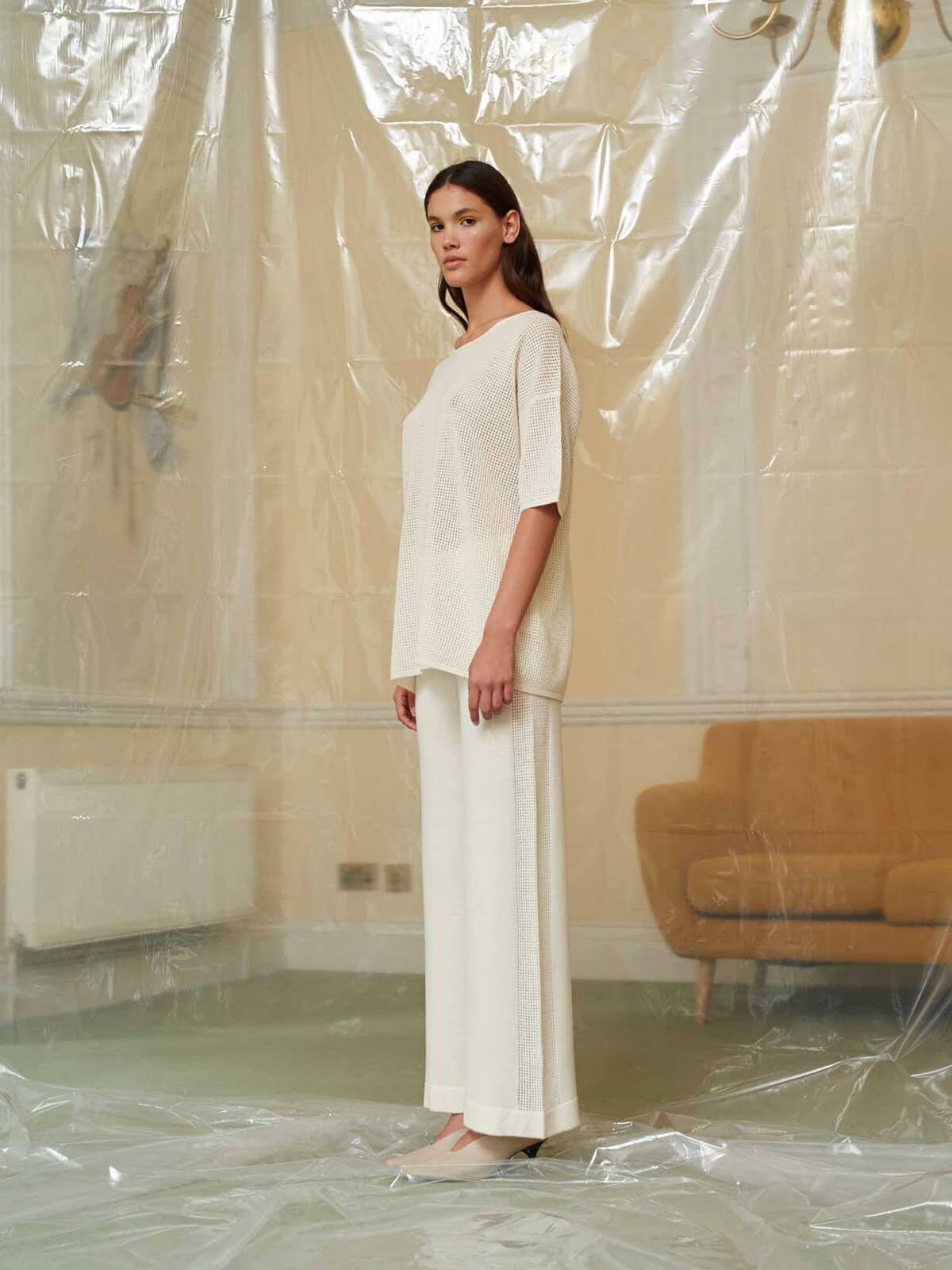
MANDKHAI Spring/ Summer 2019 collection
3. What’s your top tip for recognising and buying high quality cashmere?
Just because it’s super soft does not necessarily mean it’s good quality cashmere. Do have a look at where it was made. Mongolian cashmere (not to be confused with inner Mongolia as that’s a region in China) is of higher quality because the cashmere comes from free roaming goats that produce the fibre to survive the harsh winters reaching up to -50C. Good quality cashmere will last you decades and becomes even softer as you wear it and will even stop pilling.
4. Do you think it’s possible for fashion to become fully sustainable?
Everything is possible, so yes I do think fashion can become fully sustainable. It just needs people to want it.
Read more: Canary Wharf Group’s MD Camille Waxer on urban transformation
5. Who or what is inspiring you right now?
A trip I took to Wyoming and Jackson hole is currently inspiring me. The nature is beautiful there and it’s similar to Mongolia in some areas. Our next collection is based on this trip and I am very excited to share it soon.
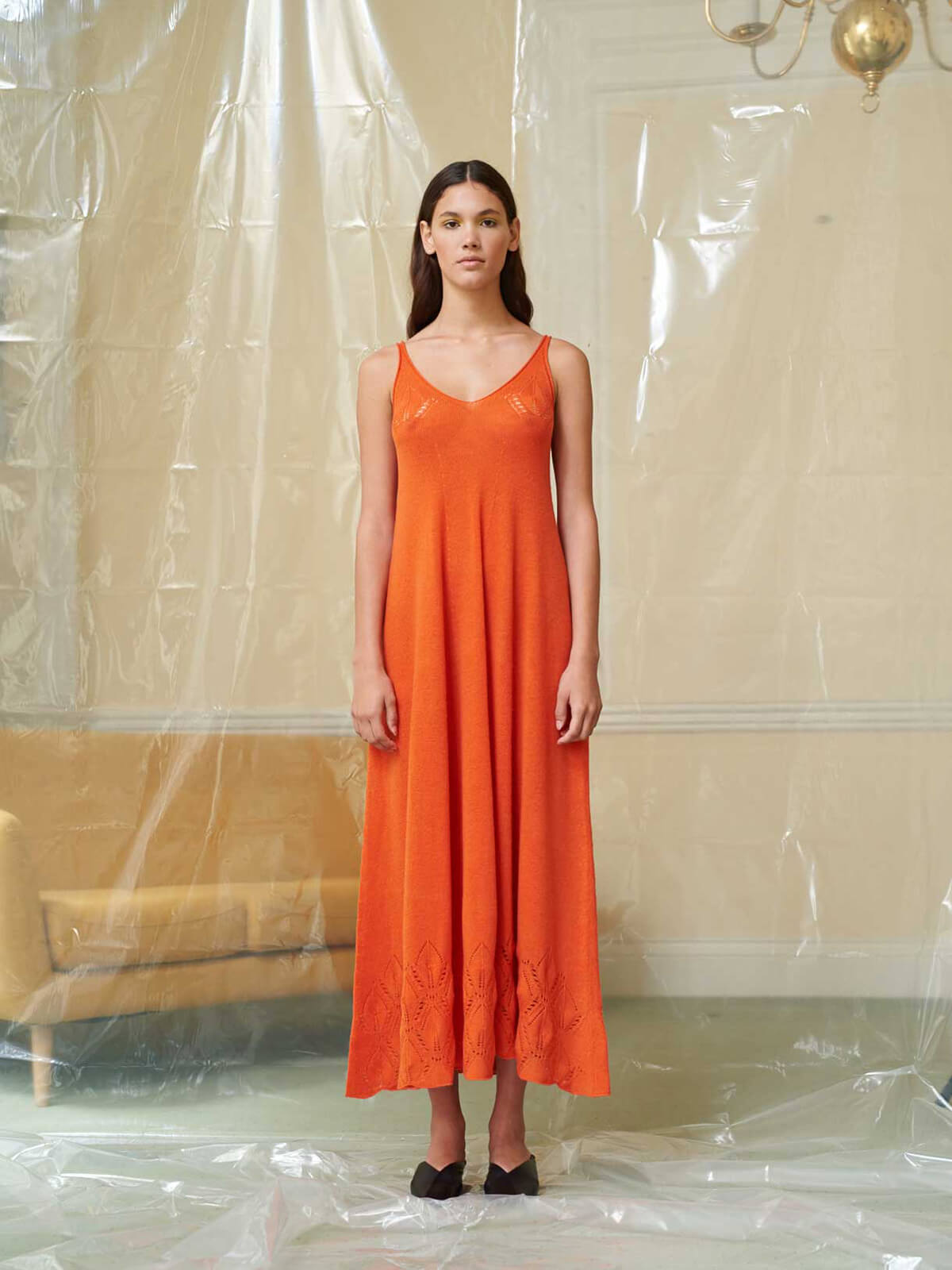
MANDKHAI Spring/ Summer 2019 collection
6. What’s next for MANDKHAI?
Recently we have added a menswear line and are excited to see the growth as we are getting good responses. I think fashion is becoming more and more androgynous and it will be definitely interesting to design for men. We will also keep pushing our womenswear and work to create an awareness around cashmere production.
Discover the MANDKHAI collections: mandkhai.com
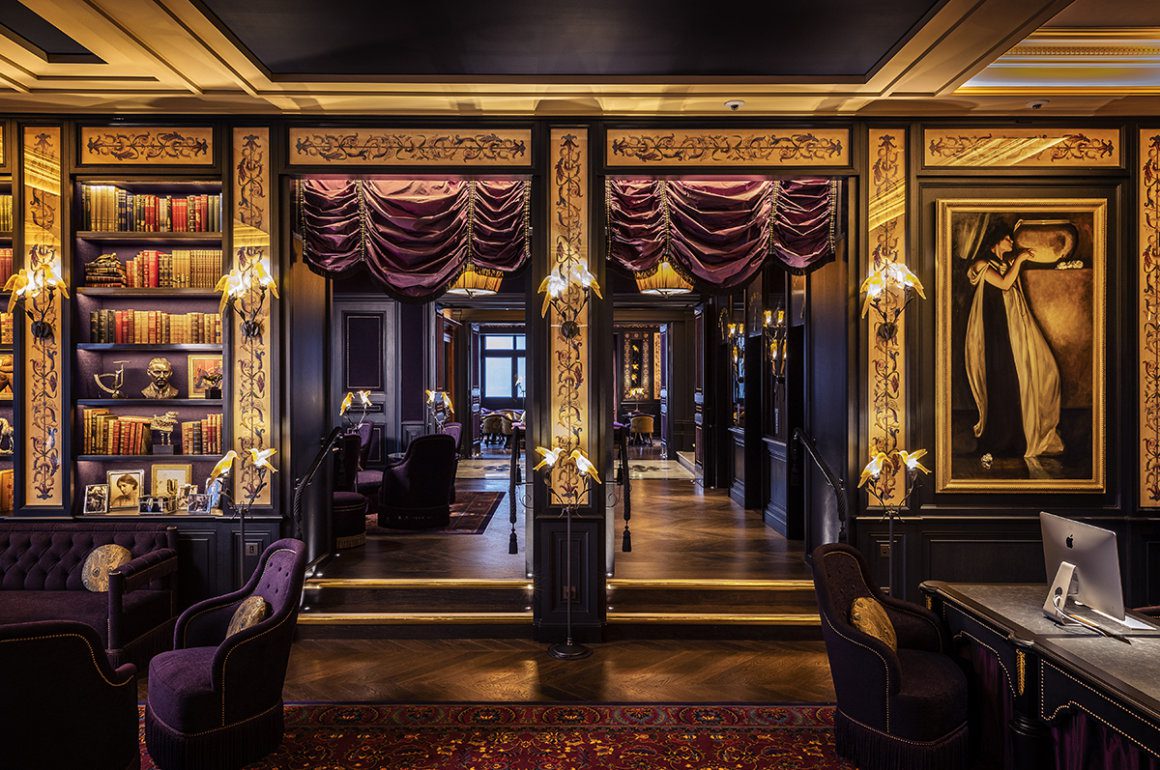
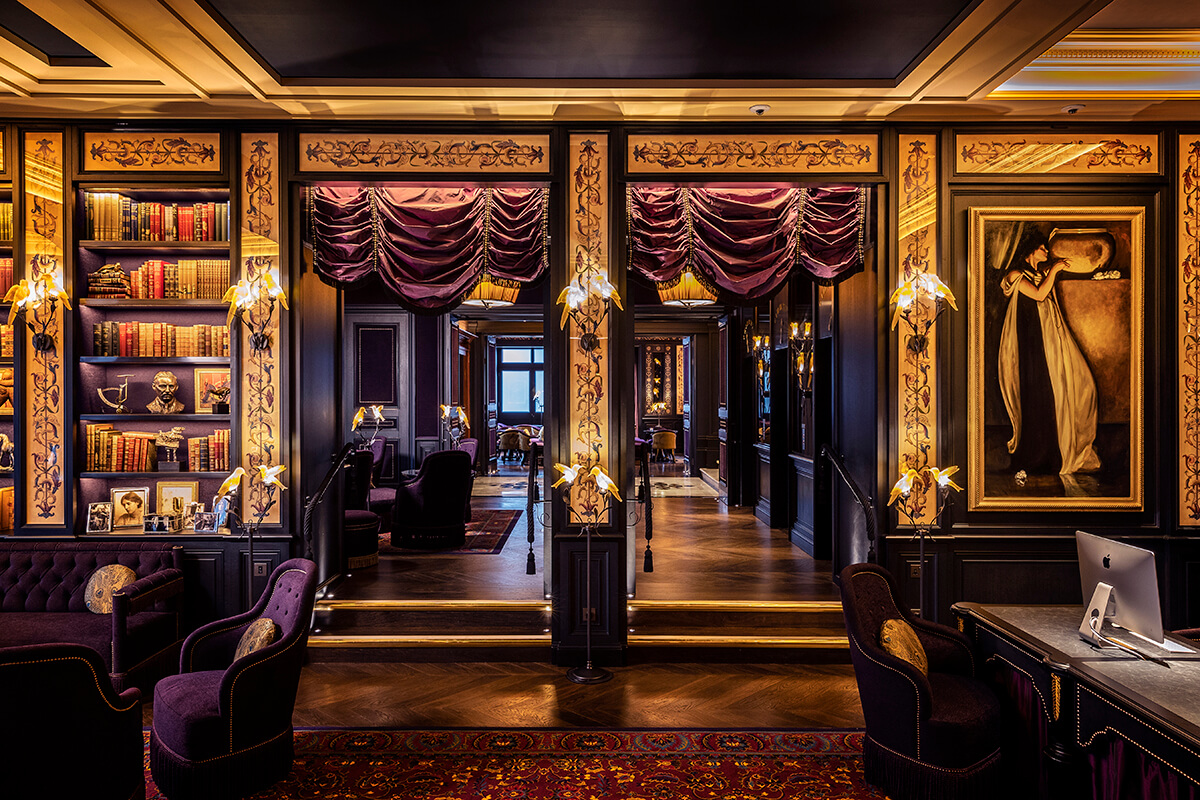
L’oscar is named after and inspired by writer Oscar Wilde. The hotel sits in the heart of London’s historic literary neighbourhood Bloomsbury
Jacques Garcia is the master of decadent design. His portfolio includes the likes of Hôtel Costes in Paris, La Mamounia in Marrakech and NYC’s NoMad. Now the French designer is bringing a touch of Parisian style to London with luxury boutique hotel, L’oscar. He talks to LUX about Oscar Wilde, alluring atmospheres and the importance of low lighting
LUX: How did you come up with the concept from L’oscar? What’s your creative process like?
Jacques Garcia: Although I’ve had many proposals to do concept design projects in London, L’oscar is only my second public project in the city after Ronnie Scott’s. What particularly seduced me about this project is the fact that the building has a history, it was a former [Baptist Church]. I had to think of ways to work with the structure of the existing building and its history, whilst incorporating modernity through colours and fabrics.
Follow LUX on Instagram: the.official.lux.magazine
So for the decor, I imagined that I was Oscar Wilde. Twenty years ago, I created Hotel des Beaux Arts, where I imagined Oscar Wilde’s last bedroom when he was living in Paris. I imagined it as if he lived in a very nice apartment, although in reality he was very poor at the end of his life. I was interested in showing the paradox of the writer’s glory and achievements, and the way he was treated by people for his personal convictions at the time. I returned to the story of Oscar Wilde for this hotel because he is someone that I am continually drawn to – the name of the hotel, of course, is in his honour: L’oscar (the Oscar).
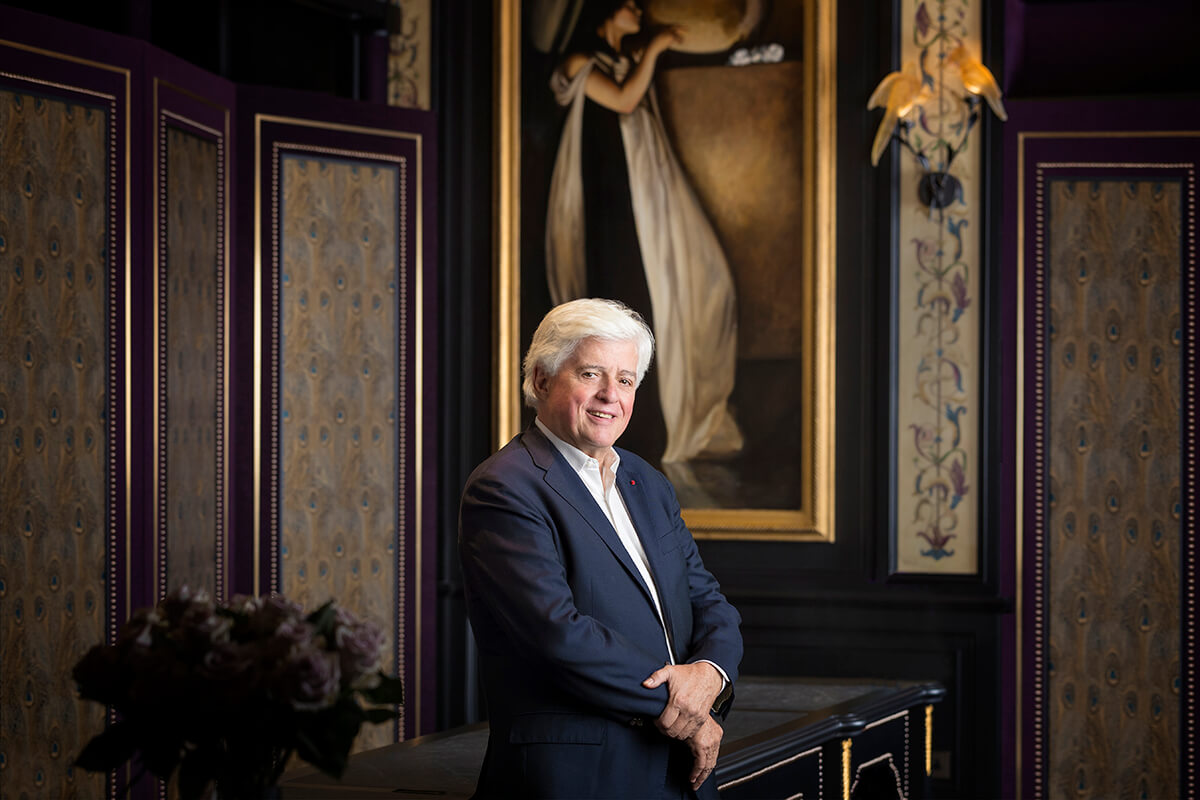
Jacques Garcia in L’oscar
LUX: Did the building present any design challenges?
Jacques Garcia: Yes, it was very difficult to work with and it took a long time. It was like doing a hotel in New York. London and New York are two of the most difficult cities to for hospitality projects, especially when you’re working with buildings that are listed or historical. But when I like a project, I’m like a kid and even if it takes 9 months, I still love it at the end.
Read more: Wandering Paris with Moynat’s Artistic Director, Ramesh Nair
LUX: Why do you think Parisian style is so desirable?
Jacques Garcia: For a very simple reason: no one ever speaks about the sexiness of the London girl, but everyone always talks about the sexiness of the Parisian girl. This is because the Parisian girl is an attitude, whereas there’s a certain rigidity to the English and also an elegance that the French don’t have. But the English, in my opinion, are missing the attitude. That’s the allure.
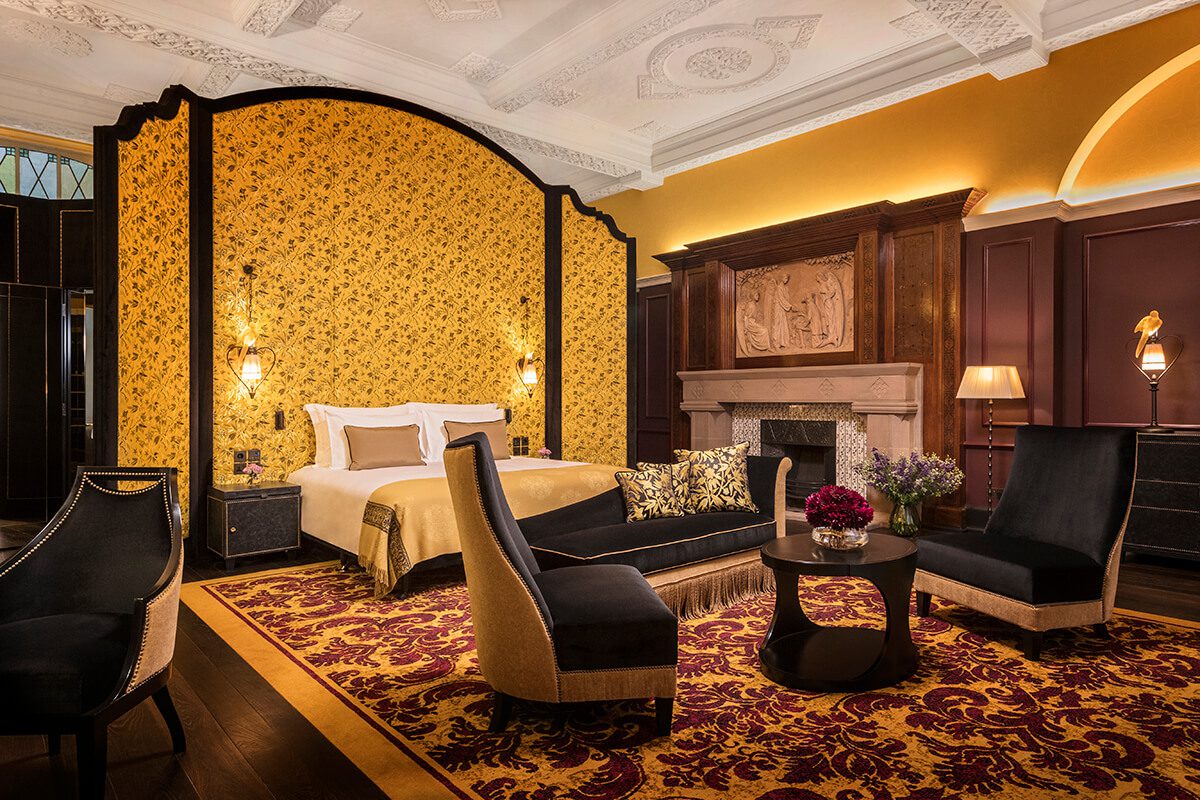
LUX: You once said that “before everything, I am a creator of atmosphere.” How do you go about creating an atmosphere?
Jacques Garcia: Personally, I am not a big fan of public spaces. I am very lucky to have an extraordinary house and friends who have extraordinary houses so in my personal life I have no real reason to go to public spaces like a hotel – unless it is to meet and to be seduced by people. People go to public places meet other people, and for me, that’s the starting point when considering atmosphere. I create places where people can meet and seduce. That begins with choosing comfortable chairs, the right lighting. People look better in dim light, always.
LUX: Your designs often incorporate opulent fabrics – where do you source your materials?
Jacques Garcia: I used a lot of fabrics in L’oscar particularly, but since the peacock was the emblem of Oscar Wilde, I wanted to utilise that pattern and used special fabrics sourced from England and France. Mixing colours, especially unusual colours, was very important for me in this project, which is difficult to do, if you do it wrong, you risk the design becoming kitsch. It’s a very thin line, much like a haute couture collection – sometimes it can just work, it can be incredible and sometimes it doesn’t.
Read more: Sassan Behnam-Bakhtiar’s mesmerising art opening on Cap Ferrat
LUX: How much of a consideration is sustainability when designing?
Jacques Garcia: I recently went on a trip to Saudi Arabia. I was in the middle of the desert and there was air conditioning, but a natural system of air conditioning that was used in the old desert houses of 12th century: windows! And of course, the way the house was structured to keep it cool. The projects I work on are different to this. For example, I use a lot of fabrics. Think of my older hotels like the Costes or the NoMad. People are coming into those hotels from 7am to 3am, they are using the seats for working or socialising 20 hours a day and so the fabric wears out and you have to change the upholstery. In that way, it’s not really sustainable. I would love to be more sustainable, but there are also regulations I have to consider such as fire. Plastic treatment on silk is unfortunately mandatory. To use real silk or real corduroy would be more ecological, but unfortunately we have to have the fabrics treated. I hope that businesses will integrate sustainability into their day to day operations once the project is complete. L’oscar, for example, have started by avoiding the use of plastic straws.
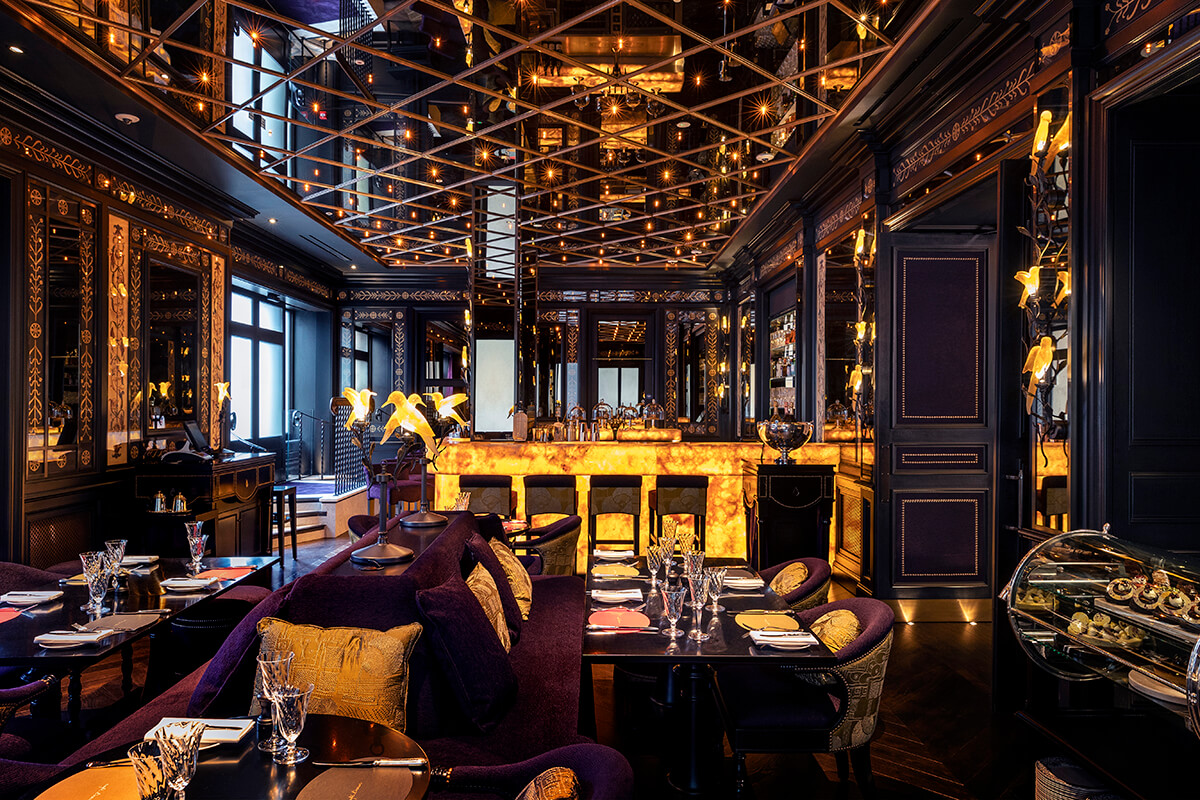
The walls and ceilings of the Café L’oscar are lined with mirrors, gold panels, and original art.
LUX: Which hotel design(s) are you most proud of?
Jacques Garcia: As well as L’oscar, my favourites are The Mamounia and La Réserve in Paris. My house, the Chateau du Champ-de-Bataille, is also one of my favourites!
LUX: And can you tell us about your upcoming projects?
Jacques Garcia: I have a hotel opening soon in Singapore, a private house in Rome, there’s a hotel in Rome as well. There’s a very big hotel in Doha. Private residences in the Gulf. A new NoMad has recently opened in Los Angeles. There are a lot of projects going on!
LUX: What’s your favourite city in the world?
Jacques Garcia: Paris. Why? Because the Parisians.
L’oscar opens in Bloomsbury, London on 17th September. To make a booking visit: loscar.com
To view more of Jacques Garcia’s work visit: studiojacquesgarcia.com
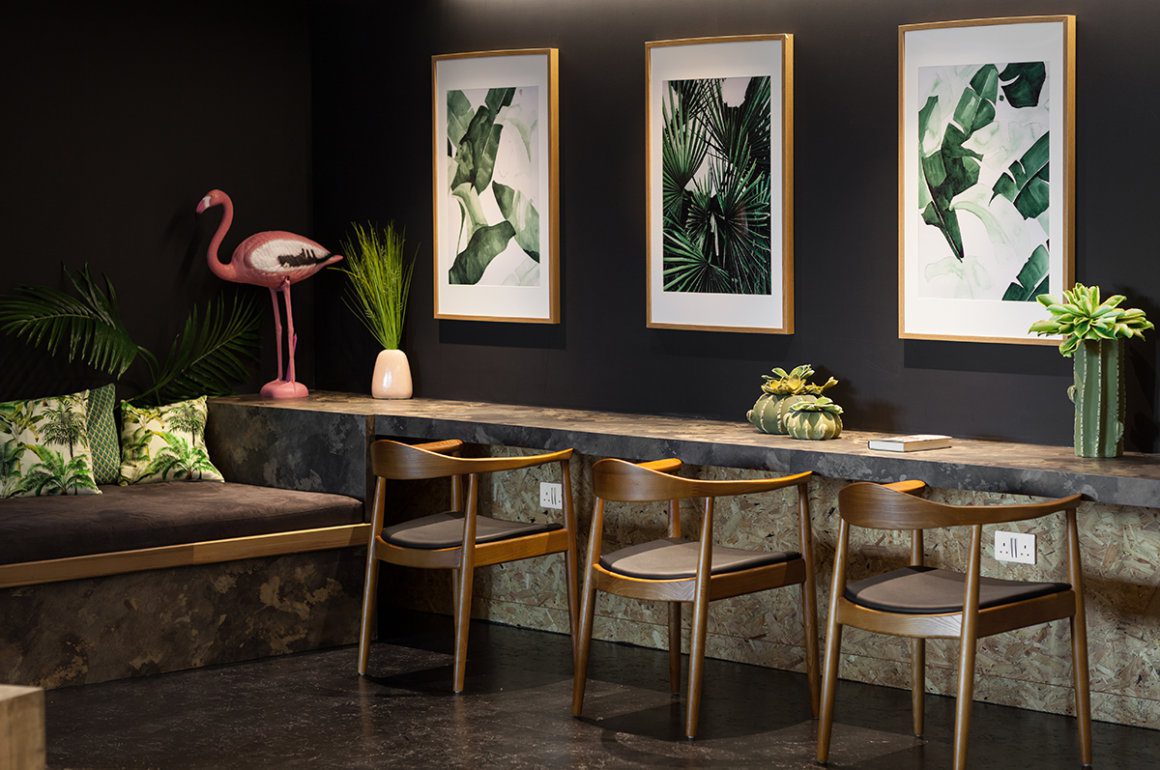
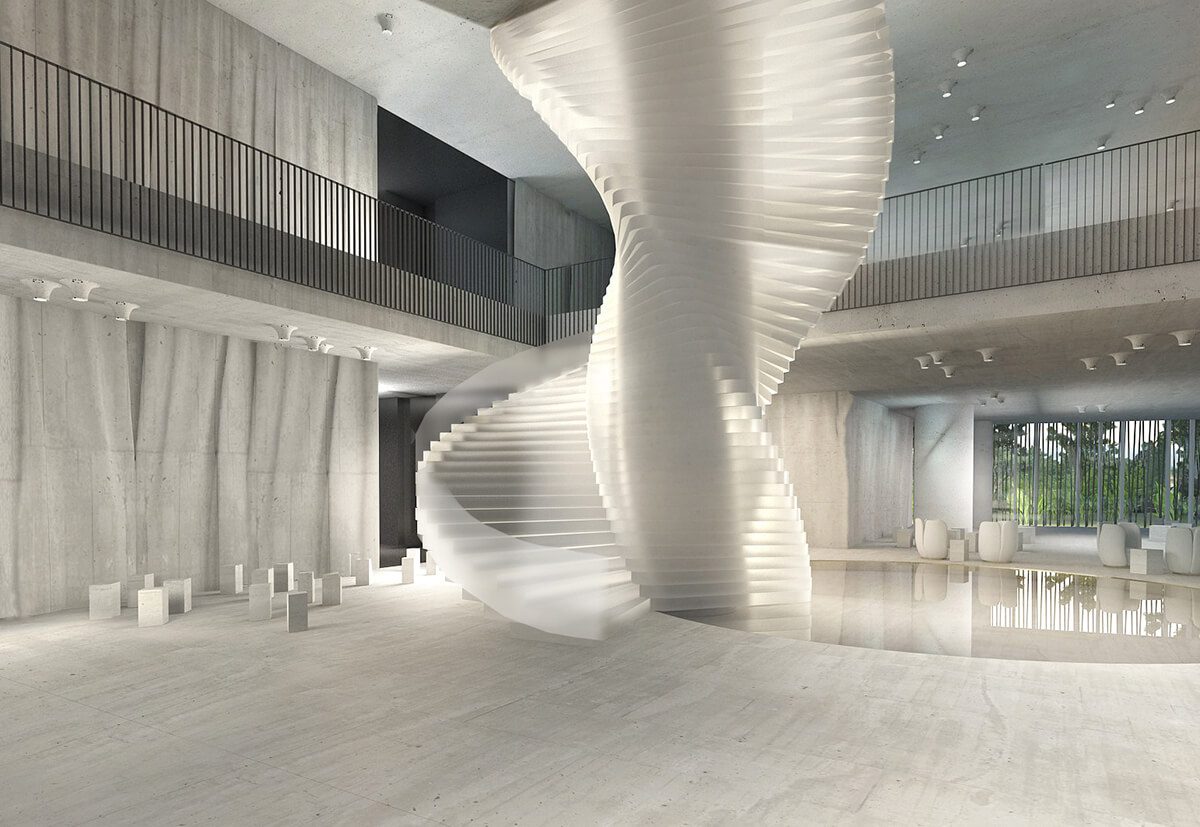
Render of a project for a confidential client in China by Design Haus Liberty
London-based architecture and interior design practise Design Haus Liberty might be a relatively new name in the industry, but it has already developed a reputation for creating unique atmospheres in residential and commercial properties across the globe. LUX Editor Kitty Harris speaks to founder Dara Huang about her fascination with pottery, sustainable design and the importance of place
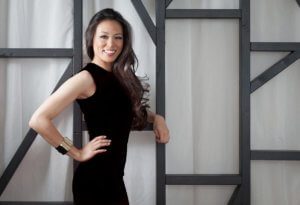
Dara Huang
1. What’s inspiring you at the moment?
I have been really inspired by pottery lately, it sounds strange, but I find the medium of clay, porcelain and the art behind how it’s made and formulated incredibly interesting. The different ways you can finish, heat or perform pottery in multiple ways is inspiring. I am mostly inspired by the volumetric forms and natural colours it comes in. There is a really nice LOEWE show at the Design Museum that really highlights some gorgeous pieces.
2. How important is sustainability to your design approach?
I think sustainability is such an important issue to think about when you are designing something. It is not always as superficial as where the materials are made out of, or the ratings of the installation. At Design Haus Liberty, we think about the direction the wind blows, the pattern the sun sets and how that effects the way the architecture passively sits in its environment. This is to ensure that the occupiers are as comfortable as possible.
Follow LUX on Instagram: the.official.lux.magazine
3. What are some of the challenges you face when refurbishing existing properties/developments?
Definitely everything you can’t see. Opening up a building to refurbish it is a can of worms as you never know what is going on inside. You will find rotting structure, asbestos and leaks. It is usually the most difficult to refurbish grade listed buildings. We have had to replace old timber inside floors which needed reinforcements on either side.
Design Haus Liberty and House of Sui Sui project: Hampstead Manor in London for residential interior refurbishment, for client Mount Anvil – completed 2017
4. What makes good design?
Balance. I don’t really practice Feng Shui but I do think that it doesn’t feel right when the design is off balance. I use my intuition for that rather than a calculated metric. Once the design feels balanced, the way you live in the space will too. Some of these principles do coincidentally correlate with Feng Shui but I think it’s common sense. It can be in colour, objects, the direction doors open or where they face, placement of furniture or art etc.
Read more: andBeyond CEO Joss Kent on creating luxury in the wilderness
5. Do you believe that contemporary architecture should reference the past?
I believe all good architecture should reference the context whether it’s a nod to the history, the urban planning, or the cultural references. Architecture should tie in with the place and not be 100% foreign. With that said, it is not that it needs to look like its surroundings, but it should have a concept derived from the place.
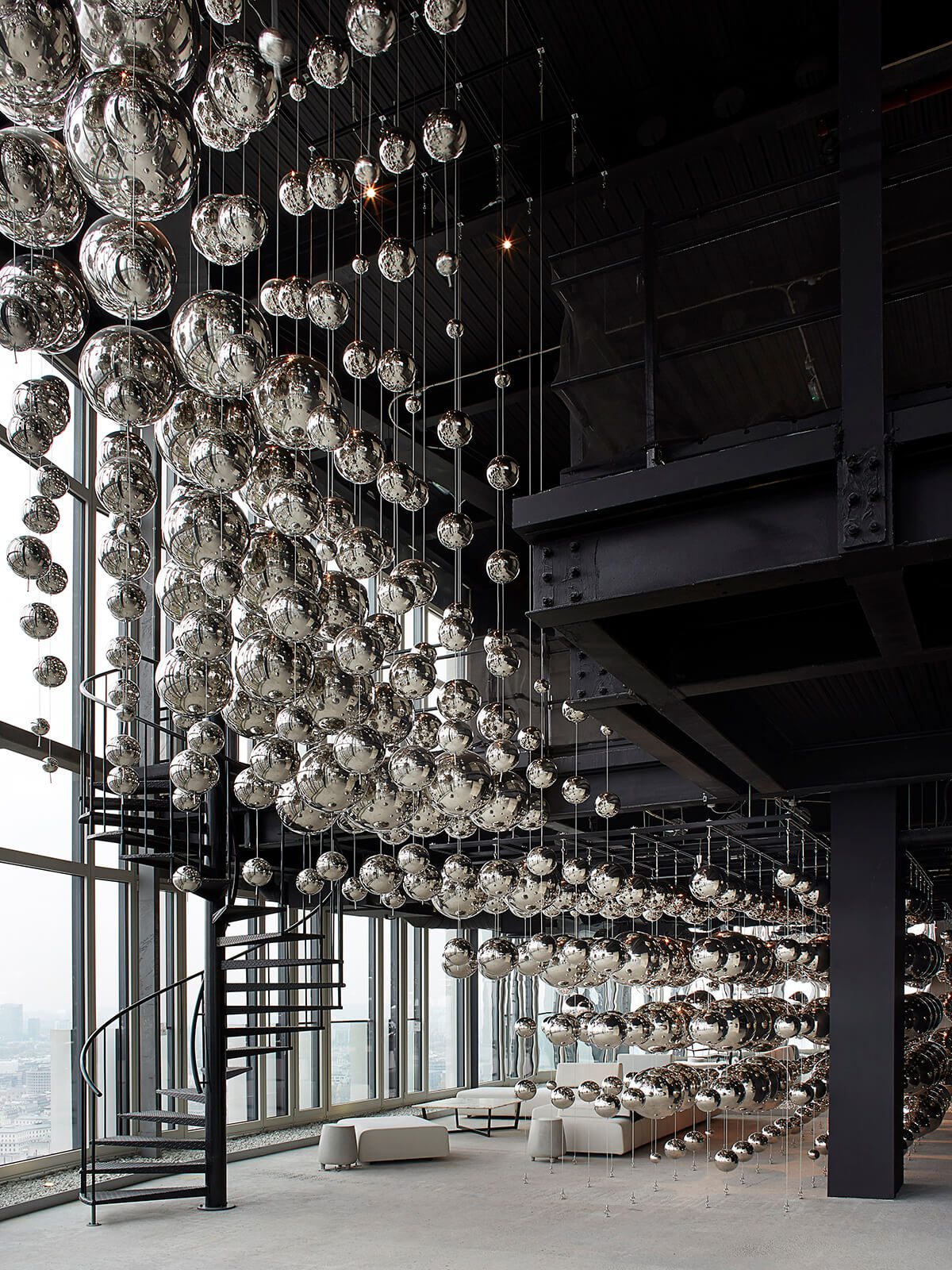
Design Haus Liberty Mercury installation in the penthouses at South Bank Tower, for client CIT – completed 2015
6. What’s your favourite building in London and why?
Good question! It would have to be something historical. I don’t particularly have one building in mind but I do love St Paul’s Cathedral. I love spaces more than buildings such as Carlos Place, Mayfair and Regent Street, for the grandeur of buildings enveloping you. It is quite breathtaking. The more contemporary work in London has been a disappointment compared to its past.
For more information and to view Design Haus Liberty’s full portfolio visit: dhliberty.com
andBeyond game drive in the Serengeti
Joss Kent is a born adventurer. Son of LUX columnist and Abercrombie & Kent CEO Geoffrey Kent, Joss left behind the family legacy to run luxury travel company, andBeyond.
With safari camps all over Africa, and hotels and lodges in select locations across Asia and South America, andBeyond is renowned for its creative approach, commitment to sustainability and spontaneous guest surprises (think champagne breakfast served at sunrise under an ancient baobab tree in the African bush).
Digital Editor Millie Walton speaks to CEO Joss Kent about the excitement and challenges of creating luxury escapes in some of the wildest places on earth
Joss Kent
LUX: What makes andBeyond different from other luxury travel companies?
Joss Kent: What sets us apart is our 27 years of experience and the passionate people who make up the andBeyond team. I am fortunate enough to run a company that is full of talented people who care deeply about what they do. They are, I think, principally driven by the belief that they can make a difference in the world we live in. It is andBeyond’s sole purpose to strive to leave our world better than we found it through our impact model of care of land, wildlife, and people. Alongside this, we also offer extraordinary guest experiences in Africa, Asia and South America.
LUX: andBeyond works with architects to create unique safari camps that differ from the traditional camp image, such as the andBeyond Sandibe Okavango Delta Lodge. What’s the andBeyond design brief? Is there one?
Joss Kent: With a more aware breed of traveller looking towards responsible luxury travel, lodge design is rapidly evolving. As a result, we are focusing our energy and time on trying to make sure that we build sustainably but, at the same time, don’t lose the creative edge that differentiates our guests’ experience. Our large number of lodge refurbishments and new builds showcases the wide range of design that the company’s portfolio encompasses. At the same time, we make sure that sustainability is an entrenched part of the design process. We believe that less is often more and emphasise the field experience that our rangers, guides and hosts offer over opulent lodge design. I believe that the game lodge of the future has a light footprint and uses 100% renewable energy. It uses no plastic, has a zero-carbon offset, a sensitive ecological footprint and a sensitive design, with a strong sense of place.
Follow LUX on Instagram: the.official.lux.magazine
LUX: Lots of people assume that luxury and sustainability don’t mix, but andBeyond is proving otherwise. What are some of the sustainability challenges that you are currently facing?
Joss Kent: Because some of the areas where we operate are in less developed countries, certain services are not readily available. For example, in South Africa recycling is easy to do. We have helped to set up community businesses near our lodges that collect our recyclable waste, sort it and sell it on to bigger recycling companies. In countries such as Botswana, Tanzania, Kenya or Namibia, which are less developed or where our lodges are a lot more remote, this is not as easy to do. In these cases, where we cannot recycle, we try to reduce our waste as much as possible.
We encounter similar problems when trying to source more sustainable goods and materials, for example, glass bottles. In some cases there are not available locally and we would be forced to import them. We then need to follow best practice in environmental offsetting, making use of the best compromise available and using other means to offset the impact that we cannot avoid.
andBeyond Bateleur Camp in Kenya’s iconic Masai Mara National Reserve
LUX: What do you understand the term ‘transformational travel’ to mean, and have you seen a shift in terms of your guests’ demands or expectations in recent years?
Joss Kent: Travel has evolved from the adage of taking only photos and leaving only footprints. The world’s wild places need us to do better than that. Now it’s about taking memories and leaving a legacy. These days, we find that guests want to be far more actively involved. Whilst spotting the Big Five on safari is inevitably a key goal and reason for staying at an andBeyond lodge, our guests also want to engage with the local communities and actively participate in conservation initiatives where possible – to have a sense of purpose when travelling.
In addition, more and more often travellers are time-poor and, consequently, want to have immersive and authentic experiences in a short space of time. In response to this demand, we have created a set of Small Group Journeys that are designed to cater for specific interests. Examples include the East Africa Photographic Expeditions, the Snow Leopard Expedition in the far north of India and our Mobile Camping Expeditions in Botswana.
Read more: Magical Mountain Touring in Andermatt, Switzerland
We’re also seeing that our guests want to invest in themselves and their families by meeting different cultures and learning from them. We have guests who want to improve their overall health – journeys that include meditation and yoga-focused retreats, such as the ones we offer in India, are becoming increasingly popular. The latest addition to our lodge portfolio, andBeyond Vira Vira in Chile, has a farm-to-table food focus and everything from the kitchen is organic, local and in-season. We’re increasingly incorporating wellness into our African safari experience – andBeyond Bateleur Camp just reopened in Kenya’s Masai Mara with a dedicated spa and fitness centre that overlooks an unbroken Mara vista, while andBeyond Phinda Rock Lodge reopened last year with a new rooftop deck for sunrise yoga and meditation.
LUX: andBeyond is known for offering some of the best wildlife experiences in Africa, but of course, you can’t guarantee that you’ll spot any animals. How do you still ensure that your guests have a fulfilling and exciting experience?
Joss Kent: Whilst offering exceptional wildlife viewing is a significant part of what we do, we have seen an increased demand for participative experiences whereby guests are looking for more than just spotting the Big Five. At andBeyond we pride ourselves on delving deeper into offering experiences that engage with the communities too.
We have been breaking down the barriers and including guests in the activities that take place behind the scenes in terms of conservation and community. For example, we offer guests staying at our reserves in South Africa the opportunity to get involved in elephant collaring and rhino notching, both activities that are necessary in monitoring wildlife populations when faced with the growing threat of poaching and decreasing habitat.
At andBeyond Mnemba Island and andBeyond Vamizi Island, where turtle nests are identified and carefully protected, guests travelling at the right time of year can safely escort hatchlings to the sea. We have also just launched two new Small Group Journeys: the Oceans Without Borders Small Group Journey and the Phinda Impact Journey. The former takes place on andBeyond Vamizi Island and is hosted by Dr Tessa Hempson, one of the leading Marine Biologists in East Africa. Here, guests will delve into the fascinating field of marine conservation and gain first-hand knowledge of significant environmental issues affecting the world’s oceans. The latter takes place at andBeyond Phinda Private Game Reserve in KwaZulu-Natal, South Africa. Whilst traditional game drives are integral to this safari experience, it also incorporates elements of our ranger training curriculum, as well as selected conservation activities.
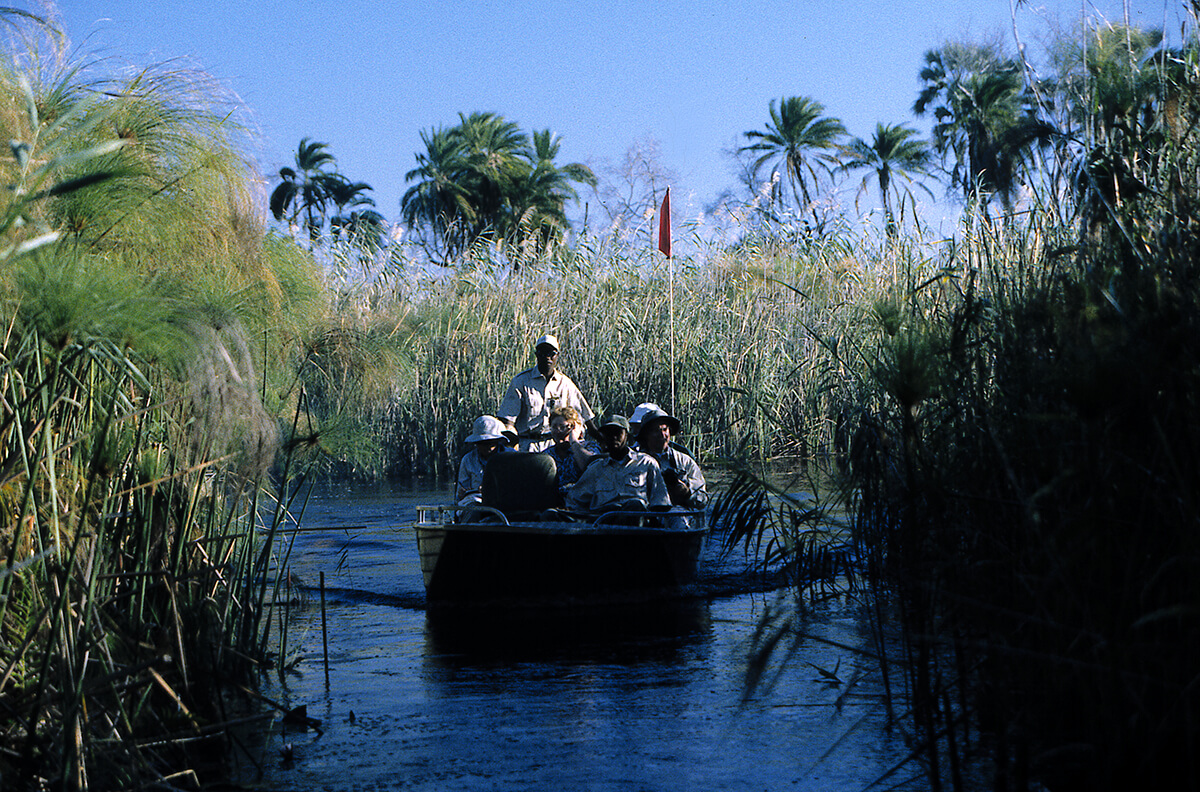
An andBeyond boat safari in Botswana
Another differing experience is the insightful tours that we offer along with our community development partner, Africa Foundation. Our ethos of Care of the Land, Care of the Wildlife, Care of the People guides everything that we do and, through our work with Africa Foundation, we have been able to bring meaningful change to the communities around our lodges through education, providing clean water, healthcare, and small business development projects chosen by the communities. Whilst we have been arranging community visits and animal conservation activities with guests on more of a bespoke basis, we have also created philanthropic itineraries including Travel with Purpose in South Africa and Travel with Purpose in Kenya with the view to showcasing more than only seeing the Big Five when in Africa. Guests can choose to follow these itineraries as they stand or we can customise an itinerary to fit a guest’s specific interests. Through these experiences we ensure our guests are fulfilled and take away lasting memories and, in their own way, leave a legacy.
Read more: Founder of photo basel Sven Eisenhut on the art of photography
LUX: Many luxury hotels are embracing technology as a way of fulfilling guest experiences. How do you meet the demands of technologically hungry generation whilst still providing a sense of escape?
Joss Kent: We find that our guests want to disconnect from technology and reconnect with families and friends, sharing a meal and talking instead of everyone being distracted by their personal devices. We make this easier to do by trying to limit the connectivity options at our camps to our designed-by-nature lodge rooms, such as at andBeyond Sandibe Okavango Safari Lodge. After all, why stare at a screen when you could be looking out on the best of the Okavango Delta?
LUX: Alongside the camps in Africa, andBeyond offers travel experiences in a handful of destinations across Asia and South America, such as the Maldives, Bhutan, Chile and Peru. Why those particular destinations?
Joss Kent: These days, travellers are looking towards lesser discovered destinations and this is where we choose to operate.
In terms of the countries that we operate in, our vision is necessarily a long term one, as meaningful conservation and community development work takes a long time to develop, implement and measure. It has taken andBeyond 27 years to achieve our vision in Africa and we are continually developing and refining our activities there.
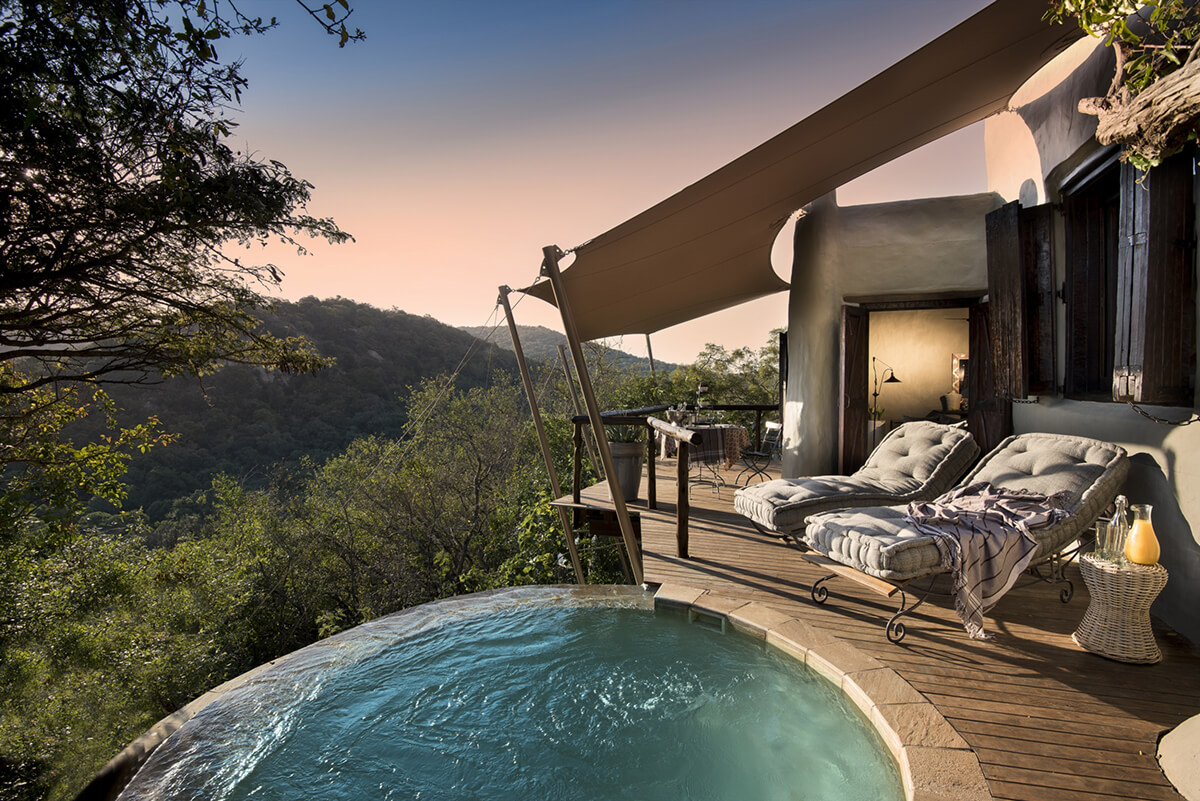
Private plunge pool at the andBeyond Phinda Rock Lodge suite
In Asia and South America, it is our intent, over a medium to long period of time, to replicate what we have done and achieved in Africa. Over the past two years we have started by establishing solid operating platforms (people, offices, touring and ground handling capabilities) on these continents and in those countries that we have chosen for the expansion of the andBeyond vision and model. This is vital, as it means we can now start to engage with governments, NGOs and individuals in seeking out areas of meaningful conservation impact and doing detailed assessments of whether our model will practically work. We have been actively in that assessment stage for 12 months now. It is as a result of the assessment phase that we are now specifically focusing on Bhutan, Sri Lanka, Chile, Argentina and Peru (the Amazon) as the core countries in which we can actively expand our model and vision.
Very soon we hope to have news on some big ideas that we believe in time will become very meaningful conservation and community development projects. They span large geographic areas and are complex and will take time to come to fruition. In parallel, we are close to announcing our first lodge on the ground in Asia (Bhutan) and have just made an announcement regarding andBeyond Vira Vira in South America (Chile). These all form part of the important build-up of our presence and capabilities and are the forerunners of the impactful 3Cs model work that will follow.
Read more: Luxury perched in the Himalayan foothills of North East India
LUX: andBeyond runs a number of community projects. How do you decide where to focus the company’s philanthropic efforts?
Joss Kent: We work collaboratively with our community development partner, Africa Foundation, whose methodology is based on a collaborative, consultative approach. Africa Foundation listens to the needs identified by the communities themselves and guides them in the process of considering the appropriate projects to address these needs. It then works directly with a project committee, consisting of community members who have been proactive in engaging with local stakeholders. Each project is led by a local champion from the community. Africa Foundation focuses on four key development areas that support community empowerment: education, healthcare and clean water, small business development and environment and conservation. Whenever we are looking to build or acquire a new lodge, we ensure that our impact model can be put into practice in every way so that it benefits the land, wildlife and people. Therefore, there are community projects taking place at each of our owned and managed lodges.
LUX: What’s next for andBeyond? Any upcoming openings?
Joss Kent: We have a lot of exciting projects in the pipeline, including the continued revamp of our existing lodges, the rebuild of andBeyond Phinda Homestead in South Africa (due to open in September). The refurbishment of andBeyond Bateleur Camp in Kenya is almost completed and andBeyond Phinda Vlei Lodge in South Africa also recently reopened with a new look. We also have the brand new andBeyond Tengile River Lodge in the prestigious Sabi Sand Game Reserve opening in December.
Over the past three years we have also taken major steps forward in our long-term goal of exporting our impact model out of Africa and into South America. We believe that the expertise and knowledge we have gained in Africa can, in time, create a meaningful impact on this beautiful continent and we are thrilled to be managing our first lodge in South America. As of September, andBeyond Vira Vira in the Chilean Lake District will be added to our expanding portfolio of lodges. For Asia, watch this space! We have exciting developments in the pipeline for Bhutan.
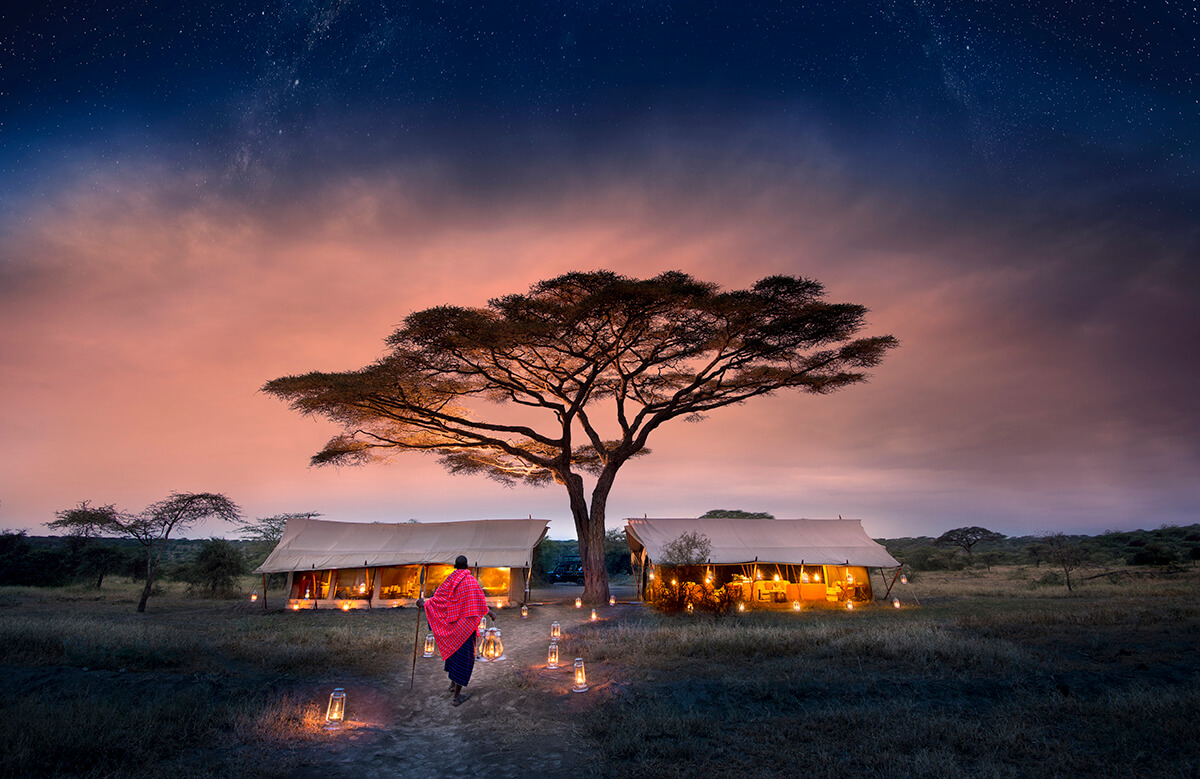
andBeyond Serengeti Under Canvas guest tents
LUX: Do you have a favourite andBeyond camp, and why?
Joss Kent: While all the andBeyond lodges have their own distinct feel, I have to admit andBeyond Serengeti Under Canvas is a favourite of mine. It really does take you back to the time of the old mobile safaris. The camp has a very light footprint, and the experience is all about the guide, the habitat and the wildlife, which are only separate from you by a thin layer of canvas. It gives guests the chance to really unplug in a technical world. There is nothing that beats relaxing around a proper campfire, or the bush TV, as well call it. Here you can fall asleep to the sounds of the Great Migration, curled up against a hot water bottle, and wake up to the sunrise peeking through the canvas flaps of your tent. At the end of a great day out in the bush, preferably walking, you can relax under a piping hot bucket shower under an African night sky.
LUX: How do you relax?
Joss Kent: I love outdoor activities like mountain biking, trail running, kite surfing, polo and riding. I have also recently got into night-time meditation using the Headspace app.
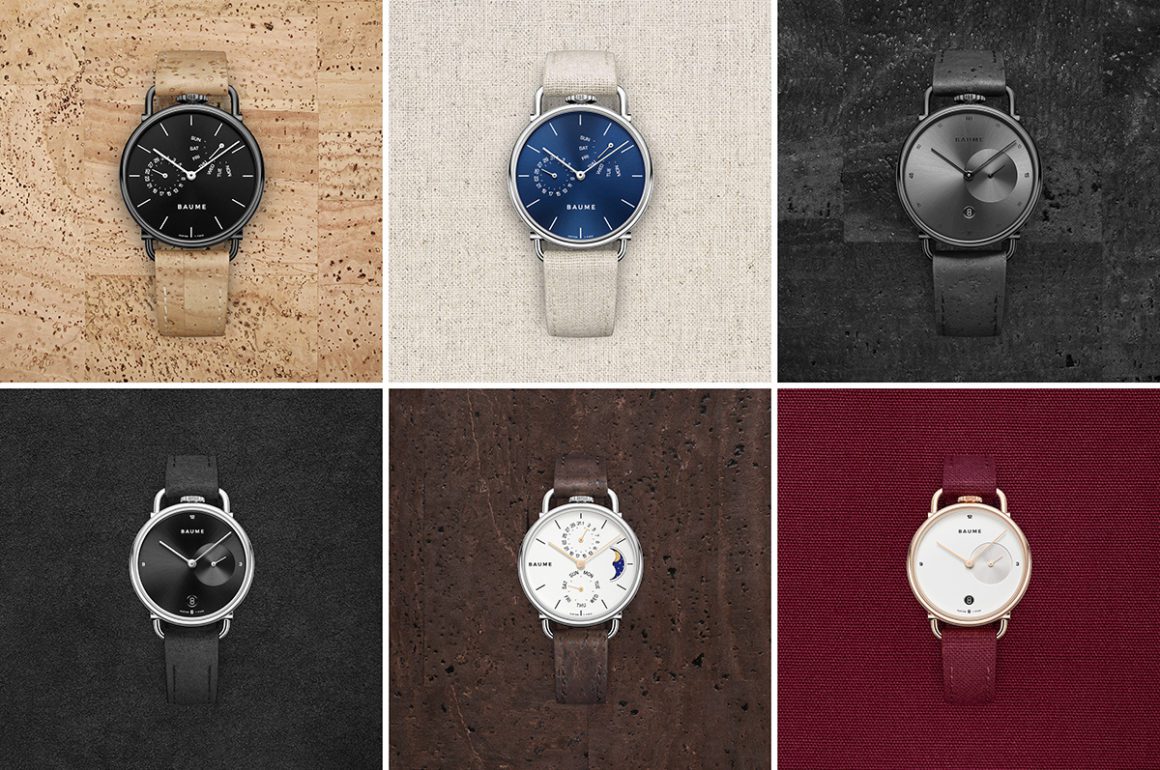
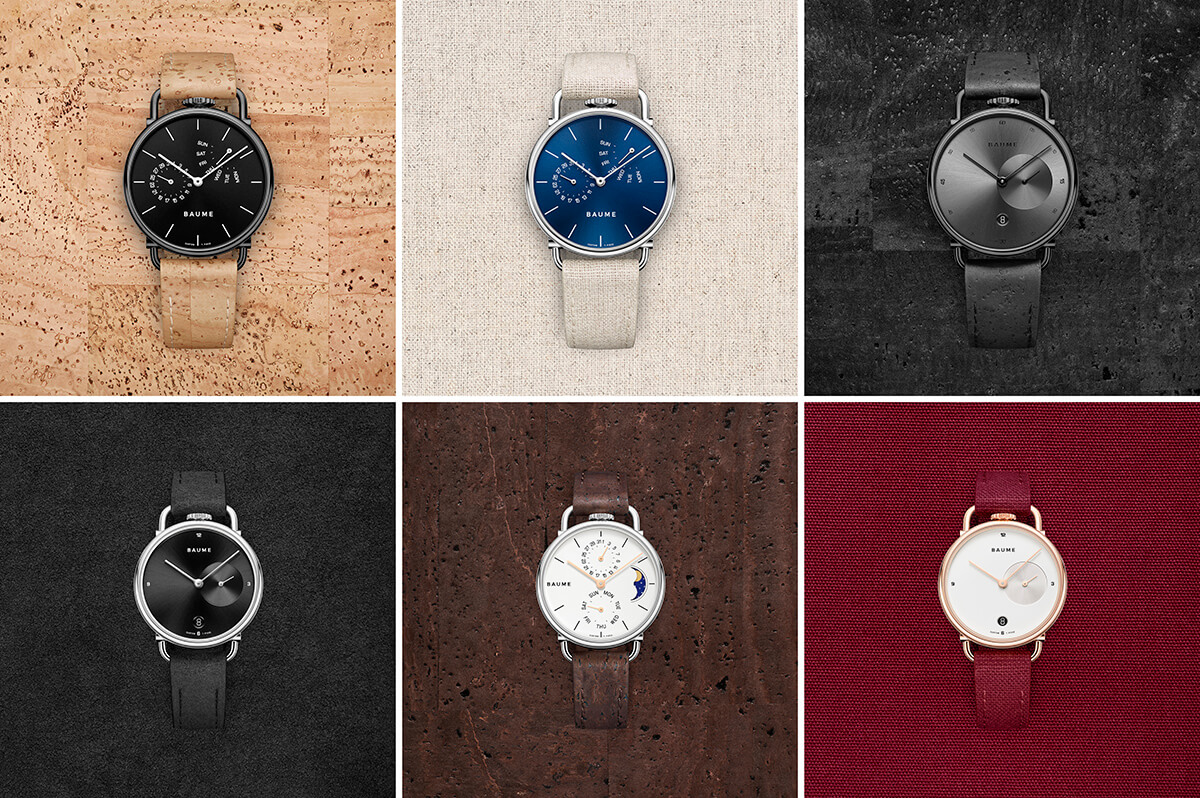
Richemont’s debut watch brand Baume aims for total sustainability
Uber luxury goods holding company Richemont owns some of the world’s biggest brands in the watch and jewellery industries including Cartier, Van Cleef & Arpels, IWC Schaffhausen, Piaget and Vacheron Constantin. Now the company has created their own luxury watch brand with the aim of total sustainability. Introducing Baume.

The Iconic Series
Baume is targeting a truly modern mindset. The brand’s luxury timepieces are not only fully customisable, but created through sustainable processes, using a online configurator with over 2000 variations to provide consumer choice and reduce waste. It might sound like a clever marketing ploy, but to demonstrate full commitment, the brand has partnered with Waste Free Oceans to create watches and parts from recycled plastics, with the view to collaborate with similar organisations in the future.
Follow LUX on Instagram: the.official.lux.magazine
“We use no animal-based or precious materials and unused components are recycled or re-used. Our interchangeable watchstraps are made from natural, up-cycled or recycled fabrics such as cork, cotton, linen, alcantara and recycled PET. Packaging is kept to a minimum: there is no secondary packaging and only FSC-certified paper and cardboard are used,” comments Baume Brand leader Marie Chassot.

Baume is committed to using upcycled, recycled and sustainable materials
The design aesthetic of the brand’s debut collections the Iconic and Custom Timepiece Series is minimalist and contemporary. The Iconic watch features a case made from partly recycled aluminium and a strap made from 100% recycled PET (plastic), with the plan to release a limited edition made from other recycled materials later this year.
The Custom Timepiece Series allows customers to pick from two stainless steel size cases, a variety of colours, number of dial executions, various features and straps made from materials such as natural cork, cotton and linen – our favourite for this summer is the cotton variation in burgundy.
To view the full collections and customise your own timepiece visit: baumewatches.com

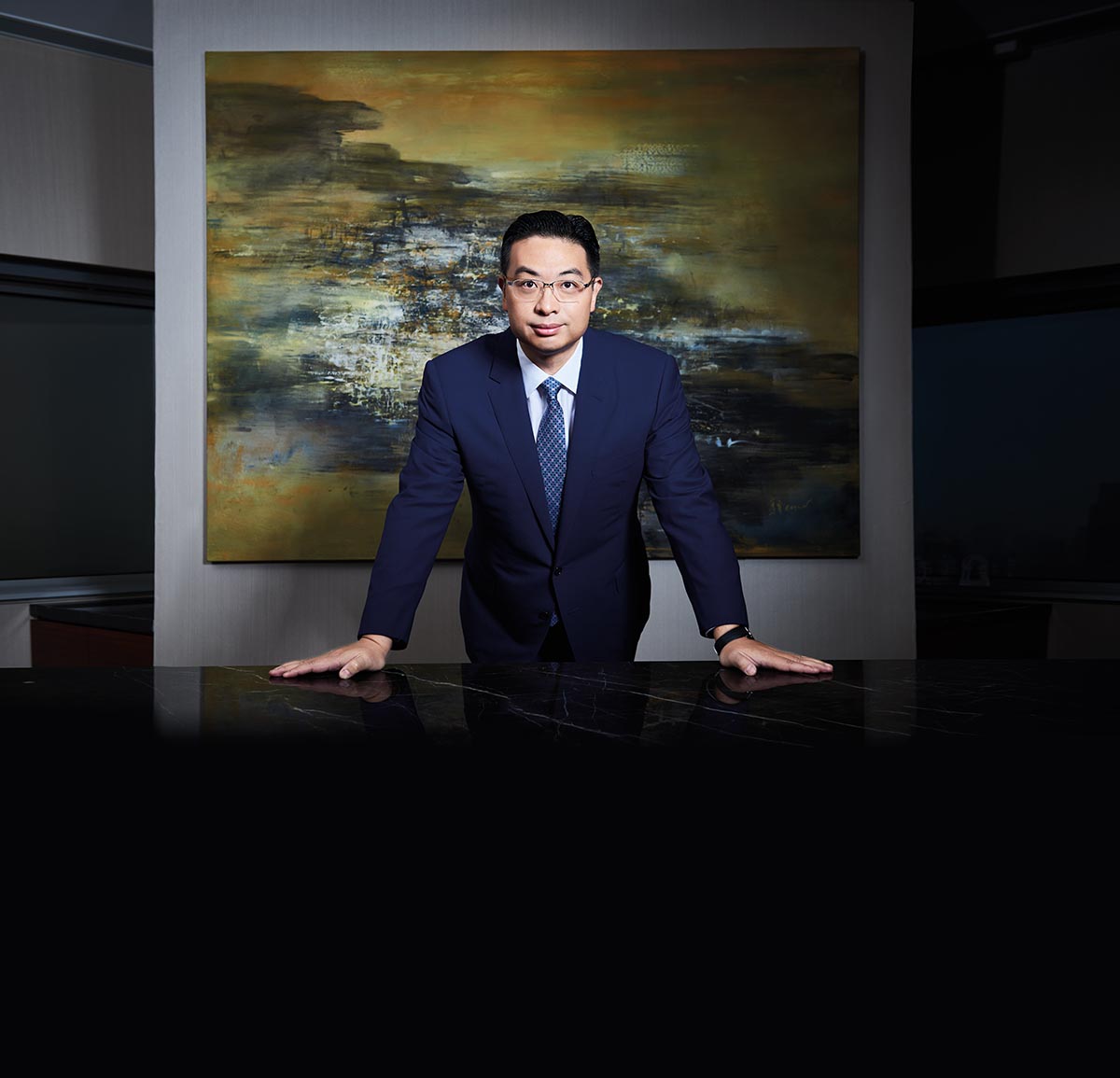
Dr Johnny Hon
Johnny Hon, founder of venture capital and investment company Global Group, is on a mission to lower cultural and trade barriers between east and west to encourage commerce, charity and cultural exchange. The entrepreneur and philanthropist, based in London and Hong Kong, speaks to LUX Editor-at-Large Gauhar Kapparova

LUX Editor-at-Large, Gauhar
Kapparova
LUX: The Global Group seems to have diverse interests and ambitious plans.
Johnny Hon: I founded the Global Group in 1997 whilst completing my PhD at Cambridge University. It has since grown to become a leading venture capital, investment and strategic consultancy with offices in London and Hong Kong. Over the past 20 years, the Global Group has evolved from financing high-yield technology companies to expand into private equity, angel investment and financial services. The company’s diverse interests and areas of expertise range from fine art to FinTech, biotechnology to entertainment and leisure. The future of the Global Group is exciting – we’re a rapidly growing company that responds to opportunities, rather than limiting ourselves to specific sectors. We are always looking for exciting, interesting opportunities, whether that’s a start-up in the UK or supporting the growing appetite for excellent quality wine in China.
LUX: You catalyse and facilitate trade between Europe and China. This seems to be important to you at what must be an essential time to be doing it.
Johnny Hon: We live in an increasingly global era and this is changing the face of modern business. The Global Group has always worked with European companies looking to enter the Asian market, as well as Chinese clients and high net-worth individuals with aspirations in the European market. I believe now, more than ever, it’s essential to encourage trade and mutual engagement between Europe and China and in particular to usher in a new golden era of Sino-UK relations.
In my opinion Brexit can open up vast potential as it will provide overseas investors with more opportunities than ever to enter the market. We have our European office in London, and I think it will always be the financial heart of Europe. I encourage Chinese clients to invest in the UK’s businesses and future, and vice versa, and feel optimistic about the future of global business.
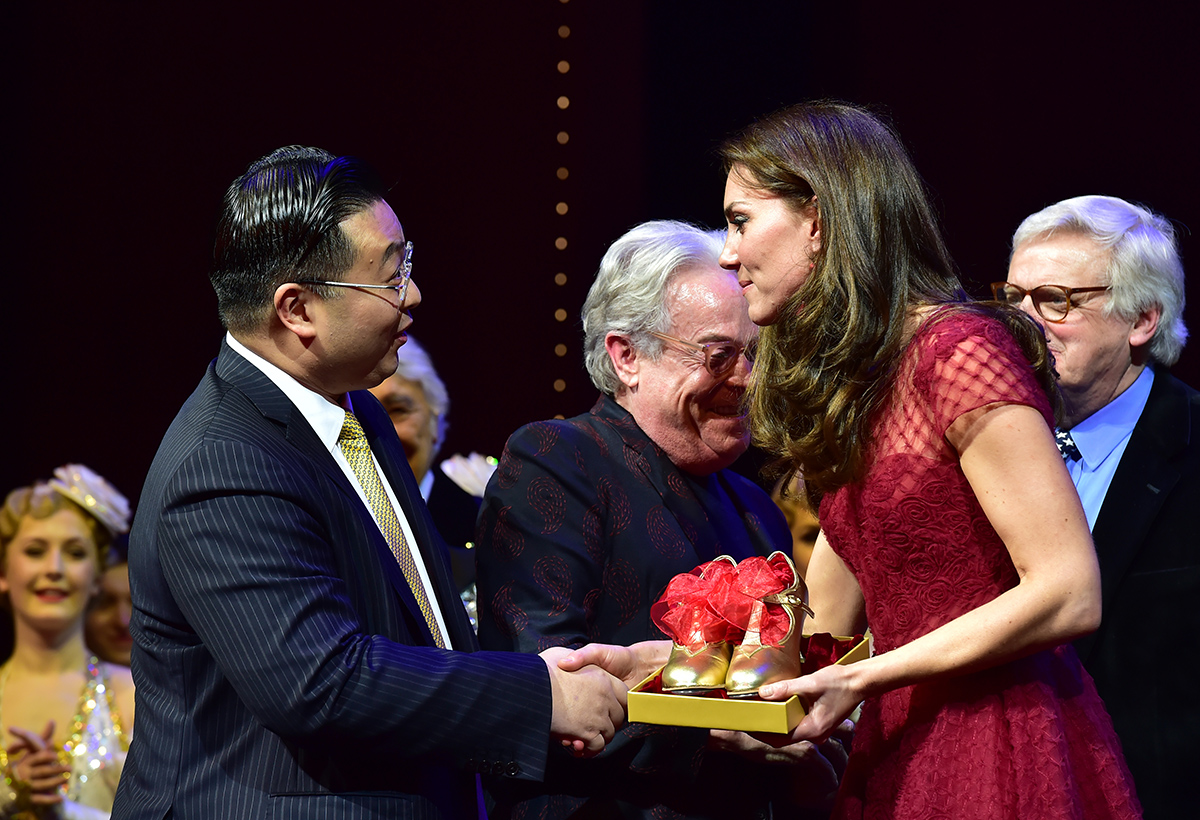
Johnny Hon at the charity première of the stage show 42nd Steet with HRH The Duchess of Cambridge
LUX: You have a broad portfolio of business, philanthropic and diplomatic interests. Please tell us more – it seems you are in effect an ambassador between east and west at a very high level?
Johnny Hon: The main mission of the Global Group is, as our motto says, ‘Bridging the New Frontiers’. We work to remove barriers between the East and the West, and I am passionate about reflecting this in my personal and business interests.
I am British-educated but was born in Hong Kong, and I’m deeply proud of my roots and Chinese heritage. I have always felt like I represent both cultures and I have tried hard to act as an ambassador – a gateway – ever since I set up my company. The Global Group challenges expectations and concerns about doing business in China, and I also embody this role in my diplomatic work.
I am the Honorary Consul for Grenada in Hong Kong and the country’s Ambassador-at-Large. I take huge pride in the private consultancy and advisory work I do with state leaders, prime ministers and presidents from countries around the world.
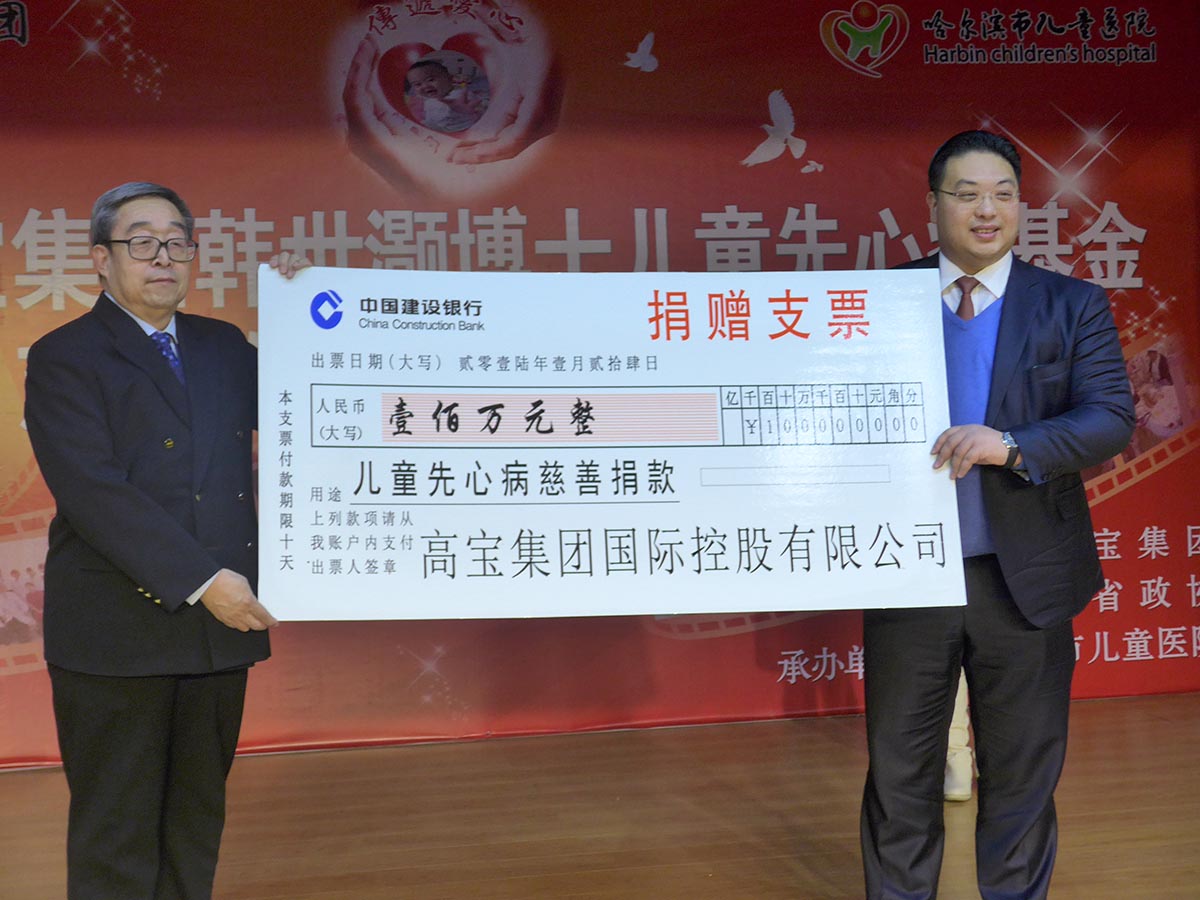
Johnny Hon’s broad range of philanthropic and diplomatic work includes charitable fund raising
Philanthropy is a vital part of my work and an endless source of motivation and inspiration for the Global Group. One position that fills me with particular pride is my role as the first ever Diamond Benefactor of the Duke of Edinburgh’s International Award. I am responsible for growing the scheme throughout the AsiaPacific region and introducing Chinese students and young people to such exciting life skills as teamwork, enterprise and leadership.
I’m also a Founder Benefactor of London based think tank Asia House and Vice President of the 48 Group Club, which works to raise awareness of Chinese business and innovation in the UK and promote positive relations between the two countries.
In all areas of my life – business, diplomacy, philanthropy and personal – I take great pride and pleasure in my ambassadorial role.
LUX: Does the West have much to learn from China, and vice versa?
Johnny Hon: We can all learn and benefit from a global outlook. China is now a hub of technological advancements and entrepreneurial spirit. The West can learn from its productivity levels, dedication to innovation and broad acceptance of technology, especially regarding the fourth industrial revolution.
The West, and the UK in particular, is inspiring in the approach it takes to investing in future talent and it is the home of some of the world’s greatest educational institutions. It is also an outstanding provider of services, especially in the financial and legal sectors.
From East to West, I am passionate about education and how it is already changing the business landscape. Right now, over 300 million people in China are learning English and the UK has the world’s second largest population of Chinese students studying overseas. I think we should all look to China and how it is encouraging, supporting and inspiring a global outlook for the next generation.
LUX: Tell us more about your philanthropy and your plans in that area.
Johnny Hon: Philanthropy and social responsibility is at the core of the Global Group. It bolsters my sense of purpose and motivates me to work even harder.
I have always wanted to give back. When I was reading for my PhD at Cambridge, I realised that I would be able to have more impact as a businessman than a doctor, and this started my philanthropic career.
Amongst many philanthropic roles, Johnny Hon is the Vice President of the 48 Group Club
We’ve now donated to over 160 charities worldwide and my projects have ranged from setting up Oxford and Cambridge University scholarship schemes to sponsoring the first London production of the China National Beijing Opera Company at Sadler’s Wells through the Hon Foundation for Music and the Performing Arts.
It is particularly rewarding to be able to combine my passion for the arts with my interests in raising awareness of Eastern culture in the UK, supporting the Global Group’s mission to bridge the gap between the East and West.
LUX: Please tell us about other areas you are developing in your business that are exciting you right now.
Johnny Hon: Sitting at the helm of a rapidly expanding company that is growing in numbers, clients, countries of operation, and team members, is hugely exciting in itself.
Looking at investment opportunities and areas, right now, there is a fascinating trend for Chinese investors to look to British heritage companies. China has a growing consumer society with an increased disposable income and appetite for British luxury goods such as whisky and smoked salmon. There’s a huge market there for UK companies to work with China, and vice versa, to develop this and other opportunities.
This year, we are building on the sustainable side of the Global Group, with a focus on our shared global future. We are focusing on technology that sets out to tackle challenges posed by issues such as population growth and its environmental impact, including green technology, agricultural technology and biotech, for example.
Investing in something that could improve life quality and expectancy means that I have the potential to make a real impact and change the lives of many millions of people for the better, which is both exciting and awe-inspiring.
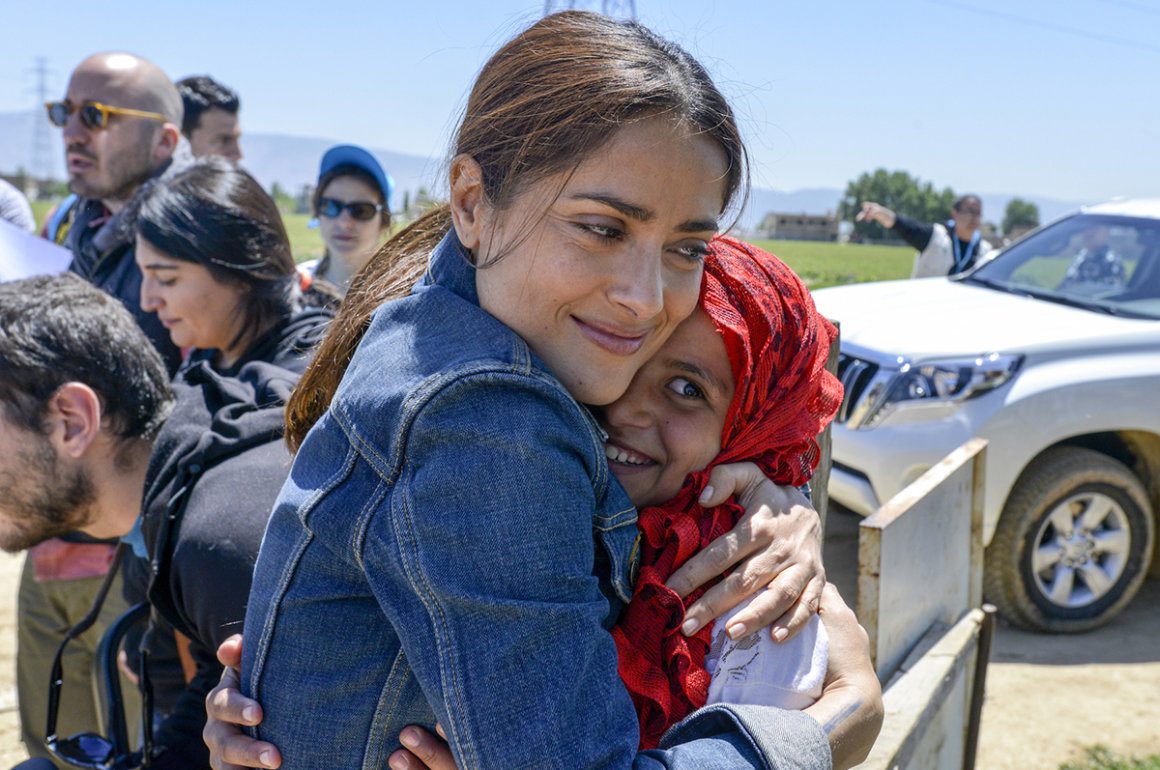

Actress, campaigner, wife of Kering owner François-Henri Pinault, Salma Hayek and CHIME FOR CHANGE co-founder, joined UNICEF to meet Syrian refugees in Lebanon in 2015
Gucci is the biggest Kering brand and, as a producer of leather and fashion garments, the one with the biggest sustainability challenges. In a candid exchange, Robert Triefus, Gucci’s EVP and Chief Marketing Officer, tells LUX how the label is tackling them.
LUX: Is there an awareness among all your staff of the broad Kering vision?
Robert Triefus: We are in luxury fashion. For some individuals, they will feel there is a contradiction in terms between sustainability and luxury fashion. But I think that you have to start from the premise that we are a business, a for-profit (not a not-for-profit) one that believes in its responsibility to lower its impact in terms of carbon footprint, waste management and social issues – how we can be responsible in our community. As the big picture, I think that this is the framework that we, as a group, work within.
Follow LUX on Instagram: the.official.lux.magazine
 LUX: That big picture means not just reducing environmental impact but doing good in areas such as gender equality. Is this on the rise?
RT: It’s interesting because one of the impacts of the inauguration of Donald Trump as president of the United States and his rather nationalistic approach has been that brands generally are looking at how they can contribute towards the debate on the promotion of certain rights. Equality as a whole is a significant topic in America and beyond because it has that kind of reach.
Going back to the mission of Kering, one of the key issues has always been the idea of gender equality, so when we launched CHIME FOR CHANGE [co-founded by François-Henri Pinault’s wife Salma Hayek, a leading campaigner on gender equality issues] three years ago, it was something we believed in both as a brand and as something that makes very good sense given the number of female clients we have. But also within the framework of Kering’s overall mission, it resided very well under that overall umbrella.
Today, I think the issue of gender equality is widely seen because it has built momentum and it has  acquired much more engagement in the media for a lot of different reasons. So, I think that over the past three years we’ve been engaging in this campaign because we believed it was the right thing to do as a campaign, and as a topic.
LUX: In the Dining Issue of LUX we have an interview with Marc Glimcher of Pace Gallery who says that they are doing public art because the public sector doesn’t have the money. Likewise, is no one stepping in to do what you are doing?
RT: I think over the past 10 to 20 years, the private sector in its different manifestations has become much more active partly in the growth of understanding of the role that corporations, brands and wealthy, successful entrepreneurs can play. If you look at the Bill Gates and the Warren Buffets of this world and what they are doing today, you can see that they feel they have responsibilities and the capacity of a small country to carry them out.
Read next: Abercrombie & Kent founder Geoffrey Kent on the value of luxury travel
LUX: How does the responsibility element, the CHIME FOR CHANGE, link with the sustain-ability element of Kering’s strategy?
RT: Within Kering’s ten-year strategy there are pillars. One of them is focused on the environment, and all what we do goes with that. When you use the word sustainability, it’s immediately associated with the environment. But the second pillar is about social good with campaigns such as CHIME FOR CHANGE on gender equality and other philanthropic activities. The third pillar is more in the area of innovation. Kering looks at sustainability in a broad sense under the notion of responsibility to the environment and to humanity. This innovation is driving ways of doing business differently across the area of sustainability.
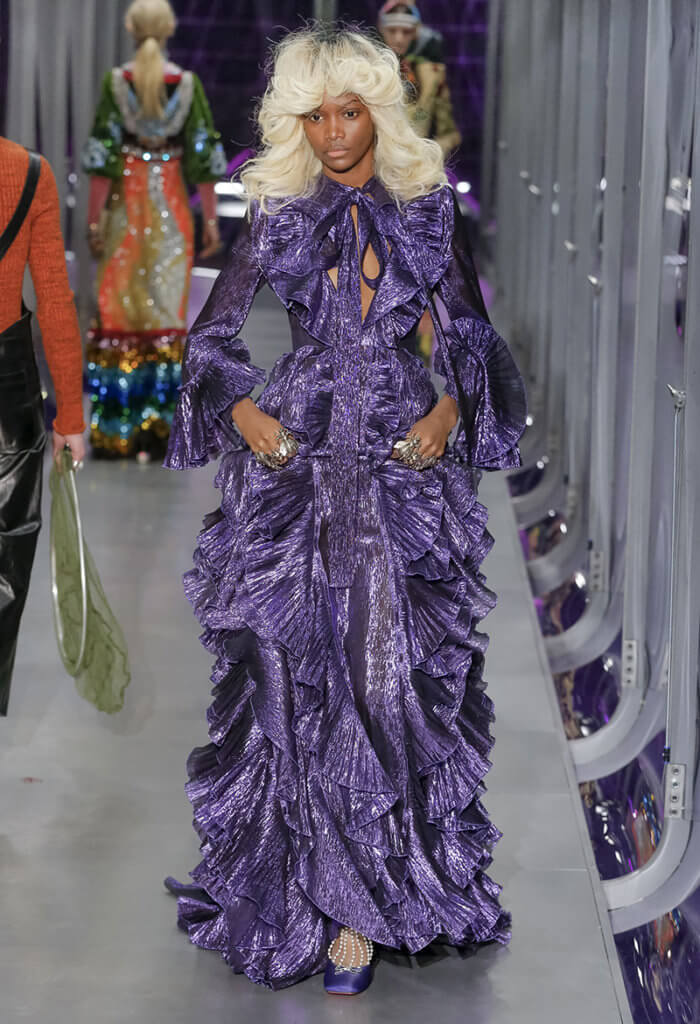
Gucci’s pre-Fall 2017 collection
LUX: Gucci and CHIME FOR CHANGE support women’s and girls’ causes and you partner with the action group Global Citizen. It’s a good ex-ample of a corporation taking responsibility for social campaigning. Is this continuing?
RT: Yes, the fact that equality is more under question than it was a year ago, certainly in the most developed country in the world [the US], means that we as a campaign movement are going to be busier than before, probably. We are always looking for ways we can be more effective in getting our message out there. Music as a convening force will be part of what we do. We will be having festivals in New York and Berlin. There will be another CHIME FOR CHANGE hackathon supported by Facebook. We are looking for something in the art community, and will continue to be active as we have in the past, and what we could do in the future.
LUX: Will consumers start to demand that luxury brands are responsible? Are you seeing this now  or do they just not care?
RT: No, I think they assume that we are responsible and sustainable so I think it would become punitive if it becomes apparent that we have not been acting in that way. At the same time I think – and it’s a bit of a cliché now – the millennials and generation Z are definitely growing up much more aware because they are living in an environment that is more in question. Therefore, they are increasingly aware of the negative impact that companies can have. So, let’s say that the expectation that you are responsible is put at an even greater premium.
LUX: As we go forward, will you push Kering’s sustainability message forward more in Gucci?
RT: I think the point is that we are a for-profit, not not-for-profit, so we are de facto never going to be perfect. Now, we are not going to make this the unique selling point of our brand, maybe it’s different in the case of Stella McCartney as it is part of her DNA, but by and large it is something we believe companies and ourselves should be doing. We are not going to shout from the rooftops because frankly someone could justifiably say, “hang on a minute, you should be that way, so why are you shouting about it?”
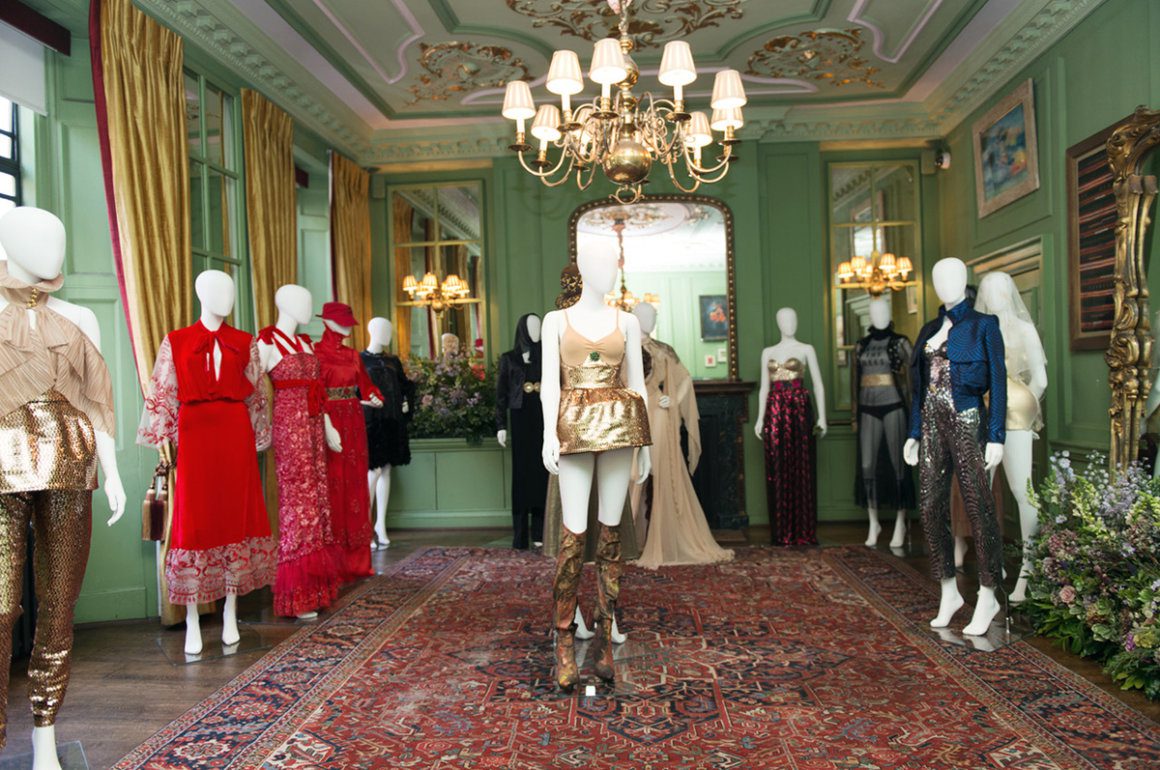
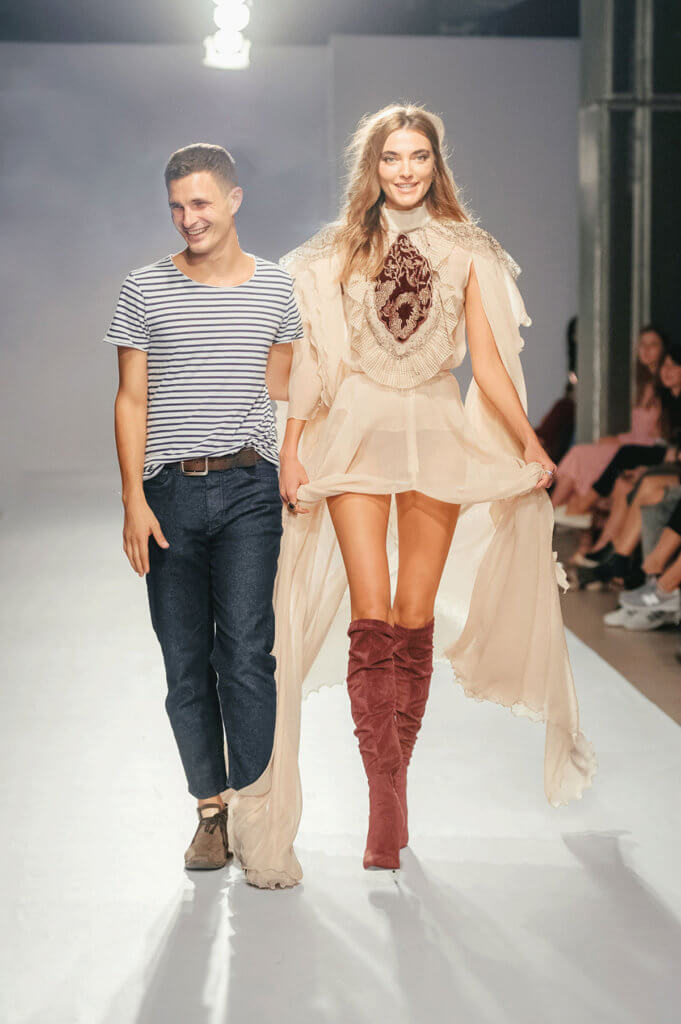
Czech based desinger Jiri Kalfar on the catwalk launching his Honey Bee collection at LFW
Czech based fashion designer Jiri Kalfar is known for challenging gender stereotypes through his fluid, vibrant designs. In 2015, NYLON named him as one of the hottest emerging designers to watch and his collections frequently grace the pages of Schön!, Tank, Harpers Bazaar and Vogue.it, yet the young designer is more concerned with protecting our planet than his blossoming fame. Millie Walton caught up with Kalfar after his LFW show at L’escargot to talk about theatre, honey bees and the future of sustainable fashion.
Millie Walton: You trained as a ballet dancer, how does that influence your approach to design?
Jiri Kalfar: It is hard to say. I grew up in the theatre. It has been a massive part of my life and I think it actually influences me without even me thinking about it. It is part of me, and therefore part of my work and my design. It is more about a character though. When I design, I do not see the everyday woman hidden and following the crowd. Quite the opposite. I like to give a story to a person. To add to its character and a personality. I love variety and I don’t really understand minimalism. It bores me. Life is a show. Each of us is an individual character with different personal style.
Follow LUX on Instagram: the.official.lux.magazine
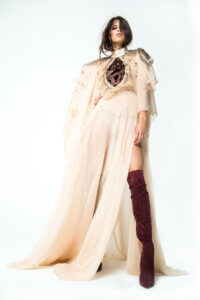
The Honey Bee S/S18 collection
MW: How would you describe your aesthetic?
JK: Unique. Out of the box. What I do, doesn’t really fit into any box. It is not a street-wear, not (yet) a haute couture, not office wear. Yet, you can wear it for any occasion. It is only up to you, how decide to wear it. What to add to it. What to hide. What size to choose. I like to play. And I love seeing people styling my clothes in different ways. It is the biggest satisfaction.
MW: Which fashion designers do you find most inspiring and why?
JK: There are three whose work and style I admire. Their legacy or how they are approaching fashion, On the top there would be the ultimate king, Alexander McQueen followed by Vivienne Westwood and John Galliano. Strangely they are British. Oh, and Dries Van Noten too.
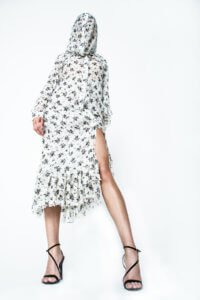
The Honey Bee S/S18 collection
MW: In past interviews you’ve talked about your interest in theatre, do you think about particular characters when you’re designing? Does that change from garment to garment or collection to collection?
JK: Yes, actually. I like to create a character, a living soul. It can be anybody. But the game is to transform yourself. Into a tsarina, a king, a goddess, a pirate .. for every day or just to glam-up . But still be yourself.
We all wear costumes in some way. A costume which we would bland in into a society. And I like to do the exact opposite. A clothes which would enhance your personality. Society blends into you. Because you are confident enough. Fearless.
Read next: Burberry’s celebrates social portraiture and British spirit
MW: Your S/S18 collection takes influence from honey bees, why bees?
JK: It is an ecological message actually. I fear what our generation does to this planet. What our legacy will be for generations to come. What will happen to the animals, to the North pole and the oceans. What will be the aftermath of our action.
I am aware I can not save the planet by doing that. I am not naïve but I believe each of us has a voice and can do something to make the world better. So the inspiration for this collection is very simple : Save The Bees! Because they are dying due to the changes of the ecosystem. And without the bees, there is no future, I am afraid.
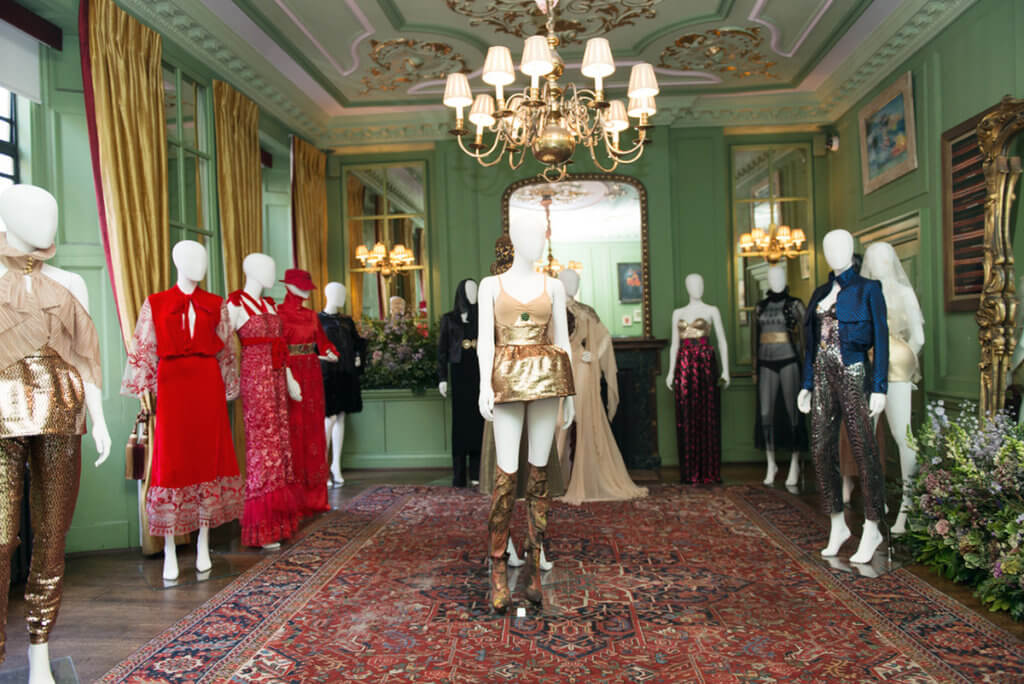
Jiri Kalfar London Fashion Week 2017 exhibition at L’escargot
Millie Walton: How do you ensure that all of your clothes are manufactured sustainably?
Jiri Kalfar: All my clothes are done ethically, in my studios in Prague. We make everything there. Therefore I know we do not over-produce, which means that the pollution is absolutely minimal. And so is the waste. All my collections are generally zero-waste. Even if we don’t use all the material in one collection, I will use it in the next one or the one after. It is important to me.
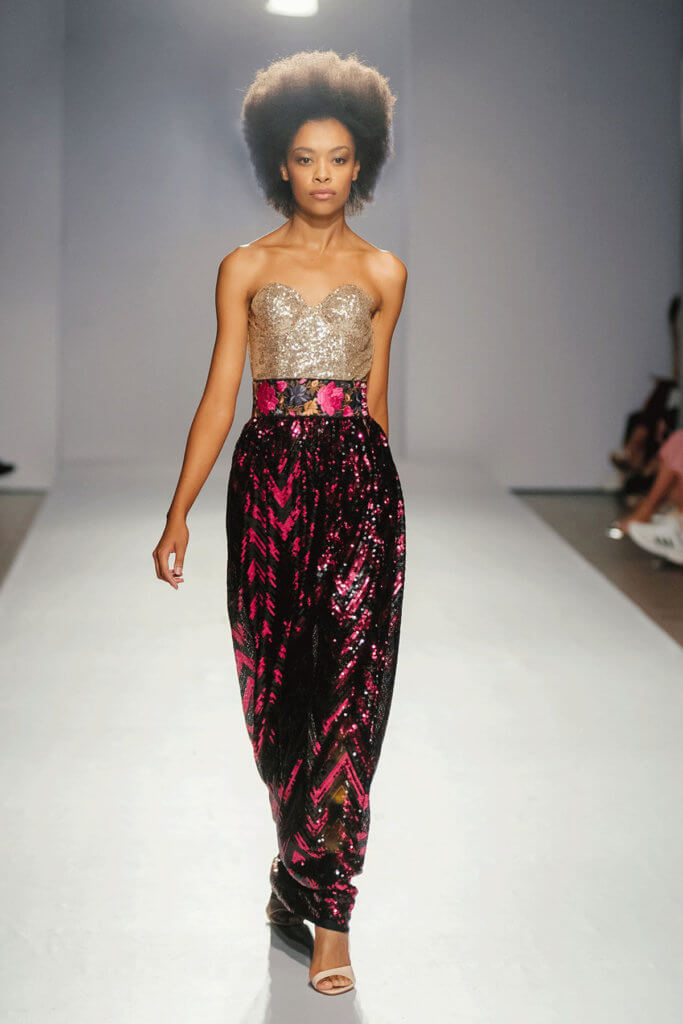
Jiri Kalfar London Fashion Week 2017 catwalk show
MW: Do you think that the luxury world is becoming more aware of environmental concerns and what does that mean for the fashion industry?
JK: I hope so. I like to think there will be big boom of sustainable fashion soon. Same as really happened to the food industry. The luxury there is actually to grow your own food or to buy organic. No fast food but slow food. Time became important. The quality over quantity. To know where your dinner comes from. Maybe the same will happen with fashion. To know the journey of a product from the beginning to end. To understand the ethicality and importance of a truly crafted piece. Of its value. The luxury doesn’t really mean money in this case, it means knowledge and consciousness.


One of the walled gardens at the former Laennec hospital at 40 rue de Sèvres Cour in Paris’s 7th arrondissement, a masterpiece of 17th century architecture that underwent a major refurbishment from 2000 and is now the headquarters of the Kering Group and Balenciaga. Image by Thierry Depagne
Plenty, if you listen to Marie-Claire Daveu. She is in charge of Kering’s 2025 sustainability strategy, the broadest plan of its kind ever created by the fashion and luxury sector. LUX Editor-in-Chief Darius Sanai sat down with her at Kering’s spectacular new offices in Paris to learn more about how Gucci, Saint Laurent, Bottega Veneta et al will become paragons of social responsibility – and why it matters.
“It’s beautiful, and it lets you feel like you can breathe.” Marie-Claire Daveu is looking at a ‘living wall’ on the lower ground floor of her company headquarters; the wall is covered with plant life, a canvas of different shades of green. A few steps behind her, a large space, gently lit, is punctuated by what look at first to be types of dwelling, but turn out to be beautifully sculpted pseudo-retail showrooms. It all feels like the public areas of a boutique hotel, perhaps one carved out of an old chateau.
But we are not in a hotel; we are at Laennec, the headquarters of Kering, luxury and fashion group founded by French industrial titan Francois Pinault and now run by his son, Francois-Henri Pinault. Kering, formerly PPR and before that Gucci Group, owns Gucci, Bottega Veneta, YSL, Brioni, Boucheron, Stella McCartney and numerous other prestigious brands, as well as sportswear maker Puma. [Mr Pinault Sr also owns the auction house Christies and the first growth Bordeaux wine estate Chateau Latour.]
Follow LUX on Instagram: the.official.lux.magazine
But I am not here, at Kering’s new headquarters, to talk fashion. Daveu, as Chief Sustainability Officer, is in charge of the group’s industry-leading sustainability and corporate responsibility ethos, a ground-breaking philosophy that has since its inception in 2012 required each brand to self-impose a rigorous Environmental P&L, which is published publicly, to ascertain how it has complied with the high bars on sustainability, sourcing, carbon footprint, water usage, and other measures stipulated by Daveu.
The philosophy is the brainchild of Pinault Jr, who stated simply that “We have no choice”. Earlier this year, it was expanded into a more comprehensive plan for 2025 which includes a widespread promotion of women within the Kering group and a commitment to reduce the group’s environmental footprint by 40%.
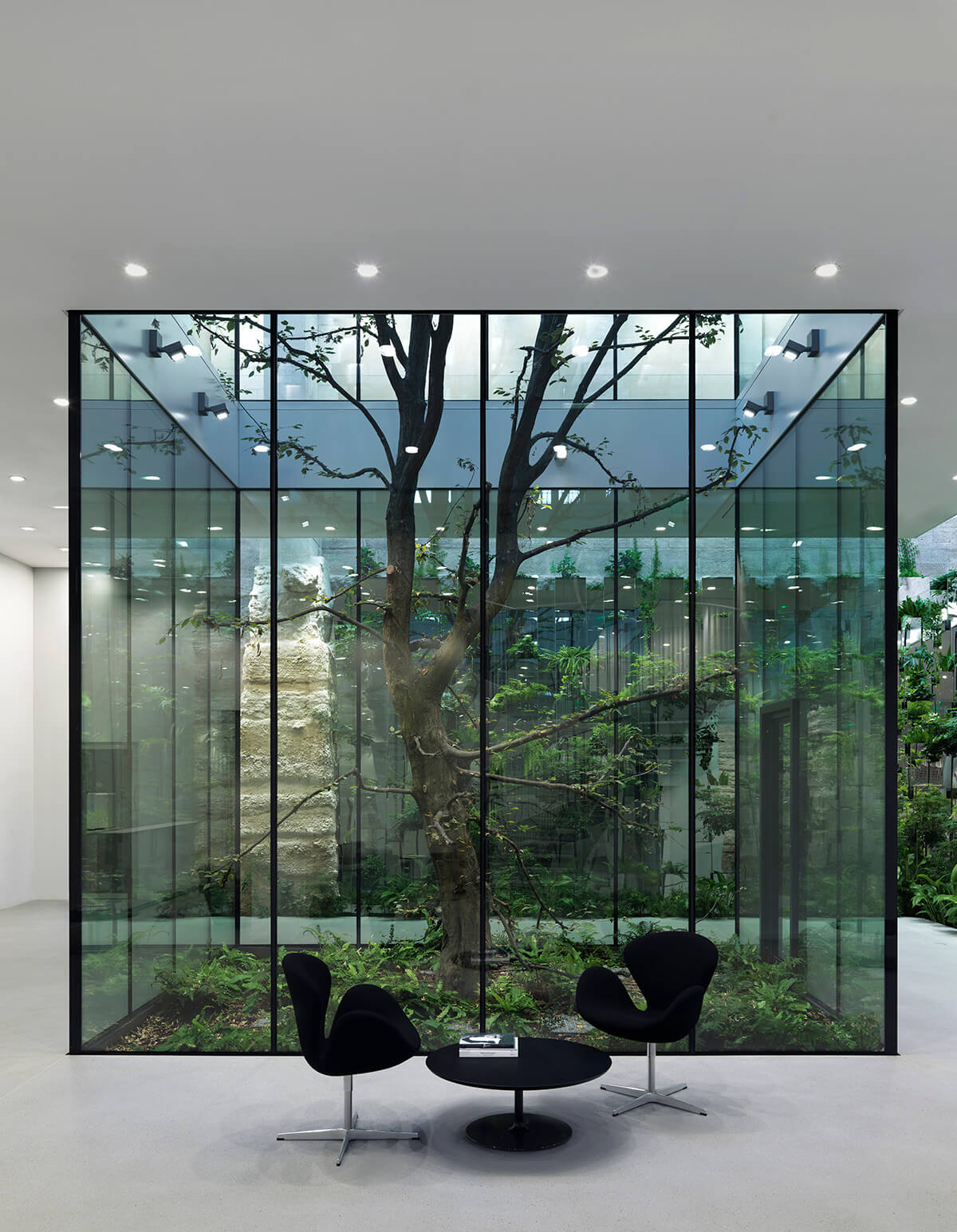
A “live wall” at the Kering Headquarters
Laennec is the physical embodiment of the Kering philosophy. Formerly a hospital, opened in 1634 and functioning until 2000, it is a palatial building in the heart of the Left Bank. Walk through the gates into the vast courtyard and you could be strolling through the grounds of a chateau in the Loire; there is not a hint of corporate branding, not a suggestion that you are anywhere except within the demise of a beautifully kept stately home (in the centre of Paris!).
This minimal impact on the environment was one of the key concepts behind the company’s move last year.
Daveu, slim, chic, and articulate, looks every inch the Kering woman; but she is a conservation academic by training and was most recently the chief of staff within the French Ministry of Ecology. We head along through some more wonderfully welcoming workspaces – the vibe is more hotel-museum-bar than office – into a meeting room. Daveu is enthusiastic, chatty, curious; she takes the copy of LUX I have brought with me and leafs through it, ogling an image of a mountain retreat, wishing she could be there.
She is also candid about the reasons behind Kering’s responsibility strategy and in explaining why individual Kering brands do not necessarily drum the corporate philosophy into their consumers.
Very rarely in the marketing-led world of luxury and fashion does one come across an individual or corporation undergoing a programme, let alone creating an entire corporate strategy, that is not directly aimed at increasing the bottom line in an easily-demonstrable way, whether through sales, PR hits leading to sales, or cost-cutting wrapped in eco-sophistry (like all the hotels who volunteer not to wash your linen for you unless you ask). And yet, Kering’s sustainability and (from 2017) corporate responsibility and equality strategy appear to be precisely that; a philosophy created by an owner aimed simply at raising the bar in luxury and, if not exactly making the world a better place (you couldn’t claim to do that while selling leather bags and shoes and shipping textiles around the world), then limiting and in many cases reversing the harm we are doing to it; as the interview highlights below illustrate.
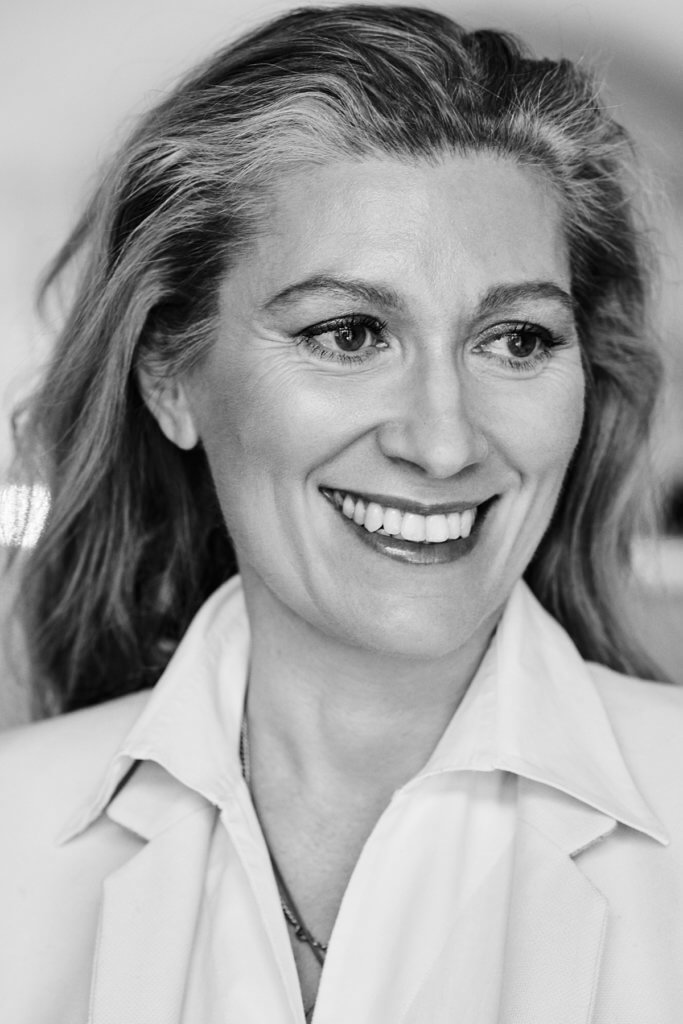
Marie-Claire Daveu, CSO of Kering. Image by Christopher Sturman
LUX: It has now been more than five years since Kering launched its sustainability strategy. How would you score yourself?
Marie-Claire Daveu: From the beginning, Francois-Henri Pinault defined sustainability as something really key to him. We first defined a set of targets in 2012, for 2016. During the spring of 2016 we communicated externally where we were with every target. That was key to us, because we feel that one of our values, beyond sustainability, is transparency. Transparency not only internally, with our employees, with all of our stakeholders. So that is why we had the feeling that we had not only to communicate the good results, but also when we were not able to reach our targets. And to try and explain why we were not able to reach a target.
So I think it is very important to show that even if you are a major company, you have some difficulties. And it is also through working with other people, people from your own industry, but also universities and NGOs, that you will be able to tackle the issue with and come up with the right solution.
So in a nutshell, we can say, we’ve had major successes. Such as in PVC. One of our targets was to really eliminate PVC from all of our products and we can say we are at 99% PVC free. We were also able to work a lot on our ethics goals because we defined what our ethics goals were. We bought 55 kilos of fair-mined gold. We also have other targets; bovine leather and calf’s leather. The objective was to be sure that they were 100% sustainable. What was very important in this first step was knowing they were 100% sustainable by knowing the traceability. And the first difficulty we found was knowing where it was really coming from. We now have good results for example with crocodiles and alligators – we are over 90% sustainable. Now, when we speak about precious skins we are over 60% sustainable; and this shows that in some areas we have to continue to work on it.
Another development is that now when we make a new hire, they know that they have to be totally involved in the sustainability path. This is also something that creates a real dynamic inside the company. It’s something that is really key. In 2016 we were recognised by external rankings that we still continue to lead our industry in this field.
When we spoke before you mentioned the Materials Innovation Laboratory [a closed location in Italy where the company’s scientists and technicians experiment with new materials]…what I would say is interesting to see is that it has become something very natural for the brand and the design team to cross to the materials from the innovation lab. We need to really push and to create this kind of cross-fertilisation. We say, ‘Go to see them, they are doing interesting things. They can open your mind about new topics.’ So now, we have direct contact between the design teams and the team based in Novara in the Materials Innovation Laboratory. This is one of the key successes of which we can be very proud.
LUX: This year is a key year for Kering – your strategy has moved beyond sustainability and also into human responsibility. Why?
Marie-Claire Daveu: At the end of 2015 we made a major decision that we would like to write a new chapter on sustainability for the next 10 years. That’s why we talked about 2025 [in a media announcement early in 2017]. We made a decision saying we want to continue to define the standards on the social side and on the environmental side. We want to define what we call the sustainable luxury sector or luxury industry, or luxury products. It applies to those three words. We had the feeling with the strength of the work we have done that we can have a 360 degree approach about sustainability.
That’s why this time we decided not only to work with an action plan on the environmental side, but also to include more of the social side. This also links to not only with our own human resources, but to think outside of the boundaries in the supply chain, and also for broader society. As luxury leaders we set the trends, so it was key to work on the social side. We want to also formalise more and to think not only for the short term but the long run too.
One of the most important difficulties I have to manage is that we are in an industry where people, not everyone, are more focused on short term. But when we are speaking about sustainability, we are thinking about the long term. In this company we are very lucky because Francois-Henri Pinault thinks really long term; he doesn’t think short term. But you also have to push inside the company. When you meet some CEOs you speak about the end of the year, that’s okay because it works for the fashion calendar. When you are speaking for the next 10 years, its not obvious for them. Because previously we did not ask them to think in this way. But when you are in sustainability one important learning in our action plan is also the fact that if you want to change things in depth, you have to have time.
You can make incremental progress in the short term, and you have to; but if you are thinking to change a paradigm and change a business model as we want to do, you have to accept that it will take time. 10 years sounds a lot but in reality it is nothing. So you have to think long term, and at the same time to have a calendar accepted by our people also.
LUX: Is it a challenge to get CEOs and other staff to think so long term?
Marie-Claire Daveu: It’s a challenge. So that’s why to tackle this issue we decided to create a specific steering committee for this project. This steering committee was the Kering executive committee. So the first time, at the level of the group, we had the executive group becoming the steering committee of a project; it was to send a strong signal that sustainability is really at the core of our business strategy.
So during 2016 we defined this new strategy. We organised two kinds of road shows. Francois-Henri met the executive committee of every brand to explain why sustainability is key. Also to see how they approached this topic. And he did the same thing with every designer and his or her team. So for the first time we met all the designers and their teams to have an open conversation about sustainability and how they can be more engaged with this field. We have new designers and all of them were very open about this topic. Most of them, not all of them, were really interested.
LUX: Were they interested because they are the younger generation?
Marie-Claire Daveu: Yes. And also when you are a designer you understand the world where you are living. If you don’t understand you won’t be successful. They don’t know the technical side in detail, but they understand that it is not possible to not take into account environmental topics or the social topic, in the supply chain.
After that, where it becomes really interesting is the fact they can express in their manner their expectation, and it’s our job to give them the right tools and opportunities to transform their vision into reality. In our sector the key people are the designer and their team, so if you don’t involve them in the story…okay you will do a great job with the building and the boutiques, but you won’t change the paradigm. During it you can see how much Francois-Henri was involved as he had to see each brand twice every year to explain why sustainability is key. So it was a good exercise for him to wrap up his philosophy and the way we were doing things.
LUX: And do the designers then start to think differently even before they start to design? So instead of thinking let’s use that material for that design they start at the beginning and think what can we design that will be the most sustainable?
Marie-Claire Daveu: We don’t put sustainability as a constraint for the designer or do something that limits their creativity, because at the end of the day they have the last word. But the reaction of most of designers was “oh thinking like that it stimulates us and also our creativity and it gives us another way to think about it”. So for example if we are speaking about fur, they will come and ask their team ‘Could you tell me if this kind of species is okay?’
Courtesy of Kering
And it’s our job from the technical side to identify the suppliers of the cotton farming that will produce organic cotton for example. Cashmere has a major impact on the environmental side because of the land use. So when you look at the EP&L even if you are using a small volume you have a big impact. So it’s very interesting to say look at that, and then after they can make a different choice or we can also say let’s try to find other suppliers in other countries where we will reduce our impact. So it is also how we can create platforms for raw materials. It’s not making the revolution, because when we speak on a lot of topics also with our own experience from the period of 2012 to 2016 I think know we have clearer diagnosis. We have many, many interesting pilot projects. I won’t say we have all of the solutions but we have many solutions. One of the issues of the group is to really put at scale all of the pilot projects we have identified. So that is why also we have both where the designer can come and ask questions and propose them and after it is only to do the roll out of pilot projects.
LUX: Do you personally have conversations, formal and informal, with for instance Tomas Maier [the designer at Bottega Veneta]?
Marie-Claire Daveu: Yes, we began our road show with Thomas Maier, and he for example, during the first period Francois-Henri was also very involved to eliminate and remove PVC for the collection. And they found a way not to use it. But really I don’t want to make a difference between all of the designers because really all of them, I don’t want to speak about Stella, because Stella is also showing the way in the sustainability field, so it’s a little different. But for all of the rest of the designers they were very open and they were very involved in doing something.
To give you a concrete number for the environmental side we want to reduce our environmental footprint by 40%. This is huge. When I say this kind of number perhaps people won’t react and think it’s something huge but it’s nearly half of our environmental footprint. To do that it’s not only in our own operations, but working on the supply chain. If you remember, over 93 per cent of our environmental footprint is linked with the whole supply chain. Seven per cent is linked with our operations only. So if you want to reduce you have to work not only very closely with your suppliers, but also to make a link to find innovative solutions. So that is why to be able to reach this 40% we want to first apply everywhere what we call our ‘Kering Standard Target line’ which means of course to take into account the environmental side, social side and the welfare of animals. One of the topics we want to push during this new chapter is really the criteria for animal welfare. We also feel that as a luxury company we can really push this.
To do all of this, the reduction of the environmental footprint by 40%, we are defining the number for every brand. To be sure that at the end of the day when you add everything up of Gucci, Brioni and Qeelin, for example, that you will reach a reduction of 40% across all of the brands. What we communicate as a strategy is at the level of Kering because as we are Kering what we think is key is to show as a luxury group we can reduce by 40% our environmental footprint. And after, of course, the way of doing it won’t be the same if you are in Stella McCartney or Gucci because you don’t use the same raw materials, you don’t produce the same products and also the design won’t be the same. As concrete example, we can speak about the welfare of pythons, but Stella McCartney doesn’t sue leather or fur so this kind of issue won’t apply to her. Now, if Stella uses new generations of materials she will also analyse their impact on energy because sometimes we have feel we have great ideas and when you do the lifecycle analysis you see its very energy intensive so you have to pay attention.
LUX: Gender parity within your company is also an aim.
Marie-Claire Daveu: At the level of the company we are nearly 60% women but then you have numbers by brands and then by functions. So our objective, like in nature, is to create biodiversity everywhere, at every level and function. So again it is not to apply quotas but it is to take the best but we change the mentality too. It’s an ongoing process. Its 58% women for the groups and then 29% on the executive committee and 64% of directors are women. We are now the board with the most women in the France. We are 64% at the level of the board in France! I can’t tell you how much of a great success it is, because we are a Latin country. Less than Italy but we are a Latin country. Its something new and Francois-Henri wants really to continue to push this. Of course we pay attention to the quality of the people, it’s not to only have women, or international people – if they are not good they are not good. The second goal we have is that we want to be the best place to work in the luxury industry. You can say that that is a little vague so to be sure that it is not only our internal investments we want to use external recognition as we did with sustainability. For example, when you are speaking about climate change you have CDP ranking. So we will try to be recognised externally. The last topic, very linked with business, is that we want to continue and reinforce craftsmanship and specific skills in our industry. It sounds very easy. But we are very conscious we won’t be able to do this by ourselves, even if we have the Bottega Veneta school, the Brioni school, Gucci is working hard with universities but when we are speaking about watches and jewellery we need also to have specific partnerships in Switzerland because we need specific skills but at the same time we won’t hire so many people. It’s something we need to think outside of the box to create something new.
LUX: These new developments, for example the animal welfare, is that all part of your job?
Marie-Claire Daveu: Yes. My job is to find specific certifications, to say to work on in this place in the world not everywhere. When we are speaking about fur, to use not this species but more of this species. So we write guidelines and standards and we give them the tools to reach and apply this standard. This is the work of my team. And after to implement the operations it is the job of the people in the brands. So it is under the responsibility of the CEOs and the designers. We don’t want to only say: “you have to, you have to!” But also to support them. And sometimes, perhaps, we will make big mistakes, so it’s key also to have their feedback and to see what it means. When you are speaking about sustainability we are not NGOs, so we also have to earn money and to be realistic and to be pragmatic.
LUX: Presumably it would be harder to do all of this is the company were not majority-controlled by the Pinault family?
Marie-Claire Daveu: I don’t have that in mind, because we don’t think like that. It’s not a cost, it’s an investment.
LUX: With the end consumer, say the average Gucci consumer for example, are they aware (any more than before) that this is a brand that takes its sustainability and welfare seriously? And does that matter?
Marie-Claire Daveu: I don’t have the quantitative answer; I only hope so. As you know, we don’t communicate directly to our consumer when we speak about sustainability. On this point there are no changes. Perhaps Stella McCartney is communicating a little bit more than before directly with her clients.
LUX: But that was always part of her brand.
Marie-Claire Daveu: But when you buy the product of Stella McCartney it is not written that they are sustainable products. You have, for instance, written organic cotton but if you don’t look for it you won’t see it. And when you enter the shop you don’t know.
Some people think, if they don’t know that about Stella McCartney pieces, they believe that the python skin shoes are real python!
LUX: Maybe only a minority of people are aware. But with Stella it’s one step for the consumer to research, whereas with Bottega or Gucci it’s two steps – “Its Bottega; Bottega is owned by Kering; and Kering has this broad sustainability strategy.”
Marie-Claire Daveu: Gucci, Bottega or YSL, they don’t communicate all of this directly to the customer, true. With brands like Gucci, they are doing some communication at the corporate level. You have Gucci and Global Citizen and Gucci and Chime for Change, but its more focused on the social side. You also have Marco Bizzarri, who has given a few key interviews where he has said a few words on sustainability. But it’s not strong and tough communication, true. As part of Kering they are fully free to communicate or not to communicate. As Kering I think we try to communicate, but I’m sure not enough because it takes lots of time, we communicate more to our industry. As Kering, I am not able to tackle our customers of the brands. But again, our customers are also citizens and they read the newspaper and they look at what happens in NGOs so I am sure they have more information, but, yes it is not obvious. So they have to make the link. Francois-Henri Pinault does not want to put sustainability at the core of the business strategy to sell more products but instead for two reasons. First for ethical reasons and secondly because he thinks there is no other option. It is a necessity if we want to continue our business.
Further, is the fact that I have the feeling that with social media, the new generation ask more questions. They are curious what is behind the products. And when we go to the boutiques and speak to our employees they say that more and more people are asking questions. So it’s good!
LUX: But it’s unusual for a luxury industry to be doing so much and not communicate it via the brands, no?
Marie-Claire Daveu: That’s why we are different. In luxury we are unique. I always say it is the spirit of Francois-Henri that when you are speaking about luxury, sustainability is inherent to the quality. Just as you don’t describe the quality of your product in all of the details. You know its heritage…so it’s a similar approach. You take a care of the people and you take care of the planet.
One thing that is very important in our philosophy is to openly share our discoveries. And to make the link with innovation. We feel that on the social side, but also on the environmental side, that in the next chapter of our strategy we need to push innovation. And to do this we will take two approaches. First is to invest in start-ups and new companies. New companies that can invent new processes or identify new raw materials which could be very interesting. And the other axis is to create more cross fertilisation between our company and other companies. I don’t speak only about digital; it could be with the car industry or the food industry but to create something new.
Courtesy of Kering
LUX: Is that underway already?
Marie-Claire Daveu: No. It’s something want to put in place in our next chapter. And to also work with the technical people in these industries helps to imagine the future. That’s why the supply chain is important. The beginning of the structure is steel forte. It’s really the raw materials because you can have a lot of impact here. Thinking of raw materials that can work across the entire industry. When you are thinking about biodiversity you can think across the industry. I can’t disclose the name but today we are organising a meeting with a few companies which are not in our sector to speak about natural capital. It’s also a way to change the world, to make a better world and also to be very pragmatic. When you are speaking as Kering for many raw materials or processes, even if you are a major company of a big size, we are not big enough to change alone. That’s why we need to go with other sectors that are using the same processes and the same raw materials. And it’s not linked with creativity or the fact that luxury is unique. You have to divide. You have the “back office” and after you have creation – creation is key. But we have a lot of work to do on the basic things. You asked me about the customers…a lot of people ask this question. I think to be honest it will take time. For me, they don’t ask questions because they think the luxury world is already perfect. This is why we are continuing with this strategy and connected with the London College of Fashion. We feel that training is important but in fact it is very operational because we anticipate a need to prepare the next generation of people who will work in the fashion world. For us it is time and investment. We don’t have a direct feedback about money but we feel that it is our responsibility. If they have this way of thinking during their studies, when they take responsibility in brands it won’t be a question for them. It will be something they put into reality very quickly. We developed our app with Parsons in the United States called “My EP&L” for the students. We simplified the EP&L a lot but it’s to show the environmental cost of each of the materials and processes involved in the student’s design. For example, which material, from where, to manufacture where and then you get the result of your environmental footprint. Behind every item we have a way to calculate each of its environmental impact. After, what is very pedagogical is that you can change silk to cotton instead and you will see you will reduce your footprint by only changing one thing you can make a big difference. For students this is great fun.
LUX: In terms of the specific stories where we are talking about production and the sourcing, in terms of your suppliers, are there any stories about how suppliers have changed or you have chosen suppliers who have changed their ways so it has benefitted both the environmental, the humanitarian and social side?
Marie-Claire Daveu: It’s a tough question to answer. What we have done and what we are doing with some suppliers is to apply a program which we call “clean by design”. It’s more focused on the environmental side which I why I’m not answering for the social side. What is interesting to think is that first, these suppliers are not only working for us, so when we apply this program it is to create a specific relationship with the supplier and we hope that it will also be useful for their own business. They can present to other customers the fact that they take into account the environmental side, energy and water consumption etc. So I will say one very big major program we have is suppliers in Italy and we want to develop this program outside of Europe for example, in China. We also have a specific program linked with embroidery in India. I don’t know if you know how it embroidery factories work in India but its men, because this kind of work is not done by women. You have a different kind of structure and now all the luxury companies are going to their embroidery to India because you have this kind of skill there. So we are trying to develop a specific program with these kind of suppliers not only to improve the working conditions of the employees but also to give them a vision and support them in developing their business in the future. Also to pay attention to the fact it is noble to work in this field to continue so the next generation are inspired too. We have to work more and we want to go beyond social compliance and work on capacity building. That’s for the next chapter. When you are talking about social compliance it’s less sexy as a story. But its hard work we have implemented in 2016 we have work to continue to put sustainability clauses in our contracts. To put in place a specific team to do audits in our supply chain. We create this new entity at the level of the group, at the corporate level, the report of the internal audit. We create the structure, the process to be sure. And this takes time as we also need to explain to our suppliers why this is key. Not only to have control, we are not policemen, but it is a win-win effect for them. When we meet problems we won’t say we won’t work with you but it’s to help support them implement the right solution.
LUX: And these suppliers are presumably long term suppliers? Because they are going to change their structures to work with you?
Marie-Claire Daveu: I wouldn’t say it like that. Most of our suppliers in the luxury side we know them very because we have been working with them for a long time. When they make these changes in investment and practice it’s not only for us. The world is changing. So if they want to develop their business in they need to develop their sectors to include sustainable criteria. One of the key elements we want to share with them is that it is not just to please us but it is also a self-investment. Of course the size is not the same because when you are in luxury its small suppliers, kind of atelier, you don’t have so many people. But they need our support and the support of other big groups to help them. This takes time. My opinion is that it takes time because you have this small structure. When we change suppliers, for example if we have a new designer and he wants a new kind of fabric, and you need to identify a new supplier, we are doing pre audits. The contracts, the clauses, the support. So it is really a partnership with the suppliers in this field. After explaining to them how important this is and they are interested in this it’s good for them. But at the beginning they only see it as a constraint. It takes time, you need money and you have to accept it will take time to explain everything.
LUX: And then it has a much bigger effect on the industry.
Marie-Claire Daveu: Yes, you have a kind of snow ball effect.
LUX: Fast fashion and disposable fashion are very un-environmentally friendly. Is that a challenge? Or does it not affect you because it’s not your part of the industry?
Marie-Claire Daveu: I would say as Kering we have our vision, and we implement it, after that I hope we can influence others. To set standards in our sector, we can help and support change. We are all in the textile sector – and we are the second most polluting sector. So as a sector we really have to include into sustainability or we won’t be able to continue. As Kering we try do the best we can within our own boundaries and we try after to influence our suppliers and to show others that it is possible to include sustainability. Which is why it comes back to the designers and the universities because if you raise awareness about this kind of topic to new generations who will work in our industry…not all will work in the luxury industry but in the textile industry it is good to spread sustainability everywhere.
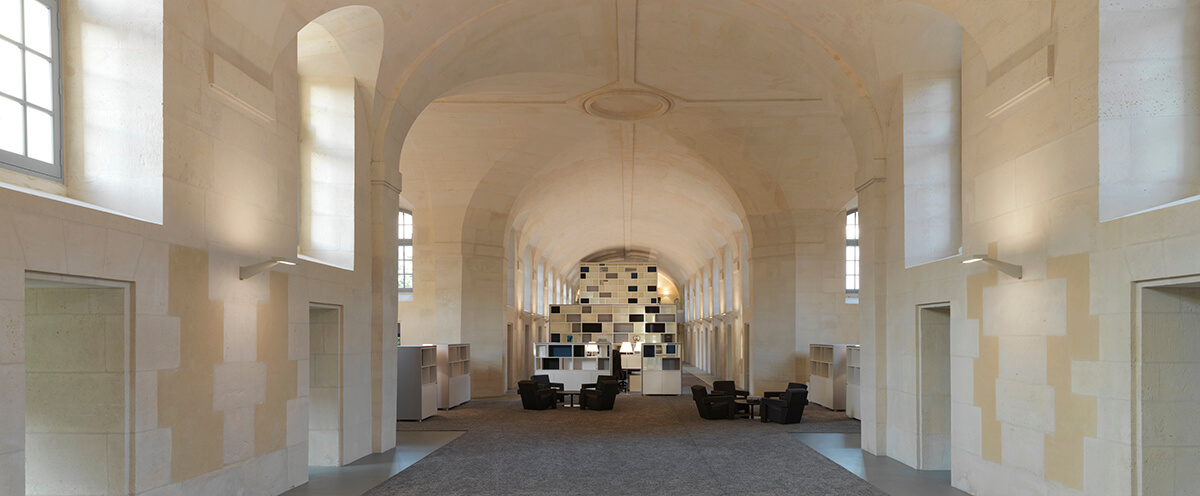
Interiors of the Kering Headquarters
LUX: Tell us about this sustainable HQ building. Were you personally involved?
Marie-Claire Daveu: Yes. We are the first building in France, with this kind of certification, both the BREEAM and HQE. When you are building for the first time, creating a new building, it is easier than in our case, when you have to manage with an old monument or a pre-existing building. This was more complicated because you have to respect the culture and the history and at the same time add to it. We are the first historical building to have the BREEAM certificate. You can’t just do what you want. You have to respect the culture of the building which I think is important, but of course also it costs more. And if you don’t want to spend more and more money, you have to be innovative and to find a way to be environmentally friendly and to keep the culture of the place. Step one was the building and step two is how you manage the building. We are involved in both because we feel the number of kilowatts a business can lower is huge.
We are also going to make honey in our garden with our own bees. This summer, certain people will be receiving a small quantity of honey from Kering – it will be so luxury. Très très chic.
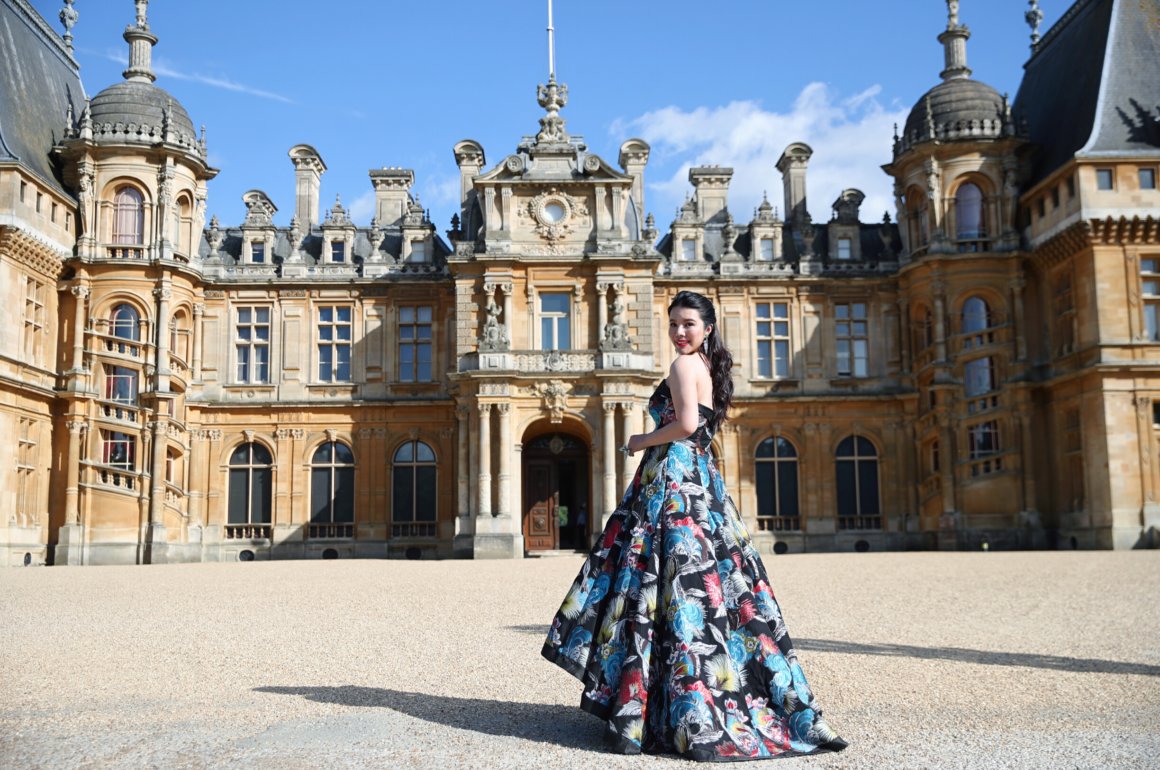
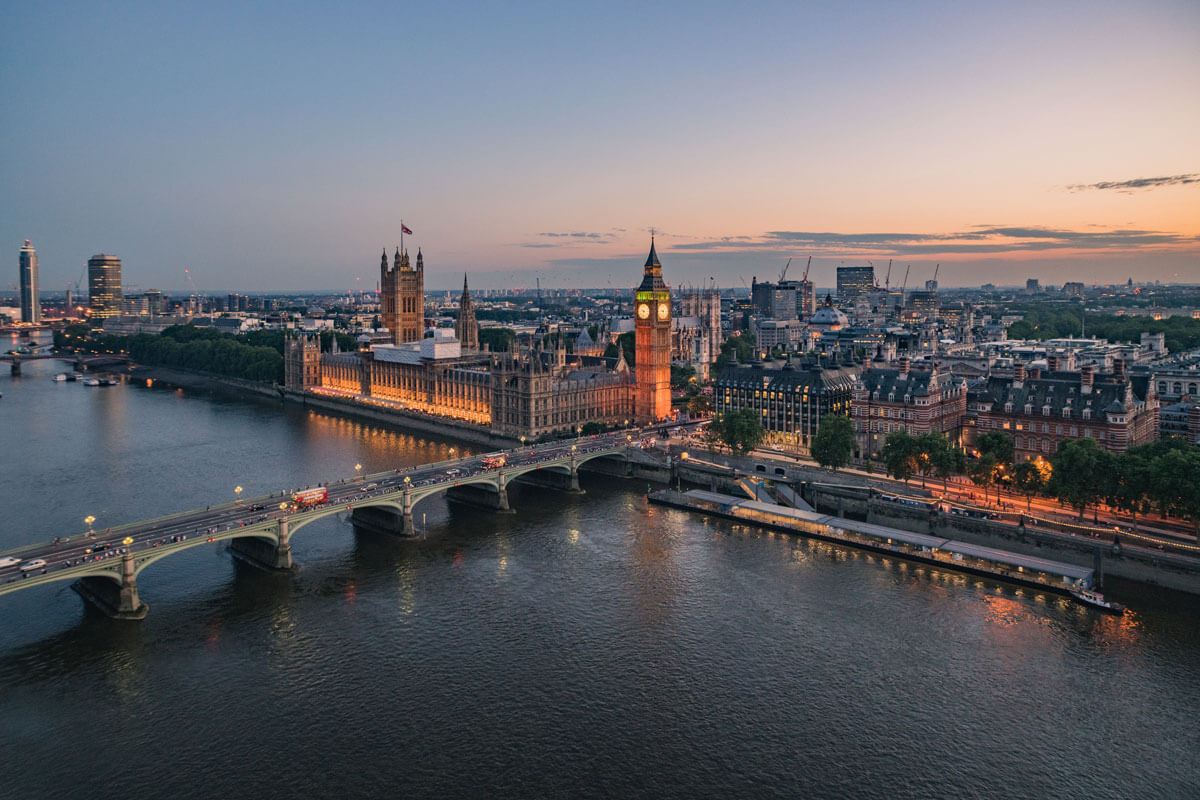
Wendy Yu flies between London and Hong Kong for her businesses on a regular basis
Wendy Yu is an entrepreneur and philanthropist, and the founder and CEO of Yu Capital. With investments in China and Europe in fields as diverse as transportation and sustainable fashion, Yu is a visionary – with a penchant for dresses. As the youngest member of the British Fashion Council board of trustees, founding member of the Victoria and Albert Museum’s ‘Young Patrons Circle’ and heir to her family’s business Mengtian Group (China’s leading wooden door manufacturer), she is a Renaissance woman par excellence. Kitty Harris chatted to Yu over an English breakfast in London about her new group, Yu Holdings, sustainable impact investment, and her healthy obsession with ball gowns.

Wendy Yu
LUX: Your father runs the Mengtian Group and your mother is a successful private investor. What are the most important lessons you learnt from them?
Wendy Yu: Resilience and being determined. I think my dad is a dreamer, but he is genuinely determined and I really like that. He built his business from scratch and I think he has encountered a lot of hardships during his lifetime, but he never quit. He is always so passionate, determined and relentless about what he is going to achieve.
Since I was young, I have had the mindset that if I want to achieve something, I will find any possible way to achieve it. My dad has taught me about the ‘win-win’ mindset, that in everything you do, if you want to keep it sustainable, you have to not just do it for yourself, but also for others. Before I came to study in England, when I was fifteen, he had this really long talk with me. He said “there are three qualities that I want you to have in your life. First of all, to be a loving person. Secondly, always to fight for the better version of yourself and always think about how to improve yourself. Thirdly, never be afraid of hardships and be relentless about what you want to get.”
Follow LUX on Instagram: the.official.lux.magazine
LUX: As vice chairman of the family company is there ever any tension when working with family members?
Wendy Yu: Yes, absolutely. I am a very logical person, but sometimes with family business it can get too emotional when you have different ideas to each other. My dad is a very solid entrepreneur, but he is very Chinese. When he comes to England, he doesn’t eat British food and will only eat Chinese food. He loves spicy, authentic hotpot only at home. I think there is definitely tension, because there are so many big personalities and strong characters. But, at the same time we have bonded with each other and we just want the best for the company and the best for each other.
My dad is very happy with the company being one of the biggest manufacturers in Asia and China and he is happy with the brand. He is happy to make the most out of the Chinese market, because it is so big. My vision is really to expand my family business and legacy globally and to create a solid and well-established international company and brand. My education and experience in England, since my teenage years, has given me opportunities to grow up with both eastern and western mentalities and perspectives; that is where the conflict lies sometimes. Very recently I have restructured my company, Yu Capital, and the main entity will be based in Hong Kong. Under Yu Holding, there will be Yu Capital, Yu Culture and Yu Fashion, because I’ve realised so much of what I do is not just the investment. There is philanthropy, cultural exchange and fashion collaborations.
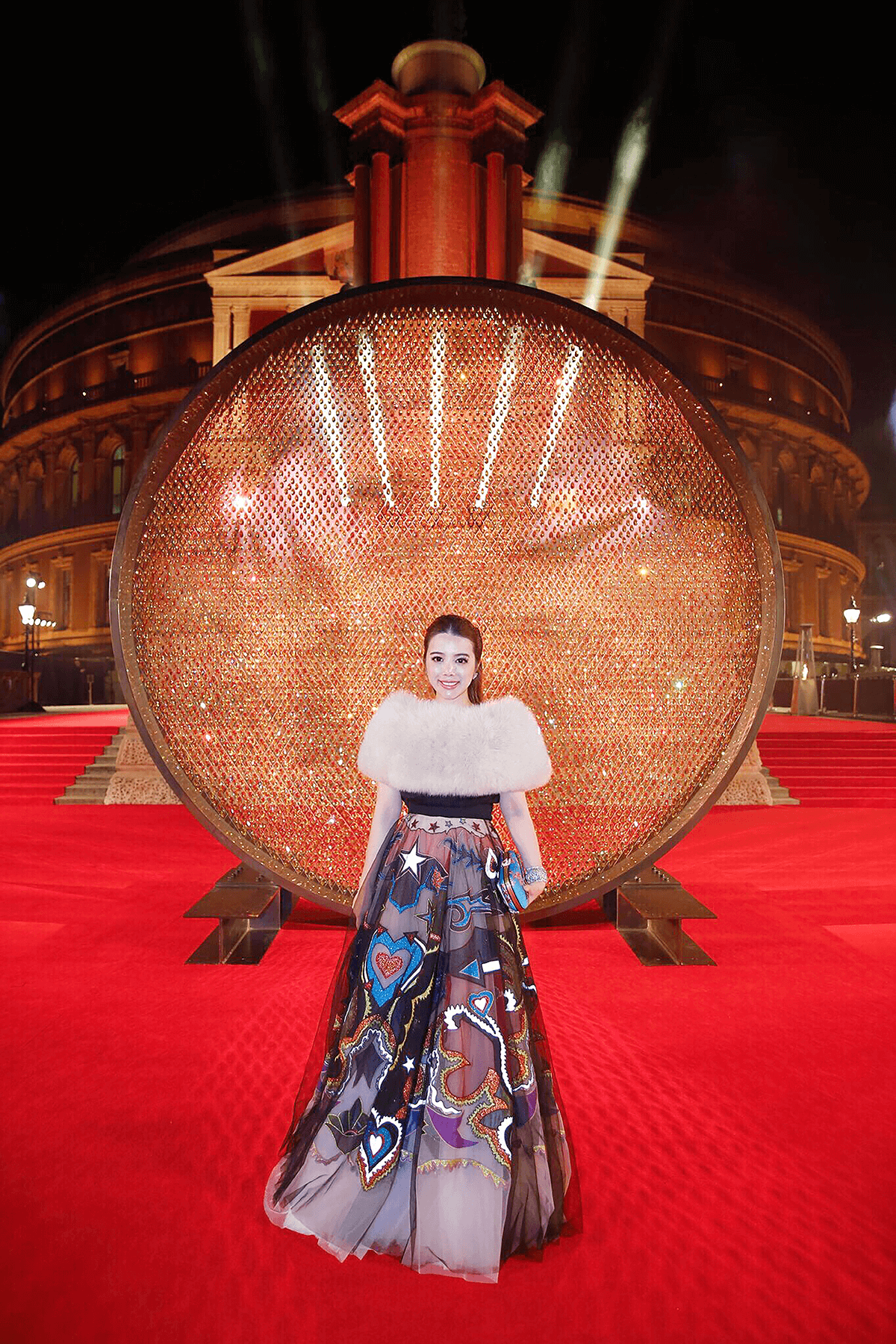
Wendy Yu at The Fashion Awards 2016.
My vision is to connect investments with the innovation and creativity between the East and the West and I feel that Yu Holding will be a better entity than Yu Capital to be strategic about engagement with these sectors. I usually divide my investments into financial investments and strategic investments. Yu Capital would be more focused on financial investments, that is on the technology side like Didi, the Chinese taxi app, and Tujia, China’s home-rental website and hedge funds.
The strategic investments would be in fashion, cultural exchange to support the museums and the art world, to connect art between the East and the West. Those are two of my big passions and I feel I can say that ninety percent of the time, I spend time on my own business: Yu Holding and Yu Capital. I feel the pressure that no matter what I do and how well I do within my family business, my dad will always be the person saying yes and no. I am like my dad, as I like having the say of what direction to go in. I think he will be proud to see what Yu holding is going to achieve in the next three years and I can prove that my vision isn’t bad or limited , because I want to do things globally, not just in China. I like being independent and I think it would be a waste of my experience and education here if I don’t connect the world with China.
Read next: Salvatore Ferragamo on family prestige and Tuscan indulgence
LUX: It sounds like your business is global, so it isn’t aimed at any one territory. Is that right?
Wendy Yu: Yes, that is absolutely right. I have two partners who stay in Shanghai and they come from very solid financial investment backgrounds, one of whom is my cousin. There is still a bit of family force there but that is to make sure that I don’t do anything crazy. Yu Holdings is really my vision and my two partners are amazing. They love that I am creative and pull off different business deals. They love the idea that I’m a great matchmaker. I am good at spotting and sensing which two companies or parties will potentially have great synergy and to be the bridge that joins them.
LUX: Is part of the plan to set up a luxury group?
Wendy Yu: Absolutely, but it would be in ten years, because I think I am at the beginning stage of my career. I think I leave my mark on everything I do, and it is important that the projects are commercially successful as well. With my strategic investments, I put less money in, but I have the presence and we help each other. I have a team doing the portfolio management for me, but at the end of the day, I am the one that is making the decisions. I think after you’ve done all the due diligence and risk assessments you have to go with your heart.
LUX: Why was it important for you to be involved in the Young Patrons Circle at the V&A?
Wendy Yu: I was invited to be the founding member of the Young Patrons Circle; they know I support a lot of different museums and art galleries, so it seemed natural that they asked me.
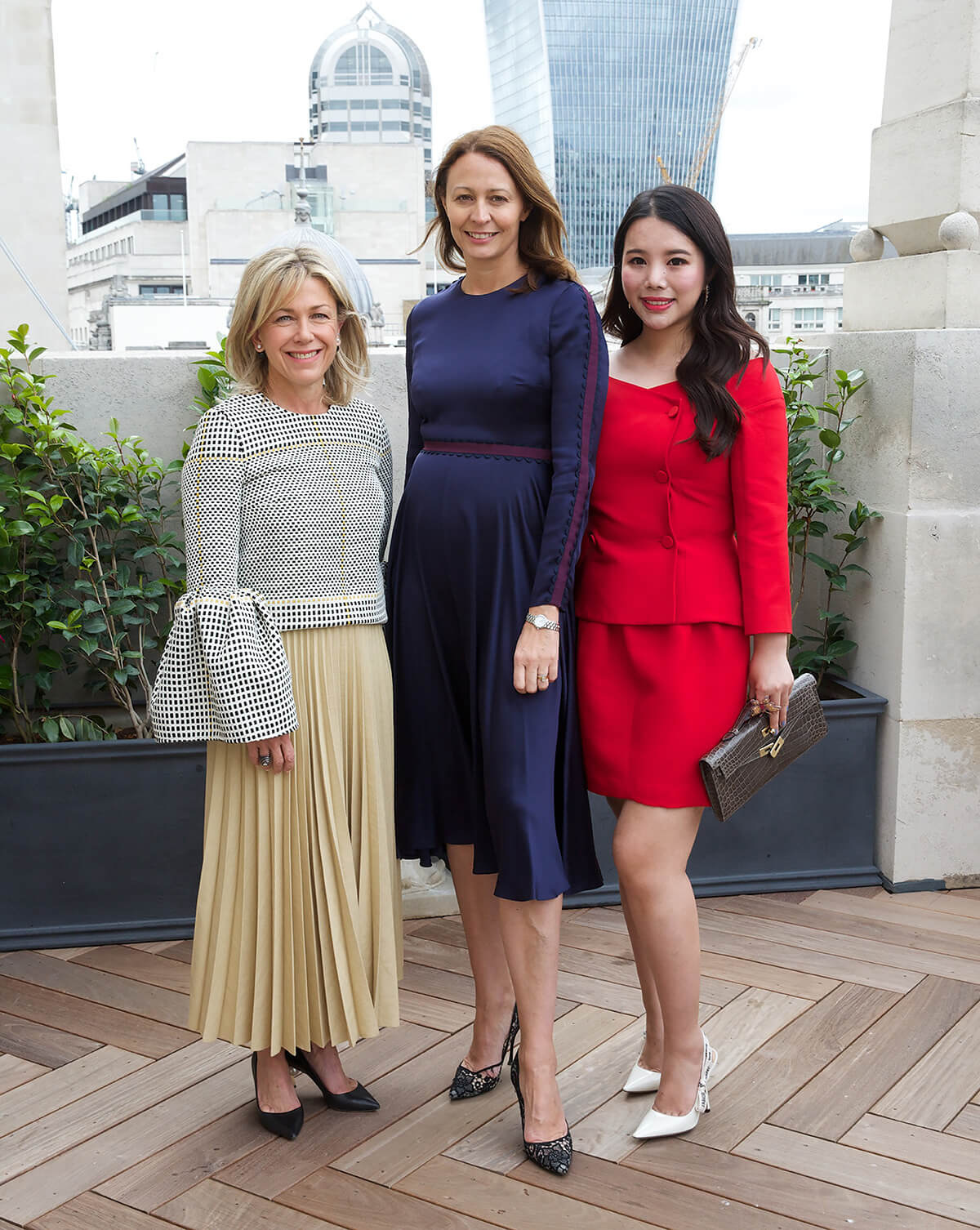
Sian Westerman, Caroline Rush (Chief Executive of the BFC) and Wendy Yu
LUX: You’re the youngest patron of the British Fashion Council (BFC) Trust – what does your role involve?
Wendy Yu: I joined a while ago and through the BFC platform I get to meet a lot of designers and learn the challenges they have encountered. I have become friends with a few of them and we have bonded. I support them by introducing them to all of my friends. I love to support women and the people I like, with no other intentions. When I think a girlfriend will like their work, I just introduce them to each other. It is a win-win situation for both of them and I take no commission! My family really believes in karma and I think that in the long-run, if you support people they will support you back. I usually get along with two types of people. One type is very creative (designers and artists) and the other type is those in the finance world. I think there are two parts of me, one is very geeky and numerical, and I love to be creative and to think outside of the box.
LUX: How much input do you have in your different investments?
Wendy Yu: I am tremendously involved in them. I am very hands-on and I chat to people for specialised advice. Usually, we have around one hundred deals to look at over a year. Normally, I have a sense of whether a deal will work or not. We do a very careful analysis for around thirty of them. Then, I look at the report and certain things I will naturally feel are great. For example, for Didi and Tujia I knew instantly that it would work, but I still asked them to do the analysis. Decisions have become relatively quick and we made both deals over a period of two months and they are big investments. But, with fashion investments, I have to get to know the designer on a more personal level. It is generally a smaller investment and I know it is not purely financial. My financial adviser will write the report listing the pros and cons, since it is a strategic, impact investment. When I invest in something, before I make my final decision, I think, ‘what is the worst thing that could happen?’ Of course, you should also consider what is the best thing that could happen, but if I can take the worst thing that could happen, then I am happy to do it. Bottletop was one of my first investments and I am very happy with it, even though I didn’t get any return from it. I love the idea and I think the two founders, Cameron Saul and Oliver Wayman, are amazing entrepreneurs. What they are trying to do (recycling bottletops to make accessories) is great and they are supporting women in Africa and Brazil. They are growing quite fast and at a steady pace.
LUX: What is the typical timeframe to hold and sell an investment?
Wendy Yu: When I first started, I invested at a very early stage. Later I realised that’s not my favourite type of investment, because you hold it for so long. What I really like are pre IPO investments. I really like opportunities like Didi and Tujia – large companies, because I believe those companies are really shaping our world, or shaping China at least. I love being part of the change in many ways and in terms of the financial return, for example the Didi deal, I got a 47% return over a 14-month period of time, which is great. You don’t really get that from the fashion brand. I invest through a fund and we sold part of our shares already. With hedge funds, it is very calculated. You would only put a few million in and the return could be over 100% each year, but it varies because it fluctuates over time. You could make a loss of 20%, or you could win 100%. That’s why you need to invest in different hedge funds. I am very involved and I am very passionate about it, because naturally I love numbers and I am very excited by them and I love creativity.

Dinner in Hong Kong, working breakfast in London
LUX: How do you think the investment market is going to change in the next ten years?
Wendy Yu: I think China and Asia, the emerging market, is extremely exciting. But, having said that, I think that you have to really value your opportunities carefully. I have noticed that a lot of investments that are making great returns are in China. It isn’t really happening in London. I think European or American investments, are very strategically relevant with what I want to do and achieve. It is a great value investment over the long-term. In the Chinese market, it is a great financial investment over a certain period of time. I am now also starting up a joint venture with my French partner Kacy Grine, who is an incredible capable and intelligent French banker, he was serving as an adviser of the former French President and has been a long time personal advisor Prince Al-Waleed, who is the biggest investor of Saudi Arabia. We are setting up a joint venture. We feel it is the time to connect the foreign giant technology companies or foreign brands in China and to do the matchmaking with you in the West. The Chinese companies want to go global and the global companies are interested in the Chinese market, but they really want to find the right partner and we are of value in this matchmaking process.
LUX: When you do the matchmaking, you obviously add value to your partners, but how do you benefit from it?
Wendy Yu: It varies from case to case according to the level of our involvement and the deal structure, but we generally act as their advisors and matchmakers.
Read next: Priya Paul of The Park Hotels on balancing innovation and heritage
LUX: In terms of sustainable investment, are you looking to be more sustainable in your investments?
Wendy Yu: Absolutely. I think my philanthropy investment and impact investment is very sustainable. I am trying to balance it out. A while ago, I studied at Oxford Saïd Business School while they were doing an impact investment programme, I was very inspired. I realised that when you pass away, you don’t leave anything. You only leave the good things you have done. I think until I reach a certain level in my career, I want to pledge the majority of my wealth to the company. I don’t want to keep it all, honestly. What Bill Gates and Warren Buffett have done is wise. I don’t want to hold on to so much. I want to enjoy life for sure, but one of my missions is to do things worthwhile that I’m proud of. I want my family to be proud that I am leaving something meaningful and sustainable, that will stay there for a long time.
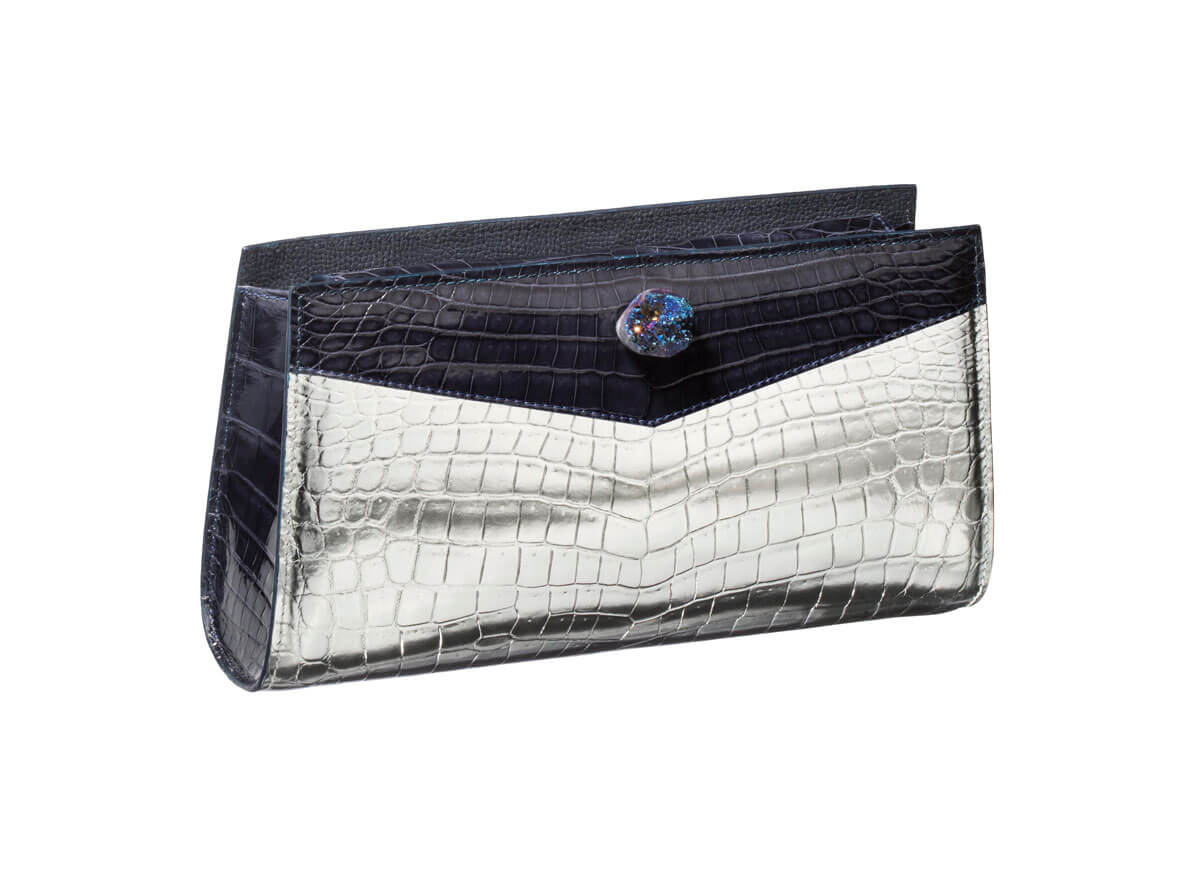
Ethan K x Wendy Yu handbag collection at Harrods
LUX: Tell us about the inspiration behind the Ethan K x Wendy Yu handbag collection at Harrods last year…
Wendy Yu: We have been friends for a while and I’ve bought from him. He probably likes my energy and I like his energy. Just like with Mary [Katrantzou] and my other designer friends, we like each other’s energy. They inspire me and I inspire them. I always give them crazy ideas that they love. He said, ‘let’s do a Wendy Yu bag.’ I go to a lot of events, but during the daytime I’m working. I was thinking about a bag that I can use for nighttime and daytime and that is why he designed a bag for me that is very versatile. His clients are Hermès owners, or people who have bought a lot of different bags and they are kind of bored and now they want something bespoke. Ethan’s family had tannery at the back of their home, so he has the experience of doing a bag in crocodile skin that is boutique too.
The Wendy Yu butterfly piece by Anna Hu
LUX: How did your love of fashion begin? You have an impressive evening gown collection – do you have a favourite dress?
Wendy Yu: My love for fashion began at very young age, when I was little I enjoyed playing with and collecting Barbie dolls, then I started to collect fashion magazines when I grew up. I love to be constantly surrounded by inspirations and creativity of all kinds. In terms of my favorite dresses; I have two. Mary Katrantzou recently did a bespoke gown for me to open the exhibition ‘Creatures and Creation’ at the Waddesdon Manor. Anna Hu also did a bespoke ring for me and named it a Wendy Yu butterfly piece. Mary did the dress in ten days – can you imagine? We did the last-minute stitching on site. The other one is Giambattista Valli – he did two bespoke gowns for me when I did an international debutante ball in New York. He did it in about three weeks. I am really into dreamy, crazy gowns!
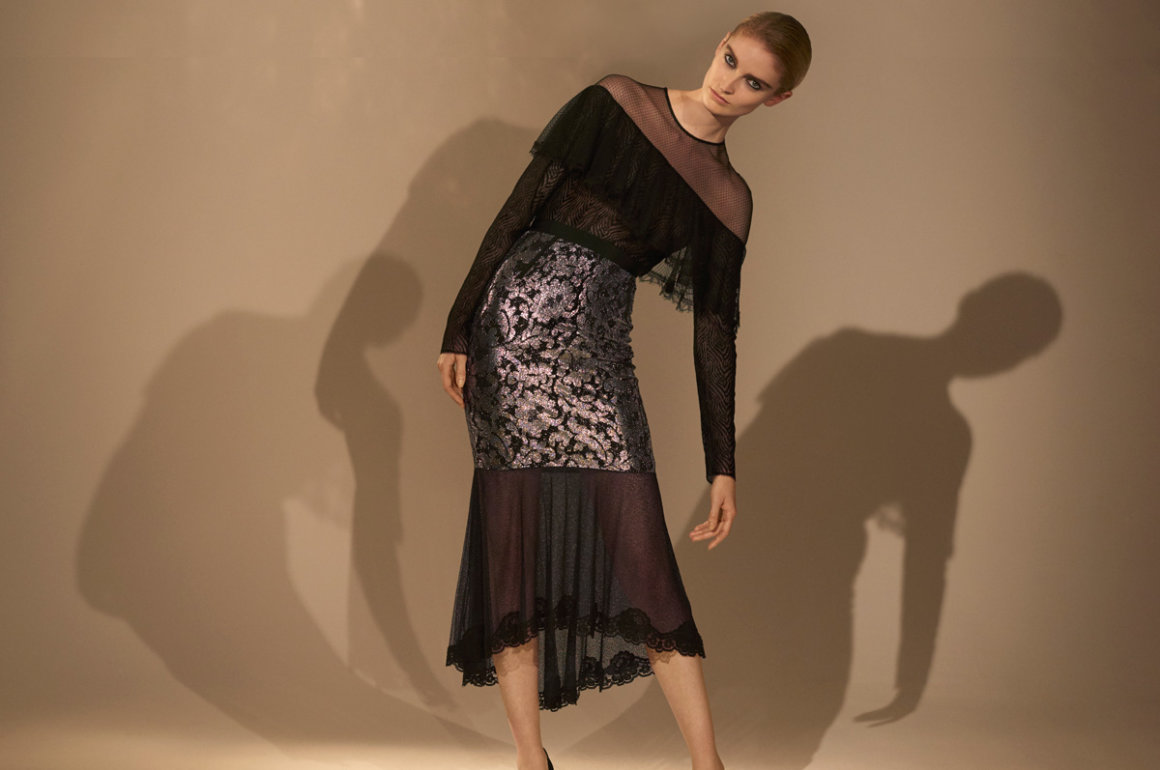
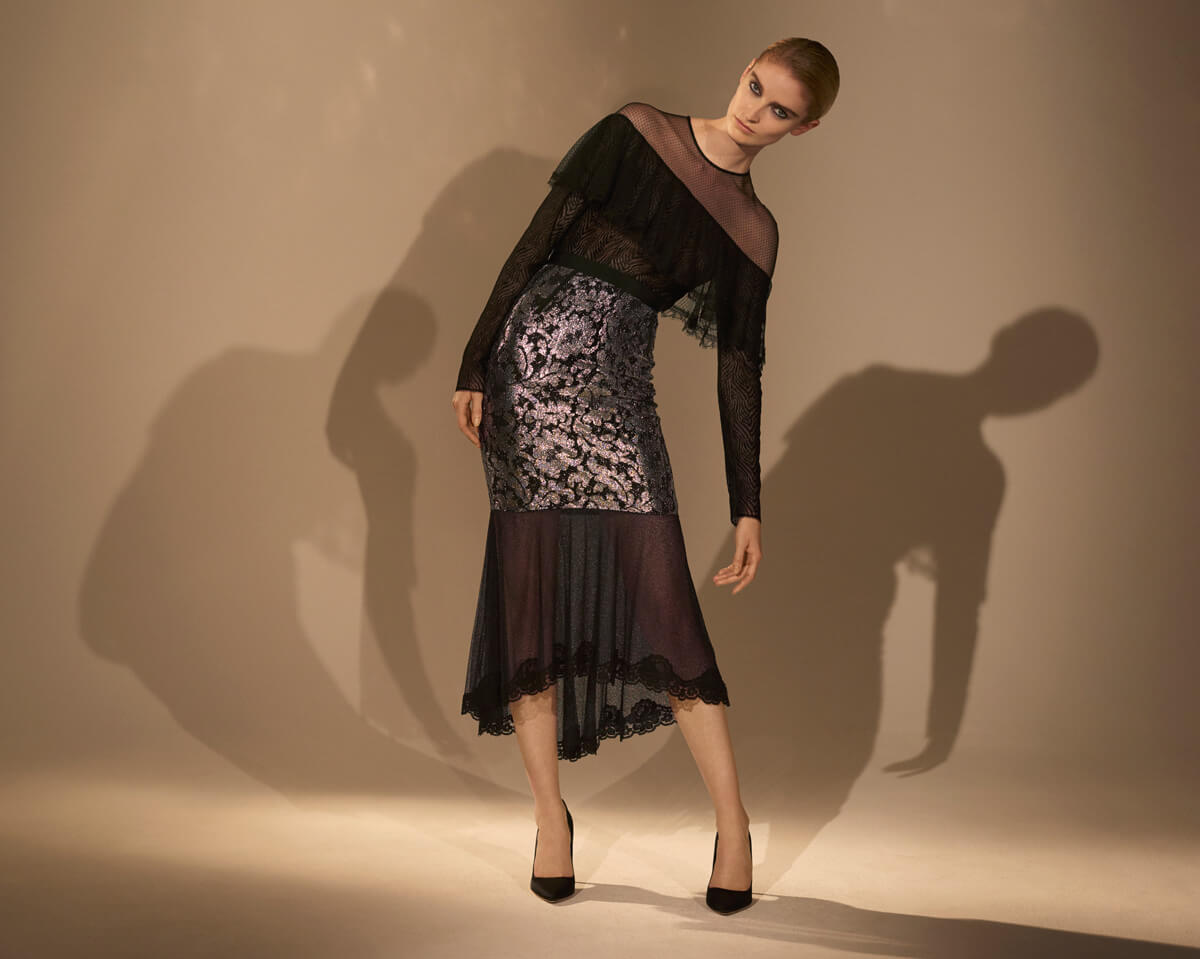
Fashion designer Ana Teixeira de Sousa began working with textiles at a very young age, making dresses for her dolls in her grandmother’s textile factory in Portugal. Launched in 2011, her luxury womenswear label Sophia Kah (named after her grandmother) is now global, with pieces sold in Harrods, London, and Barneys, New York. Her evening dresses have adorned the red carpet on celebrities such as Kiera Knightley and Ruth Wilson. With no formal training, Ana uses techniques and family secrets to design lightweight lace dresses with her signature exposed drawstring corsetry, silk organza and leather panel additions. The evening-wear designer talks to Kitty Harris about conjuring her female muses and design secrets.
LUX: What’s your wardrobe staple?
Anna Teixeira: A black lace dress and leather jacket.
LUX: How would you describe your design aesthetic?
AT: Modernised classic with a twist, very feminine and sophisticated.
LUX: Your design signatures include corsetry and lace for “cultured strong-minded women”. How do you keep your designs feminine yet strong?
AT: I think woman can be both feminine yet strong – there’s nothing stronger and more empowering than a super feminine fitted black lace dress.
LUX: How do you create designs that are both relevant and timeless?
AT: It’s not an easy job but I believe you create timeless pieces when you use great materials, a flawless finish and exceptional cuts.
Read next: Which is the best modern classic Ferrari?
LUX: The Kah girls include the likes of Beyoncé, Keira Knightley and Sarah Jessica Parker. Does your approach to design differ when you have a particular woman in mind?
AT: No, my woman is very much present in my mind when I design. I always picture her – where she likes to go, what she likes to do, what she believes in, how she sees the world and what inspires her. Based on my muse, I then design her wardrobe; she is obviously always evolving because the world is so dynamic.
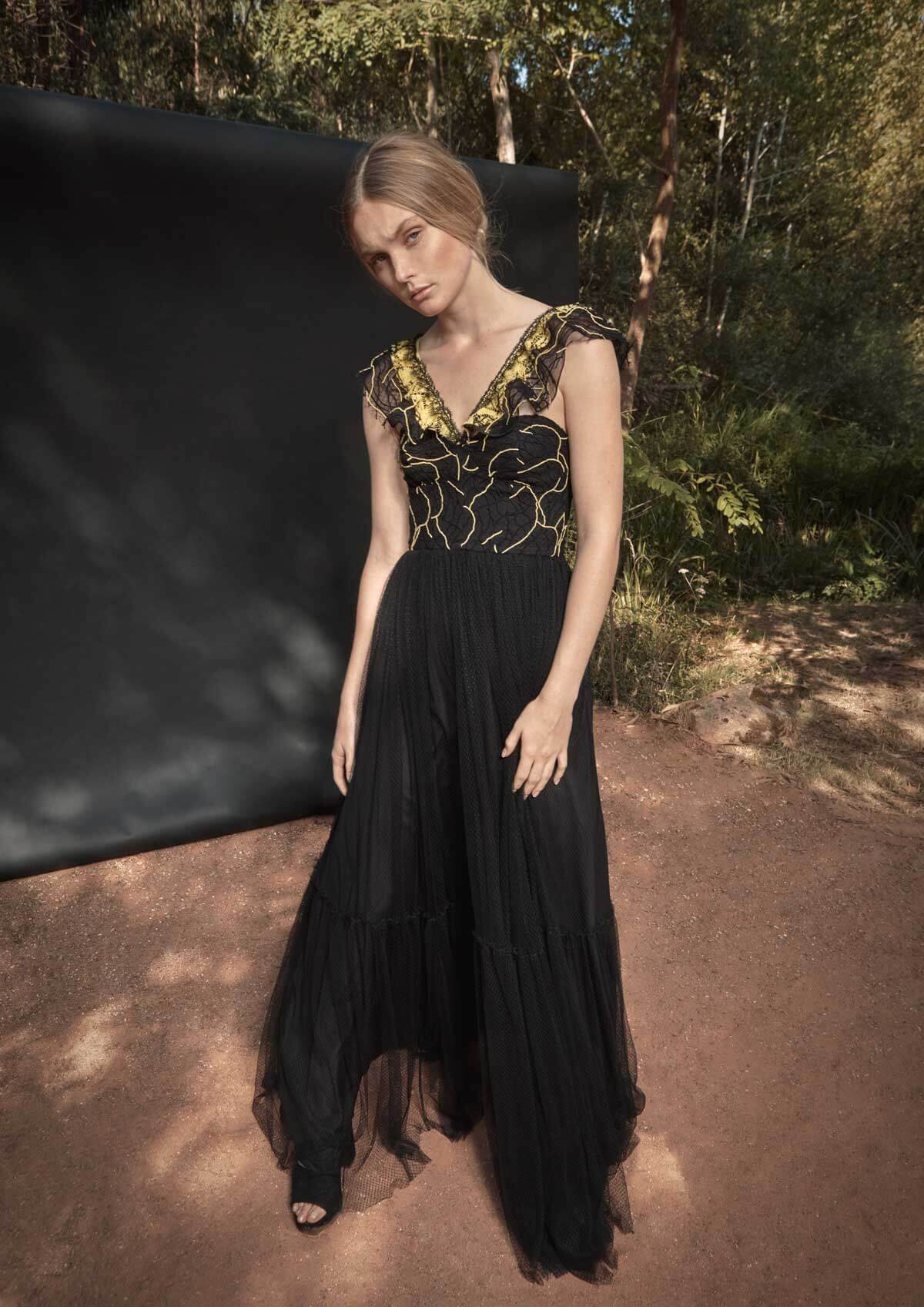
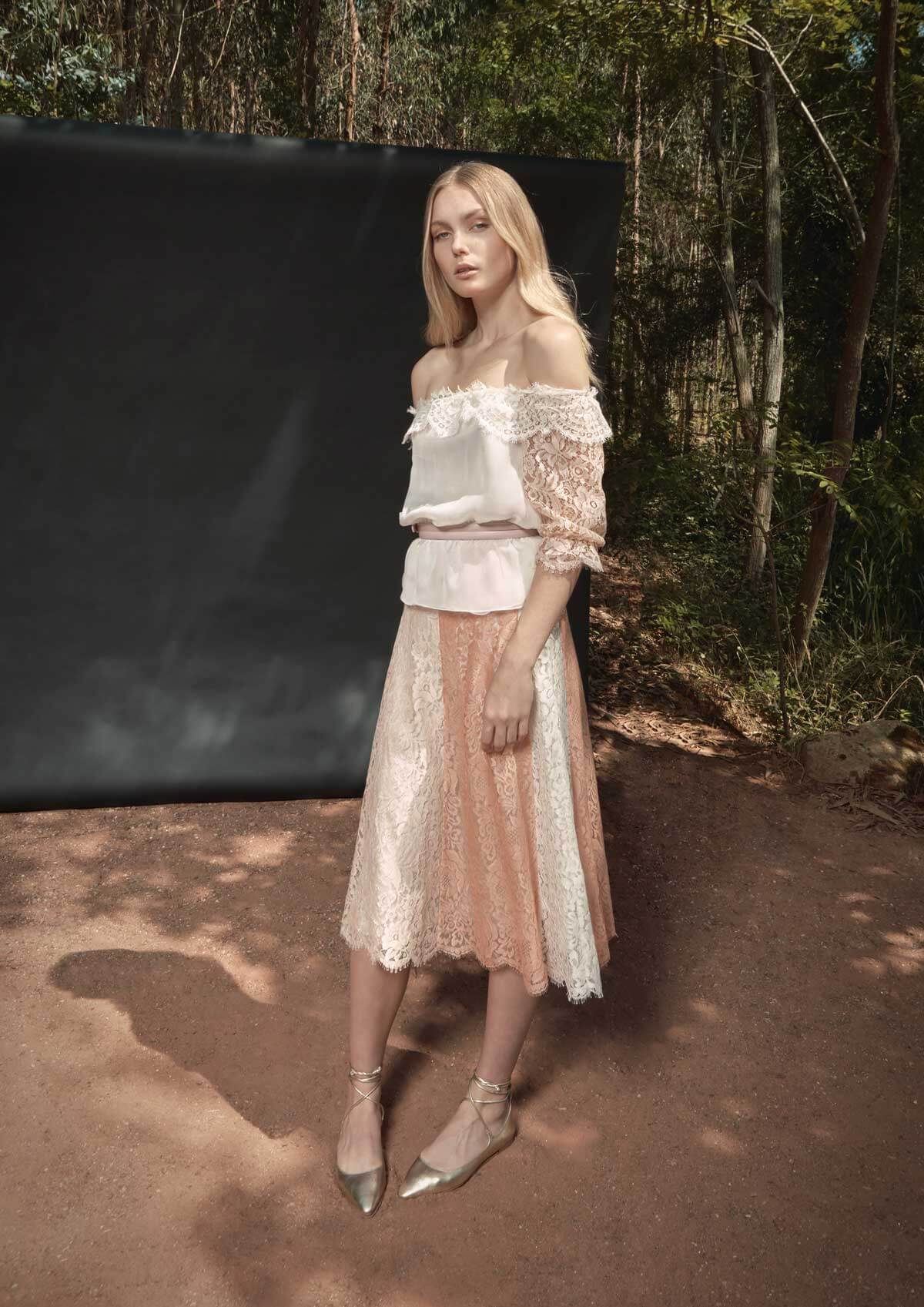
LUX: You name your pieces: the ‘Marie Victoire’ from SS’17, the ‘Sharlene’ from your signature collection and ‘Violet’ from your AW16. Why?
AT: Each collection we dream up a woman – SS17 she was a French girl living between France and Mexico with a strong passion for architecture.
LUX: Why did you choose renowned architect Luis Barragan as inspiration for your SS17 collection?
AT: I absolutely love his work, how he managed to work on colour is so inspiring.
LUX: Which techniques do you still use today that you learnt in your grandmother’s textile factory?
AT: There is still a great amount of hand work on my pieces. But the major secrets are on the construction of the pieces. The number of little tricks that goes inside each piece is tremendous.
LUX: What’s next for the brand?
AT: Continue to grow our presence worldwide sustainably.

Courtesy of Kering
The luxury giant is taking the lead in sustainability – and now will the world listen?
We are all now accustomed to what could charitably be called eco-fluff, like the cards by your hotel beds saying the 300 room luxury hotel your are staying in can save the environment by not washing your towels. More effective would be turning the TV welcome messages off, investing in a fleet of electric hotel cars, and only allowing sales staff to attend travel industry events by videoconference; but these would all hit the bottom line, while saving money on laundry is good for the P&L.
One group stands out in the luxury world for the thoroughness and authenticity its messages, though: Kering, the French owner of brands such as Gucci, Balenciaga, Stella McCartney and Bottega Veneta, has gone far beyond window dressing in introducing its strict ‘Environmental P&L’ for its brands. The result has been an acquisition of the high ground in environmental leadership in luxury, at a cost of many millions to the privately-owned company’s bottom line. But, in the refreshingly visionary (in these times) words of company CEO and owner Francois-Henri Pinault: “We have no choice”.
Kering’s vision for sustainability. Courtesy of Kering.

Courtesy of Kering
One curious aspect of Kering’s eco-leadership is that it being done by a so-called soft brand, that of the mothership, and not in the names of the consumer-facing fashion and luxury brands it owns. As a result, few members of the general buying public have any idea about the eco-credentials of the Kering group products they are purchasing, in contrast to much hollow self-publicity around the issues elsewhere. It’s as if they are doing it for themselves.
Kering moved more towards centre-stage this week with the announcement of a broad and dramatic “2025 Program”. This specifies, among other things, reducing its brands’ “EP&L” (broadly, carbon emissions, water use, water and air pollution etc) by 40% over the next eight years; ensuring every one of its myriad suppliers of leather, textiles and other raw materials complies 100% with its strict standards; achieving gender parity at all levels; and building its own laboratories to create sustainable alternatives to unsustainable fabrics and textiles.
It’s big, it’s broad, it’s ambitious, it’s not window dressing, and, as Kering’s Chief Sustainability Officer and Head of International Institutional Affairs Marie-Claire Daveu, it involves “transformational changes”. Other luxury groups must follow suit.
Read our exclusive interview featuring Marie-Claire Daveu in the summer issue of LUX, out in July.

Stacey Teo
For the conscientious chef, sustainability is more than just a fashionable catch phrase, as our columnist explains, it is both a moral obligation and our best chance for the future. STACEY TEO
I am not a professional writer, I’m a chef, but I do know that when writing an article it is good to grab the readers attention right away. How’s this for an attention grabber? According to the World Wildlife Fund, over 73 million sharks are killed each year just to feed consumer’s demand for sharks fin soup. That’s not a typo. 73…million. It’s a shocking number and the saddest part is that in most cases the shark is pulled from the water, its fin is hacked off and the rest of the majestic animal is unceremoniously dumped back into the sea.
More numbers? According to the Food and Agricultural Organization of the United Nations, 85% of the world’s fisheries are either fully exploited, over exploited, depleted, or recovering from depletion. It’s no wonder. Singapore alone consumes an average of 100,000 tons of seafood each year and the global seafood market is expected to grow another 50 million tons by 2025. On land things aren’t much better. Millions of tons of food go to waste each year. It is estimated that in the US, 14% of food purchased at the grocery store is thrown away. This is an incredible waste of resources – not just to produce the food but also to ship, process and store it, all for nothing.
Something needs to be done and as chefs I believe that we are part of the problem but hopefully, we’re also part of the solution. For too long we have been abusing our resources and it is now time we start thinking about how we can stop destroying the raw materials we need to run our businesses. We have to set the example for our clients to follow. Yes, we face difficult questions and tough steps will need to be taken, but I am confident that if professionals and clients work together, we will not only sustain but actually begin to replenish.
This is the goal towards which we have already taken some important steps at our newly opened Montigo Resort, Nongsa. Before we opened our doors we began reaching out to area farmers to purchase as much locally produced food as possible. On the property itself we use organic fertiliser and we are planning to create our own gardens where we will grow vegetables, herbs and fruits to use in our restaurant.
We do not have items like cod and instead of industrially caught tuna we serve a locally caught variety. Salmon is occasionally served but we have replaced it on the menu with similar types of fish as often as possible.
Finally we do our very best to only buy what we will be using. Many restaurants over-buy which is not only environmentally wasteful but also bad for the bottom line. We ask our suppliers to deliver our products in minimal packaging without compromising on freshness and sanitation. Aubergine really does not need to be individually wrapped the way it is in the supermarket.

Sustainability can be achieved without compromising on flavour
When planning the menus I thought long and hard about how to make each dish sustainable. To be truly sustainable you need to do more than just strike an item like shark fin soup from the menu. Buying locally sounds great but the reality is that not everyone starts out on an equal playing field. In Batam the main agricultural product is cassava leaves. That doesn’t give you a lot of menu options. Limited local crop variety means chefs have to become much more creative to develop a menu that offers a bit of variety but there is only so much one can do. Relying on local, seasonal harvests also means certain products are not available during certain times in the year. In consequence dishes need to be changed more often leads to more menus printed which adds to the restaurant’s overall costs and increases the carbon footprint.
It’s also difficult for a chef to select the right local farmers. Not many use organic compost these days and it’s difficult to keep track of who is using what in their growing cycles. To be sure a chef has to keep a list of farmers who support sustainable initiatives but how many of us have time to check-up on these things.
One thing we can control is the education of our staff. At Montigo, having everyone on the same page and fully understanding the reasons behind our initiatives is key. We are hopeful that some may start coming up with their own ways to help the cause and that it will carry over to their home lives and they will help spread the message if they ever decide to change jobs. Our guests also need to be aware that the future depends in great part on what they order when they are out and what they cook at home. As industry professionals, we are just the tip of the ice berg. We need to lead by example but it is up to our clients to follow. Ultimately our goal is not only to sustain but regain.
Want to help? There are a number of things you can do. First take a stand against unsustainable fishing by pledging to buy MSC (Marine Stewardship Council) certified seafood. It is still not readily available everywhere so if you can’t find seafood with the MSC label in your local store, please ask for them because businesses do listen to their customers. Next, inform yourself. You can find a lot of great information on the WWF website. There are sites for every area in the world. I love the Singapore site. It has useful information on what you can do to help preserve the area’s waters, from taking a Save the Sharks Pledge, to seeing what restaurants are shark-fin free and best of all, you can download an easy to carry guide to sustainable seafood shopping. I also like to check in at the Marine Stewardship Council’s website where apart from a lot of useful info on sustainable fishing there are some tasty recipes. Stacey Teo, Executive Chef at KOP Hospitality