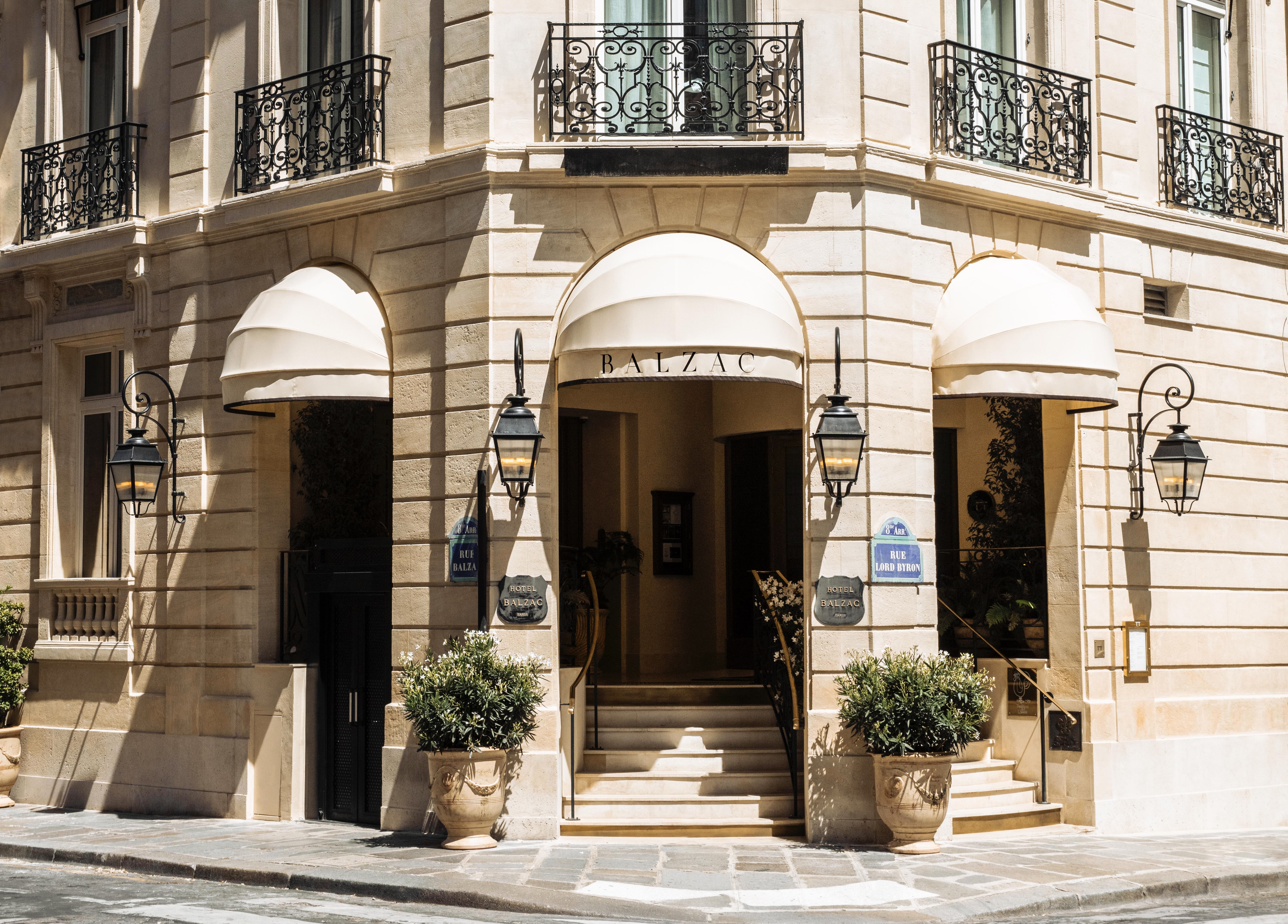


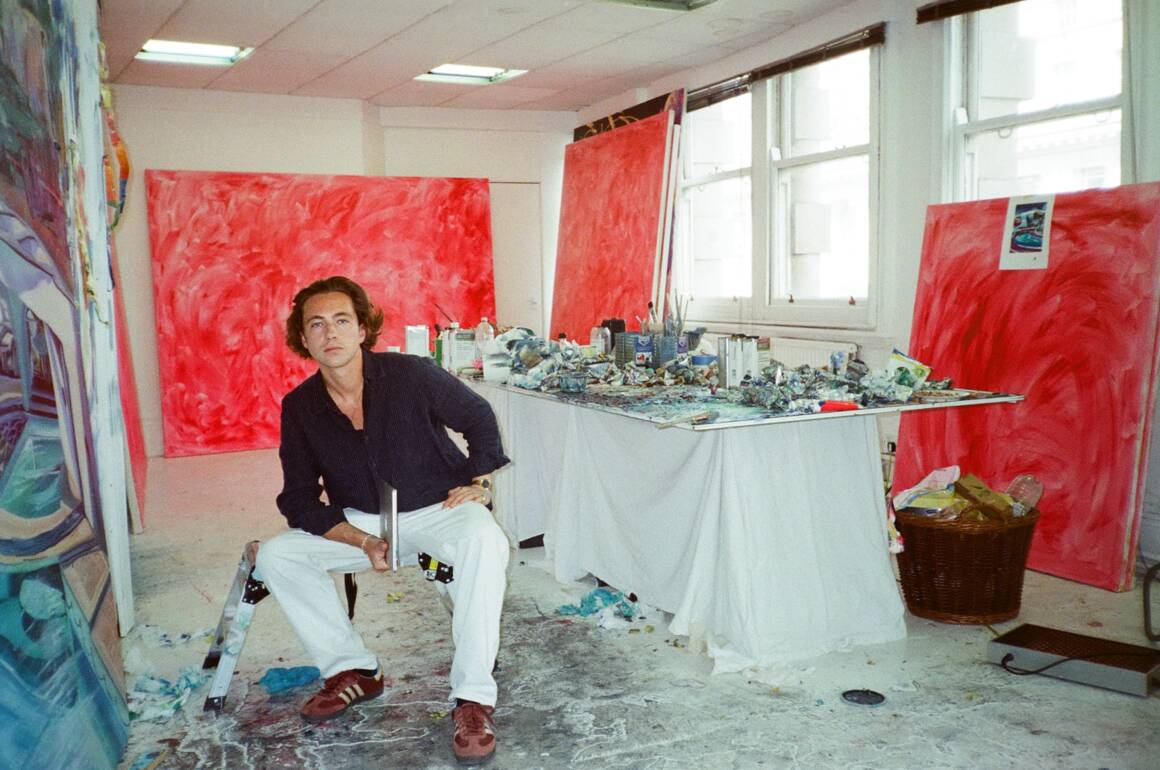
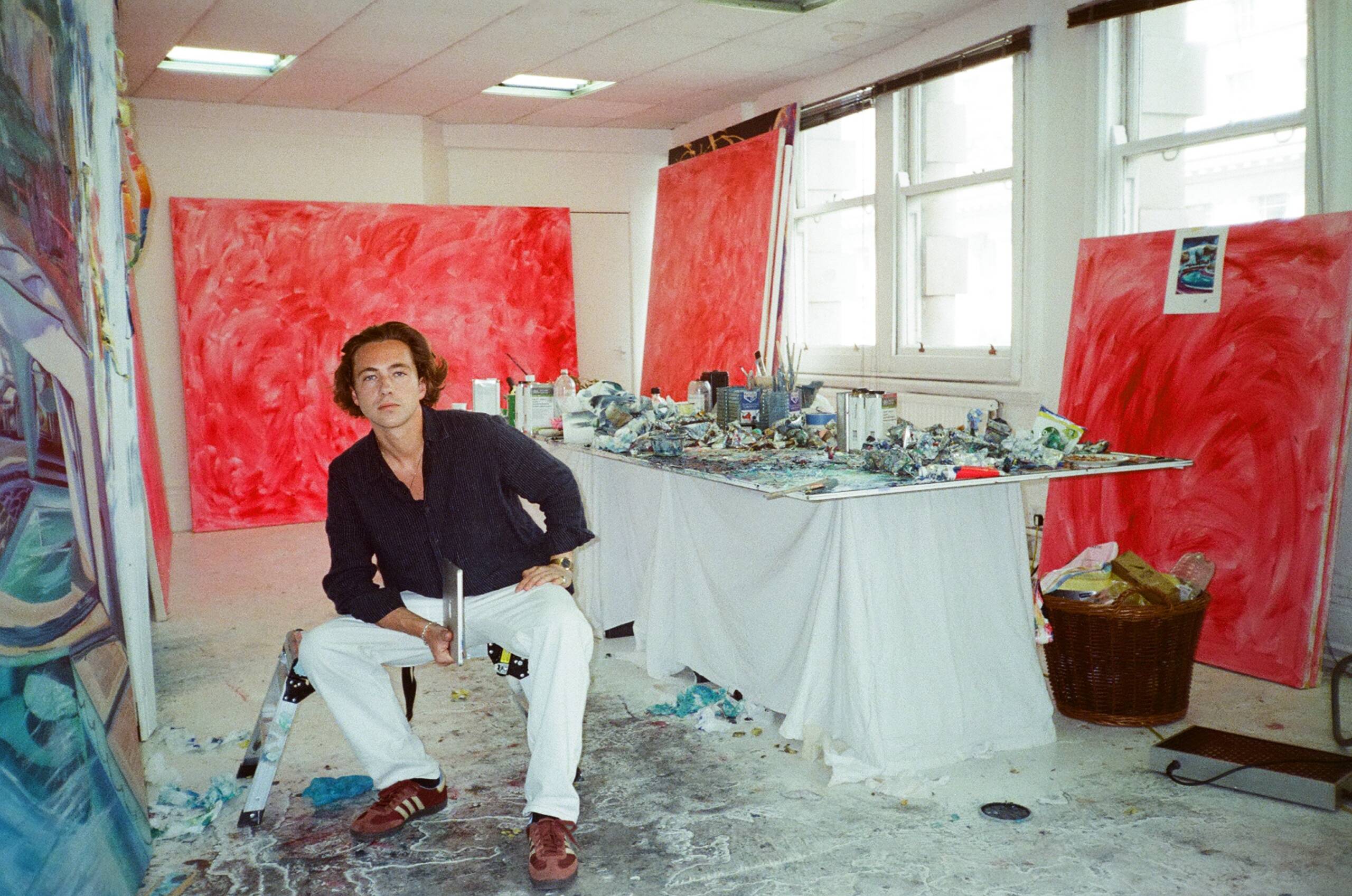
Artist Rex Southwick in his London-based studio
British painter Rex Southwick vividly explores the ideas of aspiration and perception. Across canvases saturated with social media-bright colour, he invites us to view the perfect luxury home, but deconstructed with a behind-the-scenes view of the fantasy. LUX invited him to create a work for our pages
Follow LUX on Instagram: @luxthemagazine
“Through paint, I honour the maintenance of our environments, giving agency to the overlooked and making the passing permanent” – Rex Southwick, artist, London

Painters of Casino de Monte-Carlo, 2025, by Rex Southwick
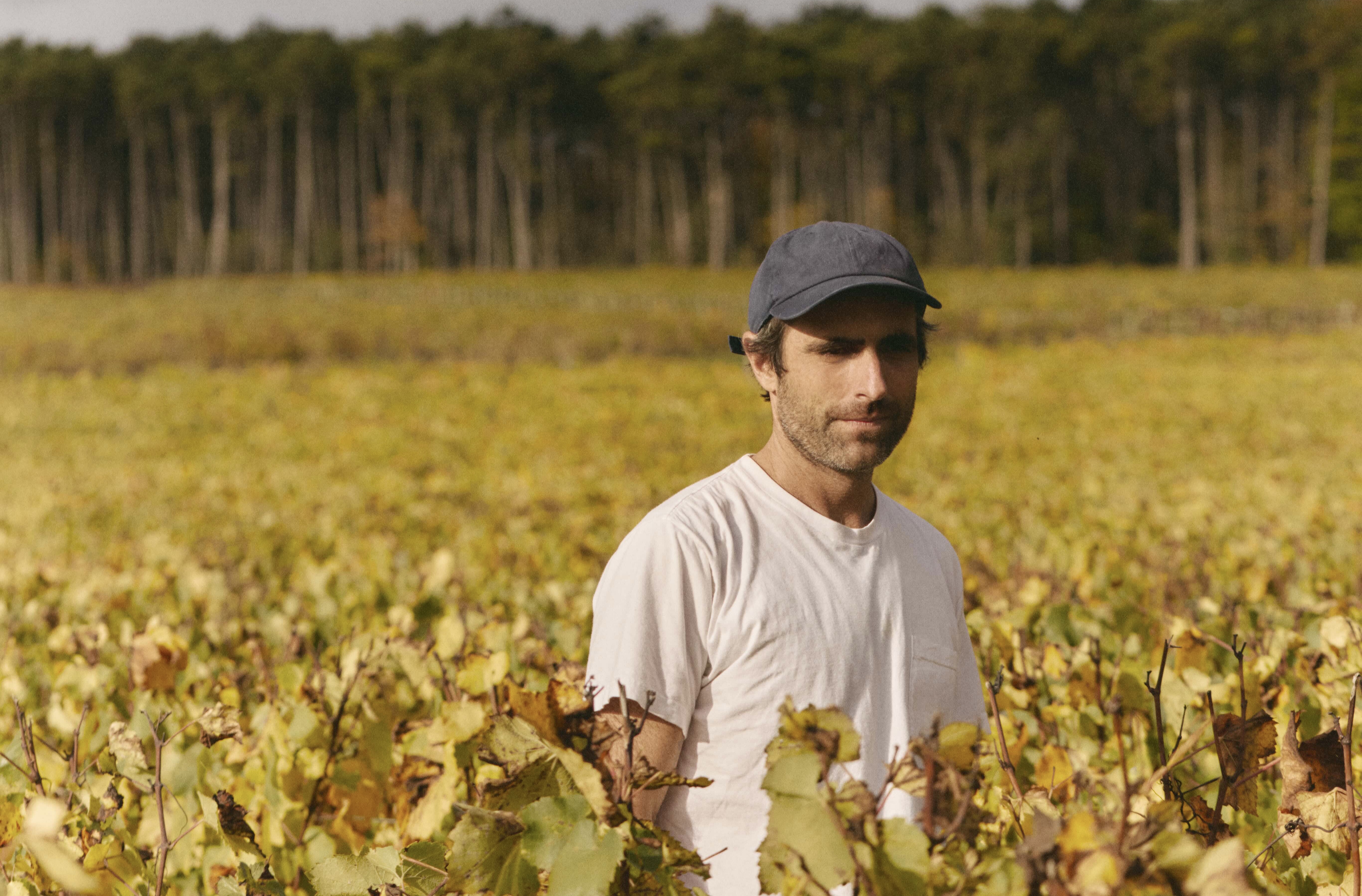
A portrait of artist Sam Falls in Maison Ruinart, the oldest champagne house in the world
American artist Sam Falls is known for the entwinement of nature in his works. The Ruinart Conversations with Nature artist 2025, whose works have been shown at institutions including the Pompidou, Fondation Louis Vuitton and MOCA, speaks with LUX Contributing Editor Rachel Verghis about art, the natural world and loss
Rachel Verghis: You grew up in Vermont. How did the natural world inspire you and your early art?
Sam Falls: I think I took the natural world for granted, it was embedded in me. It came out later creatively, but at the time it was pure enjoyment.
Follow LUX on Instagram: @luxthemagazine
RV: Your contribution to the Ruinart Conversations with Nature 2025 cycle focuses on biodiversity. Is that a concern for you?
SF: It’s a constant for everyone living today, so it’s a big element of my work. It comes out through the subject matter, geography and biodiversity that are site-specific to each area I work with.

Rewilding by Sam Falls, shown at Frieze London
RV: The Ruinart work has been shown across the world. Do you follow the reactions to it?
SF: Yes, I’ve been following the reactions from Frieze Los Angeles, Frieze New York and Tiffany Pop Up in New York. I’m very happy with them.
RV: Is it important in your art to highlight not just nature but the threats to the natural world?
SF: It’s important to speak to the viewer, but also leave space for them. I don’t lead with politics, it’s inherent and available to the sensitive viewer.
Read more: Inside the Monte-Carlo Bay Hotel & Resort
RV: You experienced loss at an early age with the death of your mother. Is there a work of art from this time that has stayed with you?
SF: Yes, Christina’s World by Andrew Wyeth. It’s an American painting from 1948, and it’s in the MoMA. I saw that when I was 10. It struck me technically and emotionally and it stuck with me.
RV: Your children appear in your work. Why?
SF: Well, they emerged in my work as soon as they emerged in my life.
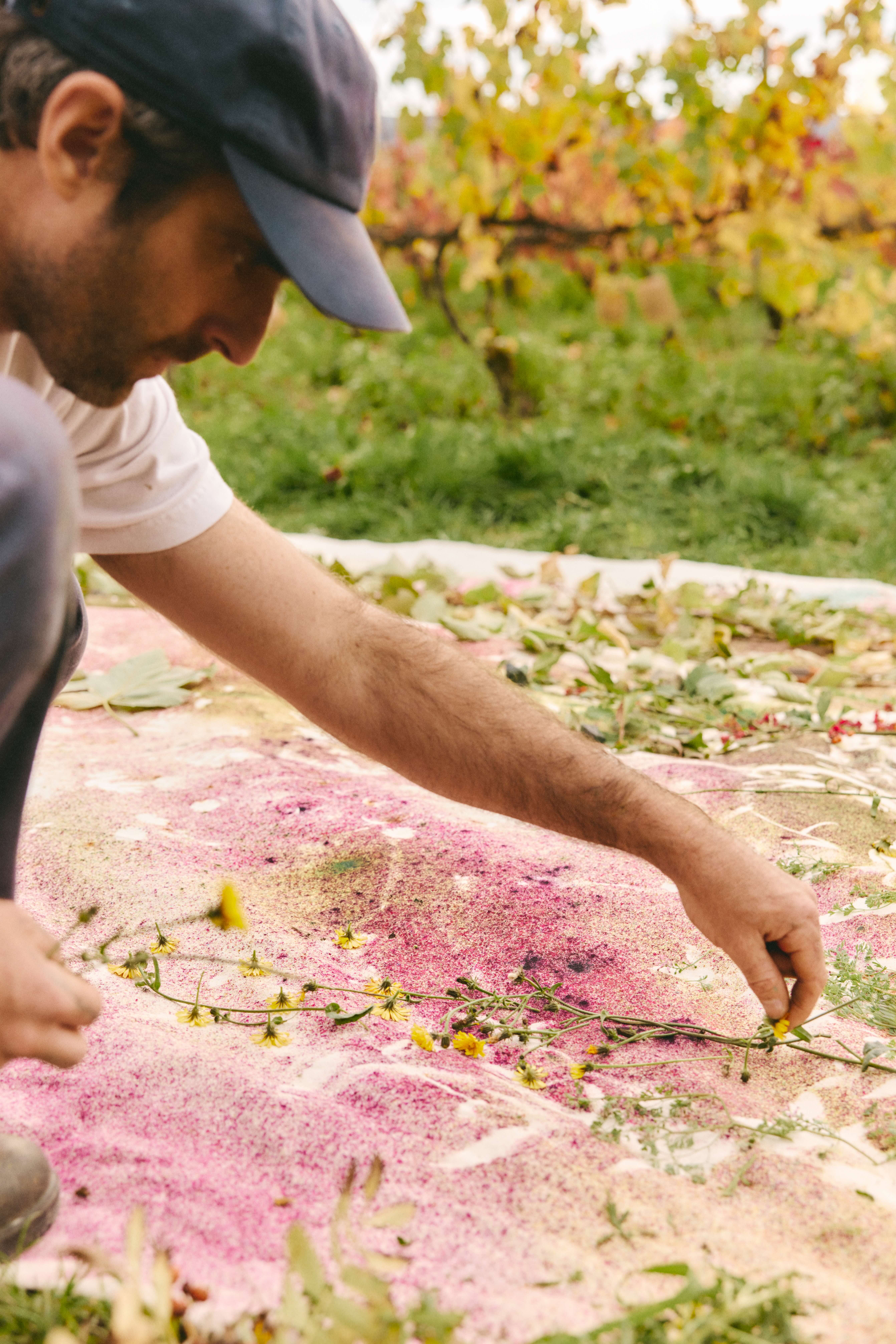
Sam Falls with his artwork King’s Crossing
RV: You once said your work had taken on a more melancholic tone. Why is that?
SF: I think the seasons and the passage of time in nature are more rapid than the seasons of our life. So it’s a microcosm of the passing of life through death that can be translated visually in art.
RV: You use nature to develop the canvas. Can you tell us about solarisation and photography?
SF: I made the decision early on to abandon the mechanical apparatus of photography and use natural sunlight. The process became a valuable source of connectivity to the viewer, because it is mundane and available to everyone.
Read more: A conversation with Sassan Behnam-Bakhtiar
RV: Are you an environmental artist?
SF: I’m an artist using the environment, not an environmental artist.
RV: You have rejected the term “land art” to describe your practice. Why?
SF: Land art remains in the landscape. My art is a symbiotic creative process with nature. I remove it and leave no traces. The land is available for the next human or animal to experience it differently.
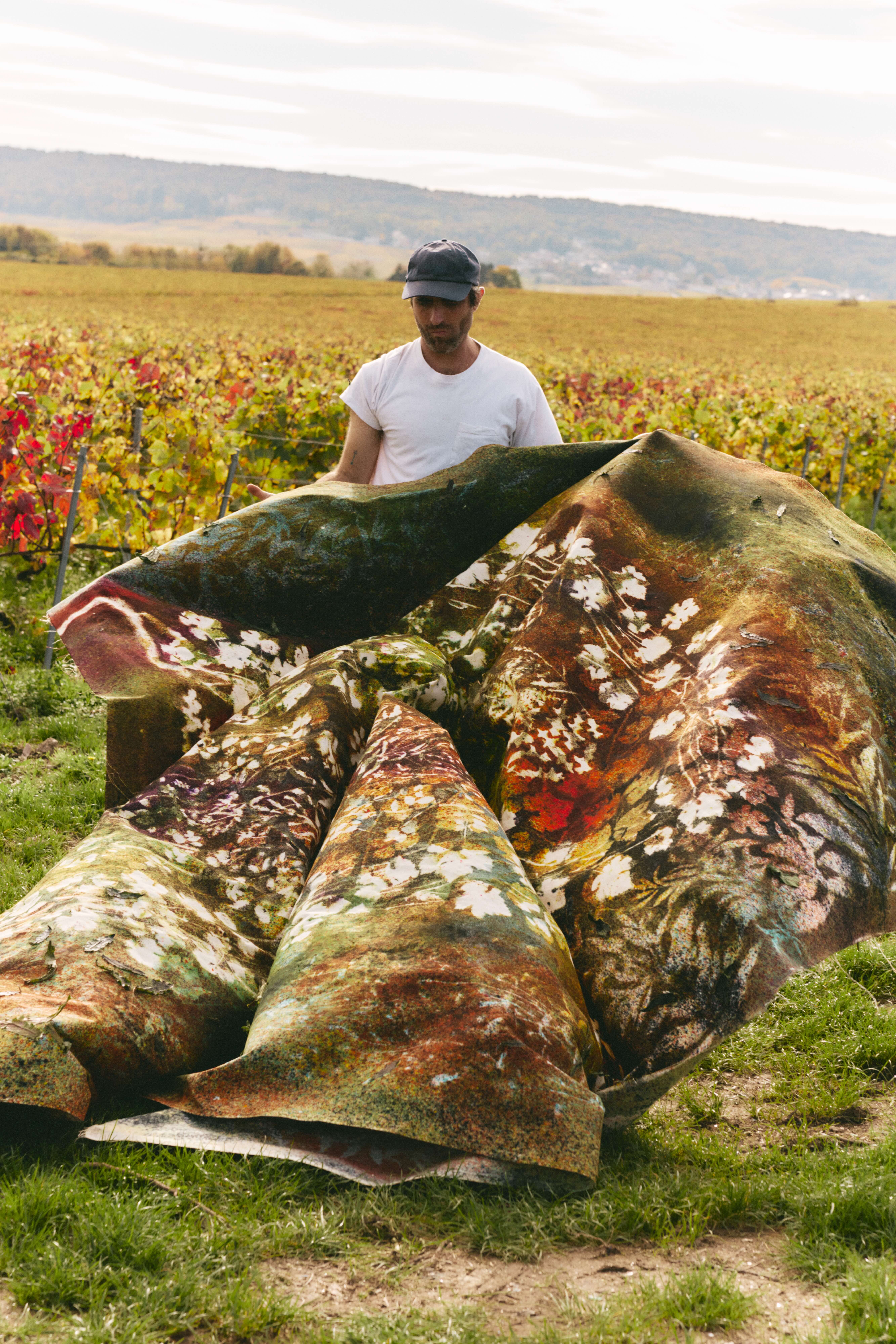
The process of creating King’s Crossing, made from nature and in nature
RV: What one element remains constant throughout your work?
SF: I would say, care for the viewer and also connection to the primary source.
RV: Is photography still apart from fine art?
SF: It became so familiarised it’s now accepted. But because it is a wider cultural phenomenon in the economy and the capitalist language, it is problematic. I use its representational assets as they apply to art history, rather than to the language of capitalism, integrating it fluidly.
RV: You once said, “Time is the thing that gives me the most anxiety.” Why?
SF: Well, because it is a march to death!
RV: In your practice, is decay a constant?
SF: Yes!
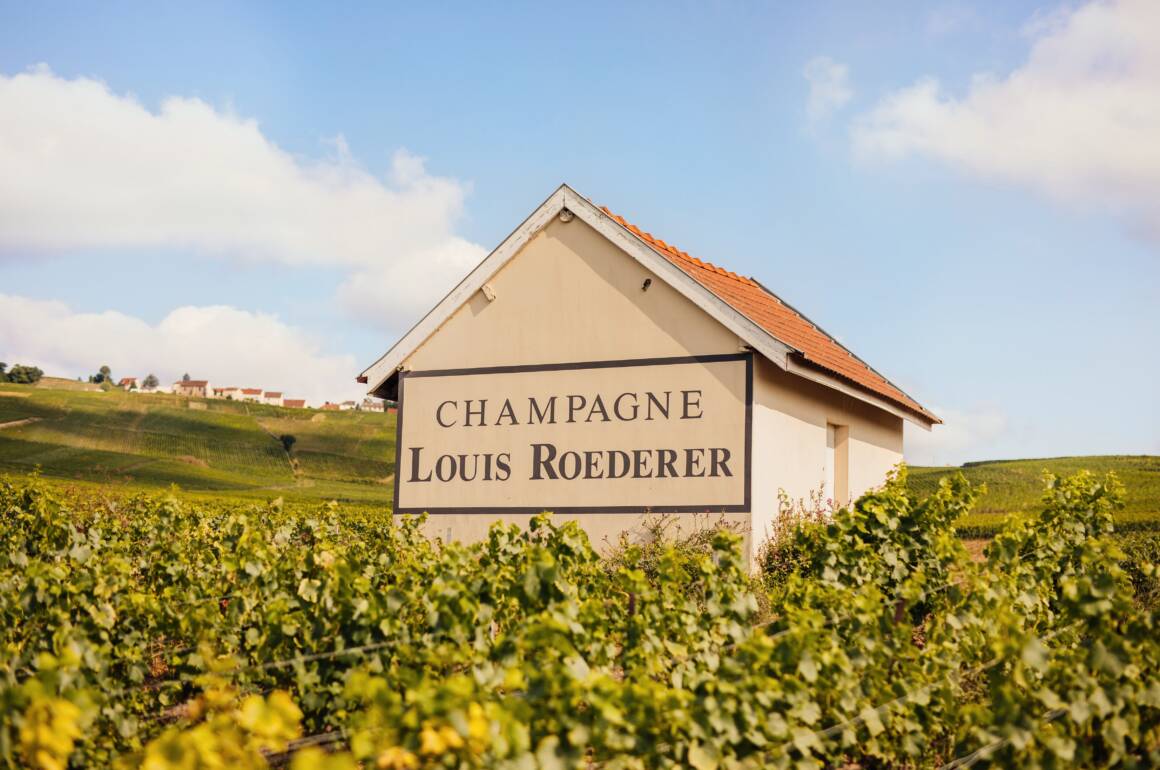
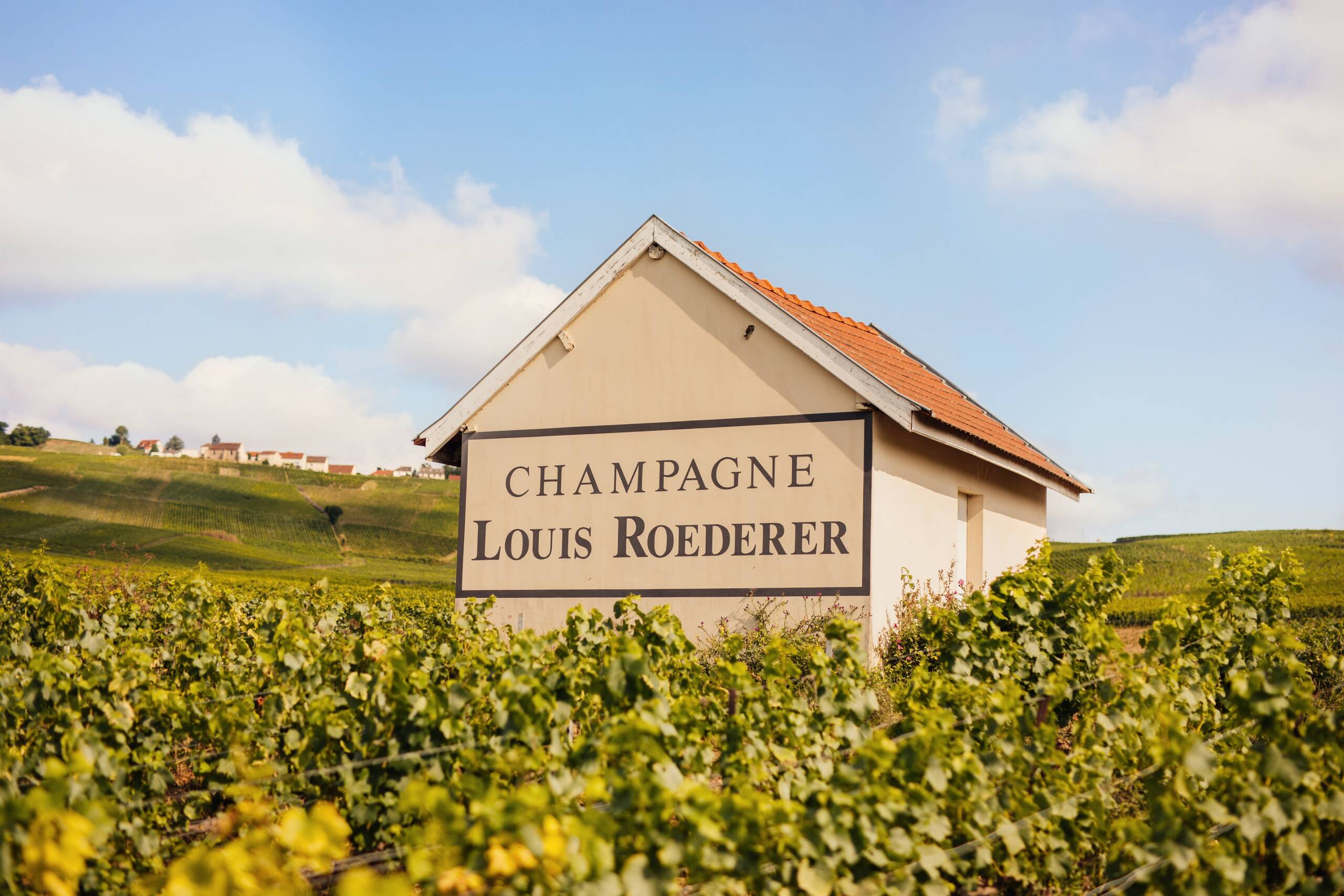
‘I cultivate the estate not just for myself, but for the land. I take from it, but I also give back’ – Jean-Baptiste Lécaillon
To make the greatest luxury wines, you need to look after the land: a philosophy espoused by Cristal maker Louis Roederer that is becoming more widely shared, writes Darius Sanai
Biodiversity is something many of us think of in the abstract: flowers, bees, polar bears – all nice if you’re a poet or nature lover, but not really part of the serious conversation. Which is wrong, because the Earth is a system, including humans as part of it, and biodiversity underpins it. We do not live in silos, much as some who would rule over us would like us to.
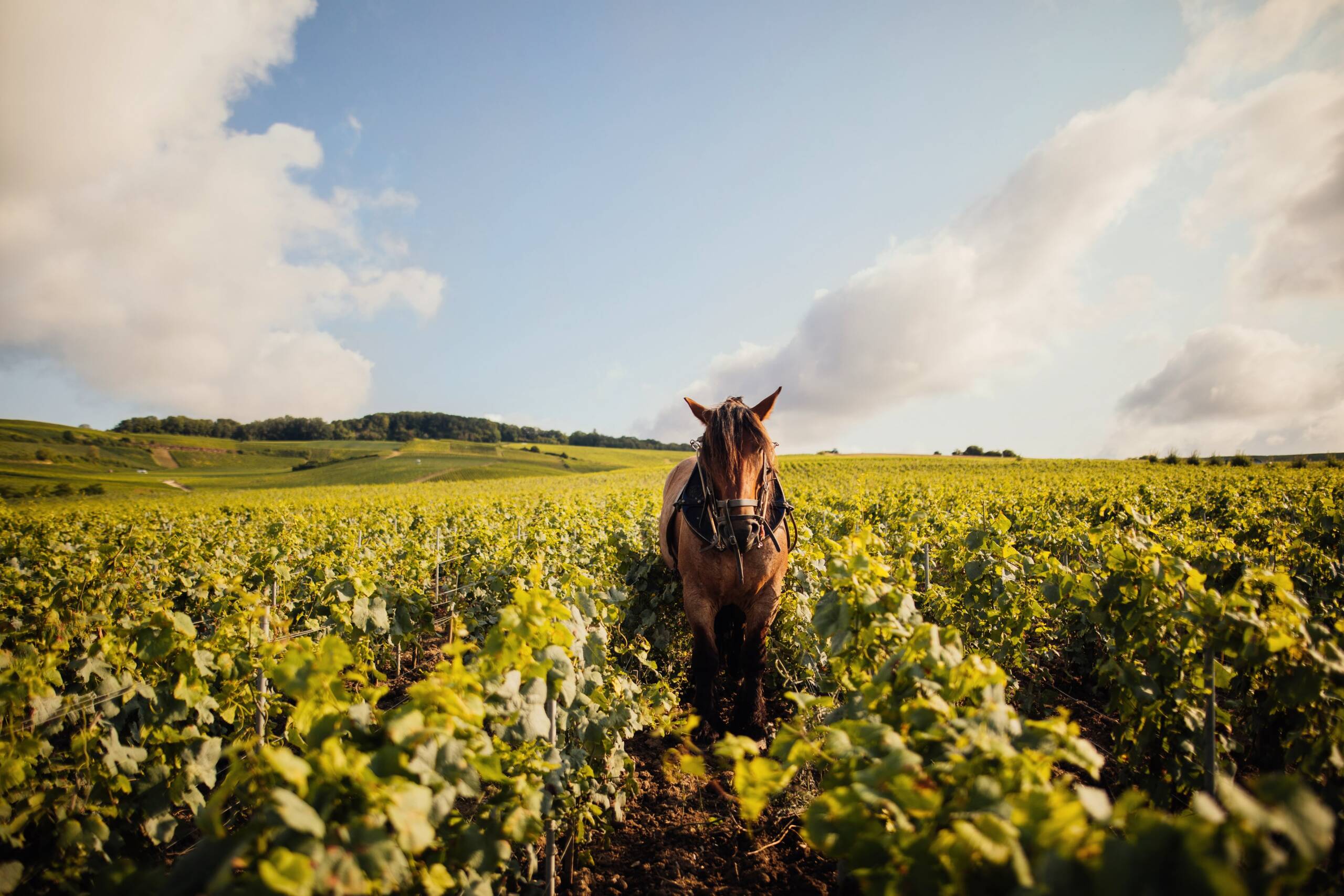
Louis Roederer’s biodynamic work – from natural regeneration of the soil to maintaining pollinator-attracting hedgerows, from gentle plowing in the vineyards by horse to preserving the diversity of its plant heritage through massal selection – combines to create nuance and complexity in its wines
The food we eat comes from nature, and if nature doesn’t work food doesn’t grow. This is as true for luxuries, like wine, as it is for staples like wheat or corn.
There is no wine more luxurious than Louis Roederer’s Cristal, and the company’s investment in biodiversity is an exemplar, not because it is philanthropic, but precisely the opposite: they know that to make the best wines, you need healthy land with a healthy ecosystem; and to continue to do so, you need the land to continue being healthy.
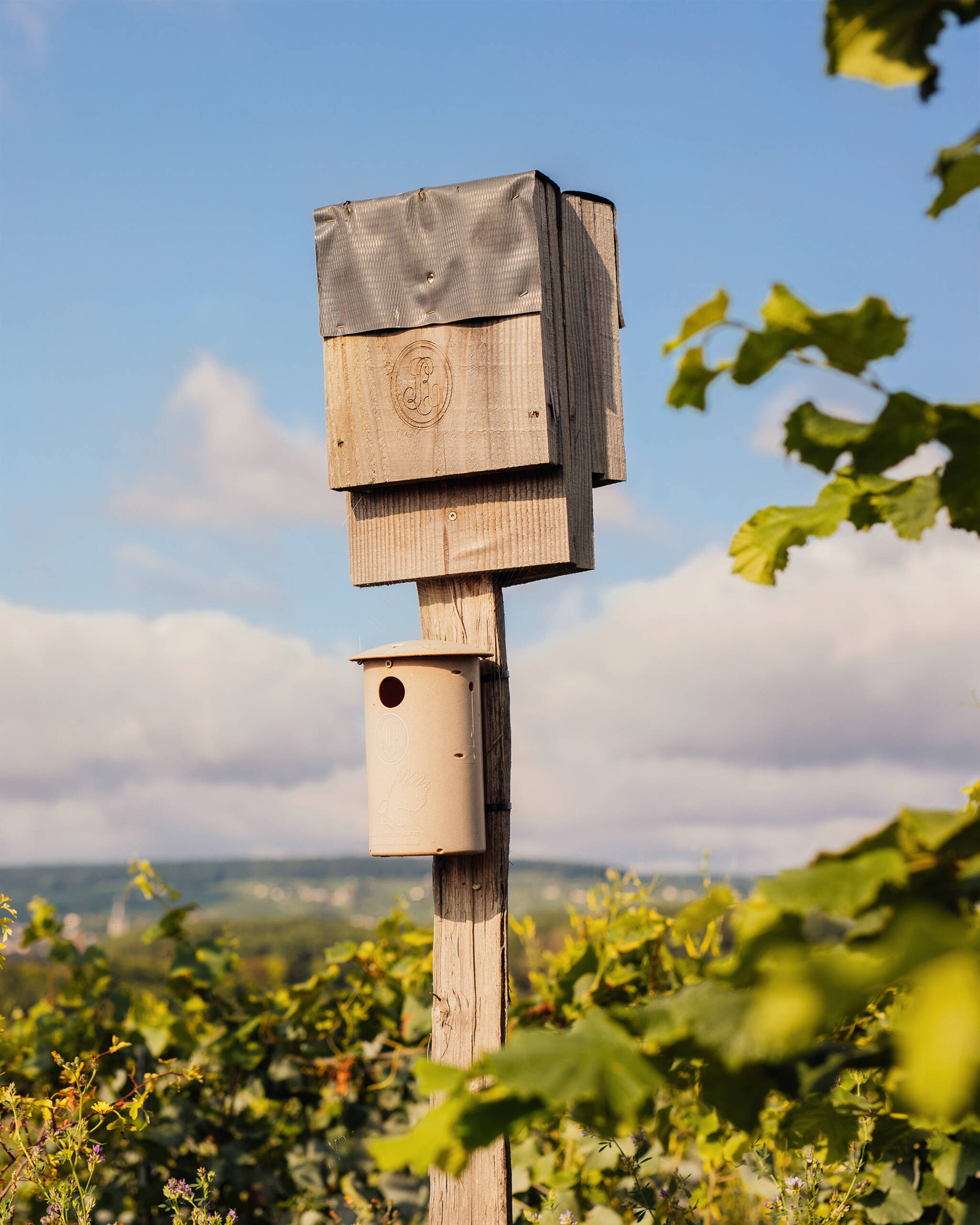
The Earth is a system, including humans as part of it, and biodiversity underpins it
In the words of Louis Roederer Chef de Caves Jean-Baptiste Lécaillon, the man responsible for the grapes, the habitat and the winemaking, “I see the estate as something I cultivate not just for myself, but for the land. I take from it, but I also give back.”
There are other luxury-goods purveyors that share this attitude. But too many do not. In the world of LUX, it’s the power of you, the consumer, that can change that – over a glass of Cristal, or perhaps our editor’s favourite, the Louis Roederer Rosé Vintage. Good health to you and your planet.
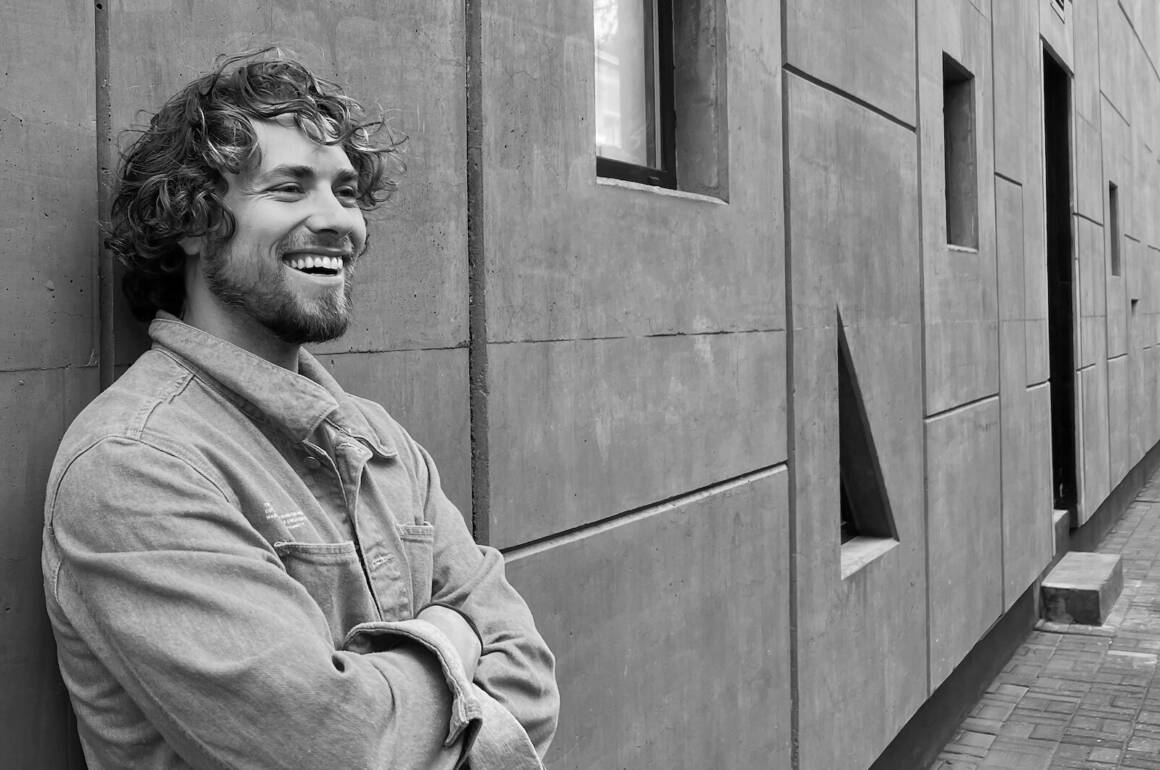
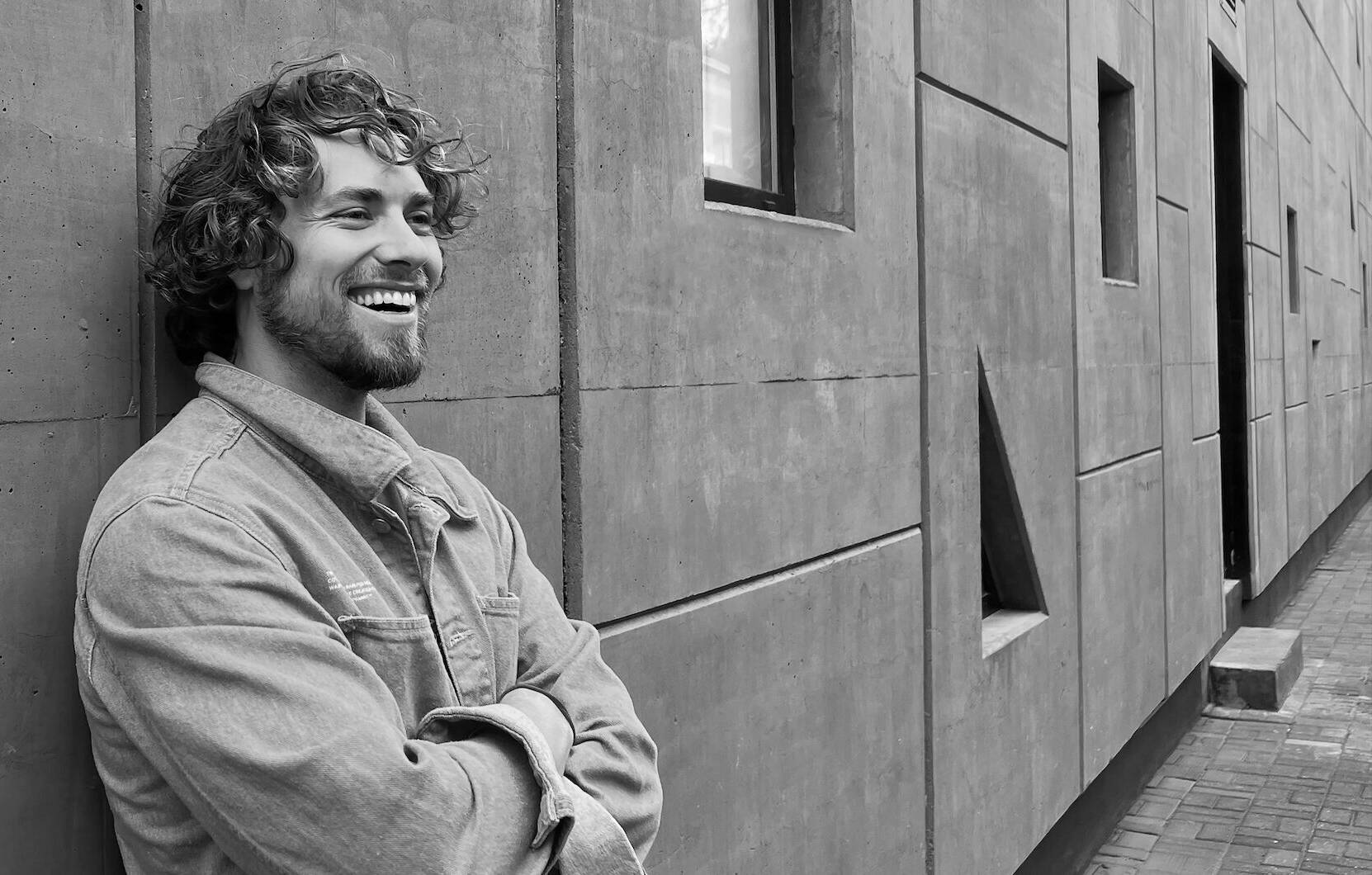
Philanthropist Nachson Mimran at Alara Building in Lagos
Latest figures indicate there are more than 16 million high-net-worth individuals in the world, which means a lot of potential to contribute to positive change. LUX asks three of the globe’s most established social and environmental philanthropists to identify individuals of the new generation who are helping change the world for good
Philanthropist Nachson Mimran, Switzerland
Mimran is co-founder of to.org, an innovative organisation combining philanthropy, investment, startup accelerator and social-enterprise multiplier. He collaborates across creative and tech fields to support and empower the world’s vulnerable. “There are many synergies between the work of those I have nominated and the work of to.org,” he says.

Nachson Mimran & his daughter in an elevator in Gstaad, Switzerland
The Nominees
Kweku Mandela, US
“Kweku’s work as a producer and film-maker inspires movements that instigate positive change. Like to.org, Kweku understands the power of using culture as a Trojan horse to communicate important messages. As the grandson of Nelson Mandela, he also stewards the Mandela legacy.”
Elizabeth Sheehan, US
“Liz is a founding partner of Project Dandelion, a women-led movement for climate justice.
A global-health expert, she is a passionate philanthropist and creative leader working at the intersection of climate change, gender justice and health resilience.”
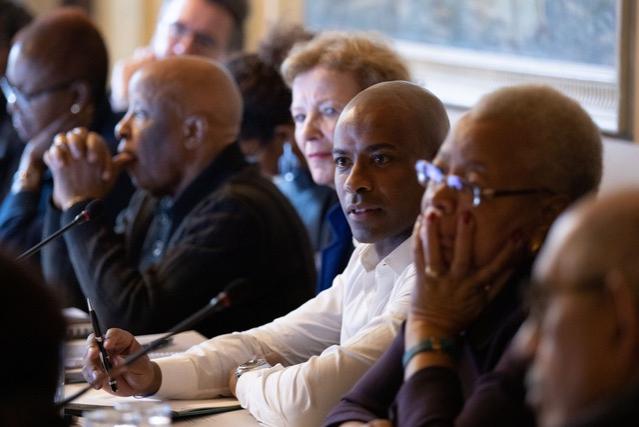
Hosh Ibrahim at a Mo Ibrahim Foundation meeting
Hosh Ibrahim, UK
“Hosh does important work to support stateless people and strengthen governance in the human-rights sector across Africa. He also serves on the council of his father’s foundation, the Mo Ibrahim Foundation in the Sudan, which works to strengthen the African voice around global challenges.”
Read more: Car reviews: Porsche 911 Dakar, BMW M4 Convertible, Mazda CX-60

The philanthropist Neera Nundy
Philanthropist Neera Nundy, India
Dasra, or “enlightened giving” in Sanskrit, was co-founded in 1999 in India by Nundy and her husband Deval Sanghavi as a fund to invest in early stage non-profit organisations working in the United Nations Sustainable Development Goals areas of gender equality, urban resilience and sanitation. In 25 years, Dasra has unlocked over US$350 million and impacted over 180 million people through its trusted ecosystem, in a mission “to help transform India”.
The Nominees
Nikhil Kamath, India
“As the youngest Indian signatory of Bill Gates’ and Warren Buffet’s Giving Pledge, Nikhil
has committed 50 per cent of his wealth to causes including climate change, education and healthcare. Through his YouTube podcast, WTF Is, Nikhil, along with his business leader guests, is leveraging digital media to disrupt philanthropic giving by donating to audience- selected charities.”

Nikhil Kamath with Bill Gates in the podcast WTF Is
Radhika Bharat Ram, India
Follow LUX on Instagram: @luxthemagazine
“Radhika co-founded KARM Trust with her husband Kartik. The trust focuses on anchoring its unique fellowship programme, which involves empowering girls from economically challenging backgrounds in India to pursue their dreams, realise their potential and become catalysts to transform their communities.”
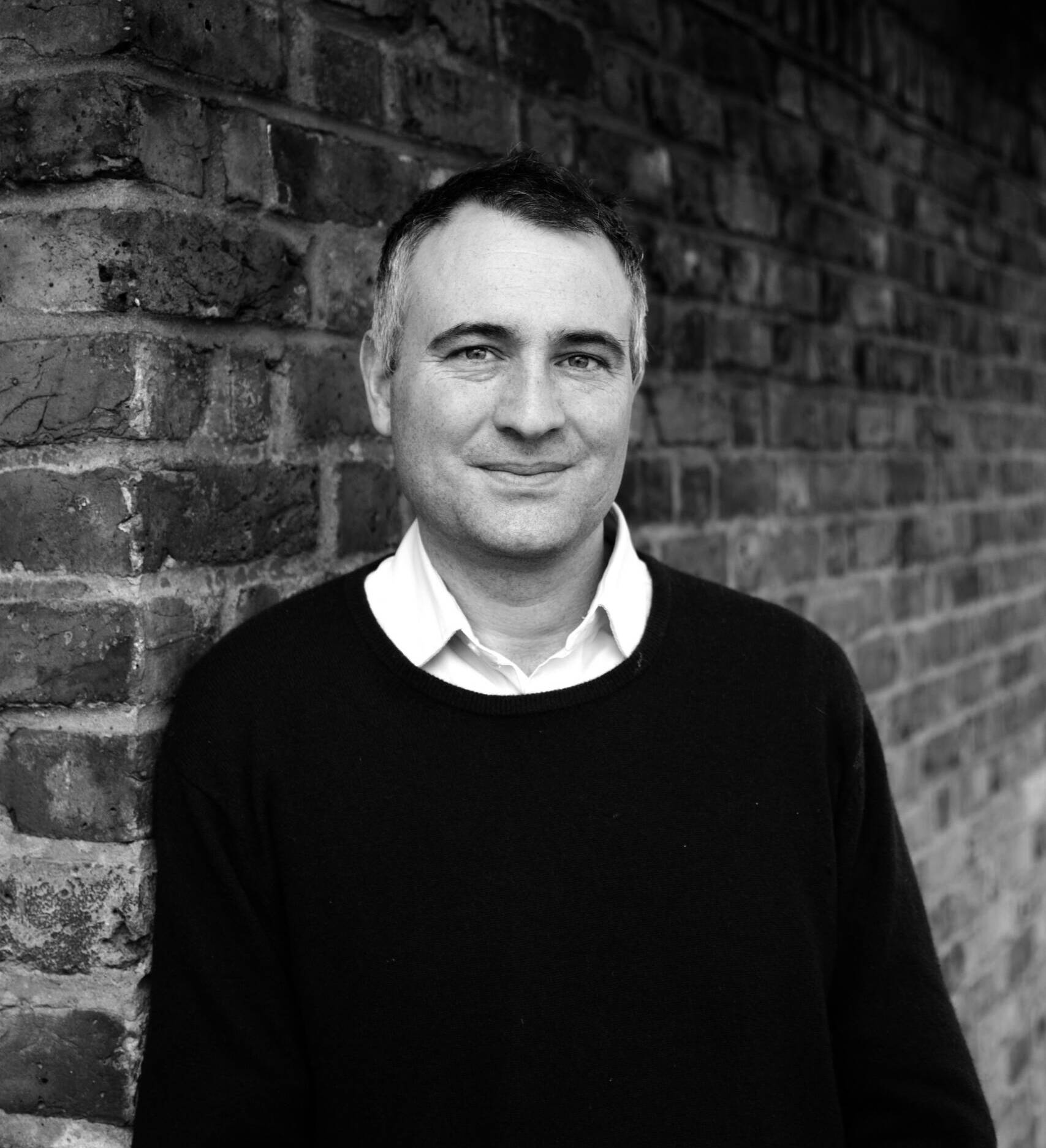
The philanthropist Ben Goldsmith
Philanthropist Ben Goldsmith, UK
A financier and environmentalist, Goldsmith is at the forefront of campaigns for rewilding in Britain and Europe, and founded and chairs the Conservation Collective (CC), a network of locally focused foundations. “To meet the scale of the environmental challenges ahead, we need more philanthropists like those I have nominated,” he says. “The solutions are within reach – if we can muster the funding and the collective will to act.”
The Nominees
Becky Holmes, UK
“At the helm of The Helvellyn Foundation, Becky Holmes has become a powerful advocate for environmental restoration. Her support of the CC’s Highlands & Islands Environment Foundation has been particularly impactful, funding local nature recovery projects across the Scottish Highlands and islands. She is one of those philanthropists who are not just investing in conservation, but leading the charge, reimagining the relationship between humanity and the natural world.”

Nancy Burrell at the Knepp rewilding project
Nancy Burrell, UK
“Chair of the Argosaronic Environment Foundation, Nancy Burrell aims to protect and restore the natural beauty of the Argolic and Saronic Gulf, where she has spent much of her life. Her early experiences at Knepp’s famous rewilding project in Sussex ignited a lifelong dedication to restoring wild nature. As a DPhil candidate at Oxford, Nancy is exploring the carbon storage potential within rewilded ecosystems – work that could prove vital in addressing the twin crises of biodiversity loss and climate change. She is one of the brilliant individuals representing a new era in environmental philanthropy.”
Read more: Domaine de Vieux-Mareuil: A luxurious sanctuary of freedom in southwest France

The philanthropist Alina Baimen
Philanthropist Alina Baimen, Canada
Kazakhstan-born Baimen is co-founder and CEO of EdHeroes, a decentralised network aimed at improving access to quality education worldwide, in alignment with the United Nations Sustainable Development Goal 4. With previous charity work including leading kindergarten projects in remote areas of Thailand, she was featured in 30 Under 30 Forbes Kazakhstan in 2023. Says Baimen, “My nominees are true change-makers.”
The Nominees
Mangkunegara X, King of Surakarta, Indonesia
“His Majesty supports philanthropic projects in areas including Indonesian batik art and education. EdHeroes collaborated with the Royal Palace on the recent Masterpiece Batik Humanity in Harmony project. Organised by the Indonesian Paediatric Cancer Foundation and the Royal Palaces of Yogyakarta and Surakarta, it brought together batik experts and children with cancer in a celebration of art and bravery, and raised significant funds for cancer treatment for those children.”
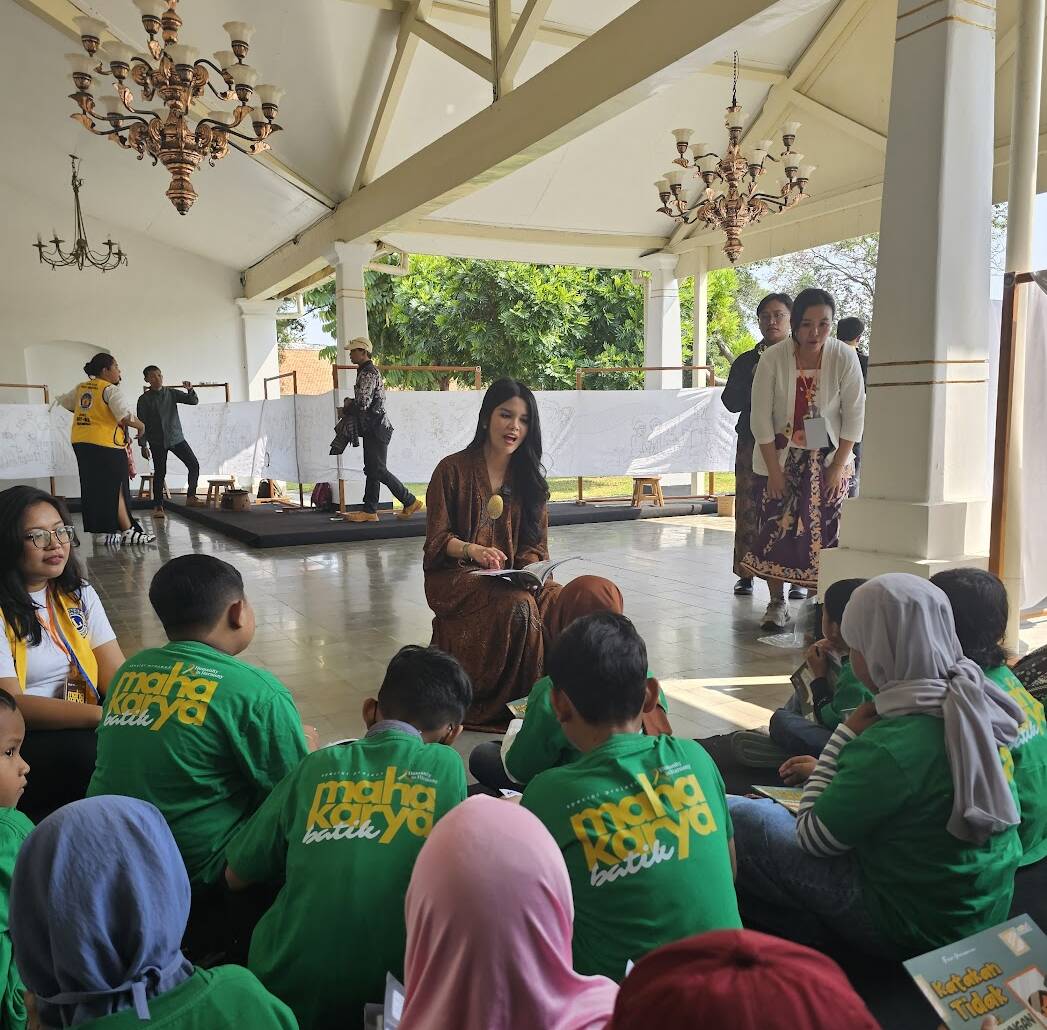
A batik-creating event for cancer fundraising, supported by Mangkunegara X
Malala Yousafzai, UK
“The activist for female education is the youngest Nobel Prize laureate. She is one of the most inspiring people in the world through the scale of her personality, courage and belief in the power of education make this world a little better. We named her Malala Fund, which invests in girls’ education programmes, in our guide of organisations with outstanding impact, and have since been in touch with her team, who are real pioneers.”
Henry Motte-Muñoz, Philippines
“As founder and Executive Chair of edukasyon.ph, the largest edtech platform in the Philippines, Henry helps empower more than eight million students each year with advice, soft-skills training and academic support. He started his philanthropic journey very young and made it to Forbes 30 Under 30 lists. He also serves as a member of the EdHeroes Advisory Board.”
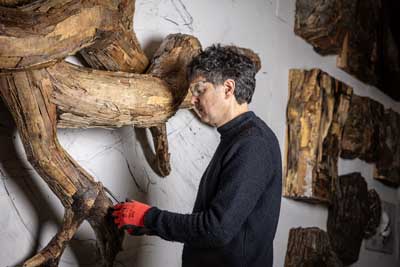
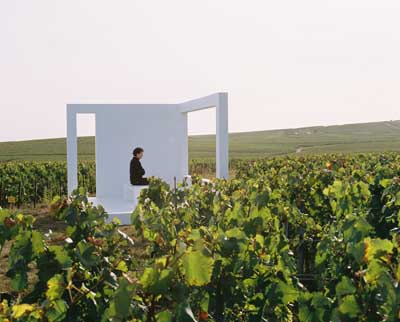
Under the theme of “Conversations With Nature,” this year, six artists from five continents have traveled to Reims and created works of art based on their personal impressions of the landscape they encountered there
Brazilian artist Henrique Oliveira is creating a scuptural installation for Ruinart, preferred champagne house of every self-respecting next gen oligarch, at Frieze London this year. Cleo Scott investigates
Henrique Oliveira’s forms spring out of the ground like inverted roots. A Brazilian-born painter and sculptor who works between his São Paolo and London studios, his large-scale sculptural installations are known as ‘tapumes’, or ‘fencing’ in Portuguese, which reference the wooden construction fences seen throughout São Paolo.
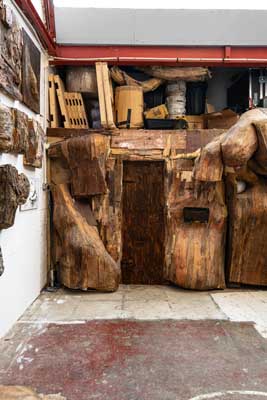
Oliveira is known for his works exploring the tension between nature and urban life
Oliveira uses lengths of stapled wooden tubing to create organic forms, which are then covered in layers of thinly applied wood, which he selects for their weathered and knotted surfaces. This results in bark-like forms that are at once natural and supernatural.
Oliveira’s project for ‘Conversations with Nature’, part of the Carte Blanche 2024 artists’ initiative from chi-chi Champagne house Ruinart, draws inspiration from the underground world of the Champagne region.
Follow LUX on Instagram: @luxthemagazine
From a network of chalk pits that provide the ideal environment for vines to grow, to the wine cellars of Ruinart, there seems to be as much life beneath the soil as above. Oliveira unearths this subterranean realm. His forms are roots of vines climbing above ground, seemingly alive in their writhing and twisted compositions.
While Oliveiras paintings evoke an organic proliferation of colors, his sculptures create the illusion of vegetal roots emerging in the urban environment
Forms are taken directly from nature and created using its very materials. However, the impossible distortion and scale of the work introduces an element of the supernatural – something beyond nature – only possible with the hand of man.
Ruinart’s Carte Blanche – not to be confused with Ruinart Blanc de Blancs, the maison’s all-Chardonnay champagne which is the daily pick-me-up of the ultra high net worth party set – this year brings together an international group of artists who centre their work around their connection and commitment to the natural world
Read more: Joel Mesler’s Californian Art at Château La Coste
Six artists travelled to the Champagne region, invited by Ruinart to use their diversity of mediums and practices to ‘converse’ with the landscape of the Maison Ruinart vineyards. Of this collective, the work of Henrique Oliveira and Marcus Coates will be exhibited within the Ruinart Art Bar at Frieze London, amid a backdrop of much Blanc de Blancs imbibing, from October 9th to 13th.
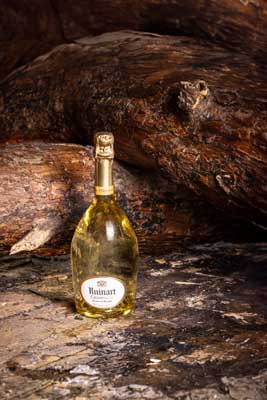
His art is sensitive to sustainable development issues and draws inspiration from the parasitic dimension of these structures, while also highlighting the importance of a mindful use of natural resources
Oliveira’s work embodies the relationship between man and nature at the heart of Ruinart and its Carte Blanche. In observation, understanding, and conversation with his subject, Oliveira breaks down the vine and reconstructs it, rather like the journey of the grape from a vineyard to the bottling of champagne – and onwards to the upper pool deck of that yacht moored off Pampelonne beach.
Find out more: runairt.com
Philanthropist Hansjörg Wyss and the Wyss Foundation are committed to accelerating the pace and scale of conservation, supporting innovative academic research, and finding long-term solutions to climate change and biodiversity loss.
Since its establishment in 1998, the Wyss Foundation has led the movement to conserve at-risk ecosystems for future generations to enjoy. Leaders & Philanthropists Editor, Samantha Welsh, speaks with the Wyss Foundation to understand how the Foundation and its partners have helped local and indigenous communities, national governments, land trusts, and non-profit partners permanently protect more than 100M acres of land and more than 3M sq km of ocean, an area larger than the landmass of India. Mr. Wyss and the Foundation also support innovative climate and sustainability research through the Wyss Institute for Biologically Inspired Engineering at Harvard University and the Wyss Academy for Nature at the University of Bern.
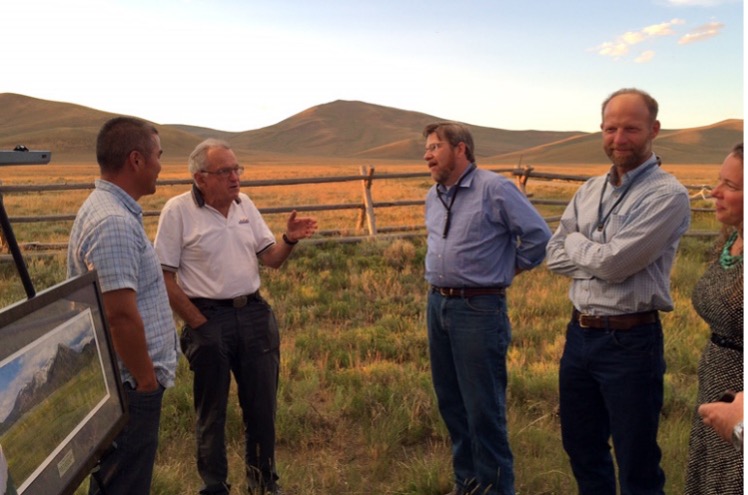
Hansjörg Wyss meets with staff from The Nature Conservancy, one of the primary organizations executing on his $1.5 billion pledge to protect the planet
LUX: Could you share the story behind the creation of your organisation and what motivated you to focus on conservation?
Wyss Foundation: When Hansjörg Wyss first came to the United States as a student in 1958, his weekends hiking and climbing in the Rocky Mountains sparked a lifelong love for the open landscapes of the American West. What inspired Mr. Wyss the most was how our National Parks and public lands – unlike many protected areas abroad – are a public good. More than 300 million people visit our National Parks each year, and the Wyss Foundation is committed to ensuring future generations will be able to do the same on public lands around the world.
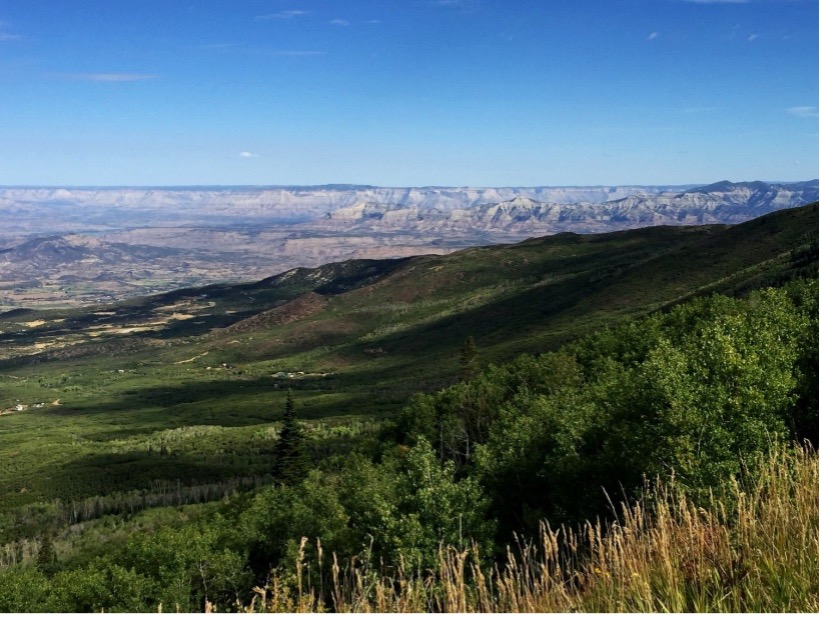
Ensuring future generations can enjoy the open landscapes of the American West was core to Hansjörg Wyss establishing the Wyss Foundation
LUX: What was behind your decision to scale up support for organisations working to curb global biodiversity loss?
WF: Climate change and biodiversity loss are the defining problems of the coming decades. As the impact of climate change becomes more apparent by the day, we have seen mounting evidence that the loss of biodiversity presents an existential threat to human prosperity and security. A significant majority of the planet’s surface has been severely altered by humans, and without a course correction, one million species are facing the threat of extinction – many within decades. Seeing the urgency of the moment, our founder committed $1 billion USD to launch the Wyss Campaign for Nature, jumpstarting the movement to conserve 30% of the earth’s surface in a natural state by 2030.
LUX: How did the Wyss Campaign for Nature catalyze collaboration?
WF: Getting conservation done requires close collaboration with local communities, Indigenous Peoples, all levels of government, private industry, and philanthropy. After Mr. Wyss pledged $1 billion to the 30×30 target, numerous other private donors, nonprofit organizations, and governments have joined our efforts. In 2021, we were also proud to increase our commitment to 30×30 through the Protecting Our Planet Challenge, partnering with other funders to pledge $5 billion to protect the planet by 2030 – the largest-ever gift for conservation.
LUX: How did this motivate public and governments’ engagement?
WF: Following years of hard-fought negotiations, nations ratified a plan to protect the planet’s biodiversity at the 15th Conference of the Parties to the UN Convention on Biological Diversity (COP15). The plan calls for wealthier nations to mobilize $30 billion annually to help conserve 30% of the world’s surface by the year 2030. Crucially, the agreement also recognizes and protects the rights of Indigenous Peoples and local communities, enabling sustainable management by the rightful owners of the land. As Mr. Wyss said at the time, ‘This is a historic achievement, which will protect wildlife and wild places and ensure our children, and their children, have every opportunity to live prosperous, healthy, and wondrous lives.’
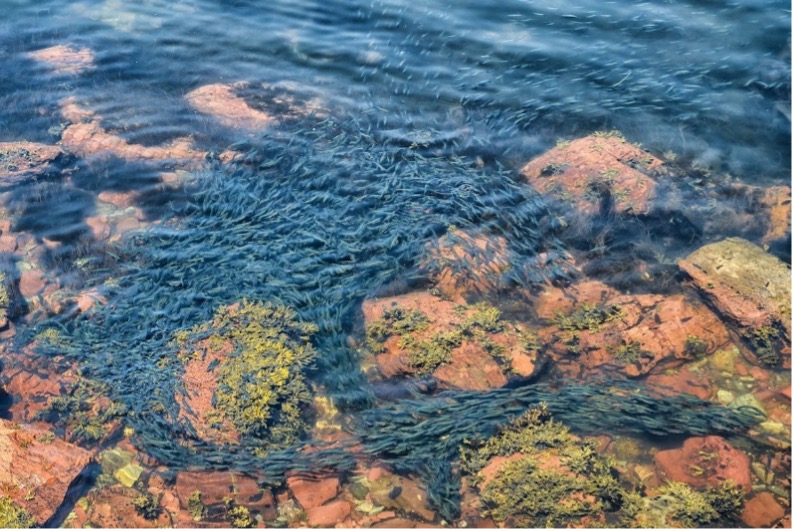
Working with organizations like Oceana, the Wyss Foundation is investing in rebuilding marine biodiversity and restoring fisheries
LUX: How does Wyss Foundation partner with others to accelerate impacts globally?
WF: Partnering with land trusts, local and indigenous communities, nonprofits, and governments has been central to our efforts to accelerate the pace of conservation. Leveraging the expertise of our grantees like The Nature Conservancy, we’ve been able to establish long-term partnerships and speed up the land conservation process.
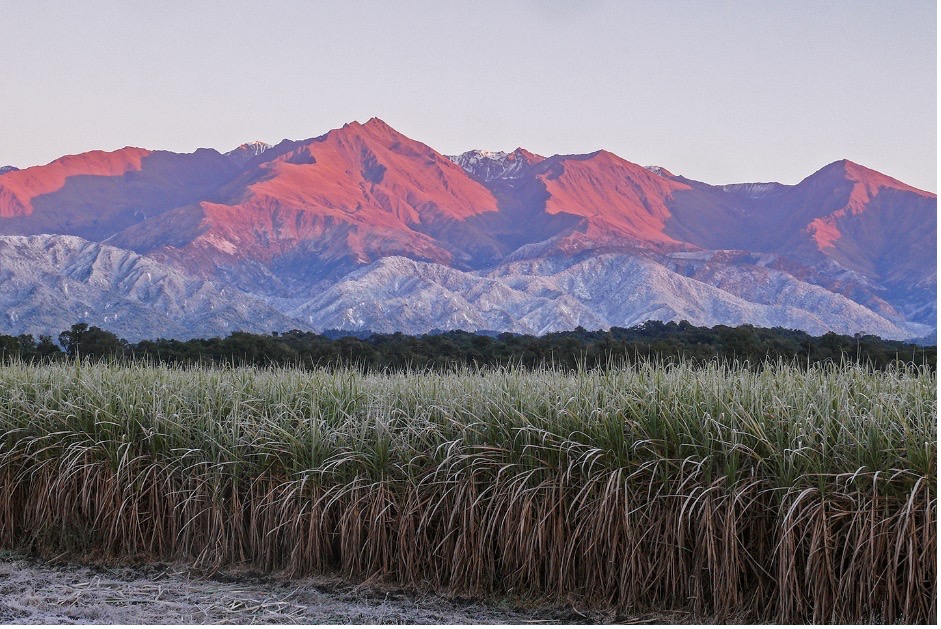
The Wyss Foundation provided funding to expand the Aconquija National Park, protecting a critically important mountain chain in north central Argentina
For instance, in Australia’s Eastern Outback, we helped to purchase and permanently protect more than 400,000 acres of megadiverse wildlands. In Belize, we purchased a 236,000-acre plot, in the Selva Maya tropical forest, home to hundreds of animal species and endangered wildlife like jaguars and black howler monkeys. We’ve also invested in innovative conservation financing programs including the Caribbean Blue Bonds Project, working to help Caribbean nations restructure their sovereign debt to finance the conservation of at least 30% of their marine territory.
LUX: What has The Wyss Institute achieved to date?
WF: The Wyss Institute isn’t a traditional research center. Instead, it is focused on creating new technologies and applications to benefit human health and the environment through the formation of startups and corporate partnerships. Over the past 15 years, it has generated more than 4,000 patent flings, more than 130 licensing agreements, and 58 startups.
One particular area of focus is adapting building materials and technologies to mitigate climate change. As global temperatures rise and pose a threat to human health, developing climate-friendly air conditioning is more important than ever. Wyss Institute researchers are working to develop a low-energy, pollutant-free AC system called cSNAP, based on evaporative cooling that uses up to 75% less energy than traditional vapor-compression systems.
LUX: How will your Foundation continue to advocate for science-based resource management and protect people and planet?
WF: We are proud to see the progress toward conserving 30% of the planet’s surface by 2030, but there’s much more to be done. For the first time, nations around the world are committed to a science-based biodiversity goal.
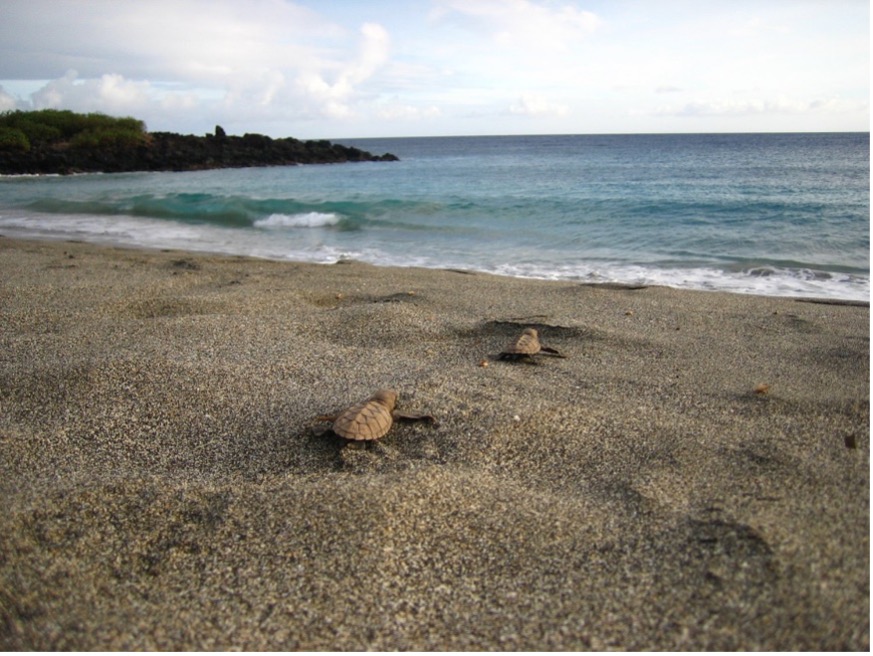
The Wyss Foundation supported an expansion of the Hawai’i Volcanoes National Park, a crucial habitat for endangered Hawaiian hawksbill turtle. Image courtesy of the National Parks Service
Now, we need to redouble our collaborative efforts and ensure that nations, philanthropists, and local communities are pulling together to execute on our promise.
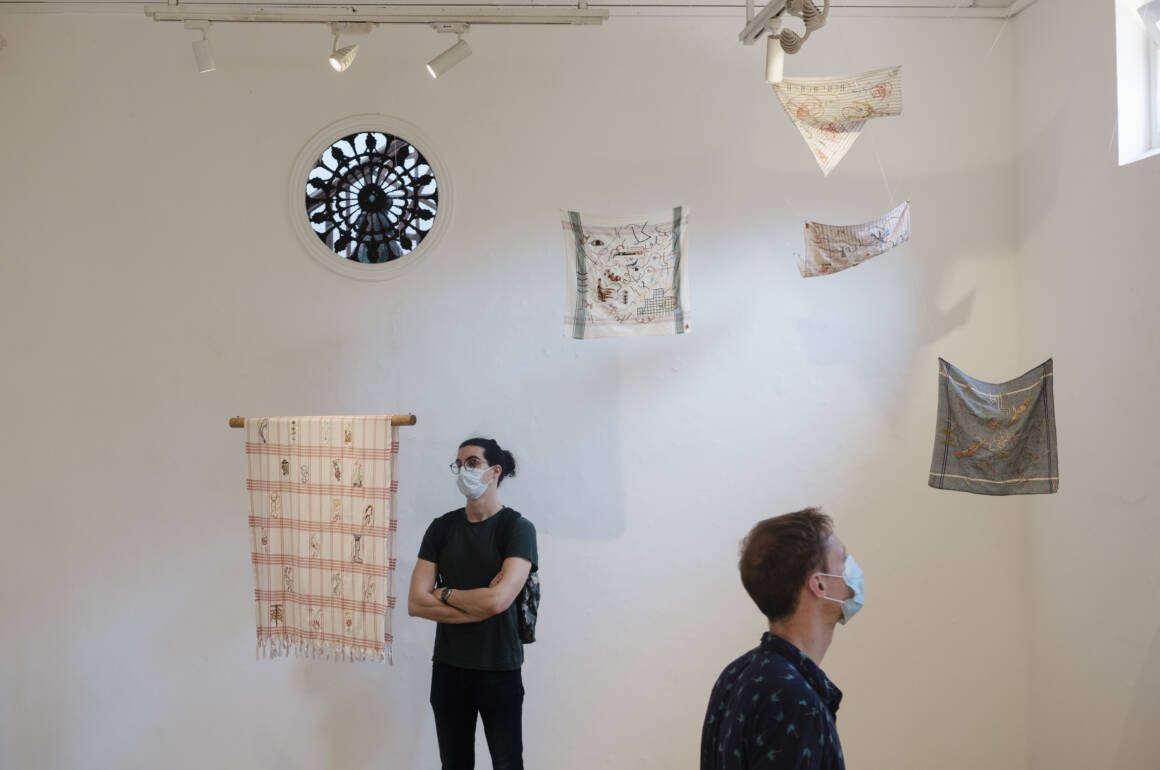
Under the artistic direction of Natasha Ginwala, the recent Colomboscope showed how the Sri Lankan art festival has swiftly become a must-visit not just for aficionados of South Asian art, but for collectors globally seeking to channel exciting new art world perspectives from a region whose global significance is rising.
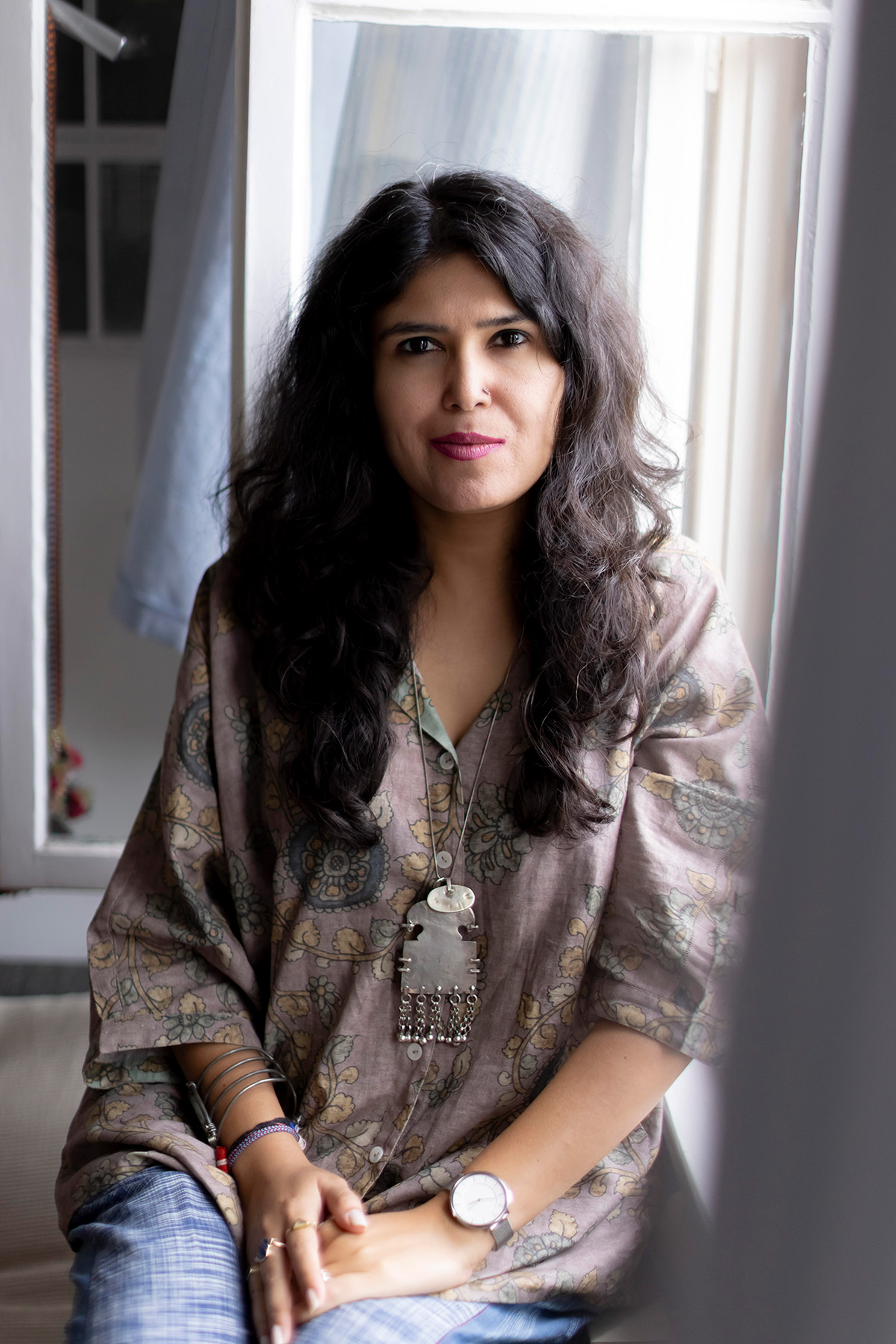
Natasha Ginwala, artistic director. Photo by Victoria Tomaschko
Across venues throughout Colombo, the Sri Lankan capital, curators Hit Man Gurung, Sheelasha Rajbhandari, and Sarker Protick choreographed events and showcased the work of 40 eminent artists from Sri Lanka and the Global South, all themed around ‘Way of the Forest’.
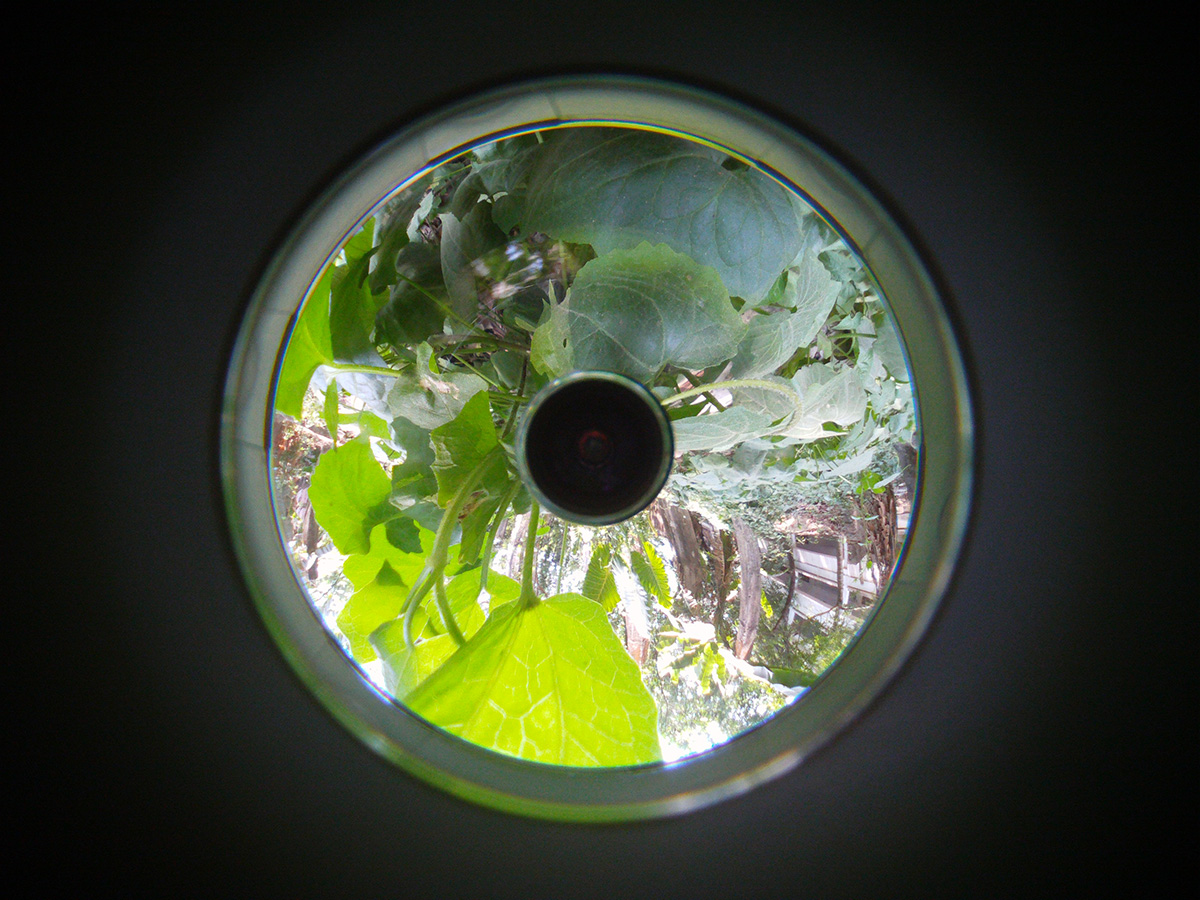
Zihan Karim, EYE (।), 2015, Video projection on installation. Photo by Fiona Cheng
Durjoy Bangladesh Foundation (DBF), as one of the festival’s lead patrons and cultural partners, supported four artists from Bangladesh to participate: Soma Surovi Jannat; Md Rakibul Anwar; Zihan Karim; Jayatu Chakma. There was a strong theme of sustainability and regeneration in their works.

Soma Surovi Jannat, artist.
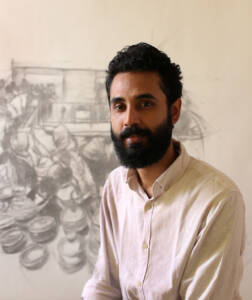
Rakibul Anwar, artist.
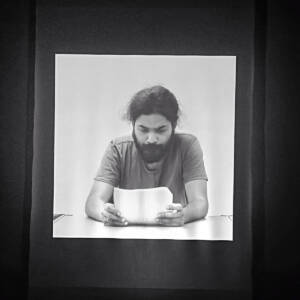
Zihan Karim, artist.

Jayatu Chakma, artist.
‘Urbanisation is accelerating deforestation, which removes the potential for forests to absorb carbon and put a brake on global warming. This creates political, economic and societal crises for people and harms our planet,’ says DBF’s founder, Durjoy Rahman.
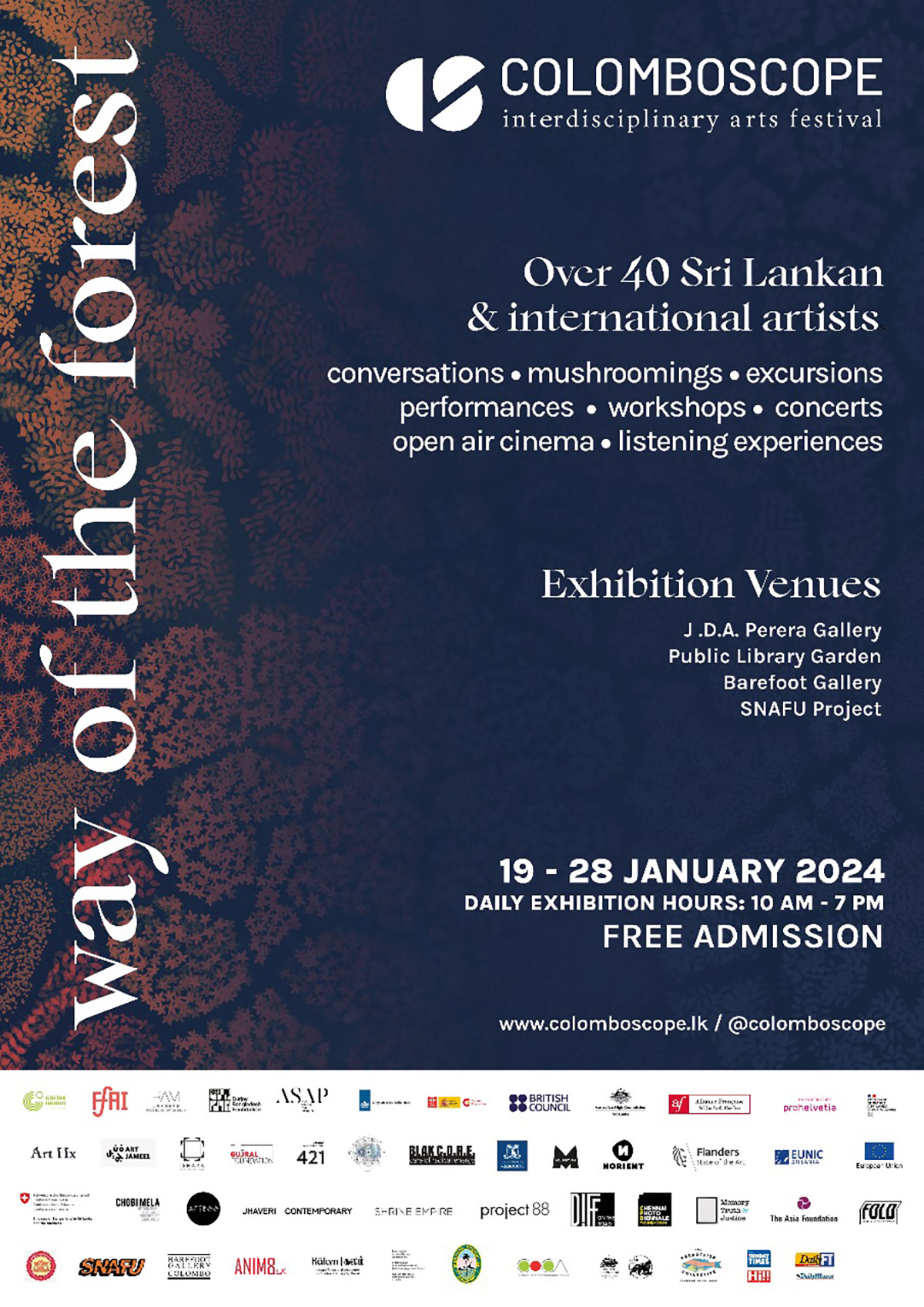
The Way of the Forest Poster
It was an intriguing way to see how art is leading the challenge against post-colonial legacies and bearing witness to the effects of climate change.
See more: https://www.colomboscope.lk/
Online Editor: Isabel Phillips

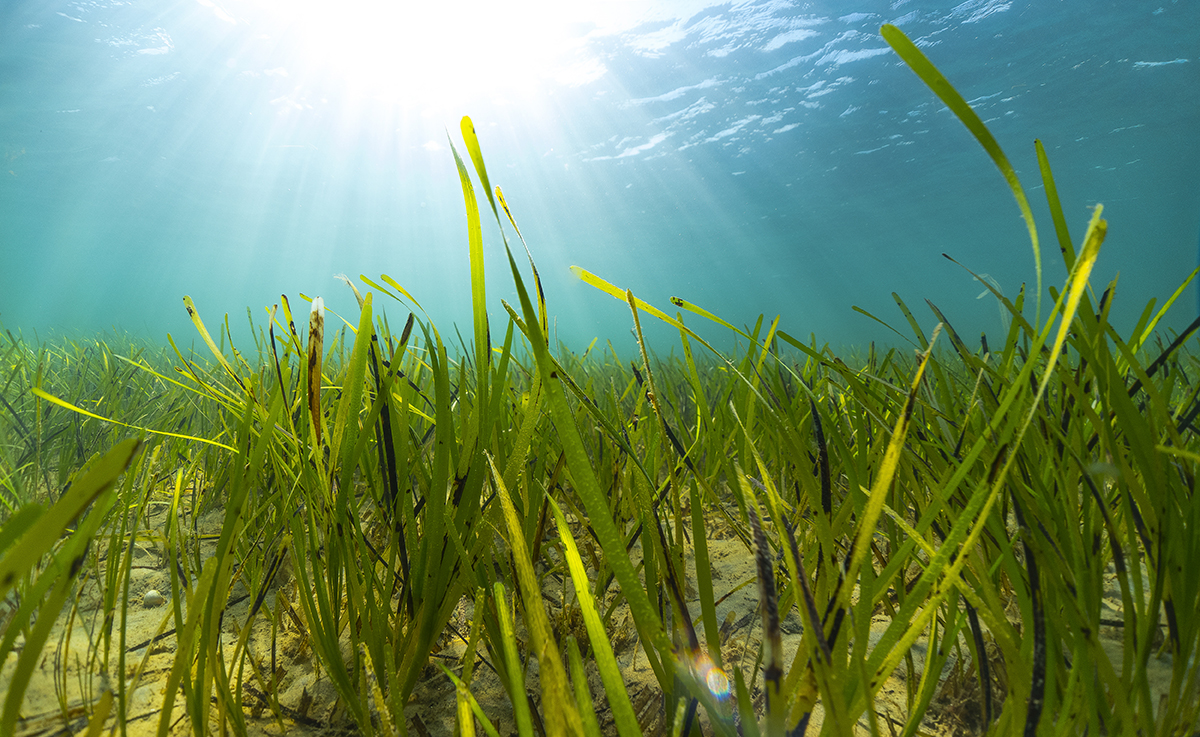
Seaview Seagrass, Solent, Isle of Wight, UK, image by photographer and marine biologist Theo Vickers. © Theo Vickers
As sea levels rise due to global warming, there are tremendous challenges for the environment, coastal communities and global supply chains. Mark Rowe reports and discovers ideas, initiatives and infrastructure measures to help stem the tide
The sea is on the rise. All around the world, over the past 100 years, sea levels have risen by up to 25cm. And they are expected to rise by a further one metre in the next 80 years. The main driver of this increase is climate change, caused by humans pumping carbon dioxide and methane into the atmosphere.
This is driving sea-level rise through one reason everyone is aware of: melting ice bodies like glaciers and polar ice caps. What is less evident is that, even if all the permanent ice in the world were to melt, oceans would continue to rise as long as temperatures did, due to the physics of thermal expansion: warm water occupies more volume.
Dr Joanne Williams
“We can’t reverse what has already happened,” says Dr Joanne Williams of the UK’s National Oceanography Centre. Science, in the form of thermal lags, means sea-level rises are inexorable. Water warms slowly, so, due to deep ocean heat uptake, sea levels will rise for centuries, whatever we do. “The heat is already in the ocean, the rises are locked in,” Williams continues. “But if we act now, it costs less in the long term and we can plan without having to rush. It’s easier to adapt.”
Follow LUX on Instagram: luxthemagazine
In a 2021 report, “Coastlines in Crisis”, by Deutsche Bank Private Bank’s Markus Müller, ESG Chief Investment Officer, and Daniel Sacco, Investment Officer, the authors cautioned that “rising sea levels will put coastal populations and critical economic assets under increasing stress… substantial population displacement is not an unlikely scenario”. These are not abstract observations, and they highlight the challenges, including the human cost.
Dr Philipp Rode
Most of the world’s populations live by water. Around one in 10 of us live less than 10 metres above sea level and 70 per cent of the world’s largest cities are in low-lying coastal areas. Roughly 40 per cent of the US population lives in coastal cities. So communities, as well as their infrastructure, trade and buildings, both residential and commercial, are all at risk, making the adoption of adaptation planning even more of a priority. As Dr Philipp Rode, Executive Director of LSE Cities, puts it, “How sub-Saharan African cities will cope is very unclear. But the story of people being forced to move because it is too risky and too expensive to live there any more is one we will hear more and more.”
“The ways in which people are vulnerable varies,” says Williams. She cites Bangladesh, where a one-metre rise would shrink the country by one-third. “Bangladeshi people are used to flooding, but in the future it will happen more often, go further upriver and affect more farmland.” Much of the farming hinterland near Williams’s own city, Liverpool, in the UK, is at coastal level. “Not a lot of people live there,” she says, “but that’s a lot of food production at risk.”
It is apparent, then, that threats from sea-level rise affect more even than coastal ecosystems and coastal communities. They affect everyone through global economics in terms of agriculture, infrastructure, real estate, tourism and global trade. And all this affects the Global North as well as the Global South, the Netherlands as well as the Maldives.
This is because critical national infrastructure, most obviously ports, but also electricity and nuclear power stations, electricity cables, and gas and sewage pipes, are often located on the coasts. Twelve of the biggest US airports are built on coastal areas, and nearly one-third of US GDP relied on the coastal economy, employing almost 55 million people in 2016. It is estimated that 20 per cent of global GDP could be threatened by coastal flooding by the end of the century. Our seas handle 90 per cent of global trade and that means if ports get battered, then cargo – from plastic toys to grain consignments – will get tangled up with knock-on effects.
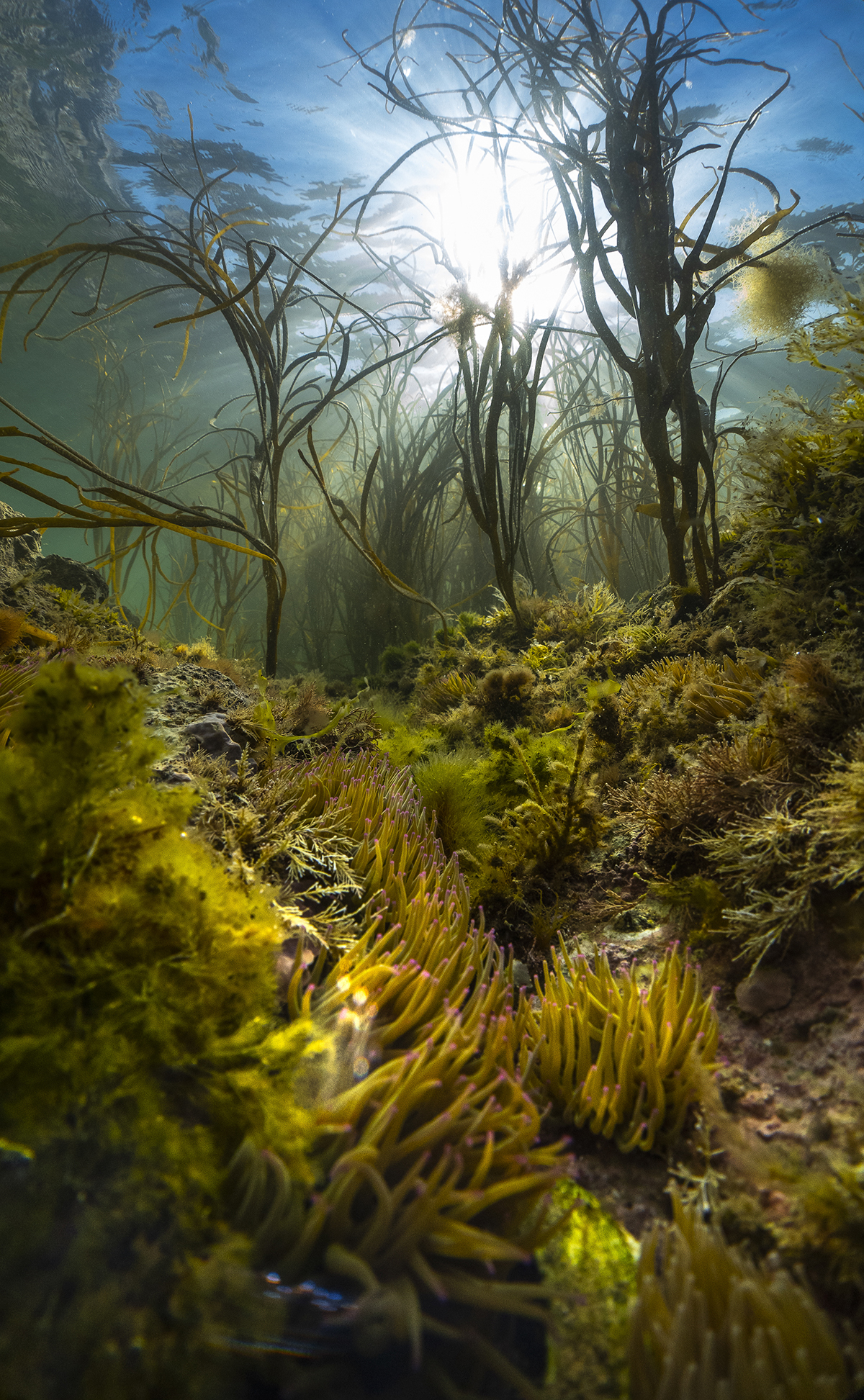
An Island’s Wild Seas, the Needles, Isle of Wight, UK, image by photographer and marine biologist Theo Vickers. © Theo Vickers
In the Global South, particularly, effects on sectors such as agriculture and tourism will be especially disruptive, as developing countries are most reliant on them. Saltwater inundation from flooding contaminates freshwater aquifers, making agriculture difficult, threatening food supply and making water no longer potable. That spells trouble for the people of Suriname, where almost three-quarters of the population lives five metres below sea level and most of its fertile agricultural land lies on the coastal plain. The Maldives’ highest point is just two metres above sea level, and, while it performs well compared to its small island peers, tourism accounts for almost one-third of its economy, making its people extremely vulnerable to rising sea-level shocks.
“Rising seas will not see cities sink slowly, millimetre by millimetre beneath the waves. Instead, changes are complex and abrupt,” says Rode. “Sea-level rises make other things worse. If you get a combination of flash floods, storm surges, high winds and high tides, the peak height of impacts will hit places harder. The higher sea levels are, the harder it is to get floodwater from heavy rain out of a city.”
Society does not have a great track record of awareness, let alone action, when small communities, or those from the Global South, are involved. Barranquilla is the fourth largest city in Colombia, with a population of 2.4 million. Located next to the Magdalena River, near the Caribbean Sea, it is a major port. But because of mismanagement and lack of investment in water infrastructure – it has no rainwater drainage systems, for example – it is highly vulnerable to floods and landslides. When the city floods, and it does, the roads turn into dangerous, fast- flowing rivers, sweeping away cars – and people. Sea-level rise is set to compound the situation, and while there is a push for legislation and some agreement to avoid disaster, there is no clear plan, resulting in stressed infrastructure, increased food shortages and poor, often Afro-Colombian communities, displaced to informal slums.
While the residents of Barranquilla still wait for change, the Hurricane and Storm Damage Risk Reduction System was created in New Orleans right after the devastation of Hurricane Katrina in 2005. It is the most costly flood-control system on earth and one of the biggest public-works projects in US history. Governments around the world are becoming increasingly conscious of the risks of sea-level rise and are progressively implementing adaptation measures. Shanghai’s authorities place a high value on these because, by 2050, the city is predicted to endure floods and rainfall 20 per cent higher than the global average. To lessen its vulnerability to rising sea levels, the city has built 520 kilometres of defensive seawalls. The OECD warns against complacency, however. Solutions are out there, but they will need to come hand in hand with the regulation and business climate that allows them to become viable commercially.

Guy Michaels
Grey or technological solutions are often the direct go-to approach. London, which is estimated to have a water level increase of up to two metres in a low-emissions scenario, has its retractable barrier system, begun in 1974 and in operation since 1982. “And London can always get the Thames Barrier to do a bit more lifting,” says Guy Michaels, Associate Professor of Economics at the LSE’s Department of Economics. “In New York, which is 10 metres above sea level, you can think of ways to potentially close off the harbour.”
Tokyo created a spectacular solution in 2006. The G-Cans flood project is a huge cathedral-like underground cavern supported by 59 towering pillars. Permeable surfaces and a network of pipes divert floodwaters to a reservoir, before being slowly released to the Edo river. The price tag was more than US$2 billion and costs for defending infrastructure along other coastal cities are similarly eye-watering. “You can build defences higher, but there comes a point where you have to ask whether costs justify the outcomes,” says Williams. “When you get a one in 100-year flood, people build back. But what if that event happens again the next year, and then the year after that?”
This is where nature-based solutions come in. While many cities in advanced economies – those, remember, primarily responsible for climate change – have the means to protect themselves through technological solutions, the picture is different in the Global South, says Rode, where emphasis is more on adaptation. Barrier islands, vegetated dunes, coastal wetlands, mangrove forests and reefs are examples of natural barriers to protect shorelines.
They provide several advantages in addition to flood protection, including carbon sequestration, biodiversity restoration, fish nurseries, cultural heritage, recreational activities, tourism and spiritual benefits. Crucially for the Global South, they can be quickly adapted to the real pace of sea-level rise. Planting mangroves can lower wave heights by 71 per cent or more.
Mangroves originally lined tens of thousands of kilometres of coastlines around the world; previously mistakenly seen by humans as a type of coastal weed that could be destroyed for development, they are a good example of the upside potential of mitigation. Properly managed, mangroves store immense amounts of carbon and support a rich ecosystem of biodiversity, as well as protecting the developments on the coasts they have previously been cut from. They survive in a variety of climates and in brackish water, and planting mangroves can provide carbon credits.
Meanwhile, studies in the UK have shown how fringes of saltmarsh 40 metres wide can reduce wave height by nearly 20 per cent; at 80 metres, waves reduce to near zero. Nature-based solutions also give quick returns: estimates for annual flood-damage reduction from coral reefs exceed US$400 million for Cuba, Indonesia, Malaysia, Mexico and the Philippines alone.
Fresh, innovative approaches to protect urban areas include creating holistic “sponge cities”, which absorb heavier rainfall. After a cloudburst in 2011 inundated Copenhagen’s main trauma hospital and caused US$1.04 billion of damage, the Danish government redesigned infrastructure to make roads and pavements more permeable, while using nature-based solutions to plant grass and lay soil to better absorb rain.
Information-gathering to facilitate decision-making is key. Many countries use Lidar, a remote sensing method that pulsates laser light across coastal areas to measure elevation on the Earth’s surface. Australia’s web portal CoastAdapt provides mapping software, coastline morphological information, guidance for decision-making in coastal climate adaptation, and local and international case studies. France, meanwhile, is one country using a combination of a tech-based approach to monitor and evaluate its progress to date, and using that to recommend the elaboration of nature-based solutions and proposals to spatially reshape coastal areas.
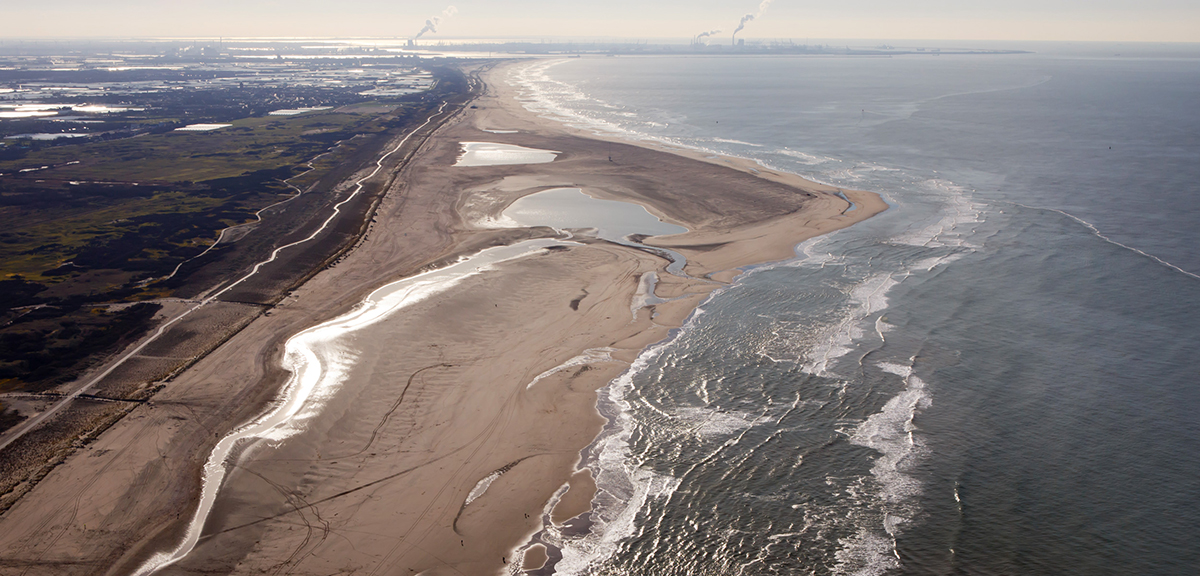
The artificial peninsula whose sand, as it erodes, protects the natural beaches near The Hague © Craig Corbett
The Netherlands, with 25 per cent of land below sea level and scarred by the North Sea flood of 1953, is widely considered the gold standard, with a creative approach combining monitoring, preparation, and grey- and nature- based engineering. “It did a lot of learning, a lot of thinking,” says Michaels. Anticipating sea-level rises of one metre by 2100, its measures have included the 2003 US$70 million reconstruction project to protect The Hague by raising a dyke 10 metres above the mean water level in Amsterdam and depositing 2.4 million cubic meters of dredged sand along Scheveningen Beach, which pushed the ocean back 50 metres from the shoreline.
Meanwhile, the necessary shift to a more sustainable economy offers the opportunity to restructure many firms and their manufacturing processes. Physical damage to facilities as a direct consequence of flood events or other weather extremes interrupt production and make it hard for employees to show up at work. It makes sense that forward-thinking companies across the globe are preparing for climate change by investing in resilient structures that can resist storms, severe winds and flooding.
Coastal cities may have to be radically redesigned or risk becoming “misshapen”, as Michaels puts it. “Inland cities have development that radiates from a central business district in all directions,” he says. “For coastal cities this is not an option. Rising sea levels will further distort the shape of coastal cities, leading to them becoming misshapen and significantly lengthening the costs of commuting to work.”
Michaels is struck by how stubborn communities can be. “Between 1990 and 2010 we saw development increase by 26 per cent in city blocks prone to sea-level rises on the US east and Gulf coasts,” he says. “That was alarming. We assumed people would avoid building there – the exact opposite happened.”
Read more: YKK America’s CEO Jim Reed on creating sustainable products for less
Thumbing a nose at climate science only partly explains this, suggests Michaels. “If you assume people have good foresight but still do it, then they’re building in riskier locations because that’s where the jobs are. It’s a trade-off.” Is there a link to the politicisation of climate change? “People who are least aware of climate change can be the most willing to take on risk,” he says, citing politically sceptical Florida. “Miami is at ground zero. The coast is long, low-lying and very vulnerable. Yet there doesn’t seem to be a wide acceptance of what is happening and many locals regard most events as ‘nuisance’ flooding.”
What will trigger meaningful long- term, joined-up action? “Disasters recede into the background quite quickly,” says Michaels. “Maybe that changes if we get a Hurricane Sandy or a Katrina every year.” Williams is more optimistic. “I see people putting the effort in. It’s important not to say things are impossible, otherwise people ask why they or their government should bother taking any steps.” Rode reckons a more fundamental societal shift is required. “Free-riding, the good life as we know it, goes far beyond levels of consumerism that are healthy for the planet. Maybe we need to rediscover the mundane, then decide whether what’s really meaningful in life is that your local river is clean enough to swim in.”
Find out more:
deutschewealth.com/dam/deutschewealth/cio-
perspectives/cio-special-assets/coastlines-in-crisis
This article first appeared in the Deutsche Bank Supplement of the Autumn/Winter 2023/2024 issue of LUX magazine
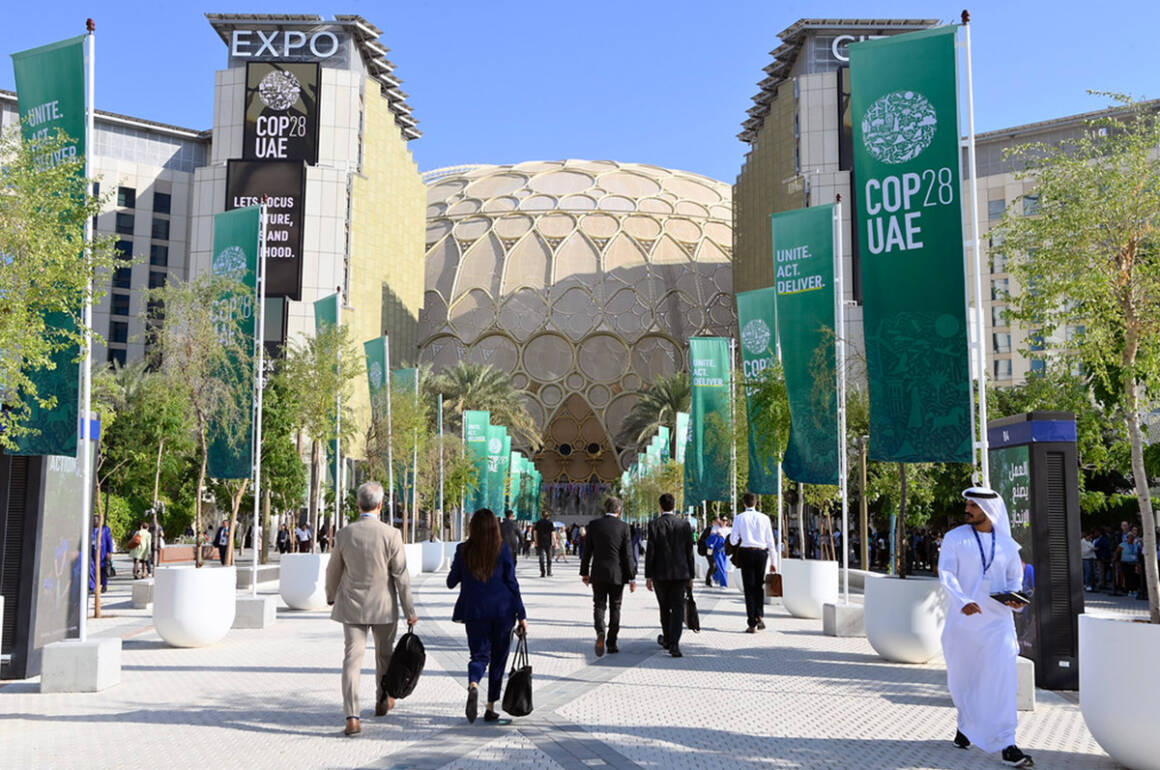
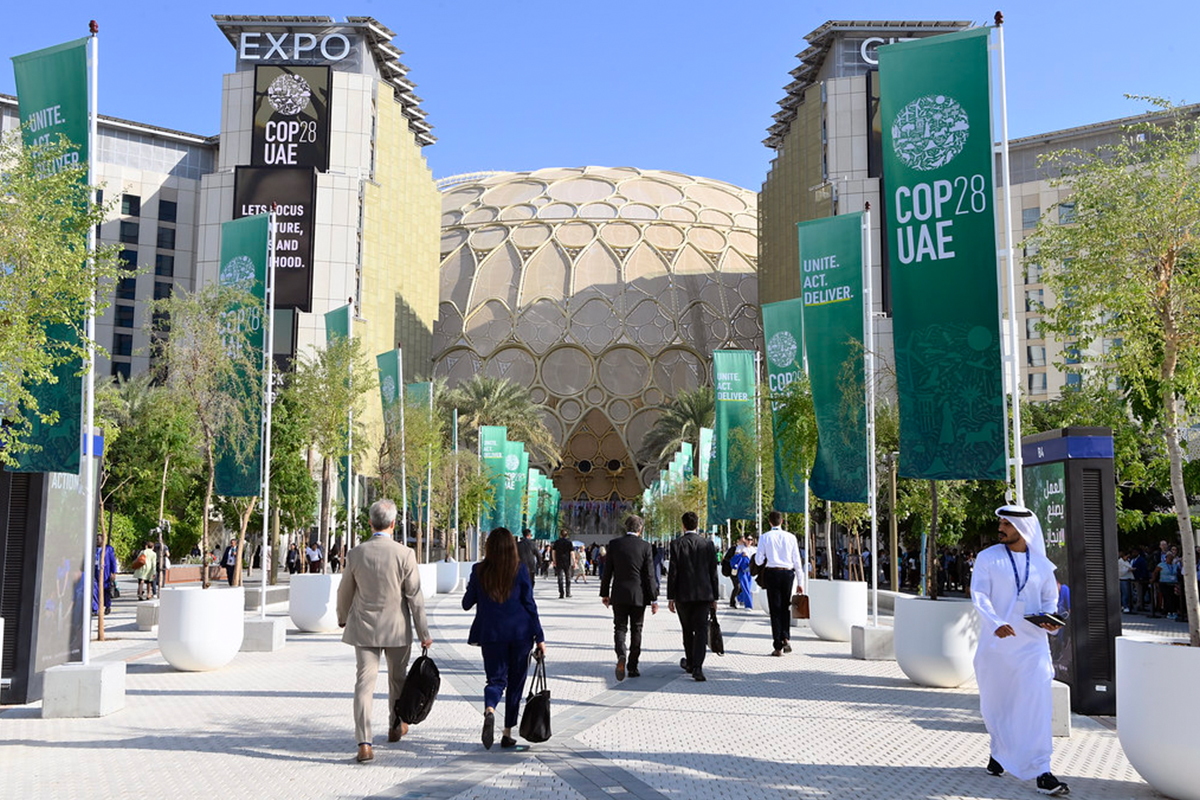
COP28 closed last week with an agreement that signals the “beginning of the end” of the fossil fuel era
Following the close of COP28 last week, Markus Müller, Chief Investment Officer of ESG & Global Head of Chief Investment Office at Deutsche Bank’s Private Bank, speaks to LUX about his key takeaways from the conference
LUX: Did COP28 move the dial on climate change?
Markus Müller: Yes, from my point of view it did. Look at the commitments to triple global renewable energy capacity by 2030 and double energy efficiency. But it is what is implied by such commitments that is most interesting. This isn’t just a matter of developing pure supply. We’re also going to have to develop markets – by changing permissions and enhancing grid connection, to mention just two factors out of many.
Follow LUX on Instagram: luxthemagazine
We also have to recognise who can do what by when. Rapid adoption of renewables may pose the biggest challenge for the Global South. After nearly 30 years of these climate change conferences, it’s also highly important that fossil fuels have finally formally been mentioned in the commitment for a “transition from fossil fuels to cleaner energy”. In statements for previous COPs, there has just been talk about reduction of harmful subsidies. This is a clear step further. The problem for countries is now to make this happen without sacrificing living standards.
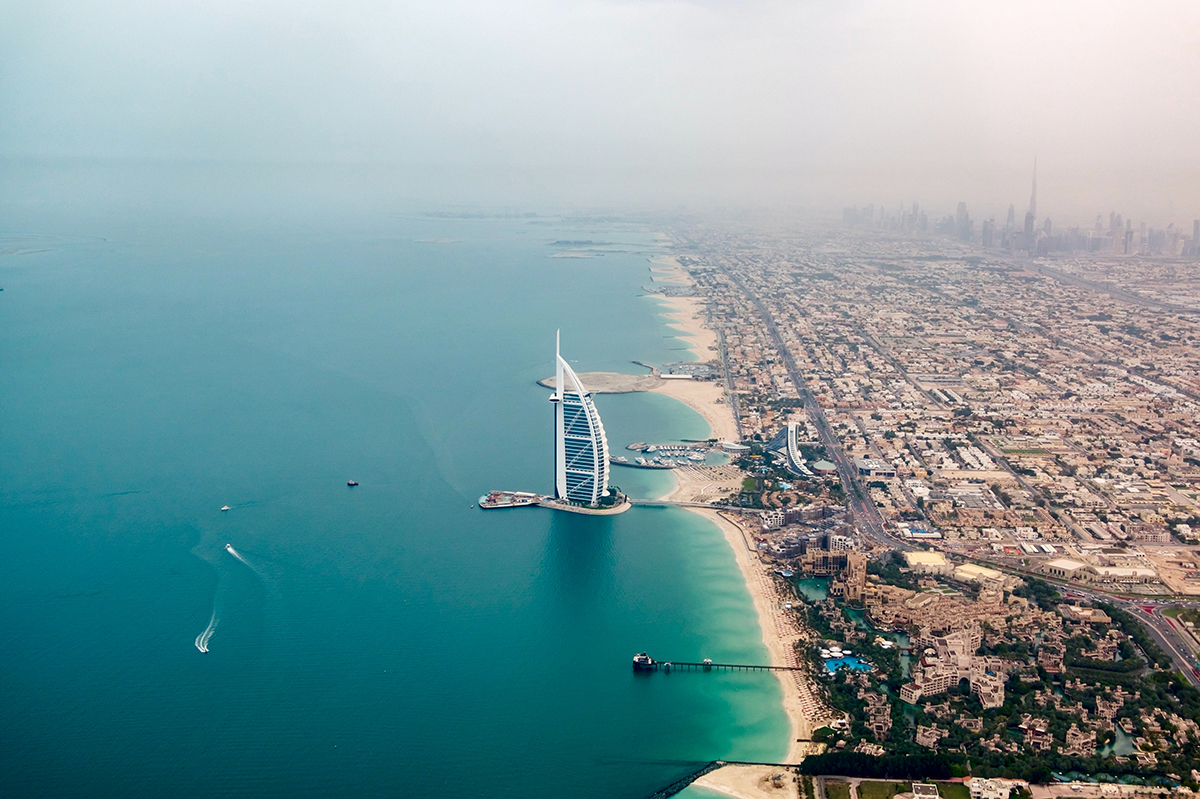
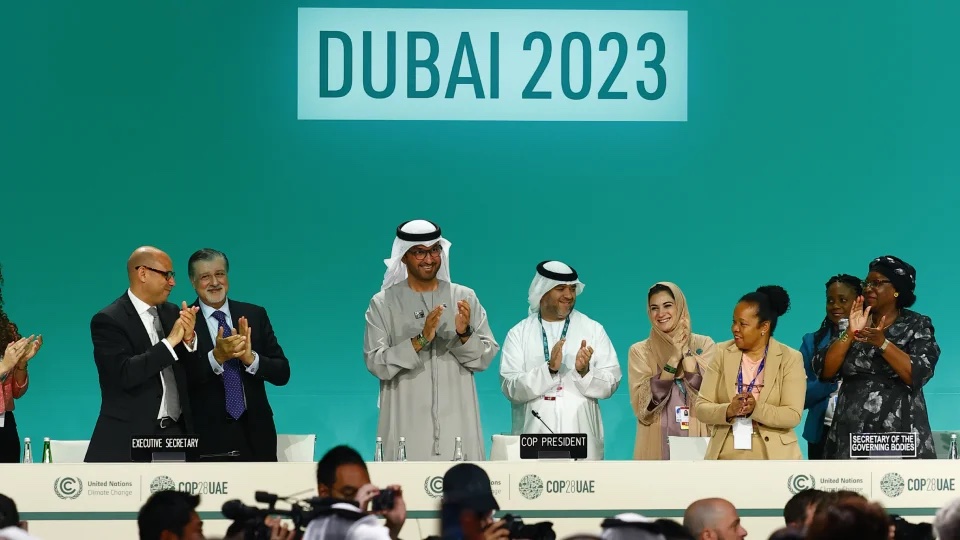
Global solidarity was shown at COP28 when negotiators from nearly 200 Parties came together and signed on the world’s first ‘global stocktake’ to ratchet up climate action before the end of the decade
LUX: What was your best professional moment at COP28 and why?
MM: My best professional moment was a talanoa-style dialogue with the Island Youth from Hawaii, Philippines, Palau and Samoa. It was impressive to listen to the Island Youth discuss their views and hear their take on challenges ahead. The dialogue helped me understand how disconnected the world still is on many topics – but it also revealed a lot of hope for the future. We know what to do on climate change but we have to act now.
LUX: What was the biggest disappointment and why?
MM: The biggest disappointment was that the sheer scale of event hindered effective dialogue between businesses, policymakers and NGOs. Compared to recent COPs it was simply too big – in terms of numbers of attendees and, for example, physical distance between their stalls. We could have done a better job in bringing together the “needs” with the “what” and the “how”.
Over 85,000 participants attended COP28 including civil society, business, Indigenous Peoples, youth, philanthropy, and international organisations as well as world leaders
LUX: Do you sense genuine momentum towards changing economic thought to take account of natural capital, or is this still an outlier?
MM: I think that nature is coming more and more towards centre-stage but it still isn’t there yet. Next year’s biodiversity COP (COP16 in Australia) should however help make it clear that if we want to tackle the climate crisis we also need to solve the biodiversity and ocean crisis. We need nature for mitigation and adaptation and we need to think more in terms of natural capital to work out how best to do this.
LUX: “Overall, COP28 did more harm than good. The environmentally damaging deals that emerged from informal meetings will do more harm than any resolutions will do good”. True or false, and why?
MM: False. What about all the positives what we all bring home from our informal conversations too? Also remember how news reporting from this and previous COPs have raised awareness of environmental issues in public discussion worldwide? COPs have normalised open discussion of topics previously seen (wrongly) as not relevant to the global citizen. We probably don’t give enough prominence to the publication of the “Global Stocktake” either. This text lays not only the pathway that nations must take to limit global warming to the previously-agreed-upon goal of no more than 2°C higher than pre-industrial levels—but also individual countries’ progress along this path.
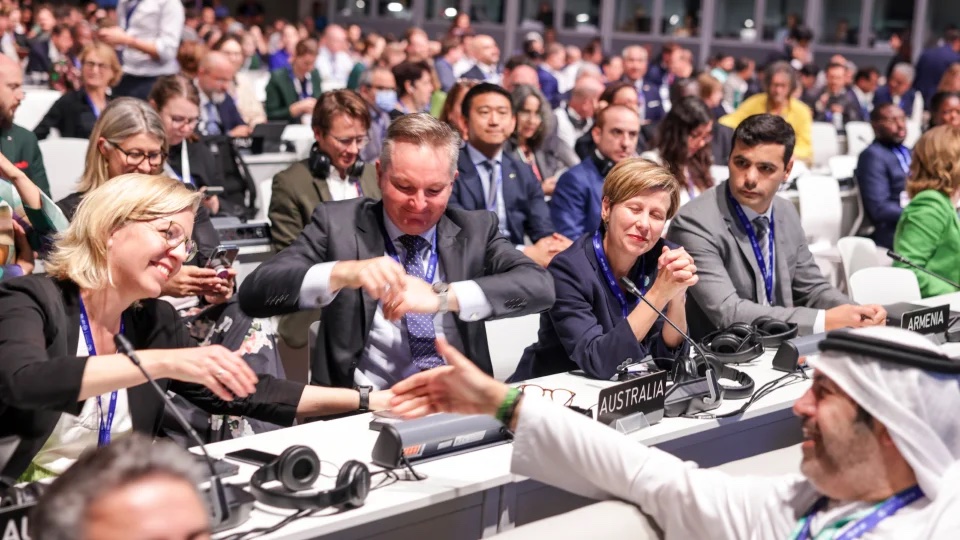
COP28 saw Parties agree to Azerbaijan as host of COP29
LUX: Hypothetical question: you are hosting one of the next COPs, and you have absolute power over the final resolution. What would it state – in a way that is both effective and implementable?
MM: I’d make three commitments. First, for Nature and Ocean to join Climate at centre-stage of policymakers’ attentions. Second, to prioritise fixing problems with the allocation of climate finance. Third, and this is very much linked with the second commitment, to put an explicit focus on fairness. Most such finance to middle-income countries for projects that reduce emissions, such as wind or solar energy.
Read more: COP28 Diary by Darius Maleki
Far less goes to the poorer countries, and even smaller amounts to help countries adapt to the effects of the climate crisis. Many participants believe that the focus of future COP meetings needs to be on a fair way to reach targets. As part of this, developed economies need to band together to financially support developing economies in the search for a new, less fossil-fuel intense development path. I think we’ve seen a change in attitudes here in recent COPs and I look forward to them delivering much more here in coming years.
Markus Müller is Chief Investment Officer of ESG & Global Head of Chief Investment Office at Deutsche Bank’s Private Bank
Find out more: deutschewealth.com/esg

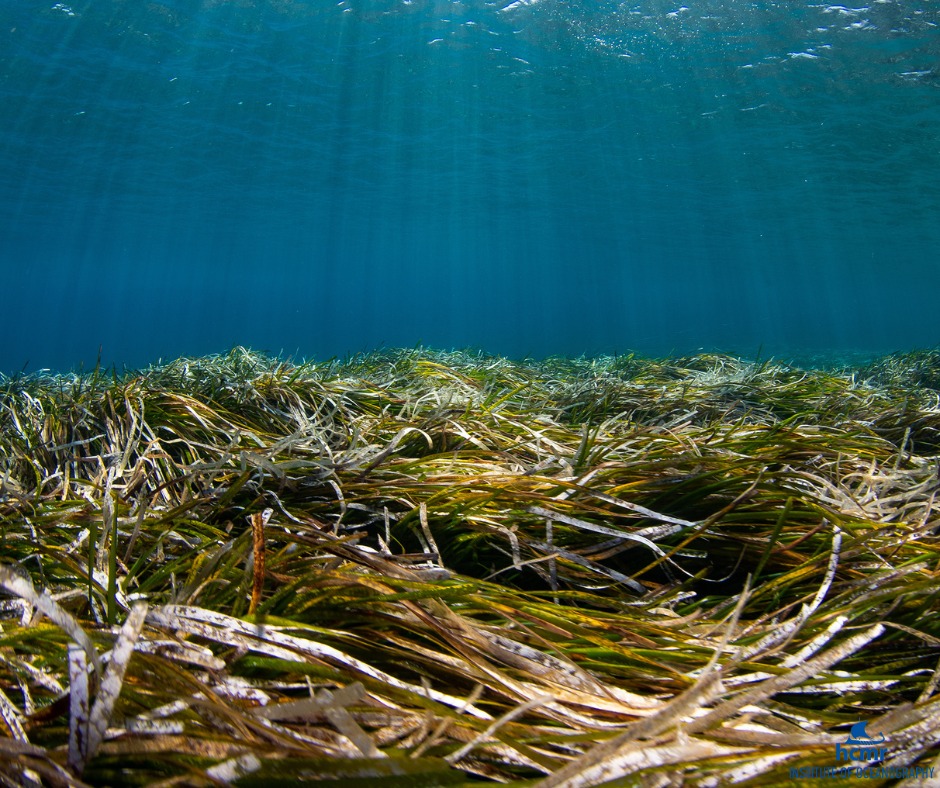
The Cyclades Preservation Fund runs a campaign to protect the vulnerable Posidonia oceanica meadows from anchoring. Courtesy of the Cyclades Preservation Fund
Philanthropy has a key role to play in initiatives to support ocean conservation, and in empowering communities with the ability to make a difference. Here, Darius Sanai outlines the importance of philanthropy, while Chris Stokel-Walker showcases seven philanthropic projects that are making waves
The German philosopher Immanuel Kant liked to talk about the categorical imperative: moral actions that have to be taken and do not broach any argument. Saving the oceans from further harm by humans is a prominent current example of a categorical imperative, one that would also likely receive the approval of moral philosophers from another prominent school of thought, utilitarianism, which espouses acting for the common good.
And significant positive change can be made – or, if you are a follower of Immanuel Kant, must be made – by people acting to their abilities in support of categorical imperatives. Philanthropists, such as those outlined over these pages, use their considerable means to try to make a difference in support of environmental initiatives, particularly in areas where other forms of capital are not able to work.
Follow LUX on Instagram: luxthemagazine
The opportunities to create positive change, and leave a positive legacy, are immense. Philanthropy plays a key role, but works most effectively when it is at its most informed. The links between the chains of planetary and ocean degradation are complex. A zero-emissions container ship can transport invasive species around the world on its hull; sailing yachts destroy carbon-capturing seagrass with their anchors; recycling plastics can produce significant carbon emissions. So it is philanthropists who are as educated on the issues as they are generous, working with carefully-chosen experts, who tend to be the most successful.
Ben Goldsmith
“All across the world, small groups of committed, passionate, effective people are making extraordinary things happen, often on a shoestring budget, and they are nearly always funded by philanthropists,” says Ben Goldsmith, the British environmental campaigner and founder and Chair of environmental charity Conservation Collective. “Philanthropy is the most potent kind of funding, as it comes without any requirement to produce a financial return and has the flexibility to pay for almost any kind of work, from grassroots action to societal movement building. In the right hands, philanthropy can move mountains. This is why it is so important that those with the means to do so give away some of their money – in the most thoughtful and strategic way possible – to those at the cutting edge of changing our world.”
Philanthropic capital is critical to ocean conservation and regenerative initiat

Jacqueline Valouch
ives, says Jacqueline Valouch, Head of Wealth Planning & Philanthropy at Deutsche Bank Wealth Management. “Money provided by philanthropic entities for ocean conservation and regenerative projects allows for early funding, innovation and alignment with the scientific community,” she explains. “By providing much-needed seed capital, philanthropic capital can help to de-risk projects and attract more funding. In these ways, it can help companies and others to restore, renew, conserve and make bigger change.
“Philanthropists are one group of the many stakeholders needed to move the dial on crucial areas of exploration, research (including through scholarship programmes) and innovation,” she continues. “These are initiatives that would not be possible without the dedication and patience of philanthropists.”
Seven Philanthropic Projects In Ocean And Coastal Conservation
1) Deutsche Bank Ocean Resilience Philanthropy Fund
Founder: Deutsche Bank Wealth Management
This Deutsche Bank fund was announced at COP26 in 2021 and launched in 2022. The fund enables philanthropists to engage with scientists on projects to counteract damage to ocean and coastal ecosystems by supporting projects that use nature-based, rather than man-made, solutions. An advisory council of expert scientists and Deutsche Bank personnel review and select grant recommendations for projects. The first such project, the Future Climate Coral Bank, managed by the non- profit Maldives Coral Institute, aims to identify corals that are resilient to bleaching caused by warming, and create a gene bank to support global reef restoration.
2) Walton Family Foundation Oceans Initiative
Founder: Walton Family Foundation
Walmart founders Sam and Helen Walton knew all too well how much the earth’s waters contribute to their supermarket’s success, and the company’s foundation has sought to help ensure the health of the planet’s water for the future. Its Oceans Initiative is supporting 14 fisheries to adopt more sustainable practices, and has lobbied in Japan, the European Union and the United States to encourage buyers to purchase more sustainably sourced seafood. “We believe that the people closest to the problem are also critical to finding solutions,” says Teresa Ish, Head of the Walton Family Foundation Oceans Initiative.
Read more: Richard Spinrad on moving towards a blue planet
3) Salesforce ocean Sustainability Programme
Founder: Marc Benioff
Global cloud software company Salesforce has run its Ocean Sustainability programme since CEO Marc Benioff began it in 2021. At COP26, Salesforce committed to buying one million tons of blue carbon credits and is investing $100 million in grants to The Ocean Foundation, the National Fish and Wildlife Foundation and Wetlands International over 10 years – as well as investing in 1t.org, including a Guatemalan project to support sustainable livelihoods for 400 families. “Ocean health translates to the safety of our family, loved ones and communities around the globe, and the ability for them to thrive,” says Dr Whitney Johnston, Director of Ocean Sustainability at Salesforce.
4) Common Seas
Founders: Filippos and Andonis Lemos
The Lemos brothers are Greek shipping magnates – so they are aware of the biodiversity beneath the ocean surface. And they are conscious of the impact that plastics entering our waters have on the wildlife within. To help combat this, the Lemos siblings co-founded and are major donors to Common Seas, whose vision is to eradicate plastic from the oceans. Common Seas’ collaborative initiatives include partnering with governments to reduce plastic pollution; helping the tourism industry reduce its plastic use; and supporting education providers both to make their schools plastic free and to raise awareness among young people of the importance of keeping our oceans clean of pollution.
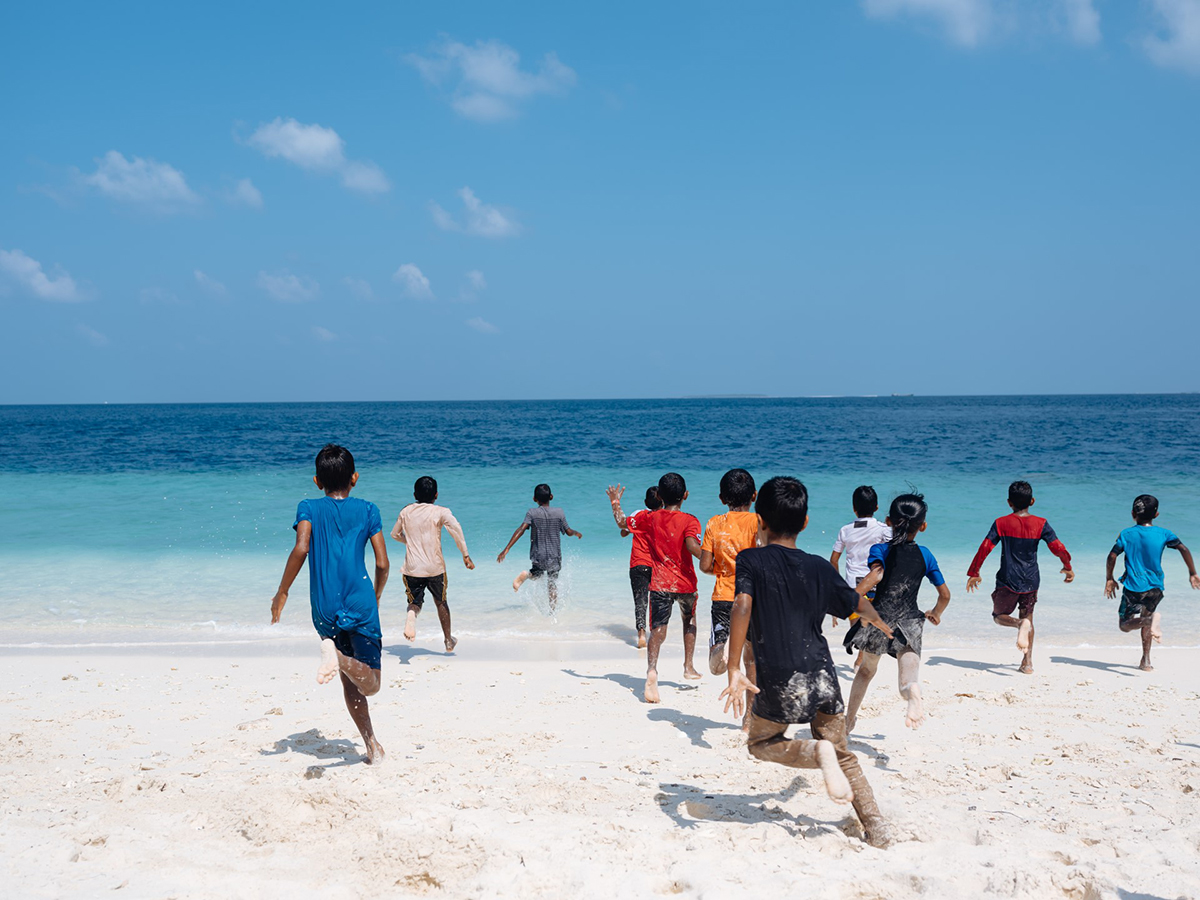
Common Seas incorporates education as part of their strategy to remove plastics from the oceans
5) Galapagos Life Fund
Founder: Pew Bertarelli Ocean Legacy Project
The Galápagos Life Fund (GLF) is one of the crowning achievements of the Pew Bertarelli Ocean Legacy Project, a joint initiative from the independent non-profit The Pew Charitable Trusts and investor and philanthropist Dona Bertarelli. It was set up with the shared goal of establishing the first generation of large, ecologically significant and effective marine- protected areas (MPAs) around the world. The GLF converts $1.6 billion in commercial debt into a loan, capitalised by a $656 million marine conservation-linked bond, generating more than $450 million to support marine conservation in the Galápagos Islands over the next 20 years.
6) Cyclades Preservation Fund
Founder: Conservation Collective
Nearly 220 islets and islands make up the Cyclades in the Aegean, which are home to a range of natural habitats being harmed by modern life. The largely female-led team behind the Cyclades Preservation Fund is part of Conservation Collective, a global network of philanthropic funds helping to preserve the natural environment. CPF programmes focus on biodiversity, education, local identity and marine conservation – all with the participation of local stakeholders. Among its biggest wins is supporting the establishment of a grassroots fishing protected area around the island of Amorgos, sustaining a local industry while keeping the marine population healthy.
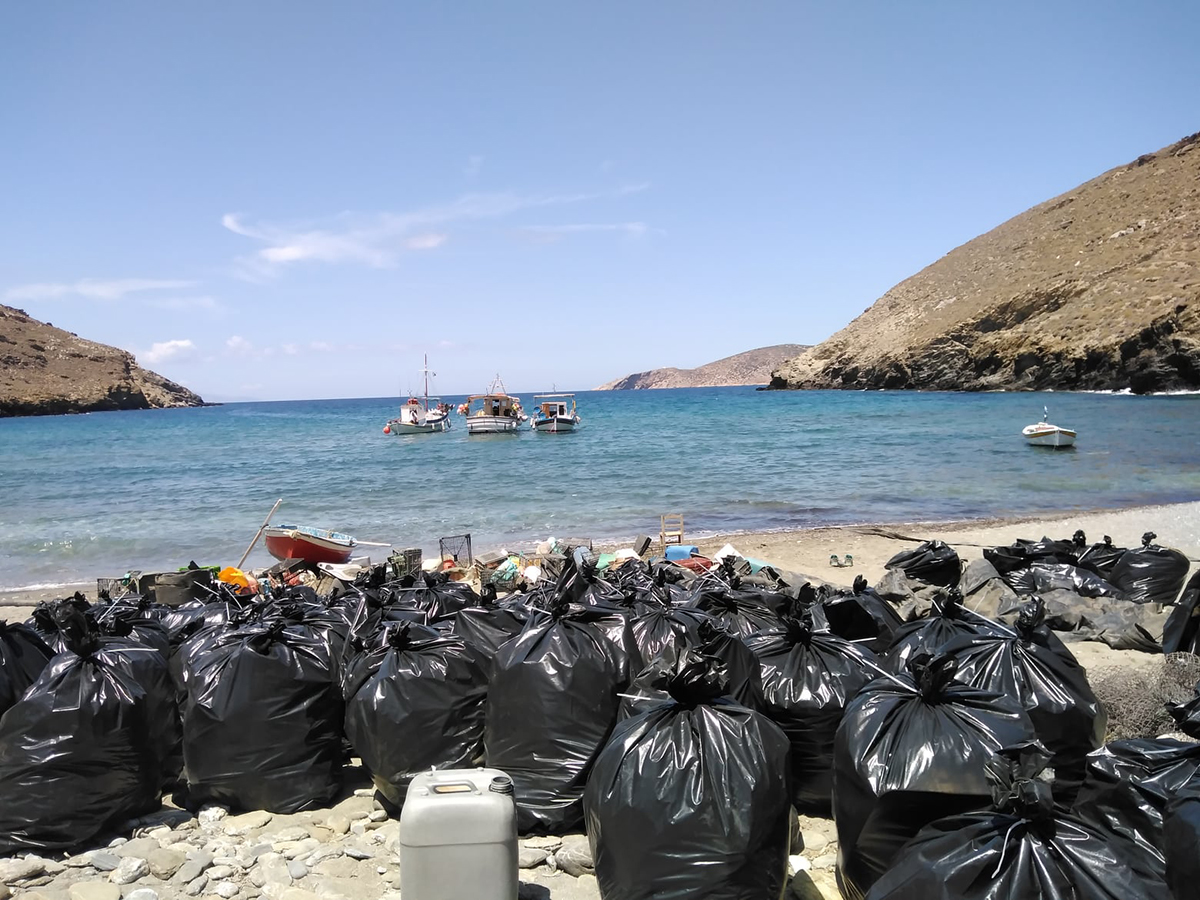
Cyclades Preservation Fund Supports the fishers of Amorgos towards their vision for seas with more fish and less plastic
7) Plastic Free Ibiza and Formentera
Founder: Ibiza Preservation
Ibiza is a major hub for tourism, which buoys up the economy but has significant environmental impacts. In the west coast, there are 4.5 million pieces of microplastics in every square kilometre of sea – 30 times more than elsewhere in the Mediterranean. Nearly three-quarters of the waste collected on Spanish Mediterranean beaches is plastic. Set up in 2018, Plastic Free Ibiza and Formentera, promoted by Ibiza Preservation, is made up of 14 main members including local non-profits, and aims to eliminate single-use plastic in the islands by supporting citizens, administrations and businesses to promote sustainable practices. Initiatives include the certification of local companies as plastic-free.
This article first appeared in the Deutsche Bank Supplement of the Autumn/Winter 2023/2024 issue of LUX magazine

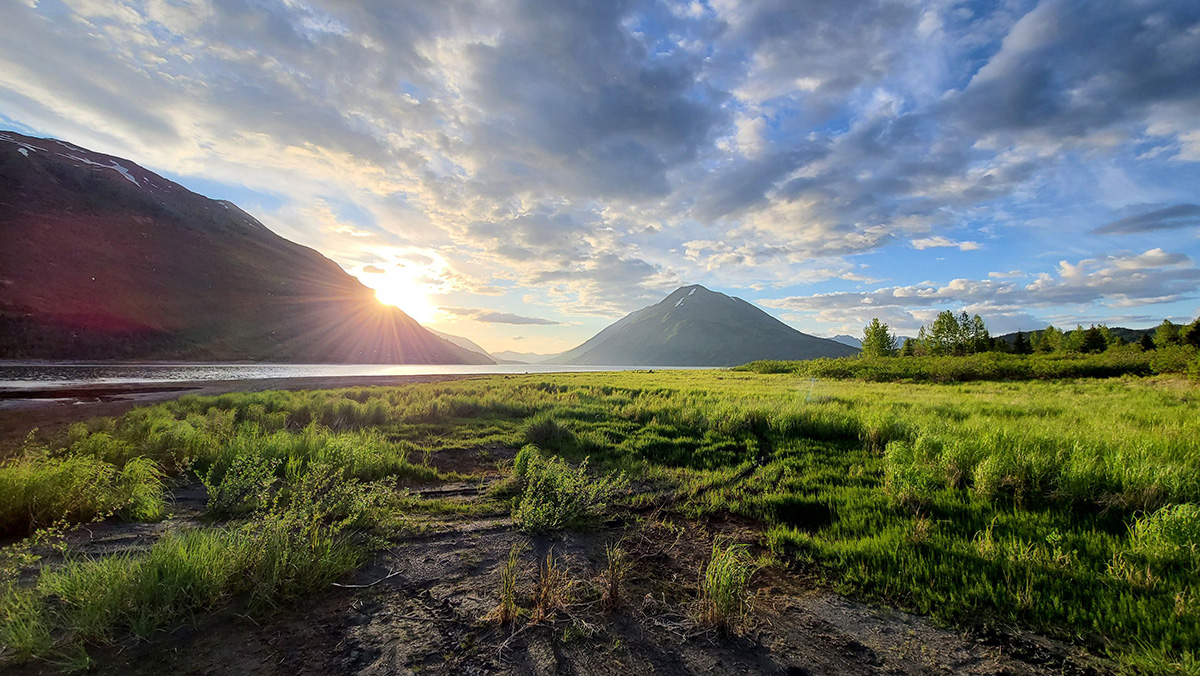
Cooper Lake, Alaska. The creek draining the lake is coloured red by tannins from the surrounding vegetation. The 30 x 30 initiative to protect such sites is supported by The Nature Conservancy via the US government’s America the Beautiful initiative © Stuart Chape/TNC Photo Contest 2021
The oceans have an increasing potential to provide food for a global population. The challenge is how to do so without harming the planet or its people. Chris Stokel-Walker discovers ideas, organisations and investors helping aquaculture towards a sustainable future
The ocean is an essential pillar of planetary life, sustaining and feeding billions worldwide. Quite aside from its ability to capture and sequester harmful emissions, our planet’s waters are a major driver of keeping us alive – for drink and for food. Three billion of us depend on wild-caught and farmed seafood as a primary source of protein – which makes it vital that the ocean is kept as a bountiful natural resource.
Follow LUX on Instagram: luxthemagazine
Aquaculture is the breeding and harvesting in water of fish, shellfish and other marine life. It is underwater farming, in short, and it is crucial to humankind. “Aquaculture is an essential food source, especially in our changing climate,” says Danielle Blacklock, Director of the Office of Aquaculture at the United States’s National Oceanic and Atmospheric Administration (NOAA). “Globally, aquaculture supplies more than 50 per cent of all seafood produced for people to eat – a percentage that will keep rising. And expanding domestic aquaculture presents important opportunities to bolster climate– smart and resilient food systems.”
Making sure those food systems are resilient and impervious to climate issues is important – because the population keeps growing. “We must come together and problem- solve how to feed people within the sustainable limitations of our planet,” continues Blacklock. “Within that frame, aquaculture becomes a leading method for ensuring nutritious protein is available for families today and in the future.”
Seafood is incredibly nutritious. It is full of vitamins and minerals that can help promote healthy growth, with large volumes of protein, vitamins D and B12, and omega-3 fatty acids. Promoting the cultivation of seafood is certainly vital, but that cultivation needs to be done in the right way. Globally, humans’ appetite for seafood and fish has had negative impacts on the marine environment. So aquaculture needs to be practised sustainably from top to bottom. This includes looking at the types of feed used, tackling waste and making production methods more sustainable.

Karen Sack
This is a particularly urgent challenge when you consider that aquaculture is as big as the global beef industry. “We’ve been fishing out our oceans on an industrial scale since the end of the Second World War,” says Karen Sack, Executive Director of the Ocean Risk and Resilience Action Alliance (ORRAA), which brings together different stakeholders worldwide to promote a sustainable and equitable blue economy. In the course of the past decade or so, says Sack, the proportion of our seafood farmed from aquaculture has outstripped that of wild-caught fish. “Part of that is because of industrial overfishing, which includes the wasteful and damaging discards that result from this,” she explains. “Part of it is because of the development and operation of agricultural techniques that have been pushed into the ocean and coastal space.”
Robert Jones
The latter can be a good thing – if done well. In terms of emissions and water use, the resource intensity of farming the oceans is more efficient than producing animal protein on land for human consumption. “When we look at the global challenge to 2050, we need to produce more food with fewer resources, and aquaculture offers that opportunity,” says Robert Jones, Global Lead for The Nature Conservancy’s Aquaculture Program. The problem is that, historically, the demand for more food more quickly has meant that industry has built many aquaculture projects to produce as much seafood as possible in as small a space and quick a time as possible – and damn the consequences. It’s a problem that’s out of sight, out of mind for many: 90 per cent of aquaculture farming occurs within Asia, meaning that many consumers do not see the harmful impact that intensive, industrial farming has on the environment.
Take, for instance, the early development in the 1950s and beyond of what the industry calls “carnivorous fin fish” – or what most of us would call salmon, tuna and other big fish that feed on other fish. That and shrimp farming was industrialised at scale, without considering the impact on broader marine life. Shrimp farming can be hugely destructive to coastal ecosystems, while any farmed-fish development can result in pollution and the overuse of antibiotics to try to prevent disease within stocks, causing wider harm.
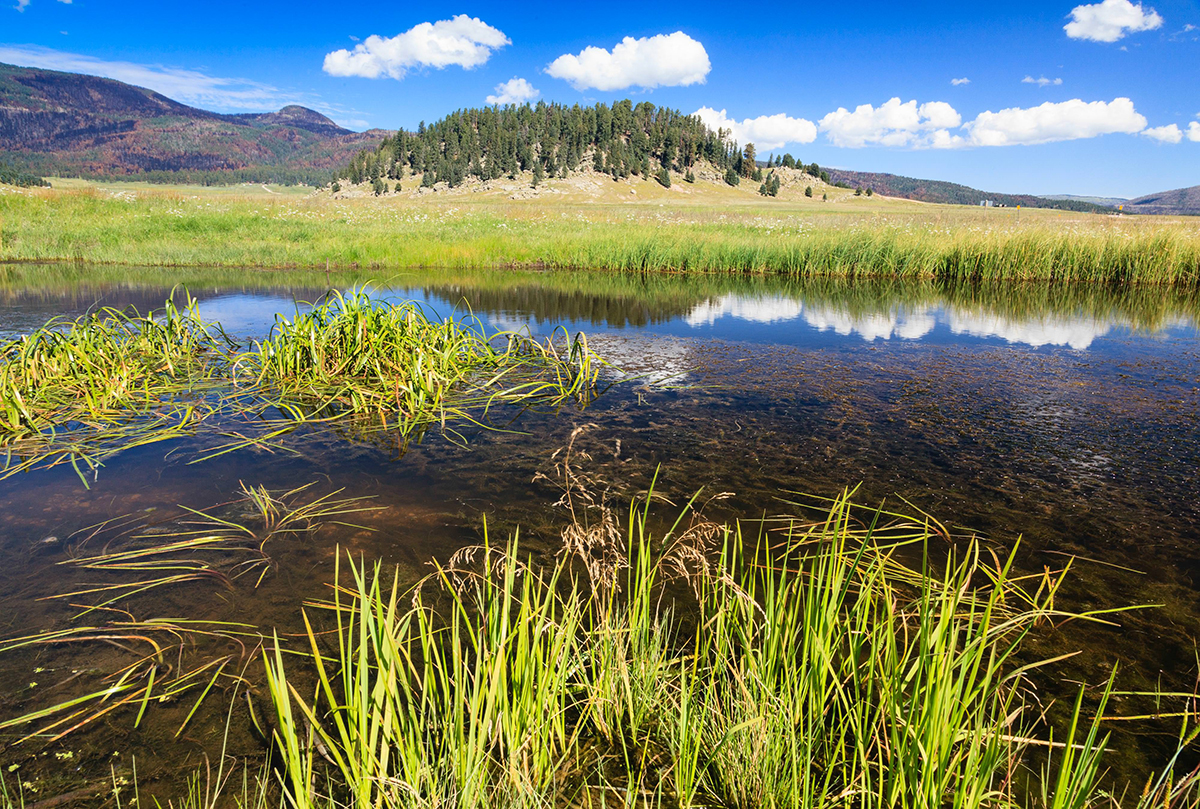
Wetlands at Valles Caldera National Preserve. New Mexico’s Rio Grande and its tributaries supply water to more than half of New Mexico’s population. To maintain the clean water supply, The Nature Conservancy’s Rio Grande Water Fund is restoring forests upstream that have been lost to fires © Alan W Eckert/TNC
It doesn’t need to be that way. Aquaculture is necessary not only because it can be a sustainable food source, but because it can help prevent wild fishing from negatively affecting sea populations. “We need to protect those marine resources and ensure sustainability going forward,” says Jones. “There is a maximum amount that our oceans can provide, in spite of being so vast, covering 70 per cent of our planet and providing food for billions of people.”
While doing things right isn’t always easy, it is certainly possible. “We have seen an amazing growth in potentially sustainable aquaculture,” says Sack. “If we’re looking at mitigating risks, the key is the type of farming undertaken and where it’s undertaken. We need to ensure aquaculture isn’t at an industrial scale that requires antibiotics or nutrients that could harm both the species and the ecosystems where the farms are situated.”
Current developments in sustainable aquaculture include looking at healthy seaweeds and bivalves, such as nutrient-dense oysters and mussels. These can feed people and clean ocean waters without requiring any animal feed or antibiotics. It is also important to engage with the local community around which those more intensive farming activities are based, and make sure that any benefits brought about from sustainable alternatives are ploughed back into the area, protecting mangroves and stone buffers and seagrasses that make our oceans what they are.
Coastal and marine flora aren’t only important for maintaining marine biodiversity. They are also a food source in themselves. Seaweed production more than tripled between 2000 and 2018, with more than 35 million tonnes now being produced annually worldwide. According to the World Health Organisation and the Food and Agriculture Organisation of the United States, “increased cultivation and utilisation of seaweed are expected to be important pillars of sustainable food security and a robust aquatic economy in the coming years.”
Read more: Richard Spinrad on moving towards a blue planet
But making it a sustainable pillar of the blue economy is a challenge. Almost all seaweed production – which accounts for half of marine aquaculture production worldwide – occurs in just nine countries in Asia, where expertise to prevent disease among the crop is not always advanced. Making sure that seaweed farming takes place sustainably, harnessing the potential to diversify the submarine environment rather than bringing disease and industrial production to the seas, is critical.
The responsibility for ensuring that global aquaculture is viable lies not just with the companies doing the farming, but with those bankrolling them. Sack believes the opportunity for investing in sustainable aquaculture is just starting. “There are opportunities to make some money and do good, but you need to exercise some caution, do due diligence and look for impact funds with a firm track record, so that you don’t perpetuate a status quo that isn’t sustainable,” she says. We only have one planet, after all. And we need to make sure it stays around for all life to live on.
Find out more:
noaa.gov
oceanriskalliance.org
nature.org
This article first appeared in the Deutsche Bank Supplement of the Autumn/Winter 2023/2024 issue of LUX magazine
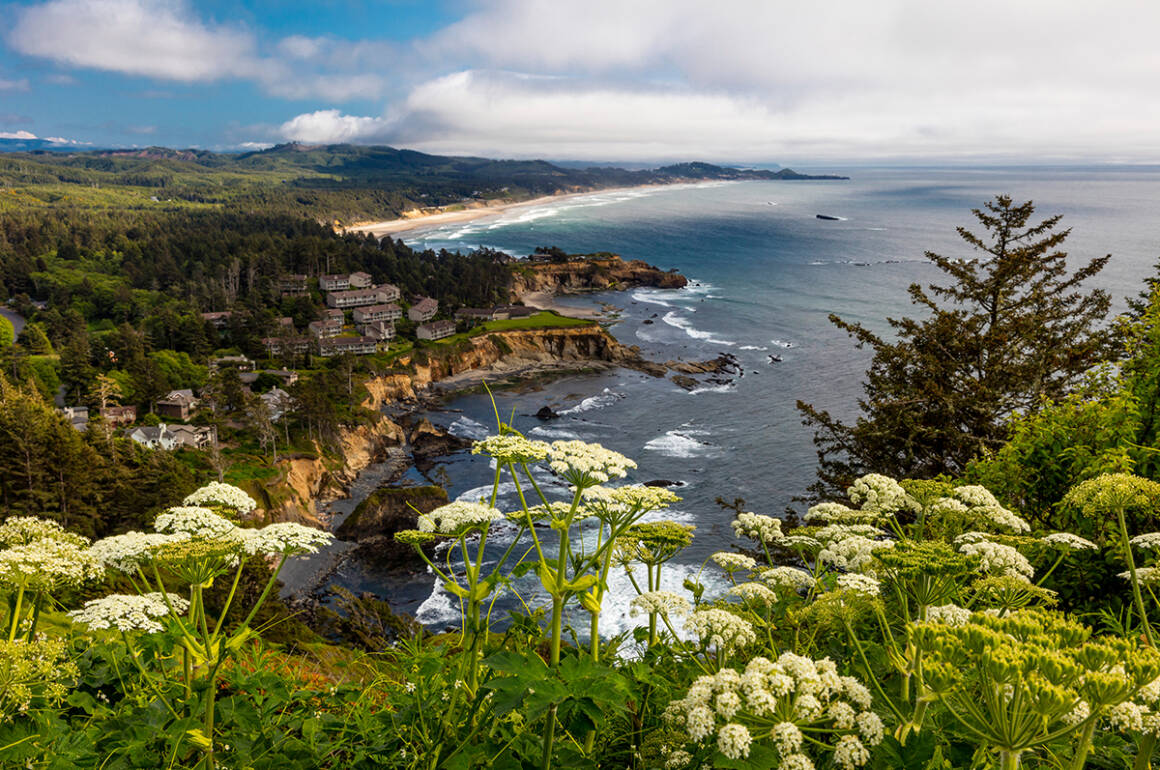
The conservation of Cape Foulweather Headland on the Oregon coast, an initiative supported by the Biden-Harris administration through NOAA. © Shutterstock
Richard Spinrad is a pivotal figure spanning politics and academia in the US. As Under Secretary of Commerce for Oceans and Atmosphere and head of the National Oceanic and Atmospheric Administration, the veteran oceanographer has the demanding task of guiding policy around maritime sustainability. Michael Marshall speaks with him about challenges and opportunities
“An environmental intelligence agency” is how Richard “Rick” Spinrad describes it. He is referring to the National Oceanic and Atmospheric Administration (NOAA), the US government agency (of which he is Administrator) that has responsibility for the oceans. The NOAA produces data and predictions around climate, atmospheric conditions, ocean health and protection for fisheries and marine animals – “environmental intelligence” that helps fuel sustainable economic development. One of the biggest challenges that Spinrad and NOAA face is helping to improve the way the oceans are managed so that marine resources are used sustainably. Spinrad’s goal is to maximise NOAA’s impact by ensuring its environmental intelligence reaches those who need it most, so they can respond to the challenge.
Spinrad has spent more than 40 years studying the ocean. He obtained a PhD in 1982 from Oregon State University, his early research tracking how light behaves as it travels deeper into the sea and encounters clouds of drifting sediment. Subsequently, he moved between academia and government. He held roles at universities including Oregon State and was NOAA Chief Scientist under President Obama. On Earth Day 2021, President Biden nominated Spinrad as Under Secretary of Commerce for Oceans and Atmosphere and Administrator of NOAA, putting him in charge of the agency.
Follow LUX on Instagram: luxthemagazine
Spinrad arrived at NOAA at a time when public awareness of the environmental crisis, including threats to the oceans, had become greater than ever before. “We are seeing much savvier consumers,” he says. “There’s an increased change in consumer behaviour around being green and trying to figure out products that are not doing harm to the environment.”
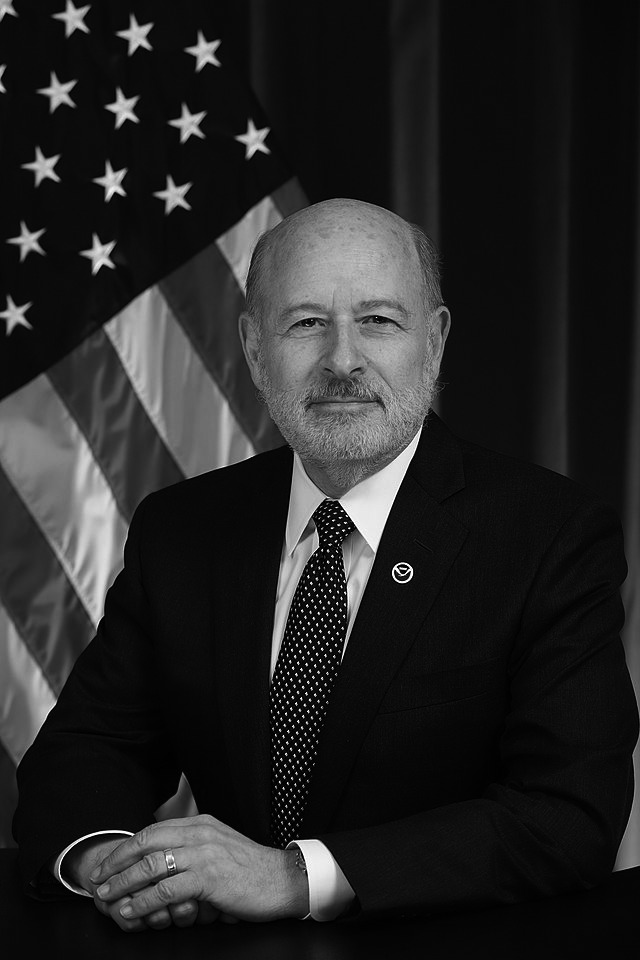
Dr Richard Spinrad, Under Secretary of Commerce for Oceans and Atmosphere and NOAA Administrator. Courtesy of NOAA
Alongside the shift in consumer behaviour is the intensifying political pressure to solve environmental problems. “There is a generational push right now,” says Spinrad. “The youth of the world are much better organised and much more active, in a very constructive manner, than I have ever seen in my career.” Activists including Greta Thunberg and Vanessa Nakate have driven climate change to the top of the agenda, pressuring governments to act.
On top of this, the impacts of climate change are increasingly evident. “What’s happening in the world is accelerating,” says Spinrad. “Whereas 10, 20 years ago, people tended to talk about what’s going to happen at the end of the century, now we’re starting to see impacts that are imminent and affecting market values and people’s attitudes today.”
In the United States, the result has been two landmark pieces of legislation passed by the Biden-Harris Administration: 2021’s Bipartisan Infrastructure Law (BIL) and 2022’s Inflation Reduction Act (IRA). NOAA has key roles to play in implementing both. The BIL, formally the Infrastructure Investment and Jobs Act, is a sweeping statute providing $1.2 trillion funding, $550 billion of which is new. The aim is to improve infrastructure in projects related to highways, railways, broadband access, clean water and electricity grids. The IRA is similarly ambitious. One focus is to support and boost domestic clean-energy production. Alongside such priorities, IRA provides much of the funding to support BIL programmes.
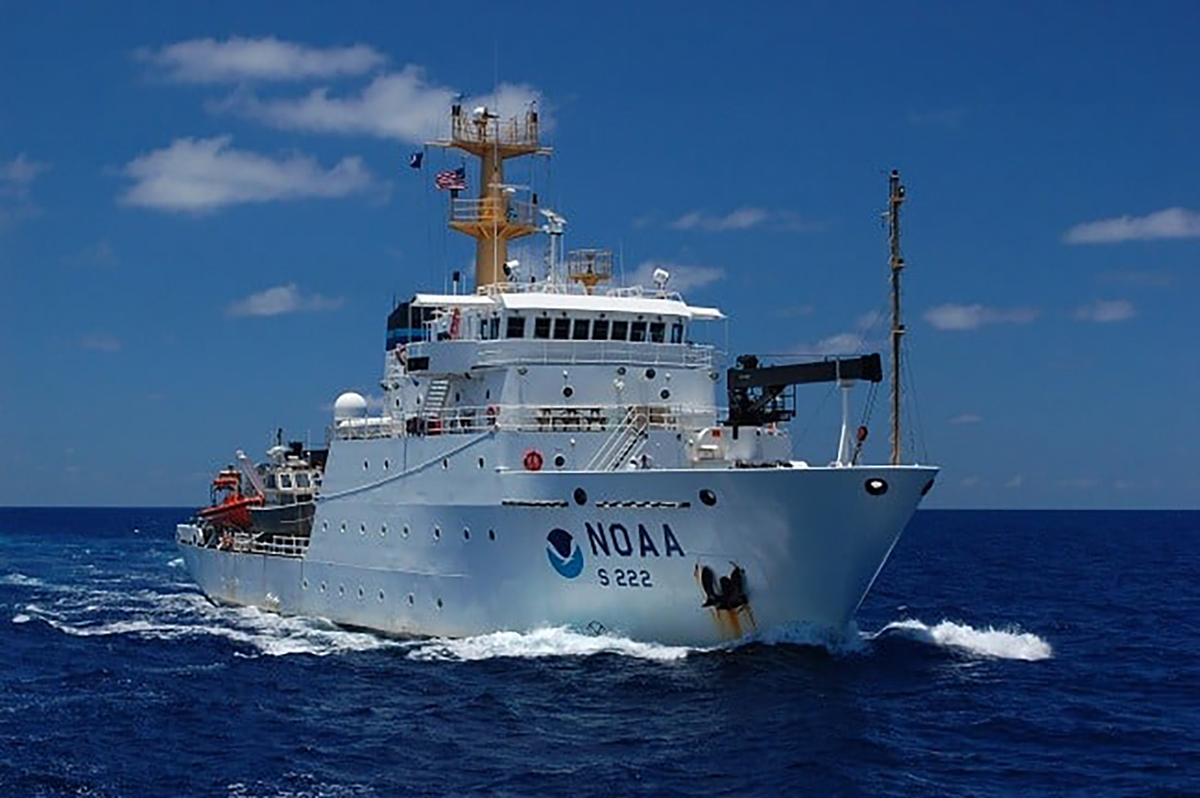
NOAAS Thomas Jefferson, an ocean survey vessel, at work. Courtesy of NOAA
Between them, BIL and IRA are providing more than $6 billion for NOAA. This will primarily support three initiatives: better climate data, preparing coastal communities for climate change and better stewardship of fisheries. Ongoing projects include the restoration of coral reefs at Maui Nui in Hawai’i, constructing a living shoreline on Ossabaw Island in Georgia and the conservation of Cape Foulweather Headland on the Oregon coast.
It is a big advance, but Spinrad emphasises that it is a drop in the ocean compared to what is needed. “We are already seeing roughly a 10:1 proposal pressure,” he says. “The demand far exceeds the supply with respect to resourcing.” That means the money to support ocean conservation can’t just come from the government: it also has to come from the private sector.
“There is an investment opportunity,” says Spinrad. To encourage that, in July 2022 Spinrad hired Sarah Kapnick as NOAA’s new Chief Scientist. Kapnick has a background in climate science: she has studied the impacts of climate change on snowfall, the North American monsoon and tropical cyclones. She also has extensive experience of economics and finance: she has been an investment-banking analyst for Goldman Sachs, and her previous role was Managing Director at JP Morgan, with responsibility for climate and sustainability strategy for asset and wealth management.
“Science has shown how important healthy oceans are,” says Kapnick. “We know that disruption to the oceans has knock-on effects for society, including business. It affects ports, it affects supply chains. As a result, investors are increasingly interested in trying to figure out how to invest in these things.” The scale of investment needed to protect the oceans requires “an all-hands-on-deck approach,” adds Kapnick. “In financial terms, there are different layers of financing to achieve all these goals.”
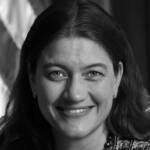
Dr Sarah Kapnick
It will sometimes require blended finance, in which governments, the private sector and philanthropists come together.
Philanthropists are stepping up. “We are seeing some extraordinary developments,” says Spinrad, referring to “major players” who are getting into ocean conservation. Some, such as Julie Packard, daughter of one of the founders of Hewlett Packard, have supported ocean sustainability initiatives for decades. Others, like Amazon founder Jeff Bezos, are more recent entrants. In 2020 Bezos founded the Bezos Earth Fund, which will spend $10 billion on protected areas by 2030. In July 2022 it announced $50 million of awards for marine conservation. This included $30 million to create a network of marine-protected areas off the coasts of Colombia, Costa Rica, Ecuador and Panama – linking biological hotspots over an area of 500,000 square kilometres.
Perhaps the most dramatic recent example of environmental philanthropy was the decision by Yvon Chouinard, founder of outdoor-clothing company Patagonia, to give away the company. In 2022, Chouinard announced that Patagonia would radically change its structure. It will continue to operate as a for-profit company, but its profits will go to a unique trust and non-profit organisation that will support environmental efforts, including ocean conservation. “Chouinard’s action with Patagonia would, I suspect, result in a lot of people opening their eyes to the vast proportions of what is needed for climate action,” says Spinrad.
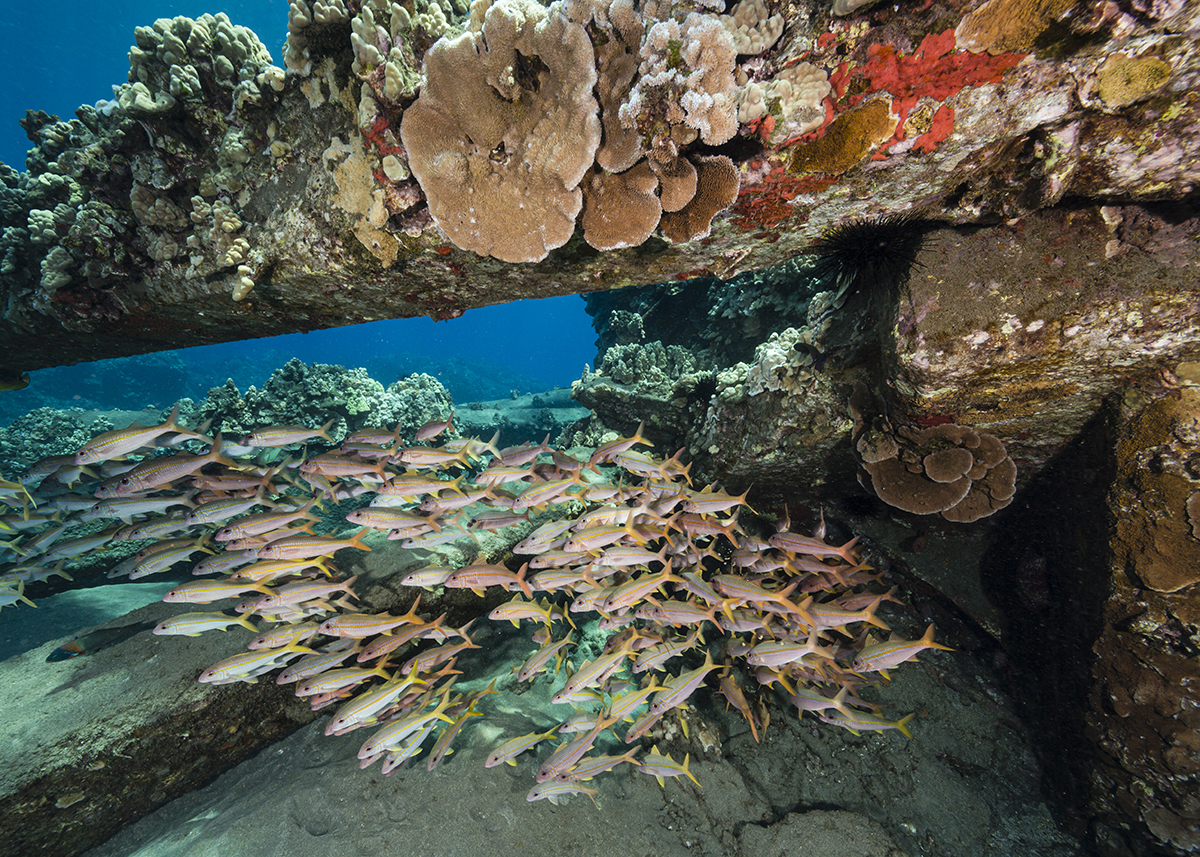
The restoration of coral reefs in Maui Nui, Hawai’i, an initiative supported by the Biden- Harris Administration through NOAA. © Renee Capozzola
The challenge for NOAA, as Spinrad sees it, is to get more people and companies involved in ocean sustainability – and that, he says, means working with organisations whose priorities are, on the face of it, different to one another. “The burden, if you will, is on the scientific community to get out more,” says Spinrad. NOAA has started a series of engagements and partnerships with diverse groups including the public-health community, the medical community, real-estate companies and the insurance industry. “We are learning to communicate in their terms, rather than trying to force them to speak in ours,” he says.
For example, earlier in 2023 NOAA announced a project to help support the climate needs of insurance companies. In partnership with the National Science Foundation (NSF), NOAA will create the Industry-University Cooperative Research Center (IUCRC), focused on modelling catastrophic impacts and risk assessment of climate change. The idea is to create decision-making tools for the insurance industry, enabling them to factor in risks from climate change, such as sea-level rise and increasingly intense tropical storms, when making financial decisions. NOAA is also conducting research to predict how sea-level rise will impact housing markets.
Such tools will help enable insurance companies to avoid investing in companies and infrastructure set to be threatened by climate change, or at least to charge higher premiums, thereby discouraging the building of non- resilient infrastructure. Working with such a varied group of players represents an ongoing challenge for NOAA. “We have more homework to do to understand how to better communicate these issues,” says Spinrad.
Read more: Enric Sala on working to protect vital areas of the ocean
“One of our pillars is maintaining scientific integrity and having people trust us,” says Kapnick. “We don’t tell you exactly what you have to do; we provide the facts that allow the decision-makers to make those decisions.” At a time when climate change and other environmental issues are reshaping the world in which we all live, being able to forecast, based on scientific evidence, is crucial. “At NOAA, prediction is at the heart of what we do,” says Spinrad. After that, it’s up to us all.
Find out more: noaa.gov
This article first appeared in the Deutsche Bank Supplement of the Autumn/Winter 2023/2024 issue of LUX magazine
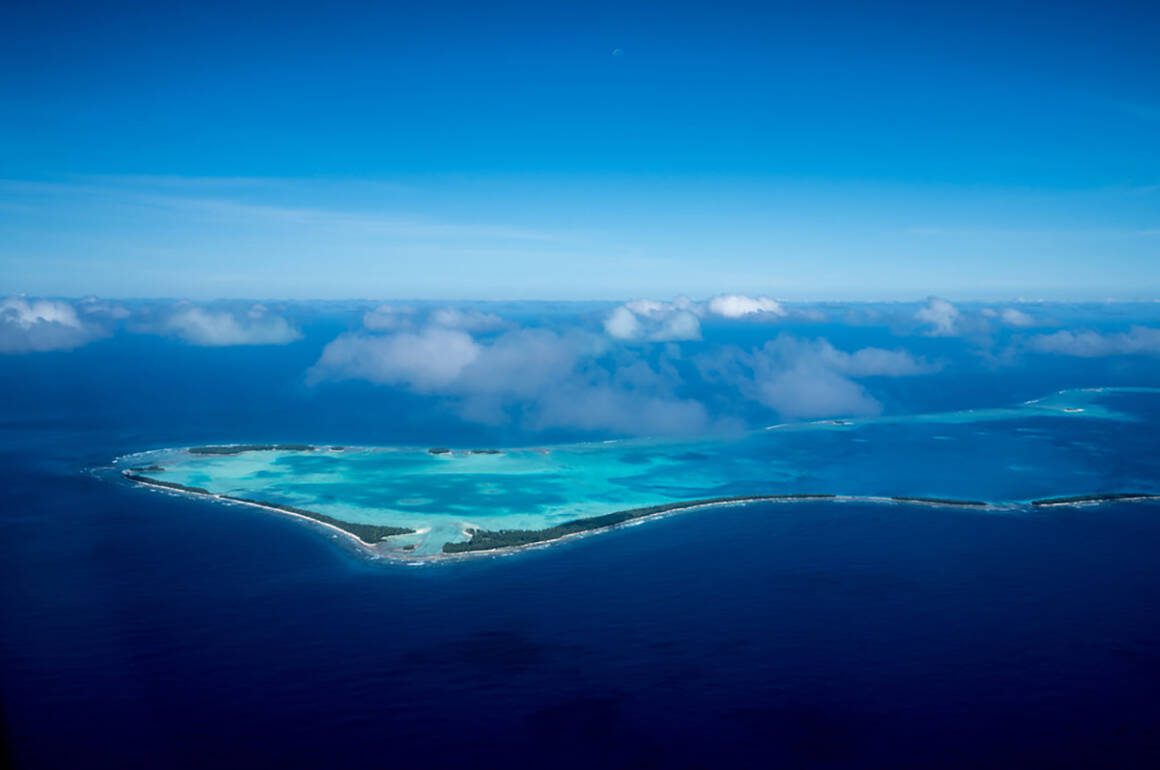
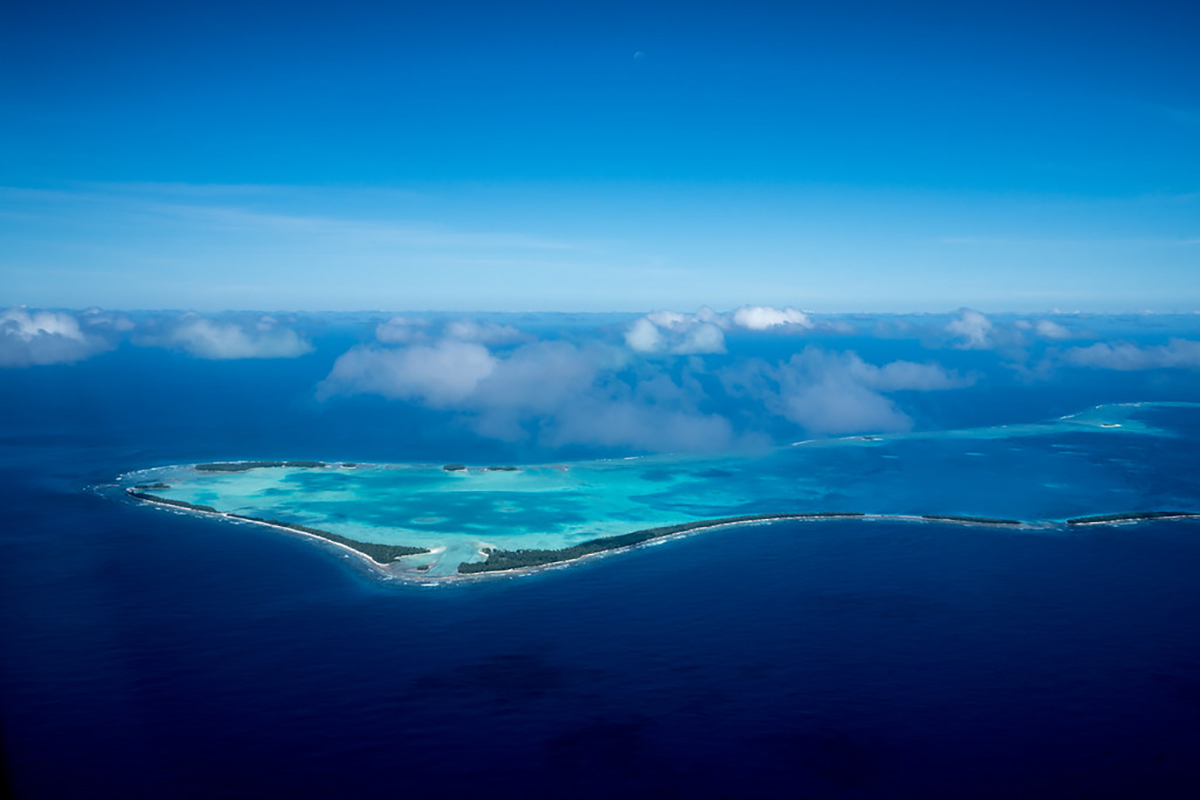
Small Pacific island nations like Tuvalu are at most risk of rising sea levels due to climate change; COP27 last year created a Loss and Damage Fund to alleviate their plight, but no funding has yet been forthcoming
There is a major issue with meeting our sustainability goals: the financial and structural support is, in many cases, just not there. Deutsche Bank’s Markus Müller explains to Darius Sanai what needs to happen to close the gap
LUX: What is the sustainable financing gap and what is the biggest problem we face for bridging it?
Markus Müller: It is usually defined as the difference between the cost of meeting United Nations Sustainable Development goals (SDGs) and the amount of investment actually being delivered. Big numbers are common here but we need to put them in perspective – the latest OECD estimated the annual financing gap is 3.9 trillion USD, but this is much smaller than global GDP of around 100 trillion USD. The biggest problem isn’t the size of the gap, but making sure that investment projects and systems are viable. Bringing down borrowing costs and making sure there’s a level playing field for investments are big parts of this.
Follow LUX on Instagram: luxthemagazine
LUX: Financing sustainable development should be a priority. But is short-term thinking still making it difficult?
MM: I wouldn’t blame the sustainable finance gap simply on short-term thinking. I think most people are rightly uncomfortable with how close we are to the planetary boundaries, and this is spurring action: we aren’t just leaving this to future generations. Fixing the finance gap now needs innovation, an ability to break free of current ways of thinking and a clear view of where we want to be. Returns and cost of capital remain key issues.

Houston, Texas is attracting new technological investment due to incentives created by the US Inflation Reduction Act, which is in effect a green subsidy
LUX: You have observed that our international social infrastructure for dealing with global collaborative action (the UN, and the economic institutions arising from Bretton Woods) are from another era. Do they need to be updated?
MM: Existing international institutions provide good framework to support transformation. They can cooperate in new ways with other bodies if necessary – note President Macron’s Global Financial Pact summit earlier this year. This is a matter of evolution, not replacement. Look at the discussions, for example, around how to repurpose IMF Special Drawing Rights (SDR, invented back in 1969) to support biodiversity and other initiatives.
LUX: The climate crisis – or triple planetary crisis – requires global nations’ collaboration on a probably unprecedented scale. But is such collaboration now more difficult in our increasingly multipolar world?
MM: Collaboration is fragile by nature, but it is still possible in a multipolar world. We start from a base point where the world’s resources – financial, material, natural – are unevenly distributed. Developing economies have more physical resources (for example, metal and minerals deposits) so it may make sense for them to collaborate. But if developed economies want to participate in these discussions, they must deliver more real support. This is often lacking: for example, there have been no inflows into the Loss and Damage Fund agreed on at last year’s COP.
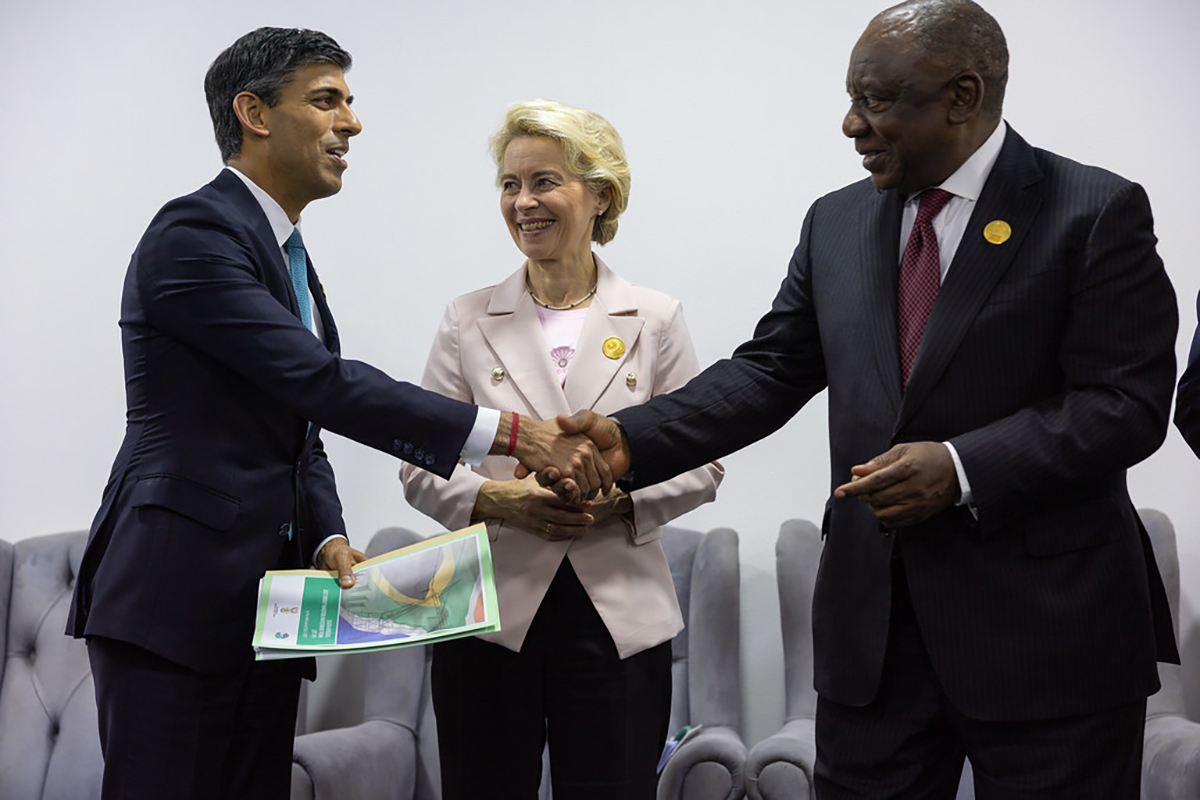
At COP27 in Egypt in 2022, world leaders agreed to take tangible steps towards alleviating the climate crisis, but it remains to be seen whether they will be executed
LUX: Are you optimistic that the US, EU, Russia and China (for example) will agree on and enact workable policy solutions to counter the climate crisis? What would be significant markers of progress?
MM: Yes, I am. We have seen one important, recent example of this: major technology disputes between the U.S. and China did not stop the two sides meeting for climate talks. This shows that environmental issues do not have to become a destructive bargaining chip in broader trade or investment disputes, although we should not ignore the fact that environmental operating standards do have an impact on competitiveness and thus trade tensions. For me, the key marker of progress is continued discussion and agreement to stay within overall multilateral environmental policy targets.
LUX: If we are indeed entering a more unstable era (in terms of global climate and related issues like biodiversity), do the fundamentals of policy making need to change in order to accommodate constant change?
MM: I think this is a matter of learning how to overcome unforeseen challenges, rather than simply accepting instability. As our understanding of environmental issues and how to tackle them gets better, policy will change. The fundamental shift may involve us stopping seeing policymaking as proceeding along an inflexible straight line. We need to be more flexible and accept that policy may zig-zag. Policymakers’ ability to adopt to changing knowledge to find optimum solutions should be seen as an indication of strength, not weakness.
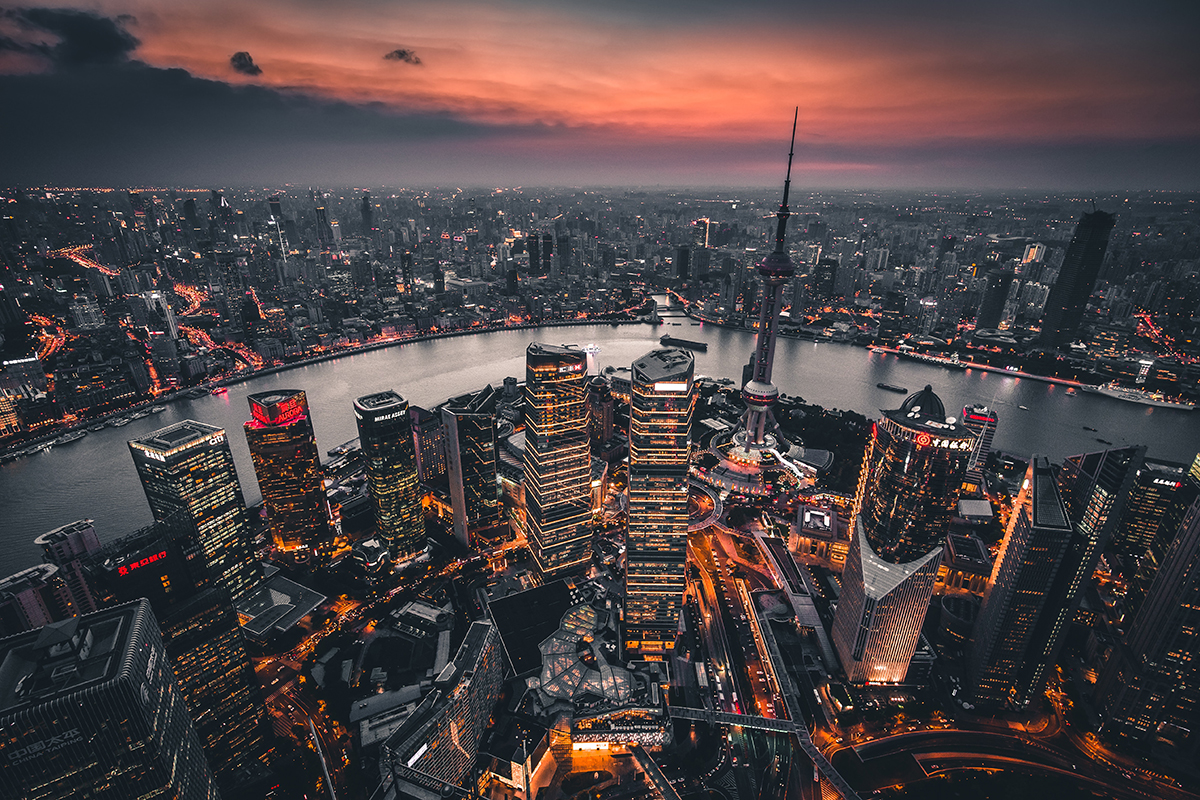
China, one of the world’s biggest sources of greenhouse gas emissions, has recently cleaned up its urban pollution and has agreed to restart formal climate change talks with the U.S. as of November 2023
LUX: Past successes like the Montreal Protocol were one-time events. How can we ensure more sustained policy progress?
MM: I don’t think we should think of policy advances as one-time “successes”. In reality, we often don’t know the real impact of policy agreements for many years. Some agreements that are hailed as successes at the time – for example, the Aichi goals of 2011 – have subsequently proved insufficient to meet the challenge at hand. The importance of agreements is really that they drive us, one uneven step at a time, towards better environmental outcomes.
Read more: Marküs Muller on the economy and biodiversity
LUX: How important are subsidy and protection programmes for transition technologies, and can they be harmful?
MM: It’s important to distinguish between different sorts of policy support. There are good and long-standing arguments for the support of “infant industries”, in the economics jargon, but we have to be careful that this does not slide into protectionism as these industries mature. U.S. support via the Inflation Reduction Act (IRA) is giving us a good preview of transition policy support, and what really determines where new industries locate and thrive. (Consider why Houston is attracting new technologies and Miami is losing out, for example.) Ultimately, it’s all about kickstarting specific industries that will really work.
Markus Müller is Chief Investment Officer of ESG & Global Head of Chief Investment Office at Deutsche Bank’s Private Bank
Find out more: deutschewealth.com/esg

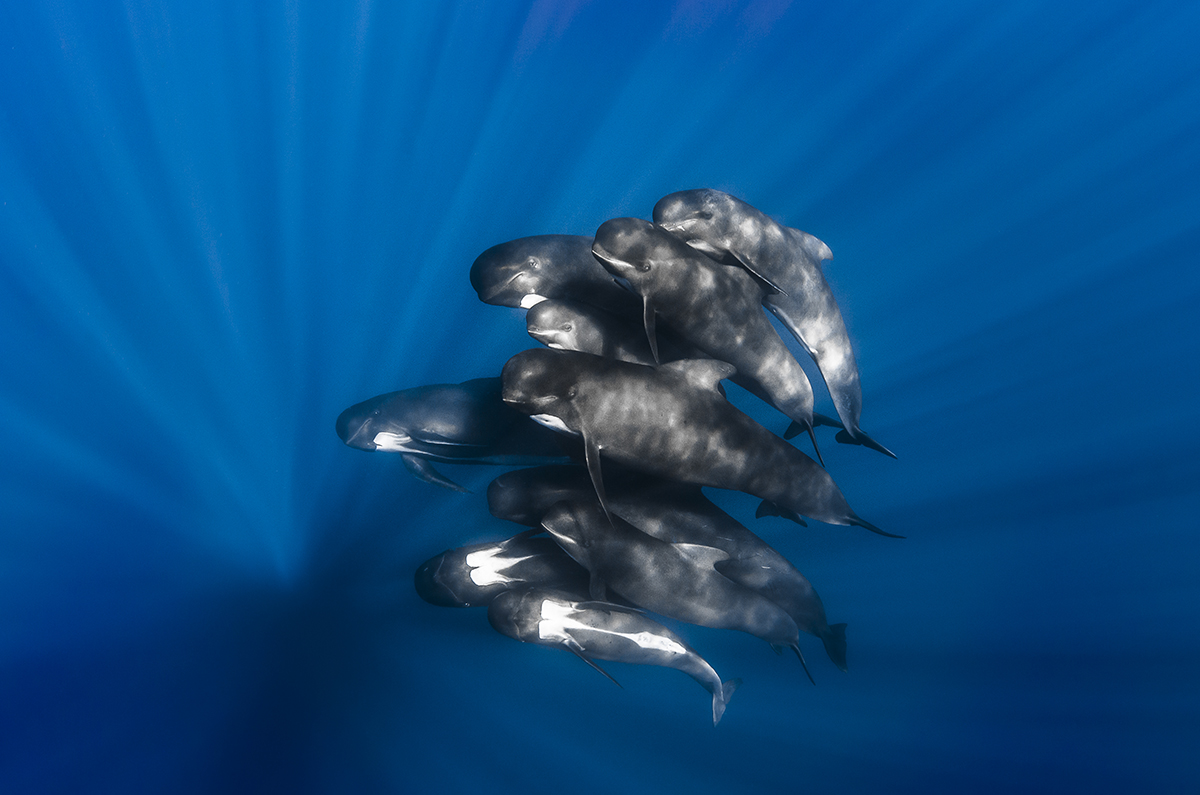
Pilot whales in the Pelagos Sanctuary, which was co-created by the Prince Albert II of Monaco Foundation
As awareness grows of the need for a sustainable blue economy and for ocean restoration around the world, LUX invites thought leaders and experts to nominate their choice of individuals, non-profits and financial and investment wizards, whose efforts are helping save the planet’s troubled waters

Nathalie Hilmi
Dr Nathalie Hilmi, Senior Researcher at the Scientific Centre of Monaco, nominates:
Prince Albert II of Monaco Foundation
This international non-profit organisation is the only foundation in the world headed by a serving head of state. It was founded by His Serene Highness Prince Albert II in 2006 with the mission of protecting and advancing the health of our planet for future generations, with a focus on biodiversity, climate, renewable energy, oceans and water resources. In addition to funding hundreds of projects, the foundation has set up initiatives to be a driving force in these fields, operating in the Mediterranean Basin, the Polar regions and the least developed countries. It works with scientists, other NGOs and world leaders, and has branches in 11 countries.
Meri Foundation
I like the work this non-profit foundation is doing for the planet and our environment, promoting scientific research and environmental education on ecosystems in Chile and around the word. It has a vision of inspiring communities to consider a sense of belonging in their ecosystem environment, promoting a society in harmony with the planet. Its philanthropic engagements are stunning.

Marküs Muller
Markus Müller , Environmental, Social and Governance (ESG) Chief Investment Officer at Deutsche Bank’s Private Bank, nominates:
Anna Katharina Meyer
Anna Katharina identifies global challenges and launches tangible initiatives, with a focus on sustainable finance and accounting, renewable energies and entrepreneurship. Describing herself as a founder, activist and scientist with heart and soul, she combines professional competences with scientific ones and is shaping discourse on a sustainable and inclusive future with expertise.
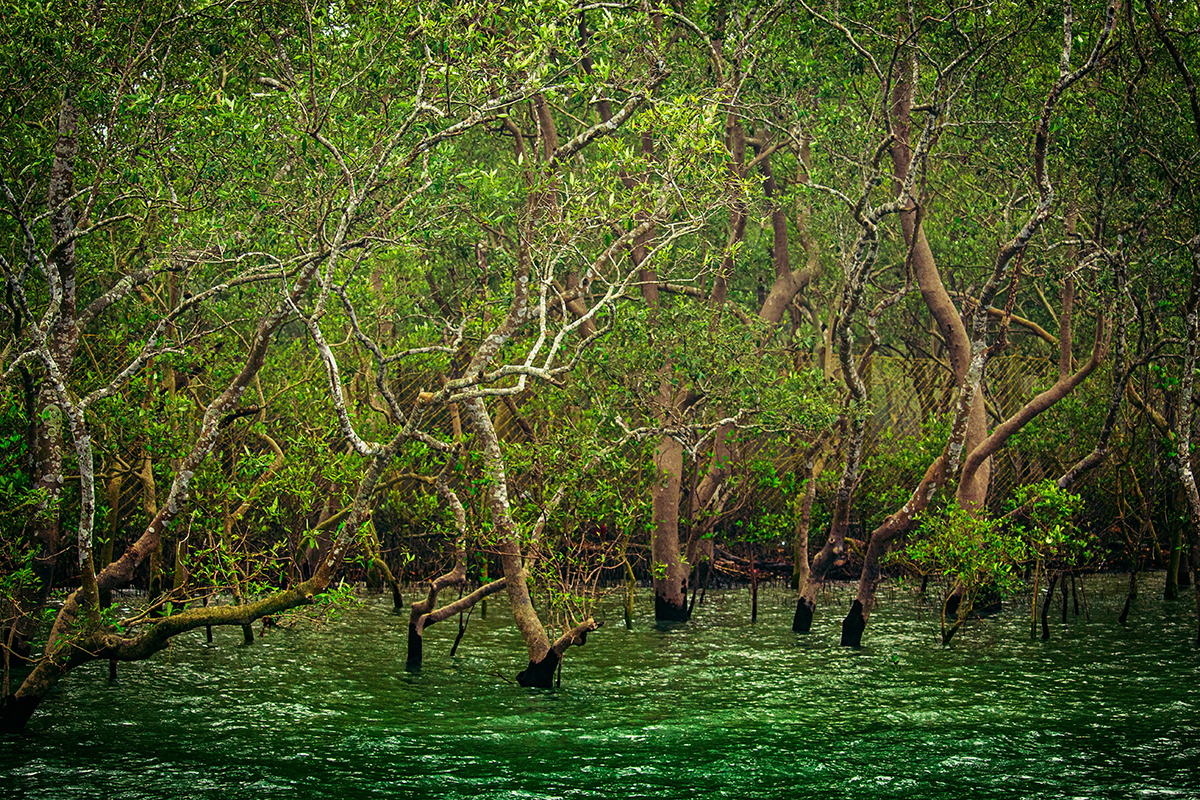
Heritiera fomes mangroves in Sundarbans, West Bengal, India. Sundarbans is a national park and biosphere reserve; carbon-storing, coast-protecting mangroves are an essential component of nature-based solutions
Rayne Sullivan
Co-Chair of the Youth Advisory Council at Sustainable Ocean Alliance, Rayne represented the US at the inaugural UN Youth4Climate summit in Milan in 2021, advocating for Hawai’i and Oceans. Rayne is also pursuing a JD programme at Stanford, with a focus on the nexus between climate science, responsible AI and traditional knowledge systems, to empower frontline island communities in developing nature-based climate solutions.
Follow LUX on Instagram: luxthemagazine
Marie Claire Daveu
Marie-Claire Daveu, Chief Sustainability Officer and Head of International Institutional Affairs at Kering, nominates:
Conservation International
This NGO is a leader not only in its science-led work around the world, working on the ground to protect and restore nature, but also for its influence on global policies and within the business community. Its expertise when we set up the Regenerative Fund for Nature together was indispensable and its dedication to achieving a wide-scale impact on nature is to be applauded.
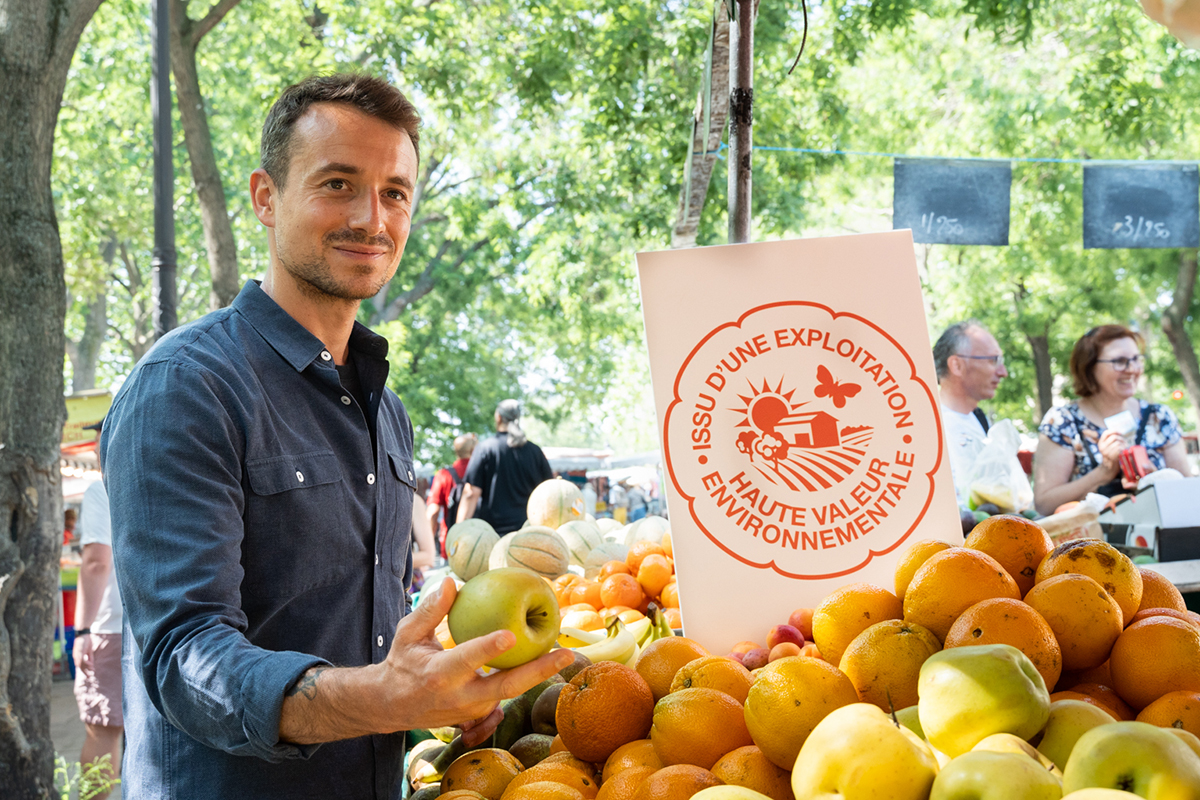
Hugo Clément, from his docu-series, On the Front
Hugo Clément
The media has a significant role to rally awareness and support for the climate and biodiversity crises. French journalist Hugo Clément has brought these crises to the public through documentaries and investigative journalism, where his pursuit of the truth has uncovered corporate greenwashing. His long-time activism around animal rights has also brought this often overlooked topic into the spotlight. His dedication is far-reaching and he stands by his principles, which we need in our society today.
Chris Gorrell Barnes
Chris Gorrell Barnes, founding Partner of Ocean 14 capital and co-founder of Blue Marine Foundation, nominates:
Por el Mar
Martina Sasso, founder of this dynamic new Argentinian NGO, has used creativity and communications to advance a ban on open-net salmon farming in Argentina and delivered extraordinary wins by creating pivotal marine-protected areas in the region. I can see that Por el Mar will deliver outstanding conservation gains for the ocean in the next few years.
Megallanic penguin at the Monte León National Park in Santa Cruz, part of a project supported by Por el Mar
SyAqua
This, our first investment at Ocean 14, is a platform for our mission to transform shrimp farming. US and Asia-based SyAqua is a leading provider of genetics and tech in shrimp breeding. It provides farmers with virus-resilient broodstock, so reducing environmental externalities and make shrimp farming more sustainable.
Christian Lim
Christian Lim, Managing Director of Blue Ocean, SWEN Capital Partners and Co-Chair of 1000 Ocean Startups, nominates:
Anne-Sophie Roux
Roux is a young but powerful voice in the global movement against reckless deep-sea mining. She and the Sustainable Ocean Alliance have been instrumental in changing the position of several governments, including in France and Switzerland. As founder and CEO of Paris-based Tenaka, she and her team have worked with partners to develop corporate responsibility programmes and nature-based solutions for ocean conservation.
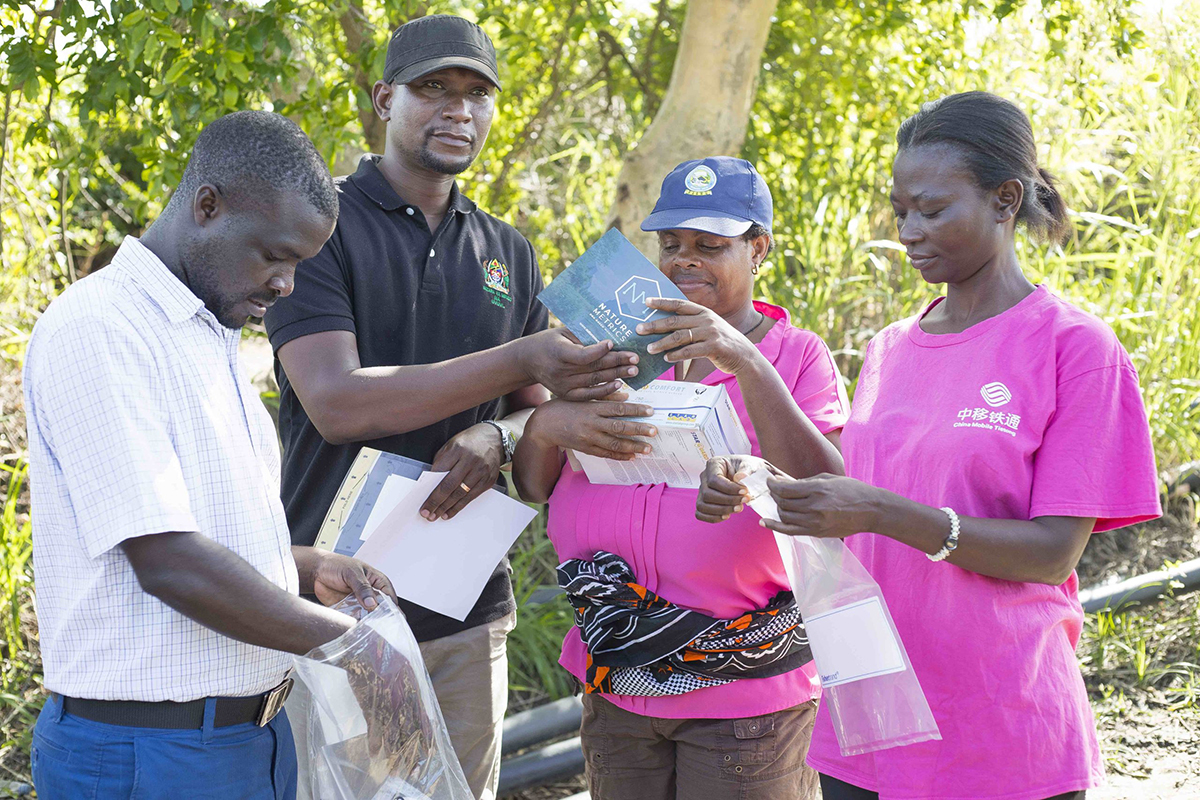
Members of the Tanzanian Fisheries Research Institute being trained in environmental DNA collection for eBioAtlas, as devised by NatureMetrics
Kat Bruce
In 2014, scientist Kat Bruce co-founded NatureMetrics, the world’s leading eDNA company. Its mission is to democratise measurement of biodiversity for different species through technology, to better align nature and markets. Disclosure: we have invested in NatureMetrics.

Karen Sack
Karen Sack, Executive Director of Ocean Risk and Resilience Action Alliance, nominates:
Whitney Johnston
As the company’s first Director of Ocean Sustainability, Whitney leads Salesforce’s work on sourcing high quality blue-carbon offsets. Based in New Mexico and a climate scientist and oceanographer by training, she is a leader in developing high-quality blue-carbon principles and a key shaper of the Blue Carbon Buyers Alliance, companies committed to purchasing high-quality blue-carbon credits.
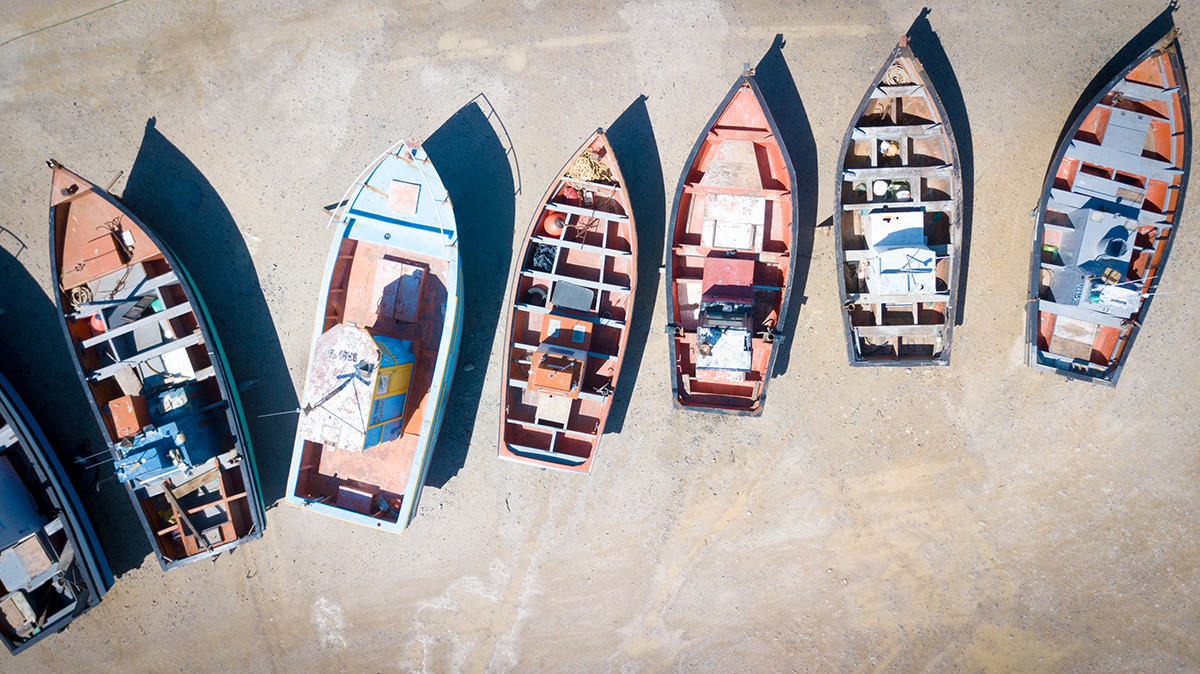
Traditional line-fishing boats from the southernmost tip of Africa. The non-profit Abalobi supports small-scale sustainable fishing
Serge Raemaekers
Serge is co-founder of Abalobi, a South African non-profit aiming to elevate small-scale fisheries through technology, and empower them for social, economic and ecological sustainability. The name Abalobi means “fisher” in the isiXhosa language, reflecting its fisher-led nature. Abalobi has developed a digital platform connecting fishers directly with consumers, creating a more transparent and equitable value chain. Serge’s vision is to create thriving small-scale fisheries worldwide to feed the world sustainably, provide meaningful livelihoods and contribute to healthy ecosystems.
Jessica Hodges
Jessica Hodges, Lead in Investment Management and Wealth ESG at Deloitte UK, nominates:
Net Purpose
Samantha Duncan’s London-based organisation is brilliant and was highly commended in the Finance for the Future Awards in 2021. It is a platform to facilitate impact measurement for investors and make it easy for people looking to invest, by collecting, cleaning and structuring data from thousands of global sources. This ensures a more transparent and rigorous approach to assessing the impact of portfolio companies.
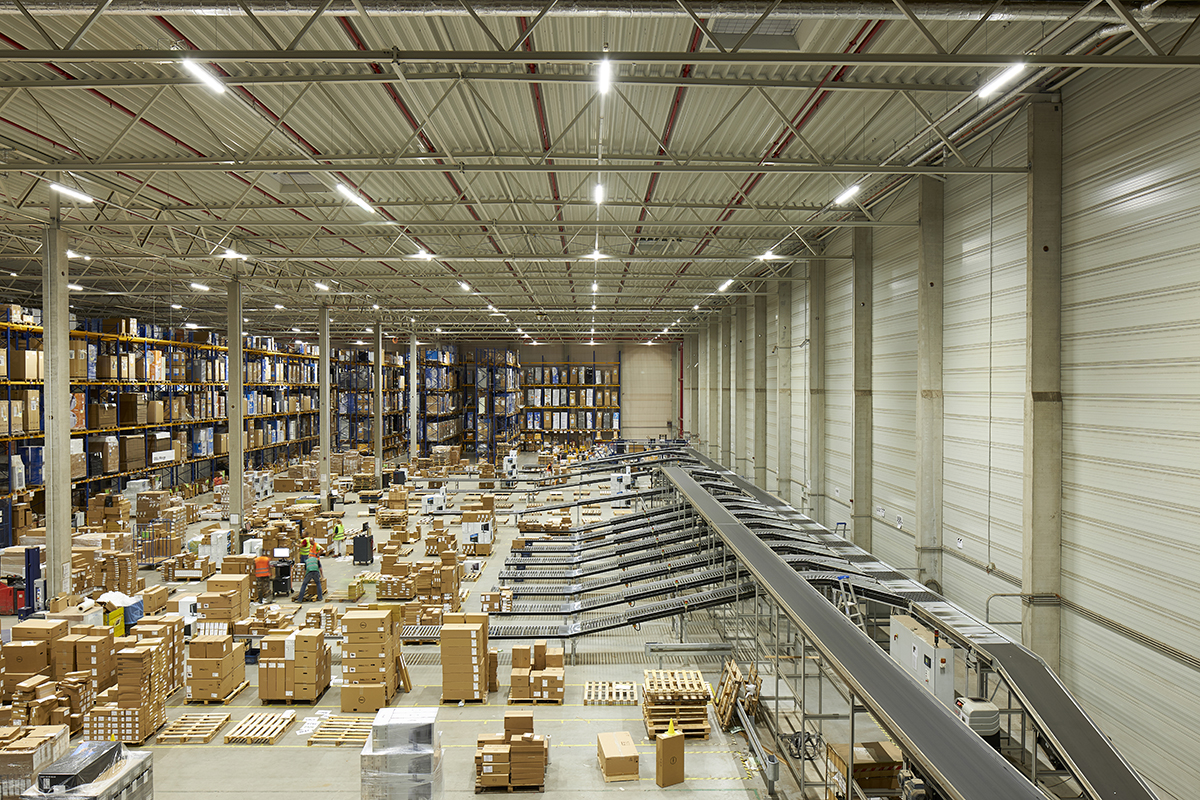
LED lighting for a German warehouse, installed by UrbanVolt and financed by the Solas Sustainable Energy Fund
Solas Capital
Zurich-based Solas Capital is a specialist investment advisory firm founded and managed by Sebastian Carneiro and Paul Kearney, both professionals from the energy-efficiency financing sector. The company’s mission is to support the move to a carbon-neutral society through innovative financing. By understanding both the funding needs of energy-efficiency and self-consumption PV infrastructure projects, and the requirements of institutional investors, Solas Capital bridges the gap between investors and projects.
Cathy Li
Cathy Li, UN Youth Advisor, nominates:
Klima Action Malaysia
This climate justice NGO was founded by youth activist friends of mine who work on the linkage between human rights and climate change. It promotes a rights-based approach to a just and equitable world and the climate emergency. KAMY works to empower vulnerable communities, including indigenous groups, women and youth, to participate in climate governance and decision-making.

Jennifer Morris
Jennifer Morris, CEO of The Nature Conservancy, nominates:
Vizzuality
Data is critical, but unless business leaders, policymakers and society understand it, its ability to drive change is limited. With offices in Cambridge, Madrid and Porto, Vizzuality is working on creating data visualisation and mapping tools. We need innovators like Vizzuality to help tackle the dual crises of climate change and biodiversity loss, and we’re excited to see how its work on projects like Trase, which maps global supply chains leading to deforestation, and Marxan, the open-source spatial-planning software, can lead us to a nature-positive, net-zero future.
Ted Janulis
Ted Janulis, founder and Principal of Investable Oceans, nominates:
Lea d’Auriol
Lea is founder and Executive Director of London-based Oceanic Global, and she and her team made World Ocean Day a
global phenomenon. Lea has pioneered new programmes and methods of engagement, including Oceanic Global’s Blue Standard, a set of tools to help businesses eliminate plastics. Lea also always reflects light on others to acknowledge their contributions.
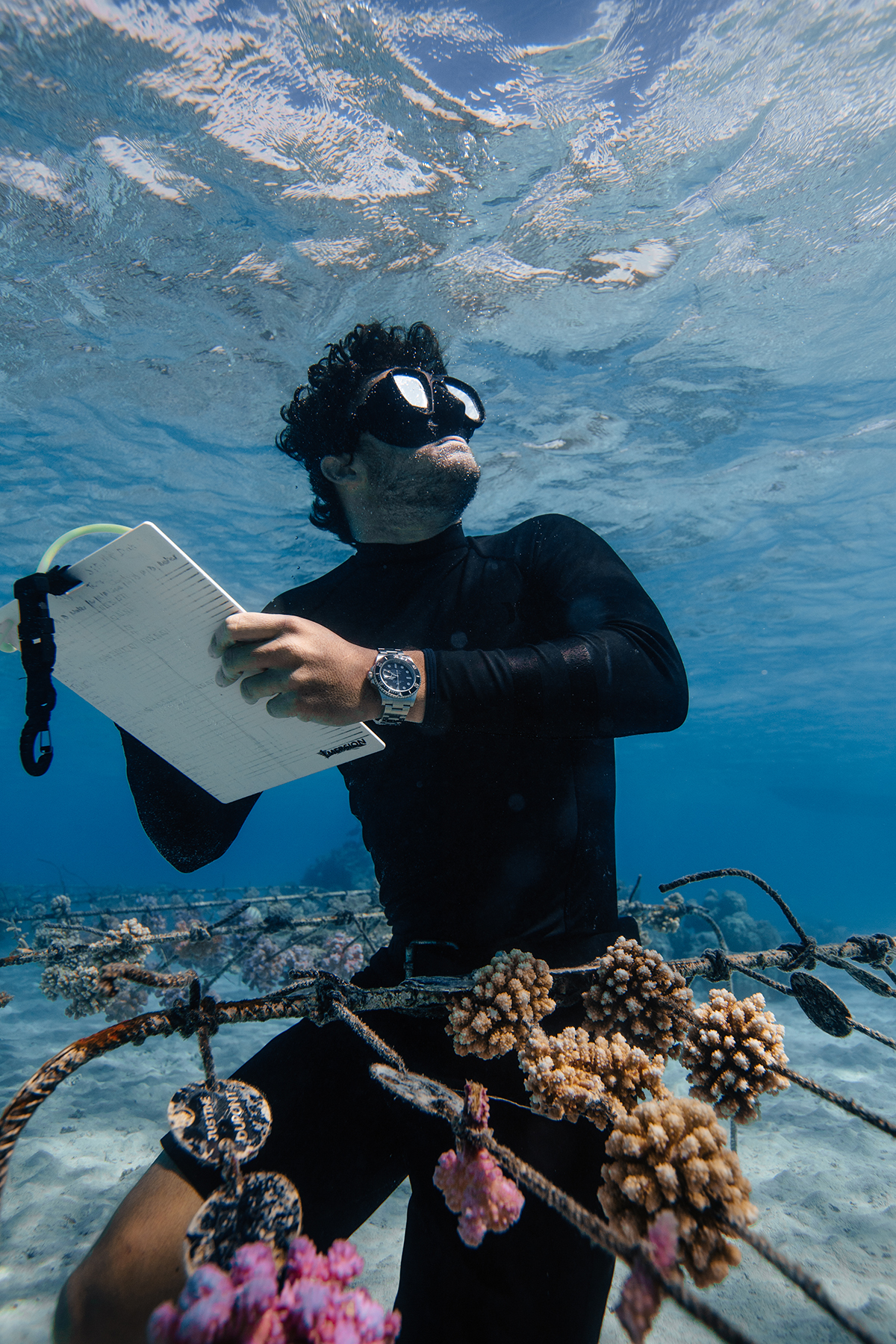
Titouan Bernicot, founder of Coral Gardeners, monitoring the health of corals growing in the nurseries. Once mature, the corals will be planted back onto damaged reef to bring back life and biodiversity
Titouan Bernicot
Titouan, founder and CEO of Coral Gardeners in French Polynesia, was drawn to action by seeing coral bleaching as a teen surfer in Mo’orea. He has built a community-based organisation that has grown and planted over 30,000 corals in French Polynesia. Their new goal: engage the public to help plant a million corals, and develop tech to accelerate coral restoration around the globe.

Professor Connel Fullenkamp
Connel Fullenkamp, Professor of the Practice of Economics at Duke University, and co-founder of Blue Green Future, nominates:
Partanna
Cement production is a major emitter of carbon dioxide. While some firms are working on carbon-neutral cement products, California-based Partanna has developed a carbon-negative cement from brine – a desalination waste product – that captures carbon while it cures. This makes it possible to build homes in the developing world that generate carbon credits for their owners.

Rendering of a prototype home in the Bahamas made with Partanna’s carbon-negative cement
Belinda Bramley
Pivoting to environmental consulting from accounting, Belinda brings business sense and the ability to speak the language of companies and markets to a field that needs it. She can analyse the needs of a project, organise it and build the case for funding it. She currently supports Hinemoana Halo Ocean. I predict she will become the chief architect of many sustainability projects.
conservation.org/aotearoa/ hinemoana-halo
Read more: Rapha CEO Francois Convercey on diversity and sustainability in cycling
Dimitri Zhengelis
Dimitri Zenghelis, Special Advisor to the Wealth Economy project at the University of Cambridge, nominates:
Kingsmill Bond
I recommend energy strategist Kingsmill Bond for his work on low-carbon transition at the US-based Rocky Mountain Institute. He has always been ahead of the game in predicting the speed with which we will adopt renewables and other clean technologies.
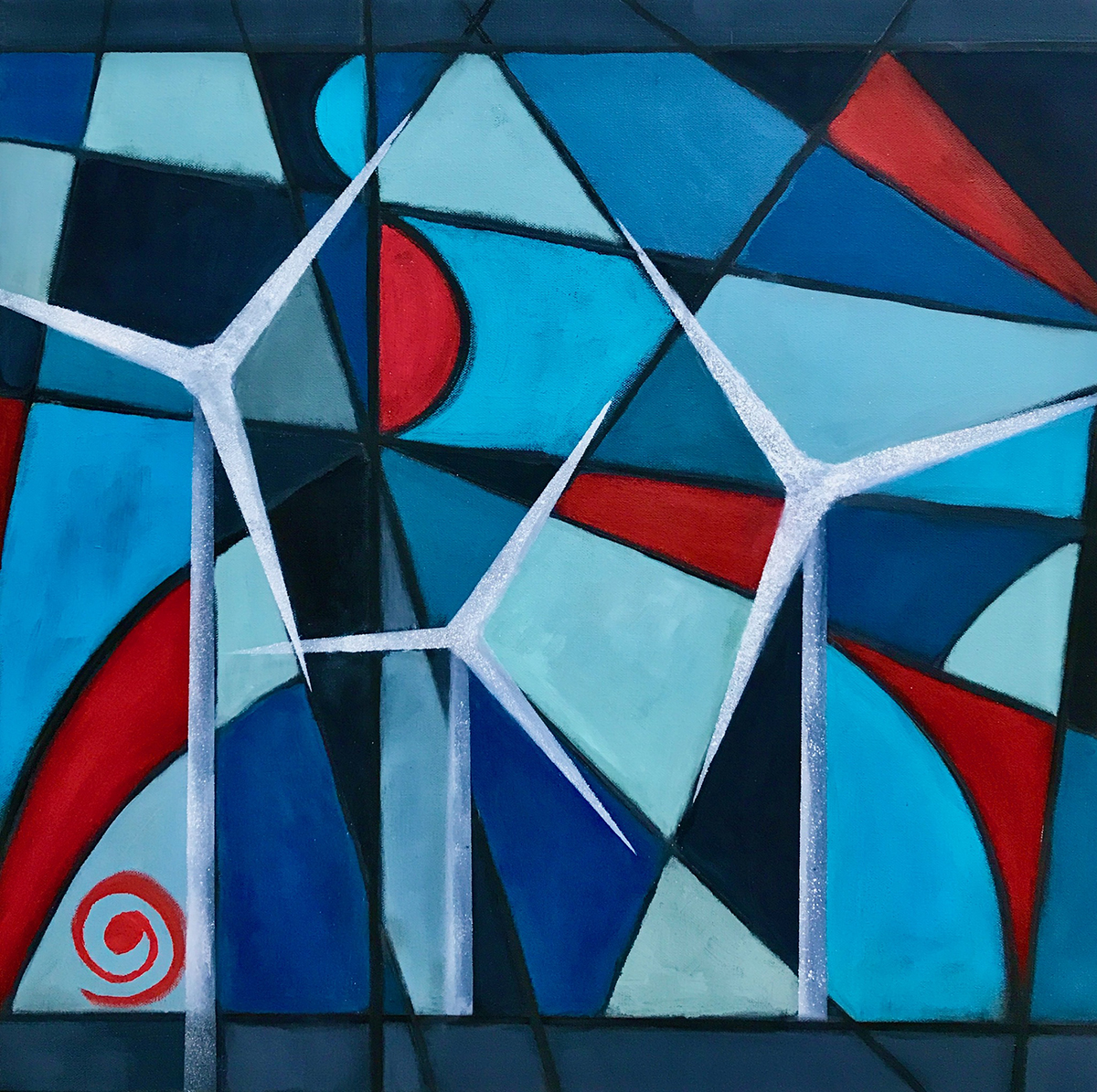
Winds of Change, by Sarah Bond for Rocky Mountain Institute
Rakesh Patel
Rakesh Patel, founder and CEO of Alta Capital, an award-winning sustainable real-estate developer based in Hong Kong, nominates:
Eric Ricaurte
Founder CEO of Greenview, Eric is a pioneer in sustainable hospitality, starting in South America more than 25 years ago and building Greenview into a leading consultancy. Through his leadership, he has engaged some of the largest hotel groups in the world.
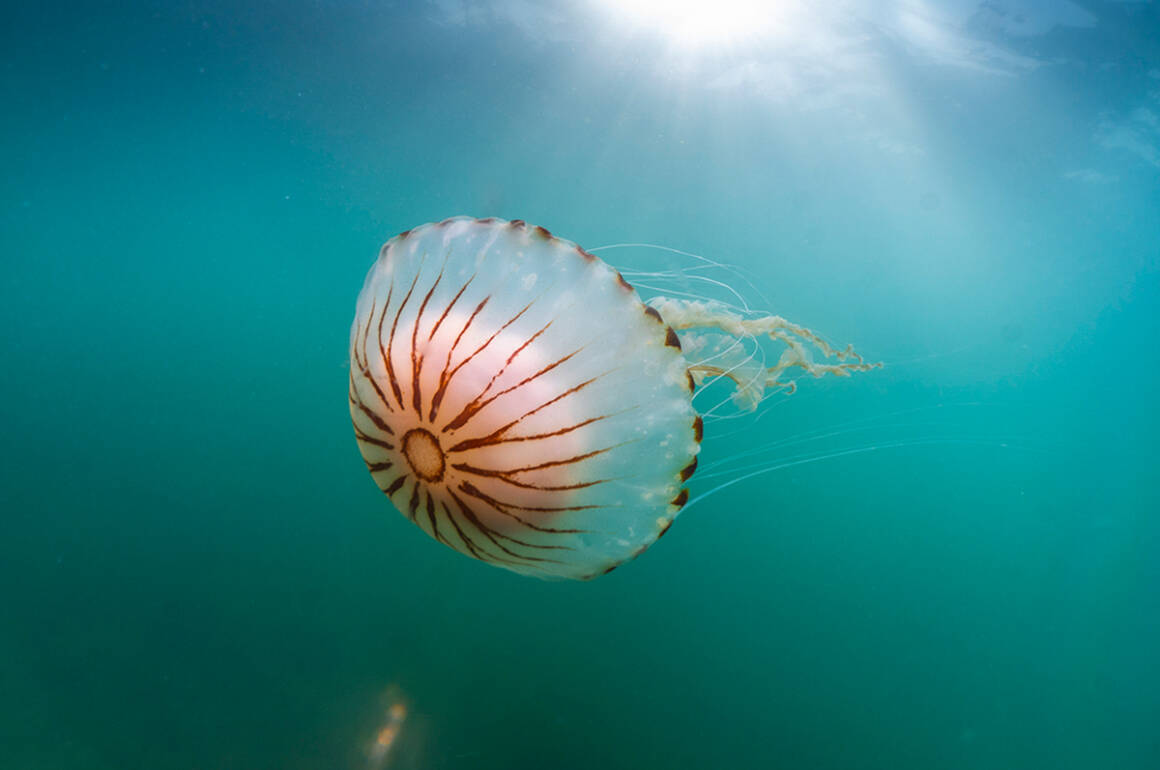
Summer Compass Jellyfish. Photo by Theo Vickers
The protection of biodiversity is becoming a key topic in the sustainability sector. Now we need to measure our economies’ effects on biodiversity fairly and effectively, says Markus Müller in an interview with Darius Sanai
Marküs Muller
LUX: How do we measure our effect on biodiversity, or compare worms with whales?
Markus Müller: We need to find metrics that account for local specifics but are globally comparable. There is a parallel with economic activity, because humans live, produce and consume locally, yet we have found global metrics to measure the economics of human interactions.
LUX: What is the most important measuring tool in the context of nature?
MM: One important metric is the Mean Species Abundance indicator, or MSA, which identifies the impacts of an economic activity on the mean species in a designated local area. It indicates the abundance of native species in a disturbed ecosystem relative to undisturbed ecosystems. Another measure is the Biodiversity Intactness Index, or BII. Both can help us obtain information around an ecosystem’s ability to deliver the ecosystem services we depend on, and understand the influence of economic activity on nature.
LUX: But won’t the MSA in a desert have a different metric to one in a rainforest?
MM: The ingredients are different, but it is about the amount of species. We have business activity in a location and from that we get data on its pressure and impact. That shows how the MSA is clustered according to the activity in terms of climate change, land use, nitrogen deposition, hunting, road disturbance and fragmentation.
Follow LUX on Instagram: luxthemagazine
LUX: Is the metric accepted universally?
MM: It is getting more recognition by various institutions and participants. However, our goal should not be to have a universally accepted metric for its own sake; it should be on accounting for local specificities with a methodology that, in principle, can be applied globally. It is not 100 per cent perfect, but, given the need for urgent action, as made clear by the Intergovernmental Panel on Climate Change, the IPCC, I advocate not waiting till scientists have the perfect metric.
LUX: How will the metrics affect business?
MM: When we know the effect of a business activity on the MSA, we will then know the biodiversity cost of the activity, and we can bring that into the decision-making process around it.
LUX: Is the aim to have a tax or other regulation on businesses that affect the MSA?
MM: Yes. The disclosure of a company’s MSA would allow the market to better price its exposure to nature– and climate-related risks, and take these factors into account for a valuation.
LUX: Would it work like carbon credits?
MM: Biodiversity credits are not comparable to carbon credits in a key sense because, other than for the actual removal of greenhouse gas emissions, carbon credits are used to compensate for current carbon use. Biodiversity credits must be purely an incentive not to destroy biodiversity, not to offset its loss. We can use economic incentives, such as reduced taxation, or a market system in which participants exchange credits.
LUX: How will the nature market develop?
MM: It will likely develop as we’ve seen equity or fixed-income markets develop. I would add the caveat that we should never monetise nature, but understand its value and what it gives us, so we can protect the value that ecosystem services provide, while enabling their uninterrupted flow. We need to prioritise the intactness of nature.
Photo by David Clode
LUX: How will governments regulate this?
MM: It is a question of the governance of nature. If we do not know how to govern nature, we also do not know what kind of mechanism to use to manage and assess its governance. For example, effective governance also means you need to include local communities into the responsibility of governing these resources.
LUX: Is there the desire among governments and voters to make this happen?
MM: On the one hand I think, yes; on the other, it requires uncomfortable decisions. So we need to remind ourselves again about economics and diminishing marginal utility. Humans will act in a familiar pattern for as long as the marginal utility is positive. We only change when it is no longer possible to proceed as we were.
LUX: Will listed companies make decisions based around biodiversity incentives?
MM: Yes, regulation is going in this direction. We see it with 30 by 30 – the initiative to create protected areas across 30 per cent of Earth’s land and sea by 2030. More than 100 countries are signed up. This development must not be limited to a specific region like Europe, we need a joint framework; even better, a joint narrative.
LUX: Is there a risk that companies make decisions based on one factor – biodiversity at the expense of carbon emissions, say?
MM: Yes, this is a risk of sustainability. We see it as a goal but, like economics, it is not a goal but a tool. Ideally, my role will be redundant in 20 years, as sustainability will be incorporated into everything. I think, in time, MSA or BII will be comparable indicators to CO2 emissions.
Read more: Leaders on Leaders: the people saving our planet
LUX: What would you say to an investor who says, “I just invest to make money”?
MM: I would say this way of thinking belongs in the past. We have to acknowledge that a high negative impact on nature is a financial risk as well as an environmental one. Nature-based risks – and opportunities – will materialise and have an impact on a portfolio. Companies not taking these into account, through an adaptive strategy, will have to pay a higher price in the future.
LUX: In five years, will a private-equity fund take MSA into account in decision-making?
MM: Yes, I believe so. I think it will play an increasing role in impact investing, but it will also play a role in the consumer-goods space.
LUX: If you were in charge of the world, what would you ask people to do?
MM: Go back to our roots. Think local, act global. Take account of nature, because we are a part of it. It is naive to disregard the system we are dependent on. We can’t do that any more.
Markus Müller is Environmental, Social and Governance (ESG) Chief Investment Officer at Deutsche Bank’s Private Bank
Photo by Ben Thouard
To achieve the Paris Agreement target of net zero by 2050, the world needs to shift to green infrastructure – now. In part 1 of our two-part series on making that change, Claire Asher shows how the public and private sectors can speed the move from fossil fuels to green energy
Giving up our addiction to fossil fuels will be the biggest energy transition the modern world has seen. It will require rapid changes to our energy systems and huge investments from both the public and private sectors, and it will be essential to ensure a liveable climate for generations to come.
Roberto Schaeffer
The first steps in this transition are already underway. By redesigning systems, such as heating and transportation, to use electricity rather than liquid or gas fuel, we gain the flexibility to generate that energy from a variety of sources. “Everything that can be electrified will have to be electrified,” says Roberto Schaeffer, Professor of Energy Economics at the Energy Planning Program of the Federal University of Rio de Janeiro in Brazil. Our future energy portfolio will likely include a mixture of wind, solar, hydroelectric, geothermal, biofuels and nuclear energy, tailored regionally to match local availability, as well as social and political priorities.
“Our total energy use will decline significantly as we electrify transportation and heating,” says Anthony Patt, Full Professor of Climate Policy at the Institute of Environmental Decisions (ETH) in Zurich. Nevertheless, global electricity demand will likely rise as we transition, to replace existing coal- and gas-fired power plants and to replace fossil fuels used in transportation and heating. “We’re going to need a lot of new power, a lot of investment into wind and solar,” he says.
Follow LUX on Instagram: luxthemagazine
In the short term, growing energy demands will be eased by improving efficiency. “There’s capital needed in the near term to help reduce energy wastage,” says Alice Miles, Head of Infrastructure Specialists at DWS Group asset managers. “It sounds a lot less glamorous, but there needs to be investment to upgrade to more efficient air conditioning, ventilation and refrigeration systems, better insulation and better boilers.”
Balancing Supply and Demand
Compared with fossil fuels, renewable energy sources such as wind, solar and hydroelectric provide a less consistent output that varies daily and seasonally, so matching energy supply with demand will be challenging. The most obvious solution is to store energy for later use, but installing batteries to store electricity is not cost-effective. “If you’re thinking about storing power from one season to the next, it becomes almost prohibitively expensive,” says Patt.
Anthony Patt
Scaling up battery storage will also place pressure on global supply chains. Current battery technology relies on specific minerals, such as lithium and cobalt, which are produced in only a few countries, including China, Bolivia and the Democratic Republic of the Congo. Although renewables promise increased energy independence, Schaeffer warns that, “with the energy transition, we may become even more dependent on a few countries because of the need for these materials.”
An alternative to large-scale energy storage is large-scale energy grids. “We need a grid that is bigger than our weather systems to balance out the regional differences in production,” says Patt. Weather systems alter wind speeds for days at a time, at the scale of hundreds of kilometres, so this will mean “moving from a national model of electricity planning to a more European model, and with a lot of grid interconnections,” he explains. With the right continental-scale planning and grid infrastructure in place, “you could install enough wind and solar in the right places, so that we wouldn’t have to store electricity,” adds Patt. However, this may be politically challenging.
Building a Diverse Energy Portfolio
“The number of sectors where it is cost-effective to electrify has only been increasing,” says Patt. But there are exceptions, such as the steel and chemicals industries, aviation and shipping. Alternative fuels will be needed to reach net zero in these sectors.
Biofuels, such as bioethanol or biodiesel, are one such alternative. “Biofuels can be engineered to produce exactly the kind of molecule we need for a plane or a ship, meaning that you don’t need to adapt,” Schaeffer suggests. “Similarly, some oil refineries can be adapted to also co-process biomass.” This has the further advantage of mitigating the inevitable obsolescence of existing infrastructure. However, the role of biofuels will likely be limited by competition with food crops for available fertile land and fresh water.
Synthetic fuels, produced directly from water and carbon dioxide using solar energy, could be used as an alternative to fossil fuels for sectors such as long-haul air travel and shipping. But these technologies are not yet fully mature.
A third option is hydrogen, although currently most hydrogen is produced from fossil fuels. “Really, the only sustainable option is so-called green hydrogen, which uses renewable power to split water into hydrogen and oxygen,” says Patt. This method could be used in chemicals industries that require extremely high temperatures, or as a replacement for coal in the steel industry. Elsewhere, Patt believes hydrogen’s role will be limited. “It’s going to be much more efficient to just use electricity,” he explains.
Climate Change Threat to Energy Infrastructure
Energy infrastructure was designed to withstand climate and weather conditions experienced over past centuries, but the coming decades will bring more extremes, meaning that current infrastructure will be operating outside its tolerance levels more frequently. For example, sea-level rise poses risks to coastal fossil-fuel extraction and processing infrastructure, such as oil and natural-gas platforms and refineries; increasingly frequent and severe storms can damage energy transmission lines, such as overhead electricity pylons; extreme heatwaves and drought could impact the water-based cooling systems used by coal and nuclear power plants.
Existing infrastructure may need to be adapted to cope with these extremes, and new infrastructure will need to be designed to withstand the new normal. “We have to build infrastructure that’s going to be capable of dealing with a new world,” Schaeffer explains.
There is, however, an irony in some cases. “Renewables seem to be much more vulnerable to climate change,” Schaeffer says. This is because they rely on natural processes that may be disrupted as the climate changes, such as rainfall and air currents that drive hydroelectric and wind turbines. “It is paradoxical that fossil fuels are more reliable in the face of climate change,” he adds. Changing weather patterns may reduce hydropower output, by making dry spells drier and overloading the system during the wet season. However, computer simulations by Patt and colleagues suggest that the impact of climate change on total energy output from wind and solar will be small.
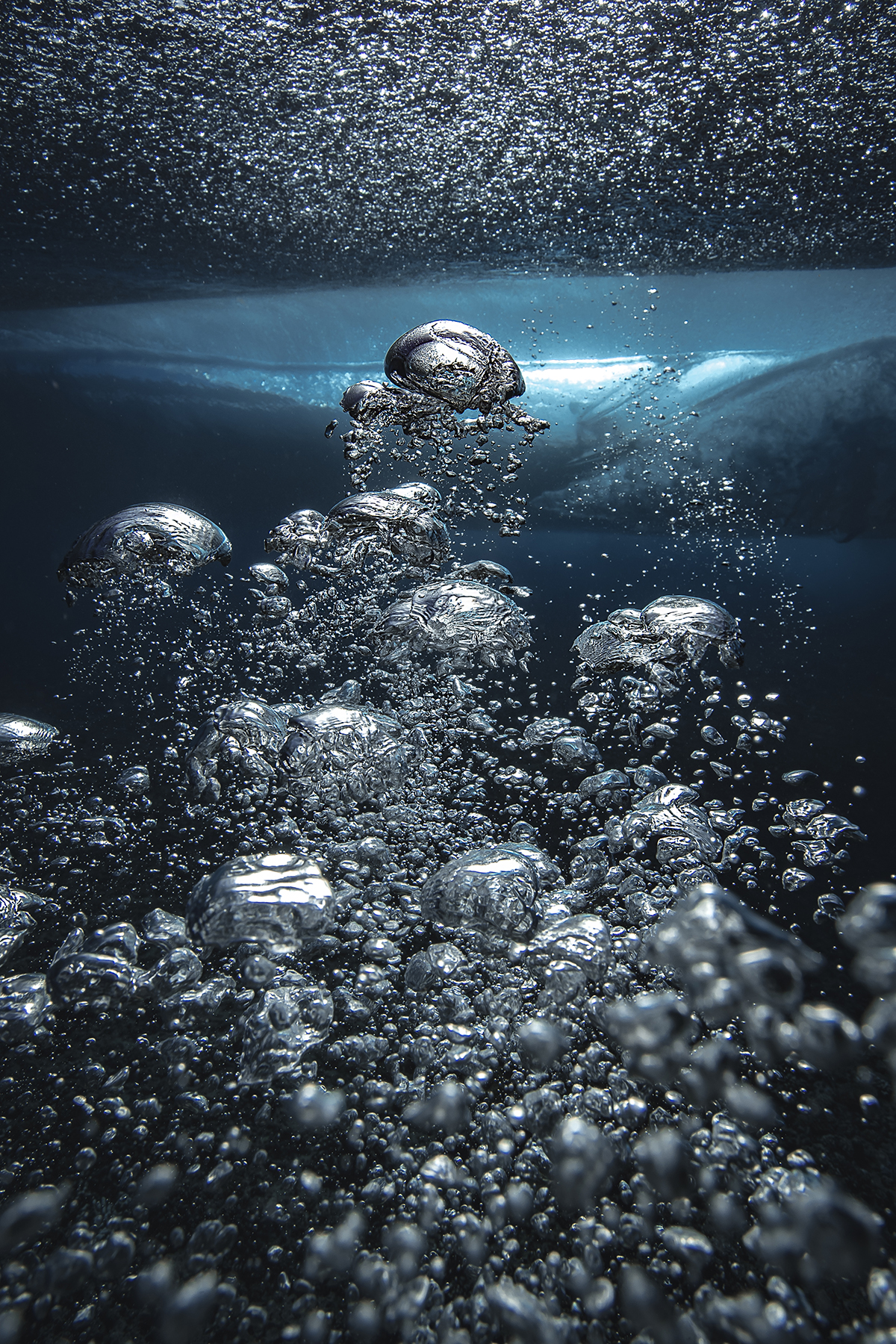
Photo by Ben Thouard
Creating the Right Regulatory Environment
“From a technical point of view, the energy problem is solvable,” says Schaeffer. Renewable electricity is now the cheapest source of power in most regions, and estimates suggest that it could satisfy 65 per cent of the world’s energy needs by 2030. However, new infrastructure means large and long-term investments.
“The critical thing is to create a regulatory environment in which anybody investing in renewable-energy production knows they’ll make money,” says Patt. An example would be government incentive schemes, such as feed-in tariffs, which guarantee a fixed price per unit of renewable energy. “These remove the issue of market volatility, which has been a major impediment to new investment in the power system,” says Patt. “Solar and wind are cheap enough now that these policies don’t have to be expensive, but they are important to remove market volatility and guarantee a positive return on investment.”
Read more: Markus Müller on the links between the ocean and the economy
Recent global crises have underscored the need for a global energy transition. “There has really been a shift in mindset,” says Miles. “There were a couple of things that drove that change and crystallised the focus. The war in Ukraine was one, both in terms of the huge increase in the cost of energy, but also energy security, particularly in Europe; COVID-19 was the other.”
With increases in oil and gas prices, disruptions to global supply chains, concerns about energy security and the impacts of climate change becoming increasingly visible, more businesses and investors understand that the energy transition is not only needed, but presents a valuable opportunity. “In the EU alone, it’s estimated that the green transition will cost €350bn, of which €250bn will need to come from non-government sources,” explains Miles. “Investors increasingly recognise the opportunity to support the energy transition while generating an attractive return.”
How to scale up to net zero
To achieve the Paris Agreement target of reaching net-zero carbon emissions by 2050, green-energy solutions not only need to happen, but need to scale up fast. This urgency presents opportunities for investors hoping to support the energy transition and see a positive return on their investment. “I think private capital will play a huge role in taking businesses with proven business models and proven technology, but which need scale, to the next level of growth,” says Alice Miles, Head of Infrastructure Specialists at DWS Group. “Without scale, a lot of these initiatives are just a drop in the ocean.”

Alice Miles
The infrastructure for generating renewable energy, such as wind and solar, tends to have high initial investment costs, but relatively low operating and maintenance costs. Once operational, renewables projects can sometimes provide investors with stable revenue that is relatively sheltered from price volatilities. For example, power purchase agreements (PPAs) between electricity generators and consumers such as utility companies, set a fixed price per unit of electricity over a multi-year time frame, offering stability and de-risking revenues for the generators. However, in other scenarios, investors may be exposed to energy price volatility without recourse to protect themselves.
“There’s a virtuous relationship here, because there are investors with capital to deploy who want to see a good return, and then there are companies with proven technologies that need to scale,” says Miles. “Both of those parties can win – and we can all win – by finding the right way to route capital to the companies that can make an enormous contribution to the energy transition story.”
This article was first published in the Deustche Bank Supplement in the Spring/Summer 2023 issue of LUX
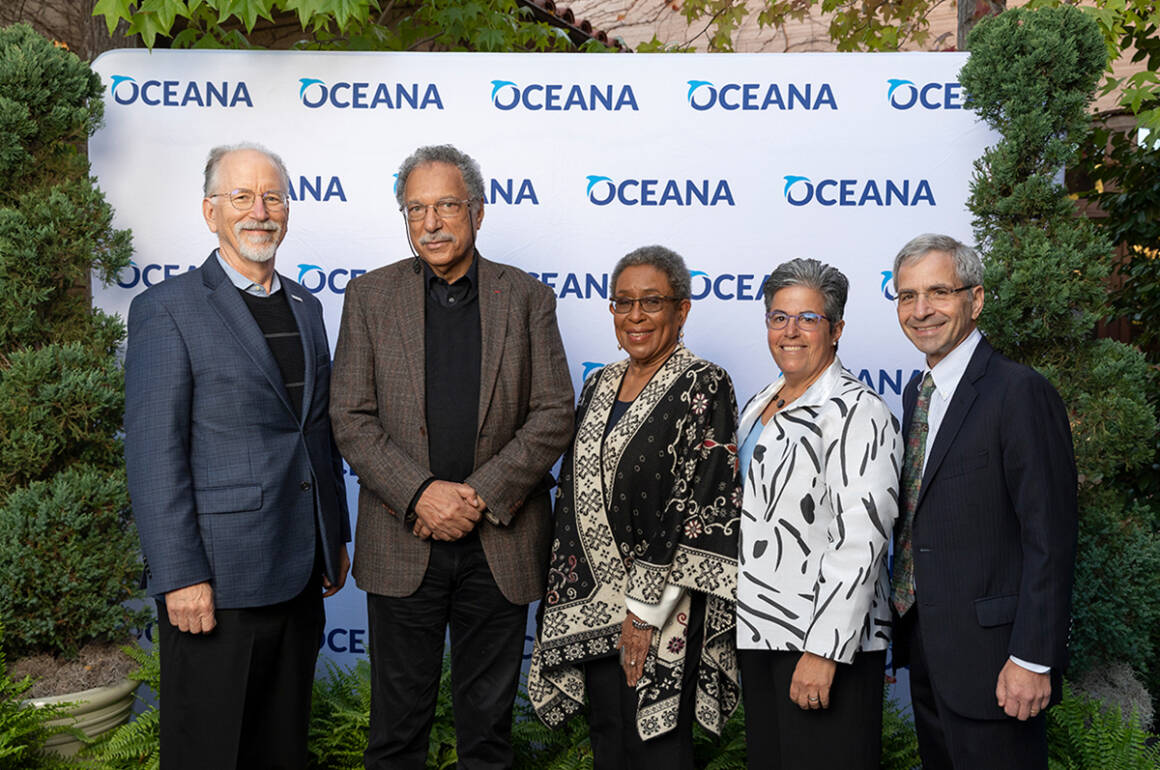
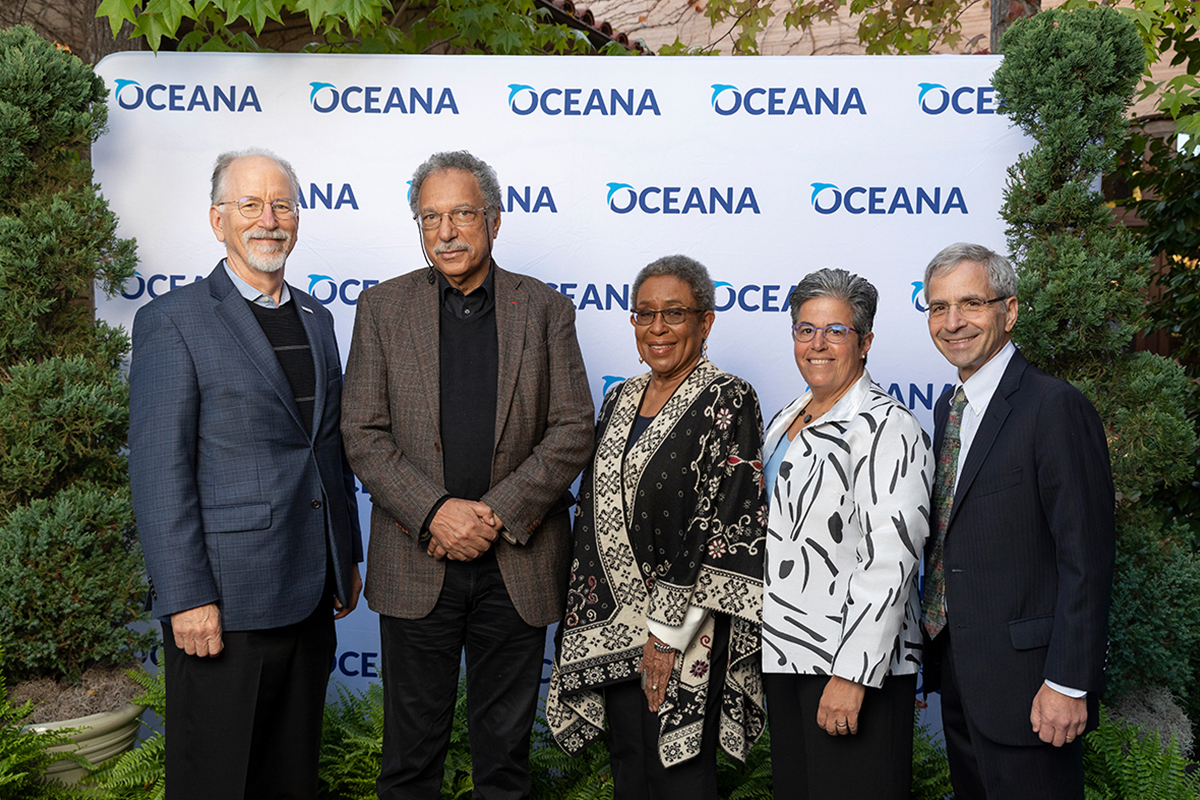
(left to right): Oceana CEO Andrew Sharpless, Oceana Board Member Dr. Daniel Pauly, X, Oceana Chief Policy Officer Jacqueline Savitz, and Oceana President Jim Simon attend the Oceana’s 2021 SeaChange Summer Party in Laguna Beach, CA. Photo by Kevin Warn
Jackie Savitz is a marine biologist and the Chief Policy Officer for Oceana, an ocean conservation organization focused on influencing policy decisions. Here, she speaks to LUX about how and why governments need to be pressured to introduce fundamental policy changes for the good of all
LUX: You have an extensive background in environmental science. When did you decide to dedicate your career to ocean conservation?
Jaqueline Savitz: Ever since I was a teenager, I knew that I wanted to protect the oceans. After I was exposed to a marine science program at Wallops Island, VA, there was no turning back. I grew up spending summers at my grandparents’ on the New Jersey coast and fell in love with the ocean at an early age, so when it was clear that ocean conservation could be a profession, I was sold. It was obvious to me – even as a kid – that human impact on the environment needed to be managed, and that the implications of not doing so would undermine the integrity of the environment, including our oceans.
Follow LUX on Instagram: luxthemagazine
LUX: Can you tell us more about Oceana’s goals and values, and your role within the organisation?
JS: At Oceana, we recognize that the oceans can provide food for a billion people or more, on a regular basis, if they are properly managed. Making fisheries sustainable is key, but it’s not the only thing we need to do to realise that goal. We also have to prevent pollution and climate change, which both threaten biodiversity and the health of marine ecosystems. For example, plastic pollution does not belong in the stomachs and digestive tracts of sea turtles, sea birds, fish, marine mammals, or even humans. The fact that this is already the case indicates a threat to the survival of sea turtles as they are threatened or endangered species, and it could also compromise populations that are not yet endangered. We also advocate for transparency which, when built into our policies, or made real through technology, can allow our societies to better manage resources.
As Chief Policy Officer, I oversee Oceana’s campaigns in the United States as well as in Belize, Mexico, and the European Union. My goal is to make sure we have impactful and successful campaigns that rebuild fisheries, reduce illegal fishing, and protect the marine ecosystem from oil and gas development and plastic pollution.
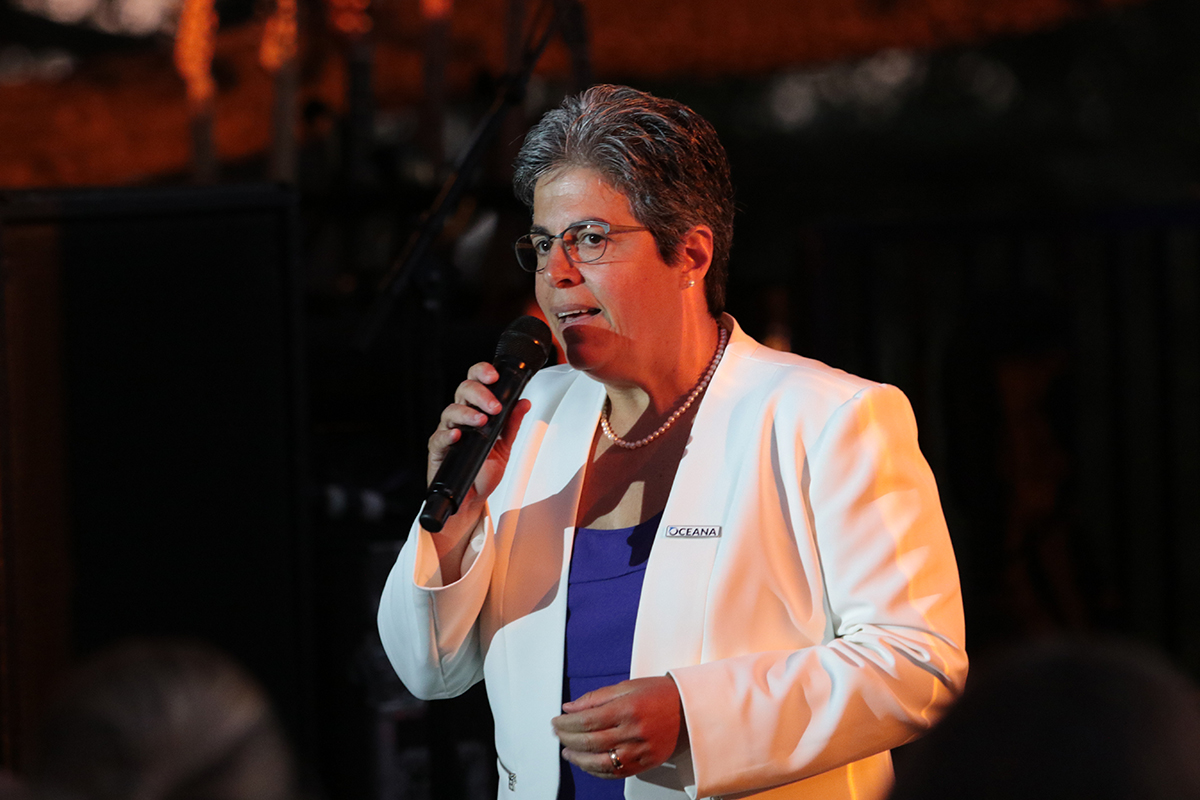
Jackie Savitz speaks as Oceana Presents: Sting Under the Stars in Los Angeles, CA on Tuesday, July 19, 2016.
Photo by Alex J. Berliner/ABImages
LUX: Working on this global scale, can you tell us about the challenges you’ve encountered while navigating different political landscapes when working towards policy change?
JS: Oceana works in countries that have a democratic process in place, which is key to creating people-driven change. However, even in a democracy, there are impediments to winning policies to protect the oceans. Strong corporate lobbies like the petroleum, plastics, and fishing industries have a lot of muscle to push back against policies that benefit all of us, such as those to stop overfishing and ensure we have fish in the future, or policies to transition to clean energy and reduce the impacts of climate change. But we have found that we can win when politicians hear science-based messages from diverse voices, all saying that a new direction is needed.
LUX: How can organisations like Oceana effectively communicate complex environmental issues to the public to encourage action and engagement?
JS: Communicating science in a way that makes sense to the public can be difficult, but it is essential and not impossible. We recognise that our audience is much larger than the scientific community, and it includes journalists, lawmakers, and citizens of every profession. We speak to our audience, and that may mean we write scientifically for scientists or legalistically for legislators, and we speak to citizens in plain language that allows them to interpret the message and take action. We have found that when we engage the public, we can influence legislators on all sides and win campaigns that may look impossible at the outset.
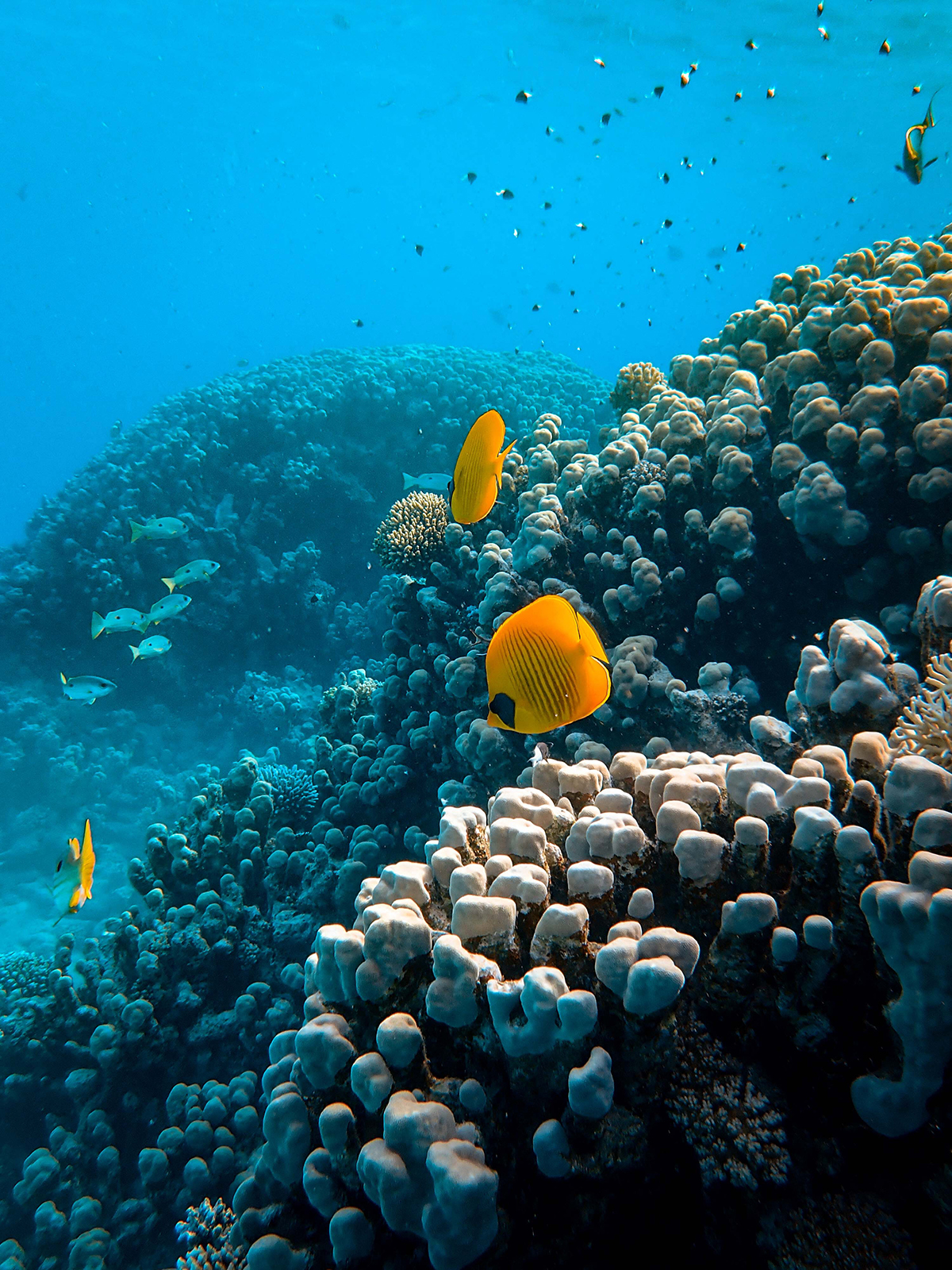
Photo by Francesco Ungaro via Unsplash
LUX: How is the use of technology transforming the field of marine conservation?
JS: There are so many technological tools that are now being applied to marine conservation that we should anticipate great leaps forward as a result. Satellites bring us increasingly complex data on ocean conditions and activities, providing the locations of cargo ships, fishing vessels, and more, and introducing a world of new possibilities. The application of machine learning and the ability to work with massive amounts of data is incredibly empowering. Oceana, along with our partners at Skytruth and Google, used those tools to build a web platform that makes the actions of fishing vessels visible in near-real time, and we make it available to the public online for free. It’s called Global Fishing Watch, and it has continued to increase capabilities since its formal launch in 2016. This is creating transparency on fishing globally and allowing Oceana to continue to evaluate fishing activity so we can identify and enforce against illegal fishing.
LUX: Given your background in academia, how do you think we should be bridging the gap between scientific knowledge and policy-making?
JS: Science is fundamental, but it doesn’t exist in a vacuum. Politics is real, and it has an impact everywhere. So much of policy is not based purely on science. It is influenced more and more by powerful lobby groups and the only way I know of to overcome that is to organise voters, real people, who are affected by policies, and make sure their elected officials are hearing from them. Voters are the main source of accountability and when there is accountability, we can create an environment where science and public interests prevail.
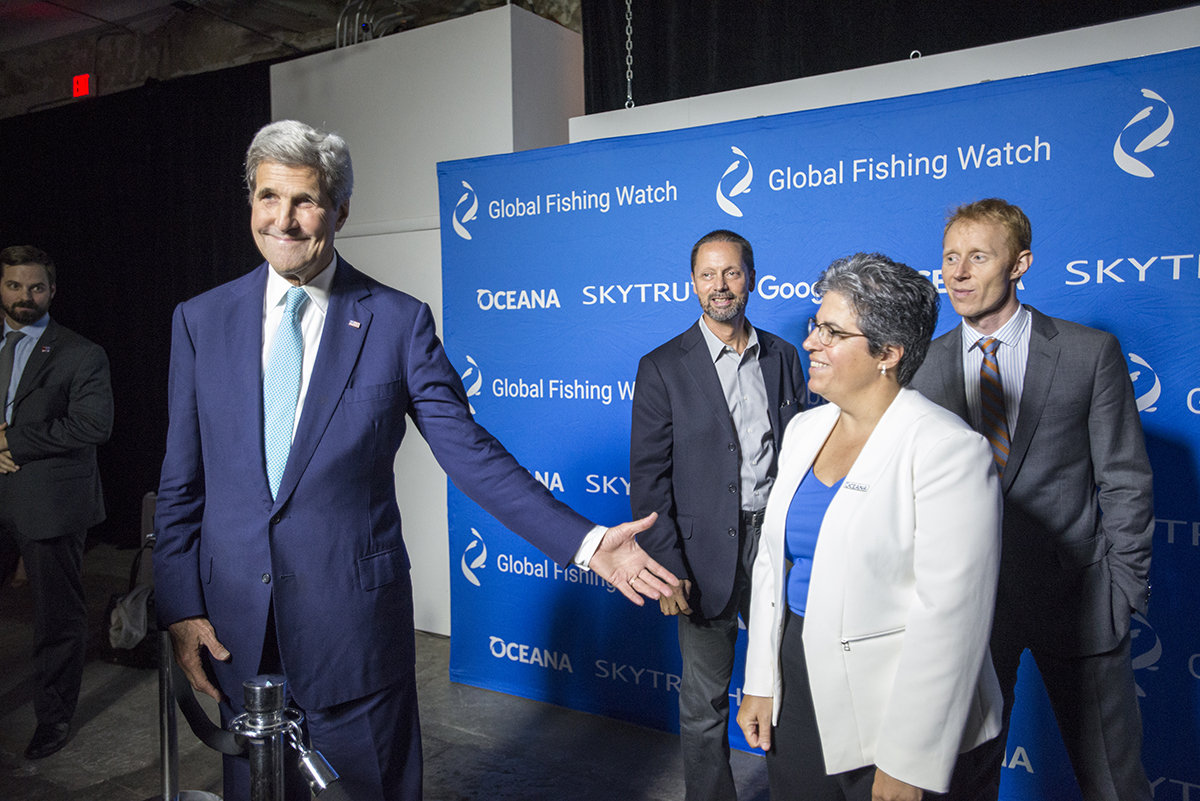
Former Secretary of State John Kerry and Jacqueline Savitz at the launch of Global Fishing Watch reception in 2016.
Photo by Franz Mahr
LUX: Oceana has had numerous key victories in the realm of ocean conservation and policy making. Which of these victories are you most proud of?
JS: I’m incredibly proud of our teams that have stopped bottom trawling in 90% of the U.S. West Coast states of California, Oregon, and Washington. We have fought bottom trawling in Europe, Belize, and Brazil, as well. And our teams in the U.S., Belize, and Europe have taken many types of gillnets (some of them a mile long and many stories deep) out of the ocean. So much habitat has been protected, and so many animals have survived because of those campaigns. We hope to replicate that elsewhere and continue to increase protections against bycatch, overfishing, and habitat destruction.
LUX: You’ve spoken before about the link between conserving the oceans and feeding the world’s hungry. What key changes need to be made in the seafood industry to address the problems we are facing today?
JS: Governments need to set science-based limits to prevent overfishing, prevent bycatch of species that are not targeted including other fish, as well as marine mammals, sea turtles, sharks, and more, and we need to protect marine habitat that fish and other sea life depend on for activities like feeding, breeding, and shelter from predators.
Read more: Jean-Baptiste Jouffray on the future of the world’s oceans
LUX: What do you hope is the next big policy win on the horizon for Oceana?
JS: On offshore drilling, President Biden is preparing to issue the government’s next five-year plan for offshore oil and gas leasing. Normally, there would be several new lease sales to petroleum companies in this plan, which could then pursue permits to drill for oil and gas in U.S. waters. What’s different this year is that President Biden vowed to offer no new leases for oil and gas drilling, and Oceana has pressed for a plan that does not include, and therefore would not allow, new leases to be sold.
The industry currently holds more than a thousand leases that it has not even used, so no new leasing doesn’t mean there would be no more drilling. There is enough area leased to support our fossil fuel needs into the next decade, and demand is expected to decline. So, standing by the pledge for no new leasing would be an important and clear signal that the U.S. takes seriously the need to shift away from fossil fuels and toward clean energy, which is the only way we can reduce the impacts of climate change.
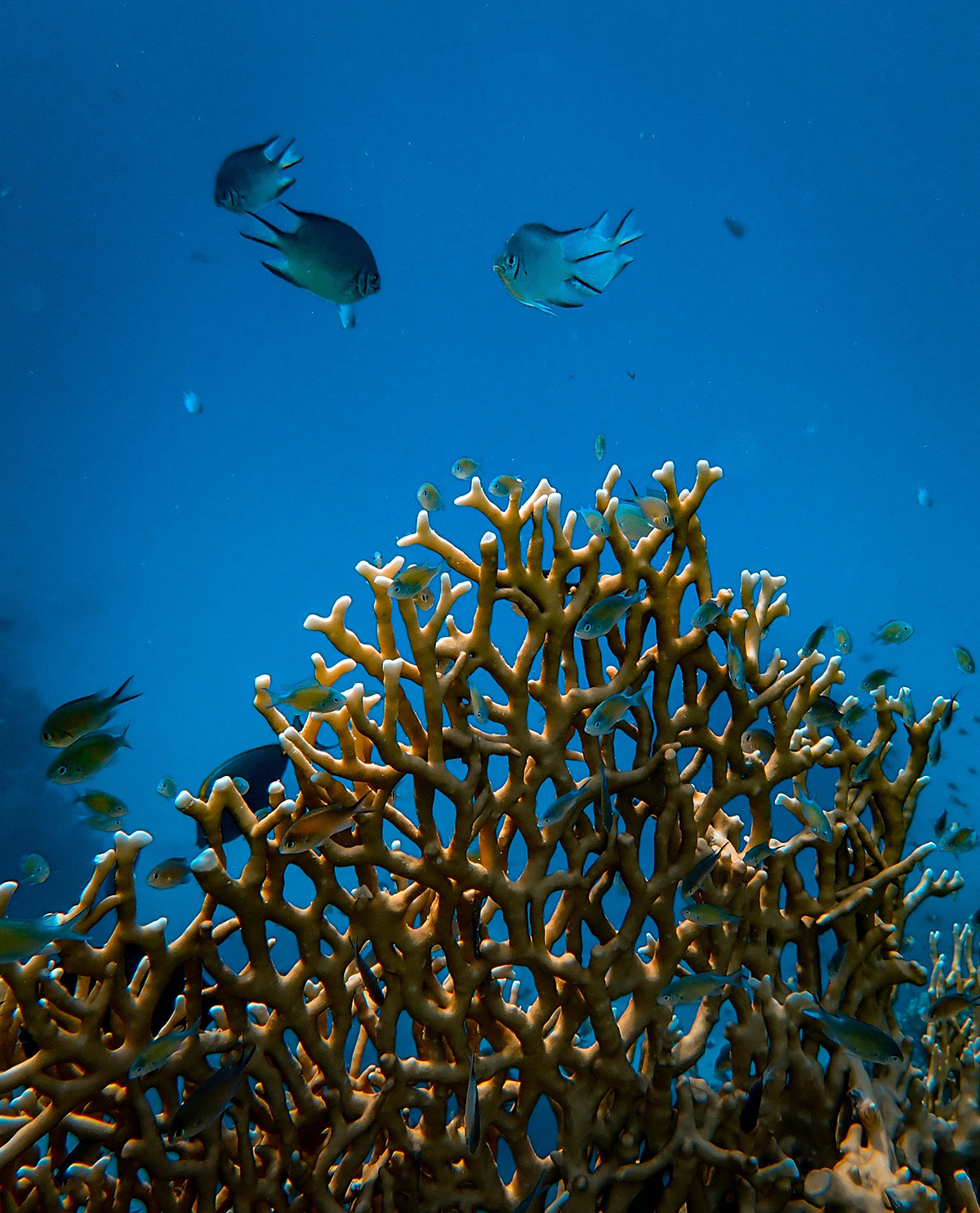
Photo by Francesco Ungaro via Unsplash
LUX: What do you believe our oceans will look like in 10 years time?
JS: There is a big push right now to protect marine habitat through the development of marine protected areas. The goal is to protect 30% of ocean habitat by 2030. So, in 10 years we could see a much larger amount of our oceans being protected. If so, it will have a major impact on marine biodiversity. Marine protected areas, when well-managed, can not only provide a refuge for marine life, but also seed the surrounding waters, since fish and other animals don’t adhere to boundaries. The benefits of this movement toward protection will be felt beyond the boundaries of the protected areas, and in much more than 30% of the oceans. There is a caution here, because, without true protection, such as bans on bottom trawling and other non-selective gear, such protections could provide a false sense of success, without delivering the promise of abundant fisheries and healthy marine ecosystems.
Our oceans are facing diverse threats from climate change, overfishing, plastic pollution, and more. We know the solutions; it’s not rocket science. But to protect the oceans, we need public engagement to hold decision-makers accountable for making the right policy choices that ensure we have abundant fisheries continuing into the future, with healthy ecosystems free from pollution to support those fish and other important marine animals too.
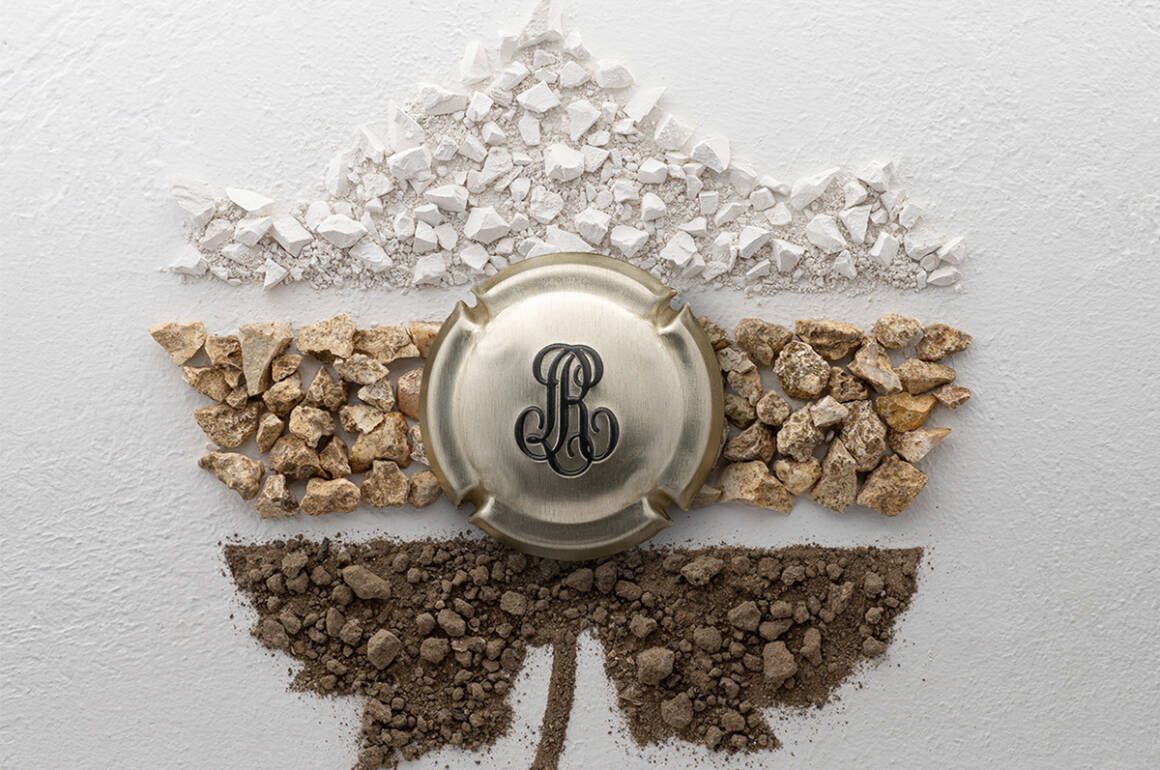
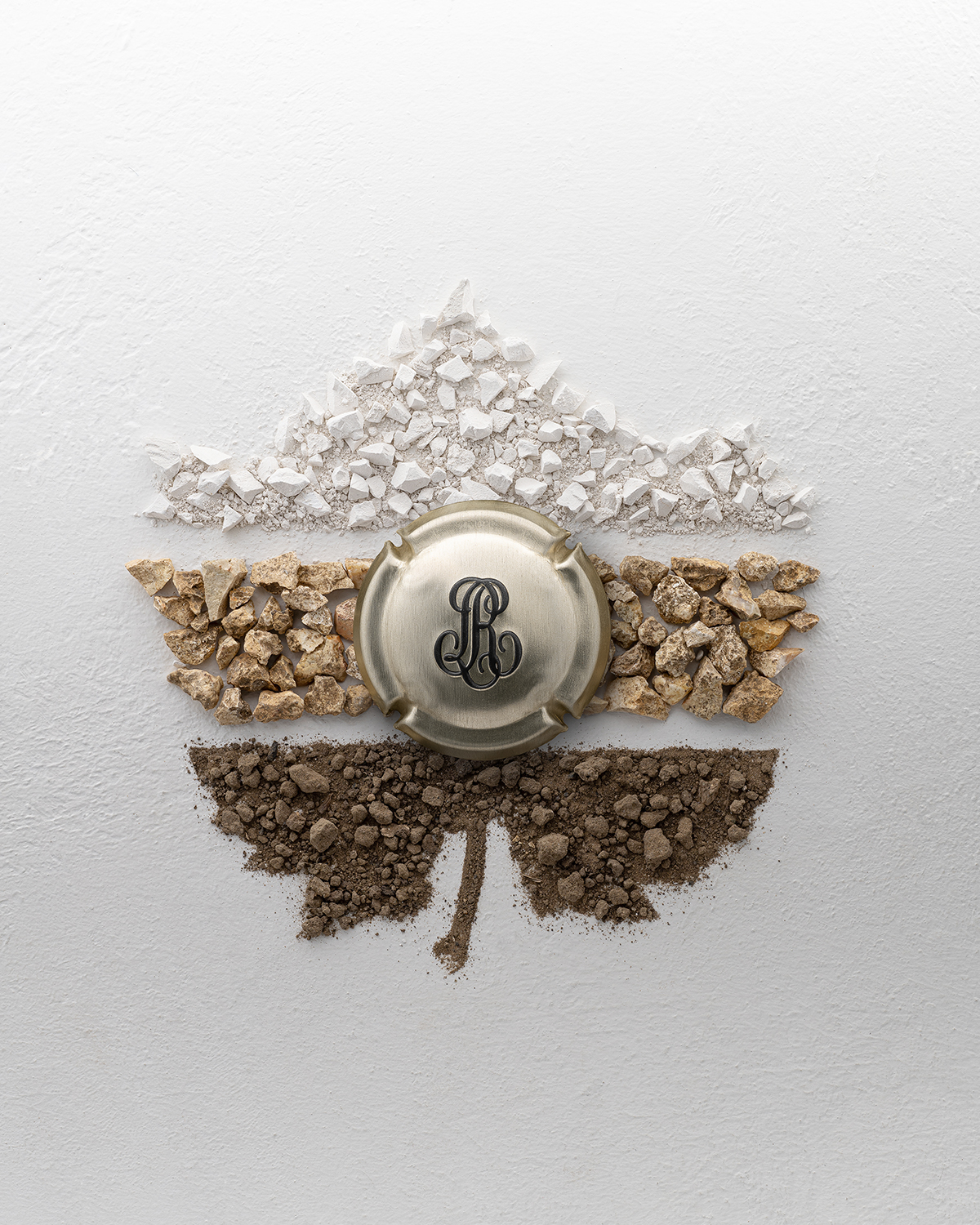
LUX attends an exclusive masterclass with Jean-Baptiste Lécaillon, Cellar Master at Louis Roederer, to try the never tasted before cuvées of Collection 244
Louis Roederer was very quick to notice the challenges that climate change was going to bring to the champagne market. Thus, ten years ago they founded the concept of Collection, to evolve their wines with the ever changing natural landscape. Lécaillon explains that instead of surrendering to the effects of climate change, we need to work alongside them.
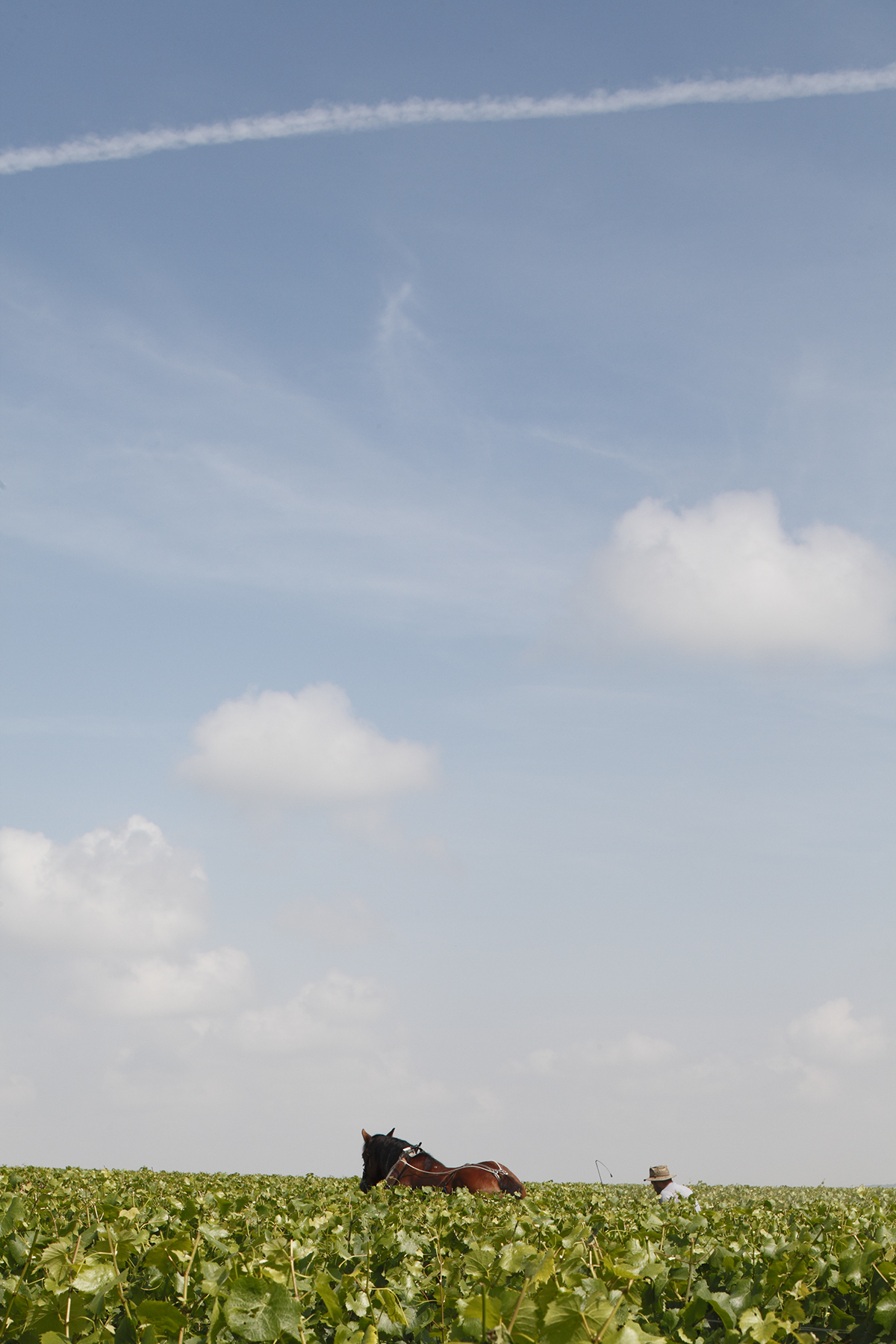

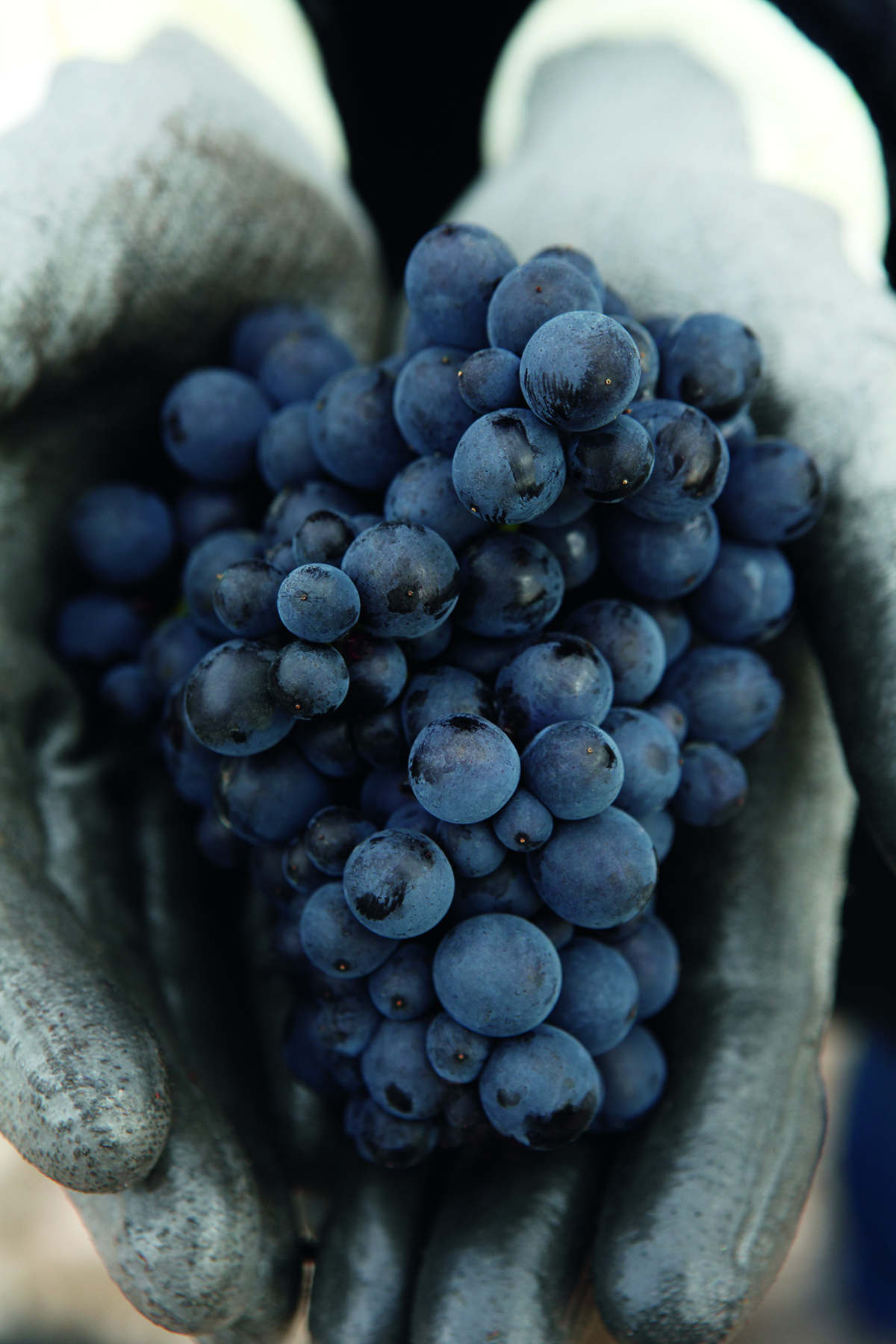
Dramatic changes to our climate leads to powerful changes in the wines we consume. 2019 was a year of record-breaking high temperatures from intense heat waves. However, the 2019 harvest was highly successful, delivering wines that were dense and fresh and forming the basis of Collection 244.
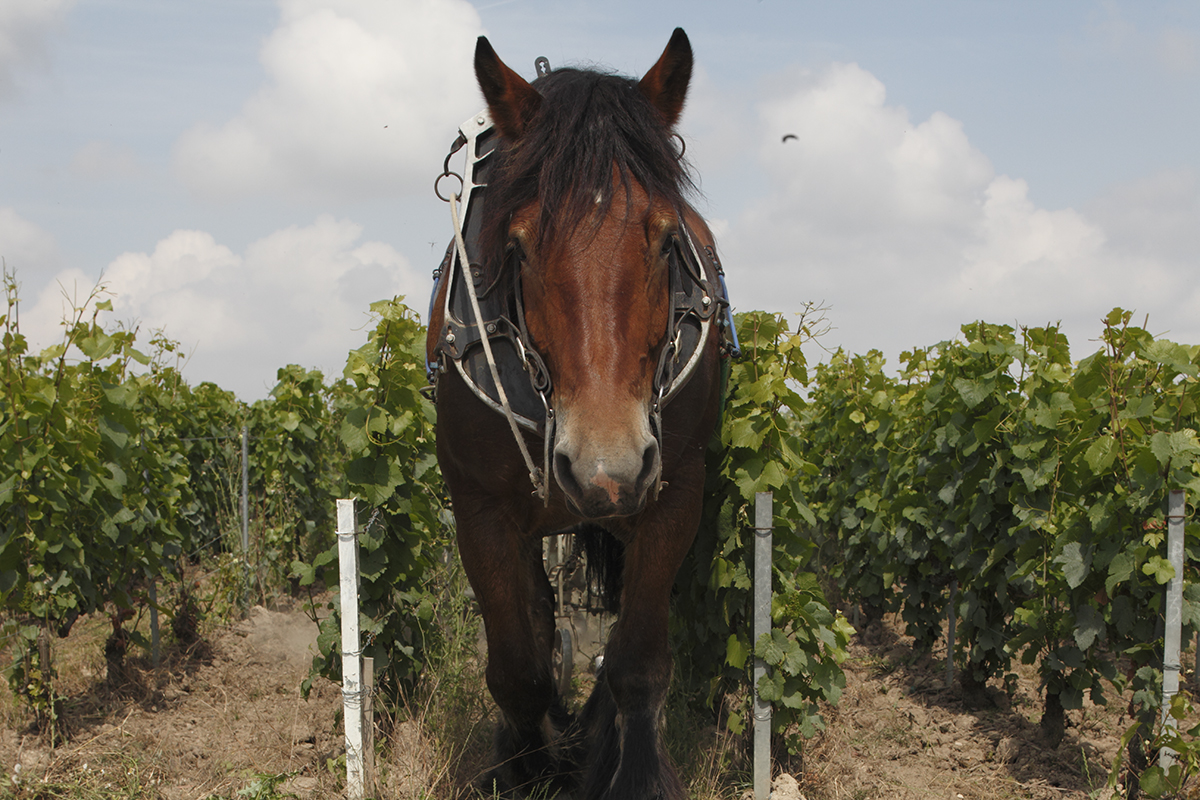
The blend consists of all the the champagne house’s origins: 1/3 from “La Rivière” Estate, 1/3 from “La Montagne” Estate and 1/3 from “La Côte” Estate. The Collection is made up of 54% of the 2019 harvest and 36% from the wines of the Perpetual Reserve.
On the future of the wine industry and its priorities, Lécaillon said, “after the fight for freshness, we are more in pursuit of finesse, because the wine of tomorrow is the wine of finesse.”
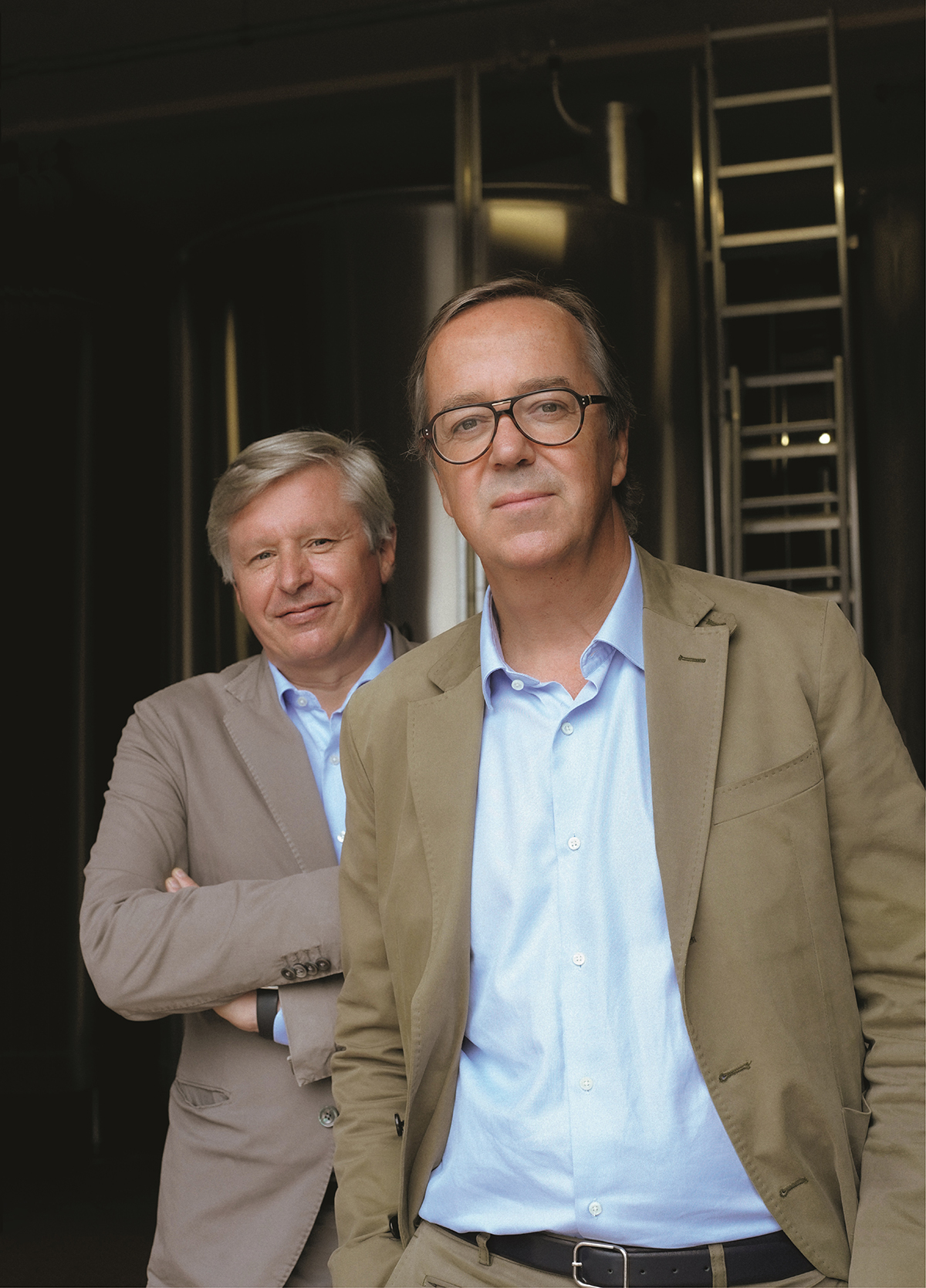

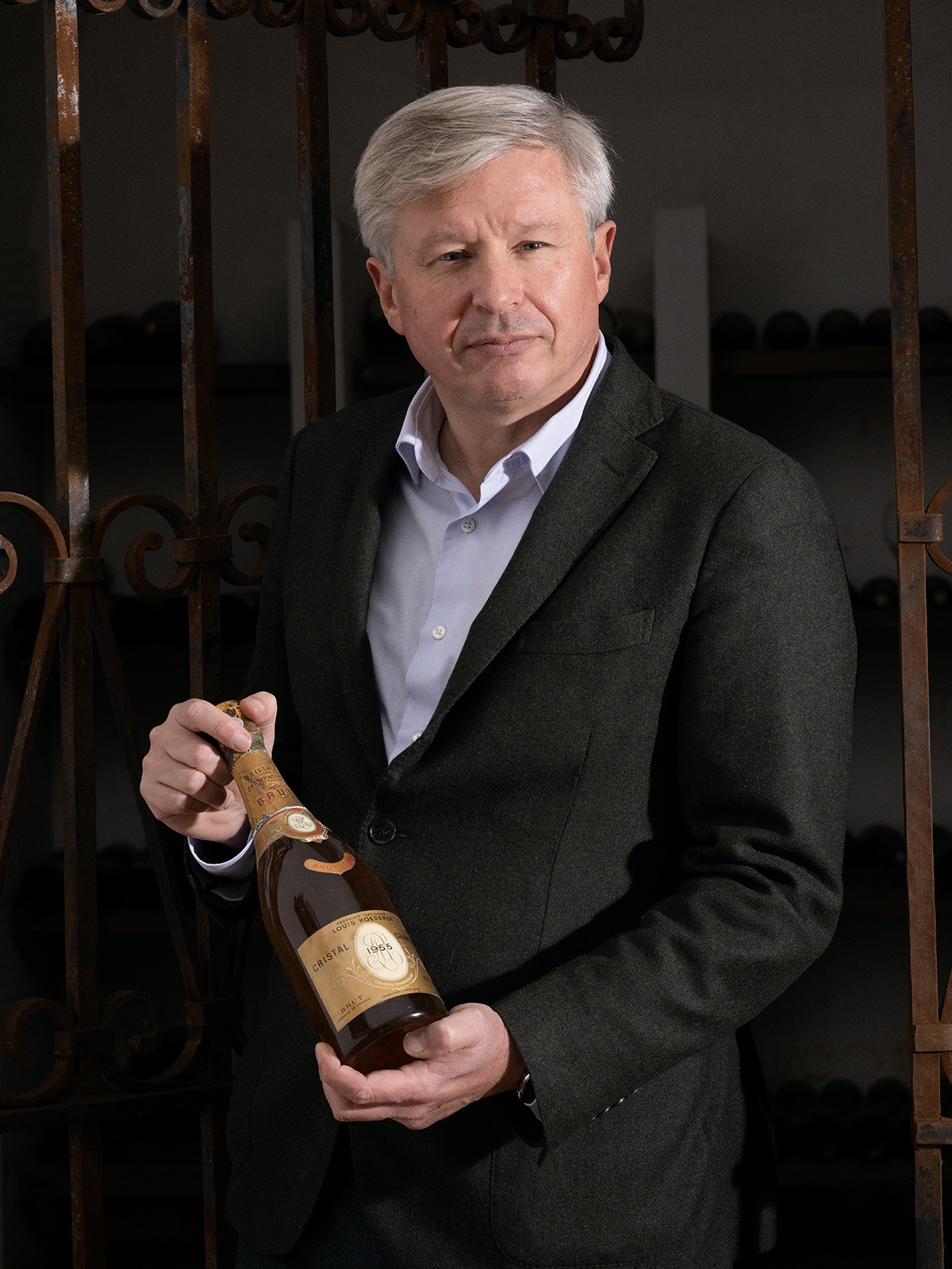
Whilst tasting through the vintage for the very first time, Lécaillon said “it is ripe with high sugar but elegant and precise…expressive & fruity. [The vintage is] still young with a reductive bouquet. Some fine citrus. Hazelnut from Reserve Perpetuelle. Concentrated and fleshly texture. Creamy but fresh and alive. Almost a Blanc de Blancs definition. Elegant, precise and transparent. Round, textured but fresh and light, chalky. Seamless, dense, precise and perfectly integrated. The finish is even more salivating.”
Find out more: www.louis-roederer.com/collection244
Sustainable samples at Kering’s Material Innovation Lab, Milan
When Kering, the French luxury conglomerate that owns Gucci, Saint Laurent, Balenciaga and Bottega Veneta, introduced a radical sustainability programme just over ten years ago, the rest of the industry was bemused. Now the group is seen as visionary. Marie-Claire Daveu, the group’s Chief Sustainability and Institutional Affairs Officer, who oversaw the programme and introduced the first EP&L in the luxury industry, speaks to Darius Sanai about what happens next

Marie-Claire Daveu
Darius Sanai: How has fashion progressed in sustainability in the past ten years?
Marie-Claire Daveu: I see a big difference. I joined Kering in September 2012 and I think [Kering CEO] François-Henri Pinault was really pioneering. We were a little bit alone when we spoke about this topic and about how we can measure what we do. For us, from the start, it was really key to have the same approach to sustainability that we have for financial commitments – to have KPI metrics and competitive targets. Now, if we look around, we can see more and more that there is better awareness from many companies. The data and the challenges linked with climate change and biodiversity are now well known and recognised by the majority of companies.
Gucci, one of Kering’s iconic brands
DS: Are words being backed up by action?
MCD: Yes, and we need to act operationally. Here are two examples. First, the Fashion Pact [a fashion-industry initiative created by French President Emmanuel Macron and François- Henri Pinault, presented at the G7 in 2019]. We now have more than 250 companies involved, and we have been able to put in place a Collective Virtual Power Purchase Agreement, to buy renewable energy together. Another example is the Regenerative Fund for Nature that we created with Conservation International, linked to regenerative agriculture.
Follow LUX on Instagram: luxthemagazine
DS: Will regenerative agriculture become mainstream in fashion?
MCD: It is difficult to say what the future looks like, but I hope so. I think it’s reasonable because you have positive impact on the environmental side and you take the community into account. It’s different to conventional agriculture, and also to organic agriculture, which sometimes can be challenging for communities. You have to accept it takes time because the transformation takes at least three years. For companies like ours, that use cotton, silk and wool, you have to also create a sustainable supply chain.
The Kering Material Innovation Lab team at work in Milan
DS: How can companies with fewer resources match your idealism?
MCD: I don’t think I am idealistic. I’d say I am optimistic, not idealistic. I try to be pragmatic. I am conscious about the challenges, about the issues. My strong conviction is, if you are a company and you do not include this topic in your strategy, I think it is questionable whether the company will survive. Take energy, for example. Energy is crucial to a business model. If you don’t think about efficiency you will have a problem. So we link back – if more and more investors and analysts pay attention to this topic, it will be a challenge to have access to credit if you do not. You will be able to compare companies against each other with metrics.
DS: President Biden just overturned the recent Congress ban on using ESG metrics in investment. Is there still a danger that support will just be in the EU?
MCD: One of the key criteria is that all over the world, consumers are speaking about these things. We won’t have the choice. It is better to anticipate and be well prepared. It is very interesting to see that even in some countries where the regulation and the policies are different, private companies themselves are investing in what we call ESG criteria. Even in countries where the regulation is different, it is still in their interests.
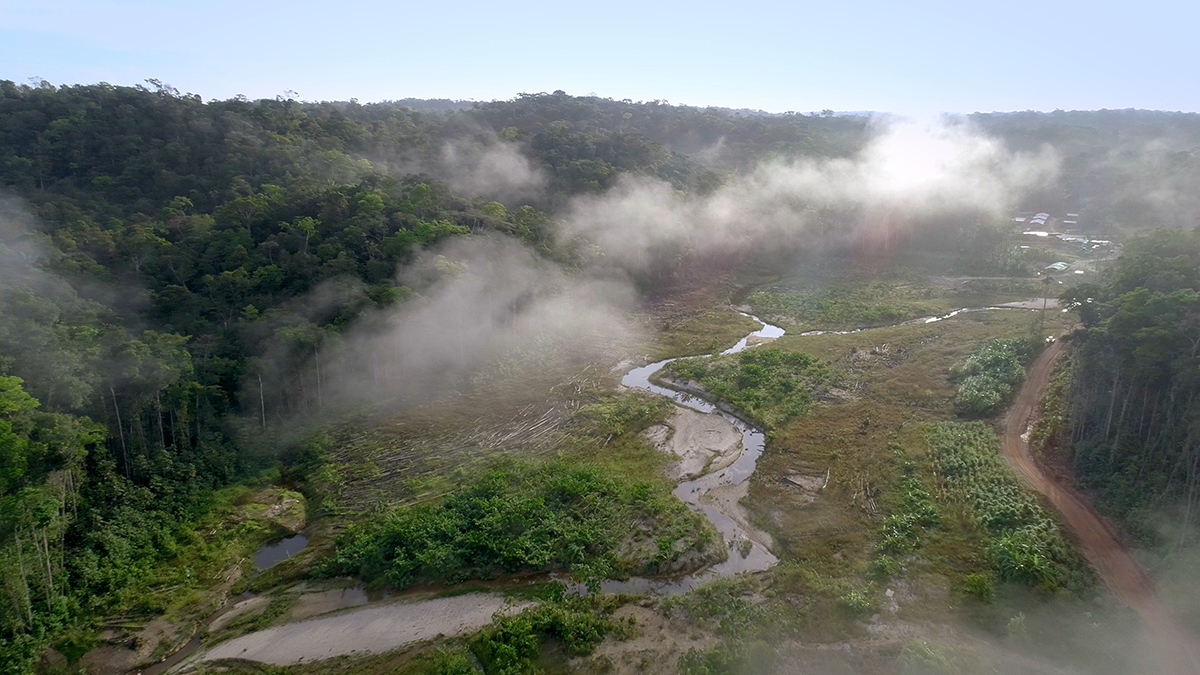
View of a Kering reforestation programme in Guyana
DS: So what is the biggest challenge?
MCD: The big challenge is the question of speed. How fast will we be able to transform the business model to make the ecological transition and to really integrate and scale the topic? I don’t have the answer today, because I think it will take us a few years to do this.
DS: Is there a governance issue in less developed economies?
MCD: We have to maximise our operational involvement on the ground for our projects. Each time, we identify an NGO that is global but also local to follow the project and to be really involved, so we can ensure that what we have planned is really implemented on the ground. That’s not a perfect answer, but we want to be sure that what we decide to do becomes a reality. It’s really key to identify the right partner to do this. If I am in Mongolia, I need to know I have the right partner on the ground and, if not, I will come in from Paris and check.
Balenciaga, another of Kering’s most renowned brands
DS: Do luxury consumers make decisions based around sustainability?
MCD: I am convinced that, for the luxury customer, sustainability is part of the quality, part of the reason they buy a luxury product. For them, it is important that the raw materials are being produced in a way that pays attention to people and the planet.
Read more: Fausto Puglisi Interview: Refashioning Roberto Cavalli
DS: Do consumers understand, say, the link between biodiversity and climate change?
MCD: Do people always make those connections? No, but they are very aware of climate change – they see and live it. It is now something that has already happened. True, sometimes there can seem a distant connection between buying a product and the impact on the environment or biodiversity, and some people will say that their impact is nothing compared to that of a factory. But really, I see a change. The new generation are afraid of what is happening, and we speak more and more about what is happening. It was not the case before, but today, everyone has something to say about the topic.
Find out more: kering.com/en/sustainability
This article was first published in the Spring/Summer 2023 issue of LUX


Photo by Ben Thouard
Creating a sustainable blue economy – meaning we can invest in businesses directly related to the oceans while avoiding negative impact – is one of the most important tasks on humankind’s to-do list. Below, LUX speaks with Muriel Danis of Deutsche Bank about the challenges. Chris Stokel-Walker also speaks to entrepreneurs trying to make a positive impact in the ocean space
Muriel Danis on building investment opportunities in the sustainable blue economy
Muriel Danis
One of the challenges faced by investors interested in the sustainable blue economy is that it is an emerging landscape. “It’s a very nascent space,” says Muriel Danis, Global Head of Product Platforms and Sustainable Solutions at Deutsche Bank’s International Private Bank. “There are few products dedicated to the blue economy. What we see more often, especially in the private markets space, is a broader, impact approach to investing, with a sub-allocation for ocean-based investments.”
Danis is overhauling the products at Deutsche Bank by making sustainability a central part of the tenet. She is incorporating ESG qualitative and quantitative factors into the product development process to meet regulatory requirements and help identify “best in class” managers and solutions. That is easier said than done. Most liquid products available today focus primarily on what Danis calls a “do no harm approach”: they tend to exclude from investment portfolios any sectors or activities that have a materially negative impact on the oceans. However, in private markets there may be more product opportunities able to deliver material and measurable positive outcomes. “We are seeing a number of VC funds that are directly investing in technologies and capabilities that protect marine biodiversity,” says Danis. “By targeting overfishing, ocean pollution and climate change, they are supporting a sustainable blue economy.”
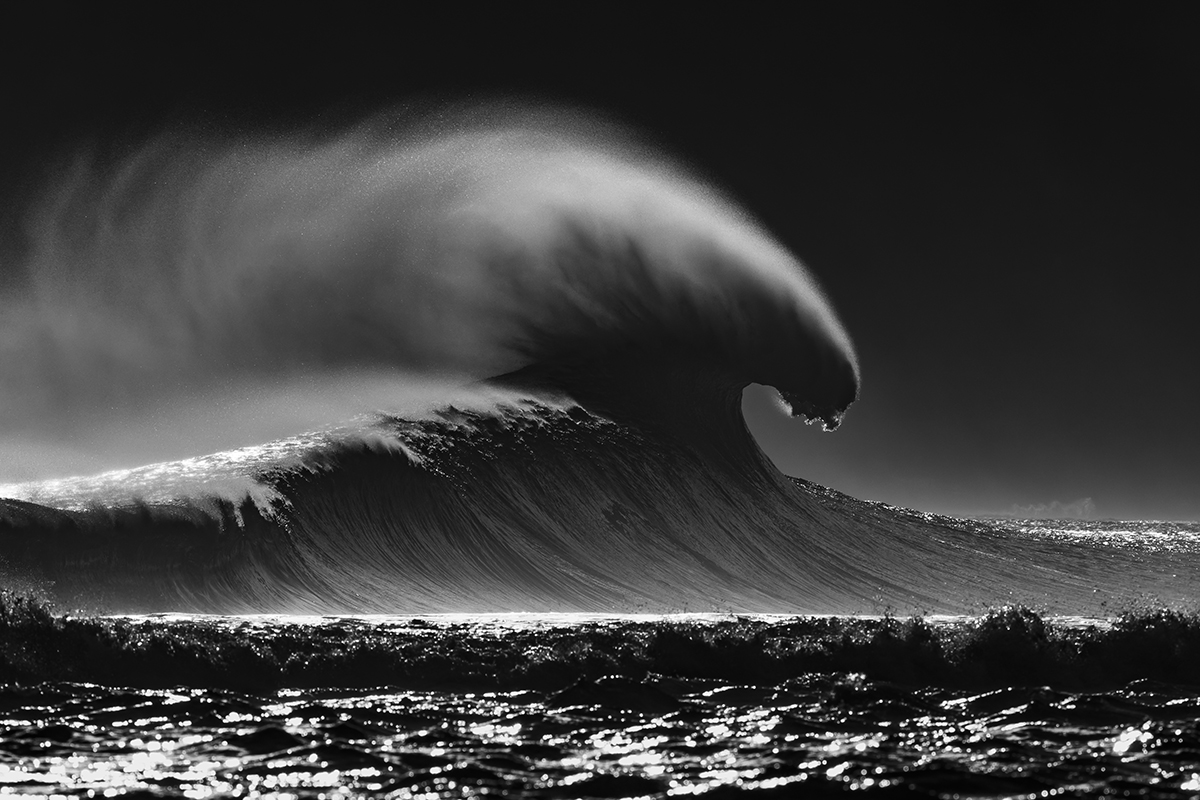
Photo by Ben Thouard
“We think this will be an expanding universe,” adds Danis. That’s partly driven by investor demand, and partly by increased policy action. A good example is the recent UN High Seas Treaty, which aims to place 30 per cent of the seas into protected areas by 2030. This will support increased finance flows into sectors of the sustainable blue economy impacted by the 30 x 30 agreement. “As the market becomes more mature,” says Danis, “we will see more need for financing to support the transition of business models to what I would call a blue or green model.”
Danis is spearheading that transition by making connections to blue economy pioneers. One such opportunity was the DB x ORRAA Ocean Conference hosted in 2022 in Mallorca. In the first conference of its kind, Deutsche Bank invited a range of companies and their founders, including some of those featured below, to demystify the sustainable blue economy and show how private capital can help achieve positive ocean impact at scale.
Entrepreneurs on creating businesses for the good of the oceans
A new generation of individuals are setting up companies worldwide to radically overhaul how we interact with our oceans, and help save our planet while building a sustainable economy

Cristina Aleixendri Muñoz
Replacing ship engines with sails
Cristina Aleixendri Muñoz
Co-founder, bound4blue, Barcelona
Cristina Aleixendri Muñoz always wanted to be a doctor. “I thought the only way to do good in theworld was to save lives,” she says. But a chance conversation with a teacher who suggested engineering changed her path.
Muñoz became an aeronautical engineer, working on planes and space shuttles before pivoting to the maritime industry. That aerodynamic expertise helped when she launched bound4blue with her co-founders. The challenge was to overcome the shipping industry’s fuel-consumption problem – shipping alone accounts for 2.5 per cent of the world’s carbon emissions.
“I think engineering can help solve today’s hardest problems, make sustainability profitable and be something that can be developed and implemented,” says Muñoz. The company has developed a wind-propelled eSAIL that can reduce emissions by up to 40 per cent, and which it has tested on three ships. “The intention is for around 80 per cent of the global fleet to benefit from this type of solution,” she says.
Marine-friendly robotics
Liane Thompson
Co-founder, Aquaai, California and Norway

Liane Thompson
As a journalist for The New York Times, Liane Thompson used to travel the world. Once, while she was in South Africa, she reported on an entrepreneur called Simeon Pieterkosky. Little did she know then that she would reconnect with Pieterkosky around a decade later in 2014 to develop Aquaai.
The husband-and-wife’s marine-robotics company builds affordable Autonomous Underwater Vehicles (AUVs), which it calls Nammu. These are shaped like fish and are used to gather environmental data deep underwater, without intruding on the marine life living there. The AUVs are 3D printed and come installed with off-the-shelf cameras and sensors – deliberately so, says Thompson, so that people can build their own in communities that need them most.
And that need is ever increasing, says Thompson, “given superstorms, floods, the proteins and food sources coming out of underwater farming, and the need to protect marine habitats and corals.”
Biodiversity-friendly coastal concrete
Ido Sella
Co-founder, ECOncrete, Tel Aviv

Ido Sella
Marine biologist Dr Ido Sella has been fixated on the impact of coastal construction on the marine environment for more than 20 years. His bugbear? Concrete, as it doesn’t support the same biodiversity as other substrates. In an ideal world, natural reef would mark out ports and create promontories – but that won’t happen. So Sella worked to develop a material that would be better than the concrete used in 70 per cent of coastal infrastructure.
And so, in 2012, ECOncrete was born. A decade ago, the company started experimenting in the Mediterranean and the Red Sea. The findings were shocking: the mix itself was an issue, as was the surface and the structural strength. ECOncrete solves all three problems: its Admix can be added to regular concrete to provide a better chemical balance for marine life, its texture agents help marine life cling to the structures and their moulds help create ecological niches and strengthen the structures.
ECOncrete is now used in breakwaters and ports globally. “There is a real drive from the industry to look for these solutions,” says Sella.

Photo by Ben Thouard
Large-scale coral regrowth
Sam Teicher
Co-founder, Coral Vita, Freeport
Sam Teicher
At the age of 13, Sam Teicher gained a scuba- diving certification. “I’ve loved the ocean and nature my whole life,” he says. “As a kid from Washington D.C., I grew up imagining I was going to become a coral farmer.” Teicher studied the environment and climate change in college, then grad school. It was through working at a friend’s NGO between courses that he was first introduced to coral restoration – and it became his life’s work.
Coral Vita, the company Teicher co-founded in 2019, grows coral 50 times faster than it would grow in nature – so it can be replenished as modern life diminishes our reserves of the natural resource. Started with a $1,000 grant from Yale, where Teicher and his co-founder met, Coral Vita is now behind the world’s first commercial land-based coral-reef farm, in Freeport, Grand Bahama, where the coral grown is being used to replenish the reef. In 2021, the company won Prince William’s inaugural Revive Our Oceans Earthshot Prize. “We hope to kick-start the whole restoration economy,” says Teicher.
Biodegradable packaging and materials
Jack Sieff
Corporate Development Manager, Polymateria, London

Jack Sieff
Plastic waste is a major problem for the world’s oceans, strangling marine life and jeopardising biodiversity systems. There is now an estimated 30 million tonnes of plastic waste in the world’s sea and oceans.
Founded in 2015 by Jack Sieff’s father Jonathan, Polymateria has developed biodegradable alternatives to plastic. In 2020, Polymateria reached a major milestone, achieving certified biodegradation of the most commonly littered forms of plastic packaging in real-world conditions, all without creating the harmful microplastics the world is seeking to avoid. “Since the launch of that standard, we’ve seen a domino effect,” Sieff says, as many countries are adopting similar standards.
Polymateria’s biodegradable materials are now utilised in items such as masks and wipes, along with other uses. The company raised £15 million in its Series-A funding before the pandemic hit, and is about to close out a Series-B round, bringing in a further £20 million.
Autonomous sailing fleet that creates power
Ben Medland
Founder, DRIFT Energy, London
Ben Medland
Engineer Ben Medland didn’t know how to answer when his eight-year-old son asked him, “Daddy, why is the climate broken? And how can we fix it?” Medland’s son had been reading about a recent COP conference, and had noticed that the nearby wind farm just wasn’t moving. What could be done? Medland vowed to try to change things by turning the 70 per cent of the planet that traditional renewables don’t reach – the world’s oceans – into an energy source. He admits that it is a “crazy” idea, but it is one that works.
DRIFT, founded in 2021, creates sailboats, augmented with turbines, which will go through the water, guided by AI to inform them of the most beneficial route to pick up power. The tides themselves generate energy into the turbine, which is stored onboard as green hydrogen using a process called electrolysis.
Better yet, that onboard green energy can then be used wherever the sailboats end up docking – bringing green energy to the parts of the world that need it the most.
This article was first published in the Deustche Bank Supplement in the Spring/Summer 2023 issue of LUX

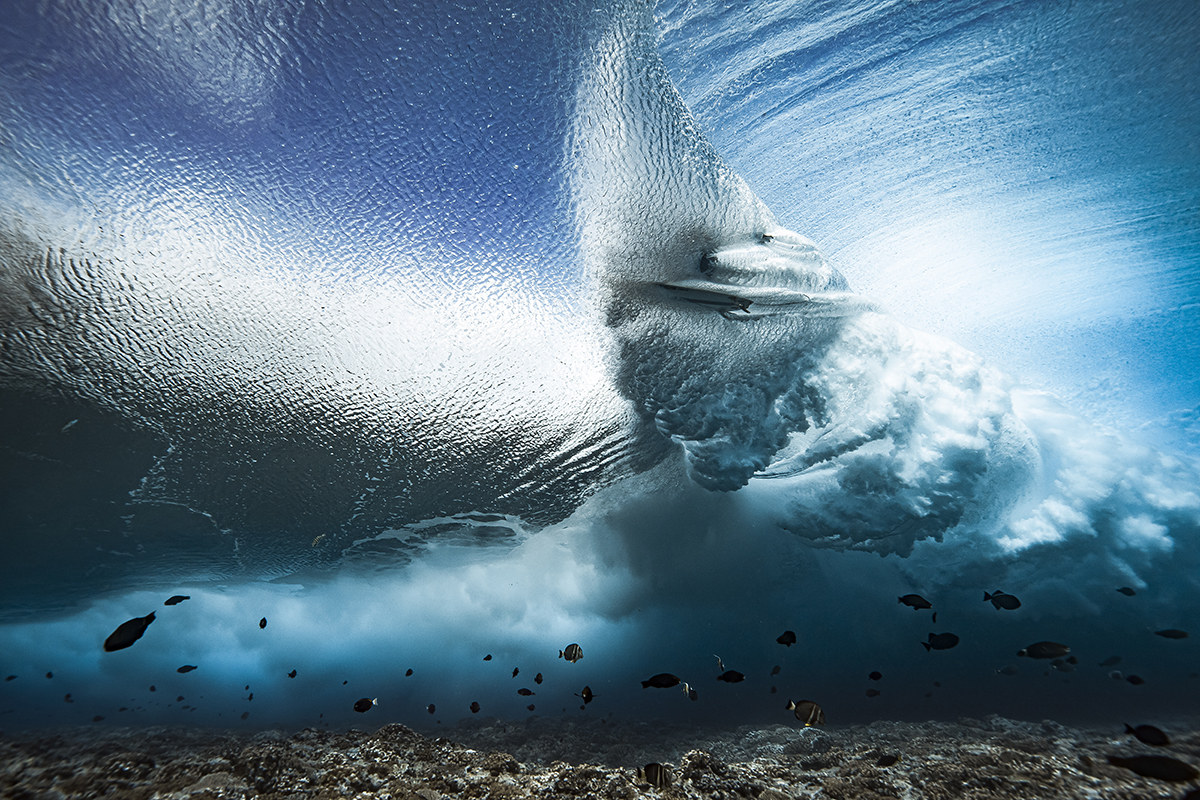
Fishes, 24 March 2019, Teahupoo, Tahiti, French Polynesia. © Ben Thouard
Markus Müller discusses how the ocean, biodiversity, the global economy and the world of finance are inextricably linked – and proposes what should be done now to make business fit for a nature-compliant future

Markus Müller
Economics is deeply bound to nature. Portfolio managers in finance often think they invented the idea of diversification. I hate to disappoint them, but it was created by nature first. Nature, like economics, invented diversification for risk protection and to provide the breeding ground for development. If everything stayed the same, there would be no development – this is true for nature and true for economics.
According to some estimates, half of global GDP is directly attributable to nature. Some industries, such as construction, agriculture and manufacturing, use nature’s output to create economic output, and are therefore heavily nature-dependent. The biodiversity of nature is also essential to economics, because the wide assortment of living things provides crucial ecosystem services to the economy. These services range from providing fresh air and clean water to producing food. Nature provides everything that humans consume.
Follow LUX on Instagram: luxthemagazine
The ocean plays a big part in biodiversity, as two-thirds of our planet is covered with water and more than 95 per cent of that is ocean. If we allow our ocean ecosystems to be depleted, we create risks for nature, for humanity, for the economy and for social stability. Human life is heavily dependent on ocean ecosystems and, if we let them deteriorate, the services we need to live and thrive will not be there. We would lose the critical services the ocean provides, such as the natural governance of carbon sequestration and temperature regulation. It is all one connected chain.
There are a myriad of links between nature and economics. The ocean is a great example of this, and an example of how we undervalue nature in our economic thinking. For instance, do we really understand the financial impact of having 40 per cent of the global population living near the coast with the threat of rising sea levels? Have we really taken into account how vital water is for our livelihoods and do we have an economic model that accounts for this?
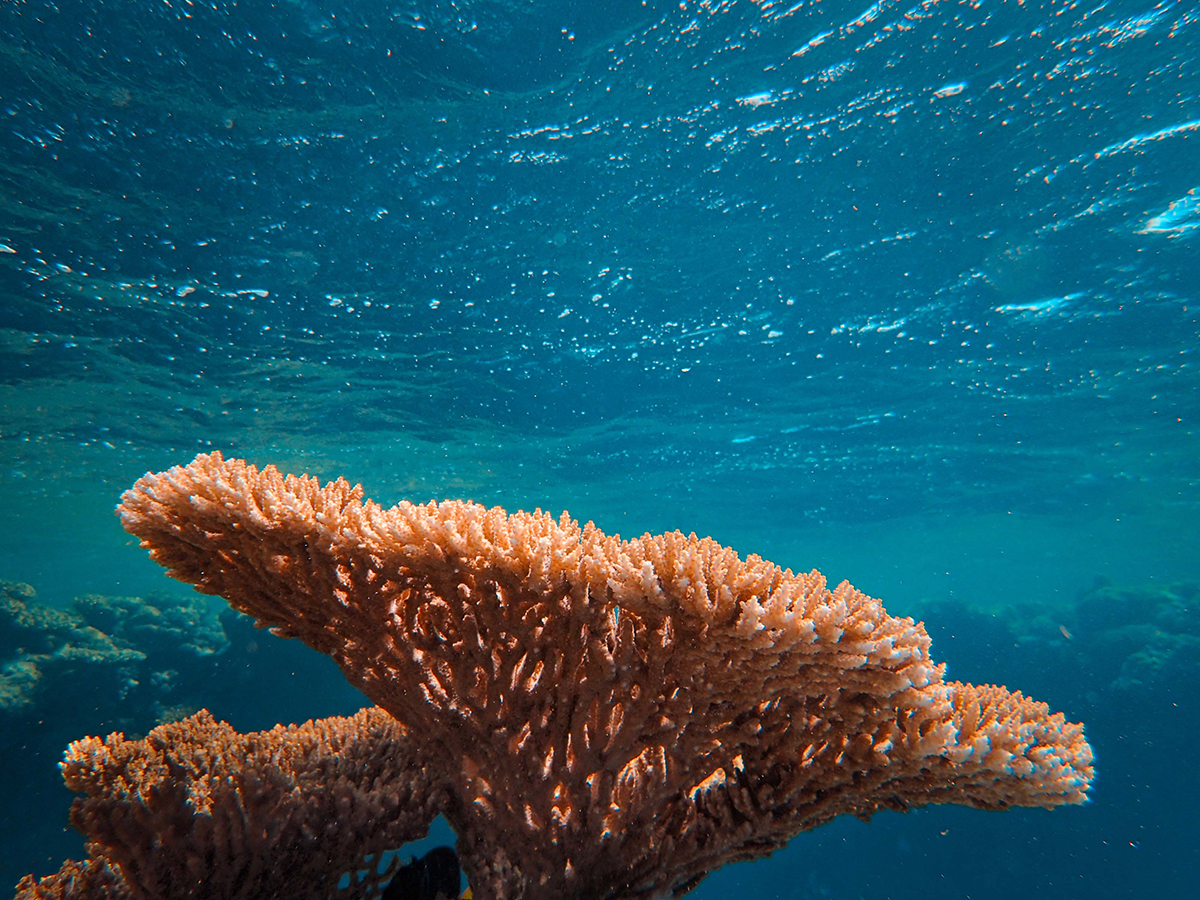
Although our understanding of ocean economics has developed, there is still a long way to go. However, we do know enough to start taking action. Some may ask, why is it important to finance the blue economy? The real question is, how do we use finance to transform our current non-sustainable and non-equitable blue economy into a sustainable and equitable one? First, we have to be clear about the goal: to have a sustainable and equitable blue economy and a nature-compliant economic model. Creating such a model is the equivalent of the economics behind building and operating a railway infrastructure. To build a functioning train network first requires a railway system, which is too expensive for private markets to install and is the kind of cost that only a government can afford – but the trains can be provided and financed by private companies.
We need to enable the ocean to deliver its ecosystem services. Many ocean assets need to be protected in Marine Protected Areas (MPAs) and they are unlikely to generate an investment return. This means assets in MPAs are not suitable for a market system; rather, it becomes a governmental and societal responsibility to protect them and ensure they are not being depleted or overused. Governance is key for this to be successful.
Finance can be a tool that then helps achieve the goal for a sustainable and equitable blue economy. Global financial markets can play a role by providing a premium to companies that operate in the blue economy. In time, these companies that account for the impact that the ocean has on their economic activity can become more profitable and have more stable profit generation than other businesses. Those businesses that do not account for the ocean may find they are at risk: a reputational risk, a physical risk, even a liability risk. Financial markets can also provide indirect support to sustainable companies that understand how their value chains are impacted by the ocean. This is also part of ocean finance.
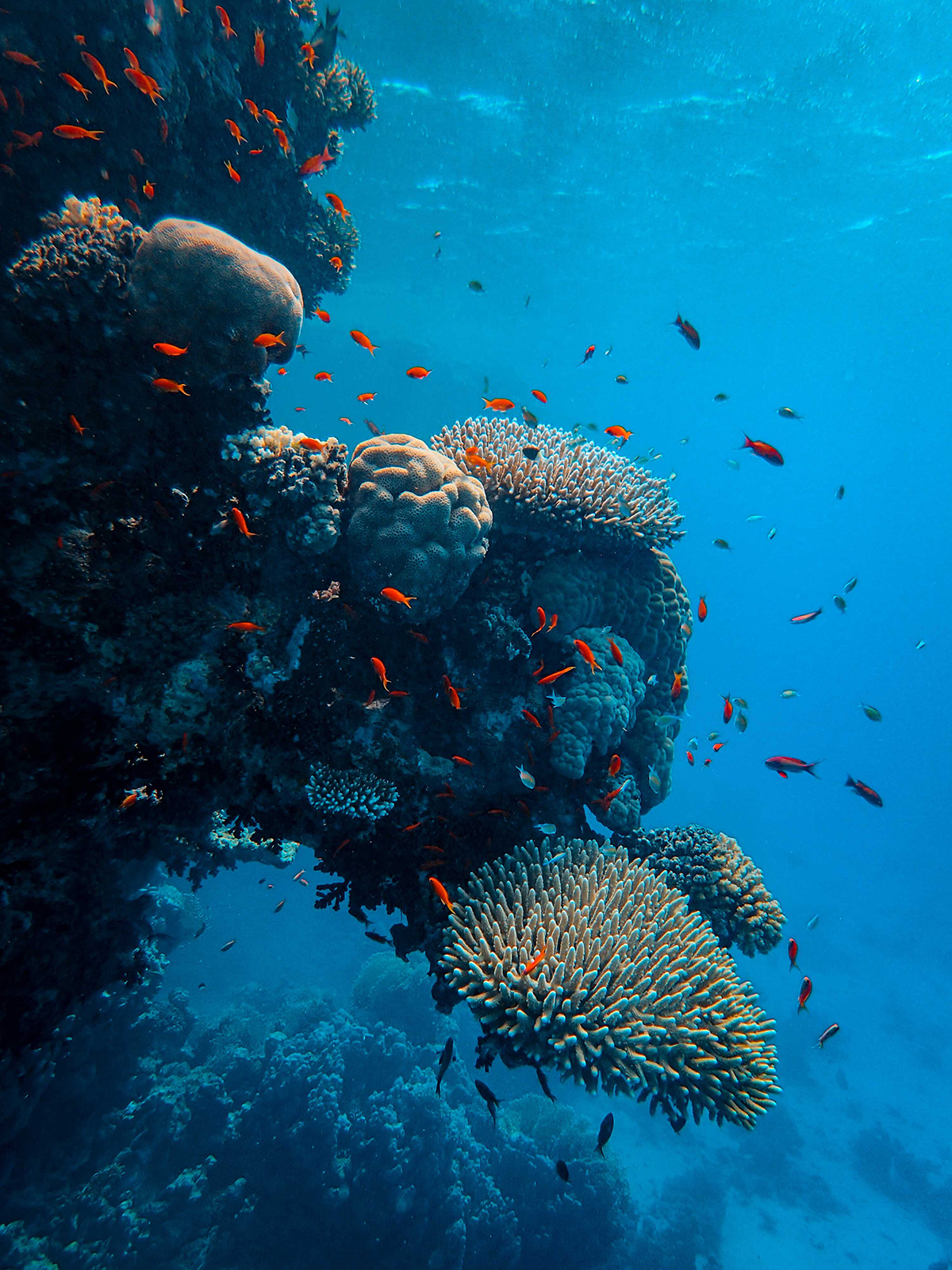
In this new economic model, firms link self-interest to the health of the natural machine. CEOs understand their dependency on the ocean and are therefore aligned for protection. This happens through transparency, disclosure and data flow. Regulation provides a framework, which can be supplemented by the private sector if needed, as regulators can’t do everything. The risk to watch out for is using key performance indicators (KPIs) that are not globally or locally accepted in financial markets. Here again, regulation is an enabler.
Companies that are directly involved in the blue economy should employ local people and redistribute the accrued margin to the local communities, based on the understanding that nature needs time to recover. This would be both sustainable and equitable. Self-interests will drive this and it will happen at the local level, bottom up, before eventually forming global coalitions. An economy, or society, works from an agreement of self-understanding. Thus, if humankind can reach an agreement that fossil fuels are not the way forward, then society will find a way to abandon fossil fuels. However, if there is not such an agreement, then global treaties will not be signed.
Read more: 3Sun Gigafactory’s Eliano Russo On The Clean Energy Transition
Literacy in the systemic value of natural capital is incomplete, especially in financial markets. It follows a similar path to the understanding of climate change from the past 40 years. But it is growing. We must now act on propositions such as those outlined here to build the nature-compliant economy of our future.
Markus Müller is Environmental, Social and Governance (ESG) Chief Investment Officer at Deutsche Bank’s Private Bank
Find out more: deutschewealth.com/esg
This article was first published in the Deustche Bank Supplement in the Spring/Summer 2023 issue of LUX
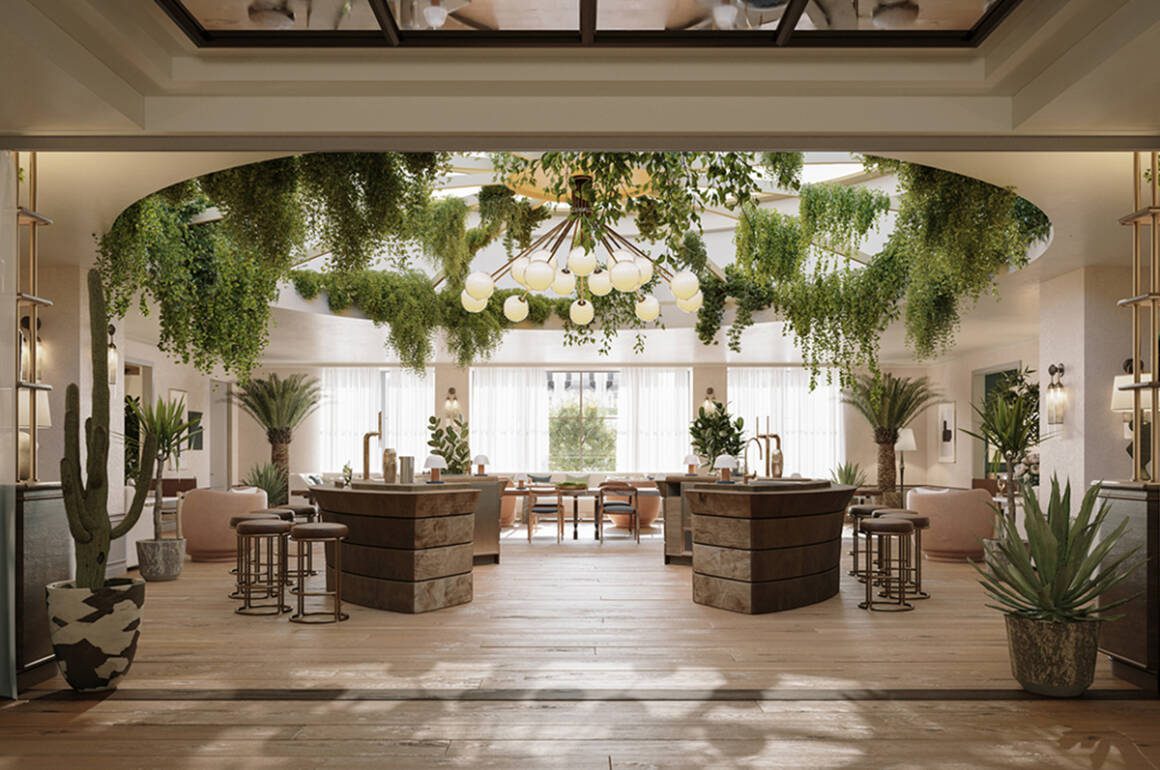

The Whiteley Members Club

Neil Jacobs, CEO at Six Senses
Neil Jacobs is CEO of the iconic hotel and residencies group, Six Senses. Here, he speaks to Samantha Welsh about the brand’s wellness model
LUX: How far are your wellness beliefs rooted in your personal values and lived experience?
Neil Jacobs: It started after studying Hotel Management at the University of Westminster, French Civilization at La Sorbonne University and Italian culture and art in Florence, knowing I wanted to travel and use the languages I’d learnt; I figured the hotel business was a great way of incorporating it all.
My personal passion and love for wellness, sustainability, and travel then played a part in my next steps to joining Six Senses and, naturally, my aim has been to elevate the brand in terms of responsible design, green initiatives and wellness programming. By broadening the company’s global footprint, we’ve been able to create these wonderful spaces and opportunities for people to live and create their own experiences with these things, in a plethora of environments.
Having the opportunity to apply my skills and experience to this unique brand, whilst leading a group of dedicated and likeminded professionals on a daily basis, is a personal joy.
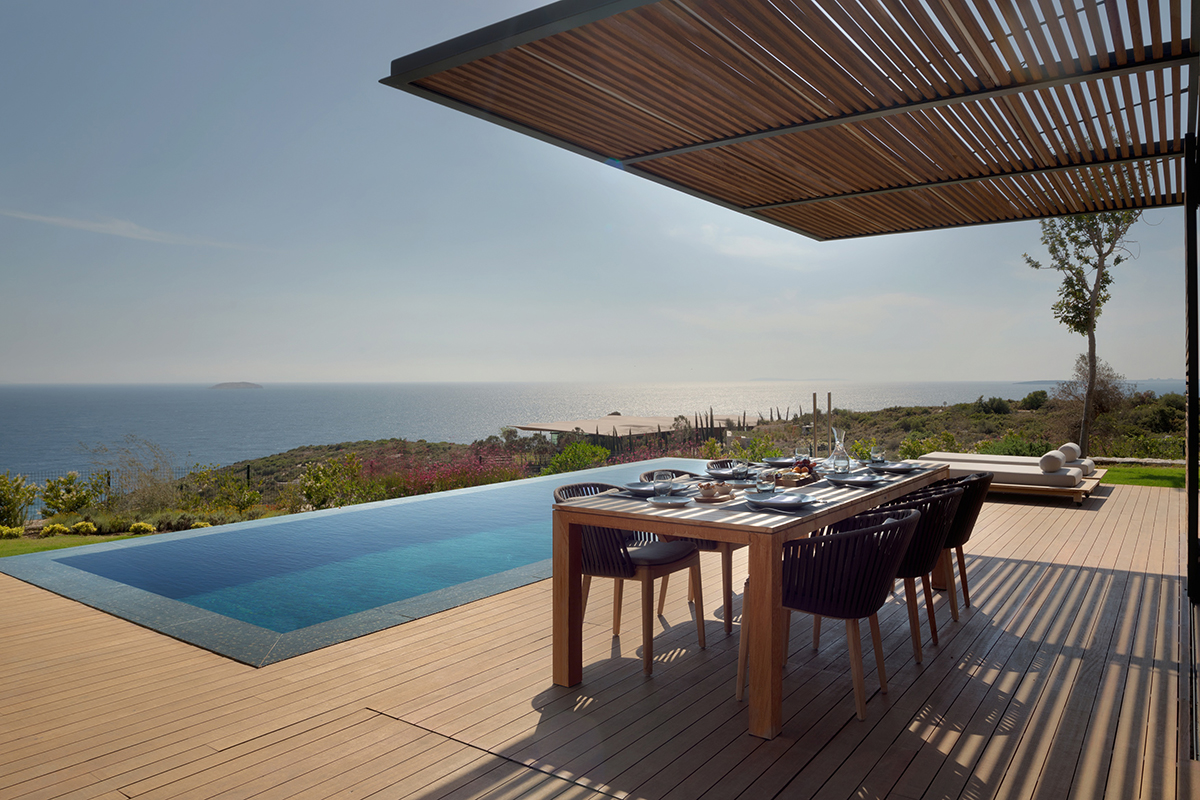
Six Senses Kaplankaya, Turkey
LUX: What is the approach to embedding sustainable values from ground up through every resort? How do you measure their impact?
NJ: Sustainability is embedded into the very fabric of every resort, something we can only achieve if it is the first thing we think about when we approach a new project.
Follow LUX on Instagram: luxthemagazine
Our eco-conscious approach to real estate starts with thinking about how we preserve, celebrate and enhance the local and global environment, as well as the local community and cultural heritage of the location. Naturally, this means taking a bespoke approach to each resort. We make smart use of our land topography and use renewable building materials, and use local materials wherever possible to reduce our environmental impact.

The Forestias in Bangkok
We undertake rigorous analysis to ensure we can successfully and accurately measure the impact of each project and continue to learn for future projects. For example, in 2020, the renewable electricity that was generated across our resorts reached an amount powerful enough to power fifteen world cup football pitches.
To us, sustainability doesn’t just mean our buildings are sustainable, it’s also about encouraging residents and guests to live sustainably long term. Many of our resorts and residences now feature Earth Labs, where otherwise discarded materials are recycled and reused. Guests and residents can join workshops and sessions to learn how to reduce their own consumption and re-use materials, the aim of which is to instil long-lasting sustainable mindsets.

The Forestias is made up of 27 residences, set in a purpose-grown forest in Bangna, Bangkok
Over the coming years, as we learn more and more from our existing projects, sustainability will continue to show up more meaningfully through in-resort environmental impact reduction, including passive cooling of the properties, electric transport options for guests and the use of biodegradable cleaning products.
Across our resorts, we are already working hard towards being fully plastic free. Resorts have never used plastic bottles or miniature plastic amenities, and plastic straws were eliminated before 2016. For example, in 2018 alone, more than 5 million plastic items were eliminated, including over 1,200,000 coffee capsules, over 52,000 plastic bags, over 26,400 toothbrushes and over 460,000 bits of packaging.
LUX: How does your vision for the Residences’ portfolio translate into screening macro market opportunities and micro-locations, masterplanning site assembly, partnerships, local collaborations?
NJ: Because the approach to each project is so individual, we make decisions on a case-by-case basis as to whether we incorporate residences into new resorts, as buyer motivations can differ greatly to those that drive people to stay in resorts as guests.
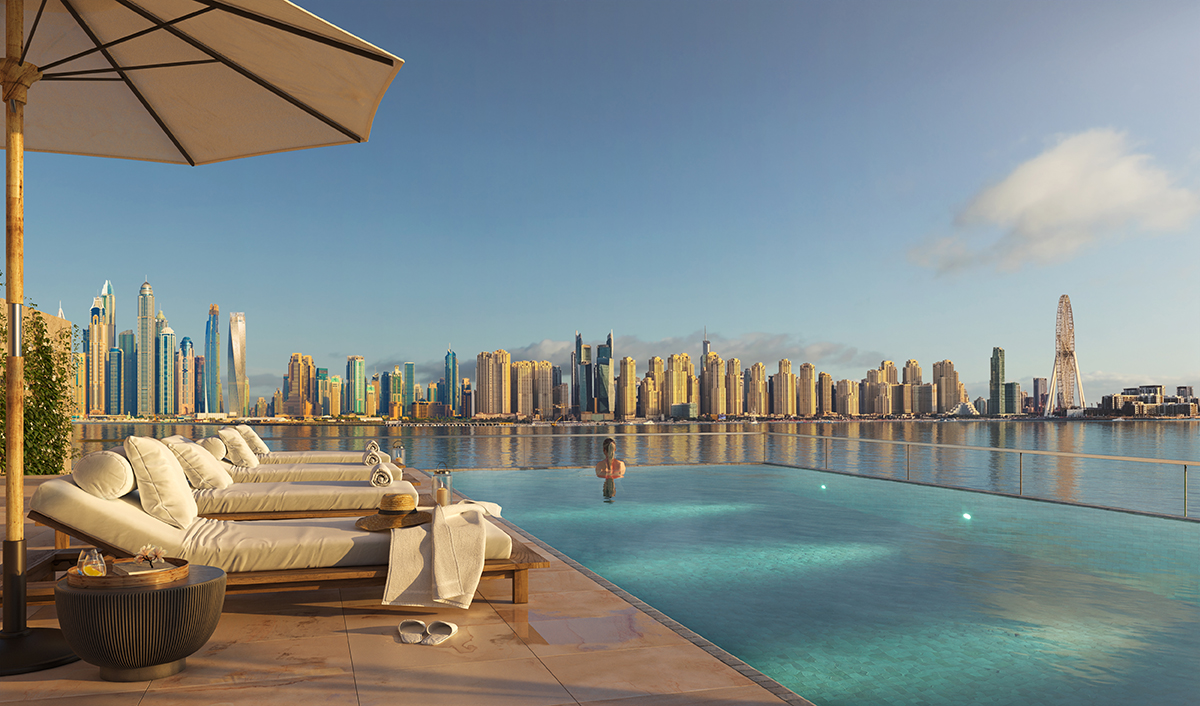
The Penthouse pool at the Six Senses Residences, The Palm, Dubai
We aren’t afraid of delivering resorts in remote locations, but sometimes this isn’t the right fit for residences, and vice versa in other locations. Thanks to our teams and their knowledge and understanding of the local market and global appetite, we can make fully informed plans and decisions on what we build and where we build it.
It’s key that the project and location is innately right for us, and an important initial step is getting onto the land to make sure it is speaking to us, and we can feel the connection. We like to conduct meditations or rituals, and in the past have bought in a sacred geometer to analyse the energy of the land.

The Whiteley Six Senses Hotel is opening in London in 2023
Once we’ve made these decisions, we begin conversations with potential development partners. With such strong company values, we’re highly selective with who we choose to work with and always ensure our partners share our vision and values.
For example, we are working alongside Finchatton for the first UK Six Senses Residences at The Whiteley. This was a significant milestone for us; to expand into one of the world’s most iconic gateway cities, and we wanted to wait for the perfect opportunity and partner. Finchatton’s hallmark quality matches our own, and the opportunity to collaborate and transform a significant architectural landmark was too good to miss.
LUX: Where did your idea come from, to bring nature, wellness and healing to the global metropolis?
NJ: If you look at the history of people who come to our resorts, it would typically be for a short getaway – a couple of weeks maximum. They’d immerse themselves in the wellness programming, enjoying the facilities we have on offer, resetting in our beautiful and remote locations but then quickly return to their fast-paced lives back in their home cities.
We wanted to find a way to connect the dots, and create these retreat-like spaces, offering relaxation and reconnection, in a location that is much more accessible for everyone: the awareness that often the global elite, while they have the means, don’t always have the time. This is where the migration into urban locations began for us.
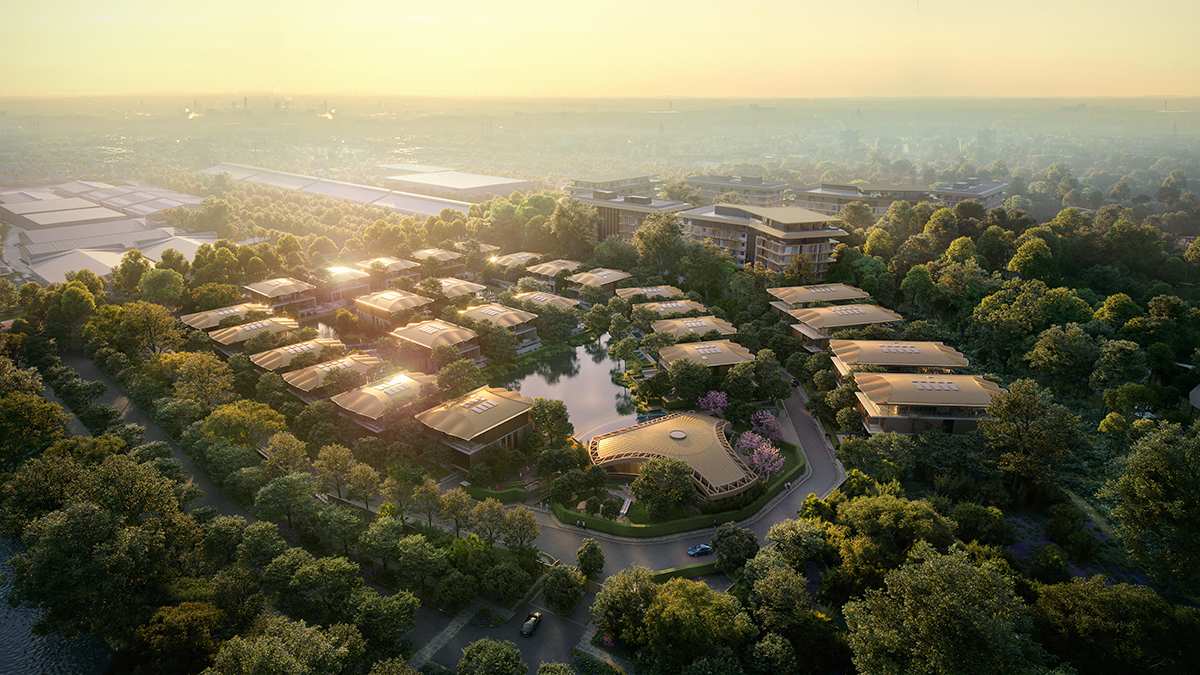
Each residence at The Forestias comes with a private pool, rejuvenating onsen and organic gardens where seasonal fruits and vegetables can be grown
When we are considering bringing a residential component to our urban locations, it is almost a no-brainer. Alongside our exotic, rural and alpine locations, we want to be in gateway cities, located in the prime neighbourhoods of the best urban communities in the world. The market for this type of home for the ultra-high-net-worth is very strong, which meant there was also a clear and compelling business decision to grow our portfolio here.
LUX: What is the membership model? How is it differentiated from other hospitality Groups’ super prime residences?
NJ: We offer a unique experience to our residence owners; combining the luxury and sought-after amenities of resort life, but with the privacy and personal touches of owning your own space. Owners benefit from exclusive resident savings, as well as VIP status recognised across all Six Senses hotels and resorts around the world.
At Six Senses, we pride ourselves on offering a best-in-class service, and our level of care and attention to detail is what sets us apart from other luxury developments. This unparalleled level of service is in part thanks to our hospitality roots, extended so that all of our owners can fully enjoy the privileges of a hotel or resort, with every aspect taken care of.

At the core of the Six Senses Residences The Palm, Dubai is Six Senses Place, providing residential owners unique space purely for mental and physical wellness
Owners have the option of placing their home into hotel rental portfolio, which opens up an additional income opportunity via renting their homes when they are not staying there. As properties are wholly managed by Six Senses, it’s a completely hassle-free process.
Read more: Coworth Park, Ascot, Review
Owners who place their home in our rental programme automatically take advantage of our furniture packages as standard – with each home inspired by, and designed in line with, the nature of its environment and local community. Dependant on the resort and stage of construction, there are also sometimes opportunities for owners to personalise design details, such as material choices.
LUX: What is next for U/HNWs who seek multi-based sustainable superluxury living? And do you have your personal capstone?
NJ: The Six Senses brand was born from the desire to help people reconnect with themselves, others and the world around them. One of our core goals, is to continue to create a global footprint and allow people to experience our brand in different environments.

The exterior of the Whiteley Six Senses
Looking ahead at 2023, we are expecting a continued increase in the philanthropic buyer across the branded residences sector. High-net-worth buyers are increasingly seeking a home that has been created in a socially and environmentally mindful way, rather than just investing in purely bricks and mortar.
We are already well placed to respond to this rising demand, thanks to our responsible approach towards all projects through our thorough and sustainable practices.
In terms of a personal favourite of mine, I couldn’t quite say. That being said, part of the richness of my job is the opportunity to interact with our hosts around the world and the buy-in to the brand that shows up in each location. So, my favourite tends to be the project I’m visiting at the time!
Find out more: sixsenses.com/residences


A portrait of the multitalented Lily Cole
The model and campaigner talks to Ella Johnson about environmental action, NFTs and how fashion can never be truly sustainable
1. What was your first piece of eco-activism?
Without it being intentionally connected to environmentalism, I guess it was campaigning against fur and turning vegetarian as a kid.
2. Why are you an “accidental entrepreneur”?
I’ve never resonated with the idea of business or entrepreneurship. I just have ideas and business has been a good vehicle for executing them, so it’s “accidental”. Perhaps “incidental entrepreneur” is a better way of saying it, as it’s an incidental by-product of following ideas.
3. What is the aim of your 2020 book and ongoing podcast, Who Cares Wins?
To draw attention to climate solutions and to foster a culture of diversity, dialogue and collaboration.
4. Who would be your ultimate guest for the podcast?
Thich Nhat Hanh. Aware it is too late for that.
Follow LUX on Instagram: luxthemagazine
5. Why should we take an intersectional approach to environmentalism?
Because all our issues are interconnected and interwoven, both social and environmental. And because the key to embracing biodiversity involves embracing diversity on all levels, such as cultural diversity and diversity of thought.
6. The Queen asks you what to do. What do you tell her?
I ask her to listen to, support and champion indigenous voices.
7. What was your greatest revelation while researching your book?
That we could halt global warming, draw down more than 15 years of carbon emissions, enhance global biodiversity and essentially stop the sixth mass extinction through a very simple, and technically possible, action: stopping most animal farming.
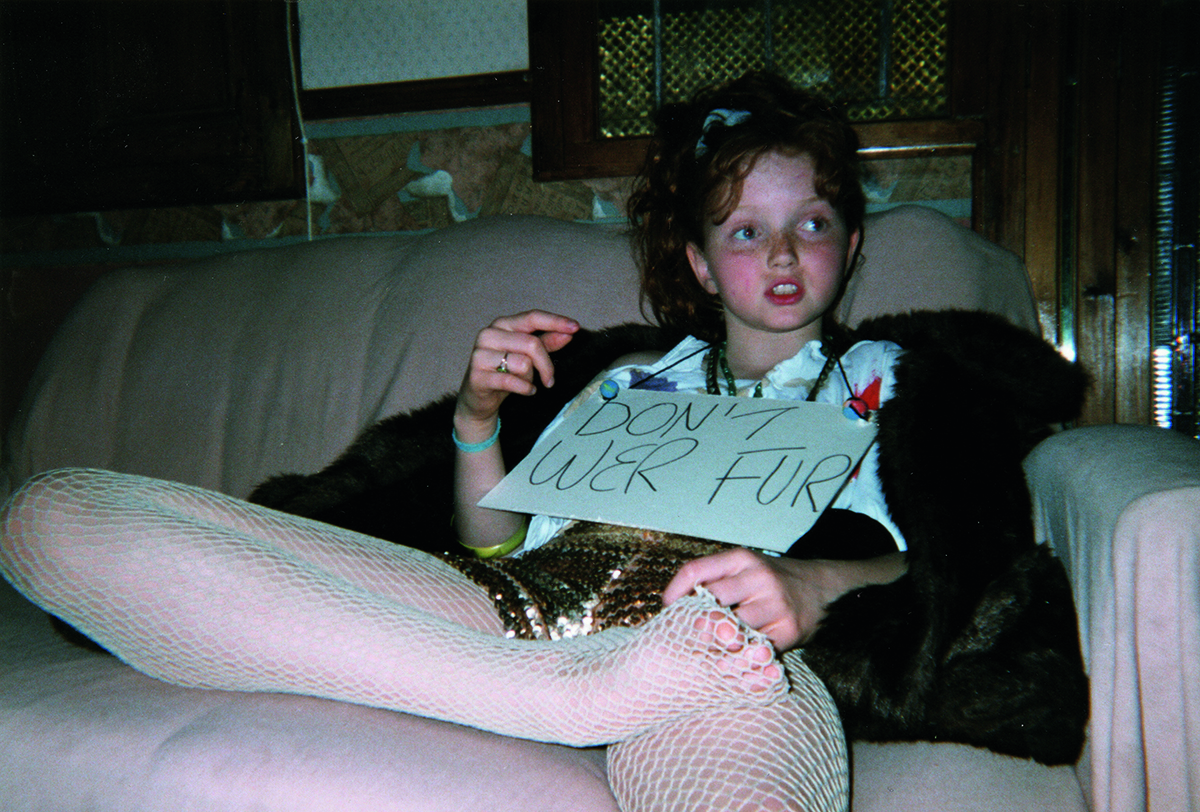
Cole, aged around 10, with an early activist fashion statement
8. Can we really stop global heating?
As above, and through many other solutions I look at in Who Cares Wins. Although it might not be possible to stop global heating in the short-to-medium term, we can potentially stop it in the longer term. And we can lessen the extent at which it accelerates, so it’s not too late to do something.
9. Fashion can never be sustainable. True or false?
If Adam and Eve swapping out fig leaves for, say, maple-tree leaves, was fashion, then yes, it can be. If most fashion remains made up of petrochemicals – 70 per cent of new fabrics are composed from plastic – and using non-circular business models, then no, probably not.
10. Why did you move to Portugal?
My daughter’s father is Portuguese and it felt like a good move to be closer to his family during the pandemic. Then I fell in love with the country: good nature, weather and people.
11. Have you ever bought an NFT?
Interesting question. I nearly did, as one was originally attached to a tapestry artwork I bought by Éva Ostrowska.
12. What’s your favourite building?
Sant’Ivo in Rome. The floor plan has a weird shape, like a bee. When Borromini drew the plans, he had to put the centre of the compass outside the ecclesiastical space to make it, which some interpret as a nod to the new idea that Earth was not the centre of the universe.
13. Tate Modern or Pompidou?
14. Is success about talent or effort?
It takes both, I’d think.
15. Which fictional character would you most want to have dinner with, why, and where?
Ada, from the novel by Nabokov. To pick her brain and play her games. On a sun-kissed beach.
Read more: An Interview with KAWS
16. What next, creatively?
Writing, writing, writing more.
Season 2 of Lily Cole’s Who Cares Wins podcast is available to stream now: lilycole.com/podcast
This article first appeared in the Autumn/Winter 2022/23 issue of LUX
 Aino Grapin is CEO of Winch Design, an international design studio for luxury planes, homes and most famously, yachts. Here, Grapin speaks to Samantha Welsh about the increased focus on sustainability in yacht design and the special requests of next generation yacht owners
1. What was the founding vision for Winch Design 36 years ago?
Drawing inspiration from Andrew’s own passion for sailing and the sea, Winch Design first began in 1986 by focusing its creativity on sailing and motor yachts. With a 36-year heritage in superyacht design, our studio is now creating projects across land, air and sea.
The challenge we set ourselves for each day is to realise the dreams of our clients. Their aspirations are, in themselves extraordinary in their sophistication and scale, inviting a creative response that has to be both unique and full of imagination.
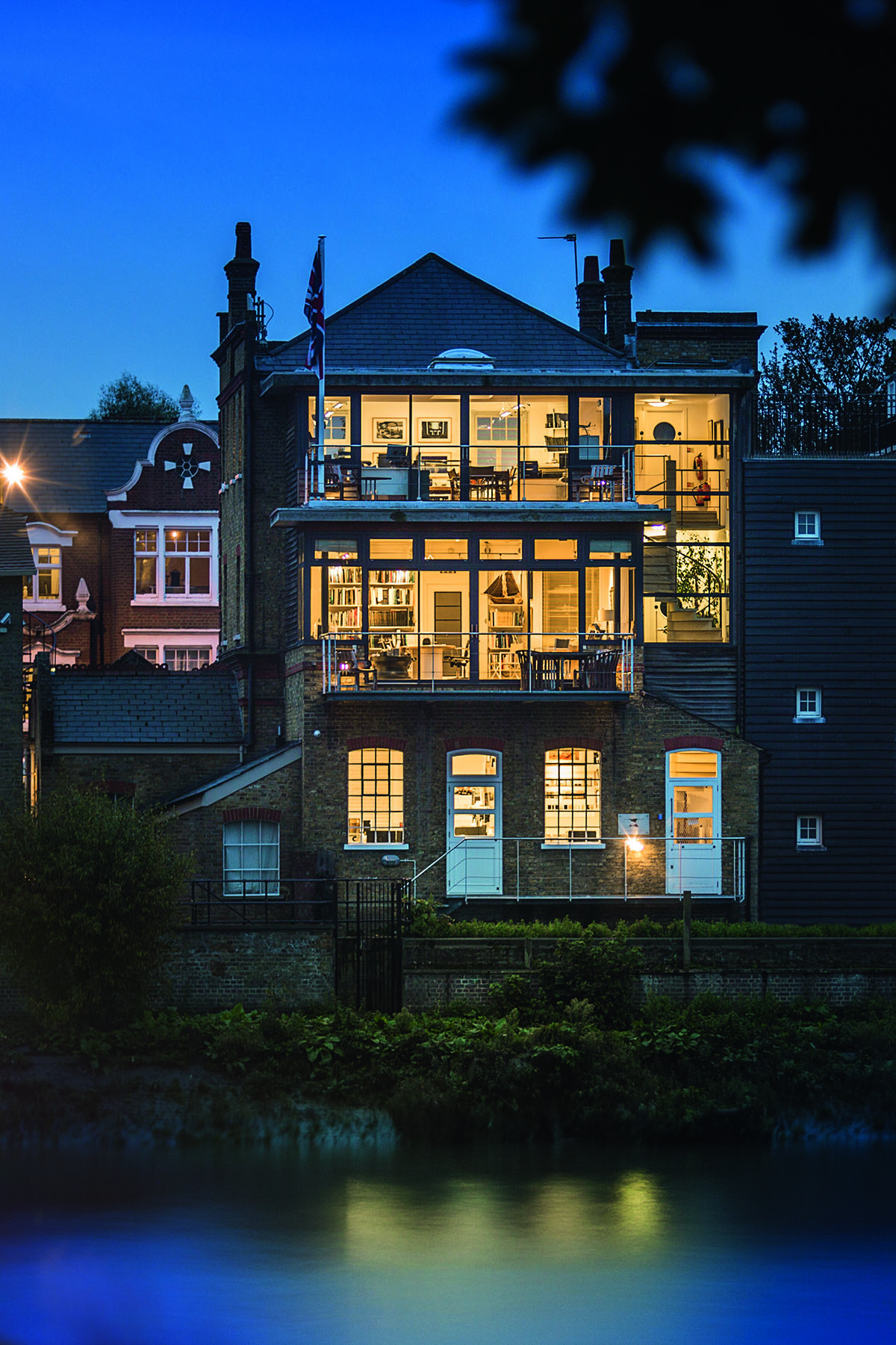
2. Deeply embedded at the outset in environmental and social responsibility, how is the company working to meet UN sustainable development goals at studio level?
Andrew had a genuine interest in sustainability very early before it became such a hot topic and has driven that passion into the business. We have created our own ‘Life Worth Living’ plan to care for people and the planet through four key pillars: protecting our air, land and sea, caring for our communities, leading our industries and transforming our business. We have also partnered with the Water Revolution Foundation and signed their Code of Conduct, committing to prioritising sustainability throughout our entire supply chain.
Follow LUX on Instagram: luxthemagazine
At studio level, we have a dedicated sustainability specialist whose responsibility it is to research, source and test, not only materials, but suppliers too. They manage a resource matrix of sustainable suppliers that analyses and tracks their methods of sourcing, manufacturing and application of each material to check it meets the correct criteria.
3. Data shows the average age of a boat buyer has decreased by over ten years since the pandemic, what does this new generation want from a luxury fit-out?
We are seeing an increase of younger owners, who are typically more in-tune with the effects of climate change and ocean pollution and are more likely to request or be open to innovative and sustainable yacht design.
In terms of interiors, younger clients do not like the high-gloss and dark wood finishes which are typically associated with traditional yacht interiors. Natural textures and experimental finishes are more popular with younger clients.
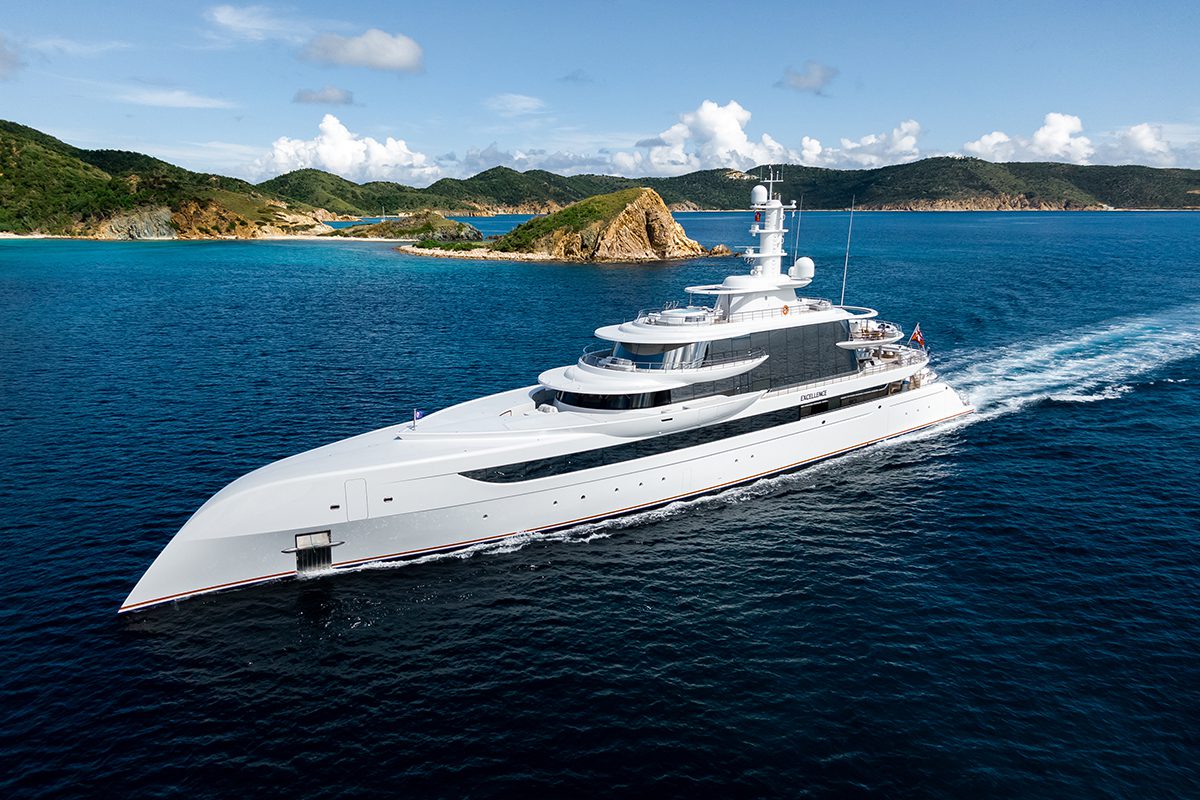
Younger clients are also asking for more informal social spaces, a step away from formal dining and entertainment styles traditionally found. This is showing that guests really want to switch off when they’re at sea. Clients are staying on board longer and require more multi-functional spaces.
Explorer yachts are also gaining popularity with the younger crowd. Clients want to be able to navigate around the globe for extended periods of time in a 7* environment. Their yacht must be able to thrive in any environment, no matter how harsh.
4. At project inception, how do you persuade clients to make sustainable choices?
We make sure to introduce all of our clients to sustainable options right at the start of the process. The choice of sustainable materials becomes a part of the narrative of the project and we educate our clients to understand that sustainable options don’t mean you have to compromise on luxury.
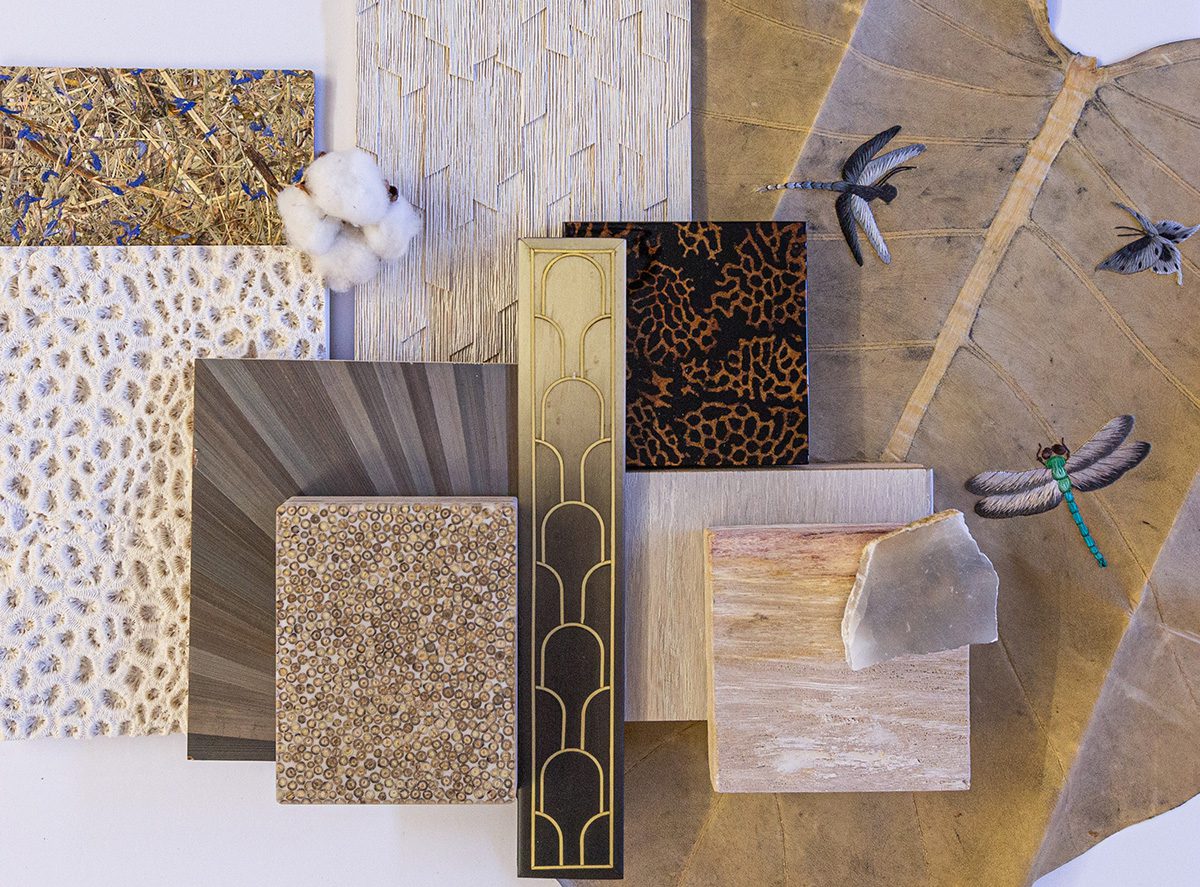
5. Where are you focusing your design energies?
Alongside sustainability factors and the increased popularity in explorer yachts, we are seeing an increased focus on the use of glass on yachts. Huge expanses of glass are being used, to bring the outside in and allow clients to feel immersed in their surroundings. This yearning for a connection with nature has also led to the increase in more refined, natural interiors, with open grain woods, soft, light furnishings and even living walls of greenery.
Read more: Markus Müller on Nature Economy
We have no set house design style and as a result each project we complete is totally unique. Currently we are working on a variety of projects across our yacht, aviation and architecture studio. These include VIP submarines, the world’s largest twinjet plane and the OWO (Old War Office) penthouse.
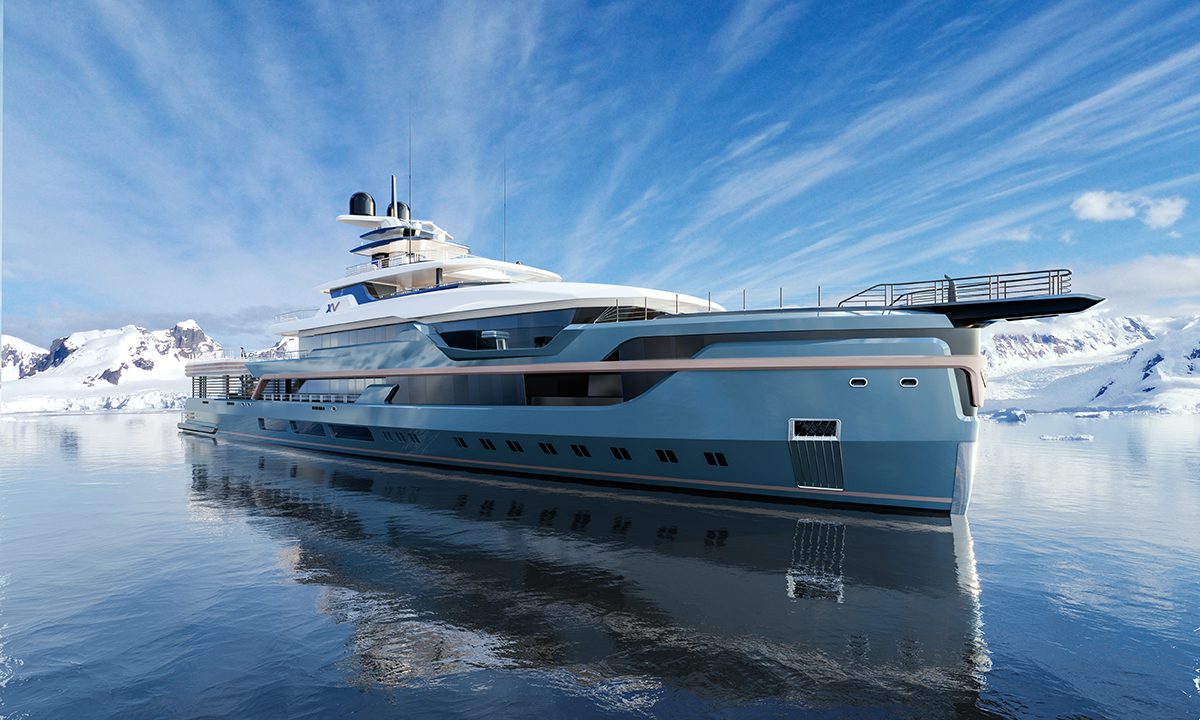
6. What do clients most want from their time at sea?
Our clients want time to switch off, enjoy time with their family and friends and explore new destinations in complete privacy.
Find out more: winchdesign.com
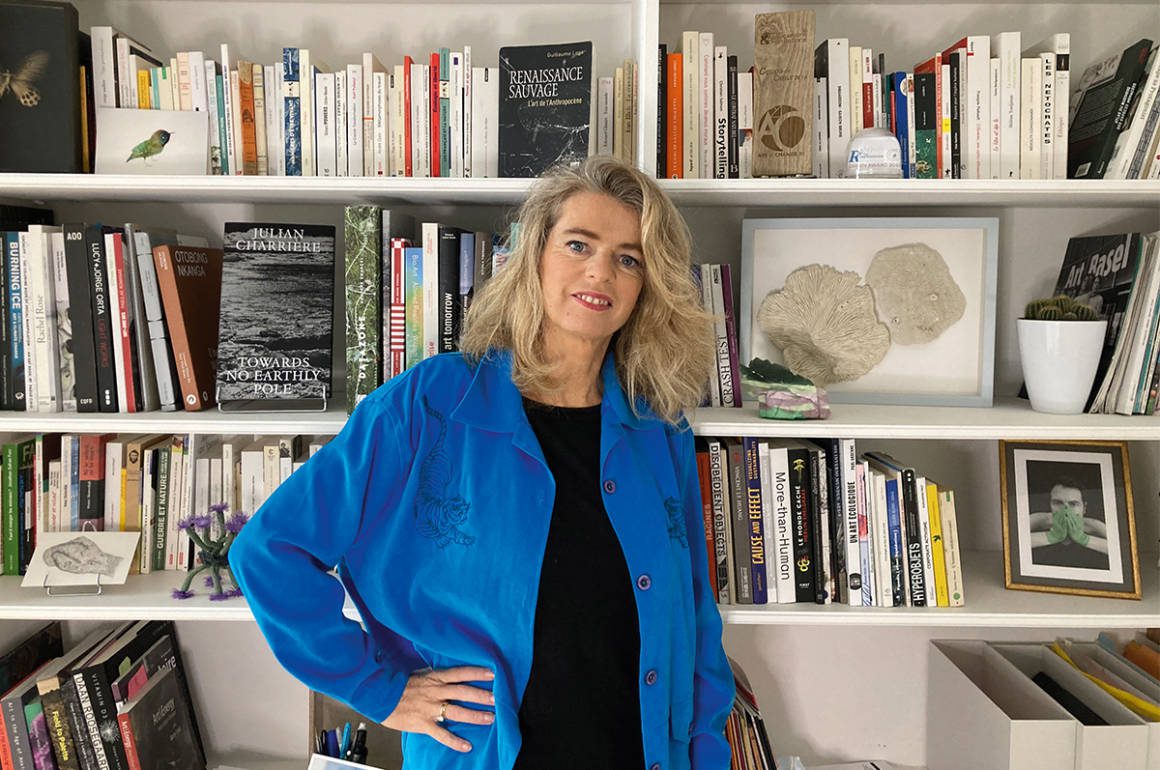
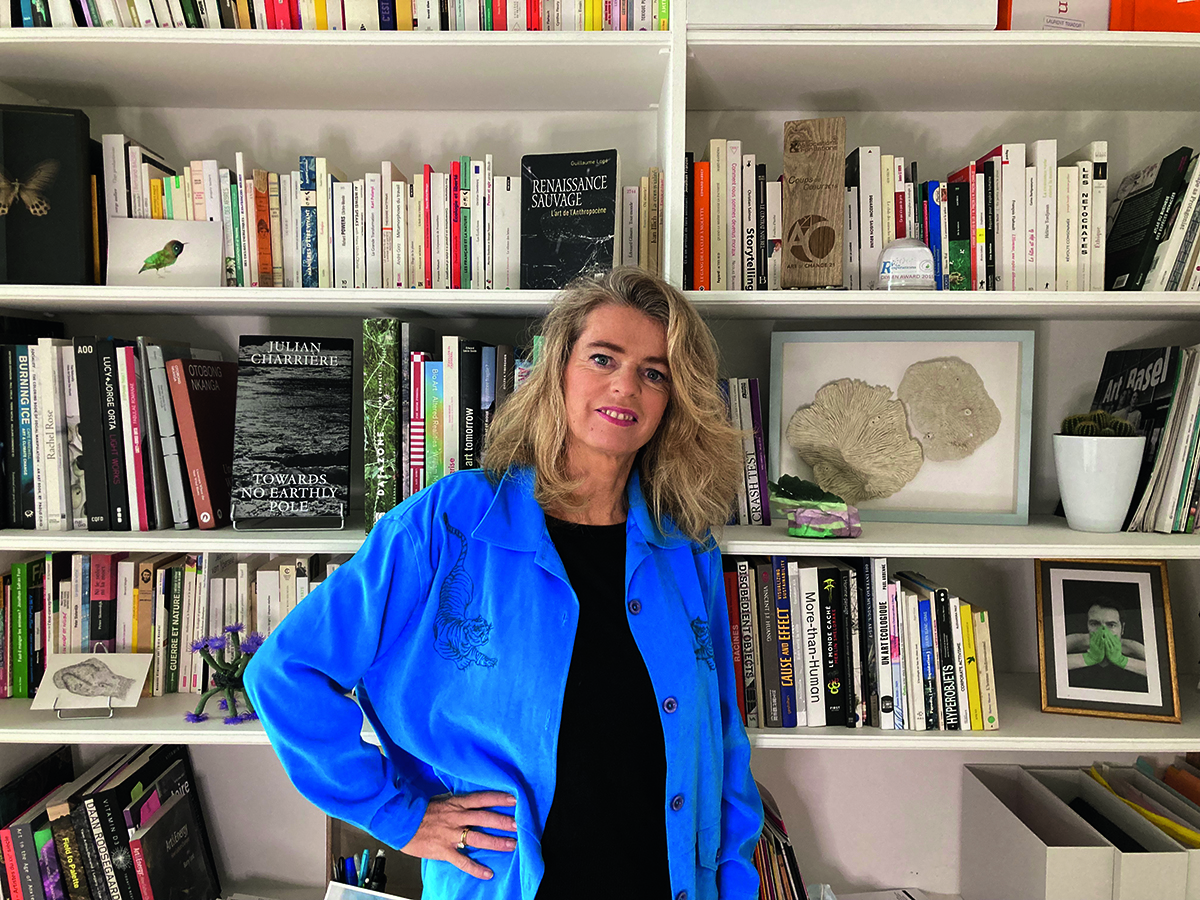
Alice Audouin at the Art of Change 21 office
The Paris-based polymath has spent nearly 20 years enabling an ecosystem in which art and environmental concerns meet in meaningful and magical ways. Alice Audouin tells LUX about supporting a new generation of artists who invite us to consider nature via work of intense imagination. Interview by Anne-Pierre d’Albis Ganem
LUX: How would you describe yourself?
Alice Audouin: I work in contemporary art and sustainability as a curator and consultant. I’m also chair and founder of the not-for-profit organisation, Art of Change 21, which supports emerging eco-conscious artists via exhibitions and prizes. We bring artists to each COP conference; for COP26 in Glasgow, 2021, John Gerrard created Flare, about the ocean burning.
Follow LUX on Instagram: luxthemagazine
LUX: What are you up to as a curator?
AA: In September 2022, I curated an exhibition in Brussels at the Patinoire Royale Galerie Valérie Bach, connecting art and environmental issues, and a major show of Lucy + Jorge Orta, marking their 30-year anniversary. My last show was ‘Biocenosis 21’ in Marseille. We showed 14 global artists at the world’s biggest biodiversity meeting.
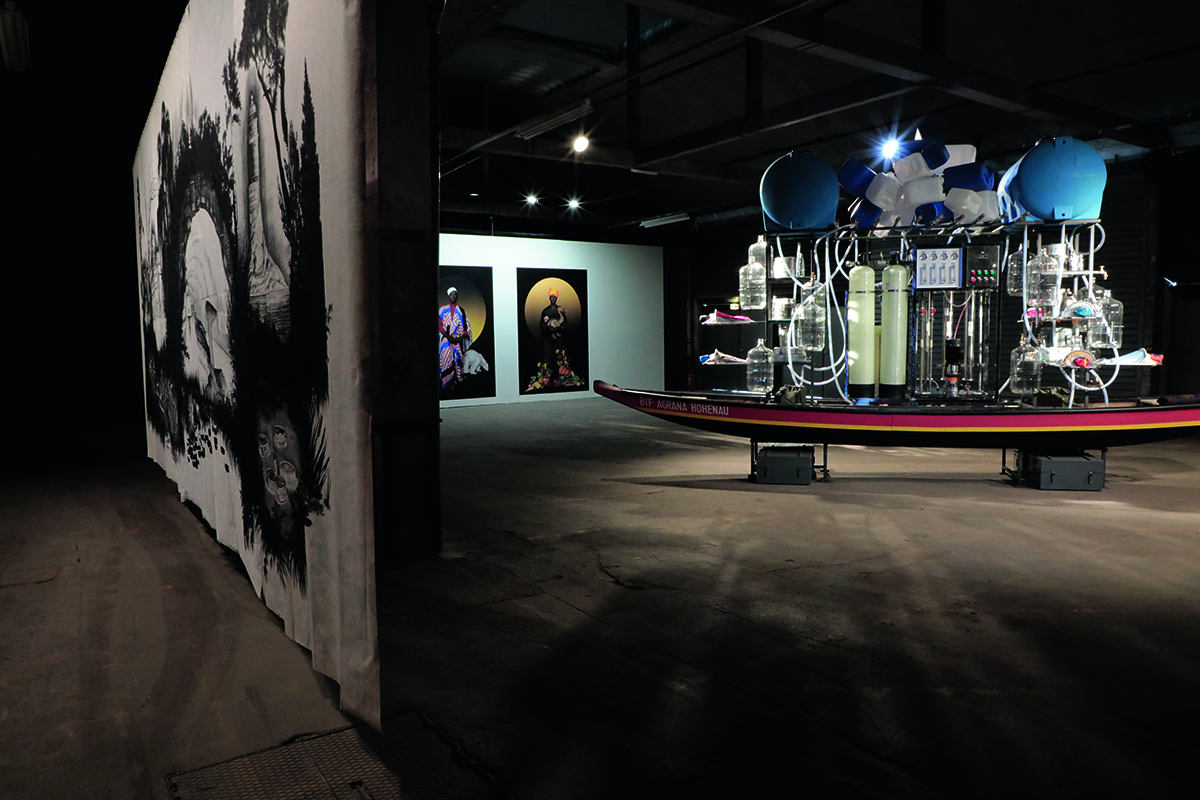
Views of ‘Novacène’, Lille, 2022
LUX: And there is the superbly titled ‘Novacène’.
AA: Novacene is a book by the late James Lovelock, the scientist who proposed the Gaia hypothesis, which was the first time scientists had said Earth is a kind of living creature. We were inspired by his predicted utopia of the Novacene, a new era of cooperation between nature and human, aided by technology. It follows the current geological era, the Anthropocene, during which human activity has changed the climate. We have created a group exhibition that runs till 2 October at the Gare Saint Sauveur, Lille. Our 20 artists include Julian Charrière, Otobong Nkanga and Zheng Bo. ‘Novacène’ looks at ideas in technology, interspecies relationships, energy and agriculture – a kind of new world I designed with my co-creator, Jean-Max Colard.
LUX: You also contributed to Art Paris 2022.
AA: I was invited to be a guest curator on art and the environment. It was a chance to show how, for the new generation of artists, the eco crisis is not just a theme but part of their world.
LUX: Was this momentum there when you began?
AA: I started my work in 2004 at UNESCO with ‘The Artist as a Stakeholder’, so I’ve been doing this work for 18 years. When I began I had 100 artists and it was difficult to find artists who considered global or environmental issues, but now I have 2,500 artists in my database. I was in a position to witness change, which I think came to the art market maybe five years ago.
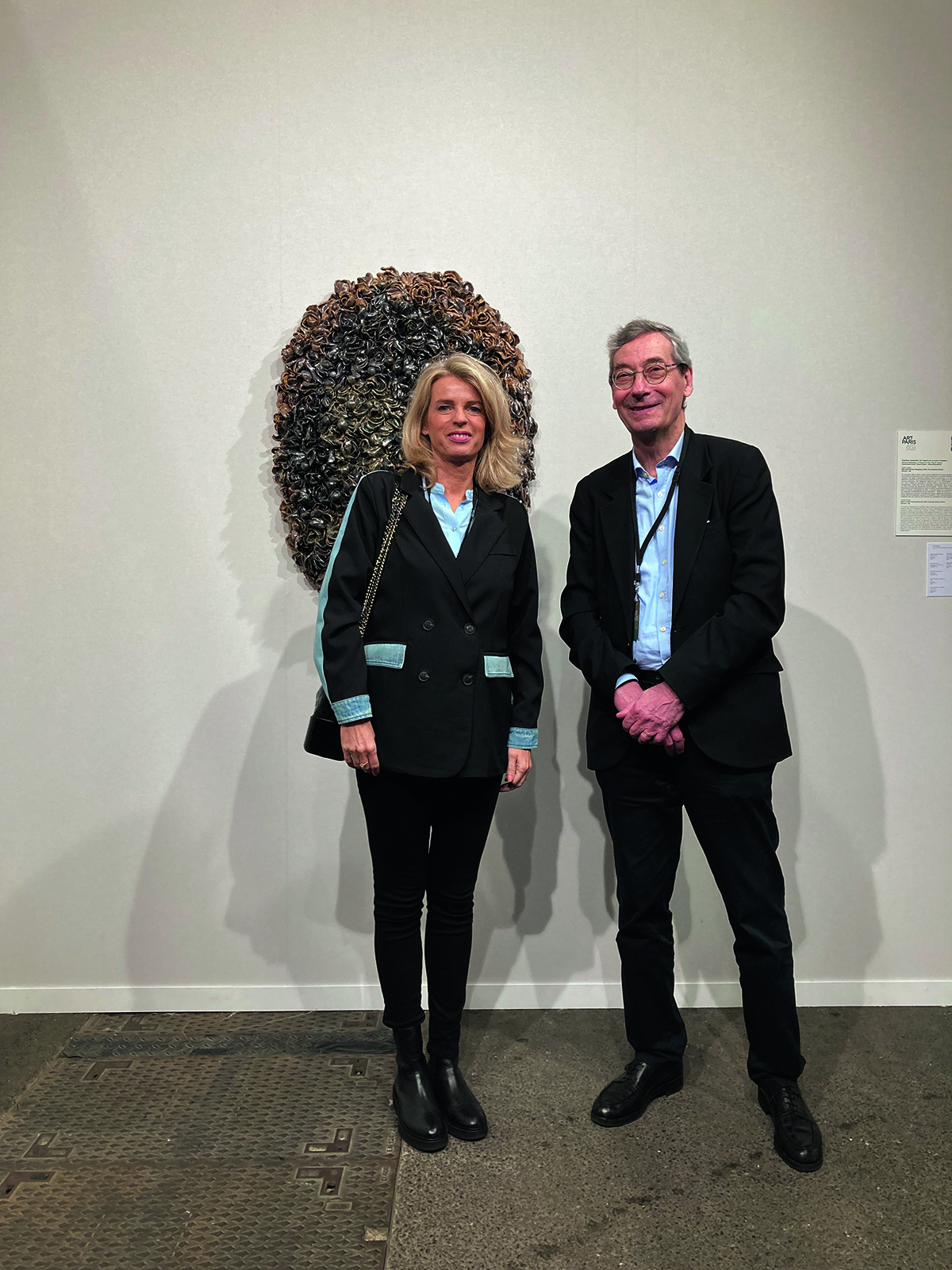
Alice Audouin with curator Alfred Pacquement at the Art Paris Art Fair, 2022
LUX: What is the artist’s role in the eco crisis?
AA: I don’t like to say artists should have a role. Their role is to be artists. But many conceptual artists, or artists who deal with their epoch, will cross environmental issues. Of these, many like to bring awareness, even solutions. Lucy + Jorge Orta purified water in Venice, pushing the idea of art with pieces that propose solutions. When they sell a drawing about the Amazon, the collector receives a certificate of a kind of moral ownership of 1sq m of forest. So they consider biodiversity as well as buying a drawing.
LUX: The artists involve people.
AA: Helping us think about our era – how we consume, our relation with time, resources, values, geopolitics – is very big now. Noémie Goudal works with paleoclimatology and proposes we reconnect our short individual time on Earth with long geological time. That’s important, because her art is also one solution to our relationship with nature.
LUX: Should artists not use plastic?
AA: We will see a revolution in materials. Tomás Saraceno, Gary Hume and our patron Olafur Eliasson are finding solutions to making – and moving – art. In-situ production is growing, too. For ‘Novacène’, two artists in Asia with complex installations gave us guidelines and we made them by distance. But I want to add caveats: if we over-reduce the means of artists’ production we will just have dead wood from a forest. If you say concrete is bad let’s drop it, you lose works. So we are in a transition period, as we look for green alternatives.
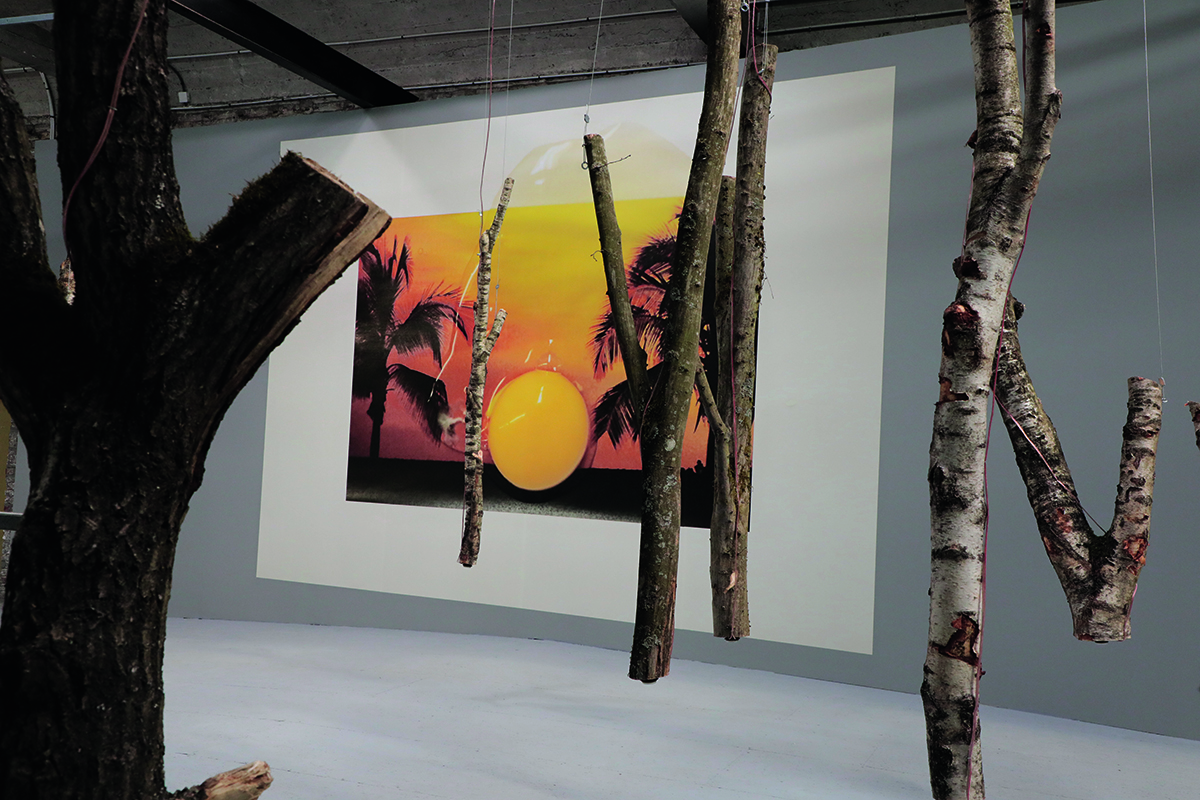
Views of ‘Novacène’, Lille, 2022
LUX: Tell us about biomimicry.
AA: It’s the idea nature provides and inspires. New art materials, such as mycelium mushrooms and algae, come from biomimicry. Chloé Jeanne, a laureate of the 2021 art prize I did with Ruinart, creates eco materials that are a kind of living creature. It involves the idea of care that, again, a collector continues. Eco design further explores how to create not only from the living but with the living. Tomás Saraceno’s Hybrid Web sculptures, for example, are co-created with spiders; Olafur Eliasson talks of interconnection. Many artists’ utopia now is not to work alone and compete, but to be together to create and cooperate.
Read more: Artist Precious Okoyomon on Nature & Creativity
LUX: When did your interest begin?
AA: I was far from nature as a child, and I studied art history and interned at a gallery. But then I studied environmental economics, after which I was hired by a bank for a sustainability project. They talked of stakeholders, and I thought why don’t you talk of artists as such? I knew climate change was huge and I believed it would manifest in contemporary art. And it did.
Find out more: artofchange21.com
This article first appeared in the Autumn/Winter 2022/23 issue of LUX

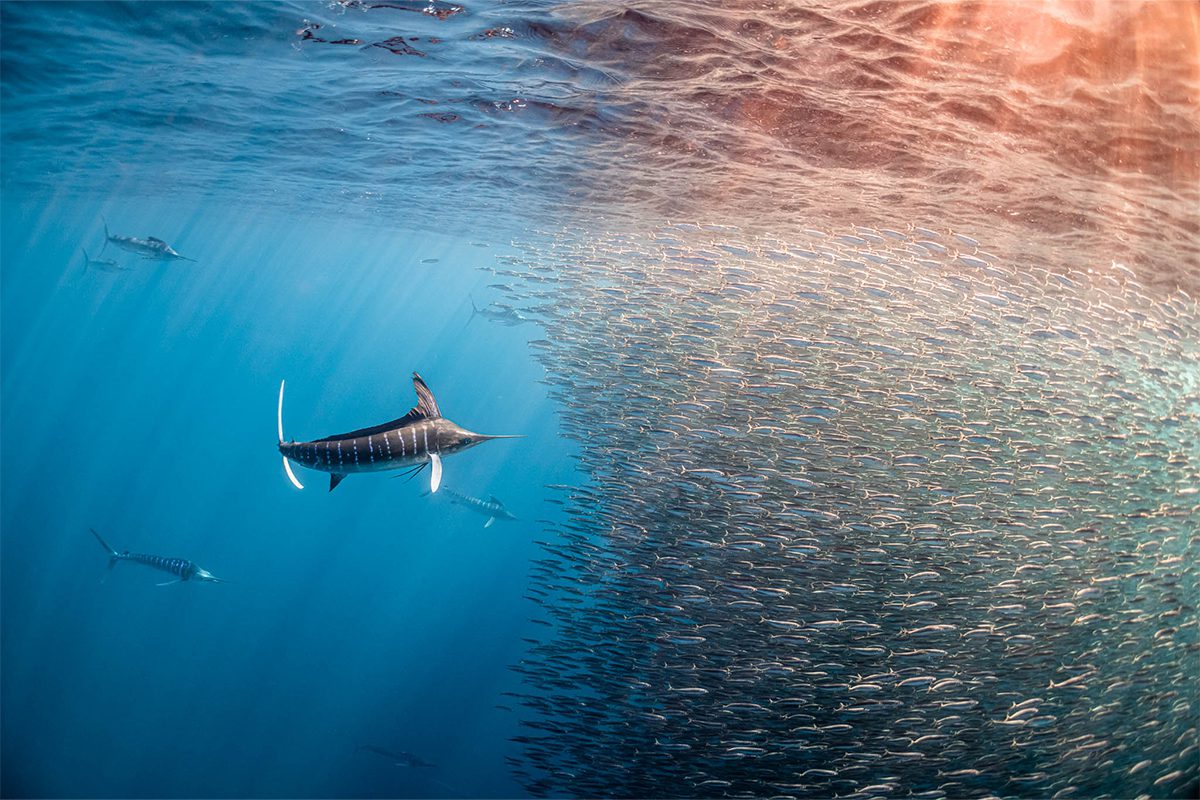
Is it possible to make money out of our oceans while preserving and even enhancing them? Chris Gorell Barnes thinks so. The Co-founder of Ocean 14 Capital and Blue Marine Foundation speaks to LUX Editor-in-Chief, Darius Sanai about the possibilities in the blue economy
LUX: What is the focus of Blue Marine Foundation going forwards?
Chris Gorell Barnes: The focus is on stopping overfishing – which is undoubtedly one of the worst threats to the ocean. Restoring, regenerating and protecting the oceans and creating large scale Marine Protected areas, all done through innovations and an agile and entrepreneurial approach to conservation.
LUX: How has the foundation succeeded in capturing the public’s imagination where other groups have failed?
CGB: Through actually delivering successful conservation wins and first-of-its-kind innovations for the oceans, and incredible marketing, media and editorial work. (We have a journalist, a filmmaker and a marketer as Co-founders!)
LUX: How important has your background in marketing and content been for Blue Marine Foundation?
CGB: It’s been helpful, coupled with my co-founders’ skills. From the start, we were way ahead with our social media and content approach and have built an incredible media unit to use media to drive significant conservation wins. The film, The End of the Line is in our DNA.
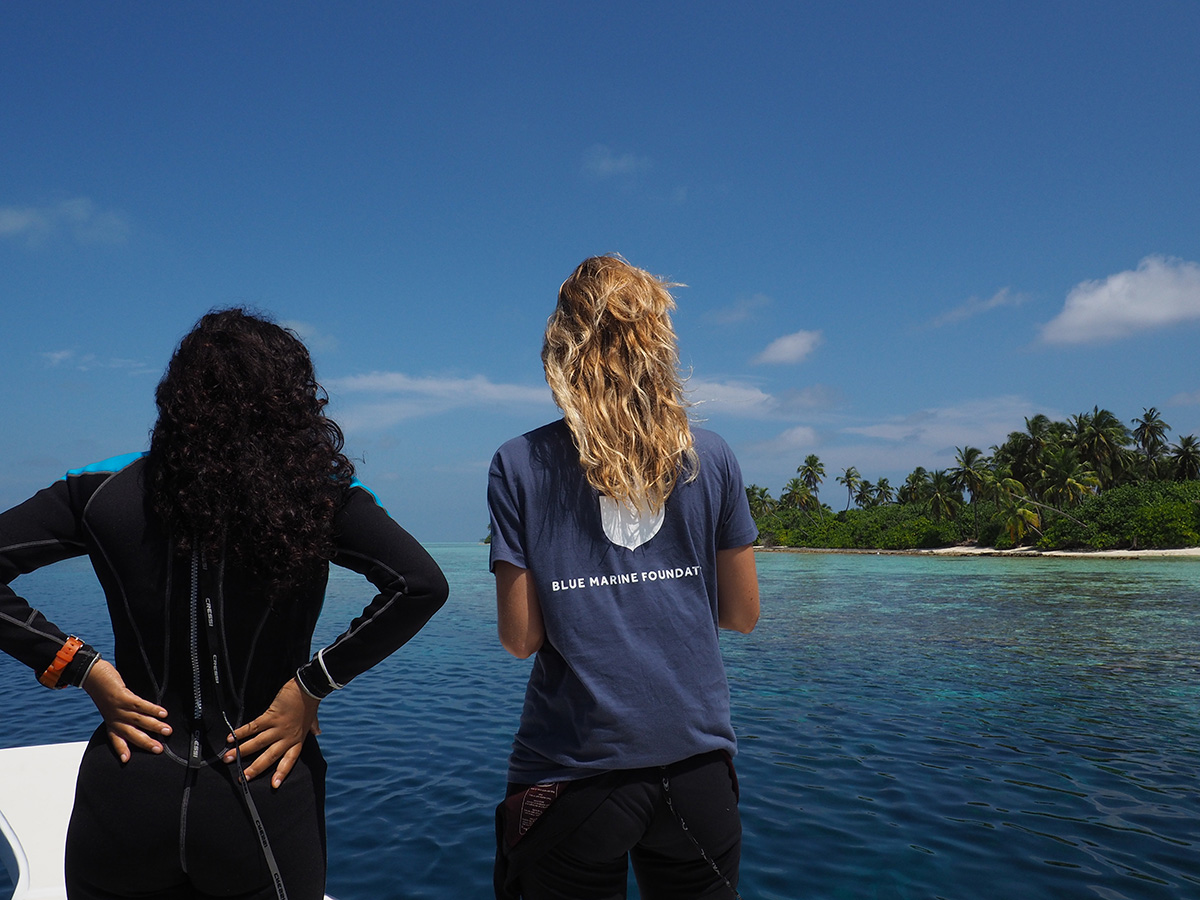
LUX: How do you persuade corporations to modify their environmental practices?
CGB: By enabling and educating them on the key role the ocean plays in mitigating the climate crisis and feeding the world.
LUX: Are there wealthy individuals who donate with one hand while their investments pollute with the other? What should they do?
CGB: We are very careful with KYC and our donors all share our values and mission alignment.
LUX: What is the highest priority for ocean protection as far as the foundation is concerned?
CGB: End overfishing and ensure 30% of the ocean is fully protected, with the remaining 70% sustainably managed.
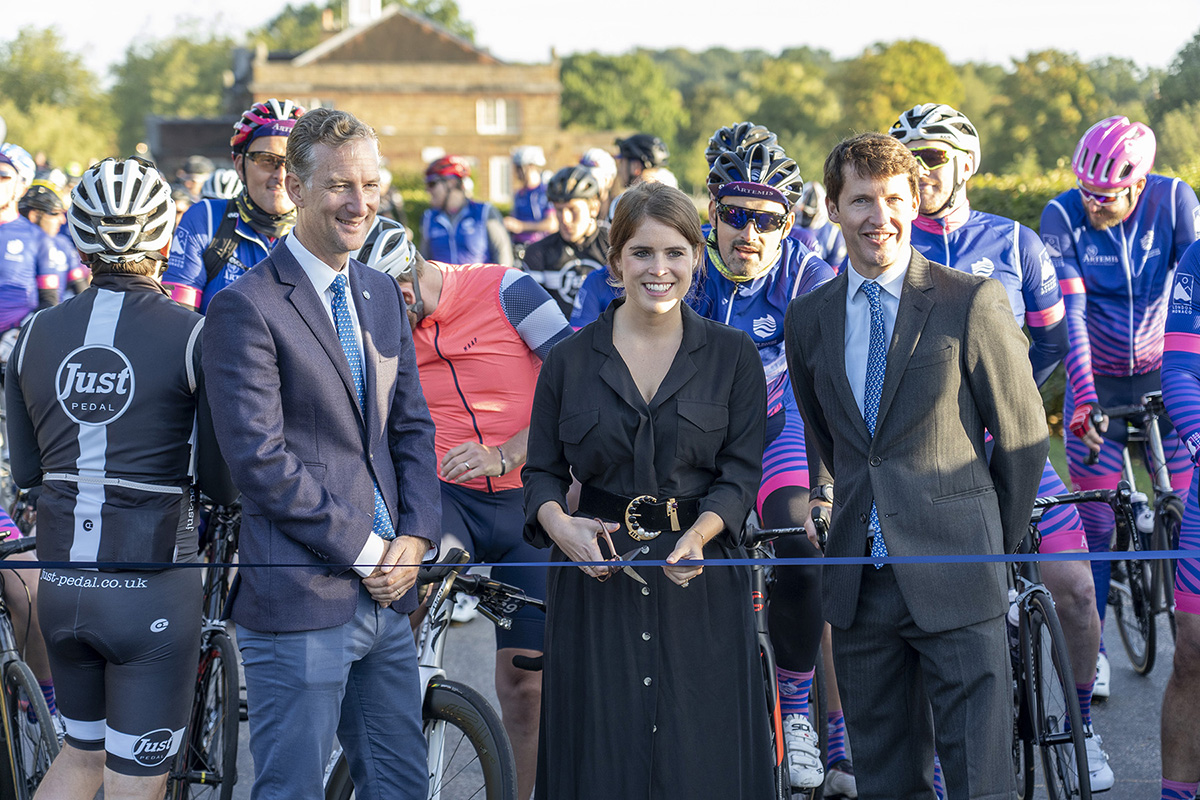
Arlo Brady, with Ambassadors of Blue Marine Foundation, Princess Eugenie of York and James Blunt
LUX: You have drawn extensively on celebrity ambassadors for the foundation. Who has done the best job for you, and why?
CGB: From Prince Albert II of Monaco to Simon Le Bon to James Blunt, they have all been incredibly supportive with our initiatives all over the world. And of course Stephen Fry, who narrated the incredible interactive tool we built, The Sea We Breathe. We have also been very smart with brand collaborations such as Christopher Ward, Sunseeker, Moke, Kenzo, and Ralph Lauren.
LUX: It’s 2050: what do you think the oceans will look like?
CGB: I hope that they are thriving: protected, restored, functioning and full of life, ensuring we have a healthy planet and bringing employment, healthy sustainable food and joy to all.
LUX: What and where is the biggest environmental tragedy in our oceans right now?
CGB: Illegal Unregulated and Unreported (IUU) fishing is happening all over the world, destroying ecosystems and stealing fish from the most disadvantaged citizens on the planet.
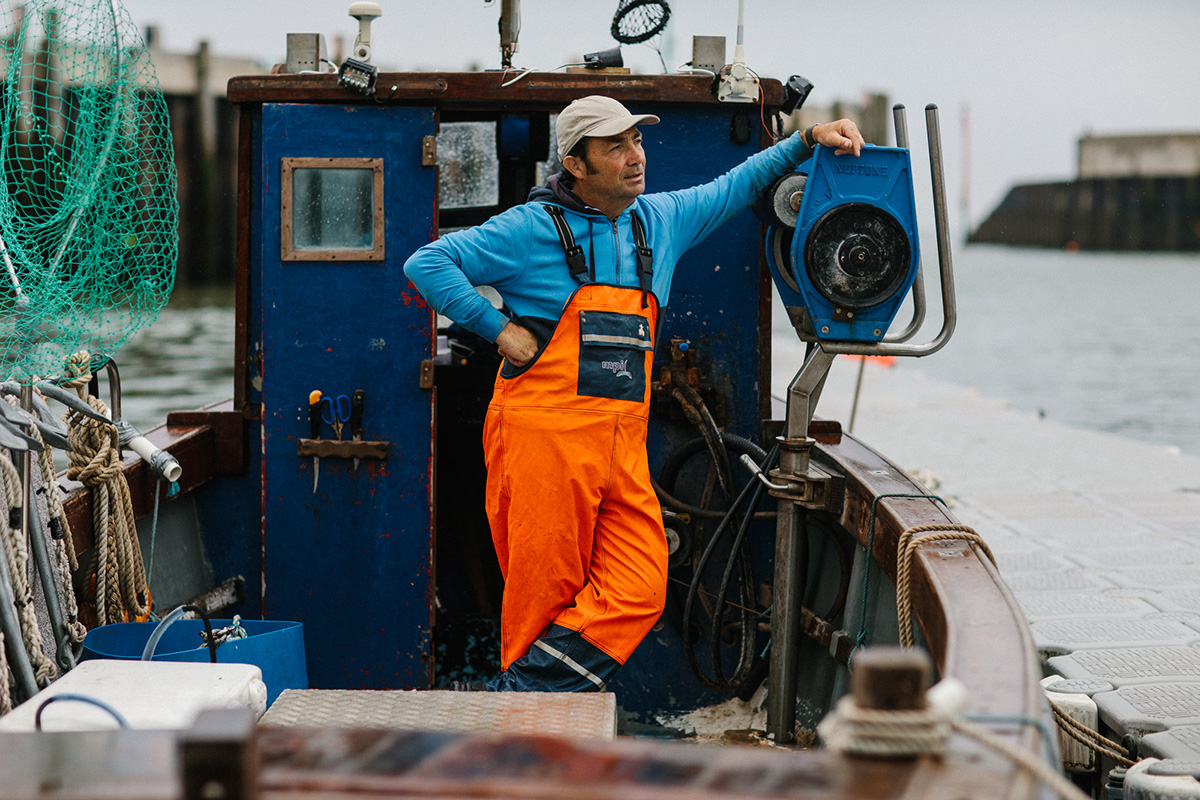
LUX: How would you explain to an intelligent but distracted business leader that the loss of a seemingly trivial marine ecosystem can have a fundamental effect on people on the other side of the world?
CGB: The ocean connects and carries everything. It is the life source of our planet, providing half the oxygen we breathe and absorbing half the carbon we produce. It also plays a key role in feeding three billion people. We need to protect it everywhere.
LUX: Where does the blame lie for overfishing – consumers, business, or governments?
CGB: The blame is with governments and business. Governments need to stop the ridiculous $22 billion worth of subsidies aiding overfishing; and businesses need to create absolute transparency of the supply chain.
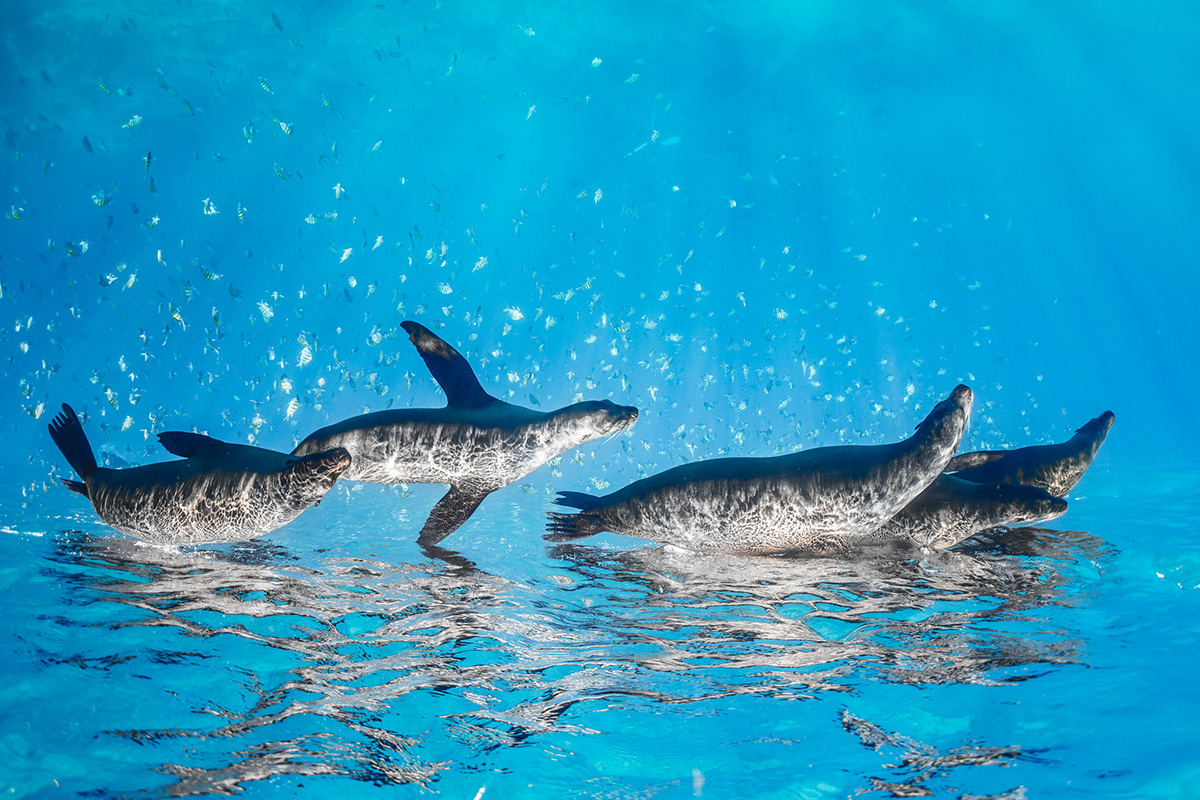
LUX: Why did you start Ocean 14 Capital?
CGB: We launched the Ocean 14 fund as it was clear that there was a huge need to build the conduit for capital looking at the blue economy. We believe that it is driving necessary positive impact on the ocean and making significant returns for the fund’s investors. Philanthropy is doing an incredible job but we need to attract institutional capital in order to transform the blue economy and this will only come if we create sophisticated impact investment vehicles like the Ocean 14 fund. If we do not create a sustainable and regenerative blue economy, we have zero chance of solving the crisis in the ocean and therefore protecting humanity – this is the most important investment thesis of our time.
LUX: The term ‘impact investment’ can be meaningless. Why is it not in your case?
Chris asked co-founder George Duffield to write the below response.
Because impact is in our DNA. We have spent more than a decade learning how to save the ocean. We work at a company level to build specific impact pathways, that are scientifically accurate and rigorously measured. Only then do we follow those pathways out to high level SDG 14 level goals. In other words, we work from detailed facts, not high-level assumptions. Impact is science, not goodwill.
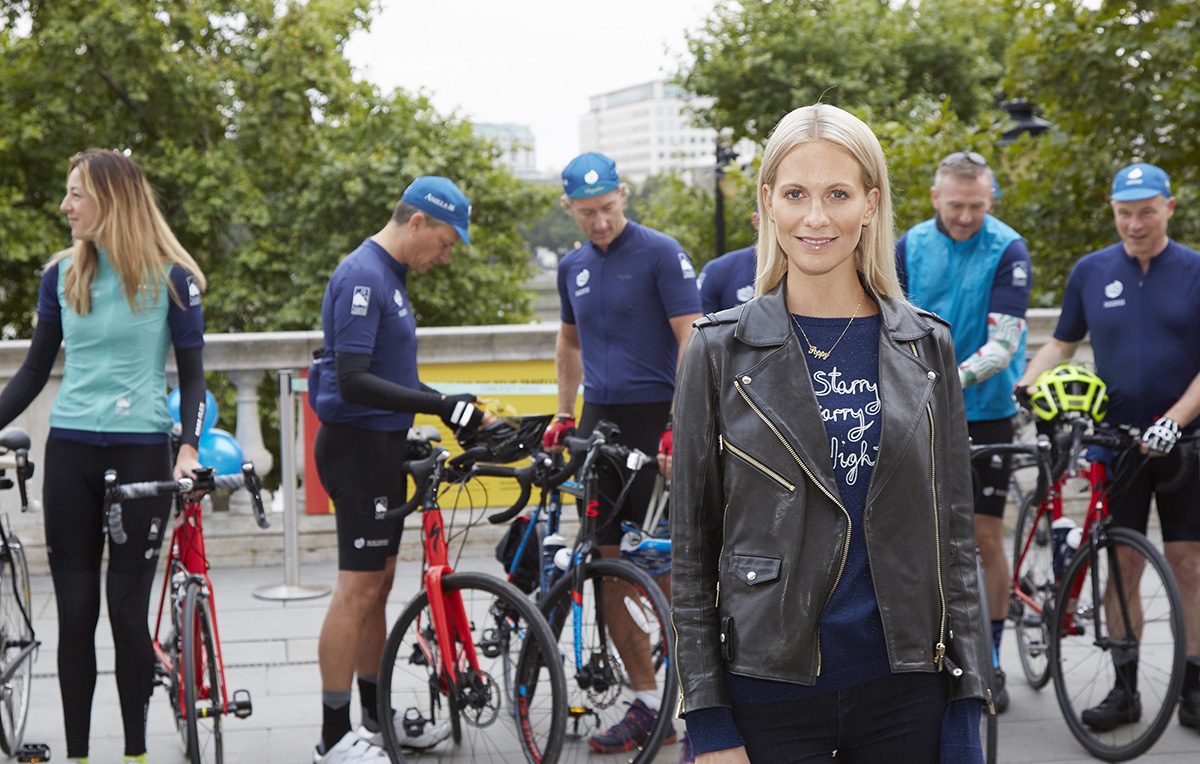
Ambassador of Blue Marine Foundation, Poppy Delevigne
LUX: What specific types of companies are you planning to invest in and why will they make a difference?
CGB: The fund’s investment strategy is focussed on ensuring food security and protecting and restoring marine ecosystems. The fund recently closed two transactions: SyAqua is a leading technology and genetics company for shrimp aquaculture, and will help transform the industry to be much more efficient and sustainable. The other company is called AION, who have created a whole new operating model for managing plastics inventory, called Circularity as a Service. This business aims to transform how plastic is managed in big industry – stop plastic entering the ocean and take plastic out of the ocean. We believe that all of the fund’s investments should deliver great returns for our investors and have a positive impact on the ocean.
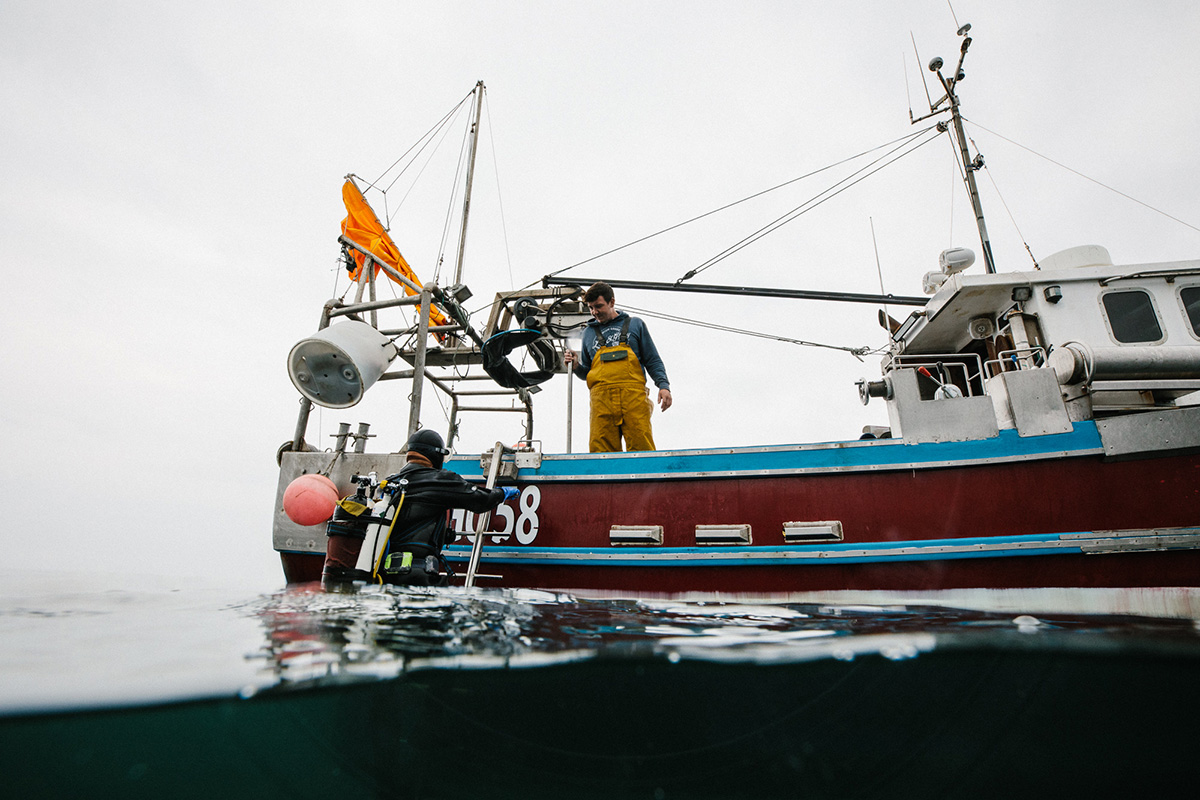
A man climbing on to a fishing boat from the sea
LUX: Blue finance is still maturing. How can investors be sure that sustainability projects will provide the scale and return they are seeking?
CGB: There is no trade off – we believe it is a win-win. We have the total convergence of drivers in the blue economy – the most valuable companies will be the most sustainable and impactful.
LUX: Why is blue economy investment so underserved currently, and will that change?
CGB: LIke marine conservation, when we started Blue Marine, the blue economy was very misunderstood and overlooked. Governments and businesses have been slow to realise the enormity of the problem and investors have missed the enormous opportunity. But the blue economy is now getting the attention it needs.
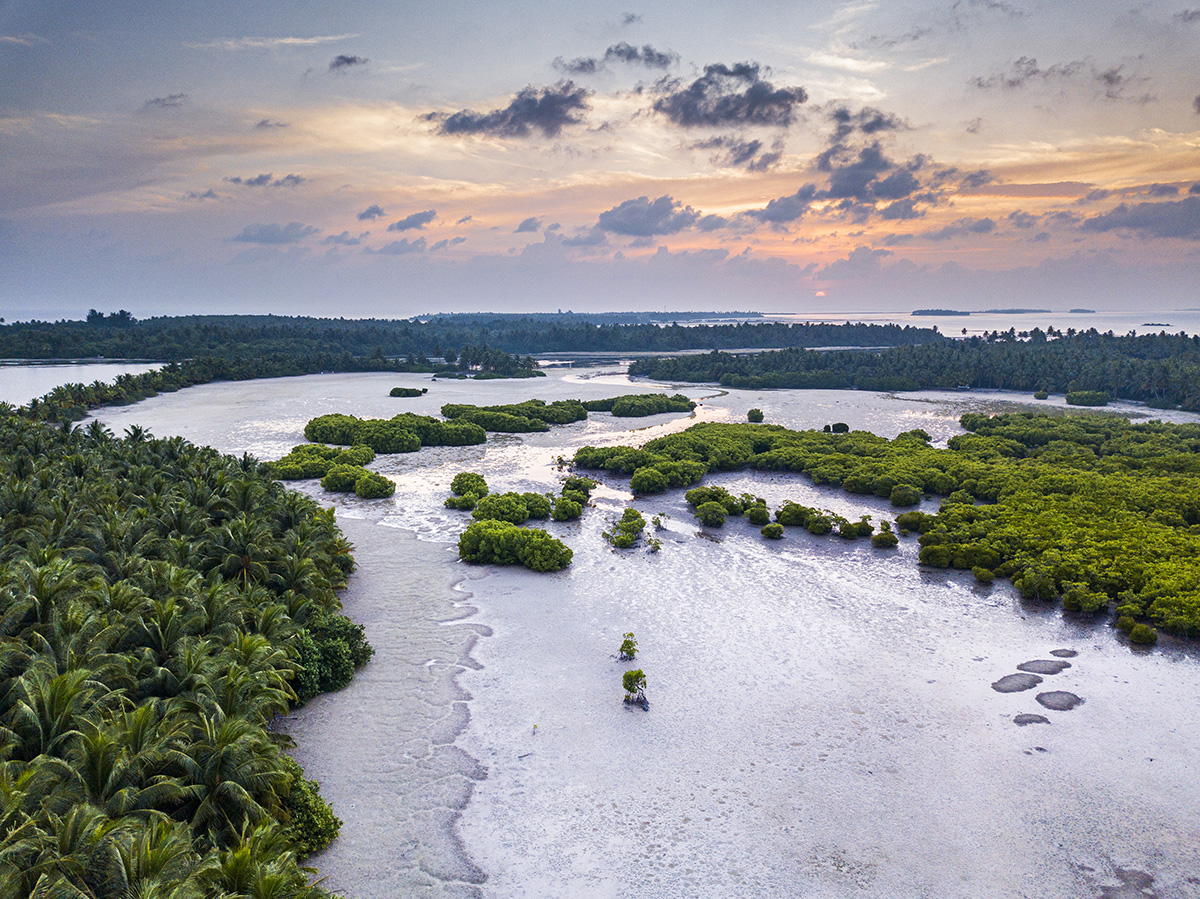
LUX: What will the blue economy look like in five years’ time?
CGB: In 5 years’ time, the blue economy will have matured. Ocean14 plans to launch a larger fund which aims to attract the large institutional investors we need to support the transformation of the blue economy. We believe there will be more funds in the space, and there will be more sophisticated securitisation vehicles for blue carbon and nature-based solutions.
LUX: Do you fear blue washing, and what can be done about it?
CGB: We need to be vigilant, but what we have created is the most sophisticated impact measurement and reporting platform in the blue economy. We need to create and standardise this approach so there is clarity and transparency of what a true impactful business looks like in the blue economy. Then blue washing will have nowhere to hide. There will always be bad actors in the global economy who try to conceal various sins with blue/green washing. But Blue Marine and Ocean 14 are very alert to it, and with the right KYC and due diligence it has no place in our work.
Find out more:

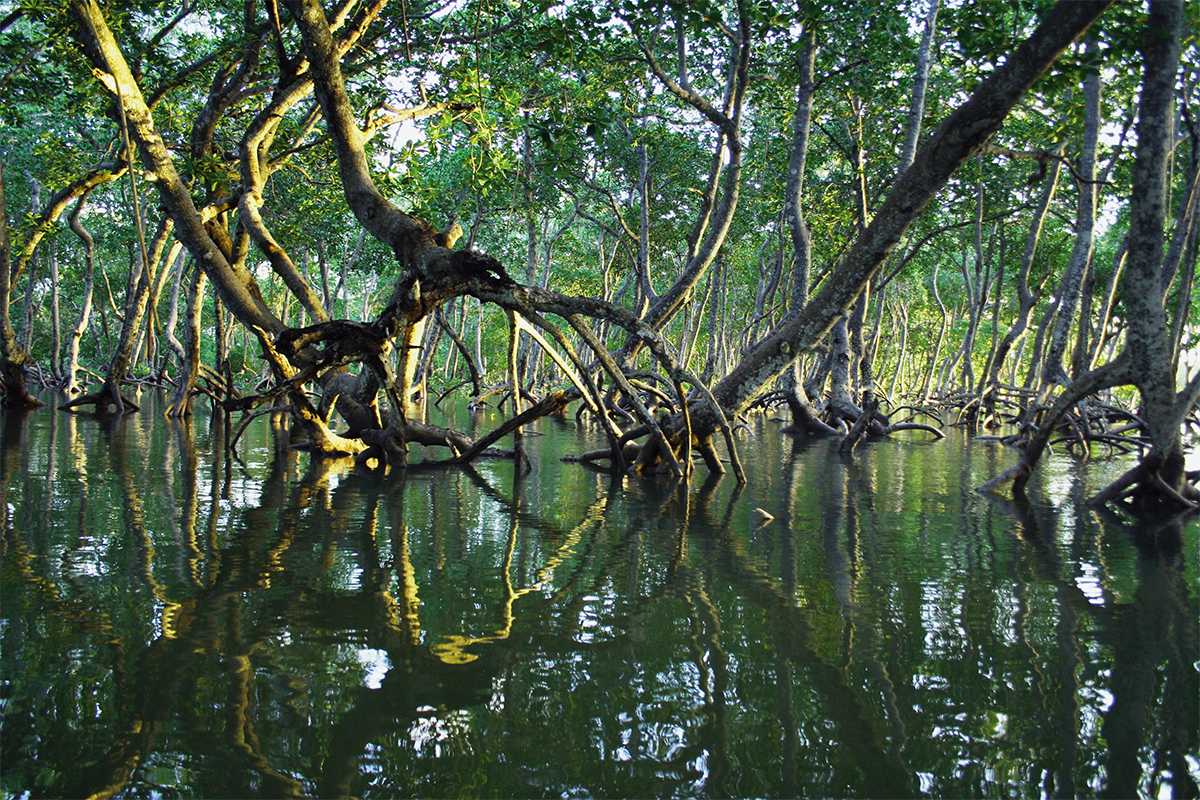
Mangroves protect coastlines from erosion and flooding, sequester carbon and provide a home to species not found elsewhere
If human beings are going to create a sustainable economic system, we must recognise the true value of living ecosystems and the services that they provide to society, and price this into our financial decisions. In the long term, the benefits will far outweigh the costs, says Markus Müller
Markus Müller
Our enthusiasm for economic development has detached us from nature. With our focus on the production of goods, we have forgotten that there literally is a natural limit to our endeavours. If we value nature purely in terms of the raw materials it provides, we fail to appreciate the many ‘ecosystem services’ that living creatures and plants provide to society, and research suggests the markets would price these at about $140 trillion.
The world is fast-approaching a point where its natural capital is so depleted that it can no longer provide us with these services. As a species, we are acting rather like a company owner who operates their machinery 24/7 without maintenance, then acts surprised that their production line is no longer able to deliver the goods. The difference with nature is that there is no option of buying a new machine.
Humans, economy and society are embedded in the environment. This applies to food, but also to areas such as medicine. We know, for example, that many of the organisms living in the sea have contributed to the development of cancer treatments and other crucial drugs. It is reasonable to suppose that similar discoveries are waiting to be made in the world’s most biodiverse habitats such as rainforests and coral reefs, and if we kill our planet’s biodiversity then we will undoubtedly kill many such opportunities.
Follow LUX on Instagram: luxthemagazine
What does this mean for us in our daily lives, for companies, and also for the economic and financial markets? If we look at the numbers alone the issue of sustainability may appear to already be centre stage. Around the world we see growing regulation, not only in creating transparency but also guiding money flow. Now accounting for more than 36 per cent of funds under management globally, environmental, social and governance (ESG) investments have established themselves as mainstream.
However, while the ESG concept divides up current business activities into three specific categories, making the transition to truly sustainable business practices requires more than just an appreciation of financial risk and return. The ultimate objective must be to promote the health of planet Earth for the benefit of generations to come. As Gro Bruntland, the former Norwegian prime minister, said in 1987: humanity has the ability to make development sustainable to ensure that it meets the needs of the present without compromising the ability of future generations to meet their own needs.
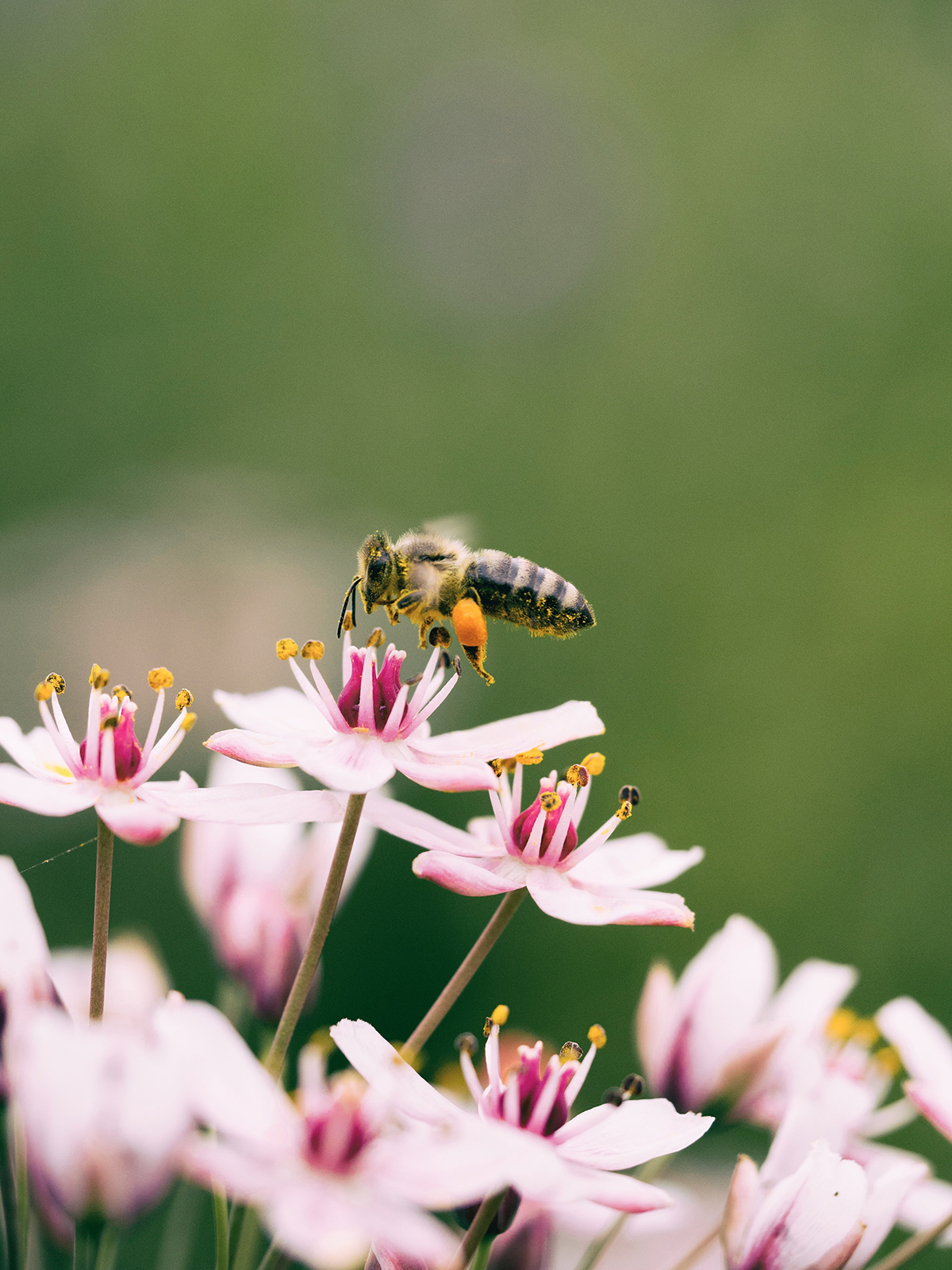
When discussing the economic opportunities around biodiversity, I always provide a caveat. What we are dealing with is a global common good. We can’t deal with it in the same way as a private good, which is a product we can manufacture. In terms of business opportunities, we need to be careful when we speak of a global common good – like biodiversity, clean air or even the ocean – as there is a risk of doing business as usual, and exploiting these fundamentals of our wellbeing.
The good news is that with the right governance, we can move quickly from over- exploitation to repair and rejuvenation. Take mangroves, for example: they are difficult to plant, but can be reinvigorated easily. And when they are healthy they act as an effective natural carbon sink, as well as lifting the ground level by collecting and storing soil. They represent a cost-effective ‘nature-based solution’ to both climate change and rising sea levels – and, therefore, a potential business opportunity.
Simultaneously, broader economics must be considered. ESG-based investments are increasingly being incorporated into governmental social and economic policies, and should boost economic growth by encouraging more responsible management of the world’s natural resources. The concept of natural capital – valuing living things like other assets, in order to conserve them – is gaining ground with economists, and when industrial leaders begin to realise its significance then it will completely change the way they do business.

As the awareness of biodiversity loss grows, it should become an increasingly important part of corporate strategy and political policy, drawing more attention to shortcomings in existing evaluation approaches while also prompting solutions. Biodiversity loss gives rise to risks (physical, transition, and liability) for companies in myriad ways. Any decision, be it in investment or finance, therefore needs to encompass the entire product life-cycle and examine the whole supply chain.
Read More: Gaggenau: The Calming Influence of Biophilic Design
The framework we use to evaluate biodiversity preservation is likely to evolve, which will have direct implications not only for investors but also for policymakers and economists. Also, the question of property rights will need to be considered in the context of local political and cultural priorities – a tension that may be difficult to resolve. Solving the geopolitical dimension is likely to be even more difficult, as this will require the financially strong First World to demonstrate the will to obtain goods from sustainable production. All this will come at a cost, but it’s most definitely a cost worth paying to ‘protect our portfolio’. The concept of natural capital could herald the beginning of a big story – one of an innovative and equitable economic model – that is worthy of the 21st century. To reiterate my opening message: if all things were similar then there would be no development. The outcome, instead, would be destruction. Let’s embrace this challenge and adapt to a new future, embedded in nature.
Markus Müller is Global Head of the Chief Investment Office at Deutsche Bank’s International Private Bank
Find out more: deutschewealth.com/esg
This article appears in the Deutsche Bank Supplement of the Summer 2022 issue of LUX

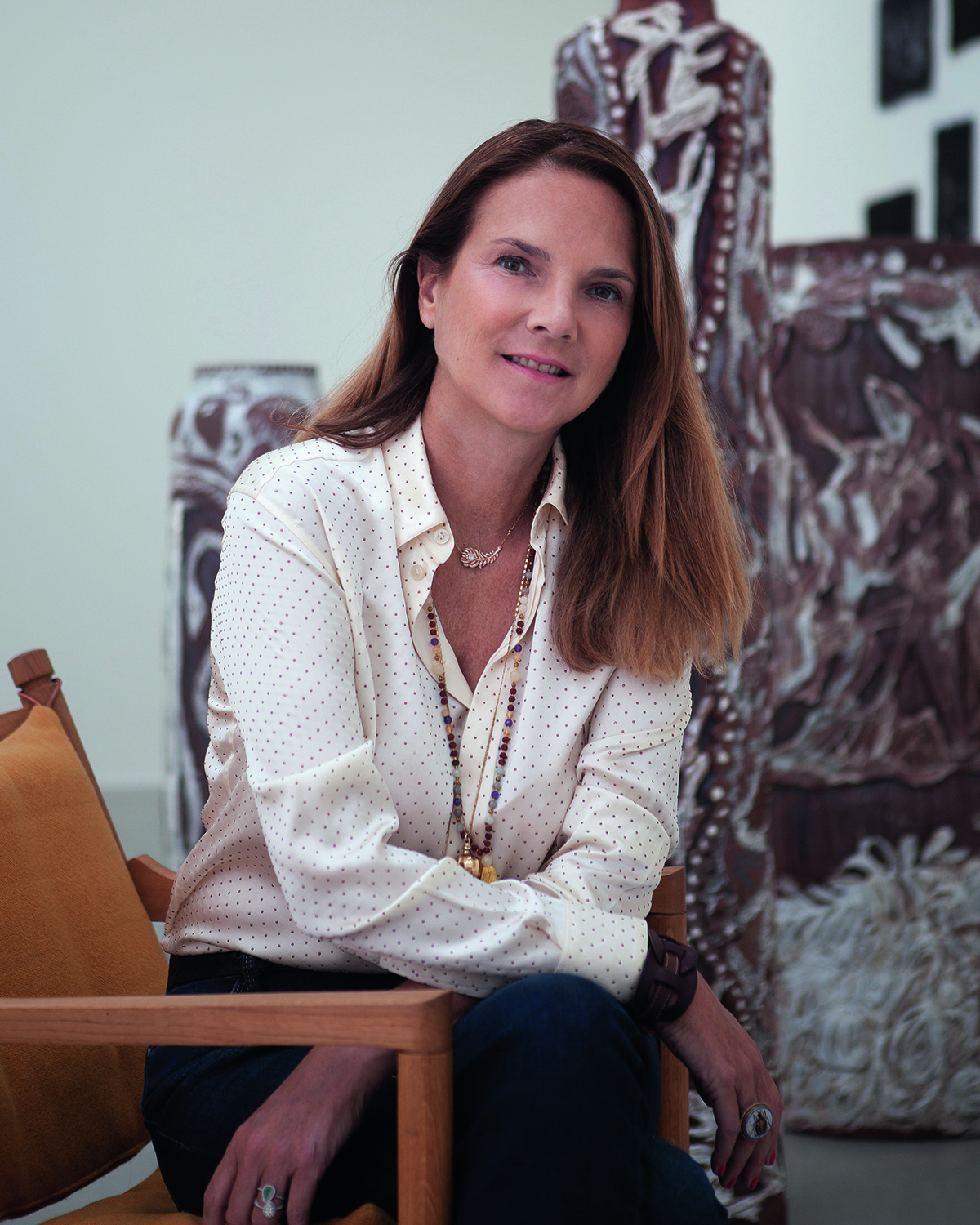
Founder of Fondation Thalie, Nathalie Guiot
The Brussels-based French founder of Fondation Thalie is from one of France’s biggest retail families. Nathalie Guiot speaks to LUX about the need for an all-round vision in facilitating arts and culture to support sustainability and biodiversity – and why you shouldn’t call her a philanthropist. Interview by Anne-Pierre d’Albis-Ganem
LUX: What prompted you to start your foundation?
Nathalie Guiot: The aim was to support contemporary art linked to societal issues with three objectives. To give more visibility to female artists, as I don’t think they are represented enough; to promote dialogues between visual and savoir-faire craft, such as ceramics and textiles – I come from a family of entrepreneurs in retail and textiles; and to be involved in the ecological transition, to invite artists and scientists to create new narratives to call for action. It’s a multi-disciplinary foundation connected to new narratives, contemporary writing, new forms of creative writing, as well as visual arts and ecological transition, and how we can address this urgent topic.
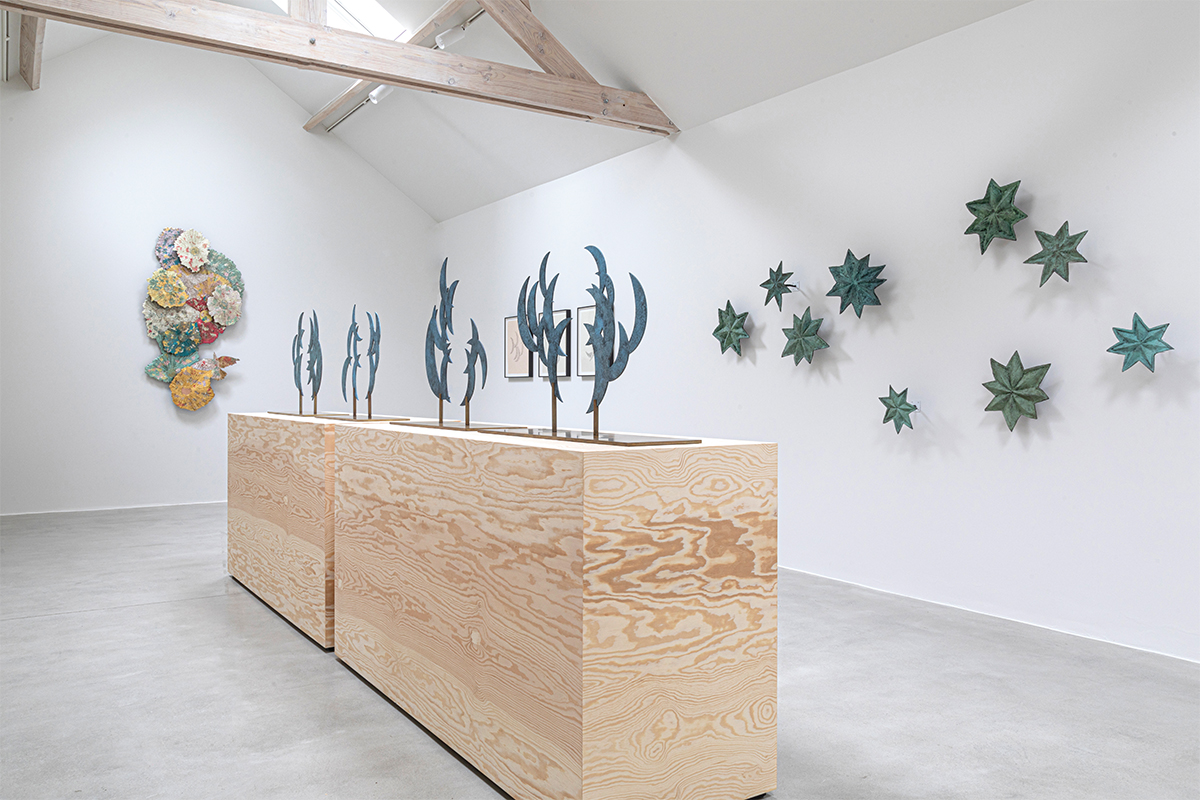
Artworks by Kiki Smith at her solo show at Fondation Thalie
Follow LUX on Instagram: luxthemagazine
LUX: Do you think of yourself as a philanthropist?
NG: I come from a family where we don’t really use that word. I don’t know why – it’s more like we are taking action, but we are not considering it as philanthropy, even if it is actually philanthropy. It’s a way of interacting with contemporary art creation now and how can we help these artists make their projects.
LUX: How can artists address the environmental issues?
NG: I think they have a vision that we don’t have. They have a vision to
project what the future will be. I think about Tomás Saraceno… it’s not only visual art, it is also in cinema, like the amazing film maker Cyril Dion. He just came out with a new movie called Animal talking about the end of biodiversity.
Nathalie Guiot speaking to a group at the Kiki Smith exhbition at Fondation Thalie
LUX: You are involved with artists and biodiversity.
NG: Right now, it’s more about conversations online, and from these conversations we will publish a book of 12. It’s about supporting people who are doing things. We are partners of the festival Action for Biodiversity in Arles at the end of August. I am also involved in the family business, which is Decathlon (the French sports retailer), as a board member of the Transition Committee. We’re working with the École des Arts Décoratifs in Paris, on a three-year research programme for the next generation of designers. It focuses on how to create products without destroying natural resources. Artists and designers will work with mycelium, for example. It will be inaugurated in September.
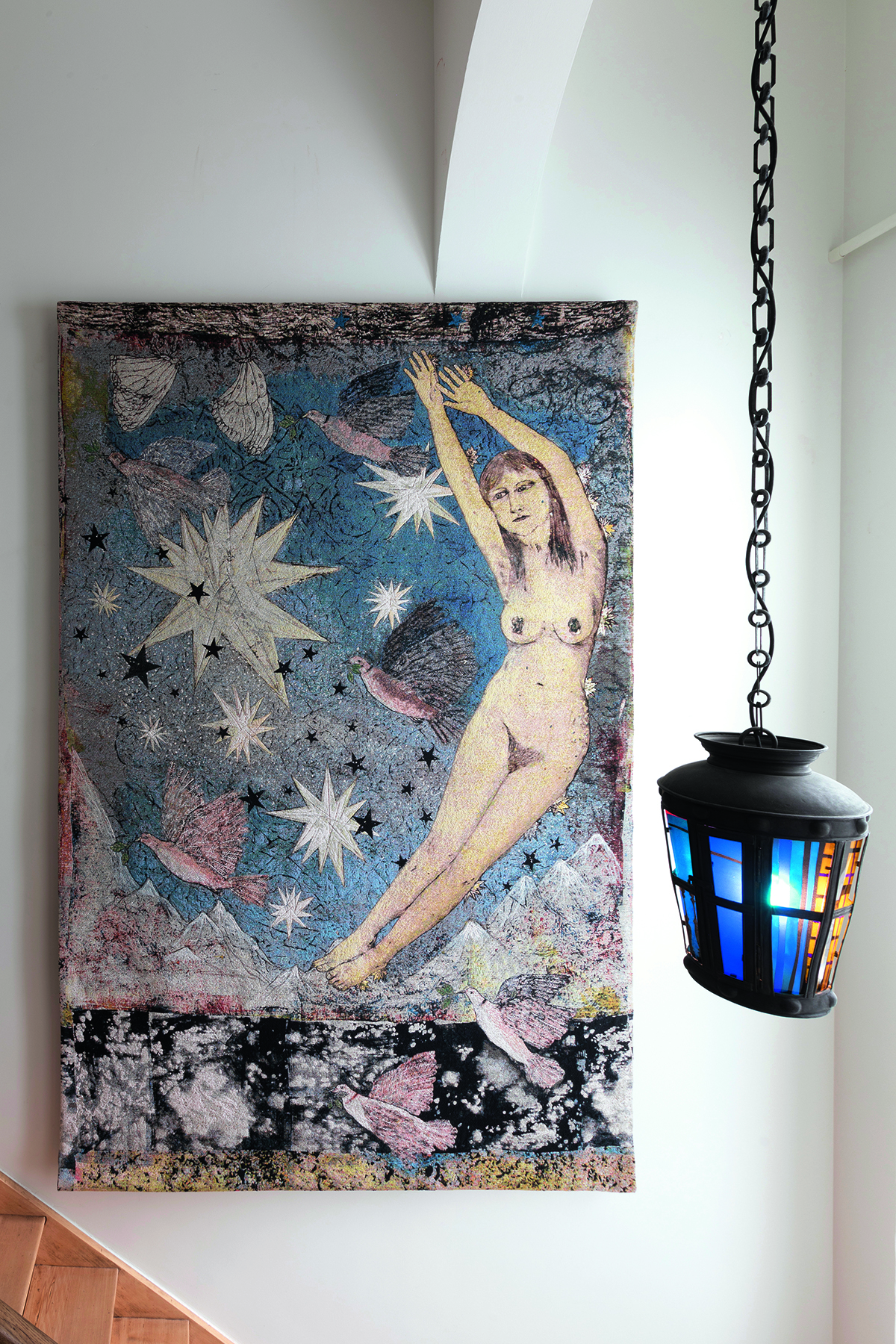
Artwork by Kiki Smith
LUX: Is it a duty or a privilege for those with means to support the arts, given the pressures on public sector funding?
NG: I think it is a privilege to commission artworks, and to enable the creation of a community of patrons and collectors sharing the same passion! More than ever, we need creativity and poetry regarding our dramatic political context of the war in Ukraine. I am grateful to enable the support of artists in this context of a private foundation and to build this art collection over time.
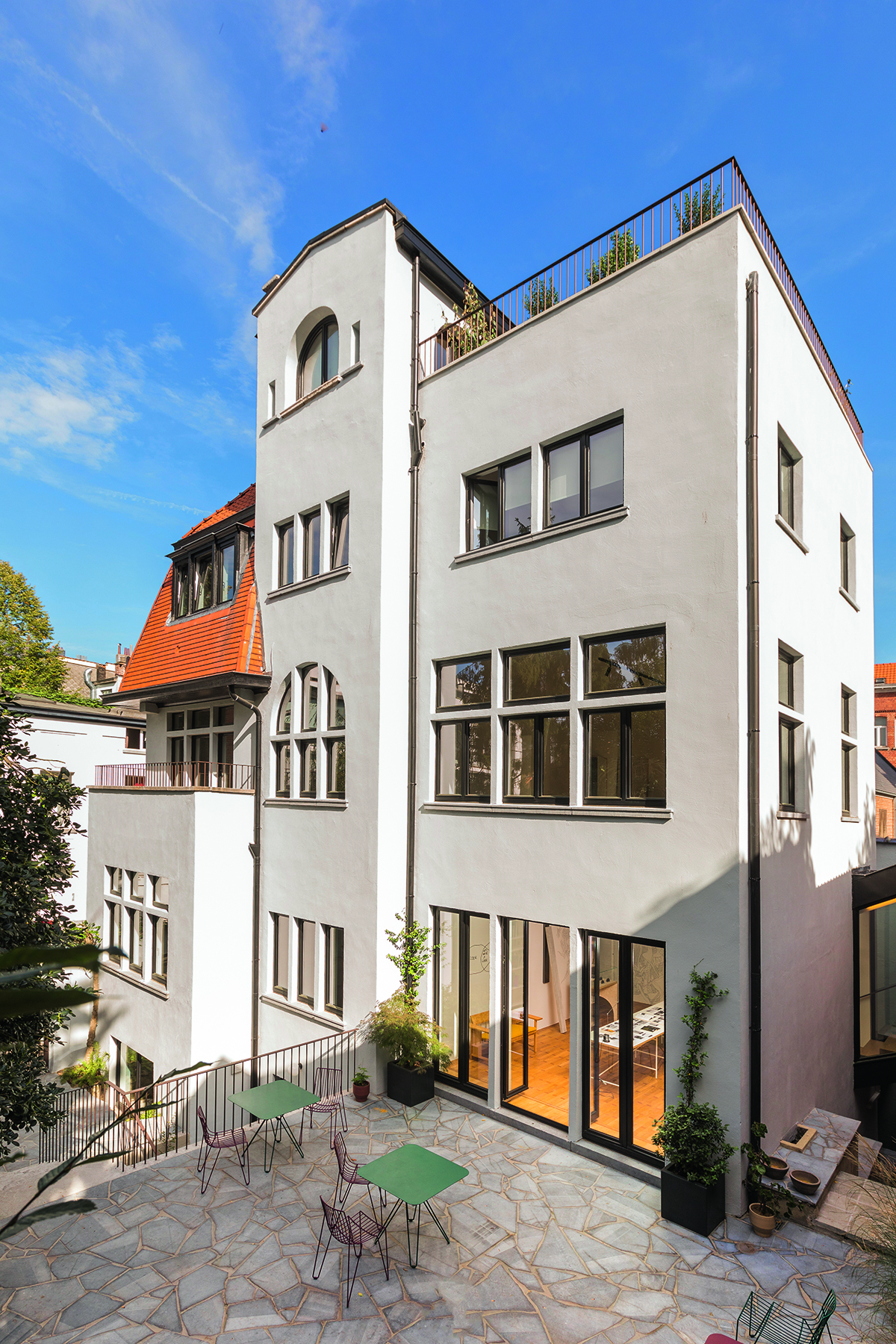
Fondation Thalie
LUX: What changes have you seen around the ecosystem of supporters of the arts/philanthropists, foundations, and museums in the past five to 10 years?
NG: They are more present and active – in particular, in Brussels. When I arrived 18 years ago, there were no galleries, artist-run spaces or contemporary centres. Nowadays, even my baker has an artist-run space!
Read more: Marina Abramović: The Artist As Survivalist
I am kidding, but Kanal Centre Pompidou (museum) has opened in an old car factory downtown, Wiels (contemporary art centre) has a cutting-edge programme of exhibitions, and numerous other galleries and private foundations are there now. Brussels is becoming the place to be!
Find out more: fondationthalie.org
This article appears in the Summer 2022 issue of LUX
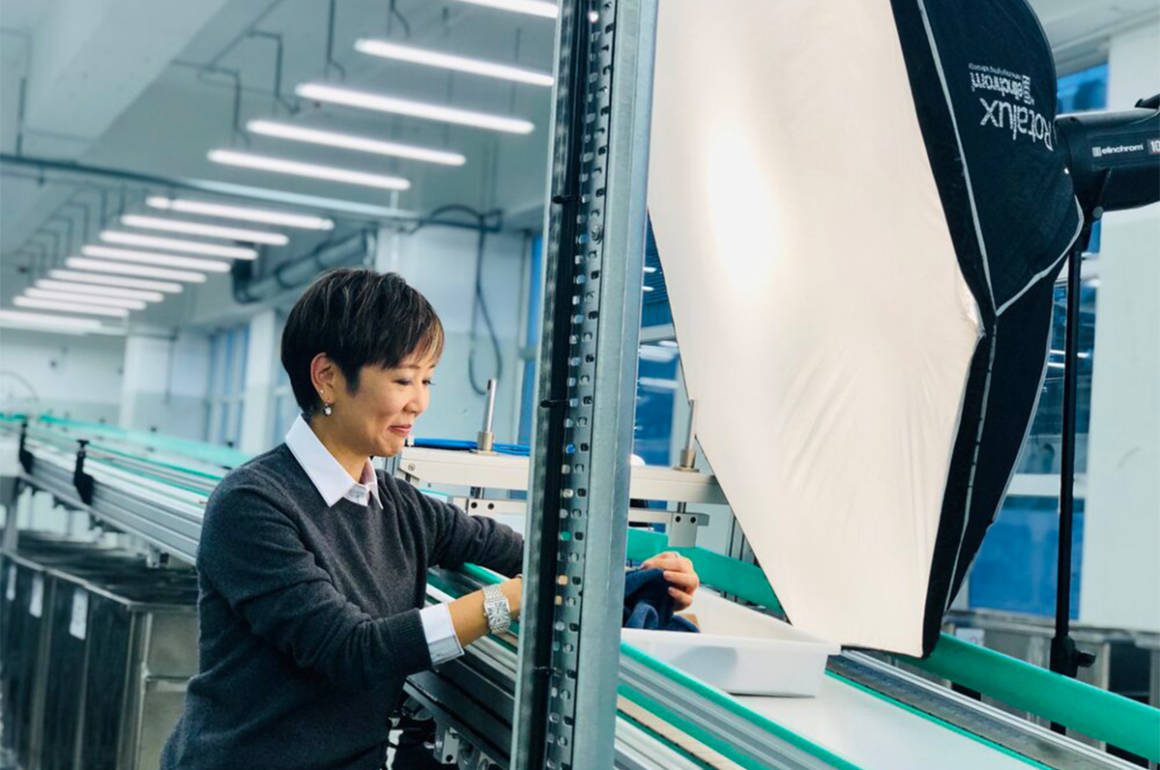
 Ronna Chao is Chairman of Novetex Textiles Limited, CEO of Novel Investment Partners Limited, Director of Novelpark Investments Limited, and has taken on various advisory and leading roles in foundations. Here she speaks to Samantha Welsh about leadership, particularly at Novetex
1. How much is good leadership about effective communication?
Often as CEO, you find colleagues look up to you as the leader of the pack. Leadership is as much about offering a show of strength as it is about allowing the members of your team to feel that they are truly a part of something. During meetings, I regularly say: “What do YOU think?” This is because I want to promote an atmosphere in which everyone, regardless of rank, feels safe and free to speak and voice their opinions and recommendations. There is so much we can learn from each other and I really believe that mentoring is not one-way. Communication is a skill that requires constant practice and honing.
Follow LUX on Instagram: luxthemagazine
2. What is it about this collaborative style of leadership that you are passionate to share with next gen through Bai Xian Asia Institute?
Bai Xian Asia Institute is the brainchild of my dad, who had the opportunity to study overseas and believed in the importance of fostering friendship and understanding in young people across different cultures. We focus on supporting Asian students to study abroad within the region because we believe that one needs to understand and appreciate one’s own home region and culture before becoming good ambassadors elsewhere. We provide our scholarship recipients a secure space where they can exchange views, and this environment enables them to grow as individuals and as part of a community. As they become leaders in the various fields of their choosing, our hope at Bai Xian is that they extend their circles of influence and propagate their perspectives and experiences with the wider community. Having studied abroad for extensive periods of time myself, I too see the necessity and the advantages that come with intercultural and interdisciplinary education. The world is getting smaller and smaller, and the need for collaboration across borders, across industries, is so apparent.
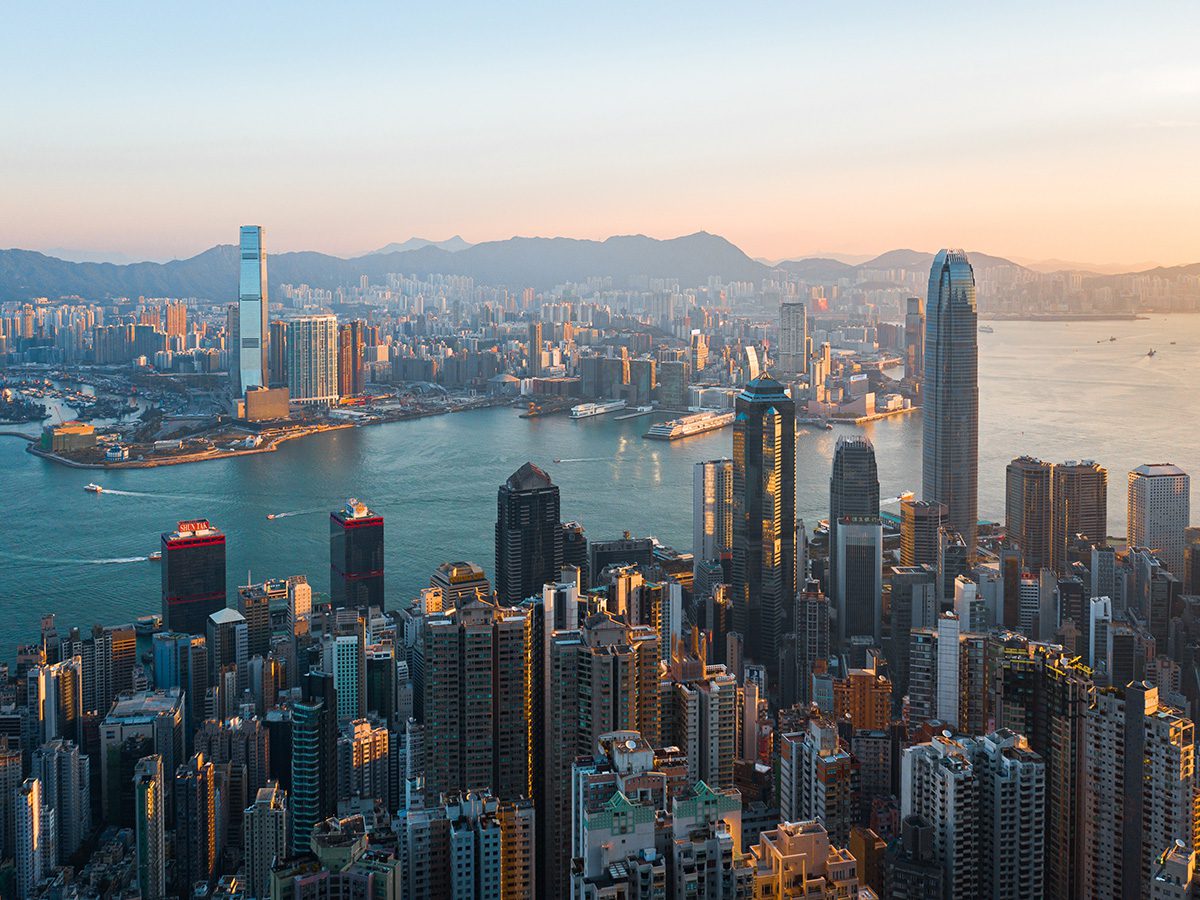
3. At a personal level, how do you manage challenges in, or to, your leadership?
Things always evolve, and one way to maintain an open mind and curious mindset is to accept and embrace the fluidity of circumstances and situations. One thing I strive to keep in mind in my leadership is that I do not and cannot know everything. My liberal arts education at Brown allowed me to explore interests in different subjects and topics as an undergraduate. These experiences trained me to keep an open mind and have broader perspectives. My three children are growing into adults themselves, and I am constantly in awe of their wisdom and ability to absorb everything around them. At their age, it’s natural that they begin questioning me – but they know that questions, criticism are always welcome to me and the communication lines remain open. These days, the roles are reversed in many instances as there is so much that they teach me and I look forward to considering their experiences and perspectives, especially as they come into their own and forge their own paths.
4. What compelled you to return from US back to Hong Kong to lead Novetex, a pioneer in the global textile industry?
Returning to Hong Kong and working with Novetex was a wonderful opportunity and an enormous honour for me that our family trusted me to let me try and helm the company. Ron’s heavy investment in research and development (R&D) proved fundamental to modernising our business practices. We initially created The Billie System, an innovative upcycling process that reduces environmental impact, to address the textile waste that our company was producing on an internal level. Over the past decade, we’ve identified new ways to minimise our environmental impact, even down to our supply chain. We arrived at the idea of The Billie together with Hong Kong Research Institute for Textiles and Apparel (HKRITA). Because of how we began this venture, the focus has been on preventing materials from entering landfills and recapturing the value of these fibres.
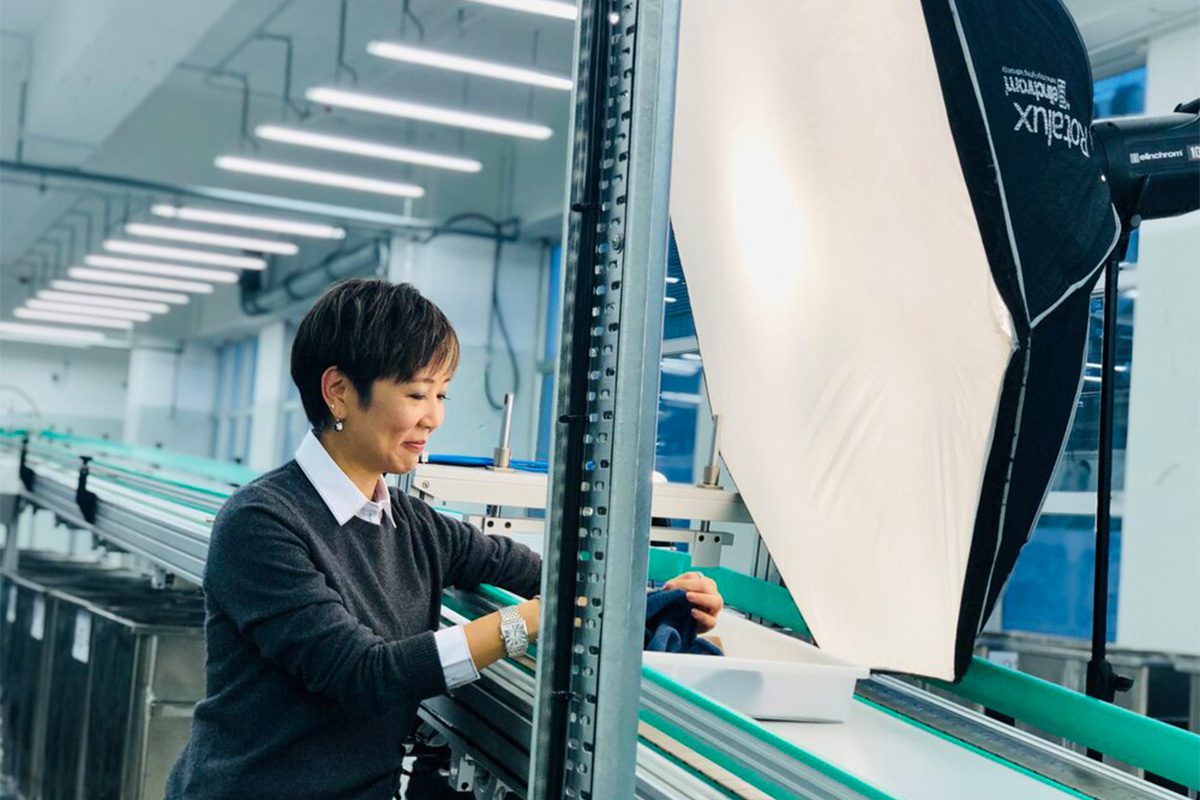
5. Novetex is also a first mover in textile R&D and you are invested in a sustainable future. Where have you found innovation to be most impactful under your leadership?
Novetex has been in business for five decades. We began this journey toward sustainability almost fifteen years ago when the topic was not popular as it is now. At Novetex, we pride ourselves on being our customers’ “Complete Yarn Resource,” which means we strive always to be creative and innovative in offering a wide variety of qualities, colours, custom-designed and specialty yarns.
Read more: Lazard’s Jennifer Anderson on the Evolution of ESG Investing
In a self-reflection process, we audited our environmental impact, and reviewed processes from our operations down to our supply chain. Textile waste was identified as one of our pain points and we started having conversations with stakeholders and other parties to address the issue. Rather than worry about whether the timing was right, we went full steam ahead – and incorporating sustainability into our mission and vision is paying off, slowly but surely.
6. What was the take-away in your speech to other leaders at Hong Kong’s Business of Design Week?
Prior to joining Novetex in 2010, I had little to no hands-on experience in factory operations, textile R&D, sales and marketing, and brand management. Having to assume a leadership role with such “limitations” was a challenge. Nobody knows everything, and humility, curiosity, open-mindedness, and the attitude for life-long learning are key drivers that can help us as we journey in uncharted waters. Innovation and change require not only vision and courage but also patience and persistence. It is a marathon, not a sprint; setting goals, constant reviewing, keeping the balance between reaching for stars and keeping your feet on the ground enable us to cover the distance bit by bit.
Find out more: www.novetex.com
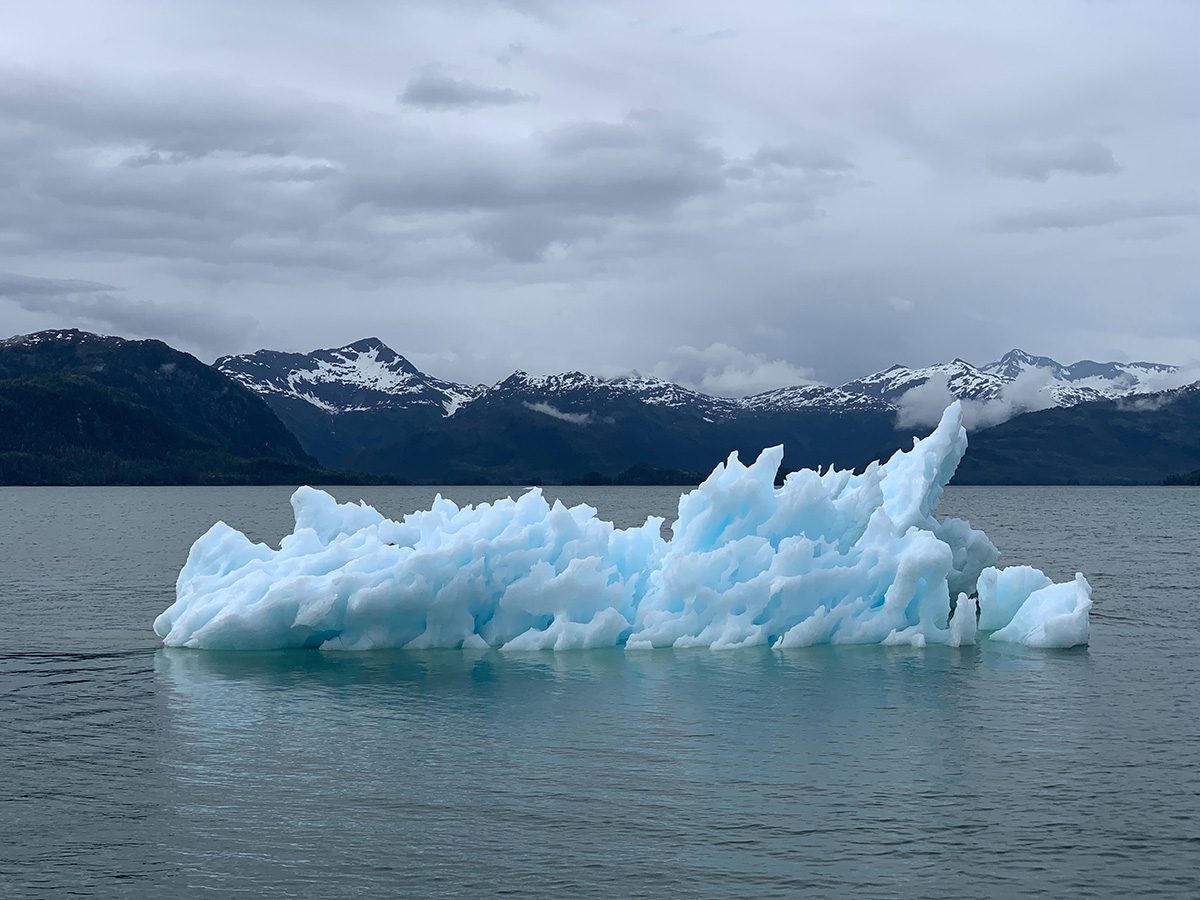 Jennifer Anderson, Co-Head of Sustainable Investment & ESG at Lazard Asset Management, speaks to LUX Contributing Editor, Samantha Welsh, about the history of her career, the changes in the ESG investment landscape over that time, and offers an insight into why she thinks the industry is at an important inflection point
LUX: What inspired you to pursue a career in sustainable investing?
Jennifer Anderson: My grandmother was a visionary, in my eyes. She was an early campaigner with Greenpeace in the 70s and 80s and often spoke about her work. I remember her talking about her involvement with the Chernobyl Children’s Project, activities to protect the ozone layer and cleaning up local beaches. That certainly sparked my passion for environmental issues. As I continued my education, I sought study options that helped me explore the intersection between business and the environment. At university, I studied environmental economics and development economics. The lightbulb moment was during my work experience with an asset manager, where I first learnt about socially responsible investing (SRI). I remember thinking “Wow, you can have a career in investment focused on understanding how social and environmental issues relate to that”.
Follow LUX on Instagram: luxthemagazine
My career continued in asset management in the then ‘niche’ area of SRI, with focus on an ecology fund that was the first authorised green unit trust launched in the UK. I then joined an ESG Equity Research team on the sell side, authoring research on BP’s Macondo disaster. I built on this experience at an asset owner, where I spearheaded ESG and climate integration for pension funds. Since 2019 I have focused on the expansion of sustainable investment and ESG integration at Lazard Asset Management.
Jennifer Anderson, Co-Head of Sustainable Investment & ESG at Lazard Asset Management
LUX: There has been a bit of an ESG backlash recently. Is this the beginning of the end for ESG?
JA: Far from it. In some ways the public’s growing scepticism was to be expected, and so one could argue the industry needed to go through this, have healthy debate, and adjust approaches to arrive at a better place. The frequency and severity of extreme weather events is increasing, and income inequality continues to widen. The momentum to correct these imbalances is building, but to many it remains slow. So, it is easy to understand the growing ire. There is also a great deal of noise that investors must cut through in this growing space. News headlines about greenwashing create doubt, the current “one size fits all” corporate scoring approaches create confusion. Recently, the S&P 500 ESG Index dropped Tesla, while keeping Exxon. How are investors meant to make sense of all of this?
A dichotomy has also emerged following the war in Ukraine. The situation makes commitments to reduce the use of fossil fuel, challenging in the near term. Longer term, it could accelerate renewables adoption to help achieve energy independence, but it shows the road ahead could be rocky. Spikes in commodity prices tend to disproportionately affect those on lower incomes as food and fuel costs make up a larger proportion of their overall expenditure.
So, who ultimately pays for the energy transition and how will the effects be managed? These are some of the questions that the concept of a just transition seeks to address. How does the transition out of high-carbon activities into greener ones happen in a way that workers, communities, and countries are protected while also maximising the benefits of climate action? The focus on real-world outcomes is certainly growing. ESG strategies have migrated from approaches largely focused on negative screening and exclusions to those centred on ESG integration. The next stage for the relevant industry participants will be evidencing outcomes and impact, which has traditionally been easier to do in private markets. The industry needs to demonstrate value to break through the scepticism.
LUX: How important is the role of governments and international frameworks such as the United Nations COP meetings in channelling capital to more sustainable activities?
JA: A global challenge requires a globally coordinated response. It is easy to view climate summits in isolation, but having closely followed their progress over several years, I would say the fundamental shifts are clear. I attended COP26—the climate change conference in Glasgow—in November last year. It was the most widely publicised climate conference ever. The scaled-up presence from the private sector was also noticeable. The Glasgow Financial Alliance for Net Zero—comprising 450 financial institutions—have pledged an eye-catching $130 trillion in capital to fight climate change. Investors, companies, and countries are now making net-zero targets the norm. So, if we look back to where we were at COP21 in 2015—where 195 countries adopted the first-ever universal, legally binding global climate deal—it is fair to say a lot of progress has been made since, but there is still a long way to go.
LUX: Is there sufficient data to quantify and price environmental and social issues?
JA: Third party tools and data help with benchmarking or as a starting point, but they can be unreliable in isolation, backward looking, or incomplete. Add to that the fact that ESG and sustainability issues are not uniform in scope, scale, or duration across industries and geographies. Ratings agencies combine data from different sources and condense that information into a score. This is a highly subjective process. What sources of information are used and why? How is the information sourced and “cleaned”? How are information gaps bridged? The methodologies and qualitative analysis used vary significantly between ratings agencies, so the scores produced tend to have a low correlation. As an investor you look at this and wonder which is closer to the truth.
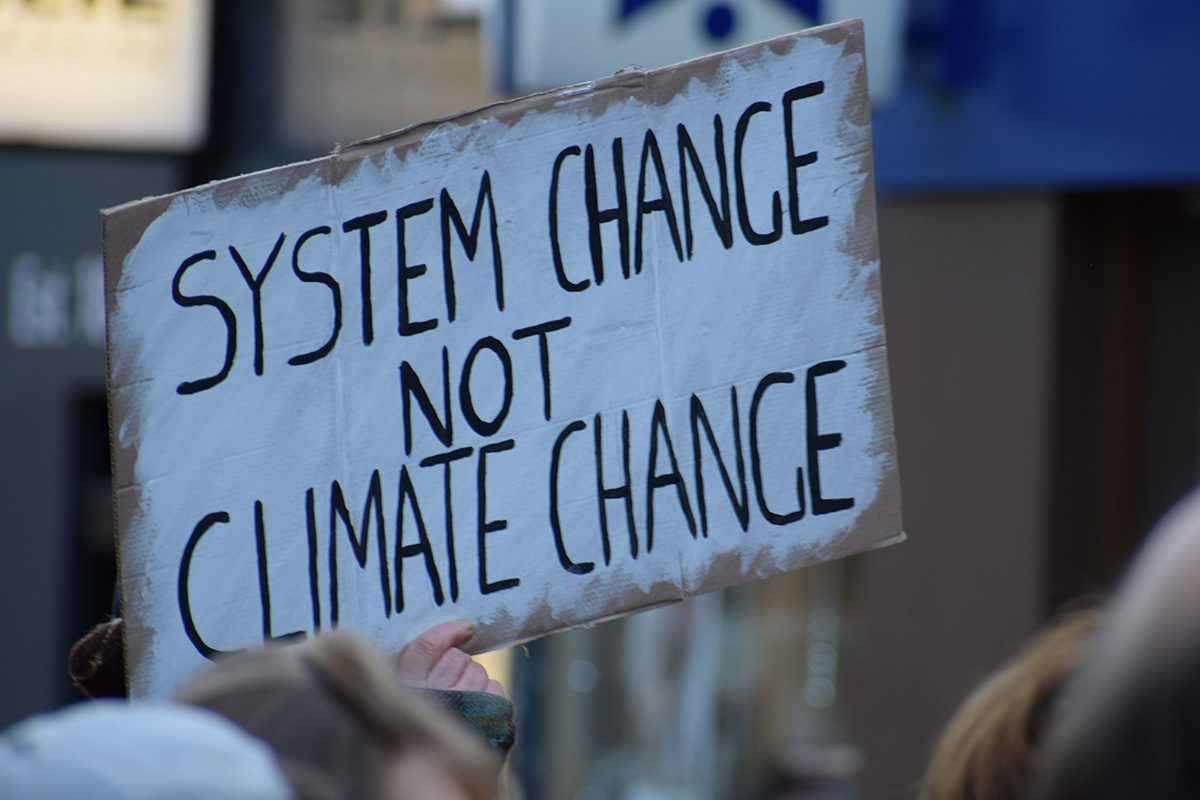
Sure, clarity from standard setters and accounting bodies will help, but this does not replace the expertise that investment professionals offer. They have a deep knowledge of how governments, regulators, companies, and industries operate. At Lazard Asset Management, our investment professionals are responsible for incorporating ESG and sustainability-related risk and opportunity assessments into their relevant analysis and are supported by in-house expertise in ESG and sustainability—including in climate science, the energy transition, stewardship, and net zero—to help them contextualise and size issues when incorporating them into their applicable financial models.
Financial materiality is dynamic. Governance and human and natural capital issues that are material today may not be material in the future. Investors need a forward-looking, active approach.
Read more: Octopus Energy Founder Greg Jackson On The Green Revolution
LUX: What role does engagement play in making sustainable investments?
JA: I believe engagement is everything. Lazard Asset Management recognises that a company’s governance policies and board structure, environmental practices, labour policies etc, can materially affect a company’s long-term financial performance and therefore a security’s valuation. The firm’s fundamental analysts work together to understand issues that follow supply chains or impact certain geographies, and this is what gives our research depth. With this depth of knowledge, the professionals on our fundamental research platform can interact with management in a meaningful way to understand how this relates to corporate strategy and achieving better real-world outcomes.
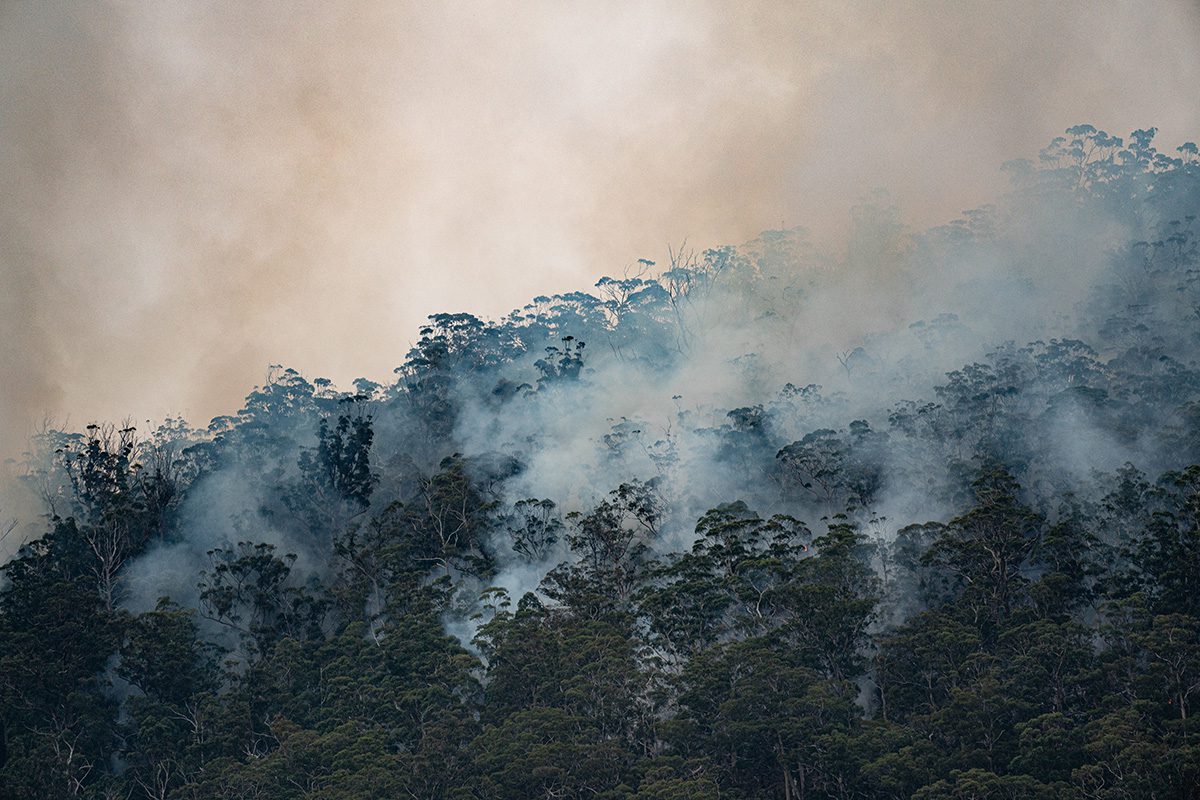
LUX: What messages do you have for investors starting on their journey on sustainable investment?
JA: Firstly, I would say sustainable investing is no longer seen to be predicated on a trade-off between enhancing returns and having a positive real-world impact. Inadequate governance practices and poor stakeholder management can undermine a company—or even a country’s—long-term prospects, and this can later become negatively priced by capital markets. Secondly, investors need to be very clear on their objectives. Are they ESG-aware and seeking to incorporate financially material ESG issues into their investments and wanting company managements to be challenged on ESG issues that are a cause for concern? Are they sustainability focused—i.e., believe the world is transitioning to a greener, fairer, healthier, and safer place –and wanting to capitalise on this as a structural theme? If so, bottom-up, fundamental strategies can identify the winners and losers from the transition to a more sustainable economy. Beyond this is impact investing, which has a much higher threshold again, and is about evidencing both intentionality and additionally. Every type of investment has different risk-reward profiles. It’s about identifying which ones align with your investment beliefs and objectives.
Find out more: lazardassetmanagement.com/sustainable-investment
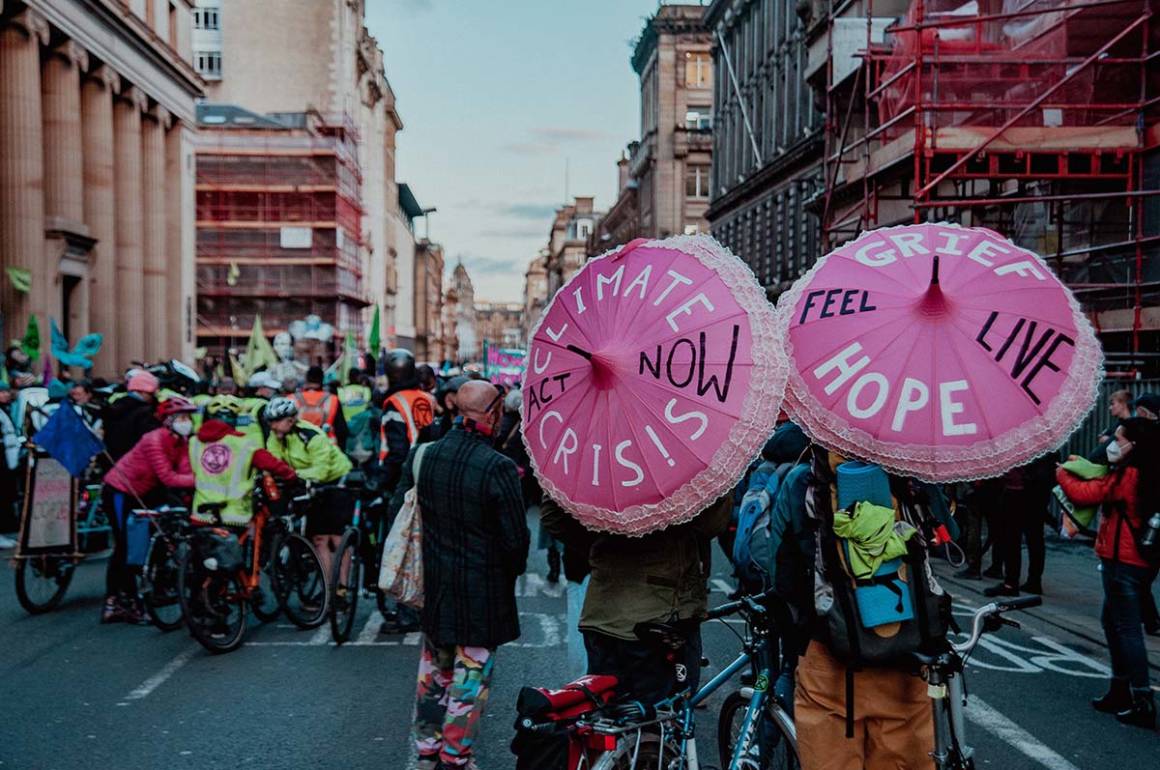
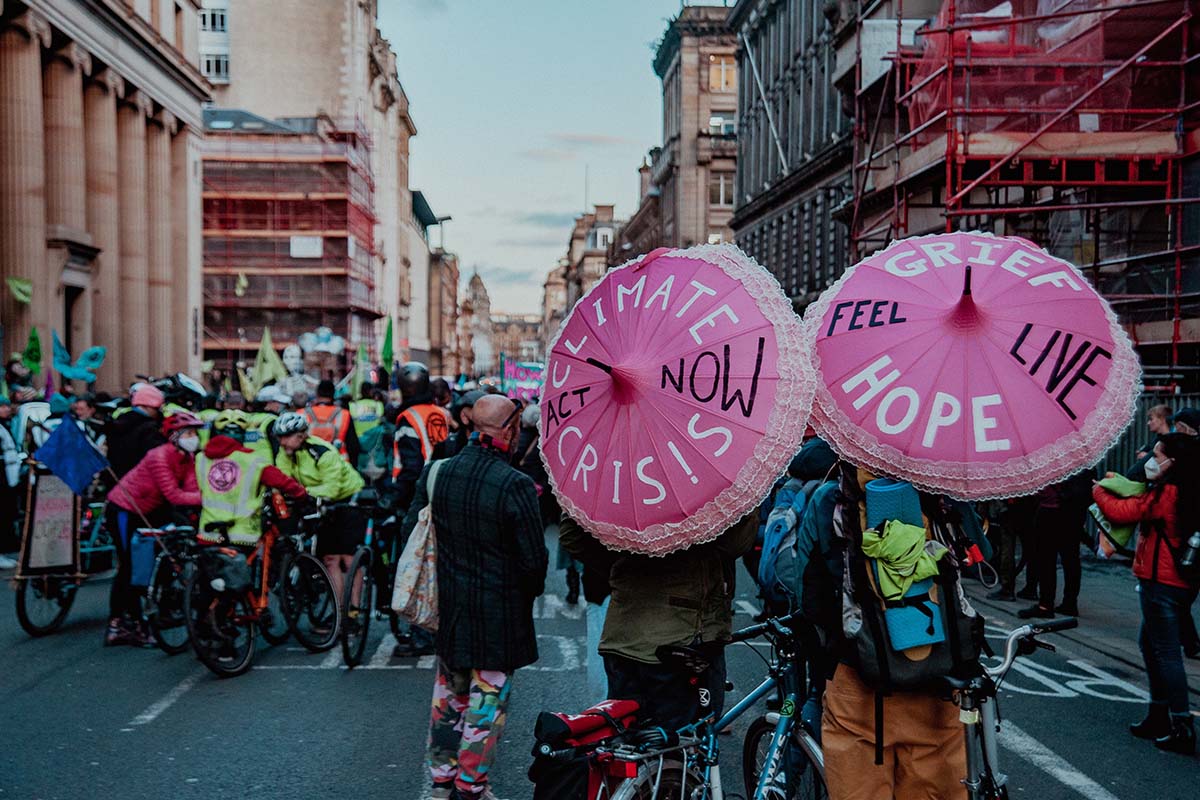
Nature provides services worth over $125 trillion per year globally
The planet’s species population sizes have decreased by 70% since the 1970s. Yet while scientists have proven that biodiversity loss is intimately linked with climate change, it continues to be kept in the shadows of the climate agenda
As the Nature-based Solutions Conference kicks off at Oxford University this week, we speak to Professor Nathalie Seddon about why boosting biodiversity is essential to building the resilience of our ecosystems in a warming world – and why planting trees is not the catch-all solution some think it is.
LUX: The mass of living creatures in the world is undergoing a dramatic diminution. What are the effects of this?
Professor Nathalie Seddon
Nathalie Seddon: The statistics are startling. We have lost about 80% of wild fish from the oceans and 82% of wild mammals on land, so our habitats and natural ecosystems are basically empty. 97% of vertebrates on the planet are people and their livestock; only 3% are wild creatures that we share the planet with. 9 million hectares of tropical forest are cut down a year; and we’ve modified over 50% of land use.
Biodiversity is important for multiple reasons – material, cultural and spiritual. Our health is intimately linked to the health of all these ecosystems that we are currently destroying. Our nature systems support us in countless ways, providing clean air, water, food, and genetic resources. Over half of GDP depends on natural ecosystems, which generate over $125 trillion worth of ecosystem services each year – from reducing the impacts of droughts and protecting coastlines from flooding or forests from wildfires. These services are dependent on the species and the diversity of the species within them, and are incredibly important to our resilience in a warming world.
Follow LUX on Instagram: luxthemagazine
LUX: Why is there so little awareness around biodiversity loss?
NS: Climate still doesn’t get enough attention or funding, but it is considerably more prominent in discourse than biodiversity is. Our economy has also been developed on the assumption that nature’s resources are infinite. People assume that, with enough money, technology will come to the rescue. I think there is a fundamental reason to explain all of these: the age-old idea that humans are not part of nature but rather separate from it; that we must conquer nature rather than flourish as a part of it. This disconnect between humans and nature is the root cause, and therefore also part of the solution to the trouble we face.
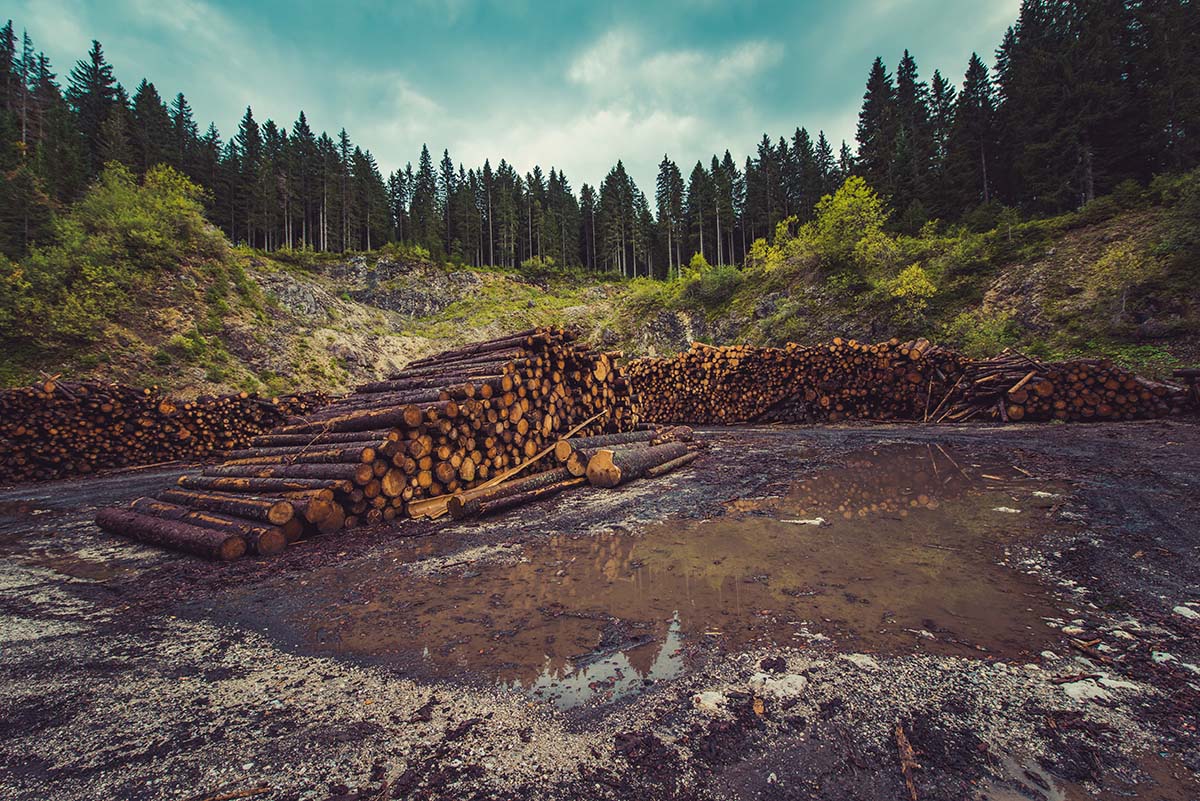
Deforestation contributes to increases in temperatures and changes in rainfall patterns across the world
LUX: Are we at a turning point of the understanding of the importance of biodiversity – not just as a desirable end in itself but as an essential part of combating climate change?
NS: In principle, yes. In the international policy and business community, there’s a lot more talk about biodiversity and climate change as two sides of the same coin. But a lot more work is needed to make sure that there is a robust understanding of what that means in practice and how that translates on the ground. For instance, agriculture or commodity production are the biggest drivers of biodiversity loss and also the second biggest source of greenhouse gas emissions. Protecting and restoring our biodiversity can help reduce emissions, but about 23% of our emissions come from changes in the land use sector in agricultural and forestry and other land use, so improving what happens in those landscapes can also have important impacts on warming. It’s only still quite a small part of the solution.
There has been a step up in terms of the prominence and emphasis on nature as part of the negotiations on nature-based solutions. But there are huge misunderstandings, including a big conflation of commercial forestry with nature-based solutions. You can’t just plant trees and then delay decarbonisation and transition to renewables.
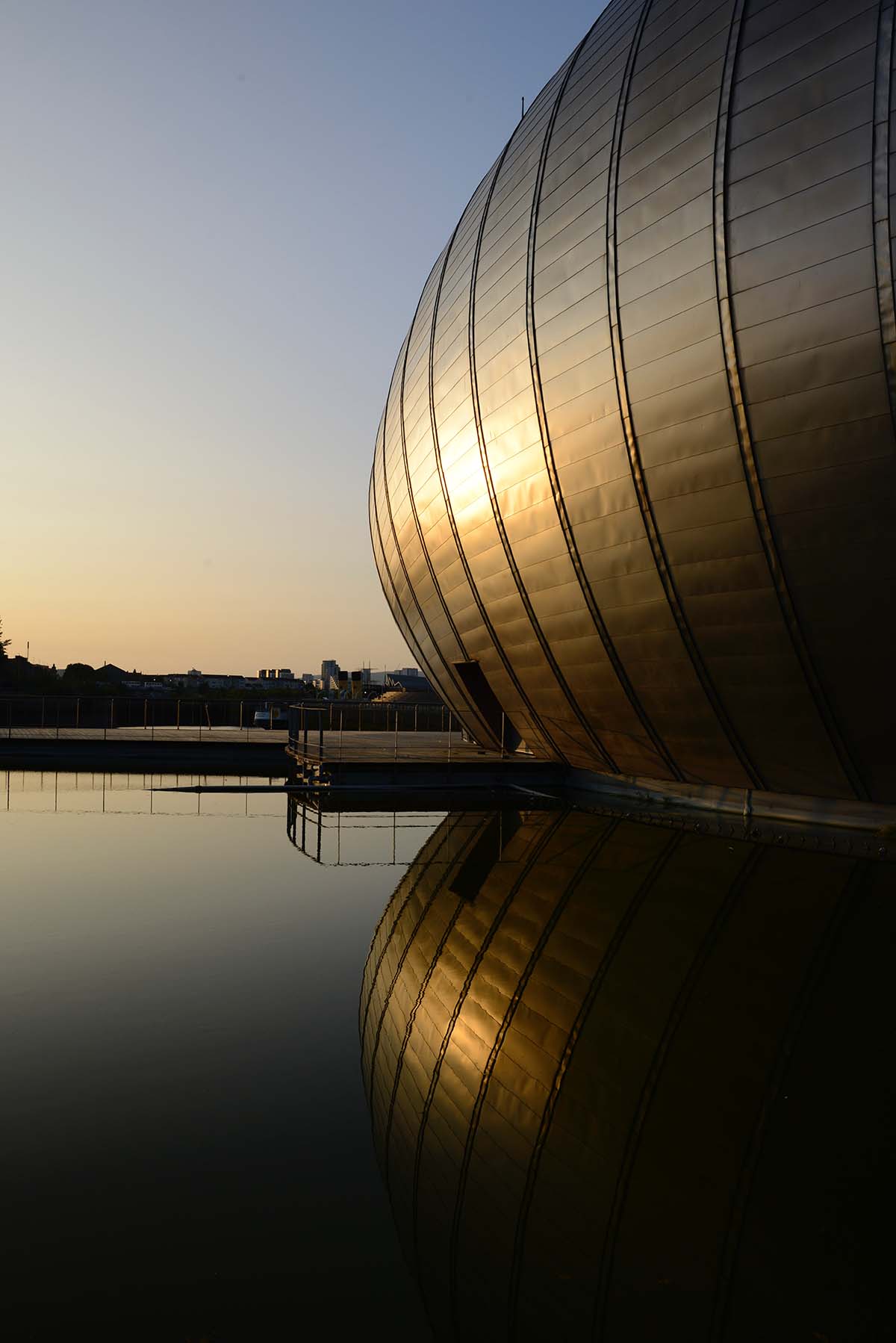
The Glasgow Science Centre played a key role in last year’s COP26 discussions
LUX: What are the most important steps leaders in business and wealthy individuals can take to combating this?
NS: A lot of businesses and governments are making net zero pledges, covering 90% of the global economy. But you look under the bonnet, and most of them are not underpinned by a really robust science based plan or any funding to enact it.
Talking about how nature, biodiversity and climate are connected is good, but we need to ensure that decision makers who are acting on that basis understand what that actually means in practice.That doesn’t mean offsetting carbon emissions by investing in cheap forestry plantations. It means doing everything they possibly can to reduce those emissions and reduce the damage that they’re doing to ecosystems within their supply chains whilst also investing in projects that are biodiversity based and community led and ideally doing that within their supply chains, which is a process that’s called insetting rather than offsetting.
Read more: Cary Fowler on Protecting the Biodiversity of our Planet
Offsetting is when a company will calculate its impact on climate or emissions so it will invest in probably some trees somewhere that probably shouldn’t be there and feel like it is addressing the problem. Insetting is looking within your own supply chain and investing in high quality, valuable projects within that supply chain, so insetting your damage to the biosphere and the climate within your supply chain. In doing so, you are not only meeting your ESG requirements but also increasing the value in resilience of the supply chain itself. It’s about investing in nature in your supply chains to reduce risk, operational risk, supply chain risks as well as reputational risk.
There is a real need to engage fully with the research community to ensure that those pledges can be met in a sustainable, ethical, biodiversity community-based way and so that’s where the work is. Public-private partnerships between researchers and businesses are really important. Companies in general should adopt a generative, circular economy model and then embed proper robust accounting on natural and social capital in their accounting procedures.
Humans have identified just 3 million of over 12 million complex life forms on the planet
LUX: Is it true that we are still discovering exactly how different species, seemingly unrelated, can have a dramatic impact on the health of the planet and the human race?
NS: There’s upwards of about 12 million complex life forms on the planet, and we have only named around 3 million of them. We don’t know what functions all those species play in the ecosystem, we just know that all species matter and that we can’t afford to lose the predicted 1 million species by the end of the century.
That diversity gives ecosystems the resilience they need in a warming world. It’s like having a diverse investment portfolio – the more different sorts of investments you have, the more likely it is to be able to weather the storm, in that case, a financial storm. In a natural world, the more species you have, the more likely it is that that ecosystem can deal with whatever is coming.
LUX: Are there any causes for hope, or is your feeling that we are doing too little too late?
NS: On one hand it’s all very frustrating because we’ve known for a very long time what causes climate change and what drives biodiversity loss, yet very little has been achieved. Put it into perspective: we have lost about 70% of species populations since the 1970s, despite a huge increase in the coverage of protecting it.
But there are lots of countries that are pledging to do the right thing: community and biodiversity based investments and nature-based solutions, at the same time as big commitments to renewables and reducing emissions. Costa Rica is leading on climate policy and the practice of renewables, plus large areas of land are under recovery and protection. [The same goes for] Moldova, Brazil, Chile and Cape Verde, at least on paper, in terms of how they’re incorporating nature into their climate change pledges.
There are also various companies that are taking a high integrity approach to tackling net zero. Netflix is an example of that: they are reducing emissions across all of their operations as fast as they can, as well as investing in projects that are truly verified in terms of their carbon, biodiversity and social benefits. That’s the real point. You can’t invest in nature if you’re not also doing everything you possibly can to reduce emissions.
Nature-based solutions involve the sustainable management and use of natural resources to tackle socio-environmental challenges
LUX: Who are the laggards?
NS: Most of the main fossil fuel companies are talking about decarbonisation but they’re not making enough progress. We need to keep fossil fuels in the ground and we need to invest in nature. It’s not ‘either or’, and some of those big fossil fuel companies are just greenwashing their operations by claiming to invest in so called nature-based solutions which often just turn out to be short rotation commercial forestry plantations. That’s a live issue that needs to be fully addressed.
At the government level, many countries are investing in tree planting, while not ensuring that their existing biodiversity and intact ecosystems are protected properly, and in fact actively opening them up. Decisionmakers seem to think that growing a tree is the same as a tree which is in an intact ecosystem, yet science is really clear that there is no equivalent: you can’t recapture the carbon lost through destroying our intact ecosystem in a timely or sensible way through planting trees. .
Read more: Julie Packard: All In Together
LUX: How would you explain to an intelligent but distracted business leader that the loss of a seemingly trivial habitat in one part of the world can have a fundamental effect on people in the other?
NS: The earth is a big, interconnected system. Deforestation rates in the Amazon are increasing to meet global demand for beef and soya, but because Amazonia is a big water pump, this can cause changes in global patterns of rainfall, therefore compromising food security and causing supply chain issues. For the intelligent but distracted business leader who thinks that it doesn’t really matter if we lose all the monkeys or toucans from a forest, it does, because those species play a critical role in the ecosystems and we need to extract carbon from the atmosphere to keep all of us safe.
Ultimately, we need systemic change in how we run our economies. Our economic system prioritises material wealth and infinite growth on finite resources. Unless that changes, we won’t avert climate change and biodiversity. We need to think about circular and regenerative economies, and we as individuals need to enact big behavioural change as part of that. Otherwise, you’re just rearranging chairs on the Titanic.
Nathalie Seddon is Professor of Biodiversity in the Department of Zoology at the University of Oxford.
Find out more: naturebasedsolutionsoxford.org


Designer Rob Ryan’s fresh take for Gaggenau’s ‘Art of the Kitchen’ series
With our increasingly urban lifestyle, biophilic design is becoming ever more urgent – in fact our happiness and wellbeing depend on it. Mark C. O’Flaherty speaks to three visionaries in the field, on why reconnection with nature not only induces calm, but is the only sustainable solution
There’s nothing new about the principles of biophilic design. As a philosophy for living, it was the status quo before the industrial revolution, and in many cultures it’s still the norm. But we have literally built walls around ourselves to create a distance from the natural world. In Japan, hinoki wood is one of the most popular materials for construction, not for its impervious and practical qualities, but for the intense aroma it gives off. To live in a room furnished in panels of hinoki is to have your olfactory senses transport you to the most fragrant wilderness. In many Nordic countries, city dwellers customarily have a rural cabin to escape to, to reconnect with nature.
Follow LUX on Instagram: luxthemagazine
As our ecosystem continues to face what increasingly feels like insurmountable challenges, and urbanisation becomes the default, biophilic principles are growing in importance in design. Though they aren’t radical or new, we’ve lost sight of how crucial they are to our wellbeing. This isn’t about recycling, sustainability, or alternative ways to generate energy (although they are part of the greater narrative), it’s about how we can engage with nature in our homes in a way that will have benefits for our physical and mental health.
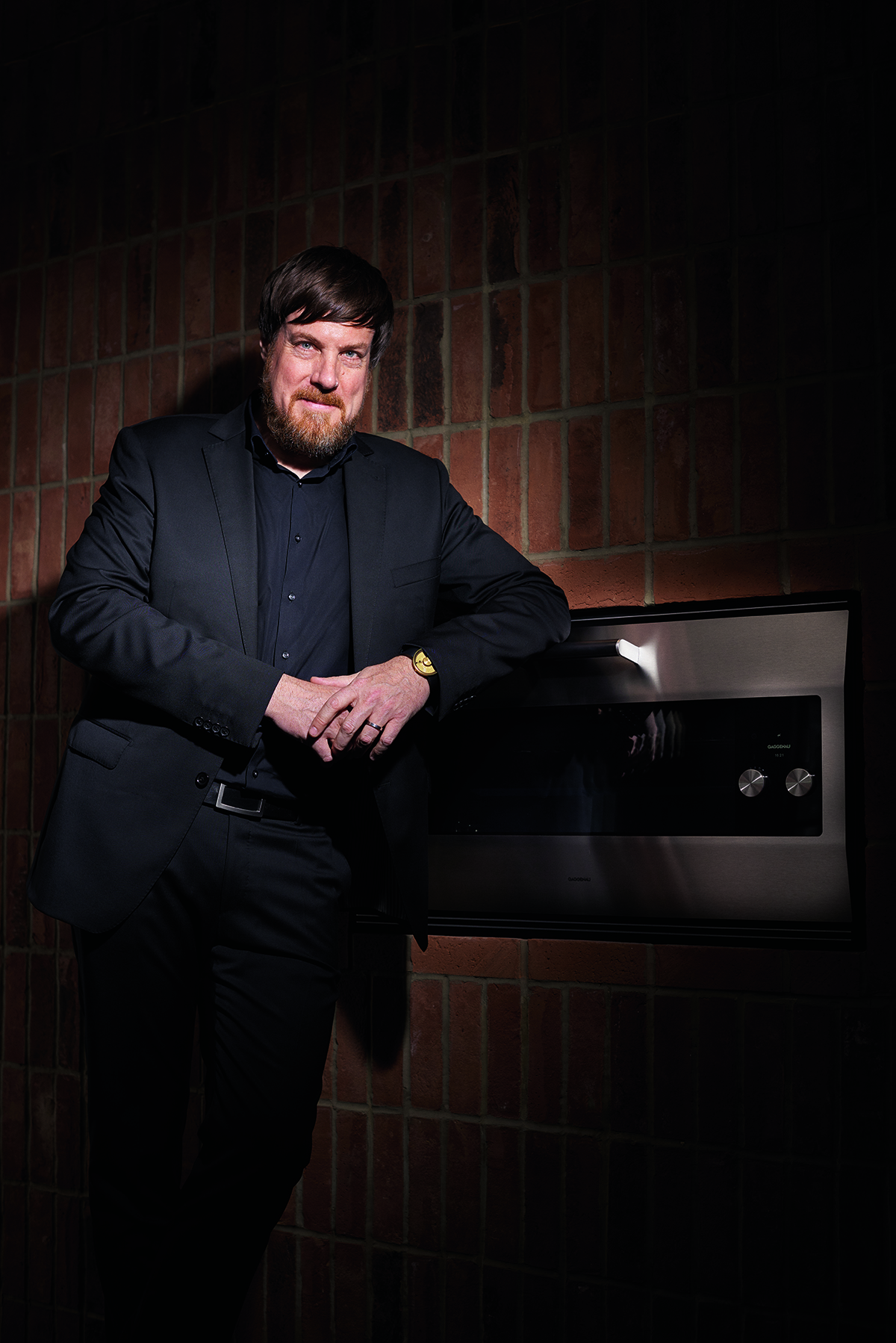
Head of Design at Gaggenau, Sven Baacke
Product designers are taking this on board luxury brands are creating functional areas, objects and spaces with emotion in mind, and an understanding of natural pathways. “Our customers may create indoor-outdoor kitchens, spaces where kitchen and living and dining are integrated and designed with a lot of natural materials, leading to a herb garden or natural wall,” says Sven Baacke, the head designer at Gaggenau. “It is tied into wellbeing, to being at one with nature, and also to sustainability: water features, green spaces, flora and plants, and the use of natural and found materials that both reduce carbon footprint, and elements like water use in manufacture. We design our products with their broader concept, and the lives and values of our customers in mind.”
Biophilia is about connections and feelings. It is the presence of living walls, pleasing aromas and good quality air. It is the marriage of colour psychology with an awareness of light, fragrances, textiles and acoustics, and has become an increasingly sophisticated discipline. It is a complex exploration of how neuroscience intersects with architecture, and when biophilic design is incorporated within urban planning as well as interiors, it treats what was once seen as just bricks and mortar as part of a living organism. It can contribute to tackling serious environmental challenges, including the Urban Heat Island effect (major cities are profoundly hotter than rural areas in summer), restoring lost natural habitats, and lowering the effects of CO2 emissions. In his hugely influential 2012 book The Shape of Green, the architect and author Lance Hosey who died last year – argues that sustainability can’t exist without beauty: “Long-term value is impossible without sensory appeal, because if design doesn’t inspire, it is destined to be discarded.” Our future can, if we let it, be shaped by what truly nourishes us as human beings.
The Biophilic Visionaries
Oliver Heath
Director of Oliver Heath Design
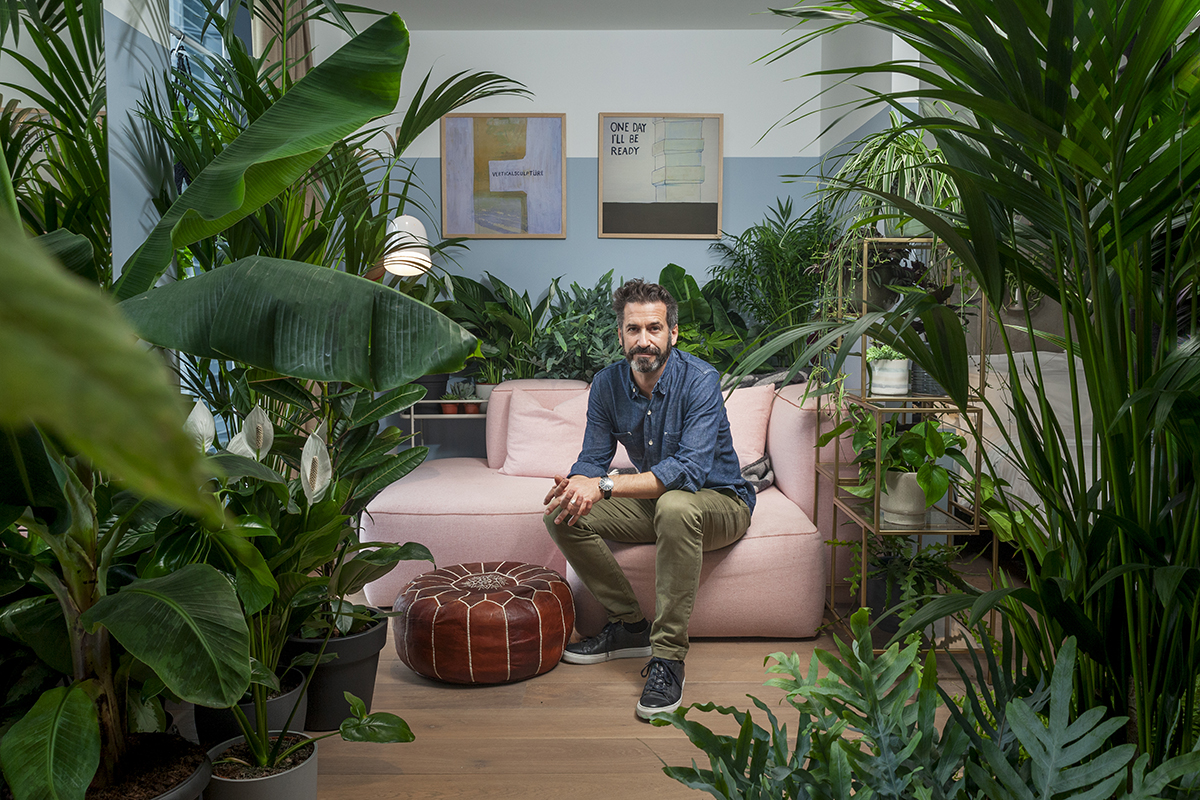
Oliver Heath, the director of Oliver Heath Design
I switched to investigating a human-centred form of design about 10 years ago. I had been working in the field of sustainable residential design for years, but became frustrated because people weren’t adopting the methods, ideas and principles. They weren’t engaged. There was a fatigue around the idea of sustainability. I changed the tone of my conversation to be about creating a home that supports your physical and mental wellbeing. That resonates because everyone wants to be happier and healthier.
Design is much more than aesthetics – it’s about how you feel inside a space. Stress is endemic in our lives. We’re living in built-up urbanised spaces. By 2050, 66 per cent of the world will be urbanised. Biophilic design is a means to reconnect you with nature, and elicit a similar response to wonderful times you’ve had on beaches, in forests or on mountains. Built environments are hard-edged and geometric, and they aren’t the space you actually want to be in. Biophilic design works – it increases productivity in the workplace by 6-15 per cent, and helps you recuperate in a hospital 8.5 per cent faster. We are taking what we’ve learned from those spaces to residential projects.
A Heath-designed bed landscape for a biophilic hotel project
Instead of looking at what next year’s colour is going to be in terms of trends, there are more important things to think about. Your bedroom should have soft acoustics, and no electronics in it apart from lighting. I use smart systems that change the colour of light by my bed, and an alarm clock that wakes me up gently with changing, increasing levels of light. Materials are important: if you sleep in a pine bed, it lowers your heart rate.

A biophilic hotel bathroom by Oliver Heath
We know that by connecting with people in a natural environment that it creates a certain mood and dynamic. The most obvious example is sitting around a campfire, when you feel the warmth of the fire, hear the crackle of logs and smell food cooking. Shared moments in nature bring people together. I have wood panelling in my home made from salvaged larch, from trees that came down in Kew Gardens in the big storm of 1987, and we used the same material to clad the kitchen cupboards. We know that just seeing natural wood makes us feel better. The work surfaces in my kitchen are made from crushed recycled glass, and the walls are painted with Volatile Organic Compound-free (VOC) eco paints. As kitchens can be limited in space, I often recommend introducing greenery via a small green wall system – it can improve air quality and provide you with fresh herbs.
We have worked on numerous white papers studying biophilic design. The latest is about designing for cognitive and sensory wellbeing. Sustainable design is about engineering, but biophilic design is different. We have established a series of courses to teach the core principles, helping you explore what’s possible and how to achieve the best results. People have found them hugely rewarding, and a total revelation.
Matt Morley
Founder and director, Biofilico
Matt Morley, the founder and director of Biofilico
Biophilic design is an instinctive response to our disconnect from the natural world, an attempt to redress the balance by bringing the outside world in once more, especially in dense, urban environments.
There are various models out there, such as Stephen Kellert’s ‘14 Patterns of Biophilic Design’ and things can get fairly technical if we go down that rabbit hole, but, in general, I keep it simple by referring to biophilic interiors as spaces that harmoniously balance sustainability and wellbeing, with nature acting as the bridge between the two. For me there is nothing more mood-enhancing and visually appealing than a display of organic, seasonal, and locally sourced fruit and vegetables on a kitchen counter, preferably in a variety of ceramic bowls with a wabi-sabi finish and perhaps a Monstera leaf in water for a final botanical flourish.

Close-ups of natural elements in Morley’s interiors
Installing a botanical-print wallpaper with toxic adhesives that create VOCs that damage indoor air quality, or placing a couple of randomly chosen plant species in plastic pots in the corner of a room and claiming ‘purified indoor air’, doesn’t cut it. By applying evidence-based design principles we can avoid bio-washing. Wellness tech, such as commercial-grade indoor air quality monitors, accompanied by cloud- based 24/7 analysis and even certification from a standard, such as RESET Air, are now a part of the service our studio offers – especially post- Covid when Indoor Air Quality (IAQ) is more relevant than ever.
Close-ups of natural elements in Morley’s interiors
Advances in bio-based, organic and above all healthy building materials also provide us with an ever-growing tool kit of green and healthy alternatives to paints, fabrics, insulation materials, furniture and adhesives that can otherwise contain toxic chemicals and have a negative impact on the environment. Biophilic soundscapes from the likes of SWELL (sound wellness) now offer on-demand access to nature-based sound experiences designed for mental wellbeing.

Close-ups of natural elements in Morley’s interiors
A biophilic lighting strategy combines efforts to maximise daylight exposure, with LED circadian lighting systems that mimic our natural 24-hour cycles to both enhance productivity during the day and improve sleep at night, while reducing energy consumption in the building. Simply by providing more of the natural light spectrum and intensity our bodies are programmed for at certain times of day, we can gently improve energy levels by day and promote restorative rest by night.
Harleen McLean
Harleen McLean Interiors
The term ‘biophilia’ was first coined by Erich Fromm in the 1970s – calling it “the passionate love of life and of all that is alive” – and it has been the basis of my practice since I established it more than 30 years ago. It’s always been a part of my approach to design. I grew up in Africa, surrounded by nature, and it was only when someone in the US said to me, “Oh, you’re a biophilic designer”, that I put a name to it. I had just always been inspired by wildlife and landscapes, and the colours linked to them. It is inherent, because of where I come from.
Often when you’re working on a home, you have major obstacles. I am working on a Victorian residence in London, and the structure doesn’t lend itself entirely to the changes I want to make. But often you can use modern elements to create a biophilic interior. A floating staircase works well, because it’s all about space and light.
An original bug-themed kitchen splashback designed by Harlan McLean
Certain simple things can contribute a lot, such as lavender. The colour brings something from the natural world, you can use the fragrance via candles, and also bring it inside, literally, as a pot plant. You can buy fresh culinary lavender and hang it up to dry in your kitchen. You’re creating a multi-sensorial experience in the room you entertain in, through textures, shape and colour. It’s important to have ease of
movement in the kitchen, while activating your taste buds and other senses.
Technology has changed a lot since I started my practice, which has helped. Years ago we had ‘mood lighting’, and now you can do a million things with the colour temperature of light.
Read more: Sophie Neuendorf: NFTs – Hype or Here To Stay
Visual elements within my designs aren’t always obvious. I was interested by what WilkinsonEyre and Grant Associates did with the Gardens by the Bay in Singapore. The architecture is inspired by orchids, but the lighting used in the towers is inspired by the patterns in a mammal’s eye, so when they light up you have a connection to that, even if you don’t know what it is. I frequently incorporate a visual representation of animal or plant DNA in fabrics or wallpapers that I create for an interior. It’s subtle, but it has impact and meaning.
Find out more: gaggenau.com
This article appears in the Summer 2022 issue of LUX
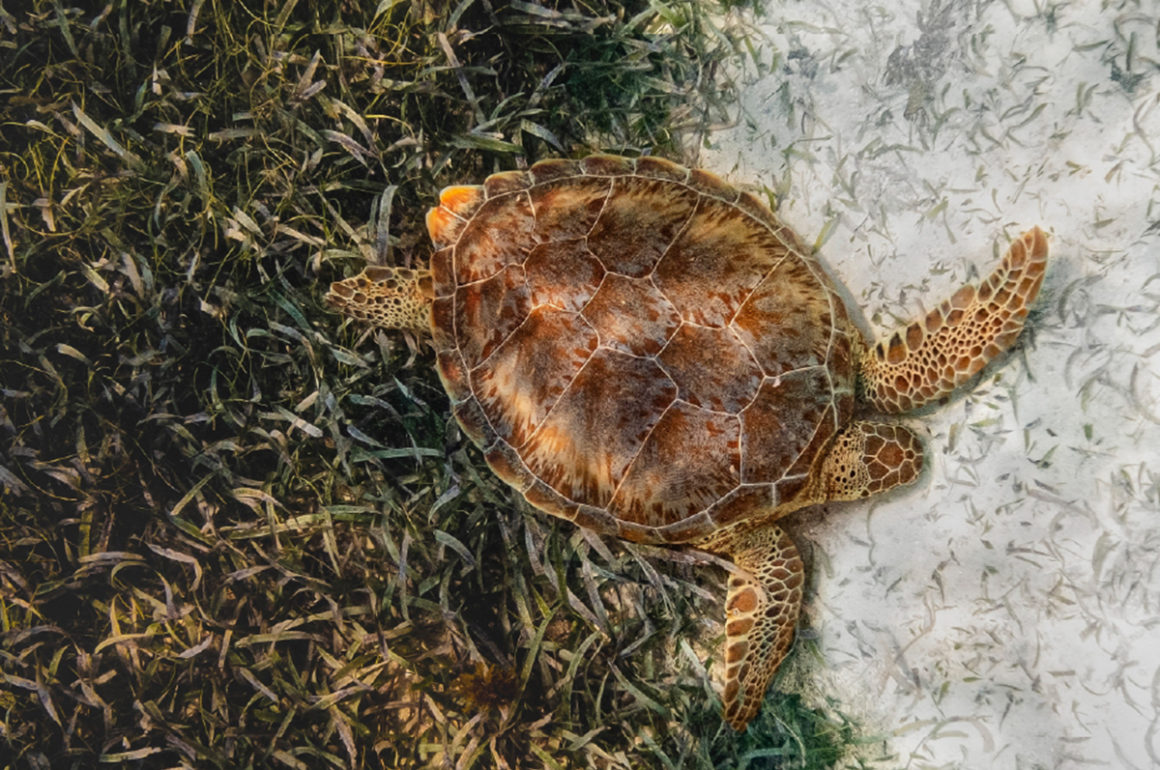
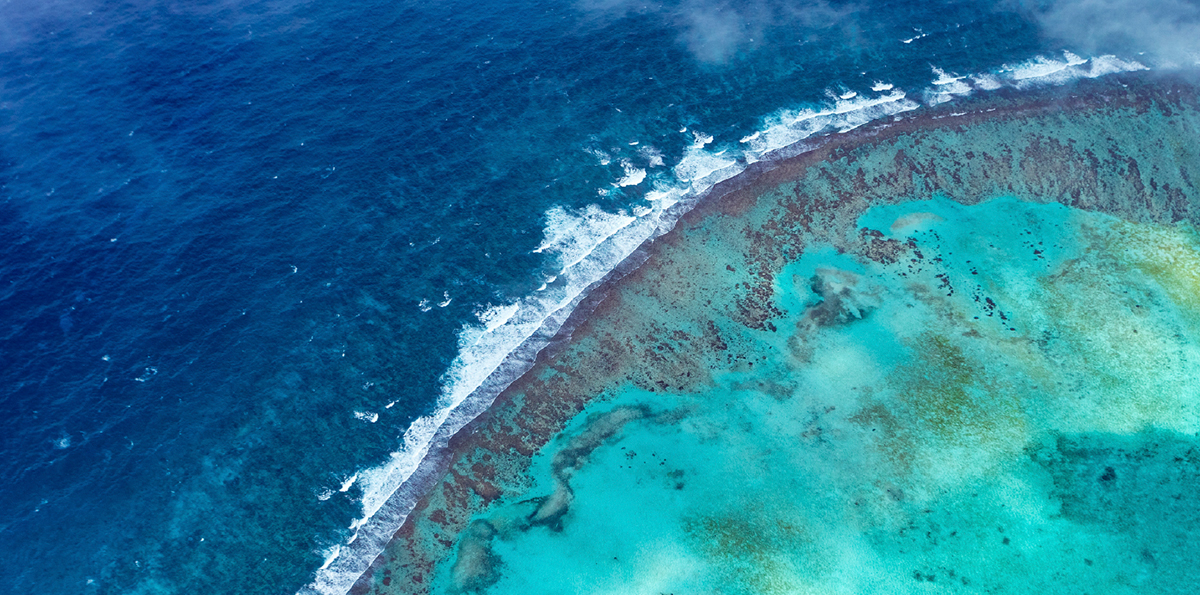
The Nature Conservancy has grown to become one of the most effective and wide-reaching environmental organisations in the world. All images copyright: Carla Sanatana/ TNC Photo Contest 2019, Ethan Daniels, Randy Olsen, TNC Belize, Claire Ryser/TNC Contest 2019, Julieanne Robinson Stockbridge
Non profit environmental organisation, The Nature Conservancy, has over 400 scientists working and impacts conservation in over 75 countries and territories. With the UN Ocean Conference currently taking place in Lisbon, Melissa Garvey, Global Director, Ocean Protection at The Nature Conservancy speaks to LUX about the effectiveness of philanthropy and investment to protect the oceans
LUX: The Nature Conservancy has an interesting niche, combining philanthropy and investment. How does that work?
Melissa Garvey: The Nature Conservancy is a global environmental nonprofit working to create a world where people and nature can thrive. Building on nearly six decades of experience, we’ve protected more than 280 million acres of ocean, 119 million acres of land, and 5,000 river miles. We are able to accomplish so much because we make careful use of our resources, maximising the philanthropic and public funding that goes toward our science-driven program work.
We are also able to leverage philanthropic funding with innovative finance strategies. The Nature Conservancy has an impact investing unit that works with our conservation colleagues and collaborators around the world to source and structure investment products that support TNC’s mission at scale. With partners, we have been able to originate, structure, fund and close investment vehicles representing more than $2.3 billion of committed capital. Philanthropy is instrumental in supporting our teams to develop, execute and manage innovative finance strategies that allowing TNC to help countries access billions of dollars in long-term funding for conservation.
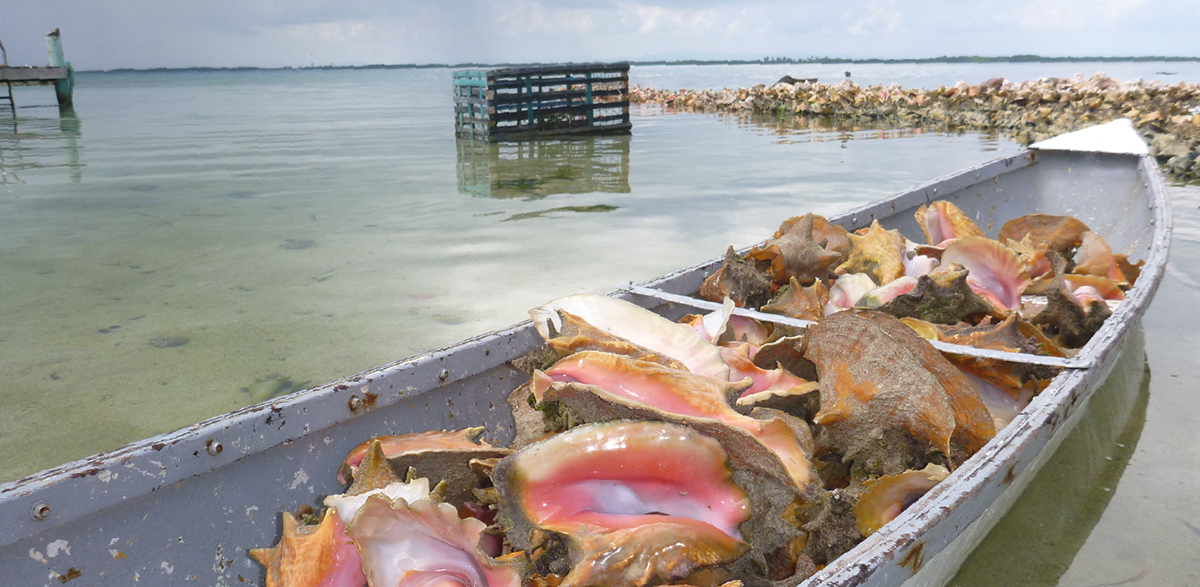
LUX: Financing is a key barrier hindering ocean protection. How are you overcoming this barrier?
MG: The Nature Conservancy’s Blue Bonds Strategy is one solution. We transform debt into conservation action at scale.
At the heart of these projects is a basic deal: A coastal nation commits to protect approximately 30% of its near-shore ocean areas. In support, TNC refinances the nation’s sovereign debt, leading to lower interest rates and longer repayment periods. The government uses the savings to capitalise a conservation trust fund to support new marine protected areas to which the country has committed.
TNC’s role is to assemble the deals, use our science and a stakeholder driven marine spatial planning process to facilitate the design of a system of protected areas and create a trust fund that holds the government accountable to its commitments—ensuring that we finance real conservation, not paper parks.
Follow LUX on Instagram: luxthemagazine
An example of this is the $553 million debt refinancing we completed in Belize in November 2021. This project enabled the Government of Belize to reduce its debt burden and generate an estimated US$180M for marine conservation in support of Belize’s commitment to protect 30% of its ocean, strengthen governance frameworks for domestic and high sea fisheries, and establish a regulatory framework for coastal blue carbon projects. This is especially meaningful to the people of Belize as the country’s tourist-based economy continues to suffer from the impacts of COVID-19
Our goals is to project 4 million square kilometres of ocean and unlock $1.6 billion for marine conservation.
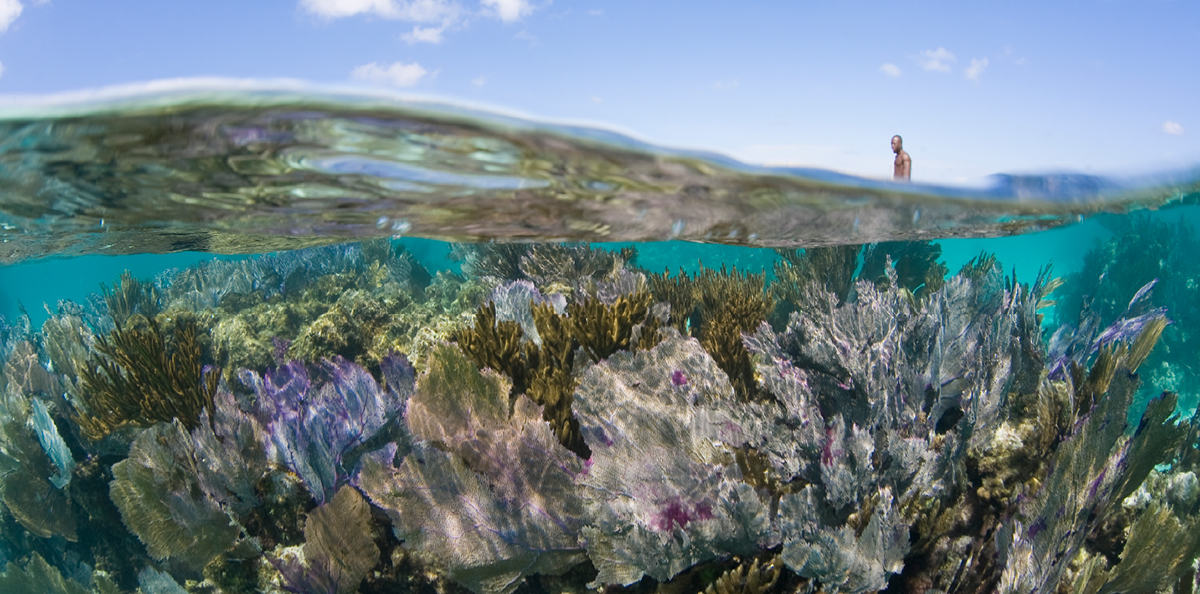
LUX: Are blue bonds going to become more significant elements in the market?
MG: The TNC Blue Bonds debt conversion structure is highly scalable and replicable. Transaction sizes and overall market are limited by three criteria:
1)Countries committed to achieving the conservation outcomes. As the threat of climate change and awareness of the role that natural resources and biodiversity play in economic growth rapidly increase, most developing countries will require additional financing for conservation.
2)Availability and affordability of credit enhancement, whether through the US Development Finance Corporation or development banks to do more deals in more markets.
3)Availability of debt to refinance: while debt conversions work well with sovereign debt trading at a discount in the capital markets, they are not exclusively for countries threatened by high debt distress. Many countries have high-coupon bonds. Even if these trade at little to no discount, they can still be refinanced with lower coupons and longer tenors to create significant funding for conservation. Many also have commercial bank loans that may be candidates for refinancing into a lower interest rate and/or longer tenor loans.
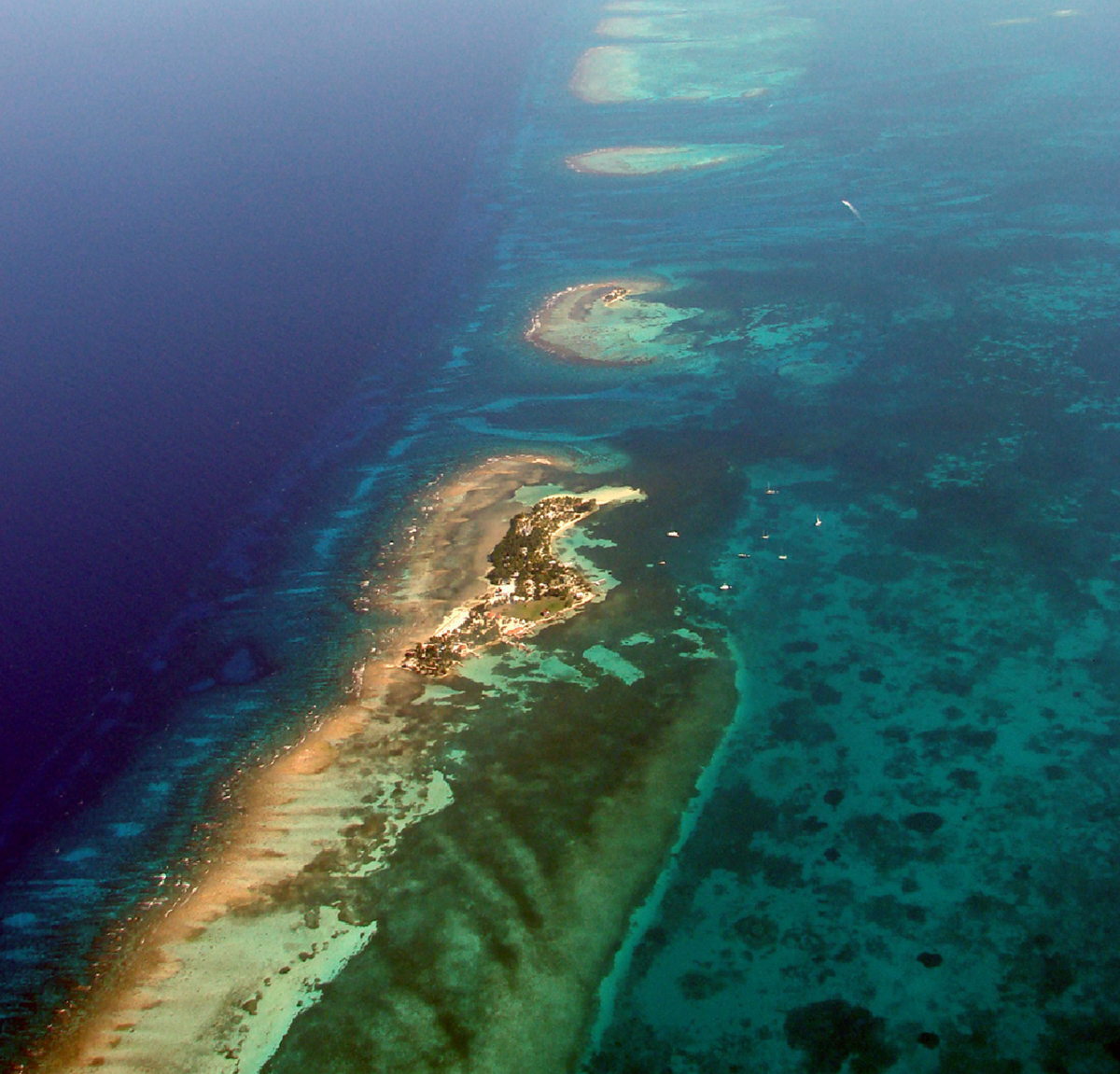
LUX: How will sustainable blue economy finance need to develop over the next few years?
MG: Sustainable blue finance is essential to national economies and the 3 billion people rely on healthy oceans for their livelihoods. Financing often holds back countries from implementing ocean conservation that will ensure oceans are sustainable into the future. Philanthropic and public funding is essential but insufficient to close this gap.
Today the challenge of financing the sustainability of our oceans is compounded by the Covid 19 health pandemic and the financial crisis, which has placed unrelenting pressure on public finances and slashed tourism revenues. But there is hope. Innovative debt and market approaches can help bring in new funding at a scale that can address the problem.
LUX: Are you looking for UHNWI individual investors, institutional investors or philanthropists?
MG: Philanthropy is instrumental in supporting our teams to develop, execute and manage strategies, policy and partnerships – including innovative finance strategies — that allow TNC to help countries access billions of dollars in long-term funding for conservation. We simply couldn’t do our work without the generosity of individual and institutional supporters.
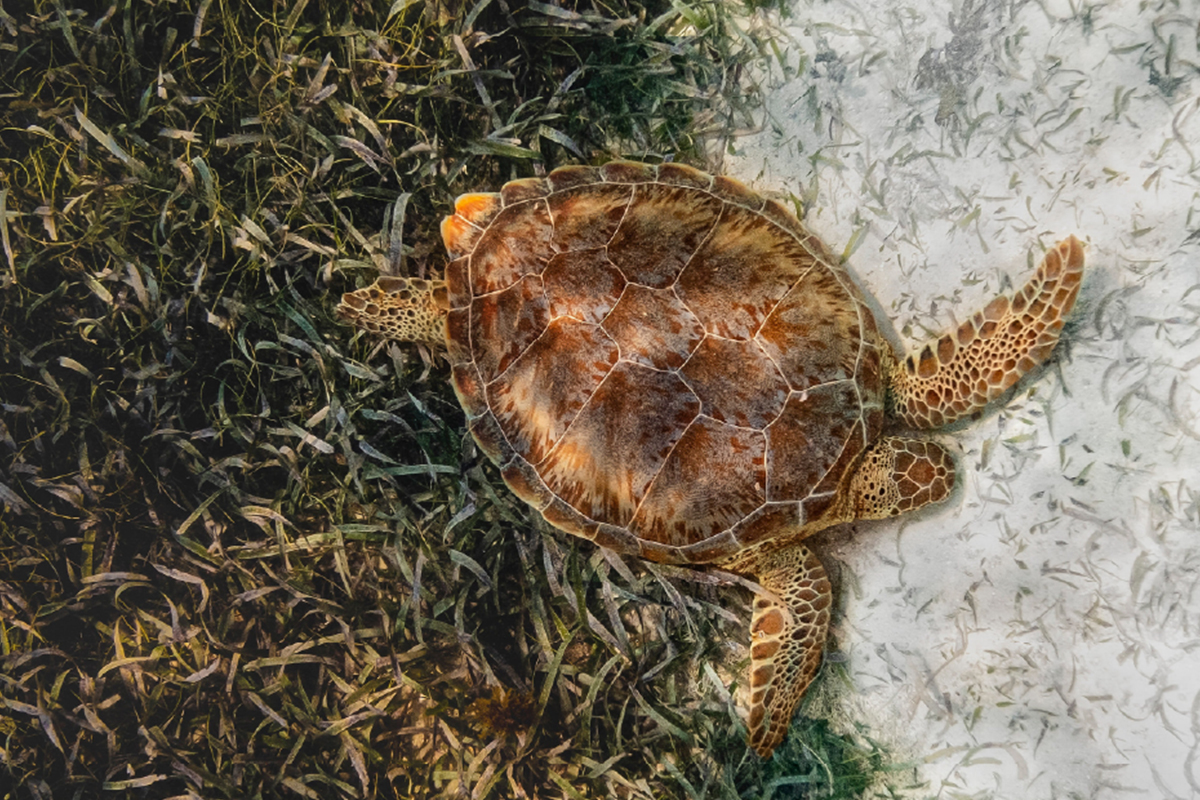
LUX: Do governments need to become much more active on ocean protection?
MG: Governments are already active in ocean protection, and there is a lot more to do. We are already three years into the decade during which we have to bend the curve on biodiversity loss. So, this year the global community must finally agree a new and ambitions Global Biodiversity Framework, including a target to globally protect 30% of freshwater, land and the ocean. To deliver against this target, countries must also conclude negotiations in 2022 on a new treaty for the protection and sustainable use of the High Seas with clear powers to establish protected areas in areas beyond national jurisdiction. But we can’t wait for these treaties to be negotiated before we act. The UN Ocean Conference is an opportunity for the ocean community to both demand action and offer solutions.
LUX: Is there is a risk of creating an uneven market with low-regulation governments allowing exploitative practices on a large scale?
MG: There are always a risk like this. But investing in the health of oceans creates long term benefit. Globally, the gross value of marine ecosystem services is estimated at US $49.7 trillion. This suggests that the economic benefits would far outweigh the costs of establishing a 30% global MPA network. We are developing a costing framework to help decision makers in individual countries better understand today’s costs of implementation and management of ocean protection as well as the long term benefits of marine conservation so that governments, NGOs and the private sector can make more informed choices.
LUX: How important will the role of science and innovation be in the Blue Economy? Can you give some examples?
MG: Science and innovation are essential for Blue Economy interventions that change the way that we protect and value oceans. For example, did you know that you can insure the protective value of nature? You can.
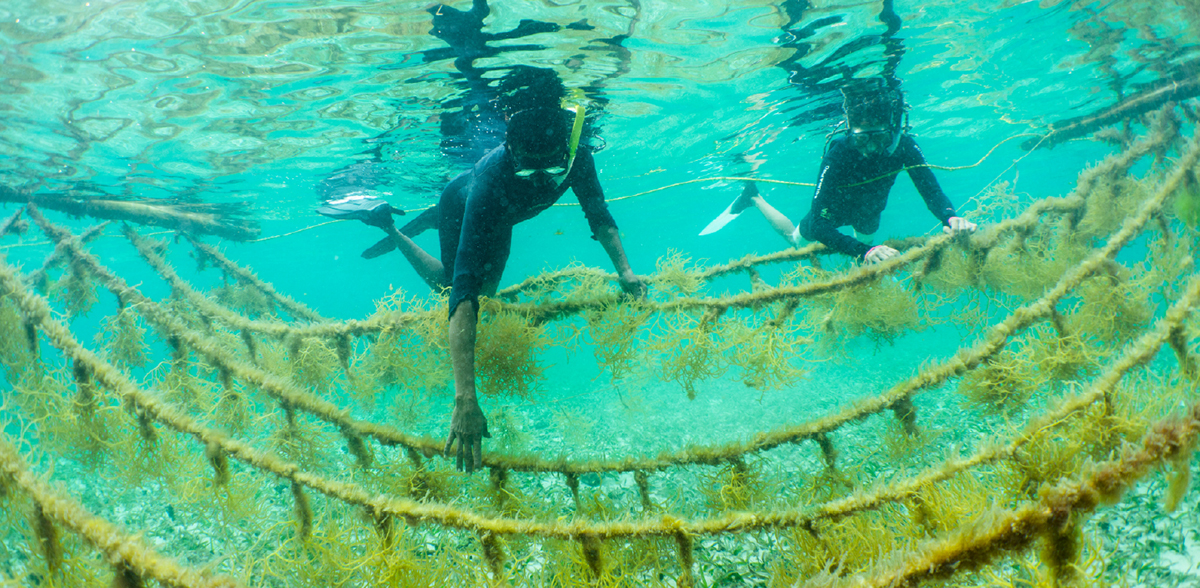
It works like this: We know that reefs can decrease the power of waves coming on shore by about 97%. That is really important during the ever more frequent – and increasing more severe – storms. But these storms also take a toll on reefs, which leave coastal areas at greater risk to future damage if the reef isn’t restored. We worked with the insurance industry and put that science into insurance models. Together, we came up with the world’s first insurance policy to insure a portion of the Meso-American reef in Quintana Roo, Mexico that protects areas near Cancun and its $10B tourism industry from hurricanes. If a storm hits, the insurance is triggered to ensure that the reef can be quickly restored. This insurance was tested in the Autumn of 2020 when Hurricane Delta hit. The $800,000 insurance payout funded vital reef repair activities. This is a win for nature, a win for coastal communities and will drive further interest in conservation finance and the need to protect marine ecosystems across the globe.
Read more: Julie Packard: All In Together
LUX: There is no metric to compare the value of different nature-based solutions in ocean conservation, and no consistent measure of the effectiveness. Is this true, and is it an issue?
MG: I don’t agree that we can’t measure nature-based solutions. The reef insurance I mentioned above is one example. Here’s another: Blue Carbon Resilience Credits. We know that the coastal wetlands provides a unique opportunity for climate finance. If we restored even a quarter of these habitats, we would add 10 million hectares of carbon-trapping wetlands to our coastlines. That is an area equivalent in size to Iceland. In addition, protecting existing coastal wetlands would prevent the release of 80 million tons of carbon emissions currently being stored by these habitats.
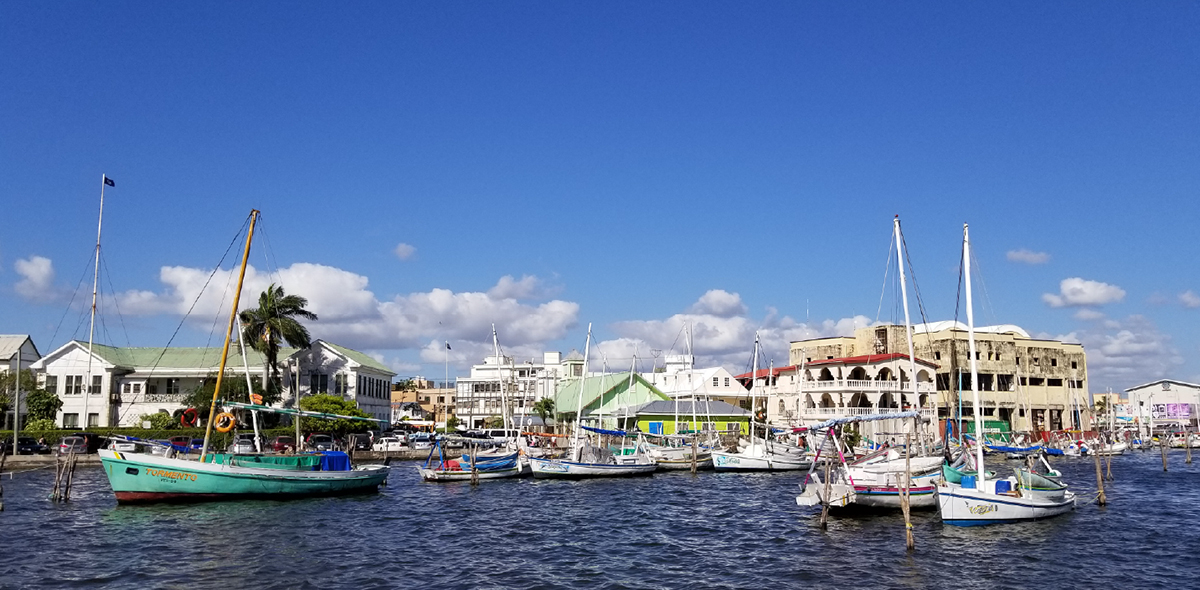
TNC worked with international experts to develop science, flood modelling, and carbon and resilience methodologies for the Blue Carbon Resilience Credit. These credits support not just carbon mitigation, but also quantifiable, verifiable resilience benefits like flood reduction to adjacent communities. We have identified projects across the US and globally and are bringing our first supply of Blue Carbon Resilience Credits to market.
LUX: You say a comprehensive approach is best for ocean investment. How should this work?
MG: To achieve truly durable ocean protection, we have to focus on scale and representativeness of the areas we conserve, as well as ensuring long term financing for conservation, and equity and sustainable livelihoods for the people who rely on oceans. Our global ocean protection program drives new protection, restoration, and management improvement in support of biodiversity and communities.
We work at multiple scales. We address the long-term need to secure large-scale new protection and sustainable financing for marine conservation while we tackle today’s urgent need to restore critical coastal ecosystems — like coral reefs and coastal wetlands — and improve management of our oceans, while we build capacity for communities to manage their marine resources.
Find out more: nature.org
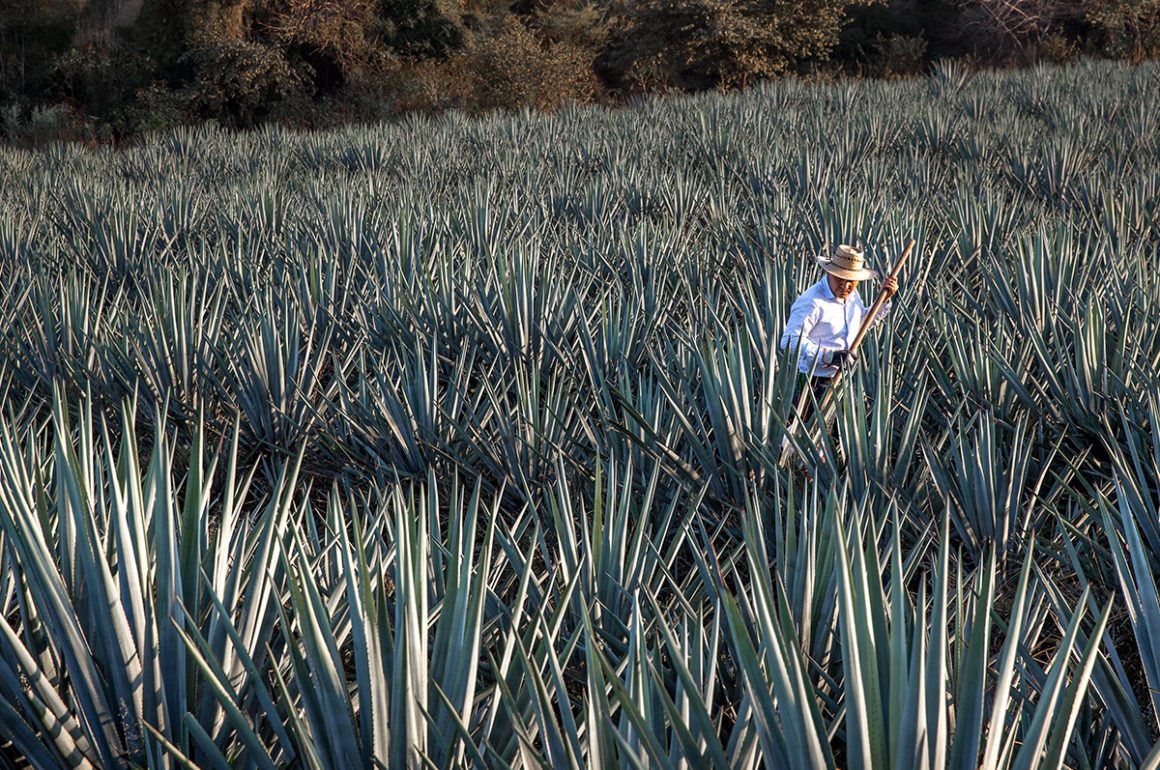
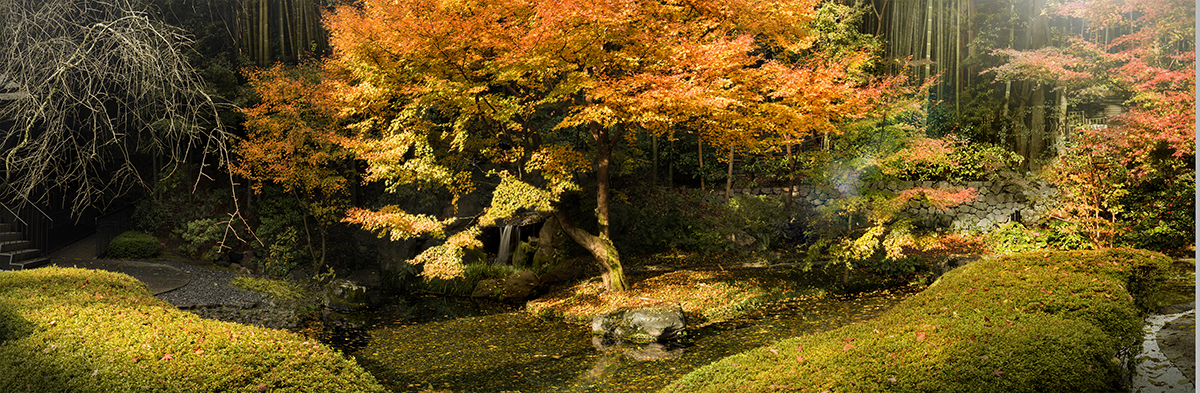
Beam Suntory has established the James B. Beam Institute for Kentucky Spirits at the University of Kentucky, which supports a curriculum to educate the next generation of distillers
Kim Marotta is head of sustainability at Beam Suntory, the drinks behemoth behind Jim Beam, Courvoisier and Sipsmith with annual revenues of more than $4bn. She speaks to Ella Johnson about what the sector can do to help preserve water and agricultural resources, and why more companies need to be putting their necks on the ESG line
Kim Marotta
LUX: Why has the spirits industry been slower to act on ESG than food?
Kim Marotta: The spirits and food industries share several foundational environmental concerns: the sustainability of agriculture, helping fight climate change, looking after water resources and working towards more sustainable packaging.
While the spirits industry may not have been as visible in communicating its work as the food industry, I do think these have been central concerns for a long time. From agave, to corn, wheat to barley, and of course, water, I’m glad to see both industries on the same page in terms of the importance of environmental sustainability.
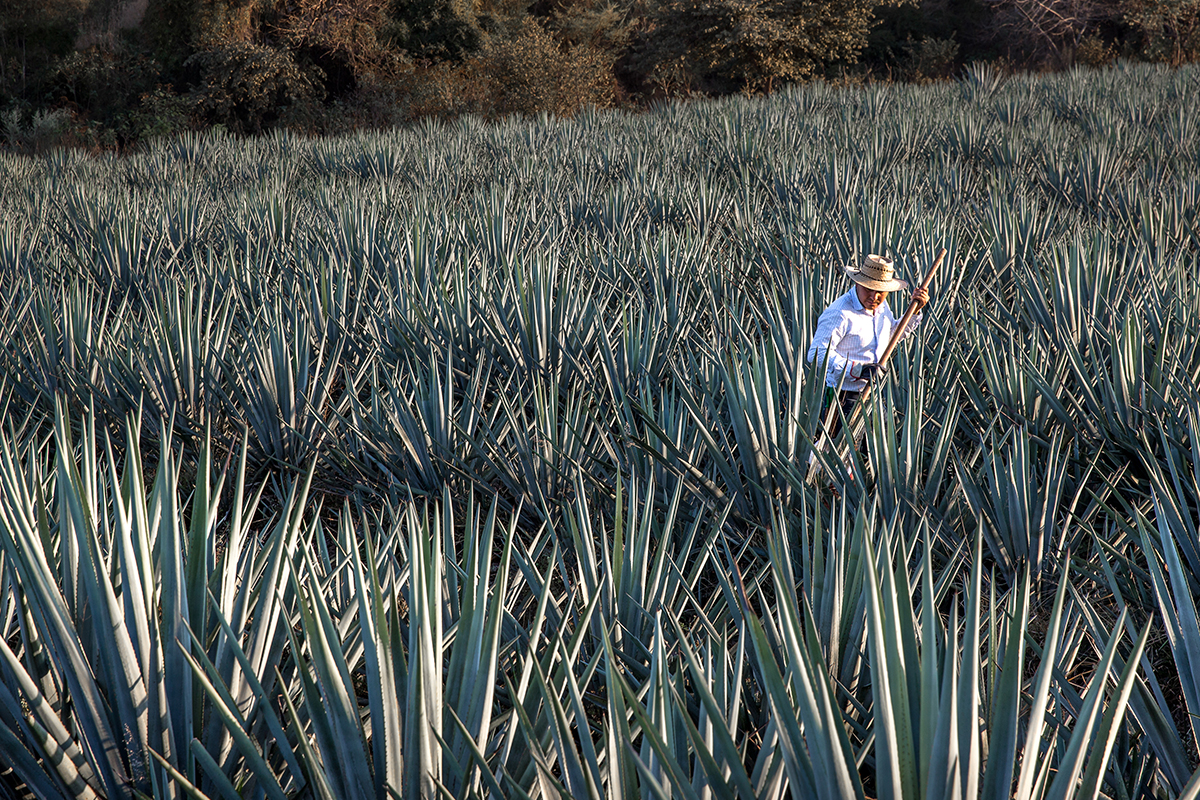
Tequila from agave fields can take between 8 and 12 years to harvest
LUX: Where do the challenges lie?
Kim Marotta: Water, transport and packaging. It goes without saying that water is one of the two foundational ingredients in the spirits industry, presenting enormous opportunity for positive environmental impact. We have established water sanctuaries in Loretto, Kentucky, at Maker’s Mark and in Clermont, Kentucky, at Jim Beam. We’ve also set out an extensive program of peatlands water sanctuaries in the Highlands of Scotland, not to mention our pioneering work in the tequila industry where our Casa Sauza brand has the lowest carbon footprint and water usage.
Follow LUX on Instagram: luxthemagazine
With transport, just looking at the amount of products spirits companies ship all over the world, there is a fantastic opportunity to influence and partner with logistics groups to ensure everyone is working together for more sustainable methods of transport.
Packaging, one of the most crucial parts of the customer relationship to any premium spirit brand, is also a critical area. Brands all around the world are looking at how to make it more sustainable, whether it’s conducting a lifecycle analysis on every piece of packaging, as we do, to prioritising right weighting to minimise materials usage and waste, to total redesign of bottles, which we did this year with Courvoisier.
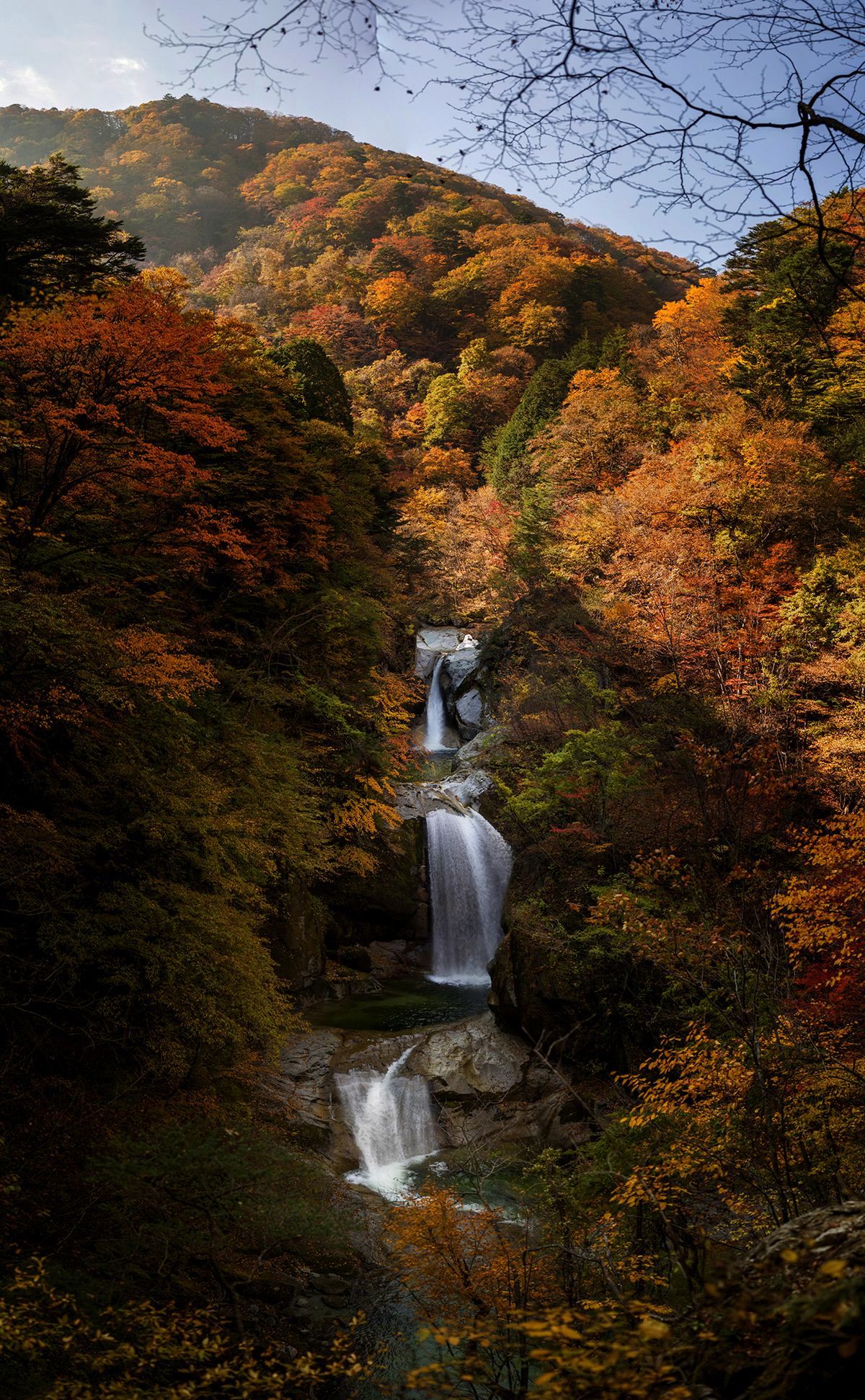
Following Beam Suntory’s establishment of Natural Water Sanctuaries in both Japan and the US, their new initiative focuses on peatlands water sanctuaries in the Highlands of Scotland
LUX: What is the biggest obstacle the industry faces right now?
Kim Marotta: Mobilising the industry, governments, NGOs, communities and customers to all come together and drive real change. This is obviously a huge task and needs to be a global effort. While there has been significant progress in recent years, there is still a lot of work to be done.
LUX: Which group is most important?
Kim Marotta: I’m not sure any one of these groups can be singled out as the most important, but what we do often see is that change is accelerated by consumer preferences and activism. That said, corporations and governments play a central role in ensuring the important issues are addressed for the long-term.
Read more: Unilever’s Rebecca Marmot On The Sustainable Everyday
LUX: Beam Suntory saw sales up by 11% in 2021, the same year that it launched its Proof Positive program. Does this imply a correlation between profit and purpose?
Kim Marotta: Proof Positive only launched last year and is a long-term initiative over ten years, so I don’t know that that alone demonstrates a correlation between the two. However, what does show that connection is that the foundation of Proof Positive – what we refer to as ‘Growing for Good’ – has been part of our DNA for generations. That certainly has helped our performance, and, I would argue, has shown itself as a commercial imperative.
LUX: How are you embedding social justice into your sustainability strategy?
Kim Marotta: Our ambitions, by 2030, are to have 45% racially and ethnically diverse employee representation in the US and to achieve an industry-leading sense of belonging among employees. We are also committing to achieve one million volunteer hours to communities and initiatives that promote social justice and to reach 50% women representation in leadership positions.
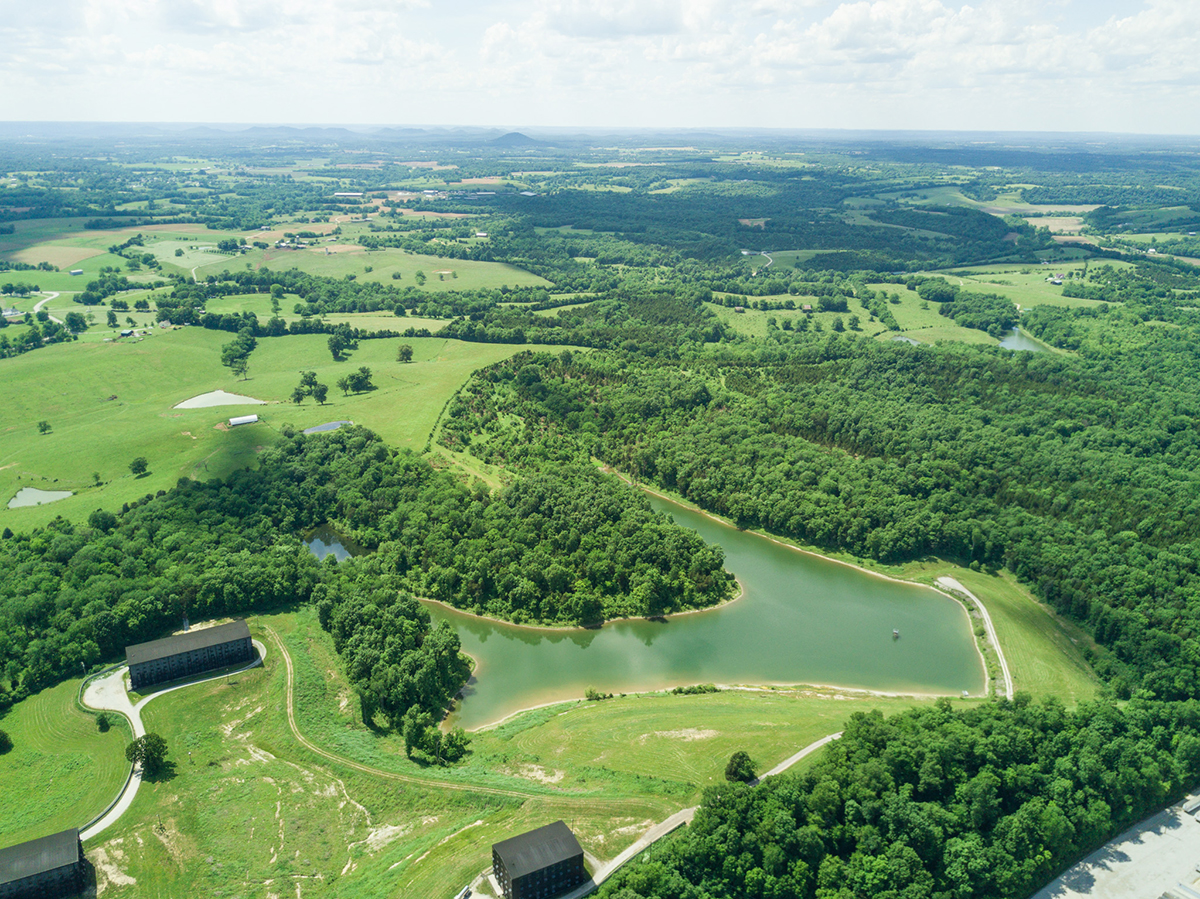
Maker’s Mark, Loretto, Kentucky
We partner closely with our employee impact groups to ensure that we are guided by our people and values in how we support social justice. We’re committed to financially supporting the important work undertaken by leading social justice organisations.
For example, Courvoisier has partnered with the National Urban League to support Black-owned businesses and entrepreneurs facing hardship as a result of the pandemic and committed $1 million to provide support to Black-owned businesses over the span of five years. Hornitos, another of our brands, has also made significant donations to The League of United Latin American Citizens and We Are All Human to support the Fair Shot program, which supports immigrants seeking US citizenship.
Read more: GreenBiz’s Heather Clancy On Corporate Climate Action
LUX: How can companies move their ESG agendas beyond reporting and compliance towards business enablement?
Kim Marotta: Companies should not be afraid to set out the most ambitious targets that they can, even if the specific road map isn’t totally clear. Whether they’re unsure if the technology is there, or what the commitment to R&D might be over the years, the solution is simple: set aggressive targets, make the investments in technology you need to make to hit those targets, and be accountable and transparent, showing evidence of progress along the way. If companies aren’t setting aggressive targets, they aren’t going to make as much as of an impact as they can.
Kim Marotta is Global Vice President – Environmental Sustainability at Beam Suntory
Find out more: beamsuntory.com
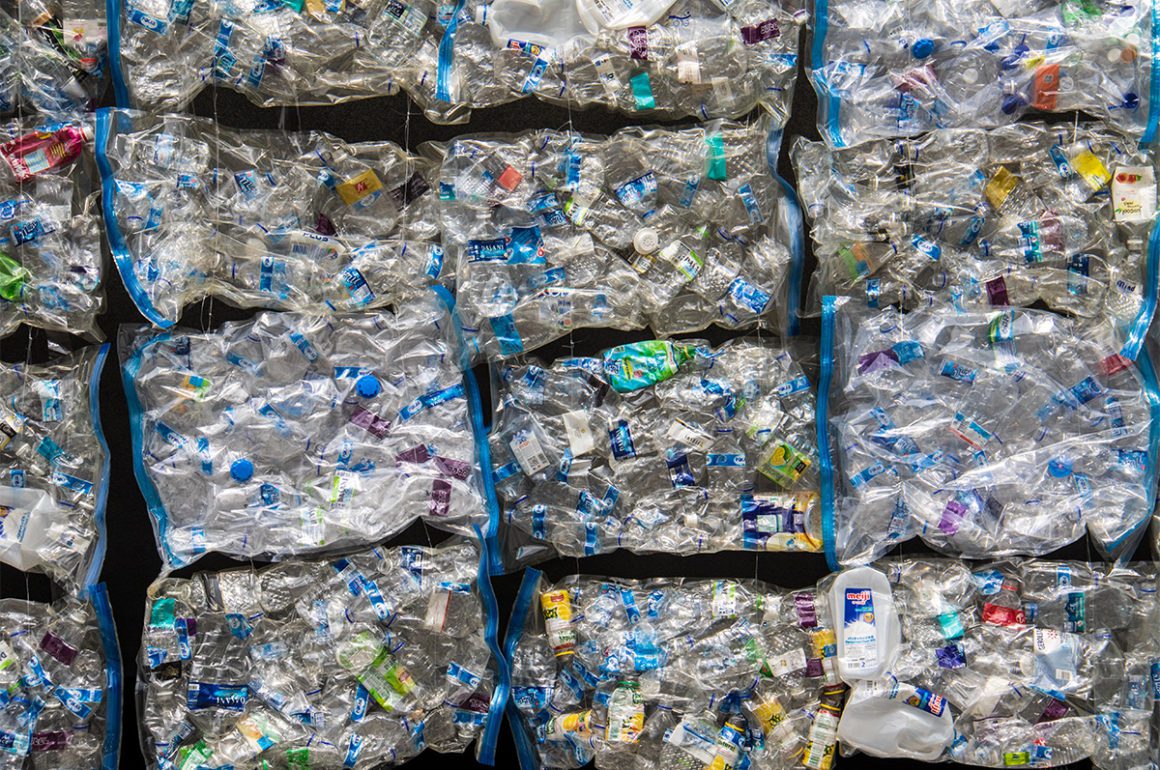
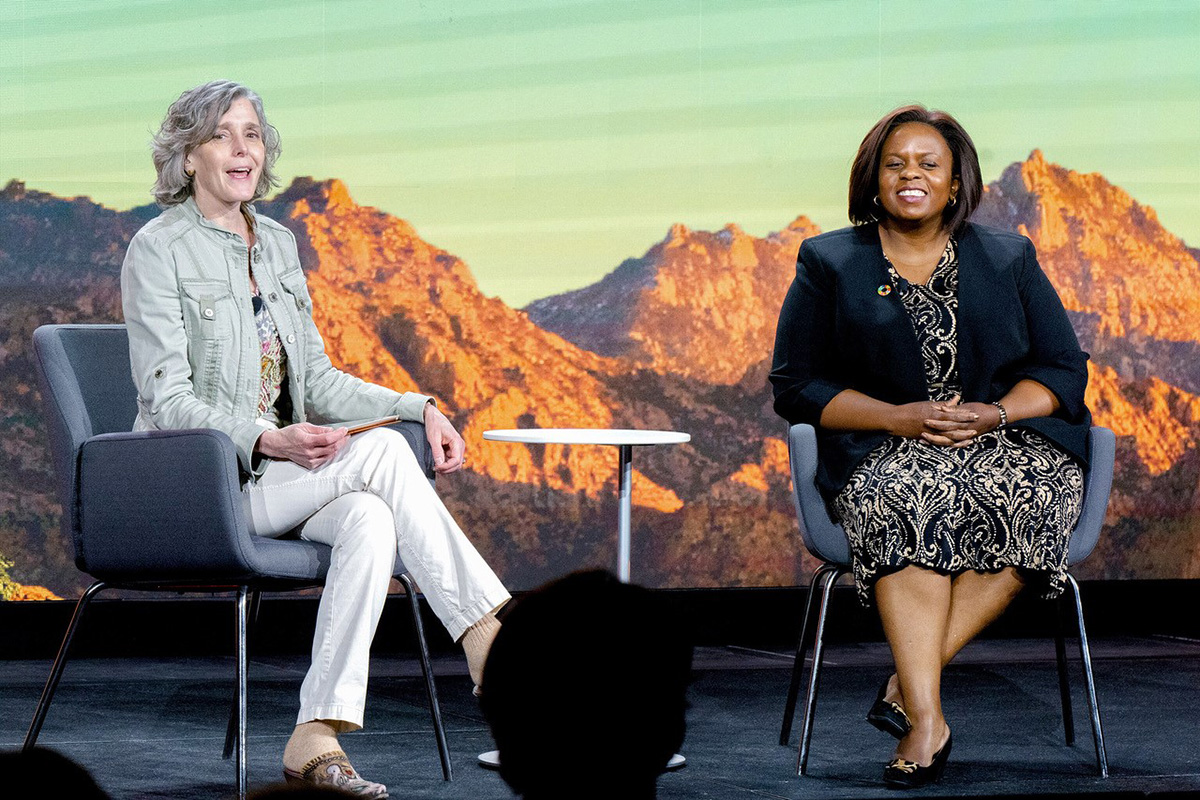
Heather Clancy and Sanda Ojiambo, CEO and Executive Director, United Nations Global Compact © GreenBiz Group/Louis Bryant III
Is there a one size fits all when it comes to corporate climate action? No matter how big a business is, says Heather Clancy, one thing is for certain: inaction is no longer an option. Clancy is Vice President and Editorial Director of GreenBiz, the media company working to accelerate the just transition to a clean economy. She tells LUX why companies need to work harder to embed environmental justice into their corporate sustainability strategy, and explains how climate fintech may just be key to the green transition
Heather Clancy ©GreenBiz Group/Louis Bryant III
LUX: Is there a one size fits all when it comes to corporate climate action?
Heather Clancy: The way a company prioritises is very focused on their individual business. The supply chain of one company could be totally different to that of another. US tech companies, for example, have done a lot on renewable energy, but should be doing more on how they treat and engage with their employees on various issues. Each company must look at what they touch and then make the decisions about which levers to push and pull most directly. The one thing they must do, however, is act. They can’t sit around anymore, no matter how big or small they are.
LUX: How should companies be balancing the ‘E’ and ‘S’ of ESG?
Heather Clancy: Corporations are not spending enough time thinking about how environmental justice is embedded into their corporate sustainability strategies. The pandemic has prompted a lot of soul-searching when it comes to where companies are doing business, but there is still a huge disconnect between the company’s corporate perceptions of what environmental justice means and how they act as a business. There is so much attention being put into making sure workforces reflect the diversity of the community –which is great – but companies need to get a lot more thoughtful about how they engage with the individuals and communities with whom they engage.
For example, one of the biggest blockers to the clean energy transition right now is the supply of materials like lithium, cobalt, and nickel. The necessity of these materials – which are used for wind turbines, electric vehicles, and batteries – has prompted a large increase in mining activities around the world, but there has not been enough attention paid to where that land is. A lot of it sits on indigenous territories, and these communities are not being consulted or involved in the plans, or economically compensated if that’s what is required.
Now that we have this supply chain rethink happening, it would be incumbent upon corporations to look closely at where they’re siting their new manufacturing city facilities if they’re going to move them. This means actually including communities in those plans –helping them understand what the plan is and asking them what makes sense.
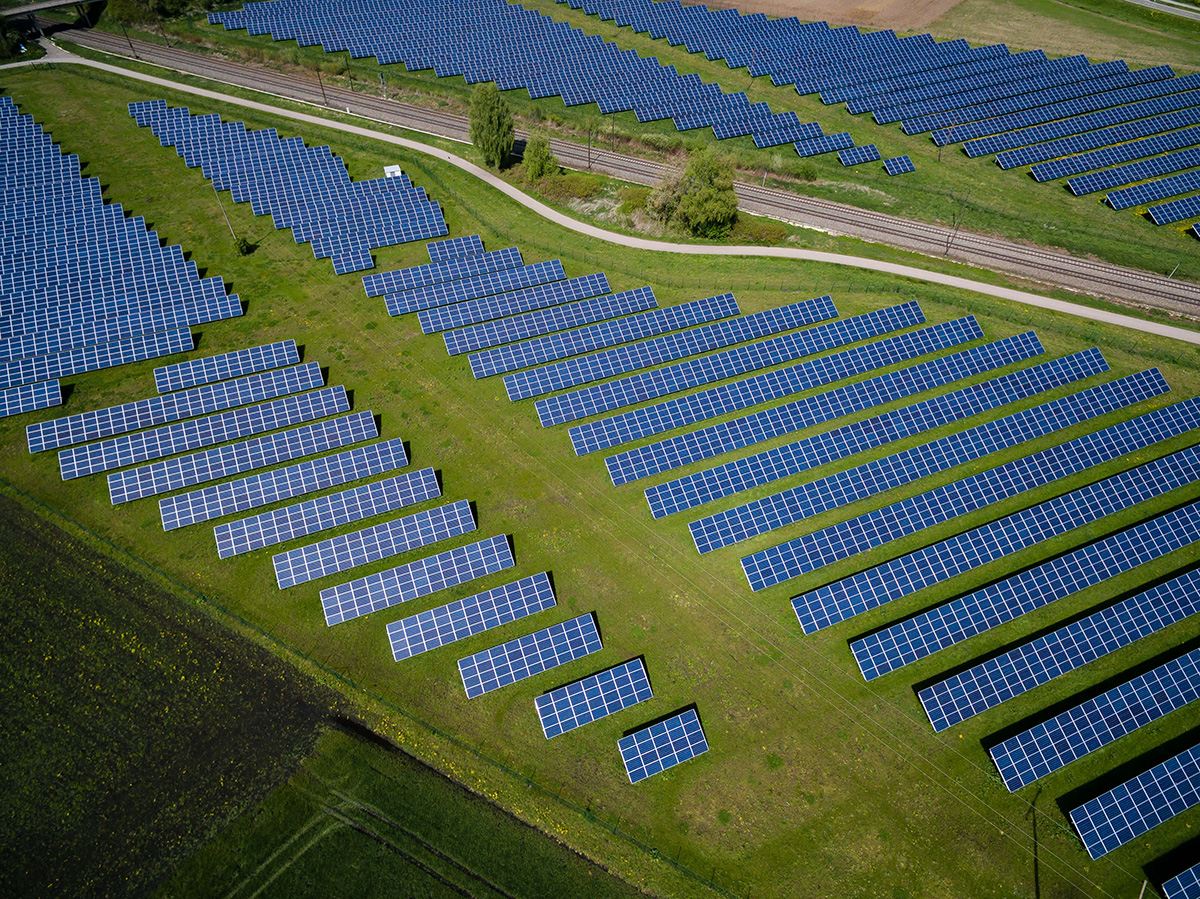
Accountability of corporations is crucial for the green transition. Image courtesy of Andreas Gucklhorn
LUX: Are there enough measurable standards for corporations to be measured by?
Heather Clancy: If you ask them, there are too many standards! What is missing is a push for accountability, especially in the United States. The markets are motivated by these earnings reports that we get on a quarterly basis, but there is no equivalent for ESG measures. I do believe that this will be changing, though. Probably the most important prompter for this has been the Taskforce on Climate-Related Financial Disclosures (TCFD), whose recommendations made a tipping point happen as far as how companies talk about what they’re doing and how they are being held accountable for that. But now things are in place, we need to get some agreement and coalescence around certain of these things.
LUX: What role can early-stage climate tech play in decarbonisation?
Heather Clancy: Small, innovative companies have a real opportunity to innovate and become the new suppliers for larger companies – for example by producing alternative materials like mushroom-based packaging to replace plastic or Styrofoam. It is not coincidental that there are so many corporate venture funds now focused on climate technologies, because these corporations are going to benefit from that innovation when the company goes public down the line.
Follow LUX on Instagram: luxthemagazine
A great example is the Amazon-Rivian relationship. Rivian was a vaguely unknown electric van maker, which got a hundred-thousand-unit order from Amazon and has now gone on to become public. There is a lot of shakiness in the market right now with some of these suppliers, but that’s fundamental to business. It’s mainly a great innovation opportunity.
LUX: Do you think it’s correct to talk about de-carbonisation and opportunities in climate tech as being ‘opportunities’, or are they still challenges?
Heather Clancy: Look at Allbirds. They had some shakiness with their ESG IPO, but their entire company was created with the idea of using materials in a different way. One of the biggest problems with athletic shoes is the soles, so they worked to create a new type of sole with a new material which has a lower carbon footprint than other sneaker soles. Instead of choosing to make that sole their own proprietary invention, they opened the technology up to other organisations and helped other companies to start using it. As other companies start to use this technology, the costs will come down and it will be cheaper for them to use it as well. That is a company whose entire business model is framed around this.
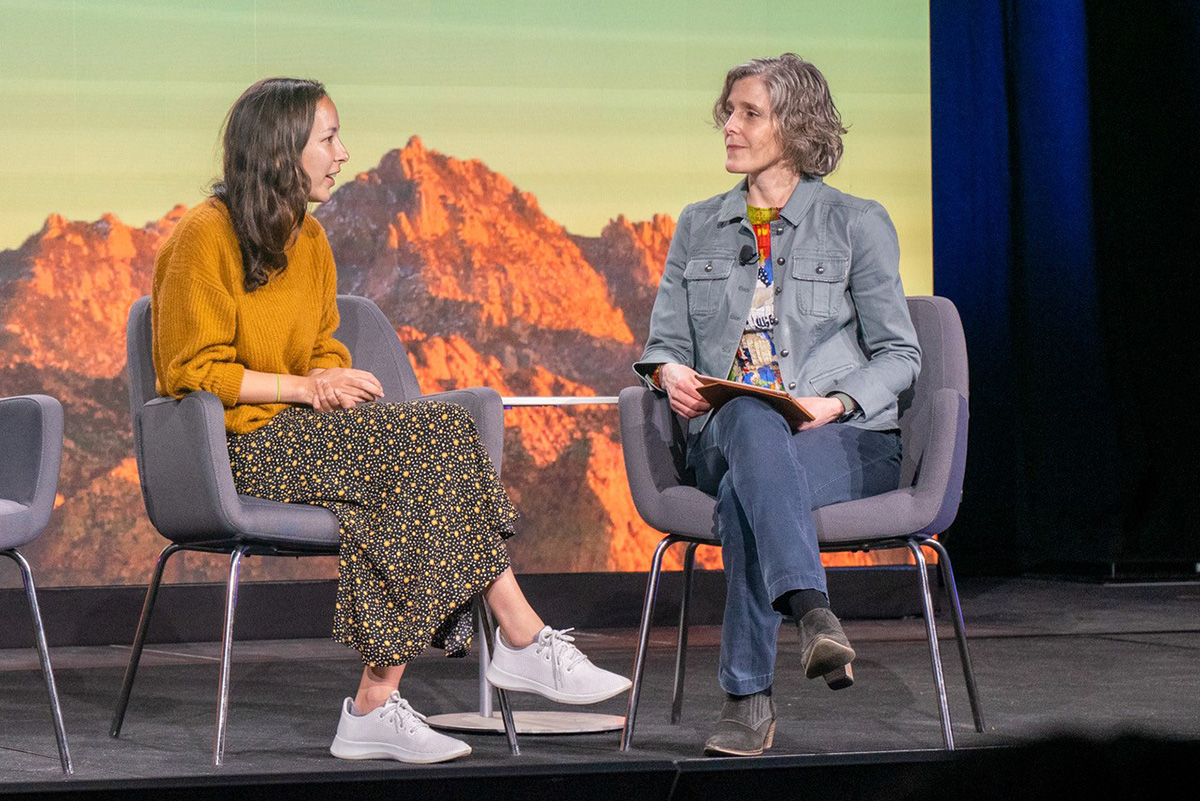
Heather Clancy and Hana Kajimura, Head of Sustainability, Allbirds © GreenBiz Group/Louis Bryant III
LUX: What else is exciting you in the climate tech sector at the moment?
Heather Clancy: I am particularly interested in nature-based carbon capture and sequestration technologies. There is an organisation called Project Vesta that’s using nature-based approaches in this way. There’s a big debate about whether we should be investing in those things, because it takes money away from these newer areas, but I think we need to remove the carbon that’s there.
LUX: What role can fintech play in the green transition?
Heather Clancy: The digitisation of sustainability is really important, because it’s becoming part of the financial infrastructure of the companies themselves. Software innovations help companies better understand their climate risks, have a truer accounting of the carbon footprint of their supply chain operations, and to understand whether their carbon offset has the value they think it has. These tools also help people make investments in the other climate technologies.
LUX: What is the biggest barrier to scaling climate tech?
Heather Clancy: Politics. Climate is such a partisan issue in many areas of the world. It has become so easy for one side to weaponise the community and say, ‘look at these renewable energy advocates, they’re making your energy costs go up’. That’s been very damaging in terms of the whole concept.
Beyond that, though, is policy. If there’s one thing that we really are lacking from corporations, it is the voice and end policy support. There are so many policies in place that need to be changed, but there is not enough happening at the federal, state or local levels to help put the policies in place that will make this transition happen more quickly.
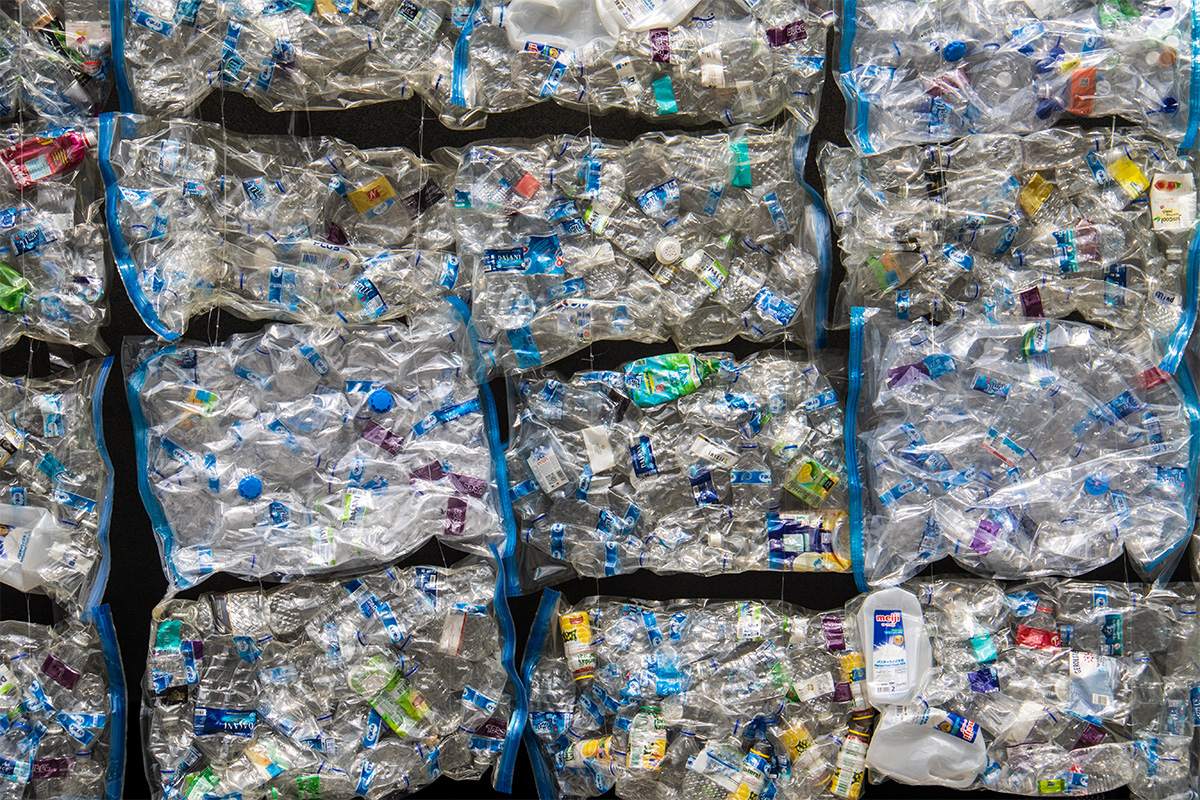
Heather Clancy explains the battle for companies desiring to create and bring in new greener technologies but not wanted to create waste by dumping the old materials. Image courtesy of Nick Fewings
LUX: Should we prioritise de-carbonising existing infrastructure or starting from scratch with new green technologies?
Heather Clancy: I’ve been thinking a lot about net zero buildings and how difficult it is to go in and retrofit a building to become a better performing building. There are incentives that exist which make it much easier to knock the thing down and to build a new one. That’s just a huge waste: why aren’t we reusing those materials? But the policies and the laws make it harder to do it any other way.
The other problem with giving credit for renewal projects is that it caters to the people that have money already. If you are a small organisation and don’t have the revenue, you can’t actually take advantage of some of these incentives currently because you can’t afford to invest in them. This is true of the way some of the clean energy incentives are written in the United States. That doesn’t make economic sense.
Read more: Product designer Tord Boontje on sustainable materials
LUX: Are corporations, consumers, or legislation responsible for leading the green transition?
Heather Clancy: Extended producer responsibilities is the buzzword here. It’s important that corporations be more responsible, and they have to be using their voices as well.
LUX: What should the wealthy be doing?
Heather Clancy: They should model better behaviour, and they also need to put their money where it counts. What Bill Gates with his Breakthrough Energy coalition is extraordinary, and seems to me to be an important model. Likewise, Mackenzie Scott and Laurene Powell Jobs have put money in some extraordinarily unusual places by investing in historically black colleges and communities that don’t usually get the money. They’re doing it quietly, and they’re putting their money to work.
It’s also time for the wealthy to help small businesses get on the bandwagon in terms of ESG – to help them with energy efficiency, with their waste and manufacturing processes. Buying from these companies will enable them to make the shift to greener practices.
Find out more: greenbiz.com
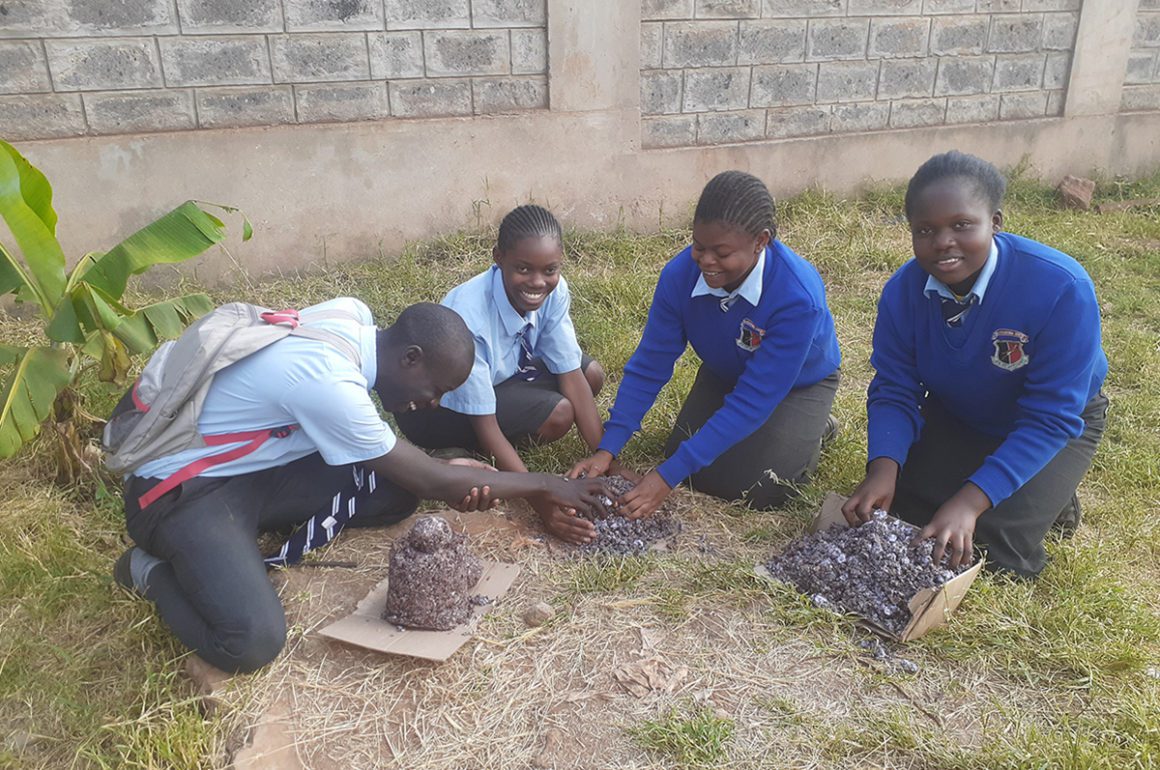
This finalist team from Kibera came up with a waste recycling system in the largest urban slum in Africa
The Earth Prize is one of the many initiatives run by The Earth Foundation. It is a competition open to all institutions from leading schools in London to the poorest slums in Africa. The Prize encourages schools, students, researchers and young entrepreneurs to educate themselves and be mentored in order to find innovative solutions to solve the planet’s environmental challenges. With the winner of The Earth Prize being announced on Friday 25th March 2022, Candice Tucker speaks to Angela McCarthy, CEO of The Earth Foundation, about the importance and impact of this Prize.

Angela McCarthy
1. Why do you think teenagers might have the solutions to some of our greatest environmental issues?
They have the ability to still think out of the box. They are in touch with their creative minds and they care deeply about the planet. This emotional intelligence is key in finding solutions. The older we get, the more we are blinded by outside belief patterns blocking our imaginations and causing us to lose touch with nature and ourselves.
Follow LUX on Instagram: luxthemagazine
2. How important is education versus action in schools with regards to the fight against climate change?
With education, action comes naturally. Once you have opened the eyes and ears of teenagers to what is happening, how and why, they can then take steps to make a change. Once they care about their planet’s crises through education, they will want to make different choices. Those choices create a ripple effect. As we know, there are many factors that contribute to climate change. If they can start to live differently or come up with new solutions, they will help the fight against climate change.
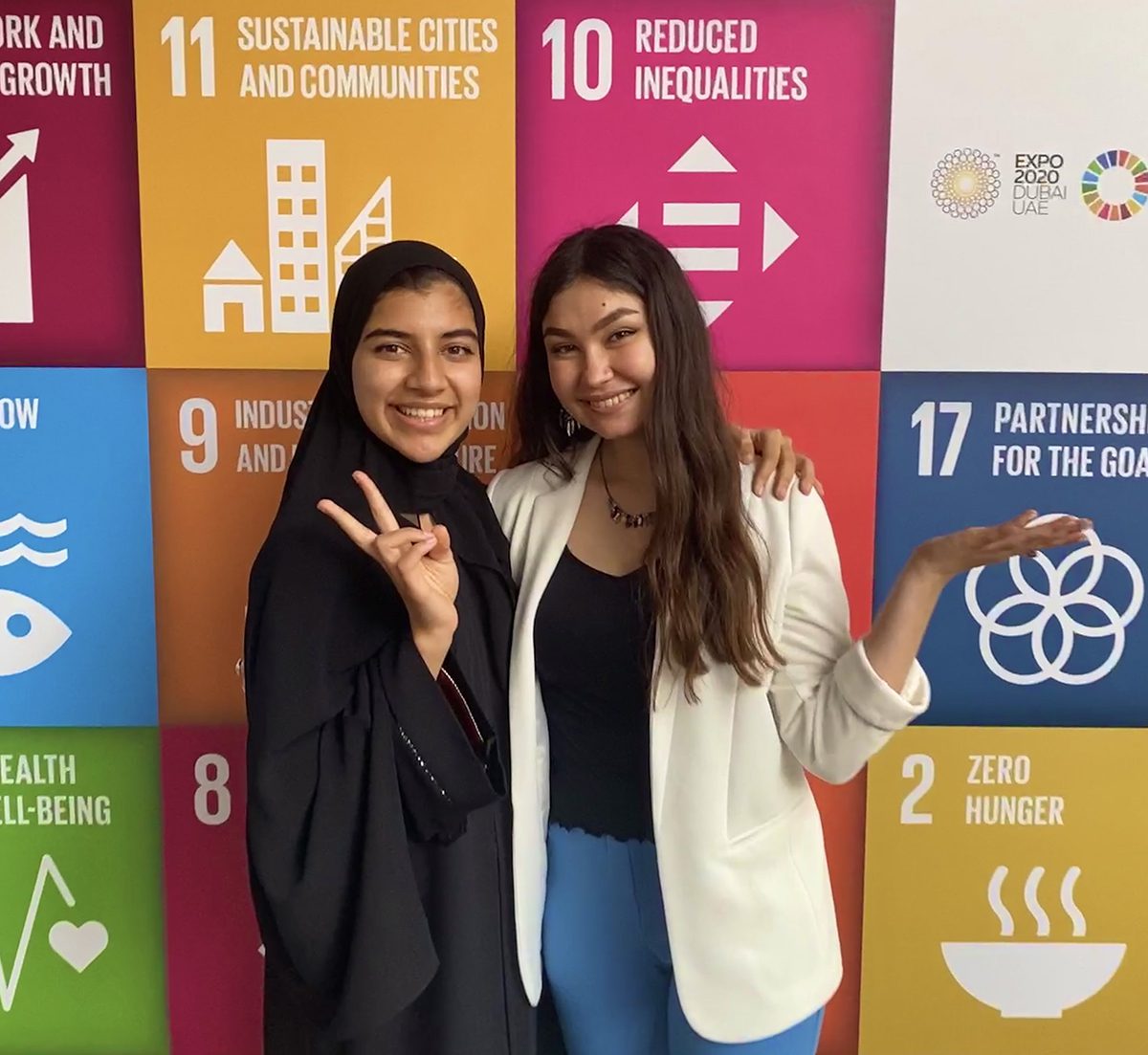
The adjudicating panel for the Earth Prize consists of leaders in sustainability, science and entrepreneurship
3. The Earth Prize is open to leading private schools in the wealthiest countries to those with the most basic education in refugee camps and slums. How do you ensure a level playing field?
Once they have registered online for free, everyone receives the same support to participate in The Earth Prize competition. This includes online video learning content and access to our 30 university mentors whom the students can ask for help at any point. I and The Earth Foundation team are available for any further advice or to answer questions that any teacher, supervisor or student may have at any time. We found that everyone was able to get access to the internet, and that is what made it all work! Our students in Lebanon had the internet go down and they would have to wait until it was rebooted, and the same happened in South Africa, but they all managed. The amazing teachers made it their mission to support their students while they came up with their own solutions. Finally, equality was guaranteed because each submission carried only a number, thus eliminating any risk of bias in the judging.
4. What was the original intention of The Earth Prize?
To inspire, educate, mentor, and empower students, schools, researchers, and young entrepreneurs with innovative ideas to tackle environmental challenges. Through this process we strive to build our very own ecosystem. Peter McGarry, the founder, and I believe in the voices of the youth being heard and bringing their solutions to life, and how everyone can be part of the solution to solving today’s most pressing sustainability issues.
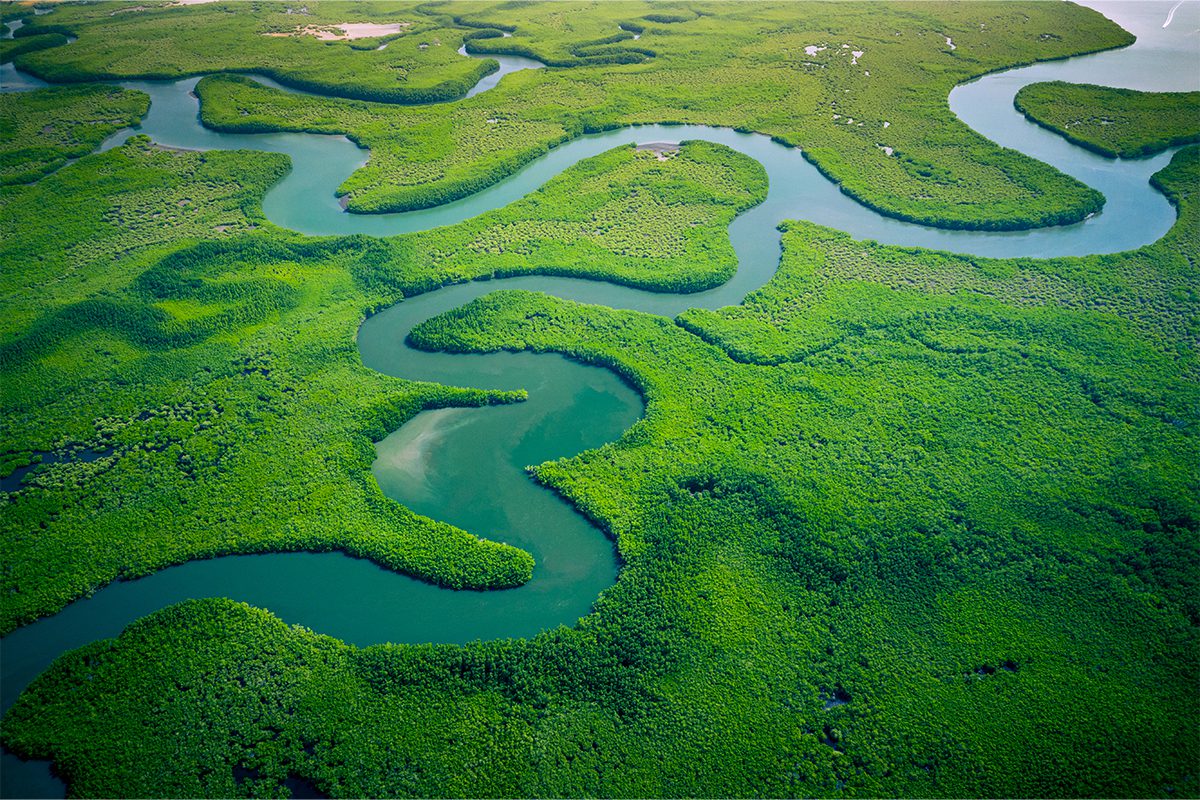
The Earth Foundation was founded in 2020, in Geneva, Switzerland by Pete McGarry to encourage young people to find solutions to the Earth’s environmental challenges.
5. Apart from The Earth Prize, can you tell us about other projects within The Earth Foundation?
The Earth Prize is our first initiative. The second will be The Earth Foundation Awards that will support research endeavours in the environmental sustainability field with grants and scholarships by distributing $300,000 every year to university students and researchers. We are also in the process of creating our Alumni Association, a platform for networking and encouragement amongst our community of passionate and inspiring individuals.
Read more: Unilever’s Rebecca Marmot On The Sustainable Everyday
6. How do you ensure a long term effect and results from the prize?
Through The Earth Prize Alumni we will strengthen ties among its members, offering them access to educational content, mentorship, social events, and professional opportunities. We will be helping them bring their solutions to life, and invite them back to share their impact, successes and their challenging times to the next year’s participants. We believe this will become a very powerful way to accelerate change and showcase the leaders and change-makers of today and tomorrow.
Find out more: www.earth-foundation.org
 Jane Shepherdson is the woman behind the early success of Topshop, the fast fashion behemoth where she served as Chief Brand Officer in the 2000s. After this and her subsequent role as CEO of retailer Whistles, however, Shepherdson found that her complicity in one of the world’s biggest polluting industries was overriding the joy she once found in fashion. Here, the Director of the London Fashion Fund talks to Ella Johnson about her pivot to luxury rental start-up My Wardrobe HQ, and why rental is key to bringing the fun back to fashion
LUX: You are often associated with Topshop’s success as one of the early pioneers of fast fashion.
Jane Shepherdson: I always wanted to be a buyer – to structure and create ranges without actually designing them, and to work closely with designers. I got into Topshop at the very bottom, starting in the accessories department, and moved up to the jersey department, which was the biggest. It was where you could make the biggest impact, because you had responsibility for tens of millions of pounds worth of the company’s money. We travelled an awful lot in those days, and we did not worry about the environmental aspect. It was hard to beat as a lifestyle.
Follow LUX on Instagram: luxthemagazine
LUX: When did you start to think about the environmental and social side?
Jane Shepherdson: We started our drive to better understand the supply chain at Topshop in the 1990s. We brought in a team of experts to do it, but Topshop had thousands of suppliers: it was very difficult to start establishing exactly what the supply chain was from the beginning like that.
It wasn’t until I moved to Whistles in 2008 that we really started to address the environmental side of things. We were a small business and we got to know each of our suppliers as well as we could, working with them to improve their practises. But it is still difficult to be completely sure that the factory you’re using is doing everything you expect them to be doing.
LUX: You are now Chair of fashion rental platform My Wardrobe HQ. What prompted your move to the rental fashion sector?
Jane Shepherdson: I left Whistles in 2016 because I was unsure that running a fashion business was something I could continue to do. I started looking at the possibility of creating a platform to display sustainable fashion, but I realised that I couldn’t find enough credible fashion brands that were sustainable. There is no point in endorsing fashion brands that I don’t think are any good: their practises may be perfect, but if the garment that comes out of the other end comes out as a hair shirt, there is no point doing it.
I had also just come back from a year travelling around America in Airbnb virtually every night. Fifteen years ago, you would never have considered sleeping in a stranger’s bed for the night. Now people are far more relaxed about renting apartments, cars, scooters. Why not fashion?
LUX: How have luxury brands responded to the rental proposition?
Jane Shepherdson: In the beginning, they were slow. They couldn’t see how rental worked within the luxury world, with the feeling of exclusivity. But in the last year we have started to have conversations directly with the luxury players – including Burberry, Liberty London and Harrods – because they are starting to realise that rental is not going away.
Think about it from the designer’s point of view. Most of their catwalk pieces end up just being that – catwalk pieces. The wholesalers don’t buy the avant-garde or brightly coloured pieces because they are too risky. Conversely, it has been proven that people are much more experimental when it comes to what they rent: consumers are much more likely to rent something that is covered in feathers or bright yellow than they are a black dress.
Jane Shepherdson, Chair, My Wardrobe HQ and Director, London Fashion Fund
LUX: Has that been true of your own experience of renting clothes?
Jane Shepherdson: I have spent a lifetime trying to dress myself for events, typically spending £1000 on something that was quite discreet, in navy or black, and assuming that was my sense of style. When I was first introduced to rental, however, the first thing I wore was this floor-length lilac Sharon Wauchob dress that was covered in feathers, with a matching tailored coat. Lisa Armstrong then called me one of the best dressed women of the year – the first time that has ever happened to me! It was completely different to what I had ever worn before, but it felt completely me – because I was allowed to experiment. Rental brings fun back to fashion.
LUX: Can second-hand ever be incorporated into ‘mainstream’ luxury?
Jane Shepherdson: The stigma associated with second-hand clothing is becoming less every single day. Most of our marketing and social media is really based on showing the beautiful, over the top creations that don’t look like they have come from a charity shop and are a bit more glamorous. I hope people will get that feeling and then prefer to rent a few pieces that were beautifully made that made me feel amazing, rather than have a wardrobe of cheap clothing that cost the same and they aren’t going to wear again.
LUX: Some say that rental perpetuates the appetite for newness which drives overconsumption in the first place.
Jane Shepherdson: I think telling people that they can’t do or have something is tantamount to saying to them ‘go on, do it again’. You have to find ways of allowing people to have fun, but in a different way.
Rental isn’t perfect, and I know that. There are plenty of environmental factors that I am still trying to overcome, like ozone cleaning and having to dry clean clothes all the time. But I hope it changes people’s mindset and relationship with fashion. Rental slows you down: you have to plan ahead.
LUX: How important is diversity to My Wardrobe HQ’s offering?
Jane Shepherdson: We want to be accessible to as wide of an audience as possible. That is difficult, though, because the individuals who lend us their wardrobes tend to be in small sizes. It is easier with the clothes we get from brands, because they give us a full size range. But we are continually trying to get a broader selection of clothes on the site.
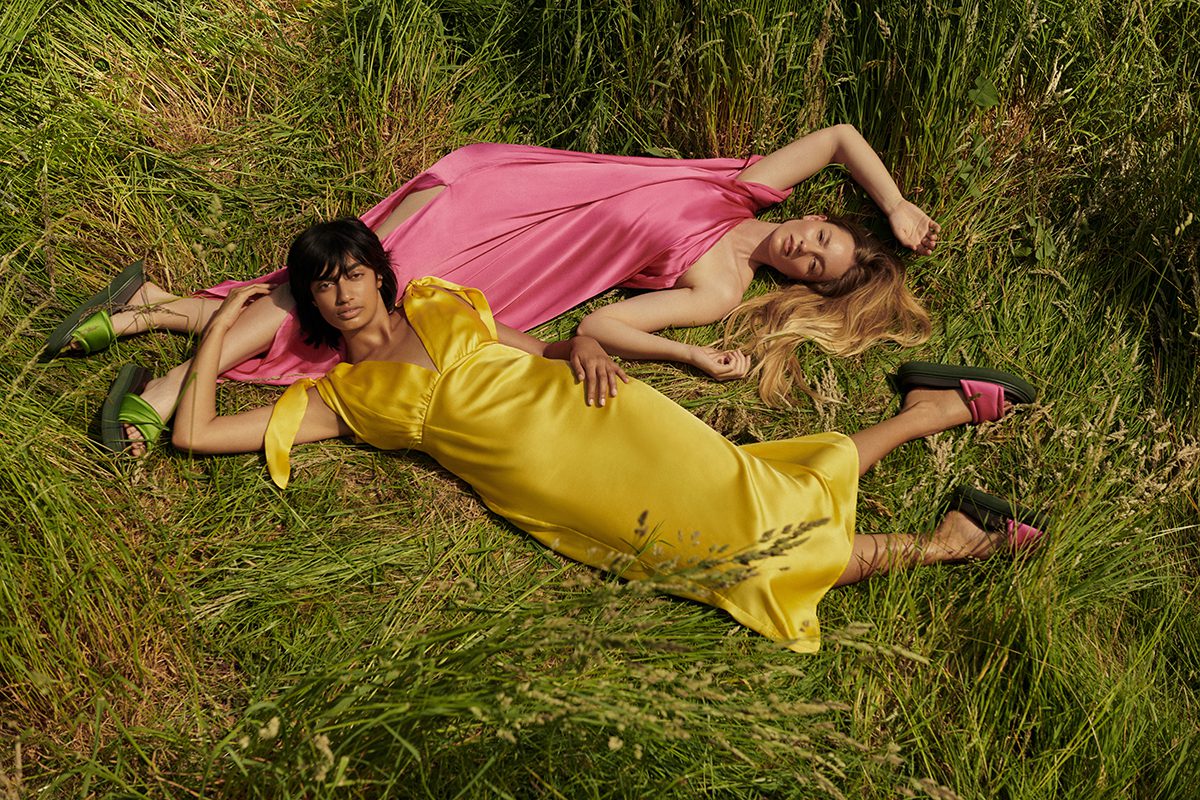
LUX: Is there scope for designers to bring out collections for rental alone?
Jane Shepherdson: We have to think of different ways of doing things. I have had many conversations with [sustainable fashion designer] Patrick McDowell about how designers might do that with deadstock. If rental takes off and we get to some kind of scale, then it would certainly be a business model that designers would be happy to adopt. Think about the difference: designers selling their product to a wholesaler get back about 30% of retail price; if they rent it, they have only got to rent it out two or three times to have made more money than they are going to get from the wholesaler.
Read more: All-access rundown of Ozwald Boateng’s return to London Fashion Week
LUX: In what other ways are you seeing fashion innovate itself?
Jane Shepherdson: I am Director of the London Fashion Fund, which is funded by the Mayor’s office to find environmentally and socially responsible businesses who will be the future of fashion. We are currently looking at one business that is growing cotton hydroponically, which uses 90% less water. There is another which is looking at creating garments that photosynthesise when you wear them. They are alive, since they have these microbes, so instead of putting your jacket in a dark wardrobe, you hang it on the back of the chair in front of the window. They claim that one square metre of the cotton jersey they produce absorbs as much CO2 as a 100-year-old oak tree, and are talking to a high-street retailer about putting a collection together.
It is early days for a lot of these things, but there is so much that is happening that makes me feel optimistic. At least we can mitigate some of the damage. I am so desperate that someone doesn’t come along and say, ‘you can’t have fashion anymore: it is too trivial’. We have got to find ways.
Find out more:

Richard Curtis, the screenwriter and film director behind Notting Hill, Bridget Jones’s Diary, and Love Actually has launched a new campaign – to ensure people pressure their pension providers to follow sustainable principles. If successful, it could trigger a seismic shift in ESG investments. He speaks to Ella Johnson.
Richard Curtis is celebrated for comedic masterpieces like Four Weddings and a Funeral (1994) and Bridget Jones’s Diary (2001). Making nearly $300 million apiece at the box office, his Oscar-nominated films have starred everyone from Hugh Grant to Julia Roberts, Renée Zellweger to Colin Firth – to name but a few. Now, Curtis has launched a campaign aimed at ensuring fund managers put their money where their marketing material is on the green transition. For an industry worth $56 trillion globally, this would be a key pillar in achieving the Paris Climate Agreement goals.
It’s not the first time Curtis has turned his hand to social impact. He is the leader of Project Everyone, the not-for-profit creative communications agency raising awareness around the UN’s Global Goals. Following the 1985 famine in Ethiopia, Curtis also co-founded Comic Relief with actor and comedian Lenny Henry. Through its annual Red Nose Day comedy telethons in Britain, which have involved a star-studded roster of celebrities including Justin Bieber and the Duke of Cambridge, the charity has raised £1.3 billion for disadvantaged communities around the world. It also inspired the launch of a US edition in 2015, which names Jennifer Garner and Jack Black among its contributors and has raised $270 million to end child poverty to date.
Yet with trillions’ worth of pension schemes failing to commit to robust Net Zero targets, Curtis’ next venture could have an even greater (and greener) impact. According to him, it is all well and good spending your life fighting for great causes – but if your pension is funding precisely the opposite cause, what good are you really doing?
LUX: You describe people’s pension investments as a “superpower” hidden in plain sight. What does that mean?
Richard Curtis: It all changed for me when I saw a brilliant TED talk by an Australian cancer doctor called Bronwyn King, who discovered that a lot of her pension money was invested in tobacco companies without her knowing – meaning she’d actually been killing more people with her investments than she’d been saving with her life’s work.
The more I looked into it, the more examples of this I saw. From peace activists investing in weapons, to climate campaigners funding fossil fuel companies, to vegans investing in the meat industry – it was clear that many of us had become accidental investors in the practices we fight against.
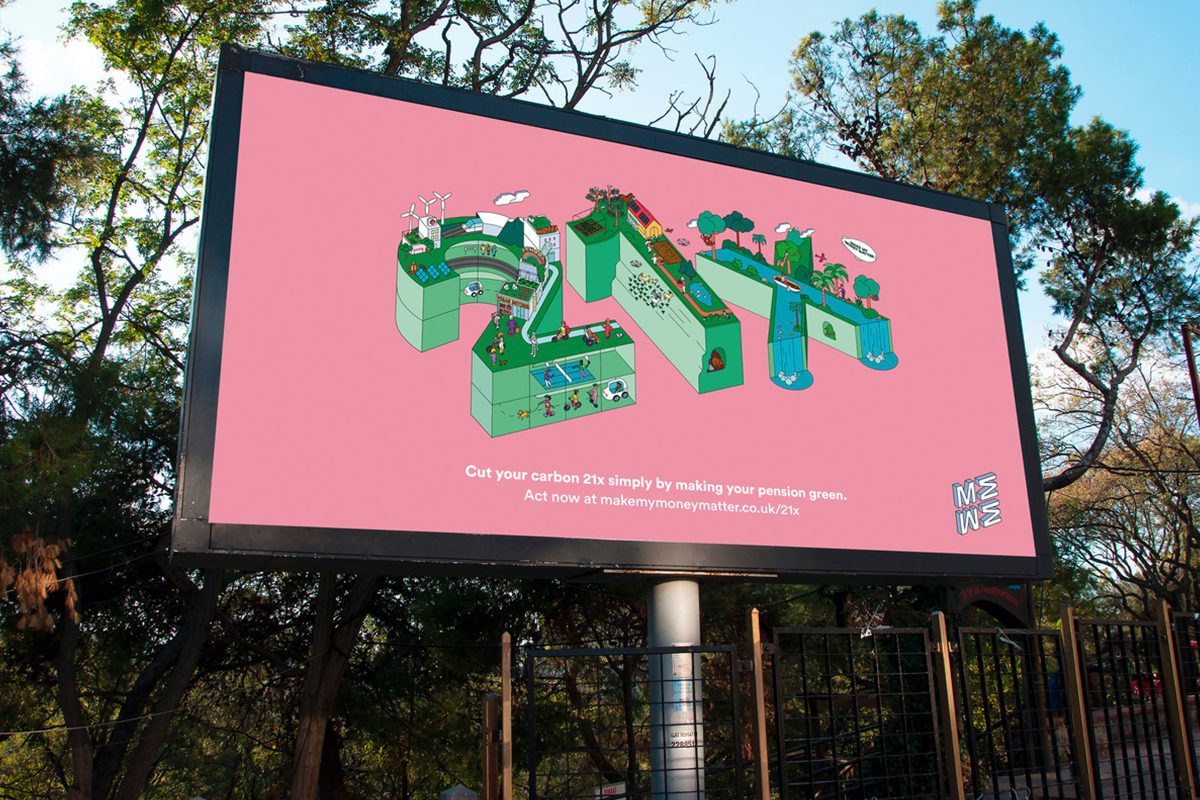
LUX: What’s the key element of your campaign?
Richard Curtis: A key part of our campaign is to showcase what’s possible if we direct our money towards funding the best companies. Our 21x Campaign centres upon research conducted with Aviva and Route2, which found that moving from a default pension to a sustainable one could be 21 times more powerful at cutting your carbon footprint than giving up flying, becoming a vegetarian and switching energy provider combined.
Imagine if all £2.6 trillion in UK pensions was in sustainable funds; helping tackle the climate crisis, restore nature, alleviate poverty, provide affordable housing, and support medical research – the impact could be extraordinary.
Follow LUX on Instagram: luxthemagazine
LUX: Why is this awakening happening now?
Richard Curtis: I think we’re now at an incredibly exciting moment in civic activism. People are no longer waiting on others to change the world for them – they’re taking matters into their own hands and asking ‘what can I actually do to make a difference with my everyday actions?’ They are finding answers in unexpected places: in the clothes they wear, the food they eat, and how they travel. They’re discovering it in the products they buy, the brands they engage with, and the employers they work for.
Left to right: Bill Nighy, Rachel McAdams, Richard Curtis and Domhnall Gleeson arriving for the About Time UK Premiere held at Somerset House, London, 2013
LUX: Does following ESG guidance mean lower returns?
Richard Curtis: Research has shown that investing in sustainable, long-term businesses can have a positive impact on the environment and on society, and still secure healthy returns.
Morningstar examined the performance of 745 Europe-based sustainable funds and found that the majority of them had done better than non-sustainable funds over one, three, five and 10 years. In fact, many industry leaders have called the green transition the greatest economic opportunity of a generation.
We’re entering a time where it doesn’t have to be values vs. value, money vs. morals; you really can have both.
LUX: How are you raising these issues to the top of the agenda for the young generation?
Richard Curtis: Our first job is to get this issue on the radar of businesses leaders and CEOs – making sure that pensions are the new frontier for sustainability minded organisations across. After all, why serve vegetarian meals in the canteen if your pensions are invested in factory farming? Why install renewable energy across your offices, but continue to invest in coal? And why build a world beating sustainability plan if your pension money is directly undermining those actions?
This is a huge gap, but more importantly an enormous opportunity for impact. With customers, shareholders, investors, and employees increasingly asking businesses to ‘walk the talk’, authenticity and consistency across organisations’ climate change strategies can create a real competitive advantage, alongside real-world impact.

Richard Curtis and Keira Knightley for Comic Relief Red Nose Day
In putting their money where their mouth is, businesses can turbocharge their existing efforts in their race to net zero, engage new customers and clients, and help build a world fit for their employees’ retirement. All while protecting their investments from the worst effects of climate change.
Read more: Catherine Mallyon on The Royal Shakespeare Company’s Success
LUX: Your career has been dedicated to alleviating human suffering – through the £1.3 billion raised by Comic Relief to date; and now, through the £1 trillion worth of pension money that has been diverted towards tackling the climate crisis. How do you maintain clarity of vision and purpose on this scale?
Richard Curtis: Everything I’ve ever done has mainly been the work of so many other people. I’m the guy who opens the door for everyone else to come through. The real answer is that I sometimes do worry that I’m not doing the right things at the right time – but what I try to do is just work out where I, with my limited skills, can be most useful. And, when I find something like Make My Money Matter, I try to actually treat it like a proper job and spend my time making things, and organising events and campaigns – rather than just talking round things. My motto has always been ‘To make things happen, you have to make things.’
Find out more: www.makemymoneymatter.co.uk
Patrick McDowell in his studio at the JCA London Fashion Academy. Photograph by Aaron Bird
As the world’s fashion capitals gear up for fashion week, we’re celebrating designers who are paving the way for a more sustainable and ethical industry. Here, Patrick McDowell meets with Ella Johnson in his new studio at the JCA London Fashion Academy to discuss how sustainable fashion and social impact go hand in hand
Liverpool-born, London-based designer Patrick McDowell captured the world’s attention in 2018 with his graduate collection made from old Swarovski crystals and Burberry fabric donated by Christopher Bailey. Proving that sustainable fashion need not be synonymous with mundanity, McDowell was soon after nominated by Anna Wintour for the Stella McCartney Today for Tomorrow Award, and he subsequently went on to host London Fashion Week’s first ever Swap Shop.
Today, the 26-year-old has just been named the inaugural Designer in Residence at Professor Jimmy Choo’s JCA London Fashion Academy, where he will continue to make one collection a year under his eponymous label while carrying out sustainability advisory to other brands. But far from becoming a global brand overnight, McDowell is preoccupied with elevating other underprivileged creatives through scholarship programmes within the industry. Here, he explains why there is no time to waste.
Follow LUX on Instagram: luxthemagazine
LUX: Your first interaction with upcycling was when you created a bag from an old pair of jeans at 13. Was that a consciously sustainable act?
Patrick McDowell: It was the defiant act of a child who had been told ‘no’. Typically, in very working-class areas, your school uniform is bought three sizes too big so that you can grow into it. I was just sick of this really long satchel bashing against my knees, so I made one that was shorter out of a pair of jeans I knew I was never going to wear. Nowadays, it’s quite cool for kids to chop and make stuff, but back then it was all about buying. So, while I had made the bag with a needle and thread, people didn’t believe that I had made it. I quite liked that reaction, because I thought I must be alright [at fashion] if people thought I’d bought it.
It was crazy, really: I was this curly haired, 13-year-old child – nobody could tell if I was a boy or girl – walking around in this very sad uniform with these elaborate handbags that I had been making! It was a very working-class suburb of Liverpool, and looking back, I suppose it must have been quite unusual.
LUX: Your ‘Catholic Fairytales’ collection addresses some of that disillusionment.
Patrick McDowell: I had a very Catholic upbringing. Every day started with a prayer. As a gay person growing up in that, it was quite challenging to realise that everything built around you was disagreeing with who you were. At 13, my Religious Studies teacher told me that it was OK to be gay, so long as I didn’t act on those feelings.
So, it was quite therapeutic doing ‘Catholic Fairytales’. The final irony of that collection is that what I did is way less avant-garde than actual priest robes, which have months and months of handwork. The recent history of the Catholic church is, on the whole, one of extreme extravagance. I did this very big, phallic hat for my collection, which people were surprised that I hadn’t invented – there was a papal tiara that shape, which they got rid of in the 1950s because they thought it was too over the top.
Read more: Patrick Sun on Promoting LGBTQ+ Art in Asia
LUX: What was your experience of joining Central Saint Martins as a northern, working-class, queer individual?
Patrick McDowell: I almost quit in the beginning. I somehow managed to get in without a foundation course, which is not meant to happen, and I failed the first year. I had such a panic because I’d spent six years trying to get there, but never considered what I’d do when I got there. All that self-limiting stuff comes from the class system and growing up working class. The school system is awful. It’s one of the reasons why I’m now such an advocate for creative education. I experienced how beneficial that kind of education can be, but also how hard it can be if you don’t do the ‘right’ things in the ‘right’ way.
LUX: Do you feel a responsibility to elevate others in the industry?
Patrick McDowell: I’m very aware of how privileged I am, but my journey, from where I came from to where I am now, was a lonely one. I embody that journey, but at the same time, I graduated from one of the world’s best fashion schools with a collection made from Burberry fabric donated by Christopher Bailey, and old Swarovski crystals, with a British Fashion Council scholarship. All of those things opened the doors for me. That’s why I cried every day for two weeks, walking across Hanover Square, when I first came [to the Jimmy Choo Academy]: I was so overwhelmed. But I’ve realised that by letting myself get so overwhelmed, I wasn’t doing anything productive. When I started looking into it, I was shocked that there aren’t more scholarships available in schools. It’s so easy and inexpensive for brands to do it, plus there’s no bad press for starting one. That’s why I built a scholarship programme into my next contract with Pinko. It’s also why I’ll always push for as many social and educational initiatives as I can. It’s usually something people come to later in their career, but in my view, there’s no time to waste.
LUX: You say that it is not only a designer’s responsibility to ‘create beautiful clothing’, but to also ‘redesign the systems they sit within’. How are you doing that from a sustainability perspective?
Patrick McDowell: I was already sustainability ambassador for the Jimmy Choo Academy, and now I’m also Designer in Residence. I only do one avant-garde collection a year. I’ll be doing my next collection in September so there’s no rush, which I appreciate: I can do it when I want to do it.
The rest of the year, I work with brands, schools, and Graduate Fashion Week. I mentioned Pinko, with whom we have a social corporate and sustainability focus. I’m about to do my fourth collection with them, but this year we’ve expanded it so that the business is also committing to 30% of this overall product having a sustainable attribute. We’re also starting a social sustainability programme to start scholarships and a stronger internship programme.
I’m not interested in constantly producing thousands of the same dress in slightly different colours because that’s how you grow a brand through a wholesale business model. I’m not desperate to become a global brand overnight. The impact I’ve made with all the projects I have done has been way bigger because I’ve worked with bigger organisations to make it happen, rather than going at it alone.
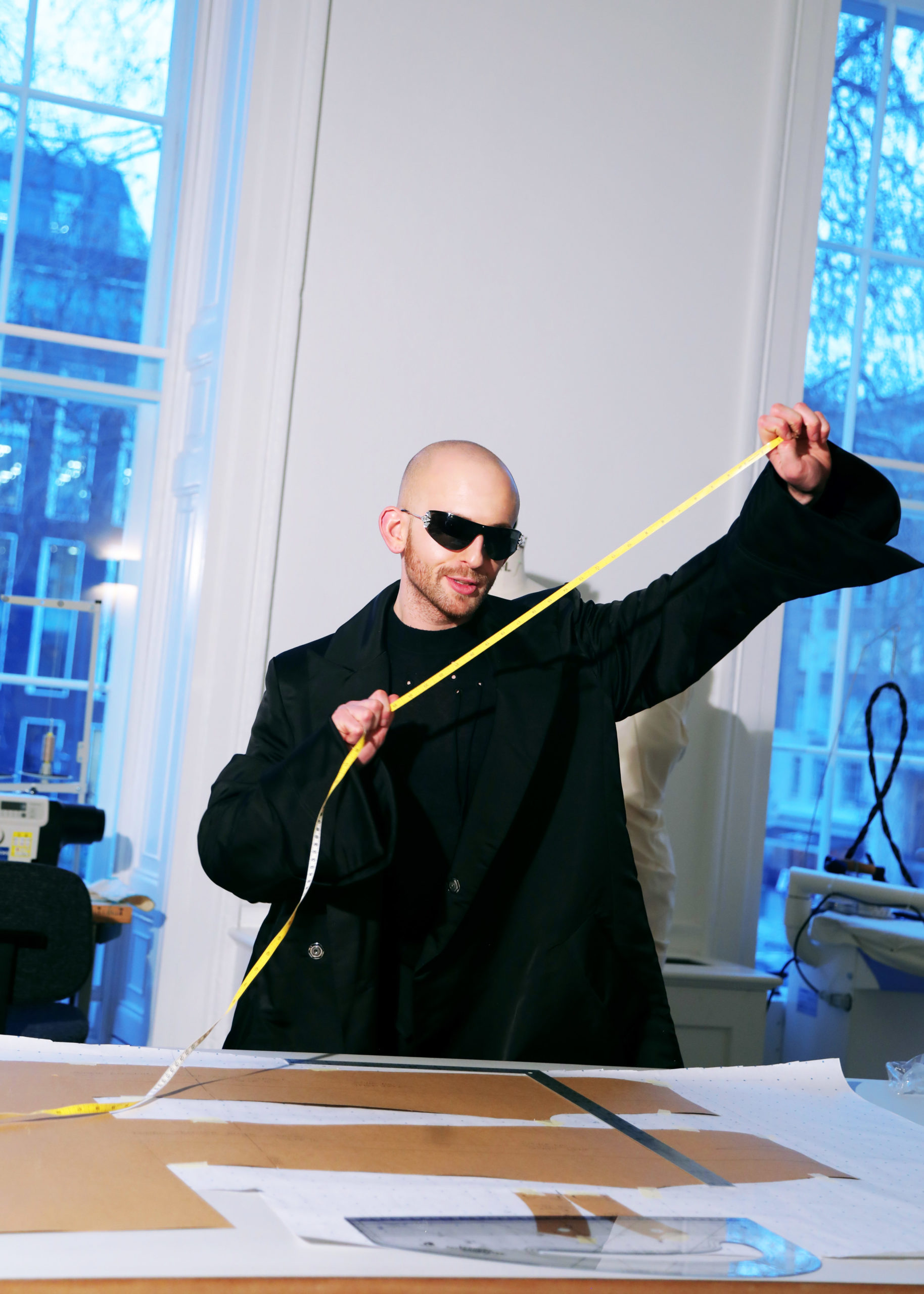
Photograph by Aaron Bird
LUX: This disinterest in building a brand overnight, is it personal to you or common among your peers?
Patrick McDowell: These days, it’s definitely more common for Central Saint Martins students to say they want to do less or fewer collections. Richard Malone is a great example of someone who has a very successful business that he’s intentionally keeping at a certain size, and making beautiful pieces that a certain type of person wants to buy or order. He has a made-to-order service in Selfridges. I never thought I’d see that!
Read more: Markus Müller on the Importance of Global Sustainability Standards
LUX: Would you say that sustainability is a modern day luxury?
Patrick McDowell: I think it is a version of luxury that we see now. For a long time, harm was fashionable. ‘How many exotic animals are in your Birkin? Mine’s got four’ – that kind of thing. Now, people take pride in saying ‘my jacket didn’t harm anything’. That’s an interesting shift. But it’s complicated, because for some people, wearing an outfit from a fast fashion company is their only way to feel like the person they want to be. I’m not going to be the person sitting in this Mayfair studio telling them that fast fashion is wrong. If that’s something that keeps that person going, then they need that. It always goes back to education and class systems, and to the fact that this country is set up to stifle the majority of the people that exist in it. And remembering too that it’s not sustainable either to completely change a business that supports thousands of people, because those people would then have no jobs.
LUX: What has the response been from the brands with whom you work on sustainability initiatives?
Patrick McDowell: It can sometimes be difficult going into a brand and disrupting the whole way they work. A brand is used to working in a very linear way, and then I go in and start asking people to work with each other who would never usually each other. But all those connections are exactly what businesses will need to grow and survive. I hope that I can do these things with brands and then, once I leave, there’s the infrastructure in place for them to do the work themselves.
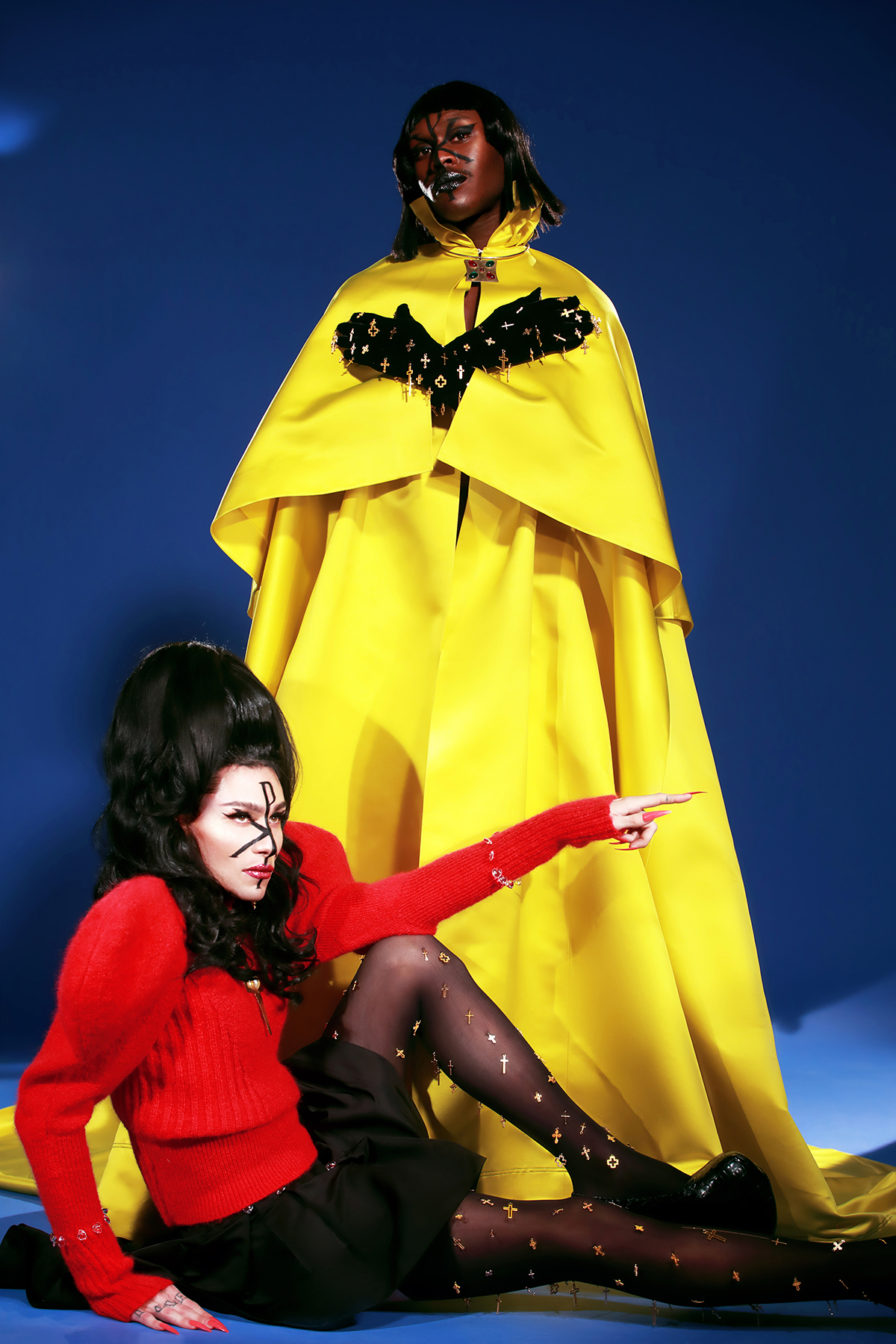
LUX: It’s as though brands need external disruption to make change.
Patrick McDowell: It can’t happen with the teams as they already exist. Everyone is so busy; it just doesn’t work. But they’re going to have to start somewhere, so that’s where my consultancy approach helps. I’m not locked into these crazy fashion cycles. We have to rethink everything right now, to find creative solutions for everything from journalism to mathematics, science to fashion. It’s an extremely modern way to be working – to be passion- and emotion-led. It’s what resonates.
LUX: During London Fashion Week in 2020, you collaborated with the Global Fashion Exchange to host the first Swap Shop. What was that like?
Patrick McDowell: It was the first Swap Shop for any major fashion week, and we re-circulated 500 garments in 3 days. I always think that fashion weeks should be idea hubs; you don’t have to have it fully formed – just show an idea. We digitally tokenised all the swaps through QR codes, and we didn’t know if it was going to work, but now everyone’s doing it!
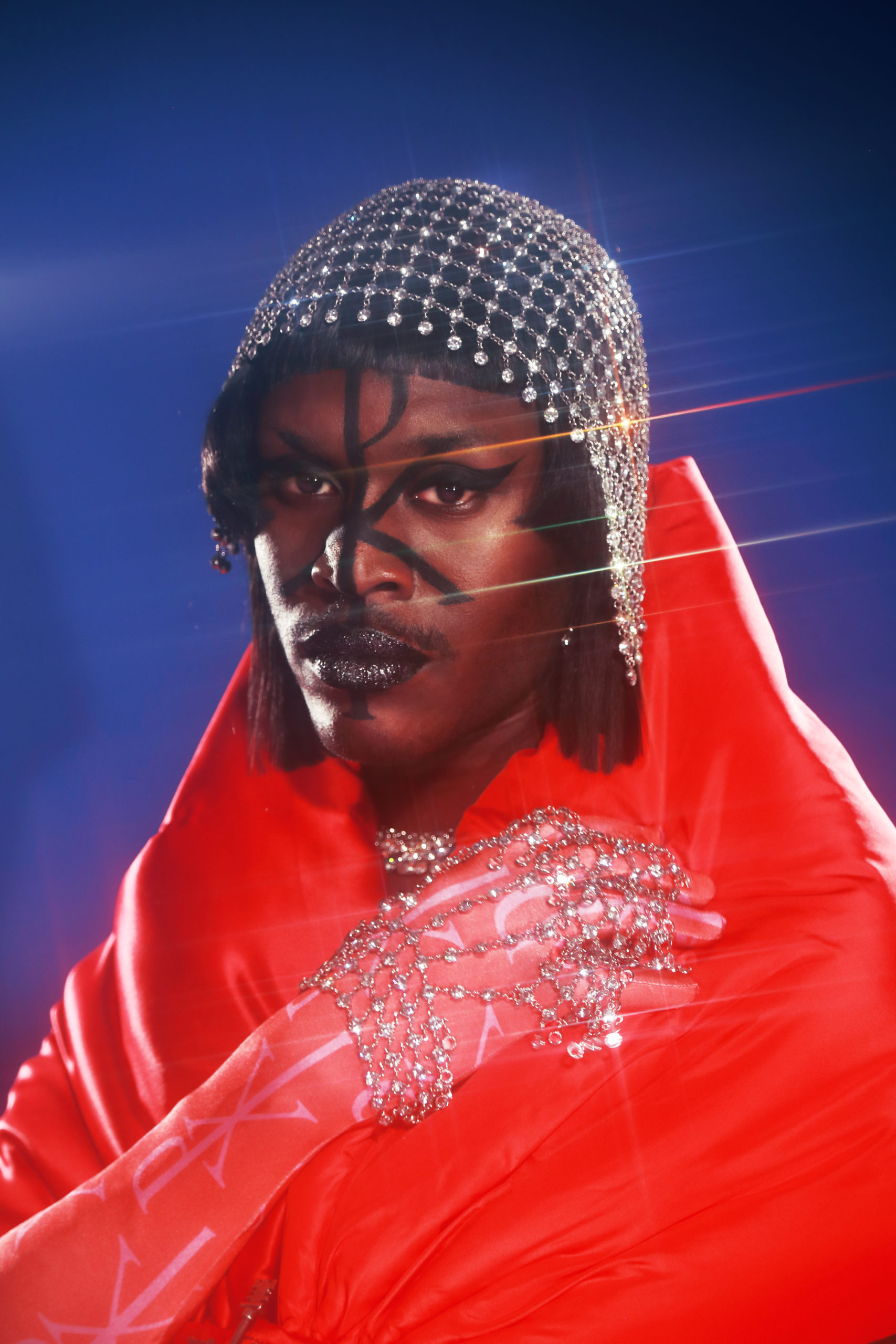
LUX: Is this pressure for perfection holding fashion back sustainability-wise?
Patrick McDowell: Sometimes we’re so scared of making everything so polished – especially with sustainability, where there is so much anxiety. We’d rather say nothing, because if we say something, people are going to criticise everything. But we all have a responsibility to just let people try things out and make mistakes. People think businesses are these holy grails of perfection, but the fact is they’re made by people, and people make mistakes.
LUX: It sounds like we need to put the fun back into fashion.
Patrick McDowell: Yes, you have to do sustainability in a way that’s fashion. It’s still fashion week, and it has to work for fashion week. It has to look great. Don’t be lazy. Just because you remade something doesn’t mean it can look bad, it still needs to be aspirational!
That’s one of the reasons my graduate collection went so well, I think, because it was all made from this old Burberry fabric, and it was glam, fab, and clean. It’s an easy message to get your head around: old stuff, turned into new stuff. I haven’t reinvented the wheel, or spent 20 years trying to get the spider make silk. Not everything has to be life-changing.
LUX: Can you tell us about your next collection?
Patrick McDowell: Marie Antoinette.
Find out more: patrickmcdowell.co.uk
All fashion images: Patrick McDowell’s ‘Catholic Fairytales’ collection, photographed by Aaron Bird
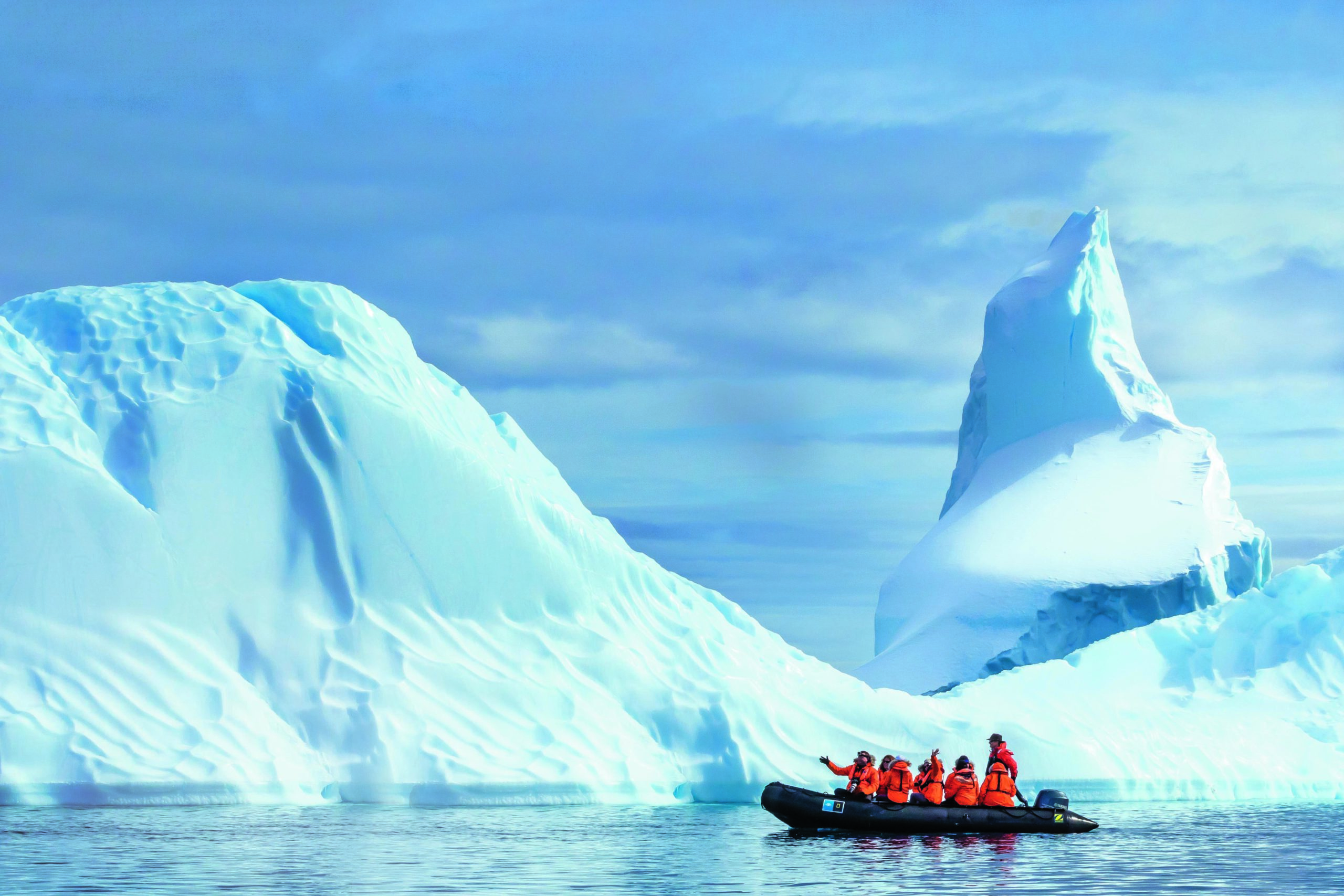
Lindblad Expeditions travellers explore Booth Island, Antarctica
Sven-Olof Lindblad is an influential Ocean Elder whose work combines marine conservation, education and eco-tourism. He speaks to Sophie Marie Atkinson
In late January 1966, 57 travellers arrived at Smith and Melchior Islands on the Antarctic Peninsula aboard a chartered Argentine navy ship. Pioneer Lars-Eric Lindblad was the man behind this voyage, one which had previously only ever been undertaken by professional explorers and scientists. This event marked the beginning of commercial travel to parts of the world that, until then, most could have only dreamt of visiting, as well as the birth of a whole new industry.
Exploration, discovery and an innate desire to immerse oneself in nature clearly run in the Lindblad blood. Lars-Eric’s son, Sven-Olof, spent part of his life in east Africa, where he photographed elephants and wildlife and assisted filmmakers on a documentary about the destruction of rainforests. This experience, coupled with the many trips he joined his father on, ignited a passion that lives with him today.
Follow LUX on Instagram: luxthemagazine
By 1979, Sven-Olof had founded Special Expeditions (now Lindblad Expeditions), an innovative travel company that today offers oceanic expeditions aboard small ships. Like his late father (who died in 1994), Sven-Olof’s mission is to enable people to explore hidden corners of the world. Destinations include the coast of Alaska, Baja California, Patagonia, Russia, and even the islands around Scotland. But visiting these regions is only a fraction of the company’s story.
Lindblad Expeditions seeks to take what we currently call ‘sustainable travel’ a step further. “Sustainable travel basically means that you can just continue what you’re doing without causing a negative impact, so essentially ‘do no harm’,” Sven-Olof explains. “I think what we need to do is figure out how to use our energy and our imagination to think more in restorative rather than just sustainable terms. We’ve done so much damage to our environment that we need to shift gears fast.”
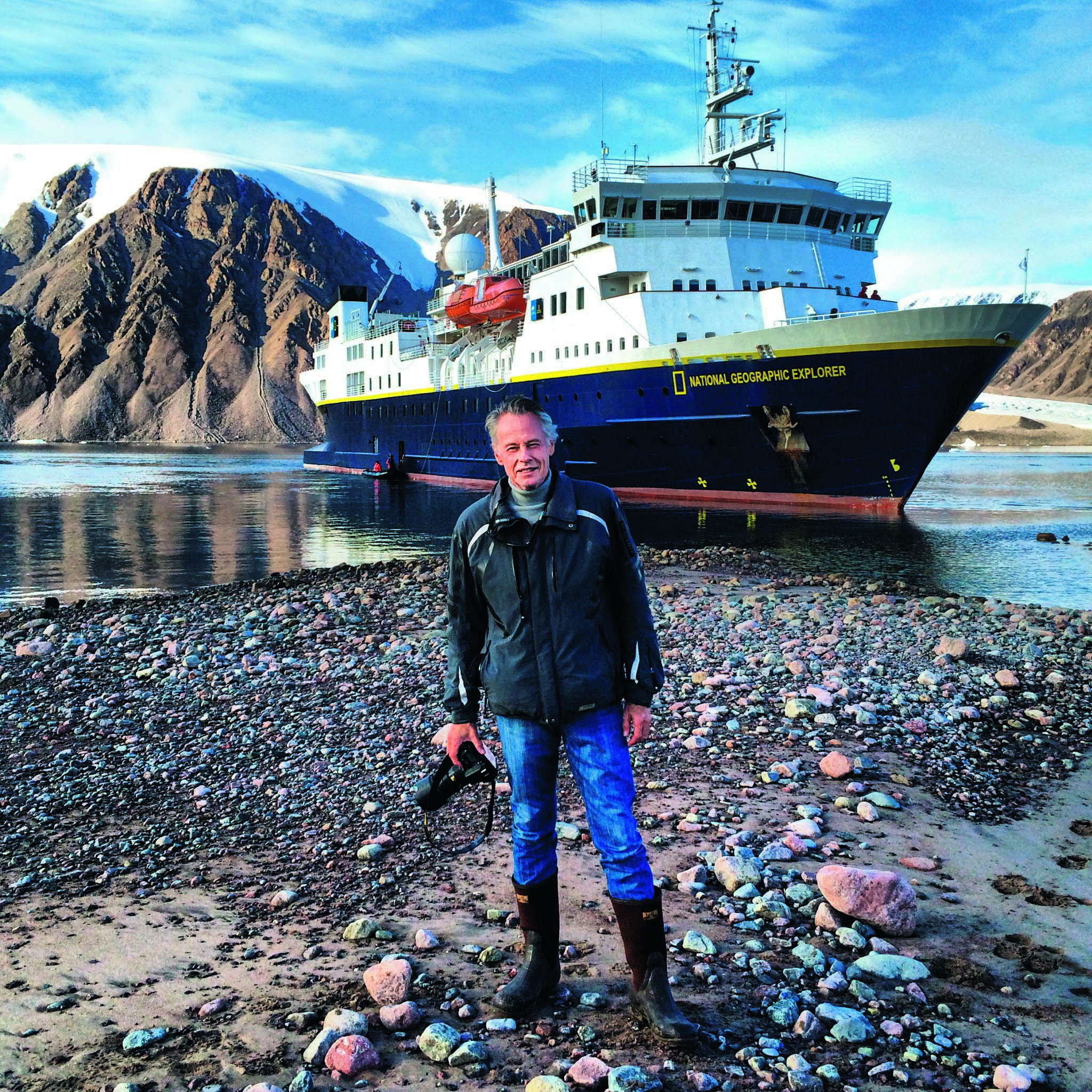
Sven-Olof Lindblad on Ellesmere Island in the Canadian Arctic, 2014
This is why planetary stewardship and meaningful change are at the heart of the Lindblad Expeditions offerings. They are facilitated in a number of ways. Firstly, the company is carbon-neutral, offsetting all its operations and making it easy for travellers to do the same with their flights. The ships are entirely free of single-use plastic, and all food provided on board is responsibly sourced.
The company has formed a partnership establishing the Lindblad Expeditions-National Geographic Fund, with donations often coming from inspired passengers, with each of the 15 ships raising finance for different programmes. “We have a hugely successful project called Pristine Seas,” explains Sven-Olof, “the objective of which is to create large marine protected areas. We raise a minimum of $500,000 a year for that programme, often up to $800,000.
Read more: How Science is Harnessing the Power of the Sea
“In the Galápagos, we put hundreds of thousands of dollars into a local school that we believe will educate the future leaders of the islands.” They also help local fisheries implement better technology for their work.
Motivating people to care is another piece of the Lindblad puzzle. “One of the things I love about having this fund is its action, which we often see in the most surprising ways,” he says. “One individual had travelled with us at first to Alaska then to Baja California and then to the Galápagos. He called me one day and said, ‘I’m a trustee of The Helmsley Trust and I’m fascinated with what you do.’ Over a number of years, he became the trust’s most significant conservation investor. He was pumping $9 million a year into the Galápagos and about $6 million into Baja. He had never thought about this field before and these trips just opened his eyes.”
Sven-Olof doesn’t see any of his efforts as philanthropic. “I’ve made a point, in relation to our industry, never to use the word ‘philanthropy’,” he says. “If we gave $100,000 to the children’s hospital in New York, I would view that as philanthropy, but when it comes to anything related to travel, I view it as investment. At the end of the day, natural resources, cultural resources, historic resources – these are what the travel industry depends upon. So why wouldn’t we naturally want to invest in the maintenance of these, our core assets?”
On top of these myriad achievements and endeavours, Sven-Olof is one of 23 global leaders – including Jean-Michel Cousteau (son of Jacques) and James Cameron – who use their power and influence to protect our marine worlds. These are Ocean Elders. Sven-Olof explains that their primary purpose is to try to sway political decisions, or lobby governments or certain businesses. “There are a lot of scientific resources behind Ocean Elders owing to the fact that members include the likes of Richard Branson, which means we can produce weapons that we can put on desks of prime ministers, weapons signed by all of these people.”
It would appear that Sven-Olof Lindblad, with a fleet of 15 ships and the backing of some heavyweight peers, is more than armed and ready for the war against the destruction of our precious oceans. His role at the helm of eco-travel looks set to continue.
Find out more: world.expeditions.com
This article was originally published in the Autumn/Winter Issue.
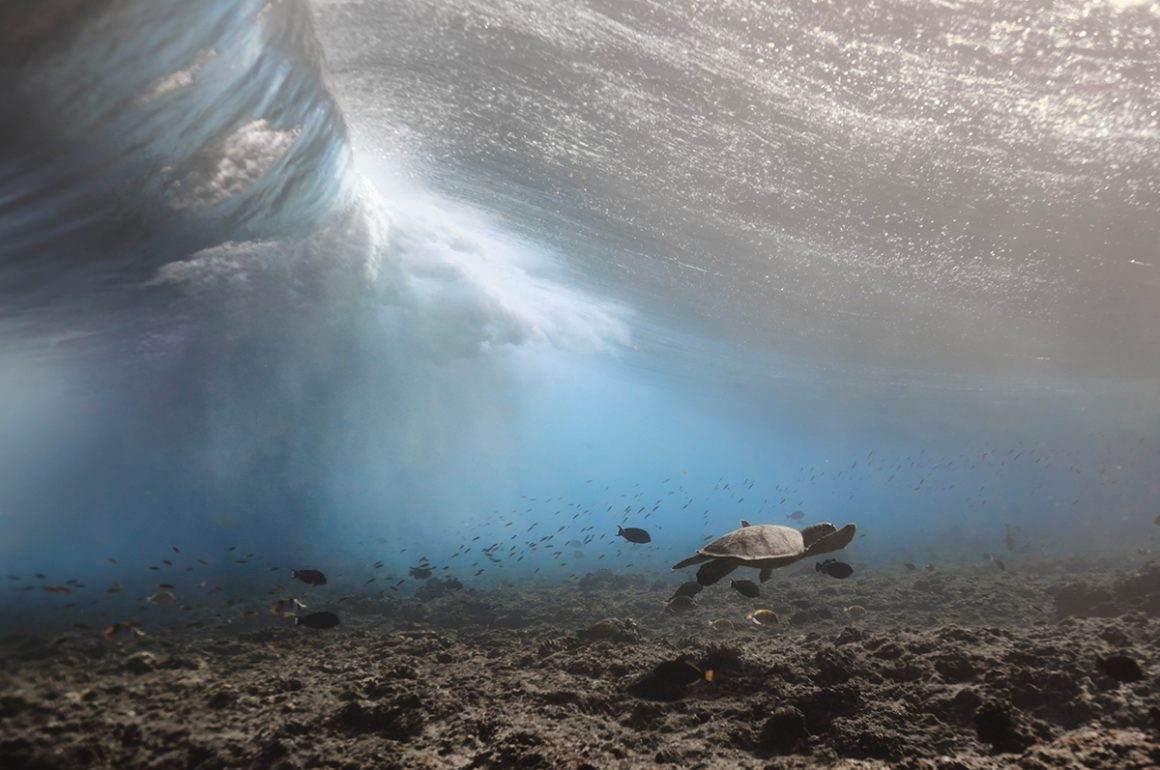
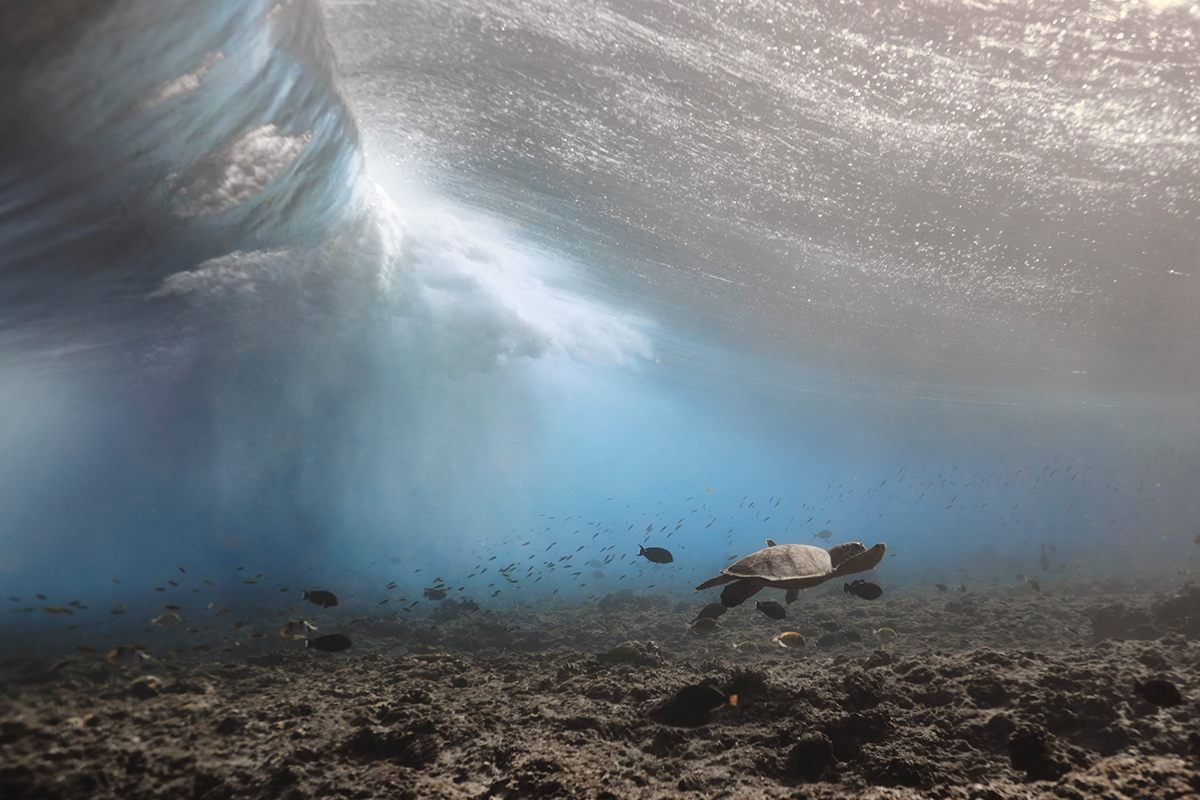
The health of the world’s oceans is under threat. But the seas can be part of a visionary plan to address climate change and create a more sustainable economy. Andrew Saunders reports on the new science around ocean carbon capture
Photography by Matt Sharp
The power of plants to absorb excess carbon dioxide from the atmosphere as they grow is well understood as a vital tool in the global battle against climate change. But which of the planet’s myriad natural environments does it best? Tropical rainforest? African Savannah? Scottish peat bogs? None of the above – in fact the most carbon-rich ecosystem in the world is not to be found on land at all but in the ocean. Mangrove swamps, such as those found dotted around the coastlines of Indonesia, Brazil and Nigeria for example, are the unsung heroes of carbon storage, locking up no less than ten times as much carbon per kilometre square in their branches, roots and soils than even the densest forest.
Follow LUX on Instagram: luxthemagazine
Together with other coastal ecosystems, including sea-grass meadows, tidal marshlands and coral reefs, these so-called ‘blue carbon’ resources highlight that the oceans play a much more prominent role in limiting global warming than has been generally recognised.
“Building the ocean’s resilience to change and helping to rebuild marine-species abundance and diversity are not as fully appreciated as they should be as crucial tools in combating climate change, but there is more and more evidence that blue carbon plays a critical role in maintaining the health of our biosphere,” says Karen Sack, chief executive of Ocean Unite, an international network of experts in the science and ecology of the oceans.
Covering some 70 per cent of the planet’s surface, the oceans are effectively a huge carbon sink which has already absorbed around a third of the excess carbon that has been put into the atmosphere since the dawn of the industrial era. And more than 50 per cent of the carbon in the ocean is blue carbon, despite the fact that such environments account for only two per cent of the total ocean area. Protecting and enhancing them is at least as important as preserving forests, planting trees and rewilding on land, says Sack. “Mangroves, sea-grass beds, fish and marine mammals play a huge role in sequestering and storing carbon. By protecting and restoring these crucial habitats and species, more carbon will be sequestered and stored, resulting in a healthier planet, which is better for us all.”
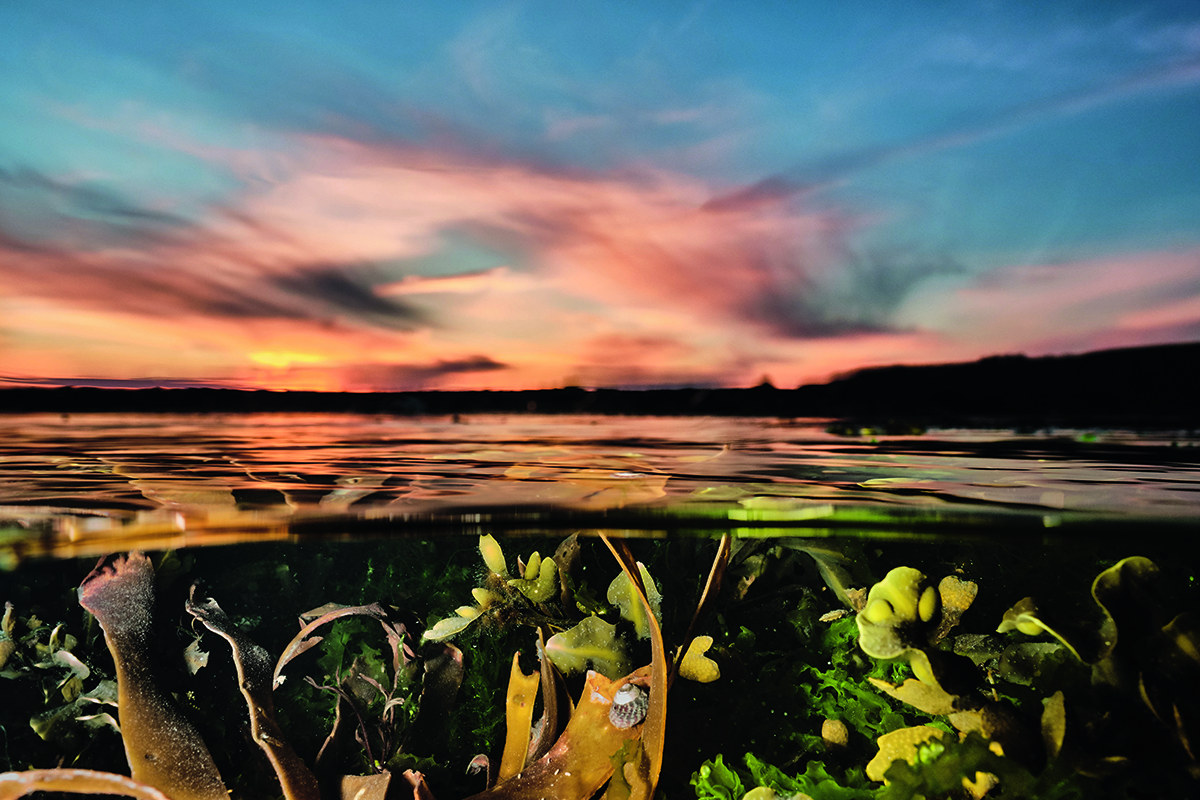
Rock pools in Jersey
The carbon capture and storage potential of healthy oceans is not limited to coastal blue carbon zones alone, however. Other proposals for boosting the potential carbon sequestering of the world’s seas include encouraging kelp forests – essentially huge seaweed farms – and even microscopic algae called phytoplankton to extract carbon from the atmosphere as they grow.
Such initiatives could not only help climate change but also present new and potentially lucrative opportunities for business and investors, says Professor Ove Hoegh-Guldberg of the University of Queensland and a member of the High Level Panel for a Sustainable Ocean Economy. The panel’s landmark 2020 report, Ocean Solutions That Benefit People, Nature and the Economy, found that a truly sustainable ocean economy could contribute around a fifth of the total carbon reduction required to meet the 2015 Paris Agreement target of a maximum two degrees of climate warming.
Read more: LUX Editor-in-Chief Darius Sanai on Effective Climate Action
For example, some phytoplankton species can be a source of valuable low or even zero-carbon biofuels and other industrial products. “Some of my colleagues here in Queensland are working on this. Phytoplankton grow very quickly and they can be processed to produce biofuels and high-value boutique chemicals. It’s potentially very interesting but it still has to be proved at an industrial scale.”
The ocean economy could also help feed the world more sustainably – a study by the Institute for Marine and Antarctic Studies found that each kilo of fish landed in the US requires the emission of just 1.6kg of carbon dioxide, compared with between 50kg and 750kg for a kilo of beef produced on land. And if it can be done sustainably, large-scale ocean aquaculture has the potential added benefit of helping to protect and restore many wild-fish stocks threatened by over-fishing. “Well over half the world’s fisheries are in trouble,” says Hoegh-Guldberg, “because they have been fished down to well below sustainable levels.”
Rethinking the way we catch fish, so that sustainable aquaculture in the oceans becomes more equivalent to sustainable agriculture on land, could help stressed wild fisheries recover, he adds. “We are sophisticated farmers on land but we still have a basically Neolithic culture when it comes to fisheries.”
Creating such a climate-positive ocean economy will require a shift in the mindset of business in general and finance in particular to the point where the environmental impact of commercial activity is given equal weight to considerations of profit and loss, says Ocean Unite’s Sack. “Instead of viewing nature as an unaccounted externality that is not valued, the finance and business community more broadly needs to recognise its value, including the intrinsic value of biodiversity, and account for it. It can then take tried and tested financial products and put them to work with nature to build resilience and deliver bankable returns.”
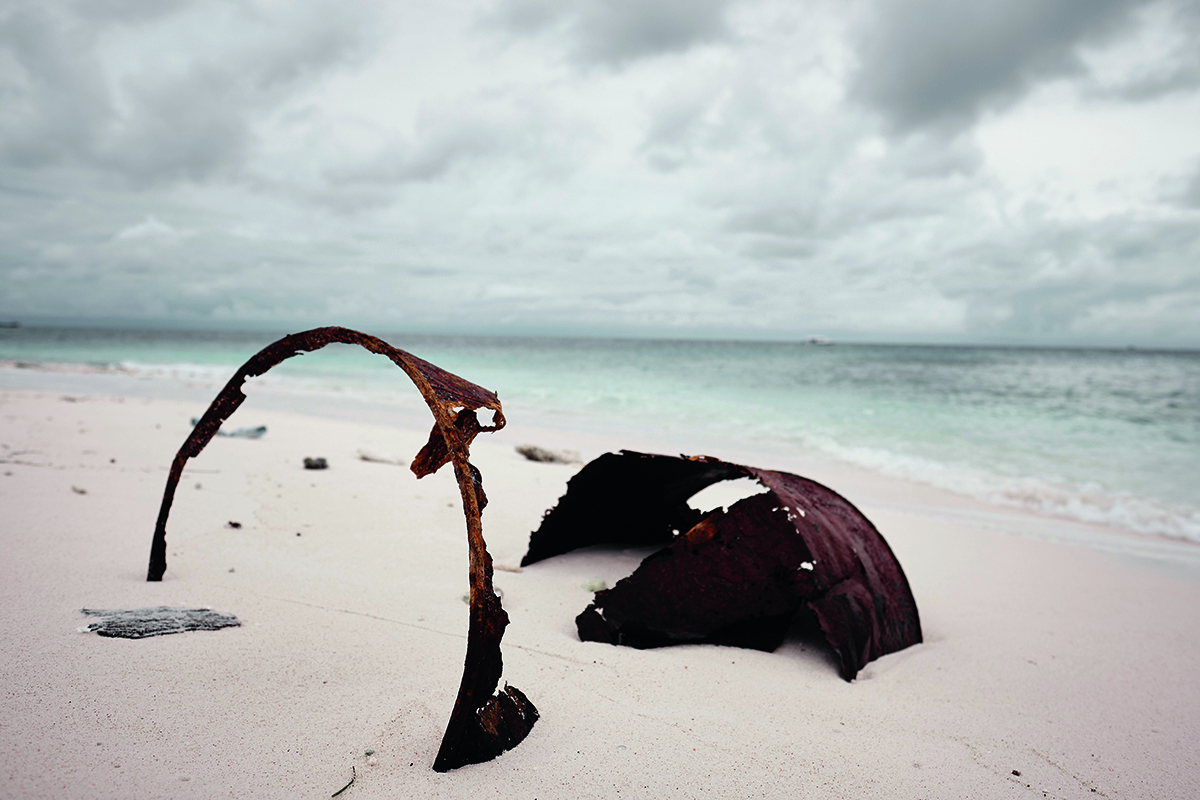
Matt Sharp visited the Maldives in 2019 (above) where he recorded the extent of the pollution on the beaches
Stressing the urgency, she continues, “We’re at an ‘all hands on deck’ moment. By bringing together our collective knowledge and strengths, we can tackle hazards and vulnerabilities, build resilience and adapt to change at speed and at scale. But we have to have public and private sector financing to do that and partner across sectors to spur the type of innovative marketplace that is needed.”
So, nature and profit can co-exist in a sustainable and carbon-sequestering ocean economy. But what about technological solutions? As far back as the 1970s, Italian physicist Cesare Marchetti was the first to suggest injecting CO₂ directly into the Mediterranean to ameliorate global warming, and since then the oceans have been seen as part of a more tech-led – and more controversial – approach. Subsequent refinements of Marchetti’s original idea include pumping CO₂ captured from industrial plants into the sediment layer on the deep ocean floor. The pressure at such depth would liquefy the carbon dioxide, helping – in theory anyway – to keep it safely locked up, miles down in the mud.
Read more: Markus Müller on the Importance of Global Sustainability Standards
Even set against the current scale of the climate crisis, this looks like last-ditch stuff, says Professor Stuart Haszeldine of the School of GeoSciences at Edinburgh University. “I would much prefer that we didn’t have to: it would be a last-resort type of measure, if we haven’t managed to re-capture our emissions in any other way.”
But all the same, less risky technological solutions may well have a place – and the ocean can be part of that, too. Haszeldine and his colleagues at Edinburgh have come up with an alternative plan that could see the ocean surface turned into a kind of giant mirror to reduce the heating effect of the sun. Autonomous, computer-controlled ships would suck up sea water and spray it into the air as fine droplets, forming a layer of mist to reflect sunlight and cool the waters beneath. “We should have started reducing our carbon dioxide emissions 30 years ago,” he says. “This would be a way of cooling the ocean quickly, to reduce the effects of hurricanes [also caused by rising sea temperatures] and of helping to refreeze the melting arctic ice.” The group is currently looking for funding for a trial project to turn its innovative idea into reality. “We could build a pilot boat for a few million, and if it works then building 300 of those to delay the climate problem is well within the capacity of the global shipbuilding industry.”
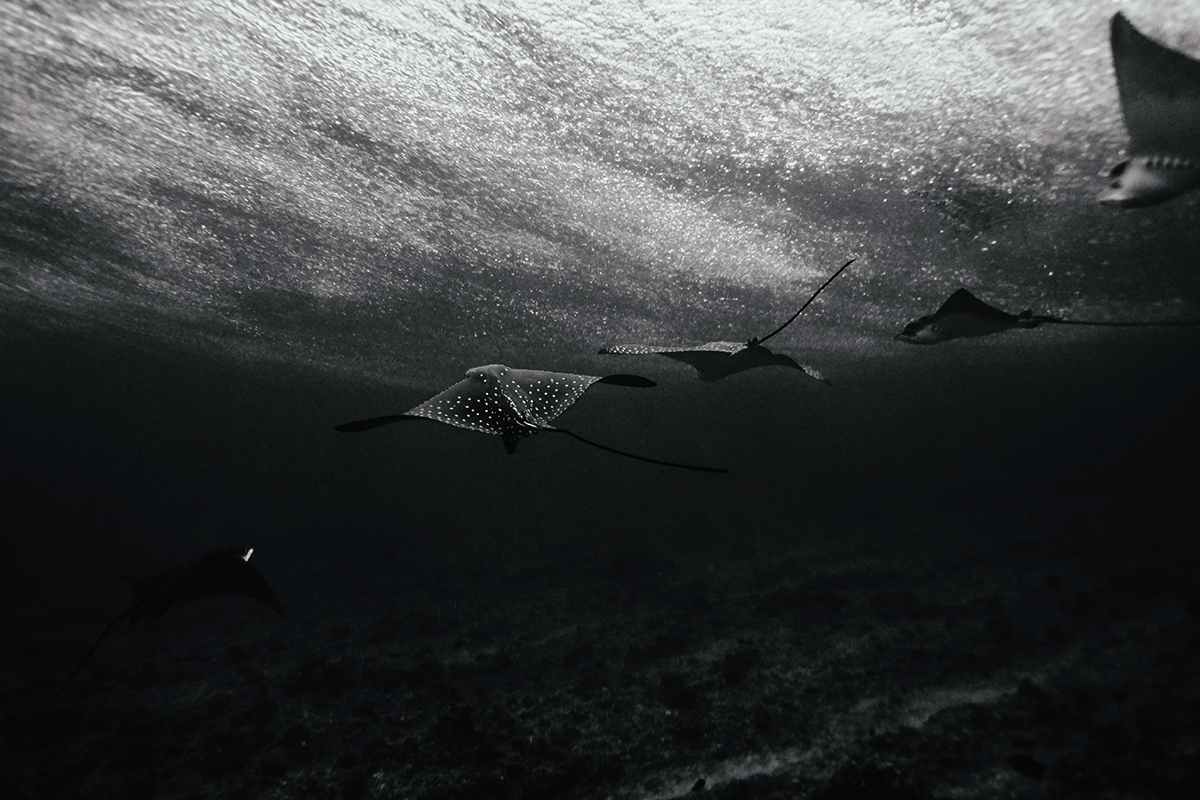
Spotted eagle rays in the seas around the islands in the Maldives
The ocean surface could also be a platform for renewable power generation, thanks to the developing technology of floating wind and solar farms, says Hoegh-Guldberg. “Our report concludes that there is enormous potential there, and it is both technologically feasible and acceptable to the public.”
So while the climate clock is ticking ever more loudly, there are grounds to be cautiously optimistic that an alliance between science, government and business will yet provide the framework, the finance and the innovative ideas required to keep global warming within just about tolerable limits, and that oceanic carbon capture and storage will play its full part in the process. In Hoegh-Guldberg’s view, “Government needs to set the rules to encourage science to define the problems and the solutions, but then it should be sitting back as business gets involved.”
Hoegh-Guldberg also warns that if we continue as we are, we will end up with a world that is three to four degrees warmer than the pre-industrial era. “So, it doesn’t look too good as it stands now. But humans are very resourceful and there are lots of opportunities. I think we will keep to under two degrees, though not by a lot. Transitions tend to happen very slowly at first; you have to push and push until you get to the inflection point. Then suddenly you’re rolling downhill on the other side.”
Matt Sharp was awarded the Ocean Conservation Photographer of the Year in 2020. He studied marine biology and has travelled and worked around the world, documenting marine life.
This article was originally published in the Autumn/Winter 2021 issue.
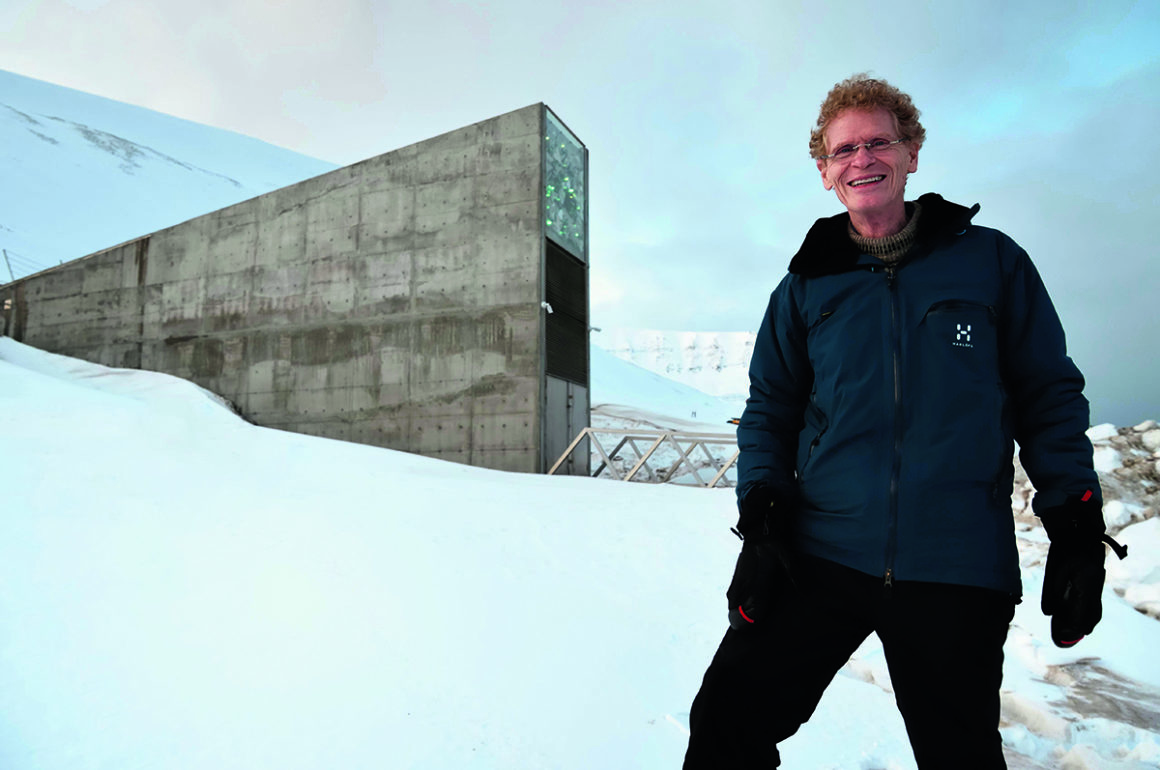
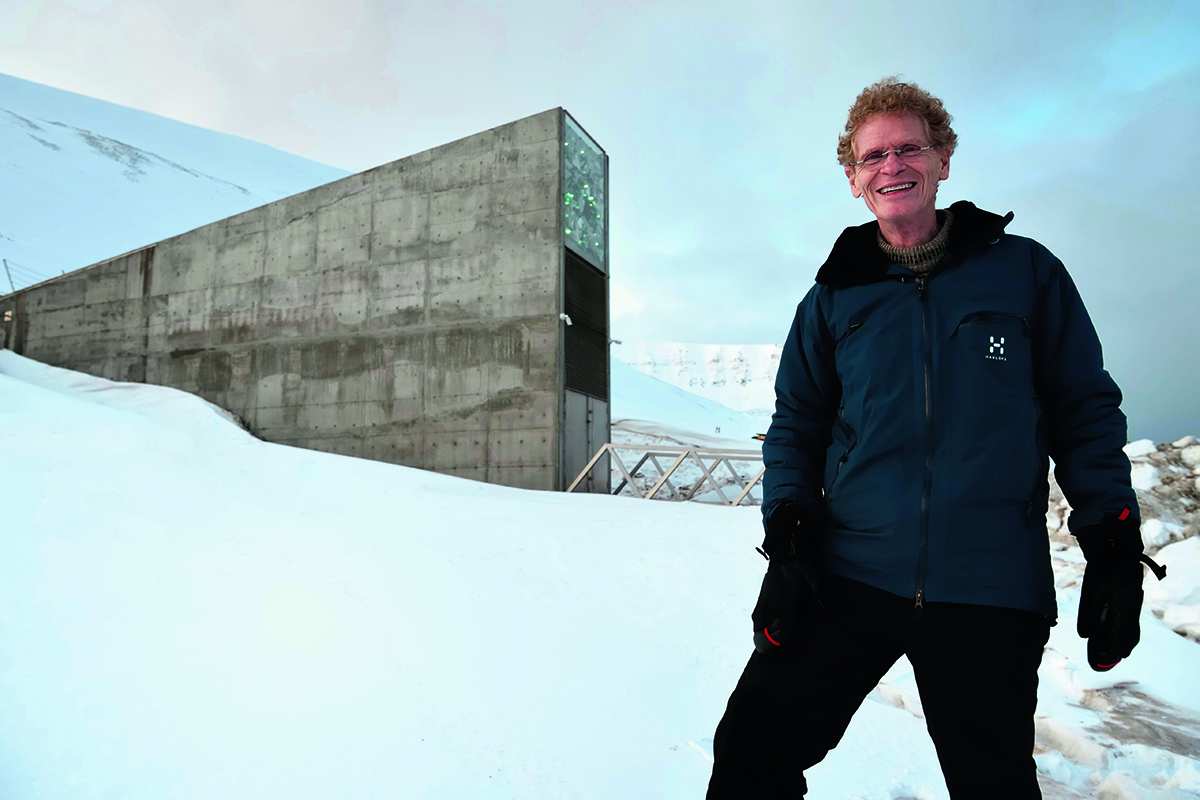
Cary Fowler outside the Svalbard Global Seed Vault. Hemis/Alamy
Cary Fowler is the American visionary who established the Svalbard Global Seed Vault to ensure the security of all our crop seeds come war, famine or plague. Such future-proofing is ever more important, he tells Andrew Saunders
Appearances can be deceptive. The modest steel and concrete protrusion jutting out from the side of a mountain on the remote Norwegian Svalbard archipelago may not look like much, but it’s actually the entrance to one of the most valuable facilities on earth. Within the vaults behind it, tunnelled 120m into the rock and isolated by layers of both physical and biosecure protection to prevent contamination from the outside world, lies neither gold, gems nor fine art but something much more precious – a collection of seeds of the world’s food crops that we all rely on for our daily nourishment.
It’s the Svalbard Global Seed Vault, and it was built to help protect the world from the growing threat of biodiversity loss, particularly arising from climate change. Loss of biodiversity may not be as well-known as other risks associated with global warming such as higher temperatures and rising sea levels, but it is at least as important, says Cary Fowler, biodiversity specialist and a member of the team that co-founded the vault in 2008. Because, he asks, where would we be without food to eat?
Follow LUX on Instagram: luxthemagazine
“We are in the midst of the greatest and quickest change in climate in the history of agriculture, and our future food security is totally dependent on biodiversity. How likely is it that all the varieties of all the food crops we rely on will be able to adapt and continue to grow in conditions that they as species have never experienced before? We need to preserve diversity so that we can help our crops adapt to these new conditions.”
But how exactly does keeping a collection that so far comprises 1.1 million seed samples (with each sample containing an average of 500 seeds) from more than 230 countries literally on ice at 78 degrees north help manage climate change? As Fowler explains, different varieties of rice, wheat, millet and so forth have specific traits that suit them for specific environments. Short-stemmed cereals are less susceptible to damage from wind and rain, for example, while others may be more tolerant of heat or drought. Samples of plants with those types of traits are a crucial hedge against the uncertainty of the future. The research done by bodies such as the International Maize and Wheat Improvement Center in Mexico is critical in our understanding of which varieties are resilient to changing environments.
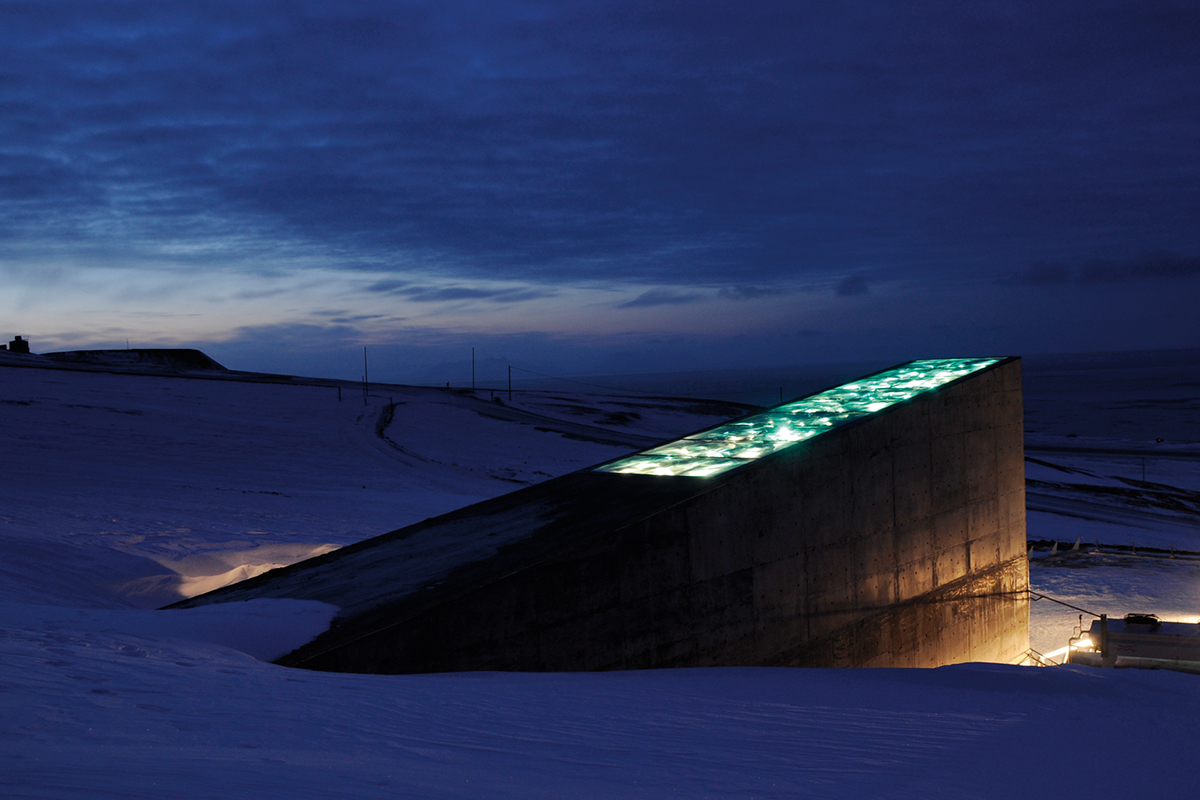
The entrance to the seed vault.
“Climate change will advantage some crops and disadvantage others,” he says. “If I had a time machine and could go forward 100 years, I am confident that some of the important crops we grow now will have become much less important, and others will have come to the fore. The seed vault collection makes that kind of adaptation possible.”
So, Svalbard is really a kind of global insurance policy, a backup resource to help maintain food production and preserve lives, societies and economies in the event of any natural or human-made disaster, including, but not limited to, climate change. Many of the varieties it contains are no longer grown because they have been replaced by new varieties that are more productive or easier to cultivate, but preserving them is no less important from a biodiversity point of view. “You might have a sample of wheat, say, that by modern standards is just terrible, but it could have one vital trait that is not found anywhere else – resistance to a disease that we don’t even know about today, for example. We can then crossbreed it to get that trait into the modern variety,” explains Fowler.
Read more: Markus Müller on the Importance of Global Sustainability Standards
The Seed Vault was set up as a partnership between the Norwegian government, the Nordic Genetic Resource Centre (NordGen) and the Crop Trust (of which Fowler was previously executive director and where he is now a senior adviser) to conserve crop diversity in perpetuity. He well remembers the scale of the task that faced him and the team he was leading in the early days. “I’d been in the field for a few decades and I knew what was necessary to conserve crop diversity, but to do it in perpetuity? That was an interesting challenge. There are not too many jobs on the planet that involve doing something in perpetuity.”
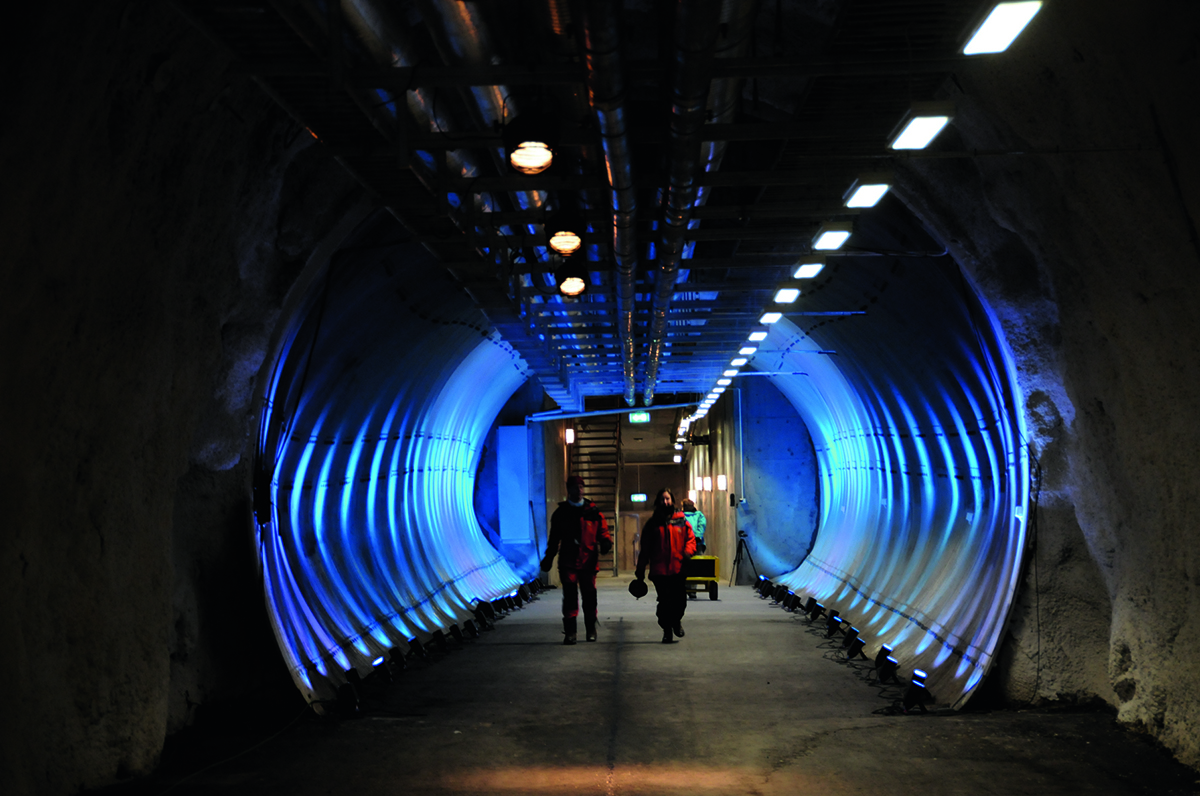
One of the tunnels inside the vault
The vault’s construction and location were carefully chosen with that longevity in mind. Carved into the Arctic mountain, it is both physically secure – it could withstand a substantial bomb blast – and naturally cold and dry, the ideal conditions for preserving seeds. The ambient temperature inside the vault is approximately -4˚C, and mechanical cooling pulls that down to the optimum storage temperature of -18˚C. But even if the cooling system should fail, the collection would remain safely preserved for several decades. “There would be plenty of time to get up there and fix the equipment. There are no guarantees in this world, but we did the best we could with it.”
The hardest work, however, lay elsewhere, he says. “The management structure – that was the real challenge. I wanted a facility that involved as few human beings as possible, and that more or less ran itself. So that’s what there is – there are no staff located on site and the facility is naturally frozen.”
Read more: Dimitri Zenghelis on Investing in the Green Transition
Former UN Secretary-General Ban Ki-moon has called the Seed Vault an “inspirational symbol of peace and food security for the whole of humanity”, and there is a strong social justice element to its role. “I am very aware that when we do have a world food crisis, it will be the poorest of the poor who are the first to suffer,” says Fowler. “I grew up in the time of the civil rights movement in the US and have a strong interest in social justice as well as agriculture. My home is in Memphis, Tennessee, where Martin Luther King was assassinated on 4 April 1968. I was at his last speech the night before he was killed; it was very emotional.”
The next job for the Svalbard team – and for Fowler himself – is to raise the profile of biodiversity, both with the public in general and with philanthropists in particular. “Biodiversity is the greatest world problem that we face that we can actually resolve. If I ask you ‘What’s your solution for climate change?’, that’s really big and complicated. But we do have an answer to the question of how to preserve the biodiversity of food production – we know how to do that.”
What’s required is greater awareness and a willingness for institutions and wealthy individuals to recognise the importance of funding biodiversity, he adds. “If I was a wealthy individual and I wanted, for example, to save the whales forever, that would be a great thing to do but how much would it cost and how would you go about doing it? There’s no organisation in the world which could tell you that.”
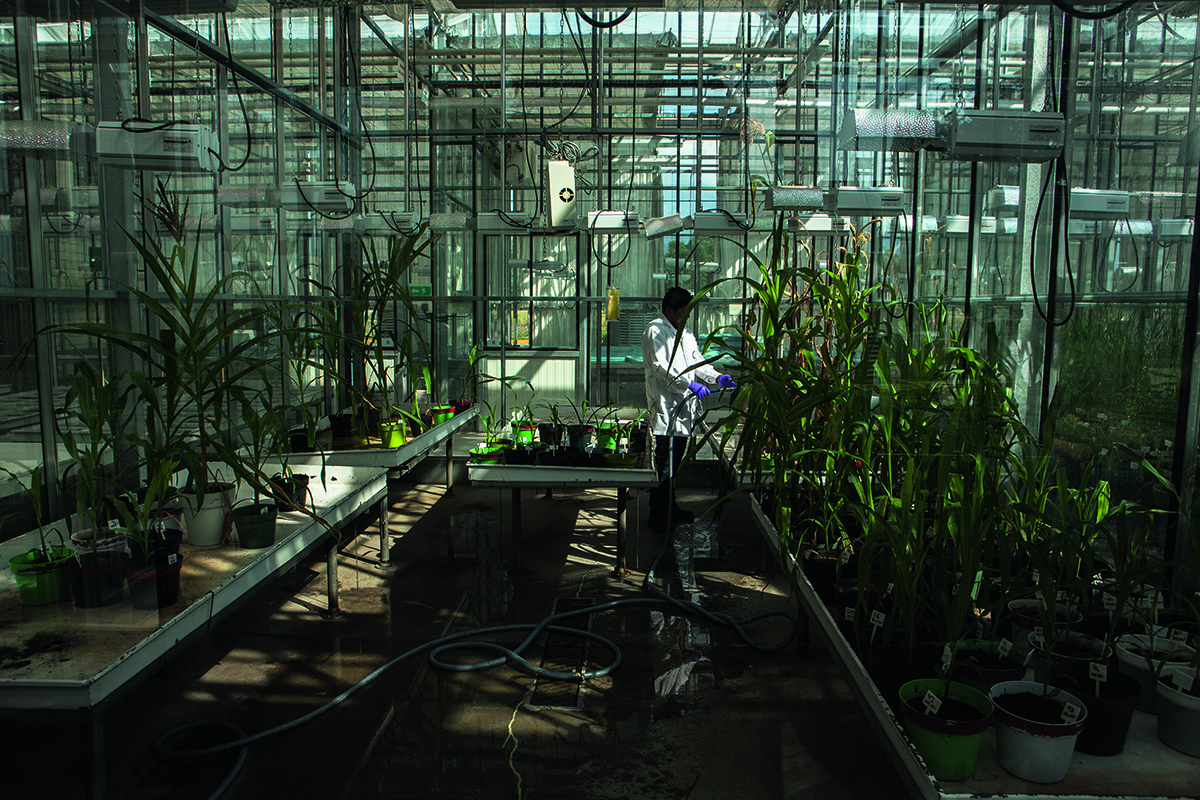
Maize plants in a greenhouse at the International Maize and Wheat Improvement Center, Mexico. Photo courtesy of The Global Crop Diversity Trust. Juan Arredondo/Reportage by Getty Images for The Global Crop Diversity Trust
By contrast, saving crop diversity is both practical and relatively affordable. Smaller crops could be saved for around $5m, Fowler calculates, and the cost of preserving even the most important global crops is less than you might expect. “I can tell you the answer for rice, which is our biggest crop with the most samples and therefore the most expensive. Somewhere between $35m and $50m in an endowment fund would generate enough income to save all the rice diversity in perpetuity.”
In short, his pitch is that food is the bedrock of human existence, and crop biodiversity is a great way to maximise food security in a time when climate change and a host of other potential calamities are threatening it. “Those sums are well within the scope of a number of wealthy people, and they would be the first to do something quite extraordinary and inspiring. Can you name any other major world problem that we have solved, reliably and forever, within the lifetime of someone living today? Well, we can do it with this one.”
Additional research by Candice Tucker
Find out more: caryfowler.com; seedvault.no
This article was originally published in the Autumn/Winter 2021 issue.

Photograph by Isabella Sheherazade Sanai
The pandemic has accelerated the rise of environmental, social and governance (ESG) investing. However, argues Markus Müller, we must improve global standards continually if ESG is to fulfil its promise of driving economic growth while having a positive impact on the planet

Markus Müller
The coronavirus pandemic has made us acutely aware of risks to our existence and how fragile the global economic system is. Many are making the SARS-CoV-2 pandemic part of the reason why ESG has risen rapidly to the top of the global agenda, moving from rhetoric and ambition to action. At the same time, the many facets of ESG are being discussed and examined across a multitude of investment institutions, to establish what it really means and whether it serves a purpose at all.
In my view, ESG prompts a simple question about why and how we do things, as individuals, as investors and as companies.
ESG originally developed from institutional investors screening out negative risks in investment targets. Today, ESG is much more than a combination of investment ratings and exclusions. With the goal of sustainability as our objective, ESG offers a way of understanding and quantifying the non-financial dimension of economic activity and of avoiding the dangers of a ‘submerged iceberg’.
Follow LUX on Instagram: luxthemagazine
This means identifying where the risks lie and developing innovative mitigation strategies. Mid- to long-term risk for an investor comes in many forms. Physical risks (damage or threat to physical assets due to natural or climate change) are accompanied by transition risks (business or investment risks on the journey towards a greener economy) and liability risks (reputational issues, breach of standards). These risks can affect companies in a variety of ways. Production disruption, raw material and share price volatility and capital destruction are just a few examples. Importantly, it all involves understanding nature as an asset, as an input factor in our production function.
Innovation means finding ways to avoid those risks while embracing change and preparing for new future-oriented businesses which are ESG-positive. This has two prerequisites. First, we need more data disclosure to measure the impact of what we are doing. Secondly, we need goals and an evaluation method. These two issues are linked: data will give us an understanding of the impact of economic activity and how to steer economic development, which in turn should allow us to refine these goals.
Systematic decision-making is more than just a means to an end in order to achieve an overarching, positive goal within the Purpose Economy. We must also ensure that, when looking at equitability of impact, a distinction is not merely made between labour- and capital-intensive activities. Rather, impacts should be considered in three ways: the impact of individuals (including companies); the impact of politics (including governments and institutions); and the impact of nature (including natural resources).
Fortunately, we already have broad goals. The UN Sustainable Development Goals and the linked UN Principles for Responsible Investment, along with the Paris Agreements as well as the (failed) Aichi Biodiversity Targets, have set the initial direction. But there is still no consistent global approach about how to go beyond these broad goals and to put them in a detailed synthesis with financial markets. Standards can help. Reporting is widening its scope: the Taskforce on Nature-related Financial Disclosures (TNFD) was recently launched to go beyond ESG scores and climate change, to include the risk factor represented by biodiversity loss. The International Financial Standards Reporting Foundation (IFSR) has also proposed the inclusion of sustainability standards within its constitution as it aims for the establishment of an International Sustainability Standards Board.
Read more: Dimitri Zenghelis on Investing in the Green Transition
So, we are advancing on multiple fronts, but the scale of the task here is enormous: even within rating agencies, ESG ratings and scores vary due to differing methodologies. Global sustainability standards for company reporting would allow integrating data, insights and ESG themes into business strategy, product-development cycles and risk management. Harmonised standards would also allow us to improve scoring, enabling a more sophisticated discussion of what exactly scores mean and the importance of a company improving its ESG score rather than just accepting it or simply trying to ‘game’ it.
At Deutsche Bank’s International Private Bank we continue to develop our methodology to make sense of this evolving landscape on global standards. We use ratings, drawing on the research and analysis of a leading third party provider, but it is important to consider these in context. We realise that we have to give firms credit for improvement on ESG metrics, for example. We also apply exclusions against sectors that go against UN goals and principles and generate long-term risks (around greenhouse gases, for example). Exclusions can also be applied on more individual value-based grounds.
Methodologies such as this require continual improvement through monitoring their effect on sustainability. But the priority should be to ensure that the impact of ESG on a client’s investments should be transparent and that they will lead to improved corporate behaviour on ESG issues. If we wish to make transparent the impact of our ESG activities, and if we want our economies to be ESG-positive, we need to all follow the same methods.
ESG is here to stay as a categorical imperative. It will, at the very least, slow down environmental degradation and will make the world and our lives richer and more meaningful.
Markus Müller is Global Head of the Chief Investment Office at Deutsche Bank’s International Private Bank. Find out more: deutschewealth.com/esg
This article was originally published in the Autumn/Winter 2021 issue.
 Dimitri Zenghelis, Chair of the Responsible Wealth Committee at CapGen, is one expert in the concept of a zero-carbon economy. A PPE Oxon alumnus, Zenghelis is a lauded academic, entrepreneur, and advisor on fiscal policy – and that’s before we get on to his work as a leading authority on mitigating the economic impact of climate change. He speaks to LUX Contributing Editor, Samantha Welsh, about investing in the green transition and why it poses an opportunity, not a risk

Dimitri Zhenglis
LUX: Are we collectively making a fast enough transition to make our contribution toward a net zero economy?
Dimitri Zenghelis: It’s easy to get despondent. Despite laudable commitments across the world to meet net zero economic pathways, actual commitments on the ground fall well short of delivering that target. And yet, there has been remarkable progress over recent years. The sheer scale of the low-carbon transition has generated productivity-enhancing network effects. This in turn drives the positive, reinforcing feedback where deployment induces cost reductions, and cost reductions incentivise deployment. As a result of this virtuous innovation cycle, whether or not you care about the climate, the world is about to receive cheaper electricity and better performing more efficient cars.
Follow LUX on Instagram: luxthemagazine
LUX: In cost benefit terms, surely there is a fear that those who will be last to take on the costs of changing course will be the winners in the interim?
Dimitri Zenghelis: There will be carbon-intensive sectors that will continue to operate over the transition. It is essential that we pay as much attention to decarbonising those areas that are difficult to tackle as emergent clean sectors, which are already close to net zero. Incentives need to be carefully thought through to ensure the most carbon entangled sectors and regions have incentives to change course. Without doing so, it will be impossible to meet our net zero target.
In reality, however, those who are last to take on the costs of changing course are likely to be the ones that will be saddled with the redundant, devalued and stranded assets with a limited role in the economy of the 21st century. If the transition to a resource efficient, zero carbon economy is inevitable (and I argue that it is), then managing that transition and staying ahead of your competitors is the surest way to profitability.
LUX: What other risks are there to a green transition?
Dimitri Zenghelis: The costs and benefits are not evenly spread and the distributional consequences of the transition to a more resilient low carbon economy need to be considered carefully. This means compensating, reskilling and retooling those who stand to lose out, enabling them to participate in the new economy and provide the jobs of the 21stcentury. It also means supporting overstretched consumers who may face higher charges to fund transitional infrastructure investment. Ensuring a just transition will be central to maintaining social cohesion. This is mostly about politics, after all.
LUX: In the context of intergenerational wealth transfer, have you noticed any significant emerging phenomena in terms of green investment?
Dimitri Zenghelis: There is definitely a generational shift going on. Younger investors are keen to put their money into sectors that have a long-term future and which provides sustainable wellbeing and prosperity. Employers, too, realise that in order to attract the brightest and the best, they will need to make sure that their business strategies are compatible with the aspirations of young people, which requires attention to matters of sustainability and inclusivity.
I also think that the younger generation have a far better understanding of the opportunities associated with the resource efficient, low carbon transition. They are less wedded to the smokestack technologies of the past and are genuinely excited about the massive potential for new technologies, institutions and behaviours which can offer sustained returns to investment.
LUX: How do you manage the diversity of potential strategies you pursue?
Dimitri Zenghelis: There’s no shortage of sectors to invest in, but the choice of sectors is not that difficult given the obvious overlaps. When it comes to sustainability, the whole is greater than the sum of the parts.
Take, for example, decarbonising transport. Future innovation pathways will include the technological greening of vehicles, starting with cars and moving to haulage, as well as a shift from cars to other transport modes, and a reduction of mobility behaviour. Overlying all of this are the technologies of the fourth industrial revolution, with a strong role for digital machine learning, artificial intelligence, big data and so forth.
This is not just about a green roof here, or an electric vehicle there. This is about an integrated transition with complementary investment across a swathe of assets, including natural capital and the protection of renewable resources – without which all aspects of economic activity and wellbeing are existentially threatened.
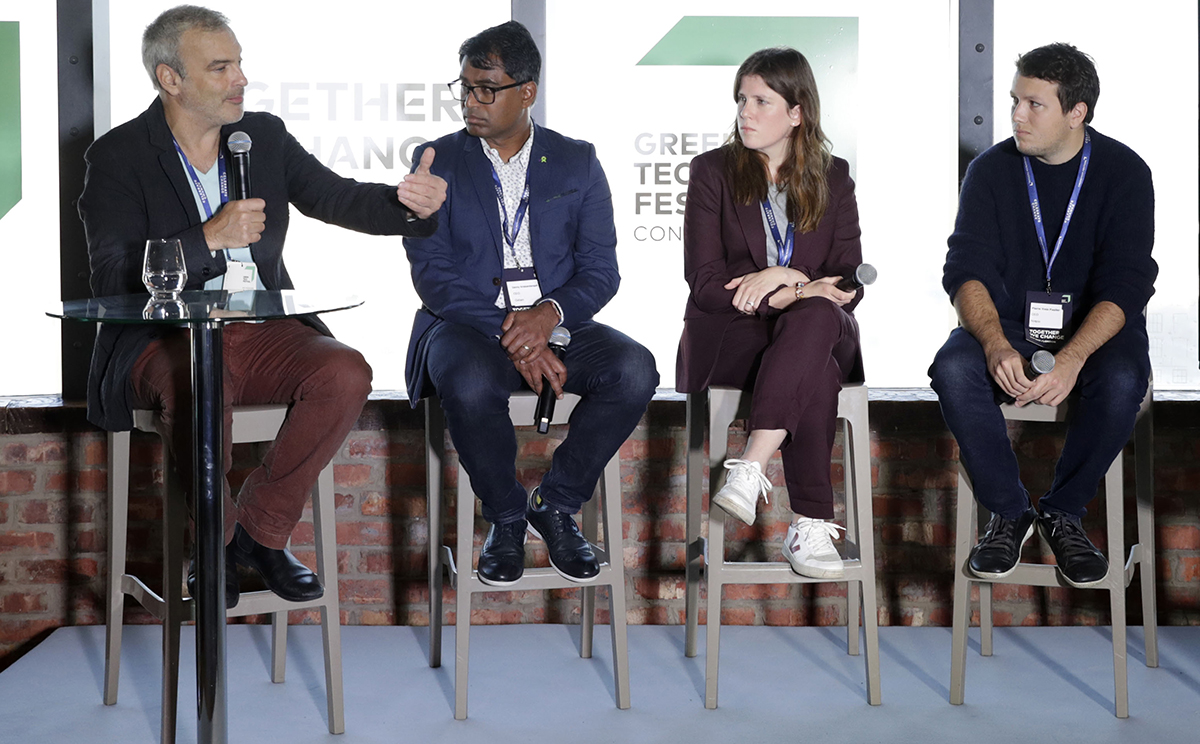
The Green Awards London at Millbank Tower on November 05, 2021, London, England. Photo by John Phillips/Getty Images for Greentech Show GMBH
LUX: Through your fellowships, research publications, and political advisory, you are leading on climate crisis and strategies to mitigate risk. How do you get from evaluating the macroeconomic aspects of climate change to designing policy regimes for tackling the harmful effects?
Dimitri Zenghelis: Politics is at the heart of this. There are switching costs and behavioural inertia which prevent the economy transitioning to better technologies and networks. We are already seeing the benefits from renewables and cars in providing cheaper electricity and better performing vehicles. These are things humanity should have invested in anyway, regardless of any concern for the planet. Yet it requires large scale public intervention through standards, regulations and subsidies to deliver this now irreversible change. No economists predicted it and the market alone would never have delivered it.
It turns out that the main barriers preventing a rapid transition are not economic or technological, they are cultural, behavioural and institutional. That’s why leadership from politicians, mayors, businesses and investors matters in steering and designing the society of the future, while ensuring that everyone has the skills and support to benefit from the opportunities that this change delivers.
Read more: Justin Travlos on Responsible Investment Strategies
LUX: Why can a clear policy steer create an opportunity rather than a risk?
Dimitri Zenghelis: Credible policy intervention can provide investors and companies with clarity and confidence that a low carbon future will be a profitable one. Mixed and muddled signals raise the cost of capital as investors seek to cover policy risk which they do not own.
Once they reach a tipping point, expectations can transition rapidly to the new equilibrium, and technologies are enabled to switch quickly from one network to another. Public intervention allied with corporate leadership are the drivers of change, as well as a consequence of it.
LUX: You studied Philosophy, Politics and Economics (PPE) at Oxford University. How has that informed your career?
Dimitri Zenghelis: It’s interesting that you mention my degree in PPE. For the most part, this is a generalist degree that is seen as a signalling device to show that people can thoughtfully entertain and apply ideas rather than having any kind of practical application. And yet, when it comes to issues of sustainability and climate change, the story of how we value different assets, and the political choices we make to reduce emissions while generating productivity, jobs and competitiveness relate to all three constituent parts of that degree. It was an interest in the politics of people’s wellbeing, income, jobs, inequality and poverty that first led me to enter the field of economics.
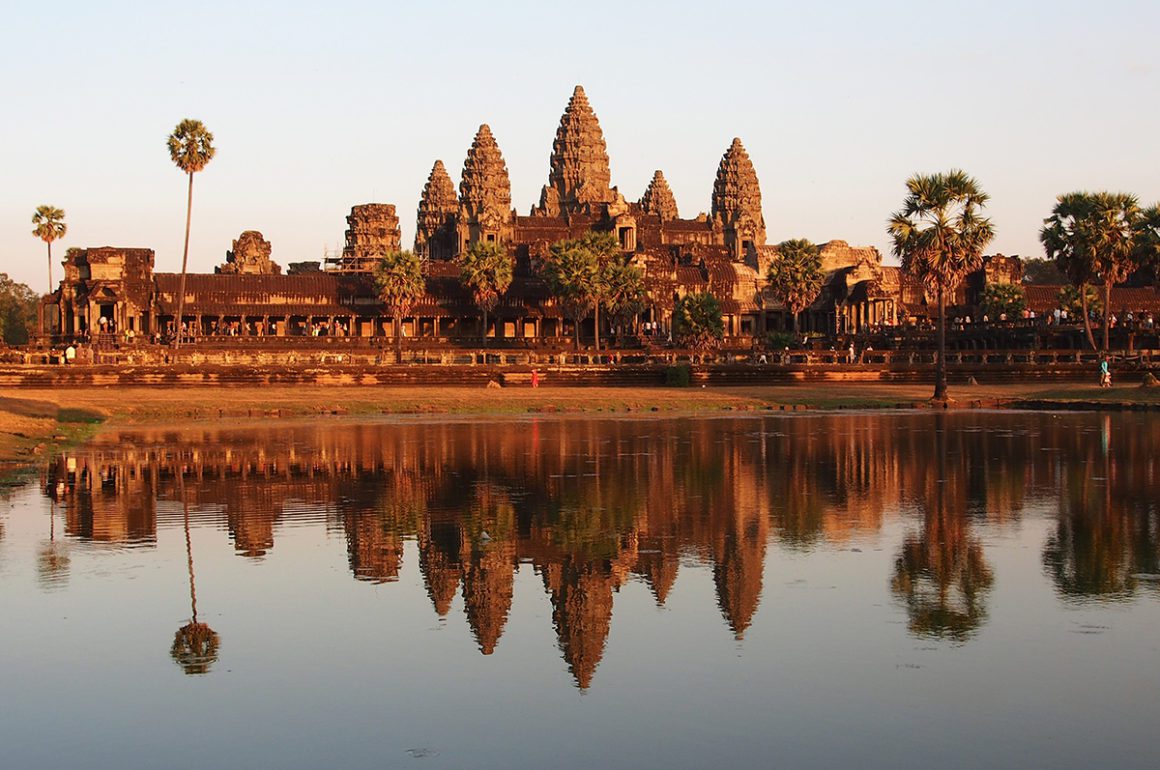
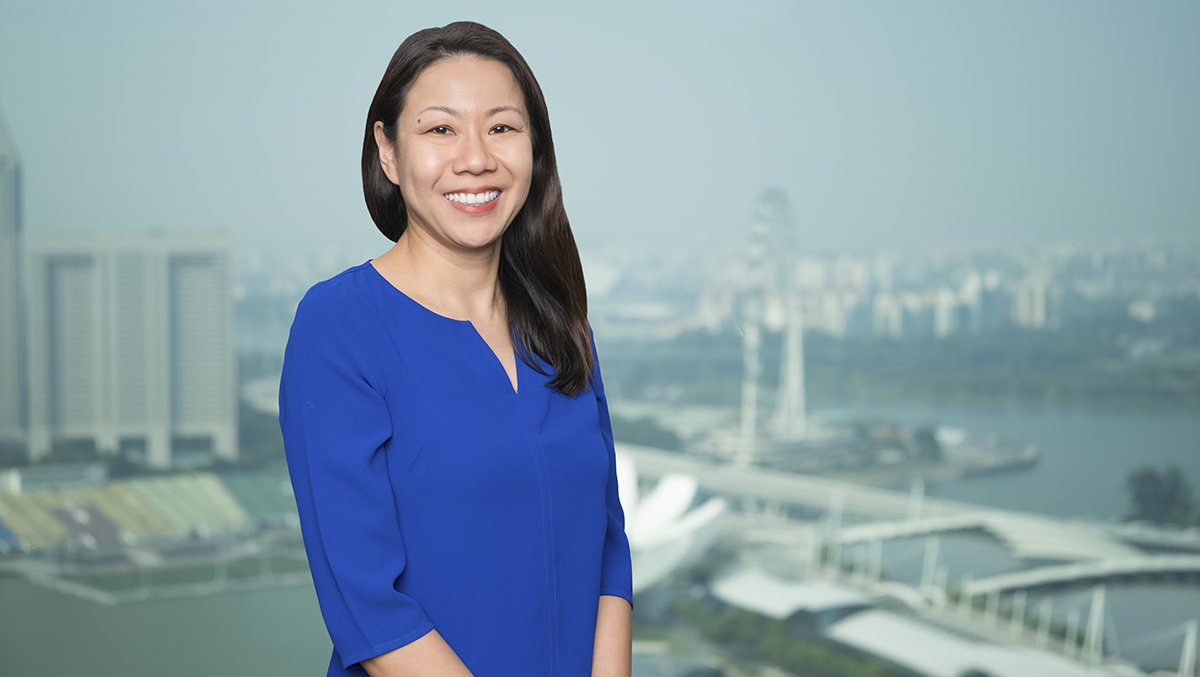
Eugenia Koh, Head of impact and sustainable investing at Standard Chartered
Eugenia Koh believes that while philanthropic support is essential, capital markets must help to close the funding gap for global sustainable development goals. Here, Koh, head of impact and sustainable investing at Standard Chartered, speaks to Samantha Welsh about current trends among next gen investors and how they are influencing their families to become more sustainable
LUX: Which sectors are your UHNW next generation clients eyeing post-pandemic?
Eugenia Koh: We find that they are particularly passionate about entrepreneurship and sustainable development. We conducted a thought leadership survey at the height of the pandemic, which found that clean water and sanitation, good health and wellbeing, climate action, quality education, and zero hunger were among the causes of highest importance to investors.
LUX: Does this growing preoccupation with ESG have any intergenerational repercussions?
Eugenia Koh: There are increasing demands on the next generation of clients globally as they navigate a wide range of fast-moving challenges which may be very different from those that their parents face. The resilience and increased interest in sustainable investment during the pandemic has helped some next gen investors with educating their families on the topic. One of them had his sustainable portfolio outperform the family’s main portfolio, and this has changed the family’s view to be more receptive to exploring sustainable investments and how they can help with better risk management and performance.
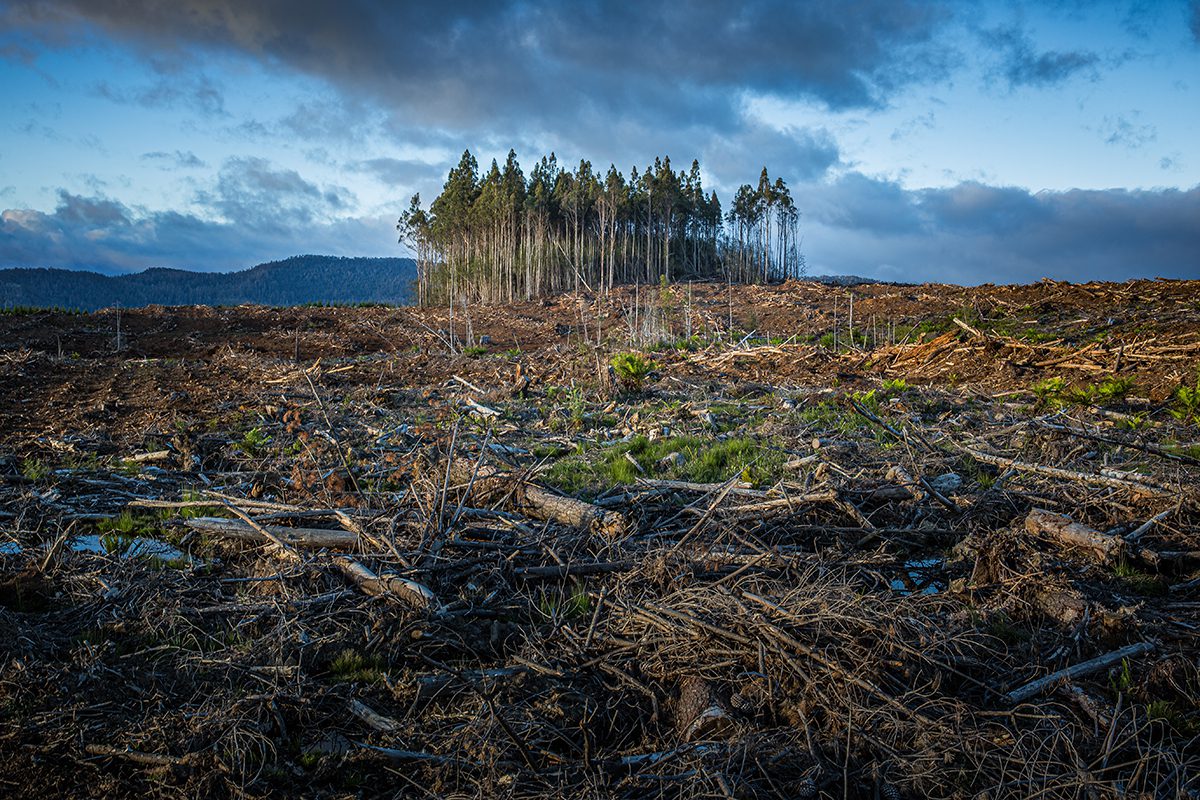
LUX: How easy is it to measure the performance of ESG investments?
Eugenia Koh: It is important not to be overly simplistic in using performance as a marketing tool as not all ESG investments outperform, depending on the strategy used and depth of ESG integration. When linking to performance, the concept of materiality is key. Not all ESG factors are equal and material: ‘E’, ‘S’ and ‘G’ factors differ based on industries. Take, for instance, airlines: their material ESG factors would include fuel efficiency, carbon emissions and health and safety practices, which would have a bigger impact on bottom line and consumer expectations as compared with such issues as child labour. Material ESG factors have a potential impact on financial performance, either in influencing value creation or destruction.
Follow LUX on Instagram: luxthemagazine
LUX: How do you foster a sense of community among participants of the Future Global Leaders Programme?
Eugenia Koh: We keep the experience intimate by keeping the number of participants small, but diverse. Our next gen clients come from a variety of backgrounds: some are entrepreneurs themselves; others are involved in their family business, or are doing something completely different. They appreciate the opportunity to discuss topics that are close to their hearts.
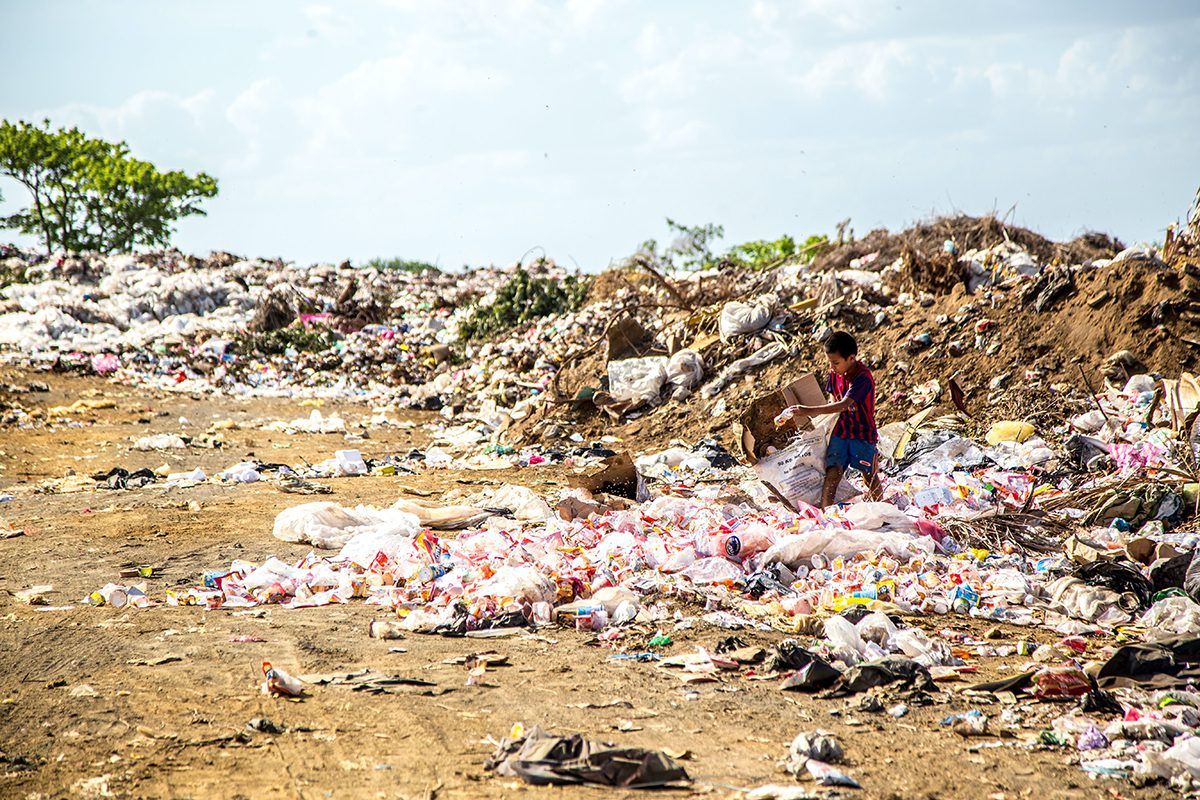
LUX: What’s your go-to advice for next gen investors?
Eugenia Koh: To be clear on their objectives. Just as investors demand rigour in their traditional investments to achieve their financial objectives, they should likewise be clear about their impact objectives and the best approaches to achieve this.
LUX: How can investors avoid fraud, greenwashing and Covid-washing?
Eugenia Koh: Investors should ask their advisers about the ESG strategies of the companies into which they are investing, as well as learning about how ESG factors are integrated into the fund manager’s selection process. At Standard Chartered, due diligence is an important part of what we do. We have launched ESG Select, our in-house review framework, to better support clients in their selection of high quality ESG products with a strong performance track record.
Read more: Deloitte’s Jessica Hodges on Sustainable Investing
LUX: Tell us about Standard Chartered’s sustainable development goals.
Eugenia Koh: We contribute to raising standards across the world and support the fight against climate change while playing our part in reducing poverty and global inequality. For instance, we are contributing to climate action and clean affordable energy with our commitment to provide project financing services for $40 billion of infrastructure projects that promote sustainable development. We are also looking to raise $75 million for our foundation, Futuremakers, in order to reach 50,000 young people, micro and small businesses to reduce inequalities.
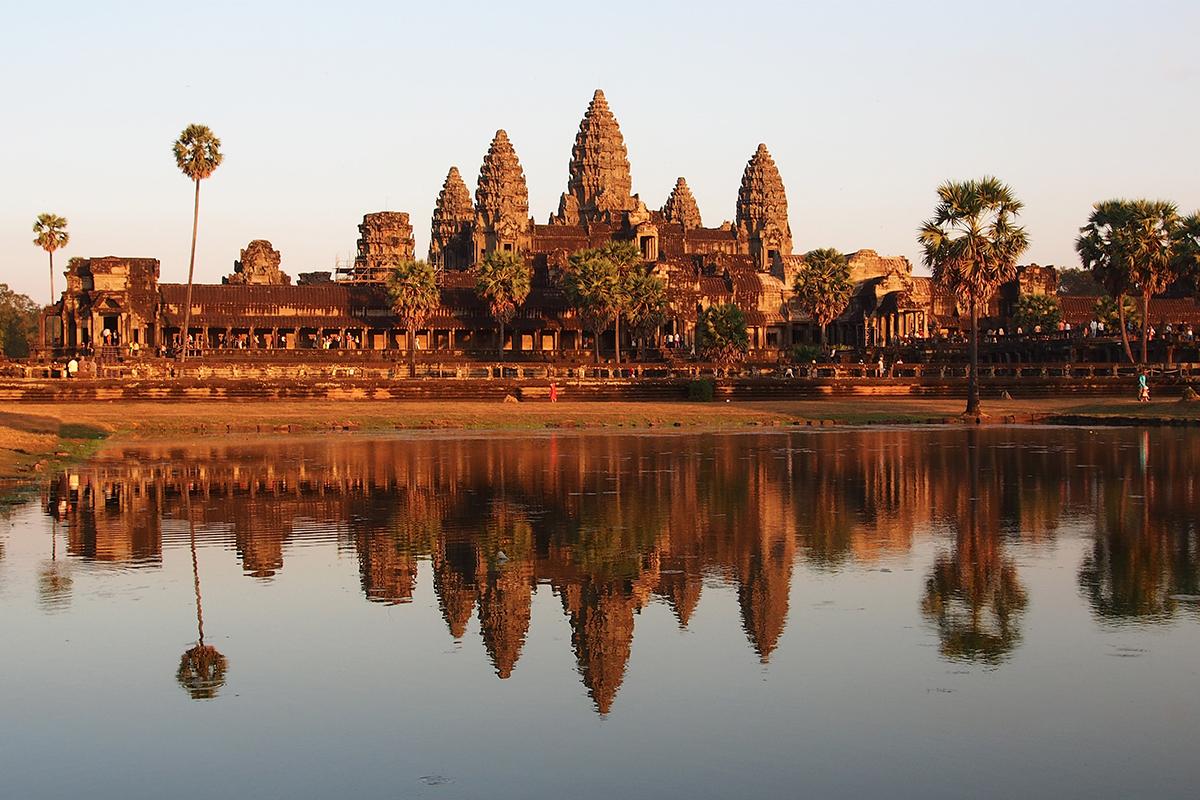
Angkor Wat, Cambodia
LUX: What drives your own passion for sustainable, responsible, impact investing?
Eugenia Koh: I remember going to Cambodia as a youth with my church group to engage and help the community there and being struck by the poverty, especially in one of our trips to a garbage slum. My friends and I decided to make an annual trip there to continue engagement with the youths we had befriended, and one of my friends eventually moved to set up a social enterprise in Cambodia. That was my first experience with impact investing and leveraging business to uplift families out of poverty.
My [subsequent] experience in grant-making and CSR has helped me see that while philanthropic support is essential, there is also a role that capital markets and finance can play in sustainable development. There remains a significant funding gap in achieving the [UN] Sustainable Development Goals — the annual financing gap to achieve the SDGs by 2030 currently sits at $2.5 trillion — and we need the private sector and finance to play a role in contributing towards this. I am excited when I come across clients and investors who are passionate about contributing towards this, and to be able to help them in their journey.
Eugenia Koh is Head of Sustainable and Impact Investing at Standard Chartered Bank
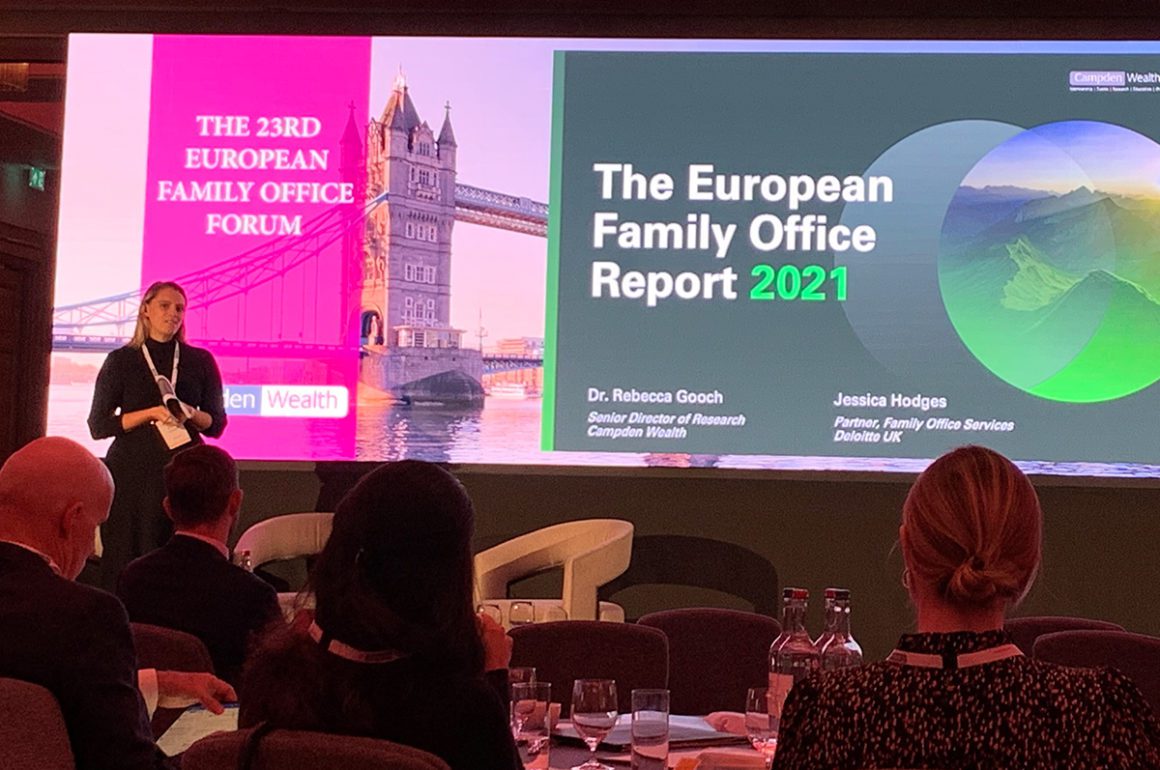
Harnessing renewable energy from sources like hydro electric power is essential for investing in the future

Jessica Hodges
From renewable energy to alternative food products, biotech to healthcare, ESG is helping to bring impact to the forefront of investment portfolios. As a partner at Deloitte, Jessica Hodges is responsible for helping private clients build responsible investments into their portfolios. She speaks to LUX about the increasing centrality of ESG to business strategy and why family offices need to be ahead of the curve. By Samantha Welsh, Philanthropy Editor.
LUX: What drove your own interest in ESG?
Jessica Hodges: I was interested in ESG issues from a young age – albeit the acronym didn’t exist yet – and was always keen to get involved in projects that had a social or environmental angle. My job means I come into contact with a large number of families, and I’m keen to ensure that we, and they, make an impact through the work we do. Considering environmental, social and governance (ESG) risks is becoming increasingly central to business strategy.
LUX: What trends are you currently noticing among family offices?
Jessica Hodges: Family offices are all unique, but generally we are seeing more of an interest from the next generation in issues that have a positive impact on the environment and on society. Younger generations are becoming increasingly involved in managing their family’s wealth and demanding investments that align with their values. They are particularly focused on how they measure ESG impact, considering on a case by case basis the impact companies are having and how they may change to align to ESG values, as well as using data to understand it.
Many next gen clients feel a real sense of obligation – particularly if the source of their wealth may not have been considered to have positive impacts in the past. Often in a family with multiple siblings, you might see one sibling managing the family business, one running the family office and one leading the philanthropic side of things.
LUX: Which sectors are next gen investors most interested in?
Jessica Hodges: Areas of focus include renewable energy infrastructure projects; alternative food products; agricultural technology and alternative farming; healthcare and biotech. What is so interesting is how ESG is bringing that ‘impact’ element into the broader investment portfolio – an area I think family offices are ahead of the curve on.
Follow LUX on Instagram: luxthemagazine
LUX: What makes family offices potentially well suited to ESG investing?
Jessica Hodges: Family offices typically have more control over deciding and managing their priorities than public funds as they are private. They do not have to respond to shareholder demand in the same way, and have flexibility over how they use their large pools of capital. Their investment horizons are also often long term: instead of looking to make a quick return, they invest over five year periods or more, and do not have the same financial return requirements that larger venture capital firms have.
Being smaller, and typically more flexible and agile, makes it easier to introduce policy change and implement if they have the skillset to do so. Additionally, there are some family offices that are heavily focused on supporting their local community, helping to make more noticeable and measurable change locally rather than on a macro level.
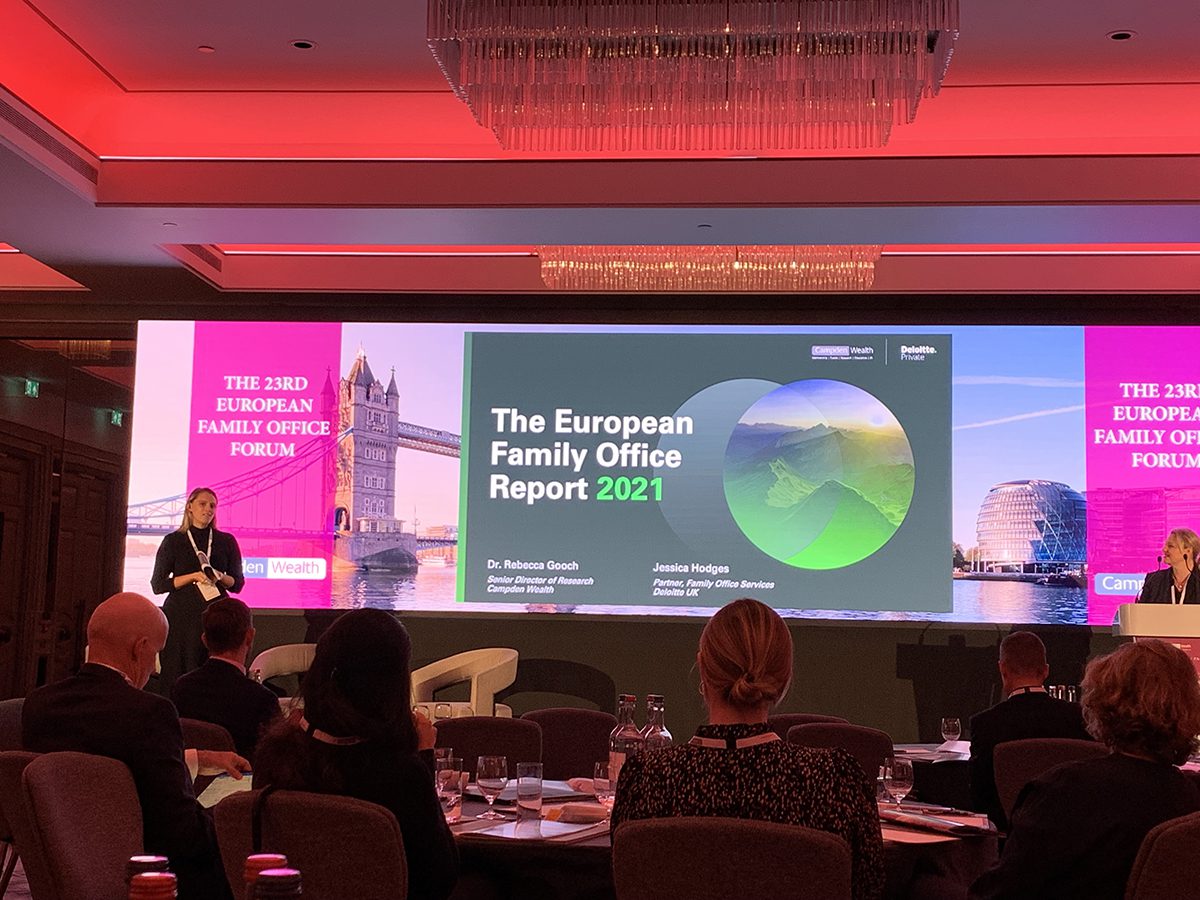
Jessica Hodges delivering a speech at the Deloitte Family Office Conference
LUX: What basic interventions can a family make to incorporate ESG targets into an investment model which has been in place for generations?
Jessica Hodges: Due diligence of sustainability practices is key. This is an area that family offices will need to consider planning for, as a resource for sufficient oversight of external managers could be an issue for smaller organisations. It’s also key to have effective controls in place to measure and monitor fund managers, and ensure strategic objectives set by the family office are met.
ESG-proof due diligence and investment processes are also extremely important. This can include fully understanding the investment philosophy of any external managers (without any complicated jargon), obtaining evidence of shareholder engagement, and verifying performance data. The easiest intervention to make is often an exclusionary policy: the family picks a few areas they are not willing to invest in, such as organisations that negatively impact the environment or public health.
Read more: Professor Peter Newell on why the wealthy need to act on climate change
LUX: The ESG sector is unregulated and family offices value authenticity and trust: how do managers evaluate risks such as data validation, fraud, and greenwashing?
Jessica Hodges: It’s key that family offices have independently verified credentials. Besides checking a firm’s governance mechanisms, internal systems and controls, assurance would focus on whether there is a positive risk or ESG culture and a good level of awareness. In the same way that auditors come in to very financial data, providers will come to verify non-financial data over ESG metrics.
LUX: How is the ESG industry model disrupting traditional investing models?
Jessica Hodges: Firms are trying to determine which of their investments have both positive and negative social or environmental impacts and want to be clear on the implications of these with their public disclosures. They are also figuring out factors that will resonate most with their clients. If product governance is not thought through properly then there could well be negative consequences. My expectation is that there will be increased monitoring requirements with regards to asset portfolios, leading to additional costs – although proponents of this would argue that it is money well spent.
The sales part of the investment cycle is more complex since investors in ESG are not seeking to solely meet financial return objectives: at what point do you determine your exit? Historically, family offices – along with private equity – might have been looking to exit at the point when they could maximise their financial profits. Now, family offices will need to consider whether the targets outlined have been achieved, along with the broader impact on society or environment.
LUX: What makes a successful family office?
Jessica Hodges: The most important thing for a ‘successful’ family office is alignment of goals, and understanding what the family hopes to achieve. It is only by knowing where you want to get to that you can understand if you have really got there and measure how you performed!
Landscape photography by Isabella Sanai
Jessica Hodges is an Investment Management Audit and Assurance Partner at Deloitte
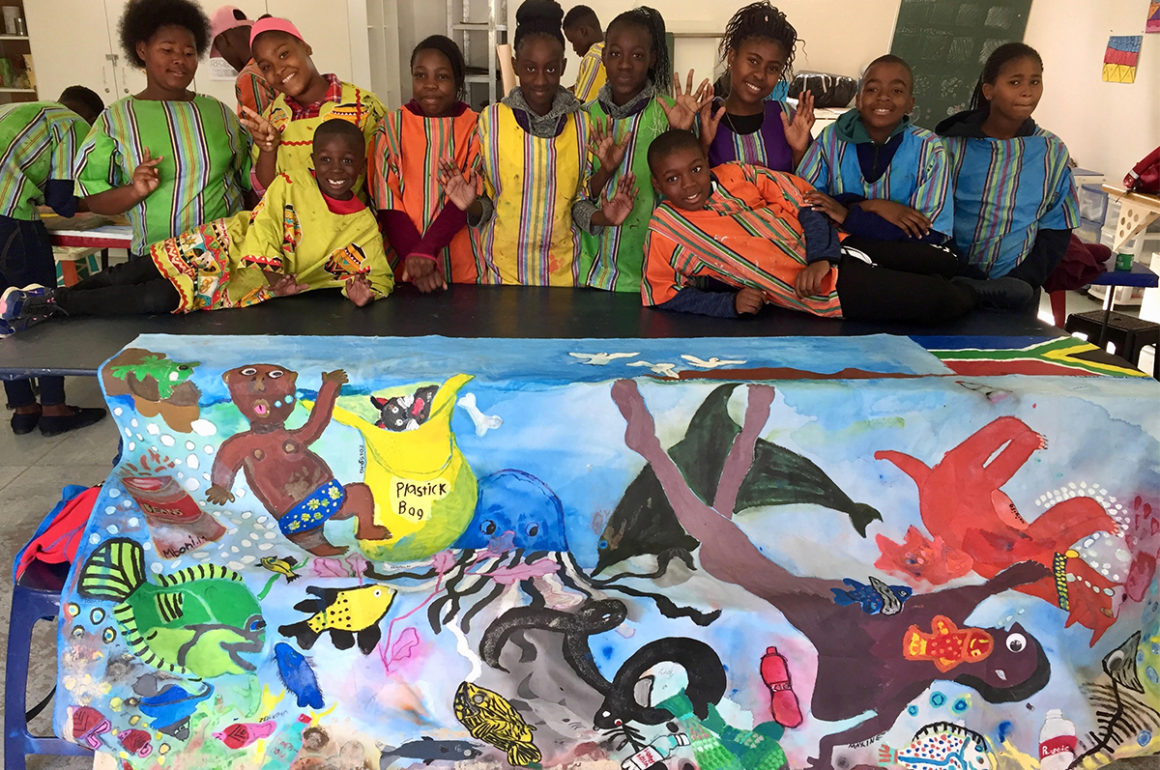
Helga Piaget, Founder of Passion Sea
Helga Piaget is the founder of the Monaco-based non-profit organisation Passion Sea, which reaches out to schools around the world with educational and artistic initiatives around ocean conservation. Here, Piaget speaks to LUX about pushing ocean conservation to the top of the youth agenda and the role of art
If passion could save the oceans, Helga Piaget would have done the job already. An engaging mix of fire and focus, she is sitting with LUX at the Yacht Club de Monaco, speaking about her programme to bring awareness of ocean issues to the younger generation through her art programmes at her non-profit organisation Passion Sea. Born in Germany and based in Monaco, Piaget spends much of her time engaging with schools to try to create a new generation who understand the issues facing the oceans, and the routes to resolution.
Follow LUX on Instagram: luxthemagazine
Our location is not a coincidence: Monaco’s Prince Albert is one of the most significant high-profile supporters of ocean causes, something in the DNA of the principality with the celebrated Oceanographic Museum and Prince Albert II of Monaco Foundation, as well as being the President of the Yacht Club itself.
LUX: Passion Sea strives to engage young children in the conservation debate. Why?
Helga Piaget: Education is huge. Children are the future – the next adults, and the next leaders. So, if you educate them in the right way, they might be able to make a change. I specialise with younger children because they are sponges. They educate others: when they play, they ask the other kids, ‘Why did you throw that [litter] on the ground?’ Then, they often go home and realise how much trash and plastic is in their households, and the parents learn, too. I think they know even more than us sometimes.
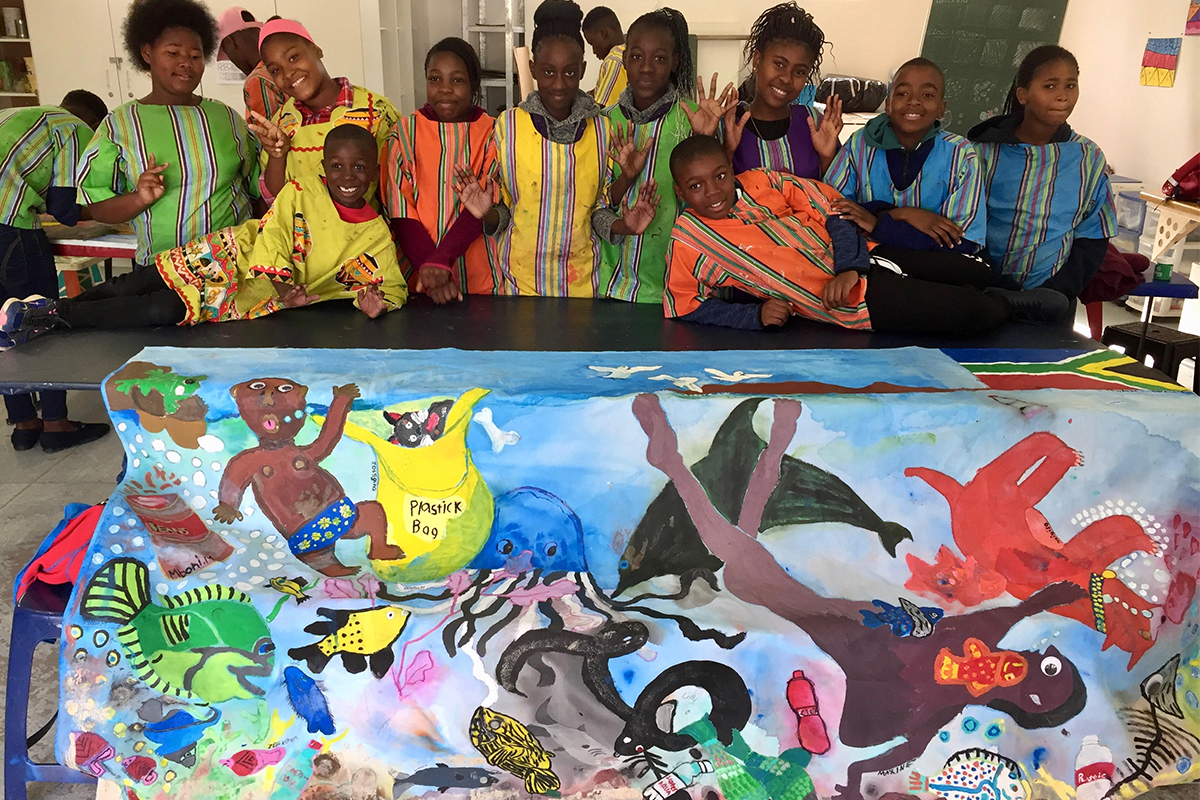
Passion Sea runs educational programs across the globe
LUX: Explain the role of art in Passion Sea’s efforts.
Helga Piaget: We educate through art, because when children paint something, or they have to do poetry, it stays in their brain. You have to get it anchored in their brain, and [the best way to do] that is through art. It makes them happy, too, learning in a happy way. We did a book with artworks from around the world [in 2017], but for the last two years we have been working on [producing] big flags with schools worldwide, with one from each country. It’s really something to be proud of. I’m waiting to do an exhibition on it, but for the moment it’s not the right time. We already have 25 countries, and beautiful works which are all related to the topic of water. A whole class of children [produces] each work: that’s what’s beautiful. When it’s ready, I often go to the school and have a wonderful event with the mayor and the parents. Normally the schools do other programmes afterwards for conservation in their area. It never stops with us.
Read more: James Chen on providing vision for all
LUX: So, for Passion Sea, creativity is a form of activism?
Helga Piaget: Yes. It’s a snowball system, from one [project] to the other. We find one school, and we meet with the directors and teachers who are willing to participate. Then, through the locals, we find the next connection to the next school. If you start in one good point, you get the connections afterwards, and they start working with you. I am very lucky because I have travelled nearly the whole world with Piaget, so I have good connections in most countries. Now I live in Monaco, which I am a citizen of, so I am very well-connected there. Our prince [Albert of Monaco] does a lot there. It’s very important to have people like him, who have a name, in my book. If you don’t have names, people are less interested. They like heroes, someone they can follow. It makes them listen more.
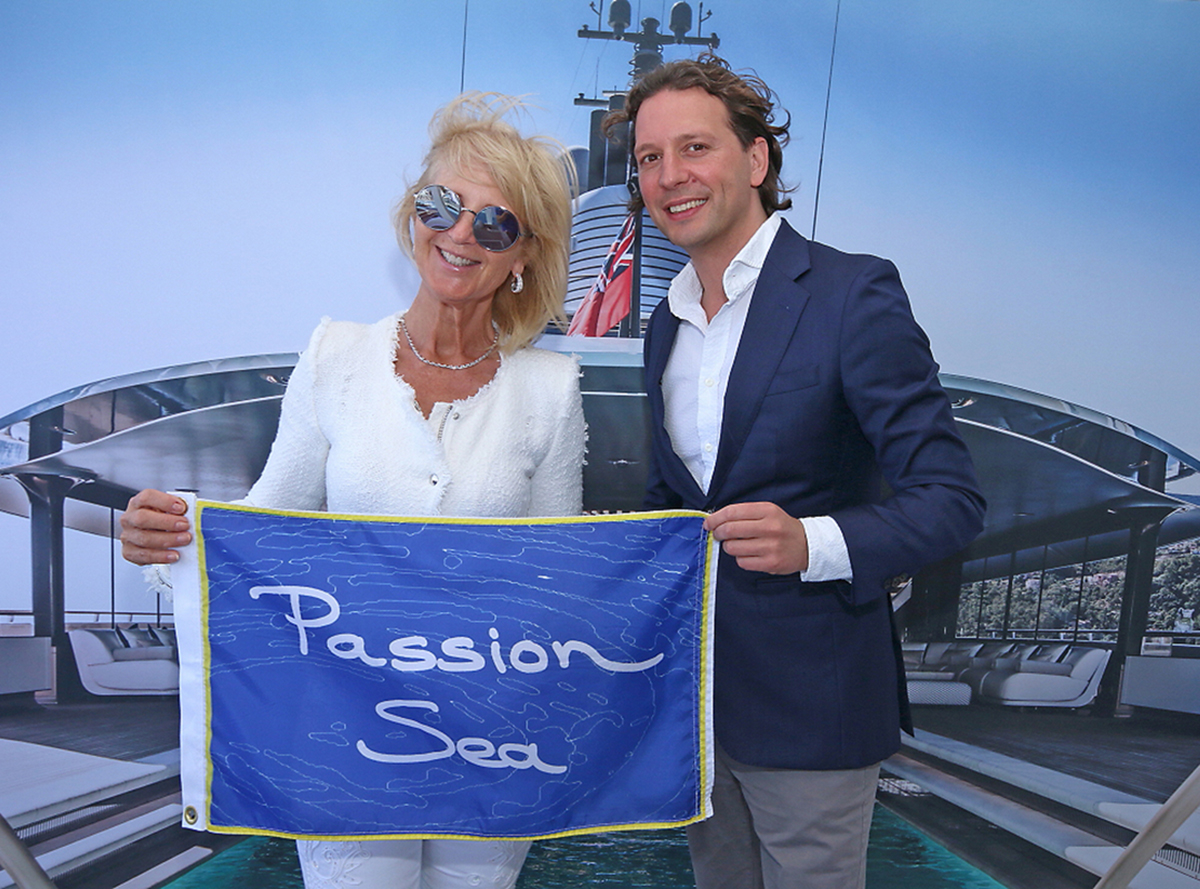
Piaget with Paris Baloumis, Oceanco’s marketing director
LUX: How difficult has it been to incentivise those in the high net worth community to care about the oceans? Does it ever feel like you like you are fighting a losing battle?
Helga Piaget: Some days it does feel like that. It’s very difficult, but if you have one or two people who understand, it gives you the energy to continue. Two years ago, I was at the Monaco Yacht Show and I was the only one who was speaking about sustainability; everyone [else] was just thinking about money. But the biggest luxury is water, and fresh air. If the water is not clean, who can sell boats? People won’t go to dirty lakes or seas. Everyone has to work together. So I said, ‘The money is in the water.’ Ever since, we have been contacting marinas and boat owners to give them flags for the boats. The flag means they are respecting and protecting the waters. [It’s a way of getting people to] think about how they live, to not to buy too much throwaway material, and to use better products when they clean their boats. A year later there were four, five, six events in construction technology, and everyone was cleaning with these new products. I was delighted. I am really just trying to make people aware. When people see me now, they always ask questions about the topics of nature. They say I am the mother of the oceans!
LUX: What is the nature of philanthropy?
Helga Piaget: Giving the time and energy to make something positive happen. It doesn’t need to be worldwide. Even if it’s small – it can be next door, in the community – it is amazing to see something happen. For me, it’s water and the environment. There is so much being done, but there is still so much to do. Water connects us all, with our body, with our whole planet. It’s important. You must feel where your heart goes – for you need a big passion and you need a lot of time – then think as big as you want.
Find out more: passionsea.com
As with all of our philanthropists, readers who have their own foundations and philanthropic interests are encouraged to reach out to our interview subjects and their institutions directly.
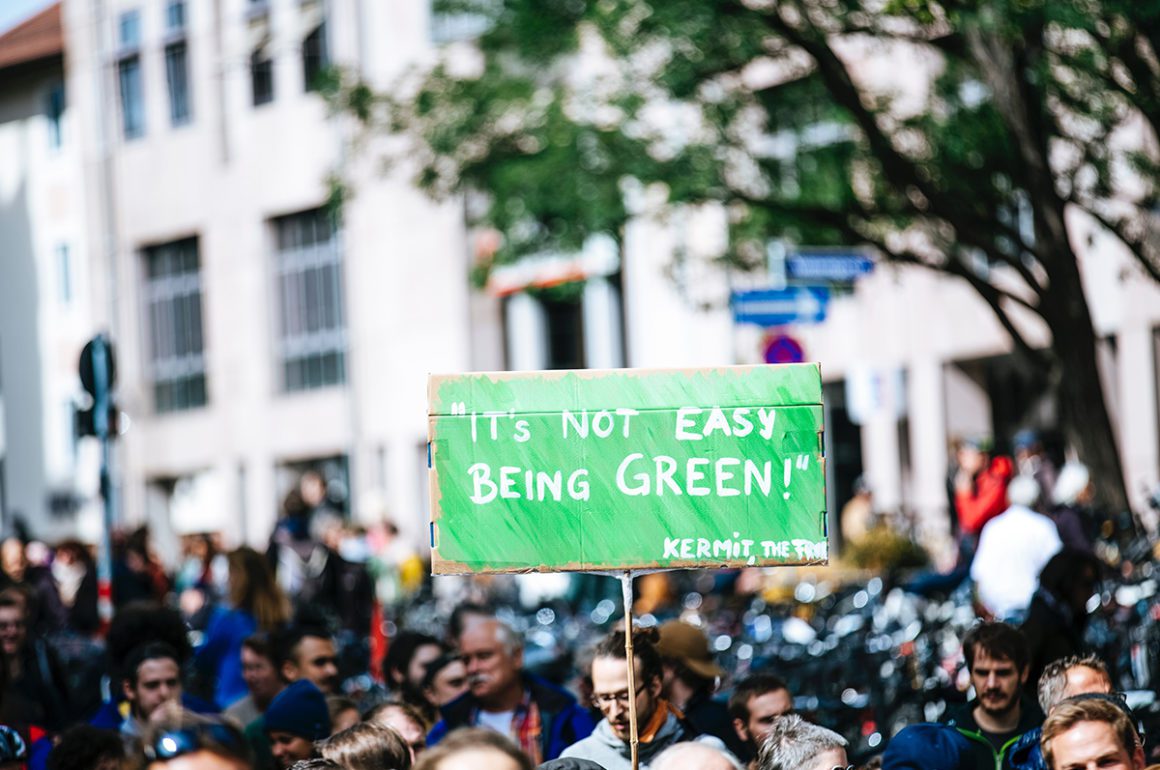
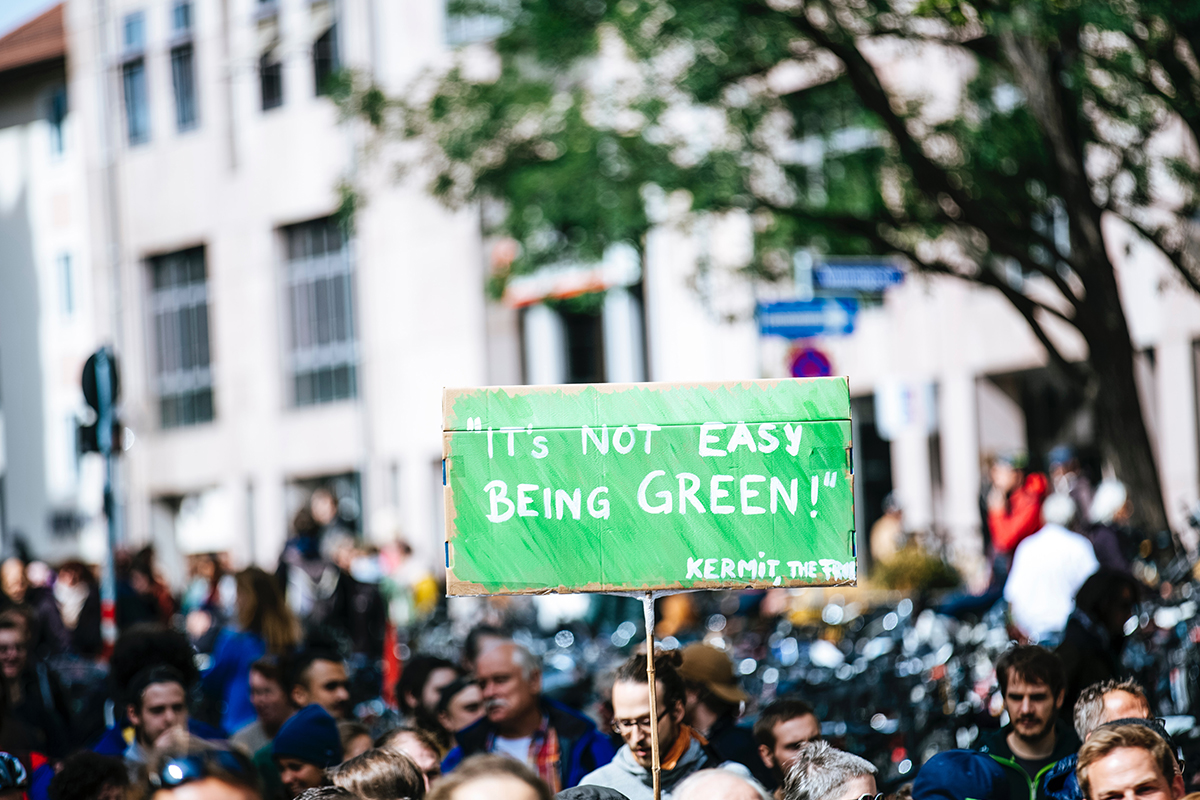
Professor Peter Newell made waves earlier this year with a report describing how the wealthy have a disproportionate impact on climate change – and a particular duty to change their habits. The lead author of the Cambridge Sustainability Commission report on Scaling Behaviour Change speaks to Candice Tucker about the power of protest, how duty increases with wealth, and the need for radical action
Professor Peter Newell
LUX: What is the single most effective non-philanthropic act ultra-high net worth individuals can do to help combat climate change?
Peter Newell: There are many things ultra-high net worth individuals can do to combat climate change. These range from, firstly, reducing emissions associated with their lifestyles, from flying less, avoiding unnecessary travel and changing the way they travel (switching to electric cars, for example) to owning fewer and smaller homes; secondly, withdrawing investments in the fossil fuel economy and investing in low carbon alternatives and thirdly, using their political influence (through access to politicians and donations to political parties) to push for more ambitious climate change.
Follow LUX on Instagram: luxthemagazine
LUX: To encourage a shift towards a low-carbon economy, should charitable institutions including museums and universities reject donations from companies with poor environmental profiles?
Peter Newell: Yes, companies driving the climate crisis are increasingly losing their social license to operate and so museums, arts institutions and universities refusing to give them a platform or association with which to push their products or enhance their brands is an important contribution.
LUX: How effective are protests demanding action on climate change (such as the FridaysForFuture strikes) in instigating meaningful change?
Peter Newell: Incredibly effective. If we look to the past, few big and progressive shifts in society have come about without social protests and struggle. The battle to address the climate crisis is no different. Without the school strikes, governments, cities and some corporations would not have declared a climate emergency. Protests always force the issue and offer a gauge of how a society feels because they will only be successful if enough people support them directly and indirectly.
LUX: What will it take to reach a political tipping point, where climate change becomes the top priority for politicians globally?
Peter Newell: Climate change impacts everything and increasingly, people are understanding that more and more. It is a health issue, a security issue, an economic issue as well as a human rights and environmental issue. The more people connect their wellbeing and quality of life to climate, the higher up the agenda it goes. Ask people in the midst of forest fires, droughts and record temperatures if they are worried about climate change. For change at the speed and scale now required, we need lots of things to come together at the same: shifts in technology, behaviour, the falling costs of renewables and political shifts including greater representation for younger people and excluded groups. Luckily, some of these things are happening now.
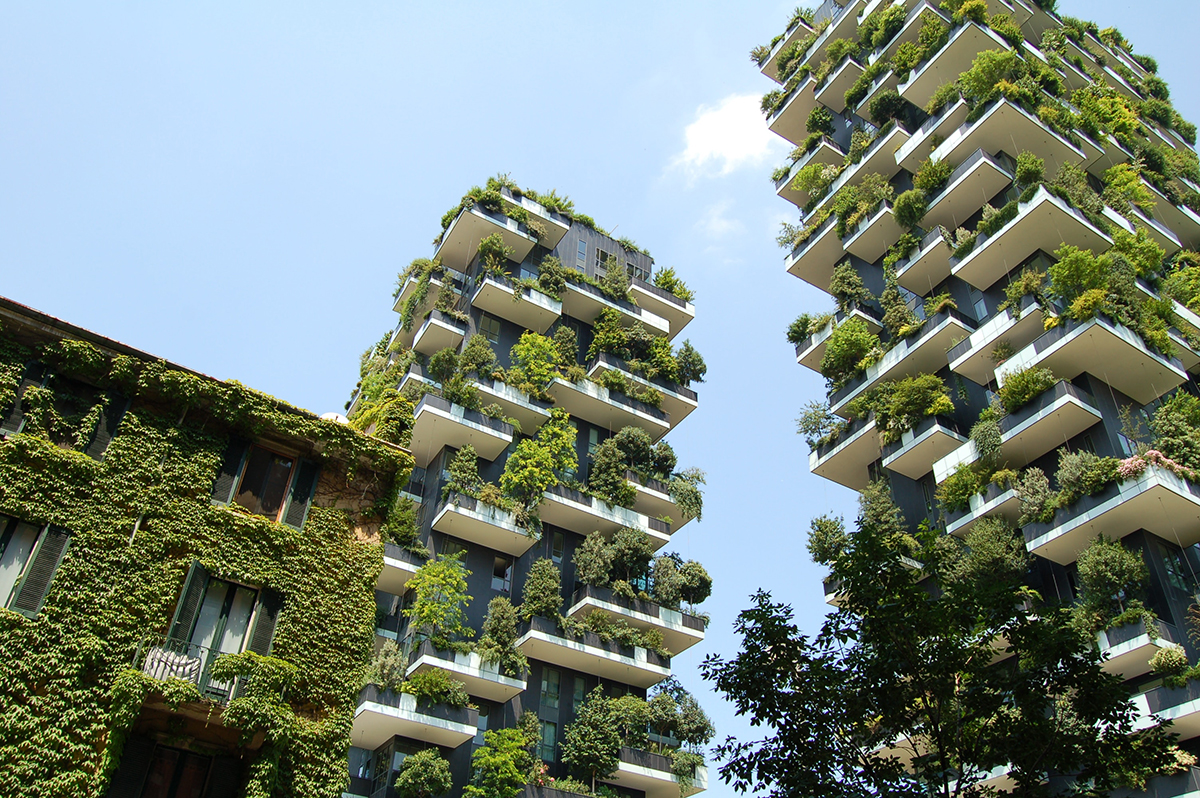
The highest consuming and wealthiest groups in society need to radically address their lifestyle habits, says Peter Newell
LUX: Can global governments be persuaded to put climate issues above fractious relationships?
Peter Newell: No one country is immune from the effects of climate change. So, on the one hand everyone has an interest in addressing it. On the other, countries would rather someone else moves first and powerful interests resist more ambitious action. As noted above, climate is also a security and trade issue, a welfare and work issue, a health and human rights issue and governments do pay more attention to those issues. Governments have worked together to address Covid, the key now is to address the causes of threats like that in the destruction of the natural world. Now is a marginally better time for multilateral solutions than a few years ago.
LUX: What can be done to encourage governments to campaign on low carbon policies which may only lead to a benefit long after they have left office?
Peter Newell: There are near-term benefits from low carbon policies in terms of lower fuel bills, jobs, energy security, health and many other things. These bring benefits to consumers, businesses and of course governments themselves in terms of lower health costs, energy independence and a resilient economy. These are the things governments need to emphasise to bring people with them. Some benefits will come after they have left office. That is a good legacy to leave!
Read more: Spanish architect Santiago Calatrava on light and space
LUX: Having worked with the governments of the UK, Sweden and Finland as well as NGOs including Friends of the Earth and Climate Network Europe, how would you contrast their approach to mitigating the effects climate change?
Peter Newell: For more than 25 years, I have worked with most actors in the climate space from governments, local councils, businesses, NGOs and cities. They all have different approaches to reducing emissions and enhancing their resilience to the effects of climate change. This is unsurprising given the different mandates and resources they have and the diverse constituencies they have to respond to. Right now, we need action from all of these actors. Each has a vital role to play in accelerating and deepening change.
LUX: What aspects of international governmental cooperation have surprised you in protecting the environment?
Peter Newell: International cooperation of the environment is generally very slow as countries seek to manage different interests and priorities and agree on the details of negotiating a legal text. It is often a very frustrating process, but occasionally you get significant outcomes such as when governments rapidly phased out ozone-depleting CFCs as part of the Montreal Protocol in 1987, or when the Paris Agreement on climate change in 2015 set an ambitious target of keeping warming below 1.5 degrees compared to pre-industrial levels.
LUX: How can governments be incentivised to prioritise a low-carbon economy when it may be detrimental to their medium term economic interests?
Peter Newell: Any policy pathway creates costs for some and opportunities for others. With climate change though, we will also lose everything unless we respond in a way that corresponds to the scale of the threat. That also means we have everything to gain. In the short term, we need a just transition to manage and reduce disruption and negative impacts on those sectors that inevitably need to be wound down, while shifting resources and support to sectors and industries whose future is compatible with addressing the climate crisis.
LUX: Will the pandemic effect governments’ approach to climate policies moving forward?
Peter Newell: The pandemic has had a detrimental impact on government finances, so one level this is an even more challenging time to address the climate crisis. On the other hand, the pandemic has shown how quickly governments can mobilise finance, repurpose industries and shift behaviours. These are all things we need to do to tackle climate change. There is also a chance to re-set the economy: how we travel, shop, source our food and how we work. There are opportunities to radically decarbonise all of these areas if governments are bold enough to rise to the challenge. It really is the case that we can build better – and in any case going back to business as usual is not an option because it was leading us towards a climate disaster.
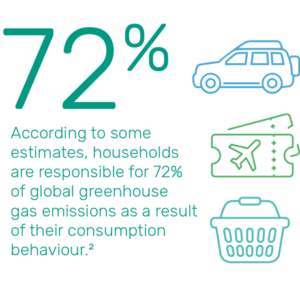
Source: Hertwich & Peters 2009
LUX: How much of the problem is a lack of education in combatting climate change?
Peter Newell: The question of education is often raised in the context of educating younger generations or those with less scientific literacy about the dangers of climate change. In reality, younger people and poorer people often understand only too well the threats associated with climate change and feel a sense of injustice that they are not the ones who caused the problem yet live with its worse effects. So, it is actually richer and more privileged the people the world over that need to re-educate themselves in the need for radical action to address climate change.
LUX: Can changes made by individual citizens, such as eating less meat, have a genuine impact on climate change?
Peter Newell: There is no question that we cannot reach ambitious climate goals without behaviour change. This needs to be led by the highest consuming and richest groups in society and it also needs to address key behaviour “hotspots” around unnecessary travel, diet and housing, for example. But, we also need to think about behaviour change more broadly, beyond what individuals and households do: to consider what we do at work, in our communities and in public life where we often have more ability to shape things in a positive direction.
LUX: Are there reasonable grounds to hope we will avoid the worst-case scenarios caused by climate change?
Peter Newell: At the Rapid Transition Alliance, we talk about “evidence-based hope.” This showcases change taking place around the world today in relation to energy, transport, housing, finance and many other areas, as well as shows how we have met some of these challenges before. This shows how we can meet this challenge. But as well as tapping into all the opportunities I have described here, we need to make tough choices like urgently leaving large swathes of fossil fuels in the ground and standing up to vested interests. We need to make the right choices and the difficult decisions for all our sakes. This will only come from pressure and action on all fronts and on a scale that we have not yet seen, but things are happening, so I remain optimistic.
Peter Newell is a Professor of International Relations at the University of Sussex and a key member of the Rapid Transition Alliance, which supports research and campaigning to tackle the climate emergency. Find out more: rapidtransition.org


Ice Garden by David Sinclair
Over the course of his career, David Sinclair has photographed some of our planet’s wildest landscapes and led numerous polar expeditions, working closely with local communities to protect the natural environment and raise awareness of the impacts of climate change. Here, he discusses his love of the polar regions and why a cultural shift is needed to tackle environmental issues
 1. What inspired you to become a photographer, particularly in the polar regions?
I cannot recall what first piqued my interest in the polar regions, but it wasn’t photography. My first recollection of feeling an intense desire to visit [that area] dates back to a conversation at a party in sub-tropical Brisbane when I decided I wanted to ski across Greenland. By then, through my travels and adventures, I’d fallen in love with mountains, ice and remote wilderness. Greenland was this large mysterious landmass that called to me.
Follow LUX on Instagram: luxthemagazine
It was a natural progression as a keen photographer to want to return to capture the majesty of the polar regions and I’ve been returning every year as a photographer, guide and expedition leader. The solitude, the grandeur, the incredible wildlife and the feeling of being extraordinarily and wonderfully insignificant keep drawing me back. There are not many days when my mind does not wander to the icy expanses.
2. Should the issues of human waste and climate change be tackled separately or together?
This is a difficult question to unpack. Human waste and climate change are linked and the impact of both on biodiversity is well documented. Certainly climate change appears to be a more polarising subject and waste an easier subject to tackle. Regardless, we are running out of time to tackle the impacts of both so we need to figure out what works to influence decision makers and business leaders and make the necessary changes to decarbonise and create a truly circular economy.
In my lifetime, the human population has more than doubled and the wildlife population has more than halved. The sixth great extinction is underway and human activity is at its heart. We need to tackle climate change and biodiversity loss head on and to do that effectively I think we need cultural change. So many lawmakers and captains of industry are too far removed from ‘cause and effect’ and are incentivised or motivated to act in ways that imperil biodiversity and the environment. We need cultural change, to embed a deep respect and love for nature, a respect that overrides the desire to exploit it. It’s going to take a monumental effort to change course. I am seeing encouraging signs as more and more people are awake to the perils of losing biodiversity and harming the ecosystems we are reliant on for our own longevity and prosperity.
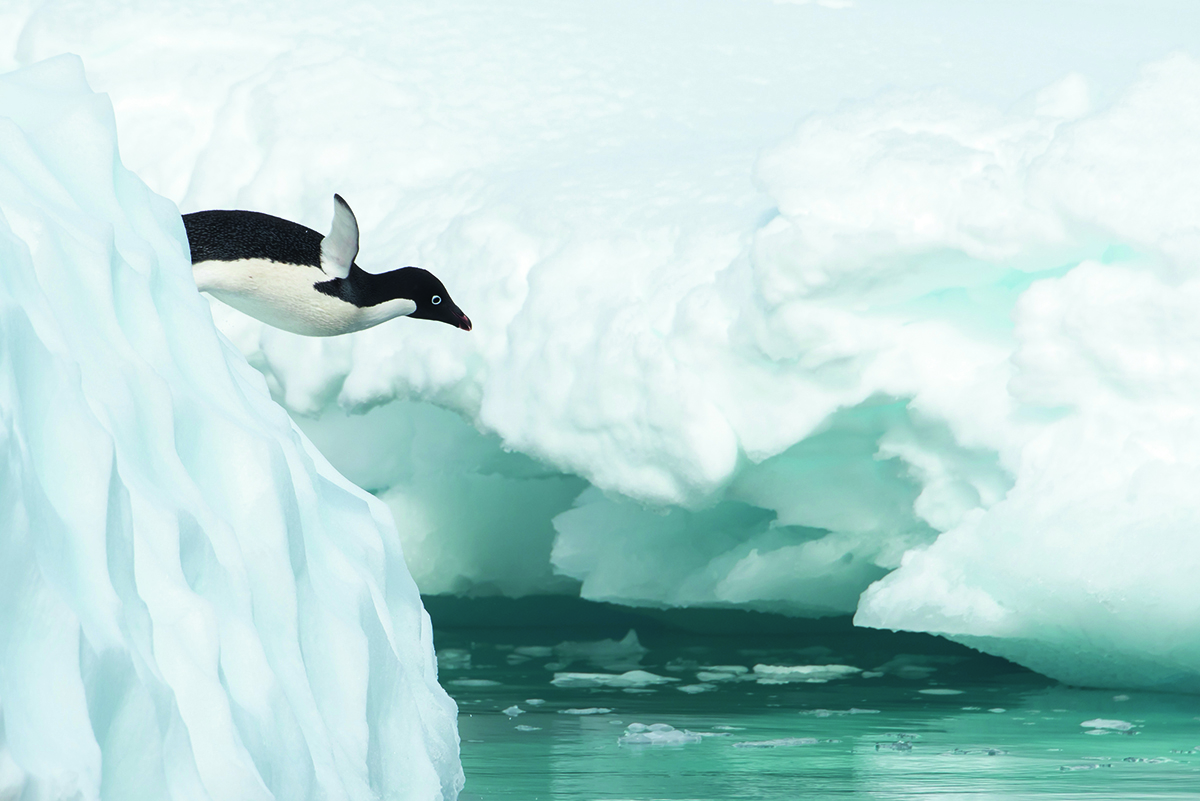
Diving In by David Sinclair
3. What values do you think remain consistent across your three careers as a photographer, polar expedition leader and lawyer?
I value honesty and integrity. I think I’m honest to a fault, calling things how I see them. While this can be challenging for some, I think people respect you when you level with them. As an expedition leader I think it’s important to be honest with people who have placed their trust in your decision-making. As a photographer, I think it’s important to depict nature in an honest way, not to embellish that which does not need embellishment, and as a lawyer, it is critical to act with honesty and integrity at all times.
Read more: Superblue’s experiential art centres & innovative business model
4. What role do you think photography has to play in trying to promote protection of the Arctic regions?
Photography has a very important role in promoting the protection of the Arctic, Antarctic and all ecosystems and species in need of protection. Strong imagery can be a very powerful advocacy tool. An image can captivate people in a way that an essay or scientific paper or report cannot.

Antarctic Peninsula Moonrise by David Sinclair
5. How has increasing geo-politicisation in the Arctic impacted attempts to preserve the ecology of the area?
The Arctic is a geopolitical hotspot right now. There is increased competition for influence over sea routes and for resources, ironically as climate change makes sea routes and resources more accessible. Heightened exploitation of the Arctic could have devastating consequences for its ecology, compounding the already devastating impacts of human activity outside of the Arctic. I cannot predict how geo-political tremors will impact attempts to preserve the Arctic. It is possible heightened tensions and competition for resources might draw more attention to the Arctic which could help attempts to sway public opinion which could lead to stronger protection.
6. Can you share your favourite expedition memory?
I have so many amazing memories, it’s impossible to choose a favourite. I recall one brilliant day in Davis Strait surrounded by ice. We came across a polar bear eating another polar bear, Northern Bottlenose whales and a pod of orca, and we landed on sea ice. Later, in the evening, we watched the Aurora Borealis dance across the stern of the ship with bioluminescence in our wake.
I wrote in my diary on a ski-crossing of Greenland, “We could not be further from civilisation but life could not be more civilised”. I think this encapsulates the wonderful camaraderie and simplicity of expedition life.
Find out more: davidsinclairimages.com
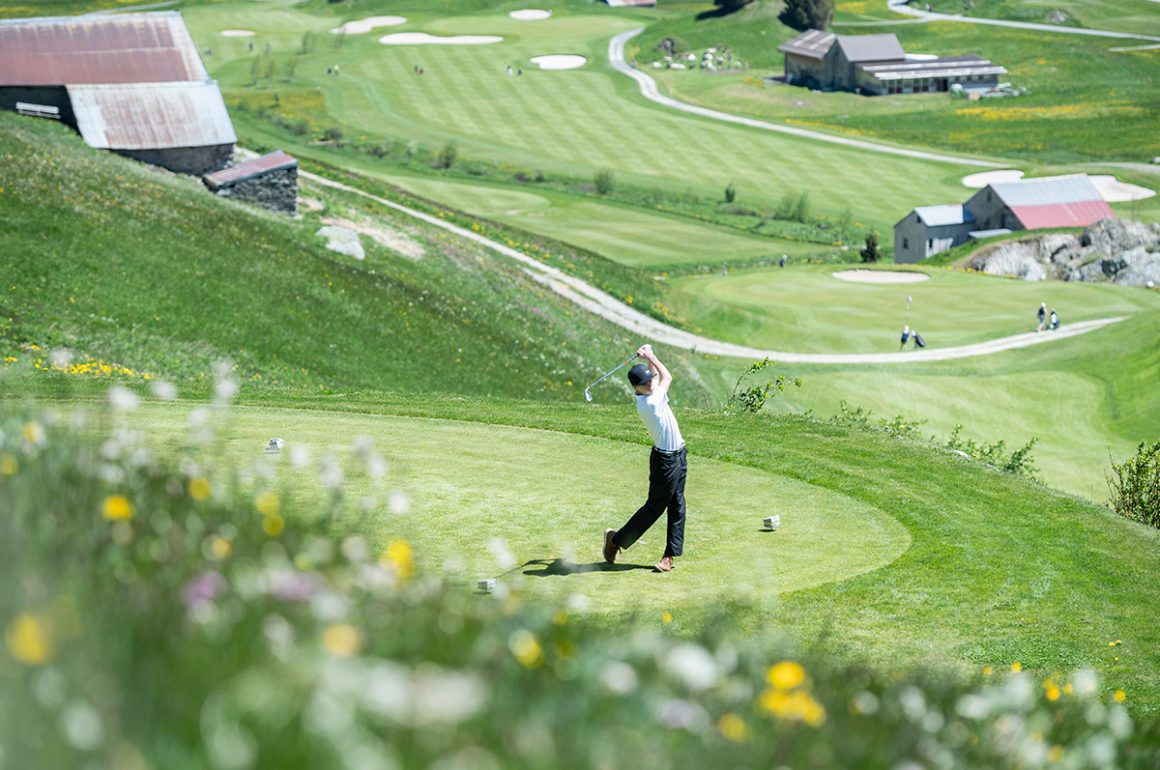
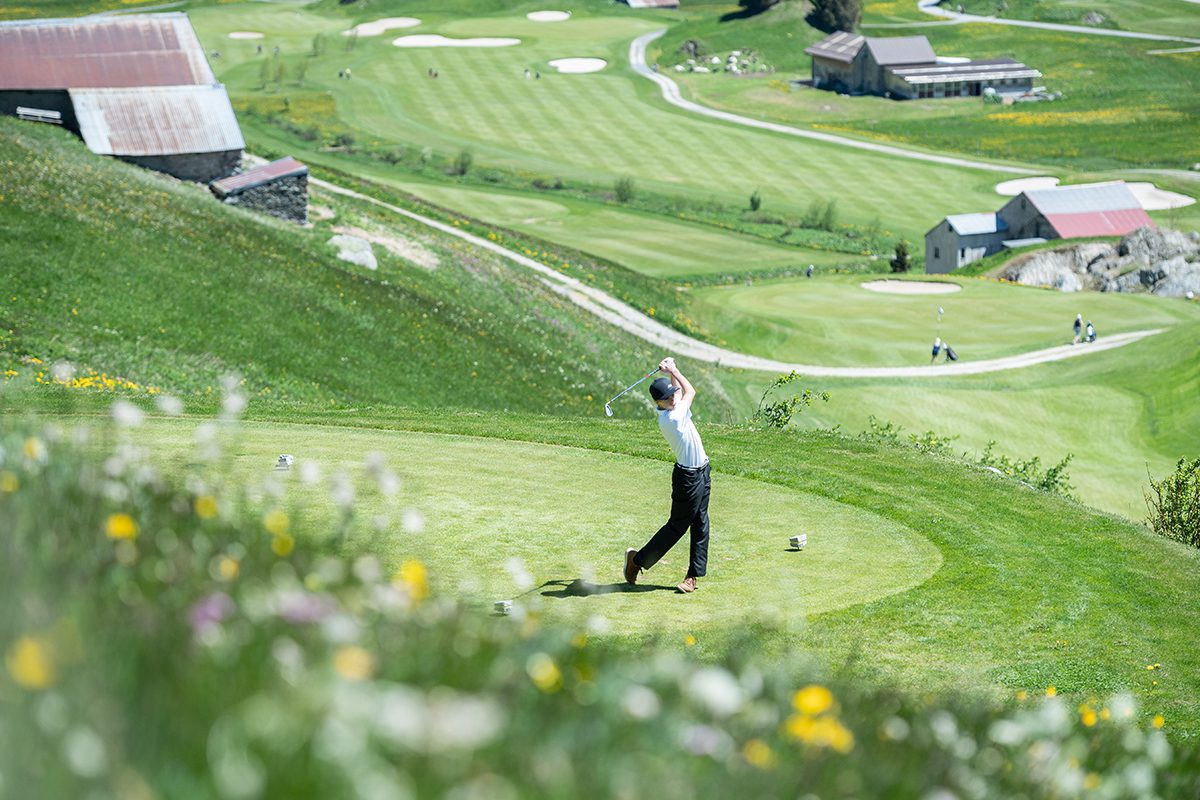
Photograph by Valentin Luthiger
It’s not just the breathtaking alpine landscapes that are attracting visitors to Andermatt Swiss Alp’s golf course, but also its notable commitment to sustainability and biodiversity. LUX discovers more
Andermatt’s 18-hole championship golf course was designed by renowned golf course architect Kurt Rossknecht to blend seamlessly into the unique landscape of the Ursern Valley, winding around rock formations, wildflower meadows and natural streams against the backdrop of snow-capped mountains.
Follow LUX on Instagram: luxthemagazine
In September 2020, the golf course became one of the first in Switzerland to achieve GEO certification from the Golf Environmental Organisation. There are now over 118 species of birds and 12 species of dragonflies living in the surrounding environment, while specially-designed drinking stations provide golfers with fresh mountain water, still and sparkling, to discourage the use of plastic bottles on the course.
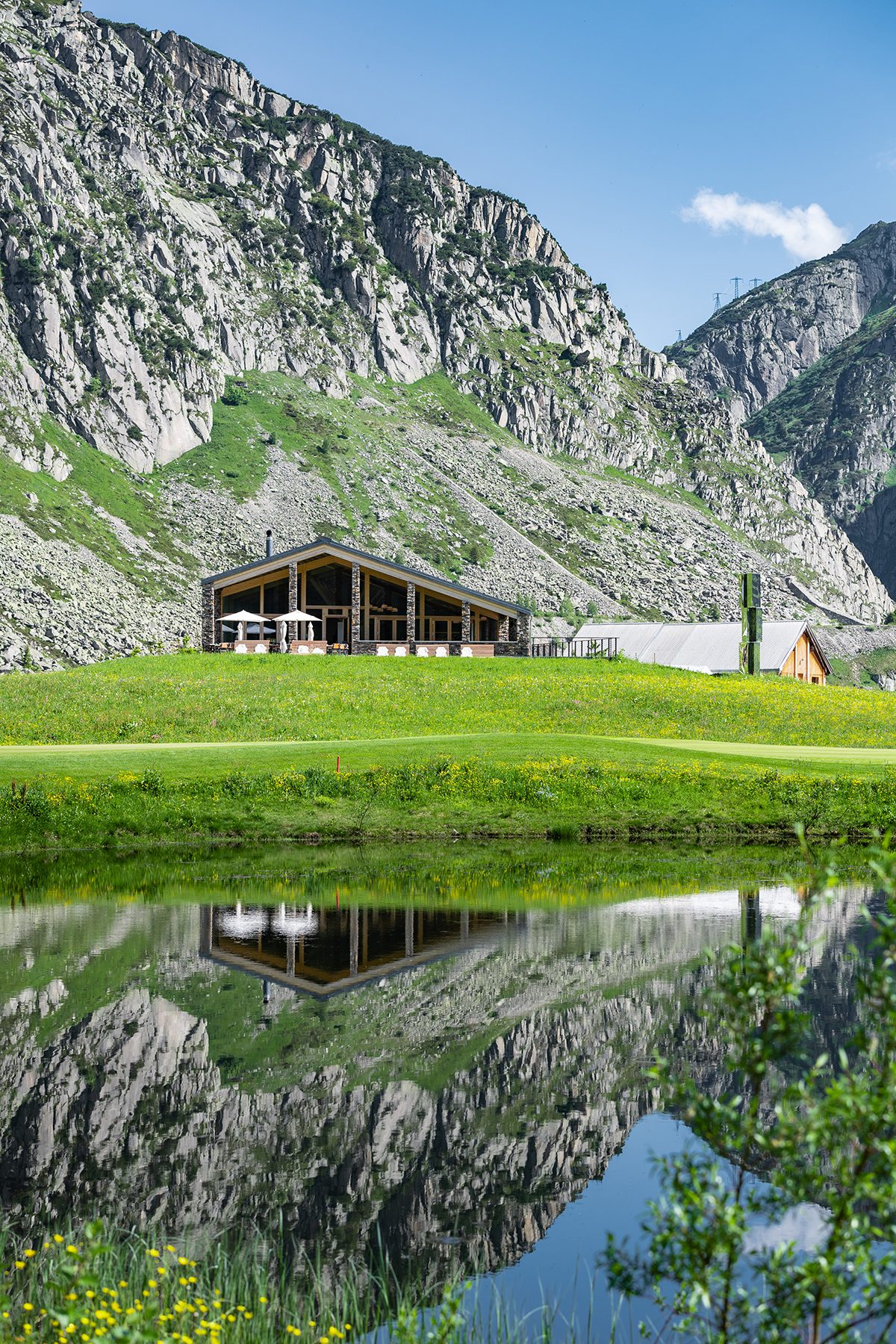
The golf clubhouse. Photograph by Valentin Luthiger
The clubhouse restaurant, The Swiss House, also shows its commitment to sustainability through its broad range of local dishes and climate-friendly catering.
The golf course opened on 22nd May 2021. Find out more: andermatt-swissalps.ch

Lucy and Anthony Carroll’s farm in Northumberland
Artisanal growers may be small scale but their care for the land and their produce is making a big impact on how we eat and drink. Torri Mundell meets two nominees for the luxury home appliance manufacturer’s Respected by Gaggenau initiative which celebrates this new generation of producers
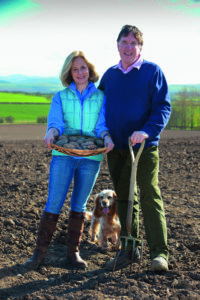
Lucy & Anthony Carroll
At Tiptoe Farm in Northumberland, Anthony Carroll is telling LUX about the “awkward” pink fir apple potato. “They grow vertically and have stems that can reach two metres tall. They’re so knobbly, they can’t be dug up with a modern potato harvester,” he says. They are, in short, more demanding than your average supermarket potato. “But,” he points out, “they have so much more to give.”
Follow LUX on Instagram: luxthemagazine
Carroll and his wife Lucy used to farm more conventional potato varieties until in 2000 Carroll had, in his words, a “light-bulb moment”. A supermarket retailer had approached him to produce a potato variety that would “look great in a plastic bag”, but that tasted, by the retailer’s own admission, “filthy”. Carroll not only refused the offer, but he also resolved to start growing some of the more flavourful potatoes that, after the two world wars, had been abandoned for inexpensive, high-yield varieties.
Today, the farm’s portfolio of heritage potatoes, including the Victorian-era spuds they brought back from near extinction, occupies most of the 28.5-hectare farm. Lucy Carroll describes how these varieties have restored some nuance to the potato’s range of flavours: “Some are very full-bodied, some are very light and fluffy, some retain that green, new potato flavour through the whole year.” The farm supplies Michelin-starred restaurants which often list the variety of the potato on their menu. “Just seeing the name Mr Little’s Yetholm Gypsy can bring a bit of history alive on your plate,” she says.

A range of heritage potatoes produced by Lucy and Anthony Carroll
Working outdoors with lower-yield, less disease-resistant species in a landscape often battered by unpredictable weather is challenging, but the farm has maintained its LEAF (Linking Environment and Farming) Marque certification for integrating environmentally sound practices such as monitoring water consumption and planting bird and insect-friendly crops, grasses and flowers.
At the end of 2020, the farm was put onto the Respected by Gaggenau shortlist, an initiative developed by the German luxury home appliance manufacturer to promote small producers or craftspeople in the culinary world who “harbour a passion for exceptional craftsmanship or the preservation of rare and unique species”. Not only does the initiative celebrate traditional skills and techniques, but it also addresses our current preoccupation with provenance and supporting small businesses. The UK’s Crafts Council reported that in 2019, 73 per cent of UK adults purchased something handmade.
The longlist of 60 Respected nominees was assembled by a panel of 25 high-profile curators, including chefs, viniculture experts, design editors and food critics. The 2021 accolade will bring global recognition and support to the finalists, who have all weathered a difficult year.
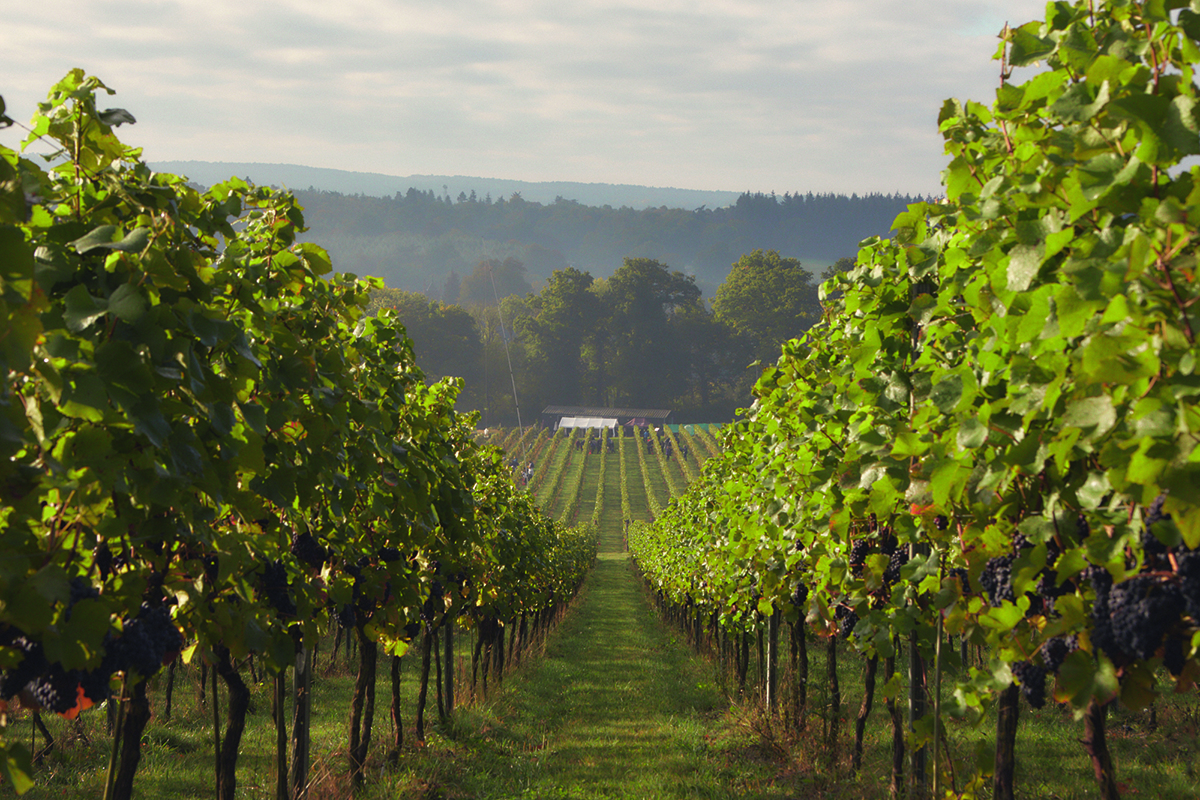
The Albury Vineyard in Surrey at harvest time. Photograph by Jonathan Blackham
Also on the shortlist is Nick Wenman, who founded in the Surrey Hills in 2009. Having a vineyard on the southern slopes of the North Downs “wasn’t the huge gamble that you’d expect,” he says, pointing out that the cool English climate lends itself to creating grapes with high acidity and low sugar content, a prerequisite for good quality sparkling wine.
Read more: Speaking with America’s new art icon Rashid Johnson
His work is not just about international awards and appearances on royal barges or on the wine list at Le Manoir aux Quat’Saisons – though Albury Vineyard has clocked up all three. Wenman and his team, including his Italian manager and his daughter Lucy, are often up at 5am to tend to the vines. Almost every April, a spring frost requires them to work through the night, lighting thousands of wax ‘bougies’ to warm up the vineyard by a couple of degrees.
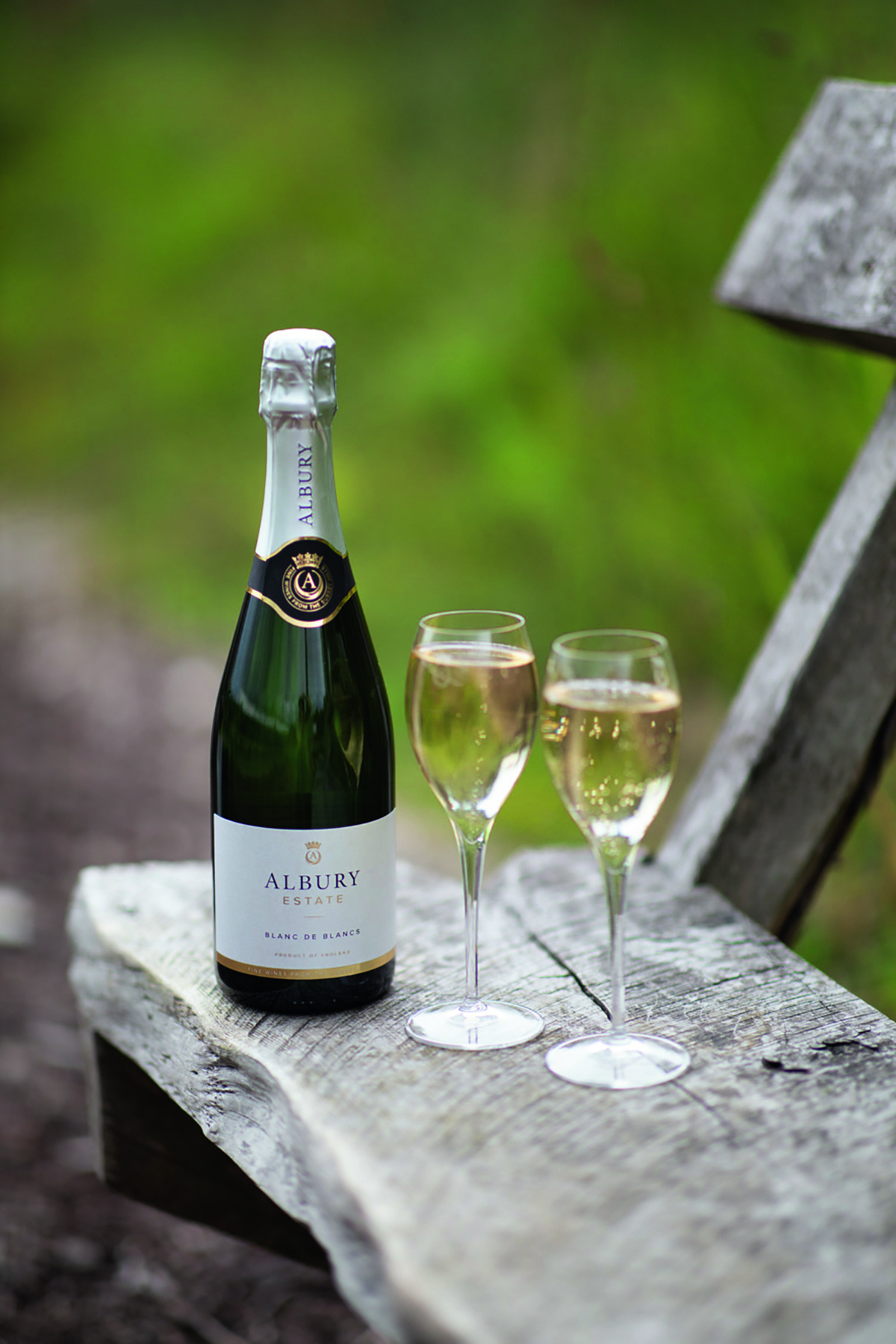
The Albury Estate blanc de blancs is made from chardonnay and seyval blanc grapes. Photograph by Simon Weller
The team not only contends with the variable UK weather but with the “extra layer of planning and stress” that comes with operating an organic and biodynamic vineyard, a tightrope act that wine expert and Respected by Gaggenau curator Sarah Abbott MW describes as “heroic”. “You can’t use any systemic chemicals to knock out the diseases that vines suffer in wet and damp conditions,” she says. Nor can you deploy non-organic ‘sugar movers’, sprays which would hasten the ripening of the fruit when faced with a run of bad weather.
Wenman estimates that organic vintners have to devote 40 per cent more time to their harvest, but he is motivated by a “passion for the environment and a belief that [organic and biodynamic principles] create better quality wine”. While the vineyard’s biodynamic status brings constraints, he notes that it inspires innovation, too. One of his favourite wines, the Albury Estate Biodynamic Wild Ferment 2015, is the first of its kind, “produced using only a chardonnay and a wild ferment grown from the yeasts that occur naturally in the vineyard”. His appreciation for small-scale artisanship among his fellow English winemakers echoes the spirit of the Respected by Gaggenau campaign. “In the UK, there are no bulk wine producers churning out the same old stuff,” he says. “And because they’re smaller, they might give the vines an extra bit of care, so you end up with a better product at the end of the day.”
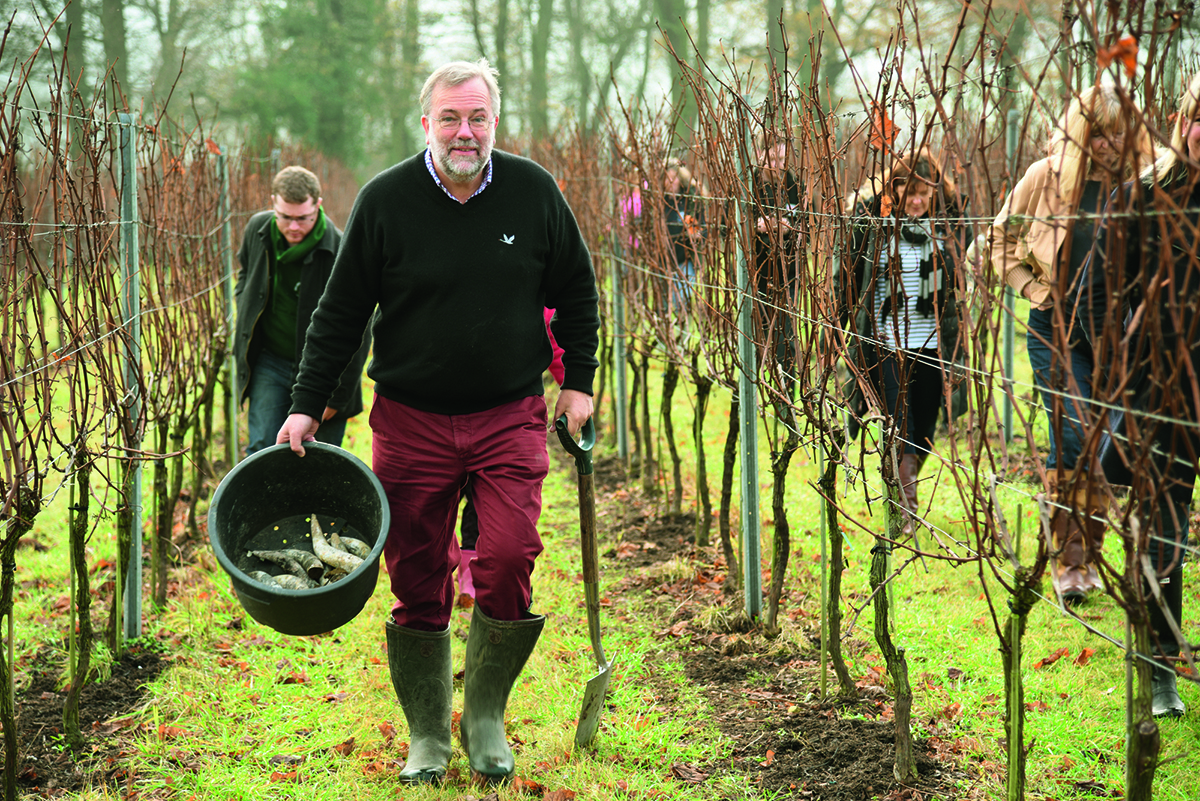
Albury’s owner Nick Wenman burying manure-filled cow horns in the vineyard in winter for fertilising the soil in the spring
Underlying our appreciation of craft and artisanship is a desire to connect with its creator. Three curators for the Respected by Gaggenau accolade tell us why authenticity in food, wine and design matters
 Chef and culinary curator
SANTIAGO LASTRA
There is always a story behind every dish and as the chef, you are responsible for telling that story. Before I opened my restaurant, I spent a year travelling around the UK to find the producers I wanted to work with, getting to know the farmers, the fishermen, even the potters who make the plates. I can see the connection they have to the land, the struggle with the weather, and the care that goes into their ingredients. They are part of a fascinating ecosystem of people that believe in a sustainable future, and I have learned that quality is not about rarity or luxury – it means only that something has been made with respect.
 Editor-in-Chief, LUX Magazine and collectibles consultant
DARIUS SANAI
This campaign is centred on a theme that is in the air at the moment: identifying authentic creators and originators, goods and services. This is important in the broader luxury and collectibles industry in which we operate, where you have on the one hand dominance by a number of big commercial players who are brilliant at marketing and branding, and on the other you have the emergence of a new class of producer that has made its name by creating, rather than marketing. The challenge for the curators of the initiative – as well as for informed consumers and retailers – is to get beyond the PR to find genuinely great producers creating or curating really original products of high quality but that were made in a very personal way.
 Chef and culinary curator
CYRUS TODIWALA OBE
At my restaurants, we have always concentrated intently on how we source and use ingredients in our day-to-day cooking, and we championed artisanal producers long before they became fashionable, so working on this initiative with Gaggenau feels like a perfect fit. The appreciation of artisans, producers, the environment – and everything we do to make our lives meaningful – slides tidily into this simple word: respect. The best producers begin with a belief in themselves and what they have set out to do. Their produce is unique – there are no boring similarities from one to another. And easy money isn’t on their radar; they are driven by the joy they find in delivering ethically produced, beautiful quality food.
Find out more: gaggenau.com/gb
This article was originally published in the Summer 2021 issue.
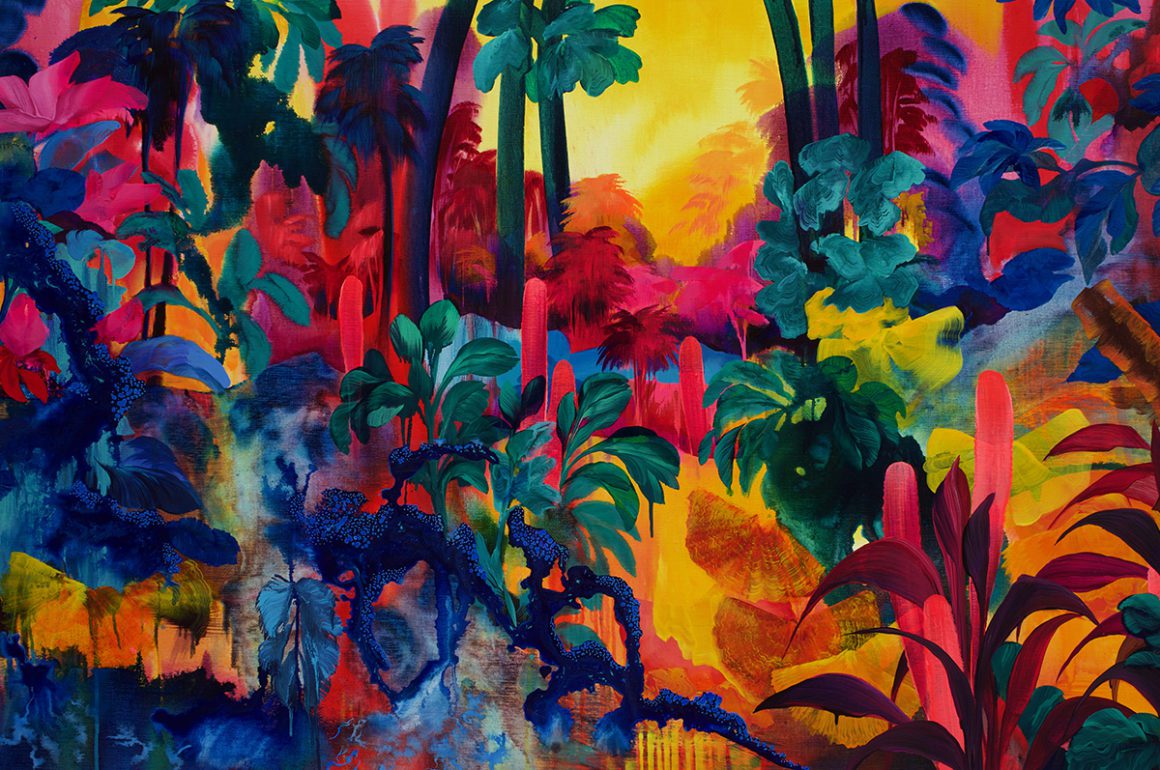
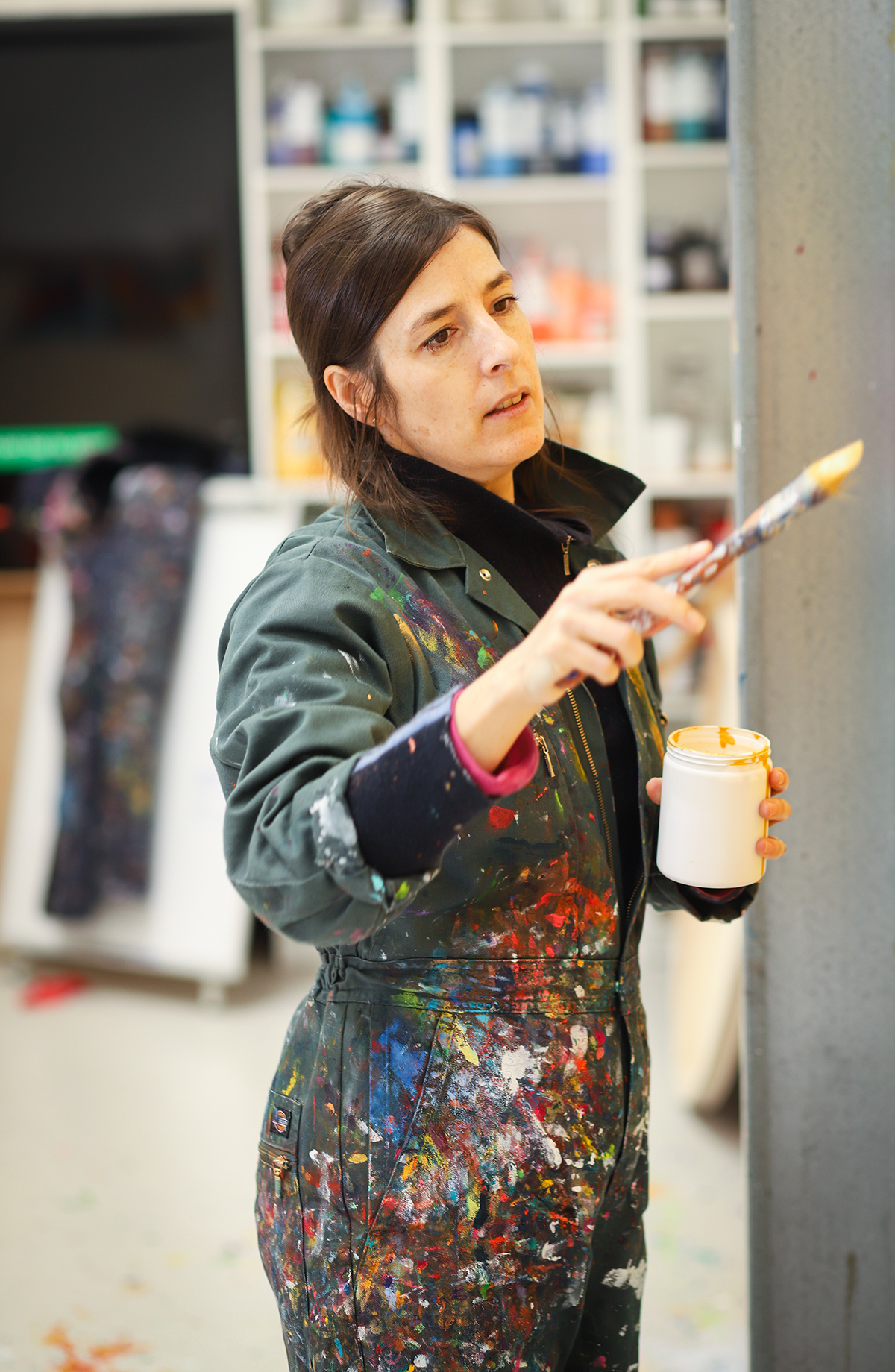
Orlanda Broom in her studio in Hampshire
British artist Orlanda Broom paints lush, saturated landscapes that celebrate the beauty and wilderness of nature. Candice Tucker visited the artist at Grove Square Galleries, where her work is currently on display, to discuss her painting processes, artistic influences and visions of a rewilded planet
1. How do you typically begin a new body of work?
I tend to work on a few paintings at one time so a body of work tends to naturally come about. I start by putting a lot of paint down on the canvas, and its quite an organic process in that I don’t know what the painting is going to look like at the end. I tend to go with what’s happening on the canvas and then work back from that. The composition will suggest itself once I’ve got quite a few layers of paints down; I will find parts of it that seem to suggest a tree or light or a mountain range, so it’s quite abstract to a point and then I try to organise it.
Follow LUX on Instagram: luxthemagazine
2. What draws you to paint with such a vibrant colour palette?
I have always loved colour, and my paintings have always been led almost entirely by colour. In this recent body of work, I think I’ve really ranked up the colour because of the situation that we are in. Everything has felt quite heavy and I think I needed to inject a bit of positivity. It gave me a lot of pleasure to work with fluorescent paints and also, it’s a challenge working with those much brighter colours because it can be more difficult to make things work.
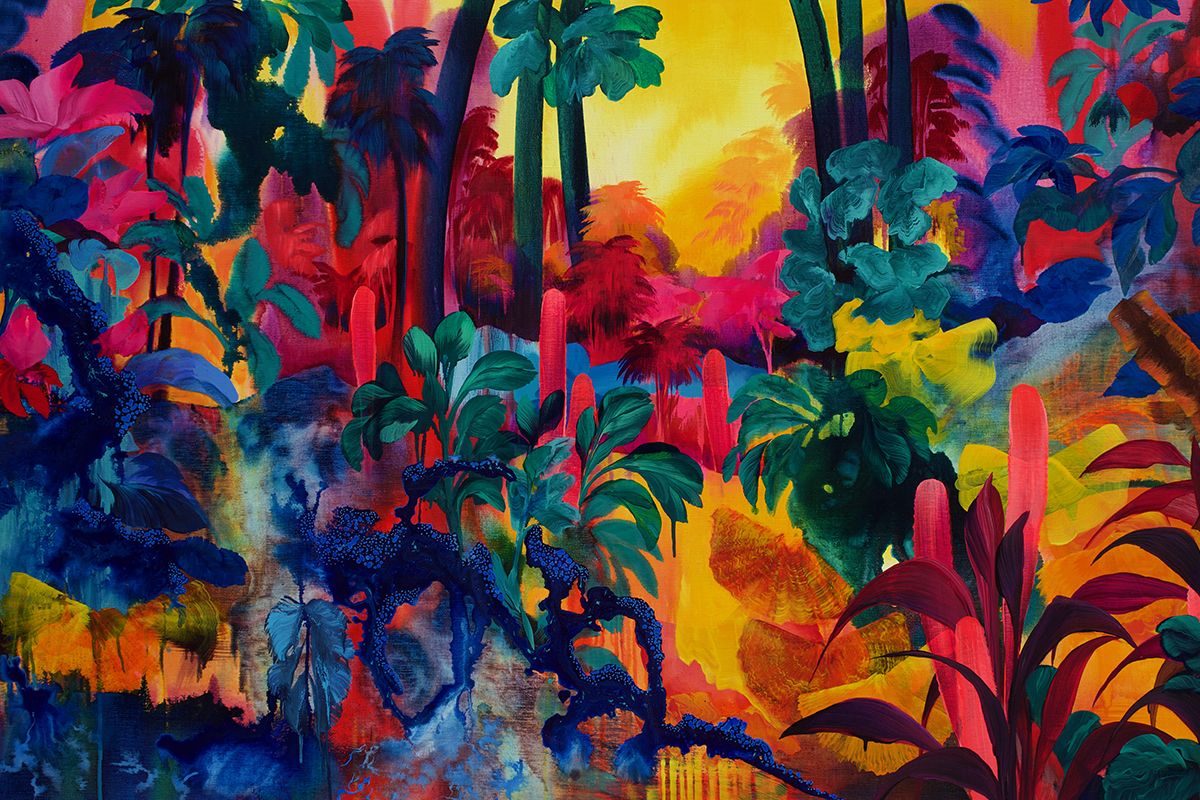
Pink Seekers, 2021, Orlanda Broom
3. Can you tell us a bit about your current exhibition and your portrayal of nature?
The exhibition title is Rewild. I’ve always painted landscapes that aren’t particularly fixed in a point of time and there aren’t any human elements – no structures, no animals – so the question has always been posed: when is this? With these new works, I am answering that question which is: this is the future and this is what I see potentially happening in terms of climate change. It is probably a vision of far, far into the future when wilderness has come back.
Read more: Philip Hewat-Jaboor on how to discover art through materials
4. What role do you think art can play in wider conversations around the environment?
I think it’s up to all of us; it’s something that we all have to address in the way we are moving about the planet and what we’re doing. I don’t think art has to consider these issues, but in a more general sense, we need to change what we’re doing and perhaps, the pandemic has helped. If there is a positive take out of this situation, it’s that things have had to stop and maybe we are realising that we can do things differently. Art fairs, for example, can be online and although it’s not the same, it has shown people that you don’t need to fly to New York when you have a meeting because you can do it on Zoom. That sort of thing will hopefully continue.
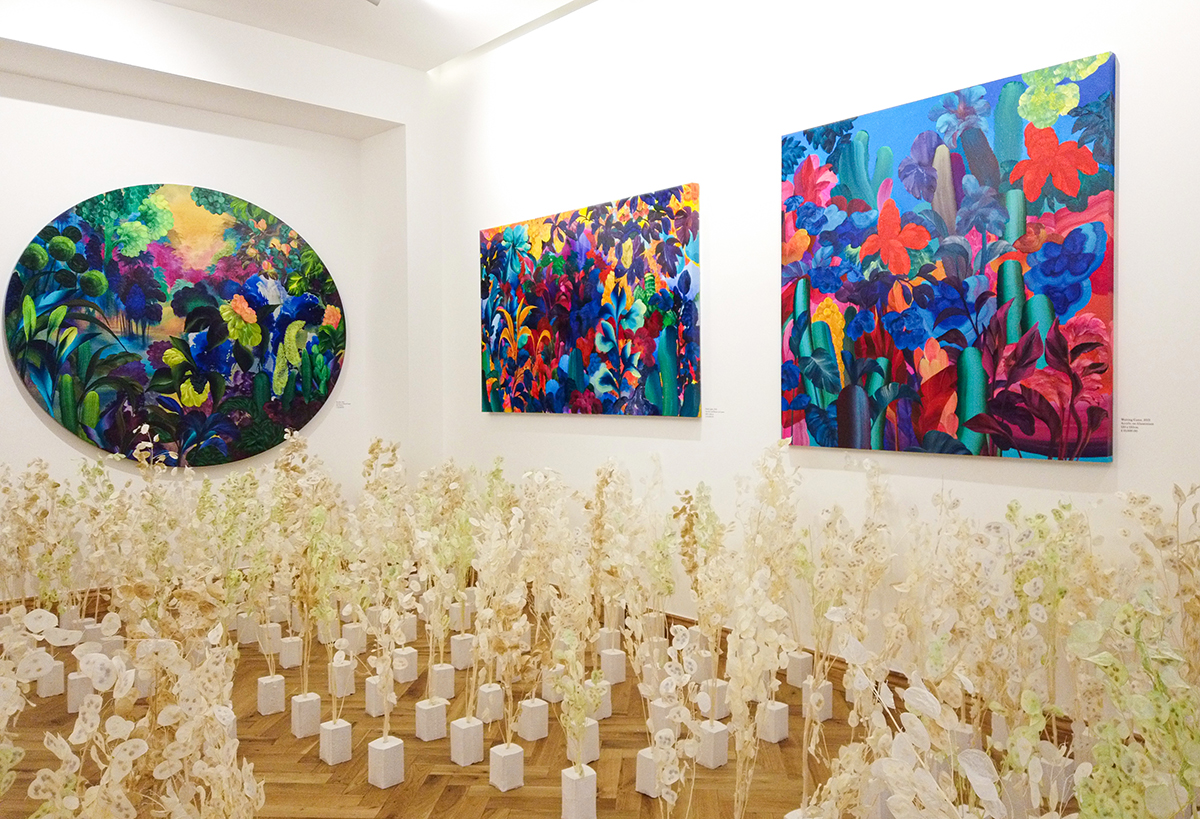
Installation view of Orlanda Broom: Rewild at Grove Square Galleries. Photograph by Paul Aitchison
5. How has the pandemic and subsequent lockdowns affected your creativity?
I don’t live in London anymore, I moved out to Hampshire a few years ago, so for me, personally, it had very little impact because I carried on working in my isolated studio. It almost felt like luxury. I always work hard, but it felt like a privilege to have the time to work.
6. Are there any artists, living or dead, who have particularly influenced your work?
That’s an easy and impossible question to answer because there are so many. The beauty of Instagram, for example, is that you can find amazing artists that you wouldn’t know. There are just so many people out there. In terms of artists that I have loved and that have stayed with me from art college years, there are colourists like Gillian Ayres, Albert Irvin and David Hockney. I also love surrealism, artists such as Leonora Carrington. There are so many…
“Orlanda Broom: Rewild” runs until 11 June 2021 at Grove Square Galleries. For more information, visit: grovesquaregalleries.com
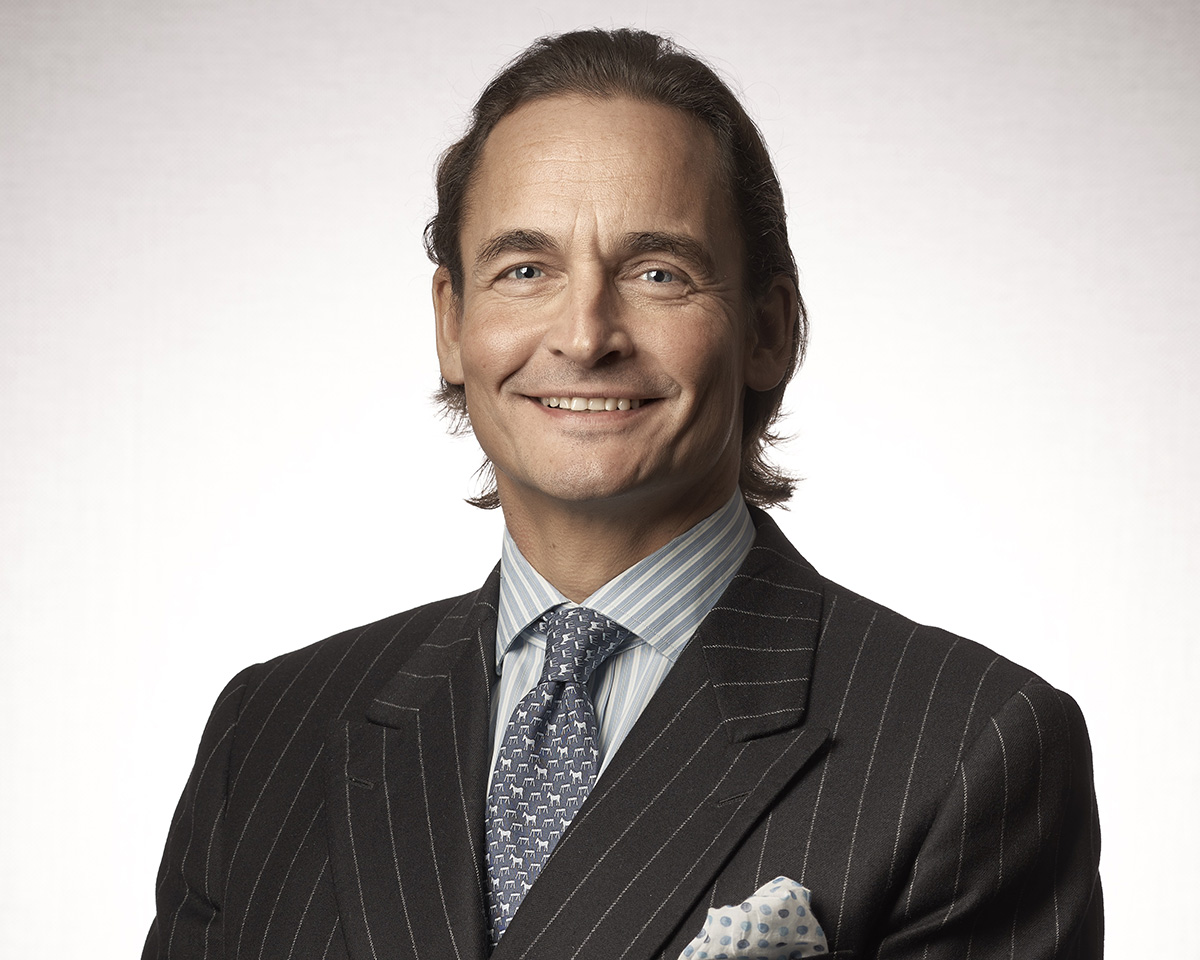
Philanthropist and businessman Etienne d’Arenberg
Etienne d’Arenberg hails from one of Europe’s oldest families and is treasurer of the Arenberg Foundation, whose mission is the promotion of the understanding of European history and culture. He is a partner of family-owned Swiss private bank Mirabaud. He is also President of the Menuhin Competition Trust, and Trustee of several Swiss and UK charities. He speaks to LUX about European values, and the evolving perspectives and expectations of the next generation
LUX: Has the nature of philanthropy changed in the last two decades?
Etienne d’Arenberg: Both from my private banking experience at Mirabaud as well as from various circle of donors I belong to, I feel that there is a clear evolution in philanthropic practices. Firstly, there is an increasing involvement in philanthropic areas outside the traditional non-profit sector with growing interest from both governments and companies to partner with individual donors on specific issues. Secondly, and this is probably the consequence of the first point, there is an increasing focus on systemic change and transformative grant-making approaches that achieve greater leverage. Lastly, and this can become challenging for smaller institutions, there is a growing expectation for impact measurement and focus on KPIs.
Another trend that I see emerging in large donors’ circles – often business-owning families – is the need to align business and family platforms. The time where your company was polluting the rivers while at the same time your family foundation was giving to the WWF is over. There is a search for coherence between the different activities with a growing alignment between the business, the investment vehicle(s) and the philanthropic foundation. Interestingly, private banks in Geneva such as Mirabaud have been at the forefront of this trend with their founding families being very active in local communities, while at the same time promoting a company’s approach to addressing the most pressing social and environmental issues.
Follow LUX on Instagram: luxthemagazine
LUX: Tell us more about your last point – are people being judged by different criteria?
Etienne d’Arenberg: We are faced with issues of huge magnitude, both on the societal and environmental front and this is especially true in times of COVID-19. If you combine this with growing access to information, I do feel that there is a real demand from the public for more sustainable business practices and generally speaking pressure for accountability. I see this pressure mounting, especially from a new generation of customers and employees.
If you run a company that is active in socially or environmentally damaging activities, the issue is that you will not be able to shift your business focus overnight. Our role as investors – and this is what we do at Mirabaud – is to accept companies that may not yet be there, but which are able to demonstrate a forward-looking vision including a clear strategy to transition to clean, circular and inclusive business models. For a family-owned or family-controlled company such as Mirabaud, this is also a wonderful opportunity to reconnect with purpose and long-holding family values.
The Arenberg Foundation organises concerts in the remote village of Lauenen, in central Switzerland.
LUX: Is inclusion and bringing people together an important element of philanthropy?
Etienne d’Arenberg: Inclusion is about embracing people irrespective of their difference, whether that’s race, ethnicity gender, sexual orientation or identification, religion or economic circumstances, and providing them with equal opportunities. This is where philanthropy plays an important role as inclusion often starts with access to education, healthcare or basic needs.
But inclusion is also about getting rid of bias, the “us versus them” old way thinking, and embracing the fact that our difference is something positive: this goes far beyond the tropic of philanthropy. I come from quite a traditional background, but I am proud to say that I do not feel threatened by a society that changes. Quite to the contrary and under the impulsion of my daughters, we have been revisiting family values and behaviours, making sure not to pigeon-hole people and being particularly mindful not to impose suffering by raw reflexes of exclusion.
Mirabaud has also committed itself to diversity and inclusion, making sure, for example, that we create an optimal workplace for women. The fact that we were one of the first Geneva private bank to welcome a female managing partner helped us to develop a solid framework for gender equality practices. This has nothing to do with tokenism as it is based on the strong conviction that a forward-looking institution needs different perspectives and experiences.
Read more: Sophie Neuendorf on building a more sustainable art world
LUX: With the demands that are ever growing on the state sector, does the private sector need to step in more to support the cultural and charitable activities that were previously more supported by the state?
Etienne d’Arenberg: I don’t want to be a judge of the private sector being ‘not enough’, because whatever comes is already something and some individual donors are immensely generous. As I was mentioning before, there is an increasing need for approaches that achieve greater leverage and I believe that public-private partnership will play a greater role in addressing the need for systemic change.
The private sector can also act as a catalyst for change, raising awareness on specific issue and campaigning direct governmental support. I have been following the work of a UK charity which focuses on children food poverty: this is a very good example of an initially privately funded charity, who is actively campaigning for legislative change and working in close collaboration with government on food delivery. I am sure that we will see more on this in the future.
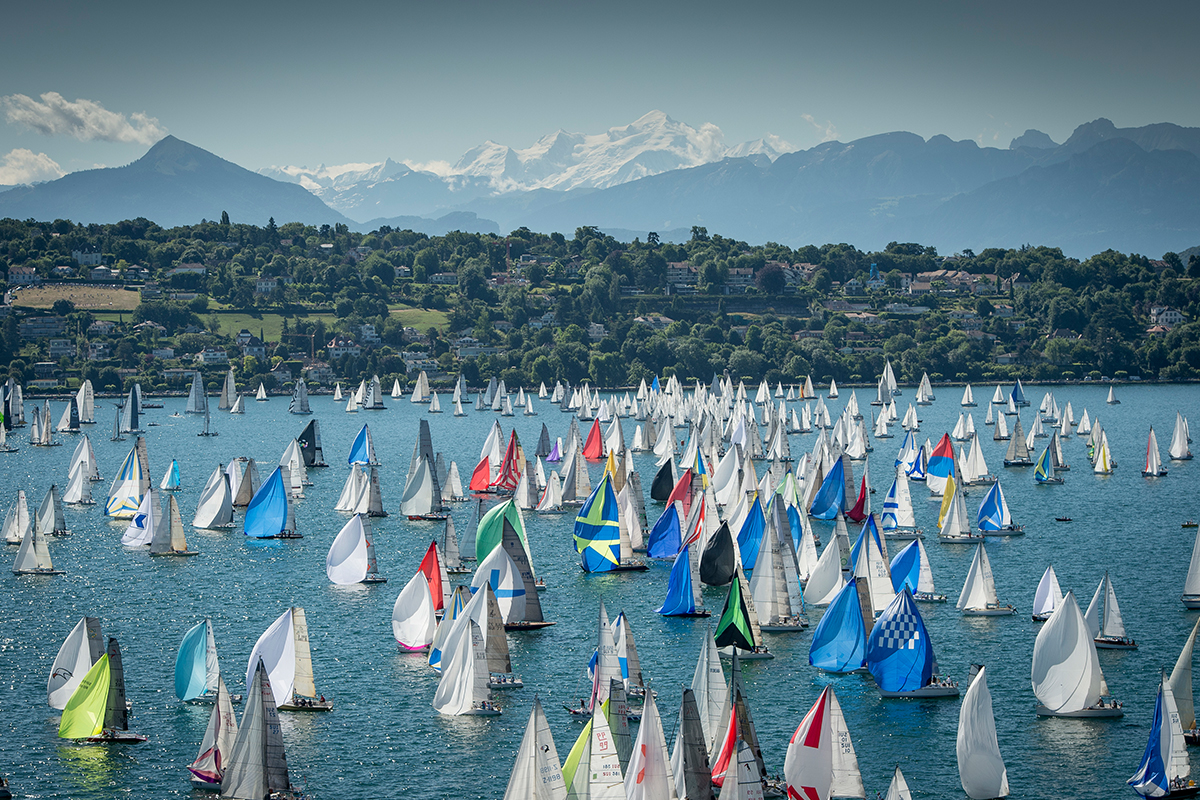
The Bol d’Or Mirabaud regatta on Lake Geneva
LUX: Does the next generation of wealth owners have different priorities for philanthropy?
Etienne d’Arenberg: Traditionally, family businesses or wealth owners have been quite active in their communities, and Mirabaud is no exception, both at the bank and at the partners’ level. Ask many Geneva-based NGOs, charities, cultural or sport institutions and they will tell you about its commitment.
I feel that the type of issues Generation Z cares about are a little bit different and I see this with my daughters. Their preoccupations are centred around inclusion, mental health, environment and racial equity. They will tell you bluntly that they are not prepared to work for a company that does not match their ethics or values, even if that means foregoing a number of lucrative jobs. To my view, this is quite representative of a generation that is much open to a new set of issues.
What is also changing is the active role they are ready to take. I think that the generation of philanthropists who will just sign a check is slowly over, and we will see a new generation of individuals who will want to take a much active role, starting earlier in life as volunteers, advocates or activists, and using a wider range of engagement tools.
As I said, Mirabaud has demonstrated a 200-year-old interest in the communities in which it operates and I sense that as a bank we are particularly interested in understanding this new generation, not only because they are our future clients and employees, but also because they are shaping the future we will be operating in, as a company.
Read more: Lamberto Frescobaldi on 1000 years of tradition and wine
LUX: Do Mirabaud’s philanthropic contributions focus on culture and the arts?
Etienne d’Arenberg: First and foremost, concerning contemporary art, in recent years we’ve been sponsors of FIAC in Paris among various other renowned institutions. We’ve also sponsored the Zurich Art weekend, which is, in a way, the pre-Art Basel event, in a more intimate setting. Even if we are an institution that celebrated its 200th birthday in 2019 (so we are 202 years old now) our motto is always “to be prepared for now”. As in, immediately at your service, to sponsor and to be interested in today’s world and that’s why we are interested in contemporary art. We know the value of looking into the past, and taking lessons into the future.
The second thing to remember is that culture is not something which always pertains to art. If you look at the enthusiasm of the public, art is not always the biggest thing, sports, for example, are part of the culture of a nation. We are sponsors of the largest inland regatta competition in the world, the Bol d’Or Mirabaud on Lake Geneva, and it’s a fascinating competition, because the lake has very particular wind conditions that are ever-changing, it is not a one-sided Caribbean type wind that comes constantly from one side and doesn’t change that often. Here again our motto “prepared for now” completely makes sense.
LUX: The concept of Europe is an important one for your family foundation. Why?
Etienne d’Arenberg: When we think about Europe, our family thinks of the continent which includes Switzerland and the United Kingdom, not only the European Union. The concept of Europe is indeed very important for our family, as it includes a set of value that are dear to our heart: human dignity, rule of law, equality and democracy to name a few. This sounds wonderful and noble, but the truth is that it is quite vague in practice.
What we have been trying to do with our family foundation is to revisit these values in the light of today’s challenges and explore new ways to shape our common future.
I am personally convinced that Europe has a key role to play in shaping the post-COVID recovery, and building a new social contract based on these long-lasting European values and at a very modest level, we are trying to be part of this conversation.
Etienne d’Arenberg is limited partner of family-owned Swiss private bank Mirabaud and is Head Wealth Management United Kingdom.
Find out more: arenbergfoundation.eu, mirabaud.com
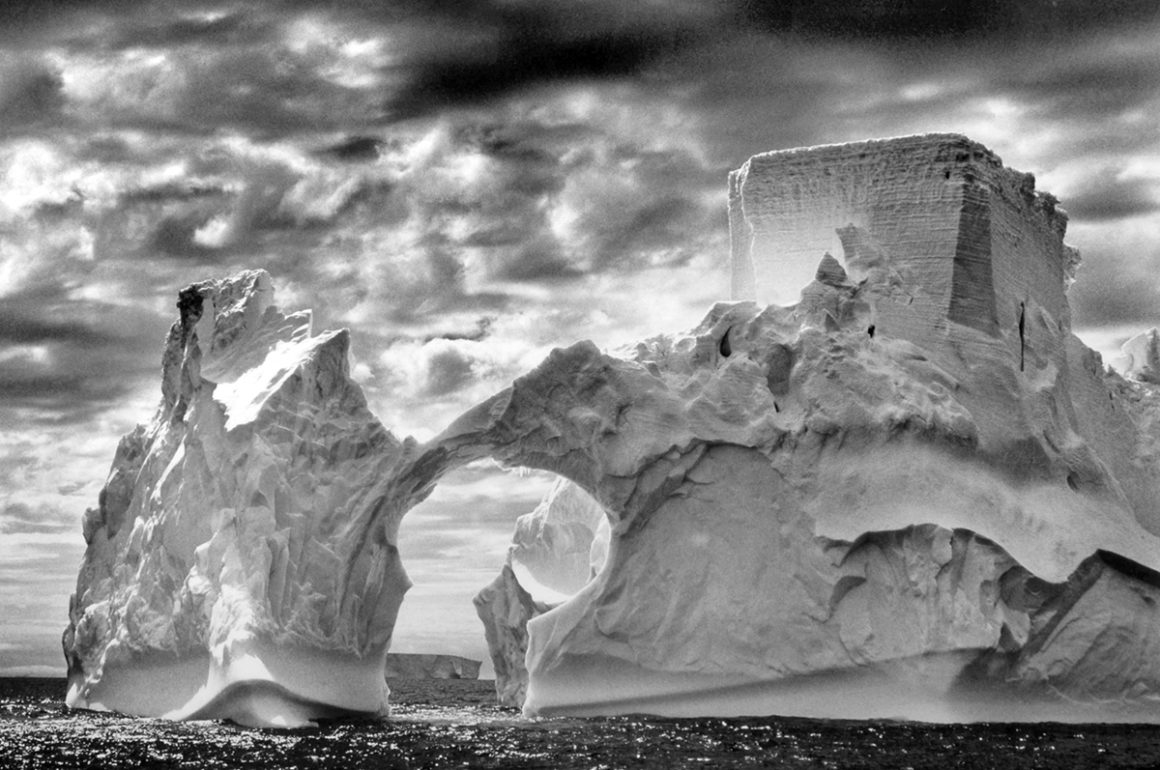
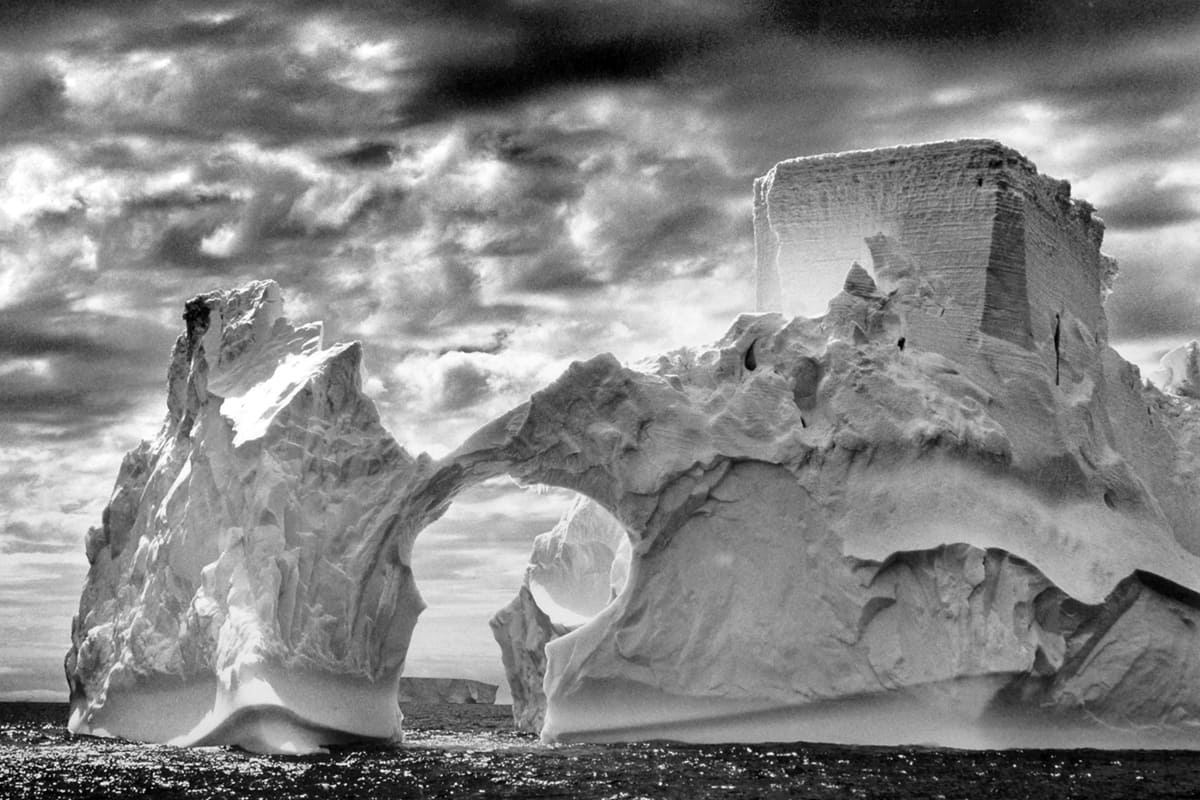
Iceberg Between Paulet Island and the Shetland Islands, Antarctica, 2005 by Sebastiao Salgado
As part on an ongoing monthly column for LUX, artnet’s Vice President Sophie Neuendorf discusses how the art industry can support more sustainable businesses practices which will not only benefit the planet, but also the longevity of art and culture

Sophie Neuendorf
Over the past few months, I’ve been hearing a lot about sustainability and ESG reporting. So much so, that it’s even trickling into the art industry. Perhaps, it can be seen as a positive, global reaction to the pandemic – a way of responding to and making sense of a globally shocking and horrific situation. If the last year has taught us anything, it’s that humanity has abused the planet to such an extent that we’re not only facing a pandemic and the ensuing socio-economic consequences, but also rapidly accelerating climate change. And amongst all of this, a new question has surfaced: how do we preserve our personal and cultural heritage in the face of rapidly increasing climate change, a pandemic, and volatile global socio-economic situations?
Follow LUX on Instagram: luxthemagazine
The arts industry, like any other industry, should be responsible for affecting positive change. Given that arts and culture define us as individuals as well as nations, the arts arguably have an even greater obligation of setting a positive example to safeguard the future of humanity.
When thinking about sustainability, most of us immediately connect it to climate change and the immediate threat to the environment. Of course, this is true and important, but sustainable business practices are not only about the environment. The three pillars of sustainable business practices are the environment, society, and governance (ESG). The idea behind this multi-lateral approach to conducting business is to promote an equitable, efficient, and environmentally progressive business and society.

Horizontal Aspens, 1958 by Ansel Adams
Similarly, the impact of cultural awareness and investment is no longer limited to the traditional sphere of the art market; it has expanded to include political, economical, and environmental activism. The last two years have seen the rise of the MeToo and Black Lives Matter (BLM) movements, drawing widespread support across multiple industries. Corporations with questionable business ethics across the globe were targeted, just as just, equal opportunity, and environmentally-friendly business practices were sought out and celebrated. As the world seeks to slow the pace of climate change, promote equality, and support billions of people, there are several changes we can make now to spearhead the art world’s support for a sustainable planet.
Read more: Durjoy Rahman on promoting South Asian art
At artnet, I used the past year to compile our first ESG strategy and report. By engaging with Environmental, Social and Corporate Governance (ESG) reporting and initiatives, we are hoping to continue our ethos of spearheading positive change and sustainable business practices – our clients expect it of us, and many of our employees are also advocates of change. As a purely digital business, we have already recognised the environmental benefits of transacting online. We don’t, for example, ship artworks across the globe for viewings, require artworks to be viewed in person, have large, costly office spaces, or print thousands of catalogues per sale.
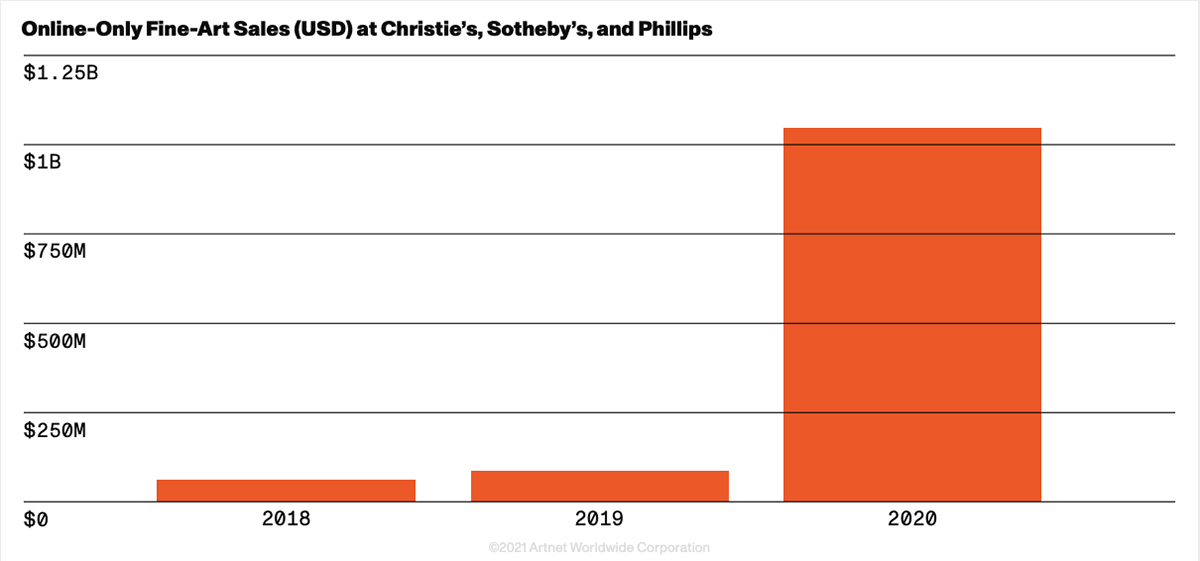
Infographic courtesy of artnet
Elsewhere in the art world, Christie’s recently announced a pledge to become carbon neutral by 2030, making it the first of the major auction houses to do so. The company will focus four main areas to meet its carbon goals, including transforming its processes with shipping, travel, building energy, and printed material. The pledge also commits to a 50% reduction in carbon emissions, which includes diverting 90 percent of its waste away from landfills. They will provide clients with packaging and printed material that is 100% recyclable, and have also made the decision to stop publishing weighty, glossed paper catalogues.
For context, at least 7,000 auctions are held annually around the world with a median of 120 lots per sale (according to artnet price database). For nearly all of them, auction houses print catalogues to send around the world to potential buyers. In an era of digitalisation, print catalogues are unnecessarily destructive for the environment. Moreover, historical auction data is much better safeguarded, and more easily accessible for private collectors, appraisers, or wealth managers on an online database than in a printed catalogue on a shelf. This is just one of many areas of change that could be enacted immediately.
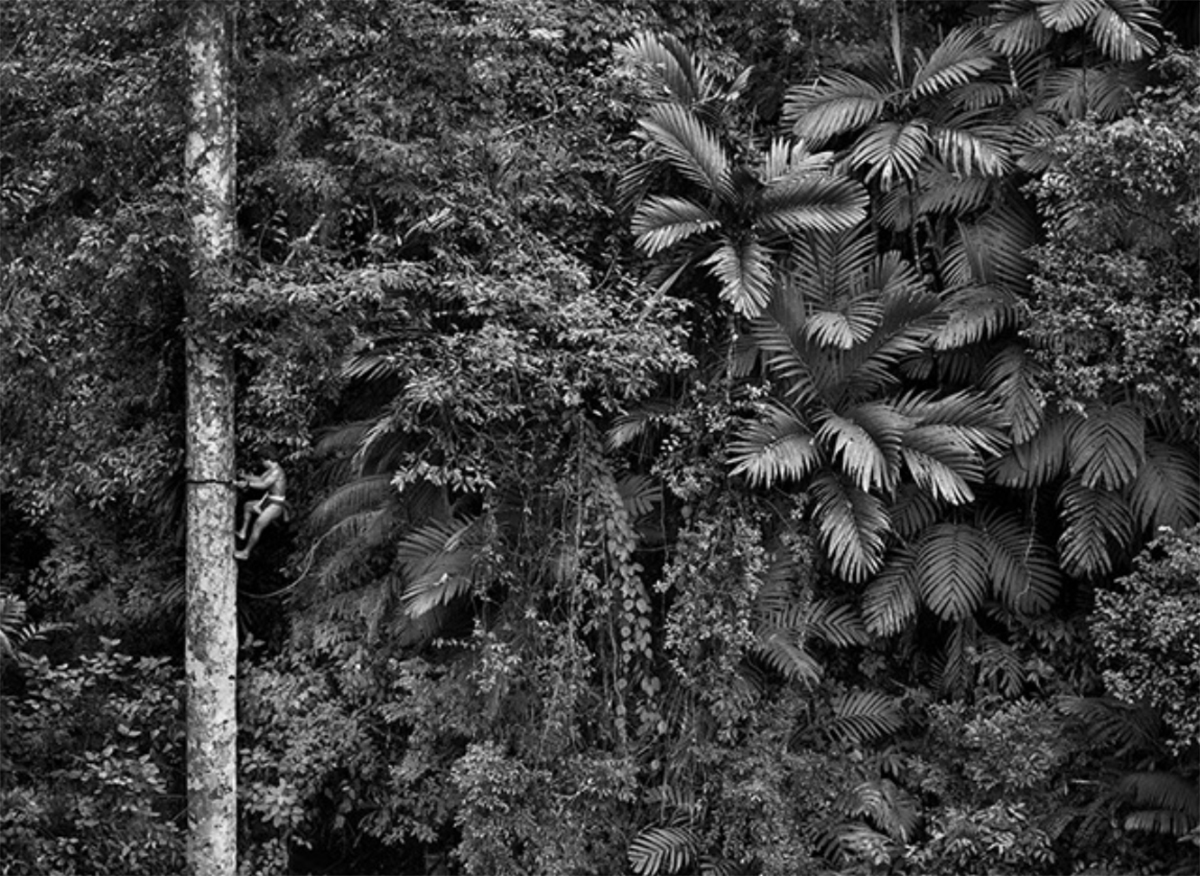
Mentawai Climbing a Gigantic Tree to Collect, 2008 by Sebastian Salgado
5 tips for building a sustainable art business:
- Art businesses should first evaluate their corporations in terms of ESG standards of conducting business and then, establish strategies and targets for the next few years.
- Take steps to reduce your greenhouse gas emissions, which can be direct or indirect emissions. However, it’s important to note that even after significant changes to operations, some emissions will remain.
- The next step is to calculate the remaining carbon footprint, and take responsibility by financially offsetting those emissions. Money can be invested in projects that plant trees or protect forests, support renewable energy programs, equal opportunity initiatives, or other sustainable business initiatives. Carbon offsetting, which is the process of funding emission-reduction initiatives in an effort to “balance out” your carbon footprint, is one step every responsible art business should take as part of its climate action plan. For context, to offset an equivalent amount of carbon to a cancelled coal power station, $300 million worth of trees would need to be planted. With the carbon calculator recently launched by the Gallery Climate Coalition, artists and galleries can make a good estimate at their carbon footprint and clarify where reductions can be made.
- Implement checks and balances for not only the environmental changes, but also the social and governance changes (which affect all stakeholders).
- Make your clients and employees aware of the steps you are taking, and encourage them to join you in this global effort for a sustainable future.
And here’s a final thought: as private collectors, family offices, or businesses, we are often inclined to reduce costs and taxes as much as possible, but I propose the introduction of a voluntary “Green Tax” on the buying and/or selling of art and antiques, which will benefit NGOs working on preserving the environment. Let us forget the short-term gain of wealth accumulation in favour of the long term gain of a greener planet for the next generations.
At the end of the day, it’s up to you to decide how you would like to contribute to a sustainable future, not only for the art industry, but for humanity.
Follow Sophie Neuendorf on Instagram: @sophieneuendorf


Build your autumn wardrobe from the collections of ethically and environmentally minded designers
Mara Hoffman’s Catalina jacket evokes a tropical mood in a vivid red hue with lightly padded shoulders and a flattering plunging V neckline. The jacket is crafted from a blend of linen and a sustainable rayon fibre, and it features a tie at the front for a customisable fit.

In 2020, Rosh Mahtani of Alighieri became the first jewellery designer to win the Queen Elizabeth II Award for British Design for her poetic, ethically produced, handmade pieces. These Infinite Song earrings in gold-plated bronze are inspired by Eliot’s ‘The Waste Land’.
Stella McCartney has long championed sustainable design through the use of innovative processes and materials. This stylish saddle-shaped bag is made from the brand’s signature vegetarian leather with a woven canvas strap that sits cross-body or on your shoulder.
French brand Veja has a strong focus on social and environmental responsibility. All of the brand’s trainers are made from organic or recycled cotton, wild rubber and recycled plastic bottles. We especially love this pair’s striking navy blue and white colour palette.
Crafted from a recycled wool mix with a slim-fit cut, these gender-neutral tailored trousers by sustainable brand Riley Studio make an elegant and versatile wardrobe staple. As with all of the brand’s products, they are designed to last years of wear.
These Kallio sunglasses by London-based brand MONC are crafted in a workshop in Italy using bio-acetate frames and mineral-glass lenses, both of which are highly durable as well as bio-degradable. The design for this pair is inspired by an artistic district of Helsinki.
This article originally appeared in the Autumn/Winter 2020/2021 Issue.
Marine biologist Douglas McCauley on environmental philanthropy
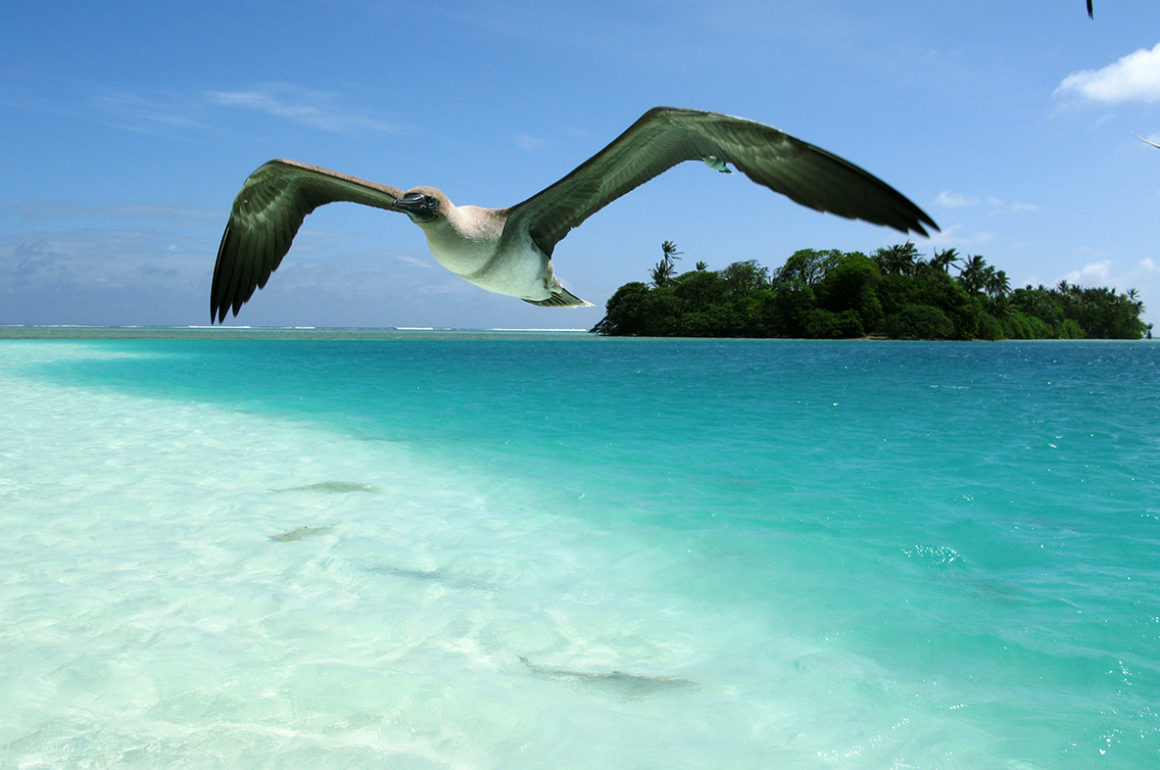
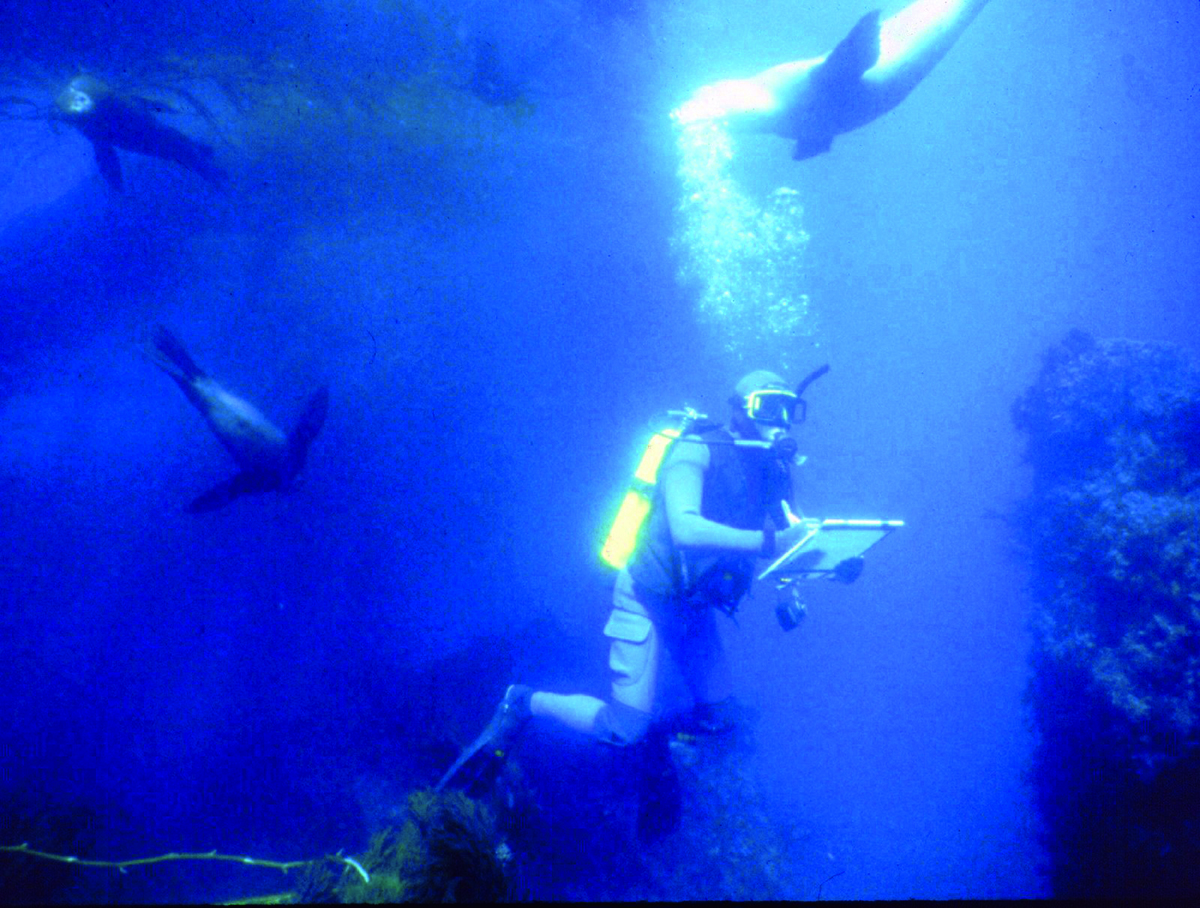
The Channel Islands National Marine Sanctuary, located off the coast of California. Image by NOAA/Mark Norder
Douglas McCauley directs the Benioff Ocean Initiative, the philanthropic organisation created by billionaire Salesforce founder Marc Benioff and his wife Lynne. McCauley, a marine biologist, says that philanthropists can do much more to save the oceans than simply write a cheque
DEUTSCHE BANK WEALTH MANAGEMENT x LUX
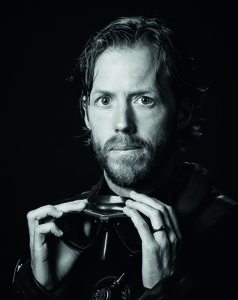
Douglas McCauley. Image by Jonathan Little.
We all have an opportunity and responsibility to do something for ocean health, whatever walk of life we are from. The ocean has paid us some service – and this service can be reciprocated.
I grew up in Los Angeles and if you’ve passed through the Greater Los Angeles area you get a sense that there is a whole lot of concrete and man-made change on land. And then you hit the coast and you have this big, beautiful uninterrupted space. So, for me the first debt of gratitude that I have to the oceans is that they were my escape to a world where I could find wilderness and immerse myself in the beauty of the ocean. And there was the practical side: the ocean provided me with my dinner – it gave me employment and income.
Follow LUX on Instagram: luxthemagazine
For most people, the debt that they owe the ocean is different. For some people, such as Marc and Lynne Benioff, their identity has been shaped by ocean places such as San Francisco and Hawaii where they’ve lived and raised kids. The ocean has given them a lot of inspiration and beauty and knowledge. To be in a place that is so ancient and to be part of the majesty of the ocean and to experience such a mindful reset, and then to jump back into life on land and manage it successfully, means that you as an individual have drawn some value from the solitude and exaltation felt when by the ocean.
In the arrangement that we forged, Marc and I are each trying to repay some portion of that debt. As an ocean scientist, I can use the tools, our networks and our laboratories to try to be helpful, and Marc uses his resources, his influence, his network, to help create change. These two worlds together are really powerful.
For many people, the oceans feel very remote from us, making it a harder environment as a philanthropic domain to connect with. But there are some very practical ways that the oceans, even if they are remote, do provide benefits to all of us. The most universal of these is that the ocean, as it lives and breathes, as it aspires and photosynthesizes, produces half of the oxygen on the planet.
That means that whether you’re in seaside Miami or in landlocked Geneva, every other breath that you take comes from the oceans. It is a life-support system and certainly enough reason for us to connect to make sure that it continues to be fully functioning and healthy. When you do actually recognise that you have a debt to repay to the oceans, it is important to return the favour to the sea, to repay that debt.
The numbers of people who have made that reconnection to the oceans and have become champions for the seas are relatively few in the world of philanthropy. Statistics estimate that approximately one per cent of philanthropy is dedicated to the oceans. There are so many important causes on the planet that deserve our attention and investment but for a living place that encompasses two-thirds of our planet and provides us with half of our breaths, perhaps it deserves more from us. Each individual’s philanthropic portfolio matters, because each one incrementally will help us move a little bit further north of that one per cent.
Building partnerships with scientists and science can be powerful and create some symbiotic opportunities. Almost all of us have a relationship with a university, and we might be surprised that there are centres and hubs of ocean excellence in many universities, and not just places on the coast. For example, ETH in Zurich, Switzerland is one such hub of excellence.
Read more: How ethical blue economy investments support ocean conservation
Unfortunately, the problems facing ocean health are so large that there has to be a critical mass. No one single university is going to be able to change things. So a lot of what we are trying to do is create a template by which we can activate our colleagues and peers to demonstrate that we can actually make a difference.
For example, when you’re looking at an issue such as plastic pollution, in which you have more than five trillion pieces of plastic in the global oceans, that is too big an issue for any one organisation to solve. So we are trying to create this model to facilitate change by creating open tools that will not only help and but also become replicable in other places.
That is one reason why working with Marc Benioff has been so successful. He is a problem solver who has built a globally successful company. There is much that we have learned from him about the general mechanics of problem solving, and about the many tools that cross that boundary, such as the ones we use in ocean problem solving that originally were designed for industry and technology.
When we started working with the Benioffs, I had the incorrect assumption that we would have a few starter conversations, they would send us a cheque, and we would be off on our own to try to figure this out. But the most valuable thing that they did for us was not send us the cheque. Instead, the most valuable thing that they did for us was to open up their networks and to share their expertise, and to very usefully help match us with people that could have a part of a solution that we needed.
Find out more: boi.ucsb.edu; labs.eemb.ucsb.edu/mccauley/doug/
This article originally appeared in the LUX x Deutsche Bank Wealth Management Blue Economy Special in the Autumn/Winter 2020/2021 Issue.
From David Eustace’s series ‘Mar a Bha’, which translates from Gaelic to ‘As It Was’
The investment community is waking up to the opportunities in our oceans. Impactful ethical investments in the blue economy can involve plastic waste prevention, sustainable seafood, maritime transport, eco-tourism and more
Photography by David Eustace
DEUTSCHE BANK WEALTH MANAGEMENT x LUX
Robert Goodwin was on a mission to solve Haiti’s cholera problem. For nine years after the island nation’s devastating 2010 earthquake, periodic cholera outbreaks started hurting communities, doing the most damage to people with limited access to clean water and sanitation. The country’s clogged water canals were to blame for spreading the disease. Goodwin, the former CEO of Executives Without Borders, started looking at why the canals were so clogged. “I’m a root-cause guy,” says Goodwin. “I knew that cholera was a water-borne disease and saw that flooding was causing all the transmission. When I looked at the canals and what was causing the flooding, I saw that it was a lot of plastic trash that could have been recycled.”
Follow LUX on Instagram: luxthemagazine
Haitian communities could recycle materials such as metal and aluminium, but there was little in the way of plastic recycling infrastructure. So, Goodwin started a business, paying local people to pick up plastic trash and then sort it by colour, weight and type. They were paid cash on the spot. Goodwin’s efforts eventually grew into a new company, OceanCycle, a New York-based social enterprise aiming to help businesses integrate ocean-bound plastics into their products and improve traceability across the supply chain. (Ocean-bound plastic is the waste from areas in close proximity to the coast, where cutting off streams of plastic before they reach the ocean is most critical.) Companies such as OceanCycle are part of the growing blue economy, which the World Bank defines as the “sustainable use of ocean resources for economic growth, improved livelihoods and jobs, while preserving the health of the ocean ecosystem”.
“We want to turn off the tap,” says Goodwin. “Once the plastic has been in the water for too long it breaks down and it’s harder to recycle. If we want to stop the flow of any new plastic into the ocean by 2030 we have to put a value on recycling ocean-bound plastic.” Consumers around the world are more interested in ridding the ocean of plastic than they have ever been. More than 90 countries have placed some kind of ban on plastic bags, straws or other single-use plastics. The Ellen MacArthur Foundation predicted in 2017 that unless things changed the ocean could contain more plastics than fish by 2050. Consumers wanting to protect the ocean are becoming an incentive to create a now fast-growing market for cleaning up ocean trash. Sportswear company Adidas has teamed up with non-profit Parley for the Oceans to sell trail-running shoes made with ocean plastic, Method makes dish-soap containers from plastic picked up on the beaches of Hawaii, and Patagonia is making jackets from yarn derived in part from fishing nets. But plastic is only part of the new blue economy.
Approximately 70 per cent of our planet is covered by water and the ocean is a critical resource providing food for three billion people around the world. Seaweeds and miniscule ocean plants known as phytoplankton provide more than half of the oxygen we breathe, according to the US National Oceanic and Atmospheric Administration. There are approximately 680 million people around the world living in low-lying ocean areas, and the blue economy, which includes tourism, fishing and shipping, generates $3 trillion of economic output each year, according to the United Nations. All told, the services provided to humanity by the oceans are valued at $24 trillion and create a value of more than $2.5 trillion each year.
Read more: Deutsche Bank’s Claudio de Sanctis on investing in the ocean
But we don’t own the oceans or pay them for their services. “The ocean is not just a provider of value. It also helps us to digest the negative results of industrialisation,” says Markus Mueller, Global Head of the Chief Investment Office at Deutsche Bank Wealth Management. “There’s also a deep human attachment to our coastal regions. The ocean gives an emotional connection,” Mueller says. “People are divers and go on vacation at the beach. They’ve seen all this plastic in the sea.”
Beyond ocean plastic, the oceans have seen fish stocks depleted, coral reefs die and beaches recede as a consequence of human activity. It’s not a case of the tragedy of the commons, in which people who act in their self-interest spoil a shared resource. But, Mueller explains, the oceans “are more or less a tragedy of laissez-faire because they’re not governed. We need some governance around this to prevent tragedy and right now there is no incentive system that gives us the direction on what to do.” Some countries, including small island nations such as Seychelles, are issuing blue bonds that prioritise ocean health, and the Maldives is working to vastly reduce plastic waste. But governance is much needed.
A report published in September 2019 by the UN’s Intergovernmental Panel on Climate Change (IPCC) stated the world’s oceans are experiencing drastic changes. And these changes are not only impacting people and the planet but also placing the global economy at risk. The report highlighted the troubling changes occurring across oceans as a result of increased emissions from greenhouse gases. Oceans are absorbing 30 per cent of carbon emissions, making them a crucial resource in the fight against climate change. The report predicted that sea levels will rise by up to a metre by 2100, there will be markedly fewer fish in the oceans and stronger, more intense hurricanes will cause billions of dollars’ worth of damage.
From David Eustace’s ‘Highland Heart’ series
Investing in the blue economy is just beginning, but it’s expected to grow at a faster rate than traditional investments. In 2018, the World Bank announced PROBLUE, an umbrella multi-donor trust fund (MDTF), with the goal of supporting healthy and productive oceans. PROBLUE is part of the World Bank’s overall blue economy programme, which takes a co-ordinated approach to ensure sustainable oceans and coastal resources. Focused on four key themes, the fund was created out of client demand, and to aid the bank towards a better understanding of the current and emerging threats facing the world’s oceans.
Most investments in ocean-related assets at this stage are privately held venture-capital or private-equity firms, and opportunities reach far beyond plastic-waste prevention, to sustainable seafood, maritime transport, eco-tourism and coastal adaptation.
“Oceans have played a critical role in mitigating climate change – they have stored 93 per cent of the planet’s carbon, and produce over 50 per cent of the oxygen,” says impact investor Shally Shanker of AiiM Partners Fund, based in Palo Alto, California. “Every second breath we take comes from the oceans. Ocean ecosystems are deeply interconnected with land and air. Yet, oceans remain a very underinvested sector.”
Read more: Kering’s Marie-Claire Daveu on benefits of the blue economy
Some of the blue economy-based investments Shanker is focusing on include sustainable replacements for plastic and Styrofoam, reducing antibiotics in farmed seafood and cost-effective data collection. Since three billion people depend upon the oceans for their primary source of protein, food security and growing protein demand are other areas of her work’s focus. Sixty per cent of new seafood demand is coming from India and China – two emerging economies each with populations of more than one billion. To identify viable replacements, Shanker says she is investing in plant-based and cell-based seafood alternatives. “Most of the problems in the ocean start on land,” she says.
Redesigning humanity’s relationship with the ocean is no easy task. There’s no choice but to start taking better care of the seas, because our economy has changed them. Coral reefs worldwide, for example, continue to be ravaged by bleaching. According to the International Union for Conservation of Nature (IUCN), the Great Barrier Reef in Australia and the Northwestern Hawaiian Islands saw the worst bleaching on record for three years in a row. “The Red Sea, where I grew up, is the most luscious sea on Earth because it is the newest sea,” says Ibrahim AlHusseini, an entrepreneur and environmentalist who has founded impact investing firm FullCycle. AlHusseini, a lifelong scuba diver, became an environmental investor 15 years ago when he noticed the sea was changing. “I would go back and go scuba diving and year after year there were fewer fish, less coral, less vibrancy and more plastic,” he says. “I just remember thinking, what is the point of accumulating all of this financial success if the things that I enjoy are fading away?” He spent a year studying ‘carbon math’, ocean toxicity and climate change, before deciding to invest in companies such as Synova Power, a waste-to-energy business that can create synthetic gas from plastic waste heated to high temperatures, and then harness it for power.
The ocean’s great resources could also hold a key to the best materials of the future. Seaweed, kelp and algae production was valued as a $55 billion market in 2018, but the market could expand to $95 billion by 2025. In Amsterdam, a start-up called Seamore is turning seaweed into bacon and pasta equivalents, while biofuel producers also use it. US-based start-up Loliware is creating compostable alternatives to plastic out of seaweed. “It’s plentiful and highly regenerative and sequesters carbon 20 times faster than trees,” says Chelsea ‘Sea’ Briganti, the founder of Loliware, which is developing nine products that use seaweed instead of plastic packaging material.
Investors who want to put money to work in service of the oceans should push companies to provide better data about their impacts, and also think creatively about what they do and don’t want in their portfolios, says Mueller. “All companies thinking about using natural resources are the profiteers from it. So, transparency is a key factor – if the impact of cruise liners and shipping companies becomes more transparent, investors can adjust.” There are new rules in effect in 2020, for example, from the International Maritime Organization to prevent atmospheric pollution from ships. Shippers are investing in scrubber technology and cleaner fuel, but data for investors about the impact of the changes is lacking.
The key to sustaining the oceans in the future is to rethink how humanity extracts resources from it. “We have to protect the value the ocean is providing rather than overusing it”, Mueller says. To make the blue economy work we have to replace old business models with more sustainable ones, then we have to put a lid on it.”
Ocean Learning
As sustainable development in a blue economy develops, the first step is awareness: to think beyond the traditional extractive economy to a regenerative one. A blue economy improves biodiversity as well as food and job security for local communities, while limiting pollution and preserving the ocean’s role as a carbon sink. Here are some private organisations focused on blue economy education.
Lisbon Oceanarium
With its almost 1,800km of coastline, Portugal is using its historic relationship with the sea to show how the blue economy can aid economic growth. The Oceano Azul Foundation, led by José Soares dos Santos, is working with the Lisbon Oceanarium to teach future generations about ocean conservation and promoting the ethical values of using marine resources sustainably.
Monterey Bay Aquarium
The Monterey Bay Aquarium runs programmes on topics from cleaning up ocean plastic to how to restore the Pacific blue-fin tuna population. The aquarium, founded in the 1970s and supported by The David and Lucile Packard Foundation, has become a centre of various blue economy initiatives. Its Center for Ocean Solutions is searching for ways, such as protecting kelp forests, to fight climate change.
Musée Océanographique de Monaco
The museum, located on the Rock of Monaco, highlights hundreds of species that live in the Mediterranean. The Monaco Blue Initiative, launched by H.S.H. Prince Albert II of Monaco in 2010, is focused on marine protected areas that can help conserve unique ocean species and habitats.
Find out more: deutschewealth.com
This article originally appeared in the LUX x Deutsche Bank Wealth Management Blue Economy Special in the Summer 2020 Issue.

Better stewardship of the oceans is at the heart of the blue economy and is the core message of the next generation of environmental campaigners for ocean conservation. Here are the activists a new generation is listening to
DEUTSCHE BANK WEALTH MANAGEMENT x LUX
SHAILENE WOODLEY
Age: 28
Instagram: 4.4m
Twitter: 1.1m
Why: In 2019 the actress joined Greenpeace to study microplastic levels in the Sargasso Sea. The Greenpeace Oceans Ambassador used the damning results to urge the UN, businesses and individuals to commit to protecting 30 per cent of the oceans by 2030.
What she says: “The threat of plastics in our seas not only affects marine life, it affects human lives as well. This is a crisis, and we must work on all fronts to combat the silent emergency we’re in.”
Up next: A social media campaign for ongoing initiatives with Ocean Impact in South Africa and Parley for the Oceans in the US.
AIDAN GALLAGHER
Age: 16
Instagram: 2.6m
Twitter: 181.5K
Why: The star of Netflix’s The Umbrella Academy is a vocal supporter of environmental groups including the Oceanic Preservation Society and, at 14, became the youngest ever UN Goodwill Ambassador.
What he says: “More than half of Earth’s oxygen is produced by phytoplankton found in healthy oceans and these and other marine species are dying off due to pollution and overfishing.”
Up next: For the UN’s #ActNow campaign, Gallagher wants fans to adapt their lifestyle to aid conservation efforts, then share those changes on social media
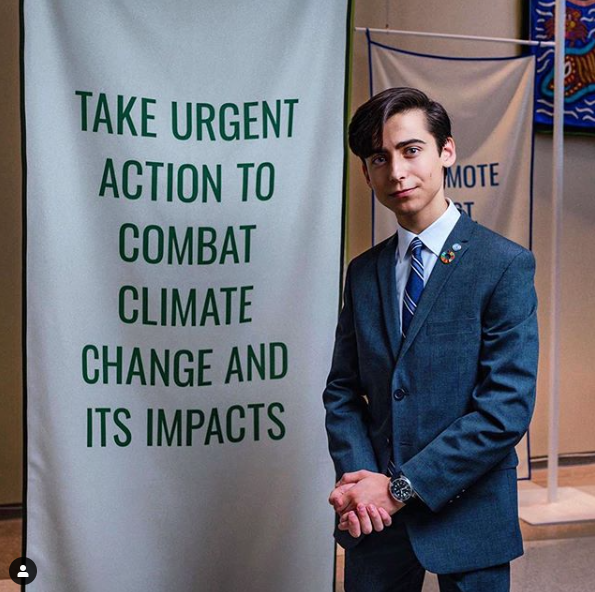
JADEN SMITH
Age: 21
Instagram: 14.6m
Twitter: 8m
Why: The 21-year-old singer founded JUST Water in 2012 after being deeply affected by plastic pollution along the LA coast. JUST Water’s 100 per cent recyclable water cartons are made using paper from responsibly harvested trees and sugarcane.
What he says: “Sustainability to me is making the right decisions so we can have a better world for tomorrow;
so people don’t have to worry about their air quality, water quality or the quality of their energy.”
Up next: Smith plans to move into other consumer goods and eliminate plastic “one product at a time”.
JACK JOHNSON
Age: 44
Instagram: 670K
Twitter: 351.3K
Why: The singer and UN Environment Goodwill Ambassador began plastic free tours in 2017. In the same year, he worked on the documentary The Smog of the Sea, about the dangers of microplastics to the oceans.
What he says: “We can’t continue to simply cleanup our coastlines… we need to reduce plastic waste at the source.”
Up next: He’s campaigning in Hawaii to eliminate plastic, and for more musicians to join the BYOBottle plastic-free touring initiative.
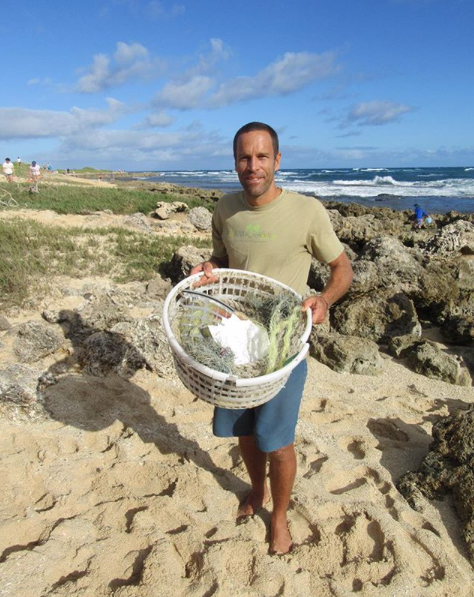
THE ONES TO WATCH…
AUTUMN PELTIER
Age: 15
Instagram: 115K
Twitter: 2,979
Why: Peltier has been campaigning for universal access to clean water since discovering that waterways in many indigenous Canadian communities are polluted when she was just eight years old. As chief water commissioner for the Anishinabek Nation, she has implored the UN to “warrior up” for water, confronted Prime Minister Justin Trudeau on his pipeline policies, and been nominated for the International Children’s Peace Prize.
What she says: “Water is the lifeblood of Mother Earth. Our water should not be for sale. We all have a right to this water as we need it.”
Up next: Peltier is featuring in the Red Chair Sessions, a photography project that highlights the importance of reclaiming indigenous spaces and languages.
MELATI WIJSEN
Age: 19
Instagram: 44.3K
Twitter: (as @BBPB_bali) 2,141
Why: Wijsen was just 12 years old when she founded Balinese beach clean-up initiative, Bye Bye Plastic Bags, with her sister. After years of petitioning the government, Bali banned single-use plastic in 2019.
What she says: “It was very intuitive to take action when I started to see the growth of plastic pollution – it was everywhere and I knew someone had to do something about it.”
Up next: Wijsen founded Youthtopia in 2020 to help educate and empower young activists. There are now more than 50 Bye Bye Plastic Bag teams in 29 countries continuing her work.
All images courtesy of Instagram.
This article originally appeared in the LUX x Deutsche Bank Wealth Management Blue Economy Special in the Summer 2020 Issue.
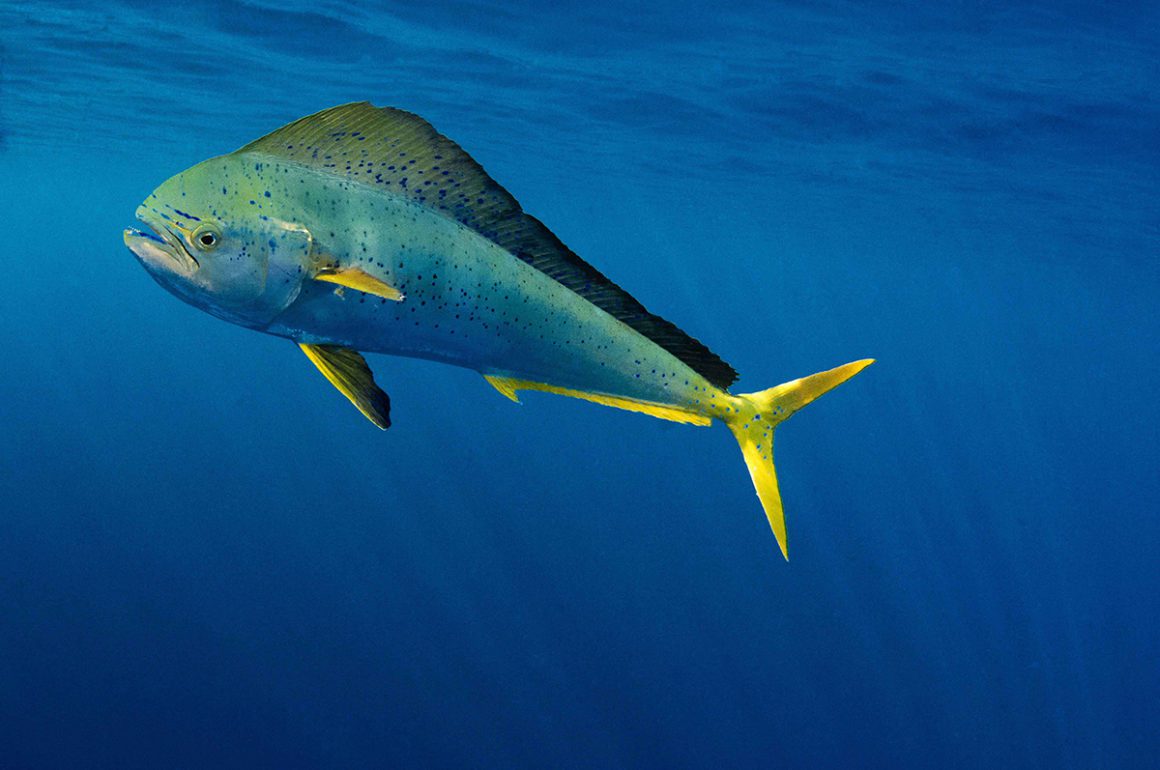
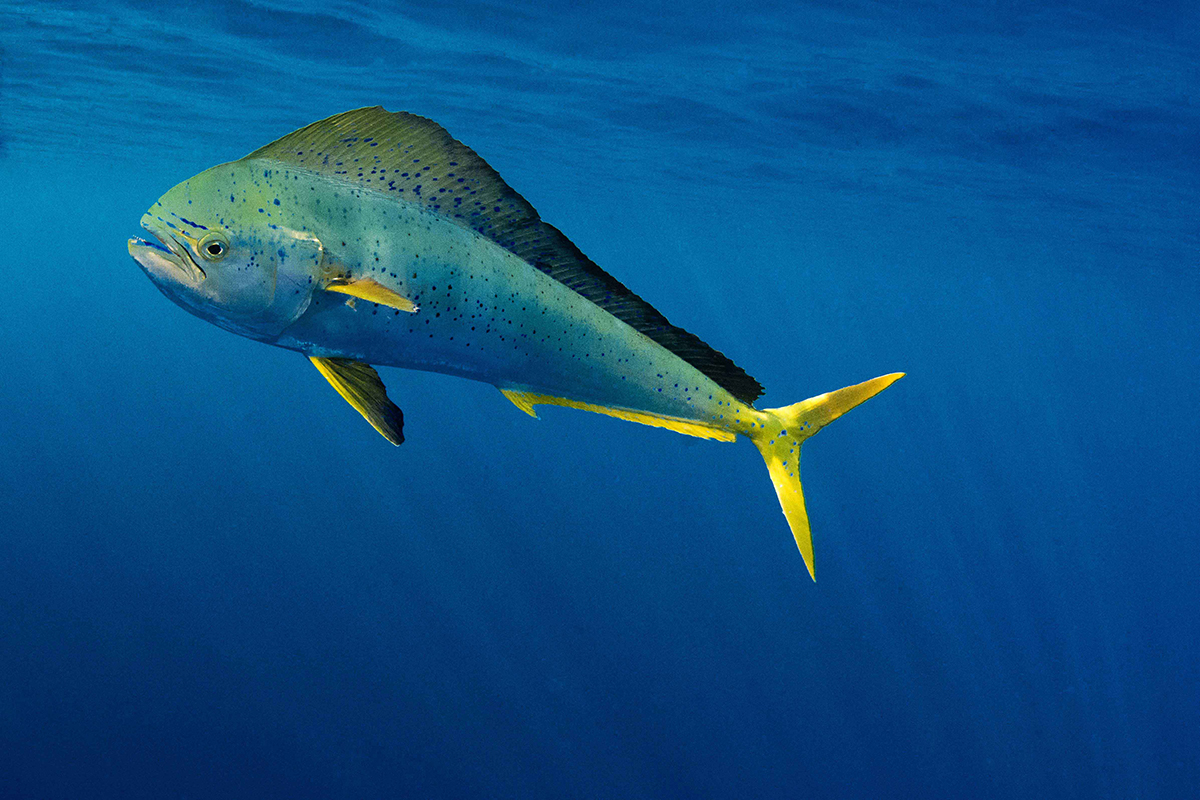
Mahi photographed by Annie Guttridge
A new generation of photographer-activists are raising awareness of the beauty under the sea, and creating a call to action to save the oceans
DEUTSCHE BANK WEALTH MANAGEMENT x LUX
ANNIE GUTTRIDGE
Photographer, ocean advocate, president of non-profit Saving the Blue
“All my photography is taken while free-diving. I love the peace of taking a single breath and descending towards the ocean floor. It’s a quiet, serene experience, which allows both the diver and animal a calm exchange. My life revolves around the ocean, and I have seen the damage. We can all aid in recovery. My best advice? Start something – many wish to see the world change for the better, but words are easy. Action is where the magic happens.”
Find out more: annieguttridge.com
Follow Annie on Instagram: @annieguttridge
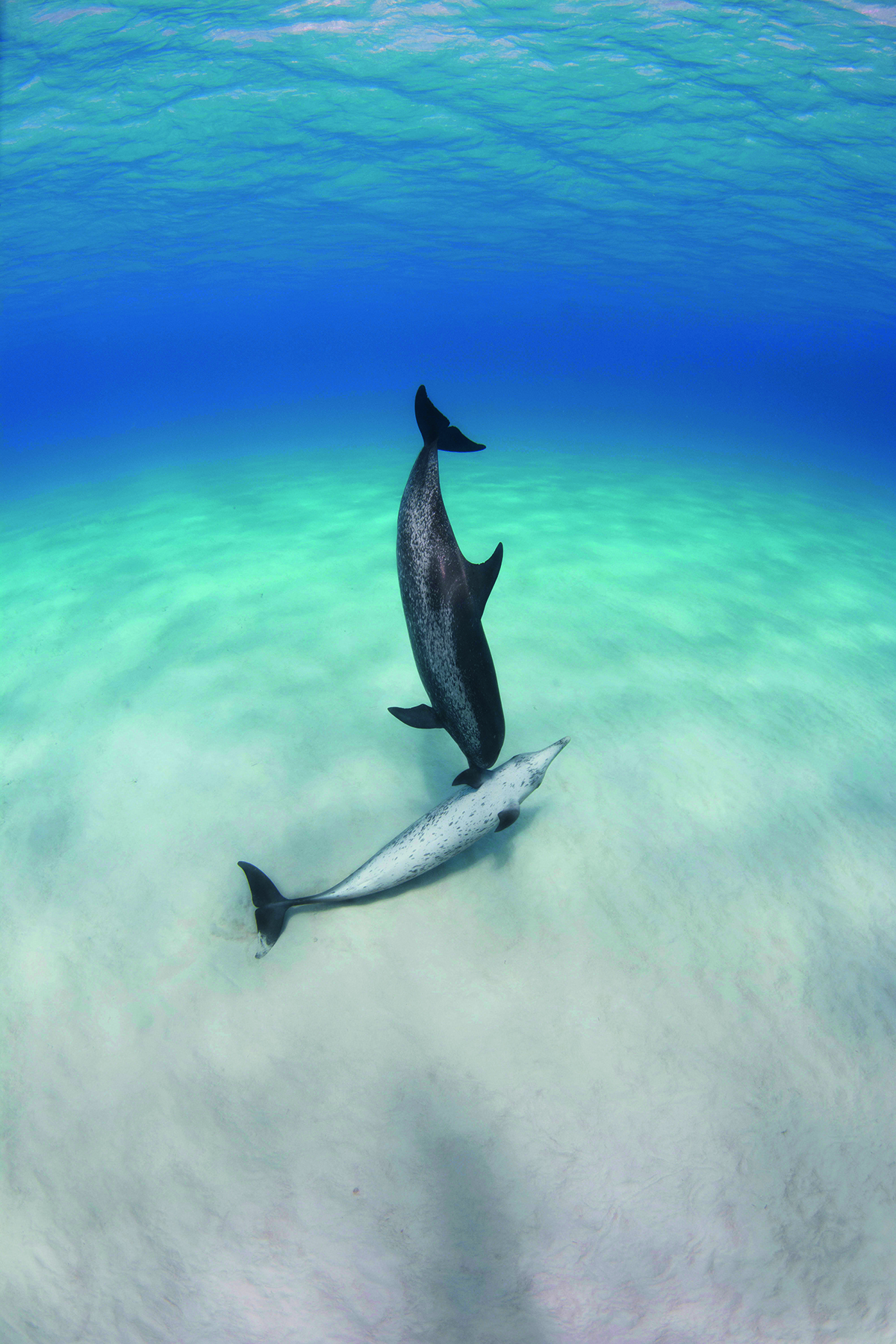
‘Flirting’ by Annie Guttridge
FILIPPO BORGHI
Award-winning photographer and conservationist
“I started photographing underwater 15 years ago. Unfortunately, in recent years, climate change and the increase in pollution have drastically changed most of the seabed. The biggest and most important challenge is raising awareness of the effect of intensive fishing and plastic. This has a terrible effect on marine animals and the marine parks that are the last havens where nature manages to regenerate itself. I hope that my photographs will arouse a desire to protect this unique and important environment.”
Follow Filippo on Instagram: @filippoborghi5
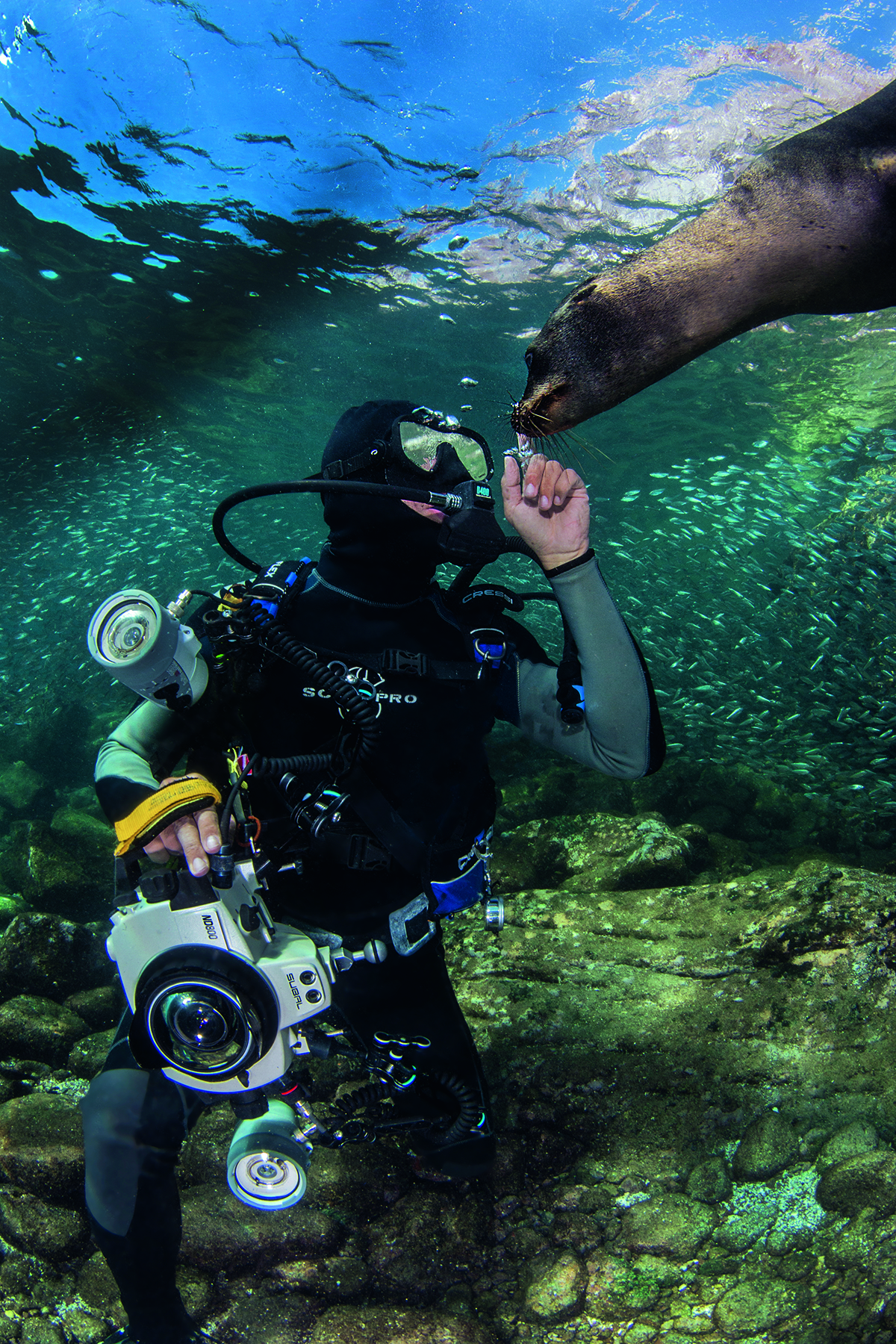
Filippo Borghi photographed by Mario Odorisio
This article originally appeared in the LUX x Deutsche Bank Wealth Management Blue Economy Special in the Summer 2020 Issue.
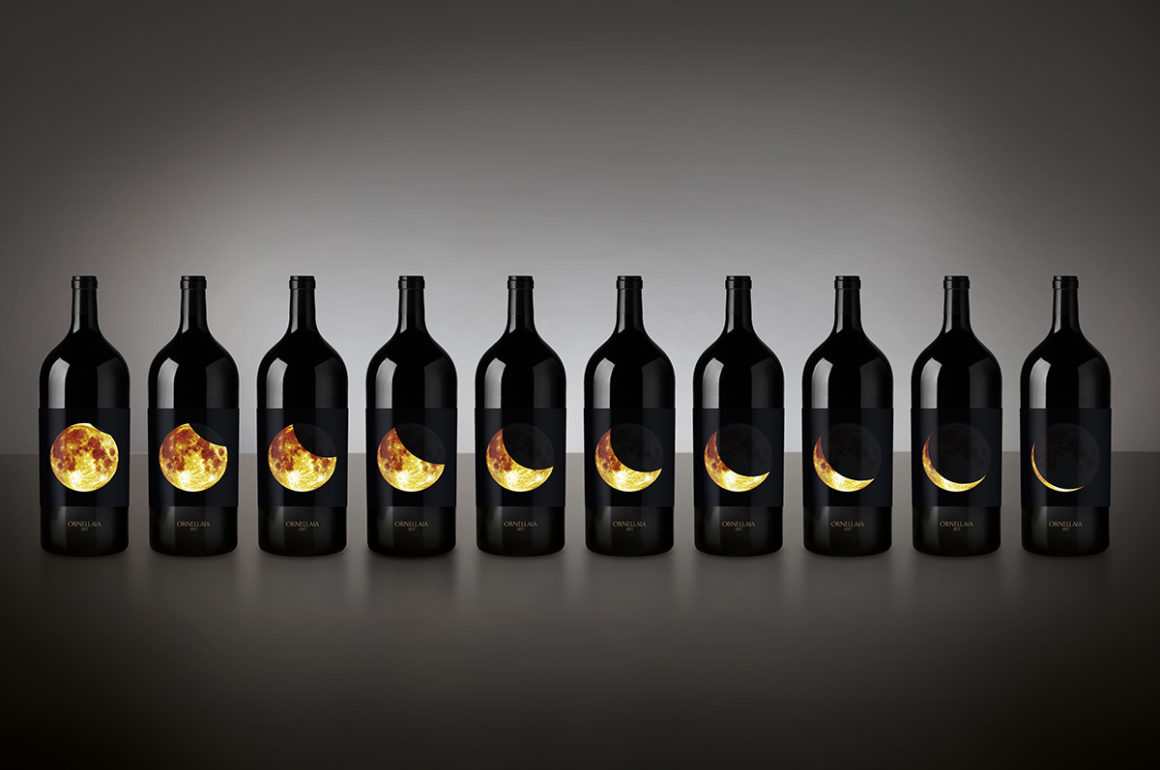
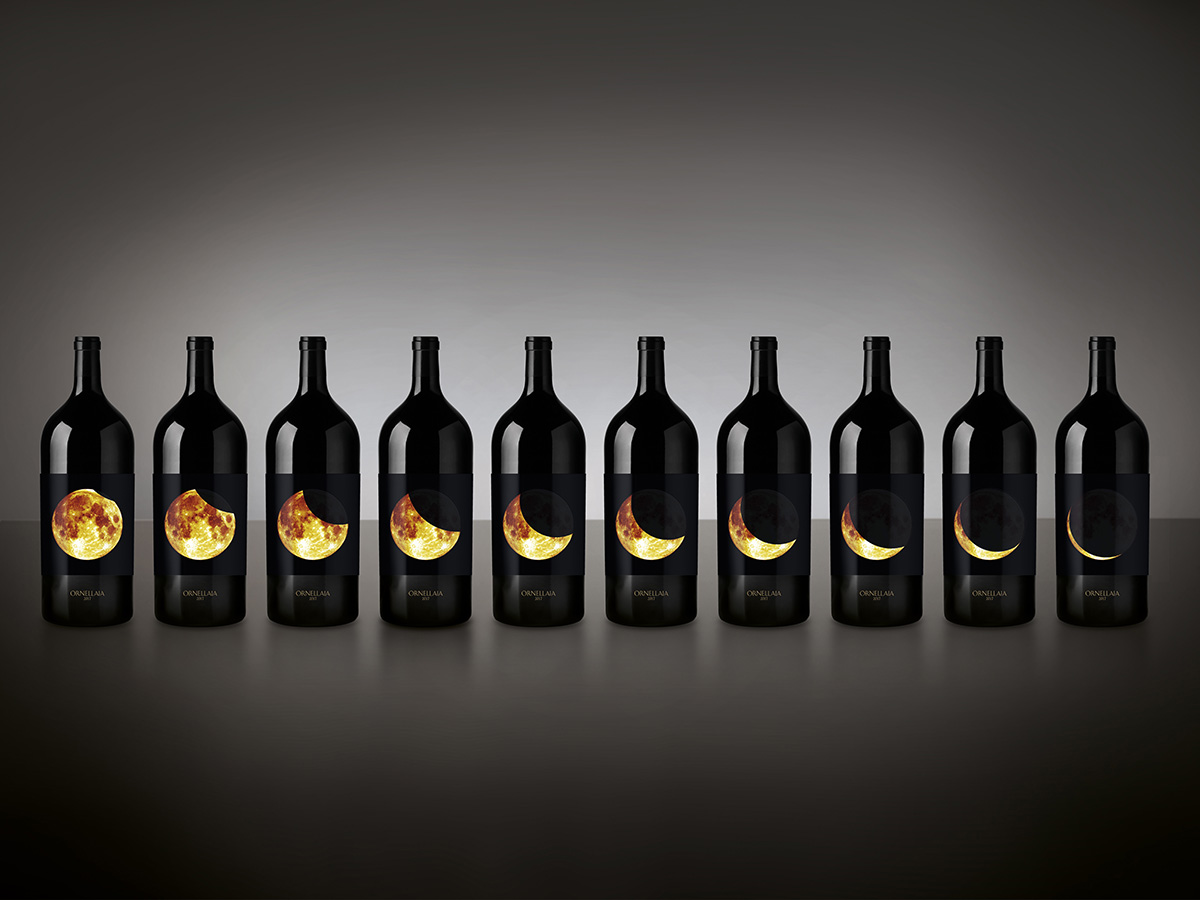
Ornellaia 2017 Solare Vendemmia d’Artista 6 litre with label designs by Tomás Saraceno
This week, Italian wine producer Ornellaia opened its 12th annual online benefit auction in collaboration with Sotheby’s and the Solomon R. Guggenheim Foundation, featuring vintages with label designs by Argentinian artist Tomás Saraceno. Chloe Frost Smith takes a closer look at the available lots
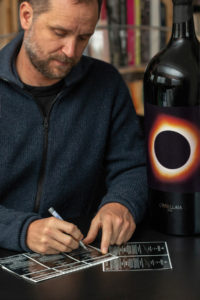
© Photography by Studio Tomás Saraceno, 2019
This year’s auction continues Ornellaia’s Vendemmia d’Artista project, which commissions a different contemporary artist each year to create an artwork for a series of limited-edition labels. The artist is given a single word description of that year’s harvest by the estate director, Axel Heinz, as inspiration. Last year, Iranian artist Shirin Neshat responded to ‘La Tensione’ with a series of monochrome photographs, and this year, Argentinian artist Tomás Saraceno has incorporated ‘Solare’ (‘radiant’ in English) into several aspects of his designs.
Follow LUX on Instagram: luxthemagazine
Renowned for his interactive installations that allude to new sustainable ways of living, Saraceno has created a striking set of labels which depict various phases of a solar eclipse for nine lots of Imperials, to be sold individually or in pairs. The auction’s most prestigious lot comes in the form of the Salmanazar sculpture, titled “PNEUMA 4.21×10⁵”, an impressive 9-litre bottle of Ornellaia 2017 topped with a floating sphere anchored to the neck of the bottle. Reminiscent of the artist’s previous work on untethered flight, this celestial sculpture highlights the importance of the relationship between the Sun and the Earth, and of renewable resources more generally.
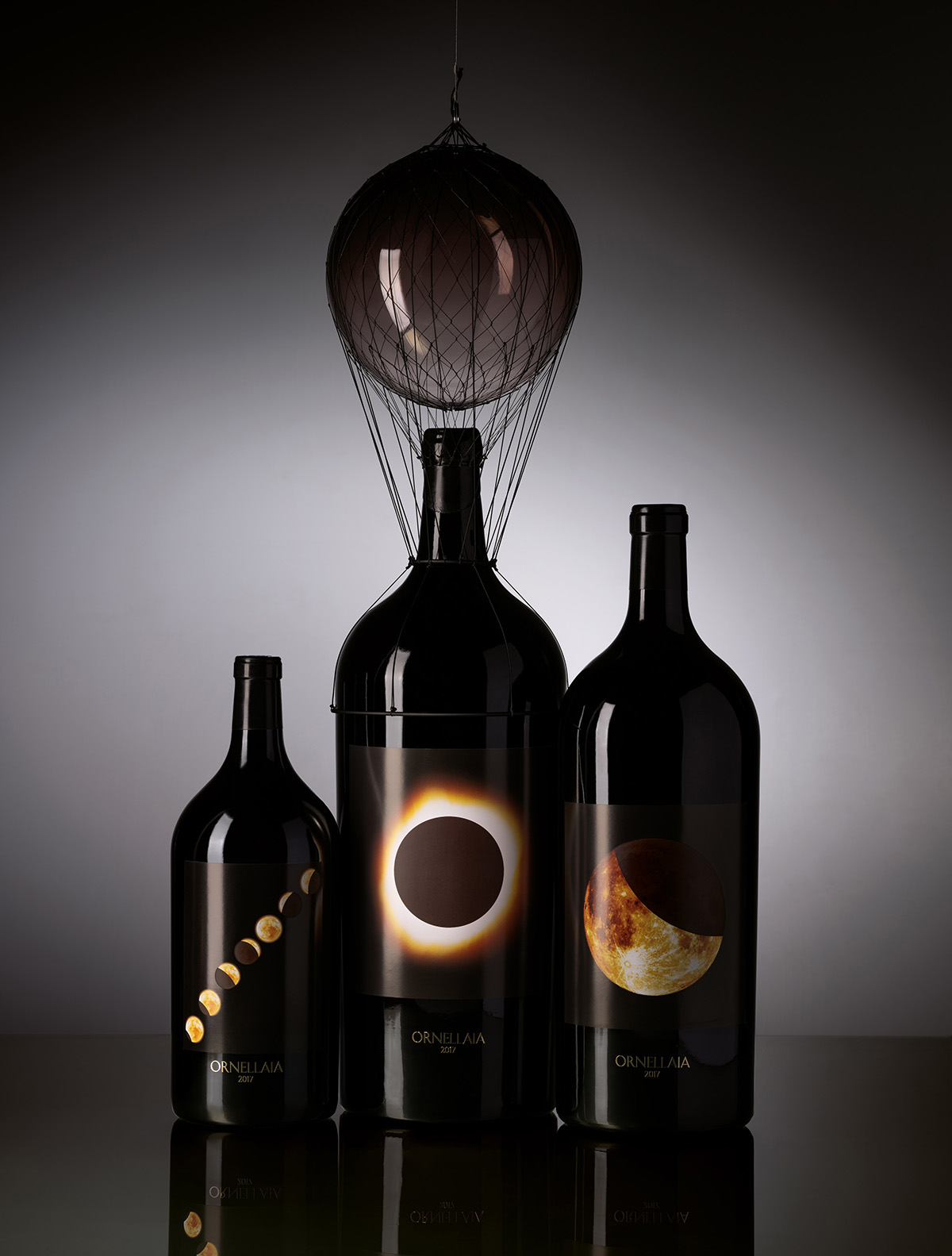
Ornellaia 2017 Solare Vendemmia D’Artista, with various designs by Tomás Saraceno including the Salmanazar sculpture (centre)
Not only embodying ‘Solare’ visually, the labels are a tangible take on the concept – made from thermochromic paper, which changes colour according to the heat of a person’s hand. This sensory detail invites reflection on the impact of humanity on the planet, in keeping with the wider issue of environmental sustainability which is at the heart of both Saraceno’s artistic ethos and Ornellaia’s production philosophy, which has long focused on self-sustaining ecosystems and precision agriculture.
Bringing a sense of completion to the auction, a unique vertical of the last six years of Ornellaia is available, in twelve 750ml bottles featuring the customised labels in a celebratory wooden case, alongside six Ornellaia Bianco magnums from the last three vintages.
The auction ends on 9 September 2020. Register via: sothebys.com/ornellaia
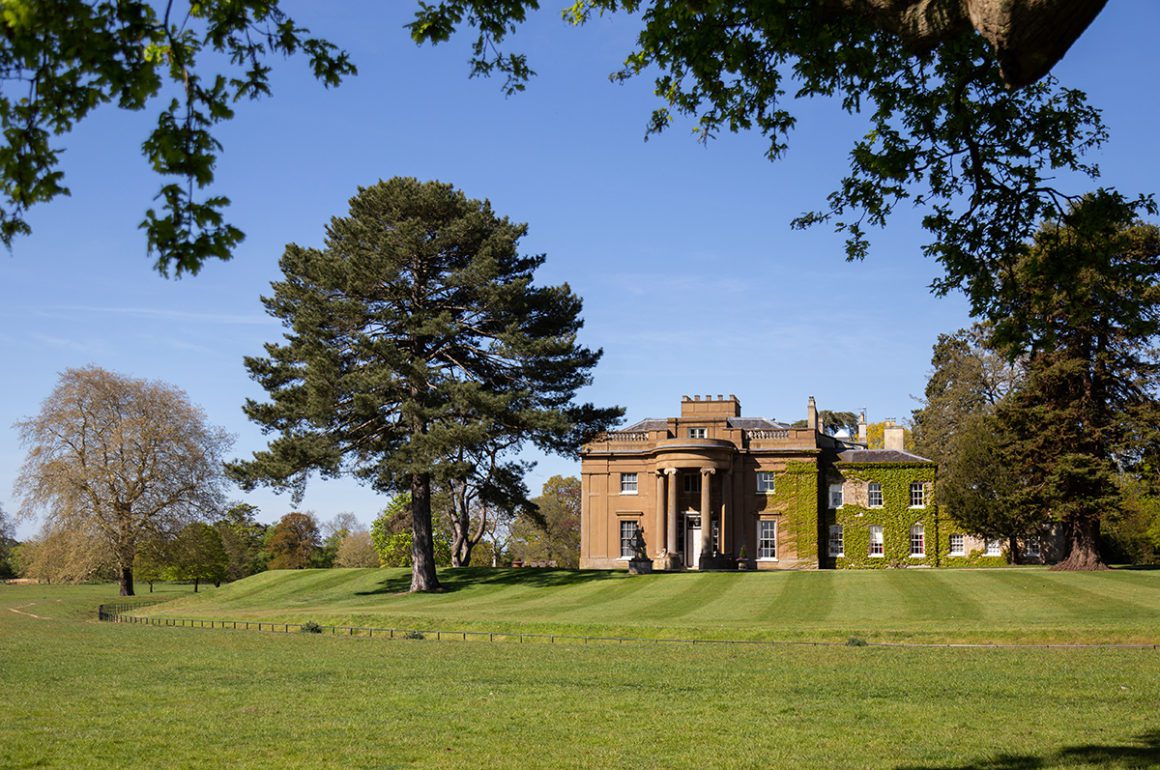
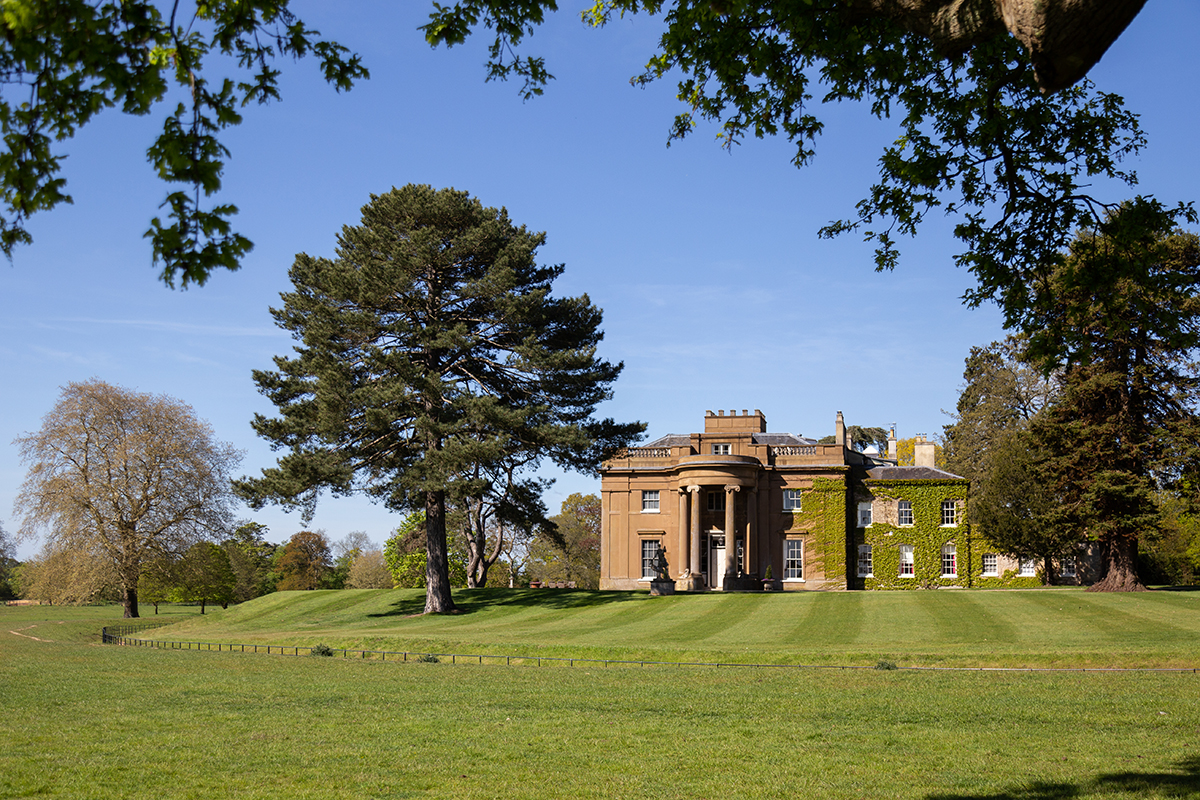
Sibton Park Manor House in Suffolk is one of the hideaway properties in Fish&Pips’ UK portfolio
Luxury travel company Fish&Pips began by focusing on alpine holidays before expanding into the Mediterranean and more recently, the UK with a selection of handpicked hotels and remote hideaways. Here, we speak to co-founder Holly Chandler about expanding into new territories and handling the challenges of COVID-19
Holly Chandler (right) & Philippa Hartley
1.How was the concept for Fish&Pips born?
Philippa Hartley (The Pips) and I (The Fish) founded Fish&Pips in 2006. The name Fish&Pips (Holly nee Fisher and Philippa, Pips) was a light bulb moment courtesy of Philippa’s Mum – it just worked – thank you, Jill.
Follow LUX on Instagram: luxthemagazine
Philippa and I have been in each other’s lives forever. Our dads were best friends and we have been on holidays together ever since I can remember. Following university, we decided to do a winter season before looking for ‘proper jobs’ in London, and so after some Cordon Bleu training, Scott Dunn took us on at one of their luxury chalets in Méribel. We loved it and ended up winning a Chalet Team 2004 award. It was here that we realised we made a unique team. Whilst working for Scott Dunn, we saw a gap in the luxury market for a small, expert and personalised ski business, that treated its guests as individuals. With a friendly, professional approach to service, a team with a zest for life, a love of food and a background in hospitality, we had the foundations of Fish&Pips.
Over a decade on, after a lot of hard work, Fish&Pips has gone from strength to strength, and over the past thirteen years, it has cemented its reputation as one of the best small specialist ski companies in the UK, catering for 1400 ski guests each winter. Fish&Pips has been built on strong foundations of superb staff, great food and friendly but attentive service.
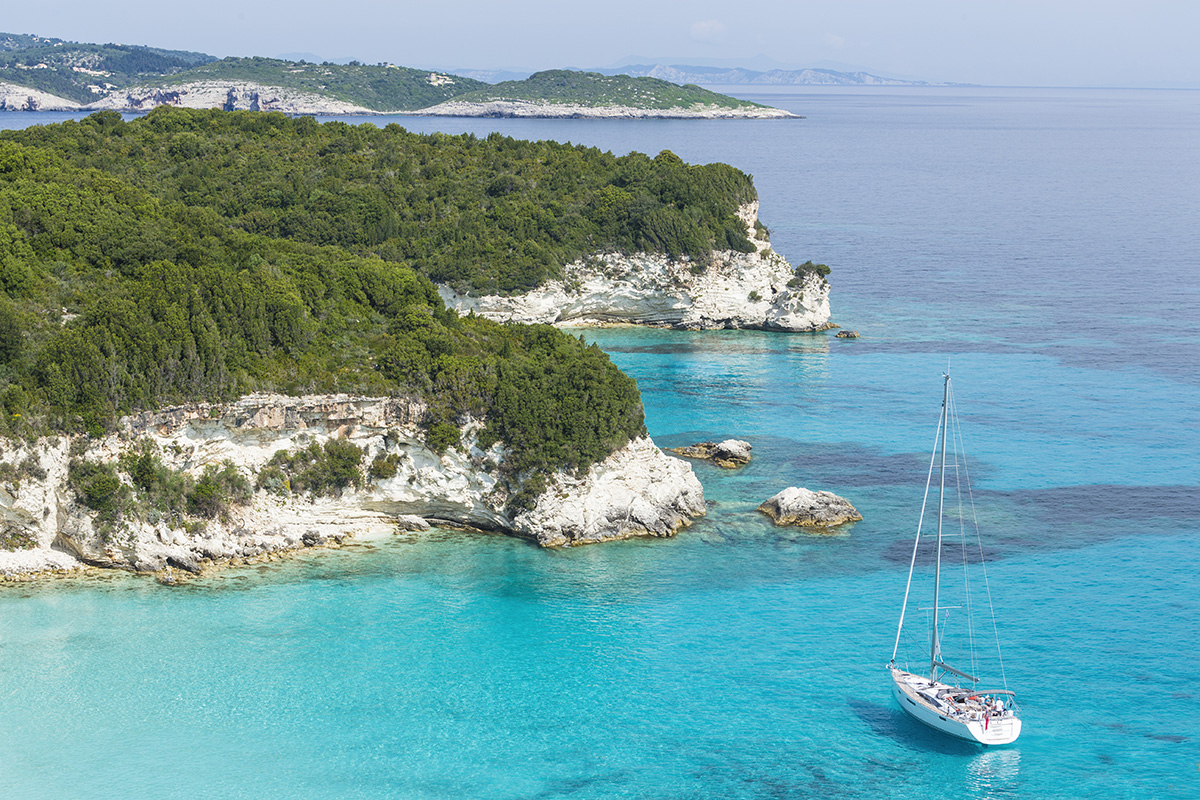
Fish&Pips’ portfolio also includes super yachts such as Jeannous (pictured here) which offers holidays around the Greek islands
Our loyal guests wanted an option to holiday with us in the summer, so due to popular demand, we launched our thoughtfully curated collection of Mediterranean hotels and villas in February 2019. Our new investor (Blake Rose from Scott Dunn Travel) helped turbo charge this vision, he came with a wealth of knowledge on Mediterranean product, luxury travel and high level customer service. In June this year, we launched our UK collection of hotels and hideaway and despite the current climate, Fish&Pips has been really gaining momentum.
We are now offering a Fish&Pips holiday across the French Alps, Mediterranean and the UK, and there are plenty more exciting things to come. As we grow we want to make sure that we remain The Friendly Travel Experts, a small team with a big heart.
2. How do you select your partnering properties and is there a specific criteria that they need to fill?
Yes, and this list of criteria seems to be ever-growing. All of the properties that we select must have the Fish&Pips factor and reflect what is important to us. We will only acquire properties that feel personal and welcoming, where the team are professional and friendly and the owner or manager lead with great attention to detail. It’s also important that they are well located and that they offer activities and experiences. They need to be stylish and have something special about the food, whether it be authentic or Michelin-starred. It is important to us to offer a variety of property types in each destination (family friendly hotels, adult and boutique hotels, wellness retreats, villas, hideaways) but they all need to satisfy the F&P criteria.
Read more: Laid-back fine dining at Knightsbridge restaurant Sumosan Twiga
We are also committed to working with properties that have a passion and policy for sustainability and supporting their local community. Minimising our impact on the environment is a responsibility of ours that we take very seriously and we are currently developing our approach and strategy on this.
When it comes to selecting properties, each property is thoroughly researched, rigorously inspected, re-inspected, and approved by myself and Philippa. It is so important to us to build a fantastic relationship with the properties and get to know them inside out. This is something we won’t falter on as it is this knowledge and detail which can make or break an experience and sets our offering apart. Over the past few months visiting new properties has had to be put on hold so we have instead spent many hours on zoom with owners and managers, but we cannot wait to see them all in person soon.
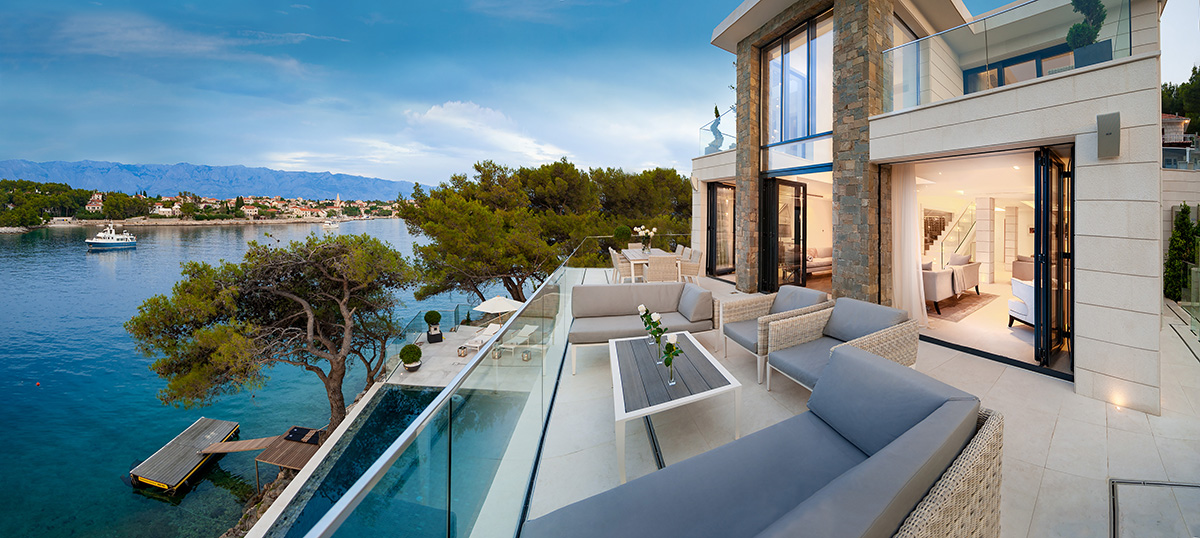
Each property that partners with Fish&Pips is personally chosen by the founders based on specific criteria
3. What’s your most popular collection and has it changed over the years at all?
Our original offering of operating ski chalets in Méribel Village is still a huge part of our business. However, we are now into our second year of our hotels and houses collection across Europe and we are certainly seeing this grow, not only with our ski guests, but noticeably with new guests turning to us for our expert advice for their summer holidays.
Our UK hotels and hideaway launch has been incredibly popular; in fact, the high level of enquiries blew us away. Everything was aligned for this launch – stunning properties, some fantastic press coverage and excellent timing with a UK staycation boom. We love what the UK offers – there is so much on our doorstep from heritage and history, to more incredible boutique hotels and unique hideaways. With this in mind, we are continuing to develop our UK collection and are excited to introduce more wonderful properties in the not-so distant future, this is just the tip of the iceberg.
The kitchen dining room at Moat Cottage, one of Fish&Pips’ UK properties
Our aim is to become a one-stop shop for travellers. Whether they want a short weekend away in the UK, a summer break in the Med or a ski holiday in the Alps. We want them to be able to come to us eventually for all of their holiday needs. We have big plans!
4. How do you think the coronavirus crisis will affect the travel industry in general and Fish&Pips in particular?
It is certainly a very challenging time for travel and it is difficult predict how it will affect the industry – who knows when normality will resume? With ever evolving policy and travel advice, there is now the added complication of unpredictability! For the industry, there is an element of having to plan ahead, but also to think on your feet and pivot where necessary to react efficiently to these changes. This is where our UK offering has been so successful, as we fast tracked our plans to adapt. It’s definitely takes us out of our comfort zone not being able to make a solid strategy but being small and owner-run, means we can be reactionary relatively easily.
Read more: SKIN co-founder Lauren Lozano Ziol on creating inspiring homes
What I can tell you is how this has shaped the travel industry and Fish&Pips in the short term… At the moment, travellers need the confidence to book. This is where flexible cancellation policies have really become key. This is one of the most important criteria for guests when booking now, whether it be to the Med, Alps or the UK and I can’t see this changing for quite some time.
Sublime Comporta is one of Fish&Pips’ hotels in Portugal, offering a luxurious eco-retreat one hour from Lisbon. Image by Nelson Garrido
The human touch is more important now than ever and I think this will be an ongoing trend. Covid-19 has shown the importance of the ‘human touch’ and we have really felt this when it has come to people planning their holidays this summer and next winter. Guests want to be able to speak to you on the phone and use your expert knowledge and reassurance to build confidence. It is more important than ever for tour ops to be able to be that extra helping hand.
We have seen a bit of a divide with our guests this summer, and again I think this will be ongoing well into 2021. Those that are embracing the abroad escape and those that would rather not travel out of the country.
We have also seen the type of holidays that people are taking shift as travellers choosing not to travel abroad instead choose to spend their money on more of a luxury UK product whether it be boutique hotel, farm to fork country estate, a glamorous hideaway, a contemporary tree house or a splendid 40th birthday!
For us, we just want to make sure we are ready for guests whether they decide they want to stay close to home or to venture further afield. With this mind, we will continue to develop our portfolio in current destinations, grow our villa and hideaway offering across the board, and we are currently working on some exciting new (and slightly chillier) destinations which we hope to launch in September.
Adaptability is key so that we are ready no matter what is thrown at us next!
5. What’s your approach to sustainability?
Sustainability is something we are really passionate about at Fish&Pips and I have actually been nicknamed ‘Swampy’ for always talking about the environment. We always try to have sustainability at the front of our minds, from our chalet operations to when we research and talk to hotels.
From a chalet perspective we have teamed up with an amazing company called ‘One Tree At A Time’ who are really challenging the way that the ski industry operates. They have created a Pledge system whereby companies and individuals commit to changing the way that they operate and live, with a more sustainable future in mind. We were the first chalet company to sign up to the Pledge last winter and have seen some fantastic results. Our aim is to set a tried and tested template for other chalet companies to follow to help reduce their own carbon footprint.
A two bedroom cabana at luxury eco retreat Sublime Comporta
Our aim was to reduce (waste, plastic, consumption, energy, palm oil, carbon), educate (train our team, challenge our suppliers) and plant trees (offset and encourage our guests to do the same). Guests can now offset their carbon with us by planting trees with us. Last winter we planted 6,700 trees in 4 months.
Read more: Why now is the time to check into Mandarin Oriental Hyde Park
When we talk to potential properties, one of our top questions is ‘What are you doing to be more environmentally responsible?’ Our UK properties are really quite impressive and are leading the way for sustainability in the hotel industry, from using locally sourced, farm to fork food, no single use plastics and really caring about their local communities.
We are currently working on a F&P Green Stamp that we will award to properties that are actioning a strong environmental policy and doing their best to make the world a little bit of a better place. Nature is one of the most important reasons for travel, so we must protect it so that future generations can have the same opportunities that we have had.
6. Where do you go to get away from it all?
In the summer I actually live on a stunning tiny Channel Island called Alderney. I’ve grown up between there and London, and have holidayed there since day dot. It has always been my solace, and place of calm, although the social scene on an island 3 miles by 1 is pretty hardcore! At the moment, Alderney feels more away from it than ever before with strict 14 day quarantine restrictions in place for anyone entering, but once you’ve stuck it out then it is totally worth it as it is business as usual – everything’s open, no masks, no bubbles, no social distancing. I am truly spoilt by the beauty of the beaches here, honestly they are out of this world and with only a handful of people to share them with. We can also escape to Guernsey, Sark or Herm by boat should cabin fever kick in. So this is my current getaway and I am actually relishing it, enjoying the peace on this beautiful, untapped island.
Come Autumn, I will absolutely be ready to travel again and I can’t wait to get back to the UK to explore all of our wondrous UK properties and scour the country for more gems – a weekend break away in any of those is my idea of heaven, and Scotland literally blows me away. In the winter, there is nothing like the feeling of freedom that skiing gives you and I won’t give up my ski holidays for anything as they are engrained in our lives having lived in Méribel for 14 winters and my husband is also ski instructor. If I have the time between running businesses (I have a couple in Alderney too) and bringing up my children, I absolutely love heading to the slopes for a few hours, followed by a large glass of wine.
As for travel outside of the UK and France, I adore the variety that Europe has to offer from villas and yachts, beaches and coves, to out-of-this-world authentic dining, to countryside retreats, and icy open space up Iceland and Scandinavia. When things settle down I cannot wait to get back out there and explore more far flung destinations, but for now, Europe offers more than enough for me.
Find out more: fishandpips.co.uk
A dining room interior by SKIN. Image by Andrew Miller Photography
Founded by interior designer Lauren Lozano Ziol and graphic designer Michelle Jolas, SKIN is a luxury interior design studio that offers its clients the opportunity to accompany designers to furniture markets, design shows and antique shops. Ahead of the studio’s London launch, we speak to Lauren Lozano Ziol about the business concept, her inspirations and designing spaces to promote positivity
Lauren Lozano Ziol (right) with Michelle Jolas
LUX: How did the concept for SKIN first evolve and who’s your target customer?
Lauren Lozano Ziol: Since Michelle and I first met over a decade ago, we have succeeded in pushing each other out of our respective comfort zones of graphic design and history of art, allowing us to continually challenge style boundaries. When we founded SKIN in 2017, we bonded over our love for materials that can be used in design. There are so many exciting and interesting ways to use materials such as cowhides, shagreen, snakeskin, leather, fabrics, veneer and so much more. Wallpaper is another critical consideration for us, in the past, we contemplated creating a wallpaper line, and the name ‘SKIN’ was a fun play on all of the above. As we considered what SKIN as a company meant, we realised the meaning is profound – it’s your outer layer, what you show to the world, it’s inner and outer beauty, it’s diversity – this led us to name our website skinyourworld.com.
Follow LUX on Instagram: luxthemagazine
Our target customer is a discerning client who appreciates the beauty of high-end, quality interiors and materials, with a shared interest in art and furniture history, who isn’t afraid of mixing period pieces and jumping out of their comfort zone to create unique, elegant and sophisticated interiors. Also, a client that likes to have fun with the process.
LUX: What’s your creative process when you start on a new interiors project?
Lauren Lozano Ziol: Firstly, we learn about the client, who they are, what they like and what inspires them in their daily lives so that we can understand their needs. The creative juices then start flowing. We create vision boards, art collection ideas and materials. We lay out the floor plans and make sure the scale is perfect, we then select potential furniture, sketch ideas and pull it all together with renderings to show the client. We love being in the client’s space with all the materials. Colour and texture, lighting and luxurious material all play a synchronised role in the complete design. When we present to a client, we love to collaborate with them, it sparks creativity and new ideas.
A private residence project by SKIN. Image by Andrew Miller
LUX: In terms of the design side of the business, is it important to have a style that’s recognisably yours?
Lauren Lozano Ziol: Yes, and no. Yes, in terms of being refined, elegant, timeless, classic and chic – whether the interior is modern or traditional. However, every client is different, so we like to explore what that means to the project and not box ourselves into one look. We want each project to be unique.
Read more: Two new buildings offer contemporary Alpine living in Andermatt
LUX: Is there a design era that you’re particularly drawn to or inspired by?
Lauren Lozano Ziol: French 40s and Art Deco in terms of style and materials. We also adore Maison Jansen.
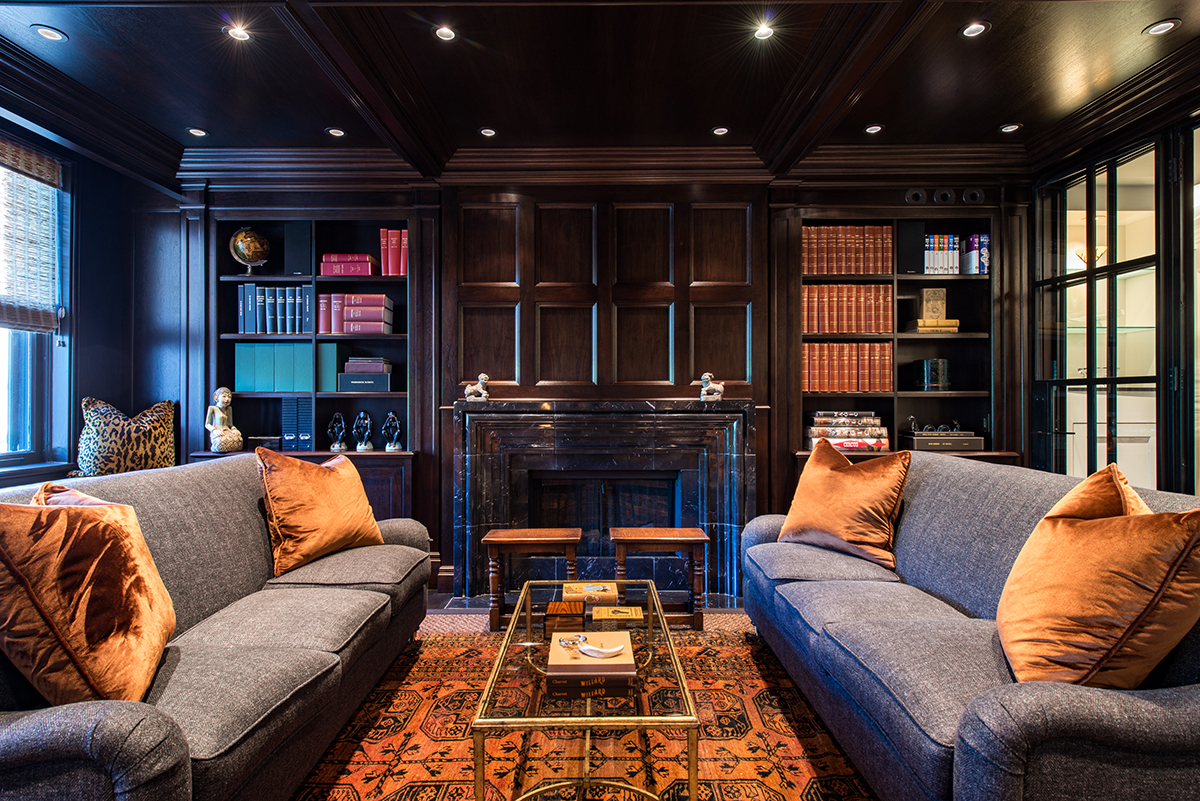
Library design by SKIN. Image by Andrew Miller
LUX: How much of a consideration is sustainability?
Lauren Lozano Ziol: Very much so, our environment has never been more important, so we work together with architects and contractors to bring the right materials that are long-lasting and good for the planet. Now more than ever the need for healthy communities, clean air and non-toxic environments is paramount.
LUX: Why do you think lifestyle services have become more desirable in recent years?
Lauren Lozano Ziol: We firmly believe that environments influence how you feel. They have the potential to promote creativity and help make you your best. If you like the space you’re in, you feel happier amidst the disruption of Covid-19. The well-being achieved from a well-thought-out, organised home can have long-term positive effects on the whole family.
Read more: Three top gallerists on how the art world is changing
LUX: Are your excursions designed to inspire or educate, or both?
Lauren Lozano Ziol: Both! We make a list, head off to explore and see what catches our eye. We love talking about the history of pieces when we go on an excursion, but ultimately, we settle on what speaks to us and inspires our project goals. The day can end very differently to what we set out to accomplish because there are always hidden gems and treasures to find along the way.
LUX: Should good design last forever?
Lauren Lozano Ziol: Yes, our philosophy is “timeless, classic, chic with an edge” which allows us to create an ageless design yet pushes us to look for new and exciting trends.
LUX: What’s next for you?
Lauren Lozano Ziol: Our London launch, which we are so excited about. We are ready to meet new and interesting clients and breathe life into amazing projects. Again, our environments have never been more critical, and we are ready to take on our new adventure.
Find out more: skinyourworld.com
Image by Tobias Tullius
Last month, The Prince Albert II of Monaco Foundation announced the winners of its 2020 awards, selected for their outstanding commitment to the conservation of our planet. Here LUX profiles the three recipients
Each year, The Prince Albert II Foundation honours international figures and organisations for their environmental efforts in three areas: climate change, biodiversity and water.
Follow LUX on Instagram: luxthemagazine
This year’s ceremony took place virtually with the presentation of three awards to the International Water Management Institute, Professor Johan Rockström and Deccan Development Society, each of whom will receive grants of 40,000 euros to support the continuation of their initiatives.

Claudia Sadoff
Water Award – International Water Management Institute
Represented by Claudia Sadoff, General Director
Based in Colombo, Sri Lanka, the International Water Management Institute (IWMI) develops science-based solutions for some of the world’s poorest people. Originally founded to improve irrigation, the institute now focuses more broadly on water as a critical component of social and economic development.
Read more: ionic cars are transforming classic cars for an electric future
Their work includes tackling the issue of feeding our expanding global population by delivering solar-powered irrigation to smallholder farmers, analysing how the world builds resilience to water related disasters by using satellite technology, and addressing the challenge of reducing global poverty. The organisation has also pioneered work on safe and economical wastewater recycling.
Find out more: iwmi.cgiar.org
Professor Rockström
Climate Change Award – Professor Johan Rockström
Professor in Earth System Science at the University of Potsdam
Director of the Potsdam Institute for Climate Impact Research.
Professor Rockström is an internationally recognised scientist and the director of the Potsdam Institute, which addresses crucial scientific questions in the fields of global change, climate impacts and sustainable development.
Read more: A series of films documenting Andermatt’s rural communities
Rockström is an environmental consultant for several governments, business networks and foundations, and he also acts as an advisor for sustainable development issues at international meetings such as the World Economic Forum, the United Nations Sustainable Development Solutions Network (SDSN) and the United Nations Framework Convention on Climate Change Conferences (UNFCCC).
In 2019, he was appointed chair of the Earth Commission, an initiative of 20 globally renowned scientists which aims to delineate the exact scientific borders of what our planet can bear in terms of human-made climatic changes.
Find out more: pik-potsdam.de

PV Satheesh
Biodiversity Award – Deccan Development Society
Represented by PV Satheesh, Director
In 1983, the Deccan Development Society (DDS) began working with impoverished and socio-politically disadvantaged women in the remote Zaheerabad region of South India. The DDS set out initiatives to improve the quality of land through ploughing and planting hardy crops, which could survive the infertility of the soil and harshness of the weather. Over time, thousands of acres were regenerated for farming and forest land was created by the planting of over a million trees. Through these efforts, the women of DDS achieved food sovereignty.
Find out more: ddsindia.com
For more information on The Prince Albert II of Monaco Foundation, visit: fpa2.org
Drawings for Ruinart 2020, by David Shrigley
Glasgow-based artist David Shrigley is best known for his playful and humorous illustrations, which are often accompanied by deadpan captions, commenting on the banality of contemporary life. He was nominated for the Turner Prize in 2013, and has had major exhibitions at the likes of London’s Hayward Gallery and Manchester’s Cornerhouse. Here, the artist discusses his creative process, the interaction of language and his latest collaboration with Maison Ruinart
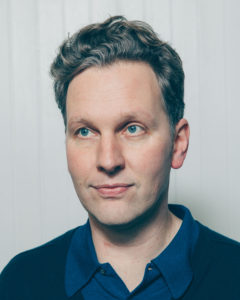
David Shrigley
1. Tell us about your concept for Maison Ruinart?
The concept behind ‘Unconventional Bubbles’ is about taking the viewer on an enlightening yet playful journey of champagne production whilst enhancing awareness about the environmental challenges that motivate and drive Maison Ruinart on a daily basis. The paintings also consider champagne production on a symbolic level. Like the fact that it is a living product and that it is made from a plant that grows in the ground. It is subject to the elements: to the soil, to the sky, to the weather, to the bugs that either destroy it or facilitate pollination. For me, there are may interesting metaphors there.
Follow LUX on Instagram: luxthemagazine
There is a certain magic to it too, in which the micro organisms that make the bubbles create the critical element of the champagne. I like the idea that it is something from nothing, that it has to be kept in darkness and all these things have to happen in darkness, that they happen in a cave which is found under the ground. If you described champagne production to someone who didn’t know what champagne was, who didn’t know what wine was, it would seem like some esoteric activity.
Then, there is the idea that champagne occupies a special place within beverages, one synonymous with celebration, synonymous with luxury. This association with celebration connects it to the beginning and ending of things: the beginning of a marriage, or the end of a project. I’m interested in trying to find these metaphors, and the poetic aspect within the story of champagne.
2. What did you learn from the experience?
This collaboration has given me the opportunity to learn something about the complex process of making champagne and to make art that addresses that, to find a way to say something about that process. It is a voyage of discovery: I had no expectations, other than to learn something. The process was to visit Maison Ruinart, to speak to the cellar master, to speak to the people involved in the production so as to understand more about champagne production within the larger operation, which everyone is very passionate about. For me as an outsider—as someone who has drunk quite a bit of champagne over the years, and enjoyed it, including Ruinart – I have never thought that much about its production or how it was made.
Ruinart 2020 by David Shrigley
3. Your images are often accompanied by lines of text – how does language interact with your art?
The interesting thing about working with Maison Ruinart is that it is a collaboration. It is a project whose criteria are ideal for a fine art commission. In terms of how I normally create graphic art, I start with a blank sheet of paper and my job is to fill that space with whatever comes into my head. Usually there is nothing in my head when I begin so I often write a list of things to draw: an elephant, a tree stump, a teapot, a nuclear power station etc. I have a motto: “If you put the hours in then the work makes itself”. Maybe what I mean by this is that artwork (or a least, my artwork) occurs as a result of a process. That process for me is usually to draw everything on the list. Once those things have been drawn the story has begun; more words sometimes appear; sometimes just the words on the list; sometimes more pictures; until eventually the page is full and the artwork is finished.
When I tell people about this way of making work they are sometimes impressed (sometimes not) and they say that it seems as if the work “comes from nowhere”. Having thought about this at some length, I have come to the conclusion that this isn’t the case. Art is not the creation of something new but the creation of connections between things that already exist. In this case the connection between the things on the list and the words used to describe them. But as soon as you make a statement about what art is or is not you almost immediately realise an exception to that rule.
Read more: Princess Yachts CEO Antony Sheriff on a new generation of yachting
Anyway, when making art on the subject of champagne production, one must make several visits to the champagne region. One must visit the crayères and the vineyards and the production facilities and one must ask questions of the people who work there and listen very carefully to what they say. And most importantly, you must drink some champagne. It also requires a different list of things to draw: the vines, the grapes, the soil, a bottle, a glass, the cellar master, worms, the weather etc.
One of the problems (sometimes it’s a problem) with my way of working is that when I say things through my work (the text and the image), I often don’t really know what I’m trying to say; I say it and then try to figure out what it means afterwards. Maybe it is like when a child is learning how to speak. I like to think that all artwork is a work in progress; the meaning develops and changes depending on who views the work and the context in which they view it. Meaning ferments like wine. I realise that what I am saying about the production is perhaps not what the people I have met at Ruinart would say about what they do. Maybe they might even have a problem with it. But I think it should be acknowledged that the fermentation process has only just begun and it may be some time before it is finished, if ever.
I made one hundred drawings based on my experiences of being at the House of Ruinart. The message conveyed through champagne and the brand is important. I need to start with those things. I made illustrations based on text and found a way to incorporate them into the work. But with the majority of the drawings, an image came first, and I thought about what the text should be after.
4. What role does humour play in your practice?
I guess years ago I was always keen to stress the work was incidentally funny and that I was trying to be profound and comedy was just a facet. Over the years I’ve come to realise that comedy is very important. The issue is people expect you to be funny all the time. I’m always keen to stress I’m not a comedian and I am an artist, which negates my obligation to be funny all the time. Comedy is really special and sublime. To explain why something is funny sort of pours cold water on it…
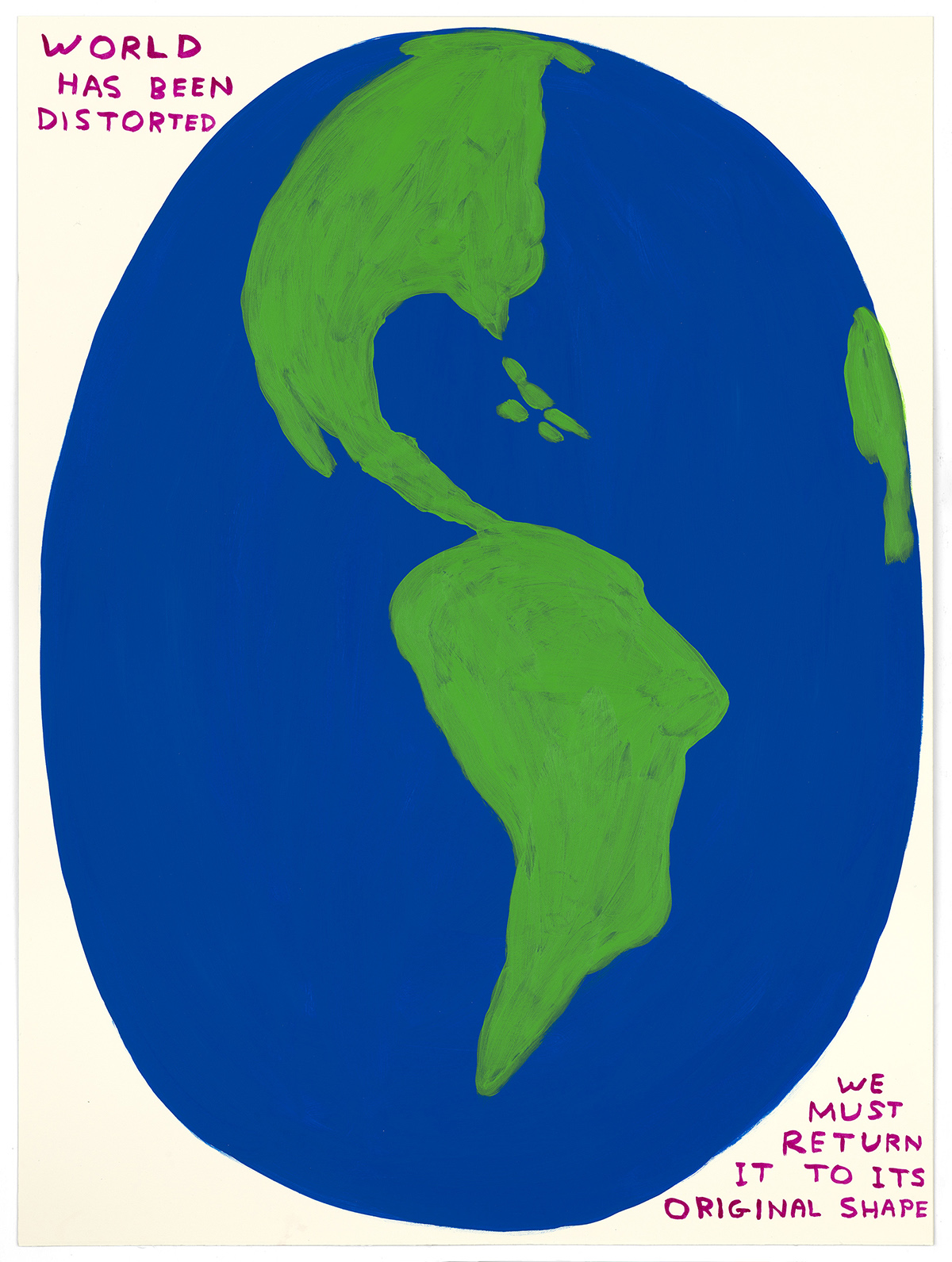
Ruinart 2020 by David Shrigley
5. How has the current global crisis affected your creativity?
I worked alone from home on smaller formats anyway so I’ve been making drawings for the last six weeks or so. I just worry about other people at the moment. Some of the work I’m producing now is influenced by the ongoing situation – or at least when I put it out there the viewer will associate it with that.
6. What do you miss?
I miss seeing friends and going to the football.
View David Shrigley’s portfolio: davidshrigley.com
Princess Yachts CEO Antony Sheriff on a new generation of yachting
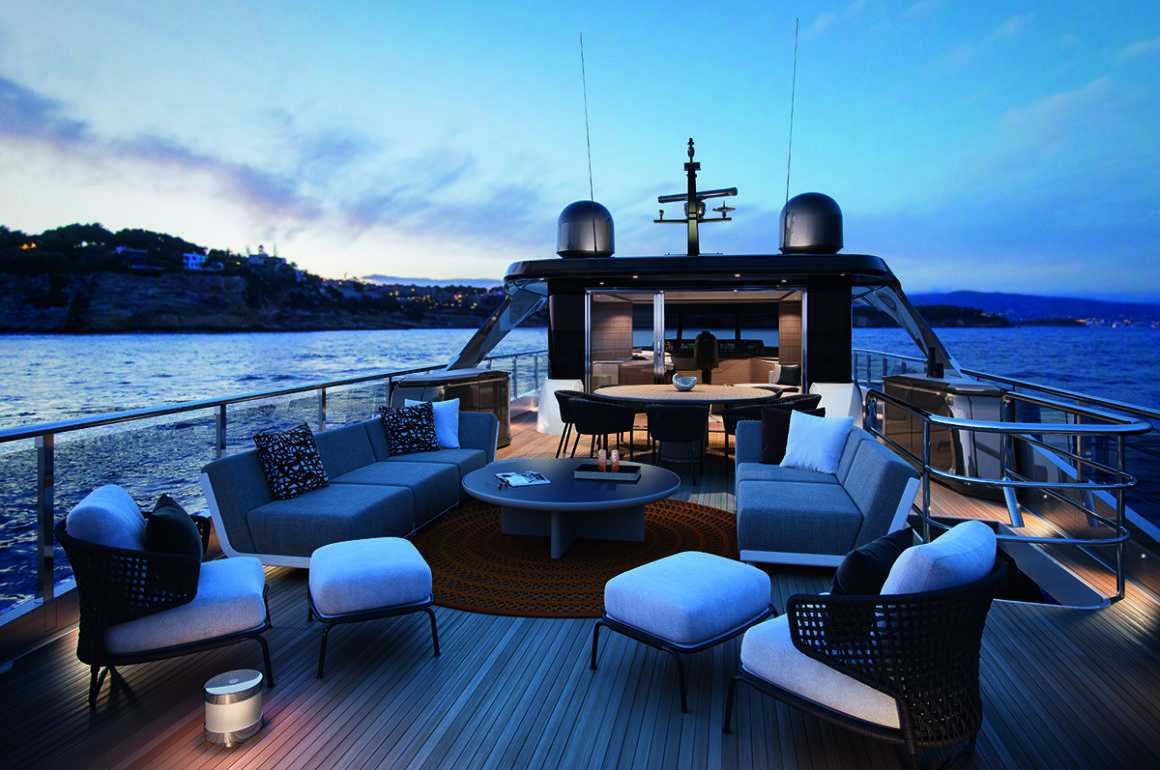
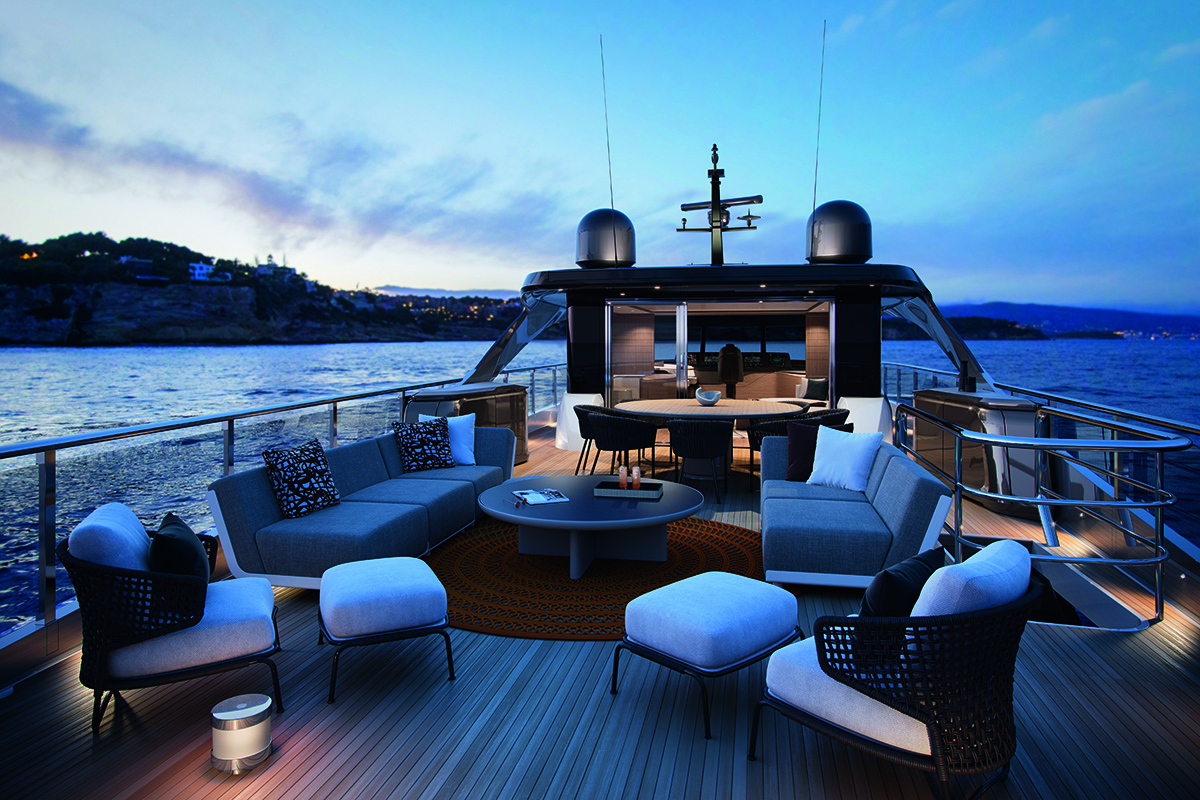
The Princess Yachts’ X95 flybridge
Antony Sheriff has transformed the fortunes of Bernard Arnault’s yachtmaker Princess, creating boats that are stylish, in demand and environmentally innovative, for a new generation of consumer. LUX gets his story
Antony Sheriff
“It’s the sports car of the range. The hull reduces drag by 30 per cent, and it has sports-car-like performance and a Pininfarina design.” Princess Yachts CEO Antony Sheriff is enthusing over a projection of the R35, his company’s cool-looking 35-foot yacht, the latest in a series of innovations he has overseen in what is fast becoming known as the most dynamic yachtmaker in the world.
Follow LUX on Instagram: luxthemagazine
“Sometimes,” he says, “if you are doing something new and are innovating, customers don’t know what they want until you give it to them.” Sheriff has been responsible for a number of innovations at the company, which is owned by LVMH-owner Bernard Arnault through his private equity company L Catterton, both on the product side and on partnerships.
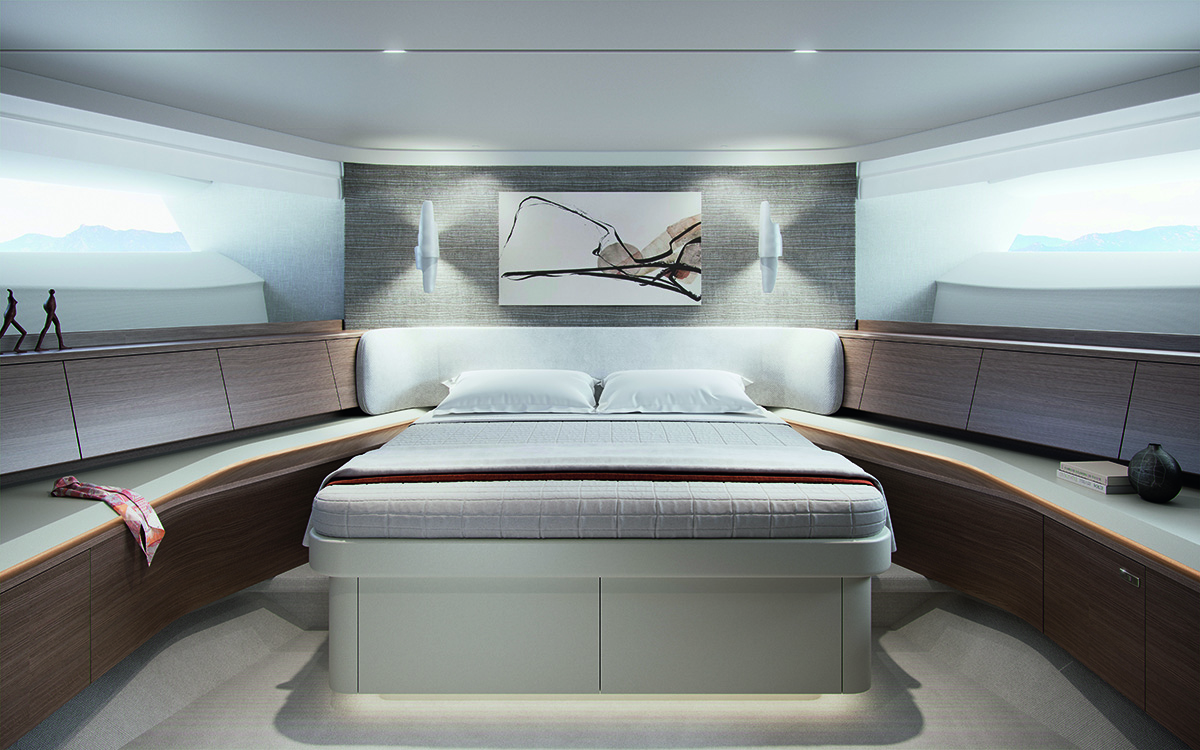
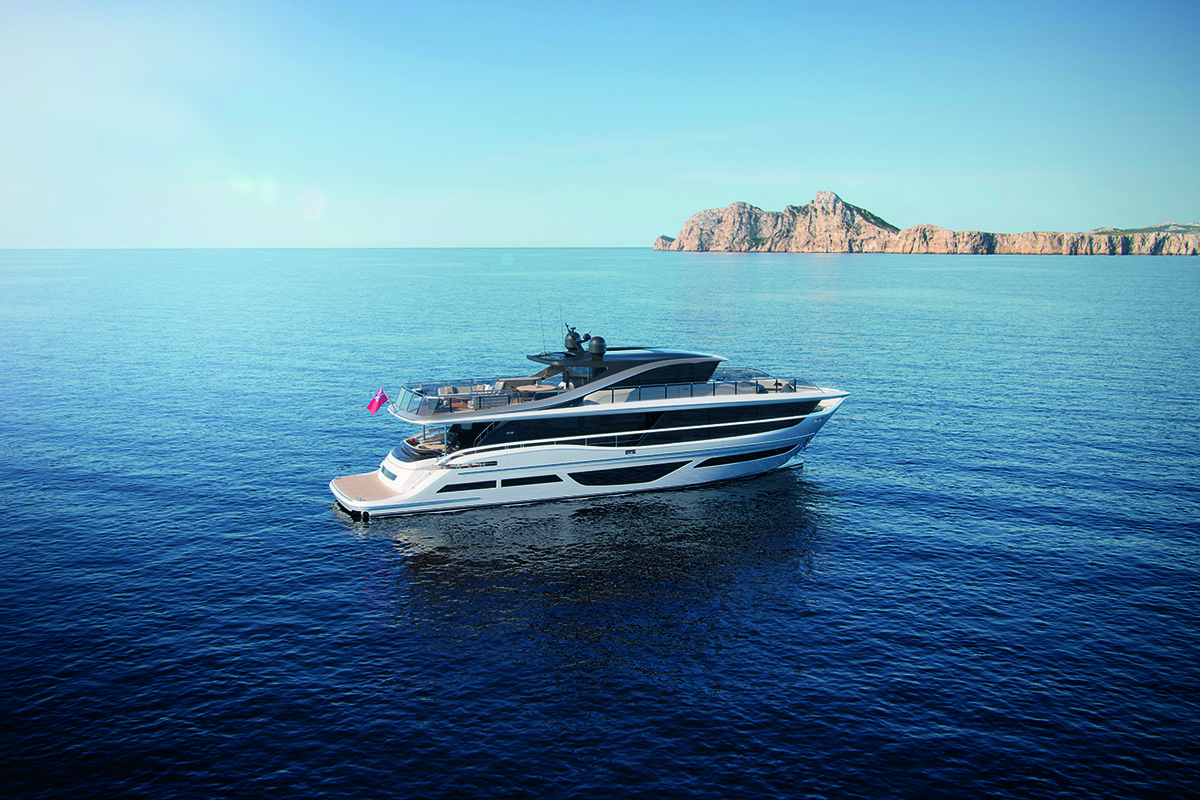
The stateroom (above) and exterior of X95 yacht
In 2016 he launched a collaboration with the Marine Conservation Society, aimed at helping clean up ocean plastics, conserve coral and aid the conservation of marine creatures such as turtles. The Italian-American, who in his previous job launched McLaren’s hybrid P1 hypercar as CEO of the company’s road-car division, is disarmingly straight talking. “We are an industry which makes beautiful products, but we haven’t always been that mindful of the effects they have. We wanted to do something quietly to reduce the impact of yachts on the sea.”
He says the impetus has not – yet – come from the market, but from his own initiative. “We are trying to do the right thing and would rather be on the front foot than the back foot. People enjoy yachting because of the beautiful environment, and we need to try and maintain the water in the state we found it in.”
Read more: Chelsea Barracks is redefining London’s garden squares
Sheriff says that, as with cars, the need to innovate for environmental reasons has actually ended up bringing better products to market. He points to the example of the X95, which has up to 40 per cent more space than its predecessor while using 30 per cent less fuel and matching it in performance; and the Y95, another super-slick collaboration with Italian design house Pininfarina, which seems to have taken up its unparalleled design of luxury modes of transport where it left off with Ferrari after the end of a collaboration there spanning decades.
The R35 performance sports yacht
Sheriff is a little scathing about some of the bloated products on offer from other yachtmakers, and adds: “We are putting the elegance and refinement back in yacht design, creating yachts that look like they belong on the ocean.”
Ultimately, though, he says the biggest change during his tenure since 2016 has been the change in the nature of the consumer. “Increasingly people are buying yachts not as status symbols but as places to spend a wonderful time with family and friends. You go on a family vacation in a yacht and it’s the best vacation possible: the kids stay together with you for fantastic family time, they can’t run away to the nightclub, and you get to spend time with each other in private in a beautiful place.” And, if some of the latest Pininfarina designs continue in the same vein, on a beautiful place, too.
Find out more: princessyachts.com
This article was originally published in the Summer 2020 Issue.
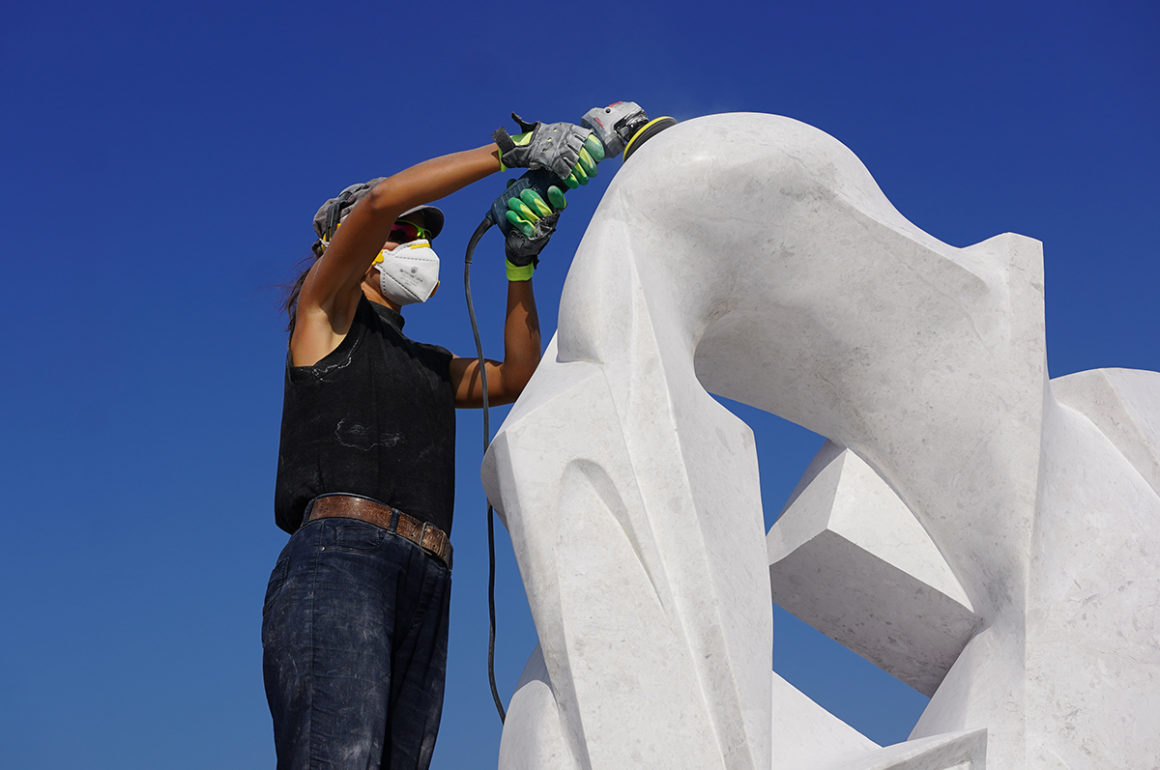
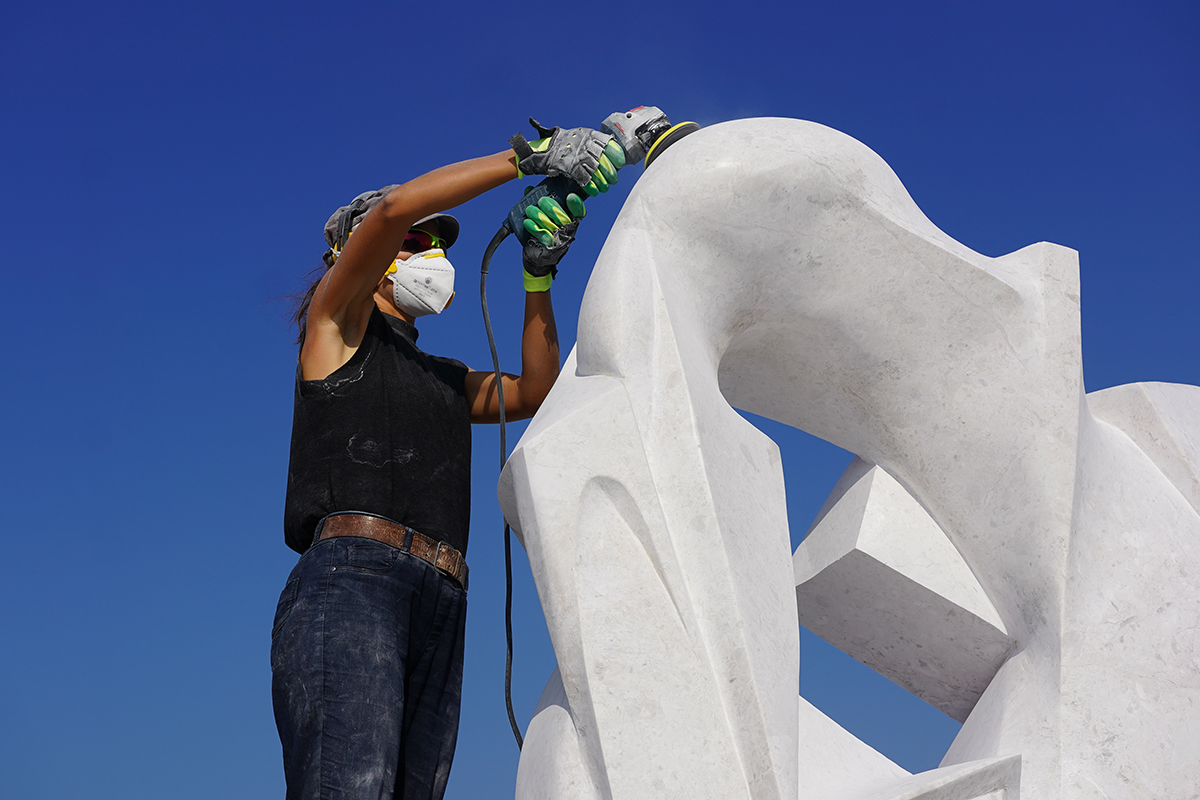
One of the participating artist’s in the process of sculpting marble at the inaugural edition of Jeddah’s Red Sea Sculpture Symposium
Saudi Arabia is working hard to rediscover its cultural roots, promote contemporary art and establish itself as a cultural destination, with a series of new art events and residencies. Following on from the inaugural edition of Jeddah’s Red Sea Sculpture Symposium, Art & Digital Editor Millie Walton investigates the rise of the coastal city as a new cultural hub
In recent years, Saudi Arabia has been creating for itself a cultural renaissance, catalysed by the reforms of Crown Prince Mohammed Bin Salman, the country’s 32-year-old de facto leader. In 2018, the Kingdom opened the doors to cinemas after a forty-year hiatus, announcing the start of a new vision for the country’s ongoing cultural development, with an aim to support local craft as well as attract international creatives. Led by the Ministry of Culture, the vision seeks to reposition the country it as a dynamic place for business and leisure, responding to the demands of a new, youthful generation who are tech-savvy and plugged into the pulse of global culture.
Follow LUX on Instagram: luxthemagazine
Jeddah is one of the main hubs in this strategy. Once seen as culturally conservative, the city is now home to hip contemporary art galleries, graffiti murals and public art installations. Later this year, Art Jameel, a nonprofit organisation set up by the wealthy car-dealing family of the same name, is due to open Hayy (derived from the Arabic word from neighbourhood), an ambitious creative complex with studios and exhibition spaces, whilst the Ministry of Culture launched its first arts initiative in the city last year in the form of a cross-cultural live-sculpting event.
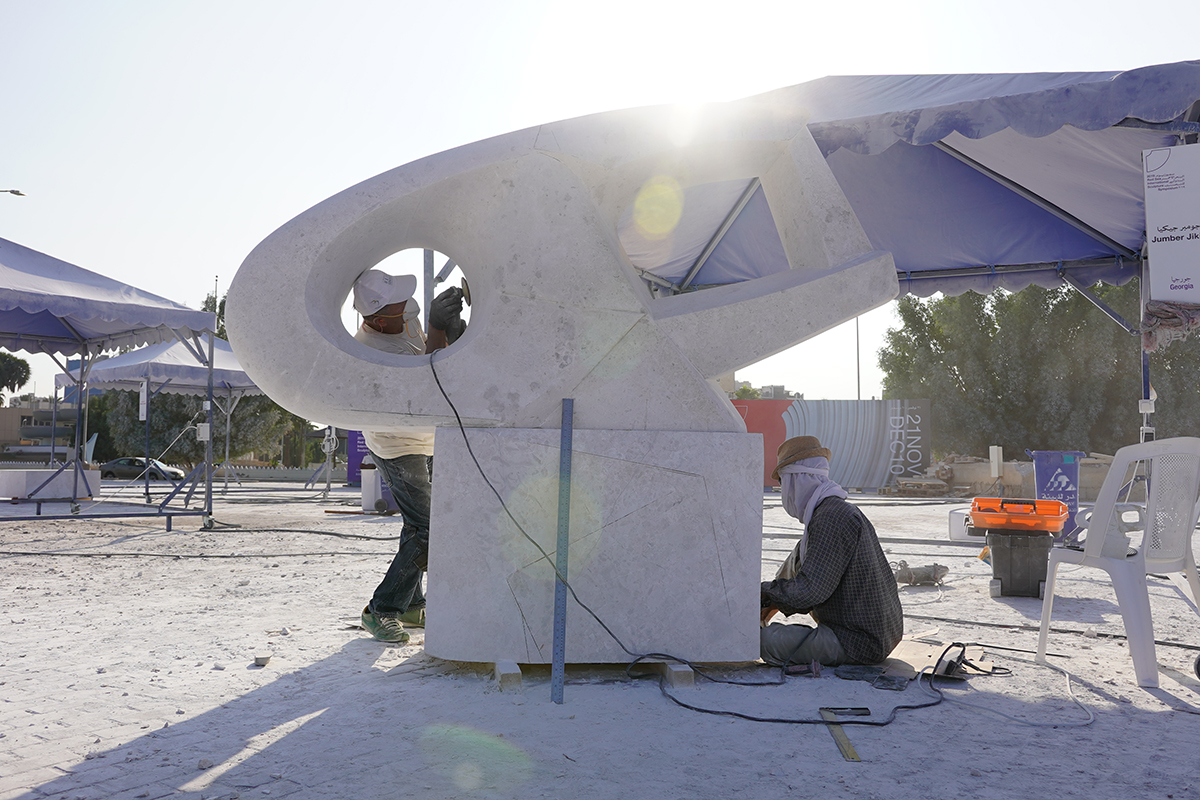
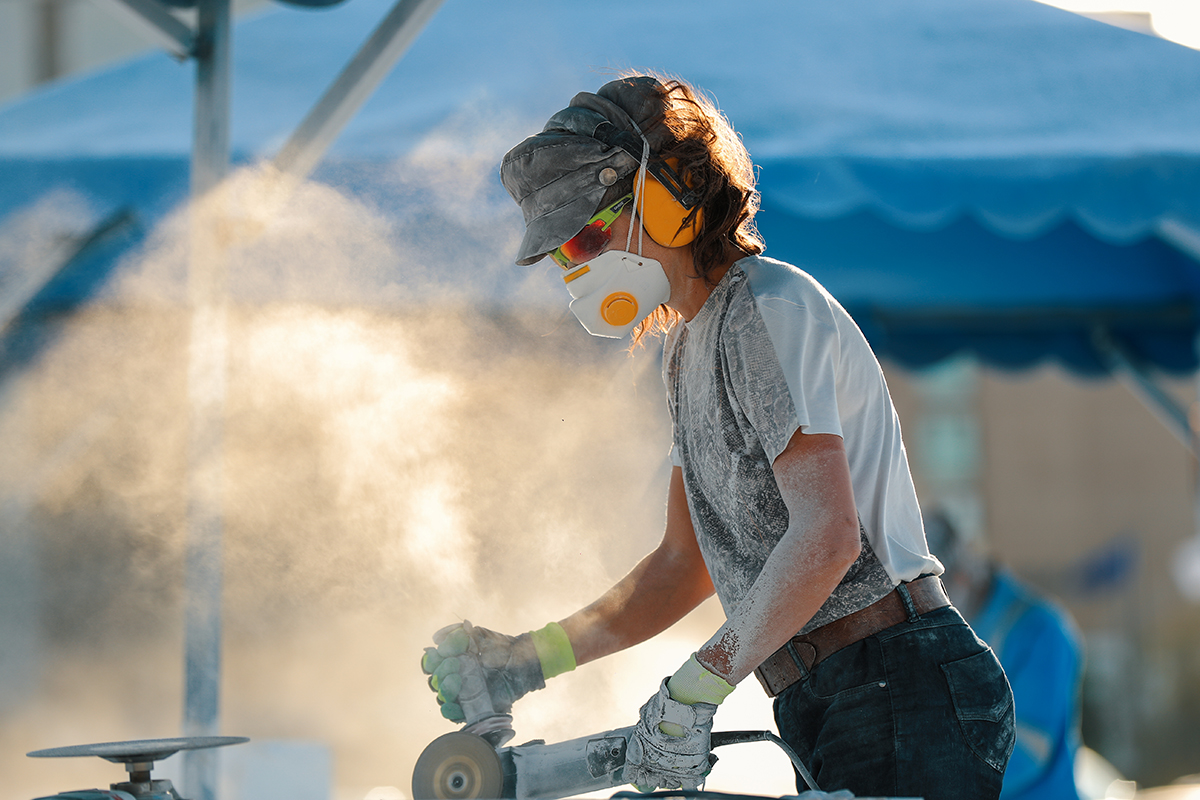
The artists could be watched live sculpting at a location in Jeddah’s historic district of Albalad
The inaugural Red Sea International Sculpture Symposium invited twenty international and local artists to hand sculpt free-standing monoliths over a three week period (21 November – 10 December 2019), using blocks of white marble imported from the Sultanate of Oman. Participants were asked to create artworks in response to the city’s geographical location and historical heritage as a trading hub, whilst also drawing on the diversity of its contemporary society.

Agnessa Petrova, 2019
Takeshi Kubo, 2019
The sculpting itself took place between 8am and 6pm at a location in Jeddah’s historic district and UNESCO heritage site Albalad, purposefully distanced from the city’s main cultural attractions and tourist hotspots so as to welcome new art audiences whilst also providing artists the opportunity to interact with local residents throughout the day.
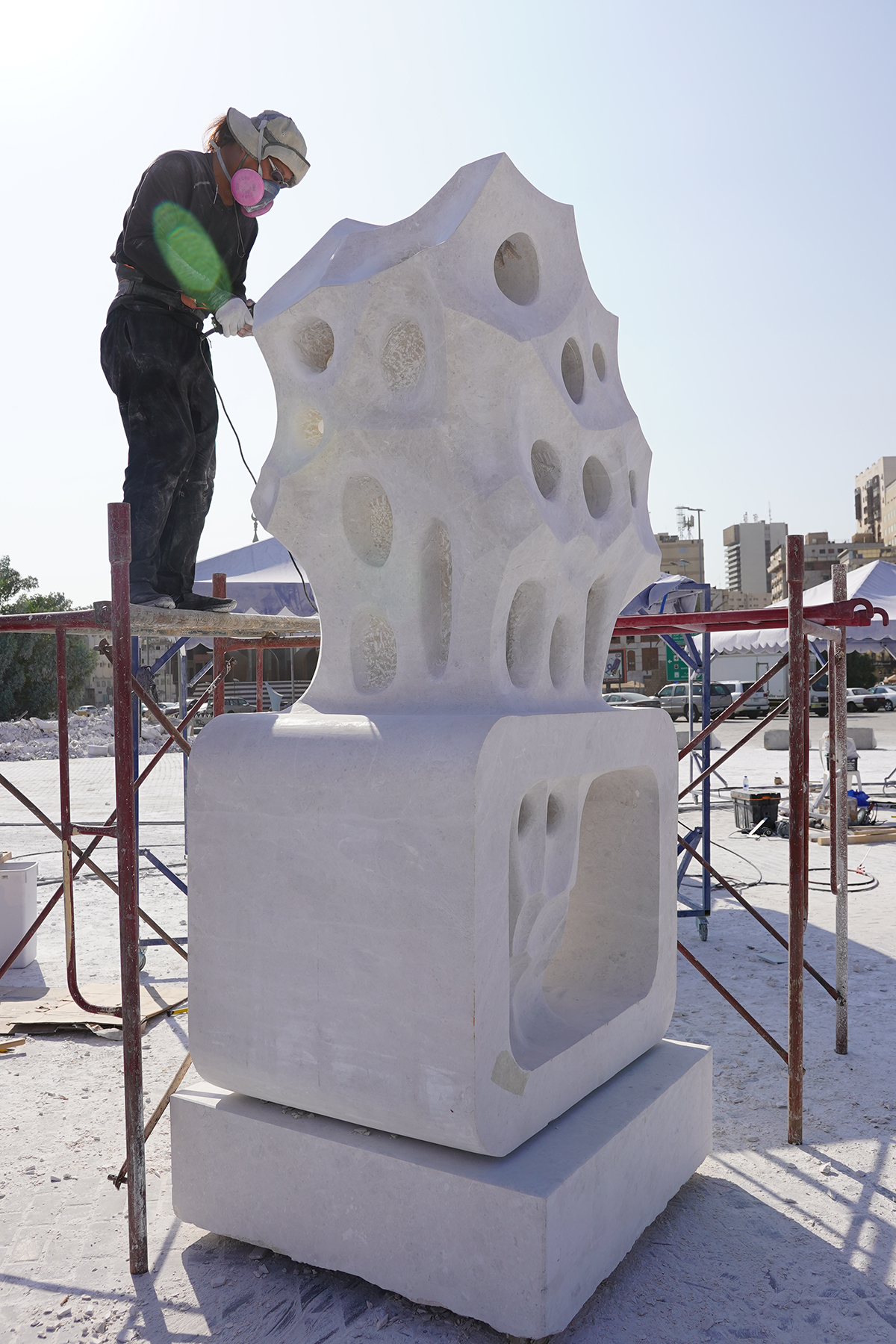
‘This global interaction reflected Arab and international cultural experiences on the artistic and cultural scene in historical Jeddah. This enriches the local scene because it shows positive results and contributes to the recipient’s diverse visual nutrition,’ commented Issam Jamil, one of three participating Saudi sculptors along with Rida Alalawi and Kamal Almualem. European artists included Michael Levchenko (Ukraine), Kamen Tanaev (Bulgaria), Jose Carlos Cabello Millan (Spain), Mario Lopes (Portugal), Jo Klay (Germany), Sylvain Patte (Belgium), Butrint Morina (Kosovo), Aggnessa Petrove (Bulgaria), Anna Maria Negara (Romania) and Anna Rasinska (Poland) with Asian artists Takeshita Kubo, Fan Chilung-Lien and Lin Li Jen, and Arab artists Ali Jabbar (Iraq), Hisham Abdulmuty (Egypt) and Hany Fisal (Egypt).
Read more: Why we love Hublot’s limited edition spring timepieces
Whilst all of the selected artists’ practices incorporated stonework, each participant specialised in different materials and techniques, and for some, it was their first time carving marble, a material chosen for its aesthetic appeal, durability and historic significance.
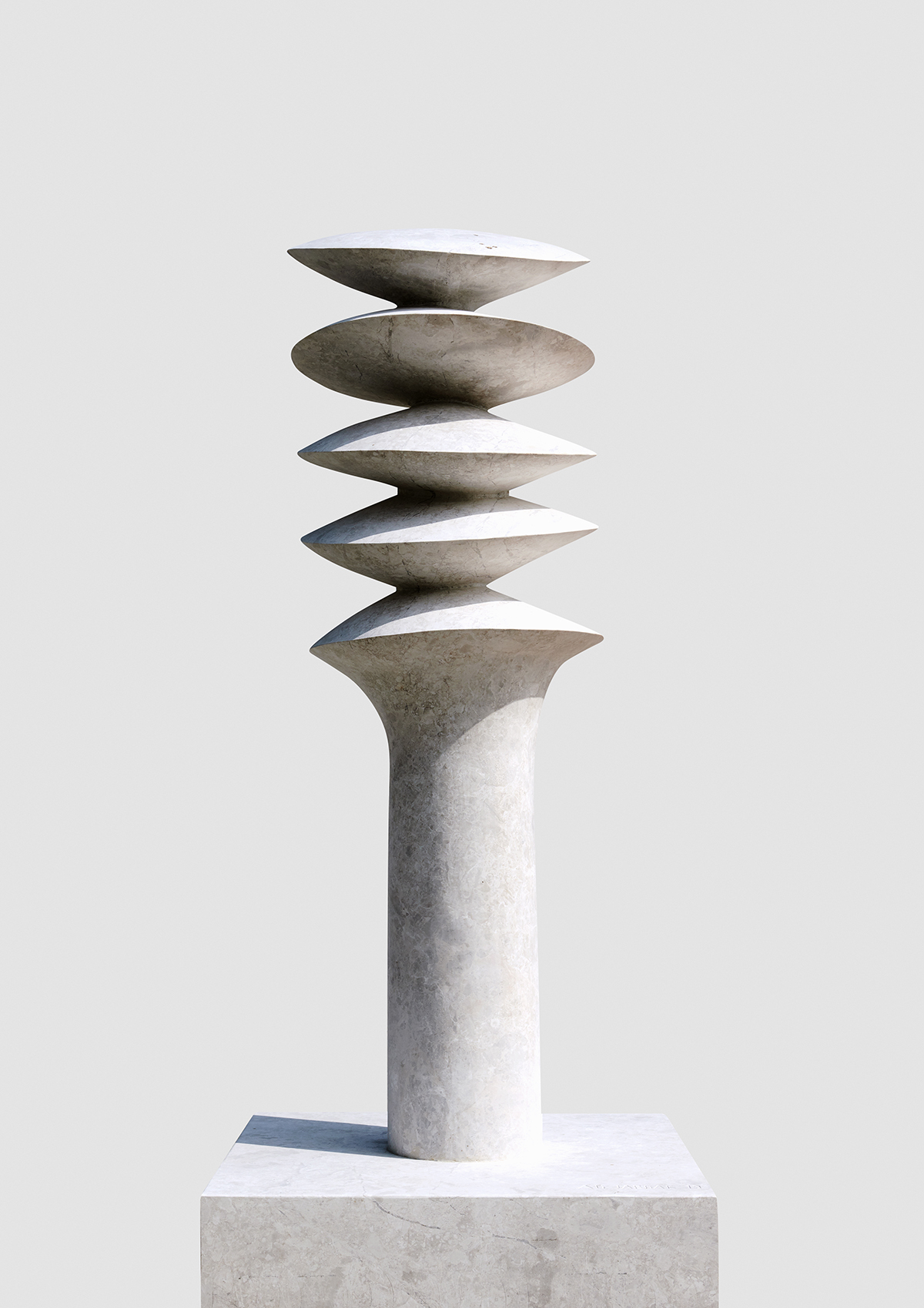
Ali Jabbar, 2019
The finished pieces varied in both scale and style with some reflecting the city’s architectural magnificence and the natural environment of the Red Sea, whilst others evoked modern and abstract minimalist forms.
Still standing in the location in which they were originally sculpted (with plans to relocate around the city in the near future), the works appear haunting and luminous against the vibrant colours and textures of Albalad, providing a striking symbol of the city’s new-found creative energy.

Anna Rasinska, 2019
An introduction to Jeddah’s wider cultural scene
Jeddah’s Art Residency Initiative
This year, the creative momentum is set to continue with Jeddah’s newly launched Art Residency Initiative, which invites artists to attend six-week residency programmes at various points across the year. Alongside the residencies, the city will also feature events, showcasing the Ministry of Culture’s annual theme: the ancient artistic practice of Arabic calligraphy.
21,39 Jeddah Arts
Organised by the Saudi Arts Council, 21,39 Jeddah Arts is a contemporary art festival featuring gallery exhibitions, workshops, and panel discussions with many of the region’s leading creatives. This year’s edition (open until April 19) is entitled I Love You, Urgently and focuses on the global climate emergency with artists presenting a diverse collection of work including everything from Islamic painting techniques and calligraphy installations to ethically-made clothing and digital print collages.
Red Sea Film Festival
Whilst the launch might have been postponed, the inaugural Red Sea Film Festival promises a diverse 10-day program of screenings and talks, supporting emerging and established talent from Arabic and International cinema.
Hayy: Creative Hub
Set to open in the winter of 2020-21, Haay: Creative Hub is a 17,000-square-metre arts complex developed by non-profit organisation Art Jameel. Designed by UAE design studio waiwai, the space will include art and design galleries, performance and comedy clubs, cafes, artist studios and a theatre as well as an independent film cinema designed by Jeddah-based practice Bricklab.
To learn more about the Ministry of Culture’s forthcoming initiatives, visit: moc.gov.sa/en
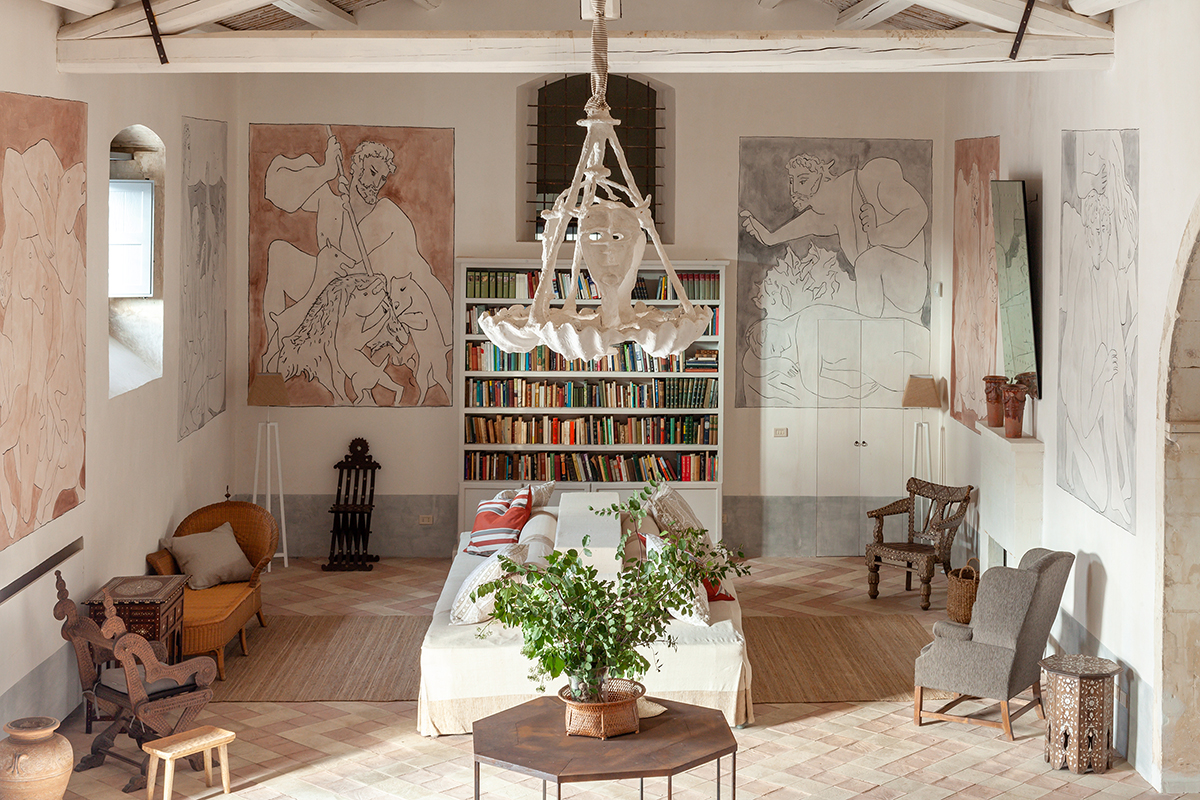
Masseria Cardinale is one of The Thinking Traveller’s larger villas in Sicily, located in the countryside with authentic design features
The Thinking Traveller is a villa rental company that offers exclusive access to some of the most desirable properties in the Mediterranean. Guests of The Thinking Traveller also gain access to local insider knowledge through the company’s on-the-ground concierge team who plan bespoke itineraries and experiences. Here, we speak to the founders Huw and Rossella Beaugié about their villa selection process, luxury retreats and their intrinsically sustainable ethos
Rossella & Huw Beaugié
LUX: How was the concept for The Thinking Traveller conceived?
Huw Beaugié: We started the company in 2002. Prior to that [Rossella and I] had been living in Paris, where we met in ‘98. Rossella was a cell biologist doing her PhD in Paris and I was an engineer working in marketing at that time. Rossella is from Sicily, so we had been travelling to Sicily a lot already. We went there in November 2000 and that was the kind of the catalyst. We climbed up a mountain called Stromboli, and doing that made us decide that we would like to move there for a bit, which we ended up doing two years later.
Rossella Beaugié: We started doing walking tours first of all and then very soon my friends started saying ‘oh we’ve got this nice house on the island, would you want to try renting it out?’. So the first brochure we put together had three walking tours with volcanos and hills, and then seven villas, I think. At the time we were doing everything ourselves but it worked.
Follow LUX on Instagram: luxthemagazine
Huw Beaugié: There wasn’t anything of great quality in Sicily so we realised that we needed to really help these villa owners to create a property and product that would fit our clients and the people we wanted to be our clients. We started advising [the property owners], helping with design and we even began advancing money to invest in pools or refurbishments. We would make contact with interior designers to help them develop the houses. Really quickly we figured that if we were making all these investments, the only way we could really work with these houses and make it profitable would be to deal with them exclusively. That is one of the things we have stuck with ever since. We started with seven houses and we now have about 220 in various destinations in the Mediterranean, but the really vital and big unique selling point is that they are all exclusive to us and that means we can still keep on investing to make sure the quality and service is right, and to have our people on the ground to support that. We are expanding slowly, being careful to always keep the quality increasing rather than diluting.
Views over the Sicilian countryside from the pool at Masseria Cardinale
Rossella Beaugié: The secret has been that right from the beginning. For the first 10 years we were in Sicily so we were around the whole time and then we started hiring staff who are really knowledgeable people and know everybody locally, meaning they can find the best doctor if needed, the best yoga teacher or if you wanted to organise a dinner we can do that. We don’t have reps who move around, our staff work for us 12 months a year and they have insider knowledge.
LUX: What challenges have you encountered now that your main offices are in the UK and you’re based here?
Rossella Beaugié: We have developed quite slowly. There have been two regions that we were interested in but because we hadn’t found the right people or properties we wanted to offer clients, we decided not to go with them. We are happy with the regions we’re working in because we have amazing teams and the owners of properties share our priorities and ethos. The team here receive so many offers of villas everywhere, we could have 10,000 villas! We get that many offers because they see the website, they like it and we have a good reputation, but we have been careful of where we go and what we take on.
Faro di Brucoli is a refurbished lighthouse in Sicily with views of Mount Etna across the Ionian Sea
LUX: How do you select the villas to represent?
Rossella Beaugié: They tend to come to us. It is usually owners knowing us already, maybe due to our reputation amongst other owners who also have these kinds of top level properties. So what we do first of all is decide whether it’s for us and we can see that now straight away with Google and photos.
Read more: High altitude luxury at Riffelalp Resort 2222m, Zermatt
Huw Beaugié: Probably 70% of them we cut immediately. The next 30% we go further and ask for more information, and then perhaps the final 5% will end up with a visit and a detailed report and out of those, we probably only take on one property.
Here and above: Iola is a contemporary villa located on the Greek island of Corfu with sweeping sea views
LUX: What are the key elements you’re looking for?
Rossella Beaugié: We are now at a stage where we know what our clients want so we have criteria, but at the bottom of it, we really need to truly like the property in terms of style and we have to know that the owner could be a good partner because it’s their house and they continue managing the property so they need to be able to reinvest and sort out problems quickly. In terms of more objective criteria, the location and views are important but it depends on the region. Greece, for example, is really all about location so being on the sea and beaches. Privacy is also important and then there are all the things like ensuite bedrooms, a good kitchen, a nice-sized pool, not being overlooked. Then once we take on the property, we have a list of stuff that they have to have such as good quality linen, appliances etc. We recommend things and then our local managers go and do what we call a quality check.
Read more: Founder of Nila House Lady Carole Bamford’s guide to Jaipur
LUX: Is it important to you to have a wide range of different properties in your portfolio?
Rossella Beaugié: Yes, we have clients that have gone from a very charming, chic, three-bedroom house in Puglia and then they book our best property in Sicily, which sleeps 24 with a chef because maybe they are doing a multi generation family holiday, or it’s someone’s wedding anniversary and they want to invite everyone. So yes, we need diversity in terms of size and level of service. Some people could afford to have service everyday but they just want privacy, they want to be able to go around without clothes if they like. Then there are also different styles of property. Some people want minimal or really cutting-edge design, and some other people want to go to a place in Puglia or Sicily with traditional charm.
Huw Beaugié: We also work a lot with people who haven’t even started building. The optimum situation is when someone comes to us and says ‘I’ve bought a piece of land’ or ‘I’m looking to buy a piece of land, and what are your suggestions?’ Or people say ‘I’ve bought this ruin and what should I do with it?’ With those projects, we are involved from the beginning right through to the delivery. We suggest interior designers, architects, landscape designers, everything. Those are the villas that tend to perform the best.
Masseria Cardinale (here and above) offers guests traditional charm combined with luxurious modern amenities
LUX: Can you tell us a bit more about the experiences side of the business? What can you make happen for your clients?
Huw Beaugié: We try to make anything happen that the clients want as long as it’s not against the law!
Rossella Beaugié: The kinds of things that are becoming standard for us is that everyone wants a cook. Especially in Puglia and Sicily, people want to learn to cook and so we organise cooking classes either in the villas or on vineyards. We have three kids who were born in Sicily and grew up there which means we were able to try out things with them and find out what they found boring. From that, we designed some guided experiences with experts who will prepare the tours on two levels so that it works for the parents and it’s entertaining for the kids. Wine tasting is very requested, and water sports are popular, but then we also have occasions like weddings when people want a Steinway piano in the garden or a certain opera singer to perform.
Read more: Inside The Dorchester Collection’s first branded residences
Huw Beaugié: What we are starting to do more of is themed weeks so things like getting a celebrity chef out to a villa for a week and creating a programme for full immersion in the food, which might include cooking classes, demonstrations and tours of markets. This year, we are doing a partnership with Bodyism so that you can take a wellness instructor out with you to the villa.
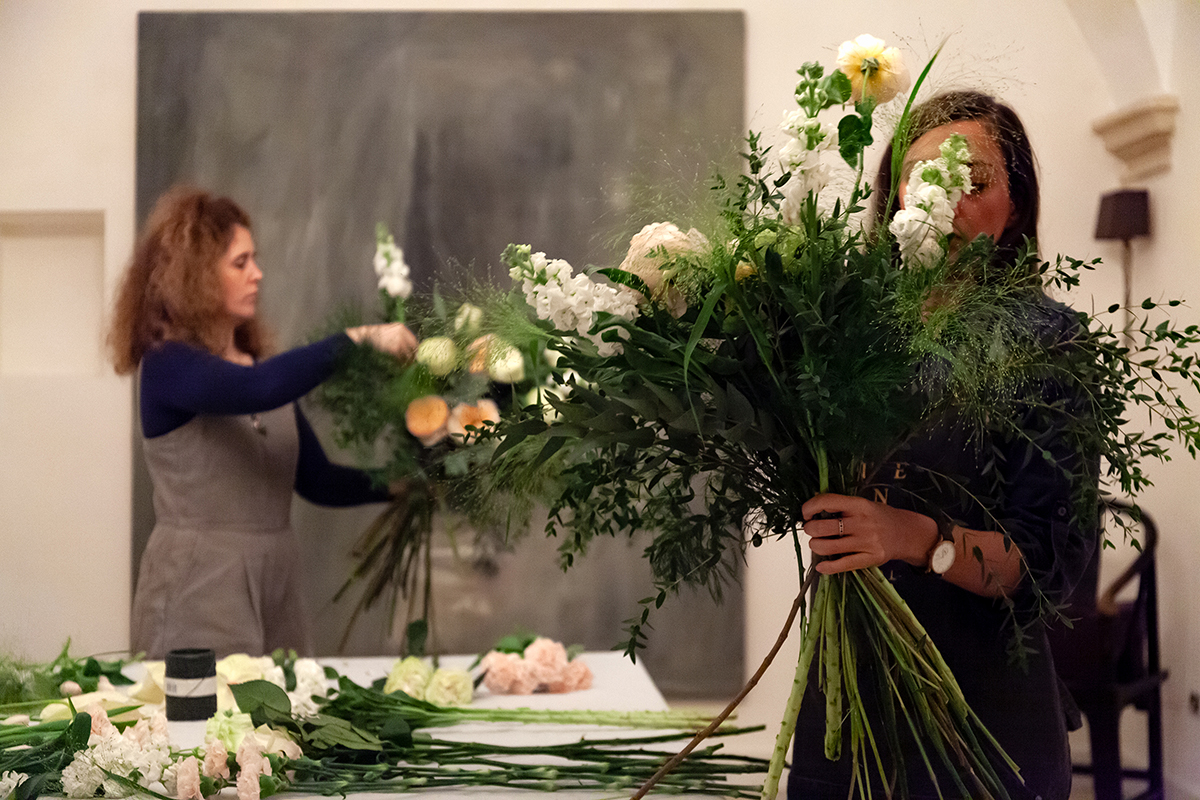
The Thinking Traveller has paired up with McQueens Flower shop to offer guests flower arranging courses at Palazzo Gorgoni (above), one of their properties in Puglia
LUX: What’s your approach to sustainability?
Huw Beaugié: It’s the same as when we started. The basic model of restoring or building unique properties in rural locations or old towns using local people to build, cook and garden, all of that is just inherently sustainable. Generally, you’re also using local materials and the money is staying local. The things that have been added to that model since 2004 is more use of solar energy. However, sustainable a client is they never want to give up on air conditioning, which is one of the single biggest consumers of energy in a villa so solar energy supplements that. Then the other big thing is water: drinking water and swimming pool water. Swimming pools lose hundreds of litres of water a day through evaporation so we encourage people to cover pools when they’re not using them and at night. Same with air con, setting the temperature between 24 and 27 degrees, for example, rather than at 18 degrees and wrapping yourself up in a duvet, which uses a lot more energy. In terms of drinking water, we are doing a big campaign to try and get people to install water filters in their homes, which is difficult in the Med where bottled water is standard, but it’s changing.
Rossella Beaugié: We have these little leaflets which we leave in the houses called ‘Think Green’ which have sustainability tips for guests. People are more aware of sustainability issues so it is easier now than it was in the past to encourage these ways of behaving.
View The Thinking Traveller’s portfolio of properties: thethinkingtraveller.com
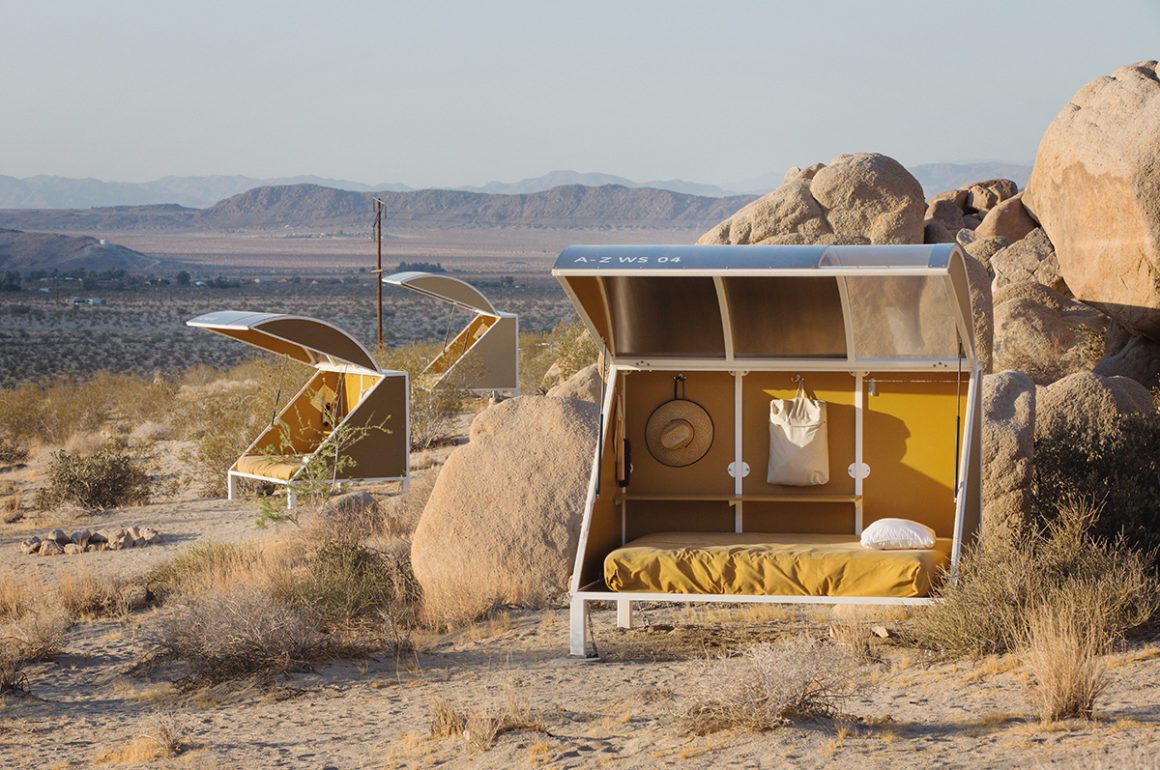
Construction view of Los Angeles Water School (LAWS) (2018) by Oscar Tuazon
Artists have long explored themes of environmental sustainability in Southern California, but a recent series of devastating wildfires has brought even greater resonance to their work. Evan Moffitt explores how four LA artists are changing the way we think about climate change
DEUTSCHE BANK WEALTH MANAGEMENT x LUX
When the Getty Fire tore up the dry hills of Mandeville Canyon in October 2019, many in Los Angeles feared the worst: the Getty Center’s Titian and Thomas Gainsborough paintings curling from their frames, masterworks of European art reduced to cinders. This wasn’t the first time locals had imagined such a catastrophe – Ed Ruscha had painted his iconoclastic portrait of the county museum, The Los Angeles County Museum on Fire, in 1968 – but this time, it was different. The severity and frequency of wildfires had increased as climate change accelerated, threatening not just art in Southern California but the very way of life there.
Follow LUX on Instagram: luxthemagazine
Scientists, furthermore, have warned that the city could eventually run dry, and nothing has shaped LA more than its lack of water. The Department of Water and Power was long seen as the most powerful bureau of city government, dating back to when William Mulholland drained the Owens Valley in 1913 to soak the dry fields of San Fernando. The violent conflict that ensued was famously fictionalized in the 1974 film Chinatown, and many artists have explored the city’s relationship with water, from Judy Baca’s epic mural along the Tujunga Wash, The Great Wall of Los Angeles (1974–84), to more recent projects by artists such as Carolina Caycedo and Oscar Tuazon.
This work can be difficult, but it has struck an important nerve. “Most of our patrons are museums or their supporters who want to engage in dialogue with challenging contemporary art,” says Kibum Kim of Commonwealth and Council, the gallery that represents Caycedo. “They don’t want something that is easy.” For Caycedo, this has led to being included in shows at major institutions such as the Hammer Museum in LA, as well as having works in a number of private collections. Artists such as her are a reminder that Southern California has always been a place where artists, writers, filmmakers and others have mobilized around difficult issues, mining the past to build a better future.
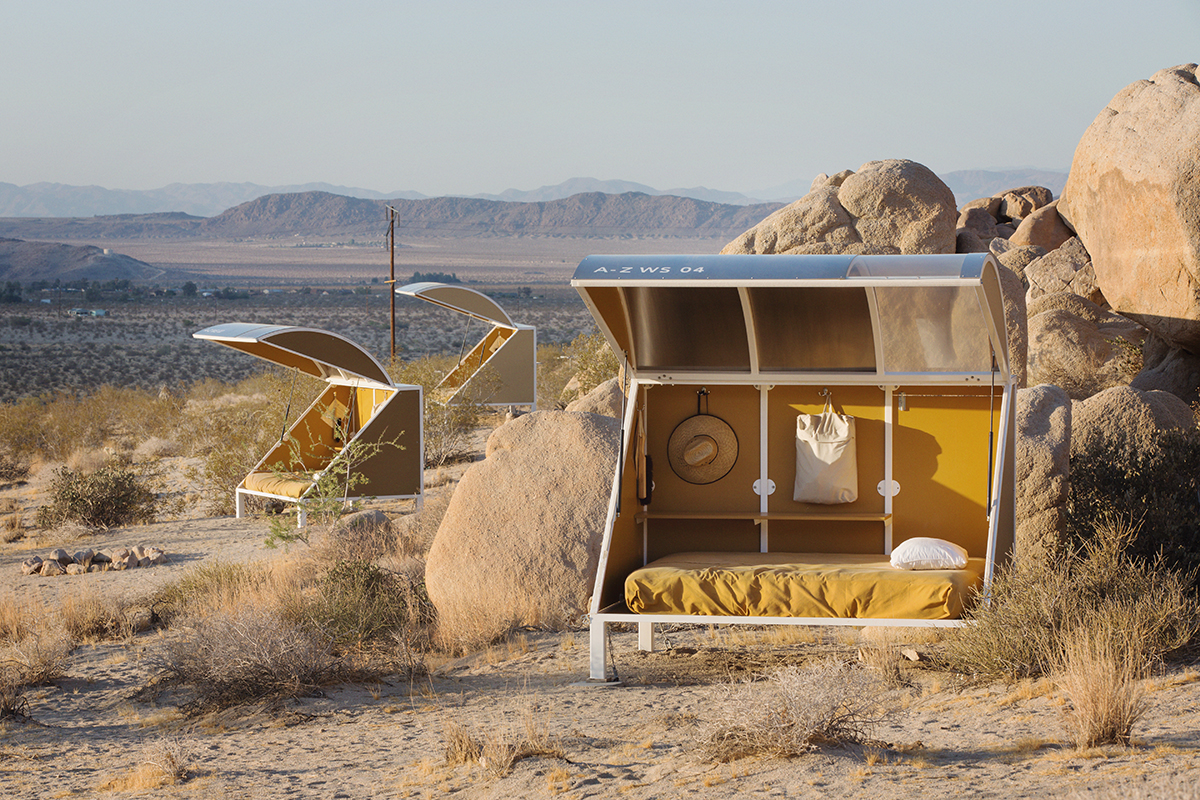
Wagon Station encampment at A-Z West (2004) by Andrea Zittel
No one embodies the utopian spirit of LA more than Andrea Zittel. In 2000, the artist left a burgeoning career in New York for a ramshackle bungalow on the outskirts of Joshua Tree National Park. She began slowly expanding her compound in the desert, informed, in part, by the Bauhaus, Japanese architecture, minimalist sculpture and architect Frank Lloyd Wright’s Taliesin West. A-Z West, as the 60-acre campus is known, encompasses Zittel’s home and studio, guest cabins, outdoor sculptural installations, informal classrooms and a series of Wagon Stations, tiny chrome sleeping pods nestled between boulders like UFOs.
Read more: Picasso Through the Lens of David Douglas Duncan at Hauser & Wirth in Gstaad
Zittel refers to A-Z West as “an evolving testing ground for living – a place in which space, objects, and acts of living all intertwine in a single ongoing investigation into what it means to exist and participate in our culture today.” In part, this means creative, sustainable approaches to the privations of living in the desert. Zittel pulps her paper waste and sets it to dry in metal trays called the Regenerating Field; she uses the results to make sculptures. Vegetables grow from barrels shrouded by mosquito netting in a courtyard formed by shipping containers. Shade is provided by trees watered using dry irrigation techniques.

Installation view of ‘Rafa Esparza: Staring at the Sun’ at Massachusetts Museum of Contemporary Art, 2019
What ecological problems might be solved by building better? Like A-Z West, Oscar Tuazon poses this question with his Water School (2016). Its central component, Zome Alloy (2016), borrows its bubble-like plywood structure from the waste-free dome homes designed in the 1960s by Steve Baer, the inventor of passive solar technology. Tuazon’s project also refers to another LA visionary, the architect Buckminster Fuller, best known for his transparent geodesic greenhouses and light-filled homes. When Zome Alloy was recently on view in the Chicago Architecture Biennial, visitors could browse a small library of books about water rights and convene for bimonthly discussions.
Read more: Gaggenau’s head of design Sven Baacke on the meaning of luxury
For several years, Caycedo has explored the effects of colonialism and industrialization on water resources throughout Latin America with her ongoing project ‘BE DAMMED’. At the 2016 São Paulo Biennial, four enormous satellite images of controversial Brazilian dams revealed the structures’ disastrous effects on the surrounding landscape. Caycedo hung brightly colored sculptures woven from fishing nets, which she calls Cosmotarrayas, mesmerizing mobiles linking the precariousness of marine resources to the over-fishing that threatens the life within them. “There’s been great demand for Carolina’s Cosmotarrayas, which have immediate visual power,” says Kim. “They’re colorful, and they play into generally accepted ideas about sculptural composition and form. But they also carry a powerful message.” Caycedo says she doesn’t believe in sustainability, per se: “Extraction will never be sustainable. A coal mine is not sustainable. The way we use our water is not sustainable. I prefer to think about ‘sustenance’ in terms of my work and a healthier relationship to nature: to give strength to something you care about or someone you love.”
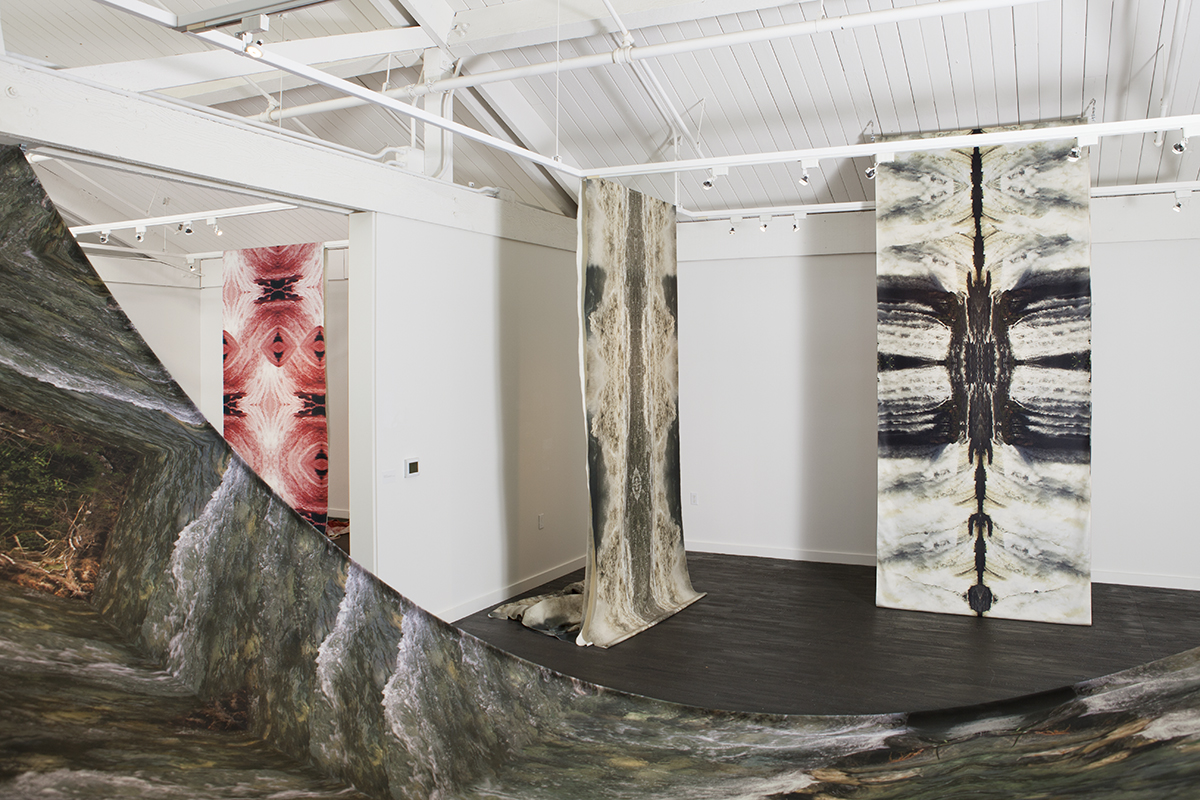
Installation view of ‘Wanaawna, Rio Hondo, and Other Spirits’ (2019) by Carolina Caycedo at Orange County Museum of Art, Santa Ana, CA
In 2014, artist Rafa Esparza began making adobe bricks from mud he harvested on the banks of the Los Angeles River, on a parcel of land known as the Bowtie – one of the only sections of the river left unpaved by the Army Corps of Engineers when they buried the channel in concrete in 1936. In 2014 the artist Michael Parker had carved a 42m obelisk into the earth that Esparza covered with approximately 1,400 of his bricks. During the installation’s closing performance, he donned a traditional Aztec loincloth, pheasant headdress and ankle rattles and performed a dance atop the structure that referred both to his ancestral people and the indigenous Tongva displaced from the river’s edge by colonialism. Adobe and thatch are among the most sustainable building practices on earth, but the indigenous people who used them were killed or forced from their land, which was then torn up to build LA. Esparza has since repurposed his bricks for shows, including at the Whitney Museum of American Art, in what he refers to as “browning the white cube”.
This has had its challenges, according to Kim, who represents Esparza: “Adobe is very structurally strong, but it’s not archival; it will deteriorate over time, which can be hard for some collectors and institutions to accept. But that’s an important element of Rafa’s work: we need to re-conceive our notion of art as a static thing that will forever remain the same.” By imagining cities like LA and their museums made of mud and river water, Esparza places the environmental costs of colonialism into stark relief, proposing, if not a return to a precolonial past, at least a few important lessons we might learn from.
This article was originally published in the Spring 2020 Issue.
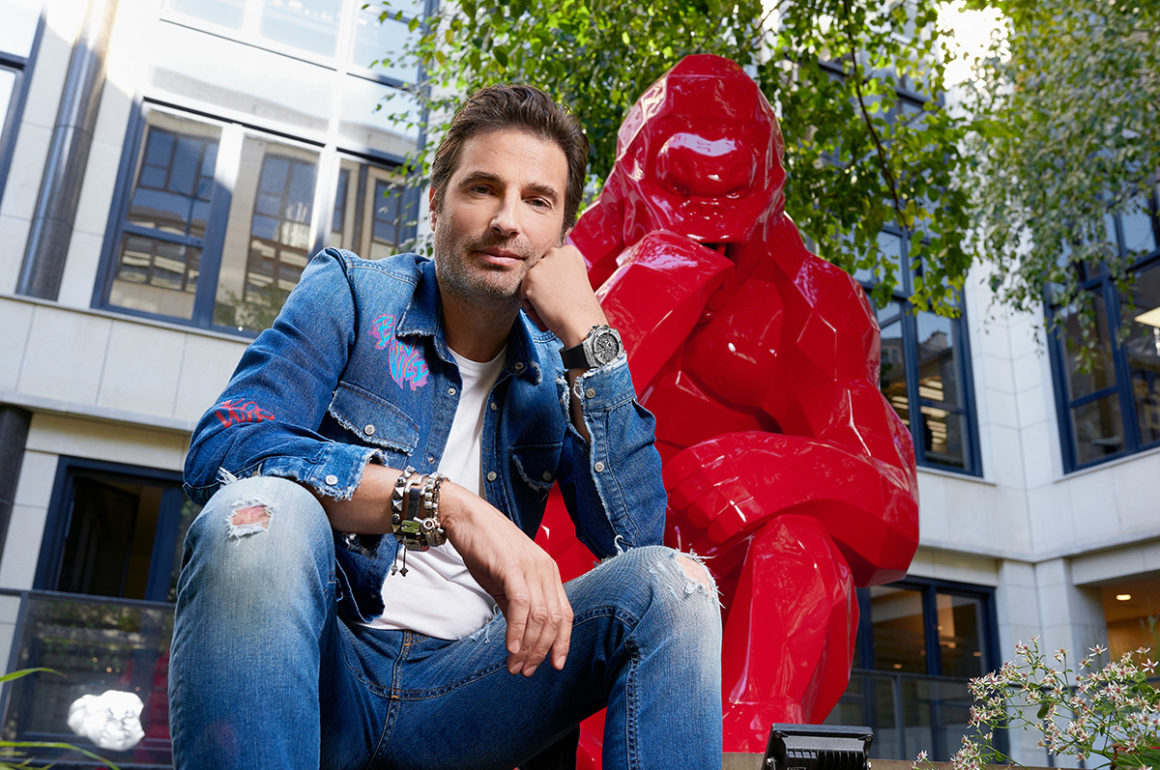
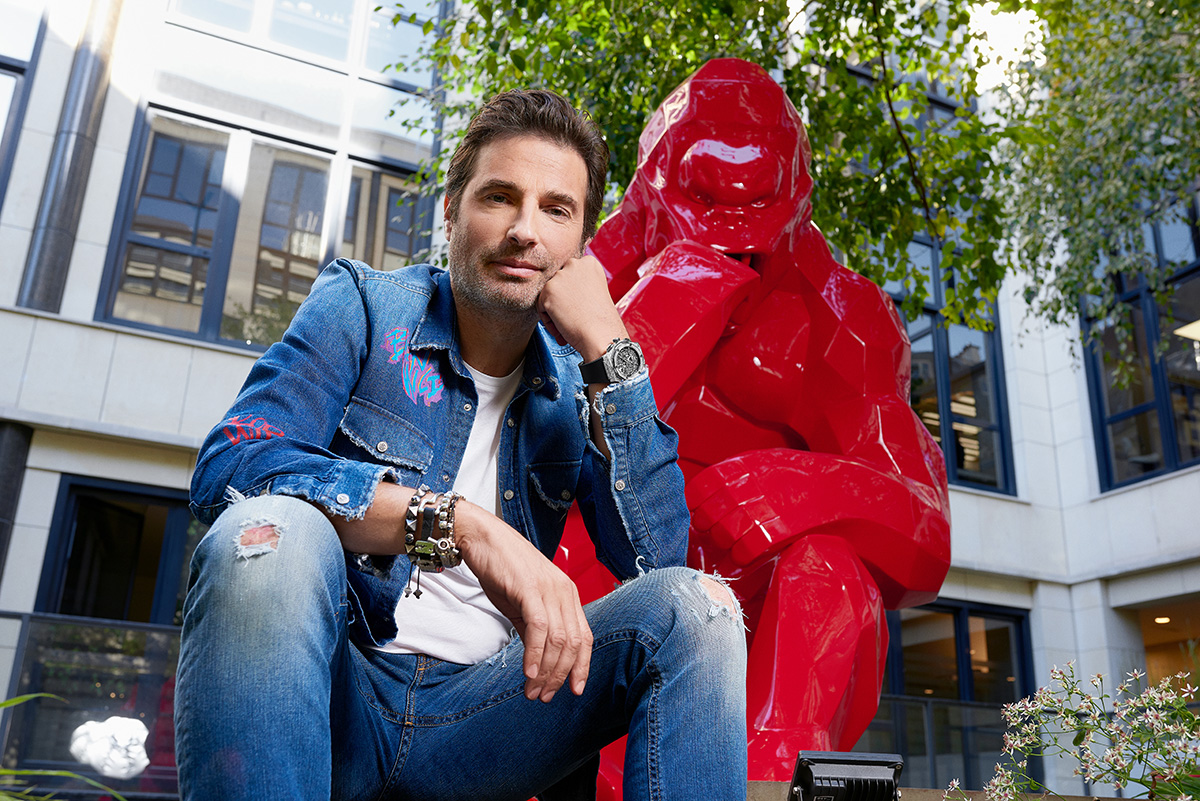
French artist Richard Orlinski is known for his large-scale vibrant sculptures
The contemporary art world might turn up its nose at Richard Orlinski’s Disney collaborations, but the French artist couldn’t care less. For him, it’s about connecting with as many people as possible. Here, Jess Brown speaks to the artist about making his work accessible, saying yes to every opportunity and his love of Andy Warhol

Pikachu (yellow resin) by Richard Orlinski
LUX: Can you talk us through your sculpting process? Do you begin by sketching, or by experimenting with your chosen material?
Richard Orlinski: It really depends. Sometimes I start with computers, sometimes I start just by watching nature. I’ve been somewhere like Mexico, for example, watching the animals for inspiration and then I will make a mould. I have so many ideas, I know what I want to do, but what about the size and about the material? So as I said, sometimes I draw the design on computer to try it out and then I 3D print it to see what will happen. So there’s a big block of polystyrene foam and a real robot picking away at the material until a sculpture appears. Then I can change it by hand and make a mould. For one sculpture, I need 10,15, 20 sometimes even more moulds. These are for the resin and then we stick them together. But I also work with aluminium and stainless steel which requires laser cutting. I’m not working alone though, I work with a big team and together we work out how to fix things. Of course, I have the final say but I always listen to what my team says about the creation – having ten brains is better than one.
Follow LUX on Instagram: luxthemagazine
LUX: How long does it typically take to make a piece?
Richard Orlinski: I’m like a kid. I’m always very much in a hurry to make things, but sometimes, it’s not possible to do it quickly. It depends on the complexity of the project and sometimes it can take a very long time. Time can be a real problem if I have a big commission, for example, someone asking for something to be ready in 15 days. Even if the person is offering me billions, it still wouldn’t be possible. Some of my pieces can take six months to create, sometimes a year.
LUX: How do you think your artistic style has evolved over the years? Was there a moment when you felt that you’d found your niche?
Richard Orlinski: I have no red line underneath my work. One day I do, that day I do something else. I find inspiration everywhere and I want to be free, but also for the auctioneer and the art buyer customers to feel free to take what they want from my sculptures. I find it interesting that you can ask three different people about one sculpture and they’ll say something different: ‘Oh it’s against petrol or it’s against pollution.’ People read the piece through their own emotion and I’m okay with that. I love watching kids seeing the sculptures and laughing. For me, it’s about connection and sharing with the world, I suppose that’s my ‘niche’. I’m really mainstream. I like commercial music, I like the things that everyone likes and I don’t want my work to be elite.

One of Richard Orlinski’s resin animal sculptures
LUX: Speaking of sharing and connecting, your work has been exhibited on the ski slopes of Courchevel. Do you ever consider where your work is going to be exhibited when you’re making it?
Richard Orlinski: No, never. In Courchevel, we put animals because it goes with the snow: the wolf, the bear. But you know, my work can go anywhere. Last year, I was in old coal mines in the North of France. All of the people are poor there because there’s no more more work since the mines shut down. I put my sculpture there and they were so happy. I really like that it’s not for money, it’s for sharing and I was so happy to see their reaction. I was supposed to stay for one hour, but I stayed for two days in the end because there were so many people to meet.
Read more: Why we love the ‘Jeux de Liens Harmony’ necklaces by Chaumet
LUX: Do you have a particular type of person that your work is aimed at or is it for everyone?
Richard Orlinski: Any religion, any age, from all kinds of backgrounds. We have sculptures for a million dollars and sculptures for a few euros because I make some co-branding with Disney and you can find a small Mickey Mouse for fifty pounds. I’m very proud of those kinds of collaborations. Many of my followers, don’t have money to buy sculptures, to buy art, but they can maybe afford to buy the Mickey Mouse and they’re proud to show that to their friends. I like this connection with people. Not everyone likes that approach though. I’m not loved by other artists or by the establishment because I break the code.
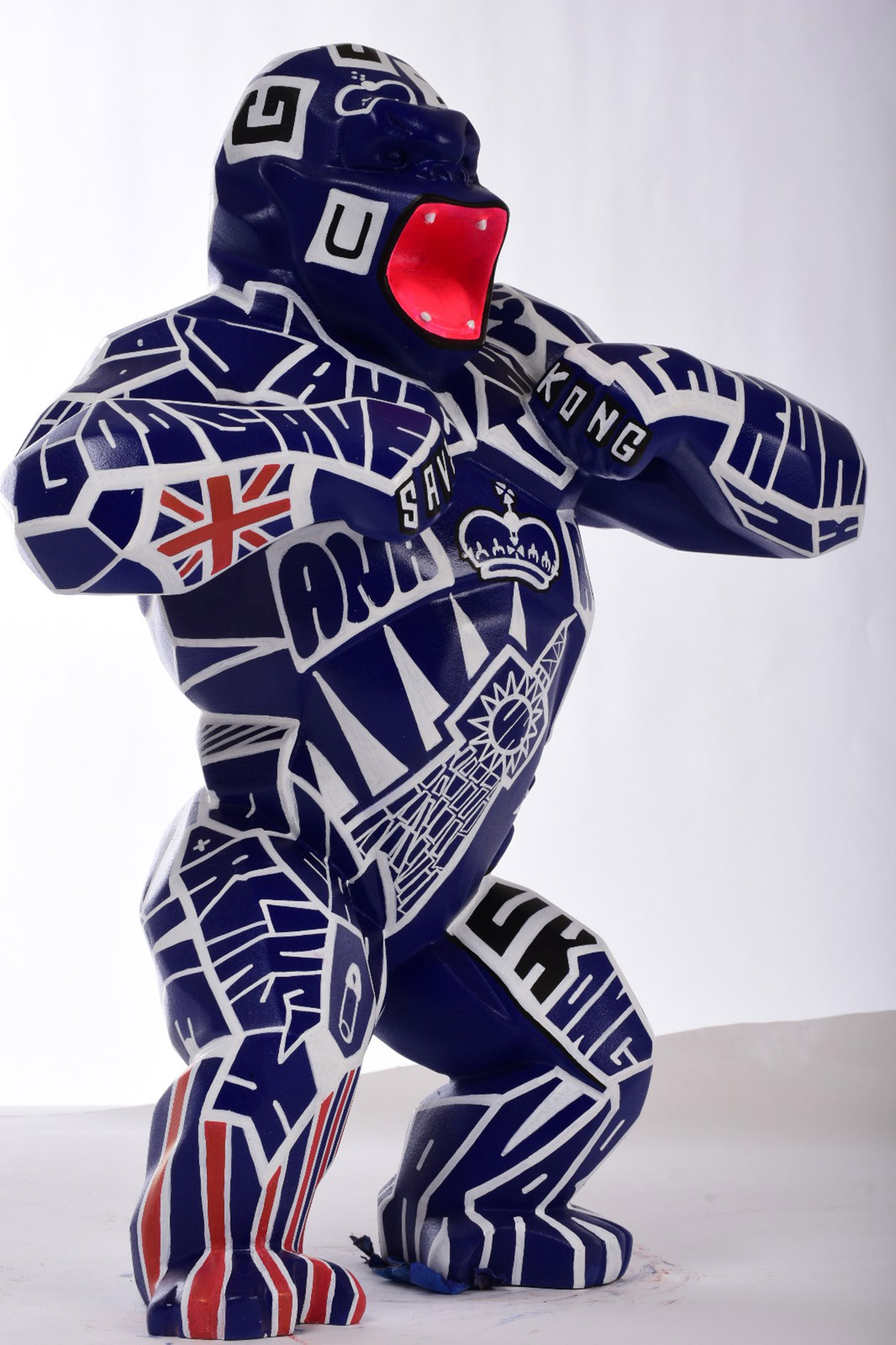
‘Wild Kong’ by Richard Orlinski
LUX: What draws you to sculpt animals in particular?
Richard Orlinski: It’s really simple. You would have made the same choice. What do you like when you’re a kid? You like to to go to the zoo, you like animals on TV. Basically all of the cartoons have animals in them, and even if you look back historically, humans have always had this connection with animals. Think about ancient Egyptian culture, Greece, all of the old civilisations. So when I was a kid, maybe as young as four years old, I started created small elephants and hippos.
Read more: Jewellery designer Theresa Bruno on authentic bespoke design
LUX: Which artists from past or present have been the biggest influence on your work?
Richard Orlinski: I think maybe Andy Warhol, not so much his work, but I think he is really amazing. He was from the commercial side, he was a publicist and he did so many things. I think if he had internet during his time, he would be huge now. I mean he is still huge now, but he would be like a king of the world because he was making movies, books, kitchen appliances and everything was amazing. Anyway, he started from the commercial side of things and nobody loved him, but I think he opened a way through pop art. I like his mind, his way of thinking.

Richard Orlinski has an ongoing collaboration with luxury watch brand Hublot. Pictured here: Classic Fusion Tourbillon Orlinski Sapphire. Below: The artist wearing the Classic Fusion Aerofusion Chronograph Orlinski
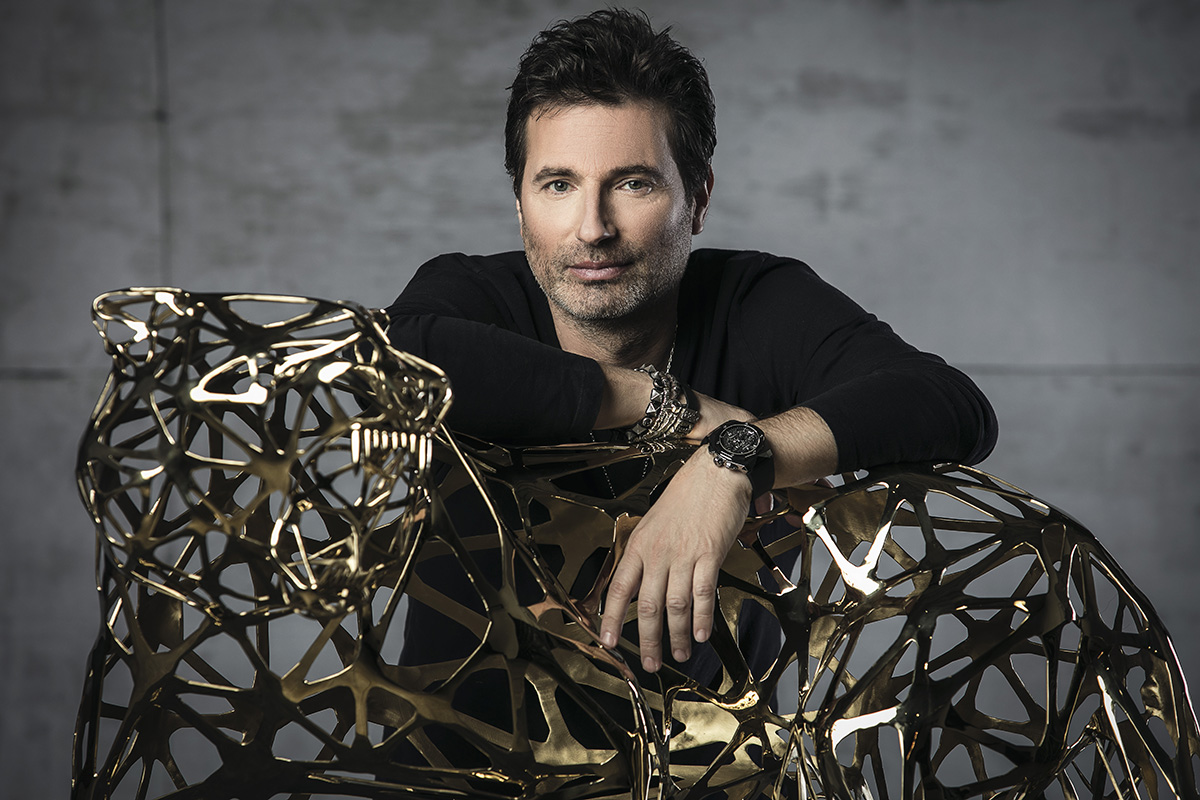
LUX: You also make lots of different things: music, sculpture, fashion. How do your artistic mediums intersect or influence one another?
Richard Orlinski: For me, art is not just sculpture or painting or music – art is everything. Nowadays, we tend to put people in a cage, we categorise them, but I think when you have a certain sensibility, you can feel something about music and about sculpture. At my studio, I have a sculptural studio and my studio for music downstairs. I work with a lot of different people: people from music, people from TV, rappers. It’s a real melting pot. I like this mixed energy.
LUX: Finally, what are you currently working on?
Richard Orlinski: I have so many projects. I’m working now on a club in Belgium, and then we’re going to build a huge disco in Europe. I get a lot of offers for collaboration and I always want to say yes, sometimes I can, sometimes I can’t. I also have my sculptures, of course, and my ongoing collaboration with Hublot. I like doing new things, taking on new opportunities.
Find out more: richardorlinski.fr


Family-owned Italian brand Smeg transforms kitchen appliances into objets d’ art
Originally established as an enamelling plant in 1948 by the Bertazzoni family, Smeg is now globally renowned for making stylish kitchen appliances. Here, the brand’s third generation family member and CEO Vittorio Bertazzoni speaks to LUX’s Editor-in-Chief Darius Sanai about consumer trends, collaborating with Dolce & Gabbana and creating sustainable products
Vittorio Bertazzoni
LUX: Do you think product design has become more important for consumers in recent years?
Vittorio Bertazzoni: I would say yes if we are talking specifically about kitchen appliances, which is mainly what we do at Smeg. I think there are a number of reasons for that, maybe one of the main reasons is that nowadays the domestic space itself is becoming more and more visible and central in the house. Once the kitchen was hidden, but today it is more and more visible. People like to gather in the kitchen with friends and family, so of course they want to have more beautiful kitchens. The other reason is that you have more and more appliances in the house generally. Nowadays, people like to buy steam ovens, dishwashers and lots of other appliances so it makes sense for everything to be more consistent in terms of style.
Follow LUX on Instagram: luxthemagazine
LUX: Do you think it’s a global trend?
Vittorio Bertazzoni: Definitely, maybe it wasn’t the case a few years ago but it has become a global trend because of higher attention towards food and health and the rise of like TV programs such as [The Great British] Bake Off and MasterChef. There is a global trend that starts with food then eventually how you cook the food and how you preserve the food and I think this is a very positive trend, not only from our business point of view which of course is positive, but also it allows for more products and technological advancements as people are more conscious about what they eat, how they preserve food and cutting back on waste.

A mixer from the Dolce & Gabbana x Smeg collection
LUX: Can you tell us about your collaborations with fashion houses?
Vittorio Bertazzoni: So the collaboration started with Dolce & Gabbana four years ago, but we started to think about the collaboration with Domenico Dolce ten years ago. So it is not something we did over night. As Italian companies, we share values and Italy, from my point of view, is quite well regarded when it comes to food, lifestyle, fashion and design so it is already linked together and the combination of fashion and design feels very natural. The aim of collaborating was to create something new and I think the result was pretty remarkable in that sense that the produce is unique and special. It wasn’t easy to translate the pattern, especially onto the smaller domestic appliances because the patterns are really, really precise and handmade. It took us 3 or 4 years to get the right technology. If you think about a kettle or toaster and working with the curves of those appliances as well as the liquid – the pattern has to be resistant to that kind of temperature. I have to say we are very pleased with the result. I think it is a good example of how sometimes design is not only design, but also technology. We will hopefully continue to work on new ideas together.
LUX: What are the challenges of being a family business?
Vittorio Bertazzoni: The obvious challenge for a family are the roles each person plays. You have to be very clear that one member of the family is a shareholder and another is a manager of the company. In Italy we struggle because in a typical family business you have family and shareholders and then you think that since you are a shareholder you have no option, but to be involved in the everyday business which is not the case. If we look at the US or even in the UK, the two roles are very different. You can, of course, be a shareholder and even work in the company, if you have certain attitudes and if you are engaged. Otherwise, you shouldn’t, as being a shareholder is also a job. It is not as if you just sit and wait for the dividends. Most of the time, family businesses are medium sized so the distinction of being a shareholder and being a CEO or whatever is still not very clear, so there is a challenge for the management of the company to understand this and be prepared for this. I see that there has been a big revolution recently in the stock market, more family businesses are going public and this helps a lot, as when you are not a close company you have to apply to certain rules and you have other stakeholders.
LUX: How has the nature of your business changed over the past few years with regards to digitisation and social media?
Vittorio Bertazzoni: The appliances industry has been regarded for many, many years as quite a conservative business. A fridge is a fridge, an oven is an oven. More recently, due to social media and the attitude of the consumer, the lifecycle of the product in terms of how long a product can last and the consumer demand to get the newest design and the newest collection has changed. Ten years ago, people didn’t have the desire to have so many changes in a product’s design. For example, Smeg is known for the retro style of refrigeration, maybe until a few years ago the cream, the black and the red were high selling products, but now, we see huge differences in colour preferences.
Read more: The must-visit destinations of 2020 by Geoffrey Kent
LUX: In terms of challenges in the future, do you think that this kind of universal visibility will become a challenge for you?
Vittorio Bertazzoni: I think Smeg has a unique place in the appliances market. We are very much about design, colour and putting together architects and designers to create distinctive appliances. So in this world of social media, where everybody is aware of what is available, I think we are in a good position. That doesn’t mean, of course, that is is easy and I think this really goes to the nature of being an Italian company, of our products being made in Italy. If you think about something made in Italy, you think of something distinctive and unique, not standard or a commodity product. I think that the consumer wants to be surprised by a product which is made in Italy – that is the very essence of the word. You think about Ferarri and Ducati, Armani, Dolce & Gabbana and Prada. The challenge we have is to not create different products for the sake of being different, but because they are truly different and they can add value to your flat, your house, your home.

The ‘Made in Italy’ concept is at the heart of Smeg’s design ethos
LUX: It sounds like the ‘Made in Italy’ ethos is very important for you?
Vittorio Bertazzoni: No doubt it is. Made in Italy is a concept that goes back centuries to the Renaissance when Italy started to nourish the beauty of the buildings and the architecture within towns, the paintings and sculptures. In Italy we are surrounded by the beauty of the country and the beauty of art everywhere. The Made in Italy concept is in the DNA of Italian people. For us, as a design led company it is very important for us to have our production in Italy which obviously doesn’t mean we are not open to the world – we are a global brand with 85% of our products sold outside of Italy – but we can see that people really like the Made in Italy concept and the care of our design. From this point of view, you could say that Italy itself is a global brand.
Read more: Artist Henrik Uladlen on the concept behind his latest exhibition
LUX: Can you tell us more about how you work with architects and what is your criteria for choosing partners?
Vittorio Bertazzoni: So first of all, from my personal point of view, I believe that architecture is the ultimate form of art. This I learnt from Michaelangelo as he used to say, painting is a very fine art but in the end it is not so difficult and not so important… sculpture, is a more evolved form of art it is three dimensional, but still architecture is the ultimate form of art. This is not my original thought, this was Michaelangelo’s thinking. Architecture is always going to influence a lot of people; if you have a nice building you have a huge impact on people and in the end, humanity. If you have a bad painting you can remove it, but if you have a bad form of architecture you are going to have a bad influence for a long time because you don’t have the opportunity to cancel the building and do a new one. By saying that I am explaining why we love to work with architects because generally speaking they have a vision for the future which is quite unique and when they design an oven, hob or a refrigerator they go about designing it as they would design a building or something that should last a long time. In fact the product we designed with the architect Renzo Piano, which was designed in the mid nineties, is still one of the best sellers because these products don’t age, they are beautiful and unique. I understand it’s hard for people to compare an oven or a refrigerator with buildings like the Guggenheim or the Shard but if you study it, the approach is the same. A beautiful product made by an architect can last a long time.

LUX: Smeg has long had impressive environmental credentials, whilst it seems that other companies are only catching up now. How have you seen attitudes towards sustainability change in the industry?
Vittorio Bertazzoni: That is right, it is part of our commitment as a family, I have learnt it from my father and he learnt it from his father. Obviously, this is something that happens everyday, it is not something that happens just one day, you have to work on it daily and sometimes you make a little step ahead, sometimes you can make a huge step with a very good innovation and ideas. But most of the time it is really having the idea and being consistent in everything you do. There is no doubt that the industry, in general, has improved a lot in the past 10-15 years. When I began in the company, I remember a dishwasher used 50 litres of water which has gone down to around 6.5 litres, I mean the saving is amazing on a global scale. Instead of hand washing your dishes, if you now own a dishwasher you use 1/10 th of the water used and ⅓ of the energy used than if you washed by hand. The new technology in refrigeration now allows a saving of around 700-750 euros per year of food waste because food can be preserved much longer. All this is really interesting and I see these concerns becoming more and more relevant. As as a company have introduced a new blast chiller, which is a very powerful refrigeration unit that can blast -30 degrees to the core of the product, which will allow you to save all the food that you have cooked and preserve it for longer. This is different from the concept of a standard freezer which goes down to -18 degree, but also our unit takes all the food down to that temperature very safely with no bacteria. I believe it is a revolutionary product and I am very happy that after a few years we are now out in the market.
LUX: Do you fear imitators?
Vittorio Bertazzoni: Well obviously, competition is always there and we have to accept that it is good for the customers on some level, but of course imitating is stealing ideas so we have to protect ourselves. Still, I believe by being innovative and forward thinking in terms of design and technology, we shouldn’t have to fear too much. It is a challenge, but I think it’s possible.
Find out more: smeguk.com
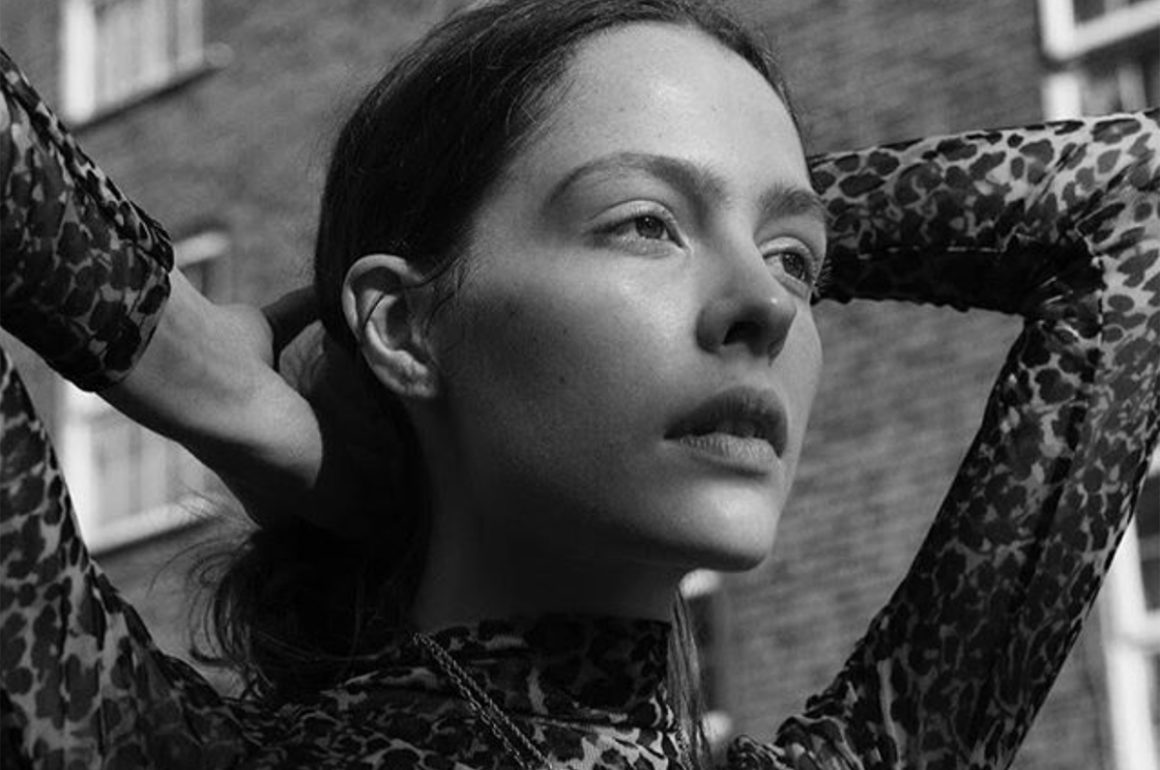
British model Anna Proffitt. Instagram: @annaproffitt
LUX contributing editor and model at Models 1, Charlie Newman continues her online exclusive series, interviewing her peers about their creative pursuits, passions and politics

Charlie Newman
THIS MONTH: 22-year-old British model Anna Proffitt has appeared on the catwalk for top fashion houses and graced the pages of many glossy magazines all while juggling a university degree and setting up a platform to discuss slow fashion. Here, she talks to Charlie about escaping to the countryside, sustainable shopping habits and reintroducing a ‘mend-it’ mentality.
Charlie Newman: Firstly, can you tell me about your background? Where did you grow up?
Anna Proffitt: I actually just moved back to the village I grew up in, I missed the countryside and Derbyshire folk when I was in London full time! I’m from a tiny village near the Peak District that’s all hills, fields and forests. I love it now, but not so much when I was young, I thought it was very boring. Everything was very quiet, my primary school class only had nine students. I remember passing my driving test in about four months so I could have some freedom! Now I’m so happy to live in the quiet, I can hike, climb, run and see the horizon all the time. I’m much more productive when I’m here, it’s all the clean air.
Follow LUX on Instagram: luxthemagazine
Charlie Newman: Were you always interested in fashion fashion?
Anna Proffitt: It’s the classic story of someone from the middle of nowhere seeing fashion as this glamorous escapism. I had a subscription to Vogue when I was 14 and fantasised about what it would be like to work in the industry. I did Fashion Design at College then Fashion Communication at University. Midway through studying I was scouted by an agency in Milan and went there in my summer break. When I came back I decided that I wanted to pursue it properly so applied to London agencies online and Models 1 signed me. Having worked for three years now experiencing the ups and downs, I am so grateful for the opportunities that have come out of it and know how to make it work for me. I have great respect for models, you have to be very strong and grounded to succeed.
Instagram: @annaproffitt
Charlie Newman: How easy was it to manage both modelling and studying?
Anna Proffitt: I studied at Nottingham Trent University so I was on the train to London pretty frequently. At times, it was hard to juggle as my course was very intensive. I am naturally organised and hard working so I made it happen, I wrote a lot of my dissertation in queues for Fashion Week castings! I don’t think I would have done it in a different order as my modelling career helped with my course, it inspired and influenced a lot of the projects I did. I had a real industry perspective so could tune my projects to what actually happens in fashion, not just what I read about. I’m lucky to have had truly supportive agency that respected my studies and asked how I was. The stress of third year really took its toll on me so I took a long break from modelling but with a great team, I came back and walked Celine in the September after graduation.
Charlie Newman: In my opinion, catwalk modelling is the most gruelling part of the industry. How do you get through fashion week?
Anna Proffitt: It really is! I’ve certainly not always thrived in it, you have to be so in tune with yourself and able to ignore a lot as the nature of the process strips away your self-worth very easily if you let it. But then you have to be in it to win it. It’s all about the balance of knowing what is right and safe for your physical and mental health whilst allowing your ego to take you into that model mentality. I have a much stronger sense of self now, I guess it comes with age. So fashion week wouldn’t be so gruelling for me now as I know how to keep myself level.
Read more: Truffle making & Michelin-star dining at St. James’s Hotel & Club
Charlie Newman: What has been your favourite show to walk in and why?
Anna Proffitt: Celine is the biggest show I’ve walked yet and it was amazing to be surrounded by some of the biggest names in the industry. It was fascinating to see how a big fashion house works and be a part of the hype around Hedi Slimane’s first season at Celine. As a dressmaker myself, it was a dream come true to see how expert tailors fit the garments and discuss fabrics. I love Paris so much too, being able to spend 3 weeks there was amazing. Travel is definitely the biggest perk of the job!
Charlie Newman: Other than Celine, what’s been a career highlight so far?
Anna Proffitt: I loved the shoot I did for Wonderland Magazine with Campaign for Wool. It was all about championing British industry and conscious consumption which I am extremely passionate about and it was also my first glossy magazine shoot. I ended up collaborating with Campaign for Wool on my final major project at University. It’s so fulfilling when you meet lovely people on a job that you get on with and can work with on other projects.
Charlie Newman: Who do you look up to within the industry?
Anna Proffitt: I look up to the Ateliers of Haute Couture, they are some of the most skilful and talented people on the planet. My favourite artists in the industry are Rei Kawakubo, Tim Walker, the late Alexander McQueen and Christopher Simmonds.
Instagram: @annaproffitt
Charlie Newman: How did you come up with the concept for The Idle Hands Collective?
Anna Proffitt: Idle Hands is a platform that discusses conscious consumption in the fashion industry. It started as a way I could visually explore the topic so more people can join the conversation. I am passionate about the craft of fashion and using what we already have, there are so many amazing clothes in the world we don’t need to make more, especially more that are made from plastic and fall apart after one wear. I want to champion quality over quantity and prove you don’t have to forfeit your aesthetic in the slightest to dress sustainably. The blog consists of think pieces about sustainable fashion and features people, makers and communities that are paving the way. It goes alongside my vintage and up-cycled business which I have on Depop and my Instagram.
Read more: Why Spain is best for cultural travelling by Geoffrey Kent
Charlie Newman: As consumers, how can we make our approach to fashion more sustainable?
Anna Proffitt: Stop buying crap clothes! Why would you want to put your hard-earned cash to something that you know will only last you about two months? I would love to see a massive shift in consumer mentality that champions quality items over anything the fast fashion brands give you (which are inherently made to be disposable). I would love for charity and second-hand shops to be destigmatized and a ‘make do and mend’ mentality to be reintroduced. In this consumerist society, we can vote with our wallet, so make your money count.
Instagram: @annaproffitt
Charlie Newman: Who are your favourite sustainable brands?
Anna Proffitt: My favourite sustainable fashion brands are: Paloma Wool which is ethically made in Barcelona, Girls of Mars, FARA Charity shops because they are usually nicely presented and Rokit Vintage (my favourite is the Covent Garden branch). I am currently using a face oil by an independent maker called Lovely Skincare based in Sheffield and I use Neal’s Yard too as their green credentials are to be envied. The Body Shop and L’Occitane have recently teamed up with TerraCycle so you can recycle all beauty empties in store, which is quite revolutionary. The best places to shop are always local; support your local community. Shop your local markets, greengrocers, hardware stores, charity shops and book shops.
Charlie Newman: Lastly who is your role model of the month and why?
Anna Proffitt: My role model of the month is the climber Nina Williams. I watched her documentary at the Reel Rock Film Festival and I am in awe of her mindset and strength. Go check her out!
Follow Anna on Instagram: @annaproffitt
The Abama overlooks the volcanic island of Gomera
LUX steps into a different universe of tranquillity, colour and cuisine at The Ritz-Carlton Abama resort in Tenerife, a short hop from western Europe
Stepping out of your room into a kaleidoscope washed by warm salty air is a delicious feeling. The kaleidoscope was the lavishly planted sea of flowers in multilayered, terraced tropical gardens around the villa where we were staying. A short stroll along the path took us past even more plants, trees and flowers of every conceivable colour, which rose first past several organically shaped pools and then onto the terrace where breakfast was served.
Follow LUX on Instagram: luxthemagazine
The Ritz-Carlton Abama is located on top of a cliff overlooking the ocean and a volcanic island opposite. During breakfast time, this island was always covered in a mysterious, horror-movie murk, almost indistinguishable from the light-blue sky around it. The sun rises slowly in equatorial zones, and even though the morning air had a hint of chill in it, due to the coldness of the sea currents, we were indeed in an equatorial zone off the coast of Africa. The Canary Islands may have become host, in part, to unglamorous mass tourism recently, but they first came into Western awareness as a hive of distinctive species and ecosystems.
The villas are set in lush gardens
The days soon took on a familiar rhythm. Adjacent to the breakfast terrace, a 50-metre pool, curvaceous and irregular, is boarded by rows of sun lounges with a view down over the gardens to the sea. As the sun became stronger, we moved down to the beach, where a seafood and grill restaurant was washed by calling breezes and salty air. There is cliff jumping from either side of the bay where the long, sandy beach is located, and in the next bay you can jump from black volcanic rock to black volcanic rock admiring great schools of crabs, blue and orange, living in the twilight zone beneath them, between land and ocean.
Read more: Gaggenau’s latest initiative to support emerging artisans
Swimming in the clear sea, sheltered by a breakwater, involved being accompanied by fish – sometimes individuals, sometimes in shoals, occasionally monochrome, usually in an array of colours to match and even outdo their plant-based counterparts on land, with fluorescent blues and oranges all the vogue.
If we had not had the energy in the morning, an early-evening game at the tennis centre based around perfect clay courts next to the (celebrated) golf course was a way of adding to the exercise quotient, before either moving to one of the restaurants, or dining on room service on our own terrace overlooking treetops, banana plantations, the ocean and the volcanic island of Gomera. In the evening, this was lit up in pinks and greens, and strung by lights from its occasional roads, just visible from our vantage point 20 miles away across the water.
Abama’s main pool – one of seven at the resort
Fine dining is not often associated with the Canary Islands, something the original creators of Abama sought to change when building this resort. Unusually for an island in the Atlantic, 1,000 miles from the southern tip of Spain, it has Michelin-starred restaurants and an array of other dining spots with specialised cuisines and, often, spectacular views.
The most notable is Kabuki, a Japanese restaurant high above the resort and the 18- hole championship golf course. The whole resort is built on a steep volcanic slope, meaning the view down from Kabuki to the gardens, plantations, swimming pools and the sea is particularly captivating at dusk. Aperitifs are served on the terrace, and inside, the restaurant serves a celebrated blend of local and Japanese cuisine. The flame-seared fish nigiri is easily the most memorable thing on the menu.
At the other end of the resort, although by no means at the other end of the scale, El Mirador is an eagle’s nest atop cliffs that plunge down to the ocean. From the tables you can hear the sea crashing against the rocks far below and smell the ocean spray. Appropriately, El Mirador serves grilled fish and seafood, and is also celebrated for Spanish cuisine from a different part of the country: black rice paella. Like a number of the restaurants in the resort, it also serves a mean bowl of Canarian potatoes, which maximise on intense, nutty taste, accompanied by red and green chilli sauces.

The kitchen and terrace at El Mirado
The cascade of colours at sunset at El Mirador is a match for any oceanside location in the world, and a fitting end to a day that began with the kaleidoscope of flowers outside the villas. The villas themselves are the most secluded category of accommodation in a resort that is bigger than it may seem, so well blended is it with its natural context. We had a seaview suite, including a large living room, huge bedroom and two balconies, which should be plenty for any couple. It can be combined with an adjoining (equally large) bedroom for a family area big enough to match many people’s homes. Interior décor is all cool stone and tiles, with equally large bathrooms to match. And that fabulous morning cascade of colour as soon as you draw the curtain, or open the door.
One-bedroom suites in villas at The Ritz-Carlton Abama Tenerife start from €615, plus tax. Find out more: ritzcarlton.com/abama
This article was originally published in the Autumn 19 Issue.
Lewa Wildlife Conservancy, Isiolo, Kenya. Image by David Clode
Philanthropists have long played a huge role in wildlife conservation, but now a more holistic approach is needed in a world where humans and nature increasingly live cheek by jowl
Andrew Shirley
Sometimes, to see the bigger picture, you have to turn things inside out. For decades, wildlife conservation, particularly in Africa, has focused on what lies within the boundaries of national parks, reserves and other protected areas, many of which owe their existence to the fortunes of benefactors and donors enthused with a passion for the environment.
But despite their efforts and the hundreds of millions, if not billions of dollars spent, the continent’s wildlife is still in a state of precipitous decline. Now, there is growing recognition that part of the solution is to be found on the other side of the hard and not-so-hard boundaries separating man from nature.
Follow LUX on Instagram: luxthemagazine
To many, the conservation battleground in Africa is a war – literally, conducted by both sides with military-grade equipment and planning – against the illegal trade in ivory and rhino horn. And wildlife isn’t the only victim. Paul Milton, founder of the Milton Group, an advisory firm to a number of ultra-high-net- worth families with a combined interest in over 1.5 million acres of conservation lands in Sub-Saharan Africa, has seen evidence of this first-hand. The story from just one community in Mozambique is harrowing. Scores of children orphaned; fathers lost while poaching or through long-term incarceration; mothers forced into prostitution to survive.
Huge sums are spent to thwart poaching, but too little on addressing the reasons that drive people to do it. Having interviewed many poachers, he says, they want just two things: food security and work. Asking someone who already spends millions on conservation to fund employment creation isn’t an easy sell, yet long term, generating local economic value offers a more sustainable means to reduce poaching.
Conservation and the hospitality industry that springs up alongside it does create jobs, but it’s not enough. Park boundaries that ten years ago were relatively devoid of habitation are now marked by informal settlements of hundreds of thousands of people – the fences of some of the world’s most iconic wild spaces are used as washing lines.
Creating buffer zones around parks is one solution, but only increases the sense of dislocation between local people and wildlife. Even the word ‘conservation’ is controversial due to its colonial undertones: high-minded thinking from afar, divorced from the daily realities of existence.
Part of the problem is that very little attention has been paid to how population growth and infrastructure development, such as new transport corridors, increasingly affect the disparate conservation zones scattered across Africa. The base data exists – the world has been comprehensively mapped from space – but nobody has thought to join the dots in Africa. A new initiative between mapping and geographic information system providers ESRI, Nasa and The Peace Parks Foundation, coordinated by Milton Group and the UN, looking at a ten-million-hectare swathe of Botswana, South Africa, Zimbabwe and Mozambique, should act as a framework for a more unified approach to conservation.
The other elephant in the room is that conservation in its current form isn’t financially sustainable over the long term. Since the financial crisis, the NGO model appears to have hit a glass ceiling and even the most deep-pocketed philanthropists don’t wish to leave money pits for future generations.
Tourism was long regarded as the answer, but alone, it is no silver bullet. At the top end of the market, the cost of providing luxuries to attract big-spending visitors to remote areas makes it difficult to generate huge profits. Further down the chain, the volume of guests on more affordable safaris can damage the flora and fauna supposedly being protected.
Read more: Introducing the new age of ink art
Well-resourced individuals and families, however, are looking at new hybrid hospitality models involving impact investment, public/private partnerships and hospitality programmes for their exclusive use. This model is particularly suited to private reserves, however most of Africa’s protected spaces are under a wider umbrella of stewardship. More innovative models are required, that may not be linked to the protection of a species, but to the wider benefits to society, such as carbon sequestration that can mitigate the speed of climate change. The payment for this ‘natural capital’ could come from companies looking to offset their own carbon emissions.
In my role as editor of The Wealth Report I’ve been lucky enough to see first-hand the amazing work being done by philanthropists in Africa, whether conserving existing wild areas or rewilding landscapes given over to agriculture. The success stories are awe-inspiring. But a new narrative is required that accommodates the needs of people as well as wildlife, one that is not imposed on the continent, but works in harmony with it.
For UHNWIs looking to get involved in conservation, there is a unique opportunity now to shape that narrative. Some advice: let your passion drive you, but don’t let it overwhelm your decision making. Work out where your efforts will have most impact; an isolated block of land may be ideal for a private reserve, but somewhere providing a corridor between existing conservation areas may offer longer-term benefits. Visit existing projects, assemble a team of experts, talk to potential partners and don’t look at wildlife in isolation, the local community is an equally important part of the equation. Finally, have a clear vision of how your project will be financed in future to protect your legacy.
Many wealthy individuals have created their fortunes by turning things inside out to create new perspectives. They still have a huge role to play in safeguarding the world’s wildlife.
The Wealth Report, a guide to prime property and wealth trends, is published by Knight Frank. knightfrank.com/wealthreport
This article was originally published in the Autumn 19 Issue.

Art by Grace Crabtree
Genetically modified organisms have courted controversy since they were first developed. Mark Lynas’ new book explores the surprising extent to which politics has trumped science in the GMO debate, says Shannon Osaka
When Mark Lynas slouched onto the stage at the 2013 Oxford Farming Conference, he looked decidedly uncomfortable. After all, the British environmentalist and science writer — known for his well-researched and detailed books on climate change — was about to face his peers in a format best resembling a confession. ‘My lords, ladies, and gentlemen,’ he began. ‘For the record, here and upfront, I apologise for having spent several years ripping up GM crops.’
Lynas wasn’t speaking metaphorically. In the late 1990s, dressed in a black hoodie and clutching a machete, Lynas took part in ‘direct actions’ against geoengineering, in which he and his fellow activists dodged police and landowners to destroy GM crops. Their call to action was a milieu of anti-corporate sentiment, anti-capitalism, and resistance to the modification of nature. In advance of one early action, Lynas wrote on a flyer: ‘Huge corporations…are using genetics to engineer a corporate takeover of our entire food supply. There is still time to stop them.’
From the beginning, the producers of genetically modified organisms (GMOs or GMs for short) – including such unsavoury companies as the US-based Monsanto – have been embroiled in a war of attrition against environmental activists. Those ideologically opposed to genetic modification spent the late 90s and early 2000s planning protests and spreading misinformation about the dangers of the new crops. They called GMOs ‘Frankenfoods’. They demonised the scientists and researchers who developed them.
Follow LUX on Instagram: the.official.lux.magazine
And they were overwhelmingly successful. In 2005, a Gallup poll found that a third of the US population believed that crops made with biotech posed ‘a serious health hazard to consumers’. By 2015, over half of the countries in the European Union, including Germany, France, and Italy, had enacted bans against the cultivation of GM crops. While GMOs are still grown today in the United States, their spread has been slowed or halted in Europe, Asia, and Africa.
To date, however, the deleterious effects of GMOs remain merely speculative. Ninety percent of scientists think that genetically modified foods are safe. The American Medical Association, the World Health Organization, the Royal Society of London, and many other science organisations worldwide have stated that GMOs are safe or, at the very least, not any more dangerous than organisms developed through conventional breeding methods.
It was the realisation that his position was not only unsupported by, but in fact the antithesis of, the scientific consensus that led Lynas to his emotional confession before the Oxford Farming Conference. It also led him to write Seeds of Science: Why We Got It So Wrong on GMOs (2018), a book that is at once memoir, polemic, and technology explainer; it is at times frustrating and at other times revelatory.
It is also timely. In an age that has been called ‘post-fact’ and ‘post-truth’, trust in science is on a decline amid a deluge of internet-spread misinformation, partisan politicking, and privately-funded denialism. A BBC documentary in 2010 declared that science was ‘under attack’ and the March for Science, founded last year in response to the inauguration of Donald Trump, attracted 100,000 participants in Washington, D.C. alone. On both sides of the Atlantic, doubt has spread on every scientific question from the veracity of anthropogenic climate change to the safety of vaccines.
Amid such conflict and uncertainty, Lynas’ recantation seems hopeful: a triumph of reason over emotion, of evidence over partisanship. But the real story is more complicated. As [Shawn] Otto explains in his lengthy and thorough The War on Science (2016), scientific reasons for supporting one position or another all too easily bleed into ideological ones – whether the issue is conservative opposition to climate change or liberal distrust of GMOs. Yes, Lynas changed his mind: but was he motivated by fact or ideology?
*
The story of GMOs begins with a misnomer. All organisms that we eat are, in one way or another, ‘genetically modified’. We have crossbred similar species of plants and animals to select for particular, idealised characteristics. That’s why carrots are orange, large, and sweet rather than small, white, and woody. That’s also why we have domesticated dogs that range in size and shape from the dachshund to the Great Dane.
But it can’t be denied that GMOs have an extra ick factor. Genetically modified organisms, in the sense that we use the word today, contain genes that have been extracted from some other, often completely unrelated, organism. Donor DNA which codes for a particular useful protein is removed and implanted into the recipient, imbuing it with the superpowers of (in the case of food) pest or herbicide resistance. This type of genetic engineering is cool, but also frightening. As Lynas said in his conference speech, ‘This absolutely was about deep-seated fears of scientific powers being used secretly for unnatural ends … We employed a lot of imagery about scientists in their labs, cackling demonically as they tinkered with the very building blocks of life.’ There’s something about modifying the genome itself that smacks of technological overreach.

Art by Grace Crabtree
It doesn’t help that GMOs are a poster child for the corporatisation of farming. Monsanto, a multinational conglomerate formerly based in St. Louis, Missouri, was one of the first companies to produce and commodify genetically engineered seeds. (Monsanto no longer exists as an independent entity: in June 2018, it finalised its sale to German chemical giant Bayer). Lynas traces how Monsanto engineers stumbled upon a highly potent, surprisingly safe herbicide called glyphosate, which the corporate eventually dubbed ‘Roundup’. Combined with a soybean genetically modified to resist glyphosate – aka the ‘Roundup Ready’ soybean – Monsanto could sell farmers seeds and herbicide simultaneously, ensuring a steady stream of profit.
Although the company touted its ethical bona fides at every opportunity, its business practises looked suspect. GM crops had promised to help the environment by removing the need for toxic herbicides and pesticides – but Monsanto’s first big biotech release required an herbicide: one that was produced only by Monsanto. The company had also pledged to reduce poverty in developing countries with its new crops. But it aggressively patented its products to lock out competitors, and seemed to seek a kind of monopolistic control over the world food system
Lynas and his fellow activists exploited this narrative to the best of their ability. Companies like Monsanto, they argued, were ‘playing God with DNA, and using customers as guinea pigs’. In one press release from 1997, Lynas claimed that under the biotech company ‘the natural world is being redesigned for private profit’. In these communications, multiple forms of GMO opposition were intertwined and blurred. Were Lynas and his colleagues worried that ingesting GMOs would cause illness, disease, or death? Were they reacting to the commodification of agriculture, food, and nature – a long-standing environmentalist raison d’etre? Or was it a purely philosophical opposition against human technological hubris?
The answer matters. The recent twist in Anglo-American politics has created an illusion that all science denial emerges from the right. Denial of climate change has become a near-fundamentalist belief from pro-industry conservatives, while right-leaning religious groups and conspiracy theorists contradict evolution and (in some bizarre cases), the fact that the earth is round.
But, as Otto argues, distrust of science is equal opportunity. It affects thinkers on the left and the right, when science conflicts with dominant ideologies. The anti-vaccine craze, beginning in England with now-discredited physician Andrew Wakefield, began as a movement of well-educated liberals who inherited the holistic health fad of the 1970s. Other historical leftist anti-science positions have included fear of fluoride in tap water, or suspicion that mobile phones and microwaves can cause cancer.
One of the mysteries of GMO opposition, however, is how the same left-wing environmentalists who espouse a 97% scientific consensus on climate change ignore – or even criticise – the similar consensus on the safety of genetically engineered foods.
Read more: Inside one of the world’s most exclusive business networks
Lynas was once one of them. Lacking a scientific background and propelled by green values, he wrote blithely in the 90s about the dangers of GM crops, with little empirical evidence beyond anecdotes shared among eco-advocacy groups. But over the next decade his focus changed. Inspired by what he saw as rampant rejection of global warming science (he once pied climate denier Bjørn Lomborg in the face during a book tour), Lynas started pouring over the research on climate change. He wrote two popular books explaining climate science: Six Degrees and High Tide.
In 2008, shortly after winning a science book prize for Six Degrees, he was asked by The Guardian to write an op-ed on GMOs. He was startled to find that he couldn’t locate any legitimate peer-reviewed sources to back up his usual claims that genetically modified crops could contaminate local environments, or that they led to the use of more hazardous chemicals in farming. ‘Facts are stubborn things,’ John Adams once wrote, and Lynas, overwhelmed, felt he was at a crossroads: all his environmentalist colleagues opposed GMOs. ‘I could betray my friends, or I could betray my conscience,’ he writes. ‘Which would it be?’
*
In the end, Lynas prioritised his conscience. In the first half of Seeds of Science, he attempts to debunk every wrongheaded GMO belief he ever harboured, from claims that GM crops cause environmental devastation to the moral culpability of Monsanto. In some places, such as in his polemic against ‘fake news’ peddled by the environmental movement, his interventions are long overdue. In 2008, news outlets widely reported that thousands of Indian farmers had committed suicide because they couldn’t afford to pay Monsanto for genetically-engineered cotton seeds. The story was pushed by Vandana Shiva, a high-profile Indian activist who has called GMOs a form of ‘food totalitarianism’ and referred to the introduction of insect-resistant Bt cotton into the state of Maharashtra as a ‘genocide’.
But, as Lynas points out, all available evidence shows that suicides among Indian farmers are no higher than other countries in the developed or developing world – including Scotland and France. Journalists, including Lynas himself and New Yorker correspondent Michael Specter, travelled to Maharashtra and found no evidence of the massive suicide waves Shiva and anti-GMO campaigners pointed to. Lynas writes, ‘The Indian farmer suicide story is a myth, built … by those like Vandana Shiva with an ideological axe to grind and little concern about the true facts.’
In other places, however, Lynas seems blinded by his own enthusiasm. Eager as he is to debunk GMO fears, he conflates the connection between GMOs and health – a question that science can answer – with more philosophical oppositions. We can think GMOs are safe to eat, but still question whether humans should be modifying genomes in the first place. We can believe GM crops are safe for the environment, and still critique Monsanto’s patenting process and its monopolisation of the global food supply. When Lynas writes a chapter lionising the history of Monsanto, he sounds less like a rational man of science, and more like a man who has traded one ideology for another.
And while science itself may not be ideological, its interpretation, and the public’s belief in its findings, certainly is. Otto argues that the role of values and ideology in scientific trust has plagued communication (and democracy) for decades. The British philosopher and scientist Francis Bacon put it best when he wrote, in 1620: ‘…What a man had rather were true he more readily believes. Therefore he rejects difficult things from impatience of research … [and] things not commonly believed, out of deference to the opinion of the vulgar. Numberless, in short, are the ways, and sometimes imperceptible, in which the affections colour and infect the understanding.’
While Lynas initially wanted to believe that his change of heart was based on cold, hard, scientific facts, modern psychology has proven the opposite. Science communication is often based on an ‘information deficit model’; if only the public were more informed, scientists argue, they would accept findings from anthropogenic climate change to the safety of GMOs.
But the truth is more complicated. For example, on the issue of climate change, studies have found that greater scientific literacy actually increases polarisation. According to a 2008 Pew Research Center Study, highly-educated conservatives in the US are less likely to believe in climate change than their less-educated counterparts. Otto attributes this to an educational model overly focused on critique, combined with never-before-seen political polarisation. He writes, grimly: ‘We are inculcating the attitude of scepticism without teaching the skills of evidence gathering and critical thinking needed to discern what is likely true.’
Read more: Knight Frank’s Chairman Alistair Elliott on research and tech
The problem is that in the human mind, values run hotter than evidence. Essential knee-jerk moralisms (like opposition to sexual taboos) and partisan ideologies, whether pro-corporate or anti-establishment, take centre stage in the battle for our minds. Psychologist Jonathan Haidt, author of The Righteous Mind (2012), argues that when faced by evidence contradicting a deeply-held belief, people ‘reason’, but not to find truth. Instead, they reason to support their emotional reactions. ‘If you ask people to believe something that violates their intuitions, they will devote their efforts to finding an escape hatch – a reason to doubt your argument or conclusion,’ Haidt writes. ‘They will almost always succeed.’
When it comes to the politics of science, a set of ideologies divide the public on controversies. Otto, with a chart that resembles a tuning fork, separates science sceptics into two broad camps. On one side, an odd couple of ‘old industry’ (oil, chemical, and agricultural companies) and ‘old religion’ have banded together to form right-wing anti-science. Otto calls it a ‘marriage of convenience’. ‘The fundamentalists needed access and legitimacy and the business interests needed passionate foot soldiers,’ he writes. Together, this right-wing group doubts the science of climate change, evolution, and reproductive health. On the other side, pro-environment liberals have joined with anti-corporate activists to question mainstream medicine, the safety of vaccines, and worry about the deleterious effects of GMOs.
This is certainly an oversimplification of a problem that is more granular than Otto lets on. Anti-science doesn’t split so neatly along partisan divides. (For example, while liberals tend to be the most active anti-GMO activists, many conservatives are suspicious of GM crops as well.) But his premise helps to unlock the puzzle of why climate change believers like Lynas are often also GMO sceptics. For an environmentalist, belief in science is not the tantamount value, but rather belief in preserving a particular vision of ‘nature’, one that is external to society but vulnerable to human influence. Within this worldview, anthropogenic climate change makes sense, but so do the dangers of genetic engineering. When value-centred beliefs clash with science – and with an increasingly entertainment-focused news media that, as Otto argues, is no longer a ‘marketplace of ideas’ but a ‘marketplace of emotion’ – consensus and evidence take a backseat to more heartfelt beliefs.
That’s a deeply troubling sign for a democratic society. Otto believes that science is essentially anti-authoritarian, that it relentlessly challenges received wisdom through a rigorous system of peer-review and hypothesis testing. What are we to do, then, when research shows that both the left and the right are unable to set ideology aside when facing scientific questions?
In the final few chapters of Seeds of Science, Lynas begins to understand the real reasons behind his change of heart. His polemic against anti-GMO activists gives way to a sincere exposition on the role of partisanship in science belief. His recantation came, he notes, on the heels of his acceptance into a community of scientists and science journalists, and thus into a new ideology (albeit one that placed science first). ‘Deep down,’ he writes, ‘I probably cared less about the actual truth than I did about my reputation for truth within my new scientific tribe … It wasn’t so much that I changed my mind, in other words. It was that I changed my tribe.’ It’s a dark takeaway from a book ostensibly written about the importance of facts and evidence.
Read more: A journey to the Kimberley with Geoffrey Kent
There are still reasons to oppose GMOs. One of Lynas’ friends, the Oxford-based environmental journalist George Monbiot, believes that the consensus that GMOs are safe changes little about the movement against them. ‘For me, it was all about corporate power, patenting, control, scale and dispossession,’ Monbiot told Lynas. In short, many of the villains countered by the environmental movement. Monbiot thus understands what Lynas initially ignored. Science can tell us about risks, benefits, and safety, but the decision about whether to genetically modify organisms (or, for example, whether to geo-engineer the climate to prevent catastrophic climate change), is a social and political one. It can only be made through use of all-too-human values and deliberation.
What is needed, then, is science as a platform, a foundation on which politics can be built. ‘Wherever the people are well informed they can be trusted with their own government,’ Thomas Jefferson wrote in a letter in 1789. At the end of his book, in a section optimistically titled ‘Winning the War’, Otto suggests science debates, a scientific code of ethics, journalistic standards for science coverage, and much more. He is a cheerleader for an evidence-based democratic society.
In the ‘post-truth’ era, where expertise is scoffed at and fact held in disdain, Otto’s scientific city on a hill seems a long way off. Humans that we are, we prefer narrative to evidence, linear stories to complex truths. We accept science when it aligns with our worldview; we doubt it if it does not. But, despite his flaws, Lynas represents the faint hope that under the right conditions we can change our minds. That, over time, the stubbornness of fact can – and might – outweigh the obstinance of ideology.
Shannon Osaka is a postgraduate student in geography at Worcester College, University of Oxford. She writes about technology, science, and climate change.
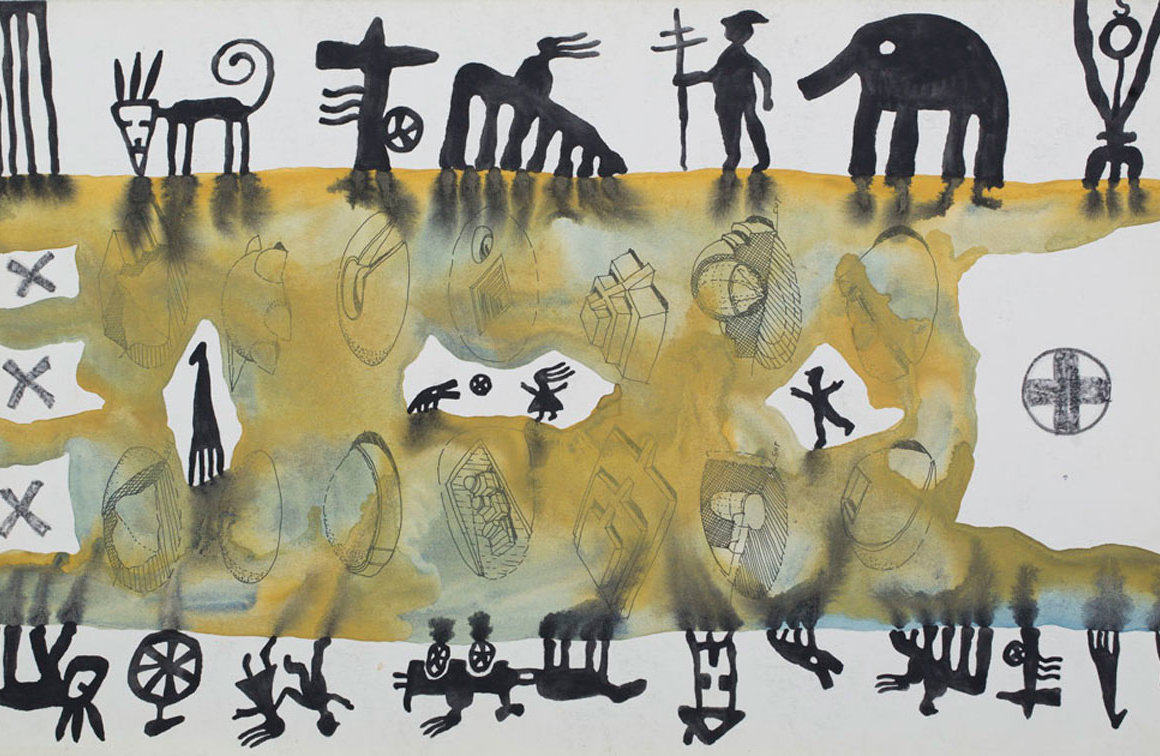
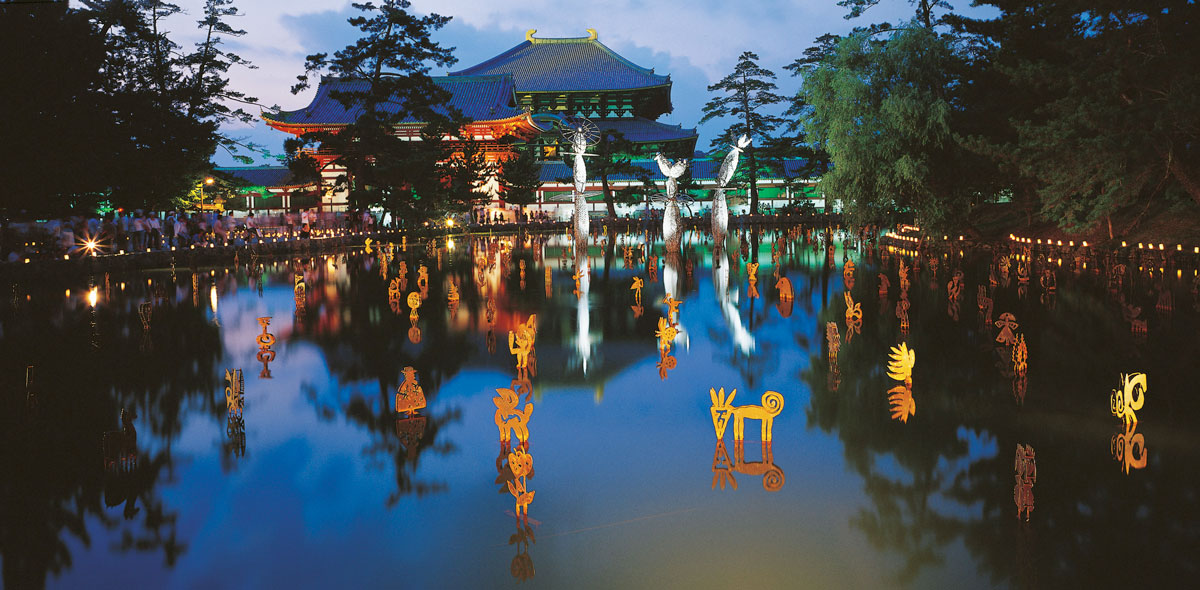
The Three Magic Flowers Of Jitchu, Kagami Lake, Todai Ji Temple in Nara, Japan by Nadim Karam
Born in Senegal, and raised in Lebanon, Nadim Karam is an architect, painter, sculptor, writer and designer. With his Beirut-based multidisciplinary design studio, Atelier Hapsitus, Karam has created large-scale urban art projects in Paris, Prague, Dubai, London, Melbourne, Tokyo and Chicago. His work has been exhibited at several Venice Architecture Biennales, and his first major exhibition in the UK is currently on display at The Fine Art Society. Millie Walton speaks to the creative polymath about urban toys, artistic challenges and the importance of fun.
LUX: Your sculptures and paintings are often quite fantastical. Where does your inspiration come from?
Nadim Karam: Life! I believe, like Gabriel Garcia Marquez, that an element of fantasy in a serious context or with a serious message can transport an idea or story, and help it catch alight. A judicious dose of fantasy is one of our antidotes to apathy, ugliness, and pessimism.
Inspiration, I suppose, comes from our experience of life and the way we look at the world… I am lucky to come from Lebanon, with its wonderful, chaotic energy and endless contradictions, and I spent ten years absorbing Japanese cultural philosophy, which is now very much a part of me. I have so many ideas; I just need to find the quiet in-between-work moments to put them down in my sketchbook.

Genesis Diptych 2016 by Nadim Karam
LUX: At Atelier Hapsitus, you combine several different creative disciplines – art, architecture and design – is there an over-arching theme or vision that ties these altogether?
NK: Probably that would be absurdity, memories and stories, which constantly feed into each other. Their meeting point is the public art projects that I create for cities or public contexts.
LUX: You often describe your sculptures as ‘Urban Toys’ – what do you mean by that?
NK: My work is whimsical; I make toys to the scale of the city to create question marks, open a dialogue and introduce moments of delight, or fantasy to urban contexts.
Read next: Why you should invest in a modern classic car
LUX: How do you persuade clients that spending money to make their urban environments ‘playful’ is important?
NK: I believe in it. I believe in it so much that I invest years and years working with communities, municipalities and bureaucrats to persuade them to introduce playfulness to their cities. Urban environments can be lonely places, dominated by real estate, communication and transportation systems and the business of making money. Adults need dreams, fantasy and moments of wonder just as much as they did when they were children, but at a certain point they were required to put their toys away and get on with the serious business of living. If we can introduce organic flexibility within rigid systems through interactive works, we can help reinforce a sense of belonging to a community, and celebrate enjoyment for its own sake.
This will never work if you just cut and paste an artwork into a context – that is not the kind of public art I am talking about. Before proposing a project to a city, I study, with my office, the history and culture, the geography and built context, because I want to create works that feel like they have grown out of the place or in contrast with it, and are adopted by the people who live there.
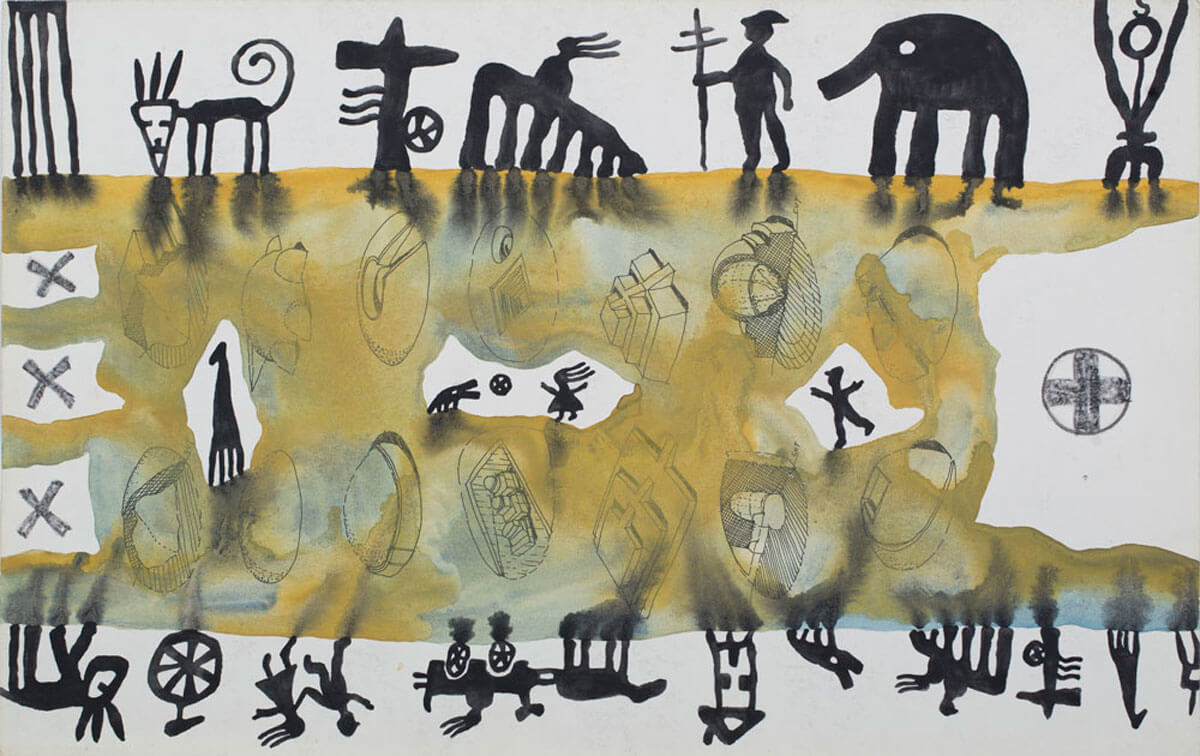
Urban Stories by Nadim Karam
LUX: What’s been your most challenging project to date?
NK: In different ways, many have been challenging; Prague because I had to negotiate through a tense post-communist social climate, Nara (Japan) because it took twenty years to get the Buddhist monks’ acceptance and Melbourne because I had to create ten kinetic three-story high sculptures on the other side of the world in just 9 months.
The scale of my work is getting bigger, though, and this is providing fresh challenges. For Dubai I want to create “The Cloud”, a public garden 300m above ground, and for Lagos I am working on an Elephant City, a dynamic urban system within a giant sculpture. Currently, I am working on projects for Shenzhen, Dilijan and Singapore. They might be far from realisation, but I never stop to think about whether I can do these projects or not. If I don’t stop working, at some point opportunity and encounters will create a window in time to make a project work.
LUX: Do you believe urban environments should be inclusive for everyone and, if so, how do you ensure this is possible in your art/architecture?
Nadim Karam: When you create an artwork, like a painting or a sculpture, and you hang it in a gallery or institution, the context is purposefully neutral and the focus is on the dialogue between the work and the viewer. In the urban environment, the placement of an artwork becomes politicised because the context has its history, memories, sights, sounds and moods. Public spaces are necessarily democratic arenas where opinions are challenged and it is not easy to reach consensus. So a public art project will not happen if people don’t believe in it. But if we can enrich our public spaces with stories, beauty, absurdity, fantasy or questions, we are enriching the community as a whole and enhancing the quality of their shared experiences.
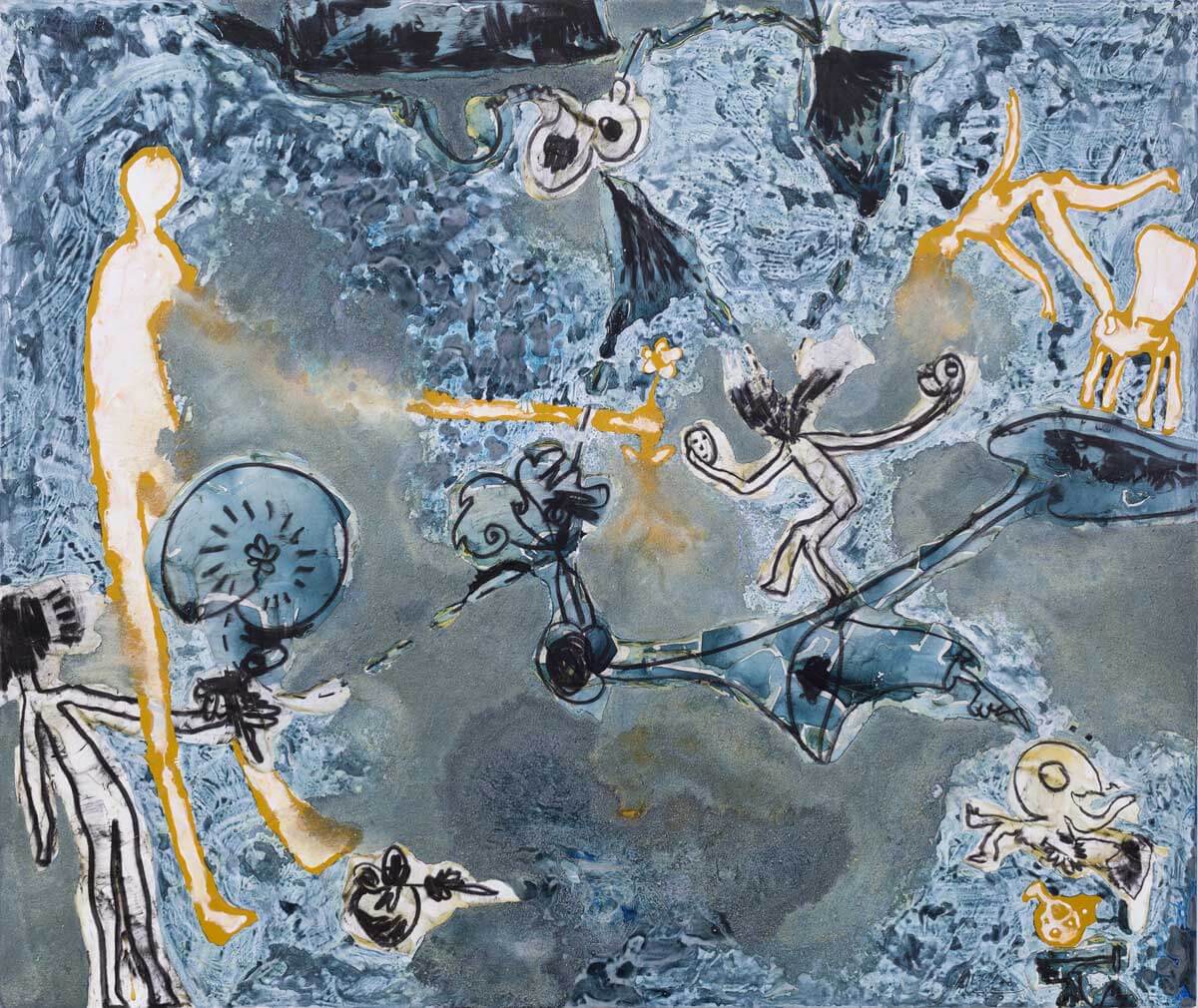
Dreams and Journeys 2017 by Nadim Karam
LUX: What’s your creative process like?
NK: All my projects grow from my sketchbooks, where I record my raw ideas. A series of these sketches will form a significant part of my new exhibition at The Fine Art Society. I use lapses of time while travelling from one place to another to generate ideas, and when I get back to my office, I work with ten to fifteen people to transform these ideas into workable projects or sculptures. Otherwise, they might become paintings when I reach my studio.
Read next: Modern interpretations of the body at Past Skin, MoMa PS1
LUX: What’s it like to be an artist in Lebanon?
NK: It is challenging, because there is no support from cultural institutions. At the same time, we live with uncertainty; at any time, bombs can explode and we have to close the office. You have to be sufficiently independent to be an artist in Lebanon, because you cannot live from it otherwise. My projects are all over the world, so I spend a lot of time travelling, but I generate all my work from Lebanon – it is a place of continuous energy and inspiration.
LUX: Where are your favourite urban environments in the world and why?
NK: I love the richness of all urban environments and their different cultures. They are a collision of so many factors; each city has a completely different aura and way of being despite all our globalisation efforts. The projects I have created all came from the serendipity of encountering a city and being inspired to interact with it. I celebrate the identity of each place by first trying to understand it, then offering it a bouquet of stories.
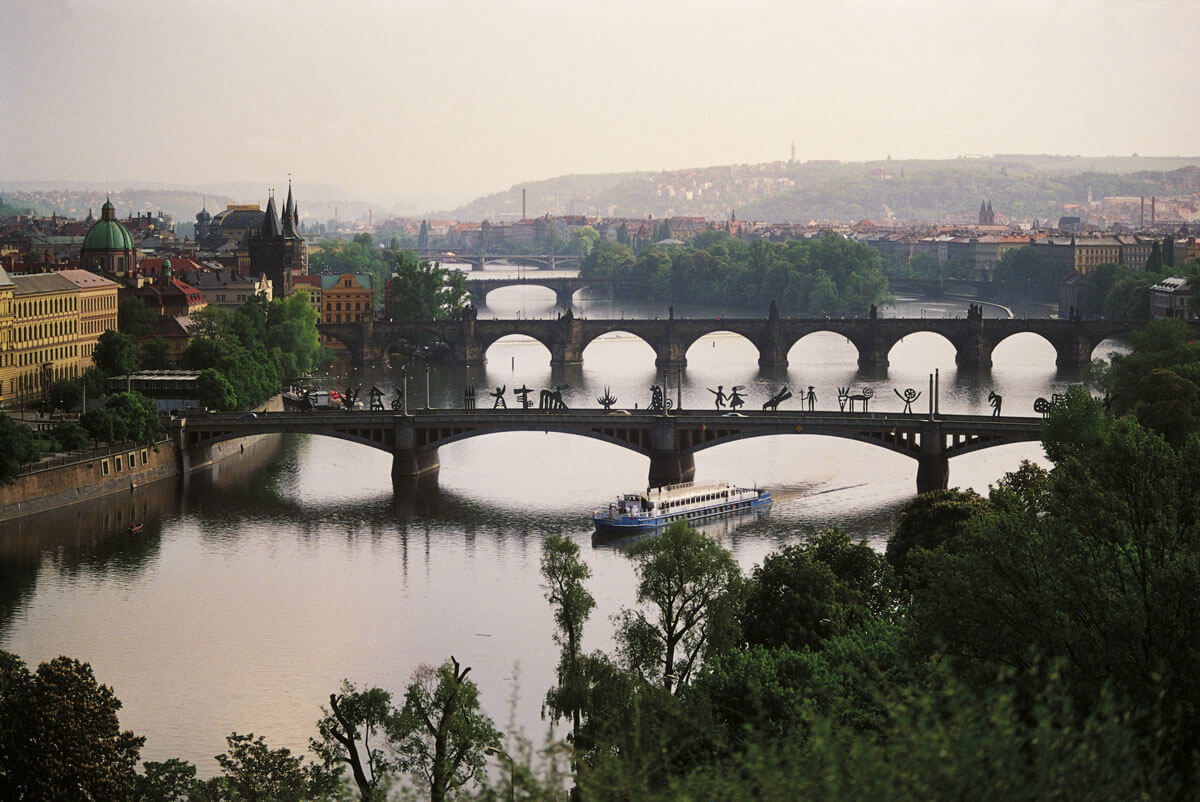
T-Race’s PCB 13 General View, Public Art, Prague 1997 by Nadim Karam
LUX: What’s next?
NK: Currently, I have an exhibition entitled ‘Urban Stories’ at The Fine Art Society in London, which showcases over twenty years of my practice. The exhibition came about through the shared motivation of The Fine Art Society and myself to draw a connecting line from my early sketches to my latest works. Meanwhile, I am designing and building my own art studio, “The Muse” in the Lebanese mountains, and the Pavilion of the Whole World.
‘Urban Stories’ runs until 19 May 2017 at The Fine Art Society, Mayfair, London

More and more luxury brands are pledging their commitment to protecting our planet by valuing environmental concerns as highly as their customer’s expectations. Leading the way in the luxury yachting industry, Fraser announced a partnership with Plastic Oceans Foundation earlier this year to fight the pollution of our marine environment whilst announcing new, adventurous charter destinations where their clients can experience the wonders of our natural planet first hand. As part of our luxury leaders series, Millie Walton speaks to Fraser CEO Raphael Sauleau about the evolution of the yachting industry, ethical luxury and adventures into the Antarctic.
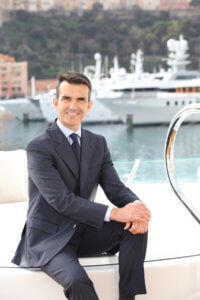
Raphael Sauleau
LUX: How has the luxury yacht industry changed in recent years?
Raphael Sauleau: The industry has changed and developed in a number of ways; in terms of charter, clients are often leaving bookings until the last minute in the hope of getting a last minute deal, however this often leads to disappointment as their chosen yacht may already be chartered out so they have to settle for something else that is still available. In terms of sales, buyers are becoming a lot more savvy and price driven, since the financial crisis they always want to push to get the lowest possible price, however sellers are also very aware of what they’ve paid for the yacht and invested into it and now set much more realistic asking prices so there is less room for negotiation.
In terms of the yachts themselves there is now an increasing trend to be more environmentally friendly, both in terms of the materials used in the construction and to be more self-sufficient which in turn allows for longer cruising periods and particularly to reach more remote destinations. Due to developments in technology, designers are also able to create yachts that use more glass to allow more natural light in and more sophisticated doors and retracting walls that allow more indoor/outdoor spaces.
We have also seen an increasing number of small companies setting up, 1 or 2 people offering charter or brokerage services. They have low running costs and will often undercut some of the more well established companies but of course they can’t offer the same level of expertise and experience that a company like Fraser can.
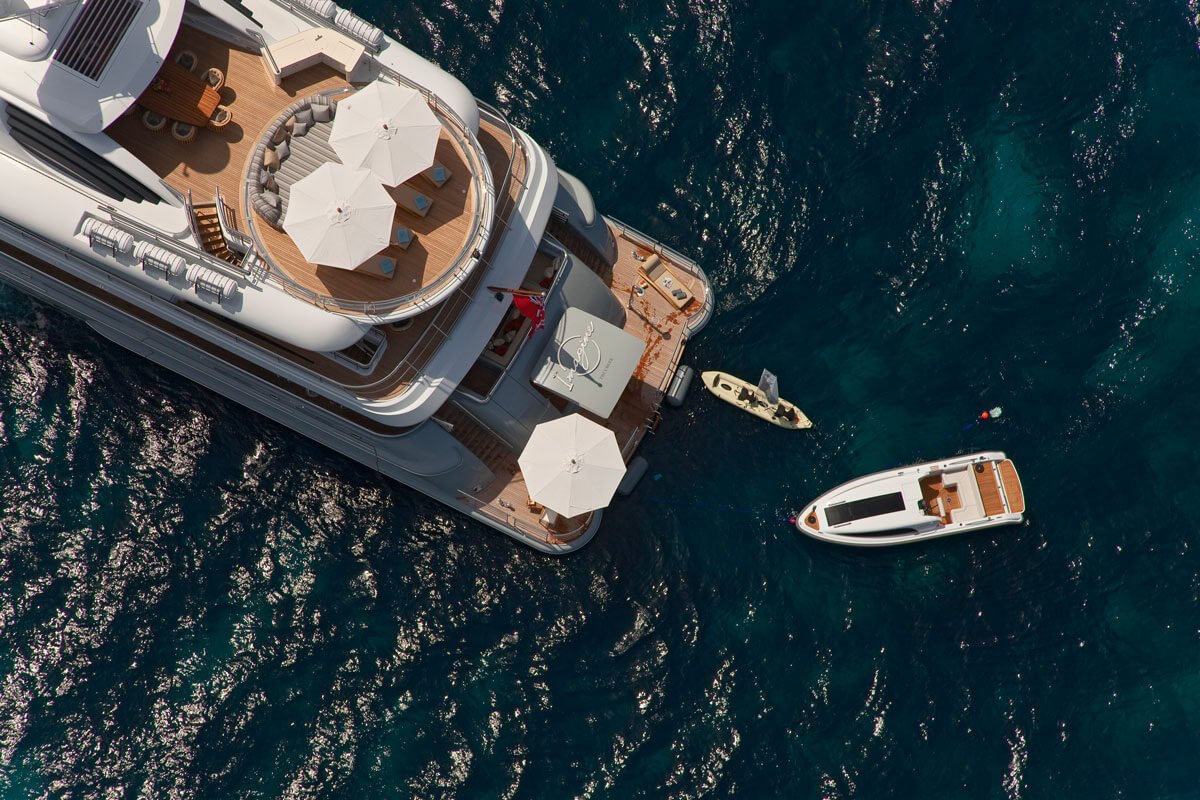
Imagine. Courtesy of Fraser.
LUX: What are the expectations of the modern luxury traveller and how does that differ from the past?
Raphael Sauleau: This obviously varies by client but we have noticed an increase in people wanting to have unique experiences, create memories that they will treasure forever. Many clients no longer want to go and sit on their yacht anchored off St Tropez and visit all the local beach clubs (although this is still very popular), instead an increasing number would prefer to do something different that they haven’t done before or is done by very few people. This could be exploring a unique destination such as Antarctica or a unique cultural experience such as a Va’a, a traditional Tahitian welcome from locals on their outrigger canoe, or even just enjoying an action packed holiday in a more traditional location but with lots of adrenalin pumping toys.
In terms of service, the main difference we have noticed is the food on board, clients are a lot more health conscious and have more specific dietary requirements such as vegan, gluten-free or even raw food.
Read next: Supermodel and restauranteur, Alicia Rountree on home cooking and dressing up
LUX: How do you balance innovation and tradition?
Raphael Sauleau: We are proud of our heritage and the experience and knowledge that this represents however we are always looking for new ways to provide a better service to our clients. This could be anything from launching our new website which is more adapted to modern day browsing on mobiles, to being the first company to use Augmented Reality to promote our yachts and show potential clients what it’s really like to be on board. However innovation is not just about the latest technology, we’re also working on efforts to help the industry develop, such as improving regulations that are more suitable to yachting and protecting the marine environment so that we can be sure that the industry is protected and continues to grow for years to come.
LUX: What are the most popular charter destinations nowadays?
Raphael Sauleau: The Med and the Caribbean are still by far the most popular choices for charterers however we are seeing a steady increase in charterers wanting to explore Asia and the South Pacific as well as an interest in the Antarctic. There are some terrific cruising grounds in these regions and as yachts are being built to do more long distance cruising and be more self-sustainable these regions are becoming more and more accessible.
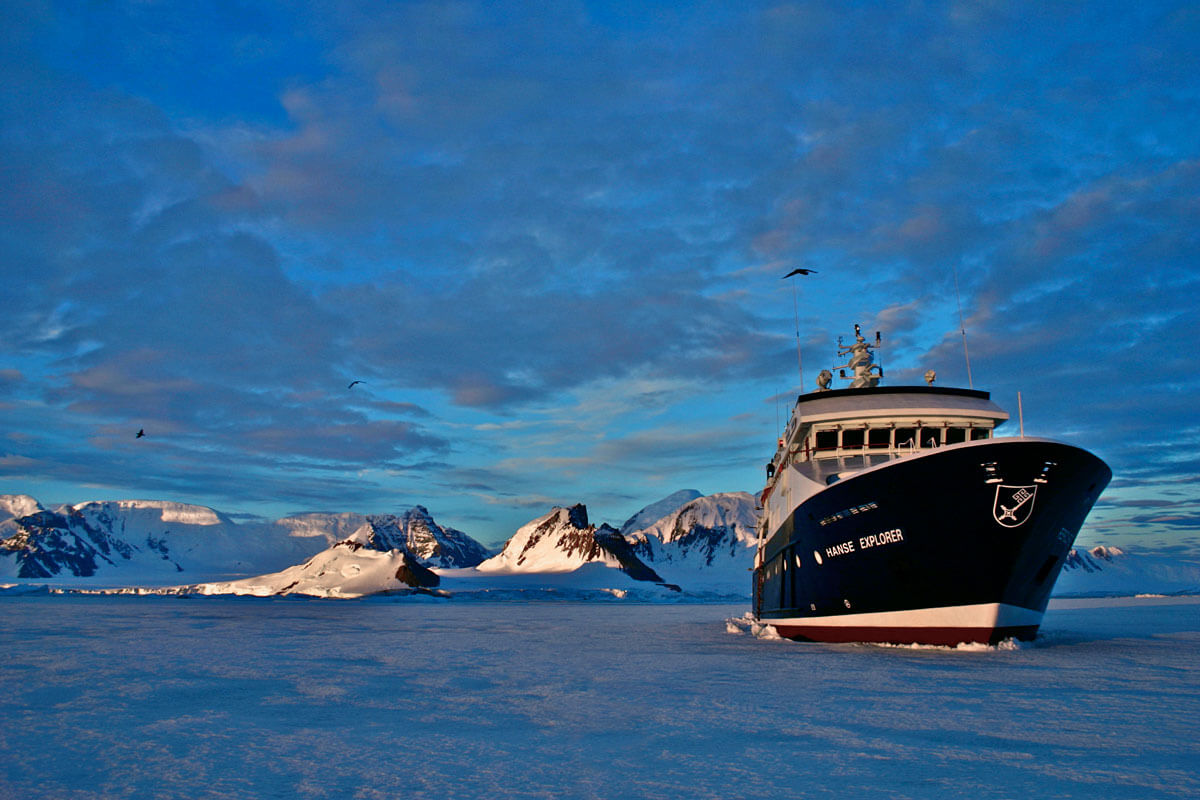
Hanse Explorer. Courtesy Fraser.
LUX: You’ve said before that ethics are important for Fraser, what does that mean?
Raphael Sauleau: We’re working in an industry with one of the most highly valuable products on the market today, there are very few things that can come close to the value of a superyacht. Due to the large sums of money involved and the lack of transparency in some areas of the business you occasionally hear of people who are too focused on just closing a deal, at whatever cost, or taking their own cut on services or products that are outsourced. At Fraser we pride ourselves on always putting our clients’ interests first, we want to find the best yacht for them, be it for sale or charter and we won’t push them towards something just so that we can close a deal. We also don’t take any commission on services or products ordered through our management division, the original price of the supplier is what the client will pay.
LUX: Can luxury ever be truly adventurous?
Raphael Sauleau: Absolutely, I think if you speak to anyone that has been to Antarctica or a remote South Pacific island they will say that it was one of their greatest adventures. Admittedly you might have to go ashore to experience the real adrenalin pumping encounters with some of the local wildlife but it is still an adventure to be experienced before you return back to the comforts of your luxury yacht.
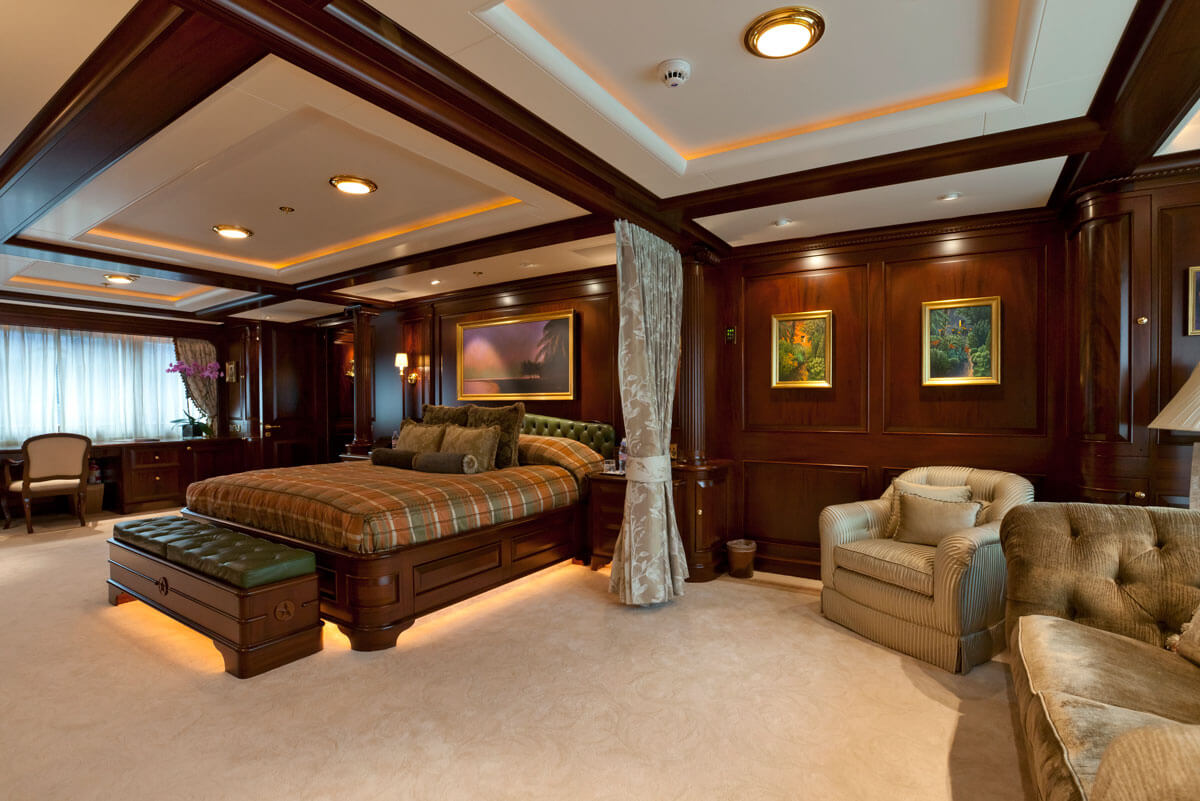
Paraffin. Courtesy Fraser.
LUX: How would you define an exclusive experience?
Raphael Sauleau: An exclusive experience is one that very few people can take part in; many people would say that owning or chartering a yacht is an exclusive experience and I would have to say I would agree. However it can also be an experience that money can’t buy, a special moment that you cannot buy off the shelf. We’ve organized for clients to be whisked by helicopter to the top of a glacier where they can enjoy a private 5* lunch with the most incredible views imaginable, or another very popular activity on our charters is being taken out by a local Greek fisherman in his little fishing boat on the most pristine clear waters to catch your dinner for the evening. Whatever it is, the overriding common factor in an exclusive experience is that it will create a unique memory that you and your family or friends will treasure for a life time.
Read next: Sushi Shop brings fine dining to takeaway casual
LUX: What’s next for Fraser?
Raphael Sauleau: We’re currently working on a number of new initiative such as our partnership with Plastic Oceans, many of us (including our clients) are realising that the oceans we cruise on are becoming increasingly damaged and we want to make sure that they are protected and there for us to enjoy for years to come. As we mentioned before we’re also working on some initiatives to help make the industry more transparent and regulated, we have a vast amount of knowledge gathered over the last seventy years and we want to make sure that we lead the way for the industry to grow and develop further. And of course there are some other projects and partnerships that we’re working on which we’ll be announcing over the coming months but unfortunately I can’t say anything further at this stage.
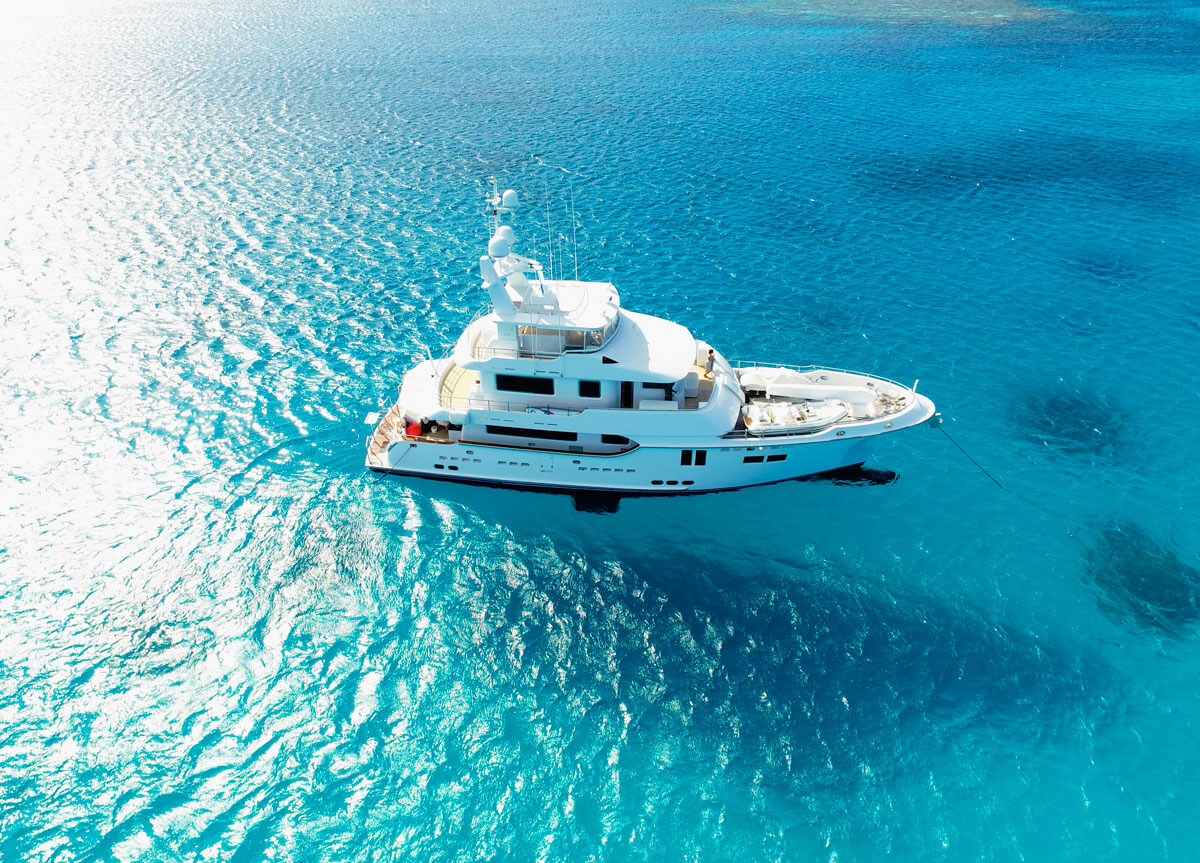
Mystic Tide. Courtesy Fraser.
LUX: How do you relax?
Raphael Sauleau: Aside from spending time with my wife and daughters I’m a keen sportsman and regularly compete in Triathlons and Ironman competitions. Training and taking part in these endurance races is a great way for me to switch off from the every day juggling act of managing one of the world’s leading yacht brokerages. However when I want to do something a little more relaxing there’s nothing better than picking up a good book and listening to some chilled out music