



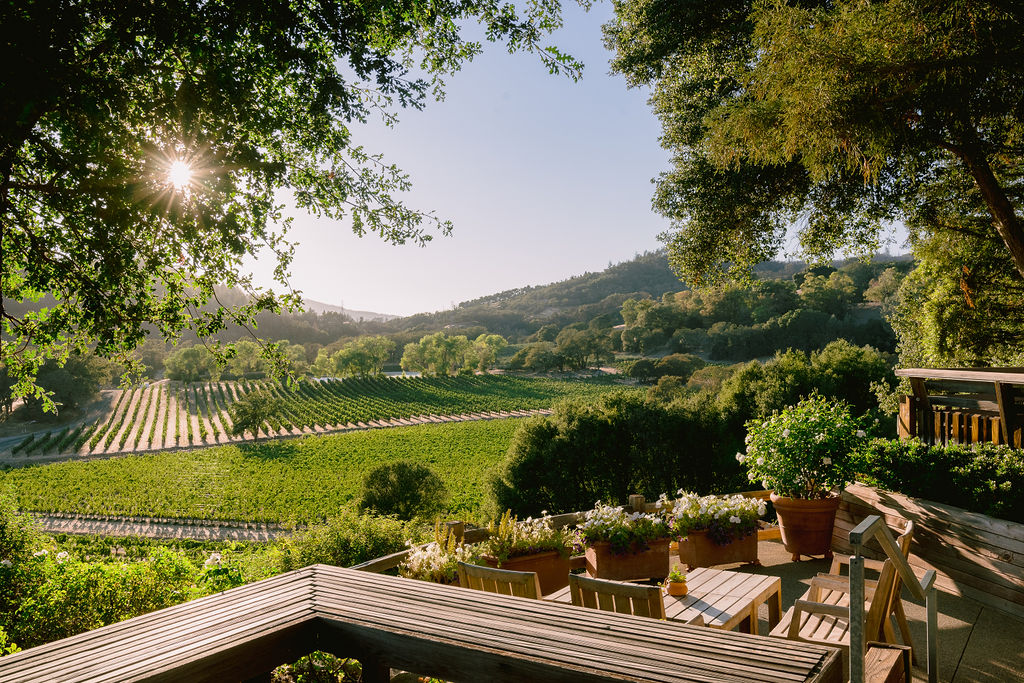
A view from the deck of the Joseph Phelps winery, looking over the vineyard in the heart of the Napa Valley
Joseph Phelps is a Napa valley wine legend. Maison President David Pearson is taking it to new heights, as we learn during a memorable tasting of fine vintages
Is wine a luxury good? That $10 million question is in the mind of anybody who purchases a case of wine for the price of a fine mechanical watch, or in some cases a serious sports car.
Follow LUX on Instagram: @luxthemagazine
Ask five different people and you may get five different answers. Certainly some of the guardians of the old, family owned French wine estates have looked askance at me when I have asked them that question.
But, as a branded product with significant investment and responsibility to its environment, fine wine most definitely is a luxury good in many ways, aside from its price.
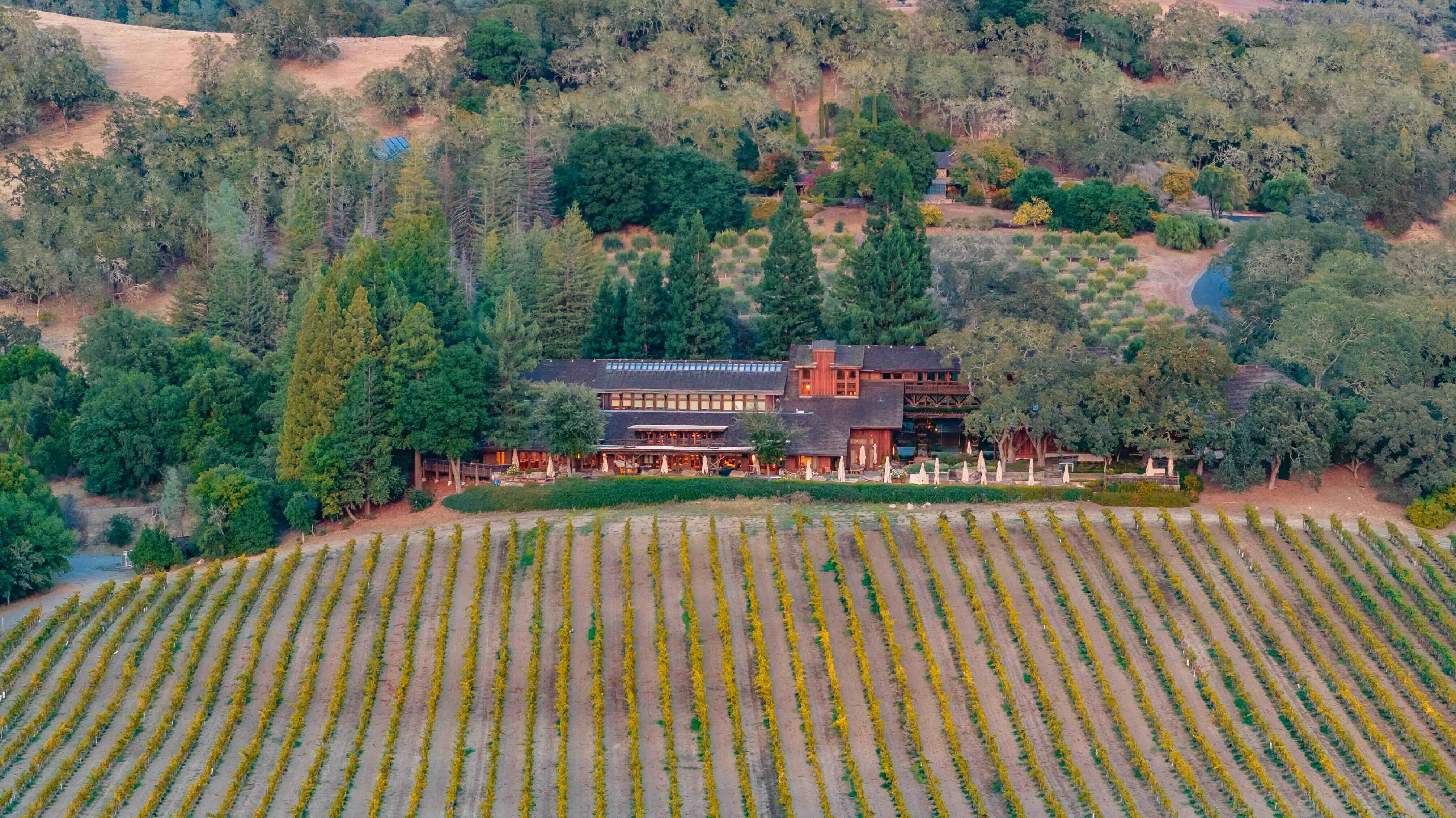
Joseph Phelps Vineyards owns and farms some 425 acres of vines in Napa Valley, with each vineyard bringing unique characteristics to the wines. Photograph taken by Seth Daniel
Nothing symbolises this more than the fact that the worlds greatest luxury titan, Bernard Arnault, has bought up some of the most hallowed brands in the wine world, from Dom Perignon and Krug to Château Cheval Blanc and, in Napa Valley, the Joseph Phelps winery.
Napa being what it is, it may be that the connoisseur of European wines reading this has not tasted bottles from the Phelps winery – but that is to their detriment. If there were a classification of first growths in Napa like there is in Bordeaux, Phelps would certainly be in there.
And so it was an honour for LUX to have a tasting, over zoom, of key vintages in the history of this fabled wine estate with Maison President David Pearson. Pearson himself appears to be created directly out of the confluence of luxury and wine. He is a Napa Valley stalwart, having previously directed equally legendary winery Opus One. But he also has the articulacy and ease of a genuine luxury CEO, as at home in a nouveau-style bistro in Paris as he would be pacing through the soils of Napa Valley.
Pearson is passionate about the importance of regenerative agriculture – farming that actually gives back to the soil, not just because it’s good for the environment, but it because by nature (literally) it makes better wines.

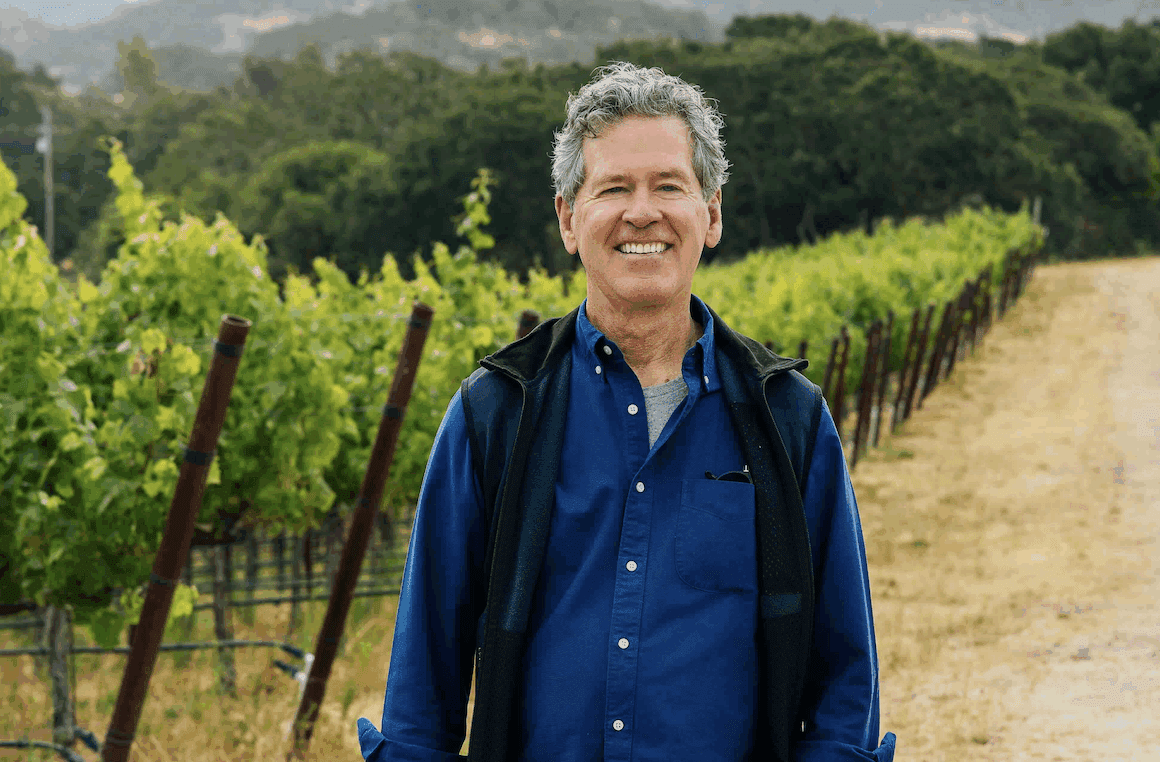
David Pearson, the Maison President, has a deep-rooted commitment to maintaining and enhancing the legacy of Joseph Phelps
He is also very aware that these days there is more choice than ever in the fine wine market and there’s no room to hide if the product itself is not at the pinnacle of its powers. Joseph Phelps may be owned by LVMH, but it does not have the marketing budget of Louis Vuitton: the wines have to stand on their own.
He speaks of the regenerative farming, and the focus on quality, as being part of a “compelling plan for our future“. There is an implication there that the great Napa estates have made their names over the last 50 years, and are now at the next step as mature brands, of blazing themselves into the consciousness of new generations of consumers in different destinations.
Read more: Passenger Princess in the Aston Martin DBX S
So given the importance of the product themselves, how did they taste?
Joseph Phelps flagship Insignia wine is really a wine for the ages: classical, structured, deep and long, it’s a wine aristocrat. It was interesting too to taste the other wines which receive less exposure in the fine wine world. Details are below, and the conclusion has to be that any serious wine collector needs a selection of Joseph Phelps, old vintages and new, in their cellar.
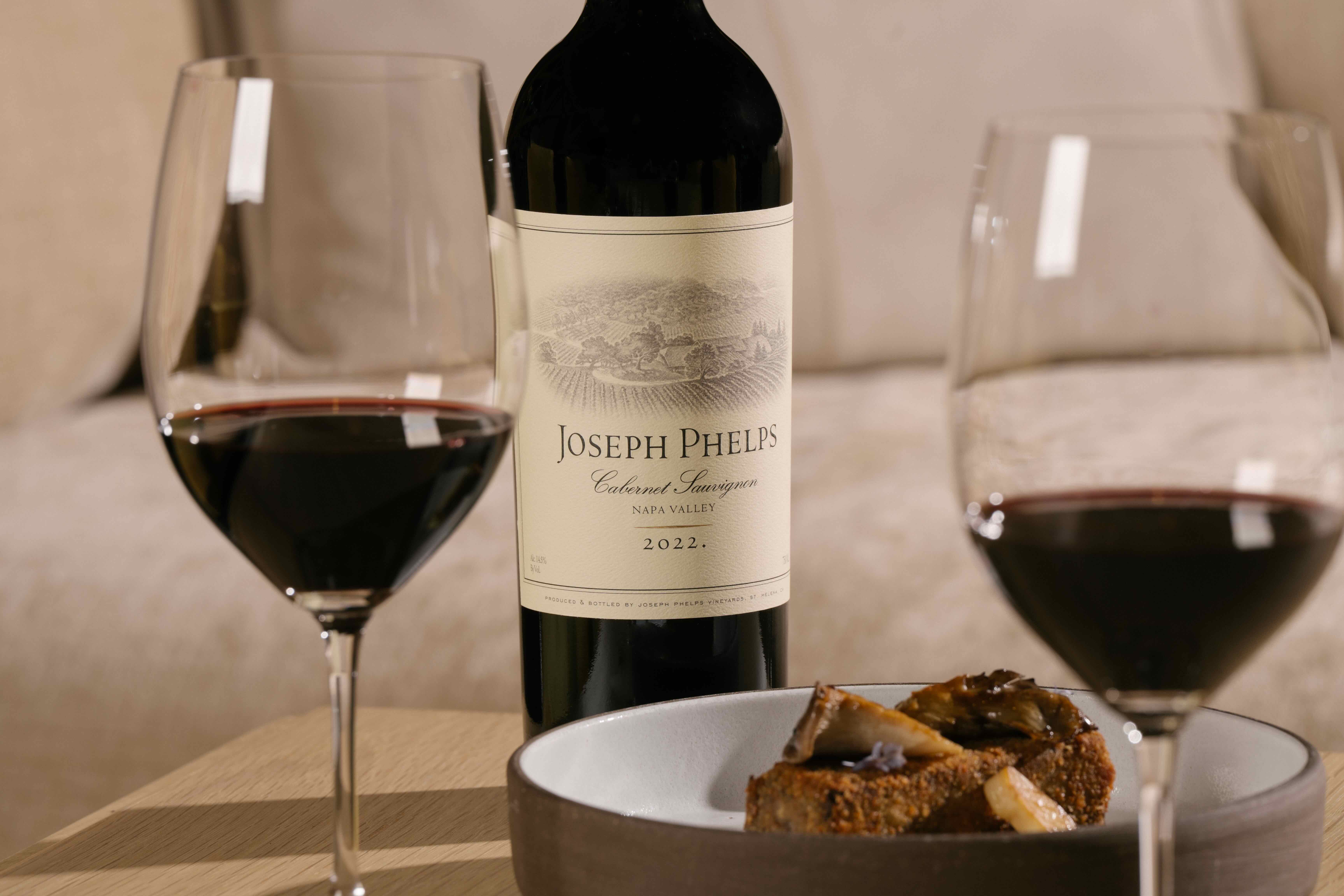
A glass of the Joseph Phelps 2022 Cabernet Sauvignon from Oakville’s Backus Vineyard on the eastern slopes of the Napa Valley
The Joseph Phelps wines and the LUX wine notes:
Joseph Phelps Insignia 2022
In the presence of greatness, but a bit like meeting Napoleon when he was 12. You have to wait a while to see what it will do, but by Jove, this will sweep the world with its breadth.
Joseph Phelps Insignia 2021
Very taut, like tapping on the case of a Stradivarius and then peeking inside. It’s all there but if you drink it now, you won’t have experienced it properly. Still, if you do, be sure to drink it with an onglet a l’echalotte.
Joseph Phelps Insignia 2019
I felt like I was attending the debutante coming out party of this wine. Beautiful, elegant and perfumed, and perfect, but will become beyond perfect, especially after it’s been out with the wrong boy for a couple of years.
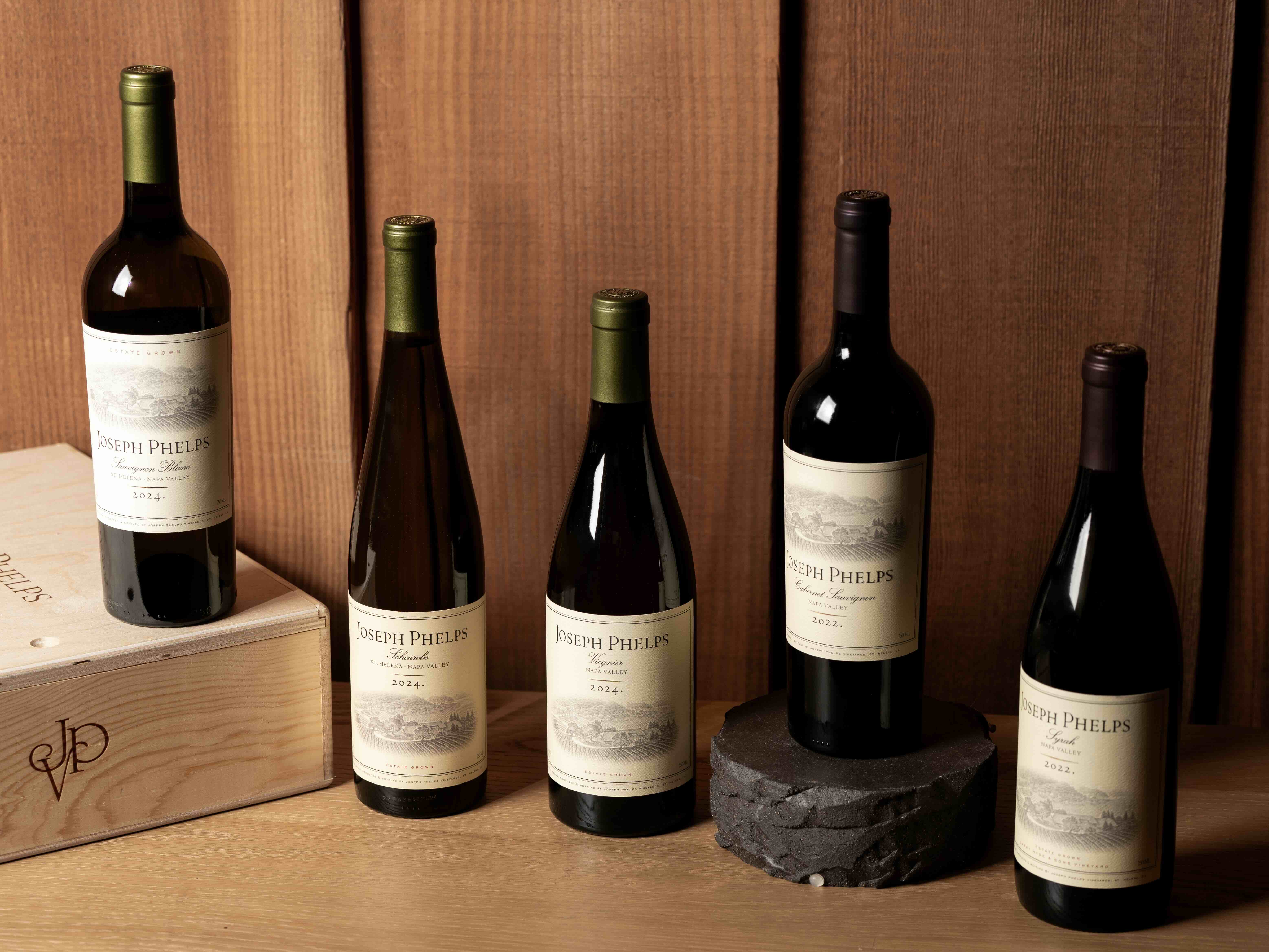
‘Any serious wine collector needs a selection of Joseph Phelps, old vintages and new, in their cellar’
Joseph Phelps Insignia 2006
Very hard to find, these back vintages, and this is why: expansive, rich but also with a hint of delicacy. Aged in a different way to a Bordeaux. Drink with some very old Comte cheese on the roof of a castle in the Luberon with a very old friend.
Joseph Phelps Cabernet Sauvignon 2022
Not as aristocratic a wine as the Insignia, but absolutely delicious with a kobe steak at a nightclub restaurant in Monte Carlo with a person who you are not supposed to be with.
Joseph Phelps Syrah 2021
A surprisingly smoky, complex Syrah that is best consumed while watching sundown from your villa in Montecito.
Joseph Phelps Scheurebe 2024
Rich dessert wine, with a parfait late afternoon at Club 55, just before the witching hour and the new magnum of Cristal.
We also had a quartet of Burgundy-style wines from the sister Freestone estate: two pinot noirs and two chardonnays. These were delightfully balanced and beautifully made.
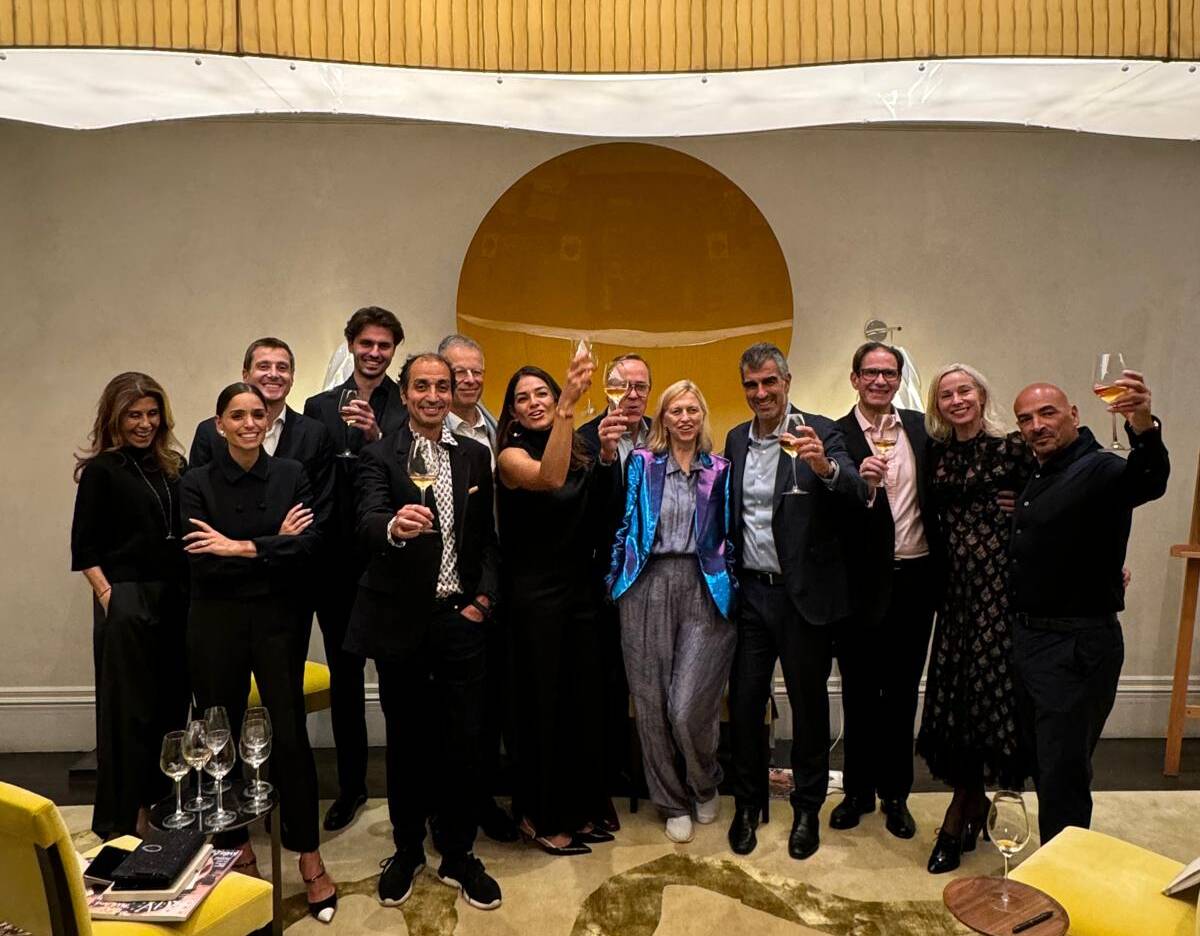
A soirée to celebrate Cristal and art in London. Left to right: Lorna Mourad, Jennifer Chamandi Boghossian, Rob Boghossian, Ege Gürmeriçliler, Darius Sanai, Laurent Ganem, Maria Sukkar, Frédéric Rouzaud, Anne-Pierre d’Albis-Ganem, Nadim Mourad, Richard Billett, Samantha Welsh and Malek Sukkar, with an Anish Kapoor artwork on the wall
Louis Roederer, maker of Cristal and other celebrated champagnes, has long led the way in environmentally conscious winemaking, using biodynamic and organic techniques. CEO Frédéric Rouzaud has also brought his passion for art photography to the fore with a series of initiatives supporting photographers around related themes. Now the champagne house champions massal selection, an expensive way of allowing natural selection to create diversity in the vineyard and complexity of taste. LUX visits the vineyards in France and speaks with Chief Winemaker Jean-Baptiste Lécaillon about how working with nature is the hardest – and most rewarding – labour of all.

Frédéric Rouzaud, CEO of Cristal maker Louis Roederer, commissioned artistic photographer Jean-Charles Gutner to create a series of images based on the leaves produced by grapevines of different varieties grown using massal selection
A Conversation with Jean-Baptiste Lécaillon of Louis Roederer about how working with nature stimulates biodiversity, conserves the soil – and makes the greatest wines
LUX: How long does it take someone to gain the necessary expertise to identify the best vines in a vineyard and to curate a massal selection?
Jean-Baptiste Lécaillon: It’s not one person only. Louis Roederer’s In Vinifera Aeternitas project was launched in 2002 and includes a group of experts: Professor Jean-Michel Boursiquot from Montpellier, probably the most talented ampelograph [one who identifies and classifies grapevines] in the world; Lilian Bérillon – a nursery owner specialising in massal selection of the best domaines all over the world – and his team; and our own vineyard team.

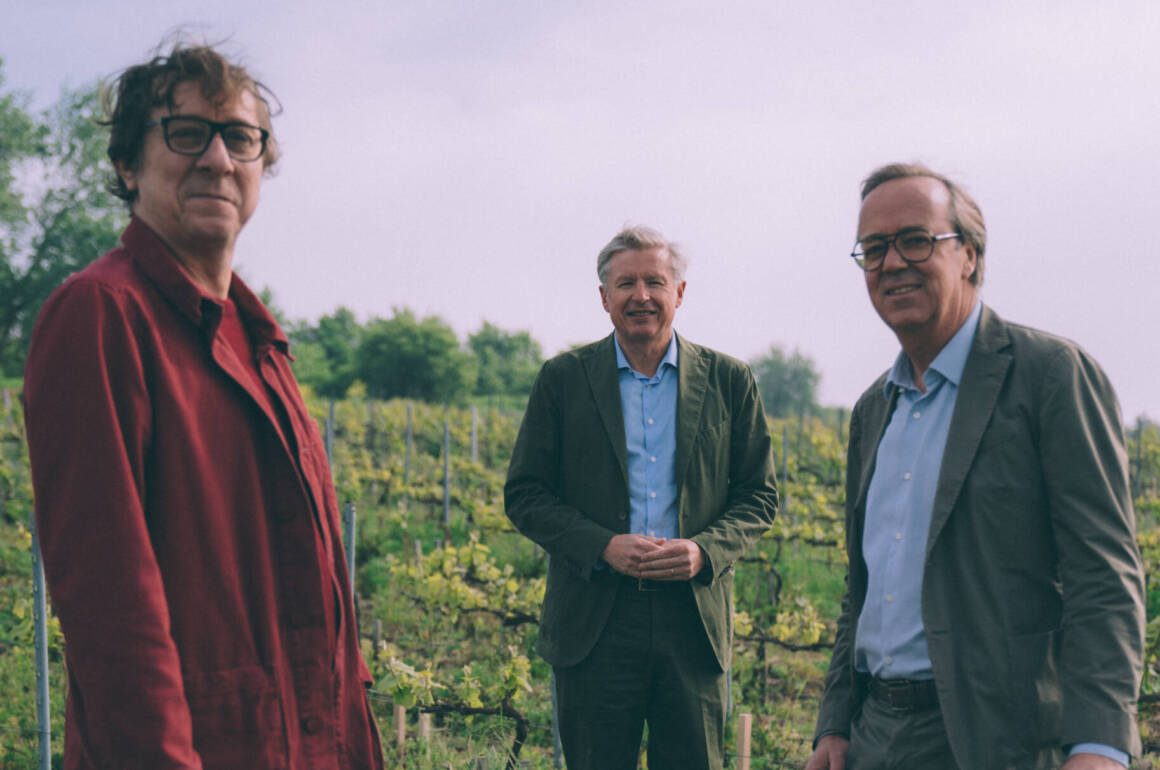
Jean-Charles Gutner, creator of Solar Panel, Jean-Baptiste Lécaillon and Frédéric Rouzaud
LUX: I read that for massal selection at Louis Roederer, you say the best bunches are small or medium in size, weighing 100g to 110g and of perfect quality. What makes a perfect grape?
JBL: ’Perfect quality’ does need explanation. In our quest, it means a combination of clean fruit – disease-free through thicker skins and good aeration – and homogeneous phenolic ripeness in berries of the same cluster, avoiding green or overripe berries that could create vegetal or cooked-fruit notes.
LUX: Louis Roederer is also opening up new possibilities by growing young vines without American rootstocks, that is, pre-phylloxera style [phylloxera destroyed many European vineyards from the 19th century onwards, a crisis combatted by grafting European vines onto phylloxera-tolerant American vine rootstock]. How is it working?
JBL: So far we must admit we have had little success in this experiment. Most of the vines have now been infected by phylloxera. Only very few are still alive. We follow them to see if they are resilient or not. We are also working on different clones of rootstocks.
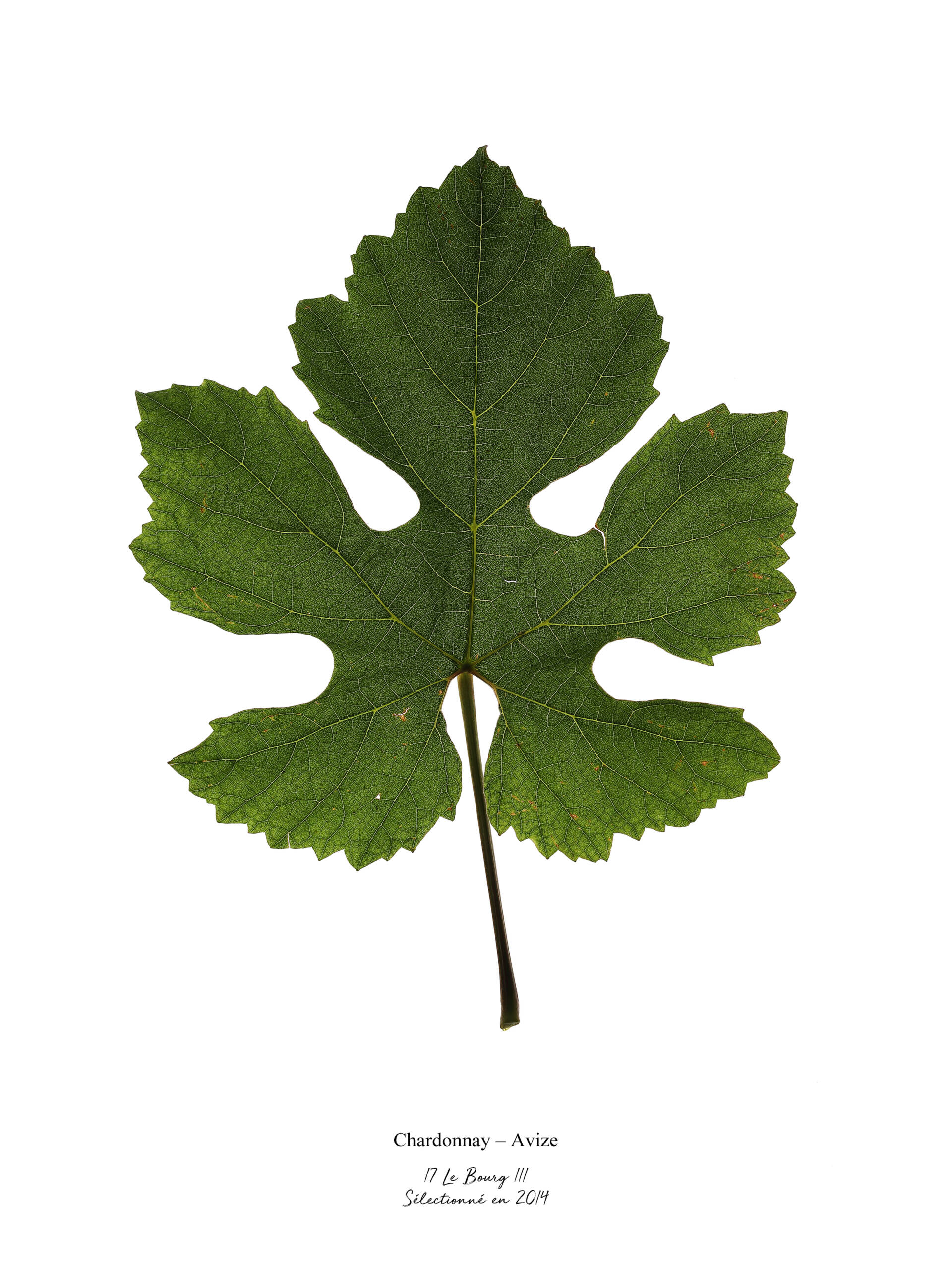
A leaf from a Chardonnay vine from Avize, a village in the Cotes des Blancs, the hillsides renowned for producing the greatest Chardonnay wine in the region
LUX: What do you find most exciting about massal selection?
JBL: The most exciting thing is to witness the huge biodiversity within Pinot Noir. There can be up to 10-15 days difference in the ripening process, which is amazing.
Read more: Two key players in British fashion raise the game for personal shopping
LUX: You have said of massal selection that you had to regenerate the plant material and recover some of the singularity of the Louis Roederer style through massal selection. Does this affect the taste?
JBL: The first goal is to regenerate virus-free vines for a strong ecosystem, through the diversity of individual vines replanted with pools of a minimum of 30 individuals. The second goal is to protect our unique legacy: we have chosen our oldest plots of vines, pre-1960, to select our massal vines. Those vines now make Cristal rosé, but before 1974 they were the heart of our Cristal domaine from its inception in 1876. Therefore, we believe that by regenerating this material, we are also on a crusade in the name of taste.

Louis Roederer uses sustainable practices, including massal selection, to work with nature and achieve the most accurate expression of its unique terroirs
LUX: In massal selection, the talk is of going back in time, to recultivating the uniqueness that wine used to have. But has wine always tasted the same, or did it taste different, say, in the pre-phylloxera era, and if so, how?
JBL: The idea is not to go back in time. Our In Vinifera Aeternitas project aims to restore the diversity of vines, which will reinforce the natural resilience of our production and ecosystem.
LUX: How does Louis Roederer’s process of massal selection differ to competitors?
JBL: It is our own unique legacy, therefore it cannot be compared to anyone else’s. We have also elevated the idea in an artistic dimension, such as when the photographer Jean-Charles Gutner teamed up with the In Vinifera Aeternitas project to craft unique pictures of the biodiversity of our ecosystem in his Solar Panel series.
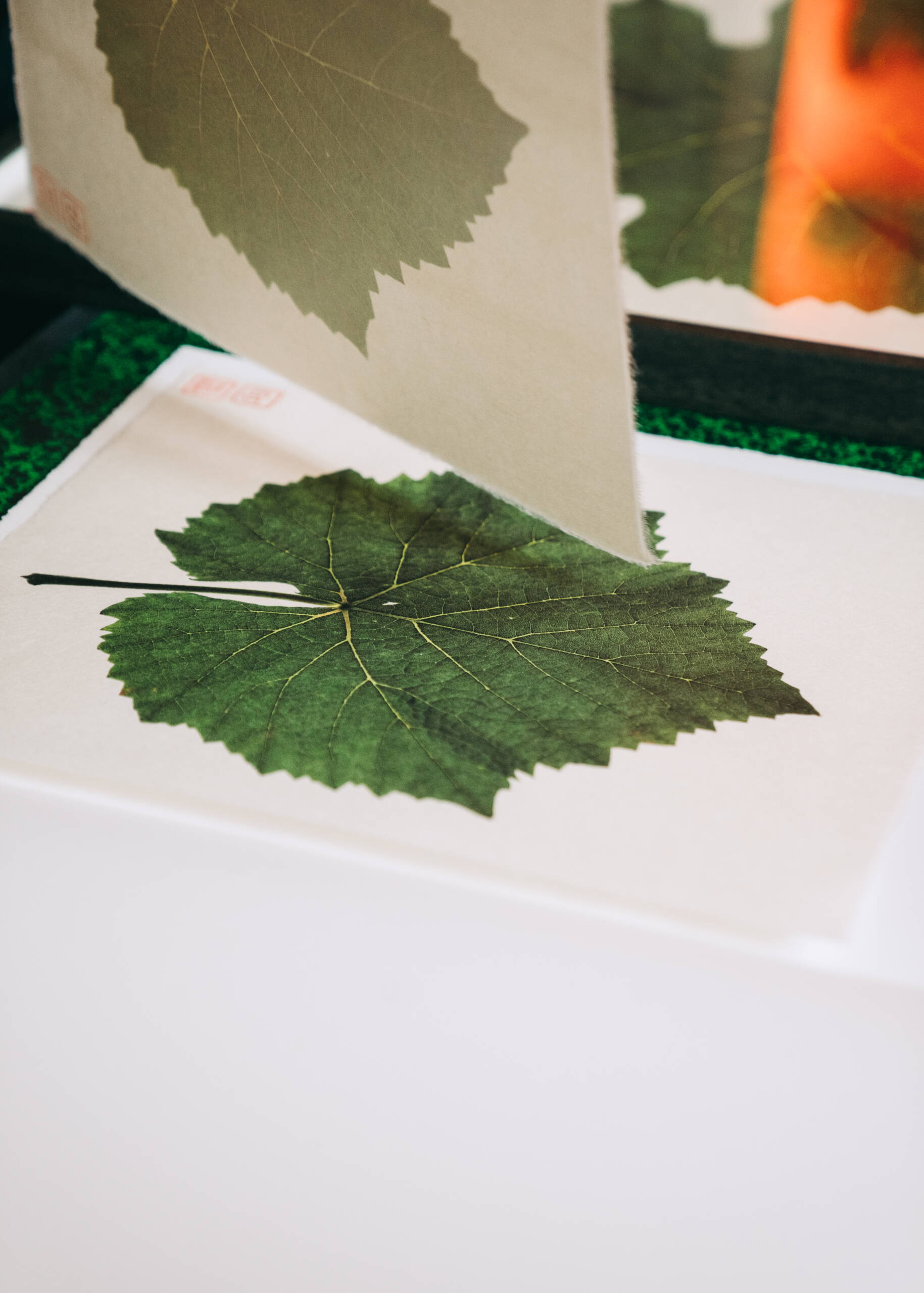
The making of leaf images, from the Solar Panel series, by Jean-Charles Gutner
LUX: How has massal selection changed Louis Roederer’s character as a company?
JBL: It has not changed our character, which has always been to secure our family-owned business for the next generations. In Vinifera Aeternitas is one part – the biodiversity and taste part – of a higher ambition, which includes many other aspects of permaculture, like reducing our footprint through responsible soil, water and energy use. Hence our family motto: “hand in hand with nature”.
Follow LUX on Instagram: @luxthemagazine
LUX: What led the Rouzaud family and yourself towards a climate-conscious future?
JBL: The key was probably our meeting with Bill Mollisson, the father of permaculture, in Tasmania in early 1990s. It became obvious to all of us that we had to secure the future by introducing the philosophy of permaculture – working organically with nature not against it, considering craftsmanship and social aspect, biodiversity, low energy use, rotation, the balance of tradition and innovation.

“Perfect quality” black grapes from the vineyards are used for propagation in Louis Roederer’s massal selection
LUX: What is the future of massal selection? Will it ever take over from clonal selection, which ensures uniformity and consistent quality?
JBL: Unlike clonal selection, our massal selection is a permanent quest. Every year we must reselect new individual plants and add some individuals of different origins for propagation. It must be a permanent process if you want to restore biodiversity, as vines adapt and mutate under abiotic factors, such as water and soil.
Read more: Lebanese couturier Elie Saab on designing beauty
LUX: What is the future of massal selection? Will it ever take over from clonal selection, which ensures uniformity and consistent quality?
JBL: Unlike clonal selection, our massal selection is a permanent quest. Every year we must reselect new individual plants and add some individuals of different origins for propagation. It must be a permanent process if you want to restore biodiversity, as vines adapt and mutate under abiotic factors, such as water and soil.

Gutner’s leaf images champion the biodiversity of the Louis Roederer vines
LUX: How many people are involved with massal selection at Louis Roederer?
JBL: All our vineyard team is involved: 50 to 60 people!
LUX: Does massal selection make economic, as well as environmental sense?
JBL: Not in the short term, but we are family owned and take all our decisions for the long term.
Interview by Isabella Fergusson
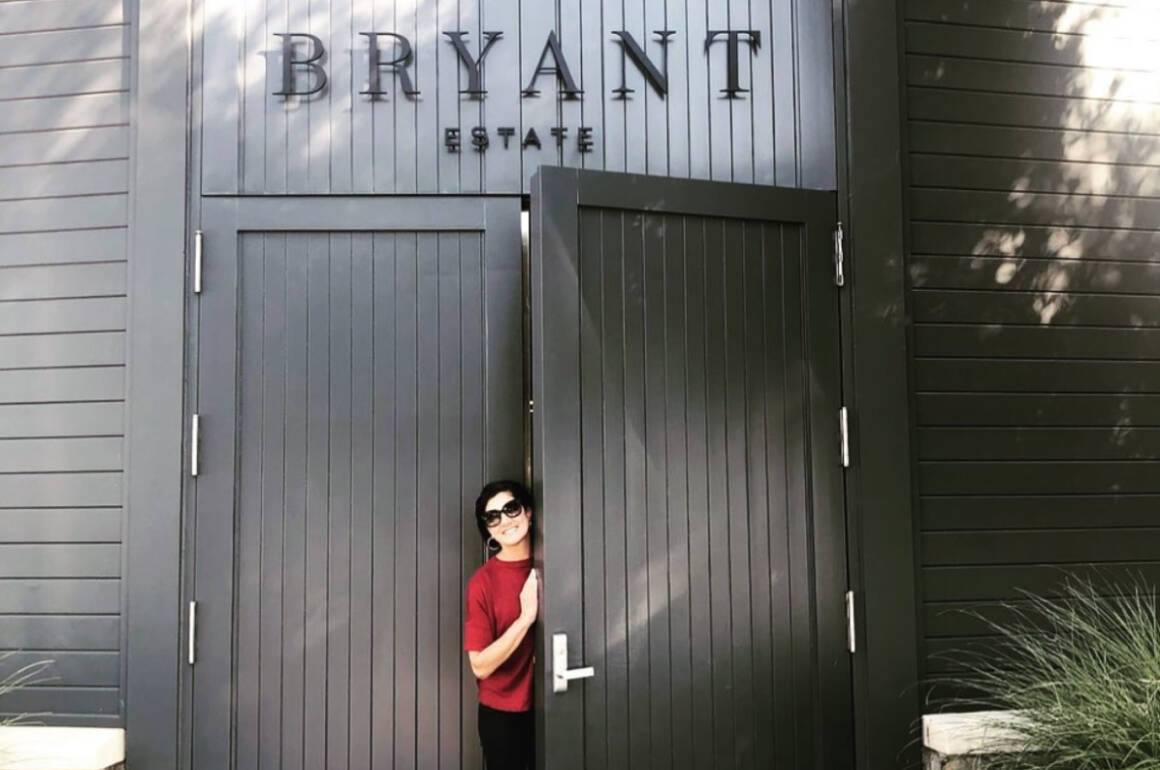
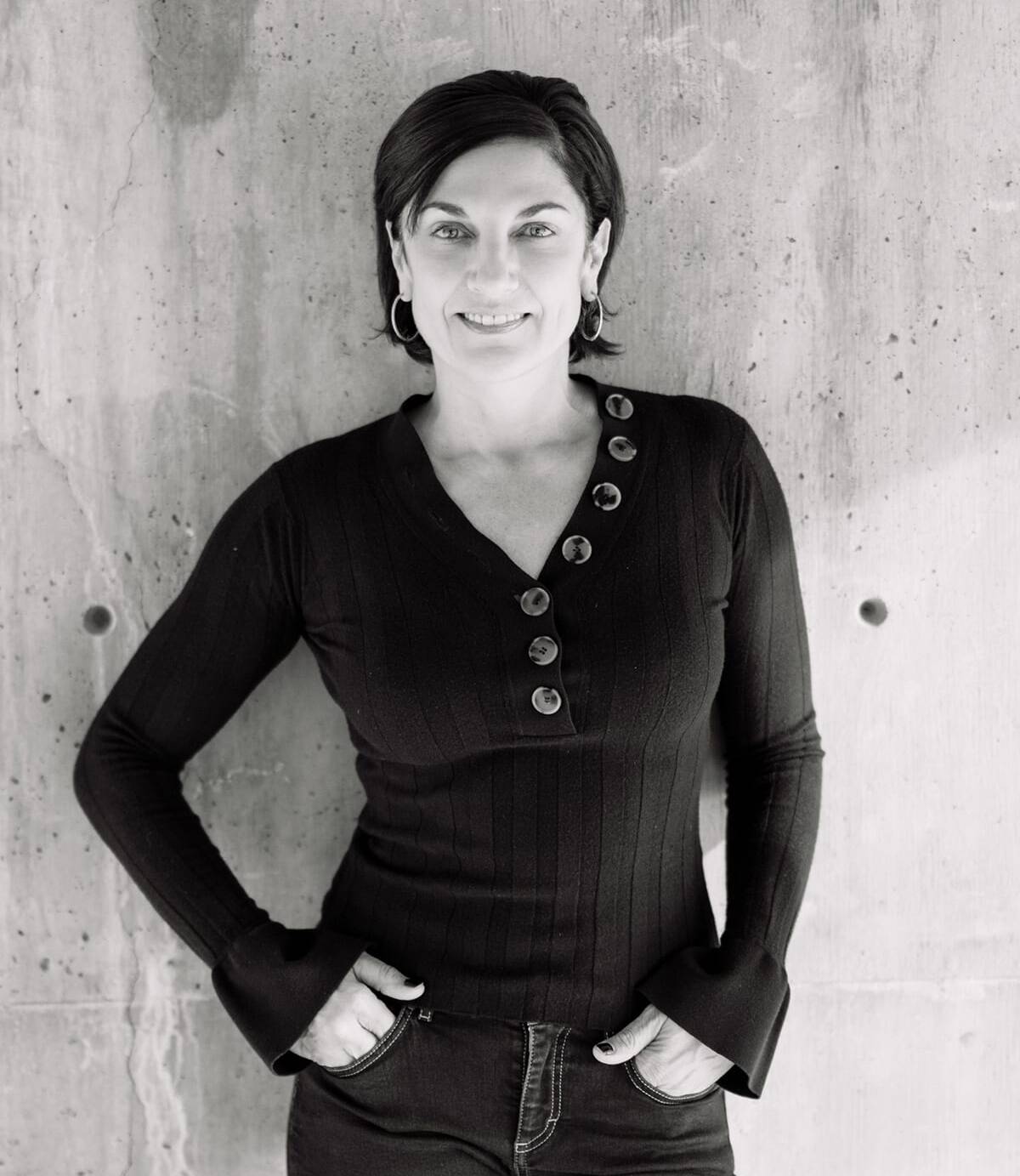
Bettina Bryant, owner of the iconic Napa Valley Bryant Estate
Bryant Estate is one of the original Napa Valley icons. Along with Screaming Eagle and Harlan, Bryant’s wines became revered by collectors and connoisseurs as Napa’s fame as a fine wine region spread worldwide in the 1990s. When Don Bryant, the estate’s pioneering founder, stepped aside his wife Bettina took over the reins. A former professional ballet dancer and art historian, Bettina is creating a new future for this legendary estate whose wines are available only to a fortunate few on a private list, weaving in a deep association with art and biodynamic culture. Here, Bettina Bryant and her winemaker KK Carothers speak with LUX Editor in Chief Darius Sanai while tasting a back catalogue of some of the revered Bryant wines
LUX: You are a team that works together and travels together. Bettina and KK, how did you meet and how did the chemistry develop?
Bettina Bryant: I am so grateful to have had the length of time that I’ve had to work with KK. She arrived in 2012 as a harvest intern, and was with us for four years, progressing from harvest intern to oenologist then assistant winemaker.
It was beautiful to watch her evolution, her quiet intelligence and thoughtfulness working with the wines. In 2016, she departed for a new opportunity. It was a sad day for both of us, but we both knew it was an important step in her growth. She went to work with a remarkable estate called ADAMVS, and gained a lot of wonderful knowledge around biodynamic viticulture.
When the opportunity arose to draw her back in as winemaker at Bryant, it was an effortless decision. KK and I have a transparent and honest communication, and she is always completely prepared. We are very aligned. It has been exciting to apply our awareness around where we want to evolve the estate, from both an ecological and artistic standpoint.

Bettina Bryant welcomes us into the estate
KK: I felt just right about coming back to Bryant after leaving for a couple of years because Bettina is an incredible leader. Just as I was coming up the stairs here, I asked Joe, with whom we work, “What’s one nice thing about Bettina?” and he responded, “she’s so generous”. And it’s true: generous with her time.
Bettina is very empowering. She believes in people. I’m perpetually inspired by her open mindedness and setting bigger goals for everybody here. She really brings out the best in everybody.
Read more: Maryam Eisler interviews Pamela Willoughby
LUX: Bryant is not just about wine; there’s a whole global cultural sphere here.
BB: I just wanted to reference briefly, again, that wonderful Rick Rubin quote about the creative act, that ‘it is not about your specific output, it is about your relationship to the world’.
Darius, I believe this quote refers to your suggestion that Bryant is contextualized within a global sphere. My big revelation, having been a performing artist, interacting with an audience, traveling extensively and progressing through life, is recognizing how truly interconnected we are.
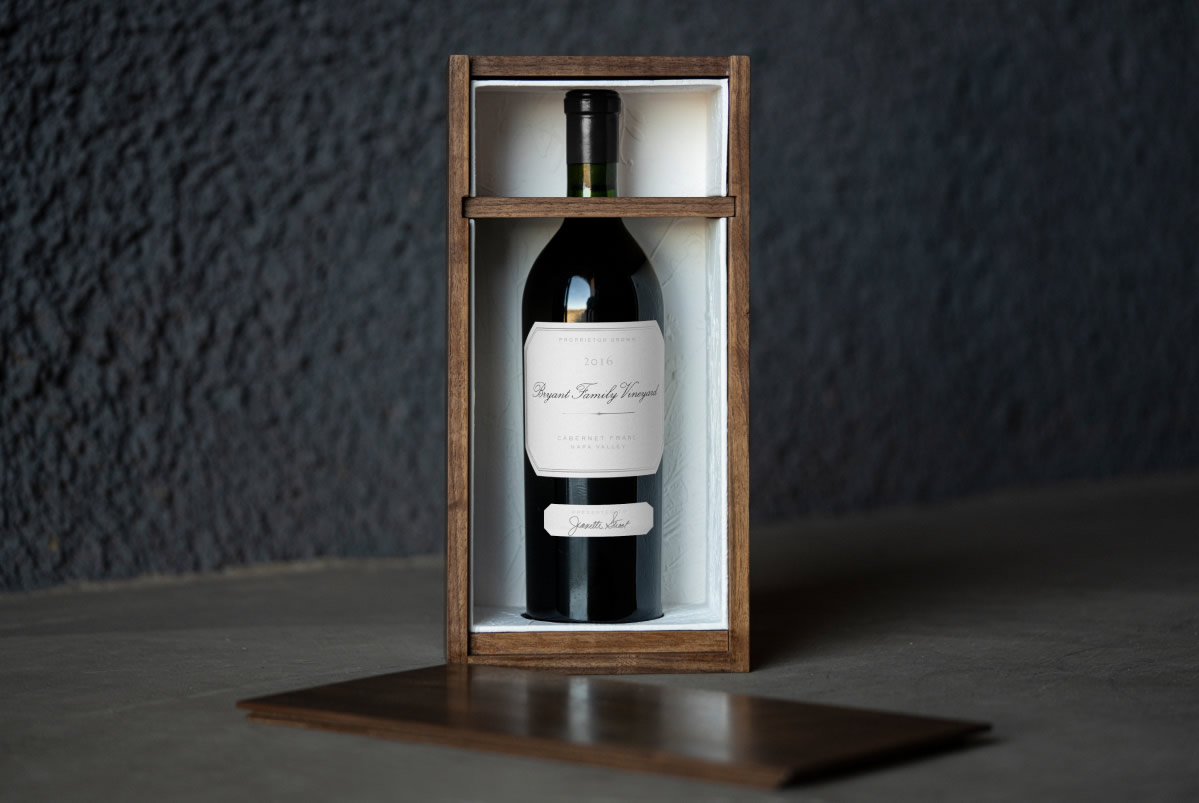
The 2016 Bryant Family Vineyard
My arrival at the estate in 2007 was a profound experience. Arriving at the property, whose wines I had tasted only sparingly, drove home just how majestic this site is. The vineyard has the shape of an amphitheater, one with a direct view over Lake Hennessey. We literally have a platform, and it is important that what we say and do is of the highest integrity.
This revelation made me analyze every aspect of what we do, from tending the vineyard, enhancing the team culture, to packaging – the thoughtfulness behind that and the responsibility of how we communicate with our audience. This has been one of the biggest honours of my life, and I take it very, very seriously.
Read more: The Future of Philanthropy with UBS
LUX: Your wines and your art collaborations seem quite holistic – all part of one ecosystem.
BB: For me art and wine are inextricable. For the label project, it is a very personal expression but absolutely inspired by the artists I work with. People may not realize the number of hours that I spend thinking about a label. The design is deeply considered, and great attention is made to what is actually being communicated. For the 2021 Bettina collaboration with the artist Elliott Puckette, each label was letter pressed and hand applied.
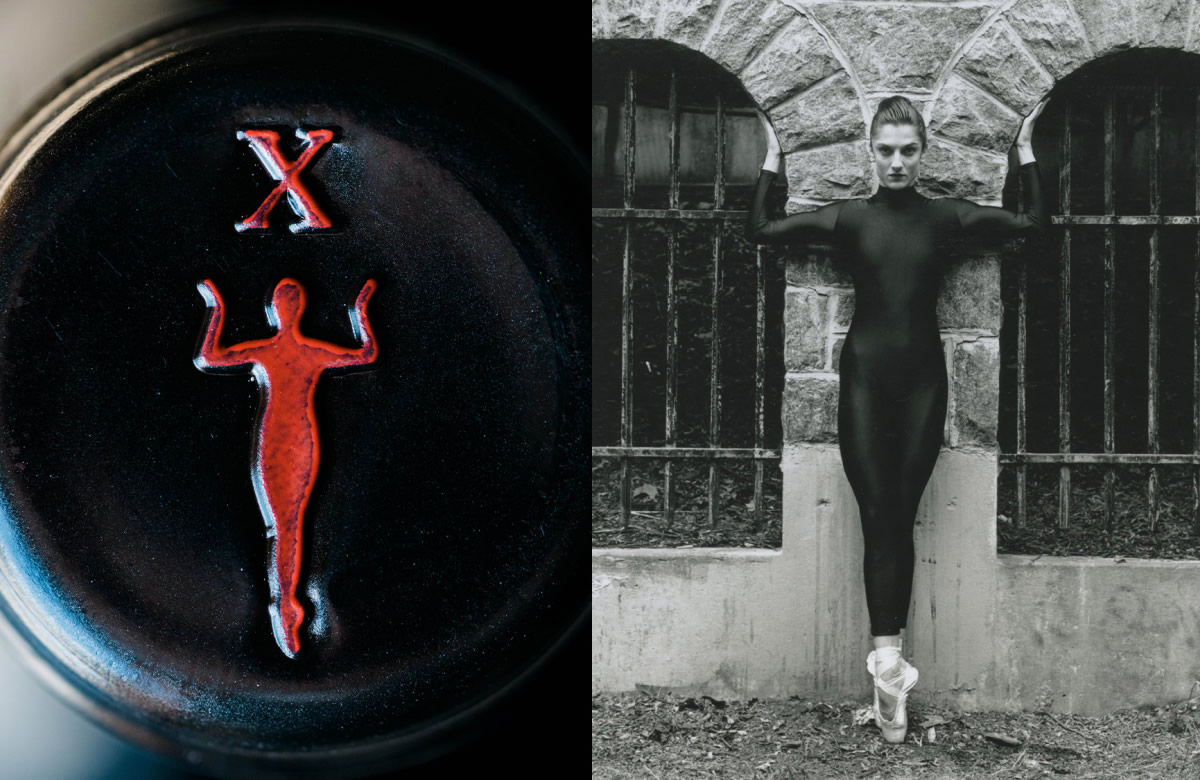
The interlinked relationship between art and wine on the estate
LUX: Let’s move on to the tasting. Why did you choose these specific wines?
BB: I wanted to select something from the first decade, the 90s, which was a very historic decade for Napa Valley. There were maybe 50 or 60 wineries in existence in the Valley. Today we are 10-times this. My husband Don arrived in the late 80s, and very serendipitously acquired the first parcel on Pritchard Hill, but not with the intention to farm.
He then acquired the 13.2-acre vineyard parcel, which I understand now was highly coveted by one of our neighbors. Don had a great intuition and worked at a very rapid pace. The first vintage of Bryant was 1992. Helen Turley was the winemaker with us for a decade, and the ‘96 vintage sits squarely in the middle of her time. I think this is an absolutely exquisite wine.
It has a quiet elegance when compared to the ’97. The ‘97 was the wine that really put us on the map when Robert Parker awarded it 100 points (the ‘96 was a 99-point wine in a moment when many wine professionals feel scores actually meant something). I don’t pull these wines out very often.
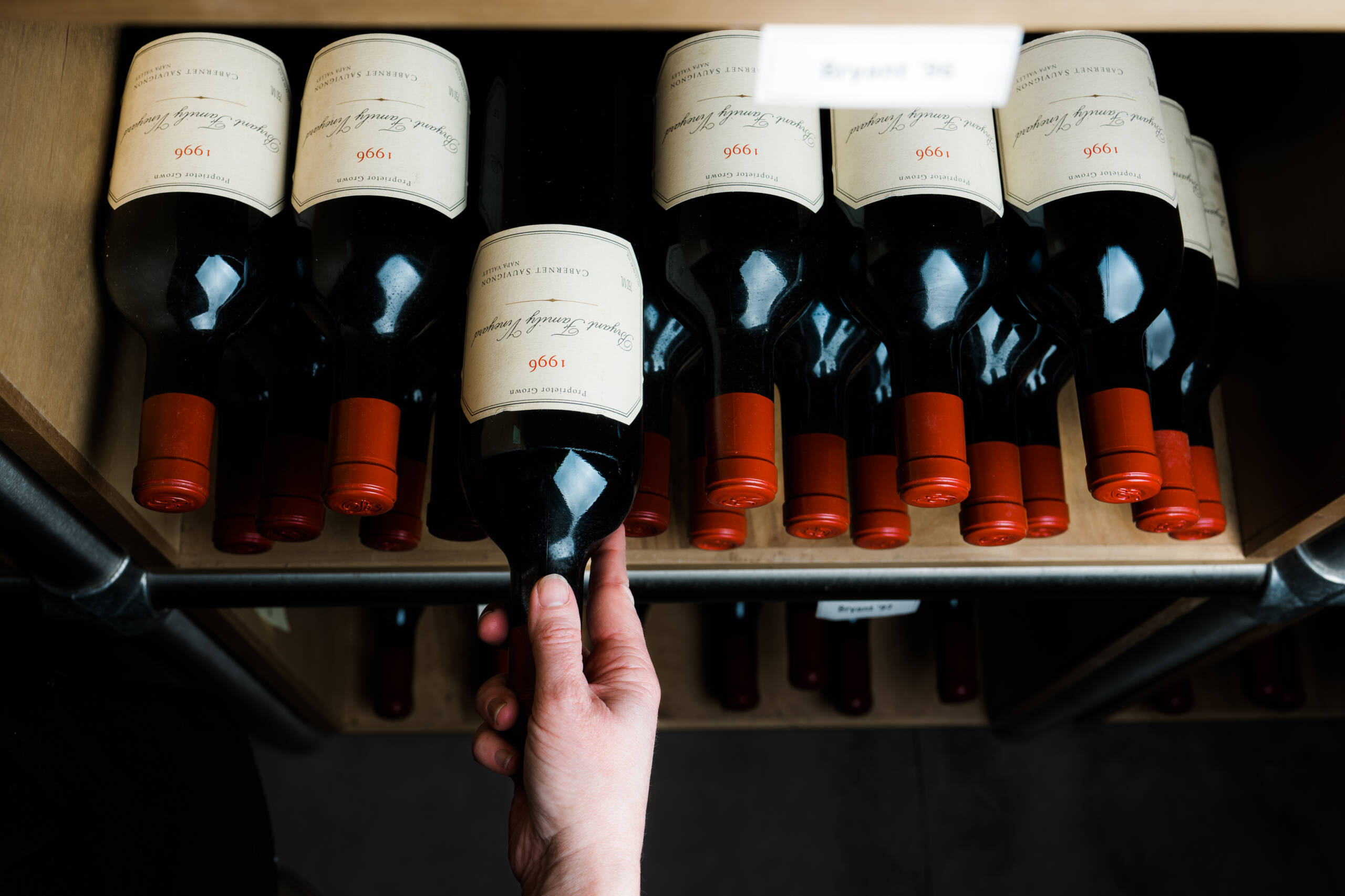
‘The ‘96 was a 99-point wine in a moment when many wine professionals feel scores actually meant something’ – Bettina Bryant
LUX: We are now tasting a wine which is 28 years old. When your wine ages, how does it change? Does it transform? Does it develop gently?
BB: I think this wine is a testament to Napa Valley. This was followed by a decade in the early 2000s when a lot of producers were really pushing high octane wines. Bryant has generally maintained a more restrained approach. I feel this is just a gorgeous example of a Napa wine that has finesse and elegance on par with Europe.
KK: I agree. You open up the bottle, pull out the cork, and the ’96 is so expressive. It still has a youthful edge to it, but is also elegant and seamless and complex. It is a precious bottle, we don’t get to try it often, but it is a testament to this vineyard and what was happening in that era with the legendary Helen Turley.
Read more: An Interview with Marian Goodman Gallery
LUX: Napa has been making wines for a shorter time than Bordeaux. Is this a longevity legend in the making? In 50- or 100-years’ time, will people find a bottle of this and open it like a 1945 Mouton-Rothschild?
BB: I would like to think so.
KK: Yes, based on the way the line is tracking now. It’s got decades and decades to go, and even the younger vintages are trending that way.
LUX: We are now trying the 2006. Did the Bryant Estate ever go down the route of making super-powerful wines?

The art of winemaking at the Bryant Estate
BB: 2006 is considered a vintage that tested growers and winemakers. Heavy winter rains led to some summer flooding, but Spring and Summer were warm with good fruit set. There are a few Bryant wines that probably exude a bit of that thinking, but I feel that we tend to be more restrained than others in our peer group.
KK: The proof is in the pudding when trying this wine. It’s not at all concentrated or hot or elevated or overly muscular. It’s simply there. You can recognise that it is balanced.
Follow LUX on Instagram: @luxthemagazine
BB: I love the delicacy here. I think it has a really feminine quality, and yet the aromatics are so revealing. Persistent.
I just wish we had more bottles. Don considered success as selling out. So, it is a privilege to be able to taste this with you today. I arrived at the estate in 2007 when this wine was being evolved. I find this wine is in a really good place right now. I showed it last year at a charity dinner in Nashville, Tennessee, and it was the wine of the night.
KK: I get the sense that it has a lot of legs. The tannin is still prevalent and still quite structured. I can see this having a long life and continuing to deliver for decades.

‘There’s a wind that comes off the Pacific Ocean, through the Petaluma Gap in the afternoon, kind of skips off the lake and pulls down the diversity of soil resistance on the site’ – KK
LUX: What is the style of Bryant? What makes Bryant Estate, Bryant Estate?
KK: There are infinite factors that go into it. At its core, it’s about the site, good ground, and the way that it’s farmed. We’re above Lake Hennessey, which is unusual. It’s rare to be in Napa and have a maritime influence. There’s a wind that comes off the Pacific Ocean, through the Petaluma Gap in the afternoon, kind of skips off the lake and pulls down the diversity of soil resistance on the site.
Read more: Cristal evening with Louis Roederer’s Frédéric Rouzaud
LUX: People think of Napa as being hot in summer, but it’s a lot more complicated than that with the ocean fog and breezes.
BB: We are above the fog line. We get fog in the morning, which arrives overnight to keep temperatures cooler. It’s a Mediterranean climate, not a continental climate, so that’s important for retaining acidity in the grapes. Otherwise, the grapes can lose that precious acid, which you can’t really get back if degraded because of too much heat, especially at nighttime. We do have this diurnal shift where it can be 20, 30,40, degree changes in the temperature from nighttime to the morning. Yes, there are certainly many climatic factors, soil types, and differences throughout Napa that make each place very unique.
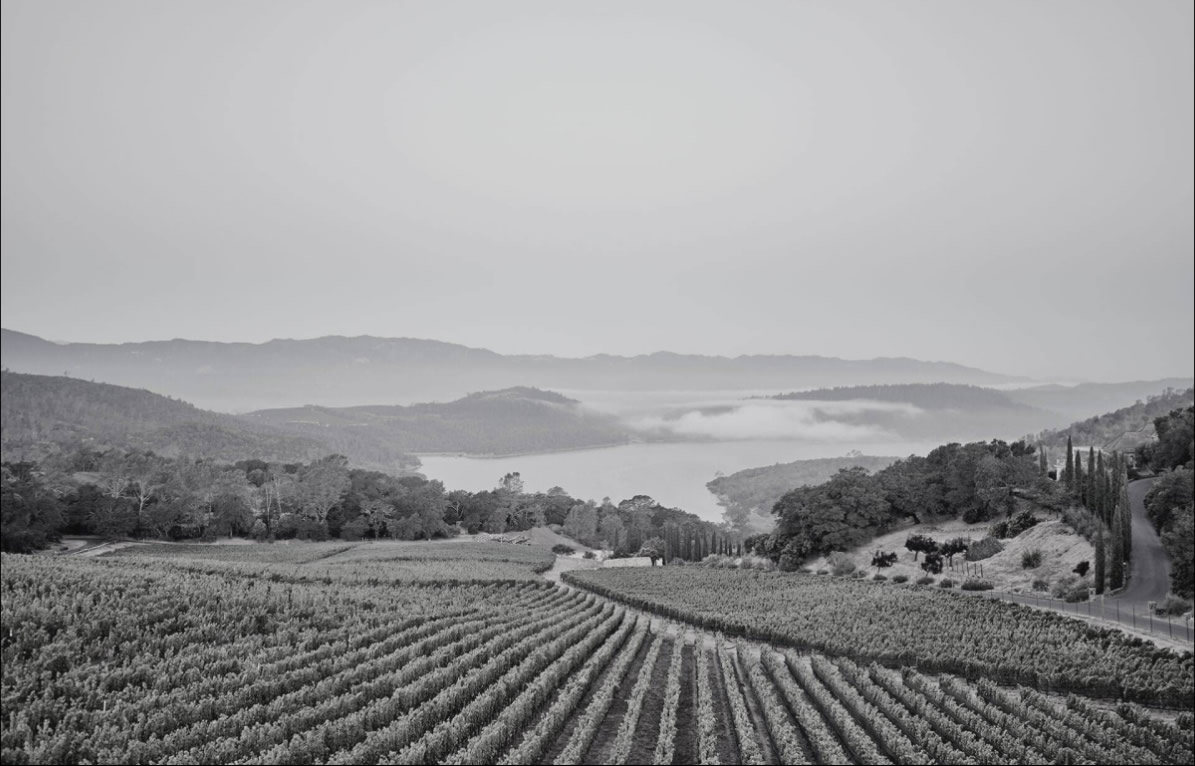
The landscape of the Bryant Estate property
LUX: Do you have a benchmark?
BB: Well, for Don, the benchmark was 1982 Chateau Latour. For him, that was a definitive wine.
LUX: And all the grapes for your flagship wine are picked from one site?
BB: Yes, this was something that Don identified early on. He was studying Robert Parker reviews, and he realized that Bryant was the only wine in that particular echelon that was 100% Cabernet Sauvignon from one site. So, I do think that is a differentiating factor in why this wine is quite distinctive.
The site is very undulating, but this wine has always been 100% Cabernet Sauvignon. To achieve this requires a lot of attention. You can’t just offset an edge by adding a little bit of Merlot or create a little bit of lift with some Petit Verdot. This is pure Cabernet Sauvignon. The fact that the site is so undulating really shapes the dynamic aspect of this wine.
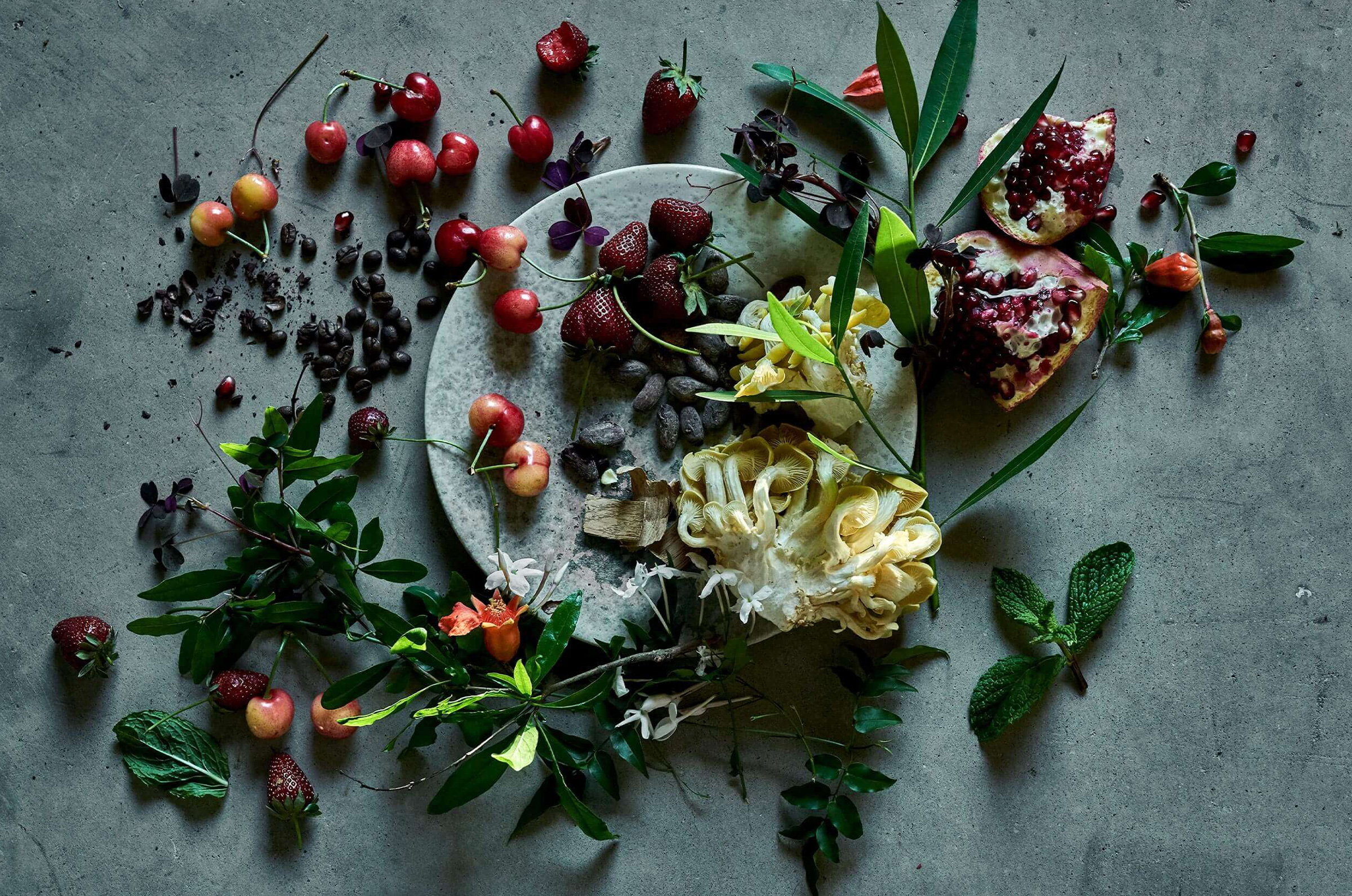
The palate of the Bryant Estate Carbernet Sauvignon: layers of vibrant cassis, black cherry, and black currant interplay with savoury infusions of graphite, sage, tapenade, and tobacco
LUX: Your production, by the standards of the celebrated Bordeaux estates, is small. You could sell everything you make many times over. Do you want your stories to resonate with a broader world of wine connoisseurs?
BB: Entering this space as an art historian – one very focused on artist stories and craft – explains how I have approached Bryant and the opportunity to preserve the story. Extended from this, I have been developing an import entity whose intent is to shed light on other producers whose values resonate with what we are doing at Bryant. There are so many important stories that deserve to be preserved. Are these producers in the right relationship to the land, to the craft?
LUX: Let’s move on to the third decade of the Bryant estate – the 2018 vintage. KK, you made this wine. Is speaking about wine like speaking about a child?
KK: Yes, in a lot of ways it is like a child. I love doing it. It’s not easy. I feel we must dispel this notion that it’s so romantic. It’s a lot of work, effort, thought, and movement. Winemaking is not an easy endeavor.
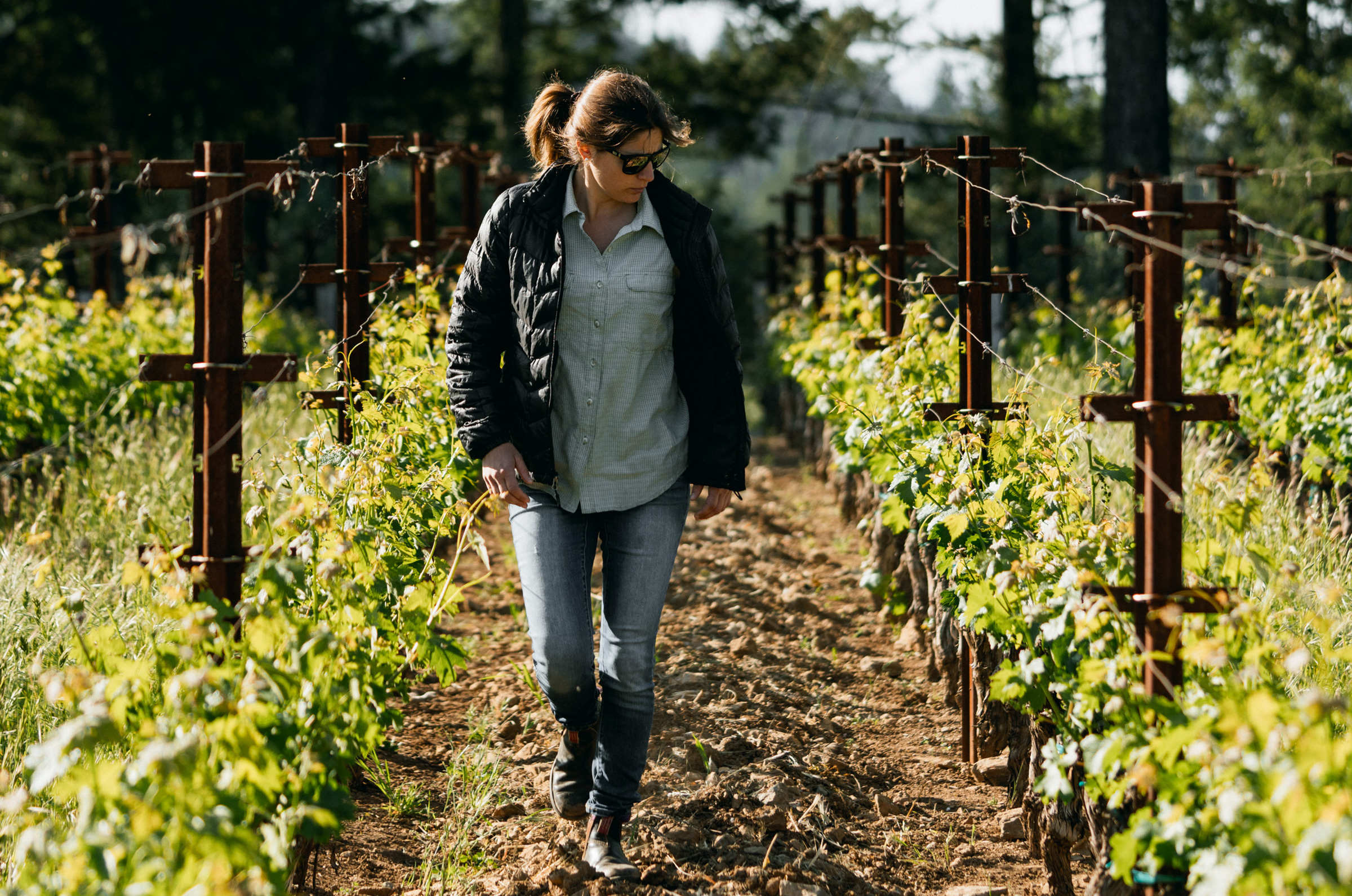
Winemaking is ‘really about being in tune with nature’
When I arrived back in 2018, it was a great harvest. It’s been a while since I’ve tried the ‘18. It’s really enjoyable to have this opportunity to taste it, especially in this lineup. I find there is a mineral freshness to this wine, accompanied by a fresh fruit profile with integrated, even, and coating tannins. In 2018, we picked the vineyard over 60 different times, and fermented in an assortment of vessels – barrels, puncheons, concrete and stainless tanks – and aged the wine in 225 L, 300 L, and 500 L oak formats. It’s really the epitome of us being in tune.
The interconnectedness of everything. We are in tune with every step, with every vine. It’s really just part of a full integration with life.
BB: I would also say it’s about being fully present.
KK: You can’t do this as a consultant or while not being present. When you’re here and walking and smelling and tasting and cleaning, washing barrels, you can tell: this one smells a little strange, I won’t keep this barrel for next year. The fact that we’re small and pay meticulous attention to detail is just part of that presence and being in tune and connected.
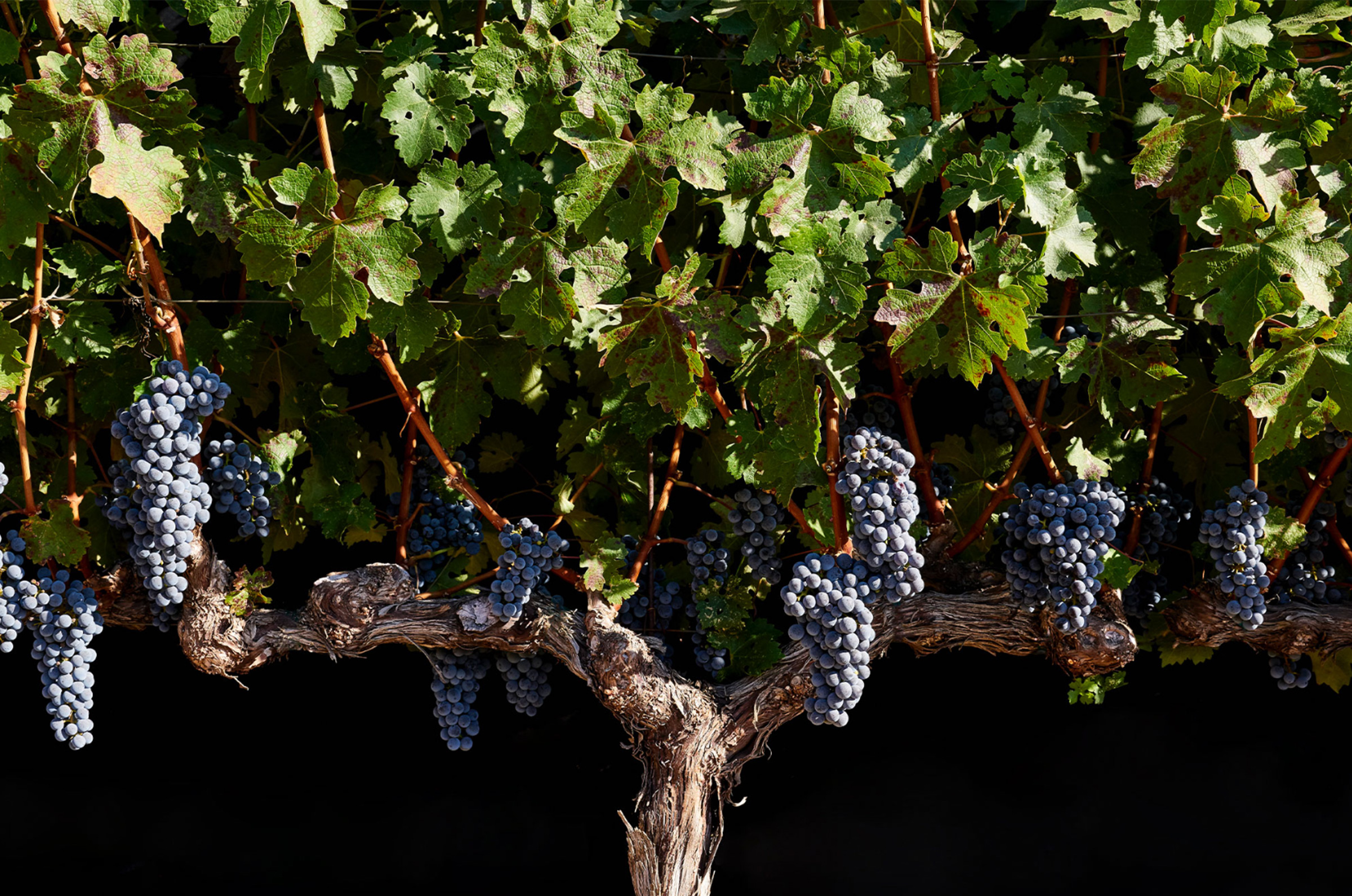
The season’s first growth in the Napa Valley
Getting back to art and winemaking: there is a scientific base. But the more I go along, it’s really about using your gut and intuition – just being in the moment and doing what you have to do, when you have to do it.
LUX: Why did you make the Bettina a blended wine?
BB: Don was aware that Bryant, within the echelon of cult Napa wines, stood apart as a single varietal wine. As previously mentioned, he was very passionate about 1982 Chateau Latour, and became interested in the idea of making a Bordeaux-inspired wine.
We were initially looking at potential vineyards for acquisition, but then received an offer in 2009 for some exceptional fruit. This coincided with the year that we were married.
Don surprised me by naming the wine after me. It was actually a wedding gift. There is so much beauty within that gesture, and it has been a wonderful exploration of how to coax these other varietals and create a wine that is complimentary to the estate wine.

The 2014 Bettina
KK: 2017 was a dramatic year: we were hit with the first fires midstream, and it was enormously challenging. We were about 80% picked at that point. But it was a very foreign experience. I think this vintage points to perseverance. Those who didn’t panic delivered exceptional wines.
LUX: How would you describe this wine to somebody who’s tasting it as a contrast to the flagship?
BB: It’s interesting. From the outset, people often refer to Bryant Family Vineyard as the more feminine wine in our canon, and the Bettina more masculine. The wine has a lot of presence. I think it’s a very voluptuous wine. It’s not shy.
KK: The inclusion of other varietals, Cab Franc, the Merlot, the Petit Verdot, in addition to the Cab and co-fermenting those in the tank so the skins of the one varietal are in contact with the juice of another, builds a certain complexity.
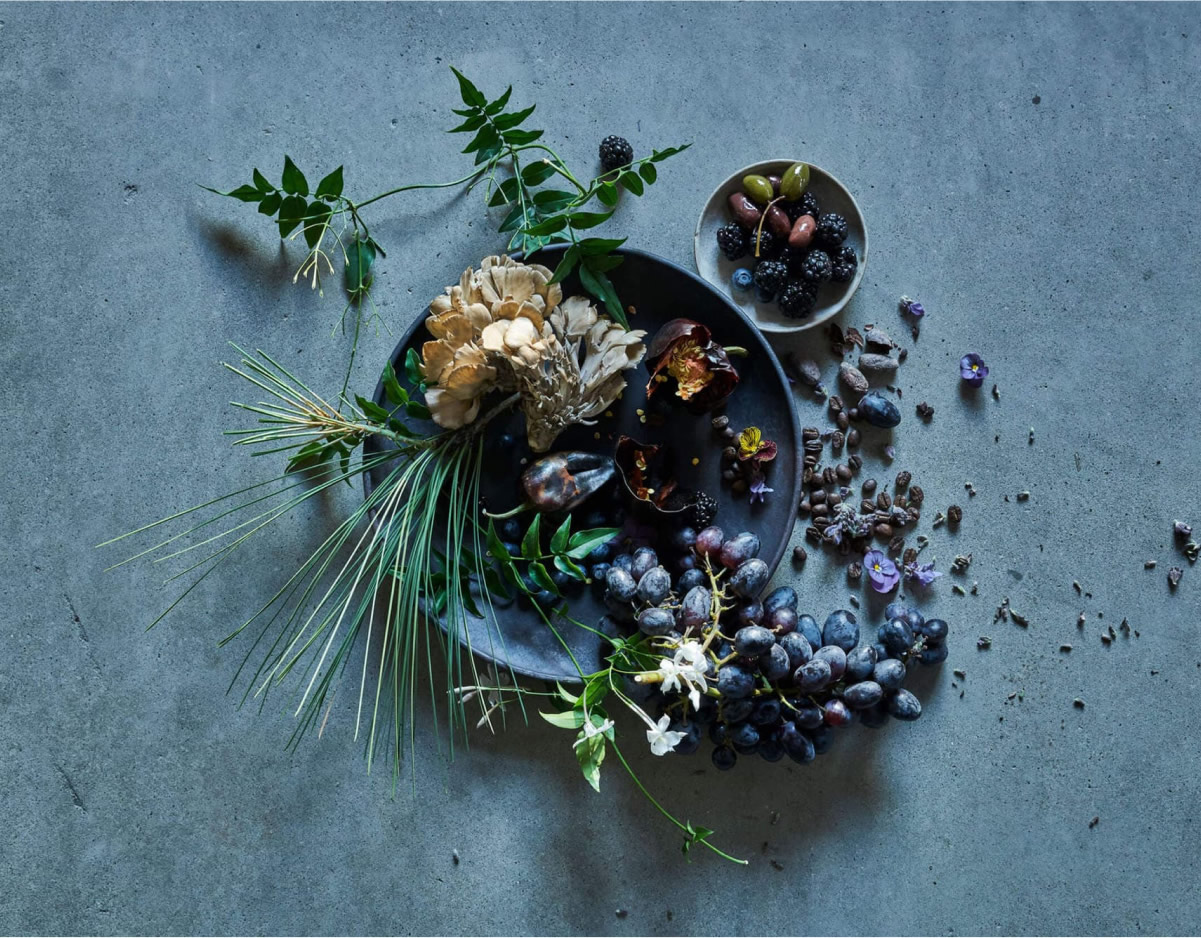
The composition of The Bettina Proprietary red wine
BB: Let’s move on to the ‘19 Bettina, which is a pivotal point in its evolutionary journey. In this vintage, we did a little bit of stem inclusion, just to give the wine a bit of floral character, as well as integrate a bit of the Bryant Family Vineyard cabernet. It was very symbolic, literally bringing this wine in house. This wine has a presence of mind that I think is really balanced.
LUX: Bettina, you are an art historian. There is a depth to your art collaborations for the labels.
BB: Art has always been an inextricable part of who I am. From an early age, I was immersed in looking at art. My parents were always bringing me to museums. I was introduced to music early on, and then I danced, eventually professionally. I always had an awareness of how intertwined things were, and view things through an artistic lens. The hand, the gesture in making the wine, was really evident to me, and I wanted to carry that forward into the external expression of the bottle and how it would be received.
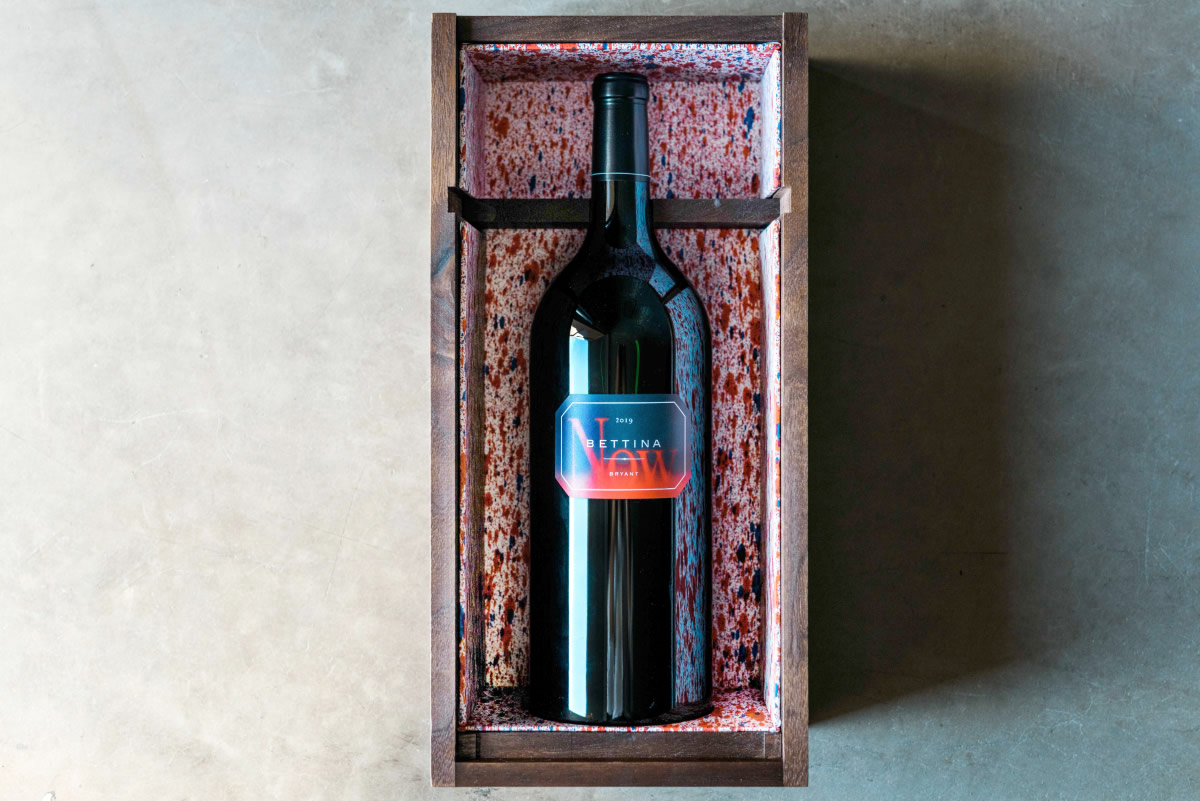
‘I love the idea of having this word on the table, and subliminally impacting the dinner conversation’ – Bettina Bryant
I understood that the Bettina wine was the sandbox where I could be playful, and inaugurated an artist series with the tenth vintage, the 2019. With the 2019 Bettina, I selected a really wonderful and well-known artist named Ed Ruscha, who does a lot of work with text-based images. He had gifted me a drawing featuring the word ‘NOW’ in connection with another project I was working on in New York. I love the idea of having this word on the table, and subliminally impacting the dinner conversation.
Read more: Mercedes-Benz AMG GT 63 review
LUX: You spend a lot of time with art, being with not just artists, but art itself. It’s a very important part of your life. How does that inform the Bettina wine, the estate, and your relationship with KK?
BB: I have had the wonderful opportunity to dabble in different modalities, whether it was dance or music, and I know how that elevates my daily life. There’s an amazing quote by Gerhard Richter in which he says, ‘art is the greatest form of hope’. I find that I’m an optimist by nature. I’m just always wanting to inspire, wanting to elevate, wanting to connect, to help with problem solving. When I left my dance career and headed into my academic career, I was working with a dance program in the public school system in New York. It was very moving to see young, often underprivileged, children be invited to dance for the first time. Movement became a very joyful experience. It illuminated for me that art has the ability to be a catalyst for positive change.

‘When Ed presented the abstract artwork that encases this bottle, he said it reminded him of falling grapes’ – Bettina Bryant
LUX: And finally, we have the 2021 Chardonnay.
BB: I always wished, whenever I would present wines at tastings and dinners, that we had our own white. KK and I decided to do an in-depth blind tasting of Chardonnays from around the world, and we landed on the same one at the conclusion of the tasting: a 2013 Chevalier-Montrachet. The fact that we were so aligned in our thinking and taste profile felt like a sign from the universe.
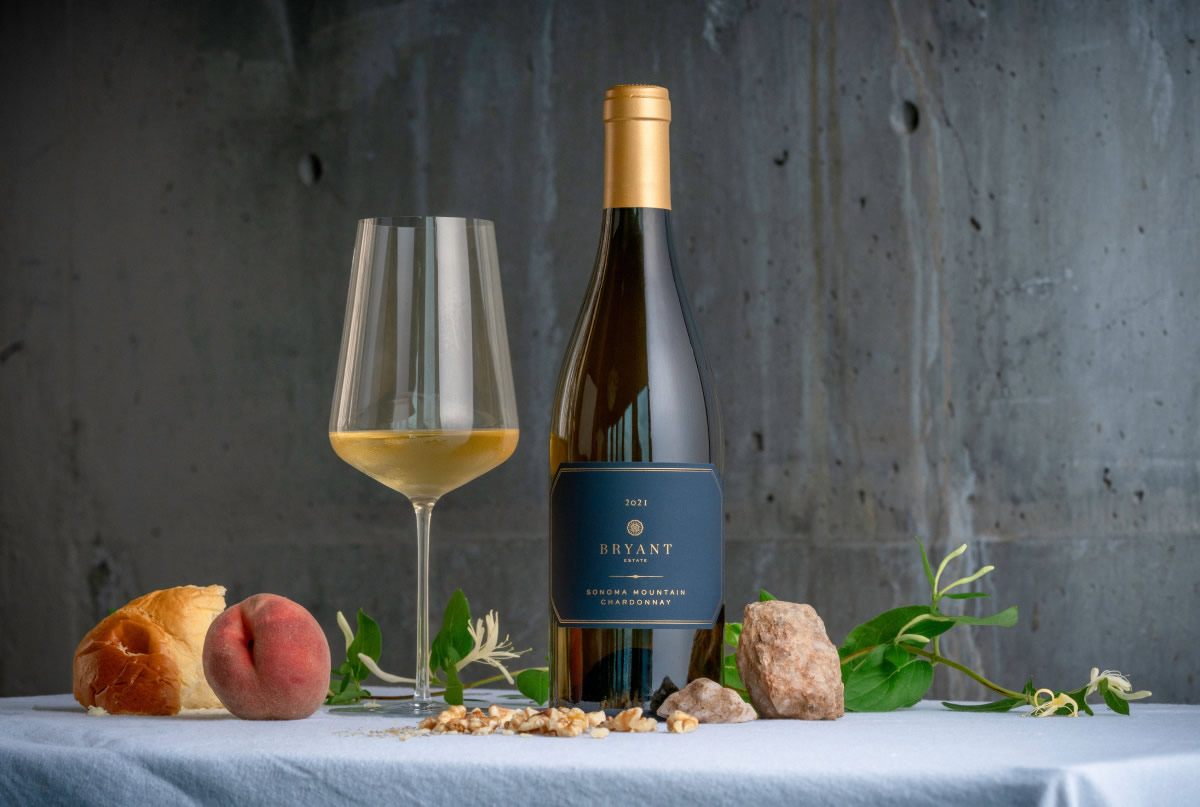
The 2021 Bryant Sonoma Mountain Chardonnay
KK: Bettina and I both love white burgundy. It has been a journey to find white wine around this area as it’s warm here and we don’t want to go so far to acquire white grapes. We believe in the importance of localism and not trying to drive six hours to pick up fruit, instead keeping it as close to Bryant as possible.
That required a lot of steps, a lot of walking vineyards and finding different sources for good ground. I homed in on Sonoma Mountain, which is just about an hour from here, near Glen Ellen, where Jack London settled. This vineyard is right on the north base of Sonoma Mountain, an extinct volcano and an area that was once covered by the Pacific Ocean.

The mountainous terrain of the Napa Valley
An AVA established in 1985, Sonoma Mountain is a relatively remote and rugged area speckled with Redwood trees, vast ranches and unpaved, one-way roads. The well-draining soils on the vineyard block are a combination of white tufa and basalt, often found on mountains and foothills (the names of the series are called Toomes, Guenoc, Goulding and Red Hill). Thanks to its orientation, the block receives a warming morning sun to dry out the dawn dew but is soon shaded from the higher heat of the afternoon sun, another important characteristic to growing white grapes in sunny California.
The wine is flinty and mineral driven, crisp and with length, and marked by effortless beauty. Upon this alignment of choice, we finally felt ready to create a Bryant Chardonnay.
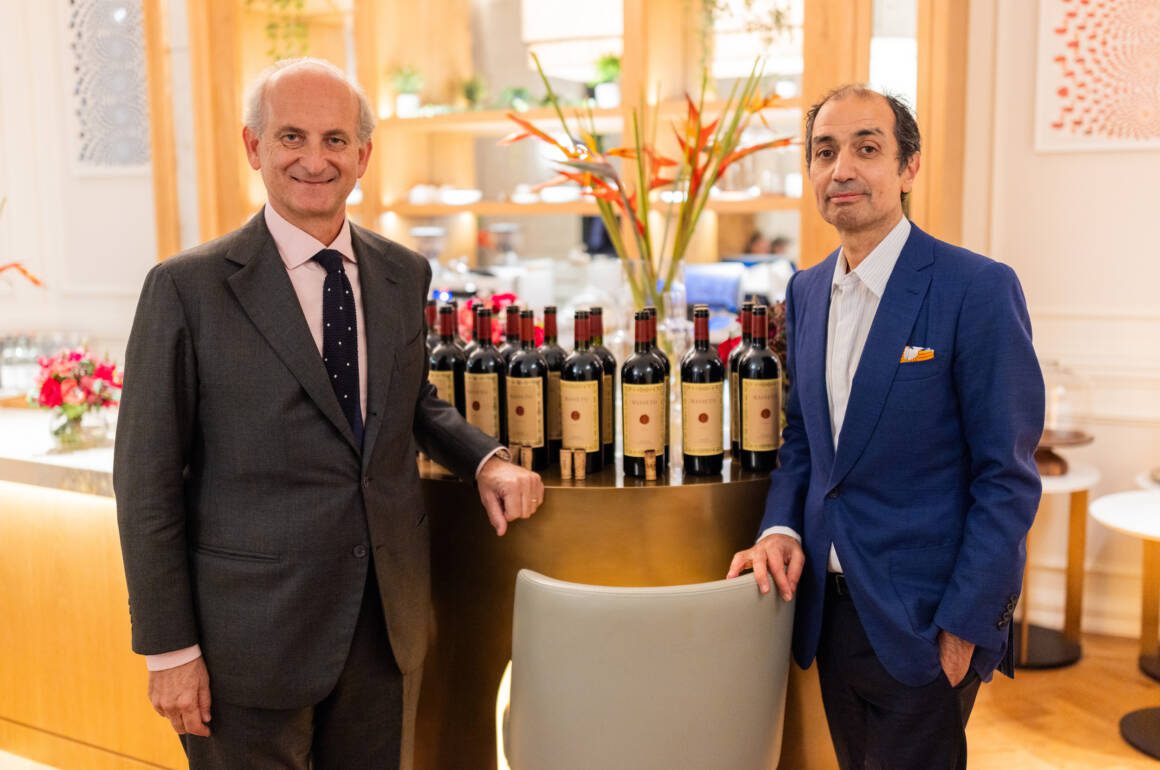

The Marchese Lamberto di Frescobaldi with LUX Editor-in-Chief Darius Sanai
Italy’s greatest wine, and now a cult collectible, Masseto is the wine every wealthy collector wants to add to their cellar. But is it as good as its stellar reputation? At a rare tasting hosted by the Marchese di Frescobaldi in London, Darius Sanai sought the answer
Wine is often cited alongside art and classic cars as a collectible, but there are some fundamental differences between the worlds great wines and its great artworks and motors.
The most notable is its ephemerality.
You can collect and enjoy a Fontana artwork for decades; likewise, you can jump into your Ferrari F50 and tear around the back roads of Tuscany any time you like.
But to enjoy a wine, you must also destroy it, or at least consume it. A tasting of great and rare wines is a more special occasion even than visiting an art collection or driving the rarest classic in the world: these are the first and last time these particular bottles will ever be tasted.
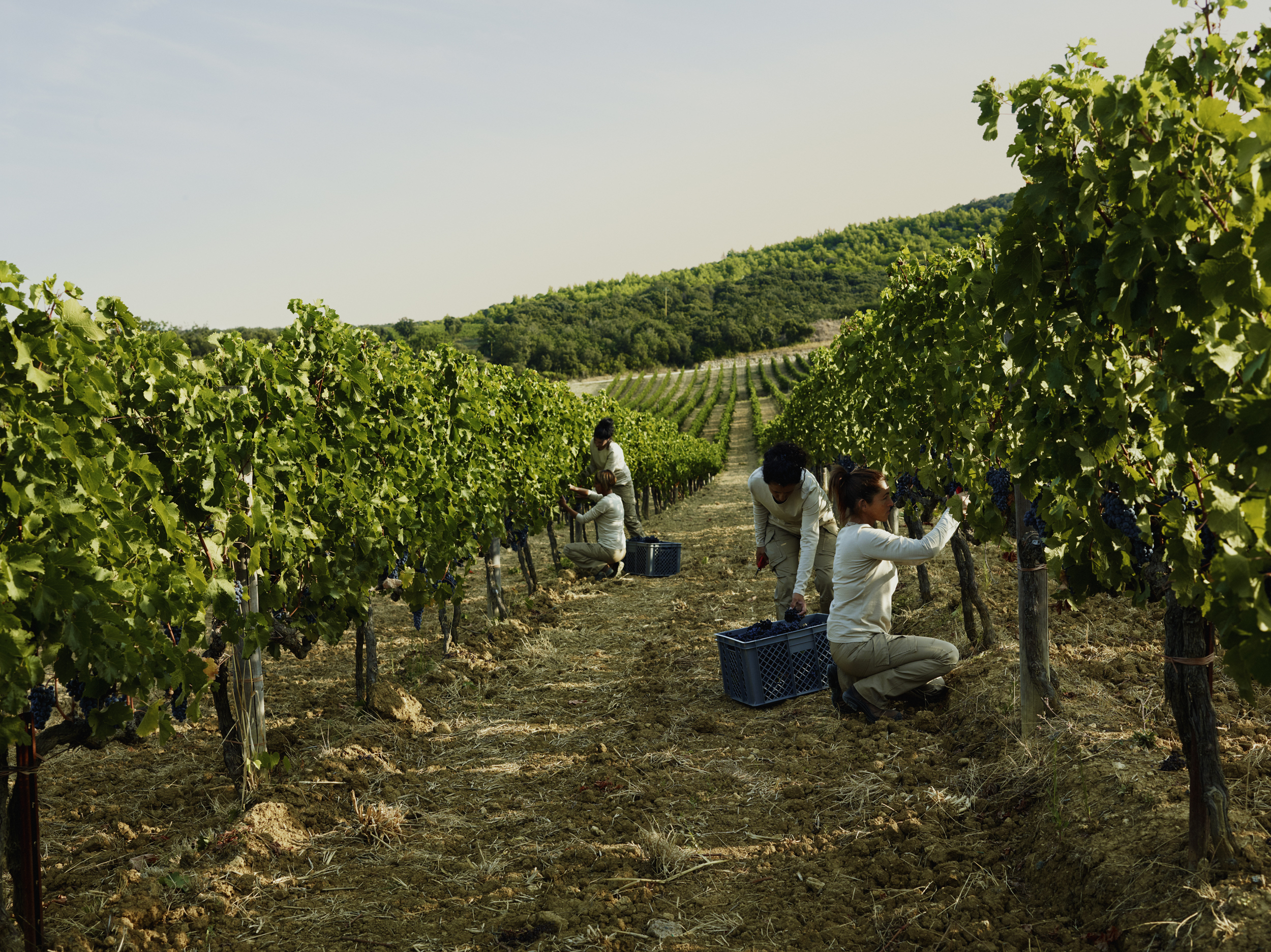
A harvest of the Masseto vineyard
That came to mind as I arrived for a pretty special tasting across 10 vintages of Masseto, which has, in just 25 years – an instant in fine wine terms – established itself as Italy’s greatest, or at least certainly most celebrated, red wine.
The price of Masseto has increased exponentially over the last few years, as wealthy collectors and consumers around the world fight for it, while production remains as limited as it ever was.
Follow LUX on Instagram: luxthemagazine
The Marchese Lamberto di Frescobaldi, scion of the ancient Florentine family, who hosted the tasting, even told us that family members were restricted to buying – not being given – three bottles a year each. And what, someone asked, if they had children, would they also get three bottles each? “No, “he replied, “your children are your problem“.
The Marchese is a lucid and entertaining host, his dry humour manifesting itself at unexpected moments so; for example, on tasting one of the rarest wines, he commented that he was going to spit it, as professionals do, into the spitoon provided, but then decided to “spit backwards”.
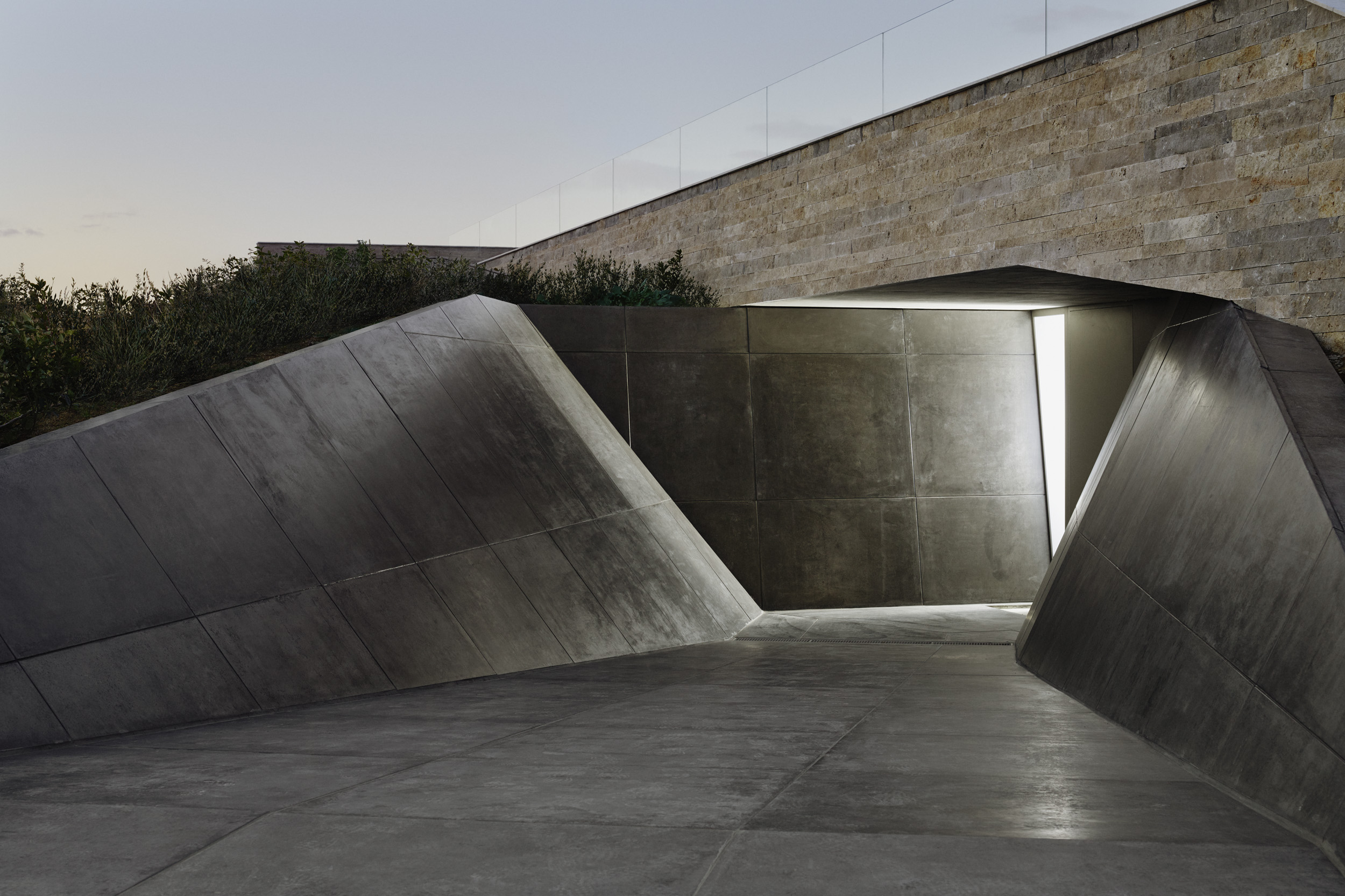
The futuristic construction of the entrance to the Masseto winery
Masseto comes from a very interesting vineyard location, a little plateau very close to the coast in Tuscany, so near that you can see and feel the sea from some of the vineyards. To the other side are the endless forests of the Massa Marittima, beyond which is Tuscany’s more arid interior and other famous wine areas such as Montalcino. Although the climate has become warmer in recent years, sea breezes and summer rains allow Masseto to have that unique combination of richness and freshness, combined with all its other elements.
But what makes a truly great wine, and does it really deserve to join the pantheon of global legends, such as Château Latour and Domaine de la Romanée Conti?

The Masseto plot is unique; a hill of almost 7 hectares with blue clay soil, with some layers of clay rock-hard and forming solid boulders.
Assessment from critics is one element, and so is the ability to age. We won’t know about the latter definitively for a few decades at least – the first vintages appeared in the late 1980s– but we tasted vintages back to the 1990s , on this elegant occasion, the first for several years given by the house. And the wines were, overwhelmingly, magnificent, and also showed a remarkable variety between vintages and ability to develop character and complexity over the years.
Masseto is a delicious wine – something that cannot always be said of the worlds great wines, some of which are rather austere – but it is also a magnificently sophisticated one, combining qualities rarely found together in a bottle – if ever. It has a character and profile all of its own. For those reason it certainly ranks among the very greatest.
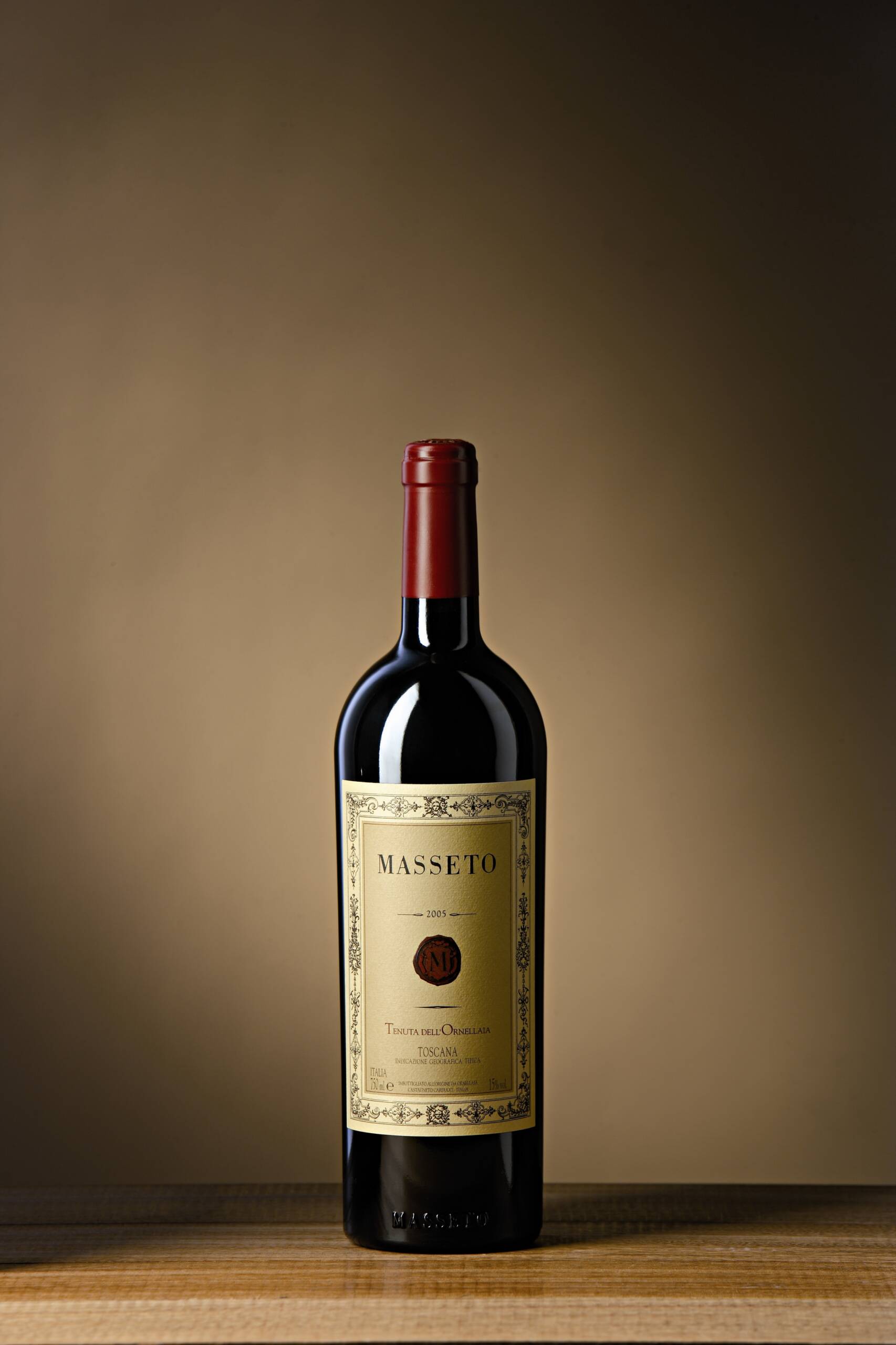
A Masseto vintage from 2005, one of the many featured in this evening of tastings
Tasting notes by Darius Sanai
Masseto 2021
Like sitting on the highest spire of the Duomo in Milan and looking at Monte Rosa and the Alps, deep in snow, in the distance
Masseto 2016
This wine is being on a Riva, on a still June day on Lake Garda, and hearing the bells of the little church at Bardolino ringing out across the water: it has warmth, freshness and soul
Masseto 2015
Have you ever arrived at La Scala in Milan, in your tuxedo or couture gown, in a Blu Chiaro Metalizzato Ferrari 575 (manual gearbox version), swept up the red carpet and sat in a box to hear Placido Domingo perform Tosca? The Masseto 2015 is that whole experience, in a bottle; but don’t experience it for another five years
Masseto 2013
The delicacy of a Murano glass combined with the richness of palette of its hand-painted colouring
Masseto 2009
Lunch on a July day on the terrace at the Splendido in Portofino. It’s a rich wine, from a hot year, but somehow still has life and complexity, no heaviness
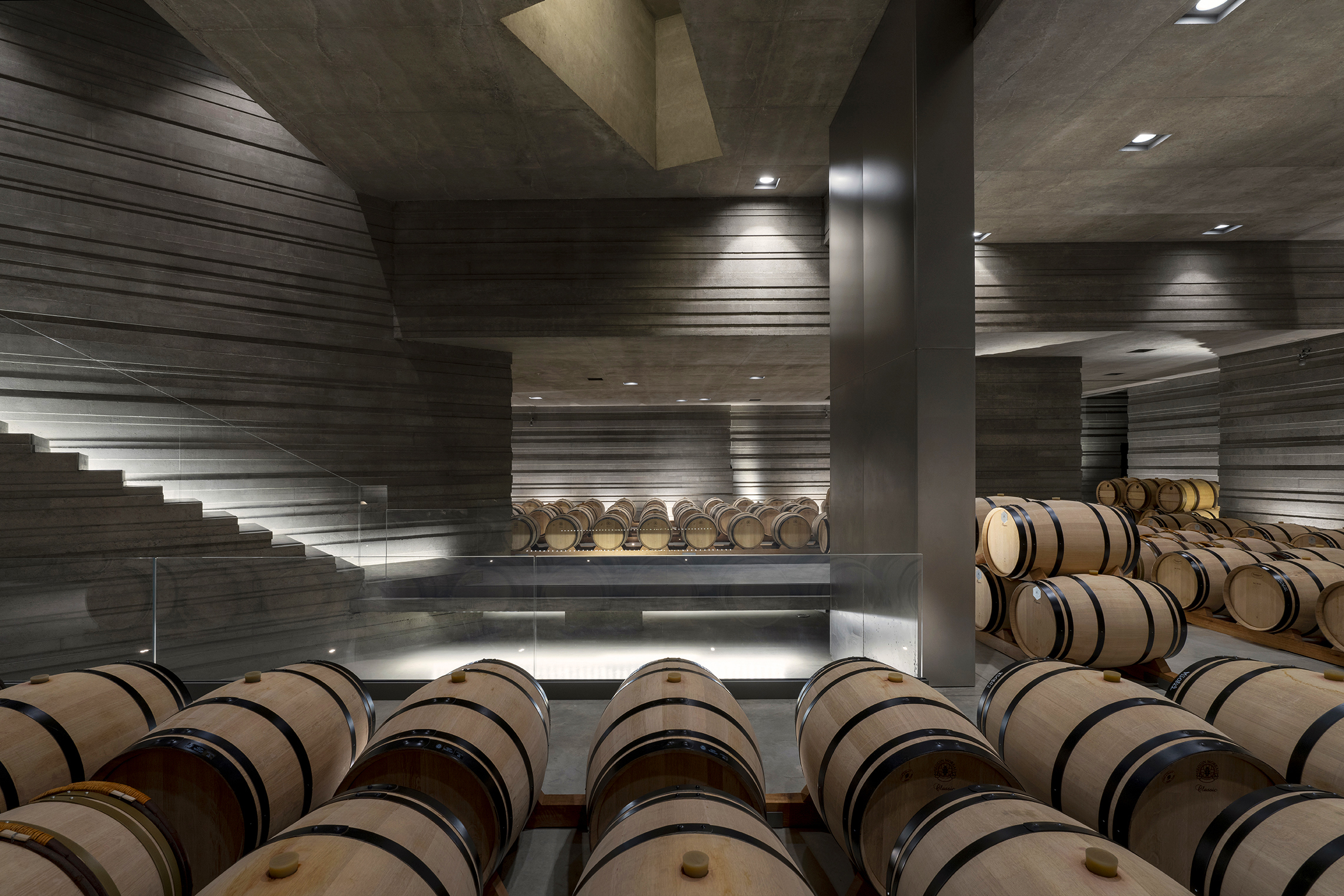
A view of the Masseto cellar, which stores the range of vintages tasted by Darius Sanai
Masseto 2006
Isabella Rossellini in Blue Velvet. Mysterious, difficult, then seductive and transfixing
Masseto 2005
“Tradition is the soft landing of our fears” – Lamberto Frescobaldi. This quote intrigued me so much that I forgot to make any notes about this vintage. Lamberto was speaking about how wine estates need to adapt and change.
Read more: Cristal evening with Louis Roederer’s Frédéric Rouzaud
Masseto 1999
At 25 years old, this wine is Walter Santeso, playing Paparazzo, in La Dolce Vita. A classic, that’s all
Masseto 1996
If a great wine is one that keeps evolving with age, this is a true great. On blind tasting I would have had it down as a Cheval Blanc, such is its power and delicatesse, and ability to keep evolving, and its perfume
Masseto 1995
Sophie Loren in Two Women, with a kind of unbridled joy of sophistication

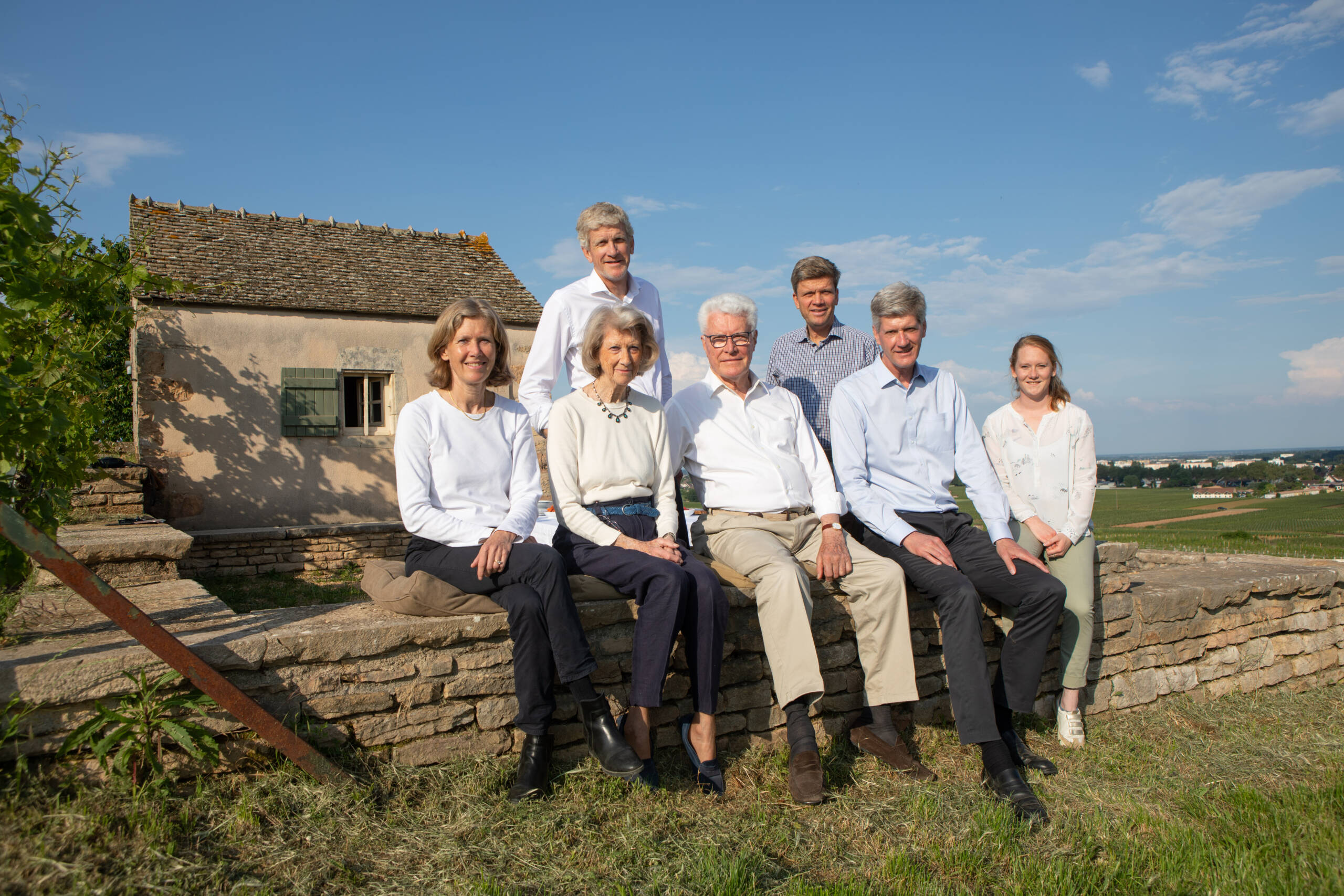
The family Drouhin grew up in the vineyards and acquired a deep understanding of wine alongside their father, Robert Drouhin. They all have their own role and they share the same passion for wine
Veronique Drouhin was not supposed to run one of the world’s most celebrated wine producers. The scion of a family with holdings throughout Burgundy and beyond, she was born with the odds stacked against her in two ways: she was the second child, where traditionally the elder child took on the family business; and she was a woman in the very mannish world of wine.
“I did not think, when I was at school, that things would end up the way they did,” the urbane, lively head of Maison Drouhin says ahead of our tasting of some of her finest wines. But her elder brother, Philippe, decided that he wanted to devote his energies to being in the vineyards, making the wines great rather than running the company. And Veronique, although she is too modest to say so directly, showed the commercial nous required to take the company forward in the 21st century.
Drouhin is famed for making wines of finesse, vibrancy and balance. That was not necessarily always a plus point: there was a time earlier this century when many consumers of fine wines thought that the more powerful a wine was, the better. And being the head of a negotiant-producer, which both owns its own vineyards and buys grapes from small producers with their own vineyards, was also a double-edged sword as high-end consumers sought out tiny production boutiquewineries as a status symbol.
Follow LUX on Instagram: luxthemagazine
But the pendulum has swung the other way, both on style, with finesse and balance most definitely back in vogue, and in terms of consumer demand, as the cost of wines from tiny producers shot upwards beyond sustainable levels. Drouhin, which makes wines from some of Burgundy’s most hallowed vineyards, suddenly looked like excellent value as well as high quality.
If there is a grace to the wines – more on which in our tasting notes below – there is also a grace to the head of the Maison. When I ask what she would have likely done if she had not been born into a major French wine dynasty, Veronique replies that she might have become a music. I can imagine her playing a Chopin sonata as much as I can imagine her tasting her wines or hosting a collector’s dinner.
Read more: A tasting of Dana Estate wines
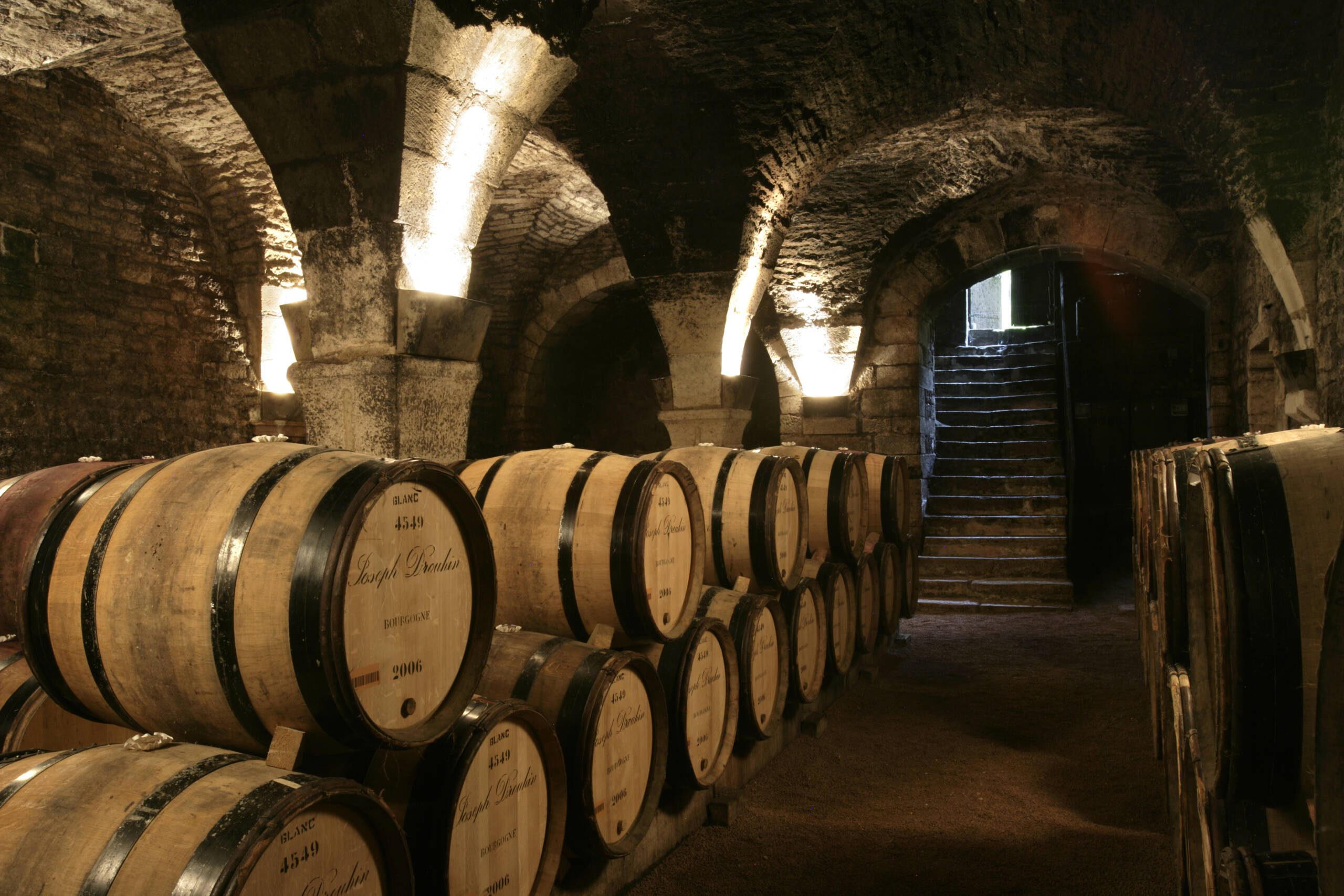
After carefully harvesting the precious fruits of a year’s labour, Maison Drouhin let their vines enter a period of rest, an enchanted interlude called dormancy.
Drouhin makes wines at a variety of price points: just days before this tasting of some of their highest-end wines, which costs hundreds of pounds/euros/dollars a bottle, I partook of a bottle of a more lowly Drouhin Savigny-les-Beaune red Burgundy, from the fulsome 2020 vintage, at a London restaurant. It was delicious, balanced, moreish; and very much in the style of all the others. But if you are seeking a high end Burgundy at a relatively reasonable price, look to the below.
The Drouhin tasting. Tasting notes by Darius Sanai
Whites:
Chablis Grand Cru Les Clos, 2018
The Chablis brand might suggest a certain austerity and steeliness; this grand cru, from one of the most celebrated vineyards, had that but also breadth, depth and white nectarines. Very classy and surprisingly powerful; a Jaguar E-type of a wine.
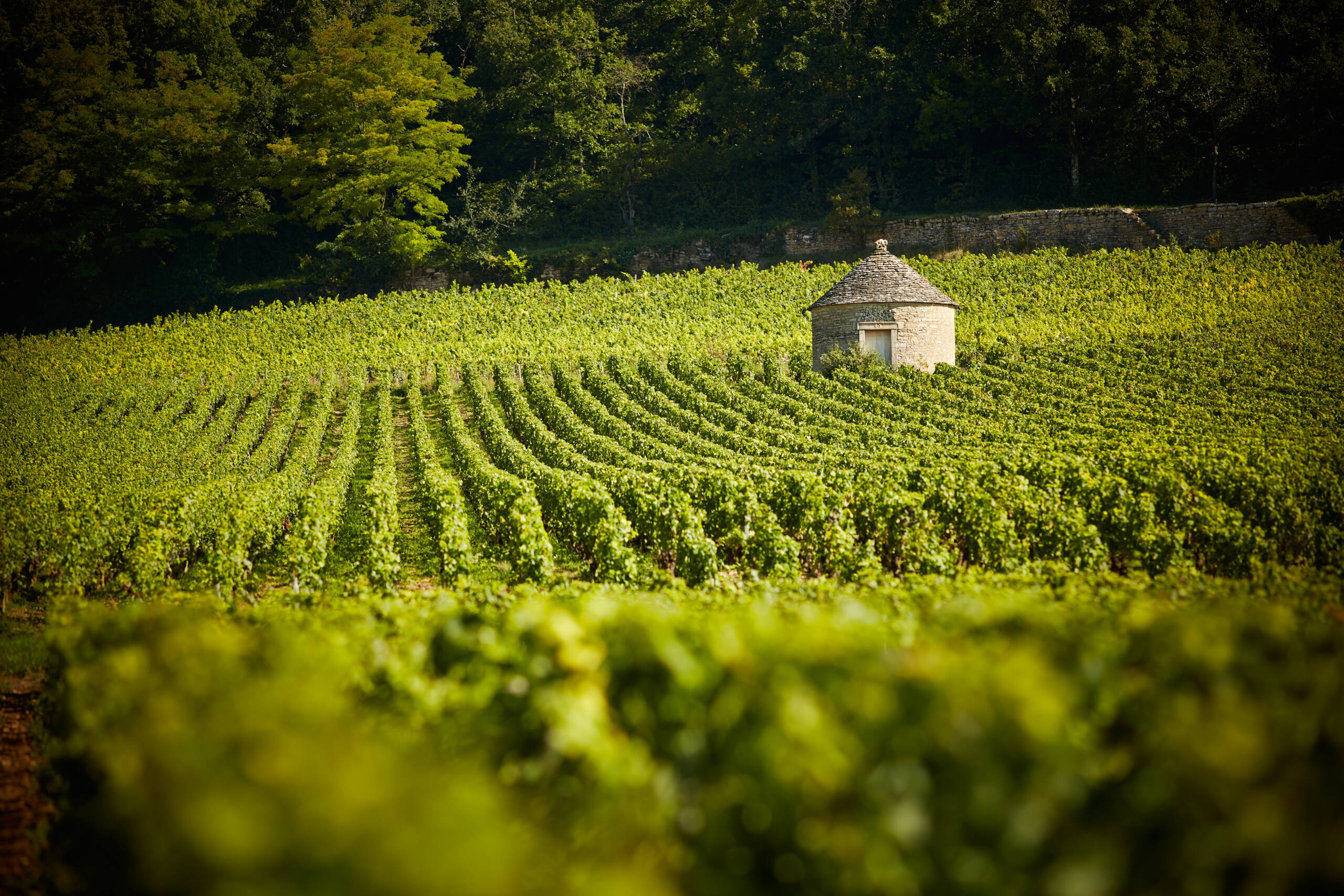
The harvest date is determined through regular samplings. Maison Drouhin closely monitors the health and maturation of the grapes.
Beaune Clos des Mouches, 2019
A white wine from Beaune? Sacré bleu – or sacré blanc! But what a wine this rare and prized bottling is. Rounded, rich fruit with freshness and sex appeal and a lot of layers. An open-topped classic two-seater Mercedes SL from the 1980s.
Chassagne Montrachet Premier Cru Morgeot, Marquis de Laguiche, 2019
From Chablis we headed south through the forest of the Plateau de Langres (Chablis is not connected to the rest of the Burgundy vineyards), over the continental divide and down to Beaune. Now we travel a few kilometres further south, with the Cote d’Or hills rising to our right, in our 1973 Porsche 911S, in a solid period dark green. That’s what this wine is: super-elegant, precise, crafted, stunning.
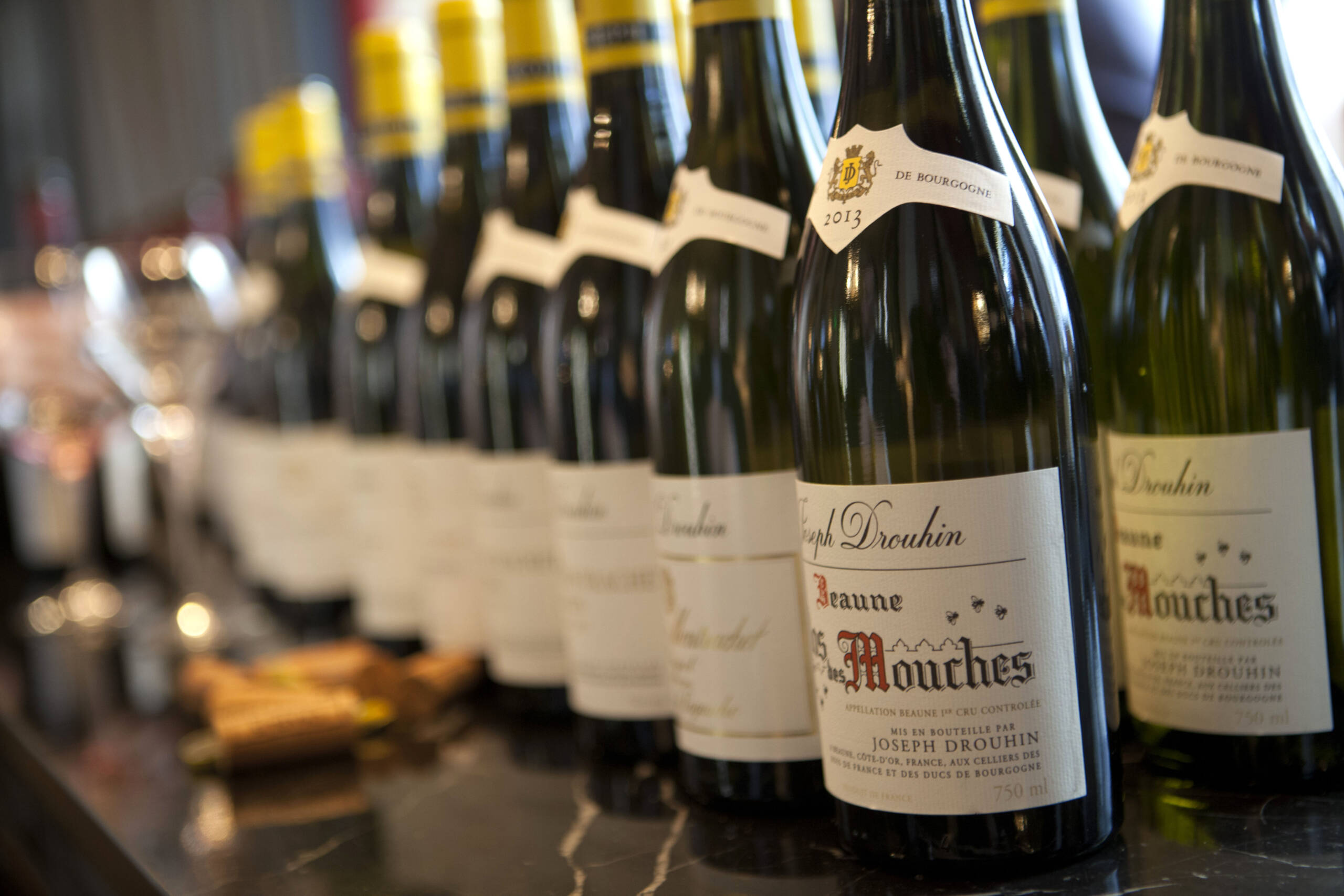
The harvest date is determined through regular samplings. Maison Drouhin closely monitors the health and maturation of the grapes.
Corton Charlemagne Grand Cru, 2019
Back up the road we go, past Beaune, to the rounded Hill of Corton. Corton Charlemagne is one of the most celebrated white Burgundies, and this is a beautiful interpretation, with stony fruits and the complexity to match a three Michelin-starred chef’s signature Escoffier-style white fish main course. A 1960s Citroen DS Decapotable (in black, with cream leather) of a wine.
Reds:
Volnay Premier Cru Clos des Chênes 2018
Such finesse, a wine that only hints at its true depth of first sip, then keeps speaking with you, reciting poetry in your ear.
Beaune Premier Cru Clos des Mouches 2018
Beaune is only a few kilometres away from Volnay, and this wine is made with the same, pinot noir, grape variety by the same producer: yet while retaining Drouhin’s finesse, this has power and muscularity. Like a Duke from the court of Louis XIV expounding on the virtues of his house musicians.
Chambolle-Musigny Premier Cru Les Amoureuses 2009
On first sip, this is a balanced, structured and slightly delicate red Burgundy. By the end of the second glass, it’s an artist, a pianist, a poet and a dancer – and not a particularly chaste dancer. A Chippendale from the 2000s, or a brilliant burlesque; all at the same time. Astonishing.
Chambertin Clos de Beze 2003
This is a wine you would have at your last supper, with capon, truffle, caviar and tripe sweetbreads (and maybe some pommes dauphinoise). Like a Falstaffian royal performing a perfect ballet while reciting Rumi.
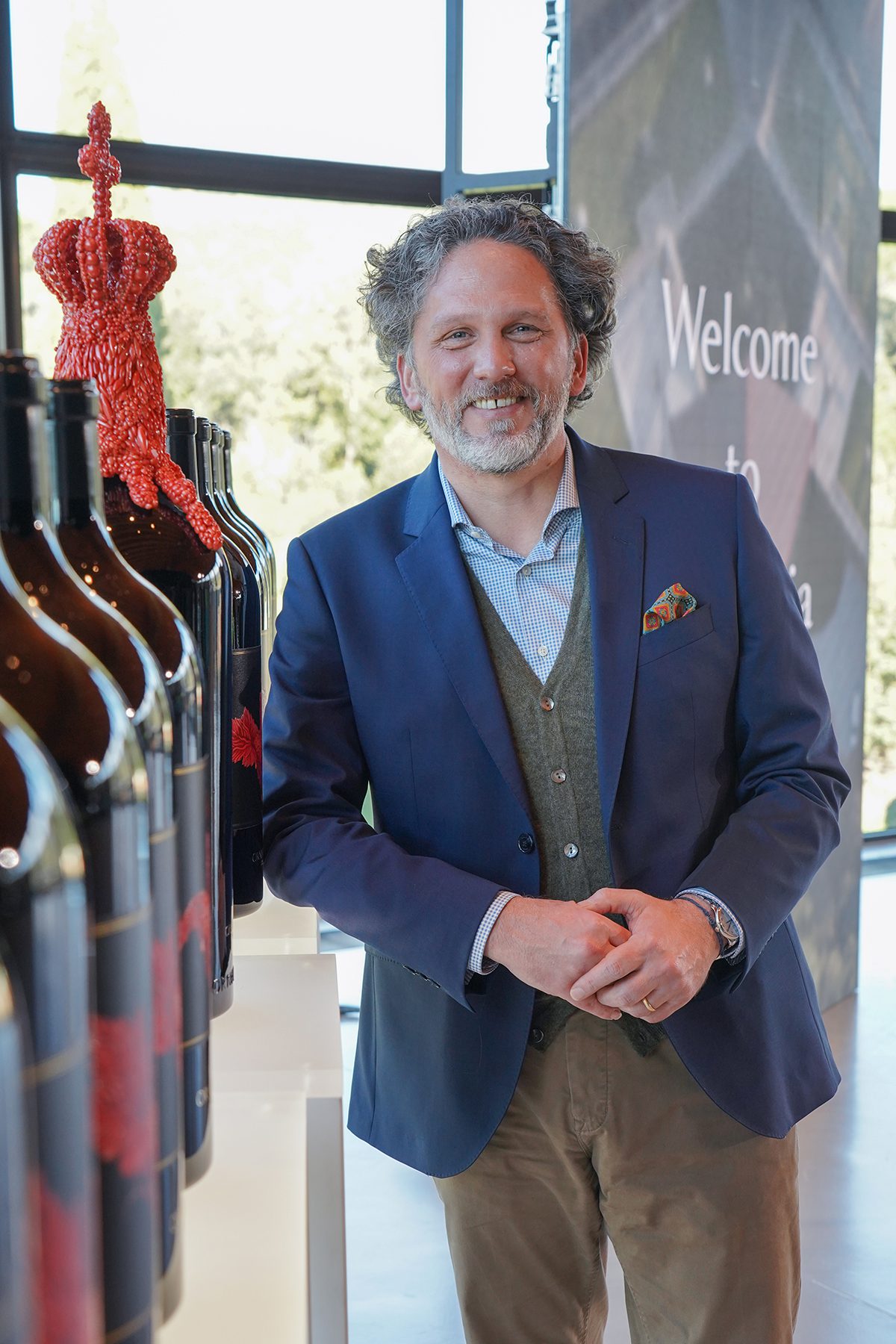
Axel Heinz is a winemaker and the estate director of Ornellaia and Masseto
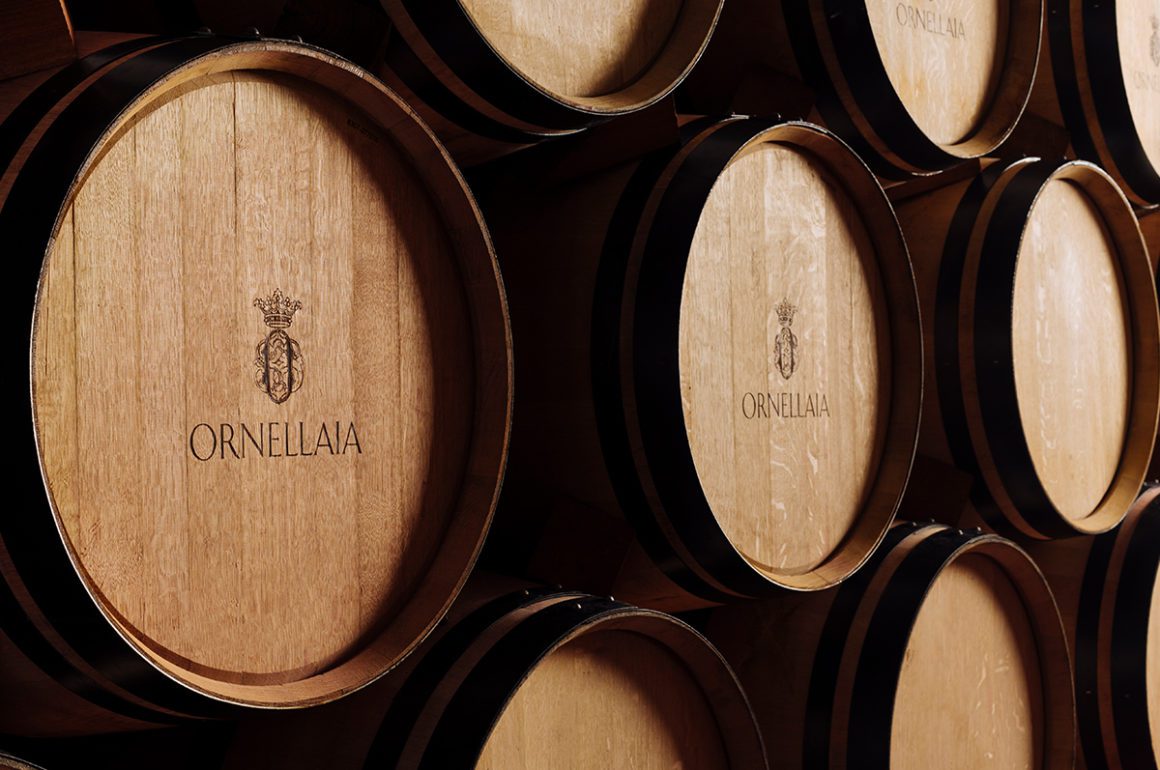
Axel Heinz is Italy’s most celebrated winemaker, responsible for star Super Tuscan wines Masseto and Ornellaia, among others. Over three vintages and on Zoom, he gives Darius Sanai a private tasting and insight into what makes his estates, by the Tuscan coast, so special
If you were to meet Axel Heinz without knowing his trade, you would likely guess that he is a university professor, an academic of some kind criss-crossing his way through a cosmopolitan spiderweb of colleges. His conversation has an international feel of the old school: his perfect, lightly-accented English is pure boarding school, his manner is enquiring, sharp and kindly, all at the same time.
Follow LUX on Instagram: luxthemagazine
But Axel is not an academic, although his knowledge base and expertise would instantly see him propelled to a professorship in his relevant field. He is a winemaker, and now estate director of Ornellaia and Masseto. This means this German winemaker with an English education and French roots is responsible for the creation of two of the greatest wines our readers will know, at arguably the greatest wines estate of Italy, and among the greatest in the world. Neighbouring each other, they sit on a slight plateau sloping down to the coast of the Maremma, in Tuscany; you can see the sea from the vineyards. Behind are the forested mountains of the Colline Metallifere, which bring a coolness and freshness to the summer nights, a little like the forest leading up to the plateau de Langres does for the Cote de Nuits in Burgundy (although the Colline are higher, at more than 1000m compared to around 600m for the high ridge in Burgundy).
We always enjoy our private dinners with the ever personable, thoughtful Axel. In the current climate, we sat down with him for a tasting, one-to-one over zoom, with him at the estate in Bolgheri in the Maremma and us at the LUX office in London, of some of the great vintages of Ornellaia, sent to us directly from the estate. Below are his detailed thoughts on each wine, followed by our own reflections.
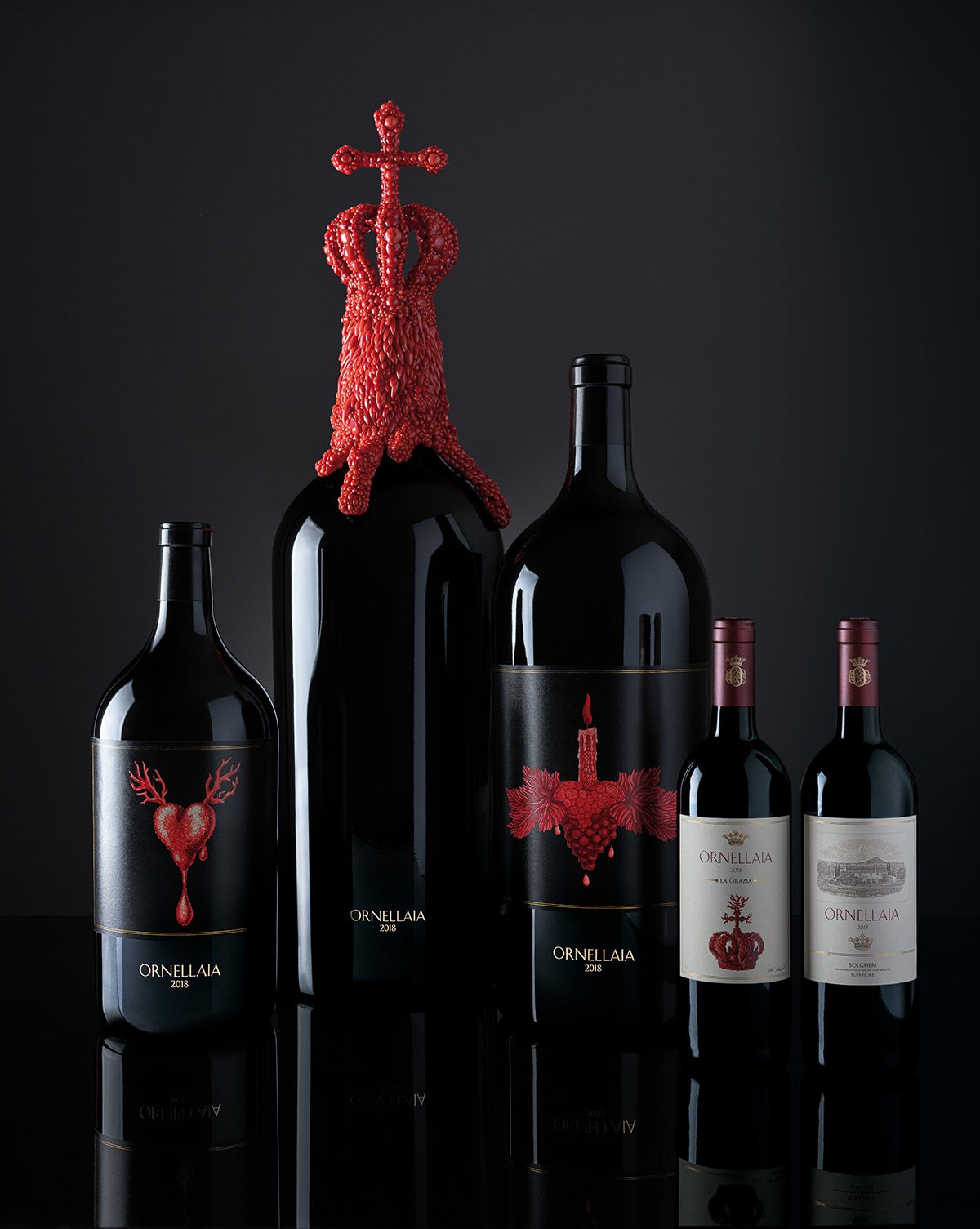
Ornellaia 2018 La Grazia Vendemmia d’Artista with label designs and artworks by Belgian artist Jan Fabre
Ornellaia 2018
Axel Heinz: I always like to taste youngest to oldest, so you know how the younger wines will develop. 2018 was a rainy year, so the wine is a bit lighter than usual, balanced and fresh. I like to use a narrower glass than most sommeliers recommend; not too wide, in order to get the best from the wine. This seems a particularly open, vibrant wine. It’s already quite delicious, even so young. I would have it with a rare bistecca alla fiorentina (Tuscan T-bone steak).
LUX: Zingy and fresh; if your idea of Tuscan wines is big, punchy beasts, think again. Quite delicate, balanced, and complex with cherries and bags of mixed herbs. Refreshing, for a super Tuscan.
Read more: How will the art industry change post-pandemic?
Ornellaia 2008
Axel Heinz: This was an astonishing vintage. It was incredibly hot all year and then there was a dramatic drop in temperature from 38 degrees to 18 degrees and it stayed that cool all through the second half of September and all of October. It means the wine has the boldness and exuberance of a very hot year, combined with the tight frame which indicates the weather in the second half of September.
The wine is 15% alcohol, but one of the pieces of magic of Bolgheri [the area where Ornellaia and Masseto are made] is that it is rich and opulent but also balanced, with refreshing acidity and a bit of firmness. It’s a privilege that we have something that saves us, which is the closeness of the sea and the cool air. Because if it were just about us keeping the alcohol level down, you would notice some under-ripeness. That’s the beauty of this place. And the refreshing acidity is part of the terroir..which means there are a few things about making wine that we are unable to explain. It may come from our closeness to the sea or the hills behind us that catch moisture and coolness.
LUX: Rich and multilayered, but still fresh; unlike other Tuscan wines from this year, it doesn’t taste of alcohol or jam. A wine for a long, stimulating, thoughtful evening with an old friend you haven’t seen for years – but with the ease at which it disappears, you will need a couple of bottles.
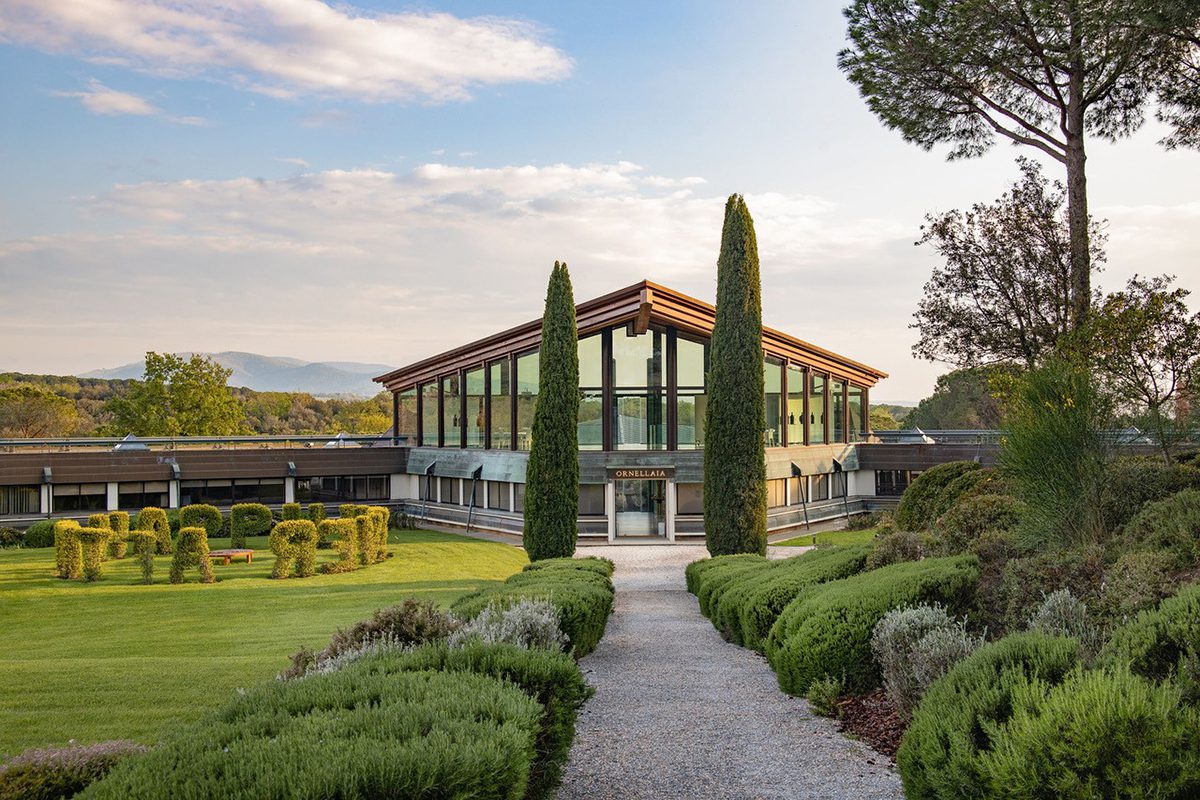
The Ornellaia wine estate
Ornellaia 2000
Axel Heinz: This is similar in character to the 2018, so maybe the 2018 will taste like this in 18 years. This is all about lace and silk, delicacy. I would drink it with something not overpowering, maybe mushrooms or something slow-cooked. It’s ready to drink now, but great wines plateau for a long time.
LUX: A dual-character wine, easy to drink if you feel like something that just vanishes from the glass, but interesting if you want to think about it, with that unique Ornellaia character, fresh, herbs and grilled lamb overtones, and very clean, neither too dry nor too jammy on the finish. Like the others, a unique style of wine, first made only a couple of decades ago, but destined to be one of the world’s great wines for centuries to come.
Find out more: ornellaia.com
Amélie Buecher, winemaker at Vignoble des 2 Lunes
LUX tries an at-home wine tasting experience with VIVANT, and discovers a group of women who are committed to producing and promoting organic wine
After a tiresome year of Zoom meetings, virtual exhibitions and product launches, it’s difficult to get properly excited by the idea of another digital platform, even if there is the alluring promise of real wine to drink at home, but – and bear with us here – VIVANT is actually doing something a little bit different.
Follow LUX on Instagram: luxthemagazine
Launched by American entrepreneur and investor Michael Baum, VIVANT is a super slick, ultra modern online market place/educational centre/streaming service for wine enthusiasts who not only want to drink great wine, but also learn about it from expert advisors and producers through interactive wine experiences and beautifully curated content.
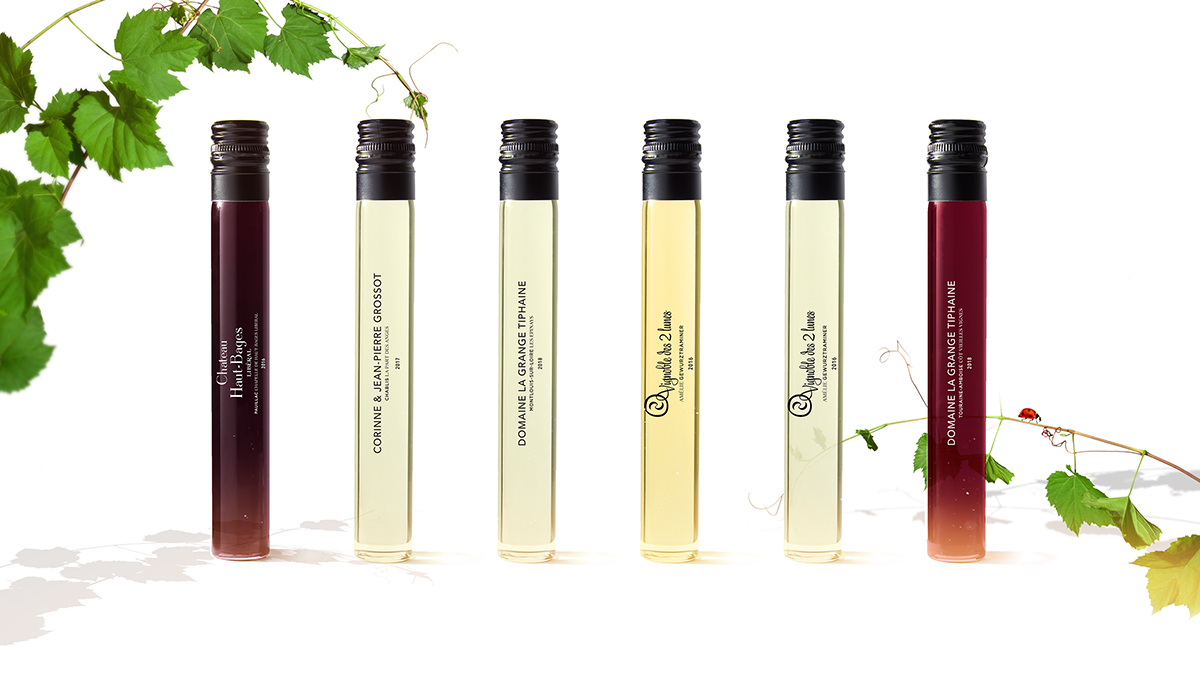
VIVANT’s ‘Women in Wine’ tasting kit
There’s a wide selection of experiences to choose from, divided into categories such as ‘Food & Wine’ or ‘For Serious Wine Geeks’ with varying difficulties depending on your existing wine knowledge. We were invited to experience the ‘Women in Wine’ tasting event and about a week before kick-off (the events happen in real time), a beautiful, white box arrived by courier, containing six 100ml test tubes of wine along with the login details for the platform.
Eventually the evening rolled around, we logged onto the site, and the event began promptly at 6pm with the virtual appearance of our wine advisor Kateryna Dobbert. The format was impressively futuristic, resembling a kind of spaceship control panel with Kateryna talking in the centre of the screen and a message board running down the side where participants could enter questions, comments and ‘cheers’ other members by pressing a wine glass icon. Yes, it’s a bit cheesy, but it got more fun after a few (or several) sips of wine, and we realised that we could earn points through our interactions which contributed to our VIVANT level (although we’re still not entirely sure what that level equates to beyond self-satisfaction).
Read more: Olivier Krug on champagne and music
The experience was divided into a series of videos in which the producers of each wine talked about their processes and some of the challenges they faced as women in a traditionally male-dominated industry after which Kateryna guided us through a tasting with a few follow up quiz questions to test our knowledge. It was well-focused and fast-moving, with the whole experience lasting around forty minutes, but it could have been comfortably stretched out over an hour as we occasionally felt rushed through the tasting parts.
The wines themselves were excitingly varied and after the experience ended, the platform handily saved the corresponding bottles to our profile, avoiding the hassle of having to note down the names of our favourites.
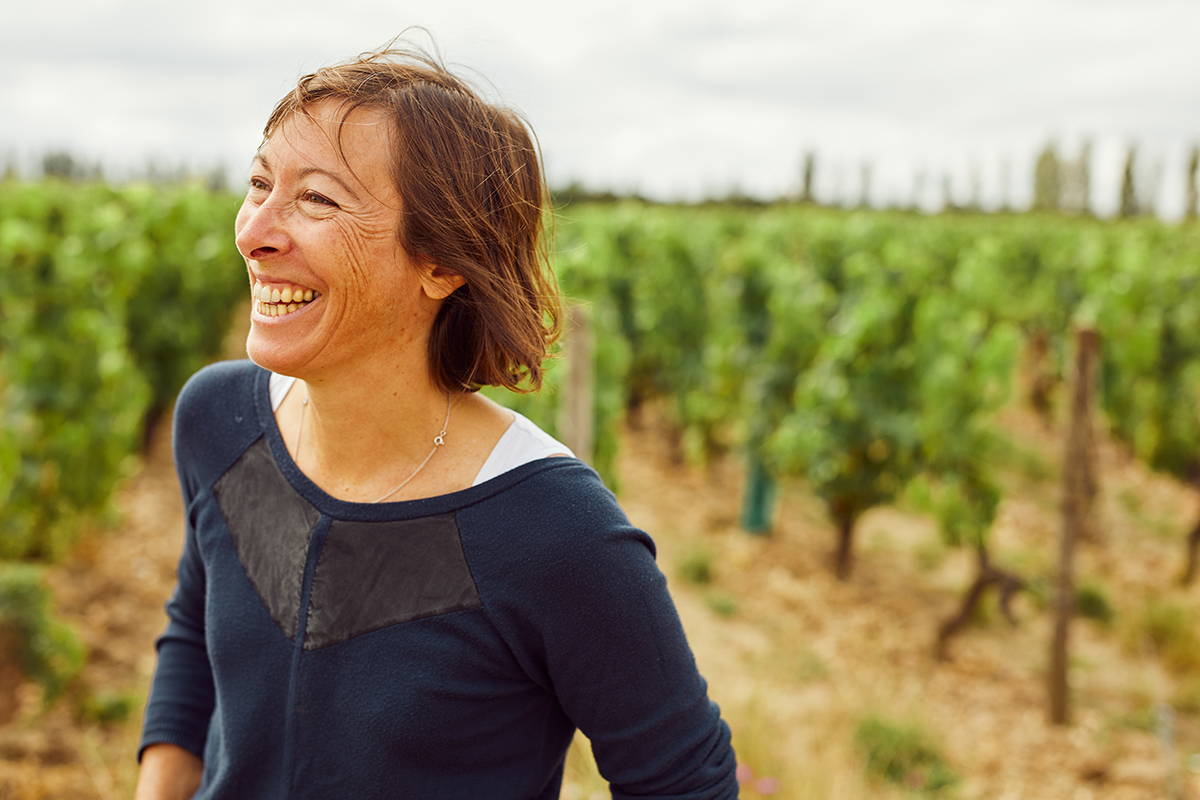
Coralie Delecheneau, winemaker at Domaine La Grange Tiphaine
While our experience highlighted women in the wine industry, VIVANT is centred around promoting and supporting sustainable producers and organic wines. Each of their winemakers is required to sign the VIVANT environmental pledge, which, amongst other things, promises that no synthetic chemicals or additives will be used in the vineyards or wine making processes. The general idea is to create a global community of producers and consumers who are committed to making more environmentally-conscious choices and although the future remains to be seen, it feels like a good start.
Find out more: vivant.eco
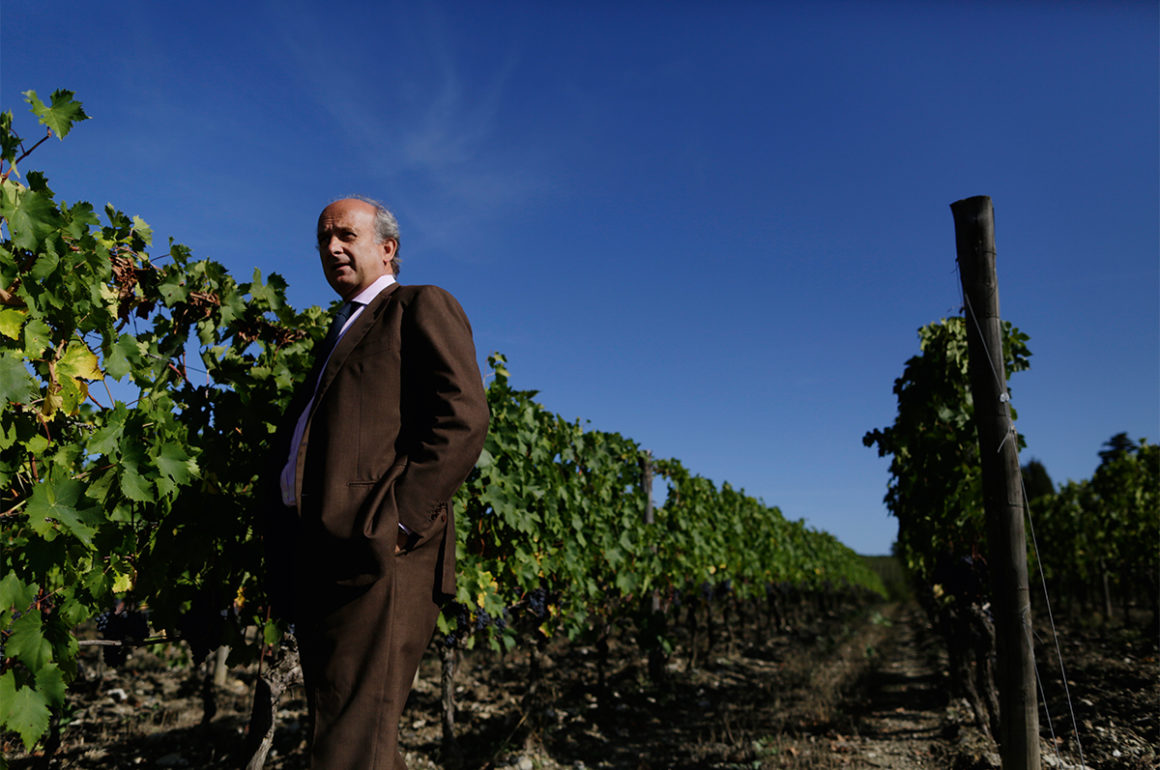
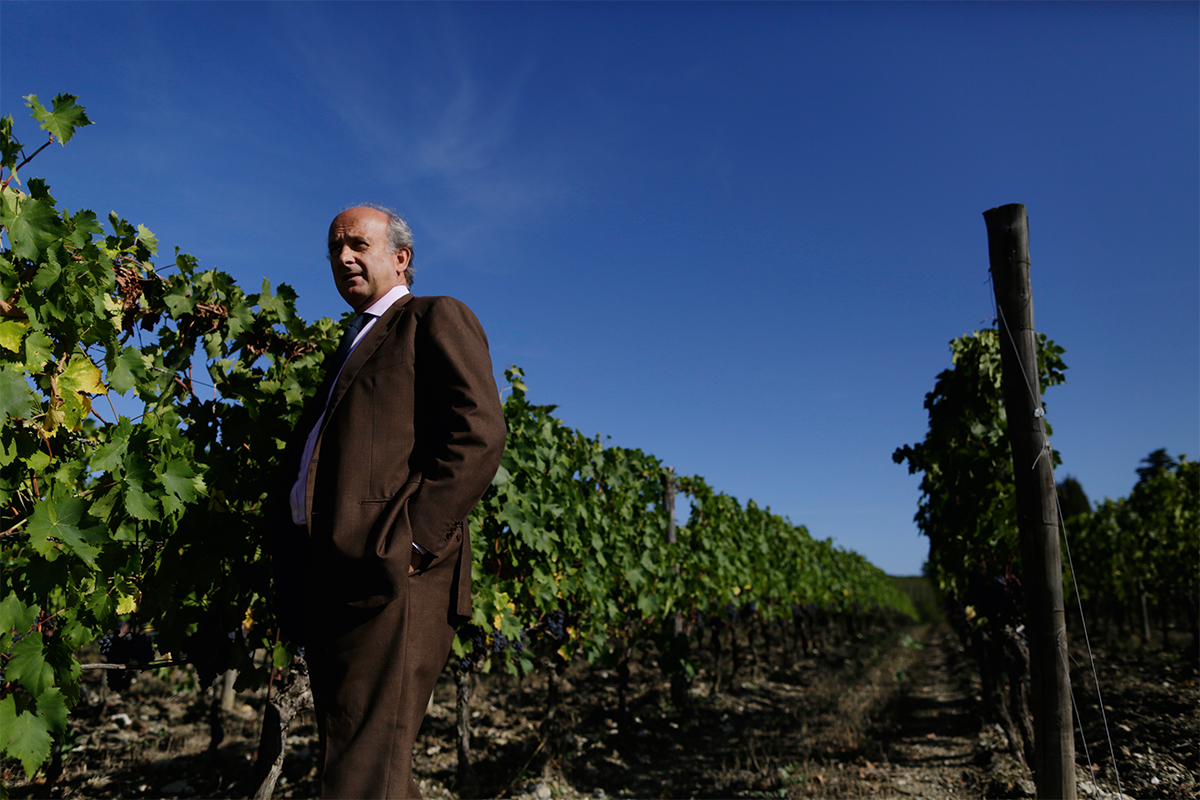
Lamberto Frescobaldi is the president of Marchesi de’ Frescobaldi
Lamberto Frescobaldi is the 30th generation (yes, you read that right) head of Florence’s Frescobaldi dynasty which has done everything from build bridges and palaces in Tuscany to create one of the world’s most epic wine groups. In the first of a new series on leaders in the wine world, the owner of Masseto, Luce, Ornellaia and many other wines chats to LUX Editor-in-Chief Darius Sanai over a tasting of the Frescobaldi’s flagship Luce wines
Lamberto Frescobaldi:
“Frescobaldi is a family that goes back to 1000 when they showed up in Tuscany, and then arrived in Florence around 1100, so from a little village out of Florence to Florence. Then a gentleman called, like me, Lamberto, in 1252, built the bridge where now is Ponte Santa Trinita, there is a little square called Piazza de’ Frescobaldi, for the bridge that he built there and he owned all the houses there.
Follow LUX on Instagram: luxthemagazine
He comes up quite strongly under the light of Florence in that century. Then the Frescobaldi, began to do as many families of Florence did, they became bankers. Because in those days one of the things that was complicated was to ship money. Money was risky, has always been risky, and so funnily enough the first cheque ever invented was here in Florence by Francesco Datini, he invented the cheque, it was a revolution. Think of taking a piece of paper and writing a value! It was a total revolution.
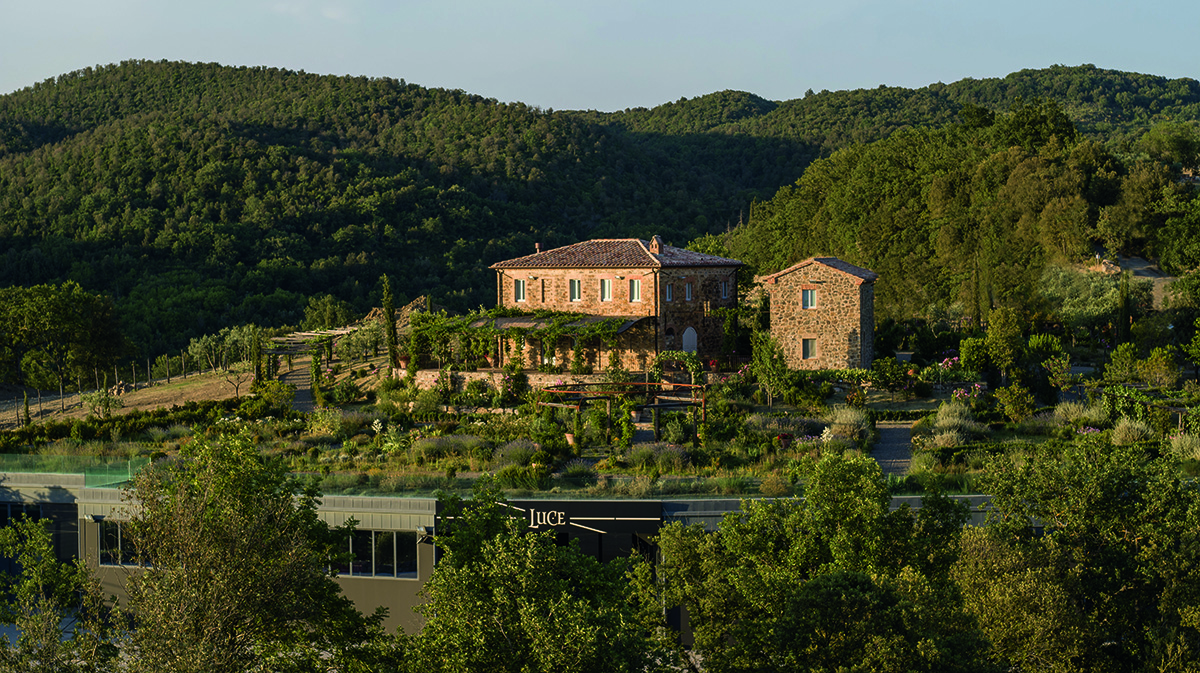
The Luce wine estate in Montalcino, Tuscany
And then they understand that it is important to move the paper, but not to move the money. So, the money was here and there. Then the Frescobaldi, around the 14th Century, they actually become important bankers through Europe. It was the aristocratic families of Europe, they were always fighting between each other. The Frescobaldi became bankers of the families of England. They actually moved to England, and they became very powerful because they were bankers of the king. And the king actually gave them the run, in Devonshire, of the silver mines. Then they became too famous and too powerful and then the king, I can’t remember which one, but he kicked them out of England. Then they came back to Florence, and from bankers they became farmers.
Read more: Durjoy Rahman on promoting South Asian art
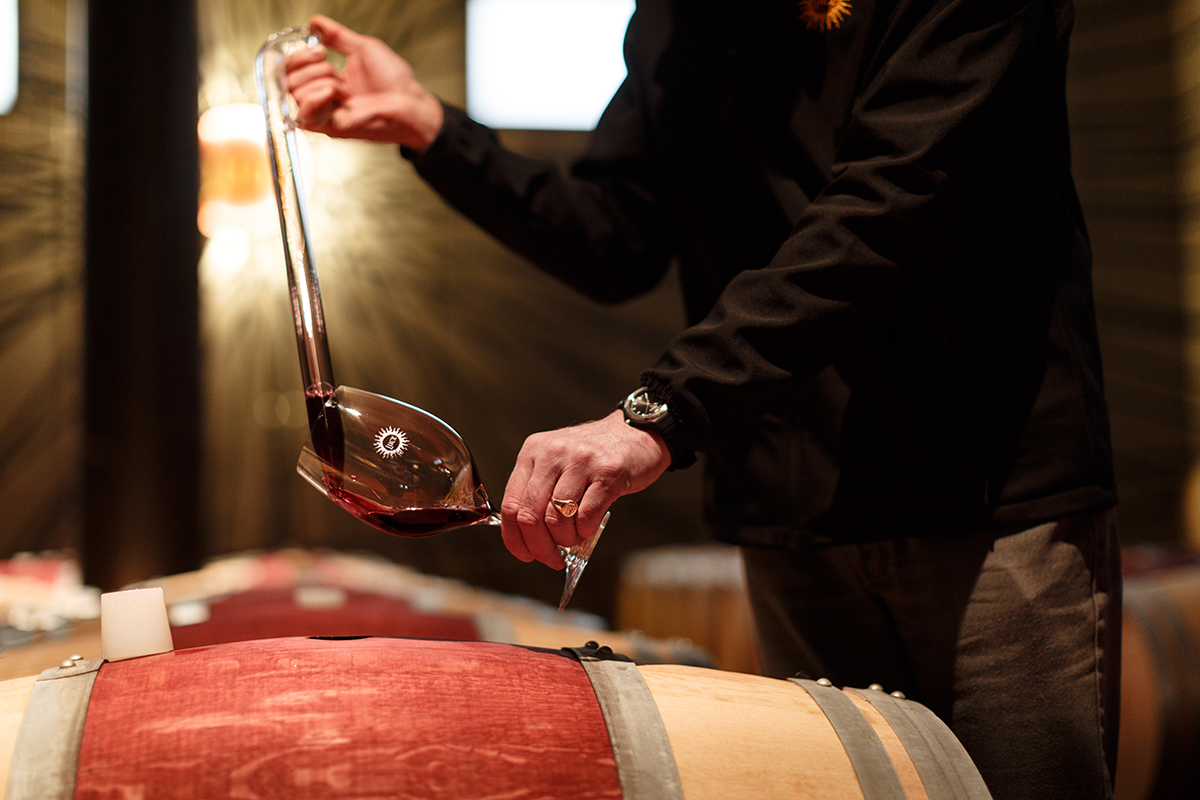
Inside the Tenuta Luce cellars
So, long story short, I believe that my family have always been very forward-looking and innovative. And that is reflected in what happened with me and the Mondavi family (the legendary wine family of California, who have Italian origins). Around the mid 90s they show up in Italy, and they wanted to do something in Italy. They had moved from Italy 1908, and they went to America because Italy was a tough country in those days. And here they wanted to come back, and we got together, and there was again a beautiful relationship. This changed my way of doing my job, Mondavi opening up a window, a window opened giving me the opportunity to taste wines everywhere around the world. Sharing fears and also the beauty of producing a wine together. And now it is the 25th anniversary of Luce, the wine we created together.”
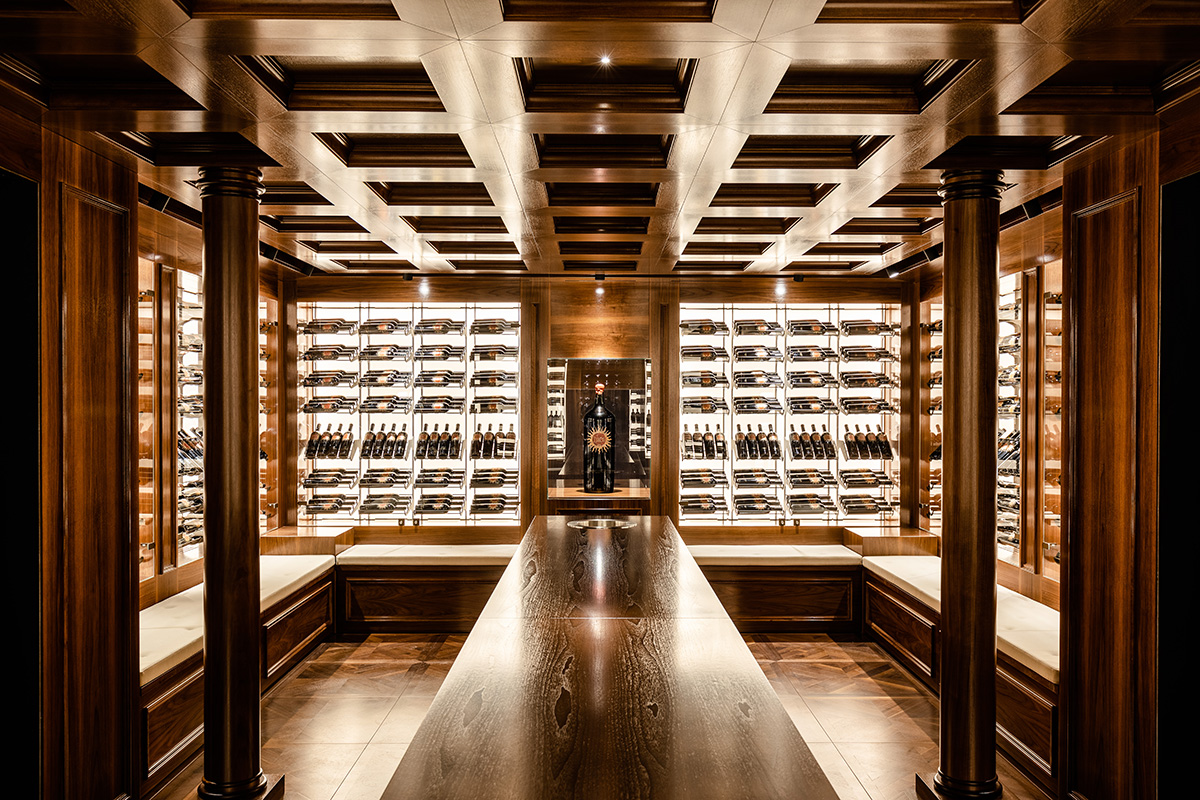
The Luce wine library
There follows a tasting of Luce wines, with Darius Sanai’s notes below each:
Luce 2013
A big, powerful, rich wine but also fresh and light, a remarkable combination. Plenty of fruit, plenty of tannin. I would drink this in five years with a pici al cingiale (thick Tuscan pasta with a wild boar ragu) on the terrace of the Villa San Michele above Florence at sunset.
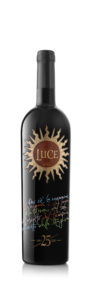
Luce 2017
Luce 2006
Less power, more softness, an almost gentle wine but with a long backdrop of olive groves, fading into the olfactory distance. One to drink while perched on the old city wall of Montalcino, looking over the Colline Metallifere hills towards the sea hidden beyond, and across the endless forest.
Luce 2002
An almost gentle red wine, belying the Tuscan reputation for producing big reds. Yet there’s a persistence of dried berry, vanilla, and the kinds of herbs you sprinkle on pizzas that make it very moreish. A lunchtime wine, on the Piazza del Campo in Siena, looking at the people wandering past as another day disappears.
Luce 1998
Wow. You wouldn’t believe this wine is older than this millennium. Both powerful and zingy, it has a different character to the others, fascinating to see what can happen as great red wines age. Peppers, cherries, and also a waft of Bistecca alla Fiorentina, beautifully balanced. One to drink over dinner, in late autumn, in your Florentine palace, with your loved one; and like the Frescobaldis, I think this wine will last forever.
Thank you to Lamberto Frescobaldi for his time and the wines for this tasting.
For more information, visit: en.lucedellevite.com

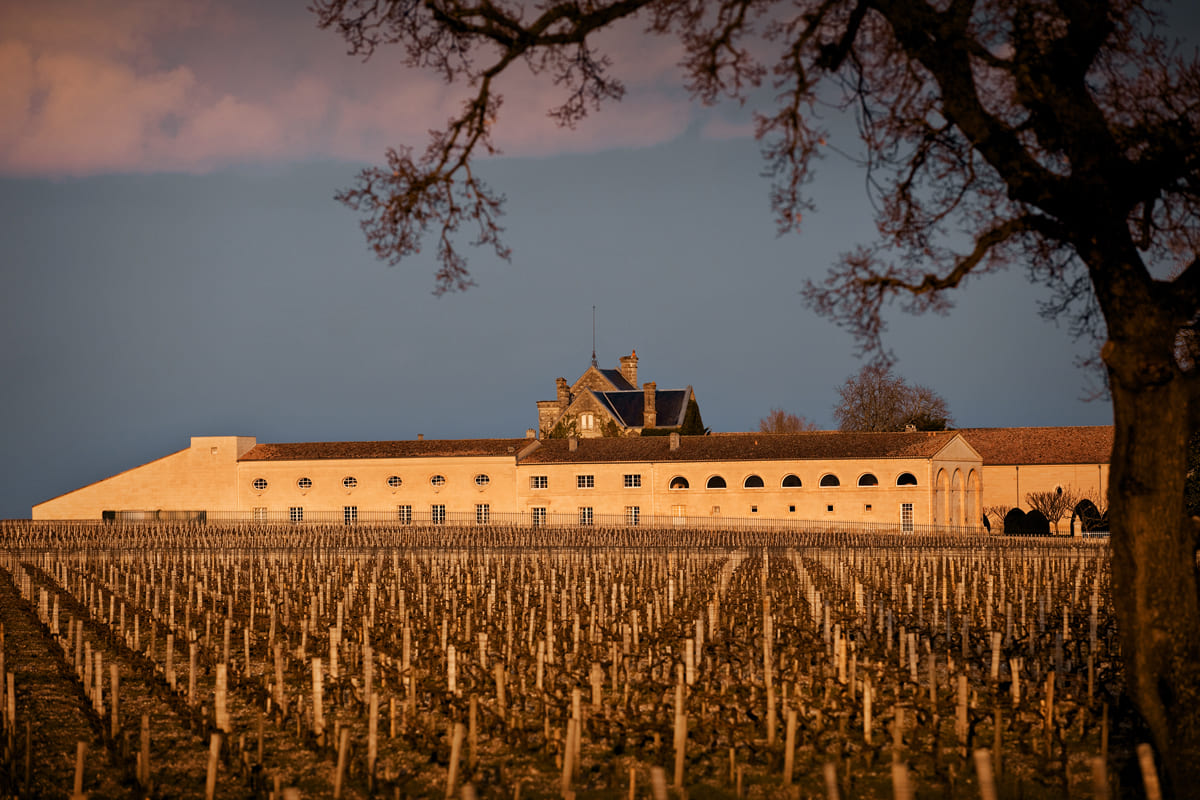
The vineyards of Château Mouton Rothschild. Photo © Studio Goodday. Courtesy Château Mouton Rothschild
This morning, Château Mouton Rothschild revealed its latest artistic collaboration with Xu Bing. We take a closer look at the Chinese artist’s label design for the 2018 vintage
Since 1945, Château Mouton Rothschild has invited an artist to design a label for its latest vintage. The collection of miniature artworks, which are transferred onto the wine bottles and also exhibited in a special gallery in the château, features some of the most famous artists from the past 100 years including the likes of Pablo Picasso, Salvador Dali, Francis Bacon, David Hockney, Jeff Koons, Gerhard Richter and now, Xu Bing.
Follow LUX on Instagram: luxthemagazine
One of China’s most renowned artists, Xu Bing is best known for his installations which often explore the relationship between image and language. His artwork for the 2018 vintage label is a continuation of his ‘square word calligraphy’ series which originally involved the artist organising English letters into structures that resembled Chinese characters. The idea was to break down cultural barriers by demonstrating the similarity of components in both languages and therefore, demystify the Chinese written language for non-Chinese speakers.

Xu Bing’s label continues his ‘square word calligraphy’ series
For this artwork, the pair of elegant, stacked symbols once again appear to be an example of traditional Chinese calligraphy, but the characters are, in fact, composed of the Latin alphabet and denote “Mouton Rothschild”.
Read more: Fashion entrepreneur Wendy Yu on creativity and charity

Château Mouton Rothschild’s 2018 vintage with label design by Xu Bing. Photo © Studio Goodday. Courtesy Château Mouton Rothschild.
The design’s inspiration comes from the layered experience of tasting wine, each character reveals itself as the reader engages more deeply with the image, but also with the idea of history, symbolism and reinvention. By reimagining the literary shape of the iconic winery, Bing symbolically suggests the possibility of new discovery in the old.
Discover Château Mouton Rothschild: chateau-mouton-rothschild.com
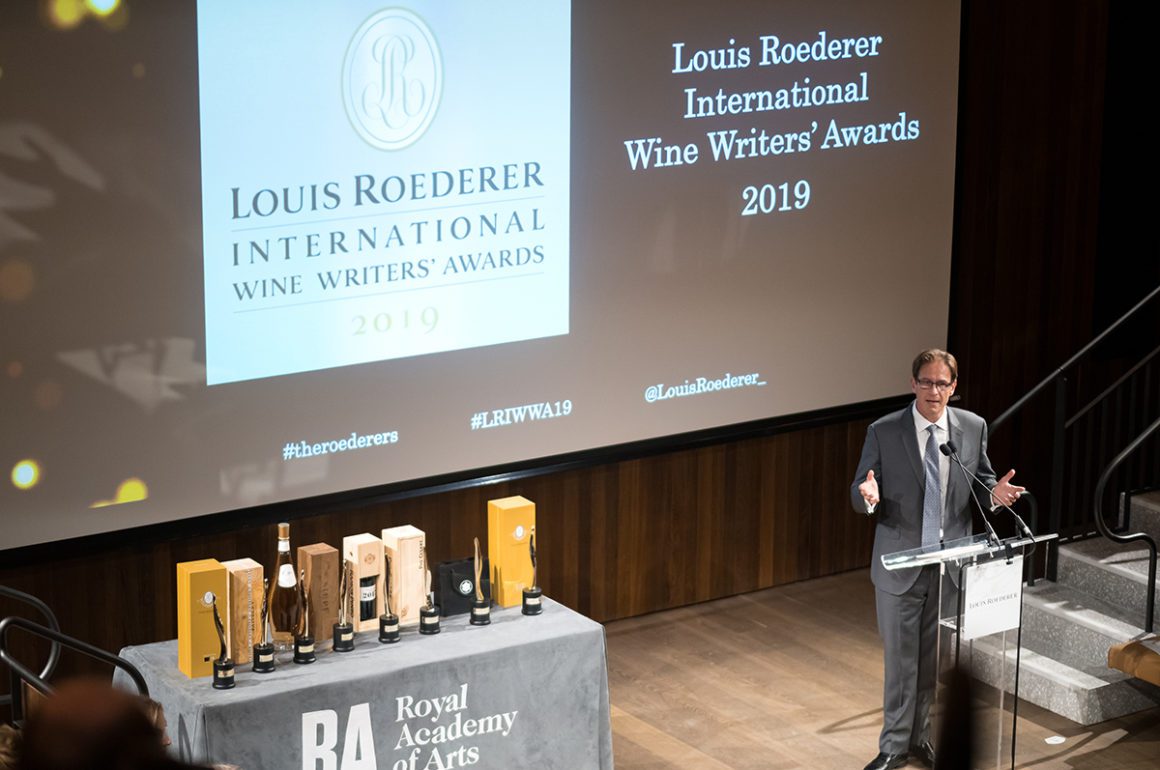
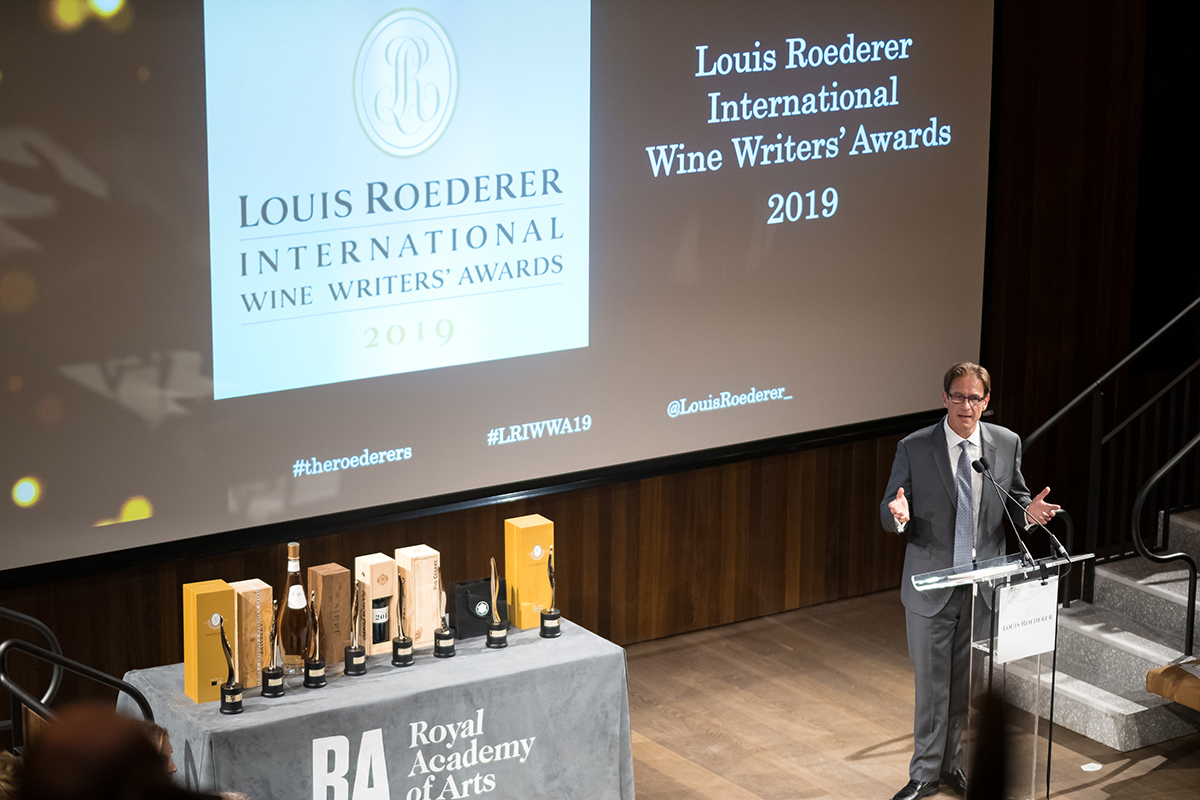
The 15th edition of the Louis Roederer International Wine Writers’ Awards took place at the Royal Academy of Arts, London
Last week, the 15th edition of the annual Louis Roederer International Wine Writers’ Awards took place at The Royal Academy of Arts in Mayfair. Chloe Frost-Smith recounts the evening
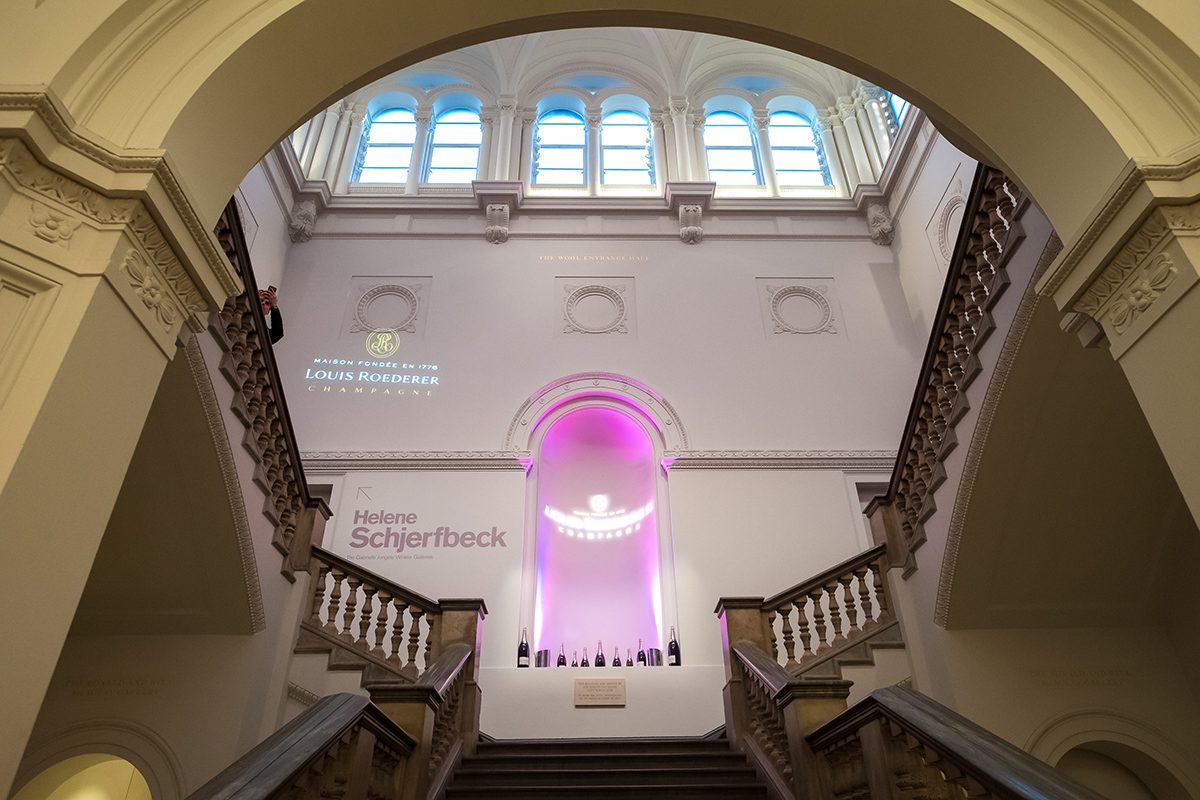
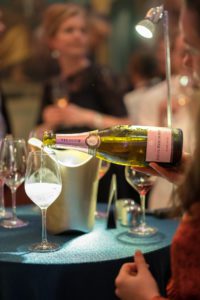 Wine experts and distinguished guests sipped glasses of Louis Roederer Brut Premier NV champagne, admiring an exhibition of works from the Artistry of Wine Award shortlist against the backdrop of a full-sized copy of Leonardo da Vinci’s mural painting The Last Supper and the Royal Academy‘s collection of Greek and Roman sculptures.
Follow LUX on Instagram: luxthemagazine
The winners were announced in the amphitheatre that forms part of the RA’s remodelled wing, and prizes were presented by Charles Metcalfe, the Chairman of the Judges and award-winning wine author. This year, more than 200 entries were received from writers from 23 countries. Karen MacNeil, a regular contributor to the likes of Decanter, won the new award for Consumer Title Writer of the Year, which recognises wine writing beyond specialist titles. Photographer Leif Carlsson was awarded the Louis Roederer Artistry of Wine, Malu Lambert was named the Montblanc Emerging Wine Writer of the Year and Andrea Frost won the Marchesi Mazzei Wine Columnist of the Year.
Read more: Richard Mille’s Alpine athletes Alexis Pinturault & Ester Ledecká
Esther Mobley of the San Francisco Chronicle was named the Domaines Ott* Wine Feature Writer of the Year and Simon Woolf received the Domaine Faiveley Wine Book of the Year for Amber Revolution, while US wine importer and writer Terry Theise won the Chairman’s Award for his book What Makes a Wine Worth Drinking.
The evening concluded with an informal tasting session in the RA’s Collection Room, allowing guests the opportunity to experience each sponsor’s sommelier selection in the most sophisticated of atmospheres.
To view the full 2019 shortlist visit: theroedererawards.com
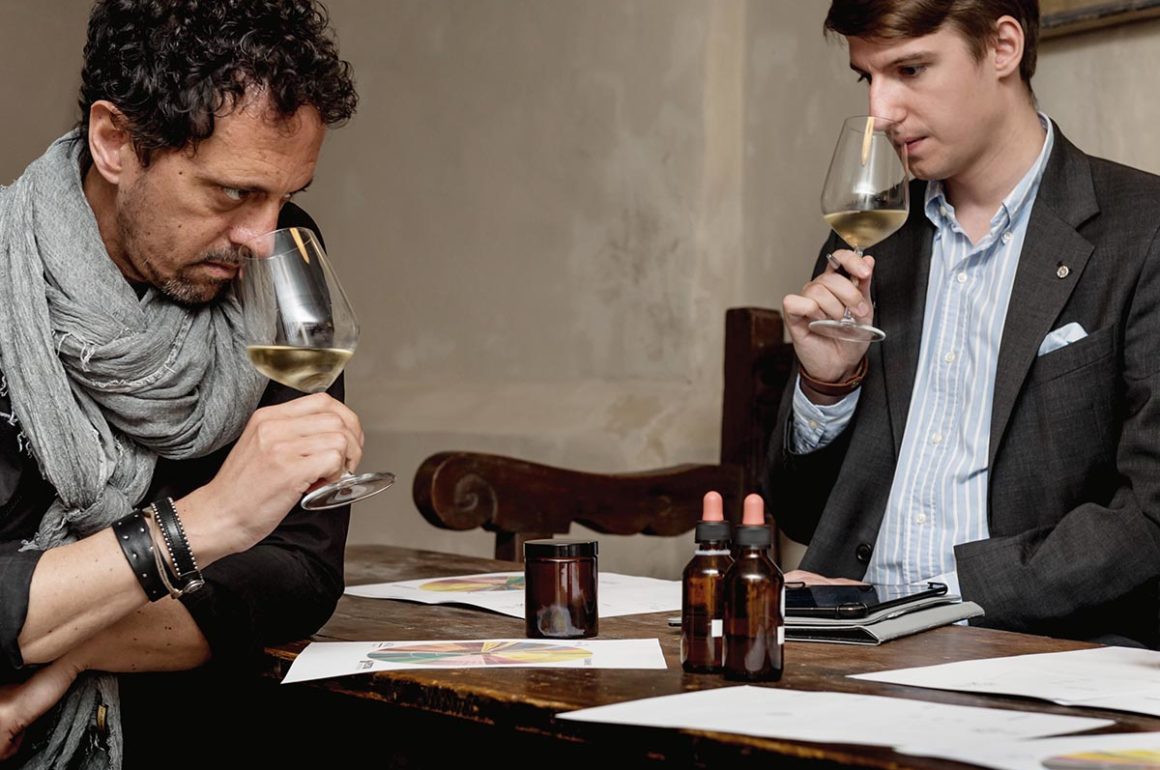
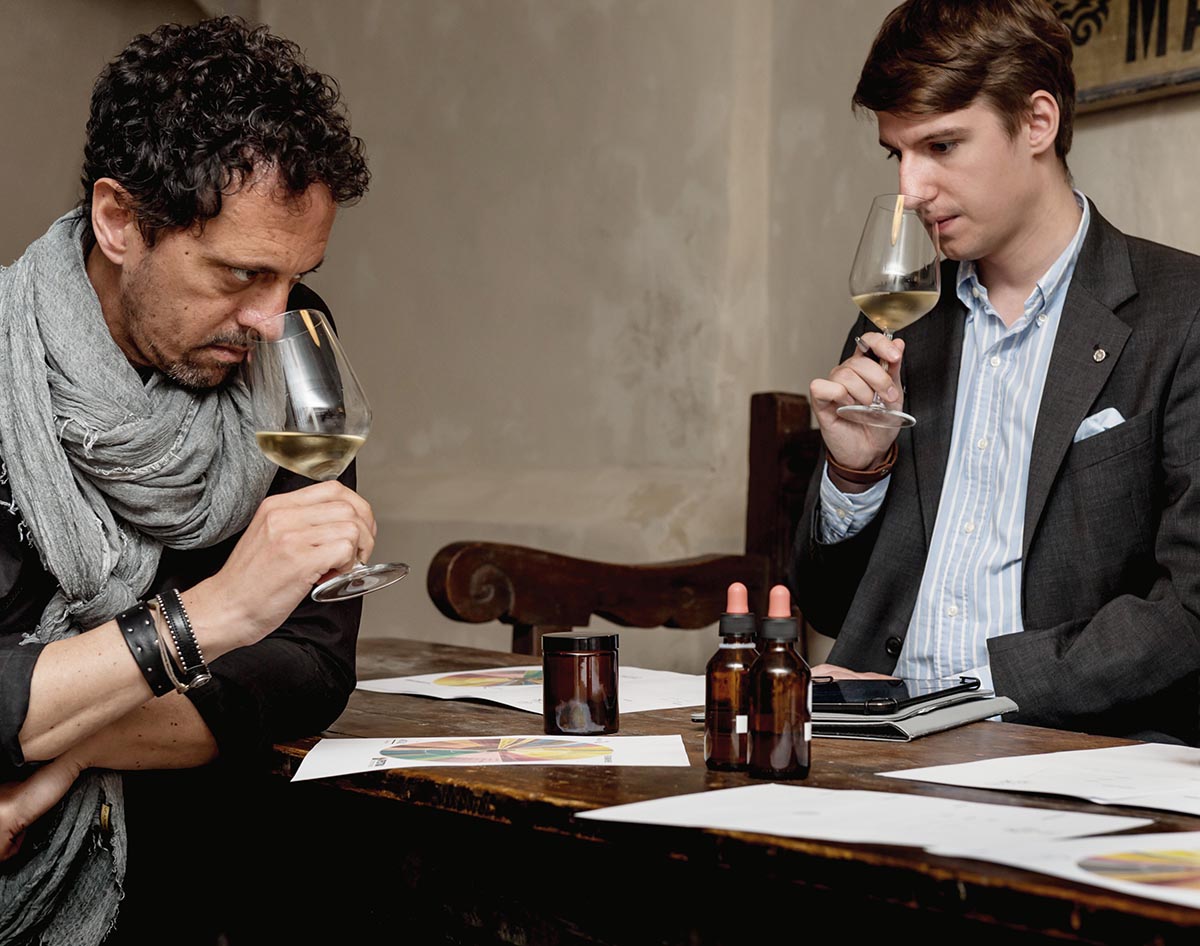
Sommelier Marc Almert (right) perfume training
Marc Almert was recently named Best Sommelier in the World at the Association de la Sommellerie Internationale (ASI) championships in Antwerp. Originally from Cologne, the 27-year-old is currently the Head Sommelier at luxury hotel Baur au Lac in Zurich. Here, he gives us an insight into the work and passions of a top sommelier

Marc Almert
1. Where did your passion for wine come from?
What initially got me interested into wines was a question. I started training as a hotel specialist in my home city of Cologne and I wasn’t drinking any alcohol at the time, because I did not like it. During my training, I noticed I liked some wines and some spirits, however only on certain occasions or paired with certain foods. This intrigued me, and I wanted to understand why certain wines and beverages differ so greatly. And by asking questions and diving deeper into the topic the passion was aroused.
Follow LUX on Instagram: the.official.lux.magazine
2. What is more important for a great sommelier: knowledge of wine, or the ability to deal with customers?
A mix of several features makes a good sommelier. Of course, a profound knowledge of wine and other beverages is crucial. However, having an encyclopaedic knowledge and not being able to apply can be done by books to. A sommelier is a host, entertainer, coach and of course also a waiter – he or she needs to adapt to different kind of guests and their needs and tastes within mere seconds and then ensure they have a great experience throughout the entire evening.
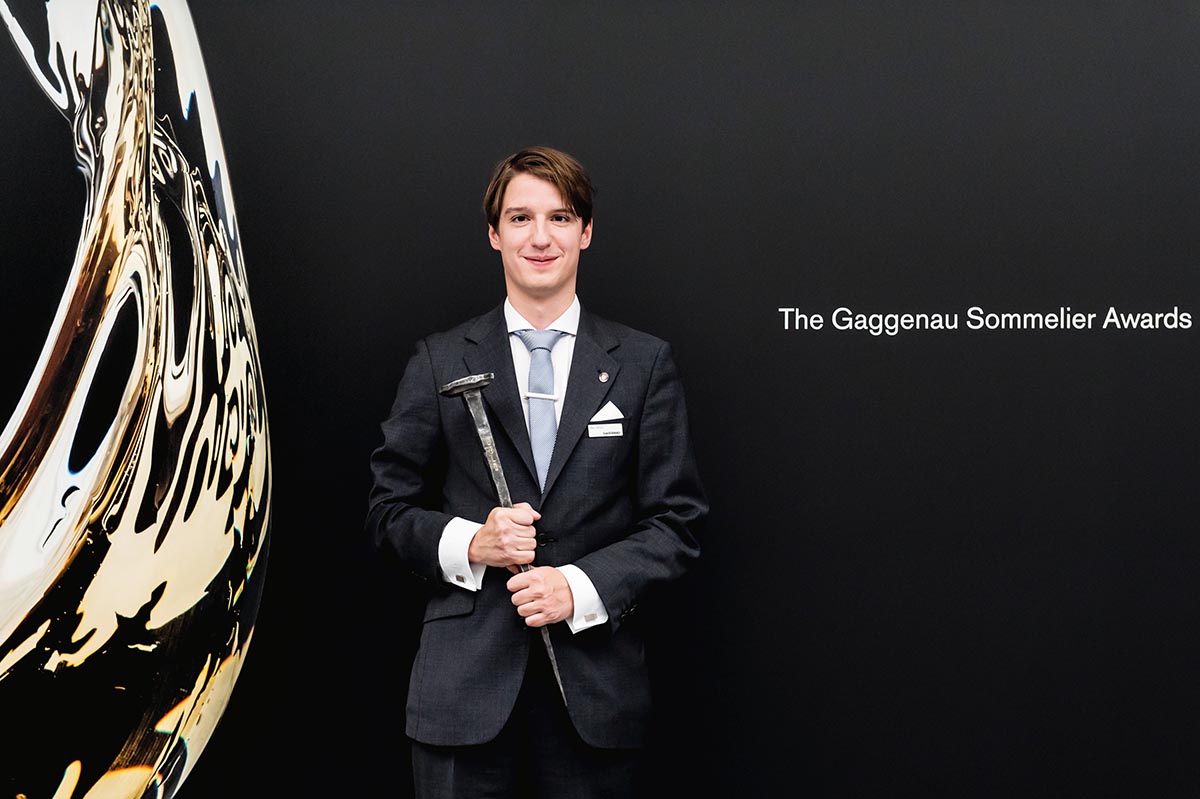
Marc Almert was also the winner of the prestigious Gaggenau Sommelier Awards in 2016
3. What is the most pleasurable part of your job? And the most frustrating?
As a sommelier you should be intimately familiar with most wine growing regions, with their geographic features, their cities, their people, their food, language and of course their wines. This is a most pleasurable and informative way to learn. Taking these new learning points back to your team and then sharing them in trainings with the Baur au Lac staff but even more so with curious guests in the restaurant is one of the most satisfying parts of my job; enhancing the guest experience at the Pavillon [restaurant] by being the vintners’ ambassador.
Wine is a natural product. Many wines are also sealed with a natural product: cork. It is often disappointing when a lot of work has gone into a great bottle of wine on behalf of the vintner, it has been stored in perfect conditions over years or even decades, the guests and myself are excited to open and try it – and then it’s tainted by its cork. That can be quite frustrating, hence I am very happy for the cork industry to keep minimising this problem with new technologies and developments.
4. Are the world’s great wines worth the price?
What do you expect from a bottle of wine you buy or open? Essentially to me it is this question that defines its worth. If it is from a legendary winemaker, a highly rated vintage and a coveted provenance, which has made it quite rare, it can well be worth its price. The price of such bottles does not necessarily reflect the mere production costs, but much more the special moments they create when sharing such a bottle amongst fellow wine lovers, the memories they bring back to trips, countries or even challenging years of history. And of course, then pairing it with intriguing food, such as from our two star chef Laurent Eperon.
Read more: Savills’ selection of luxury chalets in St. Mortiz
5. How has your job changed with the rise of wine bloggers and comparison sites?
The wine world has become a lot more transparent. This has especially led to trends evolving much faster, and quickly becoming more global than it used to be. Due to many crowd sourced comparison sites the industry has also become a little more democratic in its ratings. Furthermore, we see more and more guests coming to the restaurant that are very well informed about the wine world in general and current trends and upcoming winemakers and regions in particular.
6. You are allowed to drink only one wine (or champagne) for the rest of your life. What is it?
For a sommelier it is almost impossible to choose one single wine. If I had to though, it would probably be a well matured Riesling Kabinett from the Mosel. These wines have a great structure and depth to them, vibrant acidity, low alcohol and just the right amount of sweetness – an eternal pleasure.
For more information visit: aupavillon.ch/en/marcalmert.html
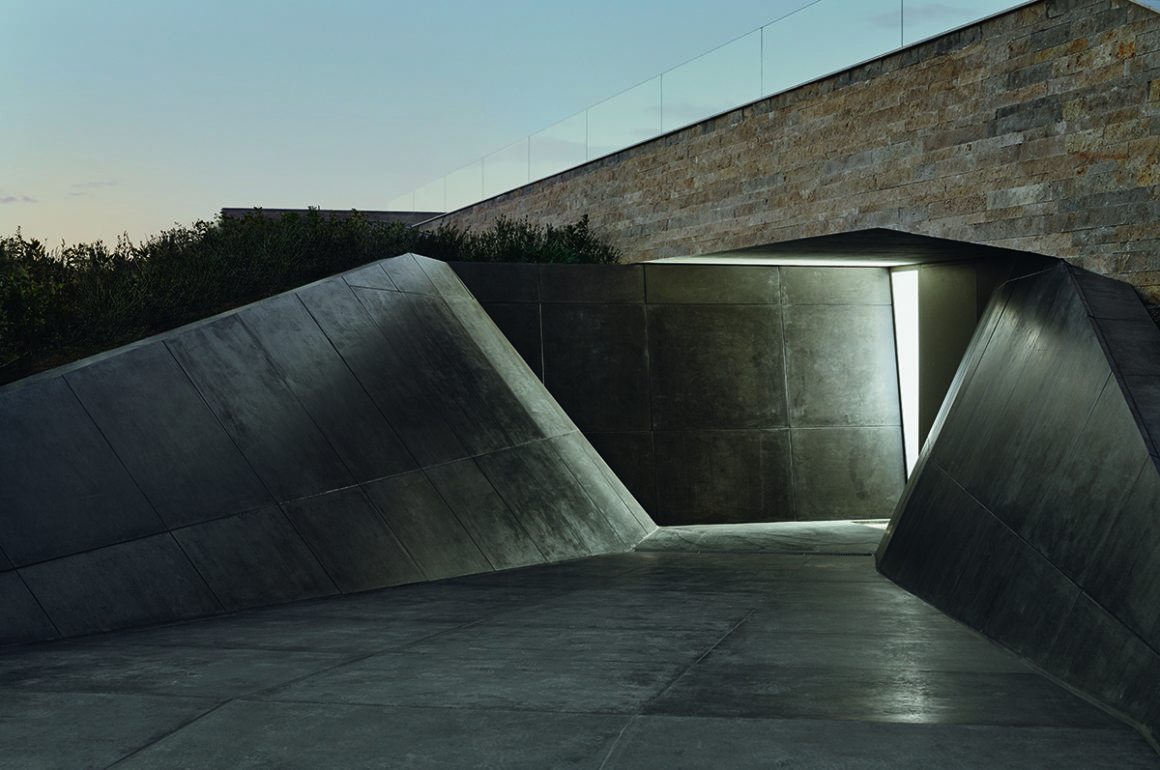
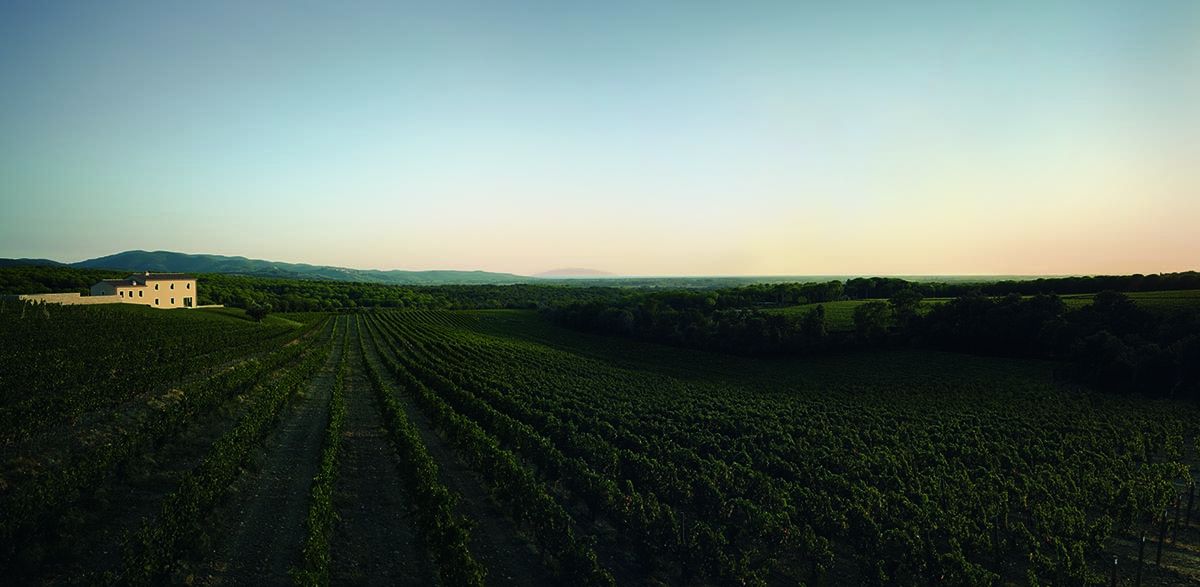
The vineyards of Masseto slope down towards the sea from the mountains of Tuscany’s Maremma region
Masseto, Italy’s most celebrated wine, is made from spectacular vineyards by the Tuscan coast, backed by ancient forests, looking out over the Mediterranean. This spring, it received a stunning new winery, whose wonders are all contained underneath the blue clay soil, as Darius Sanai, one of the wine’s most obsessive aficionados, discovers
Photography by Marius W Hansen
As you approach the Masseto winery, the overwhelming feeling is one of luminescence. There is a glow from above, and behind, as if the narrow road you’re driving along is the entrance to some new, celestial world.
Follow LUX on Instagram: the.official.lux.magazine
There are three shades to the luminescence. The piercing blue of the sky (the sky always seems to be blue around here in the Maremma, the coastal strip of Tuscany halfway between Pisa and Rome); the deep primordial green ahead, which emanates not from the vineyards that surround you but from a thick forest on the mountains in front, forest that looks as wild as it must have been in prehistoric times, with little or no sign of human intervention; and then there is a silver, which seems to come from a different direction altogether, subtle but enveloping. As the road heads up the slope through the vineyards and towards the new winery, you feel that you’re about to be welcomed through into another world.
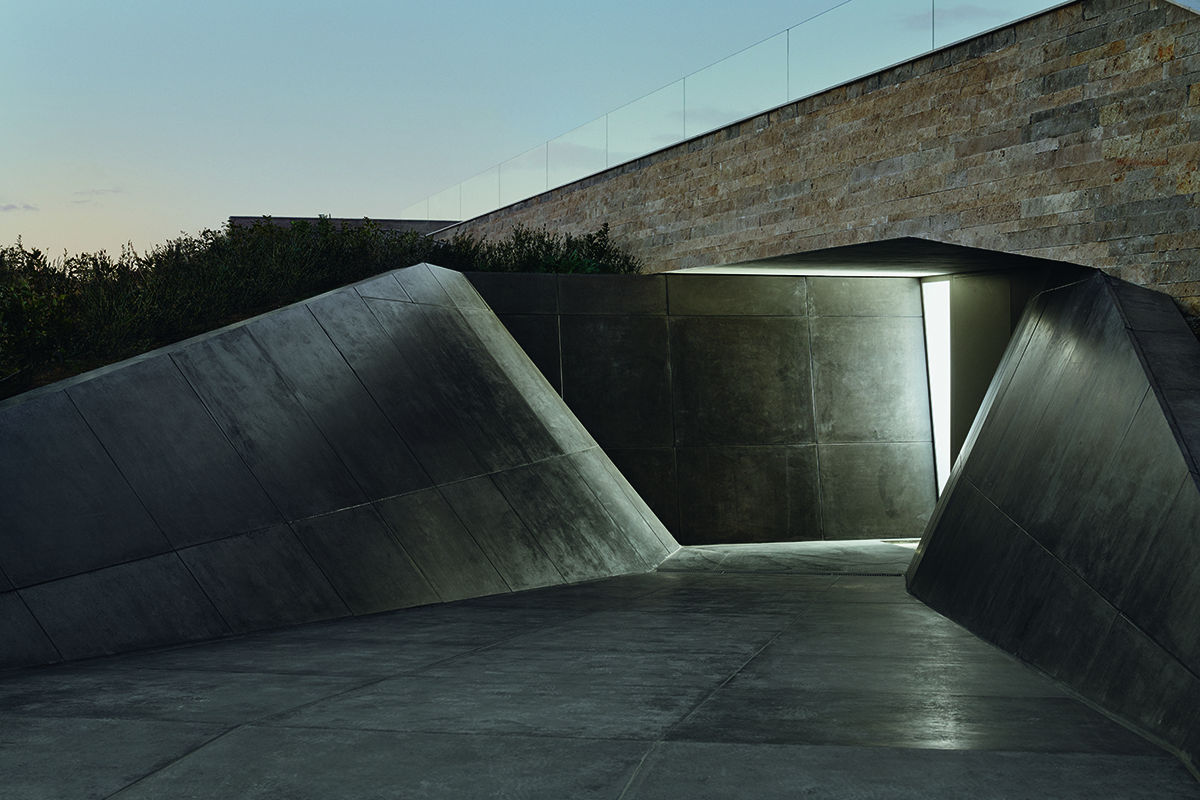
The entrance to the new winemaking buildings at Masseto winery
All this makes the entrance itself to the new winery, which opened this spring, even more remarkable. Rather than a great ziggurat to commemorate the otherworldly location of the home of one of the world’s greatest wines, you are greeted by a building that seems to sink far into the mountainside.
And this, perhaps, is the point. It is only when you enter between the stone sentinels at the entrance to the new winery, and disappear into the blue clay soil, that the adventure really begins.
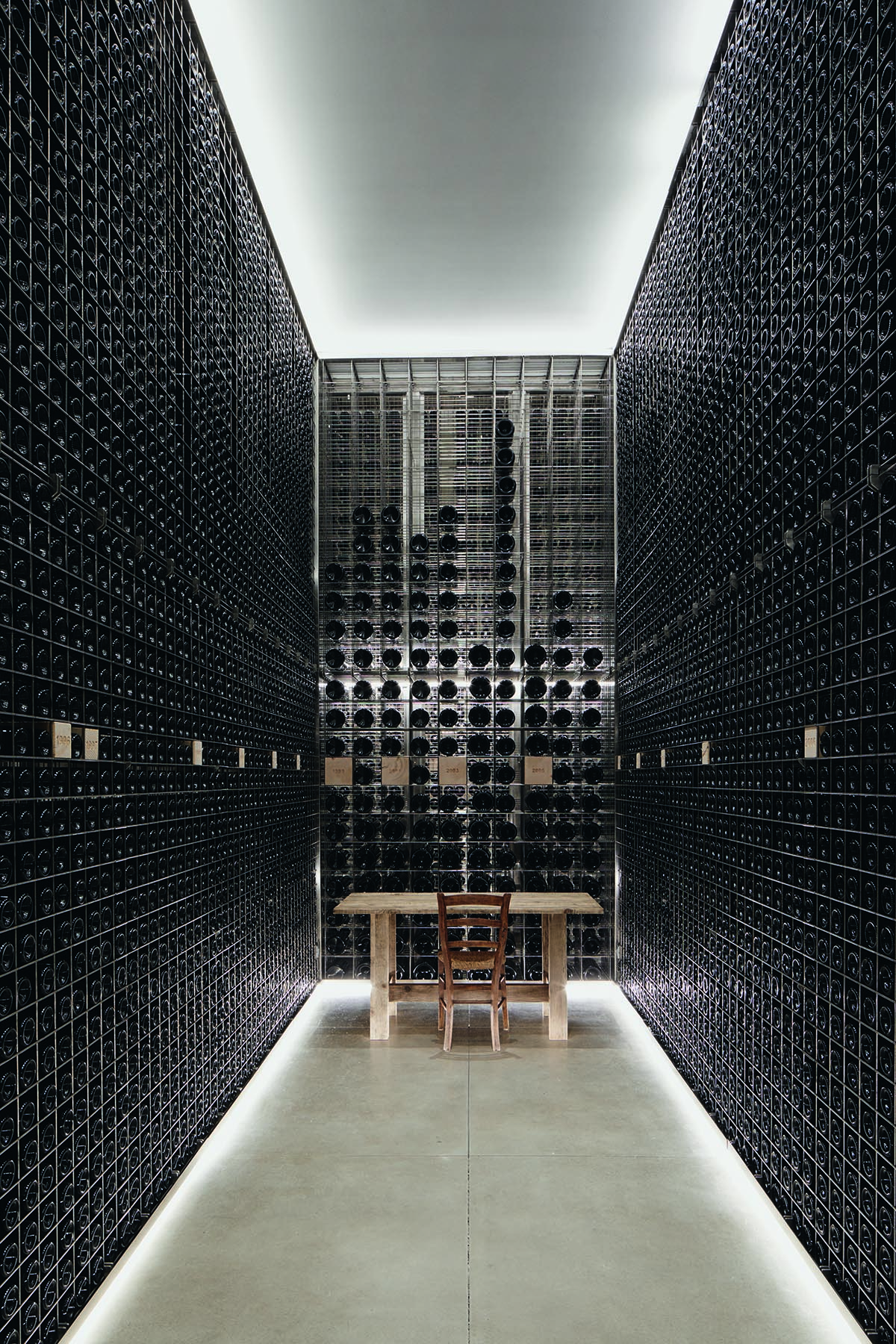
Masseto is perhaps the only Italian wine that has passed into the pantheon of high-luxury brands. It is a wine venerated by connoisseurs, while its serving is also seen as a mark of the ultimate respect by those with just a passing interest in wine, along with names like Pétrus, Lafite, Latour and Domaine de la Romanée- Conti – all the others are French. All the more remarkable, since Masseto has only been a wine since 1987. And since its birth, until the opening of the new winery in 2019, it has always been seen as the ‘big sister’ wine of Ornellaia, made on the same premises.
Read more: Karl-Friedrich Scheufele on Chopard’s partnership with Mille Miglia
This spring, Masseto finally received its own home, distinct from its sister wine, a few hundred metres away on another part of the same slope. The new winery is one of the most striking creations of anything in the increasingly rarefied world of fine wine.
Amid the vineyards, there is a beautiful classical building, terraced, with views across the vineyards and to the Mediterranean Sea, just a couple of miles away. It is the sea that gives Masseto’s vineyards their luminescence, and the wines themselves a kind of olfactory luminescence, lifting up and away, balancing the richness and power and complexity with a kind of angelic delicacy only the very greatest wines in the world can achieve.
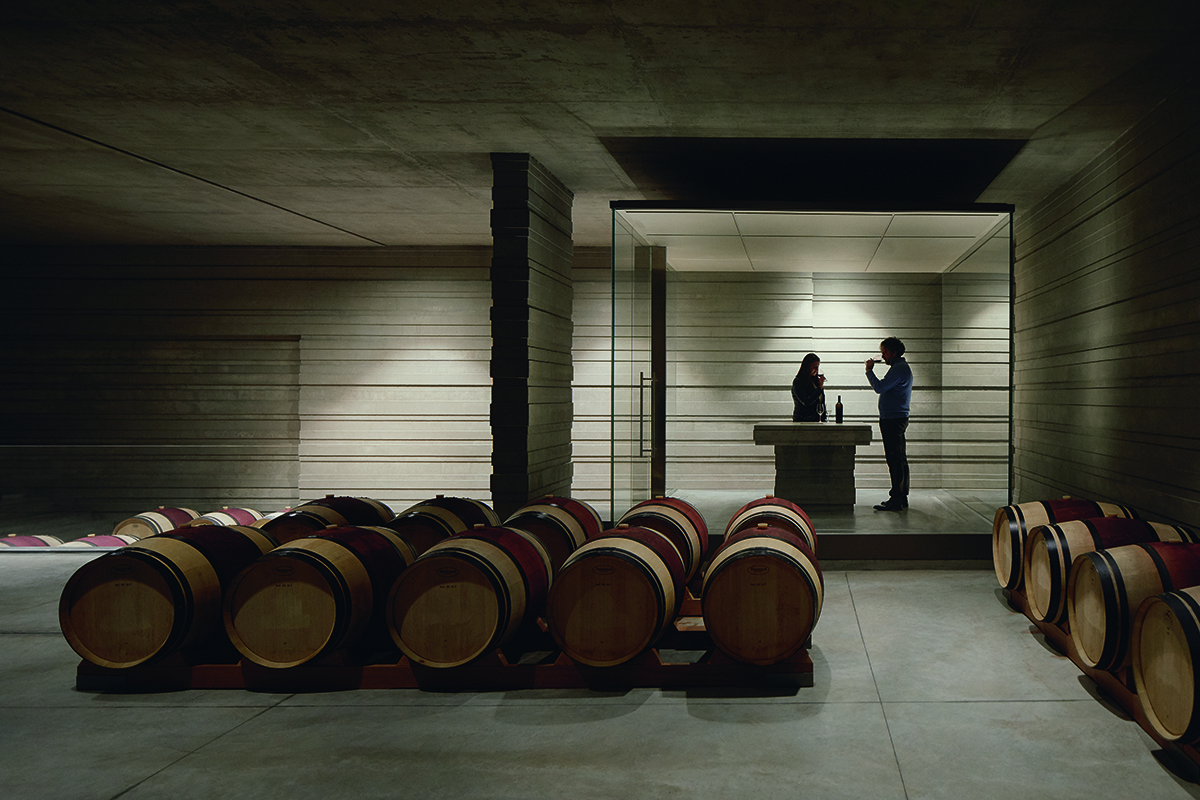
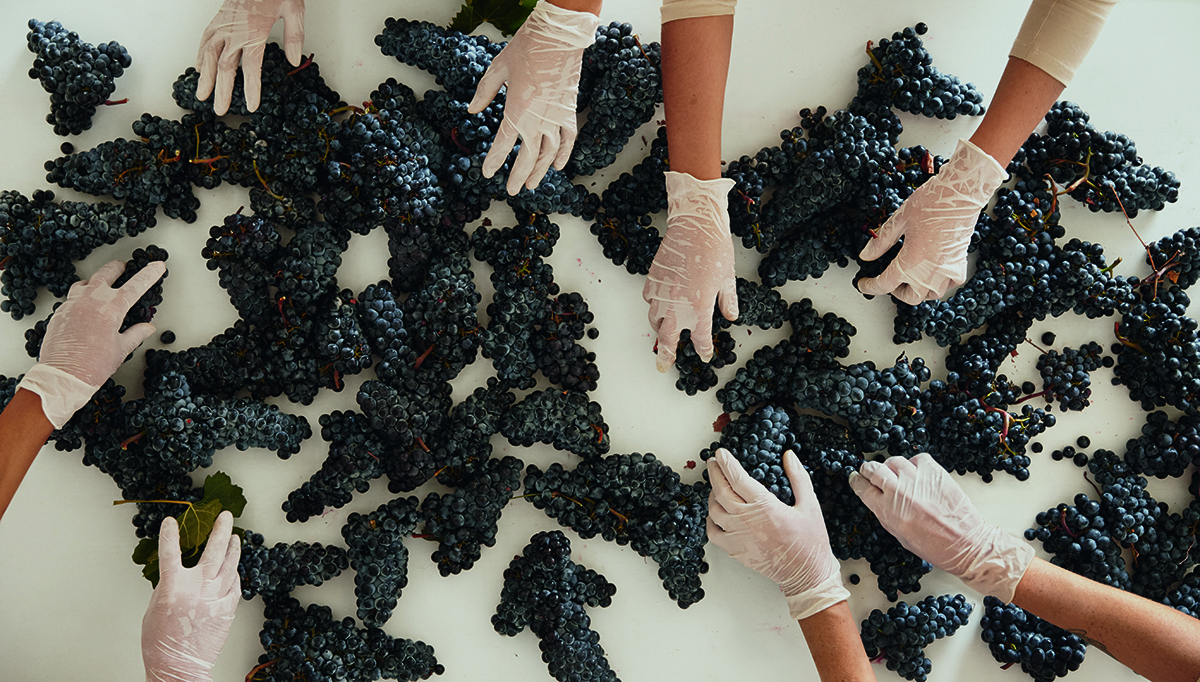
The glass-cube tasting room, and some of the merlot grapes harvested from the vineyard
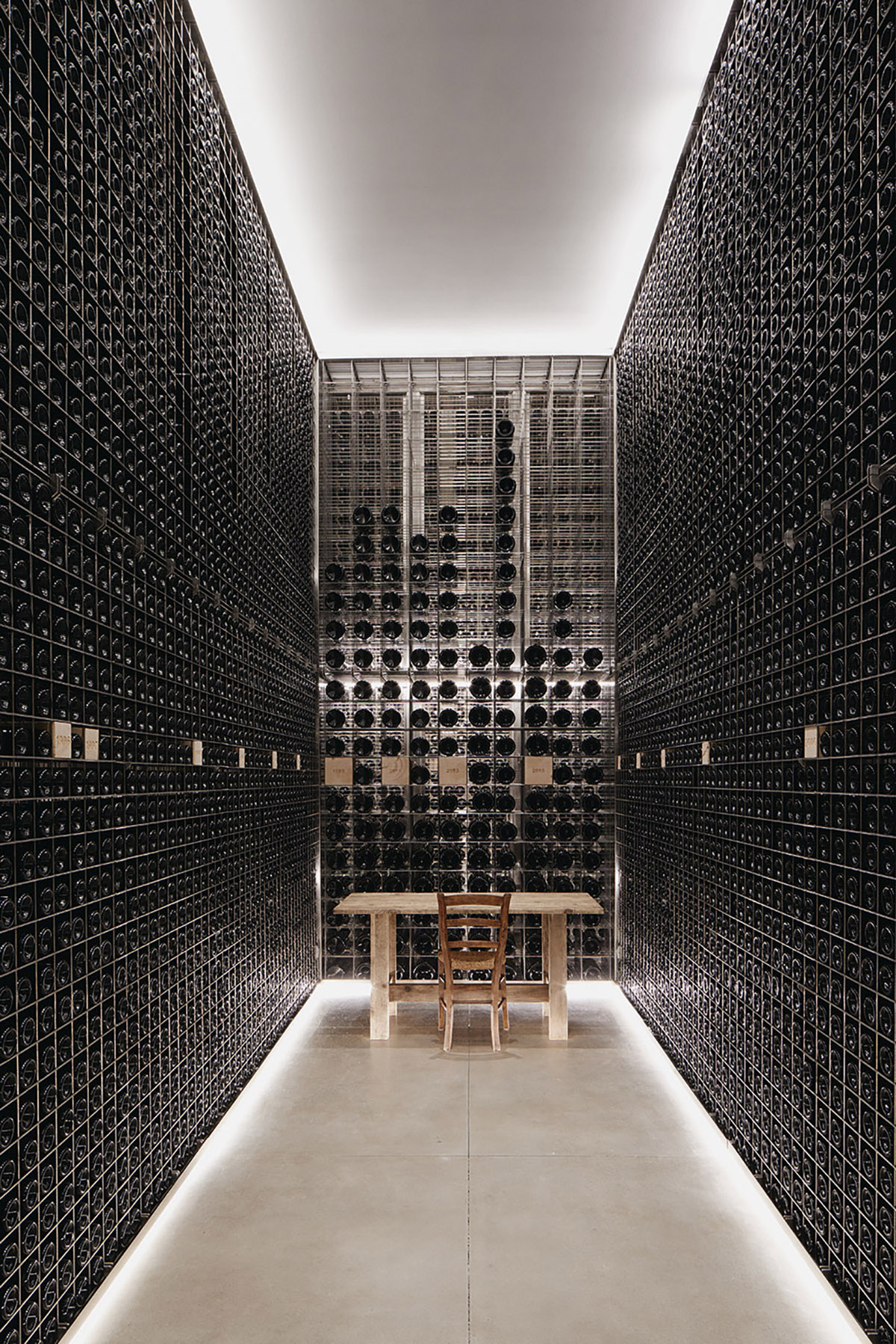
But enter inside, and underground, and you are in a different universe. The landing area drops away to a vast, concrete-lined chamber, more redolent of a modern Abu Simbel in ancient Egypt than of a place where wine is made. Rows of wooden barriques line the room; everything is perfect, geometrically, but also puzzling, as if you have entered a kind of contemporary MC Escher drawing. A concrete wall swings open to reveal a room lined with what seem at first to be beautiful black tiles, but turns out to be the ends of Masseto bottles, stored geometrically in racks, black against the grey of the stone. Most remarkable of all is a glass tasting room, a cube in the middle of the winery, where you can taste wines looked on by the wines themselves, buried in the deep underbelly of Tuscany.
The architecture is the creation of Milan-based firm ZitoMori Studio. Masseto CEO Giovanni Geddes da Filicaja comments: “Years of planning and effort have been dedicated to building the right home for Masseto. One that consolidates three decades of experience, where every aspect has been designed to meet the winemaking team’s highly detailed requirements.”
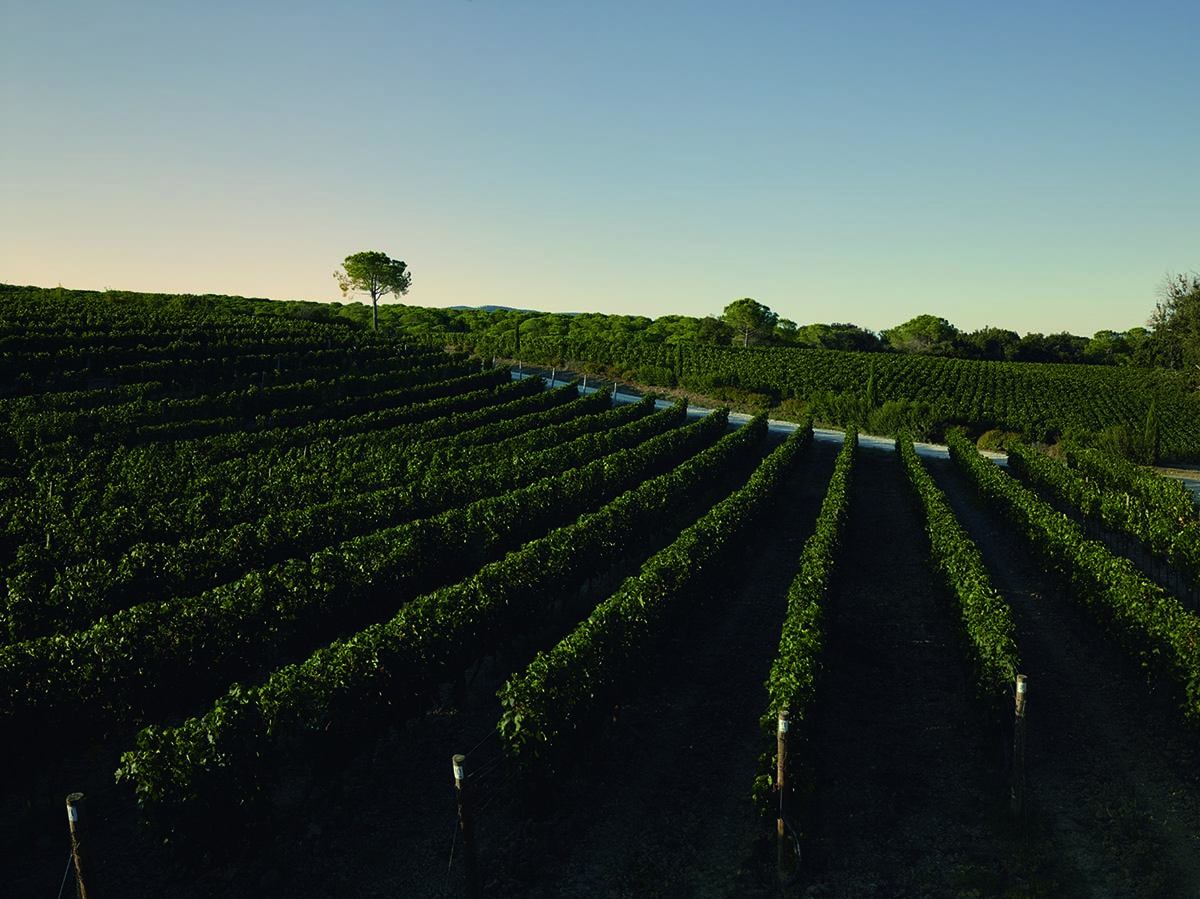
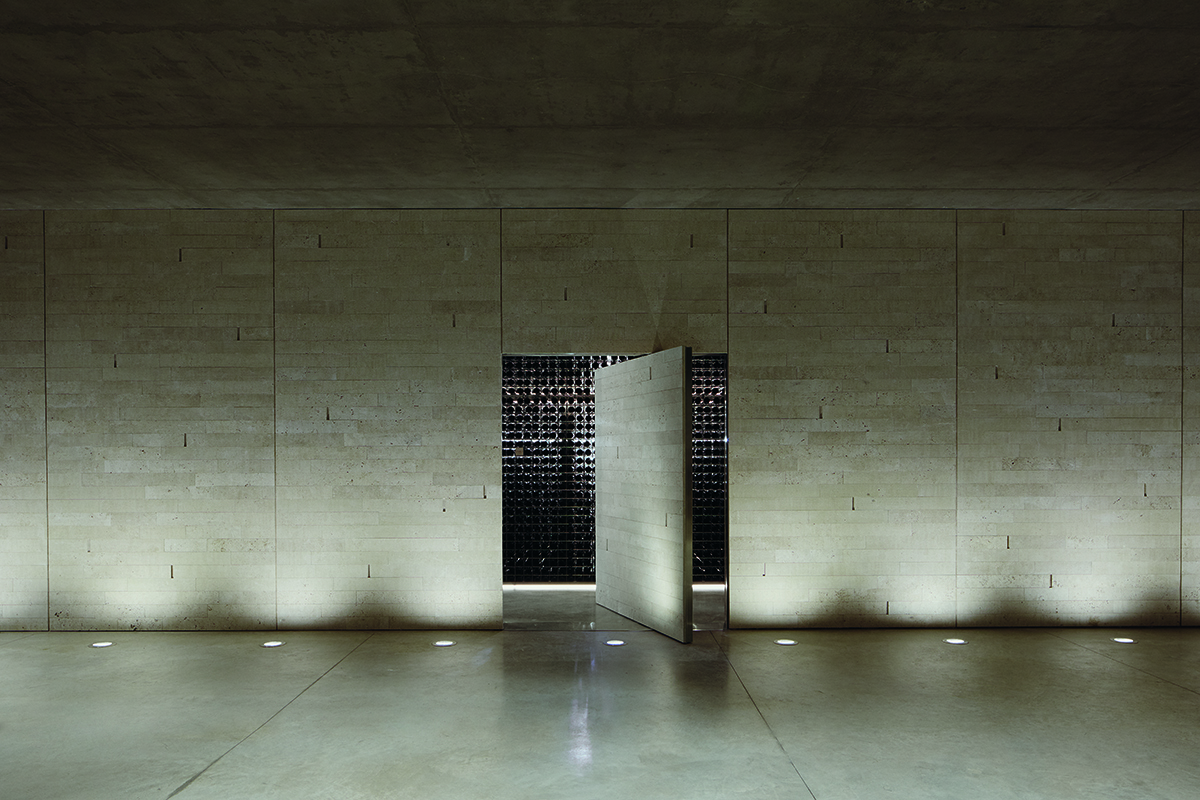
The orderliness of the vineyards outside are matched by the clean and uncluttered design of the new winery buildings
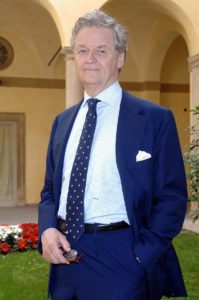
Giovanni Geddes de Filicaja, CEO of Masseto
Commercial director Alex Belson comments about the architecture: “The architectural brief specified the winery must be a masterpiece in its own right. Quite simply, we needed to give Masseto the home it deserves and its own architectural identity. The brief also stipulated the winery must have minimal visual impact, and that the existing Masseto House (a classified building on the hill above the vineyard) be restored with integrity and to meet Italian architectural heritage requirements.”
To do this, says Japanese-born architect Hikaru Mori, “We created a series of spaces, not by construction but by extraction from the hill’s monolithic mass. The diverse internal volumes, heights and levels are reminiscent of a gold mine as it follows seams of precious metal to the core.”
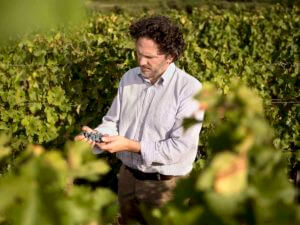
Axel Heinz, Masseto’s Estate Director
But the architecture would mean nothing without the wine, and Masseto is a wine that is even more special than its setting. Axel Heinz, the estate’s director, has been in charge of the winemaking since 2005 and he says, “The core of Masseto, its warp thread, is a Mahler symphony played by a full orchestra. The weft is a small chamber music ensemble. It’s that orchestral power that needs very careful handling. It has to be balanced by the softer elements, which add complexity. People sometimes describe Masseto as single vineyard wine, but it’s not. There’s an incredible range of plot expressions and different proportions of clay, gravel and earth. It’s more like an intricate patchwork, with the blue clay at its core.”
Heinz also pays tribute to the importance of the sea, both in the light it donates to the vineyards, and the cooling breezes that temper the summer heat and give the wine its freshness, however ripe the vintage. But like the greatest wines, and the greatest poetry, and the greatest vistas, you cannot analyse the beauty of Masseto. It comes from the soil, the grapes, the winemaking, the weather, the microbiome of the earth, the human appreciation of the aesthetic, both in taste and in vision.
For me, Masseto shares with a handful of wines the distinction of being rich, powerful and deep, and also feather light, almost transparent. A big, rich red wine that lifts you up, with a thousand nuances. Different vintages have different characteristics, but there is a commonality in this lightness of being that differentiates it from any other wine I have had from Italy, and which it shares with a clutch of peers at the tip of the world wine tree. Grape variety is irrelevant here. One or two of the great Napa Cabernet Sauvignons have it, as do a handful of top Bordeaux names, and the greatest (and eye-wateringly expensive) wines from the likes of Domaine de la Romanée-Conti, Domaine Leroy, Mugnier and Armand Rousseau from Burgundy. In the context of many of these peers, Masseto, whose price has rocketed over the past few years, seems positively decent value.
And none of them have a view of the Mediterranean across the coast of the Maremma. It’s going to be fun tasting future vintages in that glass tasting room.
Find out more: masseto.com
This article was originally published in the Summer 19 Issue
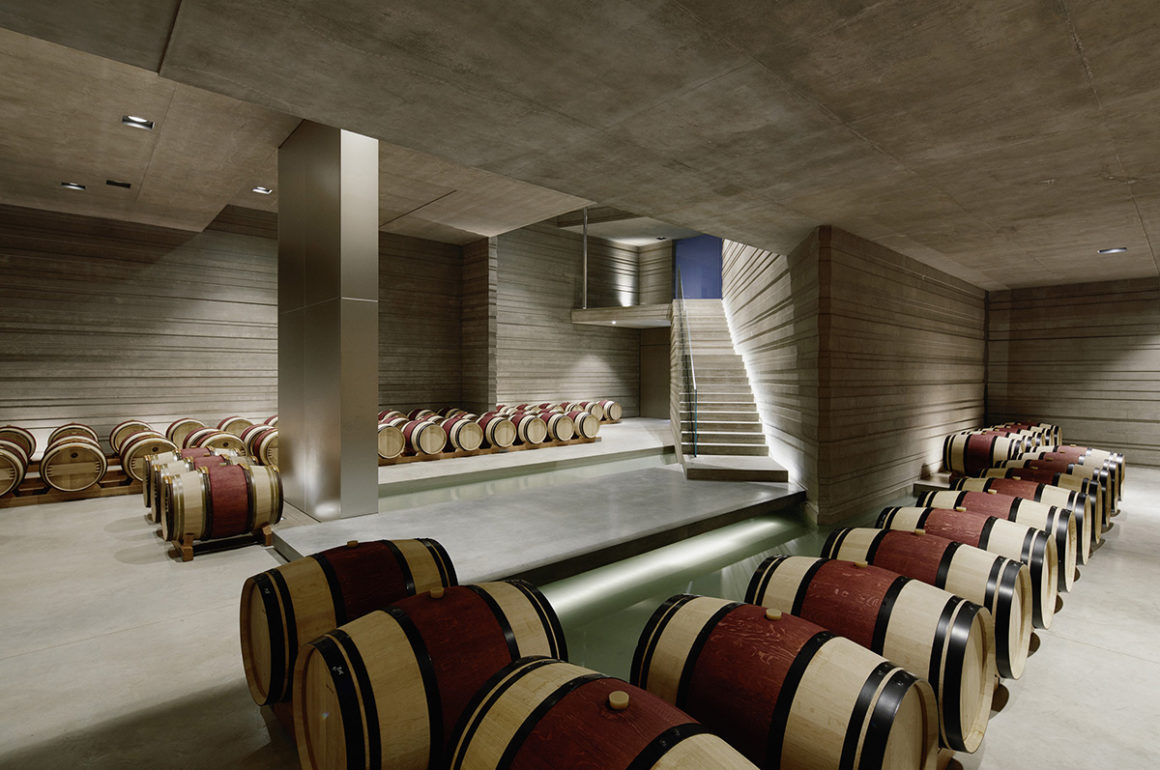
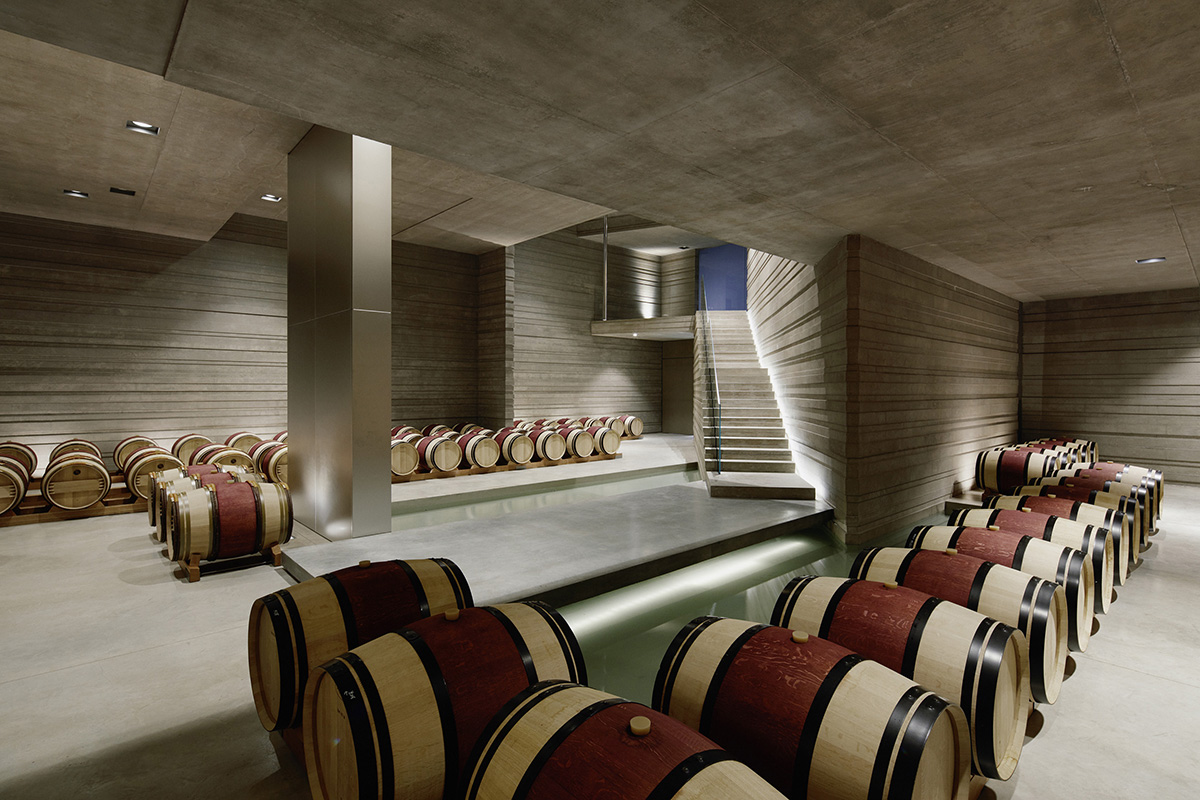
Designed by ZitoMori Studio, Masseto’s new cellar lies deep beneath the Tuscan soil
Italy’s most celebrated wine producer, Masseto, recently opened a stunning new underground wine cellar. Irene Belluci discovers
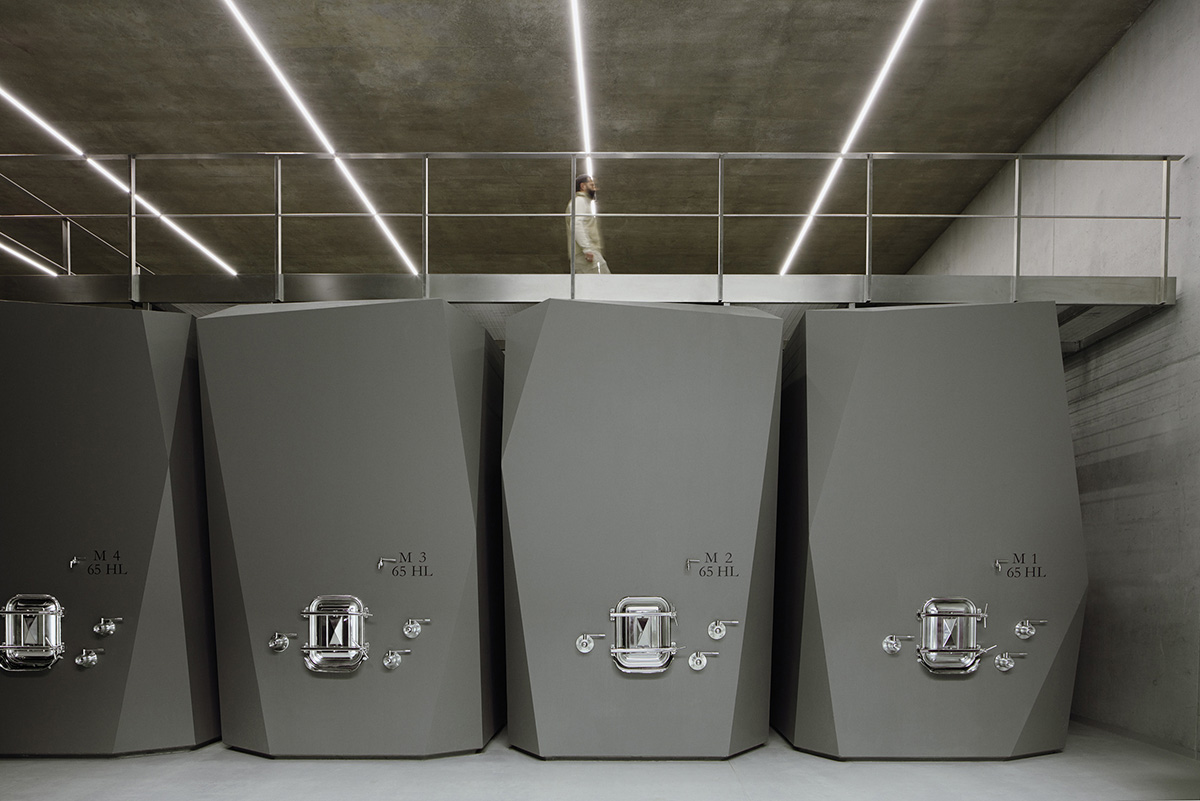
Masseto’s new wine cellar has been designed to blend, or rather sink seamlessly into the curves of the Tuscan landscape. Designed by Milan-based architecture practise ZitoMori Studio, the space expands deep underground in a vast concrete chamber that feels like a sacred tomb.
Follow LUX on Instagram: the.official.lux.magazine
‘To represent the effort made to produce the wine made here, we created a series of spaces – not by construction, but by extraction from the hill’s monolithic mass,’ explains Hikaru Mori. ‘The different internal volumes, heights and levels are reminiscent of a gold mine as it follows seams of precious metal to the core.’ Inside, the clean lines of glass and steel balance with rows of oak barrels and textured surfaces, whilst cut-outs in the walls, frame the vineyard’s famed blue clay soil.
Find out more: masseto.com
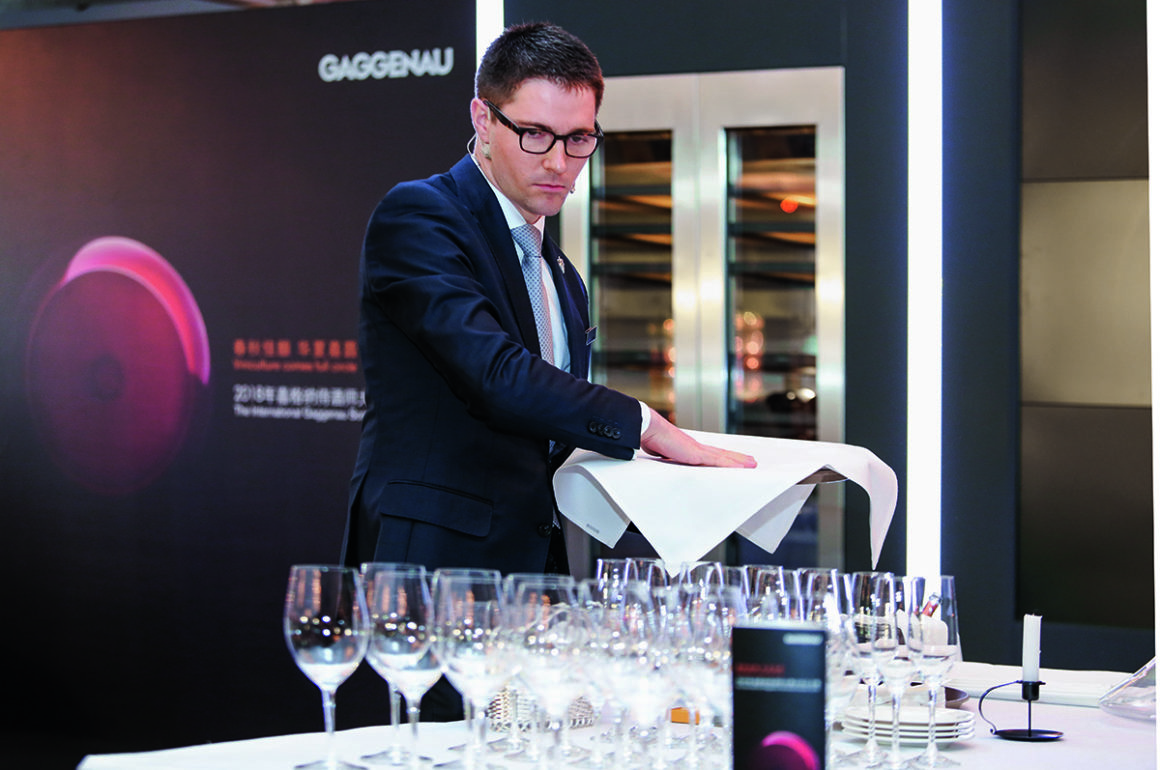
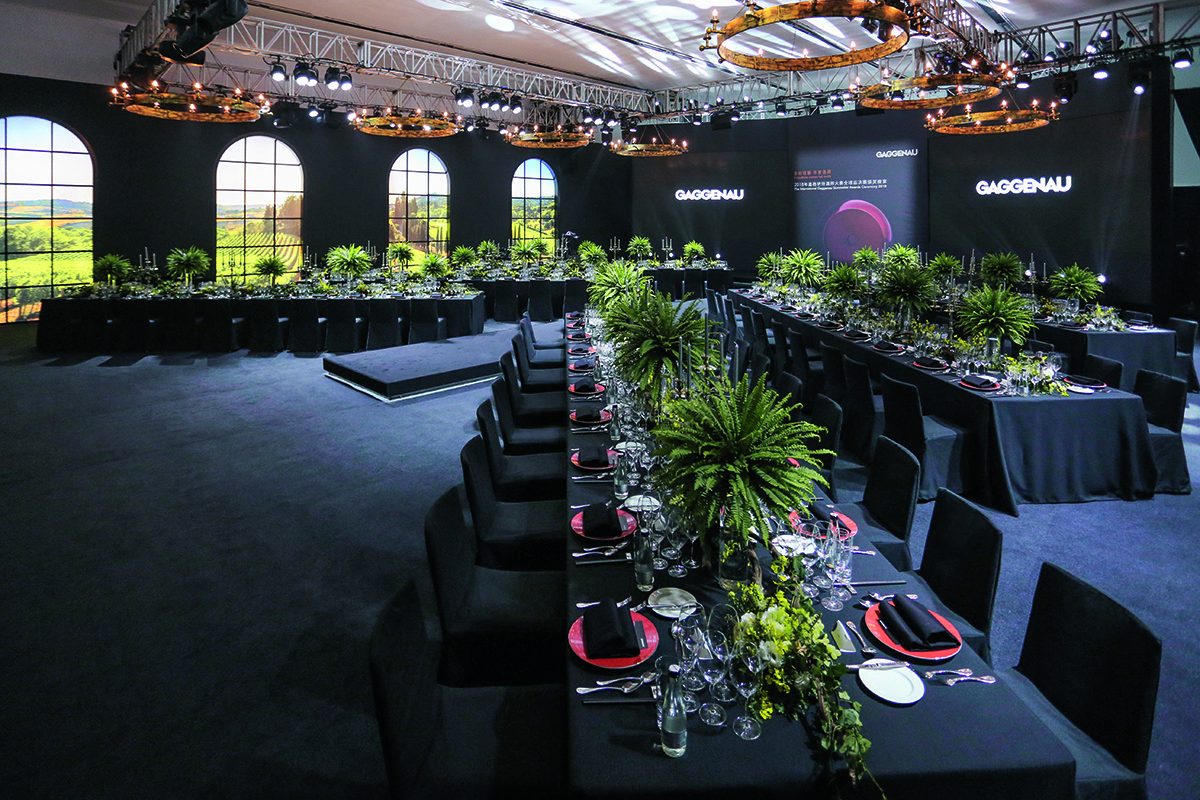
The scene of the 2018 Gaggenau Sommelier Awards ceremony gala dinner, held at the Red Brick Art Museum in Beijing
More than sheer knowledge of wine, it takes dexterity, impeccable service and the ability to inspire the diner to be a top sommelier, as the finalists of the 2018 Gaggenau Sommelier Awards in Beijing discover. Sarah Abbott, a judge at the final, describes the peaks of that fine wine world
We are watching Kei Wen Lu about to extinguish a candle. He pinches – does not blow – the flame out. I breathe a secret sigh of relief, and discreetly tick my scoresheet. Beside me, fellow judges Annemarie Foidl, Yang Lu MS and Sven Schnee mark their scorecards.
Kai Wen, one of the 2018 finalists
Such is the assessment of elite sommellerie. Kai Wen won the Greater China heats of the Gaggenau Sommelier Awards, and he is now performing the “decantation task” in the grand final, in Beijing. He faces a room of Chinese and international press, and the relentless gaze of we four judges.
Follow LUX on Instagram: the.official.lux.magazine
For this task, there are 40 elements on which our young finalists are judged. Decanting seems straightforward, perhaps: open a bottle, pour it into a decanter, leaving any sediment behind, and serve a glass to each of your four guests. It is the attention to tiny details that transforms the everyday to the excellent, and the exigent to the sublime.
This task has been created by judge Yang Lu, Master Sommelier and Director of Wine for the Shangri-La Group. Yang has passed the toughest sommelier exam in the world and knows what it takes. Mentor and hardened veteran of elite sommellerie, he challenges these young recruits with his relentless eye for excellence.
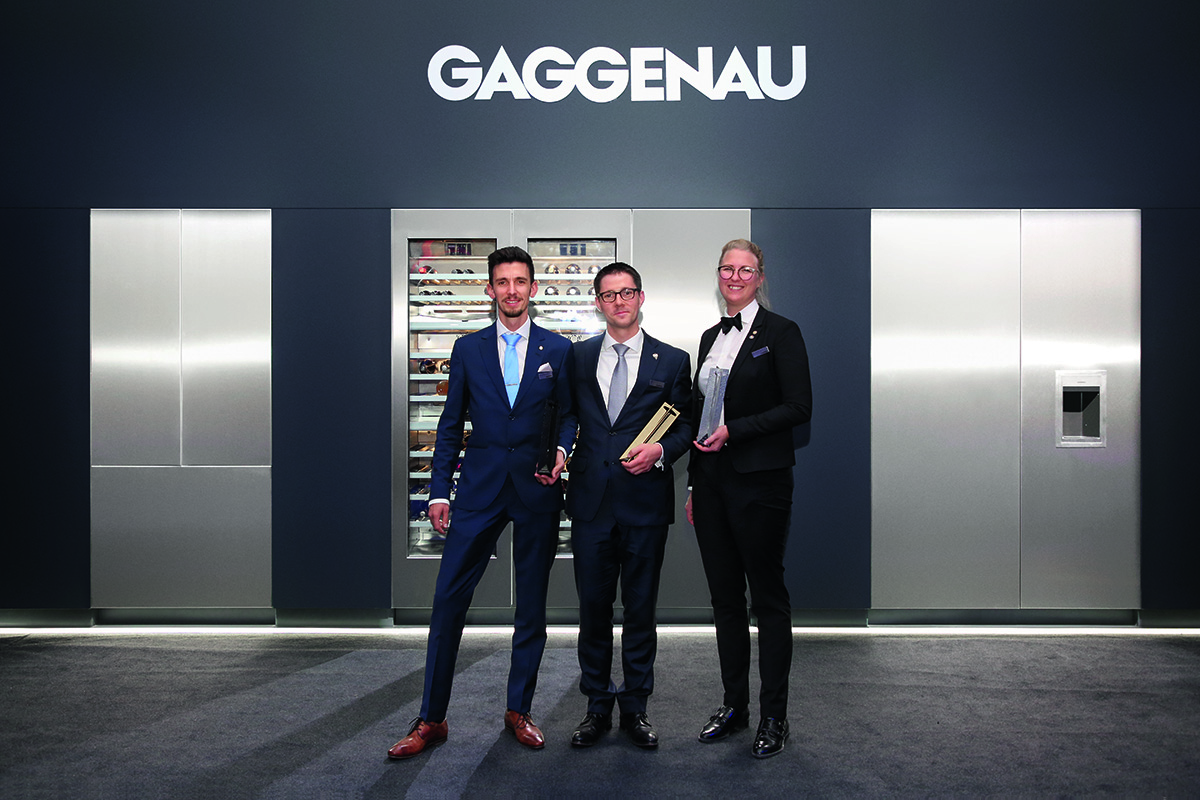
From left to right: David Dellagio, Mikaël Grou and Emma Ziemann, three of the finalists, in front of Gaggenau’s wine storage cabinets
The guéridon must be wheeled smoothly to the right of the host. The bottle must be eased from the shelf and placed gently into the wine basket. You must remove the capsule foil cleanly, and the cork smoothly, without disturbing the bottle in its cradling basket. Ah, but have you remembered to light the candle before you’ve uncorked the bottle? And to wipe the bottle lip with a clean napkin before extracting the cork? And have you assembled those napkins on the guéridon before you bring it over? Kai Wen’s hand is steady as he decants the wine over the lit candle. The room is eerily silent, a camera man is panning up close, and Kai’s every move is magnified for audience and judges on TV screens.
Yang has set traps. He has planted dirty glasses. And he has set out two different vintages of the requested wine. One ‘guest’ decides that she doesn’t fancy the red wine. Can she have a glass of sparkling wine instead? Contestants will lose six marks if they pour the sparkling before serving the other guests their decanted red. More points are ripe for deduction for forgetting the side plate or to offer to remove the cork, or for unequal pours. And for puffing out that candle.
Kai Wen is friendly, focussed and diligent. He avoids most of the traps and completes the decantation within the scarce nine minutes.
Read more: How politics trumps science in the GMO debate
Despite the rigour and specificity of the marking scheme, the personal style of each contestant comes through. Emma Ziemann is the Swedish finalist. Confident and authoritative, she impresses by greeting the judges as if in the theatre of a busy service. She holds our eye, and sails through the decantation, coping well with a dastardly technical question from Yang – designed to put the contestants off mid-pour – about the Saint-Émilion classification.
The pressures of time and occasion are merciless, and most evident during the blind- tasting challenge, in which contestants must taste, describe and identify seven wines and drinks. All identify the Daiginjo Sake without problem, but the old stalwart of French crème de cassis liqueur stumps several. These non-wine beverages are served in opaque black glasses, masking any colourful clues.
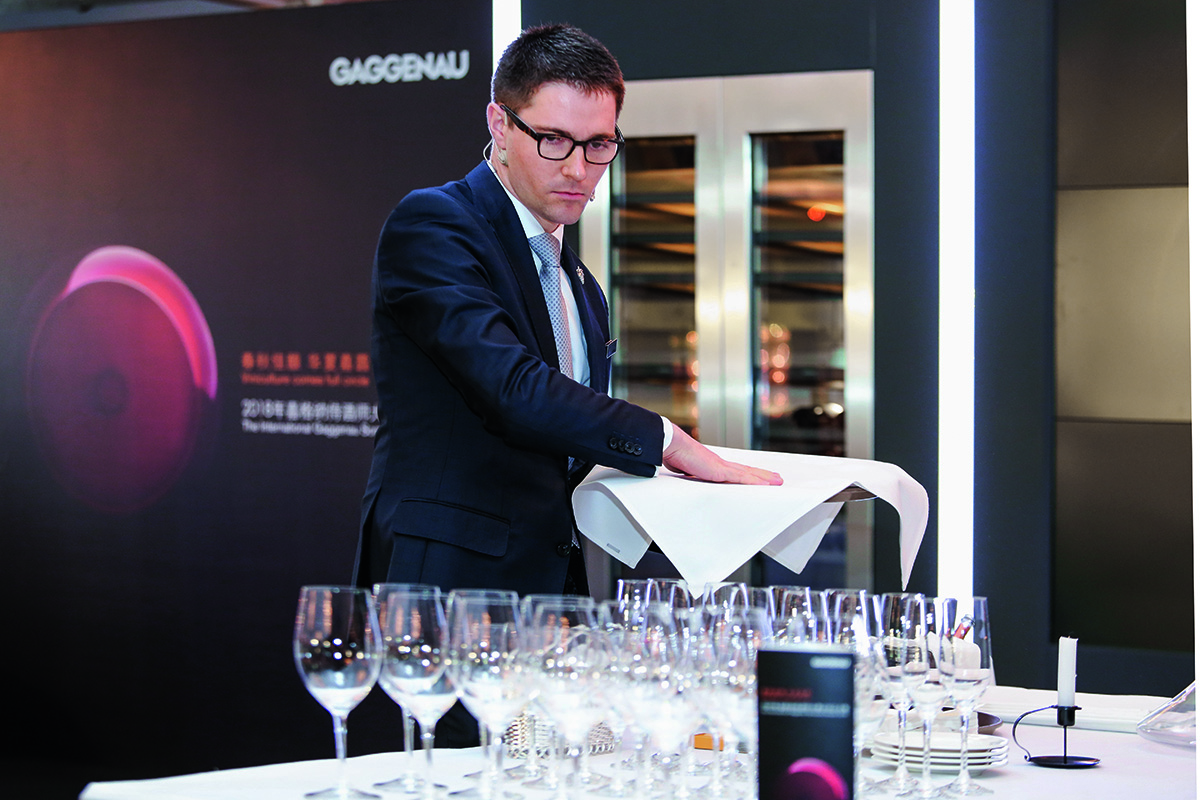
Mikaël Grou, the eventual winner of the 2018 Gaggenau Sommelier Award
South African finalist Joakim Blackadder shows relaxed charm and cool humour. Mikaël Grou, the French finalist, excels. Engaging and poised, he tastes, describes and correctly identifies five of the seven wines and beverages within the allotted twelve minutes. Mikaël impresses for the range and precision of his technical vocabulary, and for his enticing, consumer-friendly descriptions.
All instructions from the judges are spoken and may be repeated only once. It is easy to miss a critical detail. Young, enthusiastic Zareh Mesrobyan is the British finalist. Originally from Bulgaria, he works for Andrew Fairlie’s renowned eponymous restaurant in Scotland. Annemarie Foidl, head of the Austrian Sommelier Association and our chair of judges, gives the instructions for the menu pairing task: Zareh has thirty seconds to read the menu, and four minutes to recommend one accompaniment for each course. “Please include one non-alcoholic beverage and one non-wine beverage.” Zareh seems to love the task. He does triple the work, giving not one but three creative and detailed pairings for each course. Sadly, he cannot gain triple marks.
Read more: Artist Rachel Whiteread on the importance of boredom
The structure of sommelier competitions is well-established around the world, and ours includes many of these classic elements. But Gaggenau is looking for that extra spark, so Annemarie has devised a new task called Vario Challenge, after Gaggenau’s new wine storage units. Built into the stage wall are several wine storage units, calibrated to different temperatures. Each contestant must work their way through a delivery of twelve wines, describe each wine to the judges as if to a customer, and put the wine in the correct cabinet. Swiss finalist, Davide Dellago, excels, wheeling between judges and Vario with grace, and summing up the style and context of each wine with wit and confidence.
The world of sommellerie can seem elitist and arcane. The cliché of the stuffy sommelier
persists, rooted in an increasingly faded world of starched cloths and manners, and of
knowledge used as power, not as gift. As Yang Lu says to me later, it’s critical that sommeliers retain their love for and connection with customers. They must work the floor. Taking part in competitions is a means to an end, not a job in itself.
And what is that end? After a gruelling day of competing, our six finalists worked the floor at a gala dinner. Here is the theatre where sommellerie performs. And this was quite a production. The Red Brick Art Museum, a young, bold architectural venue in Beijing’s art district, was a hip, stylish space. Banqueting tables were dressed in silver and late-season flowers and berries, evoking autumnal birch and harvest bounty. It was time for our young sommeliers to serve not clipboard-wielding judges, but honoured guests.
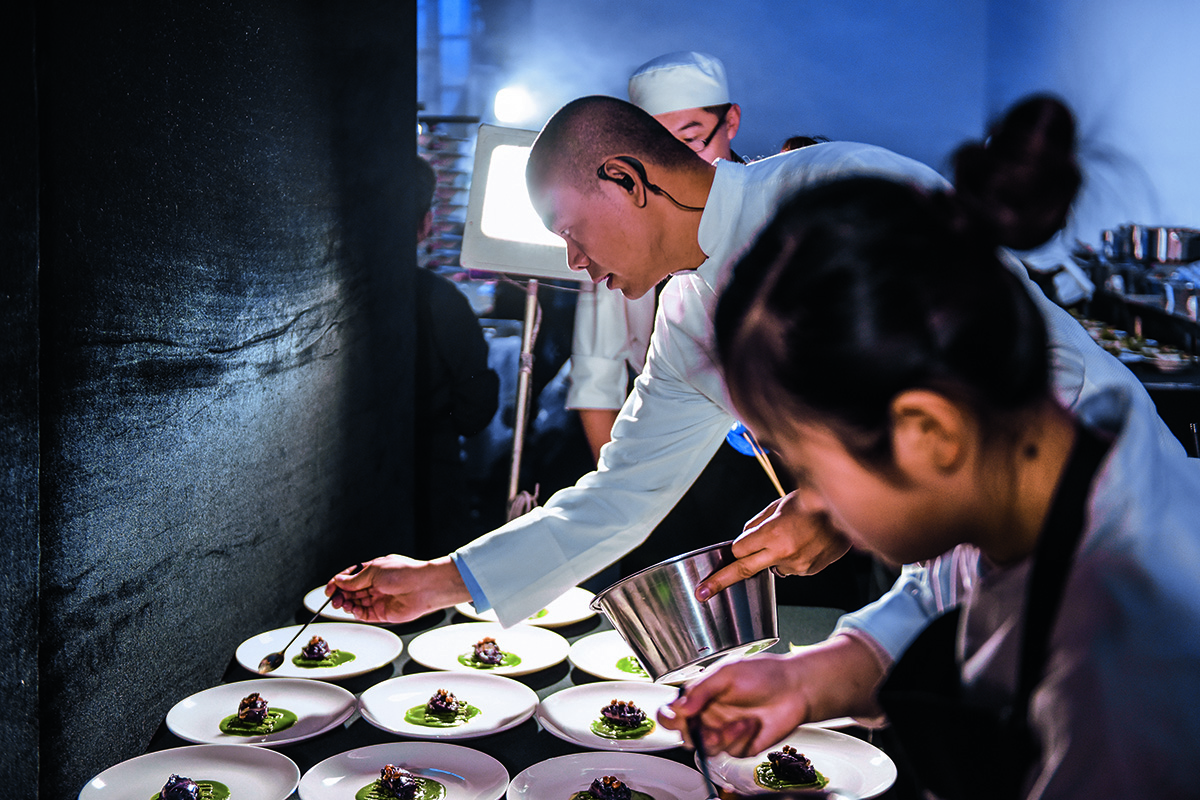
Chef André Chiang plating up for the gala dinner
Our finalists presented six wines with six courses, to each table. The menu was created by André Chiang, the Taiwanese-born, Japanese-raised and French-trained chef, who won two Michelin stars for his Singapore restaurant, Restaurant André. Thoughtful and visionary, Chiang is a revered superstar of contemporary Asian culinary culture. So, the pressure was on.
South African finalist Joakim Blackadder
The finalists had been given just two hours on the previous day to taste the wine with the judges and acquire the facts they needed to tell their wine stories with conviction and colour. All the wines were Chinese. Just five years ago, matching exclusively Chinese wines to food of this nuance, precision and individuality would have been a tall order. Big, gruff, blundering Cabs were the rule. But the ambition and accomplishment of Chinese winemaking today has soared, and these were excellent matches. So it was that our contestants were able to tell a new story of Chinese wine to guests. Of six different styles, of six different grapes, and from six different regions.
Grace Vineyard Angelina Brut Reserve 2009, an intricate and sabre-fresh, champagne- method sparkling, was served with the pure, enticing first course of braised abalone with green chilli pesto and crispy mushroom floss.
They presented Kanaan Winery’s mineral, elegantly aromatic 2017 Riesling with the softly textured, seductive second course of asparagus, caviar broken egg and non-alcoholic Seedlip Garden 108 herbal spirit.
Read more: PalaisPopulaire & Berlin’s Cultural Revolution
Contemporary Chinese wine is inspired by European traditions, but the deeply traditional aged 2008 Maison Pagoda Rice Wine thrilled our sommeliers with its tangy, nutty intensity. Both strange and familiar, it recalled old Madeira or Oloroso, but with a deeper, salty well. It was superb with the dark marine crab capellini, laksa broth and curry-dust sea urchin.
There is one dish that Chef André never removes from his restaurant menu (I suspect, having tasted it, for fear of riots). European culinary tradition and Asian technique come together in this dish of foie gras jelly, black truffle coulis and chives. Part jelly, part mousse, this intelligently decadent dish was paired with the delicately sweet, honeyed 2014 Late Harvest Petit Manseng from Domaine Franco-Chinois.
The first and only red of the evening was perfumed and confidently understated. 2015 Tiansai Vineyards Skyline of Gobi (yes, as in the Gobi Desert). This scented, floral and plush syrah/viognier was a surprisingly successful pairing with chargrilled Wagyu beef.
You know that a wine culture is developed when signs of an iconoclastic counter-culture peek through. Our final wine of the night was, in essence if not in name, a natural wine. Bottled in one-litre flip-top bottles and made from the too often dismissed hybrid grape vidal, the 2017 Mysterious Bridge Icewine was as wild and fresh as the mixed-berry jelly dessert with which it was served.
Our sommeliers told these stories. They blossomed in service, freed from the heat of their earlier competition but also strengthened by it. They delighted our guests with their own delight in these new discoveries. This is the calling of sommellerie – to notice, describe and share the beauties of wine with new ideas of what is beautiful.
In the end, Mikaël Grou was victorious. But, as fellow judge and head of Brand Gaggenau, Sven Schnee said, each of those young sommeliers were winners. They, and we, were touched by this experience of Chinese history, culinary culture and pure vinous potential.
Discover more: gaggenau.com
This article was first published in the Winter 19 Issue
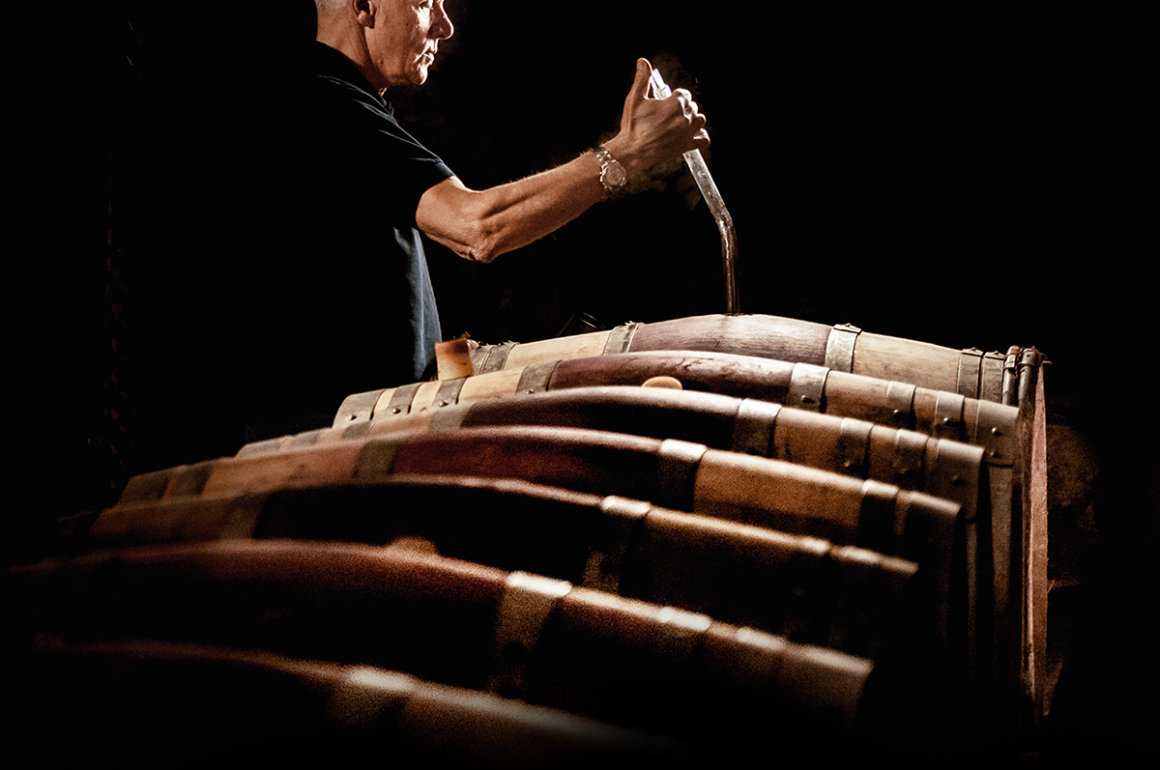
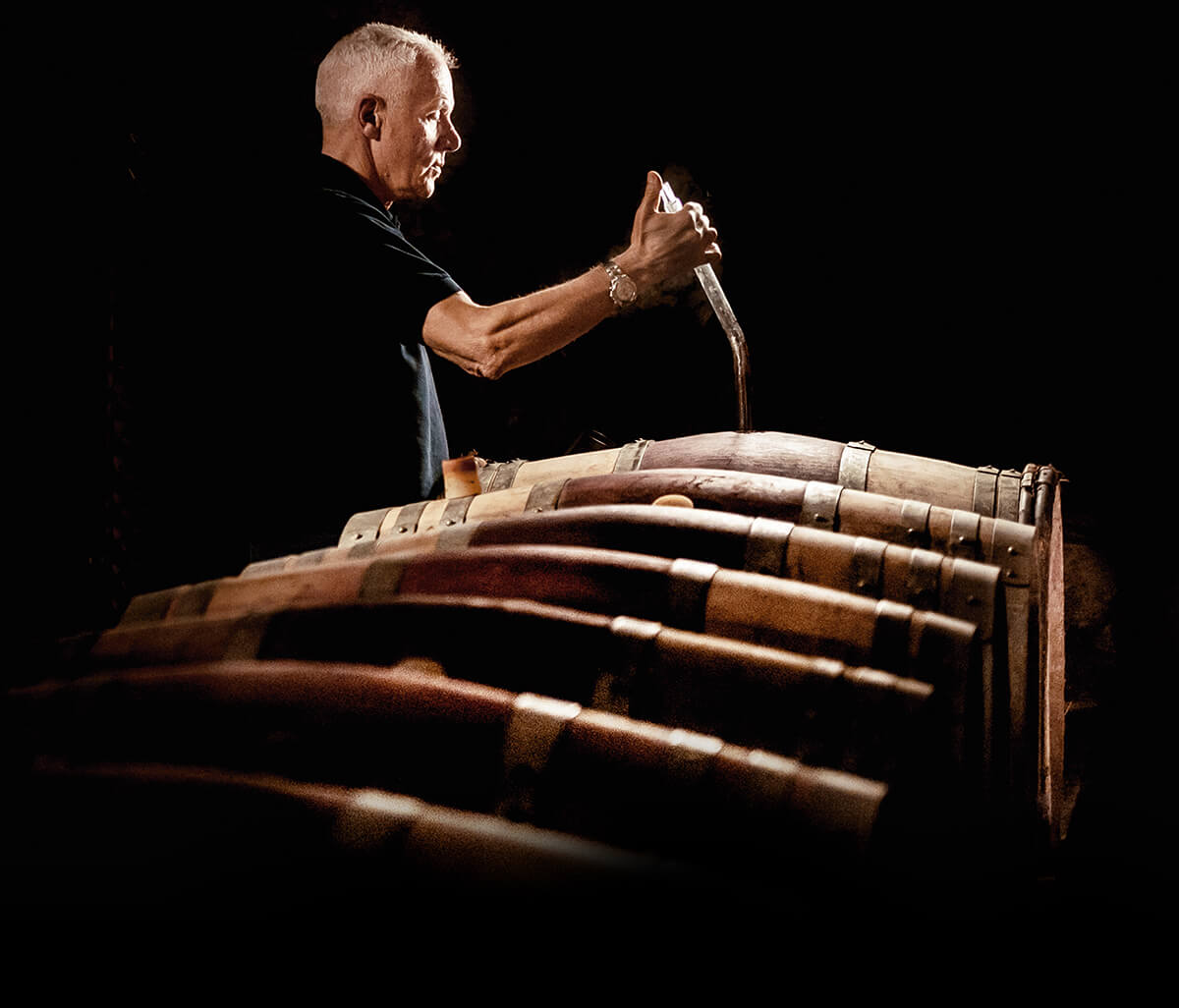
Tuscan winery owner Giovanni Dolfi, who acted as a mentor to 2016 Gaggenau Sommelier Award winner Marc Almert
The art of the Master Sommelier is steeped in tradition, but with the rise of ever-more sophisticated technology, Rebecca Gibb reports on the evolution of the role for the modern age

Hong Kong-based
sommelier Yvonne
Cheung
It was 7.30pm and the sun had descended into the western horizon, leaving another sultry evening in Hong Kong. The cacophony of car horns resounding from the tomato-coloured taxis inching their way along Queensway became a murmur, as diners ascended the 49 floors to the calm of luxury hotel The Upper House. In its restaurant, sommelier Yvonne Cheung was guiding a bottle of 1989 Cheval Blanc from its rack, as if it were a newborn. Sealed almost three decades ago when Hong Kong was still a British colony, its russet liquid was about to be released from its glass cocoon. But with no candle to hand, she gave the traditional process of decanting a modern twist, pulling out her iPhone, scrolling up and clicking the flashlight button, transferring the bottle’s precious contents with the assistance of Apple. Some 8,000 miles away, Patrick Cappiello’s lavishly tattooed arms were on full display as he sabred another bottle of prestige Champagne in a New York wine bar. Once a suit-and-tie-wearing sommelier, Cappiello encapsulates everything that has changed in the world of wine service, ditching the formal business attire, and adding a sense of fun.
Follow LUX on Instagram: the.official.lux.magazine
Cheung and Cappiello are key members of the sommelier revolution. The meeting of tradition and modernity in wine service has tracked fine-dining trends: in recent years hushed dining rooms, starched tablecloths and haughty waiters have been ditched in favour of less formality. This casualisation of dining has occurred at the highest level, which has also altered the appearance of sommeliers: the man or woman dishing out wine advice is just as likely to be wearing a T-shirt emblazoned with the name of their favourite death-metal band as a shirt and tie. Texas-based Master Sommelier James Tidwell recalls: “Everybody used to be in suits. When I started the Court of Master Sommeliers courses, I saw people turning up in tuxedos because that was the standard of the time! Now you see sommeliers serving in jeans and T-shirts. Casualisation of dining has casualised sommeliers, but their role is still: how do you get the wine to the guest in the best possible condition? That might be baskets and candles, but it might be decanting it with your iPhone flashlight.”
The world of the modern sommelier flowed into suburban living rooms in 2012 with the release of Somm, a documentary following a group of sommeliers in pursuit of the prestigious – and often elusive – Master Sommelier (MS) qualification. Variously described as ‘rock stars of the industry’ and ‘sickly gifted’ the film raised the profiles not only of those ‘egomaniacs’ attempting to pass one of the most difficult exams in the world, but of the entire profession. Almost overnight, it became cool to be a sommelier and audiences realised it was worth listening to the guy offering wine advice (it usually is a guy – of the 249 Master Sommeliers in the world, only 25 are women).
The 21st-century sommelier
While technology has helped candle-less sommeliers decant mature bottles, it has also empowered diners. The rise of wine apps means people can now compare the average retail price of the bottle with the list price through Wine-Searcher, they can view drinker ratings on Vivino and, in 2016, a free app named Corkscrew, a ‘sommelier in your pocket’ teamed up with London restaurants, providing food and wine pairing suggestions based on the venue’s menu and wine list. Marc Almert, sommelier at five-star Zürich hotel Baur au Lac doesn’t think apps will replace sommeliers, but they may change their role. These apps, “Help the guest to be more self-assured when ordering wine,” he says. “Thus we become less of a wine consultant and more of a conversation partner. It allows us to exchange with the guests more openly.” Almert’s view of this evolution is echoed by sommeliers on both sides of the Atlantic and the Far East, but with the development of other technologies that replace the need for humans, including driverless cars, the sommelier-less wine list seems to be the logical conclusion.
Read more: Exploring the rugged beauty of Tajikistan along the Pamir Highway
That said, a survey of 250 sommeliers across the US in 2000 found that when there was a sommelier in the dining room, more than a third of diners asked for wine recommendations, more parties ordered wine and the average bill was higher. It is apparent that some diners avoid buying wine because of the perceived risk – what if they buy something they don’t like or that won’t please their fellow diners? A sommelier can help to alleviate that fear, leading to increased sales. A more recent study of 50 restaurants in the Spanish city of Valencia also found that a knowledgeable sommelier with a well-curated wine list enhanced the customer’s satisfaction, raised the venue’s prestige and increased profitability.
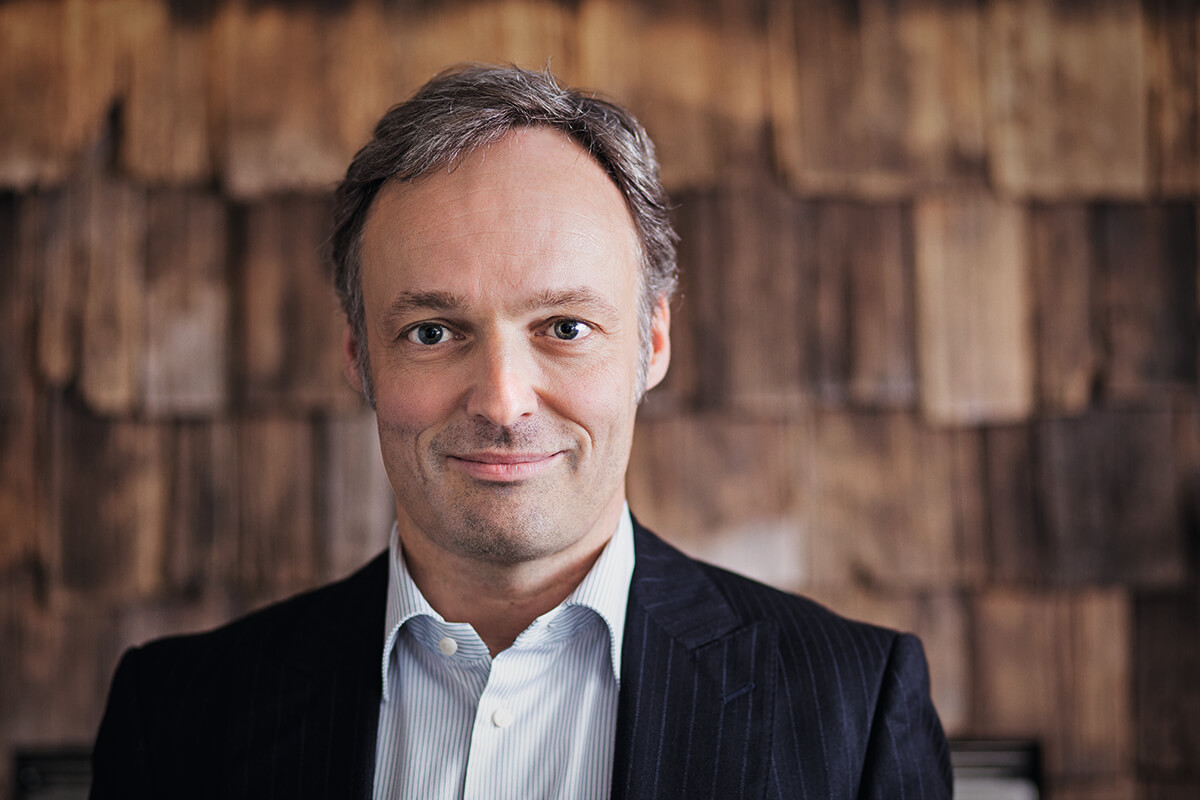
Gaggenau’s head of global brand, Sven Schnee
And there is an increasing number of knowledgeable sommeliers. Since 2012 – the year Somm was released – more than 50 people have passed the MS exam, swelling its ranks by almost a third. What’s more, hundreds participate in fiercely fought sommelier competitions each year in the hope of being crowned the best sommelier in the country – and the world. These competitions aim to test the knowledge and ability of sommeliers, take them out of their comfort zone, and make them better hosts whether they win or lose. Before lunch service begins, you’re likely to find the most competitive sommeliers poring over wine maps, studying obscure appellations or trying to identify the origin and variety of wines from taste alone. The final of the biennial Gaggenau Sommelier Awards 2018 takes place in Beijing in October, bringing regional winners from North and South America, Europe and Asia. Sven Schnee, Gaggenau’s head of global brand, is also a judge. “Sommeliers are part of the culinary culture and, unlike chefs, they are heavily under-appreciated,” he says. “The sommelier has the most interaction with the customers. He must understand the components of the food, the wine and the interaction between them, but most of all, must be the perfect host.”
The UK leg of the competition was fiercely fought and judges Richard Billett, head of Maison Marques et Domaines, the UK arm of Champagne Louis Roederer, Craig Bancroft of boutique hotel and Michelin star restaurant Northcote and LUX Editor-In-Chief Darius Sanai were looking for personability as well as wine ability. “It goes without saying that a good sommelier needs to be highly knowledgeable, but knowledge is a precious quality that needs to be handled in a very careful and respectful way,” says Bancroft. “Many customers do not fully understand the role of a sommelier and sommeliers must understand that their role is to provide the customer with the best possible wine experience that suits the occasion and the price range in which the customer is comfortable.” Billett also emphasises the importance of people skills: “A good sommelier who recognises the importance of his role in the customer experience will prove to be a commercial and reputational asset for the restaurant. An arrogant and unhelpful one, a liability.”
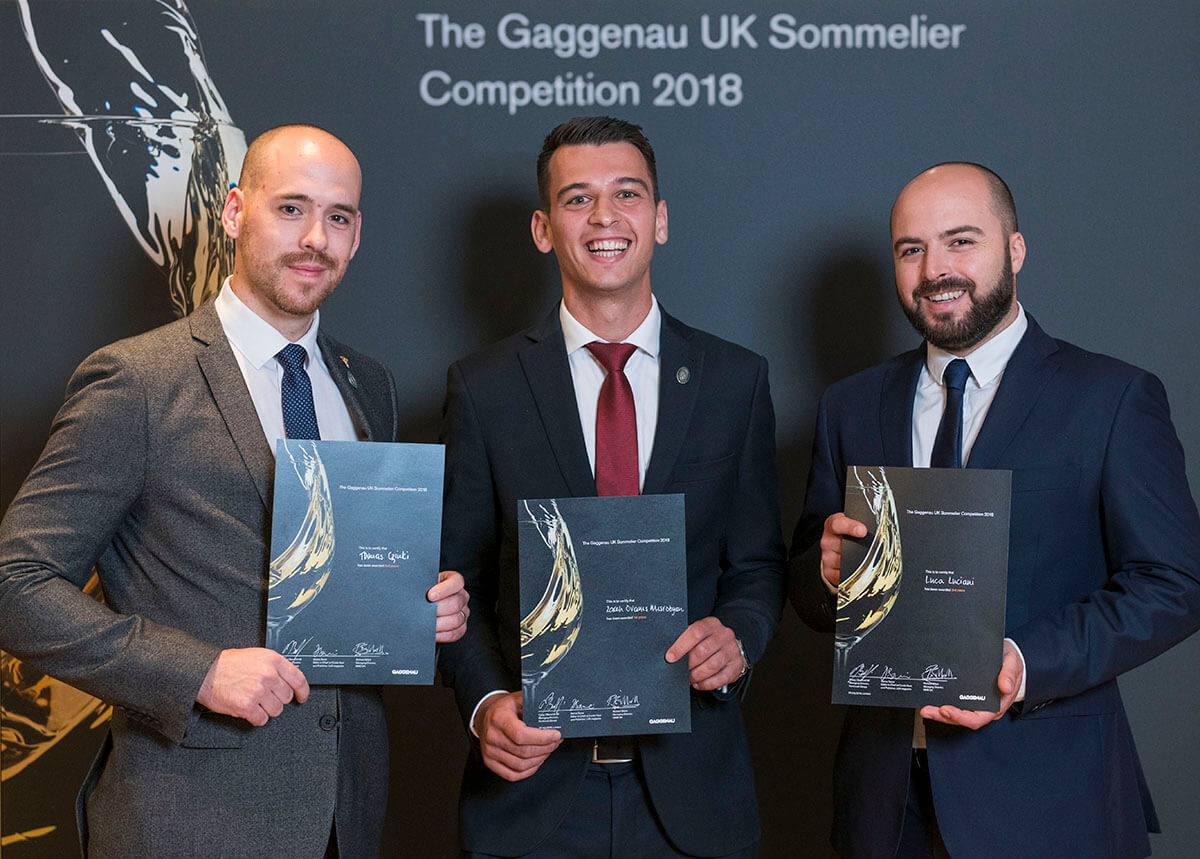
Zareh Mesrobyan, winner of the first Gaggenau UK Sommelier Awards (centre) with fellow finalists Tamas Czinki (left) and Luca Luciani (right)
Clearly, Almert offered the full package in 2016, becoming the global winner of the Awards. Still in his twenties, he is full of energy for his profession but long – and unsociable – hours, the increasing pressures of the job, and a desire to see what else they can do beyond the dining room means that you’ll find many experienced sommeliers now working outside the restaurant business in distribution, retail and education. For example, Tidwell spent two decades on the floor but now runs an annual conference for US sommeliers, Texsom. “As you get older, being on the floor of a restaurant early in the morning and hours that are not conducive to having families or friends outside of the business is less appealing,” he says. “Plus, the wear and tear on the body will eventually add up.”
Read more: Test driving the Maserati GranTurismo MC
However, once a sommelier, always a sommelier. Fellow MS Gearoid Devaney is the director of London-based Burgundy wine importer, Flint Wines, and runs City wine bar and restaurant Cabotte. He believes that even if you are no longer on the floor, you are a sommelier for life. “I work as a wine merchant with a sommelier outlook in terms of the service I provide and delivering wine to people. I will always work with a sommelier’s brain. It’s about being the link between the producer and the end consumer and doing that with integrity.”
Whether they are on the floor for a year, a decade or a lifetime, sommeliers are dedicated to being personable and ever more professional in the face of technological advances. Wine is the reason for a sommelier’s existence but distilled to its essence, it is about caring for people. And Bancroft predicts a bright future. “There will always be a place for a sommelier,” he says. “The human touch, the real understanding of what someone is looking for, and for a sommelier to be able to deliver that to a client, truly enhances the dining experience.”
The first Gaggenau UK Sommelier Awards
Zareh Mesrobyan, from two-Michelin-star restaurant Andrew Fairlie in Gleneagles, Scotland, has been crowned the winner of the first-ever Gaggenau UK Sommelier Awards. He will represent the UK in the global competition in Beijing in October. Mesrobyan competed against Luca Luciani from Locanda Locatelli and Tamas Czinki from Northcote in five rounds including blind tasting, food and wine pairing and service role plays. Judge Craig Bancroft said Mesrobyan has a “superb chance of success on the worldwide stage”.
For updates on the Gaggenau Sommelier Award 2018 visit: gaggenau.com
The latest release from renowned champagne house Philipponnat: Clos des Goisses 2009
Festive drinks parties might not have started just yet, but it’s never too early to stock the cellar, or drink champagne. Julian Campbell, Champagne Buyer at leading London wine merchant Justerini & Brooks recommends five champagnes for LUX readers
 1. Philipponnat Cuvée 1522, 2008
Precise, aromatic notes of salt and red berries, brioche, toast and peach combine to produce an arresting initial impression in Philipponnat’s brilliant 1522 2008. A wine with a beautiful seam of fresh acidity that will allow this to age for many years to come. 8 years sur lie has given fabulous complexity with a savoury, very fine note of freshly baked pastries below the fruit, while also giving the mousse a wonderful finesse and sense of integration. The finish is long and deliciously salty. Only 1200 cases of this brilliant wine were produced.
Follow LUX on Instagram: the.official.lux.magazine
2. Pascal Doquet Le Mesnil 2006
All the minerality of Grand Cru Mesnil vineyards combined with Pascal’s vinous, long lees aged style – a real stand out in Pascal’s lovely range of Blanc de Blancs. The product of a supple, solaire vintage that has imbued this with lovely fruit to balance out the deep chalky notes, this is drinking beautifully now but will improve over the coming decade.
 3. Philipponnat Clos des Goisses 2009
The latest release from renowned champagne house Philipponnat. Opening up with a wave of wonderfully fresh cool chalk aromas, then a bold, expressive nose of grapefruit and fresh red berry, citrus and buttered hazelnuts and finally the faintest suggestions of fresh Victoria plum – there’s a great deal going on here, a wonderful marriage between complex richness and keenly rendered flavours. On the palate this is a big and powerful Goisses but also refined, brimming with rich red fruit, pastry, brioche, raspberry and finally the zest of lemons providing a keen, taut edge. Highly vinous, textural, long and complex, this is every bit as regal as we’d hoped. Superb, a true Clos de Goisses.
Read more: 5 travel experiences that will change your life
 4. Egly Ouriet Les Crayeres, Ambonnay, Grand Cru, Blanc de Noirs, Brut NV
There’s an element of generous sunshine in this tremendously vinous bottle of champagne, but also a mouth-watering stony element, clear cut golden peach and raspberry, and fantastic chalk definition and minerality on the finish. Long, pure and textural – truly a wine masquerading as Champagne. Made by grapes from an exceptional Ambonnay vineyard with 70 year old vines on intensely chalky soil (at times up to 100m deep).
5. Ulysse Collin, Les Maillons, Blanc de Noirs, Extra Brut, 2013 base
Harvest tends to start here, one week ahead of the other vineyards, and the resulting champagne presents the most glorious red fruit and spice characteristics, huge amounts of pinot appeal, the finest of mousses, with a flourish of red currant, raspberry and ginger spiced pinot fruit on the finish. Aromatic and extrovert while remaining exceptional precision and detail.
For more recommendations and to purchase online visit justerinis.com
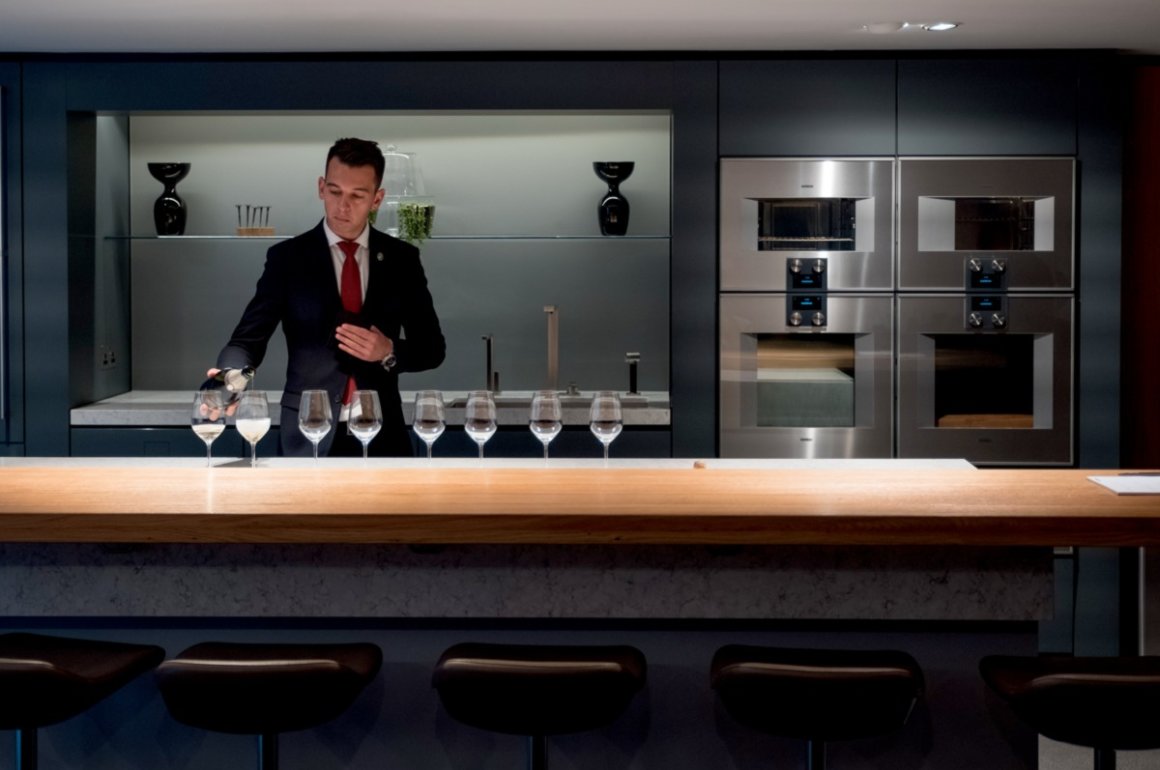
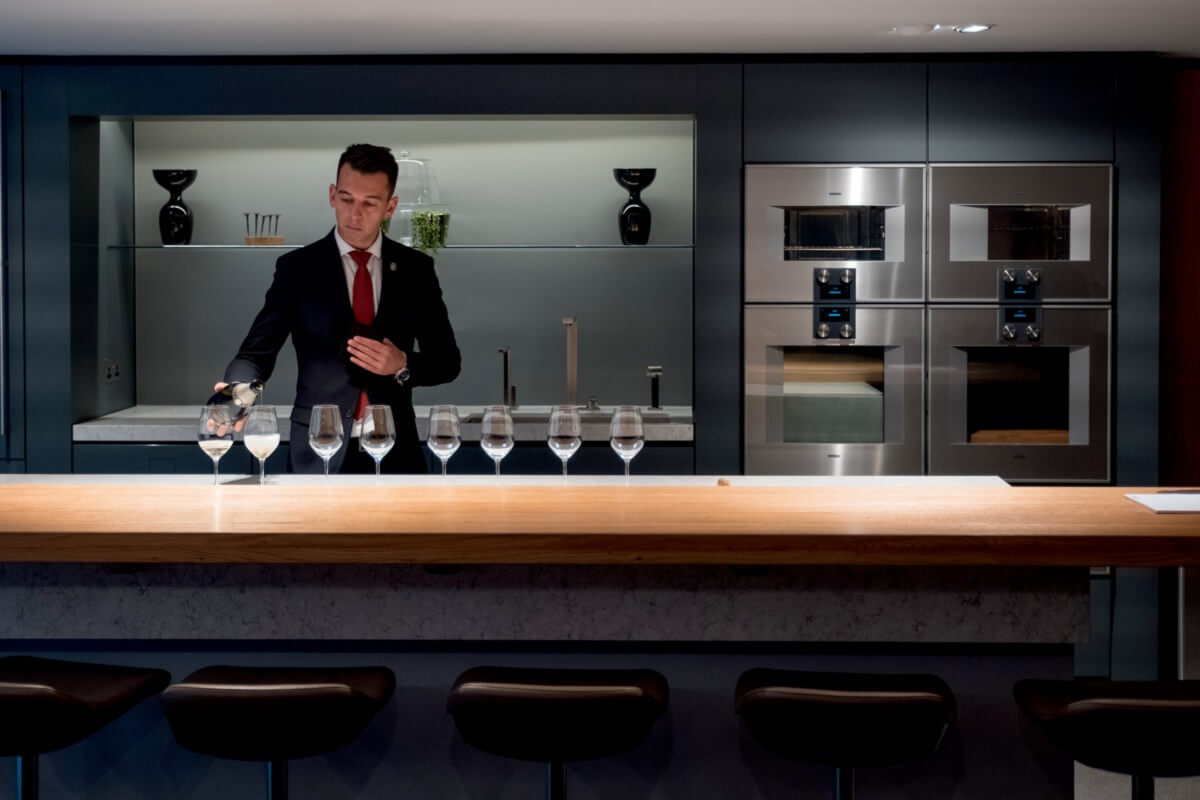
Gaggenau 2018 UK Sommelier competition winner Zareh Mesrobyan is a sommelier at the two Michelin-starred Andrew Fairlie restaurant at Gleneagles in Scotland
Last week Gaggenau’s 2018 UK Sommelier competition took place in London to decide which young sommelier would go on to represent the UK in the global challenge later this year. As a member of the judging panel, LUX’s Editor-in-Chief Darius Sanai recalls the event
There was a welcome relief from the soaring heat in central London last week when I spent half a day at Gaggenau’s home-like showroom near Mayfair (replete with icy air-con) judging their 2018 UK Sommelier competition. The winner would go on to China in October to represent the UK in Gaggenau’s global sommelier challenge, a significant accolade in the Somms world.
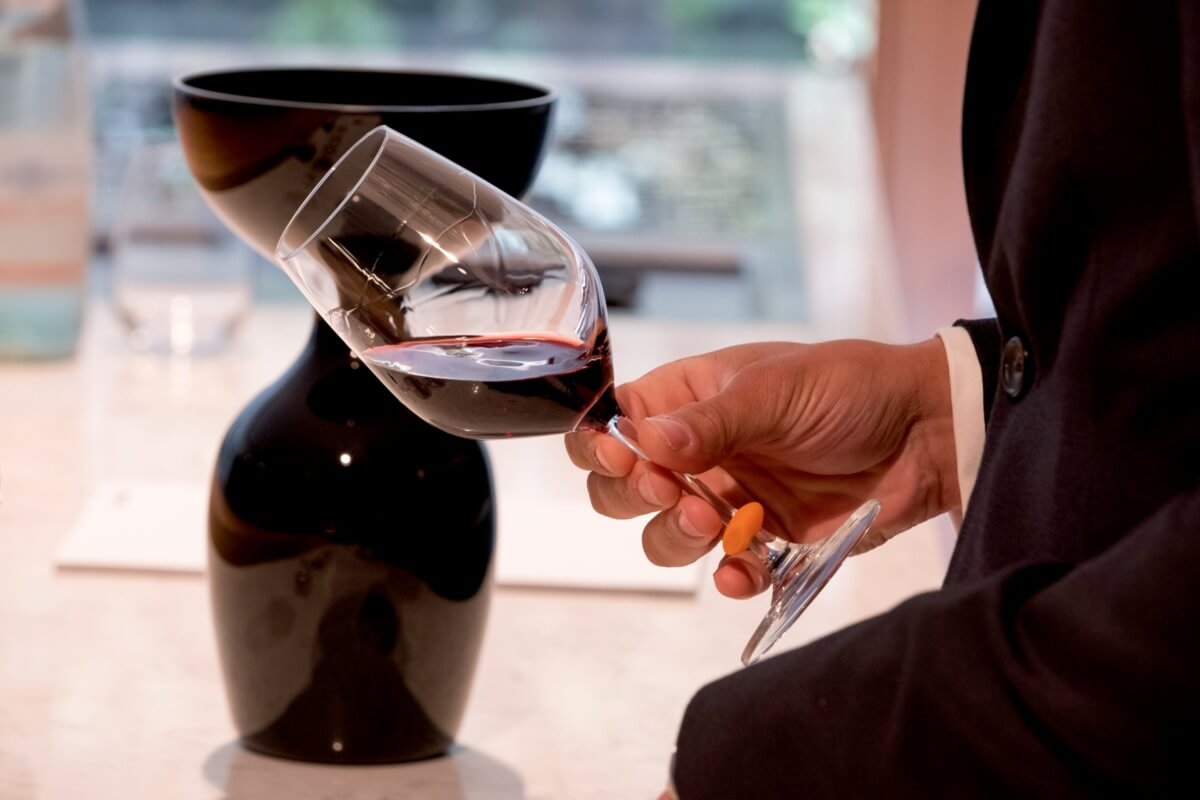
Follow LUX on Instagram: the.official.lux.magazine
Sommeliers are at once underestimated and overrated. In some (perhaps old fashioned) establishments, the sight of a patronising and overdressed gentleman approaching the table to tell me what to drink is enough to make me switch to ginger beer. But in most restaurants these days, sommeliers are younger, enthusiastic, and too often overlooked by customers who either don’t care what they drink or just plug wine list entries into an app – which doesn’t give the same results at all.
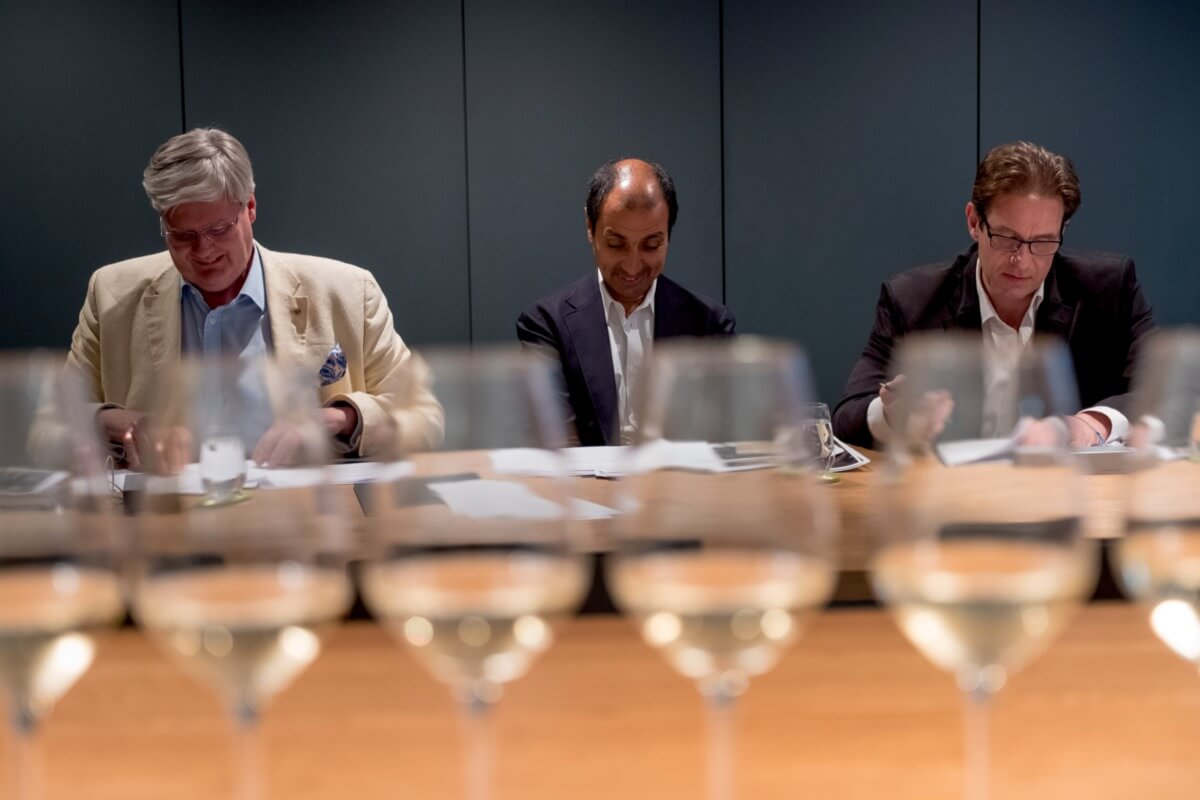
The judging panel from left to right: Craig J Bancroft MI, Managing Director at Northcote, LUX Editor-in-Chief Darius Sanai and Richard Billett, Managing Director of Maisons Marques et Domaines UK
So kudos to Gaggenau for celebrating the sommelier, and it was a fascinating event and a close call between the eventual winner and runner-up. In the end, Zareh Mesrobyan‘s clear, fast and superior knowledge in the rapid-fire quiz (sample question: What is cremant?) distinguished him. Zareh Mesrobyan works at the rarefied two-Michelin star Andrew Fairlie restaurant at Gleneagles in Scotland, and good luck to him in China later this year. I’d be delighted to listen to the recommendations of this smart, well-presented and intelligent young man next time I go to Gleneagles.
Discover Gaggenau at gaggenau.com
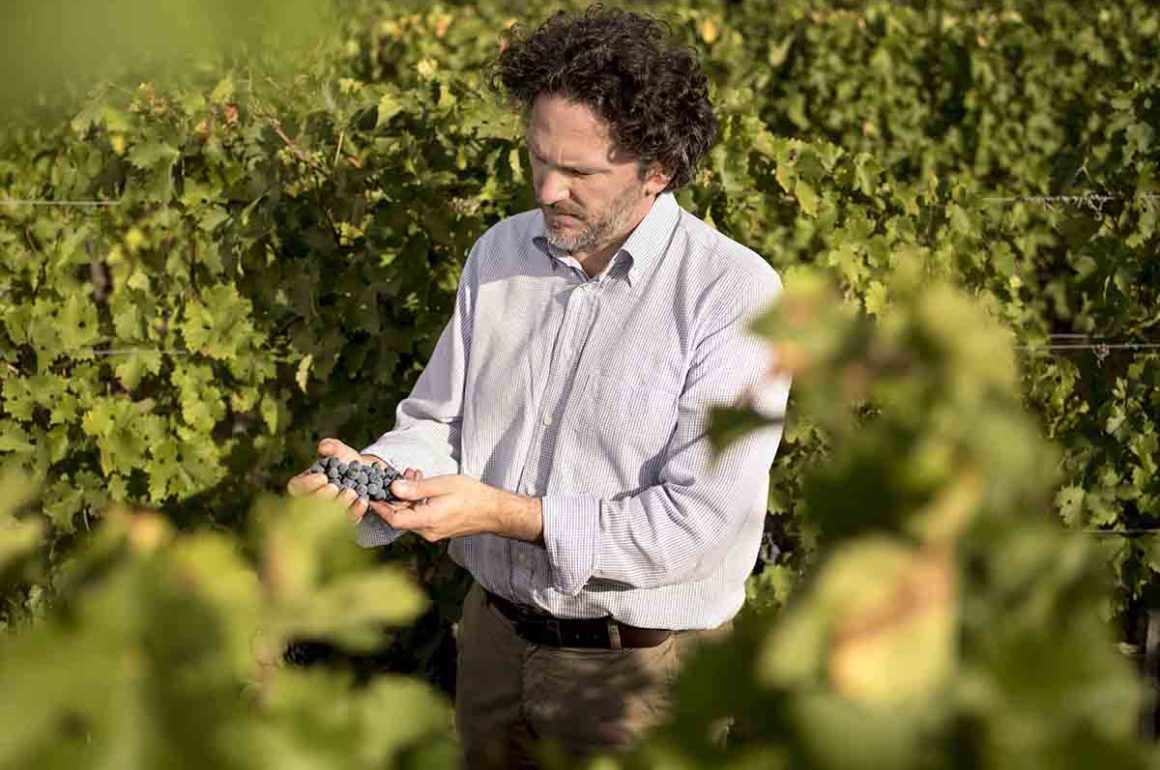
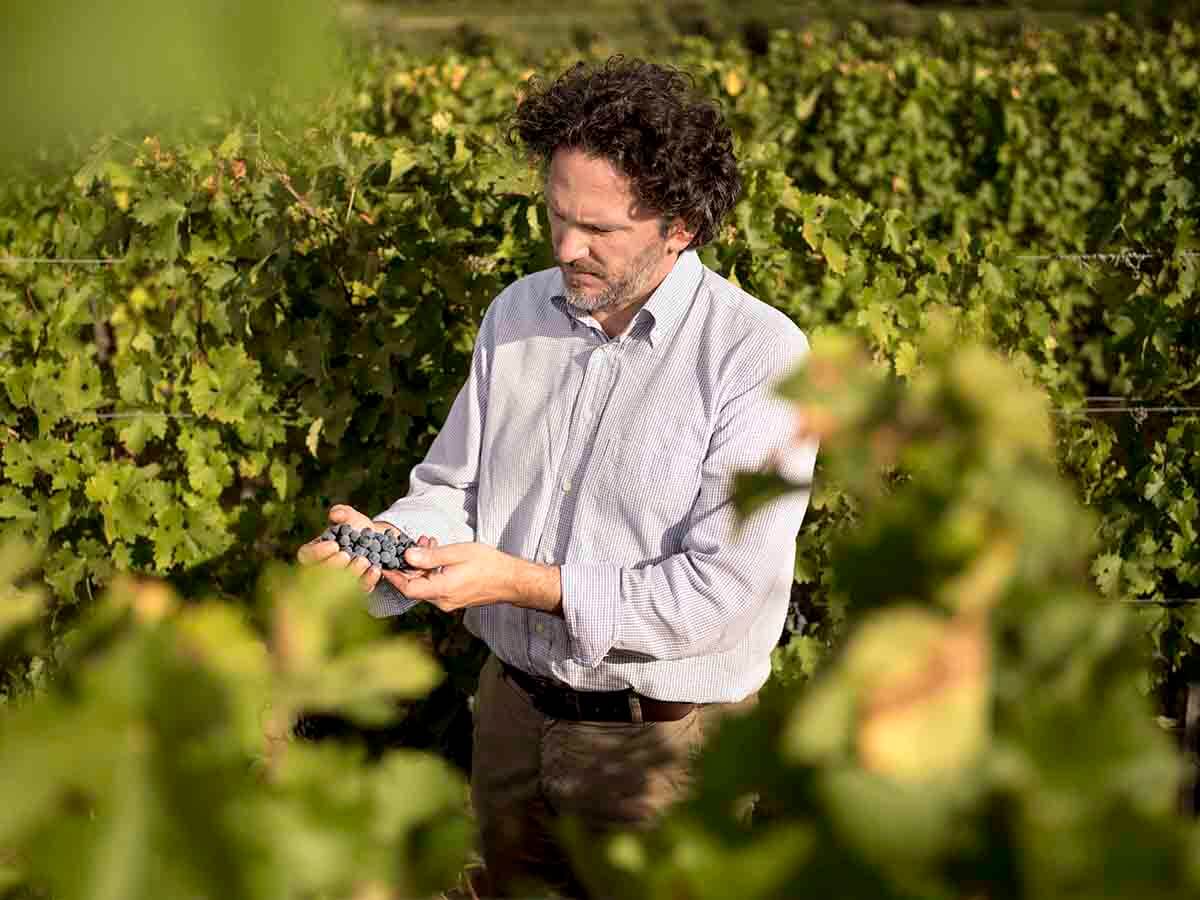
Axel Heinz, Masseto’s Estate Director and Winemaker
The maker of Masseto hosts a private dinner for LUX readers in London, along with LUX Editor-in-Chief Darius Sanai
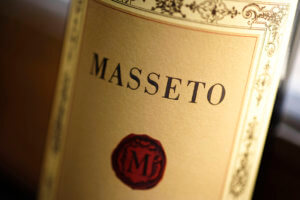 Axel Heinz is not what you would expect of a Tuscan winemaker. Half German, half French, he speaks English with a perfect Received Pronunciation public school accent, the result of a UK school education. He is also thoughtful and philosophical about the great issues surrounding wine – and how he has helped turn Masseto, the jewel in the crown of the estate he runs, from being just another good Italian red, to one of the world’s greatest wines, on a par with Chateau Lafite and Petrus, within just 15 years.
Follow LUX on Instagram: the.official.lux.magazine
Axel was on sparkling form while hosting a dinner for friends of LUX in London this week, introducing some wonderful vintages of Masseto.
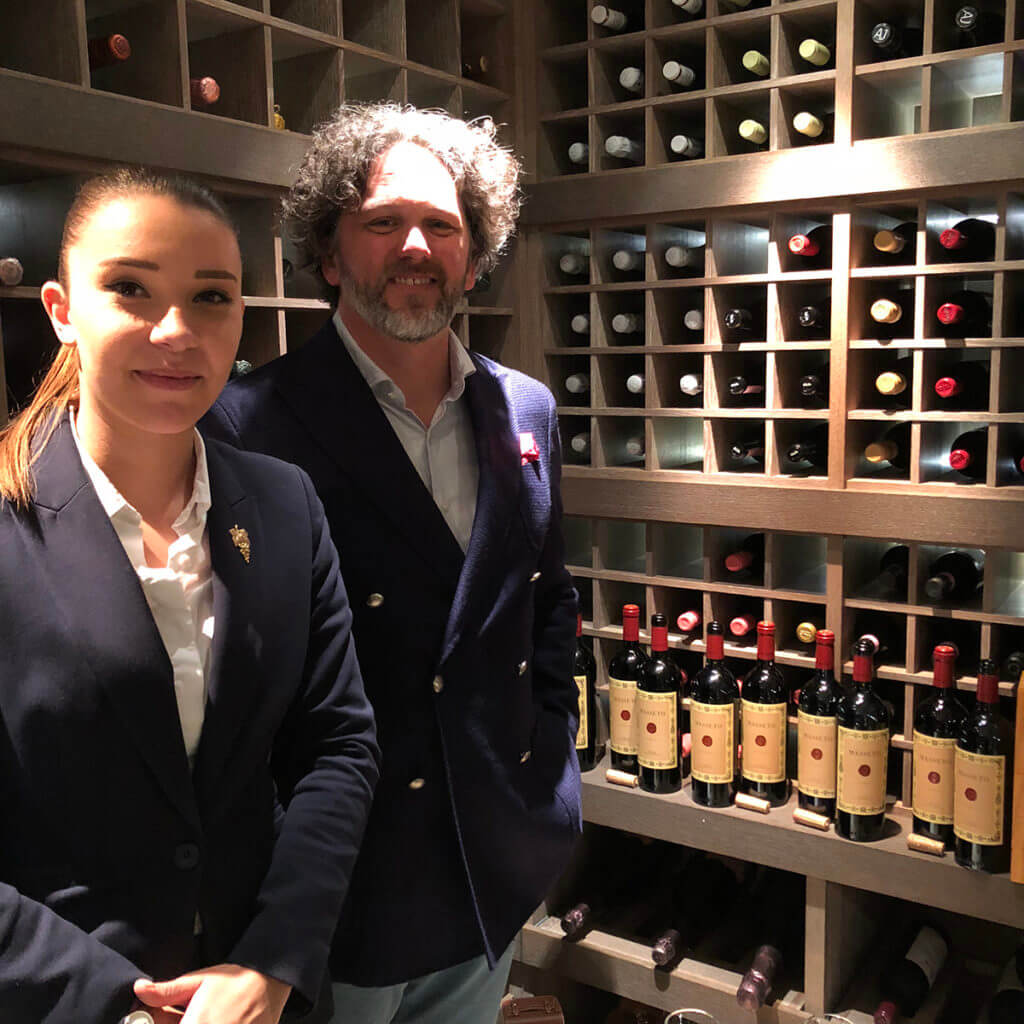
Axel Heinz at the LUX Masseto dinner
A selection of wines a the LUX dinner
The 1998 showed the mark of a truly great wine, having developed into a subtle kaleidoscope of delicate flavours and layers. I asked Axel what it was that allowed some wines to develop this astonishing complexity with age – to improve, rather than just get older – and his answer was that it is a blend of magic and expertise. Of the eight vintages we tasted, the 2006 is the most celebrated, but my favourite was the 2010, with its blend of power and poetry.
Read more: Meet Manhattan’s star real estate broker and fixer Gennady Perepada
Masseto is also changing, for the better, with a new winery opening on its estate on a hillside above the Tuscan coast, next year. It’s a magically beautiful place, and the place, and its creations, were celebrated with much gratitude and joy at our private dinner in London.

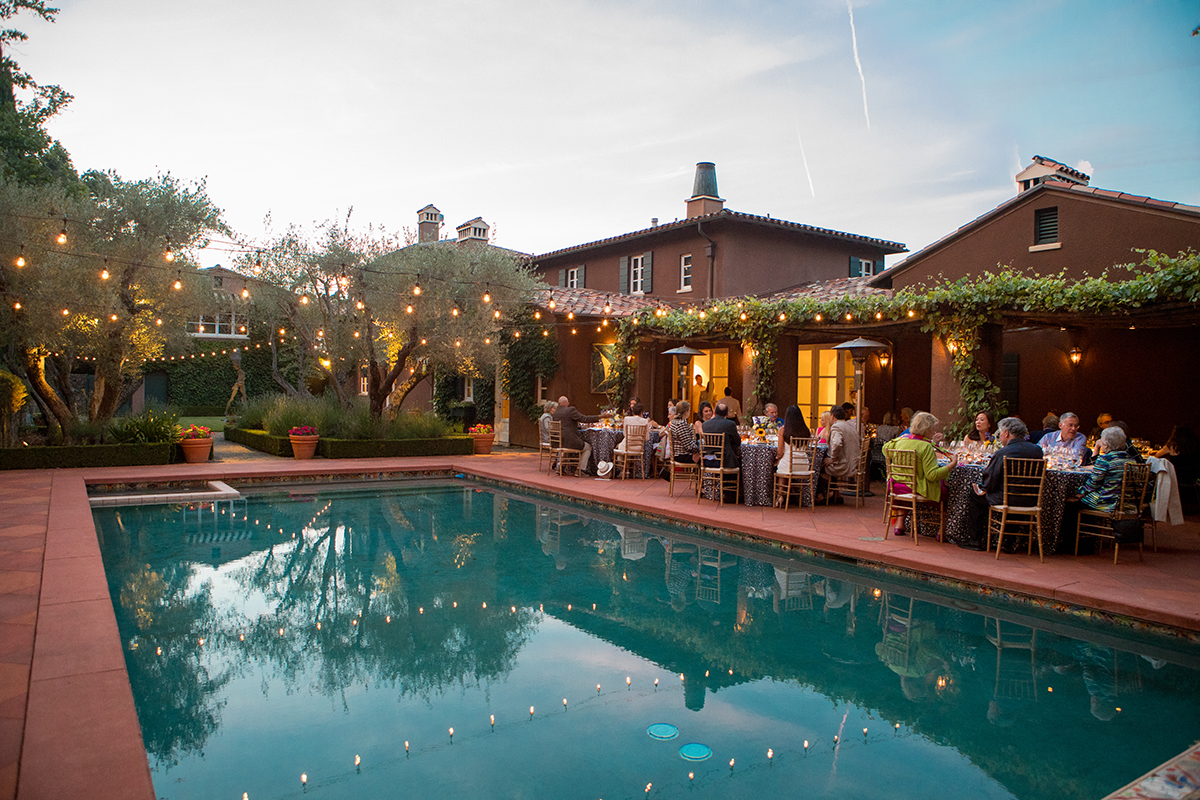
Friday night’s dinner is typically hosted at various wineries across the Napa Valley. Image by Briana Marie Photography
This month sees the latest edition of the annual Auction Napa Valley, one of the most lavish and interesting events on the world’s charity and wine calendars. LUX editor Kitty Harris, who attended last year’s event as a guest of honour, recalls about her time spent drinking some of the world’s finest wines, dancing the tango at sunset on a hillside vineyard and witnessing the enormous generosity of connoisseurs and winemakers alike over the four-day event
Setting my bags down in the quaint Sutter Home lodge is like stepping back in time to the 1970s – when Sutter created the first White Zinfandel, a style of cheap and cheerful wine which I suspect is not going to be on any of the menus for my next five days. I’m told that every evening I will get a bottle of fine wine to take to my room or to enjoy on the wooden white porch. I opt for a glass of the house’s Californian Riesling while I prepare for my evening of festivities; I am told to wear white for Argentinian tango and dinner.
Follow LUX on Instagram: the.official.lux.magazine
My host for the evening, Argentine Delia Viader, earned her title as the ‘Wine Mother’ after founding Viader in 1986 when she created her eponymous estate on the slopes of Howell Mountain, on the east side of Napa Valley, and soon gained worldwide renown for her highly-structured, Bordeaux-style reds.
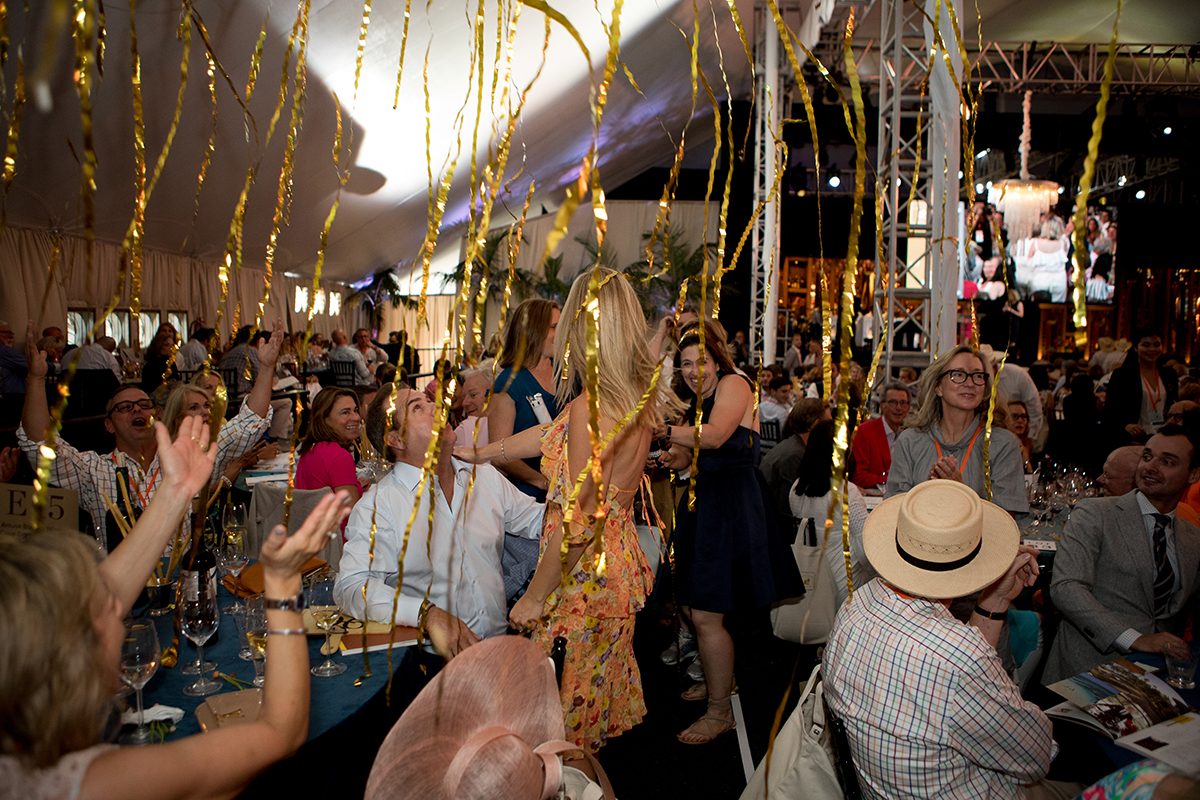
Guests dancing post live auction on Saturday night. Image by Briana Marie Photography
We are served Viader’s estate blend, made of 40 percent Cabernet Franc and 60 percent Cabernet Sauvignon, that evening; now ranking among Napa’s most esteemed wines, it is powerful yet restrained, a wine that combines California’s sunny fruit with a certain French hauteur. There is a mix of guests from around the world, and I (the only Londoner) sit around five tables with white table cloths below the shadows of trees for the evening meal. Argentinian style steaks and are served before we try our luck following the steps of the tango teachers. If there were any hesitations to begin with, all fears were lost as we happily swapped dance partners whilst the sun set behind the hills.
Auction Napa Valley is a phenomenon. The four-day fete raises money for 25 local Napa Valley nonprofits and strategic initiatives for the benefit of children and community health. Since 1981 they have invested $180 million into the area. The first evening, usually a Thursday, sees Napa’s vintners invite guests to dine with them at their estates. During Friday afternoon the live barrel auction is held at a different location each year depending on which estate hosts the events – this years is Charles Krug and last years was Francis Ford Coppola. Early Saturday evening the auction begins, prizes included a private dinner at The Restaurant at Meadowood’s Christopher Kostow, one of the youngest chefs to ever earn three Michelin stars’ and the chance to travel on the Coppola family’s private jet and a four-night stay at their hotel Palazzo Margherita in Italy. The event is attended by residents of Napa who range from Oscar winning director, Mr. Coppola, to venture capitalists Steven and Claire Stull and celebrities such as Oprah and Michelle Pfeiffer.
Read more: Geoffrey Kent on millennials and transformational travel
Napa Valley Vintners, the nonprofit trade association who organise the auction, are my hosts for the weekend. Brian, my driver, picks me up the following morning for an adventure. We drive we pass a gigantic (35-foot tall!) stainless steel Bunny called ‘Foo Foo’, which I later learn was created by the English artist Lawrence Argent. This is one of the 35 pieces of contemporary art on show at the HALL winery. The 150-year-old site is owned by Craig and Kathryn Hall who compered a treasure hunt for us that morning. The 30 odd guests divided into groups and were given an iPhone with a pre-programmed game to follow. Tasks at different levels of the game included recreating your favourite music album cover – my team opted for the famous Beatles scene walking over the Abbey Road zebra crossing – and blending your own wine which was judged by the in-house wine maker. Sadly, I didn’t win, though I thoroughly enjoyed the vineyard’s classic Bordeaux varietals.
Francis Ford Coppola (director of ‘The Godfather’) and his wife, Eleanor and two children Roman and Sofia were the honorary chairs of the four-day fete. 2,000 guests frequented their historic Inglenook estate for the Napa Valley Barrel Auction which took place in the winery’s caves. The cool – in every sense of the word – atmosphere of the caves saw bidders vie for the 108 lots of 10 single cases of current Napa Valley wines. There was a buzz in the air, an energy and excitement that wasn’t just from the wines.
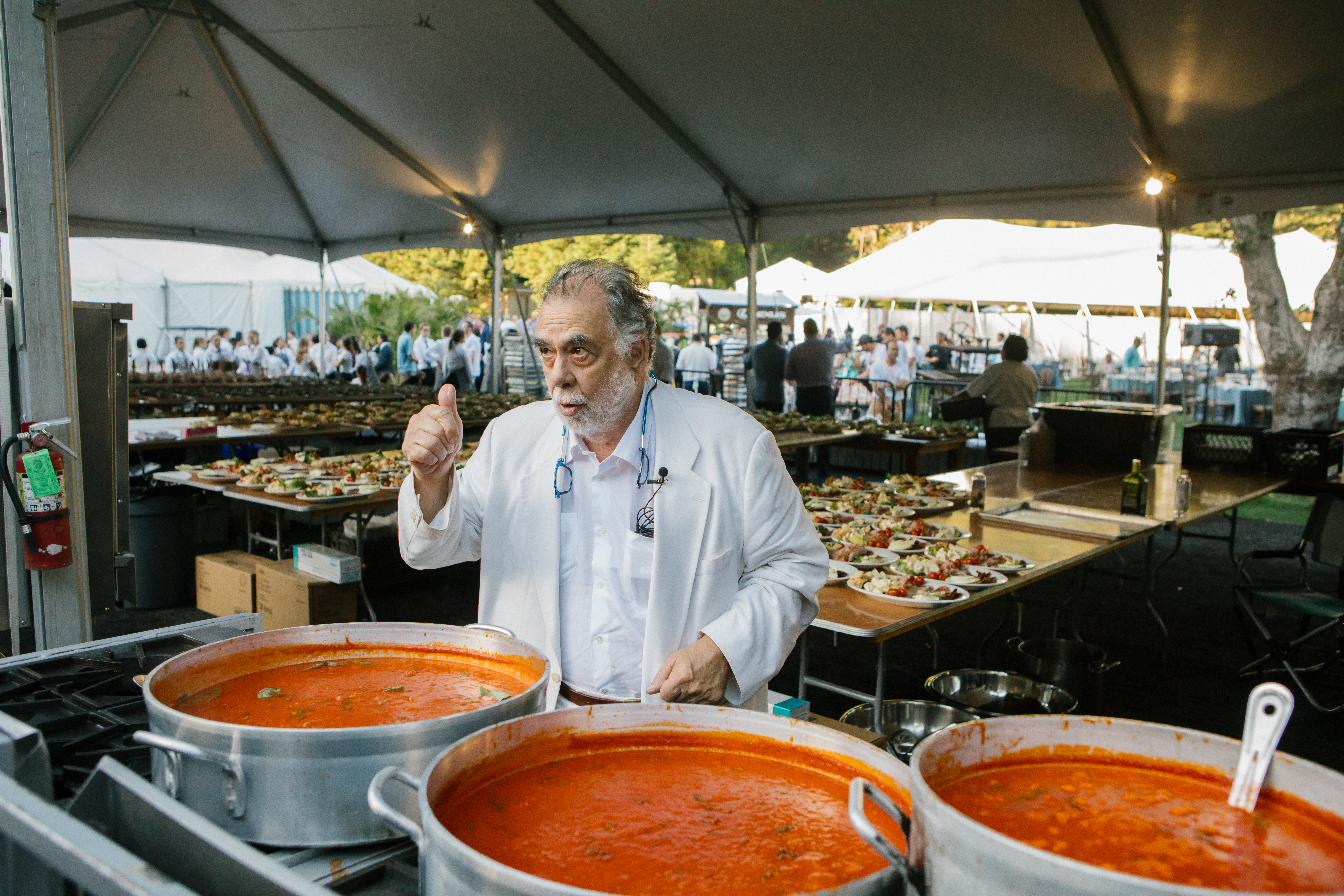
Saturday’s live auction with various festivities and food stalls
Outside in the mid-day heat, canopies kept the crowds covered and wines were flowing in areas according to their blends. Food stalls with grilled scallops, bursting with flavour, were served alongside freshly rolled sushi and tempura.
Read more: California takes on Chateau Latour and the world at an exclusive LUX wine tasting on Lake Como
For a little respite, I headed to Health Spa Napa Valley to revitalise before the weekend’s pièce de résistance: the live auction. Held at five-star hotel Meadowood Napa Valley, the host venue since 1981, the auction began under an enormous white tent in the theme of a 1930s nightclub, complete with a live jazz band. The top single lot was donated by Dalla Valle Vineyards: a week-long trip with the co-proprietor Naoko Dalla Valle to some of her favourite spots in her native Japan. Dalla Valle is a modern Napa legend, an estate situated on the Rutherford Bench, an area just above the river and below the steep valley sides on the east side of the valley, which some connoisseurs think of as the ‘first growth’ stretch of the valley, infusing its greatest wines with an almost imperceptible hint of ethereal ‘Rutherford dust’.
The highest-bidding lot was from Colgin Cellars, another Napa legend created by the redoubtable Anne Colgin, and included Colgin wines and trips to both Champagne and Napa. The bidding was vigorous with an astounding $15.7 million raised in one evening.
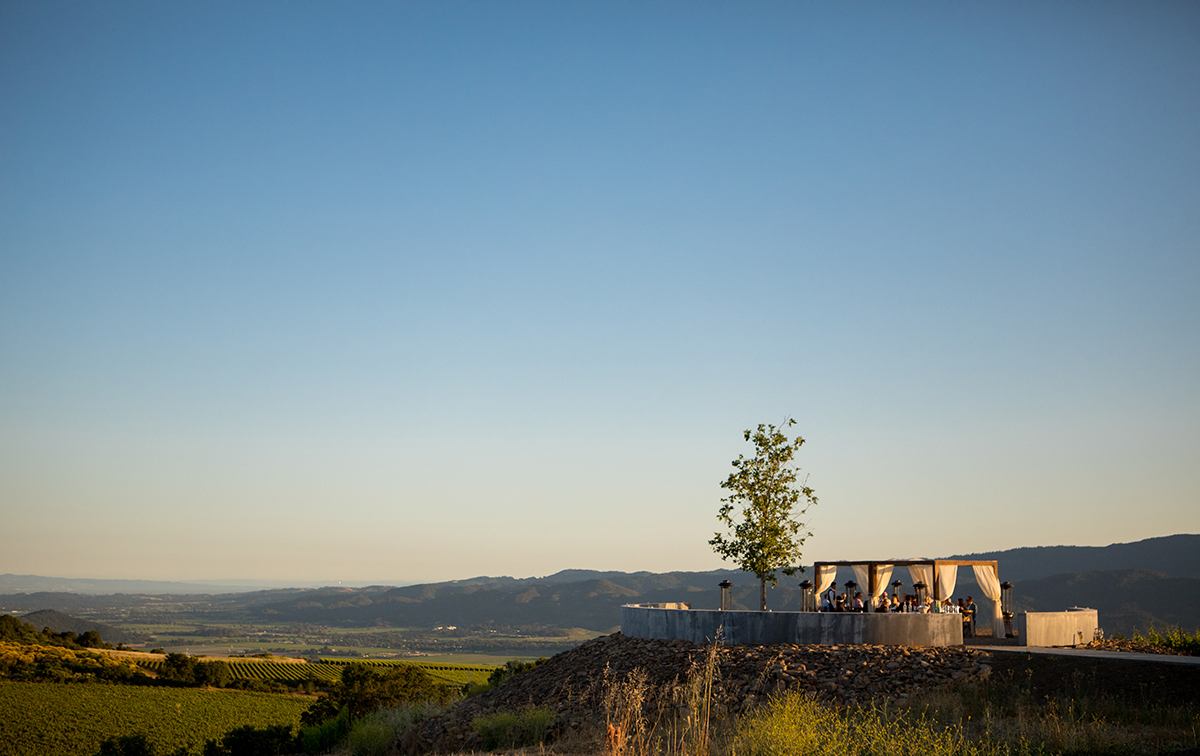
The region’s stunning landscape provides the perfect backdrop for sunset dancing and wine tasting. Image by Briana Marie Photography
Following the live auction we moved to the garden for a candle lit al-fresco dinner of Italian family favourites prepared by Francis Coppola himself. The evening ended on the dance floor with a private performance by soul singer-songwriter Leon Bridges of Texas. The weekend went by in a flurry of excitement with a gentle buzz from the wines. And the fun wasn’t over: sampling cult wines from the Screaming Eagle winery, possibly Napa’s most famous (and most expensive) and the rounded hillside merlots from Shafer with the proprietors themselves was a privilege, inside the dreamscape that is Auction Napa Valley.
The 38th annual Auction Napa Valley runs from 27th May to 3rd June. For more information visit: auctionnapavalley.org
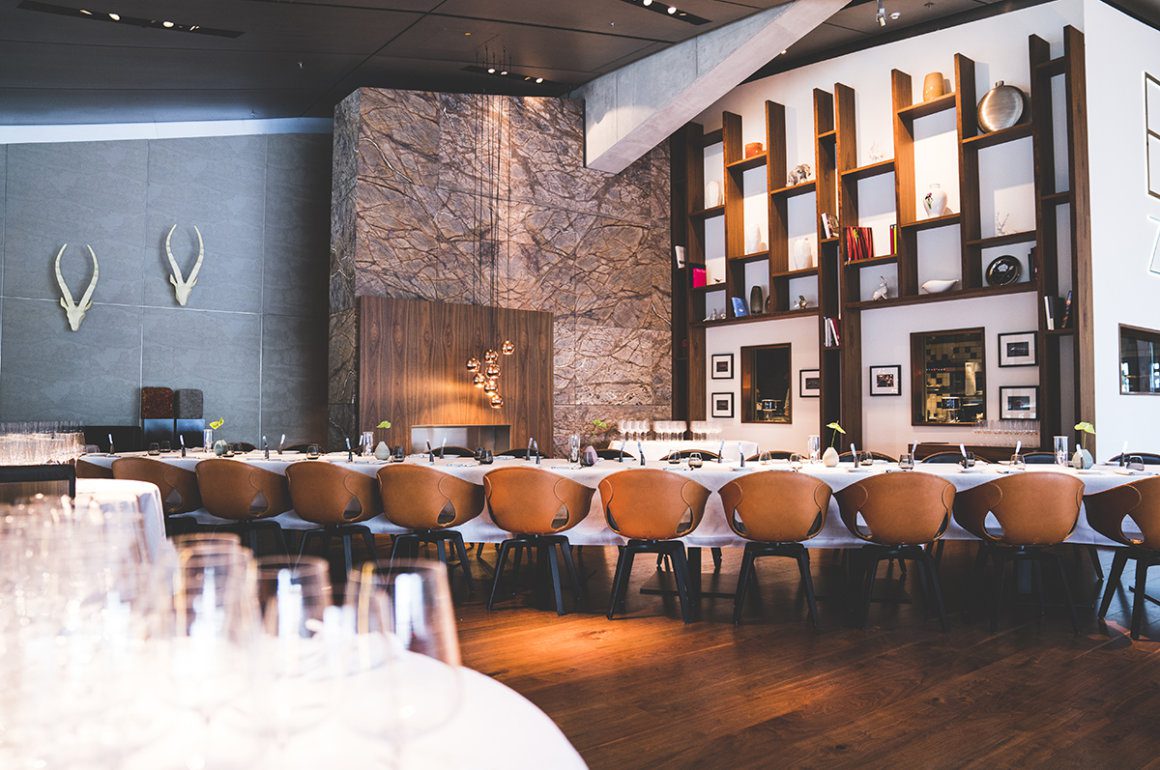
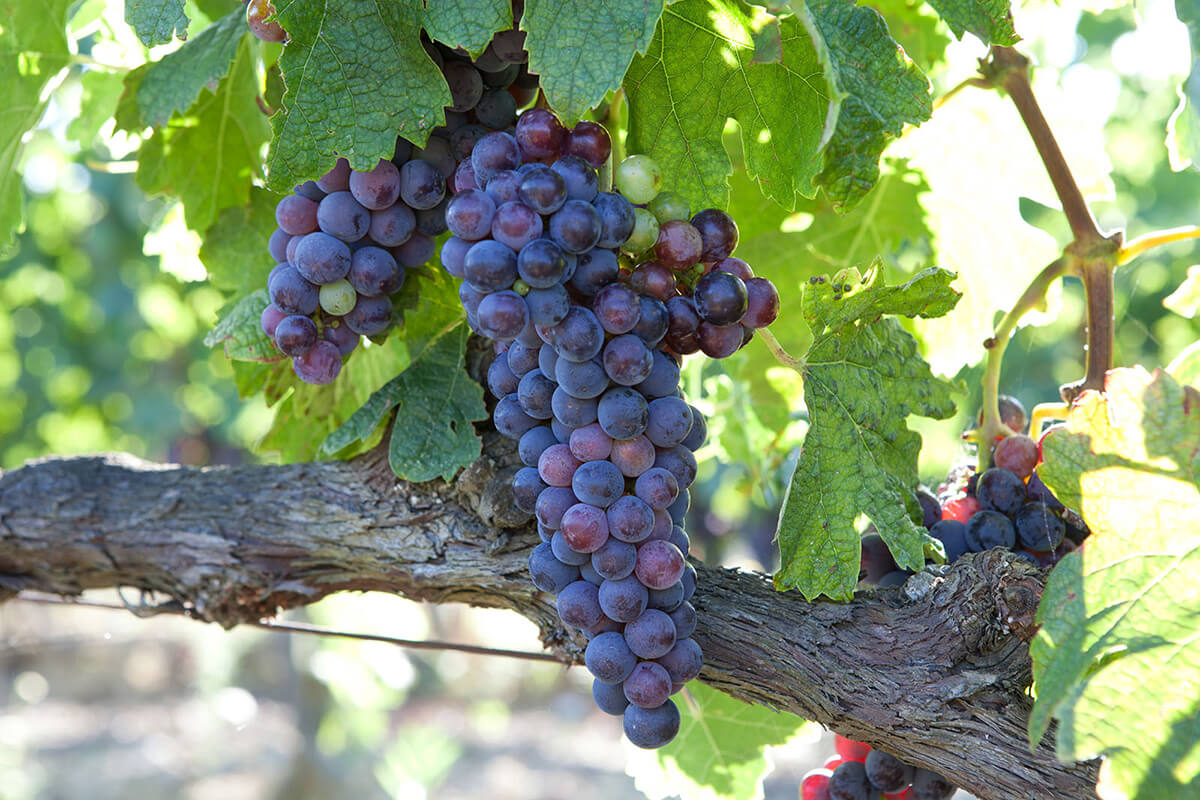
The Masseto vineyard in the Maremma region of Tuscany
LUX Editor-in-Chief Darius Sanai was recently invited to a private tasting of Italy’s greatest wine, in a spectacular location. Masseto may now be a global superbrand, but it didn’t disappoint.
Italy makes many serious and famous wines, from the Barolos of Conterno to the Brunellos of Soldera. But there’s only one Italian wine which has crossed the Rubicon from the serious wine community – who examine vintage, vineyard, slope aspect and barrique ageing in exquisite detail – to what we call the general luxury connoisseur.
The latter is the category of wealthy people who live busy lives and, while immersing  themselves in life’s pleasures, don’t have time to work out which Conterno makes the great Barolos (it’s Giacomo) or whether Brunelli is the same as Brunello (it isn’t). They know and consume the greatest things in the world: they might own a Ferrari F12 TDF, a house in St Moritz and another in Malibu, eat at Osteria Francescana and own a Heesen boat and a Patek Philippe Sky Moon Tourbillon. But they’re just too busy to sweat over the arcane detail of the wine world.
Follow LUX on Instagram: the.official.lux.magazine
That doesn’t mean they don’t know wine – they drink more fine wine than a Master of Wine could ever afford – and nor does it mean they only consume brands. Wine is a world where there’s nowhere to hide: if Chateau Pétrus really weren’t as good as it’s supposed to be, people wouldn’t buy it.
The wines that pass through the luxury connoisseurs’ lips are mainly French: Pétrus, Margaux, La Tache, Haut-Brion, Cheval Blanc. And only one Italian wine makes it into this highest echelon: Masseto. Masseto is made a grape’s throw from the Mediterranean, in a beautiful vineyard sitting on a slope between the coast and an ancient forested hillside, in the Maremma region of Tuscany. This rather unspoiled stretch of Italy, between Rome and Pisa, produces other rather good wines, like Sassicaia, Tua Rita and Guado al Tasso (among many others). But it’s Masseto that has the brand recognition.
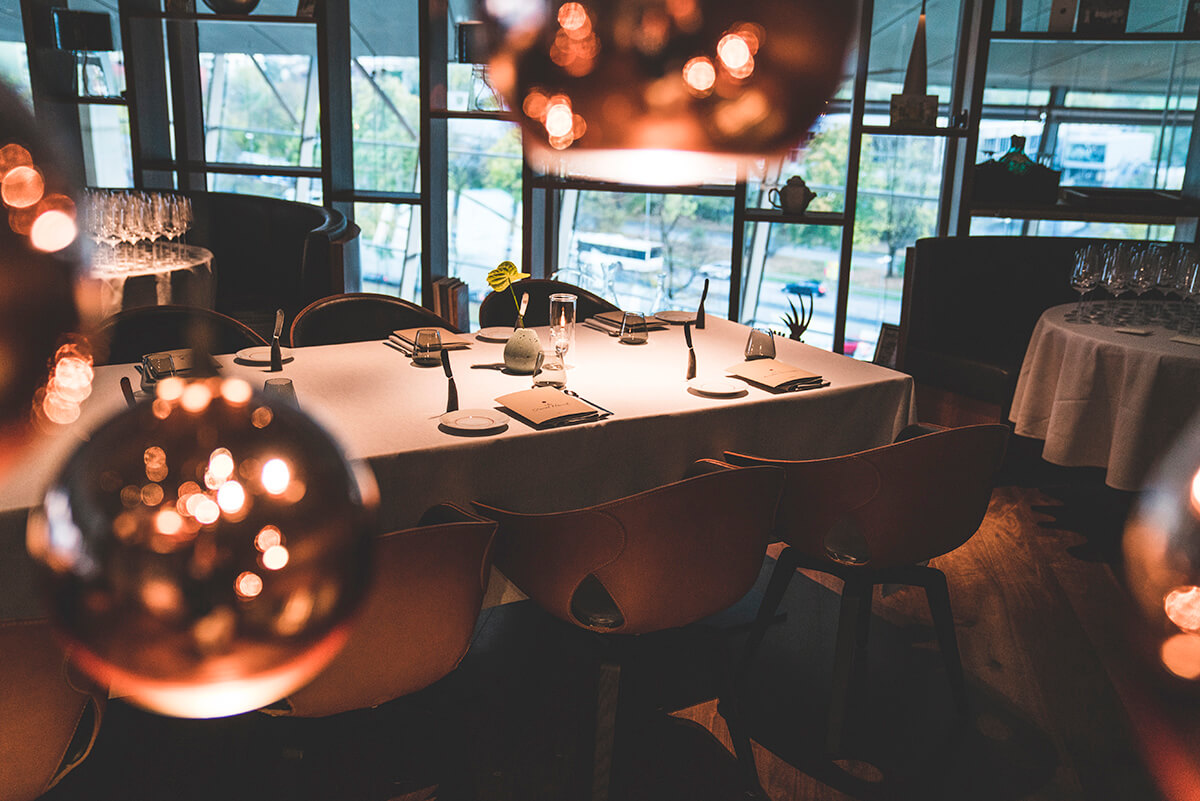
EssZimmer: a sophisticated setting for a private tasting of Italy’s greatest wine
It’s made from Merlot, like Chateau Pétrus, and it’s rich, rounded, velvety and hedonistic. LUX had the privilege of being invited to a recent private tasting of no fewer than 15 different vintages of Masseto, held at the two Michelin starred Bobby Bräuer‘s EssZimmer restaurant at the BMW Museum in Munich, Germany. Hosted by winemaker Axel Heinz, and Burkard Bovensiepen, the owner of the BMW Alpina car company (and fine wine importer) and accompanied by such glorious dishes as ‘venison from the region, spice crust, onion ravioli’, it was beyond memorable.
Read next: President of LVMH Watches, Jean-Claude Biver on the popularisation of luxury
Vintages served were the 1989, 1990, 1995, 1996, 1997, 1998, 2000, 2001, 2002, 2006, 2007, 2011, 2013 and 2015. Did we have a favourite? The 1989 is no longer available but had a gentle timelessness that we could drink every day. The 2010, we would splash on as the world’s most lavish cologne, before licking it from the belly of…let’s move on. The 2011 was a Roberto Cavalli gown of a wine. The 1997 was a Chanel couture creation in all its perfection. The 2015 should have been undrinkably young; but was like drinking the stars.
Only the most recent vintages are available now, and we recommend drinking them with your favourite person, even if, in some cases, that means sharing them.



Recent Comments