
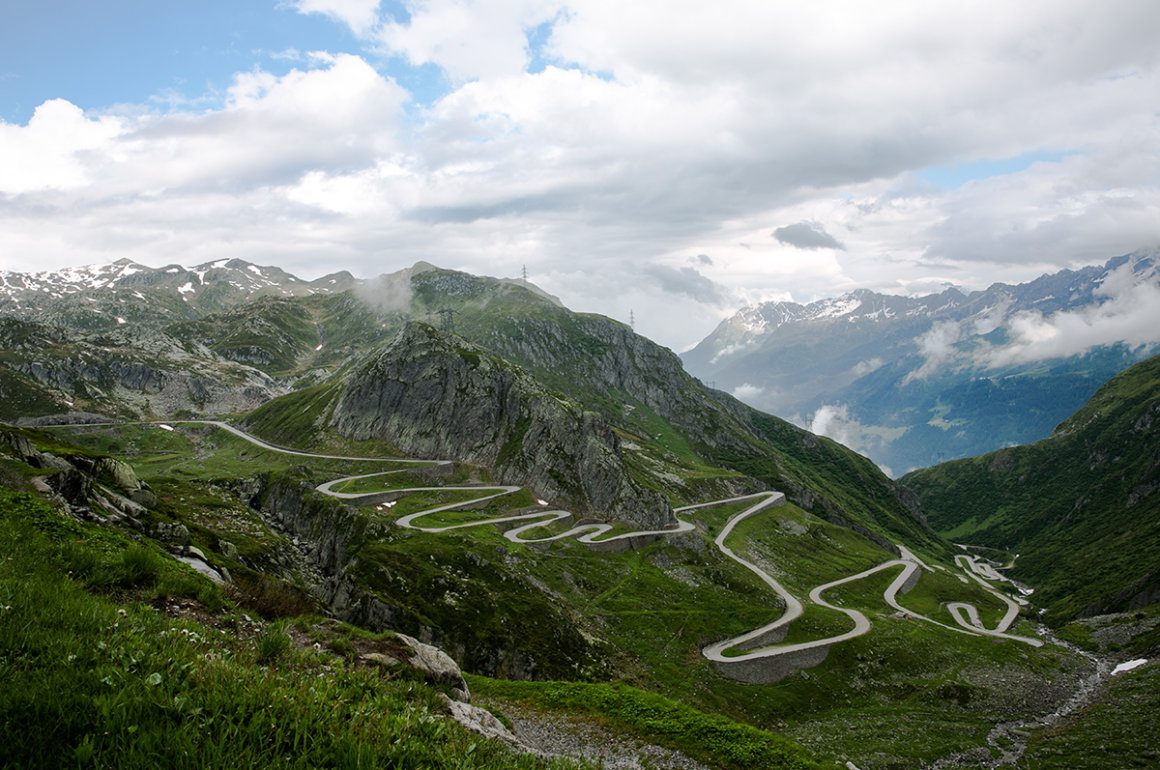
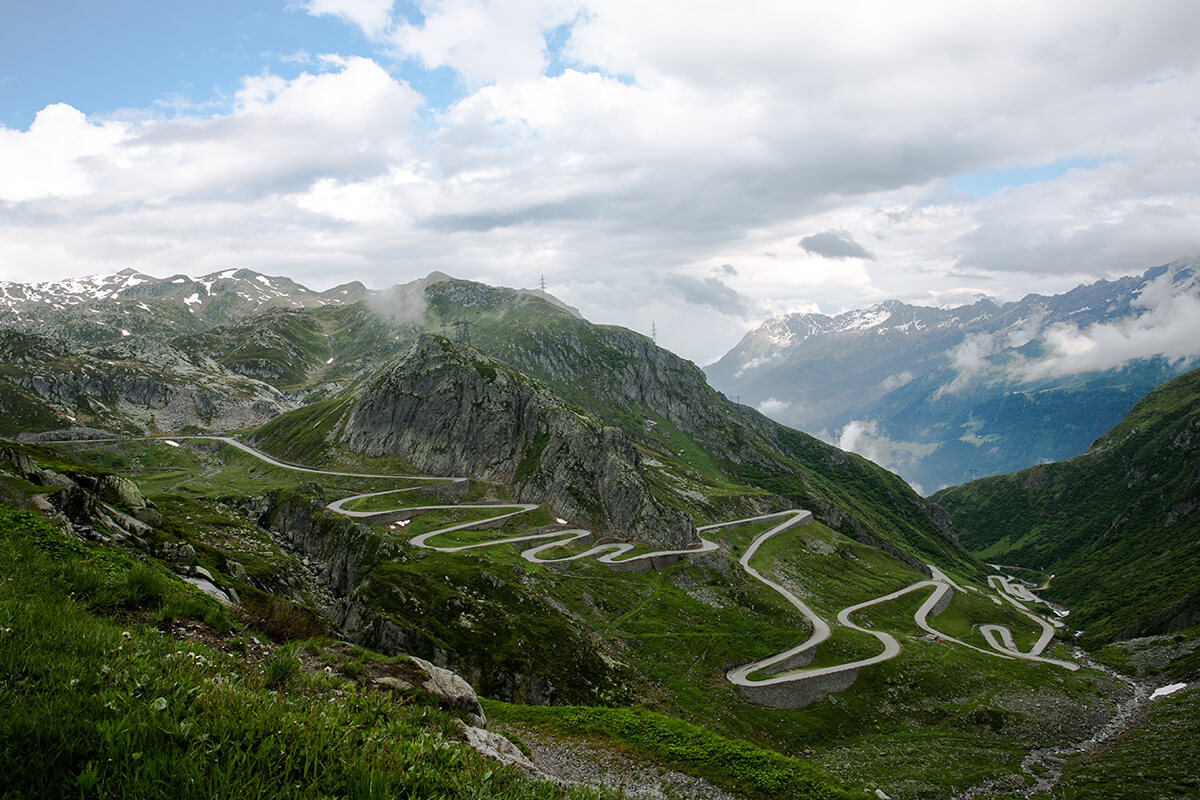
a thin road winding up a lush green mountain with a cloudy sky

The sinuous curves leading up to the St Gotthard pass

The St Gotthard, Oberalp and Furka are three of the most spectacular mountain passes in Europe. And the new Holiday Village Andermatt Reuss is the perfect base from which to explore them, discovers Emma Love

Anyone who has watched the car chase scene in the James Bond film Goldfinger will be familiar with the Furka Pass. As Sean Connery sped round the hairpin bends of one of Switzerland’s oldest passes in his Aston Martin DB5, surrounded by dramatic mountains on one side and the Rhône glacier on the other, it wasn’t just the slick driving that gripped viewers attention but the stunning Alpine landscape, too. One of Andermatt’s ‘big three’ passes – the other two are the St Gotthard Pass and the Oberalp Pass – the Furka is a must for any thrill-seeking adventurers looking to explore the Swiss Alps, whether in a classic car (albeit at a more leisurely pace than Bond) or on two wheels.

Follow LUX on Instagram: the.official.lux.magazine

Mike Cotty, who specialises in endurance cycling and is behind The Col Collective, an online resource for cyclists wanting to tackle the world’s greatest mountain passes, believes that these are some of the greatest peaks in Europe for mountain bikers. He recently set himself a 105km cycling challenge that featured a trio of three of the toughest climbs in Europe: Furka, Nufenen and St Gotthard (Furka alone has an average 7.3 per cent gradient and an altitude of 2436m). “The way the peaks are positioned in this area makes it an exciting prospect to link up two or three mountains in a loop like this,” says Cotty, who also hosts cycling tours around the world. “With three mountain passes above 2,000m elevation, the sheer amount of climbing is what makes this route a toughie and on a par with some of the premier mountain stages of the Tour de France.”

To this end, he advises any cyclists thinking of tackling the route to have some mountain experience. His highlight, he says, was summitting the Furka and seeing the valley ahead. “The road to the Grimsel Pass looks like it snakes off to heaven, which is pretty surreal, as are the cobblestones of the old Tremola Road at the end of the ride. How the road was built all those years ago, and the history that has gone before it, is hard to comprehend. It’s a very special place.” Unsurprisingly perhaps, the Furka Pass is included on the Ultimate Drives ‘Greatest Driving Roads’ app (it’s described as “a stunning pass, with an amazing combination of sweepers, tight switchbacks, dramatic views and a drag straight at the end”), which was launched last year by Mark Heather.
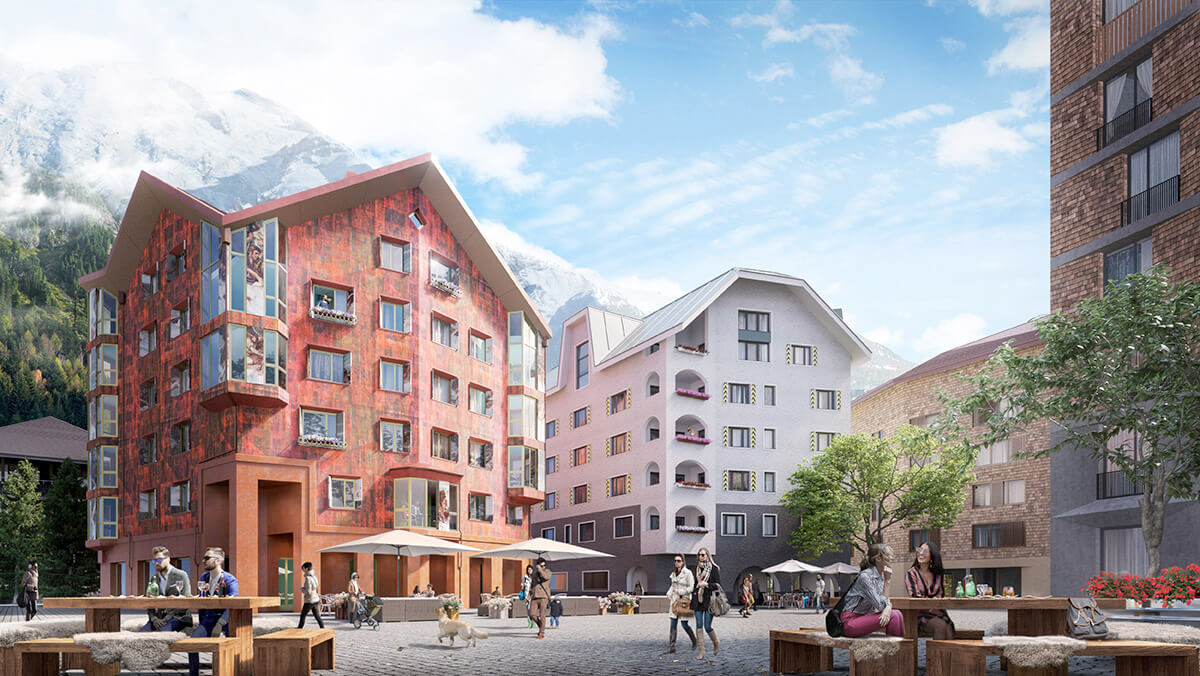
Architectural render of pastel coloured swiss style chalet in alpine village during the summer

Andermatt’s new Apartment House Alpenrose

Heather is also behind Ultimate Drives, a Zurich-based company that rents sports cars and supercars, and provides personally tested driving tour itineraries. “The Furka is so dramatic because it’s a mountain road that is driven entirely above the tree line. For most people, they never get this high unless they are skiing, and then the valleys are covered in snow. These lunar like landscapes are something really special,” he says, adding that these are the roads that cars such as a Porsche 911 4S Cabriolet or Mercedes AMG Roadster were designed to be driven on: “Smooth tarmac and sweeping corners, combined with the most dramatic, jaw-dropping backgrounds of the peaks of the Alps. Add to this the soundtrack of a V8 engine reverberating off the valley walls, and the stunning performance and handling of these cars, and it’s really something you have to experience to believe.”

Read more: Is the Waldhaus Sils the most spiritual hotel in the Alps?

Someone else who has vast experience of these roads is Jan Baedeker, Editor-in-Chief of Classic Driver magazine and editor of several books on the subject, including Porsche Drive: 15 Passes in 4 Days. “The diversity of this region is just incredible. In just one day behind the wheel, or a couple of days on your bicycle, you can experience some of the world’s most exciting roads through breathtaking landscapes,” he says. He advises anyone thinking of driving here to start early to avoid the crowds. “The Gotthard Pass is one of the most dramatic and important historic alpine crossings and it’s still my favourite pass in Switzerland.”

Whether you’re behind the wheel of a classic car, on a mountain bike or a Harley Davidson, experiencing these legendary Alpine passes is a Swiss summer must.

A new luxury base for exploring the three big passes in the heart of Switzerland

When it is completed this winter, the latest addition to Andermatt’s Piazza Gottardo, Apartment House Alpenrose, will have 20 exclusive apartments. The exterior matches the architectural style of the Holiday Village Andermatt Reuss; inside the apartments range from those with one- to three-bedroom maisonettes (the largest are 146sq m, but for anyone wanting even more space, two flats can be converted into a single unit on request).
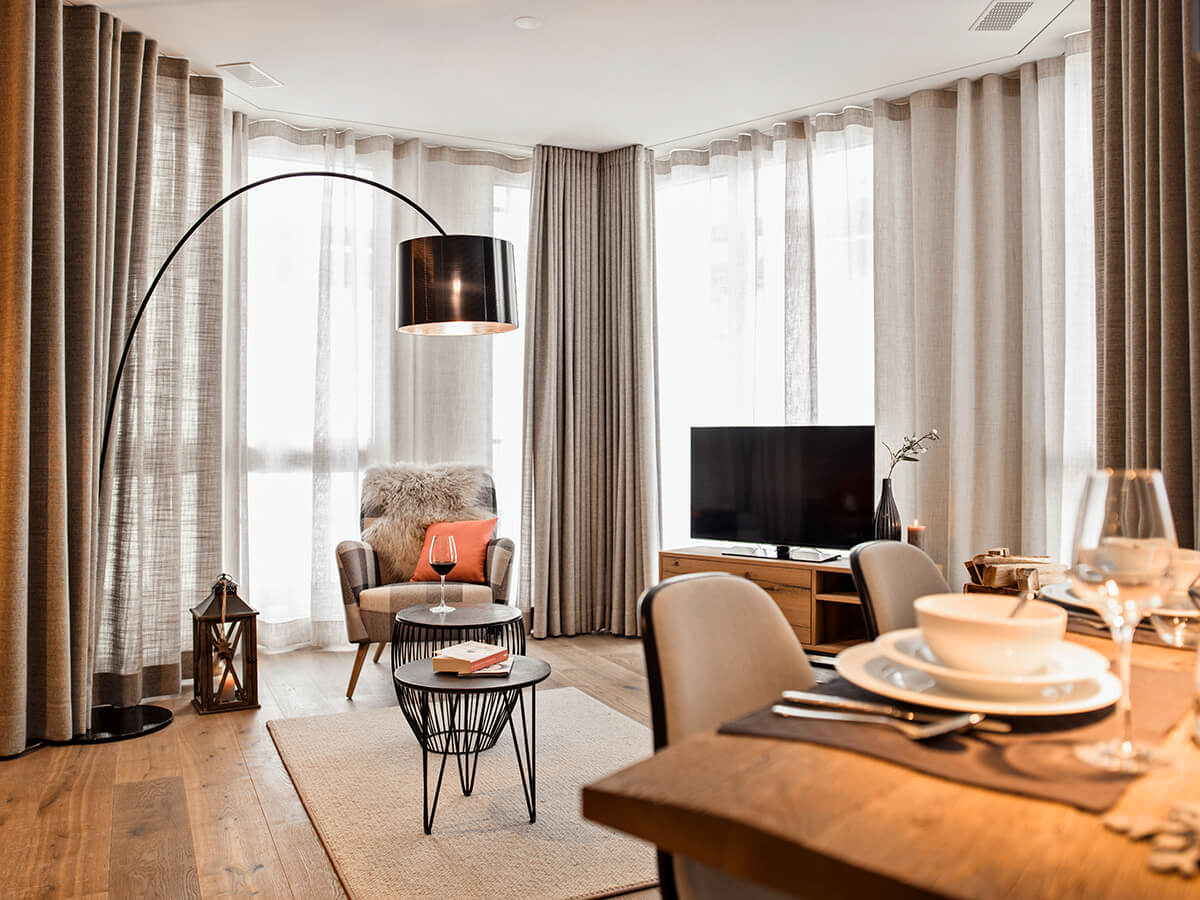
luxury apartment interiors with rustic style contemporary furnishing

Apartment interiors can be bespoke fitted

The joy of the design is that each one can be customised; buyers can choose from two looks (‘modern rustic’ and ‘modern light’) or opt for a bespoke build-out. Most of the apartments come with a corner picture window looking out onto the mountains while all the rooftop maisonettes have their own sauna. Other benefits include use of the fitness studio, spa and swimming pool in the nearby Radisson Blu hotel, and an excellent concierge service which can help with anything from travel plans to stocking the fridge and car hire, making Apartment House Alpenrose an ideal all-year holiday base. And non-Swiss nationals need not worry about the real estate purchasing laws. Andermatt Swiss Alps is exempt, so international buyers can purchase here without special permits (and sell with no minimum holding time).

For more information visit andermatt-swissalps.ch or andermatt-alpenrose.ch


Share:
Reading time: 5 min

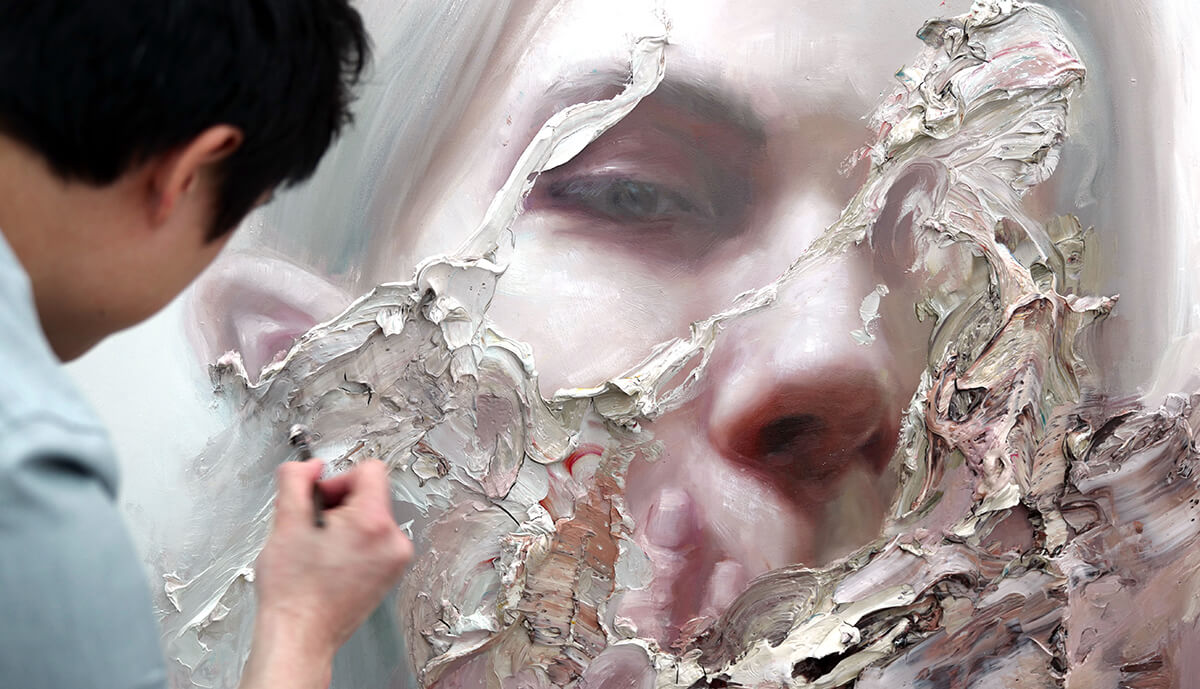
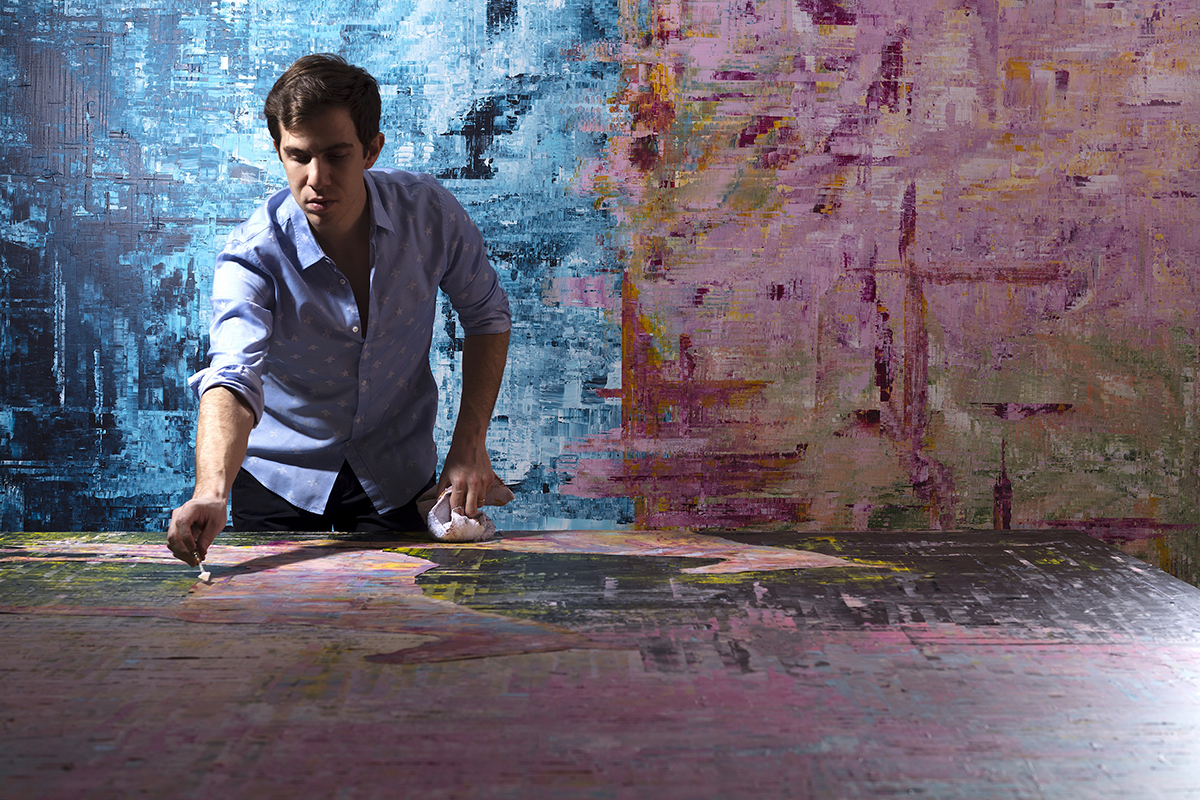
Henrik Uldalen at work in the studio

The JD Malat Gallery opens with an exhibition by an artist discovered on Instagram

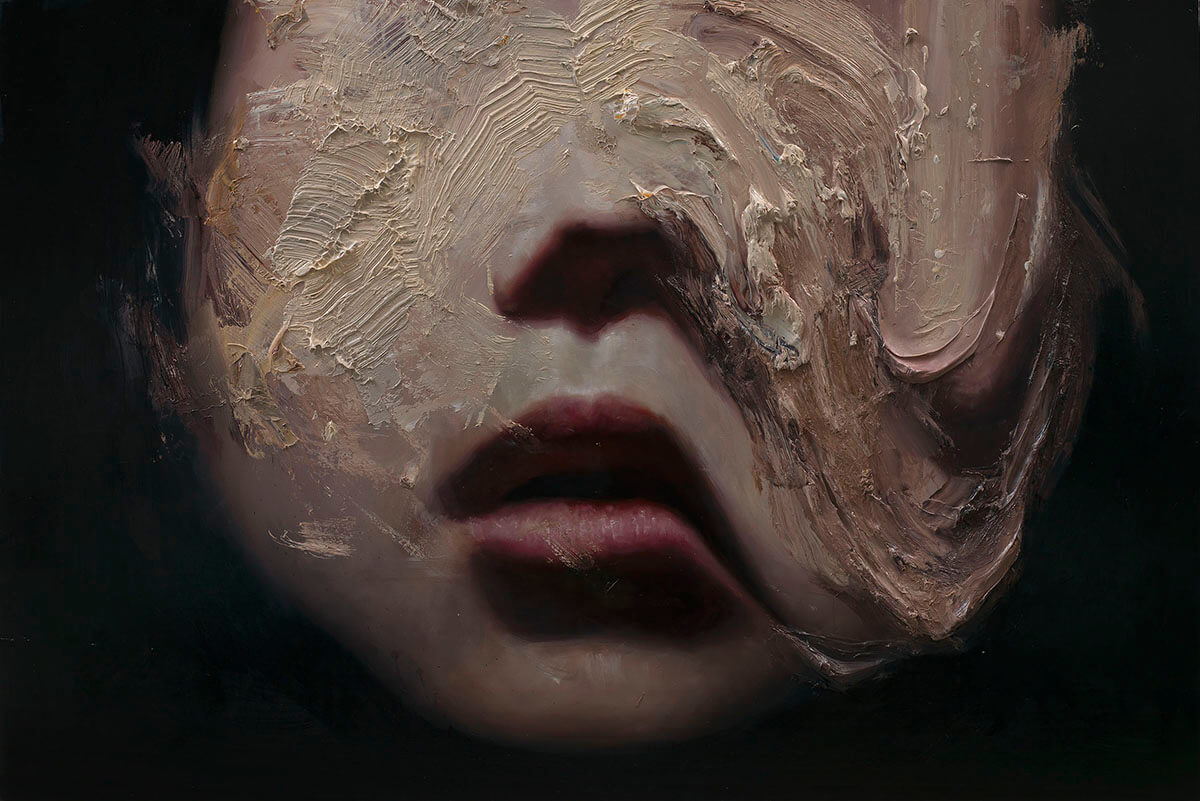
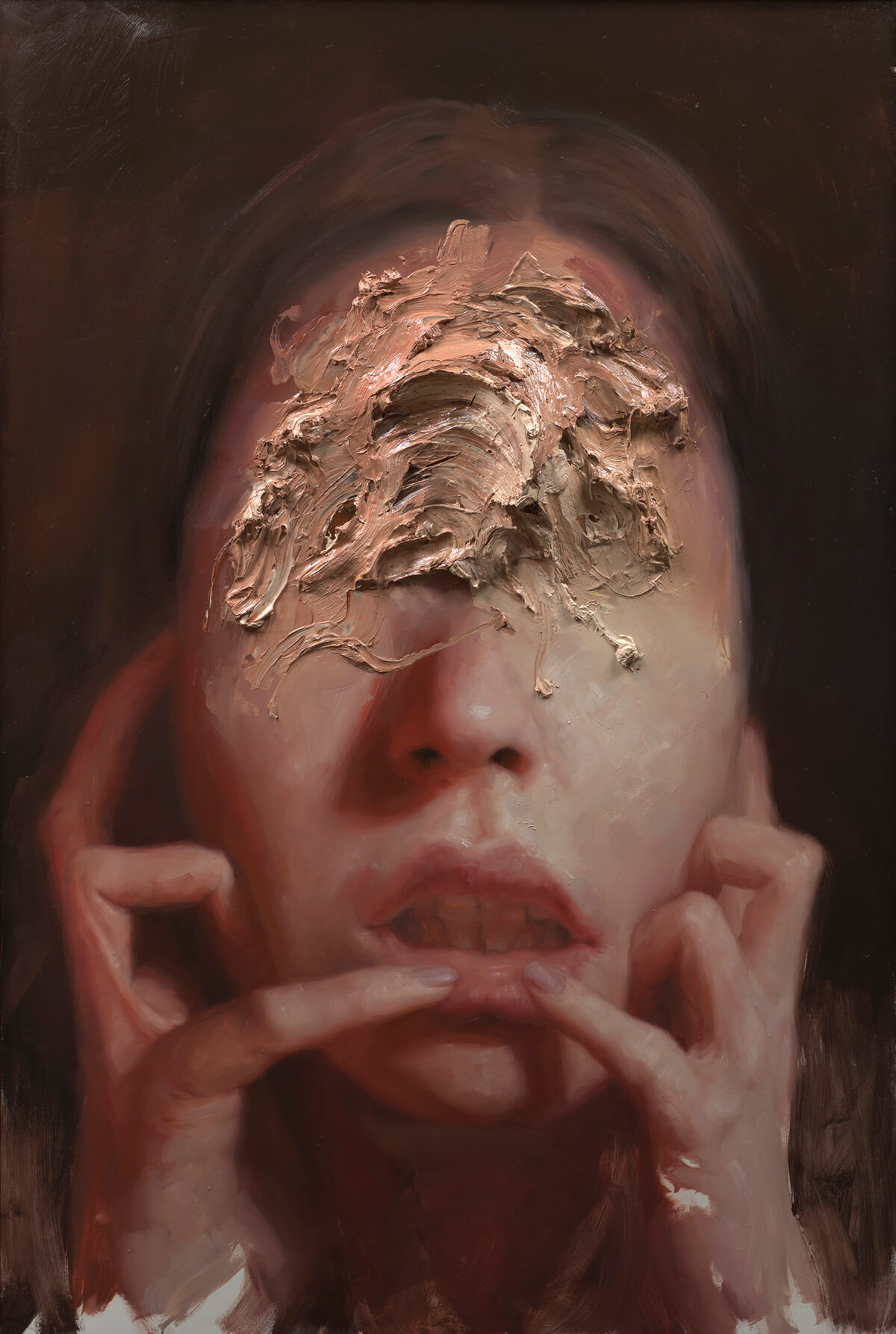
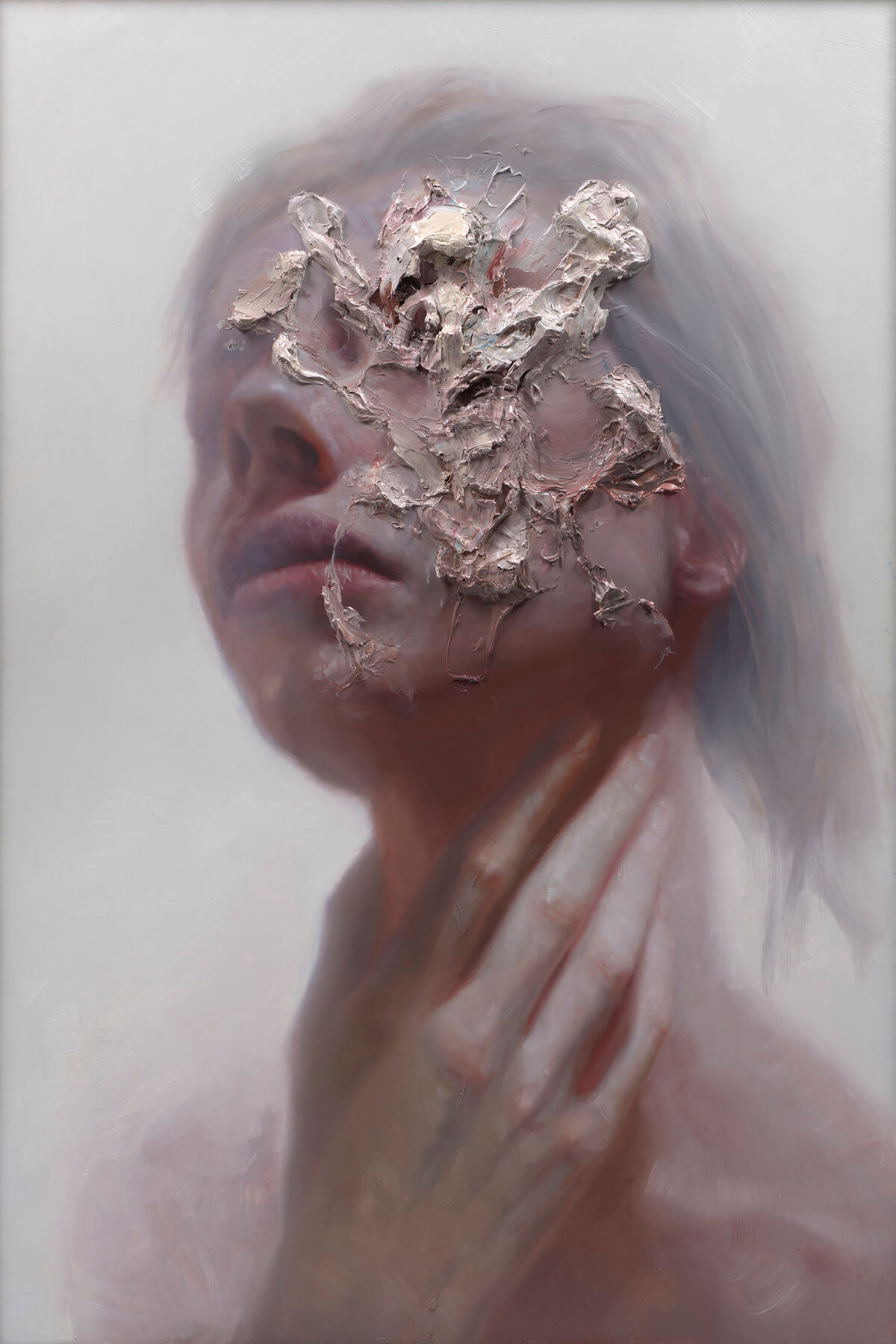
Jean-David Malat is known for championing emerging artists, although with some 666k Instagram followers (at the time of writing) Henrik Uldalen is hardly operating in the realms of obscurity. The London-based Norwegian artist’s exhibition ‘Metanoia’ is the JD Malat Gallery’s debut exhibition – a collection of striking oil paintings depicting half-obscured human figures undergoing a moment of transformation (hence the exhibition’s title, meaning ‘a change of mind’).

Follow LUX on Instagram: the.official.lux.magazine

If you were fortunate enough to be one of the first 30 to step through the gallery’s doors you will have been handed an Uldalen print, if not the works displayed in the gallery are for sale including those in the group exhibition on the lower level, which features Lithuanian-born artist Edgar Askelovic (the man behind the full-body sculpture of singer Rihanna) amongst many others.

Flood by Henrik Uldalen

Inhale by Henrik Uldalen

Flutter by Henrik Uldalen

JD Malat Gallery is located on 30 Davies Street, London, W1K 4NB. For more information on exhibitions and opening times visit: jdmalat.com

Share:
Reading time: 2 min
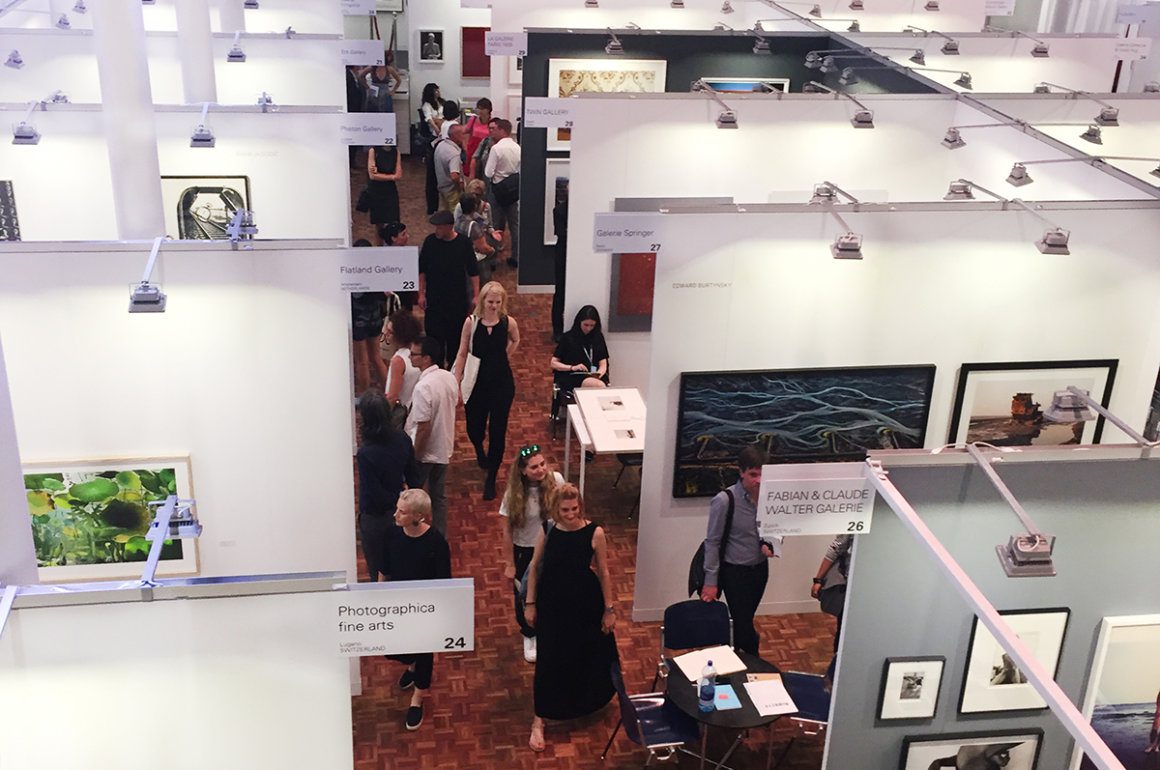
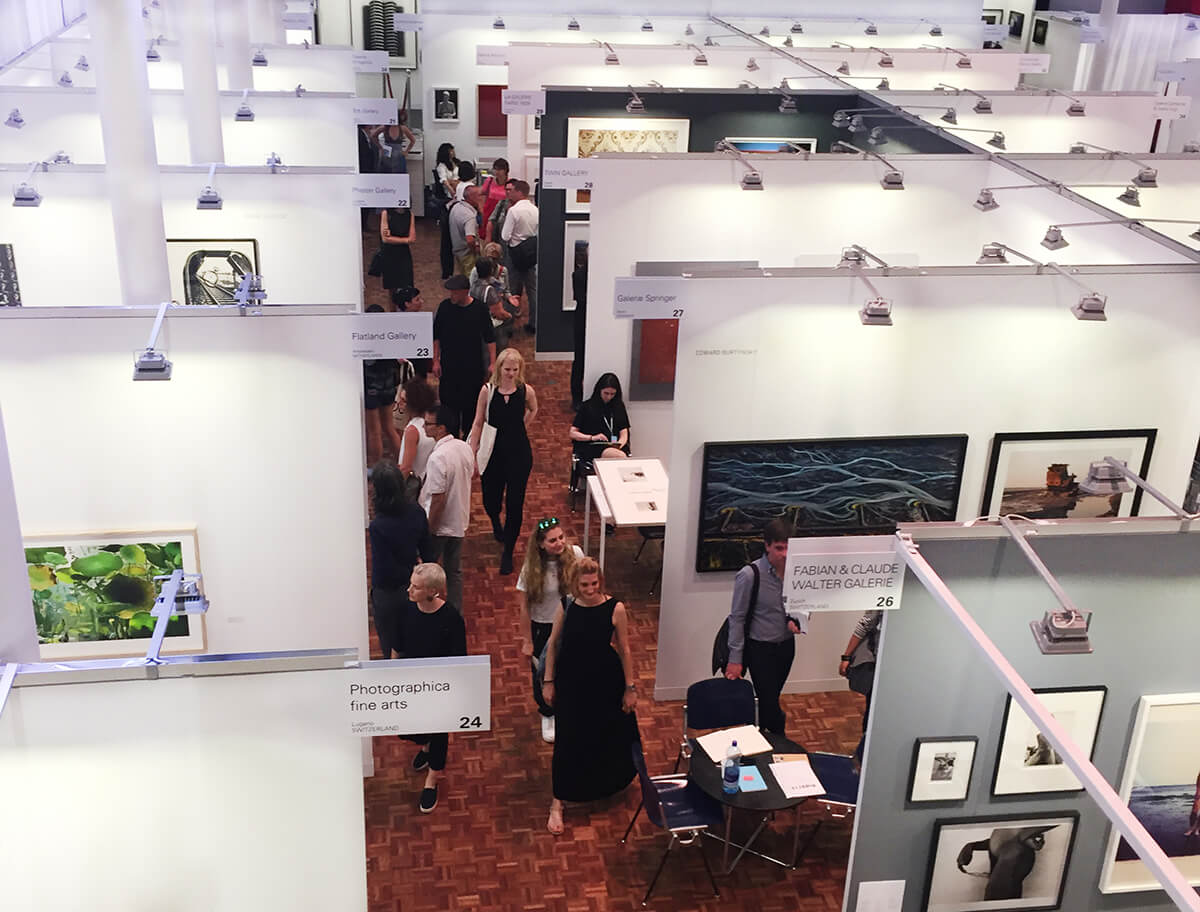
birds eye view of photo basel art fair
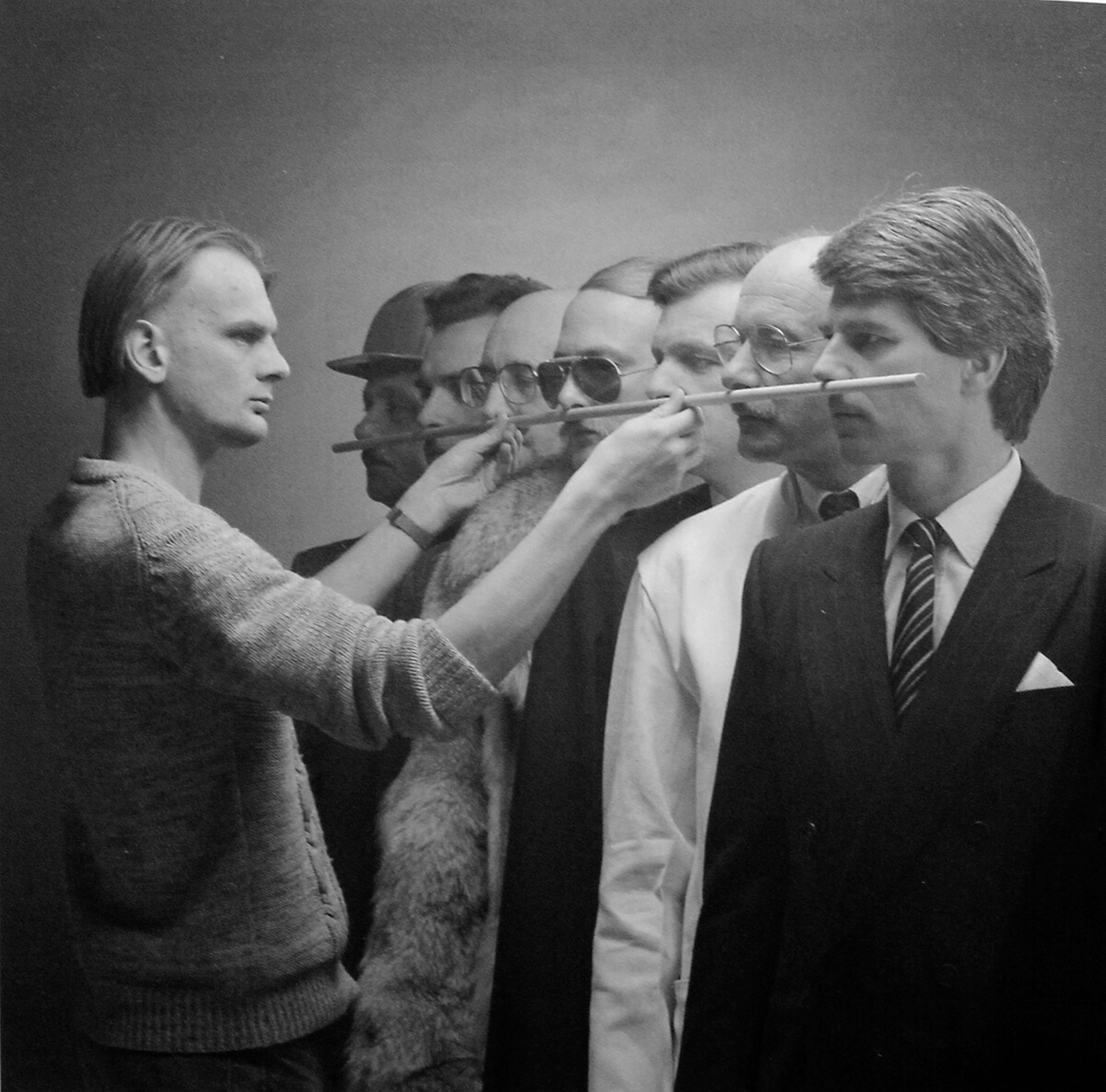
black and white photograph of man holding wooden pole along a line of men's upper lips

Gerhard Vormwald, Thomas mit Messlatte, 1980, Gelatin silver print photography, 30cm x 30cm Courtesy Prince House Gallery

photo basel is Switzerland’s first and only international art fair dedicated to photography, showcasing works from both contemporary and classic photographers. Galleries from around the world come together for five days in June, during Art Basel, to showcase their artists. Ahead of this year’s fair, founder Sven Eisenhut speaks to Kitty Harris about the rising popularity of photography as a collectible, the future of the market and the contemporary photographers to watch out for
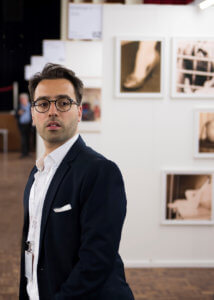
Colour portrait of Sven Eisenhunt founder of photo basel

Sven Eisenhut. Courtesy photo basel

LUX: What’s the birth story of photo basel?
Sven Eisenhut: A couple of business partners and myself had the idea in early 2014. We realised that at Art Basel there were only a handful of “real photo galleries” left. And since we are all from Basel and regular fair and museums goers, it was a no brainer.

LUX: How does the circle of experts work?
Sven Eisenhut: We implemented two circles of experts: one consists of galleries, their main focus being to support photo basel’s long term strategy. Alongside this we have the second circle of experts, where curators and collectors select the participating galleries for photo basel so to avoid bias.

LUX: What is the importance of a photography fair today?
Sven Eisenhut: With photo basel, we have the chance to narrow down to one specific medium. We can truly highlight photography in all its shapes and forms, from contemporary to vintage. By occupying this niche, we make sure to attract targeted collectors and photography enthusiasts.

LUX: How does photo basel differ from other photography fairs?
Sven Eisenhut: We are the only true photography fair in the German speaking world – and the only one in Basel during Art Basel fair. We are a boutique fair which guarantees that only the finest galleries and their artists will get selected. We see ourselves as hosts to our gallerists but also to our collectors, we are really dedicated in both respects.

birds eye view of photo basel art fair

photo basel 2018, Volkshaus Basel, 12 – 17 June 2018

LUX: How do you select who will present at the fair?
Sven Eisenhut: The selection is conducted according to a wide range of criteria which includes the quality and the originality of the submitted proposals, the clarity and rigor of the booth concept, the way it fosters an overall diversity of historical and contemporary expressions as well as the relevance of the proposed art works.

In addition we care if a gallery works sustainably and whether they have a long term interest in the success of their represented artists.

LUX: What’s the key to curating a great booth at an art fair?
Sven Eisenhut: Mainly not to overhang it – it is difficult to find the right balance – especially because as a gallery you spend a lot of money on an art fair, so you want to make sure to bring “all you’ve got” – but it’s best to have quality over quantity. We encourage our gallerists to exhibit solo shows – although we are aware of the risks.

LUX: How does the photography market compare to the contemporary art market?
Sven Eisenhut: Photography is on the rise – but compared to the prices seen in the contemporary art market it is very affordable. For around 10,000 Euros you can get some amazing pieces by world renowned museum quality artists.

black and white photograph of little girl holding dolly on a step

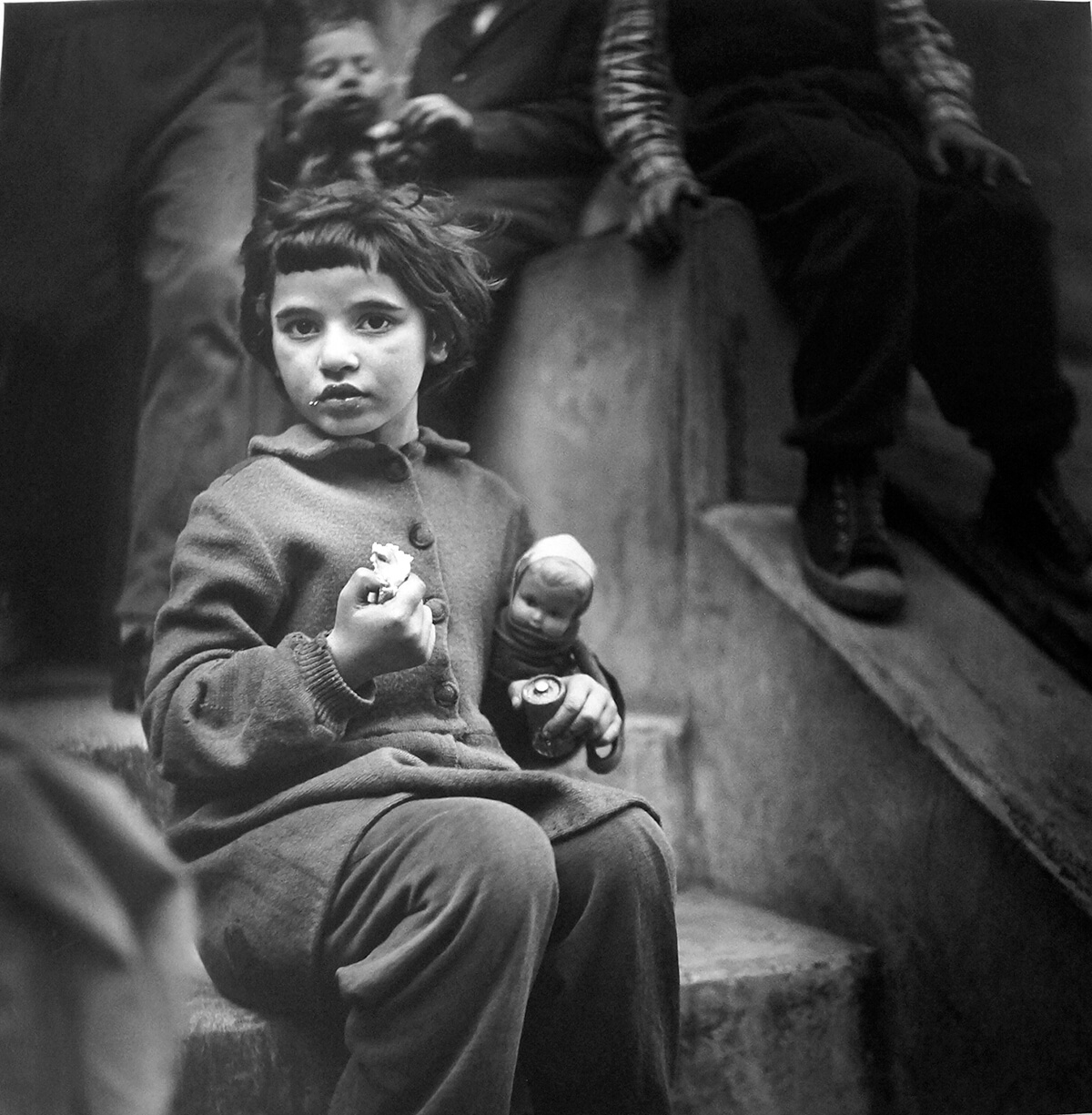
Antanas Sutkus, Toys, 1971, Photography, 46.90 x 46.90 cm, Courtesy Gallery STP

LUX: Why do you think we’ve seen an increased interest in photography as a collectible?
Sven Eisenhut: Since the majority of us carry smartphones with cameras – we all became photographers to some extent. This also implies that many more people are now emotionally attached to the medium. Photography can still be the starting medium for any art collection – it is accessible and affordable.

LUX: How do you know when a photograph is exceptional in an age where everyone is a photographer if they have a smart phone?
Sven Eisenhut: You know when you know it – there is so much more to a successful artist than just “the talent to take images” – today you need to be skilled on so many levels in order to be sustainably successful as an artist. Train your eyes, you will learn it as you see it.

LUX: What trends are we currently seeing in photography?
Sven Eisenhut: We see a trend towards unique pieces. Those can be Polaroid works or artists that paint over their photos or even stitch over them.

image of woman lying topless on the floor surrounded by balloons

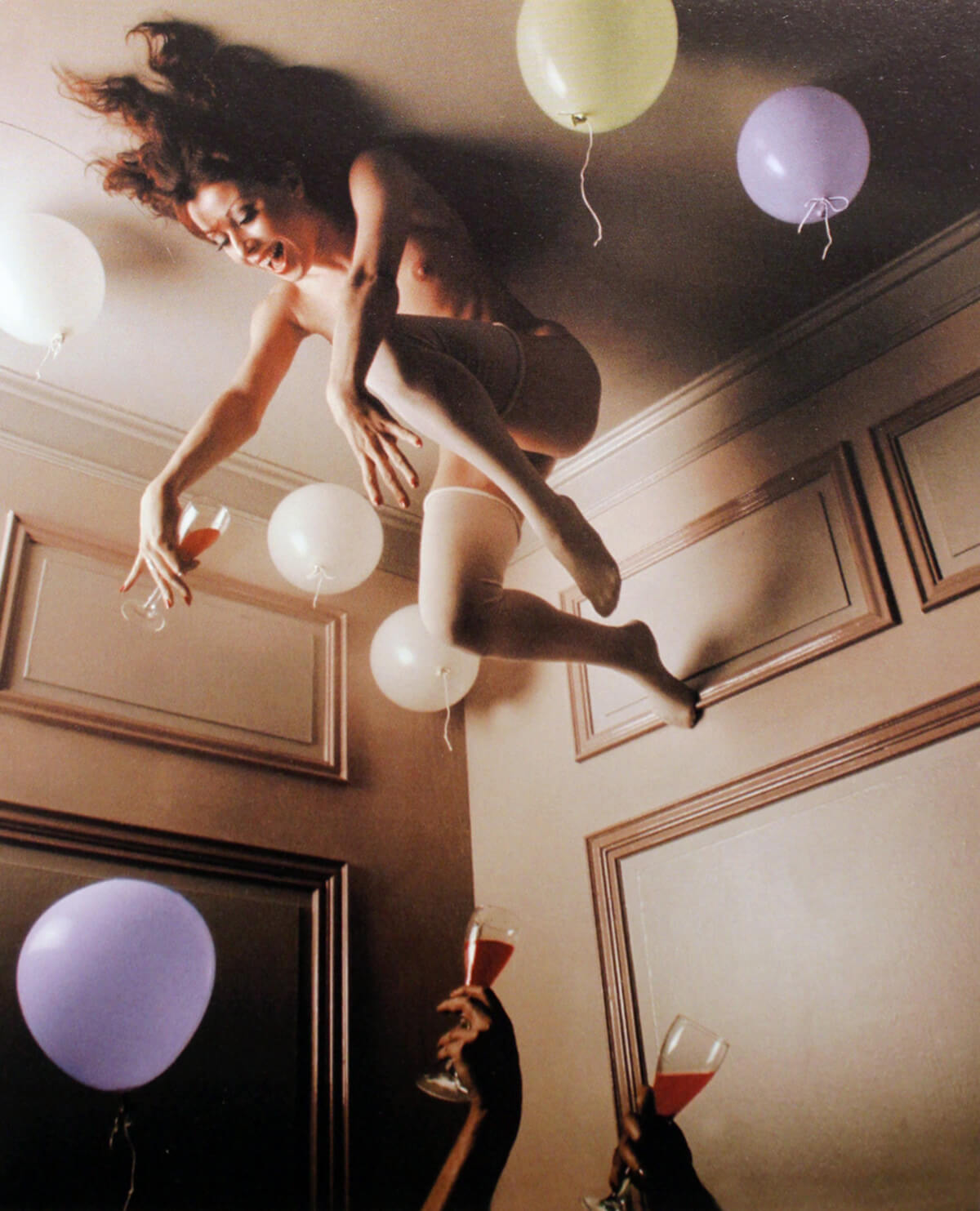
Gerhard Vormwald, Uschi an der Decke, 1975, Courtesy Prince House Gallery

LUX: Which contemporary photographers are ones to watch?
Sven Eisenhut: Right now I’m really interested in Peter Klare, Elene Usdin, Iris Hutegger, Paolo Ventura.

LUX: How do you think the market will change in future?
Sven Eisenhut: It will become faster, we will see many more galleries close and many more alternative spaces pop up. The distinction of the terms “galleries and dealers” will blend. I doubt that digitalisation will change a lot in terms of online sales etc. We need to stay focused on what defines us and why and then take it from there.

LUX: What do you think of the idea of art as secondhand?
Sven Eisenhut: Photography is a medium that can be replicated, that is why it is so important for artists to produce a low number of editions and prints. Most galleries we work with are in total control of their artists work and their editions. From time to time, you’ll see prints reappear in the auction houses. Interestingly, the fine art photography industry is not competing against auction houses and this is due to the ability of making editions. Some of the older Masters don’t even have limited editions, they have open editions and those prints can still be very expensive.

photo basel 2018 runs from 12 – 17 June at Volkshaus Basel. For more information visit: photo-basel.com

Share:
Reading time: 5 min
Model Emily Ratajkowski pictured wearing white suit surrounded by photographers
Designer Karl Lagerfeld pictured with LVMH's Delphine Arnault at a drinks party

LVMH’s Delphine Arnault with Karl Lagerfeld at the LVMH Prize 2018 cocktail reception ©François GOIZE

The LVMH prize is the most prestigious and desirable award for any emerging designer. Lauren Cochrane reports from Paris on the mix of established and new and the ideas bubbling around a competition aimed at discovering the next John Galliano or Alexander McQueen

This spring, as Paris Fashion Week swirled around them, some of the industry’s highest profile names – JW Anderson, Nicolas Ghesquière, Maria Grazia Chiuri, Bella Hadid, Suzy Menkes and Karl Lagerfeld included – found a moment in their busy diaries. The reason? The shortlisting of the LVMH Prize. Over two days, with LVMH’s Delphine Arnault, fashion’s brightest and best whittled a shortlist of 20 semi-finalists down to just nine. After an additional round of judging, the final winner is announced in June.

Follow LUX on Instagram: the.official.lux.magazine

In the four short years since its launch, the LVMH Prize has become the most prestigious in fashion. Each winner is given a grant of 300,000 euros and access to mentoring from LVMH experts to develop their business. Winners so far have included minimalist Thomas Tait and Grace Wales Bonner, the visionary of London’s menswear scene. Simon Porte Jacquemus, a designer mooted for the top job at Lanvin, was a special prize winner in 2015. Marine Serre, 2017’s winner, has already caused a stir. After her debut show in March, the New York Times said she had come “far, fast”, while Vogue called her collection “terrific”.

Fashion designer pictured with female model wearing her collection

Designer Snow Xue Gao with model ©François GOIZE

Of course, fashion insiders will take note of anything that comes with the LVMH name attached. With Bernard Arnault at the head, it is the biggest luxury group in the world, taking in a record 42.6 billion euros in 2017 across brands including Louis Vuitton, Christian Dior and Givenchy. The impact of LVMH’s endorsement and mentoring (not to mention that cash injection) on a young designer’s career cannot be underestimated. Serre, speaking to Vogue, said what the win meant: “It was possible for us to really take things to a whole new level”, allowing her to hire new staff and expand into a new studio space. Marta Marques and Paulo Almeida echo this. “We suddenly had the exposure, the support and the funding to put into existence a lot of the things we always wanted to do, and grow the company,” they said in an email. “This is what the foundations of our label is built on and what the company is today.” Winning the LVMH Prize can turn a fledgling operation into a bona fide brand.

Read more: We ask artist Mouna Rebeiz about trash and beauty

Jean-Paul Claverie, advisor to Bernard Arnault, was instrumental in setting up the Prize in 2014 and he sits on the jury. The Director of Corporate Sponsorship at LVMH, he describes the prize as a way for “young designers to value creativity first”. LVMH are committed to that pledge. Designers are only eligible if they have shown two collections or fewer, and there is an in-house team that works specifically on the prize, selecting the final 20 designers who go before the jury. Relationships continue beyond the competition process, too. “We stay in touch with many of the winners and we are ready to help if they have a problem,” says Claverie. “The door is always open.”

Menswear designer Charles Jeffrey pictured in red chequered suit in front of rail of clothing

Menswear designer Charles Jeffrey ©François GOIZE

Each year the number of applications has grown, with 1,300 in 2018, including designers from South Korea, China and countries in Africa. Among the 20 semi-finalists there was A Cold Wall, the London-based label by Samuel Ross, New York’s Eckhaus Latta, who put a pregnant woman on their catwalk in September, Charles Jeffrey’s artistic take on menswear and five gender-neutral labels including Faustine Steinmetz, GMBH and The Sirius. Of these, Ross, Jeffrey and Eckhaus Latta made it into the final nine, alongside Rushemy Botter and Lisi Herrebrugh of Botter, Masayuki Ino of Doublet, Lea Dickely and Hung La of Kwaidan Editions, Rok Hwang of Rokh, Matthew Adams Dolan, and Ludovic de Saint Sernin.

Model Emily Ratajkowski pictured wearing white suit surrounded by photographers

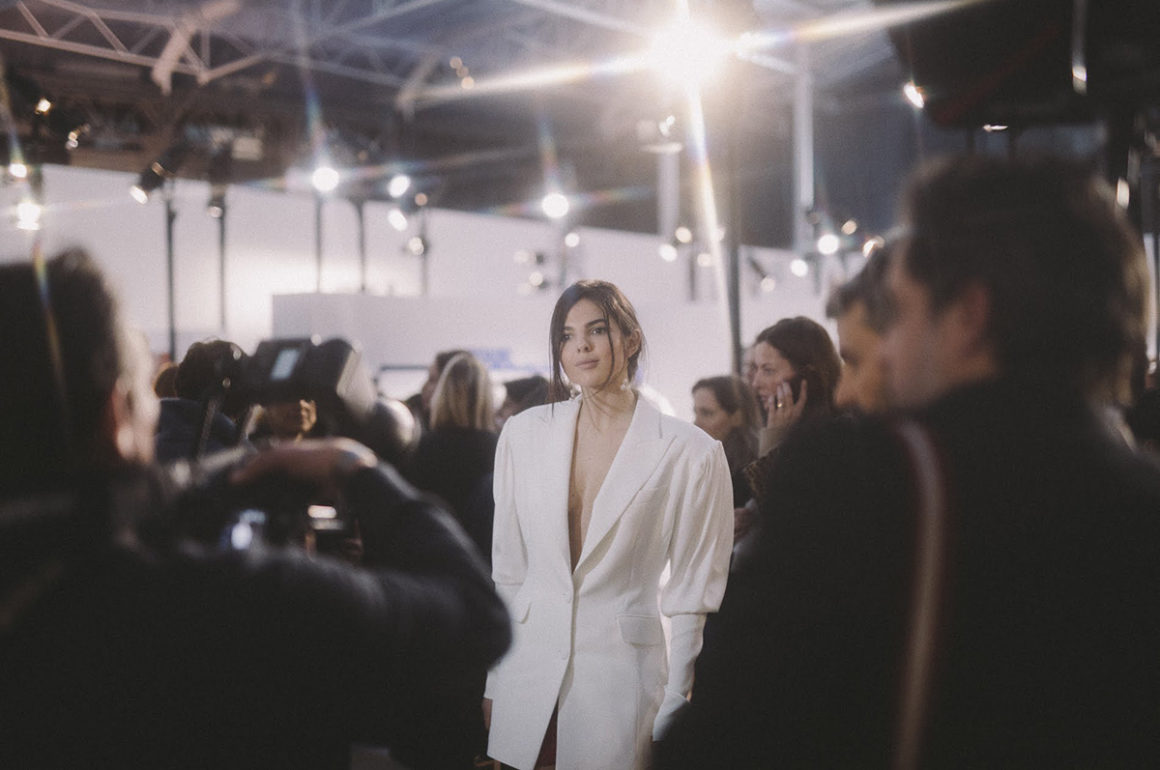
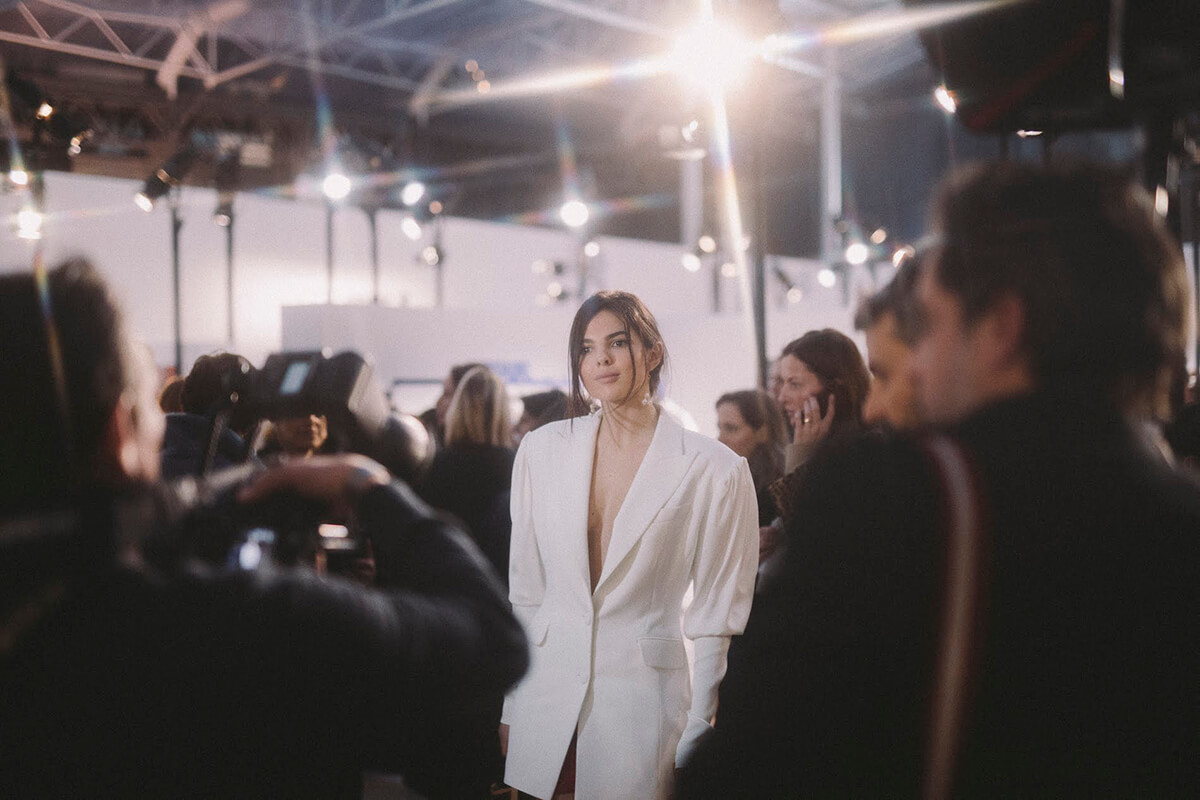
Model Emily Ratajkowski at the LVMH Prize 2018 cocktail reception ©Virgile_Guinard

Delphine Arnault pictured with French fashion editor Carine Roitfeld

Delphine Arnault (right)
with Carine Roitfeld ©François GOIZE

Established figures in fashion always enjoy meeting the next generation. Jury member Sidney Toledano, chairman and CEO of the Fashion Group at LVMH, says that he was excited after listening to the designers’ presentations. “I was so amazed by the energy,” he says. “I felt it myself, and it was after a long day of shows. I saw how excited Karl [Lagerfeld] was. His antenna tells him they’re talented. I think he had fun.”

Of course, the Prize is not without its advantages for LVMH. It means they effectively have first dibs on the next generation of talent. Toledano believes this has been at the heart of the LVMH culture since Arnault became the majority share holder in 1989. “It’s something he repeats daily – he wants creativity and quality, with an evolution.”

Read more: The maker of Masseto hosts a private dinner for LUX readers

It’s clear the winner is chosen carefully, and with much debate. “At the start of the process, we think that one applicant will be the winner and then, later, it turns out to be someone else entirely,” says Claverie. “I love discussion,” adds Toledano. “I hope we have two or three potential winners and we don’t know what to do.”

Claverie says that business acumen is a plus, along with determination – he praises Jacquemus for applying again after his first unsuccessful attempt. Ultimately, it is vision that characterises a winner: “The creativity is first… they are expressing something new.” Toledano says this is a quest for the next names to know. “It is not a philanthropic project,” he explains. “All the brands we have are based on the success of a designer. It was Monsieur Dior as a designer who created the magic of the Dior name.” Toledano compares designers to pilots. “An engine is needed to sustain a big name,” he says. “OK, from time to time, if you stop the engine, the plane is so high you can continue flying, but if you are a top brand you need [someone] in the cockpit, providing the momentum.” The LVMH Prize? The most stylish take on aviation college there is. Time to watch the latest graduates take flight.

To meet this year’s finalists, and for further announcements visit lvmhprize.com

This article appears in the Summer 2018 issue of LUX, on sale now worldwide.


Share:
Reading time: 5 min
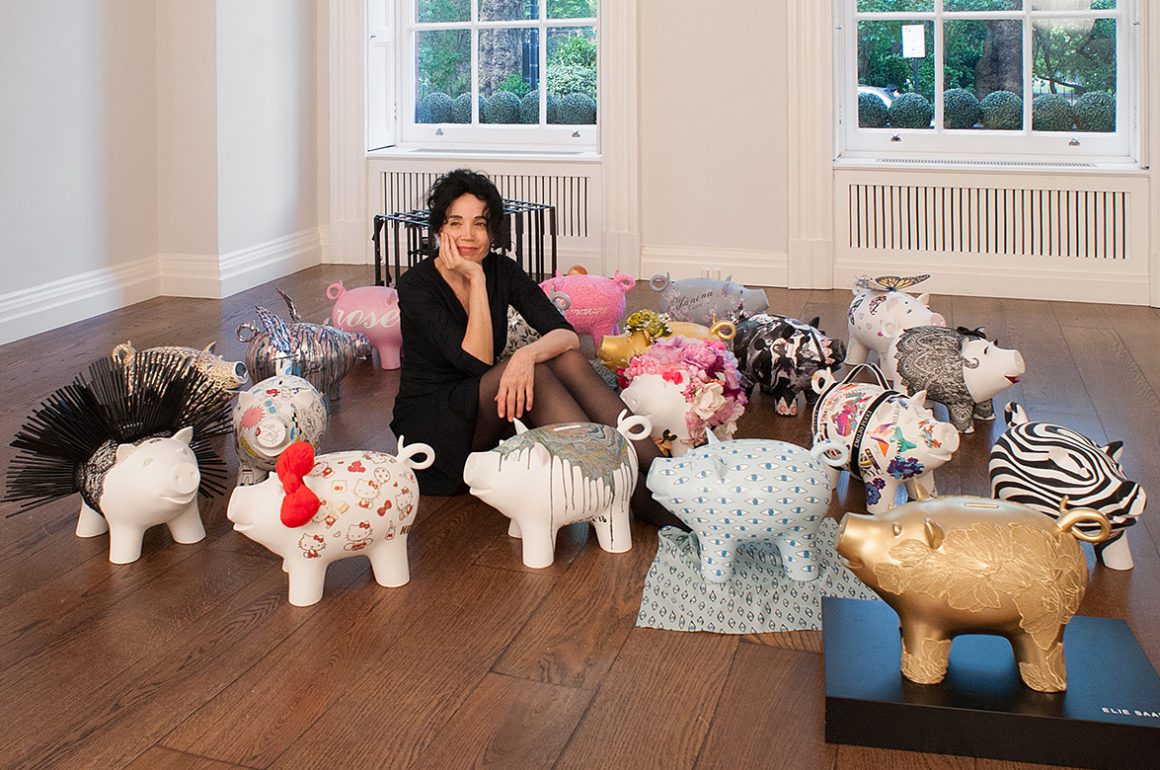
Artist Mouna Rebeiz sits amongst bespoke piggy banks
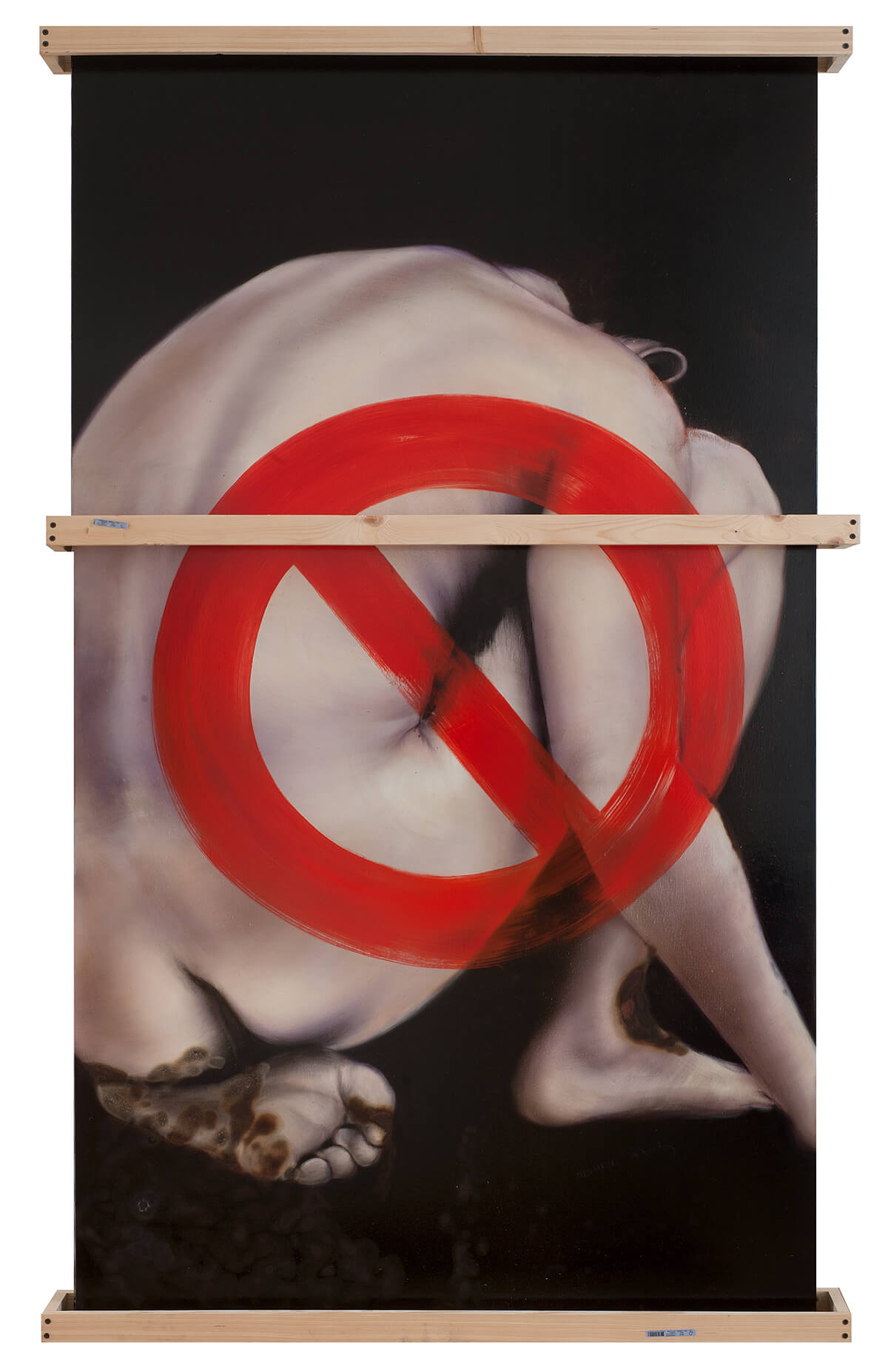
painting of naked woman's back hunched over with red no entry sign painted over the top

Dead End, 2015 by Mouna Rebeiz

Artist Mouna Rebeiz at work on a large painting of a woman's face

Mouna Rebeiz in the studio

French-Lebanese artist Mouna Rebeiz lives and works in London and is debuting her second solo show in the capital at the Saatchi Gallery, The Trash-ic or Trash in the Face of Beauty. Showcasing 17 works of mixed media – including digital and musical installations – the exhibition explores the expression of natural tensions between beauty and its counterpart, the grotesque and ugly, in art and society today. She tells LUX why she supports the charity Innocence in Danger and how internationally renowned designers and artists came to create their own unique ceramic piggy-banks to auction at Sotheby’s in aid of the charity.

1. In your view, what’s the role of the artist in contemporary society?

In any society at any time, the role of an artist is that of a mediator between what the world would have one see and reality itself; they make you see things. Like oracles or “la pythie” they are translators — between gods/nature and humans.

Follow LUX on Instagram: the.official.lux.magazine

2. Do you think our perception of beauty has changed as a result of social media?

No. Art has made us change our perception of beauty, because art is a translation of our era. It’s art that makes us see beauty in a different way. That’s why we see trash in beauty; because we are in a period of time where trash is glorified.

Silhouette of woman holding bottles against an orange background by artist Mouna Rebeiz

L’insoutenable légèreté de l’Etre by Mouna Rebeiz

3. How would you define ‘trash’?

Trash is something you don’t want to live with, something you reject, something you want to discard. That’s trash. Could you live with a trashcan that smells? No. It’s not meant to be lived with. Ugliness is not necessarily trash; hideous things can be beautiful.

Read more: Why you should be checking-in to The Thief hotel, Oslo

4. How do you think your fine art training has informed your contemporary practise?

You can write an essay without knowing the alphabet. You cannot build a building without a foundation.

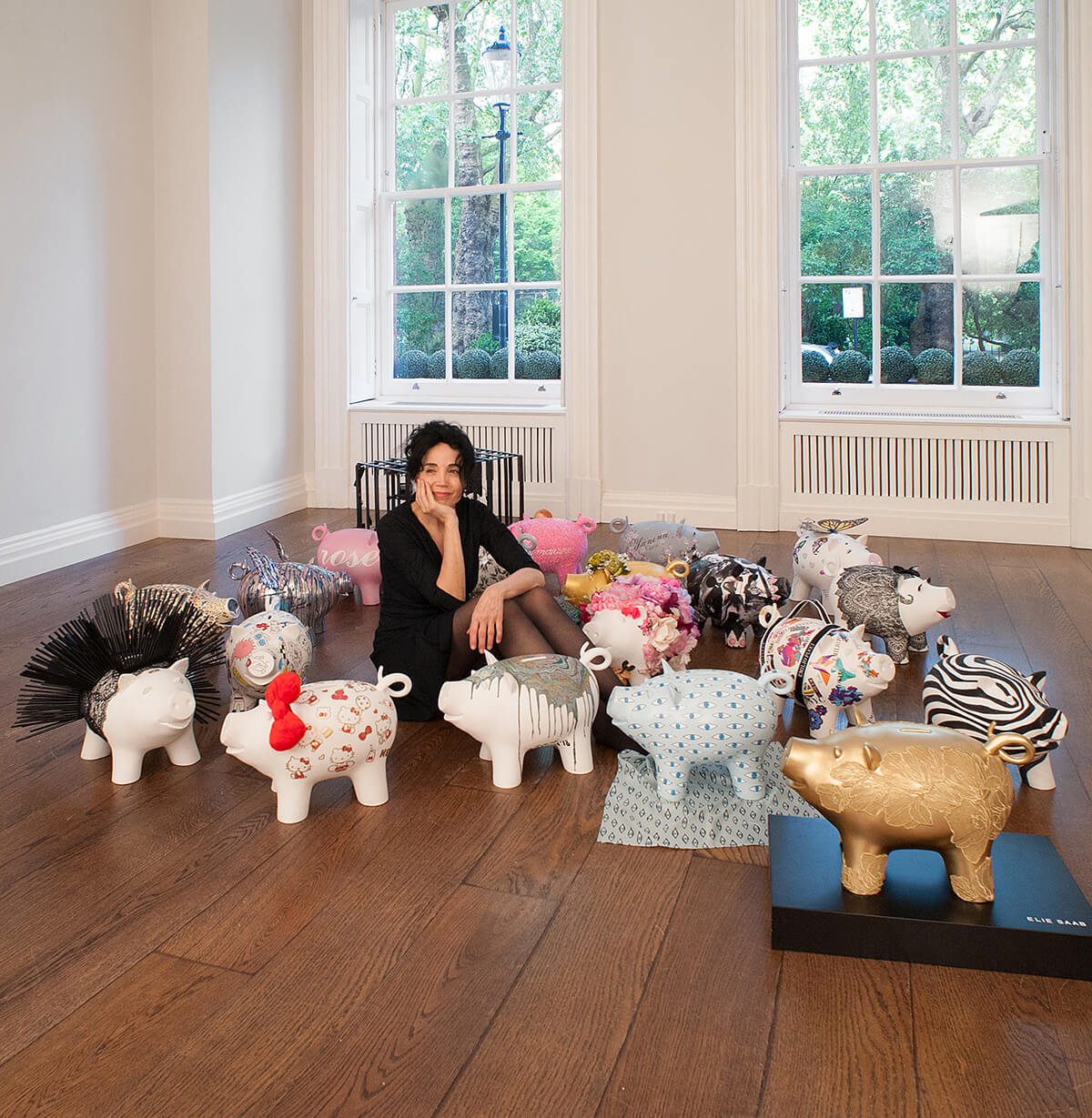
Artist Mouna Rebeiz sits amongst bespoke piggy banks

Mouna Rebeiz with the piggy-banks designed by the likes of Buccellati, Christian Lacroix, Emilio Pucci, Esther Freud, Etro, Giles Deacon and Swarovski

5. How did you select the artists and designers to create piggy-banks for the online auction, and why the Innocence in Danger charity?

I was lucky enough the designers chose to work with us. As for IID, I’ve been supporting them for 15 years because I believe its the hardest thing to deal with, children who are abused. And I don’t think humanity, the “civilised world” is as civilised as it proclaims to be. I think we are barbarians.

6. What’s next for you?

Big things are on the horizon — I’m going to continue in this “trashic” theme and merge beauty and trash together in a way that’s never been seen before.

‘The Trash-ic or Trash in the Face of Beauty’ runs until 7 June at The Saatchi Gallery, King’s Road, London. For more information on visiting the gallery click here.

To view the silent auction of piggy-banks visit: www.trashicauction.co.uk 

Share:
Reading time: 2 min
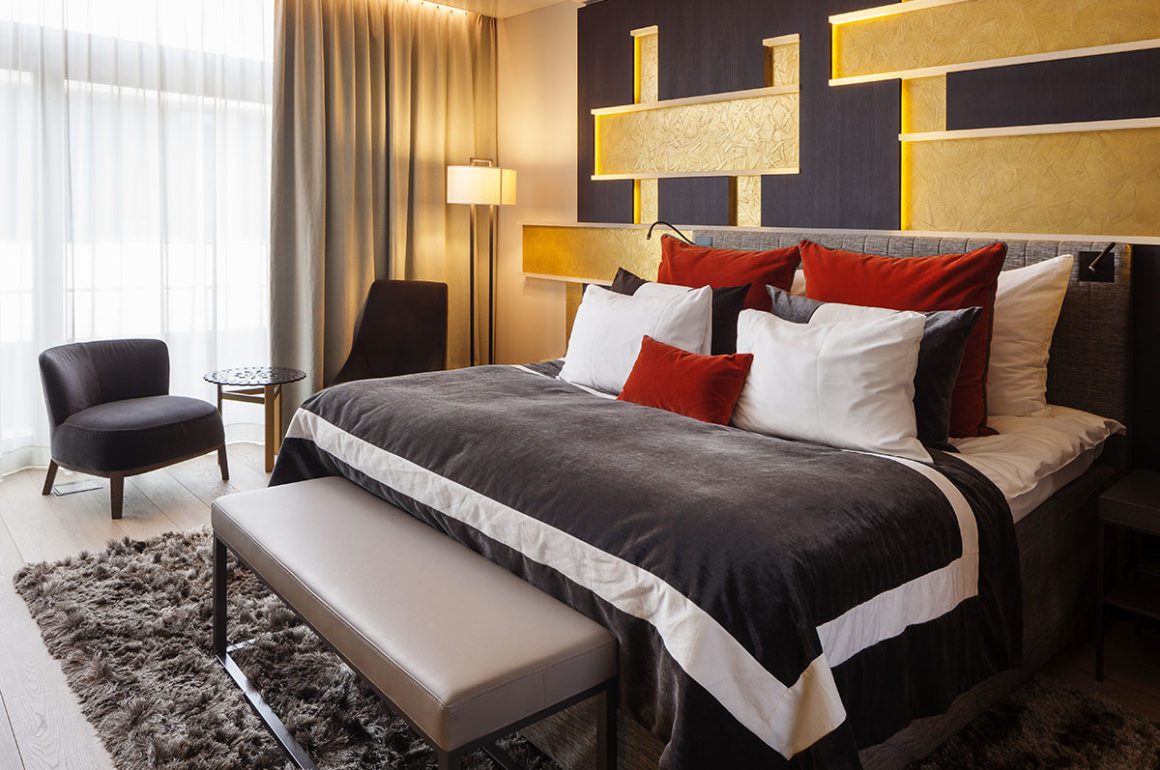
Luxury hotel bedroom with huge double bed, gold wall and plush linens
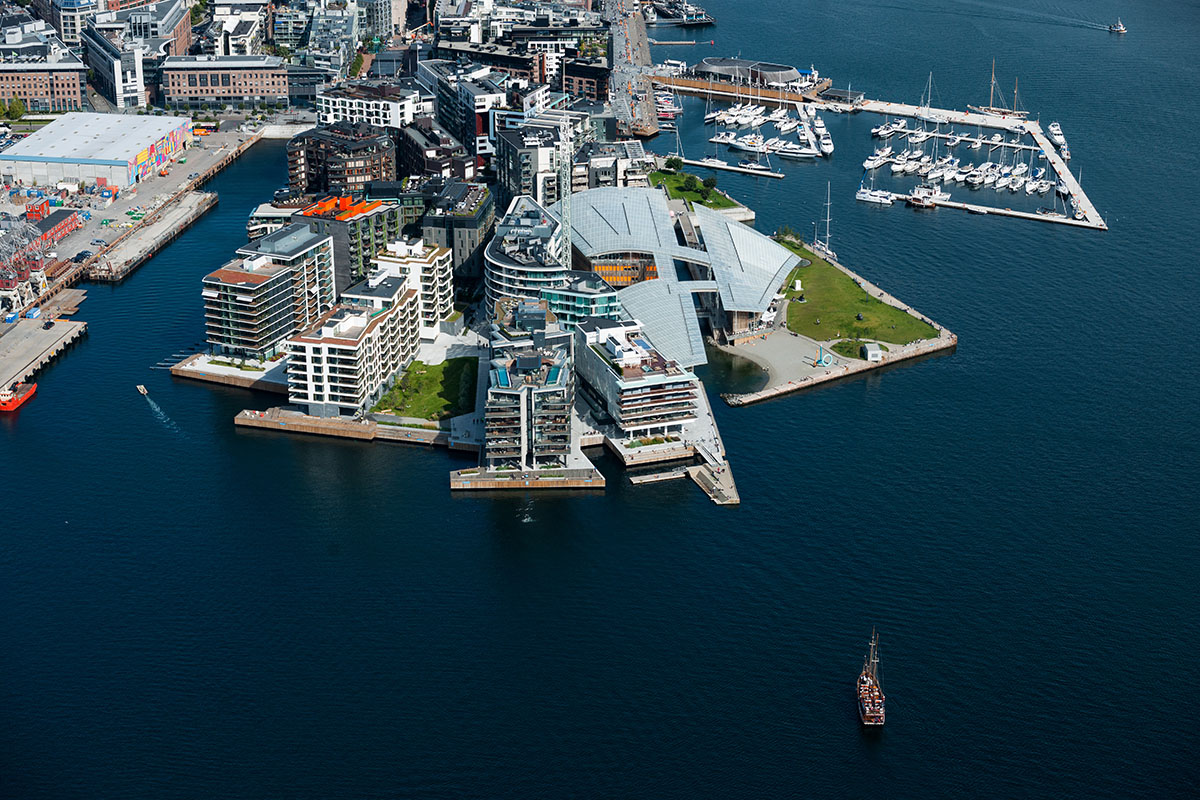
The Tjuvholmen (thieves' island) in Oslo, Norway

The Thief boutique hotel sits on the edge of a peninsula known as Tjuvholmen

Why should I go now?

One of the fastest growing capitals in the world, Oslo is in the midst of some serious reinvention, which admittedly means you’ll encounter a few clusters of cranes but the excitement is palpable. You can now walk the entire length of the pretty harbour which is lined with cafes and shops, and it’s well worth popping into the Nobel Peace Center while you’re at it.

Follow LUX on Instagram: the.official.lux.magazine

The Thief is very much part of the grand redesign; perched on the edge of the small peninsula known as Tjuvholmen (translated as thieves’ island) alongside slick luxury apartments, restaurants and galleries. The hotel’s views over the Oslo fjord are staggering especially at this time of year when the sun’s shining.

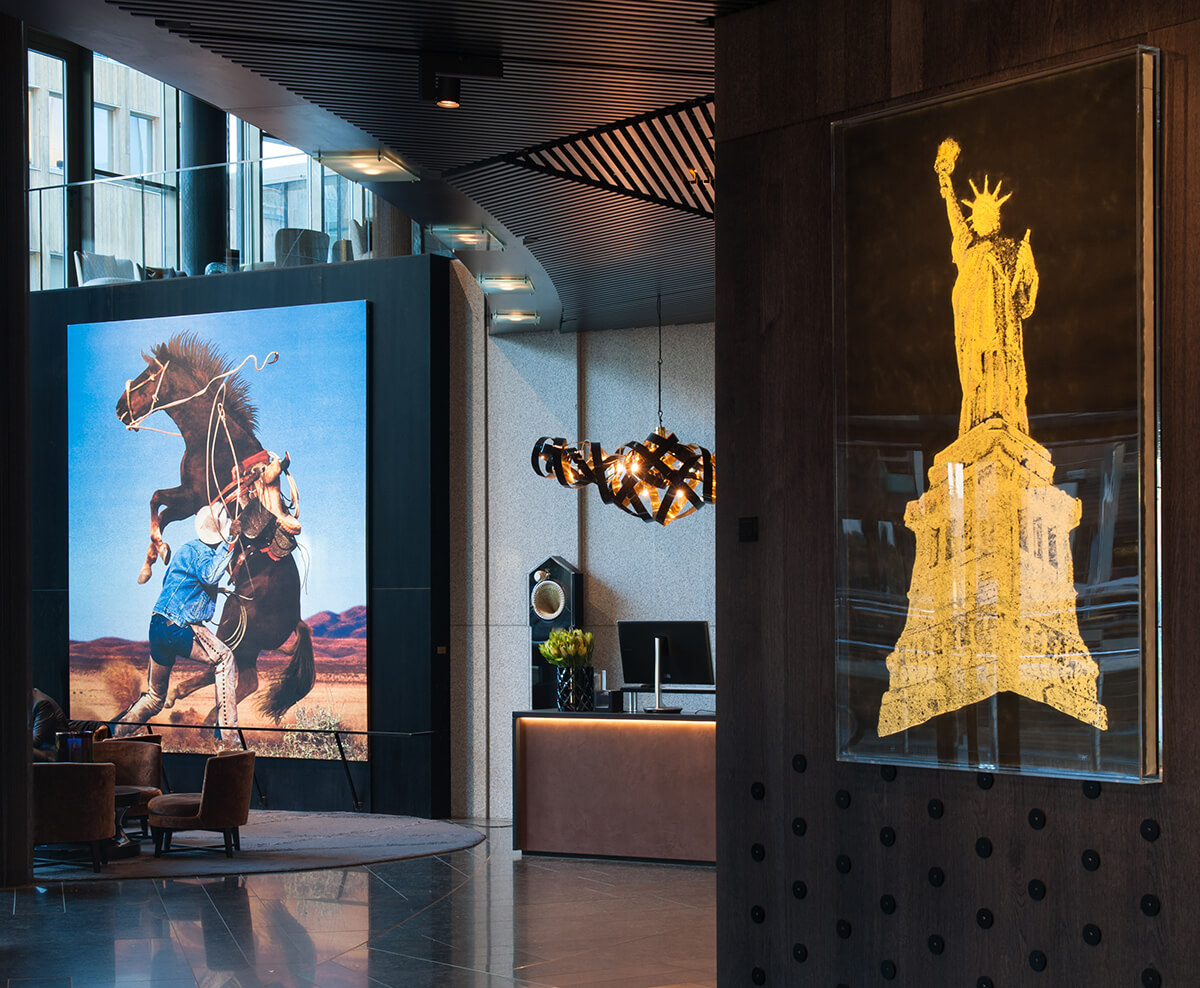
Artworks hanging in five star hotel foyer

The Thief is an art-lover’s dream

What’s the lowdown?

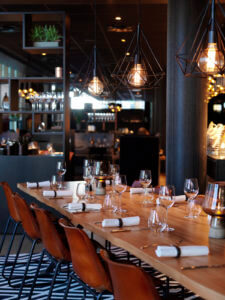
smart restaurant with large table laid for dining and industrial style lighting

The Thief Foodbar restaurant

The hotel is made for aesthetes; there are Warhols in the restaurant, works by Sir Peter Blake in the suites and Julian Opie artworks in the lift. The art is supplied in partnership with the Astrup Fearnley Museum (room keys to the hotel also grant you unlimited access to the museum) next door and forms an eclectic in-house collection that contributes to the cool ambiance.

Read more: Geoffrey Kent reveals how luxury hotels are still getting it wrong

The action goes down at the Thief Foodbar, a chic and stylish restaurant; personified it’s a sexy deep, dark and interesting character. Breakfast is also served daily for guests here, and in the warmer months the roof terrace opens for alfresco dining with panoramic views of the harbour and live music as part of the hotel’s Unplugged series. The grilled squid with eggplant, cherry tomato and browned butter comes highly recommended.

luxury concrete spa with indoor pool and underwater lighting

The Thief Spa’s cove-like indoor pool

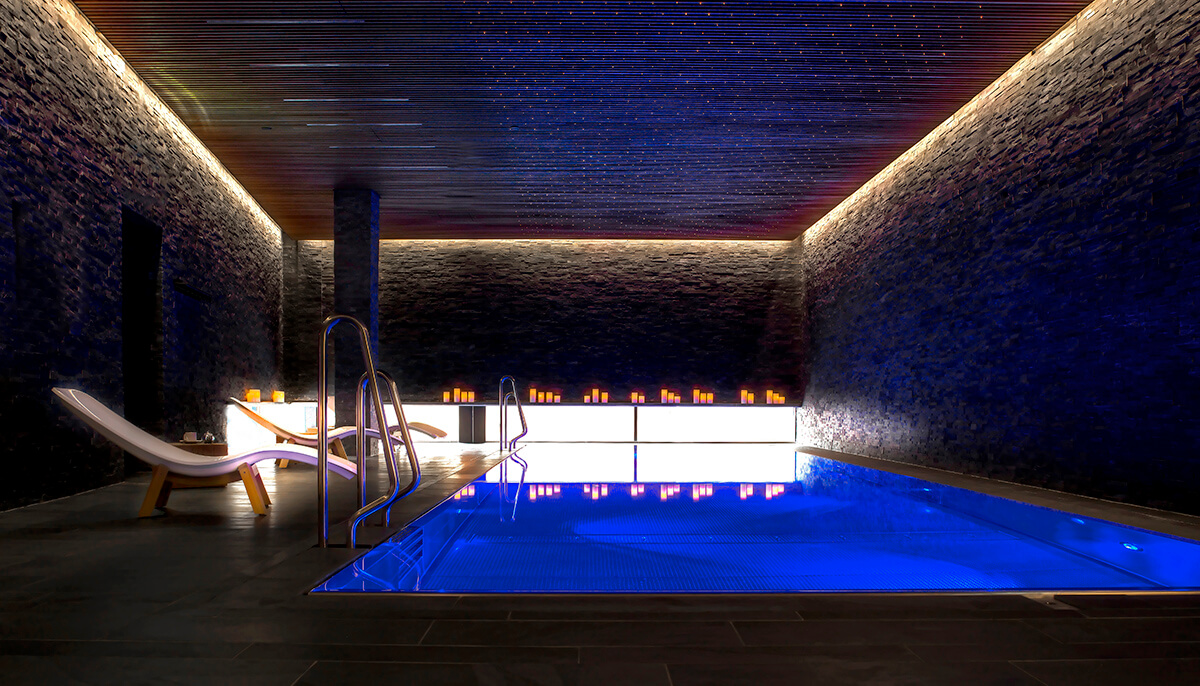
The Thief Spa features an indoor pool with an eye-level window so that you can gaze out onto the crisp blue sea that gently laps against the glass as speedboats hurtle past. The Turkish hammam is dreamy with its twinkling LED lights in the ceiling and the Sensory Sky showers, by German brand Dornbracht, offer waterfall or rainfall downpours depending on your preferred level of drenching.

Read more: Introducing Richemont’s new, sustainable watch brand Baume

Getting Horizontal

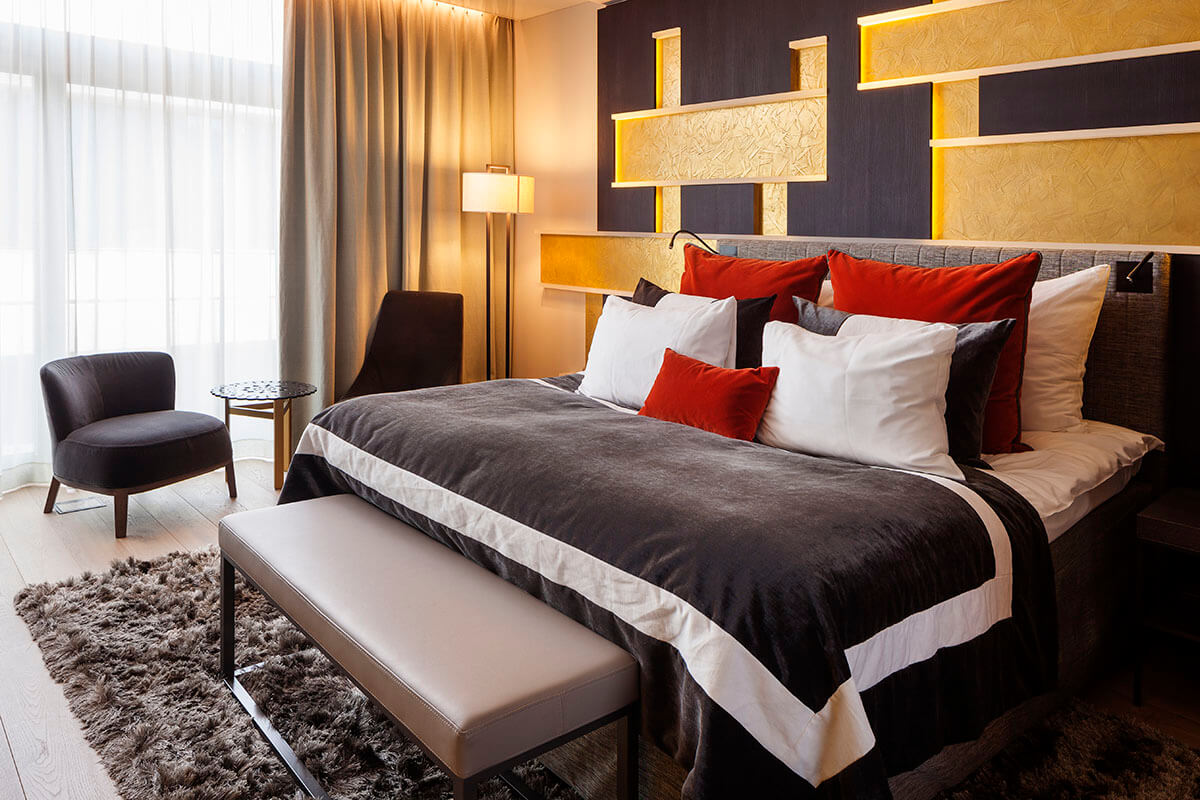
We were in a Deluxe Suite on the seventh floor decorated in sultry shades of blue, grey and cream with an enormous, and exceptionally comfortable double bed piled high with pillows. All of the rooms have huge floor-to-ceiling windows and private balconies, but the higher up you are, the better views.

Luxury hotel bedroom with huge double bed, gold wall and plush linens

The extravagant suites are furnished with unique artworks

Flipside

The hotel’s moody atmosphere makes it perfect for a romantic getaway, but if you’re there on business, it might be harder to, well, actually get any work done.

Rates: From 3000 NOK (approx. €400/ £350 / $500)

Kitty Harris

thethief.com


Share:
Reading time: 2 min
Man picking purple grapes on a vineyard

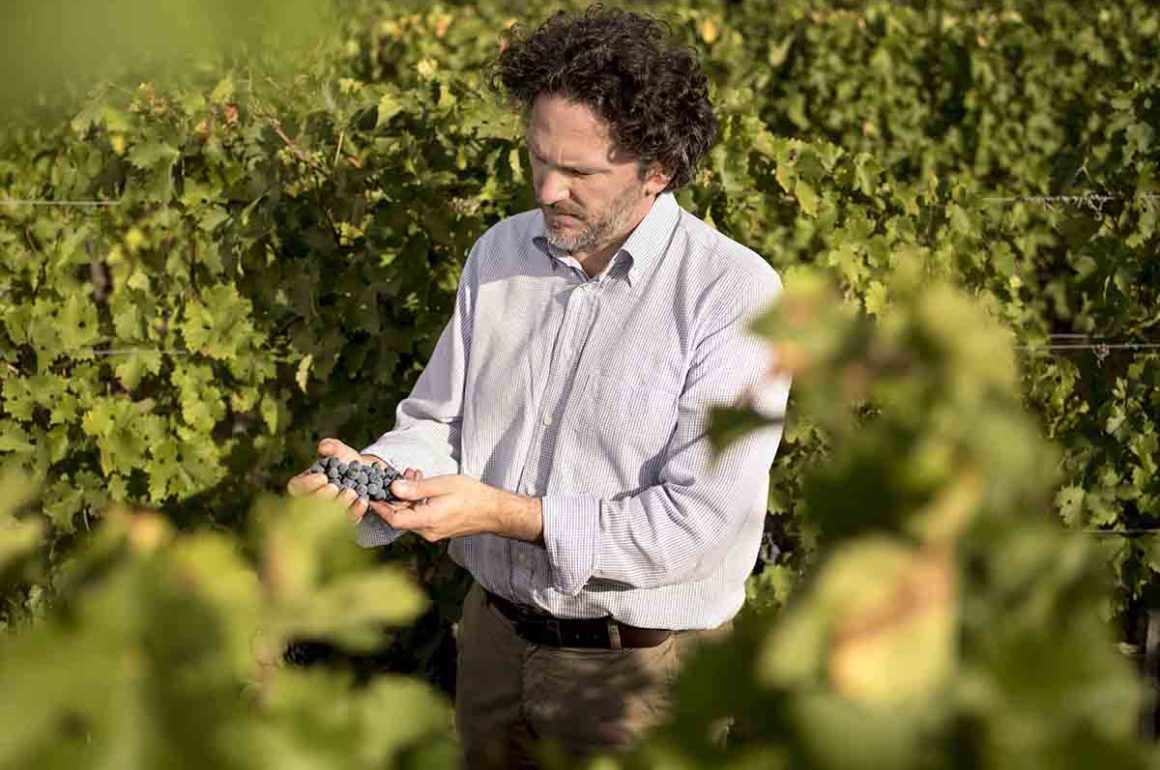
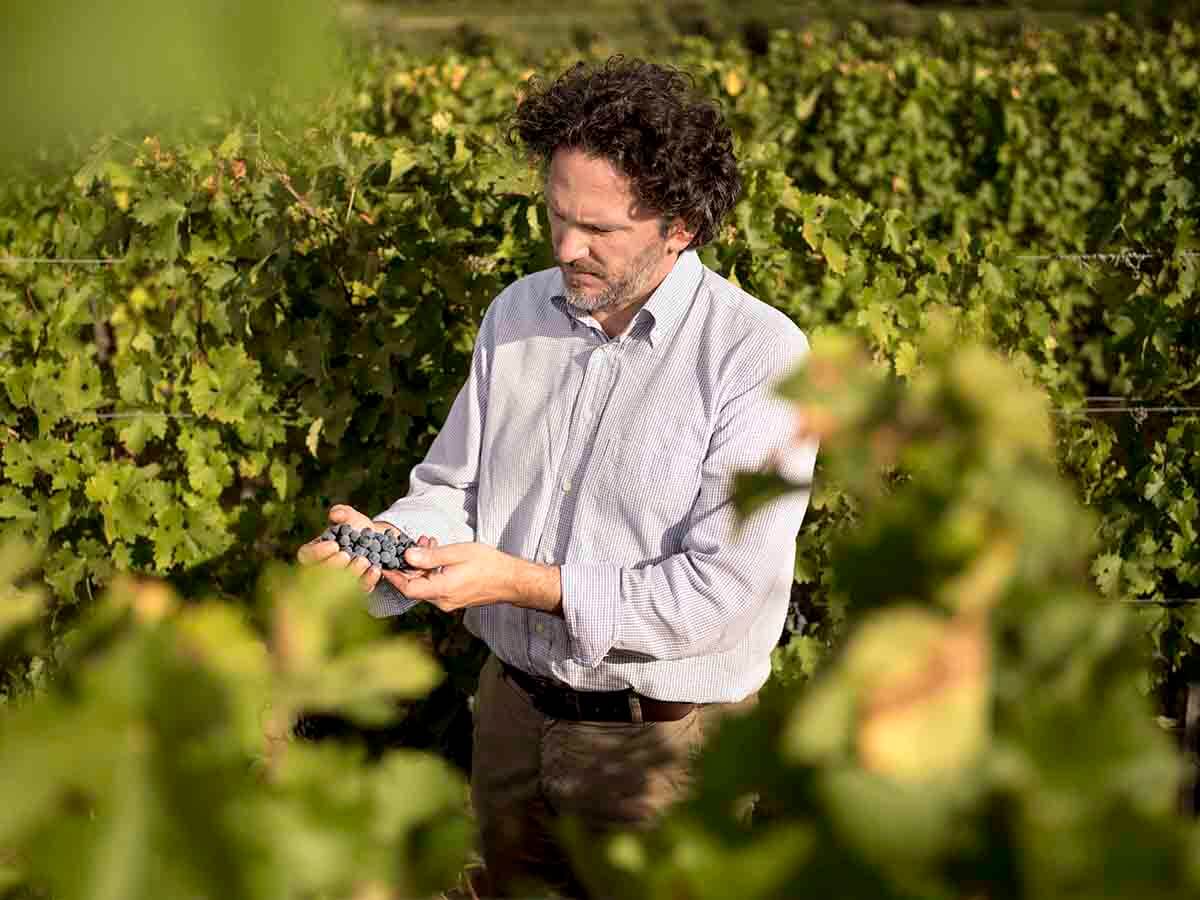
Axel Heinz, Masseto’s Estate Director and Winemaker

The maker of Masseto hosts a private dinner for LUX readers in London, along with LUX Editor-in-Chief Darius Sanai

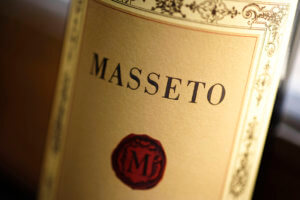
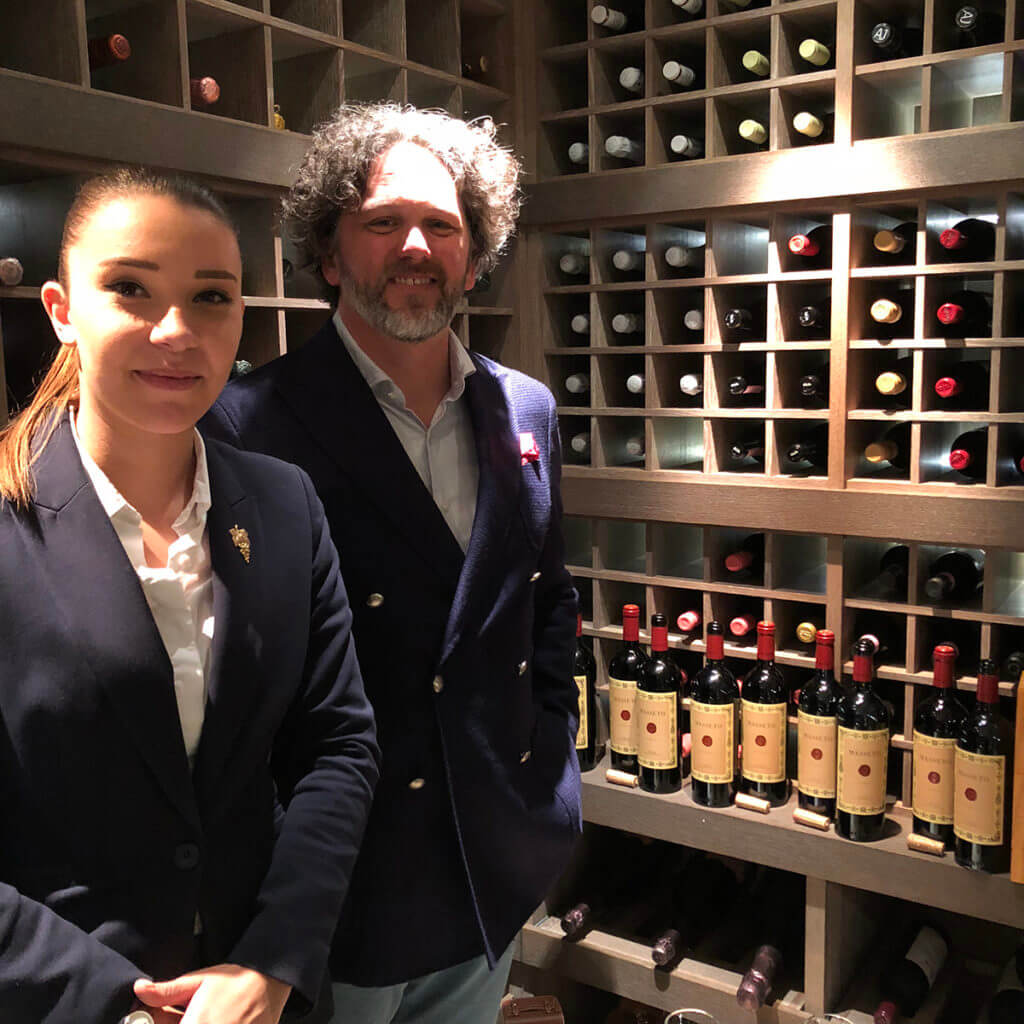
Masseto label on wine bottle with red wax stampAxel Heinz is not what you would expect of a Tuscan winemaker. Half German, half French, he speaks English with a perfect Received Pronunciation public school accent, the result of a UK school education. He is also thoughtful and philosophical about the great issues surrounding wine – and how he has helped turn Masseto, the jewel in the crown of the estate he runs, from being just another good Italian red, to one of the world’s greatest wines, on a par with Chateau Lafite and Petrus, within just 15 years.
Follow LUX on Instagram: the.official.lux.magazine

Axel was on sparkling form while hosting a dinner for friends of LUX in London this week, introducing some wonderful vintages of Masseto.

Masseto's vineyard director Axel Heinz in a wine cellar

Axel Heinz at the LUX Masseto dinner

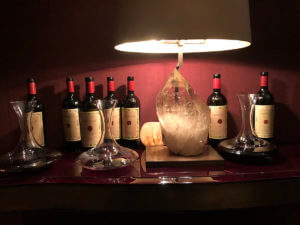
wine bottles lined up against a burgundy wall with a decanter

A selection of wines a the LUX dinner

The 1998 showed the mark of a truly great wine, having developed into a subtle kaleidoscope of delicate flavours and layers. I asked Axel what it was that allowed some wines to develop this astonishing complexity with age – to improve, rather than just get older – and his answer was that it is a blend of magic and expertise. Of the eight vintages we tasted, the 2006 is the most celebrated, but my favourite was the 2010, with its blend of power and poetry.

Read more: Meet Manhattan’s star real estate broker and fixer Gennady Perepada

Masseto is also changing, for the better, with a new winery opening on its estate on a hillside above the Tuscan coast, next year. It’s a magically beautiful place, and the place, and its creations, were celebrated with much gratitude and joy at our private dinner in London.

masseto.com

Share:
Reading time: 1 min
tropical luxury island resort
Night time image of Hong Kong with lights reflecting on water

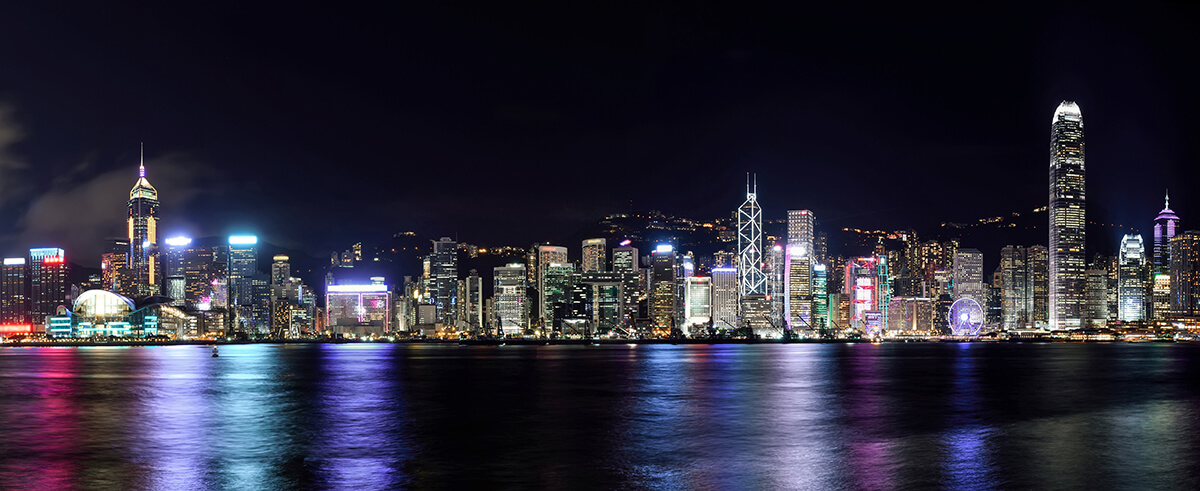
Even luxury hotels in the world’s great metropolises, like Hong Kong, sometimes get it wrong, according to Geoffrey Kent

It’s surprising how often ‘luxury’ hotels get even the simple things wrong and lose precious booking revenue because of some too-common errors, says Abercrombie & Kent Founder Geoffrey Kent

I was 16 years old before I spent the night in a hotel. The Ambassador was one of the grandest hotels in Africa. It was a mecca for travellers who liked to be as comfortable as money could make them. Mr Perfitas, the owner, ensured that his hotel did luxury in the right way. Since then, both as a travel professional and someone who loves adventure, I’ve stayed in hotels, chalets, camps – every type of lodging – on every continent and in nearly every country on Earth. I’ve experienced all the good, the bad and the ugly that hospitality can offer. Here’s how even the top luxury hotels can get the basics of hospitality so very wrong.

Charging extra for wifi

Wifi is frequently the highest rated in-room amenity. Like many businesspeople, I’m on the road for the vast majority of the year. I’m reliant upon technology to allow me to run my business whilst travelling and I don’t want to have to pay additional fees for wifi in hotels. Some hotel brands have even been fined for blocking personal connectivity devices so that travellers are forced to fork out if they want access to the network.

Follow LUX on Instagram: the.official.lux.magazine

Interestingly, hotels at the lower end of the market have always gotten wifi right, guessing that to win business travellers on tight budgets, they’d have to offer complimentary connectivity and it wasn’t unheard of for hotels within the same brand to have differing policies on wifi charges. Thankfully higher-end properties have spent the last few years getting with the programme, and free wifi is becoming de rigueur.

In 2014, the president and CEO of Loews Hotels and Resorts, Paul Whetsell, stated that he didn’t think it was “sustainable to keep charging” for wifi, scrapping the $14.99-20 a day charge his properties had been asking guests to pay.

Hidden fees

Hotels shouldn’t be charging for all the extras: parking fee, resort fee, gym fee, early check-in, late check-out, an energy surcharge, luggage holding, etc., etc. And please don’t get me started on ludicrously expensive buffet breakfasts. The mark-up on granola is enough to suppress even the heartiest appetite.

Complicated in-room lighting systems

In-room lighting systems must be wonderful fun for those with engineering degrees I’m sure, but for the rest of us attempting to find the switch to turn off that one light which defies all efforts to make it go dark is infuriating.

Hotels should also make the lighting smarter to guests’ needs. If feet hit the floor in the middle of the night, chances are someone needs to use the facilities, the lights should illuminate the way subtly without waking all occupants.

Read more: Why you should check into La Réserve hotel, Geneva this spring

Unreliable showers

Over the years, hotel showers have changed for the better. Sea-views, desert-views, glass feature walls, multiple heads, custom-built benches, built-in sound systems, I love that hotel showers now feature tech-savvy touches and that there isn’t a clingy plastic curtain in sight. However, no one wants to stand there alternately freezing and boiling, under a trickle or tidal wave, while they attempt to work out the pressure and heating settings.

tropical luxury island resort

A private island resort is less magical with an intrusive butler, according to Geoffrey Kent

Lack of power sockets

There should be easy to access outlets so that guests can charge devices on the bedside table and don’t have to crawl under any furnishings to find a plug. Or, even better, hotels should consider furniture with in-built charging facilities. After all, even Ikea stocks products that contain integrated wireless charging.

Read more: Richemont launches debut watch brand, and it’s sustainable

Intrusive service

Butlers should appear as if by magic to grant my wish for a cold beverage or a hot snack. Having a butler should make a stay feel flawless, not make guests uncomfortable.

Badly stocked (and expensive) mini bars

Mini bars should be stocked with a variety of healthy snacks and guests shouldn’t be charged to restock it (another hidden fee). Many forward-thinking resorts are now making the mini bar contents bespoke, and complimentary – in my view that’s the way forward for luxury.

However, not all properties forget the basic rules of hospitality. Hotels that I believe are exceptionally good include The Peninsula Hotels in Paris and Hong Kong, the Mandarin Oriental New York, and Il Sereno, a new property on the shores of Italy’s Lake Como.

All offer complimentary wireless internet access as standard. The Mandarin Oriental even advertises its free wifi on its Google search page title. A stay at one of these hotels exemplifies how hotels get luxury right, seamlessly.

Read more of Geoffrey Kent’s exclusive columns for LUX here

Share:
Reading time: 4 min
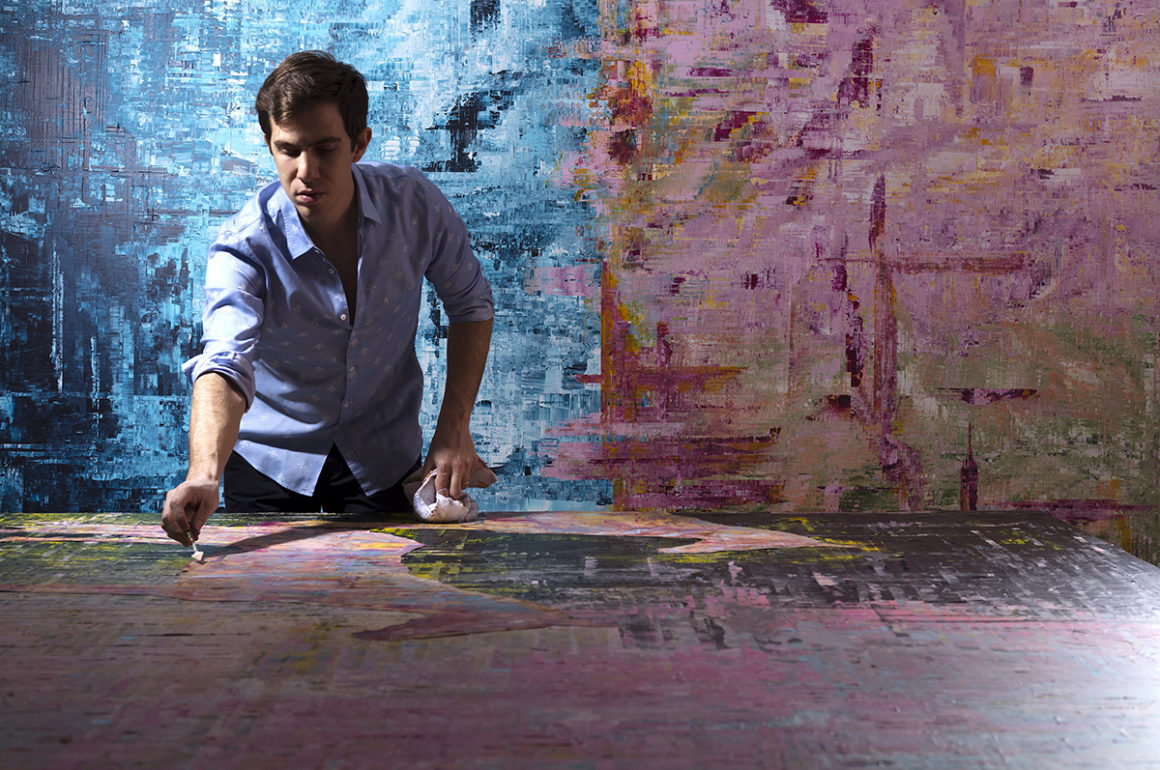
Artist Sassan Behnam-Bakhtiar working in his studio on large scale paintings

Sassan Behnam-Bakhtiar in the studio

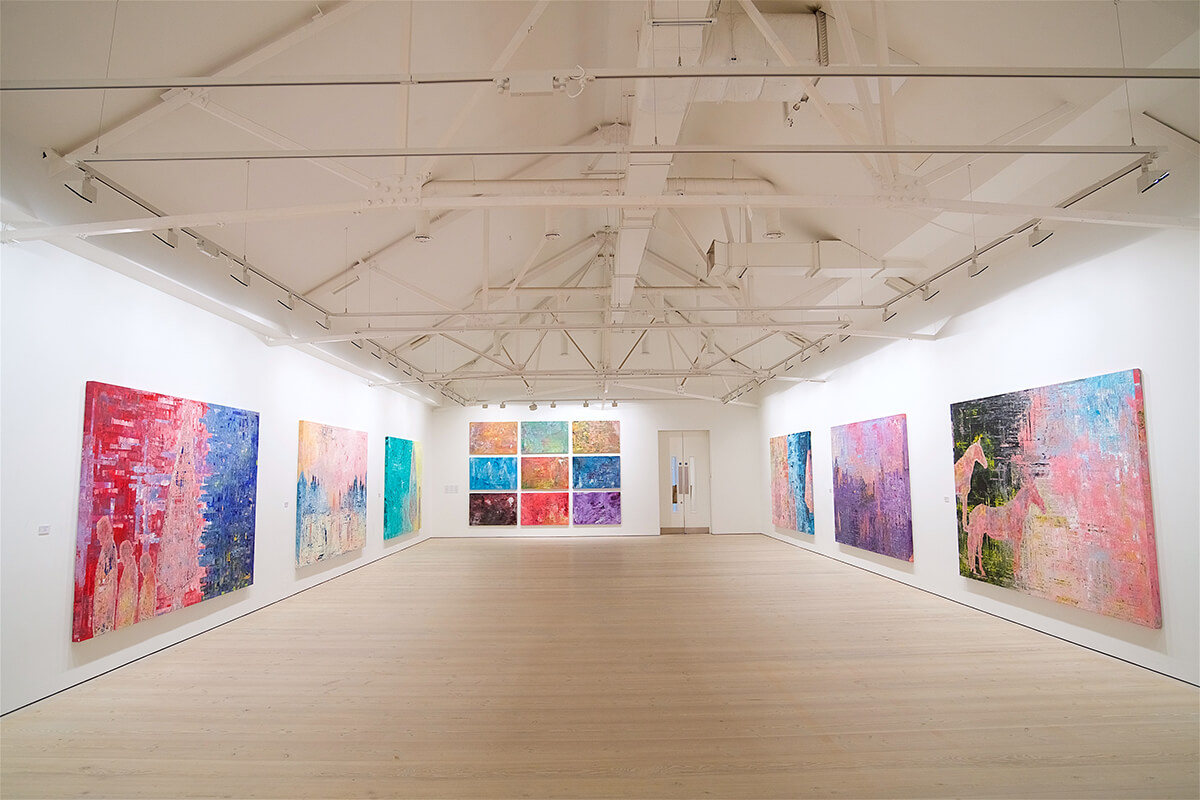
French-Iranian artist Sassan Behnam-Bakhtiar‘s latest exhibition at the Saatchi Gallery is refreshingly uncontroversial. And that’s the point. Aptly titled Oneness Wholeness, the show is a response to what Behnam-Bakhtiar sees as an unhealthy obsession with materialistic wealth and ego in contemporary society. As such his artwork functions as a kind of cathartic release, taking the form of calming, colourful, mixed-media expanses, that draw inspiration from Persian mythology with curious textures, figures and reflections.

white open plan gallery space with large colourful canvases on the walls

Gallery view of ‘Oneness Wholeness’ at the Saatchi Gallery

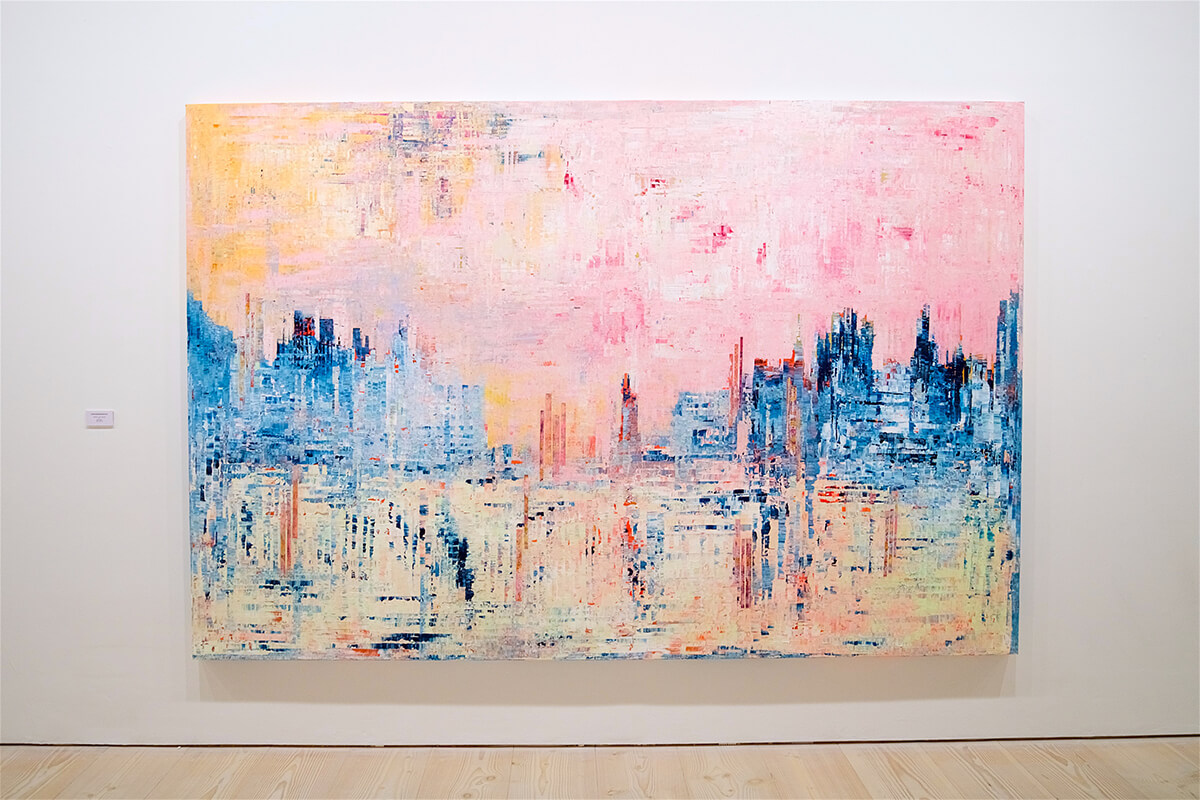
large scale mixed media painting of abstract cityscape

Reflection of The Damned 2017, Sassan Behnam-Bakhtiar

Follow LUX on Instagram: the.official.lux.magazine

There’s a distinct movement visible in the paintings that not only reveals the artist’s process, but also a kind of gentle fluidity, a lapping almost (not dissimilar to Monet). Whilst the titles are mystical sounding, pointing towards Behnam-Bakhtiar’s musings around existentialism, nature and harmony: Guardians Of Life, The Pursuit Of Light, and Me and Her. 

Read more: Meet Mister Manhattan, Gennady Perepada, real estate broker and fixer

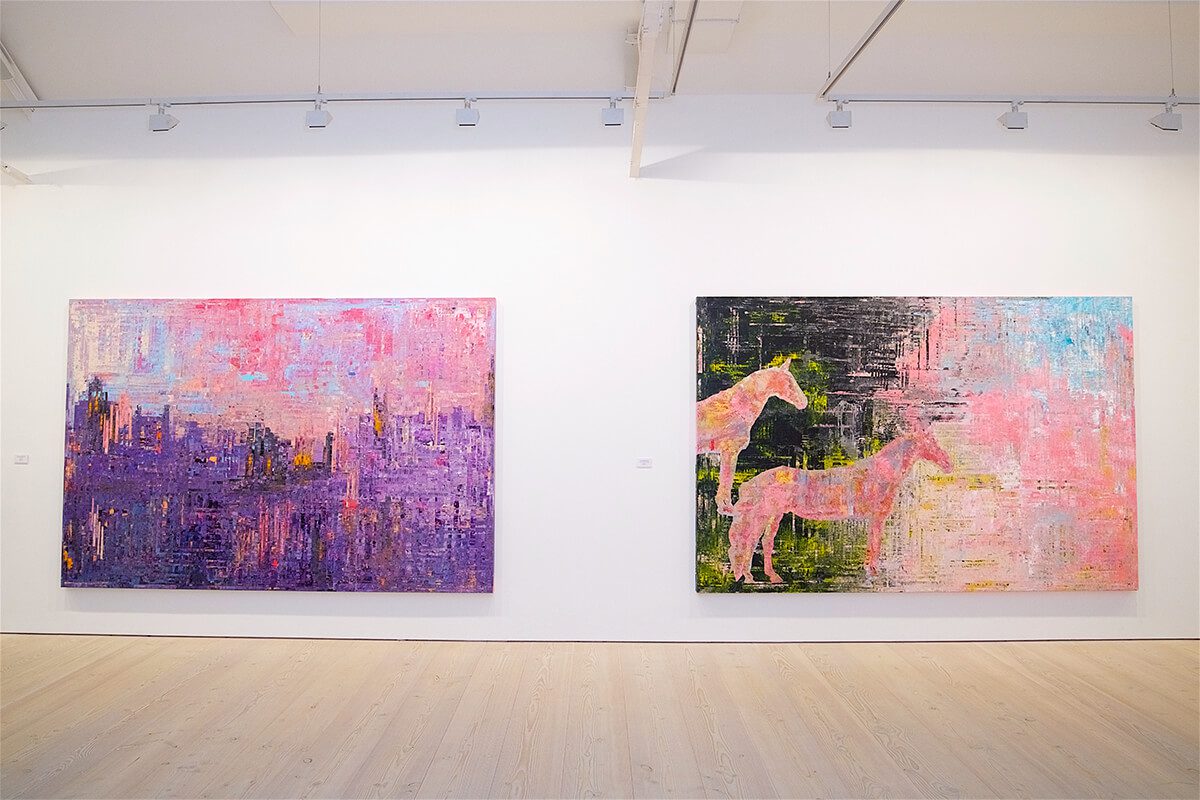
Two large scale colourful paintings by Sassan Benham-Bakhtiar hanging on gallery wall

But at the same time, these are not works of mere whimsy, look closely and there are shades of darkness, nostalgia, raw emotion.

Millie Walton

‘Oneness Wholeness’ by Sassan Behnam-Bakhtiar and curated by Nina Moaddel runs until 5 June 2018 at the Saatchi Gallery, Chelsea.  For more information on the exhibition visit saatchigallery.com/art/sassanbehnam-bakhtiar.To learn more about the artist visit sassanbehnambakhtiar.com


Share:
Reading time: 1 min
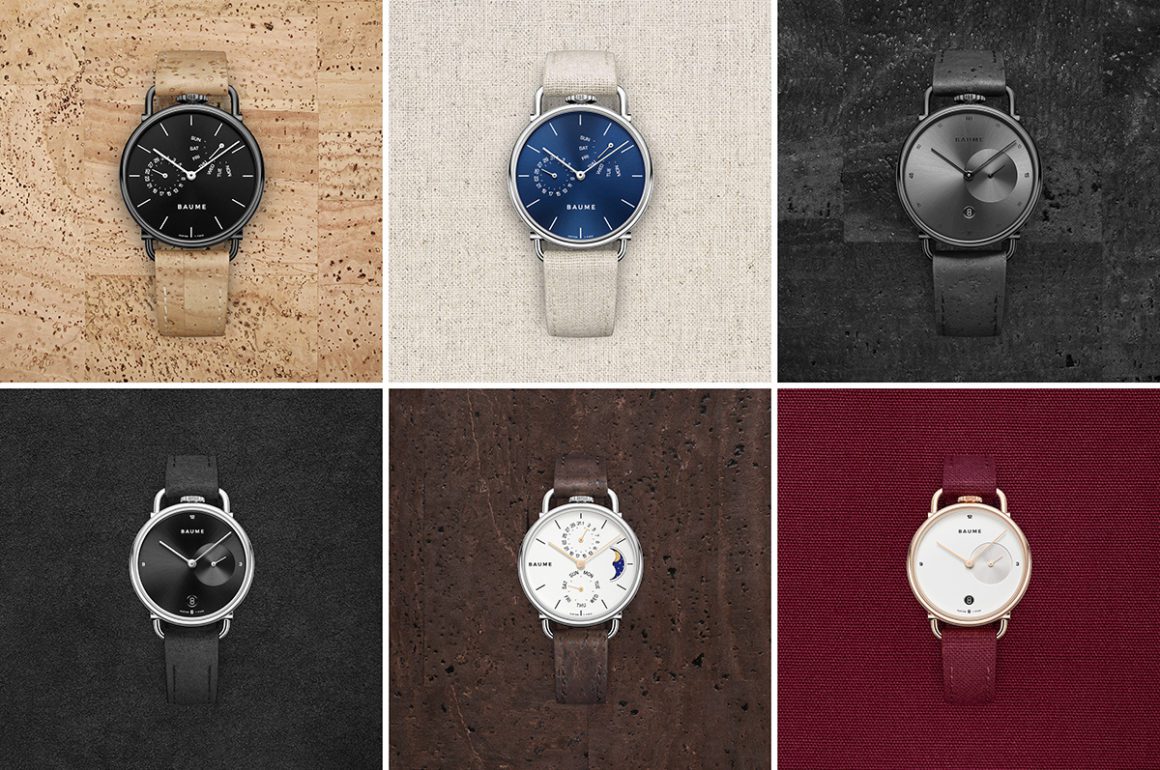
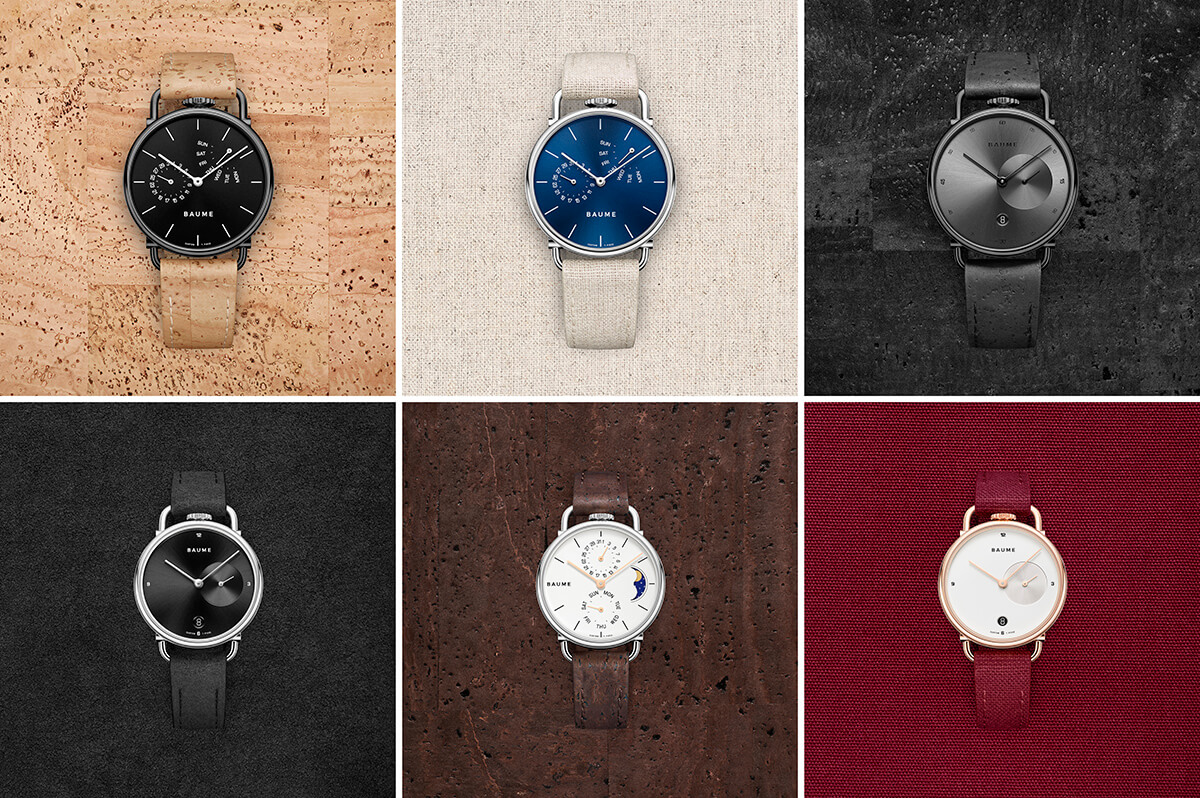
collage image of watches using different sustainable strap materials

Richemont’s debut watch brand Baume aims for total sustainability

Uber luxury goods holding company Richemont owns some of the world’s biggest brands in the watch and jewellery industries including Cartier, Van Cleef & Arpels, IWC Schaffhausen, Piaget and Vacheron Constantin. Now the company has created their own luxury watch brand with the aim of total sustainability. Introducing Baume.
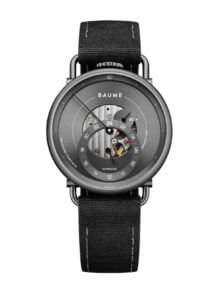
luxury timepiece in dark grey with silver dial and black strap

The Iconic Series

Baume is targeting a truly modern mindset. The brand’s luxury timepieces are not only fully customisable, but created through sustainable processes, using a online configurator with over 2000 variations to provide consumer choice and reduce waste. It might sound like a clever marketing ploy, but to demonstrate full commitment, the brand has partnered with Waste Free Oceans to create watches and parts from recycled plastics, with the view to collaborate with similar organisations in the future.

Follow LUX on Instagram: the.official.lux.magazine

“We use no animal-based or precious materials and unused components are recycled or re-used. Our interchangeable watchstraps are made from natural, up-cycled or recycled fabrics such as cork, cotton, linen, alcantara and recycled PET. Packaging is kept to a minimum: there is no secondary packaging and only FSC-certified paper and cardboard are used,” comments Baume Brand leader Marie Chassot.

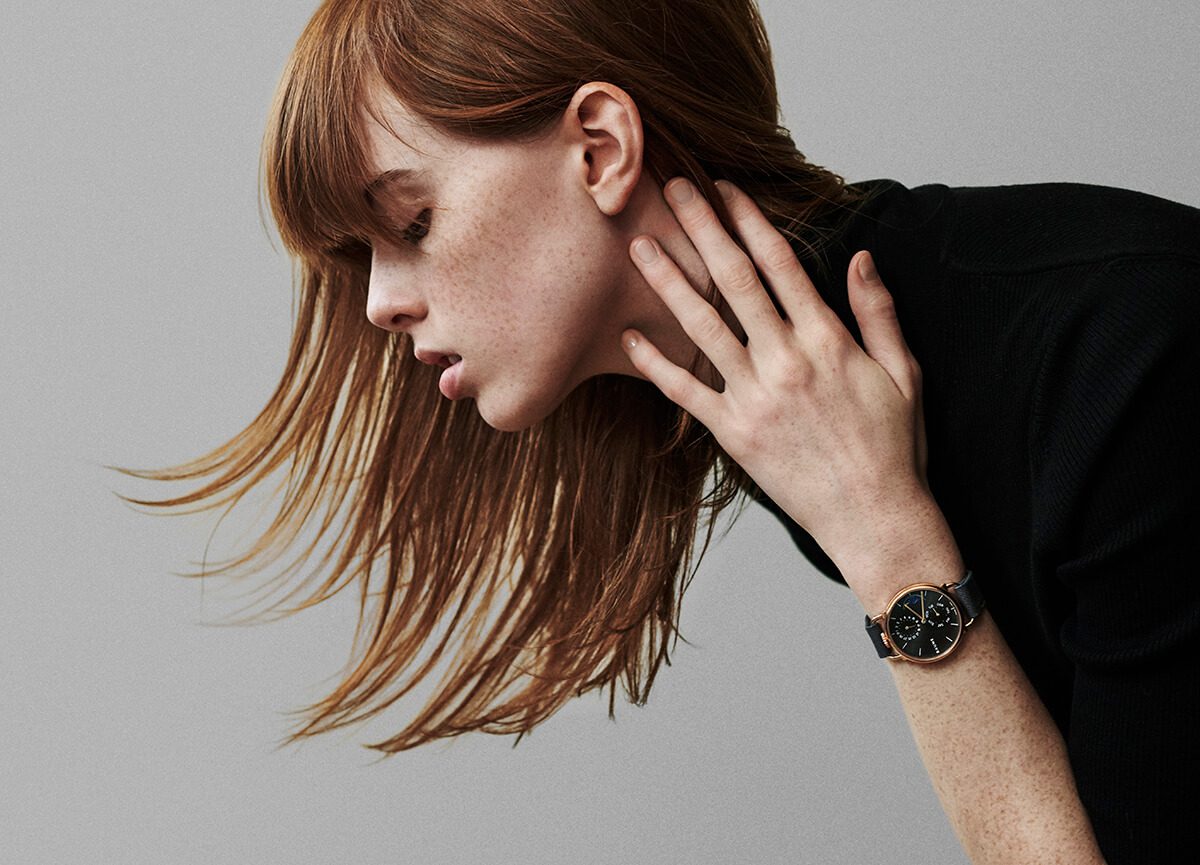
campaign image with red haired model wearing luxury watch

Baume is committed to using upcycled, recycled and sustainable materials

The design aesthetic of the brand’s debut collections the Iconic and Custom Timepiece Series is minimalist and contemporary. The Iconic watch features a case made from partly recycled aluminium and a strap made from 100% recycled PET (plastic), with the plan to release a limited edition made from other recycled materials later this year.

The Custom Timepiece Series allows customers to pick from two stainless steel size cases, a variety of colours, number of dial executions, various features and straps made from materials such as natural cork, cotton and linen – our favourite for this summer is the cotton variation in burgundy.

To view the full collections and customise your own timepiece visit: baumewatches.com

Share:
Reading time: 1 min