


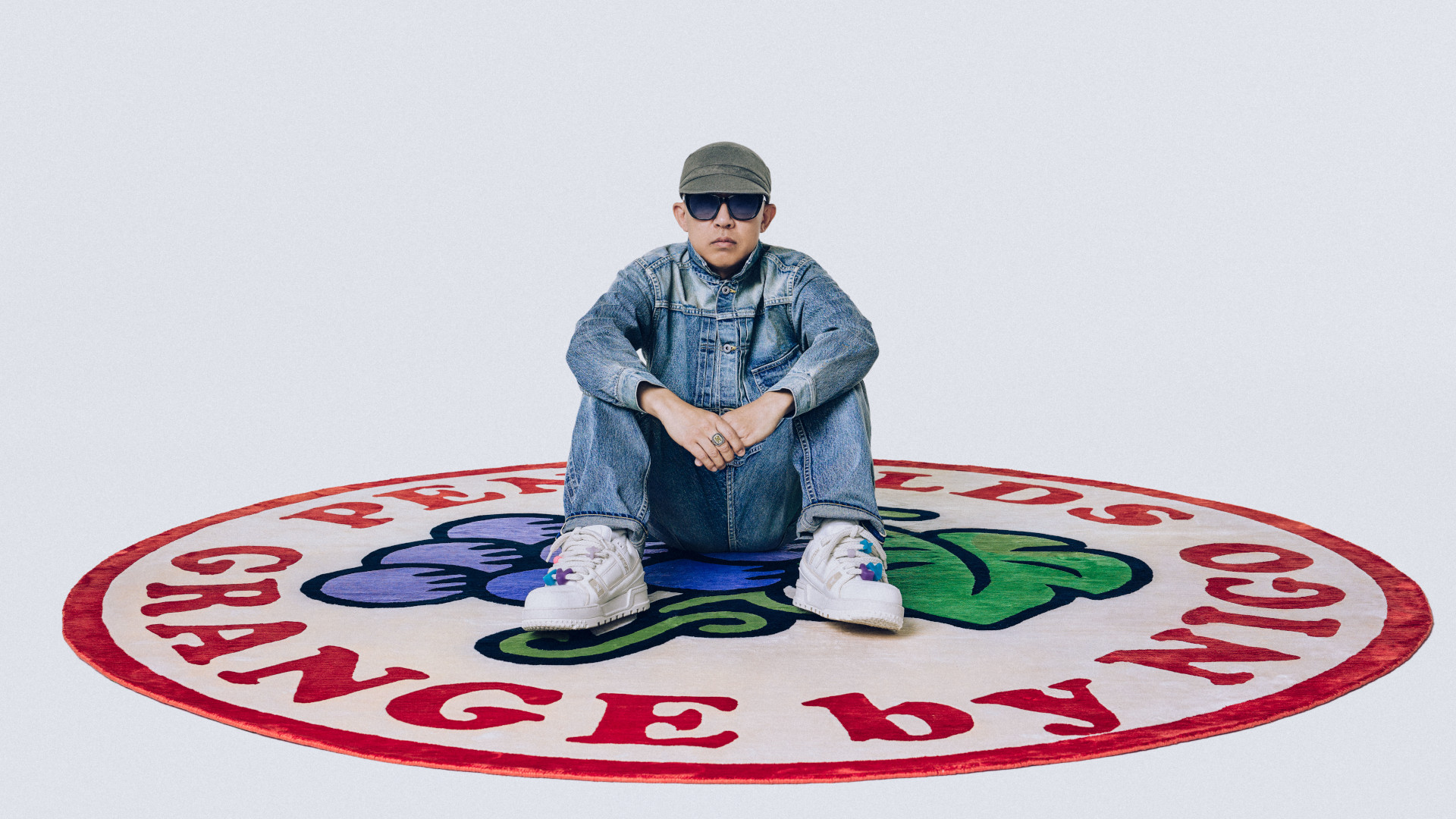
NIGO will be leading the creative vision for Penfolds in a multi-year artistic collaboration
Fashion and wine meet with the collaboration of Japanese fashion designer NIGO and the iconic Penfolds wine brand
One of the world’s most iconic wines just got a little more special. For years, collectors have lusted after Penfolds Grange, Australia’s most celebrated wine and quite possibly the most revered luxury brand to come out of the country. The phenomenon of Grange, as it is known to connoisseurs the world over, from Shanghai to San Francisco, is largely due to its sheer quality – many consider it the world’s best wine made from Shiraz (otherwise known as Syrah) grapes, but also due to its originality.
This collaboration sees the influence of NIGO’s company, Human Made, which was founded in Tokyo and draws upon
graphic design, subculture and streetwear
Unlike every other iconic world wine, whether from Bordeaux, Burgundy, Napa or elsewhere, Grange is not made from a single vineyard, or even from the same designated vineyards in a small, geographically distinct area, every year. Rather, it is made from grapes from Penfolds own vineyards and grower partners’ vineyards across Australia, selected by the Penfolds winemaking team for their Grange-like character. It is an icon that is also an iconoclast.
Read more: Inside Penfolds, the global luxury wine brand
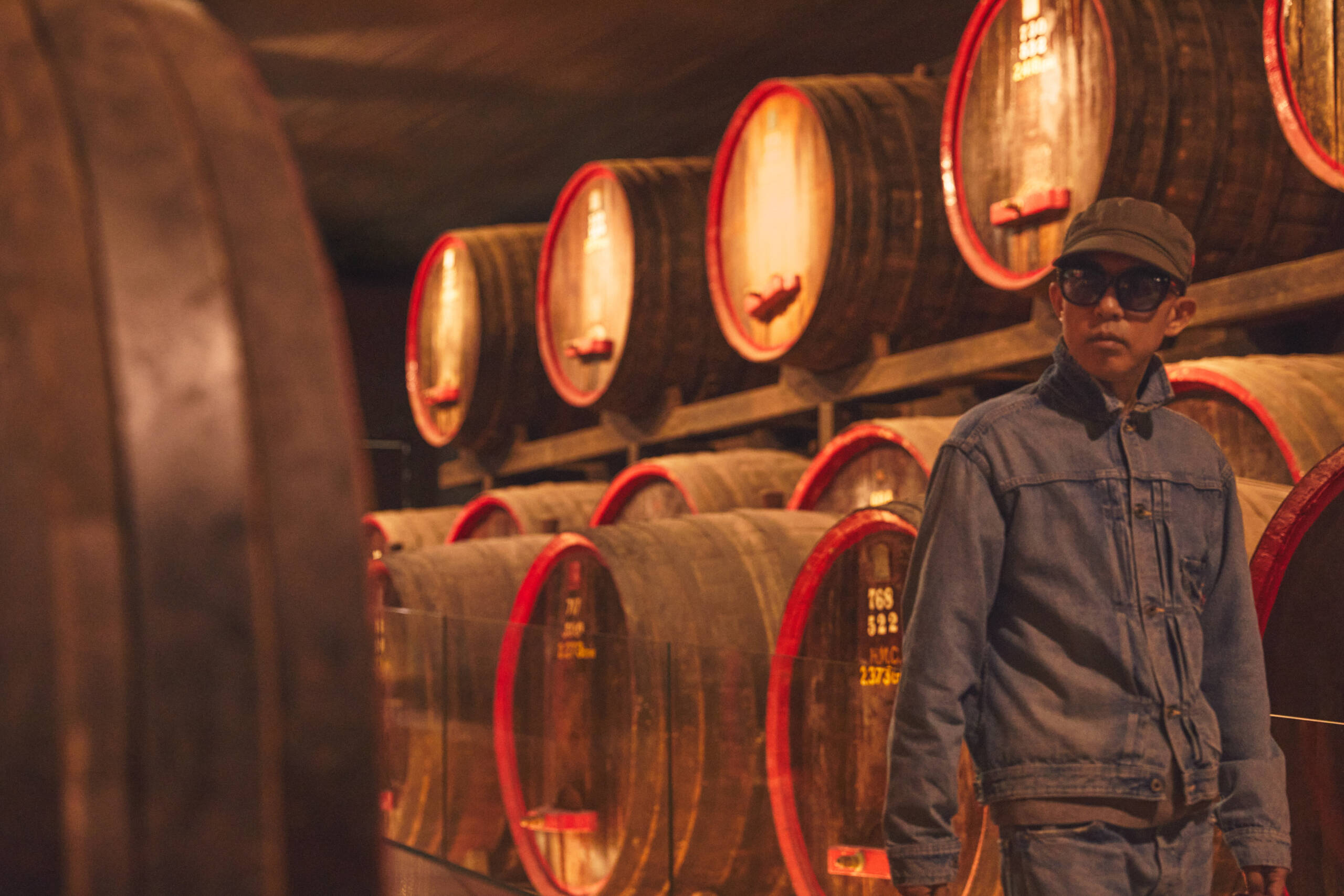
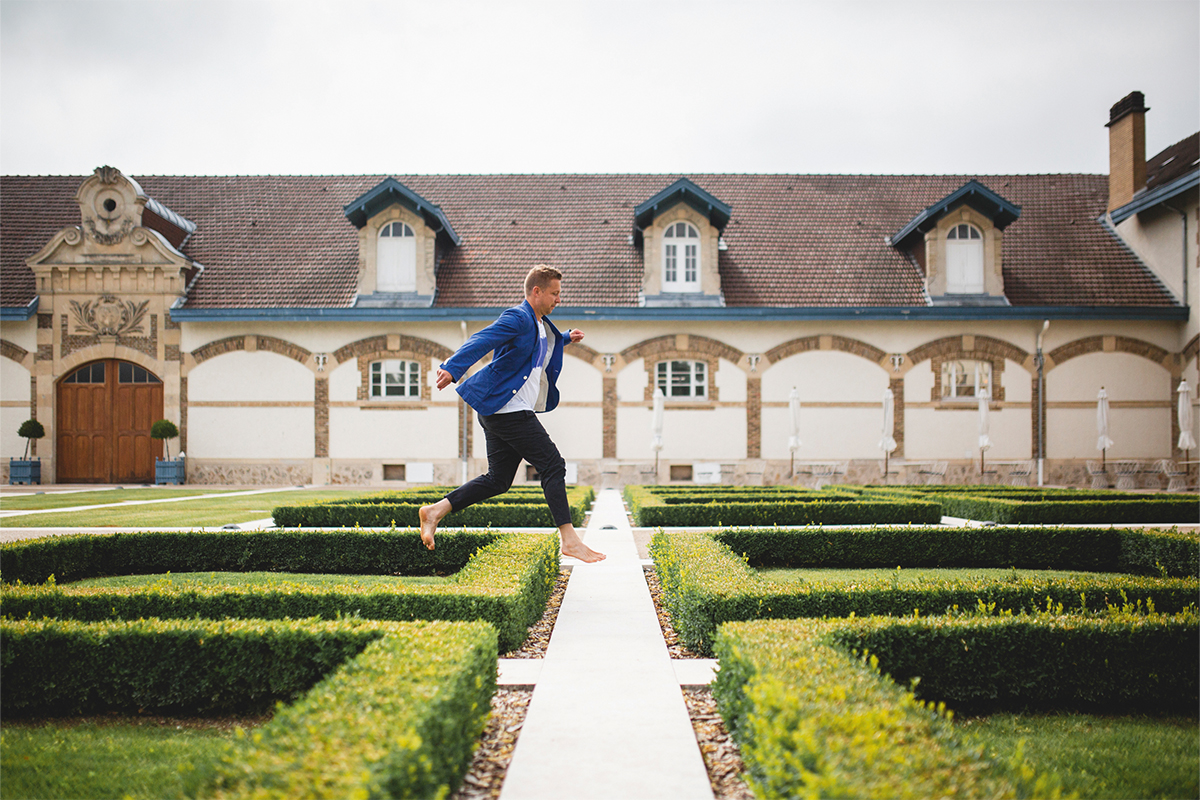
NIGO, visiting Penfolds’ Magill Barrel Room, ahead of his collaboration, ‘Grange by NIGO’
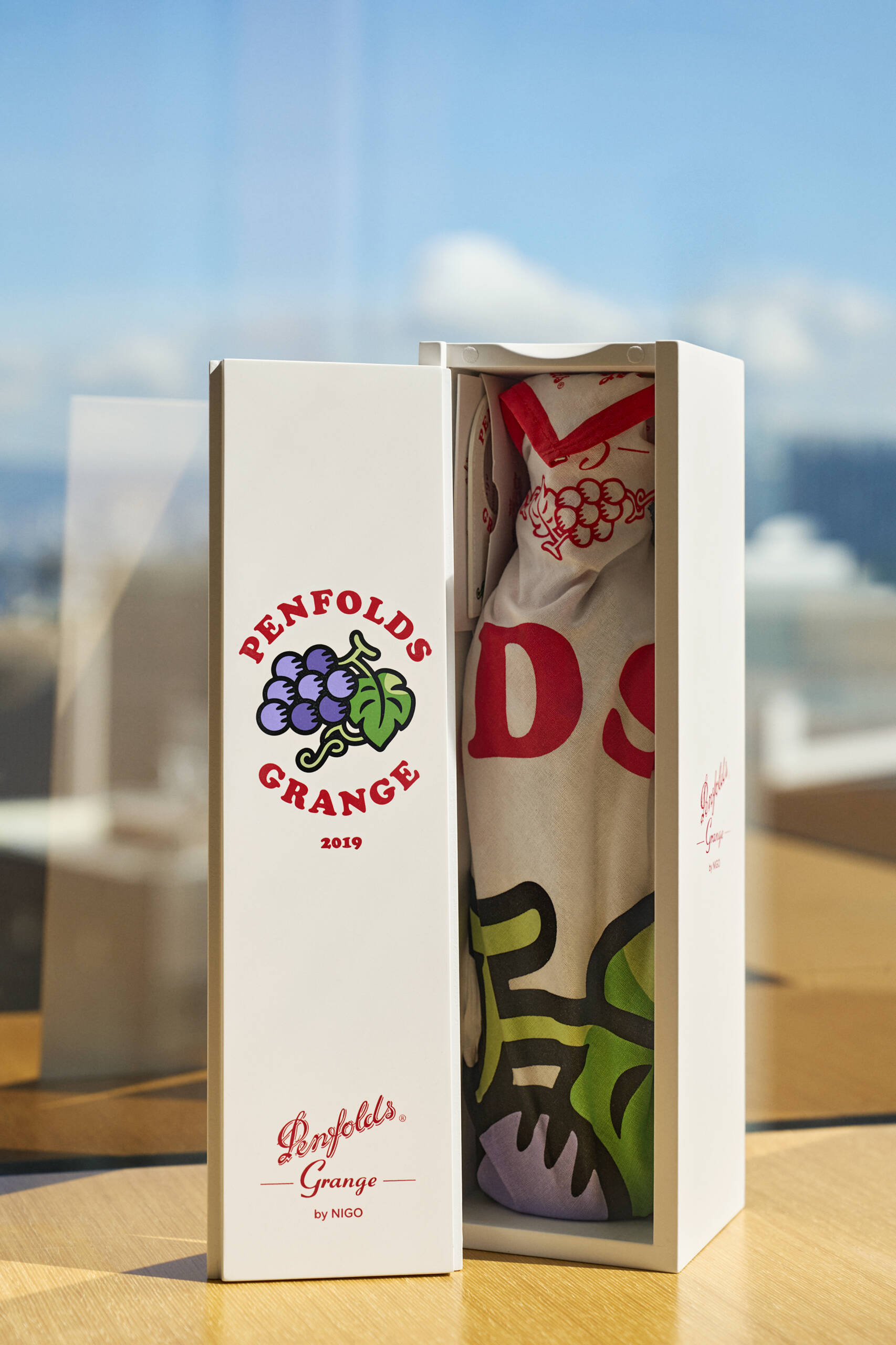
So, how suitable that Penfolds Grange has partnered with the wildly original – some might say iconoclastic – Japanese designer and cultural hero NIGO, who is also Artistic Director of the Kenzo fashion brand and founder of Human Made. Appointed as the wine brand’s first ever Creative Partner in 2023, NIGO is working on a series of collaborations with the brand, none more exciting and iconoclastic than the recently released Grange by NIGO, which has seen NIGO design a limited edition gift box for the 2019 vintage. With each gift box individually numbered and including a bandana and bottle neck tag also designed by NIGO in his signature style, it’s a bold step for a fine wine brand, as Penfolds Chief Marketing Officer, Kristy Keyte, explains:
Follow LUX on Instagram: luxthemagazine
“This is a different direction for us, and the first time we have changed the distinctive gift box of our flagship Grange. Collaborating with NIGO has been inspired by Penfolds history of pushing boundaries in winemaking, and now we expand this to exploration of new creative ideas. As a collector, NIGO understands the reputation of Grange and its legacy. He was able to create a limited-edition approach that is both playful and fresh while remaining respectful to the history of the wine. We have never done this before, and the result is brave and refreshing.”
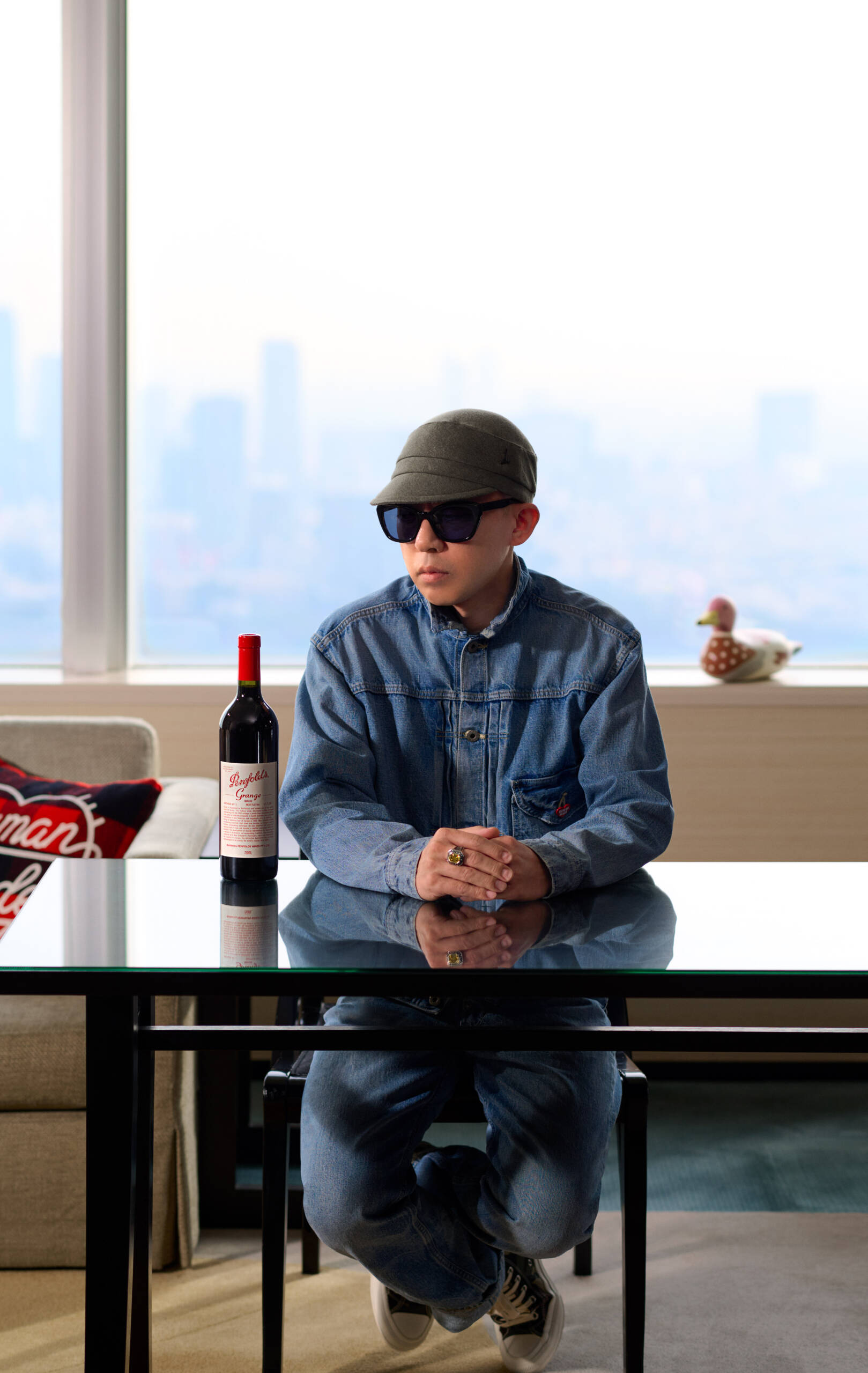
‘Penfolds has always been one of my favourites’, says avid wine collector, NIGO
NIGO, a fine wine collector himself, commented : “I have been a collector of Grange for many years, but it wasn’t until I visit Penfolds Magill Estate that I truly understood the craftmanship and history behind the historic wine. It was an honour to be the first person to collaborate on a design for Grange, especially as the brand celebrates its 180th anniversary.”
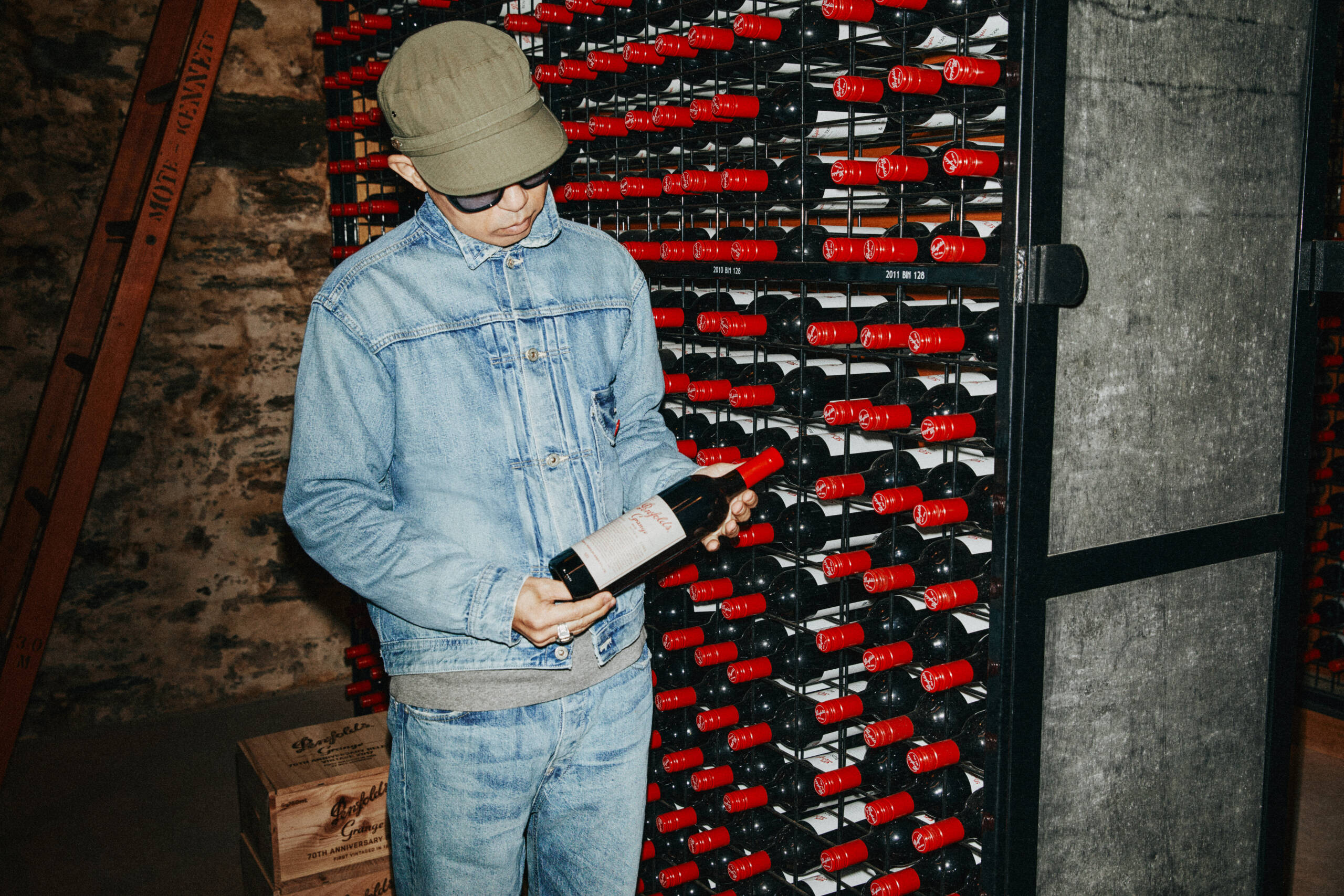
According to Drinks International’s 2024 list of The World’s Most Admired Wine Brands, Penfolds is one of the top three wine brands globally
There are only 1500 standard-sized 750ml bottles and 150 magnums available globally and they are selling fast in this, Penfolds 180th anniversary year, following their initial release in Australia and Asia recently, and they are likely to become highly collectible. We suggest buying as many as you can: its a wine whose box (and nifty bandana) is as striking and delicious as the liquid inside.
Penfolds Grange by NIGO is available globally. Future projects between Penfolds and NIGO will be announced later this year, 2024.
An Interview with Mouton-Rothschild’s Julien de Beaumarchais
Picasso, Miro, Dali, Richter, Braque: supreme Bordeaux Chateau Mouton-Rothschild has had them all, and many more, create its wine label over the decades. Candice Tucker speaks to Julien de Beaumarchais, from the owning family of the esteemed first growth, about the latest label artist, Chiharu Shiota, whose work adorns the excellent 2021 vintage
LUX: How has your relationship with art changed through the process of commissioning these label artworks?
Julien de Beaumarchais: Before the passing of my mother, Baroness Philippine de Rothschild, in 2014, I spent more than 15 years working in the market for Old Master paintings and drawings, the creators of which had been dead for a very long time. So it was a radical change for me when, after 2014, I became responsible for the artists who would illustrate the label for our next vintage. I found myself in contact with famous people with strong personalities who were very much alive, accompanying them throughout their creative adventure for Mouton. From Miquel Barceló to Shiharu Chiota, it has been quite a voyage of discovery into all the diversity and complexity of the leading names of contemporary art.

Château Mouton Rothschild Winery. Photo by Alain Benoit
LUX: Can you illuminate the relationship of the family with this particular artist Chiharu Shiota? How do you choose your artists?
JB: The choice of the artist is a family affair, made in consultation with the other two owners of Château Mouton Rothschild, my sister Camille Sereys de Rothschild and my brother Philippe Sereys de Rothschild. The artists are chosen first and foremost because we like their work and that they are world renowned. My mother, the late Baroness Philippine de Rothschild (1933- 2014) used to give the following answer to this question, which still holds true today: “I have no particular method or five-year plan: my choice is based on my enthusiasm for an artist’s work. I always establish a personal relationship with them, which often turns into friendship, because I deeply love the art of the painter I ask, and for me each work is an expression of the artist’s love for Mouton and its magic.”
A long time ago my mother told me she had been fascinated by one of Chiharu Shiota’s works, shown alongside those of other young artists, at the Galerie Daniel Templon in Paris. For her, on that day, Chiharu Shiota really stood out, and the future has proved her right. The artist’s fame has grown with the passing years, as has the number of exhibitions of her works around the world, and I in turn have been fascinated by her striking, captivating installations. Chance played an important part too: in 2019, on the occasion of a visit to Château Mouton Rothschild, the director of the Mori Art Center in Tokyo offered me a copy of the magnificent catalogue of the great Chiharu Shiota retrospective at the Mori. Leafing through it, I said to myself “One day I will ask Chiharu Shiota to create an artwork for Mouton”.
Read more: Prince Robert de Luxembourg on Art & Fine Wine
LUX: Which artists do you wish you had secured in the past, who are now either unavailable or dead?
JB: That’s a very hard question to answer: there are so many wonderful artists we would have liked to work with, but there is only one a year. Those missing from the list who died before we were able to ask them include Louise Bourgeois, Cy Twombly, Vieira da Silva and, more recently, Sam Szafran in 2019… But the most important thing is to focus on the artists to come.
LUX: How do you feel the context of the artwork by Chiharu Shiota is influenced by the wine and the vineyard?
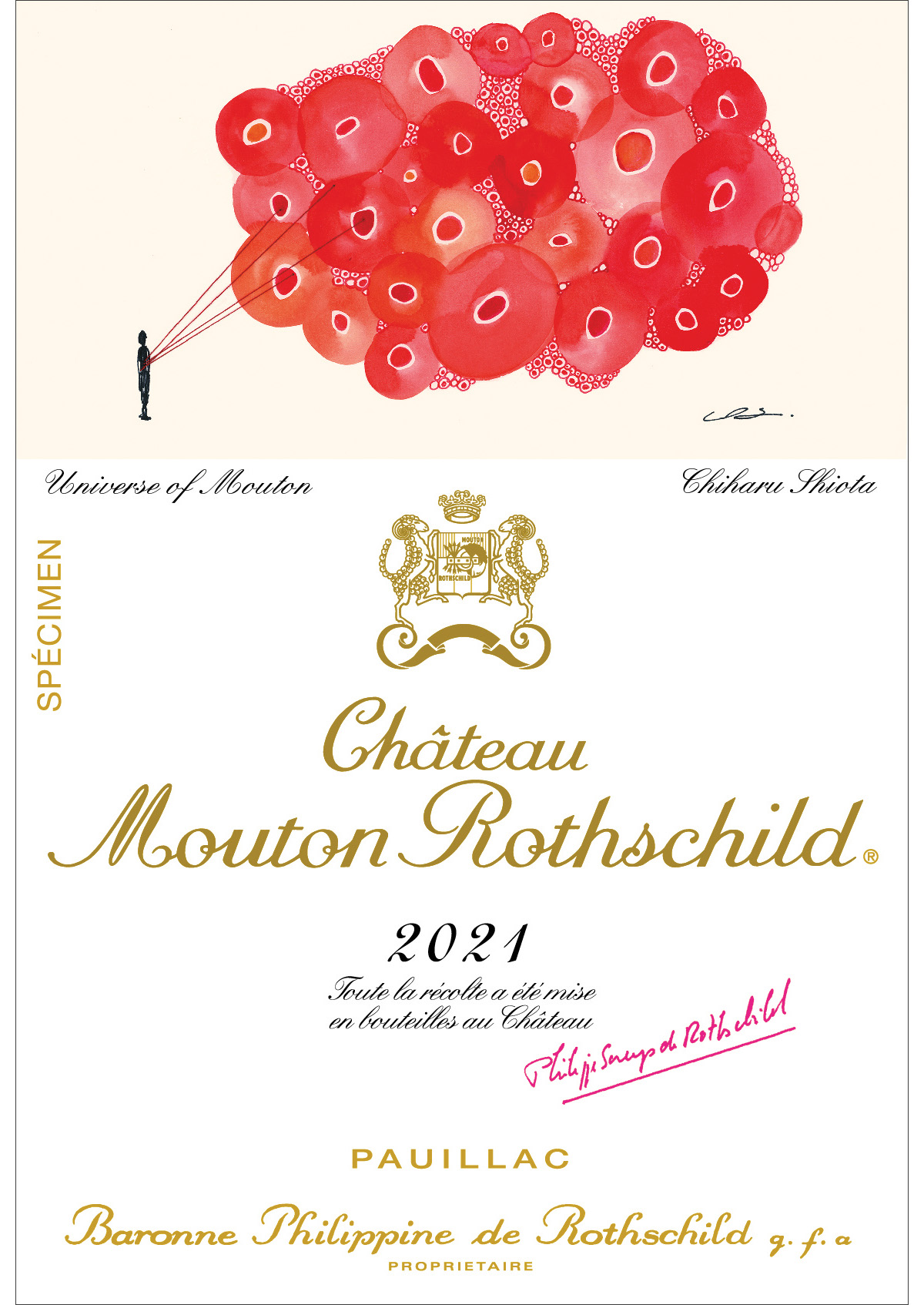
JB: When I discovered Chiharu Shiota’s artwork for Château Mouton Rothschild, I was fascinated by her vision, so close to the world of wine, especially in the relationship between humankind and nature. Indeed, the human figure is a fragile silhouette facing nature, gorgeous and generous but seemingly dominant, in the same way that the vinegrower is exposed to the unpredictable power of the vine. Yet the four threads that link them, symbolising the four seasons, show that the grower is also capable of channelling it and guiding it towards the ideal of a great wine. I really love this bright red colour, one of her trademarks, so reminiscent of a fabulous cluster of grapes or of new wine running out of the vats…
Plus, Chiharu Shiota said of his visit to Château Mouton Rothschild: “When I visited Château Mouton Rothschild, I was very inspired by their relationship with nature. They depend on the weather and do not interfere with mother nature. They accept the conditions in which the grapes grow. I think Mouton is holding on to the balance of human and nature.”

Château Mouton Rothschild 2021 Vintage label by Chiharu Shiota
LUX: Can you further speak to the wider context of art in untraditional spaces, which these commissions exemplify?
JB: It is true that nowadays artistic creation is to be found on a wide variety of media, and sometimes in highly unexpected places. But art on wine labels is not exactly untraditional, at least not for us, and we seem to have set an example for others. However, Mouton occupies a unique position for two reasons: it was the first château to feature labels illustrated with an original artwork (Jean Carlu in 1924), and after that to have asked the greatest names in contemporary art to create an artwork for the label.
LUX: Do you think people buy the wines because of the labels?
JB: Yes and no. Château Mouton Rothschild’s success is due above all to the quality of the wine. But art lovers or admirers of a particular artist who has created an artwork for a label may acquire a certain bottle for that reason, or else a wine collector may want to buy a specific vintage to complete their collection of Mouton Rothschild with illustrated labels.
Follow LUX on Instagram: luxthemagazine
LUX: Would you be able to share about the vineyard’s involvement in the artists process and their work for this commission?
JB: It is very important for us that the artist should come and spend some time at Château Mouton Rothschild, to get a feel for the place, a better understanding of our history, our terroir and the way we make our wine. The visit is often a source of inspiration.
Artists are not given any particular instructions when they create a label for Château Mouton Rothschild: they have entire creative freedom. That being said, many artists have chosen to base their illustration, each in their own way, on subjects related to Mouton, such as the ram and the vine.
There is a long and impressive line of artists who have contributed to these labels, with public access to the original works.

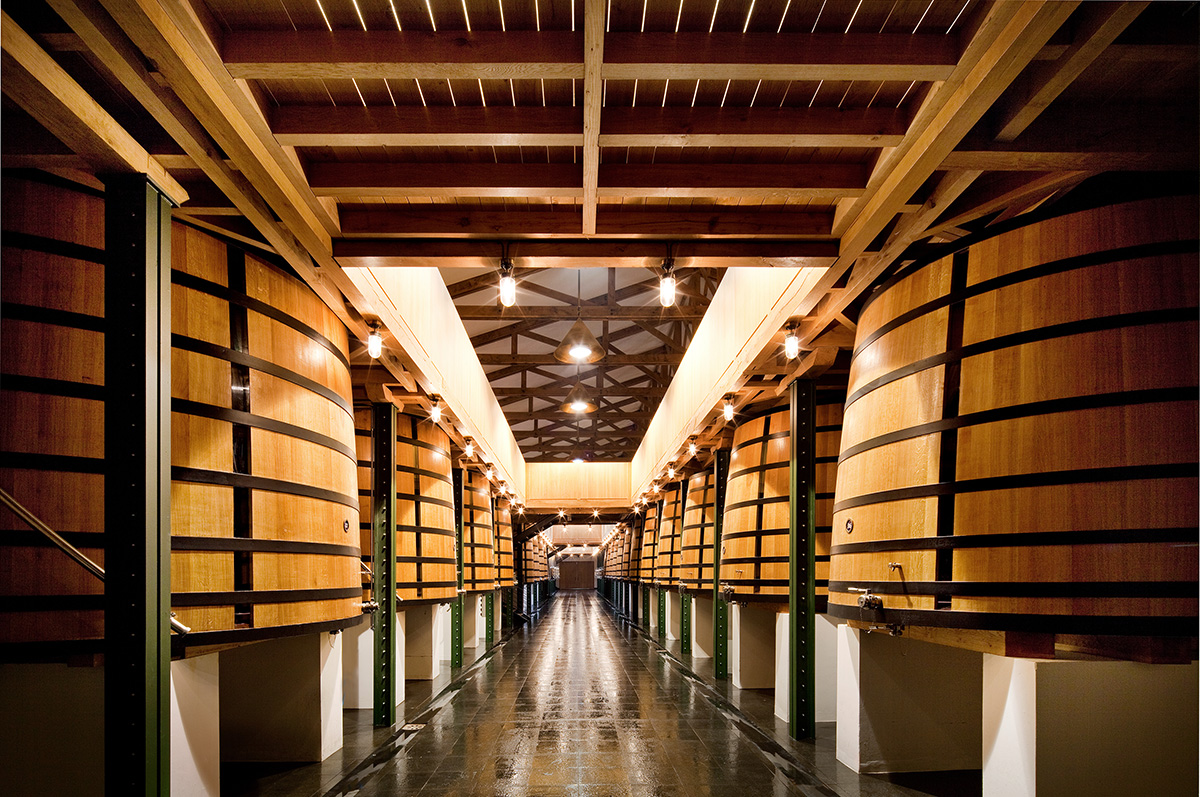
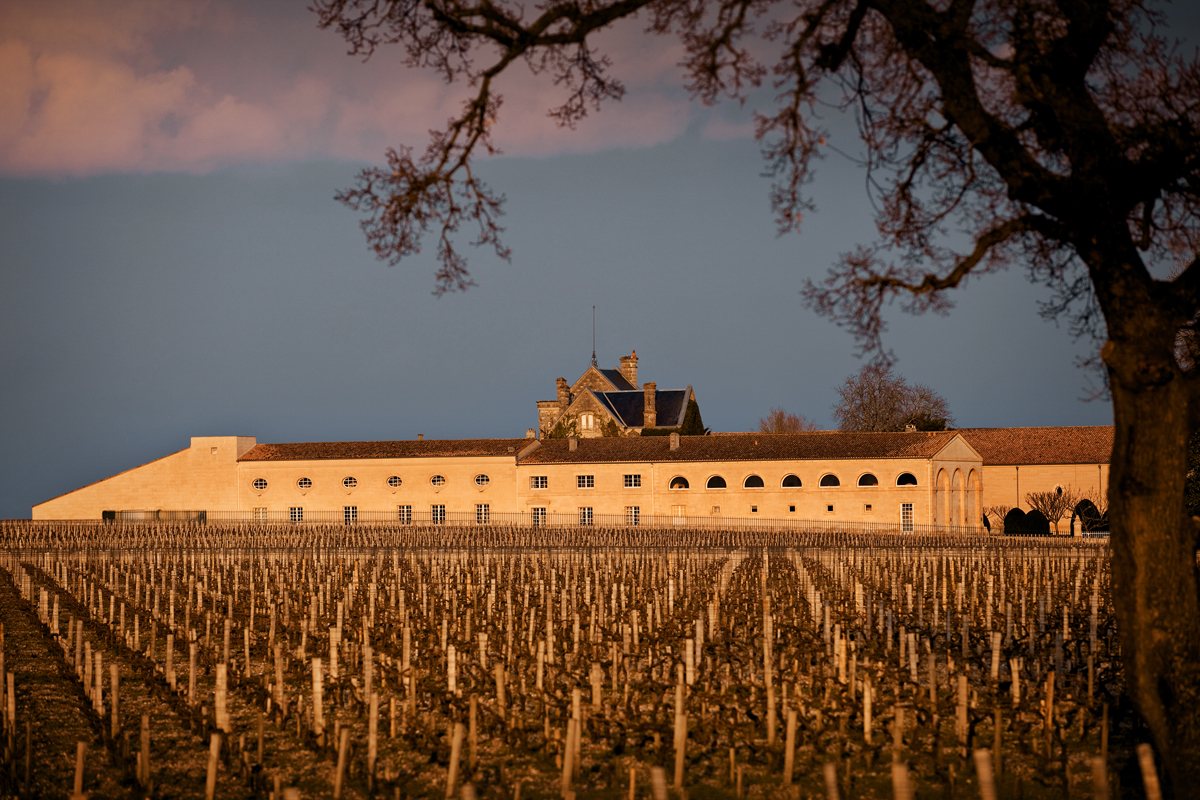
Château Mouton Rothschild estate. Photo by Alain Benoit
LUX: Can you tell us more about how you may hope to amplify this exhibition?
JB: The exhibition amplifies itself, since a new work is added to the collection each year! But more than amplify, what I would like most is to diversify, in terms of both creative techniques and the geographical origin of our future artists.
Find out more:mouton-rothschild

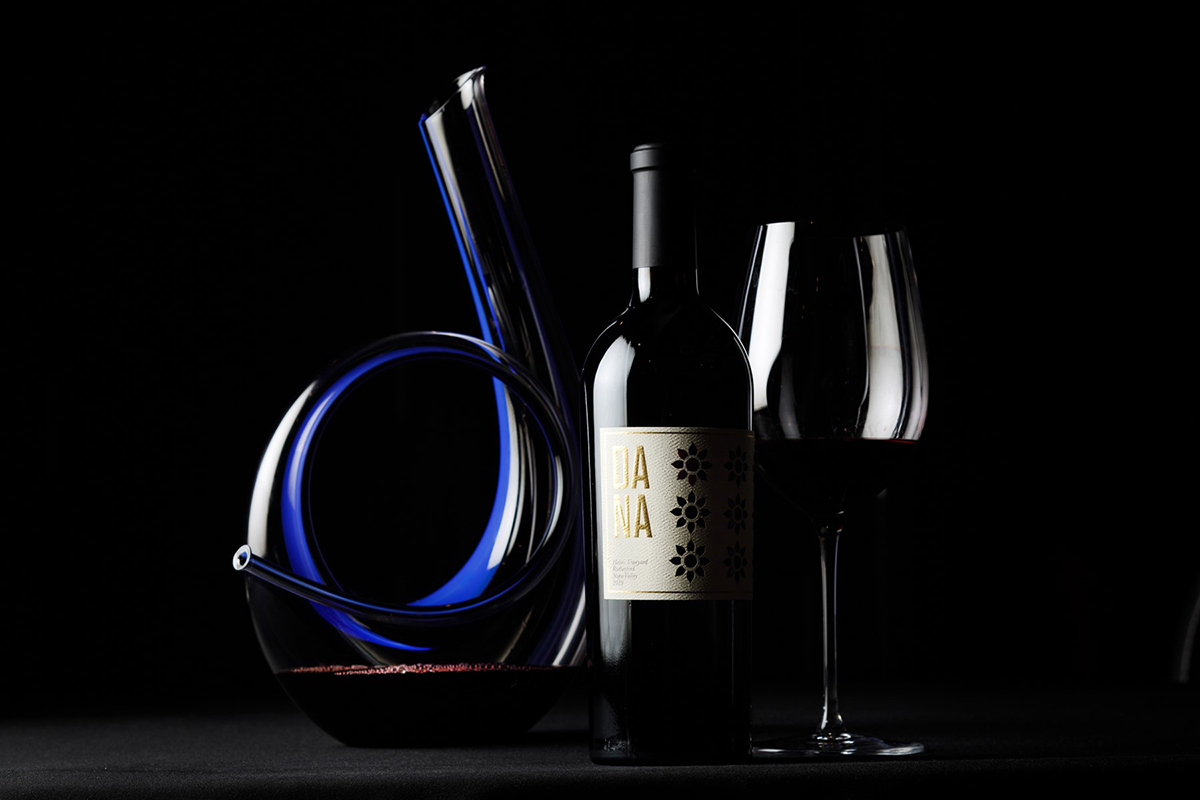
Dana Estates is one of Napa’s most prized wineries
Dana is a cult collectible among California wines, made in tiny quantities at sky-high prices. Its owners are on a self-declared quest for perfection. Darius Sanai sat down with them for a tasting of their exceptional wines
The universe of fine wine, more than that of any other luxury good, is filled with contradictions. You say you don’t like Merlot, but you pay £2000 for a bottle of Château Petrus, which is made, mainly, from Merlot. You would never dream of drinking a wine made from different vintages all in one bottle, yet you collect Krug Grande Cuvée champagne, which has made its name on doing just that. You don’t like California wines because they are too strong, and prefer to stick to Bordeaux, yet many Bordeaux wines, in this time of climate change, are 14% or 15% alcohol, just the same as their California cousins.
Nowhere is this paradox more vivid than in Napa Valley itself, the heart of California’s great wines. “Napa Valley Cabernet” is considered even by many wine connoisseurs to be one particular style, which they may profess strong views about either way – particularly if they are French, or a little snobbish and British. And yet not only does this area make a spectrum of different styles – arguably, much broader than that made in the grape’s famous homeland, Bordeaux’s left bank – but, geographically, geologically, horticulturally, and meteorologically, it is one of the most diverse wine producing regions in the world.

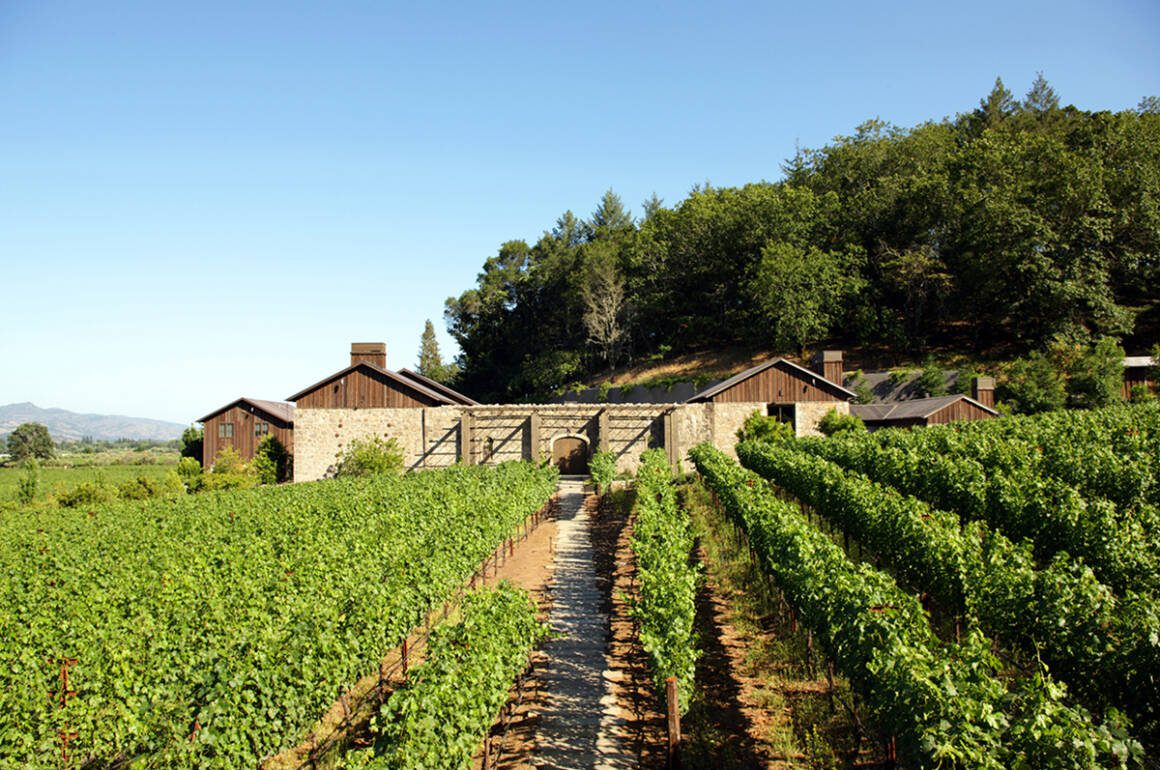
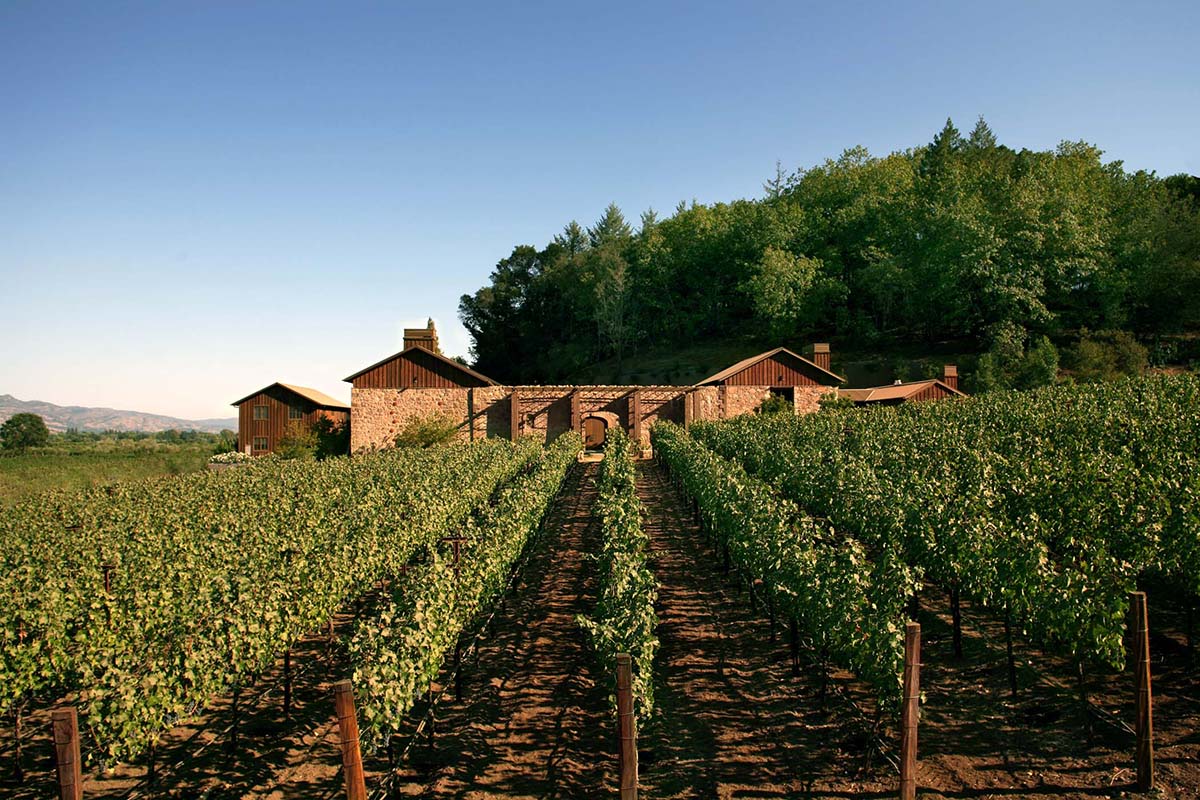
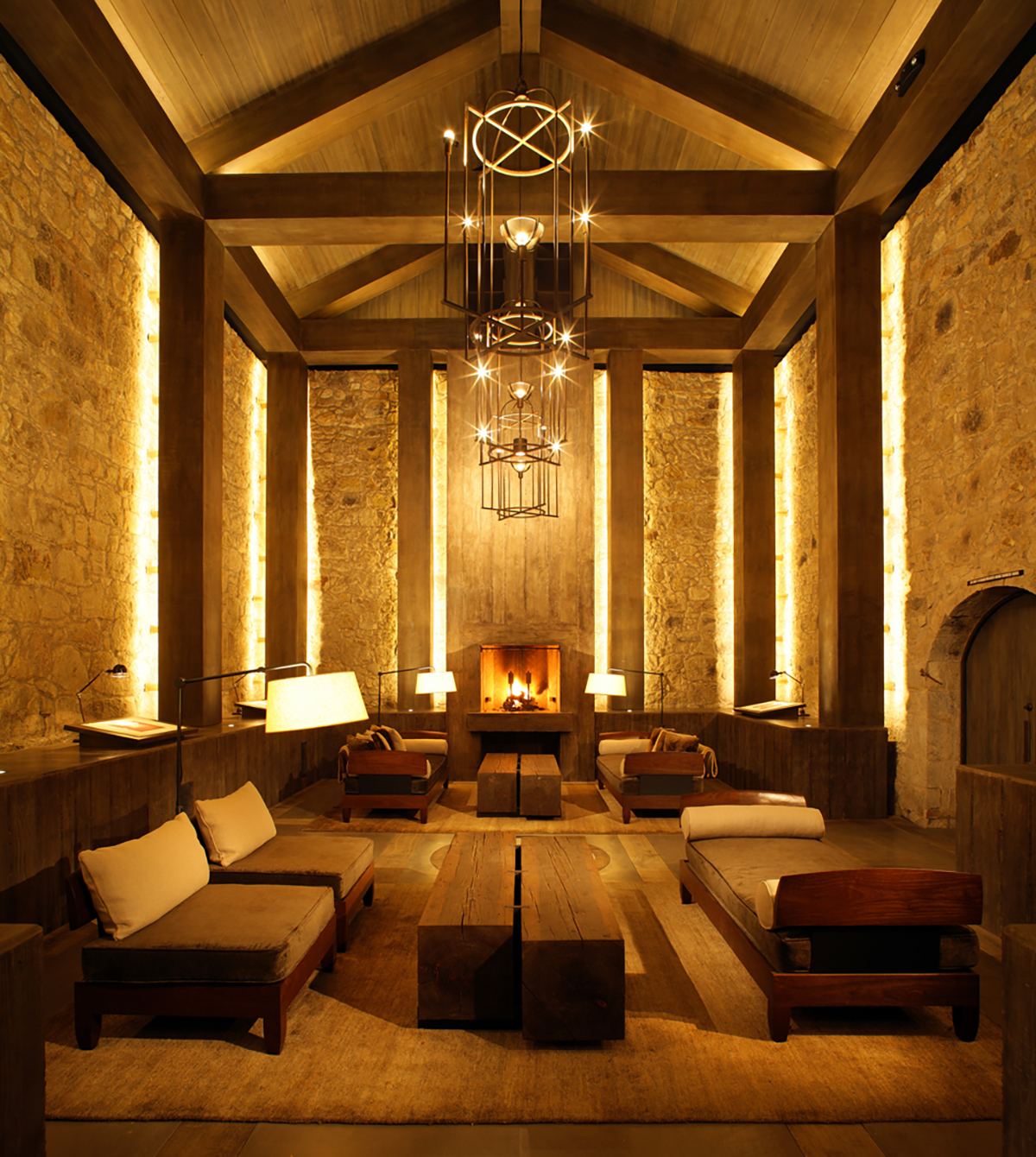
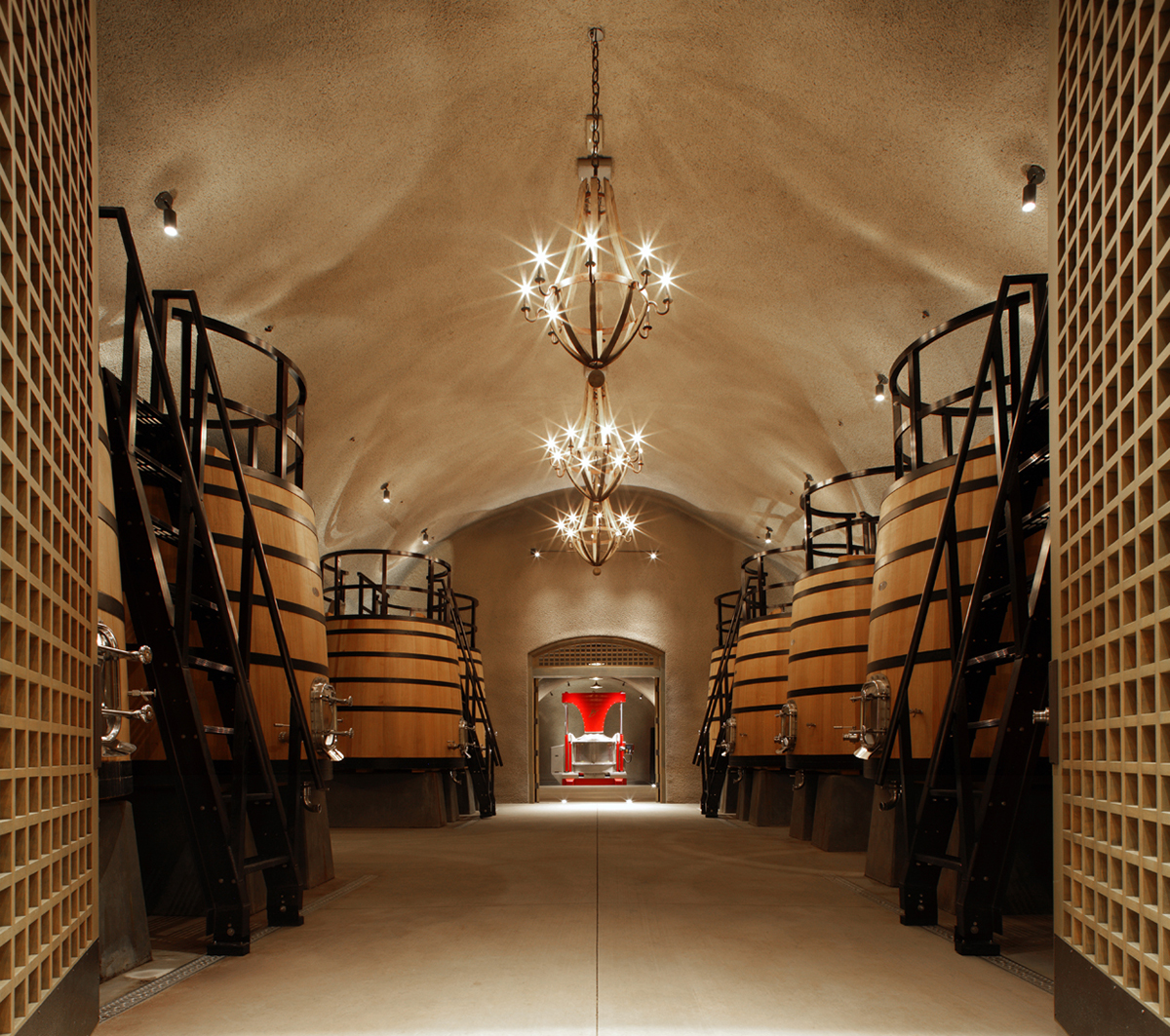
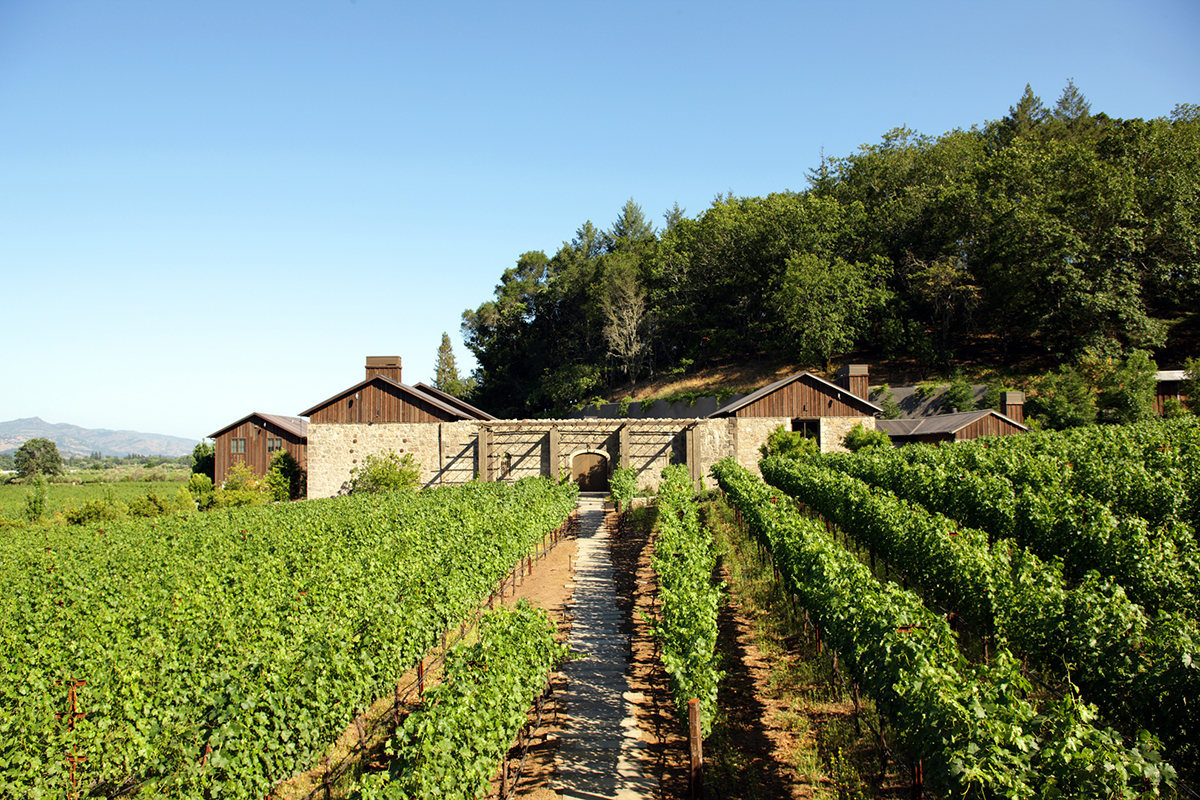
The winery was re-designed by renowned architect Howard Backen, keeping the original stone walls as its centrepiece
This point was brought home during our tasting of Dana wines with the estates’ owners. Dana itself is situated on the west side of Napa Valley, in the shadow of the Mayacamas mountains (in reality, densely, wooded, and biodiversity rich, big hills, separating Napa from valleys to the west that run towards the Pacific Ocean).
Follow LUX on Instagram: luxthemagazine
Dana’s wines are made from grapes grown on both on the sides of the valley, including two vineyards on the slopes of Howell Mountain to the east, part of the range which separates this fertile area from the arid central valley of California. (This geographical detail is essential, as wine is a product of its place).
In the Dana wines we tasted, we were tasting different identities, and personalities, with far more differentiation than the marginal differences in climate and soil in revered heartlands of France.

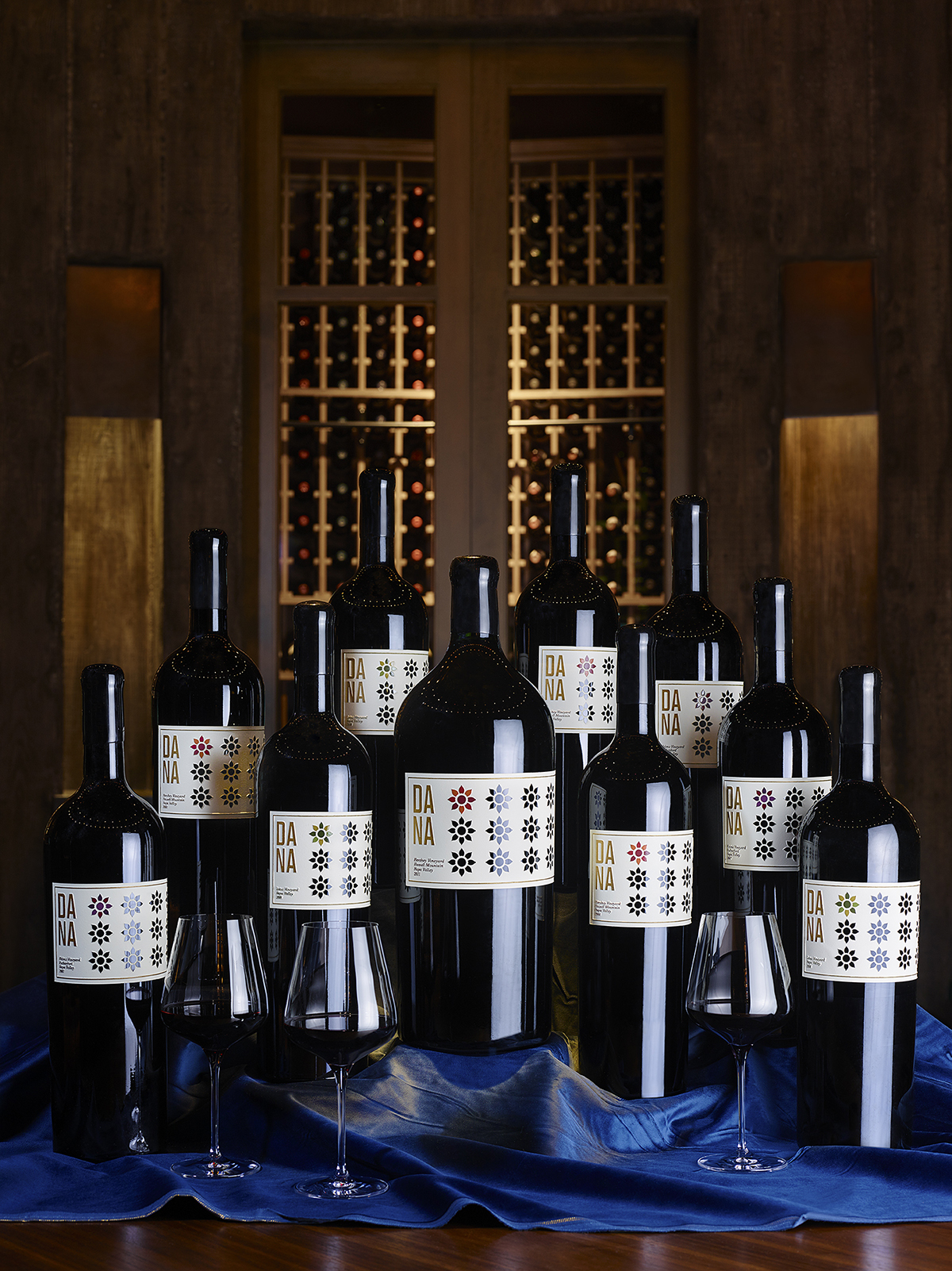
Dana Estates produces three single vineyard wines: Helms, Hershey and Lotus Vineyard
And here is another paradox. Because while France’s great wines, from Chateau Margaux to Château Petrus to Domaine de la Romanée Conti, are brands that almost any connoisseur worth their salt knows of, very few people indeed have heard of Dana. And this, you would think, would lead to it being undervalued, a kind of hidden gem of beautiful wine to discover and buy up.
And you would be wrong, for all the wines we tasted here are as expensive, and in the case of some vintages more expensive, than the great names of France mentioned above. Tiny production, and a cult following, and also, as we noted in our conversation, an owner and winemaker absolutely obsessed with making the best possible, no matter what the cost. Hi Sang Lee is a Korean entrepreneur who bought the winery because he just wanted to make the best of the best.
Like a few other top and California estates, a conversation and tasting with Dana is like a window into the creation of a future wine, superbrand. And as for those who prefer to dismiss “cult” California wines, as a fad, superbrands, are often only taken up, in the early stages, by the most discerning.

Dana Estates sits at the base of the Mayacamas Mountains in Napa Valley
The wines: Tasting notes by Darius Sanai
Dana Estates Helms 2019
This is pure, brilliant, Napa Cabernet – and for connoisseurs of the region, more specifically, has the wonderful hallmarks of a Cabernet Sauvignon from the Rutherford Bench, an area just below the mountains on the west of the valley. There is density, powerful fruit, balanced tannins and a balance – although we would put either put this wine in a cellar for 10 years, or drink it with a Kobe steak personally chosen and cooked by Wolfgang Puck in our home overlooking the Pacific.

The Helms Vineyard Cabernet displays the classic profile of the Rutherford Bench: dark fruit, richly layered with a hints of spice and earth
Dana Estates Hershey 2019
Hershey Vineyard is not in Napa Valley per se; it is up in the hillsides around Howell Mountain, to the east of the valley. Surrounded by forests, you can feel the freshness and lift in this wine. It’s more delicate, more precise, more defined, while still being a powerful wine. We would drink it with guineafowl in a wine jus cooked in our home in the high Alps by Yannick Alléno.
Dana Estates Lotus 2019
Rich, powerful, deep wine with many layers: creamy black fruit, savoury spice and anise, and velvety texture. We would drink this with Hélène Darroze herself, in a Mayfair townhouse, with an Auvergne-style beef casserole.

Dana is a Sanskrit term meaning “the Spirit of Generosity”
Dana Estates Lotus 2011
It was interesting to see how this wine aged; at twelve years, the muscularity of the previous wine has turned into something altogether more poetic. Still rich with power, but woven through with a silken grace, and the spice has a greater subtlety. With this one we would ask Yan Tak from Lung King Heen in Hong Kong to cook us a hotpot, and eat it in our Midlevels apartment looking out over Hong Kong harbour.
Read more: A tasting of Schrader’s legendary Napa wines
Dana Estates Helms 2005
This 18 year old Dana wine has aged more like a Burgundy than a Bordeaux, opening out into a fresh, fragrant, balanced wine with much subtlety and no trace of tannins. We would drink this by itself, in winter, in our house overlooking the turbulent sea off the coast of wintertime Mallorca.
Find out more: danaestates.com

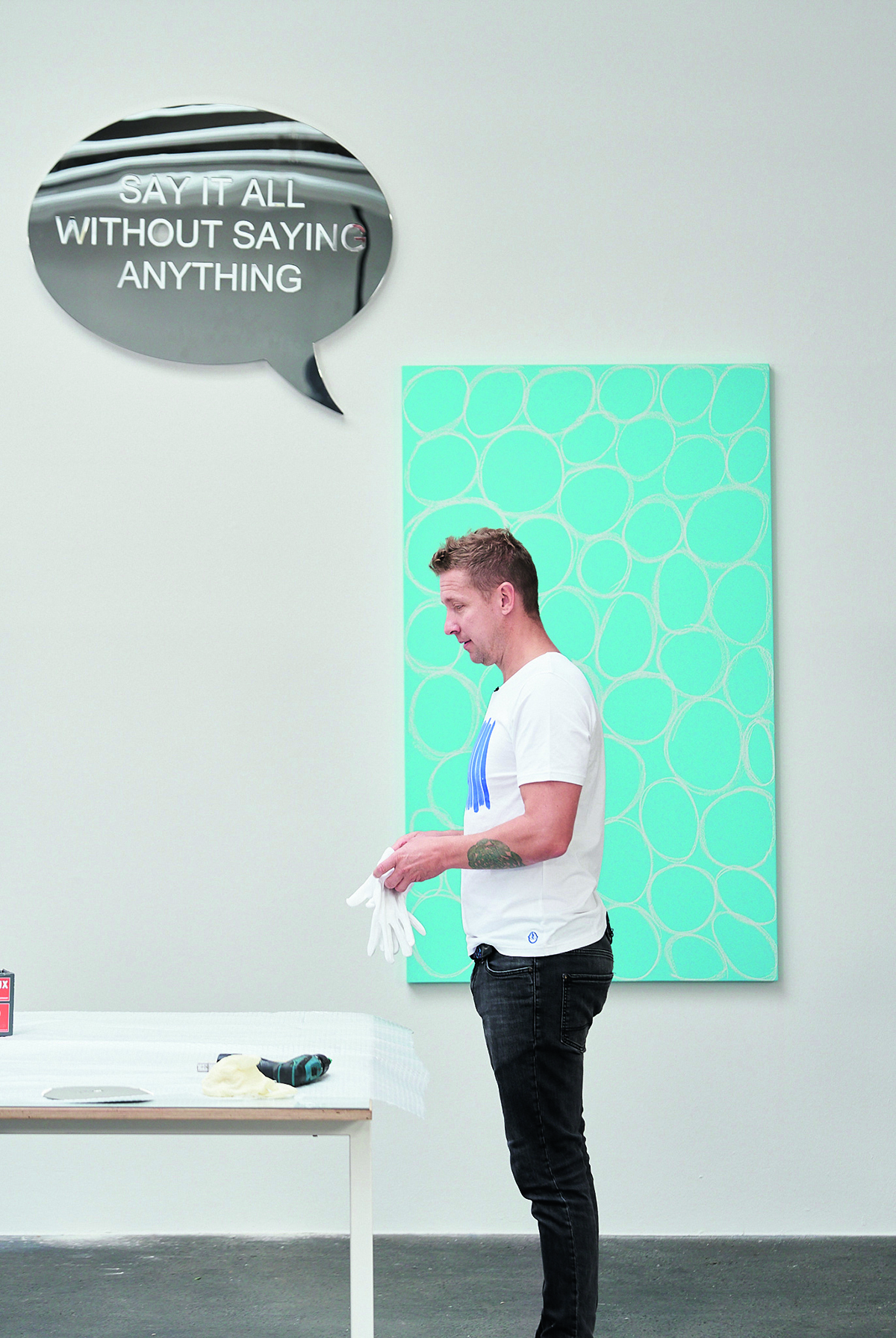
Jeppe Hein before a speech-bubble message and chalk panel, elements of the artist’s multimedia, interactive project for Ruinart Carte Blanche 2022, ‘Right Here, Right Now’
When Danish artist Jeppe Hein was given the coveted Carte Blanche commission by champagne house Ruinart, he was determined to create something quite different, by taking art-fair visitors back to nature and making an appeal to the senses. Candice Tucker reports
We are lying on the ground surrounded by by trees, breathing slowly, ever more slowly. The silence and peace is palpable. Stress ebbs away, nature flows through us. There is a gentle waft of incense and the sounds of the countryside.
It is a comforting, uplifting experience, probably about as far from the hubbub and glamour of an art fair as conceivable. And that is just what the Danish artist Jeppe Hein had in mind, when he took us on an excursion as part of his Ruinart Carte Blanche commission.

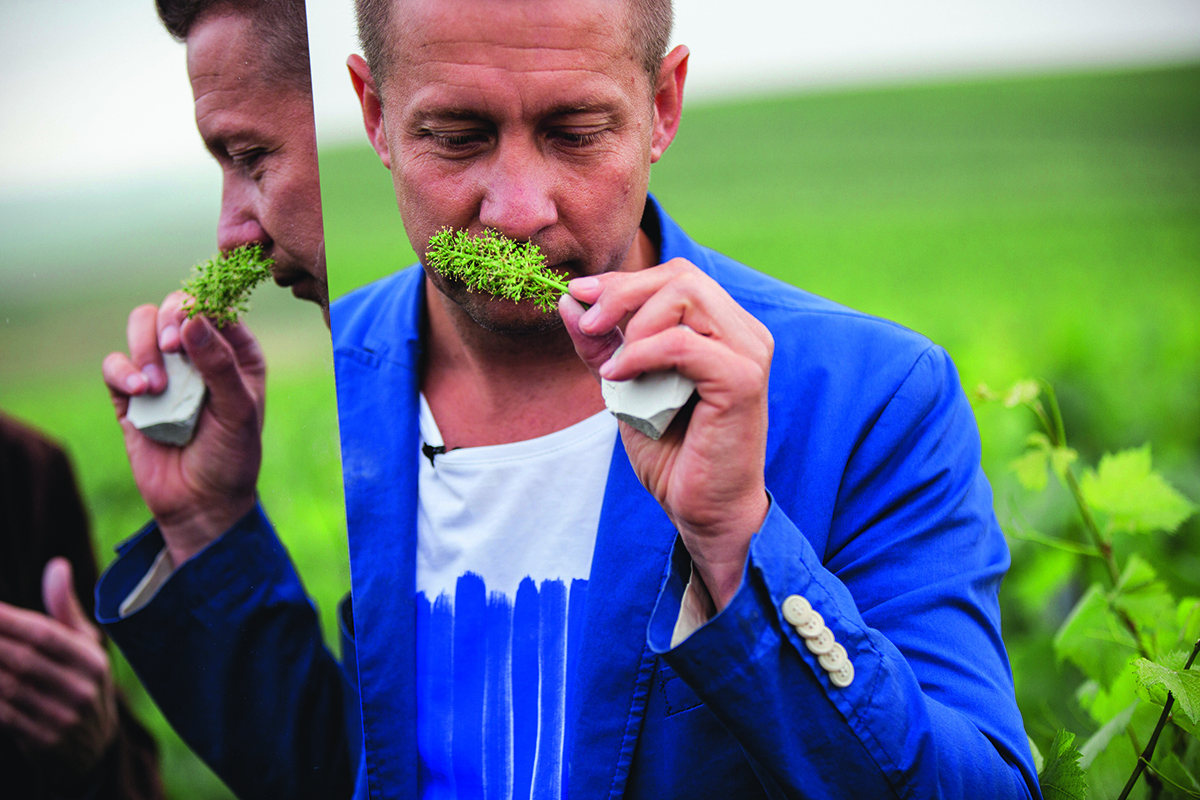
The artist experiencing the Ruinart estate through the senses, part of the responsive idea of his Carte Blanche work
Carte Blanche is Ruinart’s annual series, begun in 2017, in which leading global artists are given, well, carte blanche, to create what they like (well, almost – there are some limits, we imagine), as a tribute to the historic champagne house. The artists’ resulting work, in this case Hein’s ‘Right Here, Right Now’, and a rolling associated art programme (of which we were part in this moment) then travel the globe to be showcased at the world’s greatest art fairs, including Frieze in London and New York, Art Week Tokyo and Art Basel Miami.

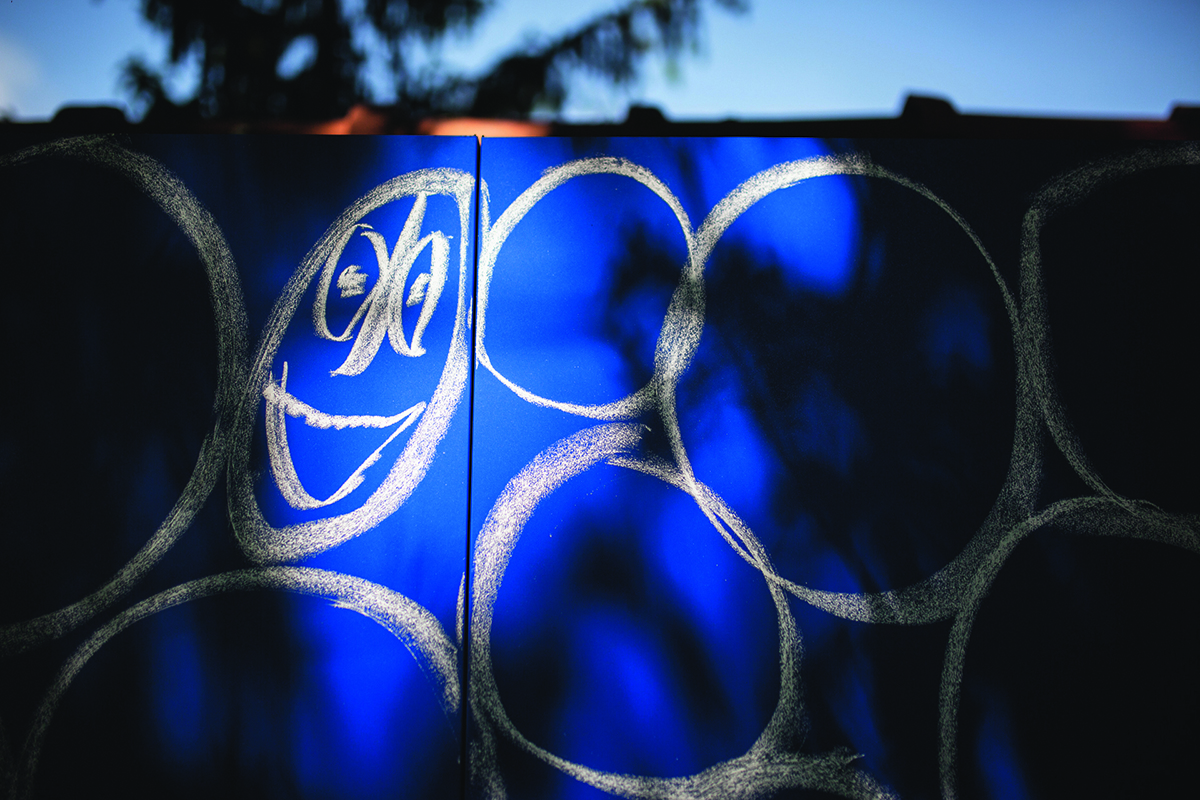
A chalk face drawn on another panel
At this point, as part of his project, Hein was taking us, an assembled group of the world’s art media, back to nature. We were at the Royal Pavilion at the Bois de Boulogne in Paris, a peaceful setting in a huge park on the edge of one of the world’s great metropolises.
Follow LUX on Instagram: luxthemagazine
In that moment, he succeeded, and again, as the nature vibe continued over a meditative lunch in the Pavilion (vegetarian because, of course, the artist wanted us to commune with the world of plants and trees). By extension, the concept of sustainability continued with it.

The artist at the exhibition
Nature, and a return to it, is a common theme in both Hein’s life and his often playful experiential art. He was raised on a biodynamic farm in Denmark, and his art has long explored the space between the natural world and what we make of it and from it. He famously declared burnout in 2009 and said he was going to slow down and reconnect with nature. He now lives by the Grunewald forest, a kind of equivalent to the Bois de Boulogne on the edge of Berlin.

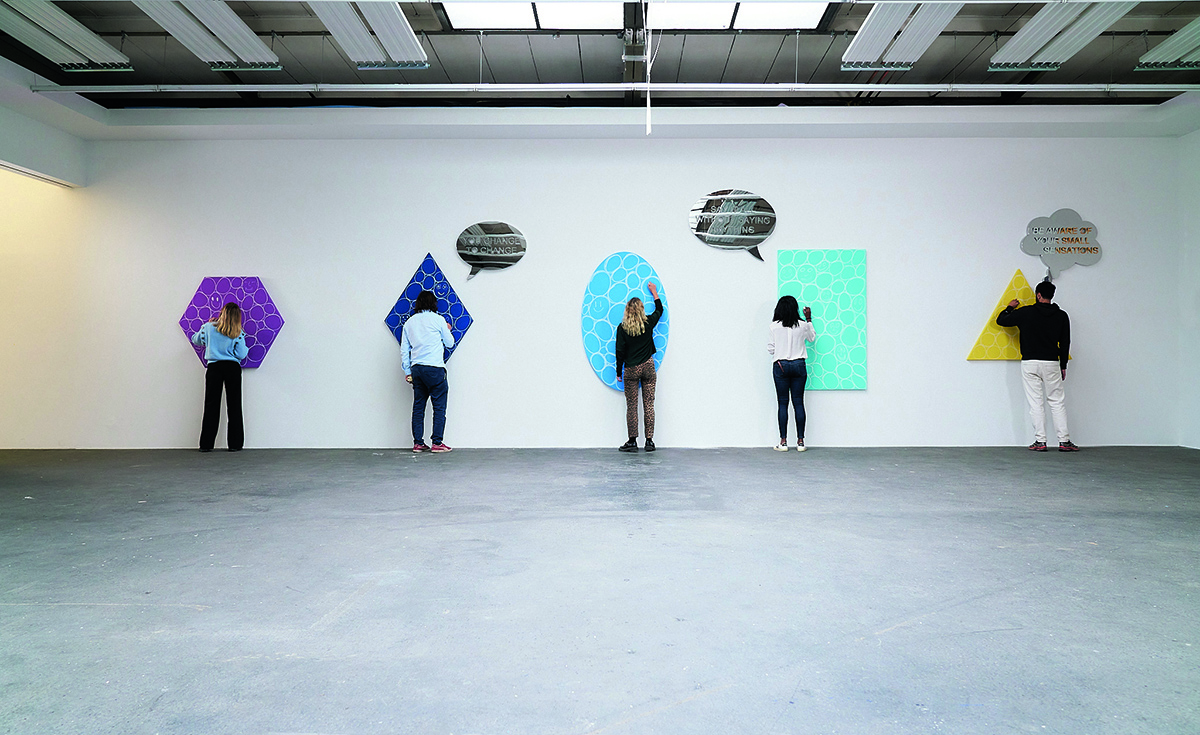
visitors contribute to the artwork with chalk drawings
Champagne, meanwhile, is a product of nature, but one that also needs the careful craftsmanship of humans. Unlike wine, it could not occur naturally, as it needs a painstaking second fermentation process in the bottle to become what it is. Ruinart is a champagne beloved of the world’s art collectors. On any collector’s yacht, you are likely to be served its Blanc de Blancs, an ethereal, delicate yet richly seamed creation made of Chardonnay grapes. At a soirée, you will likely be drinking Ruinart Rosé, with its undercurrent of summer berries and autumn woodlands from the combination of Chardonnay and Pinot Noir grapes.

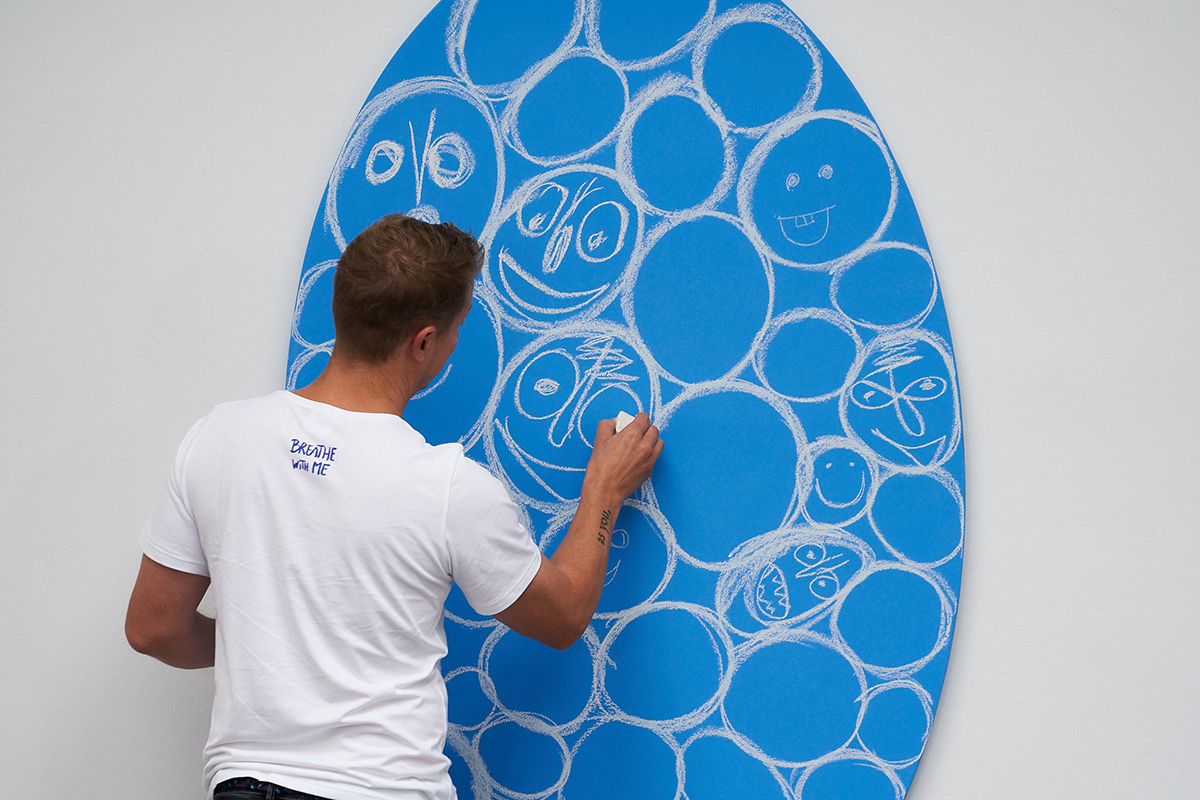
Jeppe Hein makes his own mark on a chalk panel
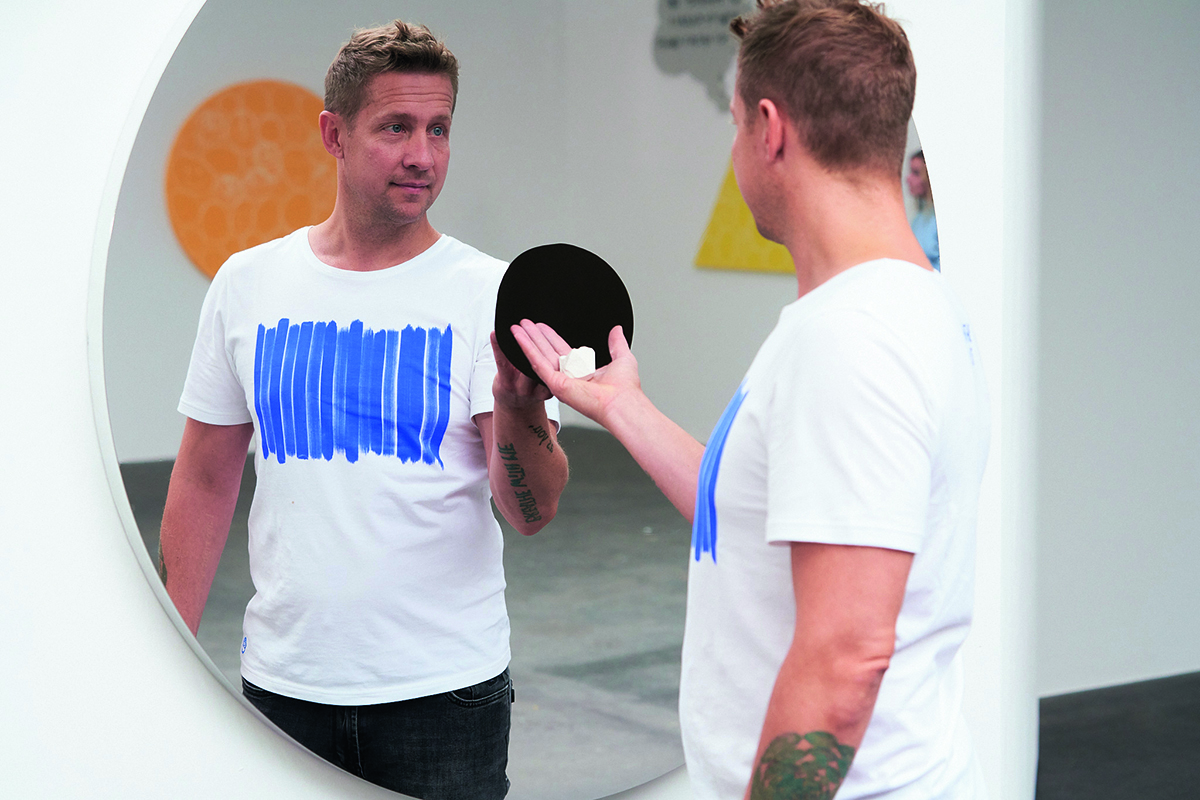
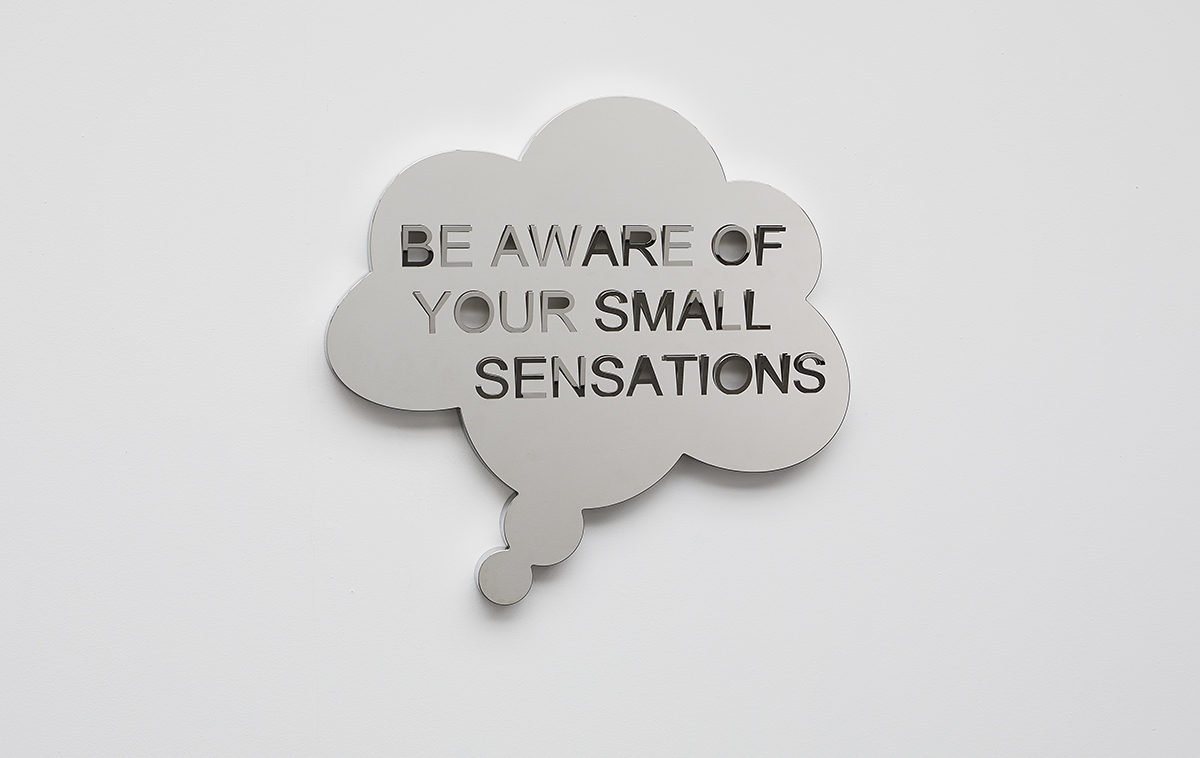
Hein’s ‘Right Here, Right Now’ considers peace, the senses and interactivity in response to the world of Ruinart. At the Palais de Tokyo in Paris, 10 minutes from our lunch, installations included a column with a hole. Put your hand in and a raisin comes out: you must eat the raisin following specific instructions to ensure you appreciate each of your senses. In another column hole, there is a spray of perfume. There are also installations on a wall on which you can draw faces in chalk, so your own marks become part of the artwork – chalk makes up the underlying soil of much of the Champagne region, and is intimately associated with Ruinart. Further artworks feature speech bubbles that carry messages of mindfulness. There is an appeal to all five senses and all four elements.

a speech-bubble message invites consideration of sensorial responses
The gastronomic side is equally important for Hein. And, we imagine, for Ruinart, as there can be few better accompaniments to very pure cuisine of the highest level than the highest quality champagne, with its clean direction and precision. Five leading chefs are creating a “gastronomic dialogue” with Hein as part of this “nomadic artistic adventure”, travelling during 2022 from Paris to London to Miami, and points in-between. “We invite people to experience Ruinart champagne, the chefs’ food and my art, at a totally new level,” says Hein.

The artist considers the scents of plant life on the Ruinart estate. Opposite page: work from previous Ruinart Carte Blanche projects
What does the artist himself think about what he is creating? “I was very inspired to go to Champagne and see so much creativity, precision and inspiration. There was a link to my own studio, to how I get an idea, or work around an idea and try to make models and express it and, in the end, it comes out. I fell in love with the champagne cellars – they have 11km of them. We walked along them, there was a yellow light and it was eight degrees or something. If you touch the walls they are wet. All these physical experiences got me totally engaged into trying to bring that feel to the art fair, to the experience of people there.”
Read more: An Interview With KAWS
‘Right Here, Right Now’ is, he says, “about the moment of being here. When you take the chalk in the interactive installations and start to draw, you are in the moment, not thinking too much. I’m trying a few things with the sense of smell, which goes straight to the brain and can reflect on something you smelt when you were five. Smell is always activating old memories, which I think is beautiful. When you’re working with all the senses, you can activate a lot of feelings. In my work, I’m not trying to be in your head, I’m trying to bring you into your body.”
It is a quite different experience to the usual art-fair hubbub; one perfectly enjoyed over a creamy, delicate glass of Ruinart Blanc de Blancs.
Past Masters
Since 2017, leading contemporary artists have responded to Ruinart via the champagne house’s annual Carte Blanche initiative. Here is a glimpse of some of the works

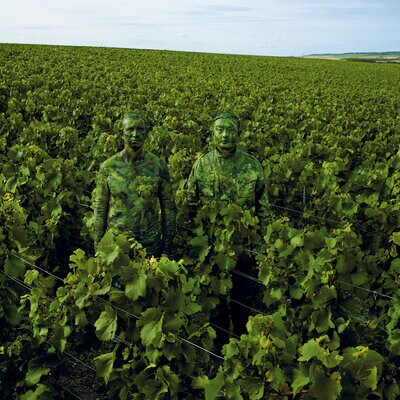
Lui Bolin, 2018
In ‘Reveal the Invisible’, the Chinese artist created eight almost hidden works that considered the quiet tasks undertaken by workers to create Ruinart champagne.

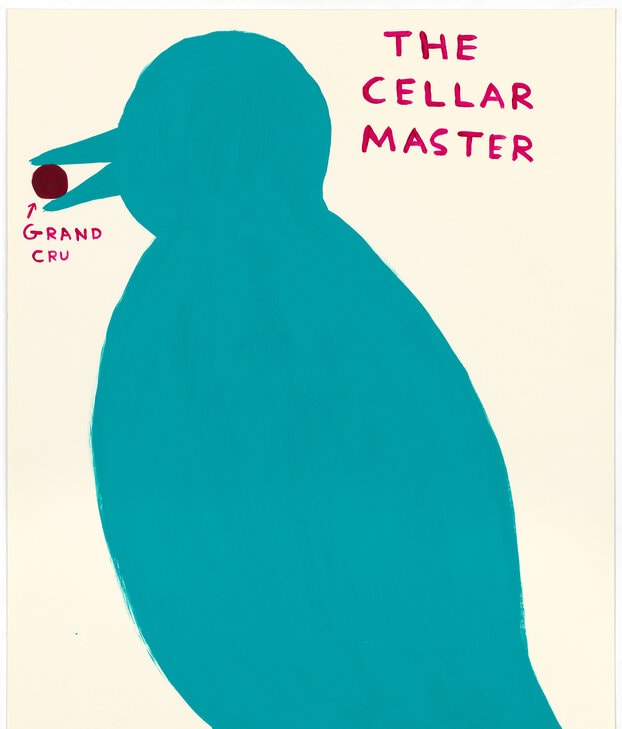
David Shrigley, 2020-21
Across 42 artworks, in ‘Unconventional Bubbles’ the British artist provoked witty debate about nature and raised awareness of the environmental challenges that motivate Ruinart

Vik Muniz, 2019
In ‘Shared Roots’, the Brazilian artist made a series of pieces using Chardonnay vines and other raw materials that form part of Ruinart’s transformative work
Find out more: ruinart.com/carte-blanche
This article first appeared in the Autumn/Winter 2022/23 issue of LUX

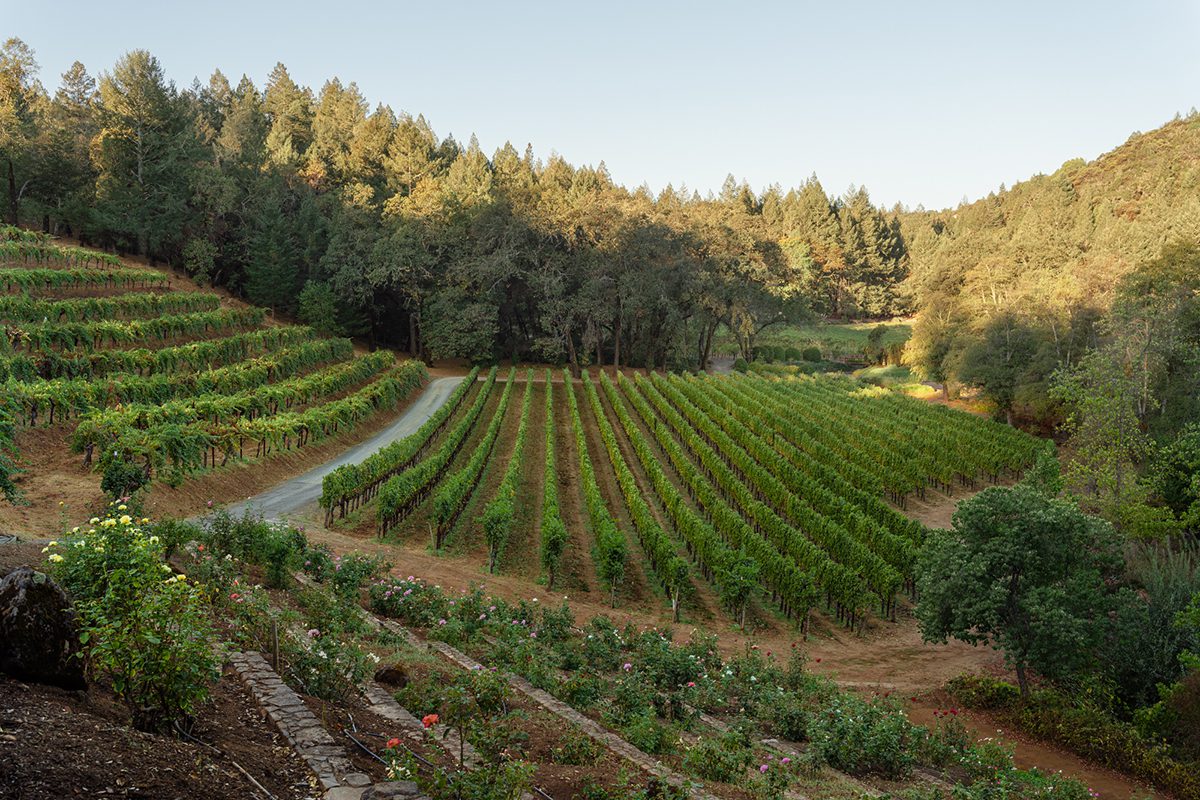
Diamond Creek Vineyards was founded in 1968 in Napa, California. Image courtesy of Diamond Creek
Diamond Creek is a name that resonates among the most discerning international wine collectors. Its wines, made from fully organic vineyards with minimal environmental damage, combine distinctiveness, complexity and sophistication. Diamond Creek’s Red Rock Terrace, Volcanic Hill, and Gravelly Meadow, are all based on Cabernet Sauvignon, and all priced around the same elevated level, yet are subtly but distinctly different in character. LUX meets President of Diamond Creek Vineyards, Nicole Carter and Graham Wehmeier, winemaker at the estate, which is now owned by the Louis Roederer champagne house, for a conversation and tasting over Zoom
Graham Wehmeier, winemaker at Diamond Creek:
“One of the magical aspects of this place that you have, just a stone’s throw away, obviously different soils and very different wines as well. To the point where even if you are not a collector or a wine geek or you didn’t know what terroir means or you don’t care, you could still taste the difference [between the different wines], it is that clear from glass to glass.

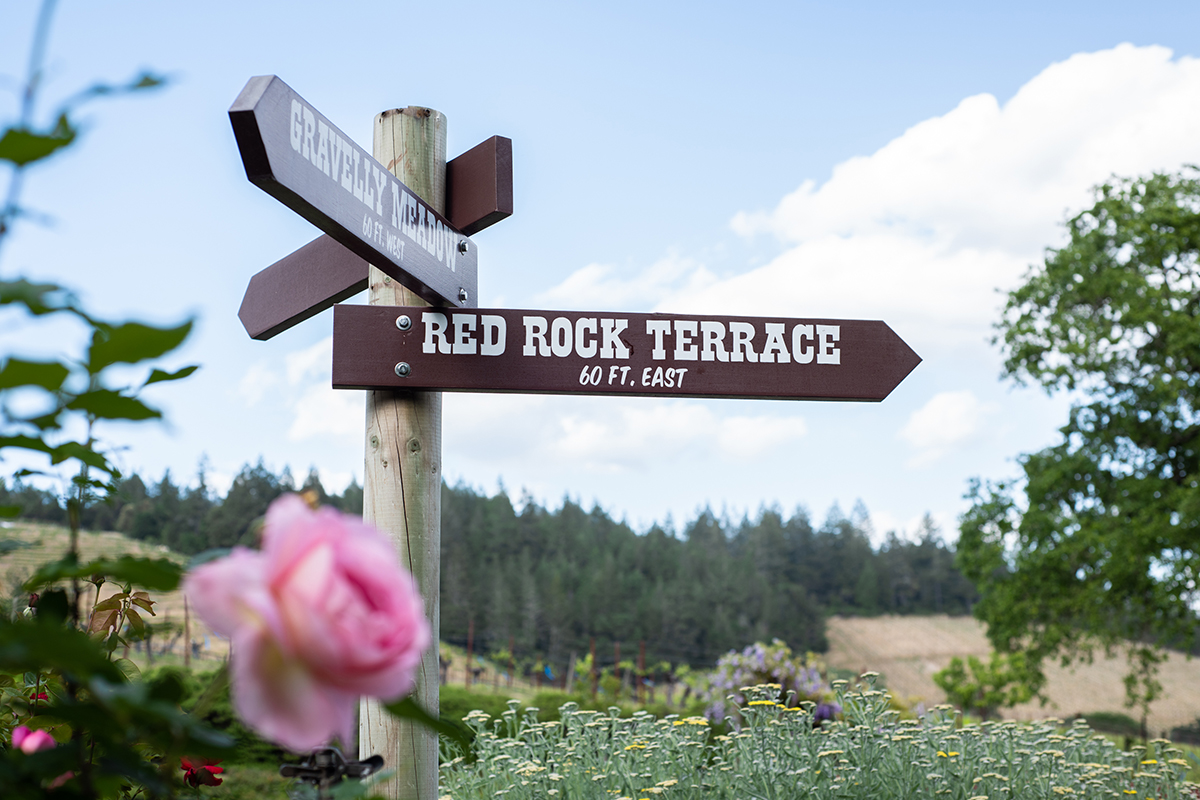
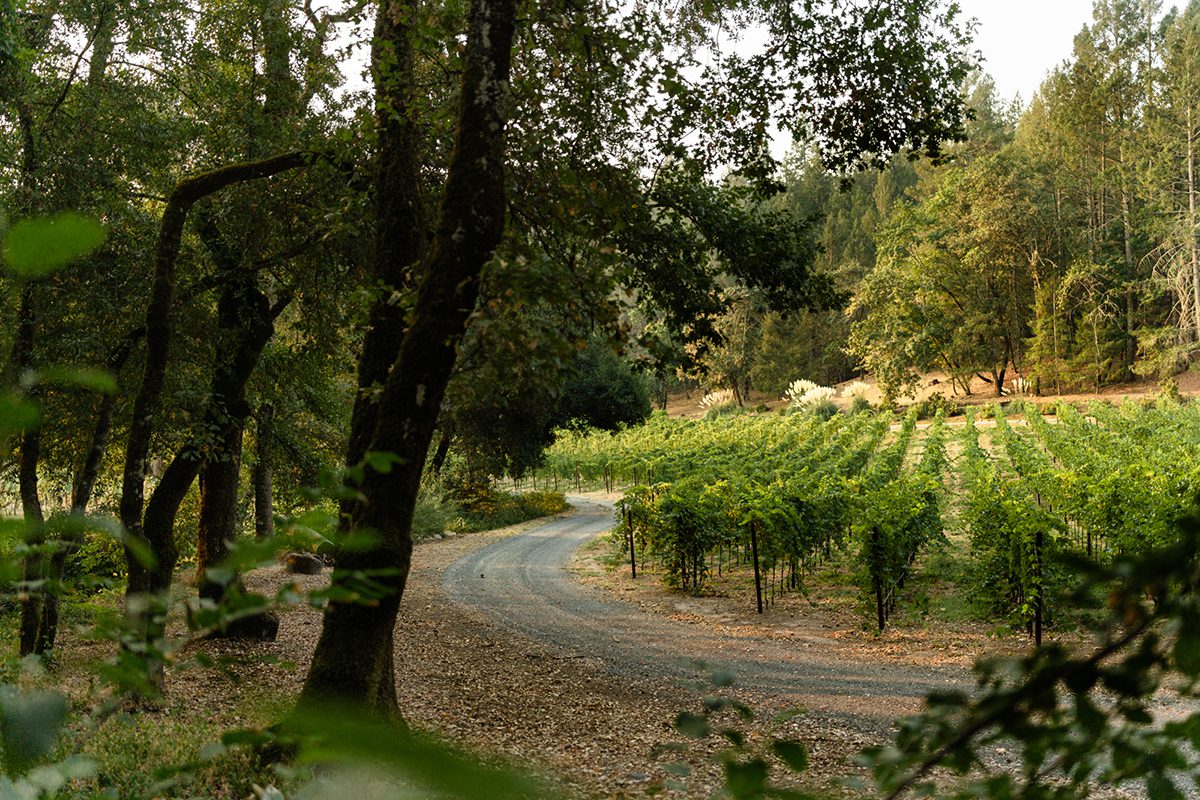
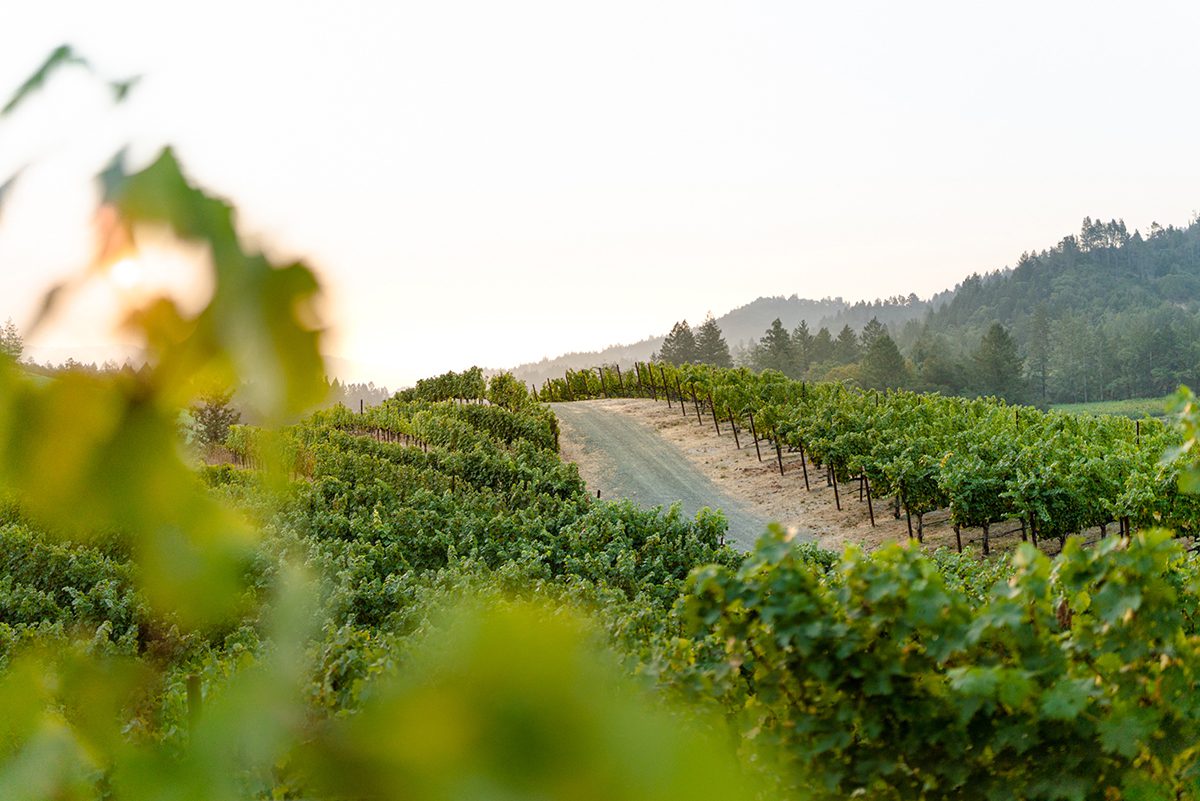
Diamond Creek Gravelly Meadow Vineyard. Image courtesy of Diamond Creek
The vineyards are very different in terms of temperature, Gravelly Meadow being the coolest, Volcanic Hill being the warmest. When we taste them side by side, the hand print of the three vineyards is quite strong.
Follow LUX on Instagram: luxthemagazine
The altitude difference is 30 meters between Red Rock and Volcanic Hill, the top of Red Rock is almost level with the top of Volcanic Hill, then they both go down to the creek, which is where Gravelly Meadow is. It is the lowest, that is also why it is so cool. The cooling down there is so noticeable, on a hot day.
The creek has a big effect, in terms of soil difference. The creek’s soil for whatever geological reasons really stops on the north side of the creek and then the red soil starts the south of the creek.

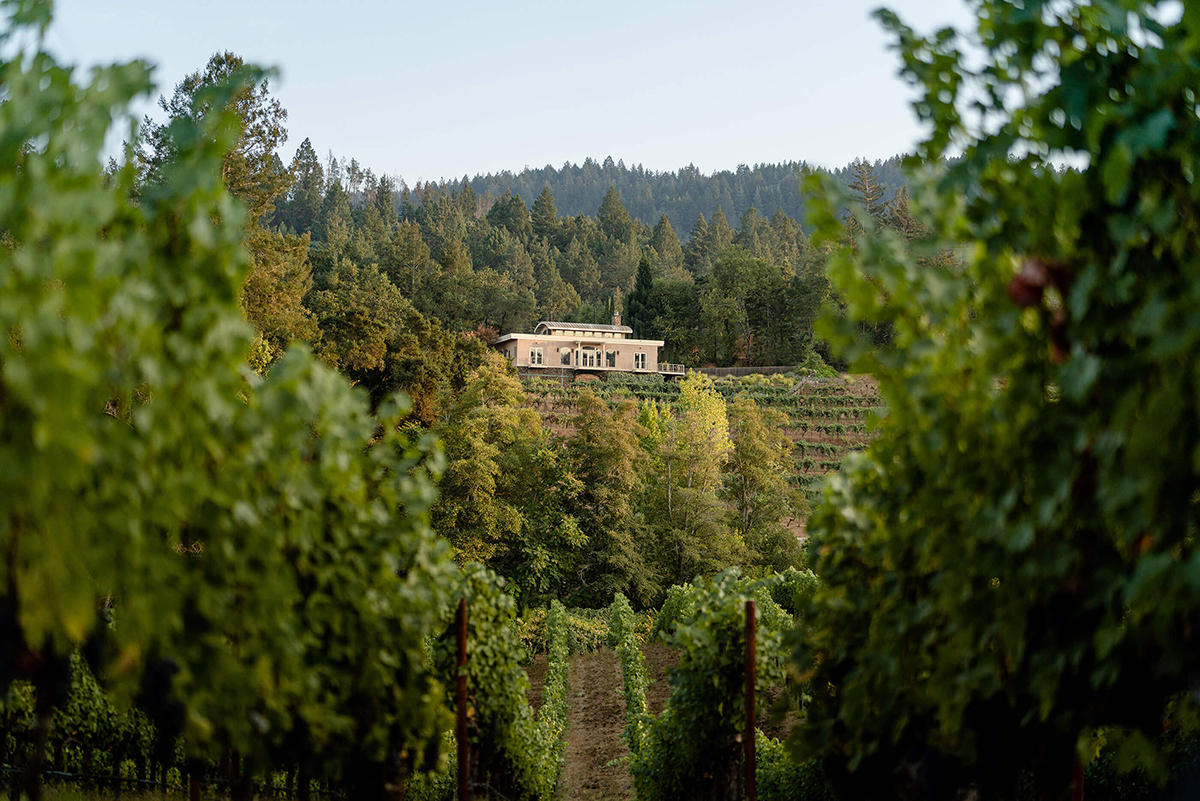
The Diamond Creek Winery. Image courtesy of Diamond Creek
I would agree that Gravelly Meadow has a taste of wet stones. I have no idea if it is something the grapes actually absorb; I would absolutely not rule out that grapes on rocky soil absorb the smell of those rocks, they are sitting there all summer long. It is very romantic, and one of the great things about Diamond Creek: Red Rock gives you these red earth flavours and Gravelly Meadow gives you these gravelly flavours and Volcanic Hill just tastes like a volcano in its flavour spectrum. ”

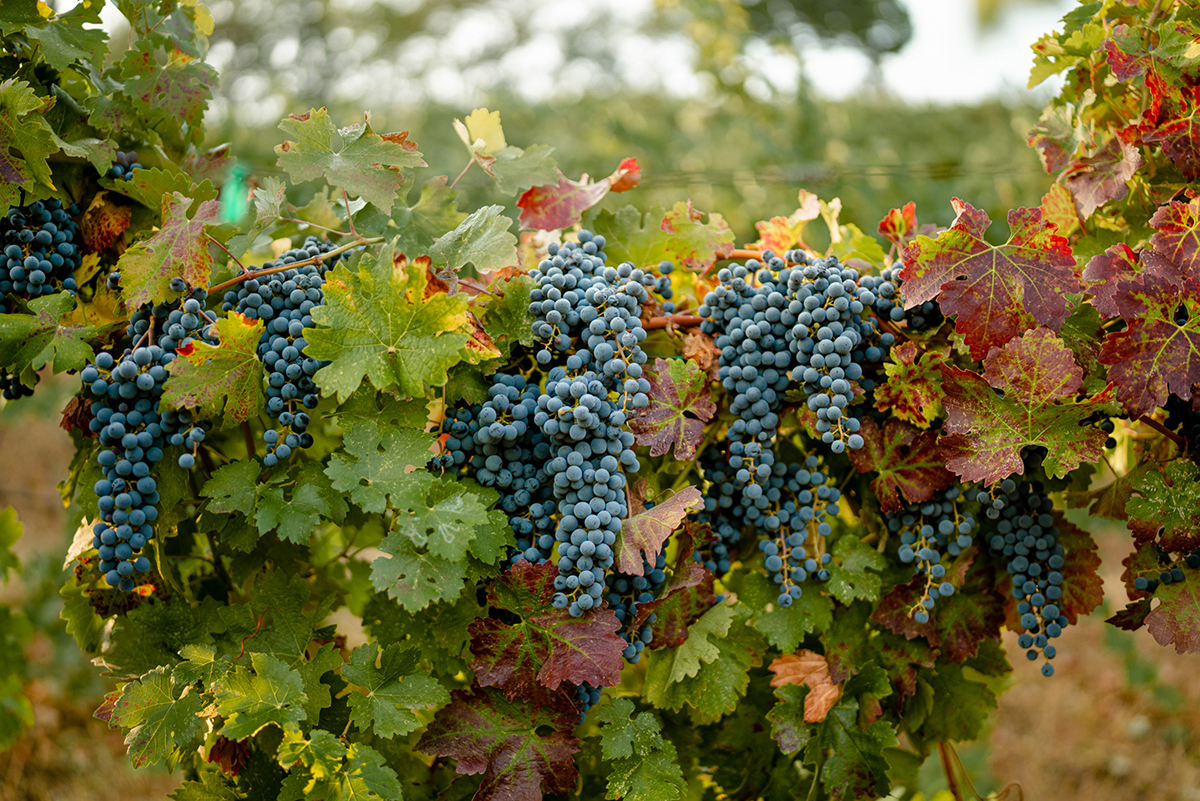
Cabernet Sauvignon grapes. Image courtesy of Diamond Creek
Tasting notes, by LUX Editor-in-Chief Darius Sanai:
We tasted the three celebrated single vineyards wines from Diamond Creek from the 2011 and 2018 vintages. 2011 was an interesting vintage in Napa Valley, relatively cool and wet, it was initially looked down on by some influential critics. But cool for Napa is not the same as cool in Northern Europe, and actually wines created by skilled winemakers from top vineyard sites were quite outstanding and balanced, suitable for palates that don’t want the fruit bomb type wines some Napa estates produce, particularly in hotter vintages.
Read more: A new photography prize for sustainability is launched
The tasting focussed on two vintages of its three celebrated single-vineyard wines, Gravelly Meadow, Volcanic Hill and Red Rock Terrace. Made from three near-adjacent vineyards, all based on Cabernet Sauvignon, they have very different characters, due to the differences in soil, temperature and aspect between the three vineyards, a perfect illustration that the concept of terroir can be as powerful in California as it is in Burgundy, where it reflects very distinctive wines, made from the same types of grape, from nearby vineyards.

Diamond Creek Volcanic Hill Vineyard. Image courtesy of Diamond Creek
2011 Diamond Creek Gravelly Meadow:
This is the vineyard by the creek at the bottom of the property, cooler than the others and as its name suggests, surrounded by stones. Sublimely balanced wine, with stones, slightly dusty tannins, cool blue fruit, a little meatiness. Improved for hours.
2011 Diamond Creek Red Rock Terrace:
Richness and tannin in balance, with an underpinning of medium-ripe, almost smoky fruit. Hints of freshly-rolled Havana cigars. More punch than the Gravelly Meadow, but beautiful equilibrium.

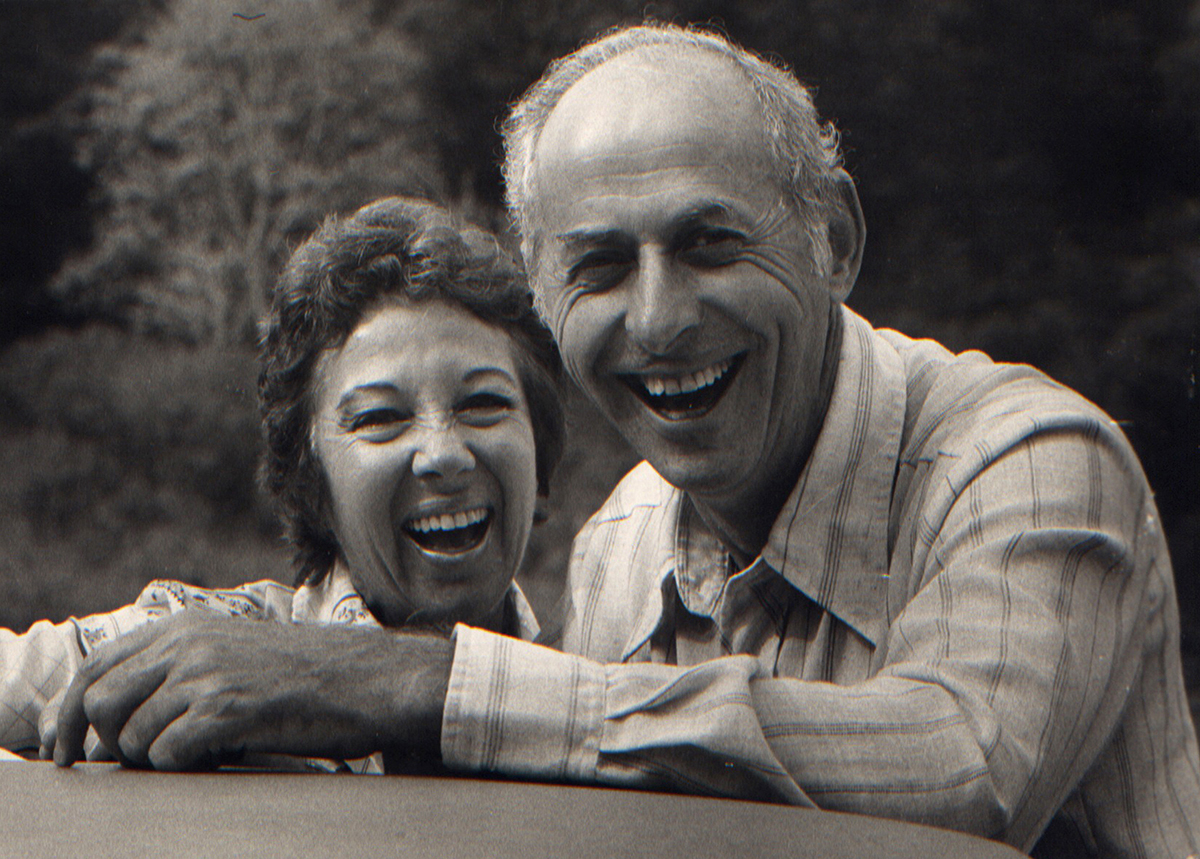
Al and Boots Brounstein, founders of Diamond Creek Vineyards. Image courtesy of Diamond Creek
2011 Diamond Creek Volcanic Hill:
Denser, lots of filaments of black fruit, plenty of power, and a wine that would match an umami cut of steak, like a bavette, with the acidity to match up to a cuisson a l’échalotte.
2018 Diamond Hill Gravelly Meadow
Lashings of stones, lots of blue and red fruits, a kind of transparent limpidity. A wine to enjoy by itself, and also one to keep in the cellar for as many years as you can bear as it will only improve. Pretty much unique: although if you are a fan of the great and classy Bordeaux second growths like Chateau Pichon Comtesse (in the same ownership), you will love this wine.

Diamond Creek Red Rock Terrace Vineyard. Image courtesy of Diamond Creek
2018 Diamond Creek Red Rock Terrace
Wow! Dense yet light, layers of opulence but with a kind of restraint that seems to be the hallmark of this estate. Porterhouse steak with mushrooms; or maybe even just the mushrooms, on a brioche.
2018 Diamond Creek Volcanic Hill
A big wine with rich fruit, but balanced and defined, with definite tannic offset, in no way an unbalanced Napa cliche. Darkness and light in one wine, and so many layers. One to hang on to for 10 years, if you can find it, and if you can bear doing so. We don’t approve of foie gras, but if we did, we would recommend it as an accompaniment; as it stands, go for some marbled Wagyu beef, or a mushroom and truffle tart with a hint of olive oil from a single estate in Tuscany.
Find out more: diamondcreekvineyards.com
Recent Posts
Archives
- June 2026
- May 2026
- April 2026
- March 2026
- February 2026
- January 2026
- December 2025
- November 2025
- October 2025
- September 2025
- August 2025
- July 2025
- June 2025
- May 2025
- April 2025
- March 2025
- February 2025
- January 2025
- December 2024
- November 2024
- October 2024
- September 2024
- August 2024
- July 2024
- June 2024
- May 2024
- April 2024
- March 2024
- February 2024
- January 2024
- December 2023
- November 2023
- October 2023
- September 2023
- August 2023
- July 2023
- June 2023
- May 2023
- April 2023
- March 2023
- February 2023
- January 2023
- December 2022
- November 2022
- October 2022
- September 2022
- August 2022
- July 2022
- June 2022
- May 2022
- April 2022
- March 2022
- February 2022
- January 2022
- December 2021
- November 2021
- October 2021
- September 2021
- August 2021
- July 2021
- June 2021
- May 2021
- April 2021
- March 2021
- February 2021
- January 2021
- December 2020
- November 2020
- October 2020
- September 2020
- August 2020
- July 2020
- June 2020
- May 2020
- April 2020
- March 2020
- February 2020
- January 2020
- December 2019
- November 2019
- October 2019
- September 2019
- August 2019
- July 2019
- June 2019
- May 2019
- April 2019
- March 2019
- February 2019
- January 2019
- December 2018
- November 2018
- October 2018
- September 2018
- August 2018
- July 2018
- June 2018
- May 2018
- April 2018
- March 2018
- February 2018
- January 2018
- December 2017
- November 2017
- October 2017
- September 2017
- August 2017
- July 2017
- June 2017
- May 2017
- April 2017
- March 2017
- February 2017
- January 2017
- December 2016
- November 2016
- October 2016
- September 2016
- August 2016
- July 2016
- June 2016
- May 2016
- April 2016
- March 2016
- February 2016
- November 2015
- September 2015
- June 2015
- May 2015
- March 2015
- September 2014
- August 2014
- July 2014
- May 2014
- April 2014
- March 2014
- February 2014
- January 2014
- December 2013
- November 2013
- October 2013
- September 2013
- August 2013
- July 2013
- June 2013
- April 2013
- March 2013
- February 2013
- September 2012
- July 2012
- June 2012
- March 2012
- February 2012
Categories
- Adventure Travel Issue
- Aesthete Issue
- Architecture
- Art & Design
- Art & Photography
- Art collectors
- Autumn 19
- Autumn/Winter 2020/2021
- Autumn/Winter Issue
- Bespoke Issue
- Business
- Cars
- Cars & Collectibles
- Case Study
- Celebrities
- Culture
- Culture Issue
- Design Issue
- Dining Issue
- Earth Issue
- Family Issue
- Fashion & Jewellery
- Features
- Food
- Future Luxury Issue
- Health
- Hedonism Issue
- Image Issue
- Italy Issue
- Latest Stories
- Leaders & Philanthropists
- Leaders Slider
- Love Issue
- Luxury Travel Issue
- New Luxury Issue
- Online Exclusive Slider
- Opinion
- Spring 2020
- Summer 19 Issue
- Summer 2020
- Summer 2021
- Sustainability
- Taste Issue
- The Beauty Issue
- Travel
- Uncategorized
- Water Issue
- Winter 19 Issue
Popular Posts
Categories
- Adventure Travel Issue
- Aesthete Issue
- Architecture
- Art & Design
- Art & Photography
- Art collectors
- Autumn 19
- Autumn/Winter 2020/2021
- Autumn/Winter Issue
- Bespoke Issue
- Business
- Cars
- Cars & Collectibles
- Case Study
- Celebrities
- Culture
- Culture Issue
- Design Issue
- Dining Issue
- Earth Issue
- Family Issue
- Fashion & Jewellery
- Features
- Food
- Future Luxury Issue
- Health
- Hedonism Issue
- Image Issue
- Italy Issue
- Latest Stories
- Leaders & Philanthropists
- Leaders Slider
- Love Issue
- Luxury Travel Issue
- New Luxury Issue
- Online Exclusive Slider
- Opinion
- Spring 2020
- Summer 19 Issue
- Summer 2020
- Summer 2021
- Sustainability
- Taste Issue
- The Beauty Issue
- Travel
- Uncategorized
- Water Issue
- Winter 19 Issue


Recent Comments