





Palermo poncho by Aessai
London-based sustainable knitwear label Aessai was founded by Argentinian designer Rebecca Kramer in 2017 to celebrate and support South American craftsmanship. The brand works with local communities and female collectives to create its collection of shawls, sweaters and ponchos, using traditional weaving techniques and fine merino wool. Following the brand’s exclusive launch on MatchesFashion.com, Candice Tucker speaks to Rebecca about her design inspirations, working with small producers and the importance of conscious consumption

Rebecca Kramer
1. How was the concept for Aessai conceived?
Aessai was born out of the desire of doing something meaningful; creating a brand with a purpose. The name Aessai is derived from the phonetic spelling of ‘essay’ inspired by a series of interwoven memories and journeys between my Argentinian identity and my European adulthood. Weaving is a very symbolic practice throughout South America, which is where both the brand and myself come full circle with our roots.
Follow LUX on Instagram: luxthemagazine
The label embraces the skills of South American artisans entrenched in sustainability and transparency. It possess a social conscience at its heart with ethical and sustainable values that aim to make a positive impact on the life of the artisan producers and their communities.
2. What inspires your designs?
Aessai designs are inspired by indigenous artisans – they are their designs! I watch them braving the snow dressed in a poncho or weaving a beautiful alpaca blanket to sell in the market. I am the one who interprets their designs and essentially writes “the essay”

Condor wrap by Aessai
3. As you’re based in the UK, how do you ensure that ethical practices are being upheld in your South American workshops?
Our producers are small enterprises with responsible managers who are also part of the same communities; they all share the credentials of having a low environmental impact, being members of the World Fair Trade Organisation, and carrying out cruelty free practices. When a co-operative becomes too big or too overwhelmed we tend to diversify our production and look out for a smaller collectives helping to contribute to their growth.

Rosa blanket and La Paz scarf by Aessai
4. Sustainability has become something of a buzzword in the last few years, how can consumers ensure what they’re buying is actually sustainable?
Some brands are using the word as a marketing tool, some have sustainable ideas, some are pioneers and invest in the research for developing new textiles and fibres… I suppose if someone is really concerned about the sustainability and origins of a product they should always do a bit of homework and do the research before simply adding another article of clothing into their wardrobe.
Read more: Nadezda Foundation’s Nadya Abela on running a children’s charity
5. Do you think there’s a disparity between younger and older generations in terms of their attitudes towards ethical consumption?
I believe that today the average consumer has more acquisitive power and choices than ever before. However, they are also more informed and conscious about the environmental and social damage caused by over consumerism. The older generation were more careful about their consumption choices as the “fast fashion phenomena” simply did not exist.
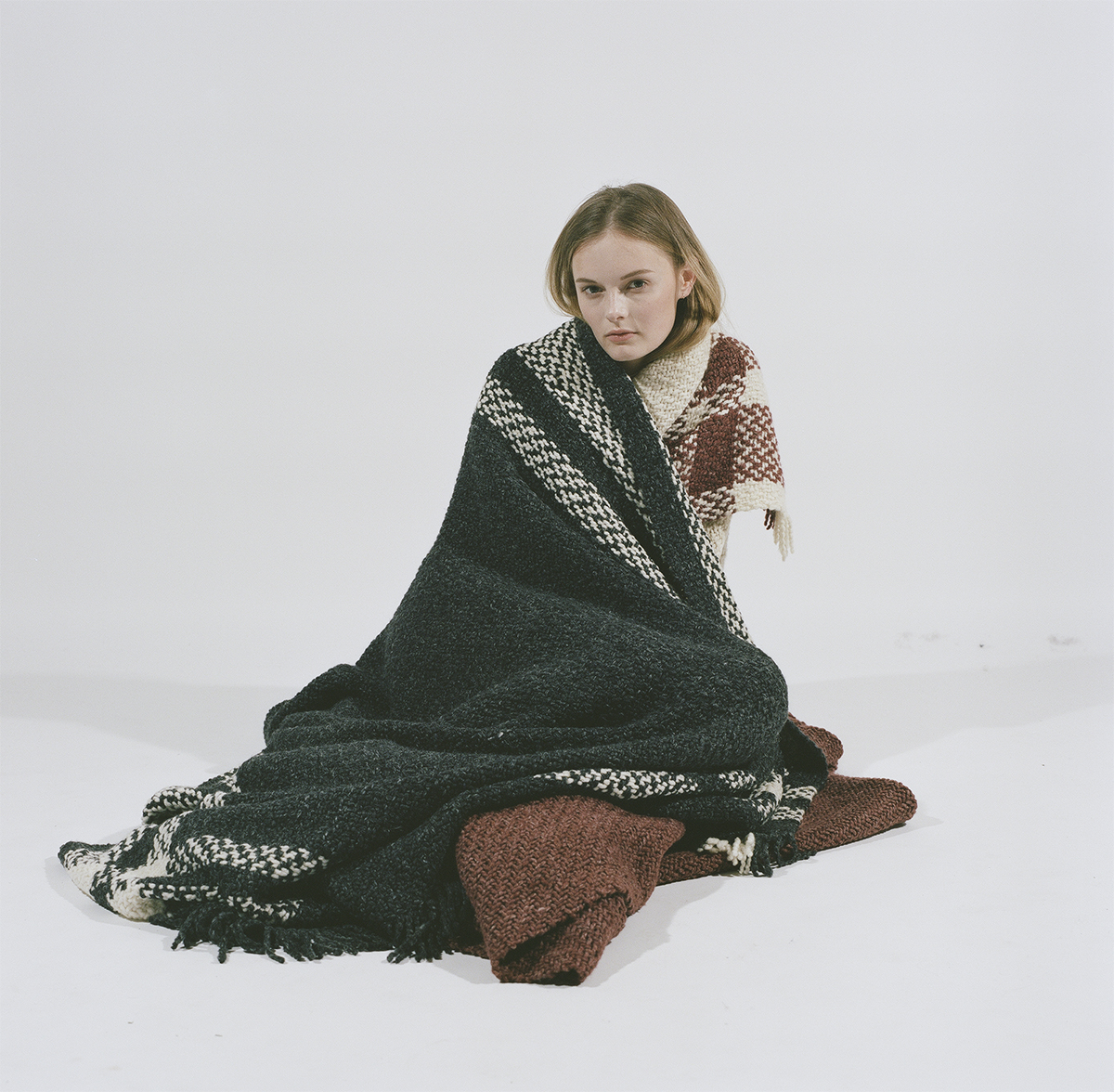
Grace blankets by Aessai
6. What’s your five year vision for the brand?
We’ve been growing organically for the last three years consistently working on building a name for Aessai in a very saturated and competitive market. I think the time has come for the industry to promote and invest in small ethical brands. I do hope Aessai will be an established brand in the next five years and be in the position whereby it can have an influence on the consumer and be globally recognised for its quality products and work ethics.
View the collection: aessai.com

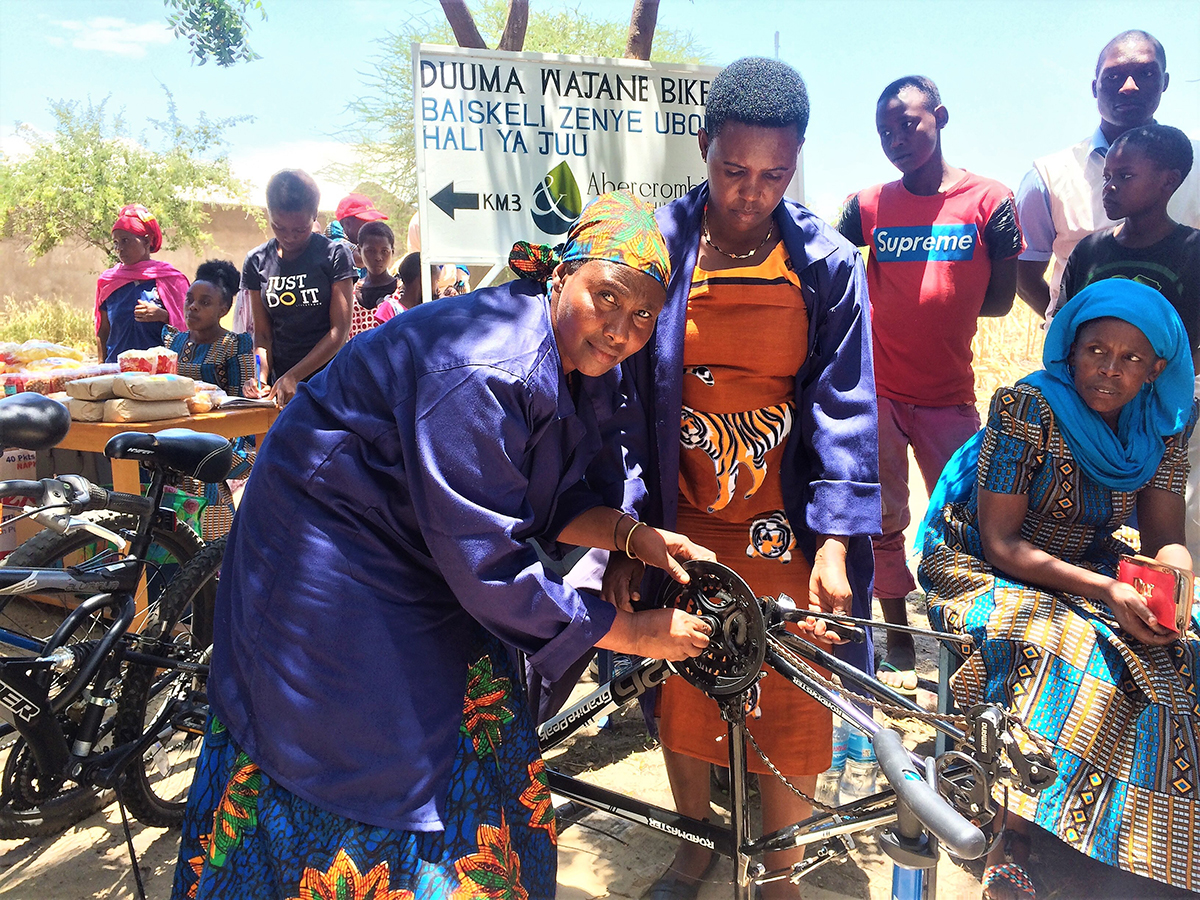
A&K Philanthropy programmes include the Duuma Wajane Bike Shop in Tanzania, where women repair and resell secondhand bikes to support their community
This month, Geoffrey Kent, founder and CEO of Abercrombie & Kent, reports on his industry’s move towards sustainability and why he thinks responsible tourism is the most authentic way to travel
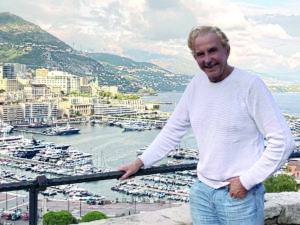
Geoffrey Kent
Working towards sustainable tourism is the travel industry’s duty, and while big airlines and hotels should lead the way, there are still plenty of ways for individuals to make the right decisions. Being a responsible tourist might sound complicated – or lofty – but it does not need to be either. If 7.7 billion people were to make more sustainable choices, the planet would be better off. Think of the influence one individual can have; I have been very inspired by teenage environmental activist Greta Thunberg, whose solitary climate change protest outside the Swedish parliament sparked a youth movement in some 112 countries. It’s often children who are the most aware and passionate. We must live up to their expectations.
Follow LUX on Instagram: luxthemagazine
Thankfully, the concept of responsible tourism is catching on. It’s true that notions of sustainability, carbon neutrality, animal welfare and cultural sensitivity haven’t always been in sync with the travel industry, but increasingly we find our customers are asking us to book hotels with eco-friendly practices, to support the local communities they’re visiting and to find carbon-neutral ways of making the journey.
A recent study that we commissioned found that 65% of respondents are likely to be more conscious and careful of their own behaviour when travelling and 50% are likely to stay at hotels that contribute positively to the local environment by engaging in behaviours such as sourcing food locally. We’ve found that if our clients are ‘green’ at home, they tend to take those practices on holiday. At Abercrombie & Kent, we can create itineraries for our clients that are both environmentally conscious and culturally sensitive; we were doing this long before responsible tourism was a thing.
Our experience and network of travel partners have taught us that integrating sustainability into your travel arrangements does not mean sacrificing luxury or comfort. When it comes to five-star luxury with serious eco-credentials, the Six Senses group are leading the way with their programmes: energy conservation, water re-use, waste recycling, responsible purchasing and wildlife protection are all part of their policy. There are small groups and properties also committed to the cause: Sanctuary Retreats for example, The Brando in Tahiti, Caiman Ecolodge in Brazil, Mashpi Lodge in Quito and 1 Hotels. Some of the big hotel chains are at it, too; all the properties in the Fairmont Hotel chain are LEED (Leadership in Energy and Environmental Design) certified.

A&K Philanthropy also supports Hansraj Children’s Home in Udaipur, India
It’s not just on land either, A&K operates an annual cruise to Antarctica with James McClintock, an endowed professor of polar and marine biology at the University of Alabama. He shares adventures from more than 30 years of Antarctic research into ocean acidification and how climate change has impacted the food chain, especially penguin rookeries on the Antarctic Peninsula. A&K has worked with Dr McClintock for the past 12 years to support his research, providing more than $350,000 worth of high-tech equipment, from satellite penguin tags to webcams that allow scientists around the world to monitor penguin rookeries.
Our approach to animal welfare issues is uncompromising. Since the company’s inception, I have championed the concept of ‘shoot with a camera, not with a gun’. Our clients travel to Africa to connect with and celebrate its abundant wildlife, diverse landscapes and thrilling experiences. Elsewhere, we follow vigorous animal welfare guidelines developed by the Association of British Travel Agents in conjunction with the Born Free Foundation, a third-party organisation whose mission it is to protect vulnerable animals from abuse.
Read more: ‘Extremis’ by Sassan Behnam-Bakhtiar opens at Setareh Gallery
But there’s more to responsible tourism than getting to your destination and back without wreaking havoc on the community you’ve visited. Imagine a trip that offers you the opportunity to make connections through unique local experiences not found in a guidebook. Travel philanthropy can create the most memorable moments of your holiday. Whenever possible, we ask our clients to take part in our Abercrombie & Kent Philanthropy (AKP) programme.
We founded AKP in 1982 as a non-profit working with communities on education, health care, conservation and enterprise development, in the areas our clients travel to. Simply put, we work with our neighbours. Anywhere there is a Sanctuary lodge or camp, we establish a nearby project. In Uganda that means Bwindi, located beside Sanctuary Gorilla Forest Camp. In Zambia, near Sanctuary Sussi & Chuma, we work with Nakatindi village. It’s vital that these communities should benefit from any influx of tourism into their ancestral homelands. Anywhere there is a Sanctuary boat operating on a waterway, we establish a project at a place where we regularly undertake shore excursions. For example, in Myanmar that’s at Sin Kyun village where we bring education, clean water and hope to a small remote village on the Irrawaddy river.
AKP has full-time community development professionals on staff around the world. Our philanthropy co-ordinators meet with communities to identify local issues and establish where we can have the greatest impact. We never just have a great year, write a cheque and walk away. At Nakatindi, we heard from tribal elders that their highest concern was mother-to-child HIV transmission, so we established a new maternity ward to provide a clean birth environment. These decisions are made in consultation with our community partners, government officials and departments and sometimes other non-profits in the area.
In 2017 and 2018, our guests gave most significantly to education and healthcare, but contributions come thanks to inspiration, never solicitation. Our female teenage guests are often the drivers. They visit a programme with their families and have the empathy and persistence to inspire their families to be philanthropic. I can’t tell you how many phone calls I’ve had from the parents of teenage girls, who say, “She keeps mentioning the programme we visited and we’ve got to do something about it.”
I believe responsible tourism is a more authentic way to travel. Our guests define luxury as having an authentic experience, an encounter that is true to the place and its traditions, incorporating elements of the past and reflecting local culture. They want to get out and explore, experiencing traditions that are not akin to their own. What can be more responsible than that? Lives are changed when one is immersed in a different culture, and one reaches a new understanding of how life is lived in another part of the world.
Find out more: abercrombiekent.co.uk
This article was originally published in the Autumn 19 Issue.




Recent Comments