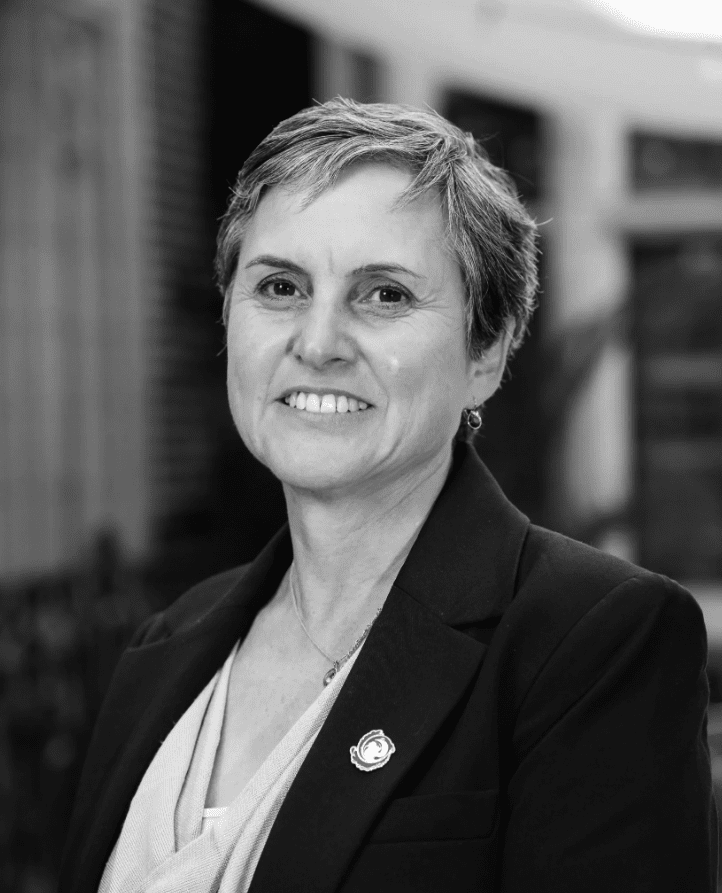



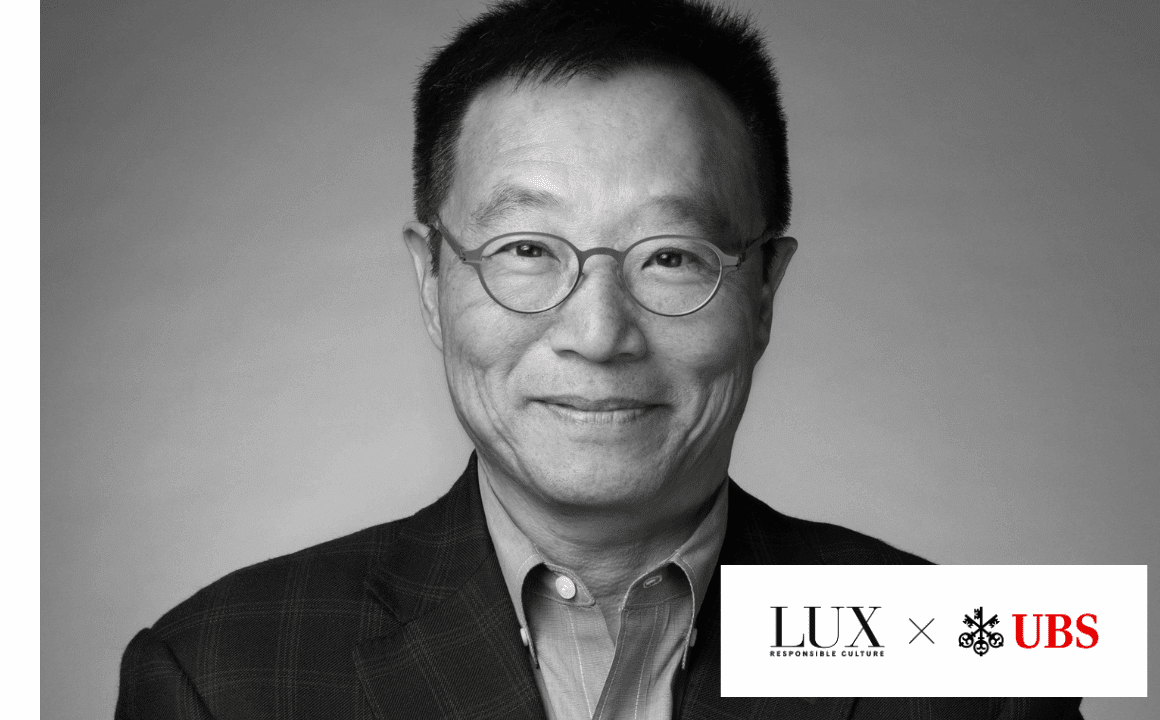
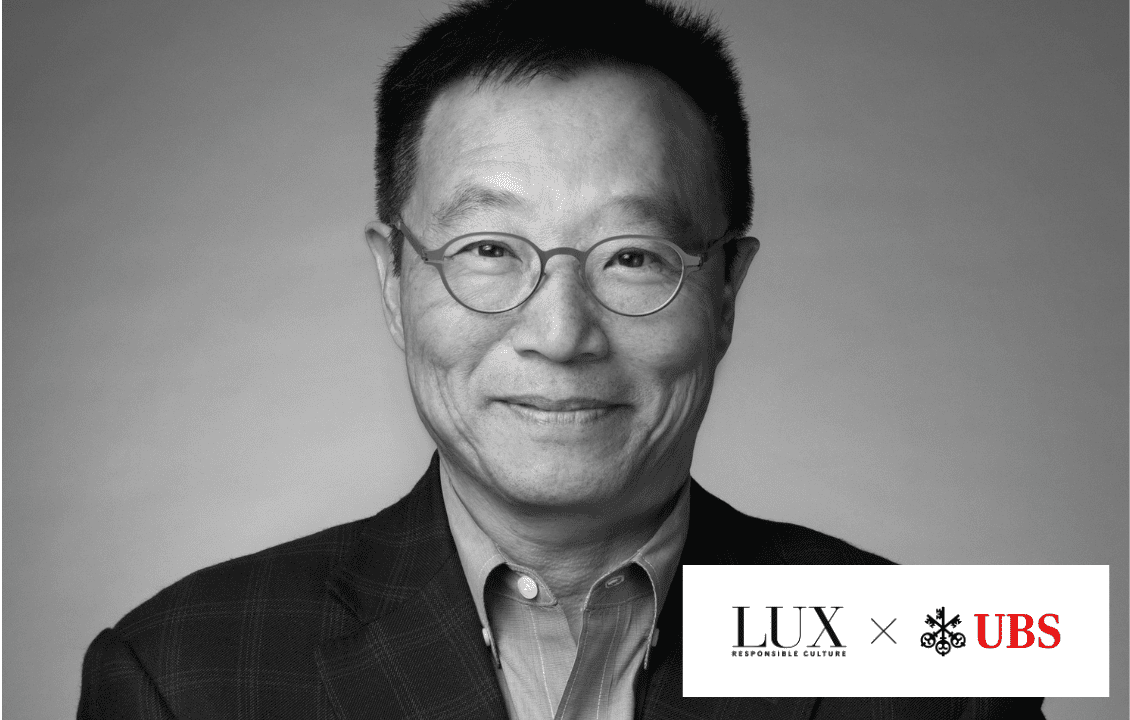
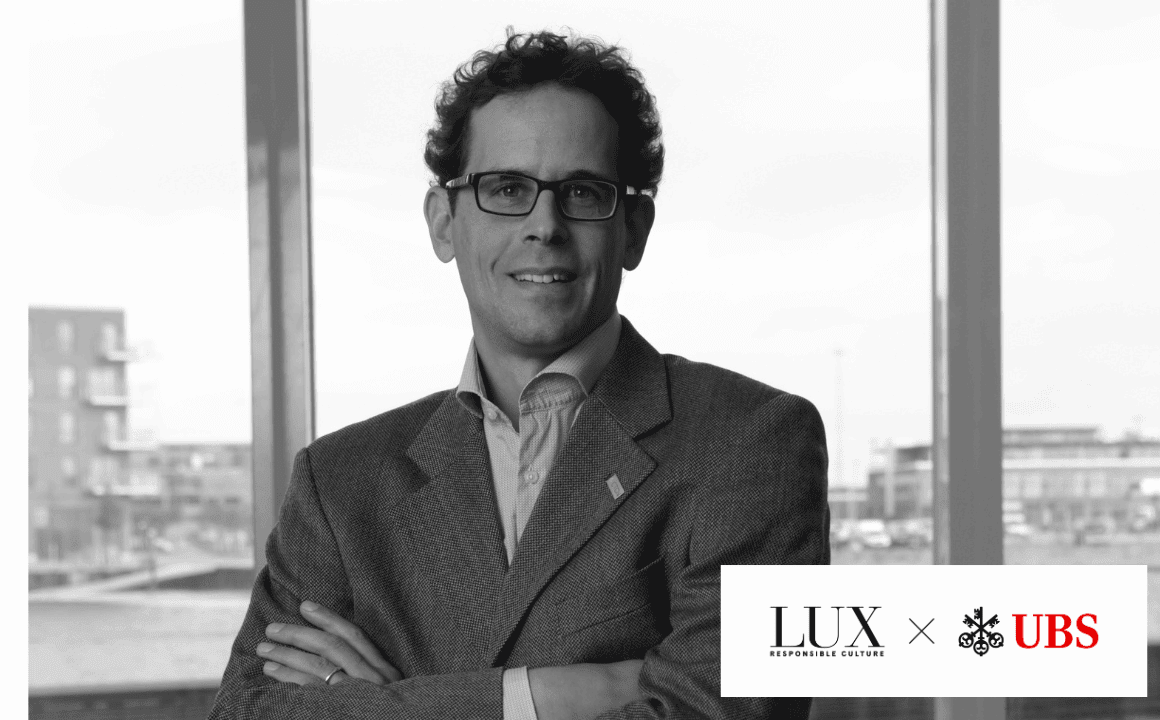
Dave Chen, CEO and Chair of Equilibrium Capital

Dave Chen founded Equilibrium Capital in 2008 after seeing growing interest in how sustainability can help shape the basic economic sectors of the Maslow hierarchy of needs, which include food, water, resources, employment and security. He recognised that climate change was shifting perceptions of asset risk and value. Equilibrium continues to invest in environmentally beneficial companies. LUX speaks to Chen about the challenges of a future blue economy

Follow LUX on Instagram: @luxthemagazine

Equilibrium Capital has been involved in environmentally responsible investing for nearly two decades, including backing carbon transition infrastructure projects and the development of controlled environment food production such as indoor and greenhouse farming. But the firm isn’t involved in the blue economy as yet. “We are not participants within the ocean economy,” says Chen. The reason is structural rather than ideological.
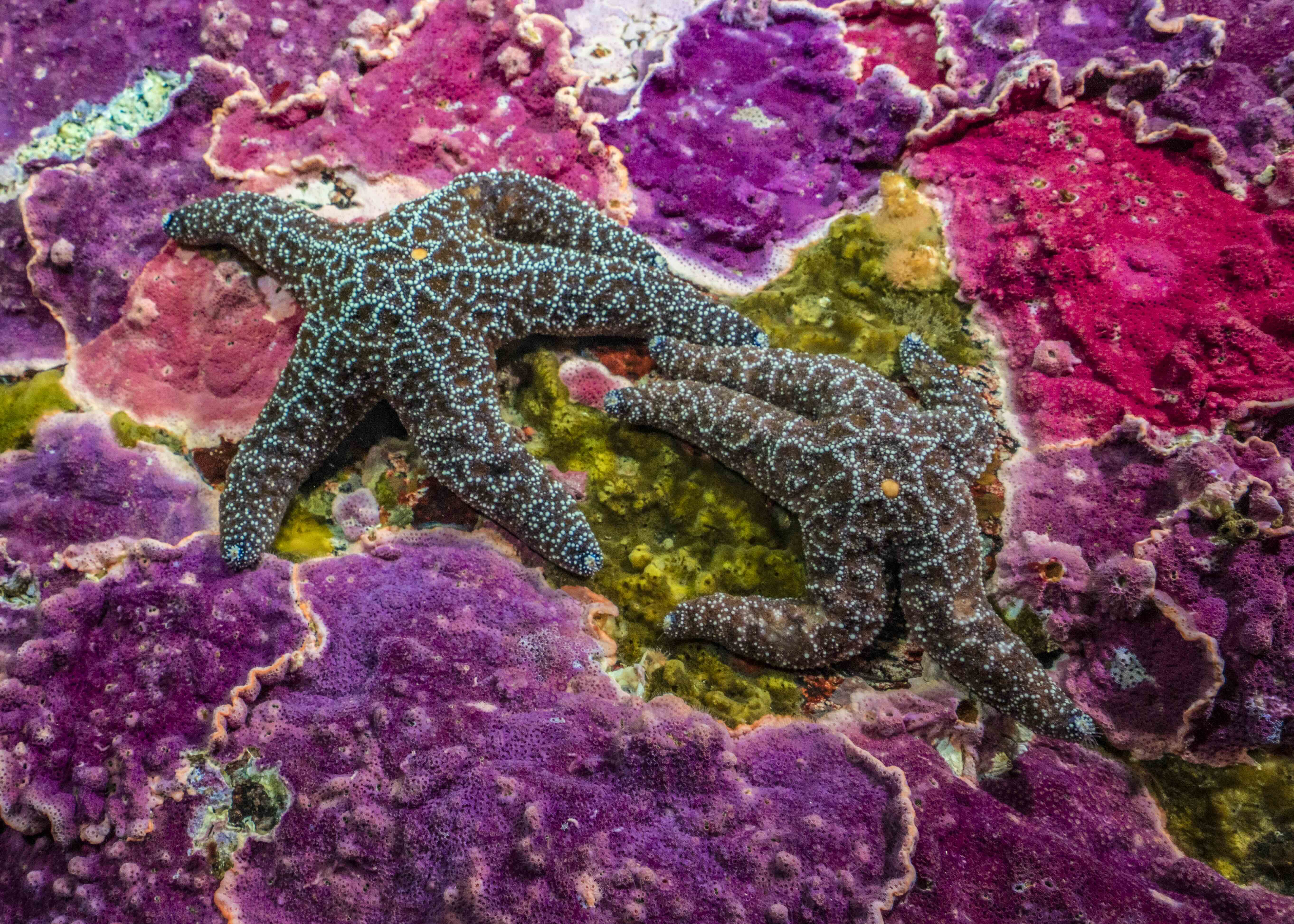
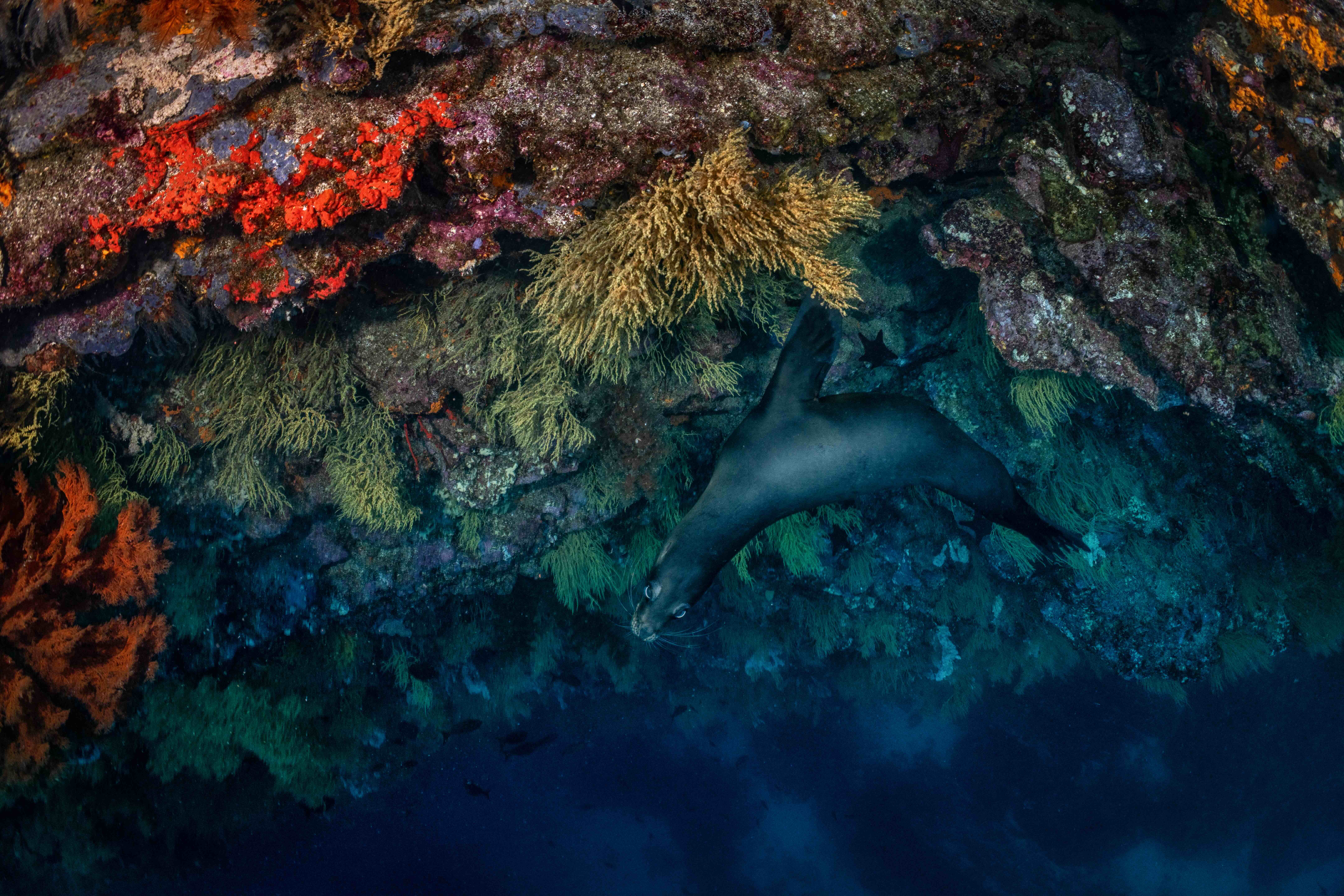
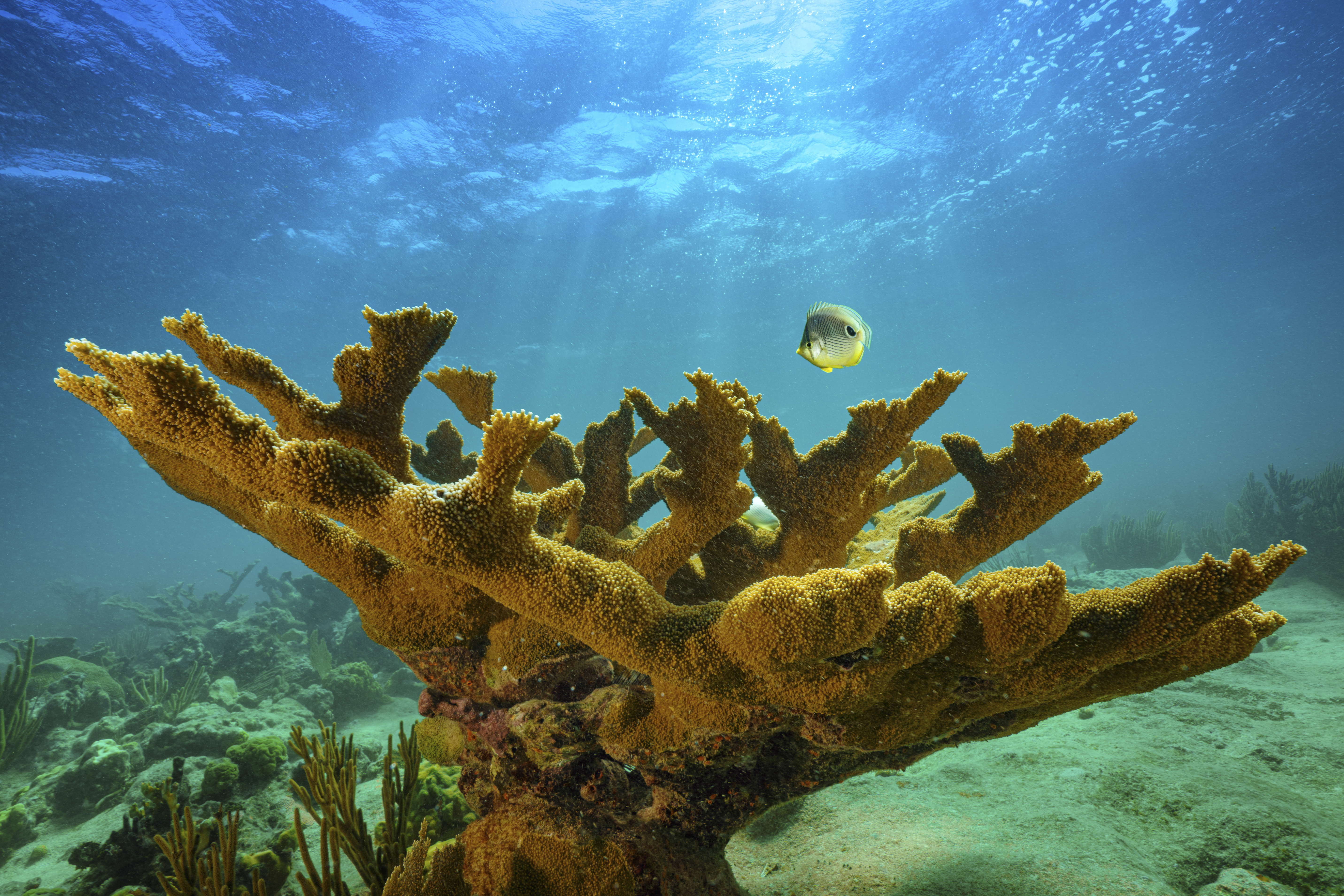
Ochre starfish among the coral, God’s Pocket, British Columbia, Canada, 2016

“These markets are not ready, and people have to be comfortable with that phrase: it’s not ready,” he says. It’s a bold statement, but one backed up by years of experience: Chen joined McKinsey in 1984, spent nine years at OVP General Partners and is an Adjunct Professor of Finance at the Kellogg School of Management, Northwestern University. His starting point is to separate who deploys capital and why.

Read more: How Louis Roederer champagne leads in biodiversity

Government and philanthropic capital can be rewarded through social and ecological outcomes. But investor money needs monetary returns. And too often, he argues, “people just mash this all together.” That distinction becomes decisive at sea – what Chen calls the classic “commons”. And the blue economy struggles to prove its return on investment because it can’t decide on its unit of measure. Even the most mature environmental market, carbon, largely functions as fragmented regional compliance systems, not a single global market, he says.
‘Catalysing blue investment, in Chen’s telling, means basics first’

Chen believes that carbon also holds a lesson for oceans: that voluntary schemes underperform, so rules matter. “Successful examples of carbon markets tend to be highly specific, highly regional and regulated, using the law to create a market that thrives,” he says. He points out that there are some examples of that already in the blue economy, including in US watersheds such as the Mississippi River, where there are emerging traded market mechanisms.

For the rest of us, the future is dependent on investment – and investors need to see clarity on what’s being bought and sold. Catalysing blue investment, in Chen’s telling, means basics first. Governments need to set compliance-grade frameworks and standardise units. Banks can then underwrite and scale regulated pilots where rules, measurement and enforcement exist. Businesses can operate inside those regimes and prove their durability, project by project. It sounds simple, but it’s something that market participants in the blue economy have tried to duck to date, according to Chen. “Human beings don’t like being told that they have to do the basics,” he explains. “There’s no quick, easy answer.”

Photography for the UBS x LUX Blue Economy series by Cristina Mittermeier
eq-cap.com

Share:
Reading time: 2 min

This content is password-protected. To view it, please enter your password below:

Share:
Reading time: 2 min

This content is password-protected. To view it, please enter your password below:

Share:
Reading time: 2 min

“It is time for nature to be accounted for on balance sheets” – Karen Sack

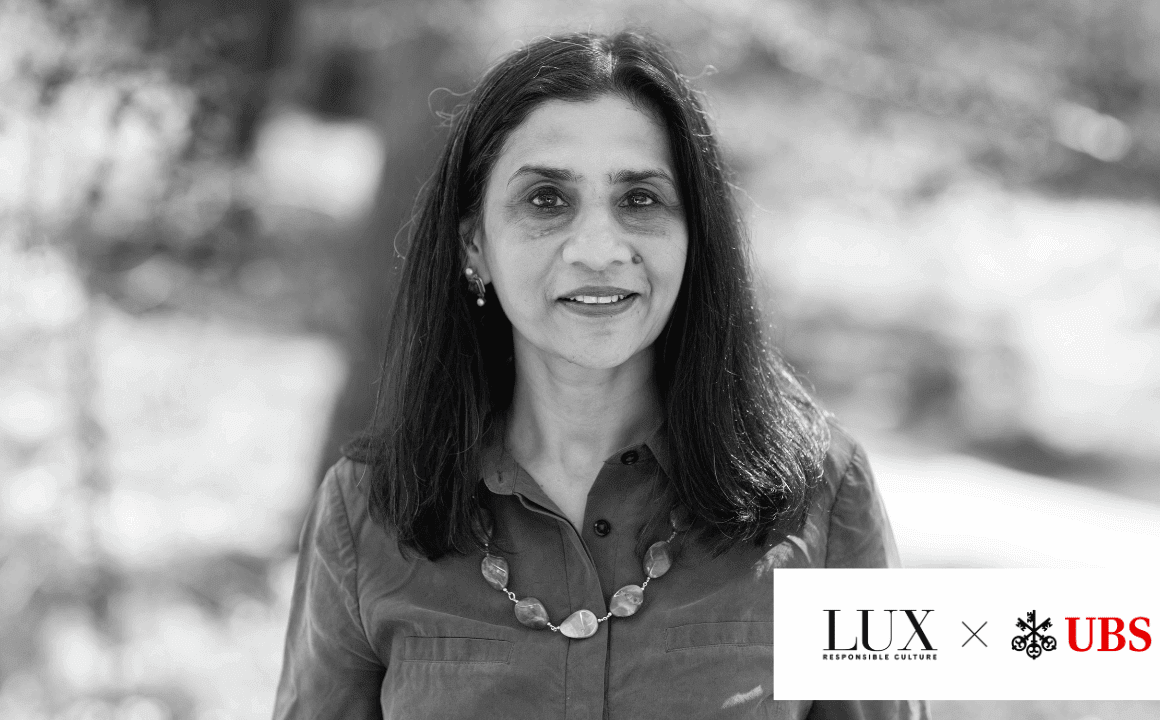
Having held leadership roles at Greenpeace International, The Pew Charitable Trusts and previously served as CEO of Ocean Unite – which she co-founded with Richard Branson and José María Figueres – Karen Sack has spent the past three decades at the forefront of global campaigns to protect the oceans through conservation, law and policy. LUX speaks to Sack about her current role as Co-founder and Executive Director of Ocean Risk and Resilience Action Alliance

Small skiffs or fishing boats rarely sail alone. It’s a notion that underpins a core strategy at ORRAA, which is working to build an effective capital market for the ocean. ORRAA’s Sea Change Impact Financing Facility – or Sciff – is a collection of financial instruments that work together “like a flotilla”.

Karen Sack, Co-founder and Executive Director of Ocean Risk and Resilience Action Alliance

From providing a guarantee facility to de-risk investments, to building a robust and transparent blue bond market, these innovative products combine to address what Sack describes as the “missing middle” in the blue economy, where “so many amazing innovations falter as they try to bridge the gap between grant funding and return-seeking investment.”

Follow LUX on Instagram: @luxthemagazine

To grow this nascent market, Sack says, “we need to be patient with capital and impatient with action.” Sciff is just one part of a multi-pronged effort that reaches from “the boardroom to the beachfront”.

Ocean conservation action must reach from “the boardroom to the beachfront” – Karen Sack

In the boardroom, ORRAA is driving the #BackBlue Ocean Finance Commitment, a UN-backed campaign to ensure that a regenerating and sustainable ocean has a seat at the table in finance and insurance decisions. The cumulative value of assets under management by current endorsers of #BackBlue amounts to $3.45 trillion. “We are now focused on building out this work to identify the ‘red line’ no-go investment areas and ‘blue line’ opportunities for institutional investors to lean into,” says Sack.

Read more: How Louis Roederer champagne leads in biodiversity

On the beachfront, ORRAA is taking steps to catalyse investment flows into the communities that need them most. Its Innovation and Product Pipeline initiative provides early-stage grants to help incubate, innovate and accelerate the development of finance and insurance products that invest in coastal and ocean natural capital.

“Short-term profit does not overshadow long-term community health and Earth system vitality”

Since 2021, it has supported 50 projects in 30 countries through $20 million in grants. “Entrepreneurs in underserved countries often face limited opportunities to scale ventures,” says Sack. “Just tens of thousands of dollars – a relatively small amount of capital – can do big things.”

Sack is optimistic about the direction of travel, but is aware that the window for action is closing fast. She argues that integrating social returns, biodiversity-positive outcomes and climate resilience as fundamental elements of success can ensure that short-term profit does not overshadow long-term community health and Earth system vitality.

“Investors need to recognise ocean health as material to portfolios,” says Sack. “It is time for nature to be accounted for on balance sheets.”

Photography for the UBS x LUX Blue Economy series by Cristina Mittermeier
oceanriskalliance.org

Share:
Reading time: 2 min