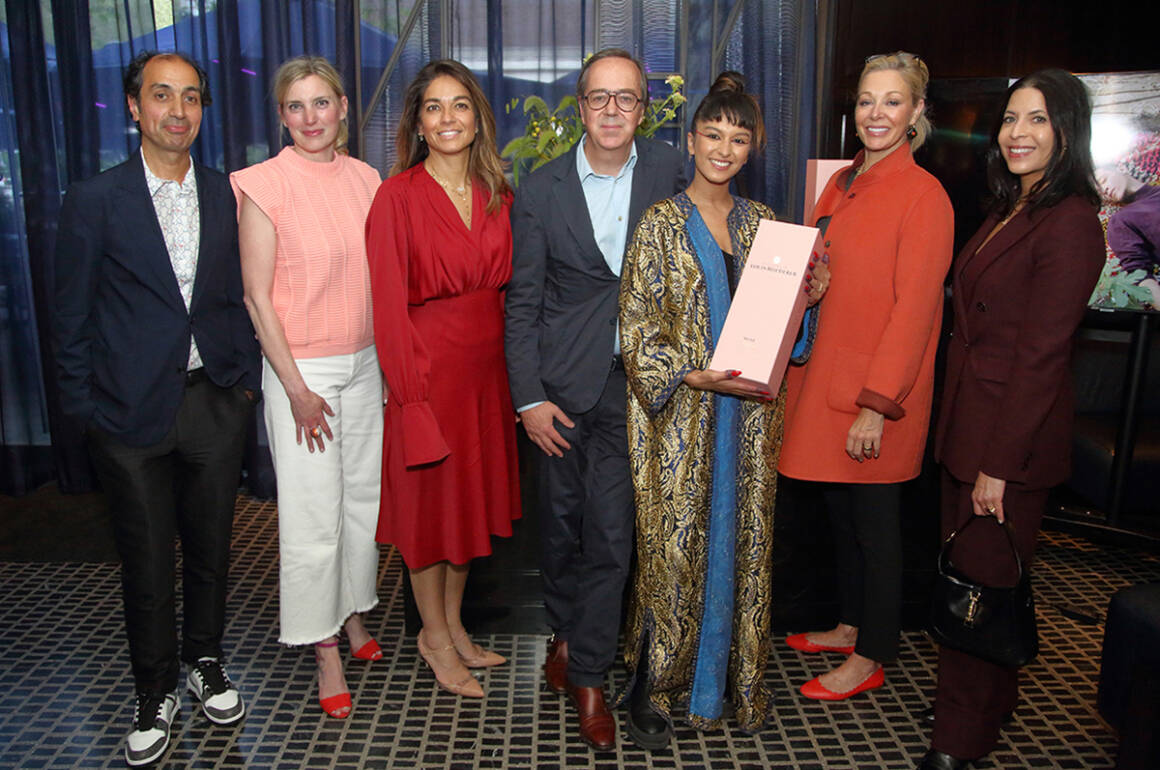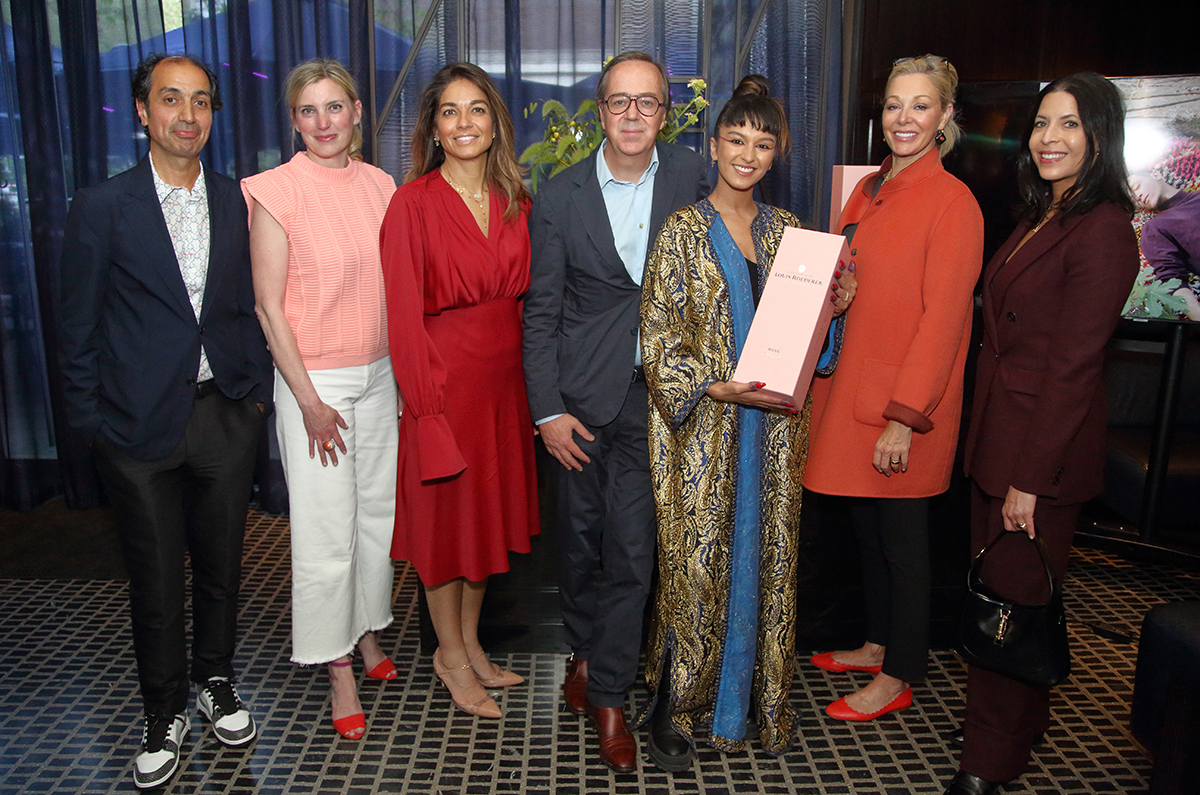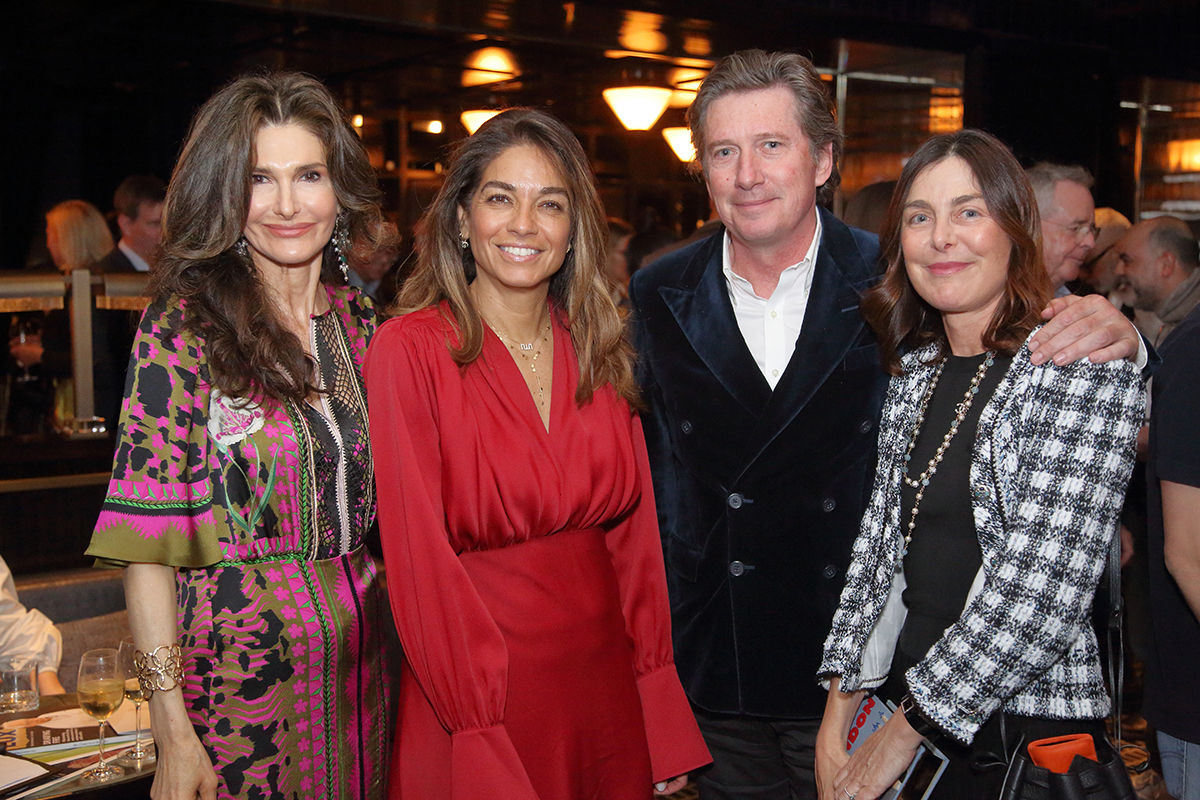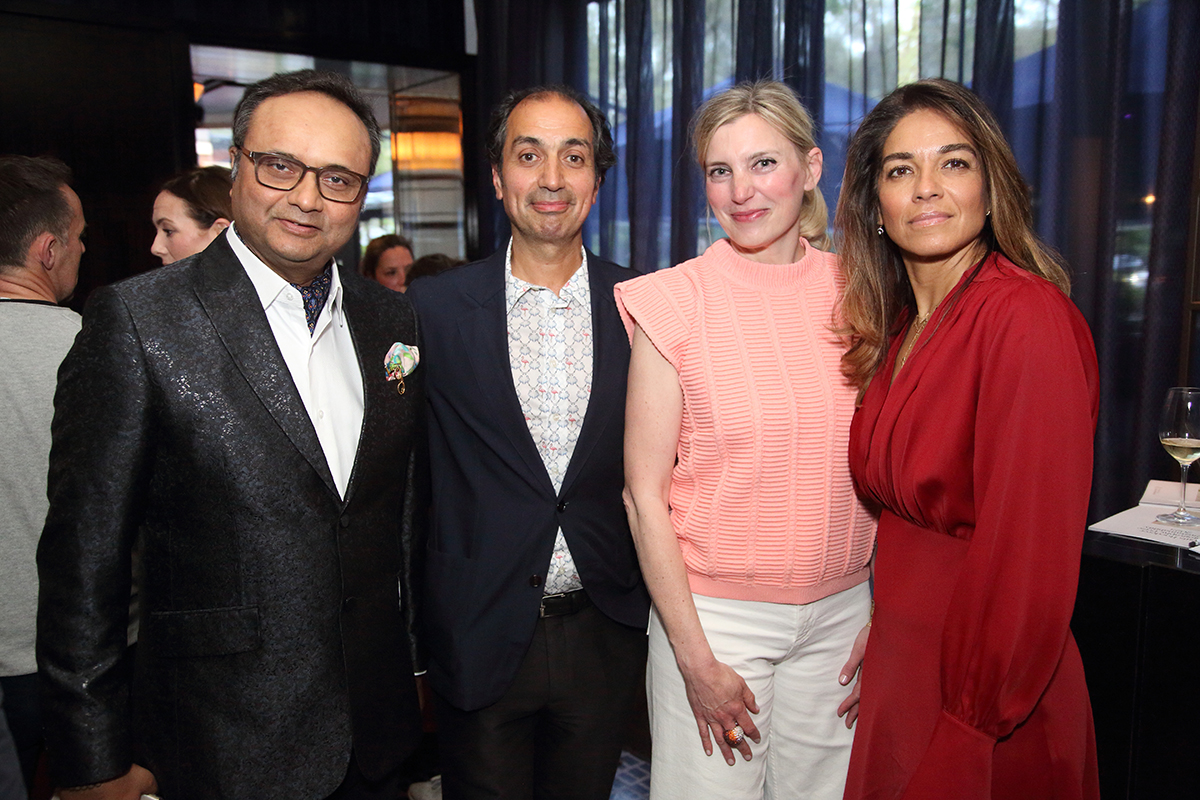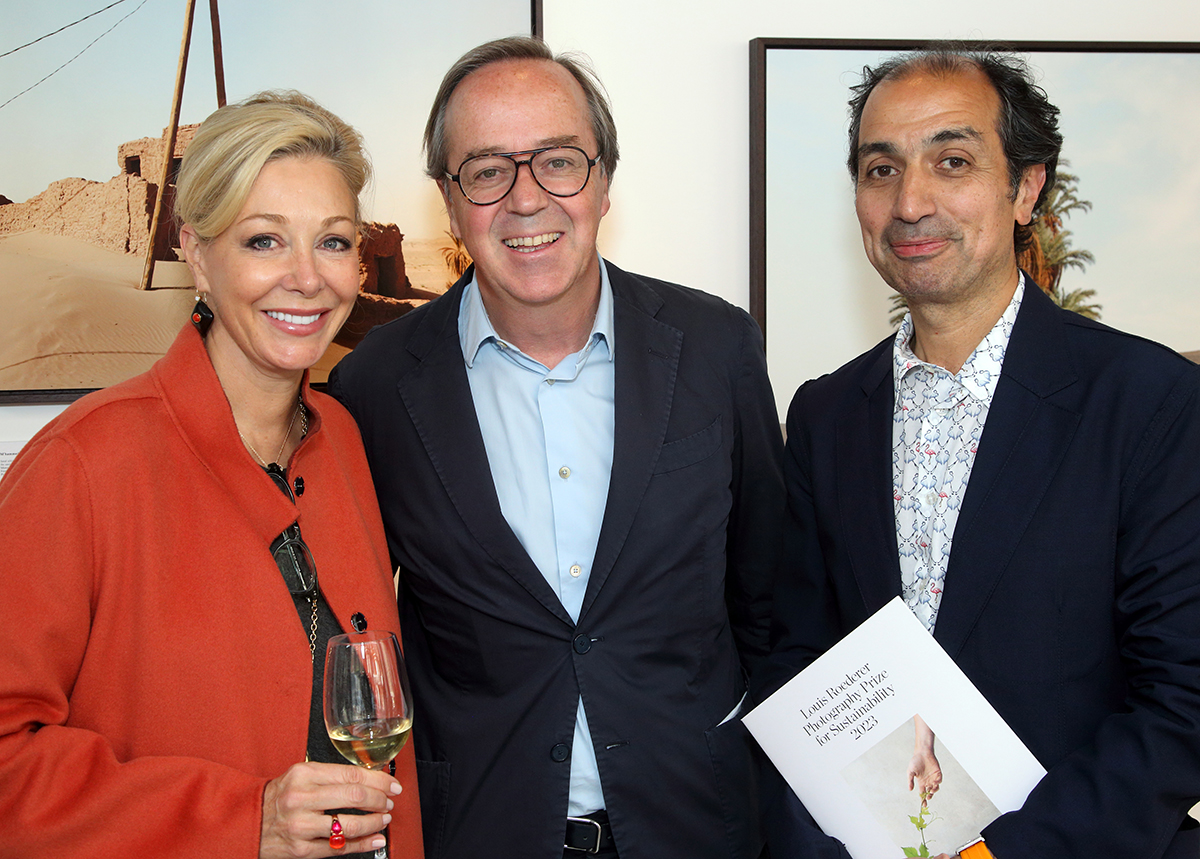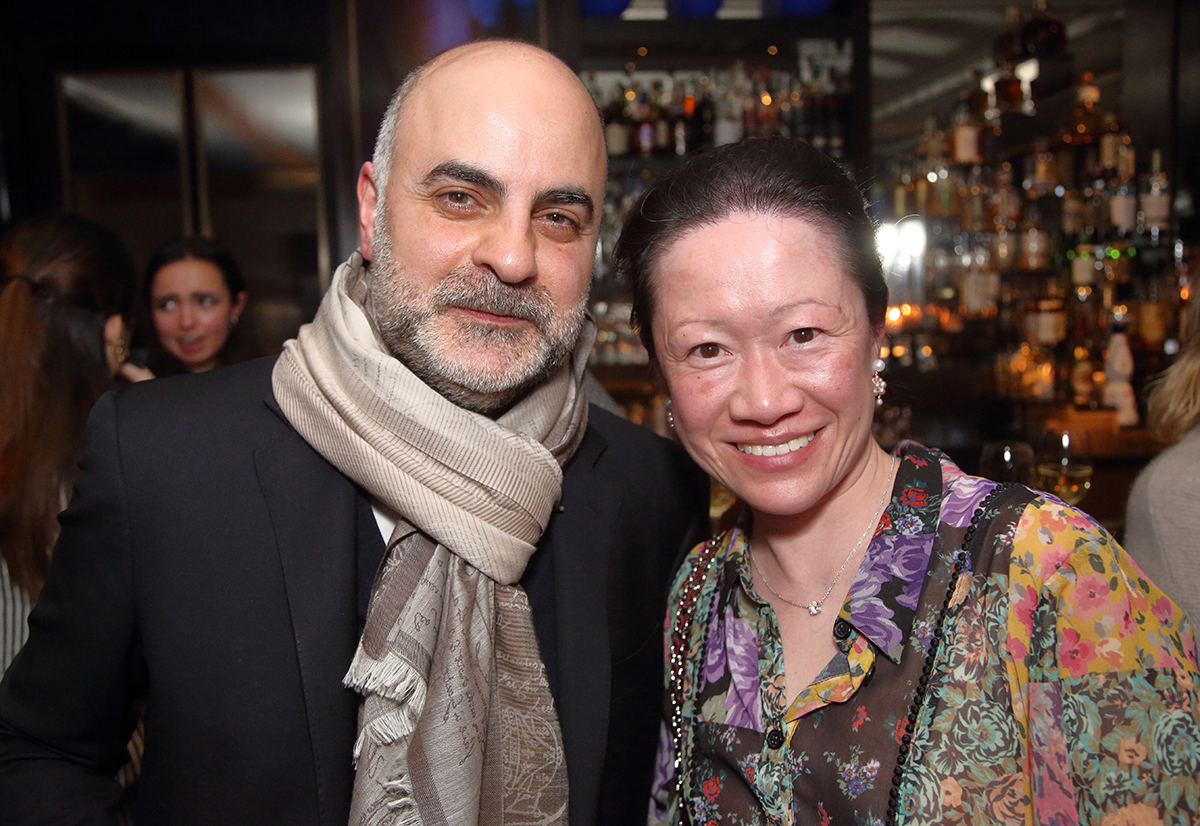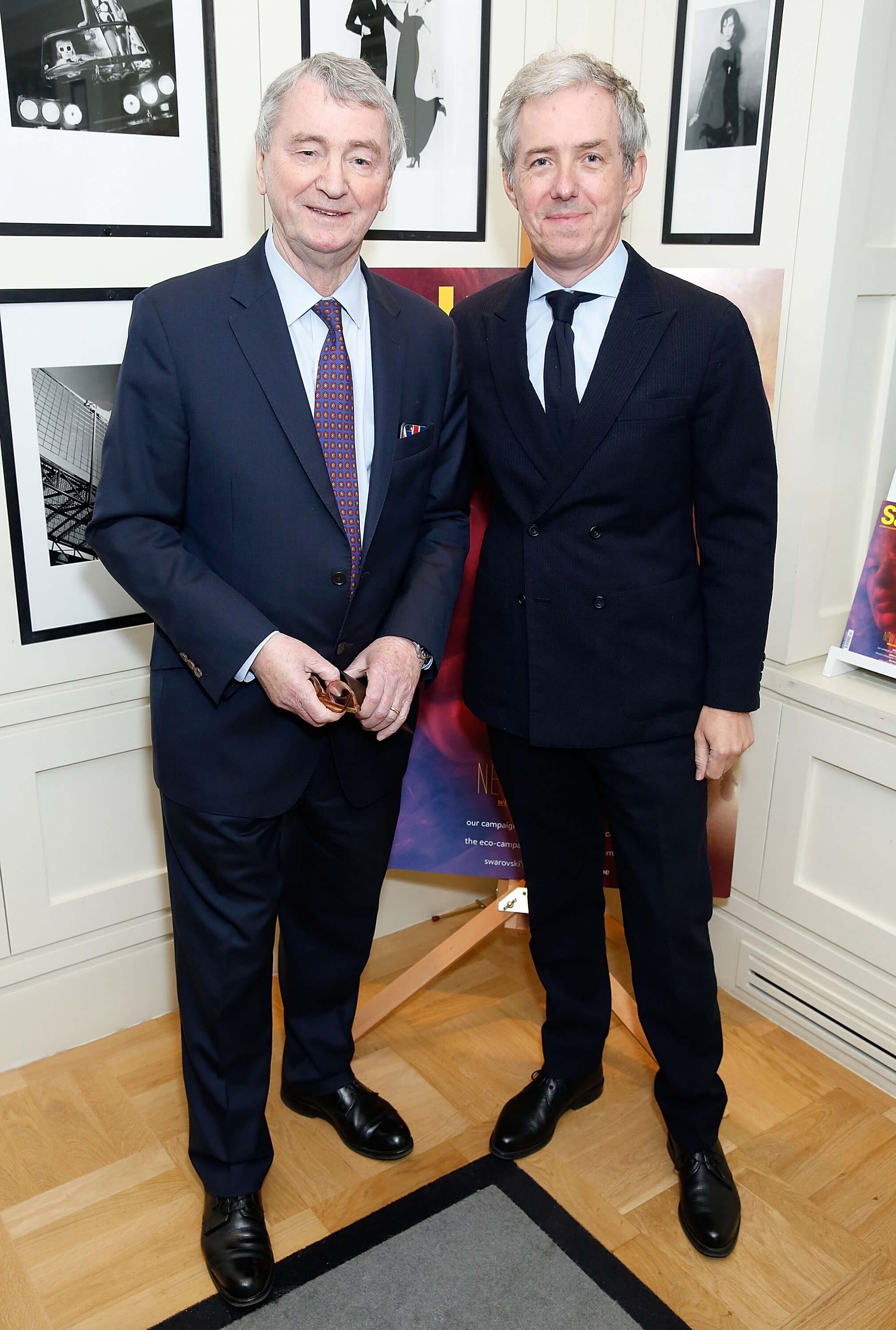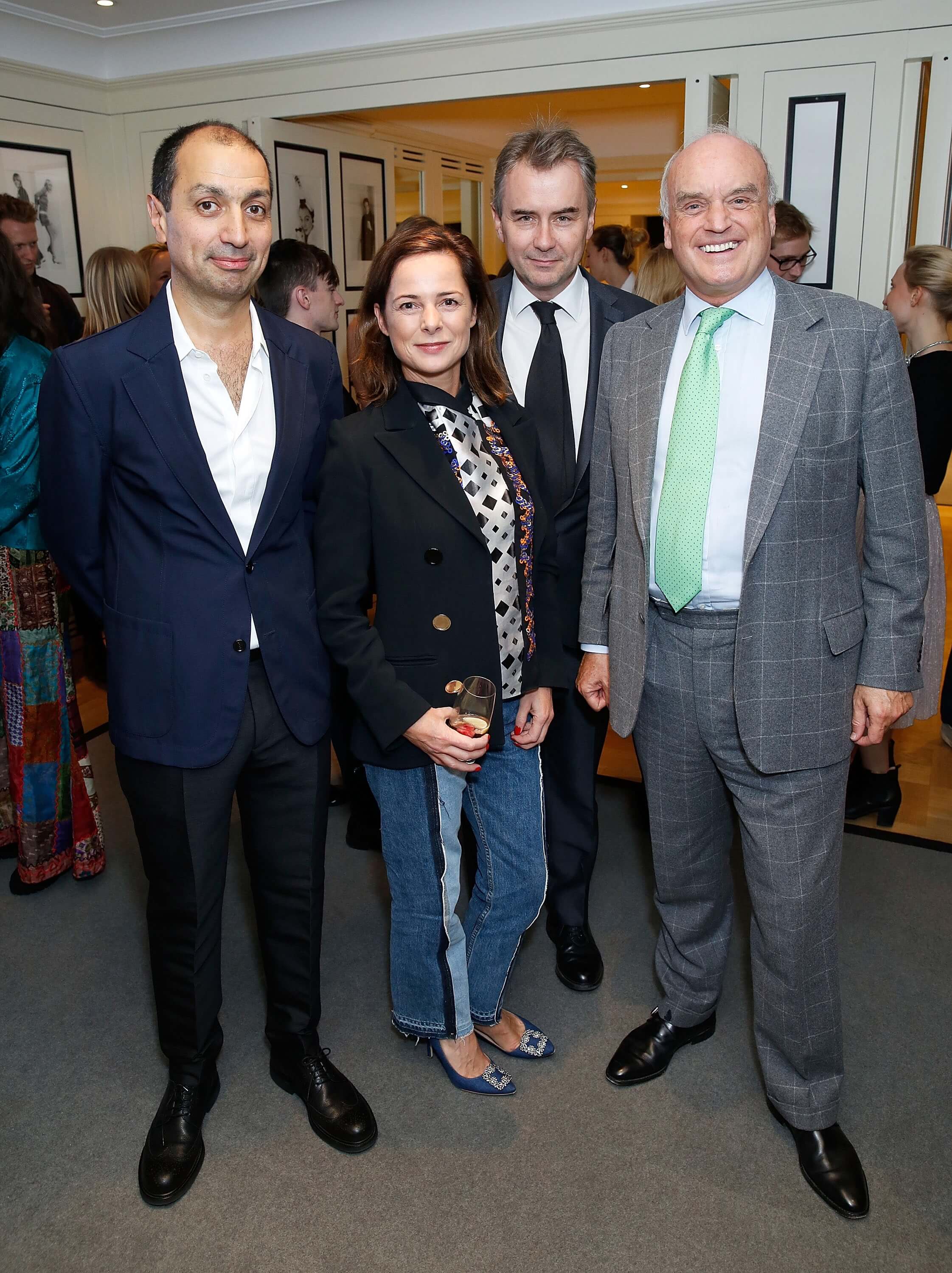



Left to right: Darius Sanai, Audrey bazin, Maria Sukkar, Frédéric Rouzaud, Rita Kamale, Nadja Swarovski and Brandei Estes
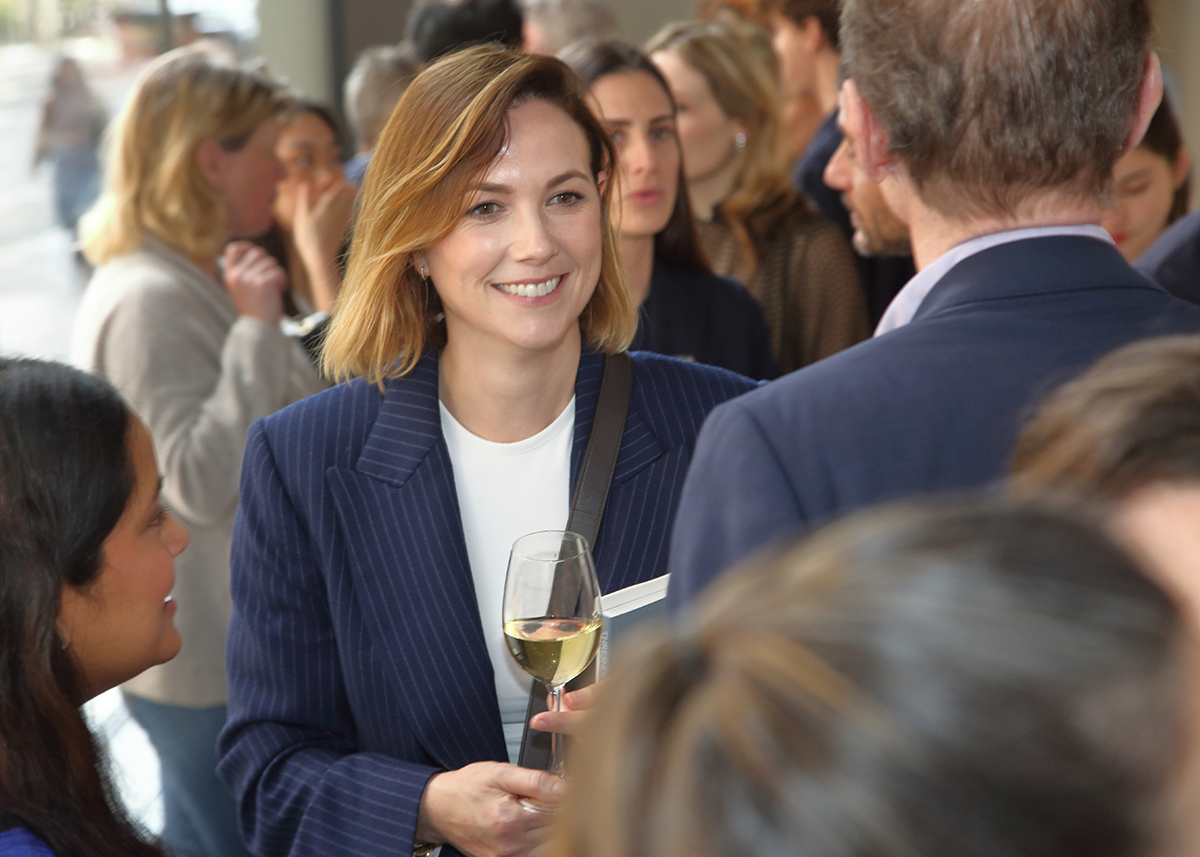
A crowd of the leading movers and shakers from the worlds of art and sustainability gathered at the Nobu Hotel in Portman Square to celebrate the Louis Roederer Photography Prize 2023, created by our sister company Quartet Consulting. High-profile guests included Guy Weston, Ina Sarikhani, Brandei Estes, Jessica Hodges, Maria Sukkar and Nadja Swarovski, among many others
Carrie Scott
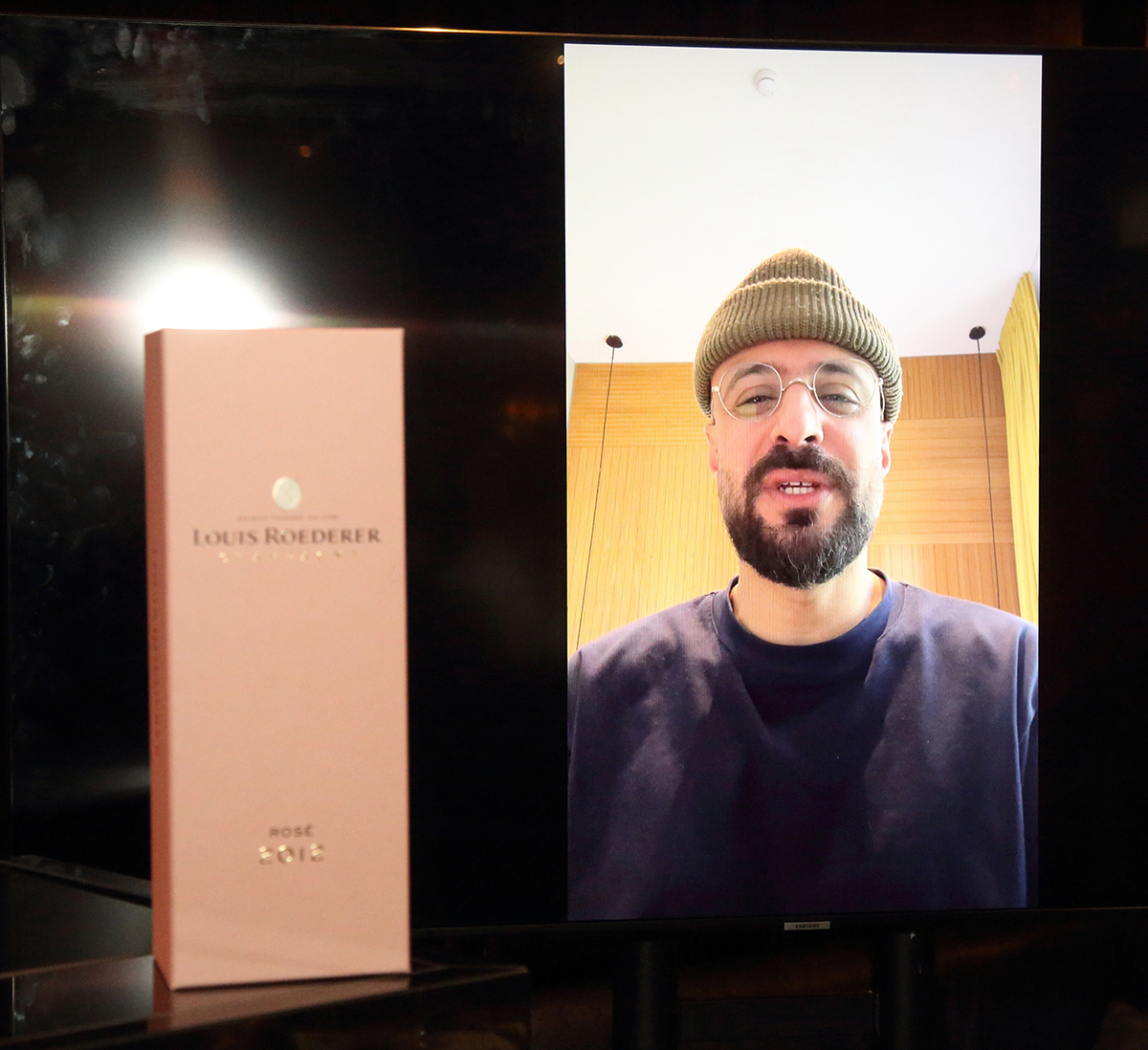
M’hammed Kilito giving his video message to the audience having won the award
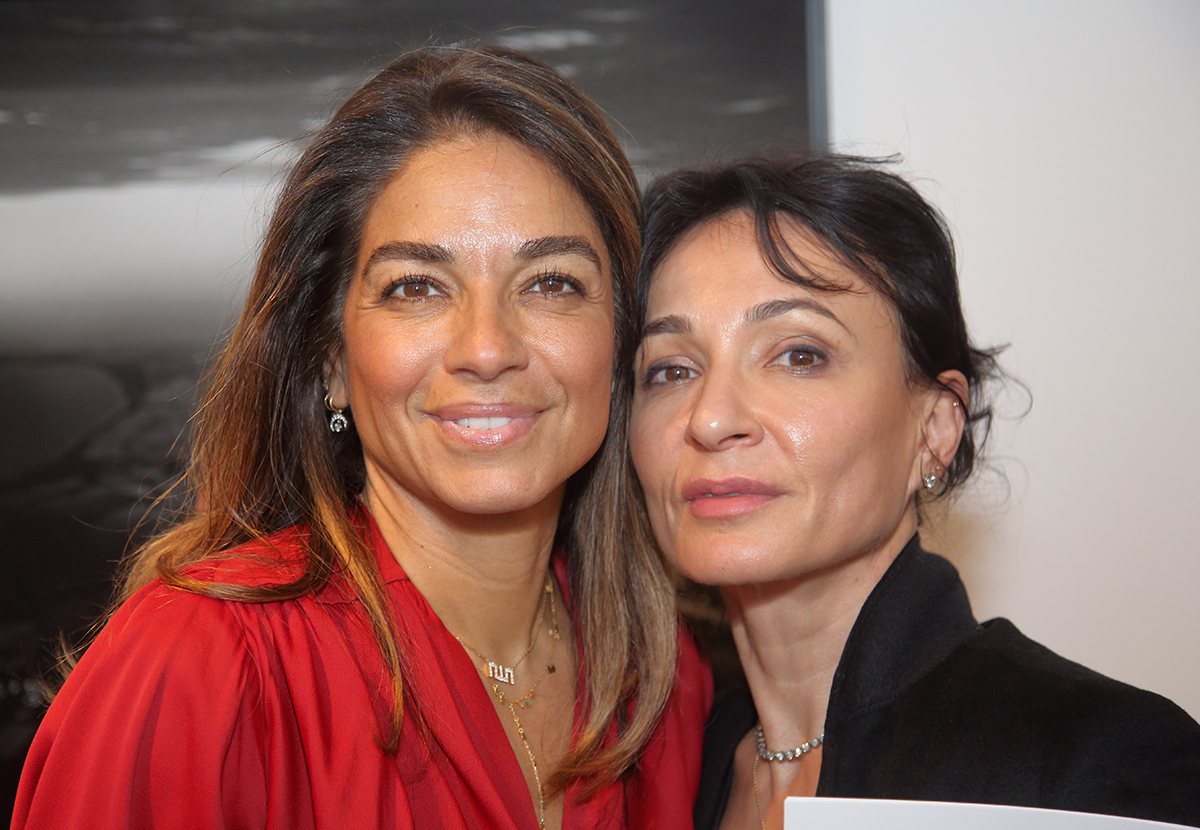
Left to right: Maria Sukkar and Ina Sarikhani
The Prize, now in its second instalment, was established by LUX Editor-in-Chief Darius Sanai and Louis Roederer CEO Frédéric Rouzaud under Quartet Consulting, to recognise outstanding contemporary photographers with a focus on sustainability and environmental issues.
Follow LUX on Instagram: luxthemagazine
Thirteen art world luminaries from across the globe were each asked to nominate three photographers to submit their works. An esteemed panel of judges including Maria Sukkar, Maryam Eisler, Brandei Estes, Alan Lo, Audrey Bazin, Nadja Swarovski, Sophie Neuendorf, Azu Nwagbogu and the Chair, Darius Sanai, then selected six entrants to make up the shortlist, which was then narrowed down to three finalists.
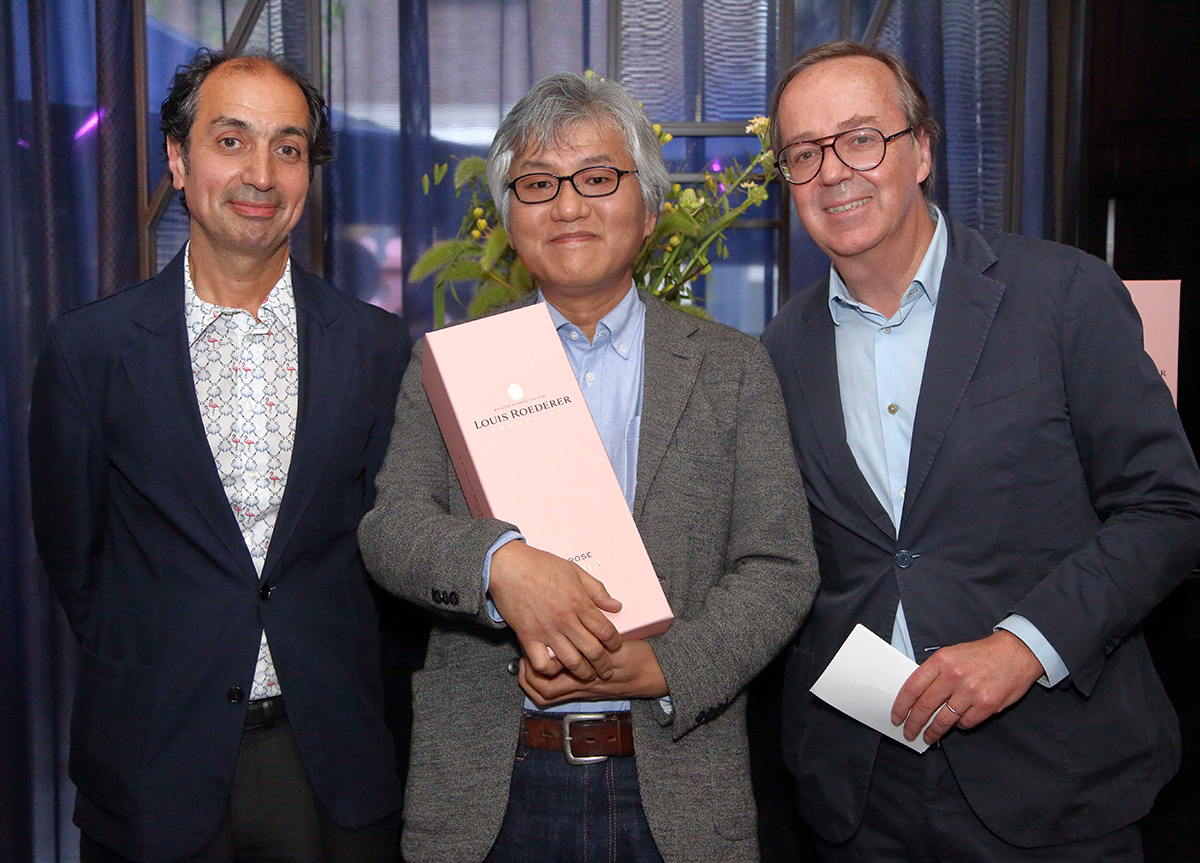
Left to right: Darius Sanai, runner up, Yasuhiro Ogawa and Frédéric Rouzaud
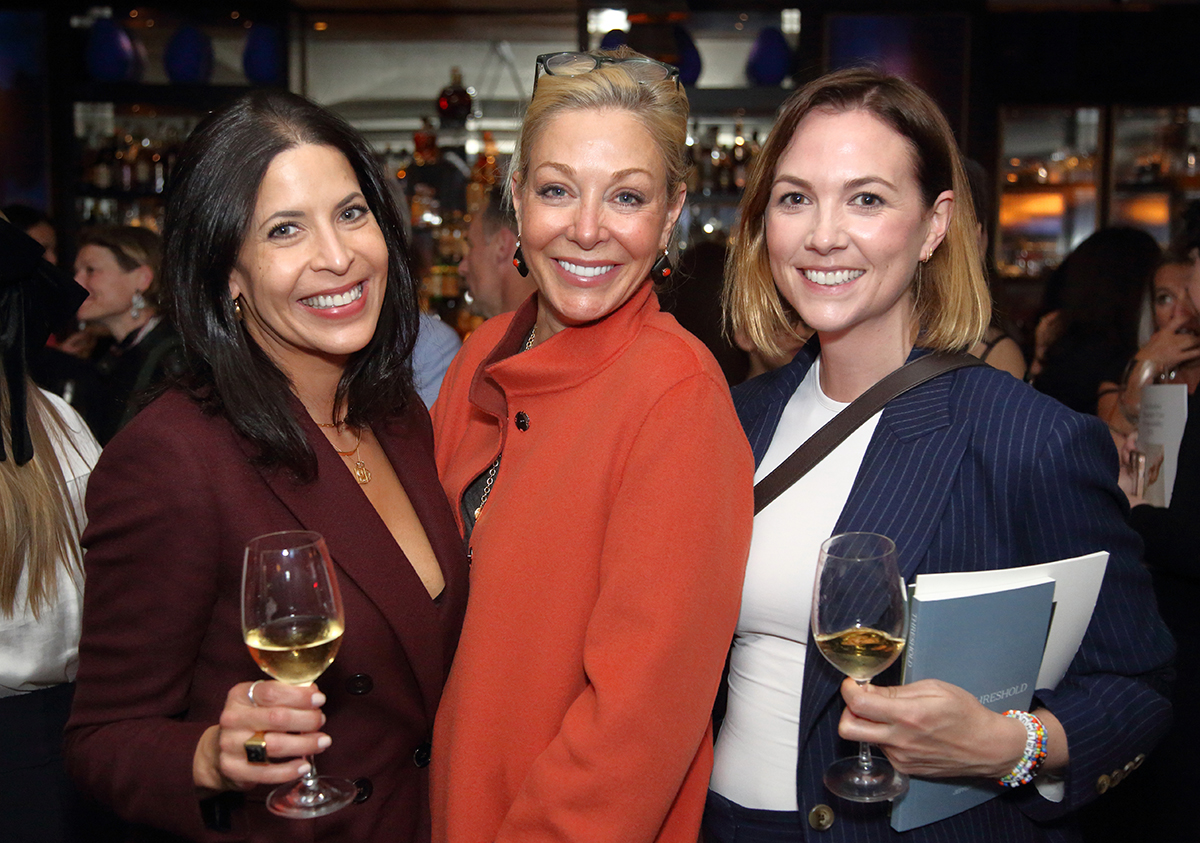
Left to right: Brandei Estes, Nadja Swarovski and Carrie Scott
Left to right: Ilaria Ferragamo, Maria Sukkar, Franck Namy and Véronique Namy
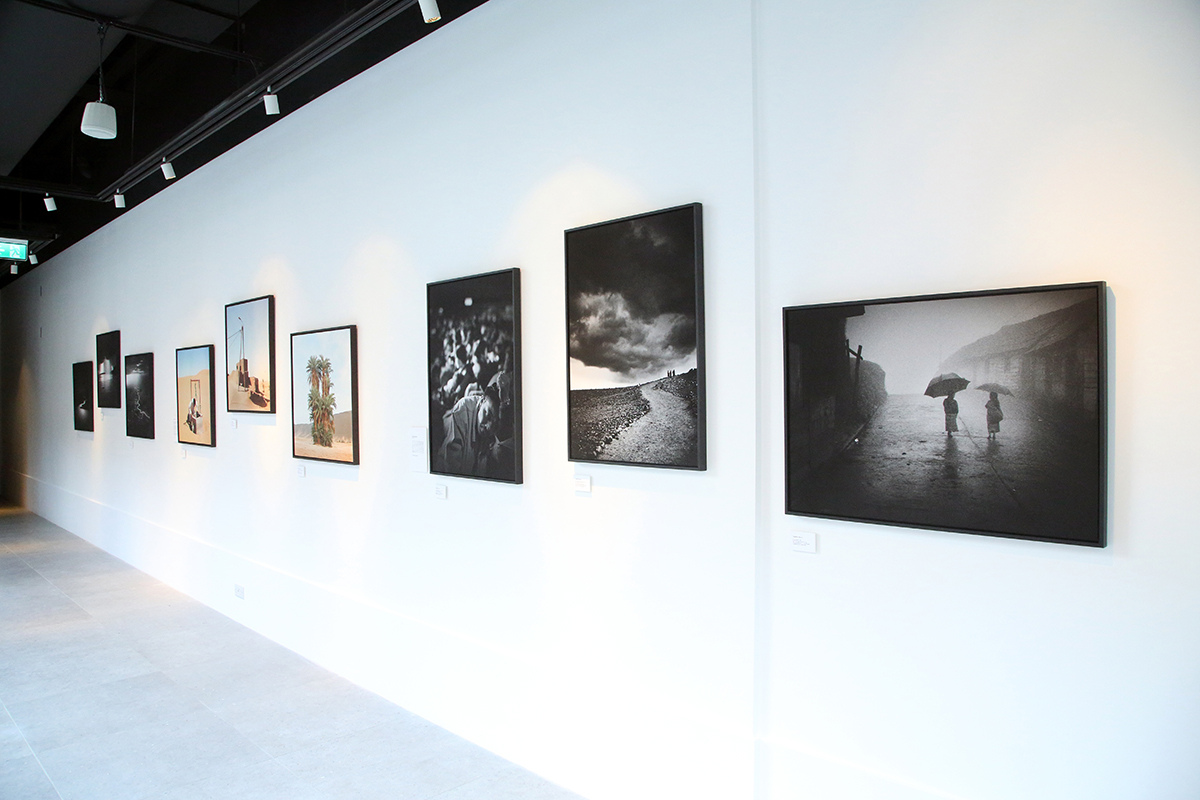
This year’s finalists were the exceptional Hengki Koentjoro, M’Hammed Kilito and Yasuhiro Ogawa, each with a unique take on the awe-inspiring landscapes and tender humanity surrounding the issue of sustainability. They all received a magnum of Cristal, made by Louis Roederer from 100% biodynamically farmed grapes, and their work will be displayed at the White Box, Nobu Hotel Portman Square, London, from 11th May until 1st June.
M’Hammed Kilito was announced as the winner by Frédéric Rouzaud in the Nobu Bar to an excited throng of guests for his series ‘Before It’s Gone’, a meditation on the issue of oases degradation currently taking place in Kilito’s home country, Morocco.
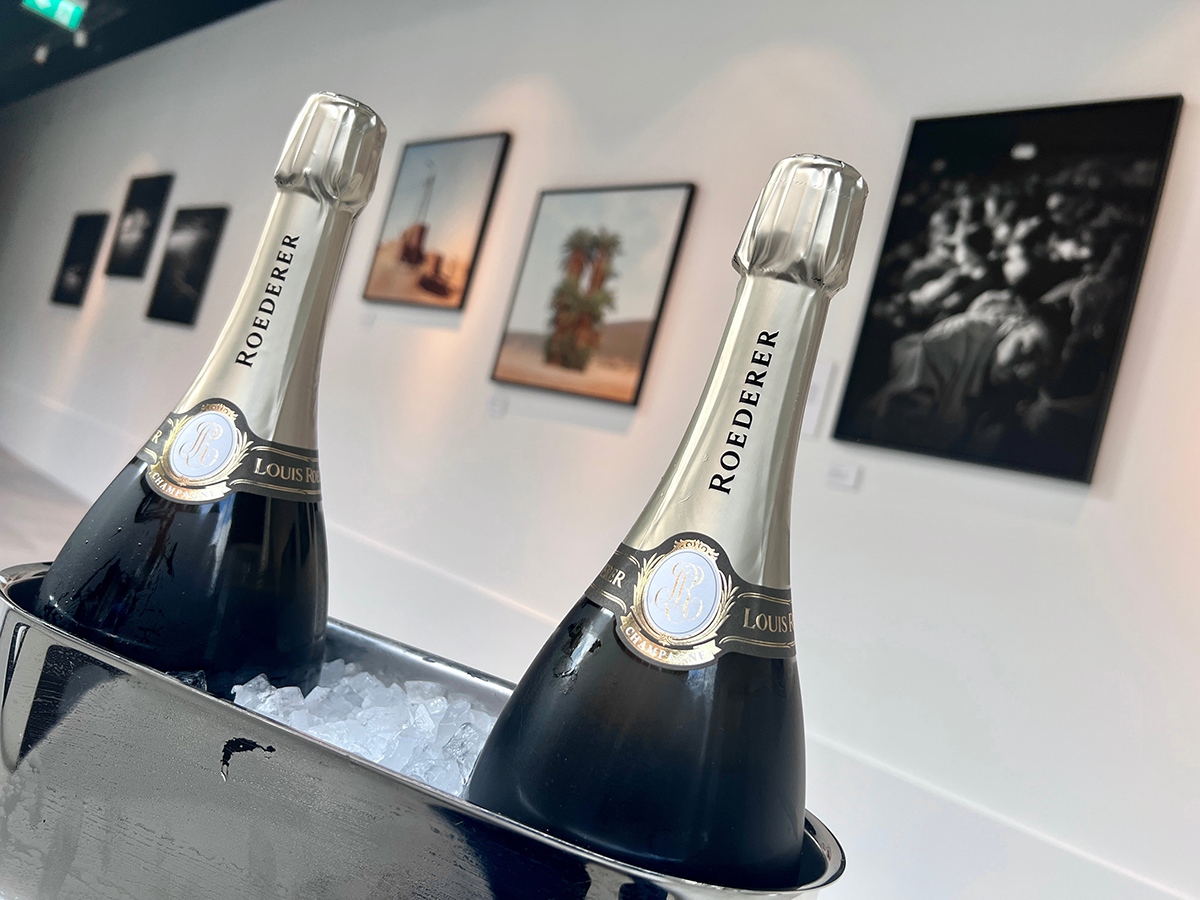
The works of the finalists on display at the White Box Gallery at the Nobu Hotel London, Portman Square
The Prize is run by the Fondation Louis Roederer to raise awareness around sustainability issues through photography
Upon receiving the award, Kilito commented: “I would like to say how absolutely honoured to receive the Louis Roederer Prize for Sustainability. I am so honoured to receive the Prize because I believe it is a very important one, highlighting the work of visual storytellers, and the issues of climate change and sustainability which are very close to my heart.”
Read more: Rock legend Graham Nash on collecting photography
Left to right: Durjoy Rahman, Darius Sanai, Audrey Bazin and Maria Sukkar
Left to right: Nadja Swarovski, Frédéric Rouzaud, Darius Sanai
Left to right: Michel Ghatan and Helen Ho
The exhibition of the works of M’hammed Kilito, Hengki Koentjoro and Yasuhiro Ogawa are on display at the Nobu Hotel London Portman Square until 1st June

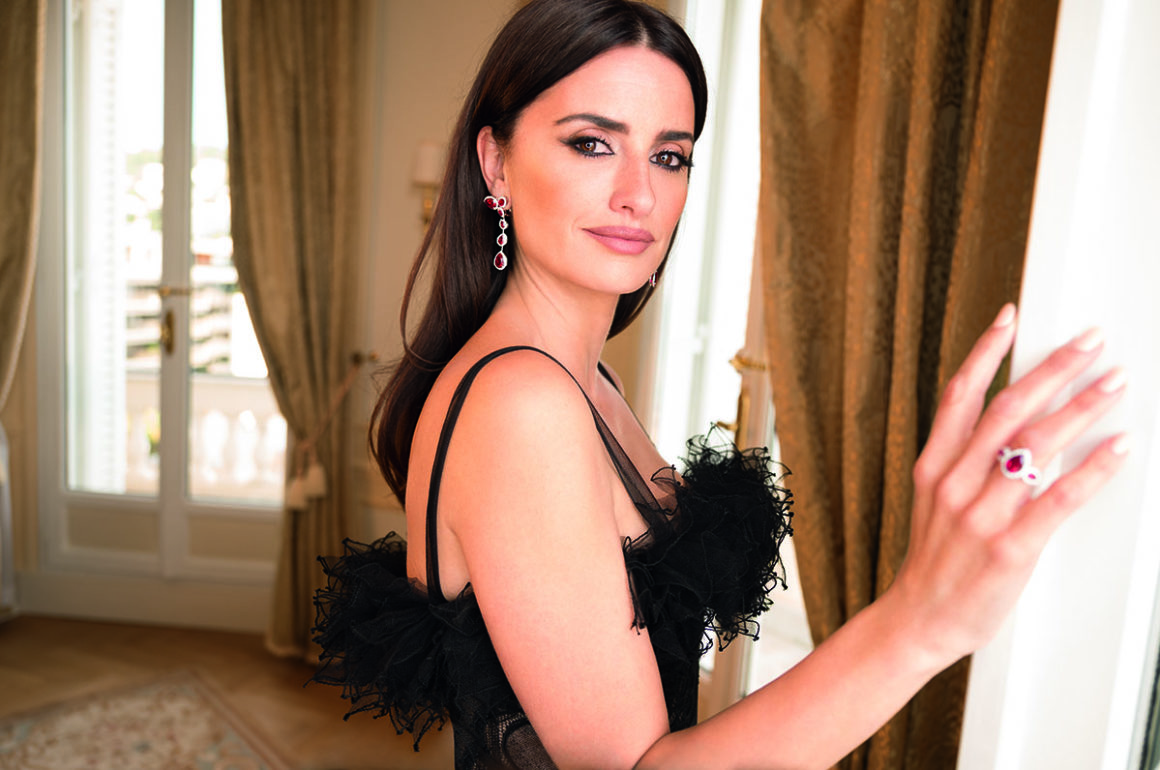
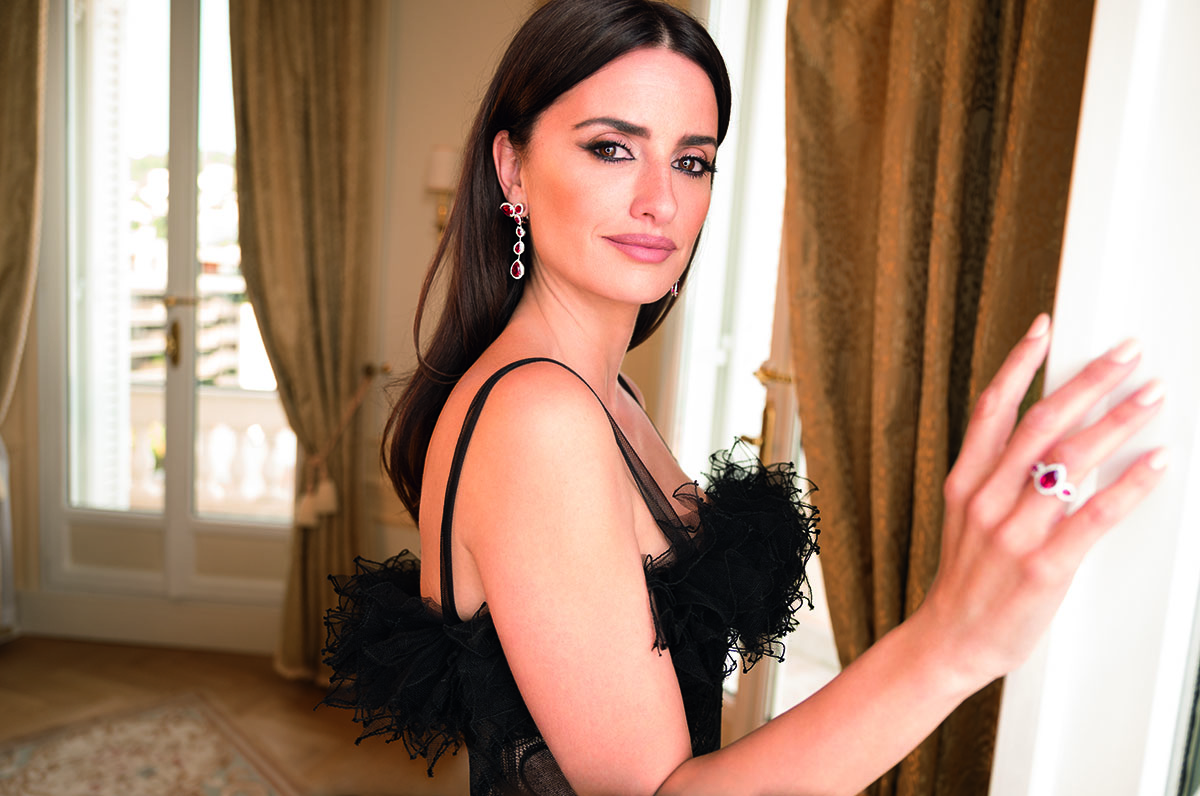
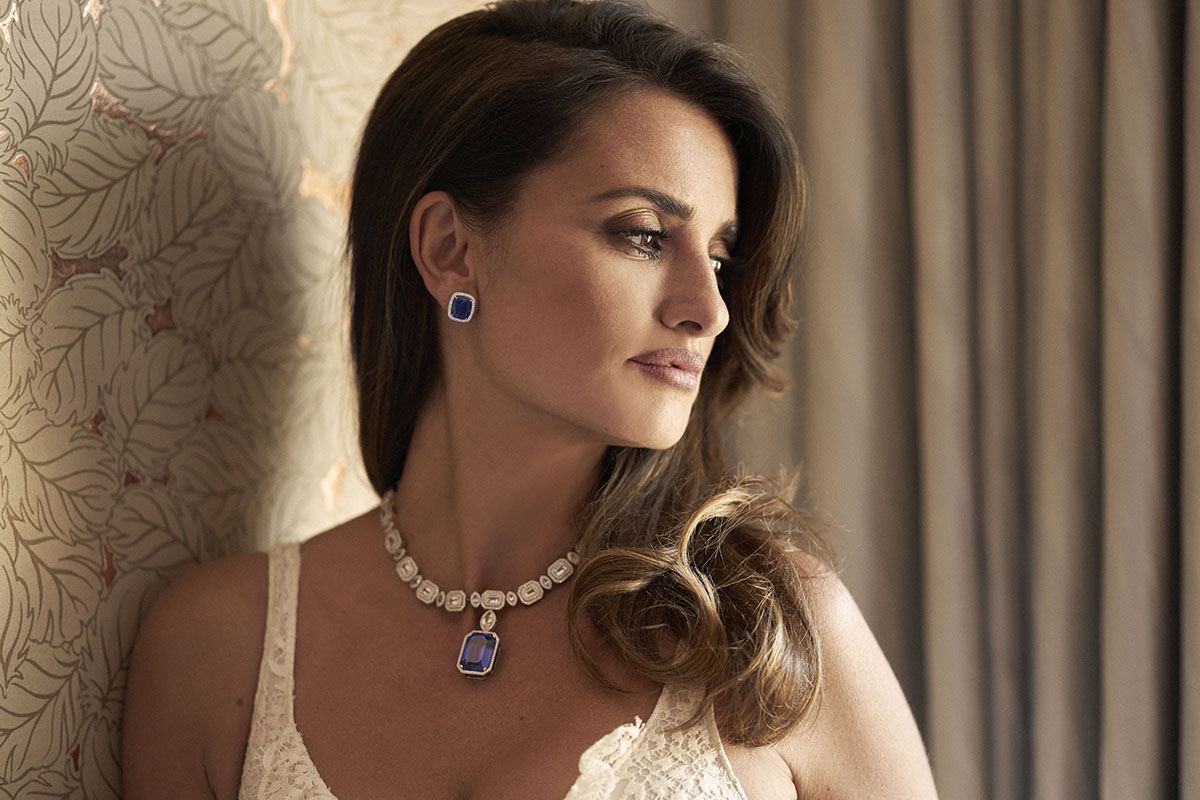
Penélope Cruz at the 2018 Cannes festival wearing Atelier Swarovski jewellery. Courtesy Swarovski.
Penélope Cruz brings her renowned energy to philanthropic and charitable work – and now she is designing jewellery for Swarovski. LUX speaks with the Spanish-born Hollywood superstar
LUX: Where do you call home?
Penélope Cruz: Madrid. I grew up in a place called Alcobendas, a suburb of Madrid, with my sister Mónica and our parents and after with my brother Eduardo. My earliest memories are of being in my home every Sunday, everybody cleaning the house. There was always music, and everybody was dancing. My mother ran a hair salon, and between the ages of five and 12, I would go to the salon and listen to the women. I don’t know why but women in a hair salon share their deepest secrets. They would share everything with everybody. That was the first acting school for me.
Follow LUX on Instagram: luxthemagazine
LUX: Tell us how your collaboration with Swarovski came about?
Penélope Cruz: The whole process evolved very naturally. I had worn some beautiful Atelier Swarovski pieces at various events. But it was when I met Nadja Swarovski and she spoke in depth about Swarovski’s work with sustainability that I became inspired to work on a collection with her. I really care about having a positive impact on the planet, and Swarovski has a rich history of putting sustainability at the heart of what it does.
LUX: What interested you in working with Swarovski Created Diamonds in particular?
Penélope Cruz: Before speaking with Nadja, I didn’t realise that it was possible to create stones in a lab with a low impact on the environment. As soon as I became aware of Swarovski Created Diamonds and other lab-grown precious stones, I wanted to start designing pieces and use them.

Courtesy Swarovski.
LUX: Your jewellery designs seem to have a vintage Hollywood feel. Have you always been drawn to the aesthetics of the era?
Penélope Cruz: My fine jewellery collection has a classic red-carpet aesthetic and I always go back to that – they are timeless pieces that I would always choose to wear. I think there is something for every woman in what we have created.
Read more: How we created the Ruinart Frieze lounge experience at home
LUX: What is the most important thing you learned from this collaboration about how to bring a design concept to life?
Penélope Cruz: It has been an amazing learning experience. I’m very lucky that Nadja and the team have given me such creative freedom. I begin the design process by pulling together images and references of things I love, and then spend hours with the designers to distil the clippings from movies, novels, paintings, ballet dancers and vintage markets into a jewellery collection that tells the story.

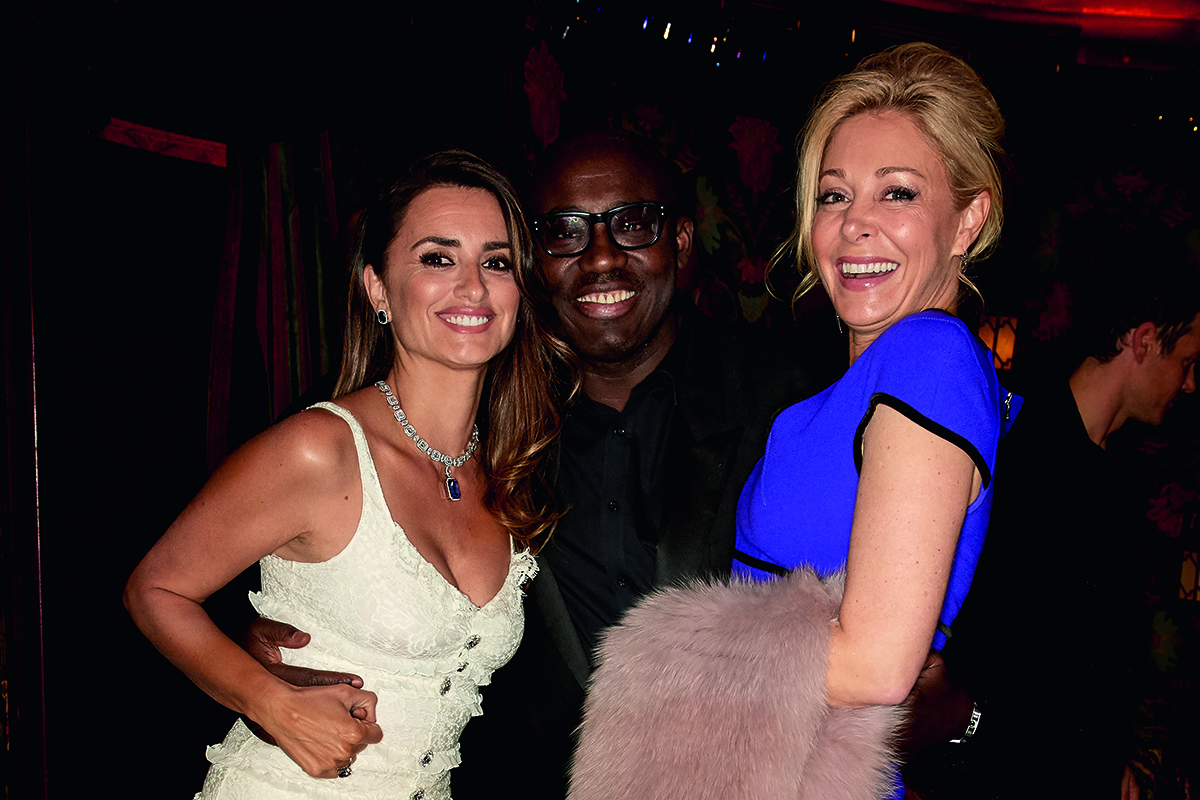
Cruz with Vogue editor Edward Enninful and Nadja Swarovski, 2019. Photograph by Nicholas Harvey
LUX: Would you encourage a young person to pursue a career in acting?
Penélope Cruz: It has been an incredible honour and pleasure to build a career as an actor, and to be surrounded by so many brilliant artists in theatre, film and television. Sometimes it can be a huge challenge, but I would encourage any young person to follow their dreams, listen to their heart, work hard and stay away from drugs – whether that is in the creative industries or beyond.
LUX: When you aren’t working on a film, what personal or creative projects do you focus on?
Penélope Cruz: From the age of seven I loved redesigning the clothing and jewellery from the pages of my favourite fashion magazines. So, working on jewellery design projects is a big passion for me and I have been honoured to have the chance to fulfil my childhood dream with Atelier Swarovski, season after season.
Read more: American artist Rashid Johnson on searching for autonomy
LUX: How does your family help you to stay grounded?
Penélope Cruz: I have always kept my personal and professional lives separate. Being with my family gives me so much happiness and it is my priority.
LUX: What inspired your activism, such as your involvement with the Time’s Up movement?
Penélope Cruz: I feel very strongly about the causes I support, and I have noticed a difference in Hollywood since the Time’s Up movement created a sweeping dialogue about the treatment of women. It is already having an impact on the kind of questions we get asked in interviews. Previously, you would be in a press conference and the women would mainly be asked very rude or superficial questions. People are more careful now. It’s symbolic, but hopefully we are understanding how to treat each other with more respect. And these are issues which affect women in all industries and everywhere in the world. If we don’t all do this together, it’s useless.

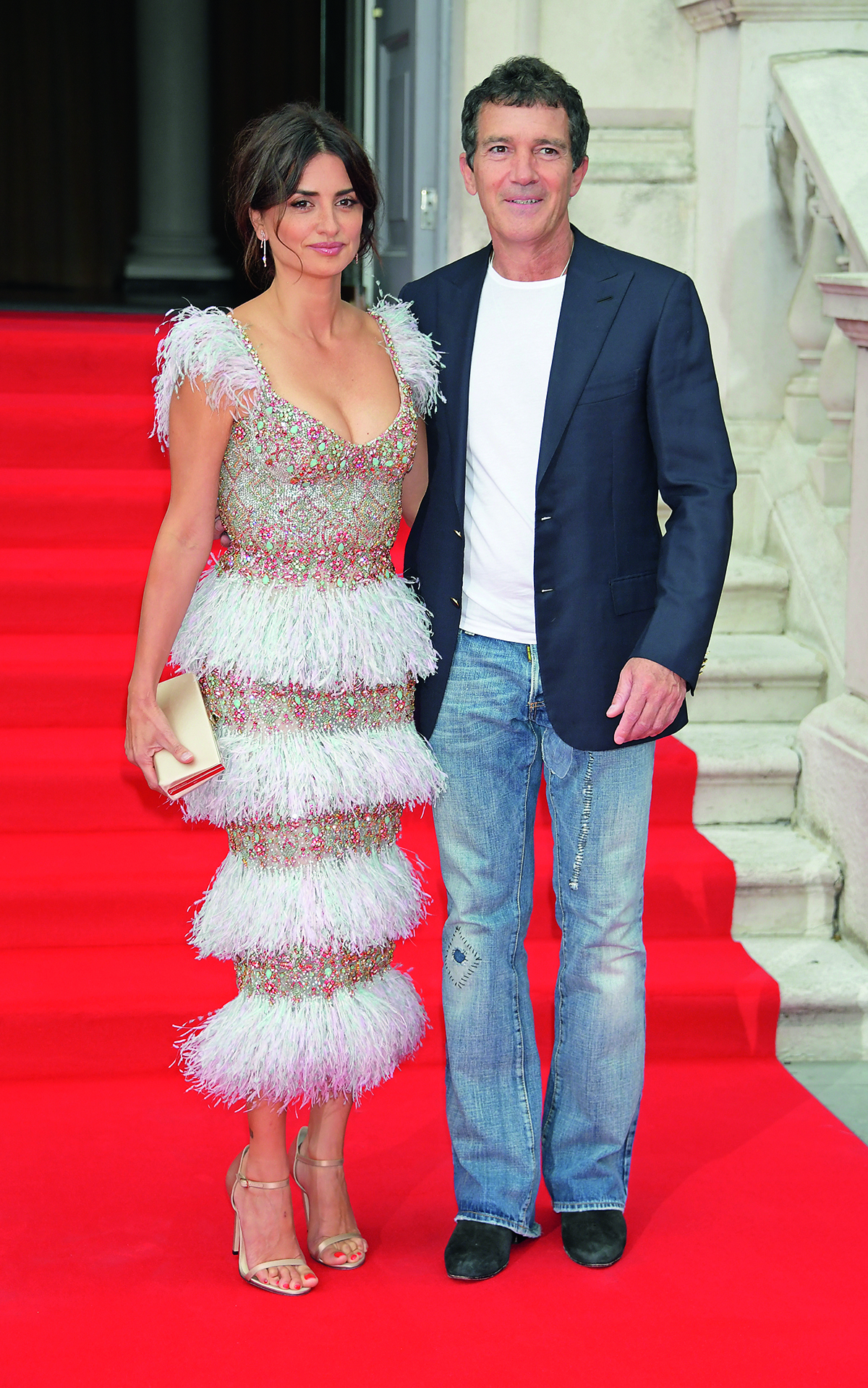
Cruz with Antonio Banderas, 2019. Photograph by David M. Benett/Getty Images for Somerset House
LUX: Do you have a dream film or television project you would like to direct yourself?
Penélope Cruz: I’ve always wanted to direct. I have directed commercials and a documentary before but hopefully I will be able to do a full-length feature film someday.
LUX: What is it like working with a director such as Pedro Almodóvar, someone you’ve worked with for years?
Penélope Cruz: Pedro is like family; he is very important to me and holds a special place in my heart because he was the reason why I became an actress. I’m excited that we are making a new movie next year.
LUX: What type of music do you enjoy? Is there a track that makes you want to dance?
Penélope Cruz: I’m a big fan of everything that Pharrell Williams does. He’s an amazing producer and songwriter. I also love Eduardo Cruz’s work. He is my brother and we are very close, but I admire his work as a composer and producer so much. He just did the soundtrack for the film Wasp Network.
LUX: Has the past year changed your outlook on life?
Penélope Cruz: We are experiencing a huge moment of social change and I am still processing the transformations that are occurring around us. However, I believe that the values I hold closest – truth, justice and equality, respect for the planet and kindness towards others – will grow in strength. We truly are all one and we have to commit to creating a better tomorrow.
View Penélope Cruz’s designs for Swarovski: atelierswarovski.com
This article features in the Autumn Issue, which will be published later this month.

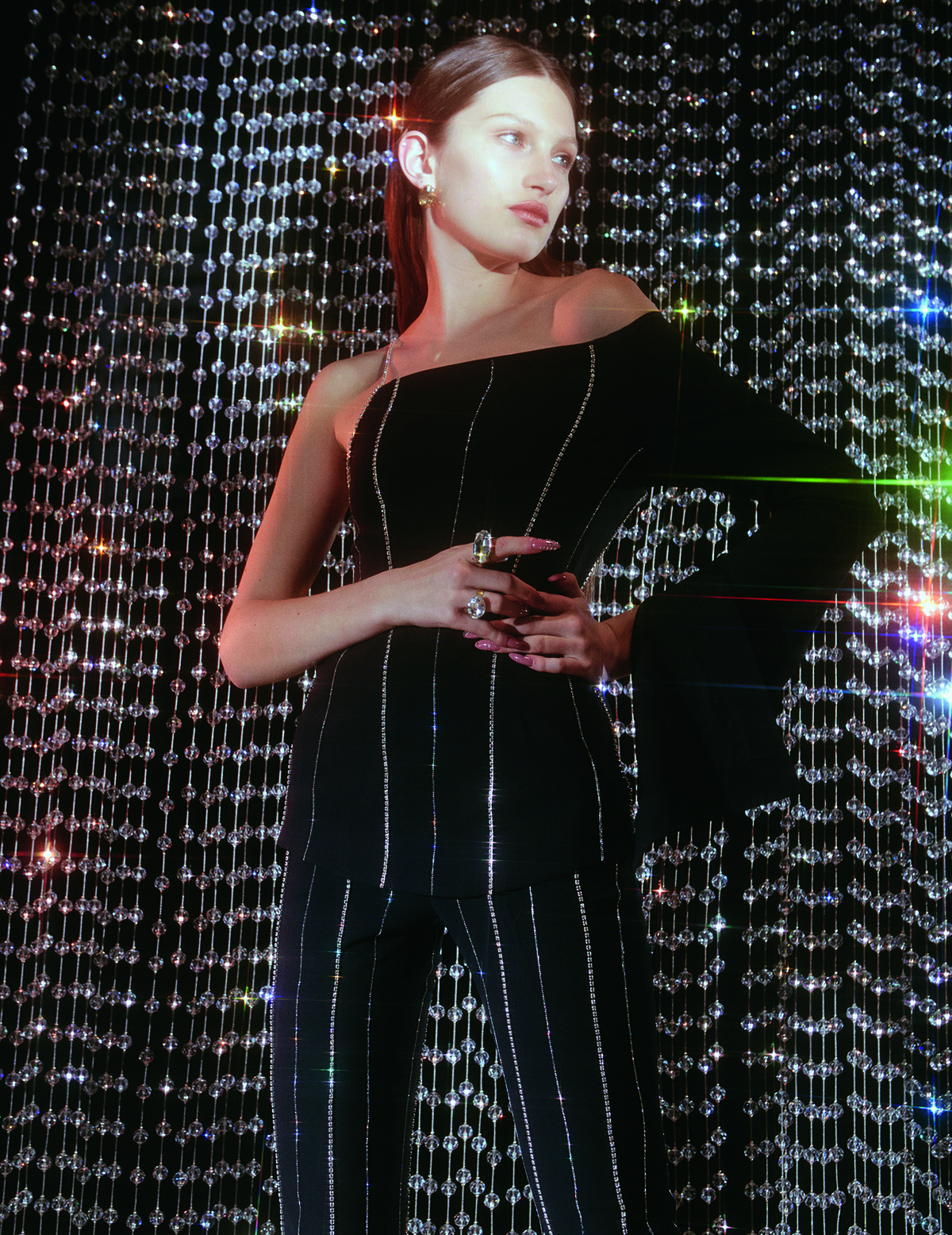
A look from Area’s AW16 collection, incorporating an official collaboration with Swarovski. © Swarovski Corporate Archive
Austrian crystal-maker Swarovski celebrates its 125th anniversary this year with a new creative director in charge. Operating in sectors from infrastructure to telescopes, it is most famous for its crystal figures and collaborations with the entertainment and fashion industries. Ahead of a landmark book being published about the company, Harriet Quick explores a family-owned firm getting ready for the next 125 years
For a brand bringing sparkle to the world’s performance stage and symbolising the dazzle of fashion to be celebrating its 125th anniversary is some achievement in itself, given the changes in the world of entertainment and style since 1895. To be doing so as a family-owned company, run in part by descendants of the original founder, is even more so. But for Swarovski, provider of crystals and sparkle around the world, there is yet another dazzling fact: the company has done so not based on the rue Faubourg Saint-Honoré or Milan’s Golden Triangle, but from a small village in the Austrian Alps.
Follow LUX on Instagram: luxthemagazine
The journey has been epic. Today, the company is managed by the fifth generation of its family members. This year, marking its 125th anniversary, has witnessed big changes. On the visual front, Italian-born fashion director and consultant, Giovanna Battaglia Engelbert has joined the company as worldwide creative director. The stores, a feature of cities and airports around the world, are scheduled for a sweeping revamp.

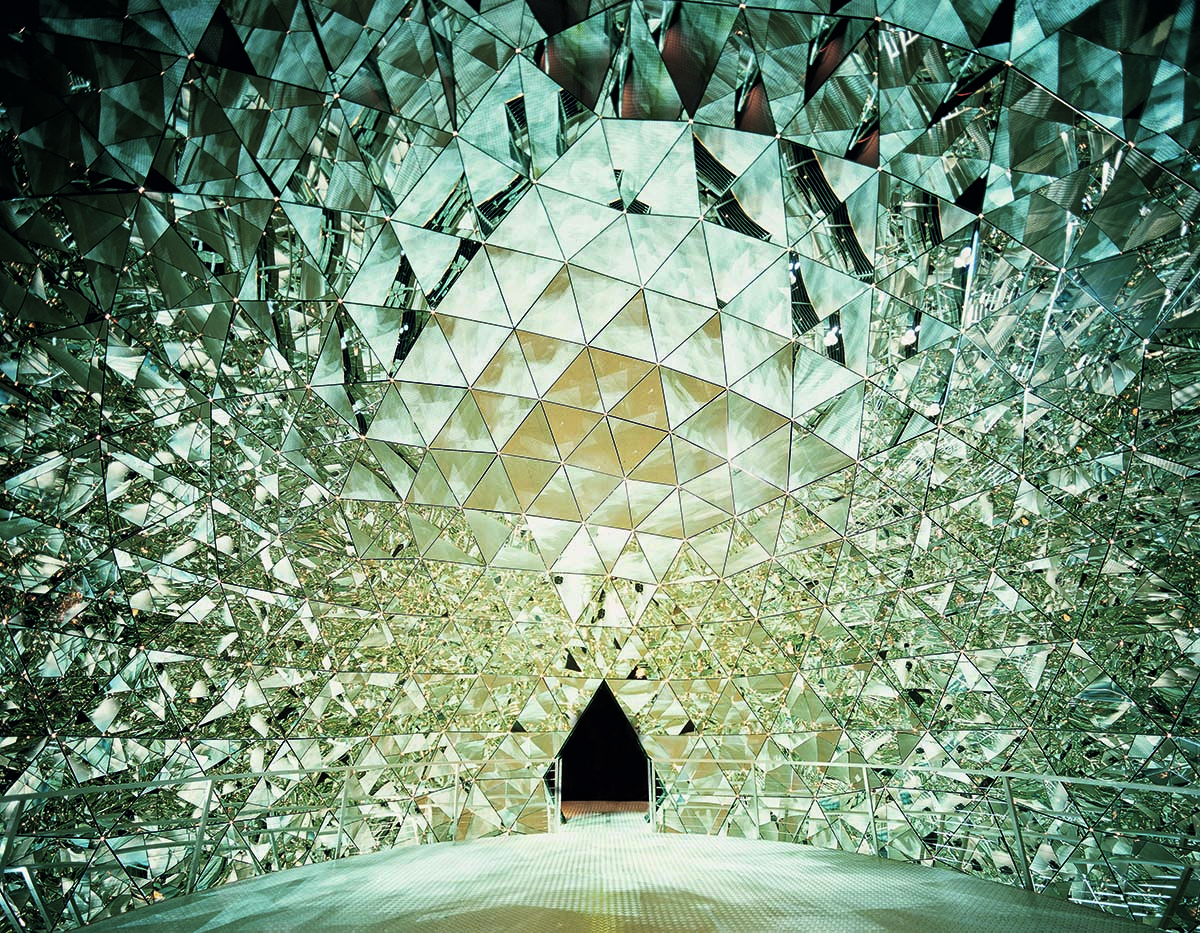
The Crystal Dome at Swarovski Crystal Worlds in Wattens, Austria. © Swarovski Corporate Archive
The brand’s history is as varied as the topography of the Austrian Tyrol where Daniel Swarovski set up his manufacturing plant in the town of Wattens to benefit from the abundant water source that powered the hydroelectric cutting machines. The mountains and valleys of the region are symbolic of the struggles and triumphs of a business that has been driven by the continuous merging of technology, nature and innovative design. There is a generous sprinkling of magic, too. It is embedded in the multifaceted crystals that never fail to arouse awe and around which there has been ample myth-making.

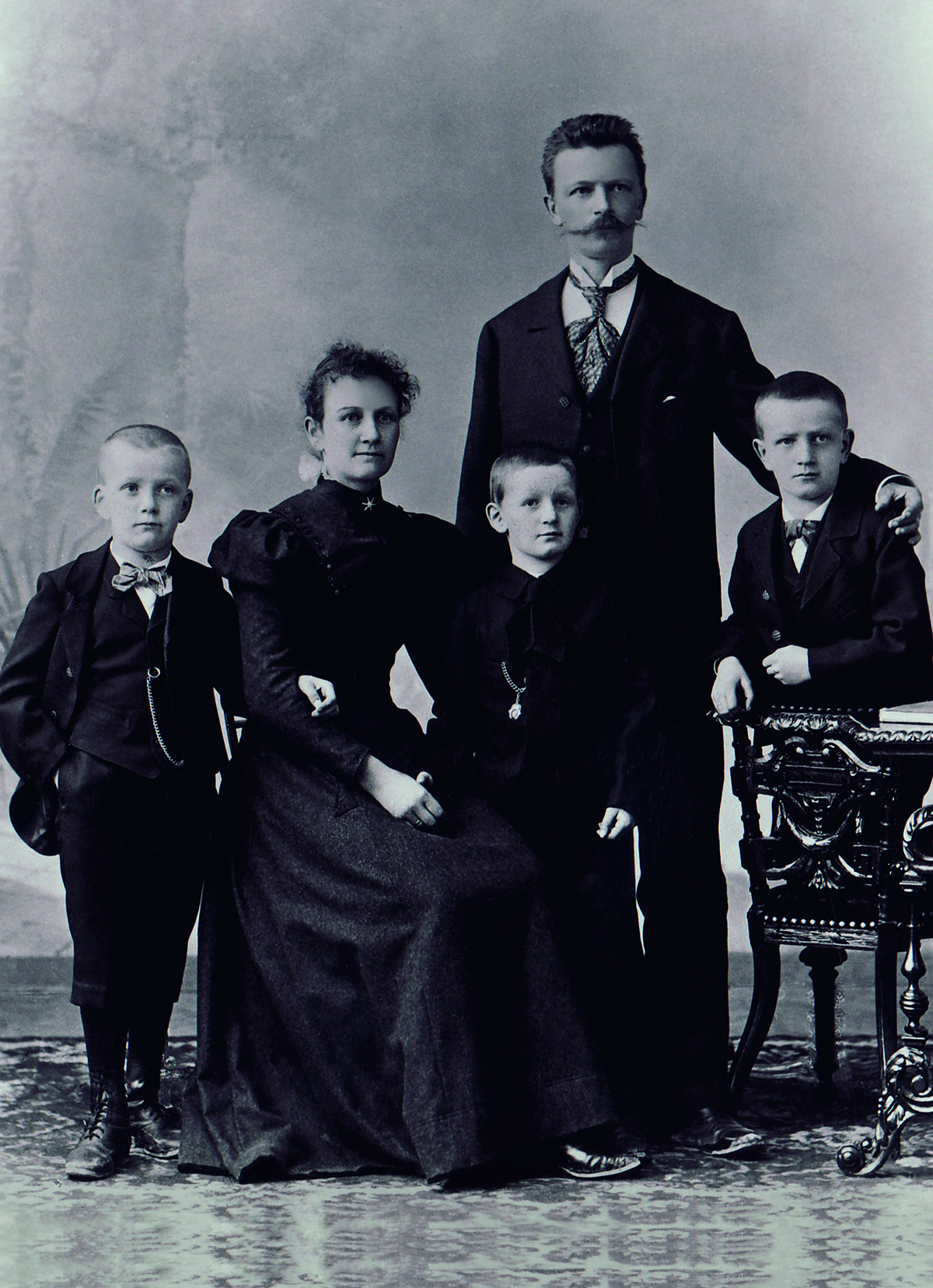
Daniel Swarovski with his family, c. 1890. © Swarovski Corporate Archive
Before the global pandemic, Swarovski’s annual turnover was recorded at 2.7 billion euros and that comprises revenues from its high-end fine jewellery creations, the crystal stones deployed by a whole array of creative minds, including costume designers, chandelier makers and architects, and optics. The lion’s share (75 per cent of the revenue) is generated by fashion jewellery, sunglasses, watches, perfume and the much-adored crystal figurines. The quality of the crystals that are prototyped at Manufaktur, the striking in-house laboratory in Wattens designed by architectural firm Snøhetta, is unparalleled.
Read more: How Andermatt Swiss Alps is drawing a new generation of visitors
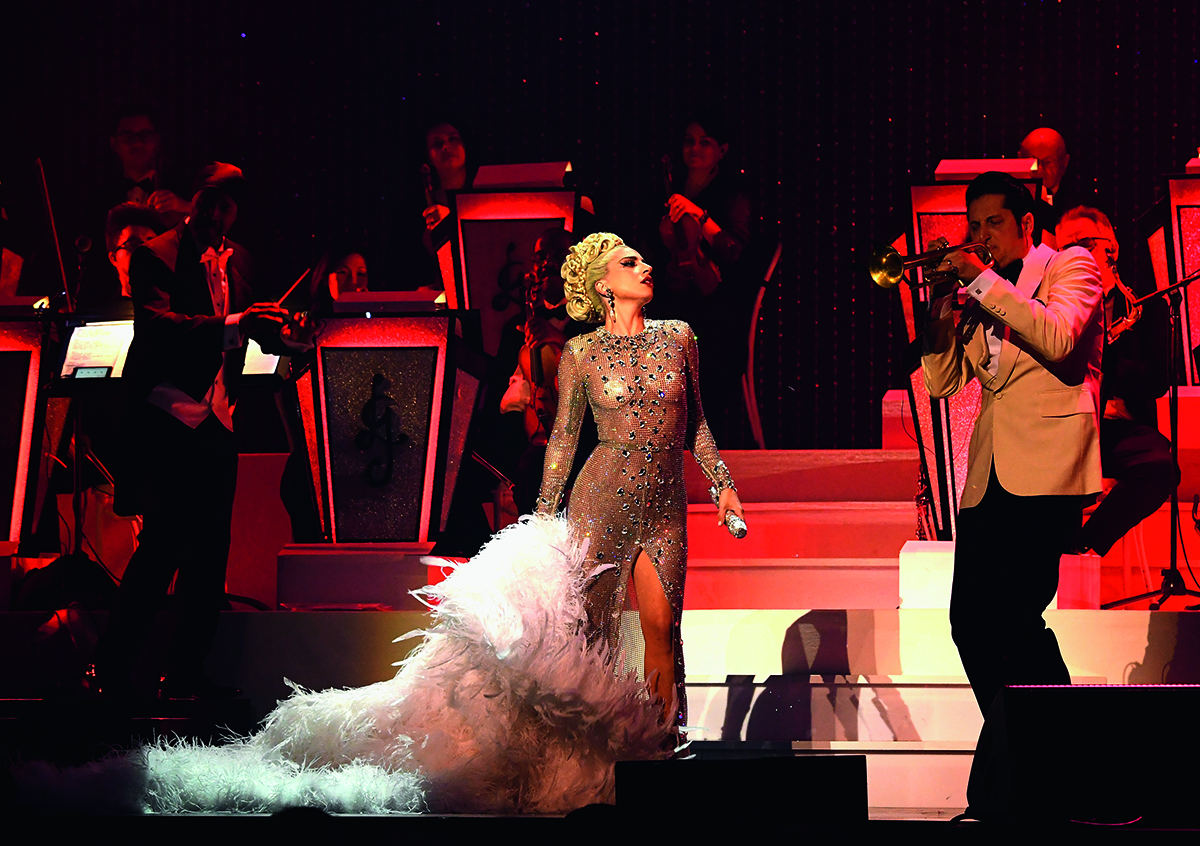
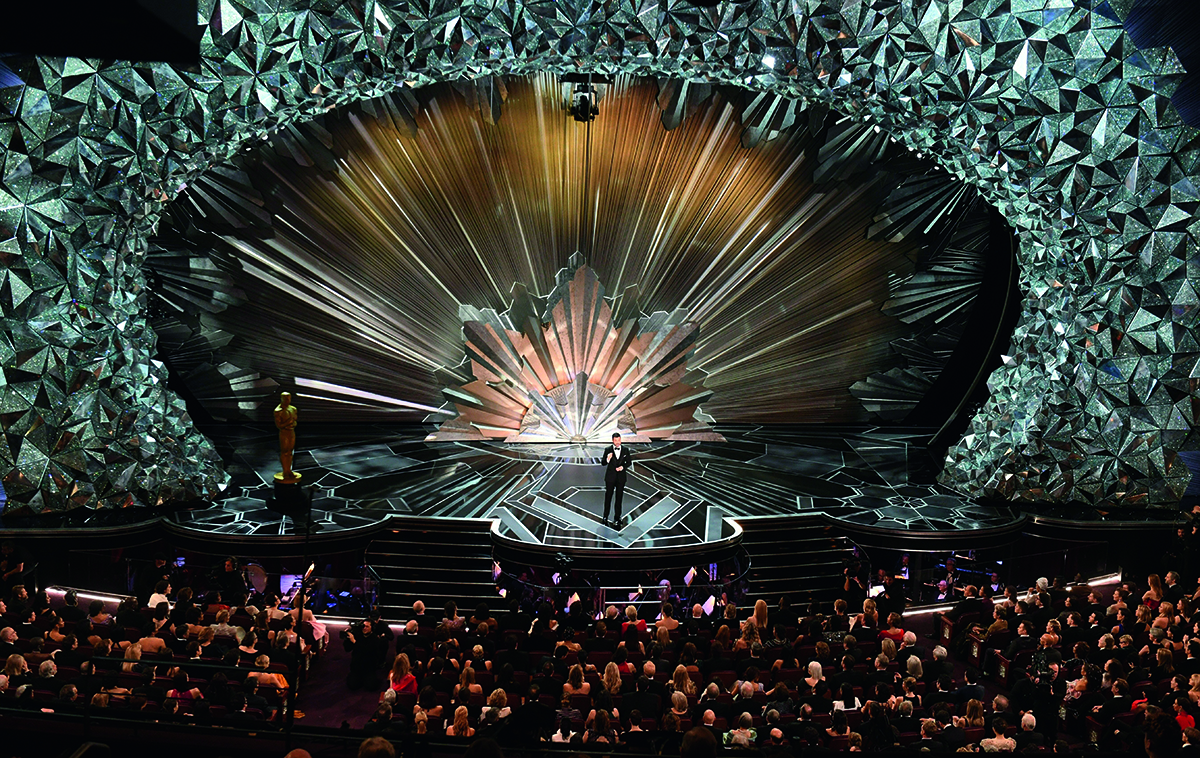
The company’s extraordinary creative output has also been bolstered by a roster of collaborators from the fields or architecture, design, fashion, film and stage who have continually brought ideas and seemingly impossible challenges to the company, from the mesmerising Aurora Borealis crystal that was developed by Manfred Swarovski for Christian Dior to the spectacular costumes made for performers including Maria Callas’s gowns, Liberace’s capes and Lady Gaga’s bespangled Ralph Lauren gown featuring 50,000 stones and worn at her Las Vegas residency in 2019. People come to Swarovski for the spectacular and the sublime, like scenic designer Derek McLane, who used 45 million Swarovski crystals for the 2018 Oscars ceremony, and who commented, “I always want to go beyond the clichés”.

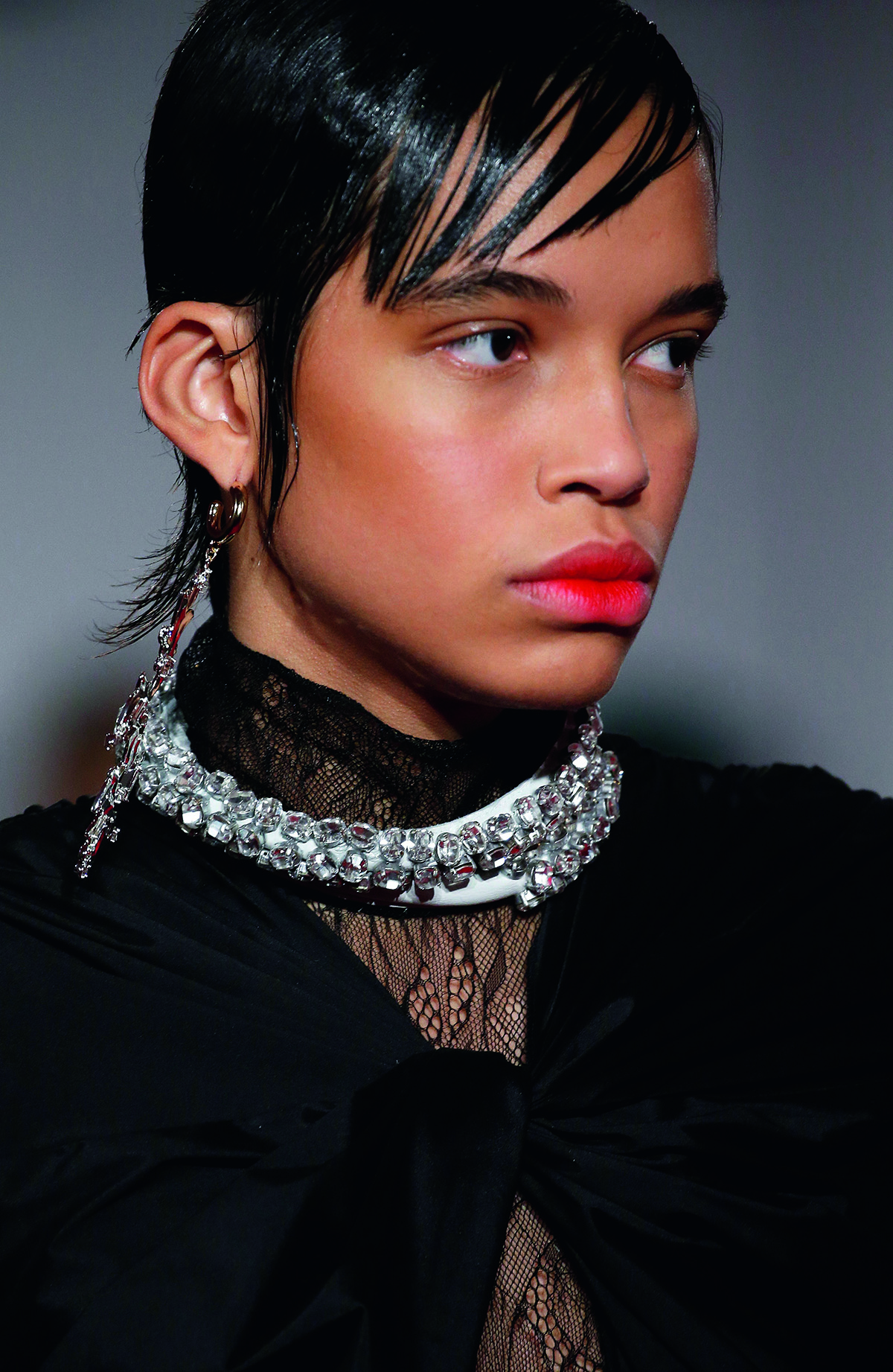
Swarovski crystals in jewellery featuring in 16 Arlington’s AW20 collection. © Dan and Corina Lecca.
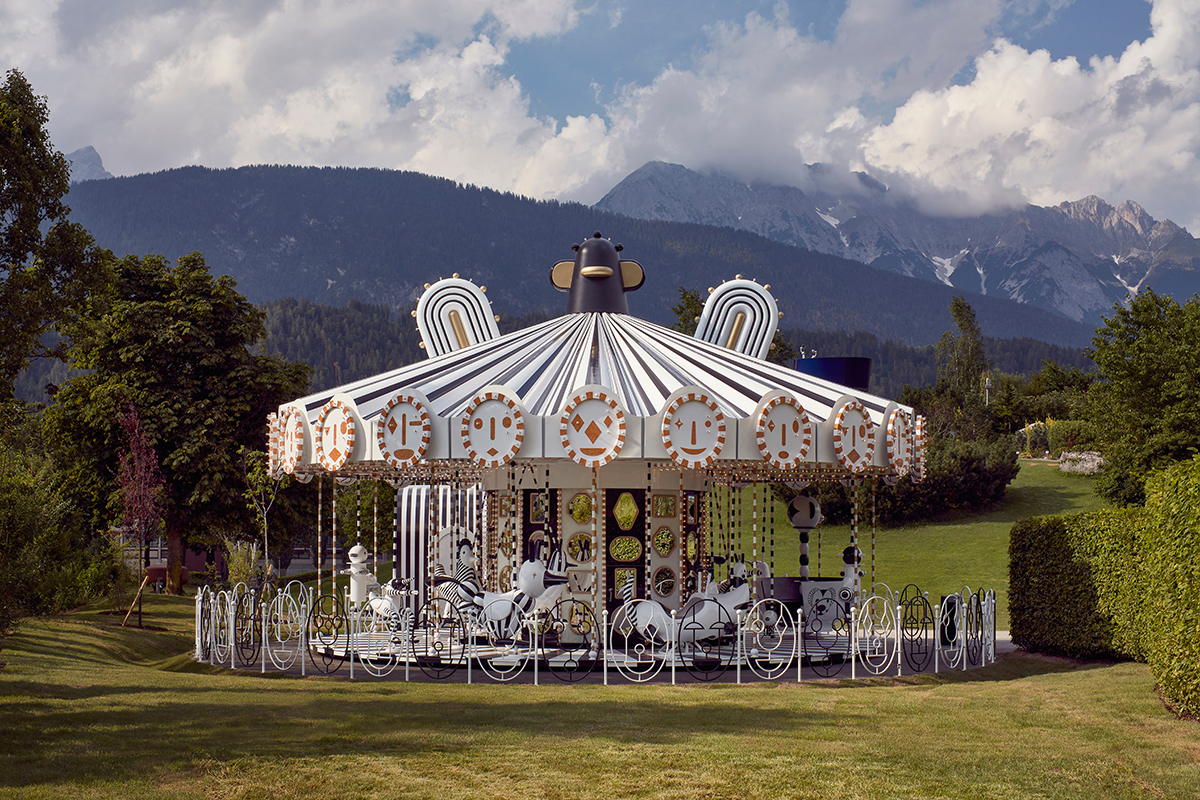
From the fields of design, Daniel Libeskind, Tord Boontje, Jaime Hayon and John Pawson are amongst the greats who have transformed crystal into products, architectural features and lighting. Hayon recently designed a full-scale carousel for the Swarovski Crystal Worlds culture park in Wattens. The monochrome attraction rotates in striking juxtaposition with the lush greenery of the garden and shimmers with 15 million Swarovski crystals across 12 ceiling panels and 16 wall panels illuminated by a warm light. “For me, a carousel can be seen as a moving museum,” explains Hayon.


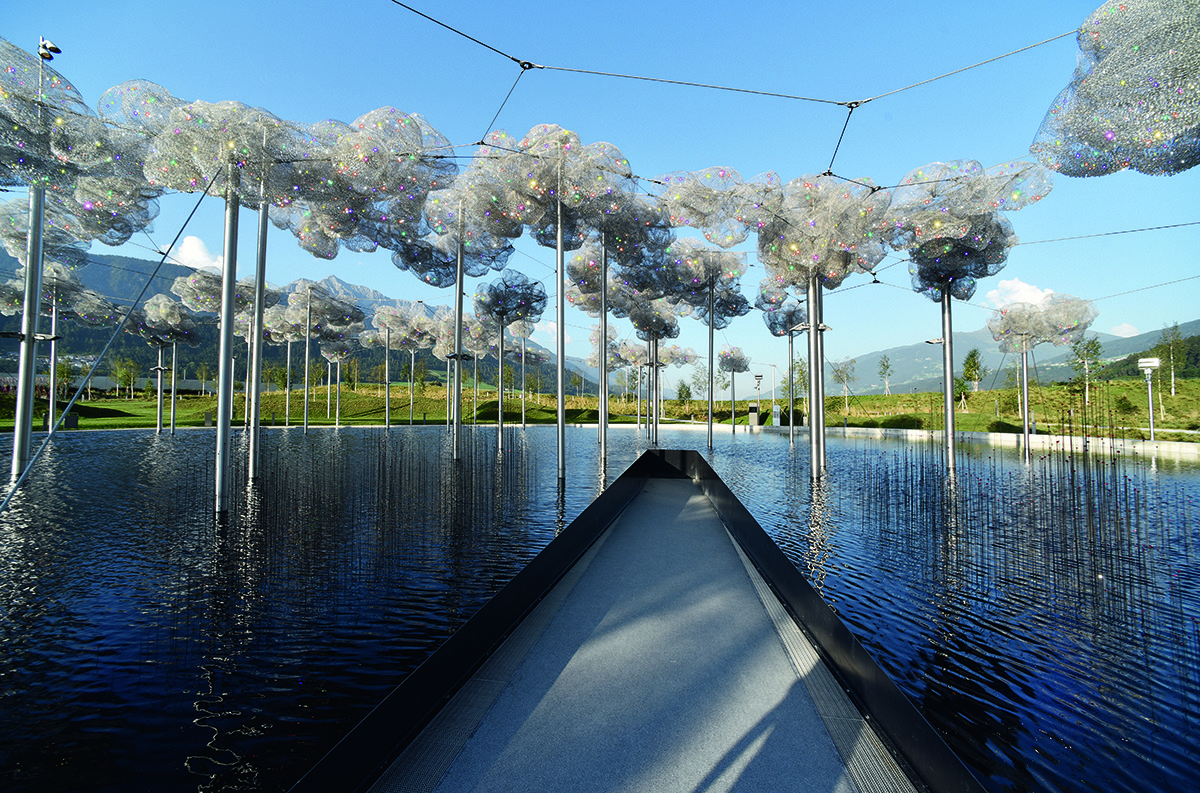
Swarovski Crystal Worlds, with (top) Crystal Cloud by Andy Cao and Xavier Perrot, and (here) the carousel designed by Jaime Hayon © Swarovski Kristallwelten/Mark Cocksedge
Setting a precedent that would inspire future generations, Daniel Swarovski first made his inroads into the worlds of high fashion in Paris. Equipped with suitcases of stones, the founder would take his goods on the road, visiting couturiers including Charles Frederick Worth, Jeanne Lanvin and Jeanne Paquin, as well as the specialist artisan ateliers that supplied Chanel and Schiaparelli with exceptional embroideries, buttons and jewelled adornments. Relationships were forged that outlived the founder and expanded exponentially during the hey-day of couture in the 1950s, attracting Dior, Balmain and Givenchy. “The samples are often the springboard to the creation itself,” remarked Hubert de Givenchy.
Read more: British artist Hugo Wilson on creating art from chaos

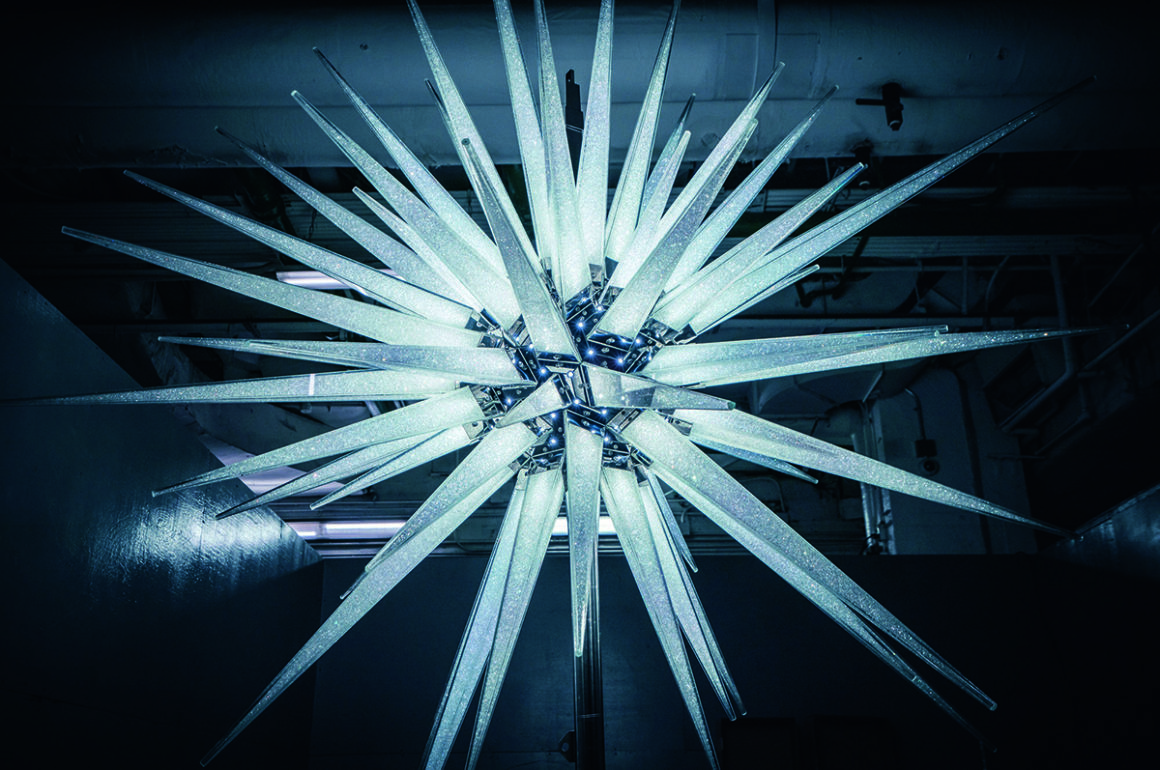
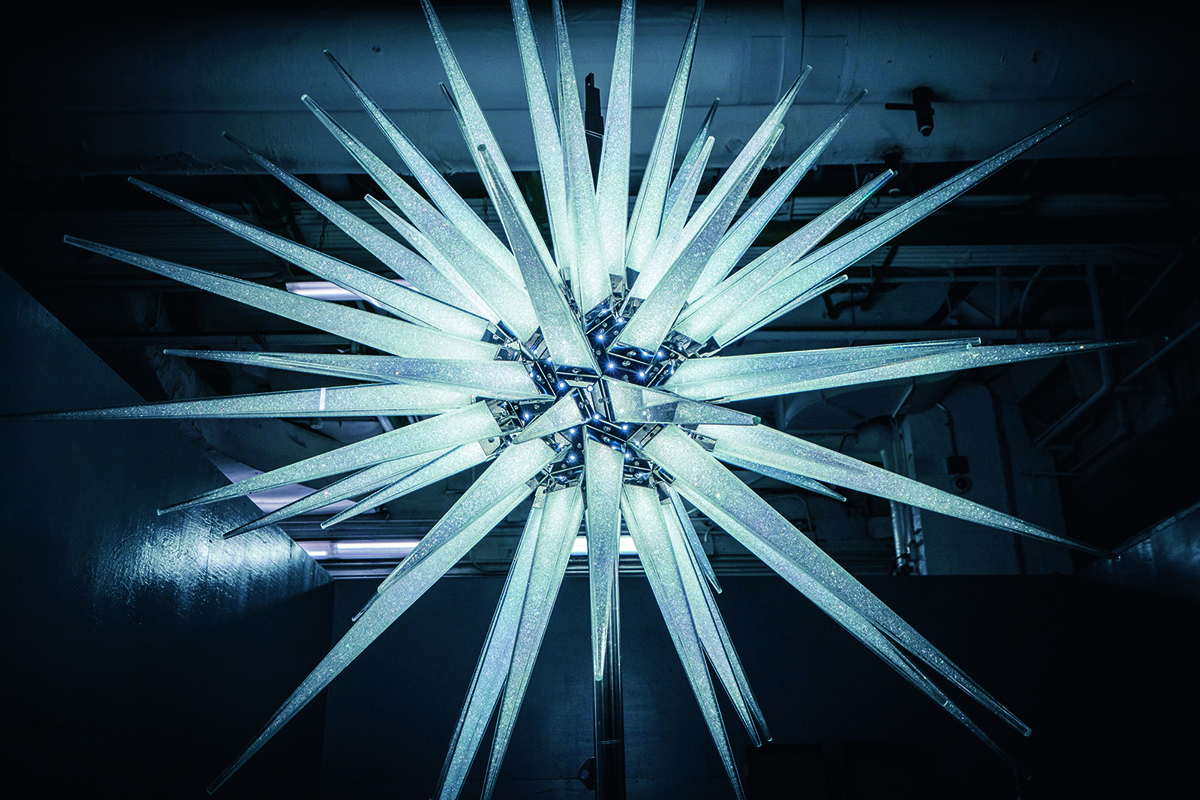
The Swarovski Star by Daniel Libeskind in 2018 for the Rockefeller Center Christmas tree, New York. Image by HappyMonday
Swarovski crystal became a desired material in fashion, adding glamour and value to evening gowns, heels, handbags and costume jewels. It has been endlessly interpreted through the changing waves of minimalism, maximalism, sportswear, theatrical and romantic moods and proved itself a classic. At Versace, Donatella has made crystal chain mail a signature, Miuccia Prada has made sparkle an integral part of her chandelier earrings and party dresses, while at Chanel, crystal is woven into the tweeds and classic costume jewellery.

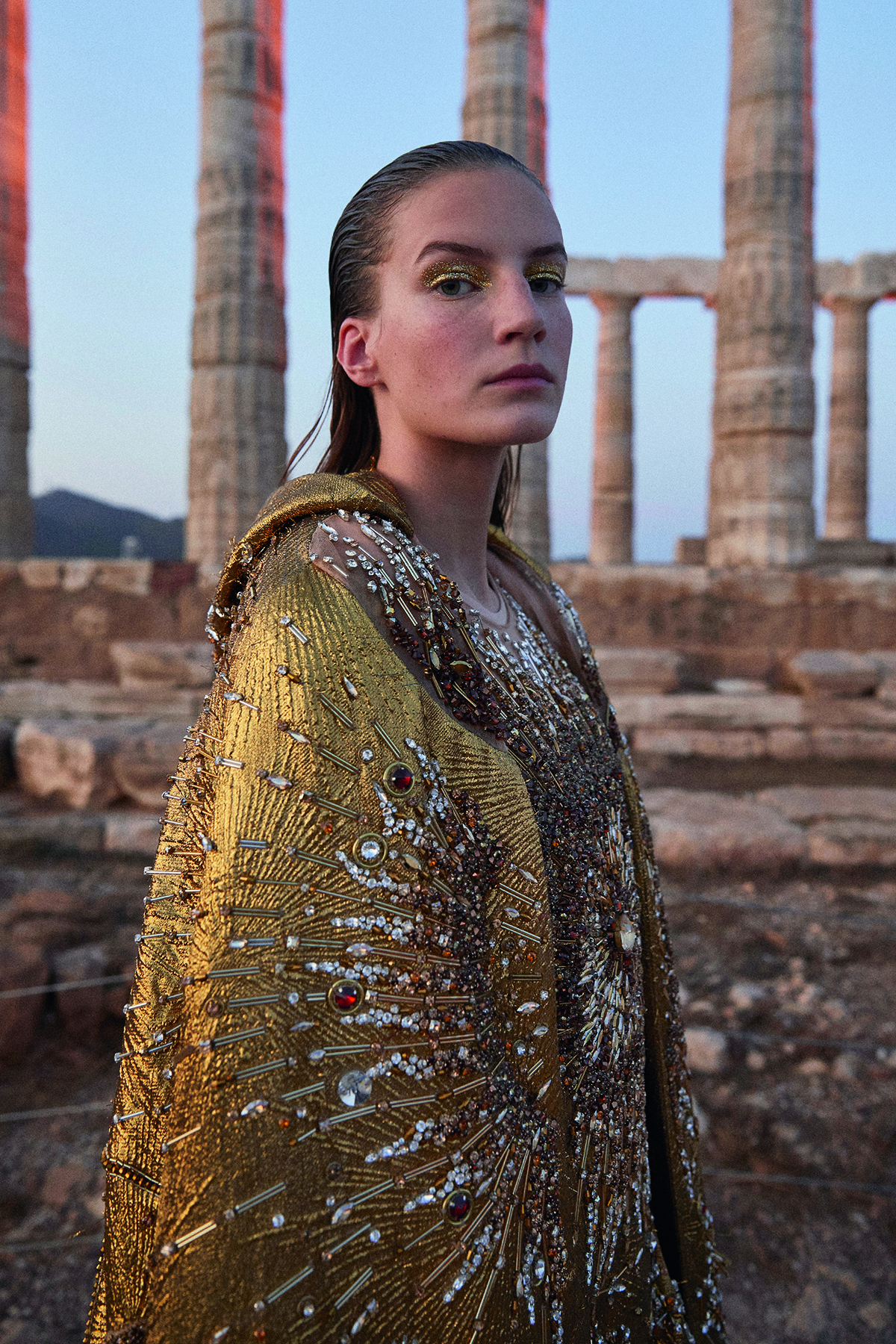
Mary Katrantzou’s SS20 show at the Temple of Poseidon in Greece.
The brand continues to look to the future by investing in new talent and ideas. Sponsorship through the Swarovski Collective programme and graduate award schemes means that emerging creatives are exposed to the potential of the material. Mary Katrantzou, Grace Wales Bonner, Rodarte and Jason Wu are amongst the many who have grown up through the collective. The most famous collaborator is Alexander McQueen, who conjured up brilliant designs fused with narrative richness and theatrical impact. Fittingly, Swarovski was the key sponsor of the record-breaking exhibition ‘Savage Beauty’ (2011) that celebrated his life’s work.

Lady Gaga during her ‘Jazz & Piano’ residency in Las Vegas, 2019. Kevin Mazur/Getty Images for Park MGM Las Vegas.

Derek McLane’s design for the Academy Awards stage in 2018, using millions of Swarovski crystals. Mark Ralston/AFP/Getty Images
The relationships are best when they are symbiotic. In 2019, Katrantzou designed her Temple of Poseidon couture collection that was staged as a charitable fundraising event in her native Athens with £40k worth of crystal. “Nadja Swarovski has changed the perception of how crystal is perceived, and I have challenged my own preconceptions of it. With something so visually present, it has to be part of the process from the beginning. We never want it to look like an afterthought,” says Katrantzou.
In turn, creative directors have been invited to Swarovski and been given carte blanche to design jewellery collections and components. The results have given crystal new dimensions. Consider Jean-Paul Gaultier’s Kaputt shiny/matte faceted stones, and the one million giant pearls and stones that embellished Olivier Rousteing’s first couture collection for Balmain in 2019. Challenging perceptions, groundbreaking Dutch couturier Iris van Herpen designed a ‘growing crystal’ that features raw and faceted surfaces.
‘Growing’ Swarovski into a new era is the mission for the family now. An era that is challenging for any consumer-facing business: but any company that has lived through two World Wars and a Great Depression has long-term survival in its genes. Sparkle is guaranteed, but who can say what poignant shapes it might find in the future?
For more information visit: swarovski.com
This article features in the Autumn 2020 Issue, hitting newsstands in October.

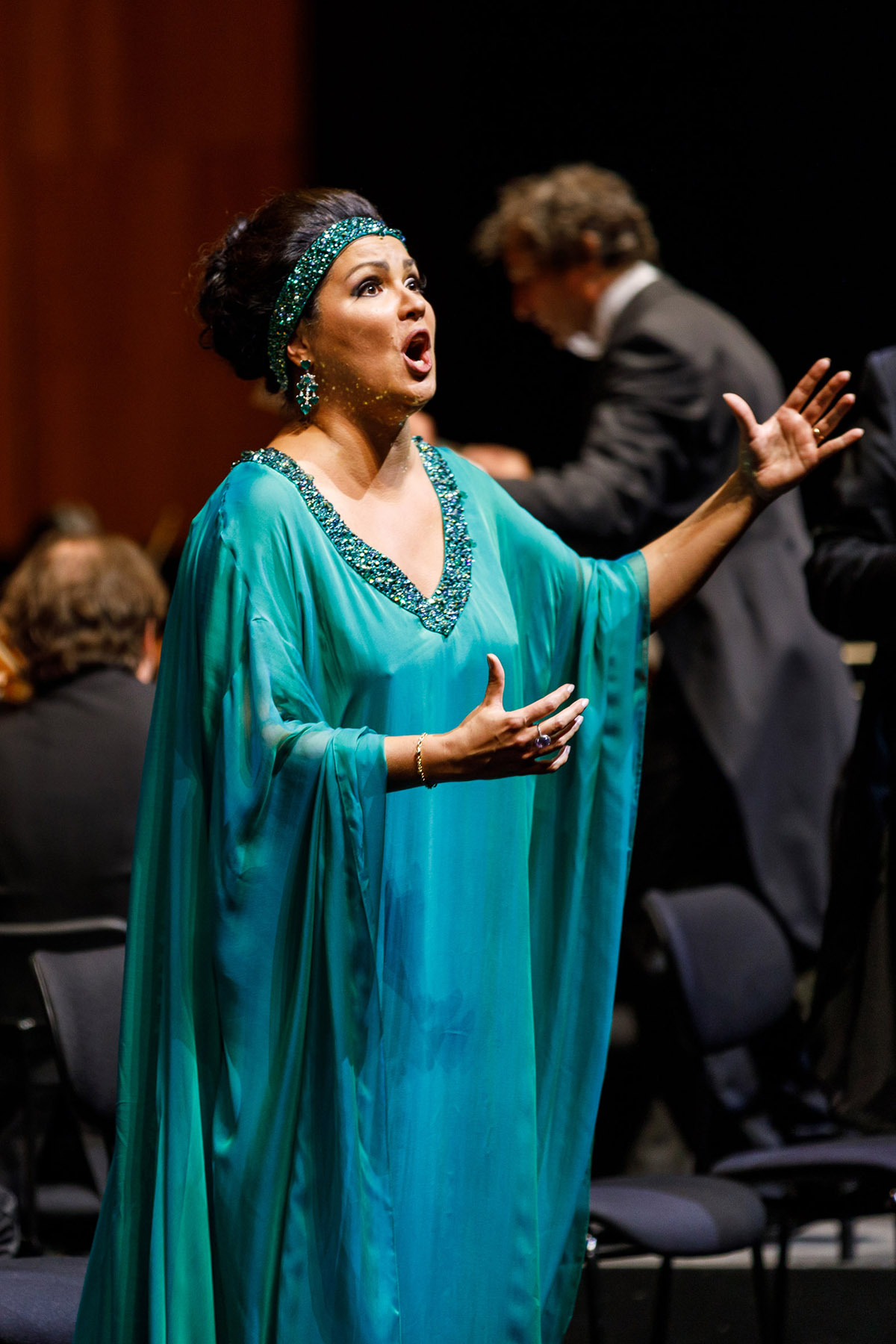
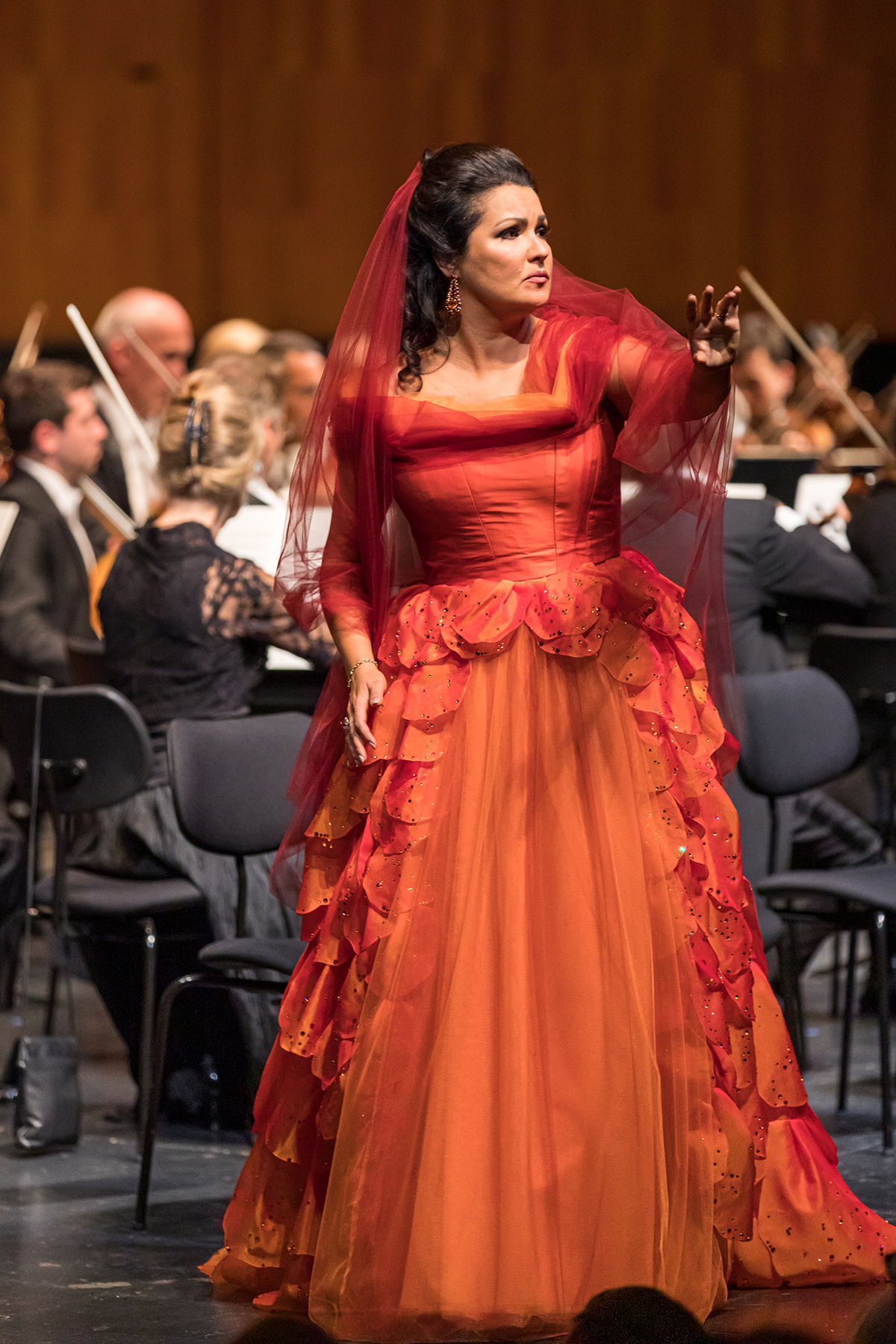
Opera singer Anna Netrebko portraying Adriana Lecouvreur, wearing a costume encrusted with Swarovski crystals. © Swarovski/Thomas Steinlechner
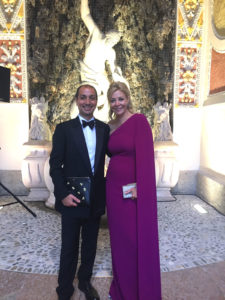
LUX Editor-in-Chief Darius Sanai attends the premiere night of Adriana Lecouvreur sponsored by Swarovski at the Salzburg Festival

Darius Sanai with Nadja Swarovski
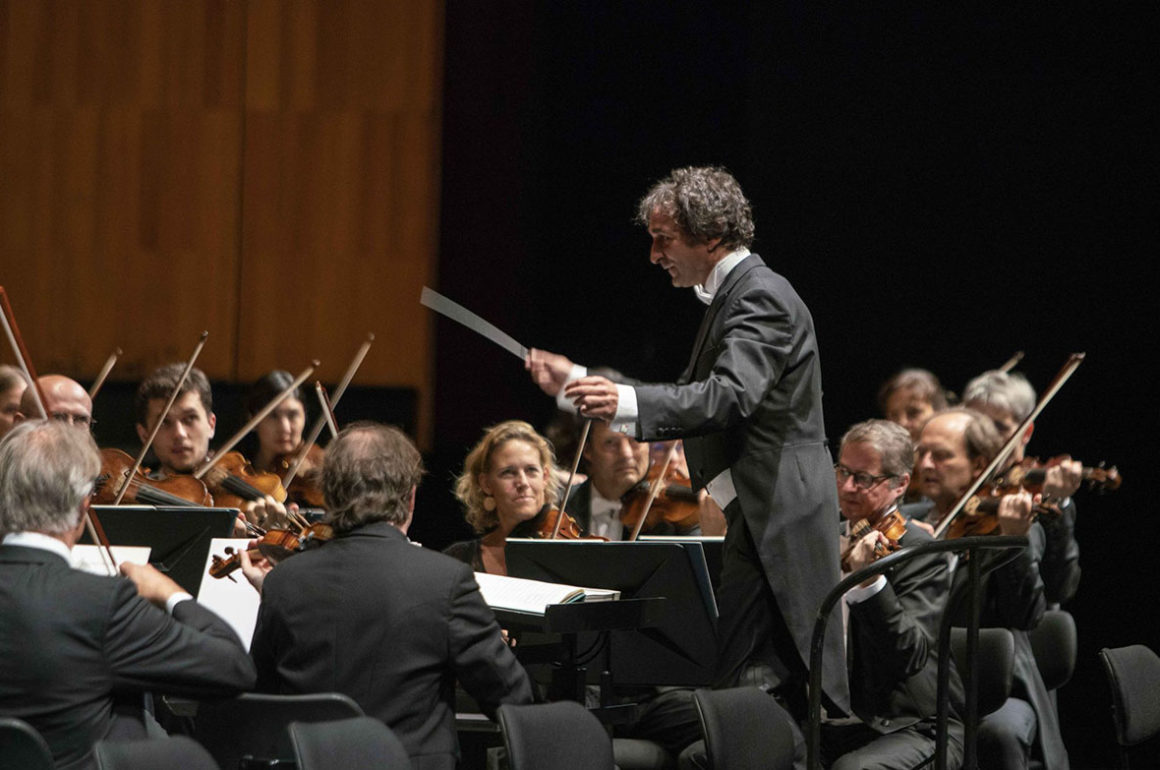
LUX had a wonderful time at the weekend at the Salzburg Festival’s premiere of the choral opera Adriana Lecouvreur, featuring the astonishing Anna Netrebko, probably the greatest singer in the world, in the title role. Netrebko’s voice was a performance in itself at the Grosses Festspielhaus in Salzburg, powerful, emotive, an orchestra without an orchestra.
Follow LUX on Instagram: the.official.lux.magazine
Our editor-in-chief Darius Sanai enjoyed some engaging chats over Louis Roederer champagne afterwards with Nadja Swarovski, who sponsored the show, and various members of the Swarovski family and their friends.
Swarovski also provided the crystals for the costumes worn by the leading roles – and Netrebko in a stunning green gown adorned with crystals that seemed to radiate beams of light, in the first act, was particularly memorable.
Utterly fabulous, and Netrebko’s was a performance for the ages.
Find out more: salzburgerfestspiele.at and swarovski.com

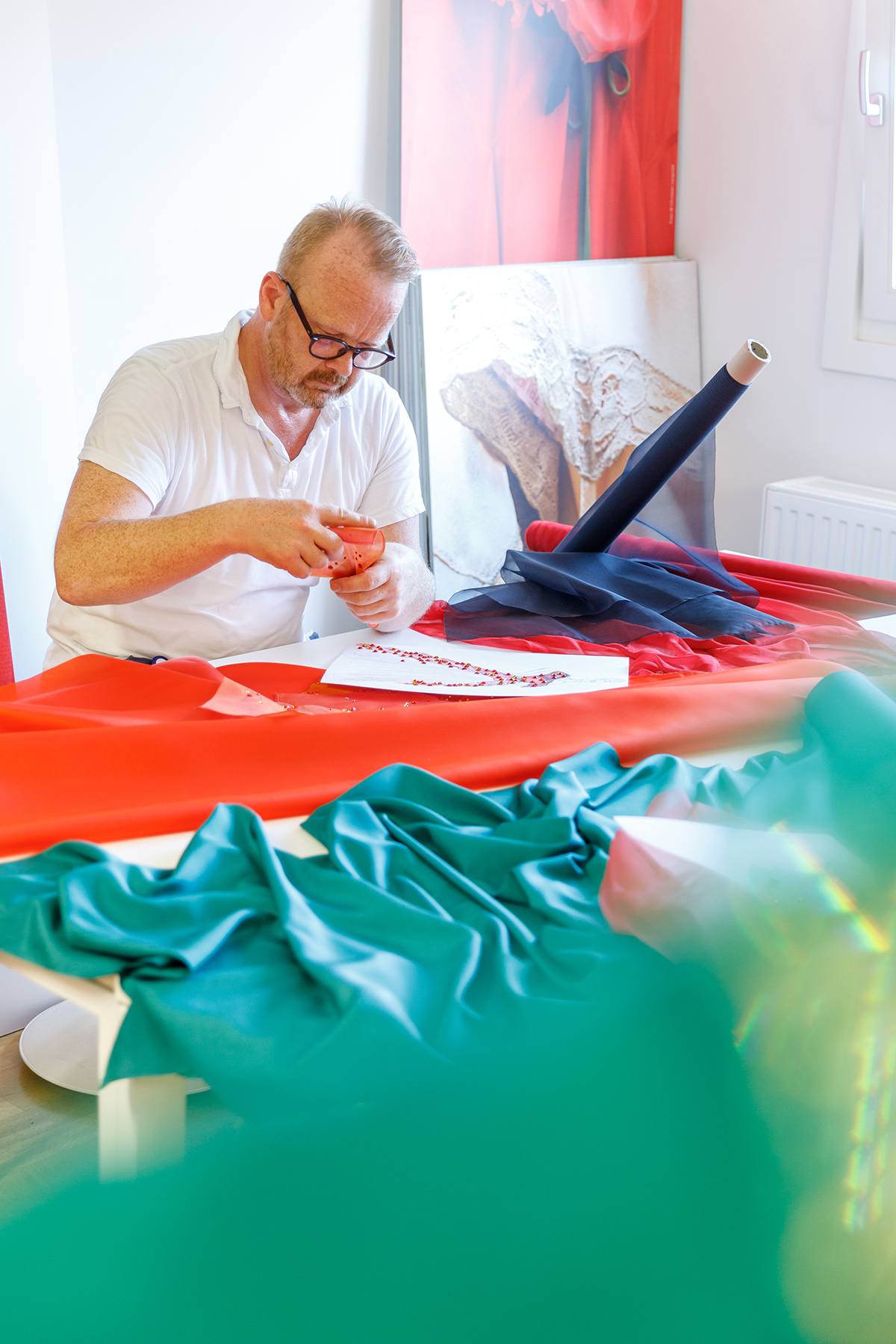
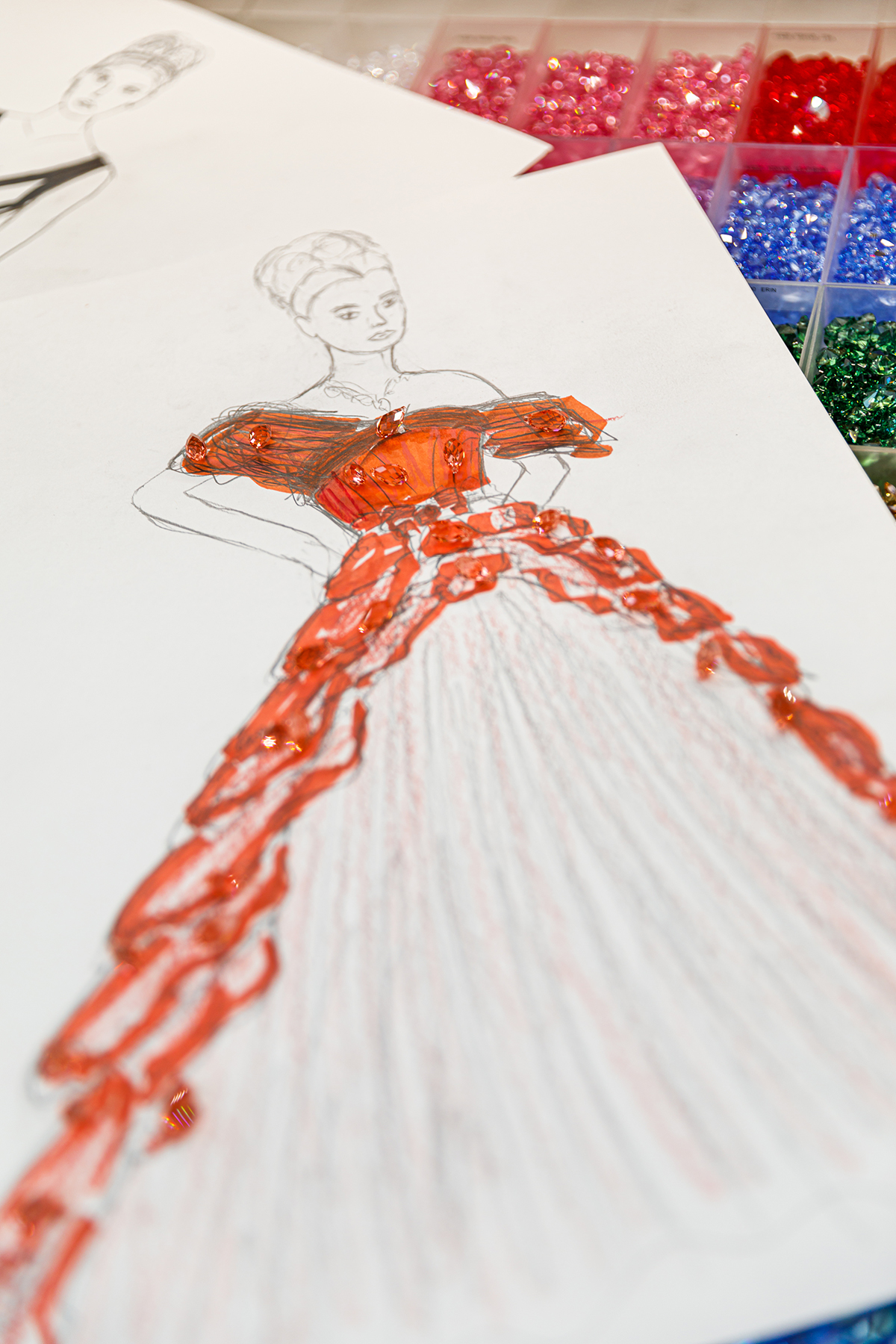
The costumes in making (here and below). Image by Thomas Steinlechner


Anna Netrebko in performance. © Swarovski/Thomas Steinlechner
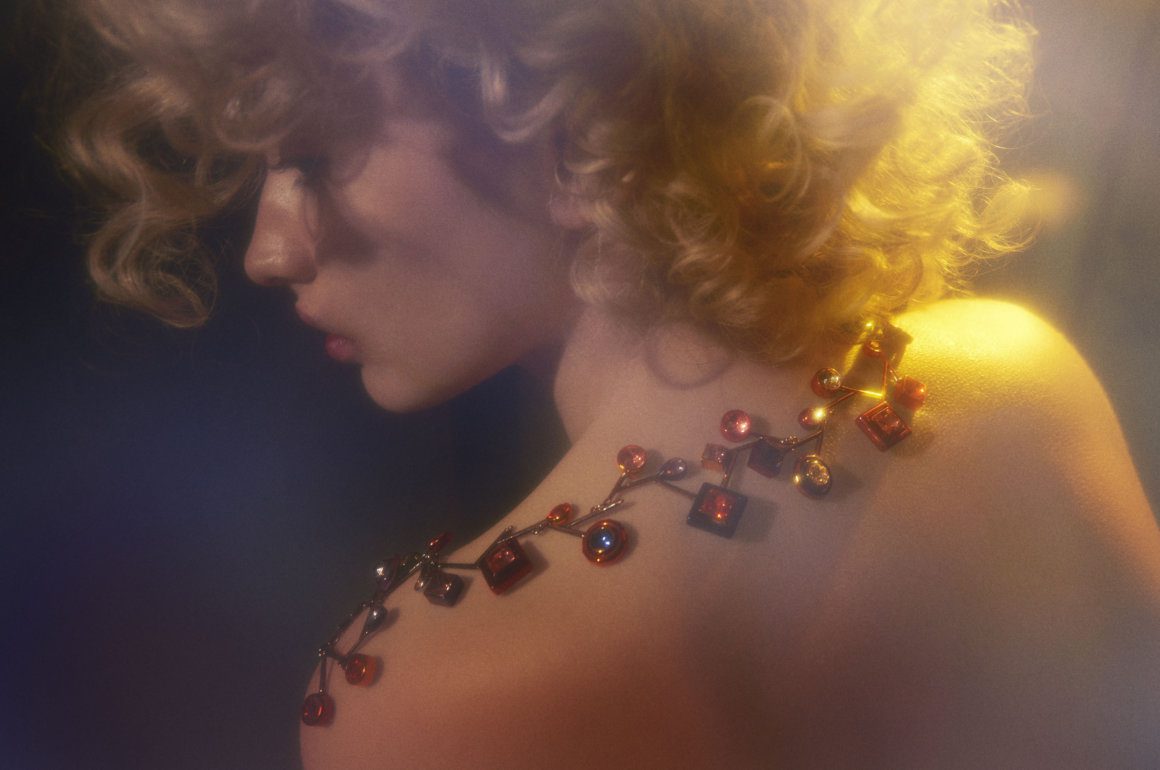
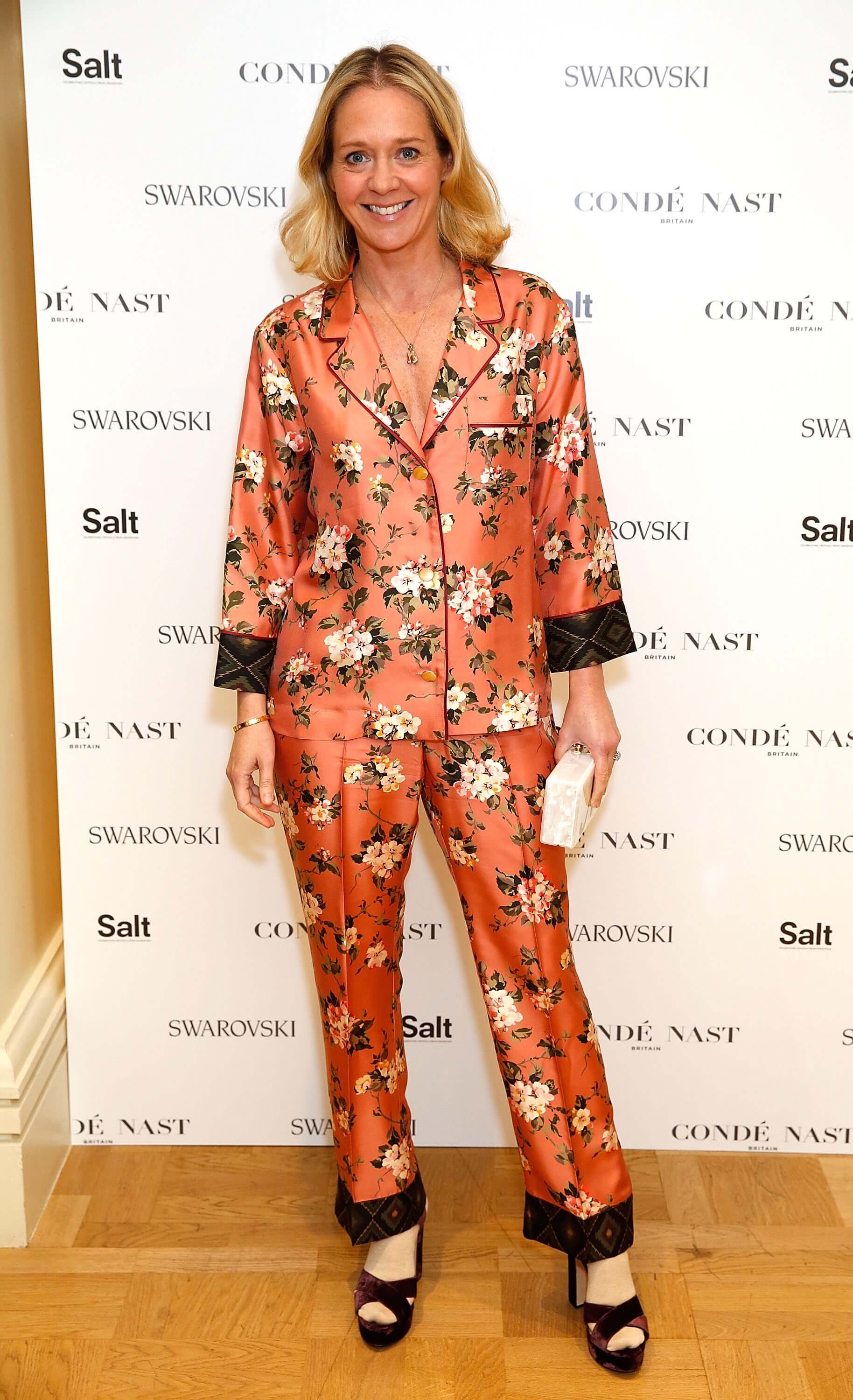
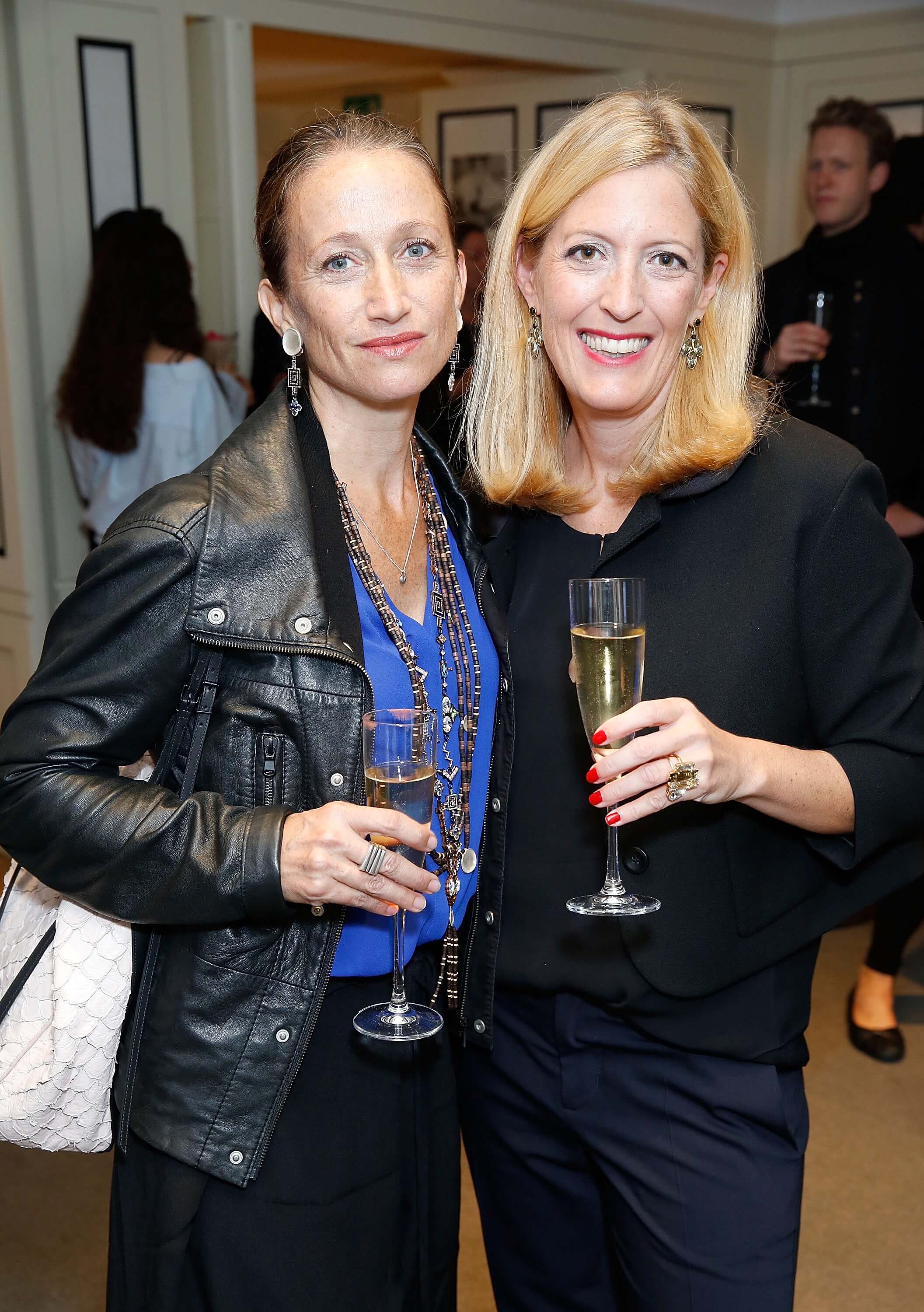
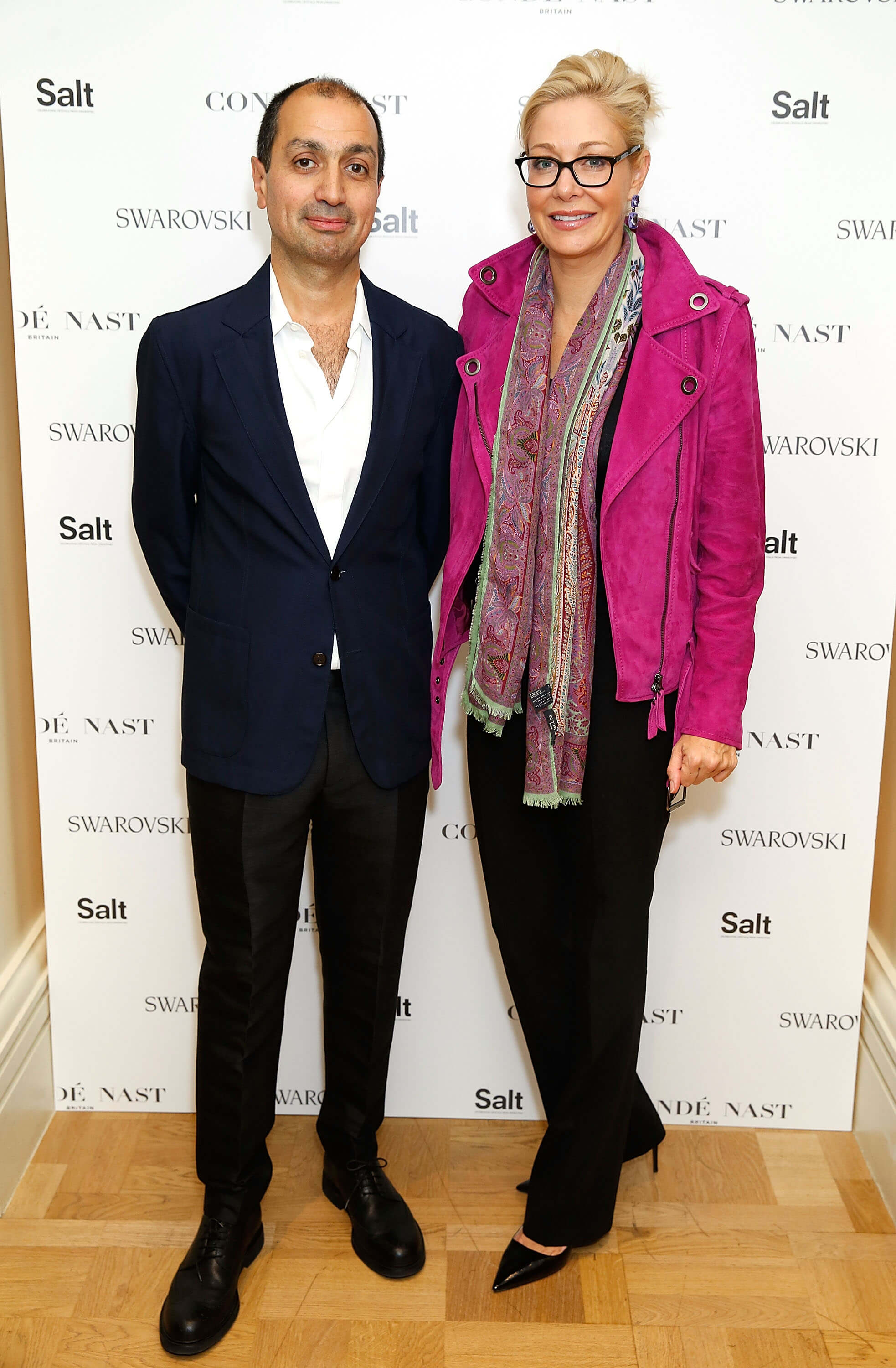
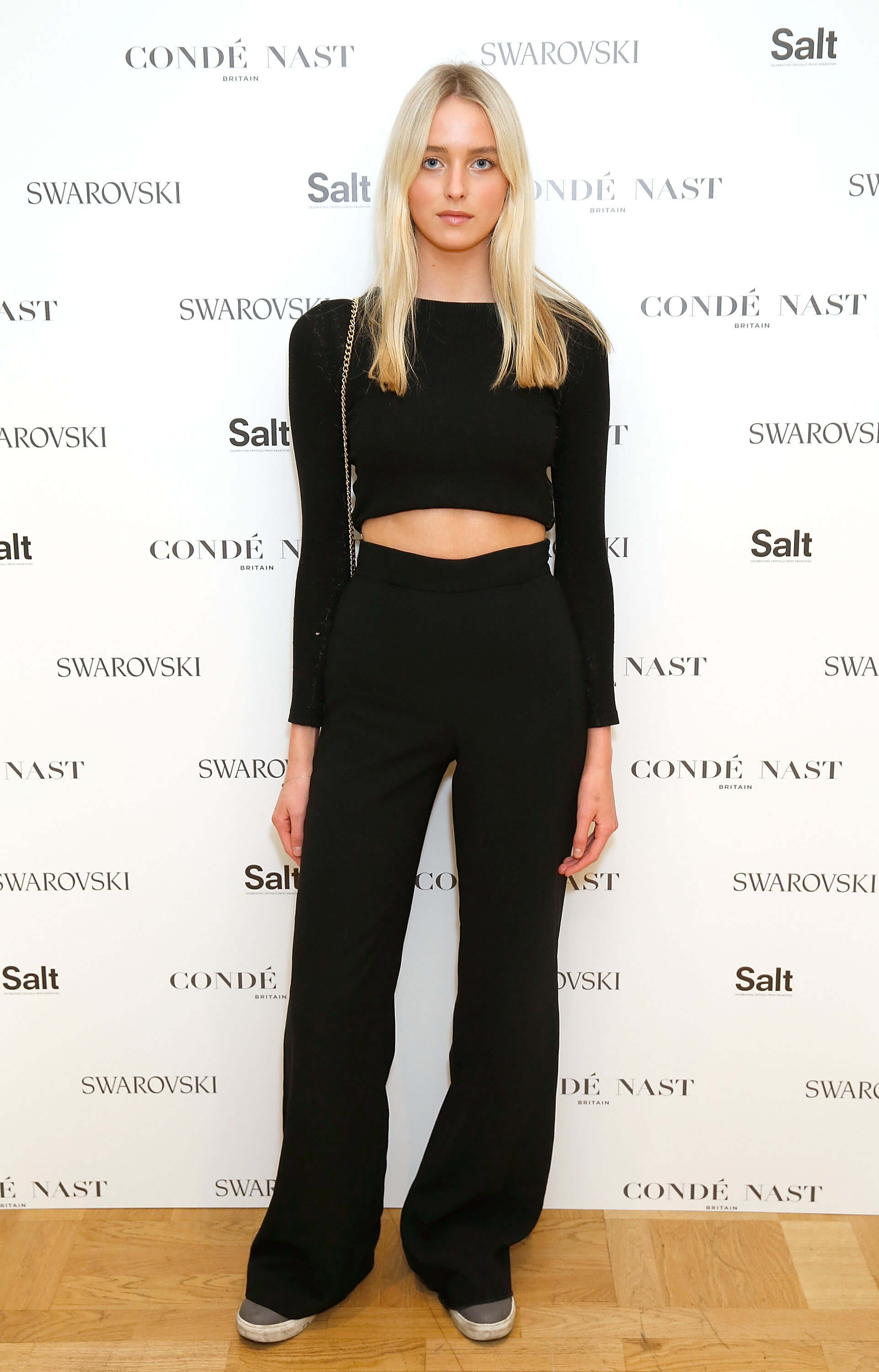
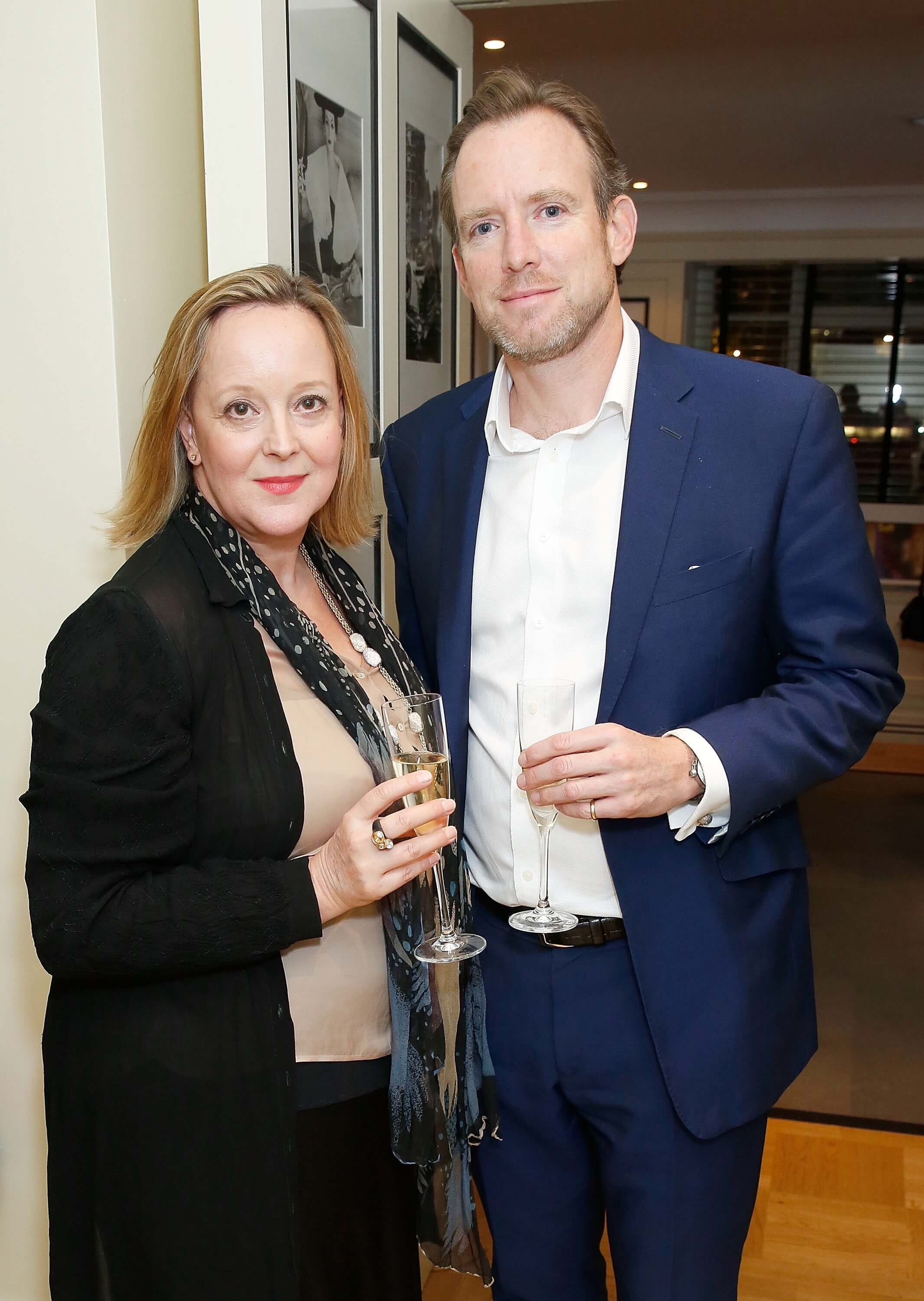
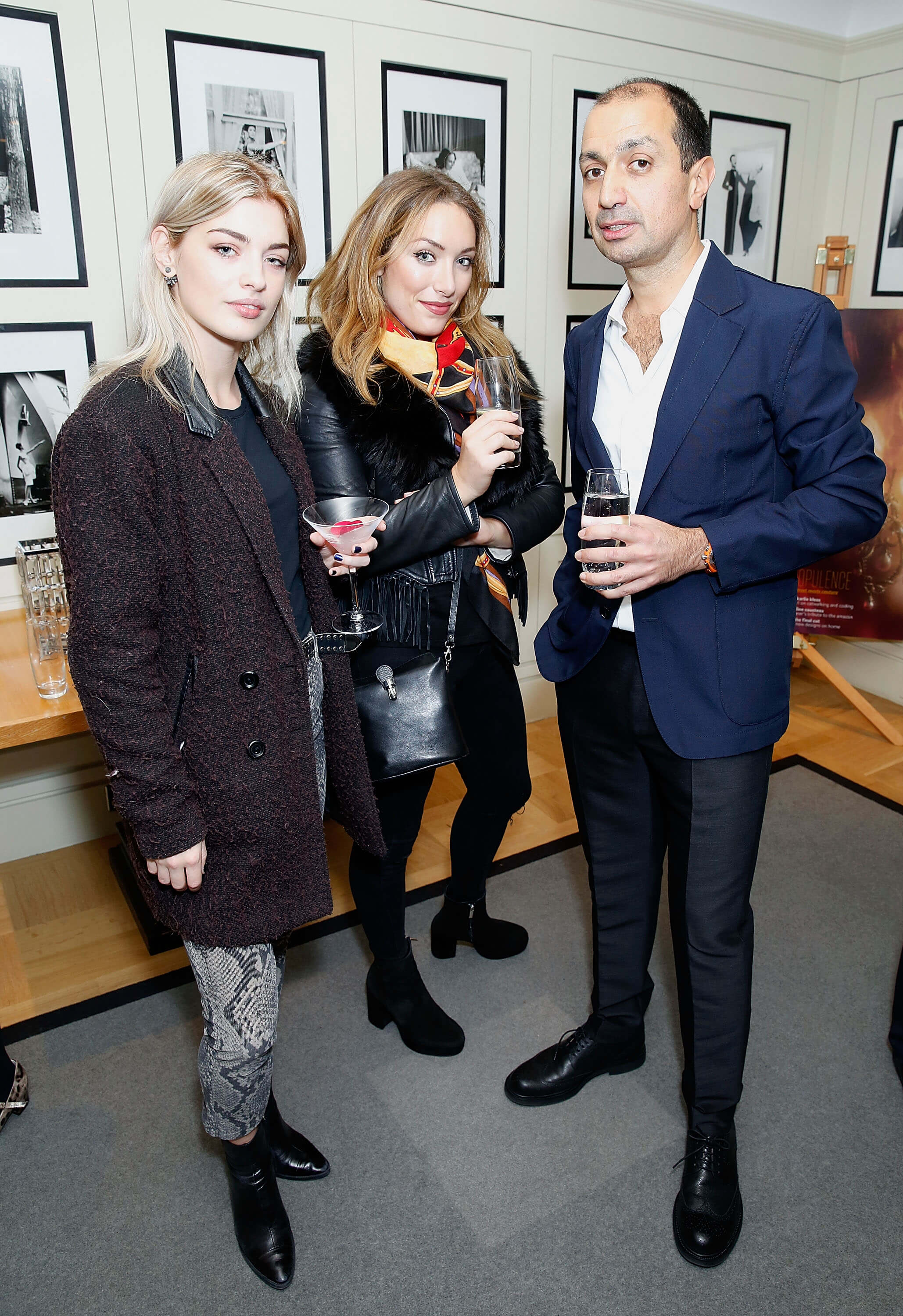
Aside from my role at LUX, I work as Editor in Chief of Conde Nast Contract Publishing, and this week we had a little launch party at Vogue House for Salt, the new fashion magazine we have launched with Swarovski. I co-hosted the party with Nadja Swarovski, and it was an enjoyable occasion in the autumn gloom of London, as Conde Nast editors and publishers mixed it with Swarovski’s glamorous executives, alongside by some interesting figures from the style and design worlds, and models and stylists from our shoots.
Magazine launches are all too rare these days, so it was good to be able to toast the rise of our reborn fashion and design title with a few cocktails and some creative buzz. LUX will have its own party next year!
Maddie Demaine
Saskia Sissons and Rupert Adams
Salt cover model Sydney Lima, Joanna Dalla-Ragione and Darius Sanai
Kate Reardon
Celine Cousteau and Carolin Wegerer
Darius Sanai and Nadja Swarovski
Stephen Quinn and Bill Prince
Darius Sanai, Harriet Quick, Albert Read and Nicholas Coleridge
Recent Posts
Recent Comments
Archives
- December 2025
- November 2025
- October 2025
- September 2025
- August 2025
- July 2025
- June 2025
- May 2025
- April 2025
- March 2025
- February 2025
- January 2025
- December 2024
- November 2024
- October 2024
- September 2024
- August 2024
- July 2024
- June 2024
- May 2024
- April 2024
- March 2024
- February 2024
- January 2024
- December 2023
- November 2023
- October 2023
- September 2023
- August 2023
- July 2023
- June 2023
- May 2023
- April 2023
- March 2023
- February 2023
- January 2023
- December 2022
- November 2022
- October 2022
- September 2022
- August 2022
- July 2022
- June 2022
- May 2022
- April 2022
- March 2022
- February 2022
- January 2022
- December 2021
- November 2021
- October 2021
- September 2021
- August 2021
- July 2021
- June 2021
- May 2021
- April 2021
- March 2021
- February 2021
- January 2021
- December 2020
- November 2020
- October 2020
- September 2020
- August 2020
- July 2020
- June 2020
- May 2020
- April 2020
- March 2020
- February 2020
- January 2020
- December 2019
- November 2019
- October 2019
- September 2019
- August 2019
- July 2019
- June 2019
- May 2019
- April 2019
- March 2019
- February 2019
- January 2019
- December 2018
- November 2018
- October 2018
- September 2018
- August 2018
- July 2018
- June 2018
- May 2018
- April 2018
- March 2018
- February 2018
- January 2018
- December 2017
- November 2017
- October 2017
- September 2017
- August 2017
- July 2017
- June 2017
- May 2017
- April 2017
- March 2017
- February 2017
- January 2017
- December 2016
- November 2016
- October 2016
- September 2016
- August 2016
- July 2016
- June 2016
- May 2016
- April 2016
- March 2016
- February 2016
- November 2015
- September 2015
- June 2015
- May 2015
- March 2015
- September 2014
- August 2014
- July 2014
- May 2014
- April 2014
- March 2014
- February 2014
- January 2014
- December 2013
- November 2013
- October 2013
- September 2013
- August 2013
- July 2013
- June 2013
- April 2013
- March 2013
- February 2013
- September 2012
- July 2012
- June 2012
- March 2012
- February 2012
Categories
- Adventure Travel Issue
- Aesthete Issue
- Architecture
- Art & Design
- Art & Photography
- Art collectors
- Autumn 19
- Autumn/Winter 2020/2021
- Autumn/Winter Issue
- Bespoke Issue
- Business
- Cars
- Cars & Collectibles
- Case Study
- Celebrities
- Culture
- Culture Issue
- Design Issue
- Dining Issue
- Earth Issue
- Family Issue
- Fashion & Jewellery
- Features
- Food
- Future Luxury Issue
- Health
- Hedonism Issue
- Image Issue
- Italy Issue
- Latest Stories
- Leaders & Philanthropists
- Leaders Slider
- Love Issue
- Luxury Travel Issue
- New Luxury Issue
- Online Exclusive Slider
- Opinion
- Spring 2020
- Summer 19 Issue
- Summer 2020
- Summer 2021
- Sustainability
- Taste Issue
- The Beauty Issue
- Travel
- Uncategorized
- Water Issue
- Winter 19 Issue
Popular Posts
Categories
- Adventure Travel Issue
- Aesthete Issue
- Architecture
- Art & Design
- Art & Photography
- Art collectors
- Autumn 19
- Autumn/Winter 2020/2021
- Autumn/Winter Issue
- Bespoke Issue
- Business
- Cars
- Cars & Collectibles
- Case Study
- Celebrities
- Culture
- Culture Issue
- Design Issue
- Dining Issue
- Earth Issue
- Family Issue
- Fashion & Jewellery
- Features
- Food
- Future Luxury Issue
- Health
- Hedonism Issue
- Image Issue
- Italy Issue
- Latest Stories
- Leaders & Philanthropists
- Leaders Slider
- Love Issue
- Luxury Travel Issue
- New Luxury Issue
- Online Exclusive Slider
- Opinion
- Spring 2020
- Summer 19 Issue
- Summer 2020
- Summer 2021
- Sustainability
- Taste Issue
- The Beauty Issue
- Travel
- Uncategorized
- Water Issue
- Winter 19 Issue