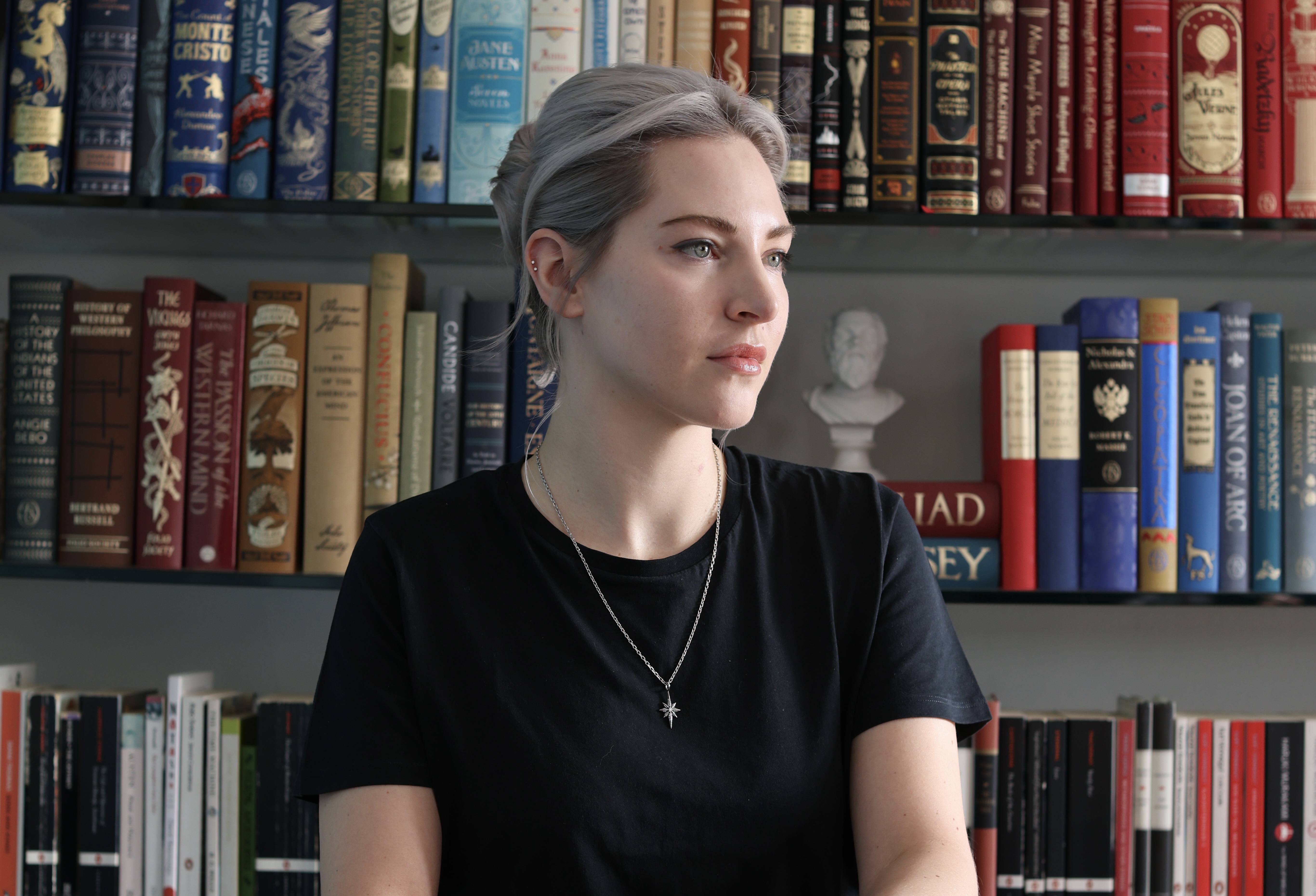



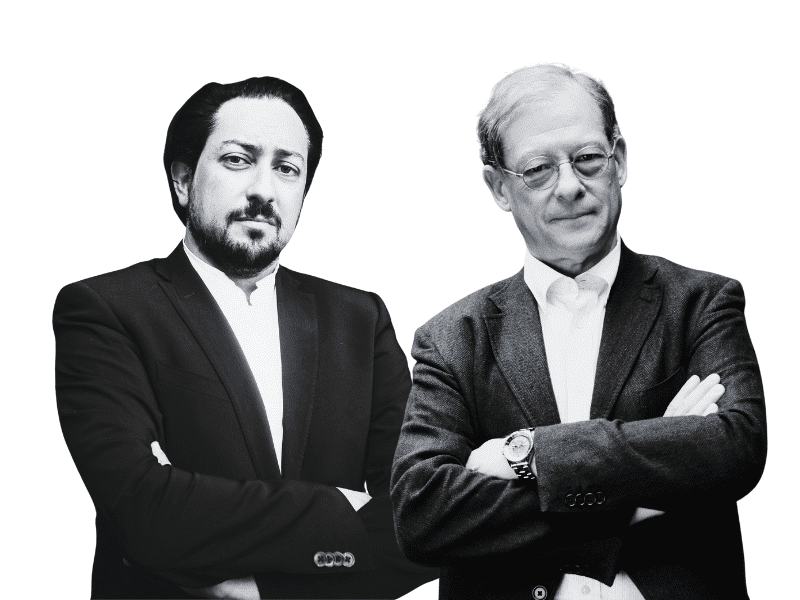
Jonathan Siboni, founder and CEO of Luxurynsight, and Richard Collasse, former CEO of Chanel Japan

Richard Collasse, working with Karl Lagerfeld, built Chanel Japan into a game-changing luxury business in the 1980s and 90s. Here, the Japanese-speaking French polymath, who is a celebrity in his adopted country and as active as ever, speaks with Jonathan Siboni about the differing nature of luxury across different markets, how luxury is a dream, and how ADHD can help you stay at the top. Moderated by LUX Editor-in-Chief Darius Sanai

Darius Sanai: Richard, you entered Chanel Japan before the descente du temple, the democratisation of the luxury sector in the 1990s. What are your recollections of that time? Does it feel like a different industry?

Richard Collasse: Absolutely. Japan was a leader: it was not yet number one but became so a few years after I joined in fall 1985. And Japan is a country that has cycles: it goes down, then comes back. When I started, Japan could only rely on local customers; there was no interest among tourists, because the prices were higher than any other countries in the world. We were probably the first – the luxury industry in Japan, I mean – to work on what today we call ‘consumer care. We were very advanced. So, it was a very different era.

Follow LUX on Instagram: @luxthemagazine

Jonathan Siboni: At that time with Chanel, it felt like we were at the beginning of an adventure that turned into empires in an incredibly short time. Japan was like learning from the best school because of the way the luxury market was developed in Japan – not just because Japan only had local customers, but because the local customers were Japanese. I think the industry grew from this attention to detail, quality and customer care, don’t you think?
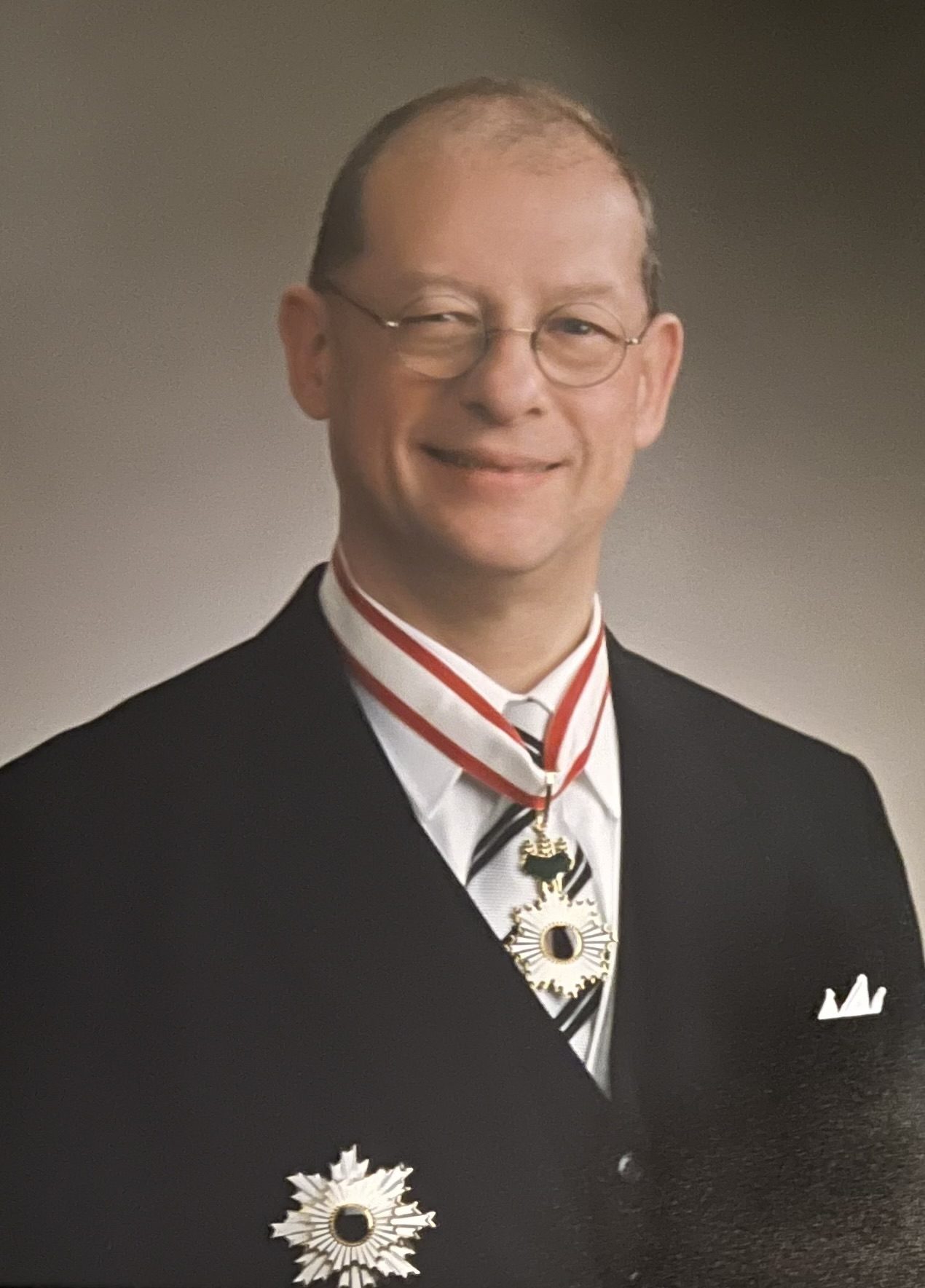
Richard Collasse’s career has been rooted in Japan, Asia’s first prominent buyer of luxury goods and one of the biggest luxury markets in the world

RC: Absolutely. Customers, especially in Japan, have always been demanding. In the Chanel cosmetics business, the caps of the lipsticks were black lacquer: not easy to keep clean and always scratched after a couple of uses. We told the French there are machines in Japan to do the lacquer work, so they got one and began to understand what quality was really about. It was still very artisanal in Japan, about detail and quality, because we only had the Japanese for customers; we didn’t rely on other people to come and buy. 

JS: Some of the challenges that the Chinese market is facing today – for instance, people being bored of luxury goods – reminds me of Japan 25 years ago, when people were making a lot of money and spending it on luxury, and then there was, as you say, a cycle. But some brands such as Chanel continued to grow because they changed and reinvented themselves. Are there some lessons that can be applied from Japan 25 years ago? 

RC: I think the problem with China is slightly different to the one we had – our issue was not that people were fed up with the brand, but with our attitude. We were taking good care of loyal customers, but with new ones we were a little arrogant.  

Also, people didn’t have access to fashion shows and complained that, even if you were a good customer, they were behind closed doors. We had trunk shows going around Japan small fitting rooms where ladies would try outfits and buy like crazy – but at the boutique, there were no products any more, because they had been sold during the trunk shows.
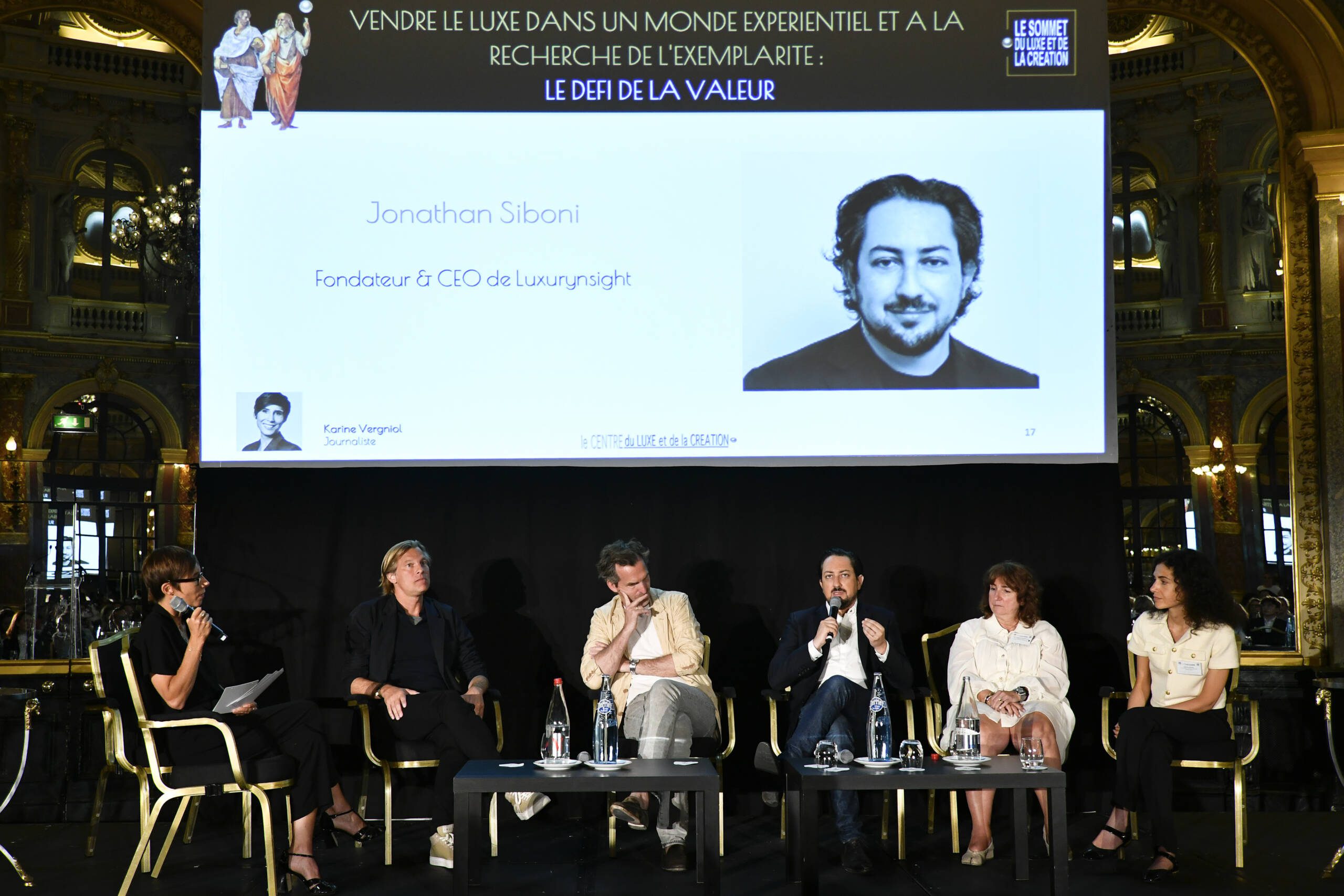
Jonathan Siboni speaking as founder and CEO of Luxurynsight, a luxury data and strategy company

So I stopped those. I decided, first, our boutiques should be our showplaces, and I made our boutiques very beautiful. Second, we told our salespeople that arrogance is not an attitude, and third, we did an open-air fashion show, where anybody who wanted to come could. In May 2000, Karl Lagerfeld came with 100 top models and showed the haute couture and the prêt-à-porter of the season. Our sales came back right away. We told our customers that Coco Chanel did not create fashion for an elite, quite the opposite: she created fashion for the women who wanted to work. So we did that and we had a new start. 

JS: Japan in the 1990s had also undergone economic difficulties but, ultimately, 30 years later it is completely different. I still believe, however, that the only brands that will do well are the ones that reinvent themselves to stay at the forefront of cultural exchange.

Read more: Binith Shah and Maria Sukkar on UMŌ’s ultimate luxury 

Speaking of cultural exchange, I’ve always wondered what it means for you, as a French person, to be more famous in Japan than at home, and to get to this level of mastery of a culture that is not yours. When you’re in Japan, do you feel at home?  

RC: Well, I was already fluent in Japanese, but people started to know me when I created Givenchy Japan, back in the late 70s. We did the 30th anniversary of Givenchy at the Japanese national television network, which is not allowed to make a brand statement. I convinced them that Givenchy was not a brand, but a part of French culture. And people started to say, who is this guy? But I have a strong power of persuasion. So when I started at Chanel, I already had that aura and it was easy for me to work with our people.
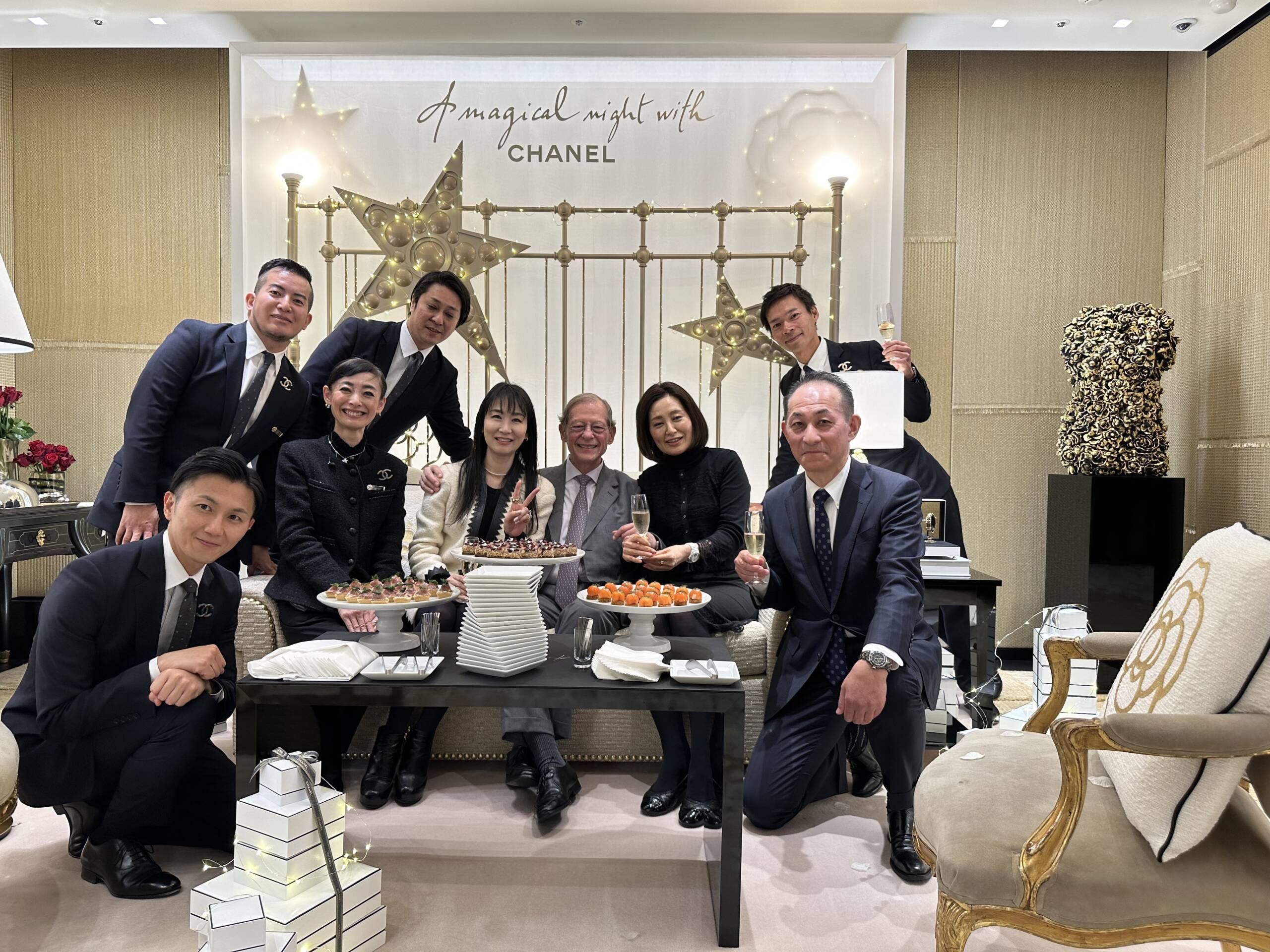
Richard Collasse with his team at Chanel Japan, where he worked from 1985 to 2023, most notably as CEO

We were inventing everything in Japan the intellectual wealth of the company was that we had different people on the markets. Today, you have managers, who have graduated from the best fashion places, but we are losing the leaders. I’m not talking about Chanel specifically, but the industry as a whole. Because of exactly that: it has become an industry. When I started, it was still artisanal.  

JS: What I found fascinating in the golden days of luxury was that the best businesspeople I met were creative and business driven. They would never encroach on a creative director’s decisions, they would believe that everyone has their own role, but they were business creative. That’s something I find fascinating because as a creative you want to be creative, but you also have to reinstate the boundaries of your role.  

RC: Yes, I would never have been able to say to Karl [Lagerfeld], ‘We need this kind of jacket because this is a trend that’s just come in.’ That’s not the way it works. But he appreciated my creativity in a different way. With this fashion show back in 2000, nobody dared to go to Karl to tell him it was my idea, until a young PR lady went to see him and, against all odds Karl said “Let’s do it.”  It was out of the question to step into the creative territory of the products, because I didn’t have the know-how.  But creativity also meant expressing ourselves in the business side of things. And I started to write. That’s when Karl Lagerfeld started to appreciate that I was also a creative. 

DS: If the “you” from 40 years ago arrived in Japan now, would your skillset be relevant? Would you become president of Chanel Japan today or would they need someone else, given the way the industry has changed?
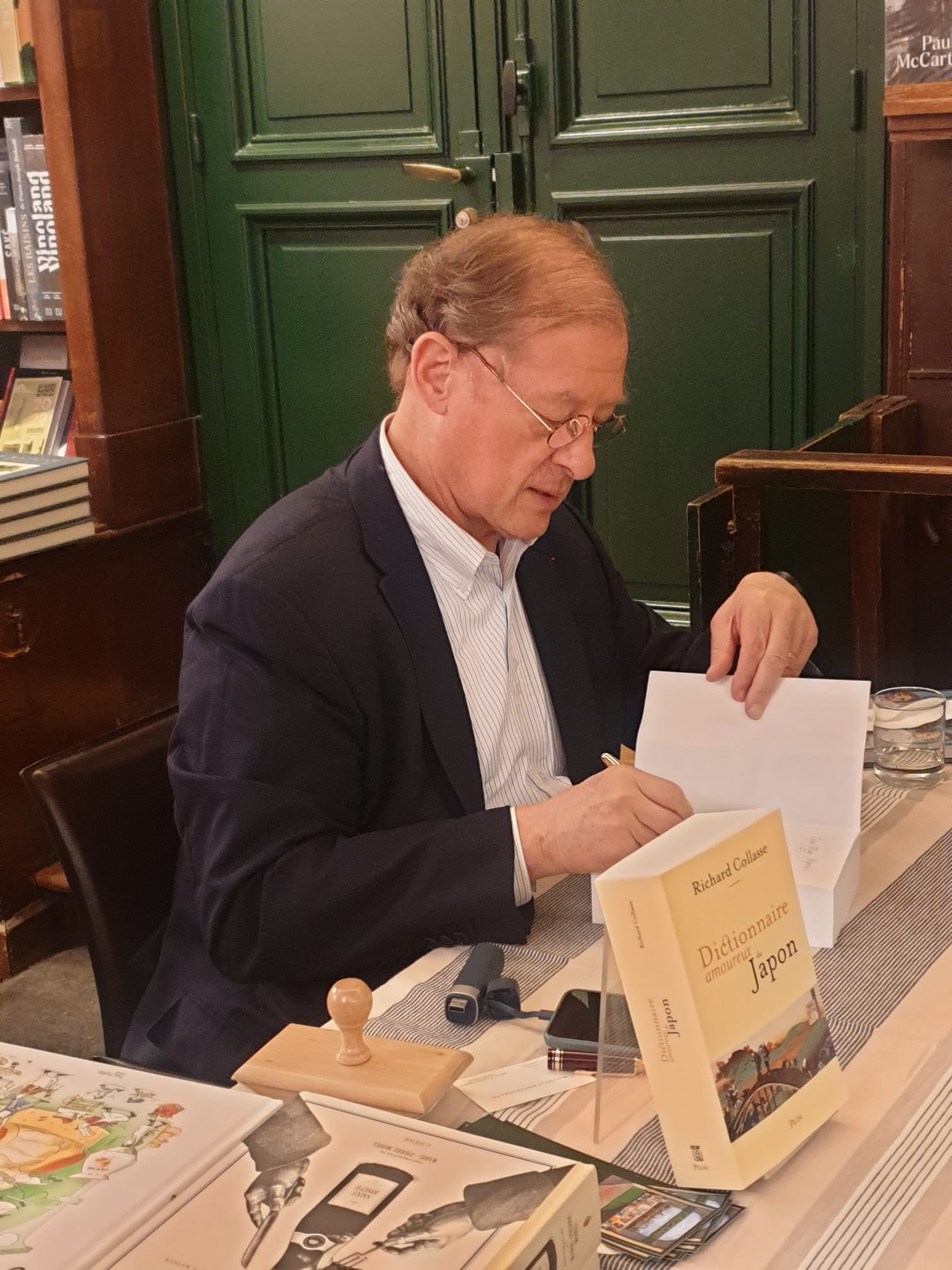
“I think my capacity to do different things almost at the same time is because I have passion” Richard Collasse

RC: I don’t know if I would be relevant; we live in a different time. Today, they need managers who can develop the business within budget and who are technicians. I was not a technician. I think the company decided that the managers of my generation were not needed any more.  

JS: One thing that strikes me is that luxury is not a business, it is an industry based on culture, marketing, exchange, as well as products. The product is a dream, in a way: I don’t think people buy a $10,000 bag because it holds things better. Somehow, business creativity was a bridge between these worlds of corporation and the real world.

Read more: Omega CEO Raynald Aeschlimann on the watch industry

That’s why I wonder – how can Richard find time to do what he does? When I was a student and emailed you, you would reply within 10 minutes, in the middle of the night. How did you manage to do so many things at the same time? Because there was Chanel, and you were also writing books. 

RC: I am what you would call today ADHD. I cannot stay still for one minute. I think my capacity to do different things almost at the same time is because I have passion. If you don’t have passion, you’re not going to do that. I have a power of concentration and I am also lucky that I don’t need much sleep – if I needed 10 hours I probably wouldn’t be able to do all these things at the same time.  

I’m 72 now and probably as busy as I was at Chanel. But for my 50 or so years in business I always had an assistant, and now I am discovering I don’t know how to book a train or manage my schedule! They allowed me to get rid of all these banal things, just so I could concentrate on the things that mattered to me.
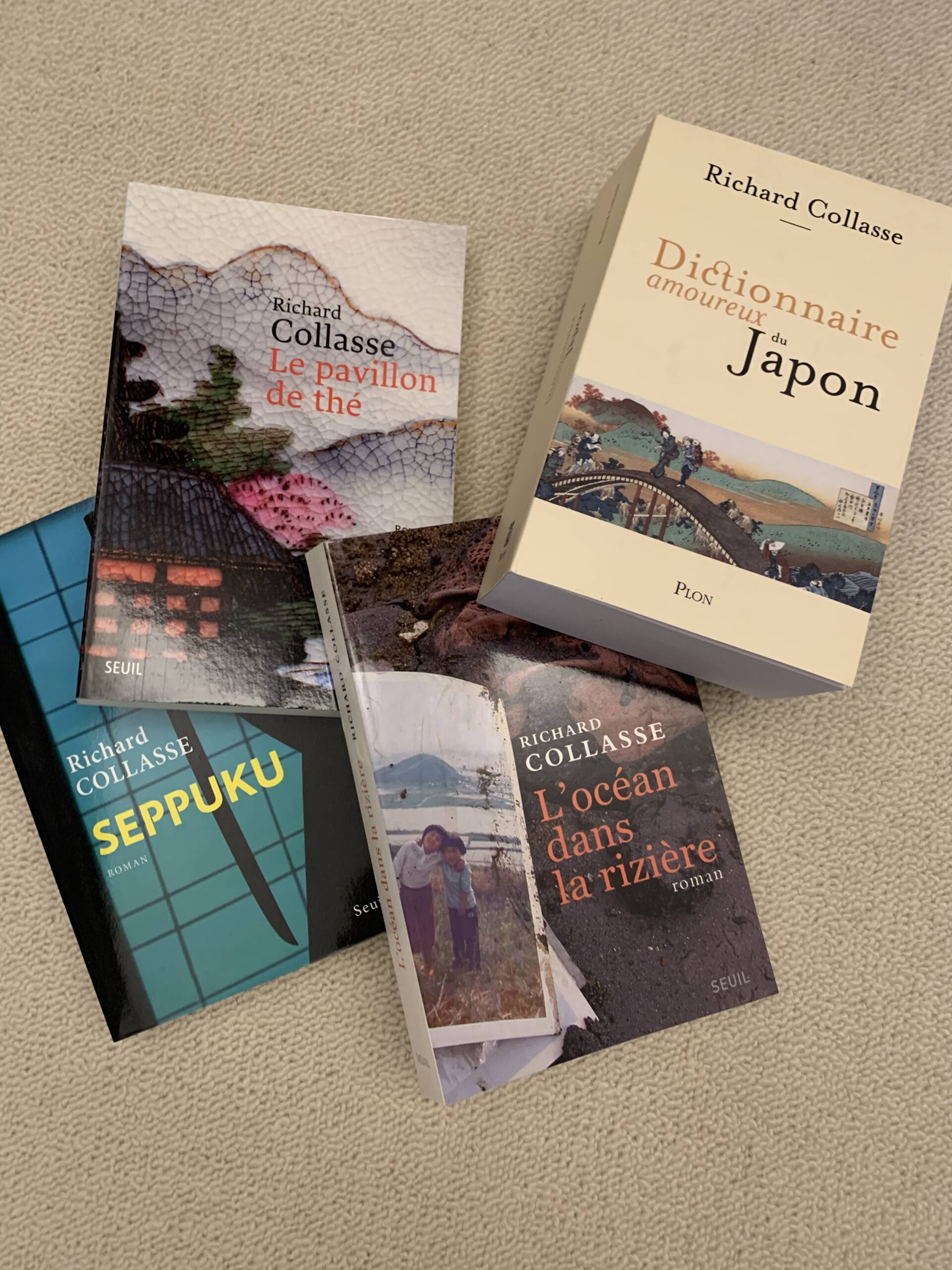
Since first visiting Japan in 1971, Richard Collasse has become deeply involved in its culture, and has published novels in Japan as well as in his native France

DS: It’s so fascinating. Luxury is, of course, bigger now than it was in the 80s. But in what other ways is it different?

RC: It’s an industry that’s concentrated in the hands of very few people, which wasn’t the case in the 80s. LVMH was not that big, Kering didn’t exist and Cartier was like a different company to today. Now all these companies are becoming concentrated, and Chanel and Hermès are the only two remaining in the hands of the [original] owners. China has come to be a rich but, in my opinion, also a fragile business. 

Japan, Italy and France retain in common a love for craftsmanship and a passion for sharing it with the next generation. Look at what happened with the reopening of the Notre-Dame in Paris: this should be an eye-opener for young people. The craftsman puts his soul into the product. Far beyond making things well, they have a humility in front of what they are making. That love for the part of the soul they put into the product is unique to these countries. 

JS: I think Richard is right. In general, the Chinese value doing things quickly and changing them afterwards, the Japanese want things to be made perfectly. We focus on strategy; they focus on action. It’s often hard to look at each other because we don’t see their vision; just this constant changing. 

What advice would you give to young people to find things they can focus on and get passionate about? I find today, a lot of people are on the surface of things, because there is so much coming at us all the time.
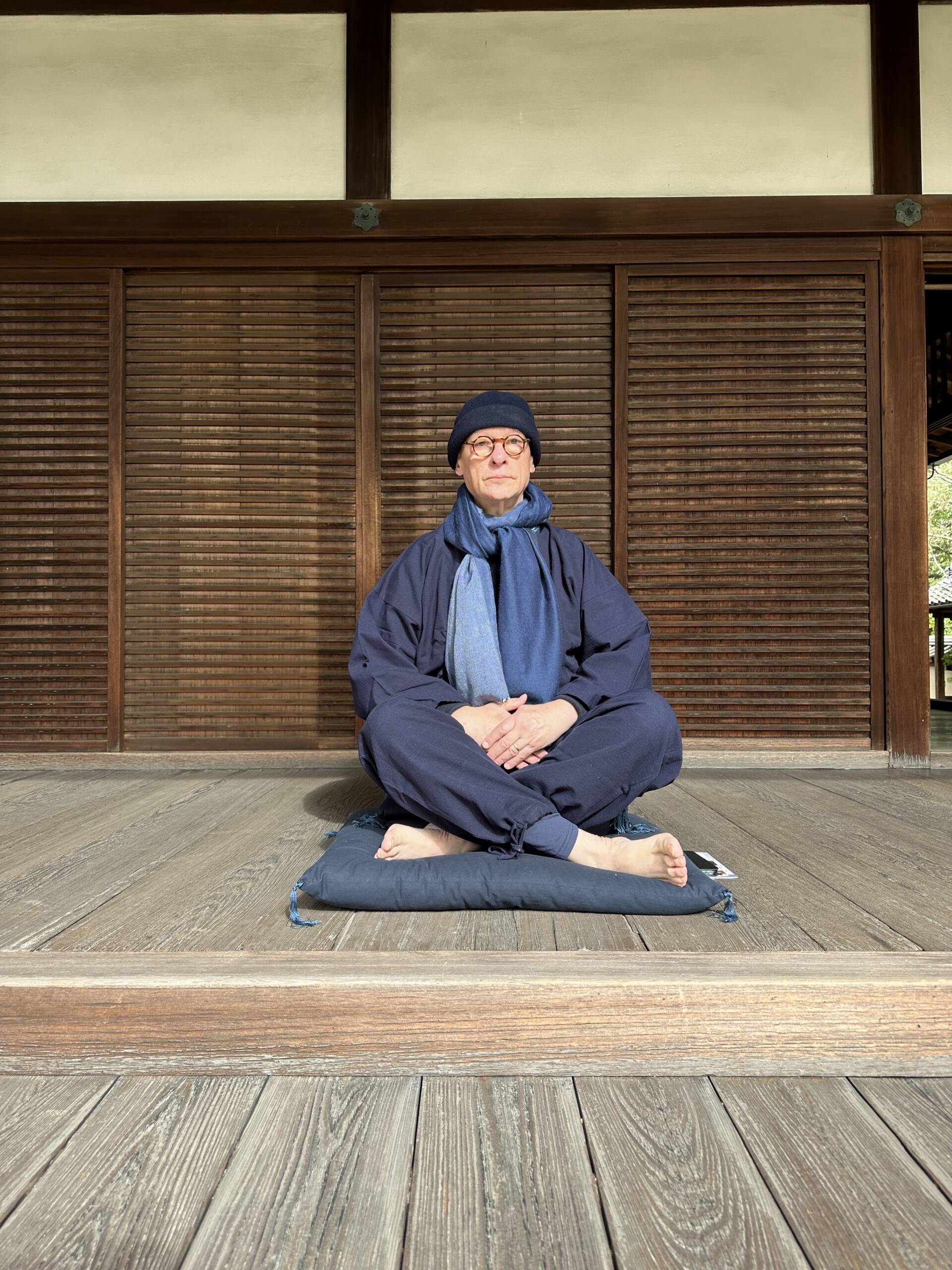
After retiring from his nearly 40-year career at Chanel Japan in December 2023, Collasse spent a three-month break as a “temporary monk” at the Za Zen Shinju-An Buddhist hermitage in Kyoto

RC: I think being a visionary is the capacity to create the future – create it, not manage it. You will not have a vision if you are not creative, and this is exactly why I tell kids: try to develop the right side of your brain. What you learn at university is good but it’s not what will make you different, using the right side of the brain will. For many years people were saying they don’t need creatives in business; at a certain point, they were even considered to be dangerous. I remember someone saying it’s good to have you, Richard, but two of you would kill the company! Today it’s different. I think people have to come out of their comfort zone. I always tell my salespeople: get out of your sales point, go and see a different one, and then come back and look at it as a customer. This is part of creativity: to get out of yourself. Nobody teaches young people how to do this, or its benefit, including the pleasure in creating something that works.

Read more: Simon de Pury interviews Olafur Eliasson

DS: One last question: you mentioned, Richard, that Hermès and Chanel are the only big companies controlled by their owning families. How much of a difference does that make if you look at the brands?

RC: I knew we had a certain agility – everything came from my boss’s pocket, essentially. Chanel always does what it thinks is correct, not what other brands are doing. That will stay as long as the company stays in the hands of the owners. At the same time, they structure it differently from the past: they decided that a $20bn dollar company cannot be run weight-first, they also want management. But their vision is not changing, and they try to make sure that people understand this and execute it as it is. This made it easy to follow the vision: it has remained the same for the past 50 years, so you don’t have to worry about what is going on around you. That’s of course more complicated to do now when you’re an $80bn dollar company. But the vision is not changing, and that is very reassuring.

Series coordinator: Charlotte Martin. Online editor: Cleo Scott. Chief sub-editor: Marion Jones.
chanel.com/jp

luxurynsight.com

Share:
Reading time: 12 min
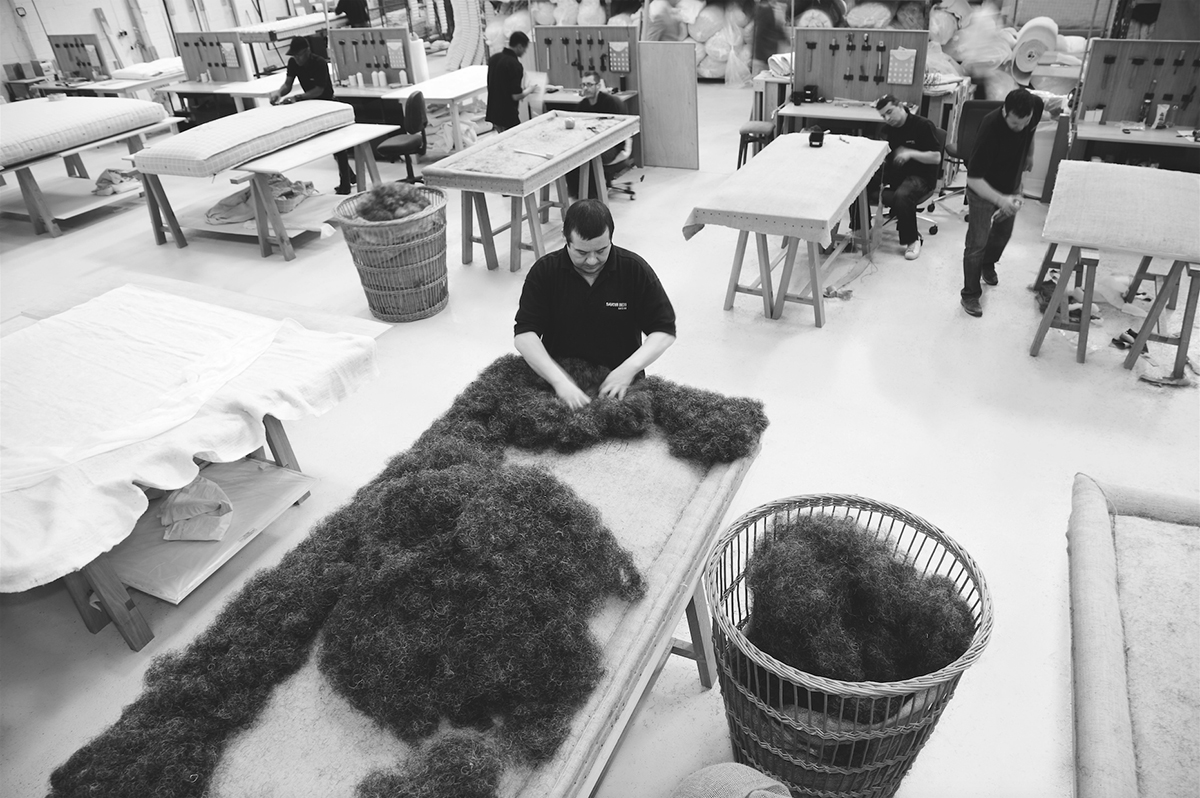
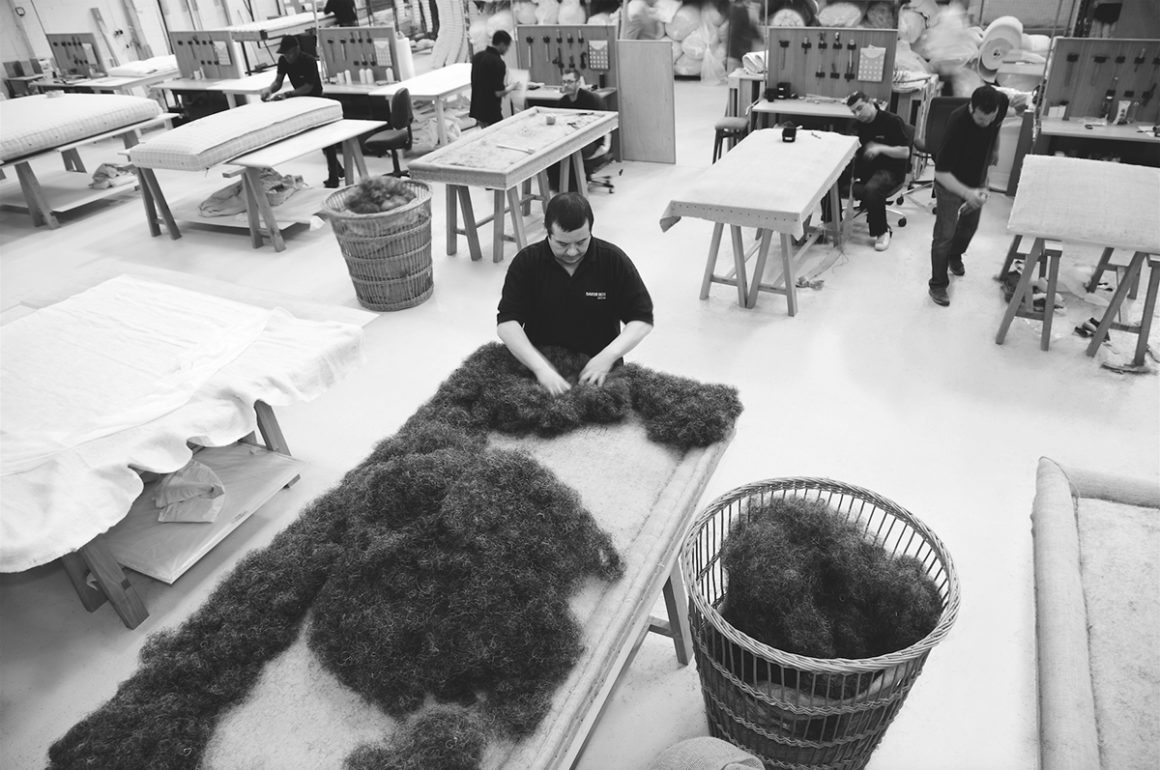
Aerial view inside a bed making workshop
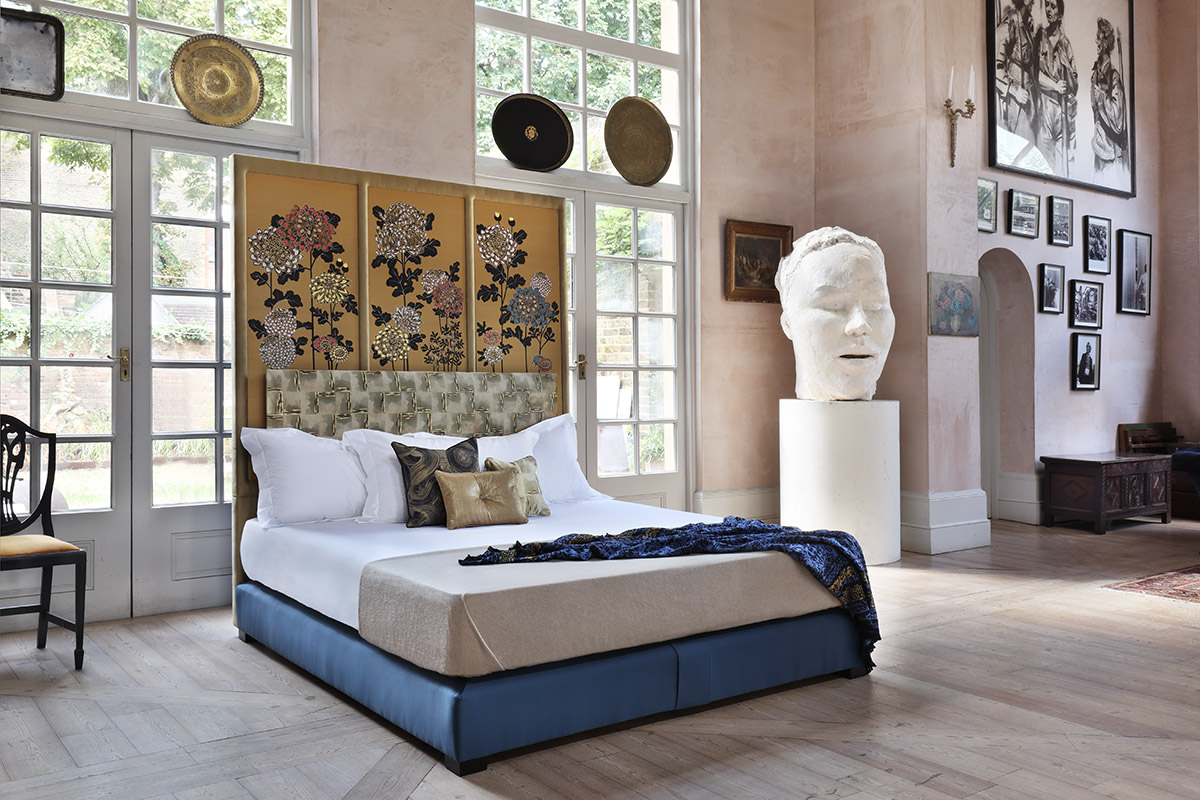
Double bed with gilded decorative head board

The KIKU by Savoir Beds features panels of hand-painted gilded silk wallpaper by London-based company Fromental

In 1905 The Savoy Hotel decided to create a bespoke bed for its guests, and so began the legacy of what’s now known as Savoir Beds. Every Savoir bed is crafted from chemical-free natural materials, carefully selected to provide the optimum sleeping environment. Here, we speak to the Savoir’s Managing Director Alistair Hughes about mastering craft, delivering consistency and the brand’s efforts to be sustainable.
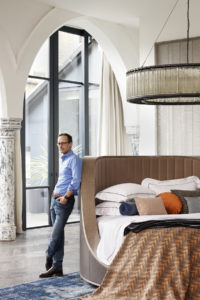
Man leaning against the edge of a bed in a showroom

Alistair Hughes

LUX: Can you tell us how a Savoir bed is created from start to finish?
Alistair Hughes: Every Savoir bed is tailor-made for the client to ensure it fits them perfectly. The process starts with a ‘fitting’ at one of our showrooms, where our expertly trained staff will discuss the needs of the client and try them on the various models and different support options in order to make a bespoke bed. We have created four varieties of Savoir beds, named No. 1, No. 2, No. 3 and No. 4, and they all have infinite customisable options. Beyond comfort is the design and styling of the bed, our sales team will work to the client’s requirements offering unlimited fabric options for upholstery and styles for the headboard and base.

Follow LUX on Instagram: the.official.lux.magazine

Following the fitting, the order is shared with our in-house design team at our Bedworks in North London. Our CAD designer will work with the showroom to create a render which is sent to the client for approval. Once the design has been reviewed and approved by the client, it is then passed on to production. Our fabric specialist will order the clients’ chosen fabric for the headboard and base, once delivered they will carefully check every inch to ensure it is absolutely perfect.

The fabric is then passed on to our cutting room which will cut the fabric. It is also during this stage that our seamstresses will cut the signature Savoir Trellis ticking which is used for all our mattresses, toppers and top of the box springs. Once cut, the fabric is left for a minimum of 24 hours to allow it to relax (when it’s on a roll, it is stretched slightly). The Savoir seamstresses will then sew the mattress, topper and mattress cases, ready to be passed on to the craftsmen.

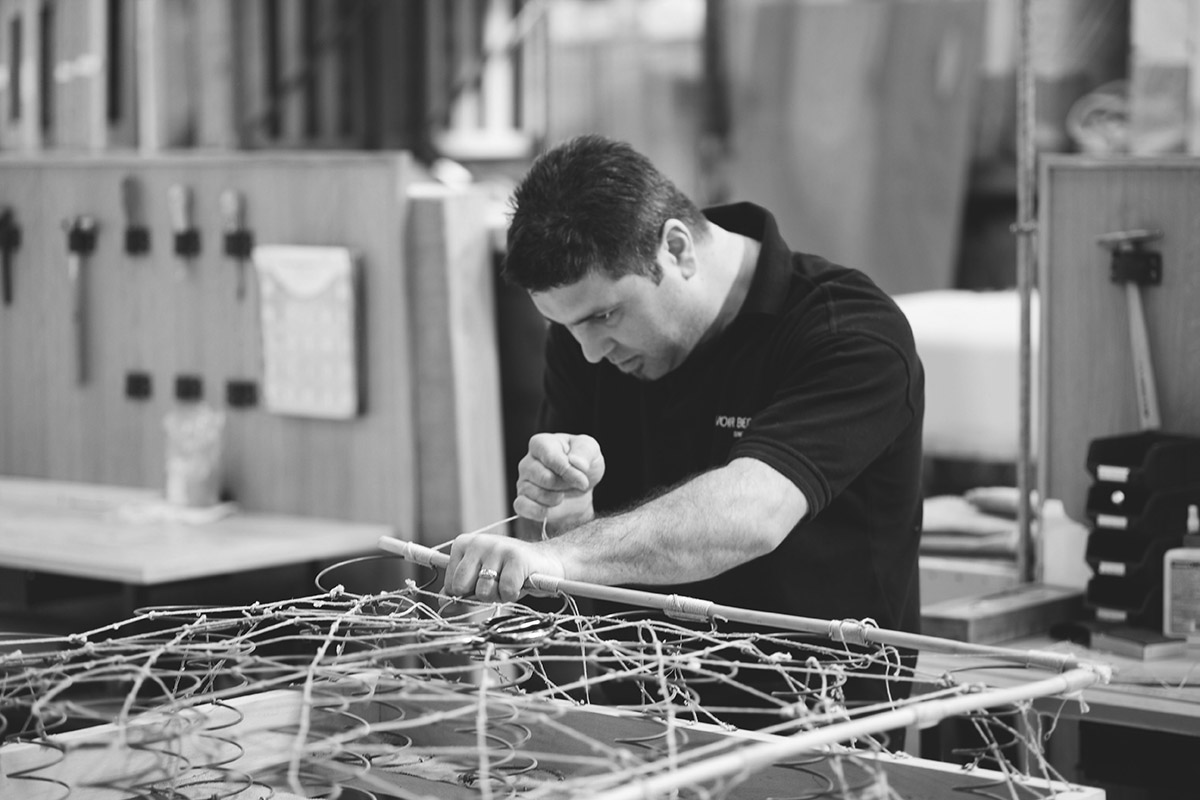
Craftsman constructing spring base of a bed

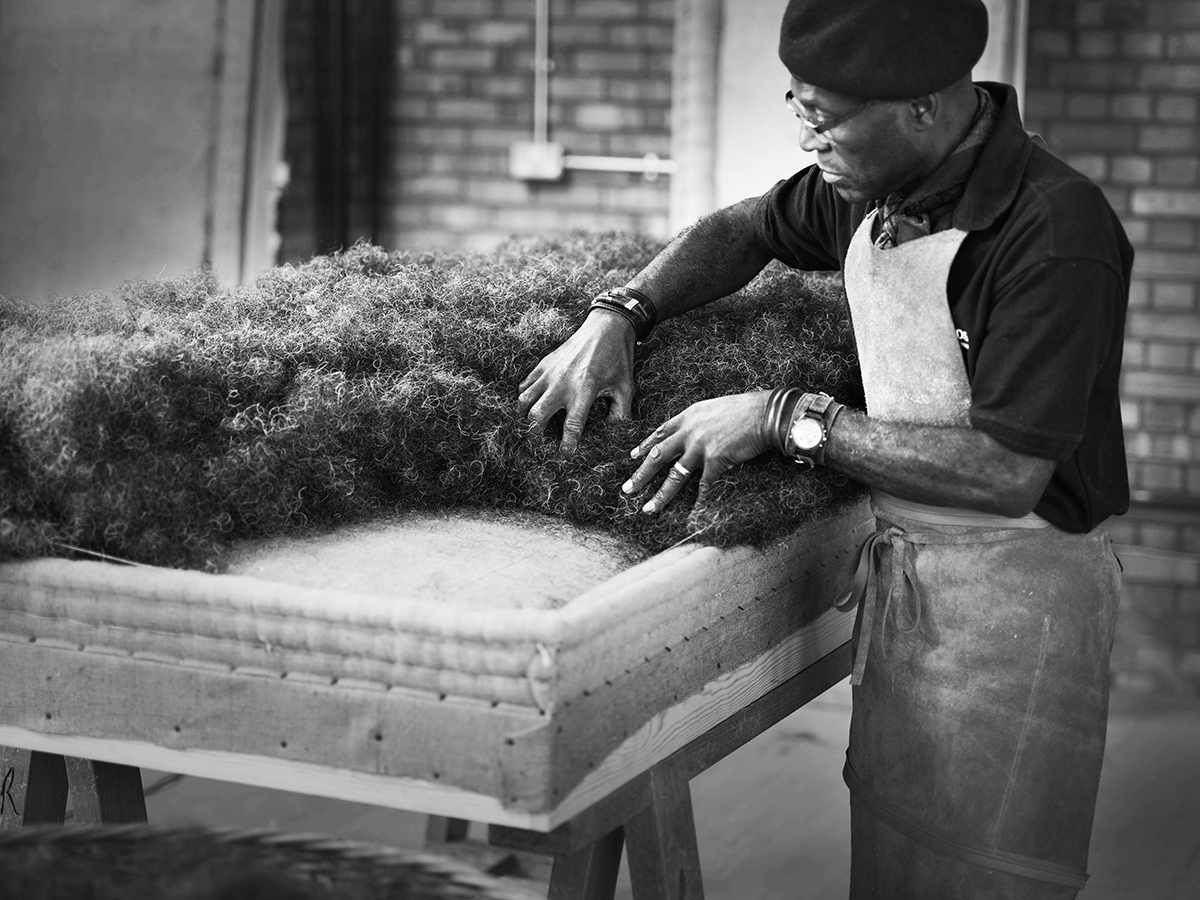
Here and above: craftsmen assembling a Savoir bed inside the workshops

The bed set starts with the box spring. A wooden frame is created in woodwork, in which large hourglass springs are carefully secured. The springs are then hand-tied together, using eight-way star-lashing. A stitched hair role is then created on the edge of the base, through packing horsetail hair in to a neat roll and stitching in place. An abundance of hand-teased loose hair is then placed on top of the boxspring, with tufting the last stage to ensure all the hair stays in place.

Next is the mattress, hand-tied pocket springs, which are produced in the Savoir Bedworks, are sandwiched between masses of hand-laid, long, loose horse tail, with cotton and wool. The mattress is then hand-slipped to close and hand-side-stitched to ensure the springs stay in place. Like the box spring, the mattress is also tufted, stopping the natural materials moving.

The final element of the bed set is the topper, the natural casing that the seamstresses cut and sew together is filled with long, loose, hand tease horse tail, along with a layer of lambs wool, cotton or yak fibres, depending upon the chosen topper. The topper is also tufted, with beautiful fabric tufts on both sides to create a petal effect when a stitch pulls them closer together.

For clients that have specified a bespoke headboard, this will be crafted by the highly skilled Savoir upholsterers. The frame will be carved and constructed in the expansive woodwork workshop. Once created, this is passed on to the upholsterers, where the fabric which was cut by the seamstresses is carefully applied to the frame. No two beds are the same, so our upholsterers have years of experience to ensure the finished headboard is perfect.

Before every bed is delivered to the client, it is set up by the Savoir Quality Control team. The team will ensure that every detail of the bed is to the clients’ specification. The finished bed is then shipped around the world, direct to its new home.

Read more: Test driving Michelin’s tyres for supercars

LUX: How do you ensure a consistent quality of product?
Alistair Hughes: We make less than 1,000 beds a year because we are focused on making the best, not the most.

We continue to hand craft our beds at our North London Bedworks and in Wales, just outside Cardiff. Every Savoir bed is made to order for a particular client, built by hand to meet specific needs and deliver unsurpassed comfort.

We use only the finest, natural materials including Argentinian curled horse tail, which provides a breathable sleeping surface and the ultimate temperature control for enhanced sleep. The high standard of materials and skilled craftsmanship result in a consistently comfortable bed for our clients and one that matches their style aspirations, as only a bespoke product can.

LUX: The original Savoy bed was designed in 1905 and has changed very little since – how do balance heritage and innovation?
Alistair Hughes: I am immensely proud of the heritage of Savoir, I couldn’t imagine a better legacy for a bed company.

The beds were first created for The Savoy Hotel whose sole aim was to give the best night’s sleep to the most demanding clients in the world. The result was The Savoy Bed, now named the Savoir N°2, and it remains our most popular bed. Liza Minnelli had refused to leave the hotel without one; Emma Thompson said the bed had cured her insomnia.  The product had been raved about for over 100 years by the most demanding guests in the world.

However, innovation is very important to keep driving our business forward. We pride ourselves in being at the forefront of designer collaborations and each year we hand-pick the best brands and designers to create inspired designs. Last year we collaborated with the National Gallery, Fromental, Nicole Fuller and Steve Leung.

Read more: Bentley auctions new model for the Elton John AIDS Foundation

As we have control over every element of production, anything is possible which excites designers. Beds for superyachts or fantastic headboards inspired by art or architecture, we can craft and create anything. Our Savoir designers work closely with collaborators to design a personalised, unique piece of furniture. It’s always a special moment when we have designers visit the Bedworks and they are astounded by the amazing and extremely skilled craftsmen.

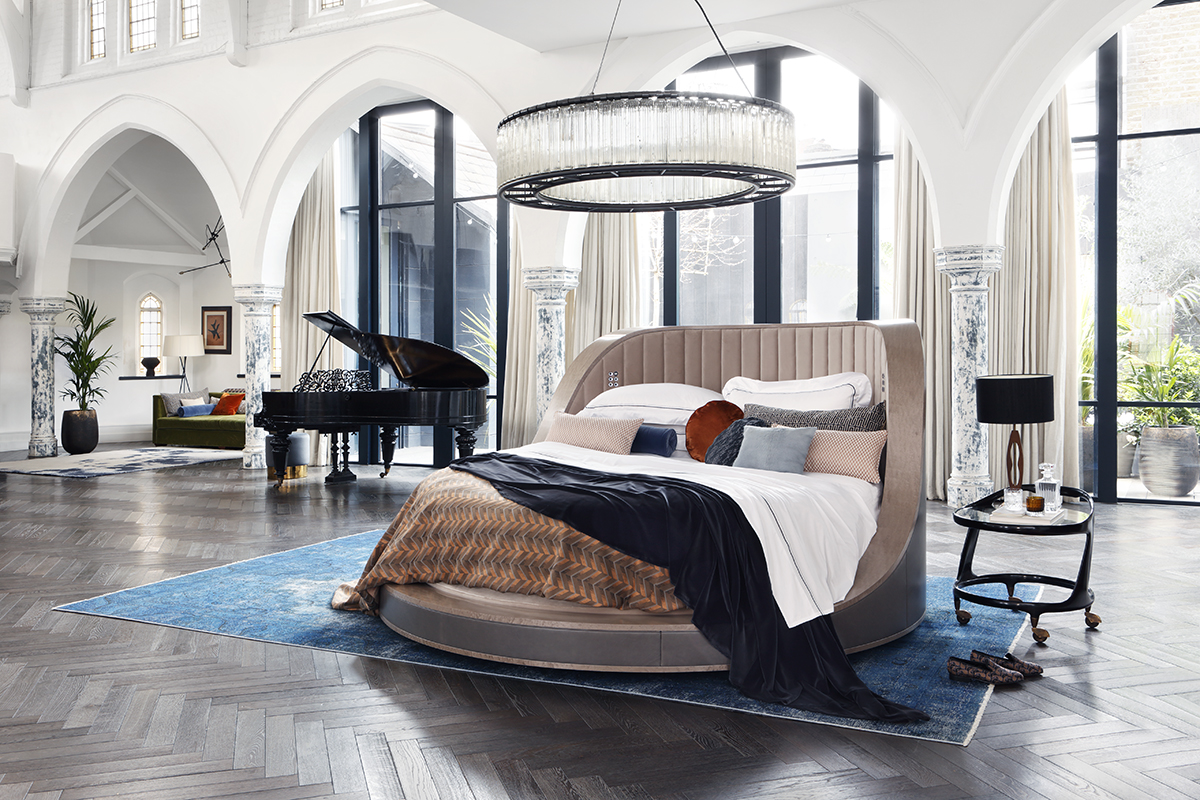
This month we launched our most innovative design yet and the world’s most luxurious bed: The Three Sixty. Available exclusively at Harrods, the bed is the epitome of contemporary design and bespoke British craft. It seamlessly combines aesthetics, technology and ultra-luxury.

Luxurious circular bed in showroom setting

The Three Sixty, Savoir’s latest bed design

LUX: Why did you decide to change the company name from Savoy to Savoir?
Alistair Hughes: Our heritage is of course The Savoy Hotel, but we also wanted to supply other hotels who might not want the name “Savoy” across their beds!  We liked the idea of Savoir Faire, with all its associations with quality craftsmanship, and the fact it was not a million miles from Savoy.

LUX: Having recently expanded overseas, how does Savoir cater to these new markets?
Alistair Hughes: We have 14 showrooms around the world from London to New York and Paris, as well as worldwide in China, Germany, Russia, Taiwan, Korea and Hong Kong.

We have collaborated with a number of international designers to create beds for different markets. We have worked with Nicole Fuller in the US, Steve Leung and Teo Yang in Asia and we will soon be unveiling a new partnership with Bill Amberg, the UK’s leading bespoke leather product, interiors and furniture designer.

LUX: Where is the biggest emerging market for you?
Alistair Hughes: Asia is developing rapidly and Savoir is growing its presence in Asia with showrooms in Hong Kong, Seoul, Shanghai, Taipei and next month we will be opening a 1,385 square foot showroom in the new Raffles Hotel Arcade in Singapore.  We are in advanced discussions about a showroom in the south of China too, so a lot to look forward to.  But that said, America is still the largest luxury market in the world, and as an emerging brand it is an absolutely key focus.

Read more: Meet the young model who creates ads for Nike

LUX: How do you create a sustainable product?
Alistair Hughes: All Savoir bed sets have a 25 year guarantee and we turn our back on the throw-away culture.

We refresh beds and mattresses through recycling materials. For example, the existing horse tail is removed from a mattress, it is then re-carded through the use of a carding machine, and then hand-teased and redistributed within the existing mattress casing. The re-carding machine is over 100 years old and is thought to be one of only two in the country. We can also recycle casings for mattresses, re-making and re-tying box springs to re-invigorate the perfect and bespoke mattress tension, which may have been lost over time.

Aerial view inside a bed making workshop

LUX: How does your previous role in management consultancy inform the operations of Savoir?
Alistair Hughes: I think it helped to bring a broader perspective to what I do and how the business can best meet the needs of our clients.  Within bed manufacture in general there had been a strong focus on driving down cost.  Retailers often see a mattress as a grey box, they all look the same, just get the price down. Savoir thinks more of the end client and what they want: a great night’s sleep.  So the focus has been the best product, and understanding that clients are willing to pay for something better.

LUX: Where was your best night’s sleep?
Alistair Hughes: I’m spoilt, having the best bed in the world at home.  At the end of the day, there is nothing like getting into a Savoir.  I love the feeling, especially with fresh, cool and crisp percale sheets.  I’m instantly relaxed…it’s a great feeling!

Beyond that, I grew up in Ethiopia and Malawi and have always had a thing about the big African skies.  On recent family trips we have had some great under canvas holidays, most recently in Botswana.  There is something magical about the lack of light pollution, the stars and the sound of nature (not always quiet, but definitely music to my ears).

Discover Savoir’s range: savoirbeds.com

Share:
Reading time: 9 min
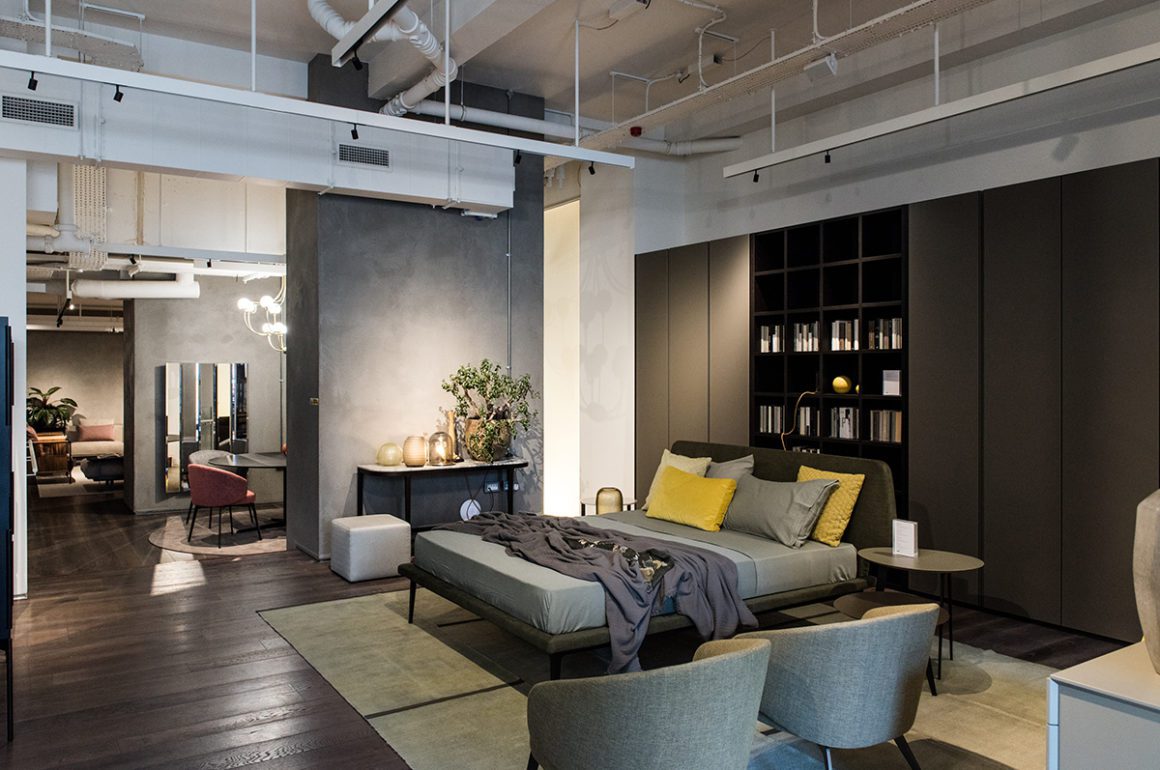
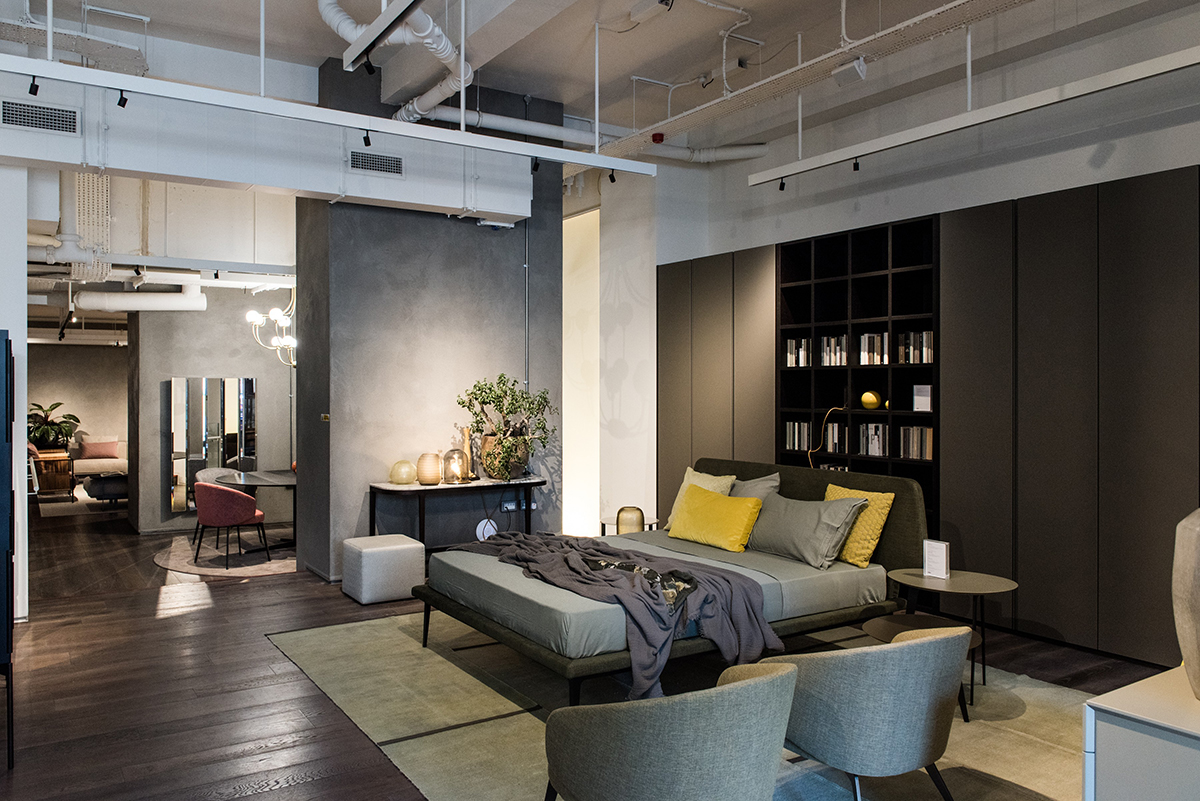
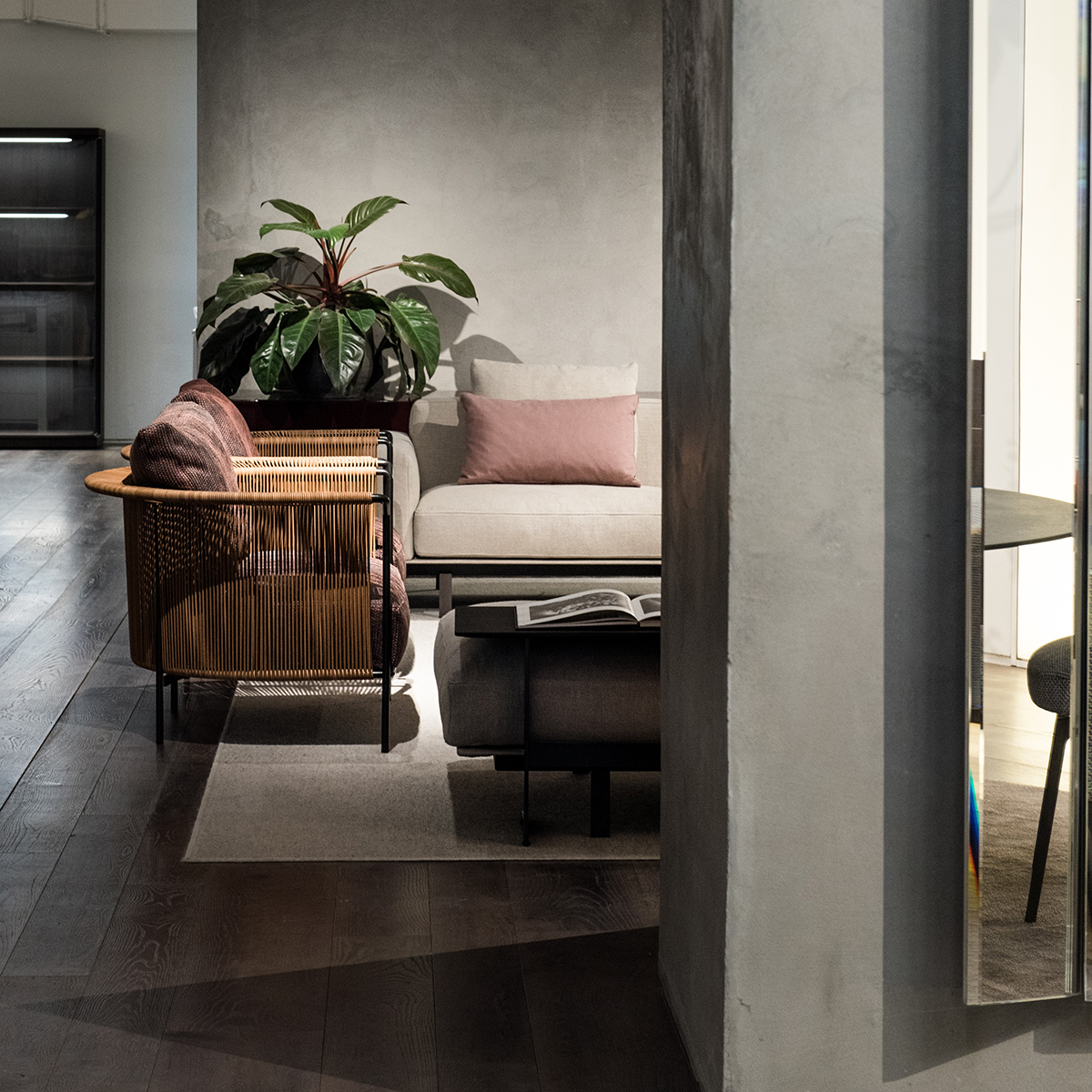
Luxury bedroom interiors showroom with double bed and grey armchairs

A display in LEMA’s London showroom. Photography by Emma Lambe

Founded in 1970, LEMA still remains family-owned and true to its ‘Made in Italy’ philosophy. The group collaborates with famed architects and designers to produce elegant, modern furniture and made-to-measure interior fittings for residential and commercial properties across the globe. Ahead of this year’s Salone del Mobile in April, we speak to the company’s president Angelo Meroni about working with family, discovering new talent and moving into the Asian market.
Black and white portrait of LEMA president and family member Angelo Meroni

Angelo Meroni, President of LEMA

LUX: Tell us about your history and how the brand started?
Angelo Meroni: Our family tradition in the furniture market began in the 1930s with my grandfather. In the 30s following the Brianza manufacturing tradition, he opened a small shop in the town centre. At the time, it was purely craftsman work, completely handmade, in fact, the production times would be unthinkable nowadays. Later, the 1940s saw the opening of the first store in Milan city centre. Here, during the years of the economic boom, LEMA was able to collaborate with the first nationally recognised architects and designers to embrace a production characterised by a more modern aesthetic. Then in 1970, my father founded the brand LEMA and the all-important organised industrial production started, with an innovative factory in Alzate-Brianza designed by Angelo Mangiarotti, a cutting-edge plant for a production with a new philosophy. Indeed, LEMA was the first Italian brand to design and produce integrated furnishing systems, organising the entire production cycle from receiving the raw materials to the packaging. The breakthrough came in 1981 when the “Made-to-Measure Wardrobe” was conceived, a modular custom-made closet solution, a key step in establishing LEMA in the market. The system still exists to this day, and is under constant evolution, fulfilling and anticipating the needs of private and contract customers.

Follow LUX on Instagram: the.official.lux.magazine

LUX: You work alongside your two sisters – what are the challenges and benefits of working with family?
Angelo Meroni: The family factor within LEMA is the ‘soul factor’, which gives our designers the possibility to communicate directly with this ‘soul’. As a family, we are directly involved in all areas of the design and selection processes where we decide what furnishings will be produced for the following year. However, LEMA is also a corporate reality, we have more than 250 employees, more than 985 worldwide dealers in over 65 countries. This way we are able to maintain the balance between a strictly family business and an international reality. My sisters and I also look after different sectors of the business, therefore we are able to capitalise on the benefits rather than the challenges.

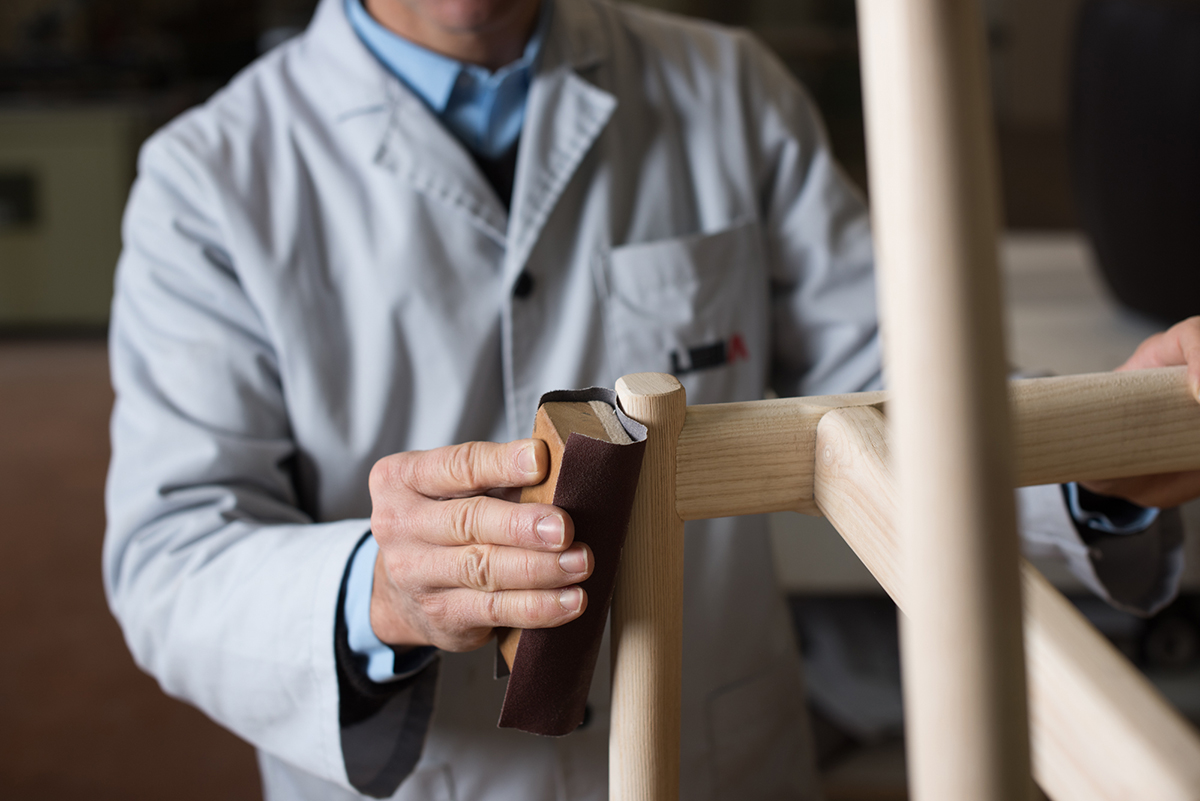
Craftsman sanding the edge of a piece of furniture

LEMA works with leading designers to ensure the highest level of craftsmanship

LUX: Why is it so important that the brand maintains a ‘Made in Italy’ ethos?
Angelo Meroni: Since the brand was founded, LEMA has championed the ‘Made in Italy’ ethos by expertly mixing innovation and tradition, turning quality and personalisation into our unique selling point. I would say that this is one of our key strengths, where our extraordinary manufacturing ability meets the typically Italian excellence, allowing LEMA to combine the values and technological efficiencies of a large enterprise with fine and unrivalled craftsmanship, which is unique to Italy.

LUX: You created the first air-cleaning wardrobe system – how did that idea come about?
Angelo Meroni: The LEMA Air Cleaning System is the result of more than twelve months of research, which was created from an idea I had that the wardrobe should play an active role in our well being. Using patented Photocatalytic Oxidation technology, which is mainly used to purify aerospace environments where one of the main issues is to maintain the quality and cleanliness of the air. Indeed, we spend a great deal of our busy daily lives in environments outside our homes: in places such as offices, public transport, shopping centres, restaurants, hotels and gyms, where the quality of air is poor due to inadequate air-recycling: bacteria, allergens, carbon monoxide, particulate matter which permeates our clothing generating bad odours. Interestingly, the Air Cleaning System can be positioned discreetly at the top of any wardrobe, and it uses nanotechnology and a special UV lamp to generate a photochemical reaction that naturally destroys pollutants, bacteria and moulds, purifying the inside of the wardrobe and eliminating up to 90% of these.

Detail shot of a contemporary style living area

Photography by Emma Lambe

LUX: How does your design approach differ for bigger contractual work as seen in LEMA Contract fitting out of the Bulgari London Hotel?
Angelo Meroni: Our Casa and Contract divisions are tightly connected, as for both we use our “made-to-measure” and bespoke philosophy. However, through our Contract Division LEMA’s indissoluble connection with the design world finds its utmost expression. We have a cutting-edge industrial department dedicated solely to the residential, hospitality and office sectors, which has a strong and consistent growth. Our mission statement: “You Think We Make”, defines our mission; our Contract clients can find in LEMA a knowledgeable partner in the development of every project where we interpret and translate all aesthetic and functional needs. In London alone we have collaborated with some of the best-known interior designers, architect firms and developers, collaborating on projects such as The Chilterns apartments, Holland Park Villas, 190 The Strand and Bulgari Hotel, which you mentioned and we are currently delivering Lincoln Square, to name but a few.

LUX: You’ve recently moved into the Asian market, how does an Italian brand appeal to Asian consumers?
Angelo Meroni: Yes indeed, in 2017 we opened a flagship store in Shanghai, which confirms LEMA’s interest in the Asian market and China in particular. The previous year we had inaugurated more than 1000 square meters of showroom space in Shenzhen, an increasingly cosmopolitan hub, where we expressed our Italian excellence. Our Contract sector has also been increasingly busy with the Chinese market, last year we supplied more than 1,000 customised wardrobes for the prestigious One Park apartments in Shanghai.

Regarding our Casa Division, we have also produced some products with the Far East market particularly in mind. For example, at the Milan Salone del Mobile last year we presented the Bulè table that comes with a rotating ‘lazy Susan’, which is perfect for the Asian market, of course, you can also sell it without the rotating centre and then it becomes a normal table. The Asian market is extremely attracted to all that Italy has to offer, and being a strictly “Made in Italy” brand we have been able to draw on this as a unique selling point in this vast and competitive market.

Read more: Balmain’s Olivier Rousteing on redefining Parisian glamour

LUX: How do you issue a design brief for LEMA Casa and to what extent are you involved in the creative process?
Angelo Meroni: Each year, we start the creative process for the new pieces that are first unveiled at the Salone del Mobile in Milan, the most important date in the design calendar. As far as designers go, we are open to anybody. Our Art Director Piero Lissoni looks after a preferred team of designers that we have been working with for years and whom we know very well. Yet, we are especially open to young designers. This is one of the big values of LEMA, we like to discover new talents. While some of our designers such as Francesco Rota and Gordon Guillaumier have been part of our team for years, they were fairly young when they started working with us. It’s an evolving process and it carries on with no ending, a process in which I like to be personally involved across all the phases.

LUX: You fitted out all of the Vodafone shops in Italy in 3 days twice – how did you manage it?
Angelo Meroni: We started with the Italian Vodafone flagship store, in the famous Piazza San Babila in Milan, which welcomes thousands of customers in a super-technological atmosphere. We were asked to realise the whole furniture set of this selling point: demonstrating our ability to build environments according to the customer’s specific needs. It was a record – the whole furniture was engineered in just 30 days! The other challenge was the integration of the furniture with the technologies present in the store, which makes the core of this amazing selling point. LEMA Contract built 1,050 Vodafone Stores in Italy and in all of them the great ability of LEMA’s craftsmanship met with the most innovative of our production technology, meaning that we managed to fit out the stores in such little time.

LUX: What’s next for LEMA?
Angelo Meroni: You will have to wait for the 2019 Salone del Mobile in Milan! We are finalising the products, which we will be showcasing, and unveiling for the first time. It is always an exciting time for us. In particular, we have some important novelties that will be introduced to our LEMA Casa catalogue. As a company we are in continuous development and expansion, and therefore drafting new projects and ideas is definitely my favourite part of the job.

Discover the collection: lemamobili.com

Share:
Reading time: 7 min