



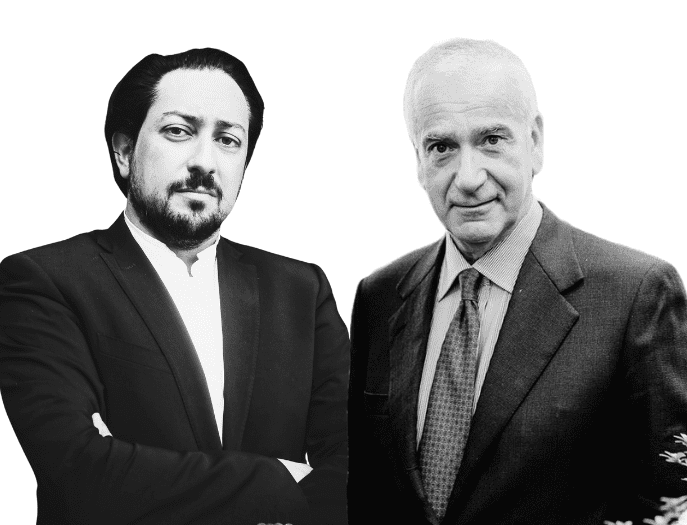
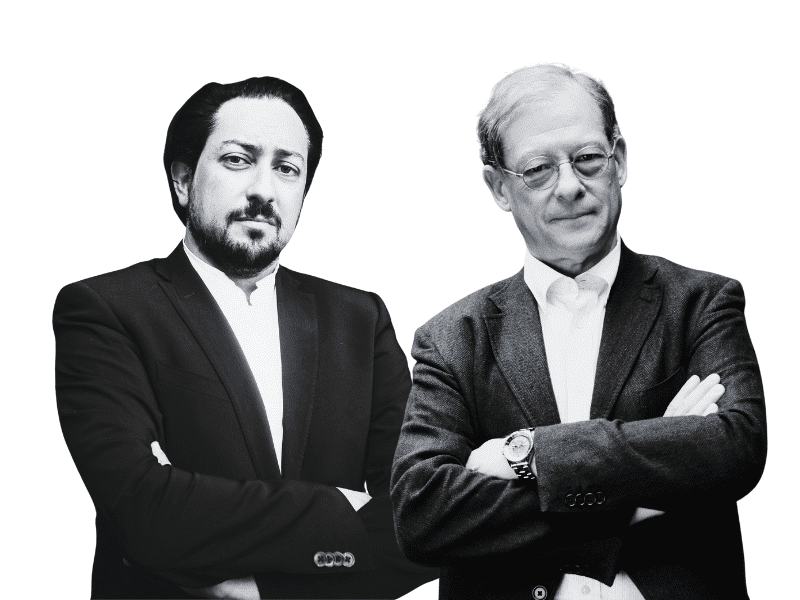
Jonathan Siboni, founder and CEO of Luxurynsight, and Richard Collasse, former CEO of Chanel Japan
Richard Collasse, working with Karl Lagerfeld, built Chanel Japan into a game-changing luxury business in the 1980s and 90s. Here, the Japanese-speaking French polymath, who is a celebrity in his adopted country and as active as ever, speaks with Jonathan Siboni about the differing nature of luxury across different markets, how luxury is a dream, and how ADHD can help you stay at the top. Moderated by LUX Editor-in-Chief Darius Sanai
Darius Sanai: Richard, you entered Chanel Japan before the descente du temple, the democratisation of the luxury sector in the 1990s. What are your recollections of that time? Does it feel like a different industry?
Richard Collasse: Absolutely. Japan was a leader: it was not yet number one but became so a few years after I joined in fall 1985. And Japan is a country that has cycles: it goes down, then comes back. When I started, Japan could only rely on local customers; there was no interest among tourists, because the prices were higher than any other countries in the world. We were probably the first – the luxury industry in Japan, I mean – to work on what today we call ‘consumer care’. We were very advanced. So, it was a very different era.
Follow LUX on Instagram: @luxthemagazine
Jonathan Siboni: At that time with Chanel, it felt like we were at the beginning of an adventure that turned into empires in an incredibly short time. Japan was like learning from the best school because of the way the luxury market was developed in Japan – not just because Japan only had local customers, but because the local customers were Japanese. I think the industry grew from this attention to detail, quality and customer care, don’t you think?
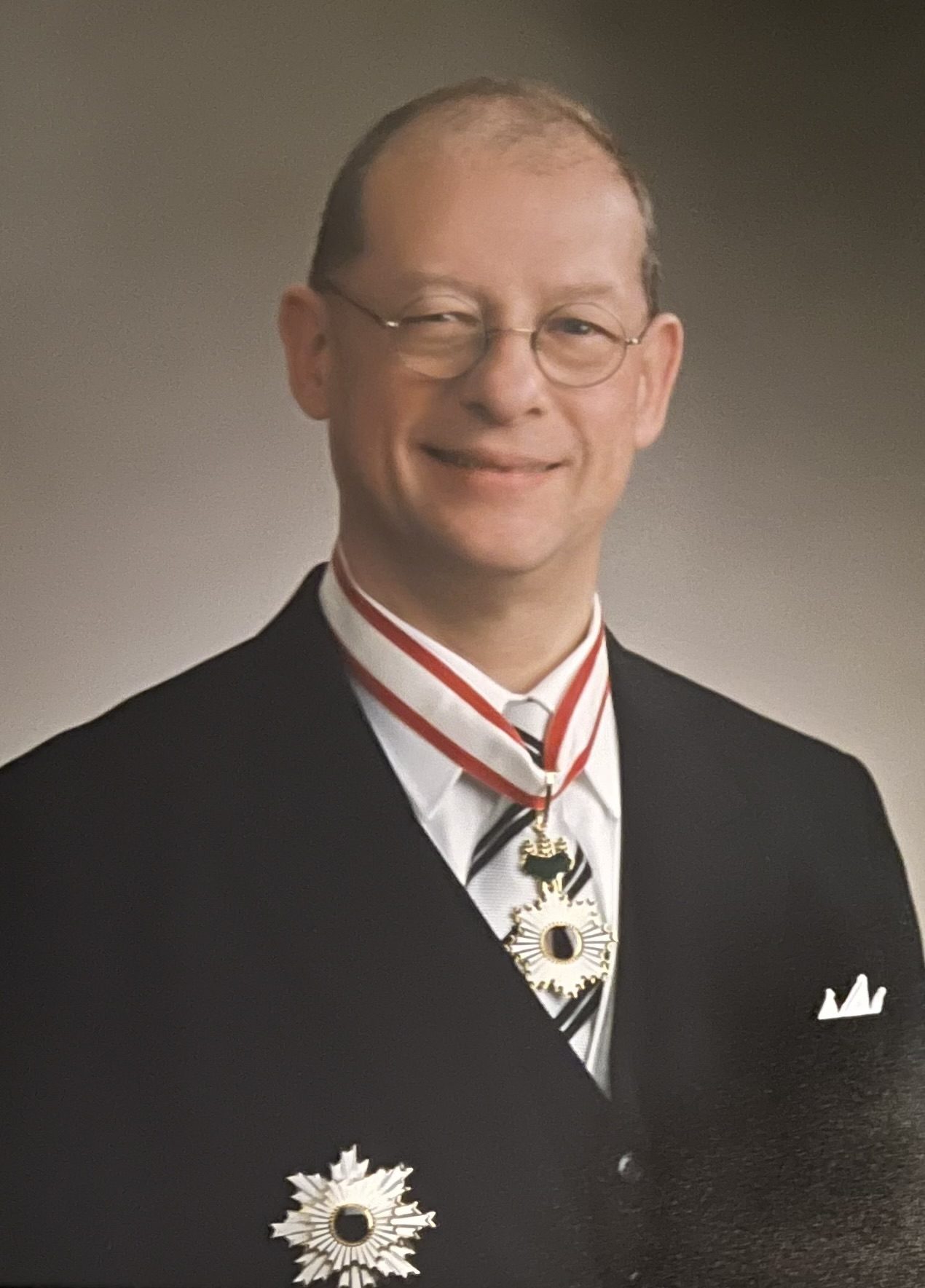
Richard Collasse’s career has been rooted in Japan, Asia’s first prominent buyer of luxury goods and one of the biggest luxury markets in the world
RC: Absolutely. Customers, especially in Japan, have always been demanding. In the Chanel cosmetics business, the caps of the lipsticks were black lacquer: not easy to keep clean and always scratched after a couple of uses. We told the French there are machines in Japan to do the lacquer work, so they got one and began to understand what quality was really about. It was still very artisanal in Japan, about detail and quality, because we only had the Japanese for customers; we didn’t rely on other people to come and buy.
JS: Some of the challenges that the Chinese market is facing today – for instance, people being bored of luxury goods – reminds me of Japan 25 years ago, when people were making a lot of money and spending it on luxury, and then there was, as you say, a cycle. But some brands such as Chanel continued to grow because they changed and reinvented themselves. Are there some lessons that can be applied from Japan 25 years ago?
RC: I think the problem with China is slightly different to the one we had – our issue was not that people were fed up with the brand, but with our attitude. We were taking good care of loyal customers, but with new ones we were a little arrogant.
Also, people didn’t have access to fashion shows and complained that, even if you were a good customer, they were behind closed doors. We had trunk shows going around Japan – small fitting rooms where ladies would try outfits and buy like crazy – but at the boutique, there were no products any more, because they had been sold during the trunk shows.
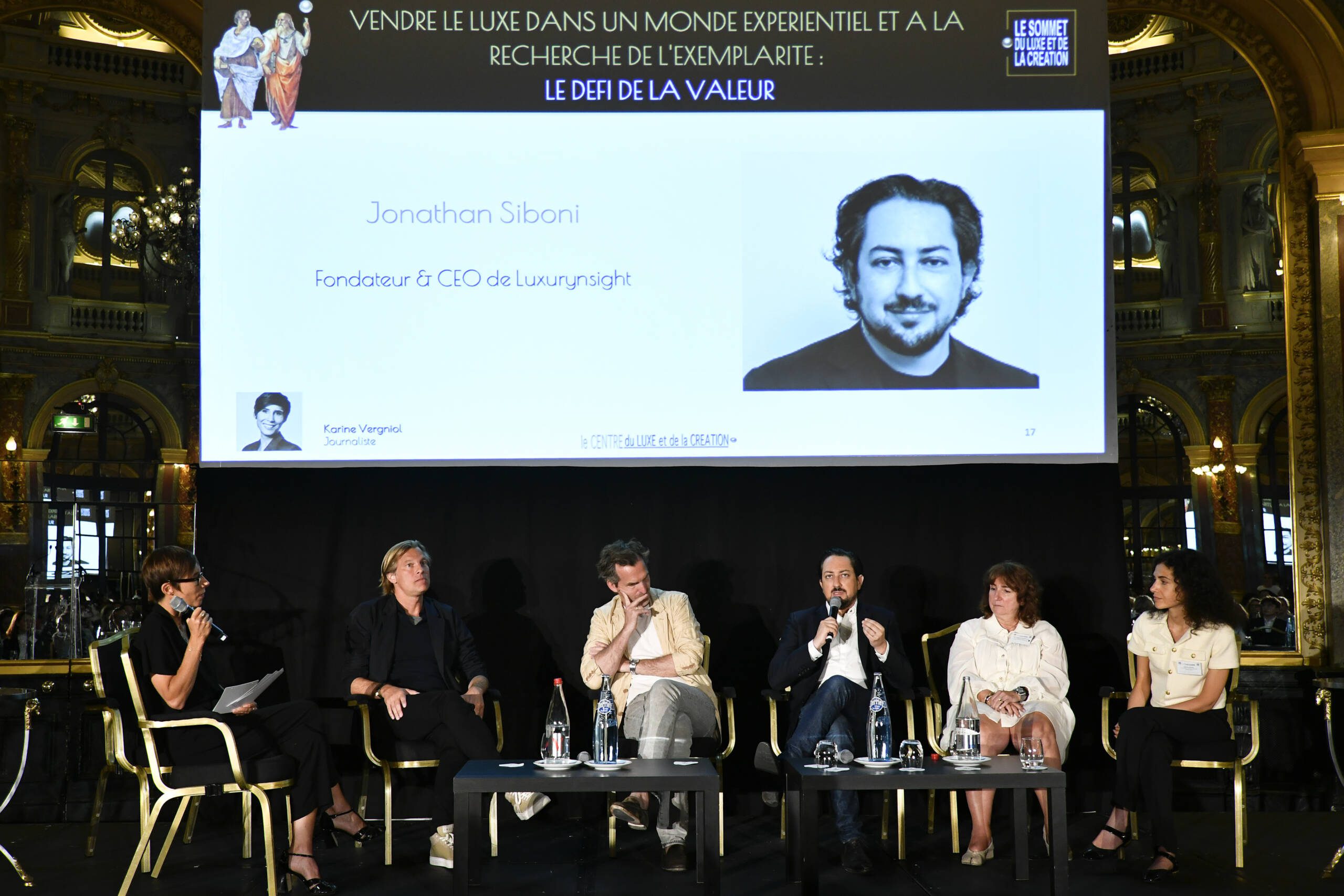
Jonathan Siboni speaking as founder and CEO of Luxurynsight, a luxury data and strategy company
So I stopped those. I decided, first, our boutiques should be our showplaces, and I made our boutiques very beautiful. Second, we told our salespeople that arrogance is not an attitude, and third, we did an open-air fashion show, where anybody who wanted to come could. In May 2000, Karl Lagerfeld came with 100 top models and showed the haute couture and the prêt-à-porter of the season. Our sales came back right away. We told our customers that Coco Chanel did not create fashion for an elite, quite the opposite: she created fashion for the women who wanted to work. So we did that and we had a new start.
JS: Japan in the 1990s had also undergone economic difficulties but, ultimately, 30 years later it is completely different. I still believe, however, that the only brands that will do well are the ones that reinvent themselves to stay at the forefront of cultural exchange.
Read more: Binith Shah and Maria Sukkar on UMŌ’s ultimate luxury
Speaking of cultural exchange, I’ve always wondered what it means for you, as a French person, to be more famous in Japan than at home, and to get to this level of mastery of a culture that is not yours. When you’re in Japan, do you feel at home?
RC: Well, I was already fluent in Japanese, but people started to know me when I created Givenchy Japan, back in the late 70s. We did the 30th anniversary of Givenchy at the Japanese national television network, which is not allowed to make a brand statement. I convinced them that Givenchy was not a brand, but a part of French culture. And people started to say, who is this guy? But I have a strong power of persuasion. So when I started at Chanel, I already had that aura and it was easy for me to work with our people.
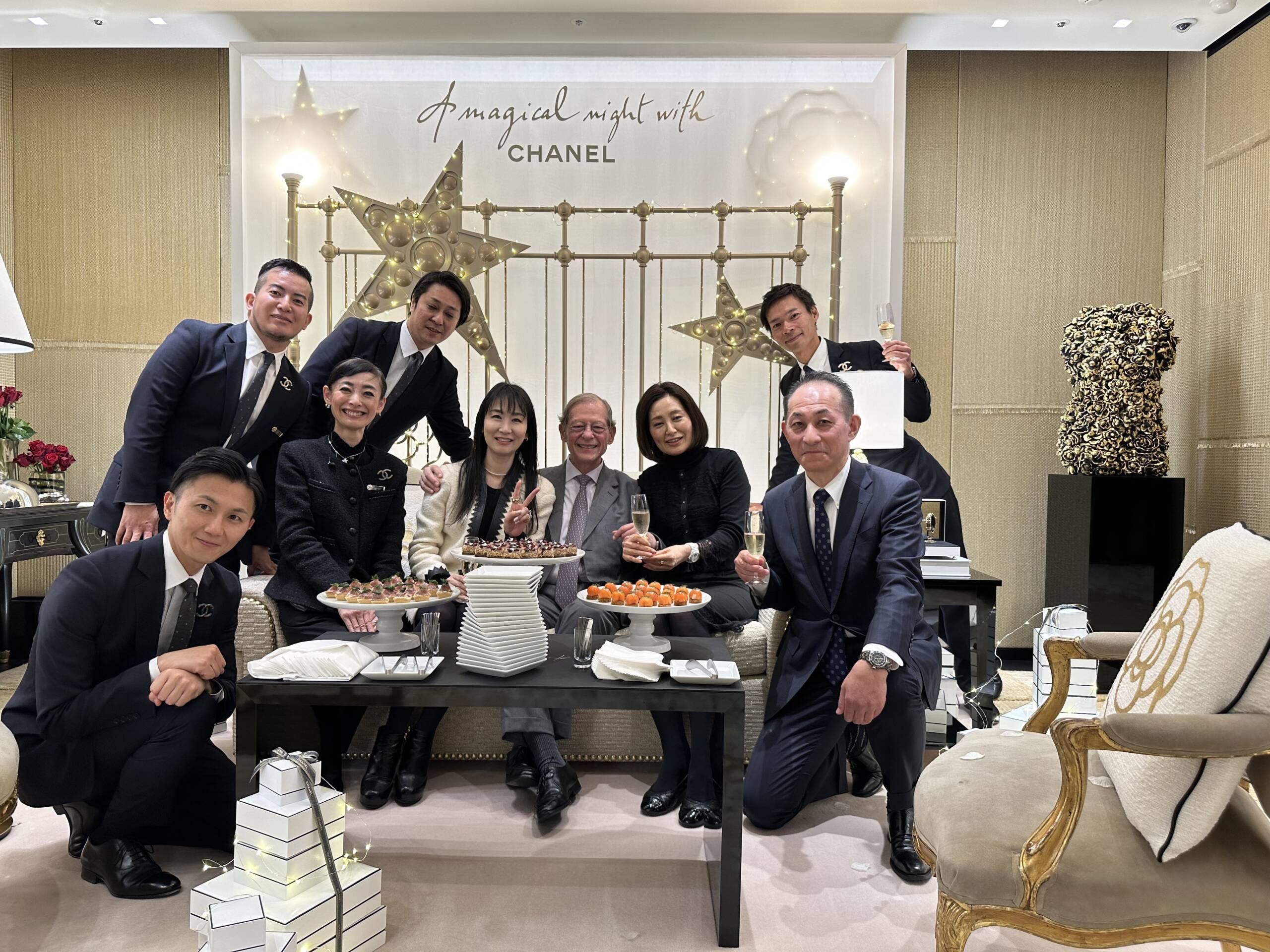
Richard Collasse with his team at Chanel Japan, where he worked from 1985 to 2023, most notably as CEO
We were inventing everything in Japan – the intellectual wealth of the company was that we had different people on the markets. Today, you have managers, who have graduated from the best fashion places, but we are losing the leaders. I’m not talking about Chanel specifically, but the industry as a whole. Because of exactly that: it has become an industry. When I started, it was still artisanal.
JS: What I found fascinating in the golden days of luxury was that the best businesspeople I met were creative and business driven. They would never encroach on a creative director’s decisions, they would believe that everyone has their own role, but they were business creative. That’s something I find fascinating because as a creative you want to be creative, but you also have to reinstate the boundaries of your role.
RC: Yes, I would never have been able to say to Karl [Lagerfeld], ‘We need this kind of jacket because this is a trend that’s just come in.’ That’s not the way it works. But he appreciated my creativity in a different way. With this fashion show back in 2000, nobody dared to go to Karl to tell him it was my idea, until a young PR lady went to see him and, against all odds Karl said “Let’s do it.” It was out of the question to step into the creative territory of the products, because I didn’t have the know-how. But creativity also meant expressing ourselves in the business side of things. And I started to write. That’s when Karl Lagerfeld started to appreciate that I was also a creative.
DS: If the “you” from 40 years ago arrived in Japan now, would your skillset be relevant? Would you become president of Chanel Japan today or would they need someone else, given the way the industry has changed?
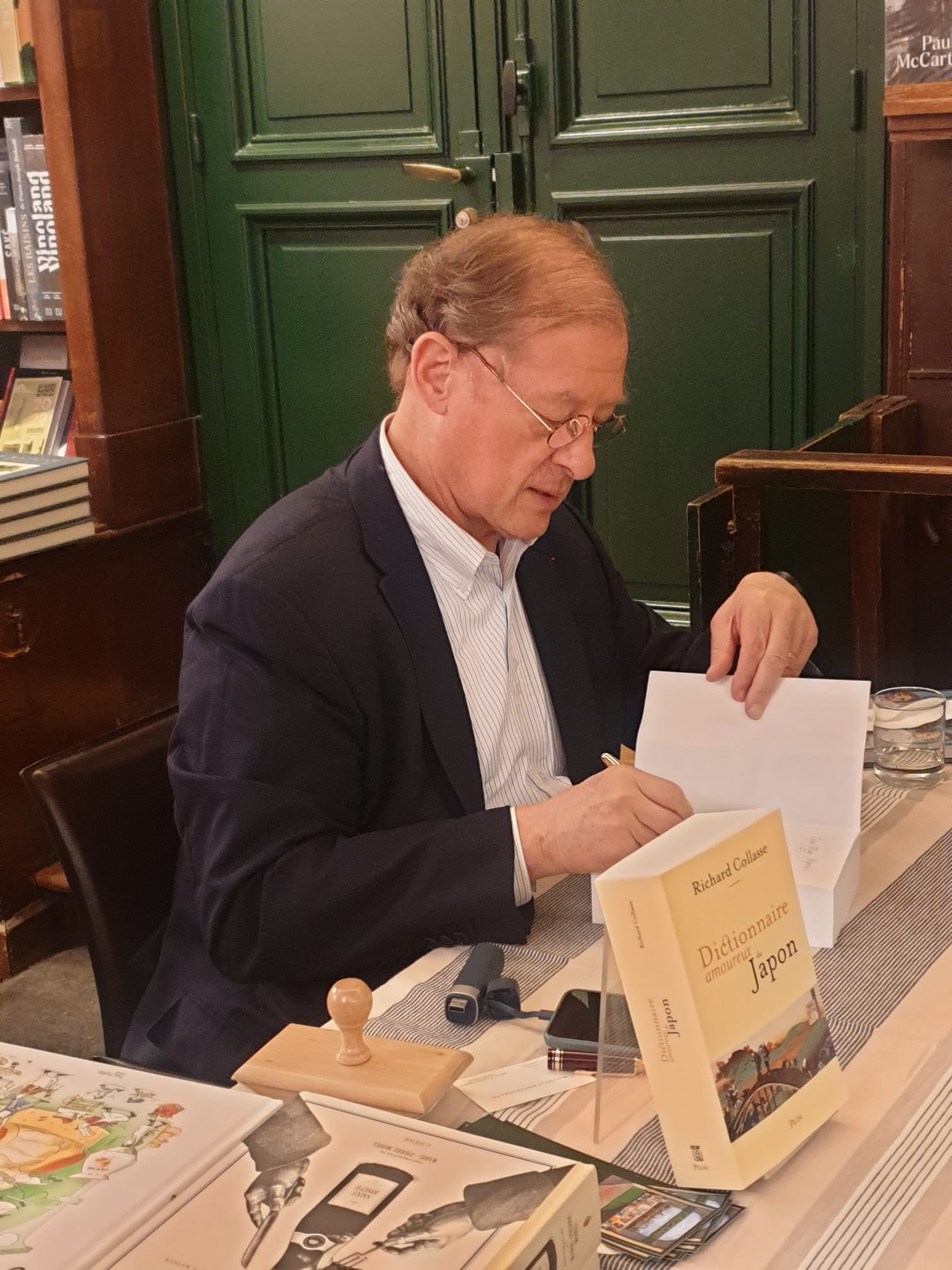
“I think my capacity to do different things almost at the same time is because I have passion” Richard Collasse
RC: I don’t know if I would be relevant; we live in a different time. Today, they need managers who can develop the business within budget and who are technicians. I was not a technician. I think the company decided that the managers of my generation were not needed any more.
JS: One thing that strikes me is that luxury is not a business, it is an industry based on culture, marketing, exchange, as well as products. The product is a dream, in a way: I don’t think people buy a $10,000 bag because it holds things better. Somehow, business creativity was a bridge between these worlds of corporation and the real world.
Read more: Omega CEO Raynald Aeschlimann on the watch industry
That’s why I wonder – how can Richard find time to do what he does? When I was a student and emailed you, you would reply within 10 minutes, in the middle of the night. How did you manage to do so many things at the same time? Because there was Chanel, and you were also writing books.
RC: I am what you would call today ADHD. I cannot stay still for one minute. I think my capacity to do different things almost at the same time is because I have passion. If you don’t have passion, you’re not going to do that. I have a power of concentration and I am also lucky that I don’t need much sleep – if I needed 10 hours I probably wouldn’t be able to do all these things at the same time.
I’m 72 now and probably as busy as I was at Chanel. But for my 50 or so years in business I always had an assistant, and now I am discovering I don’t know how to book a train or manage my schedule! They allowed me to get rid of all these banal things, just so I could concentrate on the things that mattered to me.
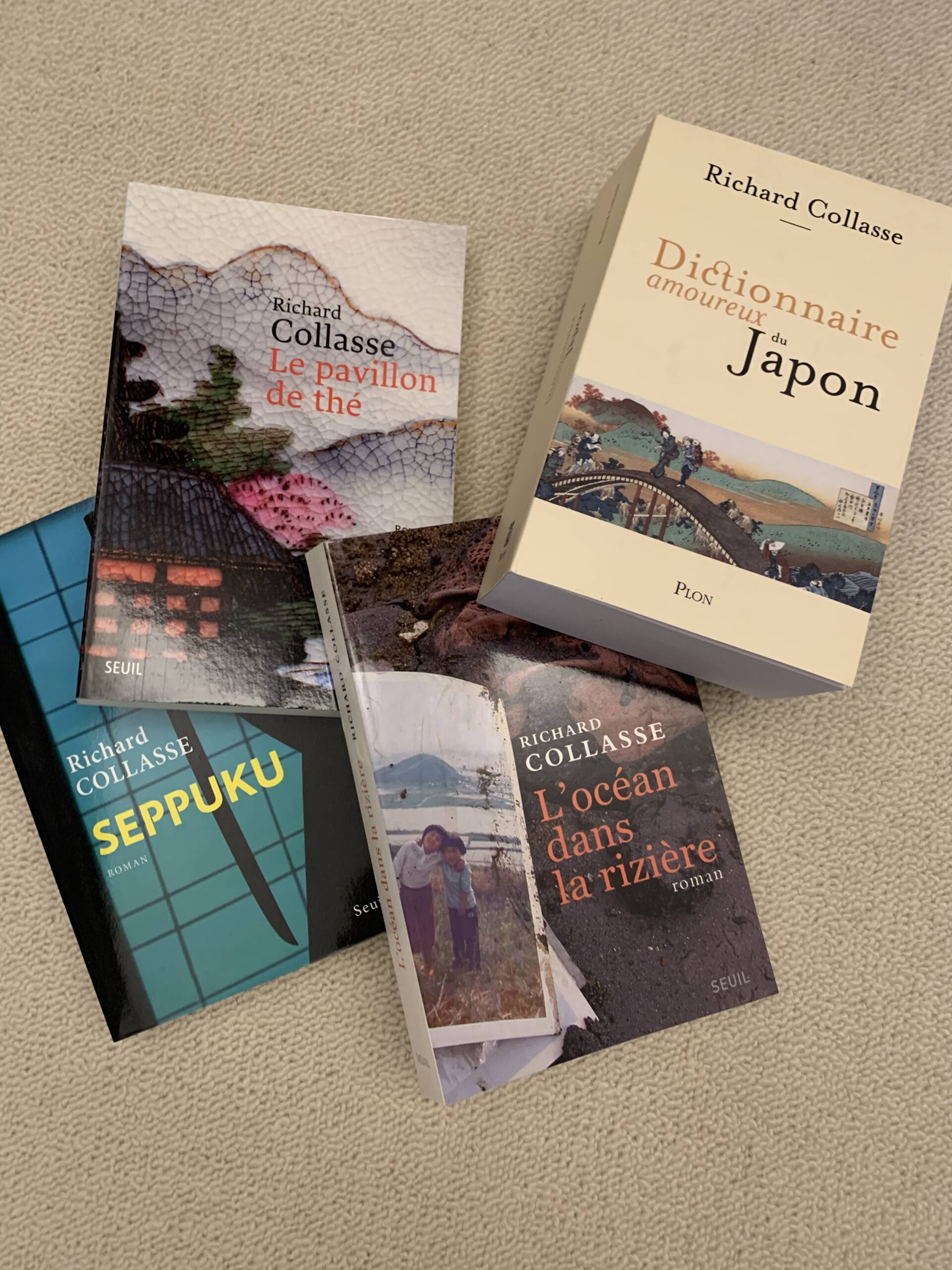
Since first visiting Japan in 1971, Richard Collasse has become deeply involved in its culture, and has published novels in Japan as well as in his native France
DS: It’s so fascinating. Luxury is, of course, bigger now than it was in the 80s. But in what other ways is it different?
RC: It’s an industry that’s concentrated in the hands of very few people, which wasn’t the case in the 80s. LVMH was not that big, Kering didn’t exist and Cartier was like a different company to today. Now all these companies are becoming concentrated, and Chanel and Hermès are the only two remaining in the hands of the [original] owners. China has come to be a rich but, in my opinion, also a fragile business.
Japan, Italy and France retain in common a love for craftsmanship and a passion for sharing it with the next generation. Look at what happened with the reopening of the Notre-Dame in Paris: this should be an eye-opener for young people. The craftsman puts his soul into the product. Far beyond making things well, they have a humility in front of what they are making. That love for the part of the soul they put into the product is unique to these countries.
JS: I think Richard is right. In general, the Chinese value doing things quickly and changing them afterwards, the Japanese want things to be made perfectly. We focus on strategy; they focus on action. It’s often hard to look at each other because we don’t see their vision; just this constant changing.
What advice would you give to young people to find things they can focus on and get passionate about? I find today, a lot of people are on the surface of things, because there is so much coming at us all the time.
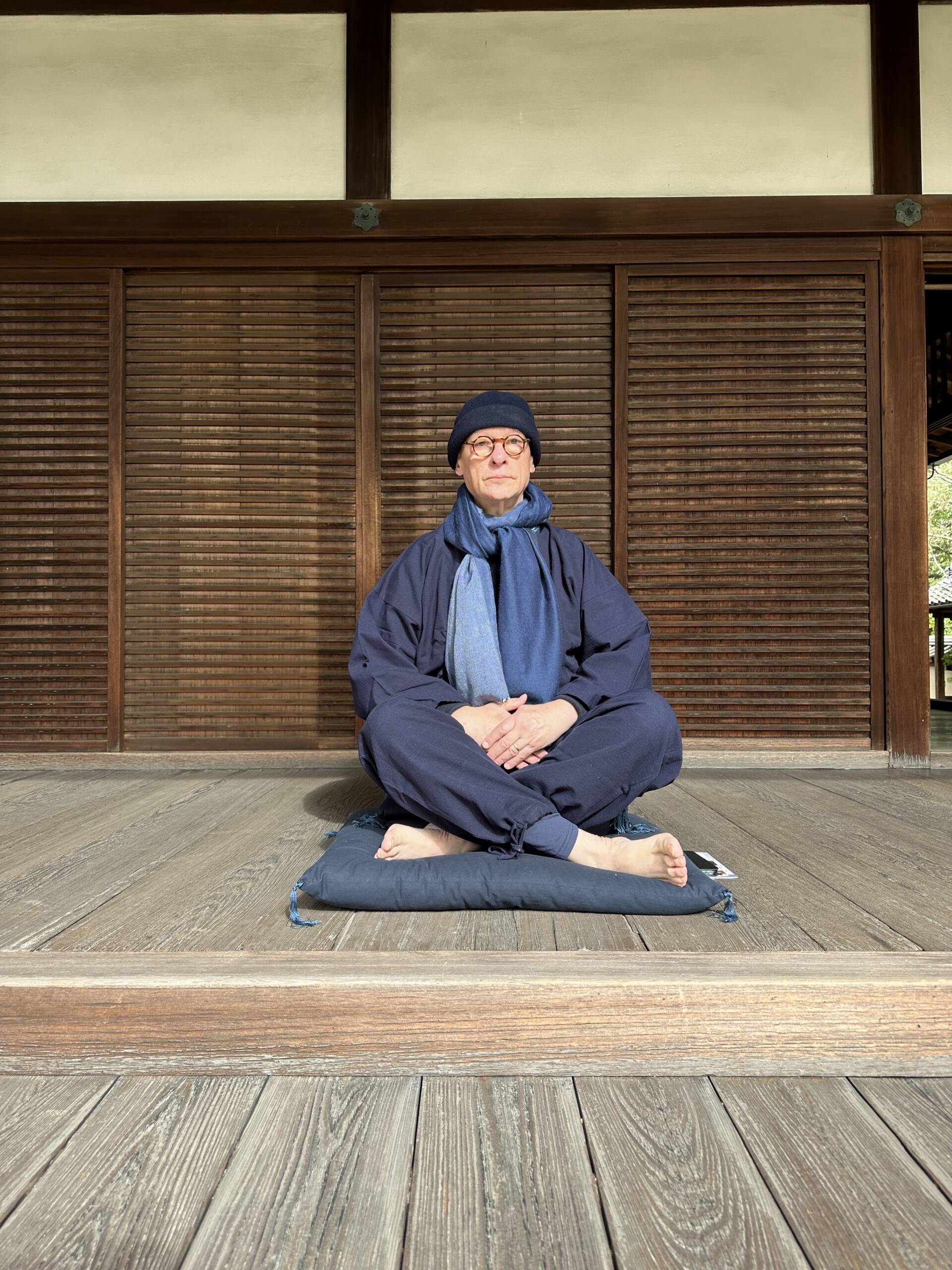
After retiring from his nearly 40-year career at Chanel Japan in December 2023, Collasse spent a three-month break as a “temporary monk” at the Za Zen Shinju-An Buddhist hermitage in Kyoto
RC: I think being a visionary is the capacity to create the future – create it, not manage it. You will not have a vision if you are not creative, and this is exactly why I tell kids: try to develop the right side of your brain. What you learn at university is good but it’s not what will make you different, using the right side of the brain will. For many years people were saying they don’t need creatives in business; at a certain point, they were even considered to be dangerous. I remember someone saying it’s good to have you, Richard, but two of you would kill the company! Today it’s different. I think people have to come out of their comfort zone. I always tell my salespeople: get out of your sales point, go and see a different one, and then come back and look at it as a customer. This is part of creativity: to get out of yourself. Nobody teaches young people how to do this, or its benefit, including the pleasure in creating something that works.
Read more: Simon de Pury interviews Olafur Eliasson
DS: One last question: you mentioned, Richard, that Hermès and Chanel are the only big companies controlled by their owning families. How much of a difference does that make if you look at the brands?
RC: I knew we had a certain agility – everything came from my boss’s pocket, essentially. Chanel always does what it thinks is correct, not what other brands are doing. That will stay as long as the company stays in the hands of the owners. At the same time, they structure it differently from the past: they decided that a $20bn dollar company cannot be run weight-first, they also want management. But their vision is not changing, and they try to make sure that people understand this and execute it as it is. This made it easy to follow the vision: it has remained the same for the past 50 years, so you don’t have to worry about what is going on around you. That’s of course more complicated to do now when you’re an $80bn dollar company. But the vision is not changing, and that is very reassuring.
Series coordinator: Charlotte Martin. Online editor: Cleo Scott. Chief sub-editor: Marion Jones.
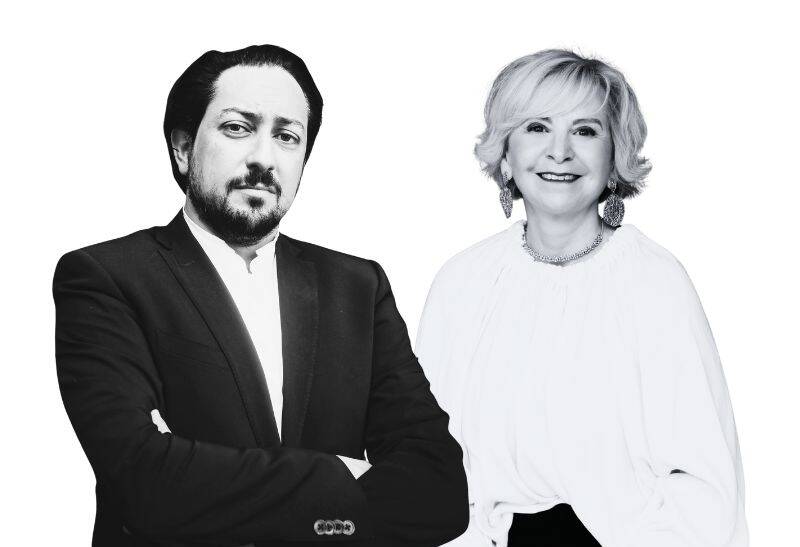
Luxurynsight founder and CEO Jonathan Siboni with Bénédicte Epinay, CEO of Comité Colbert
In an exclusive new series for LUX, Jonathan Siboni, luxury guru and founder of Luxurynsight, speaks with leaders in the field. Here, in a dialogue moderated by our Editor-in-Chief Darius Sanai, Siboni chats with Bénédicte Epinay, CEO of Comité Colbert, the official body of the French luxury industry, about why France is just so good at luxe
Darius Sanai: Why is France still the world leader in luxury?
Follow LUX on Instagram: @luxthemagazine
Bénédicte Epinay: The French luxury industry dates back to the 17th century, when Louis XIV and finance minister Jean-Baptiste Colbert made the political decision that, to enrich the kingdom, France should specialise in creating very high quality products. It was a political decision that created the manufacturers that still exist today. In the 19th century, another political decision encouraged more people to create businesses. Half of Comité Colbert – Cartier, Hermès and many champagne companies – were born then. Later in 1945 we created the haute couture label. So France is politically committed to specialising in luxury. We also have savoir-faire and were able – better than, say, Italy or England – to preserve it. This is the core business of Comité Colbert. We were formed in 1954 – in another political move – to bring together competitors and preserve this savoir-faire.
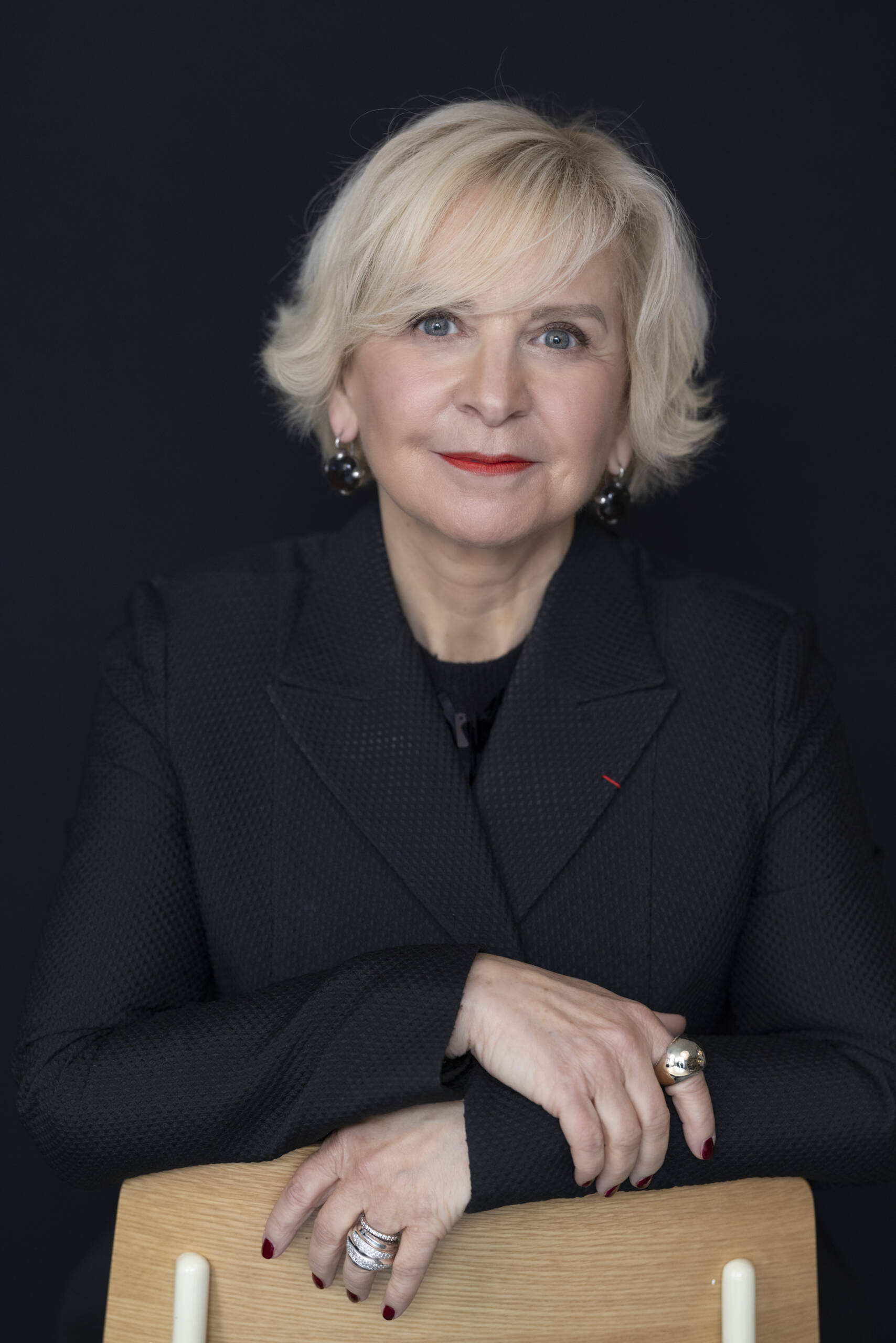
Bénédicte Epinay, CEO of Comité Colbert, a non-profit association which brings together ninety-three French luxury houses, seventeen cultural institutions, and six European luxury houses
Jonathan Siboni: Luxury before this was limited by people and geography. In the Chinese empire, it was limited to people around the emperor, in the Roman empire by those closest to Rome. Louis XIV and Colbert designed it to be universal – when Versailles was created, anybody could enter and walk within. These seeds developed the industry of today, a worldwide business reaching more and more people. Thanks to institutional support and constitutional groups, we could grow family businesses into industries with know-how. That brought the best talent to Paris and created the best schools, systems and groups – not because we’re better than other countries, but because of the process.
DS: How does Comité Colbert’s cultural ambassadorship support the luxury industry around the world?
BE: Comité Colbert represents French luxury abroad. Last year, we hosted an event in Shanghai to celebrate the 60th anniversary of diplomatic relations between France and China. This is where we are useful: when business is complicated, we bring culture to the dialogue. Next year, France celebrates 250 years of French-American friendship. It’s an official celebration, not through artisans, because the Americans don’t have artisans as we have, but an exhibition of our maisons’ archives about their history with America. We don’t know where we will stand next year with Mr Trump’s tariffs – maybe this exhibition will be useful for negotiations.
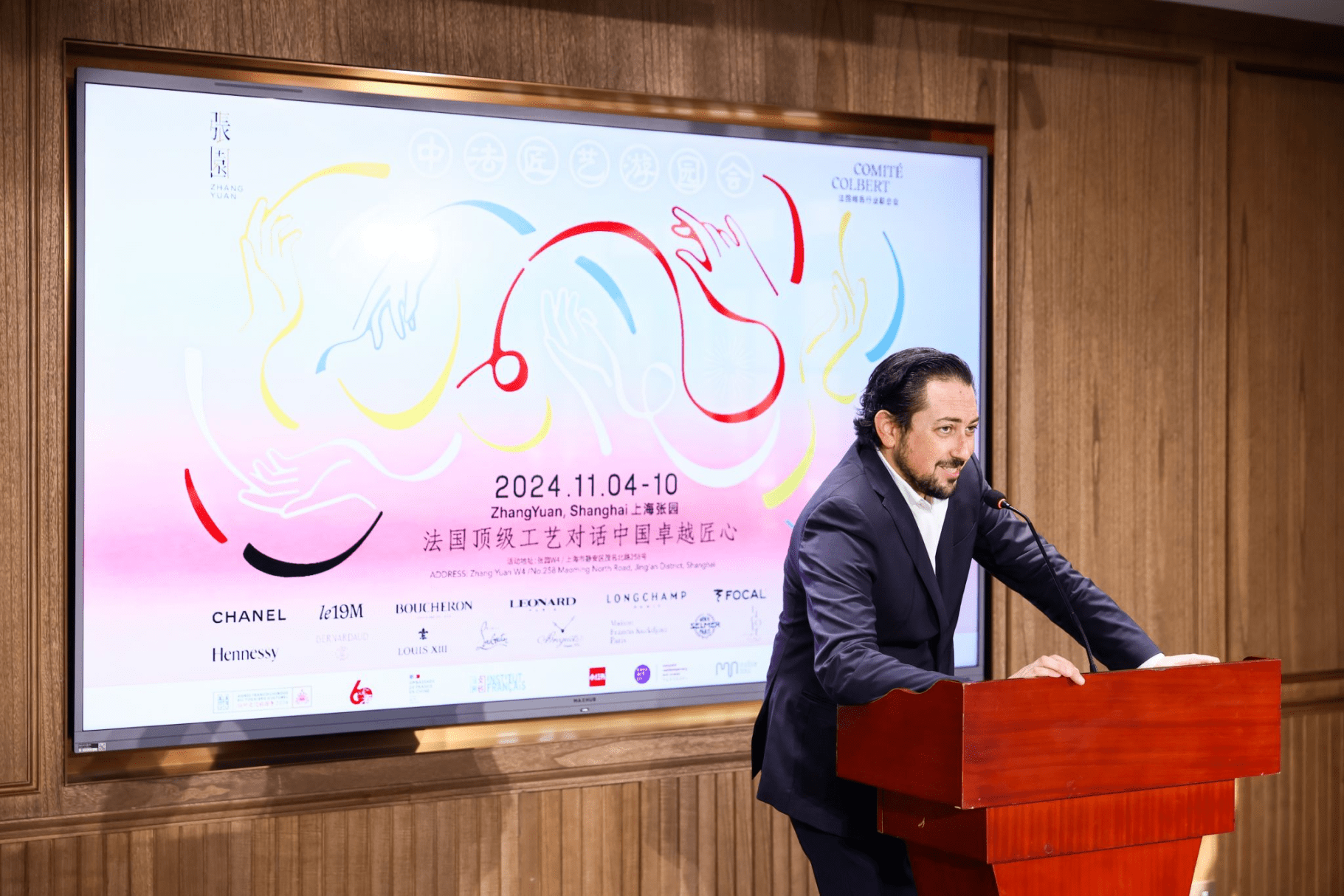
Jonathan Siboni, CEO of Luxurynsight and expert on luxury data and strategy, speaking at the Comité Colbert showcase event in Shanghai
DS: How important is soft power in luxury?
JS: What makes luxury is the ability to create. We need genius in creativity, but culture is at the core and luxury has understood this for a long time. With a French luxury brand, it says something about our culture. It distinguishes luxury brands from business brands that just analyse and make products. Today, culture is the core of the economy. Thirty years ago it was resources – oil, cars, banks. Now it’s data and culture companies, because people spend their time on social media or Netflix. And brands have a role to play. The world needs more softness than ever, there is too much tension. The Comité Colbert Shanghai showcase event said: we all have our cultures, but we can find resonance between them. This is central in a world that craves identity.
Read more: Abu Dhabi’s Huda Alkhamis-Kanoo on the burgeoning cultural scene in the Emirate
BE: A strong economy requires strong culture. Colbert advocated for this early on and it remains key for our government. I depend on three ministries: the economy and the craftsmanship ministries but, above all, I report to the Ministry of Culture. In Italy or England they report to the economy ministry or equivalent.
DS: Because France takes luxury seriously?
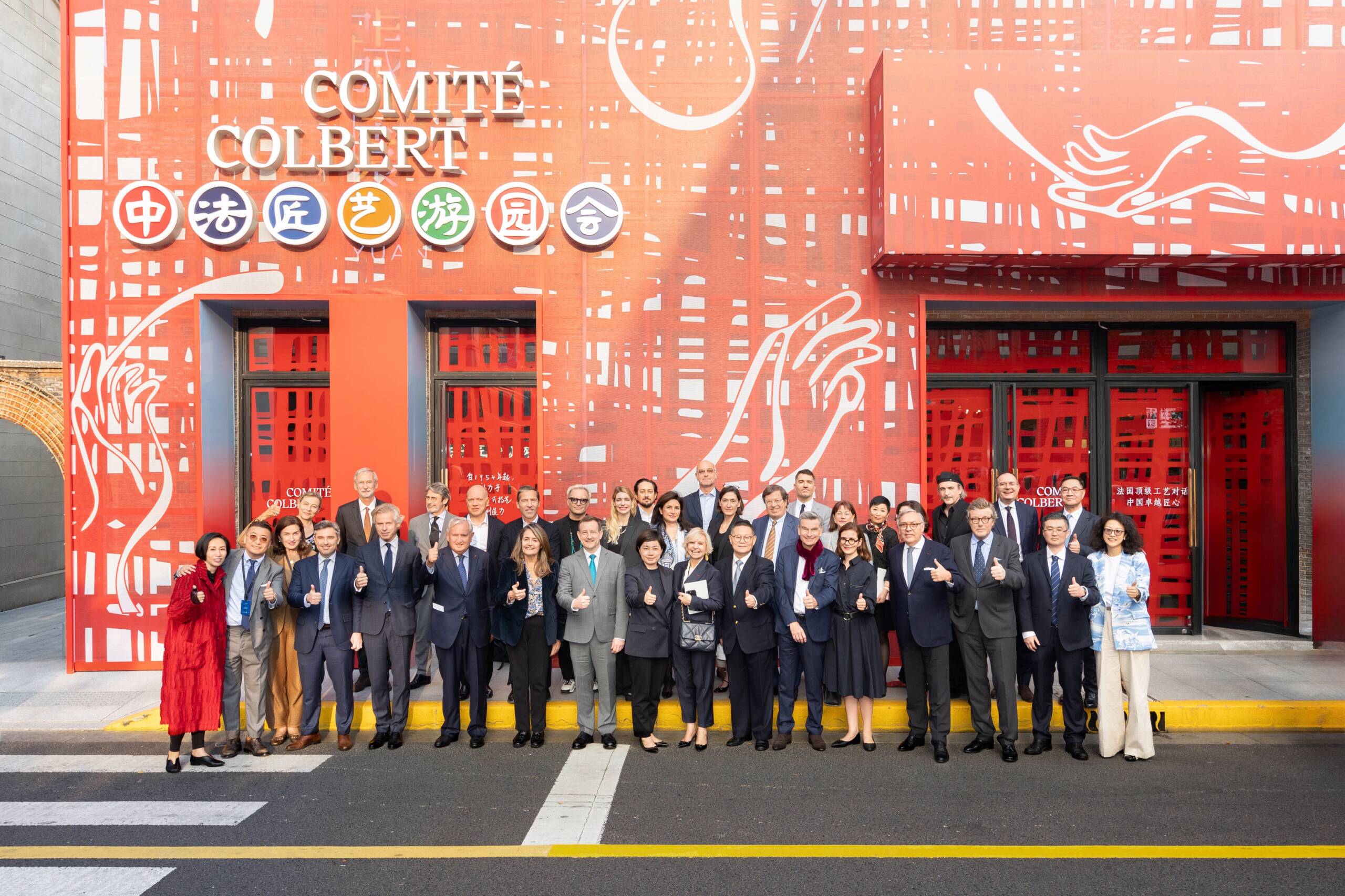
Jonathan Siboni and Comité Colbert at their 2024 Shanghai showcase, celebrating the rich dialogue between Chinese craftsmanship and French luxury artistry
BE: Absolutely. Comité Colbert has both luxury brands and cultural institutions as members. Yesterday, the Comité voted to integrate the Grand Palais, and we’re holding our next Les De(ux)mains du Luxe craftsmanship event there in October. We all work together.
JS: These partnerships symbolise the uniqueness of both France and the Comité Colbert. The reason some brands show resilience is because they’ve developed a savoir-faire and commit to it. Craftsmanship is the soul of luxury. What also sets the Comité apart is culture. From a business perspective, you might ask, “Why make a group with both Louis Vuitton and a museum? it doesn’t make sense.” But from a big-picture perspective, it’s wonderful. The vision from day one was bigger, deeper, more sincere.
DS: How do you convince a new generation of teenagers to train to stitch Hermès handbags?
BE: We do face a shortage of workshop talent. So three years ago, we created our craftsmanship events, Les De(ux)mains du Luxe, and we’ve had 30,000 young people visit. Manual jobs have been undervalued for years – people are afraid when their child wants to be a leather-goods worker; they think they won’t find a job, they won’t be paid enough. My first mission is to reassure them we have strong companies to make a career with. We created a TikTok account and made videos of young artisans explaining why they love their job. Then we created #savoirfaire. We had one billion views. When we explain to young people what savoir-faire is about and the careers they can have, they are interested.

Bénédicte Epinay at Les Nouveaux Luxes: 1.618, an event dedicated to raising awareness about sustainable development in the luxury industry
DS: Culture and art are increasingly entwined. Has art become more central to luxury?
BE: It’s been important for years. We buy luxury because of the design and raw materials – this is the rational part. We buy it because it’s a way to show we belong to a category of rich people – this is relational. But we also love the story behind it, the heritage – this is the emotional part, where culture has a role to play. Art is a huge part of luxury’s emotional articulation.
Read more: Ronnie Kessel’s insider guide to St Moritz
JS: There’s a balance between the rational, the emotional and the relational, but perhaps most important is the balance. If you make the best products – you have the best quality and the finest ateliers – but you don’t have emotion, then you are not a luxury brand. Luxury is about balance: between a uniquely made world and multiple local consumers, between long-term heritage and short-term fashion, between people who want to stand out and people who want to fit in. This, for me, is where luxury excels. When a brand can cater to super VIPs and also democratise, they’ve found that balance.
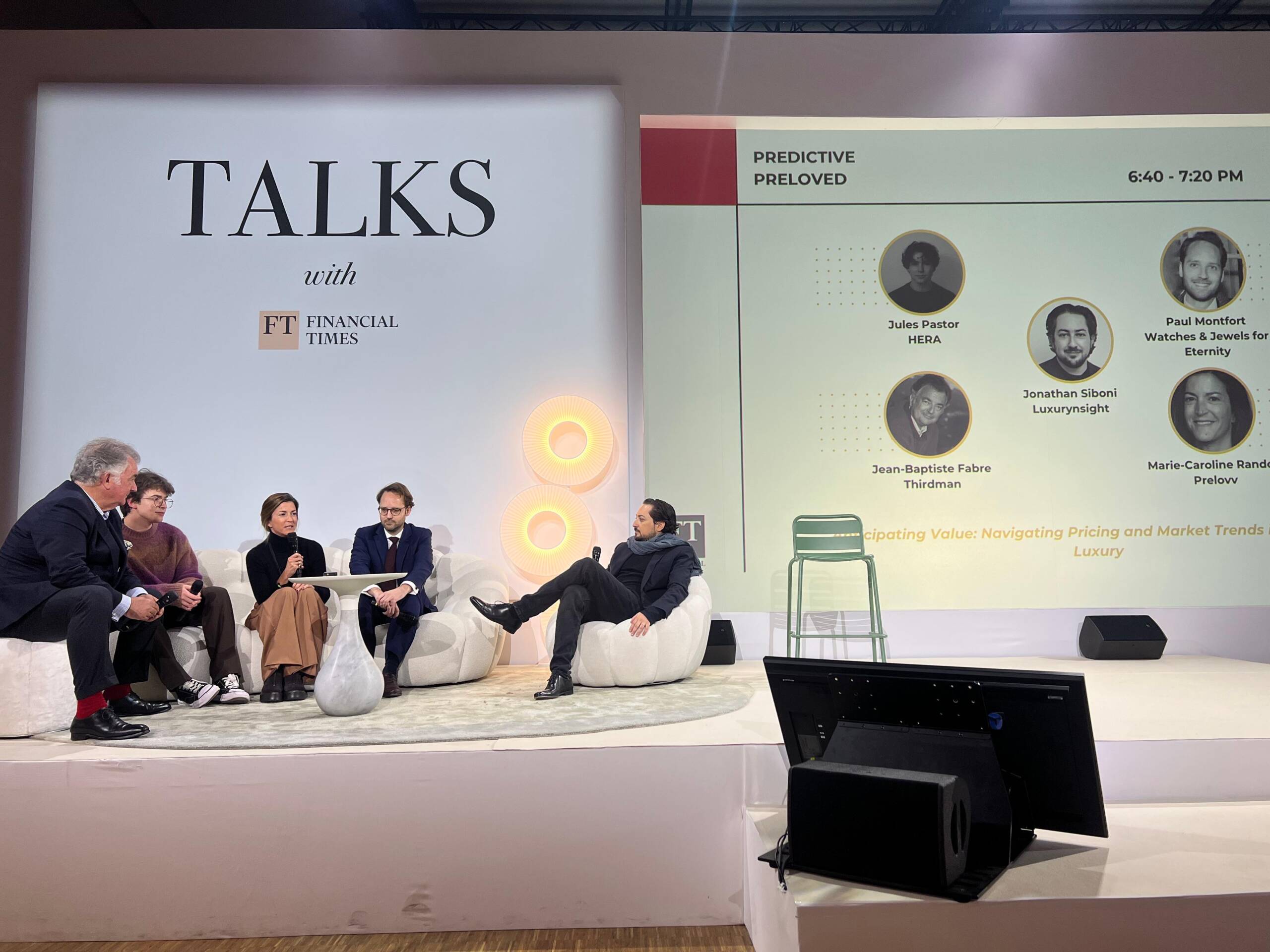
Jonathan Siboni in action at Talks with Financial Times
DS: If you walk down the Champs-Elysées during Art Basel Paris in October, every luxury store has an installation. Have luxury brands more overtly embraced art?
BE: Absolutely, because luxury brands need art to highlight that culture is heritage, to foster contemporary creativity, to enhance brand image and to establish institutional legitimacy.
JS: Many luxury products are art pieces. And maybe, in 50 years, some artists will be part of Comité Colbert – they will have developed as a business, and we will view them differently. There’s a difference today between artists and luxury: the day Picasso died, Picasso’s brand died. Artists can produce and make money, yet there is no business survival. Christian Dior trained people to reinterpret his style under his name, and maybe in 50 years it will be the same with artists – people will replicate style through a studio.
BE: Museums today regularly showcase the creations of luxury maisons, and no one asks whether it is art or luxury. I particularly remember the magnificent exhibitions of Dior, Van Cleef & Arpels, or more recently Christofle at the Musée des Arts Décoratifs.
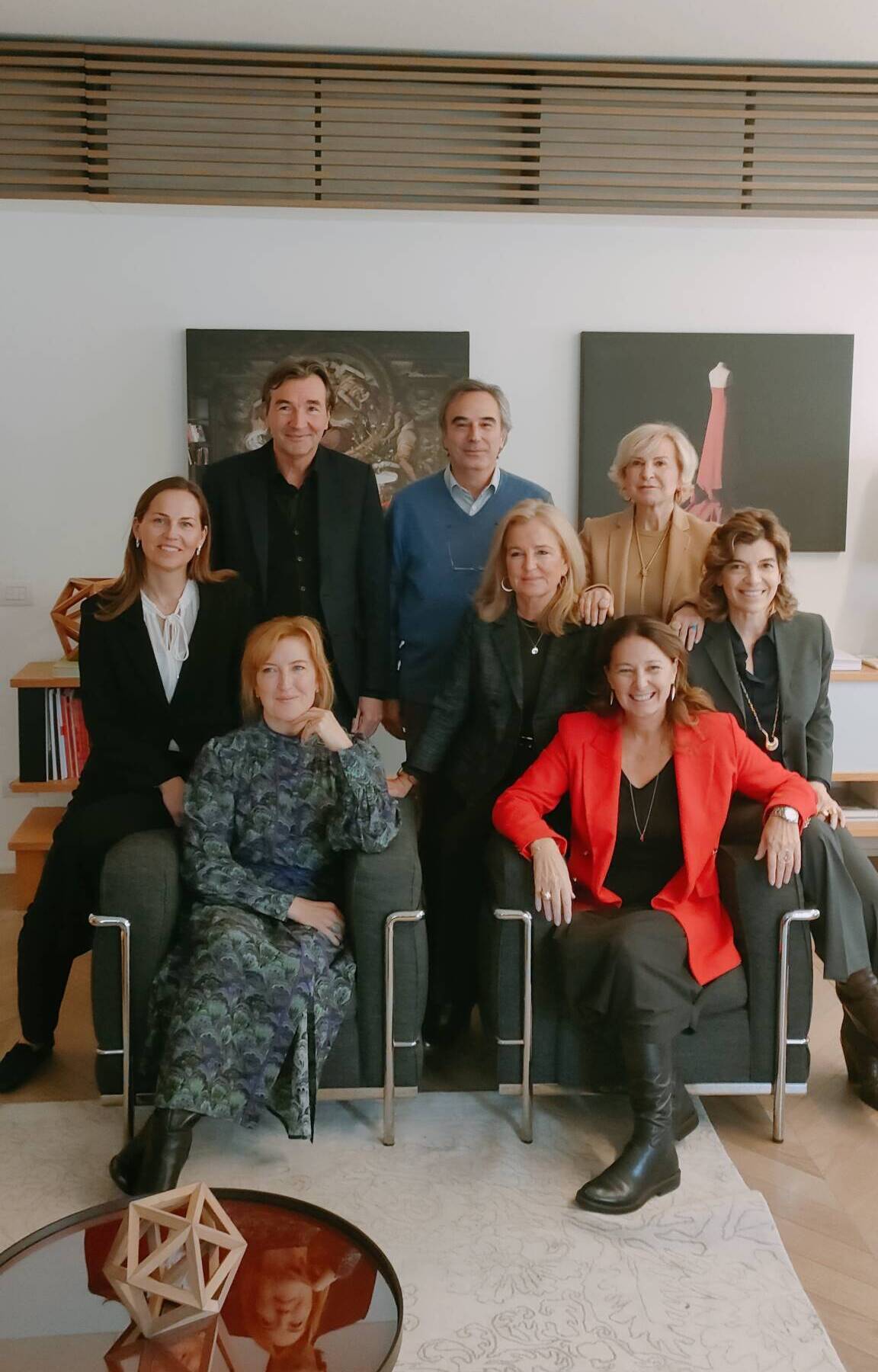
In 2011, the Comité Colbert created the European Cultural and Creative Industry Alliance, which brings together the national luxury associations of Italy, Spain, Portugal, Sweden, Germany and England
JS: A question for brands today is: how do you stand out? Yes, my brand has a better legacy. Yes, I make better products. But on a screen where people focus for 1.5 seconds, how do I win their attention? My feeling is you don’t want to win the game, you want to continue playing. You change the way you interact, become more involved and collaborate more with entertainment.
Read more: Meet the next generation philanthropists
DS: Bénédicte, how do you see Comité Colbert in 2050?
BE: My vision for Comité Colbert is of a much more open organisation. At the moment, we only have luxury companies as members, based on a 19th-century definition of craftsmanship. It’s not an outdated definition, but for me it’s not modern enough. My dream is to open the organisation to startups in the luxury space – even AI, because it brings its own creatives and digital artisans. It would be great to welcome virtual craftsmanship. That’s my dream for the future: to open our doors to all companies creating luxury experiences.
This article also appears in the Winter 2026 issue of LUX magazine.
Series coordinator: Charlotte Martin. Online editor: Cleo Scott. Chief sub-editor: Marion Jones.
This article was first published in the Winter 2026 print issue of LUX. Read this continuing series of LUX x Luxurynsight Dialogues monthly online at LUX magazine




Recent Comments