

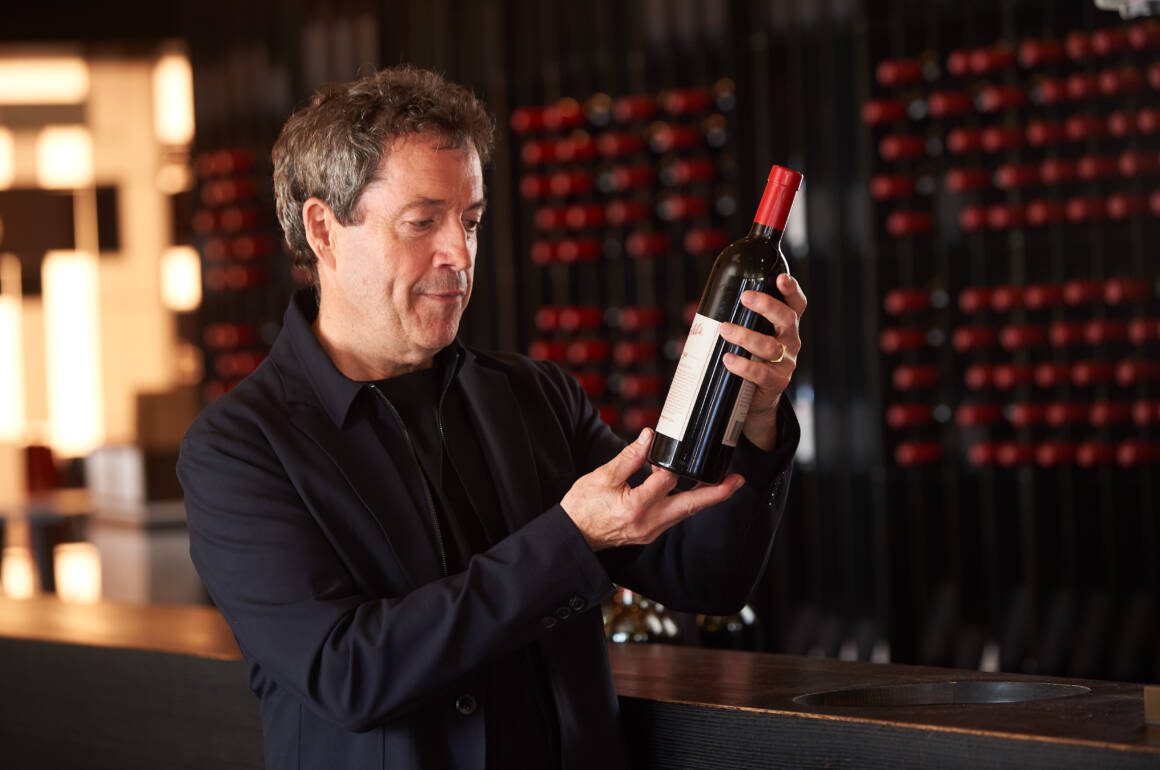
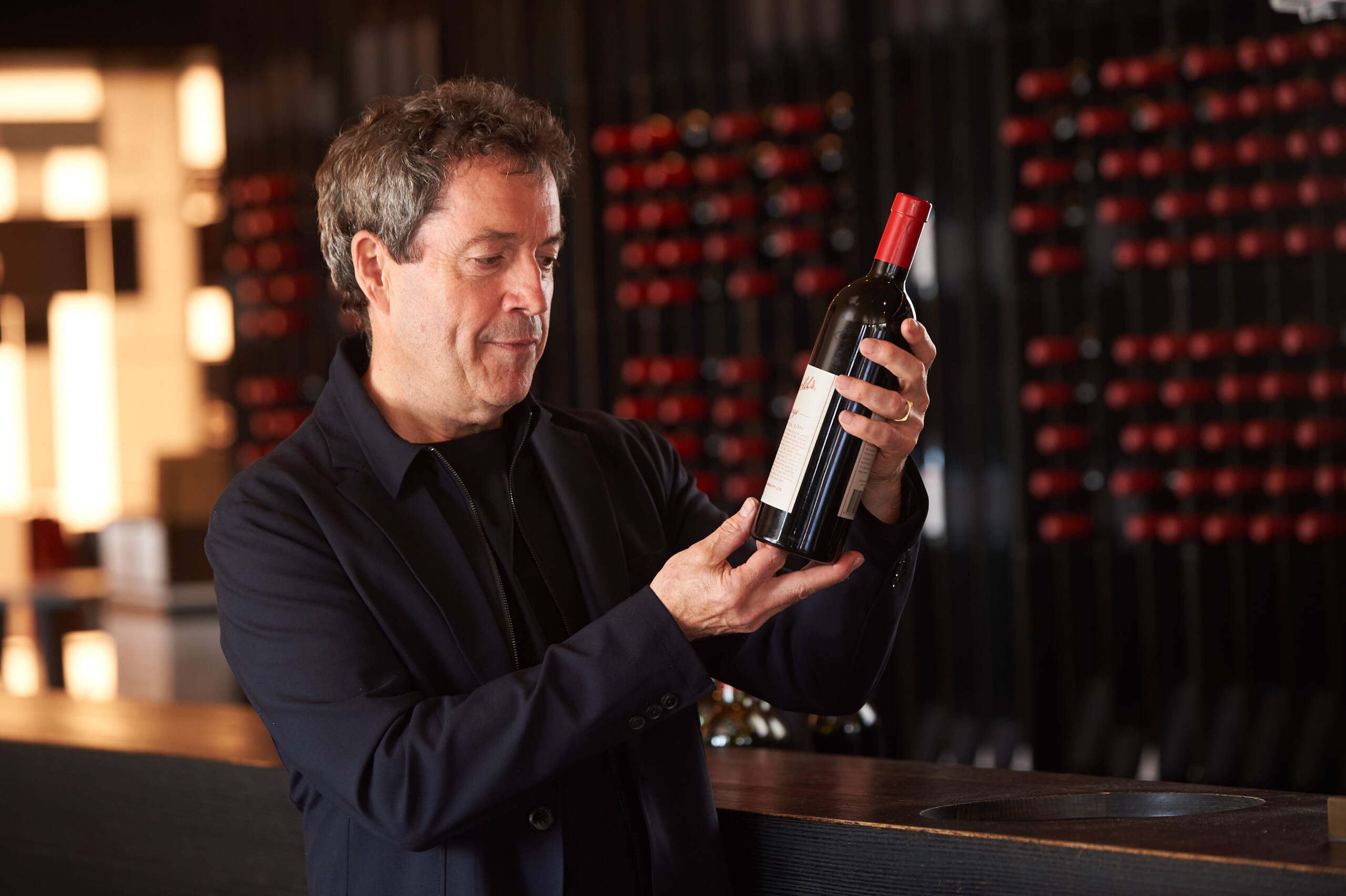
Peter Gago, the chief winemaker at Penfolds, is a wine world legend
Peter Gago is chief winemaker at Penfolds, and creator of some of the world’s most desirable and innovative wines, including Grange and Grange La Chapelle. LUX contributor Lewis Chester is one of the world’s most renowned collectors and founder of the Golden Vines awards. Chester speaks with Gago about fine wine and collecting
Lewis Chester: During your time at Penfolds, how has the collector market for fine wines changed and what are the key takeaways you have learned from these changes over time? How have you incorporated these lessons into your business practices?
Peter Gago: Just like the world around us, the fine wine collector market has transformed dramatically over the past three-plus decades since I joined Penfolds – practically beyond recognition in many respects. Globalisation, the rise of digital platforms, and broader access to information have all played their part in reshaping how collectors engage with wine.
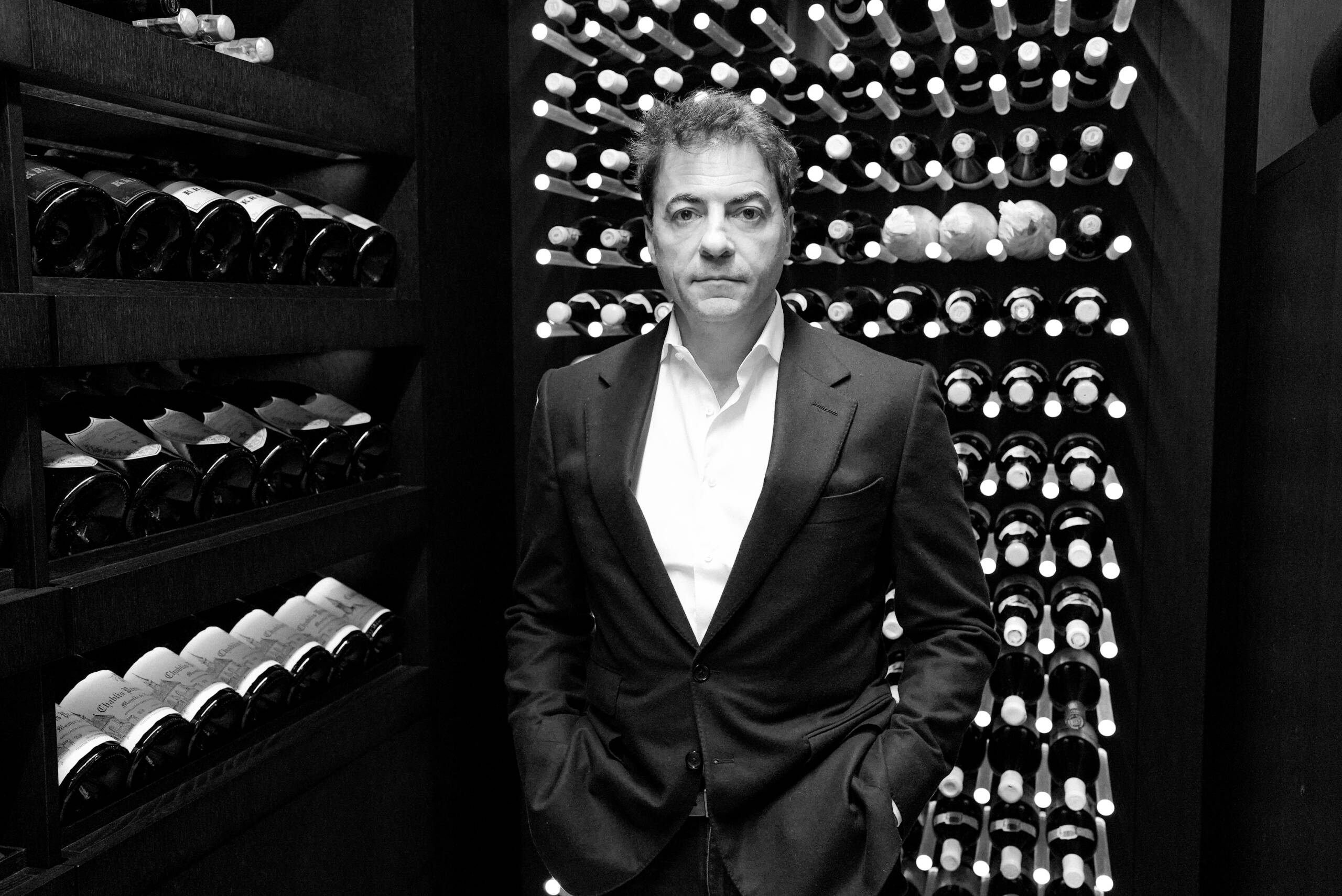
Lewis Chester, wine collector extraordinaire, is CEO of Liquid Icons and the founder of the Golden Vines Awards
And yet, amidst all that change, one thing has remained reassuringly constant: the passion. I’d go so far as to call it a force. That enduring enthusiasm is something I see and feel whenever I meet our customers, whether seasoned collectors or new loyalists. It’s a shared passion, and one we’re committed to nurturing.
That’s one of the driving reasons behind Penfolds Re-Corking Clinics. Held in cities across the world, they’re not only about preserving wine… they’re about preserving relationships, trust and a collective reverence for what great wine can be across time.
Follow LUX on Instagram: @luxthemagazine
LC: Are fine wine collectors mainly homogenous as a group, or do they differ by country, age and gender?
PG: I’ve had the privilege of travelling extensively, hosting tastings and meeting collectors across continents. If there’s one thing I’ve learned, it’s an engagement with fine wine knows no borders. Today’s collectors are far from a homogeneous group. They span generations, cultures, and backgrounds. Women and men, young and old, seasoned collectors and curious newcomers… all united by a shared fascination with wine’s ability to transcend time and place.
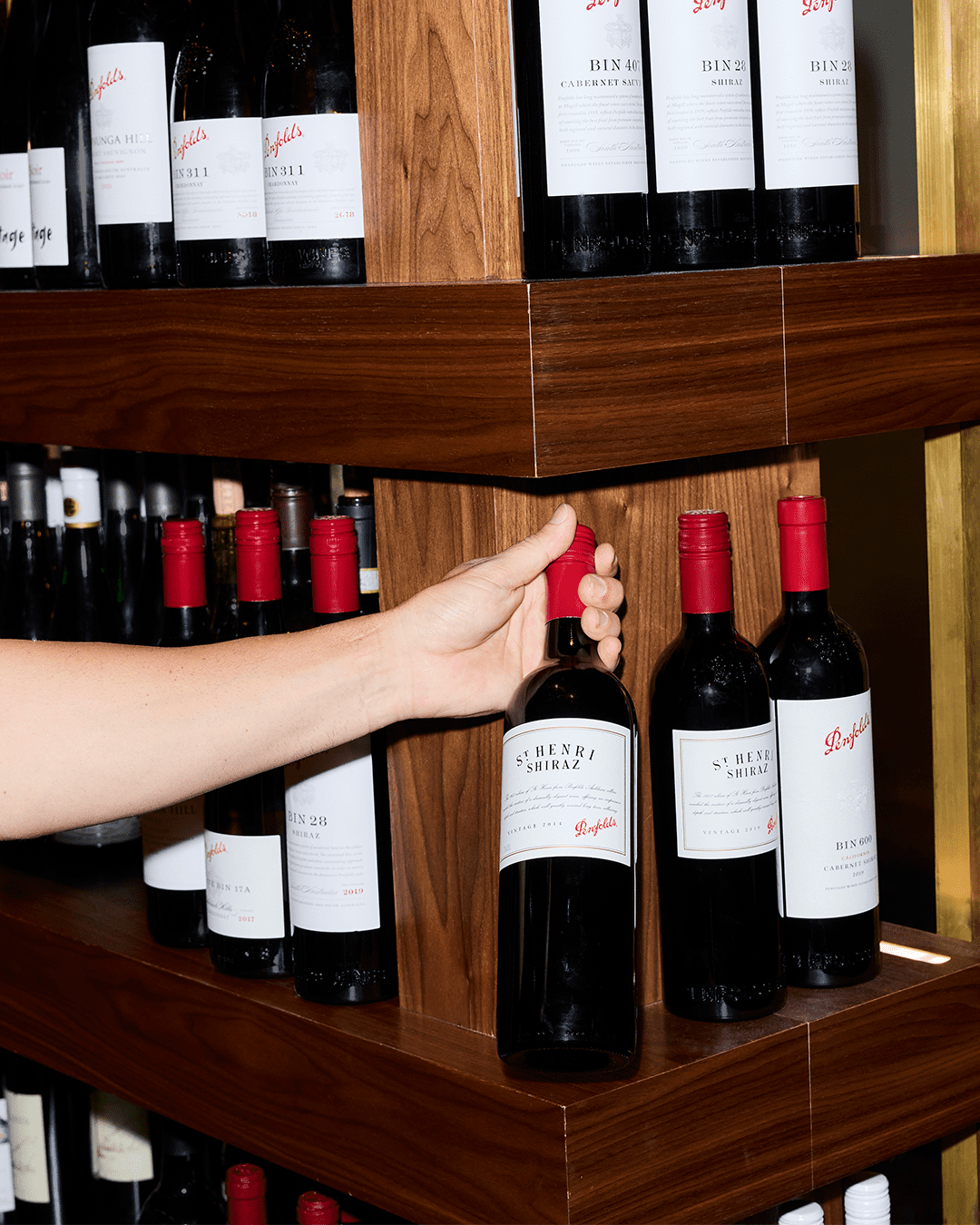
A bottle of St Henri Shiraz, a powerful but balanced Penfolds wine popular among connoisseurs
Yes, there are regional differences. In some markets, collectors tend to focus more on provenance and heritage; in others, innovation and rarity drive interest. Some are drawn to verticals and vintages, while others are motivated by design, storytelling or investment potential. For some, wine collecting is deeply personal; for others, it’s social currency or a generational legacy.
What’s particularly exciting is how the landscape continues to evolve. We’re seeing growing diversity – not just in who collects, but why they collect. And that shift is expanding the definition of what a fine wine collector looks like today. Emotive connectivity, it seems, is a constant – and that’s a very good thing.
Read more: Grand Hotel La Cloche Dijon and Ermitage de Corton reviews
LC: Within the collector group, do you see differences between those whose passion is around collecting, irrespective of the fact that they purchase more bottles than they could possibly drink, as opposed to those who are collecting for financial gain (in part or in whole)?
PG: Absolutely, we see distinct mindsets emerge.
Some collect out of sheer passion. They are drawn to the emotion, legacy and craftsmanship behind each release. For them, collecting is a deeply personal experience. It’s about curating a cellar that reflects taste, memory and time – not necessarily to be consumed, but to be cherished. These collectors often see the bottle as a piece of living art, imbued with meaning far beyond its contents.
Then there is a cohort that approaches collecting with a strategic lens, where provenance, rarity and market value play a central role. For them, wine represents an investment – a tangible asset grounded in heritage and trust.
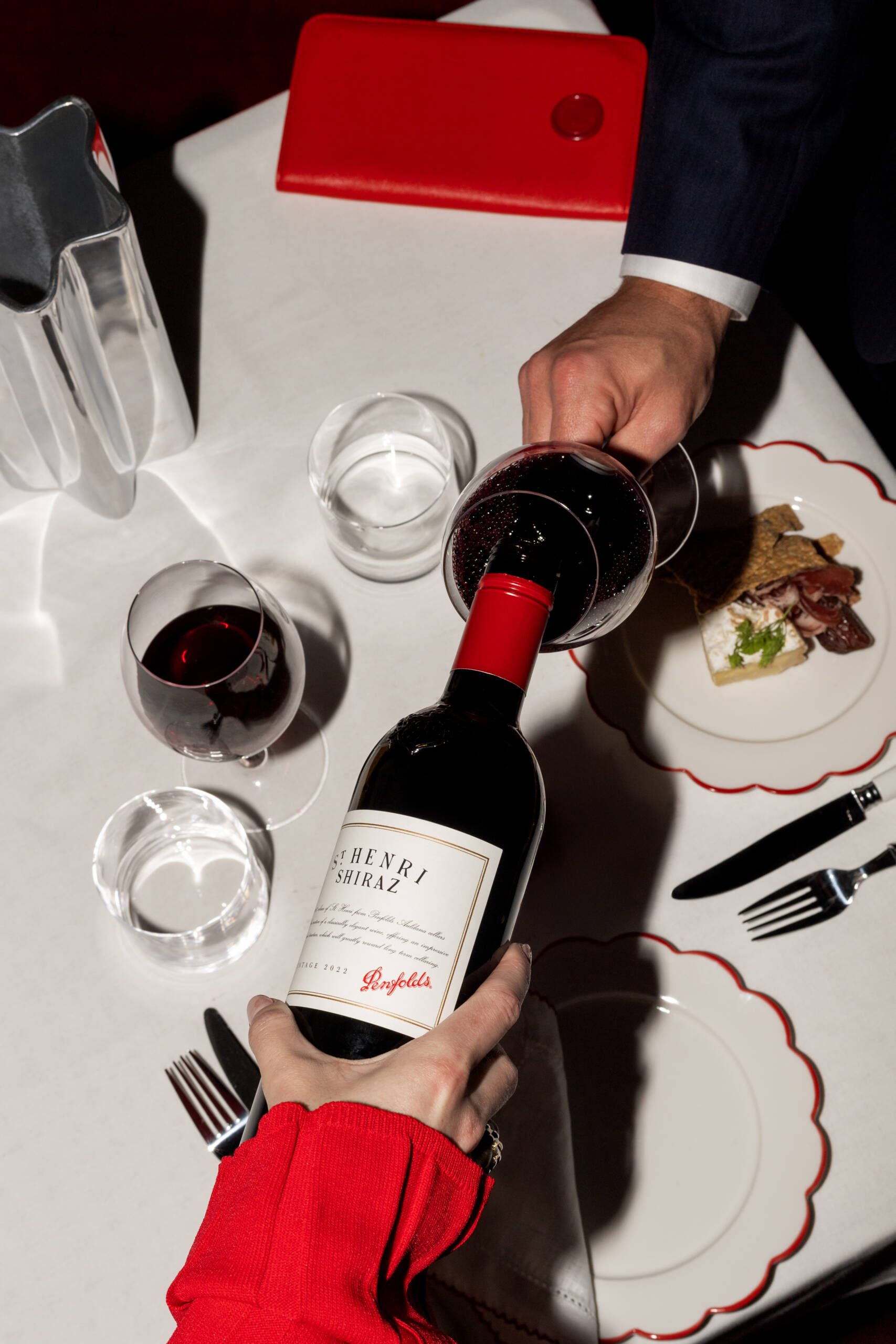
Penfolds makes great wines in three continents, and is celebrated for its innovation as much as its traditions
Both mindsets are valid, and often, the lines blur. What unites them is a belief in the winery and culture, and a recognition that a bottle is never just a bottle. It’s a story, a legacy, and for some, a long game.
LC: The wines of France and Italy have traditionally been the key fine wines to be collected. How have you tried to bring Penfolds Grange into the mix during your tenure at the estate – where have you succeeded and where have you failed?
PG: Penfolds Grange and our broader suite of collectable wines – e.g. Special Bins, g3, g4, g5, Ampoule, V Chardonnay and Grange La Chapelle – have certainly captured the attention of collectors globally. During my tenure, we’ve worked to elevate their profile through a multi-layered approach.
Global programming has played a key role: grand tastings with Wine Spectator in the U.S., the Vin Passion event in Montreal, and an ongoing calendar of global masterclasses and product launches have all contributed to deeper appreciation and awareness. We’ve invested in building and maintaining media visibility and gatekeeper credibility, while also opening up new markets across China and Southeast Asia.
Where we’ve faced greater challenges is in shifting long-held perceptions in more traditional circles – where the wines of France and Italy have long dominated cellar space. The progress has been meaningful, yet not immediate. Some markets require more time and cultural nuance; collecting habits are deeply ingrained. That said, the seeds have been planted, and with the continued evolution and visibility of Penfolds via our global winemaking philosophy, we believe the future holds even more opportunity.
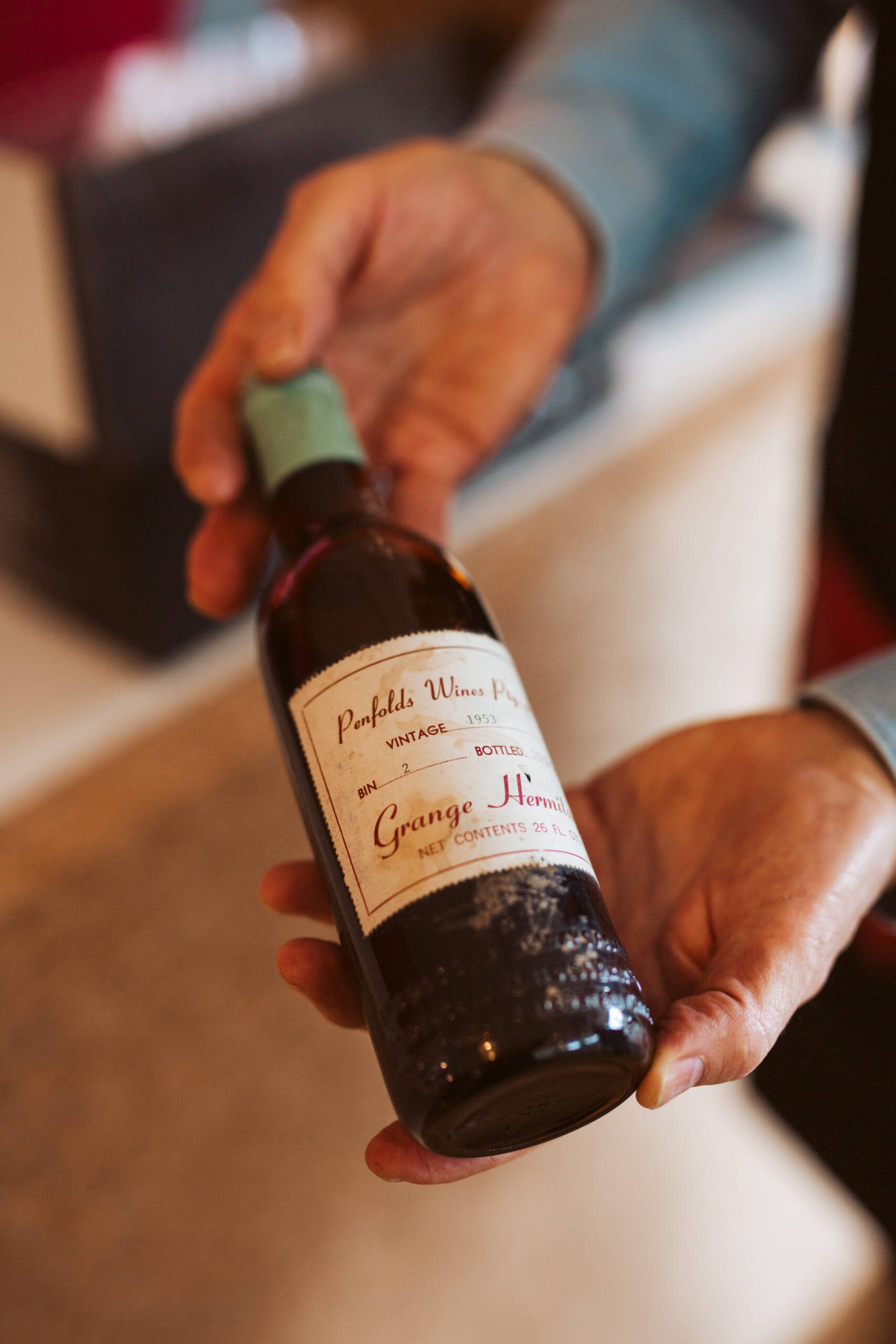
An almost priceless bottle of vintage 1953 Penfolds Grange (then known as Grange-Hermitage) at a Re-Corking Clinic
LC: Within the Australian fine wine market, do you see that it is a help or a hindrance that there are very few other fine wine estates that are deemed collectible at a global level? Do you see that changing anytime soon?
PG: The landscape is evolving. We’re seeing more Australian wineries gaining attention and acclaim internationally. Perception takes time to shift, especially when many of the world’s most collected wines come from estates with centuries of head-start. It’s often a function of scale, global distribution and long-term storytelling.
Read more: Angeliki Kim Perfetti Curates ‘Light’ at Hauser & Wirth St Moritz
Yet momentum is building. With increased focus on provenance, sustainability and alternative terroir(s), the appetite for diversity in collectors’ cellars is growing. We believe more Australian names will emerge as global collectables in the years ahead, and we welcome it… a stronger category benefits everyone.
LC: Tell us about the inception of the Penfolds Re-Corking Clinics and how receptivity for these clinics has changed over time.
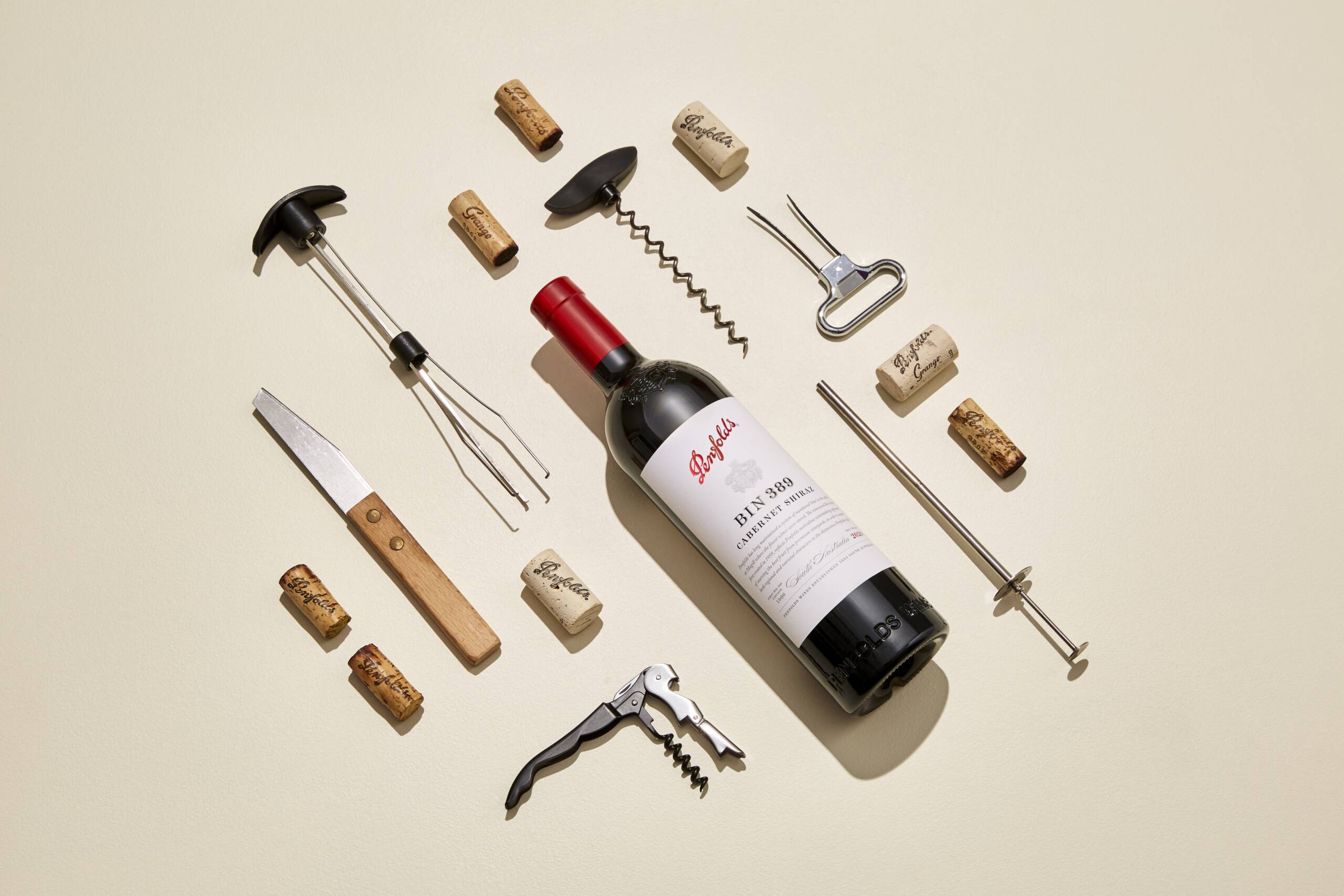
The tools used at the Penfolds Re-Corking Clinic to recover and preserve the integrity of collectors’ vintage bottles
PG: Penfolds Re-Corking Clinics began 34 years ago, designed to offer the ultimate in wine after-sales service. From the outset, the thinking was simple: to stand behind our wines long after they’ve left the winery, and to offer collectors a service that protects and preserves the integrity of their cellared bottles.
It’s not just about putting new corks into old bottles. It’s about arresting the deterioration of compromised wines – leaking bottles and poor ullages – and in doing so, extending cellaring life and maintaining authenticity. The process also includes professional assessment by our winemaking team, often alongside respected partners like Christie’s, Sotheby’s, or Langton’s. Bottles deemed sound are then certified and recapsuled – a benefit that directly enhances provenance and secondary market value. Equally, bottles not certified help improve the market’s ‘gene pool’, preserving the integrity of what’s out there.
Over time, we’ve fine-tuned the Clinic process, from equipment to data capture, and the receptivity has only grown. What was once seen as a curiosity has become a global benchmark in collector care. We’ve held Clinics in Australia, the US, the UK, Asia and Europe, and the continued enthusiasm from collectors (some returning across decades) speaks volumes.
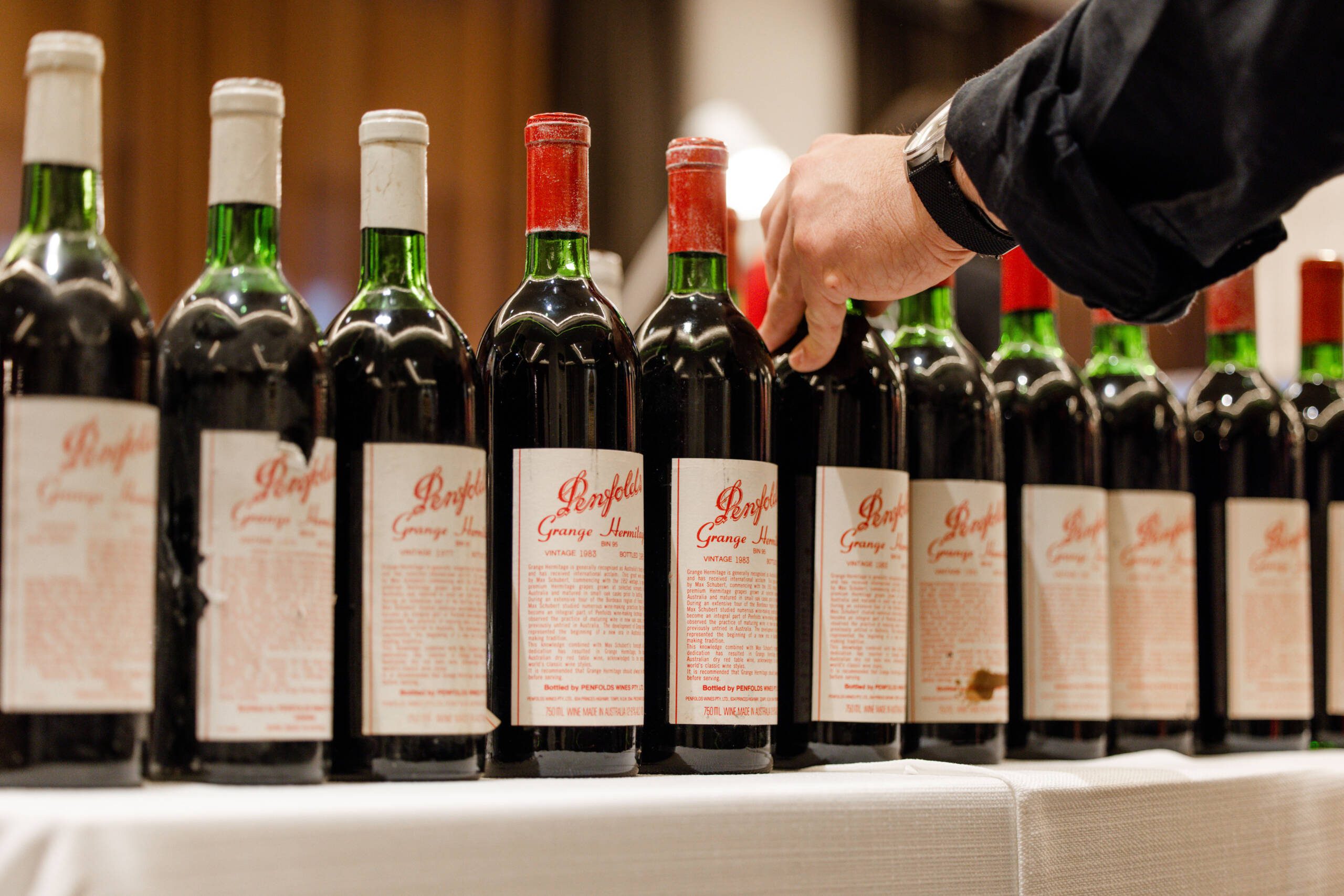
Old vintages of Penfolds Grange are among the most sought-after wines in the world for their complexity
As for whether others have followed, very few have replicated the concept at this scale or depth. In part, that’s due to the investment of time, cost, and expertise required… but also because few wineries have the volume of 30–70+ year-old wines circulating globally that warrant this kind of ongoing stewardship. For us, it’s a long-term commitment – educational, curatorial and relational.
In many ways, Re-Corking Clinics have become a living expression of our brand philosophy. Coupled with Penfolds Rewards of Patience (Edition 9 soon to be released!), Re-Corking Clinics reinforce our role in guiding collectors – challenging, confirming and celebrating a wine’s journey through time.
Read more: L’Andana, Tuscany, The Fish, Cotswolds, and Hotel Harmonie, Vienna, review
LC: Can you explain to us what the style of Penfolds Grange is, how (if at all) it has changed over the decades, and why you think it’s the standout Australian success story for fine wine?
PG: Grange was, and remains, a wine apart. A singular expression of Australian winemaking, defying trend and convention. A blend that has outlived fad and fashion… one that will celebrate its 75th anniversary next year. A true enigma.
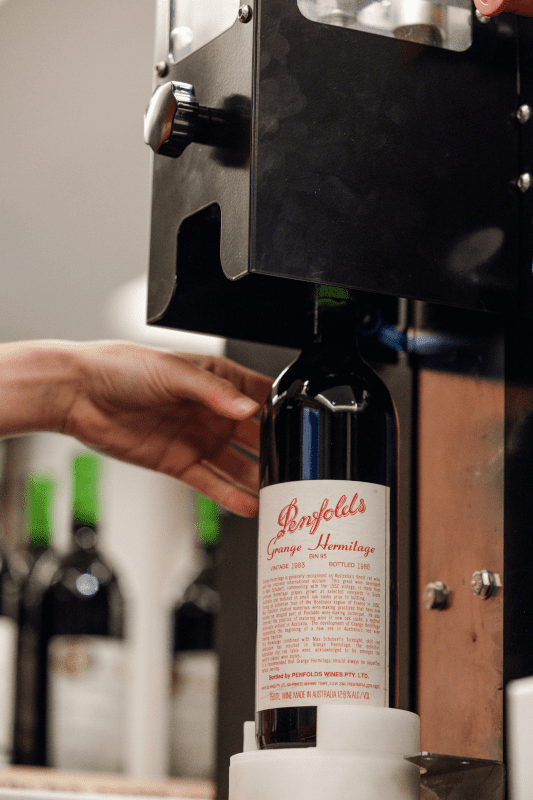
Recorking a bottle of Penfolds Grange, made from the shiraz (syrah) grape, is listed as a Heritage Icon of South Australia
While Grange has always remained faithful to its original blueprint, no two vintages have ever looked the same. Penfolds House Style provides the guardrails, but each release is shaped by season and intuition. With time, older vintages continue to transform and surprise… rewarding patience with a multi-decade revelational continuum.
Grange has never aspired to be the biggest, the strongest, nor the oakiest. Instead, its ambition has always been to achieve balance – layered, complex and complete. Has the wine changed over the decades? In ways, yes. But never in character. Rather, it has evolved through quiet refinement; fine-tuning, tweaking, adjusting. As we often say: it’s all about the one-percenters. If it isn’t broken…
LC: In terms of the future, what are the key factors that you and the estate are concerned about amongst the backdrop of declining alcohol consumption among the younger generations; geo-political issues; climate change; costs of production; etc.
PG: These are very much the defining issues of our time. And while the landscape is complex, we believe the answer lies in adaptation and vision.
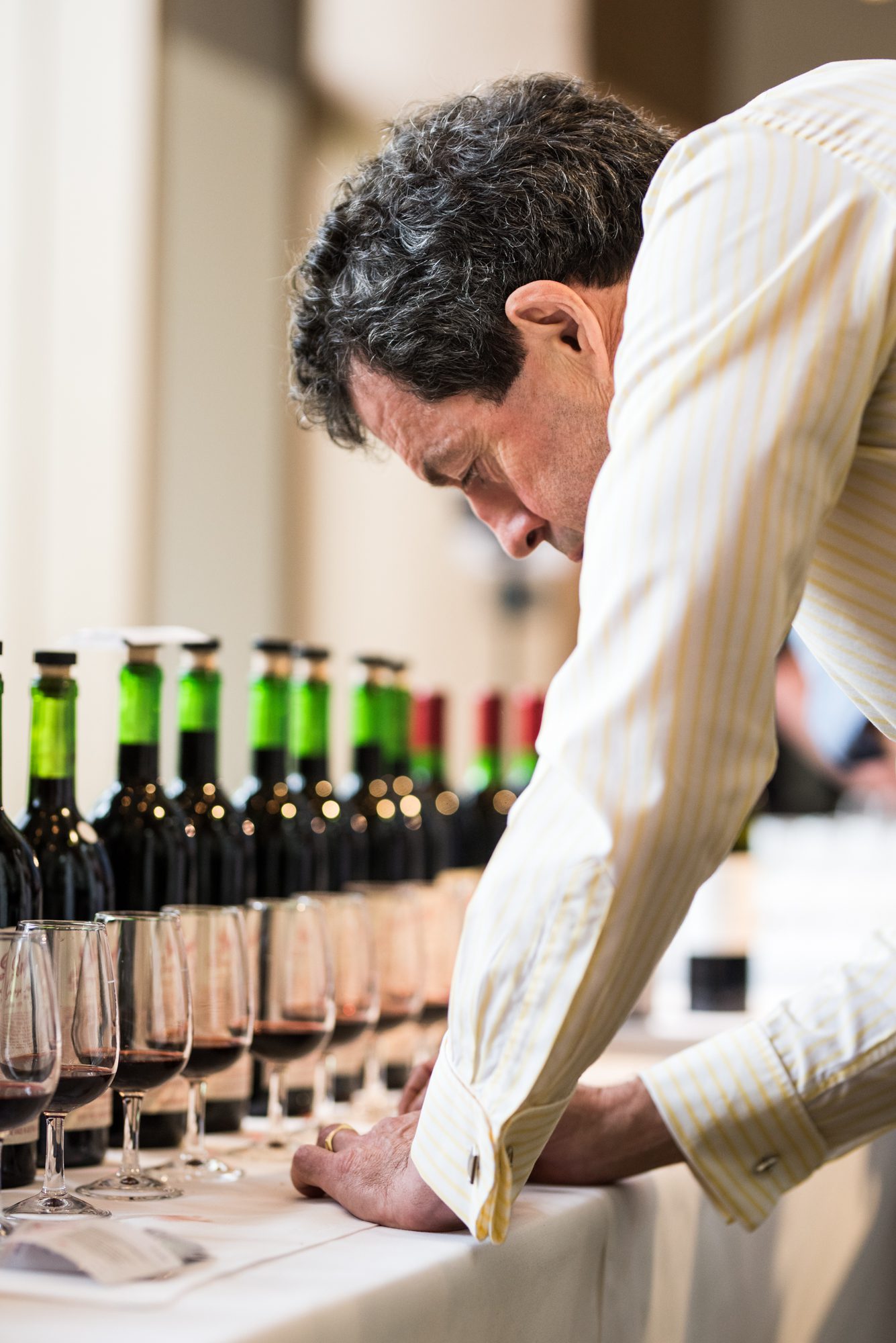
Gago at work in a Re-Corking Clinic
Those who are willing to challenge the status quo, plan ahead and work with both purpose and agility will be best placed to navigate uncertainty and embrace what the future holds. At Penfolds, that means staying energetic and nimble – flexible in the vineyard and agile in the winery. It means continuing to invest in innovation and sustainability, in both viticulture and winemaking. It also means deepening our commitment to communication and education, ensuring that the next generation of wine lovers understands not just what’s in the bottle, but the story, craft and care behind it.
Read more: An interview with Bas Van Kranen
The future is always unknown. But with the right mindset, and a willingness to evolve, we’re confident in our ability to not just respond, but lead.
LC: The Golden Vines Awards are the preeminent awards for fine wine estates globally, voted by hundreds of fine wine professionals in over 100 countries, with the results independently verified by Deloitte. Penfolds has won the Golden Vines Best Producer in the Rest of the World three times (2021, 2022 and 2023) and is now an AllStar Producer in that category.
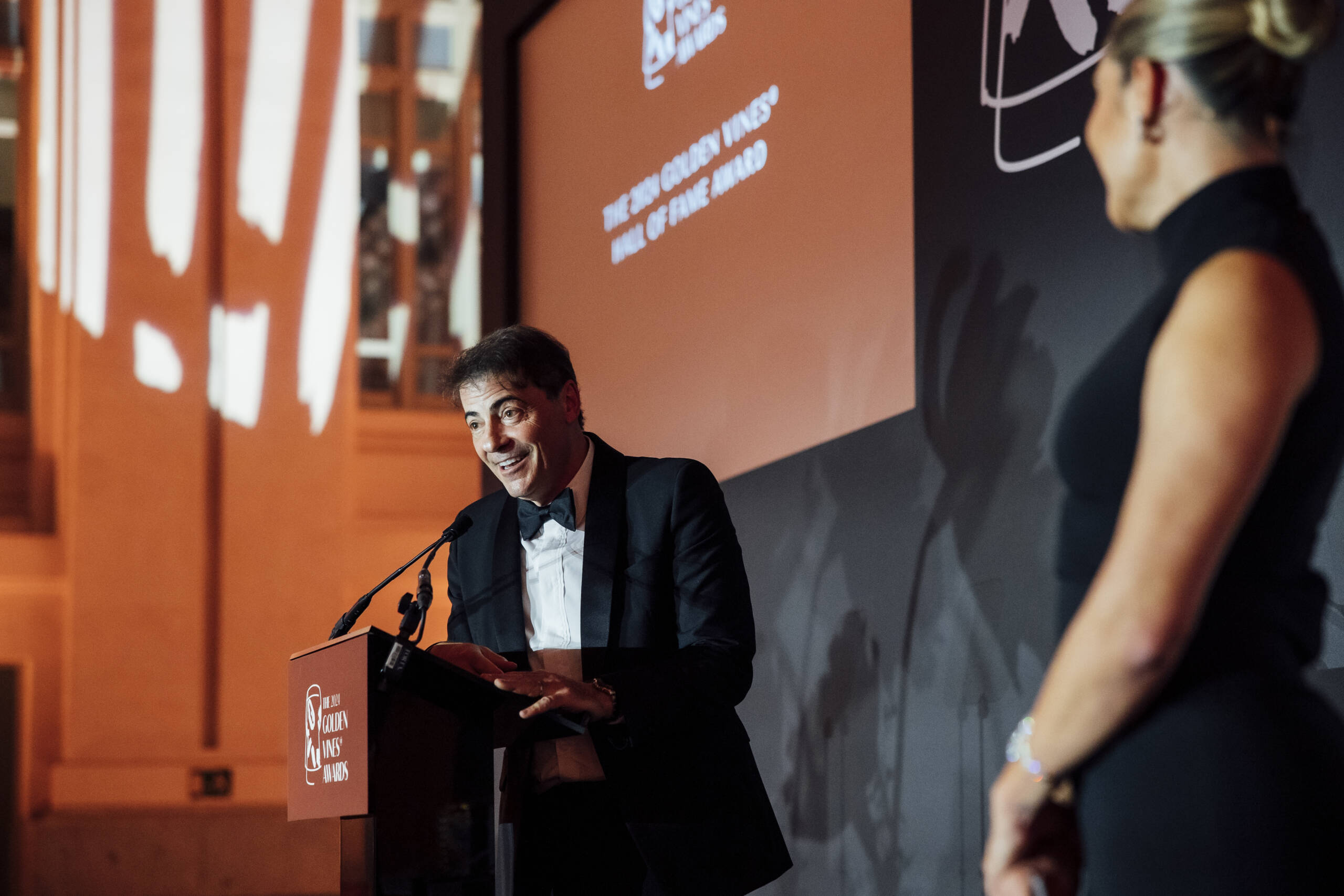
Lewis Chester presenting the Golden Vines Awards he founded
What do you think it will take to eventually be voted the Golden Vines World’s Best Fine Wine Producer? Are you hopeful that this might happen during your tenure at the estate?
PG: We live in hope. What an honour that would be!
To be recognised by such a global and esteemed cohort of fine wine professionals is already deeply meaningful. Winning Best Producer in the Rest of the World three years running and becoming an AllStar Producer is both humbling and energising. But of course, we continue to look forward.
Ultimately, we believe that awareness of the quality, stature, diversity and cellarability of Penfolds wines – across decades and continents – will be key to advancing that recognition.
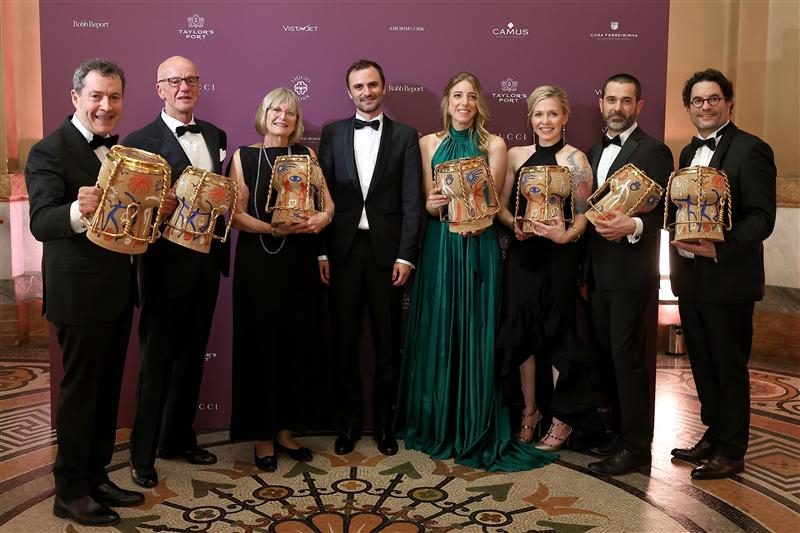
‘Winning Best Producer in the Rest of the World three years running and becoming an AllStar Producer is both humbling and energising’ – Peter Gago
Penfolds wines from California, Bordeaux, Champagne, and China have extended the conversation, offering a broader lens through which to understand our House Style philosophy and ambition. These wines may serve as an earlier introduction (or reintroduction) for many professionals across the 100+ countries represented in the Golden Vines voting pool.
So yes, I’m hopeful. But more importantly, we remain committed to excellence, regardless of accolades. If the recognition comes, it will be because we stayed true to our vision while continuing to push winestyle and quality boundaries.




Recent Comments