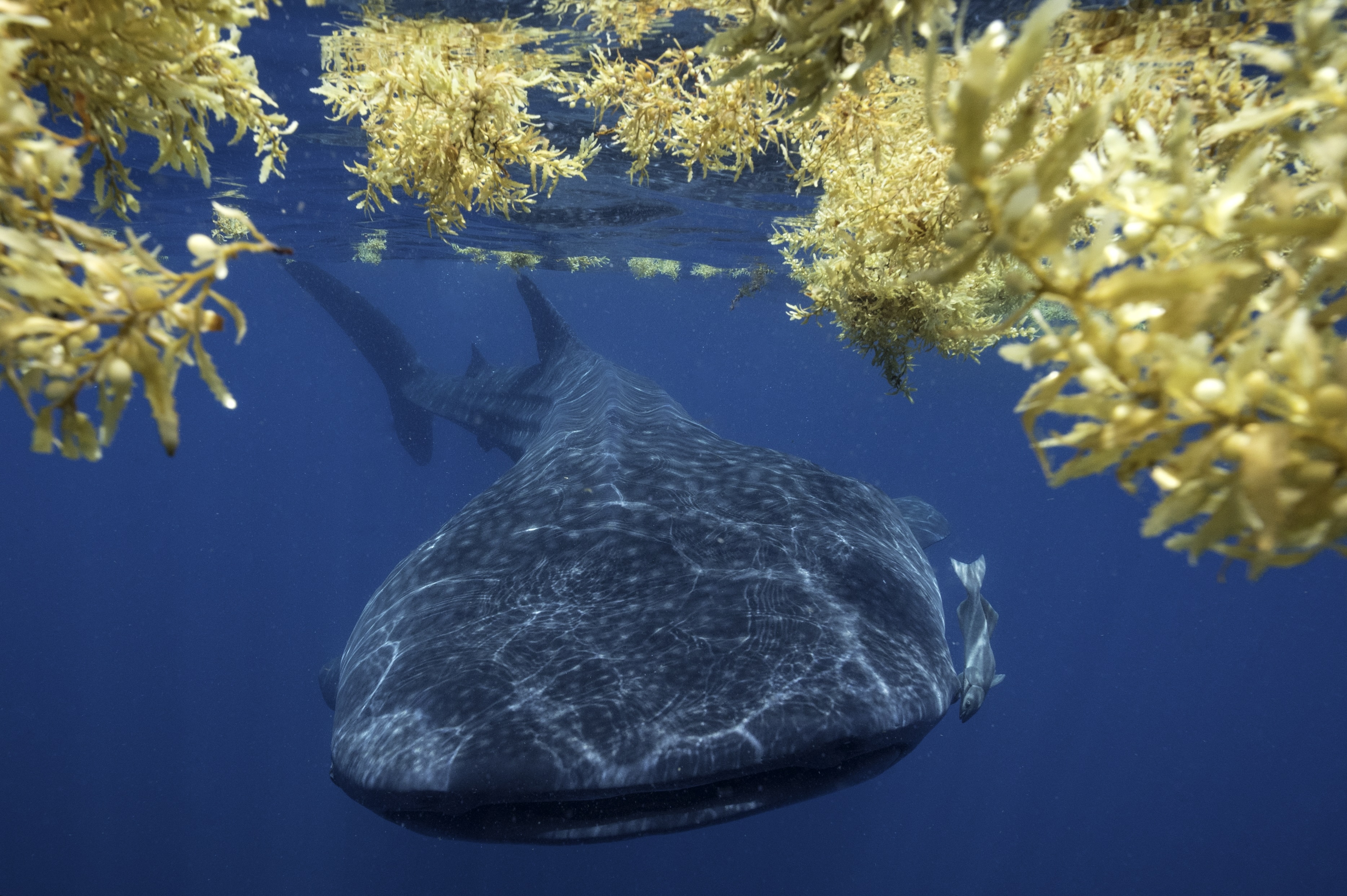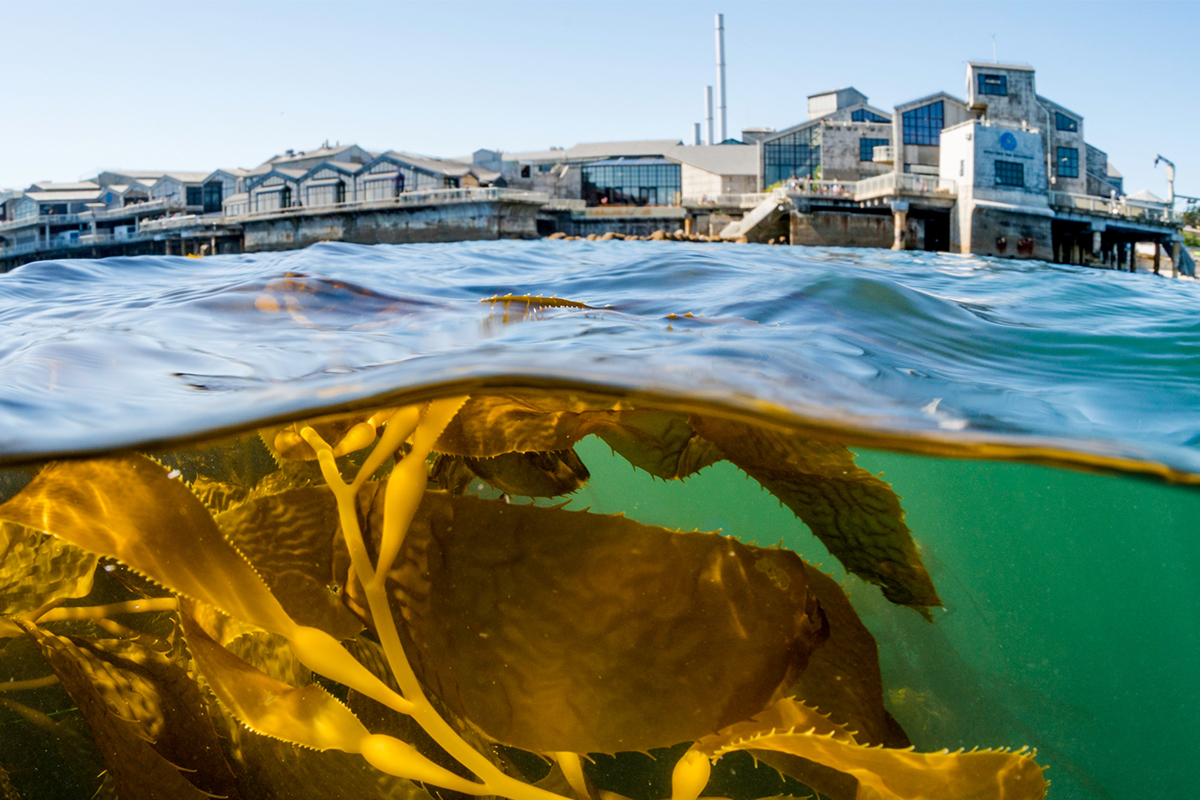



The Monterey Bay Aquarium in California, whose global seafood programme, Seafood Watch, advises the fishing industry and governments on how to operate sustainably
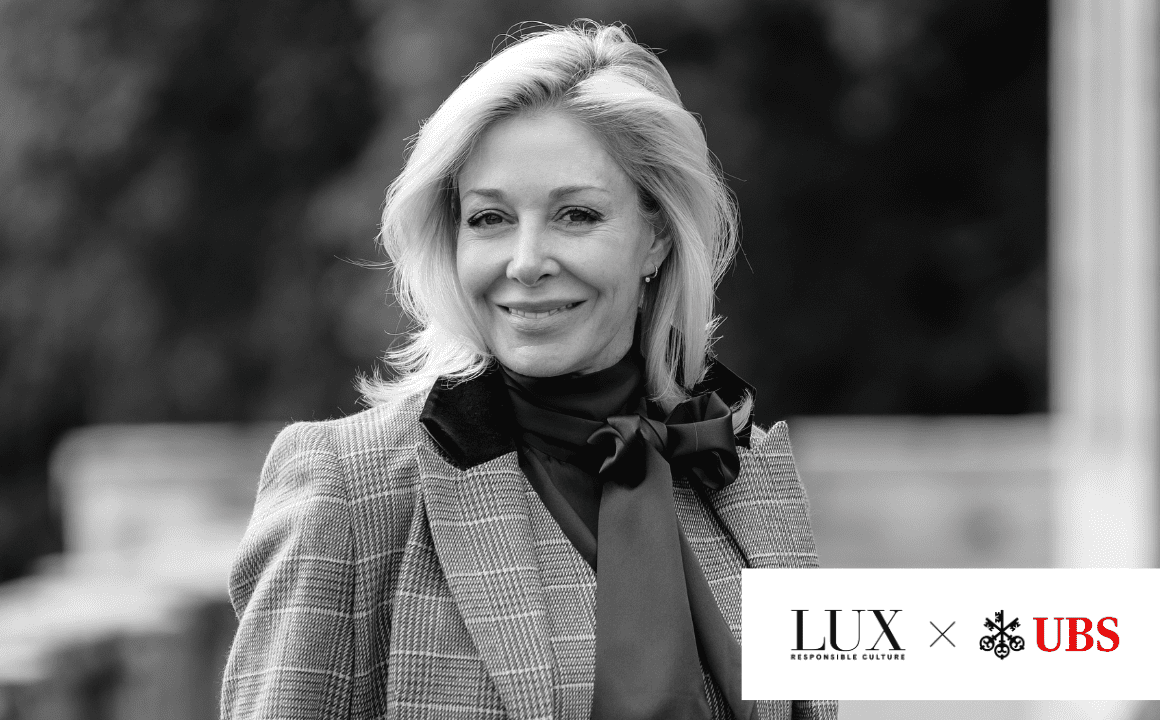
Julie Packard, scion of the US tech family, has changed the way we eat with her Seafood Watch initiative. She says collaboration between philanthropists, governments and corporates is the only way forward
LUX: What happens in the deep sea has a direct effect on our lives and the health of the planet. How do these links work and what has been discovered in recent years?
Julie Packard: We call our planet Earth, but 71 per cent of the surface and 99 per cent of the living space is ocean. The aquarium tells the story of ‘the other 99 per cent’. The ocean enables life to exist on this planet. Its microscopic plant life absorbs carbon and produces oxygen. Its vast waters have absorbed 90 per cent of the heat caused by rising greenhouse gasses in our atmosphere. Deep-sea currents are part of a vast unseen global conveyor belt that cycles nutrients, oxygen and heat through the ocean, supporting an abundance of marine life, which travels up and down the water column, storing carbon in deep waters, where it’s locked away.

Julie Packard
Follow LUX on Instagram: luxthemagazine
LUX: You are a proponent of nature-based solutions as an economically and environmentally sustainable way forward for the planet. What does that mean in reality for oceans and coastlines?
JP: Earth is an interconnected living system whose services make our lives possible. It’s time to reinvest in nature, instead of treating it as a bottomless bank account. That means restoring wetlands and other coastal ecosystems, which are nurseries for fisheries and buffer us against sea-level rise, as well as protecting us from escalating storms. Restoring healthy seagrass meadows is one example. We’re finding that our decades of work to recover California sea otters is helping to restore healthy wetland seagrass beds. These otters are more than a cute face. We call them ‘furry climate warriors’.

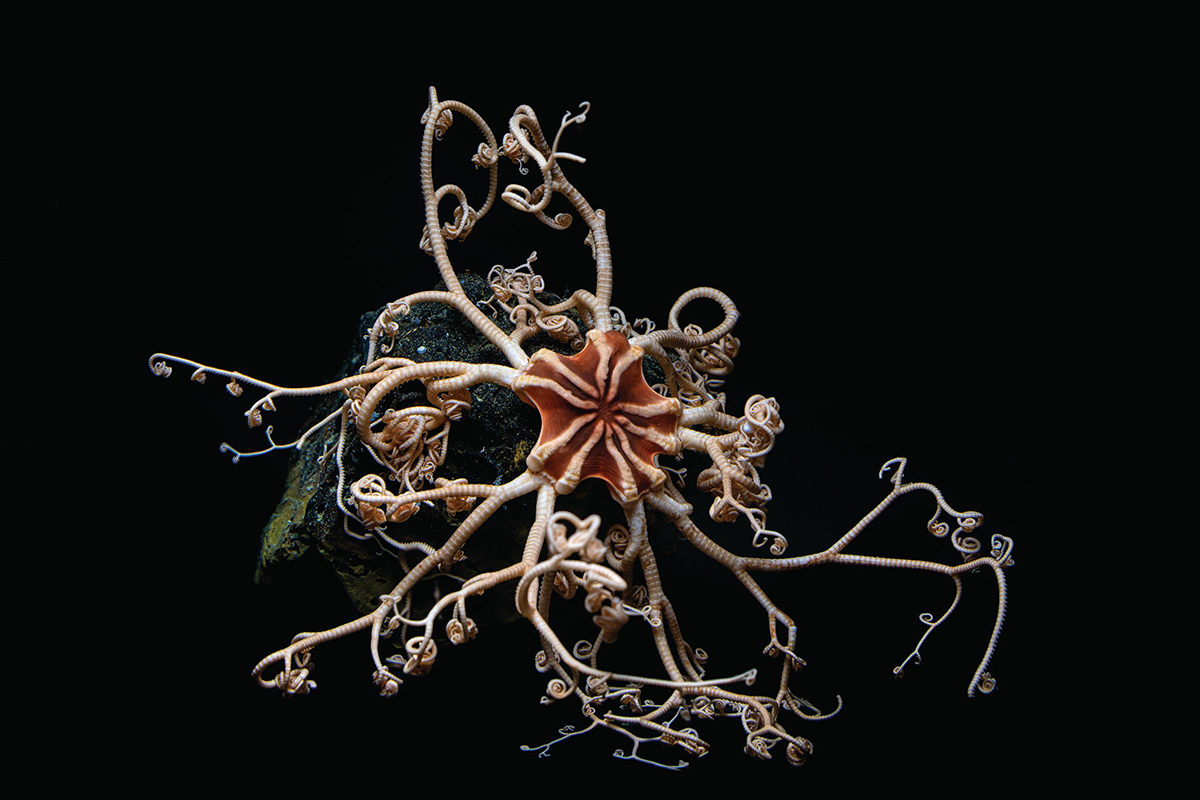
A close up of a Basket star in the Into the Deep: Exploring Our Undiscovered Ocean exhibit
LUX: Are you in despair about what has happened to our oceans, or optimistic about the scientific advances pointing to solutions – and if the latter, which ones?
JP: Without question, we face daunting challenges. If we fail to act, the world will be a grim place for our children and grandchildren. I’m confident that solutions are within our grasp. Renewable energy development is moving faster than ever, and the cost of these technologies is falling. We can put people to work rebuilding healthy ecosystems so nature can do what it does best. We know what we need to do. What we need is the will to take action.

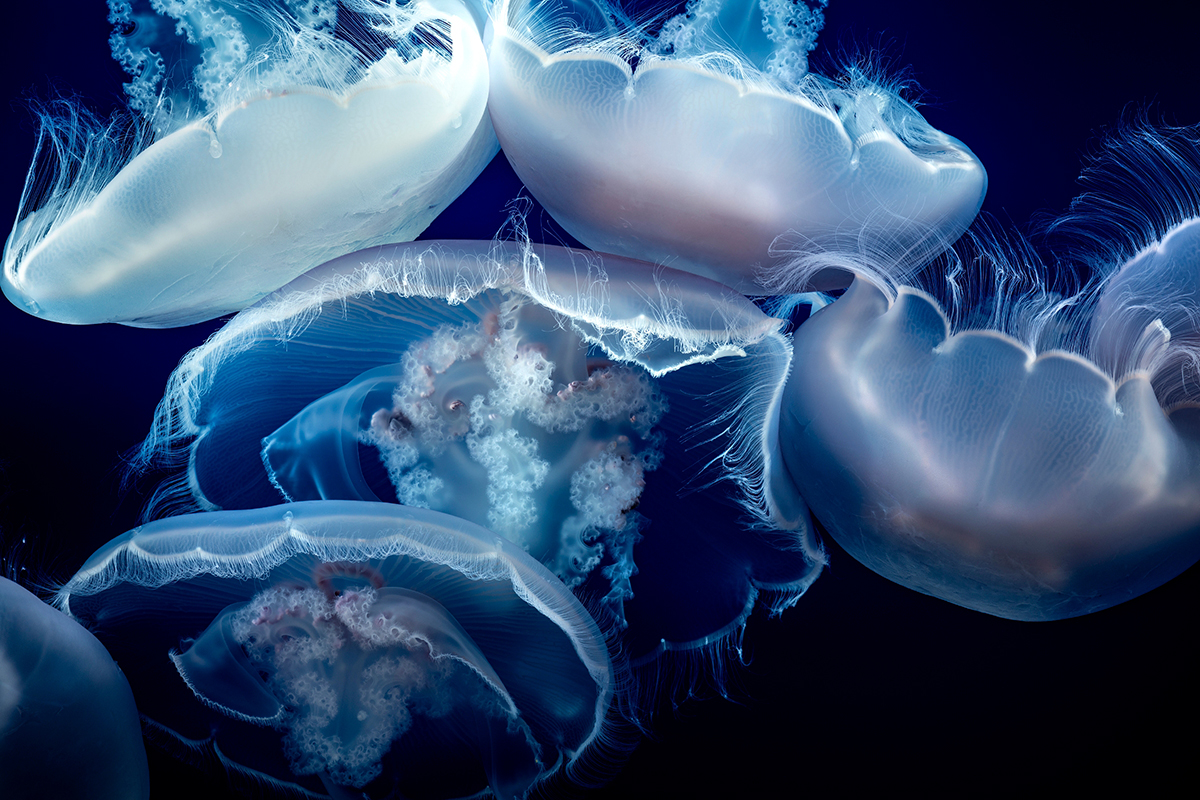
A close up of a moon jelly (Aurelia labiata) in the Open Sea exhibit
LUX: You have focused on sustainable seafood: do you feel there is genuine progress being made here, not just in wealthy nations, but in countries where hundreds of millions fish for subsistence?
JP: Unsustainable fishing is a problem we know how to solve, and we’re seeing huge progress. The market-based approach, taken by the aquarium’s global seafood programme, Seafood Watch, with its sustainability rating system, is succeeding, because our goal is a future where both fisheries and the people who depend on them thrive. It creates incentives for producing nations to put their fisheries and aquaculture operations on a sustainable footing, enabling them to gain access to the global market. The key is genuine engagement with small-scale producers – we’re collaborating with operations in India, Indonesia, and Vietnam – to solve their real-world problems and deliver benefits that make a difference in their lives.

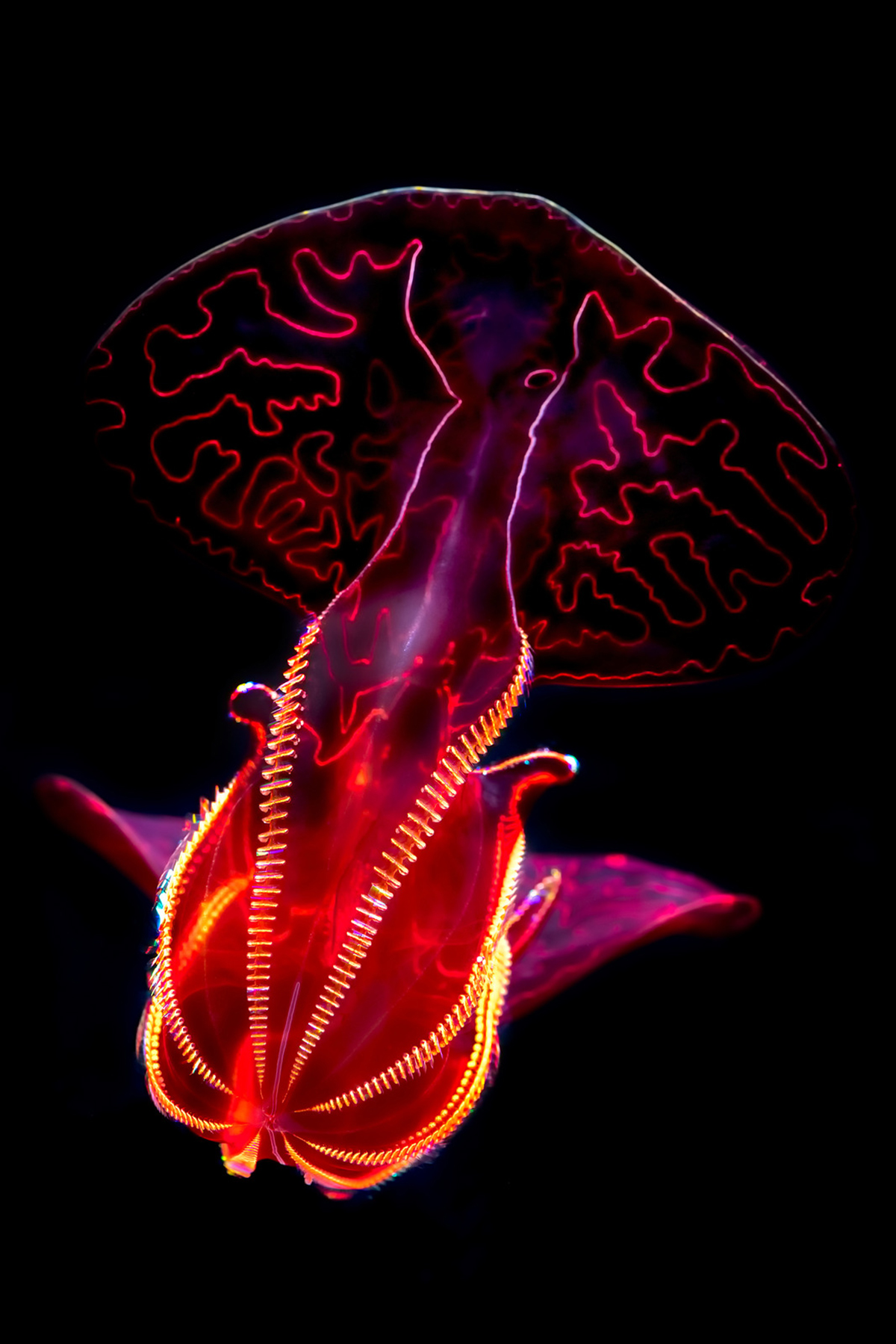
A close up of a Bloody-belly comb jelly in the Into the Deep: Exploring Our Undiscovered Ocean exhibit
LUX: Who is making the biggest difference – philanthropists, corporations or governments?
JP: Everyone has a role to play. Philanthropy jump-started the global sustainable seafood movement. Today, its investments support early stage development of technologies to reduce greenhouse gasses in the shipping and energy industries, and in community-led work to strengthen the resilience of ocean ecosystems.
Read more: The Futures: A Token Of Goodwill
Corporations know their success depends on embracing an approach that values people, planet and profit. Governments set the ‘rules of the game’ that create incentives to protect the living ocean and make it expensive to damage ecosystems on which our survival depends.

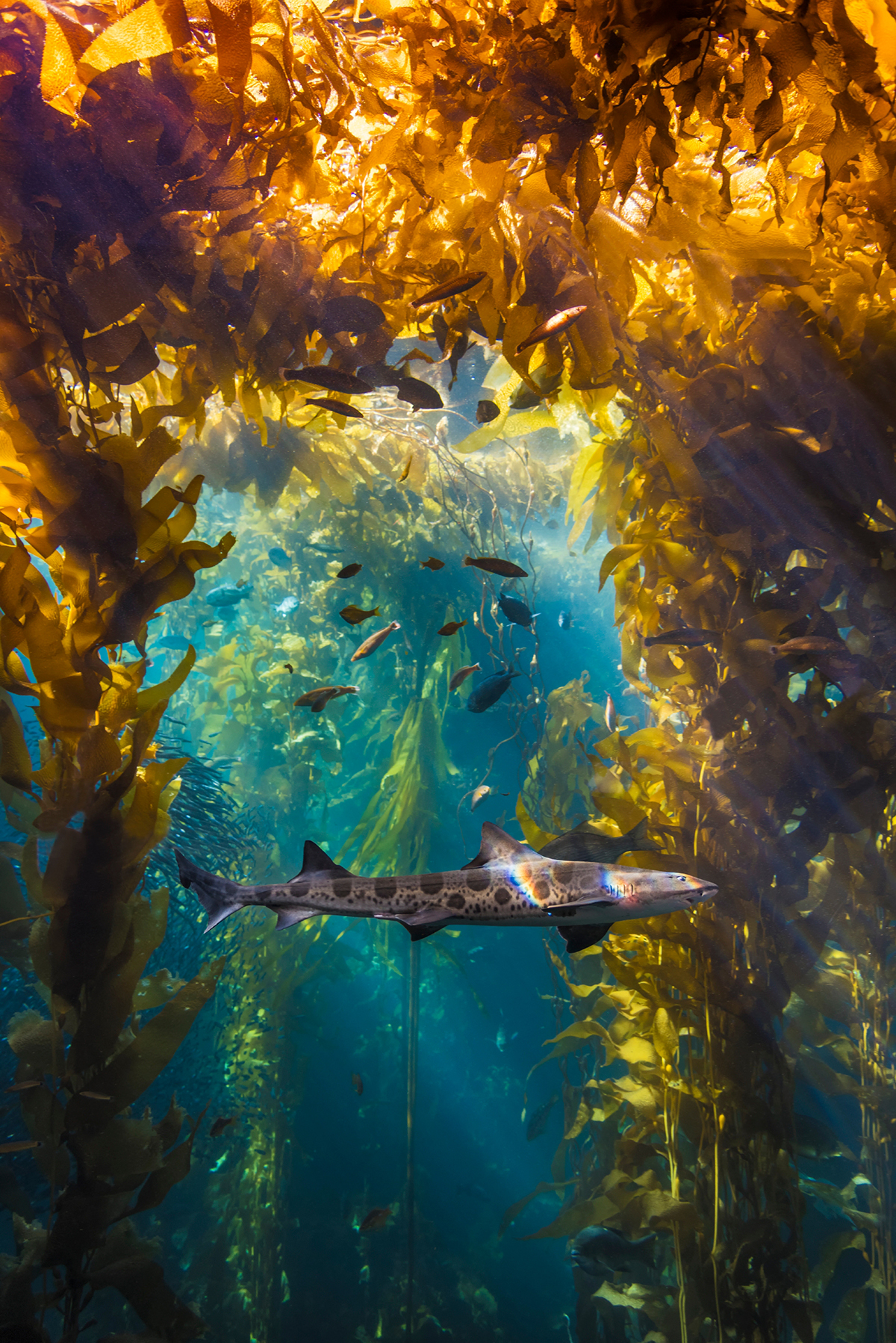
A leopard shark (Triakis semifasciata) swimming in the Kelp Forest exhibit
LUX: Is there more of a connection to be made between art and science, concerning ocean conservation?
JP: Having observed people in the aquarium, we’ve seen that building an emotional connection to ocean life is the starting point. When people encounter our living exhibits, they react with awe. Then we can begin to talk about the threats the ocean faces, and how they can make a difference. It’s the power of art – whether an aquarium, a film, or a piece of music – that engages people. And we’ve always found ways to make science accessible. Our new deep-sea exhibition incorporates gorgeous video imagery of deep-sea animals, ground-breaking living exhibits, and stories of the scientists studying the deep ocean. It’s a compelling combination.
Julie Packard is the executive director of the Monterey Bay Aquarium in California
This article appears in the Summer 2022 issue of LUX
Recent Posts
Archives
- December 2025
- November 2025
- October 2025
- September 2025
- August 2025
- July 2025
- June 2025
- May 2025
- April 2025
- March 2025
- February 2025
- January 2025
- December 2024
- November 2024
- October 2024
- September 2024
- August 2024
- July 2024
- June 2024
- May 2024
- April 2024
- March 2024
- February 2024
- January 2024
- December 2023
- November 2023
- October 2023
- September 2023
- August 2023
- July 2023
- June 2023
- May 2023
- April 2023
- March 2023
- February 2023
- January 2023
- December 2022
- November 2022
- October 2022
- September 2022
- August 2022
- July 2022
- June 2022
- May 2022
- April 2022
- March 2022
- February 2022
- January 2022
- December 2021
- November 2021
- October 2021
- September 2021
- August 2021
- July 2021
- June 2021
- May 2021
- April 2021
- March 2021
- February 2021
- January 2021
- December 2020
- November 2020
- October 2020
- September 2020
- August 2020
- July 2020
- June 2020
- May 2020
- April 2020
- March 2020
- February 2020
- January 2020
- December 2019
- November 2019
- October 2019
- September 2019
- August 2019
- July 2019
- June 2019
- May 2019
- April 2019
- March 2019
- February 2019
- January 2019
- December 2018
- November 2018
- October 2018
- September 2018
- August 2018
- July 2018
- June 2018
- May 2018
- April 2018
- March 2018
- February 2018
- January 2018
- December 2017
- November 2017
- October 2017
- September 2017
- August 2017
- July 2017
- June 2017
- May 2017
- April 2017
- March 2017
- February 2017
- January 2017
- December 2016
- November 2016
- October 2016
- September 2016
- August 2016
- July 2016
- June 2016
- May 2016
- April 2016
- March 2016
- February 2016
- November 2015
- September 2015
- June 2015
- May 2015
- March 2015
- September 2014
- August 2014
- July 2014
- May 2014
- April 2014
- March 2014
- February 2014
- January 2014
- December 2013
- November 2013
- October 2013
- September 2013
- August 2013
- July 2013
- June 2013
- April 2013
- March 2013
- February 2013
- September 2012
- July 2012
- June 2012
- March 2012
- February 2012
Categories
- Adventure Travel Issue
- Aesthete Issue
- Architecture
- Art & Design
- Art & Photography
- Art collectors
- Autumn 19
- Autumn/Winter 2020/2021
- Autumn/Winter Issue
- Bespoke Issue
- Business
- Cars
- Cars & Collectibles
- Case Study
- Celebrities
- Culture
- Culture Issue
- Design Issue
- Dining Issue
- Earth Issue
- Family Issue
- Fashion & Jewellery
- Features
- Food
- Future Luxury Issue
- Health
- Hedonism Issue
- Image Issue
- Italy Issue
- Latest Stories
- Leaders & Philanthropists
- Leaders Slider
- Love Issue
- Luxury Travel Issue
- New Luxury Issue
- Online Exclusive Slider
- Opinion
- Spring 2020
- Summer 19 Issue
- Summer 2020
- Summer 2021
- Sustainability
- Taste Issue
- The Beauty Issue
- Travel
- Uncategorized
- Water Issue
- Winter 19 Issue
Popular Posts
Categories
- Adventure Travel Issue
- Aesthete Issue
- Architecture
- Art & Design
- Art & Photography
- Art collectors
- Autumn 19
- Autumn/Winter 2020/2021
- Autumn/Winter Issue
- Bespoke Issue
- Business
- Cars
- Cars & Collectibles
- Case Study
- Celebrities
- Culture
- Culture Issue
- Design Issue
- Dining Issue
- Earth Issue
- Family Issue
- Fashion & Jewellery
- Features
- Food
- Future Luxury Issue
- Health
- Hedonism Issue
- Image Issue
- Italy Issue
- Latest Stories
- Leaders & Philanthropists
- Leaders Slider
- Love Issue
- Luxury Travel Issue
- New Luxury Issue
- Online Exclusive Slider
- Opinion
- Spring 2020
- Summer 19 Issue
- Summer 2020
- Summer 2021
- Sustainability
- Taste Issue
- The Beauty Issue
- Travel
- Uncategorized
- Water Issue
- Winter 19 Issue


Recent Comments