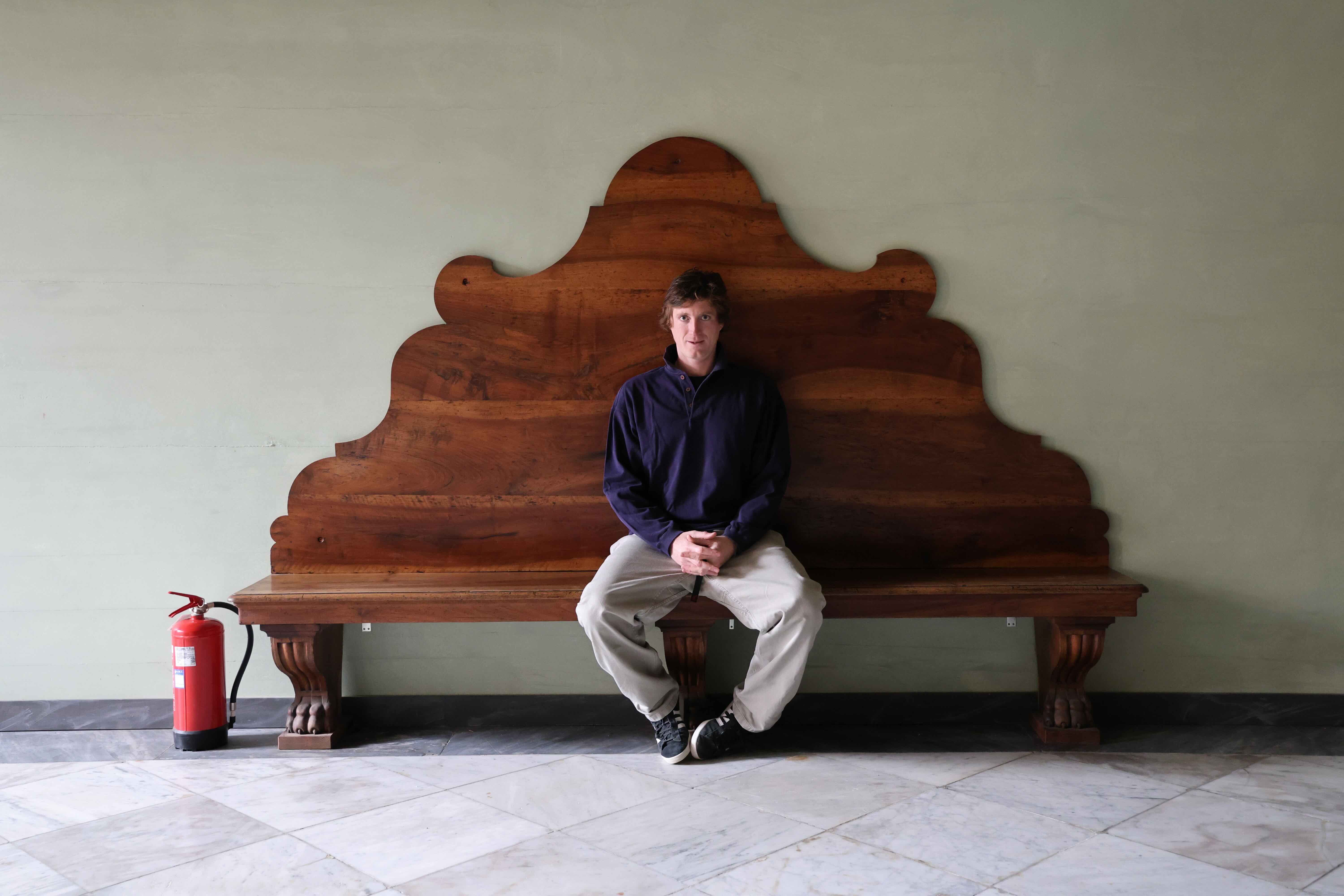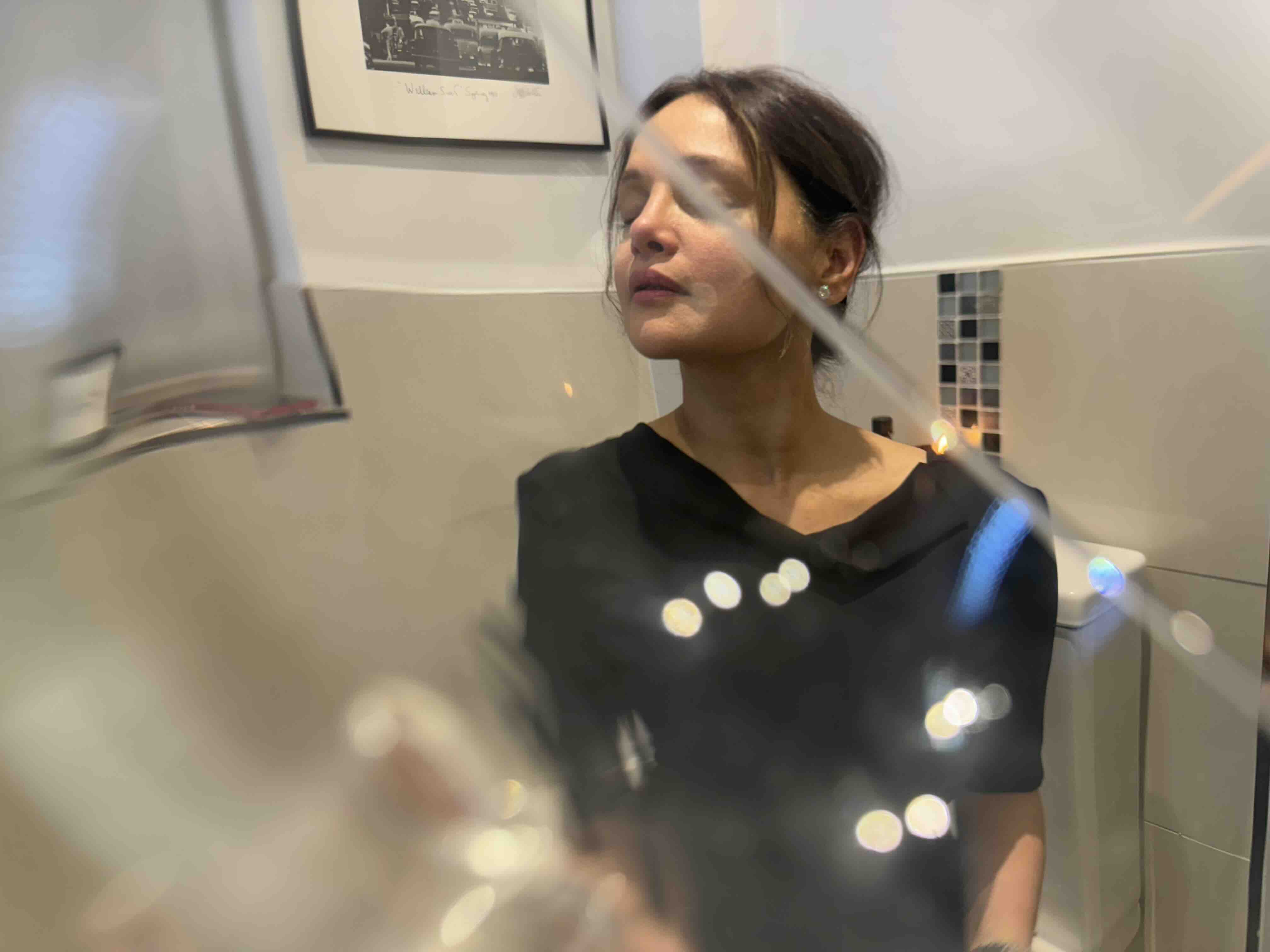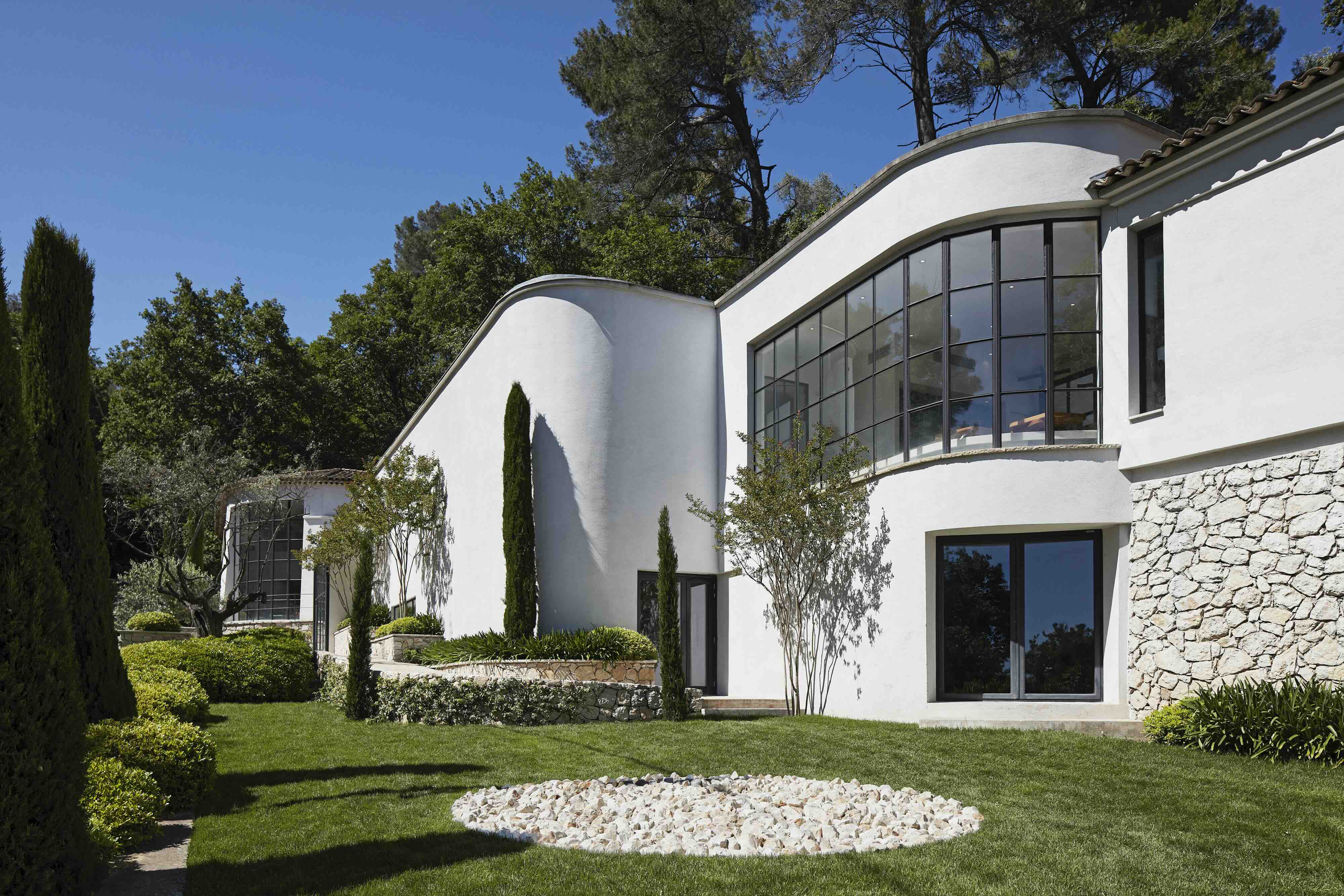
Marcantonio Brandolini d’Adda, photographed by Simon de Pury

Artist, artisan, thinker: Marcantonio Brandolini d’Adda hails from one of the most significant Venetian families and is a contemporary reincarnation of a Renaissance rebel, with looks and connections to match. He tells LUX his manifesto for 2026 and beyond

“From next year, I’m not going to be an entrepreneur, nor an artist or a designer – I’m just going to be me. There should be a new word, perhaps, to communicate all those personas in one – like a kind of Frankenstein.

Follow LUX on Instagram: @luxthemagazine

I suppose putting things into categories is part of life. But for me, there’ll be no more putting things into boxes or letting others define what I am.

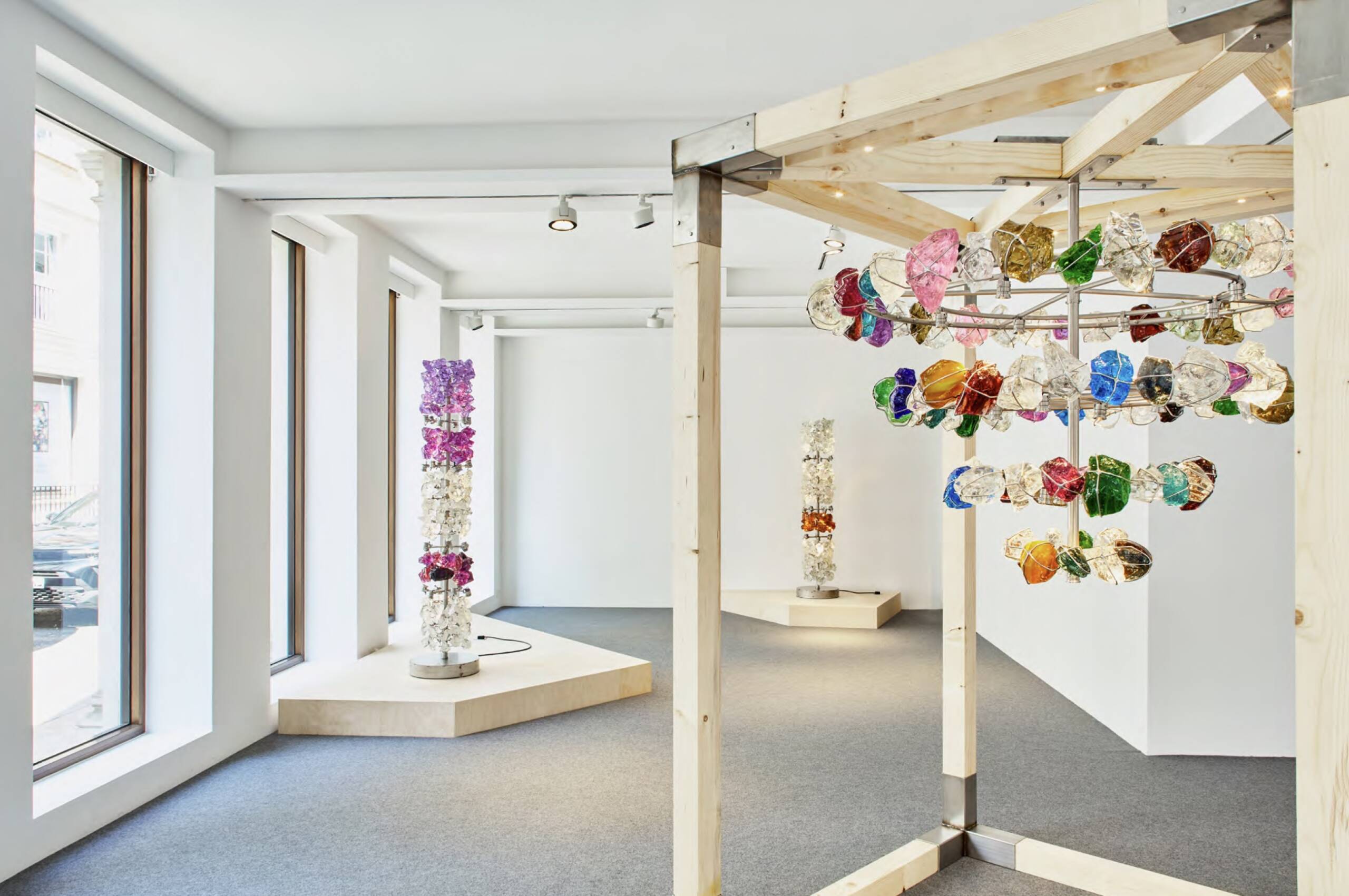
“Moduli Luminosi” solo exhibition at David Gill, London, 2025

From next year, my direction is clear: I’m focusing on my artistic development – on developing my creative soul, my language. I think others should “feel” what you are.

My question has always been: why am I creating work for the public to see? Is it to express my feelings? To confront social injustices? The new work I’m putting together is an attempt to answer that question.

Read more: Arch Hades’ Return at the Venice Biennale

My creative process has three stages. It starts with confusion – with an existentialist question, such as, “what’s the point of life?” The answers can be infinite. Then I start writing answers and asking more questions, digging until I get an answer to investigate with intensity. This stage is rough. I write differently. My hands hurt from how tightly I press the pencil. Then comes the final stage: peace. That intensity dissolves into a line, shape, drawn in pastel. At that point I’ve answered my question. I feel complete.

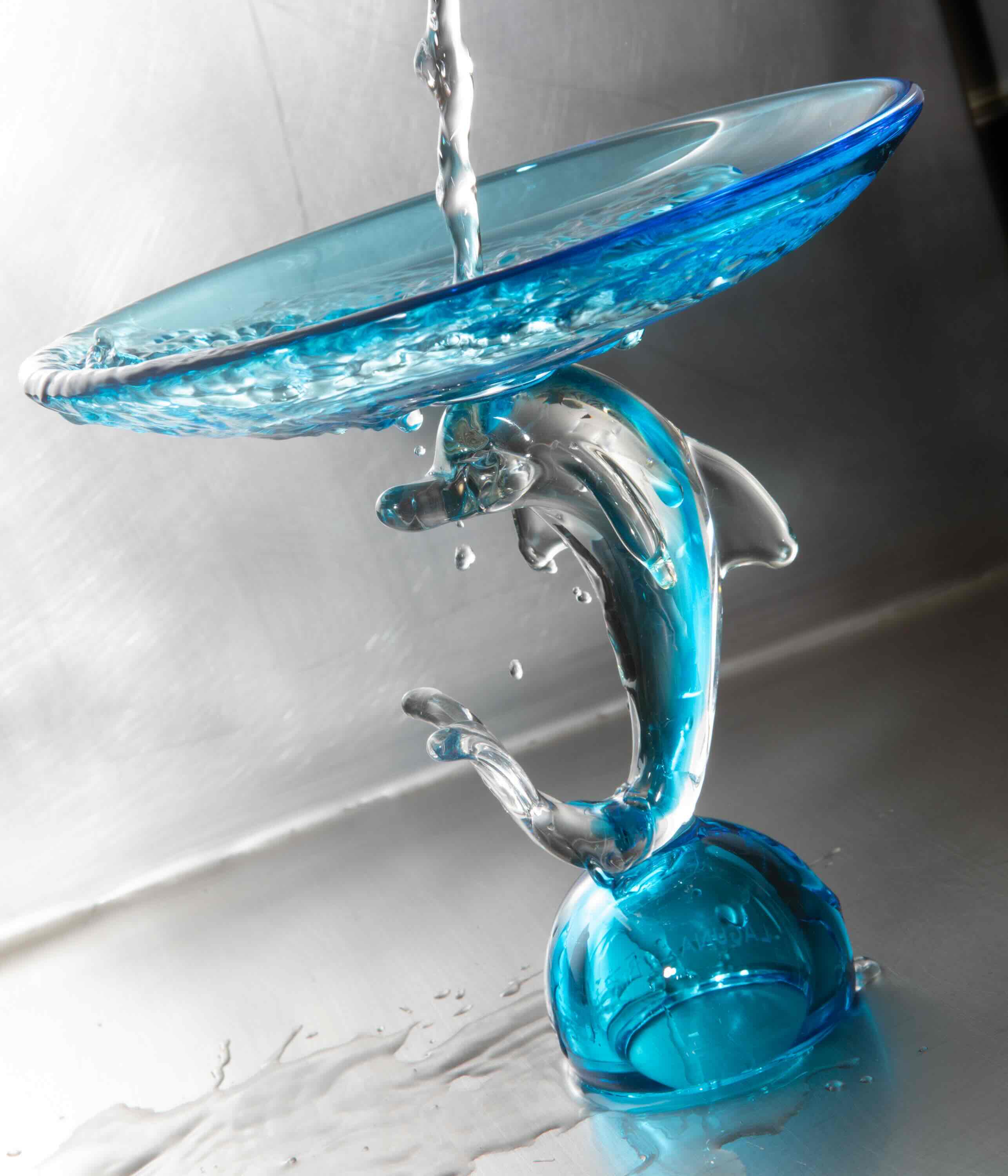
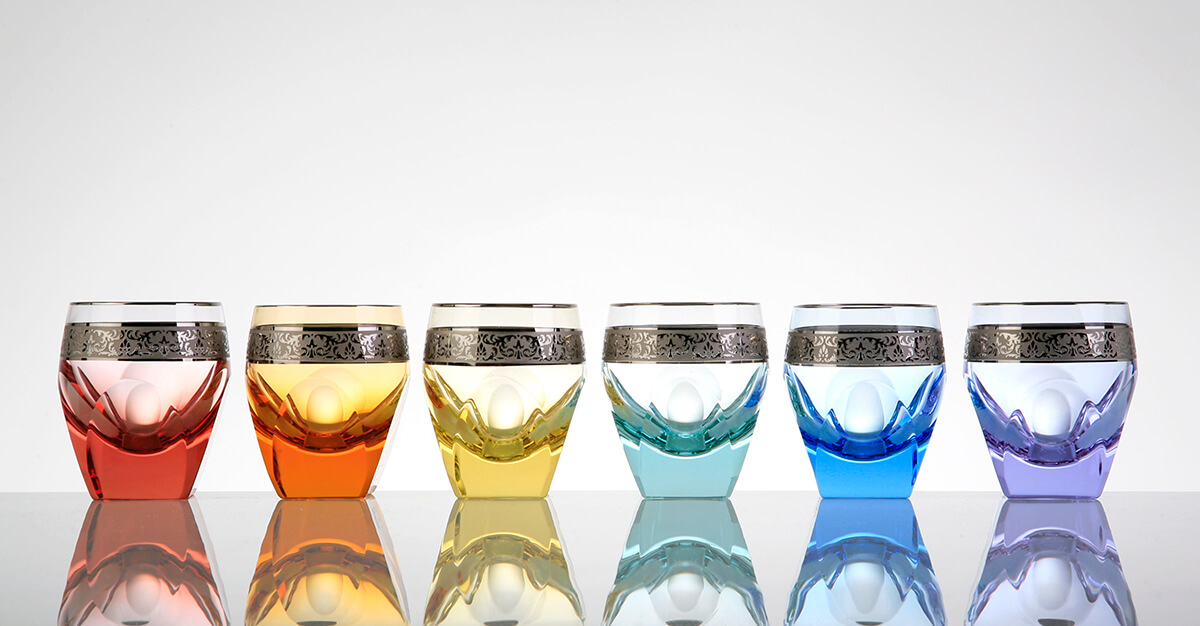
White Pool glassware designed by Alvise De Mezzo, by Laguna~B, of which Brandolini d’Adda is Artistic Director

In my next work, glass is out. People always say, “glass is your passion”, but it has never been a material I’ve liked to express myself with. I want to understand what I am doing and why and communicate that to the public. For now, that means not using glass. It might eventually come back in another form, but it’s a question I hope this research will answer.

Read more: Jennifer Shorto’s highlights of the Cora Sheibani collection

This work is important to me. I never went to art school, so this process of realising what life and art should be comes entirely from within. It’s not something I’ve been taught.

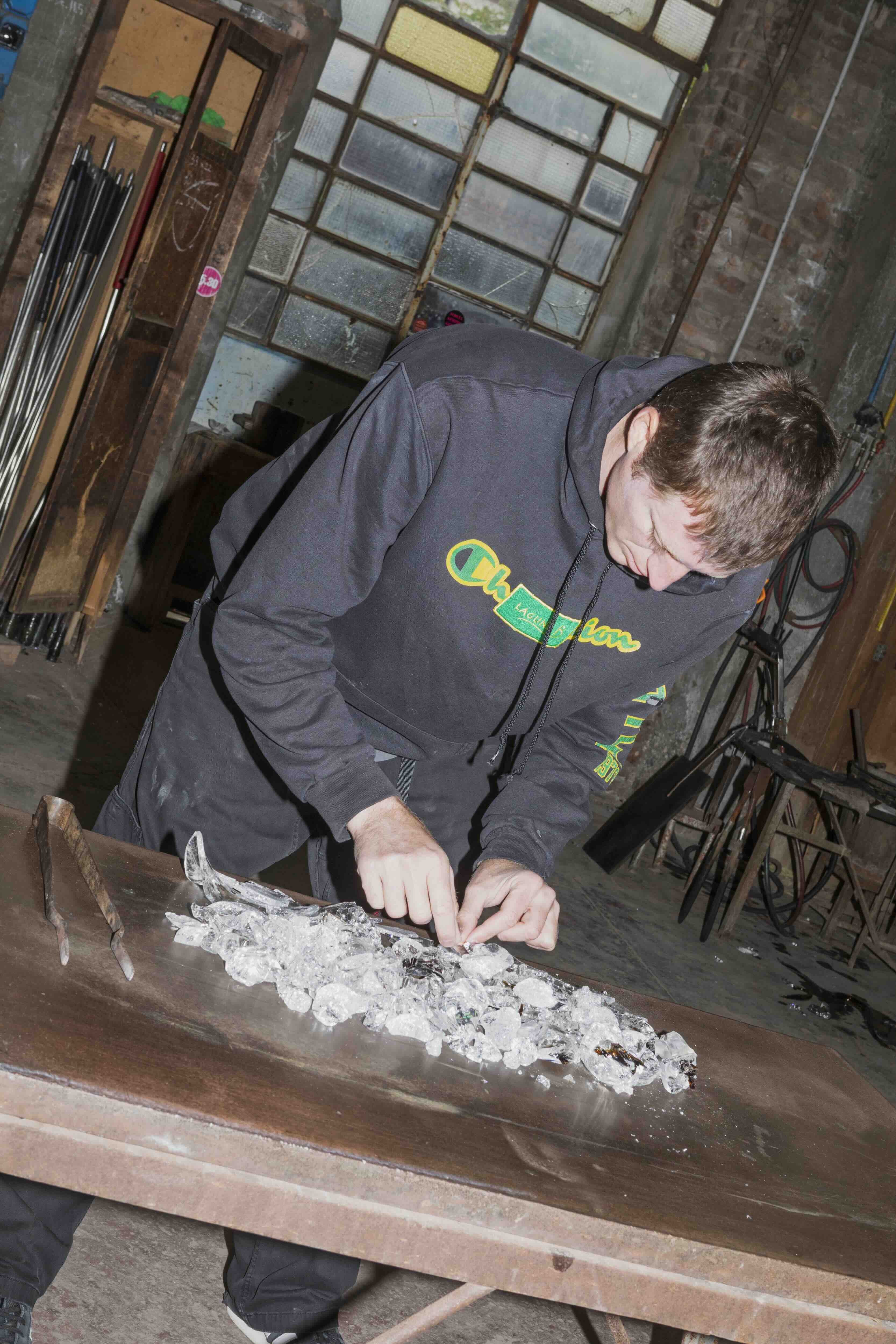
Marcantonio Brandolini d’Adda at work in his studio

Coming from a famous family can be a challenge. But I see it as an opportunity, a tool to communicate with the public and understand what might be useful to them. I can’t hold a conversation for more than 10 minutes. If I can do it through art, then maybe my background will become a “fuck you” to everyone.

Venice is in my DNA. It’s a city that gives me tranquillity, space. But I want my business to grow beyond that – to stand alone. I will have an atelier open to the public in Venice. You may see some glass, but also what’s next – perhaps performance, or sculpture, too.

lagunab.com

Share:
Reading time: 2 min
Woman walks in front of an artwork fanning herself

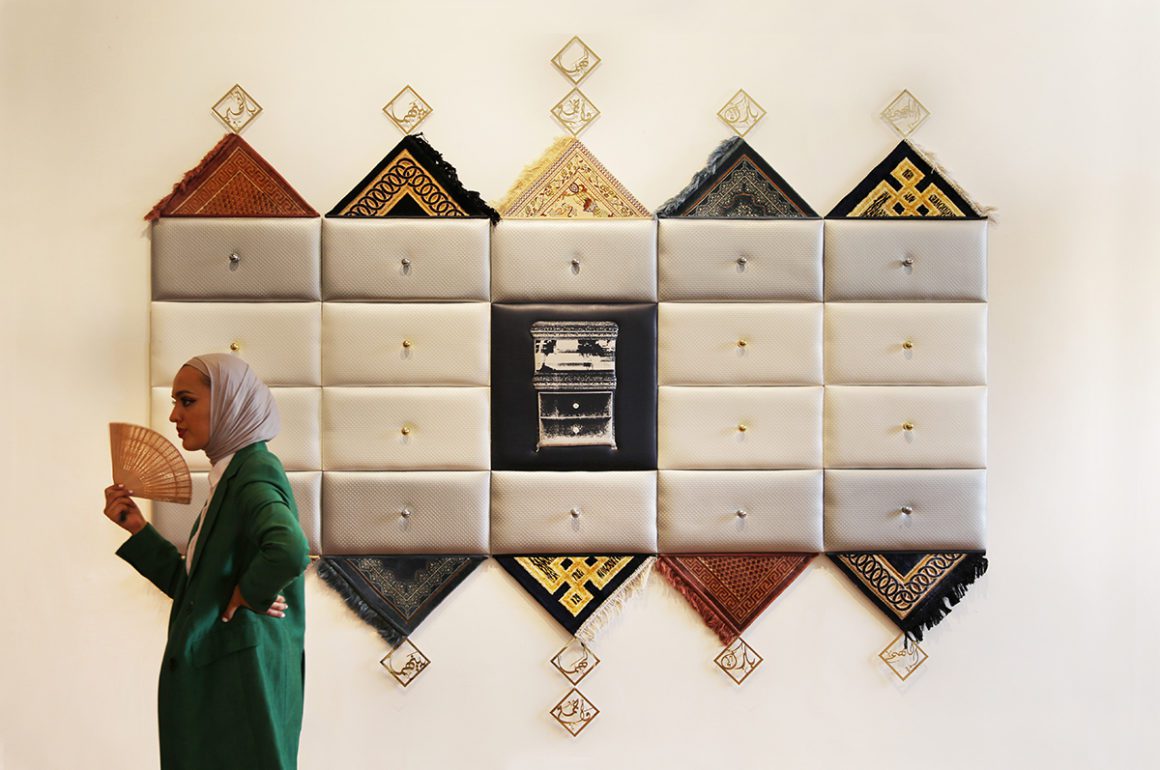
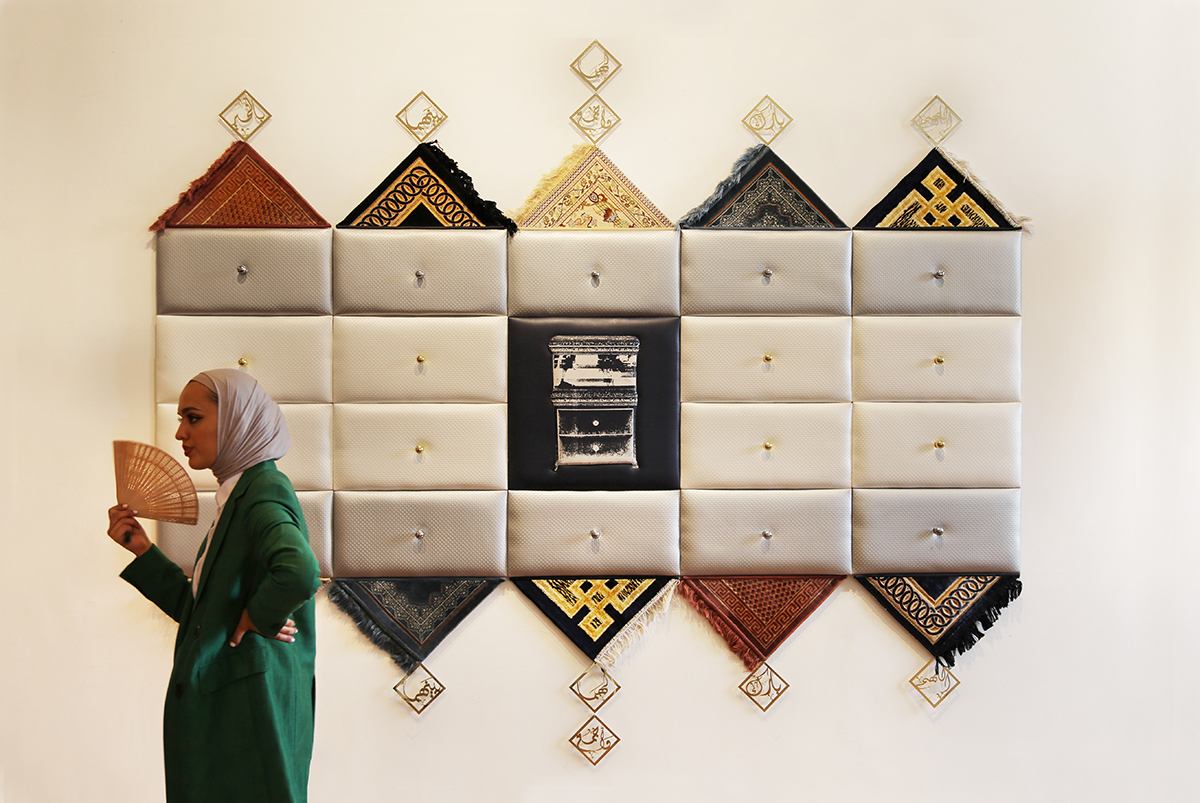
Artist Amani Althuwaini pictured with her work Present Tense. Image by James Houston

The Sheikh Abdullah Al Salem Cultural Centre brings Kuwaiti contemporary art to Venice with a mixed-media group exhibition by young emerging artists

The Sheikh Abdullah Al Salem Cultural Centre, otherwise known as the ASCC, is a colossal museum complex housing six separate institutions: a Natural History Museum, Science Museum, Museum of Islamic History, Space Museum, Fine Arts Centre and theatre. It’s the largest of its kind in Kuwait with the aim of promoting cross-cultural learning and awareness. With that in mind, the centre’s most recent initiative invites emerging Kuwaiti artists to apply for a residency, in which they are given space to work, and opportunities to exhibit overseas.

Follow LUX on Instagram: the.official.lux.magazine

This summer marks the first edition of the programme, which launched earlier this month with the opening of a group shown entitled ‘In my dream I was in Kuwait’ at the Scuola dell’Arte dei Tiraoro e Battioro . The building itself is a relic of Venice’s rich artistic history; it was once the home of the guild of artists and makers of gold thread and gold leaf. Now the building, offers a grand space for events and exhibitions in one of the world’s most picturesque settings. From the gallery’s top windows, you can watch the boats floating along the Grand Canal and almost imagine that you’ve slipped back in time. As such, the current exhibition of contemporary Kuwaiti art makes for an interesting contrast, uniting not only two distinct cultures, but also eras.

The show is split into two halves with the work of three artists (Amani Althuwaini, Mahmoud Shaker, and Zahra Marwan) currently on display until August when the next three artists will take over.

Small paintings hanging on a dark blue wall

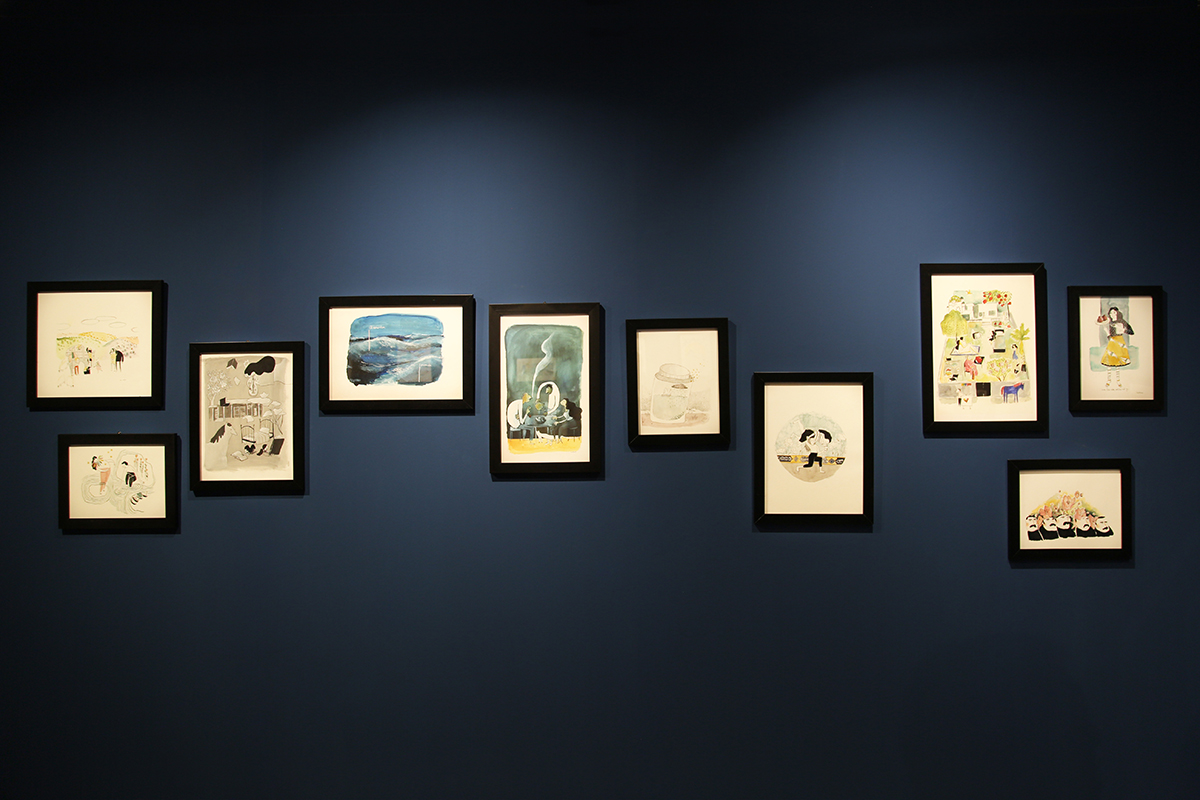
A selection of artworks by Zahra Marwan. Image by James Houston

Marwan’s small-scale watercolour illustrations, which occupy the first floor gallery space, ahave a picture-book quality both with regards to the light-hearted brushstrokes and their narrative descriptors. The description of After the Fish Market reads: ‘I was able to choose my own fish at the market, and I thought it would come to life at home.’ Yet, many of these miniature works are also imbued with an air of melancholia and longing, depicting characters lost in nostalgia and half sleep states.

close up image of artwork with scripture and red painted faces

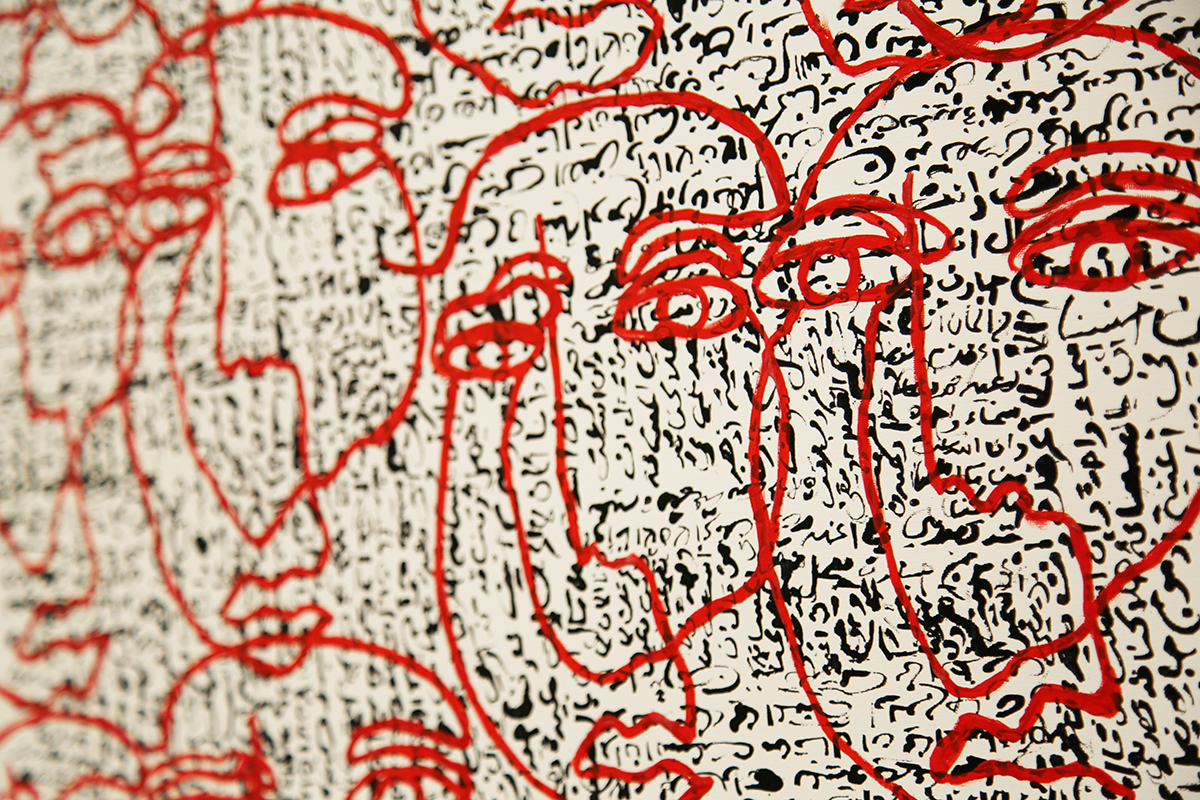
Detail of We See Everything by Mahmoud Shaker. Image by James Houston

Shaker’s works in the upper gallery space also contain an element of storytelling, combining photography and painting with handwritten lines from his own poetry in Arabic. Whilst we might not be able to understand the verse, the lettering gives the work the appearance of another era, and thus creates an intriguing tension between tradition and contemporary subject matter.

Read more: What to see at this year’s Masterpiece London

Althuwaini’s work, however, is the most striking both in composition and themes. Present Tense depicts an oversized chest of drawers, which references the Kuwaiti dowry tradition and its contemporary manifestations. The flatness of the piece presents a critique on the modern prioritisation of quantity rather than quality.

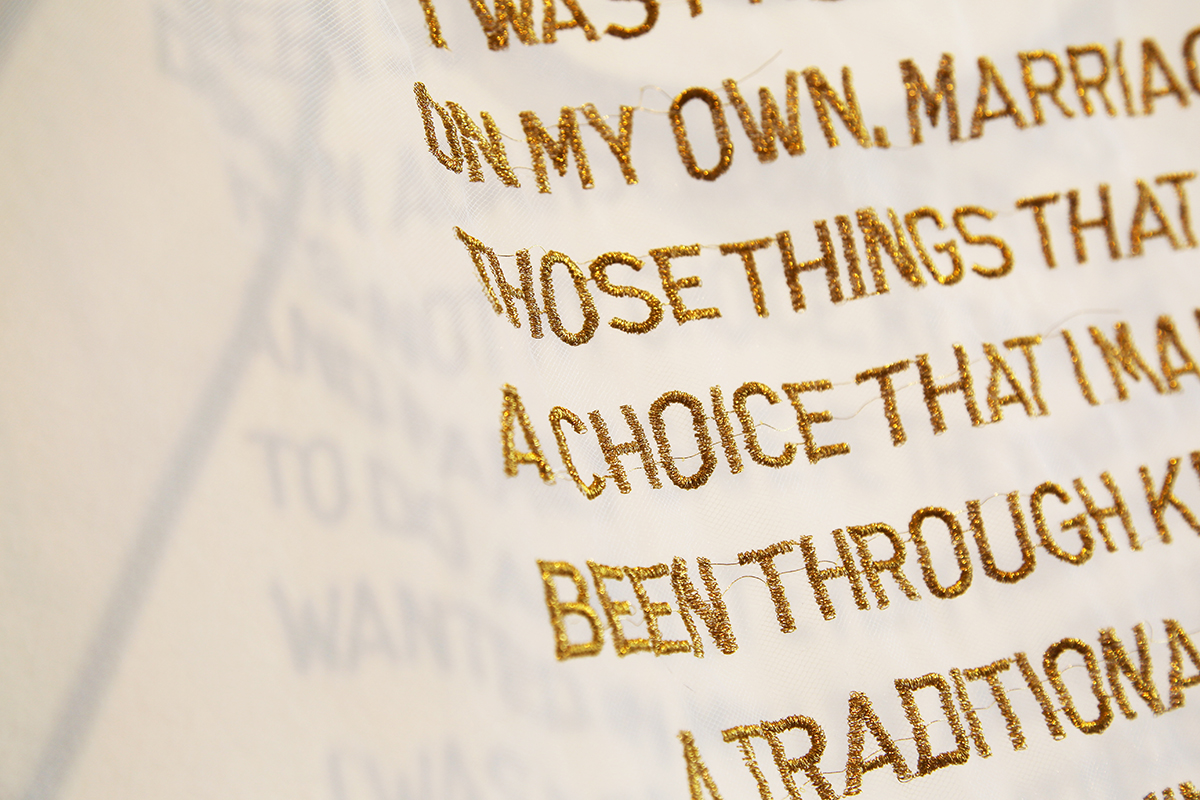
Gold embroidered words floating on a veil against a white wall

Detail of installation artwork He is not your choice by Amani Althuwaini. Image by James Houston

Another of Althuwaini’s installations, entitled He is not your choice, hangs suspended from the ceiling in one corner of the upper gallery. This is a wedding veil embroidered with the story of the artist’s friend who accepted an arranged marriage because of the groom’s perceived eligibility. The veil itself is translucent, whilst the gold lettering appears bold, defiant and doubly inscribed by the sunlight as it casts shadows of the words against the walls.

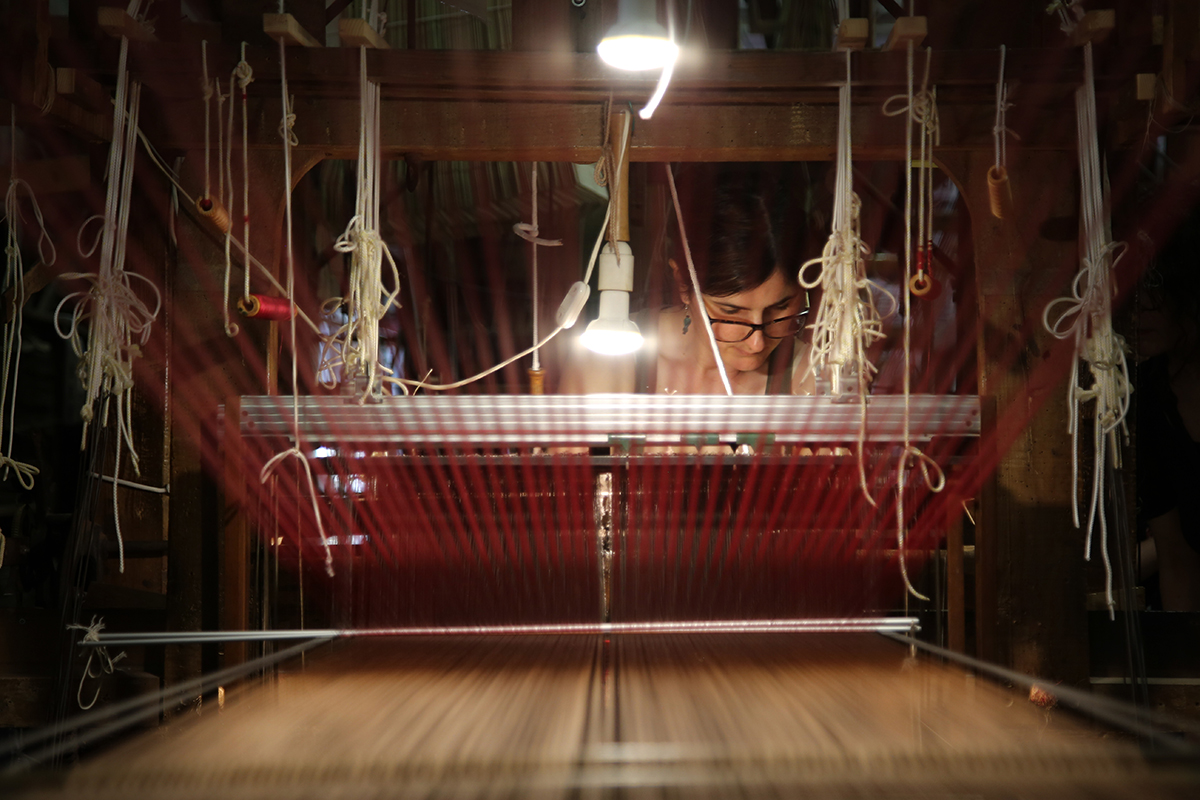
A woman using an old fashion weaving machine

A weaver at work inside the Tessitura Bevilacqua workshop, Venice. Image by James Houston

Whilst these works offer audiences insights into Middle Eastern artistic practises and cultures, the artists themselves are invited to explore traditional Venetian craft through workshops with weavers Tessitura Bevilacqua and glass maker Leonardo Cimolin amongst others. The central idea being that the Kuwaiti artists will find inspiration for their contemporary practise in ancient methods, and so continue the cross-cultural dialogue.

‘In my dream I was in Kuwait’ runs until 28 November 2019 at Scuola dell’Arte dei Tiraoro e Battioro, Venice. For more information visit: ascckw.com

Share:
Reading time: 3 min
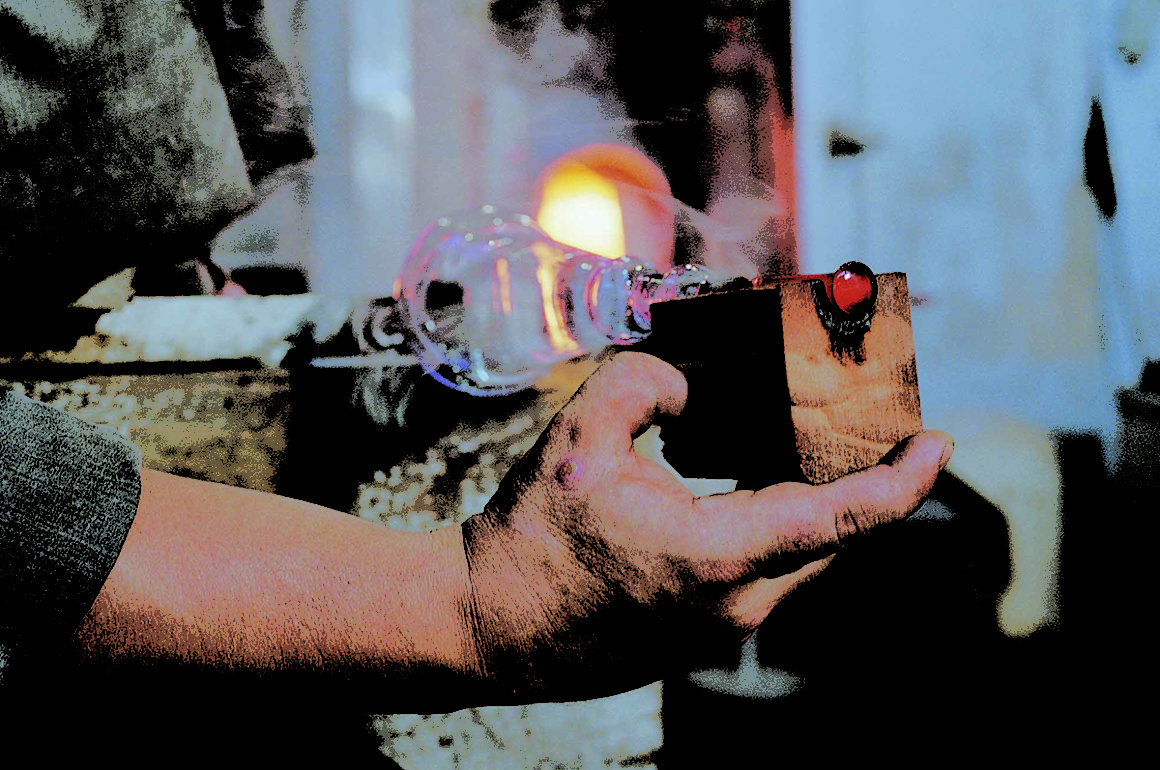
stem forming using wooden mould in moser glass workshop
Colourful hand blown, cut glasses

A range of glasses crafted by Moser

Moser glassworks was founded in 1857 in the tiny quaint town of Karlovy Vary, just outside of Prague, and is now one of the world’s best-known luxury artisanal glassware brands. Kitty Harris travelled to the glass workshop to speak to Moser’s Art Director, Lukáš Jabůrek about inspirations, collaborations and meeting the demands of diverse luxury markets on the brand’s 160th anniversary year.
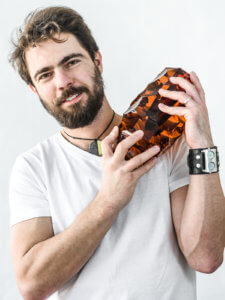
Art Director of Moser Glass holding glass object

Lukáš Jabůrek, Moser’s Art Director

Kitty Harris: What is your background? How did you start?
Lukáš Jabůrek: I studied the cutting and design of glass at a school in Nový Bor. I later worked as a glass cutter in various glass factories in France, The Netherlands and Ireland for some years. I then worked as a teacher in a glass school and later, I came to Moser as an artist, designer and technologist.

Follow LUX on Instagram: the.official.lux.magazine

KH: Why did you choose glass cutting? Was it a tradition within your family?
LJ: During my childhood, I always enjoyed painting and architecture, so I decided to attend art school. During my time there, I became involved in glass cutting and I found it inspiring. It is so diverse, as it can be used to make sculptures and decorations, amongst many other things.

KH: What is the best thing about your job?
LJ: Cutting! Every day is different and I always have new ideas and designs. I find the process of cutting glass here in the studio very relaxing.

KH: Where do you draw inspiration from?
LJ: From architecture, nature and life in general. I take inspiration from everything around me.

KH: How do you encourage younger generations? It is a very specialised practice and not many young people may know about it or are interested…
LJ: It is very difficult because many young people don’t know about glass cutting or necessarily want to work with it. Physically, it is very difficult work. With oven temperatures reaching 1400 degrees the manual work is exhausting. If the temperature outside is above 30 degrees we do not allow the glassblowers to work as is it too hot in the factory. As the day goes on, the ovens cool down, to 700 degrees and at this temperature we can make larger pieces of glass – though this is even more demanding work.
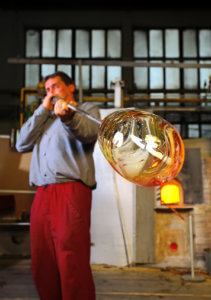
Man blows glass on end of long pole in the Moser glassworks factory

Glass blowing at the Moser workshop

In order to deal with this, we partner with schools and students. I search for talent and I invite students to do internships at the studio. Now they only have three or four students per year so it is very small selection to choose from. They train for three years at glass making school and many drop out. But here in the glass factory, we have two student departments and a glass school. This year we will have the very first female glassblower to work at Moser glassworks. We rely a lot on tradition, the craft being passed down generation to generation. Recently, our master glass blower, who has worked at Moser for 60 years, retired and his son is now the manager of the glassblowing workshop.

Read Next: Britain’s newest and greatest intellectual festival at Cliveden House

KH: What makes Moser special?
LJ: It is the combination and range of colours compared to all the glass factories in the world which have a large but basic colour ranges. And of course, it is a 100% handmade production, with cutting, engraving and painting all done by hand. Visitors are invited to the Moser Museum and some guided tours are available around the site, though the work rooms are closed to the public as the workers need a quiet environment to concentrate in as one wrong 1mm line of engraving can mean a piece (that has gone through 20 other hands before it arrived) is thrown away. Once a year we do an open door day where we run competitions and invite locals and families to spend the day at the factory.
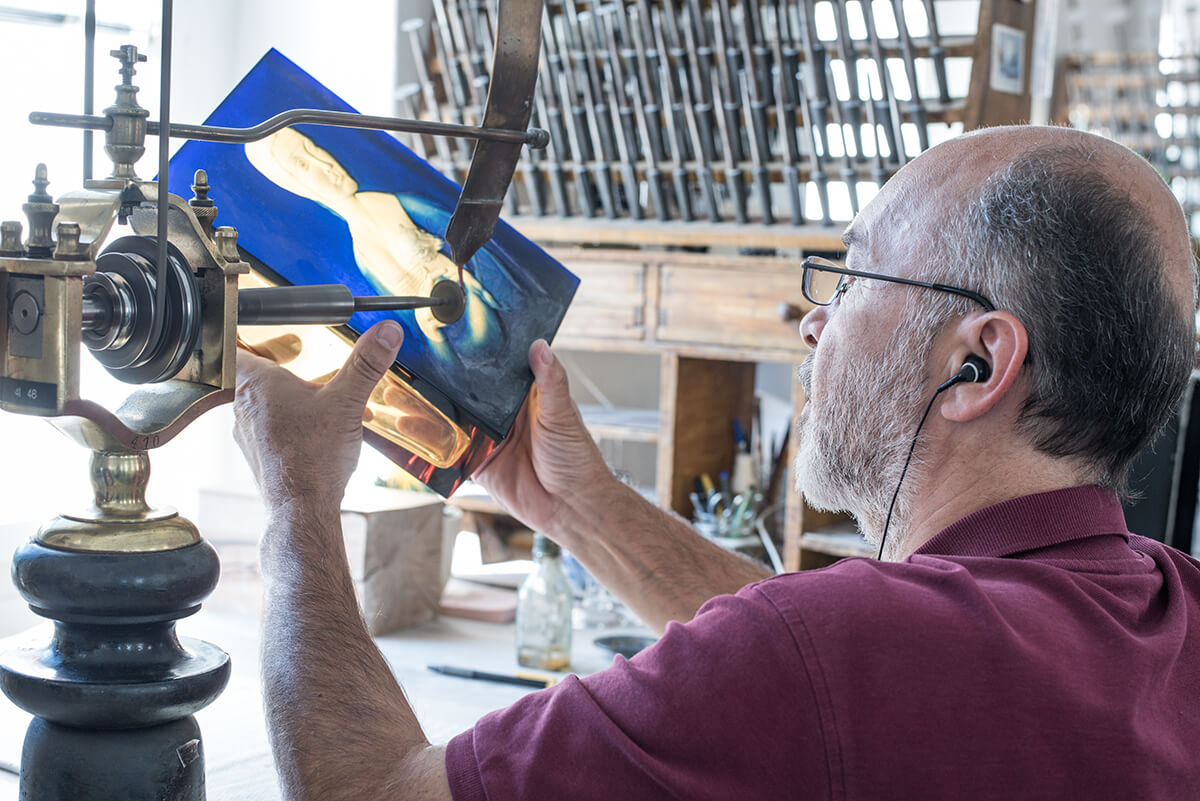
Glass engraving in the Moser glassworks workshop in Prague

Glass art engravings in the Moser workshop

KH: Why is it a luxury?
LJ: Because it is a special design from the best designers. The colour range is very unique. With regards to production, we have the best cutters and engravers. We maintain very high quality, because we get rid of 70% of the glass at the first innining – these might have bubbles, dust or imperfections. One vase may take one hour, and ten vases go to the next worker in the production chain but this ten may yield only two pieces. So, you must make many pieces for selection.

A piece must be ordered 3 months in advance. Unlike fast paced production lines, seen in other luxury brands, that produce replicated items, each Moser glassworks piece is unique. If an order requires engraving, this can take much longer than three months, bearing in mind to paint one piece can take a whole month.

Read next: Geoffrey Kent on the world’s most extraordinary natural wonders

KH: How does the company stay contemporary?
LJ: We say that we collect traditional, historic and contemporary design. We keep a specific face of Moser glassworks, but we also collaborate with other designers, artists and architects. We look for new contemporary trends and styles.

KH: The 160th anniversary collection was the biggest you’ve ever made. What different inspiration went into that collection?
LJ: The inspiration for this collection was the history of Moser glassworks as a company. We selected seven periods of time from the last 160 years to represent different eras. Every part has a few pieces from these periods, including historical motifs, engraved art nouveau plant decorations and gilded African scenes.

KH: You have to cater to different luxury markets, how do they compare?
LJ: For certain countries we have special collections, for Taiwan we do a selection of hand engraved animals on colour glass vases. In terms of platinum or gold painted detail, the USA prefer Platinum whilst the EU prefers Gold; this is why Queen Elizabeth’s Splendid Collection is painted in 24kt gold paint.

KH: You have partnerships with some big luxury brands, including Asprey, David Linley and William & Son. Which are the most successful and why?
LJ: They are successful because it is the merging of two different worlds that still have the same traditions of quality and philosophy. We are very like-minded.

Kitty Harris: How does your design approach differ for each brand?
Lukáš Jabůrek: I look at history, for example history of Great Britain and the culture. I look at these symbols for specific inspiration.
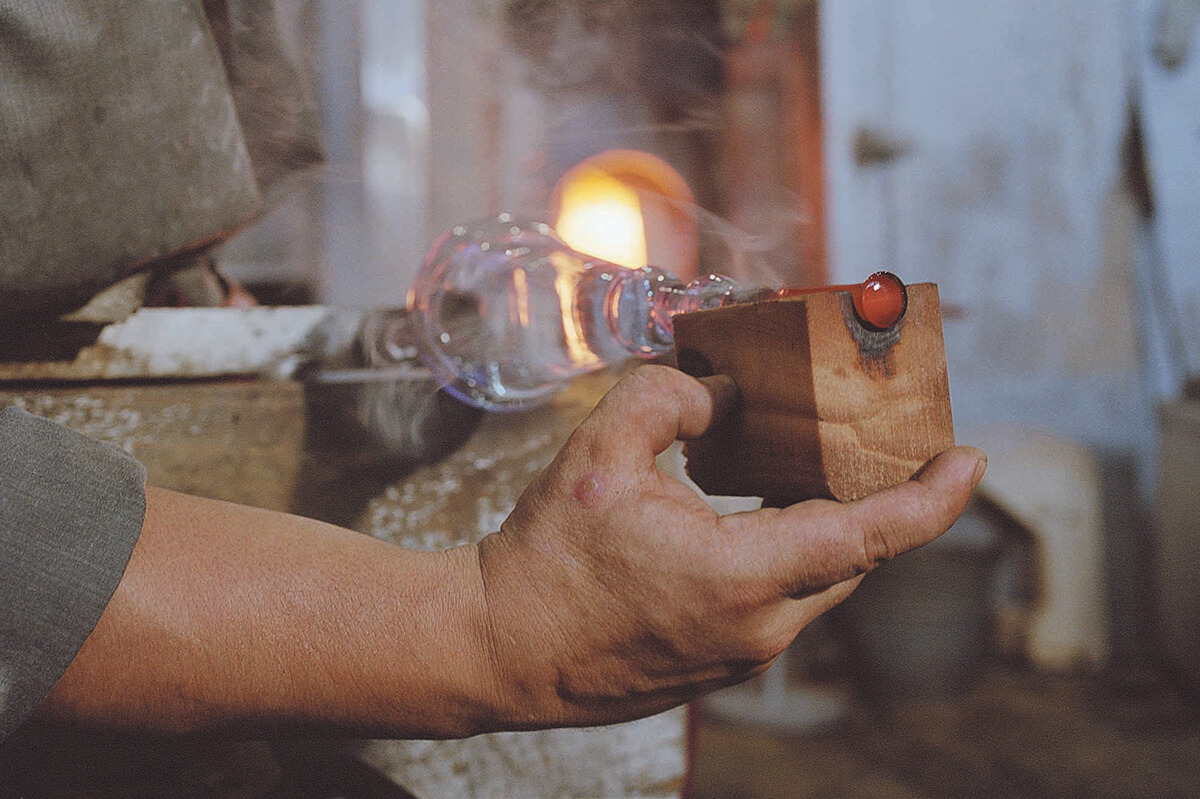
stem forming using wooden mould in moser glassworks factory

Stem forming using a wooden mould in the Moser glassworks factory

KH: Can you draw a distinction between Moser as a product and Moser as an art?
LJ: There is a very small difference, because Moser does not carry out mass machine production. It is careful art production and every piece is unique and original. In our glass factory, every piece is really specific. The construction of every piece is unique. Whilst drink sets have more classic production, our decorative objects are made differently as artistic pieces.

KH: What’s next for Moser glassworks?
LJ: I would like to maintain exceptional standards. But, I would like to introduce fresh designs whilst keeping the history firmly in the design. We would also like to develop a presence in interior design for hotels, restaurants and resorts. For example, developing lamps and chandeliers. It is always evolving at Moser.

moser-glass.com
Share:
Reading time: 6 min