



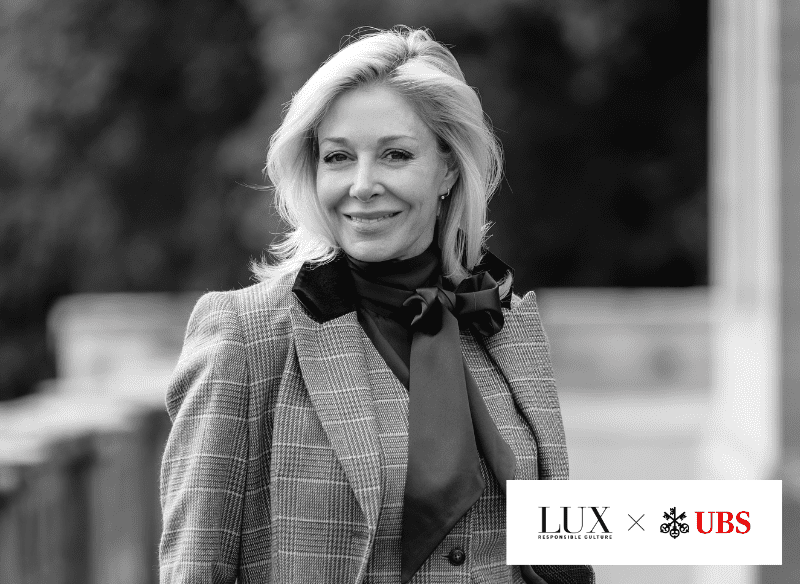
Nadja Swarovski is an environmental philanthropist and investor in sustainable brands
How do we protect our oceans, which generate most of the oxygen we breathe, regulate the planet’s climate, house most of its biodiversity and feed billions, while nurturing sustainable economic activity? In the first of our series, investor and philanthropist Nadja Swarovski outlines her key priorities and gives some no-nonsense advice to her peers
Nadja Swarovski has been involved with sustainability and ocean protection for decades, both as a top executive in the eponymous family company, optic instrument and crystal maker Swarovski (which posted €1.9 billion in revenue in 2024), and as a philanthropist.
Follow LUX on Instagram: @luxthemagazine
She says she sometimes despairs at the lack of progress in the fashion and garment industry, to which Swarovski provides crystals. “It’s very sad to see how unsustainable some fashion brands are, because there are solutions out there. Concern about the bottom line keeps executives from exploring them. What has gone wrong is down to short-term thinking and human greed”.
Swarovski says that large corporations, particularly consumer-facing ones, have the ability to change the narrative in the broader economy. “Implement a strategy that embraces the cause of building a sustainable future. Sign the United Nations Global Compact. Roll out those principles in your organisation and educate your employees. They’ll tell their families.” In this way, corporations with tens or hundreds of thousands of employees can move the dial in terms of establishing a democratic desire for sustainable development.
This, Swarovski says, will also raise the desire for action, as it will help the voting public in democracies to better understand how natural capital, conservancy, sustainability, economic growth and wellbeing are entwined. At the moment there is not enough awareness that viewing nature as capital should be intrinsic to our economic system.
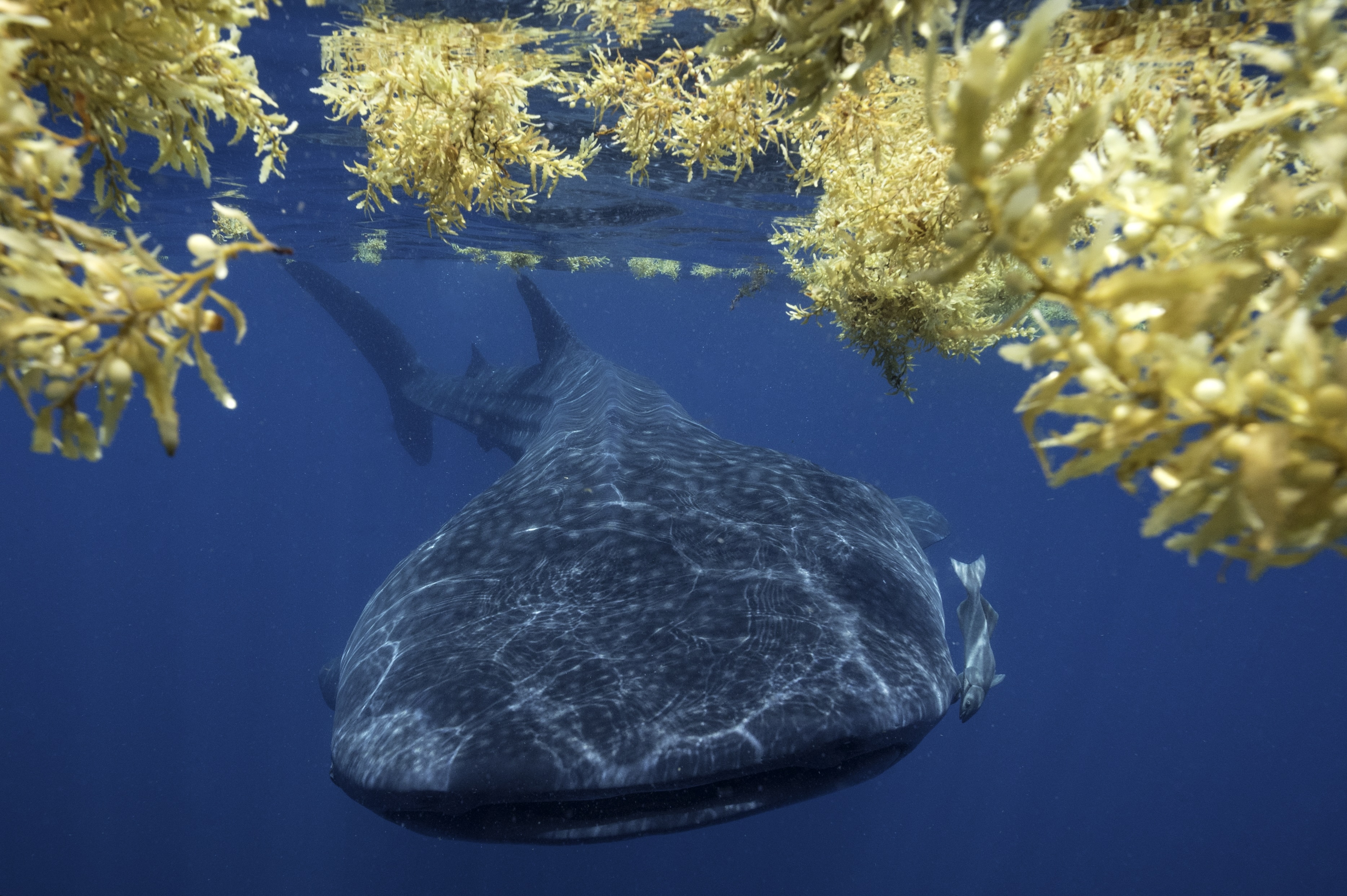
An encounter with a whale shark, the ocean’s largest fish, Mexico, 2018
Swarovski, who was in charge of the Swarovski brand’s sustainability strategy from 2012 to 2020, believes that individual philanthropists have both an opportunity and a duty to do more. Family offices and businesses that have foundations can direct their strategies via organisations such as The Nature Conservancy, which she herself supports, including as a member of its European Council for Global Conservation.
Tracking impact is also key for Swarovski. “Many charities are not implementing the UN Sustainable Development Goals effectively, and are not reporting efficiently,” she says. “I donated to and worked with a number of organisations, and only a fraction of the funds ended up with the conservation and nature causes they were supposed to support. Often with structural inefficiencies or corruption in some parts of the world, there is a risk that the money gets stuck somewhere along the way.”
Read more: How Louis Roederer champagne leads in biodiversity
Swarovski no longer holds an executive role in the company and works as an individual philanthropist; she is a strong believer in the potential for philanthropy to create significant positive impact, but says “there is a lot to do”, as individual philanthropists, corporates, governments and NGOs need to establish structures to catalyse change.
She speaks of her participation in the 2025 United Nations Ocean Conference in Nice, France, as a trustee of the Pacific Whale Fund. The fund is committed to changing shipping routes so they reroute to avoid the migratory paths of whales. “They are migratory animals,” says Swarovski, “and what is important is to protect their migratory paths, due to the dramatic increase in shipping traffic.” She points out that this is not simply to ensure the safety of these seaborne mammals: they are a key part of an ecosystem that ensures the oceans are healthy, which in turn ensures a healthy planet, and our own future.
Nadja Swarovski is an environmental philanthropist and nature-finance advocate for oceans. An ambassador for the Circular Bioeconomy Alliance established by King Charles, Swarovski also sits on the European Council of The Nature Conservancy. She is a trustee of the Moananui Sanctuary, supporting the Pacific Whale Fund through innovative finance, and is an impact investor. She is the founder and former Chair of the Swarovski Foundation and former Head of the Swarovski Waterschool.
Photography for the UBS x LUX Blue Economy series by Cristina Mittermeier