





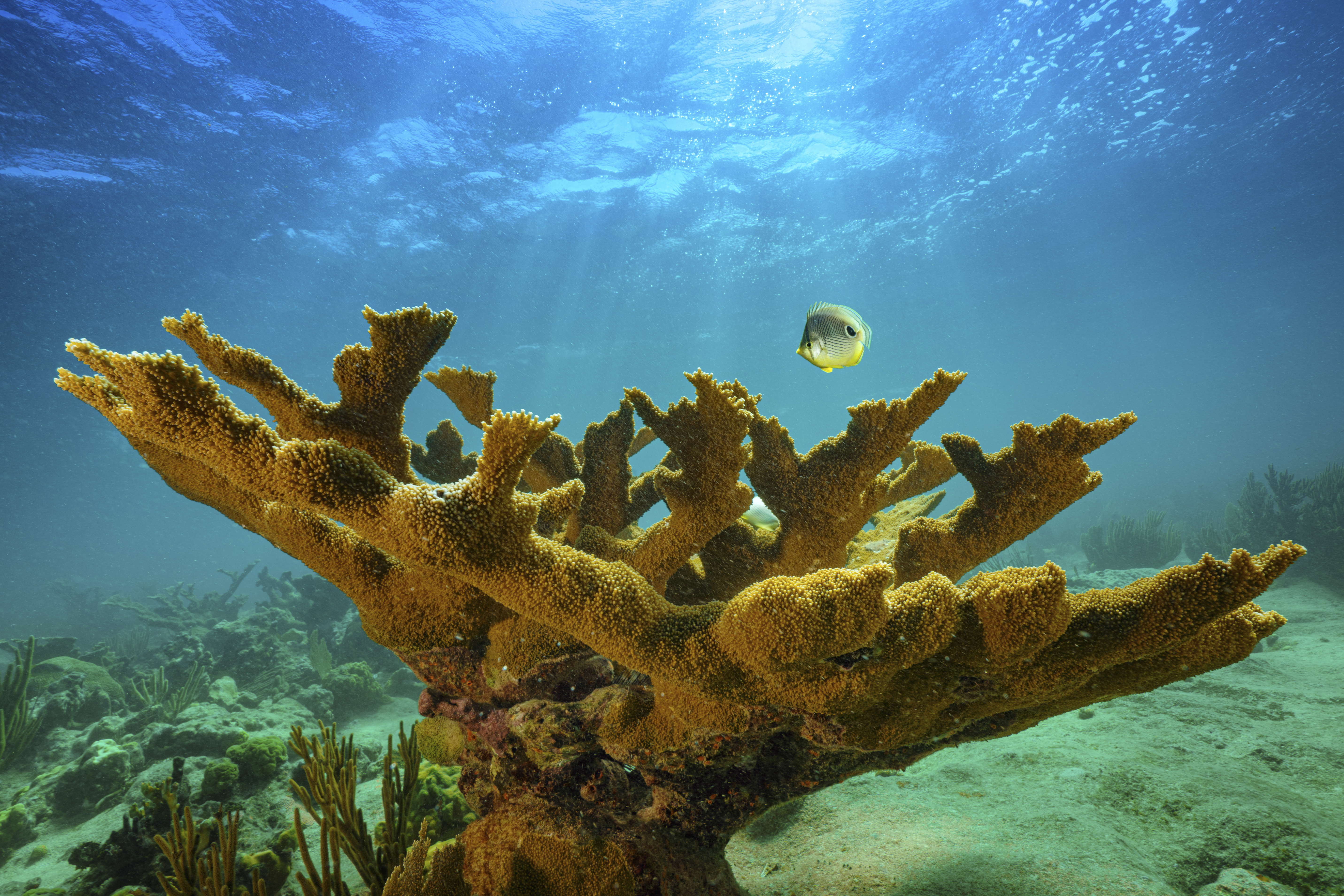
“It is time for nature to be accounted for on balance sheets” – Karen Sack
Having held leadership roles at Greenpeace International, The Pew Charitable Trusts and previously served as CEO of Ocean Unite – which she co-founded with Richard Branson and José María Figueres – Karen Sack has spent the past three decades at the forefront of global campaigns to protect the oceans through conservation, law and policy. LUX speaks to Sack about her current role as Co-founder and Executive Director of Ocean Risk and Resilience Action Alliance
Small skiffs or fishing boats rarely sail alone. It’s a notion that underpins a core strategy at ORRAA, which is working to build an effective capital market for the ocean. ORRAA’s Sea Change Impact Financing Facility – or Sciff – is a collection of financial instruments that work together “like a flotilla”.
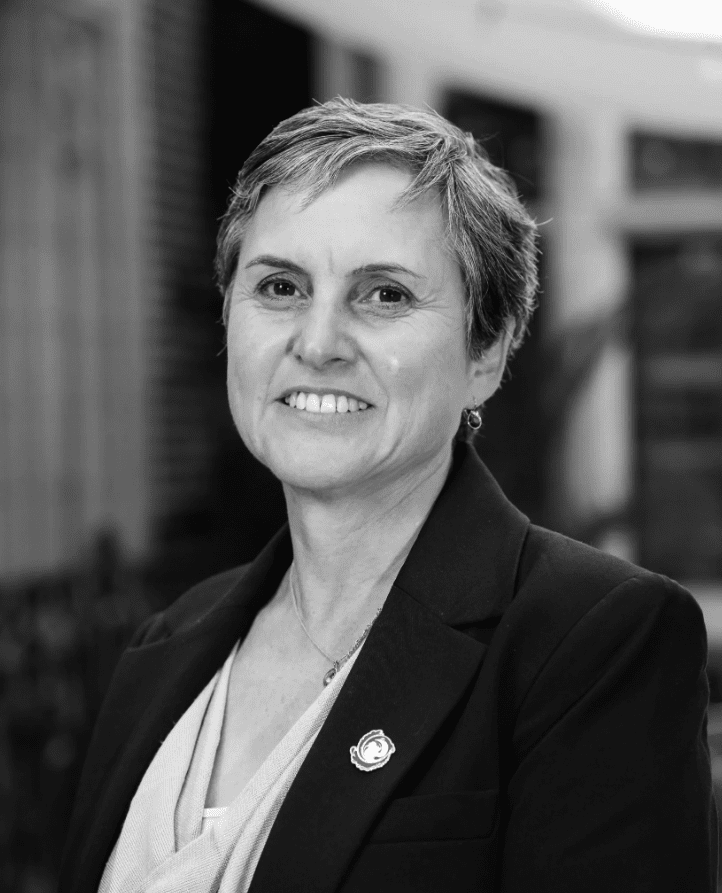
Karen Sack, Co-founder and Executive Director of Ocean Risk and Resilience Action Alliance
From providing a guarantee facility to de-risk investments, to building a robust and transparent blue bond market, these innovative products combine to address what Sack describes as the “missing middle” in the blue economy, where “so many amazing innovations falter as they try to bridge the gap between grant funding and return-seeking investment.”
Follow LUX on Instagram: @luxthemagazine
To grow this nascent market, Sack says, “we need to be patient with capital and impatient with action.” Sciff is just one part of a multi-pronged effort that reaches from “the boardroom to the beachfront”.
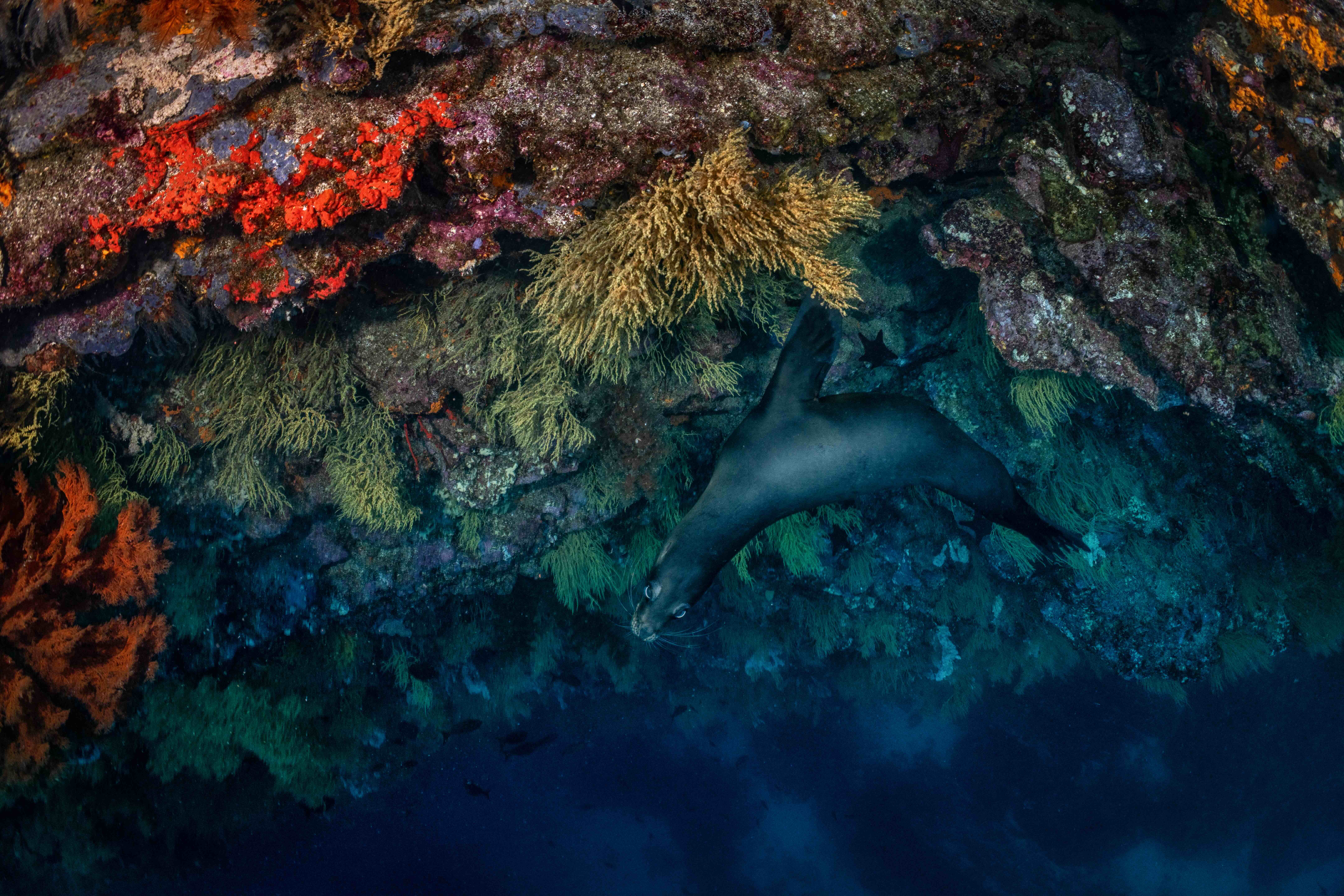
Ocean conservation action must reach from “the boardroom to the beachfront” – Karen Sack
In the boardroom, ORRAA is driving the #BackBlue Ocean Finance Commitment, a UN-backed campaign to ensure that a regenerating and sustainable ocean has a seat at the table in finance and insurance decisions. The cumulative value of assets under management by current endorsers of #BackBlue amounts to $3.45 trillion. “We are now focused on building out this work to identify the ‘red line’ no-go investment areas and ‘blue line’ opportunities for institutional investors to lean into,” says Sack.
Read more: How Louis Roederer champagne leads in biodiversity
On the beachfront, ORRAA is taking steps to catalyse investment flows into the communities that need them most. Its Innovation and Product Pipeline initiative provides early-stage grants to help incubate, innovate and accelerate the development of finance and insurance products that invest in coastal and ocean natural capital.
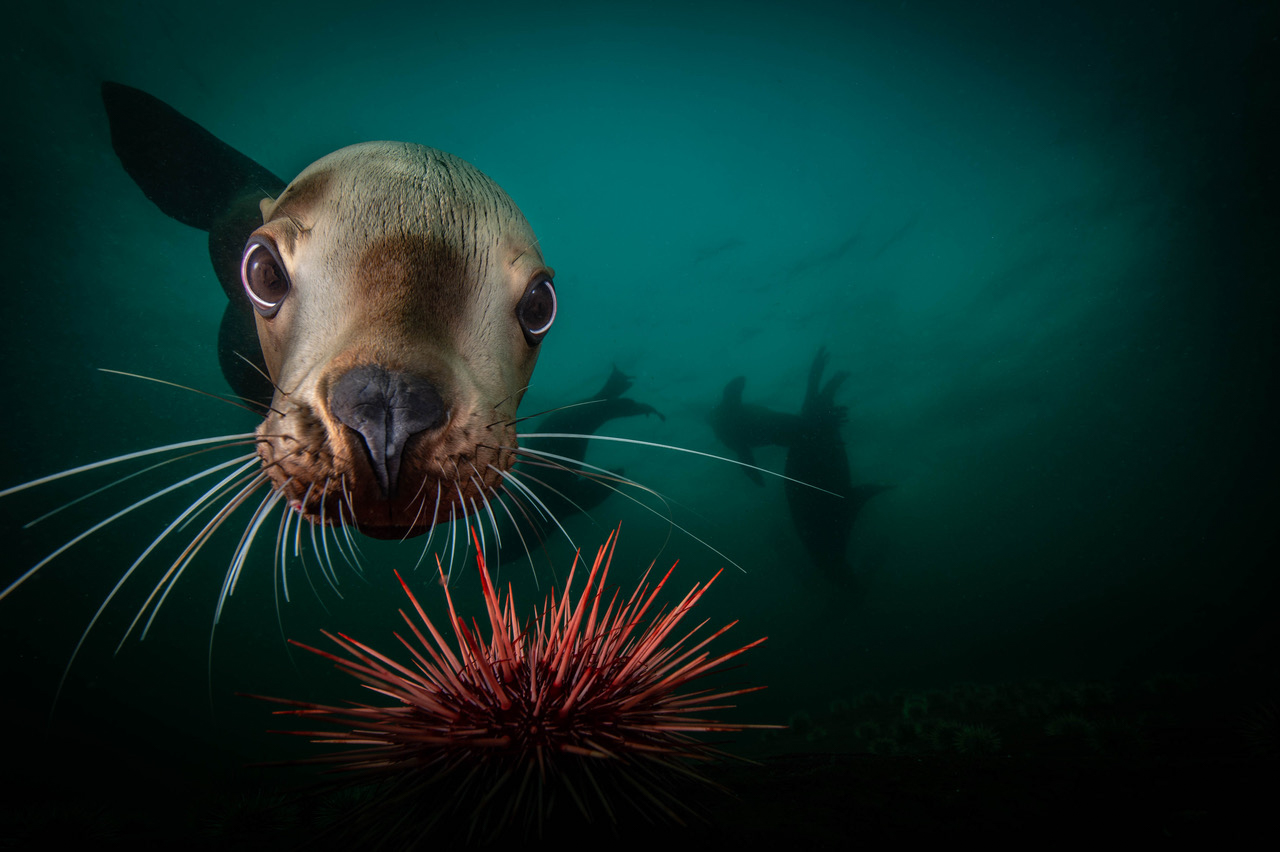
“Short-term profit does not overshadow long-term community health and Earth system vitality”
Since 2021, it has supported 50 projects in 30 countries through $20 million in grants. “Entrepreneurs in underserved countries often face limited opportunities to scale ventures,” says Sack. “Just tens of thousands of dollars – a relatively small amount of capital – can do big things.”
Sack is optimistic about the direction of travel, but is aware that the window for action is closing fast. She argues that integrating social returns, biodiversity-positive outcomes and climate resilience as fundamental elements of success can ensure that short-term profit does not overshadow long-term community health and Earth system vitality.
“Investors need to recognise ocean health as material to portfolios,” says Sack. “It is time for nature to be accounted for on balance sheets.”
Photography for the UBS x LUX Blue Economy series by Cristina Mittermeier





Recent Comments