


“It is time for nature to be accounted for on balance sheets” – Karen Sack

Having held leadership roles at Greenpeace International, The Pew Charitable Trusts and previously served as CEO of Ocean Unite – which she co-founded with Richard Branson and José María Figueres – Karen Sack has spent the past three decades at the forefront of global campaigns to protect the oceans through conservation, law and policy. LUX speaks to Sack about her current role as Co-founder and Executive Director of Ocean Risk and Resilience Action Alliance

Small skiffs or fishing boats rarely sail alone. It’s a notion that underpins a core strategy at ORRAA, which is working to build an effective capital market for the ocean. ORRAA’s Sea Change Impact Financing Facility – or Sciff – is a collection of financial instruments that work together “like a flotilla”.
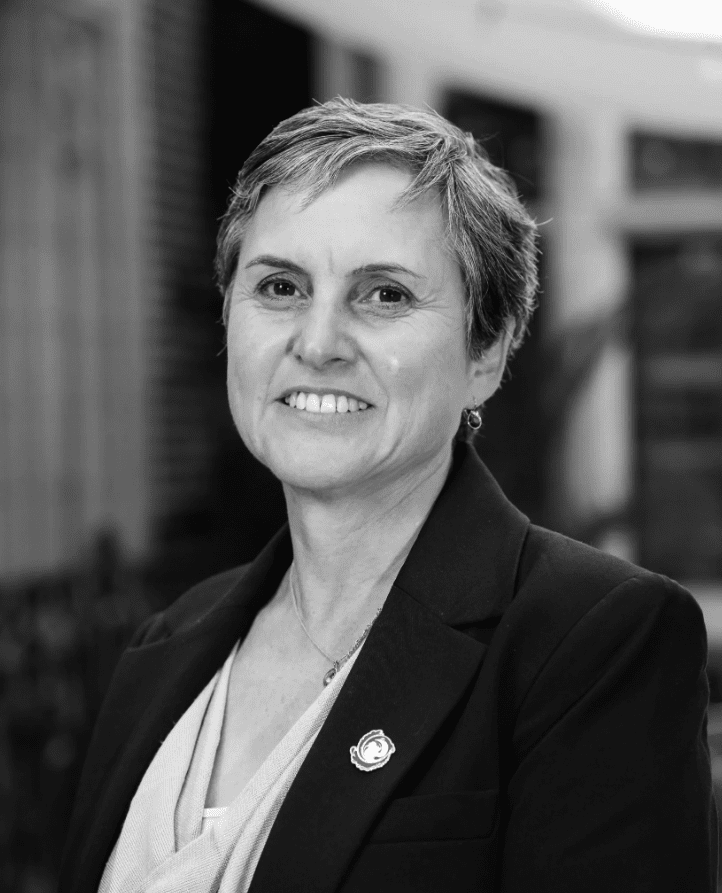
Karen Sack, Co-founder and Executive Director of Ocean Risk and Resilience Action Alliance

From providing a guarantee facility to de-risk investments, to building a robust and transparent blue bond market, these innovative products combine to address what Sack describes as the “missing middle” in the blue economy, where “so many amazing innovations falter as they try to bridge the gap between grant funding and return-seeking investment.”

Follow LUX on Instagram: @luxthemagazine

To grow this nascent market, Sack says, “we need to be patient with capital and impatient with action.” Sciff is just one part of a multi-pronged effort that reaches from “the boardroom to the beachfront”.
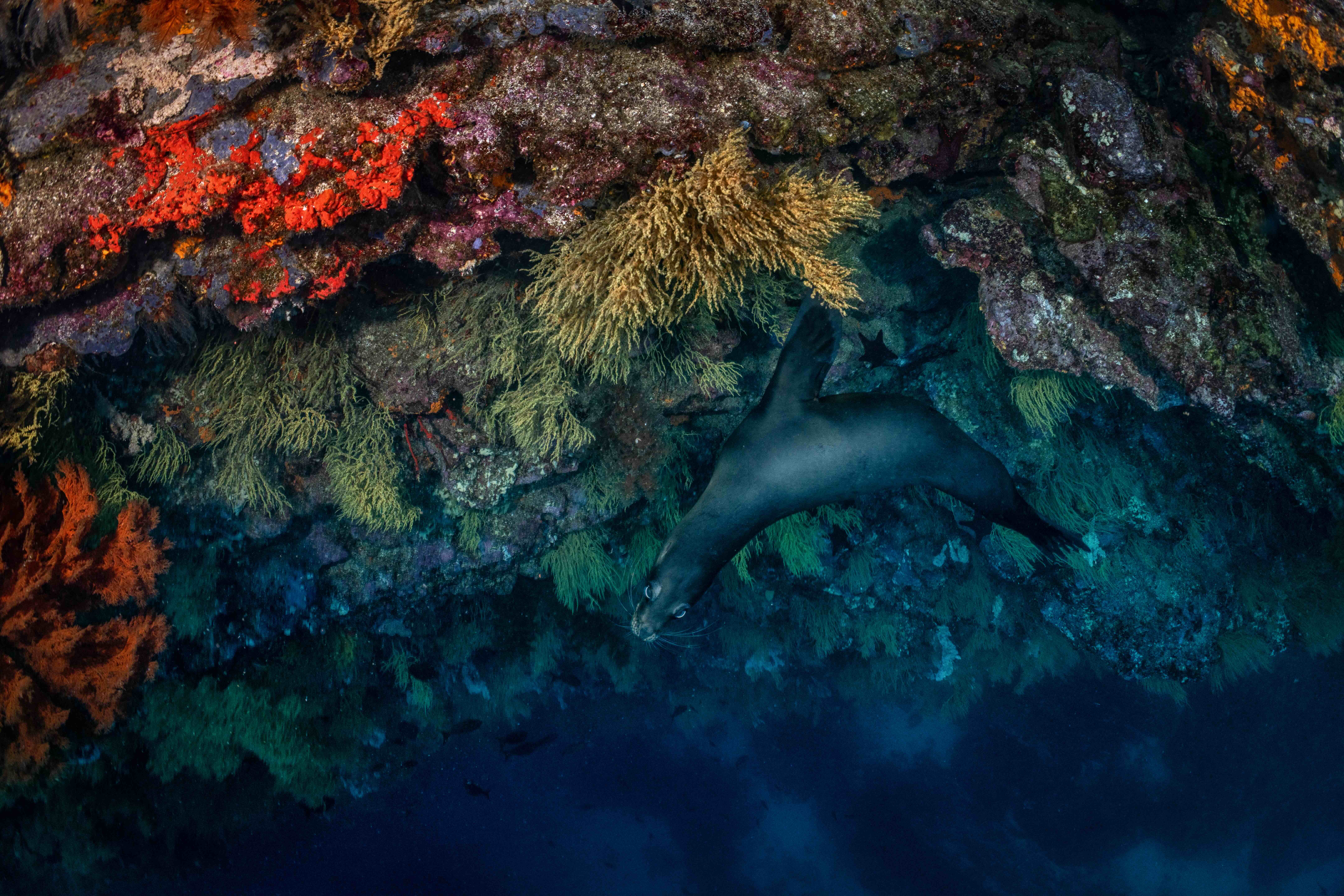
Ocean conservation action must reach from “the boardroom to the beachfront” – Karen Sack

In the boardroom, ORRAA is driving the #BackBlue Ocean Finance Commitment, a UN-backed campaign to ensure that a regenerating and sustainable ocean has a seat at the table in finance and insurance decisions. The cumulative value of assets under management by current endorsers of #BackBlue amounts to $3.45 trillion. “We are now focused on building out this work to identify the ‘red line’ no-go investment areas and ‘blue line’ opportunities for institutional investors to lean into,” says Sack.

Read more: How Louis Roederer champagne leads in biodiversity

On the beachfront, ORRAA is taking steps to catalyse investment flows into the communities that need them most. Its Innovation and Product Pipeline initiative provides early-stage grants to help incubate, innovate and accelerate the development of finance and insurance products that invest in coastal and ocean natural capital.
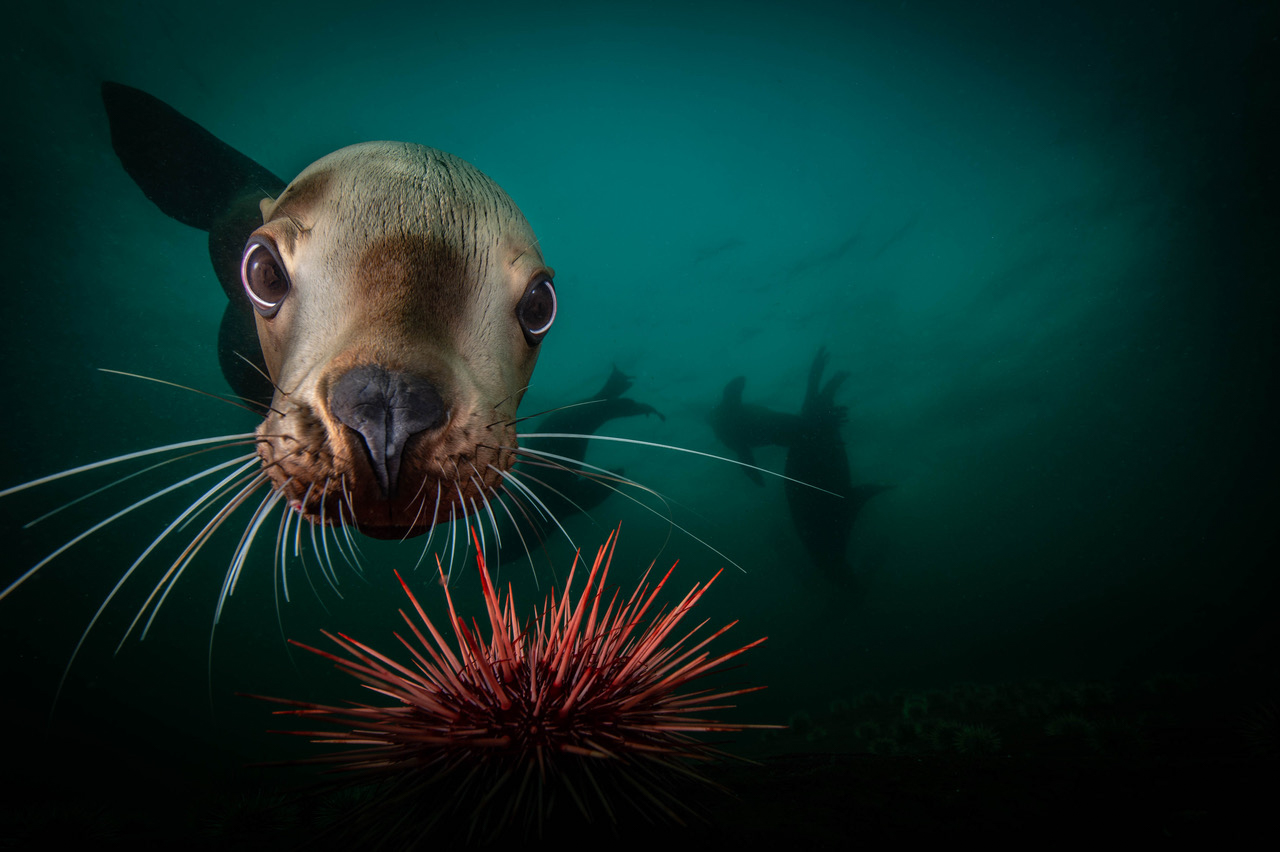
“Short-term profit does not overshadow long-term community health and Earth system vitality”

Since 2021, it has supported 50 projects in 30 countries through $20 million in grants. “Entrepreneurs in underserved countries often face limited opportunities to scale ventures,” says Sack. “Just tens of thousands of dollars – a relatively small amount of capital – can do big things.”

Sack is optimistic about the direction of travel, but is aware that the window for action is closing fast. She argues that integrating social returns, biodiversity-positive outcomes and climate resilience as fundamental elements of success can ensure that short-term profit does not overshadow long-term community health and Earth system vitality.

“Investors need to recognise ocean health as material to portfolios,” says Sack. “It is time for nature to be accounted for on balance sheets.”

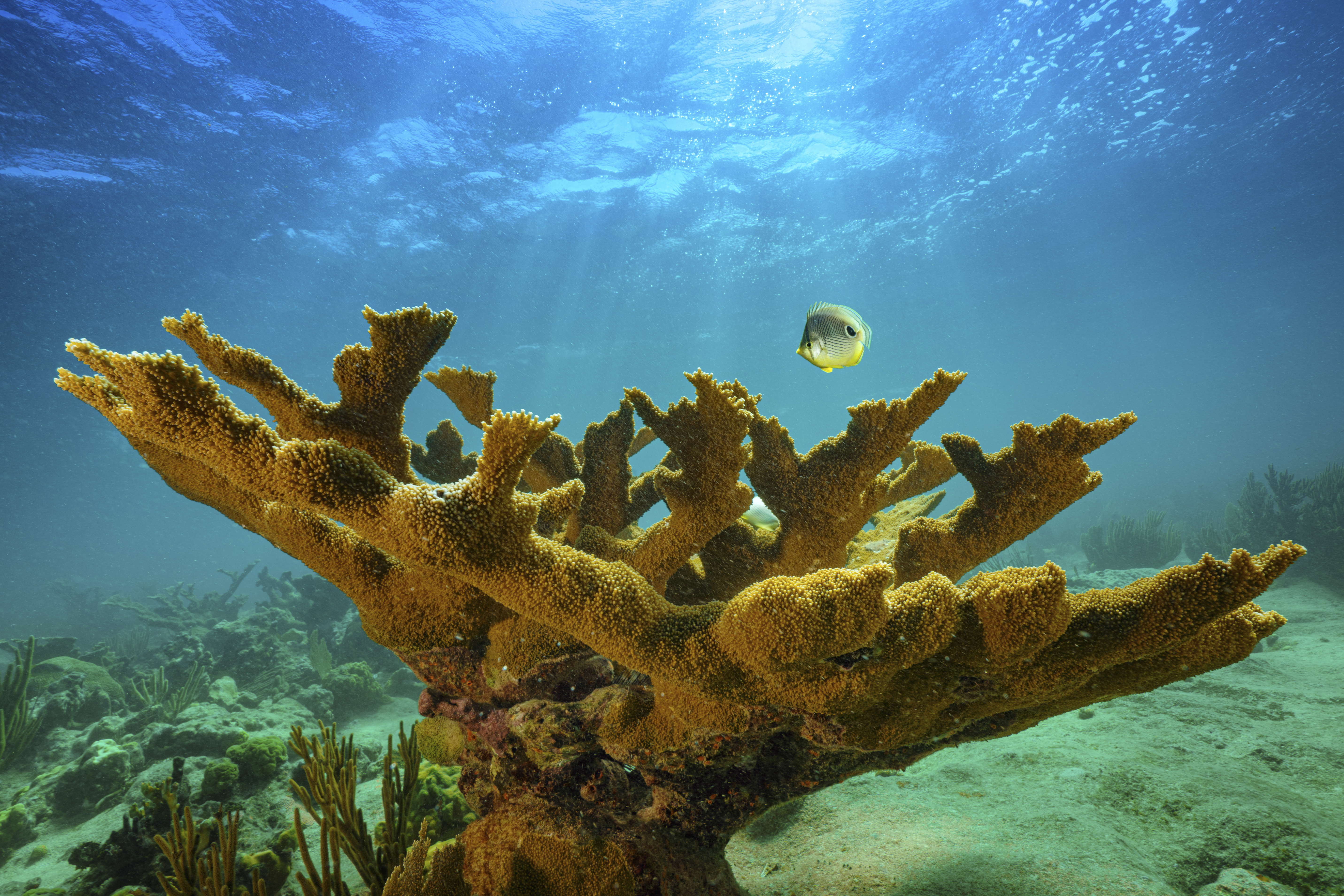
Photography for the UBS x LUX Blue Economy series by Cristina Mittermeier
oceanriskalliance.org

Share:
Reading time: 2 min

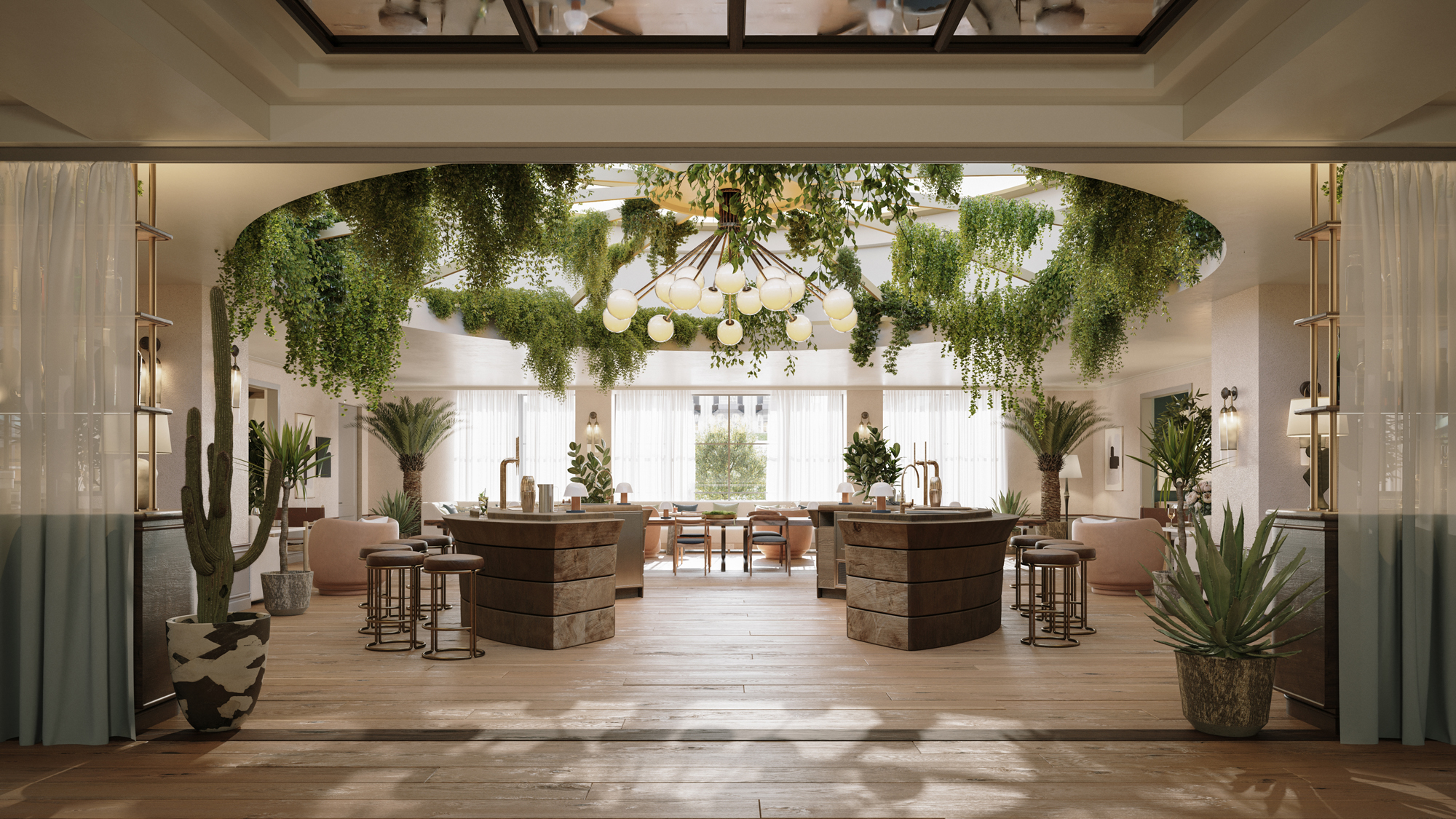
The new Six Senses opening in the iconic Whiteley, London, fitted with 109 rooms and suites, along with 14 Six Senses Residences, spa, and fitness centre

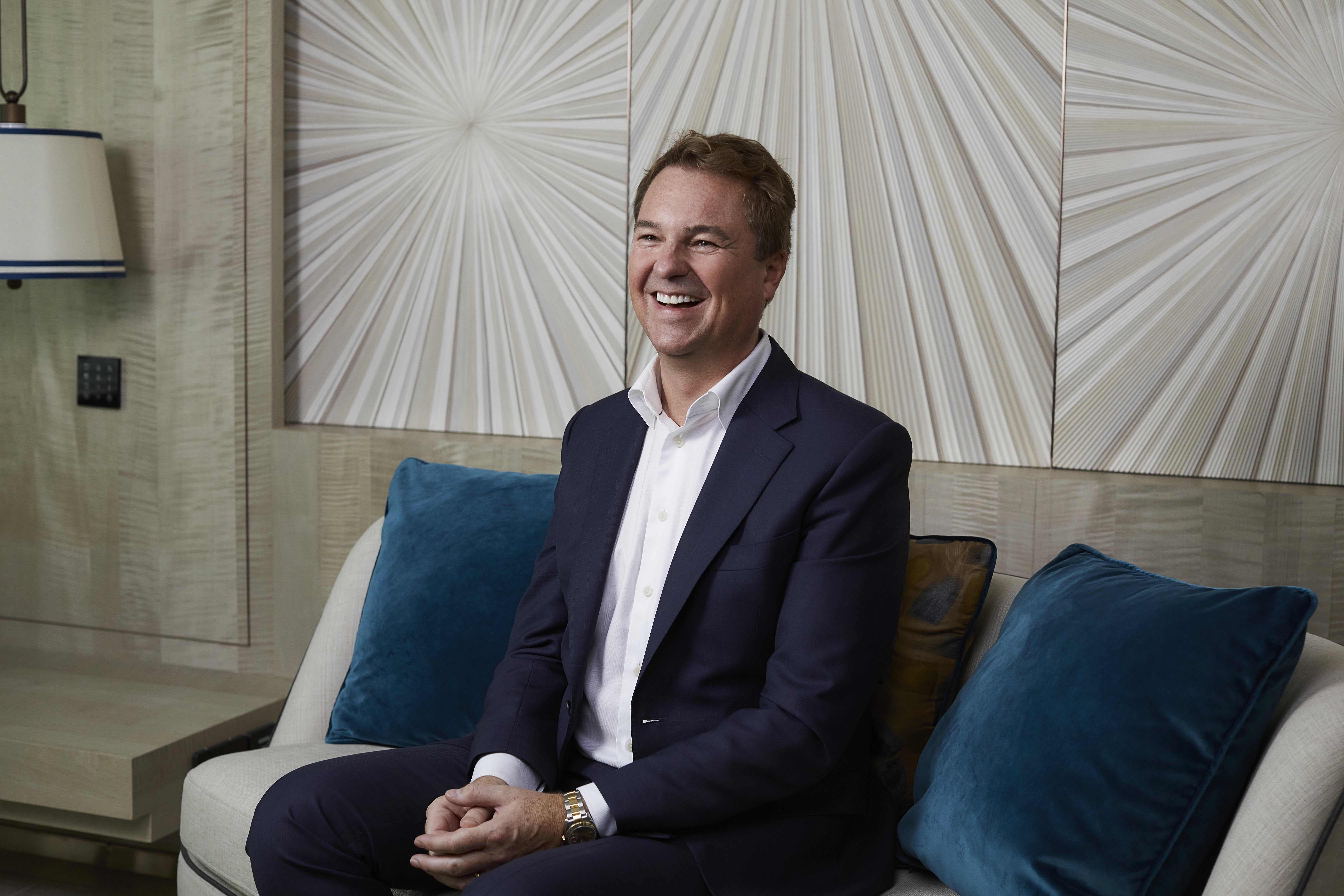
As VP of the luxury portfolio of Six Senses owner IHG, Tom Rowntree is at the cutting edge of modern luxury hospitality. He speaks to LUX about how to keep the future both luxurious and Zen

LUX: Tell us more about the Six Senses in London and the members’ club?

Follow LUX on Instagram: @luxthemagazine

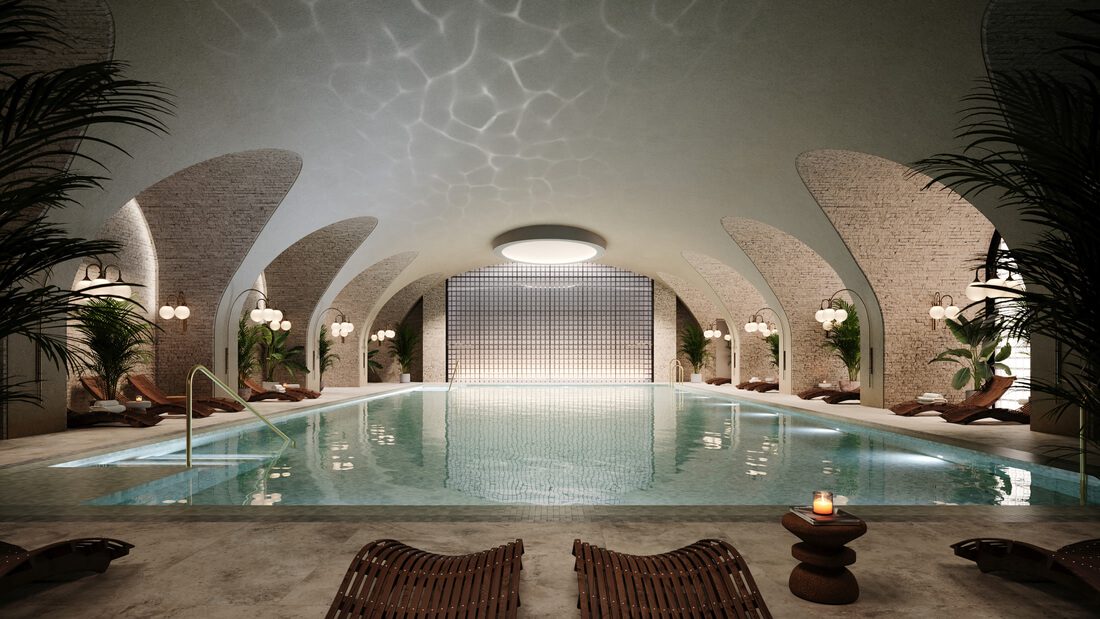
Tom Rowntree: The Whiteley is an iconic building, and we are delighted to be opening a Six Senses here. It will be landmark moment for both Six Senses and IHG. There will be a signature 109 rooms and suites, along with 14 Six Senses Residences, a signature Six Senses Spa, and over 325 square meter fitness centre, complete with a 20-meter indoor pool.

Tom Rowntree at the Regent Taste Studio premiere, which fuses fine art and culinary craft

Six Senses Place is a part of this and will be our first private members club. It is designed around ‘a new rhythm for the city’. A place where members and hotel guests can join a community to heal, gather, learn, and feel a sense of belonging.

LUX: How do you integrate art and food into your experiences?

TR: Regent Taste Studio is the perfect example of this. It is a series of pop-up culinary experiences inspired by art, design and culture. These are immersive experience where the chefs from our properties around the world collaborate with artists, designers and musicians to curate one of a kind extraordinary dining moments that engage our guests on a multi-sensory level that goes far beyond the realms of art or food individually.

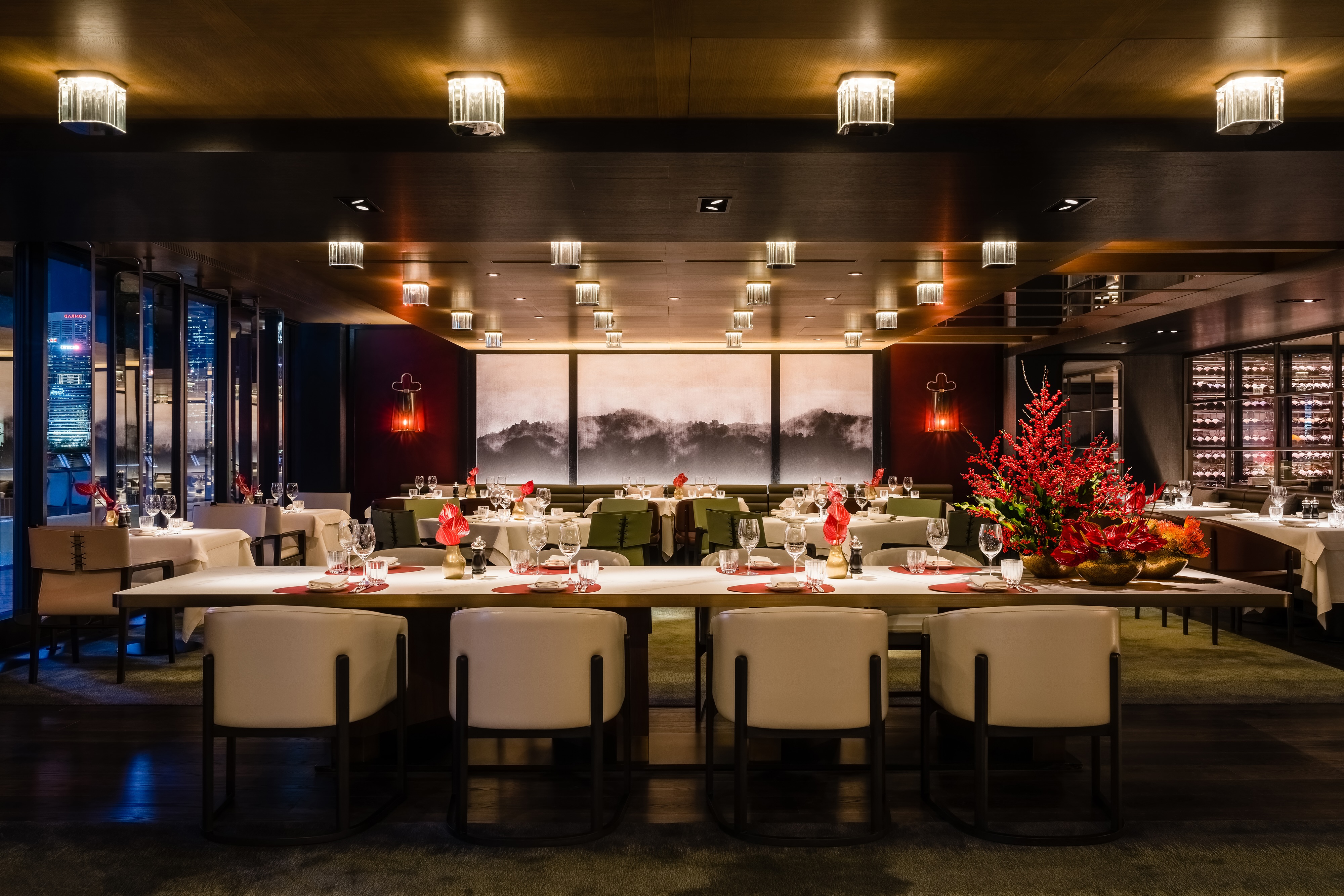
A dining moment at IHG’s Regent Hong Kong

LUX: You are now catering to multigenerational travel. Tell us more.

TR: With the birth this year of Gen B, for the first time ever we are seeing 7 generations travelling. A key element of that is multi-gen travel and skip-gen, such as grandparents travelling with grandchildren.

Read more: A week of art in Jaipur

From a product perspective, we are looking at room, suite and villa configurations – a great example is Regent Phu Quoc that has four- and seven-bedroom villas and also the flexibility to connect villas, ensuring families have space but can come together.

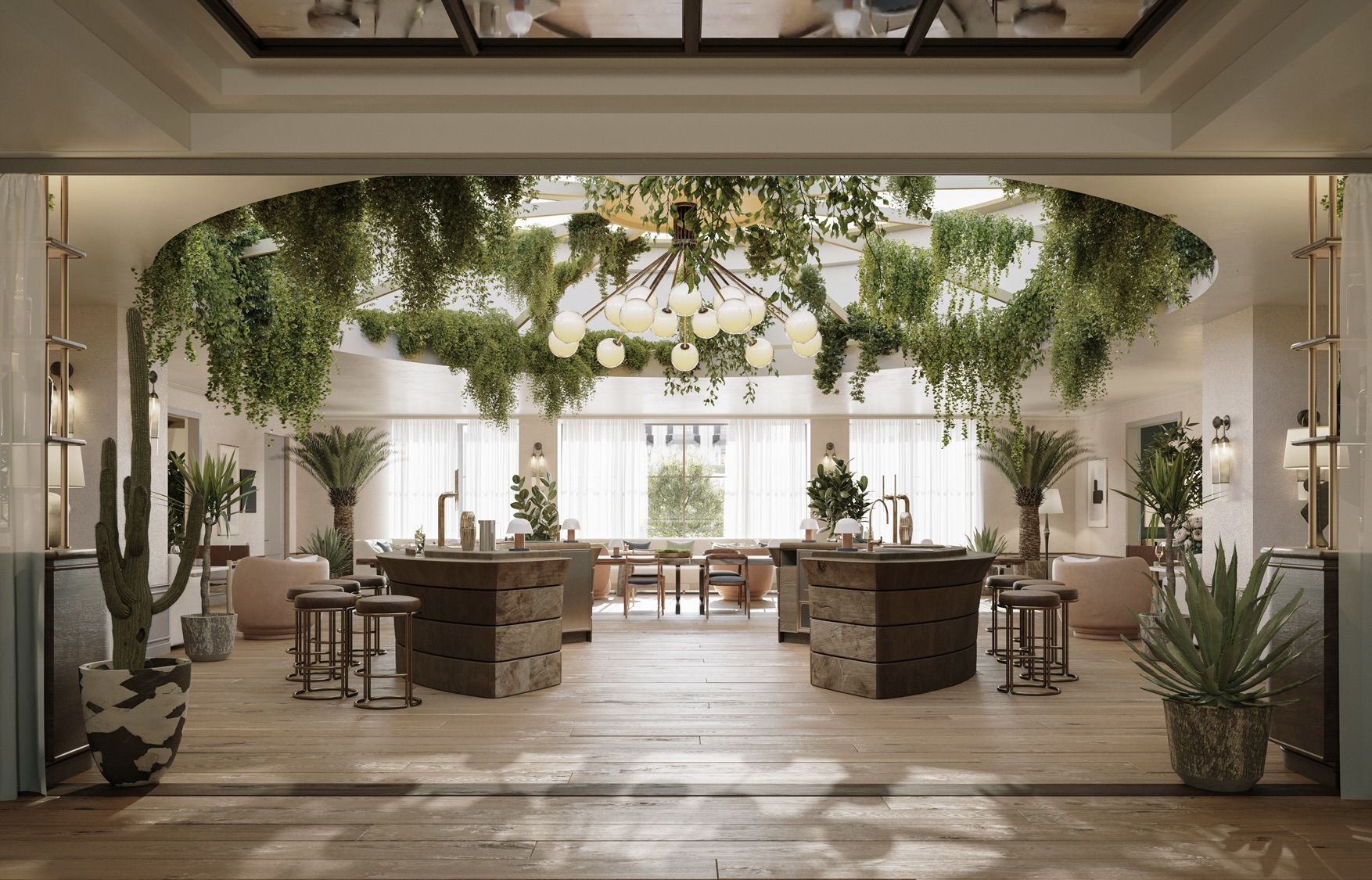
The Six Senses opening this year at the Whiteley comes with a signature Six Senses Spa, and over 325 square meter fitness centre, complete with a 20-meter indoor pool

Additionally, we’re seeing growth in a younger, more experience-focused consumer. Millennials aged 30 to 44 years now comprise the highest penetration of luxury seekers, followed by Gen Z. Combined, Millennials and Gen Z now make up ~45% of luxury spend.

What this means is that when we design our brands and their guest experience, we’re designing for the guest of yesterday, today and tomorrow all at the same time. This makes things more inclusive and diverse than ever, a big challenge, but also an immense opportunity. It’s exciting.

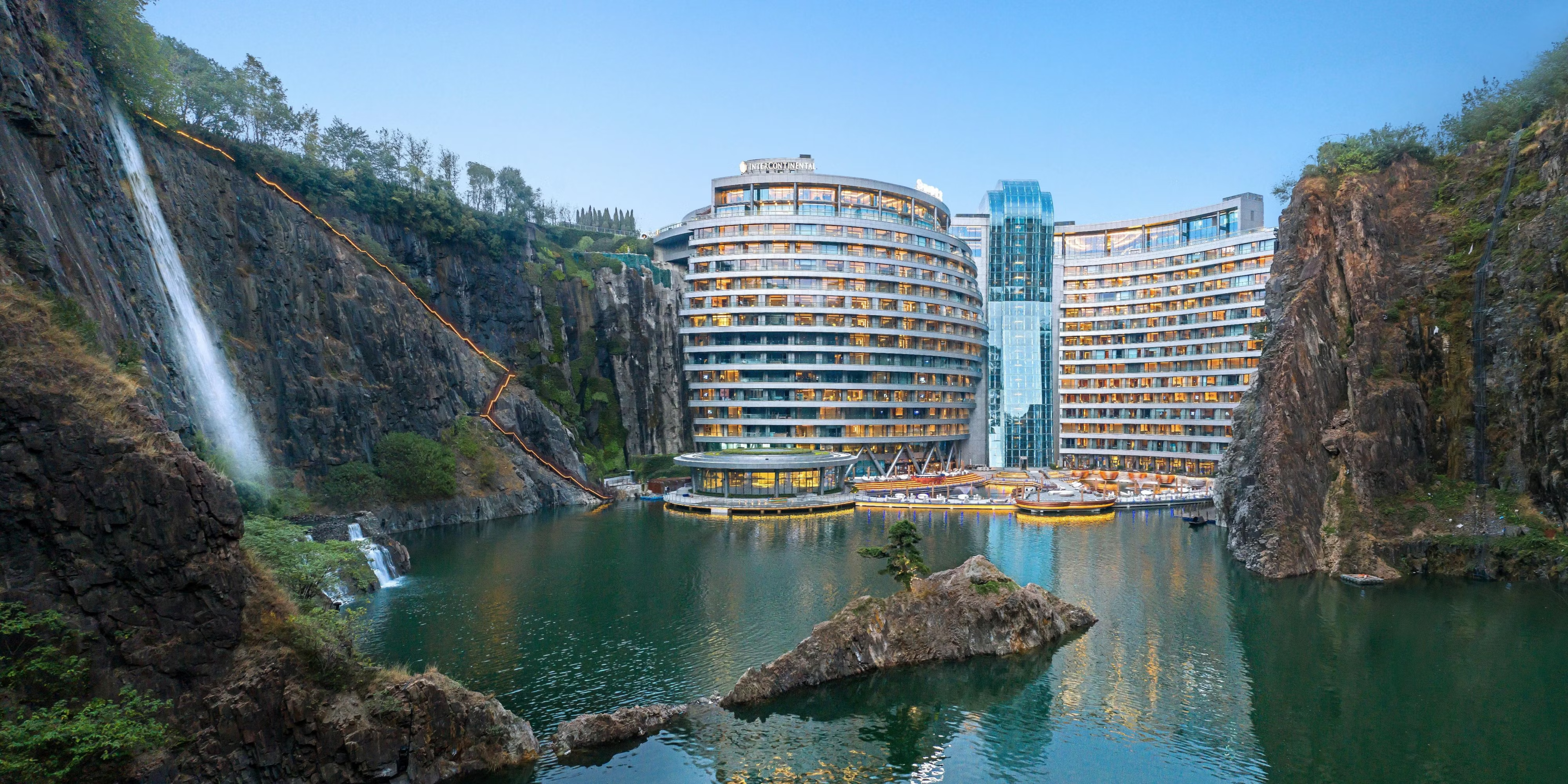
IHG’s InterContinental Shanghai Wonderland: a luxury hotel located in Songjiang, at the root of Shanghai

LUX: You have a one week all expenses paid holiday in one IHG property with your partner. Which one do you choose and why?

Read more: Where art becomes ocean conservation

What a great question. It has to be Six Senses Vana, a dedicated wellness retreat in the Indian Himalayas. Day to day, Flavien and I are both so busy, operating on autopilot. We seem to live our lives in 30-minute diary appointments. I think we’d both benefit from the time to just be present with one another and within one of the world’s quieter corners. I’ve also always been curious about the principles of ayurveda, something Vana does especially well.

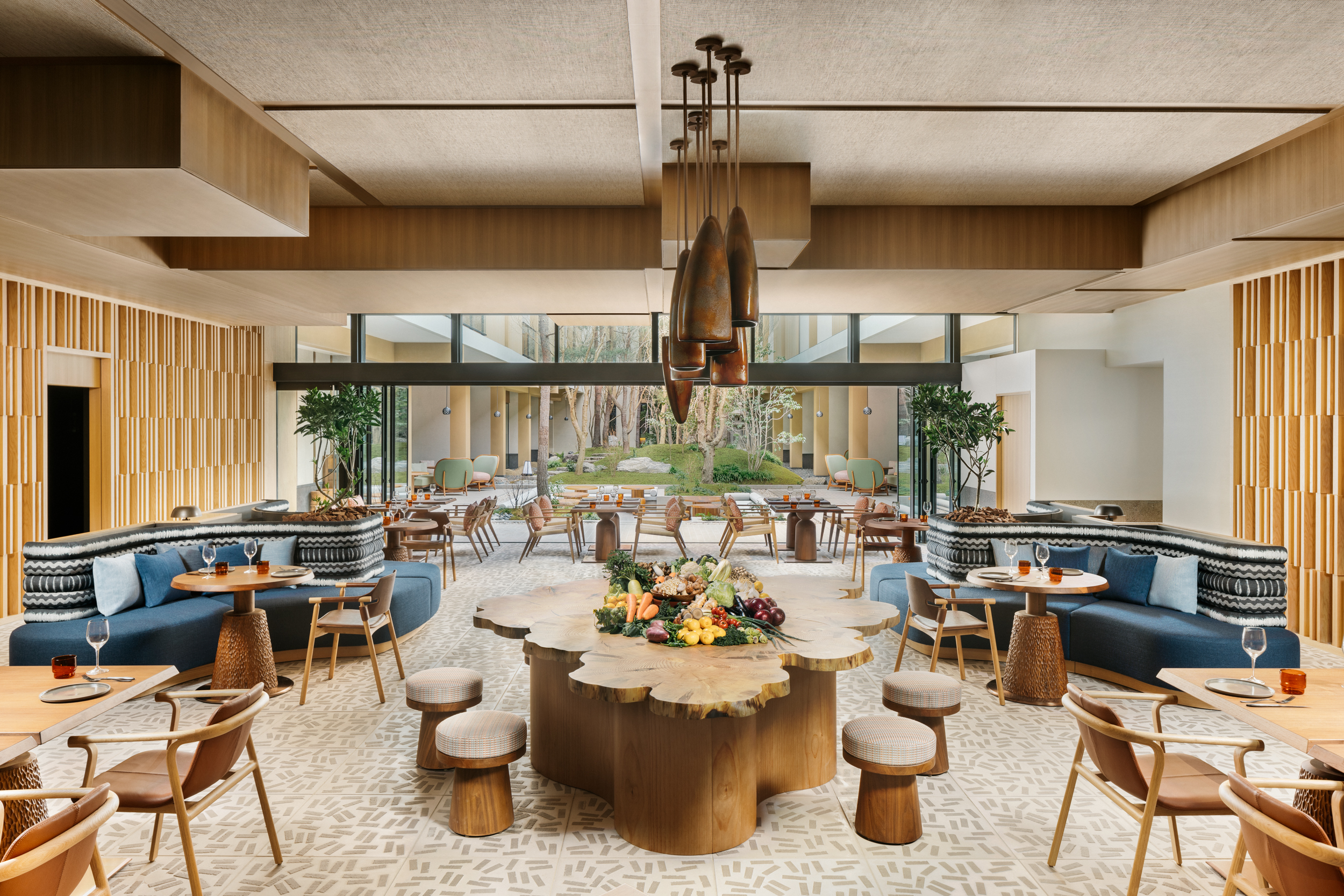
The Six Senses Kyoto, where the design is inspired by the Tale of Genji and ancient folklore

LUX: Six Senses is a powerful modern luxury brand. How do you ensure it retains that power under corporate ownership?

TR: It really is and we are working hard and focussed on ensuring we retain all that is special, whilst evolving for the future. Each of our brands is designed around a clear purpose and a unifying and unique set of hallmarks.

With Six Senses, we are considered and always intentional. It is a brand that has always been slightly maverick and quirky. That personality hasn’t changed, nor has its ethos and philosophy. Being part of the IHG family has enabled Six Senses to achieve even greater performance. The relationship is symbiotic, and it occupies a unique and special place in our luxury and lifestyle portfolio.

sixsenses.com

Share:
Reading time: 4 min