




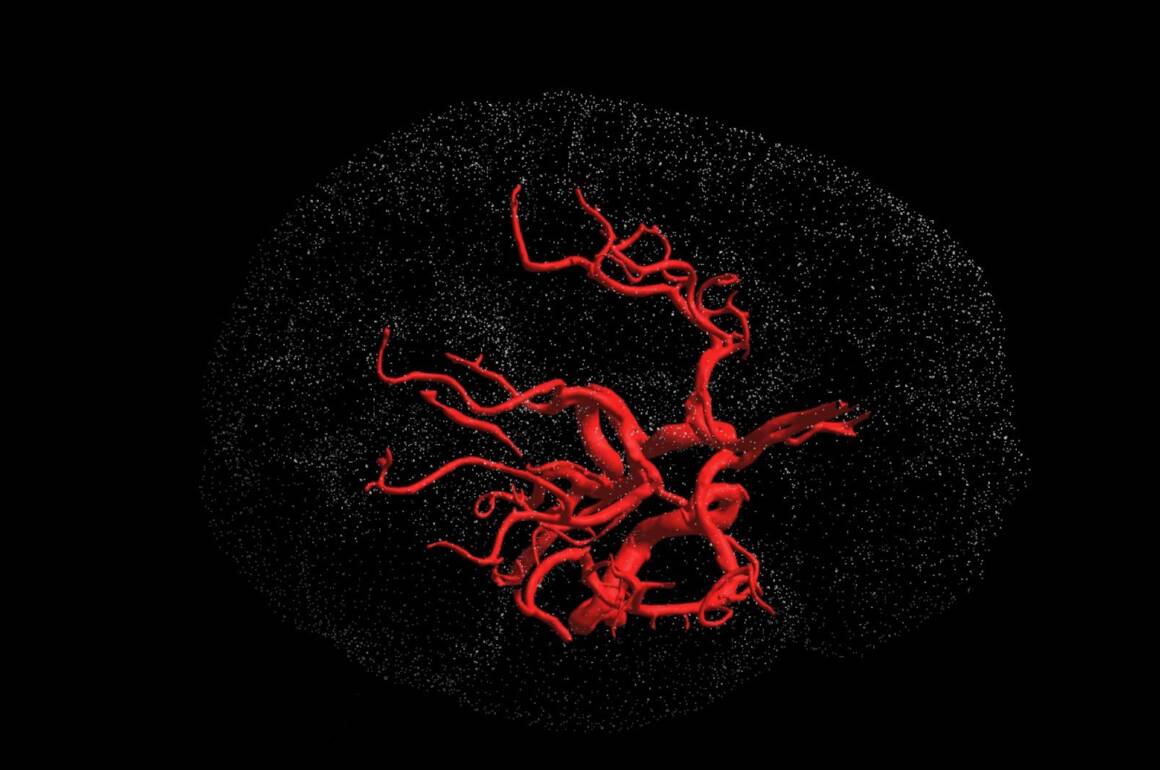
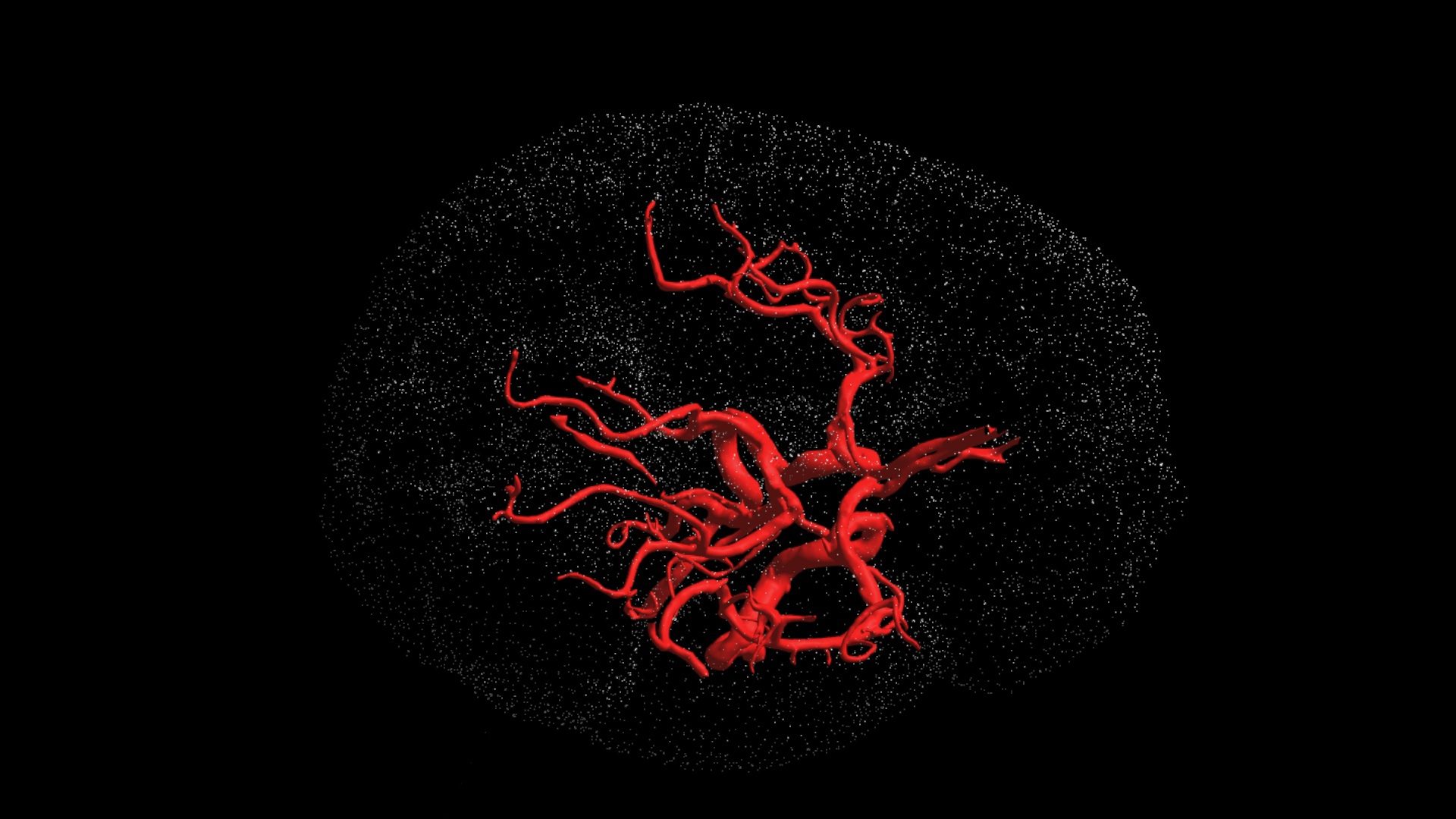
A brain scan at Preventicum: is it a work of art, is it a 3D brain scan – or is it both?
Whether you’re 25 or 65, how can you be sure your body isn’t going to deliver you a health shock in the near future? Using the latest technology and analysis, you really can discover any upcoming bumps in life’s road – and take action to avoid them. LUX spends a seamlessly organised day at Preventicum, a leading clinic in London, to find out how it works
One hears the stories, whether they involve friends, family or even ourselves. Someone is in the best of health and then suddenly, from nowhere, they suffer a catastrophic health event – a life-changing condition such as a heart attack or stroke or, even worse, a life-ending condition. Or they discover they have a nasty form of cancer that hadn’t been spotted in time.
Follow LUX on Instagram: @luxthemagazine
It can happen to young people, old people, fit people, unfit people, fat people, thin people—anyone. It’s part of life’s gruesome game of roulette. And we can’t do a thing about it, right?
Wrong. That would be thinking rooted in the 20th century. And while the past few decades may not have brought the firework-studied breakthroughs in medicine that we saw in previous eras, such as the discovery of penicillin or the first heart transplant, they have, quietly but highly effectively, brought major advances in preventative medicine.
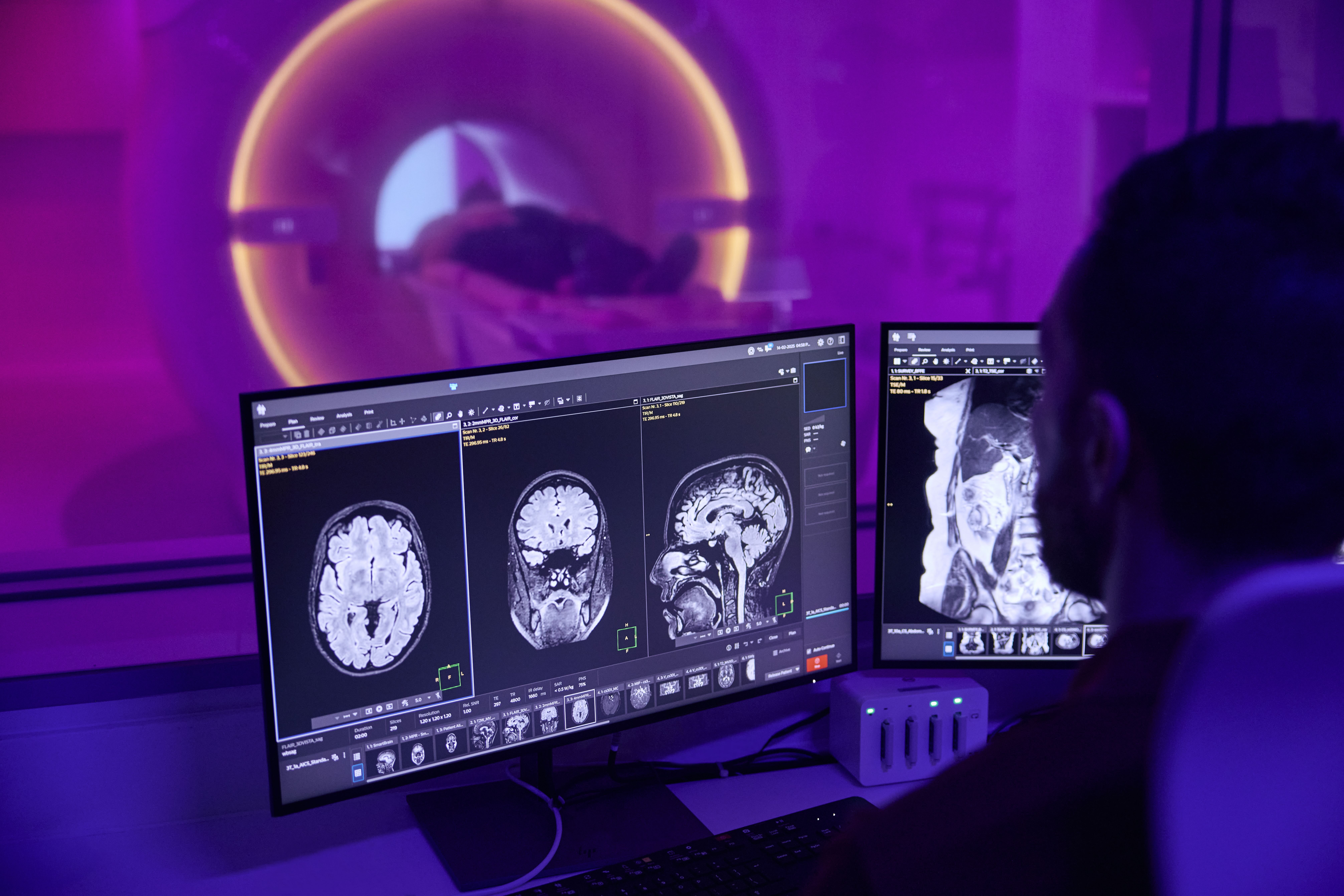
The scan in action using Preventicum’s state-of-the-art technology
However, there is a lack of precision around the definition of preventative medicine, which means people can sometimes be misled. Some practitioners might describe changing your eating habits, or having superficial checkups as required by a health insurer, as preventative. But these are scratching the surface.
To find out how preventative medicine should work, we paid a visit to Preventicum. This is a discreet clinic in central London that sets itself out as a leader in its field and is located in a standalone building, modern and full of interesting art (we had to note).
On the day, we arrived bright and early and were ushered into a well-appointed suite that would be ours for the day. Ahead of our blood tests, we were under instructions not to eat anything, but were assured that copious snacks and drinks would be served later on.

Dr Ying-Young Hui, Preventicum’s Medical Director, in consultation with a client
There followed a series of MRI scans, visual skin checks, ultrasounds and other inspections—nothing painful or invasive. In fact, the whole day was less invasive than a dental appointment. We had opted for the Optimal Assessment, which involved MRI scans for the brain, heart, abdomen and pelvis as well as BrainKey, Oxygenation-Sensitive Cardiac MRI (OS-CMR) and a musculoskeletal region. It also included more than 50 blood tests checking for markers related to organ function, inflammation, cardiovascular risk, hormonal balance and nutritional status. We also had a PLAC blood test to measure for inflammation in the blood vessels.
Read more: Head to Baku Art Weekend for a unique cultural celebration
The brain scan was converted into a 3D plan of the brain, giving a pretty thorough analysis of risk factors there. No MRI is failsafe, but it’s like having a very good examination of your car without actually taking the engine apart (a doctor friend’s analogy that we like).
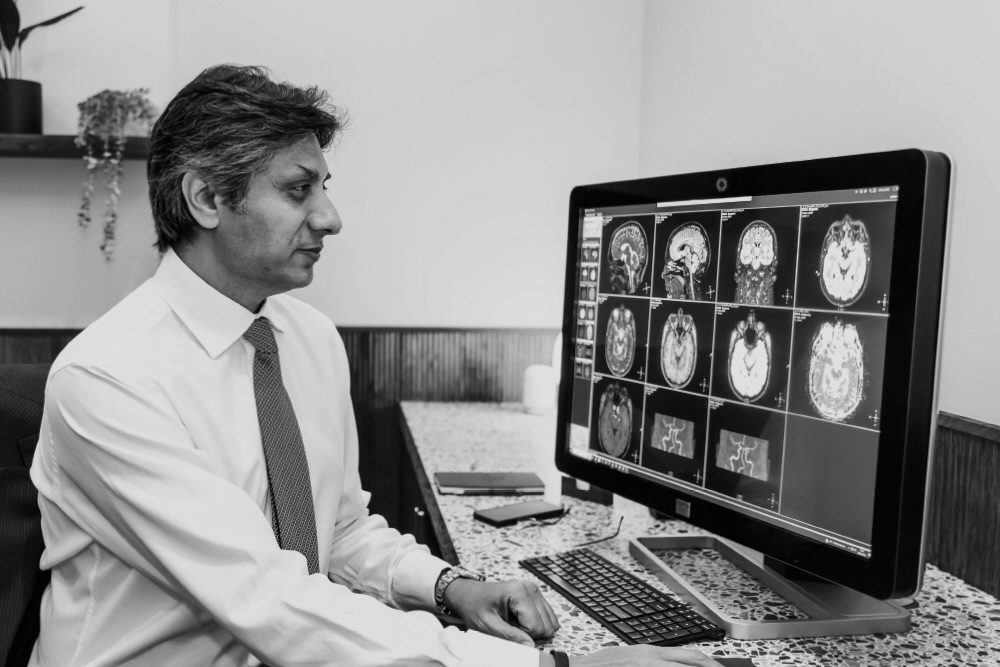
A radiologist consultation at Preventicum
The most impressive thing about Preventicum was the way everything was joined together efficiently in one place, and then interpreted by one of Preventicum’s expert team of doctors with the prior input of other specialists. It made having the most thorough body tests you can imagine more like a day at a spa. Perhaps what prevents (if you will excuse the pun) more people from doing this is nothing other than the inconvenience that would otherwise be incurred of having to rattle in and out of various medical places at various times and trying to get the results to all join up. That would be irritating enough for anyone with medical knowledge, but pretty daunting for those outside the field, who would have to explain to one specialist exactly what their results were with another specialist and the conversations they had had, and so on.
Try doing this independently and it will feel as if you have spent days doing the equivalent of speaking to a call centre and filling them in each time on the last call you had. Plus all the waiting times. At Preventicum, not only does everything happen in one day, everyone knows exactly who you are, what you are here for and ushers you seamlessly from consultations to tests.
And what about the scans, examinations and inspections? Well, everyone has a different tolerance of these things. Armed with the knowledge that MRI scans are not remotely harmful—they involve no radiation and, unlike x-rays or CT scans, you could spend every day of your life in an MRI scanner and emerge feeling perhaps a little bit as if you had been in a permanent loop of heavy-metal concerts, but no more than that—we hunkered down and had a good time listening to music through the headphones. The most enjoyable part was seeing our brain scans, which looked so much like artwork that we requested to reproduce one for this article.
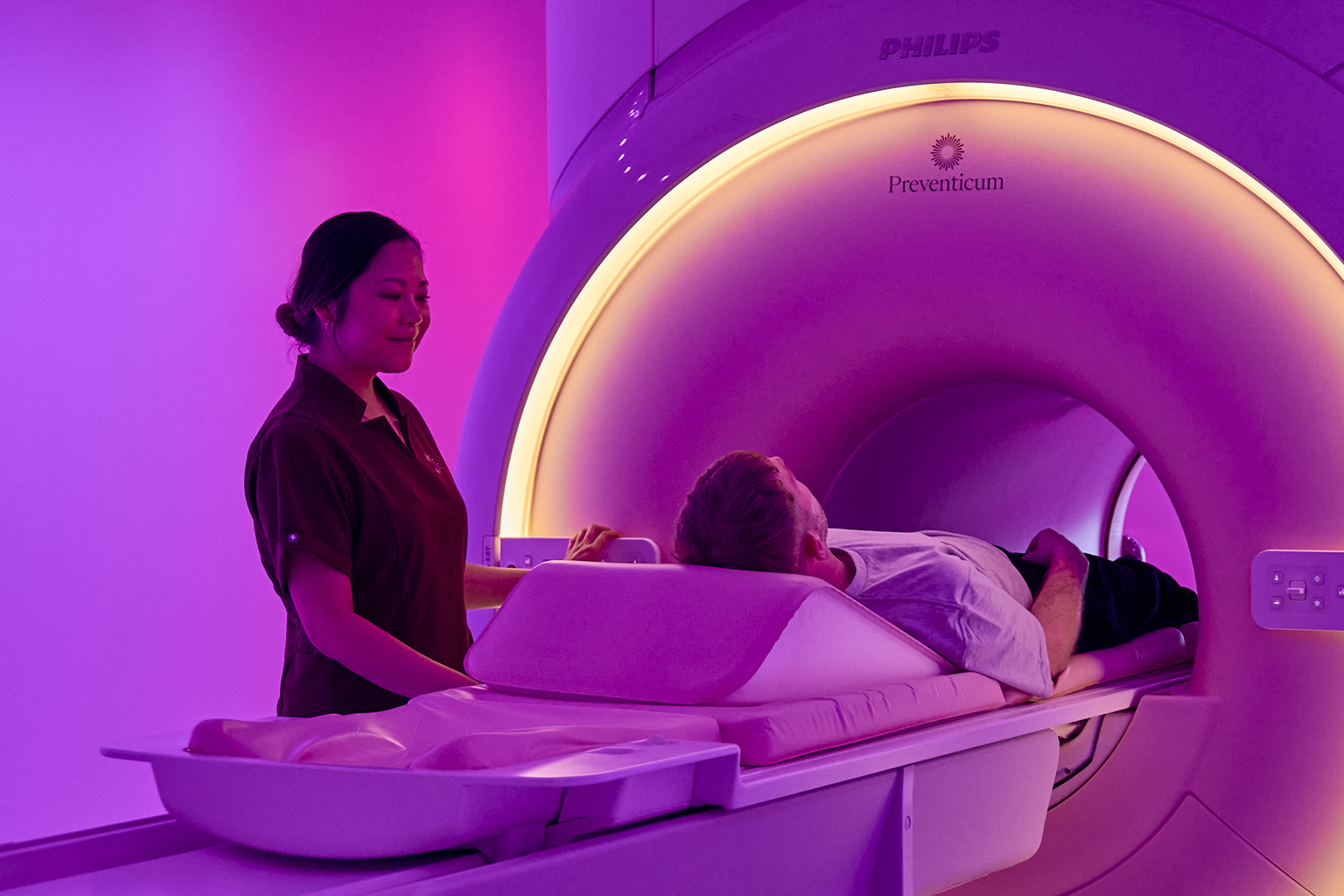
An MRI scanner at Preventicum, where they have state-of-the-art technology
In all seriousness, we were being given inspections that between them would pick up pretty much anything that could cause us to have one of those catastrophic events now or in the future. Some people might say they would rather not know—which frankly is irresponsible to both yourself and your loved ones. Because with medicine these days, if you do know, then with the majority of conditions that can be picked up with a thorough preventative medicine check like this, you can do something about it, either treating the condition so that it avoids long-term harm, or potentially saving your own life from a dramatic event that will now not happen. And if you get the all-clear, well that’s all good too, no? For the price of a fairly middling holiday in the Maldives, we think it’s a sacrifice worth making — and most LUX readers won’t even need to sacrifice the Maldives trip for a day at Preventicum.
Read more: Spirit Now London acquires works for National Portrait Gallery at Frieze
The day ends, after a relaxing meal (ordered previously) in your room, with a conversation with your extremely smart and affable Preventicum doctor, with whom you will stay in touch for follow-ups as required.
Would we do it again? Hell, yes. Most people of wealth spend more on, say, updating their whisky collection or maintaining one of their cars each year than it costs to spend one well-organised day here, either finding out that you are fit for the next few years or discovering what’s wrong and what to do about it. And it’s all joined up.










Recent Comments