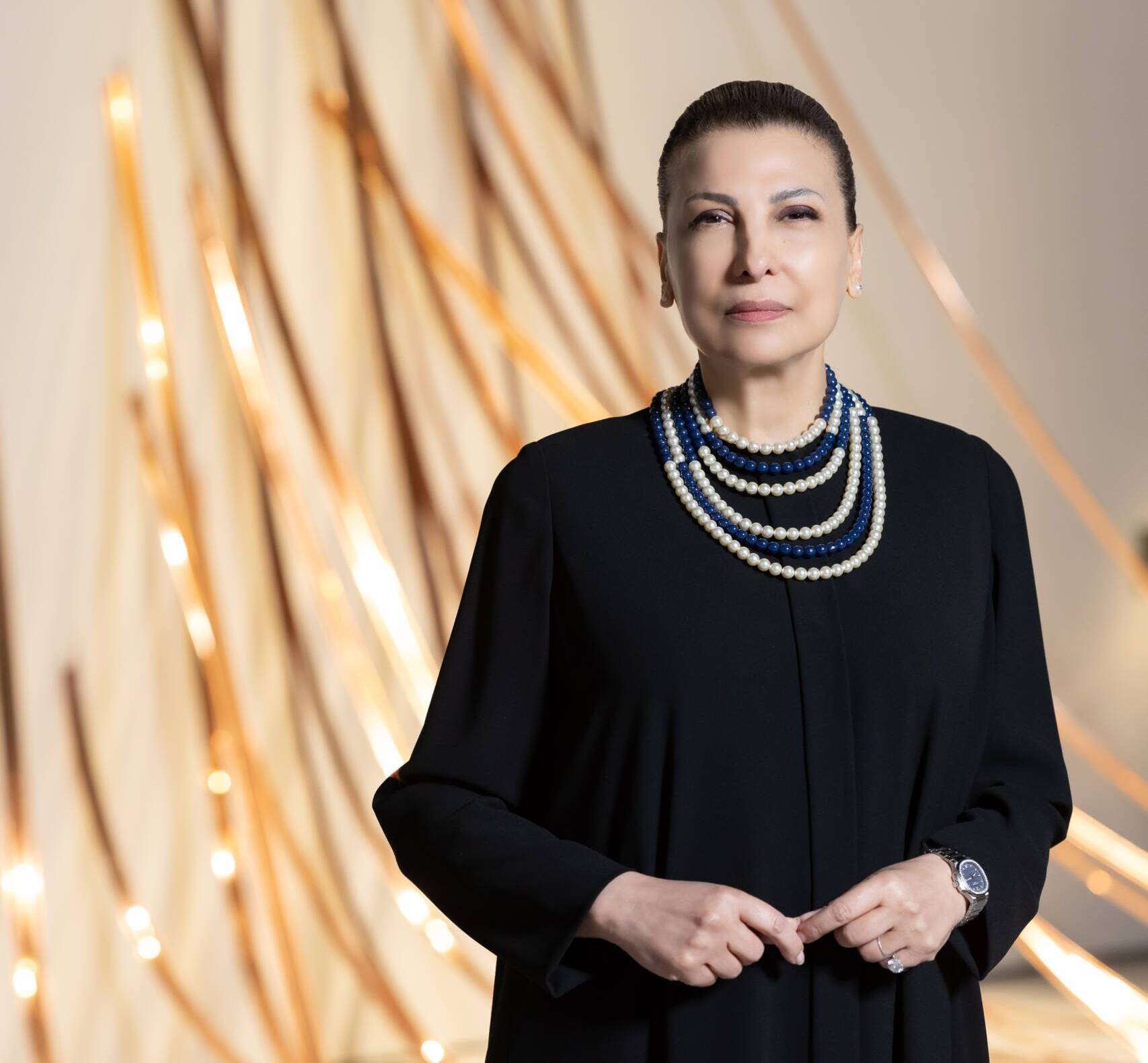
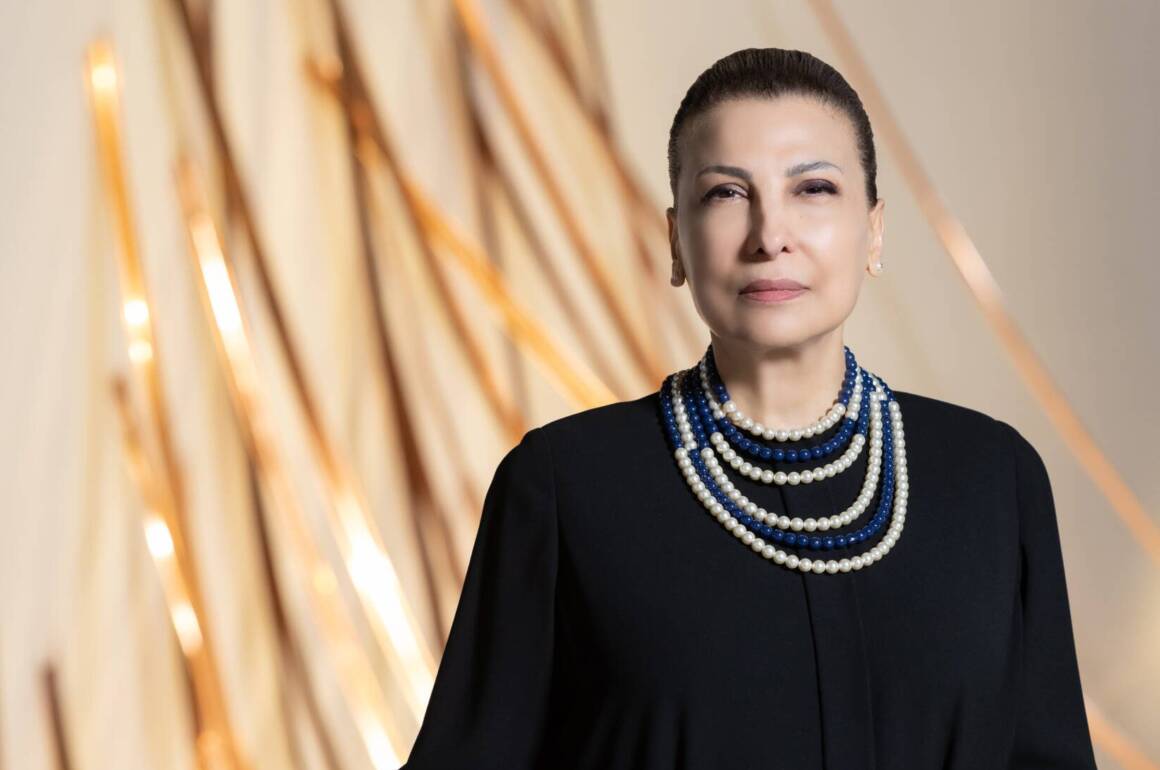
Huda Alkhamis-Kanoo, founder of the Abu Dhabi Music and Arts Foundation
Huda Alkhamis-Kanoo is the founder and Artistic Director of the Abu Dhabi Festival, and founder of the Abu Dhabi Music and Arts Foundation (ADMAF). An Emirati with a Saudi father and a Syrian mother, she was born in Beirut, educated in Paris and raised her family in Abu Dhabi with her husband, Mohamed Abdul Latif Kanoo, an artist and director of the Kanoo Group conglomerate. She is a driving force in the Abu Dhabi cultural scene. Here she speaks with LUX Leaders & Philanthropists Editor Samantha Welsh about mentoring artists and the next generation, and elevating the cultural scene in the UAE
Samantha Welsh: How has your background shaped your passion for the arts?
Huda Alkhamis-Kanoo: I was brought up in Beirut, a crossroads of cultures, where my father was one of Lebanon’s leading merchants. We were raised to be curious, to value tolerance, and to embrace a cultural life that brings joy. My seven siblings were all into business and science but from early childhood I insisted on joining every school musical and dance production.
I was creative, and I think that’s a gift.
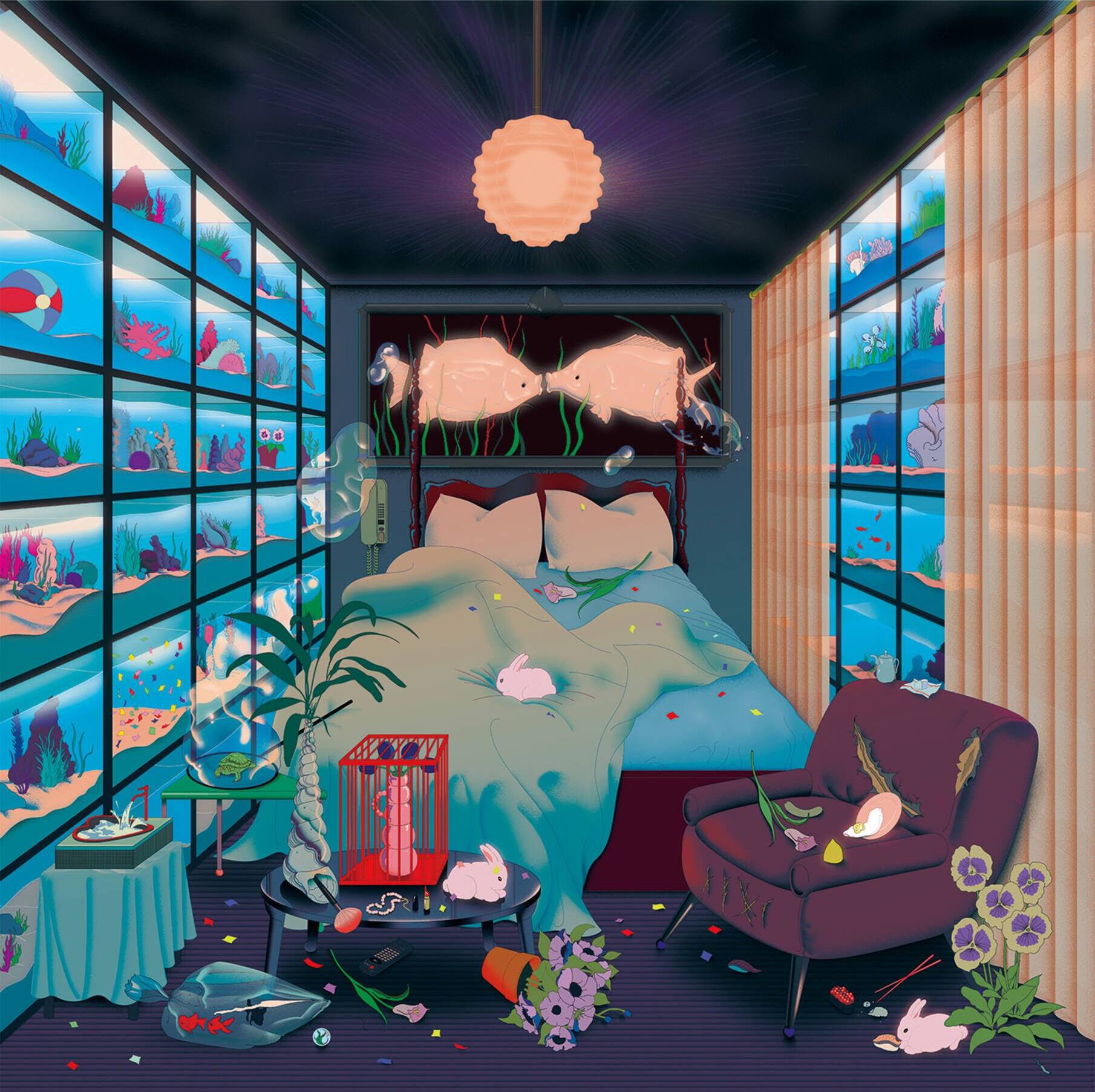
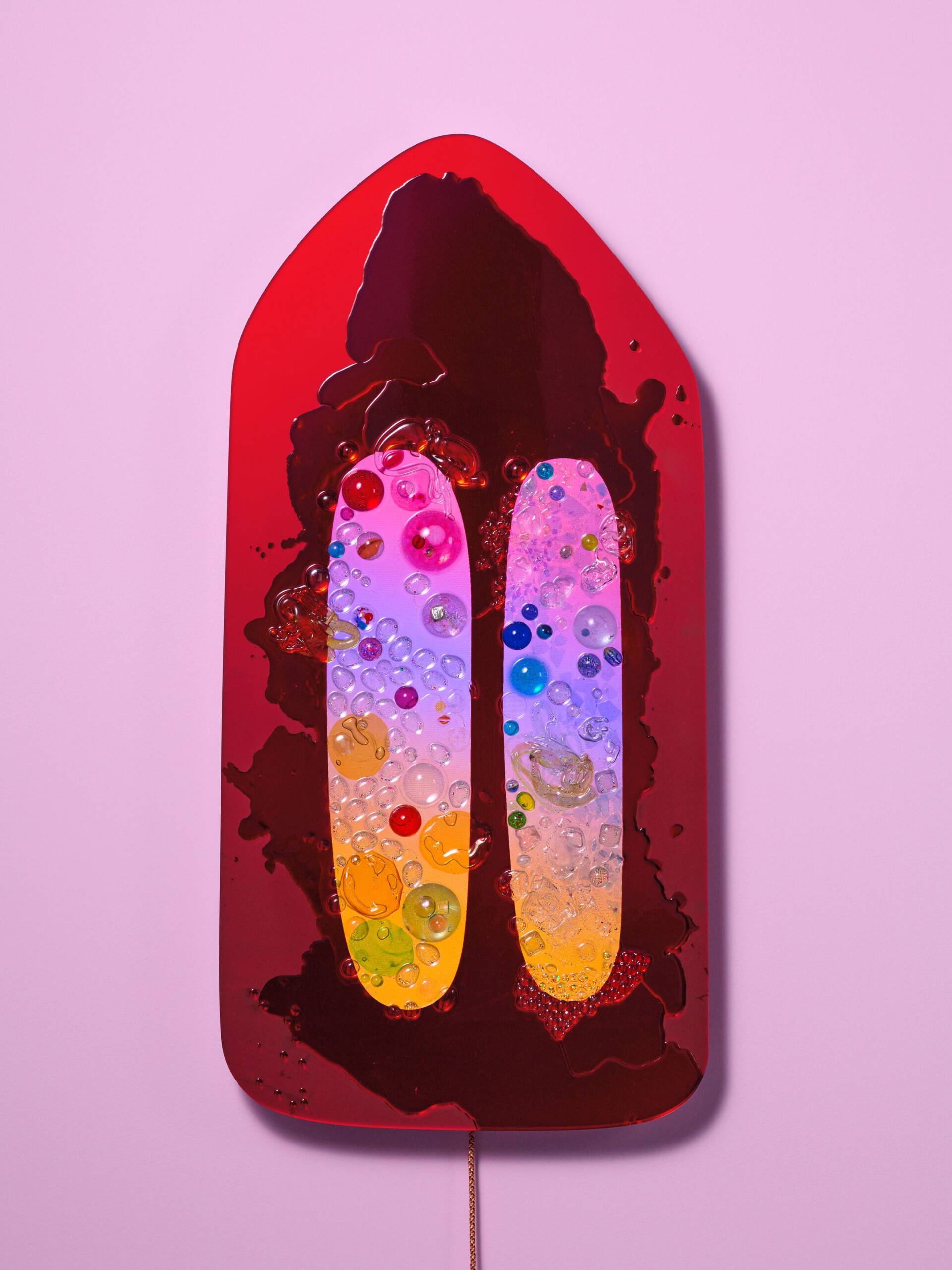
Ram Han, Room Type 02, 2018, to be exhibited in ‘Layered Medium: We Are in Open Circuits’
I was fascinated by the Arabic language and literature, calligraphy, and by writers and poets like Khalil Gibran. I was drawn to philosophy. To understand arts and culture was to try to process life itself, whether that be the horror of war through Picasso’s Guernica or the joy of love through Mozart’s Marriage of Figaro.
SW: Why do you focus on making a difference through the arts?
Follow LUX on Instagram: @luxthemagazine
HAK: I went away to the American College in Paris and that was an epiphany, a moment of total enlightenment. Museums, opera, theatre – the cultural life was an épanouissement and I blossomed. I studied History of Classical Music, but within the American College system all students also played an instrument except for me, so I wanted to drop this course. The professor dismissed the idea right away and encouraged me, saying: “Your essays show your understanding of the emotion behind the art, you listen, and you go beyond what is expected.” So I stayed and I am so glad because now I am truly pursuing my passion.
When I married and moved to the UAE, I did not make a conscious decision to get involved in arts philanthropy; I just saw things around me that were missing. Within the state educational system, whether school or university, liberal arts as a whole – including music – were not offered at a deep level.
I felt strongly that while I had had that privilege to study the arts, most young people did not. UNESCO’s Article 19, within the Universal Declaration of Human Rights, holds that all people have a right to learn, create, and have access to all liberal arts. So here I was, in Abu Dhabi, married with three children, and I had identified a need and realised I could make a difference.
Read more: Ronnie Kessel’s insider guide to St Moritz
SW: How did you get started?
HAK: In 1996, I began working among communities on the ground to help fill noticeable gaps in arts education. I visited state schools where children did not learn an instrument and where no concerts or plays were put on. We started with no governance, just a set-up in my backyard with me covering the costs.
I would invite university students from Zayed University, along with their professors and families, and we would sit in small circles with the community, sharing our knowledge and experience. I soon realised my approach needed to become more proactive and strategic to have impact.
SW: What was your approach?
HAK: I was purpose-driven because when you work closely with communities it is important to create opportunities by building connections. If people don’t believe in what you are doing, it is unlikely to gain momentum or achieve lasting results. But when it means something to people, they relate to it, take ownership of it, and benefit from it.
At ADMAF, working with young people is our number one priority. We share knowledge through education, offer opportunities, and invest in that talent. We open doors for conversations with emerging and established talent at community level and beyond. We create opportunities for connections between nations, cultures, and people by connecting audiences to artists and in doing that we also open opportunities for Abu Dhabi with REW. My approach is based on connection and collaboration.
SW: How does this work at macro-level?
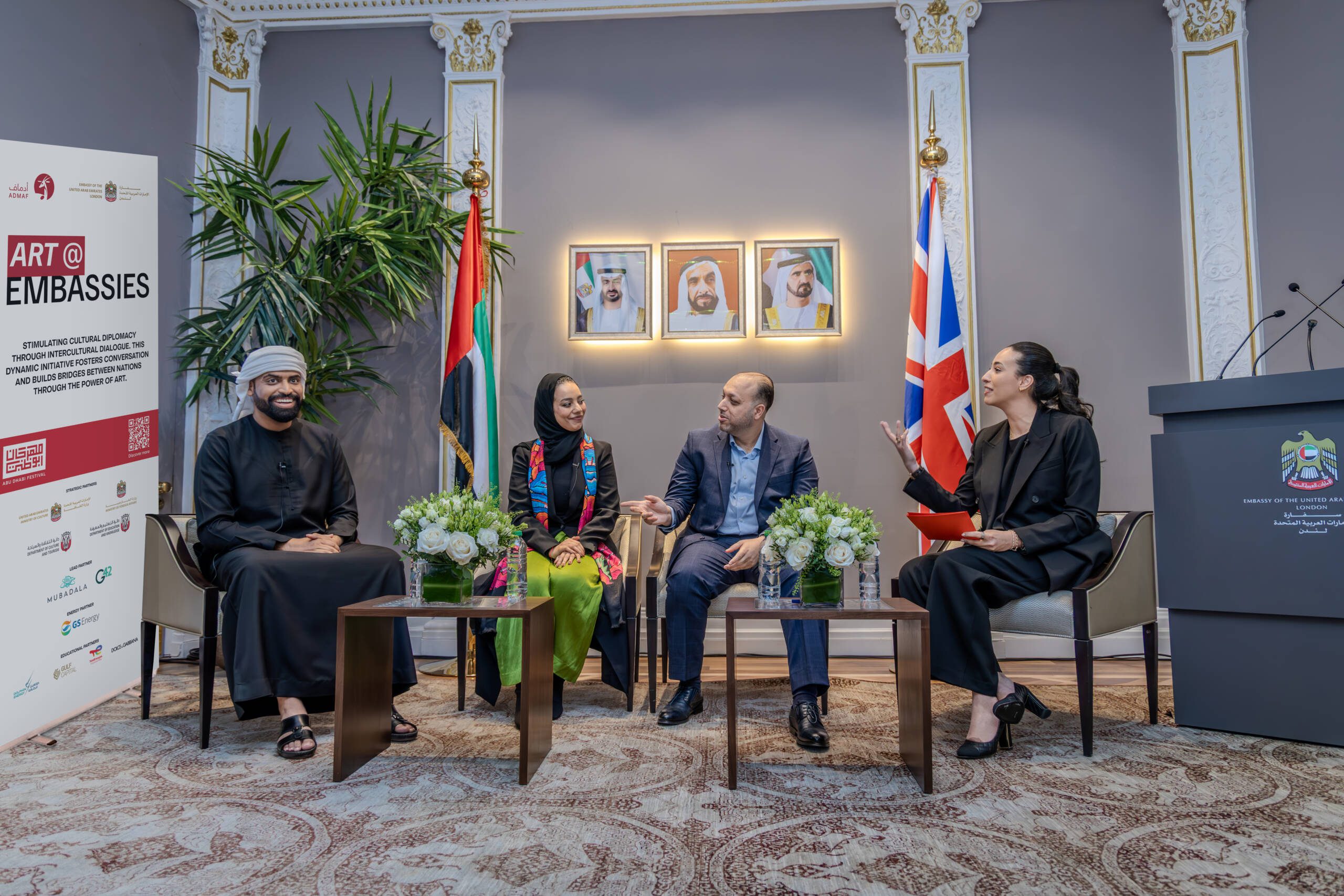
Huda Alkhamis-Kanoo founded the Art @ Embassies programme, which showcases Emirati artists’ work through themed exhibitions hosted at partnered embassies around the world
HAK: We nurture Emirati artists to grow their talent, encourage dialogue, and support their development as cultural ambassadors representing the UAE on the global stage. Our Art @ Embassies programme showcases our artists through themed exhibitions hosted at embassies we have partnered with across the world.
Read More: Coralie de Fontenay on women luxury entrepreneurs
We also loan works from the ADMAF Art Collection, arrange reciprocal music concerts, organise artist residencies, screen UAE-filmmakers’ work, and celebrate Emirati literature through book signings and panel talks – all aimed at challenging perspectives, fostering cultural understanding, and supporting the cultural ecosystem.
SW: What makes the Abu Dhabi Festival an effective cultural platform?
HAK: The Abu Dhabi Festival, ADMAF’s flagship initiative, brings together leading cultural institutions for the public good. ADMAF links the arts with action, and our purpose is to serve others. We are not just event organisers but we make a long-term difference through securing operational funds and sharing ideas and talent.
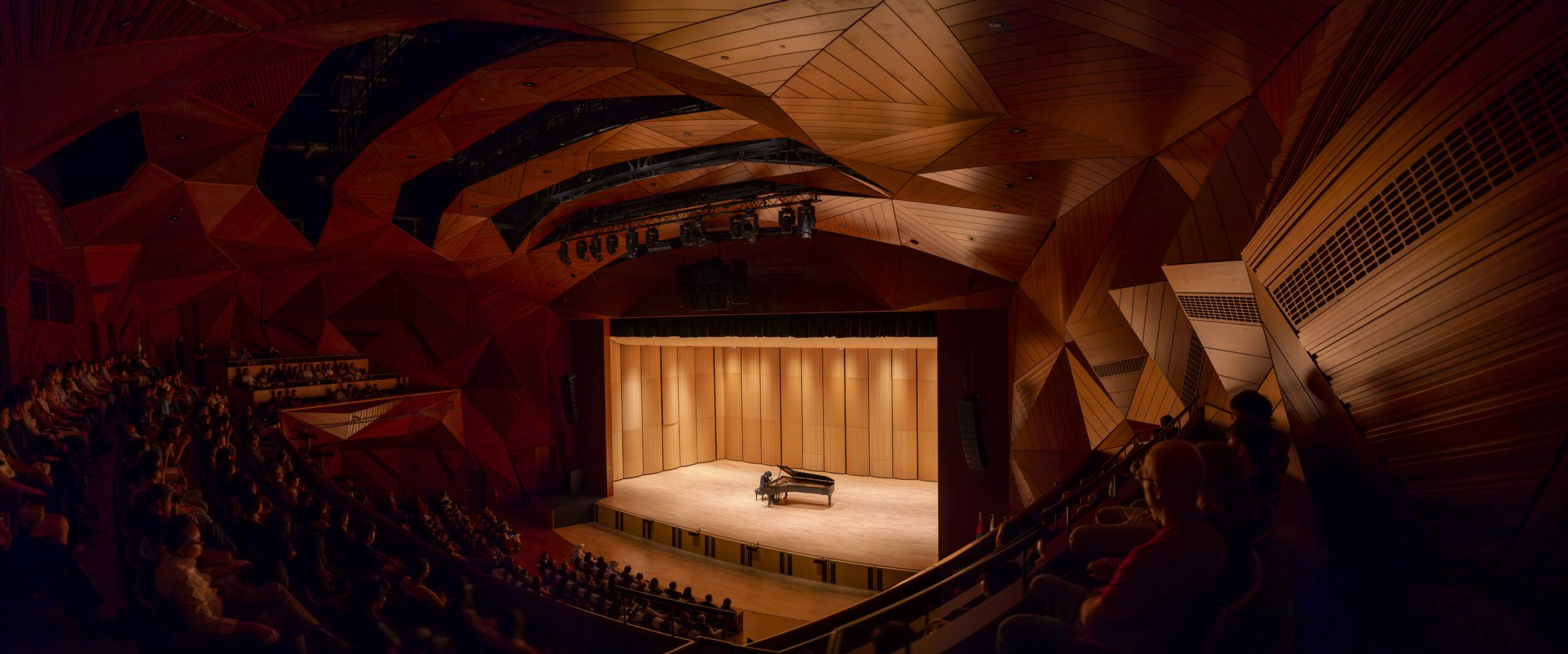
ADMAF introduced Emirati artists to perform at Carnegie Hall
We have moved the dial at every level – from encouraging schoolchildren to discover an instrument, to introducing artists to perform at Carnegie Hall, to creating partnerships on an international scale. Locally, we have become a platform where tradition and innovation come together to open new networks. Internationally, we focus on cultural diplomacy – starting conversations and building bridges. These dialogues take many forms. For example, co-productions like our recent world premiere concert at Kensington Palace where three brilliant Emirati musicians performed alongside international artists.
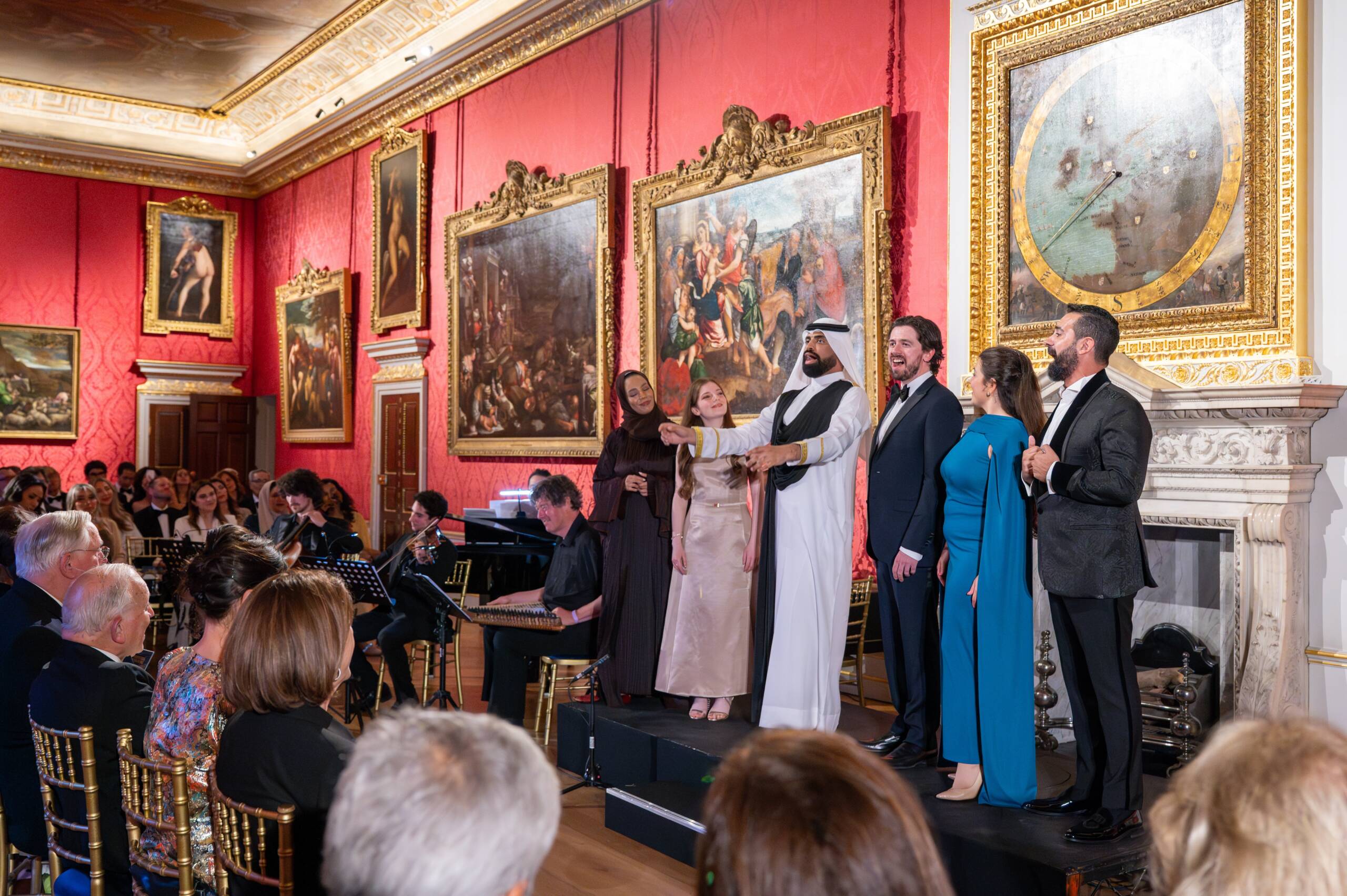
A recent world premiere concert at Kensington Palace where three Emirati musicians performed alongside international artists, facilitated by ADMAF
Another example is an institutional collaboration, notably our ongoing three-year institutional partnership with the Seoul Museum of Art (SeMA).

ADMAF is partnering with the Seoul Museum of Art, curating the exhibition ‘Layered Medium: We Are in Open Circuits’; one of the pieces in the exhibition by Chung Seoyung, What I Saw Today, 2022
SW: What is unique about the partnership between ADMAF and SeMA?
HAK: The Seoul Museum of Art’s (SeMA) collection exhibition in the UAE is the first collaboration founded under royal patronage of its kind in the Middle East. It is the first large-scale showcase of Korean contemporary art in the region and catalyses a major three-year collaboration between ADMAF and SeMA to promote cultural diplomacy between Abu Dhabi and South Korea.
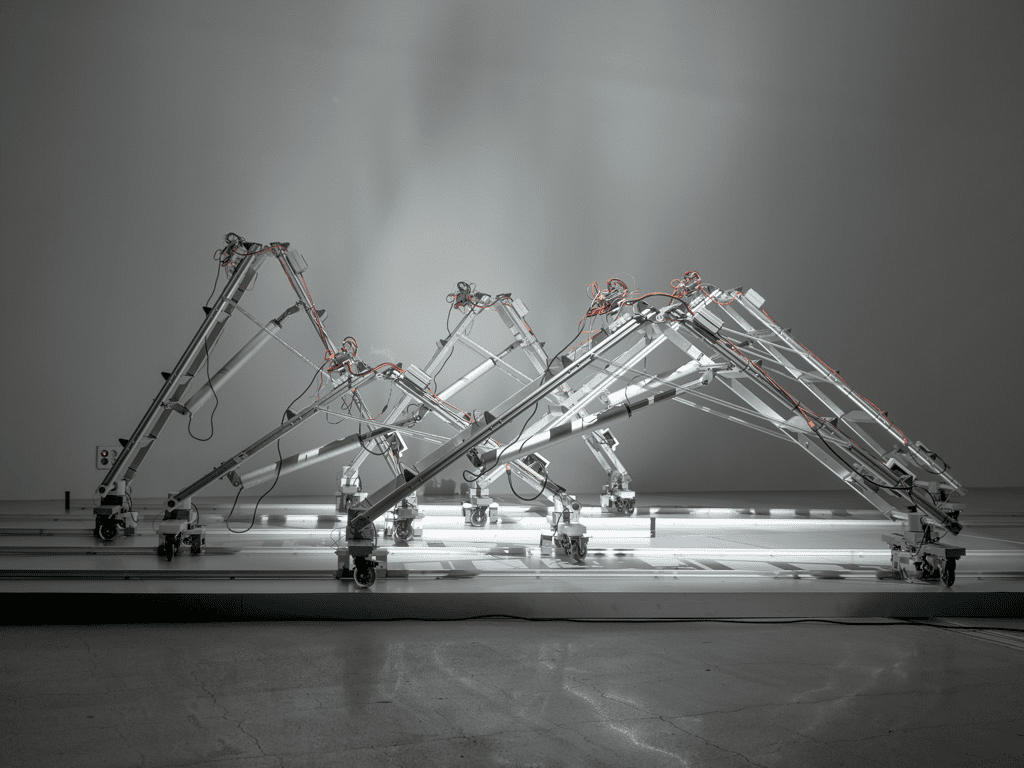
Byungjun Kwon, Dancing Ladders, to be exhibited in ‘Layered Medium: We Are in Open Circuits’
This historic exhibition in Abu Dhabi, entitled Layered Medium: We Are in Open Circuits, features 48 works by 29 Korean visual artists, showcasing the evolution of Korea’s media art scene over five decades, highlighting pioneering artists who have helped define contemporary art today, and showing crossovers with the artistic landscape of the UAE.
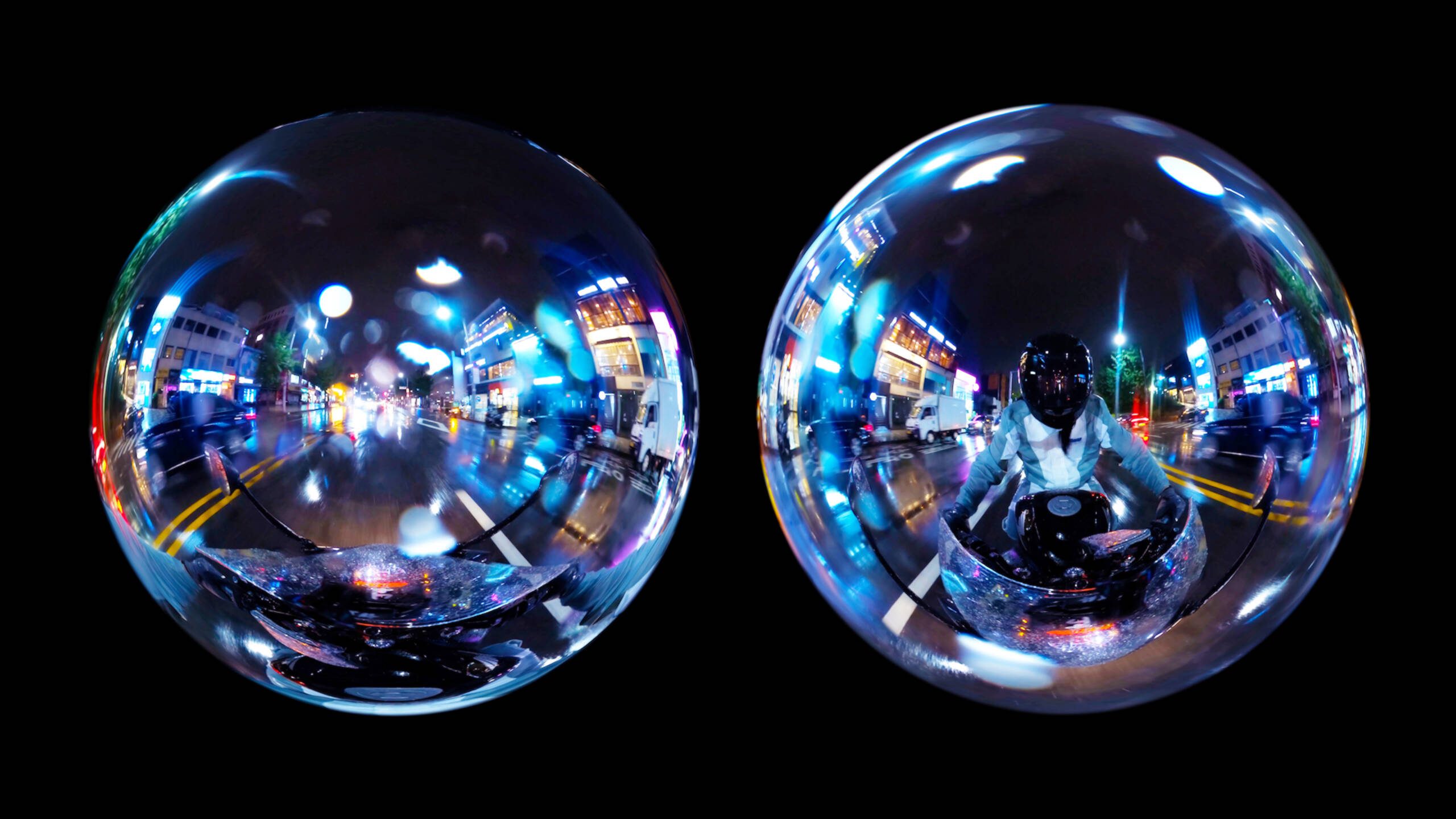
Ayoung Kim’s work to be exhibited in ‘Layered Medium: We Are in Open Circuits’
SW: How will you continue this cultural conversation?
HAK: Following the first exhibition in Abu Dhabi, this cultural dialogue will continue with a second co-curated show, Intense Proximities, opening at SeMA in Seoul this December. The exhibition will introduce contemporary art from the UAE to Seoul, bringing together three generations of artists based in the country. Alongside these exhibitions, we are also publishing Layered Dialogues, featuring contributions from UAE-based writers, which provides a richer insight into the cultural exchange between Korea and the UAE.
Huda Alkhamis-Kanoo is the founder of the Abu Dhabi Music & Arts Foundation (ADMAF), Co-founder and Artistic Director of Abu Dhabi Festival, and leads a 3-year institutional collaboration between ADMAF and the Seoul Museum of Art (SeMA)



Recent Comments